The Dumji Festival Trek with Asiana Treks and Tours is a unique cultural journey into the heart of the Everest region, combining scenic trekking with vibrant Sherpa traditions. Beginning in Kathmandu, the trip flies to Lukla and follows the classic trail through Phakding and Namche to Khumjung village. Here, trekkers spend several days experiencing the colorful Dumji Festival, celebrated with traditional dances, rituals, and community gatherings. The trek continues via Tengboche before returning to Lukla and Kathmandu, offering breathtaking Himalayan views and authentic cultural immersion.
Asiana Treks and Tours proudly offers the Dumji Festival Trekking package, an immersive journey into the rich spiritual and cultural heritage of the Sherpa people in the Solukhumbu region. The Dumji Festival is an ancient and sacred celebration marking the birth anniversary of Guru Rinpoche, also known as Padmasambhava—the revered second Buddha and one of Tibetan Buddhism’s key founders. This festival has been celebrated for over 365 years since Lama Sangwa Dorji initiated it at Pangboche Monastery.
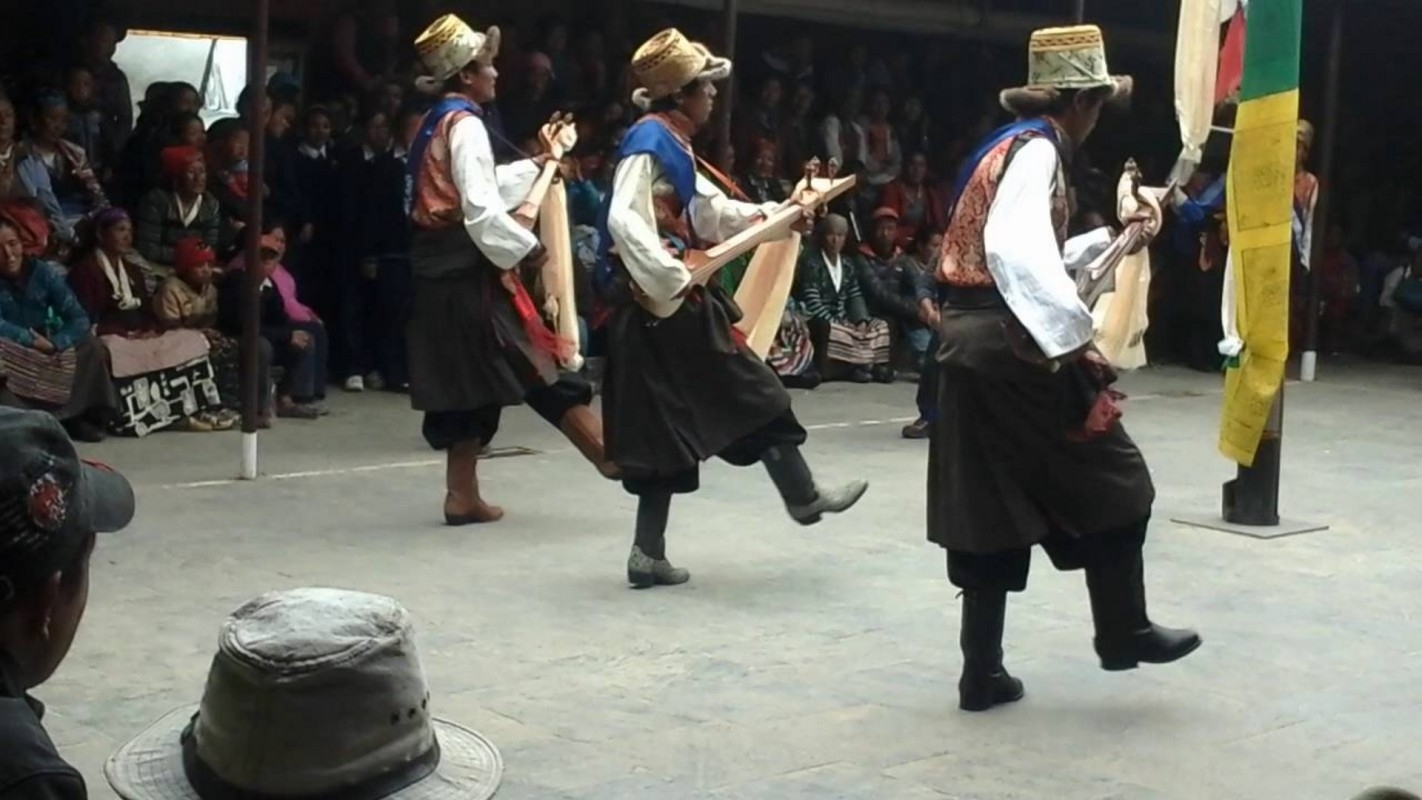
The trekking experience revolves around witnessing and participating in the vibrant festivities held across important monasteries in Tengboche, Namche Bazar, Khumjung, and Pangboche. These monasteries become hubs of religious fervor, where monks perform sacred rituals and traditional dances wearing exquisite paper-mâché masks. Sherpa families take turns preparing food and drink for the entire village during the festival, fostering a spirit of community and unity.
The trek offers not only a deep cultural immersion but also spectacular natural beauty. Trekkers are rewarded with breathtaking views of iconic Himalayan giants like Mt. Everest, Lhotse, and Ama Dablam, alongside thrilling moments such as flying into Lukla Airport—known as the world’s most dangerous airport. Asiana Treks and Tours ensures a carefully guided, enriching, and safe experience throughout the journey.
Highlights:
Celebrate Dumji Festival with Sherpa communities
Experience ancient Tibetan Buddhist rituals and masked dances
Trek through stunning Himalayan landscapes and villages
Flight to/from Lukla, the adrenaline-packed gateway
Stay in comfortable guesthouses with authentic local cuisine
Participate in traditional cooking and village festivities
Dumji Festival Trekking Itinerary Overview
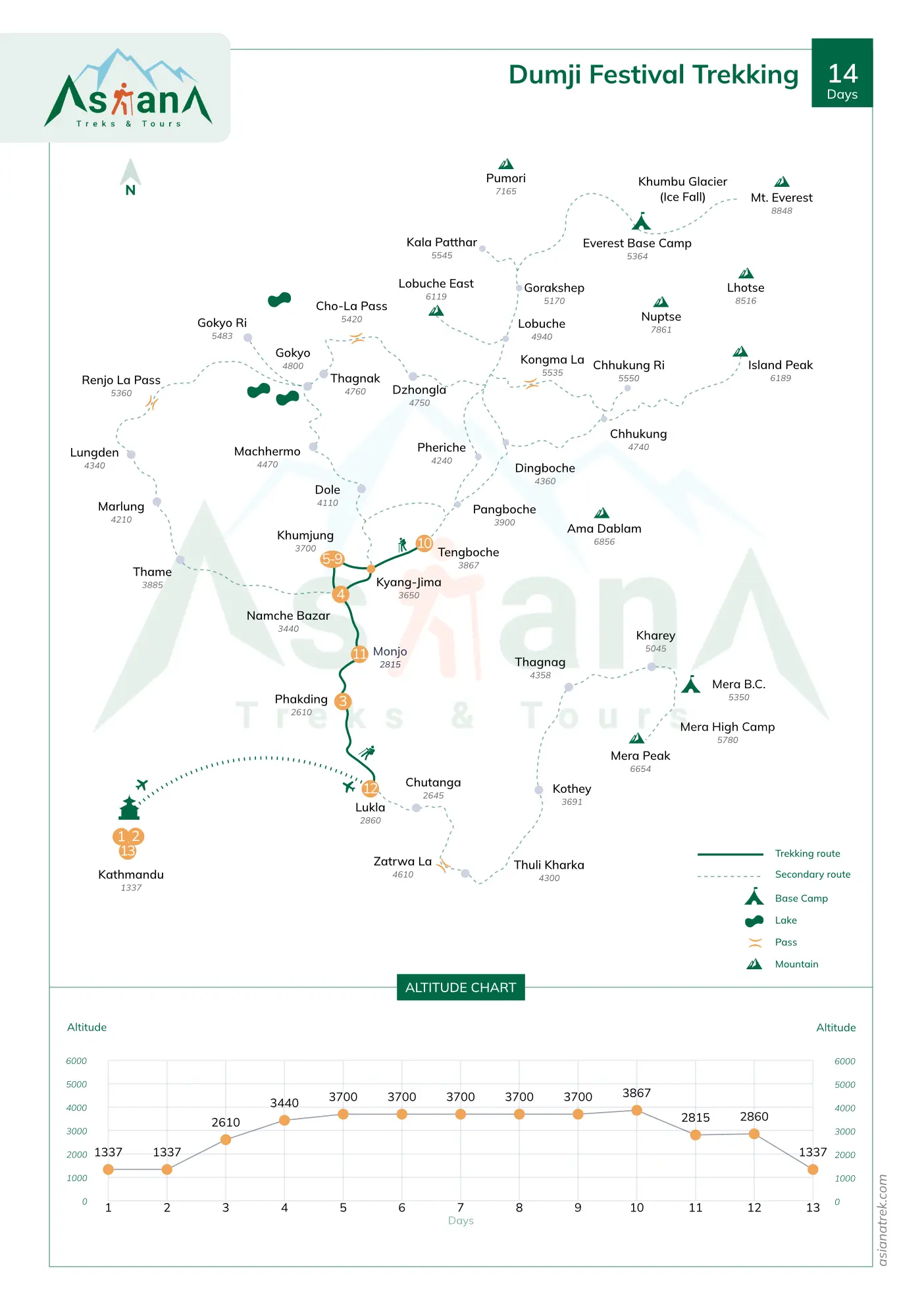
The itinerary of the Dumji Festival Trekking, curated by Asiana Treks and Tours, blends cultural immersion with adventurous trekking through the heart of the Everest region. The journey starts with a heritage tour of Kathmandu, followed by a flight to Lukla, the gateway to Everest. From there, the trek ascends gradually through picturesque villages such as Phakding and Namche Bazaar, culminating at Khumjung and Pangboche—centers of the Dumji Festival.
During the festival days in Khumjung, trekkers can witness and even participate in sacred ceremonies performed by monks and local families. The trail from Khumjung to Tengboche offers panoramic views and the chance to visit the famous Tengboche Monastery. The return journey takes trekkers back through Monjo and Lukla before flying back to Kathmandu, concluding with a relaxing stay in the city.
This itinerary balances trekking and festival participation, providing time to absorb the cultural significance of the Dumji Festival and the breathtaking mountain scenery. Asiana Treks and Tours’ expert guides ensure a smooth and informative trek, accommodating all fitness levels with proper acclimatization stops and support.
Itinerary Highlights:
Day 1-2: Kathmandu heritage and preparation
Day 3: Flight to Lukla, trek to Phakding
Day 4: Trek to Namche Bazaar
Day 5-9: Festival celebrations in Khumjung
Day 10: Trek to Tengboche Monastery
Day 11-12: Return trek via Monjo and Lukla
Day 13: Flight to Kathmandu
Day 14: Departure
Dumji Festival Trekking Distance
The Dumji Festival Trekking route covers approximately 65 to 75 kilometers round-trip, spread over 12 trekking days. The distances trekked each day are designed to allow gradual acclimatization, ensuring trekkers remain comfortable and safe while enjoying the journey. The trekking paths traverse scenic river valleys, pine forests, and alpine meadows with stunning Himalayan backdrops.
The walking distances vary daily, typically ranging from 4 to 6 hours per day, making the trek manageable for most physically fit travelers. Trekkers gain elevation steadily from 1337 meters in Kathmandu up to around 3700 meters in Khumjung, where the festival takes place. This moderate ascent reduces risks of altitude sickness and provides ample time for rest.
The itinerary also incorporates necessary rest days during the festival to fully experience the traditional dances, rituals, and communal activities without rushing. Each village offers charming guesthouses where trekkers can relax and enjoy Sherpa hospitality.
Daily Trekking Distances (approximate):
Kathmandu to Lukla (flight, no trekking)
Lukla to Phakding: 8 km (3 hours)
Phakding to Namche Bazaar: 10 km (6 hours)
Namche to Khumjung: 7 km (3 hours)
Khumjung to Tengboche: 10 km (5 hours)
Tengboche to Monjo: 15 km (6 hours)
Monjo to Lukla: 9 km (4 hours)
Dumji Festival Trekking Cost 2026/2027
The Dumji Festival Trekking package by Asiana Treks and Tours offers excellent value for an authentic cultural and trekking experience in Nepal. The pricing for 2026/2027 is designed to be all-inclusive, covering permits, domestic flights, accommodation, meals, guides, and necessary support.
The package cost reflects the complexity of organizing participation in a rare cultural festival combined with trekking in remote Himalayan terrain. The festival days also involve hosting local families and contributions to village preparations, ensuring that your visit supports the community directly. Asiana Treks and Tours maintains transparency in pricing with no hidden charges, prioritizing quality and safety.
Group sizes are kept small to enhance the experience and minimize environmental impact. The team provides pre-trip briefing and support throughout the journey, ensuring a smooth, hassle-free adventure.
Included in the Cost:
Airport pickups and drop-offs in Kathmandu
Domestic flight Kathmandu-Lukla-Kathmandu
Accommodation in guesthouses and hotels
Full board meals (Breakfast/Lunch/Dinner)
Experienced English-speaking guide and porter support
Necessary trekking permits and festival entry fees
Festival participation arrangements
Comprehensive travel insurance advice
Dumji Festival Trekking Price Breakdown
To provide clear insight into the trekking package, here is a general price breakdown offered by Asiana Treks and Tours for the Dumji Festival Trekking:
Cost Component Estimated Price (USD)
Domestic Flight (Kathmandu-Lukla return) $350 - $400
Accommodation (13 nights) $200 - $300
Meals (13 days) $150 - $200
Trekking Permits and Fees $40 - $60
Guide and Porter Salaries $300 - $400
Festival Participation & Donations $50 - $70
Company Service Fee $200 - $300
Total Estimated Cost: $1300 - $1730 per person
This price range depends on group size, season, and customization options such as private guides or upgraded accommodation. Asiana Treks and Tours is committed to offering competitive pricing without compromising service quality or traveler experience.
Dumji Festival Trekking Altitude Guide
The Dumji Festival Trekking takes you on a journey through a range of altitudes, starting at Kathmandu’s moderate elevation of 1,337 meters (4,385 feet) and ascending to high Himalayan villages like Khumjung at approximately 3,700 meters (12,136 feet). This gradual elevation gain is designed to help trekkers acclimatize properly, reducing the risk of altitude sickness while enjoying the spectacular views and cultural richness of the region.
The trek’s highest point typically does not exceed 3,700 meters, which is manageable for most trekkers with proper preparation. The altitude progression from Lukla (2,860 m) through Namche Bazaar (3,440 m) to Khumjung (3,700 m) allows the body to adjust steadily to thinner air. This is critical because as elevation increases, oxygen levels decrease, making breathing more challenging. Proper acclimatization days are built into the itinerary, especially during the festival days in Khumjung, allowing trekkers to rest and experience the cultural festivities without exertion.
Asiana Treks and Tours emphasizes safety and health by monitoring symptoms of altitude sickness and encouraging trekkers to hydrate, eat well, and take it slow. Our guides are trained in altitude sickness awareness and will adjust the pace or itinerary as necessary to ensure your well-being.
Altitude Highlights:
Starting Point: Kathmandu (1,337 m / 4,385 ft)
Lukla: Gateway to Everest region (2,860 m / 9,380 ft)
Namche Bazaar: Main acclimatization stop (3,440 m / 11,283 ft)
Khumjung: Festival location (3,700 m / 12,136 ft)
Tengboche: Monastery visit (3,867 m / 12,687 ft)
Why Choose Dumji Festival Trekking?
Choosing the Dumji Festival Trekking with Asiana Treks and Tours offers a unique blend of spiritual immersion, cultural exploration, and Himalayan adventure. Unlike many treks focused solely on the natural landscape, this trek introduces travelers to one of the oldest and most profound Tibetan Buddhist festivals celebrated by the Sherpa people. Dumji Festival’s rich traditions, including masked dances, rituals to expel evil spirits, and communal celebrations, provide travelers with a once-in-a-lifetime cultural experience.
Beyond the festival, trekkers witness breathtaking landscapes featuring iconic Himalayan peaks such as Mt. Everest, Ama Dablam, and Lhotse. The route itself is peppered with charming Sherpa villages, ancient monasteries, and pristine natural beauty. Flying into Lukla adds an exhilarating start and finish to the trek, recognized worldwide for its dramatic terrain and adventurous landing strip.
Asiana Treks and Tours distinguishes itself through personalized service, experienced local guides, and responsible tourism practices. We ensure your trek is safe, enjoyable, and environmentally conscious, while supporting local communities directly through festival participation and fair wages for guides and porters.
Reasons to Choose Dumji Festival Trekking:
Unique access to traditional Sherpa festival and culture
Spectacular Himalayan scenery and iconic mountain views
Expert guides familiar with festival rituals and trekking routes
Emphasis on safety, acclimatization, and traveler comfort
Contribution to community development and cultural preservation
Preparing for Dumji Festival Trekking
Preparation is key to enjoying and successfully completing the Dumji Festival Trekking. Since this trek involves moderate altitude and festival participation, physical fitness, cultural sensitivity, and logistical readiness are essential. Before your trip, Asiana Treks and Tours recommends a regimen of cardiovascular exercise, strength training, and endurance hikes to condition your body for daily trekking.
Packing should focus on layering: warm clothing for chilly mornings and evenings, waterproof gear for unpredictable monsoon rains, and comfortable trekking boots for varied terrain. Essential items include a good sleeping bag, trekking poles, sun protection, and a personal first aid kit. Since the festival involves community meals and ceremonies, a respectful attitude and willingness to engage with local traditions enhance the experience.
Visa, permits, and travel insurance must be secured well in advance. Asiana Treks and Tours assists with all necessary paperwork, including trekking permits and festival permissions. Mental preparation is equally important—being open to new experiences, embracing cultural differences, and pacing yourself during the trek will make your journey smoother and more rewarding.
Key Preparation Tips:
Physical training: hiking, cardio, and strength workouts
Layered clothing, waterproofs, sturdy boots
Travel documents and permits arranged beforehand
Basic medical kit and altitude sickness medication
Respectful mindset and eagerness to engage with locals
What to Expect on the 12–14-Day Dumji Festival Trekking Adventure
Embarking on the 12 to 14-day Dumji Festival Trekking with Asiana Treks and Tours means combining adventure trekking with rich cultural immersion. The trek begins with a scenic flight from Kathmandu to Lukla, injecting adrenaline from the world’s most thrilling airport landing. From Lukla, trekkers pass through tranquil villages like Phakding and Namche Bazaar, where acclimatization and interaction with Sherpa culture occur.
The core of the trek revolves around Khumjung and Pangboche, where the Dumji Festival unfolds over several days. Here, you will witness monks performing sacred dances, rituals to chase away evil spirits, and community feasts hosted by rotating families. These ceremonies are not only visually spectacular but deeply spiritual, connecting participants to centuries-old traditions.
Beyond the festival, expect stunning views of Everest and neighboring peaks, lush forests, and pristine waterfalls. Guesthouses along the route provide cozy overnight stays with traditional Sherpa meals. Each day’s trek ranges between 3 to 6 hours, balanced with ample rest to enjoy the surroundings and cultural events.
Highlights of the Experience:
Flight to/from Lukla with breathtaking views
Trekking through Sherpa villages and scenic trails
Participation in Dumji Festival rituals and dances
Magnificent Himalayan mountain vistas
Comfortable guesthouse accommodations with local cuisine
Oxygen Levels on Dumji Festival Trekking
Oxygen levels decrease as you ascend during the Dumji Festival Trekking, making it crucial to understand how altitude affects your body. At sea level, oxygen saturation is about 21%, but as you climb above 2,500 meters (8,200 feet), the amount of available oxygen steadily drops. For example, at Khumjung’s altitude of 3,700 meters (12,136 feet), oxygen levels are roughly 40% lower than at sea level.
This reduction means your body has to work harder to absorb enough oxygen, often causing symptoms like shortness of breath, fatigue, headaches, and dizziness—signs of mild altitude sickness. That’s why the Dumji Festival Trekking itinerary is paced to allow gradual acclimatization, with rest days at Namche Bazaar and during the festival days in Khumjung. Staying hydrated, eating well, and avoiding overexertion are vital strategies.
Asiana Treks and Tours guides are trained to monitor oxygen saturation and altitude sickness symptoms. We recommend using pulse oximeters if possible, and for trekkers with pre-existing respiratory conditions, medical consultation before the trek is essential. Supplemental oxygen is generally not required but can be arranged if needed.
Oxygen and Altitude Facts:
Oxygen levels drop approximately 40% at 3,700 m compared to sea level
Gradual ascent and acclimatization minimize altitude sickness risks
Hydration, rest, and nutrition support oxygen uptake
Monitoring by guides ensures early intervention if needed
Supplemental oxygen rarely necessary but available on request
Major Villages and Scenic Viewpoints on Dumji Festival Trekking Route
The Dumji Festival Trekking route takes trekkers through several charming Sherpa villages and breathtaking viewpoints in the Everest region. Starting from Lukla, you traverse villages like Phakding, Namche Bazaar, Khumjung, Tengboche, and Pangboche, each offering unique cultural insights and stunning mountain vistas. These villages serve as hubs for Sherpa life and provide a window into the traditional Himalayan lifestyle that has been preserved over centuries.
Namche Bazaar is the largest village on the route and acts as a primary acclimatization stop, where you can explore local markets, cafes, and traditional shops. Khumjung, the heart of the Dumji Festival, is a quaint settlement with a beautiful monastery and close views of Mt. Everest. Tengboche is famed for its monastery perched dramatically above the forested valley, providing panoramic views of Everest, Ama Dablam, and Lhotse. Along the trek, several scenic viewpoints such as Everest View Hotel and the confluence of rivers offer spectacular photo opportunities and moments to soak in the grandeur of the Himalayas.
These stops are not only scenic but culturally significant, allowing trekkers to engage with local communities, witness traditional architecture, and experience authentic Sherpa hospitality.
Key Villages and Viewpoints:
Lukla: Gateway to Everest region
Phakding: Peaceful river village
Namche Bazaar: Acclimatization hub and cultural center
Khumjung: Dumji Festival epicenter
Tengboche: Famous monastery with Himalayan views
Pangboche: Traditional Sherpa village
Everest Viewpoints: Stunning mountain panoramas
Flora and Fauna of Dumji Festival Trekking
The Dumji Festival Trekking route winds through diverse ecosystems ranging from lush river valleys to alpine forests and rugged mountain terrain. This region is a biodiversity hotspot with an array of flora and fauna unique to the eastern Himalayas. As you ascend from the low altitude forests near Lukla to the higher rhododendron and conifer zones, you will notice changes in vegetation and wildlife.
At lower elevations, dense forests of oak, pine, and rhododendron trees dominate the landscape, bursting into vibrant color during spring when rhododendrons bloom spectacularly. Higher up, alpine shrubs and hardy grasses thrive in the harsher climate near Khumjung and Tengboche. The region is home to many bird species, including the colorful Himalayan monal pheasant, the national bird of Nepal. Wildlife such as musk deer, red pandas (rarely seen), Himalayan tahr, and snow leopards inhabit these remote areas, though sightings are uncommon and require patience.
This trekking route offers nature lovers a chance to witness the delicate balance between wildlife and traditional Sherpa communities, who live in harmony with their environment.
Flora and Fauna Highlights:
Rhododendron and oak forests at lower elevations
Alpine shrubs and wildflowers in higher zones
Birds: Himalayan monal, pheasants, and eagles
Mammals: Musk deer, Himalayan tahr, elusive snow leopards
Seasonal blooms and changing vegetation zones
Festivals and Local Culture Along Dumji Festival Trekking Route
The Dumji Festival Trekking experience is deeply enriched by the vibrant local culture and religious festivals celebrated along the route. The highlight is, of course, the Dumji Festival, celebrated predominantly in Khumjung and surrounding monasteries. This ancient Tibetan Buddhist festival commemorates Guru Rinpoche’s birth and features elaborate masked dances, ritual ceremonies, and communal feasts hosted by Sherpa families.
Beyond Dumji, the region celebrates other significant festivals such as Losar (Tibetan New Year) and Mani Rimdu, where you can witness more colorful masked dances, prayer rituals, and monastery celebrations. These festivals offer an unparalleled opportunity to immerse yourself in Sherpa spiritual life, folklore, and traditional customs. The communities welcome visitors warmly, often inviting trekkers to join the celebrations, sample local delicacies, and participate in traditional dances.
Sherpa culture is known for its resilience, hospitality, and strong Buddhist beliefs, all of which are vividly alive during these festivals. The trek is as much a cultural journey as it is an adventure, offering rich stories, music, and rituals passed down through generations.
Cultural and Festival Highlights:
Dumji Festival: Masked dances and rituals
Mani Rimdu and Losar festivals
Traditional Sherpa hospitality and communal feasts
Monastery visits and prayer ceremonies
Opportunities to join local celebrations and cooking
Why Book with Asiana Treks and Tours for Dumji Festival Trekking
Booking your Dumji Festival Trekking adventure with Asiana Treks and Tours ensures a professionally guided, authentic, and responsible trekking experience. With years of expertise organizing cultural treks in the Everest region, Asiana Treks provides personalized service tailored to your needs, from initial planning to the completion of the trek.
Asiana Treks and Tours employs experienced local guides who are not only experts in trekking logistics but also deeply knowledgeable about Sherpa culture and the Dumji Festival. Their guidance enriches your understanding of the region’s traditions, history, and spiritual significance. The company prioritizes safety with proper acclimatization protocols, quality accommodations, and reliable support throughout the journey.
Beyond customer care, Asiana Treks is committed to sustainable tourism. They ensure that festival participation supports local families financially and culturally while minimizing environmental impact. Choosing Asiana Treks means contributing positively to the communities you visit and experiencing the Himalayas with respect and authenticity.
Why Choose Asiana Treks and Tours?
Experienced local guides with cultural expertise
Focus on safety, comfort, and acclimatization
Support for local communities and sustainable tourism
Tailored itineraries and small group sizes
Comprehensive support from booking to trek completion
How to Book Dumji Festival Trekking
Booking your Dumji Festival Trekking adventure with Asiana Treks and Tours is a straightforward and personalized process designed to ensure your trip meets all your expectations. Start by contacting the company through their official website or email, where you can request detailed information or a customized itinerary based on your travel dates and preferences.
Once you confirm your interest, Asiana Treks will provide a full itinerary, cost breakdown, and advice on preparing for the trek, including recommended gear and physical fitness requirements. The booking is finalized upon payment of a deposit, with flexible payment plans available for convenience. The team also assists with necessary permits, travel insurance guidance, and flight bookings.
Throughout the process, Asiana Treks offers attentive communication to answer questions, offer travel tips, and provide support. Their goal is to make your Dumji Festival Trekking experience smooth, memorable, and hassle-free from the moment you book.
Booking Steps:
Contact Asiana Treks via website or email
Receive itinerary and price details
Confirm and pay deposit to secure your place
Arrange permits, flights, and insurance with company assistance
Pre-trip briefing and preparation advice provided
When embarking on the Dumji Festival Trekking with Asiana Treks and Tours, there are several important considerations to ensure a safe and enjoyable experience. The trek involves moderate altitude, cultural immersion, and varying weather conditions, so understanding the logistics and local customs is essential.
Participants should be prepared for basic trekking conditions, including guesthouse accommodations, simple meals, and communal festival participation. The festival days require patience and openness to local traditions, where guests may be invited to join communal meals and traditional dances. Respect for local customs, monks, and sacred sites is paramount. Also, consider that electricity and Wi-Fi access in villages can be limited, so plan accordingly for communication and charging devices.
Travelers are advised to pack light but adequately for weather changes and altitude. It’s also crucial to carry personal medications, a water purification method, and travel insurance. Asiana Treks and Tours provides full pre-trip briefings and support to prepare you for these realities, making your journey smoother and more rewarding.
Important Notes Summary:
Simple guesthouse accommodations and meals
Respect local customs and festival etiquette
Limited electricity and internet access in villages
Carry personal medications and water purification tools
Pre-trip briefing and support by Asiana Treks
Altitude Sickness Tips & Safety on Dumji Festival Trekking
Altitude sickness, or Acute Mountain Sickness (AMS), is a common challenge on the Dumji Festival Trekking route, which ascends above 3,000 meters. Asiana Treks and Tours prioritizes your safety by incorporating acclimatization days and monitoring health symptoms closely. Understanding and recognizing the signs of altitude sickness is vital.
Common symptoms include headache, nausea, dizziness, and shortness of breath. To minimize risk, ascend gradually, stay hydrated, avoid alcohol, and eat light but nutritious meals. The trek includes rest days, especially in Namche Bazaar and Khumjung, to help your body adjust to thinner air. Guides carry first aid kits and have training in altitude sickness management. If symptoms worsen, the safest option is immediate descent.
Medication such as Acetazolamide (Diamox) may be recommended but should only be used under medical advice. Oxygen cylinders are also available as a backup, though generally not needed. Communication with your guide about your health status throughout the trek ensures swift action if necessary.
Altitude Sickness Safety Tips:
Ascend slowly and allow acclimatization days
Stay well-hydrated and avoid alcohol
Eat balanced, light meals and rest adequately
Recognize symptoms: headache, nausea, dizziness
Inform guides immediately if symptoms worsen
Carry medications as prescribed and trust guide advice
Seasonal Weather Challenges on Dumji Festival Trekking
The Dumji Festival Trekking is typically scheduled during June or July, which coincides with the early monsoon season in Nepal. This period brings unique weather challenges such as heavy rainfall, slippery trails, and reduced visibility due to clouds and mist. However, it also brings lush green landscapes, blooming rhododendrons, and fewer crowds compared to peak trekking seasons.
Trekkers should be prepared for wet and humid conditions, and waterproof clothing and gear are essential. Trails can become muddy and slippery, so trekking poles and sturdy waterproof boots are highly recommended. The monsoon also increases the risk of landslides and trail disruptions, so flexibility in itinerary and flight schedules is important. Asiana Treks and Tours maintains close communication with local weather stations and airport authorities to adjust plans accordingly.
Despite the weather challenges, trekking during the Dumji Festival season offers the added benefit of witnessing the festival’s vibrant celebrations, making the experience culturally rewarding and unique.
Seasonal Weather Tips:
Expect heavy rainfall and slippery trails
Bring waterproof clothing, boots, and trekking poles
Be prepared for delays and itinerary changes
Enjoy lush greenery and fewer crowds
Follow guide updates on weather and safety
Domestic Flight Options & Delays for Dumji Festival Trekking
The Dumji Festival Trekking itinerary includes domestic flights between Kathmandu and Lukla, known as one of the most thrilling and challenging airports in the world. Flights to Lukla generally take about 30 minutes and offer spectacular views of the Himalayas. However, Lukla’s high altitude and mountainous terrain make flights highly susceptible to weather delays, especially during the monsoon season.
Asiana Treks and Tours advises travelers to build buffer days into their schedule to accommodate possible flight delays or cancellations. Flights are often postponed due to fog, strong winds, or rain, affecting both departure and return journeys. Our team coordinates closely with airlines to provide the latest updates and alternate arrangements when necessary.
Despite the unpredictability, the flight is an unforgettable part of the adventure, marking the official start and end of your trek with breathtaking aerial panoramas of Everest and surrounding peaks.
Flight Information Summary:
Kathmandu–Lukla flights last ~30 minutes
Lukla flights frequently delayed due to weather
Buffer days recommended to manage delays
Asiana Treks provides timely updates and support
Flight offers stunning Himalayan aerial views
Fitness Level Needed for Dumji Festival Trekking
The Dumji Festival Trekking is categorized as a moderate trek, suitable for individuals with a reasonable level of physical fitness and trekking experience. The route includes daily walks ranging from 3 to 6 hours on uneven mountain trails, sometimes with steep ascents and descents. Altitude and weather conditions add to the challenge but are manageable with preparation.
A good cardiovascular base, leg strength, and endurance are essential. Training for at least 6-8 weeks prior to the trek is recommended, including aerobic exercises like hiking, jogging, or cycling, and strength exercises focusing on legs and core muscles. Trekking poles can help reduce strain on knees and improve balance.
Asiana Treks and Tours offers pre-trip fitness advice and can tailor itineraries based on individual fitness levels. The presence of experienced guides and support staff ensures that the trek pace can be adjusted, and rest days incorporated to suit all participants.
Fitness Requirements:
Moderate fitness with endurance for 3-6 hours trekking daily
Cardiovascular training: hiking, jogging, or cycling recommended
Strength training focusing on legs and core muscles
Ability to walk on uneven and sometimes steep terrain
Guidance and flexible pace provided by Asiana Treks guides
Insurance & Trekking Permits for Dumji Festival Trekking
Proper trekking permits and insurance are crucial for a safe and legally compliant Dumji Festival Trekking experience. Asiana Treks and Tours assists all trekkers in obtaining necessary permits, including the TIMS (Trekkers’ Information Management System) card and the Sagarmatha National Park Permit, which are mandatory for entry into the Everest region.
Travel insurance covering high-altitude trekking and emergency evacuation is strongly recommended. This ensures that in case of injury, illness, or altitude sickness, you can access prompt medical care or evacuation if needed. Asiana Treks advises travelers to review their insurance policies to confirm coverage for helicopter rescue and hospitalization in Nepal.
Our company helps simplify the paperwork and guide you through the permit process, reducing stress and ensuring compliance with local regulations.
Insurance & Permits Checklist:
TIMS card and Sagarmatha National Park Permit required
Travel insurance with high-altitude trekking coverage essential
Confirm emergency evacuation and helicopter rescue coverage
Asiana Treks assists with all permits and paperwork
Always carry copies of permits and insurance documents
Local Culture and Etiquette During Dumji Festival Trekking
The Dumji Festival Trekking is a rare opportunity to immerse yourself in the rich Sherpa culture, particularly the vibrant festivities that honor Guru Rinpoche. Local customs and etiquette play a vital role in ensuring respectful interactions between trekkers and the indigenous communities. Sherpa people are deeply religious and proud of their traditions, especially during the Dumji Festival, which involves sacred rituals, masked dances, and communal gatherings.
Visitors should always ask permission before photographing people or religious ceremonies to respect privacy and spiritual significance. It is customary to remove shoes before entering monasteries or homes, and wearing modest clothing that covers shoulders and knees is appreciated. During the festival, avoid interrupting rituals or loud conversations near sacred sites. Offering small donations to monasteries or purchasing local handicrafts supports the community and shows appreciation for their hospitality.
Participating in communal meals or helping with festival preparations, when invited, fosters genuine connections and enhances the trekking experience. Sherpas are known for their warmth and generosity, and showing sincere respect for their culture will enrich your journey immensely.
Key Cultural Etiquette Tips:
Ask permission before photographing people or ceremonies
Remove shoes before entering monasteries or homes
Dress modestly, covering shoulders and knees
Avoid loud noises or interruptions during rituals
Support locals by purchasing handicrafts or making donations
Participate respectfully when invited to community events
Environmental Sustainability on Dumji Festival Trekking
Preserving the fragile Himalayan ecosystem is a priority for trekkers and operators alike on the Dumji Festival Trekking route. The region’s flora and fauna are sensitive to human impact, and increased tourism can put pressure on natural resources. Asiana Treks and Tours is committed to promoting sustainable tourism practices that minimize environmental damage while benefiting local communities.
Trekkers are encouraged to follow Leave No Trace principles, such as carrying out all non-biodegradable waste, avoiding plastic bottles by using reusable containers, and sticking to established trails to prevent soil erosion. The company supports eco-friendly lodges and guesthouses that use solar power or other renewable energy sources. Water conservation and proper disposal of waste are emphasized throughout the trek.
By trekking responsibly, visitors help maintain the pristine beauty of the Everest region for future generations and support the Sherpa community’s efforts to balance development and conservation. Asiana Treks also participates in local reforestation and clean-up initiatives, inviting trekkers to contribute where possible.
Environmental Sustainability Highlights:
Practice Leave No Trace principles and carry out all waste
Use reusable water bottles and minimize plastic use
Stick to designated trails to prevent erosion
Support eco-friendly accommodations and local conservation projects
Participate in community clean-up and reforestation efforts
Respect wildlife and avoid disturbing natural habitats
Group vs Private Treks on Dumji Festival Trekking
Choosing between a group or private trek for the Dumji Festival depends on your preferences for social interaction, flexibility, and budget. Group treks organized by Asiana Treks and Tours offer a chance to meet like-minded travelers, share experiences, and enjoy camaraderie during festival celebrations and trekking days. Group treks tend to be more cost-effective due to shared resources such as guides, porters, and accommodation.
On the other hand, private treks provide greater flexibility with itinerary customization, pace, and privacy. This option is ideal for families, couples, or individuals who want a personalized experience and direct interaction with guides and Sherpa hosts. Private treks can include additional cultural activities or extended stays at festival locations like Khumjung.
Regardless of choice, Asiana Treks ensures expert guidance, cultural immersion, and logistical support. Both options allow participation in the Dumji Festival and enable trekkers to experience the unique Sherpa hospitality and Himalayan landscapes.
Group vs Private Trek Comparison:
Group Trek: More social, cost-effective, fixed itinerary
Private Trek: Flexible schedule, personalized attention, privacy
Shared cultural experiences and festival participation in both
Professional guides and support staff provided either way
Private treks can include customized cultural activities
Communication, Wi-Fi & Mobile Networks During Trek
Connectivity along the Dumji Festival Trekking route varies depending on location and infrastructure. While villages like Namche Bazaar and Lukla offer reliable mobile networks and some internet access, more remote spots like Khumjung or Tengboche may have limited or intermittent coverage. Asiana Treks and Tours recommends preparing for reduced connectivity, especially during festival days when focus is on cultural immersion rather than digital access.
Mobile networks such as Ncell and Nepal Telecom provide coverage along major trekking trails, but signal strength may fluctuate. Many guesthouses in larger villages offer Wi-Fi, often available for a small fee or donation, but speeds are generally slow compared to urban standards. Carrying a local SIM card can improve mobile connectivity.
Trekkers are encouraged to inform family or friends of limited access and to use the trek as an opportunity to unplug and engage with the natural and cultural surroundings fully.
Communication Overview:
Mobile network coverage mainly in Namche Bazaar, Lukla
Limited or intermittent signal in remote villages
Wi-Fi available in guesthouses, often slow and paid
Local SIM cards improve connectivity
Plan for limited communication and enjoy digital detox
Electricity and Charging Facilities on Dumji Festival Trekking
Electricity availability during the Dumji Festival Trekking is limited and inconsistent, particularly in smaller villages like Khumjung and Pangboche where the festival takes place. Most guesthouses rely on solar power or small generators, and power supply may only be available for a few hours each evening. Asiana Treks and Tours advises trekkers to bring portable power banks and universal adapters to keep essential devices charged.
Charging fees may apply at guesthouses, and it is advisable to conserve battery power by turning off devices when not in use. Some lodges may not support charging multiple devices simultaneously, so prioritizing critical electronics like cameras or phones is important.
Carrying rechargeable batteries and energy-efficient devices can reduce dependence on scarce electricity. Planning ahead and using power wisely ensures a smooth and connected trekking experience without inconvenience.
Electricity and Charging Tips:
Limited power availability, often solar or generator-based
Power typically available for a few evening hours
Bring power banks and universal adapters
Charging may incur small fees at lodges
Conserve battery power and prioritize essential devices
Use energy-efficient and rechargeable electronics
Meals, Water, & Hygiene Along Dumji Festival Trekking Route
During the Dumji Festival Trekking with Asiana Treks and Tours, meal quality and hygiene are important considerations to ensure your health and energy throughout the journey. Guesthouses along the trekking route typically serve simple but nutritious meals, heavily influenced by Sherpa and Tibetan cuisine, including staples such as rice, lentils, potatoes, and momos (dumplings). Breakfast often consists of porridge or eggs, while lunch and dinner feature soups, noodles, and vegetable dishes. Special festival days might include traditional Sherpa feasts where trekkers can enjoy local delicacies.
Clean water access is crucial to prevent illnesses. Most lodges provide boiled or filtered water; however, it is advisable to carry water purification tablets or a portable filter as a backup. Avoid drinking untreated tap water or consuming ice unless you are certain it is safe. Maintaining personal hygiene during the trek can be challenging due to limited water supply, so carrying hand sanitizers, wet wipes, and biodegradable soap is recommended.
Asiana Treks and Tours emphasizes food safety and works only with guesthouses adhering to hygienic practices. Trekkers are also advised to eat freshly cooked meals and avoid raw foods to minimize the risk of stomach upset.
Meals, Water & Hygiene Summary:
Simple Sherpa/Tibetan-style meals, festival feasts during Dumji
Boiled/filtered water usually available; carry purification tools
Avoid untreated water and raw foods
Use hand sanitizers, wet wipes, and biodegradable soap
Asiana Treks partners with hygienic guesthouses only
Emergency Contacts, First Aid & Evacuation Plans
Safety is a top priority during the Dumji Festival Trekking, and Asiana Treks and Tours ensures all necessary emergency protocols are in place. Guides are trained in basic first aid and equipped with comprehensive medical kits to manage common trekking injuries or illnesses, including altitude sickness. Before the trek, you will receive briefings on symptoms of altitude sickness and general health precautions.
In case of severe illness or injury, the team coordinates rapid evacuation via helicopter or road transport to the nearest hospital, typically in Lukla or Kathmandu. Communication devices such as satellite phones are available with guides in remote areas to facilitate emergency contact. Asiana Treks maintains strong connections with local rescue services and medical facilities to respond quickly when needed.
Travelers are encouraged to provide emergency contact information and carry their own first aid supplies for personal minor issues. Having travel insurance that covers medical evacuation is mandatory, and the company assists in clarifying these requirements before departure.
Emergency & Safety Highlights:
Guides trained in first aid with full medical kits
Helicopter evacuation plans for serious emergencies
Satellite phone communication in remote areas
Pre-trek health and altitude sickness briefings
Mandatory travel insurance with evacuation coverage
Luggage, Porter & Weight Limit Guidelines
On the Dumji Festival Trekking route, efficient luggage management is essential for comfort and safety. Trekkers typically carry a daypack with essentials such as water, snacks, a camera, and extra layers, while larger duffel bags are carried by porters arranged through Asiana Treks and Tours. This allows trekkers to travel light and enjoy the trek without physical strain from heavy backpacks.
The recommended weight limit for porter-carried luggage is usually around 15 kilograms (33 pounds) to ensure fair treatment and avoid overburdening the porters. It is important to pack only necessary items and use durable, waterproof bags to protect your belongings from rain and dust. The company provides guidance on suitable gear and packing lists to optimize your luggage.
Tipping porters for their hard work is customary and appreciated, reflecting respect for their essential role in making your trekking experience comfortable and safe.
Luggage & Porter Guidelines:
Carry a light daypack with personal essentials
Main luggage (max 15 kg) carried by porters
Use waterproof and durable bags
Pack only necessary gear and clothing
Tipping porters is customary and appreciated
Visa, Currency, and Travel Documentation for Nepal Trekkers
Before arriving in Nepal for Dumji Festival Trekking, securing the proper visa and travel documents is crucial. Most nationalities can obtain a tourist visa on arrival at Tribhuvan International Airport in Kathmandu, valid for 15, 30, or 90 days. Alternatively, visas can be obtained in advance from Nepalese embassies worldwide. Travelers should carry a valid passport with at least six months’ validity and recent passport-sized photos for visa processing.
The official currency of Nepal is the Nepalese Rupee (NPR). While major cities and trekking hubs accept credit cards and USD, it’s advisable to carry sufficient local currency in cash for remote areas where ATMs and card facilities are limited. Currency exchange counters are available at the airport and in Kathmandu.
Asiana Treks and Tours provides detailed documentation checklists and assists with visa advice to ensure smooth entry procedures. Make sure to keep all travel documents, including permits and insurance papers, accessible during your trek.
Visa & Currency Essentials:
Visa on arrival or pre-arranged at Nepalese embassies
Passport valid for minimum six months required
Nepalese Rupee (NPR) is the local currency
Carry cash for remote areas; cards accepted mainly in cities
Keep travel documents and permits handy
Entry Requirements at Tribhuvan International Airport for Dumji Festival Trekking
Arriving at Tribhuvan International Airport (TIA) in Kathmandu, trekkers for the Dumji Festival Trekking should be prepared for standard entry procedures enforced by Nepalese immigration. Present your valid passport, visa approval or visa-on-arrival application, and completed arrival forms. Airport officials may ask about your trekking plans or require proof of onward travel or accommodation.
Health and safety checks, including screening for communicable diseases, may be conducted as part of airport protocols. Given that trekking permits are often issued after arrival in Kathmandu, you will need to coordinate with Asiana Treks and Tours to complete permit applications promptly before heading to Lukla.
Custom regulations allow you to bring trekking gear, but certain items like drones or large amounts of cash may require declaration. Airport staff are generally helpful, and Asiana Treks provides pre-arrival support to ease your entry process.
Entry Requirements Summary:
Valid passport and visa or visa on arrival required
Completed immigration and customs forms
Proof of trekking plans or accommodation may be requested
Health and safety screening at airport possible
Coordinate trekking permits with Asiana Treks in Kathmandu
Declare restricted items and large cash amounts
The Dumji Festival Trek with Asiana Treks and Tours is a unique cultural and trekking journey that combines the beauty of the Everest region with the vibrant traditions of the Sherpa community. The adventure begins in Kathmandu with visits to UNESCO World Heritage sites before flying to Lukla, the gateway to the Everest region. The trek passes through picturesque Sherpa villages such as Phakding and Namche Bazaar, offering spectacular Himalayan scenery and gradual acclimatization before reaching Khumjung.
The highlight of the journey is experiencing the vibrant Dumji Festival in Khumjung, where travelers witness traditional Sherpa dances, colorful rituals, and spiritual ceremonies performed by local monks and villagers. After enjoying several days of cultural immersion, the trek continues to the peaceful monastery village of Tengboche before returning via Monjo and Lukla, concluding with a scenic flight back to Kathmandu. This itinerary perfectly blends Himalayan trekking, authentic culture, and unforgettable festival experiences.
Arrival in Kathmandu Your trip day starts today when you arrive to Tribhuvan International Airport in Kathmandu. Upon your arrival, you will be received by our representative at the airport. He will be carrying a signboard with our company’s name on it. Then you will be transferred to the tour hotel and checked in. A trip briefing will follow later today and the time will be notified to you by the representative who picks you up from the airport. We will come to meet and brief you about the trip at the fixed time. Until then just relax or explore a bit of surrounding.
We take you for a day tour of cultural heritage monuments in Kathmandu valley after breakfast. The tour will give you a mixed insight of history, culture, art, architecture and spirituality of Kathmandu valley. The sites include; Swoyambhunath aka Monkey Temple: The oldest of all sites in Kathmandu valley, Swoyambhunath is an important Buddhist spiritual site having the history over two thousand years old. This site has gained a popular name as monkey temple as this small forested hill is a good habitat for hundreds of monkeys. The visit there will heighten your spiritual and cultural experience. Patan City including Patan Durbar Square: A tour to medieval city of Patan gives you a great insight about ethnic Newari culture, Budhhist spirituality, religious harmony, art and architecture while you stroll around the charismatic alleys taking you to magnificent local community squares known as Bahal and eventually leading you to an incredible medieval palace square. The monuments and skill of the local artisans displayed on those monuments in the square will stun you with their unbelievable charm. Boudhanath Stupa: The largest of its kind in the world, this magnificent stupa is a very important center of faith for the people following Tibetan Buddhism. This place is nice Circular Square with the stunning stupa in the middle of it which spreads a lot of spiritual vibrations around the atmosphere.
Take an early morning flight from Kathmandu airport to Lukla. The flight is a scenic Himalayan panoramic flight to the gorgeous mountain town of Lukla, the gateway to Everest trekking,flight takes around 30 minute, After landing at the Lukla airport, take some time to prepare for the walk of the day. Start the trek for the day today to Phakding, a beautiful town on the bank on Dudhkoshi River.
After taking breakfast at the tea house, you start the trek to astounding Sherpa town of Namche today. The walk today is mostly uphill making you cover a good distance of elevation. You will come across lots of yaks, Buddhist prayer flags, and many trekking adventurers like you and several other beautiful things. Once you arrive at Namche, you praise the charm of the town and the Himalayan view from there more. Check into a hotel and relax.
At 2-3 pm, the villagers will gather at the monastery, and the host family will give 1kg of rice to each family member.
Early morning, villagers will dress in traditional clothes and worship. After lunch, they'll gather at the monastery to welcome the head monk and worship their village god, Khumbiyulha.
After lunch, villagers will go to the monastery to enjoy dances performed by the monks, who wear masks and costumes. In the evening, the head monk will light a fire called "Jingsang."
As usual, villagers will gather, and the monks will perform dances. In the evening, they will go to the ground, and the head monk will chase away evil spirits by burning effigies in a ritual called "Logpar."
The head monk Rinpoche will bless the villagers, and the next eight families to host the Dumji festival will be chosen. At night, everyone will dance and sing in the monastery's courtyard.
Leave Khumjung early morning after breakfast. It is beautiful walk up to Tengboche, the monastic village in the Everest base camp trekking trail. On the way to Tengboche, experience some of the spectacular views around. Once you reach Tengboche and check into guest house, go and explore the monastery, learn about Tibetan Buddhism.
The walk down today to Monjo passes through Namche. After walking for about six hours, you reach Monjo where you have overnight stay plan today.
Walk another four hours back to Lukla today after your breakfast. The walk passes through Phakding where you had spent you first night in the mountain. Reach Lukla and spend some leisurely time there.
Take an early morning flight back to Kathmandu. You will be picked up on your arrival at the airport and then transferred to hotel. You have a free afternoon to relax or explore. We will meet in the evening to go for farewell dinner.
We will drop you to airport three hours prior to your flight time.
The Dumji Festival Trek combines a classic Everest region journey with the vibrant Sherpa celebration in Khumjung. Travelers begin in Kathmandu, fly to Lukla, and trek through villages such as Phakding, Namche Bazaar, and Khumjung, where the traditional Dumji Festival is celebrated with masked dances, prayers, and community feasts. Organized by Asiana Treks and Tours, the itinerary blends scenic trekking, Sherpa culture, and comfortable teahouse stays while maintaining safety, cultural respect, and proper travel preparation.
Your Start Date is the day you land in Nepal, and your End Date is when you fly home.
If the set Dumji Festival Trekking group dates don’t suit your schedule, we can offer alternative dates upon request.
Base Layers
Insulation Layers
Outer Shell (Weather Protection)
Trekking Pants & Casual Wear
Head & Neck Wear
The Dumji Festival Trek is a culturally rich trek organized by Asiana Treks and Tours, combining the thrill of the Everest region with the unique opportunity to witness the traditional Dumji Festival celebrated by Sherpa communities. Held in Khumjung, the festival honors Guru Rinpoche and features vibrant masked dances, music, and rituals performed by local monks. This trek is a once-in-a-lifetime chance to immerse yourself in the heritage, spirituality, and hospitality of the Sherpas while enjoying majestic Himalayan landscapes.
The Dumji Festival is celebrated annually in late June or early July, depending on the Tibetan lunar calendar. The 4-day celebration coincides with the birth anniversary of Guru Rinpoche, the founder of Tibetan Buddhism. Asiana Treks and Tours schedules the trek to perfectly align with the festival dates, allowing trekkers to experience every aspect of the rituals, dances, and cultural activities that are deeply rooted in the Sherpa tradition, particularly in Khumjung, where the festival is especially grand.
The Dumji Festival Trek is a moderate trek, suitable for individuals with a decent level of physical fitness. The highest point reached is Tengboche (3867m). Daily trekking hours range from 3 to 6 hours, with gradual altitude gain to help with acclimatization. Asiana Treks and Tours ensures your pace is comfortable, with frequent breaks and expert guides who are trained in altitude safety. Previous trekking experience is helpful but not mandatory if you're in good health.
The package offered by Asiana Treks and Tours is all-inclusive, covering accommodation, meals (B/L/D), permits, domestic flights, airport transfers, guided tours, and entrance fees. You will stay in a 3-star hotel in Kathmandu and in comfortable guest houses during the trek. The cost also includes a licensed English-speaking guide, a porter (for every two trekkers), and participation in the Dumji Festival events. Personal expenses, travel insurance, and tips are not included.
While the trek ascends to altitudes over 3,800 meters, the itinerary is designed with proper acclimatization days, particularly in Namche Bazaar and Khumjung. Most trekkers experience mild symptoms like headache or tiredness, but serious altitude sickness is rare on this route. Asiana Treks and Tours' guides are trained to monitor your health and handle altitude issues efficiently. Drinking plenty of water, ascending slowly, and avoiding alcohol help prevent problems.
Asiana Treks and Tours keeps group sizes small and personalized, typically ranging from 2 to 10 trekkers. This ensures a more intimate and flexible experience, especially during the Dumji Festival, where guests interact closely with locals. For private or customized treks, solo travelers or groups can also request tailored itineraries. A small group size also allows for better attention from guides and minimizes environmental impact.
Your trek will be led by a licensed, English-speaking trekking guide with years of experience in the Everest region. Guides from Asiana Treks and Tours are local experts, well-versed in Sherpa culture, the Dumji Festival, and high-altitude safety. They provide not just navigation, but cultural insights and support throughout the journey. Assistant guides and porters accompany larger groups, ensuring all logistics and health considerations are well managed.
While technically possible to fly to Khumjung by helicopter, experiencing the Dumji Festival without trekking misses the full cultural and natural immersion. The journey through villages like Namche and Phakding enhances your appreciation of Sherpa life and the landscapes of the Everest region. Asiana Treks and Tours encourages trekking for a more fulfilling experience, but we also offer custom festival tours for those with limited mobility or time.
Yes, the Dumji Festival Trek is well-suited for families with older children and active seniors. The pace is moderate, and there are rest days built in for acclimatization. The cultural experience of the festival is engaging for all ages, offering a memorable learning opportunity. Asiana Treks and Tours can tailor the itinerary to suit your group’s comfort level, and porters are available to assist with carrying personal gear.
Absolutely! Asiana Treks and Tours specializes in customized trekking itineraries. Whether you want to extend your stay, add a side trip to Everest Base Camp, or include cultural tours in other parts of Nepal, we can design an itinerary just for you. We’re happy to adjust walking distances, rest days, or include more luxurious accommodations depending on your preferences and budget.
Tipping is customary and appreciated in Nepal’s trekking industry. While not mandatory, it’s a way to show gratitude to your guides and porters for their hard work. As a guideline, consider tipping $5–$10 per day for guides and $3–$5 per day for porters. Asiana Treks and Tours will provide tipping guidance in your pre-departure briefing to help you plan accordingly.
Preparation should start at least 4–6 weeks in advance. Focus on building cardiovascular endurance through hiking, cycling, or jogging. Include leg strength exercises and practice walking with a backpack. If possible, do day hikes with altitude gain. Mental preparation is also key—be ready for basic comforts, changing weather, and long walking days. Asiana Treks and Tours provides a fitness and packing guide to all registered trekkers.
Asiana Treks and Tours is a locally based, experienced trekking company with deep roots in Sherpa culture. Our team has longstanding connections in the Khumjung region, giving you an authentic window into the Dumji Festival. We prioritize small groups, safety, sustainability, and cultural respect. With knowledgeable guides, personalized service, and seamless logistics, we ensure your Dumji Festival experience is meaningful, memorable, and hassle-free. Join us to explore the heart of the Himalayas with true Sherpa hospitality.
Accommodation in Kathmandu is provided in a comfortable 3-star hotel, while along the trekking route, you will stay in locally run guesthouses or tea houses. These lodges are basic but clean, with twin-sharing rooms and common bathrooms. Some may offer hot showers and Wi-Fi at an extra cost. Asiana Treks and Tours selects the best available lodges in each village to ensure a safe and pleasant stay throughout your trekking journey.
Asiana Treks and Tours offers three nutritious meals daily during the trek—breakfast, lunch, and dinner—with plenty of variety. Meals typically include rice, lentils, vegetables, soups, pasta, noodles, and traditional Nepali dishes. In Kathmandu, breakfast is included at your hotel, and you’re free to explore local restaurants for other meals. Special dietary requirements (vegetarian, gluten-free, etc.) can be accommodated with advance notice. You’ll also be served safe drinking water throughout the trek.
Essential gear includes comfortable hiking boots, layered clothing, a waterproof jacket, trekking poles, a daypack, a sleeping bag (or rental available), and sunglasses. Don't forget sunscreen, a hat, gloves, and a refillable water bottle. Asiana Treks and Tours provides a complete gear checklist upon booking and offers rental services for major items if needed in Kathmandu. Always pack light but ensure you’re ready for varying mountain weather conditions.
Yes, all trekkers need two main permits: the Sagarmatha National Park Entry Permit and the Khumbu Pasang Lhamu Rural Municipality Permit. Asiana Treks and Tours arranges all permits on your behalf, including any special cultural access required during the Dumji Festival. These permits are included in the package, and our team ensures all documentation is ready before your departure from Kathmandu.
Flights to and from Lukla, the gateway to Everest, are short but scenic. They are operated by experienced airlines with trained pilots. However, flights are highly weather-dependent, and delays are common. Asiana Treks and Tours always factors in buffer days in the itinerary and will assist in rebooking or arranging helicopter transfers if needed (extra charges may apply). Safety is always the top priority for our team.
Asiana Treks and Tours is fully prepared for emergencies. Guides carry first aid kits, are trained in mountain rescue, and maintain contact with our Kathmandu team. In serious cases, helicopter evacuation can be arranged (travel insurance must cover this). We partner with local clinics and medical experts in the region. Safety briefings are given before and during the trek to minimize risk and ensure all trekkers feel secure.
The festival occurs in early summer (June-July), when days are warm and nights are cool. Expect daytime temperatures between 10–20°C (50–68°F) and colder nights at higher elevations. While generally clear in the mornings, afternoon rain showers are possible due to the approaching monsoon. Asiana Treks and Tours recommends carrying rain gear and dressing in layers. Despite the variability, the lush green landscapes and blooming flowers make this season truly beautiful.



 (2)
(2)  100% recommend (0)
 (0)
(0)