The Tent Peak (Tharpu Chuli) Climbing adventure with Asiana Treks and Tours is an exhilarating Himalayan journey combining the legendary Annapurna Base Camp trek with a technical alpine ascent. Beginning in Kathmandu and moving through scenic Pokhara, the trail ascends via Landruk, Chhomrong, and Machhapuchhre Base Camp to Annapurna Base Camp. Climbers then progress to Tent Peak High Camp before summiting Tent Peak (5,663m), followed by the challenging ascent of Singu Chuli. This carefully planned expedition blends cultural discovery, gradual acclimatization, and thrilling mountaineering in the heart of the Annapurna Sanctuary.
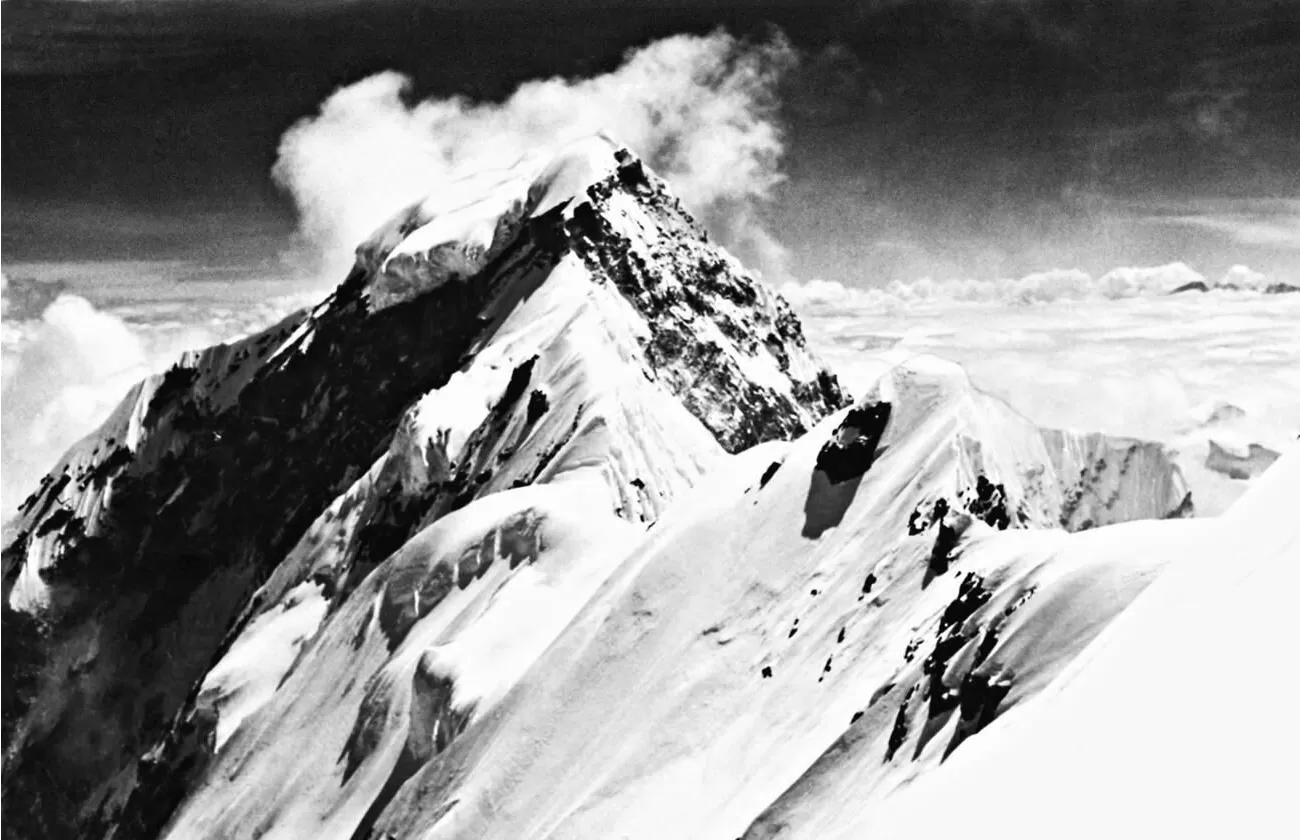
Tent Peak ( Tharpu Chuli) Climbing, also recognized as Tharpu Chuli (5663m/18,563ft) above sea level, can be summited within a 15-day. This peak stands in the Annapurna Himalaya range. Tharpu Chuli stands on one of the famous trekking to ABC and someday onward to climbing ascent. However, ice and rock climbing skills alongside appropriate equipment are suggested. This peak is an excellent stepping stone for trekkers transitioning from high-pass trekking to amateur mountaineering. The chosen route for this climb is the standard Northwest Ridge, categorized as Peu Difficile (PD) in grading. Including vertical and ridge climbing segments imparts an intriguing and challenging dimension, particularly for those venturing into trekking peaks for the first time. The relative ease of Tharpu Chuli's height and snow conditions sets it apart from more formidable trekking mountains.
In 1956, Mr. Jimmy Roberts achieved the Tent Peak summit via the Southeast Ridge. Alternatively, the Southwest Ridge, specifically the West Face Ridge, has emerged as a popular climbing route. The ideal seasons for ascending Tent Peak are spring (April, May) and autumn (September, October, November). The climb follows a relatively straightforward path, with an approximate Alpine grade of PD+. The journey involves primarily snow slopes at a 35-42-degree gradient, interspersed with some exposed ridge climbing. Fixed lines are established to cover any precarious sections.
The summit of Tent Peak treats climbers to breathtaking panoramic vistas of the majestic snow-capped mountains within the Annapurna region. The captivating landscapes encountered during the trek are an additional incentive to explore this remarkable peak. Trekking along the Modi River's picturesque course allows for an immersive experience of both natural splendor and cultural richness along one of the most renowned routes in the Annapurna region. The journey unfolds through Himalayan flora, lush forests, vibrant blossoms, culturally vibrant local communities, and the snow-draped allure of the trekking peak.
Embarking from Pokhara, commencing the trek from Dhampus village to Annapurna Base Camp. The route, spanning around seven days, predominantly winds through forested terrains, encompassing stopovers Landruk: 1,565 meters (5,135 feet) Chhomrong: 2,170 meters (7,119 feet)
Dovan: 2,500 meters (8,202 feet) Machhapuchhre Base Camp (MBC): Altitude: 3,700 meters (12,139 feet)Annapurna Base Camp (ABC): Altitude: 4,130 meters (13,549 feet)
The stretch from Machhapuchhre Base Camp to Annapurna Base Camp (13,550ft) is relatively short, usually taking two hours. Sufficient time is allocated for acclimatization before going to Tharpu Chuli Base Camp. A higher camp is situated at 5000m. The route traverses the glacier from the high camp and ascends a 41° snow slope to reach the North West Ridge. This ridge, initially broad, narrows significantly for the final 61 meters leading to the summit.
A Tent Peak climb usually takes 12 to 19 days in total. One begins the journey with a scenic drive or even a flight to Pokhara, then the trek through the Annapurna circuit via Poon Hill, Tadapani, Chhomrong, and the Annapurna base camp. While approaching the base of the Tent Peak, one has to camp. The journey ends after conquering the summit and descending. Still, another trek is required from the base camp to reach Pokhara after enjoying trekking mountaineering, and some splendid views of the Himalayas.
Distance-wise, the total distance covered while climbing a Tent Peak is about 18 KM. This includes hiking to and from the Annapurna Base Camp, climbing to the high camp of Tent Peak, and the summit attempt. The difference of one or two hundred kilometers is understandable with regards to the route differences and difference in pace of different climbers, nevertheless, these numbers should give a rough idea of the physical efforts made in this strenuous endeavor.
The route to ascend the Tent Peak usually takes through the Annapurna territory via Poon Hill, Tadapani, Chhomrong and Annapurna Base Camp.While trekking at Annapurna Base Camp, climbers first set a base after which they proceed to an elevated camp for acclimatization. Summit push entails some degree of technical climbing commonly the north-west ridge requiring face climb and traversing of sharp ridges. The descent is also the same route back to Annapurna base camp then the trekking trail back to Pokhara.
The cost of climbing the Tent Peak usually varies between one thousand seven hundred and two thousand two hundred dollars per person. This variation in prices depends on the group size, with larger groups paying less. This may cover accommodation, meals, guides, porters, equipment, permits, and transport. However, expenses like travel insurance, personal gear, and tips are not included. It’s recommended to research and compare different operators based on budget and preferences.
Tent Peak climbing is generally considered a moderately difficult trek that lasts 5-6 days. While not highly technical, it demands excellent physical fitness and endurance due to the high altitude. The trek to base camp is strenuous, and the summit push involves challenging terrain with steep sections and crevasses. Acclimatization is crucial to prevent altitude sickness. Despite its difficulty, Tent Peak is accessible to those with previous trekking and climbing experience, offering a rewarding challenge compared to other peaks in the region.
Tent Peak, also known as Tharpu Chuli, stands at 5663 meters (18,574 feet). This makes it a suitable option for climbers seeking a taste of the Himalayas without the extreme challenges of higher peaks. While not as imposing as its neighboring giants, Tent Peak provides an opportunity to experience high-altitude mountaineering in the stunning Annapurna region.
Tent Peak High Camp is located at approximately 4900 meters (16,085 feet) below Rakshi Peak. This exposed camp offers breathtaking panoramic views of the Annapurna Sanctuary, including iconic peaks like Annapurna I, Machhapuchhre, and Gangapurna. Spending a night here is essential for acclimatization before the summit push. While conditions can be harsh, the reward of witnessing sunrise over the Himalayas from this vantage point is unforgettable.
Tent Peak climbing carries inherent risks due to high altitude, exposed terrain, and unpredictable weather. Safety is paramount, and climbers must be well-prepared and accompanied by experienced guides. Proper acclimatization is crucial to prevent altitude sickness. Glacier travel skills and avalanche awareness are essential. Climbers should have comprehensive insurance, appropriate gear, and a thorough understanding of the risks involved. By prioritizing safety and following expert advice, climbers can significantly reduce potential hazards and enjoy a successful ascent.
The climb to Tent Peak takes one through several iconic villages in the Annapurna region. The trail starting from Pokhara passes through Ghorepani, Poon Hill, Tadapani, and Chhomrong, offering glimpses of Gurung and Magar culture. Trekkers encounter Dovan, Deurali, and Machhapuchhre Base Camp before reaching Annapurna Base Camp, the final stop before the Tent Peak ascent. These villages boast stunning mountain backdrops and offer warm hospitality and rich cultural experiences.
Poon Hill (3,210 m):Poon Hill is famous for its sunrise panorama of the Annapurna and Dhaulagiri ranges, including Annapurna South, Machhapuchhre, and Hiunchuli.
Machhapuchhre Base Camp (3,700 m):Machhapuchhre Base Camp offers stunning views of Machhapuchhre and other mountains, along with glorious glaciers and fewer trekkers compared to other spots.
Annapurna Base Camp (4,130 m):Annapurna Base Camp is surrounded by Annapurna I, Annapurna South, and Hiunchuli, creating a breathtaking 360-degree view of the Himalayas.
Tharpu Chuli High Camp (4800m):The journey continues to Tharpu Chuli High Camp with impressive views of Tent Peak and the Annapurna Mountain Ranges, especially during the mornings and evenings.
Summit of Tent Peak (5,663 m):The summit of Tent Peak offers unparalleled vistas of the Annapurna range, including I, III, South, and Machapuchare, as well as Hunchuli.
Chhomrong (2,170m):Chhomrong is a charming village with exceptional views of Machapuchare and Annapurna South, providing opportunities to interact with local Gurung people.
Deurali (3,230 m):Deurali boasts spectacular views of the Modi Khola valley and involves a challenging climb over big rocks while offering glimpses of the mountains ahead.
Standing atop Tent Peak at 5,663 meters creates a sense of victory and awe, surrounded by the immense Annapurna massif. The endless white expanse of snow and the deep blue sky creates a surreal, almost sci-fi-like atmosphere. The isolation and grandeur of the high Himalayas are palpable.
The flora and fauna encountered during a Tent Peak climb vary with altitude. Lower elevations boast lush rhododendron forests and diverse birdlife. As altitude increases, vegetation thins, giving way to alpine meadows with wildflowers. Higher still, the landscape becomes barren, with limited plant and animal life. Though rare, Himalayan birds like the Impeyan pheasant or blood pheasant might be spotted at lower altitudes.
Festivals and Culture of Tent Peak Climbing:
The area of the Tent Peak climbing is filled with the Gurung and Magar traditions. Even though the concentration is on a high-altitude trek, passing through such places as Ghorepani, Tadapani, and Chhomrong, brings out some of the traditions of the people of the region. Larger festivals such as Dashain and Tihar might not be as literally celebrated near the summit of Mount Kailash, but it is touched by the kind essence of the mountain people. It is also a cultural affiliation when the group gets a chance to sit together with local guides and porters and share tea, and some stories despite the ardent adventure.
Advantage book with Asiana Treks and Tours with Mera Peak:
* Private transport for airport transfers to/from your hotel.
* Trip briefing on Facebook and online if you love to connect.
* Last minute booking at your hotel at a suitable time after your arrival.
* Easy booking and reservation system.
* Multi-channel communication via Email, WhatsApp, Facebook, Viber, Skyp 24/7 phone communication at +977-9851076270
* Free excess luggage storage during the Trek
* Oximeters are provided to examine blood oxygen saturation at high altitudes to detect altitude sickness early
* Medical kits along the Trek and hot airbags are available in winter
* Arrange sleeping bags, duffel bags, down jackets, and walking pools if you don't have your own.
Tent Peak Climbing Start:
Tent Peak climbing begins usually with a drive or a flight to Pokhara, which is the starting point of the Annapurna circuit. From here further the exciting tour through responsibly beautiful woods, fields and hills, and lovely quaint villages. As you go higher, the country becomes a rugged alpine one, common with treelines, rocks, and large hills. It incorporates a steady climb of altitude to condition the body for high-altitude tasks such as rock climbing. During the trekking, you will come across trekking beautiful points such as Poon Hill, Tadapani, Chhomrong, etc from where you can view some of the magnificent mountains.
Currency Exchange:
The Nepalese rupee is Nepali currency, and 1 USD is approximately 130 NPR. Only NPR is accepted in Nepal, so it's best to bring cash to facilitate transactions. Banks and ATMs in Kathmandu provide currency exchange services but note that most banks prefer new, crisp notes.
Our Team:
The Asiana Treks and Tours team is professional, reliable, and responsible. They are well-trained, friendly, radiant, and fluent in English. You can feel comfortable sharing anything with them. They are experts in local culture, history, vegetation, food, accommodation, weather conditions, and first aid medication. They are also environmentally conscious and respect the rights of animals.
However, please do not provoke them for personal gain during the Trip. While you can enjoy your holiday with them, we kindly request that you do not try to change their customs, beliefs, religion, culture, or traditions.
We and our staff are committed to making your adventure trip unforgettable memories of a lifetime journey in Nepal.
Sherpa, Guide, and Porter Arrangement:
Our company, Asiana Treks and Tours, focuses on responsible tourism in Nepal. We ensure our guides and porters are well-trained in Trekking, Peak climbing, and mountaineering. They know a lot about the areas we go to, including geography, history, customs, and culture. We train them regularly in safety, first aid, and environmental conservation. We follow guidelines to treat our porters fairly, providing them with good pay, accommodation, and meals during treks. Our guides and porters are essential team members, and we appreciate their hard work. When you trek with us, you support ethical tourism in Nepal, making your Trip meaningful and memorable.
Asiana Treks and Tours prioritizes your safety and enjoyment. Our knowledgeable guides, reliable equipment, and safety measures ensure a great trekking experience in Nepal.
Porter, Luggage, and Extra Luggage Storage:
We cover the cost of porters for your Luggage, but the maximum weight limit is 12 kg per person. Each porter carries Luggage for two trekkers; please share a duffle bag with another. Our porters will carry up to 25 kg each. If you need a porter for yourself, we can arrange that. We also recommend carrying a small backpack for your valuables and important documents. You can leave extra Luggage at our office for free and at a hotel in Pokhara, Namche, etc.
Accommodation Tent Peak Climbing:
On a Tent Peak climb, the places you spend the night differ as explained below: En route to the base camp, the lodges where you will be putting up are teahouses that provide simple yet good accommodation with shared wash facilities. These are teahouses where people find a place to take a rest after the day’s tiredness of trekking. Nevertheless, whenever you start the climb to Tent Peak, camping forms part of the climbers’ activities regularly. Proper equipment in the form of tents, sleeping bags, and mats should be chosen of high quality due to the poor conditions of the mountains. That is why, despite some difficulties that can be encountered when camping, it is very valuable since it lets experience nature to the fullest and enjoy the night sky.
Meals during the Trip:
Food during the Tent Peak hike is part of the energy source during the activity. While traveling from one village to another, even trekking to the mountains, Teahouses serve typical Nepalese food like Dal Bhat, Noodles, and Eggs. A printed menu of orders, which is available as one rises in rank, is also tendered; such orders include fried rice, pasta, and basic curry meals, among others. Back in the base camp and especially in the higher camps, dehydrated meals turn into the only source of food. Technically speaking, such meals can be considered ultra-low-impact meals carrying only the minimal amount of nutrition required. Without fail, tea and coffee are crucial for supplying heat, and that is a bonus if consumed in high-altitude areas.
Drinking water during Tent Peak Climbing:
Water is very important when it comes to Tent Peak climbing, therefore keeping the body hydrated is important. As they move from one village to another, they are afforded boiled water to drink from teahouses. However, if you go higher, the availability of clean water is very limited or can barely be accessed. One should always have with them water purification tablets or a small portable water filter to purify water from natural sources. Consumption of sufficient amounts of water enables the prevention of altitude sickness and good health during the physically demanding climb. The availability of rehydration salts is also recommended to help in the replenishing of the electrolytes that may have been washed out through the sweat.
Extra Personal Expenses for Tent Peak Climbing:
Your Trip covers most expenses during the peak climbing; you'll need to spend money on extra accommodations and meals in Kathmandu, souvenirs, and beverages. The package does not include expenses incurred for personal items and services such as trekking and climbing equipment, laundry, tips, landlines, mobile phones, walkie-talkies, satellite phones, and internet services. You will need to cover these costs yourself as you use them. While most expenses during the Trek are covered, you must budget additional accommodations and meals in Kathmandu, souvenirs, and beverages. We estimate miscellaneous expenses to be around USD 15-25 per trekking day. However, personal expenses will vary depending on your income, habits, and lifestyle.
Toilet Facilities inTent Peak Climbing:
Most teahouses have Western-style flush toilets during mountain treks, especially at lower elevations. But as you go higher, find simple squat toilets along the trails and teahouses at higher altitudes. These toilets usually have water or toilet paper, but it's a good idea to bring your toilet paper just in case. You can also use restrooms at nearby teahouses or find a private spot along the trekking routes.
Internet Connectivity:
Any form of connectivity to the Internet is usually very scarce while on a Tent Peak climb. However, only a few teahouses which are along the trekking route provide Wi-Fi facilities and that too normally it is slow Wi-Fi. The beauty of this is that as you go higher, the internet connection diminishes severely. As much as internet connections can be compromised throughout a climb, especially in base camps, one must be ready not to have access to it at all. Another factor that needs to be managed and re/constructed is attending to the ‘presence’ of the trek and the climb, by avoiding the distractions of technology and digital connectivity.
Electricity voltage and plugs:
However, 95 % of Nepali people have access to electricity as of May 29, 2023. almost popular trekking routes, teahouses, and lodges have electricity. However, some isolated and solo trekking tea houses in the jungle don't have electricity; most tea houses let travelers charge for their devices for a small fee. The average electrical voltage in Nepal is 230 volts, with plug types like Type C, Type D, and Type M. Travellers should bring a suitable adapter and, if needed, a voltage converter for their electronic devices.
Communication:
The guest houses in the trekking regions have internet access. You could buy a SIM card at Tribhuvan International Airport Kathmandu and Namche. However, the signal may need to be more assertive at high altitudes. Our office keeps in touch with all trekking teams via the trek guide at least once daily to ensure everything goes as planned. However, services include landlines, mobile phones, walkie-talkies, satellite phones, and internet services. You will need to cover these costs yourself as you use them.
Trip Extension:
Suppose you have extra days in Nepal after the Trek. In that case, we can arrange a tour, overnight stay at Nagarkot Balthali or any other place around Kathmandu and Chitwan, jungle safari, paragliding, rafting, canyoning, or other treks. Do not hesitate to Inform us. We will create the best for you.
Trip Safety:
At Asiana Treks and Tours, we take immense pride in our impeccable safety record, especially concerning the challenging climb of Island Peak. Our main priority is our client's safety first, so there have been no fatalities during Island Peak expeditions; however, High-altitude trekking, peak climbing, and mountaineering are inherently risky and adventurous activities in remote areas.
We take the utmost care and use the right gear and safety protocol to minimize risks, ensuring our clients' safe and successful climbs. This comprehensive approach to safety will make you feel secure and protected throughout your adventure.
Our climbing guides are experienced mountain submitters and well-versed in first aid and high-altitude medicine. Their extensive training and local knowledge ensure that they can handle any situation that might arise during the climb, providing you with a sense of security and confidence in their abilities.
Asiana Treks and Tours is committed to your safety and success. Our proven track record and experienced guides ensure that your Island Peak adventure will be thrilling and secure.
Group & Private Treks:
We organize many group and private treks simultaneously, with discounts available for larger groups. Every group will have a trekking guide and porters. Regarding larger groups, we provide an assistant guide. Our team ensures a safe and enjoyable trekking experience for all participants.
About solo traveler:
If you're a solo traveler, please get in touch with us to confirm departure dates before booking. You can tell us via call, WhatsApp, or email. We have listed upcoming departure dates for your convenience. Feel free to share the trip details with friends and family.
Notes: Please be aware that the itinerary may change due to weather or other factors, and we'll adjust it accordingly for the group's safety and enjoyment. We look forward to guiding you through the stunning landscapes of the Annapurna region and ensuring a memorable trekking experience.
Responsible Travel:
We prioritize responsible travel to minimize environmental impact and support local communities. We collaborate with organizations like the Kathmandu Environmental Education Project (KEEP) to promote eco-friendly practices in trekking regions.
Gratitude:
Gratuities are appreciated in Nepali culture and reflect the quality of service provided. While the amount you tip is up to you, we recommend tipping as a group at the end of the Trip. Our staff involved in your trekking and mountaineering experience will be hoping for tips, gifts, or tokens of appreciation. This is a meaningful way to express your satisfaction with their service and to show your gratitude.
End of Climbing trip:
Upon successful completion of the summit and retracing the route through Annapurna Base Camp, there are several familiar villages that one can spend time in to ask for more of. The descent down to Pokhara offers the climbers a gradual descent to the real world, where they can relax and have something to look forward to after a difficult yet fulfilling climb. Some prefer to stay longer to further explore the Annapurna area or other regions of Nepal which is the prolongation of the magic of the mountains.
Departure:
On the day of your departure flight, we'll come to pick you up from your hotel and transfer you to Tribhuvan International Airport. We hope you enjoyed the Nepal trek and will consider returning for more adventures in Nepal.
Feedback:
After you complete the Lobuche peak climbing, we'll organize a farewell dinner in Kathmandu and present you with a trekking achievement certificate. After the dinner, you can provide feedback about the Trek on travel portals.
Last-Minute Booking:
If you can't book in advance, we offer last-minute bookings. Last-minute booking offers are available but may cost slightly more than regular departure dates. Those opting for last-minute bookings must pay an additional 7% of the total trip cost on our website. While we strive to make last-minute requests, we try our best to accommodate according to your last-minute booking holiday.
Special Note:
Please remember that unforeseen circumstances, such as inclement weather or unavailable lodging, may necessitate changes to the schedule. In such cases, your guide will create a new itinerary based on the group's interests. Any additional expenses arising from unforeseen situations like natural disasters, landslides, political disturbances, strikes, or Updates of government rules are not covered by the package price and will need to be covered separately.
The best times to climb Tent Peak, spring (April and May) and autumn (October and November), offer distinct but equally favorable conditions. The weather is typically stable during these seasons, with clear skies and moderate temperatures, making for safer and more enjoyable climbing conditions. The spring season offers blooming rhododendron forests and lush landscapes, while the autumn season provides crisp air and spectacular views of the snow-capped peaks.
Island Peak climbing usually starts with a trek to the Everest Base Camp or a direct approach via the Khumbu Valley. The climb requires basic mountaineering skills, including crampons, ice axes, and ropes. The ascent involves a mix of rocky trails, snow, and ice climbing, culminating in a challenging final push to the summit.
Reaching the summit of Island Peak is a rewarding experience. It offers stunning panoramic views of the many Himalayan giants of Nepal
Nepal is a country of differences with various landscapes, including towering mountain ranges, lush forests, and a vibrant cultural heritage. The best time to travel to Nepal depends on your preferences and the type of excursions or events you intend to participate in. Generally, Nepal has four distinct seasons, each with unique charms and challenges.
Winter Season: Cold temperatures start in late November or early December, but clear skies suit budget travelers. Lower-elevation treks and skiing/snowboarding in ski resorts are popular activities.
Spring Season: From late February 15 to June 15, warmer temperatures make it perfect for Trekking. Rhododendrons bloom, adding to the scenic beauty. Celebrations like Holi and Buddha Jayanti occur during this time.
Summer Season: Monsoon rains from June 15 to August make trekking challenging, but it's a great time to experience lush greenery and agriculture. Ideal for peace seekers and cultural tours of cities accessible by road.
Autumn Season: September to November is Nepal's best time for Trekking and outdoor activities. Clear skies, pleasant temperatures, and festivals like Dashain Tihar and Chhat make this period ideal for experiencing Nepali culture.
Trekking and climbing in Nepal's high-terrain Himalayas require physical fitness and training for a safe journey. Trekking involves walking long distances, sometimes for hours daily, over different terrain and at high altitudes. To build stamina and prepare the body, it's best to start fitness activities a few months before the trip, including cardio, strength, and endurance training.
Your journey to Nepal can be safe and successful with physical fitness, training, and preparation. Be aware of the risks and challenges, and take necessary safety measures for a fun and secure trip.
Entry and exit requirements at the Tribhuvan International Airport in Nepal:
Upon arrival at the entry point, all baggage undergoes declaration and clearance through customs. Passengers arriving at Tribhuvan International Airport (TIA) without access to goods may proceed through the Green Channel for swift clearance without luggage checks.
Possessing a valid visa and passport is crucial before departing Nepal. If your Visa has expired, you must extend it before being permitted to leave. Please note that the Immigration Office at Tribhuvan International Airport is not authorized to extend visas.
To visit Nepal, you need a valid passport and a visa. You can quickly get an arrival visa at entry points or Kathmandu's Tribhuvan International Airport. However, some people need a permit before they come, so it's good to check with the nearest Nepalese embassy.
Some nationalities that don't get visas from immigration entry points in Nepal are Nigeria, Iraq, Ghana, Afghanistan, Swaziland, Zimbabwe, Somalia, Palestine, and Ethiopia.
Fifteen days, 30
Thirty days, 50
Ninety days, 125
The cost varies from $30 to $125 depending on how long you want to stay. You can pay in US dollars or other significant currencies, sometimes even Nepalese rupees.
If you're coming for business, you can get a suitable visa for up to 5 years. The fee depends on how much money you're investing. If you invest less than 10 million Nepalese rupees, it's $35 per month, $400 per year, or $1000 for five years. If you invest more, the fees are lower; if you invest more than 100 million Nepalese rupees, you don't have to pay any fees.
People from SAARC countries get a free 30-day visa. Indians don't need a visa, but they must show ID, like a passport or citizenship card. Make sure your passport is valid for at least six months. And it's a good idea to have travel insurance which covers medical treatment and emergency evacuation.
Some places in Nepal require a separate permit to visit.
To enter Annapurna and Tent peak climbing, you need three permits for the Tent peak climbing: the Annapurna Conservation Area Project (ACAP) Permit, and the TIMS card.
TIMS Card The TIMS card is essential for guides, porters, and clients in emergencies. It costs USD 20 and is issued by TAAN Nepal via a registered Trekking company.
Annapurna Conservation Area Project (ACAP) entry permit, 3300Rs Per person, Rs 26 US$ in equivalent.
Peak climbing and mountaineering typically involve ascent over snow and icy terrain. The NMA has classified 21 trekking peaks from 6000m to 6500m into two groups: Group A with 11 peaks and Group B with ten peaks.
Climbing Permit for foreign climbers vary by season:
Spring (Mar-Apr-May): 250 USD
Autumn (Sep-Oct-Nov): 125 USD
Off season Winter Dec-Jan-Feb ,Jun Jul and August 70 USD
To obtain the climbing permit, a USD 500 refundable garbage deposit is also required. Our company can handle this deposit and refund process after the trip.
Note: The success rate for mountaineering and peak climbing in the Spring and Autumn seasons is 95%.
High-altitude trekking, peak climbing, and mountaineering are inherently risky and adventurous activities in remote areas. Therefore, safety is our primary concern. Before you arrive in Nepal, you must have travel insurance covering emergency rescue costs, medical treatment, medical tests, and hospitalization.
Asiana Treks and Tours strongly advises our valuable clients to have travel insurance that protects adventurous activities at high altitudes above 6500 m. This comprehensive coverage, which includes accidents and emergency help, will provide you with the peace of mind you need during your high-altitude adventure.
However, you can get this insurance online from different companies. Here are some popular Insurance company choices for Everest Base Camp Trekking.
USA and Canada: Tugo, United Health Care, World Nomad, Blue Cross.
Australia and New Zealand: Fast Cover, Allianz Australia.
Singapore: Ergo, World Nomad Explore plan level 3.
Europe: Europe Assistance, Austrian Alpine Club, Allianz Europe.
India: ICICI Lombard
But make sure the policy covers trekking up to 5985,000 m altitude. These are just suggestions, so the policies and what they cover might vary. It's best to contact these insurers directly to ask about what they offer before you buy anything.
Altitude sickness is common among hikers and peak climbers in Nepal's Himalayan Region. It happens when the body doesn't get enough oxygen at higher elevations, causing headaches and dizziness. Acclimatization is essential to prevent this. It means gradually getting used to higher altitudes by resting, drinking fluids, and ascending slowly. Spending an extra day at lower elevations before going higher is the best way to avoid altitude sickness. Hydration is the main issue during Trekking to prevent dehydration, which can worsen altitude sickness. Drinking plenty of water, tea, and soup can help. Trekkers can also take medicines like acetazolamide or dexamethasone to relieve symptoms. However, it's best to consult a doctor first. Proper acclimatization techniques are like "climb high, sleep low," and please keep in mind that during your Trek, you should always stay hydrated, which would reduce the risk of altitude sickness. Booking with an experienced guide can ensure you get the right advice and help during your Trek.
When planning an Tent peak climbing trip in Nepal, packing the right gear is crucial for a successful journey, which includes clothing, equipment, and accessories tailored to your Trek and the time of year. If you're trekking, pack light unless you're hiring a porter. Consider renting or buying gear in Nepal to save space. Ensure your equipment is high-quality and in good condition to avoid problems in the mountains. Take our suggestions to prepare your baggage correctly. Lastly, double-check the weather forecast and ensure you have all the necessary items for a safe and comfortable trip.
Each day of the Trek and climbing brings new experiences as you explore different places, enjoy breathtaking landscapes, and converse with locals to learn more about their customs and culture. Our guides will provide information about the places you visit. Trekking usually starts around 7-8 am, depending on the distance to cover and the terrain. We'll stop for lunch after about three hours of Trekking, usually on the way to our destination for the day. After lunch, you'll have an hour to rest before continuing the Trek. The afternoon trek is shorter, and once we reach our destination, you'll have time to explore until it gets dark. Dinner is served around 6-7 pm, followed by a briefing from your trek leader about the next day's plan. Afterward, you can relax and entertain yourself with games or learn Nepali words from our crew.
High-altitude trekking, peak climbing, and mountaineering are inherently risky and adventurous activities in remote areas. Therefore, safety is our primary concern. Before you arrive in Nepal, you must have travel insurance covering emergency rescue costs, medical treatment, medical tests, and hospitalization.
There are some risky areas to watch out for during the Island peak Climbing. This Trek and climbing is also known as the Everest region Island Peak Climbing. There are some risky areas to watch out for during the Island Peak, especially during snowfall, Mountain Hazards, and heavy rains in winter and March. Please follow the caution of our guides, who are familiar with these risky spots and can help navigate them safely. Travelers sometimes walk without a guide into different terrains and have problems; some have even lost their lives while trekking to Island Peak climbing without a guide and proper information. Parts of the trail can be hazardous, especially during snowfall or heavy rains in winter and March. Our guides are familiar with these risky spots and can help navigate them safely. Travelers sometimes encounter difficulties; sadly, some have even lost their lives at Island Peak without a guide and proper information.
The Tent Peak (Tharpu Chuli) Climbing itinerary with Asiana Treks and Tours begins with cultural exploration in Kathmandu, followed by a scenic drive to Pokhara. The trek progresses through beautiful Gurung villages such as Landruk and Chhomrong, ascending along the Modi Khola valley to Machhapuchhre Base Camp and Annapurna Base Camp. After proper acclimatization, the journey continues toward Tent Peak Base Camp and High Camp, allowing climbers to prepare with essential training and rest days before the summit push.
Following the successful ascent of Tent Peak, the expedition advances toward the challenging climb of Singu Chuli, with carefully planned camps and contingency days for safety. The adventure concludes with a rewarding descent through the Annapurna Sanctuary, combining alpine climbing, breathtaking Himalayan panoramas, and rich cultural encounters into one unforgettable Himalayan expedition experience.
Our trip day starts today when you arrive at Tribhuvan International Airport in Kathmandu. Upon your arrival, you will be received by our representative at the airport. He will be carrying a signboard with our company’s name on it. Then you will be transferred to the tour hotel and checked in. A trip briefing will follow later today and the time will be notified to you by the representative who picks you up from the airport. We will come to meet and brief you about the trip at a fixed time. Until then just relax or explore a bit of surrounding.
 Accommodation 3* hotel
  Meals only Hotel today
  Max. altitude 1,337m / 4,386ft. Accommodation 3* hotel Meals B/B Max. altitude 1,337m / 4,386ft.
 We will drive to Pokhara by tourist bus in the morning after breakfast. After driving for about seven hours through the scenic countryside of Nepal, we reach the eloquently charming city of Pokhara. The drive will have enough stopovers necessary on the way. Once we reach Pokhara, the charm of the city will capture our attention for a good feeling of being amidst the natural wonders from the close-up Himalayas to the surrounding lakes. A lake nearby our hotel is a nice place to take an evening stroll and the lakeside town has lots of options to dine. Have the option to fly to Pokhara at an extra cost.
Accommodation 3* hotel Meals B/B Max. altitude 827m / 2,713ft. After breakfast, Your adventure begins in the morning with a scenic drive to Dhampus, where you'll witness stunning landscape views. After arriving at Dhampus, your trekking journey commences. The trail gradually ascends through charming paths surrounded by lush vegetation. You'll pass through Pothana and Pitam Deurali, enjoying the gradual climb while immersing yourself in the beauty of the surroundings. As the day progresses, the trail leads you down Tolkha, offering Annapurna, Himchuli Fishtail mountain, scenery, Modi river valley, cultivated terrace rice and millet field. You'll spend the night in the enchanting Gurung village of Landruk. This unique settlement offers insights into the local culture and provides a comfortable resting place.
Accommodation Best guest house Meals B/L/D Max. altitude 1m / 3ft. After a hearty breakfast in Landruk, you'll set off on your trekking in the morning. The trail takes you through the captivating Modi River valley, where dense forests surround you, and the sounds of nature create a soothing backdrop. Crossing a suspension bridge, you'll experience a thrill as you make your way to Newbridge, enhancing your connection with the landscape. The path leads you uphill, taking you to Jhinu Danda. The climb rewards you with panoramic views and a sense of accomplishment. You'll enjoy a delicious lunch at Jhinu Danda, surrounded by nature's tranquility. The afternoon brings a steeper ascent to Chhomrong, a charming village amidst the hills. Your day of trekking concludes as you settle into Chhomrong for the night. The village's serene atmosphere welcomes you after a fulfilling day with Gurung hospitalities .
Accommodation Best guest house Meals B/L/D Max. altitude 2m / 7ft. Another approximately five hours of the trek takes us to Dovan today from Chhomrong via Sinuwa. It is also a day of mountain trekking thrill like others on the way to famous Annapurna Base Camp and we are marching ahead closer to the base camp of the famous Mt. Annapurna.
Accommodation Best guest house Meals B/L/D Max. altitude 2,520m / 8,268ft. The walk from Dovan to Machhapuchhre base camp abbreviated famously for MBC is an incredible one with spectacular views. The day will be about six hours of walking through the rugged mountain trail
Accommodation Best guest house Meals B/L/D Max. altitude 3,720m / 12,205ft. Today is another early morning start to hike to the Annapurna base camp which is the culmination of this trip. Reach to the base camp of Annapurna after a cool early morning walk to enjoy the majestic sunrise and spectacular view of the mountains. Trek back to Macchapuchhre Base Camp to enjoy the beautiful mountain breakfast after the refreshing morning walk. Trek down to Dovan after breakfast.
Accommodation Best guest house Meals B/L/D Max. altitude 4,130m / 13,550ft. Today is the rest day at Annapurna Base Camp to acclimatize and prevent Acute Mountain Sickness (AMS). Explore nearby areas and enjoy stunning views of Annapurna I, Annapurna III, Gangapurna, Annapurna South, Machhapuchhre, and Hiunchuli.
Accommodation Best guest house Meals B/L/D Max. altitude 4,130m / 13,550ft. After having breakfast and proper acclimatization ABC, proceed towards Tent Peak Base Camp, passing through steep ascents and snowy trails. The team will set up tents and provide warm blankets, and you can enjoy camping under a starlit sky.
Accommodation Tented Camp Meals B/L/D Max. altitude 4,800m / 15,748ft. The trip becomes more challenging as you ascend to Tent Peak High Camp. Traverse snowy trails, and steep ascents, and Camp overnight at Tent Peak High Camp. The altitude difference is 350 meters overnight at Tented Camp.
Accommodation Tented Camp Meals B/L/D Max. altitude 5,150m / 16,896ft. Adapt to the high altitude above 5000m to ensure a safe journey. Prepare for the summit of Singu Chuli Peak by practicing with mountaineering tools and enjoying the mountain views.
Accommodation Tented Camp Meals B/L/D Max. altitude 5,150m / 16,896ft. For weather or other delays. An extra day is needed if severe weather prevents you from coming on time. This day can also be used in emergencies like canceled or missed flights, delays due to minor injuries, inclement weather, etc. If your timetable goes according to plan, you have one spare day, which could be used to explore a Gurung and hospitality village.
Accommodation Tented Camp Meals B/L/D Max. altitude 5,150m / 16,896ft. High Camp to Singu Chuli Camp I. 50m (5150m to 5200m). To ensure a safe journey, travel to a high altitude above 5000m. Prepare for the summit of Singu Chuli Peak by practicing with mountaineering tools and enjoying the mountain views.
Accommodation Tented Camp Meals B/L/D Max. altitude 0m / 0ft. I approach the final Camp before the summit. I face challenges like snowy trails and altitude sickness but maintain a steady pace to ensure safety. I camp overnight at Singu Chuli Camp II.
Accommodation Tented Camp Meals B/L/D Max. altitude 0m / 0ft. This is the most critical day of the climb, showcasing your mountaineering skills and determination. Use technical climbing tools to reach the summit you will be fascinated by mindblowing panoramic views of the Himalayan range. Descend back to Camp II for the night.
Accommodation Tented Camp Meals B/L/D Max. altitude 0m / 0ft. The most challenging part is over; maintain a steady pace to avoid slipping on snowy tracks. climbing Singu Chuli Camp II to Tent Peak Base Camp.
Accommodation Tented Camp Meals B/L/D Max. altitude 0m / 0ft. Passing through Deurali, Himalaya, Dobhan, and Bamboo. Enjoy the stunning mountain landscapes during the descent.
Meals B/L/D Max. altitude 0m / 0ft. Climbing Tent Peak (Tharpu Chuli) is an exciting alpine adventure in Nepal’s Annapurna region, combining trekking through Annapurna Base Camp with technical peak climbing near Machhapuchhre Base Camp. Organized by Asiana Treks and Tours, this journey offers professional logistics, certified guides, and full expedition support. Before departure, it’s important to understand essential travel terms, safety guidelines, and regional considerations to ensure a smooth and safe Himalayan experience.
Transportation Terms
Accommodation / Meals Terms
Money & Payments
Travel Insurance
Travel Documents
Common Travel Phrases
Sightseeing
Off the Beaten Path
Travel Advisory
Health & Safety
This expedition blends trekking, culture, and technical climbing into one unforgettable Himalayan challenge, professionally managed by Asiana Treks and Tours for safety, comfort, and peak success.
Your Start Date is the day you land in Nepal, and your End Date is when you fly home.
If the set Tent Peak (Tharpu Chuli) Climbing group dates don’t suit your schedule, we can offer alternative dates upon request.
Base Layers
Insulation Layers
Outer Shell (Weather Protection)
Trekking Pants & Casual Wear
Head & Neck Wear
Tent Peak, also known as Tharpu Chuli, stands at 5,663 meters (18,575 feet) and is situated in the Annapurna Sanctuary of central Nepal. It gets its name from its pointed, tent-like shape. It is considered a trekking peak, ideal for climbers seeking their first Himalayan summit. The peak offers stunning views of the Annapurna range, including Annapurna I, Machhapuchhre, and Hiunchuli, making it a popular choice for adventurous trekkers.
Yes, Tent Peak is one of the most accessible trekking peaks in Nepal and is well-suited for physically fit beginners with some prior trekking experience. It involves both trekking and a non-technical summit climb that may include the use of crampons and ropes. Asiana Treks & Tours provides proper training before the summit push, ensuring that climbers feel comfortable and prepared.
The standard itinerary for Tent Peak climbing ranges from 16 to 20 days, including time for trekking through the Annapurna Base Camp route, acclimatization, summit attempt, and return. Asiana Treks & Tours includes acclimatization days to minimize the risk of altitude sickness and offers customizable itineraries based on your pace and preferences.
While technical mountaineering experience is not mandatory, some basic skills such as walking on snow with crampons and handling a climbing rope are helpful. Asiana Treks & Tours includes a short training session at the base camp to familiarize you with the equipment and techniques needed for the climb, making it suitable even for adventurous first-time climbers.
Training should focus on cardiovascular endurance (e.g., running, hiking, stair climbing), leg strength, and stamina. If possible, try multi-day hikes carrying a loaded backpack to simulate the expedition. Flexibility and balance exercises are also helpful. The fitter you are, the more you will enjoy the experience, and the better you’ll be able to handle the altitude and long trekking days.
Wi-Fi and mobile networks are available at some teahouses in lower regions for a small fee, but connectivity becomes weak or non-existent as you approach base camp. It’s best to inform friends and family in advance that you’ll be out of contact for several days during the expedition. Satellite phones may be carried by the guide in emergencies.
Altitude sickness is managed through gradual ascent, proper hydration, and rest days. Guides monitor climbers for early symptoms like headaches, nausea, or fatigue. In severe cases, oxygen support or descent is prioritized. Asiana Treks & Tours also assists in arranging helicopter evacuation if required, assuming the client’s insurance covers it.
While accidents are rare, risks include falls, frostbite, or minor injuries. Wearing proper gear, listening to guide instructions, and maintaining a steady pace reduces these risks. The team ensures that all safety protocols are followed and has emergency plans in place should a medical evacuation become necessary.
If you cancel your trip, a portion of the deposit may be retained depending on the timing of cancellation. Refunds vary based on how close to the departure date the cancellation is made. Asiana Treks & Tours provides clear terms and conditions at the time of booking, and trip postponement or credit transfer may be available.
Tent Peak expeditions typically start with a flight or drive from Kathmandu to Pokhara, followed by a drive to Nayapul and then trekking through the Annapurna region. Asiana Treks & Tours arranges all necessary transportation, including private vehicles and domestic flights, ensuring smooth transitions between stages.
Yes, airport pickup and drop-off in Kathmandu are included in the package. A representative from Asiana Treks & Tours will greet you upon arrival and transfer you to your hotel. This ensures a hassle-free start to your adventure.
Tent Peak requires a good level of cardiovascular fitness, strength, and stamina. You’ll be trekking for several hours each day over steep and uneven terrain, and the final summit push can be physically demanding due to the high altitude and cold conditions. Asiana Treks & Tours recommends a fitness regimen of hiking, strength training, and cardio activities at least two to three months before the climb.
For Tent Peak, you need trekking gear and mountaineering equipment. Essential items include layered clothing, thermal wear, gloves, sunglasses, waterproof jackets, sturdy trekking boots, and sleeping bags. For the summit, crampons, ice axe, climbing harness, helmet, and mountaineering boots are required. Asiana Treks & Tours provides technical gear or helps with rentals in Kathmandu.
Yes, most climbing gear can be rented in Kathmandu. Asiana Treks & Tours can assist you with gear selection and ensure everything meets safety standards. Renting is a convenient and economical option for climbers who don’t want to purchase equipment for a single use.
Climbing Tent Peak requires several permits, including the Tharpu Chuli (Tent Peak) Climbing Permit from the Nepal Mountaineering Association (NMA), the Annapurna Conservation Area Permit (ACAP), and the Trekkers’ Information Management System (TIMS) card. Asiana Treks & Tours handles all the paperwork and ensures that you have the necessary documents before beginning the trek.
Most nationalities can obtain a tourist visa on arrival at Tribhuvan International Airport in Kathmandu. Visa fees are typically USD 30 for 15 days, USD 50 for 30 days, and USD 125 for 90 days. You’ll need a valid passport with at least six months' validity. Asiana Treks & Tours advises checking with your local embassy for the latest requirements before travel.
Booking can be done online via the Asiana Treks & Tours website or through direct contact by email or phone. Once you confirm your interest, you’ll receive a detailed itinerary and instructions for making a deposit. A reservation is confirmed after receipt of the deposit and a completed booking form.
Typically, a 20–30% deposit is required to secure your booking, with the remaining balance payable upon arrival in Kathmandu. Payment methods include bank transfer, credit card, or cash. Asiana Treks & Tours provides receipts and transparent documentation for every transaction.
Yes, travel insurance that includes coverage for high-altitude trekking and emergency helicopter evacuation is mandatory. Asiana Treks & Tours requires all participants to submit proof of insurance before the trip begins. The insurance should also cover medical expenses and trip cancellations to ensure financial protection in case of unforeseen events.
While generally safe, flights to and from Pokhara or other regional airports can be delayed due to weather. Asiana Treks & Tours monitors flight schedules and keeps you informed of any changes. In case of cancellations, alternative ground transportation is arranged.
Asiana Treks & Tours assigns highly experienced and licensed climbing guides for Tent Peak expeditions. These guides are trained in high-altitude rescue, first aid, and mountaineering techniques. They are knowledgeable about the route and local culture and play a vital role in ensuring safety and success throughout the journey.
Yes, porters are included to carry your main luggage, allowing you to hike with just a daypack. Each porter typically carries up to 25 kg of combined weight. Asiana Treks & Tours ensures that porters are well-equipped and fairly compensated, adhering to ethical labor standards and local guidelines.
The guides from Asiana Treks & Tours speak English fluently and are trained in basic mountaineering terminology. They are also proficient in several local dialects and can help bridge cultural interactions with villagers and teahouse owners. Translators for other languages can be arranged upon request.
Drinking water is purified either by boiling or through purification tablets provided by the guide. Bottled water is available for purchase in lower areas but is discouraged for environmental reasons. Trekkers are encouraged to bring reusable bottles and water purification systems. Asiana Treks & Tours ensures that all clients have access to safe and clean drinking water throughout the trip.
Asiana Treks & Tours takes health and safety seriously. Daily health checks, slow acclimatization, and 24/7 support from experienced guides help reduce the risk of illness. The team carries a first-aid kit, pulse oximeter, and basic medications. If symptoms of altitude sickness or other conditions arise, immediate care is provided, and descent is recommended if necessary.
Each porter can carry about 20–25 kg of combined luggage. Trekkers are asked to limit their main bag to around 10–12 kg. You’ll only need to carry a daypack with essentials like water, snacks, a camera, and a rain jacket. Asiana Treks & Tours enforces ethical weight limits to protect porters’ welfare.
Accommodation along the trail includes comfortable teahouses and lodges that offer basic facilities like twin-sharing beds, shared bathrooms, and simple meals. At base camp and high camp, tents are used. Asiana Treks & Tours provides high-quality camping gear, including sleeping tents, dining tents, and toilet tents to ensure your comfort and safety in remote areas.
Hot showers and electricity are available in lower-altitude teahouses for an extra charge. However, at higher elevations and at base camp, these facilities become limited. It is recommended to bring wet wipes for hygiene and a portable power bank to keep electronic devices charged. Asiana Treks & Tours also offers solar charging at camp upon request.
Asiana Treks & Tours provides three meals a day—breakfast, lunch, and dinner—during the entire trek and climb. Meals are prepared fresh and consist of Nepali, Tibetan, and continental options such as rice, pasta, soup, potatoes, vegetables, and eggs. During the camping phase at base camp, the support crew cooks hearty meals designed to meet the energy demands of high-altitude climbing.
Yes, special diets such as vegetarian, vegan, gluten-free, and others can be accommodated upon request. It’s important to inform Asiana Treks & Tours of your dietary restrictions in advance so they can prepare accordingly. While options are limited in remote regions, the team makes every effort to meet your nutritional needs.
The best seasons for Tent Peak climbing are spring (March to May) and autumn (September to November). These periods offer clear skies, stable weather, and excellent visibility of the surrounding mountains. Temperatures are moderate during the day, with colder nights at higher elevations. Spring also offers beautiful rhododendron blooms, while autumn provides crisp mountain air and dry trails.
The weather can vary dramatically depending on elevation. Lower areas may be warm and sunny during the day, while high camps and the summit area can experience freezing temperatures and strong winds, especially at night. Snowfall is possible, and sudden weather changes are not uncommon. Asiana Treks & Tours monitors weather forecasts closely to make safe and informed decisions.
Climbing during the monsoon (June to August) and winter (December to February) is not recommended due to challenging conditions. Monsoon season brings heavy rain, slippery trails, and leeches, while winter poses risks of deep snow, ice, and sub-zero temperatures. Asiana Treks & Tours typically operates Tent Peak expeditions in spring and autumn for safety and optimal climbing conditions.


 (2)
(2)  100% recommend (0)
 (0)
(0)