Experience the vibrant culture and breathtaking landscapes of the Himalayas with Asiana Treks and Tours on the Mani Rimdu Festival Trek. This 13-day journey begins in Kathmandu, followed by a scenic flight to Lukla and a trek through picturesque villages like Phakding, Namche, and Tengboche. Witness the mesmerizing Mani Rimdu Festival, including sacred dances (Chham) and the Fire Puja (Jinsak), while immersing yourself in Sherpa traditions. Trek along stunning trails with panoramic Himalayan views, enjoy acclimatization in Namche, and descend via Monjo to Lukla for a final celebration before flying back to Kathmandu, culminating in an unforgettable cultural and adventure experience.
The Mani Rimdu Festival Trekking is a unique cultural and spiritual journey into the heart of the Sherpa Buddhist traditions in the Everest region. Mani Rimdu is a sacred Buddhist festival celebrated primarily in Tengboche, Thame, and Chhorthang monasteries in Solukhumbu district. It is a series of sacred ceremonies held over 19 days, designed to suppress negative energies and reward the virtuous. The festival’s key elements include the construction of the sand mandala, empowering rituals (Wong), ritual dances (Chham), the fire puja (Jinsak), and finally the destruction of the mandala. The three main days of celebration — the masked dances, the fire puja, and the mandala destruction — are especially vibrant and attract both locals and trekkers alike.
This trek combines the spiritual richness of the festival with some of the most spectacular mountain scenery on Earth. After arriving in Kathmandu, trekkers fly into Lukla, one of the world’s most famous and challenging airports. The trek then ascends through beautiful Sherpa villages, including Namche Bazaar, a bustling hub known for its stunning views, cultural richness, and opportunity to acclimatize. The final destination, Tengboche Monastery, sits majestically at 3,870 meters, offering panoramic views of Everest, Ama Dablam, Lhotse, and other towering peaks.
Participating in Mani Rimdu offers trekkers an immersive cultural experience, where they can witness and engage with traditional Lama rituals, masked dances, chants, and prayers. It’s a soulful celebration of life and spirituality set against a backdrop of Himalayan grandeur, making it a once-in-a-lifetime adventure.
Key Points:
Sacred 19-day Buddhist festival in Everest region monasteries
Includes sand mandala, empowering rituals, dances, fire puja
Trek route: Kathmandu → Lukla → Namche → Tengboche
Immersive cultural and spiritual experience
Spectacular views of Everest, Ama Dablam, Lhotse, Nuptse, and more
Mani Rimdu Festival Trekking Package
Asiana Treks and Tours offers a thoughtfully designed Mani Rimdu Festival Trekking package that balances cultural immersion with adventure. The package typically spans 13 days, beginning with your arrival in Kathmandu, followed by a scenic flight to Lukla and the trek through Sherpa villages to the sacred Tengboche Monastery. Along the way, you will experience the beauty of Himalayan landscapes and the rich Sherpa culture.
Our package includes professional Sherpa guides who are well-versed in the Mani Rimdu festival and local customs, experienced porters for carrying luggage, comfortable accommodation in tea houses and lodges, and all meals during trekking days. The itinerary allows adequate acclimatization days, especially in Namche Bazaar, to ensure your safety and comfort. We also provide pre-trek briefings, all necessary permits, and emergency evacuation plans.
The highlight of the package is witnessing the major days of Mani Rimdu festival, where trekkers can observe and participate respectfully in the sacred dances, chants, and ceremonies. Asiana Treks and Tours ensures a small group size for a personalized experience and strives to minimize the environmental footprint through responsible trekking practices.
Key Points:
13-day trekking package including festival participation
Expert Sherpa guides and porters included
Accommodation, meals, permits, and emergency support provided
Acclimatization days included for safety
Small groups and eco-friendly practices prioritized
Mani Rimdu Festival Trekking Itinerary
The itinerary begins with your arrival in Kathmandu (Day 1), where you prepare for your Himalayan adventure. On Day 2, you take a thrilling 30–40 minute flight from Kathmandu to Lukla, followed by a moderate 8 km trek to Phakding. Day 3 takes you through beautiful rhododendron forests and across suspension bridges to Namche Bazaar, the Sherpa capital.
Day 4 is a crucial acclimatization day in Namche, allowing trekkers to explore nearby villages or hike short trails. This rest day ensures your body adjusts to the altitude. On Day 5, the trek continues to Tengboche, home to the famous monastery, perched spectacularly at 3,870 meters.
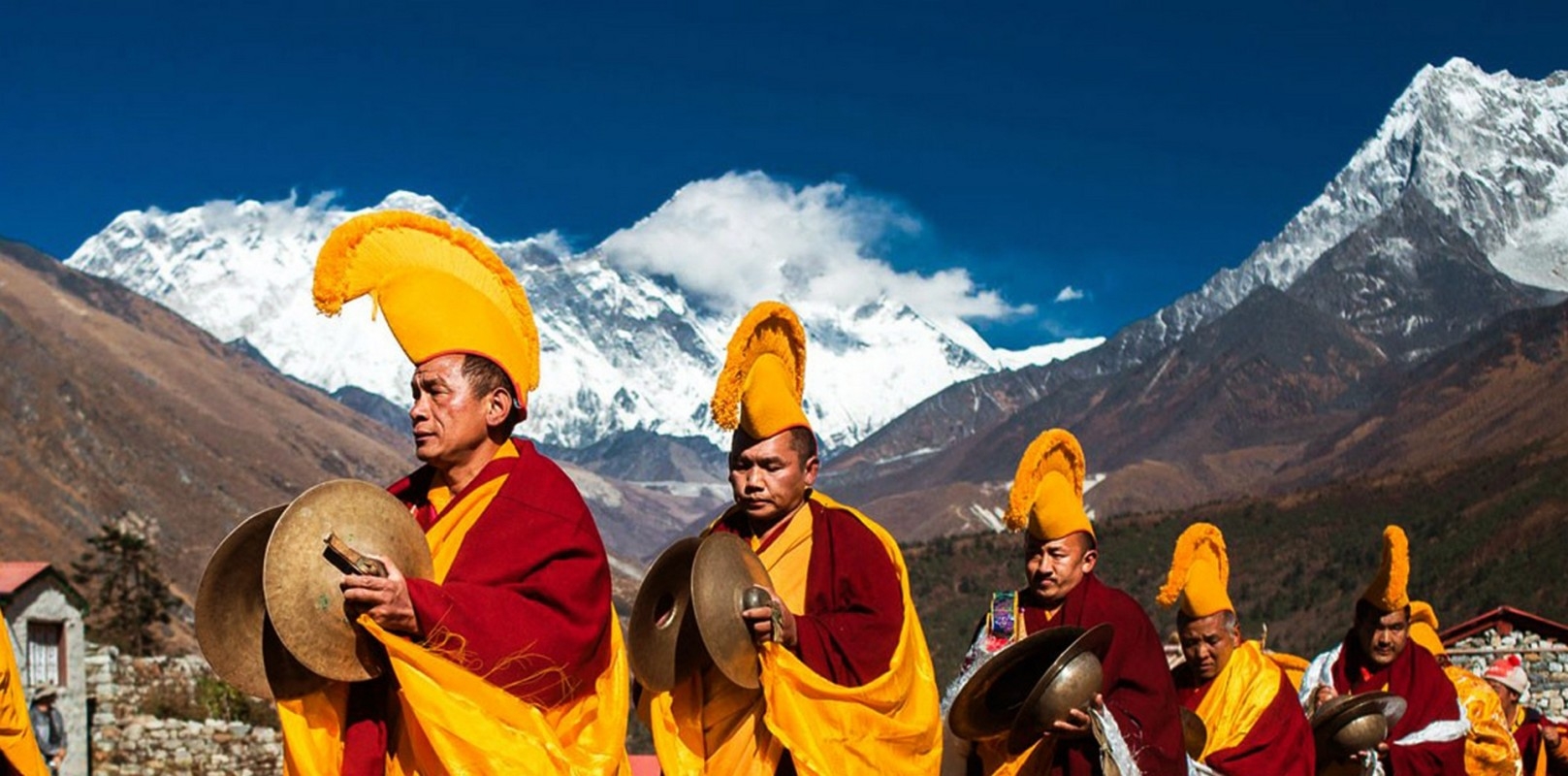
Days 6 to 9 are devoted to the Mani Rimdu Festival itself. You’ll witness the sacred dances (Chham), public celebrations, and the Fire Puja (Jinsak), all performed by monks adorned in vibrant brocade robes and masks. These days offer deep cultural insight and photographic opportunities.
The trek resumes on Day 10 as you descend to Monjo through stunning valleys and forests. Day 11 takes you further down to Lukla, where a celebration dinner is held to mark the trek’s completion. On Day 12, you fly back to Kathmandu, and Day 13 is your departure day, filled with memories and new friendships.
Key Points:
Day 1: Arrival Kathmandu
Day 2: Fly to Lukla → trek to Phakding
Day 3: Phakding to Namche Bazaar
Day 4: Acclimatization day at Namche
Days 5-9: Trek to Tengboche + Mani Rimdu festival
Days 10-11: Trek back to Lukla
Day 12: Fly back to Kathmandu
Day 13: Departure from Nepal
Mani Rimdu Festival Trekking Distance
The Mani Rimdu Festival Trek covers a moderate trekking distance of approximately 70 to 80 kilometers in total over 10 trekking days, with daily hikes ranging from 8 to 14 kilometers. The trekking path is a mix of gentle ascents, steep climbs, and scenic descents through forests, mountain villages, and river valleys.
The initial days from Lukla to Namche involve steady uphill trekking through beautiful Sherpa villages and terraced fields. Namche Bazaar is an important rest and acclimatization stop, with light local hikes of 4 to 6 km on Day 4 to help your body adjust. The stretch from Namche to Tengboche includes a moderate uphill trek through rhododendron and pine forests.
After the festival days, the trek involves descending from Tengboche to Monjo and Lukla, with longer hiking days up to 14 km, but generally less strenuous due to the downhill terrain. The varied distances and terrain provide a balance between adventure and cultural immersion, suitable for fit beginners to experienced trekkers.
Key Points:
Total trekking distance: ~70–80 km
Daily hikes between 8–14 km
Moderate ascents and descents
Namche acclimatization hikes: 4–6 km
Varied terrain: forests, villages, river crossings
Mani Rimdu Festival Trekking Cost 2026/2027
The cost of the Mani Rimdu Festival Trekking package with Asiana Treks and Tours for 2026/2027 ranges between $1,400 and $1,800 USD per person, depending on group size, accommodation standards, and included services. This cost covers all key expenses such as airport pickups, domestic flights (Kathmandu-Lukla-Kathmandu), tea house accommodation, full board meals during trekking, trekking permits, festival entry, professional English-speaking guides, porters, and necessary insurance for the trekking team.
Additional costs not included in the base price may be international airfare, Nepal visa fees, personal trekking gear, travel insurance, tips, and extra expenses like hot showers or internet access. We recommend travelers arrange comprehensive travel insurance with emergency evacuation coverage before the trip.
Booking early ensures availability during the festival, a high-demand period, and may qualify for early-bird discounts or group rates. Asiana Treks and Tours offers flexible payment plans and customizable itineraries to match your needs and budget.
Key Points:
Price range: $1,400–$1,800 USD per person
Includes flights, accommodation, meals, permits, guides, porters
Excludes international airfare, visa, personal gear, insurance, tips
Early booking recommended for best rates
Flexible payment and customization options available
Mani Rimdu Festival Trekking Price Breakdown
The Mani Rimdu Festival Trekking package offered by Asiana Treks and Tours is priced to provide excellent value while covering all essential aspects of a safe, comfortable, and culturally immersive experience. The total cost, typically ranging from $1,400 to $1,800 USD, includes domestic flights, accommodation in tea houses, all meals during the trek, permits, festival entrance fees, experienced Sherpa guides, porters to carry luggage, and comprehensive trekking support.
Breaking down the price, the major costs are:
Domestic flights (Kathmandu-Lukla-Kathmandu): These flights are necessary for reaching the Everest region and account for approximately 25-30% of the total cost.
Accommodation and meals: Tea house lodges along the route offer simple but warm places to stay, with meals included during trekking days making up about 30-35%.
Permits and festival fees: Trekking permits (TIMS, Sagarmatha National Park) and fees to attend the Mani Rimdu Festival make up around 10%.
Guides and porters: Hiring local guides and porters ensures a safer, more enjoyable trek and costs about 20%.
Miscellaneous: Includes insurance, equipment, and emergency contingency funds.
Additional expenses to budget for are international airfare, Nepal visa, personal gear, tips, and personal purchases like bottled water or souvenirs.
Booking early with Asiana Treks and Tours helps secure better flight prices and accommodation during the busy festival season. The price reflects a balance of quality, safety, and authentic cultural engagement.
Key Points:
Total cost: $1,400–$1,800 USD per person
Includes flights, accommodation, meals, permits, guides, porters
Excludes international airfare, visa, personal gear, tips
Early booking advised due to festival demand
Transparent, inclusive pricing for safety and culture
Mani Rimdu Festival Trekking Altitude Guide
The Mani Rimdu Festival Trekking route takes trekkers through a progressive altitude range, starting from Lukla at 2,860 meters and reaching Tengboche at 3,870 meters, with acclimatization stops to reduce altitude sickness risks. Proper understanding and management of altitude is vital for a safe and enjoyable trekking experience.
Day 1’s arrival in Kathmandu (~1,400m) offers plenty of time for initial rest. Day 2’s flight to Lukla (2,860m) marks the beginning of serious altitude gain. The trek to Namche Bazaar (3,440m) on Day 3 includes significant elevation gain, and Day 4 is dedicated to acclimatization with light hikes nearby (4–6 km), helping your body adjust.
From Namche, the trek ascends to Tengboche (3,870m) for the festival. While Tengboche is below the extreme altitude zone, some trekkers may feel mild symptoms such as headaches or fatigue. Descending to Monjo and Lukla on the return journey reduces altitude stress.
Asiana Treks and Tours advises trekkers to drink plenty of water, avoid alcohol, eat well, and communicate any symptoms promptly to guides. Supplemental oxygen and emergency evacuation plans are in place if needed. Altitude sickness awareness, acclimatization days, and experienced guides make this trek accessible to many fit travelers.
Key Points:
Altitude range: 1,400m (Kathmandu) to 3,870m (Tengboche)
Acclimatization day at Namche Bazaar (3,440m) included
Altitude sickness symptoms: headache, nausea, dizziness
Hydration, rest, and gradual ascent critical
Emergency oxygen and evacuation plans provided
Why Choose Mani Rimdu Festival Trekking?
Choosing the Mani Rimdu Festival Trekking with Asiana Treks and Tours means embarking on a unique journey that combines spiritual immersion with the stunning natural beauty of the Everest region. Unlike typical Everest base camp treks, this itinerary centers around the culturally rich Mani Rimdu Festival, offering travelers an extraordinary opportunity to experience Tibetan Buddhist traditions firsthand.
The festival itself is a rare spectacle—monks perform intricate masked dances, chants fill the air, and sacred rituals unfold over several days. Asiana Treks ensures you are in the right place at the right time to witness all key events while supporting local communities. This blend of culture and trekking attracts those seeking meaningful travel beyond scenic landscapes.
The route also offers breathtaking views of iconic Himalayan peaks such as Mount Everest, Ama Dablam, Lhotse, and Nuptse. The trek passes through charming Sherpa villages, providing insight into the daily life and hospitality of mountain communities.
Additionally, Asiana Treks and Tours prides itself on personalized service, professional guides familiar with local culture and safety protocols, and responsible trekking practices that protect the fragile mountain environment.
Key Points:
Unique cultural immersion in Mani Rimdu Festival
Spectacular Himalayan mountain scenery
Insight into Sherpa life and Buddhist traditions
Professional, knowledgeable guides and support staff
Eco-friendly, responsible tourism practices
Preparing for Mani Rimdu Festival Trekking
Proper preparation is key to enjoying the Mani Rimdu Festival Trekking experience safely and comfortably. Before arrival, trekkers should focus on physical fitness, packing appropriate gear, and familiarizing themselves with cultural norms.
Physical preparation should include cardio and endurance training, such as hiking, jogging, or stair climbing, to handle daily treks of 8–14 km at altitude. Strengthening leg muscles and improving stamina helps tackle steep climbs and uneven terrain.
Gear preparation involves layered clothing for variable weather, sturdy trekking boots, a warm sleeping bag, rain gear, a good quality backpack, and essential trekking accessories such as trekking poles, headlamps, and water purification systems. A medical kit including altitude sickness medication, sunscreen, and personal hygiene items is crucial.
Understanding local customs, respectful behavior at monasteries, and basic phrases in Nepali or Sherpa can enrich the experience. Mental preparation to embrace slow-paced days, cultural interactions, and high-altitude conditions is also important.
Asiana Treks and Tours provides a pre-trek briefing with detailed packing lists, health and safety advice, and festival background to ensure you are fully prepared for this unforgettable journey.
Key Points:
Physical fitness: cardio and strength training recommended
Essential gear: layered clothing, boots, sleeping bag, trekking poles
Health kit: altitude meds, sunscreen, personal hygiene
Respect local culture and customs
Attend pre-trek briefing by Asiana Treks and Tours
What to Expect on the 12–14-Day Mani Rimdu Festival Trekking Adventure
The 12–14-day Mani Rimdu Festival Trekking adventure offers a rich blend of cultural immersion, breathtaking Himalayan landscapes, and physically rewarding trekking experiences. Starting in Kathmandu, you’ll prepare and acclimatize before a scenic flight to Lukla, the gateway to the Everest region. The trek begins with moderate hikes through rhododendron forests and traditional Sherpa villages, gradually ascending to Namche Bazaar, the vibrant Sherpa capital known for its bustling market and spectacular mountain views.
A key highlight of the trek is reaching Tengboche Monastery, the spiritual center for the Mani Rimdu Festival, where you will witness the sacred Buddhist ceremonies, including the mesmerizing masked dances and powerful fire puja rituals. Between festival days, you will enjoy scenic walks around monasteries and villages, allowing time for cultural interaction and acclimatization.
Throughout the trek, expect varying terrain from gentle paths to steep inclines, with a pace adapted to altitude adjustment. Tea houses offer warm lodging and hearty meals, giving a cozy retreat after daily hikes. Expect early mornings with crisp mountain air, opportunities to spot wildlife, and stunning views of peaks like Everest and Ama Dablam. The final days involve a scenic descent to Lukla followed by a flight back to Kathmandu, concluding a transformative journey.
Key Points:
Duration: 12–14 days, including acclimatization
Flight to Lukla to start trekking
Cultural immersion in Mani Rimdu Festival at Tengboche
Varying terrain: moderate to steep climbs
Tea house accommodations and mountain views
Oxygen Levels on Mani Rimdu Festival Trekking
Oxygen levels significantly decrease as you ascend into higher altitudes, and understanding this is critical for the safety and success of the Mani Rimdu Festival Trekking. At sea level, oxygen saturation is at 100%, but by the time you reach Namche Bazaar (3,440m), it drops to approximately 65–70%. At Tengboche (3,870m), oxygen levels are even lower, which can cause symptoms of altitude sickness if not managed properly.
Asiana Treks and Tours ensures acclimatization days are built into the itinerary to help your body adjust to the reduced oxygen, reducing risks like headaches, nausea, and fatigue. The guide team constantly monitors trekkers for any symptoms and carries supplemental oxygen for emergencies. Walking slowly, staying hydrated, and avoiding overexertion help maintain healthy oxygen levels during the trek.
Though the trekking altitudes are considered moderate-high, many travelers with reasonable fitness levels can successfully complete the trek with proper acclimatization. Should a trekker develop severe altitude sickness symptoms, evacuation protocols are in place to ensure timely medical attention.
Key Points:
Oxygen level drops to 65–70% at 3,400–3,900m
Acclimatization days essential for adjustment
Symptoms: headache, dizziness, nausea, fatigue
Supplemental oxygen and evacuation available
Slow pace, hydration, and rest advised
Major Villages and Scenic Viewpoints on Mani Rimdu Festival Trekking Route
The trekking route to the Mani Rimdu Festival passes through some of the most charming Sherpa villages and offers panoramic viewpoints that showcase the majestic Himalayan range. After flying into Lukla, the first village is Phakding, a peaceful settlement along the Dudh Koshi river surrounded by pine forests.
Namche Bazaar, the next major stop, is a bustling market town perched on a hillside. It offers breathtaking views of peaks such as Thamserku and Kongde. This village is also the cultural heart of the Khumbu region, where you’ll find shops, cafes, and local crafts.
Further along, the trail leads to Tengboche village, famous for the Tengboche Monastery with unparalleled views of Everest, Lhotse, and Ama Dablam. From the monastery’s vantage point, trekkers enjoy a spiritual atmosphere alongside magnificent natural beauty.
On the return, you’ll pass through Monjo and other smaller settlements where local hospitality shines. Scenic viewpoints along the trail allow for perfect photo opportunities of snow-capped peaks, deep valleys, and prayer flags fluttering in the mountain breeze.
Key Points:
Phakding: first stop, tranquil village by river
Namche Bazaar: cultural hub and acclimatization point
Tengboche: monastery with Everest views
Monjo and smaller villages: authentic local life
Multiple scenic viewpoints for Himalayan vistas
Flora and Fauna of Mani Rimdu Festival Trekking
The Mani Rimdu Festival Trekking route traverses a diverse ecosystem rich in flora and fauna, offering nature lovers plenty to observe. At lower elevations near Lukla and Phakding, dense forests of rhododendron, pine, and fir dominate the landscape. The rhododendrons bloom spectacularly in spring, painting the hillsides with vibrant reds and pinks.
As you ascend toward Namche and Tengboche, the tree line thins, and alpine meadows with hardy shrubs and wildflowers appear. The region is home to several wildlife species; trekkers might spot musk deer, Himalayan tahr, and elusive snow leopards in the distance, though the latter are very rare.
Birdlife is abundant, with species such as the Himalayan monal (Nepal’s national bird), pheasants, and colorful parakeets frequently seen. Monastic communities also maintain respect for the natural environment, promoting conservation.
Asiana Treks and Tours encourages responsible trekking to minimize environmental impact, such as avoiding littering and respecting wildlife habitats. The blend of cultural richness and natural beauty makes this trek a rewarding experience for eco-conscious travelers.
Key Points:
Forests of rhododendron, pine, and fir at lower elevations
Alpine meadows with wildflowers near Namche and Tengboche
Possible wildlife: musk deer, Himalayan tahr, Himalayan monal
Rich birdlife and rare species sightings
Emphasis on conservation and responsible trekking
Festivals and Local Culture Along Mani Rimdu Festival Trekking Route
The trekking route immerses travelers in the vibrant culture of the Sherpa people, who are deeply Buddhist and celebrate Mani Rimdu Festival with great devotion. The festival, held primarily at Tengboche Monastery, is a spiritual event that combines ancient rituals, masked dances (Chham), and community gatherings to honor the triumph of good over evil.
Local Sherpa villages along the trek warmly welcome visitors, offering insight into their traditions, festivals, and lifestyle. You'll witness prayer wheels turning, colorful prayer flags fluttering, and monasteries where monks chant mantras. The Mani Rimdu Festival itself features monks in elaborate costumes performing sacred dances that tell mythological stories, a sight rarely experienced outside this region.
Cultural etiquette is important: visitors are encouraged to dress modestly, ask permission before photographing ceremonies, and show respect during rituals. The festival and the trek together provide a unique chance to engage deeply with Himalayan Buddhism and Sherpa heritage.
Key Points:
Mani Rimdu Festival: sacred Buddhist rituals and dances
Sherpa villages with traditional customs and hospitality
Prayer wheels, flags, and monasteries enrich cultural experience
Respect for local traditions and photography etiquette
Unique insight into Himalayan Buddhism and Sherpa life
Why Book with Asiana Treks and Tours for Mani Rimdu Festival Trekking
Booking the Mani Rimdu Festival Trekking with Asiana Treks and Tours ensures a professionally managed, culturally authentic, and safe adventure. With years of experience in Himalayan trekking, Asiana Treks offers personalized service including expert local guides fluent in English and Sherpa languages, who provide rich cultural interpretation and strong safety oversight.
Asiana Treks is committed to responsible tourism, supporting local communities through fair wages for guides and porters, and practicing environmental sustainability on all trips. Their small group sizes enhance the trekking experience, ensuring more intimate interactions with locals and a tailored itinerary.
Additionally, Asiana Treks handles all logistics including permits, flights, accommodations, and contingency planning. This relieves travelers from complex arrangements and allows full focus on enjoying the festival and the mountains.
Choosing Asiana Treks and Tours means you travel with peace of mind, cultural depth, and environmental respect, making your Mani Rimdu Festival Trekking a truly memorable journey.
Key Points:
Experienced, knowledgeable local guides
Responsible tourism and fair wages
Comprehensive logistical support
Small groups for personalized experience
Strong focus on safety and cultural authenticity
How to Book Mani Rimdu Festival Trekking
Booking your Mani Rimdu Festival Trekking with Asiana Treks and Tours is straightforward and user-friendly. Start by contacting their team via email or website to inquire about availability for your preferred travel dates, especially since the festival season is popular and limited in capacity.
Once your interest is confirmed, Asiana Treks will provide a detailed itinerary, pricing, and a booking form. A deposit is typically required to secure your place, with balance payments arranged closer to departure. The team also offers pre-trip guidance on necessary gear, fitness preparation, and travel documentation such as visas and permits.
Asiana Treks offers flexible booking policies and support for international travelers, including airport pick-up, hotel stays in Kathmandu, and advice on insurance and emergency protocols. Early booking is recommended due to the festival’s limited dates and flight seat availability to Lukla.
Their customer service is responsive, helping you every step of the way for a smooth and well-prepared trekking adventure.
Key Points:
Contact Asiana Treks via email/website for availability
Deposit secures booking, balance paid later
Pre-trip support for gear, permits, and fitness
Flexible policies and traveler assistance
Early booking recommended for festival season
Altitude Sickness Tips & Safety on the Mani Rimdu Festival Trekking
Trekking to high altitudes like Tengboche (3,867 m) and Namche Bazaar (3,440 m) poses a real risk of Acute Mountain Sickness (AMS). Symptoms like headache, nausea, dizziness, and fatigue can affect even the fittest trekkers if proper precautions aren’t taken. At Asiana Treks and Tours, your safety is our top priority. Our itinerary includes a vital acclimatization day in Namche Bazaar to help your body adjust to the thinner air. Slow ascents, hydration, and rest are key factors in reducing AMS risks.
Our experienced guides are trained to recognize early symptoms and take action promptly. In serious cases, immediate descent or evacuation may be necessary. We recommend all trekkers consult with a travel doctor before the trip and consider taking altitude medication such as Diamox (if prescribed). Listening to your body, staying warm, and avoiding alcohol at altitude are crucial for a successful and safe trek.
Quick Tips for Altitude Safety:
Acclimatize properly – don’t rush
Stay well hydrated (3–4 liters/day)
Avoid alcohol and smoking
Eat high-calorie, warm meals
Inform your guide of any symptoms early
Travel with travel insurance covering high-altitude evacuation
2. Seasonal Weather Challenges on Mani Rimdu Festival Trekking
The Mani Rimdu Festival usually falls in October or November, during the post-monsoon season – arguably the best trekking time in Nepal. While skies are typically clear and mountain views spectacular, the weather can still be unpredictable. Temperatures drop significantly at higher altitudes, especially after sunset, often falling below freezing in Tengboche. Mornings are crisp, but afternoons may bring sudden clouds or light snow.
Asiana Treks and Tours advises all trekkers to prepare for a range of conditions. Layered clothing is essential, including a warm down jacket, thermal base layers, windproof shell, and insulated gloves and hats. The trail itself can be slippery in shady sections or icy in the mornings. Rain is rare during this time, but unexpected weather can delay flights and trekking progress.
Being properly equipped ensures comfort and safety, especially during festival days when you're sitting for hours watching rituals and dances. Having a warm jacket, scarf, and a thermos of tea enhances your festival experience under the Himalayan sky.
Weather Preparation Checklist:
Pack layered, moisture-wicking clothing
Bring a warm down jacket and rain gear
Carry sunscreen and sunglasses (UV rays are strong at altitude)
Prepare for cold nights (sleeping bag rated to -10°C recommended)
Check weather forecasts regularly with your guide
3. Domestic Flight Options & Delays for Mani Rimdu Festival Trekking
Your Mani Rimdu journey with Asiana Treks and Tours begins with a scenic flight from Kathmandu to Lukla, a world-famous airstrip perched at 2,860 m. This short, thrilling flight takes around 30–40 minutes, offering stunning views of the Himalayas. However, due to Lukla's remote mountain location, flights are highly weather-dependent. Delays or cancellations are common, particularly during cloudy or windy conditions.
To mitigate stress, we strongly advise trekkers to allow buffer days at the end of their itinerary. Booking flexible international flights is wise. If you're tight on time, helicopter charters are available at an additional cost and can be arranged last-minute, weather permitting. Asiana Treks and Tours assists with all flight arrangements, including rebooking in case of delay.
Lately, flights to Lukla often operate from Ramechhap Airport, about 4–5 hours’ drive from Kathmandu. We provide private or group transport for this early morning transfer. Though less convenient, this route offers more stable flying conditions due to less air traffic.
Flight Tips & Info:
Flights are often delayed – always keep buffer days
Most Lukla flights now operate via Ramechhap
Carry essentials (medication, documents) in hand luggage
Helicopter options are available for emergencies
Our team handles all rescheduling & airport transfers
4. Fitness Level Needed for Mani Rimdu Festival Trekking
The Mani Rimdu Festival Trek is considered a moderate trek, suitable for individuals with a reasonable level of fitness and prior hiking experience. The trail involves daily hikes of 4–7 hours, with varied terrain, including steep ascents, rocky paths, and suspension bridges. While technical climbing skills aren’t required, endurance and stamina are essential for high-altitude trekking.
If you lead an active lifestyle or can walk 10–15 km a day without major fatigue, you’ll manage the trek well. We recommend cardio preparation (walking, hiking, running, cycling) at least 6–8 weeks before your trip. Strength training for legs and core, as well as hiking with a loaded backpack, can greatly improve your experience. Those with heart or lung conditions should consult their doctor before booking.
Asiana Treks and Tours sets a comfortable pace and includes an acclimatization day in Namche Bazaar to help you adjust. Our guides ensure no one is left behind and are trained to support slower trekkers or those needing breaks. Enjoying the Mani Rimdu Festival in Tengboche is a reward worth the effort!
Recommended Fitness Prep:
Start training 1–2 months in advance
Focus on cardio (hiking, jogging, stair climbing)
Practice walking with a backpack (5–7 kg)
Consult your doctor if you have health concerns
Take it slow and rest when needed – it’s not a race
5. Insurance & Trekking Permits for Mani Rimdu Festival Trekking
Travel insurance is mandatory for all trekkers joining Asiana Treks and Tours on the Mani Rimdu Festival Trek. Your policy must include emergency evacuation coverage up to at least 4,000–5,000 meters, as airlift by helicopter is often the only option in remote areas. Medical coverage for altitude sickness, accidents, and trip cancellation is highly recommended.
In addition to insurance, trekkers need the following permits:
Sagarmatha National Park Permit
Khumbu Pasang Lhamu Rural Municipality Entry Permit
These permits are issued either in Kathmandu or at the park entrance and are included in your tour package with us. Our team manages all documentation to save you the hassle. Please bring 4 passport-sized photos and a copy of your travel insurance and passport for permit processing.
Insurance and permits not only ensure legal and safe travel but also contribute to conservation and local infrastructure in the Everest region.
Key Insurance & Permit Info:
Travel insurance must include high-altitude evacuation
Permits are arranged by Asiana Treks and Tours
Carry 4 passport-sized photos for permits
Keep digital and printed copies of your insurance
Permit fees support conservation and local communities
Local Culture and Etiquette During Mani Rimdu Festival Trekking
Trekking during the Mani Rimdu Festival offers a rare chance to witness deeply spiritual Tibetan Buddhist rituals in the heart of the Himalayas. Held at Tengboche Monastery, the festival blends sacred ceremonies, masked dances, prayers, and fire rituals. It is important to approach this cultural experience with respect and mindfulness.
Asiana Treks and Tours encourages all trekkers to observe local customs. Dress modestly—especially when entering monasteries or attending religious ceremonies. Remove shoes before entering sacred places and never point your feet toward altars or monks. Photography is generally allowed, but always ask permission—especially during rituals or inside temples. Avoid touching monks or prayer items.
Silence and reverence are especially appreciated during prayers or pujas. Giving small donations to monasteries (if you wish) is welcome and helps support local communities and religious upkeep. Your guide will help interpret customs and ensure you don’t unintentionally offend local sensibilities.
Cultural Etiquette Tips:
Dress modestly and remove shoes before entering religious sites
Don’t point feet toward monks or shrines
Ask before taking photos during ceremonies
Respect silence during prayers
Avoid touching monks or sacred objects
Support monasteries through donations if you wish
2. Environmental Sustainability on Mani Rimdu Festival Trekking
The Everest region is one of the most pristine but vulnerable ecosystems on the planet. As tourism increases, so does the risk of pollution, deforestation, and waste. At Asiana Treks and Tours, we promote eco-conscious trekking practices to help preserve this unique environment for future generations.
During the Mani Rimdu Festival Trek, we encourage trekkers to follow Leave No Trace principles. This means packing out all non-biodegradable waste, avoiding single-use plastics, and using refillable water bottles with purification tablets or filters instead of buying bottled water. Our guides and porters are trained in sustainable practices and help manage waste responsibly.
We also work with local lodges that use solar power and employ local staff to ensure economic benefits stay within the community. Supporting local tea houses and buying locally made products promotes sustainability and cultural preservation. We encourage all trekkers to travel with a light footprint and high awareness.
Eco-Trekking Tips:
Use refillable bottles instead of single-use plastic
Carry out all non-degradable waste
Stay in eco-friendly lodges (solar-powered, locally run)
Avoid soaps and shampoos in streams
Choose local products to support communities
Don’t pick plants or disturb wildlife
3. Group vs Private Treks on Mani Rimdu Festival Trekking
Choosing between a group trek and a private trek for your Mani Rimdu Festival journey depends on your budget, preferences, and travel style. Asiana Treks and Tours offers both options, each with unique advantages.
Group treks are cost-effective and ideal for solo travelers or small parties looking to meet like-minded adventurers. These treks follow fixed departure dates and offer shared experiences with fellow trekkers. You’ll benefit from a group dynamic, shared stories, and built-in companionship. Our groups are small (usually 6–10 people) to maintain a personal touch and ensure safety.
On the other hand, private treks offer flexibility in pacing, itinerary, and services. This option suits families, couples, or anyone who prefers a more intimate, tailored experience. You can spend more time at the festival, take extra rest days, or even explore less-traveled routes. Private treks also allow for personalized attention from your guide.
Which Is Right for You?
Group Treks: Affordable, sociable, fixed dates
Private Treks: Flexible, customizable, personal guide
Both options include licensed guides, porters, permits, and accommodations
Group sizes are kept small for a better experience
Private treks can be adapted to special interests (photography, culture, etc.)
4. Communication, Wi-Fi & Mobile Networks During Trek
Staying connected during the Mani Rimdu Festival Trek can be challenging, especially as you gain altitude. The Everest region has basic mobile coverage, and some lodges offer Wi-Fi, but speed and reliability are limited. Asiana Treks and Tours helps you set expectations and offers tips for communication during your journey.
In lower areas like Phakding and Namche Bazaar, you can access 3G mobile data through NTC (Nepal Telecom) or Ncell networks. Buying a local SIM card at the Kathmandu airport or city shops is cheap and useful. In higher regions like Tengboche, signal strength is weak or nonexistent. Some lodges offer paid Wi-Fi using the Everest Link service, but it can be slow and expensive.
We recommend downloading important documents and offline maps beforehand. Let family know you may be unreachable for 2–3 days during the trek. Our guides always carry mobile phones for emergency communication and coordination. If needed, satellite phones are available for rent.
Connectivity Tips:
Buy a local SIM card (NTC or Ncell) in Kathmandu
Everest Link cards provide limited Wi-Fi at high-altitude lodges
Don’t rely on stable internet – inform loved ones in advance
Use offline apps (maps, translators, journaling)
Your guide has communication options for emergencies
5. Electricity and Charging Facilities on Mani Rimdu Festival Trekking
Electricity is available throughout most of the Everest region, but access varies by altitude and lodge. On the Mani Rimdu Festival Trek, you'll find electricity in tea houses, but it often comes at an extra cost, especially in higher villages like Tengboche. Charging ports are limited, so planning ahead is essential.
Most lower lodges use hydropower or solar panels. As you ascend, power becomes less reliable, and charging can cost anywhere from NPR 200 to NPR 500 per device. Asiana Treks and Tours advises all trekkers to bring a power bank (10,000 mAh or more) and solar charger if you use multiple devices.
We also recommend minimizing unnecessary usage. Switch phones to airplane mode to preserve battery, and disable background apps. If you bring a camera, carry extra batteries as cold weather drains power quickly. A headlamp with rechargeable batteries is also a must-have for early hikes or power outages.
Electricity & Charging Tips:
Charging is available but not always free
Bring a power bank and/or solar charger
Minimize phone use and keep devices in airplane mode
Carry extra camera batteries
Bring a headlamp with backup batteries
Meals, Water, & Hygiene Along the Trekking Route
During your Mani Rimdu Festival Trek with Asiana Treks and Tours, you’ll enjoy hearty, nourishing meals at local tea houses that cater to trekkers. Meals are typically vegetarian, not only due to Buddhist customs but also because transporting meat at altitude is unhygienic. A typical day includes breakfast (porridge, eggs, toast, or Tibetan bread), lunch (rice, noodles, or momos), and dinner (dal bhat, soup, or pasta). We recommend sticking to cooked food to avoid digestive issues.
Safe drinking water is crucial. Bottled water is available for purchase, but we strongly promote the use of refillable bottles with purification tablets or filters to reduce plastic waste. Most tea houses offer boiled water for a small fee. Hygiene can vary from lodge to lodge, so bringing hand sanitizer, biodegradable soap, and personal toiletries is a must. While hot showers are available in lower elevations, they may be solar-powered or unavailable at higher altitudes.
Food, Water & Hygiene Tips:
Stick to cooked meals, avoid raw salads
Bring water purification tablets or filters
Use refillable bottles to avoid plastic waste
Carry hand sanitizer and personal hygiene items
Hot showers may cost extra and are limited at high altitudes
2. Emergency Contacts, First Aid & Evacuation Plans
At Asiana Treks and Tours, your safety is our top priority. Trekking in the Himalayas comes with inherent risks such as altitude sickness, injuries, or weather-related issues. That's why we ensure every trek includes first-aid-trained guides, basic medical kits, and access to emergency evacuation plans.
In case of serious illness or injury, helicopter evacuation is often the fastest and most effective option. That’s why all trekkers are required to have travel insurance that includes emergency evacuation (up to 5,000m). Our team maintains daily contact with base offices via mobile or satellite phones, depending on the region. Minor issues like blisters, stomach upset, or mild AMS are treated on-site, but anything beyond that will trigger descent or evacuation.
We also provide emergency contact information for both Nepal and your home country during your pre-departure briefing.
Emergency Safety Essentials:
Guides carry first aid kits and are trained in basic medical response
Helicopter evacuation is arranged when needed (insurance required)
Daily communication with base office
Emergency contact details are provided before departure
Descent is the first response to altitude illness
3. Luggage, Porter & Weight Limit Guidelines
Your luggage during the trek is managed efficiently by our experienced porters and guides. For the Mani Rimdu Festival Trek, we follow a porter-to-trekker ratio that ensures fair working conditions—each porter carries a maximum of 20–25 kg, usually for two trekkers. Trekkers are allowed to bring 10–12 kg of duffel bag gear (carried by porters) and should carry a small daypack (5–7 kg) themselves.
We advise packing light but smart. Only bring essentials like warm clothes, toiletries, medication, and gear. Avoid overpacking, as weight limits are strictly enforced both by airline flights to Lukla and porter guidelines. Asiana Treks and Tours provides a duffel bag and packing checklist upon booking. Luggage not needed on the trek can be safely stored at your hotel in Kathmandu.
Luggage & Packing Guidelines:
Porter load limit: 20–25 kg for two trekkers
Personal duffel bag: max 10–12 kg
Carry a small daypack with water, snacks, and valuables
Use packing cubes or dry bags for organization
Store non-trek items in hotel lockers in Kathmandu
4. Visa, Currency, and Travel Documentation for Nepal Trekkers
Travelers to Nepal require a tourist visa, which can be obtained on arrival at Tribhuvan International Airport or in advance online via the Nepal Immigration eVisa portal. Most nationalities are eligible for visas on arrival. You’ll need a valid passport with at least 6 months of validity, passport-sized photos, and cash (USD is accepted) to pay the visa fee.
Nepali currency is the Nepalese Rupee (NPR), and while USD is accepted in some Kathmandu hotels, you’ll need local currency for the trek. ATMs are available in Kathmandu and Namche Bazaar, but it’s best to carry enough cash before starting your trek. Credit cards are rarely accepted along the trail.
Asiana Treks and Tours provides detailed information on what documents to carry, including insurance papers, permits, and emergency contacts. Always keep a digital and hard copy of your important documents.
Visa & Currency Essentials:
Tourist visa available on arrival or online (15/30/90 days)
Valid passport (6 months min) required
Carry USD or NPR for visa fees and trek expenses
ATMs are only available in Kathmandu and Namche
Keep hard and digital copies of your documents
5. Entry Requirements at Tribhuvan International Airport for Mani Rimdu Festival Trekking
Upon arrival at Tribhuvan International Airport (TIA) in Kathmandu, you’ll need to go through immigration, customs, and health screening. The airport is busy and can be a bit chaotic, so patience and preparation are key. You’ll complete a visa application (online or at the kiosk) and then proceed to the immigration counters. It’s helpful to have your documents, photos, and exact cash (in USD or NPR) ready to expedite the process.
Health and safety protocols may still be in effect depending on the season or government regulations (such as proof of vaccination or health declarations). Always check with Asiana Treks and Tours for the latest entry requirements before departure. After immigration, collect your baggage and proceed through customs, where spot checks are occasionally done.
Our staff will be waiting outside the arrivals gate with a signboard displaying your name or Asiana Treks and Tours logo, and you’ll be transferred to your hotel. Ensure your arrival flight information is shared in advance for smooth pickup and assistance.
Tribhuvan Airport Entry Tips:
Have visa application and USD/NPR ready
Bring printed passport photos (at least 2)
Share flight details with us for airport pickup
Be prepared for possible health checks
Look for our representative outside the arrival gate
Explore a mesmerizing journey to the heart of the Everest region with Asiana Treks and Tours on the Mani Rimdu Festival Trek. This 13-day adventure combines the thrill of Himalayan trekking with the spiritual richness of the iconic Mani Rimdu Festival. Beginning in Kathmandu, you’ll fly to Lukla and trek through scenic villages like Phakding, Namche, and Tengboche, gradually acclimatizing amidst breathtaking mountain vistas. Along the way, experience Sherpa culture, charming monasteries, and panoramic views of towering peaks, including Everest, Lhotse, and Ama Dablam.
The highlight of the trek is the vibrant Mani Rimdu Festival at Tengboche Monastery, where you’ll witness sacred rituals, mesmerizing masked dances (Chham), and the grand Fire Puja (Jinsak). After celebrating the festival, the trek descends through Monjo to Lukla, concluding with a scenic flight back to Kathmandu. This journey blends adventure, culture, and spirituality, offering a once-in-a-lifetime experience in the Himalayan heartland.
Your trip day starts today when you arrive at Tribhuvan International Airport in Kathmandu. Upon your arrival, you will be received by our representative at the airport. He will be carrying a signboard with our company’s name on it. Then you will be transferred to the tour hotel and checked in. A trip briefing will follow later today, and the time will be notified to you by the representative who picks you up from the airport. We will come to meet and brief you about the trip at the fixed time. Until then, relax or explore a bit of the surroundings.
 Accommodation 3*Hotel
  Meals Welcome Dinner
  Max. altitude 1,337m / 4,386ft.
 Take an early morning flight from Kathmandu airport to Lukla. The flight is a scenic Himalayan panoramic flight to the gorgeous mountain town of Lukla, the gateway to the Everest trek. After landing at the Lukla airport, take some time to prepare for the day's walk. Start the trek for the day today to Phakding, a beautiful town on the bank of the Dudhkoshi River. Approximately four hours of gentle walking on the Everest trail takes you to Phakding to spend the night at a tea house.
Accommodation Guest House Meals B/L/D Max. altitude 2,610m / 8,563ft. After breakfast today, we begin our trek uphill towards Namche. Along the way, we traverse a picturesque landscape, passing by Sherpa settlements with yaks, prayer flags, a mani wall, a mani stone, a monastery, and glimpses of the Dudhkoshi River. We crossed suspension bridges over the Dudh Koshi to reach Taktoor and Banker villages and then continued to Manjo. After entering the National Park at Jorshale and checking permits, we followed the Dudh Koshi River again. Ascending through zigzag trails and pine forests, we crossed two suspension bridges, including the Hillary Bridge, before reaching Tup Dhara for our first view of Mt. Everest. Finally, we arrived near Namche Bazaar, where we checked for permits, and after half an hour, we went to our guesthouse in Namche, the Sherpa Capital. We explored the town, visited the 80-year-old monastery, and ended the day with some bar hopping and a heartfelt moment lighting a butter lamp in memory of our loved ones.
Accommodation Guest house Meals B/L/D Max. altitude 3,440m / 11,286ft. Today is our rest and easy day, with much to see and do in Namche. We are already 3,440 meters above sea level, so it's important to acclimate to the high-altitude atmosphere. Enjoy a relaxed breakfast, then take a 20-minute uphill walk to the Sherpa Museum and Sagarmatha National Park Headquarters office. Here, you can learn about the park's activities, local people and culture, landscape and scenery, the alpine zone, mountains, glaciers, and much more.
Namche is a central hub for many trekking routes in the Everest region, including Gokyo, EBC, Thame, and Chhukung. It's essential to spend time here to acclimate, which you can do by taking uphill hikes to Shyangboche. The Syangboche Airport is the highest in the world. A bit further up is a beautiful Sherpa lodge where you can practice yoga, although it's unavailable year-round. You can enjoy stunning mountain views at the Hotel Everest View while sipping tea or coffee.
Afterwards, hike down to the green valley and the villages of Khumjung and Khunde. Here, you can visit the famous monastery that houses a Yeti's head, a unique and intriguing artefact. The Khunde Hospital, founded by Sir Edmund Hillary, is a testament to the Sherpa people's resilience and their commitment to healthcare. The Hillary School, named after the legendary mountaineer, is a beacon of education in this remote region. After the hike, return to Namche and spend some time exploring this charming town. Although it is a restful and relaxing day, we have plenty to keep us busy today.
Accommodation Same Meals B/L/D Max. altitude 3,440m / 11,286ft. After breakfast in Namche Bazaar, the trek begins with a short 10–15 minute uphill walk followed by a well-paved trail that contours the hillside. Along the way, enjoy panoramic views of Everest, Ama Dablam, Lhotse, and Nuptse. The route leads to Kyangjuma and Sanasa, then steadily descends through Laushasa before reaching Phunki Tenga, a riverside village with teahouses, ideal for Lunch or a short break.
Crossing a suspension bridge, we continue with a steady ascent through lush rhododendron and pine forests, often home to Himalayan wildlife and colourful birds. The climb rewards you with the arrival at Tengboche, a serene monastic village on the Everest Base Camp trail. Here, you can visit the iconic Tengboche Monastery, immerse yourself in Tibetan Buddhist culture, and take in the peaceful mountain setting. Overnight at Tangboche.
Accommodation same Meals B/L/D Max. altitude 3,867m / 12,687ft. Mani Rimdu Festival is scheduled to be celebrated on November 5,6, and 7, 2025, at Tengboche Monastery. Attend the Mani Rimdu Festival (The Empowerment/Wong) – Overnight in Tengboche
Today marks the opening day of the public celebration of the Mani Rimdu Festival, known as The Empowerment (Wong). Held on the full moon of the tenth Tibetan lunar month, this sacred ceremony takes place at Tengboche Monastery. The monks distribute Mani Rilwu (sacred pills) and Tshereel (long-life pills) to all attendees, offering blessings for health, peace, and prosperity. You’ll experience the spiritual atmosphere as masked dances, chanting, and symbolic rituals unfold, representing the victory of Buddhism over opposing forces. This unique cultural event offers a deep connection to Sherpa traditions amidst the breathtaking scenery of Everest, Ama Dablam, and the surrounding peaks. After an inspiring day, enjoy a peaceful evening and stay overnight at a lodge in Tengboche.
Accommodation Guest house Meals B/L/D Max. altitude 3,867m / 12,687ft. On the second public day of the Mani Rimdu Festival, the sacred Chham dances take centre stage at Tengboche Monastery. These elaborate masked performances symbolise the triumph of positive forces over chaos and ignorance. Through the dances, symbolic demons are either conquered, driven away, or transformed into protectors of the Dharma. Rich in meaning, the Chham conveys Buddhist teachings on multiple levels—ranging from simple moral lessons to profound philosophical truths. During the performance, monks are believed to embody divine beings, channelling blessings to the audience and the land. Deeply sacred and performed only during Mani Rimdu, these dances are far more than entertainment—they are an act of spiritual devotion and cultural preservation in the heart of the Himalayas.
Accommodation guesthouse Meals B/L/D Max. altitude 3,867m / 12,687ft. On the second public day of the Mani Rimdu Festival, the sacred Chham dances take centre stage at Tengboche Monastery. These elaborate masked performances symbolise the triumph of positive forces over chaos and ignorance. Through the dances, symbolic demons are either conquered, driven away, or transformed into protectors of the Dharma. Rich in meaning, the Chham conveys Buddhist teachings on multiple levels—ranging from simple moral lessons to profound philosophical truths. During the performance, monks are believed to embody divine beings, channelling blessings to the audience and the land. Deeply sacred and performed only during Mani Rimdu, these dances are far more than entertainment—they are an act of spiritual devotion and cultural preservation in the heart of the Himalayas.
Accommodation Guest house Meals B/L/D Max. altitude 3,867m / 12,687ft. On the final public day of the Mani Rimdu Festival, the sacred Fire Puja (Jinsak) is performed in the monastery courtyard. This powerful ritual is an offering to Agni, the god of fire, and the deities of the mandala, seeking to dispel negativity, obstacles, and harm from the world. Monks visualise all misfortunes dissolving into grains, which are then offered into the fire with butter, symbolising purification and renewal. After the puja, the intricate sand mandala, painstakingly created during the festival, is ceremonially dismantled. The sand is then offered to the serpent gods (Nagas) in nearby water sources, symbolising the impermanence of life and the return of blessings to nature. This marks the spiritual closing of Mani Rimdu.
Accommodation Guest House Meals B/L/D Max. altitude 3,867m / 12,687ft. Start your day by enjoying the breathtaking morning views in Tengboche before having breakfast. Begin your trek continuously through the rhododendron and pine forests, reaching Phunki Tenga. From there, take a steep uphill climb through Chhorkung and Sanasa before reaching Namche Bazaar (3,440m), the vibrant Sherpa capital and a beautiful mountain village in the Everest region.
Stop for lunch in Namche while enjoying stunning views of Kongde Peak. After lunch, continue your trek steadily through a scenic pine forest. Cross the Hillary Suspension Bridge, one of the highest and longest bridges in the region over Imjakhola, and continue trekking toward Jorsalle (2,740m). You must show your Sagarmatha National Park Permit and TIMS card upon arrival at Jorsalle. The steep trail from Tangboche to Phugitanga and from Namche to Manjo (2,835 m) can be challenging on the knees. Enjoy a well-earned rest and overnight stay in Manjoo.
Accommodation Guest house Meals B/L/D Max. altitude 2,835m / 9,301ft. After breakfast in Monjo, we begin our final trekking day, following the Dudh Koshi River downstream. The trail passes through picturesque Sherpa villages, suspension bridges adorned with colourful prayer flags, and tranquil pine forests. We walk past Banker, where sacred Buddhist mantras “Om Mani Padme Hum” are carved into stones, and admire a beautiful twin waterfall before continuing through Toktok and crossing another bridge to Phakding.
From here, the path leads through Ghat, Thadokoshi, and Chheplung, surrounded by lush greenery. We then reach the Pasang Lhamu Memorial Gate, marking our arrival back in Lukla. In the evening, we bid farewell to our porters, enjoy a hearty celebration dinner, and cherish memories of our Ama Dablam Base Camp adventure.
Accommodation Guest House Meals B/L/D Max. altitude 2,840m / 9,318ft. After a hot breakfast in Lukla, take an early morning flight back to Kathmandu, though flight schedules in the Himalayas depend heavily on weather conditions. During peak trekking season, flights often operate between Lukla and Ramechhap. In this case, our driver will meet you at Ramechhap Airport and transfer you to your hotel in Kathmandu, which takes around a four-hour scenic drive.
In the off-season, you can usually fly directly from Lukla to Kathmandu, where our guide will escort you to your hotel.
It’s wise to keep one buffer day in your itinerary in case of weather delays.
After arrival, you’ll have the afternoon free to relax at your hotel or explore the city. In the evening, we’ll gather for a special farewell dinner with a cultural dance to celebrate the successful completion of the Ama Dablam Base Camp Trek.
Here, we bid farewell to our porters, share a celebratory dinner, and reflect on the success of our Ama Dablam Base Camp adventure. Overnight stay in Lukla.
Accommodation 3*Hotel Meals B/D Max. altitude 1,337m / 4,386ft. Depending on your flight schedule, you may have the morning free to enjoy a relaxed breakfast or do some last-minute shopping for souvenirs. When it’s time to leave, our representative will escort you to Tribhuvan International Airport for your departure.
As you board your flight and say goodbye to Nepal, you’ll carry with you unforgettable memories of the majestic Himalayas, the warm hospitality of the Sherpa people, and your incredible trek to Ama Dablam Base Camp. This journey will remain a cherished experience, inspiring you long after you return home.
Meals only Breakfast Experience the vibrant Mani Rimdu Festival while trekking through the breathtaking landscapes of the Khumbu region. Starting from Kathmandu, the journey takes you to Lukla, then through picturesque villages like Phakding, Namche, and Tengboche, where you’ll witness sacred Chham dances and the Fire Puja (Jinsak). The trek balances cultural immersion with scenic Himalayan trails, including acclimatization days to adjust to higher altitudes, ending with a scenic return to Kathmandu. This is an unforgettable blend of spiritual festival and adventure trekking.
Transportation Terms:
Accommodation / Meals Terms:
Money & Payments / Travel Insurance:
Travel Documents:
Common Travel Phrases / Sightseeing:
Off the Beaten Path:
Travel Advisory / Health & Safety:
Asiana Treks and Tours – ensuring safe, culturally immersive, and well-organized trekking experiences.
Your Start Date is the day you land in Nepal, and your End Date is when you fly home.
If the set Mani Rimdu Festival Trekking group dates don’t suit your schedule, we can offer alternative dates upon request.
Base Layers
Insulation Layers
Outer Shell (Weather Protection)
Trekking Pants & Casual Wear
Head & Neck Wear
The Mani Rimdu Festival is a significant Buddhist celebration held annually in the Everest region, particularly at Tengboche Monastery. It involves elaborate masked dances, prayers, and rituals performed by monks to commemorate the founding of Buddhism in the region. This vibrant cultural event attracts pilgrims, locals, and trekkers who want to witness the spiritual and cultural richness of the Sherpa people firsthand.
The trek is considered moderate in difficulty. It involves daily walking distances ranging from 8 to 14 kilometers, with some steep ascents and descents. Acclimatization days are included, especially at Namche Bazaar, to help trekkers adjust to the altitude safely.
Besides the vibrant Mani Rimdu Festival itself, trekkers experience stunning Himalayan scenery, visits to traditional Sherpa villages like Namche and Tengboche, and the chance to witness cultural rituals at one of the region’s most famous monasteries.
Typically, the festival takes place in late October or early November, lasting for three days of public celebrations. The exact dates can vary each year based on the Tibetan lunar calendar, so travelers are advised to check the schedule before planning their trek.
The trek begins in Kathmandu, followed by a scenic flight to Lukla. Trekkers then hike through charming Sherpa villages such as Phakding, Namche Bazaar, and Tengboche, culminating in spending several days at Tengboche Monastery to experience the festival. The journey includes acclimatization days, scenic trails, and a return via Lukla to Kathmandu.
The itinerary includes a dedicated acclimatization day at Namche Bazaar, which is crucial for preventing altitude sickness. During this day, trekkers explore nearby trails at a gentle pace, allowing their bodies to adjust gradually to the increasing elevation, helping to ensure a safer and more enjoyable trekking experience.
To maintain quality service and personalized attention, Asiana Treks and Tours generally limits group sizes to between 8 and 12 participants. This ensures a comfortable trekking experience and easier management of logistics and accommodations.
The trek starts at Lukla, around 2,800 meters (9,186 feet), gradually ascending to Tengboche at 3,860 meters (12,664 feet). Proper acclimatization and a well-paced itinerary help minimize altitude sickness risks, making the trek accessible to most healthy trekkers.
Yes, the itinerary includes several days in Tengboche during the festival, allowing trekkers to witness important events such as the masked dances (Chham) and the Fire Puja (Jinsak). This provides a rare opportunity to experience one of the most sacred and visually striking Buddhist ceremonies in the Himalayas.
Asiana Treks and Tours offers flexibility in their itineraries. Depending on your fitness level, interests, and schedule, the itinerary can be adjusted to include additional rest days, alternative routes, or extended stays at specific locations to enhance your trekking and cultural experience.
Following the festival, trekkers descend back through scenic villages and beautiful forests toward Lukla. Upon arrival, a scenic flight returns you to Kathmandu, marking the end of the trekking adventure with stunning aerial views of the Himalayan peaks.
Asiana Treks and Tours has a clear cancellation policy, which is explained in detail during the booking process. Depending on the timing and reasons for cancellation, partial or full refunds may be provided. This policy ensures fairness and transparency for all clients.
Respecting local customs is essential. Trekkers should dress modestly, ask for permission before taking photographs of people or religious ceremonies, and follow monks’ instructions during rituals to preserve the festival’s sanctity and foster positive interactions with the local community.
Asiana Treks and Tours is accommodating to various dietary needs. Whether vegetarian, vegan, gluten-free, or other restrictions, the team will coordinate with teahouses and guides to provide suitable meal options throughout the trek.
The festival typically occurs in late October or early November, lasting around 3-4 days. The trekking season around this time is excellent due to stable weather, clear skies, and moderate temperatures, ideal for trekking and festival viewing.
Accommodation during the trek is primarily in teahouses and lodges, offering simple but comfortable lodging. In larger villages such as Namche and Tengboche, the lodges provide better amenities including hot showers and electricity, whereas smaller villages offer more basic but clean and welcoming facilities, allowing trekkers to experience authentic mountain living.
Meals are typically served at teahouses along the route, featuring traditional Nepali and Tibetan cuisine such as dal bhat (lentil soup with rice), noodles, and soups. Vegetarian options are widely available. Asiana Treks and Tours ensures that the food is nutritious and suitable to maintain energy levels throughout the trek.
Each day’s trek varies between 8 and 14 kilometers, with elevation gains ranging from 200 to 600 meters. The trek reaches its highest point at Tengboche Monastery, approximately 3,860 meters (12,664 feet) above sea level. The moderate distances allow trekkers to maintain a comfortable pace while absorbing the stunning natural beauty.
Essential items include sturdy trekking boots, layered clothing for cold mornings and evenings, a waterproof jacket, trekking poles, sunglasses, sunscreen, and a warm sleeping bag. Asiana Treks and Tours provides a comprehensive packing list to ensure trekkers are well-prepared for the varying weather and trekking conditions.
Yes, trekking permits such as the TIMS (Trekkers’ Information Management System) card and the Sagarmatha National Park entry permit are mandatory for this region. Asiana Treks and Tours handles all necessary permit arrangements on behalf of their clients to guarantee a hassle-free trekking experience.
Booking can be done easily through the official Asiana Treks and Tours website or by contacting their customer service directly. Early booking is strongly recommended due to limited availability during the festival season. The company offers full pre-trek support including visa assistance, equipment advice, and detailed travel information to ensure a smooth and memorable experience.
Absolutely. The company provides highly trained local guides who speak fluent English and are knowledgeable about the festival, local culture, and terrain. Porters are also hired to carry heavy loads, allowing trekkers to enjoy a more comfortable and stress-free journey.
The Everest region is generally very safe for trekking due to well-maintained trails and experienced local support. Asiana Treks and Tours prioritizes client safety by offering comprehensive briefings on altitude sickness, emergency procedures, and recommending appropriate travel insurance.


 (2)
(2)  100% recommend (0)
 (0)
(0)