Experience the ultimate Himalayan adventure with Asiana Treks and Tours on this 17-day Nepal, Tibet, and Bhutan journey. Begin in Kathmandu, exploring ancient temples, then raft the thrilling Trisuli River before heading to Pokhara’s serene lakes and caves. Encounter wildlife in Chitwan National Park, then fly to Lhasa to visit iconic Tibetan landmarks and Namtso Lake. Continue to Bhutan’s Paro for the breathtaking Tiger’s Nest Monastery, Thimpu’s cultural sites, and Punakha Dzong. This immersive tour blends adventure, culture, and nature in a seamless Himalayan experience.
The Nepal-Tibet-Bhutan Tour offered by Asiana Treks and Tours is a majestic journey through some of the most breathtaking and spiritually rich regions of the Himalayas. This multi-country tour immerses travelers in the vibrant cultures, ancient traditions, and stunning natural landscapes of Nepal, Tibet, and Bhutan—three Himalayan jewels that together create an unforgettable experience. From the bustling streets and sacred temples of Kathmandu to the high-altitude serenity of Tibet’s vast plateaus and the mystical monasteries of Bhutan, this journey offers a unique blend of cultural discovery, adventure, and spiritual awakening.
The tour is designed to showcase the diversity and interconnectedness of these Himalayan nations, while highlighting their distinct identities. Visitors will enjoy an exciting mix of activities: from rafting down Nepal’s Trisuli River and wildlife safaris in Chitwan National Park, to exploring Lhasa’s spiritual heart and hiking to Bhutan’s iconic Tiger’s Nest Monastery. With expert local guides, comfortable accommodations, and carefully planned logistics, Asiana Treks and Tours ensures a seamless, enriching adventure. This trip is perfect for travelers seeking to explore the richness of Himalayan culture, natural beauty, and spiritual heritage in one grand expedition.
Overview Summary:
Multi-country Himalayan adventure across Nepal, Tibet, and Bhutan
Combines cultural exploration, adventure, and spiritual sites
Includes rafting, jungle safaris, ancient monasteries, and scenic hikes
Expert guides and comfortable accommodations provided
2. Introduction to the Nepal-Tibet-Bhutan Grand Himalayan Tour
The Nepal-Tibet-Bhutan Grand Himalayan Tour is a once-in-a-lifetime expedition across three remarkable Himalayan nations. Beginning in Nepal, the journey introduces travelers to the rich cultural tapestry of Kathmandu and the natural beauty of Pokhara and Chitwan. From Nepal, you will fly to Tibet—an ethereal land often called the “Roof of the World.” Tibet’s dramatic landscapes, high-altitude lakes, and sacred monasteries provide a profound spiritual experience. The tour covers Lhasa’s iconic landmarks, the serene Namtso Lake, and the historical town of Gyantse.
The final segment takes you to Bhutan, a Himalayan kingdom known for its deeply rooted Buddhist culture and pristine landscapes. Here, visitors trek to the famed Tiger’s Nest Monastery, explore Thimpu’s cultural sites, and visit the majestic Punakha Dzong. This tour provides not only a chance to witness diverse cultures but also to understand how religion, nature, and tradition intertwine in these Himalayan societies. This grand journey is ideal for those who want to experience the best of the Himalayas in one cohesive itinerary, blending adventure, culture, and spirituality.
Introduction Summary:
Starts in Nepal, then Tibet, ending in Bhutan
Explores cultural, spiritual, and natural highlights
Covers Kathmandu, Lhasa, Namtso Lake, Gyantse, Paro, Thimpu, and Punakha
Designed for cultural enthusiasts and adventure seekers
3. Discover Nepal’s Cultural Heritage and Natural Beauty
Nepal is a land where ancient traditions thrive alongside breathtaking natural wonders. The tour begins in Kathmandu, home to UNESCO World Heritage Sites such as Swayambhunath (Monkey Temple), Pashupatinath Temple, and Durbar Square. The city’s labyrinthine streets buzz with festivals, street vendors, and spiritual energy, providing a perfect introduction to Nepalese culture and history. Beyond Kathmandu, the lakeside city of Pokhara offers tranquility with spectacular views of the Annapurna mountain range, sparkling lakes, waterfalls, and caves.
Adventure lovers will delight in the exhilarating rafting on the Trisuli River, providing a refreshing way to experience Nepal’s stunning landscapes. Chitwan National Park adds a wildlife element with jungle safaris that bring you face-to-face with one-horned rhinoceros, Bengal tigers, and a plethora of bird species in their natural habitat. This diverse experience highlights Nepal’s blend of rich culture and vibrant biodiversity, making it a captivating start to the Himalayan tour.
Nepal Highlights Summary:
Kathmandu’s UNESCO heritage sites and vibrant culture
Pokhara’s serene lakeside beauty and mountain views
Thrilling rafting on Trisuli River
Jungle safari experience in Chitwan National Park
4. Explore Tibet’s Spiritual Heart: Lhasa, Namtso Lake & Gyantse
Tibet, often called the “Roof of the World,” is a land steeped in spirituality and rugged landscapes. Lhasa, the capital city, is the spiritual epicenter, home to iconic sites such as the Potala Palace—once the winter residence of the Dalai Lama—and Jokhang Temple, a sacred pilgrimage site. The city’s blend of traditional Tibetan architecture and bustling markets invites travelers to immerse themselves in its deep-rooted Buddhist culture and rich history.
The tour ventures to Namtso Lake, one of Tibet’s most beautiful high-altitude lakes, known for its turquoise waters framed by snow-capped peaks. This serene spot offers a rare glimpse into Tibet’s natural grandeur. A visit to Gyantse introduces travelers to historic sites like the Gyantse Dzong fortress and the intricate Kumbum Stupa. The journey through Tibet combines awe-inspiring landscapes with profound cultural and spiritual encounters, offering a transformative Himalayan experience.
Tibet Highlights Summary:
Lhasa’s Potala Palace and Jokhang Temple
Spectacular high-altitude Namtso Lake
Historic Gyantse Dzong and Kumbum Stupa
Deep immersion in Tibetan Buddhist culture
5. Experience Bhutan’s Sacred Valleys and Iconic Tiger’s Nest Monastery
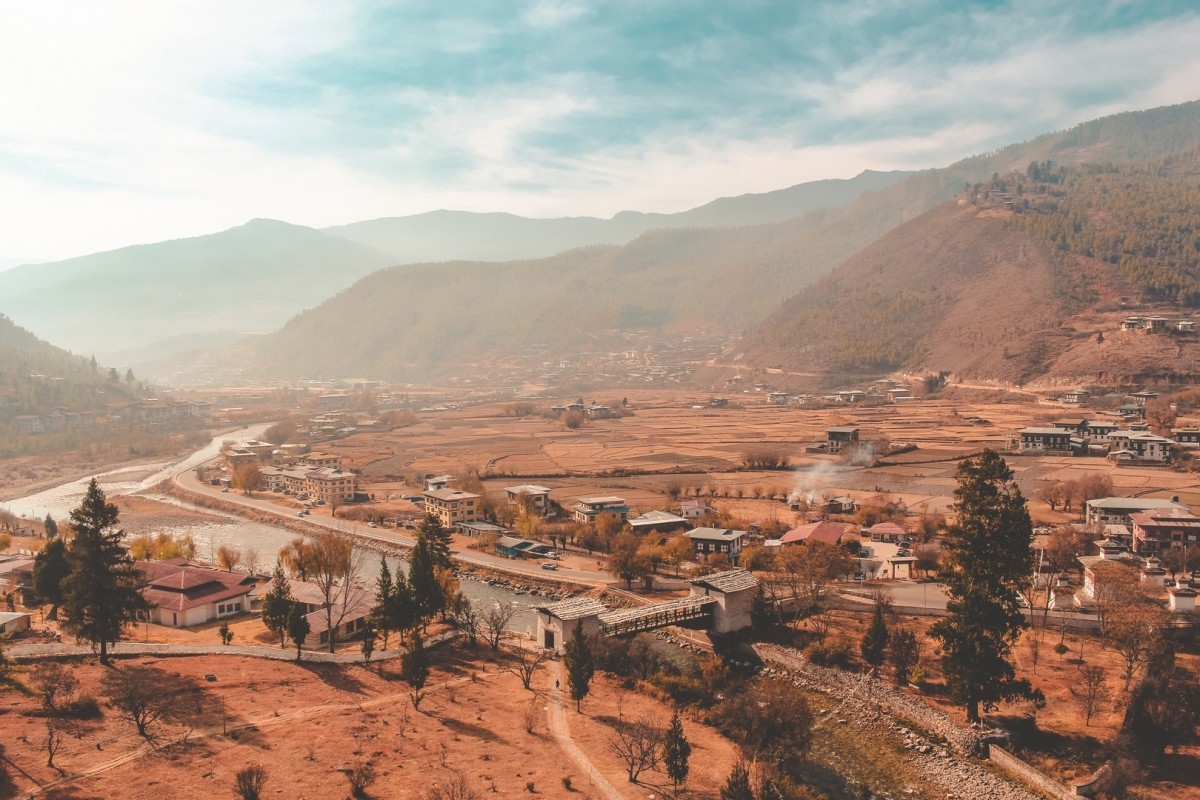
Bhutan, known as the Last Shangri-La, captivates travelers with its pristine natural beauty and vibrant spiritual traditions. The tour begins in Paro, where the iconic Tiger’s Nest Monastery clings dramatically to a cliffside. The moderately challenging hike to this sacred site rewards visitors with breathtaking views and a glimpse into Bhutan’s deep religious heritage. Paro town itself is peaceful and scenic, with traditional architecture and ancient ruins.
Thimpu, Bhutan’s capital, offers a mix of modernity and tradition, featuring sites like the giant Buddha Dordenma statue, the King’s Memorial Chorten, and vibrant local markets. The tour then heads to Punakha, where the stunning Punakha Dzong, located at the confluence of two rivers, showcases Bhutanese architecture and spiritual significance. This leg of the tour immerses travelers in Bhutan’s tranquil valleys and welcoming culture, leaving a lasting impression of a land untouched by time.
Bhutan Highlights Summary:
Hike to Tiger’s Nest Monastery in Paro
Explore cultural and religious sites in Thimpu
Visit Punakha Dzong, a Himalayan architectural marvel
Experience Bhutan’s peaceful culture and natural beauty
6. A Journey Through Three Unique Himalayan Cultures
The Nepal-Tibet-Bhutan tour offers a rare opportunity to experience three distinct Himalayan cultures, each shaped by its geography, history, and religion. Nepal is characterized by a vibrant mosaic of ethnic groups, ancient temples, and diverse landscapes ranging from terraced hillsides to snow-capped peaks. Tibetan culture is deeply spiritual, centered around Tibetan Buddhism, monastic traditions, and the resilience of a people living in one of the world’s highest regions.
Bhutan, meanwhile, prides itself on preserving its traditions and environment, blending modernity with spiritual values in a way few other countries do. The journey through these three countries reveals how the Himalayas influence cultural identity, from architecture and festivals to cuisine and daily life. Travelers gain a profound appreciation of how these cultures coexist and differ, all under the majestic shadow of the Himalayas.
Cultural Journey Summary:
Diverse ethnic and spiritual traditions in Nepal, Tibet, and Bhutan
Rich Buddhist heritage in Tibet and Bhutan
Unique architectural and artistic expressions
Insight into Himalayan ways of life and values
7. Highlights: From Rafting & Jungle Safaris to Ancient Monasteries
This tour uniquely combines thrilling outdoor activities with deep cultural exploration. Start with rafting on Nepal’s Trisuli River, where the excitement of navigating rapids meets stunning natural beauty. Wildlife enthusiasts will enjoy Chitwan National Park’s jungle safaris, spotting rare animals such as rhinos and tigers. In Tibet, the journey includes visits to ancient monasteries like the Potala Palace and spiritual lakes, blending adventure with reflection.
In Bhutan, the highlight is the hike to Tiger’s Nest Monastery, one of the most photographed and revered sites in the Himalayas. The tour also features visits to historical dzongs and vibrant local markets, offering diverse experiences from physical challenges to cultural insights. This balance of adventure and spirituality makes the tour both exhilarating and deeply fulfilling.
Activity Highlights Summary:
Trisuli River rafting adventure in Nepal
Jungle safaris in Chitwan National Park
Visits to Tibetan monasteries and high-altitude lakes
Trekking to Bhutan’s Tiger’s Nest and cultural sites
8. Who Should Choose This Himalayan Tri-Country Adventure?
This tour is perfect for travelers who seek a combination of cultural immersion, spiritual discovery, and adventure in some of the world’s most remote and beautiful regions. History buffs, nature lovers, and those interested in Buddhism and Himalayan cultures will find this itinerary especially rewarding. It is suitable for moderately active travelers, as it includes hiking, rafting, and some high-altitude travel but does not require extreme physical fitness.
Those who appreciate guided tours that provide in-depth local knowledge and a well-structured yet flexible itinerary will benefit most. The Nepal-Tibet-Bhutan tour is ideal for solo travelers, couples, small groups, and families wanting a unique, meaningful journey across three culturally rich Himalayan countries.
Ideal For Summary:
Culture, history, and spiritual enthusiasts
Adventure seekers and nature lovers
Travelers comfortable with moderate physical activity
Those seeking guided, well-organized multi-country tours
9. Scenic Landscapes and Diverse Experiences from Kathmandu to Paro
This tour offers a spectacular visual feast, traversing from Kathmandu’s ancient cityscapes and Himalayan foothills, through Tibet’s vast plateaus and crystal-clear lakes, to Bhutan’s verdant valleys and mountain monasteries. Nepal’s landscapes range from terraced farming villages to towering peaks, while Tibet offers high-altitude deserts, turquoise lakes, and sacred religious sites. Bhutan’s landscape is a lush tapestry of pine forests, terraced rice fields, and traditional villages.
Alongside these varied landscapes are equally diverse experiences—river rafting and jungle safaris in Nepal, monastic pilgrimages and cultural immersion in Tibet, and scenic hikes and fortress visits in Bhutan. Each day presents a new vista and a new way to connect with the environment and the people of this extraordinary region.
Scenic & Experience Summary:
Kathmandu’s ancient architecture and Himalayan views
Tibet’s high plateaus, lakes, and sacred monasteries
Bhutan’s lush valleys, traditional villages, and spiritual sites
Diverse adventures including rafting, hiking, and cultural exploration
When embarking on the Nepal-Tibet-Bhutan tour with Asiana Treks and Tours, it’s essential to understand a few important details to ensure a smooth and enjoyable experience. This multi-country journey involves traveling across diverse terrains, climates, and cultures, each with its own regulations and customs. Because of this, flexibility and preparedness are key. Travelers should be ready for some long travel days, varying altitudes, and cultural differences that might require patience and an open mind.
Additionally, health and safety are paramount, particularly when visiting high-altitude regions like Tibet and Bhutan. Altitude sickness can affect anyone regardless of fitness, so recognizing symptoms early and following acclimatization advice is crucial. Weather conditions can change rapidly, so packing appropriate clothing and gear is important. Lastly, it’s advised to maintain good communication with your tour guides and respect local customs, as these help enhance your cultural experience while ensuring your safety. By adhering to these notes, travelers can fully immerse themselves in the unique and enriching Himalayan adventure that Asiana Treks and Tours offers.
Important Notes Summary:
Be flexible and patient due to multi-country logistics
Prepare for altitude variations and weather changes
Follow health and safety advice carefully
Respect local customs and communicate with guides
2. Visa and Travel Permit Requirements for Nepal, Tibet (China), and Bhutan
Traveling across Nepal, Tibet, and Bhutan requires careful attention to visa and permit regulations, as each country has specific entry requirements. Nepal offers visas on arrival for many nationalities at Tribhuvan International Airport, but it’s advisable to check current rules before departure. Tibet requires a Chinese visa plus a special Tibet Travel Permit, arranged through registered tour operators such as Asiana Treks and Tours, because independent travel is restricted. Bhutan has a strict policy requiring tourists to book through licensed Bhutanese tour operators or international partners; visas are issued only after confirmation of the tour booking.
Obtaining all necessary permits in advance is crucial for smooth border crossings. For Tibet, the process includes arranging group tours or private guides, as solo independent travel is not permitted. Bhutan’s visa fee is usually included in the tour cost. Additionally, some regions in Nepal or Tibet might require additional permits for trekking or protected areas. Your travel consultant with Asiana Treks and Tours will assist you throughout the visa and permit process to ensure all paperwork is complete, avoiding delays or complications.
Visa & Permits Summary:
Nepal visa on arrival for many nationalities
Tibet requires Chinese visa + Tibet Travel Permit via tour operator
Bhutan visa issued only with confirmed tour booking
Additional permits may be required for trekking or protected zones
Assistance provided by Asiana Treks and Tours
3. Altitude Acclimatization and Health Precautions for High-Altitude Regions
Visiting high-altitude areas such as Tibet (Lhasa at 3,650m) and Bhutan’s mountainous valleys (above 2,000m) demands careful acclimatization and health precautions. Altitude sickness can affect anyone regardless of age or fitness, causing symptoms like headache, nausea, dizziness, and fatigue. To minimize risk, travelers should ascend gradually, stay well hydrated, avoid alcohol, and rest as needed during the first days at altitude. It’s important to communicate any symptoms to your guide immediately.
Asiana Treks and Tours incorporates acclimatization days and moderate physical activity to help your body adjust. Travelers are advised to consult with a healthcare professional before departure, especially if they have pre-existing medical conditions. Carrying altitude sickness medication such as acetazolamide (Diamox) may be recommended. Proper hydration, balanced nutrition, and avoiding overexertion are vital. Guides are trained to recognize and manage altitude sickness and have protocols in place, including emergency evacuation if necessary, ensuring your health and safety throughout the tour.
Altitude & Health Summary:
Ascend gradually and rest for acclimatization
Stay hydrated and avoid alcohol and heavy exertion
Know symptoms of altitude sickness and communicate with guides
Carry altitude medication if advised by doctor
Guides trained in health emergencies and evacuation procedures
4. Best Time to Visit Nepal, Tibet, and Bhutan
The ideal times to visit Nepal, Tibet, and Bhutan generally fall within the spring (March to May) and autumn (September to November) seasons. These periods offer the most stable weather, clear skies, and comfortable temperatures, making it perfect for sightseeing, trekking, and outdoor activities. Spring brings blooming rhododendrons and lush landscapes, while autumn features crisp air and spectacular mountain views.
Winter (December to February) can be cold, especially in Tibet and Bhutan, with some roads or passes potentially closed due to snow. Summer (June to August) corresponds with the monsoon season in Nepal and Bhutan, which can cause heavy rain, landslides, and limited visibility. However, Tibet’s high-altitude plateau remains drier, though cooler. Travelers during off-peak seasons should be prepared for weather challenges and limited accessibility. Overall, spring and autumn provide the best balance of weather and tourist services for a fulfilling Himalayan experience.
Best Time to Visit Summary:
Spring (March-May) and Autumn (Sept-Nov) are optimal
Clear skies, moderate temperatures, and fewer tourists
Winter can be cold with some closures
Summer monsoon causes heavy rain in Nepal and Bhutan
Plan accordingly for off-season travel challenges
5. Currency, Payment Options, and Budget Tips
Each country on the Nepal-Tibet-Bhutan itinerary uses its own currency: Nepalese Rupee (NPR), Chinese Yuan Renminbi (CNY) for Tibet, and Bhutanese Ngultrum (BTN), which is pegged to the Indian Rupee (INR). It’s advisable to carry some local currency for small purchases, tips, and local markets. International credit and debit cards are accepted in larger hotels and some shops, but cash remains king in remote areas.
ATMs are readily available in major cities like Kathmandu, Lhasa, and Thimpu, but may be scarce in rural or remote regions. Travelers should inform their banks before departure to avoid card issues. Budget-conscious travelers can save by using local transport, eating at local restaurants, and shopping in markets rather than tourist spots. Prepaid expenses such as accommodations, permits, and flights are usually covered in the tour package price by Asiana Treks and Tours, reducing out-of-pocket costs during the trip.
Currency & Budget Summary:
Nepalese Rupee (NPR), Chinese Yuan (CNY), Bhutanese Ngultrum (BTN)
Carry cash for small expenses; cards accepted mainly in cities
ATMs available in major towns, scarce in remote areas
Inform bank before travel to avoid card issues
Use local transport and eateries to save money
Major expenses often prepaid in tour packages
6. Cultural Etiquette Across Nepal, Tibet, and Bhutan
Respecting cultural etiquette is vital when visiting Nepal, Tibet, and Bhutan, where ancient traditions and customs shape daily life. In Nepal, removing shoes before entering homes or temples is standard, and modest dress is appreciated. Greetings often involve the traditional "Namaste" gesture. In Tibet, show respect by walking clockwise around stupas and monasteries, avoid touching religious artifacts, and always use your right hand when giving or receiving items.
Bhutanese culture emphasizes modesty and respect; avoid public displays of affection and dress conservatively, especially when visiting religious sites. It’s customary to greet monks and elders politely and to ask permission before photographing people. In all three countries, public behavior should be discreet; loud conversations or disrespectful gestures toward religious icons are frowned upon. Following these cultural norms enriches your experience and fosters goodwill with locals.
Cultural Etiquette Summary:
Remove shoes before entering homes and temples
Use respectful greetings: “Namaste” in Nepal, polite gestures in Tibet and Bhutan
Walk clockwise around religious sites in Tibet
Dress modestly and avoid public displays of affection
Ask permission before photographing locals
Show respect to monks, elders, and religious artifacts
7. Flight Connections and Transportation Logistics
The Nepal-Tibet-Bhutan itinerary involves a combination of flights, road travel, and local transfers. The tour typically begins with arrival at Tribhuvan International Airport in Kathmandu. The Kathmandu-Lhasa flight provides a scenic entry into Tibet’s high-altitude capital. Domestic flights or private road transfers link cities within Tibet, such as from Lhasa to Namtso Lake and Gyantse. Returning to Kathmandu from Lhasa usually involves a direct flight.
For Bhutan, travelers fly from Kathmandu to Paro Airport, one of the world’s most dramatic airports nestled in the Himalayas. Within Bhutan, travel is primarily by road, with scenic drives between Paro, Thimpu, and Punakha. Roads can be winding and weather-dependent, so travel times may vary. Throughout the trip, Asiana Treks and Tours provides private vehicles, experienced drivers, and coordinated transfers to ensure smooth logistics and comfort.
Transportation Summary:
International arrival via Kathmandu Airport
Flights Kathmandu-Lhasa and Lhasa-Kathmandu
Road travel between Tibetan cities and high-altitude sites
Flight Kathmandu-Paro for Bhutan segment
Road transfers between Paro, Thimpu, and Punakha
Private vehicles and experienced drivers arranged by tour operator
8. Packing Essentials for Varied Climates and Activities
Packing for the Nepal-Tibet-Bhutan tour requires preparation for diverse climates and activities. Layered clothing is essential to adapt to fluctuating temperatures—from warm days to chilly nights, especially at higher altitudes. Breathable, moisture-wicking base layers, insulating mid-layers, and windproof/waterproof outer layers form the basis of your wardrobe. Comfortable walking shoes and sturdy hiking boots are necessary for sightseeing and trekking.
Other essentials include sun protection (hat, sunglasses, sunscreen), a reusable water bottle, personal medications (including altitude sickness remedies), and a basic first aid kit. For cultural visits, modest clothing that covers shoulders and knees is respectful. Small backpacks or daypacks are useful for carrying essentials during excursions. Electronics should include adapters for different plug types, and a camera to capture stunning Himalayan vistas. By packing thoughtfully, travelers ensure comfort and readiness for every experience on this tour.
Packing Essentials Summary:
Layered clothing for temperature variations
Comfortable walking shoes and hiking boots
Sun protection and reusable water bottle
Modest attire for cultural sites
Personal medications and basic first aid kit
Electronics with power adapters and camera
9. Travel Insurance and Emergency Support
Travel insurance is highly recommended for the Nepal-Tibet-Bhutan tour, given the remote locations, high altitudes, and adventurous activities involved. A comprehensive policy should cover medical emergencies, evacuation, trip cancellations, lost luggage, and activity-specific risks such as rafting or trekking. Medical evacuation coverage is especially important due to the challenges of accessing emergency care in high-altitude or isolated regions.
Asiana Treks and Tours advises travelers to purchase insurance well in advance and provide proof before departure. The company maintains emergency protocols and can assist with medical referrals or evacuation arrangements if necessary. Having reliable insurance brings peace of mind and ensures that any unforeseen incidents can be handled quickly and effectively, allowing travelers to focus on enjoying the incredible journey across the Himalayas.
Insurance & Support Summary:
Comprehensive travel insurance covering medical and evacuation
Coverage for trip cancellation, lost luggage, and adventure activities
Purchase insurance prior to travel and provide proof
Emergency protocols and assistance available from tour operator
Ensures peace of mind in remote and high-altitude areas
10. Safety Tips for Rafting, Jungle Safari, and Mountain Hiking
Safety is a top priority during active excursions on the tour, including rafting on Nepal’s Trisuli River, jungle safaris in Chitwan, and mountain hiking in Bhutan and Tibet. When rafting, always wear a life jacket and helmet, follow your guide’s instructions carefully, and be aware of river conditions. It’s important to have basic swimming ability, though guides are trained to assist in emergencies.
During jungle safaris, respect wildlife by maintaining a safe distance and following the ranger’s advice. Avoid sudden movements or loud noises to prevent disturbing animals. For hiking, wear sturdy boots, carry adequate water and snacks, and hike within your physical limits. Always inform your guide if you feel unwell or fatigued. These precautions, combined with professional guides and proper equipment, make your adventure both thrilling and safe.
Safety Tips Summary:
Wear life jackets and helmets during rafting
Follow guides’ instructions closely
Maintain safe distance from wildlife on safari
Wear sturdy boots and hike within limits
Communicate any discomfort to guides immediately
Rely on professional guides and proper equipment
11. COVID-19 and Other Travel Restrictions (if applicable)
In light of the ongoing global situation, travelers should stay informed about COVID-19 related regulations that may impact their journey through Nepal, Tibet, and Bhutan. Entry requirements such as negative PCR tests, vaccination proof, or quarantine rules can change frequently. Asiana Treks and Tours monitors all updates and provides travelers with the latest information to ensure compliance and smooth travel.
Other health and safety protocols such as mask-wearing, social distancing, and sanitization may be required in airports, hotels, and public spaces. Travelers should also have contingency plans in case of unexpected changes or cancellations due to pandemic-related restrictions. Staying flexible, informed, and prepared allows for a safer and more enjoyable Himalayan adventure during these times.
COVID-19 & Restrictions Summary:
Stay updated on entry requirements and health protocols
Provide vaccination and test documentation if required
Follow local guidelines on masks and social distancing
Be prepared for possible changes or quarantines
Tour operator provides latest updates and support
Explore on an unforgettable journey through the heart of the Himalayas with Asiana Treks and Tours on this Nepal, Tibet, and Bhutan adventure. Begin in Kathmandu, exploring ancient temples, bustling markets, and rich cultural landmarks before enjoying an adrenaline-filled rafting experience on the Trisuli River and traveling to the serene city of Pokhara, where stunning lakes and mountain vistas await. Continue with a wildlife immersion at Chitwan National Park, experiencing jungle safaris, elephant rides, and overnight stays in authentic lodges.
Next, fly to Lhasa, Tibet, to discover the spiritual grandeur of the Potala Palace and the sacred Jokhang Temple, with a scenic drive to Namtso Lake and overnight in Gyantse. Conclude with a captivating Bhutan itinerary, visiting Paro, hiking to the iconic Tiger’s Nest Monastery, and exploring Thimphu and Punakha Dzong. This thoughtfully crafted journey blends culture, adventure, and natural beauty into a seamless Himalayan experience.
Our airport representative will welcome you on your arrival at Kathmandu international airport. You will be transferred directly to your hotel for rest and refreshment. Overnight stay in hotel in Kathmandu.
This is the day your Nepal tour begins. Our official tour guide will pick you up you’re your hotel and take you on a sightseeing tour of Kathmandu. You will visit the following world heritage sites in the heart of Kathmandu: Kathmandu Durbar Square: Once the seat of Malla Kings, Kathmandu Durbar Square is an open museum for Newari art and architecture. The premises prominently features Taleju Temple, Kumari Temple, courtyard, erotic arts and statues, pagoda and shikhara styled temples. The only living goddess in the world, Kumari, is housed in Kumari house here. Pashupatinath Temple: This 7th century temple is dedicated to Lord Shiva and is one of the four most precious pilgrimage sites for Hindus all over the world. Every year it hosts Shiva Ratri or the Night of Shiva which is attended by thousands of Hindu devotees. There are deer park, classical music center, funeral pyres and several other attractions. Boudha Stupa: Believed to be around 2000 years old, Boudhanath is one of the most important and largest Buddhist stupa in the world. Its unique dome shaped white structure and the all-seeing eyes of Buddha watching in four direction attracts both Nepali and Tibetan Buddhists, red robed Lamas and Rinpoches. Swoyambhu Stupa: Swoyambhu Stupa is considered the twin sister of Boudha Stupa and has equal importance and similar architecture. This is where Newar Buddhists of Kathmandu valley observe Dipankar Buddha festival every 12 years! After the tour, you will be return to your hotel and prepare for a good night rest. Stay overnight in hotel in Kathmandu.
Enjoy 3 hrs rafting on Trisuli river and then 3 hrs drive to Pokhara. Pokhara is the most popular city in Nepal and is the gateway to Annapurna trekking. Stay overnight in hotel in Pokhara.
Early morning drive to Sarangkot hill for a superb mountain and sunrise views. Later in the day you will have time to visit David Falls, Bat Cave, International mountain museum and in the evening enjoy boating on Phewa Lake. Stay overnight in hotel in Pokhara.
Early morning long drive to Chitwan National park takes about 4-5 hrs. In Chitwan you will be transferred to your lodge for some rest. In the evening you will go out to explore Tharu villages and then enjoy Tharu song and dance over dinner. Stay overnight in a lodge nearby Chitwan National Park.
After your breakfast, Canoe ride along the Rapti River. An excellent opportunity for Bird Watching and for seeing the 2 rare species of crocodiles; the Marsh Mugger and the fish eating Gharial. + Jungle Walk + on the way back one can enjoy the elephant bathing. After your lunch start Elephant Safari. An excellent opportunity to see four different kinds of deer, rhinoceros, wild boar, monkey, leopard, sloth bear and the Royal Bengal Tiger (If you are lucky).You will also encounter many other smaller mammals that have made Chitwan their home. Evening Tharu cultural dance presentation or Slides show presentation. All the meals at Lodge.
Early morning follow official natural guide for bird watching activity followed by a visit to Elephant Breeding Center. After lunch take a flight back to Kathmandu which takes 1 hr. Stay overnight in hotel in Kathmandu.
Early morning drive to Kathmandu International airport to catch a flight to Lhasa, Tibet. The flight takes about 1 hr straight over the Himalayas with impressive views of Himalayan peaks. Stay overnight in hotel in Lhasa.
This is a day you will explore Lhasa. Visit the impressive 7th century Potala palace built by Tibetan King Tsrong Tson Gompa, Jokhang Temple and Barkhor market, 15th century Drepung and Sera monastery of Gelugpa sect and Norbulingka.
Today go for early morning four-wheel drive to Namtso Lake, a nature’s gift in vast landscape of Tibet. This is the second largest saltwater lake in China. Later take a long drive over Khamba La Pass (4,794m) and Karo La Pass (5,045m) towards Gyantse. Enroute take in the surreal sight of Yamdrok Tso Lake and Kang Sang glacier (7,252m). Stay overnight in a lodge in Gyantse.
Take a tour of Khumbum Stupa, Phalkot Monastery and Gyantse Dzong (fortress) in the morning. After lunch take a long enjoyable drive back to Lhasa. Stay overnight in hotel in Lhasa.
Take an early morning flight from Lhasa back to Kathmandu. In Kathmandu you will be received by our office representative and transfer to hotel.
After early morning breakfast, you will be driven to the airport, to catch morning flight from Kathmandu to Paro international airport which takes about 1 hr. Enjoy breathtaking views of the Himalayas both in Nepal and Bhutan. Mt. Jumlohari and and Jichu Drake will greet you on your landing. Our Bhutanese guide will welcome you and take you to your hotel. In the afternoon, start guided sightseeing tour of Bhutan. Among the sites you will visit include Kyichu Lhakhang (oldest temple of Bhutan); 17th century Rinpung Dzong and 17th century Drugyal Dzong Overnight in Paro. Stay overnight in hotel in Paro.
Take an early morning to Taktsang Monastery or the famous Tiger’s Nest Monastery (3180m). Guru Rinpoche or Chengritse is believed to have arrived on this spot riding a tigress. After spending some time here, you will head for Thimphu which takes about 2 hrs. On arrival in Thimphu, you will straight away visit King's Memorial Chorten, Folk Heritage Museum and National Library. Stay overnight in Thimpu.
Wake up early to go on a tour of Tashichho Dzong and then hike to Wangditse Gompa, followed by National Institute of Traditional Medicine and Textile Museum. After lunch we will head towards Punkaha, which is the capital of Punkaha. The scenic drive will involve crossing over Dochu La Pass at 3100m and through quiet rhododendron and fir forests. You will pass by 108 chorten Lungchutse Monastery. Stay overnight in hotel Punakha.
Enjoy morning hike to Khamsum Valley which will take almost 2 hrs. The valley is home to Namgyal Chorten which features old Buddhist paintings. From here it is just another 45 minutes will take you to Punakha Dzong, which is perched at the crossing of Pho Chhu and Mo Chhu Rivers. Built in 1637, Punakha Dzong is one of the oldest and largest Dzong in Bhutan. Afterwards you will drive back to Paro which is a 2-3 hr journey.
Depending on the timing of your international flight, you will be transferred to international airport in Paro for your flight back home.
Experience the wonders of Nepal, Tibet, and Bhutan with Asiana Treks and Tours, exploring Kathmandu, Pokhara, Chitawan, Lhasa, and Paro. From thrilling rafting on the Trisuli River to serene lakes, historic monasteries, and cultural landmarks, this 17-day journey blends adventure, culture, and natural beauty.
With Asiana Treks and Tours, enjoy a seamless combination of adventure, culture, and comfort while exploring the Himalayan region.
Your Start Date is the day you land in Nepal, and your End Date is when you fly home.
If the set Nepal Tibet Bhutan Tour group dates don’t suit your schedule, we can offer alternative dates upon request.
Asiana Treks and Tours offers an all-inclusive package covering accommodations, guided sightseeing, ground transportation, entry fees to listed sites, internal flights, and most meals. The package includes hotel stays in Kathmandu, Pokhara, Chitwan, Lhasa, Paro, and Thimpu, along with jungle activities, rafting, and all scheduled cultural experiences. Airfare between countries (Nepal-Tibet-Bhutan) is also arranged. Professional English-speaking guides accompany you throughout the tour, ensuring a smooth and enriching journey across these three majestic Himalayan nations.
Absolutely. The itinerary is well-paced, allowing time for rest and cultural immersion. While there are some active elements like hiking to Tiger’s Nest or rafting on the Trisuli River, these can be tailored or substituted depending on physical ability. Senior travelers and families are welcome, and we often make slight adjustments to ensure safety and comfort. Our experienced guides are attentive and accommodating to varying needs, making the tour enjoyable for guests of all ages.
Moderate physical fitness is recommended. While much of the tour is vehicle-based and involves sightseeing, there are some physically active days such as rafting, light hikes, and walking at higher altitudes (especially in Tibet and Tiger’s Nest in Bhutan). Travelers should be comfortable with a few hours of walking per day. Altitude sickness prevention is also important, especially in Tibet. Our guides monitor your health, and we can adjust activities if you're feeling unwell or fatigued.
Altitude sickness can affect some travelers, particularly during the Tibet segment (Lhasa is at 3,650 meters). Asiana Treks and Tours schedules gradual altitude gain and provides time to acclimatize. You’re advised to stay hydrated, avoid alcohol, and rest adequately. We monitor guests closely and have contingency plans in case of symptoms. The guides are trained in first aid and will take appropriate action if altitude sickness occurs. Medical kits are carried on the tour for emergencies.
Asiana Treks and Tours organizes both private and small group tours. Group sizes typically range from 2 to 12 participants, ensuring personalized attention and an intimate travel experience. Smaller groups allow for more flexibility, easier logistics, and deeper cultural engagement. For private tours, we tailor the itinerary to your preferences. Whether you're a solo traveler, couple, or part of a group, we offer the same high standard of service and support throughout the journey.
Yes, Asiana Treks and Tours specializes in tailor-made travel experiences. While the 17-day itinerary is popular, we can customize it based on your interests, budget, and time constraints. You can extend your stay in a particular country, add adventure activities, or substitute certain destinations. We also offer luxury, spiritual, and family-friendly versions of the tour. Our travel consultants work with you to design a memorable journey that reflects your travel style and preferences.
In Chitwan, you’ll enjoy a variety of exciting jungle activities such as jeep safaris, canoeing, bird watching, and guided nature walks. You might spot rhinos, deer, crocodiles, wild boars, and even elusive Bengal tigers. Cultural shows, village visits, and elephant briefings are also included. Accommodation is in forest lodges with immersive jungle ambiance. Asiana Treks and Tours ensures all activities are conducted ethically and with environmental conservation in mind, offering an enriching and responsible wildlife experience.
The Tiger’s Nest Monastery, or Paro Taktsang, is one of Bhutan’s most iconic spiritual sites perched dramatically on a cliff 900 meters above the Paro Valley. The hike is moderately challenging, taking about 2 to 3 hours each way, offering stunning mountain views and an immersive cultural experience. The monastery symbolizes Bhutan’s rich Buddhist heritage, and visiting it provides a deep sense of tranquility and awe. Asiana Treks and Tours ensures your hike is well-supported with guides and rest stops.
Mobile phone coverage varies by region. In major cities like Kathmandu, Pokhara, Lhasa, Paro, and Thimpu, 4G internet and phone signals are generally reliable. However, in remote areas such as Namtso Lake, Chitwan jungles, and high mountain passes, connectivity can be limited or unavailable. We recommend informing friends and family beforehand. Local SIM cards are available in Nepal and Bhutan, but may have restrictions in Tibet. Asiana Treks and Tours provides guidance on connectivity options during your trip.
Respect for local customs and traditions is vital across Nepal, Tibet, and Bhutan. Dress modestly, especially when visiting temples, monasteries, and villages. Always ask before photographing people or religious sites. Remove shoes before entering sacred places, and follow instructions during ceremonies. Avoid public displays of affection and maintain a calm demeanor. Asiana Treks and Tours educates travelers on cultural sensitivities to ensure meaningful, respectful interactions and a positive experience for both guests and host communities.
Yes, visas are required for all three countries. Asiana Treks and Tours assists in processing the Tibet and Bhutan permits, which must be pre-arranged. Nepal offers visa-on-arrival for many nationalities. For Tibet, a special Tibet Travel Permit is required, which we organize with your passport and Chinese visa. Bhutan's visa must be approved in advance and is issued via our Bhutanese partner. We guide you through the visa processes to ensure timely approval and stress-free entry.
Nepal uses the Nepalese Rupee (NPR), Tibet uses the Chinese Yuan (CNY), and Bhutan uses the Bhutanese Ngultrum (BTN), though Indian Rupees are also accepted in Bhutan. ATMs are widely available in Kathmandu, Pokhara, and Lhasa, but less so in remote areas. In Bhutan, card usage is limited, so carry sufficient cash. Asiana Treks and Tours recommends exchanging small amounts at reliable money changers or airports, and we help facilitate money exchange where needed.
The tour includes 3 to 4-star standard accommodations in urban centers like Kathmandu, Pokhara, Lhasa, and Paro. In more remote areas such as Chitwan or Namtso Lake, you'll stay in comfortable lodges or eco-resorts with modern amenities. All hotels are clean, safe, and conveniently located to access main attractions. Asiana Treks and Tours ensures each accommodation offers good service, local character, and comfort. Upgrades to luxury hotels can be arranged upon request for added cost.
Most meals are included, particularly breakfast, and full board is provided during jungle stays and Bhutan portions. In cities like Kathmandu, Pokhara, and Lhasa, travelers enjoy more flexibility and may choose their preferred restaurants for dinner or lunch. Our guides offer great recommendations for local cuisine. Bhutan has fixed itineraries that include all meals. We accommodate vegetarian and special dietary needs if informed in advance. The culinary experience across the three countries is diverse and flavorful.
The ideal time for this Nepal-Tibet-Bhutan tour is during spring (March to May) and autumn (September to November). These seasons offer clear skies, mild temperatures, and vibrant landscapes. Spring boasts blooming rhododendrons in Nepal, while autumn offers excellent mountain visibility and festive local cultures. Monsoon season (June–August) may cause travel delays, and winters (December–February) can be harsh in Tibet and Bhutan. Asiana Treks and Tours operates year-round but recommends planning around these optimal periods.
Asiana Treks and Tours arranges all internal flights (Kathmandu to Lhasa, Lhasa to Kathmandu, and Kathmandu to Paro) as part of the package. We ensure you are accompanied during airport transfers and assisted with immigration at each border. These regional flights offer scenic aerial views of the Himalayas and are operated by reliable airlines. Transportation within each country is provided via private tourist-standard vehicles, ensuring comfort and safety during long drives such as Lhasa to Gyantse.
Yes, comprehensive travel insurance is mandatory for this tour. Your policy should cover emergency medical treatment, trip cancellations, baggage loss, and evacuation due to altitude sickness or natural disasters. Proof of insurance is required before departure. Asiana Treks and Tours partners with several global insurance providers and can recommend suitable options. Please review your policy carefully and ensure it covers high-altitude travel and multi-country trips. This is a vital safety net for an adventurous itinerary.
Yes, all guides provided by Asiana Treks and Tours are local experts fluent in English. In each country, you’ll have specialized guides familiar with the culture, history, and geography of their region. Their local insight enhances your experience by providing meaningful context to the places visited. They are professionally trained, licensed, and passionate about sharing their heritage. Communication is smooth and informative, and our guides are always happy to answer questions or assist with special needs.
These countries are generally safe for travelers, with low crime rates and welcoming locals. Asiana Treks and Tours prioritizes safety and partners only with licensed guides, trusted transportation providers, and vetted accommodations. We continuously monitor local conditions and political developments, especially in Tibet. Our team is trained to handle emergencies, and your tour leader remains in contact with our base office throughout. Personal safety, cultural respect, and local etiquette are emphasized in our pre-departure briefing.
You should pack light but be prepared for varying climates. Essentials include comfortable walking shoes, layered clothing, a warm jacket (especially for Tibet and Bhutan), sun protection, rain gear, personal medications, and a small daypack. A hat, sunglasses, and reusable water bottle are useful. Cultural respect is important, so modest attire is appreciated during temple visits. A camera and travel journal are great for capturing memories. We provide a detailed packing list before departure to help you prepare.


 (2)
(2)  100% recommend (0)
 (0)
(0)