Need help with booking? Send us a message.
Explore on an unforgettable adventure with Asiana Treks and Tours on the Paldor Peak Climbing expedition. Beginning in vibrant Kathmandu with a heritage tour, the journey winds through scenic trails from Syabru Besi to remote Himalayan villages like Gatlang, Yuri Kharka, and Somdang. With gradual acclimatization, trekkers ascend Paldor Peak (5,896 m), enjoying breathtaking vistas and serene landscapes. The return trek traverses picturesque valleys and charming settlements before concluding in Kathmandu. This 19-day expedition blends culture, adventure, and high-altitude mountaineering, creating memories that last a lifetime.
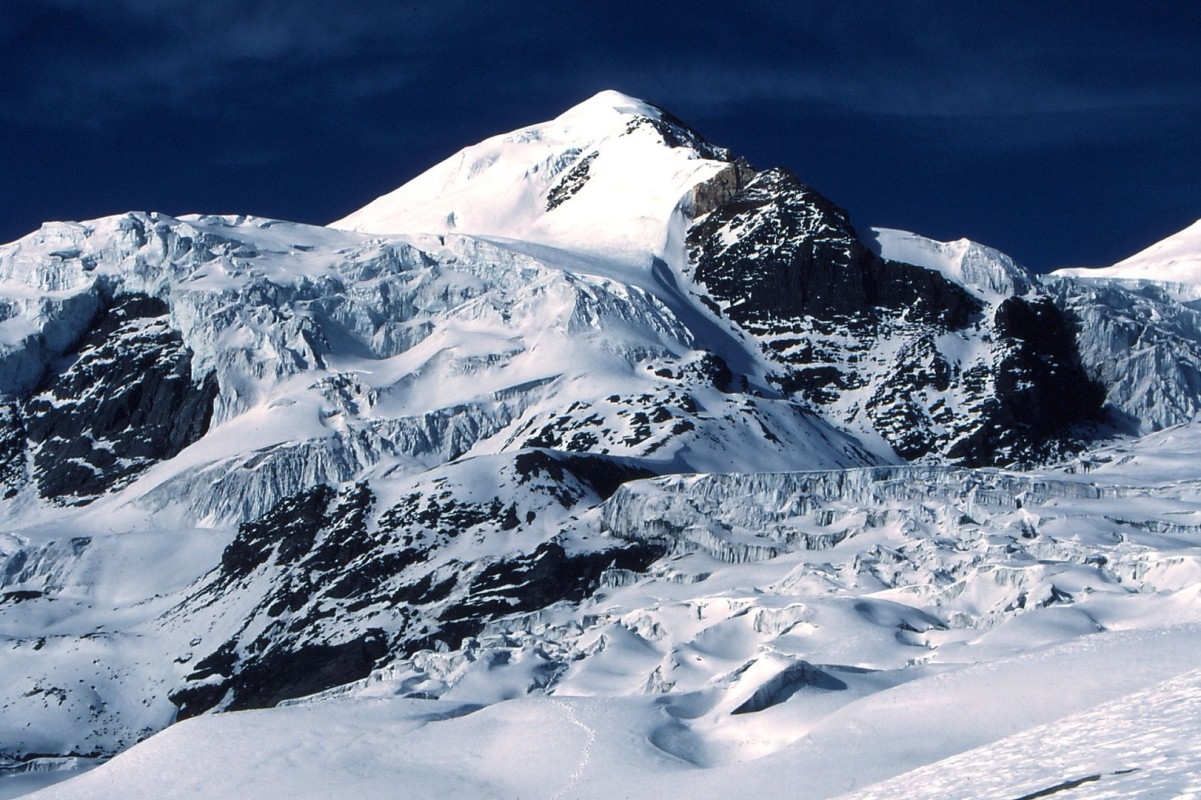
Paldor Peak with a Height of 5860m is one of the famous trekking peaks in the Ganesh Himal Range this Himalayan trekking is dominated by the providence god Ganesha. The trail is not very steep and it is quite easy to climb, and one does not need to have any experience of mountaineering at all. It begins in Kathmandu and takes tourists through the villages of Tangjet of the Tamang cultural richness and Gatlang and across suspension bridges over the melting glacier from the Tibetan border. The trail now turns northwards along the ridge into more of the dense forests of Mailing Khola which is a tributary of the Trishuli River.
The main climbing route after crossing the glacier is either to start up the steep icy exactly at the top of the ridge which requires ropes or continue around the ridge on the crevassed side, and then up an easy 45-degree ridge. Climbers establish a base camp at Paldor Base Camp and spend one day at 4280 m for acclimatization before moving to the high camp at a high altitude suggested by a climbing specialist before the final assault on the summit.
The Paldor Peak has clear views of several other mountains of the Himalayas including the Ganesh Himal, Langtang Lirung, Manaslu, Pabil, La, Lobsang Karpo, Ganesh I and Ganesh V, and the range of mountains of Tibet including the Shishapangma. The one from Kathmandu to Sya-Bru-Bensi is the nearest trekking route from the North West.
Asiana Trek and Tour has a perfect itinerary for Paldor Peak. A Paldor Peak expedition usually takes about 10-12 days in all.Starting from Kathmandu, there is a drive to Syabrubesi, and then the trek through villages and terrains to reach the base camp. Carrying a spare day before heading for the high camp is important for acclimatization. The actual climbing of the mountain takes place in the early morning and is followed by a return to the base camp for rest. The final part of the trek includes the return to Syabrubesi, which includes visits from local people and hot springs.
Paldor Peak Climbing Distance:
Climbing an expedition to Paldor Peak also depends on the route and approach that has been chosen for the trekking, but the trekking area is approximately 19 km in distance. The actual stalk to the top may not be long compared to that of other mountains, but other aspects including the approaches, movements and descents, acclimatization walks and the back-off can take several days. The actual climbing distance can therefore be more described by vertical meters than by horizontal kilometers since climbers cover steep and tough terrains.
Paldor peak climbing route:
The most common trail to approach Paldord Peak is to cross over the glaciers and up and over a series of steep ridges. As with most treks, there are several ways the most conventional is through Syabrubesi. The ascent consists of steep ground with crevasses and some steep ground, particularly during the first part of the climb. Climbers often encounter two main options after reaching a particular point: climbing a ridge face directly or employing a crack to perform a tilting ridge. It presents splendid vistas of ultramodern peaks in the Great Himalayan Range across the valley.
Paldor peak climbing cost:
The charges for the Paldor Peak trek depend on the time of the year, the number of people participating, or the services that are to be included. In most cases, one has to be prepared to part with at least $1400 to $2700 for a single individual. This includes permits, guides, porter, equipment, accommodation, and meals. However, personal expenses such as climbing equipment, travel insurance, and pocket money, cannot be included in the budget. Thus, the tourists should embark on the expedition through a recommended travel agency that would guarantee safety as well as coordination of the exercise.
Paldor Peak Climbing Difficulty:
Paldor Peak Fall is among the moderate-rated mountain peaks climbing in Nepal. It can be said that it offers difficulties not present in summiting higher mountains but is not as technically difficult as the latter. A set of glaciers, steep slopes, and sometimes rather open rises have to be passed through while moving along the route. A few points about the climbing experience: Necessary is previous mountain climbing and a good physical shape. This way, it will be possible to acclimatize to that altitude and the next days weather conditions may be quite different. Though not a technical summit, Paldor deserves to be a must for those who are looking for some hardcore expedition out in the Himalayas.
Paldor Peak Height:
Paldor Peak has a height of 5,903 meters (19,367 feet) vertically perceived from sea level. This mountain is found in the Ganesh Himal area and as a result, it provides climbers with stunning vistas of other Himalayan giants. Its height is instrumental to the climbing process and the climbing experience and has particular requirements in terms of acclimatization and the actual use of climbing tools and skills.
About Paldor Peak High Camp:
Paldor Peak High Camp is ideal for making a bid for the summit of the mountain. Located at a higher level than the base camp, this is the place where climbers prepare themselves for the worst at the expense of the low oxygen concentration in the environment. The camp is very exposed and very barren and gives a good feel of the mountains with good views of other mountains. In general, conditions at high camp vary but are usually cold with wind at times. It is required and useful to have good camping equipment and clothing if the weather is expected to be bad.
Paldor Peaks safety:
There is so much fun and satisfaction that comes with climbing during Paldor Peak but it deserves a word on safety. These risks consist of; Sickness: Due to the high altitude slopes Slides: These are avalanches Crevasses: Large gaps in the snow base that one may be trapped Weather: This is relative to conditions that change frequently in those regions. Accommodation to the wilderness, experienced wilderness guides, and good quality equipment are crucial to any success. Like every other adventure activity, climbers should be in good physique and minimum climbing competency must be required. Asiana Trek and Tour offers professional guides on safety as well as the most experienced porters and detailed emergency plans. Determinations towards the welfare of the clients provide security for all the individuals who venture on the Paldor peak trip.
Major villages of Paldor Peak Climbing:
The notable villages that trekkers are likely to pass by while attempting the Paldor Peak are Gatlang, Yuri Kharka, Somdang, and Jastapani. Such settlements give a glimpse into the local people way of life and facilities are available for trekking expeditions of the Tamang people. Gatlang is sometimes used as a starting point, and Yuri Kharka and Somdang are used as stopover points to acclimatize before beginning the ascend to the base camp at Jastapani. All these villages are easily accessible by foot and are immersed in natural beauty and that too largely adds to it.
Best Viewpoints on the Way to Paldor Peak Climbing:
Paldor Peak is one of the trekking peaks in the Ganesh Himal, a region in the Nepalese Himalayas. Here are some of the best viewpoints on the way to Paldor Peak:
These viewpoints not only give very beautiful views of the area but also contribute positively to the entire trekking experience, giving a sneak preview of the race, customs, wildlife, and topography of the Ganesh Himal.
View and Experience on Top of Paldor Peak:
As described about this trek at the top of the Paldor Peak one can feel sheer ecstasy. This part provides an amazing view of the Himalayan range including Langtang Lirung, Manaslu, and Ganesh Himal is viewed in its sweep. It is fulfilling and breathtaking to feel on top of the mountain world while taking a look at the immensity of the climbers. The clear atmosphere of the high and the terrific silence of the lonely emerald make the top of Paldor Peak one of the truly memorable experiences of the trip in the Himalayas.
Flora and Fauna In Paldor Peak Climbing:
Flora and fauna in Paldor Peak have a variety while opting for the climbing route of the Paldor Peak. The terrain at lower slopes is covered by Rhododendrons while the higher slopes are occupied by vast meadows. Some of the colorful flowers you may glimpse are primulas and gentians. Himalayan black bears, red pandas, and birds like the Impeyan, Kalij, and Cheer are some of the animals that wildlife enthusiasts are likely to come across. The longer you go on the trek the tougher it gets; the vegetation decreases and the rocks and glaciers take over.
Festivals and Culture of Paldor Peak Climbing:
The Saribung Peak climbing region influences Tibetan Buddhism. As the trekkise is set in the high mountains and has many days devoted to ascension, it is rather difficult to get a lot of experience with the color of the local festivals During the trek though, it is possible to get a glimpse of life in the Upper Mustang region. Picturesque features include ancient monasteries, fluttering prayer flags, mani walls and so on which make the physical climbing task a real spiritual. The culture of the region with a mixing of both Tibetan and Nepalese flavors enhances the cultural values and heritage of the country.
Advantage book with Asiana Treks and Tours with Himchuli Peak climbing:
* Private transport for airport transfers to/from your hotel.
* Trip briefing on Facebook and online if you love to connect.
* Last minute booking at your hotel at a suitable time after your arrival.
* Easy booking and reservation system.
* Multi-channel communication via Email, WhatsApp, Facebook, Viber, Skyp 24/7 phone communication at +977-9851076270
* Free excess luggage storage during the Trek
* Oximeters are provided to examine blood oxygen saturation at high altitudes to detect altitude sickness early
* Medical kits along the Trek and hot airbags are available in winter
* Arrange sleeping bags, duffel bags, down jackets, and walking pools if you don't have your own.
Paldor Peak Climbing Start:
A Paldor Peak climbing expedition can be initiated through a spectacular drive from Kathmandu to Syabrubesi. It is spread out on a hilltop and is known for its beauty and as the first checkpoint for the Langtang treks. After this, it passes through scenic regions throughout Tamang settlements with rice terracing along with forests. As the climbers progress up the trail, the country becomes rocky and alpine, allowing climbers to have a feeling of the real deal ahead of them.
Currency Exchange:
The Nepalese rupee is Nepali currency, and 1 USD is approximately 130 NPR. Only NPR is accepted in Nepal, so it's best to bring cash to facilitate transactions. Banks and ATMs in Kathmandu provide currency exchange services but note that most banks prefer new, crisp notes.
Our Team:
The Asiana Treks and Tours team is professional, reliable, and responsible. They are well-trained, friendly, radiant, and fluent in English. You can feel comfortable sharing anything with them. They are experts in local culture, history, vegetation, food, accommodation, weather conditions, and first aid medication. They are also environmentally conscious and respect the rights of animals.
However, please do not provoke them for personal gain during the Trip. While you can enjoy your holiday with them, we kindly request that you do not try to change their customs, beliefs, religion, culture, or traditions.
We and our staff are committed to making your adventure trip unforgettable memories of a lifetime journey in Nepal.
Sherpa, Guide, and Porter Arrangement:
Our company, Asiana Treks and Tours, focuses on responsible tourism in Nepal. We ensure our guides and porters are well-trained in Trekking, Peak climbing, and mountaineering. They know a lot about the areas we go to, including geography, history, customs, and culture. We train them regularly in safety, first aid, and environmental conservation. We follow guidelines to treat our porters fairly, providing them with good pay, accommodation, and meals during treks. Our guides and porters are essential team members, and we appreciate their hard work. When you trek with us, you support ethical tourism in Nepal, making your Trip meaningful and memorable.
Asiana Treks and Tours prioritizes your safety and enjoyment. Our knowledgeable guides, reliable equipment, and safety measures ensure a great trekking experience in Nepal.
Porter, Luggage, and Extra Luggage Storage:
We cover the cost of porters for your Luggage, but the maximum weight limit is 12 kg per person. Each porter carries Luggage for two trekkers; please share a duffle bag with another. Our porters will carry up to 25 kg each. If you need a porter for yourself, we can arrange that. We also recommend carrying a small backpack for your valuables and important documents. You can leave extra Luggage at our office for free and at a hotel in Pokhara, Namche, etc.
Accommodation Paldor Peak Climbing:
Food and shelter on a Paldor Peak ascent depend on the phase of climbing involved as will be illustrated below. In the lowland regions, small and lovely teahouses are availed for resting and feeding on local meals. As altitude increases these choices are limited and hence the common practice of camping is practiced. High camp and the base camp are usually camps where the climbers have installed a temporary shelter in the form of tents which can be found in the alpine zone. Camping equipment should be chosen properly – a durable tent, a good sleeping bag, and an insulated sleeping pad are necessary. However, it has to be admitted that conditions may be rather strict and the experience of the night spent in tents among Himalayan mountains is indelible.
Meals during the Paldor peak climbing Trip:
Food during the expedition at Paldor Peak is a combination of what local people in the region eat and the high-altitude diets. As reached in several lower villages, teahouses serve different Nepali foods including Dal Bhat, Momos, and Thukpa. And as you go up the menu you find that it’s all the straightforward foods that give you energy. At the base camp and high camp, you are served by a team of cooks as part of the support team, and mainly rice, lentils, potatoes, and meat are available. One must hydrate themselves and ensure they are putting as many calories in their body to sustain the vigorous act of climbing.
Drinking water during Paldor Peak Climbing:
Water is very important when it comes to Peak climbing, therefore keeping the body hydrated is important. As they move from one village to another, they are afforded boiled water to drink from teahouses. However, if you go higher, the availability of clean water is very limited or can barely be accessed. One should always have with them water purification tablets or a small portable water filter to purify water from natural sources. Consumption of sufficient amounts of water enables the prevention of altitude sickness and good health during the physically demanding climb. The availability of rehydration salts is also recommended to help in the replenishing of the electrolytes that may have been washed out through the sweat.
Extra Personal Expenses for Paldor Peak Climbing:
Your Trip covers most expenses during the peak climbing; you'll need to spend money on extra accommodations and meals in Kathmandu, souvenirs, and beverages. The package does not include expenses incurred for personal items and services such as trekking and climbing equipment, laundry, tips, landlines, mobile phones, walkie-talkies, satellite phones, and internet services. You will need to cover these costs yourself as you use them. While most expenses during the Trek are covered, you must budget additional accommodations and meals in Kathmandu, souvenirs, and beverages. We estimate miscellaneous expenses to be around USD 15-25 per trekking day. However, personal expenses will vary depending on your income, habits, and lifestyle.
Toilet Facilities in Paldor Peak Climbing:
Sanitation on the elevation of Saribung Peak is still relatively primitive; They have toilets on the way up the route of climbing the Paldor Peak. As you travel a little higher, many of the villages and teahouses offer the more basic, flush-down toilets as are seen in the Western world. You will find that there are more squat toilets and the higher up you go the fewer flush toilets are available. Sanitary wipes are less likely to be found in public places, such as washrooms, and therefore one should always possess his or her toilet paper. Disposal of wastes is very important especially in areas of high altitude since sanitation and hygiene are very important. When climbing to the BC or higher camps, pit toilet or outdoor toilets is most often cited.
Internet Connectivity:
Any form of connectivity to the Internet is usually very scarce while on a Tent Peak climb. However, only a few teahouses which are along the trekking route provide Wi-Fi facilities and that too normally it is slow Wi-Fi. The beauty of this is that as you go higher, the internet connection diminishes severely. As much as internet connections can be compromised throughout a climb, especially in base camps, one must be ready not to have access to it at all. Another factor that needs to be managed and reconstructed is attending to the presence of the trek and the climb, by avoiding the distractions of technology and digital connectivity.
Electricity voltage and plugs:
However, 95 % of Nepali people have access to electricity as of May 29, 2023. almost popular trekking and climbing routes, teahouses, and lodges have electricity. However, some isolated and solo trekking tea houses in the jungle don't have electricity; most tea houses let travelers charge for their devices for a small fee. The average electrical voltage in Nepal is 230 volts, with plug types like Type C, Type D, and Type M. Travellers should bring a suitable adapter and, if needed, a voltage converter for their electronic devices.
The guest houses in the trekking and climbing regions have internet access. You could buy a SIM card at Tribhuvan International Airport Kathmandu and Namche. However, the signal may need to be more assertive at high altitudes. Our office keeps in touch with all trekking teams via the trek guide at least once daily to ensure everything goes as planned. However, services include landlines, mobile phones, walkie-talkies, satellite phones, and internet services. You will need to cover these costs yourself as you use them.
Trip Extension:
Suppose you have extra days in Nepal after the Trek and Peak climbing. In that case, we can arrange a tour, overnight stay at Nagarkot Balthali or any other place around Kathmandu and Chitwan, jungle safari, paragliding, rafting, canyoning, or other treks. Do not hesitate to Inform us. We will create the best for you.
Trip Safety:
At Asiana Treks and Tours, we take immense pride in our impeccable safety record, especially concerning the challenging climb of Island Peak. Our main priority is our client's safety first, so there have been no fatalities during Island Peak expeditions; however, High-altitude trekking, peak climbing, and mountaineering are inherently risky and adventurous activities in remote areas.
We take the utmost care and use the right gear and safety protocol to minimize risks, ensuring our clients' safe and successful climbs. This comprehensive approach to safety will make you feel secure and protected throughout your adventure.
Our climbing guides are experienced mountain submitters and well-versed in first aid and high-altitude medicine. Their extensive training and local knowledge ensure that they can handle any situation that might arise during the climb, providing you with a sense of security and confidence in their abilities.
Asiana Treks and Tours is committed to your safety and success. Our proven track record and experienced guides ensure that your Island Peak adventure will be thrilling and secure.
Group & Private Treks:
We organize many group and private treks and Peak climbing simultaneously, with discounts available for larger groups. Every group will have a trekking guide and porters. Regarding larger groups, we provide an assistant guide. Our team ensures a safe and enjoyable trekking experience for all participants.
About solo traveler:
If you're a solo traveler, please get in touch with us to confirm departure dates before booking. You can tell us via call, WhatsApp, or email. We have listed upcoming departure dates for your convenience. Feel free to share the trip details with friends and family.
Notes: Please be aware that the itinerary may change due to weather or other factors, and we'll adjust it accordingly for the group's safety and enjoyment. We look forward to guiding you through the stunning landscapes of the Annapurna region and ensuring a memorable climbing experience.
Responsible Travel:
We prioritize responsible travel to minimize environmental impact and support local communities. We collaborate with organizations like the Kathmandu Environmental Education Project (KEEP) to promote eco-friendly practices in trekking regions.
Gratitude:
Gratuities are appreciated in Nepali culture and reflect the quality of service provided. While the amount you tip is up to you, we recommend tipping as a group at the end of the Trip. Our staff involved in your trekking and mountaineering experience will be hoping for tips, gifts, or tokens of appreciation. This is a meaningful way to express your satisfaction with their service and to show your gratitude.
End of Climbing trip:
Paldor's climbing is a joyful accomplishment after several tests. Descent is awaited because it is the joy of getting to the end, resting, and achieving the outcome of an epic quest. It is time to return to Kathmandu and have a rest, celebrating the received accomplishment and exchanging the most thrilling stories with the other members of the team.
On the day of your departure flight, we'll come to pick you up from your hotel and transfer you to Tribhuvan International Airport. We hope you enjoyed the Nepal trek and will consider returning for more adventures in Nepal.
After you complete the Lobuche peak climbing, we'll organize a farewell dinner in Kathmandu and present you with a trekking achievement certificate. After the dinner, you can provide feedback about the Trek on travel portals.
If you can't book in advance, we offer last-minute bookings. Last-minute booking offers are available but may cost slightly more than regular departure dates. Those opting for last-minute bookings must pay an additional 7% of the total trip cost on our website. While we strive to make last-minute requests, we try our best to accommodate according to your last-minute booking holiday.
Please remember that unforeseen circumstances, such as inclement weather or unavailable lodging, may necessitate changes to the schedule. In such cases, your guide will create a new itinerary based on the group's interests. Any additional expenses arising from unforeseen situations like natural disasters, landslides, political disturbances, strikes, or Updates of government rules are not covered by the package price and will need to be covered separately.
Trekking Duration: The full expedition usually spans about 18 days, including acclimatization and rest days.
Accommodation: Lodges and teahouses are available until base camp; camping is required above.
Equipment: Proper mountaineering gear, including crampons, ice axes, and warm clothing, are essential.
Guide & Support: Asiana Treks provides certified mountain guides and Sherpa support to ensure a safe climb.
Communication: Limited mobile coverage in remote areas; satellite phones may be used in emergencies.
Make sure to pack all necessary documents, including your trekking permits and insurance papers. Also, note that altitude can have a significant impact on your health; rest and hydration are critical.
Altitude Sickness Tips & Safety on Paldor Peak Climbing
Altitude sickness, or Acute Mountain Sickness (AMS), is a serious concern on Paldor Peak due to its high elevation. Symptoms include headaches, nausea, dizziness, and fatigue. To prevent AMS, it is crucial to ascend slowly and include rest days for acclimatization, as incorporated into the itinerary on days 9 and 11. Always communicate with your guide about how you feel and never ignore symptoms.
Hydration is essential—drink plenty of water and avoid alcohol or smoking during the trek. Carrying medication like acetazolamide (Diamox) can help prevent AMS but should only be taken after consulting a doctor. In case of severe symptoms such as confusion, breathlessness at rest, or loss of coordination, immediate descent is mandatory. Asiana Treks and Tours prioritizes your safety by monitoring all climbers closely and having emergency evacuation plans in place.
Seasonal Weather Challenges on Paldor Peak Climbing
The best seasons to climb Paldor Peak are pre-monsoon (March to May) and post-monsoon (late September to November). During these periods, the weather is generally stable with clearer skies, making trekking and climbing safer and more enjoyable. However, even in the best seasons, weather can be unpredictable with sudden snowfall or cold winds.
The monsoon season (June to August) brings heavy rain, landslides, and slippery trails, making climbing dangerous and less recommended. Winter climbs (December to February) are possible but require advanced technical skills due to severe cold and deep snow. Climbers should be prepared for temperature drops of up to -20°C at higher camps and must carry high-quality insulated gear.
Domestic Flight Options & Delays for Paldor Peak Climbing
Most trekkers begin their journey in Kathmandu, and depending on the itinerary, domestic flights may be used to reach closer starting points such as Lukla or Syabru Besi. However, for Paldor Peak, the route typically involves a scenic drive to Syabru Besi, bypassing the need for a domestic flight.
If you do take domestic flights in Nepal, be aware that weather conditions often cause delays or cancellations, particularly during the monsoon or winter months. Always schedule buffer days in your itinerary to accommodate unexpected flight changes. Asiana Treks and Tours keeps clients updated on flight statuses and can rearrange plans accordingly.
Fitness Level Needed for Paldor Peak Climbing
Paldor Peak climbing demands a high level of physical fitness due to prolonged trekking at high altitude, technical climbing sections, and challenging weather conditions. You should have prior trekking experience at high elevations and ideally some mountaineering or rock climbing skills.
Regular cardiovascular training, strength building, and endurance exercises are recommended before the expedition. The trek involves 5-7 hour walking days on rugged terrain, steep ascents, and carrying a day pack. Preparing with long hikes, stair climbing, and aerobic workouts will improve your stamina and reduce fatigue during the climb.
Insurance & Trekking Permits for Paldor Peak Climbing
Comprehensive travel and trekking insurance are mandatory for all climbers attempting Paldor Peak. Your insurance should cover high-altitude trekking, helicopter evacuation, medical emergencies, and trip cancellations. Without proper insurance, you will not be allowed to join the expedition.
Asiana Treks and Tours assists clients in obtaining the necessary trekking permits, including the Langtang National Park permit and the Nepal Mountaineering Association climbing permit. These permits contribute to conservation efforts and ensure climber safety. Always carry your permits with you during the trek, as they may be checked at various checkpoints.
Local Culture and Etiquette During Paldor Peak Climbing
When climbing Paldor Peak with Asiana Treks and Tours, an essential part of the journey involves engaging respectfully with the local communities. The Langtang region, home to ethnic Tamang and Sherpa groups, boasts a rich cultural heritage steeped in Buddhism and traditional Himalayan customs. Visitors will encounter mani walls, prayer flags, and monasteries, which hold deep spiritual significance. Respecting these traditions by observing silence in sacred areas and refraining from touching religious artifacts is important. Interactions with locals should be warm but mindful, avoiding intrusive photography or sudden gestures. It is customary to greet people with a slight bow and a smile, acknowledging their hospitality.
Moreover, understanding basic Nepali etiquette enhances the experience. Dress modestly, particularly when visiting villages or religious sites. Removing shoes before entering homes or monasteries shows respect. Offering thanks with a simple "Namaste" will be appreciated. Asiana Treks and Tours encourages travelers to learn about local festivals, food, and customs, promoting meaningful cultural exchange. This respectful approach not only enriches your journey but supports the preservation of local traditions, benefiting both visitors and the host communities.
Key Points:
Respect local Buddhist customs, prayer flags, and mani walls
Avoid intrusive photography; ask permission first
Greet with “Namaste” and a slight bow
Dress modestly, remove shoes indoors or in monasteries
Learn about local festivals and traditions
Support cultural preservation through respectful behavior
Environmental Sustainability on Paldor Peak Climbing
Asiana Treks and Tours places a strong emphasis on environmental sustainability throughout the Paldor Peak expedition. The fragile Himalayan ecosystem faces significant pressure from tourism, so responsible trekking practices are vital. The company advocates for minimizing waste, avoiding single-use plastics, and practicing Leave No Trace principles to protect flora and fauna. All waste generated during the trek is carried out or disposed of in designated areas to prevent pollution.
Efforts also include using eco-friendly accommodations when possible and encouraging trekkers to conserve water and energy. Guides educate groups on the importance of not disturbing wildlife or vegetation and staying on established trails to avoid soil erosion. Additionally, Asiana Treks collaborates with local conservation projects that support reforestation and community awareness about climate change impacts. Through these combined efforts, trekkers contribute positively to sustaining the natural beauty and biodiversity of the Langtang region, ensuring future generations can enjoy this pristine environment.
Key Points:
Minimize waste and avoid single-use plastics
Follow Leave No Trace principles strictly
Use eco-friendly lodges and conserve water/energy
Stay on marked trails to prevent erosion
Support local conservation and reforestation initiatives
Educate trekkers about the environmental impact of tourism
Group vs Private Treks on Paldor Peak Climbing
Choosing between a group or private trek for Paldor Peak climbing depends on your personal preferences, budget, and desired experience. Group treks with Asiana Treks and Tours offer a sociable environment, allowing you to meet fellow adventurers and share the journey. These treks are cost-effective because expenses like guides, porters, and logistics are shared. Group dynamics often provide mutual encouragement, which can be motivating during challenging sections of the climb. However, you’ll need to adhere to the group’s pace and schedule.
In contrast, private treks provide flexibility, personalized attention, and the freedom to set your own pace and itinerary. This option suits experienced climbers seeking a customized experience or travelers who prefer privacy. Private treks also allow more time for cultural interactions or additional acclimatization days. With Asiana Treks and Tours, private trips come with a dedicated guide and porter, enhancing comfort and safety. Whichever option you choose, the company ensures professional support and quality service throughout the expedition.
Key Points:
Group treks are budget-friendly and sociable
Group pace and schedule are fixed
Private treks offer flexibility and personalized service
Private treks suit experienced climbers or privacy seekers
Both include experienced guides and porter support
Choose based on your budget, experience, and style preference
Communication, Wi-Fi & Mobile Networks During Trek
Communication options during the Paldor Peak trek are limited but improving thanks to advances in infrastructure. Mobile network coverage is generally available in lower villages like Syabru Besi and Gatlang, mainly through Nepali providers such as Ncell and Nepal Telecom. However, coverage becomes sparse or nonexistent above 3,500 meters, especially near the base camp and higher elevations. For safety, many trekkers rely on satellite phones or GPS trackers arranged by Asiana Treks and Tours, ensuring contact in emergencies.
Wi-Fi access is limited and usually found only at some teahouses or lodges in lower villages, often with slow speeds and intermittent connectivity. At higher camps and base camp, no reliable internet is available, encouraging a digital detox experience. Asiana Treks recommends informing family and friends about limited communication and carrying offline maps and emergency contact numbers. This preparation ensures your safety and peace of mind during the remote sections of the trek.
Key Points:
Mobile network available in lower villages (Ncell, Nepal Telecom)
No or weak signal above 3,500 meters and base camp
Satellite phones/GPS trackers used for emergencies
Wi-Fi limited, slow, and mostly unavailable at higher camps
Plan for limited communication; inform family in advance
Carry offline maps and emergency contacts
Electricity and Charging Facilities on Paldor Peak Climbing
Electricity and charging facilities along the Paldor Peak route are limited and vary depending on location. In lower villages and trekking hubs like Syabru Besi or Gatlang, lodges and teahouses often provide charging options for a small fee, typically via solar panels or generators. However, at higher altitudes such as base camp and high camp, electricity access is scarce or nonexistent. Trekkers must be prepared to manage their device usage accordingly.
Asiana Treks and Tours advises climbers to bring portable power banks and solar chargers to keep essential electronics like cameras, GPS devices, and headlamps operational. Power outages are common, and reliance on fossil-fuel generators is discouraged to reduce environmental impact. Efficient power management, including charging devices fully in lower villages and minimizing usage during the climb, helps avoid inconvenience. Overall, climbers should treat the expedition as an opportunity to disconnect from technology and immerse in the natural surroundings.
Key Points:
Charging available at lower villages for a small fee
Limited or no electricity at base camp and higher camps
Use portable power banks and solar chargers
Power outages common; manage device use efficiently
Minimize reliance on generators to protect environment
Treat the trek as a chance to disconnect and enjoy nature
Meals, Water, & Hygiene Along Paldor Peak Climbing Route
During the Paldor Peak climbing expedition with Asiana Treks and Tours, maintaining proper nutrition, hydration, and hygiene is essential for health and energy at high altitudes. Meals are typically a blend of Nepali, Tibetan, and Western dishes, served in teahouses and lodges until reaching base camp where camping takes over. The food is simple but hearty, including staples like rice, lentils, potatoes, noodles, and fresh vegetables when available. Asiana Treks ensures that climbers receive balanced meals with sufficient calories to meet the intense physical demands of the trek and climb. Special dietary needs can also be accommodated upon request.
Water safety is critical to avoid illnesses such as diarrhea or dehydration. Throughout the trek, drinking water is sourced from filtered or boiled supplies provided by lodges or brought along in water bottles. Trekkers are advised to use water purification tablets or portable filters when refilling from natural sources like streams. Hygiene facilities vary widely—lower villages may have basic showers and toilets, but these become more limited and rustic at higher elevations. Bringing personal hygiene items like biodegradable soap, hand sanitizer, and toilet paper is recommended. Good hygiene practices, including regular handwashing, can significantly reduce the risk of infection in remote areas.
Key Points:
Meals are a mix of Nepali, Tibetan, and Western cuisine
Balanced, high-calorie food to support energy needs
Water is filtered, boiled, or purified using tablets/filters
Hygiene facilities vary; bring personal hygiene supplies
Practice good handwashing to prevent illness
Special dietary requests can be accommodated
Emergency Contacts, First Aid & Evacuation Plans
Safety is a top priority for Asiana Treks and Tours on the Paldor Peak expedition. The company has comprehensive emergency protocols, including trained guides equipped with first aid kits to handle altitude sickness, injuries, or other medical issues. Guides continuously monitor the health of all trekkers, especially for signs of Acute Mountain Sickness (AMS), and are prepared to initiate immediate descent if needed.
Evacuation plans are well-established, with access to helicopter rescue services for severe emergencies. Communication devices such as satellite phones and radios are available to maintain contact with base operations and medical facilities. Trekkers are provided with emergency contact numbers for local hospitals, rescue teams, and the company’s headquarters in Kathmandu. It’s highly recommended that all participants carry personal first aid kits and travel insurance covering high-altitude trekking and emergency evacuation. Asiana Treks supports clients throughout the process to ensure swift, safe responses to any health or safety concerns.
Key Points:
Trained guides carry first aid kits and monitor health closely
Immediate descent is arranged for serious altitude sickness or injuries
Helicopter rescue available for emergencies
Satellite phones and radios ensure communication
Emergency contacts provided for local hospitals and rescue teams
Travel insurance covering high-altitude trekking is mandatory
Luggage, Porter & Weight Limit Guidelines
Managing luggage efficiently is crucial on the Paldor Peak climb due to limited transport options and rugged terrain. Asiana Treks and Tours provides experienced porters to carry the bulk of your belongings, allowing you to focus on the climb without excessive strain. The typical weight limit for personal trekking luggage carried by porters is around 15-18 kilograms (33-40 lbs). It’s important to pack light and only bring essential items, as overloading can exhaust porters and reduce overall efficiency.
Trekking with a comfortable daypack (6-8 kg) containing personal necessities like water, snacks, camera, and warm layers is recommended. Valuable or fragile items should be kept with you in your daypack. Luggage should be waterproofed and securely packed to withstand rain and rough handling. Asiana Treks advises climbers to prepare a detailed packing list in advance and consult with the company to avoid unnecessary or excessive gear. Respecting porter welfare and adhering to weight limits supports ethical and safe trekking practices.
Key Points:
Porters carry 15-18 kg (33-40 lbs) of luggage per person
Pack light and prioritize essential items only
Carry valuables and fragile gear in a separate daypack (6-8 kg)
Use waterproof bags for protection against weather
Follow packing guidelines to avoid overloading porters
Respect porter welfare and ethical trekking standards
Visa, Currency, and Travel Documentation for Nepal Trekkers
To embark on the Paldor Peak climbing adventure, obtaining the correct travel documentation is essential. Most international travelers to Nepal require a tourist visa, which can be obtained on arrival at Tribhuvan International Airport in Kathmandu or online via Nepal’s official e-visa system. Visa fees vary by nationality and duration of stay, so it’s wise to check current requirements before departure. Valid passports must have at least six months’ validity from the date of arrival.
The local currency is the Nepalese Rupee (NPR), and it’s advisable to exchange money at the airport or in Kathmandu where rates are more favorable. ATMs are available in Kathmandu but become rare in trekking regions, so carrying sufficient cash is necessary. Asiana Treks and Tours will assist you with the necessary permits and advise on currency exchange and money management during your trek. Always keep photocopies of important documents like passport, visa, insurance, and permits for backup.
Key Points:
Tourist visa required, obtainable on arrival or online
Passport validity of at least six months is necessary
Local currency is Nepalese Rupee (NPR)
Exchange money at airport or Kathmandu for best rates
Carry sufficient cash as ATMs are scarce on the trek
Keep copies of important documents and permits
Entry Requirements at Tribhuvan International Airport for Paldor Peak Climbing
Entering Nepal through Tribhuvan International Airport (TIA) in Kathmandu requires meeting several entry requirements to ensure a smooth start to your Paldor Peak climb. Upon arrival, travelers must present a valid passport, visa, and proof of onward travel. Health declarations and screening may be conducted, especially during periods of health concern such as pandemics. It’s recommended to have printed copies of your trekking permits and travel insurance handy, although these are typically checked later during the trek.
Airport immigration is generally efficient, but queues can form during peak tourist seasons. Customs regulations limit the import of certain goods, including fresh food and high-value electronics, so review restrictions before traveling. Asiana Treks and Tours supports clients by providing pre-arrival instructions and assistance at the airport, including pick-up services to Kathmandu hotels. This ensures a hassle-free transition from international travel to the start of your Nepalese adventure.
Key Points:
Present passport, visa, and proof of onward travel on arrival
Health screening may be required depending on global health situations
Keep trekking permits and insurance documents accessible
Customs restrictions apply to certain goods; check regulations
Immigration can be busy during peak seasons; allow extra time
Asiana Treks offers airport pick-up and arrival assistance
Explore on an unforgettable adventure with Asiana Treks and Tours on the Paldor Peak Climbing expedition. Beginning in the vibrant city of Kathmandu, the journey combines cultural immersion and high-altitude trekking. Explore Kathmandu’s rich heritage before heading to the scenic Langtang region, where charming villages like Gatlang and Yuri Kharka introduce trekkers to authentic mountain life. The trek gradually ascends through Somdang, Jasta Khani, and Paldor Base Camp, allowing ample acclimatization for the challenging summit of Paldor Peak at 5,896 meters.
The itinerary balances trekking with rest days to ensure a safe and enjoyable climb. After conquering the summit, the route retraces through Narchet Kharka, Somdang, and picturesque trails back to Kathmandu, offering breathtaking Himalayan vistas at every turn. Perfect for adventure seekers and mountain enthusiasts, this expedition blends cultural experiences, spectacular scenery, and the thrill of high-altitude climbing into a once-in-a-lifetime journey with Asiana Treks and Tours.
Your trip day starts today when you arrive at Tribhuvan International Airport in Kathmandu. Upon your arrival, you will be received by our representative at the airport. He will be carrying a signboard with our company’s name on it. Then you will be transferred to the tour hotel and checked in. A trip briefing will follow later today and the time will be notified to you by the representative who picks you up from the airport. We will come to meet and brief you about the trip at a fixed time. Until then just relax or explore a bit of the surrounding.
Take a seven-hour drive from Kathmandu to Syabru Besi. Driving along picturesque foothills and hillside panoramas to Syabru Besi after leaving Kathmandu, you pass via Dhunche. Ganesh Himal, terraces, and lush hills are visible along the road and Trishuli River's bank. You get the feeling that you are moving toward deep land as you travel through Dhunche. The road is still being built, you realise at the same time. Spend the night in the Syabru Besi.
It takes roughly six hours to hike from Syabru Besi to Gatlang (2238 m.), through Goljung . Trekking allows you to encounter various aspects of Tamang culture. From a prime vantage point, you may overlook the countryside. You travel through communities today. Your walk becomes memorable thanks to the cultural performances in Goljung and Gatlang. Gatlang is a Tamang village that is perched high on a mountainside amid cultivated crops. At Gatlang, one can explore the stunning Parvati Kunda Lake and a Tamang monastery. Spend the night in the Gatlang.
 Accommodation Gust House
  Meals B/L/D
  Max. altitude 2,238m / 7,343ft.
 After breakfast, we walk uphill through beautiful pine and rhododendron forests to reach Yuri Kharka for lunch. From here, the trail continues to Khurphu Bhanjyang, then descends to the Somdang River, which forms the natural border between Rasuwa and Dhading districts. A few hours further north along the river, you can find an old mining area that is no longer in operation, though local people hope it may reopen in the future. The trail passes through a scenic valley with the impressive 200-meter-high Chukarma Waterfall. The abandoned mining site is interesting to explore, including a 1.4 km tunnel once used to extract minerals like zinc, copper, tin, crystal, and even rare rubies. Overnight stay at a lodge.
Accommodation Simple Hotel Meals B/L/D Max. altitude 3,261m / 10,699ft. Today we hike in a beautiful landscape Paldor Base camp
Accommodation Camping Meals B/L/D Max. altitude 3,700m / 12,139ft. Trek for roughly five hours from Somdang to Jasta Khani (3700m). You hike on a path that gradually ascends today while passing through trees to reach Paigutang Kharka. The trail now ascends Jasta Khani steeply. You pass across a rocky, juniper-covered trail on the way. At Jasta Khani, a zinc mine exists. Spend the night in the camp.
Accommodation Camping Meals B/L/D We spend a rest day here for proper acclimatization, helping our bodies adjust to the altitude before climbing Paldor Peak. This important break reduces the risk of altitude sickness and increases the chances of a safe and successful summit. You can relax, take short walks, and enjoy the surrounding mountain views. Overnight stay at the same camp in a tent.
Accommodation Camping Meals B/L/D Max. altitude 4,280m / 14,042ft. We begin our summit push to Paldor Peak early in the morning, taking advantage of clear weather and stable conditions. The climb offers rewarding views of the surrounding Himalayan ranges as we steadily climb to the top. Reaching the summit is a proud and unforgettable achievement, with breathtaking panoramic scenery all around.
After spending some time at the summit, we carefully descend along the same route back to base camp. The return journey requires attention and steady pacing to ensure safety. Upon arrival at base camp, you can relax and celebrate your successful climb. Overnight stay at the camp in a tent.
Accommodation Camping Meals B/L/D Max. altitude 5,903m / 19,367ft. Today, after breakfast at Paldor Base Camp, the journey to Somdang is scenic and rewarding, passing through remote Himalayan landscapes. The trail descends gradually from the base camp, passing through alpine meadows, rocky sections, and peaceful forest. Along the way, trekkers enjoy stunning mountain views, fresh mountain air, and a true wilderness experience.
As you continue, the route follows a beautiful valley toward the Somdang River, which marks the border between Rasuwa and Dhading districts. One of the highlights of this section is the impressive Chukarma Waterfall and the historic Somdang mining area, once known for minerals like zinc and copper. This short but memorable trek offers a perfect mix of nature, history, and adventure before reaching Somdang for an overnight stay at a guest house.
Accommodation simple guest house Meals B/L/D Max. altitude 3,229m / 10,594ft. We start early in the morning and hike up to Pangsang Pass, one of the best viewpoints in the region. For a stunning sunrise, you can take a short 1-hour climb around 5:00 AM to the top of a nearby hill. From here, you will enjoy breathtaking panoramic views of the hidden Ankhu and Trishuli valleys, colourful rhododendron forests, and surrounding Himalayan peaks.
On a clear day, you can see famous mountains like Langtang Lirung, Dorje Lakpa, Sangden Himal, Gosaikunda range, as well as distant views of Annapurna, Manaslu, and the beautiful Ganesh Himal range right in front. After enjoying the views and a light snack, we gradually descend to Tipling village through scenic trails. Overnight stay at a tented camp in Tipling.
Accommodation Homestay Meals B/L/D Max. altitude 1,675m / 5,495ft. After breakfast, we follow a scenic trail to Sertung Village, enjoying peaceful landscapes and local village life along the way. From Sertung, we take a jeep ride and drive through the beautiful Lishne forest, passing traditional settlements like Jharlang (Percho) and Kimthang Phedi.
The journey continues to Dhading Besi, where we connect to the blacktop highway for a comfortable drive back to Kathmandu. This route offers a mix of off-road adventure and smooth travel, marking the final stretch of your trek.
Accommodation Hotel Meals B/L Embark on an adventurous journey to Paldor Peak (5,896 m) with Asiana Treks and Tours, blending cultural immersion, Himalayan trekking, and high-altitude climbing. The trek starts in Kathmandu and takes you through scenic villages, alpine meadows, and remote trails, combining moderate trekking days with summit-focused excursions and rest days for proper acclimatization.
Transportation Terms:
Accommodation / Meals Terms:
Money & Payments / Travel Insurance:
Travel Documents:
Common Travel Phrases / Sightseeing:
Off the Beaten Path:
Travel Advisory / Health & Safety:
With Asiana Treks and Tours, you are supported throughout your journey from Kathmandu to the summit and back, ensuring a safe, memorable, and culturally immersive Himalayan expedition.
Your Start Date is the day you land in Nepal, and your End Date is when you fly home.
If the set Paldor Peak Climbing group dates don’t suit your schedule, we can offer alternative dates upon request.
Base Layers
Insulation Layers
Outer Shell (Weather Protection)
Trekking Pants & Casual Wear
Head & Neck Wear
Paldor Peak (5,896 meters) is a stunning and relatively less crowded trekking peak located in the Ganesh Himal region of Nepal. It lies to the southeast of Ganesh Himal, at the junction of Tiru and Karpu Dandas. The peak offers panoramic views of the Langtang, Manaslu, and Ganesh Himal ranges. Because it’s off the beaten path, climbers enjoy a more authentic Himalayan experience, surrounded by pristine nature and remote mountain villages. Asiana Treks and Tours specializes in guided expeditions to Paldor Peak with comprehensive logistics and expert guidance.
Climbing Paldor Peak is considered moderately difficult, suitable for trekkers with good physical fitness and some prior trekking or mountaineering experience. The climb involves glacier travel, the use of ropes, ice axes, and crampons, and navigating steep, icy terrain. The summit push can take up to 9 hours. While technical, it is achievable for well-prepared climbers under expert supervision. Asiana Treks and Tours provides pre-climb briefings, acclimatization days, and experienced guides to help climbers tackle the challenges safely.
While prior high-altitude trekking experience is highly recommended, previous technical mountaineering experience is not mandatory for Paldor Peak if you are fit and willing to learn. Our guides provide basic mountaineering training, including rope handling, crampon use, and ice axe techniques, at Base Camp and High Camp. However, some exposure to alpine conditions will definitely make the climb more manageable. Asiana Treks and Tours ensures that all climbers are adequately trained and equipped before summit day.
Yes, altitude sickness is a potential risk as the trek gradually ascends from 2,200 meters to nearly 5,900 meters at the summit. Symptoms can include headaches, nausea, dizziness, and fatigue. To mitigate this, Asiana Treks and Tours has carefully planned acclimatization days at Base Camp and High Camp. Our guides are trained in altitude sickness recognition and response. We also encourage clients to stay hydrated, ascend slowly, and communicate openly about their condition throughout the trek.
To maintain safety, intimacy, and personalized service, Asiana Treks and Tours typically organizes climbs in small groups of 2 to 12 people. This ensures each client receives proper attention, and the group remains flexible and manageable on the trail and during the climb. Private climbs for individuals or custom groups can also be arranged. Our guides and porters are trained to provide professional support while fostering a close-knit and cooperative team environment.
The full expedition (including arrival, acclimatization, trek in/out, summit day, rest days) is around 18‑20 days (your itinerary is 19 days). Summit‑day itself from Base Camp up to High Camp, then summit and return can take roughly one full day (around 7‑9 hours or more depending on conditions).
You should have good cardiovascular fitness, strength in legs, stamina. Training in advance: long hikes with a loaded backpack, stair‑climbing, uphill trekking, practice with altitude if possible. Also practice in cold, snow if accessible helps. Being comfortable with multi‑day trekking plus summit push is necessary.
While there is no fixed strict age limit, climbers are generally expected to be physically fit and able to endure cold, altitude, long days. Some agencies might not accept very young children (below ~15 years) for high altitude peak climbs. Also older participants must be in good health.
Highlights include: the cultural villages (Gatlang, Yuri Kharka, etc.), remote alpine landscapes, the Khurpu Danda pass, spectacular high‑mountain views from Base Camp / High Camp, summit views over Ganesh Himal, Langtang Ranges, possibly Tibet peaks in clear weather. The trek also offers acclimatization and natural variety (forests, ridges, glaciers).
Rest days are built in (for example at Base Camp and High Camp) to allow the body to adjust. Also, ascending gradually, not gaining too much altitude in one day, hydration, light meals, avoid overexertion. Monitor for symptoms of Acute Mountain Sickness (headache, nausea, dizziness) and descend if serious.
Typically included: all permits, guides & porters, accommodation in Kathmandu and lodges during trek, meals during trek, camping gear for high camps, lodging and meals up to base/high camp, transport (to trailhead & from trail end), supporting staff and safety equipment. Excluded: flights to/from Nepal, personal gear, extra snacks, tips, emergency evacuation beyond planned rescue, personal insurance, extra nights in Kathmandu beyond plan, or optional side trips.
From Kathmandu you will drive to Syabru Besi (as in your itinerary). That is typically a several‑hour drive on mountain roads. After finishing the trek (descending to Kintang Phedi or Kathmandu) you will travel by road back to Kathmandu. Depending on season/road conditions, travel time may vary.
The best times to climb Paldor Peak are during the spring (March to May) and autumn (September to November). These seasons offer the most stable weather, with clear skies and relatively dry conditions, ideal for trekking and mountaineering. Spring brings colorful rhododendron blooms and lush landscapes, while autumn provides excellent mountain visibility. Although Paldor Peak can technically be climbed in winter or summer, the risks increase due to heavy snowfall and monsoon rains, respectively. Asiana Treks and Tours ensures weather-appropriate planning and flexibility in case of delays.
Quite real. Summit attempts depend heavily on stable weather. High winds, snowstorms, or unstable snow/ice conditions can delay or force postponement of the summit push. The itinerary includes buffer/rest days to accommodate such delays.
In spring and autumn, daytime temperatures at lower camps are comfortable (5‑15°C or higher), evenings colder. As you ascend, nights and mornings get very cold, possibly well below freezing at high camp. Snow and ice on summit sections. Weather can change rapidly—sun, clouds, snow, wind.
To climb Paldor Peak, you'll need multiple permits: a Trekking Information Management System (TIMS) card, the Langtang National Park Entry Permit, and a NMA (Nepal Mountaineering Association) climbing permit for Paldor Peak. These permits are essential for both safety and legal compliance. Asiana Treks and Tours handles all the paperwork and permit processing as part of your package, ensuring a hassle-free experience so you can focus entirely on the adventure.
Permit fees vary depending on season (spring/autumn more expensive) and the government regulations. For Paldor Peak (a Group B NMA peak approximately 5,896 m), foreign climbers are charged higher fees in peak season. For example, NMA has set new royalty fees for peaks under 6,500 m: USD 350 in spring, USD 175 in autumn for foreign climbers. Also there is a garbage deposit required.
Costs depend on group size, season, included services (guides, porters, permits, gear, food, lodging, transportation). Given the required permits (peak permit, national park, TIMS), transport, lodging, camping, staff, the cost is considerable. Asiana Treks and Tours will provide a detailed cost breakdown.
During the trek, you’ll stay in teahouses and basic mountain lodges that offer simple rooms with beds, blankets, and meals. These are run by local families and provide a unique cultural experience. At higher altitudes and camps (Base Camp and High Camp), accommodation is in tents provided and set up by Asiana Treks and Tours. We supply high-quality camping gear including sleeping mats, expedition tents, and kitchen tents to ensure a comfortable experience in remote settings.
In lower elevations and villages, lodge meals: Nepali staples (rice, dal, vegetables), meat when available. At camps (near base/high camp), food is simpler: dehydrated or cooked meals by kitchen staff brought by expedition. You can also carry snacks, energy bars. Also, bring food preferences or special dietary requirements to inform in advance.
Some essential gear includes: insulated, waterproof mountaineering boots; crampons; ice axe; ropes/harness; helmet; down jacket; waterproof shell; gloves; sunglasses & goggles; sleeping bag rated for cold temperatures (often ‑20°C or lower depending on exposure); trekking poles; layers of clothing; sun protection; high‑calorie food/snacks; water purification. Agencies often provide or rent some of the gear.
Warm layers (base, mid, outer), waterproof shell, insulated jacket, hat, gloves, trekking pants, thermal underwear, gaiters, good trekking socks, sun protection (sunscreen, sunglasses), headlamp with extra batteries, water bottles or hydration system, personal medication, toiletries, sleeping bag, possibly sandals/slippers for lodges.
Yes. Because of the glacier, crevasses, navigation, and summit technical sections, having a legally licensed climbing guide / Sirdar is mandatory. Agencies like Asiana Treks and Tours will provide experienced, government‑licensed guides.
Your expedition will be supported by guides who know the terrain. Agencies usually carry first aid kits, oxygen if needed, and have protocols for evacuation if serious altitude illness or injury. Satellite phone or radio communication may be used in remote high camps. Helicopter rescue may be possible but expensive. Travel insurance should cover such events.
Yes. Travel insurance that covers medical emergencies, evacuation, high‑altitude rescue is essential. Some permits may also require proof of insurance.


 (2)
(2)  100% recommend (0)
 (0)
(0)