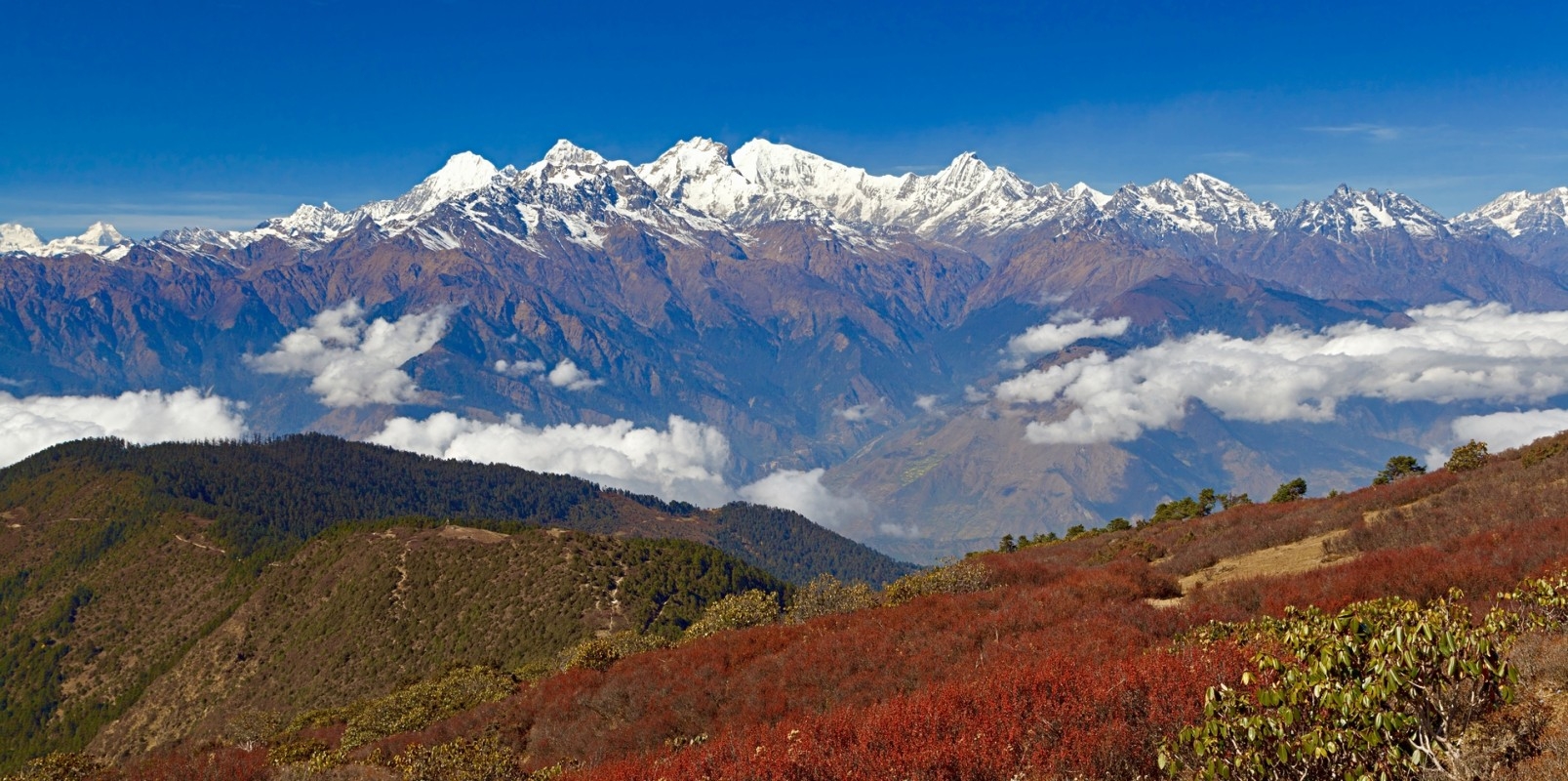
Explore the breathtaking Rubi Valley Trekking with Asiana Treks and Tours, a journey through Nepal’s serene landscapes and vibrant culture. Beginning in Kathmandu with a heritage tour, the trek takes you from Syabrubesi to the remote villages of Ghatlang, Somdang, Tipling, Borang, Jharlang Phedi, Khaniyabas, and Marpak, before descending to Katunje and returning to the capital. Experience lush forests, terraced fields, traditional Tamang and Gurung villages, and panoramic Himalayan vistas on this 13-day adventure that blends culture, nature, and unforgettable trekking memories.
Rubi Valley Trekking in the Ganesh Himal region is an enchanting journey that offers trekkers an authentic experience in one of Nepal’s most pristine and lesser-explored mountain regions. This trek is famous for its breathtaking panoramic views of majestic Himalayan peaks such as Langtang, Ganesh, Bouddha, and Hiunchuli. Unlike more commercial trekking routes, Rubi Valley is a hidden gem where nature remains largely untouched, allowing adventurers to immerse themselves in unspoiled beauty. The route is predominantly a homestay trek, giving trekkers a unique opportunity to experience the warm hospitality and vibrant cultural traditions of local ethnic groups such as the Tamang and Gurung communities.
The trek begins and ends in Kathmandu, spanning a total of 13 days. You spend the initial and final days in the bustling capital, allowing time for acclimatization, cultural exploration, and preparation. The journey through remote villages, terraced farmlands, rhododendron forests, and alpine meadows reveals a side of Nepal rarely seen by mainstream tourists. Travelers enjoy peaceful trails far from crowds, making the Rubi Valley Trekking an ideal choice for those seeking solitude and genuine cultural interactions.
Rubi Valley Trekking Package
Asiana Treks and Tours offers a well-structured 13-day Rubi Valley Trekking package that combines adventure, culture, and natural beauty. This trek includes all necessary arrangements such as accommodation in homestays, meals, local guides, and transportation from Kathmandu to the trailheads and back. The package is designed to ensure a comfortable and safe trekking experience with opportunities to explore Nepal’s diverse ethnic traditions and Himalayan landscapes.
Package Highlights:
3 nights in Kathmandu for rest and sightseeing
Trekking through the untouched Ganesh Himal region
Homestay accommodations for authentic cultural experiences
Spectacular views of Himalayan peaks: Langtang, Ganesh, Bouddha, Hiunchuli
Interaction with Tamang and Gurung ethnic groups
Professional guide and porter services included
Transport to and from trekking starting/ending points
Support for acclimatization and safety throughout the trek
Rubi Valley Trekking Distance and Difficulty
The total trekking distance covers approximately 120-130 kilometers spread over 9 trekking days. The daily trekking distance averages 12-15 kilometers with moderate to challenging elevation gains and losses.
Distance Highlights:
Moderate altitude with maximum elevation around 2,600 meters
Mix of forest trails, mountain ridges, and rural village paths
Trekking pace designed for acclimatization and comfort
Suitable for experienced trekkers and adventurous beginners with good fitness
Rubi Valley Trekking Cost 2026/2027
The comprehensive cost of the Rubi Valley Trekking package for 2026/2027 includes airport transfers, all accommodation (hotel and homestay), meals during trekking, professional guide and porter services, permits, and transportation.
Price Breakdown:
International and domestic flights: Not included
Kathmandu accommodation: Included for specified nights
Trekking permits and national park fees: Included
Guide and porter wages: Included
Meals during trekking: Included (breakfast, lunch, dinner)
Transportation (Kathmandu to Syabrubesi and back): Included
Personal expenses and insurance: Not included
Please contact Asiana Treks and Tours directly for a detailed, personalized quotation based on your travel dates and group size.
Rubi Valley Trekking Price Breakdown
The Rubi Valley Trekking package offered by Asiana Treks and Tours provides great value by including all the essentials for a safe and memorable Himalayan adventure. The price generally covers airport transfers in Kathmandu, comfortable hotel stays before and after the trek, and cozy homestays during trekking days. Your meals on the trail—breakfast, lunch, and dinner—are included, which helps you stay well-fueled throughout the journey. A professional, experienced local guide and porter accompany the group to ensure safety, smooth logistics, and cultural interpretation, making the trek both safe and enriching. Additionally, all necessary permits, such as TIMS (Trekkers’ Information Management System) and conservation fees for protected areas, are included in the price. Transportation costs for the round-trip journey from Kathmandu to Syabrubesi (trailhead) are also covered.
However, the price typically excludes international airfare, travel insurance, personal shopping or tips, and any additional activities or hotel upgrades outside the package. For 2026/2027, Asiana Treks and Tours recommends budgeting for these extras separately to avoid surprises. Group sizes and specific dates can also affect pricing, so it’s best to contact the company for customized quotes.
Price Breakdown Summary:
Included:
Airport transfers in Kathmandu
Kathmandu hotel stays (3 nights)
All meals during trekking
Accommodation in homestays
Professional guide and porter
Trekking permits and conservation fees
Round-trip transportation to/from Syabrubesi
Not Included:
International/domestic flights
Travel insurance
Personal expenses and tips
Extra activities or hotel upgrades
Rubi Valley Trekking Altitude Guide
Rubi Valley Trekking takes trekkers through varying altitudes, ranging from around 1,500 meters in Syabrubesi up to the highest points near 2,600 meters at Borang and nearby villages. The altitude profile is moderate compared to some of Nepal’s higher Himalayan treks, which makes this route accessible to a broader range of trekkers, including those who may not want to push into extreme high altitudes. Nevertheless, acclimatization is still important to prevent altitude sickness and ensure a comfortable experience.
The trek starts with lower-altitude forest trails, ascending gradually through terraced fields and alpine meadows where rhododendrons bloom in spring. The altitude changes daily are designed to help your body adjust progressively. Since the highest points remain below the 3,000-meter mark, the risk of severe altitude sickness is relatively low, but proper hydration and pacing are encouraged. The trek concludes with a descent back down to Kathmandu, ensuring a smooth transition back to low altitude.
Altitude Highlights:
Starting altitude: approx. 1,400 meters (Syabrubesi)
Highest altitude: approx. 2,600 meters (Borang area)
Moderate altitude gain, suitable for beginners to intermediate trekkers
Daily elevation changes to aid acclimatization
Risk of altitude sickness is low but possible—hydration and rest recommended
Why Choose Rubi Valley Trekking?
Choosing the Rubi Valley Trekking route with Asiana Treks and Tours means stepping off the beaten path to experience a truly authentic and tranquil Himalayan adventure. Unlike the more popular trekking routes such as Annapurna or Everest Base Camp, Rubi Valley remains relatively untouched by mass tourism, providing a peaceful environment with pristine nature and minimal crowds. This makes it perfect for travelers who want to experience Nepal’s rural mountain life, spectacular scenery, and cultural diversity without the hustle and bustle of tourist hubs.
The homestay-style accommodations offer an intimate cultural immersion where trekkers live with local families and enjoy home-cooked meals, enhancing the connection with Nepal’s indigenous ethnic communities like the Tamang and Gurung. The natural beauty is complemented by diverse flora and fauna, tranquil forests, and views of stunning Himalayan peaks. Asiana Treks and Tours ensures every trekker’s comfort, safety, and authentic experience by providing experienced guides and personalized service. Whether you seek nature, culture, or adventure, Rubi Valley offers a fulfilling trekking experience.
Reasons to Choose Rubi Valley Trekking:
Off-the-beaten-path trekking with fewer tourists
Authentic homestay experiences with local communities
Spectacular views of Ganesh Himal, Langtang, and Hiunchuli peaks
Rich biodiversity with rhododendron forests and alpine meadows
Moderate altitude, ideal for beginners and intermediate trekkers
Professional guides ensuring safety and cultural insights
Tailored itineraries from Asiana Treks and Tours for maximum comfort
Preparing for Rubi Valley Trekking
Proper preparation is key to enjoying the Rubi Valley Trekking adventure to its fullest. Given the trek’s moderate altitude and mixed terrain, physical fitness plays a significant role in your comfort on the trail. It is recommended to engage in cardiovascular exercises like hiking, running, or cycling at least 4-6 weeks prior to the trek. Endurance and leg strength training will help manage uphill and downhill sections with ease. Mental preparation is also important, as you’ll experience simple living conditions during the homestay nights.
In terms of gear, pack light but thoughtfully. Essentials include layered clothing to accommodate variable mountain weather, sturdy trekking boots, a warm sleeping bag, and rain protection. Asiana Treks and Tours provides a detailed packing list and offers support with gear rental options in Kathmandu if needed. Don’t forget travel insurance that covers trekking activities. Nutrition and hydration are vital during trekking; carry reusable water bottles and water purification tablets or filters recommended by the guides. Lastly, consult your doctor about altitude sickness medications if you have concerns.
Preparation Tips:
Begin cardiovascular and strength training weeks before the trek
Pack layered clothing, waterproof gear, and comfortable boots
Use trekking poles to reduce joint strain on descents
Arrange travel insurance covering trekking and emergencies
Carry necessary medications, including altitude sickness prevention
Stay hydrated and maintain balanced nutrition during the trek
Follow Asiana Treks and Tours’ pre-trek briefing and packing guide
What to Expect on the 12–13-Day Rubi Valley Trekking Adventure
The 12–13-day Rubi Valley Trekking adventure with Asiana Treks and Tours offers a balanced blend of scenic trekking, cultural immersion, and rest days in Kathmandu. The journey begins with an engaging cultural tour of Kathmandu’s UNESCO World Heritage sites, preparing trekkers for the contrasting tranquility of mountain life. After a scenic drive to Syabrubesi, you embark on daily treks through forests, terraced hills, and peaceful villages, staying in comfortable homestays that provide hearty, local meals.
Along the way, expect warm interactions with ethnic Tamang and Gurung people, who share their traditions, stories, and lifestyles. The trail showcases spectacular Himalayan panoramas that unfold gradually as you ascend, with rhododendron blossoms coloring the landscape in spring. The trek’s moderate altitude and carefully planned itinerary allow sufficient acclimatization and enjoyable hiking days averaging 5-6 hours. At the end of the trek, you return to Kathmandu to relax and celebrate your adventure before departure.
What to Expect:
Comfortable homestay accommodations with local families
Daily trekking distances of 12-15 km with moderate elevation gain
Cultural exchanges with Tamang and Gurung ethnic communities
Panoramic views of Himalayan peaks and lush forests
Professional support from experienced guides and porters
Time in Kathmandu for cultural sightseeing and rest
A peaceful, less crowded trekking experience off popular trails
Oxygen Levels on Rubi Valley Trekking
The Rubi Valley Trekking route offers a relatively moderate altitude experience, which means oxygen levels along the trail remain comfortably sufficient for most trekkers. At lower elevations around 1,400 meters in Syabrubesi, the oxygen concentration is nearly the same as at sea level, allowing trekkers to start their journey without any respiratory difficulty. As you ascend towards the highest points around 2,600 meters near Borang, the atmospheric pressure and oxygen levels drop slightly. However, this altitude is considered moderate and well within the range that most healthy individuals can tolerate without significant issues.
Despite the lower oxygen levels at higher elevations, the trek’s gradual ascent ensures that your body has time to acclimatize, reducing the risk of altitude sickness. Symptoms like headaches, dizziness, or nausea are less common here than on higher Himalayan treks. Still, it’s essential to stay hydrated, take regular rest breaks, and avoid overexertion. Asiana Treks and Tours guides are trained to monitor your health and suggest acclimatization techniques. If you have pre-existing respiratory or cardiovascular conditions, consulting a doctor before the trek is advised.
Key Oxygen Level Facts:
Starting altitude oxygen near sea level (1,400 m)
Highest altitude approx. 2,600 m with moderate oxygen reduction
Gradual ascent minimizes altitude sickness risk
Hydration and pacing important for acclimatization
Guides trained to assist with altitude-related health concerns
Generally safe for healthy trekkers with moderate fitness
Major Villages and Scenic Viewpoints on Rubi Valley Trekking Route
Rubi Valley Trekking showcases a charming blend of remote villages and breathtaking viewpoints that enrich the trekking experience. The trek begins at Syabrubesi, a gateway village known for its traditional Tamang culture and lush surroundings. Other notable villages include Ghatlang, Somdang, Tipling, Borang, Jharlang Phedi, Khaniyabas, Marpak, and Katunje. Each village offers unique cultural experiences through homestays where trekkers can savor authentic local cuisine and interact with friendly residents. These villages are dotted with terraced fields, prayer flags, and traditional architecture, giving a vivid glimpse into rural Nepali life.
The route is also rich with scenic viewpoints offering panoramic vistas of the Himalayan ranges. From Borang and surrounding high points, trekkers can admire stunning views of the Ganesh Himal massif, Langtang range, Bouddha Himal, and Hiunchuli peaks. Rhododendron forests, alpine meadows, and serene rivers accompany the trail, adding to the natural beauty. Asiana Treks and Tours ensures that these key spots are highlighted with adequate rest stops to absorb the views and take memorable photographs.
Major Villages & Viewpoints:
Syabrubesi: Starting point with cultural richness
Ghatlang & Somdang: Forested, traditional villages
Tipling & Borang: Panoramic Himalayan views
Jharlang Phedi & Khaniyabas: Remote villages with homestay experiences
Marpak & Katunje: Final villages before return
Scenic viewpoints of Ganesh Himal, Langtang, Bouddha, Hiunchuli
Natural highlights: Rhododendron forests, alpine meadows, rivers
Flora and Fauna of Rubi Valley Trekking
The Rubi Valley region is a biodiversity hotspot, offering trekkers a rich palette of flora and fauna throughout the journey. The trail passes through diverse ecosystems, beginning with subtropical forests rich in oak, pine, and rhododendron trees. During the spring season, the rhododendron forests burst into vibrant red, pink, and white blossoms, creating spectacular scenery. Higher up, alpine meadows provide habitat for various wildflowers, medicinal plants, and aromatic herbs that locals use for traditional remedies.
Wildlife sightings along the trek include several bird species such as the Himalayan monal (Nepal’s national bird), blood pheasant, and colorful butterflies. Mammals like musk deer, barking deer, and occasionally the elusive red panda inhabit the forested areas. The rich natural environment supports a delicate ecosystem that trekkers can appreciate while minimizing their environmental impact. Asiana Treks and Tours promotes responsible trekking to protect this fragile habitat.
Flora & Fauna Highlights:
Oak, pine, rhododendron forests
Spring rhododendron blooms
Alpine meadows with wildflowers and medicinal herbs
Bird species: Himalayan monal, blood pheasant, various songbirds
Mammals: Musk deer, barking deer, occasional red panda
Emphasis on eco-friendly trekking practices
Festivals and Local Culture Along Rubi Valley Trekking Route
Trekking through Rubi Valley offers a unique opportunity to experience Nepal’s vibrant local culture, deeply intertwined with ethnic traditions and festivals. The region is predominantly inhabited by Tamang and Gurung communities, whose customs, folklore, and lifestyle add rich layers to the trekking experience. Homestay stays allow travelers to participate in daily village life, including traditional cooking, farming activities, and handicrafts.
Throughout the year, you may encounter colorful festivals such as Lhosar (Tamang New Year), Dashain, and Tihar, celebrated with lively dances, music, and rituals. These festivals reflect the community’s strong spiritual beliefs and connection to nature. Local monasteries and temples along the trail offer insight into Buddhist and Hindu practices, often marked by prayer flags fluttering in the mountain breeze. Asiana Treks and Tours ensures that trekkers have opportunities to learn about and respect these cultural celebrations, enhancing the journey’s authenticity.
Cultural & Festival Highlights:
Tamang and Gurung ethnic communities
Homestay cultural immersion
Festivals: Lhosar, Dashain, Tihar
Traditional dances, music, and rituals
Buddhist monasteries and Hindu temples
Learning about local customs and spiritual life
Why Book with Asiana Treks and Tours for Rubi Valley Trekking
Booking your Rubi Valley Trekking adventure with Asiana Treks and Tours guarantees a well-organized, safe, and culturally enriching experience. With years of local expertise and a passion for Nepal’s mountains, Asiana Treks prioritizes personalized service, ensuring that every trekker’s needs are met. The company employs knowledgeable guides and experienced porters who are trained in safety, first aid, and cultural interpretation. Their focus on small groups means a more intimate, flexible, and authentic trekking journey.
Moreover, Asiana Treks and Tours is committed to responsible and sustainable tourism. They work closely with local communities, contributing to economic development through fair wages and supporting eco-friendly practices that protect the natural environment. The company also provides transparent pricing, detailed pre-trek briefings, and 24/7 customer support. Choosing Asiana Treks means choosing quality, safety, and meaningful cultural connections in the heart of the Himalayas.
Reasons to Book with Asiana Treks:
Experienced local guides and porters
Small group sizes for personalized attention
Emphasis on safety and responsible trekking
Support for local communities and eco-tourism
Transparent pricing and excellent customer service
Comprehensive pre-trek preparation and support
How to Book Rubi Valley Trekking
Booking the Rubi Valley Trekking with Asiana Treks and Tours is a straightforward and customer-friendly process designed to provide convenience and peace of mind. Interested trekkers can start by visiting the company’s official website or contacting their customer service team via email or phone. Asiana Treks offers personalized consultations to tailor the trekking itinerary to your preferences, travel dates, and fitness levels. Once details are finalized, a booking confirmation and detailed pre-trek information pack are sent to ensure you are well-prepared.
Payments are typically made through secure online transactions, bank transfers, or in-person payments in Kathmandu. Asiana Treks recommends booking at least 4-6 weeks in advance, especially during peak trekking seasons, to secure guides, permits, and accommodations. The company also offers flexible cancellation policies and travel insurance guidance. Throughout the process, their team remains available to assist with visa advice, equipment rentals, and any special requirements, making your Rubi Valley adventure hassle-free.
Booking Steps:
Contact Asiana Treks via website, email, or phone
Discuss itinerary, dates, and requirements
Receive booking confirmation and info pack
Make payment securely online or in Kathmandu
Prepare for trek with company support
Enjoy flexible cancellation and travel insurance options
Altitude Sickness Tips & Safety on Rubi Valley Trekking
Though the Rubi Valley Trekking route maintains a moderate altitude, with the highest points reaching around 2,600 meters, altitude sickness remains a potential concern. Acute Mountain Sickness (AMS) can affect anyone regardless of fitness, so understanding symptoms and prevention is crucial. Symptoms include headache, nausea, dizziness, fatigue, and difficulty sleeping. Trekkers should be alert to these early signs and communicate any discomfort to their guides immediately. Asiana Treks and Tours prioritizes your safety by employing trained guides who monitor the group’s health and provide assistance when needed.
Prevention strategies include ascending slowly, staying hydrated, and avoiding alcohol or heavy meals at higher elevations. Taking rest days and acclimatizing properly allows your body to adjust to lower oxygen levels gradually. In case of severe symptoms, the recommended response is to descend to a lower altitude promptly. Carrying medications such as acetazolamide (Diamox) can be helpful but should be used under medical advice. Asiana Treks and Tours also carries first-aid kits and ensures that emergency evacuation plans are in place, offering peace of mind throughout the trek.
Altitude Sickness Tips:
Ascend gradually and avoid rapid altitude gain
Stay well hydrated and eat light meals
Avoid alcohol and smoking during trekking
Recognize early symptoms: headache, nausea, dizziness
Communicate any symptoms immediately to guides
Rest and acclimatize at designated stops
Carry and use medication only as prescribed
Emergency descent plans available with Asiana Treks
Seasonal Weather Challenges on Rubi Valley Trekking
The Rubi Valley Trekking region experiences distinct seasonal weather patterns that affect the trekking experience. The two main trekking seasons are spring (March to May) and autumn (September to November), both offering clear skies, pleasant temperatures, and excellent mountain visibility. Spring is renowned for blooming rhododendrons and wildflowers, while autumn offers stable weather and colorful foliage. However, outside these seasons, trekkers face challenges such as the monsoon rains or winter cold.
During the monsoon season (June to August), heavy rainfall leads to slippery trails, landslides, and leeches, making trekking difficult and unsafe. Winter (December to February) brings cold temperatures, especially at night, and occasional snowfall at higher elevations, requiring extra warm clothing and gear. Weather in the Himalayas can be unpredictable, so Asiana Treks and Tours equips trekkers with up-to-date weather forecasts, advises on packing appropriate clothing, and plans flexible itineraries to accommodate sudden changes.
Seasonal Weather Challenges:
Spring (March–May): Best for flowers and moderate temps
Autumn (September–November): Clear skies and stable weather
Monsoon (June–August): Heavy rains, slippery trails, risk of landslides
Winter (December–February): Cold nights, occasional snow, need for warm gear
Unpredictable weather requires flexible planning
Updated weather info and packing advice provided by guides
Domestic Flight Options & Delays for Rubi Valley Trekking
While the Rubi Valley Trekking begins with a scenic drive from Kathmandu to Syabrubesi, some trekkers might choose to combine flights for convenience when connecting with other trekking routes or exploring Nepal. Domestic flights in Nepal generally connect Kathmandu with popular trekking hubs like Lukla, Pokhara, or Jomsom but not directly to Syabrubesi, so overland transport remains the primary mode to reach the trailhead.
It’s important to note that Nepal’s mountainous terrain and weather can cause frequent delays or cancellations of domestic flights, especially during the monsoon and winter seasons. Fog, strong winds, and visibility issues often ground flights, so trekkers should maintain flexible schedules and avoid tight connections. Asiana Treks and Tours assists clients in planning realistic itineraries, factoring in potential delays. For the Rubi Valley trek, the reliable road journey to Syabrubesi is preferred, offering beautiful views and fewer disruptions.
Flight & Transport Facts:
No direct flights to Syabrubesi; road transport used
Domestic flights available to Lukla, Pokhara, Jomsom for other treks
Flights often delayed or canceled due to weather (fog, winds)
Flexible itineraries recommended to accommodate delays
Asiana Treks helps coordinate logistics and travel plans
Road journey to Syabrubesi is scenic and reliable
Fitness Level Needed for Rubi Valley Trekking
Rubi Valley Trekking is classified as a moderate trek, suitable for individuals with a good level of basic fitness and trekking experience. The trek involves daily walking distances of 12-15 kilometers, with moderate ascents and descents across varying terrain, including forest trails, mountain ridges, and village paths. Trekkers should be comfortable walking 5-6 hours per day over uneven ground and have stamina for several consecutive days of trekking.
While technical mountaineering skills are not required, good cardiovascular endurance, leg strength, and flexibility will enhance your trekking experience. Preparation through regular aerobic exercises such as hiking, running, or cycling is advisable before departure. Those with respiratory, heart, or joint problems should consult a healthcare professional prior to booking. Asiana Treks and Tours provides a fitness assessment and detailed pre-trek advice to ensure every participant is well-prepared physically and mentally.
Fitness Requirements:
Moderate fitness level with endurance for 5-6 hours daily walking
Ability to handle moderate elevation changes (up to 2,600 m)
Comfortable with uneven, rocky, and sometimes slippery trails
Recommended pre-trek fitness training: hiking, cardio, leg strengthening
No technical climbing skills required
Health consultation advised for pre-existing conditions
Guidance and support from Asiana Treks throughout
Insurance & Trekking Permits for Rubi Valley Trekking
Obtaining appropriate insurance and permits is essential for a safe and hassle-free Rubi Valley Trekking experience. Travel insurance covering medical emergencies, evacuation, and trip cancellations is highly recommended. Given the remote nature of the trek and moderate altitude, policies should specifically cover trekking up to at least 3,000 meters, including helicopter evacuation and emergency medical treatment. Asiana Treks and Tours can advise on suitable insurance providers and help trekkers understand policy details.
Regarding permits, trekkers must secure a TIMS (Trekkers’ Information Management System) card and any necessary conservation area permits for the Ganesh Himal region. These permits regulate trekking activities, promote sustainable tourism, and ensure safety. Asiana Treks and Tours takes care of all permit arrangements on behalf of clients, simplifying the process and ensuring compliance with Nepali regulations. Carrying a valid passport and multiple passport-sized photos is mandatory for permit applications.
Insurance & Permit Essentials:
Travel insurance with coverage for trekking up to 3,000+ meters
Emergency evacuation and medical coverage recommended
TIMS card required for trekking in Rubi Valley
Ganesh Himal conservation area permits mandatory
Passport and passport photos needed for permit processing
Asiana Treks manages permits and assists with insurance advice
Compliance with Nepalese trekking regulations ensured
Local Culture and Etiquette During Rubi Valley Trekking
Rubi Valley Trekking offers an immersive cultural experience that allows trekkers to engage closely with the Tamang and Gurung communities residing in this remote Himalayan region. These ethnic groups maintain centuries-old traditions, customs, and lifestyles, which provide a rich tapestry of cultural learning. Trekkers staying in homestays will experience traditional Nepali hospitality, savor local cuisines, and witness rituals that reflect Buddhist and Hindu influences. Festivals like Lhosar, Dashain, and Tihar may coincide with your trek, offering vibrant opportunities to observe or participate respectfully.
Understanding local etiquette is essential to ensure a positive and respectful interaction with villagers. For example, always ask permission before taking photographs, especially of people or religious sites. Dress modestly and avoid public displays of affection. Removing shoes before entering homes and monasteries shows respect. Greeting people with a friendly “Namaste” and learning a few basic Nepali phrases can enhance connections. Asiana Treks and Tours educates trekkers about these customs before the journey, fostering cultural sensitivity and meaningful exchanges.
Key Cultural Etiquette Tips:
Respect local traditions and religious practices
Ask permission before photographing people or sacred places
Dress modestly and appropriately
Remove shoes before entering homes and temples
Greet locals with “Namaste” and simple Nepali phrases
Participate respectfully in local festivals if timing allows
Learn about cultural norms with guidance from Asiana Treks
Environmental Sustainability on Rubi Valley Trekking
The pristine beauty of Rubi Valley demands responsible trekking practices to preserve its environment for future generations. Asiana Treks and Tours places great emphasis on sustainable tourism, ensuring that the impact on natural and cultural heritage is minimal. Trekkers are encouraged to follow the principles of Leave No Trace, which include disposing of waste properly, avoiding single-use plastics, and respecting wildlife habitats. Throughout the trek, guides educate participants on the importance of maintaining trail integrity and minimizing resource consumption.
Moreover, Asiana Treks supports local conservation efforts and community-based tourism initiatives that contribute to economic development without compromising ecological balance. For example, using homestays rather than large lodges helps distribute tourism revenue directly to local families, incentivizing the protection of their natural surroundings. Trekkers also learn about ongoing reforestation and clean-up campaigns in the area. By choosing Asiana Treks, you join a network of environmentally conscious travelers dedicated to sustainable mountain tourism.
Environmental Sustainability Highlights:
Follow Leave No Trace principles on the trail
Avoid littering; carry out all non-biodegradable waste
Minimize use of plastics and disposable items
Respect wildlife and natural habitats
Support local homestays and community projects
Participate in or learn about reforestation efforts
Guided education on eco-friendly trekking practices
Group vs Private Treks on Rubi Valley Trekking
Choosing between a group trek or a private trek for your Rubi Valley adventure depends on your travel style, budget, and preferences. Group treks arranged by Asiana Treks and Tours provide a social atmosphere, ideal for meeting fellow trekkers and sharing the experience. Group sizes are kept manageable to ensure personalized attention. They tend to be more cost-effective since expenses for guides, porters, and logistics are shared. Group treks follow a fixed itinerary, which works well for travelers who prefer structured plans.
Private treks offer maximum flexibility, privacy, and customization. You can tailor your pace, rest days, and stops according to your needs. Private treks are perfect for families, couples, or individuals seeking solitude and personalized service. Asiana Treks provides dedicated guides and porters to private groups, enhancing comfort and safety. Though private treks typically cost more, the exclusivity and ability to explore off-the-beaten-path highlights make it worthwhile for many.
Group Trek Benefits:
More affordable due to shared costs
Opportunity to socialize and meet new people
Fixed itinerary and schedule
Shared group gear and porter services
Private Trek Benefits:
Customized itinerary and pace
More privacy and flexibility
Dedicated guide and porter services
Ideal for families or special occasions
Communication, Wi-Fi & Mobile Networks During Trek
Staying connected during the Rubi Valley Trek is possible, but options can be limited due to the remote terrain. Mobile network coverage varies; most villages along the route, such as Syabrubesi and Borang, have partial to good 3G or 4G coverage from Nepali carriers like Ncell and Nepal Telecom. However, signal strength fluctuates with elevation and weather conditions. Trekkers should not rely entirely on mobile phones for communication, especially in more isolated stretches where reception can be weak or absent.
Wi-Fi availability is generally limited to a few guesthouses or lodges with basic satellite or cellular internet, and speeds tend to be slow and unreliable. Asiana Treks and Tours advises travelers to inform family and friends about these limitations and suggests carrying portable power banks and offline maps or guides. For emergencies, guides carry satellite phones or radios to maintain contact with base camps or rescue services, ensuring safety throughout your journey.
Communication Tips:
Mobile coverage mostly available in major villages
Signal strength varies with location and weather
Wi-Fi available only in select lodges with slow speeds
Carry power banks for extended device use
Download offline maps and essential information before trekking
Guides equipped with satellite phones for emergencies
Electricity and Charging Facilities on Rubi Valley Trekking
Electricity access on the Rubi Valley Trek is basic but sufficient for charging essential devices. Most villages along the trail have limited electricity provided via micro-hydropower or solar panels, typically available in the evenings from 6 to 9 PM. Charging facilities in guesthouses and homestays may require a small fee and often support only one or two devices at a time. Power outages are common, so trekkers should manage charging times accordingly.
Asiana Treks and Tours recommends bringing universal travel adapters and carrying portable solar chargers or power banks as backups to ensure your devices remain powered throughout the trek. Lighting along the trail is limited, so headlamps and flashlights are necessary for nighttime use. Staying mindful of power consumption and using electronic devices sparingly contributes to the sustainable energy use promoted by local communities.
Electricity & Charging Highlights:
Electricity available in major villages, limited hours (usually evening)
Micro-hydropower or solar sources power local grids
Charging may have small fees and limited outlets
Frequent power outages are common
Carry universal adapters, power banks, or solar chargers
Use devices sparingly to conserve power
Bring headlamps/flashlights for night use
Meals, Water, & Hygiene Along Rubi Valley Trekking Route
Nutrition and hydration are crucial during the Rubi Valley Trek to maintain energy and health in a challenging mountain environment. Meals along the trekking route primarily consist of traditional Nepali dishes, Tibetan-inspired foods, and some continental options in guesthouses and homestays. Typical meals include dal bhat (lentil soup with rice), vegetable curries, momos (dumplings), noodles, and soups. Asiana Treks and Tours ensures that trekkers have access to nutritious and balanced meals that cater to different dietary needs, including vegetarian and vegan options. Food is freshly prepared using local ingredients, giving you an authentic taste of the region.
Water safety is a top priority. Drinking untreated water from streams or taps can cause illness, so it is essential to use purified or boiled water. Most lodges provide filtered or boiled water, but travelers are advised to carry water purification tablets or portable filters as backup. Hygiene facilities on the trail are basic but adequate, with most lodges offering western or squat toilets and cold-water showers. Carrying personal hygiene essentials such as hand sanitizer, biodegradable soap, and wet wipes is recommended. Maintaining good hygiene practices helps prevent common illnesses like stomach infections during the trek.
Meals, Water & Hygiene Highlights:
Balanced, nutritious local meals provided, including vegetarian options
Traditional Nepali and Tibetan-inspired dishes
Safe drinking water from filtered or boiled sources only
Carry purification tablets or filters as precaution
Basic toilet and shower facilities in lodges and homestays
Bring personal hygiene products: sanitizer, biodegradable soap, wipes
Maintain hygiene to avoid common trek-related illnesses
Emergency Contacts, First Aid & Evacuation Plans
Safety is paramount on the Rubi Valley Trek, and Asiana Treks and Tours has a comprehensive system to handle emergencies. Each trek group is led by certified guides trained in first aid and emergency response. They carry well-stocked first aid kits equipped to handle common trekking injuries like blisters, cuts, altitude sickness symptoms, and minor illnesses. Guides monitor health conditions closely and advise trekkers if medical attention is needed.
In case of severe illness or injury, evacuation plans are in place. The nearest medical facilities are in Kathmandu and Syabrubesi, with access via road or helicopter. Helicopter evacuation is the fastest and safest method in emergencies, though it can be costly. Trekkers are strongly advised to have travel insurance that covers emergency evacuation. Asiana Treks coordinates closely with medical centers and rescue services to ensure prompt response. Emergency contact numbers, including local hospitals, police, and trekking agencies, are shared with all participants before the trek.
Emergency & Safety Essentials:
Certified guides trained in first aid and emergency care
Comprehensive first aid kits carried on trek
Continuous health monitoring of trekkers
Evacuation via road or helicopter for serious cases
Travel insurance with evacuation coverage strongly recommended
Coordination with local hospitals and rescue teams
Emergency contacts provided prior to departure
Luggage, Porter & Weight Limit Guidelines
Efficient packing and luggage management enhance your comfort and safety on the Rubi Valley Trek. Asiana Treks and Tours recommends packing light, focusing on essential gear, clothing, and personal items suitable for changing mountain weather. The trail can be rough and steep, so carrying a heavy backpack can be exhausting and increase injury risk.
Porters are available to carry heavier luggage (usually up to 15-20 kg) for trekkers, allowing you to carry a smaller daypack with water, snacks, camera, and extra layers. Hiring porters through Asiana Treks is safe and ethical, as the company ensures fair wages, proper equipment (like sturdy backpacks and boots), and reasonable weight limits to protect their health. It is advised that personal daypacks do not exceed 8-10 kg to maintain comfort during long walks.
Luggage & Porter Guidelines:
Pack light with essential trekking gear and clothes
Use porters for heavy luggage (limit approx. 15-20 kg)
Carry a daypack with essentials (water, snacks, layers) weighing 8-10 kg
Asiana Treks hires porters under fair and ethical conditions
Use durable, comfortable backpacks and waterproof bags
Avoid overpacking to reduce fatigue and injury risk
Visa, Currency, and Travel Documentation for Nepal Trekkers
Before embarking on the Rubi Valley Trek, travelers must prepare their visa and travel documents carefully. Most nationalities can obtain a Nepal tourist visa on arrival at Tribhuvan International Airport in Kathmandu or at border crossings. Visa fees vary based on duration, with options for 15, 30, or 90 days. It’s essential to carry passport-sized photos and the correct visa fee in cash (US dollars or Euros preferred). Applying for a visa online before arrival is also possible and can expedite entry.
Nepal’s currency is the Nepalese Rupee (NPR). Cash is king in trekking regions, as ATMs and card facilities are scarce outside Kathmandu. It’s advisable to carry sufficient cash in small denominations for permits, meals, accommodations, and tips. Passport validity must exceed six months beyond the planned stay, and travelers should carry photocopies of their passport, visa, and travel insurance for security and permit purposes. Asiana Treks and Tours assists trekkers with visa guidance, currency exchange tips, and documentation checklists.
Visa & Travel Documents:
Tourist visa available on arrival or online pre-application
Visa fees depend on length of stay (15, 30, 90 days)
Passport photos and cash required for visa process
Nepalese Rupee (NPR) is local currency; carry cash for trek expenses
ATMs and card payments limited outside Kathmandu
Passport valid for at least six months beyond travel dates
Carry copies of passport, visa, insurance, and permits
Asiana Treks provides visa and documentation support
Entry Requirements at Tribhuvan International Airport for Rubi Valley Trekking
Tribhuvan International Airport (TIA) in Kathmandu is the primary gateway for travelers heading to Nepal and the Rubi Valley Trek. Upon arrival, trekkers must clear immigration and customs procedures, which require a valid passport and visa. The airport is equipped to handle international flights but can be busy and chaotic, especially during peak trekking seasons. It’s wise to arrive with all documentation ready and complete any visa formalities swiftly to avoid delays.
Customs regulations restrict the import of certain items such as fresh fruits, meats, and narcotics. Trekking equipment and personal items are generally allowed duty-free. Upon exit, travelers should reconfirm their onward flight details and consider traffic times to avoid missing flights. Asiana Treks and Tours offers airport pick-up and drop-off services to ease transitions, along with briefing sessions on Nepal’s travel requirements and safety protocols before the trek begins.
Entry Requirements at TIA:
Valid passport and visa required for entry
Prepare visa application or proof of online approval
Complete immigration and customs procedures efficiently
Restrictions on import of fresh food, plants, and certain goods
Carry trekking gear and personal items duty-free
Allow extra time during busy trekking seasons
Asiana Treks offers airport transfers and pre-trek briefings
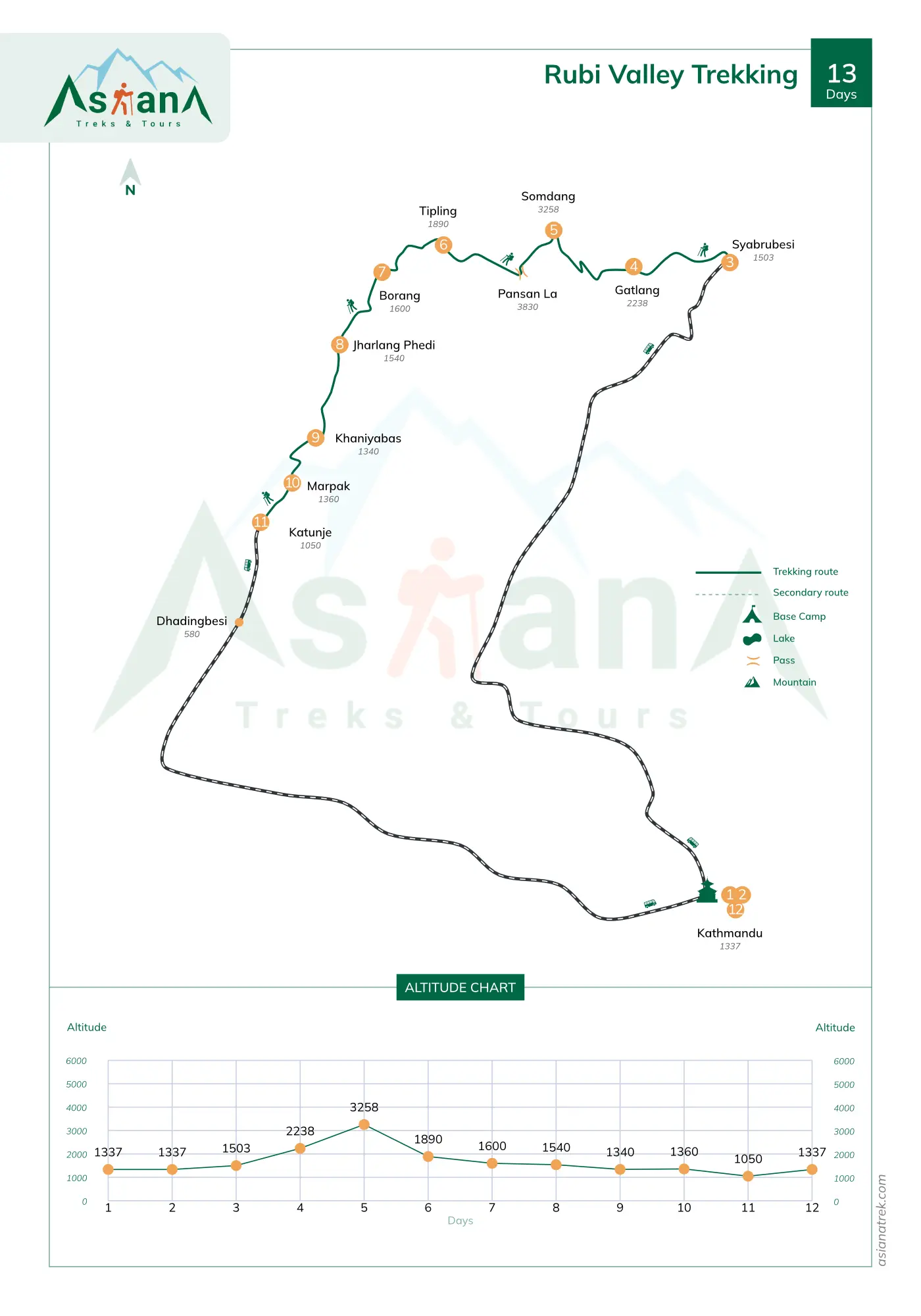
The Rubi Valley Trek with Asiana Treks and Tours offers an unforgettable journey through the serene landscapes of central Nepal. Beginning in the vibrant city of Kathmandu, trekkers explore its rich heritage before venturing into the tranquil Himalayan foothills. The route winds through charming villages such as Syabrubesi, Ghatlang, and Tipling, offering stunning views of terraced fields, dense forests, and snow-capped peaks. Along the way, travelers experience local culture, homestays, and traditional hospitality, immersing themselves in the rhythms of rural life.
The trek continues through remote settlements, including Borang, Jharlang Phedi, and Khaniyabas, leading adventurers to the pristine Rubi Valley. The return journey via Katunje to Kathmandu combines scenic landscapes with a sense of accomplishment. Perfect for nature lovers and cultural enthusiasts, this trek balances adventure with relaxation, making it an ideal Himalayan experience organized by Asiana Treks and Tours, ensuring safety, comfort, and authentic local encounters.
Your trip day starts today when you arrive to Tribhuvan International Airport in Kathmandu. Upon your arrival, you will be received by our representative at the airport. He will be carrying a signboard with our company’s name on it. Then you will be transferred to the tour hotel and checked in. A trip briefing will follow later today and the time will be notified to you by the representative who picks you up from the airport. We will come to meet and brief you about the trip at the fixed time. Until then just relax or explore a bit of surrounding.
We take you for a day tour of cultural heritage monuments in Kathmandu valley after breakfast. The tour will give you a mixed insight of history, culture, art, architecture and spirituality of Kathmandu valley. The sites include; Swoyambhunath aka Monkey Temple: The oldest of all sites in Kathmandu valley, Swoyambhunath is an important Buddhist spiritual site having the history over two thousand years old. This site has gained a popular name as monkey temple as this small forested hill is a good habitat for hundreds of monkeys. The visit there will heighten your spiritual and cultural experience. Patan City including Patan Durbar Square: A tour to medieval city of Patan gives you a great insight about ethnic Newari culture, Budhhist spirituality, religious harmony, art and architecture while you stroll around the charismatic alleys taking you to magnificent local community squares known as Bahal and eventually leading you to an incredible medieval palace square. The monuments and skill of the local artisans displayed on those monuments in the square will stun you with their unbelievable charm. Boudhanath Stupa: The largest of its kind in the world, this magnificent stupa is a very important center of faith for the people following Tibetan Buddhism. This place is nice Circular Square with the stunning stupa in the middle of it which spreads a lot of spiritual vibrations around the atmosphere.
Drive to Syabrubesi by bus today after breakfast at your hotel in Kathmandu. Syabrubesi is about six hours of drive and it is the point from where the trek starts tomorrow. Check into hotel and relax. You can go around to explore the small town of Syabrubesi.
Today is the first day of trek and the trek today takes you to a beautiful village of Ghatlang. The trek which starts after breakfast today will be of around five hours before reaching Ghatlang. The very first half of the trek today is uphill walking and the second half descends leading to Ghatlang. Check into a home stay and relax. Explore the incredible community settlement of Ghatlang village later. Overnight at the home stay with local family.
The hiking today is a little longer of around 8 hours. The very first half of the trek is again uphill hiking and the second half descends to Somdang. You will have enough stops to catch up with your breath and energy. You can stop by a cheese factory on the first half of your uphill hiking today. The cheese made of yak milk is so refreshing and energizing that you can take some along with you. Once in Somdang, check into a tea house and stay overnight there.
The trek today will take you to the highest elevation of the entire trip. You will cross PangSang pass today which is at 3820 meters above sea level. Today is rather a long and tough day of the trek as it will take you to the highest point on the trip and also go longer for about ten hours. Once you reach Tipling, check into a tea house and relax.
Trek to Borang today after breakfast. It will be of about four hours of walking on the mountain trail. Once you reach the village of Borang, you can do some exploration around and enjoy the natural beauty of the place.
Start the trek after breakfast that heads towards Jharlang Phedi. About five hours of relatively easy trek today will take you to Jharlang Phedi. At Jharlang Phedi, you will have an option of visiting a natural hot spring but the trail to reach the hot spring is extremely steep so you need to be cautioned and careful. This is totally optional though.
The trek today will take you to Khaniyabas from where you can enjoy the spectacular view of Ganesh Himal range in the Himalayas. Start the trek after breakfast and walk through different local settlements, rice paddy fields to reach the destination today where a reward in the form of incredible Himalayan range will be awaiting you. Tiredness caused by six hours of walk today will be washed away in seconds by the magical charm of the mountains once you reach Khaniyabas.
Walking to Marpak today after breakfast starts with a descent first. And the second half of the trek will be all uphill before you reach the incredible village of Marpak. Marpak also provides you good view of the Himalayan range.
Trek to Katunje today after breakfast. Although you cover a long distance today, you will finish in less time as you will be mostly walking on a flat trail to Katunje. Once you reach Katunje, you can celebrate the last day of your trekking.
Drive to Dhadingbesi and further to Kathmandu on next vehicle. Once you are in Kathmandu, you will have some free time to explore around and do you last minute souvenir shopping on your own.
You will be transferred to airport as per your flight schedule. We will pick you up from the hotel three hours prior to your flight time.
The Rubi Valley Trekking with Asiana Treks and Tours offers a unique blend of cultural exploration and off-the-beaten-path adventure in the heart of Nepal. From the vibrant streets of Kathmandu to the serene trails of Borang and Tipling, this trek combines stunning landscapes, traditional villages, and authentic Himalayan experiences.
Asiana Treks and Tours ensures professional guides, reliable logistics, and a safe, culturally enriching trekking experience from start to finish.
Your Start Date is the day you land in Nepal, and your End Date is when you fly home.
If the set Rubi Valley Trekking group dates don’t suit your schedule, we can offer alternative dates upon request.
Base Layers
Insulation Layers
Outer Shell (Weather Protection)
Trekking Pants & Casual Wear
Head & Neck Wear
The Rubi Valley Trek is a culturally rich and less-traveled trekking route located in the central region of Nepal. This trek offers a perfect blend of natural beauty and authentic Tamang and Gurung culture. Ideal for those seeking off-the-beaten-path adventures, the trek goes through unspoiled villages, lush forests, and offers panoramic views of the Ganesh Himal range. Asiana Treks and Tours specializes in this trek, ensuring you experience the local lifestyle while enjoying professional guidance and comfortable arrangements.
The Rubi Valley Trek is best suited for moderately fit individuals with a keen interest in rural culture and nature. Although it's not extremely high in altitude, it does involve long walking days on uneven terrain. Prior trekking experience is helpful but not mandatory. Asiana Treks and Tours caters to beginners and experienced trekkers alike, offering support throughout the journey and making necessary arrangements to ensure all participants feel safe and well-cared for during the trek.
The Rubi Valley Trek is considered moderately challenging. You’ll be walking 5–7 hours a day through varied terrain, including forest trails, hills, and rural villages. Though the elevation is not extreme, the continuous ascents and descents can be physically demanding. Asiana Treks and Tours ensures acclimatization and proper rest during the journey, providing trained guides who manage pacing, safety, and hydration to make the trek both enjoyable and manageable for most fitness levels.
The Rubi Valley Trek starts from Syabrubesi, which is accessible via an 8- to 9-hour drive from Kathmandu. Asiana Treks and Tours arranges private or shared transportation for the group, ensuring a comfortable and safe journey. The drive offers scenic views of rivers, terraced fields, and traditional villages, giving you a taste of the adventure ahead. All transportation logistics are handled by the company, allowing you to focus on enjoying the trip.
You don’t need to be an athlete, but a reasonable level of fitness is necessary for the Rubi Valley Trek. Daily walks of 5–7 hours with occasional steep climbs demand good stamina and leg strength. Training with regular walking, hiking, or cardio exercises beforehand is advisable. Asiana Treks and Tours offers guidance on how to prepare physically before the trek and paces the itinerary to allow for rest, so trekkers of all ages can participate comfortably.
Solo trekking in the Rubi Valley is possible but not recommended due to limited trail markers and remote areas. Group treks led by Asiana Treks and Tours provide safety, social interaction, and local expertise. Traveling with a group enhances cultural experiences, logistical ease, and shared camaraderie. However, if you prefer privacy, the company also arranges private treks with personalized guides and porters. Both options are designed to meet your preferences while prioritizing safety.
The highest point of the Rubi Valley Trek is around 3,300 meters (10,826 feet) near Somdang. The gradual ascent helps prevent altitude sickness, making it a safer trek compared to high-altitude routes. Asiana Treks and Tours has crafted the itinerary with careful acclimatization in mind. Their guides monitor guests for any signs of altitude-related discomfort and ensure proper hydration, rest, and nutrition. This attention to detail ensures a smooth and enjoyable trek at moderate elevations.
Asiana Treks and Tours trains its guides in first aid and emergency response. In case of illness or injury, immediate care is provided and evacuation is arranged if needed. The team stays in contact with their Kathmandu base and can quickly arrange rescue services, including helicopters. With established protocols and a network of support along the trail, you can trek confidently knowing that your safety is a top priority at every stage of the journey.
The Rubi Valley Trek stands out due to its untouched landscapes, genuine cultural encounters, and peaceful trails. Unlike the popular Everest or Annapurna regions, Rubi Valley offers a raw, immersive experience away from commercial trekking crowds. Villages here preserve ancient customs, and you’ll feel like a welcome guest rather than a tourist. Asiana Treks and Tours curates the journey to highlight these unique aspects, giving you an authentic slice of rural Nepal rarely seen by travelers.
Yes, but charging facilities are limited and often solar-powered in remote areas. Most teahouses offer charging at a small fee, usually in communal areas. It’s recommended to carry a power bank or solar charger. Asiana Treks and Tours advises trekkers on how to conserve battery life and provides insights on where charging is available. Being prepared ensures you can keep your camera, phone, and other devices functional throughout the trek without worry.
Rubi Valley is home to diverse ethnic groups, particularly the Tamang and Gurung communities. You’ll experience traditional architecture, local cuisine, and unique festivals if the timing aligns. Asiana Treks and Tours encourages respectful cultural exchange by facilitating homestays, village visits, and guided storytelling sessions. This cultural immersion is a major highlight of the trek, offering deep insight into rural Nepalese life, spiritual beliefs, and daily practices that have remained unchanged for generations.
Asiana Treks and Tours is a locally based company with years of experience in organizing treks across Nepal. They specialize in off-the-beaten-path adventures like the Rubi Valley Trek. Their dedication to sustainable tourism, fair porter treatment, and cultural respect sets them apart. From permits and transport to food and accommodation, everything is professionally managed. Their guides are knowledgeable and passionate, ensuring your journey is safe, educational, and memorable from start to finish.
The best times to embark on the Rubi Valley Trek are during spring (March to May) and autumn (September to November). These seasons offer clear skies, mild temperatures, and blooming flora or harvest season charm. Winter treks are also possible for those who enjoy solitude and cooler temperatures. Asiana Treks and Tours provides season-specific packing lists and ensures weather-appropriate gear and safety protocols, so you can enjoy the journey regardless of the time of year.
Accommodation on the Rubi Valley Trek is primarily in local teahouses and homestays, offering a basic yet authentic experience. You’ll enjoy traditional meals and warm hospitality from local families. Rooms usually have twin beds with shared bathroom facilities. Asiana Treks and Tours inspects accommodations beforehand to ensure hygiene, safety, and comfort. Their established relationships with host families and teahouses mean you’ll have a welcoming place to rest each night, even in remote villages.
During the Rubi Valley Trek, you’ll enjoy freshly cooked meals at teahouses and homestays along the trail. Typical meals include dal bhat (rice, lentils, and vegetables), noodles, soups, and local specialties. Breakfast, lunch, and dinner are provided by Asiana Treks and Tours throughout the journey. They also cater to dietary preferences with advance notice. You’ll receive safe drinking water and hot beverages, ensuring that your nutritional needs are met throughout the trek.
Yes, permits are required for the Rubi Valley Trek. Trekkers need the TIMS (Trekkers’ Information Management System) card and a Langtang National Park entry permit. Asiana Treks and Tours takes care of all necessary paperwork on your behalf. They’ll arrange the permits before your trek begins, ensuring you are fully compliant with local regulations. This streamlined service saves you time and avoids any permit-related hassles during your adventure.
Yes, the Rubi Valley Trek is generally safe, especially when conducted with experienced guides. Asiana Treks and Tours prioritizes safety with trained staff, proper first-aid kits, and communication tools. They conduct pre-trek briefings, monitor guests’ health, and ensure safe pacing. The route passes through friendly, welcoming communities with minimal risks of altitude sickness. While travel insurance is highly recommended, the company takes every step to minimize risks and respond swiftly in case of emergencies.
A licensed, English-speaking guide from Asiana Treks and Tours will lead the trek. Their guides are trained in mountain safety, first aid, and cultural interpretation. Many are from the regions you’ll trek through, offering deep insights into the culture and landscape. The guide ensures your safety, manages the itinerary, and assists with interactions in villages. Their warm demeanor and professional skills greatly enhance the trekking experience and create memorable bonds with travelers.
For the Rubi Valley Trek, pack layers of clothing suitable for changing weather, sturdy trekking boots, a sleeping bag, rain gear, sunscreen, a hat, and basic toiletries. A detailed packing list is provided by Asiana Treks and Tours once you confirm the trip. They also offer rental options for key items like sleeping bags and down jackets. The company ensures you're well-equipped for the trek’s terrain and temperature variations without overpacking.
Yes, comprehensive travel insurance is highly recommended for the Rubi Valley Trek. Your policy should cover trekking up to 4,000 meters, emergency evacuation, medical expenses, and trip cancellations. Asiana Treks and Tours requires proof of insurance before the trek begins to ensure preparedness for emergencies. While the trek is relatively safe, being covered provides peace of mind and ensures access to immediate medical help or helicopter evacuation if needed during your adventure.


 (2)
(2)  100% recommend (0)
 (0)
(0)