Trekking in Nepal is one of the most rewarding adventures in the world, offering breathtaking Himalayan landscapes, vibrant cultural encounters, and routes that suit every level of traveller. As a high Himalayan country, Nepal is home to eight of the world’s fourteen highest peaks, including Mount Everest, making it a prime destination for trekkers, climbers, and adventure seekers. From short and easy walks through charming villages to challenging high-altitude expeditions, the trekking options in Nepal are as diverse as its culture and geography.
Classic treks such as the Everest Base Camp Trek and the Annapurna Circuit, as well as Annapurna Base Camp, Langtang, and Langtang Helambu, continue to attract travellers from across the globe with their dramatic scenery, warm Sherpa, Gurung and Tamang hospitality, and unforgettable mountain views. For those with limited time or seeking a gentle introduction, short treks such as Ghorepani Poon Hill, Sarangkot, Dhampus, Chisapani Nagarkot, Mulde view points, Panchase, Khumai Danda, or Mardi Himal offer magnificent panoramas and cultural immersion within a few days. Adventurers seeking wilderness can explore remote and restricted routes such as Uppermustang, Kanchenjunga, Dolpo, and the Manaslu Circuit, where trails remain less crowded and villages preserve authentic Himalayan traditions. Luxury seekers are not left behind either—treks like the Luxury Annapurna or exclusive heli treks combine breathtaking views with comfort, private services, and quick helicopter access. For climbers and mountaineers, peaks such as Island Peak, Mera Peak, and Ama Dablam provide the perfect balance of technical challenge and high-altitude adventure.
What makes Nepal exceptional is not just its mountains but the blend of nature and culture. Trails pass through lush rhododendron forests, terraced fields, monasteries, and traditional villages where trekkers experience both serenity and authentic daily life. From homestay treks that offer warm local hospitality to festival and yoga treks that connect inner peace with cultural celebration, Nepal provides journeys that go beyond physical adventure. Off-the-beaten-track and newly opened treks reveal hidden gems untouched by mass tourism, ensuring every journey feels unique.
With over 25 years of expertise, Asiana Treks and Tours crafts treks designed for every traveller, ensuring safety, comfort, and meaningful cultural immersion. Whether you dream of sunrise over Annapurna, walking beneath the sacred Machhapuchhre, or standing at the foot of Mount Everest, trekking in Nepal guarantees memories of a lifetime. This is a land where natural beauty and cultural richness come together, making it the ultimate destination for adventure and exploration.
Choose Asiana Treks and Tours for your next trekking adventure in Nepal, where every journey becomes a lifetime memory. Book your trek today and experience the Himalayas like never before!
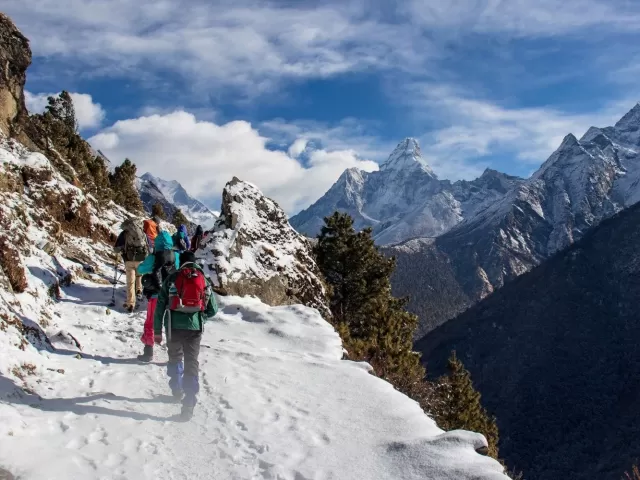
Everest Trekking begins with a thrilling flight from Kathmandu to Lukla or Manthali, followed by continuous ascents to Kalapattar. However, it's crucial to remember that this journey requires moderate physical fitness and altitude acclimatisation.On the Everest Base Camp Trek, following in the footsteps of Hillary, you'll pass through the rare yeti territory and the Dudh Koshi River valley. Trekkers encounter lush forests, terraced farmlands, undulating hills, alpine pastures, and majestic mountains. The trek ascends to 5,364 meters at Everest Base Camp and 5,545 meters at Kalapattar, offering breathtaking views of peaks such as Pumori, Lhotse, Nuptse, Lobuche, and Mount Everest. The route, marked by tranquillity and dotted with teahouses, offers trekkers a serene resting place, allowing them to feel at peace amid nature's grandeur.With diverse peaks, captivating vistas, Sherpa culture, ancient Gompas, and awe-inspiring panoramas, the Everest region offers trekkers worldwide a memorable experience.Everest Base Camp Trek Preparation Guide:Preparing for the Everest Base Camp Trek requires attention to physical readiness, cultural sensitivity, and smart packing. Asiana Treks and Tours ensures a safe and enriching journey, but travellers should still be well-prepared. Ensure your travel documents are in order, maintain physical fitness, and pack appropriately for changing mountain weather. Respect local customs, be environmentally conscious, and stay flexible to embrace Nepal's unique experiences. Staying hydrated, eating carefully, and carrying essential gear, including passport-sized photos, will contribute to a smooth trekking experience.Everest Base Camp Preparation Summary Guide: Plan Your Adventure Early:Book your Everest Base Camp Trek with a trusted operator, such as Asiana Treks and Tours, to ensure safe logistics, professional guides, and proper permits. Confirm your flight to Lukla, hotel booking, and pick-up/drop-off services before arrival in Kathmandu.Understand the Trek Challenge –The Everest Base Camp Trek is a moderate to challenging trek that reaches an elevation of 5,364 meters. It requires good stamina, mental strength, and proper acclimatisation to handle high-altitude conditions.Figure out what the Trek difficulty is:The Everest Base Camp Trek is a moderate to challenging trek that reaches an elevation of up to 5,364 metres. You need to be in good physical shape, have a strong mind, and be accustomed to high altitudes to handle them effectively.Physical Fitness Training:Do physical activities —like jogging, biking, and hiking — for at least 5 - 6 weeks before your trip. Exercises such as lunges and step-ups will help you build strength in your legs, back, and core. For long climbs, you need good balance and endurance.Smart and Light Packing: Pack warm, layered clothing suitable for cold mountain temperatures. Include insulated jackets, thermal wear, gloves, trekking boots, hats, and a waterproof backpack. Don’t forget sunscreen, sunglasses, and a reusable water bottle.Permits and Documentation:Obtain the Sagarmatha National Park Entry Permit and Khumbu Pasang Lhamu Rural Municipality Permit. Asiana Treks and Tours can arrange all required paperwork for your convenience.Acclimatisation and Health:Stroll, drink plenty of water, and take scheduled rest days (such as in Namche Bazaar and Dingboche) to acclimate to the altitude. Avoid alcohol, caffeine, and smoking to minimise the risk of altitude sickness (AMS).Mental Preparation:Stay positive and flexible—mountain weather can change quickly. Be patient and embrace the journey’s challenges as part of your adventure.Cultural Awareness:Respect Sherpa traditions, greet locals with a warm “Namaste,” and refrain from touching religious objects or prayer flags. Be polite and supportive in mountain lodges.Eco-Friendly Trekking:Carry reusable items, minimise plastic use, and respect the environment. Follow the “Leave No Trace” principles throughout the Everest region.Travel Insurance and Safety:Bring comprehensive travel insurance that covers high-altitude trekking and emergency evacuation. Keep a copy of your passport, insurance, and permits with you at all times. Alternative Everest Region Trekking Package List:Everest Panorama TrekkingGokyo Lakes and Gokyo Ri TrekEverest Base Camp Chola Pass Trek via Gokyo RiGokyo Ri Renjo La Pass TrekkingEverest Three High Passes TrekPikey Peak TrekkingEverest Dudh Kunda TrekkingEverest Base Camp Trekking via JiriEverest Regions Trekking Blog Post List:Asiana Treks & Tours offers an insightful blog on the Everest region, providing valuable information for trekkers. Explore stunning landscapes, local culture, and practical tips for your journey.Why Everest Base Camp Trek Should Be Your Next Adventure: Top ReasonsBeginner's Guide to Everest Base Camp TrekUnderstanding the Everest Base Camp Trek’s DifficultyEverest Base Camp Trek: Best Seasons (March-Mid June, Sep-Nov)Choosing the Best Route for Everest Base CampMajor Facts About the Everest Base Camp Trekking AdventureHiking from Gorak Shep to Kala Patthar & Everest Base CampIs There an Age Limit for Everest Base Camp Trekking?Is Everest Base Camp Trekking Possible for Women? Absolutely!The Complete List of Permits and Documents for Everest Region TreksMeals and Accommodation in the Everest RegionAccommodation Types in the Everest RegionTop Everest Region Trekking Packages 2025/2026Annapurna Base Camp vs Everest Base Camp: The Best TrekTrekking Permit Requirements for Different Regions in NepalThe First Viewpoint to See Mount EverestThe Beauty of Gokyo Lake with Views of EverestDiscovering the Beauty of Gokyo Lakes with Gokyo RiWhy Choose Everest Three Passes Trekking in NepalWhy Trek Everyone is the Ultimate Guide to Everest Base CampTrekking the Everest Three High Passes: Renjo La, Cho La & Kongma LaLukla: The Trekker's Ultimate GatewayAmazing Facts About Tenzing-Hillary Airport (Lukla Airport)Exploring Phakding: The First Step Toward EverestNamche Bazaar at 3,440m: A Rest Stop with a ViewTengboche Monastery: The Heartbeat of the KhumbuDingboche: The Smart Stop for Acclimatization and Stunning ViewsLobuche: A High-Altitude Himalayan Gem – History, Culture, Geography & Trekking HighlightsDiscover Everest Dudhkoshi Cultural Trek for BeginnersTraversing the Heart of Solu: Jiri to Sete, Junbesi & Nunthala via the Lamjura-La PassSacred Trails and Alpine Dreams: A Journey Through Pikey Peak, Dudh Kunda, and the Hidden Hamlets of SolukhumbuWhy Choose Everest Three Passes Trekking in NepalThe First Successful Summit: Sir Edmund Hillary and Tenzing NorgayHistory of Mount Everest : International Everest DayWhy Trek Everyone is the Ultimate Guide to Everest Base CampFAQs for Hiking to the Roof of the World (Everest RegionEverest Base Camp Trek Itinerary and Distance:Asiana Treks and Tours offers the ideal Everest Base Camp trek itinerary and distance for travellers with moderate physical fitness, combining adventure, culture, and natural beauty. The journey begins in Kathmandu, where you'll explore heritage sites, then fly to Lukla to start your trek through picturesque Sherpa villages, dense forests, and alpine landscapes. Each day offers breathtaking views, from the vibrant streets of Namche Bazaar to the majestic peaks of the Khumbu region. You'll experience the dramatic contrast of cold nights at Everest Base Camp with the unforgettable sunrise views from Kala Patthar.Day & ActivityDistance ( Km / Miles )Altitude ( Meters / Feet )Day 1: Arrival in Kathmandu7 Km / 4.34 miles1,400 m / 4,593 ftDay 2: Kathmandu – Lukla – Phakding5 km / 3.1 miles2,610 m / 8,562 ftDay 3: Phakding – Namche Bazaar7 km / 4.8 miles3,440 m / 11,286 ftDay 4: Acclimatisation Day at Namche6 km / 3.7 miles (approx)3,880 m / 12,730 ft ( Everest View Hotel )Day 5: Namche To Tangboche8 km / 5 miles3,860 m / 12,664 ftDay 6: Tengboche – Dingboche11 km / 6.8 miles4,410 m / 14,469 ftDay 7: Acclimatisation Day in Dingboche6 km / 3.7 miles ( approx )4,800 m / 15,748 ft ( Nagarjun Hill )Day 8: Dingboche – Lobuche7 km / 4.3 miles4,910 m / 16,109 ftDay 9: Lobuche – Gorakshep – Everest Base Camp11 km / 6.8 miles EBC: 5,364 m / 17,598 ftGorakshep: 5,545 m / 18192 ftDay 10: Gorakshep – Kalapatthar – Pheriche9 km / 5.6 milesKala Patthar: 5,545 m / 18,192 ftPheriche: 4,240 m / 13,910 ftDay 11: Pheriche – Namche Bazaar15 km / 9.3 miles ( approx )3,440 m / 11,286 ftDay 12: Namche – Lukla19 km / 11.8 miles ( approx )2,860 m / 9,383 ftDay 13: Fly Lukla – Kathmandu-Kathmandu: 1,400 m / 4,593 ftEverest Base Camp Trek Route:The Everest Base Camp Trekking Route offers several scenic trails, each showcasing breathtaking Himalayan landscapes, rich Sherpa culture, and thrilling adventure. All routes are excellent; however, the best one depends on your time, budget, and personal preference. Trekkers can choose the Classic Route via Lukla, flying both ways; the historic Jiri–Bhandara Route, reached by bus from Kathmandu and following the original Hillary Trail; or the Salleri–Phaplu Route, accessible by jeep or short flight, which starts the trek toward Lukla.Each route passes through traditional Sherpa villages, rhododendron forests, ancient monasteries, and suspension bridges before reaching the iconic Everest Base Camp (5,364 m) at the foot of Mount Everest (8,848.86 m). These trails promise an unforgettable mix of culture, nature, and mountain adventure. Everest Base Camp Route Summary Table:RouteAccess ModeHighlightLukla RouteFlight from Kathmandu - Lukla or RamechhapMost popular, shortest route to EBCJiri – Bhandara RouteDrive from Kathmandu, trek via the Hillary TrailHistoric trail, cultural experienceSalleri – Phaplu RouteDrive to Surke or fly to PhapluOffbeat path with scenic mountain views Everest Base Camp Trekking PriceEverest Base Camp Trek Price and PackagesAsiana Treks and Tours offers different service levels, from standard full-service trekking packages to luxury experiences with premium mountain lodges and helicopter return options. The final cost depends on your group size, accommodation, meals, flights, permits, and selected services, as outlined in our price lists.However, our regular full-service trekking package prices are according to group size and number of paxEverest Base Camp Trek Price per Person by group size is likewise below.* 1 person: US$ 1,723* 2–4 people: US$ 1,463 per person* 5–9 people: US$ 1,167 per person* 10 or more people: US$ 1,097 per personUse the above-mentioned price chart for our regular trekking package options. For more information, contact Asiana Treks and Tours for a personalised quotation with clear pricing and no hidden costs.Everest Base Camp price list by the different service levels: Package TypePrice Range ( USD)IncludeLuxury Complete Package6053$ - 8015$5 - star hotel in Kathmandu,Yeti Mountain Home or Everest Summit Lodge until Namche,Then, after the best available lodges en route,all permits, from the city to the Mountain guide/porter,all meals, and a helicopter return from EBC / KalapatharFull-Service Package1100 $ - 1500$Flights to / from Lukla, all permits, guide and porter, all meals,accommodation in Kathmandu and during the trekStandard Package$1,100 – $14,00Permits, flights to / from Lukla,guide or porter, Breakfast, Lunch and Dinnerand accommodation only during the trekSimple Package$800 – $1,20B/B ( Bed and Breakfast ), guide, and porter,all necessary Trekking permits ( trekking only )Guide & Accommodation$600 – $700Only guide service and accommodation during the trekPorter $300 – $500 PorterPorter service during the trek only Everest Base Camp Trekking Height:The Everest Base Camp trek and tours begin in the bustling city of Kathmandu, located at an altitude of 1,337 meters. From Kathmandu, fly to Lukla, or, during peak season, fly from Ramechhap. You'll descend to the beautiful Manthali headquarters of Ramechhap,474 meters above sea level. If you fly from Manthali to Lukla, you'll begin your journey, descending through the green forest to Chheplung; the Trek culminates at Everest Base Camp at a breathtaking height of 5,360 m /17,598 ft.LocationAltimeter and FitAltitude Gain / Loss Arrival in Kathmandu1,400 m / 4,593 ftArrive NepalKathmandu – Lukla – Phakding2,610 m / 8,563 ft1,210 (Lukla) - 200 ( Phakding )Phakding – Namche3,440 m / 11,286 ftGain: 830 m / Loss: 0 mNamche – Tengboche3,860 m / 12,664 ftGain: 420 m / Loss: 0 mTengboche – Dingboche4,410 m / 14,468 ftGain: 550 m / Loss: 0 mDingboche – Lobuche4,910 m / 16,109 ftGain: 500 m / Loss: 0 mLobuche – Gorakshep – EBC5,364 m / 17,598 ft454 ( Gorakshep ) - 150 (EBC)Gorakshep – Kalapatthar – Pheriche4,240 m / 13,911 ftGain: 400 m ( to Kala Patthar ) /Loss: 1,524 m ( to Pheriche )Pheriche – Namche3,440 m / 11,286 ftGain: 0 m / Loss: 800 mNamche – Lukla2,860 m / 9,383 ftGain: 0 m / Loss: 580 mFly back to Lukla – Kathmandu1,400 m / 4,593 ftGain: 0 m / Loss: 0 mDeparture from Kathmandu1,400 m / 4,593 ftFly to your Home destinationMajor Sherpa villages of the Everest Base Camp Trekking Route:The Everest Base Camp trekking route passes through several culturally rich and scenic Sherpa villages. These villages provide essential rest stops and accommodation while offering deep insight into the Sherpa way of life. From the bustling town of Lukla to the serene heights of Gorakshep, each village plays a unique role in shaping the trekking experience. As you ascend and descend the trail, these villages offer warm hospitality, spiritual significance, and picturesque Himalayan views.Village nameAltitude Meter and FitShort DescriptionLukla 2,860 m / 9,383 ft Gateway to Everest; home to Tenzing-Hillary Airport.Starting point of the trek.Chheplung2,700 m / 8,858 ftScenic village after Lukla with views of the Dudh Koshi River.Thado Koshi2,580 m / 8,465 ftSmall riverside village with a peaceful atmosphere.Phakding2,610 m / 8,563 ftPopular first overnight stop with lodges and riverside charm.Taktok2,700 m / 8,858 ftA traditional Sherpa village with stone houses and a quiet setting.Banker2,700 m / 8,858 ftA quiet village surrounded by natural beauty and a few teahouses.Manjo2,835 m / 9,301 ftEntrance checkpoint to Sagarmatha National Park.Jorsalle2,740 m / 8,990 ftLast stop before Namche, a popular lunch break location.Namche Bazaar3,440 m / 11,286 ftCentral trading hub with cafés, shops, and acclimatisation points.Sanasha3,600 m / 11,811 ftTrail junction to both Everest Base Camp and Gokyo Lakes.Phugithanga3,250 m / 10,663 ftResting spot at the base of the climb to Tengboche.Tengboche3,867 m / 12,687 ftSpiritual centre with the famous monastery and mountain views.Diboche3,820 m / 12,532 ftA peaceful alternative to Tengboche, with serene lodges.Pangboche3,985 m / 13,074 ftHome to the region’s oldest monastery and Sherpa culture.Somera4,050 m / 13,287 ftA small Lunch Hemlet between Pangboche and Dingboche.Harso4,150 m / 13,615 ftA simple resting point before reaching Dingboche.Dingboche4,410 m / 14,469 ftCentral acclimatisation village with stunning landscapes.Thukla ( Dughla )4,620 m / 15,157 ftSite of memorials for fallen climbers; an emotional stop.Lobuche4,940 m / 16,207 ftA high-altitude village before Gorakshep and EBC.Gorakshep5,164 m / 16,942 ftFinal settlement before Everest Base Camp and Kala Patthar.Best viewpoints of the Everest Base Camp Trek:These viewpoints offer unforgettable experiences that highlight the beauty of the Everest Base Camp Trek. Everest Base Camp Trek offers breathtaking views, showcasing stunning panoramas of the surrounding Himalayan peaks. Here are the critical views along the route:On a clear day, board your Flight to Lukla or Ramechhap, and choose a left-hand seat for breathtaking views of the countless Himalayan peaks, from the Langtang Himalayan range to the majestic Mt Everest.Hillary Bridge: Halfway from Hillary Bridge to Namche, you will first glimpse the majestic view of Everest. Hillary Park Sagarmatha Head Headquarters: Located at the top of Namche, the Headquarters of Sagarmatha National Park, Hillary Park offers stunning views of Many Himalayan ranges, including Mt. Everest.Everest View Hotel: From Everest View Hotel, you can enjoy unparalleled vistas of Everest and neighbouring peaks, Tangboche, Pangboche, Deboche: Traverse picturesque villages, each providing unique perspectives of the towering giants en route to Everest Base Camp.Thukla: On the way from Lobuche to Thukla, soak in the stunning views of jaw-dropping Himalayan peaks.Kala Patthar: Summit at dawn for an unrivalled panorama of the Everest region, witnessing the mountains come alive in a symphony of colours as the sun rises. Each viewpoint leaves an indelible mark on your soul, ensuring the journey back to Lukla reminds you of the awe-inspiring vistas encountered throughout your Trek.Everest Base Camp (EBC): The ultimate destination, commonly listed as 5,550 m (18,209 ft). This trek offers unparalleled views of Flora and fauna.Flora and Fauna In the Everest Base Camp Trekking:The Everest Base Camp Trek is also located within Sagarmatha National Park. It boasts a diverse array of flora and fauna, with pine and hemlock forests at lower altitudes and fir, juniper, birch, rhododendron, scrub, and alpine plants at higher elevations. Sagarmatha National Park is home to a diverse range of animals, including the red panda, snow leopard, musk deer, Himalayan tahr, marten, Himalayan mouse hare (also known as a pika), and over 118 bird species, such as the Impeyan pheasant, snow cock, blood pheasant, and red-billed chough.CategoryDetailsEcosystemTemperate forests, subalpine forests, alpine meadows, tundra, glaciersElevation Range1,400 m (Kathmandu) to 5,364m ( Everest Base Camp )Protected AreaSagarmatha National Park (UNESCO World Heritage Site)Flora ( Plants )Rhododendron forests, pine, juniper, fir, birch, blue poppies, mosses, lichensFauna ( Animals )Himalayan Tahr, Musk Deer, Snow Leopard, Red Panda,Himalayan Monal ( national bird of Nepal ), Danphe, Blood PheasantBirdsHimalayan Griffon, Snow Pigeon, Impeyan Pheasant, Bearded VultureCommon MammalsYak, Himalayan Black Bear, Grey Langur, PikaReptiles & AmphibiansHimalayan Pit Viper, Mountain Toad, High-altitude LizardsThreats to BiodiversityClimate change, deforestation, overgrazing, tourism impact, and habitat lossConservation EffortsSagarmatha National Park protection, community - based eco - tourism,and reforestation projectsFestivals and Culture of Everest Base Camp Trekking:The Everest Base Camp trek offers a cultural immersion into Sherpa traditions. A highlight is the Dumji and Mani Rimdu Festival at Tengboche Monastery, held annually in October or November. This vibrant celebration features sacred dances and colourful ceremonies, providing insight into Sherpa culture.Buddhism, a central pillar of Sherpa culture, is beautifully woven into the fabric of the Trek. It's evident in the monasteries, prayer flags, and Mani walls that dot the route. Visitors aren't just spectators; they can actively participate in Buddhist rituals, fostering a deeper understanding of Sherpa spirituality and their profound connection to nature. In their harmonious coexistence with nature, Sherpas practice sustainable living through eco-friendly methods, including using yak dung as fuel and managing waste effectively. These practices, born of necessity and deep respect for the environment, testify to the Sherpas' ingenuity and their role as responsible stewards of the land. This practice inspires respect and admiration. People and Hospitality:In Nepal, warm hospitality and strong values are not just customs but deeply ingrained parts of the culture. Whether you're a foreign visitor or a local, people greet you with open arms, friendly smiles, and a radiant manner. This tradition of hospitality, rooted in Hinduism, Buddhism, and traditional customs, views guests as blessings and treats them with utmost respect, generosity, and kindness.The Sherpa people, an indigenous ethnic group with a unique blend of Tibetan Buddhism and ancient Bon rituals, embody these values. Residing in the upper Khumbu area, they welcome guests with a distinct warmth and an unwavering spirit of hospitality, marked by their renowned honesty and loyalty.Advantages of booking with Asiana Treks and Tours: Private transportation for airport transfers to and from your hotel.Feel free to connect via Facebook or online if you'd like to discuss the trip.Last-minute booking at your hotel at a suitable time after your arrival.Easy booking and reservation system.Multi-channel communication via Email, WhatsApp, Facebook, Viber, Skype, and 24/7 phone communication at +977-9851076270Free excess luggage storage during the TrekOximeters measure blood oxygen saturation, helping detect altitude sickness early at high altitudes.Medical kits along the Trek and hot air bags are available in winterArrange sleeping bags, duffel bags, down jackets, and walking poles if you don't have your own.Trekking Start: If you miss the regular trip briefing, don't worry. We'll provide it at a convenient time before departure from Pokhara, either before a World Heritage tour the following morning or the next day. We'll then proceed to the airport, either by flight to Lukla or by driving to Manthali and taking a flight there.Currency Exchange:The Nepalese rupee is Nepal's official currency, and 1 USD is approximately equivalent to 130 Nepalese rupees. Nepal accepts only NPR, so it's best to bring cash to make transactions easier. Banks and ATMs in Kathmandu offer currency exchange services; however, most banks prefer new, crisp notes.Our Team:The Asiana Treks and Tours team is professional, reliable, and responsible. They are well-trained, friendly, radiant, and fluent in English. You can feel comfortable sharing anything with them. They are experts in local culture, history, vegetation, cuisine, accommodations, weather conditions, and first aid medications. They are also environmentally conscious and respect animal rights.However, please refrain from provoking them for personal gain during the trip. While you can enjoy your holiday with them, we kindly request that you refrain from trying to change their customs, beliefs, religion, culture, or traditions.We, along with our staff, are committed to making your adventure trip in Nepal unforgettable. Guide and Porter Arrangement:Asiana Treks and Tours focuses on responsible tourism in Nepal. We ensure our guides and porters are well-trained in Trekking and mountaineering. They are well-versed in the areas we visit, including geography, history, customs, and culture. We train them regularly in safety, first aid, and environmental conservation. We follow guidelines to treat our porters fairly, providing them with good pay, accommodation, and meals during treks. Our guides and porters are essential team members, and we appreciate their hard work. When you trek with us, you support ethical tourism in Nepal and make your trip meaningful and memorable.Asiana Treks and Tours prioritises your safety and enjoyment. Our knowledgeable guides, reliable equipment, and safety measures ensure a great trekking experience in Nepal.ServicesDescrptionPrice RangeFull Board with Guide and PorterBLD with professional (G/P) B/B with Guide and PorterB/B with Professional (G/P) Only GuideGuide and salary$25 per dayOnly PorterPorter and salary$20 per dayPorter, Luggage, and Extra Luggage Storage: We cover the cost of porters for your Luggage, but the maximum weight per person is 12 kg. Each porter carries Luggage for two trekkers; please share a duffel bag with another. Our porters will carry up to 25 kg each. If you need a porter, we can arrange one. We also recommend carrying a small backpack for your valuables and important documents. You can leave extra luggage for free at our office and at hotels in Pokhara, Namche, etc.Accommodation:Accommodation during the Everest Base Camp Trek varies. Along the trekking route, you'll stay in guest houses, commonly known as teahouses. These basic lodges offer rooms, dining areas, and toilets. Guest house quality varies, but they remain affordable and convenient for trekkers. Rooms typically feature twin or bunk beds, and shared bathrooms are available. Blankets and pillows are also provided. Our company can offer a sleeping bag if you don't have one. You'll spend nine nights in lodges along the trekking route and three nights in a hotel in Kathmandu. Some places and lodges have attached bathrooms, while others offer simple yet clean rooms with shared facilities. We can arrange a solo trekking service if you're travelling solo. During the high season and in certain areas, availability may be limited; however, we do our best to accommodate you. In Kathmandu or Pokhara, your hotel room will have excellent amenities, including TV, 24/7 hot water, electricity, and laundry service.Meals during the trip:Eating well is essential since the EBC Trek takes you through the Himalayas. You'll have plenty of nutritious meals in the trekking regions, although the options won't be as varied as in the cities. You'll get 15 breakfasts, 11 lunches, and 10 dinners during the Trek. The menu includes local, Asian, and Western dishes, but it gets more straightforward as you climb higher. Try popular Nepali foods like lentils, rice, curry, dumplings, noodles, Spaghetti, and many more. We highly recommend eating fresh vegetables and drinking liquids such as green tea, lemon tea, hot lemon water, ginger tea, and garlic soup, especially at high altitudes. While non-vegetarian options are available during the Trek, we suggest avoiding them for hygiene reasons. It's also best to avoid dairy, cheese, alcohol, caffeine, and hot chocolate. Personal expenses, such as alcoholic beverages, additional drinks, and cafes, aren't included in the package.Meal TypeDetailsTotal Meals Provided15 breakfasts, 11 lunches, 10 dinnersCuisine OptionsLocal Nepali, Asian, and Western dishesCommon MealsDal Bhat ( lentils, rice, curry ), dumplings (momos)noodles, spaghetti, soupsRecommended FoodsFresh vegetables, garlic soup, energy - rich mealsRecommended DrinksGreen tea, lemon tea, hot lemon, ginger teaFoods to AvoidNon-vegetarian items ( for hygiene reasons ),dairy, cheese, caffeine, alcohol, hot chocolateMeal SimplicityMore variety in lower altitudes,simpler options at higher elevationsExcluded ExpensesAlcoholic drinks, extra beverages, speciality cafésDrinking water:Staying hydrated on the trail is essential, as dehydration can contribute to Acute Mountain Sickness (AMS). Drink at least three litres of fluids daily.Using bottled water while hiking creates waste and costs more. Reusable water bottles are a more affordable, environmentally friendly alternative to plastic bottles. You can now use them after filling them with hot water from the teahouse.Mountain water is generally pure, but it's always best to be cautious. Consider using a bottle with a Steripen or an in-built filtration system, such as LifeStraw. Water purification tablets are another reliable option. With these precautions, you can drink mountain water with confidence, knowing it's safe.Chlorine or iodine tablets may change the water's taste. To mask the unpleasant taste, add flavoured electrolyte powder, which is easily available at a medical shop in Kathmandu. These powders enhance flavour and replenish essential minerals such as sodium, potassium, and magnesium, helping you stay healthy and energised during your hike.Teahouses offer boiled drinking water for an additional cost, which increases the higher you go. The kitchen staff will treat and boil your drinking water during the climb.Extra Personal Expenses:Your Trip covers most expenses during the Trek; however, you will need to pay for additional accommodations and meals in Kathmandu, souvenirs, and beverages. We estimate miscellaneous expenses at USD 15-25 per trekking day. However, personal expenses depend on your Income, habits, and style.Toilet Facilities in Everest Base Camp Trekking:Most teahouses have Western-style flush toilets during mountain treks, especially at lower elevations. However, as you ascend, you'll find simple squat toilets along the trails and at higher-altitude teahouses. These toilets usually have water and toilet paper, but it's a good idea to bring your own just in case. You can also use restrooms at nearby teahouses or find a private spot along the trekking routes.Internet Connectivity:While trekking in Nepal's Himalayan region, it's also a good idea to stay in touch with your family and friends. You can find internet access at teahouses and lodges, but it may cost extra. The signal may be weak due to the remote location. You can also get internet access using a local SIM card and data packages available at Kathmandu airport or nearby shops in Thamel and Pokhara. You'll need a passport-sized photo and a copy of your passport to get a SIM card. Compare prices and data packages from telecom companies like Ncell and Nepal Telecom before you buy. Knowing about the teahouse connectivity. Our guide will suggest connections for you. Electricity voltage and plugs:However, as of May 29, 2023, 95% of the Nepali population has access to electricity. Almost all popular trekking routes, teahouses, and lodges have electricity. However, some isolated, solo trekking teahouses in the jungle don't have electricity; most let travellers charge their devices for a small fee. The average electrical voltage in Nepal is 230 volts, with plug types like Type C, Type D, and Type M. Travellers should bring a suitable adapter and, if needed, a voltage converter for their electronic devices.Communication:Guesthouses in trekking regions offer internet access. You can buy a SIM card at Tribhuvan International Airport in Kathmandu and Namche. However, the signal may be weaker at high altitudes. Our office stays in regular contact with all trekking teams through the trek guide, checking in at least once daily to ensure everything goes as planned.Trip Extension:Suppose you have extra days in Nepal after the Trek. In that case, we can arrange a tour that includes an overnight stay in Nagarkot, Balthali, or another location around Kathmandu and Chitwan, along with activities such as jungle safaris, paragliding, rafting, canyoning, or other treks. Do not hesitate to inform us. We will create the best for you.Trek Difficulty:The Everest Base Camp trek offers a moderate yet challenging and enriching adventure. Your enjoyment of the trip will largely depend on your fitness level. We recommend building stamina at least two weeks before the Trek. Activities include jogging, running, swimming, or taking long hikes to build stamina for the journey ahead.This Trek is achievable even for beginners, but you must maintain a reasonable fitness level. Prior trekking experience is advantageous, though optional. All you need is the readiness to hike steadily for 4-8 hours and navigate tricky terrain.Suppose trekkers have pre-existing medical conditions, such as lung or heart diseases. In that case, they should consult their physician before booking the Trek to ensure their safety and well-being throughout the journey.Trip Safety:We highly give top priority. We provide experienced guides, first-aid kits, and necessary safety gear to ensure a safe hand. Our team monitors weather and trail conditions and takes precautions to minimise risks. Before starting the Trek, we discuss the trip to provide a clear understanding and ensure a reliable experience.Group & Private Treks:We organise many group and private treks simultaneously, with discounts available for larger groups. Every group will have a trekking guide and porters. Regarding larger groups, we provide an assistant guide. Our team ensures a safe and enjoyable trekking experience for all participants.About a solo traveller:If you're a solo traveller, please contact us to confirm departure dates before booking. You can tell us via call, WhatsApp, or email. We have listed upcoming departure dates for your convenience. Feel free to share the trip details with friends and family.Notes: The itinerary is subject to change due to weather or other unforeseen factors, and we'll adjust it to ensure the group's safety and enjoyment. We look forward to guiding you through the stunning landscapes of the Annapurna region and providing a memorable trekking experience.Responsible Travel:We prioritise responsible travel to minimise environmental impact and support local communities. We collaborate with organisations like the Kathmandu Environmental Education Project (KEEP) to promote eco-friendly trekking practices.Gratitude:Gratuity, or tipping, is highly appreciated in Nepali culture and reflects the quality of service that has been provided. You decide how much to tip, but we recommend tipping as a group at the end of the trip.End of Trek:On the Last day, you'll fly from Lukla back to Kathmandu, which takes about 35 Minutes. Alternatively, we can fly from Ramechhap to Kathmandu for an extra fee. In the evening, we'll host a farewell dinner in Kathmandu.Departure:On the day of your departure flight, we'll come to pick you up from your hotel and transfer you to Tribhuvan International Airport. We hope you enjoyed the Nepal trek and will consider returning for more adventures in Nepal.Feedback:After you complete the EBC Trek, we'll organise a farewell dinner in Kathmandu and present you with a trekking achievement certificate. After the dinner, you can provide feedback about the Trek on travel portals.Last-Minute Booking:If you can't book in advance, we offer last-minute bookings. Last-minute booking offers are available, but they may cost slightly more than regular departure dates. Those opting for last-minute bookings must pay an additional 7% of the total trip cost on our website. While we strive to accommodate last-minute requests, we do our best to meet your last-minute holiday booking needs.Special Note: Unforeseen circumstances, such as inclement weather or lodging unavailability, may occasionally require schedule changes. In such cases, your trip guide will design a new schedule based on the group's interests.
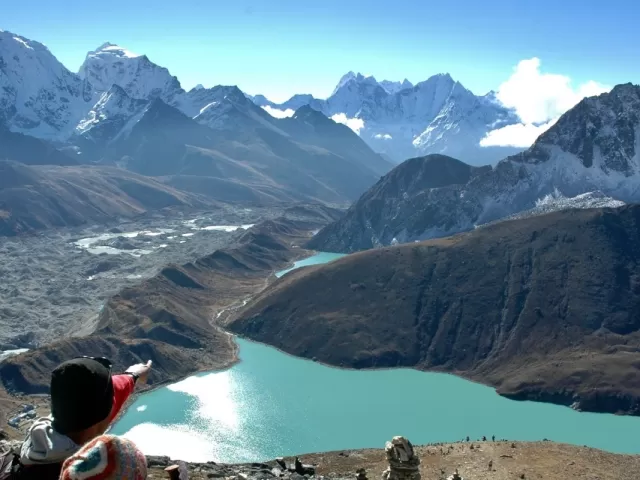
Asiana Treks and Tours offers the Everest Gokyo Ri trek to reach the base of the world's highest mountain! It is the dream of every adventure trekker and mountain lover. Trekking to Everest Base Camp brings your long-desired adventure to reality. Trekking in the Khumbu region through the famous Sherpa villages and Sherpa hospitality is such a pleasant experience that you cannot praise it more.Trekking to Everest Base Camp and Gokyo Ri becomes even more magnificent when combined with a trek to the Gokyo lakes and the surrounding region. Taking a detour from the usual route to Base Camp from Namche takes you to Gokyo, where you can see the emerald green lakes tucked in the middle of the mountains, which are lifetime memories. The view of the serene, crystal-clear lakes with floating Ruddy shelducks brings you such joy that it makes your trek much better and more successful, and the route feels more adventurous. Eventually, the route to the famous viewpoints Gokyo-Ri and Chola Pass is a beauty of life that meets at Lobuche via the glacial route, then leads you to Gorakshep, Everest Base Camp, and Kalapatthar.Another very famous viewpoint just behind Mount Pumori and the lap of the high Himalayas, Kalapatthar provides a panoramic view of the Himalayan peaks Mt Everest and Lhotse, as well as the Khumbu Icefall, and boasts a stunning sunrise from the high altitude of 5556 meters above sea level. The breathtaking view of the mountains from this magical viewpoint makes you forget the early-morning effort it took to reach the top of Kala Patthar. Once you reach the top of Kala Patthar, it adds to the joy of having been at the base camp of the highest mountain the previous day and feels like heaven on earth.Preparing for the Nepal Trek with Asiana Treks and Tours: Following these tips ensures a smooth, enjoyable, and enriching journey through Nepal's Silver Triangle. Ensure Your Travel Documents Are ReadyVerify that your passport is valid for at least six months beyond your travel dates.Obtain a Nepal visa in advance or on arrival at the airport.Carry travel insurance covering medical emergencies, trip cancellations, and unexpected delays.Pack wisely For Comfort and ConvenienceBring lightweight, breathable clothing for warm days and layered outfits for cooler evenings.Comfortable walking shoes, a rain jacket, sunglasses, sunscreen, and personal essentials are necessary.Pack a small daypack to carry essentials during daily excursions.Understand and Respect the Local CultureDress modestly, especially at religious sites, and remove your shoes before entering temples.Greet locals with a polite "Namaste" and respect local customs and traditions.Avoid public displays of affection, as Nepalese culture values modesty.Maintain Physical Readiness for the JourneyThe Silver Triangle Tour includes sightseeing and short walks, so staying active beforehand helps.Engage in light walking or basic stretching exercises before your trip to improve your stamina.If you have any medical conditions, carry the necessary medications and inform your tour guide.Prioritise Hydration and Well-BeingDrink purified or bottled water to avoid dehydration and stomach issues.Carry a reusable water bottle and refill it at safe water stations.Eat well-balanced meals with local cuisine, but avoid street food if you have a sensitive stomach.Stay Open-Minded and AdaptableNepal's charm lies in its authenticity, so be flexible with schedules and enjoy spontaneous experiences.Expect occasional delays due to road conditions or weather, and embrace the relaxed pace of travel.Interact with locals, explore hidden gems, and immerse yourself in the beauty of Nepalese culture.Be Environmentally ConsciousMinimise plastic waste by carrying reusable bottles and bags.Follow responsible tourism practices by respecting nature and local communities.Support eco-friendly accommodations and ethical tour operators.Capture Memories But Stay PresentBring a camera or smartphone to capture the stunning landscapes and cultural sites.Enjoy the beauty around you rather than focusing solely on photos.Seek permission before photographing people, especially in rural areas.Bring Necessary PhotographCarry some passport-sized photos, as they may be needed for permits, SIM cards, or other travel documents.Everest Regions Trekking Blog Post List:Asiana Treks & Tours offers an insightful blog on the Everest region, providing valuable information for trekkers. Explore stunning landscapes, local culture, and practical tips for your journey.Why Everest Base Camp Trek Should Be Your Next Adventure: Top ReasonsBeginner's Guide to Everest Base Camp TrekUnderstanding the Everest Base Camp Trek’s DifficultyEverest Base Camp Trek: Best Seasons (March-Mid June, Sep-Nov)Choosing the Best Route for Everest Base CampMajor Facts About the Everest Base Camp Trekking AdventureHiking from Gorak Shep to Kala Patthar & Everest Base CampIs There an Age Limit for Everest Base Camp Trekking?Is Everest Base Camp Trekking Possible for Women? Absolutely!The Complete List of Permits and Documents for Everest Region TreksMeals and Accommodation in the Everest RegionAccommodation Types in the Everest RegionTop Everest Region Trekking Packages 2025/2026Annapurna Base Camp vs Everest Base Camp: The Best TrekTrekking Permit Requirements for Different Regions in NepalThe First Viewpoint to See Mount EverestThe Beauty of Gokyo Lake with Views of EverestDiscovering the Beauty of Gokyo Lakes with Gokyo RiWhy Choose Everest Three Passes Trekking in NepalWhy Trek Everyone is the Ultimate Guide to Everest Base CampTrekking the Everest Three High Passes: Renjo La, Cho La & Kongma LaLukla: The Trekker's Ultimate GatewayAmazing Facts About Tenzing-Hillary Airport (Lukla Airport)Exploring Phakding: The First Step Toward EverestNamche Bazaar at 3,440m: A Rest Stop with a ViewTengboche Monastery: The Heartbeat of the KhumbuDingboche: The Smart Stop for Acclimatization and Stunning ViewsLobuche: A High-Altitude Himalayan Gem – History, Culture, Geography & Trekking HighlightsDiscover Everest Dudhkoshi Cultural Trek for BeginnersTraversing the Heart of Solu: Jiri to Sete, Junbesi & Nunthala via the Lamjura-La PassSacred Trails and Alpine Dreams: A Journey Through Pikey Peak, Dudh Kunda, and the Hidden Hamlets of SolukhumbuWhy Choose Everest Three Passes Trekking in NepalThe First Successful Summit: Sir Edmund Hillary and Tenzing NorgayHistory of Mount Everest : International Everest DayWhy Trek Everyone is the Ultimate Guide to Everest Base CampFAQs for Hiking to the Roof of the World (Everest RegionEverest Gokyo-Ri trekking itinerary:Asiana Treks and Tours has the perfect Everest Gokyo-Ri Trek itinerary. Travelers who desire to explore Nepal with moderate physical fitness. You'll discover the best places for breathtaking views from the city to the countryside. Experience the contrast of cold nights at Gokyo with a stunning view of the mountain wall, an unforgettable lifetime journey.Everest Gokyo-Ri Trekking Distance:The Everest Gokyo-Ri trekking takes 12 to 17 days, with 4 to eight-hour walking days, and is approximately 130 km, or 81.25 miles, depending on the itinerary and acclimatisation day.Everest Gokyo -Ri Trekking route:The Everest Gokyo- Ri Trekking route showcases awe-inspiring natural beauty. Starting in lush valleys with terraced fields and traditional Sherpa. Villages, the journey unfolds amidst the Himalayan foothills. Rhododendron forests bloom in spring, accompanied by cascading waterfalls and snow-capped peaks. Traversing wildflower meadows and crossing suspension bridges over mountain streams, the landscape evolves as you ascend. Approaching Everest via Gokyo-Ri, rugged terrain and glacial moraines dominate the landscape, offering panoramic views of towering peaks. The Trek promises unforgettable moments, whether you're a seasoned trekker or novice adventurer, offering an unparalleled journey through Earth's most breathtaking landscapes and the top of the world.Everest Gokyo- Ri Trekking Price: Our Everest Gokyo-Ri package tour ensures reliability in terms of cost, itinerary, and overall experience. The Everest Gokyo Ri trek typically ranges from US$ 1,300 to US$ 2,000, depending on group size, service level, guide and porter services, transportation preferences, and accommodation category in Kathmandu. This cost estimation is subject to the types of trekking gear and accommodation preferences. Everest Gokyo-Ri trekking Height:The Everest Gokyo-Ri trekking and tours start from the bustling city of Kathmandu at an altitude of 1337 meters. From Kathmandu, take a flight to Lukla or, during peak season, from Ramechhap. You'll descend to the beautiful Manthali headquarters of Ramechhap,474 meters above sea level. If you fly from Manthali to Lukla, you'll embark on your journey, descending and crossing the green forest to Chheplung; finally, the Trek culminates at Everest Base Camp at a breathtaking height of 5,550 m /18,209 ft.LocationAltitude (m)Increase (m)Decrease (m)Arrival in Kathmandu1,337--Kathmandu – Lukla – Phakding2,6101,210 (flight)400Phakding – Namche3,4408300Namche – Dole4,1106700Dole – Machhermo4,4703600Machhermo – Gokyo Lake4,7903200Gokyo Exploration - Thangna4,700090Thangna - Zongla (via Chola Pass)4,830500370Zongla – Lobuche4910800Labuche -Gorakshep – EBC round trip5364 EBC4540Gorakshep – Kalapatter – Pheriche554501305Pheriche – namche424001380Namche - Lukla34400580Lukla – Kathmandu1,40001,460 (flight)Major villages of Everest Gokyo-Ri Trekking:The major Sherpa villages along the Everest Gokyo-Ri Trekking route are Lukla, Chheplung, Thado Koshi, Phakding, Taktok, Banker Manjo, Jorsalle, Namche, Sanasha, Phugithanga, Tangboche, Diboche, Pangboche, Somera, Dingboche, Thukla, Labuche, and Gorekshep. Return from the same route and follow the same path back to Lukla. These villages are significant landmarks and offer scenic beauty and accommodation options along the Everest Gokyo-Ri Trekking route.Best Viewpoints Everest Gokyo -Ri Trekking:These viewpoints provide unforgettable experiences, highlighting the beauty of the Everest Gokyo-Ri Trek. Everest Gokyo-Ri Trek offers breathtaking viewpoints, showcasing stunning panoramas of the surrounding Himalayan peaks. Here are the critical views along the route:On a clear day, board your flight to Lukla or Ramechhap, and ensure a seat on the left-hand side for a breathtaking view of countless Himalayan peaks, from the Langtang Himalayan range to the majestic Mt Everest.Hillary Bridge: Halfway from Hillary Bridge to Namche, you will first glimpse the majestic view of Everest. Hillary Park, Sagarmatha Head Headquarters: At the top of Namche, the Headquarters of Sagarmatha National Park, Hillary Park offers a stunning view of Many Himalayan ranges, including Mt Everest.Everest View Hotel: From Everest View Hotel, you can enjoy unparalleled vistas of Everest and neighbouring peaks, Dole Viewpoint: Located near the village of Dole, this viewpoint offers early glimpses of Cho Oyu and other peaks, setting the stage for the spectacular views ahead along the trek.Machhermo Viewpoint: This viewpoint is situated above the village of Machhermo and offers beautiful views of the surrounding peaks, including Thamserku, Kangtega, and Cho Oyu. It's a great spot to acclimatise and enjoy the landscape.Gokyo Lakes: A series of turquoise lakes set against snow-capped peaks. The third lake, Dudh Pokhari, is particularly stunning. The area around the lakes provides spectacular photo opportunities and serene spots to enjoy the natural beauty.Gokyo Ri (5,357 meters / 17,575 feet): The highlight of the trek, Gokyo Ri, offers panoramic views of four of the world's highest peaks: Everest, Lhotse, Makalu, and Cho Oyu. The climb to the summit is challenging but rewarding, with unparalleled vistas of the Gokyo Lakes and the Ngozumpa Glacier, the longest glacier in the Himalayas.Ngozumpa Glacier: The longest glacier in the Himalayas is visible from several points along the trek. The glacier's dramatic ice formations and moraines are awe-inspiring, especially from the nearby hills.Scoundrel's Viewpoint:This viewpoint is located above the fifth Gokyo Lake and offers a more secluded and equally impressive perspective of Everest, Lhotse, Makalu, and Cho Oyu. It's less frequented by trekkers, providing a tranquil spot to take in the grandeur of the Himalayas.Thagnak Viewpoint: Located near the village of Thagnak, this viewpoint offers close-up views of Cho Oyu and the surrounding peaks. It is a great spot to acclimatise before crossing the Cho La Pass.Cho La Pass (5,420 meters / 17,782 feet): One of the high passes of the trek, offering breathtaking views of the surrounding peaks and glaciers. The challenging ascent is rewarded with spectacular views of Ama Dablam, Cholatse, and Lobuche East.Dzongla Viewpoint: After crossing the Cho La Pass, the village of Dzongla offers stunning views of Cholatse, Lobuche, and other surrounding peaks. The viewpoint is spectacular at sunset.Lobuche Viewpoint: Located near the village of Lobuche, this viewpoint offers excellent views of the Khumbu Glacier and the peaks of Nuptse, Pumori, and Everest.Everest Base Camp (E B C): The ultimate destination, commonly listed as 5,550 m (18,209 ft). The meters offer unparalleled views of Everest, Lhotse, Pumori, and Nuptse.Kala Patthar: Summit at dawn for an unrivalled panorama of the Everest region, witnessing the mountains come alive in a symphony of colours as the sun rises.Each viewpoint leaves an indelible mark on your soul, ensuring the journey back to Lukla reminds you of the awe-inspiring vistas encountered throughout your Trek.Tangboche, Pangboche, Deboche: Traverse picturesque villages, each providing unique perspectives of the towering giants en route to Everest Base Camp.Thukla: On the way from Lobuche to Thukla, soak in the stunning views of jaw-dropping Himalayan peaks.Flora and Fauna in the Everest Gokyo-Ri Trekking :Everest Gokyo-Ri Trekking is also in Sagarmatha National Park. It has diverse flora and fauna, with pine and hemlock forests at lower altitudes and fir, juniper, birch, rhododendron, scrub, and alpine plants thriving at higher elevations. Sagarmatha National Park is inhabited by a diverse range of animals, like red panda, snow leopard, musk deer, Himalayan tahr, marten, Himalayan mouse hare (pika), and over 118 bird species, such as the Impeyan pheasant, snow cock, blood pheasant, and red-billed cough.CategoryDetailsEcosystemTemperate forests, subalpine forests, alpine meadows, tundra, glaciersElevation Range1,400m (Kathmandu) to 5,545m (Kala Patthar)Protected AreaSagarmatha National Park (UNESCO World Heritage Site)Flora (Plants)Rhododendron, pine, juniper, fir, birch, blue poppies, mosses, lichensFauna (Animals)Snow Leopard, Red Panda, Himalayan Tahr, Musk Deer, Himalayan Monal, Blood PheasantBirdsHimalayan Griffon, Snow Pigeon, Impeyan Pheasant, Bearded VultureCommon MammalsYak, Himalayan Black Bear, Grey Langur, PikaReptiles & AmphibiansHimalayan Pit Viper, Mountain Toad, High-altitude LizardsThreats to BiodiversityClimate change, deforestation, overgrazing, tourism impact, habitat lossConservation EffortsSagarmatha National Park protection, community-based eco-tourism, reforestation projectsFestivals and Culture of Everest Gokyo-Ri Trekking:The Everest Gokyo-Ri trek offers a cultural immersion into Sherpa traditions. A highlight is the Dumji and Mani Rimdu Festival at Tengboche Monastery, held annually in October or November. This vibrant celebration features sacred dances and colourful ceremonies, providing insight into Sherpa culture.Buddhism, a central pillar of Sherpa life, is beautifully woven into the fabric of the Trek. It's evident in the monasteries, prayer flags, and Mani walls that dot the route. Visitors are not just spectators but can actively participate in Buddhist rituals, fostering a deeper understanding of Sherpa spirituality and their profound connection to nature.In their harmonious coexistence with nature, Sherpas practice sustainable living through eco-friendly methods such as using yak dung as fuel and managing waste. These practices, born out of necessity and deep respect for the environment, are a testament to the Sherpas' ingenuity and their role as responsible stewards of the land. It's a practice that inspires respect and admiration. People and hospitality of Everest Gokyo-Ri TrekkingNepal is a country where warm hospitality and incredible values are not just customs but deeply ingrained parts of its culture. Whether you're a foreign visitor or a local, you're greeted with open arms, friendly smiles, and a radiant manner. This tradition of hospitality, deeply rooted in Hinduism, Buddhism, and traditional customs, sees guests as blessings and treats them with utmost respect, generosity, and kindness.The Sherpa people, an indigenous ethnic group with a unique blend of Tibetan Buddhism and ancient Bon rituals, embody these values. Residing in the upper Khumbu area, they welcome guests with a distinct warmth and an unwavering spirit of hospitality, marked by their renowned honesty and loyalty.Advantages of booking with Asiana Treks and tours:Private transport for airport transfers to/from your hotel.Trip briefing on Facebook and online if you love to connect.Last-minute booking at your hotel at a suitable time after your arrival.Easy booking and reservation system.Multi-channel communication via Email, WhatsApp, Facebook, Viber, Skype; 24/7 phone communication at +977-9851076270Free excess luggage storage during the TrekOximeters are provided to examine blood oxygen saturation at high altitudes to detect altitude sickness earlyMedical kits along the Trek and hot airbags are available in winterArrange sleeping bags, duffel bags, down jackets, and walking poles if you don't have your own.Trek Booking for Everest Gokyo -Ri Trekking:Asiana Treks and Tours is the best and most trusted trekking and tour company, authorised by the Government of Nepal. We require a 10% advance payment to book your trip, and you'll need to send us a copy of your passport, photos, travel insurance, and flight details as soon as you book a tour with us. You can use a bank transfer or another method, such as Western Union, or pay online via our website, which is easy. The remaining trip cost can be paid upon arrival in Nepal. We offer last-minute bookings, but changes may be necessary due to circumstances such as bad weather. Transportation for Everest Gokyo-Ri trekking:Asiana Treks and Tours Organises all transportation logistics from start to end, according to our group size and agreement, including pickups and drop-offs, and flights between Kathmandu and Lukla for ground transportation for World Heritage site tours. Our services for all groups ensure convenient travel arrangements, whether a World Heritage tour or Flight tickets, and are tailored to the group, prioritizing safety, comfort, and efficiency. We aim to provide the best and most enjoyable travel experience, meeting the highest standards of safety and comfort.Trekking Start to Everest Gokyo -Re Trekking:Your Everest Gokyo-Ri Trek begins with a warm welcome in Kathmandu. Our team member will greet you at Tribhuvan International Airport. We'll escort you to your hotel in a private vehicle, ensuring a comfortable and hassle-free start to your adventure. This will set the tone for a memorable journey.If you miss the regular trip briefing, don't worry. We'll provide it at a convenient time before departure in Pokhara, either before a World Heritage tour the following morning or the next day; we'll then proceed to the airport for a flight to Lukla, or drive 4 hours to Manthali and Then Fly to Lukla.Currency Exchange:The Nepalese rupee is the Nepali currency, and 1 USD is approximately 150 NPR. Only NPR is accepted in Nepal, so it's best to bring cash to facilitate transactions. Banks and ATMs in Kathmandu provide currency exchange services, but note that most banks prefer new, crisp notes.Our Team:The Asiana Treks and Tours team is professional, reliable, and responsible. They are well-trained, friendly, radiant, and fluent in English. You can feel comfortable sharing anything with them. They are experts in local culture, history, vegetation, food, accommodation, weather conditions, and first aid medication. They are also environmentally conscious and respect animal rights.However, please do not provoke them for personal gain during the trip. While you can enjoy your holiday with them, we kindly request that you do not try to change their customs, beliefs, religion, culture, or traditions.Our staff and we are committed to making your adventure trip in Nepal an unforgettable journey. Guide and Porter Arrangement for Everest Gokyo-Ri Trekking:Our company, Asiana Treks and Tours, focuses on responsible tourism in Nepal. We make sure our guides and porters are well-trained in Trekking and mountaineering. They know a lot about the areas we go to, including geography, history, customs, and culture. We train them regularly in safety, first aid, and environmental conservation. We follow guidelines to treat our porters fairly, providing them with good pay, accommodation, and meals during treks. Our guides and porters are essential team members, and we appreciate their hard work. When you trek with us, you support ethical tourism in Nepal, making your trip meaningful and memorable.Asiana Treks and Tours prioritises your safety and enjoyment. Our knowledgeable guides, reliable equipment, and safety measures ensure a great trekking experience in Nepal.ServicesDescrptionPrice RangeFull service Board with Guide and PorterBLD with professional (G/P)$ 1872Full service B/B with Guide and PorterB/B with Professional (G/P)$ 1555Only GuideGuide and salary$25 per dayOnly PorterPorter and salary$20 per dayPorter, Luggage, and extra Luggage storage: We cover the cost of porters for your Luggage, but the maximum weight limit is 12 kg per person. Each porter carries Luggage for two trekkers; please share a duffel bag with another. Our porters will carry up to 25 kg each. If you need a porter for yourself, we can arrange that. We also recommend carrying a small backpack for your valuables and important documents. You can leave extra Luggage at our office for free, and at hotels in Pokhara, Namche, etc.Accommodation during the Everest Gokyo -Ri Trekking:Accommodation during the Everest Gokyo-Ri Trek varies. Along the trekking route, you'll stay in guest houses, commonly known as teahouses. These basic lodges offer rooms, dining areas, and toilets. The quality of guest houses varies, but they remain affordable and convenient for trekkers. Rooms typically have twin or bunk beds and shared bathrooms, and blankets and pillows are available. Our company can offer a sleeping bag if you don't have one. You'll spend nine nights in lodges along the trekking route and three nights in a hotel in Kathmandu. Some places and lodges have attached bathrooms, while others offer simple yet clean rooms with shared facilities. We can arrange a solo trekking service if you're travelling solo. In high season and in particular areas, availability may be limited for you, although we try our best. In Kathmandu or Pokhara, your hotel room will have excellent amenities, including TV, 24/7 hot water, electricity, and laundry service.Meals during the Everest Gokyo -Ri Trekking:Eating well is essential since the Everest Gokyo-Ri Trek takes you through the Himalayas. You'll have plenty of nutritious meals in the trekking regions, although the options won't be as varied as in the cities. You'll get fifteen breakfasts, eleven lunches, and ten dinners during the Trek. The menu includes local, Asian, and Western dishes, but it gets more straightforward as you climb higher. Try popular Nepali dishes like lentils, rice, curries, dumplings, noodles, spaghetti, and more. We highly recommend eating fresh vegetables and drinking beverages such as green tea, lemon tea, hot lemon, ginger tea, and garlic soup, especially at high altitudes. While non-vegetarian options are available during the Trek, we suggest avoiding them for hygiene reasons. It's also best to steer clear of dairy, cheese, alcohol, caffeine, and hot chocolate. Personal expenses such as alcoholic drinks, additional beverages, and cafe expenses aren't included in the package. Meal TypeDetailsTotal Meals Provided15 breakfasts, 11 lunches, 10 dinnersCuisine OptionsLocal Nepali, Asian, and Western dishesCommon MealsDal Bhat (lentils, rice, curry), dumplings (momos), noodles, spaghetti, soupsRecommended FoodsFresh vegetables, garlic soup, energy-rich mealsRecommended DrinksGreen tea, lemon tea, hot lemon, ginger teaFoods to AvoidNon-vegetarian items (for hygiene reasons), dairy, cheese, caffeine, alcohol, hot chocolateMeal SimplicityMore variety in lower altitudes, simpler options at higher elevationsExcluded ExpensesAlcoholic drinks, extra beverages, and special cafésDrinking water during the Everest Gokyo -Ri Trekking:Nepal is the second country in the world in terms of water sources after Brazil. According to the Nepalese government, only 27% of people here have access to clean drinking water. You can buy mineral water in teahouses, but it is expensive; in some trekking areas, local people prefer glass bottles. So, there are some safe drinking water stations where you can refill your bottle. However, we recommend carrying Steripen, iodine drops, water purification tablets for safe drinking, and refillable water bottles for boiled or filtered water. We strongly advise against drinking from taps, wells, and rivers in trekking areas. However, in all areas of the city, Mineral water is available at a reasonable cost.Extra Personal Expenses:Your Trip covers most expenses during the Trek; you'll need to pay for extra accommodations and meals in Kathmandu, souvenirs, and beverages. We estimate about USD 15-25 per trekking day for miscellaneous expenses. However, personal expenses depend on your Income, habits, and style.Toilet Facilities during the Everest Gokyo -Ri Trekking:Most teahouses have Western-style flush toilets during mountain treks, especially at lower elevations. But as you go higher, you'll find simple squat toilets along the trails and in teahouses at higher altitudes. These toilets usually have water and toilet paper, but it's a good idea to bring your own just in case. You can also use restrooms at nearby teahouses or find a private spot along the trekking routes.Internet Connectivity during the Everest Gokyo -Ri Trekking:While trekking in Nepal's Himalayan region, it's also a good idea to connect with your family and friends. You can find internet access at teahouses and lodges, but it might be an extra cost. The signal might be weak because of the remote location. You can also get internet access using a local SIM card and data packages available at Kathmandu airport or nearby shops in Thamel and Pokhara. You'll need a passport-sized photo and a copy of your passport to get a SIM card. It's a good idea to compare prices and data packages from telecom companies like Ncell and Nepal Telecom before buying. Knowing about teahouse connectivity. Our guide will suggest connections for you. Electricity voltage and plugs:However, 95 % of Nepali people have access to electricity as of May 29, 2023. Most popular trekking routes, teahouses, and lodges have electricity. However, some isolated and solo trekking tea houses in the jungle don't have electricity; most tea houses let travellers charge their devices for a small fee. The average electrical voltage in Nepal is 230 volts, with plug types like Type C, Type D, and Type M. Travellers should bring a suitable adapter and, if needed, a voltage converter for their electronic devices.Communication during the Everest Gokyo -Ri Trekking:The guest houses in the trekking regions have internet access. You could buy a SIM card at Tribhuvan International Airport in Kathmandu and in Namche. However, the signal may need to be more assertive at high altitudes. Our office keeps in touch with all trekking teams via the trek guide at least once daily to ensure everything goes according to plan.Trip Extension:Suppose you have extra days in Nepal after the Trek. In that case, we can arrange a tour, an overnight stay at Nagarkot Balthali or another place around Kathmandu and Chitwan, jungle safari, paragliding, rafting, canyoning, or other treks. Do not hesitate to inform us. We will create the best for you.Trek Difficulty:The Everest Gokyo-Ri Trek offers a moderate yet challenging and enriching adventure. Your enjoyment of the trip will largely depend on your level of fitness. We recommend building stamina at least two weeks before the Trek. Activities include jogging, running, swimming, or taking long hikes for the journey ahead.This Trek is achievable even if you're a beginner, but you must maintain a reasonable fitness level. Prior trekking experience can be advantageous, though it is optional. All you need is the readiness to hike steadily for 4-8 hours and navigate tricky terrain.Suppose trekkers have pre-existing medical conditions, such as lung or heart diseases. In that case, they are advised to consult their physician before booking the Trek to ensure their safety and well-being throughout the journey.Trip Safety during the Everest Gokyo -Ri Trekking:We highly give top priority. We provide experienced guides with first aid kits and necessary safety gear to ensure a safe trek. Our team monitors weather and trail conditions and takes precautions to avoid risks. Before starting the Trek, we discuss the trip to provide a clear understanding and ensure a reliable experience.Group & Private Treks information for the Everest Gokyo -Ri Trekking:We organise many group and private treks simultaneously, with discounts available for larger groups. Every group will have a trekking guide and porters. Regarding larger groups, we provide an assistant guide. Our team ensures a safe and enjoyable trekking experience for all participants.About solo travellers:If you're a solo traveller, please get in touch with us to confirm departure dates before booking. You can tell us via call, WhatsApp, or email. We have listed upcoming departure dates for your convenience. Feel free to share the trip details with friends and family.Notes: Please be aware that the itinerary may change due to weather or other factors, and we'll adjust it accordingly for the group's safety and enjoyment. We look forward to guiding you through the stunning landscapes of the Annapurna region and ensuring a memorable trekking experience.Responsible Travel:We prioritise responsible travel to minimise environmental impact and support local communities. We collaborate with organisations like the Kathmandu Environmental Education Project (KEEP) to promote eco-friendly practices in trekking regions.Graduate:Gratuities or tipping is appreciated in Nepali culture and reflects the quality of service provided. You decide how much to tip, but we recommend tipping as a group at the end of the trip.End of Trek:On the eleventh day, you'll take a bus from Pokhara back to Kathmandu, which takes about seven hours. Alternatively, you can fly from Pokhara to Kathmandu for an extra fee. In the evening, we'll host a farewell dinner in Kathmandu.Departure:On the day of your departure flight, we'll come to pick you up from your hotel and transfer you to Tribhuvan International Airport. We hope you enjoyed the Nepal trek and will consider returning for more adventures in Nepal.Feedback:After you complete the Everest Gokyo-Ri Trek, we'll organise a farewell dinner in Kathmandu and present you with a trekking achievement certificate. After the dinner, you can provide feedback about the Trek on travel portals.Last-Minute Booking:If you can't book in advance, we offer last-minute bookings. Last-minute booking offers are available but may cost slightly more than regular departure dates. Those opting for last-minute bookings must pay an additional 7% of the total trip cost on our website. While we strive to accommodate last-minute requests, we try our best to accommodate your last-minute booking holiday.Special Note: Please remember that unforeseen circumstances, such as inclement weather or unavailable lodging, may change the schedule. Your trip guide will design a fresh schedule based on the group's interests in such circumstances.

Pikey Peak Trekking is a beautiful low-region trekking trip without going too high in the Everest region. It is a wonderful cultural experience for the Sherpa people living there. In addition, you will enjoy majestic views of the Himalayan peaks, including Mt. Everest. Pikey Peak Trekking great and Best Panoramic View of the eastern Himalayan Region including Mt Everest Region.Pikey Peak trekking offers a grand view of the Himalayas from Dhaulagiri in the west to Kanchenjunga in the east from the top of Pikey Peak. The magnificent view of Everest from Pikey Peak is considered to be the best of Sir Edmund Hillary. The first man to conquer the top of the world considered Pikey Peak to be the best viewpoint for Mt. Everest. The Himalayan range's panoramic grandeur following the region's beautiful cultural trail is simply stunning.This Pikey Peak trekking goes through the old Everest Base Camp trekking route and goes towards Pikey Peak. The trek keeps trekkers below 4000 meters on the trail yet offers magnificent views of the mountains. While enjoying the panorama of the gigantic peaks, one can gain an unbelievable cultural experience of the region during this beautiful trek.Pikey Peak trek itinerary:Asiana Treks and Tours has the perfect Pikey Peak trek itinerary. Travelers who desire to explore Nepal with moderate physical fitness. You'll discover the best places for breathtaking views, from the city to the countryside. Experience the contrast of cold nights at pikey peak to a stunning view of the mountain wall, an unforgettable lifetime journey.Pikey Peak Trekking Distance:The Pikey Peak trek takes 11 days, with 4 to eight-hour walking days, and is approximately 93 km, or 57.78 miles, depending on the itinerary and acclimatization day.Pikey Peak Trekking route:The bus trip starts from Kathmandu to Shivalaya, where we trek to Bhandar through the pine and rhododendron forest and then to Namkheli and Ngaur Gompa. A steep walk to Pikey Peak Base Camp (2,955m) passes through numerous small villages and forests. The climb to Pikey Peak summit (3,757m) provides a breathtaking landscape over the Himalayas. After the summit of Pikey Peak, known for its spectacular sunrise view over the Himalayas, we descend through the rhododendron and pine forest to Junbesi, Benighat, and Chiwang, and finally reach Phaplu. A flight back to Kathmandu from Phaplu concludes the trek.Pikey Peak trekking price:Our package tour ensures reliability in terms of cost, itinerary, and overall experience. The Pikey Peak Camp trek typically ranges from US$1100 to 1215, depending on group size, service level, guide and porter services, transportation preferences, and accommodation category in Kathmandu. This cost estimation is subject to the types of trekking gear and accommodation preferences. Major villages of Pikey Peak Trekking:The major Sherpa villages along the Pikey Peak Trekking route are Shivalaya, Bhandar, Namkheli, Ngamor Gompa, Taktok, Jun Beshi, Benighat, Chiwang, and Phalpu. These villages are significant landmarks and offer scenic beauty and accommodation. Best Viewpoints for Pikey Peak Trekking:These viewpoints provide unforgettable experiences, highlighting the beauty of Pikey Peak. Pikey Peak Trek offers breathtaking views, showcasing stunning panoramas of the surrounding Himalayan peaks. Here are the critical views along the route:Pikey Peak Summit 4,065 meters (13,333 feet): The summit of Pikey Peak offers one of the most spectacular panoramic views of the Himalayas. Trekkers can see Mount Everest, Kanchenjunga, Makalu, Lhotse, Annapurna, Gauri Shankar, and many other peaks on a clear day. The sunrise and sunset views from here are breathtaking, with the mountains bathed in golden light.Lamjura La Pass 3,530 meters (11,580 feet): This pass is one of the highest points on the trek and provides stunning views of the surrounding mountains and valleys. The rhododendron forests add a vibrant splash of color, especially in the spring.Junbesi Village 2,675 meters (8,776 feet): Junbesi is a charming Sherpa village with beautiful traditional architecture. The backdrop of snow-capped peaks and the lush green valley makes it an ideal spot for photography. Nearby, the Thubten Chholing Monastery is worth a visit for its spiritual ambiance and architectural beauty.Taktor: Approximately 3,000 meters (9,842 feet), Taktor offers expansive views of the Dudh Kosi River valley and the surrounding hills. It is a tranquil spot where trekkers can enjoy the serene landscape and the sound of the river below.Namkheli: 2,300 meters (7,546 feet). This viewpoint provides a closer look at the middle hills and the traditional terraced farming landscapes. The view of the rolling hills covered in terraced fields is picturesque and indicative of the local way of life.Golla Village: At 2,900 meters (9,514 feet), Golla offers a unique perspective on the trek with its beautiful stone houses and terraced fields. The view of the towering peaks in the distance adds to the charm of this traditional village.Phaplu 2,413 meters (7,918 feet): The town of Phaplu serves as a starting or ending point for many trekkers. It offers views of the nearby hills and mountains, and the airstrip here provides an exciting view of small aircraft taking off and landing against a mountainous backdrop.Dhap 2,850 meters (9,350 feet): Dhap is another excellent viewpoint that offers sweeping vistas of the Solu Khumbu region. The rolling hills and distant mountain ranges create a scenic panorama that is both calming and inspiring.Flora and Fauna in the Pikey Peak Trekking :Pikey Peak Trekking is also in Sagarmatha National Park. It has many different flora and fauna, where pine and hemlock forests are found at lower altitudes, and fir, juniper, birch, rhododendron, scrub, and alpine plants thrive at higher elevations. Sagarmatha National Park is inhabited by a diverse range of animals, like red panda, snow leopard, musk deer, Himalayan tahr, marten, Himalayan mouse hare (pika), and over 118 bird species, such as the Impeyan pheasant, snow cock, blood pheasant, and red-billed cough.Festivals and Culture of Pikey Peak Trekking:The Pikey Peak trek offers a cultural immersion into Sherpa traditions. A highlight is the Dumji and Mani Rimdu Festival at Tengboche Monastery, held annually in October or November. This vibrant celebration features sacred dances and colorful ceremonies, providing insight into Sherpa culture.Buddhism, a central pillar of Sherpa life, is beautifully woven into the Trek's fabric. It's evident in the monasteries, prayer flags, and Mani walls that dot the route. Visitors are not just spectators but can actively participate in Buddhist rituals, fostering a deeper understanding of Sherpa spirituality and their profound connection to nature.In their harmonious coexistence with nature, Sherpas practice sustainable living with eco-friendly methods like using yak dung as fuel and managing waste. These practices, born out of necessity and deep respect for the environment, are a testament to the Sherpas' ingenuity and their role as responsible stewards of the land. They inspire respect and admiration. People and hospitality:Nepal is a country where warm hospitality and incredible values are not just a custom but a deeply ingrained part of its culture. Whether a foreign visitor or a local, you're greeted with open arms, friendly smiles, and a radiant manner. This tradition of hospitality, deeply rooted in Hinduism, Buddhism, and traditional customs, sees guests as blessings and treats them with utmost respect, generosity, and kindness.The Sherpa people, an indigenous ethnic group with a unique blend of Tibetan Buddhism and ancient Bon rituals, epitomise these values. Residing in the upper Khumbu area, they welcome guests with a distinct warmth and an unwavering spirit of hospitality, marked by their renowned honesty and loyalty.Advantages of booking with Asiana Treks:Private transport for airport transfers to/from your hotel.Trip briefing on Facebook and online if you love to connect.Last-minute booking at your hotel at a suitable time after your arrival.Easy booking and reservation system.Multi-channel communication via Email, WhatsApp, Facebook, Viber, Skype, and 24/7 phone communication at +977-9851076270Free excess luggage storage during the TrekOximeters are provided to examine blood oxygen saturation at high altitudes to detect altitude sickness early.Medical kits along the Trek and hot airbags are available in winterArrange sleeping bags, duffel bags, down jackets, and walking poles if you don't have your own.Trek Booking:Asiana Treks and Tours is the best and most trusted trek and tour company operator authorized by the Nepal government. We require a 10% advance payment to book your trip, and you'll need to send us a copy of your passport, photos, travel insurance, and flight details as soon as you book a tour with us. You can use bank transfer, or any other way like Western Union, or online via our website, which is easy. The remaining trip cost can be paid upon arrival in Nepal. We offer last-minute bookings, but changes may occur due to circumstances like bad weather. Transportation for Pikey Peak trekking:Asiana Treks and Tours organizes all transportation logistics from start to end, according to our group size and agreement, including pickups and drops of service to flights between Kathmandu and Phaplu for ground transportation for World Heritage site tours. Our services for all groups ensure convenient travel arrangements, whether a World Heritage tour or Flight tickets, and are tailored to the group, prioritizing safety, comfort, and efficiency. We aim to provide the best and most enjoyable travel experience, meeting the highest standards of safety and comfort.Trekking Start: Your Pikey Peak trek begins with a warm welcome in Kathmandu. Our team member will greet you at the Tribhuvan International Airport. We'll escort you to your hotel in a private vehicle, ensuring a comfortable and hassle-free start to your adventure. This will set the tone for a memorable journey.If you miss the regular trip briefing, don't worry. We'll provide it at a convenient time before departure in Pokhara, either before a World Heritage tour the following morning or the next day; we'll then proceed to the airport for a flight to Lukla or drive the 4-hour Manthali and fly to Lukla.Currency Exchange:The Nepalese rupee is the currency of Nepal, and 1 USD is approximately 150 NPR. Only NPR is accepted in Nepal, so it's best to bring cash to facilitate transactions. Banks and ATMs in Kathmandu provide currency exchange services, but note that most banks prefer new, crisp notes.Our Team:The Asiana Treks and Tours team is professional, reliable, and responsible. They are well-trained, friendly, radiant, and fluent in English. You can feel comfortable sharing anything with them. They are experts in local culture, history, vegetation, food, accommodation, weather conditions, and first aid medication. They are also environmentally conscious and respect the rights of animals.However, please do not provoke them for personal gain during the trip. While you can enjoy your holiday with them, we kindly request that you do not try to change their customs, beliefs, religion, culture, or traditions.Our staff and we are committed to making your adventure trip unforgettable memories of a lifetime journey in Nepal. Guide and Porter Arrangement:Our company, Asiana Treks and Tours, focuses on responsible tourism in Nepal. We make sure our guides and porters are well-trained in Trekking and mountaineering. They know a lot about the areas we go to, including geography, history, customs, and culture. We train them regularly in safety, first aid, and environmental conservation. We follow guidelines to treat our porters fairly, providing them with good pay, accommodation, and meals during treks. Our guides and porters are essential team members, and we appreciate their hard work. When you trek with us, you support ethical tourism in Nepal, making your trip meaningful and memorable.Asiana Treks and Tours prioritizes your safety and enjoyment. Our knowledgeable guides, reliable equipment, and safety measures ensure a great trekking experience in Nepal.Porter, Luggage, and extra Luggage storage: We cover the cost of porters for your Luggage, but the maximum weight limit is 12 kg per person. Each porter carries Luggage for two trekkers; please share a duffel bag with another. Our porters will carry up to 25 kg each. If you need a porter for yourself, we can arrange that. We also recommend carrying a small backpack for your valuables and important documents. You can leave extra Luggage at our office for free and at a hotel in Kathmandu, Namche, etc.Accommodation:Accommodation during the Peaky Peak Trek varies. Along the trekking route, you'll stay in guest houses, commonly known as teahouses. These basic lodges offer rooms, dining areas, and toilets. The quality of guest houses varies but remains affordable and convenient for trekkers. Rooms typically have twin or bunk beds and shared bathrooms, and blankets and pillows are available. Our company can offer a sleeping bag if you don't have one. You'll spend nine nights in lodges along the trekking route and three nights in a hotel in Kathmandu. Some places and lodges have attached bathrooms, while others offer simple yet clean rooms with shared facilities. We can arrange a solo trekking service if you're traveling solo. In high season and in particular areas, availability may be limited for you, although we try our best. In Kathmandu, your hotel room will have excellent amenities, including TV, 24/7 hot water, electricity, and laundry service.Meals during the trip:Eating well is essential since the Pikey Peak Trek takes you through the Himalayas. You'll have plenty of nutritious meals in the trekking regions, although the options won't be as varied as in the cities. You'll get fifteen breakfasts, eleven lunches, and ten dinners during the Trek. The menu includes local, Asian, and Western dishes, but it gets more straightforward as you climb higher. Try popular Nepali foods like lentils, rice, curry, dumplings, noodles, spaghetti, and many more. We highly recommend eating fresh vegetables and drinking liquids like green tea, lemon tea, hot lemon ginger tea, and garlic soup, especially at high altitudes. While non-vegetarian options are available during the Trek, we suggest avoiding them for hygiene reasons. It's also best to steer clear of dairy, cheese, alcohol, caffeine, and hot chocolate. Personal expenses like alcoholic drinks, extra beverages, and cafes aren't included in the package. Drinking water:Nepal is the second country in the world regarding water sources after Brazil. According to the Nepal government, only 27% of people here have clean drinking water. You can buy mineral water in teahouses, but it is expensive; local people do not prefer plastic bottles in some trekking areas, so there are some safe drinking water stations where you can refill your bottle. However, we recommend carrying Steripen, iodine drops, water purification tablets for safe drinking, and refillable water bottles for boiled or filtered water. We strongly advise not to drink from taps, wells, and rivers in trekking areas. However, in all city areas, Mineral water is available at a reasonable cost everywhere.Extra Personal Expenses:Your Trip covers most expenses during the Trek; you'll need to spend money on extra accommodations and meals in Kathmandu, souvenirs, and beverages. We estimate about USD 15-25 per trekking day for miscellaneous expenses. However, personal expenses depend on your Income, habits, and style.Toilet Facilities in Peaky Peak Trekking:Most teahouses have Western-style flush toilets during mountain treks, especially at lower elevations. But as you go higher, find simple squat toilets along the trails and teahouses at higher altitudes. These toilets usually have water or toilet paper, but it's a good idea to bring your toilet paper just in case. You can also use restrooms at nearby teahouses or find a private spot along the trekking routes.Internet Connectivity:While trekking in the Himalayan region of Nepal, connecting with your family and friends is also a good idea. You can find internet access at teahouses and lodges, but it might be for an extra minimal cost. The signal might be weak because of the remote location. You can also get internet access using a local SIM card and data packages available at Kathmandu airport or nearby shops in Thamel and Pokhara. You'll need a passport-sized photo and a copy of your passport to get a SIM card. It's a good idea to compare prices and data packages from telecom companies like Ncell and Nepal Telecom before buying. Knowing about teahouse connectivity. Our guide will suggest connections for you. Electricity voltage and plugs:However, 95 % of Nepali people have access to electricity as of May 29, 2023. Almost all popular trekking routes, teahouses, and lodges have electricity. However, some isolated and solo trekking tea houses in the jungle don't have electricity; most tea houses let travelers charge for their devices for a small fee. The average electrical voltage in Nepal is 230 volts, with plug types like Type C, Type D, and Type M. Travellers should bring a suitable adapter and, if needed, a voltage converter for their electronic devices.Communication:The guest houses in the trekking regions have internet access. You can buy a SIM card at Tribhuvan International Airport in Kathmandu and Namche. However, the signal may need to be more assertive at high altitudes. Our office keeps in touch with all trekking teams via the trek guide at least once daily to ensure everything goes as planned.Trip Extension:Suppose you have extra days in Nepal after the Trek. In that case, we can arrange a tour, an overnight stay at Nagarkot Balthali or any other place around Kathmandu and Chitwan, a jungle safari, paragliding, rafting, canyoning, or other treks. Do not hesitate to inform us. We will create the best for you.Trek Difficulty:The Pikey Peak trek presents a moderate and challenging yet enriching adventure. Your enjoyment of the trip will largely depend on your level of fitness. We recommend building stamina at least two weeks before the Trek. Activities include jogging, running, swimming, or taking long hikes for the journey ahead.Completing this Trek is achievable even if you're a beginner, although you must maintain a reasonable fitness level. Prior trekking experience can be advantageous, though it is optional. All you need is the readiness to hike steadily for 4-8 hours, navigating tricky terrain.Suppose trekkers have pre-existing medical conditions, such as lung or heart diseases. In that case, they are advised to consult their physician before booking the Trek to ensure their safety and well-being throughout the journey.Trip Safety:We prioritize safety. We provide experienced guides with first aid kits and the necessary safety gear to ensure a safe trip. Our team monitors weather and trail conditions and takes precautions to avoid risks. Before starting the Trek, we discuss the trip to provide a clear understanding and ensure a reliable experience.Group & Private Treks:We organize many group and private treks simultaneously, with discounts available for larger groups. Every group will have a trekking guide and porters, and we provide an assistant guide for larger groups. Our team ensures a safe and enjoyable trekking experience for all participants.About Solo Trekkers:If you're a solo trekker, don't hesitate to contact us to confirm departure dates before booking. You can tell us via call, WhatsApp, or email. We have listed upcoming departure dates for your convenience. Feel free to share the trip details with friends and family.Notes: Please be aware that the itinerary may change due to weather or other factors, and we'll adjust it accordingly for the group's safety and enjoyment. We look forward to guiding you through the stunning landscapes of the Annapurna region and ensuring a memorable trekking experience.Responsible Travel:We prioritize responsible travel to minimize environmental impact and support local communities. We collaborate with organizations like the Kathmandu Environmental Education Project (KEEP) to promote eco-friendly practices in trekking regions.Gratitude:Gratitude or tipping is appreciated in Nepali culture and reflects the quality of service provided. You decide how much to tip, but we recommend tipping as a group at the end of the trip.End of Trek:On the ninth day, you'll fly from Phalpu back to Kathmandu. In the evening, we'll host a farewell dinner in Kathmandu.Departure:On the day of your departure flight, we'll come to pick you up from your hotel and transfer you to Tribhuvan International Airport. We hope you enjoyed the Nepal trek and will consider returning for more adventures in Nepal.Feedback:After you complete the Pikey Peak Trek, we'll organize a farewell dinner in Kathmandu and present you with a trekking achievement certificate. After the dinner, you can provide feedback about the Trek on travel portals.Last-Minute Booking:If you can't book in advance, we offer last-minute bookings. Last-minute booking offers are available but may cost slightly more than regular departure dates. Those opting for last-minute bookings must pay an additional 7% of the total trip cost on our website. While we strive to make last-minute requests, we try our best to accommodate them according to your last-minute booking holiday.Special Note: Please remember that sometimes, unforeseen circumstances, such as inclement weather or unavailable lodging, may cause the schedule to be changed. Your trip guide will design a fresh schedule based on the group's interests in such circumstances. Everest Regions Trekking Blog Post List:Asiana Treks & Tours offers an insightful blog on the Everest region, providing valuable information for trekkers. Explore stunning landscapes, local culture, and practical tips for your journey.Why Everest Base Camp Trek Should Be Your Next Adventure: Top ReasonsBeginner's Guide to Everest Base Camp TrekUnderstanding the Everest Base Camp Trek’s DifficultyEverest Base Camp Trek: Best Seasons (March-Mid June, Sep-Nov)Choosing the Best Route for Everest Base CampMajor Facts About the Everest Base Camp Trekking AdventureHiking from Gorak Shep to Kala Patthar & Everest Base CampIs There an Age Limit for Everest Base Camp Trekking?Is Everest Base Camp Trekking Possible for Women? Absolutely!The Complete List of Permits and Documents for Everest Region TreksMeals and Accommodation in the Everest RegionAccommodation Types in the Everest RegionTop Everest Region Trekking Packages 2025/2026Annapurna Base Camp vs Everest Base Camp: The Best TrekTrekking Permit Requirements for Different Regions in NepalThe First Viewpoint to See Mount EverestThe Beauty of Gokyo Lake with Views of EverestDiscovering the Beauty of Gokyo Lakes with Gokyo RiWhy Choose Everest Three Passes Trekking in NepalWhy Trek Everyone is the Ultimate Guide to Everest Base CampTrekking the Everest Three High Passes: Renjo La, Cho La & Kongma LaLukla: The Trekker's Ultimate GatewayAmazing Facts About Tenzing-Hillary Airport (Lukla Airport)Exploring Phakding: The First Step Toward EverestNamche Bazaar at 3,440m: A Rest Stop with a ViewTengboche Monastery: The Heartbeat of the KhumbuDingboche: The Smart Stop for Acclimatization and Stunning ViewsLobuche: A High-Altitude Himalayan Gem – History, Culture, Geography & Trekking HighlightsDiscover Everest Dudhkoshi Cultural Trek for BeginnersTraversing the Heart of Solu: Jiri to Sete, Junbesi & Nunthala via the Lamjura-La PassSacred Trails and Alpine Dreams: A Journey Through Pikey Peak, Dudh Kunda, and the Hidden Hamlets of SolukhumbuWhy Choose Everest Three Passes Trekking in NepalThe First Successful Summit: Sir Edmund Hillary and Tenzing NorgayHistory of Mount Everest : International Everest DayWhy Trek Everyone is the Ultimate Guide to Everest Base CampFAQs for Hiking to the Roof of the World (Everest Region

The classic Trekking route to Everest Basecamp via Jiri is the old route that followed the historic Jiri route of Sir Edmund Hillary's and Tenzing Norgay's historic footsteps. This path is not only rich in history but promises an adventure of a lifetime.Your journey commences with a captivating drive from Kathmandu to Jiri. As you wind through this scenic route to Dolakha Jiri, you'll be treated to breathtaking landscapes and encounter charming villages along the way. This route's gradual altitude gain makes it special, which ensures better acclimatization and minimizes the risk of altitude sickness.Trekking through this route provides a remarkable opportunity to immerse yourself in the local culture. You'll traverse diverse villages, Bhandara Sete, Junbesi, and Lamjura, pass with the friendly locals, and gain insight into the unique Sherpa way of life.The lower sections of the trek are a feast for the eyes, featuring lush forests, terraced fields, and rolling hills. This contrast to the high-altitude terrain further enhances the beauty of your journey.Take a well-deserved break in Namche Bazaar, a bustling Sherpa town that offers a chance to acclimate and fantastic shopping opportunities With breathtaking mountain views that will leave you spellbound.After Namche, we are toward Tangboche, Pangboche, and Dingboche Labuche. As you approach Everest Base Camp, you'll find yourself in a surreal setting, surrounded by towering peaks, the famous Khumbu Icefall, and an unmistakable spirit of mountaineering that hangs in the crisp mountain air.Climb Kala Patthar, a vantage point that rewards you with a panoramic view of the mighty Mount Everest and the magnificent Himalayan peaks Pumari Lotshe and many other peaks encircle it.To wrap up your incredible journey, you'll return via Lukla, where you can catch a flight back to Kathmandu. This smooth transition from the mountainous terrain to the city's hustle and bustle provides a fitting conclusion to your adventure.The Mt Everest to via Jiri route offers a unique perspective on the Everest region. It seamlessly blends cultural immersion, gradual acclimatization, and historical significance to create an unforgettable trekking experience. Whether you're a seasoned trekker or a first-time adventurer, this well-rounded route is ideal for those who want to do something extraordinary in adventure and exploring nature.Everest Base Camp trek via Jiri itinerary:Asiana Treks has the perfect Everest Base Camp trek via jiri, itinerary for travelers who desire to explore Nepal with moderate physical fitness. You'll discover the best places for breathtaking views from the city to the countryside. Experience the contrast of cold nights at EBC to a stunning view of the mountain wall, an unforgettable lifetime journey.Everest Base Camp Trekking via Jiri Distance:The Everest Base Camp trekking via Jiri takes 21 to 25 days, with 4 to eight-hour walking days, and is approximately 190 km, or 120 miles, depending on the itinerary and acclimatisation day.Everest Base Camp Via Jiri Trekking route:The Everest Base Camp Trekking via Jiri route showcases awe-inspiring natural beauty. Starting in lush valleys with terraced fields and traditional Sherpa. Villages, the journey unfolds amidst the Himalayan foothills. Rhododendron forests bloom in spring, accompanied by cascading waterfalls and snow-capped peaks. Traversing wildflower meadows and crossing suspension bridges over mountain streams, the landscape evolves as you ascend. Approaching Everest Base Camp, rugged terrain and glacial moraines dominate, leading to panoramic views of towering peaks. The Trek promises unforgettable moments, whether you're a seasoned trekker or novice adventurer, offering an unparalleled journey through Earth's most breathtaking landscapes and top of the world.Everest Base Camp trekking via Jiri price: Our package tour ensures reliability in terms of cost, itinerary, and overall experience. The Everest Base Camp trek via Jiri typically ranges from US$1800 to 2400, depending on group size, service level, guide and porter services, transportation preferences, and accommodation category in Kathmandu. This cost estimation is subject to the types of trekking gear and accommodation preferences. Everest Base Camp trekking via Jiri Height:The Everest Base Camp trekking via Jiri starts starts with a drive to Jiri at 1,900m and a trail walk to Shivalaya (1,770m), and then to Sete (2,575m). After Sete, you will continue to Junbesi at 2,675m and then drop down to Nunthala at 2,190m. The walk continues to Bupsa Danda at 2,250m and Surkhe at 2,295m before reaching Phakding at 2,650m. After that, you will trek up to Namche Bazaar at 3,440m, the busy Sherpa's town. Then the trek moves on to the famous Tengboche Monastery at 3,867m followed by a visit to Dingboche at 4,358m for the rest day. Then the trek heads to Lobuche at 4,928m and then to Gorak Shep at 5,160m. From Gorak Shep, the trek continues toward Everest Base Camp at 5,364m.Major villages of Everest Base Camp via Jiri Trekking:The major Sherpa villages along the Everest Base Camp Trekking via Jiri route via Jiri are Lukla, Deurali, Sele, Junbesi, Nunthala, Bupsa Danda, Surkhe, Lukla, Phakding, Namche Bazaar, Tayangboche, Dingboche, Pangboche, Lobuche, Gorakshep and Return from the same route and follow the same path back to Lukla. These villages are significant landmarks and offer scenic beauty and accommodation options along the Everest Base Camp Trekking route.Best Viewpoints Everest Base Camp Trekking via Jiri:These viewpoints provide unforgettable experiences, highlighting the beauty of the Everest Base Camp Trek. Everest Base Camp Trek Via jiri offers breathtaking viewpoints, showcasing stunning panoramas of the surrounding Himalayan peaks. Here are the critical views along the route:On a clear day, board your Flight to Lukla or Ramechhap, ensuring a seat on the left-hand side for a breathtaking view of the uncountable Himalayan peaks, from the Langtang Himalayan range to the majestic Mt Everest.Hillary Bridge: After halfway from Hillary Bridge to Namche, you will first glimpse the majestic Everest view. Hillary Park Sagarmatha Head Headquarters: At the top of Namche Headquarters of Sagarmatha National Park, Hillary Park, you have a stunning surrounding view of Many Himalayan ranges, including Mt Everest.Everest View Hotel: From Everest View Hotel, you can enjoy unparalleled vistas of Everest and neighboring peaks, Tangboche, Pangboche, Deboche: Traverse picturesque villages, each providing unique perspectives of the towering giants en route to Everest Base Camp.Thukla: On the way from Lobuche to Thukla, soak in the stunning views of jaw-dropping Himalayan peaks.Kala Patthar: Summit at dawn for an unrivaled panorama of the Everest region, witnessing the mountains come alive in a symphony of colors as the sun rises.Each viewpoint leaves an indelible mark on your soul, ensuring the journey back to Lukla reminds you of the awe-inspiring vistas encountered throughout your Trek.Everest Base Camp (ABC): The ultimate destination, commonly listed as 5,550 m (18,209 ft). Meters offers unparalleled views of Flora and Fauna in the Everest Basecamp Trekking via Jiri :Everest Basecamp Trekking via Jiri is also in Sagarmatha National Park. It deserves many different flora and fauna, Where pine and hemlock forests are found at lower altitudes, and fir, juniper, birch, rhododendron, scrub, and alpine plants thrive at higher elevations. Sagarmatha National Park is inhabited by a diverse range of animals, like red panda, snow leopard, musk deer, Himalayan tahr, marten, Himalayan mouse hare (pika), and over 118 bird species, such as the Impeyan pheasant, snow cock, blood pheasant, and red-billed cough.Festivals and Culture of Everest Base Camp Trekking via Jiri:The Everest Base Camp trek via Jiri offers a cultural immersion into Sherpa traditions. A highlight is the Dumji and Mani Rimdu Festival at Tengboche Monastery, held annually in October or November. This vibrant celebration features sacred dances and colorful ceremonies, providing insight into Sherpa culture.Buddhism, a central pillar of Sherpa life, is beautifully woven into the Trek's fabric. It's evident in the monasteries, prayer flags, and Mani walls that dot the route. Visitors are not just spectators but can actively participate in Buddhist rituals, fostering a deeper understanding of Sherpa spirituality and their profound connection to nature.In their harmonious coexistence with nature, Sherpas practice sustainable living with eco-friendly methods like using yak dung as fuel and waste management. These practices, born out of necessity and deep respect for the environment, are a testament to the Sherpa's ingenuity and their role as responsible stewards of the land. It's a practice that inspires respect and admiration. People and hospitality Everest trek via Jiri:Nepal is a country where warm hospitality and incredible values are not just a custom, but a deeply ingrained part of its culture. Whether you're a foreign visitor or a local, you're greeted with open arms, friendly smiles, and a radiant manner. This tradition of hospitality, deeply rooted in Hinduism, Buddhism, and traditional customs, sees guests as blessings and treats them with utmost respect, generosity, and kindness.The Sherpa people, an indigenous ethnic group with a unique blend of Tibetan Buddhism and ancient Bon rituals, are the epitome of these values. Residing in the upper Khumbu area, they welcome guests with a distinct warmth and an unwavering spirit of hospitality, marked by their renowned honesty and loyalty.Advantage book with Asiana Treks and tours:Private transport for airport transfers to/from your hotel.Trip briefing on Facebook and online if you love to connect.Last-minute booking at your hotel at a suitable time after your arrival.Easy booking and reservation system.Multi-channel communication via Email, WhatsApp, Facebook, Viber, Skype; 24/7 phone communication at +977-9851076270Free excess luggage storage during the TrekOximeters are provided to examine blood oxygen saturation at high altitudes to detect altitude sickness earlyMedical kits along the Trek and hot airbags are available in winterArrange sleeping bags, duffel bags, down jackets, and walking poles if you don't have your own.Trek Booking:Asiana Treks and Tours is the best and most trusted trek and tour company operator authorized by the Nepal government. We require a 10% advance payment to book your trip, and you'll need to send us a copy of your passport, photos, travel insurance, and flight details as soon as you book a tour with us. You can use bank transfer, or any other method like Western Union, or online via our website, which is easy. The remaining trip cost can be paid upon arrival in Nepal. We offer last-minute bookings, but changes may occur due to circumstances like bad weather. Transportation for Everest Basecamp trekking via Jiri:Asiana Treks and Tours organizes all transportation logistics from start to end, according to our group size and agreement, including pickups and drops of service to flights between Kathmandu and Lukla for ground transportation for World Heritage site tours. Our services for all groups ensure convenient travel arrangements, whether for a World Heritage tour or Flight tickets, and are tailored to the group, prioritizing safety, comfort, and efficiency. We aim to provide the best and most enjoyable travel experience, meeting the highest standards of safety and comfort.Trekking Start: Your Everest Base Camp trek via Jiri begins with a warm welcome in Kathmandu. Our team member will greet you at Tribhuvan International Airport. We'll escort you to your hotel in a private vehicle, ensuring a comfortable and hassle-free start to your adventure. This will set the tone for a memorable journey.If you miss the regular trip briefing, don't worry. We'll provide it at a convenient time before departure, or before a World Heritage tour the following morning or the next day; we'll then proceed to the airport for the flight to Lukla or drive four 4-hour Manthali and Flight to Lukla.Currency Exchange:The Nepalese rupee is the Nepali currency, and 1 USD is approximately 130 NPR. Only NPR is accepted in Nepal, so it's best to bring cash to facilitate transactions. Banks and ATMs in Kathmandu provide currency exchange services, but note that most banks prefer new, crisp notes.Our Team:The Asiana Treks and Tours team is professional, reliable, and responsible. They are well-trained, friendly, radiant, and fluent in English. You can feel comfortable sharing anything with them. They are experts in local culture, history, vegetation, food, accommodation, weather conditions, and first aid medication. They are also environmentally conscious and respect the rights of animals.However, please do not provoke them for personal gain during the trip. While you can enjoy your holiday with them, we kindly request that you do not try to change their customs, beliefs, religion, culture, or traditions.Our staff and we are committed to making your adventure trip unforgettable memories of a lifetime journey in Nepal. Guide and Porter Arrangement:Our company, Asiana Treks and Tours, focuses on responsible tourism in Nepal. We make sure our guides and porters are well-trained in Trekking and mountaineering. They know a lot about the areas we go to, including geography, history, customs, and culture. We train them regularly in safety, first aid, and environmental conservation. We follow guidelines to treat our porters fairly, providing them with good pay, accommodation, and meals during treks. Our guides and porters are essential team members, and we appreciate their hard work. When you trek with us, you support ethical tourism in Nepal, making your trip meaningful and memorable.Asiana Treks and Tours prioritizes your safety and enjoyment. Our knowledgeable guides, reliable equipment, and safety measures ensure a great trekking experience in Nepal.Porter, Luggage, and extra Luggage storage: We cover the cost of porters for your Luggage, but the maximum weight limit is 12 kg per person. Each porter carries Luggage for two trekkers; please share a duffel bag with another. Our porters will carry up to 25 kg each. If you need a porter for yourself, we can arrange that. We also recommend carrying a small backpack for your valuables and important documents. You can leave extra Luggage at our office for free and at a hotel in Pokhara, Namche, etc.Accommodation:Accommodation during the Everest Basecamp Trek via Jiri varies. Along the trekking route, you'll stay in guest houses, commonly known as teahouses. These basic lodges offer rooms, dining areas, and toilets. The quality of guest houses varies but remains affordable and convenient for trekkers. Rooms typically have twin or bunk beds and shared bathrooms, and blankets and pillows are available. Our company can offer a sleeping bag if you don't have one. You'll spend nine nights in lodges along the trekking route and three nights in a hotel in Kathmandu. Some places and lodges have attached bathrooms, while others offer simple yet clean rooms with shared facilities. We can arrange a solo trekking service if you're traveling solo. In high season and particular areas, availability may be limited for you, although we try our best. In Kathmandu or Pokhara, your hotel room will have excellent amenities, including TV, 24/7 hot water, electricity, and laundry service.Meals during the trip:Eating well is essential since the EBC Trek takes you through the Himalayas via Jiri. You'll have plenty of nutritious meals in the trekking regions, although the options won't be as varied as in the cities. You'll get fifteen breakfasts, eleven lunches, and ten dinners during the Trek. The menu includes local, Asian, and Western dishes, but it gets more straightforward as you climb higher. Try popular Nepali foods like lentils, rice, curry, dumplings, noodles, spaghetti, and many more. We highly recommend eating fresh vegetables and drinking liquids like green tea, lemon tea, hot lemon, ginger tea, and garlic soup, especially at high altitudes. While non-vegetarian options are available during the Trek, we suggest avoiding them for hygiene reasons. It's also best to steer clear of dairy, cheese, alcohol, caffeine, and hot chocolate. Personal expenses like alcoholic drinks, extra beverages, and cafes aren't included in the package. Guest House Facilities:Guest houses are familiar places to stay while trekking in Nepal. They're simple lodges with rooms, eating areas, and toilets. Guest houses vary in quality but are affordable and convenient for trekkers. They offer a cozy place to rest after walking and serve Nepali and international food. Rooms usually have twin or bunk beds, and bathrooms are shared. They provide blankets and pillows. Our company offers sleeping bags, but it's a good idea to bring one for extra comfort.Safe Drinking Water:Water is a great source of Nepal. Nepal is the second country in the world in terms of water sources after Brazil. According to the Nepal government, only 27% of people here have clean drinking water. You can buy mineral water in teahouses, but it is expensive; local people do not prefer plastic bottles in some trekking areas, but there are some safe drinking water stations where you can refill your bottle. However, we recommend carrying Steripen, iodine drops, water purification tablets for safe drinking, and refillable water bottles for boiled or filtered water. We strongly advise not to drink from taps, wells, and rivers in trekking areas. However, in all city areas, Mineral water is available at a reasonable cost everywhere.Extra Personal Expenses:Your Trip covers most expenses during the Trek; you'll need to spend money on extra accommodations and meals in Kathmandu, souvenirs, and beverages. We estimate about USD 15-25 per trekking day for miscellaneous expenses. However, personal expenses depend on your Income, habits, and style.Toilet Facilities in Everest Base Camp Trekking Via Jiri:Most teahouses have Western-style flush toilets during mountain treks, especially at lower elevations. But as you go higher, find simple squat toilets along the trails and teahouses at higher altitudes. These toilets usually have water or toilet paper, but it's a good idea to bring your toilet paper just in case. You can also use restrooms at nearby teahouses or find a private spot along the trekking routes.Internet Connectivity:While trekking in the Himalayan region of Nepal, connecting with your family and friends is also a good idea. You can find internet access at teahouses and lodges, but it might be at an extra cost. The signal might be weak because of the remote location. You can also get internet access using a local SIM card and data packages available at Kathmandu airport or nearby shops in Thamel and Pokhara. You'll need a passport-sized photo and a copy of your passport to get a SIM card. It's a good idea to compare prices and data packages from telecom companies like Ncell and Nepal Telecom before buying. Knowing about teahouse connectivity. Our guide will suggest connections for you. Electricity voltage and plugs:However, 95 % of Nepali people have access to electricity as of May 29, 2023. Almost all popular trekking routes, teahouses, and lodges have electricity. However, some isolated and solo trekking tea houses in the jungle don't have electricity; most tea houses let travelers charge their devices for a small fee. The average electrical voltage in Nepal is 230 volts, with plug types like Type C, Type D, and Type M. Travellers should bring a suitable adapter and, if needed, a voltage converter for their electronic devices.Communication:The guest houses in the trekking regions have internet access. You could buy a SIM card at Tribhuvan International Airport in Kathmandu and Namche. However, the signal may need to be more assertive at high altitudes. Our office keeps in touch with all trekking teams via the trek guide at least once daily to ensure everything goes as planned.Trip Extension:Suppose you have extra days in Nepal after the Trek. In that case, we can arrange a tour, an overnight stay at Nagarkot Balthali or any other place around Kathmandu and Chitwan, jungle safari, paragliding, rafting, canyoning, or other treks. Do not hesitate to inform us. We will create the best for you.Trek Difficulty:The Everest Base Camp trek via Jiri presents a moderate and challenging yet enriching adventure. Your enjoyment of the trip will largely depend on your level of fitness. We recommend building stamina at least two weeks before the Trek. Activities include jogging, running, swimming, or taking long hikes for the journey ahead.Completing this Trek is achievable even if you're a beginner, although you must maintain a reasonable fitness level. Prior trekking experience can be advantageous, though it is optional. All you need is the readiness to hike steadily for 4-8 hours, navigating tricky terrain.Suppose trekkers have pre-existing medical conditions, such as lung or heart diseases. In that case, they are advised to consult their physician before booking the Trek to ensure their safety and well-being throughout the journey.Trip Safety:We highly give top priority. We provide experienced guides with first aid kits and necessary safety gear to ensure a safe hand. Our team monitors weather and trail conditions and takes precautions to avoid risks. Before starting the Trek, we discuss the trip to provide a clear understanding and ensure a reliable experience.Group & Private Treks:We organize many group and private treks simultaneously, with discounts available for larger groups. Every group will have a trekking guide and porters. Regarding larger groups, we provide an assistant guide. Our team ensures a safe and enjoyable trekking experience for all participants.About solo travelers:If you're a solo traveler, please get in touch with us to confirm departure dates before booking. You can tell us via call, WhatsApp, or email. We have listed upcoming departure dates for your convenience. Feel free to share the trip details with friends and family.Notes: Please be aware that the itinerary may change due to weather or other factors, and we'll adjust it accordingly for the group's safety and enjoyment. We look forward to guiding you through the stunning landscapes of the Annapurna region and ensuring a memorable trekking experience.Responsible Travel:We prioritize responsible travel to minimize environmental impact and support local communities. We collaborate with organizations like the Kathmandu Environmental Education Project (KEEP) to promote eco-friendly practices in trekking regions.Gratitude:Gratuities or tipping is appreciated in Nepali culture and reflects the quality of service provided. You decide how much to tip, but we recommend tipping as a group at the end of the trip.End of Trek:On the eleventh day, you'll take a bus from Pokhara back to Kathmandu, which takes about seven hours. Alternatively, you can fly from Pokhara to Kathmandu for an extra fee. In the evening, we'll host a farewell dinner in Kathmandu.Departure:On the day of your departure flight, we'll come to pick you up from your hotel and transfer you to Tribhuvan International Airport. We hope you enjoyed the Nepal trek and will consider returning for more adventures in Nepal.Feedback:After you complete the Everest Base Camp trek via Jiri, we'll organize a farewell dinner in Kathmandu and present you with a trekking achievement certificate. After the dinner, you can provide feedback about the Trek on travel portals.Last-Minute Booking:If you can't book in advance, we offer last-minute bookings. Last-minute booking offers are available but may cost slightly more than regular departure dates. Those opting for last-minute bookings must pay an additional 7% of the total trip cost on our website. While we strive to make last-minute requests, we try our best to accommodate them according to your last-minute booking holiday.Special Note: Please remember that sometimes unforeseen circumstances, such as inclement weather or unavailable lodging, may cause the schedule to be changed. Your trip guide will design a fresh schedule based on the group's interests in such circumstances.Everest Regions Trekking Blog Post List:Asiana Treks & Tours offers an insightful blog on the Everest region, providing valuable information for trekkers. Explore stunning landscapes, local culture, and practical tips for your journey.Why Everest Base Camp Trek Should Be Your Next Adventure: Top ReasonsBeginner's Guide to Everest Base Camp TrekUnderstanding the Everest Base Camp Trek’s DifficultyEverest Base Camp Trek: Best Seasons (March-Mid June, Sep-Nov)Choosing the Best Route for Everest Base CampMajor Facts About the Everest Base Camp Trekking AdventureHiking from Gorak Shep to Kala Patthar & Everest Base CampIs There an Age Limit for Everest Base Camp Trekking?Is Everest Base Camp Trekking Possible for Women? Absolutely!The Complete List of Permits and Documents for Everest Region TreksMeals and Accommodation in the Everest RegionAccommodation Types in the Everest RegionTop Everest Region Trekking Packages 2025/2026Annapurna Base Camp vs Everest Base Camp: The Best TrekTrekking Permit Requirements for Different Regions in NepalThe First Viewpoint to See Mount EverestThe Beauty of Gokyo Lake with Views of EverestDiscovering the Beauty of Gokyo Lakes with Gokyo RiWhy Choose Everest Three Passes Trekking in NepalWhy Trek Everyone is the Ultimate Guide to Everest Base CampTrekking the Everest Three High Passes: Renjo La, Cho La & Kongma LaLukla: The Trekker's Ultimate GatewayAmazing Facts About Tenzing-Hillary Airport (Lukla Airport)Exploring Phakding: The First Step Toward EverestNamche Bazaar at 3,440m: A Rest Stop with a ViewTengboche Monastery: The Heartbeat of the KhumbuDingboche: The Smart Stop for Acclimatization and Stunning ViewsLobuche: A High-Altitude Himalayan Gem – History, Culture, Geography & Trekking HighlightsDiscover Everest Dudhkoshi Cultural Trek for BeginnersTraversing the Heart of Solu: Jiri to Sete, Junbesi & Nunthala via the Lamjura-La PassSacred Trails and Alpine Dreams: A Journey Through Pikey Peak, Dudh Kunda, and the Hidden Hamlets of SolukhumbuWhy Choose Everest Three Passes Trekking in NepalThe First Successful Summit: Sir Edmund Hillary and Tenzing NorgayHistory of Mount Everest : International Everest DayWhy Trek Everyone is the Ultimate Guide to Everest Base CampFAQs for Hiking to the Roof of the World (Everest Region

The Everest Panorama Trek, also called the Everest Short Trek or the Everest View Trek, is an ideal trek for those with limited time who want to reach Everest Base Camp. Starting from the bustling capital, Kathmandu, a UNESCO World Heritage city rich in culture, the trek takes you through culturally vibrant mountain settlements, the Sagarmatha National Park, also a UNESCO World Heritage Site, and the well-known Sherpa inhabitants of Nepal's Khumbu region. Enjoy a thrilling flight to Lukla with panoramic views of the mountains. In just a week, you will witness breathtaking Himalayan scenery and experience the beauty of the Everest region.Also known as the Everest Panorama Trek or Everest View Trek, this journey offers a glimpse of Mount Everest, the rooftop of the world, in just five days. You can reach Namche Bazaar or the spiritual site of Tengboche for mesmerising, jaw-dropping views of Many Himalayan Peaks, including Mt Everest. Everest Short Trek is the best destination for trekking lovers of all ages and groups worldwide. This trek is a lifetime memory for trekking lovers.Preparing for the Everest Panorama Trek:Preparing for the Everest Panorama Trek requires thoughtful planning and cultural sensitivity. Asiana Treks and Tours supports you every step of the way, but preparation is key. Ensure all your passports, visas, and travel insurance are valid. Pack layers, trekking shoes, and sun protection for changing weather. Stay physically fit by walking or hiking beforehand to elevate your heart rate and improve your cardiovascular endurance. Respect local culture by dressing modestly and greeting with “Namaste.” Carry passport-sized photos and personal medication. Staying hydrated, eating cautiously, and keeping a flexible mindset will make your experience in Nepal safer and more enjoyable. Preparing for the Everest Panorama Trek in Bullet points:Understand the trek difficulty before booking.Start fitness training 6–8 weeks before the trek.Pack light but carry essential trekking gear.Carry valid trekking permits and travel insurance.Acclimatise properly to avoid altitude sickness.Stay hydrated and eat balanced meals.Prepare mentally for long walking days and varying terrain.Everest Panorama Trek itinerary:Asiana Treks and Tours has the perfect Everest Panorama or Everest Short Trek itinerary. Travellers who desire to explore Nepal with easy and moderate physical fitness. You'll discover the best places for breathtaking views from the city to the countryside. Experience the contrast of cold nights at Tengboche to a stunning view of the mountain wall, an unforgettable lifetime journey. Everest Panorama trek summary Table:Day and PlaceAltitude ( M/FDistance In Km /Miles/ Duration In Hours01: Kathmandu – Lukla – Phakding 2,610 m / 8,561 ft 6–7 km / 3–4 miles/ 3–4 Hrs 02: Phakding – Namche Bazaar 3,440 m / 11,286 ft 10–12 km / 6–7.5 miles/ 6-7 Hrs 03: Namche to Namche acclimatisation 3,880 m / 12,729 ft 3–4 km / 1.8–2.5 miles/ 3–4 Hrs 04: Namche to Tangboche3,867m / 12,687 ft. 10 Km/ 6.2 Miles/ 5-6 Hrs 05: Tangboche to Manjo2,835 m/ 9,301 ft 9 to 11 km/5.6 to 6.8 miles/ 5-6 Hrs 06: Monjo – Lukla 2,860m / 9,383 ft. 12 km / 7.5 miles/ 5 Hours 07: Lukla – Kathmandu (Flight) 1,337m / 4,386 ft. 134-138 km/ 83.3 to 86 miles/ 35 min flightEverest Panorama Trekking Distance:The Everest Panorama Trek is an ideal short, scenic Himalayan journey for people with limited time. It is designed for beginners, families, and travellers seeking easy-to-moderate adventure. This trek distance covers approximately 49 km (33 miles) over 5 to 9 days, depending on the Itinerary, making it one of the most accessible routes in the Everest region. Every day involves 4 to 7 hours of walking, allowing gradual and uphill acclimatisation and a comfortable pace. The trail passes through scenic Sherpa villages and mountain people, lush pine and oak forests, suspension bridges decorated with prayer flags, and cultural sites, monasteries, Mani walls, and mantra-printed Mani walls, offering close-up views of Everest, Kusum Kangru, Ama Dablam, Thamserku, Twache, and Kongde. With manageable distances and rewarding panoramas, the Everest Panorama Trek offers world-class natural beauty and cultural exploration.Everest Panorama Trekking route:The Everest Panorama Trekking route showcases awe-inspiring natural beauty. Starting from Lukla, the trail gently climbs to Namche Bazaar, Khumjung, Everest View Hotel, and Tengboche, where oxygen levels decrease steadily, allowing safe, natural acclimatisation. The trek through lush valleys with terraced fields and traditional Sherpa villages crosses several suspension bridges adorned with prayer flags, Mani wall mantras painted on stone, and monasteries. Villages, the journey unfolds amidst the Himalayan foothills. Rhododendron forests bloom in spring, accompanied by cascading waterfalls and breathtaking views of Everest, Ama Dablam, Thamserku, Twache and Kongde. Traversing wildflower meadows and crossing suspension bridges over mountain streams, the landscape evolves as you ascend. Approaching the Everest View Hotel and Tengboche leads to panoramic views of towering peaks. The Trek promises unforgettable moments, whether you're a seasoned trekker or novice adventurer, offering an unparalleled journey through Earth's most breathtaking landscapes and to the top of the world.Day and routeApprox. Oxygen Level Altitude Gain / Loss 01, Lukla - Phakding~73% Gain: 250 m / 02, Phakding - Namche Bazaar~64% Gain: +830 m 03, Namche - Namche acclimatisation day~60% Gain: +440 m 04, Namche -Tangboche-64%Gain: 420 m / 05, Tangboche - Manjoo-72%Gain: +80 m / 06, Manjoo - Lukla-70%Gain: +450 m 07, Lukla - Kathmandu Normal (Sea Level Equivalent) Gain: 0 m/loss: -1523Everest Panorama Trekking price:Our package tour ensures reliability in terms of cost, itinerary, and overall experience. The Everest Panorama trek, also known as the Everest short Trek, typically ranges from a regular US$1097 to a Luxury Package of US$3747, including the Flight to and from Kathmandu to Lukla. However, the cost always depends on group size, service level, guide and porter services, transportation preferences, and accommodation category in Kathmandu. This cost estimation is subject to the types of trekking gear and accommodation preferences. For the special price, please email us at [email protected] Panorama Trekking Height:Everest Panorama trekking and tours start in the bustling city of Kathmandu, at an altitude of 1337 meters. From Kathmandu, take a flight to Lukla or, during peak season, from Ramechhap. You'll descend to the beautiful Manthali headquarters of Ramechhap,474 meters above sea level. If you fly from Manthali to Lukla, you'll descend through the green forest to Chheplung; finally, the Trek culminates at Everest Tengboche at a breathtaking height of 3860 m /11580 ft.Major villages of Everest Panorama Trekking:The major Sherpa villages along the Everest Panorama Trekking route are Lukla, Chheplung, Thado Koshi, Phakding, Taktok, Banker Manjo, Jorsalle, Namche, Khumjung, Khunde, Sanasha, Phugithanga and Tangboche. Return from the same route and follow the same path back to Lukla. These villages are significant landmarks and offer scenic beauty and accommodation options along the Annapurna Base Camp Trekking route.Best Viewpoints Everest Panorama Trekking: These viewpoints provide unforgettable experiences, highlighting the beauty of the Everest Panorama Trek. Everest Short Trek offers breathtaking views, showcasing stunning panoramas of the surrounding Himalayan peaks. Here are the critical views along the route:On a clear day, board your flight to Lukla or Ramechhap, and ensure a seat on the left-hand side for a breathtaking view of countless Himalayan peaks, from the Langtang Himalayan range to the majestic Mt Everest. Hillary Bridge: After halfway from Hillary Bridge to Namche, you will first glimpse the majestic Everest view. Hillary Park Sagarmatha Head Headquarters: At the top of Namche, the Headquarters of Sagarmatha National Park, Hillary Park offers stunning views of Many Himalayan ranges, including Mt Everest.Everest View Hotel: From Everest View Hotel, you can enjoy unparalleled vistas of Everest and neighbouring peaks, Tangboche: Traverse picturesque villages, each providing unique perspectives of the towering giants en route to Everest Lotse and many other mountains.Flora and Fauna in the Everest Panorama Trekking :Everest Short Trekking is also in Sagarmatha National Park. It supports a wide range of flora and fauna, including pine and hemlock forests, juniper, birch, rhododendron, and scrub at lower elevations. Sagarmatha National Park is home to a diverse range of animals, including red panda, snow leopard, musk deer, Himalayan tahr, marten, Himalayan mouse hare (pika), and over 118 bird species, such as the Impeyan pheasant, snow cock, blood pheasant, and red-billed chough.Festivals and Culture of Everest Panorama Trekking:The Everest Panorama Trek offers a cultural immersion into Sherpa traditions. A highlight is the Dumji and Mani Rimdu Festival at Tengboche Monastery, held annually in October or November. This vibrant celebration features sacred dances and colourful ceremonies, providing insight into Sherpa culture.Buddhism, a central pillar of Sherpa life, is beautifully woven into the fabric of the Trek. It's evident in the monasteries, prayer flags, and Mani walls that dot the route. Visitors are not just spectators but can actively participate in Buddhist rituals, fostering a deeper understanding of Sherpa spirituality and their profound connection to nature.In their harmonious coexistence with nature, Sherpas practice sustainable living through eco-friendly methods such as using yak dung as fuel and managing waste. These practices, born out of necessity and deep respect for the environment, are a testament to the Sherpa's ingenuity and their role as responsible stewards of the land. It's a practice that inspires respect and admiration. People and hospitality of Everest Panorama Trek:The Sherpa people are an indigenous ethnic group in Nepal's Everest Himalaya region, specifically the Khumbu region. They are renowned for their mountaineering expertise and often guide climbers to the summit of the High Himalayas, including Mount Everest. Sherpas have a unique and genuine cultural identity influenced by Tibetan Buddhism and mountain life, blending ancient Bon rituals with their faith.Hospitality is central to Sherpa culture. Honesty and loyalty are their manners; they welcome guests with open arms and show respect for elders.Advantages of booking with Asiana Treks and Tours: Private transport for airport transfers to/from your hotel.Trip briefing on Facebook and online if you love to connect.Last-minute booking at your hotel at a suitable time after your arrival.Easy booking and reservation system.Multi-channel communication via Email, WhatsApp, Facebook, Viber, Skype; 24/7 phone communication at +977-9851076270Free excess luggage storage during the TrekOximeters are provided to examine blood oxygen saturation at high altitudes to detect altitude sickness earlyMedical kits along the Trek and hot airbags are available in winterArrange sleeping bags, duffel bags, down jackets, and walking poles if you don't have your own.Trek Booking:Asiana Trek and Tours is the best and most trusted trekking and tour company, authorised by the Nepal government. We require a 10% advance payment to book your trip, and you'll need to send us a copy of your passport, photos, travel insurance, and flight details as soon as you book a tour with us. You can use a bank transfer or another method, like Western Union, or pay online via our website, which is easy. The remaining trip cost can be paid upon arrival in Nepal. We offer last-minute bookings, but changes may be necessary due to factors such as bad weather. Transportation for Everest Panorama Trekking:Asiana Treks and Tours Organises all transportation logistics from start to finish, according to our group size and agreement, including flights between Kathmandu and Lukla and ground transportation for World Heritage site tours. Our services for all groups ensure convenient travel arrangements, whether a World Heritage tour or Flight tickets, and are tailored to the group, prioritising safety, comfort, and efficiency. We aim to provide the best and most enjoyable travel experience, meeting the highest standards of safety and comfort.How to Trekking Start Everest Panorama Trekking: Your Everest Short Trek begins with a warm welcome in Kathmandu. Our team member will greet you at Tribhuvan International Airport. We'll escort you to your hotel in a private vehicle, ensuring a comfortable and hassle-free start to your adventure. This will set the tone for a memorable journey.If you miss the regular trip briefing, don't worry. We'll provide it at a convenient time before departure from Pokhara, either before a World Heritage tour the following morning or the next day. We'll then proceed to the airport, take the flight to Lukla, or drive for 4 hours to Manthali and then take the flight to Lukla.Currency Exchange:The Nepalese rupee is Nepali currency, and 1 USD is approximately 130 NPR. Only NPR is accepted in Nepal, so it's best to bring cash to make transactions easier. Banks and ATMs in Kathmandu provide currency exchange services, but note that most banks prefer new, crisp notes.Our Team:The Asiana Treks and Tours team is professional, reliable, and responsible. They are well-trained, friendly, radiant, and fluent in English. You can feel comfortable sharing anything with them. They are experts in local culture, history, vegetation, food, accommodation, weather conditions, and first aid medication. They are also environmentally conscious and respect animal rights.However, please do not provoke them for personal gain during the trip. While you can enjoy your holiday with them, we kindly request that you do not try to change their customs, beliefs, religion, culture, or traditions.Our staff and we are committed to making your adventure trip an unforgettable journey of a lifetime in Nepal. Guide and Porter Arrangement for Everest Panorama Trekking:Our company, Asiana Treks and Tours, focuses on responsible tourism in Nepal. We make sure our guides and porters are well-trained in Trekking and mountaineering. They know a lot about the areas we go to, including geography, history, customs, and culture. We train them regularly in safety, first aid, and environmental conservation. We follow guidelines to treat our porters fairly, providing them good pay, accommodation, and meals during treks. Our guides and porters are essential team members, and we appreciate their hard work. When you trek with us, you support ethical tourism in Nepal, making your trip meaningful and memorable.Asiana Treks and Tours prioritises your safety and enjoyment. Our knowledgeable guides, reliable equipment, and safety measures ensure a great trekking experience in Nepal.Porter, Luggage, and extra Luggage storage: We cover the cost of porters for your Luggage, but the maximum weight limit is 12 kg per person. Each porter carries Luggage for two trekkers; please share a duffle bag with another. Our porters will carry up to 25 kg each. If you need a porter, we can arrange one. We also recommend carrying a small backpack for your valuables and important documents. You can leave extra Luggage at our office for free and at a hotel in Pokhara, Namche, etc.Accommodation:Accommodation during the Everest Panorama Trek varies. Along the trekking route, you'll stay in guest houses, commonly known as teahouses. These basic lodges offer rooms, dining areas, and toilets. The quality of guest houses varies, but remains affordable and convenient for trekkers. Rooms typically have twin or bunk beds and shared bathrooms, and blankets and pillows are available. Our company can offer a sleeping bag if you don't have one. You'll spend nine nights in lodges along the trekking route and three nights in a hotel in Kathmandu. Some places and lodges have attached bathrooms, while others offer simple yet clean rooms with shared facilities. We can arrange a solo trekking service if you're travelling solo. In high season and particular areas, availability may be limited for you, although we try our best. In Kathmandu or Pokhara, your hotel room will have excellent amenities, including TV, 24/7 hot water, electricity, and laundry service.Meals during the trip:Eating well is essential since the Everest Short Trek takes you through the Himalayas. You'll have plenty of nutritious meals in the trekking regions, although the options won't be as varied as in the cities. You'll get fifteen breakfasts, eleven lunches, and ten dinners during the Trek. The menu includes local, Asian, and Western dishes, but it gets more straightforward as you climb higher. Try popular Nepali foods like lentils, rice, curry, dumplings, noodles, Spaghetti, and many more. We highly recommend eating fresh vegetables and drinking beverages such as green tea, lemon tea, hot lemon, ginger tea, and garlic soup, especially at high altitudes. While non-vegetarian options are available during the Trek, we suggest avoiding them for hygiene reasons. It's also best to avoid dairy, cheese, alcohol, caffeine, and hot chocolate. Personal expenses such as alcoholic drinks, additional beverages, and cafe expenses aren't included in the package. About drinking water on the Everest Panorama Trekking:Nepal is the second country in the world in terms of water sources after Brazil. According to the Nepal government, only 27% of the population here has access to clean drinking water. You can buy mineral water in teahouses, but it is expensive; in some trekking areas, local people do not prefer plastic bottles. So, there are some safe drinking water stations where you can refill your bottle. However, we recommend carrying a Steripen, iodine drops, water purification tablets for safe drinking, and refillable water bottles for boiled or filtered water. We strongly advise against drinking from taps, wells, or rivers in trekking areas. However, in all areas of the city, Mineral water is available at a reasonable cost.Extra Personal Expenses for The Everest Panorama Trek:Your Trip covers most expenses during the Trek; you'll need to pay for extra accommodations and meals in Kathmandu, souvenirs, and beverages. We estimate about USD 15-25 per trekking day for miscellaneous expenses. However, personal expenses depend on your Income, habits, and style.Toilet Facilities in Everest Panorama Trekking:Most teahouses have Western-style flush toilets during mountain treks, especially at lower elevations. But as you go higher, you find simple squat toilets along the trails and teahouses at higher altitudes. These toilets usually have water and toilet paper, but it's a good idea to bring your own just in case. You can also use restrooms at nearby teahouses or find a private spot along the trekking routes.Internet Connectivity During the Trek: While trekking in Nepal's Himalayan region, it's also a good idea to connect with your family and friends. You can find internet access at teahouses and lodges, but it may cost a minimal extra fee. The signal might be weak because of the remote location. You can also get internet access using a local SIM card and data packages available at Kathmandu airport or nearby shops in Thamel and Pokhara. You'll need a passport-sized photo and a copy of your passport to get a SIM card. It's a good idea to compare prices and data packages from telecom companies like Ncell and Nepal Telecom before buying. Knowing about the teahouse connectivity. Our guide will suggest connections for you. Electricity voltage and plugs:However, 95 % of Nepali people have access to electricity as of May 29, 2023. Almost all popular trekking routes, teahouses, and lodges have electricity. However, some isolated and solo trekking tea houses in the jungle don't have electricity; most tea houses let travellers charge their devices for a small fee. The average electrical voltage in Nepal is 230 volts, with plug types like Type C, Type D, and Type M. Travellers should bring a suitable adapter and, if needed, a voltage converter for their electronic devices.Communication in The Trek:The guest houses in the trekking regions have internet access. You can buy a SIM card at Tribhuvan International Airport, Kathmandu, and Namche. However, the signal may need to be more assertive at high altitudes. Our office keeps in touch with all trekking teams via the trek guide at least once daily to ensure everything goes as planned.Trip Extension:Suppose you have extra days in Nepal after the Trek. In that case, we can arrange a tour, an overnight stay at Nagarkot Balthali or any other place around Kathmandu and Chitwan, a jungle safari, paragliding, rafting, canyoning, or other treks. Do not hesitate to inform us. We will create the best for you.How difficult is the Everest Panorama Trek?The Everest Short Trek offers a moderate yet challenging and enriching adventure. Your enjoyment of the trip will largely depend on your fitness level. We recommend building stamina at least two weeks before the Trek. Activities include jogging, running, swimming, or taking long hikes for the journey ahead.Completing this Trek is achievable even if you're a beginner, although you must maintain a reasonable fitness level. Prior trekking experience is optional but can be advantageous. All you need is the readiness to hike steadily for 4-8 hours, navigating tricky terrain.Suppose trekkers have pre-existing medical conditions, such as lung or heart diseases. In that case, they are advised to consult their physician before booking the Trek to ensure their safety and well-being throughout the journey.About Trip Safety:We highly give top priority. We provide experienced guides, first-aid kits, and necessary safety gear to ensure a safe trip. Our team monitors weather and trail conditions and takes precautions to avoid risks. Before starting the Trek, we discuss the trip to provide a clear understanding and ensure a reliable experience.Group & Private Treks about the Everest Panorama Trek:We organise many group and private treks simultaneously, with discounts available for larger groups. Every group will have a trekking guide and porters. Regarding larger groups, we provide an assistant guide. Our team ensures a safe and enjoyable trekking experience for all participants.Information about solo travellers:If you're a solo traveller, don't hesitate to get in touch with us to confirm departure dates before booking. You can tell us via call, WhatsApp, or email. We have listed upcoming departure dates for your convenience. Feel free to share the trip details with friends and family.Notes: Please be aware that the itinerary may change due to weather or other factors, and we'll adjust it accordingly for the group's safety and enjoyment. We look forward to guiding you through the stunning landscapes of the Annapurna region and ensuring a memorable trekking experience.Responsible Travel:We prioritise responsible travel to minimise environmental impact and support local communities. We collaborate with organisations like the Kathmandu Environmental Education Project (KEEP) to promote eco-friendly practices in trekking regions.Tips (Gratitude) For Everest Panorama Trek:Graduating or tipping is appreciated in Nepali culture and reflects the quality of service provided. You decide how much to tip, but we recommend tipping as a group at the end of the trip.End of Trek:On the eleventh day, you'll fly back from Lukla to Kathmandu, which takes about seven hours. Alternatively, you can fly from Pokhara to Kathmandu for an extra fee. In the evening, we'll host a farewell dinner in Kathmandu.Departure From Nepal:On the day of your departure flight, we'll come to pick you up from your hotel and transfer you to Tribhuvan International Airport. We hope you enjoyed the Nepal trek and will consider returning for more adventures in Nepal.Feedback: After you complete the Everest Panorama Trek, we'll organise a farewell dinner in Kathmandu and present you with a trekking achievement certificate. After the dinner, you can provide feedback about the Trek on travel portals.Last-Minute Booking:If you can't book in advance, we offer last-minute bookings. Last-minute booking offers are available but may cost slightly more than regular departure dates. Those opting for last-minute bookings must pay an additional 7% of the total trip cost on our website. While we strive to make last-minute requests, we try our best to accommodate your last-minute holiday booking.Special Note: Please remember that unforeseen circumstances, such as inclement weather or unavailable lodging, may cause the schedule to change. Your trip guide will design a fresh schedule based on the group's interests in such circumstances. Everest Regions Trekking Blog Post List:Asiana Treks & Tours offers an insightful blog on the Everest region, providing valuable information for trekkers. Explore stunning landscapes, local culture, and practical tips for your journey.Why Everest Base Camp Trek Should Be Your Next Adventure: Top ReasonsBeginner's Guide to Everest Base Camp TrekUnderstanding the Everest Base Camp Trek’s DifficultyEverest Base Camp Trek: Best Seasons (March-Mid June, Sep-Nov)Choosing the Best Route for Everest Base CampMajor Facts About the Everest Base Camp Trekking AdventureHiking from Gorak Shep to Kala Patthar & Everest Base CampIs There an Age Limit for Everest Base Camp Trekking?Is Everest Base Camp Trekking Possible for Women? Absolutely!The Complete List of Permits and Documents for Everest Region TreksMeals and Accommodation in the Everest RegionAccommodation Types in the Everest RegionTop Everest Region Trekking Packages 2025/2026Annapurna Base Camp vs Everest Base Camp: The Best TrekTrekking Permit Requirements for Different Regions in NepalThe First Viewpoint to See Mount EverestThe Beauty of Gokyo Lake with Views of EverestDiscovering the Beauty of Gokyo Lakes with Gokyo RiWhy Choose Everest Three Passes Trekking in NepalWhy Trek Everyone is the Ultimate Guide to Everest Base CampTrekking the Everest Three High Passes: Renjo La, Cho La & Kongma LaLukla: The Trekker's Ultimate GatewayAmazing Facts About Tenzing-Hillary Airport (Lukla Airport)Exploring Phakding: The First Step Toward EverestNamche Bazaar at 3,440m: A Rest Stop with a ViewTengboche Monastery: The Heartbeat of the KhumbuDingboche: The Smart Stop for Acclimatization and Stunning ViewsLobuche: A High-Altitude Himalayan Gem – History, Culture, Geography & Trekking HighlightsDiscover Everest Dudhkoshi Cultural Trek for BeginnersTraversing the Heart of Solu: Jiri to Sete, Junbesi & Nunthala via the Lamjura-La PassSacred Trails and Alpine Dreams: A Journey Through Pikey Peak, Dudh Kunda, and the Hidden Hamlets of SolukhumbuWhy Choose Everest Three Passes Trekking in NepalThe First Successful Summit: Sir Edmund Hillary and Tenzing NorgayHistory of Mount Everest : International Everest DayWhy Trek Everyone is the Ultimate Guide to Everest Base CampFAQs for Hiking to the Roof of the World (Everest Region

Makalu Base Camp Trekking is one of Nepal’s most spectacular, challenging, and off-the-beaten-path adventures. Nestled in the lap of Mount Makalu (8,481 m)—the 5th highest mountain in the world—the trek reaches a summit elevation of 4,853 meters at the Base Camp. This route is not just a test of endurance but a transformative journey through raw wilderness, indigenous cultures, and untamed Himalayan landscapes. Managed and guided by Asiana Treks and Tours, this expedition offers complete logistical support, cultural insight, and adventure expertise for those seeking something far beyond the mainstream trekking routes.Beginning with a flight from Kathmandu to Tumlingtar and a drive to Chichila, the trail winds through Makalu Barun National Park, one of the most biodiverse regions in the Himalayas. Trekkers will traverse lush cloud forests, alpine meadows, rhododendron valleys, cascading waterfalls, and dramatic glacial moraines. Along the way, they might spot rare species such as the red panda, musk deer, and over 400 types of birds and butterflies. The experience is enriched by cultural immersion with Rai and Sherpa communities, who offer warm hospitality and insight into their mountain life.Highlights:Elevation gain: From 1,500 m (Num) to 4,853 m (Makalu Base Camp)Best seasons: March–May (spring) and September–November (autumn)Remote wilderness trek with cultural immersionLocated in Makalu Barun National Park, the 8th largest in NepalTrek includes Sano Pokhari, Thulo Pokhari, and Barun GlacierSpectacular views of Everest, Lhotse, Chamlang, and KanchanjungaMakalu Base Camp Trekking Package (via Mristi Khola Trail)The Makalu Base Camp Trekking package offered by Asiana Treks and Tours includes everything a trekker needs for a successful and immersive Himalayan experience. This route—also known as the Mristi Khola Trail—offers a remote trekking experience along one of Nepal’s least-trodden paths. The package provides full board trekking services, including accommodation, meals, guides, porters, permits, domestic flights, and land transport. Each detail is professionally arranged to ensure trekkers can focus on the journey.This trekking package spans 20 days, including arrival, acclimatization, trekking days, and return travel. It includes two acclimatization days to minimize the risk of altitude sickness, and a carefully designed route to maximize both safety and scenery. The trail gradually ascends from subtropical farmland to alpine wilderness, ensuring that trekkers adjust naturally to the elevation. Resting points are simple but comfortable lodges or homestays in Rai and Sherpa communities. For trekkers seeking a raw, untouched, and wilderness-rich trail—this is it.Package Inclusions:Roundtrip Kathmandu–Tumlingtar flightJeep transfers to/from Chichila and NumNational park permits and TIMS cardCertified guides, porters, and full support staffMeals and accommodations during the trekEmergency support and communication accessMakalu Base Camp Trekking Itinerary (20 Days)The Makalu Base Camp trek itinerary is carefully crafted to balance adventure, altitude acclimatization, and cultural immersion. It covers remote sections of Makalu Barun National Park, crossing high passes, wild forests, and hidden glacial valleys. The itinerary includes two rest days—one for acclimatization and another for exploring the base camp area.Day-by-Day Summary:Day 1–2: Arrive in Kathmandu, city tour, and trek preparation.Day 3–4: Fly to Tumlingtar, drive to Chichila, trek to Num.Day 5–7: Trek through Seduwa, Tashigaon to Khongma Danda.Day 8: Acclimatization day in Khongma Danda.Day 9–12: Cross Shipton La to Dobato, trek to Langmale Kharka and reach Makalu Base Camp.Day 13: Explore Base Camp – views of Everest, Lhotse, and Barun Glacier.Day 14–18: Return trek via Thulo Pokhari, Tashigaon, and Seduwa.Day 19–20: Jeep to Tumlingtar and fly to Kathmandu for departure.This itinerary allows trekkers to safely ascend and descend, with daily distances averaging 10–15 kilometers, depending on altitude and terrain.Makalu Base Camp Trekking DistanceThe total trekking distance from Chichila to Makalu Base Camp and back is approximately 170–180 kilometers (105–112 miles), depending on the chosen route and any side explorations. Each trekking day covers an average of 10–15 kilometers, with more strenuous ascents between Khongma Danda, Shipton La, and Langmale Kharka. The trail is physically demanding, especially at higher altitudes, but well-paced for those with moderate to high trekking experience.The trek gains over 3,300 meters in elevation from Num to Base Camp. Trekkers cross major landmarks like Shipton La Pass (4,229 m), and walk along the Barun River gorge, witnessing landscapes ranging from dense jungle to ice-clad ridgelines. Asiana Treks and Tours manages all logistics, ensuring porter support and guided trail navigation throughout the journey.Distance Overview:Total Trekking Distance: ~170–180 km round tripMaximum Elevation: 4,853 m (Makalu Base Camp)Elevation Gain: Over 3,300 m from trail startPasses Crossed: Shipton La, Keke La, Tutu LaDaily Duration: 5–7 hours of walking per dayMakalu Base Camp Trekking Cost 2026/2027The cost for the Makalu Base Camp Trekking package with Asiana Treks and Tours in 2026/2027 is competitively priced to provide excellent value for a fully supported, remote Himalayan expedition. As of current estimates, the price per person ranges between USD $2,100 to $2,400, depending on group size, customizations, and selected accommodation type in Kathmandu.This price includes all trekking permits, Kathmandu-Tumlingtar roundtrip flights, jeep transport, meals and lodges during the trek, guide/porter wages, and safety equipment. Optional add-ons like a private room in Kathmandu, sightseeing tours, helicopter evacuation insurance, or a female guide can be added for an extra fee.Cost Breakdown:Base Price: $2,100 – $2,400 per personIncludes:Airport pickup/drop and Kathmandu hotel staysDomestic flights and jeep transfersLicensed guide, porter, and support staffAll trekking permits and national park feesMeals and accommodations during the trekExcludes:International airfareTravel insurancePersonal gearTips and personal expensesGroup Discounts and early-bird offers availableMakalu Base Camp Trekking Price BreakdownThe Makalu Base Camp Trekking with Asiana Treks and Tours is priced competitively, reflecting the remote nature of the trek, specialized permits, domestic flights, and high-quality support. The overall price covers essential services and ensures trekkers enjoy a safe, well-organized experience in one of the Himalayas’ most rugged and less-visited regions.The price generally ranges from USD $2,100 to $2,400 per person, depending on the season, group size, and customization options such as private guides or upgraded accommodations. This all-inclusive cost typically covers domestic airfare (Kathmandu–Tumlingtar round trip), jeep transfers, government permits, park fees, meals, accommodations during the trek, and the services of experienced guides and porters. Additionally, trekkers receive emergency communication equipment and a pre-trek briefing for safety.Key Price Components:Domestic Flights & Jeep Transfers: Kathmandu to Tumlingtar and onward by jeep to the trailheadPermits & Park Fees: Includes Makalu Barun National Park entry and TIMS cardAccommodation & Meals: Tea houses and lodges en route, with basic but comfortable facilitiesGuides & Porters: Licensed local guides and porters to carry gear and assist trekkersSupport & Safety: Emergency equipment, first aid kits, and communication devicesExclusions: International flights, travel insurance, personal expenses, tipsThis transparent pricing ensures that trekkers receive comprehensive support without unexpected costs, making it easier to budget for this adventurous expedition.Makalu Base Camp Trekking Altitude GuideAltitude plays a crucial role in planning and successfully completing the Makalu Base Camp Trekking. The trek starts at approximately 1,400 meters (Kathmandu) and ascends to a maximum altitude of 4,853 meters at Makalu Base Camp. Due to the significant elevation gain over a relatively short time, proper acclimatization is vital to avoid altitude sickness.The itinerary is designed with acclimatization days at Khongma Danda (3,500 m) and Khare (4,200 m) to allow the body to adjust gradually. Altitude sickness symptoms—such as headaches, nausea, dizziness, or fatigue—can occur, especially above 3,000 meters, so trekkers must monitor their health carefully.Altitude Milestones:Kathmandu: 1,400 m — Arrival and preparationNum: 1,524 m — Trailhead start pointKhongma Danda: 3,500 m — First acclimatization dayShipton La Pass: 4,229 m — Highest pass on the routeMakalu Base Camp: 4,853 m — Trekking summit and highest pointDescent: Gradual return to lower altitudes over several daysAsiana Treks and Tours emphasizes altitude awareness by providing experienced guides trained in recognizing and responding to altitude sickness. Trekkers receive detailed guidance on hydration, pacing, and symptoms to ensure a safe and enjoyable journey to the Base Camp.Why Choose Makalu Base Camp Trekking?The Makalu Base Camp Trekking offers a rare and intimate glimpse into the wild Himalayas, far from the crowds of Everest or Annapurna. Choosing this trek with Asiana Treks and Tours means embarking on a journey that combines spectacular natural beauty, cultural richness, and genuine adventure.Unlike the heavily trafficked Everest or Annapurna routes, Makalu Base Camp trekking is for explorers seeking off-the-beaten-path wilderness. The trail cuts through the Makalu Barun National Park, home to some of Nepal’s rarest flora and fauna including the elusive red panda and musk deer. The panoramic views from the Base Camp reveal towering peaks such as Makalu, Everest, Lhotse, and Chamlang, creating an awe-inspiring Himalayan panorama.Reasons to Choose This Trek:Uncrowded trail offering solitude and pristine natureUnique biodiversity in Makalu Barun National ParkCultural immersion with Rai and Sherpa communitiesChallenging but achievable trekking itinerary with professional supportSpectacular mountain vistas from Base Camp and Shipton La PassFull logistical and safety support from Asiana Treks and ToursThis trek suits both experienced trekkers looking for a challenge and adventure seekers eager to discover the untouched beauty of Nepal’s far eastern Himalayas.Preparing for the Makalu Base Camp TrekkingPreparation is key to a successful Makalu Base Camp Trek due to its challenging altitude and remote setting. Trekkers should build a solid fitness base focusing on cardiovascular endurance, strength, and stamina. Activities like hiking, running, and stair climbing are excellent pre-trip exercises.Proper gear and acclimatization knowledge are also critical. It’s important to pack layered clothing to handle the wide temperature ranges—from warm lowland days to freezing alpine nights—and technical gear like crampons or walking poles for tricky trail sections.Essential Preparation Tips:Physical training: Aerobic exercises, long hikes with a loaded backpackAltitude acclimatization: Gradual ascent plan and hydration strategyGear checklist: Layered clothing, sturdy trekking boots, sleeping bag rated for coldHealth checks: Consult a doctor for altitude-related advice or vaccinationsTravel documents: Valid passport, trekking permits, travel insurance with evacuation coverAsiana Treks and Tours offers a pre-trek briefing that helps trekkers understand the terrain, weather, altitude risks, and cultural etiquette. Their experienced guides provide tailored advice to prepare clients mentally and physically for the journey ahead, ensuring confidence and safety during the trek.What to Expect on the 12–14-Day Makalu Base Camp Trekking AdventureThe 12 to 14-day Makalu Base Camp Trek with Asiana Treks and Tours is an extraordinary adventure that combines rugged wilderness, cultural immersion, and high-altitude trekking. Trekkers can expect a physically demanding but deeply rewarding journey through one of Nepal’s most remote and less-traveled mountain regions. The trail begins gently, winding through lush forests and traditional Rai villages, then gradually ascends into alpine landscapes surrounded by towering peaks.The itinerary is thoughtfully designed to balance trekking days with acclimatization stops, ensuring your body adapts properly to the altitude. Along the way, you’ll experience a variety of terrains—from terraced farmlands and rhododendron forests to steep ridges and rocky passes like Shipton La (4,229 m). Lodging is typically in simple teahouses or lodges offering basic comforts, hot meals, and warm hospitality. The highlight is reaching Makalu Base Camp at 4,853 meters, where stunning panoramic views of Makalu, Everest, Lhotse, and other Himalayan giants await.What to Expect Highlights:Moderate to strenuous trekking with gradual altitude gainDiverse ecosystems including dense forests, alpine meadows, and glaciersOpportunities to experience Sherpa and Rai village life and cultureScenic viewpoints such as Shipton La Pass and Thulo PokhariBasic accommodations with hearty, local cuisineSupport from experienced guides and porters to ensure safety and comfortThis trek offers a unique blend of adventure, nature, and cultural experience, perfect for trekkers seeking solitude away from the crowded Everest trails.Oxygen Levels on the Makalu Base Camp TrekkingOxygen levels are a crucial consideration for the Makalu Base Camp Trek, as the route reaches high altitudes where the air becomes thinner, and oxygen availability decreases significantly. At sea level, oxygen concentration is about 21%, but as you ascend to elevations above 3,000 meters, the air pressure drops, reducing the amount of oxygen available per breath.At Makalu Base Camp (4,853 m), oxygen levels are roughly 60% of what they are at sea level. This reduction means your body has to work harder to perform even simple activities, which can lead to symptoms of altitude sickness if proper precautions are not taken. Common effects include headaches, nausea, dizziness, fatigue, and shortness of breath.Important Oxygen-Related Facts:Oxygen availability decreases approximately 10-12% for every 1,000-meter ascent above 3,000 mAcclimatization days are included in the itinerary to allow your body to adjustAdequate hydration and a slow trekking pace help reduce altitude sickness riskOxygen tanks and first aid kits are available for emergencies through Asiana Treks and ToursGuides monitor trekkers closely and advise descending immediately if symptoms worsenUnderstanding and respecting oxygen levels on this trek is vital for safety. Asiana Treks and Tours ensures thorough preparation and on-route support to help trekkers acclimate properly and enjoy the stunning high-altitude environment safely.Major Villages and Scenic Viewpoints on the Makalu Base Camp Trekking RouteThe Makalu Base Camp Trek passes through several charming villages and breathtaking viewpoints, offering trekkers a rich combination of cultural interaction and scenic beauty. The trek starts from Num (1,524 m), a small Rai village characterized by terraced fields and traditional wooden houses. As you move higher, you’ll encounter villages like Seduwa, Tashigaon, and Khongma Danda, where the warm hospitality of the local Sherpa and Rai communities enriches the journey.Each village reflects unique cultural traditions, and trekkers often have opportunities to visit local homes, Buddhist monasteries, and interact with friendly villagers. These stops also provide valuable rest breaks and delicious local meals.Key Villages & Viewpoints:Num: Traditional Rai farming village; starting pointSeduwa: Gateway to Makalu Barun National ParkTashigaon: Transition from forest to alpine zoneKhongma Danda: Acclimatization point with panoramic mountain viewsDobato: Base for approaching Shipton La Pass with dramatic landscapesShipton La Pass (4,229 m): Stunning viewpoint overlooking valleys and distant peaksMakalu Base Camp (4,853 m): The ultimate panoramic viewpoint with views of Makalu, Everest, and LhotseThis combination of cultural richness and scenic beauty makes the trek unforgettable, with each stop providing new perspectives on Nepal’s eastern Himalayas.Flora and Fauna of the Makalu Base Camp TrekkingThe Makalu Base Camp Trekking route is renowned for its exceptional biodiversity. Nestled within the Makalu Barun National Park, the trek traverses several ecological zones, from subtropical forests to alpine meadows. This rich habitat supports a wide variety of plant and animal species, many of which are rare or endangered.As you ascend through the forested lower elevations, you’ll pass through thick rhododendron and oak forests, bursting with colorful blooms during spring. Higher up, the vegetation thins into alpine meadows, home to medicinal herbs and vibrant wildflowers. The park’s pristine environment shelters over 421 bird species, including the endangered Himalayan Monal pheasant.Flora & Fauna Highlights:Flora: Rhododendron forests, oak, pine, fir, alpine herbs, orchidsFauna: Red panda, musk deer, Himalayan black bear, snow leopard (rare sightings)Birds: Monal pheasant, blood pheasant, impeyan pheasant, various butterfliesThe Makalu region is considered a biodiversity hotspot with ongoing conservation effortsTrekking through this area offers a chance to witness Nepal’s wild side alongside towering Himalayan peaksThe natural beauty of the flora and fauna along the Makalu Base Camp Trek provides an immersive wilderness experience, perfect for nature lovers and photographers alike.Festivals and Local Culture Along the Makalu Base Camp Trekking RouteThe Makalu Base Camp Trekking is not only a journey through Nepal’s rugged mountains but also a deep dive into the rich traditions and vibrant festivals of the indigenous communities inhabiting the region. The trail passes through villages mainly inhabited by the Rai and Sherpa ethnic groups, each with unique customs, languages, and cultural practices that have been preserved for centuries.Throughout the trek, especially in villages like Num, Seduwa, and Khongma Danda, trekkers have the chance to witness traditional festivals that reflect the spiritual and agricultural life of the locals. Festivals such as Udhauli and Ubhauli, which celebrate seasonal changes and are marked by dancing, singing, and rituals to honor nature and ancestors, often occur during the trekking seasons. Sherpa communities celebrate Losar, the Tibetan New Year, featuring vibrant ceremonies and communal feasts. These festivals offer a rare glimpse into the spiritual fabric that sustains the communities in these high-altitude settlements.Highlights of Local Culture & Festivals:Indigenous Rai and Sherpa communities with distinct languages and traditionsSeasonal festivals like Udhauli and Ubhauli marking agricultural cyclesLosar festival celebrated with traditional dances, prayers, and feastsHandicrafts, traditional music, and folklore reflecting deep Himalayan heritageWarm hospitality and opportunities to participate or observe cultural ceremoniesExperiencing these cultural elements adds a meaningful dimension to the trek, transforming it from just a physical challenge into a profound cultural exchange. Asiana Treks and Tours ensures trekkers get authentic insights by arranging visits to local households and village festivals whenever possible.Why Book with Asiana Treks and Tours for Makalu Base Camp TrekkingChoosing Asiana Treks and Tours for your Makalu Base Camp Trekking guarantees a professionally managed, safe, and memorable adventure. With years of expertise in Nepal’s trekking industry, Asiana Treks offers personalized service tailored to individual needs, ensuring every trekker receives expert guidance and comprehensive support throughout the journey.Asiana Treks prides itself on employing experienced local guides and porters who are not only skilled in navigating the challenging terrains of Makalu but are also culturally knowledgeable, enhancing the trekking experience. The company prioritizes responsible tourism and sustainable practices by supporting local communities, respecting natural habitats, and encouraging ethical trekking standards.Reasons to Book with Asiana Treks and Tours:Expert, licensed guides with in-depth knowledge of the Makalu regionWell-trained porters to assist with heavy loads, ensuring your comfortFull logistical support including permits, domestic flights, and accommodation bookingsFocus on safety with altitude awareness, emergency preparedness, and reliable communication toolsTailored itineraries that balance adventure with acclimatization and restCommitment to eco-friendly trekking and community supportPositive reviews and proven track record for customer satisfactionBooking with Asiana Treks means you are supported by a company dedicated to making your Makalu Base Camp Trek a safe, culturally enriching, and unforgettable experience.How to Book the Makalu Base Camp TrekkingBooking your Makalu Base Camp Trekking adventure with Asiana Treks and Tours is designed to be straightforward, secure, and convenient. The company offers multiple booking options, including online reservations through their website, direct email inquiries, or phone consultations with trekking specialists who can help tailor your trek according to your preferences.The booking process typically begins with providing your desired trekking dates, group size, and any specific requirements such as private guiding or additional acclimatization days. Once details are finalized, Asiana Treks sends a detailed itinerary and cost breakdown for your approval. To confirm the booking, a deposit is usually required, with the balance payable before or upon arrival in Kathmandu.Booking Process Overview:Initial inquiry via website, email, or phonePersonalized itinerary proposal and cost quotationSecure deposit payment to reserve your trek datesVisa and permit assistance as part of the packagePre-trek briefing and equipment checklist provided before departureContinuous communication and support from booking until trek completionAsiana Treks and Tours also offers flexible cancellation and refund policies, which are clearly outlined during booking to ensure peace of mind. Their professional team is available to answer all questions and assist with travel arrangements, making the booking experience smooth and reassuring for all trekkers.
Everest Three High Passes Trekking is an incredible trip that takes you on the adventure of experiencing three popular high Himalayan passes in the Everest region excellent adventure trek goes through the high passes of Renjo La (5340m), Cho La (5420m), and Kongma La (5535m), including hiking to spectacular Gokyo Ri (5360).Apart from achieving three incredible high passes, the trek brings an excellent opportunity to explore beautiful lakes amidst the mountain peaks at Gokyo. The trip also goes to the Everest Base Camp and Kalapatthar for a stunning Himalayan panorama and sunrise over the Himalayas.Although a challenging trip, you will get some unforgettable memory of adventure trekking on this trip. Unlike an average Everest Base Camp trekking, this trek shows Everest and other mountain peaks from several angles. It gives more opportunities to explore the charming beauty of the region. The Everest Three High Passes Trekking alludes to a bold traveling experience in Nepal that provides food as a test to trekking lovers. During the trip, you will run over three passes which incorporate Renjo La (5360m), Cho La (5368m), and Kongma La (5330m), which comprise extraordinary harmony and tranquillity. The trip contains fantastic trails through the Gokyo Valley and Everest Base Camp. This ideal traveling experience allows you to climb three pinnacles: Gokyo Ri, Kala Pattar, and Chukkung Ri, and it would positively enable you to accumulate never-ending recollections.The Everest Three High Passes trekking is a twenty-day trip that follows the Everest Base Camp course before separating and taking you more than three passes that give stunning perspectives on the Himalayas and Mount Everest. It's been named the most beautiful journey on the planet and in light of current circumstances! While going on the Everest Base Camp course is decent due to its business status, the three passes journey takes you past that side of the area. It shows you significantly a more incredible amount of its excellence. The Gokyo Lakes journey is another well-known trip in Sagarmatha National Park, and this takes you through the endpoint of that course.The Everest Base Camp trekking challenge but the grandeur of the mighty Himalayas. Renowned for its breathtaking landscapes and the warm hospitality of the Sherpa people, this trek is a region of the famous mountaineering Sherpa community. It offers a unique opportunity to not just observe but also interact with their rich culture and heritage, sparking your curiosity and leaving you with a deeper understanding of their way of life.Everest Trekking begins with a thrilling flight from Kathmandu to Lukla or Manthali to Lukla, followed by continuous ascents to Kalapatter. However, It's crucial to remember that this journey requires moderate physical fitness and altitude acclimatization. On the Everest Base camp Trek, following in the footsteps of Hillary, you'll pass through the rare yeti territory and the Dudh Koshi River valley. Trekkers encounter lush forests, terraced farmlands, undulating hills, alpine pastures, and majestic mountains along the way. The trek ascends to an altitude of 5,364 meters at Everest Base Camp and 5,555 meters at Kalapatter, offering breathtaking views of peaks like Pumori, Lhotse, Nuptse, Lobuche, and Mt. Everest. The route, marked with tranquility and dotted with teahouses, provides a serene resting place for trekkers, allowing you to feel at peace amidst the grandeur of nature.With diverse peaks, captivating vistas, Sherpa culture, ancient Gompas, and awe-inspiring panoramas, the Everest region promises a memorable experience for trekkers worldwide.Everest three high passes trek itinerary:Asiana Treks and Tours has the perfect Everest three high passes trek itinerary. Travelers who desire to explore Nepal with moderate physical fitness. You'll discover the best places for breathtaking views from the city to the countryside. Experience a stunning view of the mountain wall, an unforgettable lifetime journey.Everest Three Pass Trekking Distance:The Everest three-pass trekking takes 19 to 20 days, with 4 to eight-hour walking days, and is approximately 166 km, or 103 miles, depending on the itinerary and acclimatization day.Everest Three Pass Trekking route:The Everest three-pass Trekking route showcases awe-inspiring natural beauty. Starting in lush valleys with terraced fields and traditional Sherpa. Villages, the journey unfolds amidst the Himalayan foothills. Rhododendron forests bloom in spring, accompanied by cascading waterfalls and snow-capped peaks. Traversing wildflower meadows and crossing suspension bridges over mountain streams, the landscape evolves as you ascend. Approaching Everest Base Camp, rugged terrain and glacial moraines dominate, leading to panoramic views of towering peaks. The Trek promises unforgettable moments, whether you're a seasoned trekker or novice adventurer, offering an unparalleled journey through Earth's most breathtaking landscapes and top of the world.Everest Three Pass trekking price:Our package tour ensures reliability in terms of cost, itinerary, and overall experience. The Everest Base Camp trek typically ranges from US$1300 to 2000, depending on group size, service level, guide and porter services, transportation preferences, and accommodation category in Kathmandu. This cost estimation is subject to the types of trekking gear and accommodation preferences. Everest Three Pass trekking Height:The Everest Base Camp trekking and tours start from the bustling city of Kathmandu at an altitude of 1337 meters. From Kathmandu, take a flight to Lukla or during peak season from Ramechhap. You'll descend to the beautiful Manthali headquarters of Ramechhap, 474 meters above sea level. If you Fly from Manthali to Lukla, you'll embark on your journey descending to crossing by the green forest to Chheplung; finally, the Trek culminates Kongmala-Pass 4555 m, Chola pass 5420 m and Renjola-Pass 4345 meter at Everest Three Pass at a breathtaking height of Three high- pass trekking.Major villages of Everest Three Pass Trekking:The major Sherpa villages along the Everest Base Camp Trekking route are Lukla, Phakding, Namche Bazaar, Thame, Lungden, Gokyo, Thangna, Dzongala, Gorashep, Kalapathar, Chhukung, Tengboche, Dingboche, and Monjo. These villages are significant landmarks and offer scenic beauty and accommodation options along the Everest Three -pass Trekking route.Best Viewpoints Everest Three Pass Trekking:These viewpoints provide unforgettable experiences, highlighting the beauty of the Everest Base Camp Trek. Everest Three Pass Trek offers breathtaking viewpoints, showcasing stunning panoramas of the surrounding Himalayan peaks. Here are the critical views along the route:On a clear day, board your FlightFlight to Lukla or Ramechhap, ensuring a seat on the left-hand side for a breathtaking view of the uncountable Himalayan peaks, from the Langtang Himalayan range to the majestic Mt Everest.Hillary Bridge: After halfway from Hillary Bridge to Namche, you will first glimpse the majestic Everest view. Hillary Park Sagarmatha Head Headquarters: At the top of Namche Headquarters of Sagarmatha National Park, Hillary Park, you have a stunning surrounding view of Many Himalayan ranges, including Mt Everest.Everest View Hotel: From Everest View Hotel, you can enjoy unparalleled vistas of Everest and neighboring peaks, Tangboche, Pangboche, Deboche: Traverse picturesque villages, each providing unique perspectives of the towering giants en route to Everest Base Camp.Thukla: On the way from Lobuche to Thukla, soak in the stunning views of jaw-dropping Himalayan peaks.Kala Patthar: Summit at dawn for an unrivalled panorama of the Everest region, witnessing the mountains come alive in a symphony of colors as the sun rises.Each viewpoint leaves an indelible mark on your soul, ensuring the journey back to Lukla reminds you of the awe-inspiring vistas encountered throughout your Trek.Everest Base Camp (ABC): The ultimate destination, commonly listed as 5,545 m (18,209 ft). Meters offers unparalleled views of Flora and Fauna in the Everest Three Pass Trekking :Everest Three Pass Trekking is also in Sagarmatha National Park. It deserves many different flora and fauna, Where pine and hemlock forests are found at lower altitudes, and fir, juniper, birch, rhododendron, scrub, and alpine plants thrive at higher elevations. Sagarmatha National Park is inhabited by a diverse range of animals, like red panda, snow leopard, musk deer, Himalayan tahr, marten, Himalayan mouse hare (pika), and over 118 bird species, such as the Impeyan pheasant, snow cock, blood pheasant, and red-billed cough.Festivals and Culture of Everest Three Pass Trekking:The Everest Base Camp trek offers a cultural immersion into Sherpa traditions. A highlight is the Dumji and Mani Rimdu Festival at Tengboche Monastery, held annually in October or November. This vibrant celebration features sacred dances and colorful ceremonies, providing insight into Sherpa culture.Buddhism, a central pillar of Sherpa life, is beautifully woven into the Trek's fabric. It's evident in the monasteries, prayer flags, and Mani walls that dot the route. Visitors are not just spectators but can actively participate in Buddhist rituals, fostering a deeper understanding of Sherpa spirituality and their profound connection to nature.In their harmonious coexistence with nature, Sherpas practice sustainable living with eco-friendly methods like using yak dung as fuel and waste management. These practices, born out of necessity and deep respect for the environment, are a testament to the Sherpa's ingenuity and their role as responsible stewards of the land. It's a practice that inspires respect and admiration. People and hospitality:The Sherpa people are an indigenous ethnic group in Nepal's Everest Himalaya, upper Khumbu region. They are renowned for their mountaineering expertise and often guide climbers to the summit of the High Himalayas, including Mount Everest. Sherpas have a unique and genuine cultural identity influenced by Tibetan Buddhism and mountain life, blending ancient Bon rituals with their faith.Hospitality is central to Sherpa culture. Honesty and loyalty are their manners; they welcome guests with open arms in a friendly manner and show respect for elders.Advantage book with Asiana Treks and tours:Private transport for airport transfers to/from your hotel.Trip briefing on Facebook and online if you love to connect.Last minute booking at your hotel at a suitable time after your arrival.Easy booking and reservation system.Multi-channel communication via Email, WhatsApp, Facebook, Viber, Skyp 24/7 phone communication at +977-9851076270Free excess luggage storage during the TrekOximeters are provided to examine blood oxygen saturation at high altitudes to detect altitude sickness earlyMedical kits along the Trek and hot airbags are available in winterArrange sleeping bags, duffel bags, down jackets, and walking pools if you don't have your own.Trek Booking:Asiana Treks and Tours is the best and most trusted trek and tour company operator authorized by the Nepal government. We require a 10% advance payment to book your trip, and you'll need to send us a copy of your passport, photos, travel insurance, and flight details as soon as you book a tour with us. You can use bank transfer, or any other way like Western Union, or online via our website, which is easy. The remaining trip cost can be paid upon arrival in Nepal. We offer last-minute bookings, but changes may occur due to circumstances like bad weather. Transportation for Everest Basecamp trekking:Asiana Treks and Tours Organizes all transportation logistics from start to end, according to our group size and agreement, including pickups and drops of service to flights between Kathmandu and Lukla for ground transportation for World Heritage site tours. Our services for all groups ensure convenient travel arrangements, whether a World Heritage tour or Flight tickets, and are tailored to the group, prioritizing safety, comfort, and efficiency. We aim to provide the best and most enjoyable travel experience, meeting the highest standards of safety and comfort.Trekking Start: Your Everest Three Pass trek begins with a warm welcome in Kathmandu. Our team member will greet you at Tribhuvan International Airport. We'll escort you to your hotel in a private vehicle, ensuring a comfortable and hassle-free start to your adventure. This will set the tone for a memorable journey.If you miss the regular trip briefing, don't worry. We'll provide it at a convenient time before departure, Pokhara, either before a World Heritage tour the following morning or the next day; we'll then proceed to the airport flight to Lukla or drive four 4-hour Manthali and Flight to Lukla.Currency Exchange:The Nepalese rupee is Nepali currency, and 1 USD is approximately 130 NPR. Only NPR is accepted in Nepal, so it's best to bring cash to facilitate transactions. Banks and ATMs in Kathmandu provide currency exchange services but note that most banks prefer new, crisp notes.Our Team:The Asiana Treks and Tours team is professional, reliable, and responsible. They are well-trained, friendly, radiant, and fluent in English. You can feel comfortable sharing anything with them. They are experts in local culture, history, vegetation, food, accommodation, weather conditions, and first aid medication. They are also environmentally conscious and respect the rights of animals.However, please do not provoke them for personal gain during the trip. While you can enjoy your holiday with them, we kindly request that you do not try to change their customs, beliefs, religion, culture, or traditions.We and our staff are committed to making your adventure trip unforgettable memories of a lifetime journey in Nepal. Guide and Porter Arrangement:Our company, Asiana Treks and Tours, focuses on responsible tourism in Nepal. We make sure our guides and porters are well-trained in Trekking and mountaineering. They know a lot about the areas we go to, including geography, history, customs, and culture. We train them regularly in safety, first aid, and environmental conservation. We follow guidelines to treat our porters fairly, providing them good pay, accommodation, and meals during treks. Our guides and porters are essential team members, and we appreciate their hard work. When you trek with us, you support ethical tourism in Nepal, making your trip meaningful and memorable.Asiana Treks and Tours prioritizes your safety and enjoyment. Our knowledgeable guides, reliable equipment, and safety measures ensure a great trekking experience in Nepal.Porter, Luggage, and extra Luggage storage: We cover the cost of porters for your Luggage, but the maximum weight limit is 12 kg per person. Each porter carries Luggage for two trekkers; please share a duffle bag with another. Our porters will carry up to 25 kg each. If you need a porter for yourself, we can arrange that. We also recommend carrying a small backpack for your valuables and important documents. You can leave extra Luggage at our office for free and at a hotel in Pokhara, Namche, etc.Accommodation:Accommodation during the Everest Three-pass Trekking varies, along the trekking route. You'll stay in guest houses, commonly known as teahouses. These basic lodges offer rooms, dining areas, and toilets. The quality of guest houses varies but remains affordable and convenient for trekkers. Rooms typically have twin or bunk beds and shared bathrooms, and blankets and pillows are available. Our company can offer a sleeping bag if you don't have one. You'll spend nine nights in lodges along the trekking route and three nights in a hotel in Kathmandu. Some places and lodges have attached bathrooms, while others offer simple yet clean rooms with shared facilities. We can arrange a solo trekking service if you're traveling solo. In high season and particular areas, availability may be limited for you, although we try our best. In Kathmandu or Pokhara, your hotel room will have excellent amenities, including TV, 24/7 hot water, electricity, and laundry service.Meals during the trip:Eating well is essential since the EBC Trek takes you through the Himalayas. You'll have plenty of nutritious meals in the trekking regions, although the options won't be as varied as in the cities. You'll get fifteen breakfasts, eleven lunches, and ten dinners during the Trek. The menu includes local, Asian, and Western dishes, but it gets more straightforward as you climb higher. Try popular Nepali foods like lentils, rice, curry, dumplings, noodles, Spagaties, and many more. We highly recommend eating fresh vegetables and drinking liquids like green tea, lemon tea, hot lemon, ginger tea, and garlic soup, especially at high altitudes. While non-vegetarian options are available during the Trek, we suggest avoiding them for hygiene reasons. It's also best to steer clear of dairy, cheese, alcohol, caffeine, and hot chocolate. Personal expenses like alcoholic drinks, extra beverages, and cafes aren't included in the package. Drinking water:Nepal is the second country in the world in terms of water sources after Brazil. According to the Nepal government, only 27% of people here have clean drinking water. You can buy mineral water in teahouses, but it is expensive; Lokals people are not prefer plastic bottles in some trekking areas So, there are some safe drinking water stations where you can refill your bottle. However, we recommend carrying Steripen, iodine drops, water purification tablets for safe drinking, and refillable water bottles for boiled or filtered water. We strongly advise not to drink from taps, wells, and rivers in trekking areas. However, in all the city areas, Mineral water is available at a reasonable cost everywhere.Extra Personal Expenses:Your Trip covers most expenses during the Trek; you'll need to spend money on extra accommodations and meals in Kathmandu, souvenirs, and beverages. We estimate about USD 15-25 per trekking day for miscellaneous expenses. However, personal expenses depend on your Income, habits, and style.Toilet Facilities in Everest Three High-Pass Trekking:Most teahouses have Western-style flush toilets during mountain treks, especially at lower elevations. But as you go higher, find simple squat toilets along the trails and teahouses at higher altitudes. These toilets usually have water or toilet paper, but it's a good idea to bring your toilet paper just in case. You can also use restrooms at nearby teahouses or find a private spot along the trekking routes.Internet Connectivity:While Everest three-Pass Trekking in the High Himalayan region and Pass of Nepal, connecting with your family and friends is also a good idea. You can find internet access at teahouses and lodges, but it might be extra minimal cost. The signal might be weak because of the remote location. You can also get internet access using a local SIM card and data packages available at Kathmandu airport or nearby shops in Thamel and Pokhara. You'll have a passport-sized photo and a copy of your passport to get a SIM card. It's a good idea to compare prices and data packages from telecom companies like Ncell and Nepal Telecom before buying. Knowing about teahouse connectivity. Our guide will suggest connections for you. Electricity voltage and plugs:However, 95 % of Nepali people have access to electricity as of May 29, 2023. almost popular trekking routes, teahouses, and lodges have electricity. However, some isolated and solo trekking tea houses in the jungle don't have electricity; most tea houses let travelers charge for their devices for a small fee. The average electrical voltage in Nepal is 230 volts, with plug types like Type C, Type D, and Type M. Travellers should bring a suitable adapter and, if needed, a voltage converter for their electronic devices.Communication:The guest houses in the trekking regions have internet access. You could buy a SIM card at Tribhuvan International Airport Kathmandu and Namche. However, the signal may need to be more assertive at high altitudes. Our office keeps in touch with all trekking teams via the trek guide at least once daily to ensure everything goes as planned.Trip Extension:Suppose you have extra days in Nepal after the Trek. In that case, we can arrange a tour, overnight stay at Nagarkot Balthali or any other place around Kathmandu and Chitwan, jungle safari, paragliding, rafting, canyoning, or other treks. Do not hesitate to Inform us. We will create the best for you.Trek Difficulty:The Everest Three High-Pass trek presents a moderate and challenging yet enriching adventure. Your enjoyment of the trip will largely depend on your level of fitness. We recommend building stamina at least two weeks before the Trek. Activities include jogging, running, swimming, or taking long hikes for the journey ahead.Completing this Trek is achievable even if you're a beginner, although you must maintain a reasonable fitness level. Prior trekking experience can be advantageous, though it is optional. All you need is the readiness to hike steadily for 4-8 hours, navigating tricky terrain.Suppose trekkers have pre-existing medical conditions, such as lung or heart diseases. In that case, they are advised to consult their physician before booking the Trek to ensure their safety and well-being throughout the journey.Trip Safety:We highly give top priority. We provide experienced guides with first aid kits and necessary safety gear to ensure a safe hand. Our team monitors weather and trail conditions and takes precautions to avoid risks. Before starting the Trek, we discuss the trip to provide a clear understanding and ensure a reliable experience.Group & Private Treks:We organize many group and private treks simultaneously, with discounts available for larger groups. Every group will have a trekking guide and porters. Regarding larger groups, we provide an assistant guide. Our team ensures a safe and enjoyable trekking experience for all participants.About solo traveler:If you're a solo traveler, please get in touch with us to confirm departure dates before booking. You can tell us via call, WhatsApp, or email. We have listed upcoming departure dates for your convenience. Feel free to share the trip details with friends and family.Notes: Please be aware that the itinerary may change due to weather or other factors, and we'll adjust it accordingly for the group's safety and enjoyment. We look forward to guiding you through the stunning landscapes of the Annapurna region and ensuring a memorable trekking experience.Responsible Travel:We prioritize responsible travel to minimize environmental impact and support local communities. We collaborate with organizations like the Kathmandu Environmental Education Project (KEEP) to promote eco-friendly practices in trekking regions.Gratitude:Graduate or tipping is appreciated in Nepali culture and reflects the quality of service provided. You decide how much to tip, but we recommend tipping as a group at the end of the trip.End of Trek:On the eighteenth day, you'll fly back from Lukla to Kathmandu, which takes about 30 to 40 minutes from Lukla to Kathmandu and 17-20 minutes from Lukla to Ramechhap. If you fly back from Lukla to Kathmandu, it will take a 30-minute drive to Hotel In Offseason; however, in the peak season, flights operate from Lukla to Ramechhap so you will fly back to Ramechhap and take a four-hour drive to Kathmandu. In the evening, we'll host a farewell dinner in Kathmandu. We Have one extra day reserved for a flight canceled or a free and easy day in Kathmandu.Departure: On the day of your departure flight, we'll come to pick you up from your hotel and transfer you to Tribhuvan International Airport. We hope you enjoyed the Nepal trek and will consider returning for more adventures in Nepal.Feedback:After you complete the Everest three High-pass Trek, we'll organize a farewell dinner in Kathmandu and present you with a trekking achievement certificate. After the dinner, you can provide feedback about the Trek on travel portals.Last-Minute Booking:If you can't book in advance, we offer last-minute bookings. Last-minute booking offers are available but may cost slightly more than regular departure dates. Those opting for last-minute bookings must pay an additional 7% of the total trip cost on our website. While we strive to make last-minute requests, we try our best to accommodate according to your last-minute booking holiday.Special Note: Please remember that sometimes unforeseen circumstances, such as inclement weather or unavailable lodging, may cause the schedule to be changed. Your trip guide will design a fresh schedule based on the group's interests in such circumstances.
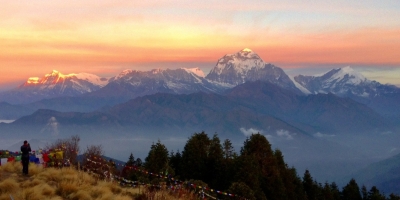
Ghorepani- Dhampus Circuit Trekking in Nepal's lower regions of the Himalayas has an overwhelming charm for an adventure holiday. The Annapurna range in the Himalayas is a powerful and spectacular place on Earth that throws a mystical power around that boosts positive vibrations.Ghorepani-Dhambus Circuit Trekking is a famous old trekking with a seven-day route and a pathway to Ghandruk. This route secured amazing natural hot springs, the scenic beauty of the Modi River valley, and beautiful clustered Gurung villages in Landruk, Tolka Pothana, and Dhampus. This trekking offers a phenomenal low-altitude Himalayan experience with a panoramic view of the Annapurna and Dhaulagiri ranges in the central Himalayas. Walking up and down the well-paved and traced mountain trails brings some of Earth's most spectacular views and incredible things.After spending some amazing time in historical Kathmandu, the trek goes to incredible nature to the foothills of Annapurna. Seven days of trekking in the beautiful mountains through the cultural villages and Himalayan vegetation is a superb opportunity to soak in the mountain atmosphere and joy.One of the thrilling trekking routes that are well-liked by travelers seeking short hikes with plenty of lovely vistas and adventure opportunities is the Epic- Ghorepani- Dhampus Circuit Trekking.Ghorepani-Dhampus circuit trek itineraryAsiana Treks and Tours has the perfect Ghorepani-Dhampus circuit trek itinerary. Travelers who desire to explore Nepal with moderate physical fitness. You'll discover the best places for breathtaking views from the city to the countryside and experience an unforgettable lifetime journey.Ghorepani-Dhampus Circuit Trekking Distance:The Ghorepani-Dhampus circuit te spans approximately 110 kilometres, or 68 miles, depending on the chosen itinerary.Many trekkers opt for the route via Ghorepani Poon Hill, which offers a relaxed pace conducive to acclimatization. This route typically spans 10 to 12 days. Extending the itinerary by two days allows for a return trek to Pokhara through picturesque villages like Landruk, Tolka, Pothana, and Dhampus, and concluding at Phedi.Our package tour ensures reliability in terms of cost, itinerary, and overall experience. For Nepali citizens, the Annapurna Base Camp trek typically ranges from US$500 to 1000, with variations depending on group size, service level, guide and porter services, transportation preferences, and accommodation choices in Kathmandu or Pokhara. This cost estimation is subject to the types of trekking gear and accommodation preferences. Ghorepani-Dhampus Trekking route:The Annapurna Base Camp Trekking route showcases awe-inspiring natural beauty. Starting in lush valleys with terraced fields and traditional villages, the journey unfolds amidst the Himalayan foothills. Rhododendron forests bloom in spring, accompanied by cascading waterfalls and snow-capped peaks. Traversing wildflower meadows and crossing suspension bridges over mountain streams, the landscape evolves as you ascend. Approaching Annapurna Base Camp, rugged terrain and glacial moraines dominate, leading to panoramic views of towering peaks like Annapurna I and Machhapuchhre. The trek promises unforgettable moments, whether you're a seasoned trekker or novice adventurer, offering an unparalleled journey through Earth's most breathtaking landscapes.Annapurna Base Camp trekking price: Our package tour ensures reliability in terms of cost, itinerary, and overall experience. For Nepali citizens, the Annapurna Base Camp trek typically ranges from US$ 500 to 1000, and for foreigners, US$ 715 to 1385, variations depending on group size, service level, guide and porter services, transportation preferences, and accommodation category in Kathmandu or Pokhara. This cost estimation is subject to the types of trekking gear and accommodation preferences. However, we could end the trek via Landruk and Dhampus if you avoid Kathmandu sightseeing and Pokhara exploration.Ghorepani trekking Height:Ghorepani-Dhampus trek starts from the lively and metropolitan city Kathmandu which is situated at an altitude of 1,337 meters. From Kathmandu, you are headed towards the beautiful lakeside city of Pokhara situated at 827 meters above sea level. During the trek, you are going to ascend towards popular viewpoints Landruk, Ghandruk, and Ghorepani. The maximum altitude you will reach is 2,875 meters above the sea level. From Ghorepani, you descend towards Tikhedhunga, and further, you trek towards Nayapul and drive back to Pokhara. At last, you take a flight from Pokhara to Kathmandu, where the trek ends.Major villages of Ghorepani-Dhampus circuit Trekking:The major Magar and Gurung ethnic villages along the Ghorepani-Dhampus Trekking route are Dhampus, Tolkha, Landruk, Chomrong, Ghandruk, Tadapani, Ghorepani, Tikhedhunga, Hile, Sudame, Bire Thati and Nayapul. The return route follows the same path back to Chhomrong, passing through Hotspring, Mataque, Sewai, Berithati, and Nayapul and finally driving back to Pokhara. These villages are significant landmarks and offer scenic beauty and accommodation options along theTrekking route.Best Viewpoints Ghorepani-Dhampus Circuit Trekking:These viewpoints provide unforgettable experiences, highlighting the beauty of the Annapurna Base Camp Trek.Annapurna Base Camp Trek offers breathtaking viewpoints, showcasing stunning panoramas of the surrounding Himalayan peaks. Here are the critical views along the route: Near Naudanda and Kande: On the way to Nayapul, enjoy magnificent views of the mountains and rice terraces.Ulleri to Banthati: Experience impressive mountain vistas during the second day of trekking.Poon Hill: Witness the iconic sunrise at an altitude of 3,210 meters, with panoramic views of the Annapurna and Dhaulagiri ranges.Deurali: Enjoy similar breathtaking views to Poon Hill on the opposite side during the third day of trekking.Tadapani: Tadapani is a tranquil and peaceful place. Surrounded by Rhododendron and ever-green forest, it is the best location for overlooking the best view. In the Breezi morning, you have the best sunrise view of the stunning "Fish Tail" peak (Machhapuchhre) and Annapurna South and Himchuli right in front of you. Ghandruk: Ghandruk is the big and significant village of the Gurung people. It's located in front of the Annapurna, Himchuli, and Fishtail mountains. From here, you can see the glacier of Annapurna South. The village deserves a breathtaking view near Modi Khola, Annapurna, Himchuli, and Fishtail Mountains from the Annapurna conservation head office.Dhampus: Dhampus has a beautiful view of Annapurna and Machhapuchhre and many other Himal, as well as magnificent views of the wide range of the valley and rice terraces.Biodiversity of Ghorepani-Dhampus trekking: The Ghorepani-Dhampus trekking trail is a biodiversity hotspot, perfect for nature lovers. Lush forests in the lower regions house various bird species, including rhododendrons and bamboo. Alpine meadows greet you higher up with vibrant wildflowers. Look out for elusive wildlife like Himalayan thars and snow leopards, while diverse birdlife, including the Himalayan Monal, adds to the experience. This trek offers a captivating glimpse into the Himalayan ecosystems, promising an unforgettable journey through nature's diversity.Festivals and cultures in Ghorepani-Dhampus Circuit Trekking: You'll immerse yourself in vibrant festivals and cultural traditions along the Annapurna Base Camp Trekking route. The region, predominantly inhabited by ethnic groups like the Gurungs and Magars, celebrates various festivals. Dashain, typically in September or October, is a significant Hindu festival symbolizing the triumph of good over evil. Villages burst with colorful decorations, music, and dances as families gather for blessings and feasts.Tihar, known as the Festival of Lights, falls in October or November. This five-day celebration honors animals and the goddess of wealth, Laxmi. Oil lamps light up homes, and rituals bring prosperity and fortune.These festivals offer a unique and lifetime experience, as well as Nepalese culture with the majestic beauty of the Himalayas.Advantage book with Asiana Treks and tours:Private transport for airport transfers to/from your hotel.Trip briefing on Facebook and online if you love to connect.Last minute booking at your hotel at a suitable time after your arrival.Easy booking and reservation system.Multi-channel communication via Email, WhatsApp, Facebook, Viber, Skyp 24/7 phone communication at +977-9851076270Free excess luggage storage during the trekPulse oximeters for monitoring blood oxygen saturation at high altitudes to detect altitude sickness earlyMedical kits along the trek and hot airbags are available in winterArrange sleeping bags, duffel bags, down jackets, and walking pools if you don't have your own.Trek Booking:Asiana Treks and Tours is the best and most trusted trek and tour company operator authorized by the Nepal government. We require a 10% advance payment to book your trip, and you'll need to send us a copy of your passport, photos, travel insurance, and flight details as soon as you book a tour with us. You can use bank transfer, or any other way like Western Union, or online via our website, which is easy. The remaining trip cost can be paid upon arrival in Nepal. We offer last-minute bookings, but changes may occur due to circumstances like bad weather. Transportation for Ghorepani-Dhampus trekking:We pride ourselves on our flexible transportation options, which include planes, helicopters, tourist buses, coasters, vans, jeeps, and cars. These are tailored to our Clints' specific needs, preferences, itineraries, and agreements, ensuring a comfortable and personalized travel experience. However, we provide Tourist buses to and from Pokhara, Private transportation from Nayapul to and from Sewai and Kathmandu sightseeing private vehicle as per the group, and optional fly to and from Pokhara at extra cost.Trekking Start: Your Ghorepani-Dhampus circuit trek begins with a warm welcome in Kathmandu. Our dedicated team will be there to greet you as soon as you arrive at Tribhuvan International Airport. We'll then escort you to your hotel in a private vehicle, ensuring a comfortable and hassle-free start to your adventure, and setting the tone for a memorable journey.If you miss the regular trip briefing, don't worry. We'll provide it at a convenient time before departure, Pokhara, either before a World Heritage tour the following morning or the next day; we'll then proceed to Pokhara by tourist bus, departing around 7 a.m. from Sorakhutte, Kathmandu.The package includes transportation by tourist bus from Kathmandu to Pokhara, offering a comfortable and scenic journey. However, if you prefer a quicker option, you can also take a 25-minute domestic flight to Pokhara or use a private vehicle for an additional cost, allowing you to choose what suits you best.Currency Exchange:The Nepalese rupee is Nepali currency, and 1 USD is approximately 130 NPR. Only NPR is accepted in Nepal, so it's best to bring cash to facilitate transactions. Banks and ATMs in Kathmandu provide currency exchange services but note that most banks prefer new, crisp notessGuide and Porter Arrangement:Our company, Asiana Treks and Tours, focuses on responsible tourism in Nepal. We make sure our guides and porters are well-trained in Trekking and mountaineering. They know a lot about the areas we go to, including geography, history, customs, and culture. We train them regularly in safety, first aid, and environmental conservation. We follow guidelines to treat our porters fairly, providing them with good pay, accommodation, and meals during treks. Our guides and porters are essential team members, and we appreciate their hard work. When you trek with us, you support ethical tourism in Nepal, making your trip meaningful and memorable.Asiana Treks and Tours prioritizes your safety and enjoyment. Our knowledgeable guides, reliable equipment, and safety measures ensure a great trekking experience in Nepal.Porter, Luggage, and extra Luggage storage: We cover the cost of porters for your luggage, but the maximum weight limit is 12 kg per person. Each porter carries luggage for two trekkers; please share a duffle bag with another. Our porters will carry up to 25 kg each. If you need a porter for yourself, we can arrange that. We also recommend carrying a small backpack for your valuables and important documents. You can leave extra luggage at our office for free and at a hotel in Pokhara, Namche, etc.Accommodation:Accommodation during the Ghorepani-Dhampus Trek varies. Along the trekking route, you'll stay in guest houses, commonly known as teahouses. These basic lodges offer rooms, dining areas, and toilets. The quality of guest houses varies but remains affordable and convenient for trekkers. Rooms typically have twin or bunk beds and shared bathrooms, and blankets and pillows are provided. Our company can offer a sleeping bag if you don't have one. You'll spend nine nights in lodges along the trekking route, two nights in a hotel in Pokhara, and three nights in a hotel in Kathmandu. Some places and lodges have attached bathrooms, while others offer simple yet clean rooms with shared facilities. We can arrange a solo trekking service if you're traveling solo, but availability may be limited during peak season in some places. In Kathmandu or Pokhara, your hotel room will have excellent amenities, including TV, 24/7 hot water, electricity, and laundry service.Meals during the trip:Eating well is essential since the Ghorapani-Dhampus circuit Trek takes you through the high Himalayas. You'll have plenty of nutritious meals in the trekking regions, although the options won't be as varied as in the cities. You'll get fourteen breakfasts, eleven lunches, and ten dinners during the Trek. The menu includes local, Asian, and Western dishes, but it gets more straightforward as you climb higher. Try popular Nepali foods like lentils, rice, curry, dumplings, noodles, Spagaties, and many more. We highly recommend eating fresh vegetables and drinking liquids like green tea, lemon tea, hot lemon, ginger tea, and garlic soup, especially at high altitudes. While non-vegetarian options are available during the Trek, we suggest avoiding them for hygiene reasons. It's also best to steer clear of dairy, cheese, alcohol, caffeine, and hot chocolate. Personal expenses like alcoholic drinks and extra beverages at lodges or cafes aren't included in the package. Drinking water:Nepal is the second country in the world regarding water sources after Brazil. According to the Nepal government, only 27% of people here have clean drinking water. You can buy mineral water in teahouses, but it is expensive; people prefer plastic bottles in some trekking areas. So, there are some safe drinking water stations where you can refill your bottle. However, we recommend carrying Steripen, iodine drops, water purification tablets for safe drinking, and refillable water bottles for boiled or filtered water. We strongly advise not to drink from taps, wells, and rivers in trekking areas. However, in all the city areas, Mineral water is available at a reasonable cost everywhere.Extra Personal Expenses:While most expenses during the Trek are covered, you'll need to spend money on accommodations and meals in Kathmandu and Pokhara, souvenirs, and additional beverages. We estimate about USD 10-20 per trekking day for miscellaneous expenses.Toilet Facilities in Ghorepani-Dhampus Circuit Trekking:Most teahouses have Western-style flush toilets during mountain treks, especially at lower elevations. But as you go higher, find simple squat toilets along the trails and teahouses at higher altitudes. These toilets usually have water or toilet paper, but it's a good idea to bring your toilet paper just in case. You can also use restrooms at nearby teahouses or find a private spot along the trekking routes.Internet Connectivity:While trekking in the Himalayan region of Nepal, connecting with your family and friends is also a good idea. You can find internet access at teahouses and lodges, but it might be extra minimal cost. The signal might be weak because of the remote location. You can also get internet access using a local SIM card and data packages available at Kathmandu airport or nearby shops in Thamel and Pokhara. You'll have a passport-sized photo and a copy of your passport to get a SIM card. It's a good idea to compare prices and data packages from telecom companies like Ncell and Nepal Telecom before buying. Knowing about teahouse connectivity. Our guide will suggest connections for you. Electricity voltage and plugs:However, 95 % of Nepali people have access to electricity as of May 29, 2023. almost popular trekking routes, teahouses, and lodges have electricity. However, some isolated and solo trekking tea houses in the jungle don't have electricity; Most of these tea houses let travelers charge their devices for a small fee. The average electrical voltage in Nepal is 230 volts, with plug types like Type C, Type D, and Type M. Travellers should bring a suitable adapter and, if needed, a voltage converter for their electronic devices.Communication:The guest houses in the trekking regions have internet access. You could buy a SIM card at Tribhuvan International Airport Kathmandu and Pokhara. However, the signal may need to be more assertive at high altitudes. Our office keeps in touch with all trekking teams via the trek guide at least once daily to ensure everything goes as planned.Trip Extension:Suppose you have extra days in Nepal after the Trek. In that case, we can arrange a tour, overnight stay at Nagarkot Balthali or any other place around Kathmandu and Chitwan, jungle safari, paragliding, rafting, canyoning, or other treks. Do not hesitate to Inform us. We will create the best for you.Trek Difficulty:The Ghorepani-Dhampus circuit trek presents a moderate and challenging yet enriching adventure. Your enjoyment of the trip will largely depend on your level of fitness. We recommend building stamina at least two weeks before the trek. Activities include jogging, running, swimming, or taking long hikes for the journey ahead.Completing this trek is achievable even if you're a beginner, although you must maintain a reasonable fitness level. Prior trekking experience can be advantageous, though it is optional. All you need is the readiness to hike steadily for 4-8 hours, navigating tricky terrain.Suppose trekkers have pre-existing medical conditions, such as lung or heart diseases. In that case, they are advised to consult their physician before booking the trek to ensure their safety and well-being throughout the journey.Trip Safety:We highly give top priority. We provide experienced guides with first aid kits and necessary safety gear to ensure a safe hand. Our team monitors weather and trail conditions and takes precautions to avoid risks. Before starting the trek, we discuss the trip to provide a clear understanding and ensure a reliable experience.Group & Private Treks:We organize many group and private treks simultaneously, with discounts available for larger groups. Every group will have a trekking guide and porters; an assistant guide may be provided for larger groups. Our team ensures a safe and enjoyable trekking experience for all participants.About solo traveler:If you're a solo traveler, please contact us to confirm departure dates before booking. You can tell us via call, WhatsApp, or email. We have listed upcoming departure dates for your convenience. Feel free to share the trip details with friends and family.Notes: Please be aware that the itinerary may change due to weather or other factors, and we'll adjust it accordingly for the group's safety and enjoyment. We look forward to guiding you through the stunning landscapes of the Annapurna region and ensuring a memorable trekking experience.Responsible Travel:We prioritize responsible travel to minimize environmental impact and support local communities. We collaborate with organizations like the Kathmandu Environmental Education Project (KEEP) to promote eco-friendly practices in trekking regions.Graduate:Graduate or tipping is appreciated in Nepali culture and reflects the quality of service provided. You decide how much to tip, but we recommend tipping as a group at the end of the trip.End of Trek:On the eleventh day, you'll take a bus from Pokhara back to Kathmandu, which takes about seven hours. Alternatively, you can fly from Pokhara to Kathmandu for an extra fee. In the evening, we'll host a farewell dinner in Kathmandu.Departure:On the day of your departure flight, we'll come to pick you up from your hotel and transfer you to Tribhuvan International Airport. We hope you enjoyed the Nepal trek and will consider returning for more adventures in Nepal.Feedback:After you complete the Ghorepani-Dhampus circuit Trek, we'll organize a farewell dinner in Kathmandu and present you with a trekking achievement certificate. After the dinner, you can provide feedback about the Trek on travel portals.Last-Minute Booking:If you can't book in advance, we offer last-minute bookings. Full payment is required 24 hours before departure. While we do our best to accommodate last-minute bookings, delays may occur due to unforeseen.Special Note: Please remember that sometimes unforeseen circumstances, such as inclement weather or unavailable lodging, may cause the schedule to be altered. Your trip guide will design a fresh schedule based on the group's interests in such circumstances.Annapurna Region Trekking: Guides, Tips & Himalayan AdventuresDiscover the beauty of Nepal’s Annapurna region with Asiana Treks & Tours. Explore breathtaking mountain landscapes, authentic local culture, popular trekking routes, and practical tips to help you plan an unforgettable Himalayan adventure.Annapurna Base Camp vs Everest Base Camp: The Best TrekTrekking Equipment List for Asiana Treks & ToursTrekking Permit Requirements for Different Regions in NepalBest Sunrise and Sunset Destinations in NepalTop Successful Trek for Beginners – Annapurna Base CampMost Popular Trek with High Success Rate – Annapurna Base Camp Trek (ABC) TrekHow to Prepare for the Annapurna Base Camp Trek (Gear, Fitness & Tips)Ghorepani Poon Hill Trek GatewayTop 26 Annapurna Region Trekking Packages in Nepal – The Ultimate GuideTadapani Diaries: One Magical Night in the MountainsDiscovering Ghandruk: A Peaceful Village in the Heart of NepalTrekking the Best of Annapurna: Poon Hill to Mardi HimalWhy Chhomrong is the Heart of the Annapurna Base Camp TrekAnnapurna Base Camp (ABC) & Machhapuchhre Base Camp (MBC) Trek: Two Base Camps, One Incredible JourneyExploring Sinuwa on the Annapurna TrailDeurali: A Peaceful Mountain Village on the ABC TrailBamboo: A Hidden Gem of the ABC TrekDovan Nepal: Peaceful Stopover on the Annapurna Base Camp TrailHimalaya Village: A Quiet Haven on the Way to Annapurna Base CampDhampus Village – Annapurna Classical Alternative GatewayPothana: The Alternative Gateway to Annapurna Base Camp and Mardi HimalBest Camping and Overnight Stays: Australian Camp & Mardi Himal TrekList of Hotel in Mardi Himal Base Camp TrekTrekking to Low Camp: A Peaceful Path to Mardi HimalForest Camp Adventures: Exploring the Mardi Himal Trek in NepalHigh Camp on the Mardi Himal Trek | Views, Altitude & Trekking GuideDiscovering the Magic of Mardi Himal ViewpointTop Highlights of the Mardi Himal Trek in NepalBest Time to Trek Mardi Himal: Tips for Perfect ViewsA Beginner’s Guide to the Mardi Himal Trek in NepalSurprising Facts About the Mardi Himal TrekEssential Guide to Mardi Himal Trekking Permits in NepalMardi Himal Trek Info: Elevation, Altitude, Height and WeatherMardi Himal Trek Accommodation and Food TipsBest Time to Trek Annapurna Base Camp in NepalTop Highlights of the Annapurna Base Camp TrekFood and Accommodation on the ABC Trek: What It’s Really LikeAltitude Tips for a Safe Annapurna Base Camp TrekAnnapurna Base Camp Permits: Costs, Process, and RequirementsTop Tips and Facts for Trekking to Annapurna Base CampAnnapurna Base Camp Trek: Elevation, Height & Temperature GuideDobato Stopover: Experiencing the Heart of the Khopra Danda RouteUpper Chistibung: What to Expect on the Way to Khopra DandaExploring Khopra Danda Ridge and Khayar LakeDiscover Swanta’s Beauty on the Khopra Danda TrailAmazing Facts About Khayar Lake in the Annapurna RegionBayeli Kharka Adventure: From Khopra Danda with Stunning ViewsKhopra Danda Trekking Guide: Cost, Permits, Meals, Lodging and Best SeasonExploring Mardi Himal, ABC, and Khopra Ridge in One Epic JourneyKhopra Khair Lake with Annapurna Base Camp Trek: A Complete JourneyKhopra Khair Lake with ABC Trek: Nature, Culture, and MountainsComplete Guide to Mohare Danda Trekking in NepalSunrise Views from Mohare Danda: What to ExpectTop Highlights of Poon Hill and Mardi Himal TrekExploring Poon Hill and Mardi Himal: A Beginner’s GuideExploring the Ghorepani Dhampus Circuit Trek in NepalAn Amazing Hike from Galeshwor to Nangi via Bans Kharka : Mohare Danda TrekkingLandruk: Gateway to the Stunning Mardi Himal ViewsMardi Himal Adventure: Exploring Badal Danda on the Siding TrekSunrise Views from Poon Hill and Mulde ViewpointsDhaulagiri Annapurna Trail: A New Alternative Trek in NepalBest Nepal Tour Packages: Adventure, Honeymoon, Senior Tours, Himalayan Highlights, Triangle & Sunrise Hill Station ToursIs It Possible to Cycle the Annapurna Circuit in Nepal?Besisahar – The Heart of Lamjung District: Gateway to the HimalayasExploring Jagat During the Annapurna Circuit TrekDharapani Village in Nepal: Where the Manaslu Circuit and Annapurna Circuit Trails Meet PointChame Village: A Peaceful Stop on the Annapurna Circuit TrekDiscover Upper Pisang: A Hidden Gem on the Annapurna CircuitExploring Lower Pisang: A Gateway on the Annapurna CircuitManang: The Heart of the Annapurna Circuit TrekYak Kharka (4,020m): A Must-Stop Village on the Annapurna CircuitThorong Phedi: Final Preparation Before Thorong La PassCrossing Thorong La Pass (5,416 m): The Highest Point of the Annapurna CircuitMuktinath in Mustang: A High-Altitude Spiritual Journey on the Annapurna CircuitJomsom (2,743 m): The Windy Valley That Connects Annapurna and Upper Mustang
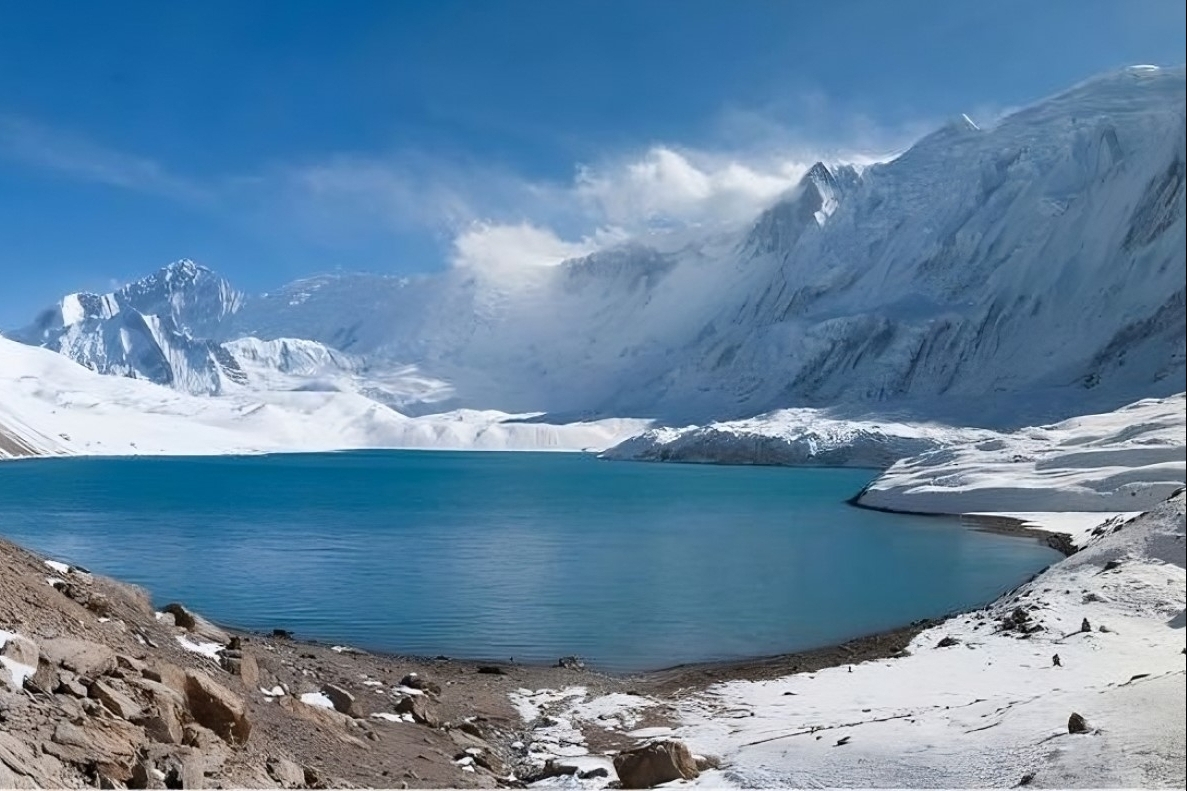
Everest Dudhkunda Trekking is a relatively new and lesser-known trekking route in Nepal that offers an exciting and adventurous journey through the Solukhumbu region. The trek takes you through traditional settlements, beautiful forests, and stunning mountain ranges, providing an unforgettable experience for both experienced and first-time trekkers. The trek starts with a scenic flight to Phaplu, a small town in Nepal's Solukhumbu district. From there, the hike follows a path that leads to Dudhkunda Lake, which translates to "milky lake" in Nepali. The Dudhkunda Lake is located at the base of Mount Numbur, also known as Shorong Yul Lha, which is considered the "Preserver of Solukhumbu Region." The Dudhkunda Lake holds great religious significance for Buddhist and Hindu devotees, who believe that taking a dip in the lake's holy waters will wash away all sins and fulfil wishes. The trekking trail to Dudhkunda Lake is challenging and involves crossing high-altitude passes, walking through dense forests, and climbing steep ridges. The path is also relatively less travelled than other popular trekking routes in the region, providing trekkers with a more peaceful and natural experience. The trek offers stunning vistas of the eastern Himalayan Range, including the magnificent Mount Everest, the highest mountain peak in the world. Trekkers can enjoy panoramic views of the surrounding mountains, including Ama Dablam, Thamserku, and Kusum Kanguru. The trek is an opportunity to explore the traditional Sherpa villages that dot the Solukhumbu region. Trekkers can witness the unique culture, traditions, and lifestyle of the Sherpa people, known for their mountaineering skills and warm hospitality. The Dudhkunda Trekking trail also passes through rhododendron forests, home to diverse flora and fauna. Trekkers may encounter rare animals such as the elusive snow leopard, Himalayan thar, and musk deer. The trek also offers opportunities for bird watching, with the national bird of Nepal, the Danphe pheasant, being a common sight. Asiana Treks and Tours, a reputable trekking company, offers a comprehensive 9-day package for the Dudhkunda Trek. The package includes transportation, accommodation, meals, and a licensed guide, ensuring a hassle-free and enjoyable trekking experience. In conclusion, the Everest Dudhkunda Trekking is a challenging yet rewarding adventure that provides trekkers with breathtaking views of the Himalayan Range, a glimpse into the traditional Sherpa culture, and a chance to explore the natural beauty of the Solukhumbu region.Everest Dudh Kunda trek itinerary:Asiana Treks has the perfect Everest Dudh Kunda trek itinerary. Travellers who desire to explore Nepal with moderate physical fitness. You'll discover the best places for breathtaking views from the city to the countryside. Experience the contrast of cold nights at Dudh Kunda to a stunning view of the mountain wall, an unforgettable lifetime journey. Everest Dudh Kunda Trekking Distance:The Everest Dudh Kunda trek takes 10 to 14 days, with 4 to 8-hour walking days, and is approximately 130 km, or 81.25 miles, depending on the itinerary and acclimatisation day. Everest Dudh Kunda Trekking route:The Everest Dudh Trekking route showcases awe-inspiring natural beauty. Starting in lush valleys with terraced fields and traditional Sherpa. Villages, the journey unfolds amidst the Himalayan foothills. Rhododendron forests bloom in spring, accompanied by cascading waterfalls and snow-capped peaks. Traversing wildflower meadows and crossing suspension bridges over mountain streams, the landscape evolves as you ascend. Approaching Everest Dudh Kunda, rugged terrain and glacial moraines dominate, leading to panoramic views of towering peaks. The Trek promises unforgettable moments, whether you're a seasoned trekker or novice adventurer, offering an unparalleled journey through Earth's most breathtaking landscapes and to the top of the world. Everest Dudh Kunda trekking price:Our package tour ensures reliability in terms of cost, itinerary, and overall experience. The Everest Dudh trek typically ranges from US$1300 to 2000, depending on group size, service level, guide and porter services, transportation preferences, and accommodation category in Kathmandu. This cost estimation is subject to the types of trekking gear and accommodation preferences. Everest Dudh Kunda trekking Height:The Everest Dudh Kunda trekking and tours start from the bustling city of Kathmandu at an altitude of 1337 meters. From Kathmandu, take a flight to Phaplu. After starting to walk, take a jeep and head south to the ridge at Dhap. Then, after starting to walk, move closer to Sigane. descend to the beautiful, finally, the Trek culminates at Everest DudhKunda at a breathtaking height of 4593 m/15065 ft. Major villages of Everest Dudh Kunda Trekking:The major Sherpa villages along the Everest Dudh Kunda Trekking route are on the journey towards Dudhkunda Lake. Ringmo is a picturesque village known for its Sherpa culture and traditional houses near Phaplu. Junbesi, Famous for its monastery and Sherpa hospitality, is a significant village on the trekking route. Salleri A bustling market town and administrative center in the Solukhumbu district, often a starting point for treks. Parting is a small village known for its views of Everest and the surrounding mountains. Return via Phaplu. These villages are significant landmarks and offer scenic beauty and accommodation options along the Everest Dudh Kunda Trek. Best Viewpoints Everest Dudh Kunda Trekking:The Everest Dudh Kunda Trekking route offers numerous breathtaking viewpoints that provide stunning panoramas of the Himalayas and surrounding landscapes. Here are some of the best viewpoints along the trek:Dudh Kunda Lake: The serene Dudh Kunda Lake is a spectacular viewpoint. From here, you can enjoy reflections of the surrounding peaks in the crystal-clear waters, creating a magical scene.Pikey Peak: Pikey Peak offers one of the most magnificent views of the Everest range. On a clear day, you can see Everest and other prominent peaks like Kanchenjunga, Lhotse, Makalu, and Thamserku.Taksindu La Pass: This pass provides panoramic views of the Himalayan peaks of the Everest region. Phaplu: The village of Phaplu is an excellent viewpoint, offering a unique perspective of the lower Everest region. Junbesi: The picturesque village of Junbesi provides beautiful views of the surrounding mountains and valleys. The monastery here also offers a peaceful spot to enjoy the views.Ringmo: Known for its apple orchards, Ringmo offers charming views of the terraced fields and distant peaks. Flora and Fauna in the Everest Dudh Kunda Trekking:The Everest Dudh Kunda Trekking route is a haven for nature enthusiasts, offering a rich tapestry of flora and fauna. It is also an immersive experience of the diverse and stunning natural world of the Himalayas, making it a must-visit for anyone passionate about nature. Flora, the trek is particularly vibrant during the spring when various rhododendrons bloom, painting the landscape with red, pink, and white shades. The lower regions are dominated by dense pine and fir forests, providing a lush green backdrop. As you ascend, you'll encounter a variety of wildflowers, especially in the summer months, adding a splash of colour to the trails.Higher altitudes feature alpine meadows dotted with a variety of grasses and small shrubs.Fauna: The trek is a birdwatcher's delight, with species like the Danphe (Himalayan Monal), Nepal's national bird, pheasants, cuckoos, and various species of raptors. While trekking, you might spot elusive animals such as the Himalayan Thar, musk deer, and snow leopard. More common sightings include langur monkeys and Himalayan goats. The region is also home to a variety of butterflies and other insects, adding to the biodiversity.The Everest Dudh Kunda Trekking route offers an immersive experience of the Himalayas' diverse and stunning natural world, making it a must-visit for nature enthusiasts. Festivals and Culture of Everest Dudu Kunda Trekking:The Everest Dudh Kunda trek offers a cultural immersion into Sherpa traditions. A highlight is the Dumji and Mani Rimdu Festival at Tengboche Monastery, held annually in October or November. This vibrant celebration features sacred dances and colourful ceremonies, providing insight into Sherpa culture.Buddhism, a central pillar of Sherpa life, is beautifully woven into the Trek's fabric. It's evident in the monasteries, prayer flags, and Mani walls that dot the route. Visitors are not just spectators but can actively participate in Buddhist rituals, fostering a deeper understanding of Sherpa spirituality and their profound connection to nature.In their harmonious coexistence with nature, Sherpas practices sustainable living with eco-friendly methods like using yak dung as fuel and waste management. These practices, born out of necessity and deep respect for the environment, are a testament to the Sherpa's ingenuity and their role as responsible stewards of the land. It's a practice that inspires respect and admiration. People and hospitality:Nepal is a country where warm hospitality and incredible values are not just a custom, but a deeply ingrained part of its culture. Whether you're a foreign visitor or a local, you're greeted with open arms, friendly smiles, and a radiant manner. This tradition of hospitality, deeply rooted in Hinduism, Buddhism, and traditional customs, sees guests as blessings and treats them with utmost respect, generosity, and kindness. The Sherpa people, an indigenous ethnic group with a unique blend of Tibetan Buddhism and ancient Bon rituals, are the epitome of these values. Residing in the upper Khumbu area, they welcome guests with a distinct warmth and an unwavering spirit of hospitality, marked by their renowned honesty and loyalty. Advantage book with Asiana Treks and Tours:Private transport for airport transfers to/from your hotel.Join our trip briefing on Facebook and online if you love to connect.Last-minute booking at your hotel at a suitable time after your arrival.Easy booking and reservation system.Multi-channel communication via Email, WhatsApp, Facebook, Viber, Skyp 24/7 phone communication at +977-9851076270Free excess luggage storage during the TrekOximeters are provided to examine blood oxygen saturation at high altitudes to detect altitude sickness earlyMedical kits along the Trek and hot airbags are available in winterArrange sleeping bags, duffel bags, and down jackets.Trek Booking:Asiana Treks and Tours is the best and most trusted trek and tour company operator authorised by the Nepal government. To book your trip, we require a 10% advance payment. Additionally, please send us a copy of your passport, photos, travel insurance, and flight details upon booking a tour with us. You can use a bank transfer, Western Union, or make an online payment via our website, which is easy. The remaining trip cost can be paid upon arrival in Nepal. We offer last-minute bookings, but please note that changes may occur due to unforeseen circumstances, such as bad weather. Transportation for the Everest Dudh Kunda trekking:Asiana Treks and Tours organises all transportation logistics from start to finish, tailored to our group size and agreement. This includes pickups and drops for flights between Kathmandu and Lukla, as well as ground transportation for World Heritage site tours. Our services for all groups ensure convenient travel arrangements, whether a World Heritage tour or Flight tickets, and are tailored to the group, prioritising safety, comfort, and efficiency. We aim to provide the best and most enjoyable travel experience, meeting the highest standards of safety and comfort.Trekking Start: Your Everest Dudh Kunda trek begins with a warm welcome in Kathmandu. Our team member will greet you at Tribhuvan International Airport. We'll escort you to your hotel in a private vehicle, ensuring a comfortable and hassle-free start to your adventure. This will set the tone for a memorable journey. If you miss the regular trip briefing, don't worry. We'll provide it at a convenient time before departure in Pokhara, either before a World Heritage tour the following morning or the next day. We'll then proceed to drive to Dhap.Currency Exchange:The Nepalese rupee is Nepali currency, and 1 USD is approximately 130 NPR. Since only NPR is accepted in Nepal, it's best to bring cash to facilitate transactions. Banks and ATMs in Kathmandu provide currency exchange services, but note that most banks prefer new, crisp notes.Our Team:The Asiana Treks and Tours team is professional, reliable, and responsible. They are well-trained, friendly, radiant, and fluent in English. You can feel comfortable sharing anything with them. They are experts in local culture, history, vegetation, food, accommodation, weather conditions, and first aid medication. They are also environmentally conscious and respect the rights of animals. However, please do not provoke them for personal gain during the trip. While you can enjoy your holiday with them, we kindly request that you do not try to change their customs, beliefs, religion, culture, or traditions.We and our staff are committed to making your adventure trip an unforgettable journey of a lifetime in Nepal. Guide and Porter Arrangement:Our company, Asiana Treks and Tours, focuses on responsible tourism in Nepal. We make sure our guides and porters are well-trained in Trekking and mountaineering. They know a lot about the areas we go to, including geography, history, customs, and culture. We train them regularly in safety, first aid, and environmental conservation. We follow guidelines to treat our porters fairly, providing them with good pay, accommodation, and meals during treks. Our guides and porters are essential team members, and we appreciate their hard work. When you trek with us, you support ethical tourism in Nepal, making your trip meaningful and memorable. Asiana Treks and Tours prioritises your safety and enjoyment. Our knowledgeable guides, reliable equipment, and safety measures ensure a great trekking experience in Nepal.Porter, Luggage, and extra Luggage storage: We cover the cost of porters for your Luggage, but the maximum weight limit is 12 kg per person. Each porter carries Luggage for two trekkers; please share a duffel bag with another. Our porters will carry up to 25 kg each. If you need a porter, we can arrange one for you. We also recommend carrying a small backpack for your valuables and important documents. You can leave extra Luggage at our office for free or at a hotel in Kathmandu.Accommodation:Accommodation during the Everest Dudh Kunda Trek varies. Along the trekking route, you'll stay in guest houses, commonly known as teahouses. These basic lodges offer rooms, dining areas, and toilets. The quality of guest houses varies but remains affordable and convenient for trekkers. Rooms typically have twin or bunk beds and shared bathrooms, and blankets and pillows are available. Our company can offer a sleeping bag if you don't have one. You'll spend nine nights in lodges along the trekking route and three nights in a hotel in Kathmandu. Some places and lodges have attached bathrooms, while others offer simple yet clean rooms with shared facilities. We can arrange a solo trekking service if you're travelling solo. In high season and particular areas, availability may be limited for you, although we try our best. In Kathmandu, your hotel room will have excellent amenities, including TV, 24/7 hot water, electricity, and laundry service.Meals during the trip:Eating well is essential since the Everest Dudh Kunda Trek takes you through the Himalayas. You'll have plenty of nutritious meals in the trekking regions, although the options won't be as varied as in the cities. You'll get fifteen breakfasts, eleven lunches, and ten dinners during the Trek. The menu includes local, Asian, and Western dishes, but it gets more straightforward as you climb higher. Try popular Nepali foods like lentils, rice, curry, dumplings, noodles, Spaghetti, and many more. We highly recommend consuming fresh vegetables and hydrating with liquids such as green tea, lemon tea, hot lemon, ginger tea, and garlic soup, especially at high altitudes. While non-vegetarian options are available during the Trek, we suggest avoiding them for hygiene reasons. It's also best to steer clear of dairy, cheese, alcohol, caffeine, and hot chocolate. Personal expenses, such as alcoholic drinks, extra beverages, and cafe visits, are not included in the package. Drinking water:Nepal is the second country in the world in terms of water sources after Brazil. According to the Nepal government, only 27% of people here have clean drinking water. You can buy mineral water in teahouses, but it is expensive; local people do not prefer plastic bottles in some trekking areas. So, there are some safe drinking water stations where you can refill your bottle. However, we recommend carrying Steripen, iodine drops, water purification tablets for safe drinking, and refillable water bottles for boiled or filtered water. We strongly advise against drinking from taps, wells, and rivers in trekking areas. However, in all the city areas, Mineral water is available at a reasonable cost everywhere.Extra Personal Expenses:Your Trip covers most expenses during the Trek; you'll need to spend money on extra accommodations and meals in Kathmandu, souvenirs, and beverages. We estimate about USD 15-25 per trekking day for miscellaneous expenses. However, personal expenses depend on your Income, habits, and style.Toilet Facilities in Everest Dudh Kunda Trekking:Most teahouses have Western-style flush toilets during mountain treks, especially at lower elevations. But as you go higher, you find simple squat toilets along the trails and teahouses at higher altitudes. These toilets usually have water or toilet paper, but it's a good idea to bring your toilet paper just in case. You can also use restrooms at nearby teahouses or find a private spot along the trekking routes.Internet Connectivity:While trekking in the Himalayan region of Nepal, it's also a good idea to connect with your family and friends. You can find internet access at teahouses and lodges, but it might incur a minimal extra cost. The signal might be weak because of the remote location. You can also get internet access using a local SIM card and data packages available at Kathmandu airport or nearby shops in Thamel. You'll have a passport-sized photo and a copy of your passport to get a SIM card. It's a good idea to compare prices and data packages from telecom companies like Ncell and Nepal Telecom before buying. Knowing about the teahouse connectivity. Our guide will suggest connections for you. Electricity voltage and plugs:However, 95 % of Nepali people have access to electricity as of May 29, 2023. Almost all popular trekking routes, teahouses, and lodges have electricity. However, some isolated and solo trekking tea houses in the jungle don't have electricity; most tea houses let travellers charge their devices for a small fee. The average electrical voltage in Nepal is 230 volts, with plug types like Type C, Type D, and Type M. Travellers should bring a suitable adapter and, if needed, a voltage converter for their electronic devices.Communication:The guest houses in the trekking regions have internet access. You could buy a SIM card at Tribhuvan International Airport, Kathmandu. However, the signal may need to be more assertive at high altitudes. Our office maintains daily contact with all trekking teams through the trek guide to ensure everything goes as planned.Trip Extension:Suppose you have extra days in Nepal after the Trek. In that case, we can arrange a tour, an overnight stay at Nagarkot Balthali or any other place around Kathmandu and Chitwan, a jungle safari, paragliding, rafting, canyoning, or other treks. Do not hesitate to inform us. We will create the best for you.Trek Difficulty:The Everest Dudh Kunda trek presents a moderate and challenging yet enriching adventure. Your enjoyment of the trip will largely depend on your level of fitness. We recommend building stamina at least two weeks before the Trek. Activities include jogging, running, swimming, or taking long hikes for the journey ahead.Completing this Trek is achievable even if you're a beginner, although you must maintain a reasonable fitness level. Prior trekking experience can be advantageous, though it is optional. All you need is the readiness to hike steadily for 4-8 hours, navigating tricky terrain. Suppose trekkers have pre-existing medical conditions, such as lung or heart diseases. In that case, they are advised to consult their physician before booking the Trek to ensure their safety and well-being throughout the journey.Trip Safety: We highly give top priority. We provide experienced guides with first aid kits and necessary safety gear to ensure a safe hand. Our team monitors weather and trail conditions, taking precautions to avoid risks. Before starting the Trek, we discuss the trip to provide a clear understanding and ensure a reliable experience.Group & Private Treks:We organise many group and private treks simultaneously, with discounts available for larger groups. Every group will have a trekking guide and porters. Regarding larger groups, we provide an assistant guide. Our team ensures a safe and enjoyable trekking experience for all participants.About a solo traveller:If you're a solo traveller, please get in touch with us to confirm departure dates before booking. You can reach us by phone, WhatsApp, or email. We have listed upcoming departure dates for your convenience. Feel free to share the trip details with friends and family. Notes: Please be aware that the itinerary may change due to weather or other factors, and we'll adjust it accordingly for the group's safety and enjoyment. We look forward to guiding you through the stunning landscapes of the Annapurna region and ensuring a memorable trekking experience.Responsible Travel:We prioritise responsible travel to minimise environmental impact and support local communities. We collaborate with organisations like the Kathmandu Environmental Education Project (KEEP) to promote eco-friendly practices in trekking regions.Gratitude:Graduate or tipping is appreciated in Nepali culture and reflects the quality of service provided. You decide how much to tip, but we recommend tipping as a group at the end of the trip.End of Trek:On the thirteenth day, you'll take a flight from Phaplu and drive back to Kathmandu via Ramechhap, which takes about four hours. Alternatively, y. In the evening, we'll host a farewell dinner in Kathmandu.Departure:On the day of your departure flight, we'll come to pick you up from your hotel and transfer you to Tribhuvan International Airport. We hope you enjoyed the Nepal trek and will consider returning for more adventures in Nepal. Feedback: After you complete the Everest Dudh Kunda Trek, we'll organise a farewell dinner in Kathmandu and present you with a trekking achievement certificate. After the dinner, you can provide feedback about the Trek on travel portals.Last-Minute Booking:If you can't book in advance, we offer last-minute bookings. Last-minute booking offers are available, although they may cost slightly more than regular departure dates. Those opting for last-minute bookings must pay an additional 7% of the total trip cost on our website. While we strive to make last-minute requests, we try our best to accommodate your last-minute holiday booking.Special Note: Please remember that sometimes unforeseen circumstances, such as inclement weather or unavailable lodging, may cause the schedule to be changed. Your trip guide will design a fresh schedule based on the group's interests in such circumstances. Everest Regions Trekking Blog Post List:Asiana Treks & Tours offers an insightful blog on the Everest region, providing valuable information for trekkers. Explore stunning landscapes, local culture, and practical tips for your journey.Why Everest Base Camp Trek Should Be Your Next Adventure: Top ReasonsBeginner's Guide to Everest Base Camp TrekUnderstanding the Everest Base Camp Trek’s DifficultyEverest Base Camp Trek: Best Seasons (March-Mid June, Sep-Nov)Choosing the Best Route for Everest Base CampMajor Facts About the Everest Base Camp Trekking AdventureHiking from Gorak Shep to Kala Patthar & Everest Base CampIs There an Age Limit for Everest Base Camp Trekking?Is Everest Base Camp Trekking Possible for Women? Absolutely!The Complete List of Permits and Documents for Everest Region TreksMeals and Accommodation in the Everest RegionAccommodation Types in the Everest RegionTop Everest Region Trekking Packages 2025/2026Annapurna Base Camp vs Everest Base Camp: The Best TrekTrekking Permit Requirements for Different Regions in NepalThe First Viewpoint to See Mount EverestThe Beauty of Gokyo Lake with Views of EverestDiscovering the Beauty of Gokyo Lakes with Gokyo RiWhy Choose Everest Three Passes Trekking in NepalWhy Trek Everyone is the Ultimate Guide to Everest Base CampTrekking the Everest Three High Passes: Renjo La, Cho La & Kongma LaLukla: The Trekker's Ultimate GatewayAmazing Facts About Tenzing-Hillary Airport (Lukla Airport)Exploring Phakding: The First Step Toward EverestNamche Bazaar at 3,440m: A Rest Stop with a ViewTengboche Monastery: The Heartbeat of the KhumbuDingboche: The Smart Stop for Acclimatization and Stunning ViewsLobuche: A High-Altitude Himalayan Gem – History, Culture, Geography & Trekking HighlightsDiscover Everest Dudhkoshi Cultural Trek for BeginnersTraversing the Heart of Solu: Jiri to Sete, Junbesi & Nunthala via the Lamjura-La PassSacred Trails and Alpine Dreams: A Journey Through Pikey Peak, Dudh Kunda, and the Hidden Hamlets of SolukhumbuWhy Choose Everest Three Passes Trekking in NepalThe First Successful Summit: Sir Edmund Hillary and Tenzing NorgayHistory of Mount Everest : International Everest DayWhy Trek Everyone is the Ultimate Guide to Everest Base CampFAQs for Hiking to the Roof of the World (Everest Region
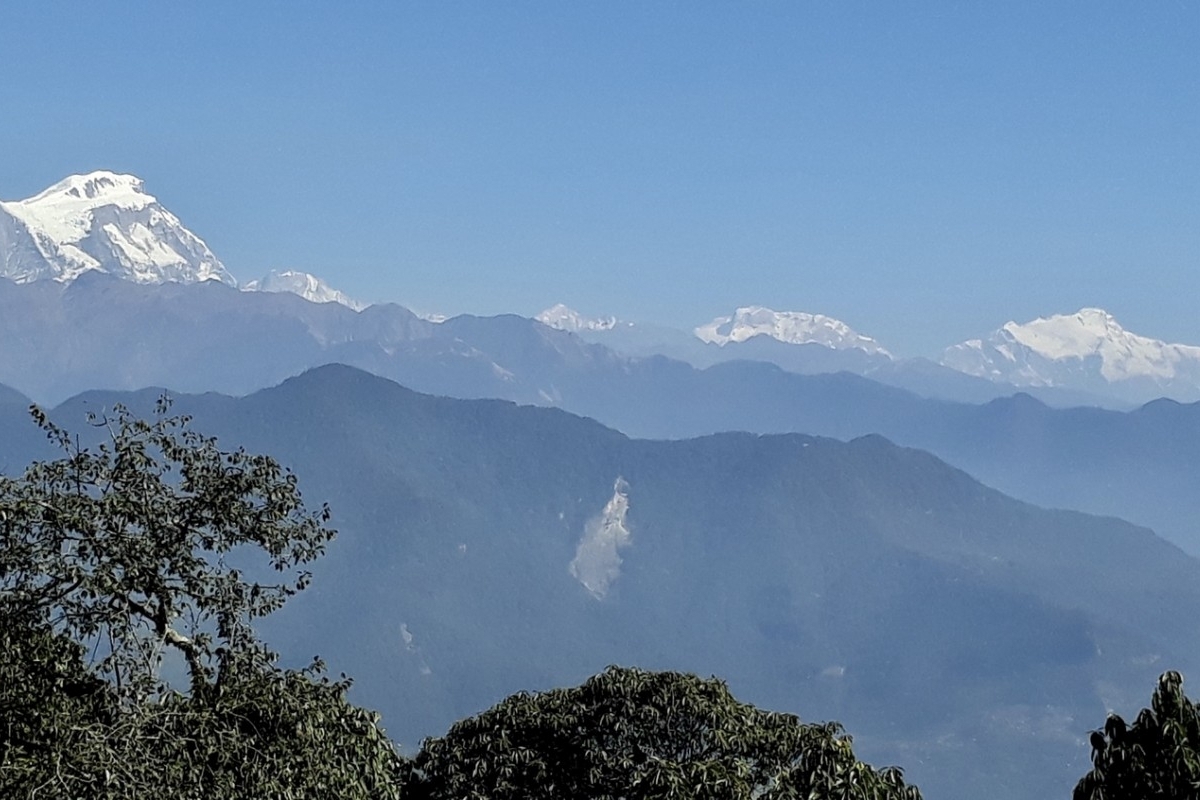
Royal Trekking is an easy and short trek that offers good mountain views. It got its name when after Prince Charles of the UK and his entourage of 90 guests trekked through this area in the 1980s. Many trekkers do not frequent the route. It is, however, a lovely walk and not complicated with some beautiful views of the Annapurna range in the background.This six-day trek commences from Pokhara, the valley of lakes offering panoramic views of the Annapurna massif and the Manaslu Himal. This is the best trek for those who want to experience village life and striking mountain views in a relatively short period.This is the ideal walk that fits and expands to spend more days like a week's holiday in this complete Royal trekking in Nepal if you're looking for a pleasurable and straightforward trek with gorgeous mountain views without straining yourself. You will be blessed with stunning Himalayan views as you stroll through the rhododendron trees. Just breathtaking is the expansive vista of the Pokhara valley, the northern Annapurna range, and Mt. Fishtail. You will pass through several ethnically varied settlements on the way there.The activities available in Pokhara range from magical caverns to enigmatic waterfalls and magnificent paragliding. The city is known for its boating, shopping, and Himalayan views. Even though there are modern structures and facilities there, the area tends to be more natural. Anyone has the chance to experience the traditional methods of life of the clans, whose outdated strict traditions and conventions have remained unchanged for a very long time, thanks to this Royal tour, which presents a true image of eliteness.Those with limited time who want to explore the Mountains can consider the Royal Trek. It's a short walk with a few ups and downs here and there. The only prerequisite is a basic level of health given that Syaglung is where we reach our highest altitude of 1730m.Royal Trekking ItineraryAsiana Treks and Tours has the perfect Royal Trek itinerary. Travelers who desire to explore Nepal with moderate physical fitness. You'll discover the best places for breathtaking views from the city to the countryside and experience an unforgettable lifetime journey.Royal Trekking Distance:Royal Trekking spans approximately 35 km, or 21.7 miles, depending on the chosen itinerary.This route typically spans 5 days, and concluding at Pokhara.Our package tour ensures reliability in terms of cost, itinerary, and overall experience. For Nepali citizens, Panchase typically ranges from US$ 385 to 595 with variations depending on group size, service level, guide and porter services, transportation preferences, and accommodation choices in Kathmandu or Pokhara. This cost estimation is subject to the types of trekking gear and accommodation preferences.Royal Trekking route:Royal Trekking route showcases awe-inspiring natural beauty. Starting in lush valleys with terraced fields and traditional villages, the journey unfolds amidst the Himalayan foothills. Rhododendron forests bloom in spring, accompanied by cascading waterfalls and snow-capped peaks. Traversing wildflower meadows and crossing suspension bridges over mountain streams. leading to panoramic views of towering peaks like Annapurna south, Himchuli and Machhapuchhre. The trek promises unforgettable moments, whether you're a seasoned trekker or novice adventurer, offering an unparalleled journey through Earth's most breathtaking landscapes.Royal Trekking price:Our package tour ensures reliability in terms of cost, itinerary, and overall experience. For Nepali citizens, the Annapurna Base Camp trek typically ranges from US$ 385 to 595, variations depending on group size, service level, guide and porter services, transportation preferences, and accommodation category in Kathmandu or Pokhara. This cost estimation is subject to the types of trekking gear and accommodation preferences. However, we could end the trek via Landruk and Dhampus if you avoid Kathmandu sightseeing and Pokhara exploration.Royal Trekking Height:Royal Trek starts from the lively and metropolitan city Kathmandu which is situated at an altitude of 1,337 meters. From Kathmandu, you are headed towards the beautiful lakeside city of Pokhara situated at 827 meters above sea level. During the trek, you are going to ascend towards popular viewpoints sarangkot, Dhampus, and Lwang. The maximum altitude you will reach Dhampus is 2550 above the sea level. From Lwang village , you descend towards Khoramukh and take private transportation drive back to Pokhara. At last, you take a drive from Pokhara to Kathmandu, where the trek ends.Major Village at Royal Trekking:The major Gurung ethnic villages along the Royal Trekking route are as fallowKalikasthan: This is often the starting point of the Royal Trek. It is a small village offering panoramic views of the Pokhara valley and surrounding mountains. The route to Kalikasthan involves a steady climb through terraced farmlands and forested areas.Syaklung: After Kalikasthan, the trek continues to Syaklung, a village known for its traditional Gurung culture. The route passes through rhododendron forests and small settlements, offering views of the Annapurna and Lamjung Himal ranges.Chisapani: Another critical stop on the Royal Trek, Chisapani offers breathtaking views of Dhaulagiri, Annapurna, and Manaslu ranges. The village is perched on a ridge surrounded by lush green forests and terraced fields.Begnas Lake: The trek typically concludes near the tranquil Begnas Lake, a serene and less crowded lake compared to Phewa Lake in Pokhara. These villages are significant landmarks and offer scenic beauty and accommodation options along the Trekking route.Best viewpoints in Royal Trekking:These viewpoints provide unforgettable experiences, highlighting the beauty of the Royal Trek.Royal Trek offers breathtaking viewpoints, showcasing stunning panoramas of the surrounding Himalayan peaks. Here are the critical views along the route:Kalikasthan Ridge: From Kalikasthan, trekkers can enjoy panoramic views of the Annapurna range, including Annapurna II, Lamjung Himal, and Machhapuchhre (Fishtail Mountain). The ridge provides a broad perspective of the lush Pokhara valley below.Syaklung Hilltop: The hilltop at Syaklung offers exceptional views of the Annapurna and Lamjung Himal ranges. From this point, the early sunrise and sunset views are mesmerizing, casting a golden glow over the snow-capped peaks.Chisapani Danda (Ridge): Chisapani is a significant viewpoint from which trekkers can witness breathtaking views of the Dhaulagiri, Annapurna, and Manaslu ranges. The ridge provides a sweeping 360-degree view of the surrounding mountains and valleys.Begnas Lake Area: Nestled in the tranquility of the Begnas Lake Area, the higher ground offers serene views of the lake and the surrounding hills. On clear days, the reflections of the mountains on the lake's surface create a picturesque scene, adding to the peaceful ambiance of the area.Thulokot: On the way to Begnas Lake, the viewpoint at Thulokot provides a scenic panorama of the Annapurna range and the Pokhara valley. This spot is excellent for capturing wide-angle photographs of the Himalayas and the terraced fields below. Biodiversity of Royal Trekking: Royal Trekking trail is a biodiversity hotspot, perfect for nature lovers. Lush forests in the lower regions house various bird species, including rhododendrons, oaks and with vibrant wildflowers and homes of different kind of orchid. Look out for elusive wildlife and diverse birdlife. This trek offers a captivating glimpse into the green Hills, Amazing terraces, promising an unforgettable journey through serene nature and flora and fauna. Festivals and cultures in Royal Trekking: You'll immerse yourself in vibrant festivals and cultural traditions along the Royal Trekking route. The region, predominantly inhabited by ethnic groups like the Gurungs and Magars, celebrates various festivals. Dashain, typically in September or October, is a significant Hindu festival symbolizing the triumph of good over evil. Villages burst with colorful decorations, music, and dances as families gather for blessings and feasts.Tihar, known as the Festival of Lights, falls in October or November. This five-day celebration honors animals and the goddess of wealth, Laxmi. Oil lamps light up homes, and rituals bring prosperity and fortune.These festivals offer a unique and lifetime experience, as well as Nepalese culture with the majestic beauty of the Himalayas.Advantage book with Asiana Treks and tours with royal Trekking:Private transport for airport transfers to/from your hotel.Trip briefing on Facebook and online if you love to connect.Last minute booking at your hotel at a suitable time after your arrival.Easy booking and reservation system.Multi-channel communication via Email, WhatsApp, Facebook, Viber, Skyp 24/7 phone communication at +977-9851076270Free excess luggage storage during the trekPulse oximeters for monitoring blood oxygen saturation at high altitudes to detect altitude sickness earlyMedical kits along the trek and hot airbags are available in winterArrange sleeping bags, duffel bags, down jackets, and walking pools if you don't have your own.How to Royal Trek Booking:Asiana Treks and Tours is the best and most trusted trek and tour company operator authorized by the Nepal government. We require a 10% advance payment to book your trip, and you'll need to send us a copy of your passport, photos, travel insurance, and flight details as soon as you book a tour with us. You can use bank transfer, or any other way like Western Union, or online via our website, which is easy. The remaining trip cost can be paid upon arrival in Nepal. We offer last-minute bookings, but changes may occur due to circumstances like bad Weather. Transportation for Royal Trekking weather. We pride ourselves on our flexible transportation options, which include planes, helicopters, tourist buses, coasters, vans, jeeps, and cars. These are tailored to our Clints' specific needs, preferences, itineraries, and agreements, ensuring a comfortable and personalized travel experience. However, we provide Tourist buses to and from Pokhara, Private transportation from to trekking starting points and from Trekking ending points and Kathmandu sightseeing private vehicle as per the group, and optional fly to and from Pokhara at extra cost.Royal Trekking Start: Royal Trek begins with a warm welcome in Kathmandu. Our dedicated team will be there to greet you as soon as you arrive at Tribhuvan International Airport. We'll then escort you to your hotel in a private vehicle, ensuring a comfortable and hassle-free start to your adventure, and setting the tone for a memorable journey.If you miss the regular trip briefing, don't worry. We'll provide it at a convenient time before departure, Pokhara, either before a World Heritage tour the following morning or the next day; we'll then proceed to Pokhara by tourist bus, departing around 7 a.m. from Sorakhutte, Kathmandu.The package includes transportation by tourist bus from Kathmandu to Pokhara, offering a comfortable and scenic journey. However, if you prefer a quicker option, you can also take a 25-minute domestic flight to Pokhara or use a private vehicle for an additional cost, allowing you to choose what suits you best.Currency Exchange:The Nepalese rupee is Nepali currency, and 1 USD is approximately 130 NPR. Only NPR is accepted in Nepal, so it's best to bring cash to facilitate transactions. Banks and ATMs in Kathmandu provide currency exchange services but note that most banks prefer new, crisp notesGuide and Porter Arrangement to Ryoal Trekking:Our company, Asiana Treks and Tours, focuses on responsible tourism in Nepal. We make sure our guides and porters are well-trained in Trekking and mountaineering. They know a lot about the areas we go to, including geography, history, customs, and culture. We train them regularly in safety, first aid, and environmental conservation. We follow guidelines to treat our porters fairly, providing them with good pay, accommodation, and meals during treks. Our guides and porters are essential team members, and we appreciate their hard work. When you trek with us, you support ethical tourism in Nepal, making your trip meaningful and memorable.Asiana Treks and Tours prioritizes your safety and enjoyment. Our knowledgeable guides, reliable equipment, and safety measures ensure a great trekking experience in Nepal.Porter, Luggage, and extra Luggage storage: We cover the cost of porters for your luggage, but the maximum weight limit is 12 kg per person. Each porter carries luggage for two trekkers; please share a duffle bag with another. Our porters will carry up to 25 kg each. If you need a porter for yourself, we can arrange that. We also recommend carrying a small backpack for your valuables and important documents. You can leave extra luggage at our office for free and at a hotel in Pokhara, Namche, etc.Accommodation during the Royal Trekking:Accommodation during the Royal Trek varies. Along the trekking route, you'll stay in guest houses, commonly known as teahouses. These basic lodges offer rooms, dining areas, and toilets. The quality of guest houses varies but remains affordable and convenient for trekkers. Rooms typically have twin or bunk beds and shared bathrooms, and blankets and pillows are provided. Our company can offer a sleeping bag if you don't have one. You'll spend nine nights in lodges along the trekking route, two nights in a hotel in Pokhara, and three nights in a hotel in Kathmandu. Some places and lodges have attached bathrooms, while others offer simple yet clean rooms with shared facilities. We can arrange a solo trekking service if you're traveling solo, but availability may be limited during peak season in some places. In Kathmandu or Pokhara, your hotel room will have excellent amenities, including TV, 24/7 hot water, electricity, and laundry service.Meals during the Royal TrekkingEating well is essential since the Royal Trek takes you through the high Himalayas. You'll have plenty of nutritious meals in the trekking regions, although the options won't be as varied as in the cities. You'll get fourteen breakfasts, eleven lunches, and ten dinners during the Trek. The menu includes local, Asian, and Western dishes, but it gets more straightforward as you climb higher. Try popular Nepali foods like lentils, rice, curry, dumplings, noodles, Spagaties, and many more. We highly recommend eating fresh vegetables and drinking liquids like green tea, lemon tea, hot lemon, ginger tea, and garlic soup, especially at high altitudes. While non-vegetarian options are available during the Trek, we suggest avoiding them for hygiene reasons. It's also best to steer clear of dairy, cheese, alcohol, caffeine, and hot chocolate. Personal expenses like alcoholic drinks and extra beverages at lodges or cafes aren't included in the package. Drinking Water along the Royal Trek:Nepal is the second country in the world regarding water sources after Brazil. According to the Nepal government, only 27% of people here have clean drinking water. Regarding to drinking water, However drinking water is not big deal in The trekking ,you can buy mineral water in teahouses, but it is expensive; people prefer plastic bottles in some trekking areas. So, there are some safe drinking water stations where you can refill your bottle. However, we recommend carrying SteriPen, iodine drops, water purification tablets for safe drinking, and refillable water bottles for boiled or filtered water. We strongly advise not to drink from taps, wells, and rivers in trekking areas. However, in all the city areas, Mineral water is available at a reasonable cost everywhere.Extra Personal Expenses:While most expenses during the Trek are covered, you'll need to spend money on accommodations and meals in Kathmandu and Pokhara, souvenirs, and additional beverages. We estimate about USD 10-20 per trekking day for miscellaneous expenses.Toilet Facilities in Royal Trekking:Most teahouses have Western-style flush toilets and some places have simple squat toilets along the treks, These toilets usually have water or toilet paper, but it's a good idea to bring your toilet paper just in case. You can also use restrooms at nearby teahouses or find a private spot along the trekking routes.Internet Connectivity during the Royal Trekking:While trekking in the Himalayan region of Nepal, connecting with your family and friends is also a good idea. You can find internet access at teahouses and lodges, but it might be extra minimal cost. The signal might be weak because of the remote location. You can also get internet access using a local SIM card and data packages available at Kathmandu airport or nearby shops in Thamel and Pokhara. You'll have a passport-sized photo and a copy of your passport to get a SIM card. It's a good idea to compare prices and data packages from telecom companies like Ncell and Nepal Telecom before buying. Knowing about teahouse connectivity. Our guide will suggest connections for you. Electricity voltage and plugs:However, 95 % of Nepali people have access to electricity as of May 29, 2023. almost popular trekking routes, teahouses, and lodges have electricity. However, some isolated and solo trekking tea houses in the jungle don't have electricity; Most of these tea houses let travelers charge their devices for a small fee. The average electrical voltage in Nepal is 230 volts, with plug types like Type C, Type D, and Type M. Travellers should bring a suitable adapter and, if needed, a voltage converter for their electronic devices.Communication in Royal Trekking:The guest houses in the trekking regions have internet access. You could buy a SIM card at Tribhuvan International Airport Kathmandu and Pokhara. However, the signal may need to be more assertive at high altitudes. Our office keeps in touch with all trekking teams via the trek guide at least once daily to ensure everything goes as planned.Trip Extension:Suppose you have extra days in Nepal after the Trek. In that case, we can arrange a tour, overnight stay at Nagarkot Balthali or any other place around Kathmandu and Chitwan, jungle safari, paragliding, rafting, canyoning, or other treks. Do not hesitate to Inform us. We will create the best for you.Royal Trek Difficulty:Royal Trekking presents easy low land trekking. Completing this trek is achievable even if you're a beginner, although you must maintain a reasonable fitness level. Prior trekking experience can be advantageous, though it is optional. All you need is the readiness to hike steadily for 3-5 hours, easy trails.Suppose trekkers have pre-existing medical conditions, such as lung or heart diseases. In that case, they are advised to consult their physician before booking the trek to ensure their safety and well-being throughout the journey.Trip Safety during the Royal Trekking:We highly give top priority. We provide experienced guides with first aid kits and necessary safety gear to ensure a safe hand. Our team monitors weather and trail conditions and takes precautions to avoid risks. Before starting the trek, we discuss the trip to provide a clear understanding and ensure a reliable experience.Group & Private Treks:We organize many group and private treks simultaneously, with discounts available for larger groups. Every group will have a trekking guide and porters; an assistant guide may be provided for larger groups. Our team ensures a safe and enjoyable trekking experience for all participants.About solo traveler:If you're a solo traveler, please contact us to confirm departure dates before booking. You can tell us via call, WhatsApp, or email. We have listed upcoming departure dates for your convenience. Feel free to share the trip details with friends and family.Notes: Please be aware that the itinerary may change due to weather or other factors, and we'll adjust it accordingly for the group's safety and enjoyment. We look forward to guiding you through the stunning landscapes of the Annapurna region and ensuring a memorable trekking experience.Responsible Travel:We prioritize responsible travel to minimize environmental impact and support local communities. We collaborate with organizations like the Kathmandu Environmental Education Project (KEEP) to promote eco-friendly practices in trekking regions.Graduate:Graduate or tipping is appreciated in Nepali culture and reflects the quality of service provided. You decide how much to tip, but we recommend tipping as a group at the end of the trip.End of Trek:On the eleventh day, you'll take a bus from Pokhara back to Kathmandu, which takes about seven hours. Alternatively, you can fly from Pokhara to Kathmandu for an extra fee. In the evening, we'll host a farewell dinner in Kathmandu.Departure:On the day of your departure flight, we'll come to pick you up from your hotel and transfer you to Tribhuvan International Airport. We hope you enjoyed the Nepal trek and will consider returning for more adventures in Nepal.Feedback:After you complete the Royal Trek, we'll organize a farewell dinner in Kathmandu and present you with a trekking achievement certificate. After the dinner, you can provide feedback about the Trek on travel portals.Last-Minute Booking:If you can't book in advance, we offer last-minute bookings. Full payment is required 24 hours before departure. While we do our best to accommodate last-minute bookings, delays may occur due to unforeseen.Special Note: Please remember that sometimes unforeseen circumstances, such as inclement weather or unavailable lodging, may cause the schedule to be altered. Your trip guide will design a fresh schedule based on the group's interests in such circumstances.
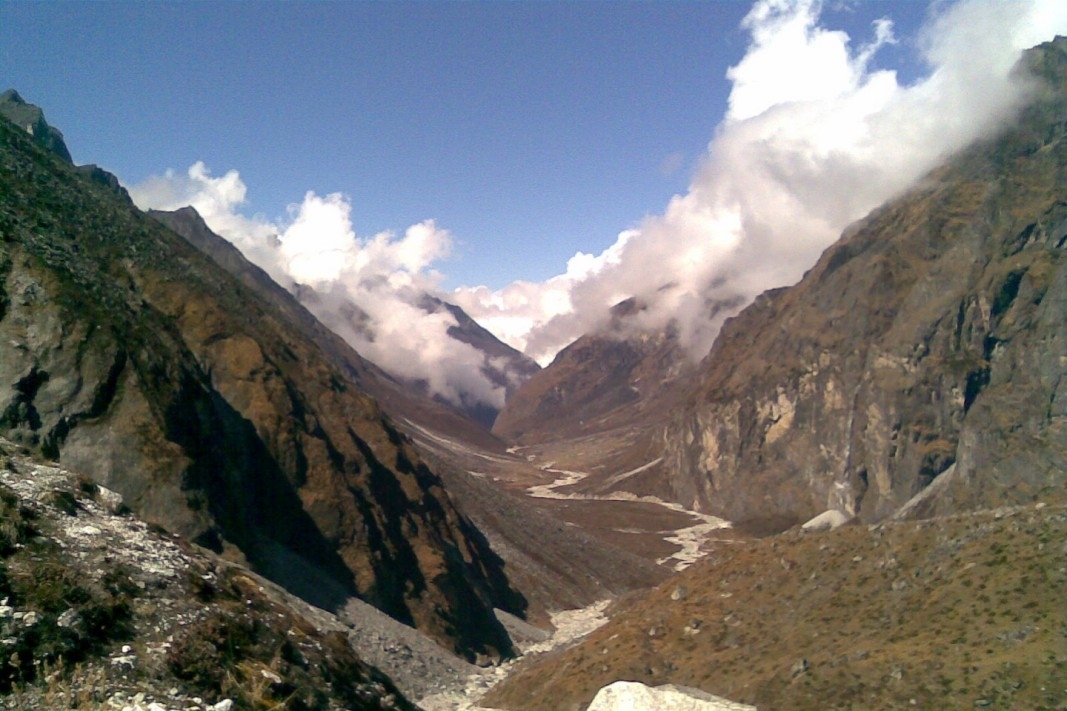
The Rolwaling Trekking Package offered by Asiana Treks and Tours is a meticulously designed adventure for trekkers seeking an off-the-beaten-path experience in the Himalayas. This package provides a complete trekking experience from start to finish, including airport transfers, Kathmandu hotel accommodations, expert guiding services, porters to carry heavy luggage, and all necessary permits. The focus is on delivering a seamless, safe, and culturally immersive journey into one of Nepal’s most pristine regions. The package includes accommodation in comfortable lodges and teahouses throughout the trek, serving nutritious meals to help maintain energy levels. With an experienced local guide knowledgeable in the geography, culture, and history of Rolwaling Valley, trekkers receive not only logistical support but also enriching insights into the Sherpa and Tibetan cultures encountered along the route. The Rolwaling package balances physical challenge with cultural immersion, perfect for trekkers with moderate to high fitness levels. Package Highlights: Arrival and departure transfers in Kathmandu 3-star hotel stay in Kathmandu with breakfast Experienced, licensed trekking guide and porters All trekking permits and government fees Accommodation in teahouses/lodges along the trail Daily breakfast, lunch, and dinner on the trek Pre-trek briefing and 24/7 support from Asiana Treks and Tours This all-inclusive package ensures that every aspect of the trek is managed professionally for a hassle-free, rewarding adventure. Rolwaling Trekking ItineraryThe Rolwaling Trekking Itinerary crafted by Asiana Treks and Tours spans approximately 15 days, taking trekkers through some of Nepal’s most spectacular and less-explored landscapes. The journey begins in Kathmandu with a short domestic flight or road transfer to Charikot or Chetchet village, the traditional starting point. From here, trekkers follow the scenic Rolwaling River valley, passing through dense rhododendron forests and charming Sherpa and Tibetan villages such as Bedding and Na Gaun. One of the itinerary’s highlights is the trek to Tsho Rolpa, Nepal’s second-largest glacial lake, nestled among towering Himalayan peaks. The most physically demanding yet exhilarating section is crossing the Tashi Lapcha Pass at 5,755 meters, which connects the Rolwaling Valley to the Khumbu region. After crossing the pass, the route descends into the Everest region, passing through culturally vibrant Sherpa villages like Thame and Namche Bazaar. The trek concludes with a scenic flight from Lukla back to Kathmandu, bringing trekkers full circle from wilderness to city. Sample Itinerary Highlights: Day 1: Arrival in Kathmandu and pre-trek briefing Days 2-5: Trek from Charikot to Na Gaun via Sherpa villages Day 6: Acclimatization and exploration around Na Gaun Days 7-9: Trek to Tsho Rolpa Lake and onward to base of Tashi Lapcha Pass Days 10-11: Cross Tashi Lapcha Pass (5,755m) into Everest region Days 12-14: Descend through Thame, Namche Bazaar to Lukla Day 15: Flight back to Kathmandu and onward transfer This well-paced itinerary combines breathtaking scenery with ample acclimatization time to ensure a safe and memorable experience. Rolwaling Trekking DistanceThe total trekking distance on the Rolwaling Trek varies slightly depending on the exact route and acclimatization stops, but generally covers around 120 to 140 kilometers (75 to 87 miles) one way. This distance is spread over approximately 12 trekking days, allowing trekkers to gradually ascend and acclimatize to the high altitude. The terrain ranges from gentle river valleys and forest trails to steep mountainous paths and high alpine passes. Daily trekking distances average between 8 to 12 kilometers, with some longer days on either side of the Tashi Lapcha Pass crossing. Elevation gains are significant, as the trek starts around 1,600 meters in Charikot and reaches a maximum altitude of 5,755 meters at the pass. After crossing, the trek descends into the Everest region, giving trekkers a well-rounded experience of both high-altitude Himalayan landscapes and rich cultural villages. Distance and Elevation Summary: Total trekking distance: approx. 120–140 km Average daily trekking distance: 8–12 km Starting elevation: ~1,600 meters (Charikot) Highest elevation: 5,755 meters (Tashi Lapcha Pass) Final elevation: ~2,860 meters (Lukla) Trek duration: 12 trekking days plus acclimatization days The diverse elevation and distances make this trek ideal for trekkers with moderate to advanced fitness who enjoy challenging terrain. Rolwaling Trekking Cost 2026/2027For the 2026/2027 trekking seasons, Asiana Treks and Tours offers competitive pricing for the Rolwaling Trekking Package, reflecting quality service, expert guiding, and comprehensive inclusions. The cost typically ranges from $1,200 to $1,700 USD per person, depending on group size, accommodation preferences, and any additional services requested. Early booking and group discounts may be available, making the trek accessible for a range of budgets. The pricing includes all major expenses such as trekking permits, guide and porter fees, accommodation, meals on the trek, and domestic transportation within Nepal. Optional extras like travel insurance, personal gear rental, or international airfare are not included but can be arranged. Asiana Treks and Tours emphasizes transparency in pricing with no hidden fees, ensuring travelers know exactly what their investment covers. Payment plans and flexible booking options are also available for convenience. Cost Inclusions: Trekking permits and government fees Licensed guide and porter salaries and insurance Accommodation and meals during trekking Domestic airport transfers and Lukla flight Pre-trek briefing and 24/7 company support This competitive pricing structure offers excellent value for an authentic, expertly managed Himalayan trekking adventure. Rolwaling Trekking Price BreakdownTo help trekkers budget effectively, Asiana Treks and Tours provides a detailed price breakdown for the Rolwaling Trekking Package. This transparency ensures clients understand how their payment is allocated and the value they receive for each component of the trek. Approximately 40-50% of the cost goes toward staffing—experienced guides and porters who ensure safety, navigation, and local cultural interpretation. Accommodation and meals account for roughly 25-30%, covering clean, comfortable lodges and nutritious food essential for high-altitude trekking. Permits, entrance fees, and domestic flights make up around 15-20% of the total cost, reflecting necessary government regulations and logistical transport. The remainder covers administrative costs, company support services, and contingencies. Asiana Treks and Tours also factors in sustainable tourism practices, ensuring local communities benefit fairly from tourism revenue. Typical Price Breakdown: Guide and porter wages: 40-50% Accommodation & meals: 25-30% Permits & domestic flights: 15-20% Company administration & support: 10-15% Sustainable tourism contributions: included throughout This clear breakdown highlights how your payment supports not only your trek but also the local economy and responsible tourism in Nepal. Rolwaling Trekking Altitude GuideThe Rolwaling Trekking Altitude Guide is essential for understanding the elevation changes trekkers will face and for preparing safely for the physical demands of the journey. The trek begins at a relatively moderate altitude of around 1,600 meters in Charikot or Chetchet and gradually ascends through forested valleys, traditional villages, and alpine landscapes. Trekkers reach their highest point at the Tashi Lapcha Pass, soaring to an impressive 5,755 meters above sea level. This significant elevation gain requires careful acclimatization and physical preparedness to avoid altitude sickness. Throughout the trek, altitude changes are balanced with rest and acclimatization days, particularly in key villages such as Na Gaun and Thame, where trekkers can adjust to thinner air. Proper hydration, a slow trekking pace, and listening to your body are critical when ascending above 3,000 meters. Asiana Treks and Tours ensures that the itinerary includes gradual altitude gain, with expert guides monitoring the health of trekkers and providing advice on how to cope with altitude-related challenges. Altitude Breakdown: Starting altitude: ~1,600 meters (Charikot/Chetchet) Key acclimatization stops: Na Gaun (~3,750m), Thame (~3,800m) Highest altitude: Tashi Lapcha Pass (5,755m) Ending altitude: Lukla (~2,860m) Recommended acclimatization days: 1-2 days during trek Altitude sickness prevention: slow ascent, hydration, rest This altitude profile helps trekkers prepare both mentally and physically for the diverse Himalayan terrain they will encounter. Why Choose Rolwaling Trekking?Choosing the Rolwaling Trek with Asiana Treks and Tours offers a unique blend of adventure, cultural immersion, and natural beauty that few other Himalayan treks can match. Rolwaling Valley lies between the popular Everest and Langtang regions, but it remains remarkably untouched by mass tourism, making it ideal for trekkers seeking solitude and authenticity. The region boasts spectacular views of towering peaks such as Mt. Everest, Gauri Shankar, and Menlungtse, providing breathtaking photo opportunities and unforgettable moments. Beyond the natural beauty, the trek offers rich cultural experiences in Sherpa, Tamang, and Tibetan villages where traditions and Buddhism thrive. Trekkers can visit remote monasteries, interact with local families, and experience warm hospitality far from the busy tourist trails. Asiana Treks and Tours enhances this experience with expert guides who share deep knowledge of the region’s culture, wildlife, and environment, ensuring a meaningful and safe adventure. Rolwaling Trekking is perfect for those who want a challenging yet rewarding journey through one of Nepal’s last wilderness frontiers. Top Reasons to Choose Rolwaling Trekking: Off-the-beaten-path route with fewer tourists Stunning panoramic views of Everest, Gauri Shankar, and more Rich Sherpa and Tibetan cultural encounters Challenging but well-paced trek with expert support Access to pristine natural environments and remote villages Professional guiding and full-service trekking package from Asiana Treks and Tours This trek is ideal for trekkers who value authentic Himalayan culture combined with rugged mountain adventure. Preparing for the Rolwaling TrekkingProper preparation is key to enjoying the Rolwaling Trek safely and comfortably. Physical fitness plays a major role, as trekkers will be hiking long days on varied terrain and gaining altitude rapidly. Cardiovascular exercises such as running, hiking, and cycling are recommended at least 6–8 weeks before departure. Strength training focusing on legs, core, and back can also enhance endurance and reduce injury risk. Asiana Treks and Tours provides detailed pre-trek guidelines to help you get in shape and pack smartly. Equipping yourself with the right gear is equally important. Layered clothing suitable for fluctuating temperatures, sturdy trekking boots, a quality sleeping bag, and trekking poles are essentials. Due to the remote nature of Rolwaling, trekkers should bring personal medical kits and any necessary prescription medications. Mental preparation for the challenges of high altitude and remote living conditions is also crucial. Asiana Treks and Tours offers pre-trek briefings and support to ensure you are fully informed about what to expect and how to prepare. Preparation Tips: Begin cardiovascular and strength training 6–8 weeks in advance Invest in quality trekking gear: boots, clothes, sleeping bag Pack altitude sickness medication and personal medical supplies Prepare mentally for remote, rugged conditions Follow Asiana Treks and Tours pre-trek briefing and advice Arrange travel insurance with high-altitude trekking coverage By preparing physically, mentally, and logistically, trekkers maximize their enjoyment and safety on this demanding but rewarding route. What to Expect on the 14–15-Day Rolwaling Trekking AdventureThe 14–15-day Rolwaling Trekking adventure with Asiana Treks and Tours is a blend of breathtaking natural beauty, cultural immersion, and physical challenge. Expect to spend your days hiking through dense forests of rhododendron, oak, and pine, crossing crystal-clear rivers and navigating steep mountain trails. Each day presents new vistas—from the deep Rolwaling Valley to the towering Himalayan peaks surrounding you. The route offers a mix of moderate hiking days and more strenuous sections, especially during the ascent and crossing of the Tashi Lapcha Pass. Along the trek, you will stay in traditional teahouses and lodges, where hearty Nepalese and Tibetan meals provide necessary energy. The local Sherpa and Tamang villages you visit showcase vibrant cultural traditions, Buddhist monasteries, and warm hospitality. The altitude gain requires good acclimatization, but the Asiana Treks and Tours guides ensure the pace suits your fitness and health needs. The trek culminates with a rewarding descent into the Everest region, offering a glimpse of Sherpa culture in Namche Bazaar and the excitement of a mountain flight back to Kathmandu. What to Expect Each Day: Hiking 6–8 hours on varied terrain, 8–12 km daily Scenic landscapes with panoramic mountain views Cultural experiences in Sherpa, Tamang, and Tibetan villages Accommodation in comfortable teahouses with basic amenities Meals include traditional Nepali and Tibetan dishes Altitude acclimatization days included for safety Professional support and safety monitoring by guides Final days include a scenic flight back to Kathmandu This trek is perfect for those seeking a combination of adventure, culture, and nature over two weeks of Himalayan exploration. Oxygen Levels on the Rolwaling TrekkingAs you progress through the Rolwaling Trekking route, understanding oxygen levels at various altitudes is crucial for a safe and enjoyable trek. Atmospheric oxygen decreases as altitude increases, making breathing more difficult and physical exertion more taxing. At sea level, oxygen makes up about 21% of the air, but the effective oxygen availability drops sharply at high elevations. For example, at the highest point of the Rolwaling Trek, the Tashi Lapcha Pass (5,755 meters), oxygen levels are approximately 50% of what they are at sea level. This reduction means your body must work harder to absorb enough oxygen, which can lead to altitude sickness if not managed properly. Symptoms can include headaches, nausea, dizziness, and fatigue. Asiana Treks and Tours emphasizes acclimatization by incorporating rest days and gradual elevation gain to help your body adjust to thinner air. Guides also monitor trekkers closely for any signs of altitude sickness and are trained in emergency response protocols. Key Oxygen Facts on Rolwaling Trek: Oxygen decreases with altitude, about half at 5,755m compared to sea level Reduced oxygen makes physical activity more strenuous Proper acclimatization essential to avoid altitude sickness Rest days and slow ascent are built into the itinerary Guides provide education and monitor health constantly Supplemental oxygen is rare but available in emergencies Understanding oxygen levels helps trekkers respect their limits and enjoy this high-altitude adventure safely. Major Villages and Scenic Viewpoints on the Rolwaling Trekking RouteThe Rolwaling Trekking route is dotted with several picturesque villages and breathtaking viewpoints that highlight the trek’s cultural richness and natural beauty. Trekkers begin at Charikot or Chetchet before passing through remote Sherpa and Tamang villages like Bedding, Na Gaun, and Thame. Each village offers a unique glimpse into local lifestyles, traditional Buddhist monasteries, and friendly communities eager to share their customs. Na Gaun is a popular acclimatization stop with several guesthouses and beautiful mountain views. Key scenic viewpoints include Tsho Rolpa, Nepal’s second-largest glacial lake, which dazzles with turquoise waters surrounded by snow-capped peaks. The ascent to the Tashi Lapcha Pass provides some of the most spectacular panoramic views of Mount Everest, Cho Oyu, and Gauri Shankar. The descent into the Everest region rewards trekkers with vibrant Sherpa villages such as Namche Bazaar, bustling with market life and colorful culture. Major Villages and Viewpoints: Charikot / Chetchet: Trek start points with local markets Bedding: Sherpa village with traditional monasteries Na Gaun: Key acclimatization village with guesthouses Tsho Rolpa Lake: Stunning glacier-fed alpine lake Tashi Lapcha Pass: Panoramic Himalayan summit views Thame and Namche Bazaar: Cultural hubs of Sherpa heritage Scenic river valleys, rhododendron forests, and mountain vistas along the trail These highlights combine cultural richness and natural wonder, making the Rolwaling trek truly memorable. Flora and Fauna of the Rolwaling TrekkingThe Rolwaling Valley is a biodiversity hotspot, boasting rich flora and fauna that change dramatically with altitude. Lower elevations feature lush forests of rhododendron, oak, pine, and fir, which burst into vivid color in spring with blooming rhododendrons. As you ascend, vegetation thins out to alpine shrubs and hardy grasses suited to the harsh mountain environment. Wildflowers like primulas, asters, and gentians add splashes of color to the meadows near glacial lakes and passes. Wildlife enthusiasts can spot diverse animals including Himalayan black bears, musk deer, red pandas (rare), and various species of pheasants and vultures. Birdwatchers enjoy glimpses of Himalayan monal (Nepal’s national bird), snowcocks, and colorful mountain finches. The region’s biodiversity is well-protected by local conservation efforts and national park regulations. Trekking with Asiana Treks and Tours means knowledgeable guides can help you identify species and explain ecological significance. Flora and Fauna Highlights: Forests of rhododendron, pine, oak, and fir at lower elevations Alpine shrubs and wildflowers near higher passes and meadows Wildlife includes musk deer, Himalayan black bear, and occasional red panda Bird species: Himalayan monal, snowcock, vultures, and finches Seasonal variations in flora, with spring blooms and autumn colors Conservation efforts by local communities and park authorities This rich biodiversity adds an exciting natural dimension to the Rolwaling trekking experience. Festivals and Local Culture Along the Rolwaling Trekking RouteThe Rolwaling region is home to Sherpa, Tamang, and Tibetan communities whose cultural traditions and festivals enrich the trekking experience. Many villages celebrate Buddhist festivals with colorful prayer flags, masked dances, and religious ceremonies, giving trekkers a window into ancient Himalayan spirituality. One of the most important festivals is Losar, the Tibetan New Year, which involves rituals, feasts, and community gatherings. Celebrated around February or March, Losar is a lively time to witness local culture at its most vibrant. Other festivals like Tihar and Dashain are celebrated with family feasts, prayer rituals, and traditional music, reflecting Nepal’s diverse ethnic tapestry. Along the route, monasteries and stupas offer opportunities to learn about Buddhism and local spiritual life. The warm hospitality of villagers, who often invite trekkers into their homes or tea houses for traditional food and conversation, creates memorable cultural exchanges. Cultural and Festival Highlights: Losar (Tibetan New Year) with dances and rituals Dashain and Tihar, Nepal’s major Hindu festivals Visits to Buddhist monasteries and stupas along the route Traditional Sherpa and Tamang music, food, and crafts Opportunities to participate in village life and festivals Deep cultural immersion with local guides sharing stories and customs These cultural experiences make the Rolwaling Trek a journey not only through mountains but also through living traditions. Why Book with Asiana Treks and Tours for Rolwaling TrekkingBooking your Rolwaling Trekking with Asiana Treks and Tours guarantees expert guidance, personalized service, and an authentic Himalayan adventure. With years of experience organizing treks in Nepal, Asiana Treks and Tours specializes in remote routes like Rolwaling that require detailed planning and local knowledge. Their professional guides are highly trained in safety, altitude management, and cultural interpretation, ensuring trekkers have a secure and enriching experience. Asiana Treks and Tours focuses on responsible tourism, partnering with local communities and promoting sustainable practices that benefit villagers along the route. Their all-inclusive packages provide transparent pricing, quality accommodations, nutritious meals, and reliable transportation. From your initial inquiry to post-trek support, their dedicated team offers personalized communication and flexible itineraries tailored to your needs. Reasons to Choose Asiana Treks and Tours: Experienced, licensed guides with local expertise Strong commitment to safety and acclimatization Sustainable and community-supportive tourism practices Transparent, all-inclusive pricing with no hidden costs Personalized service from booking to trek completion High-quality accommodation and meal arrangements Reliable transportation and logistical support This combination of professionalism, local connection, and traveler care makes Asiana Treks and Tours a top choice for the Rolwaling Trek. How to Book the Rolwaling TrekkingBooking the Rolwaling Trekking with Asiana Treks and Tours is straightforward and designed to ensure peace of mind from the start. Interested trekkers can begin by visiting the company’s official website or contacting their customer service via email or phone. The booking process typically starts with selecting your preferred dates and trek duration, after which the team provides a detailed itinerary, cost estimate, and payment options. To confirm your booking, a deposit is usually required, with the balance payable before the trek or upon arrival in Kathmandu. Asiana Treks and Tours offers flexible cancellation and refund policies, along with comprehensive pre-trek support including gear checklists, travel tips, and permit arrangements. They also assist with travel insurance recommendations and can customize the trek for solo travelers, families, or groups. Once booked, you receive a full briefing and 24/7 assistance throughout your journey. Booking Steps: Contact Asiana Treks and Tours via website, email, or phone Choose trek dates and itinerary options Receive detailed quote and payment terms Pay deposit to secure your spot Get pre-trek support and gear advice Final payment before or on arrival Enjoy 24/7 support during your trek This clear, customer-friendly booking process ensures your Rolwaling adventure begins with confidence and clarity.
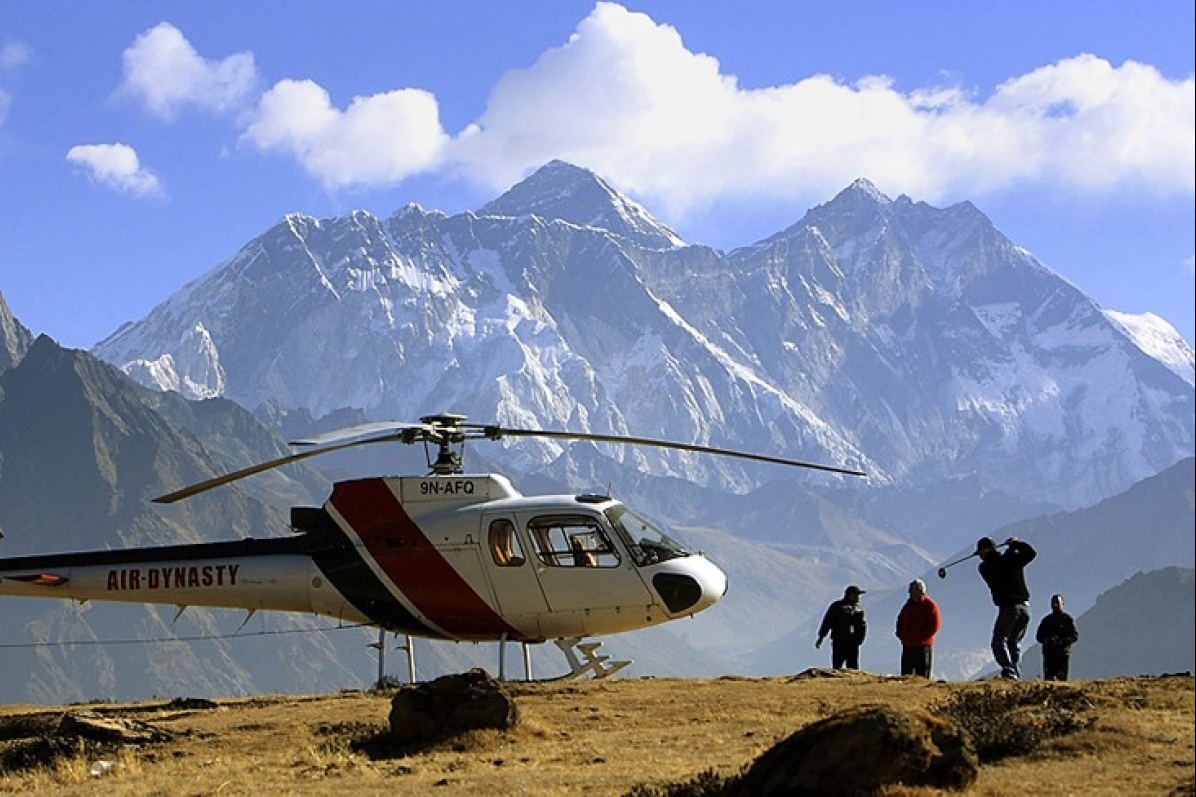
Start on an extraordinaryadventure with the Everest Base Camp trekwith fly back by chopper. It is an iconic journey that combines the thrill of trekking near the base of theworld's highest peakwith the convenience of a return journey by helicopter. This trek offers a perfect blend of well-maintained trails, stunning landscapes, and the rich cultural tapestry of theEverest region.Spanning nine days of Everest Base Camp chopper, the trek begins with a scenicflight from Kathmandu to Lukla, providing a breathtaking start to the journey. The trail follows along theDudh Koshi River, weaving through the enchanting trails ofSagarmatha National ParktowardsNamche Bazaar, a valuable trading hub renowned for its acclimatization significance.As the trek progresses, participants navigate through lush forests, terraced farmlands, and undulating hills, accompanied by majestic mountain views. Acclimatization stops in critical locations like Namche Bazaar and Tengboche ensure a safe ascent to higher altitudes.The trek unfoldspanoramic vistas of iconic peakssuch asPumori, Lhotse, Nuptse, Lobuche, and the mighty Mt. Everest. Visiting the reveredTengboche Monasteryadds a cultural dimension to the journey, providing insight into the Sherpa way of life.Reaching Gorak Shep, the trail skirts the edges of the Khumbu Glacier, leading to theEverest Base Camp. This surreal destination offers a close-up view of the world's deepest glacier and a unique perspective on the surrounding Himalayan giants.The return journey is fallow. Alice Everest base camp takes an exhilarating turn with ahelicopter ride from Gorak Shep back to Kathmandu, providing a swift and scenic conclusion to the trek. The helicopter journey offers a unique aerial perspective of the Himalayas and adds a touch of luxury and convenience to the overall experience.For those seeking an adventure that seamlessly combines the thrill of trekking with the luxury of a helicopter return, the Everest Base Camp trek by helicopter return promises an unforgettable odyssey through the heart of the Himalayas. Asiana Treks and Tours is an authentic heli tour operator with reliable Everest heli tour costs.Everest Base Camp trek Return by Heli Itinerary:Asiana Treks and Tours has the perfect Everest Base Camp trek return by Heli itinerary. Travelers who desire to explore Nepal with moderate physical fitness. You'll discover the best places for breathtaking views from the city to the countryside. Experience the contrast of cold nights at EBC to a stunning view of the mountain wall, an unforgettable lifetime journey.Everest Base Camp Trekking Return by Heli Distance:The Everest Base Camp trekking return by Heli treks take 12 days, with 4 to eight-hour walking days, and is approximately 65 km, or 40.38 miles, including trek to EBC and acclimatisation day.Everest Base Camp Trek return By Trekking route:The Everest Base Camp Return by Heli Trekking route showcases awe-inspiring natural beauty. Starting in lush valleys with terraced fields and traditional Sherpa. Villages, the journey unfolds amidst the Himalayan foothills. Rhododendron forests bloom in spring, accompanied by cascading waterfalls and snow-capped peaks. Traversing wildflower meadows and crossing suspension bridges over mountain streams, the landscape evolves as you ascend. Approaching Everest Base Camp, rugged terrain and glacial moraines dominate, leading to panoramic views of towering peaks. The Trek promises unforgettable moments, whether you're a seasoned trekker or novice adventurer, offering an unparalleled journey through Earth's most breathtaking landscapes and top of the world and easy way back to Helicopter.Everest Base Camp Trek return by Heli Trekking price:Our package tour ensures reliability in terms of cost, itinerary, and overall experience. The Everest Base Camp trekreturn by Heli typically ranges from US$ 2300 to 3000, depending on group size, service level, guide and porter services, transportation preferences, and accommodation category in Kathmandu. This cost estimation is subject to the types of trekking gear and accommodation preferences.Everest Base Camp trek return by Heli trekking Height:The Everest Base Camp trekking and return by Heli treks start from the bustling city of Kathmandu at an altitude of 1337 meters. From Kathmandu, take a flight to Lukla or during peak season from Ramechhap. You'll descend to the beautiful Manthali headquarters of Ramechhap,474 meters above sea level. If you Fly from Manthali to Lukla, you'll embark on your journey descending to crossing by the green forest to Chheplung; finally, the Trek culminates at Everest Base Camp at a breathtaking height of 5,545–5,550 m /18,192–18,209 ft.Major villages of Everest Base Camp trek return by Heli Trekking:The major Sherpa villages along the Everest Base Camp Trek return by Heli Trekking route are Lukla, Chheplung, Thado Koshi, Phakding, Taktok, Banker Manjo, Jorsalle, Namche, Sanasha, Phugithanga, Tangboche, Diboche, Pangboche, Somera, Harso, Dingboche, Thukla, Labuche, and Gorekshep Return from the same route and follow the same path back to Lukla. These villages are significant landmarks and offer scenic beauty and accommodation options along the Annapurna Base Camp Trekking route.Best Viewpoints on the Way to Everest Base Camp trek return by Heli:These viewpoints provide unforgettable experiences, highlighting the beauty of the Everest Base Camp Trek.Everest Base Camp return by Heli trek offers breathtaking viewpoints, showcasing stunning panoramas of the surrounding Himalayan peaks. Here are the critical views along the route:On a clear day, have stunning Himalayan view or scenic mountain view like mountain flight and board your EBC to direct Kathmandu, ensuring a breathtaking view of the uncountable Himalayan peaks, from East Kanchanjunga to west Annapurna.Hillary Bridge: After halfway from Hillary Bridge to Namche, you will first glimpse the majestic Everest view.Hillary Park Sagarmatha Head Headquarters: At the top of Namche Headquarters of Sagarmatha National Park, Hillary Park, you have a stunning surrounding view of Many Himalayan ranges, including Mt Everest.Everest View Hotel: From Everest View Hotel, you can enjoy unparalleled vistas of Everest and neighboring peaks,Tangboche, Pangboche, Deboche: Traverse picturesque villages, each providing unique perspectives of the towering giants en route to Everest Base Camp.Thukla: On the way from Lobuche to Thukla, soak in the stunning views of jaw-dropping Himalayan peaks.Kala Patthar: Summit at dawn for an unrivalled panorama of the Everest region, witnessing the mountains come alive in a symphony of colors as the sun rises. Each viewpoint leaves an indelible mark on your soul, ensuring the journey back to Lukla reminds you of the awe-inspiring vistas encountered throughout your Trek.Everest Base Camp (EBC): The ultimate destination, commonly listed as 5,545–5,550 m (18,192–18,209 ft). Meters offers unparalleled views of Flora and Fauna in the Everest Basecamp Trekking.Flora and Fauna In Everest Base Camp return by Heli:Everest Base Camp return by Heli Trekking is also in Sagarmatha National Park. It deserves many different flora and fauna, Where pine and hemlock forests are found at lower altitudes, and fir, juniper, birch, rhododendron, scrub, and alpine plants thrive at higher elevations. Sagarmatha National Park is inhabited by a diverse range of animals, like red panda, snow leopard, musk deer, Himalayan tahr, marten, Himalayan mouse hare (pika), and over 118 bird species, such as the Impeyan pheasant, snow cock, blood pheasant, and red-billed cough.Festivals and Culture of Everest Base Camp return by Heli Trekking:The Everest Base Camp return by Heli Trek offers a cultural immersion into Sherpa traditions. A highlight is the Dumji and Mani Rimdu Festival at Tengboche Monastery, held annually in October or November. This vibrant celebration features sacred dances and colorful ceremonies, providing insight into Sherpa culture.Buddhism, a central pillar of Sherpa life, is beautifully woven into the Trek's fabric. It's evident in the monasteries, prayer flags, and Mani walls that dot the route. Visitors are not just spectators but can actively participate in Buddhist rituals, fostering a deeper understanding of Sherpa spirituality and their profound connection to nature. In their harmonious coexistence with nature, Sherpas practice sustainable living with eco-friendly methods like using yak dung as fuel and waste management. These practices, born out of necessity and deep respect for the environment, are a testament to the Sherpa's ingenuity and their role as responsible stewards of the land. It's a practice that inspires respect and admiration.People and Hospitality:Nepal is a country where warm hospitality and incredible values are not just a custom, but a deeply ingrained part of its culture. Whether you're a foreign visitor or a local, you're greeted with open arms, friendly smiles, and a radiant manner. This tradition of hospitality, deeply rooted in Hinduism, Buddhism, and traditional customs, sees guests as blessings and treats them with utmost respect, generosity, and kindness.The Sherpa people, an indigenous ethnic group with a unique blend of Tibetan Buddhism and ancient Bon rituals, are the epitome of these values. Residing in the upper Khumbu area, they welcome guests with a distinct warmth and an unwavering spirit of hospitality, marked by their renowned honesty and loyalty.Advantage book with Asiana Treks and Tours:Private transport for airport transfers to/from your hotel.Trip briefing on Facebook and online if you love to connect.Last minute booking at your hotel at a suitable time after your arrival.Easy booking and reservation system.Multi-channel communication via Email, WhatsApp, Facebook, Viber, Skyp 24/7 phone communication at +977-9851076270Free excess luggage storage during the TrekOximeters are provided to examine blood oxygen saturation at high altitudes to detect altitude sickness earlyMedical kits along the Trek and hot airbags are available in winterArrange sleeping bags, duffel bags, down jackets, and walking pools if you don't have your own.Trekking Start:If you miss the regular trip briefing, don't worry. We'll provide it at a convenient time before departure, Pokhara, either before a World Heritage tour the following morning or the next day; we'll then proceed to the airport flight to Lukla or drive four 4-hour Manthali and Flight to Lukla.Currency Exchange:The Nepalese rupee is Nepali currency, and 1 USD is approximately 130 NPR. Only NPR is accepted in Nepal, so it's best to bring cash to facilitate transactions. Banks and ATMs in Kathmandu provide currency exchange services but note that most banks prefer new, crisp notes.Our Team:The Asiana Treks and Tours team is professional, reliable, and responsible. They are well-trained, friendly, radiant, and fluent in English. You can feel comfortable sharing anything with them. They are experts in local culture, history, vegetation, food, accommodation, weather conditions, and first aid medication. They are also environmentally conscious and respect the rights of animals.However, please do not provoke them for personal gain during the trip. While you can enjoy your holiday with them, we kindly request that you do not try to change their customs, beliefs, religion, culture, or traditions.We and our staff are committed to making your adventure trip unforgettable memories of a lifetime journey in Nepal.Guide and Porter Arrangement:Our company, Asiana Treks and Tours, focuses on responsible tourism in Nepal. We make sure our guides and porters are well-trained in Trekking and mountaineering. They know a lot about the areas we go to, including geography, history, customs, and culture. We train them regularly in safety, first aid, and environmental conservation. We follow guidelines to treat our porters fairly, providing them with good pay, accommodation, and meals during treks. Our guides and porters are essential team members, and we appreciate their hard work. When you trek with us, you support ethical tourism in Nepal, making your trip meaningful and memorable.Asiana Treks and Tours prioritizes your safety and enjoyment. Our knowledgeable guides, reliable equipment, and safety measures ensure a great trekking experience in Nepal.Porter, Luggage, and Extra Luggage Storage:We cover the cost of porters for your Luggage, but the maximum weight limit is 12 kg per person. Each porter carries Luggage for two trekkers; please share a duffle bag with another. Our porters will carry up to 25 kg each. If you need a porter for yourself, we can arrange that. We also recommend carrying a small backpack for your valuables and important documents. You can leave extra Luggage at our office for free and at a hotel in Pokhara, Namche, etc.Accommodation:Accommodation during the Everest Base Camp return by Heli Trek varies. Along the trekking route, you'll stay in guest houses, commonly known as teahouses. These basic lodges offer rooms, dining areas, and toilets. The quality of guest houses varies but remains affordable and convenient for trekkers. Rooms typically have twin or bunk beds and shared bathrooms, and blankets and pillows are available. Our company can offer a sleeping bag if you don't have one. You'll spend nine nights in lodges along the trekking route and three nights in a hotel in Kathmandu. Some places and lodges have attached bathrooms, while others offer simple yet clean rooms with shared facilities. We can arrange a solo trekking service if you're traveling solo. In high season and particular areas, availability may be limited for you, although we try our best. In Kathmandu or Pokhara, your hotel room will have excellent amenities, including TV, 24/7 hot water, electricity, and laundry service.Meals during the trip:Eating well is essential since the EBC Trek return by Heli takes you through the Himalayas. You'll have plenty of nutritious meals in the trekking regions, although the options won't be as varied as in the cities. You'll get fifteen breakfasts, eleven lunches, and ten dinners during the Trek. The menu includes local, Asian, and Western dishes, but it gets more straightforward as you climb higher. Try popular Nepali foods like lentils, rice, curry, dumplings, noodles, Spagaties, and many more. We highly recommend eating fresh vegetables and drinking liquids like green tea, lemon tea, hot lemon, ginger tea, and garlic soup, especially at high altitudes. While non-vegetarian options are available during the Trek, we suggest avoiding them for hygiene reasons. It's also best to steer clear of dairy, cheese, alcohol, caffeine, and hot chocolate. Personal expenses like alcoholic drinks, extra beverages, and cafes aren't included in the package.Drinking water:Nepal is the second country in the world in terms of water sources after Brazil. According to the Nepal government, only 27% of people here have clean drinking water. You can buy mineral water in teahouses, but it is expensive; Lokals people do not prefer plastic bottles in some trekking areas, but there are some safe drinking water stations where you can refill your bottle. However, we recommend carrying Steripen, iodine drops, water purification tablets for safe drinking, and refillable water bottles for boiled or filtered water. We strongly advise not to drink from taps, wells, and rivers in trekking areas. However, in all the city areas, Mineral water is available at a reasonable cost everywhere.Extra Personal Expenses:Your Trip covers most expenses during the Trek; you'll need to spend money on extra accommodations and meals in Kathmandu, souvenirs, and beverages. We estimate about USD 15-25 per trekking day for miscellaneous expenses. However, personal expenses depend on your Income, habits, and style.Toilet Facilities in Everest Base Camp Trekking:Most teahouses have Western-style flush toilets during mountain treks, especially at lower elevations. But as you go higher, find simple squat toilets along the trails and teahouses at higher altitudes. These toilets usually have water or toilet paper, but it's a good idea to bring your toilet paper just in case. You can also use restrooms at nearby teahouses or find a private spot along the trekking routes.Internet Connectivity:While trekking in the Himalayan region of Nepal, connecting with your family and friends is also a good idea. You can find internet access at teahouses and lodges, but it might be extra minimal cost. The signal might be weak because of the remote location. You can also get internet access using a local SIM card and data packages available at Kathmandu airport or nearby shops in Thamel and Pokhara. You'll have a passport-sized photo and a copy of your passport to get a SIM card. It's a good idea to compare prices and data packages from telecom companies like Ncell and Nepal Telecom before buying. Knowing about teahouse connectivity. Our guide will suggest connections for you.Electricity voltage and plugs:However, 95 % of Nepali people have access to electricity as of May 29, 2023. almost popular trekking routes, teahouses, and lodges have electricity. However, some isolated and solo trekking tea houses in the jungle don't have electricity; most tea houses let travelers charge for their devices for a small fee. The average electrical voltage in Nepal is 230 volts, with plug types like Type C, Type D, and Type M. Travellers should bring a suitable adapter and, if needed, a voltage converter for their electronic devices.Communication:The guest houses in the trekking regions have internet access. You could buy a SIM card at Tribhuvan International Airport Kathmandu and Namche. However, the signal may need to be more assertive at high altitudes. Our office keeps in touch with all trekking teams via the trek guide at least once daily to ensure everything goes as planned.Trip Extension:Suppose you have extra days in Nepal after the Trek. In that case, we can arrange a tour, overnight stay at Nagarkot Balthali or any other place around Kathmandu and Chitwan, jungle safari, paragliding, rafting, canyoning, or other treks. Do not hesitate to Inform us. We will create the best for you.Trek Difficulty:The Everest Base Camp trek return by Heli presents a moderate and challenging yet enriching adventure. Your enjoyment of the trip will largely depend on your level of fitness. We recommend building stamina at least two weeks before the Trek. Activities include jogging, running, swimming, or taking long hikes for the journey ahead.Completing this Trek is achievable even if you're a beginner, although you must maintain a reasonable fitness level. Prior trekking experience can be advantageous, though it is optional. All you need is the readiness to hike steadily for 4-8 hours, navigating tricky terrain.Suppose trekkers have pre-existing medical conditions, such as lung or heart diseases. In that case, they are advised to consult their physician before booking the Trek to ensure their safety and well-being throughout the journey.Trip Safety:We highly give top priority. We provide experienced guides with first aid kits and necessary safety gear to ensure a safe hand. Our team monitors weather and trail conditions and takes precautions to avoid risks. Before starting the Trek, we discuss the trip to provide a clear understanding and ensure a reliable experience.Group & Private Treks:We organize many group and private treks simultaneously, with discounts available for larger groups. Every group will have a trekking guide and porters. Regarding larger groups, we provide an assistant guide. Our team ensures a safe and enjoyable trekking experience for all participants.About solo traveler:If you're a solo traveler, please get in touch with us to confirm departure dates before booking. You can tell us via call, WhatsApp, or email. We have listed upcoming departure dates for your convenience. Feel free to share the trip details with friends and family.Notes: Please be aware that the itinerary may change due to weather or other factors, and we'll adjust it accordingly for the group's safety and enjoyment. We look forward to guiding you through the stunning landscapes of the Annapurna region and ensuring a memorable trekking experience.Responsible Travel:We prioritize responsible travel to minimize environmental impact and support local communities. We collaborate with organizations like the Kathmandu Environmental Education Project (KEEP) to promote eco-friendly practices in trekking regions.Gratitude:Graduate or tipping is appreciated in Nepali culture and reflects the quality of service provided. You decide how much to tip, but we recommend tipping as a group at the end of the trip.End of Trek:On the twelve day, you'll take a Heli in the morning after breakfast from Gorekshep to back to Kathmandu, taking stunning scenic Himalayan view which takes about one hour back to Kathmandu. Alternatively, In the evening, we'll host a farewell dinner in Kathmandu.Departure:On the day of your departure flight, we'll come to pick you up from your hotel and transfer you to Tribhuvan International Airport. We hope you enjoyed the Nepal trek and will consider returning for more adventures in Nepal.Feedback:After you complete the EBC Trek return by Heli, we'll organize a farewell dinner in Kathmandu and present you with a trekking achievement certificate. After the dinner, you can provide feedback about the Trek on travel portals.Last-Minute Booking:If you can't book in advance, we offer last-minute bookings. Last-minute booking offers are available but may cost slightly more than regular departure dates. Those opting for last-minute bookings must pay an additional 7% of the total trip cost on our website. While we strive to make last-minute requests, we try our best to accommodate according to your last-minute booking holiday.Special Note: Please remember that sometimes unforeseen circumstances, such as inclement weather or unavailable lodging, may cause the schedule to be changed. Your trip guide will design a fresh schedule based on the group's interests in such circumstances.Everest Regions Trekking Blog Post List:Asiana Treks & Tours offers an insightful blog on the Everest region, providing valuable information for trekkers. Explore stunning landscapes, local culture, and practical tips for your journey.Why Everest Base Camp Trek Should Be Your Next Adventure: Top ReasonsBeginner's Guide to Everest Base Camp TrekUnderstanding the Everest Base Camp Trek’s DifficultyEverest Base Camp Trek: Best Seasons (March-Mid June, Sep-Nov)Choosing the Best Route for Everest Base CampMajor Facts About the Everest Base Camp Trekking AdventureHiking from Gorak Shep to Kala Patthar & Everest Base CampIs There an Age Limit for Everest Base Camp Trekking?Is Everest Base Camp Trekking Possible for Women? Absolutely!The Complete List of Permits and Documents for Everest Region TreksMeals and Accommodation in the Everest RegionAccommodation Types in the Everest RegionTop Everest Region Trekking Packages 2025/2026Annapurna Base Camp vs Everest Base Camp: The Best TrekTrekking Permit Requirements for Different Regions in NepalThe First Viewpoint to See Mount EverestThe Beauty of Gokyo Lake with Views of EverestDiscovering the Beauty of Gokyo Lakes with Gokyo RiWhy Choose Everest Three Passes Trekking in NepalWhy Trek Everyone is the Ultimate Guide to Everest Base CampTrekking the Everest Three High Passes: Renjo La, Cho La & Kongma LaLukla: The Trekker's Ultimate GatewayAmazing Facts About Tenzing-Hillary Airport (Lukla Airport)Exploring Phakding: The First Step Toward EverestNamche Bazaar at 3,440m: A Rest Stop with a ViewTengboche Monastery: The Heartbeat of the KhumbuDingboche: The Smart Stop for Acclimatization and Stunning ViewsLobuche: A High-Altitude Himalayan Gem – History, Culture, Geography & Trekking HighlightsDiscover Everest Dudhkoshi Cultural Trek for BeginnersTraversing the Heart of Solu: Jiri to Sete, Junbesi & Nunthala via the Lamjura-La PassSacred Trails and Alpine Dreams: A Journey Through Pikey Peak, Dudh Kunda, and the Hidden Hamlets of SolukhumbuWhy Choose Everest Three Passes Trekking in NepalThe First Successful Summit: Sir Edmund Hillary and Tenzing NorgayHistory of Mount Everest : International Everest DayWhy Trek Everyone is the Ultimate Guide to Everest Base CampFAQs for Hiking to the Roof of the World (Everest Region
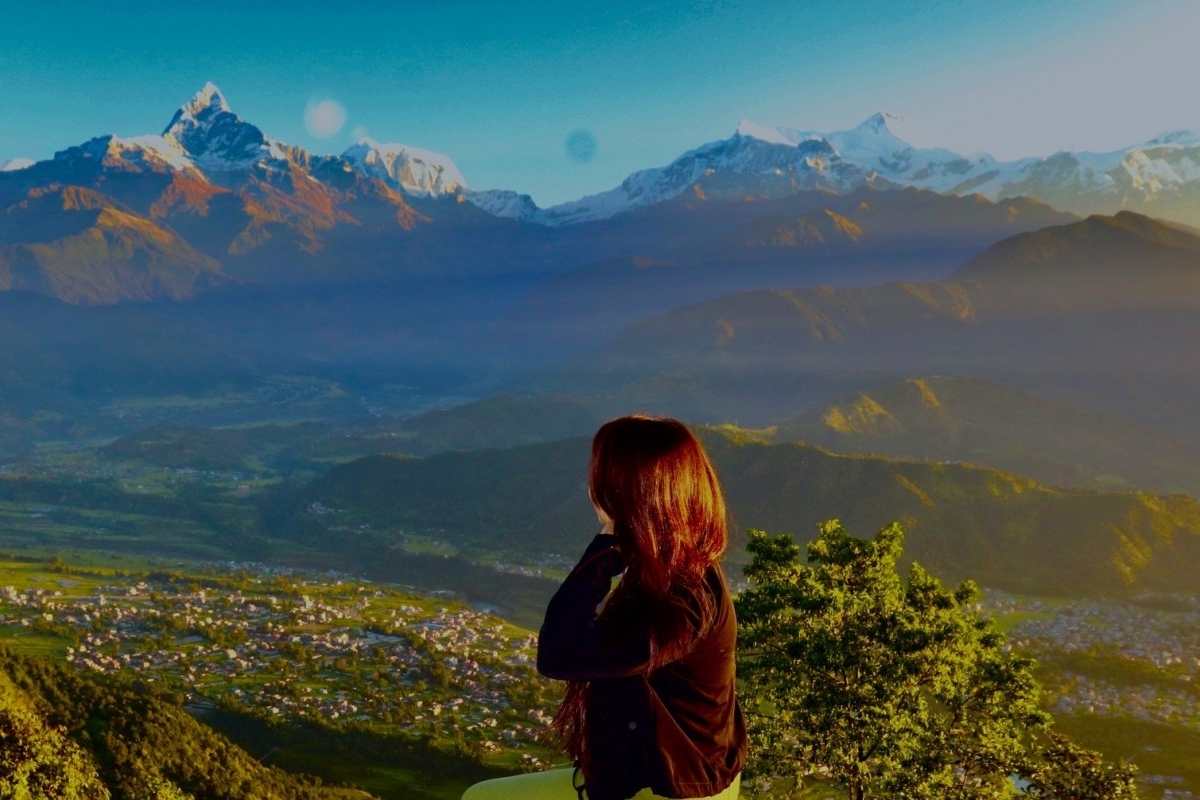
Sarangkot Lwang Trekking explores the nature, culture and view of mountains near Pokhara. On this trip, you will enjoy the mountain and natural wonders of the Annapurna region. This trip has a short and beautiful walking adventure through the middle hills of Nepal with views of Himalayan peaks.While on this adventure, you will find nature and a view of the Annapurna Mountains at a magnificent expose. In addition to the mountains and nature, you will explore the cultural wonders in the local villages that you pass through and stay in. Experience the incredible cultural exploration in Kathmandu and head straight to nature in the mountains near Pokhara. In addition to the mountains, you will also enjoy spectacular sunrises over those mighty peaks. Sarangkot Lwang Trek will surely be one of the most favourite short walking adventures.Hiking in Sarangkot is a simple trek. Anybody, from children to adults, can do it. Hiking at Sarangkot is possible at any time of year. A beautiful sight is the sun's first rays hitting the mountains and making them sparkle. It goes without saying that being over 1,600 metres above sea level gives expansive glimpses of the Mountains. The viewpoint offers views of more than 20 peaks from the Dhaulagiri, Annapurna, and Manaslu mountain ranges in the Himalayas. This Sarangkot walk is the best one-day climb in Pokhara.Sarangkot Trekking ItineraryAsiana Treks and Tours has the perfect Sarangkot Lwang Trek itinerary. Travelers who desire to explore Nepal with moderate physical fitness. You'll discover the best places for breathtaking views from the city to the countryside and experience an unforgettable lifetime journey.Sarangkot Lwang Trekking Distance:Sarangkot Lwang Trekking spans approximately 28 kilometres, or 17.3 miles, depending on the chosen itinerary.This route typically spans 5 days, sarangkot, Dhampus, Lwang and concluding at Khoramukh.Our package tour ensures reliability in terms of cost, itinerary, and overall experience. For Nepali citizens, the Annapurna Base Camp trek typically ranges from US$ 375 to 575 with variations depending on group size, service level, guide and porter services, transportation preferences, and accommodation choices in Kathmandu or Pokhara. This cost estimation is subject to the types of trekking gear and accommodation preferences.Sarangkot Lwang Trekking route:Yoga Trekking route showcases awe-inspiring natural beauty. Starting in lush valleys with terraced fields and traditional villages, the journey unfolds amidst the Himalayan foothills. Rhododendron forests bloom in spring, accompanied by cascading waterfalls and snow-capped peaks. Traversing wildflower meadows and crossing suspension bridges over mountain streams. leading to panoramic views of towering peaks like Annapurna south, Himchuli and Machhapuchhre. The trek promises unforgettable moments, whether you're a seasoned trekker or novice adventurer, offering an unparalleled journey through Earth's most breathtaking landscapes.Sarangkot Trekking price:Our package tour ensures reliability in terms of cost, itinerary, and overall experience. For Nepali citizens, the Annapurna Base Camp trek typically ranges from US$ 675 to 1075, and for foreigners, US$ 715 to 1075, variations depending on group size, service level, guide and porter services, transportation preferences, and accommodation category in Kathmandu or Pokhara. This cost estimation is subject to the types of trekking gear and accommodation preferences. However, we could end the trek via Landruk and Dhampus if you avoid Kathmandu sightseeing and Pokhara exploration.Sarangkot Trekking Height:Yoga Trek starts from the lively and metropolitan city Kathmandu which is situated at an altitude of 1,337 meters. From Kathmandu, you are headed towards the beautiful lakeside city of Pokhara situated at 827 meters above sea level. During the trek, you are going to ascend towards popular viewpoints sarangkot, Dhampus, and Lwang. The maximum altitude you will reach Dhampus is 1650 above the sea level. From Lwang village , you descend towards Khoramukh and take private transportation drive back to Pokhara. At last, you take a drive from Pokhara to Kathmandu, where the trek ends.sarangkot Lwang Trekking:The major Gurung ethnic villages along the Sarangkot Lwang Trekking route are Sarangkot, Dhampus Lwang, The return route follows the same path back to Khorkhmukh and finally driving back to Pokhara. These villages are significant landmarks and offer scenic beauty and accommodation options along the Trekking route.Best Sarangkot Lwang Trekking:These viewpoints provide unforgettable experiences, highlighting the beauty of the Yoga Trek.Sarangkot Trek offers breathtaking viewpoints, showcasing stunning panoramas of the surrounding Himalayan peaks. Here are the critical views along the route: View from Sarangkot: from Sarangkot, enjoy magnificent views of the mountains and rice terraces.Naudanda: Experience impressive mountain vistas and rice and millet terrace during the second day of trekking.Dhampus: Dhampus is another beautiful place from where you Enjoy the View of Annapurna South to Lamjung himalayan range include Mt Machhapuchhare and wide vally view of cultivated terrace field and unique village.Biodiversity of Sarangkot Lwang Trekking: Sarangkot Lwang Trekking trail is a biodiversity hotspot, perfect for nature lovers. Lush forests in the lower regions house various bird species, including rhododendrons and bamboo. Alpine meadows greet you higher up with vibrant wildflowers. Look out for elusive wildlife and diverse birdlife, including the Himalayan Monal, adds to the experience. This trek offers a captivating glimpse into the green Hills, Amazing terraces, promising an unforgettable journey through nature's diversity.Festivals and cultures in Sarangkot Lwang Trekking: You'll immerse yourself in vibrant festivals and cultural traditions along the Yoga Trekking route. The region, predominantly inhabited by ethnic groups like the Gurungs and Magars, celebrates various festivals. Dashain, typically in September or October, is a significant Hindu festival symbolizing the triumph of good over evil. Villages burst with colorful decorations, music, and dances as families gather for blessings and feasts.Tihar, known as the Festival of Lights, falls in October or November. This five-day celebration honors animals and the goddess of wealth, Laxmi. Oil lamps light up homes, and rituals bring prosperity and fortune.These festivals offer a unique and lifetime experience, as well as Nepalese culture with the majestic beauty of the Himalayas.Advantage book with Asiana Treks and tours:Private transport for airport transfers to/from your hotel.Trip briefing on Facebook and online if you love to connect.Last minute booking at your hotel at a suitable time after your arrival.Easy booking and reservation system.Multi-channel communication via Email, WhatsApp, Facebook, Viber, Skyp 24/7 phone communication at +977-9851076270Free excess luggage storage during the trekPulse oximeters for monitoring blood oxygen saturation at high altitudes to detect altitude sickness earlyMedical kits along the trek and hot airbags are available in winterArrange sleeping bags, duffel bags, down jackets, and walking pools if you don't have your own.Sarangkot Lwang Trek Booking:Asiana Treks and Tours is the best and most trusted trek and tour company operator authorized by the Nepal government. We require a 10% advance payment to book your trip, and you'll need to send us a copy of your passport, photos, travel insurance, and flight details as soon as you book a tour with us. You can use bank transfer, or any other way like Western Union, or online via our website, which is easy. The remaining trip cost can be paid upon arrival in Nepal. We offer last-minute bookings, but changes may occur due to circumstances like bad weather. Transportation for Sarangkot Lwang Trekking:We pride ourselves on our flexible transportation options, which include planes, helicopters, tourist buses, coasters, vans, jeeps, and cars. These are tailored to our Clints' specific needs, preferences, itineraries, and agreements, ensuring a comfortable and personalized travel experience. However, we provide Tourist buses to and from Pokhara, Private transportation from Nayapul to and from Sewai and Kathmandu sightseeing private vehicle as per the group, and optional fly to and from Pokhara at extra cost.Sarangkot Lwang Trekking Start: Your Sarangkot Lwang Trek begins with a warm welcome in Kathmandu. Our dedicated team will be there to greet you as soon as you arrive at Tribhuvan International Airport. We'll then escort you to your hotel in a private vehicle, ensuring a comfortable and hassle-free start to your adventure, and setting the tone for a memorable journey.If you miss the regular trip briefing, don't worry. We'll provide it at a convenient time before departure, Pokhara, either before a World Heritage tour the following morning or the next day; we'll then proceed to Pokhara by tourist bus, departing around 7 a.m. from Sorakhutte, Kathmandu.The package includes transportation by tourist bus from Kathmandu to Pokhara, offering a comfortable and scenic journey. However, if you prefer a quicker option, you can also take a 25-minute domestic flight to Pokhara or use a private vehicle for an additional cost, allowing you to choose what suits you best.Currency Exchange:The Nepalese rupee is Nepali currency, and 1 USD is approximately 130 NPR. Only NPR is accepted in Nepal, so it's best to bring cash to facilitate transactions. Banks and ATMs in Kathmandu provide currency exchange services but note that most banks prefer new, crisp notessGuide and Porter Arrangement:Our company, Asiana Treks and Tours, focuses on responsible tourism in Nepal. We make sure our guides and porters are well-trained in Trekking and mountaineering. They know a lot about the areas we go to, including geography, history, customs, and culture. We train them regularly in safety, first aid, and environmental conservation. We follow guidelines to treat our porters fairly, providing them with good pay, accommodation, and meals during treks. Our guides and porters are essential team members, and we appreciate their hard work. When you trek with us, you support ethical tourism in Nepal, making your trip meaningful and memorable.Asiana Treks and Tours prioritizes your safety and enjoyment. Our knowledgeable guides, reliable equipment, and safety measures ensure a great trekking experience in Nepal.Porter, Luggage, and extra Luggage storage: We cover the cost of porters for your luggage, but the maximum weight limit is 12 kg per person. Each porter carries luggage for two trekkers; please share a duffle bag with another. Our porters will carry up to 25 kg each. If you need a porter for yourself, we can arrange that. We also recommend carrying a small backpack for your valuables and important documents. You can leave extra luggage at our office for free and at a hotel in Pokhara, Namche, etc.Accommodation:Accommodation during the Yoga Trek varies. Along the trekking route, you'll stay in guest houses, commonly known as teahouses. These basic lodges offer rooms, dining areas, and toilets. The quality of guest houses varies but remains affordable and convenient for trekkers. Rooms typically have twin or bunk beds and shared bathrooms, and blankets and pillows are provided. Our company can offer a sleeping bag if you don't have one. You'll spend nine nights in lodges along the trekking route, two nights in a hotel in Pokhara, and three nights in a hotel in Kathmandu. Some places and lodges have attached bathrooms, while others offer simple yet clean rooms with shared facilities. We can arrange a solo trekking service if you're traveling solo, but availability may be limited during peak season in some places. In Kathmandu or Pokhara, your hotel room will have excellent amenities, including TV, 24/7 hot water, electricity, and laundry service.Meals during the trip:Eating well is essential since the Ghorapani-Dhampus circuit Trek takes you through the high Himalayas. You'll have plenty of nutritious meals in the trekking regions, although the options won't be as varied as in the cities. You'll get fourteen breakfasts, eleven lunches, and ten dinners during the Trek. The menu includes local, Asian, and Western dishes, but it gets more straightforward as you climb higher. Try popular Nepali foods like lentils, rice, curry, dumplings, noodles, Spagaties, and many more. We highly recommend eating fresh vegetables and drinking liquids like green tea, lemon tea, hot lemon, ginger tea, and garlic soup, especially at high altitudes. While non-vegetarian options are available during the Trek, we suggest avoiding them for hygiene reasons. It's also best to steer clear of dairy, cheese, alcohol, caffeine, and hot chocolate. Personal expenses like alcoholic drinks and extra beverages at lodges or cafes aren't included in the package. Drinking water:Nepal is the second country in the world regarding water sources after Brazil. According to the Nepal government, only 27% of people here have clean drinking water. Regarding to drinking water, However drinking water is not big deal in The trekking ,you can buy mineral water in teahouses, but it is expensive; people prefer plastic bottles in some trekking areas. So, there are some safe drinking water stations where you can refill your bottle. However, we recommend carrying Steripen, iodine drops, water purification tablets for safe drinking, and refillable water bottles for boiled or filtered water. We strongly advise not to drink from taps, wells, and rivers in trekking areas. However, in all the city areas, Mineral water is available at a reasonable cost everywhere.Extra Personal Expenses:While most expenses during the Trek are covered, you'll need to spend money on accommodations and meals in Kathmandu and Pokhara, souvenirs, and additional beverages. We estimate about USD 10-20 per trekking day for miscellaneous expenses.Toilet Facilities in Sarangkot Lwang Trekking:Most teahouses have Western-style flush toilets during mountain treks, especially at lower elevations. But as you go higher, find simple squat toilets along the trails and teahouses at higher altitudes. These toilets usually have water or toilet paper, but it's a good idea to bring your toilet paper just in case. You can also use restrooms at nearby teahouses or find a private spot along the trekking routes.Internet Connectivity:While trekking in the Himalayan region of Nepal, connecting with your family and friends is also a good idea. You can find internet access at teahouses and lodges, but it might be extra minimal cost. The signal might be weak because of the remote location. You can also get internet access using a local SIM card and data packages available at Kathmandu airport or nearby shops in Thamel and Pokhara. You'll have a passport-sized photo and a copy of your passport to get a SIM card. It's a good idea to compare prices and data packages from telecom companies like Ncell and Nepal Telecom before buying. Knowing about teahouse connectivity. Our guide will suggest connections for you. Electricity voltage and plugs:However, 95 % of Nepali people have access to electricity as of May 29, 2023. almost popular trekking routes, teahouses, and lodges have electricity. However, some isolated and solo trekking tea houses in the jungle don't have electricity; Most of these tea houses let travelers charge their devices for a small fee. The average electrical voltage in Nepal is 230 volts, with plug types like Type C, Type D, and Type M. Travellers should bring a suitable adapter and, if needed, a voltage converter for their electronic devices.Communication in Sarangkot Lwang Trekking:The guest houses in the trekking regions have internet access. You could buy a SIM card at Tribhuvan International Airport Kathmandu and Pokhara. However, the signal may need to be more assertive at high altitudes. Our office keeps in touch with all trekking teams via the trek guide at least once daily to ensure everything goes as planned.Trip Extension:Suppose you have extra days in Nepal after the Trek. In that case, we can arrange a tour, overnight stay at Nagarkot Balthali or any other place around Kathmandu and Chitwan, jungle safari, paragliding, rafting, canyoning, or other treks. Do not hesitate to Inform us. We will create the best for you.Trek Difficulty:Sarangkot Lwang trekking presents easy low land trekking. Completing this trek is achievable even if you're a beginner, although you must maintain a reasonable fitness level. Prior trekking experience can be advantageous, though it is optional. All you need is the readiness to hike steadily for 3-5 hours, easy trails.Suppose trekkers have pre-existing medical conditions, such as lung or heart diseases. In that case, they are advised to consult their physician before booking the trek to ensure their safety and well-being throughout the journey.Trip Safety:We highly give top priority. We provide experienced guides with first aid kits and necessary safety gear to ensure a safe hand. Our team monitors weather and trail conditions and takes precautions to avoid risks. Before starting the trek, we discuss the trip to provide a clear understanding and ensure a reliable experience.Group & Private Treks:We organize many group and private treks simultaneously, with discounts available for larger groups. Every group will have a trekking guide and porters; an assistant guide may be provided for larger groups. Our team ensures a safe and enjoyable trekking experience for all participants.About solo traveler:If you're a solo traveler, please contact us to confirm departure dates before booking. You can tell us via call, WhatsApp, or email. We have listed upcoming departure dates for your convenience. Feel free to share the trip details with friends and family.Notes: Please be aware that the itinerary may change due to weather or other factors, and we'll adjust it accordingly for the group's safety and enjoyment. We look forward to guiding you through the stunning landscapes of the Annapurna region and ensuring a memorable trekking experience.Responsible Travel:We prioritize responsible travel to minimize environmental impact and support local communities. We collaborate with organizations like the Kathmandu Environmental Education Project (KEEP) to promote eco-friendly practices in trekking regions.Graduate:Graduate or tipping is appreciated in Nepali culture and reflects the quality of service provided. You decide how much to tip, but we recommend tipping as a group at the end of the trip.End of Trek:On the eleventh day, you'll take a bus from Pokhara back to Kathmandu, which takes about seven hours. Alternatively, you can fly from Pokhara to Kathmandu for an extra fee. In the evening, we'll host a farewell dinner in Kathmandu.Departure:On the day of your departure flight, we'll come to pick you up from your hotel and transfer you to Tribhuvan International Airport. We hope you enjoyed the Nepal trek and will consider returning for more adventures in Nepal.Feedback:After you complete the Yoga Trek, we'll organize a farewell dinner in Kathmandu and present you with a trekking achievement certificate. After the dinner, you can provide feedback about the Trek on travel portals.Last-Minute Booking:If you can't book in advance, we offer last-minute bookings. Full payment is required 24 hours before departure. While we do our best to accommodate last-minute bookings, delays may occur due to unforeseen.Special Note: Please remember that sometimes unforeseen circumstances, such as inclement weather or unavailable lodging, may cause the schedule to be altered. Your trip guide will design a fresh schedule based on the group's interests in such circumstances.
The Tiji Festival Trekking with Asiana Treks and Tours is a once-in-a-lifetime cultural journey into the heart of Upper Mustang, Nepal's restricted trans-Himalayan region. The highlight of this trek is the three-day Tiji Festival, a traditional Tibetan Buddhist celebration unique to the ancient walled city of Lo Manthang. Held annually in May, the festival is deeply spiritual and features elaborate dances, vibrant costumes, and sacred rituals that reflect the local belief in the triumph of good over evil.The word “Tiji” is a short form of “Tempa Chirim”, which means “Prayer for World Peace.” This celebration commemorates the legendary battle of Dorje Jono, a deity who defeats his demon father to save the Mustang kingdom from destruction. It’s more than just a festival—Tiji symbolizes hope, renewal, and the spiritual protection of the land and its people. Organized by the Choedhe Monastery, over 65 monks perform ritual dances including:Tsa Chaam (Day 1): Depicting Dorje’s birth.Ngacham (Day 2): Representing his efforts to subdue evil.Rhachham (Day 3): Signifying final victory.Highlights:Witness the authentic Tibetan Buddhist culture in Lo Manthang.Immerse in the dramatic landscapes of Upper Mustang.Experience the exclusive Tiji Festival firsthand.Explore ancient cave dwellings, monasteries, and fortresses.Tiji Festival Trekking Itinerary (18 Days)Asiana Treks and Tours offers a thoughtfully crafted itinerary that blends cultural immersion, adventure, and high-altitude trekking. The journey begins in Kathmandu and gradually ascends to the culturally preserved Upper Mustang.Detailed Itinerary:Day 1-3 – Kathmandu to PokharaArrival in Kathmandu, tour preparation and sightseeing.Drive or fly to Pokhara, Nepal’s lakeside city.Day 4-5 – Jomsom to Kagbeni to ChaileShort scenic flight to Jomsom.Trek through windy Kali Gandaki Valley to Kagbeni, the gateway to Upper Mustang.Ascend to Chaile with views of Nilgiri and Dhaulagiri.Day 6-8 – Chaile to CharangTrek through Syangboche, Ghami, and Charang.Explore ancient monasteries and Mani walls.Day 9-12 – Lo Manthang and Tiji FestivalArrival in Lo Manthang.Enjoy three days of Tiji Festival rituals, dances, and storytelling.Explore the walled city, King's palace, and gompas.Day 13-16 – Return trek to JomsomRetrace via Drakmar, Geling, Chhuksang to Jomsom.Descend through colorful landscapes, apple orchards, and Buddhist shrines.Day 17-18 – Jomsom to Pokhara to KathmanduFly to Pokhara and return to Kathmandu.Tiji Festival Trekking DistanceThe total trekking distance of the Tiji Festival Trek is approximately 130–150 kilometers (80–95 miles), depending on side explorations and detours.Daily Distance Breakdown (approximate):Kagbeni to Chaile: 10 kmChaile to Syangboche: 11 kmSyangboche to Ghami: 10 kmGhami to Charang: 11 kmCharang to Lo Manthang: 12 kmLo Manthang to Drakmar: 15 kmDrakmar to Geling: 12 kmGeling to Chhuksang: 15 kmChhuksang to Jomsom: 13 kmKey Features:Moderate to strenuous trekking.Maximum elevation: 3,810 meters at Drakmar.Suitable for trekkers with good physical condition and prior altitude experience.Tiji Festival Trekking Cost 2026/2027The cost of the Tiji Festival Trek with Asiana Treks and Tours varies depending on group size, services included, and mode of travel (drive or flight). Estimated cost range is:Approximate Cost:USD $2,200 – $2,900 per personInclusions:All domestic flights (Kathmandu–Pokhara–Jomsom–Pokhara–Kathmandu)Trekking permits (including Restricted Area Permit for Upper Mustang)Experienced trekking guide and porter support.Full-board meals during the trek (B.L.D).Three-star hotel accommodation in Kathmandu and Pokhara.Tea house / lodge accommodation during the trek.Festival entry and cultural sightseeing tours in Lo Manthang.First aid kit, trekking map, and duffel bag.Exclusions:International airfare and visa fees.Travel insurance.Personal expenses (hot showers, charging, tips).Alcoholic beverages and snacks.Why Choose Asiana Treks and Tours?✅ Expert local guides with cultural insights✅ Carefully curated Tiji Festival access✅ Safety-focused trekking policies✅ Flexible group departure dates✅ Exceptional customer support before and during the trekTiji Festival Trekking Price Breakdown – Asiana Treks and ToursThe Tiji Festival Trekking with Asiana Treks and Tours offers a well-structured cultural adventure into the heart of Upper Mustang. The pricing reflects both the exclusivity of the region (a restricted area) and the premium experience offered. Costs vary slightly based on group size, travel mode (flights or drive), and hotel category selected for Kathmandu and Pokhara. The average package for the 16–17-day trek ranges between USD $2,200 – $2,900 per person.This price includes a variety of essential services and permits. All domestic flights, airport transfers, accommodation (3-star hotel in cities and teahouses during the trek), meals during trekking days, and permits (including the Restricted Area Permit, which alone costs USD $500 for 10 days) are covered. Also included are experienced English-speaking guides, licensed porters, sightseeing tours in Kathmandu, and the festival entry in Lo Manthang. Notably, this is a full-board trek during the Mustang journey, so most of your expenses are prepaid.Price Includes:Two-way domestic flights (Kathmandu–Pokhara–Jomsom)Upper Mustang restricted area permit (USD $500)Annapurna Conservation Area Permit (ACAP)Licensed local guide and porterFull-board meals during the trek (B.L.D.)Accommodation in Kathmandu, Pokhara & tea houses on the trekGuided Tiji Festival accessFirst aid kit and trekking gear rentalExcludes:International airfare and Nepal visaTravel insurancePersonal trekking gearMeals in Kathmandu and PokharaExtra beverages, hot showers, tipsTiji Festival Trekking Altitude Guide – Know the Heights Before You HikeAltitude is a key consideration when planning your Tiji Festival Trekking experience. The trek traverses Upper Mustang’s high desert plateau, with elevations ranging from 2,700 meters (Jomsom) to 3,810 meters (Drakmar). The trek is not considered extremely high-altitude by Himalayan standards, but the elevation can still affect those not properly acclimatized. Asiana Treks and Tours builds in gradual ascent and rest periods to mitigate altitude sickness.The average daily gain is moderate, and the itinerary allows your body to adapt slowly—especially vital once you pass 3,000 meters. Notable altitude points include Kagbeni (2,810m), Syangboche (3,475m), Lo Manthang (3,730m), and Drakmar (3,810m). Trekkers generally do not need technical climbing skills but should be physically fit and ideally have prior experience trekking above 3,000 meters.Key Altitude Points:Jomsom: 2,700mKagbeni: 2,810mChaile: 3,065mSyangboche: 3,475mGhami: 3,520mCharang: 3,620mLo Manthang: 3,730mDrakmar: 3,810mTips for Altitude Safety:Hydrate frequently (3–4 liters/day)Avoid alcohol and smokingEat light but energy-rich foodsFollow a slow, steady paceConsider bringing Diamox (after medical consultation)Why Choose Tiji Festival Trekking? – A Journey Beyond AdventureChoosing the Tiji Festival Trekking is about more than landscapes—it’s about stepping into a living piece of Himalayan history and culture. Organized by Asiana Treks and Tours, this trek combines natural wonders, cultural authenticity, and a rare festival that most travelers never witness. The Tiji Festival itself is deeply spiritual and visually mesmerizing, featuring masked dances, mantras, and ancient Buddhist rituals performed by monks in vibrant robes.Upper Mustang is also one of the last bastions of pure Tibetan culture. Its caves, monasteries, and centuries-old villages remain untouched by time. Lo Manthang—the focal point of the trek—boasts unique architecture, walled settlements, and sacred gompas. During the festival, the town becomes a living museum of music, dance, and devotion. For adventure seekers and cultural explorers alike, this trek offers more than scenic trekking—it’s an experience of spiritual storytelling and living history.Why This Trek is Special:Only available in May (Tiji Festival dates vary by Tibetan lunar calendar)Deep immersion into Tibetan Buddhist traditionVisit Lo Manthang, the once-forbidden kingdom of MustangCulturally preserved region with stunning Himalayan viewsExclusive access via special permitsPreparing for the Tiji Festival Trekking – Physical and Mental ReadinessProper preparation is essential for a successful Tiji Festival Trekking experience. This journey spans around 130–150 km over nearly 17 days, with daily trekking hours ranging from 5 to 7 hours. Though not technical, the trek demands moderate fitness, the ability to handle thin air, and stamina for multi-day hiking at elevations over 3,000 meters.Asiana Treks and Tours recommends a 4–6 week pre-trek conditioning routine including cardio (running, cycling, swimming), hiking with a daypack, and strength exercises for the legs and core. Mental preparation is equally important: the terrain is rugged, and facilities in Upper Mustang are basic compared to Annapurna or Everest regions. This trek is about authenticity, not luxury.Pre-Trek Preparation Tips:Cardiovascular training 3–5 times per weekAltitude simulation or stair-climbing practiceBreak in hiking boots before arrivalPack lightweight, moisture-wicking clothingInvest in a quality sleeping bag and trekking polesMental preparation for limited connectivity and remote conditionsEssential Packing List:Down jacket & layered clothingSleeping bag (-10°C or better)UV sunglasses, sunscreen, lip balmReusable water bottles & purification tabletsEnergy bars and snacksHeadlamp and extra batteriesWhat to Expect on the 16–17-Day Tiji Festival Trekking AdventureThe Tiji Festival Trekking is more than just a hike—it's a full cultural and spiritual experience in Nepal’s most mystical region. For 16 to 17 days, you'll explore the high-altitude desert of Mustang, walk among centuries-old Buddhist monasteries, and witness the colorful Tiji Festival in the ancient capital of Lo Manthang. This journey offers a unique mix of adventure, heritage, and festival spectacle, rarely found elsewhere.Expect to fly into Jomsom, trek through villages like Kagbeni, Chaile, and Ghami, and experience drastic landscape changes—from green valleys to dry red canyons. Accommodation is in local teahouses—basic yet cozy with warm hospitality. Meals are mostly traditional Nepali and Tibetan (dal bhat, tsampa, noodles). The Tiji Festival itself, spread over three days, includes masked cham dances, spiritual chants, and the reenactment of Dorje Jono’s triumph over demonic forces. The return trek follows a slightly different route to keep the experience fresh and scenic.What to Expect Daily:Trekking 5–7 hours per dayAltitudes up to 3,810 metersDiverse landscapes: desert, cliffs, valleysUnique architecture and cave dwellingsFriendly locals and Tibetan-influenced cultureNo Wi-Fi or mobile network in many areasDeep cultural connection through the Tiji FestivalOxygen Levels on the Tiji Festival Trekking – Breathing at AltitudeWhile the Tiji Festival Trekking doesn’t reach extreme Himalayan heights like Everest Base Camp or Annapurna Circuit, it still takes you well above 3,000 meters for multiple days. As you climb higher into the Upper Mustang region, oxygen levels drop significantly compared to sea level. At Lo Manthang (3,730m) and Drakmar (3,810m), the oxygen level is only about 64–66% of what it is at sea level. This decrease can affect breathing, stamina, and overall energy—especially for those who are not acclimatized.Asiana Treks and Tours plans the itinerary carefully to allow gradual altitude gain and sufficient acclimatization. There are no high passes or sudden elevation spikes, which makes the trek safer and more manageable. Symptoms of altitude sickness are rare but can occur if hydration, nutrition, and pacing are neglected. The company equips guides with basic first-aid kits and encourages trekkers to report any discomfort early.Quick Tips on Handling Low Oxygen Levels:Walk slowly and steadily—never rush at altitude.Stay well-hydrated and avoid alcohol or caffeine.Get adequate sleep and nutrition during the trek.Know the symptoms of AMS: headache, nausea, fatigue.Use Diamox if prescribed by a doctor for altitude adjustment.Major Villages and Scenic Viewpoints on the Tiji Festival Trekking RouteThe Tiji Festival Trekking Route offers a rare opportunity to experience life in ancient Himalayan settlements. Each village along the route tells its own story through architecture, terrain, and cultural expressions. From the lush riverbanks of Kagbeni to the sunbaked highlands of Lo Manthang, the trek is dotted with Buddhist monasteries, mani walls, sky caves, and traditional mud-brick homes.Key villages such as Chaile, Syangboche, Ghami, and Charang serve as cultural and spiritual pit stops. Charang boasts the historic Thubten Shedrup Dhargyeling Monastery and stunning views of red canyon walls. Lo Manthang, the walled capital of the former Kingdom of Mustang, is the cultural crown jewel—home to royal palaces, ceremonial chortens, and the iconic Tiji Festival itself. Scenic viewpoints are abundant: the Ghami La Pass provides sweeping views of eroded cliffs, while Drakmar showcases dramatic red rock formations.Must-See Villages and Viewpoints:Kagbeni: Gateway to Upper Mustang with medieval streetsCharang: Monastery, fortress, and a panoramic ridgeLo Manthang: Center of culture and Tiji FestivalGhami: Largest mani wall in NepalDrakmar: Red cliffs and sky cavesSyangboche Pass: Spectacular mountain viewsFlora and Fauna of the Tiji Festival Trekking – Life in the Himalayan DesertDespite being part of the rain-shadow region behind the Himalayas, Upper Mustang is home to unique and resilient forms of life. The Tiji Festival Trekking route reveals flora and fauna adapted to high-altitude desert conditions. While dense forests are absent, you’ll find a surprising diversity of alpine shrubs, dwarf juniper, thorny bushes, and seasonal flowers that bloom after spring snowmelt. April to June is the best time to see colorful blossoms of Himalayan blue poppies and edelweiss along the trail.In terms of fauna, keep an eye out for blue sheep (bharal), Himalayan marmots, and the rare snow leopard, which is sometimes spotted in remote cliffs above Charang or Drakmar. Bird watchers can delight in seeing lammergeiers (bearded vultures), Himalayan griffons, and Tibetan snowcocks soaring high in the sky. The dry climate and limited vegetation create open vistas, which help in spotting wildlife from afar.Common Flora:Dwarf junipersAlpine poppiesTibetan snow rosesRhododendron shrubs (in lower elevations)Possible Fauna Sightings:Blue sheep and Himalayan marmotsBearded vultures and mountain hawksSnow leopards (rare and elusive)Wild horses and yaks in high meadowsFestivals and Local Culture Along the Tiji Festival Trekking RouteThe Tiji Festival is just the tip of the cultural iceberg when trekking through Mustang. This region retains a pure form of Tibetan Buddhism, preserved due to its geographical isolation. Along the trekking route, you’ll find Gompas (monasteries), mani walls, prayer flags, and even sky caves with murals and relics dating back over a thousand years. Locals wear traditional attire—chubas, amulets, and yak-wool hats, showcasing identity through clothing.Besides Tiji, locals celebrate other important Tibetan Buddhist festivals like Yartung, Losar (Tibetan New Year), and Saga Dawa. Daily rituals, such as spinning prayer wheels or lighting yak butter lamps, are a regular part of life. Hospitality is a cornerstone of local culture, and visitors are often welcomed with tea and traditional snacks like tsampa or buckwheat pancakes. Guided by Asiana Treks and Tours, trekkers learn to appreciate not just the big festival moments but also the quiet spirituality of village life.Cultural Highlights:Monastic chants and pujas in local gompasAncient art in Lo Gekar and Thubchen monasteriesFestivals: Tiji (May), Yartung (August), Losar (February)Distinct Tibetan dialect and customsTraditional clothing and craftsWhy Book with Asiana Treks and Tours for Tiji Festival TrekkingAsiana Treks and Tours is a trusted local company with deep roots in Nepal's trekking and cultural tourism industry. When you book your Tiji Festival Trekking with them, you’re not just buying a trek—you’re investing in an expertly curated experience with local insights, trained guides, and ethical practices. With over a decade of field experience, Asiana Treks crafts unique adventures that blend comfort, authenticity, and safety.What sets them apart is their access to exclusive local experiences. From early Tiji Festival passes to monastery visits and insider knowledge about village life, Asiana provides an immersive journey. Their guides are fluent in English and often hail from the Mustang region, adding deep cultural context. They also prioritize sustainable travel—supporting local teahouses, porters, and environmental protection.Why Travelers Trust Asiana Treks and Tours:Licensed, local, and culturally aware guidesTailor-made itineraries based on your pace and preferencesStrong focus on safety, ethics, and responsible tourismTransparent pricing—no hidden fees24/7 support before and during the trekHow to Book the Tiji Festival Trekking – Step-by-Step with Asiana Treks and ToursBooking your Tiji Festival Trekking adventure with Asiana Treks and Tours is a straightforward and secure process. You can start by visiting their official website or contacting their booking desk via email or WhatsApp. Once you express interest, the team will provide you with a customized itinerary, cost breakdown, and checklist tailored to your travel dates and group size.A 10–20% deposit is typically required to confirm your booking, with the remaining balance payable upon arrival in Nepal. You’ll also receive assistance with visa preparation, gear rental, and even domestic flight arrangements. For the Tiji Festival, early booking (at least 3–5 months in advance) is highly recommended, as the number of Upper Mustang permits issued per year is limited and the festival dates attract global interest.Booking Process:Contact Asiana Treks via website, email, or phone.Select your preferred departure date (April–May).Receive a custom itinerary and price estimate.Confirm your booking with a deposit (PayPal or wire).Prepare for the trek with help from Asiana’s team.Arrive in Kathmandu—we’ll take care of the rest!
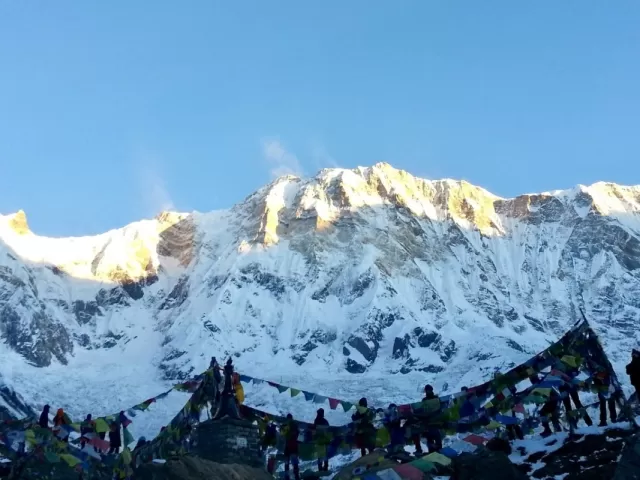
Annapurna Base Camp Trekking (also called Annapurna Sanctuary Trekking) is a 9-day trekking holiday with Asiana Treks and Tours to Nepal's most popular trek. On this route, you'll experience stunning landscapes. You'll trek through picturesque villages of the Cluster Gurung and Magar ethnic groups, lush evergreen forests, and enjoy sunrise views from Famous viewpoints, including Poon Hill. You'll also visit hot springs and cross many suspension bridges over rushing rivers. As you ascend higher, you'll be rewarded with Stunning views of snow-capped Himalayan mountains, including the majestic Annapurna range. Along the way, you'll have the chance to immerse yourself in local culture, stay in teahouses, and interact with friendly villagers. The trek culminates at Annapurna Base Camp, 4130 meters High, where you'll be surrounded by towering mountains and treated to an unforgettable sunrise over the Himalayas. It's a challenging yet incredibly rewarding adventure for trekkers of all levels.Why is Annapurna Base Camp (ABC) a Must-Do Trek?With Asiana Treks and Tours, embark on this once-in-a-lifetime trek with expert guides who ensure safety, comfort, and an extraordinary adventure!Jaw-Dropping Mountain Views – Get panoramic views of Annapurna I (8,091m), Machhapuchhre (6,993m), Hiunchuli, and more.Glacier and Moraine Exploration – See the massive Annapurna Glacier and moraines shaped by centuries of ice movement.Diverse Landscapes – Trek through lush rhododendron forests, terraced fields, rocky trails, and alpine meadows.Moderate Difficulty – A well-paced trek suitable for adventurers with basic fitness levels.Cultural Immersion – Interact with the Gurung and Magar communities and experience their traditions, hospitality, and lifestyle.Annapurna Conservation Area – A rich biodiversity hotspot home to Himalayan Thars, Langurs, and exotic bird species.Natural Hot Springs – Relax in the rejuvenating Jhinu Danda hot springs after a rewarding trek.Best Tea House Experience – Enjoy cosy lodges, warm meals, and authentic Nepali hospitality along the route.Best Sunrise from Poon Hill – Witness one of the most breathtaking sunrise views over the Annapurna and Dhaulagiri ranges.Ever-Changing Weather & Scenery – Experience everything from subtropical jungles to icy glaciers in one trek. Ultimate Adventure & Achievement – Reaching ABC at 4,130m, surrounded by towering peaks, is unforgettable.What to Expect in Annapurna Base Camp Trekking:The Annapurna Base Camp Trek promises an unforgettable adventure combining breathtaking scenery, vibrant culture, and authentic Himalayan life. You’ll journey through lush forests, terraced fields, and traditional Gurung villages, leading to the heart of the Annapurna Sanctuary surrounded by towering snow peaks. Each day offers unique experiences—from sunrise at Poon Hill to starry nights at the base camp. Guided by an expert local company and experienced Guide, you’ll enjoy cultural exchange, natural beauty, and sustainable travel practices that protect Nepal’s pristine environment.Highlights & Expectations:Learn Gurung & Gorkha Heritage: Experience warm hospitality and rich cultural traditions.Himalayan Landscapes: Walk through jungles with blooming rhododendrons, waterfalls, snow, and alpine meadowsPoon Hill Sunrise: Witness a golden sunrise over 18 Mountain peaks, including Annapurna and Dhaulagiri.Cultural Villages: Explore the stone-built cluster of Gurung and Magar indigenous homes and terraced farmlands.Himalayan Culture: Explore monasteries, witness prayer flags, and visit sacred sites.Annapurna Base Camp: Reach 4,130 m and enjoy panoramic, jaw-dropping Himalayan views of the Moraine and Glacier.Guided Support: Book a Trek with us, led by experienced operators, local guides, and porters.Responsible Travel: Support eco-friendly, ethical tourism in the Himalayas, keeping it always cleanAdvantages of booking with Asiana Treks and Tours:Private transportation for airport transfers to and from your hotel.Feel free to connect on Facebook or online if you'd like to discuss the trip.Last-minute booking at your hotel at a time convenient for you after arrival.Easy booking and reservation system.Multi-channel communication via Email, WhatsApp, Facebook, Viber, Skype, and 24/7 phone communication at +977-9851076270Free excess luggage storage during the trekPulse oximeters for monitoring blood oxygen saturation at high altitudes to detect altitude sickness earlyMedical kits along the trek and hot airbags are available in winterArrangements for sleeping bags, duffel bags, and down jackets, as well as walking poles if you don't have your own.Why Book Annapurna Base Camp Trek with Us:Booking your Annapurna Base Camp Trek with us means choosing trust, experience, and personalised care. Asiana Treks and Tours offers expert, radiant, and friendly guides, transparent pricing, and flexible itineraries tailored to your needs. From Kathmandu to ABC and back, we manage everything — permits, logistics, accommodations, safety, and cultural insights — so you can focus on the experience. Whether you're a solo traveller or part of a group, we ensure responsible travel, local engagement, and 24/7 support throughout the journey. With decades of trekking expertise, we offer both luxury and budget-friendly options, ensuring your Himalayan adventure is safe, smooth, and unforgettable. The following are the reasons to book with usReasons to book with us in points:Local experience with 25+ years of experienceCustomizable and traveller-friendly flexible itinerariesLicensed, Radient-friendly guides and portersEmergency support and safety assuranceEthical and responsible travel practicesTransparent pricing with no hidden costsWide range of traveller-suitable packages: luxury to budgetPersonalised service for individuals and groupsStrong support for solo or female travellersAn authentic cultural and scenic experience throughout the Annapurna regionPreparation for Annapurna Base Camp Trekking:A safe, fun, and successful trip to Annapurna Base Camp (ABC) requires good planning. It's essential to know the trek difficulty before booking the Trip. Start training out at least 5–7 weeks before your expedition to build up your stamina and leg strength by hiking, jogging, or biking regularly. Getting your mind ready is as crucial as preparing your body for high altitudes and long trekking days. Bring the right gear, including sturdy trekking boots, layered clothing, a sleeping bag, and other essential items, depending on the season. Obtain the necessary permits and insurance, and carry some cash for the area. Drink plenty of water, eat a balanced diet, and adjust gradually to the new place.Preparation summary of Annapurna Base Camp Trekking:Must know trek difficulty before Booking The trekBegin fitness training 6–8 weeks prior.Pack light but essential gear.Carry valid permits and insurance.Acclimatise properly to avoid altitude sickness.Stay hydrated and eat balanced meals.Prepare mentally for long trekking days.Annapurna Base Camp Trekking Itinerary:The Annapurna Base Camp Trek Itinerary is one of Nepal's most iconic and scenic trekking itineraries. It takes you through lush rhododendron forests, charming Gurung villages, and up to the breathtaking amphitheatre of Annapurna Base Camp at 4,130 meters (13,550 ft). The trek typically lasts 5–12 days, depending on the route and pace, and offers panoramic views of Annapurna I, Machapuchare (also known as the Fish Tail), Hiunchuli, and other majestic peaks. This moderately challenging trek suits fit trekkers and offers a rich cultural and natural experience in the heart of the Annapurna region.Day and Place Altitude (m / ft) Trekking Hours / Distance 1, Pokhara – Banthati2250 m / 7381 ft 4–5 hrs / ~10 km 2, Banthati – Ghorepani2,875 m / 9,432 ft 6–7 hrs / ~13 km 3, Ghorepani – Tadapani2,630 m / 8,628 ft 5–6 hrs / ~10 km 4, Tadapani – Sinuwa2,340 m / 7,677 ft 6 -7 hrs / ~9 km 5, Chhomrong – Deurali2330 m / 1095 ft 6 hrs / ~11 km 6, Dovan – Annapurna Base Camp4130 m / 13550 ft 6 hrs / ~8 km 7, ABC – reverse Bambo2,330 m / 7,579 ft 7–8 hrs / ~15 km round 8, Bambo – Jhinu Danda (Hot Spring)1,780 m / 5,840 ft 6 hrs / ~8 km 9, Jhinu – Pokhara827 m / 2,713 ft 1 hrs trek + drive Annapurna Base Camp Trekking Distance:The Annapurna Base Camp (ABC) Trek distance depends on where you start, which route you choose, and where you finish. Several routes reach Annapurna Base Camp, so the total hiking distance can vary considerably. The standard route through Ghorepani Poon Hill, followed by the descent through Annapurna Sanctuary, Jhinu Danda, Landruk and Dhampus, covers approximately 133 km (83 miles) of trekking. If you start from Banthati, the hiking distance is approximately 113 km (70 miles), depending on the exact route.For a shorter Annapurna Base Camp Trek, you can start from Ghandruk, Siwai, or Jhinu Danda and follow a shorter trail. A route starting and ending around these areas can cover approximately 95 km (59 miles) in total, depending on the itinerary. Road transportation is also available on some sections, allowing trekkers to reduce walking. For example, you can drive from Pokhara toward Siwai, Ghandruk, or other trailheads, depending on current road conditions and your chosen itinerary.Annapurna Base Camp Trek Distance at a Glance* Standard route via Ghorepani and Poon Hill: approximately 133 km (83 miles) of hiking.* Starting from Banthati: approximately 113 km (70 miles), depending on the route.* Shorter route from Ghandruk, Siwai or Jhinu Danda: approximately 95 km (59 miles) round trip, depending on the starting and ending points.* Typical trekking duration: around 5–12 days, depending on the route, walking pace, acclimatisation, and sightseeing.* Popular route: Pokhara → Nayapul/road trailhead → Tikhedhunga/Ulleri → Ghorepani → Poon Hill → Tadapani → Chhomrong → Annapurna Base Camp → Jhinu Danda → Landruk/Dhampus → Pokhara.* Road distance: varies by selected trailhead and road conditions. You can use private or shared jeeps on available road sections.* Trek ending point: depending on the itinerary, the trek may finish at Jhinu Danda, Siwai, Landruk, Dhampus, or another road-accessible village, followed by a drive to Pokhara.Which Annapurna Base Camp Route Is Best?The Ghorepani–Poon Hill route is popular because it combines Annapurna Base Camp with one of the region's best sunrise viewpoints. It also lets trekkers experience traditional villages, rhododendron forests, terraced farmland, and a gradual approach to higher elevations. However, trekkers with limited time can take a shorter route.Annapurna Base Camp Trekking Price:Our Annapurna Base Camp (ABC) trekking prices are transparent, flexible, and designed to suit different budgets and service levels. The total cost varies depending on group size, accommodation standards, meals, guide and porter services, transportation options, and personal trekking gear.Generally, the Annapurna Base Camp Trek costs between USD 445 and USD 2115, based on the package you choose. Each plan includes essential services like permits, experienced guides, and reliable logistics. Below is a clear breakdown of the estimated cost for different package types. Package Type Inclusions Estimated Price (USD) Luxury Full-Board Plan 4–5-star hotels, best lodges, all meals, guideporter, permits, private transportation/Flight $1,500 – $1,700 Regular Full-Board Plan All trek meals, permits, and a guideporter, private transport, trek start and end $615 – $ 657 B/B Plan Best accommodation, breakfast, permits,optional meals and a guide, transportation $495 -500No meal PlanPick-up and drop-off from Airport Hotels in Kathmandu & Pokhara, permits, guide or porter (optional), all transportation; meals not included$445 +PP and Perday Place Altitude & Oxygen Level of the Annapurna Base Camp Trek:The Annapurna Base Camp (ABC) trek ascends from the low hills of Nayapul to the high alpine zone of ABC at 4,130 meters. As altitude increases, oxygen levels decrease, making acclimatisation vital. Oxygen levels at ABC are about 60% of sea-level levels. Proper pacing, hydration, and rest days are crucial for effective adaptation. Key stops, such as Ghorepani, Chhomrong, and Machhapuchhre Base Camp, allow for a gradual adjustment while offering spectacular Himalayan scenery. Place Altitude (m/ft) Oxygen Level (% of Sea Level) Kathmandu 1337 m/4386 ft~88% Pokhara 827 m/ 2713 ft~92% Nayapul 1,070 m / 3,510 ft -89% Ulleri 2,050 m / 6,725 ft ~80% Ghorepani 2,875 m / 9,432 ft ~73% Poon Hill 3,210 m / 10,531 ft ~70% Tadapani 2,630 m / 8,628 ft2 ~75% Chhomrong 2,170 m / 7,119 ft ~79% Dovan 2,600 m / 8,530 ft ~75% Deurali 3,230 m / 10,597 ft ~69% Machhapuchhre Base Camp(MBC) 3,700 m / 12,139 ft ~64% Annapurna Base Camp (ABC) 4,130 m / 13,550 ft ~60% Jhinu Danda (Hot Spring) 1,780 m / 5,840 ft ~83% Annapurna Base Camp Trek Itinerary with Oxygen Level:The Annapurna Base Camp Trek Itinerary is one of Nepal's most iconic and scenic trekking itineraries. It takes you through lush rhododendron forests, charming Gurung villages, and up to the breathtaking amphitheatre of Annapurna Base Camp at 4,130 meters (13,550 ft). The trek typically lasts 7–12 days, depending on the route and pace, and offers panoramic views of Annapurna I, Machapuchare (also known as the Fish Tail), Hiunchuli, and other majestic peaks. This moderately challenging trek suits fit trekkers and offers a rich cultural and natural experience in the heart of the Annapurna region.Day-by-day Itinerary Altitude (m/ft) Oxygen Level by Height Day 1: Drive to Nayapul, trek to Banthati 2,050 m / 6,726 ft 79% Day 2: Trek to Ghorepani 2,860 m / 9,383 ft 72%Day 3: Hike to Poon Hill (3,210 m) and trek to Tadapani 2,630 m / 8,629 ft 73% (Poon Hill: ~70%) Day 4: Trek to Sinuwa 2,340 m / 7,677 ft 77%Day 5: Trek to Deurali 3,230 m / 10597 ft 73%Day 6: Trek to MBC (Machapuchare Base Camp) 4130 m / 13550 ft 64%Day 7: Trek to ABC and back to Bamboo ABC: 4,130 m / 13,550 ft → Bamboo: 2,310 m / 7,578 ft ABC: 60% → Bamboo: 77% Day 8: Trek to Jhinu Danda (Hot Spring) 1,780 m / 5,839 ft 82%Day 9: Trek to Mataque, drive to Pokhara 822 m / 2,697 ft 92%Annapurna Base Camp Trek – Route, Height, Oxygen Gain and Loss with Table:The Annapurna Base Camp (ABC) Trek offers one of Nepal's most iconic and scenic trekking experiences. Starting in the vibrant city of Kathmandu (1,337m), the journey takes you through the peaceful lakeside town of Pokhara (827m). It gradually ascends through picturesque villages, terraced farmlands, and rhododendron forests to the heart of the Annapurna Sanctuary.The trail includes stunning stops like Tikhedhunga, Ghorepani, and the famous viewpoint Poon Hill (3,210m), known for its panoramic sunrise over the Annapurna and Dhaulagiri ranges. As you ascend, the landscape transitions from lush greenery to high alpine terrain. Eventually, you reach the awe-inspiring Annapurna Base Camp at 4,130 meters (13,550 ft)—a natural amphitheatre surrounded by snow-capped peaks, including Annapurna I and Machhapuchhre (Fishtail).The trek involves both ascents and descents, offering a physically rewarding challenge. Whether you're a beginner trekker or a regular hiker, this journey combines cultural immersion, natural beauty, and breathtaking altitudes in one unforgettable adventure.Day and PlaceAltitude (Meters / Feet) Altitude Gain and Loss in meters 01, Pokhara – Banthati2,050 m / 6,726 ft +713 m 02, Banthati – Ghorepani2,875 m / 9,432 ft +1,335 m 03, Ghorepani – Tadapani2,630 m / 8,628 ft 0 / –245 m 04, Tadapani – Sinuwa2,340m / 7,677 ft. 0 / –290 m 05, Sinuwa to Deurali2,500 m / 8,202 ft +330 m 06, Dovan – Machhapuchhre Base Camp (MBC)3,700 m / 12,139 ft +1,200 m 17, MBC – Annapurna BC – Dovan4,130 m / 13,550 ft (ABC) +430 m / –1,630 m 8, Dovan – Jhinu Danda (Hot Spring)1,780 m / 5,840 ft 0 / –720 m 9, Jhinu – Pokhara827 m / 2,713 ft 0 / –963 m Major Villages and Best Viewpoints during the Annapurna Base Camp Trek:The Annapurna Base Camp Trek leads adventurers through a scenic and culturally rich route, where traditional Gurung and Magar villages are woven into the landscape. These settlements offer more than just accommodation—they provide authentic encounters with Himalayan heritage, local customs, and warm hospitality. The trail gradually unfolds from terraced lowlands and vibrant rhododendron forests to higher elevations with rugged alpine terrain. Throughout the journey, trekkers are rewarded with spectacular viewpoints featuring sunrise panoramas, deep valleys, glacial rivers, and iconic peaks such as Annapurna I and Machhapuchhre. Each viewpoint along the route offers a unique visual experience that heightens wonder and deepens the connection to the majestic Himalayas.Major village, views, summary ABC Trek Route:Pokhara – Hile: Scenic countryside drive with rice and millet terraces, Himalayan views from Naudanda and Kande, permit checks, and the beautiful Modi River Valley dotted with traditional villages. Hile – Banthanti: Trek entry section with a steep climb toward Ulleri, passing the scenic Bhurundi Khola Valley and traditional rural landscapes. Banthanti – Ghorepani: Gradual ascent through countryside trails, traditional Magar homes in Nagethati, Ghorepani and dense rhododendron and oak forests leading to the famous Poon Hill and Ghorepani Deurali viewpoints. Ghorepani – Deurali: A forested village area surrounded by lush rhododendron jungle, serving as the gateway to the Poon Hill sunrise viewpoint. Poon Hill (3,210 m): An Iconic and stunning viewpoint offering panoramic sunrise views of Dhaulagiri, Annapurna, Nilgiri, and 18 Himalayan peaks. Tadapani: A tranquil village surrounded by Rhododendron forest with stunning sunrise views of Machhapuchhre, Annapurna South, and Himchuli. Chhomrong: A major Gurung village and the last large settlement on the ABC trail, offering impressive views of Annapurna South, Himchuli, Machhapuchhre (Fishtail), and Modi Khola Valley. Sinuwa – Bamboo – Dovan: Quiet bamboo forests, a forested stretch with guesthouses, opportunities to spot wildlife, the serene Modi River, and birdsong. Himalaya – Deurali – MBC: A high-altitude guesthouse zone where forests thin out, with a rocky section of the path offering close views of Machhapuchhre and marking the entrance to the Annapurna Sanctuary. Annapurna Base Camp (4,130 m): Final viewpoint, only 5- 7 hours from the hotel, surrounded by an amphitheatre of the Annapurna Sanctuary, with jaw-dropping views of the glacier and moraine, including Annapurna I, Annapurna South, Hiunchuli, Tent Peak, and Machhapuchhre, above the glacier-fed Modi Khola Valley. Jhinu Danda (Hot Spring): Riverside village retreat known for its natural hot springs—perfect for soothing tired muscles after the trek. Mataque – Sewai: Return-route villages with traditional settlements, scenic terraced farmlands, marking the end of the trek and the drive back to Pokhara. Biodiversity of Annapurna Base Camp Trekking: The Annapurna Base Camp trekking trail is a biodiversity hotspot, making it an ideal destination for nature lovers. Lush forests in the lower regions are home to a variety of bird species, including rhododendrons and bamboo. Higher up, alpine meadows greet you with vibrant wildflowers. Look out for elusive wildlife like Himalayan thars and snow leopards, while diverse birdlife, including the Himalayan Monal, adds to the experience. This trek offers a captivating glimpse into the Himalayan ecosystem, promising an unforgettable journey through nature's diverse beauty. Category of SubjectMatter of fact Protected AreaThe largest conservation area in Nepal (7,629 sq. km)FloraOver 1,200 species, including rhododendrons, oaks, and alpine flowersFauna100+ species of mammals, including snow leopards, musk deer, and Himalayan tahrBirdlife500+ bird species, including the Himalayan monal (Nepal’s national bird)Reptiles & Amphibians40+ species of reptiles and amphibians are found in the regionElevation Range790m (subtropical forests) to 4030 m (Annapurna Base Camp)Cultural DiversityHome to Gurung, Magar, Thakali, and Tibetan communitiesClimate ZonesTropical, temperate, alpine, and arctic zonesTrekking & TourismPopular Treks: Annapurna Circuit, Annapurna Base Camp, Ghorepani Poon HillFestivals and cultures in Annapurna Base Camp Trekking:The Annapurna Base Camp Trek offers more than just majestic mountain views—it's a journey through Nepal's rich cultural landscape. Along the trail, you'll encounter welcoming villages home to Gurung, Magar, Thakali, Brahmin, and Chhetri communities. These groups bring centuries-old traditions, languages, and festivals to life in the Himalayan foothills.Among the most vibrant celebrations are Dashain and Tihar, two major Hindu festivals. Dashain, held in September or October, marks the victory of good over evil. It is Nepal's longest and most widely celebrated festival; families decorate homes, elders bless younger members, and communities gather for joyous celebrations. Tihar, also known as the Festival of Lights, typically occurs in October or November. It spans five days, each honouring animals such as crows, dogs, and cows, and culminates in Laxmi Puja, when homes are illuminated with candles and oil lamps to welcome wealth and prosperity.Daily village life, traditional dances, Buddhist rituals, and the warmth of Himalayan hospitality enrich the experience. You'll witness prayer flags fluttering in the wind, Mani walls carved with sacred mantras, and be offered local foods such as dal bhat, Thukpa, and raksi (a type of millet wine), similar to saki.Matter of fact Important fact Experience on the Trek Region Annapurna Conservation Area Remote Himalayan villages with a traditional lifestyle Ethnic Groups Gurung, Magar, Thakali, Brahmin, Chhetri Cultural immersion through daily interactions Festivals Celebrated Dashain, Tihar, Lhosar, Buddha Jayanti Colourful decorations, rituals, dances, and community celebrations Languages Spoken Nepali, Gurung, Magar, Thakali Hear local dialects and learn phrases from friendly locals Religions Hinduism, Buddhism Temples, stupas, monasteries, and prayer wheels along the trail Cultural Practices Folk dances, Buddhist rituals, serving Raksi and traditional food Evening gatherings and local music in villages Villages & Attractions Ghandruk, Chhomrong, monasteries, prayer flags, Mani walls Scenic villages rich in culture and heritage Local Cuisine Dal Bhat, Dhindo, Thukpa, Yak cheese, popcorn, dry soybean, millet wine Enjoy hearty meals and local drinks in teahouses and homestays Notes:Please be aware that the itinerary may change due to weather or other unforeseen factors, and we'll adjust it accordingly to ensure the group's safety and enjoyment. We look forward to guiding you through the stunning landscapes of the Annapurna region and providing a memorable trekking experience.Booking process of Annapurna Base Camp Trek:Booking your Annapurna Base Camp Trek with Asiana Treks and Tours is quick, safe, and straightforward. We are a government-registered Trek company and proud members of TAAN and NMA, so you can trust that we will provide competent, reliable services. For more information about your trip, including pricing and customisation options, please contact us via WhatsApp or email. To secure your seat on the expedition, please pay a 20% deposit in advance. Booking process summary of Annapurna Base Camp:For more information, contact us via WhatsApp or email.Review the product and ensure your plan is accurate.To confirm your reservation, please pay a 20% deposit.Within one week, please send a copy of your passport, two recent photographs, your insurance information, and your travel details.Please kindly pay the remaining balance upon arrival in Kathmandu.Transportation mode for Annapurna Base Camp Trekking:We offer flexible transportation options, including planes, helicopters, tourist buses, coasters, vans, jeeps, and cars. We tailor these to our clients' needs, preferences, itineraries, and agreements to ensure a comfortable, personalised travel experience. However, we provide Tourist buses to and from Pokhara, Private transportation from Nayapul to and from Sewai and Kathmandu, sightseeing private vehicles tailored to the group's needs, and optional flights to and from Pokhara at an additional cost.Trekking Start: Your Annapurna Base Camp trek begins with a warm welcome in Kathmandu. As soon as you arrive at Tribhuvan International Airport, our dedicated team will greet you. We'll then take you to your hotel in a private vehicle, ensuring a comfortable, hassle-free start to your adventure. This will set the tone for a memorable journey.If you miss the regular trip briefing, don't worry. We'll provide it conveniently before departure in Pokhara. The next day, we'll then proceed to Pokhara by tourist bus, departing around 7 a.m. from Sorakhutte, Kathmandu. The package includes tourist bus transportation from Kathmandu to Pokhara, offering a comfortable, scenic journey. However, if you prefer a quicker option, you can also take a 25-minute domestic flight to Pokhara or use a private vehicle for an additional cost, allowing you to choose what suits you best.Currency Exchange:The Nepalese rupee is Nepal's national currency, and 1 USD is approximately equivalent to 130 Nepalese rupees. Nepal accepts only NPR, so it's best to bring cash to make transactions easier. Banks and ATMs in Kathmandu provide currency exchange services, but note that most banks prefer new, crisp notesGuide and Porter Arrangement:Our company, Asiana Treks and Tours, focuses on responsible tourism in Nepal. We ensure our guides and porters are well trained in Trekking and mountaineering. They have extensive knowledge of the areas we visit, including geography, history, customs, and culture. We train them regularly in safety, first aid, and environmental conservation. We follow guidelines to treat our porters fairly, providing them with good pay, accommodation, and meals during treks. Our guides and porters are essential team members, and we appreciate their hard work. When you trek with us, you support ethical tourism in Nepal, making your trip meaningful and memorable. Asiana Treks and Tours prioritise your safety and enjoyment. Our knowledgeable guides, reliable equipment, and safety measures ensure a great trekking experience in Nepal.ServicesDescriptionPrice Range P/PTrekking Guide Licensed English-speaking guide, knowledgeable about routes, safety, culture, permit handling, and basic first aid $25 – $35 PorterCarries 20–25 kg of your luggage, insured, experienced in mountain terrain $ 18 - $ 25Porter, luggage, and extra luggage storage during the Trek:We cover the cost of porters for your luggage, but please note that the maximum weight per person is 12 kg. Each porter carries the luggage of two trekkers; please share a duffel bag with another. Our porters will carry up to 25 kg each. If you need a porter, we can arrange one. We also recommend carrying a small backpack for your valuables and important documents. You can leave extra luggage at our office for free or at a hotel in Pokhara, Namche, or other towns.Meals and Accommodation During the Annapurna Base Camp Trek:Meals and accommodation during the 9-day Annapurna Base Camp Trek are provided in comfortable mountain teahouses. These lodges offer clean rooms with basic facilities—some with attached bathrooms, while higher-altitude areas usually have shared toilets. Teahouses supply beds, blankets, and pillows, and trekkers are advised to bring a -10°C to -15°C sleeping bag. Our company can provide one upon request.Single travellers are welcome, although private rooms may be limited during busy times. Rooms are shared by gender.Daily breakfasts, lunches, and dinners are served in teahouses, where you can choose from Nepali, Asian, and continental foods. The food is simple but healthy. At higher elevations, you should drink hot drinks and eat vegetarian meals.Category of Service Type of Accommodation and Meals Details of the service in the package Meals Provided 8 breakfasts, 8 lunches, 8 dinners on the trek Includes Nepali, Asian, and basic Western meals; vegetarian preferred Meals – Breakfast Toast, eggs, porridge, pancakes, tea/coffee, Tibetan bread, Chapati, curry Served daily at teahouses and hotels in the morning Meals – Lunch Dal Bhat (rice, lentils, curry), noodles, fried rice, soups, pasta Balanced, energising meals at trail lodges Meals – Dinner Mo: mo (dumplings), spaghetti, soups, vegetables, rice dishes Warm and hearty meals after trekking Meals – Dinner Mo: mo (dumplings), spaghetti, soups, vegetables, rice dishes Warm and hearty meals after trekking Drinks Recommended Garlic soup, green tea, lemon tea, hot lemon, etc Helps with hydration and altitude adjustment Accommodation – Trek Teahouses/guesthouses along the trail Varies: some with attached bathrooms,Most twin-sharing, shared rooms in peak season Room Facilities Blankets, pillows, sleeping bag (if needed) Shared toilets at higher altitudes, basic but clean Solo Traveller Option In some places, Availability is limited.Share on a gender basis during the Trek Solo travellers welcome; early booking advised during high season Drinking water During The TrekNepal is the second country in the world in terms of water sources after Brazil. According to the Nepalese government, only 27% of the population here has access to clean drinking water. You can buy mineral water in teahouses, but it is expensive; in some trekking areas, people prefer plastic bottles. Safe drinking water stations also let you refill your bottle. However, we recommend carrying Steripen, iodine drops, water purification tablets for safe drinking, and refillable water bottles for boiled or filtered water. We strongly advise against drinking from taps, wells, and rivers in trekking areas. However, in all city areas, Mineral water is available at a reasonable cost.Toilet Facilities in Annapurna Base Camp Trekking:Most teahouses have Western-style flush toilets during mountain treks, especially at lower elevations. But as you go higher, you will find simple squat toilets along the trails and at higher-altitude teahouses. These toilets usually have water and toilet paper, but it's a good idea to bring your own just in case. You can also use restrooms at nearby teahouses or find a private spot along the trekking routes.Internet Connectivity:While trekking in Nepal's Himalayan region, it's also a good idea to stay in touch with your family and friends. You can find internet access at teahouses and lodges, but it may cost a small extra fee. The signal may be weak due to the remote location. You can also get internet access using a local SIM card and data packages available at Kathmandu airport or nearby shops in Thamel and Pokhara. You'll need a passport-sized photo and a copy of your passport to get a SIM card. It's a good idea to compare prices and data packages from telecom companies like Ncell and Nepal Telecom before buying. Knowing about the teahouse connectivity. Our guide will suggest connections for you. Electricity voltage and plugs:However, as of May 29, 2023, 95% of the Nepali population has access to electricity. Almost all popular trekking routes, teahouses, and lodges have electricity. However, some isolated and solo trekking tea houses in the jungle don't have electricity. Most tea houses let travellers charge their devices for a small fee. The average electrical voltage in Nepal is 230 volts, with plug types like Type C, Type D, and Type M. Travellers should bring a suitable adapter and, if needed, a voltage converter for their electronic devices.Communication:The guesthouses in the trekking regions offer internet access. You can purchase a SIM card at Tribhuvan International Airport in Kathmandu and Pokhara. However, the signal may be weaker at high altitudes. Our office maintains regular contact with all trekking teams through the trek guide, checking in at least once daily to ensure everything proceeds as planned.Trip Extension:Suppose you have extra days in Nepal after the Trek. In that case, we can arrange a tour that includes an overnight stay in Nagarkot Balthali or another location around Kathmandu and Chitwan, along with activities such as jungle safaris, paragliding, rafting, canyoning, or other treks. Do not hesitate to inform us. We will create the best for you.Trek Difficulty:The Annapurna Base Camp trek offers a moderate yet challenging and enriching adventure. Your enjoyment of the trip will largely depend on your fitness level. We recommend building stamina at least two weeks before the trek. Activities include jogging, running, swimming, or taking long hikes to build stamina for the journey ahead.Completing this trek is achievable even for beginners, as long as you maintain a moderate to high fitness level. Prior trekking experience helps, though it's optional. All you need is the readiness to hike steadily for 4-8 hours and navigate tricky terrain.Suppose trekkers have pre-existing medical conditions, such as lung or heart diseases. In that case, they should consult their physician before booking the trek to ensure their safety and well-being throughout the journey.Trip Safety:We give top priority to safety. We provide experienced guides, first-aid kits, and necessary safety gear to ensure a safe trek. Our team monitors weather and trail conditions and takes precautions to minimise risks. Before starting the trek, we discuss the trip to provide a clear understanding and ensure a reliable experience.Group & Private Treks:We organise many group and private treks simultaneously, with discounts available for larger groups. Every group will have a trekking guide and porters; larger groups may have an assistant guide. Our team ensures a safe and enjoyable trekking experience for all participants.About solo travellers:If you're a solo traveller, contact us to confirm departure dates before booking. You can reach us by phone, WhatsApp, or email. We have listed upcoming departure dates for your convenience. Feel free to share the trip details with friends and family.Responsible Travel:We prioritise responsible travel to minimise environmental impact and support local communities. We collaborate with organisations like the Kathmandu Environmental Education Project (KEEP) to promote eco-friendly practices in trekking regions.Gratitude:Gratitude, or tipping, is highly appreciated in Nepali culture and reflects the quality of service provided. You decide how much to tip, but we recommend pooling your tips collectively at the end of the trip.End of Trek:On the eleventh day, you'll take a bus from Pokhara back to Kathmandu, which takes about seven hours. Alternatively, you can fly from Pokhara to Kathmandu for an extra fee. In the evening, we'll host a farewell dinner in Kathmandu.Departure:On your departure day, we'll pick you up from your hotel and transfer you to Tribhuvan International Airport. We hope you enjoyed the Nepal trek and will consider returning for more adventures in Nepal.Feedback:After you complete the ABC Trek, we'll organise a farewell dinner in Kathmandu and present you with a trekking achievement certificate. After the dinner, you can provide feedback about the Trek on travel portals.Note: Please be aware that unforeseen circumstances, such as inclement weather or lodging unavailability, may occasionally require schedule adjustments. Your trip guide will design a fresh schedule based on the group's interests in such circumstances.Annapurna Region Trekking: Guides, Tips & Himalayan AdventuresDiscover the beauty of Nepal’s Annapurna region with Asiana Treks & Tours. Explore breathtaking mountain landscapes, authentic local culture, popular trekking routes, and practical tips to help you plan an unforgettable Himalayan adventure.Annapurna Base Camp vs Everest Base Camp: The Best TrekTrekking Equipment List for Asiana Treks & ToursTrekking Permit Requirements for Different Regions in NepalBest Sunrise and Sunset Destinations in NepalTop Successful Trek for Beginners – Annapurna Base CampMost Popular Trek with High Success Rate – Annapurna Base Camp Trek (ABC) TrekHow to Prepare for the Annapurna Base Camp Trek (Gear, Fitness & Tips)Ghorepani Poon Hill Trek GatewayTop 26 Annapurna Region Trekking Packages in Nepal – The Ultimate GuideTadapani Diaries: One Magical Night in the MountainsDiscovering Ghandruk: A Peaceful Village in the Heart of NepalTrekking the Best of Annapurna: Poon Hill to Mardi HimalWhy Chhomrong is the Heart of the Annapurna Base Camp TrekAnnapurna Base Camp (ABC) & Machhapuchhre Base Camp (MBC) Trek: Two Base Camps, One Incredible JourneyExploring Sinuwa on the Annapurna TrailDeurali: A Peaceful Mountain Village on the ABC TrailBamboo: A Hidden Gem of the ABC TrekDovan Nepal: Peaceful Stopover on the Annapurna Base Camp TrailHimalaya Village: A Quiet Haven on the Way to Annapurna Base CampDhampus Village – Annapurna Classical Alternative GatewayPothana: The Alternative Gateway to Annapurna Base Camp and Mardi HimalBest Camping and Overnight Stays: Australian Camp & Mardi Himal TrekList of Hotels in Mardi Himal Base Camp TrekTrekking to Low Camp: A Peaceful Path to Mardi HimalForest Camp Adventures: Exploring the Mardi Himal Trek in NepalHigh Camp on the Mardi Himal Trek | Views, Altitude & Trekking GuideDiscovering the Magic of Mardi Himal ViewpointTop Highlights of the Mardi Himal Trek in NepalBest Time to Trek Mardi Himal: Tips for Perfect ViewsA Beginner’s Guide to the Mardi Himal Trek in NepalSurprising Facts About the Mardi Himal TrekEssential Guide to Mardi Himal Trekking Permits in NepalMardi Himal Trek Info: Elevation, Altitude, Height and WeatherMardi Himal Trek Accommodation and Food TipsBest Time to Trek Annapurna Base Camp in NepalTop Highlights of the Annapurna Base Camp TrekFood and Accommodation on the ABC Trek: What It’s Really LikeAltitude Tips for a Safe Annapurna Base Camp TrekAnnapurna Base Camp Permits: Costs, Process, and RequirementsTop Tips and Facts for Trekking to Annapurna Base CampAnnapurna Base Camp Trek: Elevation, Height & Temperature GuideDobato Stopover: Experiencing the Heart of the Khopra Danda RouteUpper Chistibung: What to Expect on the Way to Khopra DandaExploring Khopra Danda Ridge and Khayar LakeDiscover Swanta’s Beauty on the Khopra Danda TrailAmazing Facts About Khayar Lake in the Annapurna RegionBayeli Kharka Adventure: From Khopra Danda with Stunning ViewsKhopra Danda Trekking Guide: Cost, Permits, Meals, Lodging and Best SeasonExploring Mardi Himal, ABC, and Khopra Ridge in One Epic JourneyKhopra Khair Lake with Annapurna Base Camp Trek: A Complete JourneyKhopra Khair Lake with ABC Trek: Nature, Culture, and MountainsComplete Guide to Mohare Danda Trekking in NepalSunrise Views from Mohare Danda: What to ExpectTop Highlights of Poon Hill and Mardi Himal TrekExploring Poon Hill and Mardi Himal: A Beginner’s GuideExploring the Ghorepani Dhampus Circuit Trek in NepalAn Amazing Hike from Galeshwor to Nangi via Bans Kharka : Mohare Danda TrekkingLandruk: Gateway to the Stunning Mardi Himal ViewsMardi Himal Adventure: Exploring Badal Danda on the Siding TrekSunrise Views from Poon Hill and Mulde ViewpointsDhaulagiri Annapurna Trail: A New Alternative Trek in NepalBest Nepal Tour Packages: Adventure, Honeymoon, Senior Tours, Himalayan Highlights, Triangle & Sunrise Hill Station ToursCan You Cycle the Annapurna Circuit in Nepal?Besisahar – The Heart of Lamjung District: Gateway to the HimalayasExploring Jagat During the Annapurna Circuit TrekDharapani Village in Nepal: Where the Manaslu Circuit and Annapurna Circuit Trails Meet PointChame Village: A Peaceful Stop on the Annapurna Circuit TrekDiscover Upper Pisang: A Hidden Gem on the Annapurna CircuitExploring Lower Pisang: A Gateway on the Annapurna CircuitManang: The Heart of the Annapurna Circuit TrekYak Kharka (4,020m): A Must-Stop Village on the Annapurna CircuitThorong Phedi: Final Preparation Before Thorong La PassCrossing Thorong La Pass (5,416 m): The Highest Point of the Annapurna CircuitMuktinath in Mustang: A High-Altitude Spiritual Journey on the Annapurna CircuitJomsom (2,743 m): The Windy Valley That Connects Annapurna and Upper Mustang
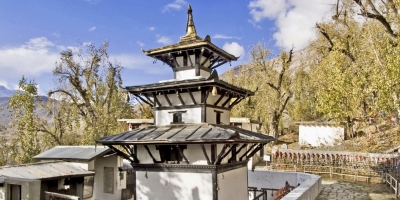
Muktinath is a sacred spiritual site where people visit for spiritual liberation. Taking a holy bath in the 108 water fountains and dipping into the natural hot spring gets one rid of physical tiredness and brings spiritual joy. It is a beautiful mountain surrounding which is reached via Jomsom and Kagbeni. Jomsom is an astounding mountain town that is just 17 17-minute scenic mountain flight from Pokhara. Nestled amidst the Annapurna and Dhaulagiri ranges in the Himalayas, Jomsom casts aromatic fresh mountain air with spectacular landscapes around. The walk to Kagbeni and then to Muktinath from Jomsom is a Himalayan blessing that brings enlightenment about mountain life, culture, terrain, and atmosphere. Walking along the sacred Kali Gandaki River is a joyful journey.Jomsom Muktinath trek itinerary:Asiana Treks and Tours has the perfect Jomsom Muktinath trek itinerary. Travelers who desire to explore Nepal with moderate physical fitness. You'll discover the best places for breathtaking views from the city to the countryside. Experience an unforgettable lifetime journey.Jomsom Muktinath Trekking Distance:The Jomsom Muktinath trek spans approximately 45.6 kilometers, or 28 miles, depending on the chosen itinerary. This route typically spans 13 days.Our package tour ensures reliability in terms of cost, itinerary, and overall experience. For Nepali citizens, the Jomsom Muktinath trek typically ranges from US$500 to 1000, with variations depending on group size, service level, guide and porter services, transportation preferences, and accommodation choices in Kathmandu or Pokhara. This cost estimation is subject to the types of trekking gear and accommodation preferences.Jomsom Muktinath Trekking route:The Jomsom Muktinath Trekking route showcases awe-inspiring natural beauty. Starting in lush valleys with terraced fields and traditional villages, the journey unfolds amidst the Himalayan foothills. Rhododendron forests bloom in spring, accompanied by cascading waterfalls and snow-capped peaks. Traversing wildflower meadows and crossing suspension bridges over mountain streams, the landscape evolves as you ascend. The trek promises unforgettable moments, whether you're a seasoned trekker or novice adventurer, offering an unparalleled journey through Earth's most breathtaking landscapes.Jomsom Muktinath trekking Height:The Jomsom Muktinath Trek in the Mustang region of Nepal is a culturally rich and scenically diverse journey that begins in the picturesque lakeside city of Pokhara (827m). From Pokhara, trekkers take a short scenic flight to Jomsom (2,720m), the administrative hub of the Mustang district and the gateway to the Annapurna and Upper Mustang regions.Jomsom Muktinath Trekking price: Our package tour ensures reliability in terms of cost, itinerary, and overall experience. For Nepali citizens, the Jomsom Muktinath trek typically ranges from US$ 500 to 1000, and for foreigners, US$ 715 to 1385, variations depending on group size, service level, guide and porter services, transportation preferences, and accommodation category in Kathmandu or Pokhara. This cost estimation is subject to the types of trekking gear and accommodation preferences.Advantage book with Asiana Treks and tours:We provide the best experienced local guide for you on your Trek. Our booking process is hassle-free. We guarantee your happiness and offer the best price for your Trek. Group discounts are available based on the number of participants, so you can save more when trekking with friends or family.Currency Exchange:The Nepalese rupee is Nepali currency, and 1 USD is approximately 130 NPR. Only NPR is accepted in Nepal, so it's best to bring cash to facilitate transactions. Banks and ATMs in Kathmandu provide currency exchange services but note that most banks prefer new, crisp notes.Luggage and extra storage:We cover the cost of porters for your luggage, but the maximum weight limit is 12 kg per person. Each porter carries luggage for two trekkers; please share a duffle bag with another. Our porters will carry up to 25 kg each. If you need a porter for yourself, we can arrange that. We also recommend carrying a small backpack for your valuables and important documents. You can leave extra luggage at our office for free and at a hotel in Pokhara, Namche, etc.Weather Conditions:Each season offers unique experiences during the Jomsom Muktinath Trek. Spring brings mild weather and blooming rhododendrons, while summer provides lush vegetation despite the monsoon. Autumn features clear skies and vibrant festivals, and winter offers snowy peaks with fewer crowds.Trek Difficulty:Jomsom Muktinath Trek is an easy trek, requiring 5-7 hours of daily hiking. While no technical skills are necessary, being reasonably fit for trekking at higher altitudes is essential. Trekkers with pre-existing medical conditions should inform us before booking their trip.Group & Private Treks:We organize many group and private treks simultaneously, with discounts available for larger groups. Every group will have a trekking guide and porters; an assistant guide may be provided for larger groups. Our team ensures a safe and enjoyable trekking experience for all participants.Responsible Travel:We prioritize responsible travel to minimize environmental impact and support local communities. We collaborate with organizations like the Kathmandu Environmental Education Project (KEEP) to promote eco-friendly practices in trekking regions.NotesPlease be aware that the itinerary may change due to weather or other factors, and we'll adjust it accordingly for the group's safety and enjoyment. We look forward to guiding you through the stunning landscapes of the Annapurna region and ensuring a memorable trekking experience.About solo traveler:If you're a solo traveler, please contact us to confirm departure dates before booking. You can tell us via call, WhatsApp, or email. We have listed upcoming departure dates for your convenience. Feel free to share the trip details with friends and family.Accommodation :During the Jomsom Muktinath trekking, you'll stay in different places along the way. You'll spend eight nights in lodges in the trekking regions and two nights in a hotel in Pokhara. At some stops, you will have rooms with bathrooms, but most places you'll stay in are standard rooms shared with other People.If you're traveling alone, we'll arrange for you to have a private room with a bathroom, which most places do not have. In Kathmandu or Pokhara, your hotel room will have a bathroom, TV, hot water 24/7, electricity, and laundry service. Meals during the trip:Eating well is essential since the Muktinath Jomsom Trek takes you through the high Himalayas. You'll have plenty of nutritious meals in the trekking regions, although the options won't be as varied as in the cities. You'll get ten breakfasts, nine lunches, and nine dinners during the Trek. The menu includes local, Asian, and Western dishes, but it gets more straightforward as you climb higher. Try popular Nepali foods like lentils, rice, curry, dumplings, noodles, Spagaties, and many more.We highly recommend eating fresh vegetables and drinking liquids like green tea, lemon tea, hot lemon, ginger tea, and garlic soup, especially at high altitudes. While non-vegetarian options are available during the Trek, we suggest avoiding them for hygiene reasons. It's also best to steer clear of dairy, cheese, alcohol, caffeine, and hot chocolate. Personal expenses like alcoholic drinks and extra beverages at lodges or cafes aren't included in the package.Extra Personal Expenses:While most expenses during the Jomsom Muktinath Trekking are covered, you'll need to spend money on accommodations and meals in Kathmandu and Pokhara, souvenirs, and additional beverages. We estimate about USD 10-20 per trekking day for miscellaneous expenses.Electricity voltage and plugs:However, 95 % of Nepali people have access to electricity as of May 29, 2023. almost popular trekking routes, teahouses, and lodges have electricity. However, some isolated and solo trekking tea houses in the jungle don't have electricity; Most of these tea houses let travelers charge their devices for a small fee. The average electrical voltage in Nepal is 230 volts, with plug types like Type C, Type D, and Type M. Travellers should bring a suitable adapter and, if needed, a voltage converter for their electronic devices."Drinking water:Drinking more than three liters of water trekking in higher terrain to prevent dehydration. Staying hydrated while trekking in Nepal's Himalayan region is crucial for your safety. You can find water taps in some areas but must ensure before drinking. While mineral water is available in guest houses along popular routes, it can be costly. However, in the Annapurna region, safe water stations allow you to refill your water bottle safely. Your guide can assist you in purchasing boiled water from guest houses, which is cheaper than mineral water. A good suggestion is to bring a water filter, iodine drops, water purification tablets, and a Steri pen to treat water from streams or other natural sources along the trail. You must ensure that your water is safe to drink. However, Nepal is the second country in the world regarding water sources after Brazil nevertheless only 27% of people here have clean drinking water available. However, in the city areas, Mineral water is available at a reasonable cost everywhere.Communication:The Jomsom Muktinath Trekking region guest houses have internet access. Upon arrival at Tribhuvan International Airport Kathmandu and Pokhara, you can buy a SIM card to communicate easily with family and friends. However, you need a copy of your passport and a photo of your passport size to obtain a SIM card. The signal depends on location. When heading up, there may be a poor connection at high altitudes. Please do not expect like your home country. We watch our trekking teams via the trek guide at least once daily to ensure everything goes as planned.Our Team:Our team includes qualified guides, Sherpas, porters, and assistant guides for larger groups. They're local Himalayan people with high endurance and experience at high altitudes. We ensure their well-being by covering their expenses and providing necessary training.Trip Extension:Suppose you have extra days in Nepal after the Trek. In that case, we can arrange a tour, overnight stay at Nagarkot Balthali or any other place around Kathmandu and Chitwan, jungle safari, paragliding, rafting, canyoning, or other treks. Do not hesitate to Inform us. We will create the best for you.Tipping:Tipping is appreciated in Nepali culture and reflects the quality of service provided. You decide how much to tip, but we recommend tipping as a group at the end of the trip.End of Trek:On the Twelveth day, you'll take a bus from Pokhara back to Kathmandu, which takes about seven hours. Alternatively, you can fly from Pokhara to Kathmandu for an extra fee. In the evening, we'll host a farewell dinner in Kathmandu.Departure:On the day of your departure flight, we'll come to pick you up from your hotel and transfer you to Tribhuvan International Airport. We hope you enjoyed the Nepal trek and will consider returning for more adventures in Nepal.Feedback:After you complete the Jomsom Muktinath Trek, we'll organize a farewell dinner in Kathmandu and present you with a trekking achievement certificate. After the dinner, you can provide feedback about the Trek on travel portals.Useful Info:Please remember that sometimes unforeseen circumstances, such as inclement weather or unavailable lodging, may cause the schedule to be altered. Your trip guide will design a fresh schedule based on the group's interests in such circumstances. Typical Day:Each day of the Trek brings new experiences as you explore different places, enjoy breathtaking landscapes, and converse with locals to learn more about their customs and culture. Our guides will provide information about the places you visit.Trekking usually starts around 7-8 am, depending on the distance to cover and the terrain. We'll stop for lunch after about three hours of Trekking, usually on the way to our destination for the day. After lunch, you'll have an hour to rest before continuing the Trek. The afternoon trek is shorter, and once we reach our destination, you'll have time to explore until it gets dark. Dinner is served around 6-7 pm, followed by a briefing from your trek leader about the next day's plan. Afterward, you can relax and entertain yourself with games or learn Nepali words from our crew.Last-Minute Booking:Last-minute bookings are always available, but slightly more expensive than our regular departure dates. Specifically, last-minute bookings are possible up to 24 hours before the trip begins and incur an additional 7% cost on the total trip price listed in our packages.If you're lucky, last-minute booking might become a golden opportunity to get the same price or even less, especially if a trip member cancels at the last moment.So, if you're late to book your preferred trip with us, don't worry. You still have the option, and we are committed to making your trip as successful and enjoyable as our other trips. At the eleventh hour, don't hesitate to reach out to us. We are always ready and eager to assist with your last-minute vacation plans in Nepal. Your plans are just as important to us, and we are here to provide the support you need every step of the way.About the risky zone in Jomsom Muktinath Trekking:There are some risky areas to watch out for during the Jomsom Muktinath Trek. Certain parts of the trail, such as the steep up to Throng top and descent from Throngla to Near Muktinath, are essential during snowfall or heavy rains in winter and March. Our guides are familiar with these risky spots and can help navigate them safely daily at trip Briefing after dinner. Travelers sometimes run into difficulties, and some have even gotten injured while trekking to Jomsom Muktinath without a guide and proper information.Annapurna Region Trekking: Guides, Tips & Himalayan AdventuresDiscover the beauty of Nepal’s Annapurna region with Asiana Treks & Tours. Explore breathtaking mountain landscapes, authentic local culture, popular trekking routes, and practical tips to help you plan an unforgettable Himalayan adventure.Annapurna Base Camp vs Everest Base Camp: The Best TrekTrekking Equipment List for Asiana Treks & ToursTrekking Permit Requirements for Different Regions in NepalBest Sunrise and Sunset Destinations in NepalTop Successful Trek for Beginners – Annapurna Base CampMost Popular Trek with High Success Rate – Annapurna Base Camp Trek (ABC) TrekHow to Prepare for the Annapurna Base Camp Trek (Gear, Fitness & Tips)Ghorepani Poon Hill Trek GatewayTop 26 Annapurna Region Trekking Packages in Nepal – The Ultimate GuideTadapani Diaries: One Magical Night in the MountainsDiscovering Ghandruk: A Peaceful Village in the Heart of NepalTrekking the Best of Annapurna: Poon Hill to Mardi HimalWhy Chhomrong is the Heart of the Annapurna Base Camp TrekAnnapurna Base Camp (ABC) & Machhapuchhre Base Camp (MBC) Trek: Two Base Camps, One Incredible JourneyExploring Sinuwa on the Annapurna TrailDeurali: A Peaceful Mountain Village on the ABC TrailBamboo: A Hidden Gem of the ABC TrekDovan Nepal: Peaceful Stopover on the Annapurna Base Camp TrailHimalaya Village: A Quiet Haven on the Way to Annapurna Base CampDhampus Village – Annapurna Classical Alternative GatewayPothana: The Alternative Gateway to Annapurna Base Camp and Mardi HimalBest Camping and Overnight Stays: Australian Camp & Mardi Himal TrekList of Hotel in Mardi Himal Base Camp TrekTrekking to Low Camp: A Peaceful Path to Mardi HimalForest Camp Adventures: Exploring the Mardi Himal Trek in NepalHigh Camp on the Mardi Himal Trek | Views, Altitude & Trekking GuideDiscovering the Magic of Mardi Himal ViewpointTop Highlights of the Mardi Himal Trek in NepalBest Time to Trek Mardi Himal: Tips for Perfect ViewsA Beginner’s Guide to the Mardi Himal Trek in NepalSurprising Facts About the Mardi Himal TrekEssential Guide to Mardi Himal Trekking Permits in NepalMardi Himal Trek Info: Elevation, Altitude, Height and WeatherMardi Himal Trek Accommodation and Food TipsBest Time to Trek Annapurna Base Camp in NepalTop Highlights of the Annapurna Base Camp TrekFood and Accommodation on the ABC Trek: What It’s Really LikeAltitude Tips for a Safe Annapurna Base Camp TrekAnnapurna Base Camp Permits: Costs, Process, and RequirementsTop Tips and Facts for Trekking to Annapurna Base CampAnnapurna Base Camp Trek: Elevation, Height & Temperature GuideDobato Stopover: Experiencing the Heart of the Khopra Danda RouteUpper Chistibung: What to Expect on the Way to Khopra DandaExploring Khopra Danda Ridge and Khayar LakeDiscover Swanta’s Beauty on the Khopra Danda TrailAmazing Facts About Khayar Lake in the Annapurna RegionBayeli Kharka Adventure: From Khopra Danda with Stunning ViewsKhopra Danda Trekking Guide: Cost, Permits, Meals, Lodging and Best SeasonExploring Mardi Himal, ABC, and Khopra Ridge in One Epic JourneyKhopra Khair Lake with Annapurna Base Camp Trek: A Complete JourneyKhopra Khair Lake with ABC Trek: Nature, Culture, and MountainsComplete Guide to Mohare Danda Trekking in NepalSunrise Views from Mohare Danda: What to ExpectTop Highlights of Poon Hill and Mardi Himal TrekExploring Poon Hill and Mardi Himal: A Beginner’s GuideExploring the Ghorepani Dhampus Circuit Trek in NepalAn Amazing Hike from Galeshwor to Nangi via Bans Kharka : Mohare Danda TrekkingLandruk: Gateway to the Stunning Mardi Himal ViewsMardi Himal Adventure: Exploring Badal Danda on the Siding TrekSunrise Views from Poon Hill and Mulde ViewpointsDhaulagiri Annapurna Trail: A New Alternative Trek in NepalBest Nepal Tour Packages: Adventure, Honeymoon, Senior Tours, Himalayan Highlights, Triangle & Sunrise Hill Station ToursIs It Possible to Cycle the Annapurna Circuit in Nepal?Besisahar – The Heart of Lamjung District: Gateway to the HimalayasExploring Jagat During the Annapurna Circuit TrekDharapani Village in Nepal: Where the Manaslu Circuit and Annapurna Circuit Trails Meet PointChame Village: A Peaceful Stop on the Annapurna Circuit TrekDiscover Upper Pisang: A Hidden Gem on the Annapurna CircuitExploring Lower Pisang: A Gateway on the Annapurna CircuitManang: The Heart of the Annapurna Circuit TrekYak Kharka (4,020m): A Must-Stop Village on the Annapurna CircuitThorong Phedi: Final Preparation Before Thorong La PassCrossing Thorong La Pass (5,416 m): The Highest Point of the Annapurna CircuitMuktinath in Mustang: A High-Altitude Spiritual Journey on the Annapurna CircuitJomsom (2,743 m): The Windy Valley That Connects Annapurna and Upper Mustang
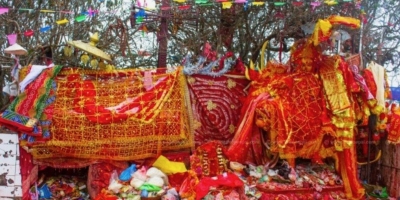
Pathivara Cultural Trekking is a unique pilgrimage and cultural journey designed to immerse travelers in the rich heritage, traditions, and spiritual essence of the Limbu people residing in eastern Nepal. This trek centers around the revered Pathibhara Devi Temple, a sacred site that has attracted devotees for centuries. The temple is dedicated to the goddess Pathibhara, believed to possess miraculous powers that fulfill the heartfelt wishes of worshippers. The legend of the temple’s origin adds to its mystique: shepherds reportedly lost hundreds of sheep near the temple site. In a divine dream, the goddess instructed them to build a temple and offer ritual sheep sacrifices. After completing these rituals, the lost sheep mysteriously returned, marking the beginning of the worship tradition. This pilgrimage trek offers more than just a religious journey; it provides travelers a deep cultural experience as they interact with the Limbu community, known for their unique language, customs, and vibrant festivals. The trail itself is a scenic marvel, weaving through terraced hills, dense forests, and traditional villages, each step offering insights into the simple yet profound lifestyle of the locals. Asiana Treks and Tours ensures that your trek is well-organized, with expert guides who share knowledge of the region’s history, flora, and fauna, making your journey both spiritual and educational. Key Highlights: Visit the sacred Pathibhara Devi Temple, a center of pilgrimage. Experience the rich Limbu culture, traditions, and hospitality. Trek through diverse landscapes: lush forests, terraced fields, and remote villages. Learn the legends and stories behind the temple and local customs. Enjoy comfortable accommodations and professional support by Asiana Treks and Tours. Pathivara Cultural Trekking ItineraryThe Pathivara Cultural Trekking itinerary is thoughtfully planned to offer a balanced mix of cultural immersion, physical adventure, and spiritual exploration. It begins with your arrival in Kathmandu, where Asiana Treks and Tours’ friendly staff will greet you and transfer you to your hotel, setting a warm tone for your journey ahead. Day 1: Arrival in Kathmandu — Meet and greet with staff, transfer to hotel, and briefing about the trek. Day 2: Full day sightseeing in Kathmandu, including visits to iconic cultural and religious sites to prepare you for the spiritual trek ahead. Day 3: Take a scenic flight from Kathmandu to either Suketar or Biratnagar, the gateway to the trek. Day 4: Begin the trek with a walk from Deurali to Phedi (3,190m), passing through small villages and terraced fields. Day 5: Trek from Phedi to Pathibhara (3,794m), the heart of the pilgrimage. Spend time at the temple to witness rituals and soak in the spiritual ambiance. Day 6: Return trek from Pathibhara to Phedi, followed by onward travel to Suketar for an overnight stay at the hotel. Day 7: Fly back from Suketar to Kathmandu, where you can rest or explore the city further. Day 8: Final departure from Kathmandu airport with fond memories of the cultural and spiritual journey. Each day’s trek is designed to balance trekking time and cultural experiences, ensuring you have ample opportunity to interact with locals and absorb the natural beauty and spirituality of the region. Pathivara Cultural Trekking DistanceThe total trekking distance for the Pathivara Cultural Trek is moderate, making it accessible for trekkers with a reasonable fitness level while still offering a rewarding challenge and cultural depth. Here’s a breakdown of the trekking distances covered on the main days: Deurali to Phedi: Approximately 10 kilometers — This stretch takes you through rural landscapes, terraced farmlands, and local hamlets. Phedi to Pathibhara Temple: Around 7 kilometers uphill — A steep but spiritually fulfilling climb through forested trails and panoramic mountain views. Pathibhara to Phedi: 7 kilometers downhill — Retracing the path, offering different perspectives of the terrain. The trek’s elevation ranges from about 1,200 meters at Suketar to 3,794 meters at Pathibhara Temple, providing varied climatic and ecological zones. The distance and altitude gain are paced to allow proper acclimatization and cultural engagement without undue physical strain. Pathivara Cultural Trekking Cost 2026/2027Asiana Treks and Tours offers the Pathivara Cultural Trekking package at a competitive and transparent price tailored for the 2026/2027 trekking seasons. The cost covers everything essential for a safe, comfortable, and culturally immersive experience, including: Airport transfers and domestic flights (Kathmandu to Suketar/Biratnagar and return) All meals during the trek and sightseeing days Accommodation in hotels and teahouses/lodges along the route Experienced local guides and porters Trekking permits and cultural entry fees Comprehensive pre-trek briefing and support The exact price varies depending on group size and customization options but generally ranges from $850 to $1,100 per person. Early bookings and group discounts may be available. Investing in this trekking package means you get not only the spiritual and cultural experience but also the peace of mind that comes with professional organization by Asiana Treks and Tours, a company known for safety, local expertise, and genuine care for travelers. Pathivara Cultural Trekking Price Breakdown by Asiana Treks and ToursThe Pathivara Cultural Trekking package offered by Asiana Treks and Tours is designed to provide a comprehensive pilgrimage and cultural trekking experience with transparent pricing. The total cost of the trek includes all key components necessary for a safe, comfortable, and immersive journey through eastern Nepal. This ensures trekkers can focus on the spiritual and cultural significance of the journey without worrying about hidden expenses. The price typically covers domestic flights from Kathmandu to Suketar or Biratnagar and return, airport transfers, accommodations in hotels and teahouses during the trek, all meals throughout the trekking days, and the services of experienced local guides and porters. Additionally, trekking permits, entry fees to the Pathibhara Temple, and government taxes are included. The package also features pre-trek briefings and 24/7 support from Asiana Treks and Tours’ dedicated team. Key Price Inclusions: Kathmandu to Suketar/Biratnagar domestic flights (round trip) Airport transfers and ground transportation Accommodation in hotels and teahouses/lodges Full board meals during the trek Experienced guide and porter services Trekking permits and temple entrance fees Pre-trek briefing and support services Optional costs such as personal trekking gear, travel insurance, tips, and any personal expenses are not included. The typical price range for this 7–8-day trek is around $850 to $1,100, depending on group size and season. Asiana Treks and Tours encourages early booking to secure best rates and availability. Pathivara Cultural Trekking Altitude GuideThe Pathivara Cultural Trekking route covers varied elevations, making it essential for trekkers to understand the altitude profile and prepare accordingly. Starting from low-altitude regions around 1,200 meters near Suketar or Biratnagar, the trail ascends steadily, reaching its highest point at the Pathibhara Devi Temple at approximately 3,794 meters. This gradual elevation gain allows trekkers to acclimatize properly, reducing the risk of altitude sickness. The trek passes through diverse climatic zones, from subtropical valleys to temperate forests, and finally to alpine meadows near the temple. This variation creates an enriching experience for trekkers who witness different ecosystems along the trail. The moderate altitude and well-spaced itinerary allow most trekkers with average fitness to enjoy the journey comfortably. Altitude Overview: Starting point (Suketar/Biratnagar): ~1,200 meters Deurali to Phedi: Climb from ~2,500 to 3,190 meters Phedi to Pathibhara Temple: Final ascent to 3,794 meters Return descent to Suketar/Biratnagar: Back to ~1,200 meters Asiana Treks and Tours emphasizes the importance of gradual ascent, hydration, and rest days to help trekkers adapt. Guides monitor participants for any symptoms of altitude sickness, prioritizing health and safety throughout the trek. Why Choose Pathivara Cultural Trekking?Choosing the Pathivara Cultural Trekking with Asiana Treks and Tours means embarking on a unique pilgrimage that blends spiritual devotion with cultural discovery. The trek offers the chance to visit the sacred Pathibhara Devi Temple, a revered religious site attracting pilgrims from Nepal, India, and beyond. This is not just a physical journey but a meaningful cultural immersion into the Limbu community’s traditions, lifestyle, and stories. Beyond its spiritual appeal, the trek passes through stunning landscapes of eastern Nepal rarely touched by mass tourism. The trail reveals terraced fields, ancient forests, and quaint villages, offering a peaceful and authentic trekking experience. Travelers get the chance to witness traditional Limbu dances, taste local cuisine, and engage with welcoming communities, making it a culturally rich adventure. Reasons to Choose This Trek: Unique spiritual pilgrimage to Pathibhara Devi Temple Deep cultural immersion with the Limbu ethnic group Moderate trekking difficulty suitable for many fitness levels Scenic trails with diverse flora and fauna Expert support and authentic experience provided by Asiana Treks and Tours The company’s commitment to responsible tourism, safety, and personalized service further enhances the journey, ensuring your trek is rewarding on every level. Preparing for the Pathivara Cultural TrekkingProper preparation is key to enjoying the Pathivara Cultural Trekking adventure safely and comfortably. Asiana Treks and Tours recommends that trekkers focus on both physical conditioning and gear preparation before starting the journey. Cardiovascular exercises like walking, jogging, and stair climbing can improve stamina and help with the moderate uphill climbs on the trail. Packing appropriate clothing is equally important due to varying temperatures and weather conditions. Layers are essential, including moisture-wicking base layers, insulating mid-layers, and waterproof outerwear. Good trekking boots with ankle support and a comfortable backpack will also enhance your trekking experience. Preparation Tips: Engage in regular aerobic exercise 4–6 weeks before the trek Pack layered clothing suitable for cold mountain weather and warmer valley days Carry trekking essentials: water bottles, sun protection, first-aid kit, and trekking poles Consider travel insurance covering altitude trekking and emergencies Acclimatize by pacing yourself and staying hydrated during the trek Asiana Treks and Tours provides a detailed pre-trek briefing covering safety tips, packing lists, and cultural etiquette to ensure all participants are well-prepared. What to Expect on the 7–8-Day Pathivara Cultural Trekking AdventureThe 7–8-day Pathivara Cultural Trekking adventure with Asiana Treks and Tours offers a rich blend of spiritual pilgrimage, cultural immersion, and breathtaking trekking. Expect to start your journey with an exploration of Kathmandu’s cultural landmarks, followed by a scenic flight to the eastern Nepal gateway town of Suketar or Biratnagar. From there, the trek ascends gradually through villages where Limbu culture thrives. Each trekking day presents opportunities to witness local traditions, interact with villagers, and enjoy stunning natural vistas. The highlight is reaching the sacred Pathibhara Devi Temple, where you can observe age-old rituals and absorb the serene spiritual atmosphere. The accommodation is a mix of comfortable hotels and traditional teahouses, providing rest and relaxation after each day’s hike. Expectations on Trek: Moderate trekking with steady altitude gain, manageable for most trekkers Scenic routes through terraced hills, forests, and remote villages Insight into Limbu customs, festivals, and local cuisine Support from knowledgeable guides ensuring safety and cultural understanding Opportunities to capture incredible photography and spiritual moments The trek concludes with a return flight to Kathmandu, leaving you with memories of a unique journey blending nature, culture, and spirituality. Oxygen Levels on the Pathivara Cultural Trekking with Asiana Treks and ToursTrekking to the Pathibhara Devi Temple involves ascending from lower altitudes of about 1,200 meters to the high elevation of 3,794 meters. At these heights, the oxygen level decreases significantly compared to sea level, which can affect trekkers in different ways. At sea level, oxygen makes up roughly 21% of the atmosphere, but the partial pressure of oxygen drops as you climb higher. By the time you reach Pathibhara, the oxygen level is approximately 40% lower than at sea level, which means your body has to work harder to get the oxygen it needs. Most trekkers on the Pathivara Cultural Trek will experience mild symptoms of altitude adjustment, such as slight breathlessness during exertion or minor headaches. However, because the trek ascends gradually with proper acclimatization days, serious altitude sickness is relatively uncommon. Asiana Treks and Tours emphasizes the importance of ascending slowly, staying hydrated, and listening to your body. Guides closely monitor trekkers and encourage rest days if needed. Important Oxygen and Altitude Tips: Oxygen level decreases by about 40% at Pathibhara (3,794m). Ascend gradually to allow your body to adjust. Stay well hydrated and eat balanced meals. Avoid alcohol and smoking during the trek. Inform guides immediately if symptoms of altitude sickness appear. With Asiana Treks and Tours, your safety is paramount, and the team is prepared with contingency plans for altitude-related emergencies. Major Villages and Scenic Viewpoints on Pathivara Cultural Trekking RouteThe Pathivara Cultural Trekking route passes through several charming villages and offers spectacular viewpoints that highlight the beauty of eastern Nepal. Villages along the trail are home to the Limbu community, who maintain their traditional lifestyle, language, and customs. These villages provide trekkers with opportunities to experience authentic local hospitality and cultural richness. Key villages on the trek include Deurali and Phedi, where terraced fields create picturesque landscapes. The trail also winds through small hamlets where visitors can observe traditional Limbu architecture and local agricultural practices. En route to Pathibhara, trekkers are treated to panoramic views of the eastern Himalayan peaks, including Kanchenjunga, the third highest mountain in the world. Major Villages & Viewpoints: Deurali: A gateway village nestled among terraced hills. Phedi: Known for traditional Limbu settlements and beautiful natural surroundings. Pathibhara: The pilgrimage site with panoramic Himalayan views. Scenic viewpoints offering sunrise and sunset vistas over Kanchenjunga and neighboring peaks. These stops not only break the trek into manageable sections but also enrich the experience with cultural interaction and breathtaking natural beauty. Flora and Fauna of the Pathivara Cultural TrekkingThe Pathivara Cultural Trekking route boasts rich biodiversity, with a variety of flora and fauna adapting to the altitude and climate changes along the trail. Starting in subtropical forests, trekkers will pass through rhododendron and oak forests at mid-elevations, which burst into vibrant color during spring. Higher elevations feature alpine meadows dotted with wildflowers during the warmer months. Wildlife along the route includes diverse bird species such as the colorful Himalayan monal, satyr tragopan, and various pheasants. Mammals like barking deer, musk deer, and occasionally Himalayan black bears inhabit the forested areas, though sightings are rare. The diversity of plant species also includes medicinal herbs used by local communities, reflecting the deep connection between nature and Limbu culture. Key Flora & Fauna Highlights: Rhododendron forests blooming in spring. Alpine meadows rich in wildflowers. Birds: Himalayan monal, satyr tragopan, various pheasants. Mammals: Barking deer, musk deer, occasional black bears. Medicinal plants used by locals for traditional healing. Asiana Treks and Tours provides naturalist guides who enrich the trekking experience with knowledge about the local ecosystem and conservation efforts. Festivals and Local Culture Along the Pathivara Cultural Trekking RouteThe Pathivara Cultural Trekking is not just a journey through nature but also a deep dive into the vibrant culture and festivals of the Limbu people. The Limbu community has a rich tradition of oral storytelling, dance, music, and rituals tied closely to their agricultural calendar and religious beliefs. Trekkers can witness colorful festivals such as Chasok Tangnam, a major Limbu harvest festival marked by traditional dances, feasting, and religious ceremonies. During the trek, locals often perform traditional Limbu folk songs and dances that express their connection to nature and the divine. The Pathibhara Temple itself is the focal point of many religious rituals, drawing pilgrims from distant regions. These cultural interactions give trekkers an opportunity to appreciate the harmonious relationship between the people and their environment. Cultural and Festival Highlights: Experience Limbu harvest festival Chasok Tangnam if timed right. Traditional folk music and dance performances. Religious rituals at Pathibhara Temple. Opportunities to interact with locals and learn about their customs. Insight into Limbu weaving, dress, and cuisine. Asiana Treks and Tours arranges cultural experiences and respectful interactions, ensuring trekkers gain genuine insight into the Limbu way of life. Why Book with Asiana Treks and Tours for Pathivara Cultural Trekking?Choosing Asiana Treks and Tours for your Pathivara Cultural Trekking adventure means partnering with a company dedicated to delivering authentic, safe, and seamless trekking experiences. With years of expertise in eastern Nepal treks, Asiana Treks and Tours offers personalized service, knowledgeable guides, and well-organized itineraries that respect both the environment and local cultures. The company prioritizes trekkers’ safety by providing thorough pre-trek briefings, ensuring proper acclimatization schedules, and employing experienced guides and porters. Their commitment to sustainable tourism benefits local communities by promoting fair wages and supporting conservation efforts. Additionally, Asiana Treks and Tours offers transparent pricing and excellent customer support before, during, and after the trek. Reasons to Choose Asiana Treks and Tours: Experienced local guides and support staff. Focus on safety and responsible tourism. Customized itineraries for all fitness levels. Strong community and environmental support. Transparent pricing with no hidden fees. With Asiana Treks and Tours, you receive not only a trek but a meaningful cultural and spiritual experience tailored to your interests and needs. How to Book the Pathivara Cultural Trekking with Asiana Treks and ToursBooking your Pathivara Cultural Trekking adventure with Asiana Treks and Tours is straightforward and customer-friendly. You can begin by visiting their official website or contacting their customer service team via email or phone. Early booking is encouraged, especially for peak trekking seasons, to secure your preferred dates and avoid last-minute hassles. The booking process involves selecting your preferred trek dates, group size, and any optional services such as private guides or customized itineraries. After confirming availability, you will receive a detailed itinerary, price quotation, and a booking agreement. A deposit secures your spot, with the balance payable before the trek start date. Asiana Treks and Tours also provides assistance with travel insurance, equipment rental, and pre-trek preparations. Booking Steps: Visit Asiana Treks and Tours website or contact via email/phone. Choose trek dates and discuss any customization. Receive itinerary and price quote. Pay deposit to confirm booking. Prepare with provided packing lists and pre-trek briefing. Arrive in Kathmandu and meet your Asiana Treks team. The company’s professional support team remains available throughout your journey, ensuring a smooth and memorable trekking experience.
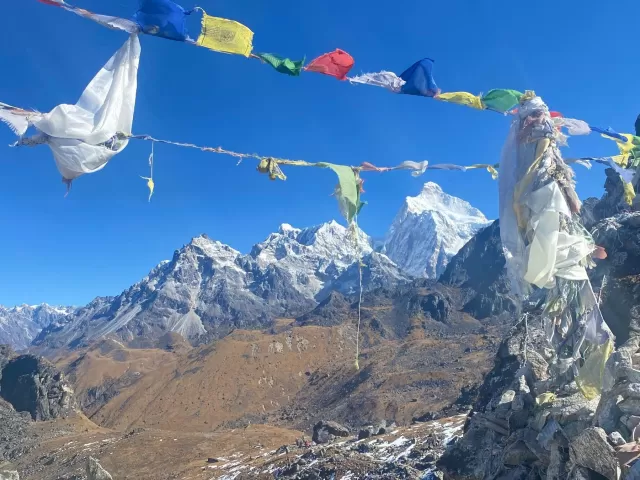
The Kanchenjunga Circuit Trek is a spectacular and remote Himalayan adventure that circles both the North and South Base Camps of Kanchenjunga (8,586m)—the world’s third-highest mountain. Located in eastern Nepal, near the border with India’s Sikkim, this off-the-beaten-path trek offers an unforgettable blend of high-altitude adventure and deep cultural immersion.Trekkers will journey through untouched alpine landscapes filled with cascading waterfalls, ancient forests of rhododendron, birch, pine, vibrant meadows, and mighty glacial rivers. Along the way, they can visit Ramtang and Oktang Monasteries, encountering local communities that maintain traditional Himalayan lifestyles. Due to its remote location, this trek requires good physical fitness and prior experience in trekking. The region, previously restricted until the mid-1980s, is now protected by the Kanchenjunga Conservation Area, which requires special permits to preserve its pristine flora and fauna. Today, the route is part of the Great Himalayan Trail, with gradually increasing teahouse accommodations that support sustainable tourism. Besides the central Kanchenjunga peak, the trek reveals an awe-inspiring panorama of subsidiary peaks over 8,000 meters, such as Yalung Kang (8,505 meters) and other towering giants like Janu (7,710 meters), Kabru, and Kambachen. Several major glaciers—including Yalung and Kanchenjunga—feed the mighty Tamor River, enriching the natural beauty of this trail. Ideal for those seeking a wild trekking experience in Nepal, the Kanchenjunga Circuit Trek is perfect for lovers of uncrowded trails, remote Himalayan trekking, and unique cultural encounters. With fewer visitors compared to other popular routes, now is the best time to explore this hidden gem before it becomes widely discovered.What to Expect on the Kanchenjunga Circuit Trek:The Kanchenjunga Circuit Trek offers a remote, wild, and enriching Himalayan experience. Expect breathtaking views of Kanchenjunga (8,586m)—the world’s third-highest mountain—along with satellite peaks like Yalung Kang, Janu, and Kabru. You’ll explore both the North and South Base Camps, crossing high passes and trekking through pristine alpine terrain. This off-the-beaten-path trail winds through lush forests, high meadows, and glacial valleys within the Kanchenjunga Conservation Area, where wildlife such as red pandas and Himalayan birds may be spotted. Cultural encounters with the Rai, Limbu, and Sherpa communities offer valuable insights into their spiritual traditions and local life. While accommodations remain basic—mostly teahouses or camping—the journey is authentic and free from crowds. Due to the region’s restricted access, special permits and guided support are essential. Expect a physically demanding, nature-filled, and culturally rich adventure in one of Nepal’s most untouched trekking regions.Key HighlightDetailsRemarksMajestic Mountain ViewsKanchenjunga, Yalung Kang, Kabru, Janu, North & South Base CampsJaw-dropping Himalayan sceneryRemote TrailOff-the-beaten-path, fewer trekkers, serene landscapesIdeal for solitude and immersionChallenging TerrainHigh passes, long hiking days, and river crossingsRequires strong fitness and trekking experienceDiverse LandscapesForests, alpine meadows, glaciers, rivers, and waterfallsConstantly changing sceneryWildlife & NatureRed pandas, snow leopards, and Himalayan birds in protected areasLocated in the Kanchenjunga Conservation AreaCultural EncountersLimbu, Sherpa, Rai communities, monasteries like Oktang and RamtangRich heritage and hospitalityBasic AccommodationsTeahouses, rustic lodges, occasional campingSimple meals and facilitiesPermit RequirementRestricted area – special permits needed Must be booked via a registered trekking agencyWhy choose Kanchenjunga Trekking Book with Asiana Treks and Tours:25+ Years of Industry Experience – Trusted professionals with deep knowledge of Nepal’s tourism and trekking.Expert Local Guides – Friendly, experienced, and government-licensed guides who understand culture, safety, and terrain. Authentic Cultural Experiences – Connect with local communities and discover hidden gems off the beaten path. Tailor-Made Itineraries – Flexible trekking and tour plans customised to suit your time, interests, and fitness level. Focus on Safety and Comfort – Emphasis on guest well-being, acclimatisation, and responsible travel practices. Quality Accommodation and Meals – Handpicked teahouses, hotels, and hygienic meals to ensure comfort. Eco-Friendly and Responsible Tourism – Supporting local communities and minimising environmental impact. 24/7 Support – Responsive assistance before, during, and after your trip for a worry-free experience. Complete Travel Solutions – From trekking and tours to flights, permits, transport, and accommodation—everything is arranged for you. With Asiana Treks and Tours, you’re not just trekking—you’re experiencing Kanchenjunga with the care, knowledge, and passion of true Himalayan specialists. Is Kanchenjunga Trek Available from Luxury to Budget? Yes, the Kanchenjunga Trek tailor it to your ways and offers flexible options ranging from budget-friendly to semi-luxury experiences, depending on your preferences and comfort level. While this remote region lacks luxury resorts, Asiana Treks and Tours customises your trek to suit your budget, from basic teahouse stays to private tented camps with added amenities. Whether you're a backpacker or a premium adventurer, we offer personalised service, professional guides, and safe logistics. You can choose porters only, full guided service, or deluxe camping packages with more comfort and better meals. With us, you get a safe, memorable experience—your way. Trekking Style Options Personalized ItinerariesFlexible Camping and Teahouse OptionsTailor-made Kanchenjunga trekking itineraries to match your pace and interestsOptions for side trips, monastery visits, or cultural immersionLocal Guides and Porters: Professional, English-speaking local guides familiar with the regionFairly paid, insured porters who ensure a safe and smooth journeyOff The Beaten Path Expertise: In-depth knowledge of the remote Kanchenjunga Circuit trailFocus on safety, responsible travel, and lesser-known highlightsExpertise in Restricted Area TreksLicensed to operate in restricted zones like KanchenjungaFull support with special permits, conservation fees, and documentationAuthentic Cultural Experience: Interactions with local Limbu, Rai, and Sherpa communitiesVisits to traditional villages and ancient monasteries along the routeResponsible and Sustainable Travel: Commitment to eco-friendly trekking practicesSupporting local communities and preserving natural heritageEmergency Support & Communication: 24/7 emergency contact, medical assistance, and evacuation support if neededSatellite phone or communication support in remote areasHassle-Free Service from Start to Finish: Airport pickup/drop-off, hotel bookings, domestic flights, and full logistics coveredClear communication, prompt responses, and genuine hospitality25+ Years of Professional Experience: Led by seasoned trekking experts with deep local knowledgeTrusted service with decades of experience in remote Himalayan treksBudget OptionStandard OptionSemi-Luxury OptionBasic teahouses, shared roomsMid-range teahouses, private roomsTented camps with added comfortsGuide or porter onlyFull guide + porter supportPremium staff-to-guest ratioLocal meals, basic serviceHygienic meals, better logisticsPersonalised meals, upgraded sleeping gearCulture, Mountains, and Nature on Kanchenjunga Circuit Trekking:The Kanchenjunga Circuit Trek is a breathtaking journey that immerses you in the rich culture, pristine nature, and majestic mountains of eastern Nepal. This off-the-beaten-path adventure takes you through traditional villages inhabited by the Limbu, Rai, and Sherpa communities, offering rare cultural encounters and insights into their spiritual lifestyles. Along the trail, you'll visit ancient monasteries like Ramtang and Oktang, and witness traditional mountain life untouched by mass tourism.The natural beauty is equally mesmerising—trek through vibrant rhododendron forests, cross wild rivers, and walk beside massive glaciers like Yalung and Kanchenjunga. Towering above all is the magnificent Kanchenjunga (8,586m), surrounded by peaks over 7,000m, creating a stunning Himalayan panorama. Protected by the Kanchenjunga Conservation Area, the region remains ecologically rich and pristine. This trek offers a perfect balance of wilderness, cultural depth, and high-altitude mountain adventure in Nepal. Trip Duration, Elevation, and Difficulty Kanchenjunga Circuit Trek:The Kanchenjunga Circuit Trek is one of the most challenging and rewarding treks in Nepal. The complete circuit typically takes 20 to 26 days, depending on the itinerary and acclimatisation days. It involves trekking to both the North and South Base Camps, reaching elevations of up to 5,143 meters (16,873 ft) at Pangpema, the highest point of the trek. Due to its length, remoteness, and frequent altitude changes, this trek is considered strenuous and best suited for experienced trekkers with good physical fitness and previous high-altitude trekking experience.The trail includes steep climbs, river crossings, narrow paths, and high mountain passes. Proper acclimatisation, trekking gear, and a knowledgeable guide are essential. Despite the difficulty, the reward is immense, offering pristine nature, mountain grandeur, and a deep cultural connection with the people of eastern Nepal.Who Is This Trip Best Suited For?The Kanchenjunga Circuit Trek is best suited for experienced trekkers seeking a challenging and remote Himalayan adventure. If you’ve already completed treks like Everest Base Camp or Annapurna Circuit and are looking for a more off-the-beaten-path experience, this trek is ideal. It is perfect for: Adventurous hikers who enjoy long, strenuous days in isolated terrainNature lovers eager to explore untouched landscapes and rare wildlifeCultural explorers interested in authentic encounters with Limbu, Rai, and Sherpa communitiesPhotographers and mountain enthusiasts seeking dramatic Himalayan views away from crowdsFit and healthy travellers who can handle high altitudes and basic accommodationsThis trek is not recommended for beginners or those looking for luxury comfort. However, for those ready to embrace its remoteness, beauty, and cultural depth, the Kanchenjunga Circuit offers a truly once-in-a-lifetime experience.Start to Finish Support for Every Trekker in the Kanchenjunga Circuit Trek:At Asiana Treks and Tours, we offer full start-to-finish support for every trekker embarking on the Kanchenjunga Circuit Trek. From the moment you book your trip to the final drop-off after your adventure, our expert team handles all logistics so you can focus on the experience. We assist with trekking permits, flight bookings, and gear checks, ensuring a smooth beginning.During the trek, we provide experienced guides, well-trained porters, and emergency support, including altitude sickness monitoring and evacuation plans if needed. Accommodation and meals are arranged in advance, whether you’re staying in teahouses or camping. After your trek, we help with transportation, hotel stays, and cultural experiences in Kathmandu or beyond. With our dedicated service, you’re never alone in your journey—comfort, safety, and satisfaction are always our priority.Before TrekDuring TrekAfter TrekPermit & flight arrangementsGuide, porter, logistics & safety supportReturn transport & post-trek activitiesEquipment checklist & consultationAccommodation and meals coordinationHotel stay, feedback, and sightseeingPre-departure briefingHealth check-ins & altitude careCertificate & farewell assistance Brief Overview of the Trekking Route:The Kanchenjunga Circuit Trek is a breathtaking loop through Nepal’s remote eastern Himalayas, combining both the North and South Base Camps of the world’s third-highest peak. The journey begins in Taplejung, accessed by flight or drive from Kathmandu, and winds through lush hills, traditional villages, and into alpine wilderness. Trekkers first ascend toward the North Base Camp at Pangpema (5,143m), passing settlements like Mitlung, Ghunsa, and Lhonak. After reaching Pangpema, the route circles around via high passes and glacial valleys to reach the South Base Camp (Oktang). From there, trekkers descend through Tseram, Yamphudin, and return to Taplejung. The circuit offers diverse landscapes, rich biodiversity, and cultural immersion with Limbu, Rai, and Sherpa communities. It’s one of Nepal’s most adventurous and scenic treks, ideal for experienced hikers. Main Route Entry PointKey DestinationsExit PointTaplejung (via Suketar)Ghunsa, Lhonak, Pangpema, Oktang, TseramTaplejung (via Yamphudin)Natural and Cultural Highlights of the Kanchenjunga RegionNatural Highlights Home to Kanchenjunga (8,586m) – the world’s third-highest mountainStunning glaciers: Yalung, Kanchenjunga, Talung, and moreLush rhododendron, pine, and birch forests along lower trailsRemote alpine meadows, roaring rivers, and cascading waterfallsProtected by the Kanchenjunga Conservation Area, rich in biodiversityWildlife sightings may include red panda, Himalayan black bear, musk deer, and snow leopardPanoramic views of multiple 7,000 m+ peaks like Janu, Kambachen, and Tent PeakCultural Highlights Authentic cultural immersion with Limbu, Rai, and Sherpa communitiesTraditional stone-built villages with centuries-old customsVisit the sacred monasteries of Ramtang and Oktang. Unique mountain festivals, Buddhist prayer flags, and mani wallsExperience untouched Himalayan hospitality and traditional lifestylesInsight into Tibetan-Buddhist and animist beliefs practised in the regionLess commercialised culture compared to other popular trekking areas in NepalExperience Rai, Limbu, and Sherpa Local Hospitality and Mountain Life: The Kanchenjunga Circuit Trek offers a rare opportunity to connect deeply with the indigenous cultures of eastern Nepal—primarily the Rai, Limbu, and Sherpa communities. These ethnic groups have preserved their traditional way of life for centuries, far from the influence of modern development. As you pass through remote villages, you'll be welcomed with warm hospitality, local meals, and a genuine sense of community. Trekkers can observe stone houses, handmade textiles, and daily routines like farming and yak herding. Monasteries and prayer flags reflect the region’s Buddhist and animist beliefs. Staying in local teahouses or camps offers not only comfort but also a chance to learn about folklore, rituals, and ancient traditions. The connection with people and place makes the journey as spiritually enriching as it is scenic.Ethnic GroupsCultural ExperiencesHospitality FeaturesRai, Limbu, SherpaTraditional farming, monastery visitsWarm homestays & teahouses Local food, folklore, and daily lifestyleShared meals & cultural interaction Yak herding, festivals, and prayersRespectful, welcoming mountain hosts Experience Rai, Limbu, and Sherpa Local Hospitality and Mountain Life:Cultural & Daily Life ExperiencesCultural & Daily Life Experiences Hospitality and Interaction Rai – Indigenous to the lower hills, known for farming and animist traditionsLimbu – Rich cultural heritage, famous for hospitality and traditional dressSherpa – High-altitude dwellers, deeply rooted in Tibetan BuddhismVisit remote stone-built villages nestled in scenic valleysObserve yak herding, millet farming, and daily mountain routinesLearn about local rituals, myths, and oral storytelling traditionsParticipate in or witness Buddhist ceremonies and festivals As you trek deeper, you’re surrounded by an awe-inspiring panorama of iconic peaks including Kanchenjunga (8,586m), Yalung Kang, Janu, and Kambachen, many soaring above 7,000 meters. Each day rewards you with dramatic views of glacier-carved valleys and snow-covered summits.One of the most magical moments is witnessing Himalayan sunrises from high-altitude camps like Pangpema or Oktang, where the first light glows over the eastern skyline, painting the peaks in golden hues. It’s a soul-stirring experience that remains etched in memory. The Kanchenjunga Circuit Trek begins with a scenic flight from Kathmandu to Bhadrapur or Suketar, offering stunning aerial views of Nepal’s diverse landscapes—from lush lowlands to towering Himalayan peaks. This thrilling start sets the tone for an epic adventure into one of Nepal’s most remote and majestic trekking regions.Stay in family-run teahouses or homestays for an authentic experienceEnjoy home-cooked meals like dhido, gundruk, and millet beerShare evenings by the fire with locals—stories, songs, and smilesExperience the genuine warmth and respect of Himalayan mountain communitiesThis cultural richness makes Kanchenjunga more than just a trek—it’s a human connection. Scenic Flights, Iconic Peaks, and Himalayan Sunrises – Kanchenjunga Circuit TrekkingScenic FlightsIconic PeaksHimalayan SunrisesKathmandu to Bhadrapur / SuketarKanchenjunga, Yalung Kang, Janu, KambachenSunrise views from Pangpema and OktangPanoramic Himalayan flight viewsOver 20 peaks above 6,000m–7,000mGolden glow on the world’s third-highest peakAerial view of forests & riversMassive glacier systems and ridgelinesSilent, spiritual, unforgettable momentsA Balanced Blend of Nature, Adventure, and Culture – Kanchenjunga Circuit Trekking: The Kanchenjunga Circuit Trek offers a perfect balance of natural beauty, thrilling adventure, and rich cultural experiences. As one of Nepal’s most remote and less-travelled routes, it introduces trekkers to an untouched world of rhododendron forests, glacial rivers, and towering snow-capped peaks, including the majestic Kanchenjunga (8,586m).The trek is physically demanding, with challenging ascents, high-altitude passes, and long hiking days, making it a real adventure for experienced trekkers. Along the way, you’ll experience genuine mountain hospitality in traditional Rai, Limbu, and Sherpa villages, visiting ancient monasteries and learning about age-old customs.This blend of pristine wilderness, physical challenge, and deep cultural immersion makes the Kanchenjunga Circuit Trek a uniquely fulfilling Himalayan journey for both nature lovers and adventure seekers .NatureAdventureCultureRhododendron forests & glaciersHigh passes & remote trailsRai, Limbu & Sherpa villagesPanoramic mountain landscapesStrenuous hikes & rugged terrainTraditional homes, monasteries & festivalsKanchenjunga Conservation AreaBase camps at high altitudesAuthentic local hospitality & ritualsCultural Sites Included in Kathmandu Sightseeing – Kanchenjunga Circuit Trekking:Before or after your Kanchenjunga Circuit Trek, the Kathmandu sightseeing tour offers a rich introduction to Nepal’s cultural heritage. The capital city is home to several UNESCO World Heritage Sites, each showcasing ancient art, religion, and history. One highlight is the Swayambhunath Stupa (Monkey Temple), a sacred Buddhist site offering panoramic views of the city. Another must-see is Pashupatinath Temple, Nepal’s most important Hindu shrine, where spiritual rituals and cremation ceremonies take place along the Bagmati River. You’ll also visit Boudhanath Stupa, one of the largest in Asia, famous for its peaceful atmosphere and Tibetan Buddhist monasteries. A walk through Kathmandu Durbar Square reveals palaces, courtyards, and intricately carved temples from the Malla period. This cultural immersion enriches your trekking journey, connecting you to Nepal’s spiritual and historical roots. Cultural SiteReligious SignificanceHighlightsSwayambhunath StupaBuddhist (also revered by Hindus)Hilltop views, prayer wheels, stupaPashupatinath TempleHindu (dedicated to Lord Shiva)Cremation ghats, sacred ritualsBoudhanath StupaTibetan Buddhist centreMonasteries, spinning prayer wheelsKathmandu Durbar SquareHindu & Newar cultural heritageAncient palaces, the living goddess Kumari templeKids and Family Travel in Nepal – Safety and Planning for Kanchenjunga Circuit Trekking:While the Kanchenjunga Circuit Trek is renowned for its remoteness and physical demands, it can still be a rewarding family adventure with proper planning and safety precautions in place. Families with older children (ages 12 and above) who are active and accustomed to hiking can find the journey both challenging and educational. It’s crucial to plan longer acclimatisation days, ensure proper gear, and choose a reputable trekking company like Asiana Treks and Tours for guided support. Safety measures, such as experienced guides, medical kits, and altitude monitoring, are essential. Teahouses along the trail offer warm meals and resting spots, helping keep young trekkers comfortable. This trek encourages family bonding, teaches resilience, and introduces children to the rich cultural and natural beauty of Nepal. For families seeking a less intense option, shorter sections or cultural tours can be customised to suit all ages.Safety TipsFamily PlanningTrekking SupportAltitude awareness & acclimatisationChoose age-appropriate itinerariesExperienced guides & portersPack warm clothing & kid essentialsInclude cultural and rest daysMedical kit and evacuation plansStay in safe, family-run teahousesInvolve children in nature & culture learningCustomizable routes & flexible paceTips for Solo Trekkers or Female Travellers – Kanchenjunga Circuit Trekking:The Kanchenjunga Circuit Trek is a remote and rewarding adventure, and while solo or female travellers can complete the trek, careful planning and safety awareness are key. Due to its restricted area status, trekking is mandatory with at least one companion and a licensed guide. For solo trekkers, joining a group or hiring a guide through a reputable agency ensures safety and company. Female travellers are generally safe in Nepal, but it is recommended to dress modestly and show cultural sensitivity. Stay in registered teahouses, avoid hiking alone after dark, and keep family or friends informed of your itinerary. Hiring female guides or porters can be empowering and comforting for solo women. Trustworthy agencies like Asiana Treks and Tours provide customized, supportive experiences for solo and female adventurers—making the Kanchenjunga trek both safe and unforgettable. Safety TipsPlanning AdviceSupport & ComfortHire a licensed guide or join a groupUse trusted trekking agenciesFemale guides / porters availableAvoid trekking alone after darkDress modestly and respect local customsSafe, clean teahouse accommodationsInform someone of your routeCarry a local SIM or emergency contactsBackup and emergency assistance are availableWhat to Expect in Teahouses and Mountain Lodges – Kanchenjunga Circuit TrekkingDuring the Kanchenjunga Circuit Trek, teahouses and mountain lodges provide a basic yet authentic Himalayan experience. Most accommodations are clean and straightforward, offering twin-sharing rooms with beds, mattresses, pillows, and warm blankets. While some higher-altitude lodges may lack private bathrooms, they provide essential facilities like shared toilets and occasional hot showers for an extra fee.Meals are hearty and home-cooked, with dal bhat, noodle soup, potatoes, and seasonal vegetables being the most common. Some teahouses may offer tea, coffee, and limited Western dishes. Electricity is available in some places via solar or generators, often for a small charge to charge devices. Though modest, these lodges are friendly and welcoming, often run by local families. They offer not just a place to sleep, but also a glimpse into the local culture and lifestyle, making your trek more immersive and memorable. AccommodationMeals & FacilitiesLocal ExperienceTwin-sharing basic roomsDal bhat, noodles, tea, and coffeeOperated by local familiesBlankets and limited hot showersSolar or generator-powered electricityCultural interaction and warm hospitalityShared bathrooms at high altitudesCharging facilities at extra costInsight into mountain life and traditionsLuxury Complete Package of Kanchenjunga Circuit Trekking:The Luxury Complete Package of the Kanchenjunga Circuit Trekking is designed for travellers seeking both adventure and elevated comfort in the remote Himalayas. This premium experience includes private transportation, domestic flights, and luxury hotel stays in Kathmandu before and after the trek. Throughout the journey, you’ll be accompanied by a highly experienced guide, a personal porter, and a support crew to ensure safety and convenience.While the trekking route remains challenging, your nights are enhanced with the best available teahouses or upgraded tented camps, offering warm bedding, hygienic meals, and clean facilities. The package also includes three hearty meals per day, snacks, hot drinks, and personalised attention for altitude management and acclimatisation. Perfect for those seeking an unforgettable adventure with the comfort of well-planned logistics and VIP care, this trek seamlessly blends the rugged beauty of Kanchenjunga with five-star service and safety. Luxury Services IncludedOn-Trek ComfortPersonalized CarePrivate airport transfers & flightsBest teahouses or luxury tents on the routeDedicated guide, porter & medical support4–5 star hotel in KathmanduHot meals, snacks & hot drinksCustom pace, acclimatisation & route guidanceAll permits and logistics handledClean beds, blankets & private facilitiesPre-trip briefing & post-trek celebrationScenic Side Trips and Cultural Extensions – Kanchenjunga Circuit Trekking:The Kanchenjunga Circuit Trek offers more than just stunning mountain trails—it also presents opportunities for scenic side trips and rich cultural extensions. Trekkers can explore peaceful monasteries like Oktang and Ramtang, hidden deep in the mountains, offering spiritual insight and panoramic Himalayan views. Villages such as Ghunsa and Yamphudin allow travellers to interact with Limbu, Rai, and Sherpa communities, experiencing their unique traditions, cuisine, and festivals.Cultural extensions to Ilām tea gardens, Darjeeling, or Sikkim (India) add another layer of exploration, blending nature with heritage. Before or after the trek, Kathmandu’s UNESCO World Heritage Sites, such as Boudhanath and Bhaktapur Durbar Square, can be added for a complete cultural experience. These enriching side trips not only enhance the trekking experience but also offer a deeper connection to the people, history, and landscapes of Eastern Nepal.Scenic Side TripsCultural EncountersOptional ExtensionsOktang & Ramtang MonasteriesLimbu, Rai & Sherpa village experiencesKathmandu Heritage TourYalung Base Camp viewpointTraditional homes, cuisine & ritualsIlam Tea Garden Visit or Sikkim ExtensionLocal wildlife & glacier viewsMountain festivals & Buddhist prayer flagsDarjeeling Cultural ExplorationLocal Markets and Souvenirs in Kathmandu – Kanchenjunga Circuit Trekking:Before or after your Kanchenjunga Circuit Trekking adventure, exploring the local markets of Kathmandu is a must. The bustling alleys of Thamel, Asan Bazaar, and Patan Durbar Square offer a wide range of unique souvenirs and handcrafted items. From colourful Tibetan prayer flags, handmade pashminas, singing bowls, and Lokta paper journals to intricate wood carvings and silver jewellery, these markets reflect the artistry and culture of Nepal. Shopping in Kathmandu is not just about buying gifts—it's an immersive cultural experience. Many shops support local artisans and women’s cooperatives, allowing you to contribute to ethical tourism. Don’t forget to try your bargaining skills—it's part of the local charm! These souvenirs make meaningful mementoes of your Himalayan journey, connecting your trek in remote Kanchenjunga to the heart of Nepal’s vibrant culture and heritage.Popular MarketsSouvenirs to BuyCultural ExperienceThamel MarketPashminas, prayer flags, trekking gearMeet artisans, enjoy traditional street foodAsan BazaarSpices, bronze statues, and local textilesLively atmosphere and cultural interactionsPatan Durbar SquareWood carvings, Thangka paintings, jewelleryExplore ancient courtyards and art studiosBest Time for Kanchenjunga Circuit Trekking:The best time for Kanchenjunga Circuit Trekking is during the spring (March to May) and autumn (September to November) seasons. These months offer the most stable weather, clear skies, and breathtaking views of the Himalayas. In spring, the trail bursts with blooming rhododendron forests, making the journey especially scenic. Temperatures are moderate, and days are longer—ideal for trekking. Autumn is equally favourable, offering crisp mountain air, excellent visibility, and dry trails after the monsoon. This is also a great time to experience local festivals and cultural vibrancy in the villages. Winter (December to February) is very cold with snow-blocked passes, making it suitable only for experienced trekkers. Monsoon (June to August) is not recommended due to slippery trails and landslides. Choosing the right season enhances your trekking experience by ensuring safety, comfort, and the most awe-inspiring Himalayan views. SeasonWeather & Trail ConditionsHighlightsSpring (Mar – May)Mild temperatures, blooming flowersRhododendron forests, wildlife sightingsAutumn (Sep – Nov)Clear skies, cool nights, dry trailsBest mountain views, cultural festivalsWinter & MonsoonCold or rainy, risky trail conditionsSnowy beauty (winter) or lush greenery (monsoon)Nepal Trekking Maps and Route Navigation – Kanchenjunga Circuit Trekking:For the Kanchenjunga Circuit Trek, having accurate trekking maps and route navigation tools is essential due to the region’s remote and less-travelled nature. High-quality topographic trekking maps are available in Kathmandu, providing detailed information on routes, altitudes, villages, glaciers, and campsites. These are valuable for understanding terrain and planning daily walks. While mobile apps like Maps. Gaia GPS, FarOut, and I provide offline navigation, which should be used in conjunction with a paper map and guide. Since the Kanchenjunga region requires a licensed guide, you’ll have expert local navigation support, but carrying your reference map helps you stay informed and engaged. Trail signage can be minimal in some areas, so combining technology, printed maps, and guide assistance ensures safety. Proper navigation enhances confidence, helps with acclimatisation planning, and lets you appreciate the scale and beauty of the region.Navigation ToolsWhere to Find MapsWhy It MattersPrinted trekking mapsBookstores in Thamel, KathmanduUnderstand route, altitude & terrainGPS & mobile apps (offline)Trekking gear shops, online appsBackup navigation & location trackingLicensed guide supportProvided by trekking agenciesEnsures safety, route accuracy, and local insight
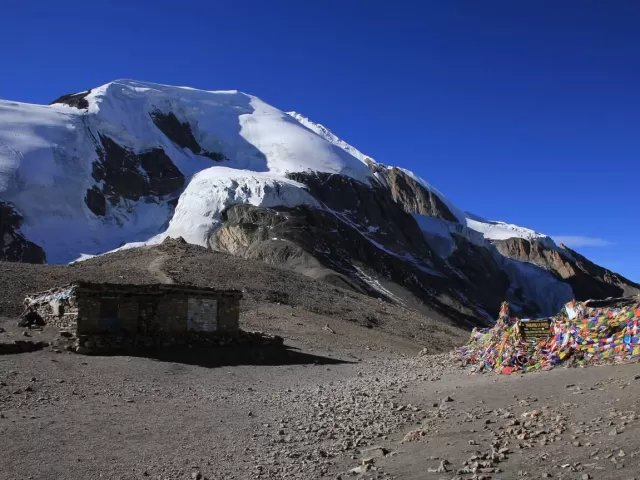
The Annapurna Circuit Trek, also known as the Round Annapurna Trek, is one of the best trekking trails in Nepal. It offers an incredible mix of adventure, culture, and breathtaking scenery. This high-altitude trekking route takes you through diverse landscapes, from lush valleys and terraced fields to rugged mountains and arid deserts.A significant highlight of the trek is crossing Thorong La Pass (5,416m), one of the world’s highest Trekking passes. Along the way, you’ll pass through the picturesque villages of Manang and Mustang, experiencing the warm hospitality of the Gurung, Manangi, Thakali and Magar communities while witnessing stunning views of the entire Annapurna and Dhaulagiri range with Tukuche Peak.The journey begins in Dumre, after road assess in Dumre, Besisahar; however, the trek starts from Bagarchhap due to the road access and follows the Marshyangdi River Valley, passing through key destinations like Chame, Pisang, and Manang. After crossing Thorong La Pass, the trail descends into the deepest Kali Gandaki Gorge, the world’s deepest gorge. Here, you’ll visit the sacred Muktinath Temple, an important pilgrimage site and Monastery. Further along, trekkers can relax in Marpha, the capital of Thakali and Apple. In the Tatopani Hot Springs, before concluding the trek, we fly from Jomsom.This trek is part of the Annapurna Conservation Area, home to diverse flora and fauna. Adventurers can also explore Gangapurna Lake, the other side of Manang Valley, and Gangapurna glacier viewpoints, one of the best viewpoints in Annapurna Circuit Trekking, or extend their trek to the Manang and Mustang regions.Lonely Planet recognizes Annapurna Round Trekking as a top trekking route, and Annapurna Circuit Trek is a must-do for those seeking an unforgettable Himalayan experience. Whether you choose a tea house trekking Nepal experience or a guided trek with Asiana Treks and Tours, this journey promises breathtaking views and rich cultural encounters.Preparing for the Nepal Trek with Asiana Treks and Tours: Ensure Your Travel Documents Are Ready Verify that your passport is valid for at least six months beyond travel dates.Obtain a Nepal visa in advance or on arrival at the airport.Carry travel insurance covering medical emergencies, trip cancellations, and unexpected delays.Peak wisely For Comfort and ConvenienceBring lightweight, breathable clothing for warm days and layered outfits for cooler evenings.Comfortable walking shoes, a rain jacket, sunglasses, sunscreen, and personal essentials are necessary.Pack a small daypack to carry essentials during daily excursions.Understand and Respect the Local CultureDress modestly, especially at religious sites, and remove your shoes before entering temples.Greet locals with a polite "Namaste" and respect local customs and traditions.Avoid public displays of affection, as Nepalese culture values modesty.Maintain Physical Readiness for the JourneyThe Silver Triangle Tour includes sightseeing and short walks, so staying active beforehand helps.Engage in light walking or basic stretching exercises before your trip to improve your stamina.If you have any medical conditions, carry the necessary medications and inform your tour guide.Prioritize Hydration and Well-BeingDrink purified or bottled water to avoid dehydration and stomach issues.Carry a reusable water bottle and refill it at safe water stations.Eat well-balanced meals with local cuisine, but avoid street food if you have a sensitive stomach.Stay Open-Minded and AdaptableNepal's charm lies in its authenticity, so be flexible with schedules and enjoy spontaneous experiences.Expect occasional delays due to road conditions or weather, and embrace the relaxed pace of travel.Interact with locals, explore hidden gems, and immerse yourself in the beauty of Nepalese culture.Be Environmentally ConsciousMinimize plastic waste by carrying reusable bottles and bags.Follow responsible tourism practices by respecting nature and local communities.Support eco-friendly accommodations and ethical tour operators.Capture Memories But Stay PresentBring a camera or smartphone to capture the stunning landscapes and cultural sites.Enjoy the beauty around you rather than focusing solely on photos.Seek permission before photographing people, especially in rural areas.Bring Necessary PhotographCarry some passport-sized photos, as they may be needed for permits, SIM cards, or other travel documents.Annapurna Circuit Trekking Itinerary: Asiana Treks and Tours has the perfect Annapurna Circuit trekking itinerary. Travelers who desire to explore Nepal with moderate physical fitness. You'll discover the best places for breathtaking views, from the city to the countryside. Experience the contrast of cold nights at ABC to relaxing in hot natural springs an unforgettable lifetime journey. Annapurna Circuit Trekking Distance:The Annapurna Circuit trek spans approximately 160 to 230 kilometres, or 99 to 142 miles, depending on the chosen itinerary. The route typically spans 14 days. Extending the itinerary by two days allows for a return trek to Pokhara through picturesque villages like Landruk, Tolka, Pothana, and Dhampus, and concluding at Phedi. Our package tour ensures reliability in terms of cost, itinerary, and overall experience. For Nepali citizens, the Annapurna Base Camp trek typically ranges from US$500 to 1000, with variations depending on group size, service level, guide and porter services, transportation preferences, and accommodation choices in Kathmandu or Pokhara. This cost estimation is subject to the types of trekking gear and accommodation preferences.Annapurna Circuit Trekking Route:The Annapurna Circuit Trekking route showcases awe-inspiring natural beauty. Starting in lush valleys with terraced fields and traditional villages, the journey unfolds amidst the Himalayan foothills. Rhododendron forests bloom in spring, accompanied by cascading waterfalls and snow-capped peaks. Traversing wildflower meadows and crossing suspension bridges over mountain streams, the landscape evolves as you ascend. Approaching Annapurna Base Camp, rugged terrain and glacial moraines dominate, leading to panoramic views of towering peaks like Annapurna I and Machhapuchhre. The trek promises unforgettable moments, whether you're a seasoned trekker or a novice adventurer, offering an unparalleled journey through Earth's most breathtaking landscapes.Annapurna Circuit Trekking Price:Our package tour ensures reliability in terms of cost, itinerary, and overall experience. For Nepali citizens, the Annapurna Base Camp trek typically ranges from US$ 500 to 1000, and for foreigners, US$ 715 to 1385, variations depending on group size, service level, guide and porter services, transportation preferences, and accommodation category in Kathmandu or Pokhara. This cost estimation is subject to the types of trekking gear and accommodation preferences. However, we could end the trek via Landruk and Dhampus if you avoid Kathmandu sightseeing and Pokhara exploration.Annapurna Circuit Trekking Height:Annapurna Circuit Trekking is one of the most charismatic and beautiful trekking routes available in Nepal, starting from the altitude of 1,337 meters high in the capital city of Kathmandu. You begin your jeep drive to Bessi Sahar and pass through deep caves, rice-terraced fields, and typical Nepali villages there. Some of the top viewpoints are in the ancient but high-altitude village of Manang at 3,540 meters. Trek takes you to an elevation of 5416 meters at the top of Thorong La Pass, where you will enjoy stunning views of the Annapurna and Dhaulagiri mountain ranges. Via the foot of the holy city of Muktinath, over Marpha and Jomsom, the riders pass to the road among the rich villages renowned for their Tibetan fruits and wines. Be it Pokhara, a peaceful riverside town at 827 meters.Major villages of Annapurna Circuit Trekking:The major Magar and Gurung ethnic villages along the Annapurna Circuit Trekking route are Bahundanda, Chamje, Bagarchap, Pisang, Manang, Yak Kharks, Thorong Fedi, Thorong La Pass, Muktinath, Jomsom and Ghorepani. The return route passes through Hotspring, Mataque, Sewai, Berithati, and Nayapul and finally drives back to Pokhara. These villages are significant landmarks and offer scenic beauty and accommodation options along the Annapurna Circuit Trekking route.Best Viewpoints Annapurna Circuit Trekking:These viewpoints provide unforgettable experiences, highlighting the beauty of the Annapurna Circuit. Annapurna Circuit Trek offers breathtaking views, showcasing stunning panoramas of the surrounding Himalayan peaks. Here are the critical views along the route:Ghyaru and Ngawal: These traditional villages off the main trail offer serene viewpoints with close-up views of Annapurna II, IV, and III. They provide a quieter and more cultural experience than other viewpoints along the trek. Manang Valley Viewpoints: As you trek through the Manang Valley, several viewpoints offer incredible vistas of the surrounding peaks, including Gangapurna and the Chulu peaks. These viewpoints provide a glimpse into the traditional Tibetan-influenced villages and the stark landscapes of the Mustang region. Thorong La Pass (5,416 meters / 17,769 feet) is the highest point of the Annapurna Circuit trek. It offers stunning panoramic views of the entire Annapurna range, including Annapurna I, II, III, IV, Gangapurna, and Tilicho Peak. The sunrise and sunset views from Thorong La Pass are particularly spectacular. Jomsom and Kagbeni: These towns in the lower Mustang region offer unique views of the arid, desert-like landscapes with a backdrop of snow-capped peaks. The views here are starkly different from the lush greenery of the lower valleys, showcasing the diversity of landscapes on the Annapurna Circuit. Poon Hill (3,210 meters / 10,531 feet): Although technically part of the Annapurna Ghorepani trek, many Annapurna Circuit trekkers also visit Poon Hill for its stunning sunrise views over the Annapurna and Dhaulagiri ranges. It offers a panoramic view of peaks such as Annapurna South, Machhapuchhre (Fish Tail), and Dhaulagiri. On the way down Banthati Ulleri: Experience impressive mountain vistas during the second day of trekking. Near Naudanda and Kande: On the way to Nayapul, enjoy magnificent views of the mountains and rice terraces. Biodiversity of Annapurna Circuit Trekking: The Annapurna Circuit trekking trail is a biodiversity hotspot, perfect for nature lovers. Lush forests in the lower regions house various bird species, including rhododendrons and bamboo. Alpine meadows greet you higher up with vibrant wildflowers. Look out for elusive wildlife like Himalayan thars and snow leopards, while diverse birdlife, including the Himalayan Monal, adds to the experience. This trek offers a captivating glimpse into the Himalayan ecosystems, promising an unforgettable journey through nature's diversity.Festivals and cultures in Annapurna Circuit Trekking:You'll immerse yourself in vibrant festivals and cultural traditions along the Annapurna Circuit Trekking route. The region, predominantly inhabited by ethnic groups like the Gurungs and Magars, celebrates various festivals. Dashain, typically in September or October, is a significant Hindu festival symbolizing the triumph of good over evil. Villages burst with colorful decorations, music, and dances as families gather for blessings and feasts.Tihar, known as the Festival of Lights, falls in October or November. This five-day celebration honors animals and the goddess of wealth, Laxmi. Oil lamps light up homes, and rituals bring prosperity and fortune.These festivals offer a unique and lifetime experience, combining Nepalese culture with the majestic beauty of the Himalayas. Advantages of booking with Asiana Treks and Tours:We provide the best experienced local guide for you on your Trek. Our booking process is hassle-free. We guarantee your happiness and offer the best price for your Trek. Group discounts are available based on the number of participants, so you can save more when trekking with friends or family.Currency Exchange:The Nepalese rupee is Nepali currency, and 1 USD is approximately 130 NPR. Only NPR is accepted in Nepal, so it's best to bring cash to facilitate transactions. Banks and ATMs in Kathmandu provide currency exchange services, but note that most banks prefer new, crisp notes.Luggage and extra storage:We cover the cost of porters for your luggage, but the maximum weight limit is 12 kg per person. Each porter carries the luggage of two trekkers; please share a duffle bag with another. Our porters will carry only up to 25 kg each. If you need a porter for yourself, we can arrange that. We also recommend carrying a small backpack for your valuables and important documents. You can leave extra luggage at our office for free and at a hotel in Pokhara, Namche, etc.Weather Conditions of Annapurna Circuit Trekking:Each season offers unique experiences during the ABC Trek. Spring brings mild weather and blooming rhododendrons, while summer provides lush vegetation despite the monsoon. Autumn features clear skies and vibrant festivals, and winter offers snowy peaks with fewer crowds.Trek Difficulty:The Annapurna base camp Trek is moderately complex, requiring 5-7 hours of daily hiking. While no technical skills are necessary, being reasonably fit for trekking at higher altitudes is essential. Trekkers with pre-existing medical conditions should inform us before booking their trip.Group & Private Treks:We organize many group and private treks simultaneously, with discounts available for larger groups. Every group will have a trekking guide and porters; an assistant guide may be provided for larger groups. Our team ensures a safe and enjoyable trekking experience for all participants.Responsible Travel:We prioritize responsible travel to minimize environmental impact and support local communities. We collaborate with organizations like the Kathmandu Environmental Education Project (KEEP) to promote eco-friendly practices in trekking regions.Notes: Please be aware that the itinerary may change due to weather or other factors, and we'll adjust it accordingly for the group's safety and enjoyment. We look forward to guiding you through the stunning landscapes of the Annapurna region and ensuring a memorable trekking experience. About solo Travelers: If you're a solo traveler, please get in touch with us to confirm departure dates before booking. You can tell us via call, WhatsApp, or email. We have listed upcoming departure dates for your convenience. Feel free to share the trip details with friends and family. Accommodation : You'll stay in different places along the way during the Annapurna Trek. You'll spend eight nights in lodges in the trekking regions and two nights in a hotel in Pokhara. At some stops, you will have rooms with bathrooms, but most places you'll stay in are standard rooms shared with other People.If you're traveling alone, we'll arrange for you to have a private room with a bathroom in Kathmandu and Pokhara; most places do not have private bathrooms. In Kathmandu or Pokhara, your hotel room will have a bathroom, TV, hot water 24/7, electricity, and laundry service. Meals during the Trip: Eating well is essential since the ABC Trek takes you through the high Himalayas. You'll have plenty of nutritious meals in the trekking regions, although the options won't be as varied as in the cities. You'll get ten breakfasts, nine lunches, and nine dinners during the Trek. The menu includes local, Asian, and Western dishes, but it gets more straightforward as you climb higher. Try popular Nepali foods like lentils, rice, curry, dumplings, noodles, Spaghetti, and many more.We highly recommend eating fresh vegetables and drinking liquids like green tea, lemon tea, hot lemon ginger tea, and garlic soup, especially at high altitudes. While non-vegetarian options are available during the Trek, we suggest avoiding them for hygiene reasons. It's also best to steer clear of dairy, cheese, alcohol, caffeine, and hot chocolate. Personal expenses like alcoholic drinks and extra beverages at lodges or cafes aren't included in the package. Extra Personal Expenses: While most expenses during the Trek are covered, you'll need to spend money on accommodations and meals in Kathmandu and Pokhara, souvenirs, and additional beverages. We estimate about USD 10-20 per trekking day for miscellaneous expenses. Electricity voltage and plugs: However, as of May 29, 2023, 95 % of Nepali people have access to electricity. Most popular trekking routes, teahouses, and lodges have electricity. However, some isolated and solo trekking tea houses in the jungle don't.Most of these tea houses let travelers charge their devices for a small fee. The average electrical voltage in Nepal is 230 volts, with plug types like Type C, Type D, and Type M. Travellers should bring a suitable adapter and, if needed, a voltage converter for their electronic devices. Drinking water: Nepal is the second country in the world in terms of water sources after Brazil. According to the Nepal government, only 27% of people here have clean drinking water. You can buy mineral water in teahouses, but it is expensive; people prefer plastic bottles in some trekking areas. So, there are some safe drinking water stations where you can refill your bottle. However, we recommend carrying Steripen, iodine drops, water purification tablets for safe drinking, and refillable water bottles for boiled or filtered water. We strongly advise not to drink from taps, wells, and rivers in trekking areas. However, in all the city areas, Mineral water is available at a reasonable cost everywhere. Communication: The guest houses in the trekking regions have internet access. You can buy a SIM card at Tribhuvan International Airport Kathmandu and Pokhara. However, the signal may need to be more assertive at high altitudes. Our office keeps in touch with all trekking teams via the trek guide at least once daily to ensure everything goes as planned. Our Team: Our team includes qualified guides, Sherpas, porters, and assistant guides for larger groups. They're local Himalayan people with high endurance and experience at high altitudes. We ensure their well-being by covering their expenses and providing necessary training. Trip Extension: Suppose you have extra days in Nepal after the Trek. In that case, we can arrange a tour, overnight stay at Nagarkot Balthali or any other place around Kathmandu and Chitwan, jungle safari, paragliding, rafting, canyoning, or other treks. Do not hesitate to inform us. We will create the best for you. Tipping: Tipping is appreciated in Nepali culture and reflects the quality of service provided. You decide how much to tip, but we recommend tipping as a group at the end of the trip. End of Trek: On the eleventh day, you'll take a bus from Pokhara back to Kathmandu, which takes about seven hours. Alternatively, you can fly from Pokhara to Kathmandu for an extra fee. In the evening, we'll host a farewell dinner in Kathmandu. Departure: On the day of your departure flight, we'll come to pick you up from your hotel and transfer you to Tribhuvan International Airport. We hope you enjoyed the Nepal trek and will consider returning for more adventures in Nepal. Feedback: After you complete the ABC Trek, we'll organize a farewell dinner in Kathmandu and present you with a trekking achievement certificate. After the dinner, you can provide feedback about the Trek on travel portals. Typical Day:The day begins early in some places, especially for sunrise views over the Himalayas. After soaking in the stunning scenery, enjoy a hearty breakfast before starting the day’s journey.Pack your essentials and begin the Trek from 7:30 to 11:30 am. The journey passes through charming villages, serene forests, waterfalls, terraced fields, and rugged landscapes, providing a glimpse of Nepal’s beautiful countryside.Lunch Break 11:30 to 1:00 pm: Stop at a local restaurant to enjoy authentic Nepali cuisine or international dishes, replenishing energy for the rest of the day. After a short rest, continue the Trek towards the overnight destination. Upon arrival, check-in, refresh, and explore the surroundings or relax.Enjoy a delicious dinner from 6:00 to 7:30 pm, followed by a briefing from your guide about the next day’s plan. Then, you can relax, socialize, or even learn a few Nepali words from the crew.Depending on the location, optional sunrise viewpoints, yoga sessions, or morning nature walks may be included before breakfast. With Asiana Treks and Tours, every journey is seamless, immersive, and unforgettable.Last-Minute Booking:If you can't book in advance, we offer last-minute bookings. Full payment is required 24 hours before departure. While we do our best to accommodate last-minute bookings, delays may occur due to unforeseen circumstances.Annapurna Region Trekking: Guides, Tips & Himalayan AdventuresDiscover the beauty of Nepal’s Annapurna region with Asiana Treks & Tours. Explore breathtaking mountain landscapes, authentic local culture, popular trekking routes, and practical tips to help you plan an unforgettable Himalayan adventure.Annapurna Base Camp vs Everest Base Camp: The Best TrekTrekking Equipment List for Asiana Treks & ToursTrekking Permit Requirements for Different Regions in NepalBest Sunrise and Sunset Destinations in NepalTop Successful Trek for Beginners – Annapurna Base CampMost Popular Trek with High Success Rate – Annapurna Base Camp Trek (ABC) TrekHow to Prepare for the Annapurna Base Camp Trek (Gear, Fitness & Tips)Ghorepani Poon Hill Trek GatewayTop 26 Annapurna Region Trekking Packages in Nepal – The Ultimate GuideTadapani Diaries: One Magical Night in the MountainsDiscovering Ghandruk: A Peaceful Village in the Heart of NepalTrekking the Best of Annapurna: Poon Hill to Mardi HimalWhy Chhomrong is the Heart of the Annapurna Base Camp TrekAnnapurna Base Camp (ABC) & Machhapuchhre Base Camp (MBC) Trek: Two Base Camps, One Incredible JourneyExploring Sinuwa on the Annapurna TrailDeurali: A Peaceful Mountain Village on the ABC TrailBamboo: A Hidden Gem of the ABC TrekDovan Nepal: Peaceful Stopover on the Annapurna Base Camp TrailHimalaya Village: A Quiet Haven on the Way to Annapurna Base CampDhampus Village – Annapurna Classical Alternative GatewayPothana: The Alternative Gateway to Annapurna Base Camp and Mardi HimalBest Camping and Overnight Stays: Australian Camp & Mardi Himal TrekList of Hotel in Mardi Himal Base Camp TrekTrekking to Low Camp: A Peaceful Path to Mardi HimalForest Camp Adventures: Exploring the Mardi Himal Trek in NepalHigh Camp on the Mardi Himal Trek | Views, Altitude & Trekking GuideDiscovering the Magic of Mardi Himal ViewpointTop Highlights of the Mardi Himal Trek in NepalBest Time to Trek Mardi Himal: Tips for Perfect ViewsA Beginner’s Guide to the Mardi Himal Trek in NepalSurprising Facts About the Mardi Himal TrekEssential Guide to Mardi Himal Trekking Permits in NepalMardi Himal Trek Info: Elevation, Altitude, Height and WeatherMardi Himal Trek Accommodation and Food TipsBest Time to Trek Annapurna Base Camp in NepalTop Highlights of the Annapurna Base Camp TrekFood and Accommodation on the ABC Trek: What It’s Really LikeAltitude Tips for a Safe Annapurna Base Camp TrekAnnapurna Base Camp Permits: Costs, Process, and RequirementsTop Tips and Facts for Trekking to Annapurna Base CampAnnapurna Base Camp Trek: Elevation, Height & Temperature GuideDobato Stopover: Experiencing the Heart of the Khopra Danda RouteUpper Chistibung: What to Expect on the Way to Khopra DandaExploring Khopra Danda Ridge and Khayar LakeDiscover Swanta’s Beauty on the Khopra Danda TrailAmazing Facts About Khayar Lake in the Annapurna RegionBayeli Kharka Adventure: From Khopra Danda with Stunning ViewsKhopra Danda Trekking Guide: Cost, Permits, Meals, Lodging and Best SeasonExploring Mardi Himal, ABC, and Khopra Ridge in One Epic JourneyKhopra Khair Lake with Annapurna Base Camp Trek: A Complete JourneyKhopra Khair Lake with ABC Trek: Nature, Culture, and MountainsComplete Guide to Mohare Danda Trekking in NepalSunrise Views from Mohare Danda: What to ExpectTop Highlights of Poon Hill and Mardi Himal TrekExploring Poon Hill and Mardi Himal: A Beginner’s GuideExploring the Ghorepani Dhampus Circuit Trek in NepalAn Amazing Hike from Galeshwor to Nangi via Bans Kharka : Mohare Danda TrekkingLandruk: Gateway to the Stunning Mardi Himal ViewsMardi Himal Adventure: Exploring Badal Danda on the Siding TrekSunrise Views from Poon Hill and Mulde ViewpointsDhaulagiri Annapurna Trail: A New Alternative Trek in NepalBest Nepal Tour Packages: Adventure, Honeymoon, Senior Tours, Himalayan Highlights, Triangle & Sunrise Hill Station ToursIs It Possible to Cycle the Annapurna Circuit in Nepal?Besisahar – The Heart of Lamjung District: Gateway to the HimalayasExploring Jagat During the Annapurna Circuit TrekDharapani Village in Nepal: Where the Manaslu Circuit and Annapurna Circuit Trails Meet PointChame Village: A Peaceful Stop on the Annapurna Circuit TrekDiscover Upper Pisang: A Hidden Gem on the Annapurna CircuitExploring Lower Pisang: A Gateway on the Annapurna CircuitManang: The Heart of the Annapurna Circuit TrekYak Kharka (4,020m): A Must-Stop Village on the Annapurna CircuitThorong Phedi: Final Preparation Before Thorong La PassCrossing Thorong La Pass (5,416 m): The Highest Point of the Annapurna CircuitMuktinath in Mustang: A High-Altitude Spiritual Journey on the Annapurna CircuitJomsom (2,743 m): The Windy Valley That Connects Annapurna and Upper Mustang
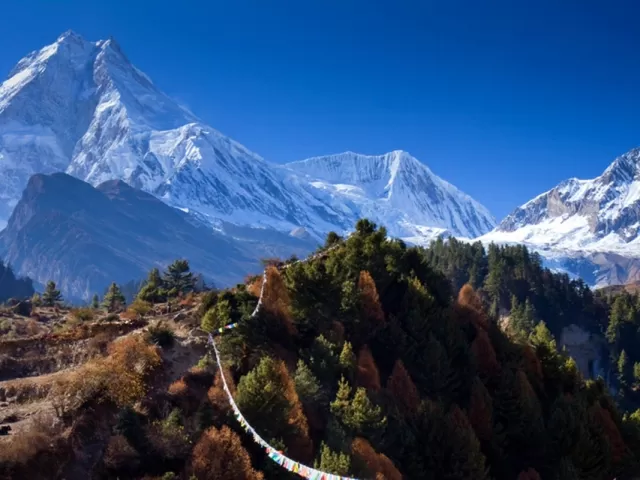
The 11-day Manaslu Larke Pass Trek, also known as the Manaslu Circuit Trek, is one of Nepal’s most scenic, culturally rich, and rewarding Himalayan adventures. The trek takes you through the Manaslu Conservation Area and around Mount Manaslu (8,160 m), the eighth-highest mountain in the world. Starting from Jagat and ending at Dharapani, the route follows the Budhi Gandaki Valley through terraced farmland, lush forests, traditional villages, dramatic gorges, and spectacular Himalayan landscapes. From Dharapani, the Manaslu Larke La Pass is becoming shorter due to the road access, so you can drive to Kathmandu or Pokhara, depending on your preference. This trek is less crowded compared to the Everest and Annapurna treks.As you gain altitude, the scenery shifts from subtropical forests and terraced fields to pine, fir, oak, and rhododendron forests, then to alpine meadows, rocky terrain, glaciers, and high Himalayan valleys. The main highlight is crossing Larke La Pass (5,160 m), where you can enjoy breathtaking views of Manaslu, Himlung Himal, Cheo Himal, Nemjung, Gyaji Kang, Kang Guru, Annapurna II, and Ganesh Himal. The Larke La crossing is challenging and usually requires an early morning start around 4:00 AM to reach the pass before strong winds develop.The Manaslu Conservation Area is rich in biodiversity, with opportunities to see Himalayan thar, musk deer, blue sheep, Himalayan monal, snow pigeon, and golden eagle. Vegetation ranges from sal and bamboo forests at lower elevations to oak, pine, rhododendron, juniper, and alpine grasses higher up. The trek also offers deep cultural experiences among Gurung, Nubri, and Tsum communities, with monasteries, mani walls, chortens, prayer flags, and traditional mountain lifestyles. Along the route, trekkers can explore places like Birendra Lake and enjoy the unforgettable glacial scenery around Larke La Pass. Why is the Manaslu Larke Pass trek so special?Trekking to Manaslu Larke Pass offers unparalleled natural beauty and cultural richness. The trek offers alluring views of Mount Manaslu, the world's eighth-highest peak, and traverses a diverse landscape ranging from lush forests to high alpine terrain. It's less crowded than other popular treks, providing a more serene and authentic experience. The route passes through traditional villages, letting trekkers experience the unique culture and hospitality of local communities. Additionally, the Trek is part of a protected area, offering a chance to see rare wildlife and pristine natural environments.Manaslu Larke Pass Trekking Itinerary: Asianatreks and Tours offers the best Manaslu Larke Pass Trek Itinerary. Embark on a journey through Nepal's diverse landscape on the Manaslu Trek, also known as the Larke Pass Trek. This trek suits moderately fit hikers, offering breathtaking vistas and cultural Immersion. Witness the transformation from Kathmandu's energy to serene villages, culminating in the Majestic Manaslu Himal. Traverse varied terrain, conquer the high-altitude Larke-La Pass, and experience the contrasting charm of a unique town and the Himalaya.Manaslu Larke Pass Trekking Itinerary:This 11-day Manaslu Larke Pass (Circuit) Trek offers an unforgettable Himalayan journey, spanning lush river valleys and dramatic alpine landscapes near the Tibetan border. Starting with a scenic drive from Kathmandu to Machha Khola, the trek ascends through charming Gurung and Tibetan-influenced villages, rhododendron forests, and glacial valleys. Crossing the challenging Larkya La Pass (5,160 m / 16,929 ft), you’ll be rewarded with magnificent views of Manaslu (8,163 m) and the surrounding peaks before descending to Dharapani and driving back to Kathmandu.Manaslu Larke-Pass trekking Itinerary Table guide: Day and PlaceAltitude Meter and FitElevation Gain and LossDay 1: Kathmandu - Jagat 1340 m/ 4396 ft Day 3: Jagat - Deng 1,860 m / 6,102 ft ↑ 520 m Day 4: Deng - Namrung 2,630 m / 8,629 ft ↑ 770 m Day 5: Namrung - Syala 3,520 m / 11,459 ft ↑ 900 m Day 6: Rest & Acclimatisation (Samagaun) 3,530 m / 11,581 ft Day 7: Samagaun - Samdo 3,875 m / 12,713 ft ↑ 345 m Day 8: Samdo - Larkya Phedi (Dharamsala) 4,460 m / 14,633 ft ↑ 585 m Day 9: Larkya Phedi - Larkya La Pass (5,160 m) → Bhimtang 3,720 m / 12,204 ft ↑ 700 m / ↓ −1,440 m Day 10: Bhimtang - Dharapani 1,920 m / 6,299 ft ↓ −1,800 m Day 11: Dharapani - Kathmandu (Drive) 1,350 m / 4,429 ft Drive ↓ −570 m Manaslu Larke Pass Trekking Distance:The Manaslu Larke Pass Trek is one of Nepal’s most scenic and challenging Himalayan adventures. This 11-day journey combines cultural immersion, dramatic landscapes, and a thrilling high-mountain crossing over Larkya La Pass (5,160 m / 16,929 ft). Starting from Jagat, the trek passes through lush valleys, alpine meadows, glacial moraines, and remote Tibetan-influenced villages before descending to Dharapani and returning to Kathmandu. Perfect for experienced trekkers seeking a blend of culture, nature, and adventure in the Manaslu Conservation Area.Manaslu Larke Pass Trekking Distance Summary Table:Category Details Approx. Figures Trekking Distance Total walking distance during the trek 126 km / 78.29 miles Driving Distance Kathmandu - Jagat - Dharapani - Kathmandu 395 Km/ 245.4 miles Maximum Elevation Larkya La Pass 5,160 m / 16,929 ft Elevation Gain Total ascent during tracking +4,200 m Elevation Loss Total descent during the trek -3,900 m Total Duration Full Itinerary11 DayManaslu Larke Pass Trekking route: The Manaslu Larkya La Pass Trek is an 11-day adventure in Nepal. Hike through charming villages, rice paddies, and lush forests with stunning views of the Manaslu mountains. Climb the high Larkya La Pass for epic panoramas, then descend into the beautiful Manang Valley. Explore the villages of Tibetan culture and hike to a glacier lake. This unforgettable trek ends in Besisahar, where you can catch a bus back to Kathmandu.Manaslu Larke Pass trekking price:The Manaslu Larke Pass Trek, also known as the Manaslu Circuit Trek, is one of Nepal’s most scenic Himalayan trekking adventures. The trek takes you around Mount Manaslu through beautiful mountain villages, forests, rivers, Buddhist monasteries, and high Himalayan landscapes. The highlight of the journey is crossing Larke Pass (5,106 m), followed by a descent through the beautiful Manang region.Our Manaslu Circuit Trek package provides reliable service, transparent pricing, and a well-organised trekking experience. The cost depends on the group size and the services you choose. We offer different options, including full-board trekking with a private jeep, guide, porter, and permits; full-board trekking using shared transportation and local buses; and a basic B&B package with guide and porter services.Package Price Details:Full Board + Private Jeep: Includes trekking guide, porter, required permits, accommodation, breakfast, lunch and dinner during the trek, plus private ground transportation by jeep where applicable. This is a convenient option for travellers seeking a comfortable and more flexible Manaslu Circuit Trek.Full Board + Sharing Jeep/Local Bus: Includes guide, porter, permits, teahouse accommodation, and three meals a day during the trek. Transportation is arranged by sharing a jeep or a local bus, making this a more economical option.B&B + Guide and Porter: This budget-friendly option includes a guide, porter, Permit, accommodation, and breakfast. Trekkers pay for lunch and dinner directly, while transportation is arranged.Manaslu Larkya Pass Trekking price range by Table:Group sizeFull board with private jeepFull board with shared transportation1 single pax164512362 - 6 pax144210057-12 pax97791913 above 897815Manaslu Larke Pass trekking Height:The Manaslu Larke Pass trek is a 14-day journey through Nepal's Himalayas, starting at the bustling Arughat Bazaar, located at an elevation of 500 meters (1,640 feet). As you trek through villages and valleys, the altitude gradually increases, reaching a comfortable 2,000-3,000 meters (6,562-9,842 feet) by day 4 or 5. The real challenge comes at Larkya La Pass, the highest point at a staggering 5,106 meters (16,751 feet), with breathtaking views. As you descend into the beautiful Manang Valley, you'll find villages like Bimtang (3,720 meters/12,200 feet) and Manang (3,540 meters/11,600 feet), which offer Tibetan culture and a chance to acclimatise before potentially reaching even higher glacial sights, such as Ice Lake (4,690 meters/15,384 feet).Major Villages and Scenery on the Manaslu Larkya Pass Trek:The Manaslu Larkya Pass Trek, also known as the Manaslu Circuit Trek, passes through a remarkable variety of villages, landscapes, forests, rivers, and high Himalayan terrain. The route begins in the lower hills around Soti Khola and Machha Khola and gradually climbs toward the high mountains of Manaslu before crossing Larkya La Pass (5,106 m). Each major village offers a different landscape, culture, and mountain view.Major Villages and Highlights:Soti Khola – The trek's traditional starting area, surrounded by green hills, forests, and the Budhi Gandaki River.Machha Khola – A riverside village with waterfalls, narrow gorges, suspension bridges, and dramatic rocky landscapes.Jagat (1,410 m) – The gateway to the restricted Manaslu region, featuring stone-paved paths, traditional houses, and terraced hillsides.Deng (1,860 m) – A peaceful mountain village surrounded by pine and rhododendron forests, with increasingly impressive Himalayan scenery.Namrung (2,630 m) – A beautiful Tibetan-influenced village with views toward Manaslu, Himalchuli, and Ganesh Himal.Lho (3,180 m) – One of the most scenic villages on the route, known for its monastery, traditional houses, mani walls, and spectacular views of Manaslu.Sama Gaon (3,525 m) – The major acclimatisation village, surrounded by dramatic peaks, glaciers, monasteries, and wide Himalayan valleys. It is also the gateway to Manaslu Base Camp and Birendra Lake.Samdo (3,875 m) – A high-altitude Tibetan-influenced settlement with stone houses, yak pastures, and excellent views of the surrounding Himalayan peaks.Dharamsala/Larkya Phedi (4,460 m) – The final overnight stop before Larkya La Pass, surrounded by barren alpine landscapes, glaciers, and snow-covered mountains.Bhimtang (around 3,600 m) – A beautiful mountain settlement reached after crossing Larkya La, with views of Manaslu, Himlung Himal, Cheo Himal, and Lamjung Himal.Dharapani (1,860 m) – The endpoint of the Manaslu Circuit, where the landscape turns greener, and the trail connects to the Annapurna region.Changing Scenery Along the Manaslu Larkya Pass Route:One of the main attractions of the Manaslu Larkya Pass Trek is its dramatic change in scenery. The lower section features lush forests, waterfalls, terraced farmland, rivers, and deep Budhi Gandaki gorges. Around Namrung and Lho, the landscape changes into a high Himalayan environment with pine forests, Tibetan-style villages, monasteries, mani walls, and expansive views of Manaslu. Beyond Sama Gaon, vegetation becomes sparse, giving way to alpine meadows, glaciers, moraines, and rugged mountain terrain around Samdo and Larkya Phedi.After crossing Larkya La Pass, the scenery changes again as the trail descends toward Bhimtang through glacial landscapes, high mountain valleys, and eventually rhododendron and pine forests. This remarkable transition from subtropical river valleys to high alpine terrain is a defining feature of the Manaslu Circuit and Larkya Pass Trek.Best Viewpoints on the Way to Manaslu Larke Pass:The Manaslu Larke Pass trek offers breathtaking viewpoints with panoramic views of the Himalayas and diverse landscapes. Here are some of the best viewpoints you'll encounter on your journey:Arughat Bazaar: Although not technically part of the trek, it offers a scenic introduction to your adventure. Standing on a ridge, you might get glimpses of Ganesh Himal and Manaslu in the distance, depending on the weather conditions.Jagat: Nestled at 1300 meters (4,265 feet), Jagat provides stunning views of the Ganesh Himal range with snow-capped peaks.Philim: This charming village, situated at 1,570 meters (5,151 feet), is nestled among apple orchards and offers panoramic views of the Manaslu Himal range, including Manaslu itself, Himalchuli, and Ngadi Chuli.Namrung (3,230 meters/10,600 feet): Considered the gateway to the Manang Valley, Namrung boasts spectacular views of the Manaslu and Annapurna ranges. You can spot the iconic Manaslu North face from here.Larkya La Pass (5,106 meters/16,751 feet): This is undoubtedly the crown jewel of the Trek.Conquering the pass rewards you with unparalleled 360-degree panoramas. You'll see the Annapurna range to the west, the Manaslu Himal to the south, and the Chulu West Himal to the north. Glaciers cascading down from the peaks are genuinely awe-inspiring.Flora and Fauna In Manaslu Larke Pass:The Manaslu Larke Pass trek is a biodiversity wonderland! As you trek, the scenery transforms: lush subtropical forests teeming with rhododendrons and monkeys at lower altitudes give way to temperate conifer forests with vibrant spring displays. Higher up, the landscape becomes a canvas of alpine meadows and colourful wildflowers, while animals like Himalayan tahr and elusive musk deer might become your companions. Remember, the Manaslu Conservation Area protects this rich ecosystem, so respect wildlife and leave no trace.Festivals and Culture of Manaslu Larke Pass Trekking:The Manaslu Larke Pass trek offers stunning natural beauty and a rich cultural tapestry. You may encounter various festivals that celebrate the region's unique traditions throughout your journey. These festivals, such as the Tiji Festival in February and March, with its vibrant masked dances and prayers for a good harvest, and the Damphu Festival in August and September, featuring lively drumming and blessings, provide a window into the local way of life. Additionally, the Mani Rimdu Festival, celebrated in November across Manaslu villages, showcases Buddhist masked dances depicting the triumph of good over evil. Beyond these celebrations, the Trek offers the opportunity to experience the warmth and hospitality of the local people. The Gurung people primarily inhabit the lower villages, which are renowned for their distinctive cultural heritage. Tibetan influences become increasingly prominent as you ascend, reflected in the architecture, clothing, and prayer flags that adorn the landscape. Throughout your Trek, you are encouraged to engage with the locals, learn about their customs, and gain a deeper appreciation for the cultural richness of the Manaslu region.People and Hospitality:The Manaslu Larke Pass trek isn't just about mountains; it's about meeting the friendly people who call this region home. As you trek, you'll encounter villages in the lower regions inhabited by the Gurung people, known for their rich cultural heritage. Higher up, Tibetan influences become more evident, with locals practising Buddhism and their villages adorned with colourful prayer flags. Throughout your journey, expect warm hospitality - a smile and a helping hand are never far away, making the Manaslu Larke Pass trek a cultural experience as much as an adventure.Advantages of booking with Asiana Treks and Tours:Private transportation for airport transfers to and from your hotel.Feel free to connect with us on Facebook or online for a trip briefing.Last-minute booking is available after you arrive.Easy booking and reservation system.24/7 phone communication at +977-9851076270. WhatsApp, and SkypeFree excess luggage storage during the TrekOximeters measure blood oxygen saturation at high altitudes, enabling early detection of altitude sickness.Medical kits along the Trek and hot airbags are available in winterArrange sleeping bags, duffel bags, down jackets, and walking poles if needed.3 pieces of 20 cm felt and a handmade rug hat, pot coaster.Currency Exchange:The Nepalese rupee is the Nepali currency, and 1 USD is approximately 130 Nepalese rupees. Nepal accepts only NPR, so it's best to bring cash to make transactions easier. Banks and ATMs in Kathmandu offer currency exchange services; however, most banks prefer new, crisp notes.Our Team:The Asiana Treks and Tours team is professional, reliable, and responsible. They are well-trained, friendly, radiant, and fluent in English. You can feel comfortable sharing anything with them. They are experts in local culture, history, vegetation, cuisine, accommodations, weather conditions, and first aid medications. They are also environmentally conscious and respect animal rights.However, please refrain from provoking them for personal gain during the Trip. While you can enjoy your holiday with them, we kindly request that you refrain from attempting to alter their customs, beliefs, religion, culture, or traditions.We and our staff are committed to making your adventure trip an unforgettable memory of a lifetime in Nepal.Guide and Porter Arrangement:Asiana Treks and Tours focuses on responsible tourism in Nepal. We make sure our guides and porters are well-trained in Trekking and mountaineering. They are well-versed in the areas we visit, including geography, history, customs, and culture. We train them regularly in safety, first aid, and environmental conservation. We follow guidelines to treat our porters fairly, providing them with good pay, accommodation, and meals during treks. Our guides and porters are essential team members, and we appreciate their hard work. When you trek with us, you support ethical tourism in Nepal, making your Trip meaningful and memorable.Asiana Treks and Tours prioritises your safety and enjoyment. Our knowledgeable guides, reliable equipment, and safety measures ensure a great trekking experience in Nepal.Porter, Luggage, and Extra Luggage Storage:We cover the cost of porters for your Luggage, but the maximum weight limit is 12 kg per person. Each porter carries Luggage for two trekkers; please share a duffel bag with another. Our porters will carry up to 25 kg each. If you need a porter, we can arrange one. We also recommend carrying a small backpack for your valuables and important documents. You can leave extra Luggage at our office for free, and at hotels in Pokhara, Namche, etc.Accommodation on the Manaslu Larke Pass Trek:The Manaslu Larke Pass trek offers teahouse accommodation throughout the journey. These guesthouses are comfortable yet straightforward lodges, featuring rooms, dining areas, and shared bathrooms. They're a great way to experience local culture and offer a clean, affordable place to rest each night. We'll provide blankets, pillows, and sleeping bags, which are available. You'll spend your nights in these teahouses along the trek and enjoy hotel stays in [destination city] before and after your adventure.Meals during the Trip:The Manaslu Larkya Pass trek provides hearty meals to fuel your adventure. Tea houses along the route offer a delicious mix of local Nepali dishes, including dal bhat (a combination of lentils and rice), curries, dumplings, and noodles. Western options are also available, though choices become more basic at higher altitudes. Stay hydrated with fluids like green tea, lemon tea, and hot soups, especially as you gain elevation. While you can find some non-vegetarian options, it's best to stick to cooked vegetables and consider avoiding dairy, alcohol, and caffeine to support optimal digestion during the Trek.Drinking water:Staying hydrated on the Manaslu Larke Pass trek is essential, but bottled water can be scarce and expensive. Instead, plan to refill your water bottle at teahouses along the way, where treated or boiled water is usually available. To ensure safe drinking water, even in remote areas, consider bringing a water filter or purification tablets. Remember, you'll lose electrolytes through sweat, so adding tablets or powder to your water can help keep you energised and prevent dehydration.Extra Personal Expenses:Your Trip covers most expenses during the Trek; however, you will need to pay for additional accommodations and meals in Kathmandu, souvenirs, and beverages. We estimate miscellaneous expenses at USD 15-25 per trekking day. However, personal expenses depend on your Income, habits, and style.Toilet Facilities in Manaslu Larke Pass Trekking:Most teahouses have Western-style flush toilets during mountain treks, especially at lower elevations. However, as you ascend, you'll find simple squat toilets along the trails and at teahouses at higher altitudes. These toilets usually have water and toilet paper, but it's a good idea to bring your own just in case. You can also use restrooms at nearby teahouses or find a private spot along the trekking routes.Internet Connectivity:While trekking in Nepal's Himalayan region, it's also a good idea to stay connected with your family and friends. You can find internet access at teahouses and lodges, but it may cost extra. The signal may be weak due to the remote location. You can also get internet access using a local SIM card and data packages available at Kathmandu airport or nearby shops in Thamel and Pokhara. To get a SIM card, you'll need a passport-sized photo and a copy of your passport. It's a good idea to compare prices and data packages from telecom companies like Ncell and Nepal Telecom before buying. Knowing about the connectivity. Our guide will suggest connections for you.Electricity voltage and plugs:However, as of May 29, 2023, 95% of Nepali people have access to electricity. Almost all popular trekking routes, teahouses, and lodges have electricity. However, some isolated, solo trekking teahouses in the jungle do not have electricity; most teahouses let travellers charge their devices for a small fee. The average electrical voltage in Nepal is 230 volts, with common plug types including Type C, Type D, and Type M. Travellers should bring a suitable adapter and, if necessary, a voltage converter for their electronic devices.Communication:The guesthouses in the trekking regions offer internet access. You can purchase a SIM card at Tribhuvan International Airport in Kathmandu and Namche. However, the signal may be weaker at high altitudes. Our office maintains regular contact with all trekking teams through the trek guide, checking in at least once daily to ensure everything proceeds as planned.Trip Extension:Suppose you have extra days in Nepal after Trek Trek Trek. In that case, we can arrange a tour, including an overnight stay at Nagarkot Balthali or any other location around Kathmandu and Chitwan, as well as activities such as jungle safari, paragliding, rafting, canyoning, or other treks. Do not hesitate to inform us. We will create the best for you.Trek Difficulty:The Manaslu Larke Pass trek is an epic journey that demands physical and mental fortitude. While not a technical climb, it is a strenuous 14-day adventure covering over 177 kilometres. Daily hikes last 5 to 7 hours and require sustained effort and endurance. The real challenge is the altitude. At Larkya La Pass, reaching a staggering 5,106 meters (16,751 feet), proper acclimatisation is crucial to avoid altitude sickness. The terrain presents a diverse array of landscapes, ranging from verdant valleys and forests to challenging climbs and potentially icy trails at higher elevations. Be prepared for uneven ground and slippery sections.This Trek is best suited for experienced trekkers in good physical condition who are comfortable with high altitudes and long days on the trail. With proper training, a focus on acclimatisation, and a positive mindset, the Manaslu Larke Pass trek promises an unforgettable and rewarding experience.Trip Safety:We highly give top priority. We provide experienced guides with first aid kits and necessary safety gear to ensure a safe hand. Our team monitors weather and trail conditions and takes precautions to minimise risks. Before starting the Trek, we discuss the Trip to provide a clear understanding and ensure a reliable experience.Group & Private Treks:We organise many group and private treks simultaneously, with discounts available for larger groups. Every group will have a trekking guide and porters. Regarding larger groups, we provide an assistant guide. Our team ensures a safe and enjoyable trekking experience for all participants.About a solo traveller:If you're a solo traveller, please get in touch with us to confirm departure dates before booking. You can tell us via call, WhatsApp, or email. We have listed upcoming departure dates for your convenience. Feel free to share the trip details with friends and family.Notes: Please be aware that the itinerary is subject to change due to weather or other unforeseen factors, and we will adjust it accordingly to ensure the group's safety and enjoyment. We look forward to guiding you through the stunning landscapes of the Annapurna region and providing a memorable trekking experience.Responsible Travel:We prioritise responsible travel to minimise environmental impact and support local communities. We collaborate with organisations like the Kathmandu Environmental Education Project (KEEP) to promote eco-friendly practices in trekking regions.Gratitude:Gratuity or tipping is highly appreciated in Nepali culture and reflects the quality of service provided. You decide how much to tip, but we recommend tipping as a group at the end of the Trip.End of Trek:The Manaslu Larkya Pass trek is a 14-day adventure that will test your limits and leave you breathless. You'll trek through diverse landscapes, conquer the challenging Larkya La Pass at a staggering 5,106 meters, and immerse yourself in the rich culture of the Manaslu region. After your triumphant return to Pokhara, you can choose between a scenic bus ride or a quicker flight back to Kathmandu, where a celebratory farewell dinner awaits.Departure:On your departure day, we'll pick you up from your hotel and transfer you to Tribhuvan International Airport. We hope you enjoyed the Nepal trek and will consider returning for more adventures in Nepal.Feedback:After you complete the Manaslu Larke Pass Trek, we'll organise a farewell dinner in Kathmandu and present you with a trekking achievement certificate. After the dinner, you can provide feedback about the Trek Trekon travel portals.Last-Minute Booking:If you can't book in advance, we offer last-minute bookings. Last-minute booking offers are available, but they may cost slightly more than regular departure dates. Those opting for last-minute bookings must pay an additional 7% of the total trip cost on our website. While we strive to accommodate last-minute requests, we do our best to meet your last-minute holiday booking needs.Special Note: Unforeseen circumstances, such as inclement weather or lodging unavailability, may occasionally require schedule changes. Your trip guide will design a fresh schedule based on the group's interests in such circumstances.
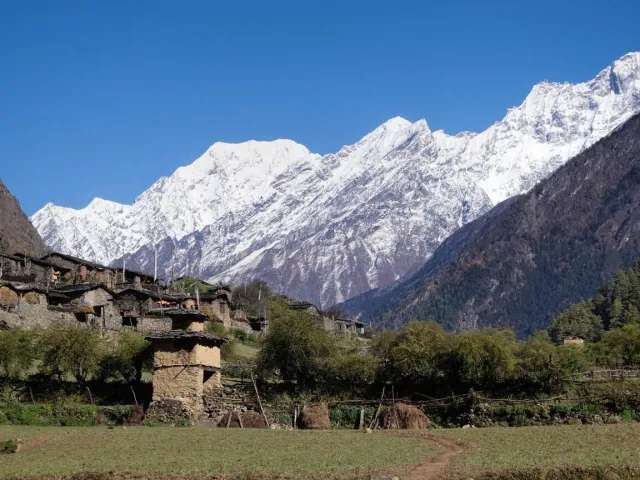
Tsum Valley trekking is a unique and adventurous journey in northern Nepal. Tsum Valley, also known as the "Hidden Valley," lies in the lap of the majestic Himalayas near the border of Tibet. The valley is surrounded by beautiful mountain ranges, including Ganesh Himal, Sringi Himal, and Boudha Himal. Tsum Valley trekking offers a chance to explore the region's rich culture, stunning scenery, and diverse flora.Tsum Valley Trekking is a beautiful journey through Nepal's remote, hidden Himalayan valleys. Located in the Manaslu region, Tsum Valley is one of Nepal's lesser-known trekking destinations. It is the perfect option for travellers seeking a unique and off-the-beaten-path experience.The first-day journey begins with a drive from Kathmandu to Machhakhola, where you will start your hike. The trail takes you through beautiful landscapes, including lush green forests, cascading waterfalls, and terraced rice and maize fields. As you trek higher, you'll be greeted with stunning views of the snow-capped Himalayas, including Manaslu, Ganesh Himal, and Sringi Himal.One unique aspect of Tsum Valley Trekking is the chance to experience the culture and lifestyle of the local people. The Tsumba people live in Tsum Valley and have their own language. Distinct culture and traditions. They are known for their hospitality and warm welcomes, and you'll have the chance to interact with them during your trek. The area is filled with old monasteries and Chortens, including the Milarepa's cave, a famous pilgrimage site for Buddhists.The trek passes many small villages and settlements, offering a glimpse into the daily lives of local people. Accommodation in Tsum Valley is mostly tea houses, which offer basic amenities and a warm bed to rest after a long day of trekking. The food in the tea houses is also a highlight, with local Nepali cuisine and traditional Tibetan dishes on the menu.The Tsum Valley Trek is moderately strenuous, so you should have a reasonable level of fitness and endurance. The walk reaches a maximum altitude of 4,020 meters at Mu Gompa, and it's important to acclimatise properly to prevent altitude sickness.In conclusion, Tsum Valley Trekking is a unique and rewarding experience for travellers looking to explore the beauty and culture of Nepal's remote Himalayan region. The amazing landscapes, rich culture, and warm hospitality of the locals make Tsum Valley Trekking an unforgettable journey.Tsum Valley Trek Itinerary:Start an 11-day trip to tour the Tsum Valley. Start with sightseeing in Kathmandu Valley and proceed to trek to villages, Hot springs, and Lokpa . Explore the upper part of the Tsum Valley, with ancient Monasteries and spectacular views of the Himalayas. Lastly, return to the starting point and descend to Kathmandu with beautiful memories of this cultural trek.Tsum Valley Trekking Distance: The Lower Manaslu trek is ideal for beginners, covering a moderate distance of 70 to 100 kilometres (43 to 62 miles), depending on the route chosen. Each day's hike is manageable, allowing trekkers to fully enjoy the breathtaking scenery and rich culture of the Manaslu region.Tsum Valley Trekking Route:Tsum Valley Trek is a moderate 11-day trek that takes clients to the culturally isolated Tsum Valley in the Manaslu region. Travel by jeep to Soti Khola, on the banks of the Budhi Gandaki River. Starting with valley and river-view tracks and then crossing the river, the trek takes you to Jagat, with a stop at the hot baths in Tatopani for muscle aches. For the next few days, walk through villages and paddy fields; Lokpa is the starting point to Tsum Valley. Here, your step-by-step exploration of the Upper Tsum Valley begins. Travellers can also visit the monasteries of Rachen Gompa, Mu Gompa, and Dephyudonma Gompa, and see the startling views of Ganesh Himal, Boudha Himal, and Himal Chuli. Last but not least, you will retrace your steps back to Macha Khola and feel the Infrastructure and geometry of the landscape reversed then return to the jeep to Kathmandu.Tsum Valley trek high and altitudeThe highest trekking elevation on the Tsum Valley Trek is around 3,700 meters (12,139 feet) at Mu Gompa, the highest monastery in the Tsum Valley. Important places along the route include Jagat at about 1,410 m, Lokpa at 2,240 m, Chumling at 2,386 m, Chhokangparo at 3,031 m, Nile at 3,361 m, and Mu Gompa at 3,700 m. The gradual elevation gain makes acclimatisation an important part of the trek. Tsum Valley Trek Height and AltitudeThe Tsum Valley Trek is a beautiful Himalayan journey in the northern Gorkha district of Nepal, known forBecause the Tsum Valley Trek reaches above 3,000 meters, trekkers should walk at a comfortable pace, stay hydrated, eat well, and allow enough time for acclimatisation. The trail passes through green forests, steep mountain valleys, traditional Tibetan-style villages, Buddhist monasteries, mani walls, and high Himalayan landscapes, making the altitude change an important part of the overall trekking experience.Major Villages of Tsum Valley Trek The Tsum Valley Trek passes through several beautiful Himalayan villages that reflect the ancient Tibetan Buddhist culture and traditional lifestyle of the people of northern Gorkha. Green forests, steep mountain valleys, high Himalayan peaks, monasteries, chortens, mani walls, and terraced fields surround the villages. Each settlement has its own character and offers a chance to experience the Tsum Valley's peaceful rural life. Major Villages on the Tsum Valley Trek Jagat – 1,410 m: The main gateway to the Tsum Valley and Manaslu region, with traditional stone houses and narrow mountain trails.Philim – 1,590 m: A beautiful Gurung settlement surrounded by forests and terraced farmland, located along the Budhi Gandaki River.Lokpa – 2,240 m: The first major village after entering the Tsum Valley, known for its peaceful surroundings and impressive mountain scenery.Chumling – 2,386 m: A traditional Tsumba village with stone houses, Buddhist prayer flags, and views toward Ganesh Himal.Chhokangparo – 3,031 m: A group of traditional villages in the upper Tsum Valley, known for Tibetan Buddhist culture, monasteries, and spectacular Himalayan views.Nile – 3,361 m: One of the highest permanent settlements in Tsum Valley, situated near the Shiar Khola and surrounded by dramatic mountain landscapes.Mu Gompa – 3,700 m: The highest major settlement and home to the famous Mu Gompa monastery. A cultural and spiritual highlight of the Tsum Valley Trek.Chumje – 3,238 m: A scenic mountain settlement surrounded by forests, traditional houses, and Buddhist cultural sites.Dumje – around 2,400 m: A small traditional settlement offering a quieter experience of local Himalayan life and mountain landscapes.Together, these villages make the Tsum Valley Trek a unique combination of Himalayan scenery, Tibetan Buddhist culture, traditional villages, monasteries, and local hospitality. 03,Best Viewpoints on the Tsum Valley Trek The Tsum Valley Trek offers beautiful Himalayan viewpoints throughout the journey, from the lower Budhi Gandaki Valley to the high mountain landscapes around Nile and Mu Gompa. Unlike treks that focus on a single famous viewpoint, Tsum Valley provides a combination of mountain panoramas, deep river valleys, traditional villages, monasteries, forests, and dramatic Himalayan scenery. Along the trail, trekkers can enjoy views of Ganesh Himal, Himalchuli, Manaslu, Buddha Himal, Sringi Himal, and other surrounding peaks. Sunrise and morning hours generally provide the clearest mountain views, while the changing landscapes make the entire route scenic. Major Viewpoints on the Tsum Valley Trek Jagat Viewpoint: Enjoy views of the steep Budhi Gandaki Valley, green hills, waterfalls, and surrounding mountains.Philim Viewpoint: A scenic location overlooking terraced hills, forests, the Budhi Gandaki River, and nearby mountain landscapes.Lokpa Viewpoint: The trail around Lokpa provides beautiful views of deep Himalayan valleys, forests, and surrounding peaks.Chumling Viewpoint: One of the attractive viewpoints in lower Tsum Valley, offering views toward Ganesh Himal and the surrounding Himalayan landscape.Chhokangparo Viewpoint: Enjoy panoramic views of traditional Tsumba villages, green hills, and snow-covered mountains.Nile Viewpoint: The area around Nile provides impressive views of the high Tsum Valley, Ganesh Himal, Sringi Himal, and surrounding peaks.Mu Gompa Viewpoint: Located around 3,700 m, Mu Gompa is one of the trek's highest points and offers dramatic views of the surrounding high Himalayan terrain.Shiar Khola Valley: Several sections of the trail provide beautiful views of the river valley, cliffs, forests, and high mountains.Ganesh Himal Views: Different sections of the Tsum Valley trail offer impressive views of the Ganesh Himal range, especially around Chumling and higher villages.Manaslu and Himalchuli Views: On clear days, trekkers can see parts of the Manaslu and Himalchuli ranges from different sections of the route.The combination of mountain viewpoints, traditional villages, Buddhist monasteries, deep valleys, forests, and peaceful Himalayan landscapes makes the Tsum Valley Trek a rewarding experience for travellers seeking both natural beauty and Tibetan Buddhist culture. 04,Accommodation for the Tsum Valley Trek Accommodation on the Tsum Valley Trek is mainly provided in local teahouses, lodges, and simple guesthouses along the trekking route. Because the Tsum Valley is a remote, less-developed Himalayan region, accommodation is more basic than in popular trekking areas such as Everest and Annapurna. Most teahouses provide clean rooms with simple beds, mattresses, blankets, and shared toilets. Staying in local lodges also gives trekkers a chance to experience the traditional lifestyle and warm hospitality of local communities.In lower villages such as Jagat, Philim, and Lokpa, trekkers can find relatively comfortable teahouses and guesthouses. As the trail climbs higher toward Chumling, Chhokangparo, Nile, and Mu Gompa, accommodation becomes simpler, with fewer facilities and limited room availability. During the busy trekking seasons, especially spring and autumn, it is advisable to arrange accommodation in advance, particularly for larger groups. Accommodation Facilities on the Tsum Valley TrekLocal teahouses and guesthouses are the main accommodation along the route.Twin-sharing rooms are commonly available.Rooms generally have simple beds, mattresses, pillows, and blankets.Shared bathrooms and toilets are common, especially at higher elevations.Some villages offer hot showers for an additional charge.Dining rooms provide a warm place to eat, rest, and socialise.Meals commonly include dal bhat, noodles, rice, pasta, soup, Tibetan bread, vegetables, and other simple local dishes.Electricity and charging facilities may be available in some villages, but services can be limited at higher elevations.Wi-Fi and mobile network coverage are limited and can be unreliable in remote sections.At Mu Gompa and other high-altitude areas, accommodation is particularly basic and limited.Trekkers should carry a sleeping bag because rooms may be cold at night and blankets may not always be sufficient.Staying in local teahouses supports community-based tourism and local livelihoods.Simple accommodation is an important part of the Tsum Valley trekking experience, allowing travellers to stay close to local communities while enjoying the peaceful Himalayan environment, traditional villages, and ancient Buddhist culture. 05,Available Food on the Tsum Valley Trek Along the Tsum Valley Trek, food is mainly obtained at local teahouses, lodges and homestays situated on the route. Since Tsum Valley is in a remote part of the Himalayas, the variety of food is greater than that found on popular trekking routes such as Everest Base Camp and Annapurna. The majority of the meals make use of ingredients that are available in the area and rely on traditional methods of cooking. Trekkers usually select dal bhat, noodles, Tibetan bread, potatoes, vegetables, soups and Tibetan-style dishes. By staying and eating at local teahouses, trekkers also get the opportunity to taste the traditional food and enjoy the hospitality of the Tsumba communities. Food Available on the Tsum Valley Trek Dal Bhat consists of rice, lentil soup, vegetables, curry, and pickles and is a satisfying and popular meal for trekkers.At teahouses you can usually find vegetable, egg, or mixed noodles.Thukpa is a kind of warm noodle soup in the Tibetan style, and it is particularly pleasant to eat in the colder mountain regions.Tibetan Bread is a traditional type of bread which is usually eaten for breakfast together with tea, honey, jam, or eggs.Momos are steamed dumplings of Tibetan origin, the fillings typically being vegetables when they are available.Potatoes can be served in the form of boiled, fried potatoes or together with vegetables if they are locally grown.Vegetable curry is usually served with rice or with other native dishes.Fried rice is a simple meal which is made with rice and either vegetables or eggs depending on what is available.In terms of soups, a great many teahouses provide warm vegetable, noodle, or garlic soups.Porridge is a simple choice for a breakfast that gives you energy before starting a day's trekking.Eggs are available boiled, fried, scrambled or used to make an omelette at many lodges.Pancakes are generally to be found in some teahouses, especially in smaller and more substantial villages.Dal or lentil soup is a nutritious side dish to go with rice and vegetables.Snacks such as biscuits, chocolate, cookies, nuts, and other ready-made snacks can be found, but the variety decreases in the more elevated villages.Tea, milk tea, black tea, coffee, hot lemon juice, ginger tea, and hot water are generally available.In local homes and teahouses you can find traditional foods that have been influenced by the Tibetan Buddhist culture of the Tsum Valley. Food at Higher Elevations When the Tsum Valley Trek reaches Nile and Mu Gompa, the variety of food decreases since the area is isolated and it is difficult to transport supplies. The meals are usually simple, warm, and satisfying. Trekkers should take with them some of their own snacks, for example energy bars, nuts, chocolate or dried fruit, so as to have extra energy while on the trek.Should you have any dietary needs such as being vegetarian, vegan, gluten-free, or otherwise, it is important that you let your trekking company know before the trek takes place. Nowadays, the local teahouses are generally able to prepare appropriate meals provided that you make your requirements known in advance. 06,Best Time to Trek in Tsum Valley The best time to trek in Tsum Valley is during spring (March to May) and autumn (September to November). These seasons generally offer stable weather, clear mountain views, comfortable daytime temperatures, and better trail conditions. Spring brings colourful rhododendron flowers and fresh green landscapes, while autumn offers clear skies and excellent views of Ganesh Himal, Manaslu, Siring Himal, and the surrounding mountains. October and November are particularly popular for trekking because of the dry weather and good visibility. Best Seasons for the Tsum Valley Trek Spring – March to May: One of the best seasons for the Tsum Valley Trek. The weather is generally mild, mountain views are clear, and rhododendron forests are colourful.March: Cool mornings and evenings with improving weather. Lower elevations warm up, and flowers start to appear.April: Pleasant trekking temperatures, clear mountain views, and colourful rhododendron forests make April an excellent month for the trek.May: Generally warm at lower elevations with good trekking conditions, although clouds and occasional rain may increase toward the end of the month.Autumn – September to November: Another excellent trekking season, with generally dry weather, clear skies, and excellent Himalayan visibility.September: The monsoon usually begins to retreat, bringing greener landscapes and gradually improving mountain views.October: Usually one of the most favourable months, with stable weather, clear skies, and excellent views of the Himalayan peaks.November: Cool and mostly dry, with clear mountain views. Nights become colder, particularly at higher elevations.Winter – December to February: The trek is possible for experienced trekkers, but temperatures can drop significantly at higher elevations. Snow may affect the upper sections, and some teahouses may have limited services.Monsoon – June to August: This is generally a less favourable period because of frequent rainfall, cloudy mountain views, slippery trails, and possible landslides on lower sections of the route.Recommended MonthsFor the best overall experience, March, April, May, October, and November are generally suitable months for the Tsum Valley Trek. October and November are especially popular for clear Himalayan scenery, while spring offers blooming rhododendrons and fresh mountain landscapes.Weather can change quickly in the Himalayas, so the exact trekking conditions depend on the year, altitude, and local weather. A flexible itinerary and appropriate clothing are recommended for all seasons. 8, A Typical Day on the Tsum Valley Trek A typical day on the Tsum Valley Trek starts with an early breakfast at a local teahouse or lodge. Most trekking days begin around 7:00 AM, though an earlier start may be needed if the section is longer or more difficult. After breakfast, the trek passes through traditional villages, forests, terraced fields, Buddhist monasteries, and beautiful Himalayan scenery. The walking pace is comfortable, with frequent short breaks so you can enjoy the views, take photographs, and meet local people.You typically walk 5 to 6 hours a day, depending on the route, altitude, and trail conditions. The trail passes through rivers, suspension bridges, pine and rhododendron forests, rocky mountain paths, and traditional Tsumba villages. Lunch is generally at a teahouse or lodge along the trail, and then the trek continues at a slow pace toward the village where you will spend the night.Usually in the afternoon, you will arrive at your destination between 3:00 and 5:00 PM. After checking into the teahouse, you can rest, explore the village, visit a nearby monastery, or enjoy the mountain scenery. Dinner is typically served around 6:30 to 7:00 PM, after which you can relax with your guide and the other trekkers. At higher elevations, it is advisable to go to bed early to acclimatise and prepare for the next day’s trek.Typical Daily Schedule on the Tsum Valley TrekFrom 6:30 to 7:00 a.m., wake up and get ready for the day.At 7:00 a.m., have breakfast at the teahouse or lodge.7:30–8:00 AM: Begin trekking.From 10:00 to 10:30 AM, take a short rest and a photography break.From 12:00 to 1:00 PM, have lunch at a local teahouse.From 1:00 to 1:30 PM, continue toward the village where you will spend the night.From 3:00 to 5:00 PM, arrive at the day’s destination and check in at the lodge.In the afternoon, rest, explore the village, visit the monasteries, or enjoy the mountain views.6:30–7:00 PM: Dinner.From 7:30 PM onwards, relax, get ready for the next day, and rest.What makes a typical day special?Passing through traditional Tsumba villages.Taking part in Tibetan Buddhist culture and local traditions.Visiting ancient monasteries, chortens, and mani walls.Enjoying views of Ganesh Himal, Manaslu, Sringi Himal, and other surrounding peaks.Passing through forests of pines, rhododendrons, and Himalayan trees.Crossing mountain suspension bridges and rivers.Enjoying simple, fresh meals at local teahouses.Meeting local people and enjoying friendly Himalayan hospitality.Proceeding at a comfortable pace and taking regular rest breaks.Spend peaceful evenings in traditional mountain villages. 9, Permits for the Tsum Valley Trek The Tsum Valley Trek requires a Restricted Area Permit (RAP) because Tsum Valley is a protected, restricted trekking area in northern Gorkha. Trekkers must obtain the required permits before entering the valley's restricted section. In addition to the Tsum Valley Restricted Area Permit, trekkers normally need the Manaslu Conservation Area Permit (MCAP) because the route passes through the Manaslu Conservation Area. Permit requirements and fees can vary by season and current government regulations.Required Permits for the Tsum Valley TrekTsum Valley Restricted Area Permit (RAP): Required for entering the restricted Tsum Valley area. The fee varies by trekking season and the number of days spent inside the restricted area.Manaslu Conservation Area Permit (MCAP): Required because the Tsum Valley trekking route lies within the Manaslu Conservation Area.TIMS Card: The requirement for a Trekkers' Information Management System (TIMS) card depends on current rules and your trekking arrangement. Your trekking agency can confirm the latest requirement before departure.Tsum Valley Permit: An authorised trekking agency must arrange the restricted-area permit, and independent trekking is not permitted in the restricted area.Important Permit InformationA licensed trekking agency should arrange the restricted-area permits.Trekkers should carry their valid passport and required photographs when arranging permits.Permit details must match the trekker's passport information.The restricted-area permit is generally issued for a specific period and trekking route.Permit fees can change according to season and government regulations.Keep your permits and passport handy during the trek, as they may be checked at designated checkpoints.Your guide or trekking agency should handle the permit process and explain the current requirements before the trek.For the Tsum Valley Trek, arranging the correct permits in advance is important for a smooth and legal trekking experience. Asiana Treks and Tours can arrange the required permits and coordinate the documentation before you enter the Tsum Valley. 10,Acclimatisation During the Tsum Valley Trek Acclimatisation is an important part of the Tsum Valley Trek because the trail gradually climbs from the lower Budhi Gandaki Valley to elevations above 3,000 meters. Proper acclimatisation gives your body time to adjust to the lower oxygen levels at higher altitudes and can make the trek more comfortable. A well-planned itinerary includes gradual elevation gains, comfortable walking days, and suitable rest periods, especially before reaching the higher villages of Chhokangparo, Nile, and Mu Gompa.During the trek, walk slowly and maintain a steady pace rather than trying to reach the destination quickly. Drink plenty of water, eat regular meals, and get enough sleep each night. Your guide should monitor how you feel, especially after gaining significant altitude. If you develop symptoms such as a persistent headache, unusual tiredness, dizziness, nausea, or difficulty breathing, tell your guide immediately and do not continue climbing until you have been assessed.Acclimatisation Tips for the Tsum Valley TrekAscend gradually: Avoid gaining altitude too quickly and follow the planned itinerary.Rest when needed: Give your body enough time to adjust to higher elevations.Walk at a comfortable pace: Slow and steady walking is better than rushing.Stay hydrated: Drink water regularly throughout the trekking day.Eat properly: Have regular, nutritious meals to maintain energy.Get enough sleep: A good night's rest helps your body recover after each day of trekking.Avoid alcohol: Alcohol can contribute to dehydration and may make altitude-related problems harder to manage.Listen to your body: Inform your guide if you feel unwell or notice unusual symptoms.Do not ignore symptoms: Take headache, nausea, dizziness, unusual weakness, or breathing problems seriously.Be flexible: If necessary, your guide may recommend resting, stopping the ascent, or descending to a lower altitude.Carry essential medication: Bring any regular medicines you need and discuss altitude concerns with a healthcare professional before the trek.Follow your guide's advice: Experienced local guides can monitor your progress and help manage the itinerary safely.Acclimatisation on the Higher SectionsThe higher sections around Nile and Mu Gompa (about 3,700 m) require particular attention to altitude. The gradual approach through the Tsum Valley allows trekkers to gain elevation step by step while experiencing different landscapes and villages. Good preparation, a sensible pace, adequate hydration, and a flexible itinerary can help make the Tsum Valley Trek safer and more enjoyable. 11, Tsum Valley Trek Difficulty and Physical Fitness The Tsum Valley Trek is generally considered a moderate trek suitable for travellers with a reasonable level of fitness and some prior hiking experience. The trail follows mountain paths through forests, traditional villages, suspension bridges, rocky sections, and uneven terrain. Some days involve several hours of walking, while the increasing altitude makes the higher sections more demanding. The highest point is around Mu Gompa at 3,700 meters (12,139 feet), so gradual acclimatisation is important.You do not need technical climbing skills or mountaineering experience for the Tsum Valley Trek. However, you should be comfortable walking for approximately 5–7 hours a day on consecutive days. Regular walking, hiking, stair climbing, or other aerobic activities before the trek can help improve endurance. Strong legs and good balance help you navigate uphill and downhill sections, especially on rocky, uneven trails.Physical Fitness Required for the Tsum Valley TrekGood general fitness: You should be able to walk for several hours each day.Walking endurance: Most trekking days involve around 5–7 hours of walking, depending on the route.Leg strength: Useful for continuous uphill and downhill sections.Stamina: Helps you manage several consecutive trekking days.Balance and stability: Important on rocky, uneven, and narrow mountain trails.Altitude awareness: The route climbs above 3,000 meters, so gradual acclimatisation is important.Hiking practice: Regular walking or hiking before the trek can help prepare your body.Comfort with stairs: Training on stairs can help, since sections of the trail include many stone steps.Mental preparation: Patience and a positive attitude are helpful on long trekking days.Proper rest: Adequate sleep and regular breaks help maintain energy during the trek.Is the Tsum Valley Trek Suitable for Beginners?The Tsum Valley Trek can suit fit beginners who are comfortable with long-distance walking and have enough time for gradual acclimatisation. Previous high-altitude trekking experience helps but isn't essential. A well-planned itinerary, experienced guide, suitable pace, and proper preparation can make the trek more manageable.People with existing medical conditions, especially those that could be affected by altitude or strenuous exercise, should discuss their trekking plans with a qualified healthcare professional before departure. During the trek, always inform your guide if you feel unwell, particularly at higher elevations. 12, Cultural Insights of the Tsum Valley Trek: The Tsum Valley Trek is not only a Himalayan trekking adventure but also a journey into the ancient Tsumba culture and Tibetan Buddhist traditions of northern Gorkha. The valley has a distinctive cultural heritage shaped by its close connection with Tibet. As you walk through traditional villages, you can see stone houses, Buddhist prayer flags, chortens, mani walls, prayer wheels, and ancient monasteries. The peaceful surroundings and traditional lifestyle make Tsum Valley one of Nepal's most culturally rich trekking destinations.The villages of Chumling, Chhokangparo, Nile, and Mu Gompa provide opportunities to experience local customs and Himalayan hospitality. Buddhism is deeply connected with everyday life in the valley, and monasteries and religious sites are important parts of the local community. Mu Gompa, Rachen Gompa, and other monasteries are among the trek's major cultural highlights. Trekkers should respect local religious practices, dress appropriately when visiting monasteries, and follow local customs. Major Cultural Highlights of the Tsum Valley TrekTsumba Culture: Experience the unique culture, traditions, and lifestyle of the Tsum Valley people.Tibetan Buddhist Heritage: Discover the strong influence of Tibetan Buddhism throughout the valley.Ancient Monasteries: Visit important religious sites including Mu Gompa and Rachen Gompa.Traditional Villages: Walk through villages with traditional stone houses and narrow mountain paths.Mani Walls: See long stone walls carved with Buddhist prayers and sacred inscriptions.Prayer Wheels: Colourful prayer wheels line trails, monasteries, and village entrances.Chortens and Stupas: Buddhist monuments are an important part of the cultural landscape.Prayer Flags: Colourful flags carrying Buddhist prayers appear throughout the valley.Local Hospitality: Stay in local teahouses or homestays and experience traditional Himalayan hospitality.Traditional Lifestyle: Observe farming, animal husbandry, and everyday village activities.Festivals and Traditions: Depending on your travel dates, you may have an opportunity to see local Buddhist festivals and ceremonies.Traditional Food: Taste simple local dishes influenced by the Himalayan and Tibetan culinary traditions.Respect for Religion: Visitors should walk around religious monuments in the appropriate direction and avoid disturbing religious ceremonies.Peaceful Mountain Communities: Experience a slower pace of life in remote Himalayan villages away from busy tourist centres.Why Culture Makes Tsum Valley SpecialThe combination of ancient Buddhist heritage, Tsumba traditions, traditional villages, monasteries, mountain landscapes, and local hospitality makes the Tsum Valley Trek different from many other trekking routes in Nepal. The journey offers travellers an opportunity to experience not only the natural beauty of the Himalayas but also the living culture and traditions of a remote mountain community. 13, Route and Alternatives for the Tsum Valley Trek The Tsum Valley Trek follows the spectacular Budhi Gandaki Valley in the Gorkha district before turning north toward the remote, culturally rich Tsum Valley. The journey usually begins with a drive from Kathmandu to Machha Khola or Jagat, then continues through Philim and Lokpa before entering Tsum Valley. The trail continues through traditional villages such as Chumling, Chhokangparo, Nile, and Mu Gompa, with opportunities to visit ancient Buddhist monasteries and enjoy views of the surrounding Himalayan peaks. After exploring the upper valley, the route generally retraces the trail back toward Lokpa and continues toward the Budhi Gandaki Valley.Main Tsum Valley Trek RouteKathmandu → Machha Khola: Scenic drive through rivers, hills, and rural settlements.Machha Khola → Jagat: Walk along the Budhi Gandaki River through forests, waterfalls, and mountain villages.Jagat → Philim: Continue through traditional villages and dramatic river valleys.Philim → Lokpa: Enter the Tsum Valley region through a quieter mountain trail.Lokpa → Chumling: Trek through forests with views toward Ganesh Himal.Chumling → Chhokangparo: Gradually climb through traditional Tsumba settlements and Himalayan landscapes.Chhokangparo → Nile: Continue toward the higher part of Tsum Valley.Nile → Mu Gompa: Visit one of the valley's highest and most important monasteries.Mu Gompa → Chhokangparo: Descend through the upper Tsum Valley.Chhokangparo → Lokpa: Retrace the trail toward the lower valley.Lokpa → Philim → Jagat: Continue back through the Budhi Gandaki Valley.Jagat → Machha Khola: Complete the trekking section and prepare for the return drive.Alternative Routes and ExtensionsTsum Valley and Manaslu Circuit: Combine the Tsum Valley Trek with the Manaslu Circuit Trek for a longer Himalayan adventure.Tsum Valley Short Trek: A shorter itinerary can focus on the main villages and cultural highlights of Tsum Valley.Tsum Valley with Mu Gompa: Extend the itinerary to spend more time exploring Mu Gompa and the upper valley.Tsum Valley Cultural Trek: Focus on monasteries, traditional villages, Buddhist heritage, and local community life.Tsum Valley and Larkya La: Combine Tsum Valley with the Larkya La Pass section of the Manaslu Circuit for a more challenging and comprehensive trek.Customised Tsum Valley Trek: The itinerary can be adjusted according to available time, walking ability, preferred trekking pace, and cultural interests.Choosing the Right Tsum Valley RouteThe best route depends on how much time you have and what you want to experience. A short Tsum Valley itinerary suits travellers mainly interested in the valley's culture and scenery, while combining Tsum Valley with the Manaslu Circuit offers a longer journey with greater variety in landscapes, villages, and high-altitude trekking. An experienced local guide can help select a suitable itinerary and arrange the necessary permits and accommodation. 14, Transportation During the Tsum Valley TrekThe Tsum Valley Trek is primarily a walking journey, as no regular road transportation connects the remote villages in the upper Tsum Valley. Transportation is mainly used at the beginning and end of the trek, while the main route inside the Tsum Valley is explored on foot. The journey usually involves a drive from Kathmandu to Machha Khola or Jagat, depending on the road and the selected itinerary. From the trekking starting point, travellers continue on foot through the Budhi Gandaki Valley and into the remote Tsum Valley.Transportation Options for the Tsum Valley TrekKathmandu to Machha Khola: Usually travelled by public bus, shared jeep, or private 4WD jeep.Kathmandu to Jagat: Depending on current road conditions, some itineraries can use a jeep toward Jagat.Machha Khola to Jagat: Local jeeps may operate when road conditions permit, although the availability can vary.Jagat to Tsum Valley: The main trekking route is completed on foot.Transportation inside Tsum Valley: Road access is very limited, so you'll reach villages and monasteries mainly on foot.Local Jeep Services: Jeeps may operate on some lower sections where roads have been built, but service is not always regular.Private Jeep: A private 4WD jeep provides greater flexibility and can be arranged for the Kathmandu–Machha Khola/Jagat journey.Public Transportation: Buses and shared jeeps can reduce transportation costs, although travel may take longer.Return Journey: After completing the trek, trekkers generally walk back toward the lower Budhi Gandaki Valley before continuing by jeep or bus to Kathmandu.Road Conditions: Mountain roads can be rough, narrow, and affected by rainfall, landslides, or seasonal conditions, so travel times can change.Why Walking Is the Main Transportation in Tsum ValleyLimited road access helps the Tsum Valley Trek retain its remote Himalayan character. Walking allows trekkers to experience traditional villages, forests, monasteries, suspension bridges, rivers, and mountain scenery at a relaxed pace. Transportation arrangements can be adjusted according to road conditions, weather, local vehicle availability, and the trekking itinerary.For a comfortable journey, Asiana Treks and Tours can arrange private or shared transportation for the road sections and provide an experienced guide for the walking sections of the Tsum 15,Extending Your Trip After the Tsum Valley Trek After completing the Tsum Valley Trek, you can extend your Nepal holiday with another trek, a cultural tour, a wildlife experience, or a relaxing trip. Tsum Valley is located in the Gorkha region, making it possible to combine your trekking adventure with other destinations in Nepal. Depending on your available time and interests, you can continue to the Manaslu Circuit, explore the Annapurna region, visit historic cities, or enjoy the natural beauty of Pokhara and Chitwan.Popular Trip Extensions After the Tsum Valley TrekManaslu Circuit Trek: Combine Tsum Valley with the Manaslu Circuit for a longer Himalayan journey through traditional villages, high mountain landscapes, and the Larkya La Pass.Manaslu Larkya Pass Trek: Continue your adventure toward Samagaon, Samdo, Dharmsala, Larkya Phedi, and Larkya La before descending toward Bhimtang and Dharapani.Annapurna Base Camp Trek: After returning from Tsum Valley, continue to the Annapurna region for a trek to the famous Annapurna Base Camp.Mardi Himal Trek: Enjoy a shorter Himalayan trek through rhododendron forests, traditional villages, and viewpoints overlooking Machhapuchhre and the Annapurna range.Poon Hill Trek: A shorter option for travellers who want spectacular sunrise and mountain views from Poon Hill without committing to a long high-altitude trek.Pokhara Tour: Relax beside Phewa Lake and explore popular attractions such as the World Peace Pagoda, Davis Falls, and nearby viewpoints.Chitwan Jungle Safari: Extend your Nepal holiday with a wildlife experience in Chitwan National Park, known for its forests, rivers, and diverse wildlife.Kathmandu Valley Cultural Tour: Explore UNESCO World Heritage sites, ancient temples, historic squares, and traditional neighbourhoods in Kathmandu Valley.Gorkha Tour: Visit Gorkha Bazaar and Gorkha Durbar to learn more about the Gorkha region's history and cultural heritage.Bandipur: Spend a relaxing few days in the historic hill town of Bandipur, known for traditional Newari architecture and mountain views.Customise Your Nepal TripYou can combine your Tsum Valley Trek with other destinations based on your time, interests, budget, and preferred travel style. Whether you want another Himalayan trek, a cultural experience, wildlife activities, or a few relaxing days in Pokhara, a customised itinerary allows you to make the most of your time in Nepal.Asiana Treks and Tours can arrange transportation, accommodation, guides, permits, sightseeing, and additional trekking programs to create a complete Nepal holiday after your Tsum Valley adventure. 16, Porter Weight Limit and Information for the Tsum Valley Trek Hiring a porter for the Tsum Valley Trek can make the journey more comfortable, especially because the route includes long walking days, uneven mountain trails, and increasing altitude. Porters carry the main trekking luggage while trekkers normally carry only a small daypack with essential personal items, water, snacks, and valuables. At Asiana Treks and Tours, we focus on fair working conditions and appropriate loads so our porters can work safely throughout the trek.Porter Weight Limit on the Tsum Valley TrekRecommended luggage weight: Around 15–20 kg per porter is a practical limit for a trekking porter.Shared porter: One porter can commonly carry the luggage of two trekkers, depending on the total weight.Individual porter: You can arrange a porter for one trekker if preferred.Daypack: Trekkers should carry a small daypack containing water, snacks, documents, a camera, valuables, and items needed during the day.Duffel bag: The porter normally carries the main luggage in a durable trekking duffel bag.Weight distribution: Pack and distribute the load properly to make carrying it safer and more comfortable.Essential items: Keep passports, money, electronics, medicines, and other valuables in your personal daypack.Extra luggage: You can usually store unnecessary luggage safely in Kathmandu or another suitable location before the trek.Porter Support on the Tsum Valley TrekThe Tsum Valley is a remote Himalayan region where porters play an important role in transporting trekking equipment and luggage. They carry duffel bags along the trail, allowing trekkers to focus on walking, enjoying the scenery, and experiencing local culture.Responsible Porter PracticeWe believe porters should be treated with respect, fair wages, suitable equipment, adequate clothing, and reasonable workloads. They should manage weight responsibly, especially on higher and more demanding sections of the Tsum Valley Trek. Supporting responsible porter practices also contributes to the local communities and livelihoods connected with trekking tourism.For a comfortable Tsum Valley Trek, we recommend packing light and keeping your main trekking luggage within the agreed porter weight limit. Asiana Treks and Tours can arrange porters and explain the luggage allowance before your trek begins. Accommodation:Lower Manaslu offers a unique lodging experience steeped in local tradition. Accommodation primarily consists of guesthouses and teahouses operated by resident families. These establishments provide a more basic yet comfortable environment compared to typical hotels. Shared rooms and dormitories are the norm, though some guesthouses may offer a limited number of private rooms. Meals, often featuring delicious home-cooked fare, are frequently included with your stay. The guesthouses and teahouses are strategically situated along the trekking routes, allowing you to rest comfortably and appreciate the breathtaking Himalayan vistas.Meals during the trip:The Manaslu Larke Pass trek provides hearty meals to fuel your adventure. Tea houses along the route offer a delicious mix of local Nepali dishes like dal bhat (lentils and rice), curries, dumplings, and noodles. Western options are also available, though choices become more basic at higher altitudes. Stay hydrated with plenty of fluids like green tea, lemon tea, and hot soups, especially as you gain elevation. While you can find some non-vegetarian options, it's best to stick with cooked vegetables and consider avoiding dairy, alcohol, and caffeine for optimal digestion during the trek.Drinking water:Staying hydrated on the Manaslu Larke Pass trek is important, but bottled water can be scarce and expensive. Instead, plan to refill your water bottle at teahouses along the way, where treated or boiled water is usually available. To ensure safe drinking water even in remote areas, consider bringing a water filter or purification tablets. Remember, you'll lose electrolytes through sweat, so adding tablets or powder to your water can help keep you energized and prevent dehydration.Extra Personal Expenses:Your Trip covers most expenses during the Trek; you'll need to spend money on extra accommodations and meals in Kathmandu, souvenirs, and beverages. We estimate about USD 15-25 per trekking day for miscellaneous expenses. However, personal expenses depend on your Income, habits, and style.Toilet Facilities in Manasalu Larke Pass Trekking:Most teahouses have Western-style flush toilets during mountain treks, especially at lower elevations. But as you go higher, find simple squat toilets along the trails and teahouses at higher altitudes. These toilets usually have water or toilet paper, but it's a good idea to bring your toilet paper just in case. You can also use restrooms at nearby teahouses or find a private spot along the trekking routes.Internet Connectivity:While trekking in the Himalayan region of Nepal, connecting with your family and friends is also a good idea. You can find internet access at teahouses and lodges, but it might be extra minimal cost. The signal might be weak because of the remote location. You can also get internet access using a local SIM card and data packages available at Kathmandu airport or nearby shops in Thamel and Pokhara. You'll have a passport-sized photo and a copy of your passport to get a SIM card. It's a good idea to compare prices and data packages from telecom companies like Ncell and Nepal Telecom before buying. Knowing about teahouse connectivity. Our guide will suggest connections for you. Electricity voltage and plugs:However, 95 % of Nepali people have access to electricity as of May 29, 2023. almost popular trekking routes, teahouses, and lodges have electricity. However, some isolated and solo trekking tea houses in the jungle don't have electricity; most tea houses let travelers charge for their devices for a small fee. The average electrical voltage in Nepal is 230 volts, with plug types like Type C, Type D, and Type M. Travellers should bring a suitable adapter and, if needed, a voltage converter for their electronic devices.Communication:The guest houses in the trekking regions have internet access. You could buy a SIM card at Tribhuvan International Airport Kathmandu and Namche. However, the signal may need to be more assertive at high altitudes. Our office keeps in touch with all trekking teams via the trek guide at least once daily to ensure everything goes as planned.Trip Extension:Suppose you have extra days in Nepal after the Trek. In that case, we can arrange a tour, overnight stay at Nagarkot Balthali or any other place around Kathmandu and Chitwan, jungle safari, paragliding, rafting, canyoning, or other treks. Do not hesitate to Inform us. We will create the best for you.Trek Difficulty:The Manaslu Larke Pass trek is an epic journey that demands both physical and mental fortitude. While not a technical climb, it's a strenuous adventure spanning 14 days and covering over 177 kilometers. Daily hikes range from 5 to 7 hours, requiring sustained effort and endurance. The true challenge lies in the altitude. Reaching a staggering 5,106 meters (16,751 feet) at Larkya La Pass, proper acclimatization is crucial to avoid altitude sickness. The terrain throws diverse landscapes your way, from verdant valleys and forests to challenging climbs and potentially icy trails at higher elevations. Be prepared for uneven ground and slippery sections.This trek is best suited for experienced trekkers in good physical condition, comfortable with high altitudes and long days on the trail. With proper training, a focus on acclimatization, and a positive mindset, the Manaslu Larke Pass trek promises an unforgettable and rewarding experience.Trip Safety:We highly give top priority. We provide experienced guides with first aid kits and necessary safety gear to ensure a safe hand. Our team monitors weather and trail conditions and takes precautions to avoid risks. Before starting the Trek, we discuss the trip to provide a clear understanding and ensure a reliable experience.Group & Private Treks:We organize many group and private treks simultaneously, with discounts available for larger groups. Every group will have a trekking guide and porters. Regarding larger groups, we provide an assistant guide. Our team ensures a safe and enjoyable trekking experience for all participants.About solo traveler:If you're a solo traveler, please get in touch with us to confirm departure dates before booking. You can tell us via call, WhatsApp, or email. We have listed upcoming departure dates for your convenience. Feel free to share the trip details with friends and family.Notes: Please be aware that the itinerary may change due to weather or other factors, and we'll adjust it accordingly for the group's safety and enjoyment. We look forward to guiding you through the stunning landscapes of the Annapurna region and ensuring a memorable trekking experience.Responsible Travel:We prioritize responsible travel to minimize environmental impact and support local communities. We collaborate with organizations like the Kathmandu Environmental Education Project (KEEP) to promote eco-friendly practices in trekking regions.Gratitude:Graduate or tipping is appreciated in Nepali culture and reflects the quality of service provided. You decide how much to tip, but we recommend tipping as a group at the end of the trip.End of Trek:The Manaslu Larke Pass trek is a 14-day adventure that will test your limits and leave you breathless. You'll trek through diverse landscapes, conquer the challenging Larkya La Pass at a staggering 5,106 meters, and immerse yourself in the rich culture of the Manaslu region. After your triumphant return to Pokhara, you can choose between a scenic bus ride or a quicker flight back to Kathmandu, where a celebratory farewell dinner awaits.Departure:On the day of your departure flight, we'll come to pick you up from your hotel and transfer you to Tribhuvan International Airport. We hope you enjoyed the Nepal trek and will consider returning for more adventures in Nepal.Feedback:After you complete the Manaslu Larke Pass Trek, we'll organize a farewell dinner in Kathmandu and present you with a trekking achievement certificate. After the dinner, you can provide feedback about the Trek on travel portals.Last-Minute Booking:If you can't book in advance, we offer last-minute bookings. Last-minute booking offers are available but may cost slightly more than regular departure dates. Those opting for last-minute bookings must pay an additional 7% of the total trip cost on our website. While we strive to make last-minute requests, we try our best to accommodate according to your last-minute booking holiday.Special Note: Please remember that sometimes unforeseen circumstances, such as inclement weather or unavailable lodging, may cause the schedule to be changed. Your trip guide will design a fresh schedule based on the group's interests in such circumstances.
The Lower Manaslu Trek is a scenic, culturally rich short trek in Nepal's Gorkha district, ideal for travellers who want to experience Himalayan villages, local traditions, and beautiful mountain landscapes without spending many weeks at high altitude. This trek takes you through traditional Gurung villages, peaceful forests, terraced green hills, and historic settlements, offering an authentic experience of rural Nepal in Gorkha district, home to the brave Gorkha. The route is especially known for its welcoming communities, homestay experiences, and opportunities to learn about the everyday lifestyle, culture, and traditions of people living around the lower Manaslu region.The journey begins with a scenic drive from Kathmandu toward Gorkha and Barpak, passing rivers, green hills, terraced farmland, and mountain landscapes along the way. Gorkha has an important place in Nepal's history and is closely associated with the unification of modern Nepal under King Prithvi Narayan Shah. Barpak is a major village on the route, known for its attractive stone houses, mountain surroundings, local culture, and views toward the Manaslu range. The trail continues through Larpak, another traditional Gurung settlement where travellers can experience local hospitality and village life. Depending on the itinerary, places such as Sita Cave, Sirandanda, and Deurali add cultural and natural interest to the journey.The Lower Manaslu Trek combines mountain scenery with cultural exploration and village tourism. From viewpoints such as Dharche Danda, Sirandanda, and Nambai Kharka, trekkers can enjoy views of Manaslu, Ganesh Himal, Buddha Himal, and surrounding Himalayan peaks. The trail passes through forests, meadows, traditional villages, and peaceful landscapes, making it ideal for travellers seeking a moderate Himalayan adventure. With homestay accommodation and close interaction with local communities, the Lower Manaslu Trek offers an opportunity to experience Gurung culture, local traditions, rural life, history, and the natural beauty of Gorkha on a memorable journey.Lower Manaslu Trek Itinerary:The Lower Manaslu trek unfolds over eight days, starting in Kathmandu. You'll trek through charming villages like Sirandanda and Barpak, with stunning mountain views. You'll spend the days traversing diverse landscapes, from lush forests to the scenic meadows of Nambai Kharka. The highlight is the climb to Dharche Danda for breathtaking Himalayan panoramas. The trek concludes in Deuralli, followed by a scenic drive back to Kathmandu.Lower Manaslu Trekking Distance: The Lower Manaslu trek offers a moderate distance, making it perfect for those new to trekking. The total distance varies by route, but most itineraries range from 70 to 100 kilometres (43 to 62 miles). Each day's hike is typically manageable, allowing you to savour the stunning scenery and unique culture of the Manaslu region.Lower Manaslu Trekking Route:The Lower Manaslu trek winds through the foothills of the Manaslu massif, offering stunning scenery without the high altitudes of the full Manaslu Circuit. This trek is ideal for first-time trekkers. Starting in the lower-altitude town of Barpak, you'll gradually gain elevation as you trek through charming villages nestled amidst rice terraces and lush forests. Each day's hike takes you to a new village, like Sirandanda or Barpak, where you can soak in the local culture and breathtaking mountain views. The pace is gentle, allowing you to truly appreciate the beauty of the Manaslu region before returning to a lower elevation for your departure.Lower Manaslu trekking price:Asiana Trek and Tour offers a fantastic opportunity to experience the beauty of the Himalayas at a competitive price. The Lower Manaslu trek is known for being budget-friendly compared to high-altitude treks in the region. Prices vary depending on your group size, chosen itinerary length, and accommodation type. Generally, you can expect costs to range from USD $770 to $857 per person.Lower Manaslu trekking Height:The Lower Manaslu trek keeps you in a comfortable altitude range, perfect for acclimatisation and enjoying the Himalayas without battling extreme heights. Unlike the full Manaslu Circuit, which rockets past 5,000 meters, the Lower Manaslu explores the foothills, with most of the journey between 1,500 and 3,500 meters (4,900 and 11,500 feet) above sea level. You'll start at a lower elevation village like Arughat (around 700 meters) and gradually climb, stopping at charming villages like Sirandanda (around 2,000 meters) and Barpak (around 2,300 meters) where you can soak in the mountain views. The highest point you'll likely reach is Dharche Danda, at a challenging but rewarding 3,500 meters, offering breathtaking panoramas of the Manaslu region before descending back to lower elevations for your departure.Major villages of Manaslu Lower Trekking:The Lower Manaslu trek weaves through a string of charming villages, each showcasing the Manaslu region's unique culture. Starting at a lower-elevation village like Arughat, you'll gradually climb, encountering villages with beautiful names like Sirandanda, Barpak, Laprak, and Nambai Kharka. Each village offers a distinct experience, from Laprak's traditional wooden houses to the tranquil meadows around Nambai Kharka. The trek often reaches its highest point at Dharche Danda before descending through villages like Tallo Thotneri, bringing you back to lower elevations.Best Viewpoints on the Way to Lower Manaslu Trekking:The Lower Manaslu trek is a feast for the eyes, with viewpoints offering stunning panoramas throughout the journey. Here are a few gems you won't want to miss:Dharche Danda: The undisputed king of viewpoints, Dharche Danda stands tall at around 3,500 meters. This challenging climb rewards you with a breathtaking vista of Manaslu, other Himalayan giants, and the sprawling valleys below.Barpak Village: Perched at 2,300 meters, Barpak Village offers a unique blend. Gaze upon the majestic Himalayas while immersing yourself in vibrant Gurung culture for a truly memorable experience.Sirandanda Village: Nestled amidst terraced fields at approximately 2,000 meters, Sirandanda offers a different perspective. Rolling hills unfold before you, with a peek at the higher Manaslu peaks adding a touch of grandeur.Laprak Village: Keep an eye out for Laprak Village, known for its traditional wooden houses. You'll likely find a scenic spot here to admire the surrounding landscape.Nambai Kharka: This tranquil haven of meadows offers a unique viewpoint. Soak in the serenity of the surroundings and enjoy the fresh mountain air.Remember, these are just some highlights. The entire Lower Manaslu trek is dotted with potential viewpoints, so keep your camera ready for those unexpected, breathtaking moments!Flora and Fauna In Lower Manaslu:The Lower Manaslu trek isn't just about stunning scenery; it's also a chance to see the region's diverse flora and fauna. At lower altitudes, expect lush rhododendron and oak forests, with colourful wildflowers adding a splash of vibrancy. Keep an eye out for medicinal herbs used in traditional remedies, a testament to the region's rich botanical heritage. The skies might be graced by soaring birds like Himalayan Monals and lammergeyers, while the chance to spot elusive mammals like Himalayan tahr or even a red panda adds a touch of excitement to your adventure!Festivals and Culture of Lower Manaslu Trekking:The Lower Manaslu trek immerses you in the vibrant culture of the Manaslu region. Gurung villages along the route celebrate year-round. You might experience Dashain, Nepal's grand festival, with music, dance, and offerings (animal welfare practices are evolving). Loshar, the Tibetan New Year, is another possibility, with colourful ceremonies and traditional clothing. Even without festivals, the Gurung people's warmth is contagious. Expect friendly welcomes and a chance to experience their daily life and traditional music in the evenings.People and Hospitality: This area is home to the Gurung people, known for their bravery and skill as soldiers, and the Nuwakote people, known for their rich cultural traditions. Trek through lower Manaslu and you'll likely encounter these warm and welcoming communities, experiencing their hospitality through cups of yak butter tea, invitations to share meals, and a chance to witness their unique way of life.Advantages of booking with Asiana Treks and Tours: Private transport for airport transfers to/from your hotel.Trip briefing on Facebook and online if you love to connect.Last-minute booking at your hotel at a time that suits you after arrival.Easy booking and reservation system.Multi-channel communication via Email, WhatsApp, Facebook, Viber, Skype; 24/7 phone communication at +977-9851076270Free excess luggage storage during the TrekOximeters are provided to examine blood oxygen saturation at high altitudes to detect altitude sickness earlyMedical kits along the Trek and hot airbags are available in winterArrange sleeping bags, duffel bags, down jackets, and walking poles if you don't have your own.Currency Exchange:The Nepalese rupee is the currency of Nepal, and 1 USD is approximately 150 NPR. Nepal accepts only NPR, so it's best to bring cash to make transactions easier. Banks and ATMs in Kathmandu offer currency exchange services, but most banks prefer new, crisp notes.Our Team:The Asiana Treks and Tours team is professional, reliable, and responsible. They are well-trained, friendly, radiant, and fluent in English. You can feel comfortable sharing anything with them. They are experts in local culture, history, vegetation, food, accommodation, weather conditions, and first aid medication. They are also environmentally conscious and respect animals' rights.However, please do not provoke them for personal gain during the trip. While you can enjoy your holiday with them, we kindly request that you do not try to change their customs, beliefs, religion, culture, or traditions.Our staff and we are committed to making your adventure trip unforgettable a journey of a lifetime in Nepal. Guide and Porter Arrangement:Asiana Treks and Tours focuses on responsible tourism in Nepal. We make sure our guides and porters are well-trained in Trekking and mountaineering. They know a lot about the areas we go to, including geography, history, customs, and culture. We train them regularly in safety, first aid, and environmental conservation. We follow guidelines to treat our porters fairly, providing them with good pay, accommodation, and meals during treks. Our guides and porters are essential team members, and we appreciate their hard work. When you trek with us, you support ethical tourism in Nepal, making your trip meaningful and memorable.Asiana Treks and Tours prioritises your safety and enjoyment. Our knowledgeable guides, reliable equipment, and safety measures ensure a great trekking experience in Nepal.Porter, Luggage, and Extra Luggage Storage: We cover the cost of porters for your Luggage, but the maximum weight limit is 12 kg per person. Each porter carries Luggage for two trekkers; please share a duffel bag with another. Our porters will carry up to 25 kg each. If you need a porter, we can arrange one for you. We also recommend carrying a small backpack for your valuables and important documents. You can leave extra Luggage at our office for free and at a hotel in Pokhara, Namche, etc.Accommodation:Lower Manaslu offers a unique lodging experience steeped in local tradition. Accommodation mainly consists of homestays run by local families. These establishments offer a more basic yet comfortable environment than typical homestays. Shared rooms and dormitories are the norm, though some guesthouses may offer a limited number of private rooms. Meals, often featuring delicious home-cooked fare, are frequently included with your stay. Guesthouses and teahouses are strategically situated along the trekking routes, allowing you to rest comfortably and take in the breathtaking Himalayan vistas.Meals during the trip:The Manaslu Larke Pass trek provides hearty meals to fuel your adventure. Tea homestays along the route offer a delicious mix of local Nepali dishes like dal bhat (lentils and rice), curries, dumplings, and noodles. Western options are also available, though choices become more basic at higher altitudes. Stay hydrated with plenty of fluids like green tea, lemon tea, and hot soups, especially as you gain elevation. While you can find some non-vegetarian options, it's best to stick with cooked vegetables and consider avoiding dairy, alcohol, and caffeine for optimal digestion during the trek.Drinking water:Staying hydrated on the Manaslu Larke Pass trek is important, but bottled water can be scarce and expensive. Instead, plan to refill your water bottle at teahouses along the way, where treated or boiled water is usually available. To ensure safe drinking water even in remote areas, consider bringing a water filter or purification tablets. Remember, you'll lose electrolytes through sweat, so adding tablets or powder to your water can help keep you energised and prevent dehydration.Extra Personal Expenses:Your Trip covers most expenses during the Trek; you'll need to pay for extra accommodations and meals in Kathmandu, souvenirs, and beverages. We estimate about USD 15-25 per trekking day for miscellaneous expenses. However, personal expenses depend on your Income, habits, and style.Toilet Facilities in Manasalu Larke Pass Trekking:Most teahouses have Western-style flush toilets during mountain treks, especially at lower elevations. As you go higher, you'll find simple squat toilets along the trails and at higher-altitude teahouses. These toilets usually have water and toilet paper, but it's a good idea to bring your own just in case. You can also use restrooms at nearby teahouses or find a private spot along the trekking routes.Internet Connectivity:While trekking in Nepal's Himalayan region, it's also a good idea to stay connected with family and friends. You can find internet access at teahouses and lodges, but it may cost extra. The signal might be weak because of the remote location. You can also get internet access using a local SIM card and data packages available at Kathmandu airport or nearby shops in Thamel and Pokhara. You'll need a passport-sized photo and a copy of your passport to get a SIM card. It's a good idea to compare prices and data packages from telecom companies like Ncell and Nepal Telecom before buying. Knowing about teahouse connectivity. Our guide will suggest connections for you. Electricity voltage and plugs:However, 95% of Nepali people had access to electricity as of May 29, 2023. Most popular trekking routes, teahouses, and lodges have electricity. However, some isolated, solo trekking teahouses in the jungle don't have electricity; most teahouses let travellers charge their devices for a small fee. The average electrical voltage in Nepal is 230 volts, with plug types like Type C, Type D, and Type M. Travellers should bring a suitable adapter and, if needed, a voltage converter for their electronic devices.Communication:The guest houses in the trekking regions have internet access. You could buy a SIM card at Tribhuvan International Airport, Kathmandu, and Namche. However, the signal may be weaker at high altitudes. Our office keeps in touch with all trekking teams via the trek guide at least once daily to ensure everything goes as planned.Trip Extension:Suppose you have extra days in Nepal after the Trek. In that case, we can arrange a tour, an overnight stay in Nagarkot, Balthali, or another place around Kathmandu and Chitwan, jungle safari, paragliding, rafting, canyoning, or other treks. Do not hesitate to inform us. We will create the best for you.Trek Difficulty:The lower Manaslu trek is an epic journey that demands both physical and mental fortitude. While not a technical climb, it's a moderate adventure spanning 8 days and covering over 105 kilometres. Daily hikes range from 5 to 7 hours and require sustained effort and endurance.The terrain takes you through diverse landscapes, from verdant valleys and forests to moderate climbs and Dharche Danda (3,220 m / 10,498 ft) viewpoints at higher elevations. Be prepared for uneven ground and slippery sections.Trip Safety:We highly give top priority. We provide experienced guides, first aid kits, and necessary safety gear to ensure a safe trek. Our team monitors weather and trail conditions and takes precautions to avoid risks. Before starting the Trek, we discuss the trip to provide a clear understanding and ensure a reliable experience.Group & Private Treks:We organise many group and private treks simultaneously, with discounts available for larger groups. Every group will have a trekking guide and porters. Regarding larger groups, we provide an assistant guide. Our team ensures a safe and enjoyable trekking experience for all participants.About solo travellers:If you're a solo traveller, please contact us to confirm departure dates before booking. You can tell us via call, WhatsApp, or email. We have listed upcoming departure dates for your convenience. Feel free to share the trip details with friends and family.Notes: Please be aware that the itinerary may change due to weather or other factors, and we'll adjust it accordingly for the group's safety and enjoyment. We look forward to guiding you through the stunning landscapes of the Annapurna region and ensuring a memorable trekking experience.Responsible Travel:We prioritise responsible travel to minimise environmental impact and support local communities. We collaborate with organisations like the Kathmandu Environmental Education Project (KEEP) to promote eco-friendly practices in trekking regions.Gratitude:Tipping is appreciated in Nepali culture and reflects the quality of service provided. You decide how much to tip, but we recommend tipping as a group at the end of the trip.End of Trek:The lower Manaslu trek is an 8-day adventure that will test your limits and leave you breathless. You'll trek through diverse landscapes, conquer the moderate Dharche Danda (3,220 m / 10,498 ft) viewpoint, and immerse yourself in the rich culture of the Manaslu region. Return drive from Deurali Departure:On your departure day, we'll pick you up from your hotel and transfer you to Tribhuvan International Airport. We hope you enjoyed the Nepal trek and will consider returning for more adventures in Nepal.Feedback:After you complete the Manaslu Larke Pass Trek, we'll organise a farewell dinner in Kathmandu and present you with a trekking achievement certificate. After the dinner, you can provide feedback about the Trek on travel portals.Last-Minute Booking:If you can't book in advance, we offer last-minute bookings. Last-minute booking offers are available but may cost slightly more than regular departure dates. Those opting for last-minute bookings must pay an additional 7% of the total trip cost on our website. While we strive to accommodate last-minute requests, we try our best to accommodate your last-minute booking holiday.Special Note: Please remember that unforeseen circumstances, such as inclement weather or unavailable lodging, may change the schedule. Your trip guide will design a fresh schedule based on the group's interests in such circumstances.
Pokhara to Pokhara 4-Day Mardi Himal Trek is one of the most popular short treks in the Annapurna region, offering close-up views of Machhapuchhre (Fishtail), Mardi Himal, and the entire Annapurna Himalayan Range. Starting from Pokhara, this fast-paced route is ideal for trekkers seeking a short, scenic, and peaceful adventure, for people with limited time, and for trekking lovers. The journey combines breathtaking Himalayan views, rich Gurung culture, and the natural beauty of the Annapurna Conservation Area.After a short drive from Pokhara to Kande, the trek ascends through charming villages like Australian Camp, or Dhampus, Pothana, and Deurali, gradually entering dense rhododendron and oak forests. As the trail climbs higher toward Forest Camp, Low Camp, Badal Danda, and High Camp, the landscapes open to dramatic panoramas of Annapurna South, Hiunchuli, Gangapurna, and Annapurna III. The trek’s highlight is the hike to the Mardi Himal Viewpoint (4,500 m / 14,764 ft), a stunning vantage point offering sunrise views over the Annapurna Massif, the Modi Khola Valley, Ghandruk and the ridgeline stretching toward Mt. Dhaulagiri and Mt. Manaslu. This trek was first explored in the 1960s by Col. Jimmy Roberts. This area was once known as the “Other Sanctuary” due to its pristine wilderness and quiet ridgelines. Today, the Mardi Himal Trek has become a rising favourite for its perfect blend of adventure, serenity, and accessibility.Returning via Siding Village, the trail passes through terraced fields and traditional settlements before you drive back to Pokhara for a relaxing evening by Phewa Lake. With excellent service from Asiana Treks and Tours, create a short Mardihimal trek for people with limited time and budget. This short Himalayan journey delivers unforgettable scenery, warm hospitality, and a rewarding trekking experience.Why the 4-Day Mardi Himal Trek Is a Must-Do trek?Machhapuchhre (Fishtail) and Mardi Himal, where you could witness the sun rise over the Annapurna Range. The trail is excellent for anyone who doesn't have much time. It has serene forests, beautiful ridgelines, and authentic Gurung culture, all without the crowds. It's an excellent excursion for both novice and experienced trekkers because it's easy to reach from Pokhara, offers excellent teahouses, and offers stunning views. Mardi Himal is the best journey for people who want a short, tranquil, and wonderful experience in the Himalayas. Key Reasons to Choose the 4-Day Mardi Himal Trek: Close-up views of Mardi Himal & Machhapuchhre, and many more mountain Peaks Short, time-efficient itinerary from Pokhara to PokharaPeaceful trails with the Jungle and open meadows with fewer crowds First explored in the 1960s by Col. Jimmy RobertsStunning sunrise viewpoints at 4,500 mRich Gurung culture & friendly teahousesIdeal for beginners with reasonable fitness levelsBeautiful rhododendron forests & high ridgesA budget-friendly trek can offer all kinds of trek loversWhat to expect on the 4-Day Mardi Himal Trek:The 4-Day Mardi Himal Trek is a memorable and exciting way to explore the Himalayas. Expect a beautiful mix of thick rhododendron forests, peaceful pathways, and steep high peaks that lead to Mardi Himal Viewpoint (4,500 m). The views of Machhapuchhre (Fishtail), Annapurna South, and Hiunchuli keep getting better every day, making the journey perfect for photographers and anyone else who wants to see the sunrise. The rooms at the teahouse are clean and comfortable; however, as you climb, the air grows thinner and the oxygen levels drop, making it feel like you're truly walking at high altitude. However, trekking has become popular, so you can really interact with nature and Gurung culture without being disturbed. This short hike is perfect for people who want to see enormous mountains in a short amount of time. What You Can Expect Mardi Himal trek – Key Points Close-up views of Mardi Himal & Machhapuchhre Quiet, peaceful trails with fewer trekkersBeautiful rhododendron and oak forestsComfortable teahouse stays each nightHigh ridge walk to 4,500 m viewpointStunning sunrise and sunset panoramasInteraction with Gurung culture and villagesChallenging yet manageable uphill sectionsQuick access from Pokhara. Why Book The Mardi Himal Trek With Us:Choosing Asiana Treks and Tours for your Mardi Himal Trek means travelling with a trusted, experienced, and customer-focused team. We provide professional, radiant, friendly, and knowledgeable guides who make sure your journey is safe, smooth, and enriching. Our pricing is transparent, and our itineraries are flexible, allowing you to customise your trek as needed. From Pokhara to Mardi Himal Base Camp and back, we handle all essentials — permits, logistics, accommodation, transportation, safety measures, and cultural insights. Whether you travel solo or in a group, we promote responsible tourism, support local communities, and offer 24/7 assistance. With decades of Himalayan experience, we guarantee a memorable and worry-free adventure. Summary of reasons to book with us : Local experience with 25+ years of experience Customizable and traveller-friendly flexible itinerariesLicensed, Radient-friendly guides and portersEmergency support and safety assuranceEthical and responsible travel practicesTransparent pricing with no hidden cost feesWide range of traveller-suitable packages: luxury to budgetPersonalised service for individuals and groupsStrong support for solo or female travellersAn authentic cultural and scenic experience throughout the Annapurna regionAdvantages of booking with Asiana Treks and Tours:Private transportation for airport transfers to and from your hotel.Feel free to connect on Facebook or online if you'd like to discuss the trip.Last-minute booking at your hotel at a suitable time after your arrival.Easy booking and reservation system.Multi-channel communication via Email, WhatsApp, Facebook, Viber, Skype, and 24/7 phone communication at +977-9851076270Free excess luggage storage during the trekPulse oximeters for monitoring blood oxygen saturation at high altitudes to detect altitude sickness earlyMedical kits along the trek and hot airbags are available in winterArrangements for sleeping bags, duffel bags, and down jackets, as well as walking poles if you don't have your own.Preparation for Mardi Himal Trek:Preparing well for the Mardi Himal Trek ensures a safe, enjoyable, and successful adventure. Before booking, understand the trek’s difficulty, daily walking hours, and altitude gains. Start physical training at least 4–6 weeks in advance by hiking, jogging, or cycling to build stamina, leg strength, and endurance. Mental preparation is equally important, as the trek involves steep trails and high-altitude walking. Pack wisely with essential gear, including sturdy trekking boots, warm layered clothing, a quality sleeping bag, trekking poles, and seasonal essentials. Carry the required permits, travel insurance, and some cash. Stay hydrated, eat nutritious meals, and acclimatise properly to avoid altitude-related issues. Preparation Summary for Mardi Himal TrekKnow the trek difficulty before booking.Begin fitness training 4–6 weeks earlier.Pack light but essential trekking gearCarry permits, insurance, and cashAcclimatise properly at higher altitudesStay hydrated and follow a balanced dietPrepare mentally for steep climbs and long walking daysMardi Himal Trekking Itinerary: Asiana Treks and Tours offers the best Mardi Himal Trekking itinerary for travellers seeking a short, scenic, and rewarding Himalayan experience. This trek is perfect for trekkers with moderate fitness who want to explore Nepal’s diverse landscapes—from peaceful villages to high-altitude ridges. Each day provides breathtaking views of Machhapuchhre, Annapurna South, and Mardi Himal, making the journey truly unforgettable. Experience the contrast of warm days, cold nights at High Camp, and a relaxing finish in Pokhara. With well-planned walking distances, safe altitude progression, and expert guidance, this itinerary ensures a comfortable and memorable adventure for both beginners and experienced trekkers. Day, Place, and routeAltitude (m / ft) walking Distance Day 1, Pokhara - Kande - Forest Camp2,500 m / 8,202 ft 10–11 km Day 2, Forest Camp -High Camp3,580 m / 11,745 ft 8–9 km Day 3, High Camp - Mardi Himal Viewpoint - Low Camp4,200 m / 13,780 ft (Viewpoint) 10–11 km Day 4, Low Camp - Siding - Drive to Pokhara1,745 m / 5,725 ft Pokhara Mardi Himal Trekking Distance:The Mardi Himal Trek can be extended by adding it to other famous routes, or you can start and end it in Kathmandu for a more extended vacation. This larger option includes airport transfers, tours of UNESCO World Heritage sites in Kathmandu, and a complete sightseeing programme in Pokhara, making it a more complete package for travellers who want to experience both culture and hiking.However, for trekkers with limited time, Asiana Treks and Tours offers a shorter, flexible 4-day Pokhara–Pokhara itinerary. The trek distance begins with a 27 km (17 miles) drive from Pokhara to Kande. From here, the trekking distance from Kande to Siding is about 44 km (27.3 miles), passing through Forest Camp, Low Camp, Badal Danda, High Camp, and Mardi Himal Viewpoint. The trek ends in Siding, followed by a 44–45 km (27 miles) drive back to Pokhara. In total, the complete round-trip distance is 71–72 km (44–45 miles), combining both walking and driving. Mardi Himal Trekking route: The 4-day Mardi Himal Trekking route takes you through beautiful valleys, terraced fields, and a beautiful village before rising into the stunning Himalayan foothills. The ridgeline walk leads to incredible views of Annapurna South, Himchuli, and Dhaulagiri on the left, and Machhapuchhre and Mardi Himal stand right in front. In the spring, the rhododendron forests come to life. This short yet rewarding hike offers stunning mountain views and is suitable for both new and experienced trekkers. The path passes through Kande, Australian Camp, Pothana, Deurali, Forest Camp, Low Camp, Badal Danda, High Camp, and the amazing Mardi Himal Viewpoints and ends in Pokhara. The descent passes through Siding Village before returning to Pokhara, which is the perfect end to a Himalayan trip. 4-Day Mardi Himal Package Cost (Price)The 4-day Mardi Himal Trek offers excellent value, with prices varying based on group size, service level, and accommodation type. Asiana Treks and Tours provides transparent pricing and a reliable, well-planned itinerary focused on comfort and safety. Costs generally range from US$491 for solo trekkers to US$ 457 for larger groups, we have regular complete bord plan, B/B plan and No meal plan depending on guide/porter services, transportation choices, trekking gear needs, and hotel categories in Kathmandu or Pokhara.For flexibility, the trek can start and end in Pokhara. We offer three well-structured plans to suit different budgets and travel preferences.Mardi Himal Trek Price Breakdown by Package Type:Package typeService includes P/PPrice range Regular Full-Board Plan All trekking meals, Accommodation, permits, and a professionalguide porter, private transport (start & end) US$615 – US$657 B/B Plan (Bed & Breakfast) Best available accommodation, breakfast, permits,transportation, professional guide (meals optional) US$495 – US$500 Only service No-Meal PlanAirport/hotel pick-up & drop-off in Kathmandu & Pokhara,permits, transportation, and a guide or porter US$345 - US$365Mardi Himal Trekking Altitude:The Mardi Himal Trek starts and concludes in Pokhara, which is 827 m (2,713 ft) above sea level. The trail ascends slowly through green forests, following the old trek route, and from Australian Camp in Pothana, It reaches Deurali and Low Camp, where the view opens up to the Annapurna range. As you climb higher to High Camp at 3,590 m (11,778 ft), the air gets thinner, and the sights are more amazing. The Mardi Himal Viewpoint, which is 4,500 m (14,760 ft) above sea level, is the highest point on the walk. From there, you can see Mardi Himal, Machhapuchhre, and Annapurna up close. Walking for 4 to 7 hours a day on different types of terrain.Mardi Himal trek Place, height in meters and fit, Trekking distance km/miles, and oxygen level summary Table:Day & Place Walking Hours Distance (km/miles) Altitude (m / ft) /oxygen level in % 1, Pokhara - Forest Camp 5–6 hours 10 km / 6.2 miles 2,540 m / 8,333 ft / ~73% 2, Forest Camp -High Camp5–6 hours 7.5 km / 4.6 miles 3,590 m / 11,778 ft/ – 66% 3, Hicamp - Mardi Himal Viewpointsback to Low Camp7–8 hours 10 km / 6.2 miles Viewpoint: 4,500 m / 14,763 ft/ 58% Low Camp: 2,970 m / 9,744 ft/ 70% 3: Low Camp - Hiking to Siding Villageand Drive to Pokhara 4–5 hours trek2–3 hours drive 7 km / 4.3 miles trekking45 km / 28 miles drive Siding: 1,700 m / 5,577 ft/ 85%Pokhara: 827 m / 2,713 ft/ 96% Major villages of Mardi Himal Trekking:The major Magar and Gurung villages along the Mardi Himal Trekking route are Phedi, Dhampus, Pothana, Deurali, Forest Camp, Badaldanda High Camp, Siding, Lwang, Astam Melbet, and finally driving back to Pokhara. These villages are significant landmarks and offer scenic beauty and accommodation options along the Annapurna Base Camp Trekking route.Best Viewpoints Mardi Himal Trekking:The views of Mardi Himal are among the most beautiful in the Annapurna region. Each viewpoint offers stunning views, from terraced valleys to close-ups of Machhapuchhre, Annapurna South, and Mardi Himal. These beautiful moments make the walk even better, offering a sunrise with colours, panoramic views, and stunning mountain horizons.Key highlighted best viewpoints:Australian Camp: Beautiful views of Annapurna, Machhapuchhre, many other Himalayan ranges, broad valleys, and rice terraces.Deurali: Scenic Pokhara Valley and Modi Khola Valley panoramas with clear mountain views as well as Ghandruk Village.Forest Camp: Peaceful rhododendron forest with sunrise views of Machhapuchhre, Annapurna South, and Himchuli.Low Camp: Stunning views of Annapurna I, Annapurna South, Dhaulagiri, Himchuli, Fishtail, and Modi Valley.Badal Danda: Spectacular ridgeline vistas and dramatic mountain scenery.High Camp: Close-up Himalayan views with striking sunrise and sunset colours.Mardi Himal Viewpoint: Best point for panoramic peaks, including Mardi Himal and Machhapuchhre.Siding Village: Scenic valley views before returning to Pokhara.Biodiversity of the Mardi Himal trekking: The biodiversity of the Mardi Himal Treks is best for nature lovers, with many different kinds of plants and animals. The lower track passes through thick forests of rhododendron, oak, and bamboo, home to many species, including Himalayan tahr, musk deer, and playful langur monkeys. As you ascend, the vegetation shifts to alpine shrubs and colourful wildflowers carpeting the high ridges. Birdlife is exceptionally vibrant along this route, with over 500 species recorded—including the Himalayan Monal, pheasants, flycatchers, and various raptors.This ever-changing ecosystem offers trekkers a rare chance to experience subtropical forests, temperate woodlands, and alpine habitats within a short distance, making Mardi Himal one of the most rewarding nature-focused treks in Nepal.Key Biodiversity Highlights of the Mardi Himal Trek:Vegetation: Rhododendron, oak, bamboo forests, alpine shrubs, and seasonal wildflowers.Mammals: Himalayan tahr, musk deer, langur monkeys, and other high-altitude wildlife.Birds: Over 500 species, including Himalayan Monal, pheasants, sparrows, and flycatchers.Festivals and Cultures In the Mardi Himal Trekking: The Mardi Himal hikes are rich in culture, traditions, and local festivals, making the trek more enjoyable. You will see Gurung and Magar communities along the way. They are known for their warm hospitality, lively music, and bright festivals. Dashain, Tihar, Losar, and local harvest festivals are some of the biggest celebrations. They showcase ancient dances, Mother group dance chants, and rituals passed down through the years. Trekkers can see prayer flags, Buddhist chortens, and hamlet monasteries that show how deeply rooted the people are in their faith. The Mardi Himal Trek is a one-of-a-kind blend of natural beauty and authentic Nepalese culture, thanks to the stunning Himalayan backdrop and cultural experiences along the way. Mardi Himal Festival & Culture – Key Highlights: Experience the rich traditions of Gurung and Magar communities along the Mardi Himal trail. Villagers celebrate major festivals such as Dashain, Tihar, Losar, and local harvest festivals.Enjoy traditional dances, folk music, cultural songs, and community rituals.Witness vibrant cultural elements like prayer flags, Buddhist chortens, and small monasteries.Festivals reflect deep spiritual roots influenced by Buddhism and Hinduism.Trekking through Mardi Himal offers authentic cultural interactions and warm local hospitality.A perfect blend of Himalayan beauty, ethnic heritage, and lively festival celebrations.Trek Booking: Asiana Treks and Tours is the best and most trusted trek and tour company operator authorised by the Nepal government. We require a 10% advance payment to book your trip, and you'll need to send us a copy of your passport, photos, travel insurance, and flight details as soon as you book a tour with us. You can use a bank transfer or another method, like Western Union, or pay online via our website, which is easy. The remaining trip cost can be paid upon arrival in Nepal. We offer last-minute bookings, but changes may be necessary due to factors such as bad weather. Transportation for Mardi Himal trekking:We pride ourselves on our flexible transportation options, which include planes, helicopters, tourist buses, coasters, vans, jeeps, and cars. These are tailored to our Clients' specific needs, preferences, itineraries, and agreements, ensuring a comfortable and personalised travel experience. However, we provide Tourist buses to and from Pokhara, Private transportation from Nayapul to and from Sewai and Kathmandu sightseeing private vehicle as per the group, and optional flight to and from Pokhara at an extra cost.Currency Exchange: The Nepalese rupee is Nepali currency, and 1 USD is approximately 130 NPR. Only NPR is accepted in Nepal, so it's best to bring cash to facilitate transactions. Banks and ATMs in Kathmandu provide currency exchange services, but note that most banks prefer new, crisp notesGuide and Porter Arrangement:Our company, Asiana Treks and Tours, focuses on responsible tourism in Nepal. We make sure our guides and porters are well-trained in Trekking and mountaineering. They know a lot about the areas we go to, including geography, history, customs, and culture. We train them regularly in safety, first aid, and environmental conservation. We follow guidelines to treat our porters fairly, providing them with good pay, accommodation, and meals during treks. Our guides and porters are essential team members, and we appreciate their hard work. When you trek with us, you support ethical tourism in Nepal, making your trip meaningful and memorable.Asiana Treks and Tours prioritizes your safety and enjoyment. Our knowledgeable guides, reliable equipment, and safety measures ensure a great trekking experience in Nepal.Porter, Luggage, and extra Luggage storage: We cover the cost of porters for your luggage, but the maximum weight limit is 12 kg per person. Each porter carries luggage for two trekkers; please share a duffle bag with another. Our porters will carry up to 25 kg each. If you need a porter for yourself, we can arrange that. We also recommend carrying a small backpack for your valuables and important documents. You can leave extra luggage at our office for free and at a hotel in Pokhara, Namche, etc.Accommodation:Accommodation during the Mardi Himal Trek varies. Along the trekking route, you'll stay in guest houses, commonly known as teahouses. These basic lodges offer rooms, dining areas, and toilets. The quality of guest houses varies but remains affordable and convenient for trekkers. Rooms typically have twin or bunk beds and shared bathrooms, and blankets and pillows are provided. Our company can offer a sleeping bag if you don't have one. You'll spend nine nights in lodges along the trekking route, two nights in a hotel in Pokhara, and three nights in a hotel in Kathmandu. Some places and lodges have attached bathrooms, while others offer simple yet clean rooms with shared facilities. We can arrange a solo trekking service if you're traveling solo, but availability may be limited during peak season in some places. In Kathmandu or Pokhara, your hotel room will have excellent amenities, including TV, 24/7 hot water, electricity, and laundry service.Meals during the trip:Eating well is essential since the Mardi Himal Trek takes you through the high Himalayas. You'll have plenty of nutritious meals in the trekking regions, although the options won't be as varied as in the cities. You'll get twelve breakfasts, eight lunches, and nine dinners during the Trek. The menu includes local, Asian, and Western dishes, but it gets more straightforward as you climb higher. Try popular Nepali foods like lentils, rice, curry, dumplings, noodles, Spagaties, and many more. We highly recommend eating fresh vegetables and drinking liquids like green tea, lemon tea, hot lemon, ginger tea, and garlic soup, especially at high altitudes. While non-vegetarian options are available during the Trek, we suggest avoiding them for hygiene reasons. It's also best to steer clear of dairy, cheese, alcohol, caffeine, and hot chocolate. Personal expenses like alcoholic drinks and extra beverages at lodges or cafes aren't included in the package. Teahouse Facilities:Guest houses are familiar places to stay while trekking in Nepal. They're simple lodges with rooms, eating areas, and toilets. Guest houses vary in quality but are affordable and convenient for trekkers. They offer warm heating in the winter, and the dining place serves Nepali and international food. Rooms usually have twin or bunk beds, and bathrooms are shared. They provide blankets and pillows. Our company offers sleeping bags, but bringing one for extra comfort is a good idea.Drinking water:Nepal is the second country in the world regarding water sources after Brazil. According to the Nepal government, only 27% of people here have clean drinking water. You can buy mineral water in teahouses, but it is expensive; people prefer plastic bottles in some trekking areas. So, there are some safe drinking water stations where you can refill your bottle. However, we recommend carrying Steripen, iodine drops, water purification tablets for safe drinking, and refillable water bottles for boiled or filtered water. We strongly advise not to drink from taps, wells, and rivers in trekking areas. However, in all the city areas, Mineral water is available at a reasonable cost everywhere.Extra Personal Expenses:While most expenses during the Trek are covered, you'll need to spend money on accommodations and meals in Kathmandu and Pokhara, souvenirs, and additional beverages. We estimate about USD 10-20 per trekking day for miscellaneous expenses.Teahouse Facilities:Guest houses are familiar places to stay while trekking in Nepal. They're simple lodges with rooms, eating areas, and toilets. Guest houses vary in quality but are affordable and convenient for trekkers. They offer warm heating in the winter, and the dining place serves Nepali and international food. Rooms usually have twin or bunk beds, and bathrooms are shared. They provide blankets and pillows. Our company offers sleeping bags, but bringing one for extra comfort is a good idea. Internet Connectivity:While trekking in the Himalayan region of Nepal, connecting with your family and friends is also a good idea. You can find internet access at teahouses and lodges, but it might be extra minimal cost. The signal might be weak because of the remote location. You can also get internet access using a local SIM card and data packages available at Kathmandu airport or nearby shops in Thamel and Pokhara. You'll have a passport-sized photo and a copy of your passport to get a SIM card. It's a good idea to compare prices and data packages from telecom companies like Ncell and Nepal Telecom before buying. Knowing about teahouse connectivity. Our guide will suggest connections for you. Electricity voltage and plugs:However, 95 % of Nepali people have access to electricity as of May 29, 2023. almost popular trekking routes, teahouses, and lodges have electricity. However, some isolated and solo trekking tea houses in the jungle don't have electricity. Most of these tea houses let travellers charge their devices for a small fee. The average electrical voltage in Nepal is 230 volts, with plug types like Type C, Type D, and Type M. Travellers should bring a suitable adapter and, if needed, a voltage converter for their electronic devices.Communication:The guest houses in the trekking regions have internet access. You could buy a SIM card at Tribhuvan International Airport Kathmandu and Pokhara. However, the signal may need to be more assertive at high altitudes. Our office keeps in touch with all trekking teams via the trek guide at least once daily to ensure everything goes as planned.Trip Extension:Suppose you have extra days in Nepal after the Trek. In that case, we can arrange a tour, overnight stay at Nagarkot Balthali or any other place around Kathmandu and Chitwan, jungle safari, paragliding, rafting, canyoning, or other treks. Do not hesitate to Inform us. We will create the best for you.Trek Difficulty:The Mardi Himal trek presents an easy, moderate, and challenging yet enriching adventure. Your enjoyment of the trip will largely depend on your level of fitness. We recommend building stamina at least two weeks before the trek. Activities include jogging, running, swimming, or taking long hikes for the journey ahead.Completing this trek is achievable even if you're a beginner, although you must maintain a reasonable fitness level. Prior trekking experience can be advantageous, though it is optional. All you need is the readiness to hike steadily for 4-8 hours, navigating tricky terrain.Suppose trekkers have pre-existing medical conditions, such as lung or heart diseases. In that case, they are advised to consult their physician before booking the trek to ensure their safety and well-being throughout the journey.Trip Safety:We prioritize your safety. We provide experienced guides with first aid kits and necessary safety gear to ensure a safe trip. Our team monitors weather and trail conditions and takes precautions to avoid risks. Before starting the trek, we discuss the trip to provide a clear understanding and ensure a reliable experience.Group & Private Treks:We organize many group and private treks simultaneously, with discounts available for larger groups. Every group will have a trekking guide and porters; an assistant guide may be provided for larger groups. Our team ensures a safe and enjoyable trekking experience for all participants.About solo traveller:If you're a solo traveller, please get in touch with us to confirm departure dates before booking. You can tell us via call, WhatsApp, or email. We have listed upcoming departure dates for your convenience. Feel free to share the trip details with friends and family.Notes: Please be aware that the itinerary may change due to weather or other factors, and we'll adjust it accordingly for the group's safety and enjoyment. We look forward to guiding you through the stunning landscapes of the Annapurna region and ensuring a memorable trekking experience.Responsible Travel:We prioritize responsible travel to minimize environmental impact and support local communities. We collaborate with organizations like the Kathmandu Environmental Education Project (KEEP) to promote eco-friendly practices in trekking regions.Graduate:Graduate or tipping is appreciated in Nepali culture and reflects the quality of service provided. You decide how much to tip, but we recommend tipping as a group at the end of the trip.End of Trek:On the 12th day, you'll take a bus from Pokhara back to Kathmandu, which takes about seven hours. Alternatively, you can fly from Pokhara to Kathmandu for an extra fee. In the evening, we'll host a farewell dinner in Kathmandu.Departure:On the day of your departure flight, we'll come to pick you up from your hotel and transfer you to Tribhuvan International Airport. We hope you enjoyed the Nepal trek and will consider returning for more adventures in Nepal.Feedback:After you complete the Mardi Himal Trek, we'll organize a farewell dinner in Kathmandu and present you with a trekking achievement certificate. After the dinner, you can provide feedback about the Trek on travel portals.Last-Minute Booking:If you can't book in advance, we offer last-minute bookings. Full payment is required 24 hours before departure. While we do our best to accommodate last-minute bookings, delays may occur due to unforeseen.Special Note: Please remember that sometimes unforeseen circumstances, such as inclement weather or unavailable lodging, may cause the schedule to be altered. Your trip guide will design a fresh schedule based on the group's interests in such circumstances.Annapurna Region Trekking: Guides, Tips & Himalayan AdventuresDiscover the beauty of Nepal’s Annapurna region with Asiana Treks & Tours. Explore breathtaking mountain landscapes, authentic local culture, popular trekking routes, and practical tips to help you plan an unforgettable Himalayan adventure.Annapurna Base Camp vs Everest Base Camp: The Best TrekTrekking Equipment List for Asiana Treks & ToursTrekking Permit Requirements for Different Regions in NepalBest Sunrise and Sunset Destinations in NepalTop Successful Trek for Beginners – Annapurna Base CampMost Popular Trek with High Success Rate – Annapurna Base Camp Trek (ABC) TrekHow to Prepare for the Annapurna Base Camp Trek (Gear, Fitness & Tips)Ghorepani Poon Hill Trek GatewayTop 26 Annapurna Region Trekking Packages in Nepal – The Ultimate GuideTadapani Diaries: One Magical Night in the MountainsDiscovering Ghandruk: A Peaceful Village in the Heart of NepalTrekking the Best of Annapurna: Poon Hill to Mardi HimalWhy Chhomrong is the Heart of the Annapurna Base Camp TrekAnnapurna Base Camp (ABC) & Machhapuchhre Base Camp (MBC) Trek: Two Base Camps, One Incredible JourneyExploring Sinuwa on the Annapurna TrailDeurali: A Peaceful Mountain Village on the ABC TrailBamboo: A Hidden Gem of the ABC TrekDovan Nepal: Peaceful Stopover on the Annapurna Base Camp TrailHimalaya Village: A Quiet Haven on the Way to Annapurna Base CampDhampus Village – Annapurna Classical Alternative GatewayPothana: The Alternative Gateway to Annapurna Base Camp and Mardi HimalBest Camping and Overnight Stays: Australian Camp & Mardi Himal TrekList of Hotel in Mardi Himal Base Camp TrekTrekking to Low Camp: A Peaceful Path to Mardi HimalForest Camp Adventures: Exploring the Mardi Himal Trek in NepalHigh Camp on the Mardi Himal Trek | Views, Altitude & Trekking GuideDiscovering the Magic of Mardi Himal ViewpointTop Highlights of the Mardi Himal Trek in NepalBest Time to Trek Mardi Himal: Tips for Perfect ViewsA Beginner’s Guide to the Mardi Himal Trek in NepalSurprising Facts About the Mardi Himal TrekEssential Guide to Mardi Himal Trekking Permits in NepalMardi Himal Trek Info: Elevation, Altitude, Height and WeatherMardi Himal Trek Accommodation and Food TipsBest Time to Trek Annapurna Base Camp in NepalTop Highlights of the Annapurna Base Camp TrekFood and Accommodation on the ABC Trek: What It’s Really LikeAltitude Tips for a Safe Annapurna Base Camp TrekAnnapurna Base Camp Permits: Costs, Process, and RequirementsTop Tips and Facts for Trekking to Annapurna Base CampAnnapurna Base Camp Trek: Elevation, Height & Temperature GuideDobato Stopover: Experiencing the Heart of the Khopra Danda RouteUpper Chistibung: What to Expect on the Way to Khopra DandaExploring Khopra Danda Ridge and Khayar LakeDiscover Swanta’s Beauty on the Khopra Danda TrailAmazing Facts About Khayar Lake in the Annapurna RegionBayeli Kharka Adventure: From Khopra Danda with Stunning ViewsKhopra Danda Trekking Guide: Cost, Permits, Meals, Lodging and Best SeasonExploring Mardi Himal, ABC, and Khopra Ridge in One Epic JourneyKhopra Khair Lake with Annapurna Base Camp Trek: A Complete JourneyKhopra Khair Lake with ABC Trek: Nature, Culture, and MountainsComplete Guide to Mohare Danda Trekking in NepalSunrise Views from Mohare Danda: What to ExpectTop Highlights of Poon Hill and Mardi Himal TrekExploring Poon Hill and Mardi Himal: A Beginner’s GuideExploring the Ghorepani Dhampus Circuit Trek in NepalAn Amazing Hike from Galeshwor to Nangi via Bans Kharka : Mohare Danda TrekkingLandruk: Gateway to the Stunning Mardi Himal ViewsMardi Himal Adventure: Exploring Badal Danda on the Siding TrekSunrise Views from Poon Hill and Mulde ViewpointsDhaulagiri Annapurna Trail: A New Alternative Trek in NepalBest Nepal Tour Packages: Adventure, Honeymoon, Senior Tours, Himalayan Highlights, Triangle & Sunrise Hill Station ToursIs It Possible to Cycle the Annapurna Circuit in Nepal?Besisahar – The Heart of Lamjung District: Gateway to the HimalayasExploring Jagat During the Annapurna Circuit TrekDharapani Village in Nepal: Where the Manaslu Circuit and Annapurna Circuit Trails Meet PointChame Village: A Peaceful Stop on the Annapurna Circuit TrekDiscover Upper Pisang: A Hidden Gem on the Annapurna CircuitExploring Lower Pisang: A Gateway on the Annapurna CircuitManang: The Heart of the Annapurna Circuit TrekYak Kharka (4,020m): A Must-Stop Village on the Annapurna CircuitThorong Phedi: Final Preparation Before Thorong La PassCrossing Thorong La Pass (5,416 m): The Highest Point of the Annapurna CircuitMuktinath in Mustang: A High-Altitude Spiritual Journey on the Annapurna CircuitJomsom (2,743 m): The Windy Valley That Connects Annapurna and Upper Mustang
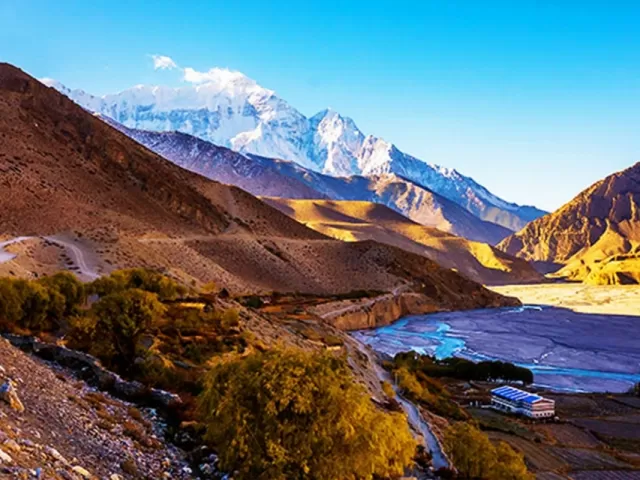
The trek starts from Jomsom, following the Kali Gandaki River and winding through traditional villages, including the fascinating Kagbeni village. As you move further into the Upper Mustang, you will encounter Buddhist monasteries, colorful Buddhist prayer flags, and Mustang Caves, all reflecting the region's rich cultural heritage. Lo Manthang, a medieval walled city, is the highlight of the trek, known as the capital of the Hidden Kingdom of Mustang.Passing through windy valleys and mountain passes, trekkers enjoy stunning views of the Nilgiri and Dhaulagiri mountains. The Upper Mustang trek itinerary is ideal for those seeking a remote trekking experience, with teahouse treks offering comfort along the way. However, as this is a restricted area trek, special Mustang trekking permits are required.Trekking in the Upper Mustang allows one to witness the Tiji Festival, explore sacred caves, and traverse a landscape shaped by an ancient trade route. This high-altitude trek through the Trans-Himalayan landscape offers a glimpse into Tibetan Buddhist traditions and a chance to immerse in Himalayan wilderness adventure.Why Upper Mustang Trekking is so Important? Upper Mustang is significant culturally and geographically, making it a unique and treasured region in Nepal.Cultural Preservation:Upper Mustang is often called the "Hidden Kingdom" because it was isolated from the outside world for centuries. Its culture is deeply rooted in Tibetan Buddhist traditions, and this isolation has helped preserve the ancient customs, language, and religious practices. The region's Buddhist monasteries, Mustang Caves, and Lo Manthang, the ancient medieval walled city, offer a window into Tibetan heritage, making it a living museum of history and spirituality.Geographical Importance: The region lies in the rain shadow of the Himalayas, creating a striking Himalayan desert landscape distinct from the rest of Nepal. The desert-like terrain and the towering Nilgiri and Dhaulagiri mountains form an awe-inspiring natural environment. The Kali Gandaki River flows through Mustang, an essential part of an ancient trade route between Nepal and Tibet, adding historical importance to the region.Restricted Area: The government of Nepal has designated the Upper Mustang as a restricted area, requiring special trekking permits to enter. This has limited tourism, helping to maintain its pristine condition and protect its unique culture and environment from over-commercialisation.Historical and Spiritual Significance: Known as the Forbidden Kingdom, the Mustang holds excellent significance in Buddhist mythology. The annual Tiji Festival celebrated in Lo Manthang symbolises the triumph of good over evil, attracting spiritual seekers worldwide.Overall, Upper Mustang's cultural richness, historical relevance, and unique geography make it one of Nepal's most essential and fascinating trekking destinations. Reasons to Choose Upper Mustang Trekking.Cultural Richness: Explore the "Hidden Kingdom of Mustang," a region renowned for its Tibetan-inspired culture, ancient monasteries, and preserved traditions.Unique Landscapes: Witness red cliffs, desert valleys, and vast, mystical landscapes resembling the Tibetan plateau.Panoramic Mountain Views: Enjoy iconic peaks like the Nilgiri and Dhaulagiri, as well as dramatic Himalayan desert scenery.Lo Manthang: Visit the medieval walled city, home to sacred caves, monasteries, and a living history of the Mustang Kingdom.Tiji Festival: Experience the colourful Tiji Festival, celebrating peace and prosperity with traditional rituals.Rain Shadow Area: Trekking is possible even during the monsoon season, thanks to Mustang's dry climate.Restricted Area: Mustang has preserved its authenticity by remaining a restricted area, offering an unspoiled, off-the-beaten-path adventure.High Cultural Immersion: Interact with local communities and experience their unique way of life. Upper Mustang Trekking Itinerary: Aiana Treks and Tours offers the best Upper Mustang Trekking itinerary for travellers seeking long and short treks. The itinerary is ideal for those with moderate physical fitness who wish to explore Nepal. Beginning with the bustling atmosphere of Kathmandu, trekkers will journey through scenic landscapes, from vibrant cities to the serene countryside. The trek leads to stunning locations, including the ancient town of Lo Manthang, where you'll experience the contrast of cold nights in the Himalayan wilderness. This unforgettable journey blends adventure and relaxation, making it a once-in-a-lifetime experience. Upper Mustang trekking distance: The Upper Mustang trekking distance is approximately 170 kilometres (105 miles) round trip. This journey usually takes 10 to 14 days, depending on the itinerary and pace. The trek begins from Jomsom and follows a well-established trail through traditional villages, including Kagbeni and Lo Manthang, the region's ancient capital. Along the way, trekkers will cover a variety of terrains, from dry Himalayan desert landscapes to lush valleys. Despite the long distance, the trek is designed for people with moderate physical fitness, offering a rewarding blend of cultural exploration and stunning natural scenery. Upper Mustang Trekking Route: The Upper Mustang trekking route offers several breathtaking viewpoints that showcase the region's unique blend of natural beauty and cultural landmarks. One of the most iconic viewpoints is from the Nyi La Pass at 4,010 meters, where trekkers are rewarded with panoramic views of the towering Nilgiri and Dhaulagiri mountains and the surrounding Himalayan desert landscape. As you approach the ancient city of Lo Manthang, the elevated viewpoints around the area provide stunning perspectives of the medieval walled city and the vast Tibetan plateau. Other notable views include those from Dhakmar village, which has striking red cliffs, and Chhoser, known for its ancient Mustang Caves and monasteries carved into the cliffs. Along the trail, trekkers can enjoy beautiful sunrise and sunset views over the rugged terrain, highlighting the dramatic contrasts between the desert landscape and the snow-capped Himalayan peaks. These viewpoints make the Upper Mustang trek a visual delight, offering unforgettable moments in one of Nepal's most remote and mysterious regions. Upper Mustang Trekking price: The Upper Mustang Trek price can vary depending on the trek length, services included, and the trekking season. The average cost ranges from $1,500 to $3,000 per person for a standard 10-14-day trek. This price usually includes essential items such as trekking permits, accommodation in teahouses, meals, transportation from Kathmandu to Jomsom, and the services of a professional trekking guide. The restricted area permit for Upper Mustang alone costs around $500, significantly impacting the total cost. Additionally, the price may increase if you opt for more luxurious amenities, private guides, or longer itineraries. Despite the higher cost than other treks in Nepal, the Upper Mustang trek is a once-in-a-lifetime experience, offering a rare glimpse into the "Hidden Kingdom," making it well worth the investment. Maximum Height of Upper Mustang Trek: The Upper Mustang trek reaches a maximum height of approximately 3,840 meters (12,600 feet) at the ancient city of Lo Manthang, the capital of the Forbidden Kingdom. Though lower than other treks in Nepal, the high-altitude trekking still presents a challenge due to the region's rugged Himalayan desert terrain and dry conditions. Along the route, trekkers will also pass through several mountain passes, such as Nyi La Pass at 4,010 meters (13,156 feet), offering breathtaking views of the Nilgiri and Dhaulagiri mountains. The manageable altitude makes this trek ideal for those seeking a remote adventure without the extreme elevation of other high-altitude treks in Nepal. Major Village on the route to Upper Mustang Trekking: The Upper Mustang trek takes you through several significant villages, each offering a glimpse into the region's rich Tibetan culture and unique landscapes. One of the first significant villages is Kagbeni, located at the confluence of the Kali Gandaki River, serving as the gateway to Upper Mustang. This village is known for its ancient Buddhist monasteries and traditional stone houses. As you continue, you'll pass through Chhusang and Samar, small settlements surrounded by red cliffs and stunning desert-like scenery. Further along the trek, Gelling and Dhakmar villages offer spectacular views of wind-sculpted landscapes and provide a peaceful atmosphere for trekkers. The trek culminates in the medieval city of Lo Manthang, the heart of Upper Mustang, known for its walled city, rich history, and Buddhist prayer flags. With their preserved Tibetan traditions and local homestay experiences, these villages make the trek a culturally enriching journey through one of Nepal's most remote regions.Best viewpoints along the Upper Mustang Trekking: Nyi La Pass (4,010 meters): Offers panoramic views of the Nilgiri and Dhaulagiri ranges and the stunning Himalayan desert landscape.Lo Manthang: Provides breathtaking views of the surrounding valleys and Tibetan plateau from its ancient walls.Dhakmar Village is known for its red cliffs and unique rock formations, creating a dramatic landscape.Chhoser Caves: A viewpoint with a mix of history and natural beauty, offering views of ancient caves carved into cliffs.Kali Gandaki Valley: The world's deepest gorge, with impressive views of barren cliffs and Himalayan peaks.Dhi Village: Offers scenic views of the surrounding valleys and remote Mustang terrain. Biodiversity of Upper Mustang:The biodiversity of Upper Mustang is as unique as its landscape, offering a rare glimpse into the natural wonders of a Himalayan desert ecosystem. Despite the region's dry and rugged terrain, Upper Mustang is home to a diverse array of plant and animal life. The trek passes through the Annapurna Conservation Area, where trekkers will encounter hardy alpine vegetation like juniper, rhododendron, and wildflowers that thrive in the high-altitude, arid environment. The region's rain shadow area creates a unique habitat for wildlife, including Himalayan blue sheep, snow leopards, and Tibetan wild asses. However, sightings are rare due to the animals' elusive nature. Birdwatchers will also enjoy the opportunity to spot species such as the Himalayan griffon and the lammergeier, both of which are commonly found in the region. Additionally, the Kali Gandaki River valley supports a variety of aquatic life, adding to the biodiversity of the trek. This rich and varied ecosystem, combined with the dramatic landscapes of Upper Mustang, makes the trek a cultural journey and an exploration of Himalayan wildlife and plant life. Festival and Culture of Upper Mustang: The festival and culture of Upper Mustang are deeply rooted in Tibetan Buddhist traditions, making the trek a culturally enriching experience. One of the most critical events in the region is the Tiji Festival, held annually in the ancient city of Lo Manthang. This three-day festival symbolizes the triumph of good over evil and features colorful masked dances and rituals local monks perform. It draws visitors worldwide, offering a unique opportunity to witness the vibrant Tibetan culture firsthand. Throughout the trek, trekkers will encounter Buddhist monasteries, ancient Mustang caves, and Buddhist prayer flags fluttering in the wind, representing the deep spiritual significance of the area. The people of Upper Mustang, primarily of Tibetan origin, have preserved their cultural heritage for centuries, with their traditional clothing, language, and customs reflecting their rich history. Villages like Kagbeni and Dhakmar showcase conventional stone houses and offer a glimpse into the daily life of the Mustang people, where Buddhism plays a central role in their customs, festivals, and rituals. The unique Tibetan Buddhist traditions and spectacular natural scenery make the Upper Mustang trek a journey into the past and the spiritual heart of the Himalayas. People and Hospitality: Nepal is a country where warm hospitality and incredible values are not just a custom, but a deeply ingrained part of its culture. Whether you're a foreign visitor or a local, you're greeted with open arms, friendly smiles, and a radiant manner. This tradition of hospitality, deeply rooted in Hinduism, Buddhism, and traditional customs, sees guests as blessings and treats them with utmost respect, generosity, and kindness.The Gurung and Tibeten people, an indigenous ethnic group with a unique blend of Tibetan Buddhism and ancient Bon rituals, are the epitome of these values. Residing in the upper Mustang area, they welcome guests with a distinct warmth and an unwavering spirit of hospitality, marked by their renowned honesty and loyalty. Advantage book with Asiana Treks and tours: Upper Mustang Trek Booking: Trek Booking with Asiana Treks and Tours is a simple and secure process for your Upper Mustang trekking adventure. As a trusted and authorized trek operator by the Nepal government, Asiana Treks and Tours requires a 10% advance payment to confirm your booking. To secure your reservation, you must provide a copy of your passport, photos, travel insurance, and flight details when booking. Payments can be made conveniently via bank transfer, Western Union, or the company's online platform. The remaining balance can be paid upon your arrival in Nepal. While last-minute bookings are possible, adjustments may occur due to unforeseen factors such as bad weather. Asiana Treks and Tours ensures a hassle-free booking experience, providing peace of mind as you prepare for your Upper Mustang trekking journey. Transportation of Upper Mustang trek: Transportation for the Upper Mustang trek typically begins with a scenic flight from Kathmandu to Pokhara, followed by another short flight to Jomsom, the gateway to Upper Mustang. The flights provide stunning views of the Himalayas, including the Annapurna and Dhaulagiri ranges. From Jomsom, the trek usually begins on foot. However, if needed, some sections can be covered using jeeps or mule caravans, particularly for those preferring a more comfortable or time-efficient journey. The rugged terrain of Upper Mustang often requires off-road vehicles for transport between villages in certain areas. However, most trekkers enjoy walking through the scenic Kali Gandaki valley, passing by traditional villages and stunning desert landscapes. These transportation options make the Upper Mustang trekking experience accessible while preserving the trekking adventure through one of Nepal's most remote regions. Upper Mustang Trek Start: Your Upper Mustang Trek begins with a warm welcome in Kathmandu. As soon as you arrive at Tribhuvan International Airport, our dedicated team will greet you and escort you to your hotel in a private vehicle, ensuring a comfortable and hassle-free start to your adventure and setting the tone for a memorable journey. If you miss the regular trip briefing, there's no need to worry; we'll provide it conveniently before your departure to Pokhara. This can be arranged before a World Heritage tour the following morning or the next day. We will then proceed to Pokhara by tourist bus, departing around 7 a.m. from Sorakhutte, Kathmandu. The package includes transportation by tourist bus, offering a comfortable and scenic journey. However, if you prefer more comfort, you can use a private vehicle, such as a van or jeep, for an additional cost, allowing you to choose what suits you best. Currency Exchange: The Nepalese rupee is Nepali currency, and 1 USD is approximately 130 NPR. Only NPR is accepted in Nepal, so it's best to bring cash to facilitate transactions. Banks and ATMs in Kathmandu provide currency exchange services but note that most banks prefer new, crisp notes. Our Team: The Asiana Treks and Tours team is professional, reliable, and responsible. They are well-trained, friendly, radiant, and fluent in English. You can feel comfortable sharing anything with them. They are experts in local culture, history, vegetation, food, accommodation, weather conditions, and first aid medication. They are also environmentally conscious and respect the rights of animals.However, please do not provoke them for personal gain during the trip. While you can enjoy your holiday with them, we kindly request that you do not try to change their customs, beliefs, religion, culture, or traditions.We and our staff are committed to making your adventure trip unforgettable memories of a lifetime journey in Nepal. Guide and Porter Arrangement: Our company, Asiana Treks and Tours, focuses on responsible tourism in Nepal. We make sure our guides and porters are well-trained in Trekking and mountaineering. They know a lot about the areas we go to, including geography, history, customs, and culture. We train them regularly in safety, first aid, and environmental conservation. We follow guidelines to treat our porters fairly, providing them with good pay, accommodation, and meals during treks. Our guides and porters are essential team members, and we appreciate their hard work. When you trek with us, you support ethical tourism in Nepal, making your trip meaningful and memorable.Asiana Treks and Tours prioritizes your safety and enjoyment. Our knowledgeable guides, reliable equipment, and safety measures ensure a great trekking experience in Nepal. Porter, Luggage, and Extra Luggage Storage: We cover the cost of porters for your Luggage, but the maximum weight limit is 12 kg per person. Each porter carries Luggage for two trekkers; please share a duffle bag with another. Our porters will carry up to 25 kg each. If you need a porter for yourself, we can arrange that. We also recommend carrying a small backpack for your valuables and important documents. You can leave extra Luggage at our office for free and at a hotel in Pokhara, Jomsom etc. Accommodation: Accommodation during the Upper Mustang Trek varies. Along the trekking route, you'll stay in guest houses, commonly known as teahouses. These basic lodges offer rooms, dining areas, and toilets. The quality of guest houses varies but remains affordable and convenient for trekkers. Rooms typically have twin or bunk beds and shared bathrooms, and blankets and pillows are available. Our company can offer a sleeping bag if you don't have one. You'll spend nine nights in lodges along the trekking route and three nights in a hotel in Kathmandu. Some places and lodges have attached bathrooms, while others offer simple yet clean rooms with shared facilities. We can arrange a solo trekking service if you're traveling solo. In high season and particular areas, availability may be limited for you, although we try our best. In Kathmandu or Pokhara, your hotel room will have excellent amenities, including TV, 24/7 hot water, electricity, and laundry service. Meals during the trip: Eating well is essential since the Upper Mustang Trek takes you through the Himalayas. You'll have plenty of nutritious meals in the trekking regions, although the options won't be as varied as in the cities. You'll get fifteen breakfasts, eleven lunches, and ten dinners during the Trek. The menu includes local, Asian, and western dishes, but it gets more straightforward as you climb higher. Try popular Nepali foods like lentils, rice, curry, dumplings, noodles, Spagaties, and many more. We highly recommend eating fresh vegetables and drinking liquids like green tea, lemon tea, hot lemon, ginger tea, and garlic soup, especially at high altitudes. While non-vegetarian options are available during the Trek, we suggest avoiding them for hygiene reasons. It's also best to steer clear of dairy, cheese, alcohol, caffeine, and hot chocolate. Personal expenses like alcoholic drinks, extra beverages, and cafes aren't included in the package. Drinking water: Staying hydrated on the trail is essential, as dehydration can contribute to Acute Mountain Sickness (AMS). You should drink at least three liters of fluids daily.Using bottled water while hiking causes waste and reduces finances. Reusable water bottles are a cheaper and more beneficial alternative to nature. You can now use them after filling them with hot water from the teahouse.Mountain water is generally pure, but it's always best to be cautious. Consider using a bottle with a SteriPEN or an inbuilt filtration system like LifeStraw. Water purification tablets are another reliable option. With these precautions, you can drink mountain water with a sense of security, knowing it's safe.Using chlorine or iodine tablets may change the taste of the water. To help cover up the unpleasant taste, you can add flavoured electrolyte powder, easily found at a medical shop in Kathmandu. These powders not only improve the taste but also replenish minerals such as sodium, potassium, and magnesium, keeping you healthy and energized during your hike.Teahouses offer boiled drinking water for an additional cost. The price increases as you climb higher. The kitchen staff will treat you and boil drinking water during the climb. Extra Personal Expenses: Your Trip covers most expenses during the Trek; you'll need to spend money on extra accommodations and meals in Kathmandu, souvenirs, and beverages. We estimate about USD 15-25 per trekking day for miscellaneous expenses. However, personal expenses depend on your Income, habits, and style. Toilet Facilities in Upper Mustang Trekking: Most teahouses have Western-style flush toilets during mountain treks, especially at lower elevations. But as you go higher, find simple squat toilets along the trails and teahouses at higher altitudes. These toilets usually have water or toilet paper, but it's a good idea to bring your toilet paper just in case. You can also use restrooms at nearby teahouses or find a private spot along the trekking routes. Internet Connectivity: While trekking in the Himalayan region of Nepal, connecting with your family and friends is also a good idea. You can find internet access at teahouses and lodges, but it might be extra minimal cost. The signal might be weak because of the remote location. You can also get internet access using a local SIM card and data packages available at Kathmandu airport or nearby shops in Thamel and Pokhara. You'll have a passport-sized photo and a copy of your passport to get a SIM card. It's a good idea to compare prices and data packages from telecom companies like Ncell and Nepal Telecom before buying. Knowing about teahouse connectivity. Our guide will suggest connections for you. Electricity voltage and plugs: However, 95 % of Nepali people have access to electricity as of May 29, 2023. almost popular trekking routes, teahouses, and lodges have electricity. However, some isolated and solo trekking tea houses in the jungle don't have electricity; most tea houses let travelers charge for their devices for a small fee. The average electrical voltage in Nepal is 230 volts, with plug types like Type C, Type D, and Type M. Travellers should bring a suitable adapter and, if needed, a voltage converter for their electronic devices. Communication: The guest houses in the trekking regions have internet access. You could buy a SIM card at Tribhuvan International Airport Kathmandu and Pokhara. However, the signal may need to be more assertive at high altitudes. Our office keeps in touch with all trekking teams via the trek guide at least once daily to ensure everything goes as planned. Trip Extension: Suppose you have extra days in Nepal after the Trek. In that case, we can arrange a tour, overnight stay at Nagarkot Balthali or any other place around Kathmandu and Chitwan, jungle safari, paragliding, rafting, canyoning, or other treks. Do not hesitate to Inform us. We will create the best for you. Trek Difficulty: The Upper Mustang Trek presents a moderate and challenging yet enriching adventure. Your enjoyment of the trip will largely depend on your level of fitness. We recommend building stamina at least two weeks before the Trek. Activities include jogging, running, swimming, or taking long hikes for the journey ahead.Completing this Trek is achievable even if you're a beginner, although you must maintain a reasonable fitness level. Prior trekking experience can be advantageous, though it is optional. All you need is the readiness to hike steadily for 4-8 hours, navigating tricky terrain.Suppose trekkers have pre-existing medical conditions, such as lung or heart diseases. In that case, they are advised to consult their physician before booking the Trek to ensure their safety and well-being throughout the journey. Trip Safety: We highly give top priority. We provide experienced guides with first aid kits and necessary safety gear to ensure a safe hand. Our team monitors weather and trail conditions and takes precautions to avoid risks. Before starting the Trek, we discuss the trip to provide a clear understanding and ensure a reliable experience. Group & Private Treks: We organize many group and private treks simultaneously, with discounts available for larger groups. Every group will have a trekking guide and porters. Regarding larger groups, we provide an assistant guide. Our team ensures a safe and enjoyable trekking experience for all participants. About solo traveler: If you're a solo traveler, please get in touch with us to confirm departure dates before booking. You can tell us via call, WhatsApp, or email. We have listed upcoming departure dates for your convenience. Feel free to share the trip details with friends and family. Notes:Please be aware that the itinerary may change due to weather or other factors, and we'll adjust it accordingly for the group's safety and enjoyment. We look forward to guiding you through the stunning landscapes of the Annapurna region and ensuring a memorable trekking experience. Responsible Travel: We prioritize responsible travel to minimize environmental impact and support local communities. We collaborate with organizations like the Kathmandu Environmental Education Project (KEEP) to promote eco-friendly practices in trekking regions. Gratitude: Graduate or tipping is appreciated in Nepali culture and reflects the quality of service provided. You decide how much to tip, but we recommend tipping as a group at the end of the trip. End of Trek: On the eleventh day, you'll take a bus from Pokhara back to Kathmandu, which takes about seven hours. Alternatively, you can fly from Pokhara to Kathmandu for an extra fee. In the evening, we'll host a farewell dinner in Kathmandu. Departure: On the day of your departure flight, we'll come to pick you up from your hotel and transfer you to Tribhuvan International Airport. We hope you enjoyed the Nepal trek and will consider returning for more adventures in Nepal. Feedback: After you complete the EBC Trek, we'll organize a farewell dinner in Kathmandu and present you with a trekking achievement certificate. After the dinner, you can provide feedback about the Trek on travel portals. Last-Minute Booking: If you can't book in advance, we offer last-minute bookings. Last-minute booking offers are available but may cost slightly more than regular departure dates. Those opting for last-minute bookings must pay an additional 7% of the total trip cost on our website. While we strive to make last-minute requests, we try our best to accommodate according to your last-minute booking holiday. Special Note: Please remember that sometimes unforeseen circumstances, such as inclement weather or unavailable lodging, may cause the schedule to be changed. Your trip guide will design a fresh schedule based on the group's interests in such circumstances. Upper Mustang Trekking is a unique and remote adventure in Nepal, offering trekkers a journey into the Mustang Region, also known as the Forbidden Kingdom. This off-the-beaten-path trek takes you through the Annapurna Conservation Area, where the landscape dramatically changes into a Himalayan and desert landscape, contrasting with lush valleys. The region's Tibetan culture and the influence of the ancient Tibetan plateau are deeply embedded in every part of this trek.Private transport for airport transfers to/from your hotel.Trip briefing on Facebook and online if you love to connect.Last minute booking at your hotel at a suitable time after your arrival.Easy booking and reservation system.Multi-channel communication via Email, WhatsApp, Facebook, Viber, Skyp 24/7 phone communication at +977-9851076270Free excess luggage storage during the trekPulse oximeters for monitoring blood oxygen saturation at high altitudes to detect altitude sickness earlyMedical kits along the trek and hot airbags are available in winterArrangement sleeping bags, duffel bags and down jackets, and walking pools if you don't have your own.
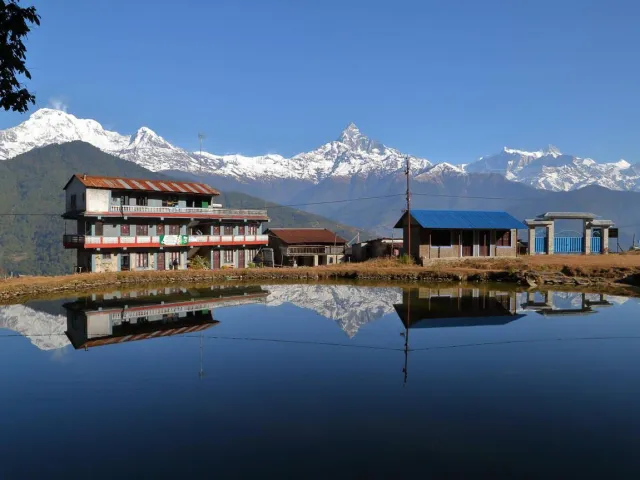
Dhampus Sarangkot Trekking – A Short, Scenic, and Culturally Rich Himalayan Trail Near PokharaDhampus Sarangkot Trekking is one of the most popular short treks in Nepal, offering a perfect blend of majestic Himalayan views, rich cultural immersion, and serene landscapes—all within a few days. Situated north of Pokhara in the stunning Annapurna region, this easy and rewarding trek is ideal for senior citizens, families, beginners, and travellers with limited time.The journey begins in Pokhara and ascends to Sarangkot, a scenic hill station famous for its panoramic sunrise and sunset views. From Sarangkot, you’ll witness breathtaking views all day of the Annapurna, Dhaulagiri, Machhapuchhre (Fishtail), and Lamjung Himalayan ranges, a cluster of countryside villages, and Greenhill one after another. As the sun rises behind the snow-capped peaks, the experience becomes nothing short of magical.The trail continues through ridgelines, lush forests, terraced farmlands, and peaceful villages as you make your way to Dhampus. This traditional Gurung village offers an authentic experience of Nepalese hospitality and rural life. The views of the Annapurna range from Dhampus are spectacular, especially during sunrise and sunset, with the Himalayas glowing in golden light.The trek is designed to be easy and accessible, making it suitable for all age groups. Despite its short duration, it offers a comprehensive Himalayan trekking experience featuring natural beauty, cultural depth, and stunning mountain scenery.Organised by Asiana Treks and Tours, this trek ensures comfort, safety, and expert guidance. Their professional team offers valuable insights into local culture, history, geography, and cuisine, enriching your journey.Whether you seek tranquillity, mountain views, or cultural connection, the Dhampus Sarangkot Trek is the perfect introduction to trekking in Nepal—easy, scenic, and deeply fulfilling.What to Expect on the 3-Day Dhampus Sarangkot Trek: The 3-day Dhampus Sarangkot Trek offers a short yet rewarding trekking experience near Pokhara, perfect for beginners, families, or travellers with limited time. An easy trek takes you through scenic countryside, terraced farmlands, traditional villages, and lush forests, all set against the stunning backdrop of the Annapurna and Dhaulagiri mountain ranges. u’ll witness spectacular sunrise and sunset views from Sarangkot and Dhampus, enjoy panoramic vistas of snow-capped peaks like Machhapuchhre (Fishtail), and engage with local Gurung culture. e trek combines nature, culture, and comfort with cosy teahouse accommodations and friendly local hospitality. Best for those seeking a peaceful escape into nature without the physical demands of high-altitude trekking.What to Expect and Experience on this Trek:Easy and scenic trek on the north side near Pokhara Valley.Panoramic Himalayan views (whole Annapurna, Dhaulagiri, Machhapuchhre), Lamjung, and some small peaks.Sunrise and sunset viewpoints at Sarangkot and Dhampus.Gentle trails through forests, villages, and terraced fields.Cultural immersion in Gurung village life and their hospitality.Comfortable teahouse accommodations are standard for Luxury.Suitable for families, beginners, and short-term travellersGuided by experienced local trekking expertsWhy Travel with Asiana Treks and Tours?25+ Years of Industry Experience – Trusted professionals with deep knowledge of Nepal’s tourism and trekking. Expert Local Guides – Friendly, experienced, and government-licensed guides who understand culture, safety, and terrain. Authentic Cultural Experiences – Connect with local communities and discover hidden gems off the beaten path. Tailor-Made Itineraries – Flexible trekking and tour plans customised to suit your time, interests, and fitness level. Focus on Safety and Comfort – Emphasis on guest well-being, acclimatisation, and responsible travel practices. Quality Accommodation and Meals – Handpicked teahouses, hotels, and hygienic meals to ensure comfort. Eco-Friendly and Responsible Tourism – Supporting local communities and minimising environmental impact. 24/7 Support – Responsive assistance before, during, and after your trip for a worry-free experience. Complete Travel Solutions – From trekking and tours to flights, permits, transport, and accommodation—everything is arranged for you. Sarangkot Dhampus Trekking Itinerary: Asiana Treks and Tours has the perfect Sarangkot Dhampus Trek itinerary. Travellers who desire to explore Nepal with moderate physical fitness. You'll discover the best places for breathtaking views from the city to the countryside and experience an unforgettable lifetime journey.About Sarangkot Viewpoints:Sarangkot Viewpoint, located near Pokhara, Nepal, is well known for its mind-blowing panoramic views of the Annapurna and Dhaulagiri, Lamjung Himalayan ranges, and the beautiful Mountain Fishtail. This popular spot offers breathtaking views of the Himalayas, illuminated by the changing light, making it a prime location for sunrise and sunset. Besides the majestic mountains, visitors can enjoy expansive views of Pokhara Valley, Phewa Lake, and the surrounding landscapes. Sarangkot is accessible by a short hike or drive from Pokhara, making it a must-visit spot for tourists seeking natural beauty and photographic opportunities.How to reach from Sarangkot to Pokhara?Here are several options to reach Sarangkot, Pokhara:Hiking: You can hike from Sarangkot to Pokhara, which takes 2-3 hours. The trail offers beautiful views and a pleasant descent through local villages and forests.Taxi: Taxis are readily available at Sarangkot and can take you to Pokhara in about 30 minutes. This is the quickest and most convenient option.Local Bus: Local buses and jeeps operate between Sarangkot and Pokhara. The drive takes an average of an hour and is affordable.The route provides scenic views of the Annapurna range and Pokhara Valley, making the journey a delightful experience..Cable Car: A recently introduced cable car service operation offers a scenic view and an easy way to travel between Sarangkot and Pokhara. The cable car ride offers breathtaking views of the Annapurna range and the Pokhara Valley, making the journey itself a genuinely memorable experience.Each option provides a unique way to enjoy the stunning landscapes and make the most of your travel between Sarangkot and Pokhara.Things to Do in Sarangkot:Sunrise and Sunset Views: Sarangkot is well known for its alluring sunrise and sunset views over the Annapurna and Dhaulagiri mountain ranges. Early morning and late afternoon are the best times to witness these spectacular sights.Paragliding: Sarangkot is a popular destination for fly paragliding. It offers thrilling flights over the Pokhara Valley and Phewa Lake with stunning panoramic views of the Himalayas.Hiking and Trekking: The area around Sarangkot offers numerous hiking and trekking trails, allowing you to explore the unique natural beauty, local culture, and tradition.Visit Sarangkot Viewpoint: The viewpoint provides a perfect spot for photography and enjoying the magnificent vistas of the snow-capped peaks and the sprawling Pokhara Valley below.Exploring Local Villages: Walking through the local villages provides insight into the traditional way of life and culture of the Nepali people.Bird Watching: The lush forests and hills surrounding Sarangkot are home to a diverse array of bird species, making it an ideal spot for bird-watching enthusiasts.Zip Lining: Experience one of the world’s steepest and fastest zip lines for an adrenaline-pumping ride.Cable Car Ride: Take a relaxing ride in the cable car from Pokhara to Sarangkot, enjoying elevated views along the way.Sarangkot Dhampus Trekking Distance:Sarangkot Dhampus Trekking spans approximately 28 kilometres, or 17.3 miles, depending on the chosen itinerary.This route typically spans 9 days, from Sarangkot, Dhampus, Lwang, and Khoramukh.Sarangkot Dhampus Trekking Route:The Sarangkot Dhampus Trekking route showcases awe-inspiring natural beauty. Starting in lush valleys with terraced fields and traditional villages, the journey unfolds amidst the Himalayan foothills. Rhododendron forests bloom in spring, accompanied by cascading waterfalls and snow-capped peaks. Traversing wildflower meadows and crossing suspension bridges over mountain streams. Leading to panoramic views of towering peaks like Annapurna South, Himchuli, and Machhapuchhre. The trek promises unforgettable moments, whether you're a seasoned trekker or novice adventurer, offering an unparalleled journey through Earth's most breathtaking landscapes.Sarangkot Dhampus Trekking price:Our package tour ensures reliability in terms of cost, itinerary, and overall experience. For Nepali citizens, the Sarangkot Dhampus trek typically ranges from US$ 675 to 1075, and for foreigners, US$ 715 to 1075, variations depending on group size, service level, guide and porter services, transportation preferences, and accommodation category in Kathmandu or Pokhara. This cost estimation is subject to the types of trekking gear and accommodation preferences. However, we could end the trek via Landruk and Dhampus if you avoid Kathmandu sightseeing and Pokhara exploration.Sarangkot Dhampus Trekking Height:We Start by exploring Pokhara's rich heritage (827 meters). Then, delve into the heart of Gurung culture with a homestay experience in a charming village. Witness the majestic sunrise and sunset painting the Himalayas from Sarangkot (1,593 meters) and Dhampus (1,650 meters). Throughout the trip, various vantage points will offer panoramic views of the Himalayas and Phewa Lake (743 meters). Unwind in luxurious 5-star accommodations in both Kathmandu (1,337 meters) and Pokhara. The easy 3-day trek caters to all ages, with a scenic walk from Sarangkot to Naudanda Ridge (approximately 1,740 meters) showcasing captivating terraced fields. Immerse yourself in Nepal's pristine nature and explore unique villages, creating unforgettable memories.Major Village in SarangKot Dhampus Trekking:The major Gurung ethnic villages along the Sarangkot Dhampus Trekking route are Sarangkot and Dhampus Lwang, The return route follows the same path back to Khorkhmukh and finally drives back to Pokhara. These villages are significant landmarks and offer scenic beauty and accommodation options along the Trekking route.Best Viewpoint in Sarangkot Dhampus Trekking:These viewpoints provide unforgettable experiences, highlighting the beauty of the Sarangkot Dhampus trek.Sarangkot Trek offers breathtaking viewpoints, showcasing stunning panoramas of the surrounding Himalayan peaks. Here are the critical views along the route: View from Sarangkot: from Sarangkot, enjoy magnificent views of the mountains and rice terraces.Naudanda: Experience impressive mountain vistas and rice and millet terraces during the second day of trekking.Dhampus: Dhampus is another beautiful place from where you Enjoy the View of Annapurna South to the Lamjung Himalayan range including Mt Machhapuchhare and a wide view of cultivated terrace fields and unique village.Biodiversity of Sarangkot Dhampus Trekking: The Sarangkot Dhampus trek is a nature lover's dream! Hike through vibrant forests filled with colorful birds, then reach higher meadows bursting with wildflowers. Keep an eye out for shy wildlife and the stunning Himalayan Monal bird. This adventure offers breathtaking views of rolling green hills with amazing terraced farms, making it an unforgettable journey through Nepal's natural beauty.Festivals and cultures in Sarangkot Dhampus Trekking: You'll immerse yourself in vibrant festivals and cultural traditions along the Sarangkot Dhampus Trekking route. The region, predominantly inhabited by ethnic groups like the Gurungs and Magars, celebrates various festivals. Dashain, typically in September or October, is a significant Hindu festival symbolizing the triumph of good over evil. Villages burst with colorful decorations, music, and dances as families gather for blessings and feasts.Tihar, known as the Festival of Lights, falls in October or November. This five-day celebration honors animals and the goddess of wealth, Laxmi. Oil lamps light up homes, and rituals bring prosperity and fortune.These festivals offer a unique and lifetime experience, as well as Nepalese culture with the majestic beauty of the Himalayas.Advantage book with Asiana Treks and tours:Private transport for airport transfers to/from your hotel.Trip briefing on Facebook and online if you love to connect.Last minute booking at your hotel at a suitable time after your arrival.Easy booking and reservation system.Multi-channel communication via Email, WhatsApp, Facebook, Viber, Skyp 24/7 phone communication at +977-9851076270Free excess luggage storage during the TrekOximeters are provided to examine blood oxygen saturation at high altitudes to detect altitude sickness earlyMedical kits along the Trek and hot airbags are available in winterArrange sleeping bags, duffel bags, down jackets, and walking pools if you don't have your own.Sarangkot Dhampus Trek Booking:Asiana Treks and Tours is the best and most trusted trek and tour company operator authorized by the Nepal government. We require a 10% advance payment to book your trip, and you'll need to send us a copy of your passport, photos, travel insurance, and flight details as soon as you book a tour with us. You can use bank transfer, or any other way like Western Union, or online via our website, which is easy. The remaining trip cost can be paid upon arrival in Nepal. We offer last-minute bookings, but changes may occur due to circumstances like bad weather. Transportation for Sarangkot Dhampus Trekking:We pride ourselves on our flexible transportation options, which include planes, helicopters, tourist buses, coasters, vans, jeeps, and cars. These are tailored to our Clints' specific needs, preferences, itineraries, and agreements, ensuring a comfortable and personalized travel experience. However, we provide Tourist buses to and from Pokhara, Private transportation from Nayapul to and from Sewai and Kathmandu sightseeing private vehicle as per the group, and optional fly to and from Pokhara at extra cost.Sarangkot Dhampus Trekking Start: Your Sarangkot Dhampus Trek begins with a warm welcome in Kathmandu. Our dedicated team will be there to greet you as soon as you arrive at Tribhuvan International Airport. We'll then escort you to your hotel in a private vehicle, ensuring a comfortable and hassle-free start to your adventure, and setting the tone for a memorable journey.If you miss the regular trip briefing, don't worry. We'll provide it at a convenient time before departure, Pokhara, either before a World Heritage tour the following morning or the next day; we'll then proceed to Pokhara by tourist bus, departing around 7 a.m. from Sorakhutte, Kathmandu.The package includes transportation by tourist bus from Kathmandu to Pokhara, offering a comfortable and scenic journey. However, if you prefer a quicker option, you can also take a 25-minute domestic flight to Pokhara or use a private vehicle for an additional cost, allowing you to choose what suits you best.Currency Exchange:The Nepalese rupee is Nepali currency, and 1 USD is approximately 130 NPR. Only NPR is accepted in Nepal, so it's best to bring cash to facilitate transactions. Banks and ATMs in Kathmandu provide currency exchange services but note that most banks prefer new, crisp notessGuide and Porter Arrangement:Our company, Asiana Treks and Tours, focuses on responsible tourism in Nepal. We make sure our guides and porters are well-trained in Trekking and mountaineering. They know a lot about the areas we go to, including geography, history, customs, and culture. We train them regularly in safety, first aid, and environmental conservation. We follow guidelines to treat our porters fairly, providing them with good pay, accommodation, and meals during treks. Our guides and porters are essential team members, and we appreciate their hard work. When you trek with us, you support ethical tourism in Nepal, making your trip meaningful and memorable.Asiana Treks and Tours prioritizes your safety and enjoyment. Our knowledgeable guides, reliable equipment, and safety measures ensure a great trekking experience in Nepal.Porter, Luggage, and extra Luggage storage: We cover the cost of porters for your luggage, but the maximum weight limit is 12 kg per person. Each porter carries luggage for two trekkers; please share a duffle bag with another. Our porters will carry up to 25 kg each. If you need a porter for yourself, we can arrange that. We also recommend carrying a small backpack for your valuables and important documents. You can leave extra luggage at our office for free and at a hotel in Pokhara, Namche, etc.Accommodation:Accommodation during the Sarangkot-Dhampus Trek varies. Along the trekking route, you'll stay in guest houses, commonly known as teahouses. These basic lodges offer rooms, dining areas, and toilets. The quality of guest houses varies but remains affordable and convenient for trekkers. Rooms typically have twin or bunk beds and shared bathrooms, and blankets and pillows are provided. Our company can offer a sleeping bag if you don't have one. You'll spend nine nights in lodges along the trekking route, two nights in a hotel in Pokhara, and three nights in a hotel in Kathmandu. Some places and lodges have attached bathrooms, while others offer simple yet clean rooms with shared facilities. We can arrange a solo trekking service if you're traveling solo, but availability may be limited during peak season in some places. In Kathmandu or Pokhara, your hotel room will have excellent amenities, including TV, 24/7 hot water, electricity, and laundry service.Meals during the trip:Eating well is essential since the Sarangkot-Dhampus circuit Trek takes you through the high Himalayas. You'll have plenty of nutritious meals in the trekking regions, although the options won't be as varied as in the cities. You'll get fourteen breakfasts, eleven lunches, and ten dinners during the Trek. The menu includes local, Asian, and Western dishes, but it gets more straightforward as you climb higher. Try popular Nepali foods like lentils, rice, curry, dumplings, noodles, Spagaties, and many more. We highly recommend eating fresh vegetables and drinking liquids like green tea, lemon tea, hot lemon, ginger tea, and garlic soup, especially at high altitudes. While non-vegetarian options are available during the Trek, we suggest avoiding them for hygiene reasons. It's also best to steer clear of dairy, cheese, alcohol, caffeine, and hot chocolate. Personal expenses like alcoholic drinks and extra beverages at lodges or cafes aren't included in the package. Drinking water:Nepal is the second country in the world regarding water sources after Brazil. According to the Nepal government, only 27% of people here have clean drinking water. Regarding drinking water, However drinking water is not a big deal in trekking, you can buy mineral water in teahouses, but it is expensive; people prefer plastic bottles in some trekking areas. So, there are some safe drinking water stations where you can refill your bottle. However, we recommend carrying Steripen, iodine drops, water purification tablets for safe drinking, and refillable water bottles for boiled or filtered water. We strongly advise not to drink from taps, wells, and rivers in trekking areas. However, in all the city areas, Mineral water is available at a reasonable cost everywhere.Extra Personal Expenses:While most expenses during the Trek are covered, you'll need to spend money on accommodations and meals in Kathmandu and Pokhara, souvenirs, and additional beverages. We estimate about USD 10-20 per trekking day for miscellaneous expenses.Toilet Facilities in Sarangkot Dhampus Trekking:Most teahouses have Western-style flush toilets during mountain treks, especially at lower elevations. But as you go higher, find simple squat toilets along the trails and teahouses at higher altitudes. These toilets usually have water or toilet paper, but it's a good idea to bring your toilet paper just in case. You can also use restrooms at nearby teahouses or find a private spot along the trekking routes.Internet Connectivity:While trekking in the Himalayan region of Nepal, connecting with your family and friends is also a good idea. You can find internet access at teahouses and lodges, but it might be extra minimal cost. The signal might be weak because of the remote location. You can also get internet access using a local SIM card and data packages available at Kathmandu airport or nearby shops in Thamel and Pokhara. You'll have a passport-sized photo and a copy of your passport to get a SIM card. It's a good idea to compare prices and data packages from telecom companies like Ncell and Nepal Telecom before buying. Knowing about teahouse connectivity. Our guide will suggest connections for you. Electricity voltage and plugs:However, 95 % of Nepali people have access to electricity as of May 29, 2023. almost popular trekking routes, teahouses, and lodges have electricity. However, some isolated and solo trekking tea houses in the jungle don't have electricity; Most of these tea houses let travelers charge their devices for a small fee. The average electrical voltage in Nepal is 230 volts, with plug types like Type C, Type D, and Type M. Travellers should bring a suitable adapter and, if needed, a voltage converter for their electronic devices.Communication in Sarangkot Dhampus Trekking:The guest houses in the trekking regions have internet access. You could buy a SIM card at Tribhuvan International Airport Kathmandu and Pokhara. However, the signal may need to be more assertive at high altitudes. Our office keeps in touch with all trekking teams via the trek guide at least once daily to ensure everything goes as planned.Trip Extension:Suppose you have extra days in Nepal after the Trek. In that case, we can arrange a tour, overnight stay at Nagarkot Balthali or any other place around Kathmandu and Chitwan, jungle safari, paragliding, rafting, canyoning, or other treks. Do not hesitate to Inform us. We will create the best for you.Trek Difficulty:Sarangkot Dhanpus trekking presents easy low-land trekking. Completing this trek is achievable even if you're a beginner, although you must maintain a reasonable fitness level. Prior trekking experience can be advantageous, though it is optional. All you need is the readiness to hike steadily for 3-5 hours, on easy trails.Suppose trekkers have pre-existing medical conditions, such as lung or heart diseases. In that case, they are advised to consult their physician before booking the trek to ensure their safety and well-being throughout the journey.Trip Safety:We highly give top priority. We provide experienced guides with first aid kits and necessary safety gear to ensure a safe hand. Our team monitors weather and trail conditions and takes precautions to avoid risks. Before starting the trek, we discuss the trip to provide a clear understanding and ensure a reliable experience.Group & Private Treks:We organize many group and private treks simultaneously, with discounts available for larger groups. Every group will have a trekking guide and porters; an assistant guide may be provided for larger groups. Our team ensures a safe and enjoyable trekking experience for all participants.About solo traveler:If you're a solo traveler, please contact us to confirm departure dates before booking. You can tell us via call, WhatsApp, or email. We have listed upcoming departure dates for your convenience. Feel free to share the trip details with friends and family.Responsible Travel:We prioritize responsible travel to minimize environmental impact and support local communities. We collaborate with organizations like the Kathmandu Environmental Education Project (KEEP) to promote eco-friendly practices in trekking regions.Graduate:Graduate or tipping is appreciated in Nepali culture and reflects the quality of service provided. You decide how much to tip, but we recommend tipping as a group at the end of the trip.End of Trek:On the eleventh day, you'll take a bus from Pokhara back to Kathmandu, which takes about seven hours. Alternatively, you can fly from Pokhara to Kathmandu for an extra fee. In the evening, we'll host a farewell dinner in Kathmandu.Departure:On the day of your departure flight, we'll come to pick you up from your hotel and transfer you to Tribhuvan International Airport. We hope you enjoyed the Nepal trek and will consider returning for more adventures in Nepal.Feedback:After you complete the Sarangkot-Dhampus trek, we'll organize a farewell dinner in Kathmandu and present you with a trekking achievement certificate. After the dinner, you can provide feedback about the Trek on travel portals.Last-Minute Booking:If you can't book in advance, we offer last-minute bookings. Full payment is required 24 hours before departure. While we do our best to accommodate last-minute bookings, delays may occur due to unforeseen.Annapurna Region Trekking: Guides, Tips & Himalayan AdventuresDiscover the beauty of Nepal’s Annapurna region with Asiana Treks & Tours. Explore breathtaking mountain landscapes, authentic local culture, popular trekking routes, and practical tips to help you plan an unforgettable Himalayan adventure.Annapurna Base Camp vs Everest Base Camp: The Best TrekTrekking Equipment List for Asiana Treks & ToursTrekking Permit Requirements for Different Regions in NepalBest Sunrise and Sunset Destinations in NepalTop Successful Trek for Beginners – Annapurna Base CampMost Popular Trek with High Success Rate – Annapurna Base Camp Trek (ABC) TrekHow to Prepare for the Annapurna Base Camp Trek (Gear, Fitness & Tips)Ghorepani Poon Hill Trek GatewayTop 26 Annapurna Region Trekking Packages in Nepal – The Ultimate GuideTadapani Diaries: One Magical Night in the MountainsDiscovering Ghandruk: A Peaceful Village in the Heart of NepalTrekking the Best of Annapurna: Poon Hill to Mardi HimalWhy Chhomrong is the Heart of the Annapurna Base Camp TrekAnnapurna Base Camp (ABC) & Machhapuchhre Base Camp (MBC) Trek: Two Base Camps, One Incredible JourneyExploring Sinuwa on the Annapurna TrailDeurali: A Peaceful Mountain Village on the ABC TrailBamboo: A Hidden Gem of the ABC TrekDovan Nepal: Peaceful Stopover on the Annapurna Base Camp TrailHimalaya Village: A Quiet Haven on the Way to Annapurna Base CampDhampus Village – Annapurna Classical Alternative GatewayPothana: The Alternative Gateway to Annapurna Base Camp and Mardi HimalBest Camping and Overnight Stays: Australian Camp & Mardi Himal TrekList of Hotel in Mardi Himal Base Camp TrekTrekking to Low Camp: A Peaceful Path to Mardi HimalForest Camp Adventures: Exploring the Mardi Himal Trek in NepalHigh Camp on the Mardi Himal Trek | Views, Altitude & Trekking GuideDiscovering the Magic of Mardi Himal ViewpointTop Highlights of the Mardi Himal Trek in NepalBest Time to Trek Mardi Himal: Tips for Perfect ViewsA Beginner’s Guide to the Mardi Himal Trek in NepalSurprising Facts About the Mardi Himal TrekEssential Guide to Mardi Himal Trekking Permits in NepalMardi Himal Trek Info: Elevation, Altitude, Height and WeatherMardi Himal Trek Accommodation and Food TipsBest Time to Trek Annapurna Base Camp in NepalTop Highlights of the Annapurna Base Camp TrekFood and Accommodation on the ABC Trek: What It’s Really LikeAltitude Tips for a Safe Annapurna Base Camp TrekAnnapurna Base Camp Permits: Costs, Process, and RequirementsTop Tips and Facts for Trekking to Annapurna Base CampAnnapurna Base Camp Trek: Elevation, Height & Temperature GuideDobato Stopover: Experiencing the Heart of the Khopra Danda RouteUpper Chistibung: What to Expect on the Way to Khopra DandaExploring Khopra Danda Ridge and Khayar LakeDiscover Swanta’s Beauty on the Khopra Danda TrailAmazing Facts About Khayar Lake in the Annapurna RegionBayeli Kharka Adventure: From Khopra Danda with Stunning ViewsKhopra Danda Trekking Guide: Cost, Permits, Meals, Lodging and Best SeasonExploring Mardi Himal, ABC, and Khopra Ridge in One Epic JourneyKhopra Khair Lake with Annapurna Base Camp Trek: A Complete JourneyKhopra Khair Lake with ABC Trek: Nature, Culture, and MountainsComplete Guide to Mohare Danda Trekking in NepalSunrise Views from Mohare Danda: What to ExpectTop Highlights of Poon Hill and Mardi Himal TrekExploring Poon Hill and Mardi Himal: A Beginner’s GuideExploring the Ghorepani Dhampus Circuit Trek in NepalAn Amazing Hike from Galeshwor to Nangi via Bans Kharka : Mohare Danda TrekkingLandruk: Gateway to the Stunning Mardi Himal ViewsMardi Himal Adventure: Exploring Badal Danda on the Siding TrekSunrise Views from Poon Hill and Mulde ViewpointsDhaulagiri Annapurna Trail: A New Alternative Trek in NepalBest Nepal Tour Packages: Adventure, Honeymoon, Senior Tours, Himalayan Highlights, Triangle & Sunrise Hill Station ToursIs It Possible to Cycle the Annapurna Circuit in Nepal?Besisahar – The Heart of Lamjung District: Gateway to the HimalayasExploring Jagat During the Annapurna Circuit TrekDharapani Village in Nepal: Where the Manaslu Circuit and Annapurna Circuit Trails Meet PointChame Village: A Peaceful Stop on the Annapurna Circuit TrekDiscover Upper Pisang: A Hidden Gem on the Annapurna CircuitExploring Lower Pisang: A Gateway on the Annapurna CircuitManang: The Heart of the Annapurna Circuit TrekYak Kharka (4,020m): A Must-Stop Village on the Annapurna CircuitThorong Phedi: Final Preparation Before Thorong La PassCrossing Thorong La Pass (5,416 m): The Highest Point of the Annapurna CircuitMuktinath in Mustang: A High-Altitude Spiritual Journey on the Annapurna CircuitJomsom (2,743 m): The Windy Valley That Connects Annapurna and Upper Mustang
Nar Phu Khang La Pass Trekking is one of the most untouched, culturally rich, and geographically dramatic trekking routes in Nepal. Offered exclusively by Asiana Treks and Tours, this 20-day adventure takes you deep into the hidden valleys of Nar and Phu, sandwiched between the famous Annapurna and Manaslu regions. This high-altitude route offers everything from Buddhist monasteries, ancient Tibetan culture, alpine pastures, and deep gorges, to surreal views of Himalayan giants like Annapurna II, Tilicho Peak, Manaslu, and Himlung Himal. Opened to trekkers only in 2003, the Nar Phu Valley trek remains a raw and secluded journey. The trek begins from the bustling city of Kathmandu and gradually ascends through scenic villages like Chamje, Dharapani, and Koto, where the real adventure begins. The highlight is crossing Kang La Pass (5320m), which presents a panoramic view of the Annapurna range. A visit to Phu village, Nar village, and ancient monasteries such as Tashi Lhakhang and Nar Phedi Gompa provide an authentic experience of Himalayan spirituality and lifestyle. 🏔️ Highlights: Remote trek in a restricted area of Annapurna region Visit ancient villages: Phu, Nar, and Ngawal Explore Tibetan culture and Buddhist monasteries Cross high-altitude Kang La Pass (5320m) Majestic mountain views: Annapurna II, Himlung, and more Less crowded and off-the-beaten-path experienceNar Phu Khang La Pass Trekking PackageBy Asiana Treks and Tours The Nar Phu Khang La Pass Trekking Package offered by Asiana Treks and Tours is a meticulously designed adventure for trekkers seeking a remote and spiritual journey through the untouched valleys of the Annapurna region. This package combines breathtaking Himalayan landscapes, ancient Tibetan-influenced villages, high mountain passes, and unique cultural experiences, making it one of the most fascinating off-the-beaten-path treks in Nepal. The trekking route explores the mystical Nar and Phu villages, isolated settlements nestled high in the Himalayan wilderness, opened to foreigners only in 2003. These villages, rich in Tibetan Buddhist heritage, offer an immersive cultural experience — trekkers can witness centuries-old monasteries (gompas), traditional stone houses, and colorful chortens. The journey through Kang La Pass (5,320m) is both physically challenging and spiritually uplifting, rewarding travelers with panoramic views of Annapurna II, Gangapurna, Tilicho Peak, and other giants of the Himalayan range. Asiana Treks and Tours ensures your safety and comfort with experienced guides, porters, and locally sourced accommodations. All logistics including restricted area permits, ACAP entry fees, meals, and transport are managed efficiently. This package also includes opportunities to acclimatize properly, explore surrounding viewpoints, and even hike to Himlung Himal Base Camp. Highlights of the Package: Remote and authentic Tibetan-style villages (Nar & Phu) Cross Kang La Pass at 5,320 meters Unspoiled Himalayan landscape and Buddhist heritage Explore ancient gompas and stay in Nar Phedi monastery Diverse terrain: waterfalls, gorges, forests, suspension bridges Fully guided and supported by Asiana Treks and Tours Optional detour to Himlung Base Camp Nar Phu Khang La Pass Trekking Itinerary (Short Points List)Organized by Asiana Treks and Tours Here is a concise day-by-day breakdown of the 20-day Nar Phu Khang La Pass Trekking Itinerary: Day 1: Arrival in Kathmandu (1,337m) – Hotel transfer and briefing Day 2: Guided heritage tour of Kathmandu’s UNESCO sites Day 3: Drive to Chamje (1,449m) via Besisahar Day 4: Trek to Dharapani (1,857m) Day 5: Trek to Koto (2,709m) Day 6: Trek to Dharmashala (2,329m) – Narrow gorges, waterfalls Day 7: Trek to Kayang (3,741m) – High elevation begins Day 8: Trek to Phu Village (4,050m) – Tibetan village exploration Day 9: Rest day at Phu – Explore Tashi Lakhang Monastery Day 10: Cross back and trek to Nar Village (4,110m) Day 11: Explore Nar, local life and monasteries Day 12: Cross Kang La Pass (5,320m) – Descend to Ngawal (3,650m) Day 13: Acclimatization at Manang (3,540m) – Hike to viewpoints Day 14: Trek to Yak Kharka (4,050m) Day 15: Trek to Thorong Phedi (4,450m) Day 16: Cross Thorong La Pass (5,416m) – Descend to Muktinath (3,810m) Day 17: Trek to Jomsom (2,720m) Day 18: Fly or drive to Pokhara (827m) – Leisure day Day 19: Return to Kathmandu Day 20: Final departure Nar Phu Khang La Pass Trekking DistanceComprehensive Distance Coverage by Asiana Treks and Tours The total trekking distance of the Nar Phu Khang La Pass Trek is approximately 150 to 170 kilometers (depending on specific detours and optional hikes like Himlung Base Camp). The trail ascends through lush subtropical forests and narrows into deep gorges before opening into alpine valleys dotted with ancient villages and monasteries. Here’s an approximate distance breakdown of key segments: Distance Breakdown (Approximate):Kathmandu to Chamje (Drive): ~220 km Chamje to Dharapani: 16 km Dharapani to Koto: 15 km Koto to Dharmashala: 14 km Dharmashala to Kayang: 12 km Kayang to Phu Village: 13 km Phu to Nar Village (via Mahendra Pul): 18 km Nar to Ngawal via Kang La Pass: 20 km Ngawal to Manang: 10 km Manang to Yak Kharka: 10 km Yak Kharka to Thorong Phedi: 8 km Thorong La to Muktinath: 14 km Muktinath to Jomsom: 20 km Jomsom to Pokhara (Flight/Drive): ~160 km Pokhara to Kathmandu (Drive/Flight): ~200 km Key Notes: Total trekking on foot: Approx. 150–170 km Highest elevation: Kang La Pass – 5,320m, followed by Thorong La – 5,416m Trekking duration: 17 days of hiking, with 3 days for arrival, rest, and departure Mixed terrain: Alpine meadows, rocky ridges, high passes, and forest trails Best season: Spring (Mar-May) and Autumn (Sept-Nov) Asiana Treks and Tours provides all-inclusive packages with professional guidance, ensuring trekkers are acclimatized well and supported logistically throughout the journey.Nar Phu Khang La Pass Trekking Cost 20256/2027By Asiana Treks and Tours The Nar Phu Khang La Pass Trekking Cost for 2026/2027 with Asiana Treks and Tours offers exceptional value for money, considering the remoteness, permit requirements, and logistical support needed for this adventurous journey. The average cost ranges from USD $1,350 to $1,750 per person for a 20-day full-board package. The cost may vary slightly depending on group size, travel season, and any customizations added to the itinerary (e.g. private jeep instead of public transport, domestic flight upgrades, or additional acclimatization days). This cost includes accommodations, all ground transportation, restricted area permits, Annapurna Conservation Area Project (ACAP) fees, experienced trekking guides and porters, all meals during the trek, and airport transfers. International flights, travel insurance, tipping, and personal expenses are not included in the standard package. ✅ Included in the Cost:All airport pickups and drops (Kathmandu & Pokhara) 3-star hotel accommodation in Kathmandu and Pokhara Teahouse/lodge accommodation during trek All meals (breakfast, lunch, dinner) during the trek Licensed, English-speaking trekking guide and porter Restricted Area Permit (Nar Phu) & ACAP entry fees Private jeep transport to trailhead and return Sleeping bags, duffel bags, and trekking map ❌ Not Included:International airfare Nepal visa fees Travel insurance (mandatory) Personal trekking gear Tips for guides and porters Extra snacks, drinks, and alcoholic beverages Nar Phu Khang La Pass Trekking Price BreakdownTransparency by Asiana Treks and Tours To give travelers a clear understanding, Asiana Treks and Tours offers a detailed price breakdown for the Nar Phu Khang La Pass Trekking package. This breakdown helps you understand exactly where your money is going and ensures transparency in every aspect of your trek. 📊 Estimated Price Breakdown (Per Person - USD):Expense Category Approx. Cost (USD)Restricted Area Permit (Nar Phu) $100Annapurna Conservation Fee (ACAP) $30Guide (20 days) $400Porter (shared) $200Accommodation (Lodges/Teahouses) $200Meals during Trek $250Transportation (Private Jeep, etc.) $150Hotels in Kathmandu/Pokhara (3 nights total) $120Miscellaneous (equipment rental, admin) $100 👉 Total Estimated Cost: $1,350 – $1,750(Prices may adjust slightly based on group size and specific travel dates.) 🔍 Optional Add-ons:Himlung Base Camp side trip: +$120 Jomsom to Pokhara flight: +$100 Single room supplement (Kathmandu/Pokhara): +$100 Full porter (one per person): +$150 Asiana Treks and Tours believes in fair wages for staff, quality service, and ethical tourism, which reflects in the pricing. Nar Phu Khang La Pass Trekking Altitude GuideStay Informed with Asiana Treks and Tours The Nar Phu Khang La Pass Trekking takes you through a variety of landscapes ranging from sub-tropical forests to high alpine terrain. With elevations rising from 1,300 meters in Kathmandu to over 5,300 meters at Kang La Pass, proper altitude awareness is crucial. Asiana Treks and Tours prioritizes your safety by building adequate acclimatization days into the itinerary and providing experienced guides trained in altitude sickness management. The trek starts relatively low and climbs gradually. Acclimatization days are spent at Phu (4,050m) and Manang (3,540m) to allow your body time to adjust. The crossing of Kang La Pass (5,320m) is the highest point of the trek, followed by another high pass, Thorong La (5,416m) if you extend the trek to Jomsom. These elevations can lead to symptoms of Acute Mountain Sickness (AMS), which is why Asiana Treks and Tours includes guidelines for hydration, gradual ascent, and emergency support. 📌 Key Elevation Points:Kathmandu – 1,337m Chamje – 1,449m Koto – 2,709m Phu Village – 4,050m Nar Village – 4,110m Kang La Pass – 5,320m (Highest point) Manang – 3,540m (Rest day) Yak Kharka – 4,050m Thorong La – 5,416m Muktinath – 3,810m Jomsom – 2,720m Pokhara – 827m ⚠️ Altitude Tips:Acclimatize properly: 2 rest days included Hydrate: At least 3-4 liters/day Ascend gradually Avoid alcohol and tobacco Know symptoms of AMS: headache, dizziness, fatigue Emergency descent or helicopter evacuation available if needed Why Choose Nar Phu Khang La Pass Trekking?A Unique Experience Offered by Asiana Treks and Tours The Nar Phu Khang La Pass Trekking is unlike any other trek in Nepal. Nestled between the Annapurna and Manaslu regions, the trek offers a raw and untouched Himalayan experience. It’s a journey into a world that has remained largely unchanged for centuries. What sets this trek apart is not just the high mountains, but the authentic Tibetan culture preserved in the remote villages of Nar and Phu, accessible only through narrow trails, suspension bridges, and high passes. This trek is perfect for those looking to escape the crowds of more commercial routes like Everest or Annapurna Base Camp. The cultural and natural diversity is unmatched — from ancient monasteries, Tibetan chortens, and mani walls to jagged cliffs, deep canyons, and glacial rivers. The crossing of Kang La Pass adds a thrilling challenge to the journey, and the vistas of Annapurna II, Himlung Himal, and Tilicho Peak are truly unforgettable. 🌟 Why Choose This Trek with Asiana Treks and Tours?Fully supported and guided by licensed experts Access to restricted areas with proper permits Authentic village homestays and monastery lodgings Carefully planned itinerary for safe acclimatization Opportunities to explore lesser-known destinations like Himlung Base Camp Ethical and sustainable trekking practices 24/7 on-trek support and communication Whether you are a seasoned trekker or an adventurous spirit looking for a life-changing experience, Nar Phu Khang La Pass Trek with Asiana Treks and Tours will exceed expectations — both in natural wonder and cultural richness.Preparing for the Nar Phu Khang La Pass TrekkingBy Asiana Treks and Tours Preparing for the Nar Phu Khang La Pass Trekking requires a solid balance of physical readiness, proper gear, and mental preparation. Unlike mainstream routes, this trek takes you into remote and rugged terrain with limited access to modern infrastructure. Therefore, physical conditioning is essential. Trekkers are advised to engage in cardiovascular training such as hiking, jogging, cycling, and stair climbing for at least 6–8 weeks before departure. Strength training focused on legs, back, and core is also recommended. If you're accustomed to long walks or hikes in varying terrain, you'll adapt well to the daily trekking distances. From a gear perspective, layering is key to adapt to temperature fluctuations. Expect warm days at lower altitudes and freezing nights above 4,000 meters. Asiana Treks and Tours provides a full packing checklist and even assists with gear rental if needed. Essentials include a quality sleeping bag (-15°C), down jacket, trekking poles, water purification tablets, and sturdy hiking boots. Mental preparation is equally important — the trek is long and remote, so maintaining a flexible, positive mindset is vital. Emergency protocols, acclimatization days, and satellite communication are included in our services for your safety and peace of mind. ✅ Preparation Checklist:Cardio training (hiking, running, biking) Altitude awareness and AMS research Essential gear (layers, boots, poles, gloves) Personal medication and basic first-aid Hydration system or water purification Travel insurance with emergency evacuation Cultural sensitivity (Tibetan Buddhist traditions) What to Expect on the 19–20-Day Nar Phu Khang La Pass Trekking AdventureGuided by Asiana Treks and Tours The 19–20-day version of the Nar Phu Khang La Pass Trek is a condensed yet enriching experience that showcases the best of the remote Upper Manang region. Trekkers can expect a dramatic shift in landscapes and culture as they move from the subtropical Marsyangdi Valley into the stark, arid terrain of Nar and Phu — villages that appear frozen in time. Each day involves 5–7 hours of trekking through gorges, alpine meadows, suspension bridges, and rocky ascents, with accommodations in teahouses and monastery lodgings. The cultural experience is just as powerful as the physical adventure. You’ll interact with Tibetan-speaking locals, monks in centuries-old gompas, and yak herders. The highlight of the trek is undoubtedly the Kang La Pass (5,320m), which offers surreal, panoramic views of Annapurna II, Gangapurna, and Tilicho Peak. On descent, trekkers join the Annapurna Circuit briefly, encountering the scenic beauty of Ngawal and Manang. While the shorter version skips some acclimatization or secondary hikes (like Himlung Base Camp), it still includes the essential immersion in nature, high passes, and cultural depth. 🌄 What to Expect:Moderate to strenuous trekking (6–7 hrs/day) Crossing high passes and rocky ridgelines Dramatic scenery: cliffs, gorges, glaciers, peaks Remote village stays and monastery overnight Wildlife sightings: blue sheep, yaks, Himalayan birds Limited Wi-Fi or mobile access (off-grid experience) Teahouse meals: simple, fresh, and mostly vegetarian Oxygen Levels on the Nar Phu Khang La Pass TrekkingAltitude Awareness with Asiana Treks and Tours One of the most important things to consider during the Nar Phu Khang La Pass Trek is the reduced oxygen level at high altitudes. As you ascend from low valleys to over 5,300 meters at Kang La Pass, the air becomes thinner — which can pose a risk for altitude-related illnesses. For reference, oxygen levels at sea level are at 100%, but by the time you reach Phu Village (4,050m), the oxygen saturation drops to around 60–65%, and at Kang La Pass (5,320m), it dips further to about 50–55%. Asiana Treks and Tours incorporates key acclimatization stops, such as Phu and Manang, to allow the body to adjust. Guides are trained in recognizing the symptoms of Acute Mountain Sickness (AMS) — including headache, nausea, loss of appetite, and fatigue. Trekkers are advised to ascend slowly, hydrate consistently, avoid alcohol, and sleep at lower altitudes when possible. Diamox (altitude medication) is optional and can be discussed with a physician prior to the trek. Oxygen saturation meters and emergency evacuation options are also part of Asiana's safety protocol. 🧭 Oxygen & Altitude Quick Facts:Sea level oxygen: 100% Phu Village (4,050m): ~65% oxygen Kang La Pass (5,320m): ~50% oxygen Risks: AMS, dehydration, fatigue AMS prevention: gradual ascent, hydration, rest days Asiana Treks provides: Oximeters, first-aid kits, trained guides Major Villages and Scenic Viewpoints on the Nar Phu Khang La Pass Trekking RouteCultural Gems Explored with Asiana Treks and Tours The Nar Phu Khang La Pass Trekking route is dotted with some of Nepal’s most authentic and visually stunning villages and viewpoints. The trail transitions from lush green hills to high-altitude desert, all while weaving through Tibetan-influenced settlements that have remained unchanged for centuries. Phu Village, for example, is a cultural and geographical highlight — a fortress-like village perched at 4,050 meters surrounded by jagged cliffs, glacial rivers, and sacred monasteries. Just getting there feels like stepping into another world. Nar Village (4,110m), slightly more open and exposed to the sun, is equally impressive with its stone houses, yak pastures, and proximity to Kang La Pass. Between these, you’ll pass through Meta, Kyang, and Nar Phedi, each with unique character. The viewpoint from Kang La Pass (5,320m) offers one of the best panoramas in Nepal: the Annapurna range, Chulu peaks, and Tilicho glistening in the background. The descent into Ngawal showcases the Marsyangdi River Valley in full grandeur. 🏞️ Key Villages & Viewpoints:Koto: Starting point into Nar Phu Valley Meta (3,560m): Wide terrain, views of Annapurna II Phu Village (4,050m): Ancient fortress-village, monasteries Nar Village (4,110m): Cultural immersion, traditional life Nar Phedi Monastery: Overnight stay, spiritual experience Kang La Pass (5,320m): 360° views of snow-capped giants Ngawal (3,650m): Panoramic village with lodges, artful stupas Manang (3,540m): Gateway to Thorong La, acclimatization hub Each village offers a distinct blend of Himalayan culture, dramatic natural beauty, and spiritual serenity — making the journey not just a trek, but a cultural pilgrimage.Flora and Fauna of the Nar Phu Khang La Pass TrekkingExploration with Asiana Treks and Tours The Nar Phu Khang La Pass Trekking route, located in the remote northern Himalayas of Nepal, offers more than just rugged mountain beauty — it is also a hidden ecological haven. The trail covers several climatic zones, ranging from lush subtropical forests near Chamje and Koto to high-altitude alpine deserts near Phu, Nar, and Kang La Pass (5,320m). This varied ecosystem provides shelter to a surprising array of Himalayan flora and fauna. In the lower sections of the trek, you’ll walk through dense forests of pine, oak, bamboo, and rhododendron, Nepal’s national flower. As you ascend, the vegetation becomes sparser, giving way to alpine shrubs, juniper, dwarf rhododendron, and cushion plants that thrive in the cold, windy environments of the trans-Himalayan terrain. The trek is equally rewarding for wildlife enthusiasts. Trekkers may spot blue sheep (bharal) gracefully navigating steep cliffs, Himalayan marmots, Himalayan tahr, and — if lucky — even the elusive snow leopard, especially near Phu and Nar. Birdlife includes Himalayan griffons, golden eagles, and snow pigeons soaring above the deep canyons. 🌲 Key Flora and Fauna Highlights:Rhododendron, pine, and juniper forests Blue sheep, Himalayan marmot, and yak sightings Rare snow leopard in higher zones (Phu, Nar) Golden eagle, Himalayan monal, and griffon vulture Trans-Himalayan alpine vegetation and medicinal herbs Biodiversity protected under Annapurna Conservation Area Project (ACAP) 🎉 Festivals and Local Culture Along the Nar Phu Khang La Pass Trekking RouteImmersive Experience with Asiana Treks and Tours The Nar Phu Khang La Pass Trek is more than a journey through mountains — it’s a walk through living history and rich Tibetan-Buddhist culture. The residents of Nar and Phu villages are descendants of Tibetan refugees who settled centuries ago. These communities have preserved their ancient customs, dialects, architectural styles, and spiritual traditions, largely untouched by modernity. The most remarkable cultural features are the Buddhist monasteries (Gompas), colorful chortens, mani walls, and fluttering prayer flags. Villages like Phu are home to sacred sites like the Tashi Lakhang Monastery, recognized as one of the oldest active Tibetan monasteries in Nepal. Trekkers often get the chance to interact with monks and observe traditional ceremonies. If your timing aligns, you may witness important local festivals such as Yartung (celebrated with horse races and dances) or Lhosar, the Tibetan New Year, celebrated with rituals, chanting, and communal feasts. The spiritual atmosphere is amplified by the high-altitude surroundings and deep religious commitment of the locals. 🕉️ Cultural and Festival Highlights:Visit ancient gompas like Tashi Lakhang Witness Lhosar (Tibetan New Year) and Yartung Traditional Tibetan stone houses and yak herding culture Overnight stay in Nar Phedi monastery Buddhist rituals, chanting, and butter-lamp offerings Handmade crafts, wool weaving, and traditional food ✅ Why Book with Asiana Treks and Tours for Nar Phu Khang La Pass TrekkingYour Trusted Local Partner Asiana Treks and Tours is a registered and reputable trekking agency in Nepal, known for curating meaningful trekking experiences that go beyond the trail. When booking the Nar Phu Khang La Pass Trekking with Asiana, you’re choosing a company that prioritizes local expertise, personalized service, and responsible tourism. The Nar Phu region is remote and demands careful logistical coordination. Asiana provides everything from restricted area permits, ACAP entry, and local transport to high-altitude trained guides, ensuring a smooth and safe journey. Their team consists of licensed professionals who are not only familiar with the terrain but are culturally connected with the region — providing insights into the spiritual and historical importance of each location. Asiana Treks and Tours also emphasizes ethical trekking — supporting local homestays, hiring from the region, and practicing Leave No Trace principles. Their packages include proper acclimatization, emergency protocols, satellite communication, and tailored itineraries based on your pace and preferences. 🌟 Why Choose Asiana Treks and Tours:Fully licensed and insured trekking company Local guides with deep cultural and geographic knowledge 24/7 safety monitoring and first-aid trained staff Ethical tourism and porter welfare practices Transparent pricing with no hidden fees Customizable itineraries and personal support 100+ positive testimonials and return trekkers 📅 How to Book the Nar Phu Khang La Pass TrekkingEasy Booking with Asiana Treks and Tours Booking your Nar Phu Khang La Pass Trek with Asiana Treks and Tours is simple, secure, and flexible. You can make an inquiry or reserve your spot directly through their official website, via email, or by contacting their customer service hotline. Their team responds promptly and can customize your itinerary based on your travel dates, group size, and preferences (e.g. adding Himlung Base Camp, choosing a private vs group trek, etc.). To confirm your booking, you will be required to fill out a short registration form and pay a small deposit (typically 20-30% of the total package). The remaining balance can be paid upon arrival in Kathmandu. Asiana also provides assistance with visa processing, gear rental, and airport pickup. Once you’re confirmed, they’ll send a detailed pre-departure guide including a packing list, trek map, and cultural etiquette information. You’re encouraged to book at least 4–6 weeks in advance, especially during peak seasons (March–May and September–November), as permits for restricted areas like Nar and Phu require early processing. 📝 Booking Steps:Visit: [www.asianatrek.com] (example) Submit inquiry or fill booking form Get a customized itinerary and final quote Pay 20–30% deposit via secure online portal Receive confirmation, permit details, and packing list Arrive in Nepal — Asiana handles the rest!
Panchase trekking offers you natural beauty, short and scenic trekking in the Annapurna Himalayan region. The Panchase Trek provides a spectacular panoramic view, looking east from Mt. Manaslu Himal to the west of Dhaulagiri Himal, in between the Lamjung Himalayan range, Himalchuli, Annapurna IV, Annapurna II, Mt fishtail (Machhapuchhare), Annapurna South, Annapurna I, Bahara Sikhar, and Mt Dhauligiri. Panchase trek could be started from a different point near Phewa Lake, Pokhara. Although this is a short trip and never goes higher than 2517 meters. Primarily, it is only a four-day trek; nevertheless, we could make it longer by adding two days via the famous and beautiful Gurung village of Dhampus and Lwangghalel, near Pokhara. This trek never leaves any space to complain about when you trek for the view, nature and cultural experience. The magnificent panoramic view of the Annapurna and Dhaulagiri mountain ranges over the lake and valley is something that overwhelms any trekker in the region. Although the trekking area is quite close to Pokhara, the accommodation and other facilities are pretty limited. Thus, Panchase Trek can be best done for home stay facility for the trekker who loves to experience Gurung people and their hospitality culture however home stay upgraded tourist standard guest house no problem for accommodation.Panchase trek is a less touristic trail hidden in Nature, home to a wide variety of flora and fauna. Indeed, this trek is for Nature lovers, bird watchers, and people of all ages. Purchase is not only rich in nature and culture, but it is also regarded as a pilgrimage site, due to the Siddha Baba temple, HomeKunda, Balaji temple, Buddha stupa, Panchase lake, and Sharwan Kumar samadhi. Legend said that Shrawan Kumar is the example of a dear son of his Parents who is a synonym of a good son dedicated to the respect and devotion of his parents. He is a symbol of respect and also a lesson for children.Panchase Trekking Itinerary:Asiana Treks and Tours has the perfect Panchase Trek itinerary. Travellers who desire to explore Nepal with moderate physical fitness. You'll discover the best places for breathtaking views from the city to the countryside and experience an unforgettable lifetime journey.Purchase Trekking Distance:Panchase Trekking spans approximately 35 kilometres, or 21.7 miles, depending on the chosen itinerary.This route typically spans 5 days and concludes at Pokhara.Our package tour ensures reliability in terms of cost, itinerary, and overall experience. For Nepali citizens, the cost of Panchase typically ranges from US$385 to US$ 595, with variations depending on group size, service level, guide and porter services, transportation preferences, and accommodation choices in Kathmandu or Pokhara. This cost estimation is subject to the types of trekking gear and accommodation preferences.Purchase the Trekking route:Panchase Trekking route showcases awe-inspiring natural beauty. Our Panchase Trekking Starts from David Fall, then we walk through lush valleys with terraced fields and traditional villages, offering a fantastic view of Annapurna. We head via the World Peace Stupa, Shive Temple, Bhumdi, Panchase, and Bhadure, and return via Kande. The journey unfolds amidst the Himalayan foothills. Rhododendron forests bloom in spring, accompanied by cascading waterfalls and snow-capped peaks. Traversing wildflower meadows and crossing suspension bridges over mountain streams. Leading to panoramic views of towering peaks like Annapurna South, Himchuli and Machhapuchhre. The trek promises unforgettable moments, whether you're a seasoned trekker or novice adventurer, offering an unparalleled journey through Earth's most breathtaking landscapes.Panchase Trekking price:Our package tour ensures reliability in terms of cost, itinerary, and overall experience. For Nepali citizens, the Annapurna Base Camp trek typically ranges from US$385 to US$ 595, with variations depending on group size, service level, guide and porter services, transportation preferences, and accommodation category in Kathmandu or Pokhara. This cost estimation is subject to the types of trekking gear and accommodation preferences. However, we could end the trek via Landruk and Dhampus if you avoid Kathmandu sightseeing and Pokhara exploration.Panchase Trekking Height:The Panchase Trek begins in the lively and metropolitan city of Pokhara, situated at an altitude of 827 meters. From Kathmandu, you are headed towards the beautiful lakeside town of Pokhara, situated at 827 meters above sea level. During the trek, you are going to ascend towards popular viewpoints, World Peace Pagoda, Pumdicot Shiva Temple, Panchase Bhanjyang, Bhadure, Sarangkot, Dhampus, and Lwang. The maximum altitude you will reach the Panchase hill top is 2550 above sea level. From Panchase Hill top, you descend towards a tranquil walk down to Bhadaure, Sarangkot and Pokhara.Major Village at Panchase Trekking:The major Gurung ethnic villages along the Panchase Trekking route are World Peace Stupa, Pumdikot, Bhumdi, Panchase Bhanjyang, and Bhadeure or Chitre. The return route follows the path back via Sarangkot and finally driving back to Pokhara. These villages are significant landmarks, offering scenic beauty and the best homestays in Panchase and Bhadure, as well as the Best accommodation options in Sarangkot and Pokhara, along the Trekking route and in Pokhara.Best viewpoints in Panchase Trekking:These viewpoints provide unforgettable experiences, highlighting the beauty of the Panchase Trek.Sarangkot Trek offers breathtaking viewpoints, showcasing stunning panoramas of the surrounding Himalayan peaks. Here are the critical views along the route:World peace Stupa and Shiva temple Viewpoints: these viewpoints are the best views of Pokhara City, Phewa Lake, and the long-range mountain wall Dhauligiri to Manaslu on a clear day.World peace Stupa and Pumdikot: World peace Stupa and Pumdikot are the Best viewpoints where hundreds of people visit to overlook the stunning Himalaya, Pokhara Valley, including Phewa and Begnas Lake.View from Panchase Hill: The view from the top of Panchase Hill is mind-blowing, taking in the World Peace Stupa, Pumdikot, and Bhadaure. View from Sarangkot: from Sarangkot, enjoy magnificent views of the mountains and rice terraces.Naudanda: Experience impressive mountain vistas and rice and millet terraces during the second day of trekking.Biodiversity of Panchase Trekking: The Panchase Trekking trail is a destination with incredible biodiversity, making it perfect for nature lovers. Lush forests in the lower regions house various bird species, including rhododendrons, oaks and vibrant wildflowers and are home to different kinds of orchids. Look out for elusive wildlife and diverse birdlife. This trek offers a captivating glimpse into the lush hills, Amazing terraces, promising an unforgettable journey through serene nature and diverse flora and fauna. Festivals and cultures in Panchase Trekking: You'll immerse yourself in vibrant festivals and cultural traditions along the Panchase Trekking route. The region, predominantly inhabited by ethnic groups such as the Gurungs and Magars, celebrates numerous festivals. Dashain, typically in September or October, is a significant Hindu festival symbolising the triumph of good over evil. Villages burst with colourful decorations, music, and dances as families gather for blessings and feasts.Tihar, known as the Festival of Lights, falls in October or November. This five-day celebration honours animals and the goddess of wealth, Laxmi. Oil lamps light up homes, and rituals bring prosperity and fortune.These festivals offer a unique and lifetime experience, showcasing Nepalese culture alongside the majestic beauty of the Himalayas.Advantage book Panchase Trek with Asiana Treks and tours:Private transport for airport transfers to/from your hotel.Trip briefing on Facebook and online if you'd like to connect.Last-minute booking at your hotel at a suitable time after your arrival.Easy booking and reservation system.Multi-channel communication via Email, WhatsApp, Facebook, Viber, Skype, 24/7 phone communication at +977-9851076270Free excess luggage storage during the trekPulse oximeters for monitoring blood oxygen saturation at high altitudes to detect altitude sickness earlyMedical kits along the trek and hot airbags are available in winterArrange sleeping bags, duffel bags, down jackets, and walking poles if you don't have your own.How to Book a Panchase Trek:Asiana Treks and Tours is the best and most trusted trek and tour company, authorised by the Nepalese government. We require a 10% advance payment to book your trip, and you'll need to send us a copy of your passport, photos, travel insurance, and flight details as soon as you book a tour with us. You can use a bank transfer or any other method, such as Western Union, or pay online via our website, which is easy. The remaining trip cost can be paid upon arrival in Nepal. We offer last-minute bookings, but please note that changes may occur due to unforeseen circumstances, such as adverse weather conditions. Transportation for Panchase Trekking:We pride ourselves on our flexible transportation options, which include planes, helicopters, tourist buses, coasters, vans, jeeps, and cars. These are tailored to our clients' specific needs, preferences, itineraries, and agreements, ensuring a comfortable and personalised travel experience. However, we provide Tourist buses to and from Pokhara, Private transportation from Demside Pokhara and from ending points Khahare and Kathmandu sightseeing private vehicle as per the group, and an optional flight to and from Pokhara at extra cost.Panchase Trekking Start: Panchase Trek begins with a warm welcome in Kathmandu. Our dedicated team will be there to greet you as soon as you arrive at Tribhuvan International Airport. We'll then escort you to your hotel in a private vehicle, ensuring a comfortable and hassle-free start to your adventure and setting the tone for a memorable journey.If you miss the regular trip briefing, don't worry. We'll provide it at a convenient time before departure from Pokhara, either before a World Heritage tour the following morning or the next day. We'll then proceed to Pokhara by tourist bus, departing around 7 a.m. from Sorakhutte, Kathmandu.The package includes transportation by tourist bus from Kathmandu to Pokhara, offering a comfortable and scenic journey. However, if you prefer a quicker option, you can also take a 25-minute domestic flight to Pokhara or use a private vehicle for an additional cost, allowing you to choose what suits you best.Currency Exchange:The Nepalese rupee is the Nepali currency, and 1 USD is approximately 130 Nepalese rupees. Only NPR is accepted in Nepal, so it's best to bring cash to facilitate transactions. Banks and ATMs in Kathmandu offer currency exchange services; however, please note that most banks prefer new, crisp notes.Guide and Porter Arrangement:Our company, Asiana Treks and Tours, focuses on responsible tourism in Nepal. We make sure our guides and porters are well-trained in Trekking and mountaineering. They know a lot about the areas we go to, including geography, history, customs, and culture. We train them regularly in safety, first aid, and environmental conservation. We follow guidelines to treat our porters fairly, providing them with good pay, accommodation, and meals during treks. Our guides and porters are essential team members, and we appreciate their hard work. When you trek with us, you support ethical tourism in Nepal, making your trip meaningful and memorable.Asiana Treks and Tours prioritises your safety and enjoyment. Our knowledgeable guides, reliable equipment, and safety measures ensure a great trekking experience in Nepal.Porter, Luggage, and extra Luggage storage: We cover the cost of porters for your luggage, but please note that the maximum weight limit is 12 kg per person. Each porter carries luggage for two trekkers; please share a duffle bag with another. Our porters will carry up to 25 kg each. If you need a porter for yourself, we can arrange that. We also recommend carrying a small backpack for your valuables and important documents. You can leave extra luggage at our office for free or at a hotel in Pokhara, Namche, etc.Accommodation:Accommodation during the Yoga Trek varies. Along the trekking route, you'll stay in guest houses, commonly known as teahouses. These basic lodges offer rooms, dining areas, and toilets. The quality of guesthouses varies, but they remain affordable and convenient for trekkers. Rooms typically feature twin or bunk beds, and shared bathrooms are available. Blankets and pillows are also provided. Our company can offer a sleeping bag if you don't have one. You'll spend nine nights in lodges along the trekking route, two nights in a hotel in Pokhara, and three nights in a hotel in Kathmandu. Some places and lodges have attached bathrooms, while others offer simple yet clean rooms with shared facilities. We can arrange a solo trekking service if you're travelling solo, but availability may be limited during peak season in some places. In Kathmandu or Pokhara, your hotel room will have excellent amenities, including TV, 24/7 hot water, electricity, and laundry service.Meals during the Panchase Trekking:Eating well is essential since the Panchase Trek takes you through the high Himalayas. You'll have plenty of nutritious meals in the trekking regions, although the options won't be as varied as in the cities. You'll get fourteen breakfasts, eleven lunches, and ten dinners during the Trek. The menu includes local, Asian, and Western dishes, but it gets more straightforward as you climb higher. Try popular Nepali foods like lentils, rice, curry, dumplings, noodles, Spaghetti, and many more. We highly recommend consuming fresh vegetables and drinking liquids such as green tea, lemon tea, hot lemon, ginger tea, and garlic soup, especially at high altitudes. While non-vegetarian options are available during the Trek, we suggest avoiding them for hygiene reasons. It's also best to steer clear of dairy, cheese, alcohol, caffeine, and hot chocolate. Personal expenses, such as alcoholic drinks and additional beverages at lodges or cafes, aren't included in the package. Drinking Water along the Panchase Trek:Nepal is the second country in the world in terms of water sources, after Brazil. According to the Nepalese government, only 27% of the population here has access to clean drinking water. Regarding drinking water, however, it is not a significant concern in trekking. You can buy mineral water in teahouses, but it is expensive; in some trekking areas, people prefer plastic bottles. There are also safe drinking water stations where you can refill your bottle. However, we recommend carrying Steripen, iodine drops, water purification tablets for safe drinking, and refillable water bottles for boiled or filtered water. We strongly advise against drinking from taps, wells, and rivers in trekking areas. However, in all the city areas, Mineral water is available at a reasonable cost everywhere.Extra Personal Expenses:While most expenses during the Trek are covered, you'll need to spend money on accommodations and meals in Kathmandu and Pokhara, souvenirs, and additional beverages. We estimate that the cost of miscellaneous expenses is approximately USD 10-20 per trekking day.Toilet Facilities in Panchase Trekking:Most teahouses have Western-style flush toilets, and some places have simple squat toilets along the treks. These toilets usually have water or toilet paper, but it's a good idea to bring your own toilet paper just in case. You can also use restrooms at nearby teahouses or find a private spot along the trekking routes.Internet Connectivity:While trekking in the Himalayan region of Nepal, connecting with your family and friends is also a good idea. You can find internet access at teahouses and lodges, but it may incur an additional cost. The signal may be weak due to the remote location. You can also get internet access using a local SIM card and data packages available at Kathmandu airport or nearby shops in Thamel and Pokhara. You'll have a passport-sized photo and a copy of your passport to get a SIM card. It's a good idea to compare prices and data packages from telecom companies like Ncell and Nepal Telecom before making a purchase. Knowing about teahouse connectivity. Our guide will suggest connections for you. Electricity voltage and plugs:However, as of May 29, 2023, 95% of Nepali people have access to electricity. Almost all popular trekking routes, teahouses, and lodges have electricity. However, some isolated and solo trekking tea houses in the jungle don't have electricity; Most of these tea houses let travellers charge their devices for a small fee. The average electrical voltage in Nepal is 230 volts, with plug types like Type C, Type D, and Type M. Travellers should bring a suitable adapter and, if needed, a voltage converter for their electronic devices.Communication in Panchase Trekking:The guesthouses in the trekking regions offer internet access. You could buy a SIM card at Tribhuvan International Airport, Kathmandu, and Pokhara. However, the signal may need to be more assertive at high altitudes. Our office maintains regular contact with all trekking teams through the trek guide, checking in at least once daily to ensure everything proceeds as planned.Trip Extension:Suppose you have extra days in Nepal after the Trek. In that case, we can arrange a tour, including an overnight stay at Nagarkot Balthali or any other location around Kathmandu and Chitwan, as well as activities such as jungle safari, paragliding, rafting, canyoning, or other treks. Do not hesitate to inform us. We will create the best for you.Trek Difficulty:Panchase Trekking presents easy lowland trekking. Completing this trek is achievable even if you're a beginner, although you must maintain a reasonable fitness level. Prior trekking experience is advantageous, although it is optional. All you need is the readiness to hike steadily for 3-5 hours, on easy trails.Suppose trekkers have pre-existing medical conditions, such as lung or heart diseases. In that case, they are advised to consult their physician before booking the trek to ensure their safety and well-being throughout the journey.Trip Safety during the Panchase Trekking:We highly give top priority. We provide experienced guides with first aid kits and necessary safety gear to ensure a safe hand. Our team monitors weather and trail conditions, taking precautions to minimise risks. Before starting the trek, we discuss the trip to provide a clear understanding and ensure a reliable experience.Group & Private Treks:We organise many group and private treks simultaneously, with discounts available for larger groups. Every group will have a trekking guide and porters; an assistant guide may be provided for larger groups. Our team ensures a safe and enjoyable trekking experience for all participants.About a solo traveller:If you're a solo traveller, don't hesitate to get in touch with us to confirm departure dates before booking. You can tell us via call, WhatsApp, or email. We have listed upcoming departure dates for your convenience. Feel free to share the trip details with friends and family.Notes: Please be aware that the itinerary may change due to weather or other factors, and we'll adjust it accordingly for the group's safety and enjoyment. We look forward to guiding you through the stunning landscapes of the Annapurna region and ensuring a memorable trekking experience.Responsible Travel:We prioritise responsible travel to minimise environmental impact and support local communities. We collaborate with organisations like the Kathmandu Environmental Education Project (KEEP) to promote eco-friendly practices in trekking regions.Gratitude:Gratitude or tipping is highly appreciated in Nepali culture, reflecting the quality of service provided. You decide how much to tip, but we recommend that you tip as a group at the end of the trip.End of Trek:On the eleventh day, you'll take a bus from Pokhara back to Kathmandu, which takes about seven hours. Alternatively, you can fly from Pokhara to Kathmandu for an extra fee. In the evening, we'll host a farewell dinner in Kathmandu.Departure:On the day of your departure flight, we'll come to pick you up from your hotel and transfer you to Tribhuvan International Airport. We hope you enjoyed the Nepal trek and will consider returning for more adventures in Nepal.Feedback:After you complete the Panchase Trek, we'll organise a farewell dinner in Kathmandu and present you with a trekking achievement certificate. After the dinner, you can provide feedback about the Trek on travel portals.Last-Minute Booking:If you can't book in advance, we offer last-minute bookings. Full payment is required 24 hours before departure. While we do our best to accommodate last-minute bookings, delays may occur due to unforeseen.Special Note: Please remember that sometimes unforeseen circumstances, such as inclement weather or unavailable lodging, may cause the schedule to be altered. Your trip guide will design a fresh schedule based on the group's interests in such circumstances.
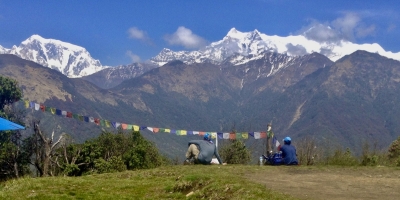
Sikles Trekking offers an adventure off the beaten road and provides a cultural introduction to the Gurung Villages of Ghale Gaun and Parche. The hill that rises over the Sikles hamlet offers stunning views of the Eastern Annapurnas. To get to Parche Village, the walk travels through hospitable communities, terraced fields, alpine pastures, and rhododendron forests. The journey continues through a shaded forest of rhododendrons that are covered in moss and lichen, as well as wildflowers and orchids that are in bloom on the branches above.Since it is one of the scenic treks that reveals the natural beauty of Nepal, Sikles Trekking in the Kaski district has become the most popular trekking destination. You'll be traveling through a rhododendron-filled, verdant woodland as well as a stunning mountain range and environment. One of the intriguing walking routes in the Annapurna range is the Sikles trip. This is a breathtaking short trip through a Gurung (Gurkha) village and a forested area. Moreover, it is Nepal's second-largest Gurung village. Due to its well-preserved traditional culture, tradition, ceremonies, and rituals, this village is one of the most well-known tourist sites in Nepal. Sikles is a prominent ethnic village with over 850 families and most of which are Gurung and follow their sociocultural customs from ancient times.Sikles Trekking is a magnificent trip to the least visited Pokhara. Visitation of Kaphuche Lake is the ultimate goal of the Sikles Kaphuche (Kafuche) Lake Trek. If you're lucky, you might catch a glimpse of a few minor snow-slides while visiting Kaphuche Ice Lake as they slide down to the lake with the sound of snow and ice sliding. The words "Ka" and "Phu" in the Gurung language used locally denote ice or snow, sliding down following the break, and settling on plain land, respectively. This indicates that this Ice Lake, which is named "Kafuche" in the local Gurung language, is generated by a continual avalanche from Mount Annapurna II and Lamjung Himal.Sikles Trekking ItineraryAsiana Treks and Tours has the perfectSikles Trek itinerary. Travelers who desire to explore Nepal with moderate physical fitness. You'll discover the best places for breathtaking views from the city to the countryside and experience an unforgettable lifetime journey.Sikles Trekking Distance:Sikles Trekking spans approximately 35 kM, or 21.7 miles, depending on the chosen itinerary.This route typically spans 5 days, and concluding at Pokhara.Our package tour ensures reliability in terms of cost, itinerary, and overall experience. For Nepali citizens, Panchase typically ranges from US$ 385 to 595 with variations depending on group size, service level, guide and porter services, transportation preferences, and accommodation choices in Kathmandu or Pokhara. This cost estimation is subject to the types of trekking gear and accommodation preferences.Sikles Trekking route:Sikles Trekking route showcases awe-inspiring natural beauty. Starting in lush valleys with terraced fields and traditional villages, the journey unfolds amidst the Himalayan foothills. Rhododendron forests bloom in spring, accompanied by cascading waterfalls and snow-capped peaks. Traversing wildflower meadows and crossing suspension bridges over mountain streams. leading to panoramic views of towering peaks like Annapurna south, Himchuli and Machhapuchhre. The trek promises unforgettable moments, whether you're a seasoned trekker or novice adventurer, offering an unparalleled journey through Earth's most breathtaking landscapes.Sikles Trekking price:Our package tour ensures reliability in terms of cost, itinerary, and overall experience. For Nepali citizens, the Annapurna Base Camp trek typically ranges from US$ 385 to 595, variations depending on group size, service level, guide and porter services, transportation preferences, and accommodation category in Kathmandu or Pokhara. This cost estimation is subject to the types of trekking gear and accommodation preferences. However, we could end the trek via Landruk and Dhampus if you avoid Kathmandu sightseeing and Pokhara exploration.Sikles Trekking Height:Sikles Trek starts from the lively and metropolitan city Kathmandu which is situated at an altitude of 1,337 meters. From Kathmandu, you are headed towards the beautiful lakeside city of Pokhara situated at 827 meters above sea level. During the trek, you are going to ascend towards popular viewpoints sarangkot, Dhampus, and Lwang. The maximum altitude you will reach Dhampus is 2550 above the sea level. From Lwang village , you descend towards Khoramukh and take private transportation drive back to Pokhara. At last, you take a drive from Pokhara to Kathmandu, where the trek ends.Major Village at Sikles Trekking:The major Gurung ethnic villages along the Sikles Trekking route are world peace stupa, Pumdikot, Bhumdi, Panchase Bhanjyang, Bhadeure or Chitre, return route follows the path back to Sarangkot or Dhampus and finally driving back to Pokhara. These villages are significant landmarks and offer scenic beauty and accommodation options along the Trekking route.Best viewpoints in Sikles Trekking:These viewpoints provide unforgettable experiences, highlighting the beauty of the Siklesh Trek.Sikles Trek offers breathtaking viewpoints, showcasing stunning panoramas of the surrounding Himalayan peaks. Here are the critical views along the route:Sikles Village: Sikles itself is a fantastic viewpoint. This Unique Gurung village offers stunning views of Lamjung Himal, Annapurna II, and IV. The village is also a great place to experience the Gurung culture and lifestyle.Ghalekharka: This village is another excellent viewpoint, offering panoramic views of the Annapurna and Lamjung Himal ranges.This route passing through forests and terraced fields.Karbakeli Thanti: This viewpoint provides a magnificent panorama of the Annapurna range, including Annapurna II, IV, and Lamjung Himal. The early morning views are particularly stunning as the first rays of the sun hit the snow-capped peaks.Huwa (Huwa Lake): The area around Huwa Lake offers serene and tranqual views of hills and distant mountains. The peaks' reflections on the lake's surface create a picturesque scene.Tara Hilltop: This viewpoint offers an extensive view of the Annapurna and Manaslu ranges.It is great spot for overlooking sunrise and sunsetviews, providing a broad perspective of the Himalayan landscape.Parche Village: Located near Sikles, Parche offers another vantage point from which to enjoy views of the Annapurna range. The village itself is charming and surrounded by terraced fields and lush forests.Nyauli Kharka: This pastureland is a beautiful spot to relax and take in the views of the surrounding mountains. The open landscape provides a clear view of the Himalayan peaks. Biodiversity of Sikles Trekking: Sikles Trekking trail is a biodiversity hotspot, perfect for nature lovers. Lush forests in the lower regions house various bird species, including rhododendrons, oaks and with vibrant wildflowers and homes of different kind of orchid. Look out for elusive wildlife and diverse birdlife. This trek offers a captivating glimpse into the green Hills, Amazing terraces, promising an unforgettable journey through serene nature and flora and fauna. Festivals and cultures in Sikles Trekking: You'll immerse yourself in vibrant festivals and cultural traditions along the Sikles Trekking route. The region, predominantly inhabited by ethnic groups like the Gurungs and Magars, celebrates various festivals. Dashain, typically in September or October, is a significant Hindu festival symbolizing the triumph of good over evil. Villages burst with colorful decorations, music, and dances as families gather for blessings and feasts.Tihar, known as the Festival of Lights, falls in October or November. This five-day celebration honors animals and the goddess of wealth, Laxmi. Oil lamps light up homes, and rituals bring prosperity and fortune.These festivals offer a unique and lifetime experience, as well as Nepalese culture with the majestic beauty of the Himalayas.Advantage book with Asiana Treks and tours with Sikles Trekking:Private transport for airport transfers to/from your hotel.Trip briefing on Facebook and online if you love to connect.Last minute booking at your hotel at a suitable time after your arrival.Easy booking and reservation system.Multi-channel communication via Email, WhatsApp, Facebook, Viber, Skyp 24/7 phone communication at +977-9851076270Free excess luggage storage during the trekPulse oximeters for monitoring blood oxygen saturation at high altitudes to detect altitude sickness earlyMedical kits along the trek and hot airbags are available in winterArrange sleeping bags, duffel bags, down jackets, and walking pools if you don't have your own.How to Sikles Trek Booking:Asiana Treks and Tours is the best and most trusted trek and tour company operator authorized by the Nepal government. We require a 10% advance payment to book your trip, and you'll need to send us a copy of your passport, photos, travel insurance, and flight details as soon as you book a tour with us. You can use bank transfer, or any other way like Western Union, or online via our website, which is easy. The remaining trip cost can be paid upon arrival in Nepal. We offer last-minute bookings, but changes may occur due to circumstances like bad Weather. Transportation for Sikles Trekking weather. We pride ourselves on our flexible transportation options, which include planes, helicopters, tourist buses, coasters, vans, jeeps, and cars. These are tailored to our Clints' specific needs, preferences, itineraries, and agreements, ensuring a comfortable and personalized travel experience. However, we provide Tourist buses to and from Pokhara, Private transportation from Nayapul to and from Sewai and Kathmandu sightseeing private vehicle as per the group, and optional fly to and from Pokhara at extra cost.Sikleh Trekking Start: Sikles Trek begins with a warm welcome in Kathmandu. Our dedicated team will be there to greet you as soon as you arrive at Tribhuvan International Airport. We'll then escort you to your hotel in a private vehicle, ensuring a comfortable and hassle-free start to your adventure, and setting the tone for a memorable journey.If you miss the regular trip briefing, don't worry. We'll provide it at a convenient time before departure, Pokhara, either before a World Heritage tour the following morning or the next day; we'll then proceed to Pokhara by tourist bus, departing around 7 a.m. from Sorakhutte, Kathmandu.The package includes transportation by tourist bus from Kathmandu to Pokhara, offering a comfortable and scenic journey. However, if you prefer a quicker option, you can also take a 25-minute domestic flight to Pokhara or use a private vehicle for an additional cost, allowing you to choose what suits you best.Currency Exchange:The Nepalese rupee is Nepali currency, and 1 USD is approximately 130 NPR. Only NPR is accepted in Nepal, so it's best to bring cash to facilitate transactions. Banks and ATMs in Kathmandu provide currency exchange services but note that most banks prefer new, crisp notes.Guide and Porter Arrangement to Sikles Trekking:Our company, Asiana Treks and Tours, focuses on responsible tourism in Nepal. We make sure our guides and porters are well-trained in Trekking and mountaineering. They know a lot about the areas we go to, including geography, history, customs, and culture. We train them regularly in safety, first aid, and environmental conservation. We follow guidelines to treat our porters fairly, providing them with good pay, accommodation, and meals during treks. Our guides and porters are essential team members, and we appreciate their hard work. When you trek with us, you support ethical tourism in Nepal, making your trip meaningful and memorable.Asiana Treks and Tours prioritizes your safety and enjoyment. Our knowledgeable guides, reliable equipment, and safety measures ensure a great trekking experience in Nepal.Porter, Luggage, and extra Luggage storage: We cover the cost of porters for your luggage, but the maximum weight limit is 12 kg per person. Each porter carries luggage for two trekkers; please share a duffle bag with another. Our porters will carry up to 25 kg each. If you need a porter for yourself, we can arrange that. We also recommend carrying a small backpack for your valuables and important documents. You can leave extra luggage at our office for free and at a hotel in Pokhara, Namche, etc.Accommodation during the Sikles Trekking:Accommodation during the Sikles Trek varies. Along the trekking route, you'll stay in guest houses, commonly known as teahouses. These basic lodges offer rooms, dining areas, and toilets. The quality of guest houses varies but remains affordable and convenient for trekkers. Rooms typically have twin or bunk beds and shared bathrooms, and blankets and pillows are provided. Our company can offer a sleeping bag if you don't have one. You'll spend nine nights in lodges along the trekking route, two nights in a hotel in Pokhara, and three nights in a hotel in Kathmandu. Some places and lodges have attached bathrooms, while others offer simple yet clean rooms with shared facilities. We can arrange a solo trekking service if you're traveling solo, but availability may be limited during peak season in some places. In Kathmandu or Pokhara, your hotel room will have excellent amenities, including TV, 24/7 hot water, electricity, and laundry service.Meals during the Sikles TrekkingEating well is essential since the Sikles Trek takes you through the high Himalayas. You'll have plenty of nutritious meals in the trekking regions, although the options won't be as varied as in the cities. You'll get fourteen breakfasts, eleven lunches, and ten dinners during the Trek. The menu includes local, Asian, and Western dishes, but it gets more straightforward as you climb higher. Try popular Nepali foods like lentils, rice, curry, dumplings, noodles, Spagaties, and many more. We highly recommend eating fresh vegetables and drinking liquids like green tea, lemon tea, hot lemon, ginger tea, and garlic soup, especially at high altitudes. While non-vegetarian options are available during the Trek, we suggest avoiding them for hygiene reasons. It's also best to steer clear of dairy, cheese, alcohol, caffeine, and hot chocolate. Personal expenses like alcoholic drinks and extra beverages at lodges or cafes aren't included in the package. Drinking Water along the Sikles Trek:Nepal is the second country in the world regarding water sources after Brazil. According to the Nepal government, only 27% of people here have clean drinking water. Regarding to drinking water, However drinking water is not big deal in The trekking ,you can buy mineral water in teahouses, but it is expensive; people prefer plastic bottles in some trekking areas. So, there are some safe drinking water stations where you can refill your bottle. However, we recommend carrying Steripen, iodine drops, water purification tablets for safe drinking, and refillable water bottles for boiled or filtered water. We strongly advise not to drink from taps, wells, and rivers in trekking areas. However, in all the city areas, Mineral water is available at a reasonable cost everywhere.Extra Personal Expenses:While most expenses during the Trek are covered, you'll need to spend money on accommodations and meals in Kathmandu and Pokhara, souvenirs, and additional beverages. We estimate about USD 10-20 per trekking day for miscellaneous expenses.Toilet Facilities in Sikles Trekking:Most teahouses have Western-style flush toilets and some places have simple squat toilets along the treks, These toilets usually have water or toilet paper, but it's a good idea to bring your toilet paper just in case. You can also use restrooms at nearby teahouses or find a private spot along the trekking routes.Internet Connectivity during the Sikles Trekking:While trekking in the Himalayan region of Nepal, connecting with your family and friends is also a good idea. You can find internet access at teahouses and lodges, but it might be extra minimal cost. The signal might be weak because of the remote location. You can also get internet access using a local SIM card and data packages available at Kathmandu airport or nearby shops in Thamel and Pokhara. You'll have a passport-sized photo and a copy of your passport to get a SIM card. It's a good idea to compare prices and data packages from telecom companies like Ncell and Nepal Telecom before buying. Knowing about teahouse connectivity. Our guide will suggest connections for you. Electricity voltage and plugs:However, 95 % of Nepali people have access to electricity as of May 29, 2023. almost popular trekking routes, teahouses, and lodges have electricity. However, some isolated and solo trekking tea houses in the jungle don't have electricity; Most of these tea houses let travelers charge their devices for a small fee. The average electrical voltage in Nepal is 230 volts, with plug types like Type C, Type D, and Type M. Travellers should bring a suitable adapter and, if needed, a voltage converter for their electronic devices.Communication in Sikles Trekking:The guest houses in the trekking regions have internet access. You could buy a SIM card at Tribhuvan International Airport Kathmandu and Pokhara. However, the signal may need to be more assertive at high altitudes. Our office keeps in touch with all trekking teams via the trek guide at least once daily to ensure everything goes as planned.Trip Extension:Suppose you have extra days in Nepal after the Trek. In that case, we can arrange a tour, overnight stay at Nagarkot Balthali or any other place around Kathmandu and Chitwan, jungle safari, paragliding, rafting, canyoning, or other treks. Do not hesitate to Inform us. We will create the best for you.Sikles Trek Difficulty:Siklesh Trekking presents easy low land trekking. Completing this trek is achievable even if you're a beginner, although you must maintain a reasonable fitness level. Prior trekking experience can be advantageous, though it is optional. All you need is the readiness to hike steadily for 3-5 hours, easy trails.Suppose trekkers have pre-existing medical conditions, such as lung or heart diseases. In that case, they are advised to consult their physician before booking the trek to ensure their safety and well-being throughout the journey.Trip Safety during the Sikles Trekking:We highly give top priority. We provide experienced guides with first aid kits and necessary safety gear to ensure a safe hand. Our team monitors weather and trail conditions and takes precautions to avoid risks. Before starting the trek, we discuss the trip to provide a clear understanding and ensure a reliable experience.Group & Private Treks:We organize many group and private treks simultaneously, with discounts available for larger groups. Every group will have a trekking guide and porters; an assistant guide may be provided for larger groups. Our team ensures a safe and enjoyable trekking experience for all participants.About solo traveler:If you're a solo traveler, please contact us to confirm departure dates before booking. You can tell us via call, WhatsApp, or email. We have listed upcoming departure dates for your convenience. Feel free to share the trip details with friends and family.Notes: Please be aware that the itinerary may change due to weather or other factors, and we'll adjust it accordingly for the group's safety and enjoyment. We look forward to guiding you through the stunning landscapes of the Annapurna region and ensuring a memorable trekking experience.Responsible Travel:We prioritize responsible travel to minimize environmental impact and support local communities. We collaborate with organizations like the Kathmandu Environmental Education Project (KEEP) to promote eco-friendly practices in trekking regions.Graduate:Graduate or tipping is appreciated in Nepali culture and reflects the quality of service provided. You decide how much to tip, but we recommend tipping as a group at the end of the trip.End of Trek:On the eleventh day, you'll take a bus from Pokhara back to Kathmandu, which takes about seven hours. Alternatively, you can fly from Pokhara to Kathmandu for an extra fee. In the evening, we'll host a farewell dinner in Kathmandu.Departure:On the day of your departure flight, we'll come to pick you up from your hotel and transfer you to Tribhuvan International Airport. We hope you enjoyed the Nepal trek and will consider returning for more adventures in Nepal.Feedback:After you complete the Siklesh Trek, we'll organize a farewell dinner in Kathmandu and present you with a trekking achievement certificate. After the dinner, you can provide feedback about the Trek on travel portals.Last-Minute Booking:If you can't book in advance, we offer last-minute bookings. Full payment is required 24 hours before departure. While we do our best to accommodate last-minute bookings, delays may occur due to unforeseen.Special Note: Please remember that sometimes unforeseen circumstances, such as inclement weather or unavailable lodging, may cause the schedule to be altered. Your trip guide will design a fresh schedule based on the group's interests in such circumstances.
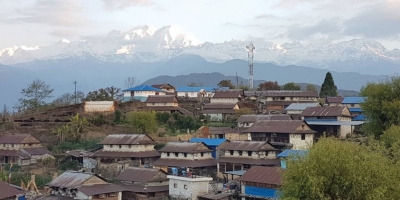
The Gurung Heritage Trek is a culturally immersive journey through some of Nepal's most picturesque, traditional villages in the mid-hills. Designed to showcase the unique lifestyle, history, and natural beauty of the Gurung community—famed for their bravery during World War II as Gurkha soldiers—this trek blends cultural exploration with scenic hiking.Nestled between the Marsyangdi and Madi rivers, the trail offers awe-inspiring views of the Himalayas, including Mt. Manaslu (8,156m), the Annapurna range, and Mt. Lamjung. You'll pass through key heritage villages like Ghale Gaun, Bhujung, Passgaun, and Thumsikot — all known for warm hospitality, traditional Gurung homes, and authentic village life. The trek blends natural wonders, traditional homestays, mountain vistas, and deep-rooted Buddhist culture.Gurung Heritage Trekking Package:The Gurung Heritage Trekking Package offered by Asiana Treks and Tours is a culturally immersive, nature-rich journey that explores the heart of the Gurung community—an ethnic group famed for their valour in World War II and their unique traditions. Unlike high-altitude treks, this package focuses on cultural encounters, village homestays, and unspoiled mountain views, making it ideal for trekkers seeking authenticity over adrenaline.This 11-day itinerary lets travellers walk through some of the most beautiful Gurung settlements, including Ghale Gaun, Bhujung, Passgaun, and Thumsikot, while staying in traditional homes and enjoying local hospitality. Each village has preserved its cultural roots and offers warm welcomes through traditional dances, music, and home-cooked meals. Throughout the journey, guests will see 95 unique styles of Gurung homes, Buddhist stupas and monasteries, and scenic trails nestled between the Marsyangdi and Madi rivers.This package blends heritage, nature, and comfort, including transportation, English-speaking guides, cultural shows, permits, and three meals daily during the trek. Guests will also experience Kathmandu and Pokhara, Nepal's two most iconic cities, for the perfect mix of culture, city, and countryside.Package Highlights:Cultural immersion in Gurung villagesDaily traditional meals and homestay experiencesStunning views of Annapurna and Manaslu rangesProfessional guide and portersVisit to Pokhara and KathmanduAll permits, transfers, and accommodations includedGurung Heritage Trekking Itinerary – Short List:Day 1: Arrival in Kathmandu (1337m)Day 2: Drive to Besishahar (807m)Day 3: Trek to Ghale Gaun (2100m)Day 4: Trek to Bhujung (1950m)Day 5: Trek to Passgaun (1635m)Day 6: Trek to Yarma Village (1500m)Day 7: Trek to Thumsikot (1230m)Day 8: Drive to Pokhara (827m)Day 9: Pokhara sightseeing and rest dayDay 10: Return to KathmanduDay 11: Final departure from NepalEach day blends trekking and cultural immersion, with stops in local homes and exposure to the Gurung way of life. Distances are moderate, and the trail suits travellers who prefer authentic village experiences over high-altitude challenges.Gurung Heritage Trekking Distance:The total trekking distance on the Gurung Heritage Trek is approximately 65–75 kilometres (40–47 miles) over 6 trekking days. The terrain is moderate, with gradual ascents and descents through terraced farmland, forests, and hillside villages. Unlike strenuous high-altitude treks in the Everest or Annapurna Base Camp regions, this cultural trek focuses on gentle walking paths and cultural connection.Distances between villages typically range from 10 to 15 kilometres per day, which allows ample time for cultural interactions, scenic breaks, and guided storytelling by your trek leader. The trail connects a network of Gurung settlements that are often inaccessible by road, offering a unique glimpse into Nepal's living heritage. Most elevations stay below 2200 meters, minimising risks of altitude sickness and making it ideal for families, beginners, and older trekkers.Highlights of Distances for Gurung Heritage Trek:Besishahar to Ghale Gaun: 12–14 kmGhale Gaun to Bhujung: 10 kmBhujung to Passgaun: 13 kmPassgaun to Yarma: 10–12 kmYarma to Thumsikot: 12 kmTotal Walking: 65–75 km over 6 trekking daysGurung Heritage Trekking Cost – 2026/2027: Asiana Treks and Tours provides flexible pricing for the Gurung Heritage Trekking depending on group size, time of year, and customisation options. The cost for the 2026/2027 season is competitively priced for an all-inclusive cultural trekking experience with no hidden fees.Pricing Options:Package Type Price (Per Person)Standard Group (2–5 pax) USD $950Small Private Trek (1 pax) USD $1,150Deluxe (with upgraded hotels) USD $1,300Group Discount (6+ pax) 10–15% offWhether you're travelling solo, as a couple, or in a group, Asiana Treks and Tours offers personalised service and cultural depth that elevate your trekking experience into a truly unforgettable adventure.Gurung Heritage Trekking Price Breakdown:By Asiana Treks and ToursThe Gurung Heritage Trekking package offers exceptional value for an all-inclusive cultural trekking experience. Designed for travellers looking to immerse themselves in traditional Gurung life, the pricing structure is transparent, affordable, and flexible based on group size and preference for standard or deluxe services. Asiana Treks and Tours ensures no hidden costs by providing a detailed price breakdown so you know exactly where your money is going.The standard package includes airport transfers, hotel accommodations in Kathmandu and Pokhara, all meals during the trek, certified guides, cultural programs, trekking permits, and homestay accommodations in traditional Gurung villages. For those seeking added comfort, deluxe packages with upgraded lodging and private transportation are available at a slightly higher rate. Solo trekkers and couples can request private trips, and larger groups receive generous discounts. Price Breakdown for (2026/2027):Package Type Cost (Per Person)Standard Group (2–5 people) USD $950Private Trek (1 person) USD $1,150Deluxe Package (2–5 people) USD $1,300Group Discount (6+ pax): 10–15% offGurung Heritage Trekking Altitude Guide:The Gurung Heritage Trek is considered a low- to moderate-altitude trek, making it an ideal adventure for those who want to experience Himalayan culture without the risks associated with high altitudes. The highest point reached on this trek is Ghale Gaun at 2100 meters (6888 ft), which eliminates the need for acclimatisation days and greatly reduces the chance of altitude sickness.The trek begins at Besishahar (807m) and descends gradually through a series of scenic Gurung villages before ending near Pokhara at 827 meters. Unlike other Himalayan treks that can rise above 4,000 or even 5,000 meters, the Gurung Heritage Trail remains between 800 and 2,100 meters throughout the journey. This makes it accessible for beginners, families, older travellers, and those with moderate fitness. Key Altitude Points:Kathmandu – 1,337 m (4,385 ft)Besishahar – 807 m (2,648 ft)Ghale Gaun – 2,100 m (6,888 ft)Bhujung – 1,950 m (6,396 ft)Passgaun – 1,635 m (5,362 ft)Yarma – 1,500 m (4,920 ft)Thumsikot – 1,230 m (4,034 ft)Pokhara – 827 m (2,713 ft)Because of the manageable elevation, trekkers can enjoy the cultural richness and scenic landscapes without physical stress, which is a rare advantage in Himalayan trekking.Why Choose Gurung Heritage Trekking?The Gurung Heritage Trek, curated by Asiana Treks and Tours, is more than a hiking experience—it's a journey into the heart of Nepal’s ethnic and cultural soul. What sets this trek apart is its deep immersion in Gurung culture, an indigenous community known for warm hospitality and an honourable history as brave Gurkha soldiers in World War II. If you're looking to move beyond typical mountain views and engage with real local life, this trek is your perfect match.This trail celebrates cultural storytelling, hospitality, and community-based tourism. Trekkers stay in homestays, dine on traditional Gurung meals, wear local attire, and participate in dance and music performances. The villages of Ghale Gaun, Bhujung, Passgaun, and Yarma are not just beautiful—they’re living museums that preserve authentic Himalayan traditions. Unlike the crowded Everest or Annapurna base camp routes, this trail is less commercialised and more personal.Reasons to Choose Gurung Heritage Trekking:Deep cultural immersion with homestaysIdeal for beginners or low-altitude trekkersUncrowded and peaceful trekking routeDirect support to local communitiesRich biodiversity and mountain viewsEthical and sustainable tourism with Asiana Treks and ToursPreparing for the Gurung Heritage Trekking:Preparation for the Gurung Heritage Trekking is essential for a smooth, enjoyable journey. The trek is considered moderate, so while you don’t need to be an elite athlete, good general fitness and mental readiness are important. Preparing physically with regular walking, light hiking, or cardio workouts at least a month before the trek is highly recommended. If you're prone to joint issues, consider bringing trekking poles for support.For gear, pack layered clothing, as temperatures vary between villages. Evenings can be chilly, so a warm jacket is necessary. A pair of good trekking shoes, a small backpack, and basic toiletries are must-haves. While many villages have electricity, power cuts can happen, so bring a headlamp and power bank. Asiana Treks and Tours provides a detailed packing list and pre-departure briefing to help you feel fully prepared. Essential Tips for Preparation:Start light training 3–4 weeks in advanceBreak in your trekking shoes before the trekCarry reusable water bottles and purification tabletsDress modestly for village visitsBring personal medications and basic first aidBeing mentally prepared to live in rural conditions—basic bathrooms, shared meals, limited internet—will help you better enjoy the authentic homestay experience and connect with the Gurung people on a deeper level.What to Expect on the 10–11-Day Gurung Heritage Trek:The 10–11-day Gurung Heritage Trek offers an intimate and rewarding trekking experience. Unlike treks focused solely on altitude or physical challenge, this journey is about culture, people, and landscapes. You’ll walk through lush hills, terraced farms, and traditional villages while enjoying panoramic views of Mt. Manaslu, Annapurna, Machhapuchhre, and Lamjung Himal.Expect to stay in traditional Gurung homes—most built with stone, mud, and thatch roofs—where you’ll sleep on comfortable beds and be treated like family. Each village has its own unique charm and offers experiences like local dance performances, cooking sessions, cultural talks, and opportunities to try on traditional attire. Spend days walking 4–6 hours on scenic trails, and evenings resting and immersing yourself in local culture.The following are highlights to expect in the Gurung Heritage Trek:6 days of trekking (moderate difficulty)2 city tours (Kathmandu & Pokhara)3 meals per day during the trekNightly cultural interactionsGuided support throughoutLocal stories, songs, and smilesThis trek suits solo travellers, couples, families, and small groups who want to escape the commercial routes and dive into Nepal’s timeless culture. By the end of your journey, you’ll leave with lifelong memories, new friendships, and a deep appreciation for Nepal's diversity.Oxygen Levels on the Gurung Heritage Trekking:One standout feature of the Gurung Heritage Trekking route is its low to moderate altitude, which makes it significantly easier on the lungs than many other Himalayan treks. The trail ranges from 807 meters (Besishahar) to 2,100 meters (Ghale Gaun), so oxygen levels stay between 80% and 95% of sea level. This is ideal for trekkers of all fitness levels, including children, seniors, and beginners, as the risk of altitude sickness is minimal.Unlike high-altitude treks (such as Everest Base Camp or Annapurna Circuit) where oxygen drops dramatically and acclimatisation becomes a concern, Gurung Heritage Trekking provides a safe yet rewarding experience with breathtaking Himalayan scenery. Trekkers enjoy crisp mountain air, peaceful forest trails, and cultural interactions without the physical exhaustion caused by oxygen deprivation.Quick Facts about Oxygen Level:Altitude stays below 2,100m (no acclimatisation needed)Oxygen levels remain high (80%–95%)Great for families, beginners, and older trekkersNo need for oxygen tanks or altitude medicationComfortable breathing throughout the trekMajor Villages and Scenic Viewpoints on the Gurung Heritage Trekking RouteThe Gurung Heritage Trek, organised by Asiana Treks and Tours, takes you through a series of culturally rich and visually stunning villages, each with its own identity, charm, and traditions. Nestled within the Annapurna Conservation Area, these villages offer breathtaking views of snow-capped Himalayan peaks and untouched landscapes. The four primary villages—Ghale Gaun, Bhujung, Passgaun, and Thumsikot—are living showcases of the Gurung people’s heritage.Ghale Gaun (2,100m): Known for its panoramic mountain views and 95 distinct Gurung-style homes. A cultural capital where you’ll experience local dress, dance, and traditional welcome ceremonies.Bhujung (1,950m): Nepal’s largest Gurung village, built on steep hillsides, with terrace-farming views and stunning Himalayan backdrops.Passgaun (1,635m): Quieter and deeply spiritual, featuring monasteries and hilltop viewpoints over Lamjung Himal and Annapurna II.Yarma & Thumsikot (1,230m): Gateway to Pokhara, blending rural Gurung life with spectacular sunset views.Top Viewpoints Along the Route: Ghale Gaun Viewpoint: Panoramic sights of Mt. Manaslu, Annapurna, Machhapuchhre, and Bouddha HimalBhujung Ridge: Overlooks lush forests and farmlandsPassgaun Monastery Hill: Ideal sunrise spotThumsikot Fields: Rolling hills meet the distant HimalayasFlora and Fauna of the Gurung Heritage Trekking:One of the many highlights of trekking the Gurung Heritage Trail is the chance to walk through diverse ecological zones that showcase Nepal's rich biodiversity. This trail traverses dense forests, terraced fields, bamboo groves, and river valleys—all thriving with flora and fauna. As part of the Annapurna Conservation Area Project (ACAP), the environment along this trek is well-preserved and sustainably protected.The trek starts in sub-tropical terrain and slowly ascends into temperate forests filled with rhododendrons (Nepal’s national flower), oak, alder, and magnolia trees. Seasonal blooms—especially in spring—create colourful trails that feel like walking through botanical gardens. The forests are also rich with herbs and medicinal plants, many of which are used in traditional Gurung remedies.As for fauna, lucky trekkers may spot langurs, barking deer, Himalayan monals (Danphe), and various butterfly and bird species. Birdwatchers will be especially thrilled, as the region is home to pheasants, eagles, and dozens of migratory birds.Notable Flora and Fauna:Rhododendrons, magnolias, orchidsBarking deer, langurs, Himalayan foxMonals, eagles, vultures, and other highland birdsRare herbs used in Gurung medicineButterfly species unique to Himalayan mid-hillsFestivals and Local Culture Along the Gurung Heritage Trekking:The Gurung Heritage Trek is not just a scenic journey—it’s a living cultural experience. The route passes through traditional Gurung settlements, where centuries-old customs, festivals, and daily rituals are still actively practised. Visitors are often invited to join in local festivities, learn about ancestral traditions, and even participate in dance, dress, and food.One of the most famous celebrations is Tamu Lhosar, the Gurung New Year celebrated in December or January. It’s marked with colourful attire, communal feasts, chanting, and traditional “Ghantu” and “Sorathi” dances. Another highlight is the Rodhi Ghar tradition, where villagers gather to sing, dance, and share stories in community halls—trekkers often join these social evenings.The Gurungs are Buddhists influenced by Bon and Hindu practices. You’ll visit monasteries, prayer flags, and stupas, and witness rituals like morning pujas or evening chants. Asiana Treks and Tours ensures these cultural exchanges are respectful, immersive, and authentic. Cultural Highlights:Tamu Lhosar (Gurung New Year)Rodhi Ghar singing and dancing eveningsBuddhist monastery visits and prayersTraditional Gurung dress-up and cuisineWood carving, weaving, and local craftsWhy Book with Asiana Treks and Tours for Gurung Heritage Trekking:Asiana Treks and Tours has earned a reputation for offering authentic, community-focused experiences in Nepal. Specialising in heritage and cultural treks, their Gurung Heritage Trekking itinerary is one of the most thoughtfully curated in the country. What sets Asiana apart is its deep-rooted relationships with local Gurung communities, ensuring guests get an inside look into traditions not often shared with tourists.Their guides are not only licensed professionals, but many are locals from the region—adding an insider's perspective and storytelling to the trail. Every trek is run with a commitment to responsible tourism, supporting local economies, preserving cultural heritage, and minimising environmental impact. Guests can expect personalised attention, high-quality logistics, and true cultural immersion.Why Choose Asiana Treks and Tours: Culturally immersive, community-driven trekkingLocal guides with deep regional knowledge24/7 client support and safety-first operationsEthical tourism—profits benefit local communitiesFully customizable itinerary optionsHundreds of satisfied trekkers since inceptionHow to Book the Gurung Heritage Trekking:Booking your Gurung Heritage Trekking adventure with Asiana Treks and Tours is simple, transparent, and flexible. Whether you are planning months in advance or looking for a last-minute adventure, the Asiana team offers multiple booking options to suit your needs. Start by visiting their website or contacting them via email or WhatsApp to discuss your preferred travel dates, group size, and any customisation requests.Once you’ve chosen your package, a small deposit (typically 20–30%) secures your spot. Final payments are collected either upon arrival in Kathmandu or via secure online transfer. Asiana will assist with pre-trek briefings, packing lists, visa support, and even hotel bookings before or after the trek. If you’re travelling solo, they can also help you join a group trek to reduce costs and add social connection.Booking Steps:Contact Asiana via website/email/WhatsAppDiscuss preferred trek dates and customisationsPay deposit via secure payment systemReceive booking confirmation and pre-trip infoArrive in Nepal and begin your adventure!For a truly transformative Himalayan experience rich in culture, scenery, and authentic encounters, the Gurung Heritage Trekking with Asiana Treks and Tours is an unbeatable choice.
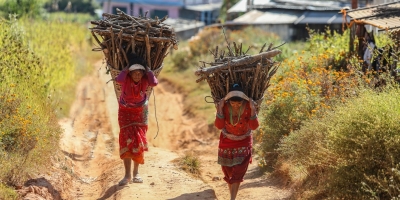
Ghale Gaun Trekking is a captivating journey through one of Nepal’s most scenic and culturally rich regions. Located in Lamjung District, Ghale Gaun is widely recognised as Asia’s model tourism village. This trek offers travellers a unique blend of stunning natural landscapes and deep cultural immersion. Nestled at around 2,100 meters, Ghale Gaun is home to the indigenous Gurung and Ghale communities, who warmly welcome visitors into their traditional homestays. This experience lets trekkers explore authentic Nepalese rural life, traditional architecture, and unique cultural practices, making the trek more than just a nature walk.The trekking route is renowned for panoramic views of majestic Himalayan peaks such as Machhapuchhre (Fishtail), Annapurna I, Annapurna II, Annapurna IV, Lamjung Himal, Himalchuli, and Bouddha Himal. Lush forests of rhododendron, magnolia, and oak surround the trail, alongside terraced farming fields that highlight the sustainable lifestyle of the locals. Wildlife enthusiasts will appreciate the diversity of bird species and other fauna encountered during the trek. Asiana Treks and Tours carefully curates the journey to provide a safe, comfortable, and enriching experience. Their experienced guides share valuable insights into the region’s natural environment, history, and customs, while providing full logistical support, including accommodation, meals, and emergency care.Ghale Gaun Trekking Itinerary:The typical Ghale Gaun trekking itinerary offered by Asiana Treks and Tours spans about 7 days, allowing trekkers to comfortably explore the area’s highlights without rushing. Starting from Kathmandu, you will travel to Ghale Gaun via scenic routes passing through hills and forests. Each day combines moderate trekking distances with opportunities to engage with local culture and enjoy the landscape.Day 1: Arrive in Kathmandu (1337 meters) and prepare for the trek.Day 2: Transfer from Kathmandu to Ghale Gaun by vehicle; begin acclimatisation and cultural orientation.Day 3: Trek around Ghale Gaun, visit traditional villages, interact with locals, and enjoy mountain vistas.Day 4: Trek from Ghale Gaun to Ghan Pokhara; explore the natural beauty and local lifestyle.Day 5: Continue trek to Khudi, with panoramic views of the Annapurna and Dhaulagiri ranges.Day 6: Return from Khudi to Kathmandu by vehicle.Day 7: Departure day from Kathmandu.Throughout the trek, Asiana Treks and Tours provide traditional homestays or guesthouses with local meals (Breakfast, Lunch, Dinner). The itinerary balances trekking with cultural exposure and relaxation, making it suitable for moderate fitness levels.Ghale Gaun Trekking Distance and Terrain:The total trekking distance covered in the Ghale Gaun trek is approximately 70-80 kilometres over the course of the journey. The trails mix dirt paths, stone staircases, and forest trails winding through terraced farmland and rural villages. Trekkers ascend gradually, with altitudes ranging from 1,300 meters in Kathmandu to around 2,100 meters at Ghale Gaun, allowing proper acclimatisation.The terrain is moderately difficult, suitable for trekkers with a basic level of fitness. Day-to-day walking distances range from 6 to 10 kilometres, allowing a leisurely pace to take in the surroundings. The elevation gain is gradual, reducing the risk of altitude sickness, and the route includes frequent stops at traditional villages to experience local culture and hospitality.Key highlights of the trekking distance include:Scenic mountain viewpoints showcasing the Annapurna, Machhapuchhre, and Lamjung rangesVillage-to-village trails through forests of rhododendron and oakVisits to homestays offering insights into Gurung and Ghale lifestylesOpportunities for birdwatching and spotting local wildlifeGhale Gaun Trekking Cost 2026/2027Booking your Ghale Gaun trek with Asiana Treks and Tours guarantees value for money and an unforgettable experience. The trekking cost for 2026/2027 includes:Airport pick-up and drop-off in Kathmandu All transportation between Kathmandu and trekking trailheads Accommodation in traditional homestays or guesthouses throughout the trek Full board meals (Breakfast, Lunch, Dinner) during trekking days Professional English-speaking local guide and porter services Necessary permits and entry fees Trekking equipment support (if required) Emergency medical support and insurance for guides and porters Estimated Price Range: USD 750 - 950 per person (depending on group size, season, and customization options) Asiana Treks and Tours emphasize safety and comfort, ensuring you receive expert guidance, quality accommodation, and authentic cultural experiences. They also recommend travelers to have travel insurance and consult a healthcare professional prior to the trek. Summary: Why Choose Ghale Gaun Trekking with Asiana Treks and Tours?Located in the scenic Lamjung district, Asia’s tourism model hamletTrek duration: 7 days, moderate difficulty, suitable for intermediate trekkersSpectacular Himalayan views: Annapurna, Machhapuchhre, Dhaulagiri, Lamjung HimalCultural immersion: Stay in traditional Gurung and Ghale homestaysRich biodiversity: Rhododendron forests, magnolias, native birds and wildlife Full service package: Transportation, meals, accommodation, guide, porter Emergency support and healthcare facilities ensured Competitive cost with expert local knowledge and safety standards Booking with Asiana Treks and Tours offers a well-organised, safe, and culturally immersive trekking experience in one of Nepal’s most beautiful and authentic rural regions. Ghale Gaun Trekking Price Breakdown:Ghale Gaun Trekking with Asiana Treks and Tours offers excellent value, providing a comprehensive package that covers all essential trekking services. The overall price typically ranges from USD 750 to 950 per person, depending on group size, season, and optional add-ons. This price includes airport transfers in Kathmandu, transportation to and from the trekking trailheads, accommodations in traditional homestays or guesthouses, full-board meals (breakfast, lunch, and dinner), and support from experienced English-speaking local guides and porters.The trekking fee also covers necessary permits, entry fees, and any trekking equipment rental you may require. Asiana Treks and Tours ensure all safety protocols are followed, and emergency medical support is available if needed. The cost does not usually include international flights, personal travel insurance, tips, or personal expenses such as drinks and souvenirs. Travelers should budget for these separately. Price Breakdown Summary: Airport pick-up and drop-off: Included Transportation to/from trailhead: Included Accommodation (homestays/guesthouses): Included Full board meals (B/L/D): Included Licensed guide and porter services: Included Permits and entry fees: Included Trekking equipment rental (optional): Additional Travel insurance and tips: Not included Booking through Asiana Treks and Tours guarantees quality service, transparent pricing, and an authentic cultural trekking experience. Ghale Gaun Trekking Altitude Guide The Ghale Gaun Trekking route offers a moderate altitude experience, making it suitable for trekkers with varying levels of fitness. The trek starts at Kathmandu (about 1,337 meters) and gradually ascends to Ghale Gaun, which sits around 2,100 meters above sea level. The highest points during the trek reach roughly 2,200 to 2,300 meters, which is considered moderate altitude and poses a relatively low risk of altitude sickness compared to higher Himalayan treks. Gradual elevation gain allows for proper acclimatization, making the trek safe for most travelers, including beginners and families. The moderate altitude also means that oxygen levels remain fairly stable, minimizing discomfort and reducing symptoms like headaches or dizziness. However, trekkers are advised to stay hydrated, avoid overexertion, and communicate any symptoms of altitude sickness immediately to guides. Altitude Guide Highlights: Kathmandu: 1,337 meters Ghale Gaun Village: ~2,100 meters Highest trekking points: 2,200–2,300 meters Moderate altitude trek, low risk of altitude sickness Gradual ascent allows acclimatization Suitable for beginner and intermediate trekkers This altitude profile offers a rewarding Himalayan experience without the extreme challenges of higher elevation routes, allowing trekkers to enjoy stunning mountain views and cultural immersion comfortably. Why Choose Ghale Gaun Trekking? Ghale Gaun Trekking with Asiana Treks and Tours is a unique choice for those seeking a blend of breathtaking natural beauty, cultural richness, and moderate trekking difficulty. Ghale Gaun is famous as Asia’s tourism model village, offering trekkers an authentic glimpse into the lifestyle of the Gurung and Ghale communities. Staying in traditional homestays, visitors experience local hospitality, customs, and cuisine, making the journey deeply enriching beyond just the scenery. The trek showcases spectacular Himalayan views of iconic peaks such as Annapurna, Machhapuchhre, Lamjung Himal, and Dhaulagiri. Unlike busier trekking routes, Ghale Gaun offers a more peaceful, less commercialized trail with pristine forests, terraced fields, and diverse flora and fauna. Asiana Treks and Tours provide expert guides who share insights into the region’s natural and cultural heritage, ensuring an informative and safe journey. Reasons to Choose Ghale Gaun Trekking: Authentic cultural experience in Asia’s tourism model village Moderate trekking suitable for a wide range of fitness levels Panoramic views of Annapurna, Machhapuchhre, and Dhaulagiri peaks Peaceful, less crowded trails through lush forests and rural villages Traditional homestay accommodation and home-cooked meals Professional guides and support from Asiana Treks and Tours Choosing Ghale Gaun Trekking guarantees a well-rounded Himalayan adventure with the perfect balance of nature, culture, and comfort.Preparing for the Ghale Gaun Trekking:Preparation is key to fully enjoying the Ghale Gaun Trekking experience. Since the trek involves moderate physical exertion and moderate altitudes up to around 2,300 meters, trekkers should ensure they have a reasonable fitness level. Cardiovascular exercises like jogging, cycling, or hiking practice are highly recommended in the weeks leading up to the trek. Strengthening leg muscles and building stamina will help you manage daily trekking distances of 6–10 kilometres comfortably.Packing smartly is equally important. Asiana Treks and Tours advise trekkers to bring layered clothing suitable for varying temperatures, sturdy trekking boots, rain gear, and sun protection such as hats and sunscreen. Since you’ll be staying in homestays, it’s a good idea to bring personal toiletries and any medications. A quality backpack and trekking poles can also make the journey easier.Preparation Checklist:Build fitness with cardio and strength exercisesPack layered clothing for variable weatherWear sturdy hiking boots and bring rain gearCarry sun protection: sunscreen, sunglasses, hatBring personal toiletries and basic medicinesUse trekking poles for balance and supportGet travel insurance covering trekking activities Asiana Treks and Tours also recommend a pre-trek briefing to cover health and safety, cultural etiquette, and what to expect on the trail, so you feel confident and ready for your adventure.What to Expect on the 6–7-Day Ghale Gaun Trekking Adventure:The Ghale Gaun Trekking itinerary spans 6 to 7 days, offering a balanced adventure through Nepal’s picturesque rural and mountainous regions. Each day includes moderate hiking distances, so you can enjoy the scenery and cultural experiences at a comfortable pace. You’ll start with a drive from Kathmandu to the trailhead, then trek through forests, terraced fields, and traditional villages.Expect to stay in warm, welcoming homestays where locals offer home-cooked meals, often featuring traditional Nepali dishes. The trek provides spectacular sunrise and sunset mountain views, especially of the Annapurna and Machhapuchhre ranges. Days include ample opportunities to interact with locals, visit village markets, and learn about Gurung and Ghale cultural traditions such as music, dance, and handicrafts.Expect a summary of Ghale Gaun Trekking: Moderate daily hiking of 6–10 kmComfortable overnight stays in traditional homestaysDelicious local Nepali meals, including Dal Bhat and seasonal vegetablesStunning Himalayan panoramas with mountain photo opportunitiesCultural immersion: village tours, local crafts, and traditionsFriendly, knowledgeable guides and supportive portersA mix of nature, culture, and relaxationThis trekking adventure provides a perfect introduction to Nepal’s mountain lifestyle and natural beauty, suitable for a wide range of travellers.Oxygen Levels on Ghale Gaun Trekking:Oxygen levels decrease as altitude increases, which can affect physical performance and well-being. On the Ghale Gaun Trekking route, the altitude ranges from around 1,300 meters in Kathmandu to roughly 2,300 meters at the trek’s highest points. At these elevations, oxygen levels are only slightly lower than at sea level—approximately 80-85% of normal oxygen availability.This modest decrease means most trekkers do not experience significant altitude sickness symptoms. However, some individuals may feel mild effects such as slight breathlessness during exertion. Proper acclimatisation, hydration, and pacing help maintain comfort and safety. Asiana Treks and Tours closely monitor trekkers and adjust the itinerary if needed to prevent altitude-related issues.Oxygen Level and Altitude differ in Points:Oxygen levels at 2,300m are about 80-85% of sea levelRisk of altitude sickness is low but possible in sensitive individualsGradual ascent allows the body to adapt to lower oxygenDrink plenty of water and avoid overexertionEmergency oxygen and evacuation plans are in placeGuides trained to recognise and respond to altitude symptomsBy understanding oxygen changes and preparing accordingly, trekkers can enjoy the stunning landscapes and culture of Ghale Gaun without undue health concerns.Major Villages and Scenic Viewpoints on Ghale Gaun Trekking Route:The Ghale Gaun Trekking route winds through some of the most charming and culturally rich villages in Nepal's Lamjung district. The trek begins near the rural town of Khudi and passes through quaint settlements such as Ghan Pokhara, Taudaha, and, of course, Ghale Gaun itself. Each village offers unique insights into traditional Gurung and Ghale lifestyles, with stone houses, terraced fields, and vibrant local markets that reflect the region's simple, pastoral way of life.Ghale Gaun is the heart of the trek, famed for its status as a model tourism village. Here, trekkers can experience authentic homestay hospitality, traditional crafts, and folklore. As you hike through these villages, expect warm greetings from locals in traditional attire, often accompanied by the melodies of local songs and dances.Beyond the cultural richness, the trek offers numerous scenic viewpoints. The trail is dotted with vantage points that provide breathtaking panoramic views of snow-capped Himalayan giants like Machhapuchhre (Fishtail), Annapurna South, Annapurna I, Lamjung Himal, and Dhaulagiri. These viewpoints are perfect spots for photography, sunrise and sunset watching, or simply soaking in the grandeur of the Nepalese Himalayas.Summary of Major Villages & Viewpoints:Villages: Khudi, Ghan Pokhara, Taudaha, Ghale GaunTraditional Gurung and Ghale culture and homestaysStone houses, terraced farming landscapesScenic viewpoints with panoramic views of Machhapuchhre, Annapurna, Lamjung Himal, DhaulagiriOpportunities for cultural interaction and photographyFlora and Fauna of Ghale Gaun TrekkingThe Ghale Gaun Trekking route passes through a richly biodiverse area, showcasing Nepal’s unique Himalayan flora and fauna. The region is known for its lush forests that change with elevation, offering trekkers a vibrant natural experience. At lower altitudes, you will find subtropical forests with species such as rhododendron, magnolia, oak, and maple. In spring, rhododendrons bloom spectacularly, painting the hillsides in vivid red, pink, and white hues and making for a visual treat for nature lovers.Wildlife enthusiasts will delight in spotting the region's diverse species. The area is home to several bird species like the Himalayan monal (Nepal’s national bird), different types of pheasants, and colourful songbirds. Mammals such as barking deer, langur monkeys, and sometimes even elusive Himalayan black bears inhabit the surrounding forests. The plant diversity also supports a variety of insects and butterflies, adding to the area's ecological richness.Ghale Gaun's biodiversity is one of its unique draws, allowing trekkers to enjoy both the area's cultural and natural heritage. Asiana Treks and Tours’ guides are knowledgeable about local flora and fauna and often provide insightful commentary to enhance your trekking experience.Highlights of Flora & Fauna of Ghalegaun TrekkingForests of rhododendron, magnolia, oak, and mapleSeasonal rhododendron blooms in springBirds: Himalayan monal, pheasants, songbirdsMammals: barking deer, langur monkeys, Himalayan black bears (rare)Diverse insects and butterfliesExpert naturalist guides for enhanced wildlife viewingFestivals and Local Culture Along Ghale Gaun Trekking Route:The Ghale Gaun trekking area is rich in cultural traditions and festivals, many of which the local Gurung and Ghale communities celebrate with enthusiasm. The trekking experience is especially rewarding when you time your visit to coincide with one of these vibrant festivals, offering firsthand insight into rural Nepalese life.One of the region's most important festivals is Tihar (Deepawali), the festival of lights, which includes family gatherings, traditional songs, and elaborate decorations. Another key celebration is Lhosar, the Gurung New Year, marked by colourful dances, feasts, and rituals that honour ancestors and welcome the new year with blessings. During these festivals, local villages come alive with music, dance, and communal spirit, offering trekkers a chance to participate in or observe these lively cultural events.Besides festivals, the region boasts rich customs including traditional dress, local crafts such as weaving and pottery, and oral storytelling traditions. Visitors will notice the warmth and hospitality of the locals, who often invite guests into their homes to share meals or stories, making the cultural experience truly immersive.Highlight of Festivals & Local Culture:Major festivals: Tihar (festival of lights), Lhosar (Gurung New Year)Traditional music, dance, and communal feastsLocal crafts: weaving, pottery, storytellingOpportunities for immersive cultural interactionFriendly and hospitable Gurung and Ghale communitiesWhy Book with Asiana Treks and Tours for Ghale Gaun Trekking:Booking your Ghale Gaun Trekking adventure with Asiana Treks and Tours ensures a well-organised, safe, and culturally immersive experience. With years of local expertise, the company offers personalised services for both beginner and experienced trekkers. Their knowledgeable guides not only lead you safely through the trail but also enrich your journey by sharing detailed information about local history, culture, and the natural environment.Asiana Treks and Tours prioritise client safety and comfort. They provide well-trained porters, reliable transportation, traditional homestays with authentic meals, and 24/7 support throughout your trek. Emergency protocols and medical assistance plans are in place to handle unforeseen circumstances, giving all trekkers peace of mind. Furthermore, the company’s commitment to sustainable tourism means your trekking experience supports local communities and minimises environmental impact.By choosing Asiana Treks and Tours, you get a hassle-free trekking experience with expert logistics, responsible tourism practices, and a genuine connection to Nepal’s culture and nature.Highlights of Why Book with Asiana Treks:Experienced, knowledgeable local guidesSafety-focused with emergency medical supportComfortable homestays and authentic mealsResponsible, sustainable tourism practicesPersonalised services tailored to client needs24/7 support and reliable transportationHow to Book the Ghale Gaun Trekking:Booking your Ghale Gaun Trekking adventure with Asiana Treks and Tours is a simple, convenient process designed to make travel planning smooth. First, visit their official website or contact customer service by email or phone to ask about available dates, group sizes, and any customisation requests. The team responds promptly with detailed information, itinerary options, pricing, and what to expect during your trek.Once you decide to proceed, you can confirm your booking by paying a deposit. The company provides clear payment instructions and accepts various secure payment methods. After you book, Asiana Treks and Tours will send you a pre-trek information pack with important details on gear, health precautions, and logistics. They also offer a pre-departure consultation to address any questions or concerns.On arrival in Nepal, Asiana Treks and Tours handle your airport pickup and arrange an initial briefing before the trek begins. This seamless booking and preparation process ensures you can focus on enjoying the adventure without stress.Summary of Booking Process:Contact via website, email, or phone for inquiryReceive itinerary, pricing, and customisation optionsConfirm booking with a deposit paymentReceive pre-trek info pack and pre-departure briefingAirport pickup and trekking preparation on arrivalHassle-free, customer-focused service
Experience Nepal Trekking is a thoughtfully crafted package designed to showcase Nepal’s rich cultural heritage, stunning natural beauty, and serene trekking experiences within a limited timeframe. This itinerary is perfect for easy-going trekkers, families, honeymooners, and travelers seeking to explore the best of Kathmandu and Pokhara, coupled with a gentle yet scenic 3-day trek in the Annapurna region. Asiana Treks and Tours offers this tour as an excellent introduction to Nepal’s cultural landmarks, including centuries-old UNESCO World Heritage sites in Kathmandu and Patan, along with spiritual visits to iconic temples such as Pashupatinath, Boudhanath Stupa, and Swayambhunath (Monkey Temple). The trip continues with exploration of Pokhara, Nepal’s breathtaking lakeside city, renowned for panoramic mountain views and tranquil lakes. The trekking portion highlights picturesque Gurung villages and lush terraced farmlands, set against the backdrop of Annapurna’s majestic peaks. This package perfectly balances cultural immersion, scenic beauty, and light trekking, making it an ideal choice for those with limited time who want a fulfilling Nepalese experience. Experience Nepal Trekking Package The Experience Nepal Trekking Package by Asiana Treks and Tours is designed for travelers who want to explore Nepal’s unique blend of rich cultural heritage, stunning natural landscapes, and gentle trekking within a limited timeframe. This package is ideal for easy-going trekkers, families, and honeymooners who want to experience the best of Kathmandu and Pokhara combined with a scenic and culturally immersive trek in the Annapurna region. This package starts with an insightful heritage tour in Kathmandu, where you explore centuries-old World Heritage Sites, including the royal Durbar Squares, the sacred Pashupatinath Temple, and the iconic Buddhist stupas of Boudhanath and Swayambhunath. The journey continues to the peaceful lake city of Pokhara, surrounded by panoramic Himalayan views. Here, you embark on a three-day trek through the beautiful Gurung villages of Ghandruk and Landruk, famous for their terraced fields, ethnic culture, and spectacular mountain vistas. The trek offers a moderate level of walking, suitable for most travelers, and the accommodation ranges from comfortable lodges to home stays, enhancing the authentic Nepali experience. This package blends sightseeing, culture, and light adventure, making it a perfect choice for visitors wanting a diverse and enriching Nepalese experience. Package Highlights: Cultural heritage tours in Kathmandu and Patan Visits to iconic temples and stupas Scenic transfer and exploration in Pokhara Three-day easy trek through Gurung villages Panoramic views of Annapurna Himalayan peaks Comfortable lodge and home-stay accommodations Ideal for families, honeymooners, and casual trekkers Experience Nepal Trekking Itinerary The Experience Nepal Trekking Itinerary is meticulously planned to provide a balanced combination of cultural exploration, natural beauty, and trekking adventure within 9 days. Day 1 begins with arrival and acclimatization in Kathmandu. Day 2 focuses on heritage tours visiting Kathmandu and Patan Durbar Squares, Pashupatinath, Boudhanath, and Swayambhunath temples—each showcasing Nepal’s diverse religious and cultural tapestry. On Day 3, you transfer to Pokhara either by a short scenic flight or a comfortable drive, setting the stage for the trekking adventure. Days 4 to 6 are dedicated to a three-day trek from Pokhara to the Gurung villages of Ghandruk and Landruk, and back to Pokhara. The trek offers breathtaking views of the Annapurna and Fishtail mountains, passing through verdant farmland, forests, and traditional villages where you experience authentic Gurung hospitality. Day 7 is a full day to explore Pokhara’s natural attractions such as Sarangkot sunrise viewpoint, Devi’s Fall, and Phewa Lake. On Day 8, you return to Kathmandu for some last-minute shopping or sightseeing. The journey concludes on Day 9 with departure from Kathmandu. The itinerary ensures a smooth flow of activities with time for relaxation and acclimatization. Itinerary Highlights: Day 1: Arrival and acclimatization in Kathmandu Day 2: Heritage tour of Kathmandu and Patan Day 3: Transfer to Pokhara Days 4-6: Trekking Ghandruk-Landruk circuit Day 7: Pokhara sightseeing and leisure Day 8: Return to Kathmandu Day 9: Departure Experience Nepal Trekking Distance The trekking portion of the Experience Nepal Trekking covers a manageable distance suitable for beginners and moderate trekkers, making it an ideal introduction to Himalayan trekking. The entire trek spans approximately 35 to 40 kilometers spread over three days, with daily walking distances varying between 7 to 15 kilometers depending on the terrain. Day 4’s trek from Pokhara to Ghandruk covers roughly 12 kilometers, climbing gradually through terraced fields and forests. The trail offers moderate elevation gain, taking you to about 1,940 meters. Day 5’s route from Ghandruk to Landruk is approximately 8 kilometers, mostly downhill with a chance to visit nearby natural hot springs, providing a relaxing break. The final trekking day from Landruk back to Pokhara covers around 15 kilometers, mostly descending through scenic valleys and farmland. The distances and elevation profiles are planned to allow a comfortable pace, giving trekkers time to absorb the stunning mountain views and local culture. This trek is especially suitable for travelers who want a fulfilling Himalayan experience without the physical strain of longer or higher-altitude treks. Distance Summary: Total trekking distance: 35–40 kilometers Day 4: Pokhara to Ghandruk – approx. 12 km Day 5: Ghandruk to Landruk – approx. 8 km Day 6: Landruk to Pokhara – approx. 15 km Elevation range: 827m (Pokhara) to 1,940m (Ghandruk) Experience Nepal Trekking Cost 2026/2027 The Experience Nepal Trekking Cost for 2026/2027 offered by Asiana Treks and Tours is designed to provide excellent value while ensuring a high-quality and safe travel experience. The package cost typically includes airport transfers, accommodation, meals (mostly breakfast and some dinners), professional English-speaking guides, necessary permits, internal flights (Kathmandu-Pokhara-Kathmandu), and transportation during the tour. Prices may vary based on the type of accommodation chosen (standard, deluxe, or luxury lodges), group size, and additional activities like boating in Pokhara or extra sightseeing. The cost is also influenced by seasonal variations, with peak trekking seasons (spring and autumn) usually priced higher due to demand. On average, the package price for 2026/2027 ranges from USD 900 to USD 1,200 per person for a group of 2 or more, which covers most of the key components of the trip. Customized options such as private tours, additional rest days, or luxury accommodations may increase the cost. Asiana Treks and Tours offers transparent pricing with no hidden fees, ensuring travelers get the best experience for their budget. Cost Includes: Airport pickup and drop-off Accommodation in hotels and trekking lodges Meals as per itinerary (breakfast + some dinners) Professional guide and porters Domestic flights Kathmandu-Pokhara-Kathmandu Trekking permits and entry fees Ground transportation during tours Experience Nepal Trekking Altitude Guide The Experience Nepal Trekking itinerary by Asiana Treks and Tours features trekking routes ranging from low-altitude urban areas to moderate Himalayan elevations, designed to offer an easy yet scenic experience suitable for most travelers. The trek begins at Pokhara, situated at an altitude of approximately 827 meters (2,713 feet), and reaches its highest point around 1,940 meters (6,365 feet) in the village of Ghandruk. This moderate altitude range means the trek is accessible to beginners and families, minimizing the risk of altitude sickness while still providing breathtaking mountain views. During the trek, the gradual ascent and descent allow your body to acclimatize comfortably. The moderate elevation and short daily walking distances help you avoid the extreme effects of high altitude that are common in more strenuous treks such as Annapurna Base Camp or Everest Base Camp. However, trekkers are advised to stay hydrated and take rest when needed to maintain good health throughout the journey. Asiana Treks and Tours provides guidance on altitude adaptation and closely monitors guests to ensure their safety. Key Altitude Points: Kathmandu: 1,400 meters (4,593 feet) Pokhara: 827 meters (2,713 feet) Ghandruk: 1,940 meters (6,365 feet) Landruk: 1,565 meters (5,135 feet) Trekking elevation gain: gradual and manageable Why Choose Experience Nepal Trekking? Choosing the Experience Nepal Trekking package with Asiana Treks and Tours means opting for a thoughtfully curated adventure that balances culture, nature, and trekking in Nepal’s most famous regions. This trek is especially ideal for travelers who want to explore Nepal’s highlights in a limited time without the physical challenges of high-altitude trekking. The package is built on personalized service and expert local knowledge. Asiana Treks and Tours prides itself on providing professional guides who are not only experienced trekkers but also knowledgeable about local culture and history. The company emphasizes safety, comfort, and immersive experiences by including visits to authentic villages, cultural landmarks, and natural hot springs. Additionally, this trek offers a unique blend of sightseeing in Kathmandu and Pokhara, combined with a 3-day moderate hike through the Annapurna foothills. The itinerary is designed to accommodate families, honeymooners, and those new to trekking, with a perfect mix of adventure, relaxation, and cultural exploration. Reasons to Choose Experience Nepal Trekking: Moderate and accessible trekking for beginners and families Expert guides with local knowledge Cultural tours in Kathmandu and Patan Scenic lakeside city of Pokhara included Authentic Gurung villages and homestays Emphasis on safety, comfort, and immersion Preparing for Experience Nepal Trekking Preparation is key to enjoying your Experience Nepal Trekking adventure to the fullest, and Asiana Treks and Tours provides detailed advice to help travelers get ready physically, mentally, and logistically. Although this trek is moderate in difficulty, it’s recommended to have a basic level of fitness to walk several hours per day over varied terrain. Training should include cardiovascular activities like walking, jogging, or cycling, and practice with uphill and downhill walking if possible. Packing the right gear is essential: sturdy hiking boots, layered clothing to accommodate temperature changes, a good-quality backpack, and sun protection. Since accommodation varies from comfortable lodges to traditional guesthouses, travelers should prepare for basic amenities and occasional cold nights. It is also important to check travel documents, obtain any necessary visas, and consult your doctor about vaccinations and altitude precautions. Asiana Treks and Tours provides a comprehensive pre-trek briefing to cover all these aspects and assist with any special needs or questions. Preparation Checklist: Basic fitness training (walking, cardio) Suitable trekking clothing and gear Travel documents and visa arrangements Vaccinations and altitude health advice Pre-trek briefing with Asiana Treks and Tours Packing essentials: water bottle, sunscreen, first aid kit What to Expect on the 8–9-Day Experience Nepal Trekking Adventure On this 8–9-day adventure, you can expect a rich blend of cultural discovery, scenic natural beauty, and moderate trekking through some of Nepal’s most picturesque regions. The trip begins in Kathmandu with visits to World Heritage Sites, including ancient palaces, temples, and stupas that offer deep insight into Nepalese culture and spirituality. Moving on to Pokhara, you’ll experience the serene beauty of Nepal’s lake city, with majestic views of the Annapurna mountain range. The highlight is a three-day trek through the foothills of Annapurna, passing through traditional Gurung villages such as Ghandruk and Landruk. These villages offer cultural immersion and friendly hospitality, combined with spectacular mountain vistas and terraced farmland. Each day of trekking involves manageable distances and moderate elevation changes, allowing time to absorb the surroundings, interact with locals, and enjoy natural attractions like hot springs. Evenings are spent in cozy lodges or homestays where delicious local meals and warm hospitality await. The trek is suitable for a wide range of ages and fitness levels. Adventure Highlights: Kathmandu cultural heritage tour Flight or drive to scenic Pokhara Three-day trek through Gurung villages Stunning views of Annapurna and Fishtail peaks Comfortable lodges and local homestays Opportunities to experience traditional Nepali culture Oxygen Levels on the Experience Nepal Trekking The Experience Nepal Trekking involves trekking at moderate altitudes where oxygen levels are slightly lower than at sea level but generally do not pose significant challenges for most trekkers. At the highest elevation of about 1,940 meters (6,365 feet) in Ghandruk, oxygen levels are approximately 80% of those at sea level, which is manageable for most people with no severe effects of altitude sickness. Since the trek stays below the more extreme high-altitude zones (above 2,500 meters), oxygen deprivation symptoms like headaches, nausea, or breathlessness are uncommon but travelers should still be mindful of hydration, rest, and pacing. The gradual ascent and descent further minimize any altitude-related risks. Asiana Treks and Tours emphasizes educating trekkers about altitude awareness and provides support throughout the journey. Guides are trained to recognize signs of altitude sickness and are equipped to handle emergencies, including recommending rest days or descent if necessary. This focus ensures your trekking experience remains safe and enjoyable. Oxygen and Health Points: Highest trekking altitude: approx. 1,940 meters Oxygen level at highest point: about 80% of sea level Low risk of altitude sickness due to moderate elevation Importance of hydration and gradual acclimatization Guides trained in altitude sickness prevention and care Emergency protocols in place for health safetyMajor Villages and Scenic Viewpoints on Experience Nepal Trekking Route The Experience Nepal Trekking route features some of the most picturesque and culturally rich villages in the Annapurna region. Among the highlights are Ghandruk and Landruk, two traditional Gurung settlements that are both culturally fascinating and scenically rewarding. These villages offer breathtaking panoramic views of the Annapurna range, particularly Annapurna South (7,219m), Hiunchuli (6,441m), and Machapuchare (Fishtail) (6,993m). Their unique positioning on terraced hillsides provides ideal locations to witness stunning sunrises and sunsets over the Himalayas. Ghandruk, the largest Gurung village in the region, is a cultural gem. With its cobbled stone paths, traditional houses, and warm hospitality, it offers visitors an immersive local experience. There is also a small museum dedicated to Gurung heritage. From Ghandruk, you’ll catch one of the most iconic views of Machapuchare. Landruk, another charming village perched above the Modi River valley, is quieter and less commercialized but equally beautiful. It’s the perfect place to relax in peaceful surroundings while enjoying views of green hills and snow-capped peaks. In addition to the villages, scenic viewpoints like Sarangkot near Pokhara offer panoramic Himalayan vistas. This spot is also popular for sunrise photography and paragliding. Major Villages & Viewpoints Include: Ghandruk: cultural hub with panoramic mountain views Landruk: tranquil village with rice terraces and scenic beauty Sarangkot: famous for sunrise and Annapurna views Pothana & Dhampus (optional extensions): additional scenic Gurung settlements Viewpoints: Annapurna South, Hiunchuli, Machapuchare, Modi Valley Flora and Fauna of Experience Nepal Trekking The Experience Nepal Trekking trail, nestled in the foothills of the Annapurna Conservation Area, offers an incredible opportunity to witness the diverse flora and fauna of Nepal. As you ascend from Pokhara toward Ghandruk and Landruk, you pass through sub-tropical to temperate forests rich with biodiversity. Rhododendron forests—Nepal’s national flower—are a standout feature, especially beautiful during spring (March to May) when they bloom in red, pink, and white. The trekking path is also lined with oak, bamboo, and pine forests, with terraced fields of millet, barley, and rice closer to the villages. These fertile lands not only sustain agriculture but also provide shelter for many bird and animal species. With over 500 bird species recorded in the Annapurna region, birdwatching is a delightful activity along the route. You may spot Danphe (Himalayan Monal)—Nepal’s national bird—along with pheasants, eagles, and colorful sunbirds. While large mammals are less commonly seen near the lower trekking areas, the forests are home to langurs (monkeys), barking deer, and occasionally Himalayan black bears in higher, denser forests. Butterflies, lizards, and small mammals also contribute to the ecological richness. Flora and Fauna Highlights: Rhododendron, oak, pine, and bamboo forests Seasonal crops: rice, millet, barley Birds: Himalayan Monal, sunbirds, eagles Wildlife: langurs, barking deer, squirrels Rich biodiversity in the Annapurna Conservation Area Festivals and Local Culture Along Experience Nepal Trekking Route The Experience Nepal Trekking route takes you through regions deeply rooted in Gurung culture, where traditional customs, rituals, and festivals play a vital role in daily life. The Gurung people are known for their hospitality, folk music, and dance traditions, many of which are showcased during major festivals. Tamu Lhosar, celebrated in December or January, is the Gurung New Year festival marked by vibrant dances, feasts, and cultural processions in villages like Ghandruk and Landruk. Another important celebration is Dashain, Nepal’s longest and most widely celebrated Hindu festival. It typically takes place in October and symbolizes the victory of good over evil. Houses are decorated, animals are sacrificed, and families reunite for blessings and feasting. You may also encounter Tihar, the festival of lights, which includes Kukur Tihar, a day to honor dogs. Visitors trekking through these villages during festival seasons are often warmly invited to observe or even participate. Traditional Gurung attire, lively Rodhi Ghar folk dances, and local cuisine provide immersive cultural experiences that make your trek even more memorable. Cultural and Festival Highlights: Tamu Lhosar: Gurung New Year with traditional dance and music Dashain and Tihar: national Hindu festivals with local flavor Rodhi Ghar: traditional communal dance and music gatherings Gurung Hospitality: community warmth and homestay culture Opportunities to join village celebrations (seasonal) Why Book with Asiana Treks and Tours for Experience Nepal Trekking Asiana Treks and Tours is a locally based, highly experienced trekking and tour company in Nepal committed to providing authentic, safe, and memorable travel experiences. What sets Asiana apart is their deep understanding of Nepal’s diverse regions and cultures, as well as their personalized approach to travel. Each trek is led by knowledgeable, English-speaking guides who not only ensure your safety but also share valuable insights into the traditions, landscape, and wildlife of the regions you explore. Booking Experience Nepal Trekking with Asiana means you benefit from years of expertise in crafting balanced itineraries that combine adventure with relaxation and cultural learning. Their guides are licensed professionals trained in first aid and mountain safety, and they prioritize responsible tourism, working with local communities to ensure mutual benefit. Asiana Treks and Tours also offer flexible travel plans, custom itineraries, and transparent pricing, with no hidden costs. Their support before, during, and after the trek ensures peace of mind for both first-time travelers and seasoned adventurers. Reasons to Book with Asiana: Experienced, locally-owned and operated company Certified guides with excellent local knowledge Strong safety record and responsible tourism practices Excellent client support and clear communication Customizable itineraries and competitive prices Focus on cultural immersion and local partnerships How to Book Experience Nepal Trekking Booking the Experience Nepal Trekking package with Asiana Treks and Tours is a simple and transparent process designed to make your travel planning smooth and worry-free. Start by visiting their official website or contacting them via email or WhatsApp. Their responsive customer service team will assist you in selecting the best dates based on your schedule, trekking season, and preferences. Once the travel dates are confirmed, Asiana will provide a detailed itinerary along with cost breakdowns and optional add-ons such as extra nights, private porters, or domestic flights. A small advance deposit (usually 20–30%) is required to secure your booking, which can be paid via secure online payment gateways, bank transfer, or international remittance services. The balance is typically paid upon arrival in Kathmandu before the trek begins. Asiana will also assist you with airport transfers, hotel bookings, and permit arrangements. You’ll receive a pre-departure checklist and packing advice. Once booked, you're guided every step of the way—from planning to completion of your trekking journey. Booking Process Summary: Contact Asiana via website, email, or phone Discuss itinerary, dates, and preferences Receive detailed plan and quotation Pay booking deposit securely (20–30%) Get assistance with permits and logistics Balance payment upon arrival in Nepal Enjoy your trek with full support
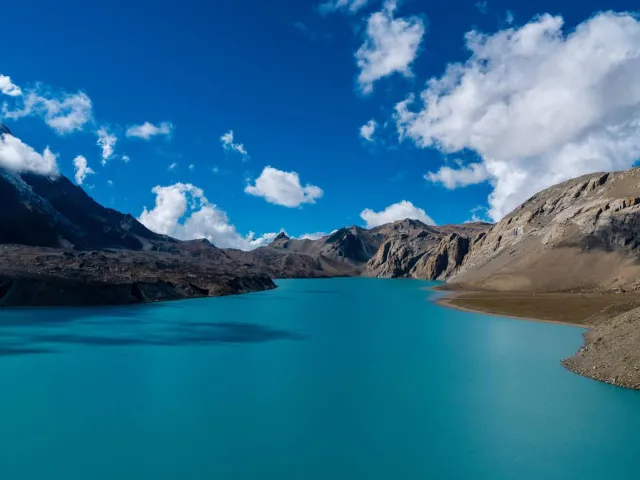
Annapurna Jomsom with Tilicho lake trekking is the most popular destination all over the world. Tilicho Lake is the highest-placed and crystal clear lake situated at a high altitude of 4949 m. This trekking offers one of the best alpine scenery with different kinds of landscape, views every different camp is different as well as the view Annapurna range, Pisang peak, Tukuche peak, Machhapuchhre Himal and other many greatest view of mountains, you have never seen before which make you feel the real adventure of a lifetime. The trip will be incredible and unforgettable in this region. The Annapurna Himalayan Glacier surrounded by the Himalayan range is one of the main attractions of this trip. Bahundanda will be your Trekking starting point and nature beauty lake city Pokhara will be your ending point. During your visit, you will be familiar with the Gurung, Magars and Thakali, brahmin and Kshetri culture as well. During your visit, the Spectacular view of Manang and Mustang Valley, lower Mustang and upper Mustang will be seen on the way down from Throngla to Muktinath, Muktinath a great pilgrimage place Both Hindu and Buddhist. Hindu believes that religious campaign is incomplete of the religious journey without Muktinath Darsan or get salvation in their life.Annapurna Jomsom with Tilicho Lake trek itinerary:Asiana Treks and Tours has the perfect Annapurna Jomsom with a Tilicho Lake trek itinerary. Travelers who desire to explore Nepal with moderate physical fitness. You'll discover the best places for breathtaking views from the city to the countryside. Experience the contrast of cold nights at ABC to relaxing in hot natural springs an unforgettable lifetime journey.Annapurna Jomsom with Tilicho Lake Trekking Distance:The Annapurna Base Camp trek spans approximately 176 kilometers, or 109 miles, depending on the chosen itinerary. This route typically spans 15 to 17 days.Our package tour ensures reliability in terms of cost, itinerary, and overall experience. For Nepali citizens, the Annapurna Jomsom with Tilicho trek typically ranges from US$500 to 1000, with variations depending on group size, service level, guide and porter services, transportation preferences, and accommodation choices in Kathmandu or Pokhara. This cost estimation is subject to the types of trekking gear and accommodation preferences.Annapurna Jomsom with Tilicho lake route:The Annapurna Jomsom with Tilicho Lake route showcases awe-inspiring natural beauty. Starting in lush valleys with terraced fields and traditional villages, the journey unfolds amidst the Himalayan foothills. Rhododendron forests bloom in spring, accompanied by cascading waterfalls and snow-capped peaks. Traversing wildflower meadows and crossing suspension bridges over mountain streams, the landscape evolves as you ascend. Approaching Annapurna Base Camp, rugged terrain and glacial moraines dominate, leading to panoramic views of towering peaks like Annapurna I and Machhapuchhre. The trek promises unforgettable moments, whether you're a seasoned trekker or novice adventurer, offering an unparalleled journey through Earth's most breathtaking landscapes.Annapurna Jomsom with Tiliccho lake trekking Height:The Annapurna Jomsom with Tilicho Lake trek starts with a bus ride from Kathmandu (1,337m) to Bahundanda (1,270m). From Bahundanda, trek to Chamje (1,715m), then to Bagarchhap (2,160m), and onward to Chame (2,650m). Continue the journey to Pisang (3,250m), followed by Manang (3,519m), then to Khangsar Village (3,735m), and Tilicho Base Camp (4,150m). Descend to Yak Kharka (4,020m), then proceed to Thorong Phedi (4,525m). Cross the Thorong La Pass (5,416m) to reach Muktinath (around 3,800m), and travel to Jomsom (2,720m) by trek or jeep. The adventure concludes with a flight from Jomsom to Pokhara (827m).Annapurna Base Camp trekking price: Our package tour ensures reliability in terms of cost, itinerary, and overall experience. For Nepali citizens, the Annapurna Base Camp trek typically ranges from US$ 500 to 1000, and for foreigners, US$ 715 to 1385, variations depending on group size, service level, guide and porter services, transportation preferences, and accommodation category in Kathmandu or Pokhara. This cost estimation is subject to the types of trekking gear and accommodation preferences. However, we could end the trek via Landruk and Dhampus if you avoid Kathmandu sightseeing and Pokhara exploration.Advantage book with Asiana Treks and tours:We provide the best experienced local guide for you on your Trek. Our booking process is hassle-free. We guarantee your happiness and offer the best price for your Trek. Group discounts are available based on the number of participants, so you can save more when trekking with friends or family.Currency Exchange:The Nepalese rupee is Nepali currency, and 1 USD is approximately 130 NPR. Only NPR is accepted in Nepal, so it's best to bring cash to facilitate transactions. Banks and ATMs in Kathmandu provide currency exchange services, but note that most banks prefer new, crisp notes.Luggage and extra storage:We cover the cost of porters for your luggage, but the maximum weight limit is 12 kg per person. Each porter carries luggage for two trekkers; please share a duffle bag with another. Our porters will carry up to 25 kg each. If you need a porter for yourself, we can arrange that. We also recommend carrying a small backpack for your valuables and important documents. You can leave extra luggage at our office for free and at a hotel in Pokhara, Namche, etc.Weather Conditions:Each season offers unique experiences during the ABC Trek. Spring brings mild weather and blooming rhododendrons, while summer provides lush vegetation despite the monsoon. Autumn features clear skies and vibrant festivals, and winter offers snowy peaks with fewer crowds.Trek Difficulty:The Annapurna base camp Trek is moderately complex, requiring 5-7 hours of daily hiking. While no technical skills are necessary, being reasonably fit for trekking at higher altitudes is essential. Trekkers with pre-existing medical conditions should inform us before booking their trip.Group & Private Treks:We organize many group and private treks simultaneously, with discounts available for larger groups. Every group will have a trekking guide and porters; an assistant guide may be provided for larger groups. Our team ensures a safe and enjoyable trekking experience for all participants.Responsible Travel:We prioritize responsible travel to minimize environmental impact and support local communities. We collaborate with organizations like the Kathmandu Environmental Education Project (KEEP) to promote eco-friendly practices in trekking regions.NotesPlease be aware that the itinerary may change due to weather or other factors, and we'll adjust it accordingly for the group's safety and enjoyment. We look forward to guiding you through the stunning landscapes of the Annapurna region and ensuring a memorable trekking experience.About solo traveler:If you're a solo traveler, please contact us to confirm departure dates before booking. You can tell us via call, WhatsApp, or email. We have listed upcoming departure dates for your convenience. Feel free to share the trip details with friends and family.Accommodation :During the Annapurna Jomsom With Tilicho Lake Trekking, you'll stay in different places along the way. You'll spend eight nights in lodges in the trekking regions and two nights in a hotel in Pokhara. At some stops, you will have rooms with bathrooms, but most places you'll stay in are standard rooms shared with other People.If you're traveling alone, we'll arrange for you to have a private room with a bathroom, which most places do not have. In Kathmandu or Pokhara, your hotel room will have a bathroom, TV, hot water 24/7, electricity, and laundry service. Meals during the trip:Eating well is essential since the ABC Trek takes you through the high Himalayas. You'll have plenty of nutritious meals in the trekking regions, although the options won't be as varied as in the cities. You'll get ten breakfasts, nine lunches, and nine dinners during the Trek. The menu includes local, Asian, and Western dishes, but it gets more straightforward as you climb higher. Try popular Nepali foods like lentils, rice, curry, dumplings, noodles, Spagaties, and many more.We highly recommend eating fresh vegetables and drinking liquids like green tea, lemon tea, hot lemon, ginger tea, and garlic soup, especially at high altitudes. While non-vegetarian options are available during the Trek, we suggest avoiding them for hygiene reasons. It's also best to steer clear of dairy, cheese, alcohol, caffeine, and hot chocolate. Personal expenses like alcoholic drinks and extra beverages at lodges or cafes aren't included in the package.Extra Personal Expenses:While most expenses during the Annapurna Jomsom With Tilicho Lake Trekking are covered, you'll need to spend money on accommodations and meals in Kathmandu and Pokhara, souvenirs, and additional beverages. We estimate about USD 10-20 per trekking day for miscellaneous expenses.Electricity voltage and plugs:However, 95 % of Nepali people have access to electricity as of May 29, 2023. almost popular trekking routes, teahouses, and lodges have electricity. However, some isolated and solo trekking tea houses in the jungle don't have electricity; Most of these tea houses let travelers charge their devices for a small fee. The average electrical voltage in Nepal is 230 volts, with plug types like Type C, Type D, and Type M. Travellers should bring a suitable adapter and, if needed, a voltage converter for their electronic devices."Drinking water:Drinking more than three liters of water trekking in higher terrain to prevent dehydration. Staying hydrated while trekking in Nepal's Himalayan region is crucial for your safety. You can find water taps in some areas but must ensure before drink. While mineral water is available in guest houses along popular routes, it can be costly. However, in the Annapurna region, safe water stations allow you to refill your water bottle safely. Your guide can assist you in purchasing boiled water from guest houses, which is cheaper than mineral water. A good suggestion is to bring a water filter, iodine drops, water purification tablets, and a Steri pen to treat water from streams or other natural sources along the trail. You must ensure that your water is safe to drink. However, Nepal is the second country in the world regarding water sources after Brazil nevertheless only 27% of people here have clean drinking water available. However, all in the city areas, Mineral water is available at a reasonable cost everywhere.Communication:The Annapurna Jomsom With Tilicho Lake Trekking region guest houses have internet access. Upon arrival at Tribhuvan International Airport Kathmandu and Pokhara, you can buy a SIM card to communicate easily with family and friends. However, you need a copy of your passport and a photo of your passport size to obtain a SIM card. The signal depends on location. When heading up, there may be a poor connection at high altitudes. Please do not expect like your home country. We watch our trekking teams via the trek guide at least once daily to ensure everything goes as planned.Our Team:Our team includes qualified guides, Sherpas, porters, and assistant guides for larger groups. They're local Himalayan people with high endurance and experience at high altitudes. We ensure their well-being by covering their expenses and providing necessary training.Trip Extension:Suppose you have extra days in Nepal after the Trek. In that case, we can arrange a tour, overnight stay at Nagarkot Balthali or any other place around Kathmandu and Chitwan, jungle safari, paragliding, rafting, canyoning, or other treks. Do not hesitate to Inform us. We will create the best for you.Tipping:Tipping is appreciated in Nepali culture and reflects the quality of service provided. You decide how much to tip, but we recommend tipping as a group at the end of the trip.End of Trek:On the eighteen day, you'll take a bus from Pokhara back to Kathmandu, which takes about seven hours. Alternatively, you can fly from Pokhara to Kathmandu for an extra fee. In the evening, we'll host a farewell dinner in Kathmandu.Departure:On the day of your departure flight, we'll come to pick you up from your hotel and transfer you to Tribhuvan International Airport. We hope you enjoyed the Nepal trek and will consider returning for more adventures in Nepal.Feedback:After you complete the Annapurna Circuit with Tilicho Lake Trek, we'll organize a farewell dinner in Kathmandu and present you with a trekking achievement certificate. After the dinner, you can provide feedback about the Trek on travel portals.Useful Info:Please remember that sometimes unforeseen circumstances, such as inclement weather or unavailable lodging, may cause the schedule to be altered. Your trip guide will design a fresh schedule based on the group's interests in such circumstances. Typical Day:Each day of the Trek brings new experiences as you explore different places, enjoy breathtaking landscapes, and converse with locals to learn more about their customs and culture. Our guides will provide information about the places you visit.Trekking usually starts around 7-8 am, depending on the distance to cover and the terrain. We'll stop for lunch after about three hours of Trekking, usually on the way to our destination for the day. After lunch, you'll have an hour to rest before continuing the Trek. The afternoon trek is shorter, and once we reach our destination, you'll have time to explore until it gets dark. Dinner is served around 6-7 pm, followed by a briefing from your trek leader about the next day's plan. Afterward, you can relax and entertain yourself with games or learn Nepali words from our crew.Last-Minute Booking:Last-minute bookings are always available, but slightly more expensive than our regular departure dates. Specifically, last-minute bookings are possible up to 24 hours before the trip begins and incur an additional 7% cost on the total trip price listed in our packages.If you're lucky, last-minute booking might become a golden opportunity to get the same price or even less, especially if a trip member cancels at the last moment.So, if you're late to book your preferred trip with us, don't worry. You still have the option, and we are committed to making your trip as successful and enjoyable as our other trips. At the eleventh hour, don't hesitate to reach out to us. We are always ready and eager to assist with your last-minute vacation plans in Nepal. Your plans are just as important to us, and we are here to provide the support you need every step of the way.About the risky zone in Annapurna circuit trek with Tilicho Trekking:There are some risky areas to watch out for during the Annapurna Circuit with TilichoTrek. This Trek is also known as the Annapurna Round with Tilicho trek. Certain parts of the trail, such as the steep up to Throng top and descent from Throngla to Near Muktinath, are essential during snowfall or heavy rains in winter and March. Our guides are familiar with these risky spots and can help navigate them safely daily at trip Briefing after dinner. Travelers sometimes run into difficulties, and sadly, some have even lost their lives while trekking to Annapurna Base Camp without a guide and proper information.Annapurna Region Trekking: Guides, Tips & Himalayan AdventuresDiscover the beauty of Nepal’s Annapurna region with Asiana Treks & Tours. Explore breathtaking mountain landscapes, authentic local culture, popular trekking routes, and practical tips to help you plan an unforgettable Himalayan adventure.Annapurna Base Camp vs Everest Base Camp: The Best TrekTrekking Equipment List for Asiana Treks & ToursTrekking Permit Requirements for Different Regions in NepalBest Sunrise and Sunset Destinations in NepalTop Successful Trek for Beginners – Annapurna Base CampMost Popular Trek with High Success Rate – Annapurna Base Camp Trek (ABC) TrekHow to Prepare for the Annapurna Base Camp Trek (Gear, Fitness & Tips)Ghorepani Poon Hill Trek GatewayTop 26 Annapurna Region Trekking Packages in Nepal – The Ultimate GuideTadapani Diaries: One Magical Night in the MountainsDiscovering Ghandruk: A Peaceful Village in the Heart of NepalTrekking the Best of Annapurna: Poon Hill to Mardi HimalWhy Chhomrong is the Heart of the Annapurna Base Camp TrekAnnapurna Base Camp (ABC) & Machhapuchhre Base Camp (MBC) Trek: Two Base Camps, One Incredible JourneyExploring Sinuwa on the Annapurna TrailDeurali: A Peaceful Mountain Village on the ABC TrailBamboo: A Hidden Gem of the ABC TrekDovan Nepal: Peaceful Stopover on the Annapurna Base Camp TrailHimalaya Village: A Quiet Haven on the Way to Annapurna Base CampDhampus Village – Annapurna Classical Alternative GatewayPothana: The Alternative Gateway to Annapurna Base Camp and Mardi HimalBest Camping and Overnight Stays: Australian Camp & Mardi Himal TrekList of Hotel in Mardi Himal Base Camp TrekTrekking to Low Camp: A Peaceful Path to Mardi HimalForest Camp Adventures: Exploring the Mardi Himal Trek in NepalHigh Camp on the Mardi Himal Trek | Views, Altitude & Trekking GuideDiscovering the Magic of Mardi Himal ViewpointTop Highlights of the Mardi Himal Trek in NepalBest Time to Trek Mardi Himal: Tips for Perfect ViewsA Beginner’s Guide to the Mardi Himal Trek in NepalSurprising Facts About the Mardi Himal TrekEssential Guide to Mardi Himal Trekking Permits in NepalMardi Himal Trek Info: Elevation, Altitude, Height and WeatherMardi Himal Trek Accommodation and Food TipsBest Time to Trek Annapurna Base Camp in NepalTop Highlights of the Annapurna Base Camp TrekFood and Accommodation on the ABC Trek: What It’s Really LikeAltitude Tips for a Safe Annapurna Base Camp TrekAnnapurna Base Camp Permits: Costs, Process, and RequirementsTop Tips and Facts for Trekking to Annapurna Base CampAnnapurna Base Camp Trek: Elevation, Height & Temperature GuideDobato Stopover: Experiencing the Heart of the Khopra Danda RouteUpper Chistibung: What to Expect on the Way to Khopra DandaExploring Khopra Danda Ridge and Khayar LakeDiscover Swanta’s Beauty on the Khopra Danda TrailAmazing Facts About Khayar Lake in the Annapurna RegionBayeli Kharka Adventure: From Khopra Danda with Stunning ViewsKhopra Danda Trekking Guide: Cost, Permits, Meals, Lodging and Best SeasonExploring Mardi Himal, ABC, and Khopra Ridge in One Epic JourneyKhopra Khair Lake with Annapurna Base Camp Trek: A Complete JourneyKhopra Khair Lake with ABC Trek: Nature, Culture, and MountainsComplete Guide to Mohare Danda Trekking in NepalSunrise Views from Mohare Danda: What to ExpectTop Highlights of Poon Hill and Mardi Himal TrekExploring Poon Hill and Mardi Himal: A Beginner’s GuideExploring the Ghorepani Dhampus Circuit Trek in NepalAn Amazing Hike from Galeshwor to Nangi via Bans Kharka : Mohare Danda TrekkingLandruk: Gateway to the Stunning Mardi Himal ViewsMardi Himal Adventure: Exploring Badal Danda on the Siding TrekSunrise Views from Poon Hill and Mulde ViewpointsDhaulagiri Annapurna Trail: A New Alternative Trek in NepalBest Nepal Tour Packages: Adventure, Honeymoon, Senior Tours, Himalayan Highlights, Triangle & Sunrise Hill Station ToursIs It Possible to Cycle the Annapurna Circuit in Nepal?Besisahar – The Heart of Lamjung District: Gateway to the HimalayasExploring Jagat During the Annapurna Circuit TrekDharapani Village in Nepal: Where the Manaslu Circuit and Annapurna Circuit Trails Meet PointChame Village: A Peaceful Stop on the Annapurna Circuit TrekDiscover Upper Pisang: A Hidden Gem on the Annapurna CircuitExploring Lower Pisang: A Gateway on the Annapurna CircuitManang: The Heart of the Annapurna Circuit TrekYak Kharka (4,020m): A Must-Stop Village on the Annapurna CircuitThorong Phedi: Final Preparation Before Thorong La PassCrossing Thorong La Pass (5,416 m): The Highest Point of the Annapurna CircuitMuktinath in Mustang: A High-Altitude Spiritual Journey on the Annapurna CircuitJomsom (2,743 m): The Windy Valley That Connects Annapurna and Upper Mustang
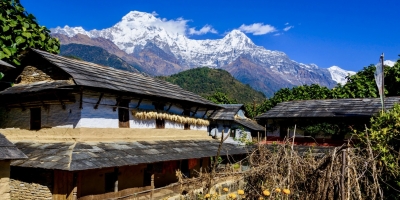
Asiana trek and tours create this easy new trek and tour with the attention of the visitors who test some of the famous tours and treks in Nepal who have limited time. This easy package tour and trek is especially for the senior easy-going trekker, family, and honeymooners. This tour and trekking offer you to visit century-old world heritage site, ancient durbar square full of history and legend, stone sculpture to wood carving as well as metal carving even that is Pashupatinath Hindu temple or Buddhist monasteries Bouddhanath stupa and Shyambhunath stupa in Kathmandu valley. This tour and explore the Natural beauty of lake city Pokhara where you have delightful greenery and snowy peak reflection in the lake and the beauty of the countryside and so much more to see.Asiana trek and tours made this trip a little different for our valuable clients so we create this itinerary on the recommendations of many more clients who did a trek with us many times according to their feedback we made two nights in the countryside to experience the village life of Nepal where you are delighted by the fascinating Himalaya with amazing wildlife and nature. The trail passes through the famous and unique Gurung settlement Ghandruk specific Gurung culture and tradition, likewise along the trail we are walking passes through Landruk, Pothana, and Dhambus which is unmissable scenery you have extra experience with sub-marge Natural hot water (hot spring) grand view of mountain Annapurna south, Himchuli and Fishtail and some of the other mountain. The trekking trail is one of the unique selected trails to ABC (Annapurna) where you are greeted by indigenous ethnic group Gurung hostility. Infect this tour and trekking is a combination of all.We humbly request you to visit us to test us we are very friendly, always eager and love to hear your queries, We design your trip according to your budget, time, and wish, just tell us where and when you love to visit Nepal.Ghandruk Hot Spring Dhampus Trekking Itinerary:Asiana Treks and Tours has the perfect Ghandruk Hot Spring Dhampus Trekking itinerary. Travelers who desire to explore Nepal with moderate physical fitness. You'll discover the best places for breathtaking views from the city to the countryside and experience an unforgettable lifetime journey.Ghandruk Hot Spring Dhampus Trekking Distance:Ghandruk Hot Spring Dhampus Trekking spans approximately 31 kilometers, or 29.3 miles, depending on the chosen itinerary.This route typically spans 12 days. Our package tour ensures reliability in terms of cost, itinerary, and overall experience. The Poon Hill short trek typically ranges from US$ 315 to 395 with variations depending on group size, service level, guide and porter services, transportation preferences, and accommodation choices. This cost estimation is subject to the type s of trekking gear and accommodation preferences.Ghandruk Hot Spring Dhampus Trekking Route:Ghandruk Hot Spring Dhampus Trekking route showcases awe-inspiring natural beauty. Starting in lush valleys with terraced fields and traditional villages, the journey unfolds amidst the Himalayan foothills. Rhododendron forests bloom in spring, accompanied by cascading waterfalls and snow-capped peaks. Traversing wildflowers, leading to panoramic views of towering peaks like Dhauligiri Range, Annapurna Range, Iconic Machhapuchhre (Fishtail Mountain) Lamjung Himal and Manaslu on clear days. The trek promises unforgettable moments, whether you're a seasoned trekker or novice adventurer, offering an unparalleled journey through Earth's most breathtaking landscapes.Ghandruk Hot Spring Dhampus Trekking price:Our package tour ensures reliability in terms of cost, itinerary, and overall experience. For Nepali citizens, the Poon hill trek typically ranges from US$ 375 to 575, and for foreigners, US$ 415 to 615, variations depending on group size, service level, guide and porter services, transportation preferences, and accommodation category in Kathmandu. This cost estimation is subject to the types of trekking gear and accommodation preferences. However, we could end the trek is sightseeing in Pokhara and exploration.Ghandruk Hot Spring Dhampus Trekking Height:Ghandruk Hot Spring Dhampus Trekking begins in the lively city of Kathmandu at an altitude of 1,400 meters. From Kathmandu, you will drive to Pokhara(827 meters). During the trek, you will ascend to the famous Gurung village Ghandruk Landruk. The highest point you will get is Ghandruk, which is 2,013 m/ 6602 ft above sea level. From there, descend to Hotspring and even from Pothana. you will head towards Dhampus, then after Pokhara, and then back to Kathmandu.Major village in Ghandruk Hot Spring Dhampus Trekking:The major villages in Ghandruk Hot Spring Dhampus Trekking route include Birethati, Seulibazzar, Kimche, Ghandruk, Jhanudanada (Hotspring) Landruk, Tolka, Deurali, Pothana, Dhampus and back to Nayapul to Pokhara. The return journey includes sightseeing in Pokhara before driving back to Kathmandu. These villages are significant landmarks, offering scenic beauty and accommodation options along the trekking route.Ghandruk Hot Spring Dhampus Trekking View point:The Ghandruk Hot Spring Dhampus Trekking offers breathtaking viewpoints, showcasing stunning panoramas of the surrounding Himalayan peaks. Here are the critical views along the route: Ghandruk: Ghandruk is famous for its stunning views of the Annapurna range, including Annapurna South, Himchuli, and Machhapuchhre (Fishtail). Ghandruk offers a unique Gurung village experience with traditional Gurung culture and hospitality.Hotspring: Located at Jhinu Danda, this natural hot spring is a relaxing stop where trekkers can soak in the therapeutic hot waters amidst the serene mountain surroundings.Landruk.Landruk offers stunning panoramic views of peaks such as Annapurna South and Hiunchuli. It is renowned for its picturesque setting with terraced fields, traditional Gurung villages, and a peaceful atmosphere.Dhampus: Known for its panoramic views of the Annapurna range and the Pokhara Valley. Dhampus is a popular viewpoint that offers a close-up view of iconic peaks like Machhapuchhre, Annapurna, Lamjung, and many more small Peak. Biodiversity of Ghandruk Hot Spring Dhampus Trekking Trekking: The Ghandruk Hot Spring Dhampus Trekking trail is a biodiversity hotspot, perfect for nature lovers. Lush forests in the lower regions house various bird species, including rhododendrons and bamboo with vibrant wildflowers. Look out for elusive wildlife like Jakle and snow leopards, Dears while diverse birdlife, adds to the experience. This trek offers a captivating glimpse of serene ecosystems, promising an unforgettable journey through nature's diversity.Festivals and culture Ghandruk Hot Spring Dhampus Trekking: You'll immerse yourself in vibrant festivals and cultural traditions along the Ghandruk Hot Spring Dhampus Trekking route. The region, predominantly inhabited by ethnic groups like the Gurungs and Magars, celebrates various festivals. Dashain, typically in September or October, is a significant Hindu festival symbolizing the triumph of good over evil. Villages burst with colorful decorations, music, and dances as families gather for blessings and feasts.Tihar, known as the Festival of Lights, falls in October or November. This five-day celebration honors animals and the goddess of wealth, Laxmi. Oil lamps light up homes, and rituals bring prosperity and fortune.These festivals offer a unique and lifetime experience, as well as Nepalese culture with the majestic beauty of the Himalayas.Advantage book with Asiana Treks and tours:Private transport for airport transfers to/from your hotel.Trip briefing on Facebook and online if you love to connect.Last minute booking at your hotel at a suitable time after your arrival.Easy booking and reservation system.Multi-channel communication via Email, WhatsApp, Facebook, Viber, Skyp 24/7 phone communication at +977-9851076270Free excess luggage storage during the trekPulse oximeters for monitoring blood oxygen saturation at high altitudes to detect altitude sickness earlyMedical kits along the trek and hot airbags are available in winterArrange sleeping bags, duffel bags, down jackets, and walking pools if you don't have your own.Ghandruk Hot Spring Dhampus Trek Booking:Asiana Treks and Tours is the best and most trusted trek and tour company operator authorized by the Nepal government. We require a 10% advance payment to book your trip, and you'll need to send us a copy of your passport, photos, travel insurance, and flight details as soon as you book a tour with us. You can use bank transfer, or any other way like Western Union, or online via our website, which is easy. The remaining trip cost can be paid upon arrival in Nepal. We offer last-minute bookings, but changes may occur due to circumstances like bad weather. Transportation for Ghandruk Hot Spring Dhampus Trekking:We pride ourselves on our flexible transportation options according to our Itinerary, which includes planes, helicopters, tourist buses, coasters, vans, jeeps, and cars. These are tailored to our Clints' specific needs, preferences, itineraries, and agreements, ensuring a comfortable and personalized travel experience. However, we provide Tourist buses to and from Pokhara, and Lumbini, Private transportation from Nayapul to and from Sewai and Kathmandu sightseeing private vehicle as per the group size and Itinerary, and optional flight to and from Pokhara at extra cost.Ghandruk Hot Spring Dhampus Trekking Start: Your Ghandruk Hot Spring Dhampus Trekking begins with a warm welcome in Kathmandu. Our dedicated team will be there to greet you as soon as you arrive at Tribhuvan International Airport. We'll then escort you to your hotel in a private vehicle, ensuring a comfortable and hassle-free start to your adventure, and setting the tone for a memorable journey.If you miss the regular trip briefing, don't worry. We'll provide it at a convenient time before departure, Pokhara, either before a World Heritage tour the following morning or the next day; we'll then proceed to Pokhara by tourist bus, departing around 7 a.m. from your Hotel, Kathmandu.The package includes transportation by private transportation from Kathmandu to Sundarijal and back from your trekking ending Points. offering a comfortable and scenic journey. Currency Exchange:The Nepalese rupee is Nepali currency, and 1 USD is approximately 130 NPR. Only NPR is accepted in Nepal, so it's best to bring cash to facilitate transactions. Banks and ATMs in Kathmandu provide currency exchange services but note that most banks prefer new, crisp notessGuide and Porter Arrangement Ghandruk Hot Spring Dhampus Trekking:Our company, Asiana Treks and Tours, focuses on responsible tourism in Nepal. We make sure our guides and porters are well-trained in Trekking and mountaineering. They know a lot about the areas we go to, including geography, history, customs, and culture. We train them regularly in safety, first aid, and environmental conservation. We follow guidelines to treat our porters fairly, providing them with good pay, accommodation, and meals during treks. Our guides and porters are essential team members, and we appreciate their hard work. When you trek with us, you support ethical tourism in Nepal, making your trip meaningful and memorable.Asiana Treks and Tours prioritizes your safety and enjoyment. Our knowledgeable guides, reliable equipment, and safety measures ensure a great trekking experience in Nepal.Porter, Luggage, and extra Luggage storage:We cover the cost of porters for your luggage, but the maximum weight limit is 12 kg per person. Each porter carries luggage for two trekkers; please share a duffle bag with another. Our porters will carry up to 25 kg each. If you need a porter for yourself, we can arrange that. We also recommend carrying a small backpack for your valuables and important documents. You can leave extra luggage at our office in Kathmandu. Accommodation In Ghandruk Hot Spring Dhampus Trekking:Accommodation during the Ghandruk Hot Spring Dhampus Trek varies. Along the trekking route, you'll stay in guest houses, commonly known as teahouses. These basic lodges offer rooms, dining areas, and toilets. The quality of guest houses varies but remains affordable and convenient for trekkers. Rooms typically have twin or bunk beds and shared bathrooms, and blankets and pillows are provided. Our company can offer a sleeping bag if you don't have one. You'll spend nine nights in lodges along the trekking route, and a night hotel in Kathmandu. We can arrange a solo trekking service if you're traveling solo. Meals during the trip:Eating well is essential since the Ghandruk Hot Spring Dhampus Trekking takes you through the high Himalayas. You'll have plenty of nutritious meals in the trekking regions, although the options won't be as varied as in the cities. You'll get fourteen breakfasts, eleven lunches, and ten dinners during the Trek. The menu includes local, Asian, and Western dishes, but it gets more straightforward as you climb higher. Try popular Nepali foods like lentils, rice, curry, dumplings, noodles, Spagaties, and many more. We highly recommend eating fresh vegetables and drinking liquids like green tea, lemon tea, hot lemon, ginger tea, and garlic soup, especially at high altitudes. While non-vegetarian options are available during the Trek, we suggest avoiding them for hygiene reasons. It's also best to steer clear of dairy, cheese, alcohol, caffeine, and hot chocolate. Personal expenses like alcoholic drinks and extra beverages at lodges or cafes aren't included in the package. Drinking water:Nepal is the second country in the world regarding water sources after Brazil. According to the Nepal government, only 27% of people here have clean drinking water. However drinking water is not a big deal in this trekking, you can buy mineral water in teahouses, We recommend you carry Steripen, iodine drops, water purification tablets for safe drinking, and refillable water bottles for boiled or filtered water. We strongly advise not to drink from taps, wells, and rivers in trekking areas. However, in all the city areas, Mineral water is available at a reasonable cost everywhere.Extra Personal Expenses:While most expenses during the Trek are covered, you'll need to spend money on accommodations and meals. If you love to take souvenirs and additional beverages. We estimate about USD 10-20 per trekking day for miscellaneous expenses.Toilet Facilities in Poon Hill Trekking:Most teahouses have Western-style flush toilets during mountain treks, especially at lower elevations. But as you go higher, find simple squat toilets along the trails and teahouses at higher altitudes. These toilets usually have water or toilet paper, but it's a good idea to bring your toilet paper just in case. You can also use restrooms at nearby teahouses or find a private spot along the trekking routes. However, this trekking route does have not any problem with Toilets. Internet Connectivity:While trekking in the Himalayan and Hilly region of Nepal, connecting with your family and friends is also a good idea. You can find internet access at teahouses and lodges, but it might be extra minimal cost. The signal might be weak because of the remote location. You can also get internet access using a local SIM card and data packages available at Kathmandu airport or nearby shops in Thamel and Pokhara. You'll have a passport-sized photo and a copy of your passport to get a SIM card. It's a good idea to compare prices and data packages from telecom companies like Ncell and Nepal Telecom before buying. Knowing about teahouse connectivity. Our guide will suggest connections for you. However, connections are best for this trek.Electricity voltage and plugs:However, 95 % of Nepali people have access to electricity as of May 29, 2023. almost popular trekking routes, teahouses, and lodges have electricity. However, some isolated and solo trekking tea houses in the jungle don't have electricity; Most of these tea houses let travelers charge their devices for a small fee. The average electrical voltage in Nepal is 230 volts, with plug types like Type C, Type D, and Type M. Travellers should bring a suitable adapter and, if needed, a voltage converter for their electronic devices.Communication in Ghandruk Hot Spring Dhampus Trekking:The guest houses in the trekking regions have internet access. You could buy a SIM card at Tribhuvan International Airport Kathmandu. However, the signal may need to be more assertive at high altitudes. Our office keeps in touch with all trekking teams via the trek guide at least once daily to ensure everything goes as planned.Trip Extension:Suppose you have extra days in Nepal after the Trek. In that case, we can arrange a tour, overnight stay at Nagarkot Balthali or any other place around Kathmandu and Chitwan, jungle safari, paragliding, rafting, canyoning, or other treks. Do not hesitate to Inform us. We will create the best for you.Trek Difficulty:Ghandruk Hot Spring Dhampus Trekking presents easy low-land trekking. Completing this trek is achievable even if you're a beginner, although you must maintain a reasonable fitness level. Prior trekking experience can be advantageous, though it is optional. All you need is the readiness to hike steadily for 3-5 hours, on easy trails.Suppose trekkers have pre-existing medical conditions, such as lung or heart diseases. In that case, they are advised to consult their physician before booking the trek to ensure their safety and well-being throughout the journey.Trip Safety:We highly give top priority. We provide experienced guides with first aid kits and necessary safety gear to ensure a safe hand. Our team monitors weather and trail conditions and takes precautions to avoid risks. Before starting the trek, we discuss the trip to provide a clear understanding and ensure a reliable experience.Group & Private Treks:We organize many group and private treks simultaneously, with discounts available for larger groups. Every group will have a trekking guide and porters; an assistant guide may be provided for larger groups. Our team ensures a safe and enjoyable trekking experience for all participants.About solo traveler:If you're a solo traveler, please contact us to confirm departure dates before booking. You can tell us via call, WhatsApp, or email. We have listed upcoming departure dates for your convenience. Feel free to share the trip details with friends and family.Notes: Please be aware that the itinerary may change due to weather or other factors, and we'll adjust it accordingly for the group's safety and enjoyment. We look forward to guiding you through the stunning landscapes of the Annapurna region and ensuring a memorable trekking experience.Responsible Travel:We prioritize responsible travel to minimize environmental impact and support local communities. We collaborate with organizations like the Kathmandu Environmental Education Project (KEEP) to promote eco-friendly practices in trekking regions.Gratitude:Graduate or tipping is appreciated in Nepali culture and reflects the quality of service provided. You decide how much to tip, but we recommend tipping as a group at the end of the trip.End of Trek:On the final day, you'll take a private transportation Tourist bus from Pokhara, In the evening, we'll host a farewell dinner in Kathmandu.Departure:On the day of your departure flight, we'll come to pick you up from your hotel and transfer you to Tribhuvan International Airport. We hope you enjoyed the Nepal trek and will consider returning for more adventures in Nepal.Feedback:After you complete the Trek, we'll organize a farewell dinner in Kathmandu and present you with a trekking achievement certificate. After the dinner, you can provide feedback about the Trek on travel portals.Last-Minute Booking:If you can't book in advance, we offer last-minute bookings. Full payment is required 24 hours before departure. While we do our best to accommodate last-minute bookings, delays may occur due to unforeseen.Special Note: Please remember that sometimes unforeseen circumstances, such as inclement weather or unavailable lodging, may cause the schedule to be altered. Your trip guide will design a fresh schedule based on the group's interests in such circumstances. Annapurna Region Trekking: Guides, Tips & Himalayan AdventuresDiscover the beauty of Nepal’s Annapurna region with Asiana Treks & Tours. Explore breathtaking mountain landscapes, authentic local culture, popular trekking routes, and practical tips to help you plan an unforgettable Himalayan adventure.Annapurna Base Camp vs Everest Base Camp: The Best TrekTrekking Equipment List for Asiana Treks & ToursTrekking Permit Requirements for Different Regions in NepalBest Sunrise and Sunset Destinations in NepalTop Successful Trek for Beginners – Annapurna Base CampMost Popular Trek with High Success Rate – Annapurna Base Camp Trek (ABC) TrekHow to Prepare for the Annapurna Base Camp Trek (Gear, Fitness & Tips)Ghorepani Poon Hill Trek GatewayTop 26 Annapurna Region Trekking Packages in Nepal – The Ultimate GuideTadapani Diaries: One Magical Night in the MountainsDiscovering Ghandruk: A Peaceful Village in the Heart of NepalTrekking the Best of Annapurna: Poon Hill to Mardi HimalWhy Chhomrong is the Heart of the Annapurna Base Camp TrekAnnapurna Base Camp (ABC) & Machhapuchhre Base Camp (MBC) Trek: Two Base Camps, One Incredible JourneyExploring Sinuwa on the Annapurna TrailDeurali: A Peaceful Mountain Village on the ABC TrailBamboo: A Hidden Gem of the ABC TrekDovan Nepal: Peaceful Stopover on the Annapurna Base Camp TrailHimalaya Village: A Quiet Haven on the Way to Annapurna Base CampDhampus Village – Annapurna Classical Alternative GatewayPothana: The Alternative Gateway to Annapurna Base Camp and Mardi HimalBest Camping and Overnight Stays: Australian Camp & Mardi Himal TrekList of Hotel in Mardi Himal Base Camp TrekTrekking to Low Camp: A Peaceful Path to Mardi HimalForest Camp Adventures: Exploring the Mardi Himal Trek in NepalHigh Camp on the Mardi Himal Trek | Views, Altitude & Trekking GuideDiscovering the Magic of Mardi Himal ViewpointTop Highlights of the Mardi Himal Trek in NepalBest Time to Trek Mardi Himal: Tips for Perfect ViewsA Beginner’s Guide to the Mardi Himal Trek in NepalSurprising Facts About the Mardi Himal TrekEssential Guide to Mardi Himal Trekking Permits in NepalMardi Himal Trek Info: Elevation, Altitude, Height and WeatherMardi Himal Trek Accommodation and Food TipsBest Time to Trek Annapurna Base Camp in NepalTop Highlights of the Annapurna Base Camp TrekFood and Accommodation on the ABC Trek: What It’s Really LikeAltitude Tips for a Safe Annapurna Base Camp TrekAnnapurna Base Camp Permits: Costs, Process, and RequirementsTop Tips and Facts for Trekking to Annapurna Base CampAnnapurna Base Camp Trek: Elevation, Height & Temperature GuideDobato Stopover: Experiencing the Heart of the Khopra Danda RouteUpper Chistibung: What to Expect on the Way to Khopra DandaExploring Khopra Danda Ridge and Khayar LakeDiscover Swanta’s Beauty on the Khopra Danda TrailAmazing Facts About Khayar Lake in the Annapurna RegionBayeli Kharka Adventure: From Khopra Danda with Stunning ViewsKhopra Danda Trekking Guide: Cost, Permits, Meals, Lodging and Best SeasonExploring Mardi Himal, ABC, and Khopra Ridge in One Epic JourneyKhopra Khair Lake with Annapurna Base Camp Trek: A Complete JourneyKhopra Khair Lake with ABC Trek: Nature, Culture, and MountainsComplete Guide to Mohare Danda Trekking in NepalSunrise Views from Mohare Danda: What to ExpectTop Highlights of Poon Hill and Mardi Himal TrekExploring Poon Hill and Mardi Himal: A Beginner’s GuideExploring the Ghorepani Dhampus Circuit Trek in NepalAn Amazing Hike from Galeshwor to Nangi via Bans Kharka : Mohare Danda TrekkingLandruk: Gateway to the Stunning Mardi Himal ViewsMardi Himal Adventure: Exploring Badal Danda on the Siding TrekSunrise Views from Poon Hill and Mulde ViewpointsDhaulagiri Annapurna Trail: A New Alternative Trek in NepalBest Nepal Tour Packages: Adventure, Honeymoon, Senior Tours, Himalayan Highlights, Triangle & Sunrise Hill Station ToursIs It Possible to Cycle the Annapurna Circuit in Nepal?Besisahar – The Heart of Lamjung District: Gateway to the HimalayasExploring Jagat During the Annapurna Circuit TrekDharapani Village in Nepal: Where the Manaslu Circuit and Annapurna Circuit Trails Meet PointChame Village: A Peaceful Stop on the Annapurna Circuit TrekDiscover Upper Pisang: A Hidden Gem on the Annapurna CircuitExploring Lower Pisang: A Gateway on the Annapurna CircuitManang: The Heart of the Annapurna Circuit TrekYak Kharka (4,020m): A Must-Stop Village on the Annapurna CircuitThorong Phedi: Final Preparation Before Thorong La PassCrossing Thorong La Pass (5,416 m): The Highest Point of the Annapurna CircuitMuktinath in Mustang: A High-Altitude Spiritual Journey on the Annapurna CircuitJomsom (2,743 m): The Windy Valley That Connects Annapurna and Upper Mustang
Poon Hill easy trekking route in Nepal is one of the most beautiful short and easy trekking. Within a short time, you could see a close-up view of the mountain and different scenery available due to other landscapes and terrain. All trekking in Nepal is not extremely hard; that is not true. There, Asiana Trek and Tours creates trekking routes for seniors who want to taste Nepalese village life and scenery, so we design easy walks for those interested in discovering these hidden treasures.Poon Hill easy trekking create this itinerary recommendation on our hundreds of past clients feedback as well as vast research of Asiana treks and tours. A very famous Poon Hill easy trekking is classifying the main three possible propose, at the same trekking loop we made it easy, luxury and regular trek. Many of the senior people who have a great desire to reach Poon Hill and enjoy the scenery of Annapurna and Dhaulagiri Himalayan range as their wish though due to the regular itinerary and hasty that is out of the control them and feel so hard some of the well-wishers. With the attention of those clients, we extend the day and proper remedy to make it easier to access them to get the best view of the Annapurna and Dhaulagiri ranges as well as the Beautiful mountain, Fishtail, and many more mountains in the central Himalayas region. We create bespoke treks that provide adventure and comfort based on your needs. Our tour of the most stunning views of the Himalayas conveys information about unique village life and guides you to beautiful landscapes. Our guides have years of experience specializing in treks for seniors, so we design easy trekking for people who want to enjoy the scenery without being hasty.Poon Hill EasyTrekking Itinerary:Asiana Treks and Tours has the perfect Poon Hill Trek itinerary. Travelers who desire to explore Nepal with moderate physical fitness. You'll discover the best places for breathtaking views, from the city to the countryside, and experience an unforgettable lifetime journey.Poon Hill Easy Trekking Distance:Poon Hill short Trekking spans approximately 45 kilometers, or 27 miles, depending on the chosen itinerary.This route typically spans 12 days. Our package tour ensures reliability in terms of cost, itinerary, and overall experience. The Poon Hill short trek ranges typically from US$ 315 to 395 with variations depending on group size, service level, guide and porter services, transportation preferences, and accommodation choices. This cost estimation is subject to the type of trekking gear and accommodation preferences.Poon Hill easy Trekking Route:Poon Hill Easy trekking route showcases awe-inspiring natural beauty. Starting in lush valleys with terraced fields and traditional villages, the journey unfolds amidst the Himalayan foothills. Rhododendron forests bloom in spring, accompanied by cascading waterfalls and snow-capped peaks. Traverse wildflowers lead to panoramic views of towering peaks like the Dhauligiri Range, Tukuche Peak, the Niligiri Range, Annapurna South, Barhashikher, Himchuli, Machhapuchhre Mountain (MT Fishtail), Lamjung Himal, and Manaslu Himal on clear days. The trek promises unforgettable moments, whether you're a seasoned trekker or a novice adventurer, offering an unparalleled journey through Earth's most breathtaking landscapes.Poon Hill Easy Trekking price:Our package tour ensures reliability in terms of cost, itinerary, and overall experience. For Nepali citizens, the Poon hilltrek typically ranges from US$ 315 to 475, and for foreigners, US$ 375 to 595, variations depending on group size, service level, guide and porter services, transportation preferences, and accommodation category in Kathmandu. This cost estimation is subject to the types of trekking gear and accommodation preferences. However, we could end the trek by sightseeing and exploring Pokhara.Poon Hill Easy Trekking Height:The Poon Hill Easy trek begins in the lively city of Kathmandu at an altitude of 1,337 meters. From Kathmandu, you will drive to Pokhara (827 meters). During the trek, you will ascend to the famous Magar village. The highest point you will get is Ghorepani, 2775 meters above sea level. From there, descend to Tadapani; you will head towards Ghandruk, after Pokhara, and then back to Kathmandu.Major Village in Poon Hill Easy Trekking:The major Gurung ethnic villages along the Poon Hill Easy Trekking route include Tikhedhung, Banthali, Ghorepani, Tadapani, and Ghandruk. The return journey includes sightseeing in Pokhara before driving back to Kathmandu. These villages are significant landmarks, offering scenic beauty and accommodation options along the trekking route.Poon Hill Easy Trekking Viewpoints:The Poon Hill short trek offers breathtaking viewpoints, showcasing stunning panoramas of the surrounding Himalayan peaks. Here are the critical views along the route:Tadapani: Tadapani is a tranquil and peaceful place. It is the best location for overlooking the best view, surrounded by rhododendrons and evergreen forests. On a Breezi morning, you have the best sunrise view of the stunning "Fish Tail" peak (Machhapuchhre) and Annapurna South and Himchuli. Ghandruk: Ghandruk is a big and significant village of the Gurung people. It's in front of the Annapurna, Himchuli, and Fishtail mountains. From here, you can see the glacier of Annapurna South. From the Annapurna conservation head office, the village has a breathtaking view of the Modi Khola, Annapurna, Himchuli, and Fishtail Mountains.Poon Hill: Witness the iconic sunrise at an altitude of 3,210 meters, with panoramic views of the Annapurna and Dhaulagiri ranges.Biodiversity of Poon Hill Easy Trekking: The Poonhill Trekking trail is a biodiversity hotspot, perfect for nature lovers. Lush forests in the lower regions house various bird species, including rhododendrons and bamboo with vibrant wildflowers. Look out for elusive wildlife like Jakles, snow leopards, and deers, while diverse birdlife adds to the experience. This trek offers a captivating glimpse of serene ecosystems, promising an unforgettable journey through nature's diversity.Festivals and culture Poon Hill Trekking: Along the Poonhill Trekking route, you'll immerse yourself in vibrant festivals and cultural traditions. The region, predominantly inhabited by ethnic groups like the Gurungs and Magars, celebrates various festivals. Dashain, typically in September or October, is a significant Hindu festival symbolizing the triumph of good over evil. Villages burst with colorful decorations, music, and dances as families gather for blessings and feasts.Tihar, known as the Festival of Lights, falls in October or November. This five-day celebration honors animals and the goddess of wealth, Laxmi. Oil lamps light up homes, and rituals bring prosperity and fortune.These festivals offer a unique and lifetime experience, combining Nepalese culture with the majestic beauty of the Himalayas.Advantages of booking with Asiana Treks and Tours:Private transport for airport transfers to/from your hotel.Trip briefing on Facebook and online if you love to connect.Last-minute booking at your hotel at a suitable time after your arrival.Easy booking and reservation system.Multi-channel communication via Email, WhatsApp, Facebook, Viber, Skype; 24/7 phone communication at +977-9851076270Free excess luggage storage during the trekPulse oximeters for monitoring blood oxygen saturation at high altitudes to detect altitude sickness earlyMedical kits along the trek and hot airbags are available in winterArrange sleeping bags, duffel bags, down jackets, and walking poles if you don't have your own.Poon Hill Easy Trekking Booking:Asiana Treks and Tours is the best and most trusted trek and tour company operator authorised by the Nepal government. We require a 10% advance payment to book your trip, and you'll need to send us a copy of your passport, photos, travel insurance, and flight details as soon as you book a tour with us. You can pay by bank transfer, Western Union, or online through our website. You can pay the remaining trip cost upon arrival in Nepal. We offer last-minute bookings, but changes may occur due to circumstances like bad weather. Transportation for Poon Hill Easy Trekking:We pride ourselves on flexible transportation options based on our Itinerary, including planes, helicopters, tourist buses, coasters, vans, jeeps, and cars. We tailor these to our clients' needs, preferences, itineraries, and agreements, ensuring a comfortable and personalised travel experience. We also offer tourist buses to and from Pokhara and Lumbini, Private transportation from Nayapul to and from Sewai and Kathmandu, sightseeing private vehicles based on group size and Itinerary, and optional flights to and from Pokhara at an extra cost.Poon Hill Easy Trekking Start: Your Poon Hill Trek begins with a warm welcome in Kathmandu. Our dedicated team will greet you when you arrive at the airport. We'll then take you to your hotel in a private vehicle, ensuring a comfortable, hassle-free start to your adventure and setting the tone for a memorable journey.If you miss the regular trip briefing, don't worry. We'll provide it before departure in Pokhara, either before a World Heritage tour the following morning or the next day; then we'll proceed to Pokhara by tourist bus, departing around 7 a.m. from your hotel in Kathmandu.The package includes private transportation from Kathmandu to Sundarijal and back from your trekking end Points, offering a comfortable and scenic journey. Currency Exchange:The Nepalese rupee is the currency of Nepal, and 1 USD is approximately 130 NPR. Nepal accepts only NPR, so it's best to bring cash to make transactions easier. Banks and ATMs in Kathmandu provide currency exchange services, but note that most banks prefer new, crisp notesGuide and Porter Arrangement:Our company, Asiana Treks and Tours, focuses on responsible tourism in Nepal. We ensure our guides and porters are well trained in Trekking and mountaineering. They know a lot about the areas we go to, including geography, history, customs, and culture. We train them regularly in safety, first aid, and environmental conservation. We follow guidelines to treat our porters fairly, providing them with good pay, accommodation, and meals during treks. Our guides and porters are essential team members, and we appreciate their hard work. When you trek with us, you support ethical tourism in Nepal, making your trip meaningful and memorable.Asiana Treks and Tours prioritises your safety and enjoyment. Our knowledgeable guides, reliable equipment, and safety measures ensure a great trekking experience in Nepal.Porter, Luggage, and extra Luggage storage: We cover the cost of porters for your luggage, but the maximum weight limit is 12 kg per person. Each porter carries the luggage of two trekkers; please share a duffle bag with another. Our porters will carry up to 25 kg each. If you need a porter for yourself, we can arrange that. We also recommend carrying a small backpack for your valuables and important documents. You can leave extra luggage at our office in Kathmandu. Accommodation:Accommodation during the Poon Hill Easy Trek varies. Along the trekking route, you'll stay in guest houses, commonly known as teahouses. These basic lodges offer rooms, dining areas, and toilets. The quality of guest houses varies but remains affordable and convenient for trekkers. Rooms typically have twin or bunk beds and shared bathrooms, and blankets and pillows are provided. Our company can offer a sleeping bag if you don't have one. You'll spend nine nights in lodges along the trekking route and a night in a hotel in Kathmandu. We can arrange a solo trekking service if you're travelling solo. Meals during the trip:Eating well is essential since the Poon Hill Trek takes you through the high Himalayas. You'll have plenty of nutritious meals in the trekking regions, although the options won't be as varied as in the cities. You'll get fourteen breakfasts, eleven lunches, and ten dinners during the Trek. The menu includes local, Asian, and Western dishes, but it gets more straightforward as you climb higher. Try popular Nepali foods like lentils, rice, curry, dumplings, noodles, spaghetti, and many more. We highly recommend eating fresh vegetables and drinking liquids like green tea, lemon tea, hot lemon ginger tea, and garlic soup, especially at high altitudes. While non-vegetarian options are available during the Trek, we suggest avoiding them for hygiene reasons. It's also best to steer clear of dairy, cheese, alcohol, caffeine, and hot chocolate. Personal expenses like alcoholic drinks and extra beverages at lodges or cafes aren't included in the package. Drinking water:Nepal is the second country in the world in terms of water sources after Brazil. According to the Nepalese government, only 27% of people here have access to clean drinking water. However, drinking water is not a big deal in this trek, as you can buy mineral water in teahouses. We recommend you carry Steripen, iodine drops, water purification tablets for safe drinking, and refillable water bottles for boiled or filtered water. We strongly advise not to drink from taps, wells, and rivers in trekking areas. However, in all the city areas, Mineral water is available at a reasonable cost everywhere.Extra Personal Expenses:While most expenses during the Trek are covered, you'll need to spend money on accommodations and meals if you love to take souvenirs and additional beverages. We estimate about USD 10-20 per trekking day for miscellaneous expenses.Toilet Facilities in Poon Hill Easy Trekking:Most teahouses have Western-style flush toilets during mountain treks, especially at lower elevations. But as you go higher, you will find simple squat toilets along the trails and teahouses at higher altitudes. These toilets usually have water or toilet paper, but it's a good idea to bring your toilet paper just in case. You can also use restrooms at nearby teahouses or find a private spot along the trekking routes. However, this trekking route does not have any problems with toilets. Internet Connectivity:While trekking in the Himalayan region of Nepal, connecting with your family and friends is also a good idea. You can find internet access at teahouses and lodges, but it might be for an extra minimal cost. The signal might be weak because of the remote location. You can also get internet access using a local SIM card and data packages available at Kathmandu airport or nearby shops in Thamel and Pokhara. You'll need a passport-sized photo and a copy of your passport to get a SIM card. It's a good idea to compare prices and data packages from telecom companies like Ncell and Nepal Telecom before buying. Knowing about teahouse connectivity. Our guide will suggest connections for you. However, connections are best for this trek.Electricity voltage and plugs:However, 95 % of Nepali people have access to electricity as of May 29, 2023. almost all popular trekking routes, teahouses, and lodges have electricity. However, some isolated and solo trekking tea houses in the jungle don't have electricity. Most tea houses let travelers charge their devices for a small fee. The average electrical voltage in Nepal is 230 volts, with plug types like Type C, Type D, and Type M. Travellers should bring a suitable adapter and, if needed, a voltage converter for their electronic devices.Communication in Poon Hill Easy Trekking:The guest houses in the trekking regions have internet access. You can buy a SIM card at Tribhuvan International Airport Kathmandu. However, the signal may need to be more assertive at high altitudes. Our office keeps in touch with all trekking teams via the trek guide at least once daily to ensure everything goes as planned.Trip Extension:Suppose you have extra days in Nepal after the Trek. In that case, we can arrange a tour, overnight stay at Nagarkot Balthali or any other place around Kathmandu and Chitwan, jungle safari, paragliding, rafting, canyoning, or other treks. Do not hesitate to inform us. We will create the best for you.Trek Difficulty:Poon Hill Easy Trekking presents easy low-land trekking. Completing this trek is achievable even if you're a beginner, although you must maintain a reasonable fitness level. Prior trekking experience can be advantageous, though it is optional. All you need is the readiness to hike steadily for 3-5 hours on easy trails.Suppose trekkers have pre-existing medical conditions, such as lung or heart diseases. In that case, they are advised to consult their physician before booking the trek to ensure their safety and well-being throughout the journey.Trip Safety:We highly give top priority. We provide experienced guides with first aid kits and necessary safety gear to ensure a safe hand. Our team monitors weather and trail conditions and takes precautions to avoid risks. Before starting the trek, we discuss the trip to provide a clear understanding and ensure a reliable experience.Group & Private Treks:We organize many group and private treks simultaneously, with discounts available for larger groups. Every group will have a trekking guide and porters; an assistant guide may be provided for larger groups. Our team ensures a safe and enjoyable trekking experience for all participants.About solo travelers:If you're a solo traveler, please get in touch with us to confirm departure dates before booking. You can tell us via call, WhatsApp, or email. We have listed upcoming departure dates for your convenience. Feel free to share the trip details with friends and family.Notes: Please be aware that the itinerary may change due to weather or other factors, and we'll adjust it accordingly for the group's safety and enjoyment. We look forward to guiding you through the stunning landscapes of the Annapurna region and ensuring a memorable trekking experience.Responsible Travel:We prioritize responsible travel to minimize environmental impact and support local communities. We collaborate with organizations like the Kathmandu Environmental Education Project (KEEP) to promote eco-friendly practices in trekking regions.Gratituate:Graduating or tipping is appreciated in Nepali culture and reflects the quality of service provided. You decide how much to tip, but we recommend tipping as a group at the end of the trip.End of Trek:On the final day, you'll take a private transportation bus to go sightseeing in Bhaktapur. In the evening, we'll host a farewell dinner in Kathmandu.Departure:On the day of your departure flight, we'll come to pick you up from your hotel and transfer you to Tribhuvan International Airport. We hope you enjoyed the Nepal trek and will consider returning for more adventures in Nepal.Feedback:After you complete the Trek, we'll organize a farewell dinner in Kathmandu and present you with a trekking achievement certificate. After the dinner, you can provide feedback about the Trek on travel portals.Last-Minute Booking:If you can't book in advance, we offer last-minute bookings. Full payment is required 24 hours before departure. While we do our best to accommodate last-minute bookings, delays may occur due to unforeseen.Special Note: Please remember that sometimes, unforeseen circumstances, such as inclement weather or unavailable lodging, may cause the schedule to be altered. Your trip guide will design a fresh schedule based on the group's interests in such circumstances.Annapurna Region Trekking: Guides, Tips & Himalayan AdventuresDiscover the beauty of Nepal’s Annapurna region with Asiana Treks & Tours. Explore breathtaking mountain landscapes, authentic local culture, popular trekking routes, and practical tips to help you plan an unforgettable Himalayan adventure.Annapurna Base Camp vs Everest Base Camp: The Best TrekTrekking Equipment List for Asiana Treks & ToursTrekking Permit Requirements for Different Regions in NepalBest Sunrise and Sunset Destinations in NepalTop Successful Trek for Beginners – Annapurna Base CampMost Popular Trek with High Success Rate – Annapurna Base Camp Trek (ABC) TrekHow to Prepare for the Annapurna Base Camp Trek (Gear, Fitness & Tips)Ghorepani Poon Hill Trek GatewayTop 26 Annapurna Region Trekking Packages in Nepal – The Ultimate GuideTadapani Diaries: One Magical Night in the MountainsDiscovering Ghandruk: A Peaceful Village in the Heart of NepalTrekking the Best of Annapurna: Poon Hill to Mardi HimalWhy Chhomrong is the Heart of the Annapurna Base Camp TrekAnnapurna Base Camp (ABC) & Machhapuchhre Base Camp (MBC) Trek: Two Base Camps, One Incredible JourneyExploring Sinuwa on the Annapurna TrailDeurali: A Peaceful Mountain Village on the ABC TrailBamboo: A Hidden Gem of the ABC TrekDovan Nepal: Peaceful Stopover on the Annapurna Base Camp TrailHimalaya Village: A Quiet Haven on the Way to Annapurna Base CampDhampus Village – Annapurna Classical Alternative GatewayPothana: The Alternative Gateway to Annapurna Base Camp and Mardi HimalBest Camping and Overnight Stays: Australian Camp & Mardi Himal TrekList of Hotel in Mardi Himal Base Camp TrekTrekking to Low Camp: A Peaceful Path to Mardi HimalForest Camp Adventures: Exploring the Mardi Himal Trek in NepalHigh Camp on the Mardi Himal Trek | Views, Altitude & Trekking GuideDiscovering the Magic of Mardi Himal ViewpointTop Highlights of the Mardi Himal Trek in NepalBest Time to Trek Mardi Himal: Tips for Perfect ViewsA Beginner’s Guide to the Mardi Himal Trek in NepalSurprising Facts About the Mardi Himal TrekEssential Guide to Mardi Himal Trekking Permits in NepalMardi Himal Trek Info: Elevation, Altitude, Height and WeatherMardi Himal Trek Accommodation and Food TipsBest Time to Trek Annapurna Base Camp in NepalTop Highlights of the Annapurna Base Camp TrekFood and Accommodation on the ABC Trek: What It’s Really LikeAltitude Tips for a Safe Annapurna Base Camp TrekAnnapurna Base Camp Permits: Costs, Process, and RequirementsTop Tips and Facts for Trekking to Annapurna Base CampAnnapurna Base Camp Trek: Elevation, Height & Temperature GuideDobato Stopover: Experiencing the Heart of the Khopra Danda RouteUpper Chistibung: What to Expect on the Way to Khopra DandaExploring Khopra Danda Ridge and Khayar LakeDiscover Swanta’s Beauty on the Khopra Danda TrailAmazing Facts About Khayar Lake in the Annapurna RegionBayeli Kharka Adventure: From Khopra Danda with Stunning ViewsKhopra Danda Trekking Guide: Cost, Permits, Meals, Lodging and Best SeasonExploring Mardi Himal, ABC, and Khopra Ridge in One Epic JourneyKhopra Khair Lake with Annapurna Base Camp Trek: A Complete JourneyKhopra Khair Lake with ABC Trek: Nature, Culture, and MountainsComplete Guide to Mohare Danda Trekking in NepalSunrise Views from Mohare Danda: What to ExpectTop Highlights of Poon Hill and Mardi Himal TrekExploring Poon Hill and Mardi Himal: A Beginner’s GuideExploring the Ghorepani Dhampus Circuit Trek in NepalAn Amazing Hike from Galeshwor to Nangi via Bans Kharka : Mohare Danda TrekkingLandruk: Gateway to the Stunning Mardi Himal ViewsMardi Himal Adventure: Exploring Badal Danda on the Siding TrekSunrise Views from Poon Hill and Mulde ViewpointsDhaulagiri Annapurna Trail: A New Alternative Trek in NepalBest Nepal Tour Packages: Adventure, Honeymoon, Senior Tours, Himalayan Highlights, Triangle & Sunrise Hill Station ToursIs It Possible to Cycle the Annapurna Circuit in Nepal?Besisahar – The Heart of Lamjung District: Gateway to the HimalayasExploring Jagat During the Annapurna Circuit TrekDharapani Village in Nepal: Where the Manaslu Circuit and Annapurna Circuit Trails Meet PointChame Village: A Peaceful Stop on the Annapurna Circuit TrekDiscover Upper Pisang: A Hidden Gem on the Annapurna CircuitExploring Lower Pisang: A Gateway on the Annapurna CircuitManang: The Heart of the Annapurna Circuit TrekYak Kharka (4,020m): A Must-Stop Village on the Annapurna CircuitThorong Phedi: Final Preparation Before Thorong La PassCrossing Thorong La Pass (5,416 m): The Highest Point of the Annapurna CircuitMuktinath in Mustang: A High-Altitude Spiritual Journey on the Annapurna CircuitJomsom (2,743 m): The Windy Valley That Connects Annapurna and Upper Mustang
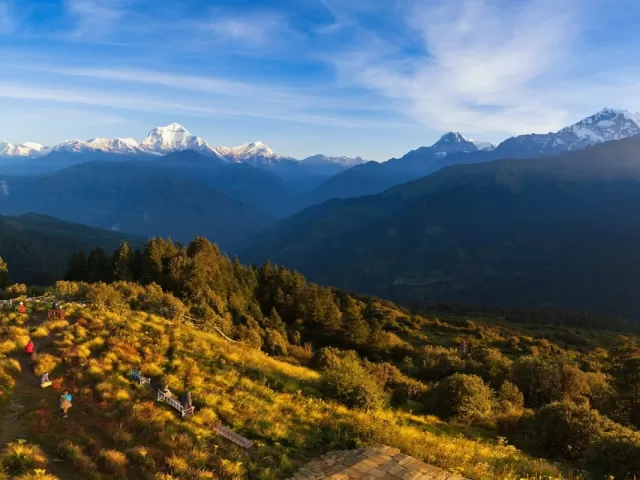
The all-in-one holiday in Nepal Package is one of the best-designed packages by Asiana Treks and Tours, where you can discover Kathmandu world heritage site, Ghorepani Poon hill trekking, Rafting, and Chitwan Safari. Embark on a mesmerizing 14-day journey through Nepal with Asiana Treks and Tours' all-in-one package, offering an unforgettable blend of experiences. This adventure encompasses a heritage tour in Kathmandu, thrilling rafting on the Trishuli River, exploration in Pokhara, and an exhilarating trek through the renowned Poon Hill. Top it off with an awe-inspiring safari in Chitwan National Park, and you have the recipe for a truly remarkable holiday.Your journey starts with a cultural immersion in the historical heart of Kathmandu. Explore ancient UNESCO World Heritage sites, witness the beauty of age-old architecture, and soak in the rich cultural tapestry of this vibrant city.Feel the adrenaline rush as you navigate the Trishuli River's exciting rapids. Rafting in Nepal is a year-round adventure, and this experience allows you to cool off on a hot day or relax on sandy riverbanks while reveling in the breathtaking surroundings.The highlight of your adventure is the trek to Poon Hill, a breathtaking location situated 270 km west of Kathmandu. Starting from Nayapul, the trek leads you through picturesque villages and offers incredible Mount Annapurna, Mount Dhaulagiri, Mount Nilgiri, and Tukuche peaks around 8 Himalayan views with sunrise. Poon Hill's maximum elevation is 3,210 meters, making it accessible to trekkers of moderate fitness levels. There's no risk of high-altitude sickness, so you can enjoy walking through a peaceful and tranquil rhododendron forest.After exploring and relaxing in Lake City, Pokhara, visit the natural wonderland of Chitwan National Park, one of the best places in Nepal for wildlife encounters. Enjoy iconic safari rides through lush forests and witness creatures in their natural habitat, including the rare one-horned rhino and many flora and fauna in the tropical jungle in the heart of the National Park.Immerse yourself in local Tharu stick dance preservation of Nepal's ancient and ethnic culture. You'll be able to visit local communities that have transformed their ancestral practices, lifestyles, and culture into living museums. Experience warm hospitality, traditional attire, cultural dances, and savor traditional cuisine.This package offers an elevation range from 3,210 meters high to 300 meters low, ensuring a diverse and enriching experience. In a short span, you'll dive into cultural immersion, relaxation, and pure enjoyment. Explore, indulge, and bask in the splendor of this adventure with complete peace of mind courtesy.Experience Nepal's glory, from the towering mountains and pristine rivers to the captivating wildlife and vibrant culture. Travel stress-free with Asiana Treks and Tours and make memories that will last a lifetime.All-in-One Holiday Nepal Trip Itinerary:The All-in-One Holiday Nepal Trip is a carefully designed itinerary that blends trekking, cultural exploration, White water Rafting, wildlife safaris, and adventure sports into a comprehensive journey. Organized by Asiana Treks & Tours, this package takes you through Nepal's most iconic destinations, offering a diverse range of experiences in one seamless trip.The Adventure begins with an arrival in Kathmandu, where you explore the city's rich history, UNESCO World Heritage Sites, and vibrant culture. Next, continue on the scenic drive to the river beach for a thrilling experience rafting in the Trishuli River; the following day, head to Pokhara, the lake city and gateway to the Annapurna region. After the four days Poon Hill trek, rest, relax and have the opportunity to engage in Pokhara for adventure sports like paragliding, bungee jumping, Zip lining, Ultralight flight, and Hot air Ballooning. Our journey is constantly to Chitwan National Park for an exciting jungle safari. Here, you explore the jungle Activities on a jeep safari, spot one-horned rhinos, Bengal tigers, and other wildlife, and experience canoeing, birdwatching, and traditional Tharu cultural performances.After the Chitwan National Park exploration, return to Kathmandu. The trip concludes with a farewell dinner, reflecting on the unforgettable experiences of the holiday. All-in-One Holiday Nepal Trip Distance:The total distance covered in the All-in-One Holiday Nepal Trip varies depending on the specific trekking routes and activities chosen. The trekking segments include:Annapurna Region Trekking (Ghorepani – Poon Hill – Ghandruk Trek ( Approximately 35-45km covered over Four days.Chitwan National Park Safari activities, Elephant Safari, canoe rides, and jungle walks just two nights in Chitwan.In addition, travel distances between significant locations include:Kathmandu to Pokhara: 200 km (6-7 hours by road or 25-minute flight).Pokhara to Chitwan: 163 km (4-5 hours by road).Chitwan to Kathmandu: 165 km (5-6 hours by road).Overall, this trip covers a significant portion of Nepal's diverse landscapes, from the lowland jungles to the high Himalayas.All-in-One Holiday Nepal Trip Route:The All-in-One Holiday Nepal Trip route is strategically planned to include Nepal's best trekking trails, cultural hotspots, and adventure destinations, offering a perfect blend of nature, heritage, and Adventure.The journey follows this general route: Kathmandu Exploration – Visit UNESCO World Heritage Sites, including Swayambhunath, Pashupatinath, Boudhanath, and Kathmandu Durbar Square.Kathmandu to Trishuli River Beach Resort with three hours of exciting rafting. Trishuli River beach to Pokhara. Pokhara to four days Poon Hill Trekking drive to Hile, then trek to Ghorepani, Poon Hill, Ghandruk, and Dhampus, experiencing mountain views, cultural villages, and lush forests.After trekking back to Pokhara the following day, you have the opportunity to do Adventure Sports - paragliding, bungee jumping Chitwan National Park Safari—Travel to Chitwan for a wildlife safari, jungle activities, and cultural encounters with the Tharu community. Finally, returned to Kathmandu and bid farewell to Nepal.All-in-One Holiday Nepal Package Price:The price of the All-in-One Holiday Nepal package varies based on the duration, group size, accommodation preferences, and additional activities included in the itinerary. Asiana Treks & Tours offers a range of customizable packages to ensure the best value for travellers.Generally, the price includes:Trekking permits (Annapurna Conservation Area Permit, Sagarmatha National Park Permit, and TIMS card)Domestic flights (Kathmandu–Lukla–Kathmandu, if included)Ground transportation (private vehicles, tourist buses, and jeeps)Accommodation (hotels in cities, tea houses in trekking regions, and lodges in Chitwan)Meals (Breakfast, lunch, and dinner during the trek and in Chitwan)Guides and porters (Licensed trekking guides and experienced porters)Entry fees for cultural sites and Chitwan National Park activitiesAdventure activities (optional add-ons such as paragliding, rafting, and bungee jumping)Prices typically range from $600 to $900 per person, depending on the inclusions and customization. Group discounts and special offers may be available.All-in-One Holiday Nepal Trip Height:The All-in-One Holiday Nepal trip covers many elevations, from lowland jungles to high Himalayan viewpoints, offering diverse landscapes and climate variations.Lowest Point: Chitwan National Park – 415 meters (1,362 feet)Pokhara & Annapurna Trekking: Poon Hill – 3,210 meters (10,531 feet)This diverse altitude variation makes the journey both scenic and exciting, allowing travellers to experience Nepal's tropical jungles, mid-hill villages, and high-altitude Himalayan landscapes in one trip.Major Villages of All-in-One Holiday NepalThe All-in-One Holiday Nepal trip takes travellers through some of Nepal's most culturally rich and scenic villages, where they can experience traditional lifestyles, local hospitality, and ethnic diversity.Ghorepani – A beautiful Magar village near Poon Hill, known for its rhododendron forests.Ghandruk – A traditional Gurung village with stunning views of Annapurna South and Machhapuchhre.Chitwan Tharu Villages – Experience the Tharu community's unique culture, traditions, and homestay experiences.These villages provide authentic cultural experiences, breathtaking scenery, and warm hospitality, making the journey even more special.Best Viewpoints in All-in-One Holiday Nepal:This Adventure features some of Nepal's most stunning viewpoints, offering spectacular sunrise and sunset views of the Himalayas.Poon Hill (3,210m) – One of the best panoramic viewpoints in the Annapurna region, offering sunrise views of Annapurna, Dhaulagiri, Machhapuchhre, and Manaslu.Ghandruk – Offer close-up views of Machhapuchhre (Fishtail), Annapurna South, and Hiunchuli.Sarangkot (1,600m) – Near Pokhara, offering a stunning sunrise over the Annapurna range and Pokhara valley.These viewpoints provide unforgettable Himalayan panoramas, making the All-in-One Holiday Nepal trip with Asiana Treks & Tours a once-in-a-lifetime experience.Biodiversity of All-in-One Holiday in Nepal:The All-in-One Holiday Nepal trip showcases Nepal's incredible biodiversity, ranging from lowland jungles to high-altitude Himalayan ecosystems. The journey takes you through tropical forests, alpine meadows, and glacial landscapes, offering opportunities to encounter various flora and fauna.Chitwan National Park (UNESCO World Heritage Site) – Home to one-horned rhinoceroses, Bengal tigers, wild elephants, crocodiles, and over 500 bird species. Activities like jeep safaris, canoe rides, and jungle walks offer an up-close wildlife experience.The Annapurna trek passes through rhododendron, oak, and pine forests, home to musk deer, red pandas, Himalayan monals (Nepal's national bird), and langurs.Sagarmatha National Park – A high-altitude Himalayan sanctuary where you may spot snow leopards, Himalayan tahrs, and eagles soaring above.This diverse biodiversity adds an exciting element to the trip, making it a paradise for nature lovers and wildlife enthusiasts.Festivals and Cultures in All-in-One Holiday Nepal:Nepal is rich in cultural diversity, and this trip offers an immersive experience of the unique traditions, festivals, and customs of different ethnic communities.Gurung & Magar Culture (Annapurna Region): Experience the warm hospitality of the Gurung and Magar communities, known for their unique traditions, folk dances, and traditional attire.Tharu Culture (Chitwan): During your stay in Chitwan, witness the vibrant Tharu stick dance, cultural performances, and traditional homes.Festivals – If you visit during Dashain, Tihar, Buddha Jayanti, or Mani This trip perfectly blends Adventure and cultural exploration, offering insight into Nepal's rich heritage and way of life.Advantages of Booking with Asiana Treks & ToursChoosing Asiana Treks & Tours for your All-in-One Holiday in Nepal ensures a well-organized, safe, and enriching experience. Here's why:Experienced Guides & Local Experts – Our professional trekking guides, cultural experts, and wildlife specialists provide in-depth knowledge about the regions.Customized Itineraries – We offer flexible schedules, allowing you to tailor your trip based on your preferences and interests.Safety & Reliability – We prioritize your safety, providing well-planned routes, emergency support, and first-aid assistance.Authentic Experiences – We ensure a genuine and immersive journey, from staying in traditional homestays to attending cultural programs.Sustainable & Responsible Travel – We promote eco-friendly trekking, support local communities, and follow ethical tourism practices.With Asiana Treks & Tours, you get Nepal's best Adventure, comfort, and cultural experiences.Trip BookingBooking your All-in-One Holiday Nepal trek with Asiana Treks & Tours is simple and hassle-free.Inquiry & Consultation – Contact us via email, WhatsApp, or website to discuss your travel plans.Customizing Your Trip—You can choose from our pre-designed itineraries or request a personalised trek based on your schedule and preferences.Confirmation & Payment – Secure your booking by making an advance payment through our secure payment system.Preparation & Guidance – Receive detailed information on packing lists, permits, and necessary documents before your trip.Arrival & Adventure Begins – Our team welcomes you to Nepal, ensuring a seamless trekking and holiday experience.Book your trek today with Asiana Treks & Tours for a memorable, well-planned Nepal adventure!Transportation During All-in-One Holiday in Nepal:The All-in-One Holiday Nepal trip includes various modes of transportation, ensuring a smooth and comfortable journey across diverse landscapes. Domestic Flights—A scenic flight from Kathmandu to Pokhara provides breathtaking aerial views of the Himalayas, making for a thrilling start to the all-in-one combo holiday Trek.Private Vehicles – Comfortable private cars, jeeps, or vans are used for airport transfers, city tours, and the drive to trek starting points like Pokhara and Chitwan.Tourist & Local Buses—Depending on the itinerary, you may experience tourist buses between Kathmandu, Pokhara, and Chitwan, which offer affordable and scenic rides.Jeep Safari in Chitwan – A 4WD jungle safari in Chitwan National Park provides an exciting opportunity to explore Nepal's wildlife.With Asiana Treks & Tours, all transportation is well-organized, safe, and efficient, allowing you to enjoy your journey without hassle.Trekking StartThe trekking Adventure begins at different locations depending on the region:Annapurna Region (Ghorepani-Dhampus Trek) – The trek starts from Nayapul or Phedi, a short drive from Pokhara.Chitwan National Park—After finishing the trek, you travel by road (private vehicle or tourist bus) from Pokhara to Chitwan for a jungle safari experience.Each trekking route is carefully designed to provide the best views, cultural interactions, and natural beauty.Currency Exchange:Nepal's official currency is the Nepalese Rupee (NPR). While major cities like Kathmandu and Pokhara have numerous currency exchange centres, ATMs, and banks, remote trekking areas accept only cash in NPR.Best Places for Exchange – Currency can be exchanged at authorized money exchangers in Kathmandu, Pokhara, and Namche Bazaar.ATMs & Card Payments – ATMs are available in cities, but carrying cash in the mountains is best as card payments are rarely accepted.Foreign Currency: USD, EUR, and GBP are commonly exchanged, but rates vary, so it is advisable to check rates before exchanging.For a smooth experience, Asiana Treks & Tours provides guidance on the best exchange rates and financial tips.Guide and Porter Arrangement:Asiana Treks & Tours provides licensed, experienced guides and strong porters for a safe and enriching trekking experience.Trekking Guide – A knowledgeable, English-speaking (or other language) guide leads the trek, ensuring safety, navigation, cultural insights, and emergency assistance.Porters – Porters help carry luggage, allowing you to trek comfortably with only a daypack. Each porter carries up to 15 kg of luggage.Local Expertise – Our guides and porters come from local mountain communities, ensuring authentic interactions and a more profound cultural experience.By trekking with our expert team, you can focus on the Adventure while we handle the logistics.Porter, Luggage, and Extra Luggage StorageManaging luggage properly enhances comfort and ease during the trek.Porter Services – Each porter carries up to 15 kg per trekker, allowing you to walk freely with a small daypack.Luggage Storage – Extra luggage can be safely stored at your hotel in Kathmandu or Pokhara, ensuring a hassle-free trek.Packing Tips—It's recommended to bring only essential trekking gear; unnecessary items can be stored safely before the trek.With Asiana Treks & Tours, all luggage arrangements are well-organized, so you can trek light and enjoy the experience.Accommodation During the Trip:Accommodation varies depending on the location and type of experience during the All-in-One Holiday Nepal trip. Asiana Treks & Tours ensures comfortable stays in hotels, tea houses, and jungle lodges throughout the journey.Kathmandu & Pokhara – Well-facilitated 3-star or 4-star hotels with modern amenities like hot showers, WiFi, and comfortable beds.Trekking Region (Annapurna & Everest) – Cozy tea houses and homestays provide basic yet comfortable lodging. Rooms are usually twin-sharing with shared bathrooms, and some places offer hot showers for an extra charge.Chitwan National Park: Stay in jungle resorts or lodges with private rooms, which offer relaxing environments and cultural Tharu experiences.With Asiana Treks & Tours, all accommodations are handpicked for quality service, cleanliness, and scenic locations.Meals During the Trip:This trip offers a mix of local and international cuisine, ensuring a balanced diet to energize you.City Meals: In Kathmandu and Pokhara, restaurants and hotels serve continental, Nepali, Indian, Chinese, and Western cuisines.Trekking Meals – Along the trekking trails, meals are served in tea houses, with options like Dal Bhat (rice and lentils), noodles, soups, momos, pasta, and porridge.Chitwan Meals – Experience traditional Tharu cuisine along with standard buffet-style meals in jungle lodges.Dietary Needs – Vegetarian, vegan, and gluten-free options are available on request.All meals during the trek and in Chitwan are freshly prepared to ensure hygiene and energy for trekking.Drinking Water During the Trip:Staying hydrated is crucial during the trek, and there are several safe drinking water options:Bottled Water – Available in trekking regions, but discouraged due to environmental concerns.Boiled Water – Many tea houses provide boiled water, which is safer for drinking.Water Purification Tablets – Recommended for purifying tap or stream water.Refill Stations – You can refill your bottle at safe water stations in major trekking areas.Bringing a reusable bottle with a water filter is the best eco-friendly option.Extra Personal Expenses:While most significant costs are included, personal expenses vary based on individual preferences:WiFi & Charging – Available in tea houses for an additional fee.Hot Showers – Some tea houses charge extra for hot showers in trekking areas.Souvenirs & Shopping – Handicrafts, trekking gear, and local souvenirs can be bought in Kathmandu, Pokhara, and Namche Bazaar.Tips & Gratuities – Tipping guides, porters, and hotel staff are appreciated but not mandatory.Extra cash in NPR (Nepalese rupees) is recommended for small purchases in remote areas.Toilet Facilities in All-in-One Holiday Nepal:Toilet facilities vary depending on the location:City Hotels (Kathmandu & Pokhara) – Private Western-style bathrooms with flush toilets and running water.Trekking Routes (Annapurna & Everest) – Tea houses provide basic shared toilets (Western or squat-style). Some places have attached bathrooms, while others have outdoor toilets.Chitwan National Park Lodges offer modern, clean restrooms with running water.On the Trail – In remote areas, you may need to use nature-friendly methods—it's best to carry toilet paper, wet wipes, and hand sanitizer.Toilets in trekking regions are basic but functional, and it's best to carry personal hygiene essentials for convenience.Internet Connectivity:During the All-in-One Holiday Nepal trip, internet access is available in most locations, though the speed and reliability may vary: Kathmandu & Pokhara – Hotels and restaurants provide free WiFi with good speed.Trekking Routes (Annapurna & Everest): Tea houses offer paid WiFi services (Everest Link or local providers) at an extra cost. Connectivity can be slow and unstable, especially at higher altitudes.Chitwan National Park – Most jungle lodges provide WiFi access, but speeds may be limited.Alternative Option – Local SIM cards (NCELL or NTC) with a data package are recommended for better connectivity in trekking regions.For a more reliable connection, purchase a tourist SIM card in Kathmandu before starting the trip.Electricity Voltage and PlugsNepal uses 230V / 50Hz electricity, and the power outlets commonly support Type C, D, and M plugs.Kathmandu & Pokhara – Hotels have stable electricity with multiple plug types.Trekking Areas – Tea houses rely on solar power or generators, and charging electronic devices often costs extra.Chitwan National Park – Jungle lodges have stable power, but outages can occur.Recommendation: Bring a universal travel adapter and a power bank to charge your devices with limited electricity.Communication During the Trip:Staying connected during the journey is possible, but signal strength varies:Cities and major Towns—Reliable mobile networks (NCELL & NTC) allow calls, messages, and mobile data usage.Trekking Areas – Limited signal in high-altitude areas; WiFi or satellite phones are alternatives.Chitwan National Park – Network coverage is decent in populated areas but weak inside deep forests.Emergency Communication – Asiana Treks & Tours ensures that guides carry mobile or satellite phones for emergencies.A local SIM card with a data plan is recommended for consistent connectivity.Trip ExtensionFor those looking to extend their All-in-One Holiday Nepal adventure, Asiana Treks & Tours offers several exciting options:Lumbini Tour – Explore the birthplace of Lord Buddha, which is rich in history and spirituality.Bardia National Park Safari – An alternative wildlife experience with better chances of spotting Bengal tigers.Adventure Activities – Experience paragliding, bungee jumping, or white-water rafting in Nepal Pokhara.For those with extra time, these extensions add more Adventure and cultural depth to the journey.Trip Difficulty:The All-in-One Holiday Nepal trip includes moderate trekking routes and cultural and wildlife experiences.The Ghorepani-Dhampus Trek and the Everest Panorama Trek are moderate treks suitable for trekkers with essential fitness. Daily walking ranges from 4 to 7 hours, with some steep ascents and descents.Altitude—The maximum altitude is Tengboche (3,860m) in the Everest region, which is lower than high-altitude treks like Everest Base Camp.Physical Requirements – Basic hiking experience and reasonable fitness are recommended. Regular walking, stair climbing, and light training beforehand can help.Since this itinerary combines trekking with leisure and wildlife experiences, it is ideal for beginners and experienced hikers.Trip Safety:Asiana Treks & Tours prioritizes your safety throughout the journey.Experienced Guides – Knowledgeable, trained in first aid and altitude sickness management.Well-Planned Itinerary – The trek allows proper acclimatization and includes emergency backup plans.Emergency Evacuation – Helicopter rescue can be arranged in case of serious health issues (covered by insurance).Health & Hygiene – Safe drinking water, sanitized accommodations, and healthy meals provided.All trekkers are advised to carry travel insurance covering high-altitude trekking.Group & Private Traveller:This trip is available for both group departures and private travellers.Group Travel – Join a scheduled group for a cost-effective experience and meet like-minded travellers.Private Trek: Enjoy a customized itinerary, flexible pace, and personalized service. This option is perfect for families, couples, or solo travelers seeking exclusivity.Asiana Treks & Tours ensures expert guidance, comfort, and seamless logistics, whether in a group or private.About Solo Traveller:Solo travellers are welcome on the All-in-One Holiday Nepal trip.Safety – Guides and porters ensure solo trekkers feel secure throughout the journey.Flexible Bookings – Tailored itineraries for solo adventurers seeking an independent yet guided experience.Social Experience – Opportunity to join small groups or interact with locals and fellow travellers.Solo trekkers can enjoy privacy while benefiting from expert support and cultural immersion.Responsible Travel:Asiana Treks & Tours is committed to sustainable tourism and responsible travel.Eco-Friendly Practices – Minimize plastic waste, use refillable water bottles, and support responsible waste disposal.Respect for Local Cultures – Encouraging cultural exchanges, respecting traditions, and promoting local crafts.Community Support – Partnering with local homestays, tea houses, and ethical tourism initiatives to support mountain communities.Wildlife Conservation – Promoting responsible jungle safaris in Chitwan National Park with ethical wildlife viewing.By travelling with Asiana Treks & Tours, you contribute to sustainable tourism, local communities, and environmental conservation in Nepal.Gratitude:At Asiana Treks & Tours, we sincerely appreciate your trust in us for your All-in-One Holiday Nepal adventure. Your journey with us will allow you to experience Nepal's breathtaking landscapes and rich culture, and it will support local communities and responsible tourism. We extend our heartfelt thanks and hope you carry unforgettable memories of Nepal's mountains, heritage, and warm hospitality.End of Trek:As your trekking Adventure ends, we ensure a comfortable and smooth transition back to your hotel. After descending from the trek, you can relax, explore the local area, or enjoy a farewell dinner with your guide and fellow travellers. Whether in Pokhara, Kathmandu, or Chitwan, this is the perfect moment to reflect on your incredible journey.DepartureOur team will arrange a transfer to Tribhuvan International Airport on your departure day based on your flight schedule. We recommend arriving at the airport at least three hours before departure. If you have extra time before your flight, you may explore Kathmandu's markets, buy souvenirs, or enjoy a final Nepali meal. Asiana Treks & Tours wishes you a safe journey home and hopes to welcome you again for future adventures!Feedback:We highly value your feedback! After your trip, we encourage you to share your experiences through:A short review on our website or social mediaPersonal feedback to help us improve our servicesRecommendations to fellow travellersYour insights help us maintain high-quality services and inspire future adventurers to explore Nepal with us.Last-Minute Booking:For travelers making last-minute bookings, we accommodate flexible itineraries based on availability. We recommend booking at least two weeks in advance, but we also handle urgent requests with quick arrangements for permits, flights, and accommodations. Contact us for immediate assistance in planning your Adventure.NoteTravel Insurance is mandatory for high-altitude trekking.We suggest carrying some cash (Nepali Rupees) for personal expenses in remote areas.Unexpected weather changes may require minor itinerary adjustments for safety reasons.Solo travellers, families, and private groups are welcome on this trip.We are committed to providing you with the best Nepal experience, ensuring a seamless and memorable journey.Add-Ons & OptionsTo enhance your All-in-One Holiday Nepal experience, Asiana Treks & Tours offers a variety of customizable add-ons and optional activities. These options allow you to personalize your trip according to your interests, schedule, and adventure level.Scenic Mountain Flights:Experience the Everest Mountain Flight, a one-hour aerial tour offering breathtaking views of Mount Everest, Lhotse, Makalu, and other Himalayan peaks.Available for those who want to witness the grandeur of the Himalayas without trekking.Helicopter Tours:For a once-in-a-lifetime experience, opt for a luxury helicopter tour to Everest Base Camp, Annapurna Base Camp, or Langtang.Perfect for travellers with limited time or those who prefer an aerial view of Nepal's majestic landscapes.Cultural City Tours:Extend your trip with guided tours of Kathmandu, Bhaktapur, and Patan, exploring Nepal's UNESCO World Heritage Sites, temples, and ancient palaces.Learn about Nepal's rich history, traditions, and architecture with an expert local guide.Adventure Activities:Paragliding in Pokhara – Soar above Phewa Lake with breathtaking views of the Annapurna range.White-water rafting – Enjoy thrilling rapids on Nepal's famous rivers like the Trishuli or Seti.Bungee jumping & zip-lining – Nepal offers one of the world's highest bungee jumps for adrenaline seekers.Meditation & Yoga Retreats:Join a yoga and meditation retreat in Kathmandu, Pokhara, or Lumbini to rejuvenate your mind and body.Experience spiritual healing with traditional Buddhist and Hindu practices.Extra Trekking Days & Extensions:Extend your trekking experience with additional destinations like Mardi Himal, Khopra Ridge, or Gokyo Lakes.Customize your itinerary with more acclimatization days for a relaxed trekking pace.Wildlife & Jungle Safari Extensions:Upgrade your Chitwan National Park experience with longer jungle safaris, canoe rides, and cultural interactions with the Tharu community.Alternatively, visit Bardia National Park, a less crowded but equally stunning wildlife sanctuary.Luxury Lodge & Private Trekking Options:Upgrade to luxury lodges with high-end accommodations in places like Everest, Annapurna, and Chitwan.Choose a private trek for a more personalized experience with a dedicated guide and porter.Photography & Documentary Tours:Capture Nepal's stunning landscapes, wildlife, and culture with a tailored photography tour.Ideal for travel bloggers, professional photographers, and documentary filmmakers.Whether you want to add Adventure, relaxation, or cultural depth to your journey, Asiana Treks & Tours ensures a seamless and enriching experience. Let us know your preferences, and we'll customize the perfect Nepal adventure for you!
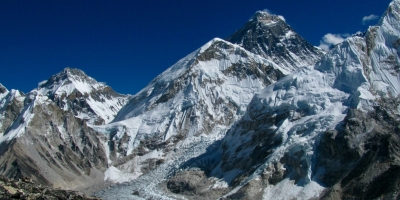
Poon Hill and Everest Panorama Trekking is an awe-inspiring adventure that combines two of Nepal’s most iconic trekking destinations—the Annapurna and Everest regions. This carefully designed trek lets you experience breathtaking Himalayan panoramas, encounter diverse cultures, and explore vibrant local villages while balancing adventure with comfort. Organised by Asiana Treks and Tours, this journey gives both beginners and seasoned trekkers a chance to witness spectacular sunrises over Annapurna’s peaks and take in panoramic views of the world’s highest mountains, without the extreme exertion of more challenging expeditions.The trek begins in the lush Annapurna region, famous for its rhododendron forests, terraced fields, and welcoming Gurung and Magar communities. Poon Hill is a renowned viewpoint offering a magical sunrise, as the sky lights up in golden hues over majestic mountains like Annapurna I, Dhaulagiri, and Machhapuchhre (Fishtail). After soaking in these views, the journey continues to the Everest Panorama trek, which includes a scenic flight to Lukla and trekking through Sherpa villages rich in Buddhist culture, culminating in awe-inspiring views of Everest, Ama Dablam, and other Himalayan giants.Poon Hill and Everest Panorama Trekking:Poon Hill trekking is an accessible, moderate trek ideal for those seeking stunning mountain views with a taste of Nepalese culture. The trek usually starts near Pokhara at Nayapul and takes you through charming villages such as Tikhedhunga, Ghorepani, and Tadapani. Along the route, trekkers pass through rhododendron forests that burst into colour in spring and enjoy warm local hospitality.Highlights of Poon Hill Trekking:Sunrise at Poon Hill: Watch the first light illuminate Annapurna, Dhaulagiri, and Machhapuchhre in vibrant colours.Cultural immersion: Experience Gurung and Magar village life with opportunities to interact and learn local traditions.Scenic landscapes: Trek through terraced fields, dense forests, and tranquil villages.Moderate altitude: Reach a maximum of 3,210 meters (10,528 ft), making acclimatisation easier for beginners.This trek combines the famous Ghorepani Poon Hill and Everest Panorama treks, ideal for those who want to soak up the unparalleled beauty of both without going too high. offering a rewarding Himalayan experience in about 15-16 days.Everest Panorama Trekking: A Glimpse of the World’s Highest Peak:Following the Annapurna adventure, the trek transitions to the Everest region, starting with a thrilling flight from Kathmandu to Lukla, a gateway perched at 2,860 meters (9,380 ft). The Everest Panorama trek offers trekkers a spectacular taste of the Khumbu region’s natural beauty and Sherpa culture, without the time or physical demands of the full Everest Base Camp trek.Key Attractions of the Everest Panorama Trek: Namche Bazaar: A bustling Sherpa trading hub and ideal acclimatisation stop.Tengboche Monastery: The region's spiritual heart, offering sweeping views of Everest, Ama Dablam, and other peaks.Scenic villages: Visit Khumjung and Monjo to gain insight into Sherpa lifestyle and traditions.Panoramic mountain views: While you won't reach Everest Base Camp, trekkers enjoy incredible views of Everest, Lhotse, Nuptse, and more from various viewpoints.This trek is perfect for trekkers who want to experience Everest's grandeur without the longer, more strenuous journey to base camp. It typically takes about 7-9 days to complete.Why Choose Asiana Treks and Tours?Asiana Treks and Tours is a reputable trekking company committed to providing authentic, safe, and enjoyable trekking experiences in Nepal. Their expert guides are well-versed in local culture, safety protocols, and environmental stewardship, ensuring a seamless, meaningful journey.Benefits of trekking with Asiana Treks and Tours:Experienced and certified guides fluent in English and knowledgeable about local customs.Personalised itineraries tailored to your pace and interests.High-quality equipment, comfortable accommodations, and reliable logistics.Emphasis on responsible tourism and community support.Assistance with permits, flights, and acclimatisation planning.Poon Hill and Everest Panorama Trekking PackageThe Poon Hill and Everest Panorama Trekking package by Asiana Treks and Tours is a unique combination of two of Nepal’s most captivating trekking experiences. This package lets trekkers explore the Annapurna region’s gentle trails, culminating in a spectacular sunrise at Poon Hill, then fly to the Everest region for a trekking journey that showcases panoramic views of the world’s tallest peaks. The package balances adventure, cultural immersion, and physical challenge, making it suitable for both novice and experienced trekkers.Travellers can expect to witness some of the most iconic Himalayan landscapes, including majestic peaks like Annapurna I, Dhaulagiri, Machhapuchhre, Everest, Ama Dablam, and Lhotse. The trek combines natural beauty with vibrant local cultures, passing through Gurung, Magar, and Sherpa villages where trekkers can experience traditional Nepalese hospitality. With comfortable tea-house accommodations and expert guides, Asiana Treks and Tours ensures a safe, enriching, and memorable Himalayan journey.Package Highlights:Combined trekking in Annapurna and Everest regionsSpectacular sunrise at Poon Hill viewpointCultural visits to Gurung, Magar, and Sherpa villagesComfortable lodges and local cuisineExpert guides and support staffModerate difficulty suitable for most fitness levelsPoon Hill and Everest Panorama Trekking Itinerary:The Poon Hill and Everest Panorama Trekking itinerary is designed to maximise acclimatisation, cultural experience, and scenic enjoyment. The journey usually begins in Kathmandu, then heads to Pokhara to start the Poon Hill trek. The trek progresses through picturesque villages like Tikhedhunga, Ghorepani, and Tadapani, leading to the famous Poon Hill viewpoint where trekkers witness a breathtaking sunrise.After completing the Annapurna segment, the itinerary includes a flight from Kathmandu to Lukla, marking the start of the Everest Panorama trek. The trek passes through key Sherpa settlements, including Namche Bazaar, Tengboche, and Khumjung. The route includes visits to significant cultural sites, like the Tengboche Monastery, and offers stunning views of Everest and surrounding peaks. The trek gradually descends back to Lukla, then returns to Kathmandu by air.Sample Itinerary Overview:Day 1-5: Kathmandu to Poon Hill via Pokhara (Nayapul, Tikhedhunga, Ghorepani)Day 6: Poon Hill sunrise and trek down to PokharaDay 7: Flight from Pokhara to Kathmandu, then Kathmandu to LuklaDay 8-13: Trekking Lukla – Namche Bazaar – Tengboche – Khumjung – Monjo – LuklaDay 14 : Fly back to KathmanduThis itinerary allows time for proper acclimatisation and exploration, and generally takes 12-14 days to complete.Poon Hill and Everest Panorama Trekking Distance:The total trekking distance in the Poon Hill and Everest Panorama package varies by route, but generally falls within manageable distances for moderate trekkers. The Annapurna segment to Poon Hill covers roughly 40 to 50 kilometres round trip, while the Everest Panorama segment from Lukla to Tengboche and back typically covers about 50 to 60 kilometres.Daily walking distances average 8 to 15 kilometres, balanced with time to rest, acclimatise, and enjoy the scenery. Elevation changes are gradual during the Annapurna trek but become more significant in the Everest region, with altitudes ranging from 827 meters in Pokhara to over 3,860 meters near Tengboche.Distance Highlights:Annapurna region trekking: ~40-50 km totalEverest Panorama trekking: ~50-60 km totalAverage daily trek distance: 8-15 kmAltitude range: 827 m (Pokhara) to 3,860 m (Tengboche)Moderate elevation gain and descent for gradual acclimatisationPoon Hill and Everest Panorama Trekking Cost 2026/2027:The cost for the Poon Hill and Everest Panorama Trekking package offered by Asiana Treks and Tours in 2026/2027 is competitively priced to deliver excellent value, combining quality service, expert guiding, and comfortable accommodations. The price includes airport transfers, domestic flights (Kathmandu-Pokhara-Kathmandu, Kathmandu-Lukla-Kathmandu), permits, accommodations in tea houses, meals during trekking, guide and porter support, and emergency support services.Prices typically range from USD 1,200 to USD 1,600 per person, depending on group size, season, and level of customisation. This cost covers all essential logistics but excludes personal expenses such as tips, insurance, international flights, and personal gear. Early bookings and group packages may benefit from discounts.Cost Inclusions:Airport transfers and domestic flightsTrekking permits and national park feesProfessional guide and porter servicesAccommodation and meals during trek24/7 support and emergency assistanceCost Exclusions:International airfare to/from NepalPersonal travel insuranceTrekking gear and equipment rentalPersonal expenses and tipsPoon Hill and Everest Panorama Trekking Price Breakdown:The Poon Hill and Everest Panorama Trekking package offered by Asiana Treks and Tours presents great value for an immersive Himalayan experience combining two of Nepal’s most iconic trekking destinations. The price reflects a comprehensive service that covers all major aspects of your journey, ensuring a smooth, safe adventure without hidden costs.The main components of the pricing include domestic flights (Kathmandu-Pokhara-Kathmandu and Kathmandu-Lukla-Kathmandu), trekking permits, national park entry fees, accommodation in tea houses or lodges, meals during the trek, and the services of experienced guides and porters. Additional expenses, such as international airfare, personal travel insurance, and equipment rental, are not included but can be arranged separately if needed.Price Breakdown Highlights: Domestic flights: Kathmandu to Pokhara and Lukla round-tripTrekking permits: Annapurna Conservation Area and Sagarmatha National Park feesAccommodation: Tea houses or lodges during trekkingMeals: Breakfast, lunch, and dinner on trekking daysGuide and porter services: Professional, English-speaking, experienced staffTransportation: Airport transfers and local travel arrangementsEmergency support and contingency planningThis structured pricing ensures trekkers get quality service and assistance throughout their journey, making the adventure worry-free and enjoyable.Poon Hill and Everest Panorama Trekking Altitude GuideUnderstanding altitude is crucial for a successful trekking experience, and the Poon Hill and Everest Panorama Trekking involves altitudes ranging from moderate to high, requiring proper acclimatisation. The trek begins at relatively low elevations in Pokhara (around 827 meters) and gradually ascends to Poon Hill at 3,210 meters, offering spectacular Himalayan views without extreme altitude challenges.The Everest Panorama segment goes higher, reaching about 3,860 meters at Tengboche, with several days spent between 2,800 and 3,800 meters. While this is high enough to require careful acclimatisation, the itinerary includes rest days and gradual elevation gain to minimise the risk of altitude sickness.Altitude Summary of Poon Hill and Everest Panorama TrekStarting elevation: 827 meters (Pokhara)Highest point on Poon Hill trek: 3,210 meters (Poon Hill viewpoint)Everest Panorama max altitude: 3,860 meters (Tengboche)Average trekking altitude range: 827 – 3,860 metersIncludes rest and acclimatisation days at Namche Bazaar and TengbocheImportance of gradual ascent to avoid altitude sicknessTravellers are encouraged to listen to their bodies and communicate any symptoms to guides to ensure health and safety during the trek.Why Choose Poon Hill and Everest Panorama Trekking?Choosing the Poon Hill and Everest Panorama Trekking package with Asiana Treks and Tours offers a unique opportunity to experience Nepal’s diverse Himalayan landscapes and cultures within a single, well-organised itinerary. This trek is ideal for travellers seeking awe-inspiring mountain views without the extreme physical demands or longer duration of higher-altitude expeditions.The trek combines the best of both worlds: the lush, culturally rich Annapurna region and the iconic, towering peaks of the Everest region. It offers a balanced adventure with moderate trekking difficulty, allowing beginners and seasoned hikers to enjoy the journey comfortably. Asiana Treks and Tours enhances this experience with expert guides, thoughtful logistics, and a commitment to responsible tourism.Key Reasons to Choose This Trek:Combines Annapurna’s scenic beauty with Everest’s legendary panoramasModerate trekking difficulty suited for most fitness levelsExperienced local guides providing cultural insights and safetyComfortable accommodation in local tea houses with authentic mealsBalanced itinerary with acclimatisation and rest daysSupported by a company committed to ethical and sustainable tourismThis trekking experience offers adventure, cultural immersion, and personal accomplishment in Nepal’s majestic Himalayas.Preparing for Poon Hill and Everest Panorama Trekking:Preparation is key to enjoying the Poon Hill and Everest Panorama Trekking adventure with Asiana Treks and Tours. Physical fitness is vital, as trekking daily for extended periods at moderate to high altitude demands stamina, endurance, and cardiovascular health. We recommend regular aerobic exercise, such as hiking, running, or cycling, several months before the trek.Packing the right gear is equally important. Essentials include sturdy trekking boots, layered clothing to manage varying temperatures, a warm jacket for cold nights, and accessories like trekking poles, sun protection, and a quality sleeping bag. A healthcare professional may recommend altitude sickness medication. Asiana Treks and Tours also provides a detailed pre-trek briefing covering logistics, health tips, and cultural etiquette to fully prepare trekkers.Preparation Checklist:Physical training: Aerobic fitness and strength buildingProper trekking gear: Boots, layered clothing, rain gear, sleeping bagHealth precautions: Vaccinations, altitude sickness medication, travel insuranceMental preparation: Understanding altitude effects and cultural sensitivitiesPacking essentials: Water purification, sunblock, first aid kit, snacksPre-trek briefing and consultations with Asiana Treks and Tours staffThorough preparation enhances safety and enjoyment, ensuring trekkers make the most of this unforgettable Himalayan journey.What to Expect on the 18–19-Day Poon Hill and Everest Panorama Trekking Adventure:The 18- to 19-day Poon Hill and Everest Panorama Trekking adventure with Asiana Treks and Tours offers a comprehensive Himalayan experience filled with natural beauty, cultural richness, and physical challenge. Starting with a cultural exploration in Kathmandu, the trek moves to the Annapurna region’s serene villages and culminates with the iconic Poon Hill sunrise, rewarding trekkers with panoramic mountain views bathed in golden light.Next, the itinerary flies to Lukla and treks through Sherpa villages, forests, and prayer flags fluttering against towering peaks. Days involve moderate hiking, cultural visits, and acclimatisation breaks to ensure health and safety. The trek concludes with a return to Kathmandu, where trekkers can reflect on their journey and experience the vibrant city life.What You’ll Experience:Cultural tours and vibrant markets in KathmanduPicturesque villages and terraced fields in the Annapurna regionSunrise at Poon Hill with views of the Annapurna and Dhaulagiri rangesScenic flight to Lukla, gateway to Everest regionTrekking through Sherpa villages like Namche Bazaar and TengbocheVisits to spiritual sites such as Tengboche MonasteryMagnificent views of Everest, Ama Dablam, and surrounding peaksSupport from experienced guides and well-organised logisticsThis journey blends physical activity with cultural engagement and natural beauty, creating lasting memories of Nepal’s Himalayas.Oxygen Levels on Poon Hill and Everest Panorama Trekking:Trekking in the Himalayas means gradually ascending to higher altitudes, where oxygen levels drop significantly compared to sea level. On the Poon Hill and Everest Panorama Trekking, trekkers start at low elevations in the Annapurna region and gradually ascend to heights around 3,860 meters at Tengboche in the Everest region. At sea level, the air contains about 21% oxygen, but as you climb, the percentage stays the same while air pressure drops, reducing how much oxygen your body can absorb.At Poon Hill (3,210 meters), oxygen levels are roughly 70% of sea-level levels, while at higher elevations on the Everest Panorama trek, such as Tengboche, oxygen availability drops to about 60%. This reduction means your body works harder to deliver oxygen to muscles and organs, which is why acclimatisation and gradual ascent are critical. Trekking with Asiana Treks and Tours ensures proper pacing and rest days to help your body adjust and minimise the risk of altitude sickness.Oxygen Level Facts:Sea level oxygen concentration: ~21%Oxygen availability at 3,210 m (Poon Hill): ~70% of sea levelOxygen availability at 3,860 m (Tengboche): ~60% of sea levelSymptoms of low oxygen: shortness of breath, fatigue, headacheImportance of acclimatization and hydrationProfessional guides monitor health and provide altitude sickness adviceUnderstanding oxygen levels helps trekkers prepare physically and mentally for the challenges of high-altitude hiking, ensuring a safer and more enjoyable experience.Major Villages and Scenic Viewpoints on Poon Hill and Everest Panorama Trekking Route:The combined Poon Hill and Everest Panorama trekking route passes through numerous vibrant villages and breathtaking viewpoints that define the cultural and natural appeal of Nepal’s Himalayas. The Annapurna portion begins near Pokhara and includes villages such as Tikhedhunga, Ghorepani, Tadapani, Landruk, and Dhampus. These villages showcase traditional Gurung and Magar cultures, terraced farming landscapes, and peaceful Himalayan ambience.Key viewpoints include the famous Poon Hill, where trekkers witness a stunning sunrise illuminating the Annapurna and Dhaulagiri ranges. In the Everest region, trekkers visit Lukla, Namche Bazaar (a vibrant Sherpa trading town), Tengboche with its famous monastery, and Khumjung village, known for its spiritual significance and Everest views. Other scenic spots like the Everest View Hotel and Monjo offer unforgettable vistas of the towering peaks.Major Villages and Viewpoints:Annapurna Region: Tikhedhunga, Ghorepani, Tadapani, Landruk, DhampusEverest Region: Lukla, Namche Bazaar, Tengboche Monastery, Khumjung, MonjoScenic Highlights: Poon Hill sunrise viewpoint, Everest View HotelCultural immersion: Traditional Gurung, Magar, and Sherpa communitiesTerraced fields, rhododendron forests, prayer flags, and mountain vistasThese villages and viewpoints offer a perfect blend of cultural encounters and natural beauty, enriching the trekking experience.Flora and Fauna of Poon Hill and Everest Panorama Trekking:The combined trek covers diverse ecological zones, supporting rich flora and fauna unique to the Himalayan region. At lower elevations near Pokhara and early on the Poon Hill trail, dense rhododendron forests burst into vivid colours in spring, alongside oak and pine trees. The higher regions feature alpine meadows and juniper shrubs. Wildlife is abundant, including species such as Himalayan langur monkeys, colourful birds like the Himalayan monal (Nepal’s national bird), and various butterflies.In the Everest region, trekkers might spot elusive animals like musk deer and Himalayan tahrs, which are well-adapted to rocky mountain slopes. Birdlife is diverse, including the snowcock and the golden eagle. The forests around Tengboche and Namche are home to unique plants and medicinal herbs traditionally used by local Sherpas.Flora and Fauna Highlights:Rhododendron, oak, pine, and juniper treesHimalayan langur monkeys and musk deerColourful birds: Himalayan monal, snowcock, golden eagleAlpine meadows and medicinal herbsRich biodiversity due to varying altitude zonesConservation areas: Annapurna Conservation Area and Sagarmatha National ParkExploring these ecosystems gives trekkers a chance to connect deeply with Nepal’s mountain heritage.Festivals and Local Culture Along Poon Hill and Everest Panorama Trekking Route:The trekking routes traverse diverse ethnic communities with vibrant cultural traditions and festivals. In the Annapurna region, Gurung and Magar communities celebrate festivals like Tihar, a festival of lights, and Dashain, Nepal’s biggest festival, which brings families together in thanksgiving and worship. During these celebrations, locals often perform dances, music, and rituals that trekkers may witness.In the Everest region, Sherpas celebrate Losar (Tibetan New Year), a colourful, spiritually significant festival with prayers, dances, and feasts at monasteries like Tengboche. Tibetan Buddhism deeply influences the region, evident in prayer flags, mani walls, and ancient monasteries. These cultural experiences enrich the trek, offering insight into Himalayan spirituality, community life, and traditional hospitality.Cultural and Festival Highlights:Annapurna region: Gurung and Magar festivals like Tihar and DashainEverest region: Sherpa Losar (Tibetan New Year) and Buddhist ceremoniesVisit to Tengboche Monastery, spiritual centre of Khumbu SherpasTraditional music, dance, and local cuisine along the trailInteraction with locals offering authentic cultural exchangeOpportunities to witness or participate in community festivals (season-dependent)These cultural elements add depth and meaning to the trekking adventure, connecting visitors to the heart of Himalayan life.Why Book with Asiana Treks and Tours for Poon Hill and Everest Panorama Trekking:Choosing Asiana Treks and Tours ensures a well-organised, safe, and culturally immersive trekking experience in Nepal. With years of experience, Asiana Treks prioritises personalised service, professional guides, and ethical tourism. Their local guides are knowledgeable about the terrain and culture and trained in first aid and altitude sickness prevention.Asiana Treks offers customised itineraries, high-quality equipment, and comfortable accommodation, balancing adventure with comfort. The company is committed to responsible tourism, supporting local communities and minimising environmental impact. Trekkers receive thorough pre-trek briefings, logistical support, and 24/7 assistance, ensuring peace of mind throughout the journey.Reasons to Choose Asiana Treks and Tours:Experienced, certified guides with cultural and medical knowledgeTailored itineraries suited to fitness and interestsSupport for ethical and sustainable tourism practicesHigh-quality accommodations and safety standards24/7 customer support and emergency responseLocal expertise ensuring authentic cultural experiencesBooking with Asiana Treks means embarking on a worry-free trek backed by professionalism and genuine care for travellers and communities.How to Book the Poon Hill and Everest Panorama TrekkingBooking the Poon Hill and Everest Panorama Trekking with Asiana Treks and Tours is a straightforward, hassle-free process designed to offer maximum convenience for travellers worldwide. Interested trekkers can start by visiting the official Asiana Treks and Tours website or contacting their customer service via email or phone. A dedicated trekking consultant will guide you through the options, answer questions, and customise the itinerary to your preferences and schedule.Once you confirm the itinerary, you submit a booking form and deposit to secure your spot. Asiana Treks provides comprehensive pre-trek information, including visa assistance, gear recommendations, health advice, and flight arrangements. The company also offers flexible payment options and transparent cancellation policies to accommodate varying traveller needs.Booking Process Highlights:Initial inquiry via website, email, or phonePersonalised itinerary planning with trekking consultantBooking confirmation with deposit and necessary documentationPre-trek briefing and logistical supportVisa and permit guidanceFlexible payment and cancellation policiesWith Asiana Treks and Tours, booking your Himalayan adventure is simple, with professional support from start to finish.Annapurna Region Trekking: Guides, Tips & Himalayan AdventuresDiscover the beauty of Nepal’s Annapurna region with Asiana Treks & Tours. Explore breathtaking mountain landscapes, authentic local culture, popular trekking routes, and practical tips to help you plan an unforgettable Himalayan adventure.Annapurna Base Camp vs Everest Base Camp: The Best TrekTrekking Equipment List for Asiana Treks & ToursTrekking Permit Requirements for Different Regions in NepalBest Sunrise and Sunset Destinations in NepalTop Successful Trek for Beginners – Annapurna Base CampMost Popular Trek with High Success Rate – Annapurna Base Camp Trek (ABC) TrekHow to Prepare for the Annapurna Base Camp Trek (Gear, Fitness & Tips)Ghorepani Poon Hill Trek GatewayTop 26 Annapurna Region Trekking Packages in Nepal – The Ultimate GuideTadapani Diaries: One Magical Night in the MountainsDiscovering Ghandruk: A Peaceful Village in the Heart of NepalTrekking the Best of Annapurna: Poon Hill to Mardi HimalWhy Chhomrong is the Heart of the Annapurna Base Camp TrekAnnapurna Base Camp (ABC) & Machhapuchhre Base Camp (MBC) Trek: Two Base Camps, One Incredible JourneyExploring Sinuwa on the Annapurna TrailDeurali: A Peaceful Mountain Village on the ABC TrailBamboo: A Hidden Gem of the ABC TrekDovan Nepal: Peaceful Stopover on the Annapurna Base Camp TrailHimalaya Village: A Quiet Haven on the Way to Annapurna Base CampDhampus Village – Annapurna Classical Alternative GatewayPothana: The Alternative Gateway to Annapurna Base Camp and Mardi HimalBest Camping and Overnight Stays: Australian Camp & Mardi Himal TrekList of Hotel in Mardi Himal Base Camp TrekTrekking to Low Camp: A Peaceful Path to Mardi HimalForest Camp Adventures: Exploring the Mardi Himal Trek in NepalHigh Camp on the Mardi Himal Trek | Views, Altitude & Trekking GuideDiscovering the Magic of Mardi Himal ViewpointTop Highlights of the Mardi Himal Trek in NepalBest Time to Trek Mardi Himal: Tips for Perfect ViewsA Beginner’s Guide to the Mardi Himal Trek in NepalSurprising Facts About the Mardi Himal TrekEssential Guide to Mardi Himal Trekking Permits in NepalMardi Himal Trek Info: Elevation, Altitude, Height and WeatherMardi Himal Trek Accommodation and Food TipsBest Time to Trek Annapurna Base Camp in NepalTop Highlights of the Annapurna Base Camp TrekFood and Accommodation on the ABC Trek: What It’s Really LikeAltitude Tips for a Safe Annapurna Base Camp TrekAnnapurna Base Camp Permits: Costs, Process, and RequirementsTop Tips and Facts for Trekking to Annapurna Base CampAnnapurna Base Camp Trek: Elevation, Height & Temperature GuideDobato Stopover: Experiencing the Heart of the Khopra Danda RouteUpper Chistibung: What to Expect on the Way to Khopra DandaExploring Khopra Danda Ridge and Khayar LakeDiscover Swanta’s Beauty on the Khopra Danda TrailAmazing Facts About Khayar Lake in the Annapurna RegionBayeli Kharka Adventure: From Khopra Danda with Stunning ViewsKhopra Danda Trekking Guide: Cost, Permits, Meals, Lodging and Best SeasonExploring Mardi Himal, ABC, and Khopra Ridge in One Epic JourneyKhopra Khair Lake with Annapurna Base Camp Trek: A Complete JourneyKhopra Khair Lake with ABC Trek: Nature, Culture, and MountainsComplete Guide to Mohare Danda Trekking in NepalSunrise Views from Mohare Danda: What to ExpectTop Highlights of Poon Hill and Mardi Himal TrekExploring Poon Hill and Mardi Himal: A Beginner’s GuideExploring the Ghorepani Dhampus Circuit Trek in NepalAn Amazing Hike from Galeshwor to Nangi via Bans Kharka : Mohare Danda TrekkingLandruk: Gateway to the Stunning Mardi Himal ViewsMardi Himal Adventure: Exploring Badal Danda on the Siding TrekSunrise Views from Poon Hill and Mulde ViewpointsDhaulagiri Annapurna Trail: A New Alternative Trek in NepalBest Nepal Tour Packages: Adventure, Honeymoon, Senior Tours, Himalayan Highlights, Triangle & Sunrise Hill Station ToursCan You Cycle the Annapurna Circuit in Nepal?Besisahar – The Heart of Lamjung District: Gateway to the HimalayasExploring Jagat During the Annapurna Circuit TrekDharapani Village in Nepal: Where the Manaslu Circuit and Annapurna Circuit Trails Meet PointChame Village: A Peaceful Stop on the Annapurna Circuit TrekDiscover Upper Pisang: A Hidden Gem on the Annapurna CircuitExploring Lower Pisang: A Gateway on the Annapurna CircuitManang: The Heart of the Annapurna Circuit TrekYak Kharka (4,020m): A Must-Stop Village on the Annapurna CircuitThorong Phedi: Final Preparation Before Thorong La PassCrossing Thorong La Pass (5,416 m): The Highest Point of the Annapurna CircuitMuktinath in Mustang: A High-Altitude Spiritual Journey on the Annapurna CircuitJomsom (2,743 m): The Windy Valley That Connects Annapurna and Upper Mustang
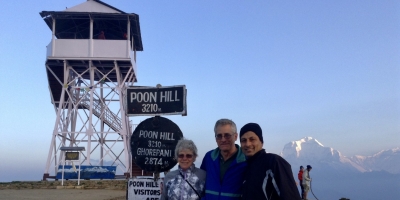
Asiana Treks and Tours invites you to embark on a leisurely 13-day trekking experience through the breathtaking Annapurna region, specially tailored for senior citizens and those seeking a comfortable, tranquil adventure in the Himalayas. This thoughtfully designed trek offers a perfect balance between adventure and relaxation, allowing you to immerse yourself in Nepal’s natural beauty at a gentle pace. The Nayapul to Dhampus loop trek takes you through lower altitudes, ideal for individuals who appreciate a slower, culturally rich journey without the strain of high-altitude trekking. This unique trail, once part of an ancient salt trade route, leads you through charming landscapes and traditional villages that showcase the warm hospitality of the Magar and Gurung communities. Trekking along well-maintained stone-paved paths, you will be surrounded by lush green forests and rhododendron groves that blanket the hillsides, providing spectacular floral views especially during spring. The trek also offers stunning panoramic vistas of the majestic Annapurna and Dhaulagiri Himalayan ranges, providing a perfect backdrop for photography and peaceful reflection. At Asiana Treks and Tours, we take pride in crafting an itinerary that combines cultural exploration, natural beauty, and comfort. Our well-planned accommodations and thoughtfully paced trekking days ensure that you can savor every moment without feeling rushed. The Nayapul Dhampus loop trek is an excellent choice for travelers of all ages, especially those who seek a fulfilling Himalayan trekking experience with moderate physical demands and maximum enjoyment. Nayapul Dhampus Loop Trekking Itinerary The Nayapul Dhampus loop trek is designed to offer a balanced blend of cultural discovery and scenic beauty over 13 memorable days. Beginning with your arrival in Kathmandu, you will have the opportunity to explore the city’s rich heritage before traveling to Pokhara, the gateway to the Annapurna region. From Pokhara, the trek commences at Nayapul and follows a trail that winds through quaint villages, dense forests, and terraced farmlands. Day by day, the trek covers moderate distances and altitudes, ensuring a comfortable progression for trekkers of various fitness levels. Highlights include reaching Ghorepani, famous for its spectacular sunrise views over the Annapurna and Dhaulagiri peaks, and trekking through Tadapani and Ghandruk, two culturally rich villages inhabited by the Gurung community. Each day offers opportunities to engage with local life, savor traditional Nepali cuisine, and enjoy the serenity of the Himalayan foothills. The loop concludes with a gentle descent to Dhampus village, renowned for its panoramic mountain views and tranquil ambiance, before returning to Pokhara for a day of relaxation and exploration. The trek then ends with a drive back to Kathmandu for your departure, completing a well-rounded journey that combines adventure, culture, and comfort. Nayapul Dhampus Loop Trekking Distance and Terrain The entire Nayapul Dhampus loop trek covers approximately 43 kilometers (27 miles), spread over 7 days of trekking within the 13-day itinerary. The trail predominantly follows well-maintained stone-paved paths, making walking easier and safer for trekkers, especially senior travelers and those new to trekking. The gradual ascents and descents, along with relatively lower altitudes compared to other Himalayan treks, make this route particularly accessible and enjoyable. Trekking elevations range from about 827 meters (2,713 feet) at Nayapul and Pokhara, climbing up to a maximum of around 2,875 meters (9,432 feet) at Ghorepani. This moderate altitude prevents common high-altitude sickness symptoms and provides a more comfortable trekking experience. The terrain is diverse, encompassing lush forests rich with rhododendron trees, terraced agricultural lands, and scenic ridgelines offering sweeping views of the Annapurna and Dhaulagiri mountain ranges. This loop trek is perfect for those who want to experience the Himalayan culture and environment without the challenge of extreme altitudes or strenuous trekking days. The trail’s natural beauty and cultural richness, combined with manageable distances and elevations, make it an ideal trek for families, older adults, and anyone seeking a peaceful Himalayan adventure. Nayapul Dhampus Loop Trekking Cost 2026/2027 with Asiana Treks and Tours Asiana Treks and Tours offers competitive and transparent pricing for the Nayapul Dhampus loop trekking package for the 2026/2027 season. Our cost includes all essential services such as airport transfers, comfortable accommodation in guesthouses and lodges, all meals during the trekking days, experienced local guides, and necessary trekking permits. We ensure that your journey is not only safe but also enjoyable and culturally enriching. The package is designed to provide excellent value for money, balancing comfort and authenticity. Our accommodations are carefully selected for cleanliness and comfort, ensuring restful nights after each day’s trek. Professional guides from Asiana Treks and Tours bring invaluable knowledge of the region’s geography, culture, and history, making your experience both educational and memorable. Additional options such as private transportation, personalized itineraries, and specialized support for senior travelers can be arranged upon request. Whether you are trekking solo, with family, or in a small group, we tailor our services to meet your specific needs. Contact Asiana Treks and Tours today to receive a detailed quote and make your Himalayan trekking dream come true with confidence and ease. Nayapul Dhampus Loop Trekking Price Breakdown At Asiana Treks and Tours, we believe in transparency and value, offering a comprehensive price breakdown for the Nayapul Dhampus Loop Trekking package. The overall cost covers a range of essential services designed to ensure a smooth, comfortable, and memorable trekking experience in the Annapurna region. Our package typically includes airport transfers, comfortable accommodations in quality guesthouses and lodges, daily meals (breakfast, lunch, and dinner during trekking days), experienced local guides, porters if needed, and all necessary permits such as the Annapurna Conservation Area Permit (ACAP) and TIMS (Trekkers’ Information Management System) card. Additionally, our pricing accounts for transportation between Kathmandu and Pokhara by road or flight, depending on your preference. We also provide pre-trek briefings and 24/7 emergency support, guaranteeing peace of mind throughout your journey. Optional costs might include personal expenses such as tips, drinks, snacks, or travel insurance, which are not included in the base price. This ensures you know exactly what to expect financially, with no hidden fees. Price Breakdown Highlights: Airport transfers in Kathmandu and Pokhara Accommodation in comfortable lodges/guesthouses All meals during trekking days Professional local guides and porters Trekking permits (ACAP, TIMS) Transport Kathmandu–Pokhara–Kathmandu (road/flight) Pre-trek briefing and emergency support Optional: travel insurance, tips, personal expenses Our goal at Asiana Treks and Tours is to provide an affordable, value-packed trekking package that delivers comfort and authenticity, especially suited for senior travelers and those seeking a moderate Himalayan adventure. Nayapul Dhampus Loop Trekking Altitude Guide Understanding the altitude changes on the Nayapul Dhampus Loop Trek is crucial for preparation and safety. Unlike high-altitude Himalayan treks, this route remains comfortably in the mid-hill region, ranging roughly between 827 meters (2,713 feet) at Nayapul and Pokhara, ascending to a maximum of 2,875 meters (9,432 feet) at Ghorepani. This moderate altitude range significantly reduces the risks of altitude sickness, making it accessible to senior travelers, beginners, and families alike. The gradual elevation gain allows trekkers to acclimatize naturally, and the trekking days are paced to avoid sudden altitude jumps. You will traverse through varied landscapes—starting from subtropical lowlands and moving into cool temperate forests. This altitude variation provides diverse vegetation and rich biodiversity, with rhododendron forests in full bloom during spring, adding to the trek’s scenic charm. Altitude Highlights: Starting point at Nayapul: 827 m (2,713 ft) Ghorepani (highest point): 2,875 m (9,432 ft) Gradual, manageable elevation gains Lower risk of altitude sickness Diverse vegetation zones: subtropical to temperate Ideal for beginners and senior trekkers Asiana Treks and Tours ensures a safe and enjoyable trek by carefully planning daily distances and altitudes, helping you experience the Himalayas’ wonders without strain. Why Choose Nayapul Dhampus Loop Trekking? The Nayapul Dhampus Loop Trekking route is an exceptional choice for travelers who want to experience the beauty of the Annapurna region without the rigors of high-altitude trekking. This trek offers a perfect blend of cultural immersion, natural beauty, and accessibility. It is particularly favored by senior citizens, families, and those seeking a relaxed yet enriching Himalayan adventure. This route follows a historic salt trade path, winding through vibrant Gurung and Magar villages where you can experience authentic Nepalese culture firsthand. The trek is set amidst rhododendron forests, terraced hillsides, and panoramic mountain views, including the iconic Annapurna and Dhaulagiri ranges. Additionally, the well-maintained stone paths and moderate altitude make it a safer and more comfortable trekking experience compared to many other routes in Nepal. Key Reasons to Choose This Trek: Moderate altitude minimizes health risks Rich cultural experiences in Gurung and Magar villages Stunning panoramic views of Annapurna and Dhaulagiri Well-paved, safe trekking trails Suitable for all ages and fitness levels Personalized service and comfortable accommodations by Asiana Treks and Tours Choosing this trek with Asiana Treks and Tours guarantees a thoughtfully paced adventure with a focus on comfort, culture, and scenic beauty, making your Himalayan journey truly unforgettable. Preparing for Nayapul Dhampus Loop Trekking Preparation is key to fully enjoying your Nayapul Dhampus Loop trekking adventure. Since this trek is suitable for most fitness levels, including seniors, it requires basic physical preparation focused on endurance and flexibility. We recommend starting a walking routine several weeks before your trip, incorporating uphill walks and some stair climbing if possible. Cardiovascular exercises such as swimming, cycling, or jogging will also boost stamina. Packing smartly is equally important. Layered clothing suitable for variable mountain weather, sturdy trekking boots, a good-quality daypack, and essential gear like trekking poles, sun protection, and a reusable water bottle are must-haves. Since nights can be chilly, especially above 2,500 meters, bring warm clothes and a sleeping bag rated for cold temperatures. Asiana Treks and Tours provides a detailed packing list and pre-trek briefing to ensure you’re well-prepared. Preparation Checklist: Begin regular cardio and endurance exercises Practice walking on uneven terrain and stairs Invest in comfortable, well-broken-in trekking boots Pack layered clothing for changing temperatures Bring trekking poles and sun protection Carry personal medications and a basic first-aid kit Review travel insurance covering trekking activities Proper preparation helps prevent fatigue and injury, allowing you to savor every moment of this stunning Himalayan trek with confidence and ease. What to Expect on the 12–13-Day Nayapul Dhampus Loop Trekking Adventure The Nayapul Dhampus Loop Trekking offers a harmonious mix of natural splendor, cultural richness, and comfortable trekking over 12 to 13 days. After arriving in Kathmandu, you’ll explore its historic sites before heading to the tranquil lakeside city of Pokhara, the starting point of the trek. From Nayapul, the trek gradually ascends through picturesque villages, lush forests, and terraced farmlands, providing spectacular views of the Annapurna and Dhaulagiri ranges. Each day’s trek is thoughtfully paced to allow ample time for rest, cultural interaction, and photography. You will stay in cozy guesthouses offering warm hospitality and traditional meals. Highlights include Ghorepani’s breathtaking sunrise over the Himalayan peaks and the serene village of Dhampus, known for its panoramic vistas and peaceful ambiance. The trek concludes with a relaxing return to Pokhara and then Kathmandu, leaving you with lasting memories and stunning photographs. What to Expect: Moderate daily trekking distances and altitudes Authentic cultural encounters with Gurung and Magar communities Diverse landscapes: rhododendron forests, farmland, mountain vistas Comfortable guesthouse accommodations with local cuisine Professional guiding and support by Asiana Treks and Tours Opportunities for sunrise views and wildlife spotting Relaxing days in Pokhara and Kathmandu before and after trekking This trekking adventure is designed to be accessible, scenic, and culturally immersive, making it an ideal Himalayan journey for all travelers seeking a rewarding, stress-free experience. Oxygen Levels on Nayapul Dhampus Loop Trekking One of the major advantages of the Nayapul Dhampus Loop Trekking route is its moderate altitude, which ensures relatively stable oxygen levels throughout the journey. The trek starts at Nayapul, approximately 827 meters (2,713 feet) above sea level, and reaches its highest point at Ghorepani, around 2,875 meters (9,432 feet). At these elevations, the oxygen level remains sufficiently high, typically above 70% of what is available at sea level, allowing trekkers to breathe comfortably without the severe effects of altitude sickness commonly experienced at higher elevations. This moderate altitude range significantly reduces the risk of Acute Mountain Sickness (AMS), making the trek accessible and safer for senior trekkers, beginners, and individuals with mild health concerns. While physical exertion still requires appropriate conditioning and hydration, the oxygen availability supports sustained energy and endurance. Proper acclimatization is naturally facilitated by the gradual elevation gains and well-paced itinerary crafted by Asiana Treks and Tours, minimizing sudden altitude changes. Key Points on Oxygen Levels: Starting elevation: 827 meters (2,713 feet) Highest elevation: 2,875 meters (9,432 feet) Oxygen levels remain around 70% or higher compared to sea level Reduced risk of altitude sickness (AMS) Gradual ascent aids natural acclimatization Suitable for senior citizens and beginners Asiana Treks and Tours emphasizes safe trekking practices, ensuring your health and comfort are prioritized by monitoring oxygen exposure and providing support throughout the journey. Major Villages and Scenic Viewpoints on Nayapul Dhampus Loop Trekking Route The Nayapul Dhampus Loop Trekking route passes through several culturally rich villages and offers breathtaking scenic viewpoints that highlight the natural beauty of the Annapurna region. Key villages along the trek include Nayapul, Tikhedhunga, Ghorepani, Tadapani, Ghandruk, Tolkha, and Dhampus, each offering unique insights into the traditional lifestyles of local ethnic groups such as the Gurung and Magar communities. Ghorepani is renowned for its stunning panoramic views, particularly the sunrise over the Annapurna and Dhaulagiri peaks, which attracts trekkers worldwide. Tadapani and Ghandruk are charming villages with well-preserved architecture and vibrant local markets, where trekkers can experience authentic Nepalese culture and hospitality. Dhampus offers serene mountain views, lush rhododendron forests, and a peaceful retreat before the trek concludes. Major Villages and Viewpoints: Nayapul: Trekking start point, gateway to Annapurna foothills Tikhedhunga: Picturesque village with terraced farms Ghorepani: Famous for Poon Hill sunrise views over Annapurna and Dhaulagiri Tadapani: Traditional Gurung village amid rhododendron forests Ghandruk: Cultural hub with panoramic mountain vistas Tolkha: Small village with local community life Dhampus: Scenic viewpoint with sweeping Himalayan vistas Asiana Treks and Tours ensures stops at these villages and viewpoints are well-paced to maximize your cultural and natural experiences. Flora and Fauna of Nayapul Dhampus Loop Trekking The Nayapul Dhampus Loop Trekking route traverses a diverse range of ecosystems, showcasing the rich flora and fauna of Nepal’s mid-hill region. The trek begins in subtropical zones, gradually moving through temperate forests filled with a stunning variety of plant species. One of the highlights is the extensive rhododendron forests, which blanket the hillsides in vibrant red, pink, and white blooms during springtime, making the trek especially spectacular between March and May. In addition to its botanical diversity, the area supports diverse wildlife, including various bird species, small mammals, and insects. Trekkers may spot colorful Himalayan birds like the monal pheasant, Nepal’s national bird, as well as other species such as bulbuls, laughing thrushes, and sunbirds. Wildlife encounters contribute to the serene atmosphere and enrich the trekking experience for nature lovers. Flora and Fauna Highlights: Dense rhododendron forests (in bloom March-May) Oak, pine, and maple trees in higher zones Himalayan monal (national bird) and diverse bird species Small mammals such as barking deer and squirrels Rich biodiversity supporting various insects and butterflies Asiana Treks and Tours educates trekkers about local ecology and promotes responsible trekking practices to protect this natural heritage. Festivals and Local Culture Along Nayapul Dhampus Loop Trekking Route Trekking the Nayapul Dhampus Loop provides a wonderful opportunity to experience Nepal’s vibrant festivals and rich local cultures, especially those of the Gurung and Magar ethnic groups who inhabit this region. These communities maintain centuries-old traditions, reflected in their music, dance, crafts, and religious practices, offering trekkers a fascinating cultural immersion alongside the stunning natural scenery. Major festivals such as Dashain and Tihar, celebrated with great enthusiasm across Nepal, showcase vibrant rituals, animal sacrifices, and colorful decorations. Other local festivals like Maghe Sankranti and Tamu Lhosar (Gurung New Year) feature traditional music, dancing, and communal feasts. During your trek, you might witness or participate in these joyous events, depending on the season, gaining deeper insight into the spiritual and communal life of the mountain communities. Cultural and Festival Highlights: Gurung and Magar ethnic traditions and hospitality Major Nepali festivals: Dashain, Tihar, Maghe Sankranti Gurung New Year (Tamu Lhosar) celebrations Traditional music, dance, and handicrafts Opportunities to interact with local families and learn customs Asiana Treks and Tours incorporates cultural visits and festival observations into the itinerary when possible, enhancing the richness of your trekking adventure. Why Book with Asiana Treks and Tours for Nayapul Dhampus Loop Trekking Choosing Asiana Treks and Tours for your Nayapul Dhampus Loop Trekking ensures a safe, comfortable, and authentic Himalayan experience supported by a team of experienced professionals dedicated to excellent service. Our company specializes in trekking packages tailored for all ages and fitness levels, with particular attention to senior travelers and those seeking moderate adventure with cultural depth. We offer personalized itineraries, professional local guides fluent in English and knowledgeable about the region’s culture, geography, and history. Our accommodations are carefully selected to provide clean, cozy guesthouses with warm hospitality, and our support team is available around the clock to address any needs or emergencies. Our transparent pricing and inclusive packages make planning your trek hassle-free and worry-free. Why Choose Asiana Treks and Tours: Experienced, certified local guides Tailored itineraries for all ages and abilities Comfortable, well-reviewed guesthouse accommodations 24/7 support and emergency assistance Transparent pricing with no hidden costs Strong commitment to responsible and sustainable tourism Booking with Asiana Treks and Tours means you’ll enjoy an unforgettable Himalayan trekking adventure backed by professionalism, care, and deep local expertise. How to Book Nayapul Dhampus Loop Trekking Booking your Nayapul Dhampus Loop Trekking adventure with Asiana Treks and Tours is a straightforward and seamless process designed to give you peace of mind from the moment you decide to travel. Start by visiting our official website or contacting our customer service via email or phone to inquire about available dates, packages, and any special requests you might have. Our team will provide detailed information and help customize the itinerary according to your preferences and fitness level. Once you finalize the itinerary and dates, you can confirm your booking by paying a deposit, with the balance payable before the trek starts. We provide all necessary pre-departure information, including packing lists, health and safety tips, and local cultural insights. Throughout your trekking adventure, our team remains accessible for any assistance or questions you may have. Booking Steps: Contact Asiana Treks and Tours via website, email, or phone Discuss and customize itinerary and dates Confirm booking with deposit payment Receive detailed pre-trek briefing and packing list Pay balance before trek starts Enjoy 24/7 support before and during your trek At Asiana Treks and Tours, we prioritize customer satisfaction and are committed to making your Nayapul Dhampus trekking journey easy, enjoyable, and unforgettable.Annapurna Region Trekking: Guides, Tips & Himalayan AdventuresDiscover the beauty of Nepal’s Annapurna region with Asiana Treks & Tours. Explore breathtaking mountain landscapes, authentic local culture, popular trekking routes, and practical tips to help you plan an unforgettable Himalayan adventure.Annapurna Base Camp vs Everest Base Camp: The Best TrekTrekking Equipment List for Asiana Treks & ToursTrekking Permit Requirements for Different Regions in NepalBest Sunrise and Sunset Destinations in NepalTop Successful Trek for Beginners – Annapurna Base CampMost Popular Trek with High Success Rate – Annapurna Base Camp Trek (ABC) TrekHow to Prepare for the Annapurna Base Camp Trek (Gear, Fitness & Tips)Ghorepani Poon Hill Trek GatewayTop 26 Annapurna Region Trekking Packages in Nepal – The Ultimate GuideTadapani Diaries: One Magical Night in the MountainsDiscovering Ghandruk: A Peaceful Village in the Heart of NepalTrekking the Best of Annapurna: Poon Hill to Mardi HimalWhy Chhomrong is the Heart of the Annapurna Base Camp TrekAnnapurna Base Camp (ABC) & Machhapuchhre Base Camp (MBC) Trek: Two Base Camps, One Incredible JourneyExploring Sinuwa on the Annapurna TrailDeurali: A Peaceful Mountain Village on the ABC TrailBamboo: A Hidden Gem of the ABC TrekDovan Nepal: Peaceful Stopover on the Annapurna Base Camp TrailHimalaya Village: A Quiet Haven on the Way to Annapurna Base CampDhampus Village – Annapurna Classical Alternative GatewayPothana: The Alternative Gateway to Annapurna Base Camp and Mardi HimalBest Camping and Overnight Stays: Australian Camp & Mardi Himal TrekList of Hotel in Mardi Himal Base Camp TrekTrekking to Low Camp: A Peaceful Path to Mardi HimalForest Camp Adventures: Exploring the Mardi Himal Trek in NepalHigh Camp on the Mardi Himal Trek | Views, Altitude & Trekking GuideDiscovering the Magic of Mardi Himal ViewpointTop Highlights of the Mardi Himal Trek in NepalBest Time to Trek Mardi Himal: Tips for Perfect ViewsA Beginner’s Guide to the Mardi Himal Trek in NepalSurprising Facts About the Mardi Himal TrekEssential Guide to Mardi Himal Trekking Permits in NepalMardi Himal Trek Info: Elevation, Altitude, Height and WeatherMardi Himal Trek Accommodation and Food TipsBest Time to Trek Annapurna Base Camp in NepalTop Highlights of the Annapurna Base Camp TrekFood and Accommodation on the ABC Trek: What It’s Really LikeAltitude Tips for a Safe Annapurna Base Camp TrekAnnapurna Base Camp Permits: Costs, Process, and RequirementsTop Tips and Facts for Trekking to Annapurna Base CampAnnapurna Base Camp Trek: Elevation, Height & Temperature GuideDobato Stopover: Experiencing the Heart of the Khopra Danda RouteUpper Chistibung: What to Expect on the Way to Khopra DandaExploring Khopra Danda Ridge and Khayar LakeDiscover Swanta’s Beauty on the Khopra Danda TrailAmazing Facts About Khayar Lake in the Annapurna RegionBayeli Kharka Adventure: From Khopra Danda with Stunning ViewsKhopra Danda Trekking Guide: Cost, Permits, Meals, Lodging and Best SeasonExploring Mardi Himal, ABC, and Khopra Ridge in One Epic JourneyKhopra Khair Lake with Annapurna Base Camp Trek: A Complete JourneyKhopra Khair Lake with ABC Trek: Nature, Culture, and MountainsComplete Guide to Mohare Danda Trekking in NepalSunrise Views from Mohare Danda: What to ExpectTop Highlights of Poon Hill and Mardi Himal TrekExploring Poon Hill and Mardi Himal: A Beginner’s GuideExploring the Ghorepani Dhampus Circuit Trek in NepalAn Amazing Hike from Galeshwor to Nangi via Bans Kharka : Mohare Danda TrekkingLandruk: Gateway to the Stunning Mardi Himal ViewsMardi Himal Adventure: Exploring Badal Danda on the Siding TrekSunrise Views from Poon Hill and Mulde ViewpointsDhaulagiri Annapurna Trail: A New Alternative Trek in NepalBest Nepal Tour Packages: Adventure, Honeymoon, Senior Tours, Himalayan Highlights, Triangle & Sunrise Hill Station ToursIs It Possible to Cycle the Annapurna Circuit in Nepal?Besisahar – The Heart of Lamjung District: Gateway to the HimalayasExploring Jagat During the Annapurna Circuit TrekDharapani Village in Nepal: Where the Manaslu Circuit and Annapurna Circuit Trails Meet PointChame Village: A Peaceful Stop on the Annapurna Circuit TrekDiscover Upper Pisang: A Hidden Gem on the Annapurna CircuitExploring Lower Pisang: A Gateway on the Annapurna CircuitManang: The Heart of the Annapurna Circuit TrekYak Kharka (4,020m): A Must-Stop Village on the Annapurna CircuitThorong Phedi: Final Preparation Before Thorong La PassCrossing Thorong La Pass (5,416 m): The Highest Point of the Annapurna CircuitMuktinath in Mustang: A High-Altitude Spiritual Journey on the Annapurna CircuitJomsom (2,743 m): The Windy Valley That Connects Annapurna and Upper Mustang
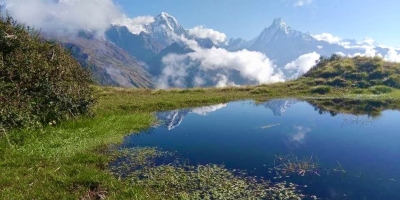
Khopra Danda Trek, also known as Khopra Ridge Trek or Khayar Lake Trek, is one of Nepal’s hidden trekking gems nestled in the Annapurna region. Unlike the heavily trafficked Annapurna Circuit or Everest Base Camp trails, this trek offers a quieter, more intimate experience with nature and local culture. Asiana Treks and Tours proudly offers this unique itinerary, tailored for travelers who seek untouched landscapes and authentic encounters with Nepal’s indigenous communities. The trek begins in Nayapul, easily accessible from Pokhara—Nepal’s lakeside city famous for its breathtaking mountain views and vibrant cultural scene. As you embark on the journey, you traverse lush green valleys, terraced farming fields, and traditional villages such as Tadapani, Ghorepani, and the charming settlement of Dobato. Along the way, panoramic views of the Annapurna and Dhaulagiri ranges become your constant companions, culminating in the iconic vantage point at Khopra Danda (3,660 meters/12,008 feet). Key Highlights: Spectacular sunrise and sunset views from Khopra Ridge. Exploration of Khayar Lake, a serene glacial lake at 4,500 meters (14,764 feet). Cultural immersion with the Gurung and Magar communities. Less crowded and peaceful trekking experience. Combination of diverse landscapes — from subtropical forests to alpine zones. Detailed Itinerary & Experience Starting from the bustling yet scenic city of Pokhara, the trek quickly transitions into quiet rural villages, offering a peaceful retreat into nature. Tadapani’s rhododendron forests and panoramic views give you a gentle introduction to the trek’s natural beauty. Asiana Treks and Tours ensures you have a comfortable yet authentic experience in these villages, often arranged through homestays that provide warm hospitality and insight into local lifestyles. The climb to Dobato and then Upper Chistibung brings you closer to the snow-capped peaks of the Annapurna massif. The trekking route then ascends to Khopra Danda, the trek’s highlight, where the expansive ridge offers one of the most breathtaking panoramic mountain views in Nepal. Here, you can witness the silhouettes of Annapurna South, Dhaulagiri, Machhapuchhre (Fishtail), and Nilgiri under the early morning light — a photographer’s paradise. A visit to Khayar Lake adds a spiritual dimension to the journey. Considered sacred by the local Gurung and Magar people, the pristine glacial lake is a peaceful place to reflect and recharge. The serene setting surrounded by snow-capped peaks creates a magical atmosphere unmatched by more crowded trekking destinations. Why Choose Khopra Danda Trek with Asiana Treks and Tours? Expert Local Guides: Knowledgeable guides from Asiana Treks and Tours who share deep insights into the region’s geography, culture, and history. Off-the-Beaten-Path Experience: Escape the crowds and enjoy tranquil landscapes. Cultural Immersion: Engage directly with ethnic communities and experience their traditions. Safety and Comfort: Organized accommodations, meals, and transportation arranged professionally. Flexible Itineraries: Customized trekking schedules to suit different fitness levels and interests. Khopra Danda Trekking Package Duration: 10–14 days depending on customization. Starts/Ends: Pokhara/Nayapul. Trekking altitude range: 827 meters to 4,500 meters. Accommodation: Mix of lodges and homestays. Meals: Local Nepali cuisine with options for dietary preferences. Transportation: Private transfers between Kathmandu and Pokhara included. Khopra Danda Trekking Distance Total trekking distance is approximately 80-90 kilometers. Daily trekking distances range from 6 to 15 km, with manageable altitude gains and losses. Trail terrain includes forests, terraced fields, rocky ridges, and mountain passes. Khopra Danda Trekking Cost 2026/2027 Pricing varies based on group size, season, and accommodation preferences. Asiana Treks and Tours offers competitive packages starting from: Standard Package: Approx. $900–$1100 USD per person. Private/Customized Packages: Available upon request. This cost covers permits, accommodation, meals during the trek, guide and porter services, transportation from Pokhara, and all logistical support. Summary The Khopra Danda Trek with Asiana Treks and Tours is perfect for adventurers seeking a peaceful yet thrilling Himalayan experience, blending spectacular natural beauty with rich cultural encounters. With less tourist traffic and more authentic local engagement, this trek is truly a unique and rewarding journey through Nepal’s Annapurna region.Khopra Danda Trekking Price Breakdown Asiana Treks and Tours offers an all-inclusive Khopra Danda Trekking package designed to provide excellent value and a hassle-free trekking experience. The overall price covers all essential services such as permits, accommodation, meals during trekking, guide and porter fees, internal transportation, and necessary logistics. For 2026/2027, the standard package typically ranges between $900 to $1100 USD per person, depending on group size, season, and specific client preferences like private tours or luxury upgrades. The price breakdown is generally as follows: Permits and Entrance Fees: Annapurna Conservation Area Permit (ACAP) and Trekker’s Information Management System (TIMS) card, around $40–$50 total. Accommodation: Lodges and homestays along the route, comfortable and clean, included in the cost. Meals: Breakfast, lunch, and dinner served during trekking days; special diets can be accommodated. Guide and Porter Services: Professional English-speaking guides and porters to assist with carrying luggage and ensuring safety. Transportation: Private transfers from Kathmandu to Pokhara and back, plus local transport to trailheads. Additional expenses to consider: personal gear, tips, travel insurance, and optional side activities in Pokhara or Kathmandu. Key Price Points: All-inclusive trekking package with Asiana Treks and Tours Transparent pricing with no hidden fees Customization options available Khopra Danda Trekking Altitude Guide The Khopra Danda trek involves gradual altitude gain, making it manageable for trekkers with moderate fitness and acclimatization. Starting from Pokhara at 827 meters (2,713 feet), trekkers ascend steadily through terraced fields and forested hills to reach the highest points on the trail. The trek’s highest elevation is at Khayar Lake, situated around 4,500 meters (14,764 feet), which requires careful acclimatization to avoid altitude sickness. Key altitude stages include: Tadapani (2,630 m / 8,626 ft): A mid-point stop with beautiful views and rest opportunities. Dobato (3,350 m / 10,991 ft): A significant ascent point, offering scenic mountain vistas. Khopra Danda Ridge (3,660 m / 12,008 ft): Known for panoramic mountain views. Khayar Lake (4,500 m / 14,764 ft): A sacred, high-altitude glacial lake and trekking highlight. Proper acclimatization days are built into the itinerary, especially around Khopra Danda and Khayar Lake. Asiana Treks and Tours provides professional guidance on altitude sickness prevention, hydration, and pacing. Overall, the trek is suitable for adventurous travelers who respect altitude challenges and prepare accordingly. Altitude Tips: Ascend slowly to allow your body to adjust Stay hydrated and avoid alcohol Listen to your guide and report symptoms early Use altitude sickness medication if recommended Why Choose Khopra Danda Trekking? Khopra Danda Trekking stands out as a truly off-the-beaten-path experience in the Annapurna region, making it a fantastic choice for trekkers seeking solitude and authentic cultural encounters. Unlike the crowded Annapurna Circuit or Poon Hill routes, Khopra offers a peaceful environment where nature and local lifestyles remain largely untouched by mass tourism. With Asiana Treks and Tours, you benefit from expert local knowledge and dedicated support, ensuring you see the best of the region’s natural beauty and culture. The trek features spectacular mountain panoramas from Khopra Ridge, a sacred visit to Khayar Lake, and charming interactions with the indigenous Gurung and Magar communities. The route passes through diverse ecosystems—from subtropical forests to alpine meadows—showcasing Nepal’s incredible biodiversity. Additional reasons to choose Khopra Danda Trek: Less crowded trails for tranquility and reflection Rich cultural immersion with homestays and local guides Flexible itineraries for all experience levels Safe, professional trekking support from Asiana Treks and Tours Breathtaking views of Annapurna, Dhaulagiri, and Machhapuchhre This trek is perfect for travelers looking for adventure beyond popular routes while enjoying natural beauty and cultural richness. Preparing for Khopra Danda Trekking Preparation is key to enjoying the Khopra Danda Trek to its fullest. Since the trek reaches altitudes over 4,500 meters, physical fitness and proper gear are essential. Asiana Treks and Tours provides detailed pre-trek guidance to help you prepare physically and mentally, ensuring a safe and enjoyable adventure. Physical preparation should include cardio exercises such as hiking, jogging, or cycling at least 4-6 weeks before the trek. Endurance and leg strength training help manage steep ascents and long walking days. Packing appropriate clothing for layering is crucial as temperatures vary greatly from subtropical warmth in Pokhara to cold alpine conditions near Khayar Lake. Essential gear includes: Insulated down jacket and fleece layers Waterproof trekking boots and gaiters Sun protection: hat, sunglasses, and sunscreen Trekking poles for stability Sleeping bag suitable for sub-zero temperatures First aid kit including altitude sickness medication Asiana Treks and Tours also recommends travel insurance covering high-altitude trekking and advises vaccinations and medication for Nepal travel. A comprehensive pre-departure briefing is provided, covering itinerary, altitude precautions, cultural etiquette, and emergency procedures. What to Expect on the 12–13-Day Khopra Danda Trekking Adventure The 12–13-day Khopra Danda Trekking adventure with Asiana Treks and Tours is designed to balance trekking challenges with cultural discovery and scenic relaxation. The trek begins with comfortable transport from Kathmandu to Pokhara, where you can explore the lakeside city’s vibrant markets and serene lakefront before heading into the mountains. The trekking days gradually increase in altitude and difficulty, allowing for proper acclimatization. You will hike through picturesque villages, rhododendron forests, and terraced farmlands, interacting with local people and savoring authentic Nepali cuisine at guesthouses. The days around Khopra Danda Ridge and Khayar Lake provide some of the trek’s most spectacular moments, with panoramic Himalayan views and spiritual tranquility. Expect: Moderate daily trekking distances (6–12 km) with altitude gains Stunning sunrise and sunset from Khopra Ridge Visits to traditional villages with homestay options A day dedicated to exploring Khayar Lake and its surroundings Professional support from experienced guides and porters Time to relax and rejuvenate in Pokhara before and after the trek This itinerary offers a well-rounded trekking experience combining adventure, culture, and nature, making it ideal for travelers wanting a memorable and rewarding Himalayan journey. Oxygen Levels on the Khopra Danda Trekking One of the critical factors to consider while trekking in the Himalayas is the decreasing oxygen levels as you gain altitude. On the Khopra Danda Trek, trekkers ascend from around 827 meters (Pokhara) to the highest point at Khayar Lake, which sits at approximately 4,500 meters (14,764 feet). At this elevation, the oxygen level is roughly 60% of what it is at sea level, which means your body receives less oxygen with each breath. This reduction can affect physical performance and increase the risk of altitude sickness if proper precautions are not taken. Asiana Treks and Tours emphasizes gradual acclimatization to allow your body to adjust to thinner air. The trekking itinerary is designed to increase altitude slowly, with rest days built in to help your body adapt. Symptoms of altitude sickness can include headaches, nausea, dizziness, and fatigue. Staying hydrated, eating well, and ascending at a steady pace are crucial. The guides with Asiana Treks and Tours are trained to recognize early signs and offer necessary advice or interventions. Key oxygen level facts: Oxygen level at 4,500m is about 60% of sea level Gradual ascent is critical to prevent altitude sickness Symptoms include headache, dizziness, and fatigue Professional guides monitor health and recommend acclimatization Supplemental oxygen is rarely needed but can be arranged Major Villages and Scenic Viewpoints on Khopra Danda Trekking Route The Khopra Danda trek passes through several enchanting villages and remarkable viewpoints, making the journey as culturally rich as it is visually stunning. Starting from Nayapul, trekkers first visit Tadapani, a village known for its rhododendron forests and sweeping mountain vistas. Tadapani is a peaceful settlement where you can observe traditional farming life and warm Nepali hospitality. Further along, Dobato village offers another charming stopover nestled in lush forests. From here, the trail ascends to Upper Chistibung and then the breathtaking Khopra Danda Ridge, the trek’s highlight viewpoint at 3,660 meters. This ridge commands panoramic views of Annapurna South, Dhaulagiri, Nilgiri, and Machhapuchhre peaks. The ridge’s sunrise and sunset views are unforgettable moments cherished by trekkers. Khayar Lake, situated at about 4,500 meters, is a serene glacial lake and a spiritually significant site for local communities. The trek also goes through Swanta and Ghorepani, both offering cultural insights and scenic beauty. Asiana Treks and Tours ensures that each village stay is comfortable and culturally immersive, often arranged in traditional homestays. Key villages and viewpoints: Tadapani: rhododendron forests and mountain views Dobato: lush forest village Upper Chistibung: alpine meadows Khopra Danda Ridge: panoramic Himalayan views Khayar Lake: glacial lake with spiritual significance Swanta and Ghorepani: cultural and scenic highlights Flora and Fauna of Khopra Danda Trekking The Khopra Danda trekking route offers a remarkable diversity of flora and fauna due to the range of altitudes it covers—from subtropical lowlands to alpine zones. The lower sections of the trek are characterized by dense rhododendron and oak forests. During spring, rhododendrons bloom spectacularly, painting the landscape in vibrant reds and pinks, creating breathtaking scenery that attracts nature lovers and photographers. As you ascend above 3,000 meters, the forests thin out into alpine meadows with wildflowers, including blue poppies, primulas, and gentians. This ecological transition supports various wildlife species. Trekkers may spot barking deer, Himalayan thar (mountain goat), and a variety of bird species such as the Himalayan monal (Nepal’s national bird), colorful pheasants, and chirping warblers. The region is also home to elusive animals like leopards and snow leopards, though sightings are rare. Asiana Treks and Tours encourages responsible trekking practices to protect this delicate ecosystem. Guides provide information about local biodiversity and promote eco-friendly behavior, ensuring that your adventure respects the environment and supports conservation efforts. Flora and fauna highlights: Rhododendron and oak forests in lower altitudes Alpine meadows with wildflowers above 3,000 meters Himalayan monal and pheasants among birdlife Wildlife includes barking deer and Himalayan thar Rare sightings of snow leopards and leopards Eco-conscious trekking with local guides Festivals and Local Culture Along Khopra Danda Trekking Route The Khopra Danda trekking region is inhabited mainly by the Gurung and Magar ethnic communities, each with rich traditions and vibrant cultural practices. Throughout the trek, travelers have the chance to experience local festivals that celebrate the agricultural calendar, religious rituals, and community unity. These festivals offer fascinating insights into the cultural fabric of the Annapurna region. One of the most prominent festivals is Tihar, also known as the festival of lights, where homes and villages glow with oil lamps, and locals worship animals such as cows and crows. Another is Maghe Sankranti, a winter harvest festival marked by feasts and communal celebrations. During festivals, traditional music, dance, and colorful costumes enliven the villages, providing trekkers with authentic cultural encounters. Asiana Treks and Tours organizes your trek to coincide with these festivals when possible or arranges cultural visits that include homestays and local interactions. This approach deepens your understanding of the region’s way of life and creates meaningful travel experiences beyond the scenic mountains. Cultural highlights include: Gurung and Magar ethnic communities Festivals like Tihar and Maghe Sankranti Traditional music, dance, and costumes Homestays offering cultural immersion Agricultural and religious ritual celebrations Why Book with Asiana Treks and Tours for Khopra Danda Trekking Choosing the right trekking company is crucial for a safe, comfortable, and rewarding Khopra Danda trekking experience. Asiana Treks and Tours is renowned for its professionalism, personalized service, and deep local expertise in Nepal’s trekking regions. With years of experience guiding travelers through the Himalayas, the company offers reliable support from the initial booking to the final return. Asiana Treks and Tours provides well-trained, English-speaking guides who are knowledgeable about the terrain, culture, and safety protocols. Porters are employed to ease your load and enhance your enjoyment of the trek. The company is committed to responsible tourism, supporting local communities by employing local staff and promoting eco-friendly trekking practices. Additional benefits of booking with Asiana Treks and Tours: Transparent pricing with no hidden fees Customized itineraries to suit all fitness levels High-quality accommodations and nutritious meals 24/7 customer support before and during the trek Assistance with travel permits and insurance guidance This comprehensive support ensures your Khopra Danda trek is memorable for all the right reasons. How to Book Khopra Danda Trekking Booking your Khopra Danda Trek with Asiana Treks and Tours is straightforward and designed for convenience. Interested trekkers can start by contacting Asiana Treks via their official website, email, or phone. The company offers personalized consultation to tailor the itinerary according to your schedule, fitness level, and interests. After finalizing the itinerary, a deposit is typically required to confirm your booking, with the remaining balance payable before the trek begins. Asiana Treks and Tours handles all logistical arrangements including permits, transportation, accommodation bookings, and guide assignments. You will receive a detailed pre-trek briefing outlining what to expect and how to prepare. Booking process at a glance: Contact Asiana Treks and Tours via website or email Discuss and customize your trekking itinerary Confirm booking with deposit payment Receive full pre-departure information package Finalize payment and arrival arrangements The company offers flexible cancellation policies and ensures customer support throughout your trekking journey, making booking hassle-free and reassuring.Annapurna Region Trekking: Guides, Tips & Himalayan AdventuresDiscover the beauty of Nepal’s Annapurna region with Asiana Treks & Tours. Explore breathtaking mountain landscapes, authentic local culture, popular trekking routes, and practical tips to help you plan an unforgettable Himalayan adventure.Annapurna Base Camp vs Everest Base Camp: The Best TrekTrekking Equipment List for Asiana Treks & ToursTrekking Permit Requirements for Different Regions in NepalBest Sunrise and Sunset Destinations in NepalTop Successful Trek for Beginners – Annapurna Base CampMost Popular Trek with High Success Rate – Annapurna Base Camp Trek (ABC) TrekHow to Prepare for the Annapurna Base Camp Trek (Gear, Fitness & Tips)Ghorepani Poon Hill Trek GatewayTop 26 Annapurna Region Trekking Packages in Nepal – The Ultimate GuideTadapani Diaries: One Magical Night in the MountainsDiscovering Ghandruk: A Peaceful Village in the Heart of NepalTrekking the Best of Annapurna: Poon Hill to Mardi HimalWhy Chhomrong is the Heart of the Annapurna Base Camp TrekAnnapurna Base Camp (ABC) & Machhapuchhre Base Camp (MBC) Trek: Two Base Camps, One Incredible JourneyExploring Sinuwa on the Annapurna TrailDeurali: A Peaceful Mountain Village on the ABC TrailBamboo: A Hidden Gem of the ABC TrekDovan Nepal: Peaceful Stopover on the Annapurna Base Camp TrailHimalaya Village: A Quiet Haven on the Way to Annapurna Base CampDhampus Village – Annapurna Classical Alternative GatewayPothana: The Alternative Gateway to Annapurna Base Camp and Mardi HimalBest Camping and Overnight Stays: Australian Camp & Mardi Himal TrekList of Hotel in Mardi Himal Base Camp TrekTrekking to Low Camp: A Peaceful Path to Mardi HimalForest Camp Adventures: Exploring the Mardi Himal Trek in NepalHigh Camp on the Mardi Himal Trek | Views, Altitude & Trekking GuideDiscovering the Magic of Mardi Himal ViewpointTop Highlights of the Mardi Himal Trek in NepalBest Time to Trek Mardi Himal: Tips for Perfect ViewsA Beginner’s Guide to the Mardi Himal Trek in NepalSurprising Facts About the Mardi Himal TrekEssential Guide to Mardi Himal Trekking Permits in NepalMardi Himal Trek Info: Elevation, Altitude, Height and WeatherMardi Himal Trek Accommodation and Food TipsBest Time to Trek Annapurna Base Camp in NepalTop Highlights of the Annapurna Base Camp TrekFood and Accommodation on the ABC Trek: What It’s Really LikeAltitude Tips for a Safe Annapurna Base Camp TrekAnnapurna Base Camp Permits: Costs, Process, and RequirementsTop Tips and Facts for Trekking to Annapurna Base CampAnnapurna Base Camp Trek: Elevation, Height & Temperature GuideDobato Stopover: Experiencing the Heart of the Khopra Danda RouteUpper Chistibung: What to Expect on the Way to Khopra DandaExploring Khopra Danda Ridge and Khayar LakeDiscover Swanta’s Beauty on the Khopra Danda TrailAmazing Facts About Khayar Lake in the Annapurna RegionBayeli Kharka Adventure: From Khopra Danda with Stunning ViewsKhopra Danda Trekking Guide: Cost, Permits, Meals, Lodging and Best SeasonExploring Mardi Himal, ABC, and Khopra Ridge in One Epic JourneyKhopra Khair Lake with Annapurna Base Camp Trek: A Complete JourneyKhopra Khair Lake with ABC Trek: Nature, Culture, and MountainsComplete Guide to Mohare Danda Trekking in NepalSunrise Views from Mohare Danda: What to ExpectTop Highlights of Poon Hill and Mardi Himal TrekExploring Poon Hill and Mardi Himal: A Beginner’s GuideExploring the Ghorepani Dhampus Circuit Trek in NepalAn Amazing Hike from Galeshwor to Nangi via Bans Kharka : Mohare Danda TrekkingLandruk: Gateway to the Stunning Mardi Himal ViewsMardi Himal Adventure: Exploring Badal Danda on the Siding TrekSunrise Views from Poon Hill and Mulde ViewpointsDhaulagiri Annapurna Trail: A New Alternative Trek in NepalBest Nepal Tour Packages: Adventure, Honeymoon, Senior Tours, Himalayan Highlights, Triangle & Sunrise Hill Station ToursIs It Possible to Cycle the Annapurna Circuit in Nepal?Besisahar – The Heart of Lamjung District: Gateway to the HimalayasExploring Jagat During the Annapurna Circuit TrekDharapani Village in Nepal: Where the Manaslu Circuit and Annapurna Circuit Trails Meet PointChame Village: A Peaceful Stop on the Annapurna Circuit TrekDiscover Upper Pisang: A Hidden Gem on the Annapurna CircuitExploring Lower Pisang: A Gateway on the Annapurna CircuitManang: The Heart of the Annapurna Circuit TrekYak Kharka (4,020m): A Must-Stop Village on the Annapurna CircuitThorong Phedi: Final Preparation Before Thorong La PassCrossing Thorong La Pass (5,416 m): The Highest Point of the Annapurna CircuitMuktinath in Mustang: A High-Altitude Spiritual Journey on the Annapurna CircuitJomsom (2,743 m): The Windy Valley That Connects Annapurna and Upper Mustang
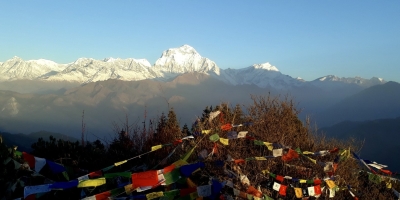
The Poon Hill and Mulde View Point Trek is a delightful Eleven -day short trekking adventure in the mesmerizing Annapurna region of Nepal. This trek offers the opportunity to experience breathtaking sunrise and sunset views from two of the most popular Himalayan viewpoints - Poon Hill and Muldai View Point. While Poon Hill has been a tourist favourite destination for many years, Muldai View Point remains a hidden gem, overlooked by regular people away from trekking routes.The journey begins in Kathmandu Sightseeing, and the following day, early in the morning, we drive to Pokhara, the City of Seven Lakes. From Pokhara, you embark on a thrilling drive to Nayapul, the starting point of your trek. As you start walking from Nayapul, you'll be greeted by the charm of quaint Gurung and Magar villages nestled beneath the snow-capped peaks of the Annapurna Range and the iconic Machhapucchre (Fishtail) Peak.As you traverse the trail, you'll find yourself amidst one of the most extensive rhododendron forests in the world. During Spring, this forest comes alive with over a million blooms, painting the path with vibrant colours and creating a truly enchanting ambience.Your first stop is the picturesque village of Tikhedhunga. From these two vantage points, you'll be rewarded with a stunning 360-degree panorama of over twenty-two Himalayan peaks, including Dhaulagiri, Tukuche Peak, Nilgiri, Annapurna South, and Annapurna I. The breathtaking views from Poon Hill and Muldai View Point make it a must-visit destination for nature enthusiasts and trekkers seeking tranquillity away from the crowds.The other highlight of the trek is the awe-inspiring sunrise view from Poon Hill. To reach Poon Hill, you'll trek to Ghorepani, passing through the enchanting rhododendron forest. The sunrise view from Poon Hill is a magical moment, as the first rays of sunlight paint the snow-capped peaks in golden hues, creating a mesmerising spectacle that stays etched in your memory forever.After relishing the views from Poon Hill and having breakfast at Ghorepani, you'll ascend to Deurali, where you'll find serene and peaceful surroundings, marking the end of your short and sweet trek.The Poon Hill and Mulde View Point Trek are ideal for those seeking a relatively easy Himalayan trek with breathtaking vistas. It's perfect for beginners and families with children. While good health is essential for trekking, prior experience in hill walking is beneficial. The best seasons to embark on this adventure are Spring, autumn, and winter, as the weather during these times offers clear skies and stunning views of the majestic Himalayan peaks.Overall, the Poon Hill and Mulde View Points Trek promises an unforgettable experience, where you'll be immersed in the natural beauty of the Annapurna region, surrounded by towering mountains, lush forests, and the warm hospitality of the local communities.Poon Hill and Mulde View Point Trekking Itinerary:Asiana Treks and Tours has the perfect Poon Hill and Mulde View Point Trek itinerary. Travellers who desire to explore Nepal with moderate physical fitness. You'll discover the best places for breathtaking views from the city to the countryside and experience an unforgettable lifetime journey.Poon Hill and Mulde View Point Trekking Distance:Poon Hill and Mulde View point Trekking spans approximately 45 kilometers, or 27 miles, depending on the chosen itinerary.This route typically spans 12 days. Our package tour ensures reliability in terms of cost, itinerary, and overall experience. The Poon Hill short trek typically ranges from US$ 315 to 395 with variations depending on group size, service level, guide and porter services, transportation preferences, and accommodation choices. This cost estimation is subject to the type s of trekking gear and accommodation preferences.Poon Hill and Mulde View Point Trekking route:Poon Hill's and Mulde View point Trekking route showcases awe-inspiring natural beauty. Starting in lush valleys with terraced fields and traditional villages, the journey unfolds amidst the Himalayan foothills. Rhododendron forests bloom in spring, accompanied by cascading waterfalls and snow-capped peaks. Traversing wildflowers, leading to panoramic views of towering peaks like Dhauligiri Range, Annapurna Range, Iconic Machhapuchhre (Fishtail Mountain) Lamjung Himal and Manaslu on clear days. The trek promises unforgettable moments, whether you're a seasoned trekker or novice adventurer, offering an unparalleled journey through Earth's most breathtaking landscapes.Poon Hill and Mulde view point Trekking price:Our package tour ensures reliability in terms of cost, itinerary, and overall experience. For Nepali citizens, the Poon hill trek typically ranges from US$ 315 to 475, and for foreigners, US$ 375 to 595, variations depending on group size, service level, guide and porter services, transportation preferences, and accommodation category in Kathmandu. This cost estimation is subject to the types of trekking gear and accommodation preferences. However, we could end the trek is sightseeing in Pokhara and exploration.Poon Hill and Mulde View Point Trekking Height:The Poon Hill and Mulde view point Trek begins in the lively city of Kathmandu at an altitude of 1,400 meters. From Kathmandu, you will drive to Pokhara(827 meters). During the trek, you will ascend to the famous Tamang village. The highest point you will get is Ghorepani, which is 2,450 meters above sea level. From there, descend to Tadapani; you will head towards Ghandruk, then after Pokhara, and then back to Kathmandu.Major village in Poon Hill and Mulde View Point Trekking:The major villages in Poon Hill and Mulde view Trekking route include Birethati, Tikhedhunga, Ulleri, Banthali, Ghorepani, Dobato Muldaivie point Tadapani, and Ghandruk back to Nayapul to Pokhara. The return journey includes sightseeing in Pokhara before driving back to Kathmandu. These villages are significant landmarks, offering scenic beauty and accommodation options along the trekking route.Poon Hill and Mulde View Point Trekking View point:The Poon Hill and Mulde View Point Trek offers breathtaking viewpoints, showcasing stunning panoramas of the surrounding Himalayan peaks. Here are the critical views along the route:Tadapani: Tadapani is a tranquil and peaceful place. Surrounded by Rhododendron and ever-green forest, it is the best location for overlooking the best view. In the Breezi morning, you have the best sunrise view of the stunning "Fish Tail" peak (Machhapuchhre) and Annapurna South and Himchuli right in front of you.Ghandruk: Ghandruk is the big and significant village of the Gurung people. It's located in front of the Annapurna, Himchuli, and Fishtail mountains. From here, you can see the glacier of Annapurna South. The village deserves a breathtaking view near Modi Khola, Annapurna, Himchuli, and Fishtail Mountains from the Annapurna conservation head office.Poon Hill: Witness the iconic sunrise at an altitude of 3,210 meters, with panoramic views of the Annapurna and Dhaulagiri ranges.Biodiversity of Poon Hill and Mulde View Point Trekking:The Poonhill and Mulde view point Trekking trail is a biodiversity hotspot, perfect for nature lovers. Lush forests in the lower regions house various bird species, including rhododendrons and bamboo with vibrant wildflowers. Look out for elusive wildlife like Jakle and snow leopards, Dears while diverse birdlife, adds to the experience. This trek offers a captivating glimpse of serene ecosystems, promising an unforgettable journey through nature's diversity.Festivals and culture Poon Hill and Mulde View Point Trekking: You'll immerse yourself in vibrant festivals and cultural traditions along the Poon Hill and Muldai view point Trekking route. The region, predominantly inhabited by ethnic groups like the Gurungs and Magars, celebrates various festivals.Dashain, typically in September or October, is a significant Hindu festival symbolizing the triumph of good over evil. Villages burst with colorful decorations, music, and dances as families gather for blessings and feasts.Tihar, known as the Festival of Lights, falls in October or November. This five-day celebration honors animals and the goddess of wealth, Laxmi. Oil lamps light up homes, and rituals bring prosperity and fortune.These festivals offer a unique and lifetime experience, as well as Nepalese culture with the majestic beauty of the Himalayas.Advantage book with Asiana Treks and tours:Private transport for airport transfers to/from your hotel.Trip briefing on Facebook and online if you'd like to connect.Last minute booking at your hotel at a suitable time after your arrival.Easy booking and reservation system.Multi-channel communication via Email, WhatsApp, Facebook, Viber, Skyp 24/7 phone communication at +977-9851076270Free excess luggage storage during the trekPulse oximeters for monitoring blood oxygen saturation at high altitudes to detect altitude sickness earlyMedical kits along the trek and hot airbags are available in winterArrange sleeping bags, duffel bags, down jackets, and walking pools if you don't have your own.Poon Hill and Mulde View Point Trekking Booking:Asiana Treks and Tours is the best and most trusted trek and tour company operator authorized by the Nepal government. We require a 10% advance payment to book your trip, and you'll need to send us a copy of your passport, photos, travel insurance, and flight details as soon as you book a tour with us. You can use bank transfer, or any other way like Western Union, or online via our website, which is easy. The remaining trip cost can be paid upon arrival in Nepal. We offer last-minute bookings, but changes may occur due to circumstances like bad weather.Transportation for Poon Hill and Mulde View Point Trekking:We pride ourselves on our flexible transportation options according to our Itinerary, which includes planes, helicopters, tourist buses, coasters, vans, jeeps, and cars. These are tailored to our Clints' specific needs, preferences, itineraries, and agreements, ensuring a comfortable and personalized travel experience. However, we provide Tourist buses to and from Pokhara, and Lumbini, Private transportation from Nayapul to and from Sewai and Kathmandu sightseeing private vehicle as per the group size and Itinerary, and optional flight to and from Pokhara at extra cost.Poon Hill and Mulde view point Trekking Start:Your Poon Hill and Mulde view Trekking begins with a warm welcome in Kathmandu. Our dedicated team will be there to greet you as soon as you arrive at Tribhuvan International Airport. We'll then escort you to your hotel in a private vehicle, ensuring a comfortable and hassle-free start to your adventure, and setting the tone for a memorable journey.If you miss the regular trip briefing, don't worry. We'll provide it at a convenient time before departure, Pokhara, either before a World Heritage tour the following morning or the next day; we'll then proceed to Pokhara by tourist bus, departing around 7 a.m. from your Hotel, Kathmandu.The package includes transportation by private transportation from Kathmandu to Sundarijal and back from your trekking ending Points. offering a comfortable and scenic journey.Currency Exchange:The Nepalese rupee is Nepali currency, and 1 USD is approximately 130 NPR. Only NPR is accepted in Nepal, so it's best to bring cash to facilitate transactions. Banks and ATMs in Kathmandu provide currency exchange services but note that most banks prefer new, crisp notessGuide and Porter Arrangement Poon Hilland Mulde view point Trekking:Our company, Asiana Treks and Tours, focuses on responsible tourism in Nepal. We make sure our guides and porters are well-trained in Trekking and mountaineering. They know a lot about the areas we go to, including geography, history, customs, and culture. We train them regularly in safety, first aid, and environmental conservation. We follow guidelines to treat our porters fairly, providing them with good pay, accommodation, and meals during treks. Our guides and porters are essential team members, and we appreciate their hard work. When you trek with us, you support ethical tourism in Nepal, making your trip meaningful and memorable.Asiana Treks and Tours prioritizes your safety and enjoyment. Our knowledgeable guides, reliable equipment, and safety measures ensure a great trekking experience in Nepal.Porter, Luggage, and extra Luggage storage:We cover the cost of porters for your luggage, but the maximum weight limit is 12 kg per person. Each porter carries luggage for two trekkers; please share a duffle bag with another. Our porters will carry up to 25 kg each. If you need a porter for yourself, we can arrange that. We also recommend carrying a small backpack for your valuables and important documents. You can leave extra luggage at our office in Kathmandu.Accommodation In Poon Hill and Mulde view point TrekkingAccommodation during the Poon Hill and Mulde View Trek varies. Along the trekking route, you'll stay in guest houses, commonly known as teahouses. These basic lodges offer rooms, dining areas, and toilets. The quality of guest houses varies but remains affordable and convenient for trekkers. Rooms typically have twin or bunk beds and shared bathrooms, and blankets and pillows are provided. Our company can offer a sleeping bag if you don't have one. You'll spend nine nights in lodges along the trekking route, and a night hotel in Kathmandu. We can arrange a solo trekking service if you're traveling solo.Meals during the trip:Eating well is essential since the Poon Hill and Mulde view point Trek takes you through the high Himalayas. You'll have plenty of nutritious meals in the trekking regions, although the options won't be as varied as in the cities. You'll get fourteen breakfasts, eleven lunches, and ten dinners during the Trek. The menu includes local, Asian, and Western dishes, but it gets more straightforward as you climb higher. Try popular Nepali foods like lentils, rice, curry, dumplings, noodles, Spagaties, and many more. We highly recommend eating fresh vegetables and drinking liquids like green tea, lemon tea, hot lemon, ginger tea, and garlic soup, especially at high altitudes. While non-vegetarian options are available during the Trek, we suggest avoiding them for hygiene reasons. It's also best to steer clear of dairy, cheese, alcohol, caffeine, and hot chocolate. Personal expenses like alcoholic drinks and extra beverages at lodges or cafes aren't included in the package.Drinking water:Nepal is the second country in the world regarding water sources after Brazil. According to the Nepal government, only 27% of people here have clean drinking water. However drinking water is not a big deal in this trekking, you can buy mineral water in teahouses, We recommend you carry Steripen, iodine drops, water purification tablets for safe drinking, and refillable water bottles for boiled or filtered water. We strongly advise not to drink from taps, wells, and rivers in trekking areas. However, in all the city areas, Mineral water is available at a reasonable cost everywhere.Extra Personal Expenses:While most expenses during the Trek are covered, you'll need to spend money on accommodations and meals. If you love to take souvenirs and additional beverages. We estimate about USD 10-20 per trekking day for miscellaneous expenses.Toilet Facilities in Poon Hill Trekking:Most teahouses have Western-style flush toilets during mountain treks, especially at lower elevations. But as you go higher, find simple squat toilets along the trails and teahouses at higher altitudes. These toilets usually have water or toilet paper, but it's a good idea to bring your toilet paper just in case. You can also use restrooms at nearby teahouses or find a private spot along the trekking routes. However, this trekking route does have not any problem with Toilets.Internet Connectivity:While trekking in the Himalayan and Hilly region of Nepal, connecting with your family and friends is also a good idea. You can find internet access at teahouses and lodges, but it might be extra minimal cost. The signal might be weak because of the remote location. You can also get internet access using a local SIM card and data packages available at Kathmandu airport or nearby shops in Thamel and Pokhara. You'll have a passport-sized photo and a copy of your passport to get a SIM card. It's a good idea to compare prices and data packages from telecom companies like Ncell and Nepal Telecom before buying. Knowing about teahouse connectivity. Our guide will suggest connections for you. However, connections are best for this trek.Electricity voltage and plugs:However, 95 % of Nepali people have access to electricity as of May 29, 2023. almost popular trekking routes, teahouses, and lodges have electricity. However, some isolated and solo trekking tea houses in the jungle don't have electricity; Most of these tea houses let travelers charge their devices for a small fee. The average electrical voltage in Nepal is 230 volts, with plug types like Type C, Type D, and Type M. Travellers should bring a suitable adapter and, if needed, a voltage converter for their electronic devices.Communication in Poon Hill and Mulde View point Trekking:The guest houses in the trekking regions have internet access. You could buy a SIM card at Tribhuvan International Airport Kathmandu. However, the signal may need to be more assertive at high altitudes. Our office keeps in touch with all trekking teams via the trek guide at least once daily to ensure everything goes as planned.Trip Extension:Suppose you have extra days in Nepal after the Trek. In that case, we can arrange a tour, overnight stay at Nagarkot Balthali or any other place around Kathmandu and Chitwan, jungle safari, paragliding, rafting, canyoning, or other treks. Do not hesitate to Inform us. We will create the best for you.Trek Difficulty:Poon Hill and Mulde View point Trekking presents easy low-land trekking. Completing this trek is achievable even if you're a beginner, although you must maintain a reasonable fitness level. Prior trekking experience can be advantageous, though it is optional. All you need is the readiness to hike steadily for 3-5 hours, on easy trails.Suppose trekkers have pre-existing medical conditions, such as lung or heart diseases. In that case, they are advised to consult their physician before booking the trek to ensure their safety and well-being throughout the journey.Trip Safety:We highly give top priority. We provide experienced guides with first aid kits and necessary safety gear to ensure a safe hand. Our team monitors weather and trail conditions and takes precautions to avoid risks. Before starting the trek, we discuss the trip to provide a clear understanding and ensure a reliable experience.Group & Private Treks:We organize many group and private treks simultaneously, with discounts available for larger groups. Every group will have a trekking guide and porters; an assistant guide may be provided for larger groups. Our team ensures a safe and enjoyable trekking experience for all participants.About solo traveler:If you're a solo traveler, please contact us to confirm departure dates before booking. You can tell us via call, WhatsApp, or email. We have listed upcoming departure dates for your convenience. Feel free to share the trip details with friends and family.Notes: Please be aware that the itinerary may change due to weather or other factors, and we'll adjust it accordingly for the group's safety and enjoyment. We look forward to guiding you through the stunning landscapes of the Annapurna region and ensuring a memorable trekking experience.Responsible Travel:We prioritize responsible travel to minimize environmental impact and support local communities. We collaborate with organizations like the Kathmandu Environmental Education Project (KEEP) to promote eco-friendly practices in trekking regions.Graduate:Graduate or tipping is appreciated in Nepali culture and reflects the quality of service provided. You decide how much to tip, but we recommend tipping as a group at the end of the trip.End of Trek:On the final day, you'll take a private transportation Tourist bus from Pokhara, In the evening, we'll host a farewell dinner in Kathmandu.Departure:On the day of your departure flight, we'll come to pick you up from your hotel and transfer you to Tribhuvan International Airport. We hope you enjoyed the Nepal trek and will consider returning for more adventures in Nepal.Feedback:After you complete the Trek, we'll organize a farewell dinner in Kathmandu and present you with a trekking achievement certificate. After the dinner, you can provide feedback about the Trek on travel portals.Last-Minute Booking:If you can't book in advance, we offer last-minute bookings. Full payment is required 24 hours before departure. While we do our best to accommodate last-minute bookings, delays may occur due to unforeseen.Special Note: Please remember that sometimes unforeseen circumstances, such as inclement weather or unavailable lodging, may cause the schedule to be altered. Your trip guide will design a fresh schedule based on the group's interests in such circumstances.Annapurna Region Trekking: Guides, Tips & Himalayan AdventuresDiscover the beauty of Nepal’s Annapurna region with Asiana Treks & Tours. Explore breathtaking mountain landscapes, authentic local culture, popular trekking routes, and practical tips to help you plan an unforgettable Himalayan adventure.Annapurna Base Camp vs Everest Base Camp: The Best TrekTrekking Equipment List for Asiana Treks & ToursTrekking Permit Requirements for Different Regions in NepalBest Sunrise and Sunset Destinations in NepalTop Successful Trek for Beginners – Annapurna Base CampMost Popular Trek with High Success Rate – Annapurna Base Camp Trek (ABC) TrekHow to Prepare for the Annapurna Base Camp Trek (Gear, Fitness & Tips)Ghorepani Poon Hill Trek GatewayTop 26 Annapurna Region Trekking Packages in Nepal – The Ultimate GuideTadapani Diaries: One Magical Night in the MountainsDiscovering Ghandruk: A Peaceful Village in the Heart of NepalTrekking the Best of Annapurna: Poon Hill to Mardi HimalWhy Chhomrong is the Heart of the Annapurna Base Camp TrekAnnapurna Base Camp (ABC) & Machhapuchhre Base Camp (MBC) Trek: Two Base Camps, One Incredible JourneyExploring Sinuwa on the Annapurna TrailDeurali: A Peaceful Mountain Village on the ABC TrailBamboo: A Hidden Gem of the ABC TrekDovan Nepal: Peaceful Stopover on the Annapurna Base Camp TrailHimalaya Village: A Quiet Haven on the Way to Annapurna Base CampDhampus Village – Annapurna Classical Alternative GatewayPothana: The Alternative Gateway to Annapurna Base Camp and Mardi HimalBest Camping and Overnight Stays: Australian Camp & Mardi Himal TrekList of Hotel in Mardi Himal Base Camp TrekTrekking to Low Camp: A Peaceful Path to Mardi HimalForest Camp Adventures: Exploring the Mardi Himal Trek in NepalHigh Camp on the Mardi Himal Trek | Views, Altitude & Trekking GuideDiscovering the Magic of Mardi Himal ViewpointTop Highlights of the Mardi Himal Trek in NepalBest Time to Trek Mardi Himal: Tips for Perfect ViewsA Beginner’s Guide to the Mardi Himal Trek in NepalSurprising Facts About the Mardi Himal TrekEssential Guide to Mardi Himal Trekking Permits in NepalMardi Himal Trek Info: Elevation, Altitude, Height and WeatherMardi Himal Trek Accommodation and Food TipsBest Time to Trek Annapurna Base Camp in NepalTop Highlights of the Annapurna Base Camp TrekFood and Accommodation on the ABC Trek: What It’s Really LikeAltitude Tips for a Safe Annapurna Base Camp TrekAnnapurna Base Camp Permits: Costs, Process, and RequirementsTop Tips and Facts for Trekking to Annapurna Base CampAnnapurna Base Camp Trek: Elevation, Height & Temperature GuideDobato Stopover: Experiencing the Heart of the Khopra Danda RouteUpper Chistibung: What to Expect on the Way to Khopra DandaExploring Khopra Danda Ridge and Khayar LakeDiscover Swanta’s Beauty on the Khopra Danda TrailAmazing Facts About Khayar Lake in the Annapurna RegionBayeli Kharka Adventure: From Khopra Danda with Stunning ViewsKhopra Danda Trekking Guide: Cost, Permits, Meals, Lodging and Best SeasonExploring Mardi Himal, ABC, and Khopra Ridge in One Epic JourneyKhopra Khair Lake with Annapurna Base Camp Trek: A Complete JourneyKhopra Khair Lake with ABC Trek: Nature, Culture, and MountainsComplete Guide to Mohare Danda Trekking in NepalSunrise Views from Mohare Danda: What to ExpectTop Highlights of Poon Hill and Mardi Himal TrekExploring Poon Hill and Mardi Himal: A Beginner’s GuideExploring the Ghorepani Dhampus Circuit Trek in NepalAn Amazing Hike from Galeshwor to Nangi via Bans Kharka : Mohare Danda TrekkingLandruk: Gateway to the Stunning Mardi Himal ViewsMardi Himal Adventure: Exploring Badal Danda on the Siding TrekSunrise Views from Poon Hill and Mulde ViewpointsDhaulagiri Annapurna Trail: A New Alternative Trek in NepalBest Nepal Tour Packages: Adventure, Honeymoon, Senior Tours, Himalayan Highlights, Triangle & Sunrise Hill Station ToursIs It Possible to Cycle the Annapurna Circuit in Nepal?Besisahar – The Heart of Lamjung District: Gateway to the HimalayasExploring Jagat During the Annapurna Circuit TrekDharapani Village in Nepal: Where the Manaslu Circuit and Annapurna Circuit Trails Meet PointChame Village: A Peaceful Stop on the Annapurna Circuit TrekDiscover Upper Pisang: A Hidden Gem on the Annapurna CircuitExploring Lower Pisang: A Gateway on the Annapurna CircuitManang: The Heart of the Annapurna Circuit TrekYak Kharka (4,020m): A Must-Stop Village on the Annapurna CircuitThorong Phedi: Final Preparation Before Thorong La PassCrossing Thorong La Pass (5,416 m): The Highest Point of the Annapurna CircuitMuktinath in Mustang: A High-Altitude Spiritual Journey on the Annapurna CircuitJomsom (2,743 m): The Windy Valley That Connects Annapurna and Upper Mustang
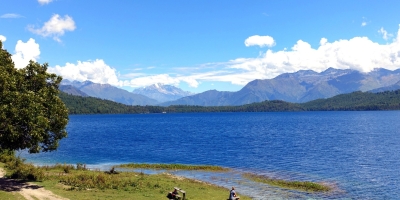
Rara Lake Trekking, offered by Asiana Treks and Tours, is one of Nepal’s most pristine and lesser-explored trekking experiences. Nestled in the Far-Western region of Nepal, this trek takes adventurers to the magnificent Rara Lake, the largest freshwater lake in Nepal at 10.8 square kilometers and located at an elevation of approximately 2990 meters (9,810 feet). Known for its serene beauty, Rara Lake is surrounded by the untouched wilderness of Rara National Park, home to a remarkable diversity of flora and fauna. Unlike the popular trekking routes in Nepal, the Rara Lake trek offers solitude and a nomadic experience away from the crowds. The trail leads through remote villages, dense pine forests, and stunning mountain landscapes, making it a perfect journey for trekkers seeking pristine nature and cultural immersion. With spectacular views of snow-capped peaks and a chance to witness rare wildlife like the red panda, musk deer, and Himalayan black bear, the trek is a rewarding adventure for nature lovers and photographers alike. The journey begins with a flight from Kathmandu to Nepalgunj, followed by a scenic 40-minute flight to Jumla, a city famed for its organic apples and traditional lifestyle. From here, the trekking adventure unfolds along the Jugad Khola river and across terraced fields dotted with traditional villages, culminating in the breathtaking arrival at Rara Lake. Detailed Itinerary and Highlights Day 1: Arrival in KathmanduYour trek commences with your arrival in Kathmandu, where you will be greeted and transferred to your comfortable 3-star hotel. This day allows you to rest and prepare for the exciting journey ahead. Day 2: Flight Kathmandu to NepalgunjaA short 40-minute flight takes you from the bustling city of Kathmandu to the flatlands of Nepalgunj, where you spend the night preparing for the onward journey to Jumla. Day 3: Flight Nepalgunja to Jumla and Trek to Uthugaon (2531 m)From Nepalgunj, a 40-minute flight brings you to Jumla, the gateway to Rara. The trek begins from Jumla, heading to the quaint village of Uthugaon at an elevation of 2,531 meters. The village is a blend of Himalayan culture and natural beauty, perfect for acclimatization. Day 4 to Day 7: Trekking Through Pristine Villages to Rara LakeThe trail leads you through several villages including Danphe Lagna, Chautha, and Dhotu, with gradual ascents and descents through dense forests and farmland. You will reach the shores of Rara Lake, where you can spend time exploring the largest lake in Nepal. The crystal-clear water reflects the towering mountains, creating mesmerizing photo opportunities and a perfect spot for boating. Day 8: Rest and Explore Rara LakeA rest day allows you to soak in the serene atmosphere of the lake, hike nearby trails, or enjoy boating. You can also visit the Chuchemara Hilltop at 4,090 meters, offering panoramic views of the surrounding peaks and the vast lake below. Day 9 to Day 12: Trek Back through Ghorasingha, Sinja, Jaljala to JumlaThe return trek offers a chance to explore more remote villages and forests, witnessing traditional lifestyles and diverse wildlife. The descent to Jumla completes your trekking circuit. Day 13: Flight from Jumla to Kathmandu via NepalgunjAfter the trek, you will take flights back from Jumla to Nepalgunj and then to Kathmandu. A comfortable transfer to your hotel is arranged. Day 14: DepartureOn the final day, you will be transferred to the airport for your onward journey or international departure. Why Choose Asiana Treks and Tours? Expert Local Guides: Our guides are experienced, knowledgeable, and passionate about the Far-Western region’s culture and nature. Safety and Comfort: We prioritize your safety and comfort with well-planned logistics, quality accommodations, and altitude acclimatization. Customized Experience: Tailor-made itineraries to suit your pace and interests. Environmental Responsibility: We promote sustainable tourism practices to preserve Rara National Park’s pristine environment. Rara Lake Trekking Package Details Total Trekking Distance: Approximately 90-100 kilometers over 12 days Trekking Duration: 10-12 days of trekking with rest days included Best Time to Visit: September to November and March to May for clear weather and lush landscapes Cost Includes: Domestic flights, accommodation, meals, permits, guide, and porter services Cost Excludes: International flights, personal expenses, travel insurance, and tips Experience the Untouched Beauty of Nepal with Asiana Treks and Tours Embark on an unforgettable adventure with Asiana Treks and Tours and discover the mesmerizing beauty of Rara Lake and its surrounding wilderness. Whether you are a seasoned trekker or seeking a peaceful escape into nature, the Rara Lake Trek promises to enchant you with every step, from rugged trails and cultural encounters to the tranquil waters of Nepal’s largest lake. This hidden gem trek offers a unique blend of adventure, wildlife, and authentic Himalayan lifestyle, making it a must-add to your trekking bucket list. Rara Lake Trekking Package – With Asiana Treks and Tours The Rara Lake Trekking Package by Asiana Treks and Tours is a full-service guided trekking experience to one of Nepal’s most enchanting and off-the-beaten-path destinations. Rara Lake, often referred to as the "Queen of Lakes," lies at an altitude of 2,990 meters and is the largest freshwater lake in Nepal. Our trekking package offers not just an opportunity to reach this remote gem but also to immerse yourself in the untouched culture, landscapes, and biodiversity of western Nepal. This all-inclusive trekking package is ideal for adventurers, photographers, and travelers looking for serenity away from the crowded Everest and Annapurna trails. The journey starts in Kathmandu and includes domestic flights to Nepalgunj and Jumla. The trek unfolds through serene forests, traditional villages, alpine meadows, and hidden valleys before finally reaching the awe-inspiring Rara Lake nestled within Rara National Park. Package Inclusions: Airport transfers and hotel stays in Kathmandu (3-star or above) Domestic flights (Kathmandu–Nepalgunj–Jumla and return) All trekking permits and national park fees Three meals a day during the trek (Breakfast, Lunch, Dinner) Licensed trekking guide and porter Accommodation in teahouses or lodges during the trek First-aid kit, map, and local support Company T-shirt and trip completion certificate Whether you are traveling solo or in a group, Asiana Treks and Tours ensures your experience is safe, comfortable, and deeply rewarding. Optional side treks, such as a hike to Chuchemara Hill (4,090 m), and cultural tours in Kathmandu can be added to customize your package. Rara Lake Trekking Itinerary The Rara Lake Trekking Itinerary is thoughtfully curated to ensure a balance between adventure and acclimatization. Spanning 14 days, this itinerary blends cultural exploration, high-altitude trekking, and wilderness immersion into a single unforgettable journey. Day-by-Day Overview: Day 1: Arrival in Kathmandu – Transfer to hotel Day 2: Fly to Nepalgunj – Overnight in lowland city Day 3: Fly to Jumla – Trek to Uthugaon (2,531 m) Day 4: Trek to Danphe Lagna (3,500 m) – Panoramic views Day 5: Trek to Chautha (2,730 m) – Through forests and streams Day 6: Trek to Dhotu (3,388 m) – Ascend gradually Day 7: Trek to Rara Lake (2,980 m) – Explore upon arrival Day 8: Rest day – Optional hikes, boating, or relax by the lake Day 9: Trek to Ghorasingha (3,190 m) – Gentle climb Day 10: Trek to Sinja (2,440 m) – Explore ancient village Day 11: Trek to Jaljala (3,571 m) – Forest walk Day 12: Trek back to Jumla (2,370 m) – Final trekking day Day 13: Flight to Nepalgunj, then to Kathmandu Day 14: Departure – Transfer to airport The itinerary allows you to witness various ecological zones, including subalpine forests, high-altitude grasslands, and Himalayan villages. It's a journey back in time—untouched, raw, and purely magical. Asiana Treks and Tours provides all logistical support, guiding you every step of the way. Rara Lake Trekking Distance The total trekking distance for the Rara Lake Trek is approximately 90 to 100 kilometers (56 to 62 miles), depending on specific trail routes and any optional hikes included in the journey. Unlike more commercialized trekking routes, Rara’s trails are diverse and rugged, winding through lush forests, hill passes, deep river valleys, and open meadows. The daily walking distance ranges between 8 to 15 kilometers (5–9 miles), spread over 5 to 7 hours of trekking per day. Sample Daily Distances: Jumla to Uthugaon: ~8 km Uthugaon to Danphe Lagna: ~11 km Danphe Lagna to Chautha: ~12 km Chautha to Dhotu: ~10 km Dhotu to Rara Lake: ~9 km Rara Lake to Ghorasingha: ~11 km Ghorasingha to Sinja: ~13 km Sinja to Jaljala: ~10 km Jaljala to Jumla: ~12 km While the daily distances are moderate, the terrain is uneven, and trekkers should be prepared for a mix of uphill and downhill sections. There’s also a good balance of rest and movement, ensuring proper acclimatization and enjoyment throughout. Asiana Treks and Tours structures each trekking day to allow ample time for breaks, sightseeing, and slow ascents. Rara Lake Trekking Cost 2026/2027 The Rara Lake Trekking cost for the 2026/2027 season with Asiana Treks and Tours ranges between $1,800 – $2,200 USD per person, depending on the group size, level of service, and whether you opt for private or group departures. This price reflects high-quality services including domestic flights, trekking logistics, permits, and experienced guides. It provides excellent value for a remote region trek, especially when compared with more commercial routes like Everest or Annapurna. What’s Included in the Cost: ✅ Airport transfers and 2 nights hotel in Kathmandu ✅ Domestic flights (Kathmandu–Nepalgunj–Jumla roundtrip) ✅ 3 meals per day during trek ✅ Licensed guide and porters (with insurance) ✅ Rara National Park permit and TIMS card ✅ All accommodations during trek (lodges/teahouses) ✅ First-aid support and trekking map What’s Not Included: ❌ International airfare and visa fees ❌ Travel insurance with emergency evacuation ❌ Personal expenses (drinks, snacks, laundry) ❌ Tips for guide and porters (customary) ❌ Optional Kathmandu cultural tours or luxury upgrades Early booking is advised, especially for Spring (March–May) and Autumn (September–November), which are peak seasons. Group discounts, student pricing, and family trek rates are available. Asiana Treks and Tours also offers flexible payment plans and custom packages for 2026/2027—making it easier than ever to explore one of Nepal’s best-kept secrets. Rara Lake Trekking Price Breakdown With Asiana Treks and Tours, Rara Lake Trekking is designed to be both affordable and premium in experience. The pricing may vary slightly depending on group size, travel season, and customized preferences, but here is a general cost breakdown for the 13–14-day trek: Estimated Price: $1,800 – $2,200 USD per person This cost typically includes all domestic flights, permits, accommodation, meals during the trek, guides, and porter services. Included in the Package Price: ✔️ Airport pick-up/drop-off in Kathmandu ✔️ Two-way domestic flights (Kathmandu–Nepalgunj–Jumla–Nepalgunj–Kathmandu) ✔️ Accommodation (3-star hotel in Kathmandu & teahouses/lodges during the trek) ✔️ Three meals a day during the trek ✔️ TIMS card and Rara National Park Permit ✔️ Government-licensed trekking guide and porter (1 porter for every 2 trekkers) ✔️ First-aid kit, map, and safety briefing Not Included in the Package: ❌ International airfare ❌ Nepal visa fees ❌ Personal trekking gear ❌ Travel insurance (mandatory) ❌ Tips for guides and porters ❌ Extra drinks/snacks during the trek Asiana Treks and Tours maintains complete transparency in pricing, with no hidden charges. For group bookings, family treks, or off-season travel, special discounts may be available. Optional add-ons such as Chuchemara Hill trek, cultural tours in Kathmandu, or private guides can be arranged at an additional cost. Rara Lake Trekking Altitude Guide Altitude is a crucial factor in the Rara Lake Trek, as it influences both the difficulty of the trek and the acclimatization process. The trek begins at lower elevations and gradually ascends to nearly 3,500 meters, allowing your body to adjust naturally to the thinner air. Key Altitudes Along the Trek: Kathmandu – 1,337 m (4,385 ft) Nepalgunj – 150 m (492 ft) Jumla (Start of Trek) – 2,370 m (7,773 ft) Danphe Lagna Pass (Highest Point) – 3,500 m (11,480 ft) Rara Lake – 2,990 m (9,810 ft) Chuchemara Hill (Optional Hike) – 4,090 m (13,418 ft) How Altitude is Managed: 🚶 Gradual ascent with proper acclimatization 🛑 No rapid altitude gain days 💧 Emphasis on hydration and rest 🩺 Trekking guides equipped with first-aid and altitude sickness knowledge While the Rara trek doesn't reach extreme altitudes like Everest Base Camp, it still involves trekking above 3,000 meters, so caution is advised. Asiana Treks and Tours ensures a slow and steady pace to minimize altitude-related issues, and your guides will always monitor your health and stamina. Why Choose Rara Lake Trekking? The Rara Lake trek is often described as Nepal’s most beautiful off-the-beaten-path experience. Unlike commercial treks like Everest or Annapurna, this journey introduces you to raw wilderness, untouched villages, and surreal alpine landscapes. Key Reasons to Choose Rara Lake Trek: 🌊 Nepal’s Largest Lake: Rara is a true natural wonder, offering surreal reflections, crystal waters, and boating experiences. 🏞️ Remote Wilderness: The trail passes through Rara National Park, one of Nepal’s least explored protected areas. 🐾 Wildlife and Biodiversity: Spot red pandas, musk deer, Himalayan black bears, and over 200 species of birds. 🏔️ Cultural Immersion: Traditional villages, farmlands, and authentic Himalayan hospitality. 🚫 No Crowds: A peaceful, isolated trek with fewer tourists even in peak seasons. Asiana Treks and Tours offers this trek as a perfect alternative for adventurers seeking solitude, nature, and cultural immersion. The overall atmosphere is meditative, far from the commercialization found in other trekking zones. It's not just a physical journey—but a mental retreat into nature’s finest creations. Preparing for Rara Lake Trekking While Rara Lake Trek is considered moderate in difficulty, it still requires adequate physical and logistical preparation. Asiana Treks and Tours recommends a training routine and gear checklist for a smoother experience. Physical Preparation: 🏃♂️ Cardiovascular training (running, hiking, cycling) 4-6 weeks before the trek 🧘 Strength training and flexibility (core, legs, balance exercises) 🧭 Practice day hikes with a backpack to simulate trekking conditions Packing Essentials: 🎒 Proper trekking boots (broken in) 🧥 Layered clothing for changing temperatures 🧤 Gloves, hats, and warm socks 🛏️ Sleeping bag (rated for -10°C or lower) 💧 Reusable water bottle, water purification tablets 🥾 Trekking poles and headlamp 💊 First-aid kit, altitude medication (if prescribed) Administrative Prep: ✅ Travel Insurance (must include emergency evacuation) ✅ Visa for Nepal ✅ Booking your trek 2–3 months in advance (especially for peak seasons) Asiana Treks and Tours provides a detailed pre-departure checklist and is available to assist with equipment rentals, gear purchases, and insurance guidance to ensure every trekker is fully prepared. What to Expect on the 13–14-Day Rara Lake Trekking Adventure This 13–14-day adventure is a combination of peaceful hiking, cultural richness, and natural beauty, curated with care by Asiana Treks and Tours. Each day brings new sights, smells, and experiences that enrich the spirit and challenge the body. Daily Life on the Trail: ☀️ Wake-up around 6:30–7:00 AM 🍳 Morning tea and breakfast 🥾 4–7 hours of trekking daily with lunch breaks 🏡 Evenings in teahouses/lodges with dinner and storytelling ✨ Nights under clear Himalayan skies Highlights to Expect: 🛬 Flights over dramatic terrain (Kathmandu–Nepalgunj–Jumla) 🚶 Trekking through forests, villages, rivers, and mountain passes 🌲 Entering Rara National Park and spotting diverse wildlife 🚣 Boating or walking along the quiet shores of Rara Lake 📸 Optional hike to Chuchemara Hill for panoramic photos 💬 Cultural interaction with locals in Sinja and other villages 🌌 Stargazing in untouched, high-altitude wilderness You’ll experience everything from lush green hills to snow-dusted passes, from quiet mountain trails to joyful village children waving you on. Whether you’re a nature enthusiast, cultural traveler, or seasoned trekker, the Rara Lake Trek delivers an unforgettable blend of beauty and solitude. Oxygen Levels on the Rara Lake Trekking The oxygen levels on the Rara Lake Trekking route vary based on altitude, and while the trek is considered moderate in terms of elevation, it still reaches altitudes where reduced oxygen can be felt. The highest point on the standard trekking route is Danphe Lagna Pass (3,500 m/11,480 ft) and optionally Chuchemara Hill (4,090 m/13,418 ft), where the oxygen concentration drops to around 60–65% compared to sea level. Most trekkers begin to feel the effects of lower oxygen levels once above 2,500 meters (8,200 ft). These effects may include mild symptoms such as shortness of breath, fatigue, or headaches. However, since the ascent during the Rara Lake trek is gradual and spread over several days, the body is given enough time to acclimatize, reducing the risk of altitude sickness. Oxygen Considerations Along the Trek: 🌬️ Kathmandu (1,337 m): ~85% oxygen saturation 🌬️ Jumla (2,370 m): ~75% oxygen saturation 🌬️ Danphe Lagna (3,500 m): ~65% oxygen saturation 🌬️ Rara Lake (2,990 m): ~70% oxygen saturation 🌬️ Chuchemara Hill (4,090 m): ~60% oxygen saturation Asiana Treks and Tours provides experienced guides trained in altitude safety, and they monitor each trekker’s condition daily. Hydration, proper pacing, and scheduled rest days help in adapting to lower oxygen levels. Portable oxygen and first-aid kits are available for emergencies, ensuring your safety remains the top priority throughout the journey. Major Villages and Scenic Viewpoints on Rara Lake Trekking Route The Rara Lake Trekking route offers an immersive journey through some of Nepal’s most remote and culturally rich villages. Each settlement provides a unique insight into the traditional way of life, untouched by mass tourism. These villages are nestled among lush forests, river valleys, and open meadows—perfect for experiencing authentic Himalayan culture. Some notable villages include Uthugaon, Chautha, Dhotu, and Sinja. These are not just resting points but living museums of rural Nepalese life. Sinja Valley, in particular, is an archaeological and cultural hotspot—believed to be the cradle of the Khas language. The stone-built homes, terraced fields, and friendly locals offer a glimpse into the centuries-old lifestyle of the Karnali region. Major Villages: 🏡 Uthugaon – First village on the trek from Jumla 🏡 Chautha – Gateway to Rara National Park 🏡 Dhotu – Scenic and peaceful, close to Rara 🏡 Sinja – Ancient capital with historical significance Scenic Viewpoints: 🌄 Danphe Lagna Pass (3,500 m) – Stunning ridgeline views 🌄 Rara Lake Shoreline – 360-degree reflection of surrounding hills 🌄 Chuchemara Hill (4,090 m) – Unmatched panorama of Rara Lake, distant peaks, and green valleys With Asiana Treks and Tours, you’ll stop at these villages not just to rest, but to connect—with the land, the culture, and the people. Flora and Fauna of Rara Lake Trekking One of the defining characteristics of the Rara Lake Trekking experience is its breathtaking biodiversity. Located within Rara National Park, this route takes you through pristine forests, alpine meadows, and rich wetlands that support a wide variety of plant and animal life. This protected area is known for its unspoiled ecosystems and rare species not commonly seen in other trekking regions of Nepal. The flora includes lush pine, juniper, spruce, oak, and rhododendron forests. In spring and early summer, the trails bloom with wildflowers, adding color and fragrance to the journey. Medicinal plants like Yarshagumba and Kutki are also found in the higher altitudes. The fauna of Rara National Park is even more impressive. If you're lucky, you might spot the endangered red panda, musk deer, Himalayan black bear, and Himalayan Tahr. The park is also a paradise for birdwatchers, home to over 214 species of birds including the Himalayan monal (Nepal’s national bird), snowcocks, and various migratory waterfowl that stop at Rara Lake. Flora Highlights: 🌲 Blue pine, Himalayan spruce, rhododendrons 🌺 Seasonal wildflowers (April–June) 🌿 Medicinal herbs in high altitudes Fauna Highlights: 🦌 Red panda, musk deer, Himalayan black bear 🦅 Himalayan monal, kalij pheasant, snowcocks 🐾 Leopards, langurs, wild boars, and Himalayan Tahr Asiana Treks and Tours ensures that every trekker understands and respects the fragile ecosystems of the region, following sustainable trekking practices that protect the flora and fauna for future generations. Festivals and Local Culture Along Rara Lake Trekking Route The Rara Lake Trekking trail not only brings you through beautiful landscapes but also offers a deep dive into the vibrant culture of Nepal’s Khas and Thakuri ethnic communities. The cultural traditions in these remote villages have been preserved for generations, with minimal influence from the outside world. Life here is deeply spiritual, guided by nature, seasonal festivals, and community rituals. As you walk through villages like Sinja and Chautha, you'll see people engaged in farming, spinning wool, weaving baskets, and other traditional crafts. Local homes are built of stone and wood, with flat roofs designed for drying grains and herbs. Religion is a blend of Hinduism and shamanistic practices, and many villages have ancient temples, shrines, or sacred trees. If your trek coincides with local festivals, you’ll witness colorful dances, music, and traditional attire. Major celebrations include: Key Festivals Along the Route: 🎉 Dashain (Sept–Oct): Celebrated with animal sacrifices, feasting, and blessings 🎉 Tihar (Oct–Nov): Known as the festival of lights and honoring animals 🎉 Maghe Sankranti (Jan): Marks the beginning of longer days; celebrated with traditional foods 🎉 Local Fairs (Mela): Held seasonally, especially near Sinja and Jumla Asiana Treks and Tours promotes cultural awareness and encourages interaction with locals in a respectful and immersive manner. Trekkers often get invited to join small gatherings or watch traditional dances—an unforgettable highlight of the Rara journey. Why Book with Asiana Treks and Tours for Rara Lake Trekking Choosing the right trekking company is essential for a successful and enjoyable trekking experience. Asiana Treks and Tours stands out as one of the most reputable, safety-conscious, and traveler-focused companies specializing in off-the-beaten-path treks like Rara Lake. With a perfect balance of personalized service, expert local knowledge, and responsible travel practices, they ensure your journey is meaningful and memorable. Their team of licensed, experienced guides are from the western region of Nepal, meaning they not only know the route but also the history, wildlife, and culture like the back of their hand. They’re trained in first aid, altitude sickness protocols, and eco-tourism, ensuring both your safety and a low environmental footprint. Reasons to Choose Asiana Treks and Tours: ✅ Licensed and insured company with excellent safety record ✅ Local expertise from guides born and raised in the region ✅ Customizable itineraries with group and private options ✅ Eco-conscious trekking with Leave No Trace ethics ✅ 24/7 support before, during, and after your trek From seamless logistics to cultural engagement, Asiana Treks and Tours takes care of all the details—so you can focus on the beauty of the journey. How to Book Rara Lake Trekking Booking your Rara Lake Trekking adventure with Asiana Treks and Tours is a simple, transparent process designed to give you complete confidence and support. Whether you're a solo traveler, a couple, or part of a group, they offer multiple booking channels and flexible options. Steps to Book: 📧 Inquiry: Send a query via their website or email with your preferred dates and group size 📅 Itinerary Confirmation: Choose a fixed departure or request a custom itinerary 💳 Deposit Payment: Secure your spot with a 25% deposit (PayPal, bank transfer, card) ✅ Pre-Trip Support: Receive packing lists, visa guidance, and travel prep advice 🛬 Arrival in Nepal: Airport pickup and trek begins! What You’ll Need to Confirm: 🛂 Valid passport and Nepal visa (on arrival or embassy) 💳 Travel insurance (including helicopter evacuation) 🧳 Fitness level and medical readiness 📅 Preferred travel dates (Spring and Autumn recommended) You can book directly through the Asiana Treks and Tours website, via international agents, or WhatsApp support for quick communication. With a customer-first approach, you’ll find planning your trek just as enjoyable as the adventure itself.

The Annapurna Base Camp Short Trek is a Unique yet unforgettable journey into the heart of the Annapurna Himalaya range. This trek is ideal for those with limited time and a high level of physical fitness. This five-day adventure begins and ends in Pokhara, offering a direct route to Annapurna Base Camp through Nayapul, Jhinudanda, Chhomrong, Sinuwa, Bamboo, Himalaya Hotel, and finally, Machhapuchhre(MBC) and ABC. Surrounded by the awe-inspiring, jaw-dropping peaks of the Annapurna range, this trek offers a thrilling blend of natural beauty, cultural richness, and physical challenge.Trekkers are rewarded with stunning views of Himchuli, Annapurna South, Annapurna I, Machhapuchhre, and of some small peaks, while also experiencing the warmth of Gurung hospitality in remote mountain villages. This short trek is ideal for adventure seekers seeking a quick yet immersive Himalayan experience that doesn't compromise on the essence of high-altitude trekking.Asiana Treks and Tours has carefully designed this Package, offering the best and most reasonable price and service for trekkers seeking a professional, safe, and enriching adventure. Along the trail, you'll encounter terraced farmlands, rhododendron forests, the glacial river Modi, and serene mountain lodges—all contributing to a truly unforgettable journey.Whether you're a seasoned Hiker or a first-time adventurer, this route is one of Nepal's most rewarding short treks. It allows you to witness majestic peaks up close, engage with local Gurung culture and hospitality, and test your physical limits. The 5-day Annapurna Base Camp short Trek is a remarkable opportunity to experience the magic of the Himalayas in just a few days.Preparing for the Annapurna Base Camp short trek: Preparing for the Annapurna Base Camp Short Trek involves practical planning, physical readiness, cultural awareness, and responsible travel habits. Asiana Treks and Tours recommends keeping all travel documents in order, packing wisely for comfort, respecting local customs, and maintaining good physical health. Staying hydrated, embracing flexibility, and practising eco-friendly travel contribute to a safe, enriching, and unforgettable Himalayan adventure.Preparation summary of Annapurna Base Camp short Trekking:Must know trek difficulty before Booking The trek Begin fitness training 6–8 weeks prior.Pack light but essential gear.Carry valid permits and insurance.Acclimatise properly to avoid altitude sickness.Stay hydrated and eat balanced meals.Prepare mentally for long trekking days.Annapurna Base Camp Short trek itinerary:Asiana Treks and Tours has the perfect Annapurna Base Camp trek itinerary. Travellers who desire to explore Nepal with moderate physical fitness. You'll discover the best places for breathtaking views from the city to the countryside. Experience the contrast of cold nights at ABC to relaxing in hot natural springs, an unforgettable lifetime journey.Day, Route & Activities Distance (km / miles) Altitude (m / ft Day 01, Pokhara to Chhomrong – 3-hourdrive to mataque, then trek to Chhomrong (2 hrs) Drive 42 km / 26 miTrek 4 km / 2.5 mi 2,170 m / 7,119 ft Day 02, Chhomrong to Himalaya – Trekthrough Sinuwa, Bamboo and Dovan Approx. 13 km / 8 mi 2,920 m / 9,580 ft Day 03, Himalaya to Annapurna BaseCamp – Via Deurali and MBC Approx. 10 km / 6.2 mi 4,130 m / 13,550 ft Day 04, ABC to Bamboo or Sinuwa Return downhill Approx. 15 km / 9.3 mi 2,310 m / 7,578 ft (Bamboo) Day 05, Bamboo/Sinuwa to Siwai, driveback to Pokhara Trek 8 km / 5 miDrive 42 km / 26 mi827 m / 2,713 ft (Pokhara) Annapurna Base Camp short Trekking Distance:The Annapurna Base Camp trek spans approximately 110 kilometres, or 68 miles, depending on the chosen itinerary.Many trekkers opt for the route via Ghorepani Poon Hill, which offers a relaxed pace conducive to acclimatization. This route typically spans 10 to 12 days. Extending the itinerary by two days allows for a return trek to Pokhara through picturesque villages like Landruk, Tolka, Pothana, and Dhampus, and concluding at Phedi.Ourpackage tour ensures reliability in terms of cost, itinerary, and overall experience. For Nepali citizens, the Annapurna Base Camp trek typically ranges from US$500 to 1000, with variations depending on group size, service level, guide and porter services, transportation preferences, and accommodation choices in Kathmandu or Pokhara. This cost estimation is subject to the types of trekking gear and accommodation preferences.Annapurna Base Camp short Trekking route:The Annapurna Base Camp Trekking route showcases awe-inspiring natural beauty. Starting in lush valleys with terraced fields and traditional villages, the journey unfolds amidst the Himalayan foothills. Rhododendron forests bloom in spring, accompanied by cascading waterfalls and snow-capped peaks. Traversing wildflower meadows and crossing suspension bridges over mountain streams, the landscape evolves as you ascend. Approaching Annapurna Base Camp, rugged terrain and glacial moraines dominate, leading to panoramic views of towering peaks like Annapurna I and Machhapuchhre. The trek promises unforgettable moments, whether you're a seasoned trekker or novice adventurer, offering an unparalleled journey through Earth's most breathtaking landscapes.Annapurna Base Camp short trekking price:Our package tour ensures reliability in terms of cost, itinerary, and overall experience. For Nepali citizens, the Annapurna Base Camp trek typically ranges from US$ 500 to 1000, and for foreigners, US$ 715 to 1385, variations depending on group size, service level, guide and porter services, transportation preferences, and accommodation category in Kathmandu or Pokhara. This cost estimation is subject to the types of trekking gear and accommodation preferences. However, we could end the trek via Landruk and Dhampus if you avoid Kathmandu sightseeing and Pokhara exploration.Annapurna Base Camp Short trek Hight:The Annapurna Base Camp trek starts from the bustling city of Kathmandu at an altitude of 1337 meters. From there, you'll descend to the peaceful lakeside city of Pokhara, situated at 827 meters above sea level. Along the way, you'll ascend to famous viewpoints like Poon Hill, reaching an altitude of 3210 meters. Finally, the trek culminates at Annapurna Base Camp, situated at a breathtaking height of 4130 meters.LocationAltitude (m)Increase (m)Decrease (m)Pokhara822 515Chhomrong2,1701,348-Himalaya2,920750-Annapurna Base Camp4,1301,210-Bamboo/Sinuwa2,340-1,790Pokhara822-1,518Major villages of Annapurna Base Camp Trekking:The major Magar and Gurung ethnic villages along the Annapurna Base Camp Trekking route are Nayapul, Birethanti, Matathati, Sudame, Hile, Tikhedhunga, Ulleri, Banthati, Nagethati, Ghorepani, Ghorepani Deurali, another Banthati, Tadapani, Chuile, Kimrong Khola, Gurjung, Taklung, Chhomrong, Lower and Upper Sinuwa, Bamboo, Dovan, Himalaya Hotel, Hinko Deurali, Machhapuchhre Base Camp (MBC), and Annapurna Base Camp (ABC). The return route follows the same path back to Chhomrong, passing through Hotspring, Mataque, Sewai, Berithati, and Nayapul and finally driving back to Pokhara. These villages are significant landmarks and offer scenic beauty and accommodation options along the Annapurna Base Camp Trekking route.Best Viewpoints Annapurna basecamp Trekking:These viewpoints provide unforgettable experiences, highlighting the beauty of the Annapurna Base Camp Trek.Annapurna Base Camp Trek offers breathtaking viewpoints, showcasing stunning panoramas of the surrounding Himalayan peaks. Here are the critical views along the route:Near Naudanda and Kande:On the way to Nayapul, enjoy magnificent views of the mountains and rice terraces.Ulleri to Banthati: Experience impressive mountain vistas during the second day of trekking.Poon Hill: Witness he iconic sunrise at an altitude of 3,210 meters, with panoramic views of the Annapurna and Dhaulagiri ranges.Deurali: Enjoy similar breathtaking views to Poon Hill on the opposite side during the third day of trekking.Tadapani: Tadapani is a tranquil and peaceful place. Surrounded by Rhododendron and ever-green forest, it is the best location for overlooking the best view. In the Breezi morning, you have the best sunrise view of the stunning "Fish Tail" peak (Machhapuchhre) and Annapurna South and Himchuli right in front of you.Chhomrong: Chhomrong is the last big village of the Gurung people. It's located in front of the Annapurna, Himchuli, and Fishtail mountains. From here, you can see the glacier of Annapurna South. The village deserves a breathtaking view near Modi Khola, Chhomrong Khola, Annapurna, Himchuli, and Fishtail Mountains.Annapurna Base Camp (ABC): The ultimate destination, situated at 4,130 meters, offers unparalleled views of Annapurna I, Annapurna South, Hiunchuli, and other towering peaks, along with the Modi Khola Valley.Biodiversity of Annapurna Base Camp trekking:The Annapurna Base Camp trekking trail is a biodiversity hotspot, perfect for nature lovers. Lush forests in the lower regions house various bird species, including rhododendrons and bamboo. Alpine meadows greet you higher up with vibrant wildflowers. Look out for elusive wildlife like Himalayan thars and snow leopards, while diverse birdlife, including the Himalayan Monal, adds to the experience. This trek offers a captivating glimpse into the Himalayan ecosystems, promising an unforgettable journey through nature's diversity.CategoryDetailsProtected AreaLargest conservation area in Nepal (7,629 sq. km)FloraOver 1,200 species, including rhododendrons, oaks, and alpine flowersFauna100+ species of mammals, including snow leopards, musk deer, and Himalayan tahrBirdlife500+ bird species, including the Himalayan monal (Nepal’s national bird)Reptiles & Amphibians40+ species of reptiles and amphibians found in the regionElevation Range790m (subtropical forests) to 4030 m (Annapurna Base Camp)Cultural DiversityHome to Gurung, Magar, Thakali, and Tibetan communitiesClimate ZonesTropical, temperate, alpine, and arctic zonesTrekking & TourismPopular Treks: Annapurna Circuit, Annapurna Base Camp, Ghorepani Poon Hill Festivals and cultures in Annapurna Basecamp Trekking:You'll immerse yourself in vibrant festivals and cultural traditions along the Annapurna Base Camp Trekking route. The region, predominantly inhabited by ethnic groups like the Gurungs and Magars, celebrates various festivals.Dashain, typically in September or October, is a significant Hindu festival symbolizing the triumph of good over evil. Villages burst with colorful decorations, music, and dances as families gather for blessings and feasts.Tihar, known as the Festival of Lights, falls in October or November. This five-day celebration honors animals and the goddess of wealth, Laxmi. Oil lamps light up homes, and rituals bring prosperity and fortune.These festivals offer a unique and lifetime experience, as well as Nepalese culture with the majestic beauty of the Himalayas.Advantage book with Asiana Treks and tours:Private transport for airport transfers to/from your hotel.Trip briefing on Facebook and online if you love to connect.Last minute booking at your hotel at a suitable time after your arrival.Easy booking and reservation system.Multi-channel communication via Email, WhatsApp, Facebook, Viber, Skyp24/7 phone communication at +977-9851076270Free excess luggage storage during the trekPulse oximeters for monitoring blood oxygen saturation at high altitudes to detect altitude sickness earlyMedical kits along the trek and hot airbags are available in winterArrangement sleeping bags, duffel bags and down jackets, and walking pools if you don't have your own.Trek Booking:Asiana Treks and Tours is the best and most trusted trek and tour company operator authorized by the Nepal government. We require a 10% advance payment to book your trip, and you'll need to send us a copy of your passport, photos, travel insurance, and flight details as soon as you book a tour with us. You can use bank transfer, or any other way like Western Union, or online via our website, which is easy. The remaining trip cost can be paid upon arrival in Nepal. We offer last-minute bookings, but changes may occur due to circumstances like bad weather.Transportation for Annapurna Basecamp trekking:We pride ourselves on our flexible transportation options, which include planes, helicopters, tourist buses, coasters, vans, jeeps, and cars. These are tailored to our Clints' specific needs, preferences, itineraries, and agreements, ensuring a comfortable and personalized travel experience. However, we provide Tourist buses to and from Pokhara, Private transportation from Nayapul to and from Sewai and Kathmandu sightseeing private vehicle as per the group, and optional fly to and from Pokhara at extra cost.Trekking Start:Your Annapurna base camp trek begins with a warm welcome in Kathmandu. As soon as you arrive at Tribhuvan International Airport, our dedicated team will be there to greet you. We'll then escort you to your hotel in a private vehicle, ensuring a comfortable and hassle-free start to your adventure, setting the tone for a memorable journey.If you miss the regular trip briefing, don't worry. We'll provide it at a convenient time before departure, Pokhara, either before a World Heritage tour the following morning or the next day; we'll then proceed to Pokhara by tourist bus, departing around 7 a.m. from Sorakhutte, Kathmandu.The package includes transportation by tourist bus from Kathmandu to Pokhara, offering a comfortable and scenic journey. However, if you prefer a quicker option, you can also take a 25-minute domestic flight to Pokhara or use a private vehicle for an additional cost, giving you the freedom to choose what suits you best.Currency Exchange:The Nepalese rupee is Nepali currency, and 1 USD is approximately 130 NPR. Only NPR is accepted in Nepal, so it's best to bring cash to facilitate transactions. Banks and ATMs in Kathmandu provide currency exchange services, but note that most banks prefer new, crisp notessGuide and Porter Arrangement:Our company, Asiana Treks and Tours, focuses on responsible tourism in Nepal. We make sure our guides and porters are well-trained in Trekking and mountaineering. They know a lot about the areas we go to, including geography, history, customs, and culture. We train them regularly in safety, first aid, and environmental conservation. We follow guidelines to treat our porters fairly, providing them with good pay, accommodation, and meals during treks. Our guides and porters are essential team members, and we appreciate their hard work. When you trek with us, you support ethical tourism in Nepal, making your trip meaningful and memorable.Asiana Treks and Tours prioritizes your safety and enjoyment. Our knowledgeable guides, reliable equipment, and safety measures ensure a great trekking experience in Nepal.Porter, Luggage and extra Luggage storage:We cover the cost of porters for your luggage, but the maximum weight limit is 12 kg per person. Each porter carries luggage for two trekkers; please share a duffle bag with another. Our porters will carry up to 25 kg each. If you need a porter for yourself, we can arrange that. We also recommend carrying a small backpack for your valuables and important documents. You can leave extra luggage at our office for free and at a hotel in Pokhara, Namche, etc.Accommodation:Accommodation during the Annapurna Trek varies. Along the trekking route, you'll stay in guest houses, commonly known as teahouses. These basic lodges offer rooms, dining areas, and toilets. The quality of guest houses varies but remains affordable and convenient for trekkers. Rooms typically have twin or bunk beds and shared bathrooms, and blankets and pillows are provided. Our company can offer a sleeping bag if you don't have one. You'll spend nine nights in lodges along the trekking route, two nights in a hotel in Pokhara, and three nights in a hotel in Kathmandu. Some places and lodges have attached bathrooms, while others offer simple yet clean rooms with shared facilities. We can arrange a solo trekking service if you're traveling solo, but availability may be limited during peak season in some places. In Kathmandu or Pokhara, your hotel room will have excellent amenities, including TV, 24/7 hot water, electricity, and laundry service.Meals during the trip:Eating well is essential since the ABC Trek takes you through the high Himalayas. You'll have plenty of nutritious meals in the trekking regions, although the options won't be as varied as in the cities. You'll get forteen breakfasts, elevan lunches, and ten dinners during the Trek. The menu includes local, Asian, and Western dishes, but it gets more straightforward as you climb higher. Try popular Nepali foods like lentils, rice, curry, dumplings, noodles, Spagaties, and many more.We highly recommend eating fresh vegetables and drinking liquids like green tea, lemon tea, hot lemon, ginger tea, and garlic soup, especially at high altitudes. While non-vegetarian options are available during the Trek, we suggest avoiding them for hygiene reasons. It's also best to steer clear of dairy, cheese, alcohol, caffeine, and hot chocolate. Personal expenses like alcoholic drinks and extra beverages at lodges or cafes aren't included in the package.Drinking water:Nepal is the second country in the world regarding water sources after Brazil. According to the Nepal government, only 27% of people here have clean drinking water. You can buy mineral water in teahouses, but it is expensive; people prefer plastic bottles in some trekking areas. So, there are some safe drinking water stations where you can refill your bottle. However, we recommend carrying Steripen, iodine drops, water purification tablets for safe drinking, and refillable water bottles for boiled or filtered water. We strongly advise not to drink from taps, wells, and rivers in trekking areas. However, in all the city areas, Mineral water is available at a reasonable cost everywhere.Extra Personal Expenses:While most expenses during the Trek are covered, you'll need to spend money on accommodations and meals in Kathmandu and Pokhara, souvenirs, and additional beverages. We estimate about USD 10-20 per trekking day for miscellaneous expenses.Toilet Facilities in Annapurna Base Camp Trekking:Most teahouses have Western-style flush toilets during mountain treks, especially at lower elevations. But as you go higher, find simple squat toilets along the trails and teahouses at higher altitudes. These toilets usually have water or toilet paper, but it's a good idea to bring your toilet paper just in case. You can also use restrooms at nearby teahouses or find a private spot along the trekking routes.Internet Connectivity:While trekking in the Himalayan region of Nepal, connecting with your family and friends is also a good idea. You can find internet access at teahouses and lodges, but it might be extra minimal cost. The signal might be weak because of the remote location. You can also get internet access using a local SIM card and data packages available at Kathmandu airport or nearby shops in Thamel and Pokhara. You'll have a passport-sized photo and a copy of your passport to get a SIM card. It's a good idea to compare prices and data packages from telecom companies like Ncell and Nepal Telecom before buying. Knowing about teahouse connectivity. Our guide will suggest connections for you.Electricity voltage and plugs:However, 95 % of Nepali people have access to electricity as of May 29, 2023. almost popular trekking routes, teahouses, and lodges have electricity. However, some isolated and solo trekking tea houses in the jungle don't have electricity; Most of these tea houses let travelers charge their devices for a small fee. The average electrical voltage in Nepal is 230 volts, with plug types like Type C, Type D, and Type M. Travellers should bring a suitable adapter and, if needed, a voltage converter for their electronic devices.Communication:The guest houses in the trekking regions have internet access. You could buy a SIM card at Tribhuvan International Airport Kathmandu and Pokhara. However, the signal may need to be more assertive at high altitudes. Our office keeps in touch with all trekking teams via the trek guide at least once daily to ensure everything goes as planned.Trip Extension:Suppose you have extra days in Nepal after the Trek. In that case, we can arrange a tour, overnight stay at Nagarkot Balthali or any other place around Kathmandu and Chitwan, jungle safari, paragliding, rafting, canyoning, or other treks. Do not hesitate to Inform us. We will create the best for you.Trek Difficulty:The Annapurna Base Camp trek presents a moderate and challenging yet enriching adventure. Your enjoyment of the trip will largely depend on your level of fitness. We recommend building stamina at least two weeks before the trek. Activities include jogging, running, swimming, or taking long hikes for the journey ahead.Completing this trek is achievable even if you're a beginner, although you must maintain a reasonable fitness level. Prior trekking experience can be advantageous, though it is optional. All you need is the readiness to hike steadily for 4-8 hours, navigating tricky terrain.Suppose trekkers have pre-existing medical conditions, such as lung or heart diseases. In that case, they are advised to consult their physician before booking the trek to ensure their safety and well-being throughout the journey.Trip Safety:We highly give top priority. We provide experienced guides with first aid kits and necessary safety gear to ensure a safe hand. Our team monitors weather and trail conditions and takes precautions to avoid risks. Before starting the trek, we discuss the trip to provide a clear understanding and ensure a reliable experience.Group & Private Treks:We organize many group and private treks simultaneously, with discounts available for larger groups. Every group will have a trekking guide and porters; an assistant guide may be provided for larger groups. Our team ensures a safe and enjoyable trekking experience for all participants.About solo traveler:If you're a solo traveler, please contact us to confirm departure dates before booking. You can tell us via call, WhatsApp, or email. We have listed upcoming departure dates for your convenience. Feel free to share the trip details with friends and family.Notes:Please be aware that the itinerary may change due to weather or other factors, and we'll adjust it accordingly for the group's safety and enjoyment. We look forward to guiding you through the stunning landscapes of the Annapurna region and ensuring a memorable trekking experience.Responsible Travel:We prioritize responsible travel to minimize environmental impact and support local communities. We collaborate with organizations like the Kathmandu Environmental Education Project (KEEP) to promote eco-friendly practices in trekking regions.Graduate:Graduate or tipping is appreciated in Nepali culture and reflects the quality of service provided. You decide how much to tip, but we recommend tipping as a group at the end of the trip.End of Trek:On the eleventh day, you'll take a bus from Pokhara back to Kathmandu, which takes about seven hours. Alternatively, you can fly from Pokhara to Kathmandu for an extra fee. In the evening, we'll host a farewell dinner in Kathmandu.Departure:On the day of your departure flight, we'll come to pick you up from your hotel and transfer you to Tribhuvan International Airport. We hope you enjoyed the Nepal trek and will consider returning for more adventures in Nepal.Feedback:After you complete the ABC Trek, we'll organize a farewell dinner in Kathmandu and present you with a trekking achievement certificate. After the dinner, you can provide feedback about the Trek on travel portals.Last-Minute Booking:If you can't book in advance, we offer last-minute bookings. Full payment is required 24 hours before departure. While we do our best to accommodate last-minute bookings, delays may occur due to unforeseen.Special Note:Please remember that sometimes unforeseen circumstances, such as inclement weather or unavailable lodging, may cause the schedule to be altered. Your trip guide will design a fresh schedule based on the group's interests in such circumstances.Annapurna Region Trekking: Guides, Tips & Himalayan AdventuresDiscover the beauty of Nepal’s Annapurna region with Asiana Treks & Tours. Explore breathtaking mountain landscapes, authentic local culture, popular trekking routes, and practical tips to help you plan an unforgettable Himalayan adventure.Annapurna Base Camp vs Everest Base Camp: The Best TrekTrekking Equipment List for Asiana Treks & ToursTrekking Permit Requirements for Different Regions in NepalBest Sunrise and Sunset Destinations in NepalTop Successful Trek for Beginners – Annapurna Base CampMost Popular Trek with High Success Rate – Annapurna Base Camp Trek (ABC) TrekHow to Prepare for the Annapurna Base Camp Trek (Gear, Fitness & Tips)Ghorepani Poon Hill Trek GatewayTop 26 Annapurna Region Trekking Packages in Nepal – The Ultimate GuideTadapani Diaries: One Magical Night in the MountainsDiscovering Ghandruk: A Peaceful Village in the Heart of NepalTrekking the Best of Annapurna: Poon Hill to Mardi HimalWhy Chhomrong is the Heart of the Annapurna Base Camp TrekAnnapurna Base Camp (ABC) & Machhapuchhre Base Camp (MBC) Trek: Two Base Camps, One Incredible JourneyExploring Sinuwa on the Annapurna TrailDeurali: A Peaceful Mountain Village on the ABC TrailBamboo: A Hidden Gem of the ABC TrekDovan Nepal: Peaceful Stopover on the Annapurna Base Camp TrailHimalaya Village: A Quiet Haven on the Way to Annapurna Base CampDhampus Village – Annapurna Classical Alternative GatewayPothana: The Alternative Gateway to Annapurna Base Camp and Mardi HimalBest Camping and Overnight Stays: Australian Camp & Mardi Himal TrekList of Hotel in Mardi Himal Base Camp TrekTrekking to Low Camp: A Peaceful Path to Mardi HimalForest Camp Adventures: Exploring the Mardi Himal Trek in NepalHigh Camp on the Mardi Himal Trek | Views, Altitude & Trekking GuideDiscovering the Magic of Mardi Himal ViewpointTop Highlights of the Mardi Himal Trek in NepalBest Time to Trek Mardi Himal: Tips for Perfect ViewsA Beginner’s Guide to the Mardi Himal Trek in NepalSurprising Facts About the Mardi Himal TrekEssential Guide to Mardi Himal Trekking Permits in NepalMardi Himal Trek Info: Elevation, Altitude, Height and WeatherMardi Himal Trek Accommodation and Food TipsBest Time to Trek Annapurna Base Camp in NepalTop Highlights of the Annapurna Base Camp TrekFood and Accommodation on the ABC Trek: What It’s Really LikeAltitude Tips for a Safe Annapurna Base Camp TrekAnnapurna Base Camp Permits: Costs, Process, and RequirementsTop Tips and Facts for Trekking to Annapurna Base CampAnnapurna Base Camp Trek: Elevation, Height & Temperature GuideDobato Stopover: Experiencing the Heart of the Khopra Danda RouteUpper Chistibung: What to Expect on the Way to Khopra DandaExploring Khopra Danda Ridge and Khayar LakeDiscover Swanta’s Beauty on the Khopra Danda TrailAmazing Facts About Khayar Lake in the Annapurna RegionBayeli Kharka Adventure: From Khopra Danda with Stunning ViewsKhopra Danda Trekking Guide: Cost, Permits, Meals, Lodging and Best SeasonExploring Mardi Himal, ABC, and Khopra Ridge in One Epic JourneyKhopra Khair Lake with Annapurna Base Camp Trek: A Complete JourneyKhopra Khair Lake with ABC Trek: Nature, Culture, and MountainsComplete Guide to Mohare Danda Trekking in NepalSunrise Views from Mohare Danda: What to ExpectTop Highlights of Poon Hill and Mardi Himal TrekExploring Poon Hill and Mardi Himal: A Beginner’s GuideExploring the Ghorepani Dhampus Circuit Trek in NepalAn Amazing Hike from Galeshwor to Nangi via Bans Kharka : Mohare Danda TrekkingLandruk: Gateway to the Stunning Mardi Himal ViewsMardi Himal Adventure: Exploring Badal Danda on the Siding TrekSunrise Views from Poon Hill and Mulde ViewpointsDhaulagiri Annapurna Trail: A New Alternative Trek in NepalBest Nepal Tour Packages: Adventure, Honeymoon, Senior Tours, Himalayan Highlights, Triangle & Sunrise Hill Station ToursIs It Possible to Cycle the Annapurna Circuit in Nepal?Besisahar – The Heart of Lamjung District: Gateway to the HimalayasExploring Jagat During the Annapurna Circuit TrekDharapani Village in Nepal: Where the Manaslu Circuit and Annapurna Circuit Trails Meet PointChame Village: A Peaceful Stop on the Annapurna Circuit TrekDiscover Upper Pisang: A Hidden Gem on the Annapurna CircuitExploring Lower Pisang: A Gateway on the Annapurna CircuitManang: The Heart of the Annapurna Circuit TrekYak Kharka (4,020m): A Must-Stop Village on the Annapurna CircuitThorong Phedi: Final Preparation Before Thorong La PassCrossing Thorong La Pass (5,416 m): The Highest Point of the Annapurna CircuitMuktinath in Mustang: A High-Altitude Spiritual Journey on the Annapurna CircuitJomsom (2,743 m): The Windy Valley That Connects Annapurna and Upper Mustang
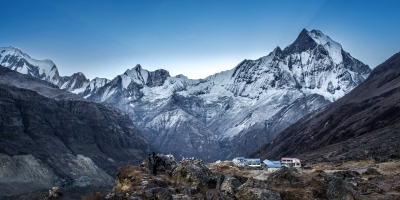
This remarkable trek combines the hidden gem of Mardi Himal, the world-famous Annapurna Base Camp (ABC), and the spectacular Khopra Ridge, offering an unforgettable experience in the Himalayas. The trail takes you through diverse landscapes, from lush rhododendron forests and terraced fields to high alpine meadows and glacial valleys. You will witness breathtaking views of some of the most iconic peaks, including Machhapuchhre (Fishtail), Annapurna South, Hiunchuli, and Dhaulagiri.This trek is perfect for those who want to experience Nepal’s natural beauty, culture, and adventure in one journey. Along the way, you will stay in traditional teahouses, interact with local Gurung and Magar communities, and even enjoy a dip in natural hot springs. The trail also includes a spiritual visit to the pristine Khayar Lake, a sacred site nestled in the high Himalayas. Whether you are an experienced trekker or an enthusiastic adventurer, this itinerary offers the best of Nepal’s trekking experience.Mardi Himal-Annapurna Base Camp and Khopra Ridge Trekking ItineraryYour adventure begins with an arrival in Kathmandu, where you’ll be warmly welcomed and transferred to your hotel. The following day, a scenic flight to Pokhara offers stunning aerial views of the Himalayas before a short drive to Phedi. From here, the trek kicks off with an ascent to Deurali, passing through lush rhododendron forests. The journey continues towards High Camp, where breathtaking mountain vistas await. A hike to Mardi Himal Base Camp provides a surreal experience as you stand in the shadows of towering peaks. After descending to Landruk, the trail leads to Sinwa Danda, passing through Chomrong and Jhinu Village, where natural hot springs offer a perfect chance to unwind. The trek then ascends to Deurali before pushing forward to the iconic Annapurna Base Camp, a high-altitude amphitheater surrounded by some of the world’s highest peaks.Descending from Annapurna Base Camp, the route retraces to Sinwa Danda before heading towards Tadapani. From there, the journey diverts towards the remote and less-traveled path leading to Chistibung and then to the stunning Khopra Ridge. A side trek to the sacred Khayar Lake provides a mesmerizing experience before returning to Khopra Ridge. The trek then continues through Swata Village, reaching Ghorepani, where an early morning hike to Poon Hill rewards trekkers with one of the most spectacular sunrise views over the Annapurna and Dhaulagiri ranges. The final leg involves descending to Tikhedhunga before driving back to Pokhara, where you can relax and explore the city. After a rejuvenating day, you’ll either drive or take a short flight back to Kathmandu. With Asiana Treks & Tours, this incredible 19-day journey ensures a perfect blend of adventure, culture, and breathtaking Himalayan landscapes, leaving you with memories to cherish for a lifetime.Mardi Himal-Annapurna Base Camp and Khopra Ridge Trekking DistanceThe Mardi Himal–Annapurna Base Camp and Khopra Ridge Trek spans approximately 160–180 kilometers (100–112 miles), depending on the exact route taken and side trips included. This challenging yet rewarding trek takes adventurers through diverse landscapes, from lush subtropical forests to alpine meadows and high-altitude glacier zones. Each day, trekkers cover an average distance of 8–15 kilometers (5–9 miles), depending on the terrain and altitude gain.The journey starts with a trek from Phedi to Deurali and progresses toward Mardi Himal Base Camp before descending to Landruk. The route then merges with the Annapurna Base Camp (ABC) trail, leading through iconic villages like Chomrong and Jhinu Danda before reaching ABC at 4,130m (13,549 ft). After retracing steps to Sinwa Danda, the path diverts toward Tadapani, Chistibung, and Khopra Ridge. A scenic side trek to Khayar Lake (4,500m/14,764 ft) adds extra distance but offers an unparalleled high-altitude experience. The final descent passes through Swata Village, Ghorepani, and Poon Hill before ending in Pokhara, making it one of the most diverse and scenic trekking circuits in the Annapurna region.Mardi Himal-Annapurna Base Camp and Khopra Ridge Trekking RouteThis trek follows a unique and adventurous route, combining three spectacular trekking destinations—Mardi Himal, Annapurna Base Camp, and Khopra Ridge—into one comprehensive Himalayan journey. The trail begins in Phedi (1,130m/3,707 ft) after a short drive from Pokhara and ascends gradually through lush forests to Deurali. From here, the path diverts toward Mardi Himal Base Camp, passing through Low Camp and High Camp, offering incredible panoramic views of Machhapuchhre (Fishtail), Annapurna South, and Hiunchuli. After reaching Mardi Himal Base Camp (4,500m/14,764 ft), trekkers descend to Landruk and join the Annapurna Base Camp route.The ABC section of the trek leads through the charming villages of Chomrong and Jhinu Danda, where trekkers can enjoy natural hot springs before ascending through bamboo and rhododendron forests to Annapurna Base Camp (4,130m/13,549 ft). After soaking in the breathtaking scenery, the descent follows back to Sinwa Danda before heading toward Tadapani and Chistibung. The trail then ascends to Khopra Ridge (3,660m/12,007 ft), an off-the-beaten-path viewpoint known for its solitude and panoramic mountain vistas. A detour to Khayar Lake (4,500m/14,764 ft) offers a serene and spiritual experience before continuing the descent through Swata Village and Ghorepani. The final stretch includes a sunrise hike to Poon Hill (3,210m/10,531 ft) before descending to Tikhedhunga and driving back to Pokhara.Mardi Himal-Annapurna Base Camp and Khopra Ridge Trekking PriceThe cost of the Mardi Himal-Annapurna Base Camp and Khopra Ridge Trek varies depending on factors such as group size, mode of transportation, accommodation preferences, and additional services. Generally, the price ranges from $1,200 to $2,000 per person, covering essential services like permits, accommodation, meals, guide and porter fees, and domestic flights or transportation.Asiana Treks & Tours ensures a well-organized trekking experience by offering comprehensive packages that include TIMS (Trekkers’ Information Management System) and ACAP (Annapurna Conservation Area Permit) fees, domestic flights between Kathmandu and Pokhara (if preferred), full-board meals during the trek, professional guides, and porters. Additional expenses such as travel insurance, extra snacks, hot showers, Wi-Fi, and personal gear rental are not included in the base price. For trekkers seeking a budget-friendly option, Asiana Treks & Tours also offers customized packages, allowing flexibility in accommodation choices and transportation modes.Mardi Himal-Annapurna Base Camp and Khopra Ridge Trekking HeightThis trek covers a wide range of altitudes, starting from the lowlands of Pokhara at 827m (2,713 ft) and ascending to the highest point at Mardi Himal Base Camp (4,500m/14,764 ft) and Khayar Lake (4,500m/14,764 ft). The Annapurna Base Camp, another major highlight, stands at 4,130m (13,549 ft), offering a breathtaking amphitheater of snow-capped peaks, including Annapurna I (8,091m/26,545 ft), Machhapuchhre (6,993m/22,943 ft), and Hiunchuli (6,441m/21,132 ft).Throughout the trek, trekkers experience significant altitude gains, making acclimatization essential. The gradual ascent through Low Camp, High Camp, and various villages helps reduce the risk of altitude sickness. The highest overnight stay is at Khopra Ridge (3,660m/12,007 ft), a perfect vantage point to witness sunrise and sunset over the Dhaulagiri and Annapurna ranges. The varying elevations offer diverse landscapes, from dense forests and terraced farmlands to alpine meadows and high-altitude glaciers, making this trek a remarkable experience for adventurers.Major Villages of Mardi Himal-Annapurna Base Camp and Khopra Ridge TrekkingThe trek passes through several culturally rich and scenic villages, each offering a glimpse into the traditional lifestyles of the Gurung and Magar communities. One of the first major villages is Deurali (2,100m/6,889 ft), where trekkers can witness traditional houses and terraced farmlands. As the trek progresses, Landruk (1,565m/5,135 ft) and Chomrong (2,170m/7,119 ft) serve as major stopovers, providing warm hospitality and stunning mountain views.On the Annapurna Base Camp route, Jhinu Danda (1,780m/5,839 ft) is a highlight, known for its natural hot springs, where trekkers can relax before heading towards Deurali and finally ABC. After descending, the trail shifts towards the Khopra Ridge section, passing through Tadapani (2,630m/8,629 ft) and Chistibung (3,000m/9,842 ft), both of which offer remote yet stunning landscapes. Khopra Ridge (3,660m/12,007 ft) is a hidden gem, providing breathtaking sunrise and sunset views over Dhaulagiri and Nilgiri peaks. On the descent, the charming Swata Village (2,200m/7,217 ft) and Ghorepani (2,860m/9,380 ft) offer a blend of traditional Magar culture and modern trekking amenities. The final stretch to Tikedhunga (1,480m/4,855 ft) marks the end of this adventurous journey before returning to Pokhara.Each of these villages plays a significant role in shaping the trekking experience, offering trekkers a chance to engage with local cultures, enjoy traditional cuisine, and witness the unparalleled beauty of the Annapurna region. With Asiana Treks & Tours, this journey is not just a trek but an unforgettable cultural and natural experience.Best Viewpoints in Mardi Himal – Annapurna Base Camp & Khopra Ridge TrekkingThe Mardi Himal – Annapurna Base Camp & Khopra Ridge Trek is renowned for its breathtaking viewpoints, each offering a unique perspective of the Himalayan landscape. One of the most spectacular viewpoints is Mardi Himal Base Camp (4,500m/14,764 ft), where trekkers can witness a panoramic display of Machhapuchhre (Fishtail), Annapurna South, Hiunchuli, and Mardi Himal up close. The sunrise and sunset views from High Camp (3,580m/11,745 ft) are equally mesmerizing, as the golden light paints the towering peaks in hues of orange and pink.Another remarkable viewpoint is Annapurna Base Camp (4,130m/13,549 ft), which offers a 360-degree amphitheater of the Annapurna range, surrounded by snow-capped giants, including Annapurna I (8,091m/26,545 ft), Annapurna South, and Gangapurna. Moving towards the Khopra Ridge section, Khopra Ridge (3,660m/12,007 ft) provides a stunning perspective of Dhaulagiri (8,167m/26,795 ft), Nilgiri, and Tukuche Peak, making it a quieter yet equally rewarding alternative to other popular viewpoints. Additionally, Poon Hill (3,210m/10,531 ft) is famous for its sunrise view, where the first light of the day gradually illuminates the peaks of Annapurna, Dhaulagiri, and Manaslu, creating one of the most iconic sights in the Annapurna region.Biodiversity of Mardi Himal – Annapurna Base Camp & Khopra Ridge TrekkingThe trek takes adventurers through a diverse range of ecological zones, from lush subtropical forests to high-altitude alpine landscapes. The lower elevations, particularly in the forests around Deurali, Landruk, and Chomrong, are home to rhododendron, oak, bamboo, and pine trees, creating a vibrant, green environment. During the spring season, the rhododendron forests burst into bloom, adding brilliant shades of red and pink to the landscape. These forests are also teeming with wildlife, including langurs, Himalayan thar (mountain goats), and barking deer, while birdwatchers can spot various species such as Himalayan monals (the national bird of Nepal), pheasants, and eagles.As the trail ascends to the alpine meadows of Mardi Himal Base Camp, Annapurna Base Camp, and Khopra Ridge, the vegetation becomes sparse, giving way to rocky terrain and glaciers. Despite the harsh conditions, this region is home to elusive species such as the snow leopard and blue sheep. Khayar Lake, a sacred high-altitude lake near Khopra Ridge, is a significant pilgrimage site for both trekkers and local communities, and the surrounding area is a sanctuary for rare medicinal herbs and alpine flora. This rich biodiversity, combined with breathtaking landscapes, makes the trek a paradise for nature lovers and wildlife enthusiasts.Festivals and Cultures in Mardi Himal – Annapurna Base Camp & Khopra Ridge TrekkingThe trekking route passes through traditional villages inhabited primarily by the Gurung and Magar communities, each with a rich cultural heritage and vibrant festivals. One of the most significant celebrations in the region is Dashain, Nepal’s biggest Hindu festival, which takes place in September or October. During this time, villages along the trekking route are decorated with colorful prayer flags, and locals engage in rituals, feasts, and traditional music. Another major festival is Tihar (Deepawali), the festival of lights, where houses and temples are illuminated with oil lamps, and special ceremonies honor crows, dogs, cows, and the goddess Laxmi.In addition to Hindu celebrations, the region is influenced by Buddhist traditions. Many villages, including Chomrong and Ghorepani, have Buddhist monasteries, stupas, and prayer wheels. Trekkers may witness Lhosar, the Tibetan New Year, celebrated by the Gurung and Tamang communities with masked dances and family gatherings. In Khopra Ridge, the annual pilgrimage to Khayar Lake during Janai Purnima (Full Moon Festival in August) attracts both Hindu and Buddhist devotees who believe the lake’s waters hold sacred and purifying powers. By trekking through these culturally rich areas, travelers not only experience the stunning landscapes but also gain deep insights into the traditions and way of life of Nepal’s mountain communities.Advantages of Booking with Asiana Treks & ToursChoosing Asiana Treks & Tours for the Mardi Himal – Annapurna Base Camp & Khopra Ridge Trek ensures a seamless and enriching adventure. With years of experience in Himalayan trekking, Asiana Treks & Tours offers expert local guides who are knowledgeable about the region’s geography, culture, and safety protocols. Our team is committed to providing personalized services, whether you are a solo traveler, a couple, or part of a group, ensuring that your trekking experience is tailored to your pace and preferences.Asiana Treks & Tours prioritizes safety and comfort, providing well-planned itineraries with proper acclimatization days, ensuring that trekkers can adapt to high-altitude conditions safely. Our packages include reliable accommodations in tea houses and lodges, nutritious meals, transportation, and all necessary trekking permits. Additionally, we emphasize responsible tourism by supporting local communities and promoting eco-friendly trekking practices. Whether you are an experienced trekker or a first-time adventurer, booking with Asiana Treks & Tours guarantees an unforgettable journey through Nepal’s breathtaking Himalayan landscapes, rich cultural heritage, and unparalleled natural beauty.Mardi Himal – Annapurna Base Camp & Khopra Ridge Trekking BookingBooking the Mardi Himal – Annapurna Base Camp & Khopra Ridge Trek with Asiana Treks & Tours is a straightforward process designed to ensure a hassle-free experience for trekkers. You can book the trek online through our official website, via email, or by directly visiting our Kathmandu office. We recommend booking at least a few weeks in advance, especially during the peak trekking seasons of spring (March–May) and autumn (September–November) when accommodations and flights can fill up quickly. Upon booking, trekkers need to provide a valid passport copy, passport-sized photos, and a small deposit to secure permits and other necessary arrangements.After confirmation, our team provides detailed information on itinerary, packing lists, necessary permits (TIMS and ACAP), and preparation tips. We also assist with customized trekking plans based on personal preferences, fitness levels, and available time. If you’re traveling solo or in a group, our team ensures a smooth and enjoyable trekking experience by organizing transportation, accommodation, guides, and porters. Additionally, last-minute bookings are available depending on availability, and we offer flexibility in modifying trekking dates if necessary.Transportation for Mardi Himal – Annapurna Base Camp & Khopra Ridge TrekkingTransportation plays a crucial role in ensuring a smooth trekking experience. The journey begins with an international flight to Kathmandu’s Tribhuvan International Airport, where trekkers are greeted and transferred to their hotels. On the second day, you have two options to reach Pokhara: a scenic 25-minute domestic flight or a 6–7-hour drive via tourist bus or private vehicle. The flight offers breathtaking aerial views of the Himalayas, while the drive allows you to enjoy Nepal’s countryside, passing through terraced fields, rivers, and small towns.From Pokhara, a short private vehicle ride to Phedi (or alternative trailheads like Kande or Nayapul) marks the start of the trekking adventure. The return journey follows a similar route, with an option to drive or fly back to Kathmandu. During the trek, transportation is minimal as most of the journey is covered on foot. However, for those who prefer alternative options, Asiana Treks & Tours can arrange jeep transfers to shorten certain trekking sections or domestic flights between Pokhara and Kathmandu for added convenience.Mardi Himal – Annapurna Base Camp & Khopra Ridge Trekking StartThe trek officially starts from Phedi (1,130m/3,707 ft) after a short drive from Pokhara. From here, trekkers begin the ascent through dense forests, terraced fields, and traditional Gurung villages before reaching Deurali. Depending on the itinerary, some trekkers may start from Kande or Dhampus, both of which offer alternative routes leading to the same destination.The trek’s progression varies, covering three distinct sections: Mardi Himal Base Camp, Annapurna Base Camp, and Khopra Ridge. The trail first climbs towards High Camp and Mardi Himal Base Camp, offering breathtaking views of Machhapuchhre (Fishtail), Annapurna South, and Hiunchuli. After descending to Landruk, the route merges with the Annapurna Base Camp trail, passing through Chomrong and Jhinu Danda, where trekkers can enjoy natural hot springs. Finally, after reaching Annapurna Base Camp (4,130m/13,549 ft), the trek continues toward Khopra Ridge (3,660m/12,007 ft), a secluded yet stunning vantage point. The trek concludes in Ghorepani and Tikhedhunga, before driving back to Pokhara.Currency Exchange for Mardi Himal – Annapurna Base Camp & Khopra Ridge TrekkingNepal’s official currency is the Nepalese Rupee (NPR), and it is essential to carry local currency during the trek, as remote villages and tea houses do not accept foreign money or credit cards. Currency exchange can be done at Kathmandu’s Tribhuvan International Airport, banks, authorized exchange counters in Thamel, and Pokhara. It is advisable to exchange a sufficient amount before starting the trek, as ATMs are available in Pokhara but are scarce or non-existent in remote trekking areas.For convenience, it is recommended to carry small denominations (NPR 100, 500, or 1,000 notes) for tea house stays, meals, and additional services such as hot showers, Wi-Fi, and battery charging. Although some larger villages like Chomrong and Ghorepani may have limited exchange facilities, the rates are usually less favorable than those in Kathmandu or Pokhara. Asiana Treks & Tours provides guidance on the estimated cash required for the trek and can assist in finding the best exchange rates before departure.Guide and Porter Arrangement for Mardi Himal – Annapurna Base Camp & Khopra Ridge TrekkingHiring an experienced guide and porter enhances the trekking experience, making it safer and more enjoyable. Asiana Treks & Tours provides government-licensed guides who are fluent in English and other languages, ensuring smooth communication and valuable insights into the region’s culture, history, and landscapes. Our guides are trained in first aid and altitude sickness management, making them an essential part of the journey, especially at higher elevations.For those who prefer to trek with less weight, we also arrange professional porters, each carrying a maximum of 20–25 kg of gear. This allows trekkers to focus on the journey without the burden of heavy backpacks. Hiring a porter not only eases the trek but also supports the local economy, as many porters come from the mountainous regions of Nepal. Asiana Treks & Tours ensures that both guides and porters are well-compensated, equipped with proper gear, and treated with ethical trekking standards. Additionally, for solo trekkers, we offer female guides upon request for added safety and comfort.Porter, Luggage, and Extra Luggage StoragePacking smartly is crucial for a successful trek, and Asiana Treks & Tours ensures that trekkers have a comfortable experience by providing porter services to carry the bulk of their gear. Each porter can carry up to 20–25 kg (44–55 lbs) of luggage, which is shared between two trekkers. This allows trekkers to hike with a lighter daypack containing only the essentials such as water, snacks, rain gear, a camera, and personal documents. By hiring a porter, trekkers can focus on enjoying the stunning landscapes without being weighed down by heavy backpacks.For extra luggage that is not needed during the trek, Asiana Treks & Tours offers free storage facilities in Kathmandu and Pokhara. Most hotels in these cities also provide secure luggage storage services. This means trekkers can safely leave behind unnecessary items like extra clothes, laptops, or travel documents and retrieve them upon returning from the trek. We recommend keeping valuable items such as passports, cash, and electronics in a separate bag that you carry with you at all times.AccommodationAccommodation during the Mardi Himal – Annapurna Base Camp & Khopra Ridge Trek is primarily in tea houses, which are small lodges run by local families. These tea houses provide basic yet comfortable rooms, typically with twin-sharing beds, blankets, and pillows. The higher you trek, the more basic the accommodations become, as facilities are limited in remote areas. At lower altitudes, villages such as Chomrong, Landruk, and Ghorepani offer tea houses with private rooms, hot showers, and Wi-Fi, while at higher elevations like Mardi Himal Base Camp, Annapurna Base Camp, and Khopra Ridge, accommodations may have shared rooms and limited amenities due to the extreme conditions.Most tea houses have common dining areas with wood-burning stoves, providing warmth and a cozy place to interact with fellow trekkers. While blankets are provided, we recommend bringing a four-season sleeping bag for added warmth, especially at higher altitudes where temperatures drop significantly. Asiana Treks & Tours ensures that accommodations are pre-booked during peak seasons, so trekkers don’t have to worry about finding a place to stay after a long day of hiking.Meals During the TripFood is an essential part of trekking, providing the energy needed to navigate the rugged trails. Along the Mardi Himal – Annapurna Base Camp & Khopra Ridge Trek, tea houses serve a variety of local and international meals. The most common dish is Dal Bhat (lentil soup, rice, vegetables, and pickles), a staple meal in Nepal that provides a perfect balance of carbohydrates, proteins, and nutrients. Many trekkers prefer Dal Bhat as it is freshly cooked, nutritious, and comes with unlimited refills in most tea houses.In addition to local food, tea houses offer noodles, pasta, momos (dumplings), soups, eggs, pancakes, and Tibetan bread. Breakfast options typically include porridge, muesli, toast with jam or honey, and tea or coffee. As you ascend to higher elevations, the variety of food becomes limited, and prices increase due to the difficulty of transporting supplies. To stay energized and avoid digestive issues, trekkers are advised to stick to vegetarian meals and avoid meat, as it is often transported unrefrigerated for several days. Asiana Treks & Tours ensures that all meals are prepared hygienically and caters to dietary preferences such as vegan, gluten-free, and lactose-intolerant diets upon request.Drinking WaterStaying hydrated is crucial when trekking at high altitudes, and safe drinking water is a top priority. Along the trail, bottled water is available in tea houses and shops, but purchasing plastic bottles is discouraged due to environmental concerns and high costs at higher elevations. Instead, trekkers are encouraged to use refillable bottles or hydration bladders and purify water from local sources such as rivers, streams, and taps.To ensure safe drinking water, we recommend using water purification tablets, a portable water filter, or a UV sterilizer like a SteriPEN. Many tea houses also provide boiled water for a small fee, which is a safer alternative. It is advisable to drink at least 3–4 liters of water per day to prevent dehydration and altitude sickness. Asiana Treks & Tours promotes responsible trekking by educating trekkers on sustainable practices and providing guidance on the best water purification methods to ensure a safe and eco-friendly journey.Extra Personal ExpensesWhile the Mardi Himal – Annapurna Base Camp & Khopra Ridge Trek package with Asiana Treks & Tours covers most essential costs, trekkers should budget for additional personal expenses. These can include hot showers, Wi-Fi, charging electronic devices, and snacks, as tea houses charge extra for these services due to limited resources at higher altitudes. A hot shower may cost between NPR 200–500 ($2–$5), while Wi-Fi and mobile charging services range from NPR 100–500 ($1–$5) per use, depending on the altitude.Other personal expenses may include drinks (soft drinks, tea, coffee, and alcoholic beverages), souvenirs, and tips for guides and porters. Alcoholic drinks and canned beverages become increasingly expensive as you gain altitude due to transportation costs. Additionally, while tipping is not mandatory, it is customary to tip guides and porters as a token of appreciation for their hard work. On average, trekkers set aside $100–$150 for tips, which is shared among the trekking crew. Asiana Treks & Tours provides guidance on expected expenses so trekkers can plan their budgets accordingly.Toilet Facilities in Mardi Himal – Annapurna Base Camp & Khopra Ridge TrekkingToilet facilities vary throughout the trek, depending on altitude and remoteness. In lower-altitude villages like Pokhara, Landruk, and Ghorepani, tea houses provide Western-style flush toilets, offering a more comfortable experience. However, as you ascend to higher elevations such as Mardi Himal High Camp, Annapurna Base Camp, and Khopra Ridge, facilities become more basic, with squat toilets being the standard. These toilets are typically simple pit-style or manually flushed using a bucket of water.Since clean running water is scarce at higher elevations, it is essential to carry toilet paper, wet wipes, and hand sanitizer as these are not provided in most tea houses. Some tea houses may offer hot water for washing, but this comes at an extra charge. For eco-conscious trekkers, bringing biodegradable soap and toilet paper is recommended to minimize environmental impact. Asiana Treks & Tours advises trekkers on maintaining proper hygiene and provides insights on using these facilities comfortably in remote trekking regions.Internet ConnectivityWhile trekking in the Mardi Himal, Annapurna Base Camp, and Khopra Ridge regions, internet connectivity is available but limited. In major villages such as Pokhara, Chomrong, and Ghorepani, most tea houses offer Wi-Fi services for an extra charge (ranging from NPR 200–500 per hour). However, as you gain altitude, the connection becomes weaker and slower, especially in remote areas like Mardi Himal Base Camp, Annapurna Base Camp, and Khopra Ridge.A more reliable option is purchasing a Nepalese SIM card (NCELL or NTC) before starting the trek. These SIM cards provide 4G/3G coverage in lower-altitude areas, but the signal becomes weak or non-existent in high-altitude locations. It is recommended to buy a data package in Kathmandu or Pokhara and use mobile internet where available. Asiana Treks & Tours assists trekkers in choosing the best SIM card for connectivity and provides guidance on staying in touch with loved ones while trekking.Electricity Voltage and PlugsNepal operates on 230V electricity with a frequency of 50Hz, and the plug types used are Type C, Type D, and Type M (European-style two-round pins and Indian-style three-round pins). In Kathmandu and Pokhara, electricity supply is stable, and hotels provide charging facilities in rooms. However, in remote trekking areas, electricity is generated through solar panels, and charging electronic devices comes with an extra fee ranging from NPR 200–500 ($2–$5) per device.To avoid high charging costs, trekkers are encouraged to bring power banks, solar chargers, or spare batteries for their cameras and mobile devices. At higher elevations, tea houses often prioritize lighting and heating over charging stations, so it is best to charge devices whenever possible. Asiana Treks & Tours provides detailed recommendations on managing power needs efficiently during the trek.CommunicationCommunication in the Mardi Himal – Annapurna Base Camp & Khopra Ridge Trek region is possible through mobile networks, satellite phones, and Wi-Fi in certain areas. In lower regions like Pokhara, Jhinu Danda, and Chomrong, mobile reception is fairly strong, allowing trekkers to make calls and use mobile data. However, in high-altitude areas like Annapurna Base Camp and Khopra Ridge, the signal becomes weak or unavailable.For emergencies, guides from Asiana Treks & Tours carry satellite phones or alternative communication devices, ensuring trekkers have access to help if needed. Additionally, many tea houses have landline phones that can be used for a fee. Trekkers are encouraged to inform family or friends about limited connectivity before starting the trek and use communication opportunities whenever available.Trip ExtensionFor those who wish to explore more of Nepal beyond the Mardi Himal – Annapurna Base Camp & Khopra Ridge Trek, Asiana Treks & Tours offers exciting trip extension options. One of the most popular choices is a visit to Chitwan National Park, a UNESCO World Heritage Site known for its rich wildlife, including one-horned rhinoceroses, Bengal tigers, elephants, and crocodiles. This jungle safari experience provides a perfect contrast to the high-altitude landscapes of the Annapurna region, offering activities such as jeep safaris, canoe rides, and cultural performances by the Tharu community.Another great extension is a cultural exploration of Kathmandu Valley, including visits to Pashupatinath Temple, Boudhanath Stupa, Swayambhunath (Monkey Temple), and Patan Durbar Square. For adventure lovers, a paragliding session in Pokhara, a white-water rafting trip on the Trishuli River, or a scenic Everest mountain flight can be added to the itinerary. Additionally, trekkers with extra time can embark on another famous trek, such as Everest Base Camp, Langtang Valley, or Upper Mustang, to experience different landscapes and cultures.Mardi Himal – Annapurna Base Camp & Khopra Ridge Trekking DifficultyThe Mardi Himal – Annapurna Base Camp & Khopra Ridge Trek is considered a moderate to challenging trek, suitable for trekkers with a reasonable level of fitness. The journey involves daily hikes of 5–7 hours, covering a variety of terrains, including forests, stone steps, ridgelines, and high-altitude alpine trails. While no technical climbing skills are required, some steep ascents and descents, particularly near High Camp, Annapurna Base Camp, and Khopra Ridge, can be physically demanding.One of the biggest challenges is altitude gain, as trekkers will reach elevations above 4,500m (14,764 ft) at Mardi Himal Base Camp and 4,130m (13,549 ft) at Annapurna Base Camp. Altitude sickness can be a concern, so proper acclimatization, hydration, and a steady pace are essential. The trek is ideal for those with prior trekking experience, but beginners can also complete it with proper preparation and guidance from experienced Asiana Treks & Tours guides. Training with cardio exercises, hiking practice, and strength training before the trek is highly recommended to ensure an enjoyable experience.Trip SafetyAsiana Treks & Tours places the highest priority on safety and well-being, ensuring that all trekkers have a secure and enjoyable experience. Our professional guides are trained in first aid, altitude sickness management, and emergency response, allowing them to assess health conditions and provide necessary assistance. We follow a carefully designed itinerary with gradual altitude gain and acclimatization stops to reduce the risk of Acute Mountain Sickness (AMS).To enhance safety, we provide emergency evacuation arrangements, including helicopter rescue services if required. Each trekking group is equipped with a first-aid kit, oxygen supplies (for high-altitude areas), and communication devices to stay in touch with support teams. Our guides continuously monitor weather conditions, ensuring that trekkers avoid risky situations such as landslides, heavy snowfall, or storms. With Asiana Treks & Tours, trekkers can confidently explore the Annapurna region with expert guidance and well-prepared safety measures.Group & Private TreksAsiana Treks & Tours offers both group treks and private trekking options, allowing travelers to choose the experience that best suits their preferences. Group treks are a great way to meet like-minded adventurers, share experiences, and reduce costs. These treks usually have a small group size of 4–12 people, ensuring a well-managed and social trekking experience. Group treks follow a fixed itinerary, making them an ideal option for solo travelers or those looking to join a trekking community.For those who prefer a more personalized experience, we also offer private treks with customized itineraries, flexible schedules, and personalized attention from guides and porters. Private treks are perfect for families, couples, or small groups who want more control over their pace and trekking route. Whether choosing a group trek for the social aspect or a private trek for a tailored experience, Asiana Treks & Tours ensures a professionally organized, safe, and memorable adventure in the Himalayas.About Solo TravelerTrekking solo in the Mardi Himal – Annapurna Base Camp & Khopra Ridge region is an exciting and rewarding experience for adventurers who seek solitude and personal growth. Asiana Treks & Tours welcomes solo travelers and ensures a safe and well-organized journey through reliable guides, flexible itineraries, and personalized support. Solo trekking allows for greater freedom in pace and schedule, making it a preferred choice for those who enjoy independent exploration. The trail is generally safe, and solo trekkers often find companionship along the way, meeting fellow hikers at tea houses and viewpoints.However, trekking alone in the Himalayas also comes with challenges, such as navigating unfamiliar routes, dealing with altitude sickness, and handling unexpected weather conditions. For safety reasons, Asiana Treks & Tours highly recommends hiring an experienced guide or porter to assist with navigation, logistics, and emergency support. We offer affordable solo trek packages that provide the same level of care and attention as group treks while ensuring that solo adventurers feel comfortable and secure throughout their journey.Responsible TravelAt Asiana Treks & Tours, we believe in promoting sustainable and responsible tourism to preserve the natural beauty and cultural heritage of the Annapurna region. Our trekking programs are designed to minimize environmental impact, support local communities, and respect traditional cultures. We follow eco-friendly practices such as avoiding plastic waste, promoting reusable water bottles, and encouraging trekkers to carry out their trash. Many tea houses along the route now discourage the sale of plastic bottles, making it essential for trekkers to use water purification methods such as filters or tablets.Additionally, we prioritize community-based tourism, ensuring that local tea houses, guides, and porters directly benefit from trekking activities. We encourage trekkers to engage with local customs, respect cultural norms, and support local businesses by purchasing handmade souvenirs or locally sourced meals. By choosing Asiana Treks & Tours, you contribute to responsible travel initiatives that help preserve the Himalayas for future generations while also empowering local communities.GratitudeTrekking through the breathtaking landscapes of Mardi Himal, Annapurna Base Camp, and Khopra Ridge is a life-changing experience, made possible by the hard work and dedication of local guides, porters, tea house owners, and the warm-hearted mountain communities. At the end of the trek, it is customary to express gratitude to those who made the journey special. A simple thank-you, sharing stories, or leaving a review can go a long way in appreciating the hospitality of the locals.Tipping is also a common way to show appreciation for guides and porters, as their efforts play a crucial role in ensuring a smooth and enjoyable trek. While tipping is not mandatory, it is a meaningful gesture that acknowledges their hard work, dedication, and support. Many trekkers also choose to donate to local schools, community projects, or environmental conservation programs, leaving a positive impact on the region.End of TrekThe final day of the trek marks the completion of an unforgettable adventure through the heart of the Annapurna region. After reaching Ghorepani and hiking to Poon Hill, the descent to Tikedhunga brings trekkers back to lower elevations, where a private vehicle transfer to Pokhara awaits. In Pokhara, trekkers can relax by Phewa Lake, enjoy a celebratory dinner, or indulge in a well-deserved massage before heading back to Kathmandu.The journey officially concludes with a return to Kathmandu, where Asiana Treks & Tours arranges a farewell dinner and certificate of completion for trekkers. Reflecting on the incredible memories, breathtaking views, and cultural experiences, trekkers leave with a sense of accomplishment and a deeper appreciation for Nepal’s natural beauty. Whether it’s a solo adventure or a group expedition, the Mardi Himal – Annapurna Base Camp & Khopra Ridge Trek is more than just a trek—it’s a journey of self-discovery, adventure, and lifelong memories.DepartureAs the Mardi Himal – Annapurna Base Camp & Khopra Ridge Trek comes to an end, Asiana Treks & Tours ensures a seamless departure experience for all trekkers. Depending on their travel plans, trekkers can either extend their stay in Nepal for further exploration or prepare for their flight home. We arrange airport drop-off services, ensuring that trekkers reach Tribhuvan International Airport (TIA) in Kathmandu on time for their departure. It is recommended to arrive at the airport at least 3 hours before the scheduled flight, as international travel procedures can take some time.Before leaving, many trekkers choose to spend an extra day in Kathmandu or Pokhara to relax and explore additional attractions such as Thamel, Boudhanath Stupa, Swayambhunath (Monkey Temple), and Durbar Square. We also offer trip extension options, including Everest scenic flights, jungle safaris in Chitwan National Park, or cultural tours in Lumbini. Whether heading home or continuing to another adventure, we make sure that your departure is smooth and hassle-free.FeedbackAt Asiana Treks & Tours, we value the experiences and insights of our trekkers. After completing the trek, we encourage our clients to share their feedback, as it helps us continuously improve our services and provide even better trekking experiences. Trekkers can leave reviews on platforms like TripAdvisor, Google Reviews, and social media to help future adventurers make informed decisions about their trekking journey.Feedback also allows us to recognize the dedication of our guides, porters, and support team, who work hard to ensure a safe and memorable trek. Positive reviews help them gain recognition, while constructive feedback enables us to address any areas that need improvement. We deeply appreciate every review, as it not only helps us grow as a trekking company but also builds a stronger trekking community.Last-Minute BookingFor those who decide on an impromptu adventure, Asiana Treks & Tours offers last-minute booking options for the Mardi Himal – Annapurna Base Camp & Khopra Ridge Trek. We understand that some travelers may not have the flexibility to plan their trip far in advance, so we accommodate last-minute reservations whenever possible. However, we recommend booking at least a few days prior to the trek to ensure proper arrangements for permits, transportation, and accommodation.Despite short notice, we strive to provide the best possible trekking experience by ensuring that all logistics are in place. Our team is available to assist with quick itinerary planning, securing necessary permits, and arranging guides and porters within a short time frame. While last-minute bookings are welcome, we advise trekkers to be flexible with their schedule, as availability in tea houses and flights to Pokhara can be limited during peak trekking seasons.NoteBefore embarking on the Mardi Himal – Annapurna Base Camp & Khopra Ridge Trek, trekkers should be aware of a few important considerations. First, it is essential to have proper travel insurance that covers high-altitude trekking, medical emergencies, and helicopter evacuation. The unpredictable nature of mountain weather means that flight delays and itinerary changes may occur, so having extra buffer days in your schedule is advisable.Additionally, trekkers should pack appropriately, considering that higher elevations can be extremely cold, even during peak seasons. It is crucial to carry warm clothing, a good-quality sleeping bag, sturdy trekking boots, and necessary medications. Asiana Treks & Tours provides a detailed packing list and pre-trek briefing to ensure that trekkers are well-prepared for the adventure ahead.Add-Ons & OptionsTo make the trekking experience even more enriching, Asiana Treks & Tours offers various add-ons and customization options. Trekkers can choose pre- or post-trek activities such as a Chitwan jungle safari, Everest scenic flight, bungee jumping, or paragliding in Pokhara. These additional adventures allow travelers to make the most of their time in Nepal.For those looking for a more luxurious experience, we offer upgraded accommodation options in Kathmandu, Pokhara, and along the trekking route where possible. Trekkers can also opt for private treks with customized itineraries, special dietary arrangements, and extra rest days to suit their pace. Whether you are seeking an extended cultural experience or a more comfortable trekking journey, we can tailor the trek to match your preferences.Annapurna Region Trekking: Guides, Tips & Himalayan AdventuresDiscover the beauty of Nepal’s Annapurna region with Asiana Treks & Tours. Explore breathtaking mountain landscapes, authentic local culture, popular trekking routes, and practical tips to help you plan an unforgettable Himalayan adventure.Annapurna Base Camp vs Everest Base Camp: The Best TrekTrekking Equipment List for Asiana Treks & ToursTrekking Permit Requirements for Different Regions in NepalBest Sunrise and Sunset Destinations in NepalTop Successful Trek for Beginners – Annapurna Base CampMost Popular Trek with High Success Rate – Annapurna Base Camp Trek (ABC) TrekHow to Prepare for the Annapurna Base Camp Trek (Gear, Fitness & Tips)Ghorepani Poon Hill Trek GatewayTop 26 Annapurna Region Trekking Packages in Nepal – The Ultimate GuideTadapani Diaries: One Magical Night in the MountainsDiscovering Ghandruk: A Peaceful Village in the Heart of NepalTrekking the Best of Annapurna: Poon Hill to Mardi HimalWhy Chhomrong is the Heart of the Annapurna Base Camp TrekAnnapurna Base Camp (ABC) & Machhapuchhre Base Camp (MBC) Trek: Two Base Camps, One Incredible JourneyExploring Sinuwa on the Annapurna TrailDeurali: A Peaceful Mountain Village on the ABC TrailBamboo: A Hidden Gem of the ABC TrekDovan Nepal: Peaceful Stopover on the Annapurna Base Camp TrailHimalaya Village: A Quiet Haven on the Way to Annapurna Base CampDhampus Village – Annapurna Classical Alternative GatewayPothana: The Alternative Gateway to Annapurna Base Camp and Mardi HimalBest Camping and Overnight Stays: Australian Camp & Mardi Himal TrekList of Hotel in Mardi Himal Base Camp TrekTrekking to Low Camp: A Peaceful Path to Mardi HimalForest Camp Adventures: Exploring the Mardi Himal Trek in NepalHigh Camp on the Mardi Himal Trek | Views, Altitude & Trekking GuideDiscovering the Magic of Mardi Himal ViewpointTop Highlights of the Mardi Himal Trek in NepalBest Time to Trek Mardi Himal: Tips for Perfect ViewsA Beginner’s Guide to the Mardi Himal Trek in NepalSurprising Facts About the Mardi Himal TrekEssential Guide to Mardi Himal Trekking Permits in NepalMardi Himal Trek Info: Elevation, Altitude, Height and WeatherMardi Himal Trek Accommodation and Food TipsBest Time to Trek Annapurna Base Camp in NepalTop Highlights of the Annapurna Base Camp TrekFood and Accommodation on the ABC Trek: What It’s Really LikeAltitude Tips for a Safe Annapurna Base Camp TrekAnnapurna Base Camp Permits: Costs, Process, and RequirementsTop Tips and Facts for Trekking to Annapurna Base CampAnnapurna Base Camp Trek: Elevation, Height & Temperature GuideDobato Stopover: Experiencing the Heart of the Khopra Danda RouteUpper Chistibung: What to Expect on the Way to Khopra DandaExploring Khopra Danda Ridge and Khayar LakeDiscover Swanta’s Beauty on the Khopra Danda TrailAmazing Facts About Khayar Lake in the Annapurna RegionBayeli Kharka Adventure: From Khopra Danda with Stunning ViewsKhopra Danda Trekking Guide: Cost, Permits, Meals, Lodging and Best SeasonExploring Mardi Himal, ABC, and Khopra Ridge in One Epic JourneyKhopra Khair Lake with Annapurna Base Camp Trek: A Complete JourneyKhopra Khair Lake with ABC Trek: Nature, Culture, and MountainsComplete Guide to Mohare Danda Trekking in NepalSunrise Views from Mohare Danda: What to ExpectTop Highlights of Poon Hill and Mardi Himal TrekExploring Poon Hill and Mardi Himal: A Beginner’s GuideExploring the Ghorepani Dhampus Circuit Trek in NepalAn Amazing Hike from Galeshwor to Nangi via Bans Kharka : Mohare Danda TrekkingLandruk: Gateway to the Stunning Mardi Himal ViewsMardi Himal Adventure: Exploring Badal Danda on the Siding TrekSunrise Views from Poon Hill and Mulde ViewpointsDhaulagiri Annapurna Trail: A New Alternative Trek in NepalBest Nepal Tour Packages: Adventure, Honeymoon, Senior Tours, Himalayan Highlights, Triangle & Sunrise Hill Station ToursIs It Possible to Cycle the Annapurna Circuit in Nepal?Besisahar – The Heart of Lamjung District: Gateway to the HimalayasExploring Jagat During the Annapurna Circuit TrekDharapani Village in Nepal: Where the Manaslu Circuit and Annapurna Circuit Trails Meet PointChame Village: A Peaceful Stop on the Annapurna Circuit TrekDiscover Upper Pisang: A Hidden Gem on the Annapurna CircuitExploring Lower Pisang: A Gateway on the Annapurna CircuitManang: The Heart of the Annapurna Circuit TrekYak Kharka (4,020m): A Must-Stop Village on the Annapurna CircuitThorong Phedi: Final Preparation Before Thorong La PassCrossing Thorong La Pass (5,416 m): The Highest Point of the Annapurna CircuitMuktinath in Mustang: A High-Altitude Spiritual Journey on the Annapurna CircuitJomsom (2,743 m): The Windy Valley That Connects Annapurna and Upper Mustang
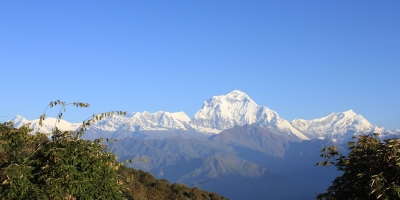
Panchase, Mohare Danda, and Ghorepani-Dhampus Trek is a unique trekking package with the perfect combination and experience of the beaten Path, Community Homestay, and well-known and easy, comfortable trek experience with Asiana Treks and Tours. It combines three breathtaking trekking routes: Panchase, Mohare Danda, and Ghorepani-Dhampus, offering an ideal mix of culture, nature, and adventure. The journey begins with a scenic drive from Kathmandu Pokhara, where you'll explore Pumdi and head towards Panchase Bhanjyang and Panchase Hill, known for their panoramic Himalayan views and peaceful surroundings. Trekking through Chitre, a traditional Gurung village, you'll experience warm hospitality, cultural insights, and stunning landscapes. The trail continues towards Dimuwa before a scenic drive to Beni takes two hours and 60 km. The gateway to the trek's starting point is Gaileshower, which leads to Baskharka and, constantly following day, Nagi, the birthplace of renowned social innovator Mahabir Pun. These remote villages offer an authentic experience of rural Nepali life, with opportunities to witness local craftsmanship, organic farming practices and women's handicrafts.The adventure leads to Mohare Danda, a lesser-known yet equally mesmerizing alternative view to Poon Hill, providing incredible sunrise and sunset views over Dhaulagiri and Annapurna ranges. The trek then connects to the famous Ghorepani-Tadapani-Ghandruk route, where you'll pass through Deurali, Landruk, Tolka, Pothana, and Dhampus, each offering stunning landscapes, diverse flora, and rich Gurung culture. The journey ends with a descent back to Pokhara, completing an unforgettable trekking experience filled with lush forests, rhododendron blooms, breathtaking mountain views, and traditional villages. This combo trekking package is ideal for those seeking a diverse yet less crowded experience, blending natural beauty, cultural immersion, and off-the-beaten-path adventure to a community homestay experience and the well-known Poonhill Ghandruk Dhampus trail. Avoid the motorable road; this path combines the expertise of different tests in Nepal's Annapurna region.Panchase, Mohare Danda, and Ghorepani-Dhampus Trekking ItineraryThe Panchase, Mohare Danda, and Ghorepani-Dhampus Trek blend cultural exploration, scenic landscapes, and breathtaking Himalayan views perfectly. The journey begins in Pokhara, followed by a scenic trek to Panchase Bhanjyang and Panchase Hill, known for their panoramic views of Annapurna, Dhaulagiri, and Machhapuchhre. The trek continues through Chitre, Dimuwa, and Beni, leading to Baskharka and Nagi, the home of Mahabir Pun, a renowned social innovator. From Nagi, the trail ascends towards Mohare Danda, a peaceful viewpoint offering spectacular sunrise and sunset experiences over the Himalayas. The trek then joins the Ghorepani-Poon Hill route, passing through Tadapani, Ghandruk, Landruk, Tolka, Pothana, and Dhampus before descending back to Pokhara, marking the completion of this remarkable trekking experience.Panchase, Mohare Danda, and Ghorepani-Dhampus Trekking Distance:The total trekking distance for the Panchase, Mohare Danda, and Ghorepani-Dhampus trek is approximately 90–110 km (55–68 miles), depending on the exact itinerary and route chosen. Trekkers typically walk 10–15 km daily, covering various terrains, including forests, terraced farmlands, and Himalayan viewpoints. The trek involves moderate ascents and descents, making it suitable for trekkers of all experience levels. The journey offers a mix of off-the-beaten-path trails and well-established routes, allowing travellers to experience remote villages and popular trekking destinations in the Annapurna region.Panchase, Mohare Danda, and Ghorepani-Dhampus Trekking Route:The trekking route starts from Pokhara, heading towards Panchase Hill via Pumdi and Panchase Bhanjyang, providing stunning Himalayas and Phewa Lake views. The trail then continues towards Chitre and Dimuwa, followed by a drive to Beni before reaching Baskharka and Nagi, where trekkers can experience the unique lifestyle of Mahabir Pun's village. From here, the trail ascends to Mohare Danda, a peaceful and less crowded alternative to Poon Hill, offering breathtaking sunrise views over Annapurna and Dhaulagiri ranges. The trek then joins the classic Ghorepani-Poon Hill circuit, passing through Tadapani, Ghandruk, Landruk, Tolka, Pothana, and Dhampus before concluding in Pokhara.Panchase, Mohare Danda, and Ghorepani-Dhampus Trekking Price:The cost of the Panchase, Mohare Danda, and Ghorepani-Dhampus trek varies depending on the level of service, accommodation, and guide arrangements. The trek costs between $500 to $1,200 per person, covering expenses such as permits (TIMS & ACAP), guide and porter services, accommodation, meals, transportation, and entry fees. Luxury trekking packages, which include higher-end lodges, additional porters, and private transportation, can be slightly more expensive. This trek provides a diverse experience of nature, culture, and adventure, making it an ideal choice for trekkers looking for a moderate yet rewarding Himalayan journey.Panchase, Mohare Danda, and Ghorepani-Dhampus Trekking HeightThe Panchase, Mohare Danda, and Ghorepani-Dhampus treks take trekkers through varying elevations, offering a diverse trekking experience. Panchase Hill stands at 2,517 meters (8,258 feet) and is one of the best vantage points near Pokhara for Himalayan sunrise views. Mohare Danda, at 3,300 meters (10,827 feet), is another spectacular viewpoint offering a panoramic view of the Annapurna and Dhaulagiri ranges. The highest point in the trek is Poon Hill, at 3,210 meters (10,531 feet), famous for its breathtaking sunrise over the Himalayas. The trek gradually descends towards Ghandruk, Landruk, Pothana, and Dhampus, located between 1,500 and 2,000 meters at lower elevations. This altitude variation combines hilltop viewpoints, lush forests, and traditional villages, making the trek scenic and culturally immersive.Major Villages of Panchase, Mohare Danda, and Ghorepani-Dhampus Trekking:This trek passes through several traditional villages where trekkers can experience the authentic lifestyle of the Gurung, Magar, and other ethnic communities. Some major villages include Ghandruk, one of the largest Gurung settlements, known for its traditional stone houses and rich cultural heritage. Dhampus is another beautiful village offering stunning views of Machhapuchhre (Fishtail) and Annapurna South. Other noteworthy villages include Baskharka, Nagi (Mahabir Pun's innovative village), Tolka, Landruk, and Chitre, each offering unique insights into rural life in Nepal. These villages provide opportunities to experience local hospitality, traditional farming, and cultural performances, enriching the trek.Best Viewpoints of Panchase, Mohare Danda, and Ghorepani-Dhampus Trekking:The trek is famous for its breathtaking viewpoints that offer panoramic Himalayan vistas. Panchase Hill is a lesser-known but spectacular spot for sunrise views, overlooking the Annapurna, Dhaulagiri, Manaslu, and Lamjung Himal ranges. Mohare Danda provides a peaceful and less crowded alternative to Poon Hill, with equally stunning sunrise and sunset views. Poon Hill (3,210m) is the most famous viewpoint, attracting trekkers with its unobstructed sunrise over the snow-capped peaks. Dhampus and Ghandruk also offer stunning views of Machhapuchhre (Fishtail) and Annapurna South, making this trek one of the best routes for Himalayan scenery.Biodiversity of Panchase, Mohare Danda, and Ghorepani-Dhampus Trekking:This trek takes trekkers through diverse ecosystems, from lush forests to alpine meadows. The Panchase Conservation Area has various rhododendrons, orchids, and medicinal plants. The region is also rich in wildlife, including Himalayan langurs, deer, leopards, and pheasants like the Danphe (Nepal's national bird). The dense forests of Mohare Danda and Ghorepani are filled with oak, pine, and bamboo trees, creating a beautiful green landscape. The biodiversity of this trek makes it a haven for nature lovers, bird watchers, and photographers.Festivals and Culture of Panchase, Mohare Danda, and Ghorepani-Dhampus Trekking:The trek takes you through culturally rich villages where local communities celebrate various festivals and traditions. The Gurung and Magar communities enthusiastically celebrate Dashain, Tihar, and Maghe Sankranti. Lhosar, the New Year festival of the Gurung and Tamang people, is an essential cultural event in these regions. Trekkers visiting during these festivals can witness traditional dances, music, and rituals. Many villages also have cultural museums and monasteries where visitors can learn more about their history and traditions. The warm hospitality and deep-rooted traditions of the local people make this trek a scenic journey and a cultural exploration.Advantages of Booking Panchase, Mohare Danda, and Ghorepani-Dhampus Trekking:Booking this trek with Asiana Treks and Tours comes with several advantages. The itinerary offers a blend of adventure, culture, and nature, making it suitable for both beginner and experienced trekkers. The trek is less crowded than Everest or Annapurna Base Camp, providing a peaceful experience. It is also a shorter and more accessible trek, making it ideal for those with limited time but who still want to experience the beauty of the Himalayas. Additionally, booking through a reliable company ensures experienced guides, proper accommodations, and hassle-free transportation, making the journey safe and enjoyable.This trek is perfect for those who want to experience Nepal's natural beauty, traditional culture, and Himalayan landscapes without extreme altitude challenges. Whether you are a solo traveller, a family, or a group, this trek offers a perfect blend of adventure and relaxation, making it one of the best trekking options in Nepal.Booking process of Panchase, Mohare Danda, and Ghorepani-Dhampus Trekking:Booking the Panchase, Mohare Danda, and Ghorepani-Dhampus trek with Asiana Treks and Tours ensures a smooth and well-organized adventure. The booking process is simple and can be done online or in person. It's recommended to book in advance, especially during peak trekking seasons like spring (March- May) and autumn (September- November), to secure the best accommodations and experienced guides. Travellers must provide personal details, including their passport and travel insurance (if applicable). The package typically includes permits, lodging, meals, transportation, and guide/porter services, ensuring a hassle-free trekking experience.Transportation for Panchase, Mohare Danda, and Ghorepani-Dhampus Trekking:The trek starts from Pokhara, which is easily accessible from Kathmandu by flight (30 minutes) or by road (6-7 hours' drive). Upon arrival in Pokhara, depending on the chosen route, a short drive takes you to the trek's starting points, such as Pumdi Bhumdi, Nayapul, or Kande. Transportation options include private jeeps, tourist buses, or local taxis, with private vehicles being the most comfortable choice. For trekkers heading towards Mohare Danda or Ghorepani, a scenic drive to Beni or Nayapul is the starting point. The return journey follows a similar route, bringing trekkers back to Pokhara before heading to Kathmandu or other destinations.Trekking Start for Panchase, Mohare Danda, and Ghorepani-Dhampus Trekking:The trek usually starts from Pokhara, with a short drive to the designated starting point, such as Pumdi Bhumdi for Panchase, Nayapul for Ghorepani, or Beni for Mohare Danda. The first day involves a moderate trek through lush forests, terraced fields, and small villages, gradually ascending towards the key destinations. Along the way, trekkers pass through diverse landscapes, suspension bridges, waterfalls, and local tea houses, offering a perfect blend of adventure and culture. Each day's trekking time ranges between 4 to 6 hours, ensuring a comfortable pace with enough breaks to enjoy the scenery.Currency Exchange for Panchase, Mohare Danda, and Ghorepani-Dhampus TrekkingThe official currency of Nepal is the Nepalese Rupee (NPR), and it's advisable to exchange money in Kathmandu or Pokhara before starting the trek. While some major hotels and businesses in Pokhara may accept credit cards, most teahouses and small shops along the trekking route only accept cash in local currency. Money exchange counters and ATMs are available in Pokhara but become scarce as you ascend higher. It's recommended to carry small cash denominations for food, drinks, souvenirs, and tips.Guide and Porter Management for Panchase, Mohare Danda,and Ghorepani-Dhampus TrekkingHiring a licensed trekking guide and porter enhances the experience by providing navigation assistance, cultural insights, and logistical support. Guides ensure safe trekking by assessing weather conditions, managing permits, and communicating with locals. Porters help carry heavy backpacks, allowing trekkers to walk freely and enjoy the journey. Asiana Treks and Tours arranges experienced and friendly guides who are fluent in English and local languages. Porters typically carry up to 15-20 kg of luggage, ensuring that trekkers can focus on the breathtaking landscapes without a heavy load.Porter, Luggage, and Extra Luggage Storage for Panchase, Mohare Danda, and Ghorepani-Dhampus Trekking:Trekkers are advised to pack light and bring only the essentials. Any extra luggage can be stored at Pokhara hotels or the Asiana Treks and Tours office. Porters can carry a maximum of 15-20 kg per trekker. Gear should be packed in a duffel bag or backpack with rain protection. Trekkers should carry a daypack (5-7 kg) containing essential items like water, snacks, a camera, and a jacket. Proper luggage division ensures comfort and convenience throughout the trek.Accommodation During Panchase, Mohare Danda, and Ghorepani-Dhampus Trekking:Accommodation along the trekking route consists mainly of teahouses and lodges, which offer basic yet comfortable rooms with twin-sharing beds, blankets, and shared bathrooms. Some eco-community lodges in Panchase and Mohare Danda provide sustainable and cosy accommodations. At higher altitudes like Ghorepani and Mohare Danda, accommodation is slightly more straightforward but offers stunning views of the Himalayas. You should book rooms in advance during peak seasons to secure the best lodges.Meals During the Panchase, Mohare Danda, and Ghorepani-Dhampus Trekking:Teahouses and lodges along the trek serve nutritious and locally prepared meals. The typical menu includes Dal Bhat (rice, lentils, and vegetables), noodles, momos, pancakes, porridge, soups, and Tibetan bread. Breakfast, lunch, and dinner are provided at the lodges. Meals are carbohydrate-rich to maintain energy levels for trekking. Trekkers can also find tea, coffee, and soft drinks at most stops, but it's advisable to carry energy bars and snacks for quick energy boosts during the trek.Drinking Water for Panchase, Mohare Danda, and Ghorepani-Dhampus TrekkingClean drinking water is essential for staying hydrated during the trek. Trekkers can buy bottled mineral water from teahouses. Still, to reduce plastic waste, it is recommended that they carry a reusable water bottle and use water purification tablets or a filter. Many lodges provide boiled or filtered water for a small fee. Staying hydrated helps prevent altitude sickness and fatigue, ensuring a safe and enjoyable trekking experience.This trek offers a perfect mix of adventure, cultural experiences, and scenic beauty, making it one of the best trekking options in Nepal.Extra Personal Expenses for Panchase, Mohare Danda, and Ghorepani Dhampus Trekking:While most trek packages cover accommodation, meals, permits, and guide/porter services, trekkers should budget extra personal expenses such as snacks, drinks, hot showers, battery charging, Wi-Fi, and tipping. Costs for tea, coffee, soft drinks, and alcoholic beverages increase at higher altitudes due to transportation difficulties. Additionally, souvenirs, extra food items, and donations to monasteries or local communities are optional but everyday expenses. Carrying enough Nepalese Rupees in small denominations is advisable, as ATMs are unavailable along the trekking route.Toilet Facilities in Panchase, Mohare Danda, and Ghorepani Dhampus Trekking:Toilet facilities vary depending on the trekking region and accommodation type. Teahouses in lower-altitude areas like Panchase and Dhampus provide Western-style flush toilets with running water. As trekkers ascend to Mohare Danda and Ghorepani, toilet facilities become more basic, with squat toilets being more common. Some lodges offer hot water for an extra charge, while in remote areas, trekkers may need to use outdoor toilets. For convenience, it is recommended that you carry toilet paper, wet wipes, and hand sanitizer.Internet Connectivity in Panchase, Mohare Danda, and Ghorepani Dhampus Trekking:Internet access is available in most lodges and teahouses but may be slow and costly at higher altitudes. In major villages like Ghorepani and Ghandruk, lodges provide Wi-Fi for a small fee. For better connectivity, trekkers can purchase a Nepalese SIM card (NCELL or NTC) with a data plan in Pokhara or Kathmandu before starting the trek. However, internet signals may be weak or unavailable in remote areas, especially in dense forests and high-altitude locations.Electricity Voltage and Plugs in Panchase, Mohare Danda, and Ghorepani Dhampus Trekking:Nepal operates on 220V-240V electricity with Type C, D, and M plug sockets. Most teahouses and lodges offer electricity for charging devices, but in remote areas, solar power is the primary source of electricity. Charging phones, cameras, and power banks may cost an additional $1-$3 per hour at higher altitudes. Trekkers should carry a universal travel adapter and a power bank to ensure they have enough battery life during the trek.Communication in Panchase, Mohare Danda, and Ghorepani Dhampus Trekking:Mobile network coverage is available in most parts of the trekking route, but signals can be weak or lost in some remote regions. NCELL and NTC SIM cards provide the best coverage, with NTC working better in higher altitudes. Most teahouses offer Wi-Fi, though it may be slow. Guides and porters often carry two-way radios for emergency communication. Trekkers can rent a satellite phone for reliable connectivity in isolated regions for added safety.Trip Extension for Panchase, Mohare Danda, and Ghorepani Dhampus Trekking:Trekkers who want to explore more of Nepal can extend their trip with additional activities like the Annapurna Base Camp trek, Mardi Himal trek, or Chitwan Jungle Safari. Those interested in cultural experiences can visit Bandipur, Lumbini, or Tansen. Adventure lovers can opt for paragliding, ultralight flights, bungee jumping, or white-water rafting. Asiana Treks and Tours can customize itineraries based on interests, fitness levels, and available time, ensuring a personalized travel experience.Trek Difficulty for Panchase, Mohare Danda, and Ghorepani Dhampus Trekking:This moderate trek is suitable for both beginners and experienced trekkers. The daily trekking distance ranges from 8 to 15 km, with an average trekking time of 4 to 6 hours daily. The trails include stone-paved steps, forest paths, and uphill climbs, but they are well-maintained. While the Panchase and Dhampus sections are more manageable, Mohare Danda and Ghorepani involve steeper ascents. Regular cardio and strength training before the trek can help improve endurance.Trip Safety for Panchase, Mohare Danda, and Ghorepani Dhampus Trekking:Safety is a top priority for Asiana Treks and Tours, and experienced guides ensure a secure trekking experience. The routes are well-marked, and guides are trained to manage first aid and altitude sickness. Trekkers should know about altitude-related risks, sudden weather changes, and slippery trails. Carrying a basic medical kit, staying hydrated, and walking comfortably are essential for a safe journey. In emergencies, helicopter evacuation can be arranged, so having travel insurance covering high-altitude trekking is highly recommended.Group & Private Treks for Panchase, Mohare Danda, and Ghorepani Dhampus Trekking:Trekkers can choose between group and private treks, each offering unique advantages. Group treks allow travellers to share the experience with like-minded people, reducing costs for guides and porters. On the other hand, private treks provide flexibility in itinerary, pace, and accommodations, making them ideal for families, couples, or solo trekkers looking for a personalized experience. Asiana Treks and Tours caters to both options, ensuring a memorable adventure.About Solo Travelers for Panchase, Mohare Danda, and Ghorepani Dhampus Trekking:With the proper preparations, solo travellers can enjoy a safe and rewarding trekking experience. While Panchase and Dhampus are relatively easy to navigate, Mohare Danda and Ghorepani have remote sections where hiring a guide is recommended for safety. Solo trekkers should carry essential gear, inform someone about their itinerary, and check weather updates regularly. Asiana Treks and Tours offers solo trekking packages with local guides and porters, ensuring a worry-free experience.Responsible Travel for Panchase, Mohare Danda, and Ghorepani Dhampus Trekking:Sustainable and eco-friendly trekking practices help preserve Nepal's natural beauty and cultural heritage. Trekkers should follow the principles of Leave No Trace, such as disposing of waste properly, avoiding plastic bottles, and respecting local customs. Supporting local teahouses, buying handicrafts, and interacting respectfully with communities help contribute to the local economy. Asiana Treks and Tours promotes responsible tourism, ensuring that trekking activities benefit both travellers and local people while protecting the environment.This trek combines scenic landscapes, rich biodiversity, and cultural experiences, making it a must-visit destination in Nepal.Gratitude for Panchase, Mohare Danda, and Ghorepani Dhampus Trekking:At Asiana Treks and Tours, we sincerely appreciate the trust and enthusiasm of our trekkers. Your participation enriches your journey and supports Nepal's local communities, guides, porters, and conservation efforts. This trek is more than just an adventure; it's an opportunity to connect with nature, diverse cultures, and yourself. We are grateful for every traveller who chooses to explore the beauty of Panchase, Mohare Danda, and Ghorepani Dhampus with us, and we hope you carry unforgettable memories of the Himalayas.End of Trek for Panchase, Mohare Danda, and Ghorepani Dhampus Trekking:As the trek concludes, we return to Pokhara, where you can reflect on your incredible journey. Upon reaching the city, you will have time to relax, enjoy a warm meal, and celebrate your achievements. Many trekkers take this opportunity to explore Lakeside Pokhara, get a massage, or enjoy cultural performances before continuing their journey. This marks the end of an exciting adventure, but the memories and friendships made along the way will stay with you forever.Departure for Panchase, Mohare Danda, and Ghorepani Dhampus Trekking:After completing the trek, travellers either return to Kathmandu by flight or drive, depending on their itinerary. Our team ensures a smooth transition, whether you are heading back home or continuing your travels in Nepal. We provide airport transfers and assistance for those flying out of Nepal. We can arrange for additional sightseeing tours, cultural experiences, or relaxation retreats before your departure.Feedback for Panchase, Mohare Danda, and Ghorepani Dhampus Trekking:Your feedback is invaluable in helping us improve our services. After the trek, we encourage trekkers to share their experiences, suggestions, and testimonials. Reviews help future travellers gain insights into the trek and allow us to enhance our offerings. Whether through TripAdvisor, Google Reviews, or personal recommendations, we appreciate every word you share. Your honest opinions enable us to continue providing exceptional trekking experiences.Last-Minute Booking for Panchase, Mohare Danda, and Ghorepani Dhampus Trekking:Those with sudden travel plans can make last-minute reservations based on accommodation possibilities and permit availability. Although we advise making reservations to ensure we recommend booking in advance to secure the best arrangements, we understand that plans can change. Our team is always ready to assist with quick confirmations, permits, and logistics, ensuring that even last-minute travellers can enjoy this trek without hassle. Contact Asiana Treks and Tours for immediate assistance.Note for Panchase, Mohare Danda, and Ghorepani Dhampus Trekking:Trekkers should know seasonal weather conditions, required permits, altitude considerations, and necessary travel documents before booking. We provide a detailed packing list, fitness recommendations, and safety guidelines to ensure a smooth and enjoyable experience. If you have specific dietary requirements, health concerns, or personal requests, please inform us so we can accommodate your needs.Add-Ons & Options for Panchase, Mohare Danda, and Ghorepani Dhampus Trekking:Enhance your trek with exciting add-ons such as:Paragliding in Pokhara for breathtaking aerial views of the Himalayas.Explore Chitwan Jungle Safari to see Nepal's rich wildlife, including rhinos and tigers.Annapurna Base Camp Trek for those looking to extend their Himalayan adventure.Guided city tours in Kathmandu, Bhaktapur, and Patan for a more profound cultural experience.Yoga and wellness retreats to rejuvenate after the trek.Activities include Ultralight flights, Bungee jumping, whitewater rafting, hot air ballooning, ziplining, canoeing, horse riding, Day hiking, cycling, and sightseeing in Pokhara.Asiana Treks and Tours is committed to making your trip to Nepal as memorable and fulfilling as possible. Whether you seek adventure, culture, or relaxation, we tailor your experience to suit your preferences.Annapurna Region Trekking: Guides, Tips & Himalayan AdventuresDiscover the beauty of Nepal’s Annapurna region with Asiana Treks & Tours. Explore breathtaking mountain landscapes, authentic local culture, popular trekking routes, and practical tips to help you plan an unforgettable Himalayan adventure.Annapurna Base Camp vs Everest Base Camp: The Best TrekTrekking Equipment List for Asiana Treks & ToursTrekking Permit Requirements for Different Regions in NepalBest Sunrise and Sunset Destinations in NepalTop Successful Trek for Beginners – Annapurna Base CampMost Popular Trek with High Success Rate – Annapurna Base Camp Trek (ABC) TrekHow to Prepare for the Annapurna Base Camp Trek (Gear, Fitness & Tips)Ghorepani Poon Hill Trek GatewayTop 26 Annapurna Region Trekking Packages in Nepal – The Ultimate GuideTadapani Diaries: One Magical Night in the MountainsDiscovering Ghandruk: A Peaceful Village in the Heart of NepalTrekking the Best of Annapurna: Poon Hill to Mardi HimalWhy Chhomrong is the Heart of the Annapurna Base Camp TrekAnnapurna Base Camp (ABC) & Machhapuchhre Base Camp (MBC) Trek: Two Base Camps, One Incredible JourneyExploring Sinuwa on the Annapurna TrailDeurali: A Peaceful Mountain Village on the ABC TrailBamboo: A Hidden Gem of the ABC TrekDovan Nepal: Peaceful Stopover on the Annapurna Base Camp TrailHimalaya Village: A Quiet Haven on the Way to Annapurna Base CampDhampus Village – Annapurna Classical Alternative GatewayPothana: The Alternative Gateway to Annapurna Base Camp and Mardi HimalBest Camping and Overnight Stays: Australian Camp & Mardi Himal TrekList of Hotel in Mardi Himal Base Camp TrekTrekking to Low Camp: A Peaceful Path to Mardi HimalForest Camp Adventures: Exploring the Mardi Himal Trek in NepalHigh Camp on the Mardi Himal Trek | Views, Altitude & Trekking GuideDiscovering the Magic of Mardi Himal ViewpointTop Highlights of the Mardi Himal Trek in NepalBest Time to Trek Mardi Himal: Tips for Perfect ViewsA Beginner’s Guide to the Mardi Himal Trek in NepalSurprising Facts About the Mardi Himal TrekEssential Guide to Mardi Himal Trekking Permits in NepalMardi Himal Trek Info: Elevation, Altitude, Height and WeatherMardi Himal Trek Accommodation and Food TipsBest Time to Trek Annapurna Base Camp in NepalTop Highlights of the Annapurna Base Camp TrekFood and Accommodation on the ABC Trek: What It’s Really LikeAltitude Tips for a Safe Annapurna Base Camp TrekAnnapurna Base Camp Permits: Costs, Process, and RequirementsTop Tips and Facts for Trekking to Annapurna Base CampAnnapurna Base Camp Trek: Elevation, Height & Temperature GuideDobato Stopover: Experiencing the Heart of the Khopra Danda RouteUpper Chistibung: What to Expect on the Way to Khopra DandaExploring Khopra Danda Ridge and Khayar LakeDiscover Swanta’s Beauty on the Khopra Danda TrailAmazing Facts About Khayar Lake in the Annapurna RegionBayeli Kharka Adventure: From Khopra Danda with Stunning ViewsKhopra Danda Trekking Guide: Cost, Permits, Meals, Lodging and Best SeasonExploring Mardi Himal, ABC, and Khopra Ridge in One Epic JourneyKhopra Khair Lake with Annapurna Base Camp Trek: A Complete JourneyKhopra Khair Lake with ABC Trek: Nature, Culture, and MountainsComplete Guide to Mohare Danda Trekking in NepalSunrise Views from Mohare Danda: What to ExpectTop Highlights of Poon Hill and Mardi Himal TrekExploring Poon Hill and Mardi Himal: A Beginner’s GuideExploring the Ghorepani Dhampus Circuit Trek in NepalAn Amazing Hike from Galeshwor to Nangi via Bans Kharka : Mohare Danda TrekkingLandruk: Gateway to the Stunning Mardi Himal ViewsMardi Himal Adventure: Exploring Badal Danda on the Siding TrekSunrise Views from Poon Hill and Mulde ViewpointsDhaulagiri Annapurna Trail: A New Alternative Trek in NepalBest Nepal Tour Packages: Adventure, Honeymoon, Senior Tours, Himalayan Highlights, Triangle & Sunrise Hill Station ToursIs It Possible to Cycle the Annapurna Circuit in Nepal?Besisahar – The Heart of Lamjung District: Gateway to the HimalayasExploring Jagat During the Annapurna Circuit TrekDharapani Village in Nepal: Where the Manaslu Circuit and Annapurna Circuit Trails Meet PointChame Village: A Peaceful Stop on the Annapurna Circuit TrekDiscover Upper Pisang: A Hidden Gem on the Annapurna CircuitExploring Lower Pisang: A Gateway on the Annapurna CircuitManang: The Heart of the Annapurna Circuit TrekYak Kharka (4,020m): A Must-Stop Village on the Annapurna CircuitThorong Phedi: Final Preparation Before Thorong La PassCrossing Thorong La Pass (5,416 m): The Highest Point of the Annapurna CircuitMuktinath in Mustang: A High-Altitude Spiritual Journey on the Annapurna CircuitJomsom (2,743 m): The Windy Valley That Connects Annapurna and Upper Mustang
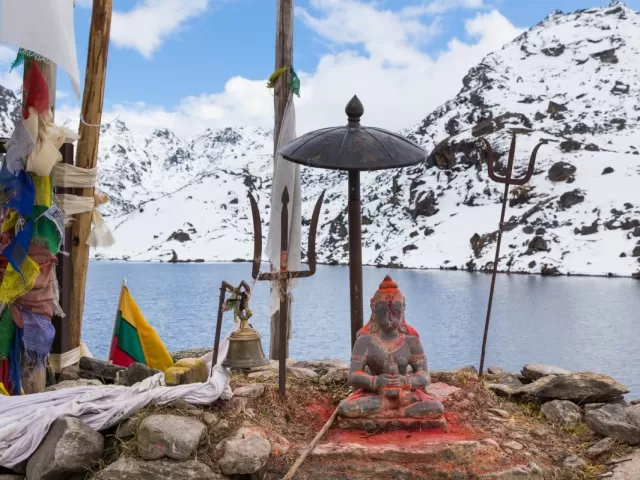
Langtang Gosaikunda Pass ( Langtang Circuit) trekking is culturally rich and worth visiting from Kathmandu due to easy access by road up to the trekking starting point. This trek is recommendable for senior citizens and families with kids. After breakfast in Kathmandu, we can begin our journey overland scenic drive up to Shyabru Besi, then after the actual trek begins crossing through the Bhotekoshi river Tamang settlement, Buddhist Gompa and alongside the Langtang Khola. This trail is continuous uphill via some cascade & green forests of oak and rhododendron, all set against a distant horizon of mountain peaks. We visit several Tamang and Sherpa settlements and meet friendly people with strong family & cultural ties.This trekking trail walks through the famous Langtang National park's one of the main attractions of this is the rare Red panda, which will be a chance to encounter In near the Bamboo and Syabru village area as well as other animals. Langtang Gosaikunda Pass trekking deserves to see also many different Himalayan scenery and the famous frozen Lake Gosaikunda.Langtang Gosaikunda Pass Trekking itinerary:Asiana Treks and Tours has the best Langtang Gosaikunda pass Trekking itinerary for people who love long and short trekking. Travelers who desire to explore Nepal with moderate physical fitness. You'll discover the best places for breathtaking views from the city to the countryside. Experience the contrast of cold nights at Gosaikunda to relaxing in Kathmandu an unforgettable lifetime journey.Langtang Gosaikunda Pass Trekking Distance:Langtang Gosaikunda Pass trekking distance is approximately 125 km/ 77.6 miles long, typically depending on the itinerary made many segment, Only Langtang, Langtang Gosaikunda back to via Chisapani. Cross Gosaikunda then after Kathmandu. If you combine another Trekking route like Helambu Trekking, Langtang Valley Trekking, Langtang Helambu Trekking and Langtang Panorama Trekking you should plan for an additional 3-8 days. Depending on the chosen itinerary. The Langtang Gosaikunda Pass Trekking showcases awe-inspiring natural beauty.This trek walks through the beautiful kyangjang_Ri , Lauribina Pass, Gosaikunda Lake, Tharepati Chisapani , offering stunning views of the Himalaya and verjin Landcape. However, if you are fit enough, you start and end in Kathmandu, where the trek takes Kathmandu to Kathmandu 17 days .Langtang Gosaikunda pass Trekking route:Langtang Gosaikunda pass Trekking route showcases awe-inspiring natural beauty. Starting in lush valleys with terraced fields and traditional villages, the journey unfolds amidst the Himalayan foothills. Rhododendron and pine forests bloom in spring, and stunning views of snow-capped peaks are can be seen when we walk. The Langtang Gosaikunda pass Trekking route showcases awe-inspiring natural beauty. Ganesh Himal Range, Langtang Himalayan Range, Gyanchanpo Dorje Lakpa, Gauri Shanker and many more mountains offer stunning views. The trek promises unforgettable moments, whether you're a seasoned trekker or novice adventurer, offering an unparalleled journey through Earth's most breathtaking landscapes. Includes Kathmandu, Syabru Besi, Lamahotel, Langtang, Kyanjingumba, Tholo Syabru, Sing Gumpa, Lauribina, Gosaikunda, Tharepati , Chisapani, and a return via Sundarijal to Kathmandu. Langtang Gosaikunda pass Trekking price:Our package tour ensures reliability in terms of cost, itinerary, and overall experience. For Nepali citizens, the Mardi Himal trek typically ranges from US$ 600 to 975, and for foreigners, US$ 915 to 1185, variations depending on group size, service level, guide and porter services, transportation preferences, and accommodation category in Kathmandu. This cost estimation is subject to the types of trekking gear and accommodation preferences. However, we could end the trek via Mulkharka and Sundarijal if you avoid Kathmandu sightseeing and exploration and want a Short route you could get a heavy discount on our Price.Langtang Gosaikunda Pass Trekking Altitude:The Langtang Gosaikunda trek starts from the bustling city of Kathmandu at an altitude of 1337 meters. From there, you'll aescend to Lauribina pass 4610 meters above sea level. Along the way, you'll see many famous viewpoints of Kyanging-Re reaching an altitude of Kyanjin Ri (4773m / 15655 ft), and Tserko Ri 5033 m/16,500 ft a meters. Finally, the trek culminates at High Tserko Ri stand at a breathtaking height 5033 m/16500 ft.Major villages of Langtang Gosaikunda pass Trekking:Kathmandu, Trishuli, Betrawati, - Syabrubesi-Bambu -Lamahotel - Ghora Tabela - Thangshep -Langtang- Mundu- KyanjingGompa - Thulosyabru- Singgumpa- Cholangpati -Lauribina Pass- Gosaikunda-Phedi- Ghopte-Thadepati- Magingoth- Kutumsang -Gulbhanjyang- Cheplung -Chisapani- Mulkharka Sundarijal and drive Back to Kathmandu.The final point of the trek before returning to Kathmandu. It's located near Shivapuri National Park and offers waterfalls, forests, and a refreshing end to the trekking journey.From Sundarijal, trekkers typically drive back to Kathmandu, completing the loop and reflecting on their memorable journey through the diverse landscapes and cultural richness of the Langtang-Gosaikunda region.These villages are significant landmarks and offer scenic beauty and accommodation options along the Langtang Gosaikunda Pass Trekking route.Best Viewpoints Langtang Gosaikunda pass Trekking:The Langtang Gosaikunda Pass trekking route has several breathtaking viewpoints offering panoramic Himalayan landscape vistas. Here are the main views along the trek:Kyanjin Ri:A viewpoint near Kyanjin Gompa offering stunning 360-degree views of the Langtang Valley and surrounding peaks, including Langtang Lirung (7,227 meters) and Tserko Ri (5,033 meters). It's a popular spot for sunrise and sunset photography.Thulo Syabru Village: Thulo Syabru is a traditional village in the Langtang region of Nepal. It is situated at approximately 2,200 meters and is known for its scenic beauty, traditional Tamang architecture, and cultural richness. The village offers panoramic views of the surrounding hills and forests, making it a popular stopover for trekkers heading towards Gosaikunda or exploring the Langtang Valley. Thulo Syabru provides basic amenities such as teahouses for accommodation, giving visitors a glimpse into the local way of life amidst the Himalayan foothills.Chandan Bari: A scenic viewpoint on the way to Gosaikunda, offering a panoramic view of the Langtang range and the lush green hillsides.Lauribina Pass (Gosaikunda Pass, 4,610 meters):The high-altitude pass between the Langtang Valley and Gosaikunda. From here, trekkers can see breathtaking views of the Himalayan peaks, including Langtang Lirung, Ganesh Himal, Manaslu, and even glimpses of the Annapurna range on clear days.Gosaikunda Lake:Gosaikunda Lake is a sacred alpine lake at around 4,380 meters, revered by Hindus and Buddhists. Its turquoise waters create a serene and spiritual atmosphere against the backdrop of snow-capped mountains.Ghopte:A viewpoint offering views of the Helambu region and the distant peaks of the Langtang range. Trekkers often stop here for a break and to admire the surrounding landscapes.Thadepati:Located on the descent towards Kutumsang, Thadepati offers panoramic views of the Helambu region and the terraced fields below.Magingoth:A viewpoint known for its sweeping views of the Helambu valleys and terraced farmlands, providing a picturesque setting for trekkers.Biodiversity of Langtang Gosaikunda pass trekking:These viewpoints along the Langtang Gosaikunda Pass trekking route offer trekkers memorable opportunities to witness the grandeur of the Himalayas, immerse themselves in the natural beauty of alpine lakes and appreciate the cultural richness of the region's diverse landscapes.Langtang Gosaikunda PassTrekking trail is a biodiversity hotspot, perfect for nature lovers. Lush forests in the lower regions house various bird species, including rhododendrons and bamboo. Alpine meadows greet you higher up with vibrant wildflowers. Look out for elusive wildlife like Himalayan Thars and snow leopards, and repanda while diverse birdlife, including the Himalayan Monal, adds to the experience. This trek offers a captivating glimpse into the Himalayan and hilly region ecosystems, promising an unforgettable journey through nature's diversity.Festivals and cultures in Langtang Gosaikunda Pass Trekking:You'll immerse yourself in vibrant festivals and cultural traditions along the Langtang Gosaikunda Pass Trekking route. The region, predominantly inhabited by ethnic groups like the Tamang and Helmo and Sherpa, celebrates various festivals. specially they celebrated Buddhist related festival However they celebrate Dashain, festival. typically in September or October, is a significant Hindu festival symbolizing the triumph of good over evil. Villages burst with colourful decorations, music, and dances as families gather for blessings and feasts.These festivals offer a unique and lifetime experience, as well as Nepalese culture with the majestic beauty of the Himalayas.Advantage book with Asiana Treks and tours:Private transport for airport transfers to/from your hotel.Trip briefing on Facebook and online if you love to connect.Last minute booking at your hotel at a suitable time after your arrival.Easy booking and reservation system.Multi-channel communication via Email, WhatsApp, Facebook, Viber, Skyp 24/7 phone communication at +977-9851076270Free excess luggage storage during the trekPulse oximeters for monitoring blood oxygen saturation at high altitudes to detect altitude sickness earlyMedical kits along the trek and hot airbags are available in winterArrangement sleeping bags, duffel bags and down jackets, and walking pools if you don't have your own.Notes:Please be aware that the itinerary may change due to weather or other factors, and we'll adjust it accordingly for the group's safety and enjoyment. We look forward to guiding you through the stunning landscapes of the Langtang National park and ensuring a memorable trekking experience.Trek Booking:Asiana Treks and Tours is the best and most trusted trek and tour company operator authorized by the Nepal government. We require a 10% advance payment to book your trip, and you'll need to send us a copy of your passport, photos, travel insurance, and flight details as soon as you book a tour with us. You can use bank transfer, or any other way like Western Union, or online via our website, which is easy. The remaining trip cost can be paid upon arrival in Nepal. We offer last min bookings, but changes may occur due to circumstances like bad weather. Transportation for Langtang Gosaikunda pass trekking:We pride ourselves on our flexible transportation options, which include planes, helicopters, tourist buses, coasters, vans, jeeps, and cars. These are tailored to our Clints' specific needs, preferences, itineraries, and agreements, ensuring a comfortable and personalized travel experience. However, we provide Comfortable local buses to Syabru Beshi and from Melamchi Bazza., Private transportation to Syabru Besi to and from Melamchi to Kathmandu, We private vehicle as per the group, and wish at extra cost. however Kathmandu Sightseeing always operated by private transportation according to Group size.Trekking Start: Your Langtang Gosaikunda pass trek begins with a warm welcome in Kathmandu. As soon as you arrive at Tribhuvan International Airport, our dedicated team will be there to greet you. We'll then escort you to your hotel in a private vehicle, ensuring a comfortable and hassle-free start to your adventure, setting the tone for a memorable journey.If you miss the regular trip briefing, don't worry. We'll provide it at a convenient time before departure, Pokhara, either before a World Heritage tour the following morning or the next day; we'll then proceed to Pokhara by tourist bus, departing around 7 a.m. from Sorakhutte, Kathmandu.The package includes transportation by simple bus from Kathmandu to syabru Besi, offering a comfortable and scenic journey. However, if you prefer a comfortable van or Jeep have option, you can also a use a private vehicle for an additional cost, giving you the freedom to choose what suits you best.Currency Exchange:The Nepalese rupee is Nepali currency, and 1 USD is approximately 130 NPR. Only NPR is accepted in Nepal, so it's best to bring cash to facilitate transactions. Banks and ATMs in Kathmandu provide currency exchange services, but note that most banks prefer new, crisp notesGuide and Porter Arrangement:Our company, Asiana Treks and Tours, focuses on responsible tourism in Nepal. We make sure our guides and porters are well-trained in Trekking and mountaineering. They know a lot about the areas we go to, including geography, history, customs, and culture. We train them regularly in safety, first aid, and environmental conservation. We follow guidelines to treat our porters fairly, providing them with good pay, accommodation, and meals during treks. Our guides and porters are essential team members, and we appreciate their hard work. When you trek with us, you support ethical tourism in Nepal, making your trip meaningful and memorable.Asiana Treks and Tours prioritizes your safety and enjoyment. Our knowledgeable guides, reliable equipment, and safety measures ensure a great trekking experience in Nepal.Porter, Luggage, and extra Luggage storage: We cover the cost of porters for your luggage, but the maximum weight limit is 12 kg per person. Each porter carries luggage for two trekkers; please share a duffle bag with another. Our porters will carry up to 25 kg each. If you need a porter for yourself, we can arrange that. We also recommend carrying a small backpack for your valuables and important documents. You can leave extra luggage at our office for free and at a hotel in Pokhara, Namche, etc.Accommodation:Accommodation during the Mardi Himal Trek varies. Along the trekking route, you'll stay in guest houses, commonly known as teahouses. These basic lodges offer rooms, dining areas, and toilets. The quality of guest houses varies but remains affordable and convenient for trekkers. Rooms typically have twin or bunk beds and shared bathrooms, and blankets and pillows are provided. Our company can offer a sleeping bag if you don't have one. You'll spend nine nights in lodges along the trekking route, two nights in a hotel in Pokhara, and three nights in a hotel in Kathmandu. Some places and lodges have attached bathrooms, while others offer simple yet clean rooms with shared facilities. We can arrange a solo trekking service if you're traveling solo, but availability may be limited during peak season in some places. In Kathmandu or Pokhara, your hotel room will have excellent amenities, including TV, 24/7 hot water, electricity, and laundry service.Meals during the trip:Eating well is essential since the Mardi Himal Trek takes you through the high Himalayas. You'll have plenty of nutritious meals in the trekking regions, although the options won't be as varied as in the cities. You'll get twelve breakfasts, eight lunches, and nine dinners during the Trek. The menu includes local, Asian, and Western dishes, but it gets more straightforward as you climb higher. Try popular Nepali foods like lentils, rice, curry, dumplings, noodles, Spagaties, and many more. We highly recommend eating fresh vegetables and drinking liquids like green tea, lemon tea, hot lemon, ginger tea, and garlic soup, especially at high altitudes. While non-vegetarian options are available during the Trek, we suggest avoiding them for hygiene reasons. It's also best to steer clear of dairy, cheese, alcohol, caffeine, and hot chocolate. Personal expenses like alcoholic drinks and extra beverages at lodges or cafes aren't included in the package. Drinking water:Nepal is the second country in the world regarding water sources after Brazil. According to the Nepal government, only 27% of people here have clean drinking water. You can buy mineral water in teahouses, but it is expensive; people prefer plastic bottles in some trekking areas. So, there are some safe drinking water stations where you can refill your bottle. However, we recommend carrying Steripen, iodine drops, water purification tablets for safe drinking, and refillable water bottles for boiled or filtered water. We strongly advise not to drink from taps, wells, and rivers in trekking areas. However, in all the city areas, Mineral water is available at a reasonable cost everywhere.Extra Personal expenses:While most expenses during the trek are covered, you'll need to spend money on accommodations and meals in Kathmandu and Pokhara, Souvenirs, and additional beverages. We estimate about USD 10-20 per trekking day for miscellaneous expenses. Personal Expenses: Toilet Facilities in Langtang Gosaikunda Pass Trekking:Most teahouses have Western-style flush toilets during mountain treks, especially at lower elevations. But as you go higher, find simple squat toilets along the trails and teahouses at higher altitudes. These toilets usually have water or toilet paper, but it's a good idea to bring your toilet paper just in case. You can also use restrooms at nearby teahouses or find a private spot along the trekking routes.Internet Connectivity:While trekking in the Himalayan region of Nepal, connecting with your family and friends is also a good idea. You can find internet access at teahouses and lodges, but it might be extra minimal cost. The signal might be weak because of the remote location. You can also get internet access using a local SIM card and data packages available at Kathmandu airport or nearby shops in Thamel and Pokhara. You'll have a passport-sized photo and a copy of your passport to get a SIM card. It's a good idea to compare prices and data packages from telecom companies like Ncell and Nepal Telecom before buying. Knowing about teahouse connectivity. Our guide will suggest connections for you. Electricity voltage and plugs:However, 95 % of Nepali people have access to electricity as of May 29, 2023. almost popular trekking routes, teahouses, and lodges have electricity. However, some isolated and solo trekking tea houses in the jungle don't have electricity; Most of these tea houses let travelers charge their devices for a small fee. The average electrical voltage in Nepal is 230 volts, with plug types like Type C, Type D, and Type M. Travellers should bring a suitable adapter and, if needed, a voltage converter for their electronic devices.Communication:The guest houses in the trekking regions have internet access. You could buy a SIM card at Tribhuvan International Airport Kathmandu and Pokhara. However, the signal may need to be more assertive at high altitudes. Our office keeps in touch with all trekking teams via the trek guide at least once daily to ensure everything goes as planned.Trip Extension:Suppose you have extra days in Nepal after the Trek. In that case, we can arrange a tour, overnight stay at Nagarkot Balthali or any other place around Kathmandu and Chitwan, jungle safari, paragliding, rafting, canyoning, or other treks. Do not hesitate to Inform us. We will create the best for you.Trek Difficulty:The Langtang Gosaikunda Pass trek presents an easy moderate and challenging yet enriching adventure. Your enjoyment of the trip will largely depend on your level of fitness. We recommend building stamina at least two weeks before the trek. Activities include jogging, running, swimming, or taking long hikes for the journey ahead.Completing this trek is achievable even if you're a beginner, although you must maintain a reasonable fitness level. Prior trekking experience can be advantageous, though it is optional. All you need is the readiness to hike steadily for 4-8 hours, navigating tricky terrain.Suppose trekkers have pre-existing medical conditions, such as lung or heart diseases. In that case, they are advised to consult their physician before booking the trek to ensure their safety and well-being throughout the journey.Trip Safety:We highly give priority to your safety We provide experienced guides with first aid kits and necessary safety gear to ensure a safe hand. Our team monitors weather and trail conditions and takes precautions to avoid risks. Before starting the trek, we discuss the trip to provide a clear understanding and ensure a reliable experience.Group & Private Treks:We organize many group and private treks simultaneously, with discounts available for larger groups. Every group will have a trekking guide and porters; an assistant guide may be provided for larger groups. Our team ensures a safe and enjoyable trekking experience for all participants.About solo traveler:If you're a solo traveler, please contact us to confirm departure dates before booking. You can tell us via call, WhatsApp, or email. We have listed upcoming departure dates for your convenience. Feel free to share the trip details with friends and family.Responsible Travel company:We prioritize responsible travel to minimize environmental impact and support local communities. We collaborate with organizations like the Kathmandu Environmental Education Project (KEEP) to promote eco-friendly practices in trekking regions.Gratitude:Graduate or tipping is appreciated in Nepali culture and reflects the quality of service provided. You decide how much to tip, but we recommend tipping as a group at the end of the trip.End of Trek:On the 12th day, you'll take a bus from Pokhara back to Kathmandu, which takes about seven hours. Alternatively, you can fly from Pokhara to Kathmandu for an extra fee. In the evening, we'll host a farewell dinner in Kathmandu.Departure:On the day of your departure flight, we'll come to pick you up from your hotel and transfer you to Tribhuvan International Airport. We hope you enjoyed the Nepal trek and will consider returning for more adventures in Nepal.Feedback:After you complete the Mardi Himal Trek, we'll organize a farewell dinner in Kathmandu and present you with a trekking achievement certificate. After the dinner, you can provide feedback about the Trek on travel portals.Last-Minute Booking:If you can't book in advance, we offer last-minute bookings. Full payment is required 24 hours before departure. While we do our best to accommodate last-minute bookings, delays may occur due to unforeseen.Special Note: Please remember that sometimes unforeseen circumstances, such as inclement weather or unavailable lodging, may cause the schedule to be altered. Your trip guide will design a fresh schedule based on the group's interests in such circumstances.
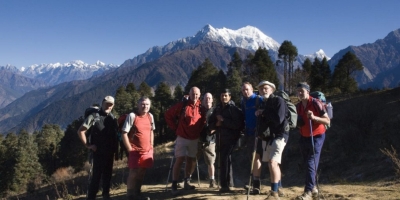
The Langtang Helambu Trek, located just north of Kathmandu Valley, is a fantastic choice for many travelers due to its rich culture and proximity. It's a top trekking route that promises a memorable journey.Your adventure Trekking begins with a scenic drive from Kathmandu along the Pasang Lamu highway, passing through Kakani, Trishuli, Dhunche, and Shyabrubensi. The trek unfolds as you walk through lush forests filled with Pine and rhododendron trees, enjoying majestic mountain views in the distance.After reaching Langtang village, your trek continues to Kyangjin Gompa and the Yala Cheese Factory. The path to Langsisa offers fantastic glacier views, and you can find huts within a day's walk from Kyangjin Gompa.The Langtang Gosaikunda Trek is another popular destination, offering panoramic views and diverse landscapes. Hiking Kanzangri and Tserko Ri for stunning views of the Tibetan plateau and Langtang Lirung is an exhilarating experience.Langtang Valley is a well-known trekking spot. Despite its closeness to Kathmandu, it has preserved its traditional way of Tamang and Sherpa people, their culture, and lifestyle. This adventure provides stunning Himalayan views and a chance to immerse yourself in the rural Temang culture.You'll witness awe-inspiring peaks like Mt. Langtang Lirung (7,200m), Mt. Ganesh Himal (7,600m), Mt. Langtang-II (7,227m), Mt. Gang Chhenpo (6388m), Mt. Naya Kanga Ri (5846m), and Mt.DorjeLakpa(6966m)- and many other Himalayan peaks. The trek also takes you through enchanting rhododendron and bamboo forests, homes of rare red pandas, abundant wildlife, majestic waterfalls, and soothing hot springs.The trail passes through traditional Tamang villages, the Langtang Valley, and friendly Tamang and Sherpa villages near Kyanjing Gompa. On your way to Gosainkunda, you'll witness the sunrise over the sacred Gosainkunda Lake. The Laurebinayak Pass offers beautiful rugged terrain, splendid monasteries, delightful villages, including Melamchi, Tarke Gyang, and Sermathang. On the way, you might encounter monkeys, Musk Deer, Pikka, and the colorful Danphe, Nepal's national bird, as well as the rare red panda.Exploring the Langtang Helambu region will introduce you to the unique cultures of the Tamang and Sherpa communities. In Tharepati, you have the upper side of Melamchi Valley and the eastern Himalayan range. Melamchi, Tarke Gyang, and Sermathan are beautiful villages and lifestyles of the Helmo people. On the way down from Sermathan, you have an alluring view of the terrace rice field. The warm and welcoming locals have strong family ties and rich traditions, enhancing your trekking experience.The Langtang Helambu Trek offers a perfect blend of natural beauty, cultural immersion, and easy accessibility, making it an excellent choice for trekkers of all ages and backgrounds. It's a memorable adventure that allows you to experience the best of Nepal's landscapes and traditions.Note: In our trekking packages, we usually include a tour with sightseeing and hotel costs. However, if you'd rather choose hotel your self ,and skip the sightseeing tour, we can reduce the package cost. Langtang Helambu Trekking itinerary:Asiana Treks and Tours is the best design for 20 days Langtang Helambu Trekking itinerary, including full-day sightseeing in Kathmandu at the old heritage site with 3-night three-star Lavel Hotel for those people who love long and short trekking and travelers who desire to explore Nepal with moderate physical fitness. You'll discover the best places for breathtaking views from the city to the countryside. Experience the contrast of cold nights at Gosaikunda and Kyanjin Gumpa, and relax in Kathmandu, an unforgettable lifetime journey.Langtang Helambu Trekking Distance:Langtang Helambu trekking distance is approximately 135 km/ 83.8 miles long, typically depending on the itinerary made many segment, Only Langtang, Langtang Gosaikunda back to via Dhunche, Cross Gosaikunda and combine Helambu and Melamchi gaun, Tarkeghyang, Semathan, or Back to Kakani and then after Kathmandu. If you combine another Trekking route like Poon Hill or Annapurna Base Camp, you should plan for an additional Itinerary and days. Depending on the chosen itinerary. The Langtang Helambu Trekking showcases awe-inspiring natural beauty.This trek walks through the beautiful kyangjang_Ri , Lauribina Pass, Gosaikunda Lake, Tharepati Tarkeghyang , offering stunning views of the Himalaya and verjin Ri and amazing Landcape. However, if you are fit enough, you start and end in Kathmandu, where the trek takes Kathmandu to Kathmandu 17 days .Langtang Helambu Trekking route:Langtang Helambu Trekking route showcases awe-inspiring natural beauty. Starting in lush valleys with terraced fields and traditional villages, the journey unfolds amidst the Himalayan foothills. Rhododendron and pine forests bloom in spring, and stunning views of snow-capped peaks are can be seen when we walk. The Langtang Helambu Trekking route showcases awe-inspiring natural beauty. Ganesh Himal Range, Langtang Himalayan Range, Gyanchanpo Dorje Lakpa, Gauri Shanker and many more mountains offer stunning views. The trek promises unforgettable moments, whether you're a seasoned trekker or novice adventurer, offering an unparalleled journey through Earth's most breathtaking landscapes. Includes Kathmandu, Syabru Besi, Lamahotel, Langtang, Kyanjin Gumpa, Tholo Syabru, Sing Gumpa, Lauribina, Gosaikunda, Tharepati , Chisapani, and a return via Sundarijal to Kathmandu. Langtang Helambu Trekking price:Our package tour ensures reliability in terms of cost, itinerary, and overall experience. For Nepali citizens, the Langtang trek typically ranges from US$ 665to 1075, and for foreigners, US$ 1115 to 1385, variations depending on group size, service level, guide and porter services, transportation preferences, and accommodation category in Kathmandu. This cost estimation is subject to the types of trekking gear and accommodation preferences. However, we could end the trek via Mulkharka and Sundarijal if you avoid Kathmandu sightseeing and exploration and want a Short route you could get a heavy discount on our Price.Langtang Helambu Trekking Altitude:The Langtang Helambu trek starts from the bustling city of Kathmandu at an altitude of 1337 meters. From there, you'll ascend to Lauribina pass 4610 meters above sea level. Along the way, you'll see many famous viewpoints of Kyanjin-Re reaching an altitude of Kyanjin Ri (4773m / 15655 ft), and Tserko Ri 5033 m/16,500 ft a meters. Finally, the trek culminates at High 4773 meter Kyanjin Ri Camp situated at a breathtaking view.Major villages of Langtang Helambu Trekking:Kathmandu, Trishuli, Betrawati, - Syabrubesi-Bambu -Lamahotel - Ghora Tabela - Thangshep -Langtang- Mundu- KyanjingGompa - Thulosyabru- Singgumpa- Cholangpati -Lauribina Pass- Gosaikunda-Phedi- Ghopte-Thadepati- Malamchi Gaun- Tarkeghyang -Sermathan - Kakani -Melamchi Pool Bazzar and drive Back to Kathmandu.The final point of the trek before returning to Kathmandu. It's located near Shivapuri National Park and offers waterfalls, forests, and a refreshing end to the trekking journey.From Sundarijal, trekkers drive back to Kathmandu, completing the loop and reflecting on their memorable journey through the diverse landscapes and cultural richness of the Langtang-Gosaikunda region.These villages are significant landmarks and offer scenic beauty and accommodation options along the Langtang Gosaikunda Pass Trekking route.Best Viewpoints Langtang Helambu Trekking:The Langtang Helambu trekking route has several breathtaking viewpoints offering panoramic Himalayan landscape vistas. Here are the main views along the trek:Kyanjin Ri: A viewpoint near Kyanjin Gompa offering stunning 360-degree views of the Langtang Valley and surrounding peaks, including Langtang Lirung (7,227 meters) and Tserko Ri (5,033 meters). It's a popular spot for sunrise and sunset photography.Thulo Syabru Village: Thulo Syabru is a traditional village in the Langtang region of Nepal. It is situated at approximately 2,200 meters and is known for its scenic beauty, traditional Tamang architecture, and cultural richness. The village offers panoramic views of the surrounding hills and forests, making it a popular stopover for trekkers heading towards Gosaikunda or exploring the Langtang Valley. Thulo Syabru provides basic amenities such as teahouses for accommodation, giving visitors a glimpse into the local way of life amidst the Himalayan foothills.Chandan Bari: A scenic viewpoint on the way to Gosaikunda, offering a panoramic view of the Langtang range and the lush green hillsides.Lauribina Pass (Gosaikunda Pass, 4,610 meters): The high-altitude pass between the Langtang Valley and Gosaikunda. From here, trekkers can see breathtaking views of the Himalayan peaks, including Langtang Lirung, Ganesh Himal, Manaslu, and even glimpses of the Annapurna range on clear days.Gosaikunda Lake is a sacred alpine lake at around 4,380 meters, revered by Hindus and Buddhists. Its turquoise waters create a serene and spiritual atmosphere against the backdrop of snow-capped mountains.Ghopte: A viewpoint offering views of the Helambu region and the distant peaks of the Langtang range. Trekkers often stop here for a break and to admire the surrounding landscapes.Thadepati: Located on the descent towards Melamchi gaun, Thadepati offers panoramic views of the Helambu region and the terraced fields below.These viewpoints along the Langtang Gosaikunda Pass trekking route offer trekkers memorable opportunities to witness the grandeur of the Himalayas, immerse themselves in the natural beauty of alpine lakes and appreciate the cultural richness of the region's diverse landscapes.Langtang Helambu Trekking trail is a biodiversity hotspot, perfect for nature lovers. Lush forests in the lower regions house various bird species, including rhododendrons and bamboo. Alpine meadows greet you higher up with vibrant wildflowers. Look out for elusive wildlife like Himalayan Thars and snow leopards, and repanda while diverse birdlife, including the Himalayan Monal, adds to the experience. This trek offers a captivating glimpse into the Himalayan and hilly region ecosystems, promising an unforgettable journey through nature's diversity.Festivals and cultures in Langtang Helambu Trekking:You'll immerse yourself in vibrant festivals and cultural traditions along the Langtang Helambu Trekking route. The region, predominantly inhabited by ethnic groups Tamang, Helmo and Sherpa, celebrates various festivals. specially they celebrated Buddhist celebration However they celebrate Dashain, festival. typically in September or October, is a significant Hindu festival symbolizing the triumph of good over evil. Villages burst with colorful decorations, music, and dances as families gather for blessings and feasts.These festivals offer a unique and lifetime experience, as well as Nepalese culture with the majestic beauty of the Himalayas.Advantage book with Asiana Treks and tours:Private transport for airport transfers to/from your hotel.Trip briefing on Facebook and online if you love to connect.Last minute booking at your hotel at a suitable time after your arrival.Easy booking and reservation system.Multi-channel communication via Email, WhatsApp, Facebook, Viber, Skyp 24/7 phone communication at +977-9851076270Free excess luggage storage during the trekPulse oximeters for monitoring blood oxygen saturation at high altitudes to detect altitude sickness earlyMedical kits along the trek and hot airbags are available in winterArrangement sleeping bags, duffel bags and down jackets, and walking pools if you don't have your own.Notes: Please be aware that the itinerary may change due to weather or other factors, and we'll adjust it accordingly for the group's safety and enjoyment. We look forward to guiding you through the stunning landscapes of the Annapurna region and ensuring a memorable trekking experience.Trek Booking:Asiana Treks and Tours is the best and most trusted trek and tour company operator authorized by the Nepal government. We require a 10% advance payment to book your trip, and you'll need to send us a copy of your passport, photos, travel insurance, and flight details as soon as you book a tour with us. You can use bank transfer, or any other way like Western Union, or online via our website, which is easy. The remaining trip cost can be paid upon arrival in Nepal. We offer last min bookings, but changes may occur due to circumstances like bad weather. Transportation for Langtang Helambu trekking:We pride ourselves on our flexible transportation options, which include planes, helicopters, tourist buses, coasters, vans, jeeps, and cars. These are tailored to our Clints' specific needs, preferences, itineraries, and agreements, ensuring a comfortable and personalized travel experience. However, we provide local buses to Syabrubesi, sightseeing private vehicle as per the group from Melamchi Pool Bazzar.Trekking Start: Your Langtang Helambu trek begins with a warm welcome in Kathmandu. As soon as you arrive at Tribhuvan International Airport, our dedicated team will be there to greet you. We'll then escort you to your hotel in a private vehicle, ensuring a comfortable and hassle-free start to your adventure, setting the tone for a memorable journey.If you miss the regular trip briefing, don't worry. We'll provide it at a convenient time before departure, Pokhara, either before a World Heritage tour the following morning or the next day; we'll then proceed to Pokhara by tourist bus, departing around 7 a.m. from Sorakhutte, Kathmandu.The package includes transportation by simple bus from Kathmandu to syabru Besi, offering a comfortable and scenic journey. However, if you prefer a comfortable van or Jeep have option, you can also a use a private vehicle for an additional cost, giving you the freedom to choose what suits you best.Currency Exchange:The Nepalese rupee is Nepali currency, and 1 USD is approximately 130 NPR. Only NPR is accepted in Nepal, so it's best to bring cash to facilitate transactions. Banks and ATMs in Kathmandu provide currency exchange services, but note that most banks prefer new, crisp notesGuide and Porter Arrangement:Our company, Asiana Treks and Tours, focuses on responsible tourism in Nepal. We make sure our guides and porters are well-trained in Trekking and mountaineering. They know a lot about the areas we go to, including geography, history, customs, and culture. We train them regularly in safety, first aid, and environmental conservation. We follow guidelines to treat our porters fairly, providing them with good pay, accommodation, and meals during treks. Our guides and porters are essential team members, and we appreciate their hard work. When you trek with us, you support ethical tourism in Nepal, making your trip meaningful and memorable.Asiana Treks and Tours prioritizes your safety and enjoyment. Our knowledgeable guides, reliable equipment, and safety measures ensure a great trekking experience in Nepal.Porter, Luggage, and extra Luggage storage: We cover the cost of porters for your luggage, but the maximum weight limit is 12 kg per person. Each porter carries luggage for two trekkers; please share a duffle bag with another. Our porters will carry up to 25 kg each. If you need a porter for yourself, we can arrange that. We also recommend carrying a small backpack for your valuables and important documents. You can leave extra luggage at our office for free and at a hotel in Pokhara, Namche, etc.Accommodation:Accommodation during the Langtang Helambu Trek varies. Along the trekking route, you'll stay in guest houses, commonly known as teahouses. These basic lodges offer rooms, dining areas, and toilets. The quality of guest houses varies but remains affordable and convenient for trekkers. Rooms typically have twin or bunk beds and shared bathrooms, and blankets and pillows are provided. Our company can offer a sleeping bag if you don't have one. You'll spend nine nights in lodges along the trekking route and three nights in a hotel in Kathmandu. Some places and lodges have attached bathrooms, while others offer simple yet clean rooms with shared facilities. We can arrange a solo trekking service if you're traveling solo, but availability may be limited during peak season in some places. In Kathmandu, your hotel room will have excellent amenities, including TV, 24/7 hot water, electricity, and laundry service.Meals during the trip:Eating well is essential since the Langtang Helambu Trek takes you through the high Himalayas. You'll have plenty of nutritious meals in the trekking regions, although the options won't be as varied as in the cities. You'll get nineteen breakfasts, fifteen lunches, and sixteen dinners during the Trek. The menu includes local, Asian, and Western dishes, but it gets more straightforward as you climb higher. Try popular Nepali foods like lentils, rice, curry, dumplings, noodles, Spagaties, and many more. We highly recommend eating fresh vegetables and drinking liquids like green tea, lemon tea, hot lemon, ginger tea, and garlic soup, especially at high altitudes. While non-vegetarian options are available during the Trek, we suggest avoiding them for hygiene reasons. It's also best to steer clear of dairy, cheese, alcohol, caffeine, and hot chocolate. Personal expenses like alcoholic drinks and extra beverages at lodges or cafes aren't included in the package. Drinking water:Nepal is the second country in the world regarding water sources after Brazil. According to the Nepal government, only 27% of people here have clean drinking water. You can buy mineral water in teahouses, but it is expensive; people prefer plastic bottles in some trekking areas. So, there are some safe drinking water stations where you can refill your bottle. However, we recommend carrying Steripen, iodine drops, water purification tablets for safe drinking, and refillable water bottles for boiled or filtered water. We strongly advise not to drink from taps, wells, and rivers in trekking areas. However, in all the city areas, Mineral water is available at a reasonable cost everywhere.Extra Personal expenses:While most expenses during the trek are covered, you'll need to spend money on accommodations and meals in Kathmandu and Pokhara, Souvenirs, and additional beverages. We estimate about USD 10-20 per trekking day for miscellaneous expenses. Personal Expenses: Toilet Facilities in Langtang Helambu Trekking:Most teahouses have Western-style flush toilets during mountain treks, especially at lower elevations. But as you go higher, find simple squat toilets along the trails and teahouses at higher altitudes. These toilets usually have water or toilet paper, but it's a good idea to bring your toilet paper just in case. You can also use restrooms at nearby teahouses or find a private spot along the trekking routes.Internet Connectivity:While trekking in the Himalayan region of Nepal, connecting with your family and friends is also a good idea. You can find internet access at teahouses and lodges, but it might be extra minimal cost. The signal might be weak because of the remote location. You can also get internet access using a local SIM card and data packages available at Kathmandu airport or nearby shops in Thamel and Pokhara. You'll have a passport-sized photo and a copy of your passport to get a SIM card. It's a good idea to compare prices and data packages from telecom companies like Ncell and Nepal Telecom before buying. Knowing about teahouse connectivity. Our guide will suggest connections for you. Electricity voltage and plugs: However, 95 % of Nepali people have access to electricity as of May 29, 2023. almost popular trekking routes, teahouses, and lodges have electricity. However, some isolated and solo trekking tea houses in the jungle don't have electricity; Most of these tea houses let travelers charge their devices for a small fee. The average electrical voltage in Nepal is 230 volts, with plug types like Type C, Type D, and Type M. Travellers should bring a suitable adapter and, if needed, a voltage converter for their electronic devices.Communication:The guest houses in the trekking regions have internet access. You could buy a SIM card at Tribhuvan International Airport Kathmandu and Pokhara. However, the signal may need to be more assertive at high altitudes. Our office keeps in touch with all trekking teams via the trek guide at least once daily to ensure everything goes as planned.Trip Extension:Suppose you have extra days in Nepal after the Trek. In that case, we can arrange a tour, overnight stay at Nagarkot Balthali or any other place around Kathmandu and Chitwan, jungle safari, paragliding, rafting, canyoning, or other treks. Do not hesitate to Inform us. We will create the best for you.Trek Difficulty:The Langtang Helambu trek presents an easy moderate and challenging yet enriching adventure. Your enjoyment of the trip will largely depend on your level of fitness. We recommend building stamina at least two weeks before the trek. Activities include jogging, running, swimming, or taking long hikes for the journey ahead.Completing this trek is achievable even if you're a beginner, although you must maintain a reasonable fitness level. Prior trekking experience can be advantageous, though it is optional. All you need is the readiness to hike steadily for 4-8 hours, navigating tricky terrain.Suppose trekkers have pre-existing medical conditions, such as lung or heart diseases. In that case, they are advised to consult their physician before booking the trek to ensure their safety and well-being throughout the journey.Trip Safety:We highly give priority to your safety We provide experienced guides with first aid kits and necessary safety gear to ensure a safe hand. Our team monitors weather and trail conditions and takes precautions to avoid risks. Before starting the trek, we discuss the trip to provide a clear understanding and ensure a reliable experience.Group & Private Treks:We organize many group and private treks simultaneously, with discounts available for larger groups. Every group will have a trekking guide and porters; an assistant guide may be provided for larger groups. Our team ensures a safe and enjoyable trekking experience for all participants.About solo traveler:If you're a solo traveler, please contact us to confirm departure dates before booking. You can tell us via call, WhatsApp, or email. We have listed upcoming departure dates for your convenience. Feel free to share the trip details with friends and family.Responsible Travel:We prioritize responsible travel to minimize environmental impact and support local communities. We collaborate with organizations like the Kathmandu Environmental Education Project (KEEP) to promote eco-friendly practices in trekking regions.Gratitude:Graduate or tipping is appreciated in Nepali culture and reflects the quality of service provided. You decide how much to tip, but we recommend tipping as a group at the end of the trip.End of Trek:On the 17 day, you'll take a private transportation from Melamchi Bazzar back to Kathmandu, which takes about seven hours. Alternatively, you can fly from Pokhara to Kathmandu for an extra fee. In the evening, we'll host a farewell dinner in Kathmandu.Departure:On the day of your departure flight, we'll come to pick you up from your hotel and transfer you to Tribhuvan International Airport. We hope you enjoyed the Nepal trek and will consider returning for more adventures in Nepal.Feedback:After you complete the Langtang Helambu Trek, we'll organize a farewell dinner in Kathmandu and present you with a trekking achievement certificate. After the dinner, you can provide feedback about the Trek on travel portals.Last-Minute Booking:If you can't book in advance, we offer last-minute bookings. Full payment is required 24 hours before departure. While we do our best to accommodate last-minute bookings, delays may occur due to unforeseen.Special Note: Please remember that sometimes unforeseen circumstances, such as inclement weather or unavailable lodging, may cause the schedule to be altered. Your trip guide will design a fresh schedule based on the group's interests in such circumstances.
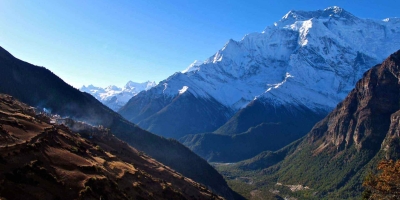
Discover Nepal's hidden spiritual and natural treasures with the Helambu Ama Yangri Trekking Package from Asiana Treks and Tours. This unique 11-day journey blends serene landscapes, rich cultural heritage, and moderate adventure, making it an ideal trek for both novice hikers and seasoned trekkers seeking a quieter route. Located just northeast of Kathmandu in the Langtang region, the Helambu region is predominantly inhabited by Hyolmo people—a sub-ethnic group of Sherpas—whose hospitality and cultural vibrancy offer a rich immersive experience.The highlight of this trek is the pilgrimage to Ama Yangri Peak (3,771m), a revered spiritual site named after the female deity "Ama Yangri," considered the protector of the Helambu region. From its summit, you are rewarded with breathtaking panoramic views of the Langtang, Ganesh Himal, and even glimpses of the Everest range on clear days. The trail passes through lush rhododendron forests, traditional villages, Buddhist monasteries, and high alpine meadows, all set against the backdrop of majestic Himalayan peaks.This package is designed with a balanced itinerary to allow proper acclimatisation, cultural exploration, and ample rest. With expert guides, comfortable accommodations, and a professionally crafted route, Asiana Treks and Tours ensures a safe, meaningful, and unforgettable trekking experience in the Himalayas.Helambu Ama Yangri Trekking DistanceThe total trekking distance of the Helambu Ama Yangri Trek is approximately 75–85 kilometres (46–53 miles), depending on side trips and chosen accommodations. The trek is designed to be moderately difficult, ideal for travellers with reasonable fitness and no prior high-altitude experience.Key Distance Highlights:Sundarijal to Chisapani: ~10 kmChisapani to Golbhanjyang: ~8–10 kmGolbhanjyang to Kutumsang: ~11 kmKutumsang to Tharepati: ~10 kmTharepati to Tarkeghyang: ~12 kmTarkeghyang to Ama Yangri and Sermathang: ~14 km (round trip + descent)Sermathang to Melamchi Pul Bazaar: ~13 km DecentTrekking Terrain:Elevation Range: 1,400m (Melamchi Pul) to 3,771m (Ama Yangri Peak)Trail Type: Well-marked paths, forest trails, ridgelines, and alpine meadowsWalking Duration: 5–7 hours per dayWhile not extremely long or high-altitude, the trek includes frequent ascents and descents, making it a good physical challenge with plenty of scenic rewards.Helambu Ama Yangri Trekking Cost (2026/2027) Asiana Treks and Tours offers a competitive and transparent pricing structure for the Helambu Ama Yangri Trek, with options to customise your experience based on group size, service level, and travel preferences. Below is a general cost breakdown for the 2026/2027 season:Estimated Cost Per Person: 687Group Trek (4+ people): USD $553–$565Private Trek (1–3 people): USD $687–$787Luxury Option (private room, upgraded hotels): From USD $ 900+What’s Included:Airport pick-up and drop-off3-star hotel in Kathmandu (2 nights with breakfast)All ground transportation (private vehicle)All meals (breakfast, lunch, dinner) during the trekLicensed English-speaking trekking guide and porterTIMS card and Langtang National Park permitsFirst aid kit, map, and trip briefingDuffel bag and trekking gear rental (on request)All government taxes and service chargesWhat’s Not Included:International airfareNepal visa feesPersonal expenses (snacks, drinks, laundry, tips)Travel and rescue insuranceDiscounts:Early bird booking: Save up to $50Student or group discounts available on requestCustomised pricing for families and special interest groupsBooking your Helambu Ama Yangri Trek with Asiana Treks and Tours guarantees not only exceptional service but also local expertise, safety assurance, and cultural immersion. Start planning your Himalayan adventure for 2026 or 2027 today!Helambu Ama Yangri Trekking Price BreakdownWhen planning your Himalayan adventure with Asiana Treks and Tours, understanding the cost breakdown for the Helambu Ama Yangri Trek helps you budget effectively. The trekking package price typically ranges between USD 750 and USD 900, depending on your group size and service preferences. This pricing includes many essentials, ensuring you receive excellent value for your investment.The cost generally covers airport transfers, accommodation in Kathmandu, meals during the trek, experienced guides and porters, permits, and transportation to and from the trailhead. Optional upgrades such as private rooms, luxury hotels, or personalised services will naturally affect the total cost. Additional expenses you may encounter include international airfare, visa fees, travel insurance, personal purchases, and tips. By choosing Asiana Treks and Tours, you also benefit from transparent pricing, with no hidden fees, and support a company committed to responsible and ethical tourism. Price Breakdown Highlights: Group Trekking Package (4+ people): $750–$850 per personPrivate/Small Group Package (1–3 people): $500–$700 per personLuxury Package options available at $1,300+Inclusions: lodging, meals on trek, guides, permits, transportationExclusions: international flights, insurance, visa, personal expensesHelambu Ama Yangri Trekking Altitude GuideThe Helambu Ama Yangri Trek offers a moderate altitude experience, making it accessible to many trekkers with good fitness levels. The highest point you will reach is Ama Yangri Peak at 3,771 meters (12,375 feet), which, while not as extreme as Everest Base Camp or Annapurna Circuit, still requires proper acclimatisation to avoid altitude sickness.The trek begins at approximately 1,400 meters and gradually ascends through beautiful forested valleys, traditional villages, and alpine meadows. With daily trekking distances averaging 5–7 hours and altitude gains spread over many days, this trek is designed to provide safe and steady acclimatisation. By the time you reach Ama Yangri, your body will have adapted well to the elevation, minimising health risks.Key Altitude Points:Sundarijal: 1,450mChisapani: 2,215mKutumsang: 2,470mTharepati: 3,650mAma Yangri Peak: 3,771mTrekkers should remain hydrated, avoid alcohol, and listen to their body’s signals. The experienced guides from Asiana Treks and Tours will monitor your condition daily and advise on pacing or rest as needed.Why Choose Helambu Ama Yangri Trekking?The Helambu Ama Yangri Trek is a hidden gem in Nepal’s trekking portfolio, offering a unique blend of cultural immersion, spiritual experiences, and natural beauty. Unlike the more popular trekking routes, Helambu provides peaceful trails where trekkers can connect with local Hyolmo communities, visit Buddhist monasteries, and witness ancient rituals still practised today. The trek’s moderate difficulty and proximity to Kathmandu make it accessible to beginners and those seeking an authentic Himalayan experience without the crowds.Choosing Asiana Treks and Tours ensures that your trekking experience is safe, well-organised, and culturally respectful. The company’s local expertise, knowledgeable guides, and strong community ties help preserve the environment and empower local communities. Asiana’s commitment to sustainable tourism means that your trip contributes positively to the regions you visit while you enjoy breathtaking mountain views and friendly hospitality.Reasons to Choose This Trek & Company:Moderate trekking difficulty suitable for beginnersRich cultural and spiritual experiences with the Hyolmo peopleLess crowded, pristine trail routesStunning Himalayan panoramas from Ama Yangri PeakExperienced local guides and responsible tourism practices by Asiana Treks and ToursPreparing for the Helambu Ama Yangri TrekkingPreparation is key to making the most of your Helambu Ama Yangri Trek with Asiana Treks and Tours. Physically, it’s recommended to engage in cardiovascular training such as hiking, jogging, or cycling for several weeks before departure. Building endurance and strength in your legs will help you comfortably manage the moderate ascents and descents throughout the trek. Familiarising yourself with carrying a daypack and walking with trekking poles is also advisable.Besides physical fitness, preparing the right gear is essential. Layered clothing, sturdy hiking boots, a warm sleeping bag, waterproof jackets, and sun protection are crucial for the varying weather conditions. Mental preparation is equally important: be ready to embrace rustic teahouse accommodations, changing weather, and the slower pace of mountain life. The team at Asiana Treks and Tours provides a detailed pre-trek briefing and packing list to ensure you are fully equipped.Preparation Checklist:Cardiovascular and strength trainingHigh-quality trekking boots and layered clothingDaypack, trekking poles, and personal medicationTravel insurance covering high-altitude trekkingMental readiness for a rustic and rewarding adventureWhat to Expect on the 10–11-Day Helambu Ama Yangri Trekking AdventureOver the course of 10 to 11 days, the Helambu Ama Yangri Trek takes you through a variety of landscapes—from subtropical forests and terraced fields to alpine meadows and rocky ridges. You will experience diverse weather conditions, with cool mornings and warmer afternoons. Each day includes several hours of trekking, balanced with time for rest, photography, and cultural encounters.Accommodation is primarily in cosy teahouses, offering basic but comfortable lodging with delicious home-cooked meals featuring local Nepali and Tibetan cuisine. You will interact with welcoming locals, visit ancient monasteries, and explore traditional villages, gaining insight into the spiritual life and customs of the Helambu region. The highlight is the early morning climb to Ama Yangri Peak for spectacular Himalayan vistas. The trek ends with a drive back to Kathmandu, where you can relax and reflect on your journey.Daily Experience Highlights:5–7 hours of trekking per day on moderate trailsStay in teahouses offering local hospitalityCultural visits: monasteries, villages, traditional festivalsScenic variety: forests, ridges, peaks, and panoramic viewsOpportunity for spiritual reflection at Ama Yangri PeakOxygen Levels on Helambu Ama Yangri TrekkingAltitude plays a crucial role in trekking experiences, and understanding oxygen levels is important for a safe journey. At sea level, atmospheric oxygen concentration is approximately 21%. As you ascend, the air pressure and oxygen availability decrease, which can affect your body’s performance. At 3,771 meters, the highest point on the Helambu Ama Yangri Trek, oxygen levels are roughly 40% lower than at sea level.This reduction means your body has to work harder to supply oxygen to muscles and organs. For most trekkers on this route, symptoms like mild breathlessness or fatigue are common but manageable with proper acclimatisation. The gradual ascent profile of the trek helps your body adjust to these changes, minimising the risk of altitude sickness.Oxygen and Altitude Facts:Sea level oxygen: 21%Oxygen at Ama Yangri Peak (~3,770m): approx. 12–13%Common symptoms: increased breathing rate, fatiguePrevention: gradual ascent, hydration, restEmergency: Asiana Treks and Tours guides trained in altitude sickness recognition and responseBy trekking with experienced guides who closely monitor your health and follow safe acclimatisation practices, your adventure on the Helambu Ama Yangri trail remains safe and enjoyable.Major Villages and Scenic Viewpoints on Helambu Ama Yangri Trekking RouteThe Helambu Ama Yangri Trekking Route takes you through several charming villages and breathtaking scenic spots that are central to the trek’s appeal. Starting from Sundarijal, the trail passes through traditional settlements like Chisapani, Golbhanjyang, Kutumsang, Tharepati, and Tarkeghyang. Each village offers unique cultural insights, featuring stone houses, prayer flags, terraced fields, and warm hospitality from the Hyolmo and Sherpa communities. Staying overnight in these villages helps trekkers experience authentic rural Nepalese life and sample local cuisine.Scenic viewpoints along the route offer spectacular panoramas of the Langtang, Ganesh Himal, and Jugal Himal mountain ranges. One of the most remarkable viewpoints is at Ama Yangri Peak (3,771m), where on a clear day, you can see the Himalayan giants, including Everest in the far distance. The ridge walk from Tharepati to Tarkeghyang is another highlight, presenting lush rhododendron forests in spring and sweeping valley views year-round. These natural vantage points also provide excellent opportunities for photography and peaceful reflection amid the Himalayan wilderness.Key Villages and Viewpoints:Chisapani (2,215m): Gateway village with forest viewsGolbhanjyang: Quiet village with traditional Hyolmo cultureKutumsang (2,470m): Scenic village with terraced fieldsMagin Goth (3,040 m): Small valley with some guesthouses surrounding green forestTharepati (3,650m): Highest overnight point with mountain viewsMelamchhi Gaun (2530m:) Hebitant of Helmo Sherpa people and monasteryTarkeghyang (2,560m): Cultural hub with monasteriesAma Yangri Peak (3,771m): Panoramic Himalayan viewsFlora and Fauna of Helambu Ama Yangri TrekkingThe Helambu region boasts a rich and diverse ecosystem, showcasing a blend of subtropical and alpine flora and fauna that evolve with altitude. At lower elevations around Sundarijal and Chisapani, dense forests of oak, pine, and rhododendron dominate the landscape. In spring, rhododendrons burst into vibrant reds and pinks, turning the forests into a spectacular sea of colour. As you ascend above 3,000 meters, the vegetation thins, giving way to alpine meadows and hardy shrubs adapted to harsher mountain climates.Wildlife in Helambu is equally diverse. Trekking through the forests, you may spot species like Himalayan Monal (Nepal’s national bird), barking deer, langurs, and a variety of pheasants and songbirds. While large predators such as leopards and Himalayan black bears are present, sightings are rare and elusive. The region is also home to colourful butterflies and unique Himalayan medicinal plants, treasured by local communities. This biodiversity not only enriches the trekking experience but also highlights the importance of conservation efforts promoted by Asiana Treks and Tours.Flora and Fauna Highlights:Forests of oak, pine, and rhododendron (spring bloom)Alpine meadows and hardy shrubs at higher elevationsBirds: Himalayan Monal, pheasants, and songbirdsMammals: barking deer, langurs, and occasional bear tracksMedicinal plants used in traditional healingFestivals and Local Culture Along Helambu Ama Yangri Trekking RouteThe Helambu region is a vibrant cultural mosaic largely inhabited by the Hyolmo people, a Tibetan-Burmese ethnic group known for their rich traditions and Buddhist heritage. Along the trekking route, trekkers can witness traditional festivals such as Sakela, a lively dance festival held in spring to celebrate the planting season. This event showcases colourful costumes, music, and communal dances performed by villagers, highlighting their deep connection to nature and agriculture.Monasteries scattered throughout the trail, particularly in Tarkeghyang and Sermathang, serve as cultural centers where local rituals and prayer ceremonies take place regularly. Visitors can observe the daily life of monks, witness butter lamp offerings, and learn about Tibetan Buddhist philosophy. The Hyolmo people’s warm hospitality extends beyond festivals, as you will be invited into homes and teahouses to share traditional foods like Tsampa (roasted barley flour) and Chhaang (local barley beer), enriching your cultural immersion.Festivals and Cultural Highlights:Sakela Festival (spring dance and harvest celebration)Daily Buddhist rituals in monasteries at Tarkeghyang and SermathangTraditional Hyolmo cuisine and hospitalityFolk songs, storytelling, and handcrafted textilesTibetan Buddhist prayer flags, stupas, and sacred sitesWhy Book with Asiana Treks and Tours for Helambu Ama Yangri TrekkingChoosing Asiana Treks and Tours for your Helambu Ama Yangri trekking adventure guarantees professionalism, safety, and authentic experiences. With years of expertise in Nepalese trekking, the company offers well-crafted itineraries tailored to varying fitness levels and interests. Their team of licensed guides and porters is a knowledgeable group of locals trained in first aid and altitude sickness prevention, ensuring your trek is safe and enjoyable.Asiana Treks and Tours is committed to responsible tourism practices, including supporting local communities, minimising environmental impact, and promoting cultural respect. This commitment means your trekking fees directly benefit the villages and conservation efforts in Helambu. The company provides comprehensive pre-trek briefings, high-quality equipment, and responsive customer support from booking to trek completion. Whether you want a group trek or private experience, Asiana Treks and Tours delivers personalised service that exceeds expectations.Reasons to Book with Asiana Treks and Tours:Experienced, licensed guides and portersFocus on safety, acclimatisation, and healthSupport for local communities and sustainable tourismTransparent pricing with no hidden feesPersonalised service for groups, families, and individualsHow to Book Helambu Ama Yangri TrekkingBooking your Helambu Ama Yangri Trek with Asiana Treks and Tours is straightforward and customer-friendly. Start by contacting the company via their official website or email to request detailed itineraries and pricing, and to customise your trek to your schedule. The team provides prompt responses and helpful advice on preparation, gear, and travel logistics.Once you finalise your itinerary, you will receive a booking confirmation, a detailed pre-departure checklist, and payment instructions. A deposit is usually required to secure your place, with the balance paid before your arrival in Kathmandu or as per the company’s policy. Asiana Treks and Tours also offers assistance with Nepal visa applications, airport transfers, and travel insurance recommendations to ensure a hassle-free experience from start to finish.Booking Process Overview:Contact Asiana Treks and Tours via website or emailDiscuss customised itinerary, services, and PriceConfirm booking with deposit paymentReceive pre-trek briefing and checklistArrange flights, insurance, and Nepal visa (optional assistance)Arrival in Kathmandu with airport pickup arranged
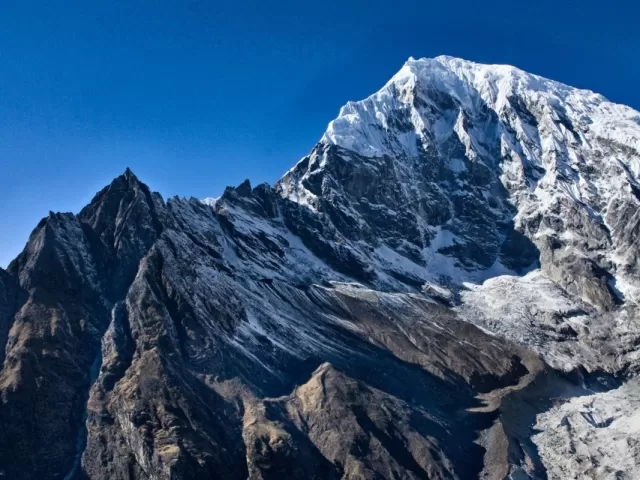
The Langtang Valley Short Trek is one of Nepal’s most scenic and accessible Himalayan treks, located inside Langtang National Park and close to Kathmandu. The trek combines spectacular mountain scenery, beautiful forests, traditional Tamang villages, Buddhist culture, and diverse Himalayan flora and fauna. The region is home to wildlife such as the red panda, Himalayan thar, musk deer, and numerous bird species.The trek begins with a scenic drive from Kathmandu to Dhunche, followed by a drive or trek toward Thulo Syabru, a traditional Tamang village situated on a beautiful mountain ridge. From Thulo Syabru, the trail passes through lush rhododendron, oak, pine, and bamboo forests, with waterfalls, rivers, peaceful villages, and dramatic mountain landscapes. As you gain elevation, the scenery changes from dense forests and green hills to alpine meadows and snow-capped Himalayan peaks.The trail continues through highlights such as Lama Hotel, Langtang Village, and Kyanjin Gompa, the cultural and scenic heart of the Langtang Valley. From Kyanjin Gompa, trekkers can enjoy magnificent views of Langtang Lirung, Langtang II, Yala Peak, Dorje Lakpa, and surrounding mountains. The trek offers an excellent combination of nature, culture, adventure, and Himalayan scenery within a relatively short itinerary.Current Route UpdateDue to recent devastating flooding along the Bhotekoshi River, some roads and sections of the highway toward Syabrubesi collapsed on 26 August 2026. Therefore, direct road access to Syabrubesi is currently unavailable, and Tamang heritage trekking is closed. The Langtang Valley Short Trek can instead be accessed from Dhunche via Thulo Syabru, using the safest available route. We continue to monitor and update trail conditions and arrange for trekking. Why is Langtang Valley Trekking a must-do trek?The following reasons make the Langtang Valley trek a top choice for Himalayan trekkers: its natural beauty, cultural immersion, and accessibility. Langtang National Park remains a treasure trove for those seeking a Himalayan journey enriched with natural wonders, cultural discoveries, and conservation values.Close to Kathmandu: Just a few hours’ drive from the capital, Langtang is the nearest Himalayan trekking destination—perfect for travellers with limited time.Breathtaking Nature: Enjoy panoramic views of snow-covered peaks, green forests, and peaceful valleys—ideal for nature lovers and photographersAuthentic Culture: Walk through traditional Tamang villages, visit ancient monasteries, and experience warm local hospitality.Resilient Region: Rebuilt after the 2015 earthquake, the area now thrives through community-based tourism. Beginner-Friendly Trail: A moderate trek suitable for both new and experienced hikers with well-marked paths. Diverse Landscapes: From dense forests to alpine meadows and glacial lakes like Gosaikunda, every day offers new scenery. Peaceful Trails: Fewer trekkers make this route calm and crowd-free compared to Everest or Annapurna. Wildlife Haven: Spot rare animals like the Red Panda and enjoy rich biodiversity in Langtang National Park. Ecological Importance: The region plays a key role in preserving Himalayan ecosystems and promoting eco-friendly tourism. Community Empowerment: Local people actively protect wildlife and support sustainable trekking practices. Cultural Heritage: Ancient Buddhist stupas, prayer flags, and monasteries reflect the region’s deep spiritual roots. Adventure Options: Beyond trekking, enjoy birdwatching, wildlife spotting, and relaxing in natural hot springs. Scenic Beauty: Every corner of Langtang offers breathtaking views—perfect for photography and peaceful reflection. Preparing for Langtang Valley Trekking: Preparing for the Langtang Valley Trek is essential for a safe and rewarding Himalayan experience. This moderate trek reaches up to 4,773 meters at Kyanjin Ri, offering breathtaking mountain views and rich Tamang culture. Start fitness training a few weeks before, focusing on walking, stair climbing, and light strength exercises. Stay hydrated, eat well, and avoid alcohol or coffee at high altitudes. Pack warm layers, sturdy boots, and essential trekking gear for varying weather. Hiring a licensed guide ensures safety, proper acclimatisation, adherence to the Healthy itinerary, and hassle-free permits. With the appropriate preparation, the Langtang Valley Trek becomes an unforgettable journey in Nepal. Preparing for Key Points Langtang Valley Trekking:Understand the Trek Difficulty: The Langtang Valley Trek is considered a moderate-level hike, suitable for most trekkers with basic fitness. Plan Your Trek with at least two people in a Group – Travelling with friends or in an organised group adds safety and motivation, especially in remote trails. Hire a Licensed Guide – A guide not only ensures your safety but also manages permits, local communication, and navigation throughout the trek. Allow Time for Acclimatisation – Schedule rest days to adapt to higher altitudes and minimise the risk of altitude sickness. Avoid Alcohol, Smoke, and Coffee: These beverages can dehydrate your body and increase your vulnerability to acute mountain sickness (AMS).Focus on Physical Preparation – Build endurance with aerobic workouts such as jogging, swimming, cycling, or brisk walking. Be assured—strengthen your legs and core with squats, lunges, step-ups, and hip exercises.Follow the Rule of the Mountain—Choose a Healthy Itinerary, practice balance training to handle rocky, uneven Himalayan trails.Try Altitude or Elevation Training - Do short hikes or climbs near your home to simulate trekking conditions before you arrive in Nepal. Stay Mentally Prepared: Trekking in the Himalayas requires patience and positivity. Expect weather changes and long walking days. Consult Your Doctor: Before coming to Nepal and trekking, check your health status and ask about altitude medication if needed.Langtang Valley Trekking itinerary:Asiana Treks and Tours offers the best Langtang Valley Trekking itinerary for people who love both long and short treks. Travellers who desire to explore Nepal with moderate physical fitness. You'll discover the best places for breathtaking views from the city to the countryside. Experience the contrast between cold nights at Kyanjin Gompa and relaxing in Kathmandu —an unforgettable lifetime journey.Langtang Valley Trekking Distance:The Langtang Valley trek covers approximately 60-75 km (37.2 -46.6 miles). This trek alone typically takes around 8 to 10 days to complete. If combined with other routes like the Tamang Heritage Trekking, the Langtang Gosaikunda Pass Trekking, the Langtang Panorama Trekking, the Langtang and Helambu trek or the Helambu Aama Yangri Trekking, the trek adds 3-8 days, depending on the chosen route. The Langtang Valley Trek showcases breathtaking natural beauty, passing through peaceful Buddhist villages and serene jungles and offering stunning views from Kyanjin Ri and the expansive Langtang Valley. For those who are physically fit, the Langtang valley trek can start and end in Kathmandu, taking approximately 8 days.Langtang Valley Trekking route:The Langtang Valley Trekking Route offers a perfect blend of natural beauty, culture, and adventure close to Kathmandu. The journey begins with a scenic drive to Syabrubesi, the gateway to Langtang National Park. The trail follows the Langtang Khola River, passing through lush forests, bamboo groves, and traditional Tamang and Sherpa villages like Pairothapla, Bambu, Lama Hotel, GhoraTabala, Thangshap, Hyamki, Langtang Village, and Mundu before reaching Kyanjin Gompa. Trekkers can hike to Kyanjin Ri (4,773 meters) or Tserko Ri (5,003 meters) for panoramic Himalayan views, including Langtang Lirung and Shishapangma. The return follows the same route, offering a rewarding and peaceful Himalayan experience.Langtang Valley Trekking price (cost):Our package tour ensures reliability in terms of cost, itinerary, and overall experience. The Langtang trek typically costs between US$637 and US$765. The Price range depends on group size, service level, guide and porter services, transportation preferences, and accommodation category during the trek; however, the Langtang trek does not include any Luxury stays. This cost estimation is subject to the types of trekking gear and accommodation preferences.However, if you avoid Kathmandu sightseeing and exploration and want a Short route, you could get a heavy discount on our Price.Langtang Valley Trek package, optional guide :At Asiana Treks and Tours, the Langtang Valley Trek cost varies depending on your chosen package, budget, and preferences. We offer flexible options so every traveller can enjoy a customised trekking experience. Below is a simple breakdown of our popular Langtang trekking packages, ranging from basic trek-only services to full-board options with hotels, sightseeing, and guided experiences.Langtang Valley Trek Packages vary by Cost Options:Regular Package per person (USD 637) Includes trekking permits, a licensed guide, accommodation, Transportation by bus and meals during the trek.Ideal for regular travellers who want a simple trekking service from start to finish.Focuses solely on the trekking experience, without any add-ons.Standard Package per person (USD 735 – 851) Includes all trekking services, Guide and porter, 2-night hotel stay in Kathmandu, arrival pick-up, and departure drop-off.Recommended for comfortable trekkers who prefer smooth travel logistics and support from arrival to departure.An outstanding balance between value and comfort.Premium Package Per person (USD 953 – 1053) Covers the entire trek with both guide and porter, plus a 3-night three-star hotel stay in Kathmandu.Includes UNESCO sightseeing tours and all ground transportation.Perfect for luxury travellers or first-time visitors seeking a complete Nepal experience with hassle-free arrangements. Langtang Valley Trekking Altitude Guide:The Langtang Valley trek starts from the bustling city of Kathmandu at an altitude of 1337 meters. From there, you'll ascend to Kyanjin Ri (4773m / 15655 ft), above sea level. Along the way, you'll see many famous viewpoints of Kyanging-Re reaching an altitude of Kyanjin Ri (4773m / 15655 ft), and Tserko Ri 5033 m/16,500 ft. Finally, the trek culminates at the High of Kyanjin Ri.Major villages of Langtang Valley Trekking:Kathmandu, Trishuli, Betrawati, Syabrubesi, Bambu, Lamahotel, Ghora Tabela, Thangshep, Langtang, Mundu, Kyanjing Gompa, and the same way back to Kathmandu via Syabru Besi. Completing the trek, they reflect on their memorable journey through the diverse landscapes and cultural richness of the Langtang region. These villages are significant landmarks and offer scenic beauty and accommodation options along the Langtang Gosaikunda Pass Trekking route.Best Viewpoints Langtang Valley Trekking:The Langtang Helambu trekking route offers several breathtaking viewpoints with panoramic Himalayan vistas. Here are the main views along the trek:Kyanjin Ri: A viewpoint near Kyanjin Gompa offering stunning 360-degree views of the Langtang Valley and surrounding peaks, including Langtang Lirung (7,227 meters)Tserko Ri (5,033 meters). It's a popular spot for sunrise and sunset photography.These viewpoints along the Langtang trekking route offer trekkers memorable opportunities to witness the grandeur of the Himalayas, immerse themselves in the natural beauty of the Tibetan plateau and appreciate the cultural richness of the region's diverse landscapes.Flora and Fauna Of Langtang Valley Trekking:Langtang Helambu Trekking trail is a biodiversity hotspot, perfect for nature lovers. Lush forests in the lower regions house various bird species, including rhododendrons and bamboo. Alpine meadows greet you higher up with vibrant wildflowers. Look out for elusive wildlife like Himalayan Thars and snow leopards, and repanda, while diverse birdlife, including the Himalayan Monal, adds to the experience. This trek offers a captivating glimpse into the ecosystems of the Himalayan and hilly regions, promising an unforgettable journey through nature's diversity.Festivals and cultures in Langtang Valley Trekking:You'll immerse yourself in vibrant festivals and cultural traditions along the Langtang Valley Trekking route. The region, predominantly inhabited by ethnic groups such as the Tamang, Helambu, and Sherpa, celebrates various festivals. Specifically, they celebrate the Buddhist festival. However, they celebrate Dashain, a festival. Typically, in September or October, it is a significant Hindu festival symbolising the triumph of good over evil. Villages burst with colourful decorations, music, and dances as families gather for blessings and feasts.Buddhist festivals offer a unique and lifetime experience, as well as a glimpse into Nepalese Himalayan culture and the majestic beauty of the Himalayas.Advantage book with Asiana Treks and Tours:Private transport for airport transfers to/from your hotel.Trip briefing on Facebook and online if you love to connect.Last-minute booking at your hotel at a suitable time after your arrival.Easy booking and reservation system.Multi-channel communication via Email, WhatsApp, Facebook, Viber, Skype, 24/7 phone communication at +977-9851076270Free excess luggage storage during the trekPulse oximeters for monitoring blood oxygen saturation at high altitudes to detect altitude sickness earlyMedical kits along the trek and hot airbags are available in winterArrange sleeping bags, duffel bags and down jackets, and walking poles if you don't have your own.Notes: Please be aware that the itinerary may change due to weather or other factors, and we'll adjust it accordingly for the group's safety and enjoyment. We look forward to guiding you through the stunning landscapes of the Annapurna region and ensuring a memorable trekking experience.Trek Booking:Asiana Treks and Tours is the best and most trusted trek and tour company operator authorised by the Nepal government. We require a 10% advance payment to book your trip, and you'll need to send us a copy of your passport, photos, travel insurance, and flight details as soon as you book a tour with us. You can use a bank transfer or another method, like Western Union, or pay online via our website, which is easy. The remaining trip cost can be paid upon arrival in Nepal. We offer last-minute bookings, but changes may be necessary due to factors such as bad weather. Transportation for Langtang Valley trekking:We offer a range of flexible transportation options, including planes, helicopters, tourist buses, coasters, vans, 4HW jeeps, and cars tailored to our clients' specific needs, preferences, itineraries, and agreements. This ensures a comfortable and personalised travel experience. Private transportation will be provided for sightseeing in Kathmandu based on group size and requirements.Local transportation is provided for the journey to and from Syabru Bensi. In contrast, optional private transportation from Kathmandu to and from Syabru Bensi can be arranged at an additional cost, depending on the group size and preferences.Trekking Start: Your Langtang Valley Trek begins with a warm welcome in Kathmandu. As soon as you arrive at Tribhuvan International Airport, our dedicated team will greet you. We'll then escort you to your hotel in a private vehicle, ensuring a comfortable, hassle-free start to your adventure and setting the tone for a memorable journey.If you miss the regular trip briefing, don't worry. We'll provide it at a convenient time before departure, and we'll then proceed to the local bus, departing around 7 a.m. from Gangabu New bas park, Kathmandu.The package includes transportation by simple bus from Kathmandu to Syabru Besi, offering a comfortable and scenic journey. However, if you prefer a comfortable van or Jeep, you can also use a private vehicle for an additional cost, giving you the freedom to choose what suits you best.Currency Exchange:The Nepalese rupee is Nepali currency, and 1 USD is approximately 130 NPR. Only NPR is accepted in Nepal, so it's best to bring cash to make transactions easier. Banks and ATMs in Kathmandu provide currency exchange services, but note that most banks prefer new, crisp notesGuide and Porter Arrangement:Our company, Asiana Treks and Tours, focuses on responsible tourism in Nepal. We make sure our guides and porters are well-trained in Trekking and mountaineering. They know a lot about the areas we go to, including geography, history, customs, and culture. We train them regularly in safety, first aid, and environmental conservation. We follow guidelines to treat our porters fairly, providing them with good pay, accommodation, and meals during treks. Our guides and porters are essential team members, and we appreciate their hard work. When you trek with us, you support ethical tourism in Nepal, making your trip meaningful and memorable.Asiana Treks and Tours prioritises your safety and enjoyment. Our knowledgeable guides, reliable equipment, and safety measures ensure a great trekking experience in Nepal.Porter, Luggage, and extra Luggage storage: We cover the cost of porters for your luggage, but the maximum weight per person is 12 kg. Each porter carries luggage for two trekkers; please share a duffel bag with another. Our porters will carry up to 25 kg each. If you need a porter, we can arrange one. We also recommend carrying a small backpack for your valuables and important documents. You can leave extra luggage at our office for free, or at a hotel in Kathmandu or Syabrubesi.Accommodation:Accommodation during the Langtang Valley Trek varies. Along the trekking route, you'll stay in guest houses, commonly known as teahouses. These basic lodges offer rooms, dining areas, and toilets. The quality of guest houses varies, but remains affordable and convenient for trekkers. Rooms typically have twin or bunk beds, shared bathrooms, and blankets and pillows provided. Our company can offer a sleeping bag if you don't have one. You'll spend nine nights in lodges along the trekking route and three nights in a hotel in Kathmandu. Some places and lodges have attached bathrooms, while others offer simple yet clean rooms with shared facilities. We can arrange a solo trekking service if you're travelling solo, but availability may be limited during peak season in some places. In Kathmandu, your hotel room will have excellent amenities, including TV, 24/7 hot water, electricity, and laundry service.Meals during the trip:Eating well is essential since the Langtang Helambu Trek takes you through the high Himalayas. You'll have plenty of nutritious meals in the trekking regions, although the options won't be as varied as in the cities. You'll get nineteen breakfasts, fifteen lunches, and sixteen dinners during the Trek. The menu includes local, Asian, and Western dishes, but it gets more straightforward as you climb higher. Try popular Nepali foods like lentils, rice, curry, dumplings, noodles, Spaghetti, and many more. We highly recommend eating fresh vegetables and drinking liquids like green tea, lemon tea, hot lemon, ginger tea, and garlic soup, especially at high altitudes. While non-vegetarian options are available during the Trek, we suggest avoiding them for hygiene reasons. It's also best to avoid dairy, cheese, alcohol, caffeine, and hot chocolate. Personal expenses, such as alcoholic drinks and additional beverages at lodges or cafes, aren't included in the package. Drinking water:Nepal is the second country in the world in terms of water resources, after Brazil. According to the Nepal government, only 27% of the population here has access to clean drinking water. You can buy mineral water in teahouses, but it is expensive; in some trekking areas, people prefer plastic bottles. So, there are some safe drinking water stations where you can refill your bottle. However, we recommend carrying Steripen, iodine drops, water purification tablets for safe drinking, and refillable water bottles for boiled or filtered water. We strongly advise against drinking from taps, wells, and rivers in trekking areas. However, in all city areas, Mineral water is available at a reasonable cost.Extra Personal expenses:While most expenses during the trek are covered, you'll need to spend money on accommodations and meals in Kathmandu and Pokhara, Souvenirs, and additional beverages. We estimate about USD 10-20 per trekking day for miscellaneous expenses. Personal Expenses: Toilet Facilities in Langtang Valley Trekking:Most teahouses have Western-style flush toilets during mountain treks, especially at lower elevations. But as you go higher, you find simple squat toilets along the trails and teahouses at higher altitudes. These toilets usually have water or toilet paper, but it's a good idea to bring your toilet paper just in case. You can also use restrooms at nearby teahouses or find a private spot along the trekking routes.Internet Connectivity:While trekking in Nepal's Himalayan region, it's also a good idea to connect with your family and friends. You can find internet access at teahouses and lodges, but it might cost extra. The signal might be weak because of the remote location. You can also get internet access using a local SIM card and data packages available at Kathmandu airport or nearby shops in Thamel and Pokhara. You'll have a passport-sized photo and a copy of your passport to get a SIM card. It's a good idea to compare prices and data packages from telecom companies like Ncell and Nepal Telecom before buying. Knowing about the teahouse connectivity. Our guide will suggest connections for you. Electricity voltage and plugs:However, 95 % of Nepali people have access to electricity as of May 29, 2023. Almost all popular trekking routes, teahouses, and lodges have electricity. However, some isolated, solo trekking tea houses in the jungle don't have electricity; most of these tea houses let travellers charge their devices for a small fee. The average electrical voltage in Nepal is 230 volts, with plug types like Type C, Type D, and Type M. Travellers should bring a suitable adapter and, if needed, a voltage converter for their electronic devices.Communication:The guest houses in the trekking regions have internet access. You could buy a SIM card at Tribhuvan International Airport in Kathmandu and Pokhara. However, the signal may need to be more assertive at high altitudes. Our office keeps in touch with all trekking teams via the trek guide at least once daily to ensure everything goes as planned.Trip Extension:Suppose you have extra days in Nepal after the Trek. In that case, we can arrange a tour, an overnight stay in Nagarkot or Balthali, or another place around Kathmandu and Chitwan, a jungle safari, paragliding, rafting, canyoning, or other treks. Do not hesitate to inform us. We will create the best for you.Trek Difficulty:The Langtang Valley Trek presents an easy, moderate, and challenging yet enriching adventure. Your enjoyment of the trip will largely depend on your fitness level. We recommend building stamina at least two weeks before the trek. Activities include jogging, running, swimming, or taking long hikes for the journey ahead.Completing this trek is achievable even if you're a beginner, although you must maintain a reasonable fitness level. Prior trekking experience is optional but can be advantageous. All you need is the readiness to hike steadily for 4-8 hours, navigating tricky terrain.Suppose trekkers have pre-existing medical conditions, such as lung or heart diseases. In that case, they are advised to consult their physician before booking the trek to ensure their safety and well-being throughout the journey.Trip Safety:We highly prioritise your safety. We provide experienced guides, first-aid kits, and necessary safety gear to ensure a safe hand. Our team monitors weather and trail conditions and takes precautions to avoid risks. Before starting the trek, we discuss the trip to provide a clear understanding and ensure a reliable experience.Group & Private Treks:We organise many group and private treks simultaneously, with discounts available for larger groups. Every group will have a trekking guide and porters; an assistant guide may be provided for larger groups. Our team ensures a safe and enjoyable trekking experience for all participants.About a solo traveller:If you're a solo traveller, please get in touch with us to confirm departure dates before booking. You can tell us via call, WhatsApp, or email. We have listed upcoming departure dates for your convenience. Feel free to share the trip details with friends and family.Responsible Travel:We prioritise responsible travel to minimise environmental impact and support local communities. We collaborate with organisations like the Kathmandu Environmental Education Project (KEEP) to promote eco-friendly practices in trekking regions.Gratitude:Graduate or tipping is appreciated in Nepali culture and reflects the quality of service provided. You decide how much to tip, but we recommend tipping as a group at the end of the trip.End of Trek:On the eighth day, you'll take a local bus back to Kathmandu, which takes about six hours. Alternatively, you can take a private vehicle from Syabru Besi to Kathmandu at an extra cost. In the evening, we'll host a farewell dinner in Kathmandu.Departure:On the day of your departure flight, we'll come to pick you up from your hotel and transfer you to Tribhuvan International Airport. We hope you enjoyed the Nepal trek and will consider returning for more adventures in Nepal.Feedback:After you complete the Langtang Valley Trek, we'll organise a farewell dinner in Kathmandu and present you with a trekking achievement certificate. After the dinner, you can provide feedback about the Trek on travel portals.Last-Minute Booking:If you can't book in advance, we offer last-minute bookings. Full payment is required 24 hours before departure. While we do our best to accommodate last-minute bookings, delays may occur due to unforeseen.Special Note: Please remember that unforeseen circumstances, such as inclement weather or unavailable lodging, may alter the schedule. Your trip guide will design a fresh schedule based on the group's interests in such circumstances.
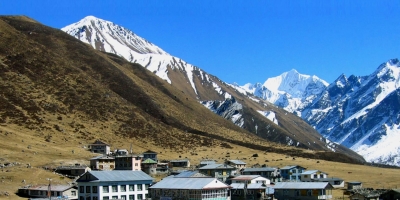
A wonderful ethnic and cultural experience as you trek through the trail among natural wonders in the Himalayas is an experience that you can ask for more than anything. Tamang Heritage Trek takes you through several beautiful villages of ethnic Tamang people in the mountains of the Langtang region.The trekking for days along the trail that goes through Tamang villages gives you an amazing Himalayan trekking experience while the stopover places are rich in cultural wonders. Tamang people are one of the ethnic tribes in Nepal who follow Tibetan Buddhist culture and live a very humble and simple way of life up in the mountains. This culturally rich ethnic group of people is known to be innocent which can be truly inspiring for many. As you trek through the villages where these people live, you can experience their culture and lifestyle while you can even enjoy the view of the mountains and serenity of the rural area.Join this amazing adventurous immersion into the Tamang culture and experience the wonders of the cultural and adventure mix of the Himalayan journey.Why Tamang HeritageTrekking?The Tamang heritage trek offers natural beauty, cultural immersion, and accessibility, making it a top choice for Himalayan trekkers. Langtang National Park remains a treasure trove for those seeking a Himalayan journey enriched with natural wonders, cultural discoveries, and conservation values.Proximity to Kathmandu: This is the closest trekking destination to Kathmandu, ideal for travelers with limited time seeking a Himalayan adventure.Natural Beauty: The Langtang range offers stunning views of snow-capped peaks, lush forests, and serene valleys, perfect for nature lovers and photographers.Cultural Immersion: Trek through Tamang villages on the Tamang Heritage Trail, experiencing authentic culture, ancient monasteries, and warm hospitality.Recovery from the 2015 Earthquake: Despite earthquake devastation, the region shows resilience, with tourism supporting local recovery efforts.Easy and Moderate Difficulty: Suitable for beginners and experienced Hikers, well-defined trails offer a balanced challenge.Variety of Landscapes: From dense forests to alpine meadows and glacial lakes like Gosaikunda, diverse landscapes enrich the trekking experience.Less Crowded: Compared to more popular routes, Langtang Valley offers a tranquil environment with fewer trekkers.Habitat Diversity: Home to rare wildlife like the Red Panda, featuring diverse habitats from forests to alpine meadows.Biodiversity Hotspot: Recognized for its rich flora and fauna, crucial for Himalayan ecosystem balance and supporting endemic species.Ecological Importance: Vital for conserving biodiversity and promoting sustainable practices through responsible tourism.Community Engagement: Local communities are involved in eco-tourism and wildlife protection efforts, contributing to sustainable livelihoods.Scenic Beauty: Besides wildlife, the park offers breathtaking natural landscapes, attracting nature enthusiasts and photographers.Location: Situated north of Kathmandu, Langtang National Park spans Himalayan terrain with forests, meadows, and peaks.Trekking Trails: Popular routes like the Langtang Valley trek provide cultural insights and pristine wilderness experiences.Cultural Heritage: The area abounds with Tamang culture, ancient monasteries, and Buddhist stupas, offering a glimpse into local traditions.Conservation Efforts: Focused on preserving fragile ecosystems and habitats, supported by local and international conservation efforts.Adventure Activities: Beyond trekking, opportunities include birdwatching, wildlife viewing, and enjoying natural hot springs, enhancing its appeal as a nature tourism destination.Tamang Heritage Trekking itinerary:Asiana Treks and Tours has the best Tamang Heritage Trekking itinerary for people who love long and short trekking. Travelers who desire to explore Nepal with moderate physical fitness. You'll discover the best places for breathtaking views from the city to the countryside. Experience the contrast of cold nights at Kyanjin Gompa to relaxing in Kathmandu an unforgettable lifetime journey.Tamang Heritage Trekking Distance:The Tamang Heritage trek covers approximately 75 km (46.6 miles), depending on the chosen itinerary. This trek alone typically takes around ten to twelve days to complete. If combined with other routes like Langtang Valley Trekking, Langtang Gosaikunda Pass Trekking, Langtang Panorama Trekking, Langtang and Helambu, Helambu Aama Yangri Trekking adds 3-8 days, depending on the chosen route. The Langtang Valley Trek showcases breathtaking natural beauty, passing through peaceful Buddhist villages and serene jungles and offering stunning views from Kyanjin Ri and the expansive Langtang Valley. For those fit enough, the trek can start and end in Kathmandu, totaling approximately 12 days.Tamang Heritage Trekking route:Tamang Heritage Trekking route showcases awe-inspiring natural beauty. Starting in lush valleys with terraced fields and traditional villages, the journey unfolds amidst the Himalayan foothills. Rhododendron and pine forests bloom in spring, and stunning views of snow-capped peaks can be seen when we walk. The Langtang Valley Trekking route showcases awe-inspiring natural beauty. Ganesh Himal Range, Langtang Himalayan Range, and many more mountains offer stunning views. The trek promises unforgettable moments, whether you're a seasoned trekker or novice adventurer, offering an unparalleled journey through Earth's most breathtaking landscapes. Includes Kathmandu, Syabru Besi, Lamahotel, Langtang, Kyanjingumba, Tholo Syabru, Sing Gumpa, and a return same way back to Kathmandu. Tamang Heritage Trekking price (cost):Our package tour ensures reliability in terms of cost, itinerary, and overall experience. For Nepali citizens, the Langtang trek typically ranges from US$ 665to 875, and for foreigners, US$ 875 to 1085, variations depending on group size, service level, guide and porter services, transportation preferences, and accommodation category in Kathmandu. This cost estimation is subject to the types of trekking gear and accommodation preferences.However, if you avoid Kathmandu sightseeing and exploration and want a Short route you could get a heavy discount on our Price.Tamang Heritage Trekking Altitude:The Tamang Heritage trek starts from the bustling city of Kathmandu at an altitude of 1337 meters. From there, you'll ascend to Kyanjin Ri (4773m / 15655 ft), above sea level. Along the way, you'll see many famous viewpoints of Kyanging-Re reaching an altitude of Kyanjin Ri (4773m / 15655 ft), and Tserko Ri 5033 m/16,500 ft a meters. Finally, the trek culminates at the High of Kyanjin Re.Major villages of Tamang Heritage Trekking:Kathmandu, Trishuli, Betrawati, - Syabrubesi-Bambu -Lamahotel - Ghora Tabela - Thangshep -Langtang- Mundu- Kyanjing Gompa, and the same way back to Kathmandu via syabru Besi. completing the trek reflecting on their memorable journey through the diverse landscapes and cultural richness of the Langtang region. These villages are significant landmarks and offer scenic beauty and accommodation options along the Langtang Gosaikunda Pass Trekking route.Best Viewpoints Tamang Heritage Trekking:The Tamang Heritage trekking route has several breathtaking viewpoints offering panoramic Himalayan landscape vistas. Here are the main views along the trek:Kyanjin Ri: A viewpoint near Kyanjin Gompa offering stunning 360-degree views of the Langtang Valley and surrounding peaks, including Langtang Lirung (7,227 meters) and Tserko Ri (5,033 meters). It's a popular spot for sunrise and sunset photography.This viewpoint along the Langtang Gosaikunda Pass trekking route offers trekkers memorable opportunities to witness the grandeur of the Himalayas, immerse themselves in the natural beauty of alpine lakes, and appreciate the cultural richness of the region's diverse landscapes.Flora and Fauna Of Tamang Heritage Trekking:Tamang Heritage Trekking trail is a biodiversity hotspot, perfect for nature lovers. Lush forests in the lower regions house various bird species, including rhododendrons and bamboo. Alpine meadows greet you higher up with vibrant wildflowers. Look out for elusive wildlife like Himalayan Thars snow leopards, and diverse birdlife, including the Himalayan Monal, adds to the experience. This trek offers a captivating glimpse into the Himalayan and hilly region ecosystems, promising an unforgettable journey through nature's diversity.Festivals and cultures in Tamang Heritage Trekking:You'll immerse yourself in vibrant festivals and cultural traditions along the Tamang Heritage Trekking route. The region, predominantly inhabited by ethnic groups like the Tamang, Helmo, and Sherpa, celebrates various festivals. especially they celebrate the Buddhist festival However they celebrate the Dashain, festival. typically in September or October, is a significant Hindu festival symbolizing the triumph of good over evil. Villages burst with colorful decorations, music, and dances as families gather for blessings and feasts. Buddhist festivals offer a unique and lifetime experience, as well as Nepalese Himalayan culture with the majestic beauty of the Himalayas.Advantage book with Asiana Treks and tours:Private transport for airport transfers to/from your hotel.Trip briefing on Facebook and online if you love to connect.Last minute booking at your hotel at a suitable time after your arrival.Easy booking and reservation system.Multi-channel communication via Email, WhatsApp, Facebook, Viber, Skyp 24/7 phone communication at +977-9851076270Free excess luggage storage during the trekPulse oximeters for monitoring blood oxygen saturation at high altitudes to detect altitude sickness earlyMedical kits along the trek and hot airbags are available in winterArrange sleeping bags, duffel bags down jackets, and walking pools if you don't have your own.Notes: Please be aware that the itinerary may change due to weather or other factors, and we'll adjust it accordingly for the group's safety and enjoyment. We look forward to guiding you through the stunning landscapes of the Annapurna region and ensuring a memorable trekking experience.Trek Booking:Asiana Treks and Tours is the best and most trusted trek and tour company operator authorized by the Nepal government. We require a 10% advance payment to book your trip, and you'll need to send us a copy of your passport, photos, travel insurance, and flight details as soon as you book a tour with us. You can use bank transfer, or any other way like Western Union, or online via our website, which is easy. The remaining trip cost can be paid upon arrival in Nepal. We offer last-minute bookings, but changes may occur due to circumstances like bad weather. Transportation for Tamang Heritage trekking:We offer a range of flexible transportation options, including planes, helicopters, tourist buses, coasters, vans, 4HW jeeps, and cars tailored to our clients' specific needs, preferences, itineraries, and agreements. This ensures a comfortable and personalized travel experience. Private transportation will be provided for sightseeing in Kathmandu based on group size and requirements.Local transportation is provided for the journey to and from Syabru Bensi while optional private transportation from Kathmandu to and from Syabru Bensi could be provided at an additional cost, depending on the group size and wishes.Trekking Start: Your Tamang Heritage Trek begins with a warm welcome in Kathmandu. As soon as you arrive at Tribhuvan International Airport, our dedicated team will be there to greet you. We'll then escort you to your hotel in a private vehicle, ensuring a comfortable and hassle-free start to your adventure, and setting the tone for a memorable journey.If you miss the regular trip briefing, don't worry. We'll provide it at a convenient time before departure, we'll then proceed to the local bus, departing around 7 a.m. from Gangabu New Bas Park Kathmandu.The package includes transportation by simple bus from Kathmandu to Syabru Besi, offering a comfortable and scenic journey. However, if you prefer a comfortable van or Jeep option, you can also use a private vehicle for an additional cost, giving you the freedom to choose what suits you best.Currency Exchange:The Nepalese rupee is Nepali currency, and 1 USD is approximately 130 NPR. Only NPR is accepted in Nepal, so it's best to bring cash to facilitate transactions. Banks and ATMs in Kathmandu provide currency exchange services but note that most banks prefer new, crisp notesGuide and Porter Arrangement:Our company, Asiana Treks and Tours, focuses on responsible tourism in Nepal. We make sure our guides and porters are well-trained in Trekking and mountaineering. They know a lot about the areas we go to, including geography, history, customs, and culture. We train them regularly in safety, first aid, and environmental conservation. We follow guidelines to treat our porters fairly, providing them with good pay, accommodation, and meals during treks. Our guides and porters are essential team members, and we appreciate their hard work. When you trek with us, you support ethical tourism in Nepal, making your trip meaningful and memorable.Asiana Treks and Tours prioritizes your safety and enjoyment. Our knowledgeable guides, reliable equipment, and safety measures ensure a great trekking experience in Nepal.Porter, Luggage, and extra Luggage storage: We cover the cost of porters for your luggage, but the maximum weight limit is 12 kg per person. Each porter carries luggage for two trekkers; please share a duffle bag with another. Our porters will carry up to 25 kg each. If you need a porter for yourself, we can arrange that. We also recommend carrying a small backpack for your valuables and important documents. You can leave extra luggage at our office for free and at a hotel in Kathmandu or even in Syabrubesi.Accommodation:Accommodation during the Langtang Valley Trek varies. Along the trekking route, you'll stay in guest houses, commonly known as teahouses. These basic lodges offer rooms, dining areas, and toilets. The quality of guest houses varies but remains affordable and convenient for trekkers. Rooms typically have twin or bunk beds and shared bathrooms, and blankets and pillows are provided. Our company can offer a sleeping bag if you don't have one. You'll spend nine nights in lodges along the trekking route and three nights in a hotel in Kathmandu. Some places and lodges have attached bathrooms, while others offer simple yet clean rooms with shared facilities. We can arrange a solo trekking service if you're traveling solo, but availability may be limited during peak season in some places. In Kathmandu, your hotel room will have excellent amenities, including TV, 24/7 hot water, electricity, and laundry service.Meals during the trip:Eating well is essential since the Langtang Helambu Trek takes you through the high Himalayas. You'll have plenty of nutritious meals in the trekking regions, although the options won't be as varied as in the cities. You'll get nineteen breakfasts, fifteen lunches, and sixteen dinners during the Trek. The menu includes local, Asian, and Western dishes, but it gets more straightforward as you climb higher. Try popular Nepali foods like lentils, rice, curry, dumplings, noodles, Spagaties, and many more. We highly recommend eating fresh vegetables and drinking liquids like green tea, lemon tea, hot lemon, ginger tea, and garlic soup, especially at high altitudes. While non-vegetarian options are available during the Trek, we suggest avoiding them for hygiene reasons. It's also best to steer clear of dairy, cheese, alcohol, caffeine, and hot chocolate. Personal expenses like alcoholic drinks and extra beverages at lodges or cafes aren't included in the package. Drinking water:Nepal is the second country in the world regarding water sources after Brazil. According to the Nepal government, only 27% of people here have clean drinking water. You can buy mineral water in teahouses, but it is expensive; people prefer plastic bottles in some trekking areas. So, there are some safe drinking water stations where you can refill your bottle. However, we recommend carrying Steripen, iodine drops, water purification tablets for safe drinking, and refillable water bottles for boiled or filtered water. We strongly advise not to drink from taps, wells, and rivers in trekking areas. However, in all the city areas, Mineral water is available at a reasonable cost everywhere.Extra Personal expenses:While most expenses during the trek are covered, you'll need to spend money on accommodations and meals in Kathmandu and Pokhara, Souvenirs, and additional beverages. We estimate about USD 10-20 per trekking day for miscellaneous expenses.Toilet Facilities in Langtang Valley Trekking:Most teahouses have Western-style flush toilets during mountain treks, especially at lower elevations. But as you go higher, find simple squat toilets along the trails and teahouses at higher altitudes. These toilets usually have water or toilet paper, but it's a good idea to bring your toilet paper just in case. You can also use restrooms at nearby teahouses or find a private spot along the trekking routes.Internet Connectivity:While trekking in the Himalayan region of Nepal, connecting with your family and friends is also a good idea. You can find internet access at teahouses and lodges, but it might be extra minimal cost. The signal might be weak because of the remote location. You can also get internet access using a local SIM card and data packages available at Kathmandu airport or nearby shops in Thamel and Pokhara. You'll have a passport-sized photo and a copy of your passport to get a SIM card. It's a good idea to compare prices and data packages from telecom companies like Ncell and Nepal Telecom before buying. Knowing about teahouse connectivity. Our guide will suggest connections for you. Electricity voltage and plugs:However, 95 % of Nepali people have access to electricity as of May 29, 2023. almost popular trekking routes, teahouses, and lodges have electricity. However, some isolated and solo trekking tea houses in the jungle don't have electricity; Most of these tea houses let travelers charge their devices for a small fee. The average electrical voltage in Nepal is 230 volts, with plug types like Type C, Type D, and Type M. Travellers should bring a suitable adapter and, if needed, a voltage converter for their electronic devices.Communication:The guest houses in the trekking regions have internet access. You could buy a SIM card at Tribhuvan International Airport Kathmandu and Pokhara. However, the signal may need to be more assertive at high altitudes. Our office keeps in touch with all trekking teams via the trek guide at least once daily to ensure everything goes as planned.Trip Extension:Suppose you have extra days in Nepal after the Trek. In that case, we can arrange a tour, overnight stay at Nagarkot Balthali or any other place around Kathmandu and Chitwan, jungle safari, paragliding, rafting, canyoning, or other treks. Do not hesitate to Inform us. We will create the best for you.Trek Difficulty:The Tamang Heritage Trek presents an easy moderate and challenging yet enriching adventure. Your enjoyment of the trip will largely depend on your level of fitness. We recommend building stamina at least two weeks before the trek. Activities include jogging, running, swimming, or taking long hikes for the journey ahead.Completing this trek is achievable even if you're a beginner, although you must maintain a reasonable fitness level. Prior trekking experience can be advantageous, though it is optional. All you need is the readiness to hike steadily for 4-8 hours, navigating tricky terrain.Suppose trekkers have pre-existing medical conditions, such as lung or heart diseases. In that case, they are advised to consult their physician before booking the trek to ensure their safety and well-being throughout the journey.Trip Safety:We highly give priority to your safety We provide experienced guides with first aid kits and necessary safety gear to ensure a safe hand. Our team monitors weather and trail conditions and takes precautions to avoid risks. Before starting the trek, we discuss the trip to provide a clear understanding and ensure a reliable experience.Group & Private Treks:We organize many group and private treks simultaneously, with discounts available for larger groups. Every group will have a trekking guide and porters; an assistant guide may be provided for larger groups. Our team ensures a safe and enjoyable trekking experience for all participants.About solo traveler:If you're a solo traveler, please contact us to confirm departure dates before booking. You can tell us via call, WhatsApp, or email. We have listed upcoming departure dates for your convenience. Feel free to share the trip details with friends and family.Responsible Travel:We prioritize responsible travel to minimize environmental impact and support local communities. We collaborate with organizations like the Kathmandu Environmental Education Project (KEEP) to promote eco-friendly practices in trekking regions.Gratitude:Graduate or tipping is appreciated in Nepali culture and reflects the quality of service provided. You decide how much to tip, but we recommend tipping as a group at the end of the trip.End of Trek:On the 12 day, you'll take a local bus back to Kathmandu, which takes about six hours. Alternatively, you can take private transportation from Syabru Besi to Kathmandu for an extra cost. In the evening, we'll host a farewell dinner in Kathmandu.Departure:On the day of your departure flight, we'll come to pick you up from your hotel and transfer you to Tribhuvan International Airport. We hope you enjoyed the Nepal trek and will consider returning for more adventures in Nepal.Feedback:After you complete the Langtang Valley Trek, we'll organize a farewell dinner in Kathmandu and present you with a trekking achievement certificate. After the dinner, you can provide feedback about the Trek on travel portals.Last-Minute Booking:If you can't book in advance, we offer last-minute bookings. Full payment is required 24 hours before departure. While we do our best to accommodate last-minute bookings, delays may occur due to unforeseen.Special Note: Please remember that sometimes unforeseen circumstances, such as inclement weather or unavailable lodging, may cause the schedule to be altered. Your trip guide will design a fresh schedule based on the group's interests in such circumstances.
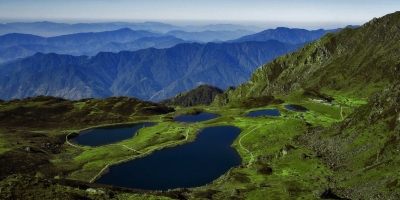
Panch Pokhari, also known as the Five Lakes, is a sacred and scenic trekking destination located in the Sindhupalchowk district, northeast of Kathmandu, nestled in the lap of the majestic Dorje Lakpa Himal. This remote and pristine area is renowned for its spiritual significance to both Hindus and Buddhists. The name Panch Pokhari derives from the five holy lakes found here — Surya Kunda, Bhairav Kunda, Ganesh Kunda, Nag Kunda, and Saraswati Kunda. These lakes are not only sacred pilgrimage sites but also the source of the Indravati River, one of the major tributaries feeding the powerful Saptakoshi River system. The pristine waters and serene surroundings make this region a profound place for spiritual reflection and natural beauty.Apart from its spiritual importance, Panch Pokhari offers trekkers breathtaking panoramic views of several towering Himalayan peaks, including Ganesh Himal, Yangri Himal, Dorje Lakpa, and Gaurishankar. One of the historical highlights of the trek is the 178-year-old Haveli built by Kaji Ranbir Singh Thapa, which showcases traditional architecture and local history. During the Janai Purnima festival, the area becomes a vibrant hub, with many pilgrims flocking to worship Lord Shiva, adding a festive cultural layer to the trekking experience. Additionally, the region is rich in biodiversity, harbouring over 250 wildlife species, including the endangered Red Panda and more than 350 species of flora. The vibrant culture of the indigenous Hyolmo and Tamang people also adds depth and charm to the journey, offering trekkers a unique cultural immersion. Overview Highlights: Sacred five lakes: Surya, Bhairav, Ganesh, Nag, Saraswati Kunda Spiritual pilgrimage site for Hindus and Buddhists Origin of the Indravati River feeding the Saptakoshi River Panoramic views of Ganesh Himal, Dorje Lakpa, and Gaurishankar Historical 178-year-old Haveli built by Kaji Ranbir Singh Thapa Rich biodiversity, including the endangered Red Panda Vibrant Hyolmo and Tamang culturesPreparation for the Panch Pokhari Trek:Preparing for the Panch Pokhari Trek requires reasonable fitness, smart packing, and cultural awareness. Asiana Treks and Tours ensures your comfort and safety, but preparation enhances your Himalayan journey. Pack wisely for varied mountain weather, stay hydrated, and respect local customs. Carry essential permits, maintain flexibility, and travel sustainably to enjoy one of Nepal’s most sacred and scenic trekking routes.Preparation trek overview in the table:Catagory Preparation guide useful NoteTravel Documents Keep passport, visa, and insurance ready Passport valid 6+ months; Nepal visa on arrival;travel insurance recommended Smart Packing Pack light but weather-ready gear Warm layers, according to the season,trekking boots, rain jacket, sunscreen, daypack A A A couple of photosBring passport-sized photos Needed for permits, SIM cards, and documentation Physical Preparation Build endurance before the trek Regular hikes, cardio, and stretching; inform the guide of health conditions Health & Hydration Stay healthy and drink safe water Carry a reusable bottle; use purified water; avoid unsafe food Cultural Awareness Respect local traditions and dress modestly Greet with “Namaste”, remove shoes in temples, and avoid public affection Environmental Responsibility Trek sustainably and reduce waste Use reusable bottles and bags; respect nature and wildlife Flexibility & Mindset Embrace local pace and natural rhythm Be patient with changes; enjoy authentic rural Himalayan life Photography Capture moments respectfully Ask before photographing locals or sacred sites Trek Preparation Quick Guide:Maintain good physical fitness through regular walking or hikingCheck your passport, visa, and travel insurance validityPack light layers, trekking boots, rain gear, and a reusable water bottleRespect local customs and traditions — greet with “Namaste”Stay flexible and positive about weather or trail changesProtect the environment — avoid plastic wasteCarry passport-size photos for permits and SIM cardsPanch Pokhari Trekking Package:Asiana Treks and Tours offers a thoughtfully crafted Panch Pokhari Trekking Package that provides a balanced blend of adventure, culture, and spiritual discovery. This package is ideal for trekkers seeking a less crowded route that combines natural beauty with rich cultural experiences. The package begins with a comfortable arrival and acclimatisation phase in Kathmandu, including a heritage tour to explore Nepal’s historic sites. From there, the journey progresses with a scenic drive and gradual trekking ascents through diverse landscapes, from terraced farmlands and forests to alpine meadows. The trekking package includes professional guides who are knowledgeable about the local ecology, history, and culture, enhancing the overall experience. Trekkers stay in traditional teahouses and lodges along the route, ensuring comfort while enjoying local hospitality. Special attention is given to acclimatisation, allowing the body to adjust to altitude changes safely. The package also includes all necessary permits, transportation, meals during the trek, and porter support to ease the physical burden. Whether you want to explore the spiritual lakes, encounter wildlife, or connect with indigenous communities, Asiana Treks and Tours’ Panch Pokhari package ensures a fulfilling adventure. Package Features: Guided trekking with experienced local guides Comfortable teahouse accommodations Full board meals on trekking days Transportation from Kathmandu to the trek start and return All necessary permits and fees included Porter supports luggage Focus on acclimatisation and safety. Panch Pokhari Trekking Itinerary:The Panch Pokhari Trekking itinerary by Asiana Treks and Tours is carefully designed to provide progressive acclimatisation while allowing trekkers to experience the region’s cultural and natural diversity. The journey begins with arrival in Kathmandu, followed by a heritage tour to explore Nepal's cultural heart. On the third day, trekkers drive from Kathmandu to Chautara (1450m), entering the gateway to the trekking trail. The following days involve a gradual ascent with manageable daily distances and elevation gains, trekking through traditional villages such as Kami Kharka, Pauwa Bas, and Hile Bhanjyang. These villages provide insight into the Tamang and Hyolmo cultures, including traditional homes, festivals, and local cuisine. Day 9 marks the arrival at the sacred Panch Pokhari lakes at 4100 meters, where trekkers can explore the lakes, take in the tranquil atmosphere, and appreciate the panoramic mountain views. The descent is planned via Tupi Danda and Dhap, offering diverse scenery and a gradual drop in altitude, ending in Kathmandu via Melamchi, allowing relaxation and reflection before departure. This itinerary balances trekking challenges with rest days and cultural exposure, making it suitable for moderately experienced trekkers eager to discover an off-the-beaten-path Himalayan adventure. Itinerary Highlights: Day 1-2: Arrival and Trek startDay 3-6: Trek through rural villages with cultural experiences Day 6: Visit the sacred Panch Pokhari lakes (4100m) Day 7-8 - Scenic descent and return to Kathmandu Day 9: Departure Panch Pokhari Trekking Distance:The Panch Pokhari Trek covers a total of 9 days, combining scenic drives and moderate trekking through Nepal’s mid-hills to the sacred alpine lakes. The total trekking distance is approximately 52 km /32 miles, with a daily average of 6–8 km, making it suitable for trekkers with moderate fitness levels. The trail begins at Chhimti (1,800m / 5,906 ft) and gradually ascends to the holy Panch Pokhari Lakes (4,100m / 13,451 ft). Average 65% – 88% oxygen level range and 4100 meter elevation gain, providing a rewarding challenge with steady altitude gain that supports proper acclimatisation.The route passes through terraced fields, rhododendron and pine forests, alpine meadows, and rocky trails near the high-altitude lakes. The descent follows a more straightforward path with a steady drop in elevation, ensuring a comfortable return to lower altitudes before driving back to Kathmandu. Distance and Altitude Summary: Total trekking distance: ~52 -32 km Average daily distance: 6-8 km Altitude range: 1800m (Chhimti ) to 4100m (Panch Pokhari) Terrain: Mixed forest trails, farmland, alpine zones, rocky paths Panch Pokhari Trekking Cost 2026/2027:The Panch Pokhari Trekking package offered by Asiana Treks and Tours for the 2026/2027 season is competitively priced, offering great value without compromising quality or safety. The cost typically ranges from USD 975 to USD depending on group size, season, and any additional services required. This all-inclusive pricing covers airport transfers, transportation to and from trekking start points, licensed guide and porter services, accommodation in guesthouses or teahouses, full-board meals during the trek, permits, and trekking insurance support. Asiana Treks and Tours emphasises responsible tourism practices by ensuring fair wages for local staff and minimising environmental impact. Optional add-ons, such as equipment rental, additional sightseeing tours in Kathmandu, or private guiding, can be arranged at extra cost. This transparent pricing allows trekkers to focus on their journey and enjoy the spiritual and natural wonders of Panch Pokhari without hidden fees or surprises. Cost Inclusions:Airport and local transportationLicensed trekking guide and portersAccommodation and meals during the trekPermits and entry feesSafety and trekking equipment supportPrice Range: The price range of the Panch Pokhari Trek depends on the size of your group. The standard rate is USD 975 per person for a group of two trekkers, with a constant decrease. If you are travelling in a larger group—for example, 4, 6, 10, or more participants—we offer special discounted prices. The bigger your group, the lower the cost per person, as we adjust the price to make your trip as affordable as possible.For an exact quote tailored to your group size and travel preferences, please contact Asiana Treks and Tours. We are always happy to customise your package to suit your budget and comfort level.Panch Pokhari Trekking Price Breakdown: Asiana Treks and Tours offers a comprehensive Panch Pokhari Trekking package that provides excellent value by including all essential services to make your journey safe, comfortable, and memorable. The overall cost typically ranges from USD 975 per person to USD 735 per two-person, depending on the season, group size, and any additional customisations. This pricing includes airport transfers, private transportation to and from the trek's starting points, accommodation in local guesthouses or teahouses, full-board meals during trekking days, and all necessary permits and fees required for the region. Additionally, the package includes the services of a licensed trekking guide and porters to carry your heavier luggage, allowing you to focus on the trek and enjoy the stunning landscapes without undue physical strain. Safety gear and insurance support are also included, ensuring that any emergencies can be managed professionally and effectively. Optional extras, such as trekking gear rental, Kathmandu sightseeing tours, or private guide services, can be arranged for an additional fee. Transparency in pricing means no hidden costs, making it easier for you to budget your trip effectively. Price Breakdown Highlights:Licensed trekking guide and portersTransportation for the start and end of the trekAccommodation and meals on trek Trekking permits and government fees Safety and trekking equipment Optional extras: gear rental, private tours Panch Pokhari Trekking Altitude Guide:The Panch Pokhari trek offers a varied altitude experience ranging from about 1800 meters at Chautara to 4100 meters at the sacred lakes, providing an exciting challenge balanced with proper acclimatisation. The gradual elevation gain allows trekkers to adjust comfortably to higher altitudes, which is critical in preventing altitude sickness. Starting the trek at a relatively low altitude helps the body prepare naturally for the higher mountain zones. Most days involve ascending 400 to 600 meters with moderate trekking distances (6-7 hours), which allows time for acclimatisation stops and rest. The highest point is Panch Pokhari itself at 4100 meters, where the cold alpine air and panoramic mountain views reward trekkers. On the descent, altitudes drop progressively, helping the body recover as you return to lower elevations. Throughout the trek, trekkers experience diverse ecological zones: subtropical forests at the start, temperate rhododendron and pine forests mid-trek, and alpine meadows near the lakes. Altitude Guide Summary: Starting altitude: 1450 meters (Chautara) Highest altitude: 4100 meters (Panch Pokhari lakes) Typical daily ascent: 400-600 meters Gradual ascent for acclimatisation Diverse ecological zones: subtropical to alpine Why Choose Panch Pokhari Trekking?Choosing the Panch Pokhari Trek with Asiana Treks and Tours offers a unique Himalayan experience, set apart from the heavily trafficked routes of Everest or Annapurna. This trek is ideal for adventure seekers seeking a blend of spirituality, nature, and authentic culture in a serene environment. The trek combines the sacred pilgrimage to the five holy lakes with breathtaking Himalayan views, giving it a spiritual and natural allure that few other treks can match. The cultural richness of the trek is another major highlight. You will pass through traditional Tamang and Hyolmo villages, where you can engage with locals, learn about their customs, and enjoy home-cooked meals. The trek’s moderate difficulty makes it accessible to both beginners and experienced trekkers. At the same time, the pristine biodiversity, including the possibility of spotting endangered species such as the red panda, offers an unforgettable nature experience. The professional guides from Asiana Treks and Tours ensure safety, comfort, and insightful storytelling along the way. Reasons to Choose Panch Pokhari Trekking:Off-the-beaten-path Himalayan pilgrimageSpiritual and cultural immersionStunning mountain vistas, including Ganesh HimalModerate difficulty with a good acclimatisation profileRich biodiversity and a chance to see wildlifeExperienced guides and full supportWhat to Expect on the 9 Day Panch Pokhari Trekking: The 9-day Panch Pokhari trek offers a harmonious mix of cultural discovery, natural beauty, and physical challenge. Starting with a drive from Kathmandu to Chautara, trekkers will gradually ascend through lush forests and traditional villages, gaining altitude steadily and soaking in spectacular views. Each day involves approximately 5-6 hours of trekking through well-marked trails, balanced with ample rest stops and chances to explore local culture.Upon reaching Panch Pokhari, trekkers experience a spiritual highlight—the serene and sacred cluster of five lakes surrounded by towering peaks. This is also the highest point of the trek, offering stunning panoramic vistas. The descent route winds through various villages and scenic landscapes, offering diverse perspectives of the region. Accommodation is mainly in cosy teahouses where local hospitality and simple meals create a welcoming atmosphere. The trek concludes back in Kathmandu, where you can reflect on your journey and enjoy a final cultural experience before departure. Trek Experience Highlights: Gradual, scenic ascent with cultural stops Daily trekking 5-6 hours with acclimatisation Sacred Panch Pokhari lakes and spiritual sitesVaried landscapes: forests, alpine meadows, mountain vistasTeahouse accommodation with local hospitalityReturn to Kathmandu for departure.Oxygen Levels on Panch Pokhari Trekking:The Panch Pokhari Trekking route gradually ascends from approximately 1,800 meters at Chhimti to around 4,100 meters at the Panch Pokhari lakes. As you gain altitude, the oxygen levels in the air decrease significantly, which is an essential consideration for trekkers. At sea level, oxygen constitutes about 21% of the air we breathe; at 4100 meters, it drops to roughly 60% of that at sea level. This reduction can cause altitude sickness symptoms, such as headaches, nausea, dizziness, and fatigue, if the body is not given adequate time to acclimate. To mitigate these risks, the trekking itinerary designed by Asiana Treks and Tours incorporates gradual altitude gains and rest days, allowing your body to adapt. Proper hydration, pacing yourself during trekking, and avoiding overexertion are also emphasised. The guides are trained to recognise symptoms of altitude sickness and will take the necessary precautions, including slowing the pace or descending if needed. Supplemental oxygen is generally not required on this trek, but can be arranged in emergencies. Understanding and respecting the effects of lower oxygen levels is key to a safe and enjoyable Panch Pokhari trekking experience. Key Points on Oxygen Levels: Oxygen decreases to about 60% at 4100m Symptoms of altitude sickness may appear. Gradual ascent and acclimatisation included Guides monitor health and symptoms carefully. Supplemental oxygen is available in the event of an emergency. Major Villages and Scenic Viewpoints on Panch Pokhari Trekking Route:The Panch Pokhari trek passes through a series of culturally rich villages and breathtaking viewpoints, enhancing the journey beyond just trekking. The trail begins at Chautara, a gateway town with traditional Nepali charm. As you progress, you pass through Tamang and Hyolmo villages, such as Kami Kharka, Pauwa Bas, and Hile Bhanjyang, where locals maintain ancient customs, traditional houses, and offer warm hospitality. These villages provide opportunities to interact with the local community, witness conventional farming practices, and savour home-cooked meals.Several scenic viewpoints punctuate the trek. Notable among them is the vantage point at Hile Bhanjyang, where trekkers can admire the panoramic Himalayan ranges, including Ganesh Himal, Dorje Lakpa, and Langtang. The climax of the trek is Panch Pokhari itself, with the sacred five lakes surrounded by snow-capped peaks. On the descent, places like Tupi Danda and Dhap offer lush forests and sweeping valley views. These villages and viewpoints collectively provide a rich blend of natural beauty and cultural depth, making the trek truly memorable.Major Villages and Viewpoints: Chautara: traditional gateway townKami Kharka, Pauwa Bas, Hile Bhanjyang: cultural villagesHile Bhanjyang viewpoint: Himalayan panoramasPanch Pokhari: sacred five lakes and mountain viewsTupi Danda and Dhap: scenic descent stopsFlora and Fauna of Panch Pokhari Trekking:The Panch Pokhari region is renowned for its remarkable biodiversity, which encompasses a diverse array of flora and fauna that change dramatically with elevation. At lower altitudes near Chautara and Sano Okhreni, trekkers encounter lush subtropical forests rich with rhododendrons, oaks, and maples. As the trail climbs higher, temperate pine and fir forests dominate, bursting with vibrant blooms in spring. Approaching the alpine zones near Panch Pokhari, the vegetation shifts to hardy shrubs, medicinal herbs, and alpine flowers that thrive in the cold, thin air. Wildlife enthusiasts will appreciate the region's more than 250 recorded species of animals. The elusive and endangered Red Panda is one of the most sought-after sightings. Other mammals include the Himalayan black bear, barking deer, and various bird species, such as the Himalayan Monal pheasant, Nepal’s national bird. The diversity of plant life and animal species, combined with the pristine environment, makes the Panch Pokhari trek a paradise for nature lovers and photographers alike. Flora and Fauna Highlights: Lower altitudes: rhododendron, oak, maple forests Mid-altitudes: pine and fir forests Alpine zone: shrubs, medicinal herbs, alpine flowers Wildlife: endangered Red Panda, black bear, barking deer Birdlife: Himalayan Monal pheasant and others Festivals and Local Culture Along the Panch Pokhari Trekking Route:The Panch Pokhari trekking route is not only a journey through nature but also a rich cultural expedition. The trail is dotted with villages inhabited primarily by Tamang and Hyolmo ethnic communities, each with its distinct customs, language, and traditions. These communities maintain vibrant lifestyles rooted in agriculture, animal husbandry, and a blend of Tibetan Buddhism and Hindu practices. Travellers can witness traditional houses, prayer flags fluttering in the wind, and ancient monasteries that serve as spiritual centres.One of the most colourful cultural events along the route is the Janai Purnima festival, celebrated at Panch Pokhari itself. This festival attracts thousands of pilgrims who come to perform sacred rituals and offer prayers to Lord Shiva and other deities at the five holy lakes. During this time, the region is alive with music, prayer ceremonies, and traditional dances. Experiencing local festivals and community life gives trekkers a unique insight into the spiritual and social fabric of this Himalayan region. Festivals and Cultural Features:Predominantly Tamang and Hyolmo communities Traditional agricultural and spiritual lifestyles Janai Purnima festival at Panch Pokhari Monasteries, prayer flags, and local rituals Warm hospitality and cultural exchange Why Book with Asiana Treks and Tours for Panch Pokhari Trekking:Booking your Panch Pokhari trekking adventure with Asiana Treks and Tours ensures a safe, well-organised, and culturally enriching experience. Asiana Treks is known for its professionalism, experienced guides, and commitment to responsible tourism. Their guides are experts not only in navigation but also in local culture, ecology, and altitude health, helping trekkers safely enjoy the journey while gaining deeper insights into the region. The company provides personalised service from the moment you arrive in Kathmandu until your departure, including airport transfers, accommodation, and quality trekking support such as porters and meals. Asiana Treks and Tours also prioritises environmental sustainability and fair treatment of local staff, ensuring your trek benefits the communities you visit. Their transparent pricing and clear communication make planning your trek a hassle-free and enjoyable experience. Reasons to Book with Asiana Treks and Tours:Experienced, knowledgeable guides Focus on safety and acclimatisation Personalised and attentive service Commitment to sustainable and ethical tourism Transparent pricing and no hidden fees How to Book Panch Pokhari Trekking:Booking your Panch Pokhari trek with Asiana Treks and Tours is a straightforward and customer-friendly process. You can start by visiting their official website or contacting them directly via email or phone. The company offers detailed pre-trek consultations to help tailor the itinerary, duration, and services according to your preferences and fitness level. Once you confirm your booking, Asiana Treks provides a comprehensive pre-departure briefing including packing lists, health advice, and travel tips. Payment can typically be made via bank transfer, credit card, or online payment systems, with clear instructions provided by the company. Asiana Treks and Tours also offers support for visa applications, flight bookings, and travel insurance, making it a one-stop solution for your Nepal trekking adventure. Early booking is recommended, especially during peak trekking seasons, to ensure availability and the best pricing. Booking Steps: Contact Asiana Treks via website, email, or phone Customise itinerary and services with consultation. Confirm booking and receive pre-departure briefing. Make payment through secure channels. Receive visa, insurance, and travel support if needed
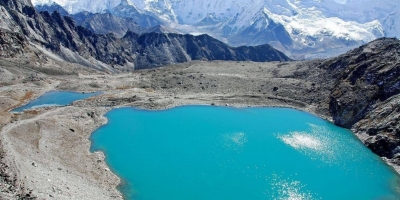
Bhairab Kunda Trekking is an emerging and enchanting trail situated in the Langtang region, northeast of Kathmandu. Nestled at an elevation of approximately 4,245 meters (13,940 ft) above sea level, Bhairab Kunda is a sacred lake named after Lord Bhairab, a fierce incarnation of the Hindu god Shiva. This trek combines the spiritual ambiance of a pilgrimage site with the breathtaking panorama of the Himalayas. The trail begins from Jalbire, a small village that acts as the gateway to this pristine natural and cultural journey. The trek passes through various ethnic villages inhabited predominantly by Newars, Gurungs, and Sherpas, each maintaining their unique traditions and way of life. Along the route, trekkers are treated to dense rhododendron forests, tranquil valleys, and crystal-clear streams. From the summit of Bhairab Kunda lake, sweeping views of the Jugal Himal, Rolwaling Himal, and parts of the Tibetan Plateau unfold spectacularly. Every August, thousands of pilgrims visit during the full moon to perform holy rituals, bathing in the sacred waters of the lake. Though still relatively new and less crowded than other trails, Bhairab Kunda offers a blend of nature, culture, and spirituality that is truly captivating. Highlights: Sacred Bhairab Kunda lake at 4,245 meters Stunning views of Jugal Himal, Rolwaling, and Tibetan ranges Ethnic villages: Newar, Gurung, Sherpa cultures Dense rhododendron forests and lush valleys Pilgrimage site with religious festivals in August Relatively untouched and less crowded trail Bhairab Kunda Trekking Package Asiana Treks and Tours offers a comprehensive trekking package designed to provide comfort, safety, and a deep cultural experience on the Bhairab Kunda trail. The package typically includes airport transfers, quality accommodation in Kathmandu, and meals before and after the trek. On the trail, guests stay in carefully selected teahouses and lodges that showcase local hospitality and cuisine. The package covers all necessary permits, professional guides, porters, and transportation from Kathmandu to Jalbire and back. The company focuses on creating a personalized trekking experience that accommodates various fitness levels. The itinerary is flexible to allow acclimatization days, ensuring a safe and enjoyable ascent to high altitude. Asiana Treks also emphasizes eco-friendly travel practices, supporting local communities and minimizing environmental impact. Their packages include pre-trek briefings and gear checklists to prepare trekkers for the journey ahead, making sure every detail is attended to for a smooth adventure. Package Features: Airport transfers and hotel accommodation in Kathmandu All trekking permits and government fees included Experienced local guides and porters Comfortable teahouses and lodges on the trail Transport from Kathmandu to Jalbire and return Eco-friendly practices and community support Pre-trek briefing and equipment guidance Bhairab Kunda Trekking Itinerary The 13-day itinerary for Bhairab Kunda Trekking with Asiana Treks and Tours balances trekking and cultural immersion. After arriving in Kathmandu and a heritage city tour, the journey begins with a drive to Jalbire. From there, trekkers follow scenic trails through ethnic villages and pristine forests. The route ascends gradually, allowing for acclimatization and rest days at Khani Gaon, which helps prevent altitude sickness. Trekking days vary between 4 to 7 hours, with the most demanding climb being from Khani Gaon to Forest Camp at 3,150 meters. The highlight is reaching Bhairab Kunda at 4,250 meters, where the lake’s spiritual aura and panoramic mountain views await. The descent takes trekkers through Sherpa villages, offering an intimate look at local culture before returning to Larche and driving back to Kathmandu. Each day is planned to maximize safety, cultural experience, and breathtaking natural views. Itinerary Highlights: Day 1: Arrival in Kathmandu Day 3: Drive Kathmandu to Jalbire (1000 m) Days 4-9: Trekking Jalbire to Bhairab Kunda (4,250 m) Day 6: Rest and acclimatization at Khani Gaon Days 10-12: Descend to Larche and drive back to Kathmandu Day 13: Departure from Kathmandu Bhairab Kunda Trekking Distance The overall trekking distance on the Bhairab Kunda trail is approximately 70 to 80 kilometers (43 to 50 miles) spread over the 10 trekking days. Each day covers varied terrain with moderate elevation gains and losses, making it accessible for fit beginners and seasoned trekkers alike. The trail ascends from 1,000 meters at Jalbire to the high point of 4,250 meters at Bhairab Kunda, with daily trekking durations ranging from 4 to 7 hours. The route’s moderate distances and paced itinerary provide ample time for acclimatization and exploration. Trekkers traverse through diverse landscapes, including terraced fields, dense forests, river valleys, and alpine meadows, ensuring a rich and varied trekking experience. The return journey descends steeply but gradually back to lower altitudes, allowing for recovery before the drive to Kathmandu. Distance & Duration Summary: Total trekking distance: 70–80 km (43–50 miles) Highest elevation: 4,250 m (Bhairab Kunda) Daily trek time: 4–7 hours Terrain: mixed forest, river valleys, alpine meadows Gradual acclimatization with rest day included Bhairab Kunda Trekking Cost 2026/2027 The cost for the Bhairab Kunda Trekking package in 2026/2027 with Asiana Treks and Tours is competitively priced, reflecting the inclusive services and personalized support provided. Prices typically range between $1,200 and $1,600 USD per person depending on group size, season, and additional services requested, such as private guides or extra accommodations. The cost covers all transportation, permits, accommodation, meals during trekking, guide and porter fees, and emergency support. Asiana Treks prides itself on transparency with no hidden charges, providing a detailed cost breakdown during booking. They also offer flexible payment plans and discounts for early bookings or groups. Trekkers are encouraged to purchase comprehensive travel insurance to cover unforeseen circumstances. This trekking cost ensures a safe, comfortable, and culturally immersive experience along the Bhairab Kunda trail. Cost Breakdown Summary: Price range: $1,200 – $1,600 USD per person Includes: transportation, permits, accommodation, meals, guide & porter Optional add-ons: private guide, extra accommodation Transparent pricing with no hidden fees Early booking discounts and group rates available Travel insurance strongly recommended Bhairab Kunda Trekking Price Breakdown The Bhairab Kunda Trekking package offered by Asiana Treks and Tours provides excellent value by covering a comprehensive range of services tailored for a safe, comfortable, and culturally immersive journey. The total cost generally ranges from $1,200 to $1,600 USD per person, depending on the group size, season, and any special requests such as private guides or additional accommodation upgrades. This all-inclusive price covers permits, transportation, accommodation, meals during the trek, experienced guides, and porters to carry your luggage. Breaking down the price, approximately 40% goes towards permits and government fees necessary for the trekking region. Around 30% is allocated to guide and porter salaries, reflecting fair wages and support for local communities. Accommodation and meals make up about 20%, ensuring trekkers enjoy safe and comfortable stays in teahouses and lodges. The remaining 10% covers transport costs, insurance for staff, and administrative overhead. Asiana Treks also offers transparent pricing with no hidden fees, and they provide early booking discounts and group rates to make the trek accessible to more adventurers. Price Breakdown Summary: Total cost: $1,200–$1,600 USD per person Permits & government fees: ~40% Guides & porters: ~30% Accommodation & meals: ~20% Transport & admin: ~10% Early booking discounts and group rates available No hidden fees; full transparency Bhairab Kunda Trekking Altitude Guide The Bhairab Kunda Trekking route ascends gradually from around 1,000 meters (Jalbire) to a maximum altitude of approximately 4,250 meters at the sacred Bhairab Kunda lake. Understanding altitude changes and their effects is crucial for a safe and enjoyable trek. The ascent is paced carefully to allow trekkers to acclimatize, with a planned rest day at Khani Gaon (2,000 meters) to help prevent altitude sickness. The altitude gain each day ranges from 300 to 1,000 meters, which is moderate and manageable for most healthy trekkers. Above 3,000 meters, oxygen levels begin to drop significantly, so hydration, pacing, and rest become vital. The trek descends gradually after the summit, easing the body’s return to lower altitudes. Proper acclimatization and awareness of symptoms like headaches, dizziness, or nausea are emphasized throughout the trek, with trained guides ready to respond to any issues. Altitude Guide Summary: Starting altitude: 1,000 m (Jalbire) Highest point: 4,250 m (Bhairab Kunda) Gradual altitude gain with rest day at 2,000 m Daily altitude changes: 300–1,000 m Oxygen decreases notably above 3,000 m Emphasis on hydration, rest, and acclimatization Guides monitor and manage altitude sickness risks Why Choose Bhairab Kunda Trekking? Choosing Bhairab Kunda Trekking with Asiana Treks and Tours offers a unique blend of spiritual pilgrimage, natural beauty, and cultural discovery. Unlike crowded and commercialized trails, Bhairab Kunda remains relatively untouched, providing trekkers with pristine landscapes, tranquil forests, and peaceful villages inhabited by diverse ethnic groups such as Newars, Gurungs, and Sherpas. The trek culminates at the sacred Bhairab Kunda lake, where trekkers experience an authentic spiritual atmosphere combined with awe-inspiring mountain views of the Jugal Himal and Rolwaling ranges. Asiana Treks and Tours ensures a personalized trekking experience that prioritizes safety, environmental responsibility, and cultural respect. Their expert local guides deepen the journey by sharing insights into local traditions, religious significance, and natural history. Additionally, the company’s support structure—professional logistics, reliable transportation, and high-quality accommodations—makes this less-traveled trail accessible without compromising comfort or security. For trekkers seeking an off-the-beaten-path adventure with spiritual depth, Bhairab Kunda Trekking with Asiana Treks is an exceptional choice. Why Choose Bhairab Kunda Trekking: Less crowded, off-the-beaten-path trail Blend of spirituality, culture, and nature Stunning mountain views of Jugal Himal and Rolwaling Rich local ethnic diversity: Newar, Gurung, Sherpa Expert guides and comprehensive support from Asiana Treks Eco-friendly, culturally respectful trekking approach Preparing for Bhairab Kunda Trekking Proper preparation is essential for a successful Bhairab Kunda trekking experience. Physical fitness is important as the trek involves daily walking of 4 to 7 hours on varying terrain, including steep ascents and descents. Cardiovascular exercises, hiking practice, and strength training in the months leading up to the trek will build endurance and reduce the risk of injury. Mental preparation for high-altitude conditions and changing weather is equally important. Gear-wise, trekkers need sturdy hiking boots, layered clothing for temperature fluctuations, waterproof outerwear, and essential accessories such as trekking poles, headlamps, and sun protection. Asiana Treks and Tours provides a detailed pre-trek briefing including a recommended packing list, health tips, and information about permits and travel insurance. Vaccinations and a basic first-aid kit are also advised. Lastly, travelers should familiarize themselves with altitude sickness symptoms and safety protocols discussed by their guides. Preparation Tips: Build cardiovascular fitness and hiking endurance Pack appropriate layered clothing and waterproof gear Use trekking poles for support on steep terrain Bring sun protection and personal medication Attend pre-trek briefing by Asiana Treks Obtain travel insurance and necessary vaccinations Learn about altitude sickness symptoms and prevention What to Expect on the 12–13-Day Bhairab Kunda Trekking Adventure The Bhairab Kunda Trekking adventure is a diverse and enriching journey that spans roughly 12 to 13 days. Beginning in Kathmandu with cultural sightseeing, the trek proceeds with a scenic drive to Jalbire and then gradually ascends through beautiful forests, traditional villages, and mountain passes. The itinerary is thoughtfully paced to include a rest day at Khani Gaon for acclimatization, allowing trekkers to explore local culture and nature. Each trekking day varies in intensity, offering a mix of challenging climbs and moderate walking. The highlight is reaching Bhairab Kunda lake, where the spiritual and natural grandeur create an unforgettable experience. Along the way, trekkers will enjoy panoramic mountain vistas, encounters with ethnic communities, and the soothing sounds of nature. The descent retraces through Sherpa settlements, culminating with a bus ride back to Kathmandu for rest and departure. The journey balances adventure, cultural immersion, and spiritual reflection, making it ideal for nature lovers and pilgrims alike. What to Expect: Kathmandu cultural sightseeing start Scenic drive to Jalbire (1,000 m) Varied trekking days (4–7 hours) through forests and villages Acclimatization rest day at Khani Gaon (2,000 m) Sacred Bhairab Kunda lake at 4,250 m Stunning mountain and valley views Cultural interactions with ethnic communities Return trek and bus transfer to Kathmandu Oxygen Levels on Bhairab Kunda Trekking As you ascend on the Bhairab Kunda Trekking route, oxygen levels gradually decrease due to thinner air at higher altitudes. At sea level, the oxygen concentration is about 21%, but by the time trekkers reach Bhairab Kunda at 4,250 meters, available oxygen decreases to roughly 60% of that at sea level. This reduction affects physical performance and increases the risk of altitude sickness, which is why acclimatization days and slow, steady pacing are critical. The body requires time to adapt by producing more red blood cells to transport oxygen efficiently. Hydration, balanced nutrition, and avoiding overexertion are vital. Asiana Treks and Tours ensures that guides monitor trekkers’ oxygen saturation and overall health, ready to implement safety measures if symptoms of altitude sickness arise. Supplemental oxygen is generally not required but can be arranged in emergencies. Understanding how oxygen levels affect your body helps prepare for a safe and rewarding trek. Oxygen Levels Summary: Oxygen at 4,250 m is about 60% of sea level availability Reduced oxygen impacts stamina and breathing Acclimatization helps the body adapt Hydration and rest are essential at high altitudes Guides monitor oxygen saturation and health Supplemental oxygen available if necessary Major Villages and Scenic Viewpoints on Bhairab Kunda Trekking Route The Bhairab Kunda trekking trail is dotted with several charming villages that offer a glimpse into the rich cultural fabric of Nepal’s ethnic communities. Starting from Jalbire, trekkers pass through traditional villages like Chanaute and Khani Gaon, where ethnic groups such as Newars, Gurungs, and Sherpas live in harmony with nature. These villages provide an authentic cultural experience, with local homes built in traditional styles and vibrant daily life that showcases ancient customs and rituals. Staying overnight in these villages allows trekkers to interact with locals, taste homemade foods, and enjoy warm hospitality. Scenic viewpoints are among the highlights of the trek. The route offers spectacular panoramic views of the Jugal Himal and Rolwaling Himalayan ranges, including peaks like Dorje Lakpa and Gaurishankar. Forest camps and the ascent to Bhairab Kunda lake itself provide breathtaking sights of snow-capped peaks and lush valleys. Each viewpoint is perfect for capturing memories and soaking in the serene beauty of the Himalayan landscape. Asiana Treks and Tours guides ensure trekkers don’t miss these scenic spots and help explain their geological and cultural significance. Key Villages & Viewpoints: Jalbire: Starting point with vibrant market life Chanaute & Khani Gaon: Traditional ethnic villages with local culture Forest Camp: Dense rhododendron forests and peaceful nature Pati: Scenic valley views with mountain backdrops Bhairab Kunda: Sacred lake with panoramic Himalayan views Flora and Fauna of Bhairab Kunda Trekking The Bhairab Kunda trekking route is a paradise for nature lovers and wildlife enthusiasts. The trek traverses a diverse range of ecosystems, from subtropical forests at lower elevations to alpine meadows near the high-altitude lake. The lower regions are rich in broadleaf forests with species such as oak, rhododendron, and maple. As the trail ascends, trekkers encounter coniferous forests dominated by pine and fir trees. The blooming rhododendrons in spring add bursts of color to the landscape, making it one of the best times for botanical enthusiasts. Wildlife in this region is equally diverse, with over 200 recorded species of birds and mammals. Trekkers may spot elusive Himalayan species like the Red Panda, Himalayan Monal (the national bird of Nepal), musk deer, and various pheasants. The area is also home to rare and endangered species, which conservation efforts are actively protecting. Bird watchers will find the trek rewarding, with many endemic and migratory birds frequenting the forests and meadows. Asiana Treks and Tours promotes responsible trekking to minimize disturbance to this fragile ecosystem. Flora and Fauna Highlights: Rhododendron and oak forests in lower and mid elevations Alpine meadows with wildflowers near Bhairab Kunda Wildlife: Red Panda, Himalayan Monal, musk deer Over 200 species of birds and mammals Conservation efforts by local communities and guides Festivals and Local Culture Along Bhairab Kunda Trekking Route The Bhairab Kunda trekking route is rich in cultural heritage, deeply intertwined with local festivals and religious traditions. The trek passes through villages inhabited by the Newar, Gurung, and Sherpa ethnic groups, each with unique customs, languages, and rituals. The area holds spiritual significance due to its association with Lord Bhairab (an incarnation of Shiva), making it a pilgrimage site, especially during the full moon in August when devotees gather for the Bhairab festival. This festival involves ritual bathing in the sacred lake, offerings, and traditional music and dance, creating a vibrant spiritual atmosphere. Throughout the trek, visitors have opportunities to witness daily cultural practices, traditional ceremonies, and local hospitality. Villagers celebrate various other festivals such as Dashain, Tihar, and Losar, each reflecting the region's ethnic diversity. Trekkers can experience home-stays or teahouse stays where traditional foods and folklore are shared. Asiana Treks and Tours incorporates cultural immersion as part of the trekking package, providing guides who explain the significance of these festivals and help travelers respectfully engage with the local way of life. Cultural Highlights: Bhairab festival (August) with pilgrimage and rituals Diverse ethnic communities: Newar, Gurung, Sherpa Local festivals: Dashain, Tihar, Losar Traditional music, dance, and food experiences Opportunities for cultural exchange and home-stays Why Book with Asiana Treks and Tours for Bhairab Kunda Trekking Choosing Asiana Treks and Tours for your Bhairab Kunda trekking adventure ensures a professional, safe, and authentic experience. With years of expertise in organizing Himalayan treks, the company offers personalized itineraries tailored to your fitness level and interests. Their team of licensed, knowledgeable guides is committed to safety, cultural respect, and environmental responsibility. Asiana Treks prioritizes high-quality service, from initial planning to the end of your journey, ensuring smooth logistics, comfortable accommodations, and nutritious meals. What sets Asiana Treks apart is their dedication to sustainable tourism and supporting local communities. They employ local guides and porters, contribute to village development projects, and promote eco-friendly trekking practices. Booking with them means you are not just a tourist but a responsible traveler making a positive impact. Their transparent pricing, 24/7 customer support, and clear communication make the booking process straightforward. Whether you seek a group trek or a private, tailor-made adventure, Asiana Treks and Tours is a trusted partner for exploring Bhairab Kunda. Reasons to Choose Asiana Treks: Experienced, licensed guides and support staff Personalized itineraries based on your needs Commitment to safety and cultural respect Support for local communities and eco-tourism Transparent pricing and excellent customer support Options for group and private treks How to Book Bhairab Kunda Trekking Booking your Bhairab Kunda trekking adventure with Asiana Treks and Tours is simple and convenient. Prospective trekkers can start by visiting the company’s official website or contacting their customer service via email or phone. The booking process typically involves selecting your preferred trekking dates, group size, and any special requirements such as private guides or accommodation upgrades. Once your preferences are submitted, Asiana Treks provides a detailed itinerary, cost breakdown, and terms and conditions for review. After agreement, a deposit is required to secure your spot, with the balance payable before the trek begins. Asiana Treks also assists with visa processing, permits, travel insurance recommendations, and pre-trek preparation information. For last-minute travelers, the company offers flexible booking options depending on availability. Throughout the process, a dedicated trip coordinator stays in touch to answer questions, provide updates, and ensure all arrangements meet your expectations, making your Bhairab Kunda trekking experience seamless from start to finish. Booking Process: Contact Asiana Treks via website, email, or phone Choose trekking dates, group size, and preferences Receive detailed itinerary and cost breakdown Secure booking with deposit, pay balance before trek Assistance with permits, visa, and insurance Dedicated trip coordinator for ongoing support
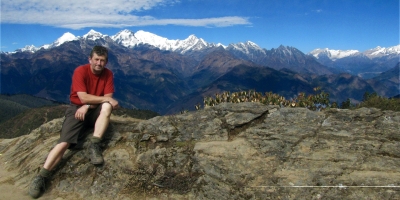
Langtang panorama trekking is another beautiful short package trek which lies in the Langtang National park close to Tibet as well as Kathmandu Nepal at the altitude of 4310 meters high from the sea level. this trek is suitable for people who have limited time and experience of Tamang people, their cultural lifestyle as well as a passion for true Nature with spectacular panoramic views of the west Annapurna Himalayan range, Lamjung Himal, Manaslu Himal, and Ganesh Himalayan range as well as Tibetan Himalayan Kerung and so on. On a clear day, you are fascinated by the scenery, alpine, and rugged terrain of the ravine valley.Langtang trekking is famous for wildlife and vegetation also where you encounter rare beautiful animals such as Red pandas, bears, and leopards, and wild beerLangtang panorama trekking is not famous for only the spectacular view it holds special religious importance by the centre of aspect both Hindus and Buddhists. Singgumpa is one of the beautiful old Monasteries, and the frozen lake Gosikunda is a special religious and revered place for Hindus all over the World. According to legend, the lake was formed when Lord Shiva thrust his trident into a mountain to extract water so that he could hold his burning throat after swallowing poison. Hindus of the World believe that once you make a journey in a lifetime, pay homage to god Shiva, take a holy bath in Tirsul Dhara and bathe in the lake all of the sorrow and sins will be washed away.Langtang Panorama Trekking itinerary:Asiana Treks and Tours has the best Langtang Panorama Trekking itinerary for people who love long and short trekking. Travelers who desire to explore Nepal with moderate physical fitness. You'll discover the best places for breathtaking views from the city to the countryside. Experience the contrast of cold nights at Gosaikunda to relaxing in Kathmandu an unforgettable lifetime journey.Langtang Panorama Trekking Distance:Langtang Panorama trekking distance is approximately 125 km/ 77.6 miles long, typically depending on the itinerary made many segment, Only Langtang, Langtang Gosaikunda back to via Chisapani. Cross Gosaikunda then after Kathmandu. If you combine another Trekking route like Helambu Trekking, Langtang Valley Trekking, Langtang Helambu Trekking and Langtang Panorama Trekking you should plan for an additional 3-8 days. Depending on the chosen itinerary. The Langtang PanoramaTrekking showcases awe-inspiring natural beauty.This trek walks through the beautiful kyangjang_Ri , Lauribina Pass, Gosaikunda Lake, Tharepati Chisapani , offering stunning views of the Himalaya and verjin Landcape. However, if you are fit enough, you start and end in Kathmandu, where the trek takes Kathmandu to Kathmandu 17 days .Langtang Panorama Trekking route:Langtang Panorama Trekking route showcases awe-inspiring natural beauty. Starting in lush valleys with terraced fields and traditional villages, the journey unfolds amidst the Himalayan foothills. Rhododendron and pine forests bloom in spring, and stunning views of snow-capped peaks are can be seen when we walk. The Langtang Gosaikunda pass Trekking route showcases awe-inspiring natural beauty. Ganesh Himal Range, Langtang Himalayan Range, Gyanchanpo Dorje Lakpa, Gauri Shanker and many more mountains offer stunning views. The trek promises unforgettable moments, whether you're a seasoned trekker or novice adventurer, offering an unparalleled journey through Earth's most breathtaking landscapes. Includes Kathmandu, Syabru Besi, Lamahotel, Langtang, Kyanjingumba, Tholo Syabru, Sing Gumpa, Lauribina, Gosaikunda, Tharepati , Chisapani, and a return via Sundarijal to Kathmandu. Langtang Panorama Trekking price:Our package tour ensures reliability in terms of cost, itinerary, and overall experience. For Nepali citizens, the Langtang Panorama trek typically ranges from US$ 600 to 975, and for foreigners, US$ 915 to 1185, variations depending on group size, service level, guide and porter services, transportation preferences, and accommodation category in Kathmandu. This cost estimation is subject to the types of trekking gear and accommodation preferences. However, we could end the trek via Dhunche. If you avoid Kathmandu sightseeing and exploration and want a Short route you could get a heavy discount on our Price. Langtang Panorama Trekking Altitude:The Langtang Panorama Trek starts from the bustling city of Kathmandu at an altitude of 1337 meters. From there, you'll aescend to Lauribina pass 4610 meters above sea level. Along the way, you'll see many famous viewpoints of Kyanging-Re reaching an altitude of Kyanjin Ri (4773m / 15655 ft), and Tserko Ri 5033 m/16,500 ft a meters. Finally, the trek culminates at High Tserko Ri stand at a breathtaking height 5033 m/16500 ft.Major villages of Langtang Panorama Trekking:Kathmandu, Trishuli, Betrawati, - Syabrubesi-Bambu -Lamahotel - Ghora Tabela - Thangshep -Langtang- Mundu- KyanjingGompa - Thulosyabru- Singgumpa- Cholangpati -Lauribina Pass- Gosaikunda-Phedi- Ghopte-Thadepati- Magingoth- Kutumsang -Gulbhanjyang- Cheplung -Chisapani- Mulkharka Sundarijal and drive Back to Kathmandu.The final point of the trek before returning to Kathmandu. It's located near Shivapuri National Park and offers waterfalls, forests, and a refreshing end to the trekking journey.From Sundarijal, trekkers typically drive back to Kathmandu, completing the loop and reflecting on their memorable journey through the diverse landscapes and cultural richness of the Langtang-Gosaikunda region.These villages are significant landmarks and offer scenic beauty and accommodation options along the Langtang Gosaikunda Pass Trekking route.Best Viewpoints Langtang Panorama Trekking:The Langtang Panorama trekking route has several breathtaking viewpoints offering panoramic Himalayan landscape vistas. Here are the main views along the trek:Thulo Syabru Village: Thulo Syabru is a traditional village in the Langtang region of Nepal. It is situated at approximately 2,200 meters and is known for its scenic beauty, traditional Tamang architecture, and cultural richness. The village offers panoramic views of the surrounding hills and forests, making it a popular stopover for trekkers heading towards Gosaikunda or exploring the Langtang Valley. Thulo Syabru provides basic amenities such as teahouses for accommodation, giving visitors a glimpse into the local way of life amidst the Himalayan foothills.Chandan Bari: A scenic viewpoint on the way to Gosaikunda, offering a panoramic view of the Langtang range and the lush green hillsides.Lauribina Pass (Gosaikunda Pass, 4,610 meters): The high-altitude pass between the Langtang Valley and Gosaikunda. From here, trekkers can see breathtaking views of the Himalayan peaks, including Langtang Lirung, Ganesh Himal, Manaslu, and even glimpses of the Annapurna range on clear days.Gosaikunda Lake is a sacred alpine lake at around 4,380 meters, revered by Hindus and Buddhists. Its turquoise waters create a serene and spiritual atmosphere against the backdrop of snow-capped mountains.Ghopte: A viewpoint offering views of the Helambu region and the distant peaks of the Langtang range. Trekkers often stop here for a break and to admire the surrounding landscapes.Thadepati: Located on the descent towards Kutumsang, Thadepati offers panoramic views of the Helambu region and the terraced fields below.Magingoth: A viewpoint known for its sweeping views of the Helambu valleys and terraced farmlands, providing a picturesque setting for trekkers.Biodiversity of Langtang Gosaikunda pass trekking.These viewpoints along the Langtang Gosaikunda Pass trekking route offer trekkers memorable opportunities to witness the grandeur of the Himalayas, immerse themselves in the natural beauty of alpine lakes and appreciate the cultural richness of the region's diverse landscapes.Langtang Gosaikunda PassTrekking trail is a biodiversity hotspot, perfect for nature lovers. Lush forests in the lower regions house various bird species, including rhododendrons and bamboo. Alpine meadows greet you higher up with vibrant wildflowers. Look out for elusive wildlife like Himalayan Thars and snow leopards, and repanda while diverse birdlife, including the Himalayan Monal, adds to the experience. This trek offers a captivating glimpse into the Himalayan and hilly region ecosystems, promising an unforgettable journey through nature's diversity.Festivals and cultures in Langtang Panorama Trekking:You'll immerse yourself in vibrant festivals and cultural traditions along the Langtang Gosaikunda Pass Trekking route. The region, predominantly inhabited by ethnic groups like the Tamang and Helmo and Sherpa, celebrates various festivals. specially they celebrated Buddhist related festival However they celebrate Dashain, festival. typically in September or October, is a significant Hindu festival symbolizing the triumph of good over evil. Villages burst with colourful decorations, music, and dances as families gather for blessings and feasts.These festivals offer a unique and lifetime experience, as well as Nepalese culture with the majestic beauty of the Himalayas.Advantage book with Asiana Treks and tours:Private transport for airport transfers to/from your hotel.Trip briefing on Facebook and online if you love to connect.Last minute booking at your hotel at a suitable time after your arrival.Easy booking and reservation system.Multi-channel communication via Email, WhatsApp, Facebook, Viber, Skyp 24/7 phone communication at +977-9851076270Free excess luggage storage during the trekPulse oximeters for monitoring blood oxygen saturation at high altitudes to detect altitude sickness earlyMedical kits along the trek and hot airbags are available in winterArrangement sleeping bags, duffel bags and down jackets, and walking pools if you don't have your own.
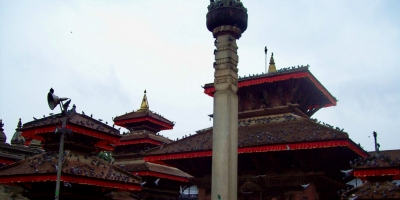
Explore Nepal's rich heritage and scenic beauty with the Kathmandu Heritage Tour combined with the Chisapani Nagarkot Trek — an ideal itinerary for travelers who have limited time but a strong desire to experience the cultural heart and natural splendor of Nepal. This carefully designed tour blends immersive cultural exploration with moderate trekking through lush landscapes and charming villages just northeast of Kathmandu Valley. Your journey begins in Kathmandu, where you will explore the UNESCO World Heritage Sites within the valley, including ancient temples, palaces, and bustling bazaars that reveal the vibrant history and craftsmanship of the Newar people. After soaking in the cultural richness of Kathmandu, you venture to the outskirts for the Chisapani Nagarkot trek. This trek takes you through the pristine Shivapuri Nagarjun National Park, dense woodlands, terraced farmland, and traditional Tamang and Newar villages. Along the way, you’ll be surrounded by stunning mountain vistas, with Nagarkot offering spectacular sunrise and sunset views of the Himalayas, including iconic peaks like Manaslu, Ganesh Himal, Langtang, and even distant glimpses of Mount Everest. The trek covers diverse terrain and cultures in a short span, making it perfect for seminar attendees, weekend travelers, or anyone wanting a taste of Nepal’s natural beauty and heritage in a compact itinerary. The friendly local communities, peaceful countryside, and panoramic mountain views promise an unforgettable experience. Tour Highlights Explore UNESCO World Heritage Sites in Kathmandu Valley: Durbar Squares, temples, and traditional markets. Trek through Shivapuri Nagarjun National Park’s green forests and wildlife zones. Experience authentic rural Nepali culture in Tamang and Newar villages. Enjoy breathtaking Himalayan mountain panoramas, including Mt. Everest, from Nagarkot. Witness stunning sunrises and sunsets over the Himalayan range. Traverse terraced farmlands and enjoy the tranquility of Nepal’s countryside. End the trek in the historic town of Bhaktapur, known for its preserved medieval architecture. What to Expect Moderate trekking through mixed terrain with gradual ascents and descents. Comfortable accommodations ranging from standard lodges to teahouses along the trek. Delicious Nepali cuisine and local meals that highlight regional flavors. Professional licensed guides familiar with the local culture, history, and natural surroundings. A balance of cultural immersion, nature exploration, and light physical activity suitable for most fitness levels. Services by Asiana Treks and ToursService Category Premium Normal BudgetTransportation Private vehicle Tourist bus, private jeep Tourist bus, shared jeepAccommodation Best available lodges Standard teahouses Basic teahousesMeals Standard meals with choices Set menu meals Basic local mealsSnacks Limited snacks (cookies, tea) Tea and biscuits No snacks providedDrinks Bottled water, limited tea/coffee Morning cup of tea No drinksGuide & Porter Licensed guide, porter shared by two trekkers Licensed guide Guide/porter optionalPermits & Fees All permits included All permits All permits (extra cost)Extras Hot shower, limited WiFi Cold shower Cold shower, no extrasEmergency Support Yes Yes Yes The Kathmandu Heritage Tour with Chisapani Nagarkot Trek by Asiana Treks and Tours is the perfect fusion of cultural richness and Himalayan adventure, offering travelers a comprehensive glimpse of Nepal’s soul in a few exciting days. Whether you’re a history buff, nature lover, or trekking enthusiast, this journey promises to leave you with lasting memories of Nepal’s diverse heritage and spectacular mountain landscapes.
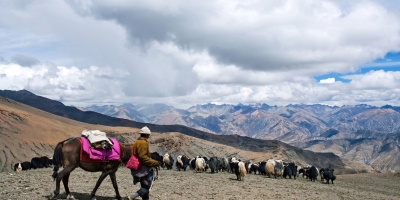
Upper Dolpa Trekking is one of Nepal’s most remote and rewarding high-altitude adventures. Situated in the far western part of Nepal, this trek explores the untouched wilderness of Dolpa district, bordered by Tibet and the mighty Dhaulagiri range. This region offers trekkers a chance to experience a landscape shaped by rugged mountains, crystal-clear lakes, and ancient Tibetan Buddhist culture, making it a truly once-in-a-lifetime experience. Due to the trek’s challenging nature, including long distances, extreme altitudes, and difficult terrain, it is recommended for experienced and well-prepared trekkers. However, the reward is unmatched: pristine natural beauty, rich cultural encounters, and crossing iconic high passes such as Kang La and Jeng La. This journey starts with a scenic flight from Kathmandu to Juphal and proceeds through Shey Phoksundo National Park, home to Nepal’s deepest lake. Along the way, trekkers immerse in the unique lifestyle of the Dolpa people, visit ancient monasteries like Shey Gompa, and explore traditional Tibetan villages. Wildlife enthusiasts may spot rare species like snow leopards and Himalayan blue sheep. The best seasons for this trek are spring (March to May) and autumn (September to November), when the weather is stable and views are spectacular. Detailed ItineraryDay 1: Arrival in Kathmandu Arrive in Kathmandu, the vibrant capital city of Nepal. This day is reserved for rest and acclimatization after your flight. You can explore local markets, temples, and enjoy the rich cultural ambiance of the city. Day 2: Heritage Tour of Kathmandu A guided tour takes you through Kathmandu’s UNESCO World Heritage Sites, including Durbar Square, Pashupatinath Temple, Boudhanath Stupa, and Patan. This day introduces you to Nepal’s rich history and culture before your trek. Day 3: Kathmandu – Nepalgunj – B Fly from Kathmandu to Nepalgunj, a major gateway to western Nepal. You will prepare for the onward flight to the more remote Juphal. Overnight in Nepalgunj, allowing some rest before entering the wilderness. Day 4: Nepalgunj – Juphal (2,369m) – Dunai (2,140m) – B.L.D. Take a short domestic flight from Nepalgunj to Juphal, the starting point of your trek. From Juphal, trek downhill to Dunai, a small settlement that acts as a base for the Upper Dolpa region. The trail begins through subtropical forests with views of distant mountains. Day 5: Dunai – Ankhe (2,660m) – B.L.D. The trek ascends through rhododendron forests and rural villages. Ankhe village offers a glimpse of traditional Dolpo culture, with stone houses and Buddhist prayer flags fluttering in the breeze. Day 6: Ankhe – Renje (3,105m) – B.L.D. Gain altitude steadily, moving into alpine terrain. The trail offers panoramic views of the snow-capped Himalayas. Renje is a small settlement surrounded by barren landscapes and grazing yak herds. Day 7: Renje – Phoksundo Lake (3,610m) – B.L.D. Reach the stunning Phoksundo Lake, famous for its turquoise blue waters and sacred status among locals. The lake is the deepest in Nepal and is surrounded by dramatic cliffs and forested hills. Day 8: Phoksundo Lake – B.L.D. A day to explore around Phoksundo Lake. Visit Ringmo village, witness traditional Tibetan architecture, and learn about the local Bon and Buddhist cultures. Day 9: Phoksundo Lake – Phoksundo Khola (3,510m) – B.L.D. Descend to the banks of Phoksundo Khola river and trek through lush valleys, crossing suspension bridges and enjoying the tranquil surroundings. Day 10: Phoksundo Khola – Phoksundo Bhanjyang (4,400m) – B.L.D. Begin your ascent toward Phoksundo Bhanjyang pass. The altitude gain is significant, but the panoramic views of Dolpo’s peaks and valleys make the climb rewarding. Day 11: Phoksundo Bhanjyang – Shey Gompa (4,125m) via Kang La Pass (5,151m) – B.L.D. Cross Kang La Pass, the highest pass on this trek, offering breathtaking views of the Himalayas and the Tibetan plateau. Descend to the famous Shey Gompa monastery, a spiritual hub for local Buddhists. Day 12: Shey Gompa – B.L.D. Spend a day at Shey Gompa. Explore the monastery complex, interact with monks, and absorb the spiritual atmosphere of this ancient site. Day 13: Shey Gompa – Namduna Gaun (4,800m) via Saldang La Pass (5,200m) – B.L.D. Cross the challenging Saldang La Pass. The rugged terrain and altitude demand endurance but reward with spectacular mountain views. Arrive at Namduna Gaun, a remote village known for its Tibetan heritage. Day 14: Namduna Gaun – Saldang (3,620m) – B.L.D. Descend to the larger village of Saldang, which serves as a local administrative center. Explore the village markets and mingle with the locals. Day 15: Saldang – Sibu (3,940m) – B.L.D. Trek to Sibu, a smaller village nestled in the mountains. The landscape transitions to more arid, high-altitude terrain dotted with traditional stone houses. Day 16: Sibu – Jeng La Phedi (4,900m) – B.L.D. Ascend to the base of Jeng La Pass, gaining altitude through rocky and barren landscapes. This is one of the most challenging sections due to the steep climb. Day 17: Jeng La Phedi – Tokyo Gaau (4,210m) via Jeng La Pass (5,090m) – B.L.D. Cross Jeng La Pass, another high-altitude challenge, offering sweeping views of the Himalayan range and valleys below. Descend to Tokyo Gaau, a tranquil mountain village. Day 18: Tokyo Gaun – Dho Tarap (4,040m) – B.L.D. Trek to Dho Tarap, one of the largest traditional villages in Upper Dolpa. The village features impressive stone houses and offers a rare look into ancient Tibetan culture. Day 19: Dho Tarap – Serkam (3,630m) – B.L.D. Descend to Serkam, passing through terraced fields and river valleys. The trail showcases the changing ecology as you go lower. Day 20: Serkam – Khani Gaun (2,550m) – B.L.D. Reach Khani Gaun, a small village with friendly locals and traditional customs. The altitude drop brings milder weather and greener surroundings. Day 21: Khani Gaun – Tarakot (2,280m) – B.L.D. Continue trekking downhill to Tarakot, a regional trading hub. Experience local markets and the hospitality of the Dolpa people. Day 22: Tarakot – Dunai (2,140m) – B.L.D. Retrace your steps back to Dunai, where the journey begins to wind down. Prepare for departure with a sense of accomplishment. Day 23: Dunai – Juphal – B.L.D. Trek or drive to Juphal, where the trek officially ends. Take time to relax and celebrate your journey through this remote wilderness. Day 24: Juphal – Nepalgunj – Kathmandu – B.L. Fly from Juphal back to Nepalgunj, then onward to Kathmandu. Rest in the capital city and reflect on your incredible adventure. Day 25: Contingency Day – B. An extra day reserved for any flight delays or acclimatization needs, ensuring a stress-free return. Day 26: See You Again – B. Departure day from Kathmandu. Fly home with unforgettable memories and stories to share. Highlights of Upper Dolpa Trekking Remote Tibetan Culture: Visit ancient monasteries like Shey Gompa and villages such as Saldang and Dho Tarap. High Passes: Cross Kang La Pass (5,151m) and Jeng La Pass (5,090m) for panoramic mountain vistas. Shey Phoksundo National Park: Home to Phoksundo Lake, Nepal’s deepest and most pristine lake. Wildlife: Possible sightings of snow leopards, Himalayan blue sheep, musk deer, and rare birds. Spectacular Landscapes: From dense forests to arid high-altitude plateaus and dramatic mountain views. Cultural Interaction: Engage with Dolpa people of Tibetan descent and learn their traditions.Upper Dolpa Trekking Package – Asiana Treks and ToursPackage Overview The Upper Dolpa Trekking Package offers a comprehensive and immersive experience through one of Nepal’s most remote and pristine regions. This package is designed for seasoned trekkers seeking an off-the-beaten-path adventure, combining breathtaking natural landscapes, unique Tibetan culture, and challenging high-altitude trekking. Package Highlights: Domestic flights: Kathmandu – Nepalgunj – Juphal – Nepalgunj – Kathmandu Trekking permits & national park fees (Shey Phoksundo National Park) Experienced trekking guides and porters for support and safety Accommodation in tea houses and camping where necessary All meals during trekking (Breakfast, Lunch, Dinner) Airport transfers and welcome briefing in Kathmandu Emergency evacuation arrangements and communication support Upper Dolpa Trekking Itinerary (26 Days)Day Route Altitude (m) HighlightsDay 1 Arrival in Kathmandu 1,400 Rest & prepareDay 2 Heritage Tour of Kathmandu 1,400 Cultural sightseeingDay 3 Kathmandu – Nepalgunj 150 Flight & restDay 4 Nepalgunj – Juphal – Dunai 2,140 Trek startDay 5 Dunai – Ankhe 2,660 Mountain sceneryDay 6 Ankhe – Renje 3,105 Rhododendron forestsDay 7 Renje – Phoksundo Lake 3,610 Lake & local cultureDay 8 Phoksundo Lake 3,610 Rest & exploreDay 9 Phoksundo Lake – Phoksundo Khola 3,510 Valley trekkingDay 10 Phoksundo Khola – Phoksundo Bhanjyang 4,400 Pass ascentDay 11 Phoksundo Bhanjyang – Shey Gompa 4,125 Kang La Pass crossingDay 12 Shey Gompa 4,125 Monastery explorationDay 13 Shey Gompa – Namduna Gaun 4,800 Saldang La Pass crossingDay 14 Namduna Gaun – Saldang 3,620 Cultural villageDay 15 Saldang – Sibu 3,940 Mountain villageDay 16 Sibu – Jeng La Phedi 4,900 Steep climbDay 17 Jeng La Phedi – Tokyo Gaau 4,210 Jeng La Pass crossingDay 18 Tokyo Gaun – Dho Tarap 4,040 Tibetan culture immersionDay 19 Dho Tarap – Serkam 3,630 Descending valleyDay 20 Serkam – Khani Gaun 2,550 Village lifeDay 21 Khani Gaun – Tarakot 2,280 Trading townDay 22 Tarakot – Dunai 2,140 Trek returnDay 23 Dunai – Juphal 2,369 Trek endDay 24 Juphal – Nepalgunj – Kathmandu 1,400 Flight backDay 25 Contingency Day - Buffer dayDay 26 Departure - Fly homeUpper Dolpa Trekking Distance & Terrain Total Trekking Distance: Approx. 250 – 280 kilometers (round trip) Daily Trekking Distance: Varies from 6 to 15 kilometers depending on altitude and terrain Terrain: Mixture of forest trails, alpine meadows, rocky mountain passes, river valleys, and rugged high plateaus Altitude Range: From 2,140 meters (Dunai) to 5,200 meters (Saldang La Pass) Difficulty Level: Challenging due to high altitude, steep ascents/descents, and remoteness Upper Dolpa Trekking Cost 2026/2027 (per person)Service Price (USD)Full Trekking Package $3,800Includes:- All domestic flights Included- Accommodation & meals during trek Included- Experienced guide & porters Included- Trekking permits & park fees Included- Airport transfers & welcome briefing Included- Emergency support & evacuation plan Included- Contingency day IncludedOptional:- Travel insurance Not included- Personal expenses & tips Not included- International airfare Not included Note: Prices may vary slightly due to fuel surcharges or government tax changes. Why Book with Asiana Treks and Tours? Over 10 years of experience specializing in remote trekking adventures Professional, certified guides fluent in English and local dialects Focus on responsible tourism and cultural respect Personalized service and small group sizes for safety and comfort Strong network for emergency evacuation and health support Upper Dolpa Trekking Price Breakdown Upper Dolpa Trekking is a premium trekking experience that involves considerable logistics and specialized services, reflected in its pricing. The comprehensive price typically includes all internal flights, accommodation during the trek (in tea houses or tents where necessary), meals as specified (breakfast, lunch, and dinner), trekking permits, national park fees, and the services of experienced guides and porters. Given the remoteness of the region, the cost also covers essential equipment, safety measures, and emergency evacuation support, which are crucial in such a high-altitude and isolated environment. Asiana Treks and Tours ensures transparency in pricing by clearly outlining what is included and excluded. The package generally does not include international airfare, travel insurance, personal expenses, or tips. Additionally, the cost may vary slightly depending on the season, group size, and government taxes. Despite the high price, the value offered is exceptional, considering the logistics involved in accessing this remote area and the expert local knowledge provided to ensure safety and an enriching cultural experience. Key Price Inclusions: Domestic flights: Kathmandu-Nepalgunj-Juphal and return Accommodation and meals during trek Licensed trekking guides and porters Permits & national park fees Emergency evacuation and communication equipment Airport transfers and initial briefing Exclusions: International flights and visa fees Travel insurance and personal expenses Tips for guides and porters Upper Dolpa Trekking Altitude Guide The Upper Dolpa Trekking route takes trekkers through some of the highest inhabited villages and passes in Nepal, ranging from about 2,140 meters at Dunai to over 5,200 meters at Saldang La Pass. Acclimatization is critical on this trek, as altitude sickness can pose a serious threat if not managed properly. Trekkers should be prepared for gradual elevation gains and take advantage of rest days built into the itinerary to allow their bodies to adjust. The trekking altitude profile is challenging: you start at a moderate altitude but rapidly ascend through high alpine and arid zones, crossing several passes above 5,000 meters, including Kang La Pass (5,151m) and Jeng La Pass (5,090m). These high passes expose trekkers to thinner air, colder temperatures, and harsher weather conditions. Proper acclimatization, hydration, and pacing are essential to enjoy the trek safely. Altitude Stages to Note: Starting point: Dunai (2,140m) Midpoints: Phoksundo Lake (3,610m), Shey Gompa (4,125m) Highest passes: Saldang La (5,200m), Kang La Pass (5,151m), Jeng La Pass (5,090m) Final descent back to lower altitudes toward Dunai and Juphal Understanding these altitude changes and preparing physically and mentally ensures a safer, more enjoyable trekking experience. Why Choose Upper Dolpa Trekking? Choosing Upper Dolpa Trekking with Asiana Treks and Tours means embarking on one of Nepal’s most authentic and remote adventures. Unlike more popular trekking routes, Upper Dolpa remains largely untouched by mass tourism, allowing visitors to experience traditional Tibetan culture and untouched landscapes that few outsiders have explored. This trek offers a rare combination of natural beauty, spiritual heritage, and rugged wilderness. You’ll encounter ancient Buddhist monasteries, interact with the hospitable Dolpo people, and witness breathtaking vistas from high mountain passes that overlook the Tibetan plateau. Moreover, this trek is ideal for experienced trekkers seeking physical and mental challenges. The demanding terrain and extreme altitude require good fitness and acclimatization but reward with unparalleled scenery and cultural immersion. Asiana Treks and Tours specializes in guiding trekkers safely through this remote region, providing expert knowledge, well-trained guides, and comprehensive logistical support. This ensures that you can focus on the adventure while we manage the complexities of the journey. Top Reasons to Choose Upper Dolpa Trekking: Unique Tibetan Buddhist culture and monasteries Rare wildlife sightings (snow leopards, blue sheep) High-altitude trekking with stunning Himalayan views Remote, untouched wilderness off the beaten path Expert guidance and full support by Asiana Treks and Tours Preparing for Upper Dolpa Trekking Preparation for the Upper Dolpa Trekking requires both physical conditioning and thoughtful planning. Because the trek involves long days of walking at high altitude (up to 5,200m), cardiovascular fitness and endurance are essential. Training should include aerobic exercises such as hiking, running, or cycling for several weeks or months before the trek. Strengthening your legs and core muscles will help tackle steep ascents and rugged terrain. Beyond fitness, acclimatization knowledge is critical—plan to follow a slow pace and drink plenty of fluids to avoid altitude sickness. Packing appropriate gear for sub-zero temperatures at higher passes is also vital: layered clothing, sturdy trekking boots, down jackets, sleeping bags rated for cold, and sun protection are necessary. Since accommodation options are basic, be prepared for simple living conditions. Finally, ensure all trekking permits, travel insurance (including evacuation coverage), and personal medications are arranged well in advance. Asiana Treks and Tours provides a detailed pre-trek briefing and checklist, helping trekkers prepare comprehensively for this challenging but rewarding adventure. Preparation Tips: Regular aerobic and strength training Layered clothing and high-altitude gear Proper hydration and slow trekking pace Securing permits and travel insurance early Mental readiness for a demanding journey What to Expect on the 25–26-Day Upper Dolpa Trekking Adventure The 25 to 26-day Upper Dolpa Trekking adventure is a mix of cultural immersion, physical challenge, and spectacular natural beauty. The trek begins with flights to remote airstrips, immediately exposing trekkers to the thrill of exploration. Over the following weeks, you will pass through dense forests, barren high plateaus, and ancient villages where time seems to stand still. Each day brings new landscapes and interactions with the local Dolpo people, whose Tibetan Buddhist traditions remain deeply rooted. Expect long trekking days with variable terrain: some days involve gradual ascents, while others require crossing steep high passes over 5,000 meters. The weather can be unpredictable, ranging from warm sunshine in the valleys to freezing winds at higher altitudes. Rest days at key locations like Phoksundo Lake and Shey Gompa allow for acclimatization and cultural exploration. Meals mainly consist of nutritious local food, and accommodations are basic but comfortable. Throughout the trek, Asiana Treks and Tours provides expert guidance, logistical support, and safety management. Expectations Overview: Remote wilderness and challenging high-altitude trekking Daily trekking distances averaging 8–15 km Cultural experiences in Tibetan Buddhist villages Crossings of multiple high mountain passes Basic tea house and camping accommodations Variable weather conditions and altitude challenges Oxygen Levels on Upper Dolpa Trekking Oxygen levels decrease significantly as you ascend in altitude, which is a critical factor on the Upper Dolpa Trekking route. At sea level, atmospheric oxygen concentration is about 21%, but at 5,000 meters, the effective oxygen available to breathe can be less than half that amount. This reduction means your body must work harder to supply oxygen to muscles and organs, causing fatigue, shortness of breath, and increasing the risk of altitude sickness. On Upper Dolpa Trekking, trekkers reach altitudes above 5,000 meters multiple times, where oxygen levels are roughly 50% of those at sea level. This makes acclimatization days and slow pacing essential to avoid serious altitude-related illnesses such as Acute Mountain Sickness (AMS). Symptoms include headache, nausea, dizziness, and fatigue. Trekkers should monitor themselves carefully, stay hydrated, and communicate openly with guides. Asiana Treks and Tours ensures that all guides are trained in altitude sickness recognition and management, and oxygen canisters are available for emergencies. Trekkers are encouraged to acclimate gradually and not rush the ascent, ensuring a safer and more enjoyable experience in the oxygen-thin air of Upper Dolpa. Oxygen Level Facts: Oxygen availability decreases by about 50% at 5,000m altitude Increased risk of altitude sickness without proper acclimatization Symptoms: headache, dizziness, nausea, fatigue Gradual ascent and rest days crucial for acclimatization Guides trained for altitude sickness management and emergency oxygen use Major Villages and Scenic Viewpoints on Upper Dolpa Trekking Route The Upper Dolpa trekking route is dotted with unique and culturally rich villages that provide trekkers an authentic glimpse into traditional Tibetan lifestyle and architecture. Some of the most notable villages along the trail include Dunai, the starting point of the trek after flight to Juphal, known as a gateway town with a bustling local market and administrative center. Further along, Ankhe and Renje offer tranquil high-altitude stops with friendly locals living traditional lifestyles amidst spectacular mountain scenery. As the trek progresses, villages such as Ringmo, located near the famous Phoksundo Lake, provide breathtaking views of the turquoise lake framed by snow-capped peaks. Saldang and Dho Tarap stand out as some of the highest inhabited settlements in Nepal, where ancient monasteries and mani walls enrich the spiritual landscape. These villages are key cultural hubs where you can witness Tibetan Buddhist practices up close. In addition to villages, the trek is famed for its dramatic scenic viewpoints. Passes like Kang La Pass (5,151m) and Jeng La Pass (5,090m) offer panoramic views of the Himalayas and the Tibetan plateau. The pristine Phoksundo Lake itself is a stunning natural landmark, renowned for its crystal-clear blue waters and surrounding cliffs. Key Villages and Viewpoints: Dunai, Ankhe, Renje (starting points & high-altitude villages) Ringmo (Phoksundo Lake access) Saldang, Dho Tarap (high Tibetan cultural centers) Kang La Pass & Jeng La Pass (high mountain viewpoints) Phoksundo Lake (pristine alpine lake) Flora and Fauna of Upper Dolpa Trekking Upper Dolpa is situated within the Shey Phoksundo National Park, one of Nepal’s largest protected areas, known for its remarkable biodiversity despite the harsh climate. The region’s flora is diverse and varies dramatically with altitude. Lower elevations are covered with mixed coniferous forests featuring species like pine, fir, and rhododendron. Higher elevations transition into alpine meadows with hardy shrubs and wildflowers that bloom vibrantly during spring and summer months, painting the landscape with colors. The fauna of Upper Dolpa is equally impressive. The area is a haven for rare and endangered wildlife, some of which are endemic to the Himalayas. Trekkers may spot elusive snow leopards, the iconic yet rarely seen big cats of the high Himalayas. Blue sheep (bharal), Himalayan tahr, and musk deer are commonly seen grazing in alpine meadows. Birdwatchers can delight in sightings of the Himalayan monal (Nepal’s national bird), Tibetan snowcock, and other high-altitude birds. The preservation efforts by local communities and national park authorities help maintain this fragile ecosystem, offering trekkers a rare opportunity to witness Himalayan biodiversity in its natural habitat. Flora and Fauna Highlights: Mixed coniferous forests at lower elevations Alpine meadows with wildflowers at higher elevations Snow leopards, blue sheep, musk deer, Himalayan tahr Bird species: Himalayan monal, Tibetan snowcock Protected habitat in Shey Phoksundo National Park Festivals and Local Culture Along Upper Dolpa Trekking Route Upper Dolpa is rich in Tibetan Buddhist heritage, and the local culture is deeply influenced by ancient traditions and spiritual practices. The region’s festivals provide a colorful and vibrant window into the lives and beliefs of the Dolpo people. One of the most important celebrations is Chhewar, a Tibetan Buddhist ceremony marking the end of the monks’ meditation retreat. The festival involves mask dances, prayer ceremonies, and community feasts, allowing trekkers a unique chance to witness traditional rituals and performances. Throughout the year, monasteries such as Shey Gompa and Saldang Monastery host various religious events that highlight the monks’ devotion and the local community’s spiritual life. These festivals reinforce social bonds and preserve cultural identity in this remote region. The Dolpo people are known for their hospitality, and trekkers often experience warm welcomes, traditional music, and home-cooked meals that reflect centuries-old culinary traditions. The culture along the trekking route is also visible in the architecture, clothing, and daily activities of the villagers, offering a rich anthropological experience beyond the natural beauty. Cultural Highlights: Tibetan Buddhist festivals like Chhewar Mask dances and prayer ceremonies Monasteries: Shey Gompa, Saldang Monastery Warm hospitality and traditional cuisine Distinctive Tibetan architecture and lifestyle Why Book with Asiana Treks and Tours for Upper Dolpa Trekking Booking your Upper Dolpa Trekking adventure with Asiana Treks and Tours guarantees a safe, well-organized, and deeply enriching journey into one of Nepal’s most remote regions. With over a decade of experience specializing in high-altitude and off-the-beaten-path treks, Asiana Treks provides expert guidance, personalized service, and deep local knowledge. Our professional team of licensed guides and porters are trained in safety, first aid, and altitude sickness management to ensure your trekking experience is both safe and enjoyable. We take pride in responsible and sustainable tourism practices, working closely with local communities to support their economy and cultural preservation. Our trekking packages include all necessary permits, domestic flights, quality accommodation, and comprehensive support logistics, reducing your travel stress and allowing you to focus on the adventure. We also offer flexible itineraries, tailored to individual fitness levels and interests, making your Upper Dolpa trekking experience truly unique and memorable. Reasons to Choose Asiana Treks and Tours: Experienced licensed guides & support staff Comprehensive, all-inclusive trekking packages Focus on safety and altitude sickness management Commitment to sustainable and responsible tourism Personalized service with flexible itineraries How to Book Upper Dolpa Trekking Booking the Upper Dolpa Trekking with Asiana Treks and Tours is a straightforward and hassle-free process designed to give you peace of mind from the very start. First, contact our friendly customer service team via email or phone to discuss your preferred travel dates, fitness level, and any special requirements. We provide a detailed consultation and customized trekking itinerary tailored to your needs. Once your itinerary is confirmed, we require a deposit to secure your spot, followed by the balance payment as per our booking policy. Our team assists with all necessary trekking permits, domestic flight bookings, and pre-trip preparations, including a comprehensive gear checklist and health guidelines. Before your departure, you will receive a detailed briefing on the trek and emergency protocols. Asiana Treks and Tours ensures transparent communication throughout the booking process, making it easy for you to plan this extraordinary adventure with confidence. Booking Steps: Initial consultation via email/phone Customized itinerary & package confirmation Secure your booking with a deposit Assistance with permits, flights, and logistics Pre-trek briefing & gear checklist provided Continuous support until trek completion
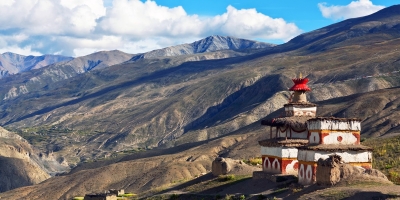
Your adventure begins with an arrival in Kathmandu, where you’ll be welcomed and transferred to your hotel. The next day is dedicated to exploring the vibrant city, visiting UNESCO World Heritage sites, and preparing the necessary permits for the Lower Dolpo trek.A scenic flight takes you from Kathmandu to Nepalgunj, a bustling city in the western Terai. From there, another short but spectacular flight brings you to Juphal, the gateway to Dolpo. Upon landing, the trek officially begins as you make your way to Dunai, the administrative headquarters of Dolpa. Following the banks of the Thuli Bheri River, the trail leads to Tarakot, a historic fortress town with ancient monasteries and chortens. The journey continues through rugged terrain and highland pastures, reaching Laini, where you begin to feel the remoteness of the Dolpo region.The path ascends towards Nawarpani, offering glimpses of the dramatic landscapes that define this region. As you gain altitude, the trek takes you to Dho Tarap, one of the highest human settlements in the world. Here, a well-deserved acclimatization day allows you to explore the traditional Tibetan-influenced culture of the Dolpo people and visit ancient monasteries.Leaving Dho Tarap behind, the trail climbs towards Numa La Base Camp, preparing for the challenging ascent of Numa La Pass. Reaching the top at 5,190m, you are rewarded with breathtaking panoramic views of snow-capped peaks. The descent leads to Penung Tang, from where another high-altitude challenge awaits at Baga La Pass (5,070m). Crossing the pass, the trail gradually descends to Dajok Tang, where the landscape begins to change as you approach the beautiful Phoksundo region.The trek continues towards Ringmo, a picturesque village near the mesmerizing turquoise waters of Phoksundo Lake. Spending time by the lake, you’ll experience the serene beauty of Shey Phoksundo National Park, surrounded by dramatic cliffs and cascading waterfalls. Leaving the lake behind, the descent begins towards Shyanta, passing through dense forests and charming villages. The final leg of the trek takes you back to Juphal, where you bid farewell to the remote wilderness of Dolpo.A morning flight from Juphal to Nepalgunj reconnects you with civilization before another flight back to Kathmandu. With memories of the pristine landscapes and cultural encounters, your journey concludes as you prepare for your final departure, carrying with you the spirit of the hidden gem that is Lower Dolpo.Lower Dolpa Trekking RouteThe Lower Dolpa Trekking route takes you through one of Nepal’s most remote and untouched regions, offering an unforgettable journey into the heart of the Himalayas. The adventure begins with a flight from Kathmandu to Nepalgunj, followed by another short but scenic flight to Juphal, the starting point of the trek. From Juphal, the trail gradually ascends through Dunai, Tarakot, and Laini, following the Thuli Bheri River and passing through deep gorges and rugged landscapes.As you progress, the path leads to Nawarpani and Dho Tarap, an ancient village with a strong Tibetan Buddhist influence. After an acclimatization day in Dho Tarap, the trek continues towards Numa La Base Camp, preparing for a challenging ascent over Numa La Pass (5,190m), one of the highest points of the trek. The route then descends to Penung Tang and climbs again over Baga La Pass (5,070m) before reaching Dajok Tang. From here, the landscape starts to change as you approach Ringmo and the stunning Phoksundo Lake, known for its mesmerizing turquoise waters.After spending time by the lake, the descent begins through lush forests and traditional villages, passing Shyanta before returning to Juphal. The trek concludes with a flight back to Nepalgunj and Kathmandu, marking the end of an epic journey through the hidden landscapes of Lower Dolpa.Lower Dolpa Trekking PriceThe cost of the Lower Dolpa Trek varies depending on several factors, including the duration of the trek, group size, permit fees, accommodation type, and additional services such as guides and porters. Asiana Treks & Tours offers well-organized trekking packages at competitive prices, ensuring a comfortable and safe journey.The main expenses include special trekking permits required for Dolpo, Shey Phoksundo National Park entry fees, domestic flights, accommodation in teahouses or camping sites, food, and guide and porter services. Due to the remote nature of the trek, logistics and transportation costs are higher than in more popular trekking regions like Annapurna or Everest. On average, the trek can range between $2,500 to $3,500 per person, depending on the level of services included. Custom packages can also be arranged based on specific preferences and requirements.Lower Dolpa Trekking HeightThe Lower Dolpa Trek takes you to some of the highest trekking points in Nepal, reaching elevations above 5,000 meters. The journey starts in Kathmandu at 1,400m, followed by Nepalgunj at 150m, and Juphal at 2,502m. As you ascend, Dunai sits at 2,850m, Tarakot at 2,543m, and Laini at 3,160m. The altitude gradually increases as you reach Nawarpani (3,545m) and Dho Tarap (4,090m), one of the highest permanent settlements in Nepal.The trek's highest points are Numa La Pass (5,190m) and Baga La Pass (5,070m), offering breathtaking views of the surrounding peaks. After crossing these passes, the altitude decreases as you descend towards Dajok Tang (4,080m), Ringmo (3,600m), and the beautiful Phoksundo Lake at 3,611m. The final stages of the trek gradually descend towards Shyanta (2,520m) and Juphal (2,320m) before returning to lower altitudes in Nepalgunj and Kathmandu.With significant altitude variations throughout the trek, proper acclimatization and a steady pace are essential to avoid altitude sickness and ensure a safe and enjoyable trekking experience.Major Villages of Lower Dolpa TrekkingLower Dolpa is home to some of the most remote and culturally rich villages in Nepal, offering an authentic experience of Himalayan life. The trek takes you through several significant villages, each with its own unique charm and history.Dunai (2,850m) is the administrative center of Dolpa district and the first major settlement on the trek. It is a small yet bustling town with basic facilities, schools, and government offices. As you continue, Tarakot (2,543m) stands as an ancient fortress village that once served as a trading hub on the caravan route between Tibet and Nepal.Further along, Dho Tarap (4,090m) is one of the highest permanent settlements in the world, inhabited by people of Tibetan descent who practice both Buddhism and the Bon religion. This village is a cultural gem, featuring traditional houses, centuries-old monasteries, and unique customs preserved for generations. Another significant village is Ringmo (3,600m), located near Phoksundo Lake. This picturesque village showcases traditional Dolpo architecture and is home to the Tshowa Monastery, which is over 900 years old.These villages provide an incredible opportunity to interact with the locals, learn about their traditions, and witness a way of life that has remained unchanged for centuries.Best Viewpoints in Lower Dolpa TrekkingThe Lower Dolpa Trek offers some of the most breathtaking viewpoints, with stunning panoramic vistas of the Himalayas, deep valleys, and pristine landscapes.One of the most spectacular viewpoints is at Numa La Pass (5,190m), the highest point of the trek. From here, trekkers can enjoy an awe-inspiring view of the Dhaulagiri range, including towering snow-capped peaks stretching into the horizon. Another remarkable vantage point is Baga La Pass (5,070m), which offers incredible views of the Kanjirowa Himal and the surrounding rugged terrain of Dolpo.Phoksundo Lake (3,611m) is another must-see viewpoint. The mesmerizing turquoise waters of Nepal’s deepest lake, surrounded by dramatic cliffs and pine forests, create one of the most photogenic landscapes in the country. The viewpoint above Ringmo village provides a panoramic perspective of the lake and its cascading waterfalls.The trail itself is filled with natural viewpoints, including ridges and high-altitude plateaus, where trekkers can pause to admire the vast, untouched beauty of the Dolpa region.Biodiversity of Lower Dolpa TrekkingThe Lower Dolpa region is rich in biodiversity, as it lies within the Shey Phoksundo National Park, Nepal’s largest trans-Himalayan national park. The park covers an area of 3,555 square kilometers and is home to a diverse range of flora and fauna, some of which are rare and endangered.The region’s vegetation varies from lush subalpine forests of pine, juniper, and rhododendron at lower elevations to barren, windswept alpine meadows at higher altitudes. The higher regions are dominated by rugged landscapes, glaciers, and high-altitude desert-like terrain, resembling the Tibetan Plateau.Wildlife enthusiasts have the chance to spot some of Nepal’s most elusive species, including the snow leopard, blue sheep (bharal), Himalayan tahr, musk deer, and the Tibetan wolf. The park is also home to over 200 species of birds, including the Himalayan griffon, golden eagle, and blood pheasant. The diverse ecosystem supports a delicate balance of life, making Lower Dolpa a paradise for nature lovers.With its unique blend of cultural heritage, stunning landscapes, and remarkable biodiversity, the Lower Dolpa Trek is an extraordinary journey into one of Nepal’s last hidden frontiers.Festivals and Cultures in Lower Dolpa TrekkingLower Dolpa is a culturally rich region deeply influenced by Tibetan Buddhism and the ancient Bon religion. The people of Dolpa, primarily of Tibetan descent, have preserved their traditions, rituals, and way of life for centuries. During the trek, you will encounter monasteries, chortens, prayer flags, and spiritual practices that reflect the deep-rooted Buddhist beliefs of the local communities.One of the most significant festivals in Dolpa is Saga Dawa, celebrated by Buddhists to commemorate the birth, enlightenment, and passing of Lord Buddha. This festival is marked by prayers, butter lamp offerings, and religious ceremonies at monasteries like the Tshowa Monastery near Phoksundo Lake. Another important festival is Shey Festival, which takes place every 12 years at the Shey Gompa Monastery in Upper Dolpa, attracting pilgrims from across Nepal and Tibet.Local festivals such as Losar (Tibetan New Year) and Chaite Dashain are also widely celebrated with traditional dances, music, and feasts. The Dolpo people still practice an ancient trade culture, where they barter goods with Tibetan traders in seasonal markets. The unique customs, traditional attire, and deep spiritual connection of the locals make this trek a fascinating cultural experience.Advantages of Booking with Asiana Treks & ToursBooking your Lower Dolpa Trek with Asiana Treks & Tours comes with numerous benefits, ensuring a safe, well-organized, and unforgettable trekking experience.Expert Guides and Local Knowledge – Our professional trekking guides are experienced in navigating the remote trails of Dolpa, ensuring safety and providing deep cultural insights throughout the journey.Hassle-Free Permits & Logistics – The Lower Dolpa trek requires special restricted area permits, which we handle for you, along with all necessary trekking arrangements, flights, and accommodations.Customized Itineraries – We offer flexible trekking packages tailored to your preferences, whether you want a shorter or extended trek, cultural immersion, or additional side trips.Responsible and Sustainable Tourism – Asiana Treks & Tours is committed to eco-friendly travel, supporting local communities, hiring local guides and porters, and promoting responsible tourism in Dolpa.24/7 Support & Safety Assurance – Our team provides continuous support before, during, and after the trek, ensuring your safety with proper acclimatization schedules, medical kits, and emergency evacuation plans if needed.With our expertise, local connections, and dedication to quality service, we strive to provide an extraordinary trekking experience in the hidden paradise of Lower Dolpa.Trek BookingBooking your Lower Dolpa Trek with Asiana Treks & Tours is simple and convenient. You can contact us through our official website, email, or phone, and our team will assist you with all the details, including permits, flights, accommodation, and itinerary customization.To secure your booking, a confirmation deposit is required, with the remaining balance payable before the trek starts. We provide detailed information on required gear, travel insurance, fitness preparation, and visa procedures to ensure you are fully prepared for the adventure.Whether you’re a solo traveler, part of a group, or looking for a private trek, we offer flexible booking options to match your needs. Don’t miss the opportunity to explore the breathtaking landscapes and rich culture of Lower Dolpa—book your trek today with Asiana Treks & Tours and embark on the journey of a lifetime!Transportation for Lower Dolpa TrekkingThe journey to Lower Dolpa involves multiple modes of transportation, combining flights and trekking through remote Himalayan terrain. The adventure begins with a domestic flight from Kathmandu to Nepalgunj, a city in western Nepal near the Indian border. The flight takes approximately 1 hour and provides a glimpse of the diverse geography of Nepal, from the central hills to the flat Terai plains.From Nepalgunj, another short but scenic flight of around 35 minutes takes you to Juphal (2,502m), the starting point of the trek. This flight offers breathtaking views of the Himalayan foothills and deep valleys. Since Juphal has a small airstrip, flights are subject to weather conditions, and delays can occur.Once in Juphal, the only mode of transportation is walking. The trek follows rugged trails, crossing high mountain passes, deep valleys, and remote villages. There are no road networks in most parts of Dolpa, making trekking the only way to access this pristine region.After completing the trek, you will fly back from Juphal to Nepalgunj and then take a connecting flight to Kathmandu, marking the end of your journey.Lower Dolpa Trekking StartThe Lower Dolpa Trek officially begins in Juphal (2,502m), a small mountain village in Dolpa district. After arriving in Juphal by flight from Nepalgunj, trekkers start their journey with a short hike to Dunai (2,850m), the administrative center of Dolpa.From Dunai, the trail gradually ascends through remote villages, deep river valleys, and high mountain passes, leading deeper into the heart of Dolpo. The trek follows ancient trade routes and paths used by locals for centuries. The journey takes you through Tarakot, Dho Tarap, Numa La Base Camp, Baga La Pass, and finally to Phoksundo Lake, one of the trek's highlights.The trek concludes as you retrace your steps back to Juphal, from where you take the return flights to Nepalgunj and Kathmandu. The starting and ending points remain the same, ensuring a well-planned route through this rugged and beautiful Himalayan region.Currency ExchangeSince Lower Dolpa is a remote region with limited financial services, it is essential to exchange currency in Kathmandu or Nepalgunj before starting the trek. The local villages do not have ATMs or banks, and cash is the only accepted form of payment in teahouses and local shops.The official currency of Nepal is the Nepalese Rupee (NPR), and it is recommended to carry small denominations for easy transactions. Currency exchange can be done at banks, exchange counters, and ATMs in Kathmandu, which offer competitive rates. US Dollars, Euros, and other major foreign currencies can be exchanged at these locations.Trekkers should carry enough cash to cover expenses such as food, accommodation, extra snacks, and emergency needs during the trek. Credit cards and digital payments are not accepted in the remote Dolpa region, making cash the only reliable option.Guide and Porter ArrangementHiring a licensed guide and porter is highly recommended for the Lower Dolpa Trek, as it is one of Nepal’s most challenging and remote trekking routes. Asiana Treks & Tours provides experienced and knowledgeable guides and porters to ensure a safe and enjoyable trekking experience.Guides: Our professional guides are fluent in English and have in-depth knowledge of the Dolpo region, its culture, history, and trails. They assist with navigation, communication with locals, and ensure trekkers' safety, especially in high-altitude areas.Porters: Since Dolpa is a demanding trek with high-altitude passes, hiring a porter can ease the journey. A porter can carry up to 20-25 kg of luggage, allowing trekkers to walk freely with a lighter daypack.All guides and porters are properly trained, insured, and equipped for high-altitude trekking. Asiana Treks & Tours follows ethical trekking practices, ensuring fair wages, proper gear, and responsible treatment of porters and staff.Booking a guide and porter with us enhances your trekking experience, offering local insights, safety, and logistical support, making your Lower Dolpa adventure smooth and stress-free.Porter, Luggage, and Extra Luggage StorageTrekking in the Lower Dolpa region involves long hiking days over rugged terrain and high mountain passes, so hiring a porter can significantly ease the journey. A porter typically carries up to 20-25 kg of luggage, allowing trekkers to walk comfortably with only a small daypack containing essentials like water, snacks, a camera, and extra clothing.It is advisable to pack only the necessary trekking gear and essentials, as carrying unnecessary items can be cumbersome. Trekkers should use a duffel bag or rucksack for easy transportation by porters. Our team at Asiana Treks & Tours provides well-equipped and insured porters, ensuring fair wages and ethical treatment.For extra luggage that is not needed on the trek, we offer secure storage facilities in Kathmandu. You can leave your additional belongings at your hotel or with our team, ensuring they are safe and ready for pickup upon your return.AccommodationThe Lower Dolpa Trek offers a mix of teahouse and camping accommodations, depending on the remoteness of the region. In villages like Dunai, Tarakot, and Dho Tarap, basic teahouses and lodges are available, providing simple yet comfortable stays. These teahouses typically offer basic rooms with twin-sharing beds, blankets, and limited facilities.As the trek progresses into more remote areas, accommodation options become limited, and camping is required in certain sections such as Numa La Base Camp and Baga La Pass. Our team arranges high-quality tents, sleeping bags, and all necessary camping gear for a comfortable experience in the wilderness.At Phoksundo Lake, there are a few teahouses near Ringmo village, offering a beautiful overnight stay with stunning lake views. Since accommodation in Dolpa is very basic compared to popular trekking routes like Everest or Annapurna, travelers should be prepared for simple facilities with no luxury amenities.Meals During the TripThe meals provided during the Lower Dolpa Trek mainly consist of traditional Nepali and Tibetan cuisine, with a limited variety due to the remoteness of the region. The main dish served in most teahouses is Dal Bhat (rice, lentil soup, and vegetables), which provides essential energy for trekking. Other food options may include:Tibetan bread, chapati, and pancakes for breakfastNoodles, pasta, momos (dumplings), and fried rice for lunch and dinnerSeasonal vegetables, potatoes, and local dairy productsTea, coffee, hot chocolate, and local herbal drinksAs the region is remote, food prices are higher than in more accessible trekking routes due to transportation challenges. During camping sections, our team arranges freshly cooked meals with a dedicated kitchen team to provide hygienic and nutritious food. It is advisable to bring some energy bars, snacks, and instant foods for extra nutrition during the trek.Drinking WaterAccess to safe drinking water is essential during the Lower Dolpa Trek, as staying hydrated at high altitudes is crucial. Bottled water is available in some villages, but due to the remoteness, it is expensive and not environmentally friendly. Instead, trekkers are encouraged to use refillable bottles and water purification methods.The best options for drinking water include:Boiled Water – Available at teahouses and campsites for a small fee.Water Purification Tablets/Drops – Easy to carry and effective for purifying tap or stream water.Water Filters/Steripen – Personal water filters or UV purifiers are great for ensuring safe drinking water from natural sources.Spring and Stream Water – Readily available throughout the trek but must be purified before consumption.At Asiana Treks & Tours, we promote sustainable trekking and encourage trekkers to avoid plastic bottles and use purification methods to minimize environmental impact.With careful preparation and the support of our experienced team, the Lower Dolpa Trek offers an incredible adventure into one of Nepal’s most remote and breathtaking regions!Lower Dolpa Trekking is an isolated and challenging trek situated in the western part of Nepal. Trek to Lower Dolpa offers the most glorious views of the majestic Himalayan peaks, beautiful landscapes, ancient monasteries, and fortresses. Lower Dolpa due to its unique and unimaginable history and landscape is referred to as the Hidden Treasure of Nepal.In fact, the Dolpa region had been a major business route to Tibet. Similarly, the convoy of Yak carrying traditional business products can be seen during summer. At the same time, the lower Dolpa trek is characterized as strenuous and adventurous since the trail crosses over three high Passes; Kangmara La (5115m), Numa La (5159m), and Baga La(5190m).Lower Dolpa Trekking is full of beautiful forests of pine, rhododendron, juniper, and bamboo. Additionally, the trek also caters to the infusion of winsome villages, giant waterfalls, rivers, deep gorges, high meadows, wooden and air-swinging suspension bridges, and terraced colorful fields. Initially, the trek starts from semi-desert areas admiring the rain shadow landscape of the Himalayas. The trails pass through the rich protected area known as Shey Phoksundo National Park.The National Park is filled with tranquil and pristine Phoksundo Lake, white sparkling waterfalls, and wildlife like jackals, musk deer, mountain goats, blue sheep, and snow leopards. The trek is fascinating and bewildering due to its ancient Tibetan pre-Buddhism religion “Bon Poâ€, adventurous high Passes, challenging trails, diverse nature, and she-Phoksundo Lake-The deepest Lake in Nepal. The lake is at an elevation of 3589 m with a depth of 145 m.Surprisingly, all three passes offer flabbergasting views of Mt. Dhaulagiri (8167m) and extended Tibetan peaks. The trekkers also visit the beautiful and colourful monasteries and Bon Po shrines surrounding Phoksundo Lake. Meanwhile, the trekkers get enchanted by the alluring and indescribable beauty of Phoksundo Lake which splits between 2000m tall mountain rocks. Similarly, camping around the turquoise Phoksundo Lake is one of the finest experiences of living in nature under clear blue skies, surrounded by enchanting views of mountains, untouched nature, and Bon Po shrines.
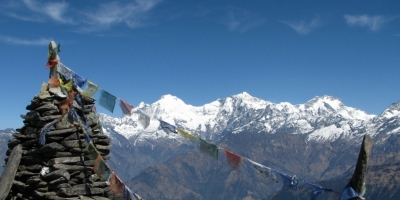
The Lower Ganesh Himal Trekking offered by Asiana Treks and Tours is a culturally immersive, scenic, and less-crowded trekking adventure that reveals the heart of rural Nepal. Located just northwest of Kathmandu, this trek takes you through the untouched valleys and hilltop villages of the Ganesh Himal region, named after the Hindu god Ganesh. With relatively low elevations (max 1900m), this trek is ideal for those who want to enjoy the natural and cultural richness of Nepal without the challenges of high-altitude trekking. Unlike the more commercial routes of Everest or Annapurna, the Lower Ganesh Himal region remains a hidden gem. This trek is perfectly suited for trekkers seeking a deeper connection with local communities, pristine views of the Ganesh Himal and Langtang ranges, and exposure to authentic Nepalese rural life. The journey begins with a heritage tour in Kathmandu before heading into the hills via local transport or private vehicle. From there, the trek leads through villages like Samari, Gaira, Marpak, Shalyankot, Jyamrung, and Maidi, offering unique experiences at each stop, such as homestays, local festivals, and insights into traditional farming practices. 🧭 Highlights of the Trek: Peaceful trekking route through ethnic villages of Tamang, Chhetri, Dalit, and Gurung communities Panoramic views of Ganesh I-IV, Langtang Himal, and surrounding hills Unique cultural experiences like cooking, firewood collection, and religious rituals Overnight stays in authentic homestays and community-run guesthouses Visits to Buddhist monasteries, Hindu temples, and a functioning micro-hydropower plant Guided by local experts from Asiana Treks and Tours ensuring ethical and insightful travel This trek is an excellent choice for travelers with limited time, families, or those who prefer less physically demanding but meaningful treks. It's more than just walking—it's a deep dive into the soul of Nepal. Whether you’re sipping local tea in a Tamang home or admiring sunrise over the hills, the Lower Ganesh Himal Trek leaves you with lasting memories and connections. With a strong commitment to responsible tourism, Asiana Treks and Tours works closely with local communities to ensure that your presence contributes positively to the region. When you choose this trek, you’re not just trekking—you’re participating in sustainable travel that respects and preserves the cultures and landscapes of Nepal. Lower Ganesh Himal Trekking Package The Lower Ganesh Himal Trekking package by Asiana Treks and Tours is designed for adventurers seeking cultural depth, scenic beauty, and authentic Nepalese hospitality without committing to high altitudes. Nestled within the picturesque Ganesh Himal range, this lesser-known trail lies just northwest of Kathmandu and offers a unique opportunity to experience Nepal's ethnic diversity, religious harmony, and natural grandeur in a compact itinerary. Named after the Hindu deity Ganesh, this trek symbolizes wisdom, protection, and good fortune—values you'll experience firsthand as you pass through vibrant villages, terraced farmlands, and sacred temples. This 11-day package includes guided city tours of UNESCO World Heritage Sites in Kathmandu, a scenic countryside drive to Samari, and a 7-day culturally immersive trek through the heart of the mid-hills. Highlights of the Trekking Package: ✅ Guided Kathmandu heritage tour (Pashupatinath, Swayambhunath, Boudhanath, and Durbar Square) ✅ Peaceful trek through remote ethnic villages (Tamang, Gurung, Chhetri, Dalit) ✅ Stunning views of Ganesh Himal, Langtang, and surrounding peaks ✅ Overnight stays in community lodges and traditional homestays ✅ Insight into daily village life: farming, cooking, local schools, and hydropower facilities This package is ideal for trekkers of all skill levels, including families and solo travelers. The trek is free of altitude risks, yet offers panoramic mountain vistas and serene forest trails. Best suited for spring (March–May) and autumn (September–November), the Lower Ganesh Himal Trek gives you the best of Nepal in under two weeks. Lower Ganesh Himal Trekking Distance While the Lower Ganesh Himal Trek is not particularly high in elevation, it spans a meaningful distance with varied terrain. Daily walking ranges from 4 to 6 hours depending on the terrain and pace, making it suitable for moderately fit individuals. Approximate Trekking Distances: Kathmandu to Samari: 100 km (Drive) Samari to Gaira: ~10 km Gaira to Marpak: ~9 km Marpak to Shalyankot: ~11 km Shalyankot to Jyamrung: ~10 km Jyamrung to Maidi Kot: ~9 km Maidi to Salang: ~10 km Salang to Kathmandu: ~100 km (Drive) Key Features of Trek Distance: 🥾 Total trekking distance: ~60–65 km 🗻 Moderate elevation gain (max ~1900m) ⏱️ Trekking time per day: 4–6 hours 🧭 Terrain: Terraced farmland, forest trails, hill ridges, village paths This route is non-technical and doesn't require mountaineering skills, making it perfect for cultural trekkers, photographers, or anyone looking to disconnect from the modern world and immerse themselves in rural Nepal. 💰 Lower Ganesh Himal Trekking Cost 2026/2027 The cost of the Lower Ganesh Himal Trekking package for the 2026/2027 season with Asiana Treks and Tours is competitively priced to offer value while supporting local communities through ethical tourism. Standard Package Cost: USD $899 per person (Group of 2–6) Discounts available for larger groups and early bookings What’s Included: ✅ Airport pick-up and drop-off ✅ 3 nights in Kathmandu (Hotel with breakfast) ✅ Guided heritage tour with entrance fees ✅ All land transport (public/local or private) ✅ Trekking permits and insurance for guides ✅ Accommodation during the trek (Homestays/guesthouses) ✅ 3 meals a day during trek (Nepali, Tibetan, or local food) ✅ Professional licensed English-speaking guide and porter What’s Not Included: ❌ International flights to/from Kathmandu ❌ Travel insurance ❌ Alcohol, snacks, and bottled water ❌ Tips for guide and porter (optional but appreciated) Add-on Options: 🏞️ Extra night in Kathmandu: $30 🧘 Cultural workshop or cooking class: $25–$40 🚙 Private Jeep upgrade for drive-in/out: +$60 With ethical pricing and strong community involvement, this trek balances comfort, authenticity, and affordability. Lower Ganesh Himal Trekking Price Breakdown Affordable, Ethical, and Transparent Pricing with Asiana Treks and Tours The Lower Ganesh Himal Trekking is not only a culturally rich journey but also one of the most budget-friendly treks available in Nepal. Asiana Treks and Tours offers transparent pricing with no hidden fees, ensuring that trekkers receive top value while contributing to the local economy. The price typically ranges from USD $850 to $950 per person, depending on group size and preferences (private jeep, upgraded hotels, etc.). This cost covers everything needed for a smooth and enjoyable trek, from city tours to village accommodations, meals, permits, and experienced guides. Asiana Treks and Tours also believes in sustainable tourism, ensuring local guides, porters, and homestay owners are paid fairly. 💸 What's Included: ✔️ Airport transfers (arrival/departure) ✔️ 3 nights hotel in Kathmandu (breakfast included) ✔️ Kathmandu UNESCO heritage tour with guide and entry fees ✔️ All surface transportation (public/private) ✔️ Trekking permits and local government fees ✔️ Accommodation in homestays/guesthouses during trek ✔️ 3 meals per day during trekking ✔️ Experienced licensed guide and porter ❌ Not Included: ❌ International airfare and visa ❌ Personal travel insurance ❌ Alcoholic drinks, snacks, bottled water ❌ Tips for guides and porters (optional) This pricing model provides a perfect balance of comfort, authenticity, and ethical tourism—making the Lower Ganesh Himal Trek ideal for travelers who seek real experiences without breaking the bank. 🏔️ Lower Ganesh Himal Trekking Altitude Guide Low Elevation, High Impact – Safe and Scenic Trekking Experience The Lower Ganesh Himal Trek is well-known for being a low-altitude trek, making it ideal for beginners, families, or those who prefer to avoid the risks of altitude sickness. The highest point of the trek is Shalyankot (1900 meters / 6234 ft), and the average elevation remains between 1100 to 1900 meters (3609–6234 ft). Unlike the high Himalayan circuits, this trek focuses more on cultural immersion and scenic beauty than elevation gain. Throughout the journey, you'll gradually ascend and descend through terraced fields, dense forests, and remote villages, never exceeding 2000 meters. Because of this, there's no need for acclimatization days, and trekkers are free from the physiological stresses that often come with high-altitude trekking. 🧭 Key Altitudes by Location: Kathmandu: 1337m (4385ft) Samari: 1400m (4593ft) Gaira: 1600m (5249ft) Marpak: 1700m (5577ft) Shalyankot (Highest point): 1900m (6234ft) Jyamrung: 1600m (5249ft) Salang (lowest overnight): 1100m (3609ft) This elevation profile ensures a comfortable trekking pace, allowing participants to enjoy every moment without the health concerns of altitude sickness. It's an excellent entry-level trek with breathtaking hilltop views and cultural experiences at every turn. 🌟 Why Choose Lower Ganesh Himal Trekking? An Untouched Gem of Nepal – Real Culture, Real People, Real Beauty The Lower Ganesh Himal Trekking route is a hidden jewel, perfect for travelers who crave authenticity over commercial tourism. While the Everest and Annapurna regions attract massive crowds, this quiet trail leads you into Nepal’s untouched mid-hill villages, offering genuine cultural exchanges, diverse scenery, and panoramic mountain views—without the need for technical gear or intense conditioning. With Asiana Treks and Tours, this journey becomes even more meaningful. Their deep community ties ensure that your trek directly supports local livelihoods while you enjoy a well-organized, guided adventure. The guides are locals who know every trail, story, and hidden viewpoint. 🌿 Why Trek Lower Ganesh Himal? 🏡 Authentic Tamang, Gurung, Dalit, and Chhetri communities 🧘 Peaceful trails – far from the tourist crowds 🏔️ Vistas of Ganesh Himal, Langtang, and Manaslu 🙏 Cultural interaction – temples, chortens, homestays 🛖 Eco-tourism and responsible travel focus 💬 Opportunities to engage in farming, cooking, and daily life This trek is perfect for photographers, cultural explorers, educators, and nature lovers who want to see the real Nepal—simple, sincere, and spectacular. 🎒 Preparing for Lower Ganesh Himal Trekking Smart Packing, Mental Readiness, and Cultural Awareness Though the Lower Ganesh Himal Trek is not high-altitude or overly strenuous, it still requires thoughtful preparation. With daily walking times of 4 to 6 hours, you'll need to have a moderate level of fitness. Gentle cardio training (like walking, cycling, or hiking) in the weeks before departure will help you enjoy the trail comfortably. Packing wisely is also essential. Because you'll be staying in homestays and small lodges, facilities may be basic, especially in remote villages. A warm sleeping bag, personal hygiene supplies, and layers for changing weather are must-haves. Footwear should be broken-in trekking boots or sturdy trail shoes. 🎒 Trekking Essentials: 🧥 Light down jacket and rainproof outer layer 👟 Comfortable hiking boots 🛏️ Sleeping bag rated for 0–5°C 🧴 Personal toiletries (soap, toilet paper, sanitizer) 💊 Basic medicines (painkillers, rehydration salts) 🎒 Small daypack, reusable water bottle, sun protection Equally important is preparing mentally. You’ll be stepping into simple village life, where comfort is defined by connection and culture, not luxury. Keeping an open mind, being respectful, and embracing a slower pace will turn this trek into a deeply enriching life experience. 🗓️ What to Expect on the 10–11-Day Lower Ganesh Himal Trekking Adventure A Journey of Discovery, Simplicity, and Community The 10–11-day Lower Ganesh Himal Trekking itinerary is designed to flow smoothly between cultural exploration and natural beauty. You'll begin your journey in Kathmandu, visiting ancient heritage sites before heading to the countryside via a scenic drive. From Day 3 to Day 10, you'll walk between remote villages, staying with local families and immersing yourself in their way of life. Expect to walk 4–6 hours a day, stopping frequently for tea, interaction, and photos. Terrain varies from terraced hillsides and forest trails to riverside paths and village roads. Nights are spent in cozy community lodges or homestays, where meals are freshly prepared from local produce. 📌 What You'll Experience Daily: 🥾 Comfortable trekking with moderate climbs 🍛 Fresh Nepali meals (dal bhat, roti, curry) 🛖 Homestay lodging with basic amenities 🎉 Interaction with local communities 📸 Stunning views of the Himalayan mid-hills This is not just a physical trek, but a social, spiritual, and emotional journey. From helping collect firewood to visiting a village school, your days will be filled with real experiences that leave a lasting impression. 🧬 Oxygen Levels on Lower Ganesh Himal Trekking Trek Without Worry – Ample Oxygen, No Altitude Risks One of the biggest benefits of choosing the Lower Ganesh Himal Trek is its low elevation, which ensures that oxygen levels remain close to normal throughout the journey. Unlike treks that go above 3000 meters, where oxygen saturation starts to drop significantly, this trek stays comfortably between 1100 and 1900 meters, keeping air pressure and oxygen content at safe, healthy levels. This means you won’t experience altitude sickness, even if you’re trekking for the first time or have underlying health concerns. The air remains fresh and crisp, and the trekking route allows for easy breathing and gradual pacing—making this ideal for trekkers of all ages. 🌬️ Oxygen and Elevation Facts: 🧭 Max altitude: 1900m (~6234 ft) 💨 Oxygen level: 80–90% of sea-level oxygen ✅ No need for acclimatization days ✅ No risk of Acute Mountain Sickness (AMS) This trek is a safe choice for children, older adults, and beginners, while still offering jaw-dropping views and meaningful cultural interaction. With Asiana Treks and Tours, your safety and comfort are the top priorities, so you can enjoy the trail with complete peace of mind. Major Villages and Scenic Viewpoints on Lower Ganesh Himal Trekking Route Cultural Encounters with Unmatched Natural Beauty One of the standout features of the Lower Ganesh Himal Trekking experience is its passage through some of Nepal’s most scenic and culturally rich hilltop villages. With Asiana Treks and Tours, you’ll journey through vibrant communities nestled in terraced hills, each offering unique local traditions and breathtaking views. From sunrise over snow-capped peaks to misty river valleys, each day reveals a new visual and cultural highlight. The trek starts from Samari Bhanjyang, a peaceful village surrounded by rice fields, and continues to Gaira and Marpak, where you'll find traditional stone houses and friendly locals eager to share their stories. Shalyankot, sitting at 1900 meters, is the highest point on the trek and offers a 360-degree panoramic view of the Ganesh Himal Range, Langtang Himal, and distant Manaslu. As you descend to Jyamrung, the views shift to lush valleys, rivers, and cultivated landscapes. 🗺️ Key Villages and Viewpoints: 🛖 Samari: Traditional starting village with rustic charm 🛖 Gaira: Rich in Tamang culture and terraced farms 🛖 Marpak: Stone-paved village with mountain-facing homes 🏞️ Shalyankot: Panoramic hilltop viewpoint (1900m) 🛖 Jyamrung: Riverside village with cultural immersion 🛖 Maidi & Salang: Low-altitude cultural villages with peaceful ambiance Each of these locations offers authentic homestay experiences, stunning photo opportunities, and a closer look at Nepal’s rural lifestyle. Trekkers often describe the nights spent in these villages as the most memorable parts of their trip. 🌿 Flora and Fauna of Lower Ganesh Himal Trekking Walk Through Biodiverse Ecosystems Rich in Life and Color The Lower Ganesh Himal Trekking route isn’t just a cultural trail—it’s also an immersion into some of Nepal’s most diverse mid-hill ecosystems. Managed by Asiana Treks and Tours, the trail passes through dense forests, open meadows, and terraced agricultural lands teeming with local flora and fauna. The region, though not officially protected as a conservation area, is rich in biodiversity, offering a refreshing blend of natural encounters for nature lovers and birdwatchers. As you ascend and descend the trail, you’ll encounter a variety of subtropical and temperate plant life, including rhododendrons, oak, pine, and bamboo groves. In spring (March–May), rhododendron forests bloom in vibrant reds and pinks, adding striking color to the hills. The terraced farms are often filled with seasonal crops like millet, barley, and mustard flowers. 🌳 Flora Highlights: 🌺 Rhododendrons (Nepal's national flower) 🌿 Wild herbs and medicinal plants 🌾 Seasonal crops and fruit trees (pear, orange, plum) 🐾 Fauna Highlights: 🐦 Himalayan monal (Danphe) 🐒 Langur monkeys in the forests 🦅 Eagles, vultures, and other raptors 🐗 Possible sightings of wild boar, deer, and porcupines The biodiversity along the trail provides moments of quiet wonder. Whether it's a colorful butterfly dancing over a mustard field or the sudden screech of a langur echoing through the trees, these natural encounters deepen the serenity of your trekking journey. 🎉 Festivals and Local Culture Along Lower Ganesh Himal Trekking Route A Living Tapestry of Faith, Festivity, and Folklore One of the most enriching aspects of trekking the Lower Ganesh Himal route with Asiana Treks and Tours is the opportunity to witness and participate in the vibrant local festivals and cultural practices that define life in these remote villages. The region is primarily inhabited by Tamang, Gurung, Dalit, and Chhetri communities, each with its unique set of traditions, songs, dances, and religious observances. Trekking during festival seasons—especially Tihar, Dashain, or the Tamang Lhosar (New Year)—allows travelers to join community celebrations, enjoy traditional music, and witness ritualistic dances. You'll see villagers dressed in colorful garments, elders reciting ancient folk tales, and children performing dances in return for blessings or treats. Hindu and Buddhist faiths coexist peacefully along the trail, with prayer flags fluttering over temples and Buddhist chortens lining village paths. 🌟 Cultural Highlights: 🪔 Tihar Festival: Houses lit with oil lamps, honoring animals and family deities 🎶 Tamang Lhosar: Cultural dancing, feasting, and communal rituals 🛕 Shrines & temples: Small local temples with daily rituals 📿 Chortens and prayer stones: Cultural landmarks with spiritual significance Participating in these events not only deepens your understanding of local life but also turns your trek into a culturally transformative experience—one that stays with you long after your return home. ✅ Why Book with Asiana Treks and Tours for Lower Ganesh Himal Trekking Authentic, Ethical, and Personalized Trekking You Can Trust When choosing a trekking company in Nepal, Asiana Treks and Tours stands out for its local expertise, personalized service, and community-based values. Unlike large international operators, Asiana is deeply rooted in the communities it serves. Their guides and porters are locals—born and raised in the very villages you’ll trek through. This ensures genuine experiences, better communication with locals, and sustainable economic support for the region. Asiana Treks and Tours focuses on responsible tourism, partnering with homestays, supporting village schools, and ensuring fair wages for staff. Their itineraries are well-paced and culturally rich, and they go the extra mile to help you connect meaningfully with the people and places you visit. 💡 Why Choose Asiana Treks and Tours: ✅ Local expertise and guides from Ganesh Himal region ✅ Ethical and fair-trade practices with local communities ✅ Flexible itineraries customized to your pace and interests ✅ 24/7 support and emergency response ✅ Eco-conscious and culturally respectful travel With Asiana, you're not just booking a trek—you're building relationships, making memories, and becoming a part of something bigger. The level of attention, authenticity, and cultural depth they offer is unmatched in the region. 📝 How to Book Lower Ganesh Himal Trekking Easy, Transparent, and Flexible Booking Process with Asiana Treks and Tours Booking your Lower Ganesh Himal Trek with Asiana Treks and Tours is a smooth and transparent process designed to make planning your adventure stress-free. Whether you’re booking months in advance or looking for a last-minute trip, Asiana’s team is ready to assist you at every step. Their user-friendly website and responsive customer service ensure you get all your questions answered quickly. To begin, you can submit an inquiry online, call or WhatsApp their trekking coordinator, or email them with your desired dates and preferences. Once details are confirmed, you'll receive a detailed itinerary, packing list, and invoice. Asiana requires only a 20% deposit to reserve your spot, with the balance due upon arrival in Kathmandu. They also offer flexible date changes, making it easier to adjust your trip if needed. 🧾 Booking Steps: 📩 Inquire via website, email, or WhatsApp 🗓️ Confirm your trekking dates and preferences 💳 Pay a small deposit (20%) to secure booking 📄 Receive full itinerary, gear checklist, and payment details ✈️ Arrive in Kathmandu – the adventure begins! You can also add services like airport transfers, extra hotel nights, or cultural workshops during booking. With a reputation for professionalism and honesty, Asiana Treks and Tours makes booking your Lower Ganesh Himal Trek a breeze—so you can focus on what matters: enjoying the journey.
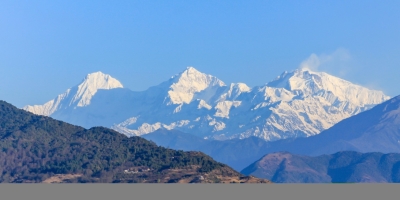
Ganesh Himal is a remote and pristine mountain region located in central Nepal, northwest of Kathmandu. Named after the sacred Hindu god Ganesh, this area remains largely untouched by mass tourism, offering trekkers an authentic and serene Himalayan experience. The trek reveals a unique blend of rich Nepalese culture and stunning natural beauty, making it a rewarding journey for both nature lovers and cultural enthusiasts. The region’s rugged landscape is home to diverse flora and fauna, with dense forests of Spanish oak, blue pine, and rhododendrons that burst into spectacular colors each spring. Rare wildflowers like primula, orchids, and berberis thrive here, enhancing the trek’s visual appeal. The highlight of this trek is crossing the Singla Pass (4600 m), a challenging yet exhilarating high mountain pass that offers panoramic views of the Ganesh Himal range and neighboring peaks such as Langtang and Manaslu. The trek begins with a scenic drive from Kathmandu to Betrawati, then continues on foot through charming villages and tranquil forests. The journey includes hot springs, deep gorges, glaciers, and the chance to experience the warm hospitality of the local ethnic communities. Asiana Treks and Tours provides expert support and camping facilities throughout this adventure, ensuring a comfortable and safe trekking experience in this off-the-beaten-path destination. Ganesh Himal with Singla Pass Trekking Package Asiana Treks and Tours proudly presents the Ganesh Himal with Singla Pass Trekking Package, a comprehensive adventure designed for trekkers seeking an immersive Himalayan experience away from the crowds. This package includes all the necessary logistics, such as transport from Kathmandu to the trailhead, experienced guides and porters, camping gear, and comfortable accommodations in tents during the trek. The package is ideal for those who enjoy camping under the stars while trekking through some of Nepal’s most spectacular and remote landscapes. Highlights of the package include: Full-service camping trek with expert crew support Crossing Singla Pass at 4600 meters Exploration of traditional villages like Balche, Serthung, and Mongey Thanthi Diverse landscapes ranging from subtropical forests to alpine meadows and high mountain passes Cultural insights into Gurung and Tamang communities living along the trail Opportunities for wildlife and bird watching Stunning mountain panoramas including Ganesh Himal, Langtang, and Annapurna ranges The trekking itinerary is carefully crafted to balance trekking days with rest and acclimatization, ensuring a safe and enjoyable journey for adventurers of moderate fitness levels. Ganesh Himal with Singla Pass Trekking Short Listing Duration: 16 days Maximum Altitude: 4600 meters (Singla Pass) Starting Point: Kathmandu Ending Point: Kathmandu via Gorkha Trekking Style: Camping trek Difficulty Level: Moderate to challenging Best Season: Spring (March-May), Autumn (September-November) Accommodation: Tents with camping crew support Transport: Private vehicle and walking Group Size: Small to medium groups for personalized experience Distance: Ganesh Himal with Singla Pass Trekking The Ganesh Himal with Singla Pass trekking route covers a total trekking distance of approximately 110 to 130 kilometers, depending on slight variations in daily routes and acclimatization detours. The trek starts after a scenic drive from Kathmandu to Betrawati, where the trekking trail officially begins. From there, trekkers journey through a mix of forested valleys, alpine meadows, and high mountain passes, crossing several traditional villages and natural landmarks. The distance between the trekking points varies daily, ranging from 8 to 16 kilometers, designed to balance challenging trekking sections with adequate rest and acclimatization periods. One of the longest and most demanding sections is the ascent and crossing of the Singla Pass at 4600 meters, which is a highlight of this trek. The trek descends gradually towards Gorkha and then back to Kathmandu, covering different terrain types, including dense rhododendron forests, river gorges, terraced hillsides, and open mountain ridges. Trekkers can expect to experience significant altitude variations, from as low as 548 meters near Salangkhu Khola to the high pass at 4600 meters. The itinerary is crafted to ensure safety, comfort, and the opportunity to fully absorb the natural beauty and local culture along the route. Key distance highlights: Total trekking distance: 110-130 km Maximum altitude: 4600 m (Singla Pass) Daily trekking segments: 8-16 km per day Terrain: Forest trails, mountain passes, river valleys Trek start/end: Kathmandu – Kathmandu via Gorkha Ganesh Himal with Singla Pass Trekking Cost 2026/2027 The trekking cost for the Ganesh Himal with Singla Pass route in the 2026/2027 season with Asiana Treks and Tours is competitively priced at USD 1,850 per person. This price is based on a minimum group size of two people and includes all major expenses required for a fully supported camping trek. The cost covers airport transfers, hotel accommodation in Kathmandu before and after the trek, all ground transportation to and from the trailhead, and a professional English-speaking trekking guide and porters to carry luggage and camp equipment. Meals during the trekking days (breakfast, lunch, and dinner) are included, and you will be served a variety of nutritious local and international dishes to keep your energy up throughout the trek. The package also includes camping equipment such as tents, sleeping mats, dining tents, and toilet tents, all maintained and carried by the support crew. Permits like TIMS (Trekkers’ Information Management System) and national park fees are part of the cost, as are emergency first aid supplies and oxygen tanks in case of altitude sickness. The transparent pricing ensures no hidden costs, making your trek a hassle-free adventure. What the cost includes: Airport transfers and Kathmandu accommodation Transportation to/from trailhead Experienced guide and porter support Full camping gear and crew services Three meals per day on trek Trekking permits and government fees First aid kit and emergency oxygen Cultural tours in Kathmandu and Gorkha Ganesh Himal with Singla Pass Trekking Price Breakdown The comprehensive price for the Ganesh Himal with Singla Pass trek with Asiana Treks and Tours is broken down into clear components to help trekkers understand the value of the package and what they are paying for. The biggest portion of the cost goes towards supporting local guides, porters, and the crew who ensure a safe and comfortable journey. Transport and accommodation expenses, both in Kathmandu and during the trek, form another significant part of the budget. The trekking permits and national park fees are fixed government charges and are included to ease the trekking process. Food and camping equipment rental also account for a large share of the cost, as these ensure trekkers have access to hot meals and safe shelter every night. Additionally, the cost includes emergency preparedness measures such as a well-stocked first aid kit and oxygen cylinder, essential for high-altitude trekking. This transparent price breakdown gives trekkers confidence in the professionalism and reliability of Asiana Treks and Tours, ensuring they get excellent service and support from start to finish. Price Breakdown Table: Expense Category Included Services/Items Approx. Cost ShareAirport Transfers Pickup and drop-off in Kathmandu IncludedKathmandu Accommodation 3-star hotels, 2 nights IncludedGround Transportation Private vehicles to/from trailhead IncludedGuide and Porter Fees Professional English-speaking guide, porters IncludedCamping Equipment & Crew Tents, sleeping mats, dining tent, camp crew IncludedMeals on Trekking Days Breakfast, lunch, dinner IncludedTrekking Permits & Fees TIMS card, national park permits IncludedEmergency & Safety Equipment First aid kit, oxygen cylinder IncludedCultural Tours Heritage tours in Kathmandu and Gorkha Included Ganesh Himal with Singla Pass Trekking Altitude Guide The Ganesh Himal with Singla Pass Trekking route takes you through diverse altitudinal zones, ranging from subtropical lowlands to high alpine regions, peaking at Singla Pass at 4600 meters. This gradual ascent allows trekkers to experience the ecological variety and cultural diversity of the region while giving the body adequate time to acclimatize to increasing altitude. Starting near 548 meters at Salangkhu Khola, the trek steadily climbs through lush forests of oak, pine, and rhododendrons, before reaching high mountain meadows and remote villages above 3500 meters. Crossing Singla Pass at 4600 meters represents the highest point of the trek and requires careful preparation and pacing due to thinner air and colder temperatures. Beyond the pass, trekkers descend into valleys inhabited by ethnic communities where altitude decreases gradually to around 1500 meters in Gorkha, offering relief after the high pass challenge. Understanding the altitude profile is crucial to prepare physically and mentally for the trek, and Asiana Treks and Tours ensures you have an experienced guide who monitors your acclimatization and health every step of the way. Altitude Profile Highlights: Starting altitude: 548 m (Salangkhu Khola) Mid trekking altitudes: 2800-3500 m (Balche to Serthung Village) Highest point: 4600 m (Singla Pass) Final trekking altitudes: 1500 m (Gorkha) Gradual ascent/descent to minimize altitude sickness risk Ecological zones: subtropical forests to alpine meadows and snowfields Why Choose Ganesh Himal with Singla Pass Trekking? Choosing the Ganesh Himal with Singla Pass Trekking route offers a unique Himalayan adventure far from the crowded tourist trails. Unlike popular trekking routes such as Annapurna or Everest, Ganesh Himal remains remote and pristine, providing trekkers with untouched natural beauty and authentic cultural experiences. This trek is ideal for travelers looking to combine challenging high-altitude trekking with cultural immersion in traditional villages inhabited by Gurung, Tamang, and other ethnic groups. Moreover, the Singla Pass crossing provides a thrilling high-mountain experience with spectacular panoramic views of Ganesh Himal, Langtang, Manaslu, and even Annapurna ranges. The trek’s diverse landscapes include dense forests, rhododendron-covered slopes, alpine meadows, and glacial streams, offering incredible biodiversity and natural scenery. With Asiana Treks and Tours, you gain the assurance of expert local guides, a dedicated camping crew, and a comprehensive support system that prioritizes your safety, comfort, and meaningful travel experience. Top Reasons to Choose This Trek: Remote, less crowded, and pristine Himalayan experience Authentic cultural encounters with indigenous communities Crossing of Singla Pass – a spectacular high-altitude challenge Diverse flora and fauna along the route Professional trekking support from Asiana Treks and Tours Combination of adventure, nature, and cultural heritage Preparing for Ganesh Himal with Singla Pass Trekking Proper preparation is essential to enjoy the Ganesh Himal with Singla Pass Trekking safely and comfortably. Due to the trek’s moderate to challenging difficulty and the high altitude of the Singla Pass, physical fitness is critical. It is recommended that trekkers engage in cardiovascular and endurance training, such as hiking, running, cycling, or swimming for at least 6 to 8 weeks before the trek. Additionally, practicing walking with a loaded backpack on uneven terrain can greatly help prepare your body for the trek. Packing suitable gear is equally important. Asiana Treks and Tours advises trekkers to bring layered clothing to adapt to varying temperatures—from warm days in lower altitudes to freezing conditions near the pass. Essential items include a quality sleeping bag, waterproof trekking boots, thermal wear, sun protection, and a good rain jacket. Mental preparation is also vital; trekkers should be ready for long walking days, possible weather changes, and the need to adapt to local customs and slower rural life pace. Our experienced guides provide detailed pre-trek briefings to ensure you are fully informed and confident. Preparation Checklist: Engage in cardiovascular and endurance exercises Practice hiking with a loaded backpack Pack layered, weather-appropriate clothing Bring quality trekking boots and sleeping gear Carry sun protection and rainwear Mental readiness for altitude and cultural immersion Attend pre-trek briefing from Asiana Treks and Tours guides What to Expect on the 15–16-Day Ganesh Himal with Singla Pass Trekking Adventure Embarking on the 15 to 16-day Ganesh Himal with Singla Pass Trekking adventure with Asiana Treks and Tours promises a blend of natural beauty, cultural discovery, and physical challenge. You will start with a scenic drive from Kathmandu to the trailhead, then proceed through tranquil villages, dense forests, and diverse ecological zones. Each day offers changing landscapes, from subtropical foothills to rugged mountain terrain. The trek includes moderate to long walking days with opportunities to meet local communities, observe traditional lifestyles, and enjoy breathtaking mountain views. The journey’s highlight, crossing Singla Pass, is both a physical and emotional achievement. After crossing the pass, the descent towards Gorkha offers a refreshing change in scenery and climate. You can expect comfortable camping accommodations with support from a dedicated crew, delicious meals cooked fresh daily, and the company of knowledgeable guides who enrich your experience with stories and cultural insights. The trek concludes with a drive back to Kathmandu, leaving you with unforgettable memories and a deep appreciation for Nepal’s hidden Himalayan treasures. What to Expect Highlights: Scenic drive from Kathmandu to Betrawati trailhead Trekking through diverse landscapes and villages Gradual ascent to 4600 m Singla Pass crossing Descending into warmer valleys towards Gorkha Camping accommodations with full crew support Local cultural experiences and panoramic mountain views Professional guide assistance throughout the trek Oxygen Levels on Ganesh Himal with Singla Pass Trekking Oxygen levels decrease as you ascend to higher altitudes, which significantly affects your body’s ability to function normally. At sea level, oxygen concentration is about 21%, but at 4600 meters, like the Singla Pass on this trek, it drops to roughly 12-13%. This reduction means your body receives less oxygen, requiring adjustments in breathing and circulation. Symptoms of altitude sickness can occur if you ascend too rapidly without proper acclimatization. Asiana Treks and Tours emphasizes gradual ascent and scheduled rest days to help your body adapt and maintain safe oxygen levels. During the trek, guides monitor trekkers closely for signs of altitude sickness such as headaches, dizziness, nausea, or shortness of breath. Supplemental oxygen is available if needed as part of the safety protocol. The thin air also means physical exertion is more taxing, so pacing yourself and staying hydrated are essential. Proper acclimatization, combined with experienced guidance and emergency preparedness from Asiana Treks and Tours, ensures trekkers can safely enjoy the stunning high-altitude environment of Ganesh Himal and Singla Pass. Oxygen Level Insights: Oxygen drops to approx. 12-13% at 4600 m (Singla Pass) Gradual ascent essential to prevent altitude sickness Symptoms: headache, nausea, dizziness, fatigue Supplemental oxygen available if required Guides monitor health continuously Pacing and hydration critical for safety Acclimatization days built into itinerary Major Villages and Scenic Viewpoints on Ganesh Himal with Singla Pass Trekking Route The Ganesh Himal with Singla Pass trekking route offers trekkers the unique opportunity to explore a number of traditional villages and panoramic viewpoints that showcase the rich cultural and natural heritage of the region. Starting from Salangkhu Khola, the trail passes through several small, picturesque villages such as Balche, Gonga, Serthung, and Laba, each inhabited by indigenous ethnic groups including the Tamang and Gurung communities. These villages are characterized by stone houses with wooden roofs, terraced farms, and colorful prayer flags fluttering in the mountain breeze. Interaction with locals offers insights into their daily lives, traditional crafts, and Buddhist and Hindu cultural practices. The trekking route is dotted with breathtaking scenic viewpoints that afford spectacular views of Ganesh Himal’s snow-capped peaks, the Langtang and Manaslu ranges, and the lush green valleys below. Notable viewpoints such as Singla Pass itself provide an awe-inspiring 360-degree panorama of the surrounding Himalayan landscape. Other viewpoints along the trail overlook deep river gorges, dense rhododendron forests, and alpine meadows blanketed in wildflowers during spring. These vantage points make perfect spots for photography and moments of peaceful reflection amidst nature’s grandeur. Highlights of Villages & Viewpoints: Traditional villages: Balche, Gonga, Serthung, Laba Indigenous communities: Tamang, Gurung cultures Architectural features: stone houses, prayer flags Key viewpoints: Singla Pass (4600 m), alpine meadows Panoramic mountain views: Ganesh Himal, Langtang, Manaslu Diverse landscapes: river gorges, rhododendron forests
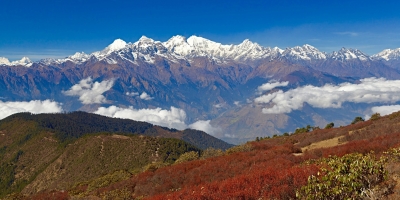
Rubi Valley Trekking in the Ganesh Himal region is an enchanting journey that offers trekkers an authentic experience in one of Nepal’s most pristine and lesser-explored mountain regions. This trek is famous for its breathtaking panoramic views of majestic Himalayan peaks such as Langtang, Ganesh, Bouddha, and Hiunchuli. Unlike more commercial trekking routes, Rubi Valley is a hidden gem where nature remains largely untouched, allowing adventurers to immerse themselves in unspoiled beauty. The route is predominantly a homestay trek, giving trekkers a unique opportunity to experience the warm hospitality and vibrant cultural traditions of local ethnic groups such as the Tamang and Gurung communities. The trek begins and ends in Kathmandu, spanning a total of 13 days. You spend the initial and final days in the bustling capital, allowing time for acclimatization, cultural exploration, and preparation. The journey through remote villages, terraced farmlands, rhododendron forests, and alpine meadows reveals a side of Nepal rarely seen by mainstream tourists. Travelers enjoy peaceful trails far from crowds, making the Rubi Valley Trekking an ideal choice for those seeking solitude and genuine cultural interactions. Rubi Valley Trekking Package Asiana Treks and Tours offers a well-structured 13-day Rubi Valley Trekking package that combines adventure, culture, and natural beauty. This trek includes all necessary arrangements such as accommodation in homestays, meals, local guides, and transportation from Kathmandu to the trailheads and back. The package is designed to ensure a comfortable and safe trekking experience with opportunities to explore Nepal’s diverse ethnic traditions and Himalayan landscapes. Package Highlights: 3 nights in Kathmandu for rest and sightseeing Trekking through the untouched Ganesh Himal region Homestay accommodations for authentic cultural experiences Spectacular views of Himalayan peaks: Langtang, Ganesh, Bouddha, Hiunchuli Interaction with Tamang and Gurung ethnic groups Professional guide and porter services included Transport to and from trekking starting/ending points Support for acclimatization and safety throughout the trek Rubi Valley Trekking Distance and Difficulty The total trekking distance covers approximately 120-130 kilometers spread over 9 trekking days. The daily trekking distance averages 12-15 kilometers with moderate to challenging elevation gains and losses. Distance Highlights: Moderate altitude with maximum elevation around 2,600 meters Mix of forest trails, mountain ridges, and rural village paths Trekking pace designed for acclimatization and comfort Suitable for experienced trekkers and adventurous beginners with good fitness Rubi Valley Trekking Cost 2026/2027 The comprehensive cost of the Rubi Valley Trekking package for 2026/2027 includes airport transfers, all accommodation (hotel and homestay), meals during trekking, professional guide and porter services, permits, and transportation. Price Breakdown: International and domestic flights: Not included Kathmandu accommodation: Included for specified nights Trekking permits and national park fees: Included Guide and porter wages: Included Meals during trekking: Included (breakfast, lunch, dinner) Transportation (Kathmandu to Syabrubesi and back): Included Personal expenses and insurance: Not included Please contact Asiana Treks and Tours directly for a detailed, personalized quotation based on your travel dates and group size. Rubi Valley Trekking Price Breakdown The Rubi Valley Trekking package offered by Asiana Treks and Tours provides great value by including all the essentials for a safe and memorable Himalayan adventure. The price generally covers airport transfers in Kathmandu, comfortable hotel stays before and after the trek, and cozy homestays during trekking days. Your meals on the trail—breakfast, lunch, and dinner—are included, which helps you stay well-fueled throughout the journey. A professional, experienced local guide and porter accompany the group to ensure safety, smooth logistics, and cultural interpretation, making the trek both safe and enriching. Additionally, all necessary permits, such as TIMS (Trekkers’ Information Management System) and conservation fees for protected areas, are included in the price. Transportation costs for the round-trip journey from Kathmandu to Syabrubesi (trailhead) are also covered. However, the price typically excludes international airfare, travel insurance, personal shopping or tips, and any additional activities or hotel upgrades outside the package. For 2026/2027, Asiana Treks and Tours recommends budgeting for these extras separately to avoid surprises. Group sizes and specific dates can also affect pricing, so it’s best to contact the company for customized quotes. Price Breakdown Summary: Included: Airport transfers in Kathmandu Kathmandu hotel stays (3 nights) All meals during trekking Accommodation in homestays Professional guide and porter Trekking permits and conservation fees Round-trip transportation to/from Syabrubesi Not Included: International/domestic flights Travel insurance Personal expenses and tips Extra activities or hotel upgrades Rubi Valley Trekking Altitude Guide Rubi Valley Trekking takes trekkers through varying altitudes, ranging from around 1,500 meters in Syabrubesi up to the highest points near 2,600 meters at Borang and nearby villages. The altitude profile is moderate compared to some of Nepal’s higher Himalayan treks, which makes this route accessible to a broader range of trekkers, including those who may not want to push into extreme high altitudes. Nevertheless, acclimatization is still important to prevent altitude sickness and ensure a comfortable experience. The trek starts with lower-altitude forest trails, ascending gradually through terraced fields and alpine meadows where rhododendrons bloom in spring. The altitude changes daily are designed to help your body adjust progressively. Since the highest points remain below the 3,000-meter mark, the risk of severe altitude sickness is relatively low, but proper hydration and pacing are encouraged. The trek concludes with a descent back down to Kathmandu, ensuring a smooth transition back to low altitude. Altitude Highlights: Starting altitude: approx. 1,400 meters (Syabrubesi) Highest altitude: approx. 2,600 meters (Borang area) Moderate altitude gain, suitable for beginners to intermediate trekkers Daily elevation changes to aid acclimatization Risk of altitude sickness is low but possible—hydration and rest recommended Why Choose Rubi Valley Trekking? Choosing the Rubi Valley Trekking route with Asiana Treks and Tours means stepping off the beaten path to experience a truly authentic and tranquil Himalayan adventure. Unlike the more popular trekking routes such as Annapurna or Everest Base Camp, Rubi Valley remains relatively untouched by mass tourism, providing a peaceful environment with pristine nature and minimal crowds. This makes it perfect for travelers who want to experience Nepal’s rural mountain life, spectacular scenery, and cultural diversity without the hustle and bustle of tourist hubs. The homestay-style accommodations offer an intimate cultural immersion where trekkers live with local families and enjoy home-cooked meals, enhancing the connection with Nepal’s indigenous ethnic communities like the Tamang and Gurung. The natural beauty is complemented by diverse flora and fauna, tranquil forests, and views of stunning Himalayan peaks. Asiana Treks and Tours ensures every trekker’s comfort, safety, and authentic experience by providing experienced guides and personalized service. Whether you seek nature, culture, or adventure, Rubi Valley offers a fulfilling trekking experience. Reasons to Choose Rubi Valley Trekking: Off-the-beaten-path trekking with fewer tourists Authentic homestay experiences with local communities Spectacular views of Ganesh Himal, Langtang, and Hiunchuli peaks Rich biodiversity with rhododendron forests and alpine meadows Moderate altitude, ideal for beginners and intermediate trekkers Professional guides ensuring safety and cultural insights Tailored itineraries from Asiana Treks and Tours for maximum comfort Preparing for Rubi Valley Trekking Proper preparation is key to enjoying the Rubi Valley Trekking adventure to its fullest. Given the trek’s moderate altitude and mixed terrain, physical fitness plays a significant role in your comfort on the trail. It is recommended to engage in cardiovascular exercises like hiking, running, or cycling at least 4-6 weeks prior to the trek. Endurance and leg strength training will help manage uphill and downhill sections with ease. Mental preparation is also important, as you’ll experience simple living conditions during the homestay nights. In terms of gear, pack light but thoughtfully. Essentials include layered clothing to accommodate variable mountain weather, sturdy trekking boots, a warm sleeping bag, and rain protection. Asiana Treks and Tours provides a detailed packing list and offers support with gear rental options in Kathmandu if needed. Don’t forget travel insurance that covers trekking activities. Nutrition and hydration are vital during trekking; carry reusable water bottles and water purification tablets or filters recommended by the guides. Lastly, consult your doctor about altitude sickness medications if you have concerns. Preparation Tips: Begin cardiovascular and strength training weeks before the trek Pack layered clothing, waterproof gear, and comfortable boots Use trekking poles to reduce joint strain on descents Arrange travel insurance covering trekking and emergencies Carry necessary medications, including altitude sickness prevention Stay hydrated and maintain balanced nutrition during the trek Follow Asiana Treks and Tours’ pre-trek briefing and packing guide What to Expect on the 12–13-Day Rubi Valley Trekking Adventure The 12–13-day Rubi Valley Trekking adventure with Asiana Treks and Tours offers a balanced blend of scenic trekking, cultural immersion, and rest days in Kathmandu. The journey begins with an engaging cultural tour of Kathmandu’s UNESCO World Heritage sites, preparing trekkers for the contrasting tranquility of mountain life. After a scenic drive to Syabrubesi, you embark on daily treks through forests, terraced hills, and peaceful villages, staying in comfortable homestays that provide hearty, local meals. Along the way, expect warm interactions with ethnic Tamang and Gurung people, who share their traditions, stories, and lifestyles. The trail showcases spectacular Himalayan panoramas that unfold gradually as you ascend, with rhododendron blossoms coloring the landscape in spring. The trek’s moderate altitude and carefully planned itinerary allow sufficient acclimatization and enjoyable hiking days averaging 5-6 hours. At the end of the trek, you return to Kathmandu to relax and celebrate your adventure before departure. What to Expect: Comfortable homestay accommodations with local families Daily trekking distances of 12-15 km with moderate elevation gain Cultural exchanges with Tamang and Gurung ethnic communities Panoramic views of Himalayan peaks and lush forests Professional support from experienced guides and porters Time in Kathmandu for cultural sightseeing and rest A peaceful, less crowded trekking experience off popular trailsOxygen Levels on Rubi Valley Trekking The Rubi Valley Trekking route offers a relatively moderate altitude experience, which means oxygen levels along the trail remain comfortably sufficient for most trekkers. At lower elevations around 1,400 meters in Syabrubesi, the oxygen concentration is nearly the same as at sea level, allowing trekkers to start their journey without any respiratory difficulty. As you ascend towards the highest points around 2,600 meters near Borang, the atmospheric pressure and oxygen levels drop slightly. However, this altitude is considered moderate and well within the range that most healthy individuals can tolerate without significant issues. Despite the lower oxygen levels at higher elevations, the trek’s gradual ascent ensures that your body has time to acclimatize, reducing the risk of altitude sickness. Symptoms like headaches, dizziness, or nausea are less common here than on higher Himalayan treks. Still, it’s essential to stay hydrated, take regular rest breaks, and avoid overexertion. Asiana Treks and Tours guides are trained to monitor your health and suggest acclimatization techniques. If you have pre-existing respiratory or cardiovascular conditions, consulting a doctor before the trek is advised. Key Oxygen Level Facts: Starting altitude oxygen near sea level (1,400 m) Highest altitude approx. 2,600 m with moderate oxygen reduction Gradual ascent minimizes altitude sickness risk Hydration and pacing important for acclimatization Guides trained to assist with altitude-related health concerns Generally safe for healthy trekkers with moderate fitness Major Villages and Scenic Viewpoints on Rubi Valley Trekking Route Rubi Valley Trekking showcases a charming blend of remote villages and breathtaking viewpoints that enrich the trekking experience. The trek begins at Syabrubesi, a gateway village known for its traditional Tamang culture and lush surroundings. Other notable villages include Ghatlang, Somdang, Tipling, Borang, Jharlang Phedi, Khaniyabas, Marpak, and Katunje. Each village offers unique cultural experiences through homestays where trekkers can savor authentic local cuisine and interact with friendly residents. These villages are dotted with terraced fields, prayer flags, and traditional architecture, giving a vivid glimpse into rural Nepali life. The route is also rich with scenic viewpoints offering panoramic vistas of the Himalayan ranges. From Borang and surrounding high points, trekkers can admire stunning views of the Ganesh Himal massif, Langtang range, Bouddha Himal, and Hiunchuli peaks. Rhododendron forests, alpine meadows, and serene rivers accompany the trail, adding to the natural beauty. Asiana Treks and Tours ensures that these key spots are highlighted with adequate rest stops to absorb the views and take memorable photographs. Major Villages & Viewpoints: Syabrubesi: Starting point with cultural richness Ghatlang & Somdang: Forested, traditional villages Tipling & Borang: Panoramic Himalayan views Jharlang Phedi & Khaniyabas: Remote villages with homestay experiences Marpak & Katunje: Final villages before return Scenic viewpoints of Ganesh Himal, Langtang, Bouddha, Hiunchuli Natural highlights: Rhododendron forests, alpine meadows, rivers Flora and Fauna of Rubi Valley Trekking The Rubi Valley region is a biodiversity hotspot, offering trekkers a rich palette of flora and fauna throughout the journey. The trail passes through diverse ecosystems, beginning with subtropical forests rich in oak, pine, and rhododendron trees. During the spring season, the rhododendron forests burst into vibrant red, pink, and white blossoms, creating spectacular scenery. Higher up, alpine meadows provide habitat for various wildflowers, medicinal plants, and aromatic herbs that locals use for traditional remedies. Wildlife sightings along the trek include several bird species such as the Himalayan monal (Nepal’s national bird), blood pheasant, and colorful butterflies. Mammals like musk deer, barking deer, and occasionally the elusive red panda inhabit the forested areas. The rich natural environment supports a delicate ecosystem that trekkers can appreciate while minimizing their environmental impact. Asiana Treks and Tours promotes responsible trekking to protect this fragile habitat. Flora & Fauna Highlights: Oak, pine, rhododendron forests Spring rhododendron blooms Alpine meadows with wildflowers and medicinal herbs Bird species: Himalayan monal, blood pheasant, various songbirds Mammals: Musk deer, barking deer, occasional red panda Emphasis on eco-friendly trekking practices Festivals and Local Culture Along Rubi Valley Trekking Route Trekking through Rubi Valley offers a unique opportunity to experience Nepal’s vibrant local culture, deeply intertwined with ethnic traditions and festivals. The region is predominantly inhabited by Tamang and Gurung communities, whose customs, folklore, and lifestyle add rich layers to the trekking experience. Homestay stays allow travelers to participate in daily village life, including traditional cooking, farming activities, and handicrafts. Throughout the year, you may encounter colorful festivals such as Lhosar (Tamang New Year), Dashain, and Tihar, celebrated with lively dances, music, and rituals. These festivals reflect the community’s strong spiritual beliefs and connection to nature. Local monasteries and temples along the trail offer insight into Buddhist and Hindu practices, often marked by prayer flags fluttering in the mountain breeze. Asiana Treks and Tours ensures that trekkers have opportunities to learn about and respect these cultural celebrations, enhancing the journey’s authenticity. Cultural & Festival Highlights: Tamang and Gurung ethnic communities Homestay cultural immersion Festivals: Lhosar, Dashain, Tihar Traditional dances, music, and rituals Buddhist monasteries and Hindu temples Learning about local customs and spiritual life Why Book with Asiana Treks and Tours for Rubi Valley Trekking Booking your Rubi Valley Trekking adventure with Asiana Treks and Tours guarantees a well-organized, safe, and culturally enriching experience. With years of local expertise and a passion for Nepal’s mountains, Asiana Treks prioritizes personalized service, ensuring that every trekker’s needs are met. The company employs knowledgeable guides and experienced porters who are trained in safety, first aid, and cultural interpretation. Their focus on small groups means a more intimate, flexible, and authentic trekking journey. Moreover, Asiana Treks and Tours is committed to responsible and sustainable tourism. They work closely with local communities, contributing to economic development through fair wages and supporting eco-friendly practices that protect the natural environment. The company also provides transparent pricing, detailed pre-trek briefings, and 24/7 customer support. Choosing Asiana Treks means choosing quality, safety, and meaningful cultural connections in the heart of the Himalayas. Reasons to Book with Asiana Treks: Experienced local guides and porters Small group sizes for personalized attention Emphasis on safety and responsible trekking Support for local communities and eco-tourism Transparent pricing and excellent customer service Comprehensive pre-trek preparation and support How to Book Rubi Valley Trekking Booking the Rubi Valley Trekking with Asiana Treks and Tours is a straightforward and customer-friendly process designed to provide convenience and peace of mind. Interested trekkers can start by visiting the company’s official website or contacting their customer service team via email or phone. Asiana Treks offers personalized consultations to tailor the trekking itinerary to your preferences, travel dates, and fitness levels. Once details are finalized, a booking confirmation and detailed pre-trek information pack are sent to ensure you are well-prepared. Payments are typically made through secure online transactions, bank transfers, or in-person payments in Kathmandu. Asiana Treks recommends booking at least 4-6 weeks in advance, especially during peak trekking seasons, to secure guides, permits, and accommodations. The company also offers flexible cancellation policies and travel insurance guidance. Throughout the process, their team remains available to assist with visa advice, equipment rentals, and any special requirements, making your Rubi Valley adventure hassle-free. Booking Steps: Contact Asiana Treks via website, email, or phone Discuss itinerary, dates, and requirements Receive booking confirmation and info pack Make payment securely online or in Kathmandu Prepare for trek with company support Enjoy flexible cancellation and travel insurance options
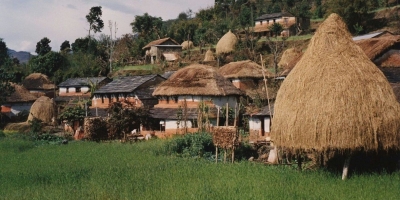
Chepang Heritage Hill trekking lies at an elevation of 1945m in the Mahabharat Mountain range of Central Nepal, north of Chitwan National Park. Firstly, the trek starts on the drive from Kathmandu to Hugdi and further on foot. Chepang people are the indigenous Tibeto-Burman ethnic people considered to be the poorest of the poor and an endangered community in Nepal. Gradually, Chepangs are shifting from a semi-nomadic lifestyle to a more normal settled life. Along with experiencing the Chepang culture and tradition, the Chepang Heritage Hill trekking is full of exotic views, crackling trees of dense forest, chirping birds, and crimson sunrises and sunsets. However, the local people live by hunting, fishing, and self-sustaining farming or mainly depend on maize, rice, and wheat. Likewise, the Chepang community has its own culture, tradition, language, and dress style. The Chepang community provides a completely different cultural experience than what is heard, read, or experienced in the rest of Nepal. Surprisingly, the trails also showcase the sublime and distinguished view of splendid Himalayan Peaks such as Rolwaling, Dorje Lapka, Gaurishankar, Langtang, Manaslu Range, Himalchuli, Annapurna Range, and Dhaulagiri. The magnificent view of the landscape, the tourist-friendly locals, Chepang culture, local dishes, and homestays make this trek to Chepang Hill a remarkable experience of the isolated trails. Chepang Heritage Hill trekking is accompanied by high hills and streams, along with some wildlife in a dense forest. Moreover, the established Chepang museum serves as the best source of the culture, language, lifestyle, and musical instruments. Ultimately, the trek is put to the final phase after hiking the upper Dhangadi to Shaktikhor and driving back to Kathmandu.Why is the Chepang Heritage trek a must-do trek? The Chepang Heritage Trek is a hidden gem for those seeking an authentic, off-the-beaten-path adventure in Nepal. Unlike the popular high-altitude routes, this trek offers a rare opportunity to immerse yourself in the untouched culture and traditions of the indigenous Chepang people. Trekking through the beautiful Mahabharat hills, you’ll experience a way of life that remains deeply connected to nature, history, and self-sufficiency. One of the main reasons the Chepang Hill Trek stands out is its rich cultural experience. From staying in homestays to sharing meals with local families, trekkers get an intimate glimpse into the Chepang community's unique traditions, language, and lifestyle — something you won't find on any other trekking route in Nepal.In addition to the cultural treasures, the trail offers breathtaking natural beauty. Expect panoramic views of the Himalayan giants, including the Annapurna, Manaslu, Langtang, and Dhaulagiri ranges. The peaceful forests, rolling hills, chirping birds, and crimson sunsets create a serene atmosphere ideal for nature lovers.Perfect for trekkers looking for a low-altitude trek and easy trekking routes in Nepal, the Chepang Heritage Trail is accessible, less crowded, and eco-friendly. It combines stunning landscapes with cultural exploration, making it one of the most enriching trekking experiences available. Whether you're passionate about remote Nepal trekking, cultural trekking in Nepal, or simply yearning for a journey that connects you deeply with nature and people, the Chepang Heritage Trek is a must-do adventure that will leave a lasting impact on your heart.Preparing for the Chepang Heritage Hill Trek:Preparing for the Chepang Heritage Hill Trek ensures you get the most out of this unique cultural and scenic journey through rural Nepal. Though the trek is considered moderate and at low altitude, a little preparation will make your experience more enjoyable and comfortable.Preparation Points: Build basic fitness through hiking or joggingWear lightweight clothes and warm layersCarry a headlamp, water bottle & power bankRespect local culture and dress modestlyUse purified or boiled water onlyStay in simple but cosy local homestaysLearn a few Nepali phrases—it goes a long wayPreparation of Chepang Heritage Hill Trekking in the TableCatagoriesDetails NotePhysical Preparation Basic fitness: hiking, jogging, swimming Practice walking with a backpack ClothingTrekking shoes or boots Break them in before the trek Foot were Trekking shoes or bootsBreak them in before the trek GearsBackpack, headlamp, power bank, water Bottle Charging facilities are available in the VillageHealth & Safety First aid kit, personal medicine, water tablets Include insect repellent Personal Items Sunscreen, hat, sunglasses, toiletries Use biodegradable soap cultural prepLearn Nepali phrases; respect traditions Ask before taking a PhotoBest seasonSpring (Mar–May) & Autumn (Sep–Nov) Winter trekking is possible, but cold Food and waterMeals at homestays; carry energy bars Drink purified or boiled water only AccommodationLocal homestay at Trek Hotel in Safari ActivitiesBasic, clean, and welcomingChepang Heritage Hill Trekking Itinerary:Chepang Heritage Hill Trekking is a unique cultural and scenic adventure that takes you through the hills north of Chitwan National Park. This off-the-beaten-path trek allows you to experience the traditions, lifestyle, and hospitality of the indigenous Chepang people while enjoying breathtaking views of the Himalayas. Ideal for those seeking a low-altitude, eco-friendly trek, this route combines authentic cultural immersion with stunning landscapes, peaceful forests, and charming homestays. Perfect for trekkers looking to explore rural Nepal away from the crowds. Itinerary Highlight of Chepang Heritage Hill Trekking: Moderate daily hiking between 7–13 km (4.3–8.1 mi)Trek reaches a maximum elevation of 1,940 m / 6,364 ft Ideal for cultural immersion and gentle trekking Descends to 355 m / 1,165 ft at ShaktikhorDay-by-Day Trekking Itinerary of Chepang Hill Heritage Tour: Day and Place Activities Approx. Distance (Km/ Miles Day 1, Drive from Kathmandu to Hungdi and trek to Hattibang1,410 m / 4,626 ft 69 km/ 43 Miles Drive and trekDay 2, Trek from Hattibang to Jyandala1,600 m / 5,249 ft 10 km / 6.2 mi Day 3, Trek from Jyandala to Upper Dhangadi1,940 m / 6,364 ft 9 km / 5.6 mi Day 4, Trek from Upper Dhangadi to Sakktikhor355 m / 1,165 ft 13 km / 8.1 mi (descent) Day 5, Drive back from Shaktikhor to Kathmandu (6–7 hrs)1,400 m / 4,593 ft 150 km / 93 mi (drive) Chepang Heritage Hill Trekking Distance:The Chepang Heritage Hill Trekking covers a moderate distance across beautiful hills, forests, and traditional villages of central Nepal. Each day involves around 10 to 15 kilometres of trekking on gentle to moderately steep trails. This trek is ideal for those seeking an easy-to-moderate adventure that combines cultural immersion with scenic views, without the challenge of high altitudes. Chepang Heritage Hill Distance Highlight: Moderate daily hiking between 7–13 km (4.3–8.1 mi) Trek reaches a maximum elevation of 1,940 m / 6,364 ftIdeal for cultural immersion and gentle trekkingDescends to 355 m / 1,165 ft at ShaktikhorDay and PlaceAltitude (Meter / Feet) Elevation Gain/LossDay 1, Kathmandu -drive to Hundi -Trek Hattibang1,410 m / 4,626 ft Gain: 1,110 m / 3,641 ft Day 2, Jyandala1,600 m / 5,249 ft Gain: 190 m / 623 ft Day 3, Upper Dhangadi1,940 m / 6,364 ft Gain: 340 m / 1,115 ft Day 4, Shaktikhor355 m / 1,165 ft Loss: 1,585 m / 5,199 ft Day 5, Drive back to Kathmandu 1,400 m / 4,593 ft Gain: 1,045 m / 3,428 ft (by drive)
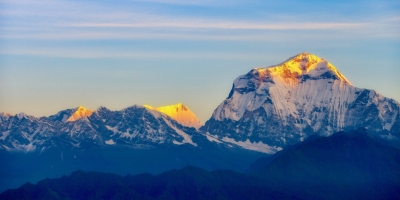
Dhaulagiri Base Camp Trekking is an exciting and relatively new trekking trail in the Himalayas that has recently gained attention among adventure seekers. Nestled in the heart of Nepal, this trek leads you to the base of the majestic Dhaulagiri South Peak, standing tall at 8,167 meters. Unlike more crowded trekking routes, this trail offers a serene and peaceful trekking experience, surrounded by breathtaking Himalayan landscapes, alpine forests, and traditional villages inhabited by diverse ethnic communities. This trek perfectly combines natural beauty with cultural immersion. As you ascend through rhododendron forests and terraced fields, you’ll encounter local Gurung, Magar, and Thakali communities, providing a glimpse into their rich heritage and traditional ways of life. Along the way, panoramic views of the snow-capped peaks of the Dhaulagiri and Annapurna ranges will captivate you. The trek's diverse scenery, from lush green valleys to icy glaciers, offers a once-in-a-lifetime experience for trekkers seeking both adventure and tranquility. 2. Dhaulagiri Base Camp Trekking Package by Asiana Treks and Tours Asiana Treks and Tours provides a comprehensive trekking package that ensures a safe, comfortable, and memorable journey to Dhaulagiri Base Camp. The package includes experienced guides, porters, necessary permits, accommodation in teahouses or lodges, meals during the trek, and airport transfers. Asiana Treks focuses on responsible tourism, respecting local culture and minimizing environmental impact. The package is designed for trekkers with moderate fitness and some prior trekking experience. It offers a mix of challenging high-altitude trekking and immersive cultural experiences, perfect for adventurers who want to explore off-the-beaten-path destinations with reliable local support. 3. Dhaulagiri Base Camp Trekking Itinerary Day 1: Arrival in Kathmandu Day 2: Heritage tour of Kathmandu (exploring historic temples and monuments) Day 3: Kathmandu to Beni (830 m) – Flight or road trip, depending on weather Day 4: Beni to Jhi (1680 m) – Trekking begins, gradual ascent Day 5: Jhi to Ghyasikharka (1865 m) – Trek through lush forests and terraced farms Day 6: Ghyasikharka to Phedi Camp (2466 m) – Scenic trail with panoramic mountain views Day 7: Phedi Camp to Odar Camp (3189 m) – Higher altitude, alpine environment Day 8: Odar Camp to Dhaulagiri South Base Camp (4055 m) – Main highlight, breathtaking glaciers and peaks Day 9: Dhaulagiri Base Camp to Chhari (2020 m) – Descent into valleys Day 10: Chhari to Dagnam (1720 m) – Relaxed trekking through rural villages Day 11: Dagnam to Beni, then drive to Pokhara (B.L) Day 12: Pokhara to Kathmandu (B) Day 13: Departure from Kathmandu (B) B = Breakfast, L = Lunch, D = Dinner 4. Dhaulagiri Base Camp Trekking Distance The entire trek covers approximately 90-100 kilometers round trip, depending on variations in route and detours for sightseeing or cultural visits. The trekking days typically range from 5 to 8 hours of walking per day, balanced between gradual ascents and descents to help with altitude acclimatization. The varied terrain includes forest trails, mountain ridges, river crossings, and rocky paths, offering a physically engaging but rewarding trekking experience. 5. Dhaulagiri Base Camp Trekking Cost 2026/2027 The cost for the Dhaulagiri Base Camp Trekking package by Asiana Treks and Tours in 2026/2027 typically ranges between USD 1,200 to 1,600 per person. The price depends on group size, season, and any additional services such as private guides or upgraded accommodations. This price includes permits, guide and porter fees, accommodation, most meals, and airport transfers, making it an excellent value for a Himalayan trekking adventure. 6. Dhaulagiri Base Camp Trekking Price Breakdown Permits and Entry Fees: $100 – $150 Guide and Porter Fees: $350 – $450 Accommodation (Teahouses/Lodges): $200 – $300 Meals during Trek: $200 – $300 Transportation (Airport transfers, local flights, or road transport): $150 – $200 Miscellaneous (insurance, tips, gear rental): $100 – $150 Asiana Treks ensures transparent pricing with no hidden fees, offering flexibility based on trekker needs. 7. Dhaulagiri Base Camp Trekking Altitude Guide Kathmandu: 1,400 m Beni: 830 m Jhi: 1,680 m Ghyasikharka: 1,865 m Phedi Camp: 2,466 m Odar Camp: 3,189 m Dhaulagiri South Base Camp: 4,055 m Chhari: 2,020 m Dagnam: 1,720 m Trekking gradually from lower elevations to the base camp altitude of over 4,000 meters allows for proper acclimatization, reducing the risk of altitude sickness. Asiana Treks and Tours includes rest days and slow ascents to ensure safety and enjoyment throughout the trek.Why Choose Dhaulagiri Base Camp Trekking? Dhaulagiri Base Camp Trekking offers trekkers a rare and exhilarating Himalayan adventure away from the crowds. Unlike the more popular Annapurna or Everest routes, this trek is a hidden gem providing pristine natural beauty, untouched trails, and authentic cultural experiences. You will witness the towering Dhaulagiri massif, which boasts one of the world’s highest peaks, alongside panoramic views of the Annapurna range. The trail is a perfect blend of dramatic mountain landscapes, serene alpine forests, and traditional Nepali villages, making it ideal for those seeking tranquility and breathtaking scenery. The trek also presents a moderate challenge with gradual altitude gain, which suits trekkers with a reasonable fitness level who want to experience high-altitude trekking without extreme exertion. Moreover, the opportunity to interact with indigenous ethnic groups such as Gurung, Magar, and Thakali enriches your journey with cultural insights. For nature lovers and adventure seekers, this trek promises an unforgettable experience with its spectacular vistas, peaceful paths, and genuine local hospitality. Key reasons to choose Dhaulagiri Base Camp Trekking: Less crowded, peaceful trekking route Spectacular views of Dhaulagiri and Annapurna ranges Rich cultural encounters with local ethnic communities Moderate trekking challenge suitable for experienced beginners Pristine nature and diverse landscapes 2. Preparing for Dhaulagiri Base Camp Trekking Proper preparation is essential for a successful and enjoyable Dhaulagiri Base Camp Trek. Physically, trekkers should build endurance through cardio exercises such as hiking, running, and cycling before the trip. It is advisable to practice long walks with a backpack to simulate trekking conditions. Since the trail reaches altitudes over 4,000 meters, understanding and preparing for high-altitude trekking is crucial. Basic knowledge of altitude sickness symptoms and prevention can ensure a safer journey. Packing the right gear is equally important. Layers of warm clothing, sturdy trekking boots, a sleeping bag rated for cold weather, and rain gear are essential. Since the weather can vary dramatically from sunny valleys to chilly high camps, versatile clothing is recommended. Trekkers should also bring sun protection, a first-aid kit, water purification tablets, and a good camera to capture stunning landscapes. Mental preparation, such as setting realistic expectations and a flexible mindset, will help trekkers embrace the challenges and beauty of the trail. Preparation checklist includes: Build cardio and strength fitness Familiarize with altitude sickness prevention Pack layered clothing and sturdy boots Carry essential trekking gear and first aid Prepare mentally for diverse weather and terrain 3. What to Expect on the 12–13-Day Dhaulagiri Base Camp Trekking Adventure This 12–13-day trek offers a comprehensive journey through the remote Himalayan region. Starting from Kathmandu, you’ll explore vibrant city culture before flying or driving to Beni, the gateway to the trekking route. The trek begins with gentle ascents through lush forests and traditional villages, gradually increasing in altitude to alpine meadows and rugged mountain passes. Along the way, teahouses provide cozy lodging and traditional Nepali meals, creating a warm atmosphere for rest and interaction. As you approach the base camp, expect spectacular views of snow-capped peaks, massive glaciers, and cascading waterfalls. The altitude gain intensifies, and the terrain becomes more rugged, so proper acclimatization is built into the itinerary. Descending back through the same trail offers a different perspective of the landscapes and cultures. Overall, the trek is a balance of adventure, nature, and cultural immersion, promising lasting memories. Highlights of the trek include: City and cultural tour in Kathmandu Gradual trekking from forests to alpine zones Teahouse stays with local hospitality Close-up views of Dhaulagiri massif and glaciers Acclimatization days and varied landscapes 4. Oxygen Levels on Dhaulagiri Base Camp Trekking At higher elevations, oxygen levels drop significantly, impacting physical performance and increasing the risk of altitude sickness. Dhaulagiri Base Camp Trek reaches about 4,055 meters (13,300 feet), where oxygen levels are roughly 60% of what you experience at sea level. This reduced oxygen requires the body to adapt slowly, which is why the itinerary is designed with gradual altitude gains and rest days to facilitate acclimatization. Asiana Treks and Tours prioritizes trekkers’ health by encouraging hydration, rest, and proper pacing. Guides are trained to monitor symptoms of altitude sickness and take necessary action if required. Supplemental oxygen is rarely needed on this trek, but it's always advisable to be aware of the signs of altitude sickness—headache, nausea, dizziness—and communicate openly with your guide. Oxygen-related facts for trekkers: Oxygen decreases with altitude; ~60% at 4,000m Gradual ascent helps prevent altitude sickness Monitor symptoms: headache, nausea, fatigue Stay hydrated and rest often Guides provide support and emergency assistance 5. Major Villages and Scenic Viewpoints on Dhaulagiri Base Camp Trekking Route The trek passes through several charming villages, each offering a glimpse into the rural Himalayan lifestyle. Starting in Beni, a bustling market town, the trail leads to Jhi and Ghyasikharka, small settlements surrounded by terraced fields and forests. These villages showcase traditional stone houses, farming practices, and vibrant local culture. Higher up, camps like Phedi and Odar provide panoramic views of the valley and towering peaks. Key scenic viewpoints along the route include the ridge above Phedi Camp, which offers sweeping views of the Dhaulagiri massif, and Odar Camp with close perspectives on glaciers and snowfields. The final approach to the base camp rewards trekkers with a spectacular 360-degree view of towering Himalayan giants, including Annapurna and Dhaulagiri peaks. These viewpoints are perfect spots for photography and reflection, capturing the grandeur of the mountains and the serene environment. Notable villages and viewpoints: Beni: Trekking gateway, local market hub Jhi and Ghyasikharka: Traditional villages with cultural charm Phedi Camp ridge: Panoramic mountain vistas Odar Camp: Close views of glaciers and snowfields Dhaulagiri Base Camp: Spectacular Himalayan panorama 6. Flora and Fauna of Dhaulagiri Base Camp Trekking The Dhaulagiri region boasts rich biodiversity, with flora and fauna varying dramatically as you ascend in altitude. Lower elevations are dominated by lush subtropical forests with rhododendron, oak, and pine trees. During spring, rhododendrons burst into vibrant red and pink blooms, transforming the landscape into a colorful paradise. As you climb higher, vegetation thins out into alpine meadows with hardy shrubs and medicinal herbs. Wildlife sightings, though rare due to the remote and rugged terrain, can include Himalayan thar (wild goat), langur monkeys, and various bird species such as the Himalayan monal (national bird of Nepal) and snow pigeons. Birdwatchers and nature enthusiasts will find the trek rewarding due to this diverse ecosystem. Asiana Treks and Tours emphasizes eco-friendly trekking practices to protect these natural habitats for future generations. Flora and fauna highlights: Rhododendron and pine forests at lower altitudes Alpine meadows with shrubs and herbs higher up Possible sightings of Himalayan thar and langur monkeys Rich birdlife including Himalayan monal and snow pigeons Eco-friendly trekking encouraged by guides 7. Festivals and Local Culture Along Dhaulagiri Base Camp Trekking Route The region surrounding Dhaulagiri is home to multiple ethnic groups, including Gurung, Magar, and Thakali communities, each with their own unique traditions and festivals. Depending on the season, trekkers may witness vibrant celebrations such as Dashain and Tihar, Nepal’s largest Hindu festivals, characterized by colorful rituals, feasts, and cultural performances. These festivals provide a fascinating window into the spiritual life of the locals. Daily village life is equally rich in tradition, with agricultural practices, local crafts, and communal gatherings offering insights into a way of life deeply connected to nature and the mountains. The people are known for their warmth and hospitality, often inviting trekkers to share meals or tea. Asiana Treks and Tours ensures cultural respect and meaningful interactions with local communities, adding depth to your trekking experience. Cultural highlights along the route: Gurung, Magar, and Thakali ethnic communities Traditional festivals: Dashain, Tihar Local customs, crafts, and agricultural practices Warm hospitality and communal life Opportunities for cultural exchange and learning 8. Why Book with Asiana Treks and Tours for Dhaulagiri Base Camp Trekking Asiana Treks and Tours is a trusted trekking company known for its professionalism, local expertise, and commitment to responsible tourism. They provide personalized services with experienced guides who are well-versed in the terrain, culture, and safety protocols of the Dhaulagiri region. The company emphasizes safety, comfort, and cultural respect, ensuring that every trekker enjoys a fulfilling experience. Booking with Asiana Treks and Tours means you get quality accommodation, reliable logistics, and transparent pricing with no hidden costs. Their support team in Kathmandu and on the trail is always available to assist with any needs or emergencies. With a strong focus on sustainable tourism, they also engage with local communities and contribute to conservation efforts, making your trek not only memorable but also meaningful. Advantages of booking with Asiana Treks and Tours: Experienced, knowledgeable local guides Focus on safety and acclimatization Transparent, all-inclusive pricing Commitment to responsible, sustainable tourism Reliable support from start to finish 9. How to Book Dhaulagiri Base Camp Trekking Booking your Dhaulagiri Base Camp Trek with Asiana Treks and Tours is a straightforward process designed for your convenience. You can start by visiting their official website or contacting them directly via email or phone. They offer customized itineraries to suit your preferences, group size, and travel dates. Early booking is recommended, especially for peak trekking seasons (September-November and March-June), to secure permits, flights, and accommodations. After confirming your itinerary and pricing, you will be asked to provide basic personal details and a deposit to secure your booking. Asiana Treks and Tours provides detailed pre-trek information and support to help you prepare. Payment methods are flexible, and they offer excellent customer service to answer any questions before, during, and after your trek. Steps to book your trek: Contact Asiana Treks via website, email, or phone Customize your itinerary and confirm details Secure your booking with a deposit Receive pre-trek support and information Enjoy your trekking adventure with full company support
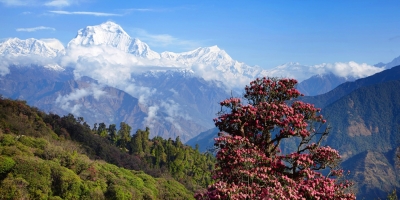
The Dhaulagiri Circuit Trek offered by Asiana Treks and Tours is one of Nepal’s most remote, rugged, and challenging high-altitude treks. Ideal for seasoned trekkers looking for a raw and immersive Himalayan adventure, this 21-day trek takes you into the heart of the Dhaulagiri massif, home to the world’s seventh-highest mountain, Mt. Dhaulagiri (8167m). The trek starts in Beni and weaves through remote Magar villages, deep forests, glacial valleys, and some of the most dramatic mountain scenery in the world. The highlight of this trek is undoubtedly the Hidden Valley, an isolated and high-altitude alpine basin accessible only by crossing the treacherous French Pass (5360m). This adventure offers close-up views of Dhaulagiri I, II, III, IV, and V, along with the Annapurna and Nilgiri ranges. The journey also includes overnight stays at Italian Base Camp and Dhaulagiri Base Camp, offering a true mountaineering feel without summiting. Why Choose This Trek? Remote and untouched trekking route Stunning views of multiple 8000m peaks Cross the French Col and Dhampus Pass Visit to Hidden Valley – one of Nepal’s most isolated spots Culturally rich Magar villages Expedition-style trekking with camping support 2. Dhaulagiri Circuit Trekking Package – What’s Included The Dhaulagiri Circuit Trekking package from Asiana Treks and Tours is designed to give you a worry-free, all-inclusive experience in this remote region. Since the trek goes far off the beaten path, where there are no teahouses or lodges for several days, this is a fully-supported camping trek with a dedicated crew of porters, cooks, and guides. Package Inclusions: Airport transfers in Kathmandu and Pokhara Accommodation in Kathmandu and Pokhara (3-star hotels) All necessary trekking permits (ACAP, TIMS, restricted area permits) All domestic transport (private vehicle and flight from Jomsom to Pokhara) Full camping gear and tents All meals during the trek (prepared by camp cook) Experienced trekking guide and support team First aid kit and satellite phone for emergency communication Package Exclusions: International airfare and visa fees Personal insurance and trekking equipment Tips for guides and porters Extra nights due to delays or changes This package provides everything required to explore one of the most challenging treks in Nepal with full logistical support from Asiana Treks and Tours. 3. Dhaulagiri Circuit Trekking Itinerary The full itinerary covers a span of 21 days, with a carefully planned acclimatization schedule. Here's a detailed overview: Day-by-Day Breakdown: Day 1–2: Arrival and Kathmandu Heritage Tour Day 3: Drive from Kathmandu to Beni (850m) Day 4–6: Trek through Babiyachaur, Dharapani, and Muri Day 7–9: Ascend through Boghara, Dobang to Choriban Khola (3110m) Day 10–11: Trek to Italian Base Camp (3660m) and acclimatize Day 12–13: Continue to Glacier Camp and Dhaulagiri Base Camp (4740m) Day 14: Second acclimatization at Base Camp Day 15–16: Cross French Col to Hidden Valley (5200m), then descend to Yak Kharka Day 17–18: Trek to Jomsom and fly to Pokhara Day 19–21: Rest in Pokhara, return to Kathmandu, and departure Each segment of the route is designed for gradual elevation gain, ensuring better acclimatization and allowing trekkers to fully absorb the natural and cultural landscapes. 4. Dhaulagiri Circuit Trekking Distance The total trekking distance of the Dhaulagiri Circuit Trek is approximately 160–180 kilometers, depending on specific route variations and side trails taken during acclimatization. Distance Highlights: Beni to Italian Base Camp: ~80 km over 7 days Italian Base Camp to Dhaulagiri Base Camp: ~20 km over 2 days Dhaulagiri Base Camp to Hidden Valley: ~12 km (steep ascent over glacier and pass) Hidden Valley to Jomsom via Dhampus Pass: ~50–60 km over 3 days The daily walking time ranges from 5 to 8 hours, with some longer days during high-pass crossings. Due to the high altitude and remote terrain, this trek feels longer and more strenuous than typical treks of similar distance. 5. Dhaulagiri Circuit Trekking Cost 2026/2027 The Dhaulagiri Circuit Trekking cost with Asiana Treks and Tours is designed to reflect the remoteness, logistical complexity, and full camping support required. For the 2026/2027 season, the estimated cost per person is USD $2,950–$3,200, based on group size and customization. Factors Affecting the Cost: Group size (discounts for larger groups) Time of year (peak season vs off-season) Accommodation upgrades in Kathmandu and Pokhara Optional services (porters for personal gear, gear rental, etc.) What You Get at This Price: All-inclusive trekking experience with meals, permits, flights, and camping gear Experienced guides and safety protocols Backup logistics like satellite phone and emergency evacuation arrangements Compared to other high-altitude treks, the Dhaulagiri Circuit is slightly more expensive due to its isolation and need for a self-sufficient trekking approach. 6. Dhaulagiri Circuit Trekking Price Breakdown Here’s a transparent breakdown of what goes into the Dhaulagiri Circuit Trekking cost with Asiana Treks and Tours: Category Estimated Cost (USD)Accommodation (Hotels/Camps) $450Meals and Snacks $350Permits (ACAP, TIMS, etc.) $60Domestic Transport & Flights $250Guide and Porter Wages $600Camping Equipment & Support $500Logistics (Food, Gas, Supplies) $300Emergency Backup and Fees $100Admin and Taxes $100Total Estimate $2,710 – $3,200 This cost structure ensures fair wages to the support team, safety backup, and high-quality service throughout the trek. For trekkers looking for a life-changing, off-grid experience, the price reflects the depth of adventure and professional service provided by Asiana Treks and Tours. Dhaulagiri Circuit Trekking Altitude Guide The Dhaulagiri Circuit Trek is one of the highest non-technical treks in Nepal, reaching elevations over 5,300 meters (17,388 ft). Understanding the altitude progression is essential for safe acclimatization. With a gradual rise from Beni (850 m) to Hidden Valley (5,200 m) and back down to Jomsom (2,710 m), this trek presents multiple altitude zones—each with unique terrain, climate, and risks. The most critical high points of the trek include: Italian Base Camp – 3,660 m Dhaulagiri Base Camp – 4,740 m French Pass – 5,360 m Hidden Valley – 5,200 m Dhampus Pass – 5,240 m These elevations demand proper acclimatization, which is why Asiana Treks and Tours includes two full acclimatization days at Italian Base Camp and Dhaulagiri Base Camp. These pauses help your body adapt to reduced oxygen levels and minimize the risk of Acute Mountain Sickness (AMS). Key Points: Starts at 850 m, peaks at 5,360 m Two acclimatization days included Gradual altitude gain with careful pacing Support staff trained in altitude safety Why Choose Dhaulagiri Circuit Trekking? If you are seeking a truly off-the-beaten-path trekking experience in the Himalayas, then the Dhaulagiri Circuit Trek is second to none. Unlike commercialized trails such as Everest Base Camp or Annapurna Circuit, the Dhaulagiri route sees very few trekkers each year. This means untouched nature, raw wilderness, and deep solitude—a perfect combination for those who want an authentic Himalayan expedition. Another key reason to choose this trek is the sense of achievement it offers. Navigating through deep gorges, crossing glaciers, tackling high mountain passes like French Col, and reaching the isolated Hidden Valley—this trek feels more like a mini-expedition than a typical trek. Asiana Treks and Tours ensures that all logistics are handled, so you can focus on the experience without stress. Reasons to Choose This Trek: Remote and less-traveled route Epic high-altitude mountain views Unique experience of camping-style trekking Strong support team with full logistics Rich Magar culture and authentic Himalayan life Preparing for Dhaulagiri Circuit Trekking The Dhaulagiri Circuit is not a beginner’s trek. It’s a strenuous, high-altitude journey that demands physical endurance, mental preparedness, and proper gear. Preparation should ideally begin 2–3 months before the trek. Cardiovascular training (hiking, jogging, swimming), strength training (leg and core), and hiking with a backpack are excellent ways to get ready. Asiana Treks and Tours provides detailed gear lists and personal consultations to ensure trekkers are fully equipped. You will need warm, layered clothing, a four-season sleeping bag, waterproof boots, and accessories like trekking poles, gaiters, and a headlamp. As the route involves glacier walking and rough terrain, you should be comfortable with long trekking days (6–8 hours daily) and variable weather conditions. Pre-Trek Preparation Checklist: Build cardio and strength endurance Practice multi-day hikes with a loaded backpack Prepare for camping and high-altitude conditions Gear up with high-quality trekking equipment Mental readiness for remote and rough terrain What to Expect on the 20–21-Day Dhaulagiri Circuit Trekking Adventure This three-week-long journey is a total immersion into the majestic and rugged landscapes of western Nepal. The early days take you through warm valleys and culturally rich Magar villages like Muri and Boghara, where you’ll witness traditional life, terraced farming, and local hospitality. As you ascend, the environment shifts dramatically—lush forests give way to barren glacial valleys and icy mountain terrain. From Day 10 onward, you’ll be trekking on and alongside glaciers. Camps are set up in wild alpine zones, far from settlements, with incredible mountain views all around. You’ll cross two major high passes: French Col (5,360 m) and Dhampus Pass (5,240 m), both of which offer jaw-dropping panoramas. Nights are spent in tents, and meals are prepared by the trekking cook team—creating a real expedition experience. Trek Highlights: Cultural encounters in Magar villages Camping under the stars near glaciers Crossing French Col and entering Hidden Valley Isolation, silence, and raw beauty of the Himalayas Descent into Jomsom and scenic flight to Pokhara Oxygen Levels on Dhaulagiri Circuit Trekking One of the most critical elements of this trek is dealing with reduced oxygen levels at high altitude. At sea level, the oxygen concentration is about 21%, but by the time you reach Dhaulagiri Base Camp (4,740 m), available oxygen drops to around 60% of sea level levels. At Hidden Valley (5,200 m) and French Col (5,360 m), it’s even lower—hovering around 50%. These low oxygen levels can cause symptoms like fatigue, headaches, nausea, or insomnia—signs of Acute Mountain Sickness (AMS). That’s why Asiana Treks and Tours places such a strong emphasis on acclimatization, slow pacing, and proper hydration. The guides are trained in altitude medicine, and oxygen cylinders or emergency support can be arranged if needed. Understanding Oxygen Impact: At 5,000m, oxygen is about 50% of sea level Reduced oxygen leads to fatigue, slower pace, AMS risk Proper acclimatization is built into the itinerary Guides trained to recognize altitude-related issuesMajor Villages and Scenic Viewpoints on Dhaulagiri Circuit Trekking Route The Dhaulagiri Circuit trek passes through a series of traditional villages and breathtaking viewpoints that add both cultural depth and scenic beauty to the adventure. Starting from Beni, the trail takes you through charming settlements like Babiyachaur, Dharapani, Muri, and Boghara—each inhabited predominantly by the Magar ethnic group, known for their warm hospitality and rich traditions. These villages are nestled in lush, terraced valleys surrounded by forested hills and give you a real taste of rural life in Nepal. As the trek ascends, you move beyond human habitation and into the alpine wilderness. This is where the scenic grandeur begins to take over—starting with Italian Base Camp, a stunning amphitheater of mountains. Further up, Dhaulagiri Base Camp offers one of the most dramatic mountain vistas in Nepal, with towering ice walls and glacial formations. From French Pass (5,360m), you can see panoramic views of Tukuche Peak, Dhaulagiri I, and parts of the Annapurna range. The Hidden Valley and Dhampus Pass also offer incredible sunrise and sunset experiences. Key Scenic and Cultural Highlights: Traditional Magar villages: Muri, Boghara, Dharapani Italian Base Camp: first high-altitude viewpoint Dhaulagiri Base Camp: towering glacier and 8000m peaks French Pass & Dhampus Pass: panoramic Himalayan vistas Hidden Valley: remote and beautiful alpine basin 2. Flora and Fauna of Dhaulagiri Circuit Trekking The Dhaulagiri Circuit trek traverses a wide range of ecological zones, offering trekkers a fascinating insight into Nepal's rich biodiversity. In the lower regions near Beni and Babiyachaur, the trails are surrounded by lush subtropical forests, featuring rhododendron, oak, bamboo, and pine. During spring, especially in March and April, the rhododendrons bloom in vibrant red and pink, turning the forests into a natural garden. As you ascend, the landscape changes dramatically to alpine meadows and high-altitude terrain, where the flora becomes more sparse but equally unique. You’ll encounter hardy shrubs, mosses, and lichens that thrive in extreme climates. The region is also home to diverse wildlife, though sightings depend on luck and quiet travel. Himalayan Tahr, blue sheep, langurs, snow leopards (rare), and a variety of birds of prey like lammergeiers and Himalayan vultures inhabit the area. The isolated environment around Hidden Valley and the glacial zones is especially important for conservation and pristine natural beauty. Flora and Fauna Highlights: Lush rhododendron forests in lower altitudes Alpine meadows and glacial flora above 3,500m Rare wildlife: blue sheep, Himalayan Tahr, langurs Bird species: Himalayan monal, lammergeier, vultures Remote, untouched ecosystem in Hidden Valley 3. Festivals and Local Culture Along Dhaulagiri Circuit Trekking Route The villages on the Dhaulagiri Circuit are primarily inhabited by the Magar community, one of Nepal’s largest ethnic groups known for their bravery, especially in Gurkha regiments, and rich cultural heritage. Their language, customs, and daily life are deeply connected to nature and the mountain environment. As you pass through villages like Muri, Boghara, and Dharapani, you'll witness a way of life that is self-sustaining and deeply spiritual. Many local festivals are celebrated in these areas, the most prominent being Maghe Sankranti, Tihar, and Dashain. If your trek coincides with these festivals (mostly in October–November or January), you’ll get to experience colorful rituals, traditional dances, and local feasts. In some villages, Shamanic traditions and Bon practices are still observed, with local priests performing ancient rites. Asiana Treks and Tours makes efforts to connect travelers with cultural experiences—whether it’s visiting a local home, attending a village festival, or observing religious ceremonies. Cultural and Festival Highlights: Magar culture and traditions in mountain villages Festivals: Dashain, Tihar, Maghe Sankranti Traditional dances and communal rituals Strong spiritual connection with nature and mountains Opportunity to engage in local life through guided visits 4. Why Book with Asiana Treks and Tours for Dhaulagiri Circuit Trekking Asiana Treks and Tours specializes in remote, off-the-beaten-path Himalayan adventures, making it the perfect choice for tackling the Dhaulagiri Circuit. With years of experience guiding treks in Nepal’s most challenging regions, Asiana provides unmatched logistics, personalized service, and deep local knowledge. Their Dhaulagiri itinerary is carefully designed to ensure both safety and enjoyment, including built-in acclimatization days, camping support, and emergency protocols. What sets Asiana apart is their focus on responsible and ethical trekking. The company ensures fair wages, proper insurance, and welfare for all staff. They also practice eco-friendly trekking by minimizing waste and using sustainable supplies wherever possible. Trekkers benefit from experienced guides who are trained in first aid, high-altitude awareness, and cultural interpretation—making the journey both safe and enriching. Why Choose Asiana Treks and Tours: Expert in remote and challenging treks Full-service camping with safety protocols Ethical treatment of guides and porters Eco-conscious trekking practices Customizable itineraries with expert consultation 5. How to Book Dhaulagiri Circuit Trekking Booking your Dhaulagiri Circuit Trek with Asiana Treks and Tours is simple and flexible. You can either book directly through their official website or contact them via email or WhatsApp for a custom consultation. After your initial inquiry, the Asiana team will guide you through choosing your travel dates, group size, and any personal preferences. Once confirmed, you’ll receive a detailed itinerary and gear checklist. To secure your booking, a deposit payment (usually 20–30%) is required, with the remaining balance payable before or upon arrival in Kathmandu. Asiana provides full customer support throughout the planning process, including help with visa information, flight recommendations, and insurance guidance. They also offer private treks, group departures, and even tailor-made trips for photographers or cultural explorers. Booking Steps: Contact Asiana via website or email Confirm itinerary, dates, and customization Pay deposit to secure your spot Receive packing list, preparation advice, and pre-trip support Arrival day briefing and meet your team in Kathmandu
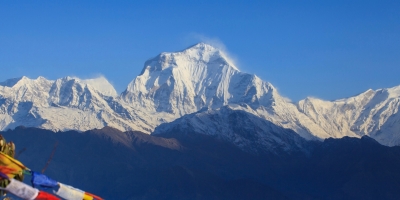
Mohare Danda is a beautiful hill trekking located in the Annapurna region of Nepal, which is a popular destination for trekking enthusiasts. The Mohare Danda Community Trekking is a relatively new trekking trail that offers an excellent opportunity to explore the traditional lifestyle of Magar ethnic people, experience their culture, and enjoy the stunning views of the Annapurna mountain range, Dhaulagiri Mountain Range, Nilgiri, and Fishtail including other many peaks,Asiana Treks and Tours is a trekking company in Nepal that provides excellent trekking packages for travelers who wish to explore the beauty of unique rural Nepal. They provide several hiking packages, such as the Mohare Danda Community Trekking, an excellent option for those seeking a memorable trekking experience.The Mohare Danda Community Trekking is a relatively easy trek that can be completed in 13 days. This trek starts via the beautiful city of Pokhara, known for its stunning views of the Himalayas, beautiful lakes, and vibrant culture. From Pokhara, you will drive to Galeshwor, the starting point of the trek.The trek will take you through beautiful villages, terraced fields, and dense forests, offering breathtaking views of the Himalayas, including Mt. Dhaulagiri, Annapurna, and Machhapuchhre. Along the way, you will also have the opportunity to interact with the local people, learn about their traditional lifestyle, and experience their unique culture.Mohare Danda Trekking is the Eco-Community Lodge Trek Mr. Mahabirpun designed to promote sustainable tourism and poverty alleviation. On this trail, you will stay in an eco-friendly homestay run by the local communities. These lodges provide traditional types of accommodation with delicious hygienic meals, and the local community's revenue helps improve their lifestyle.Asiana Treks and Tours will provide you with an experienced guide who will accompany you throughout the trek. Our guide will ensure your safety, provide information about the region, and help you interact with the local people. They will also take care of all the logistics, including transportation, accommodation, and meals, allowing you to focus on enjoying your trekking experience.In conclusion, the Mohare Danda Community Trekking with Asiana Treks and Tours is an excellent option for travelers those search a unique trekking experience in Nepal. This Trekking perfectly blends natural beauty, cultural immersion, and sustainable tourism. With Asiana Treks and Tours, you can rest assured that you will have a safe and enjoyable trekking experience that you will cherish forever.Mohare Danda Trekking itinerary:Asiana Treks and Tours has the perfect Mohare Danda itinerary for travelers seeking an unforgettable adventure in Nepal, with a moderate level of physical fitness required. Our expertly designed trek unlocks the true beauty of this region, transporting you from captivating cityscapes to breathtaking countryside vistas. Witness nature's grandeur unfolds as you navigate diverse landscapes. Embrace the invigorating experience of chilly nights at Annapurna Base Camp (ABC), followed by the soothing warmth of natural hot springs – a perfect contrast that will leave you rejuvenated. Join Asiana Treks and Tours on this once-in-a-lifetime journey to Mohare Danda and create lasting memories.Mohare Danda Trekking DistanceThe Mohare Danda Trek offers a captivating journey through the Annapurna region, with a total distance ranging from 32 to 40 kilometers (20-25 miles) depending on the chosen route. While not as long as some treks in the area, Mohare Danda still packs a punch in terms of scenery. Many trekkers opt for itineraries lasting 7 to 8 days, allowing for a manageable pace that balances exploration with acclimatization to the higher altitudes. This timeframe provides ample opportunity to immerse yourself in the beauty of the Himalayas, from lush forests teeming with rhododendrons to breathtaking panoramic views. Mohare Danda Trekking route route:The Mohare Danda Trek, a 7-8 day adventure through Nepal's mountains, offers stunning scenery without being too challenging. Starting in charming villages with terraced fields, you'll climb into the hills, encountering vibrant spring blooms of rhododendrons, cascading waterfalls, and snow-capped peaks. Wildflower meadows and cool bridges over streams add to the charm. As you ascend, the air thins, but the reward is breathtaking panoramic views from Mohare Danda, showcasing iconic peaks like Annapurna I and Machhapuchhre Dhauligiri. This trek caters to both seasoned trekkers and beginners seeking an unforgettable adventure.Mohare Dandha trekking price:Our package tour ensures reliability in terms of cost, itinerary, and overall experience. The Mohare Danda Trek offers a range of pricing options to suit your budget and preferences. While exact costs can vary depending on group size, chosen services, and accommodation type, you can expect the trek to fall somewhere between $300 and $600 USD. This typically covers essentials like permits, meals, and basic accommodation during the trek itself.Mohare Danda Trekking HeightThe Mohare Danda Trek is a beautiful walk in the Annapurna mountains. It starts at Pokhara (a lakeside town at 827 meters), a cool place by a big lake. The walk keeps going uphill through some nice villages. The first stop is Bans Kharka (1520 meters), a small village where you can see how people live here. Then you climb to Naangi (2300 meters), another village with even more amazing views. Finally, you reach the top at Mohare Danda (3300 meters), where you can see incredible mountain views all around. There are other villages nearby called Ghorepani (2300 meters) and Tadapani (2200 meters), but they're on different treks.Major villages of Mohare Danda Trekking:The major Magar and Gurung ethnic villages along the Mohare Danda route are Nayapul, Birethanti, Matathati, Sudame, Hile, Tikhedhunga, Ulleri, Banthati, Nagethati, Ghorepani, Ghorepani Deurali, another Banthati, Tadapani, Bhaisikharka, Ghandruk, Kimche, Nayapul These villages are significant landmarks and offer scenic beauty and accommodation options along the Ghorepani Poon Hill- Ghandruk Trekking route.Best Viewpoints Mohare Danda Trekking:These viewpoints provide unforgettable experiences, highlighting the beauty of the Mohare Danda Trek. Mohare Danda Trek offers breathtaking viewpoints, showcasing stunning panoramas of the surrounding Himalayan peaks. Here are the critical views along the route: Near Naudanda and Kande: On the way to Nayapul, enjoy magnificent views of the mountains and rice terraces.Ulleri to Banthati: Experience impressive mountain vistas during the second day of trekking.Poon Hill: Witness the iconic sunrise at an altitude of 3,210 meters, with panoramic views of the Annapurna and Dhaulagiri ranges.Ghorepani Deurali: Enjoy similar breathtaking views to Poon Hill on the opposite side during the third day of trekking.Tadapani: Tadapani is a tranquil and peaceful place. Surrounded by Rhododendron and ever-green forest, it is the best location for overlooking the best view. In the Breezi morning, you have the best sunrise view of the stunning "Fish Tail" peak (Machhapuchhre) and Annapurna South and Himchuli right in front of you. Ghandruk: Ghandruk is the big and significant village of the Gurung people. It's located in front of the Annapurna, Himchuli, and Fishtail mountains. From here, you can see the glacier of Annapurna South. The village deserves a breathtaking view near Modi Khola, Annapurna, Himchuli, and Fishtail Mountains from the Annapurna conservation head office.Biodiversity of Mohare Danda TrekkingThe Mohare Danda Trek is great for people who love nature. You'll walk through beautiful forests with lots of birds and colorful flowers, especially in spring. There are also rhododendron bushes and bamboo. Maybe you'll even see some wild animals like deer or jackals! With so many different plants and birds, this trek is a fantastic way to see Nepal's nature up close.Festivals and cultures in Mohare Danda Trekking: You'll immerse yourself in vibrant festivals and cultural traditions along the Mohare Danda Trekking route. The region, predominantly inhabited by ethnic groups like the Gurungs and Magars, celebrates various festivals. Dashain, typically in September or October, is a significant Hindu festival symbolizing the triumph of good over evil. Villages burst with colorful decorations, music, and dances as families gather for blessings and feasts.Tihar, known as the Festival of Lights, falls in October or November. This five-day celebration honors animals and the goddess of wealth, Laxmi. Oil lamps light up homes, and rituals bring prosperity and fortune. These festivals offer a unique and lifetime experience, as well as Nepalese culture with the majestic beauty of the Himalayas.Advantage book with Asiana Treks and tours:Private transport for airport transfers to/from your hotel.Trip briefing on Facebook and online if you love to connect.Last minute booking at your hotel at a suitable time after your arrival.Easy booking and reservation system.Multi-channel communication via Email, WhatsApp, Facebook, Viber, Skype 24/7 phone communication at +977-9851076270.Free excess luggage storage during the trek.Pulse oximeters for monitoring blood oxygen saturation at high altitudes to detect altitude sickness early.Medical kits along the trek and hot airbags are available in winter.Arrange sleeping bags, duffel bags down jackets, and walking pools if you don't have your own.Trek Booking:Asiana Treks and Tours is the best and most trusted trek and tour company operator authorized by the Nepal government. We require a 10% advance payment to book your trip, and you'll need to send us a copy of your passport, photos, travel insurance, and flight details as soon as you book a tour with us. You can use bank transfer, or any other way like Western Union, or online via our website, which is easy. The remaining trip cost can be paid upon arrival in Nepal. We offer last-minute bookings, but changes may occur due to circumstances like bad weather. Transportation for Mohare Danda TrekkingWe pride ourselves on our flexible transportation options, which include planes, helicopters, tourist buses, coasters, vans, jeeps, and cars. These are tailored to our Clints' specific needs, preferences, itineraries, and agreements, ensuring a comfortable and personalized travel experience. However, we provide Tourist buses to and from Pokhara, Private transportation from Nayapul to and from Sewai and Kathmandu sightseeing private vehicle as per the group, and optional fly to and from Pokhara at extra cost.Trekking Start:Your Mohare Danda Trek begins with a warm welcome in Kathmandu. As soon as you arrive at Tribhuvan International Airport, our dedicated team will be there to greet you. We'll then escort you to your hotel in a private vehicle, ensuring a comfortable and hassle-free start to your adventure, and setting the tone for a memorable journey.If you miss the regular trip briefing, don't worry. We'll provide it at a convenient time before departure, Pokhara, either before a World Heritage tour the following morning or the next day; we'll then proceed to Pokhara by tourist bus, departing around 7 a.m. from Sorakhutte, Kathmandu.The package includes transportation by tourist bus from Kathmandu to Pokhara, offering a comfortable and scenic journey. However, if you prefer a quicker option, you can also take a 25-minute domestic flight to Pokhara or use a private vehicle for an additional cost, giving you the freedom to choose what suits you best.Currency Exchange:The Nepalese rupee is Nepali currency, and 1 USD is approximately 130 NPR. Only NPR is accepted in Nepal, so it's best to bring cash to facilitate transactions. Banks and ATMs in Kathmandu provide currency exchange services but note that most banks prefer new, crisp notessGuide and Porter Arrangement:Our company, Asiana Treks and Tours, focuses on responsible tourism in Nepal. We make sure our guides and porters are well-trained in Trekking and mountaineering. They know a lot about the areas we go to, including geography, history, customs, and culture. We train them regularly in safety, first aid, and environmental conservation. We follow guidelines to treat our porters fairly, providing them with good pay, accommodation, and meals during treks. Our guides and porters are essential team members, and we appreciate their hard work. When you trek with us, you support ethical tourism in Nepal, making your trip meaningful and memorable. Asiana Treks and Tours prioritizes your safety and enjoyment. Our knowledgeable guides, reliable equipment, and safety measures ensure a great trekking experience in Nepal.Porter, Luggage, and extra Luggage storage:We cover the cost of porters for your luggage, but the maximum weight limit is 12 kg per person. Each porter carries luggage for two trekkers; please share a duffle bag with another. Our porters will carry up to 25 kg each. If you need a porter for yourself, we can arrange that. We also recommend carrying a small backpack for your valuables and important documents. You can leave extra luggage at our office for free and at a hotel in Pokhara, Namche, etc.Accommodation:Accommodation during the Mohare Danda Trek varies. Along the trekking route, you'll stay in guest houses, commonly known as teahouses. These basic lodges offer rooms, dining areas, and toilets. The quality of guest houses varies but remains affordable and convenient for trekkers. Rooms typically have twin or bunk beds and shared bathrooms, and blankets and pillows are provided. Our company can offer a sleeping bag if you don't have one. You'll spend nine nights in lodges along the trekking route, two nights in a hotel in Pokhara, and three nights in a hotel in Kathmandu. Some places and lodges have attached bathrooms, while others offer simple yet clean rooms with shared facilities. We can arrange a solo trekking service if you're traveling solo, but availability may be limited during peak season in some places. In Kathmandu or Pokhara, your hotel room will have excellent amenities, including TV, 24/7 hot water, electricity, and laundry service.Meals during the trip:Eating well is essential since the Mohare Danda Trek takes you through the high Himalayas. You'll have plenty of nutritious meals in the trekking regions, although the options won't be as varied as in the cities. You'll get fifteen breakfasts, eleven lunches, and ten dinners during the Trek. The menu includes local, Asian, and Western dishes, but it gets more straightforward as you climb higher. Try popular Nepali foods like lentils, rice, curry, dumplings, noodles, Spagaties, and many more. We highly recommend eating fresh vegetables and drinking liquids like green tea, lemon tea, hot lemon, ginger tea, and garlic soup, especially at high altitudes. While non-vegetarian options are available during the Trek, we suggest avoiding them for hygiene reasons. It's also best to steer clear of dairy, cheese, alcohol, caffeine, and hot chocolate. Personal expenses like alcoholic drinks and extra beverages at lodges or cafes aren't included in the package. Drinking water:The Mohare Danda Trek has you covered when it comes to drinking water! Tea shops along the way sell bottled water if you need it in a hurry. But to save money and be kind to the environment, lots of trekkers bring their refillable water bottles. There are even special stations set up along the trek where you can refill your bottle with clean drinking water. However, we recommend carrying Steripen, iodine drops, water purification tablets for safe drinking, and refillable water bottles for boiled or filtered water. We strongly advise not to drink from taps, wells, and rivers in trekking areas. However, in all the city areas, Mineral water is available at a reasonable cost everywhere.Extra Personal Expenses:While most expenses during the Trek are covered, you'll need to spend money on accommodations and meals in Kathmandu and Pokhara, souvenirs, and additional beverages. We estimate about USD 10-20 per trekking day for miscellaneous expenses.Toilet Facilities in Mohare Danda Trekking:Most teahouses have Western-style flush toilets during mountain treks, especially at lower elevations. But as you go higher, find simple squat toilets along the trails and teahouses at higher altitudes. These toilets usually have water or toilet paper, but it's a good idea to bring your toilet paper just in case. You can also use restrooms at nearby teahouses or find a private spot along the trekking routes.Internet Connectivity:While trekking in the Himalayan region of Nepal, connecting with your family and friends is also a good idea. You can find internet access at teahouses and lodges, but it might be extra minimal cost. The signal might be weak because of the remote location. You can also get internet access using a local SIM card and data packages available at Kathmandu airport or nearby shops in Thamel and Pokhara. You'll have a passport-sized photo and a copy of your passport to get a SIM card. It's a good idea to compare prices and data packages from telecom companies like Ncell and Nepal Telecom before buying. Knowing about teahouse connectivity. Our guide will suggest connections for you. Electricity voltage and plugs:However, 95 % of Nepali people have access to electricity as of May 29, 2023. almost popular trekking routes, teahouses, and lodges have electricity. However, some isolated and solo trekking tea houses in the jungle don't have electricity; Most of these tea houses let travelers charge their devices for a small fee. The average electrical voltage in Nepal is 230 volts, with plug types like Type C, Type D, and Type M. Travellers should bring a suitable adapter and, if needed, a voltage converter for their electronic devices.Communication:The guest houses in the trekking regions have internet access. You could buy a SIM card at Tribhuvan International Airport Kathmandu and Pokhara. However, the signal may need to be more assertive at high altitudes. Our office keeps in touch with all trekking teams via the trek guide at least once daily to ensure everything goes as planned.Trip Extension:Suppose you have extra days in Nepal after the Trek. In that case, we can arrange a tour, overnight stay at Nagarkot Balthali or any other place around Kathmandu and Chitwan, jungle safari, paragliding, rafting, canyoning, or other treks. Do not hesitate to Inform us. We will create the best for you.Trek Difficulty:The Mohare Danda Trek presents a moderate and challenging yet enriching adventure. Your enjoyment of the trip will largely depend on your level of fitness. We recommend building stamina at least two weeks before the trek. Activities include jogging, running, swimming, or taking long hikes for the journey ahead.Completing this trek is achievable even if you're a beginner, although you must maintain a reasonable fitness level. Prior trekking experience can be advantageous, though it is optional. All you need is the readiness to hike steadily for 4-8 hours, navigating tricky terrain.Suppose trekkers have pre-existing medical conditions, such as lung or heart diseases. In that case, they are advised to consult their physician before booking the trek to ensure their safety and well-being throughout the journey.Trip Safety:We highly give top priority. We provide experienced guides with first aid kits and necessary safety gear to ensure a safe hand. Our team monitors weather and trail conditions and takes precautions to avoid risks. Before starting the trek, we discuss the trip to provide a clear understanding and ensure a reliable experience.Group & Private Treks:We organize many group and private treks simultaneously, with discounts available for larger groups. Every group will have a trekking guide and porters; an assistant guide may be provided for larger groups. Our team ensures a safe and enjoyable trekking experience for all participants.About solo traveler:If you're a solo traveler, please contact us to confirm departure dates before booking. You can tell us via call, WhatsApp, or email. We have listed upcoming departure dates for your convenience. Feel free to share the trip details with friends and family.Notes: Please be aware that the itinerary may change due to weather or other factors, and we'll adjust it accordingly for the group's safety and enjoyment. We look forward to guiding you through the stunning landscapes of the Annapurna region and ensuring a memorable trekking experience.Responsible Travel:We prioritize responsible travel to minimize environmental impact and support local communities. We collaborate with organizations like the Kathmandu Environmental Education Project (KEEP) to promote eco-friendly practices in trekking regions.Gratitude:Graduate or tipping is appreciated in Nepali culture and reflects the quality of service provided. You decide how much to tip, but we recommend tipping as a group at the end of the trip.End of Trek:On the eleventh day, you'll take a bus from Pokhara back to Kathmandu, which takes about seven hours. Alternatively, you can fly from Pokhara to Kathmandu for an extra fee. In the evening, we'll host a farewell dinner in Kathmandu.Departure:On the day of your departure flight, we'll come to pick you up from your hotel and transfer you to Tribhuvan International Airport. We hope you enjoyed the Nepal trek and will consider returning for more adventures in Nepal.Feedback:After you complete the Ghorepani Poon Hill Ghandruk Trek, we'll organize a farewell dinner in Kathmandu and present you with a trekking achievement certificate. After the dinner, you can provide feedback about the Trek on travel portals.Last-Minute Booking:If you can't book in advance, we offer last-minute bookings. Full payment is required 24 hours before departure. While we do our best to accommodate last-minute bookings, delays may occur due to unforeseen.Special Note: Please remember that sometimes unforeseen circumstances, such as inclement weather or unavailable lodging, may cause the schedule to be altered. Your trip guide will design a fresh schedule based on the group's interests in such circumstances.Annapurna Region Trekking: Guides, Tips & Himalayan AdventuresDiscover the beauty of Nepal’s Annapurna region with Asiana Treks & Tours. Explore breathtaking mountain landscapes, authentic local culture, popular trekking routes, and practical tips to help you plan an unforgettable Himalayan adventure.Annapurna Base Camp vs Everest Base Camp: The Best TrekTrekking Equipment List for Asiana Treks & ToursTrekking Permit Requirements for Different Regions in NepalBest Sunrise and Sunset Destinations in NepalTop Successful Trek for Beginners – Annapurna Base CampMost Popular Trek with High Success Rate – Annapurna Base Camp Trek (ABC) TrekHow to Prepare for the Annapurna Base Camp Trek (Gear, Fitness & Tips)Ghorepani Poon Hill Trek GatewayTop 26 Annapurna Region Trekking Packages in Nepal – The Ultimate GuideTadapani Diaries: One Magical Night in the MountainsDiscovering Ghandruk: A Peaceful Village in the Heart of NepalTrekking the Best of Annapurna: Poon Hill to Mardi HimalWhy Chhomrong is the Heart of the Annapurna Base Camp TrekAnnapurna Base Camp (ABC) & Machhapuchhre Base Camp (MBC) Trek: Two Base Camps, One Incredible JourneyExploring Sinuwa on the Annapurna TrailDeurali: A Peaceful Mountain Village on the ABC TrailBamboo: A Hidden Gem of the ABC TrekDovan Nepal: Peaceful Stopover on the Annapurna Base Camp TrailHimalaya Village: A Quiet Haven on the Way to Annapurna Base CampDhampus Village – Annapurna Classical Alternative GatewayPothana: The Alternative Gateway to Annapurna Base Camp and Mardi HimalBest Camping and Overnight Stays: Australian Camp & Mardi Himal TrekList of Hotel in Mardi Himal Base Camp TrekTrekking to Low Camp: A Peaceful Path to Mardi HimalForest Camp Adventures: Exploring the Mardi Himal Trek in NepalHigh Camp on the Mardi Himal Trek | Views, Altitude & Trekking GuideDiscovering the Magic of Mardi Himal ViewpointTop Highlights of the Mardi Himal Trek in NepalBest Time to Trek Mardi Himal: Tips for Perfect ViewsA Beginner’s Guide to the Mardi Himal Trek in NepalSurprising Facts About the Mardi Himal TrekEssential Guide to Mardi Himal Trekking Permits in NepalMardi Himal Trek Info: Elevation, Altitude, Height and WeatherMardi Himal Trek Accommodation and Food TipsBest Time to Trek Annapurna Base Camp in NepalTop Highlights of the Annapurna Base Camp TrekFood and Accommodation on the ABC Trek: What It’s Really LikeAltitude Tips for a Safe Annapurna Base Camp TrekAnnapurna Base Camp Permits: Costs, Process, and RequirementsTop Tips and Facts for Trekking to Annapurna Base CampAnnapurna Base Camp Trek: Elevation, Height & Temperature GuideDobato Stopover: Experiencing the Heart of the Khopra Danda RouteUpper Chistibung: What to Expect on the Way to Khopra DandaExploring Khopra Danda Ridge and Khayar LakeDiscover Swanta’s Beauty on the Khopra Danda TrailAmazing Facts About Khayar Lake in the Annapurna RegionBayeli Kharka Adventure: From Khopra Danda with Stunning ViewsKhopra Danda Trekking Guide: Cost, Permits, Meals, Lodging and Best SeasonExploring Mardi Himal, ABC, and Khopra Ridge in One Epic JourneyKhopra Khair Lake with Annapurna Base Camp Trek: A Complete JourneyKhopra Khair Lake with ABC Trek: Nature, Culture, and MountainsComplete Guide to Mohare Danda Trekking in NepalSunrise Views from Mohare Danda: What to ExpectTop Highlights of Poon Hill and Mardi Himal TrekExploring Poon Hill and Mardi Himal: A Beginner’s GuideExploring the Ghorepani Dhampus Circuit Trek in NepalAn Amazing Hike from Galeshwor to Nangi via Bans Kharka : Mohare Danda TrekkingLandruk: Gateway to the Stunning Mardi Himal ViewsMardi Himal Adventure: Exploring Badal Danda on the Siding TrekSunrise Views from Poon Hill and Mulde ViewpointsDhaulagiri Annapurna Trail: A New Alternative Trek in NepalBest Nepal Tour Packages: Adventure, Honeymoon, Senior Tours, Himalayan Highlights, Triangle & Sunrise Hill Station ToursIs It Possible to Cycle the Annapurna Circuit in Nepal?Besisahar – The Heart of Lamjung District: Gateway to the HimalayasExploring Jagat During the Annapurna Circuit TrekDharapani Village in Nepal: Where the Manaslu Circuit and Annapurna Circuit Trails Meet PointChame Village: A Peaceful Stop on the Annapurna Circuit TrekDiscover Upper Pisang: A Hidden Gem on the Annapurna CircuitExploring Lower Pisang: A Gateway on the Annapurna CircuitManang: The Heart of the Annapurna Circuit TrekYak Kharka (4,020m): A Must-Stop Village on the Annapurna CircuitThorong Phedi: Final Preparation Before Thorong La PassCrossing Thorong La Pass (5,416 m): The Highest Point of the Annapurna CircuitMuktinath in Mustang: A High-Altitude Spiritual Journey on the Annapurna CircuitJomsom (2,743 m): The Windy Valley That Connects Annapurna and Upper Mustang
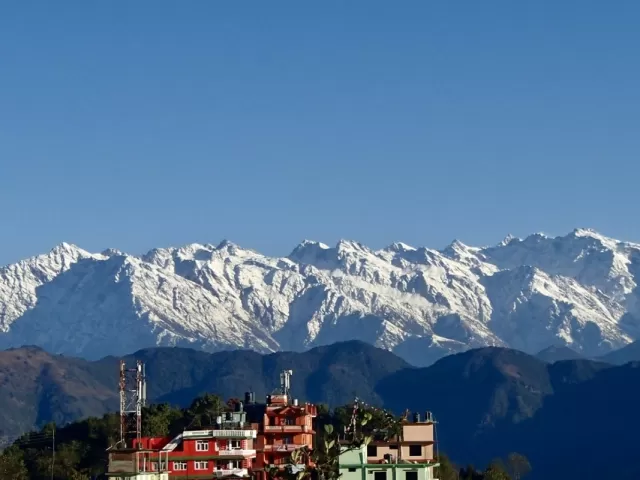
Chisapani Nagarkot Dhulikhel trekis a fantastic short trek to the east of Kathmandu, offering our clients an unforgettable experience. This trek takes you around theKathmandu Valley, providing a beautiful blend of nature and culture for trekkers with limited time.You'll enjoy typical Nepali hospitality amidst breathtaking natural scenery, with panoramic sunrise views of snow-capped mountains from west Annapurna to Mt Everest; despite its short distance, this trek is packed with beauty and adventure. Starting just 17.6 km from Kathmandu, where the trekking begins with a one-hour drive to Sundarijal, leading through Shivapuri Nagargun National Park and passing picturesque villages like Mulkharka before reaching Bolang Bhanjyang then descending Chisapani.Chisapani, Nagarkot, and Dhulikhel offer serene hill stations and incredible mountain viewpoints. At 2,100m altitude, Nagarkot boasts panoramic views of Annapurna, Lamjung, Manaslu, Ganesh Himal, Langtang, and even Everest on clear days. The trek itinerary perfectly blends culture and nature, winding through lush forests, charming villages, and terraced farmland. It's an easy trek, with the first day involving a gentle ascent to Borlang Bhanjyang. In Dhulikhel, you'll explore temples and witness the vibrant Newar community. The journey is a delightful escape from city life, starting with a drive from Kathmandu to Sundarijal, followed by a hike through Shivapuri National Park to Chisapani. Nights are spent in Chisapani and Nagarkot, with mesmerizing sunrise views. The trek concludes with a visit to Dhulikhel Chandeshwari Temple before returning to Kathmandu. Despite its richness in experience, the trek cost is reasonable, with accommodations in the best hotels in Nagarkot and Dhulikhel. Whether you're a family seeking adventure or preparing for more challenging treks, this trek is perfect for those with limited time who love the outdoors. Asiana Treks and Tours offers a memorable journey through which you can experience Nepal quickly and experience great hiking.Chisapani Nagarkot Dhulikhel Trekking Itinerary: Asiana Treks and Tours has the perfect Chisapani Nagarkot Dhulikhel Trek itinerary. Travelers who desire to explore Nepal with moderate physical fitness. You'll discover the best places for breathtaking views from the city to the countryside and experience an unforgettable lifetime journey.Chisapani Nagarkot Dhulikhel Trekking Distance:Chisapani Nagarkot Dhulikhel Trekking spans approximately 36 kilometres, or 22.3 miles, depending on the chosen itinerary. This route typically spans 5 days, Chisapani Nagarkot Dhulikhel and concluding at at Bhaktpur.Chisapani Nagarkot Dhulikhel Trekking route:Chisapani Nagarkot Dhulikhel Trekking route showcases awe-inspiring natural beauty. Starting in lush valleys with terraced fields and traditional villages, the journey unfolds amidst the Himalayan foothills. Rhododendron forests bloom in spring, accompanied by cascading waterfalls and snow-capped peaks. Traversing wildflower, leading to panoramic views of towering peaks like Ganesh Himal range, Gyanchanpo, Gauri Shanker Manaslu, Dorjelpla, and Mt Everest In the clear days. The trek promises unforgettable moments, whether you're a seasoned trekker or novice adventurer, offering an unparalleled journey through Earth's most breathtaking landscapes.Chisapani Nagarkot Dhulikhel Trekking price:Our package tour ensures reliability in terms of cost, itinerary, and overall experience. For Nepali citizens, the Chisapani Nagarkot Dhulikhel trek typically ranges from US$ 315 to 475, and for foreigners, US$ 375 to 595, variations depending on group size, service level, guide and porter services, transportation preferences, and accommodation category in Kathmandu, Nagarkot Dhulikhel are perfect However Chisapani have basic teahouse.. This cost estimation is subject to the types of trekking gear and accommodation preferences. However, we could end the trek is sightseeing Bhaktpur and exploration.Chisapani Nagarkot Dhulikhel Trekking Height:The Chisapani-Nagarkot trek begins in the lively city of Sundarijal at an altitude of 1,165 meters. From Kathmandu, you will drive through beautiful places such as Bauddhanath and Gokarna, eventually reaching the cascades in Sundarijal. During the trek, you will ascend to the famous Tamang village of Mulkharka. The highest point you will get is the Borlang Bhanjyang Pass, which is 2,450 meters above sea level. From there, descend to Chisapani; you will head towards Nagarkot, then after Dhulikhel, and then back to Kathmandu via Bhaktapur before taking private transportation back to Kathmandu.Major Village of Chisapani Nagarkot Dhulikhel TrekkingThe major Tamang ethnic villages along the Chisapani-Nagarkot-Dhulikhel trekking route include Sundarijal, Mulkharka, Chisapani, Jhule, Patibhanjyang, Jarsing Pauwa, Katike, Nagarkot, Dhulikhel, Banepa, and Bhaktapur. The return journey includes sightseeing in Bhaktapur before driving back to Kathmandu. These villages are significant landmarks, offering scenic beauty and accommodation options along the trekking route.Chisapani Nagarkot Dhulikhel Trekking Best View points:The Chisapani-Nagarkot-Dhulikhel trek offers breathtaking viewpoints, showcasing stunning panoramas of the surrounding Himalayan peaks. Here are the critical views along the route:View from Sundarijal to Mulkharka: On the way from Sundarijal, enjoy amazing views of the Sundarijal cascade and the Kathmandu Valley.View from Borlang Bhanjyang: From the Borlang Bhanjyang pass, relish magnificent views of the mountains and rice terraces.Chisapani: Experience impressive mountain vistas and views of rice and millet terraces during the second day of trekking.Nagarkot:Nagarkot offers spectacular views from the Annapurna Himalaya in the west to Mount Everest in the east. In between, you can see many Himalayan ranges, including the Lamjung, Machhapuchhare, Manaslu, and Ganesh ranges, along with expansive valley views of cultivated terrace fields and unique villages.Dhulikhel:From your hotel in Dhulikhel, you can enjoy a mind-blowing wide-range view of the Eastern Himalayas.These viewpoints are not just spots on a map, but gateways to unforgettable experiences, each one a testament to the awe-inspiring beauty of the Chisapani-Nagarkot-Dhulikhel trek.Biodiversity of Chisapani Nagarkot Trekking:Chisapani Nagarkot Dhulikhel Trekking trail is a biodiversity hotspot, perfect for nature lovers. Lush forests as well as house various bird species, including rhododendrons and bamboo. Alpine meadows greet you higher up with vibrant wildflowers. Look out for elusive wildlife and diverse birdlife, experience. This trek offers a captivating glimpse into the green Hills, Amazing terraces, promising an unforgettable journey through nature's diversity.Festivals and culture Chisapani Nagarkot Dhulikhel Trekking: In Chisapani Nagarkot Dhulikhel Trekking you'll immerse yourself in vibrant festivals and cultural traditions along the Chisapani Nagarkot Dhulikhel Trekking route. The region, predominantly inhabited by ethnic groups like the Gurungs and Magars, celebrates various festivals. Dashain,typically in September or October, is a significant Hindu festival symbolizing the triumph of good over evil. Villages burst with colorful decorations, music, and dances as families gather for blessings and feasts.Tihar,known as the Festival of Lights, falls in October or November. This five-day celebration honors animals and the goddess of wealth, Laxmi. Oil lamps light up homes, and rituals bring prosperity and fortune.These festivals offer a unique and lifetime experience, as well as Nepalese culture with the majestic beauty of the Himalayas.Advantage book with Asiana Treks and tours:Private transport for airport transfers to/from your hotel.Trip briefing on Facebook and online if you love to connect.Last minute booking at your hotel at a suitable time after your arrival.Easy booking and reservation system.Multi-channel communication via Email, WhatsApp, Facebook, Viber, Skyp 24/7 phone communication at +977-9851076270Free excess luggage storage during the trekPulse oximeters for monitoring blood oxygen saturation at high altitudes to detect altitude sickness earlyMedical kits along the trek and hot airbags are available in winterArrange sleeping bags, duffel bags, down jackets, and walking pools if you don't have your own.Chisapani Nagarkot Dhulikhel Trekking Trek Booking:Asiana Treks and Tours is the best and most trusted trek and tour company operator authorized by the Nepal government. We require a 10% advance payment to book your trip, and you'll need to send us a copy of your passport, photos, travel insurance, and flight details as soon as you book a tour with us. You can use bank transfer, or any other way like Western Union, or online via our website, which is easy. The remaining trip cost can be paid upon arrival in Nepal. We offer last-minute bookings, but changes may occur due to circumstances like bad weather. Transportation for Chisapani Nagarkot Dhulikhel Trekking Trekking:We pride ourselves on our flexible transportation options according to our Itinerary, which include planes, helicopters, tourist buses, coasters, vans, jeeps, and cars. These are tailored to our Clints' specific needs, preferences, itineraries, and agreements, ensuring a comfortable and personalized travel experience. However, we provide Tourist buses to and from Pokhara, Lumbini, Private transportation from Nayapul to and from Sewai and Kathmandu sightseeing private vehicle as per the group size and Itinerary, and optional fly to and from Pokhara at extra cost.Chisapani Nagarkot Dhulikhel Trekking Start:Your Chisapani Dagarkot Dhulikhel Trek begins with a warm welcome in Kathmandu. Our dedicated team will be there to greet you as soon as you arrive at Tribhuvan International Airport. We'll then escort you to your hotel in a private vehicle, ensuring a comfortable and hassle-free start to your adventure, and setting the tone for a memorable journey.If you miss the regular trip briefing, don't worry. We'll provide it at a convenient time before departure, Pokhara, either before a World Heritage tour the following morning or the next day; we'll then proceed to Pokhara by tourist bus, departing around 7 a.m. from your Hotel, Kathmandu.The package includes transportation by private transportation from Kathmandu to Sundarijal and back from your trekking ending Points. offering a comfortable and scenic journey. Currency Exchange:The Nepalese rupee is Nepali currency, and 1 USD is approximately 130 NPR. Only NPR is accepted in Nepal, so it's best to bring cash to facilitate transactions. Banks and ATMs in Kathmandu provide currency exchange services but note that most banks prefer new, crisp notessGuide and Porter Arrangement:Our company, Asiana Treks and Tours, focuses on responsible tourism in Nepal. We make sure our guides and porters are well-trained in Trekking and mountaineering. They know a lot about the areas we go to, including geography, history, customs, and culture. We train them regularly in safety, first aid, and environmental conservation. We follow guidelines to treat our porters fairly, providing them with good pay, accommodation, and meals during treks. Our guides and porters are essential team members, and we appreciate their hard work. When you trek with us, you support ethical tourism in Nepal, making your trip meaningful and memorable.Asiana Treks and Tours prioritizes your safety and enjoyment. Our knowledgeable guides, reliable equipment, and safety measures ensure a great trekking experience in Nepal.Porter, Luggage, and extra Luggage storage:We cover the cost of porters for your luggage, but the maximum weight limit is 12 kg per person. Each porter carries luggage for two trekkers; please share a duffle bag with another. Our porters will carry up to 25 kg each. If you need a porter for yourself, we can arrange that. We also recommend carrying a small backpack for your valuables and important documents. You can leave extra luggage at our office in Kathmandu. Accommodation during Chisapani Nagarkot Dhulikhel Trekking:Accommodation during the Chisapani Nagarkot Dhulikhel Trek varies. Along the trekking route, you'll stay in guest houses, commonly known as teahouses. These basic lodges offer rooms, dining areas, and toilets. The quality of guest houses varies but remains affordable and convenient for trekkers. Rooms typically have twin or bunk beds and shared bathrooms, and blankets and pillows are provided. Our company can offer a sleeping bag if you don't have one. You'll spend nine nights in lodges along the trekking route, two nights hotel in Nagarkot and Dhulikhel, and three night hotel in Kathmandu Nagarkot and Dhulikhel have attached bathrooms, while Chisapani have a simple yet clean rooms with shared toilets. We can arrange a solo trekking service if you're traveling solo, In Kathmandu, Nagarkot Dhulikhel , your hotel room will have excellent amenities, including TV, 24/7 hot water, electricity, and laundry service.Meals during Chisapani Nagarkot Dhulikhelthe trekking:Chisapani Nagarkot Dhulikhel Trek takes you through amazing treak in east of Kathmandu. You'll have plenty of nutritious meals in the trekking regions, although the options won't be as varied as in the cities. You'll get six breakfasts,four lunches, and four dinners during the Trek. The menu includes local, Asian, and Western dishes.Try popular Nepali foods like lentils, rice, curry, dumplings, noodles, Spagaties, and many more. We highly recommend eating fresh vegetables and drinking liquids like green tea, lemon tea, hot lemon, ginger tea, and garlic soup, especially at high altitudes. While non-vegetarian options are available during the Trek, we suggest avoiding them for hygiene reasons. It's also best to steer clear of dairy, cheese, alcohol, caffeine, and hot chocolate. Personal expenses like alcoholic drinks and extra beverages at lodges or cafes aren't included in the package. Drinking water:Drinking water is not big deal in this trekking.You can buy mineral water every wherein teahouses with in reasonable cost. We recommend you carrying Steripen, iodine drops, water purification tablets for safe drinking, and refillable water bottles for boiled or filtered water. We strongly advise not to drink from taps, wells, and rivers in trekking areas. However,According to the Nepal government, only 27% of people here have clean drinking water even Nepal is the second country in the world regarding water sources after Brazil. Extra Personal Expenses:While most expenses during the Trek are covered, you'll need to spend money on accommodations and meals. If you love to take souvenirs, and additional beverages. We estimate about USD 10-20 per trekking day for miscellaneous expenses.Toilet Facilities in Chisapani Nagarkot Dhukhel Trekking:Most teahouses have Western-style flush toilets during Chisapani Nagarkot Dhukhel trek, especially at lower elevations.Only in Chisapani have simple guest house and squant Toiilet, These toilets usually have water or toilet paper, but it's a good idea to bring your toilet paper just in case. You can also use restrooms at nearby teahouses or find a private spot along the trekking routes. However this trekking route have not any problem for Toilet. this treks provides 3 star hotel In Kathmandu, Nagarkot and Dhulikhel.Internet Connectivity:While trekking in the Himalayan or hilly region of Nepal, connecting with your family and friends is also a good idea. You can find internet access at teahouses and lodges, but it might be extra minimal cost. The signal might be weak because of the remote location. You can also get internet access using a local SIM card and data packages available at Kathmandu airport or nearby shops in Thamel and Pokhara. You'll have a passport-sized photo and a copy of your passport to get a SIM card. It's a good idea to compare prices and data packages from telecom companies like Ncell and Nepal Telecom before buying. Knowing about teahouse connectivity. Our guide will suggest connections for you. However connection are best this trek.Electricity voltage and plugs:However, 95 % of Nepali people have access to electricity as of May 29, 2023. almost popular trekking routes, teahouses, and lodges have electricity. However, some isolated and solo trekking tea houses in the jungle don't have electricity; Most of these tea houses let travelers charge their devices for a small fee. The average electrical voltage in Nepal is 230 volts, with plug types like Type C, Type D, and Type M. Travellers should bring a suitable adapter and, if needed, a voltage converter for their electronic devices.Communication in Chisapani Nagarkot Dhulikhel TrekkingThe guest houses in the trekking area have internet access. You could buy a SIM card at Tribhuvan International Airport Kathmandu. However, the signal may need to be more assertive at high altitudes. Our office keeps in touch with all trekking teams via the trek guide at least once daily to ensure everything goes as planned.Trip Extension:Suppose you have extra days in Nepal after the Trek. In that case, we can arrange a tour, overnight stay at Nagarkot Balthali or any other place around Kathmandu and Chitwan, jungle safari, paragliding, rafting, canyoning, or other treks. Do not hesitate to Inform us. We will create the best for you.Trek Difficulty:Chisapani Nagarkot Dhulikhel Trekking presents easy low land trekking. Completing this trek is achievable even if you're a beginner, although you must maintain a reasonable fitness level. Prior trekking experience can be advantageous, though it is optional. All you need is the readiness to hike steadily for 3-5 hours, easy trails.Suppose trekkers have pre-existing medical conditions, such as lung or heart diseases. In that case, they are advised to consult their physician before booking the trek to ensure their safety and well-being throughout the journey.Trip Safety:We highly give top priority. We provide experienced guides with first aid kits and necessary safety gear to ensure a safe hand. Our team monitors weather and trail conditions and takes precautions to avoid risks. Before starting the trek, we discuss the trip to provide a clear understanding and ensure a reliable experience.Group & Private Treks:We organize many group and private treks simultaneously, with discounts available for larger groups. Every group will have a trekking guide and porters; an assistant guide may be provided for larger groups. Our team ensures a safe and enjoyable trekking experience for all participants.About solo traveler:If you're a solo traveler, please contact us to confirm departure dates before booking. You can tell us via call, WhatsApp, or email. We have listed upcoming departure dates for your convenience. Feel free to share the trip details with friends and family.Notes: Please be aware that the itinerary may change due to weather or other factors, and we'll adjust it accordingly for the group's safety and enjoyment. We look forward to guiding you through the stunning landscapes of the Annapurna region and ensuring a memorable trekking experience.Responsible Travel:We prioritize responsible travel to minimize environmental impact and support local communities. We collaborate with organizations like the Kathmandu Environmental Education Project (KEEP) to promote eco-friendly practices in trekking regions.Gratitude:Graduate or tipping is appreciated in Nepali culture and reflects the quality of service provided. You decide how much to tip, but we recommend tipping as a group at the end of the trip.End of Trek:On the final day, you'll take a private transportation bus from Dhulikhel back to Kathmandu, which takes about 3 hours including sightseeing in Bhaktpur. In the evening, we'll host a farewell dinner in Kathmandu.Departure:On the day of your departure flight, we'll come to pick you up from your hotel and transfer you to Tribhuvan International Airport. We hope you enjoyed the Nepal trek and will consider returning for more adventures in Nepal.Feedback:After you complete the Yoga Trek, we'll organize a farewell dinner in Kathmandu and present you with a trekking achievement certificate. After the dinner, you can provide feedback about the Trek on travel portals.Last-Minute Booking:If you can't book in advance, we offer last-minute bookings. Full payment is required 24 hours before departure. While we do our best to accommodate last-minute bookings, delays may occur due to unforeseen.Special Note: Please remember that sometimes unforeseen circumstances, such as inclement weather or unavailable lodging, may cause the schedule to be altered. Your trip guide will design a fresh schedule based on the group's interests in such circumstances. Chisapani Nagarkot Dhulikhel Trekking spans approximately 36 kilometres, or 22.3 miles, depending on the chosen itinerary. This route typically spans 5 days, Chisapani Nagarkot Dhulikhel and concluding at at Bhaktpur.
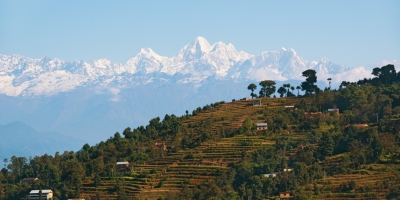
The Kathmandu Heritage Tour with Valley Rim Trekking by Asiana Treks and Tours is the perfect blend of cultural discovery and soft adventure. Designed for travelers who seek to explore both the spiritual heart of Nepal and its serene natural landscapes, this journey combines UNESCO World Heritage sites with less-traveled mountain trails and luxurious comfort. Over the span of eight days, you’ll delve into Nepal’s ancient traditions, picturesque hills, and welcoming rural communities. Starting in Kathmandu, the tour introduces you to historic temples, royal palaces, and sacred stupas. As you leave the city behind, the trail unfolds through Nagarkot, Dhulikhel, Namo Buddha, and Balthali—each offering a unique window into Nepal's countryside and mountain life. Expect panoramic views of the Himalayan giants, encounters with monks and villagers, and overnight stays in charming eco-resorts and hilltop lodges. Whether it’s sipping morning tea while watching the sunrise over Everest or walking through lush pine forests alongside rice paddies, this experience reflects the essence of Nepal. It’s not just a tour—it's a transformative journey that connects you to a culture rich in spirit and nature. 2. Tour Introduction: Kathmandu Heritage Meets Himalayan Trails This curated itinerary begins with a deep dive into Kathmandu’s spiritual and historical core. You’ll explore Durbar Square’s ancient palaces, the majestic Swayambhunath (Monkey Temple), and the sacred Hindu cremation site of Pashupatinath. Each site tells a story of dynasties, deities, and devotees that shaped the valley for over a millennium. But this journey doesn’t stop with temples and stupas. It expands outward—literally—to the valley’s rim, where traditional village life and undisturbed nature still reign. From the sunrise haven of Nagarkot to the peaceful monastery at Namo Buddha, your path winds through terraced hillsides, pine forests, and quiet roads. The views open up to include Langtang, Ganesh Himal, and even Mount Everest on a clear day. The trail connects cultural learning with physical movement—soft trekking that’s ideal for both seasoned walkers and first-timers. The tour’s rhythm alternates between exploration and relaxation, ensuring that you absorb Nepal at your own pace. With expert local guides, thoughtfully selected accommodations, and cultural immersion at every stop, this itinerary captures the soul of Nepal in just over a week. 3. Trip Highlights Explore 4 UNESCO World Heritage Sites in Kathmandu Valley Witness breathtaking Himalayan panoramas from Nagarkot and Dhulikhel Visit sacred Buddhist and Hindu pilgrimage sites like Namo Buddha Interact with local Newari, Tamang, and Brahmin communities Stay in eco-lodges and luxury hilltop resorts Enjoy a soft trekking experience with no high-altitude acclimatization needed Wander through lush forests, terraced farmlands, and ancient trade routes 4. Why Choose This Tour? This tour offers an authentic Nepalese experience without the extreme demands of high-altitude trekking. It’s ideal for travelers seeking a mix of culture, nature, and comfort. Unlike the busier trekking routes like Everest or Annapurna, the Valley Rim Trek offers solitude, serenity, and soul-stirring landscapes—all within a short drive from Kathmandu. With Asiana Treks and Tours, you’re ensured a seamless experience. From expert local guides who bring history to life, to hand-picked boutique stays that blend comfort with charm, every detail is curated to maximize your journey. The itinerary also maintains a balance of structured sightseeing and personal time, allowing you to reflect and explore freely. Furthermore, your impact on the communities you visit is meaningful. The tour supports local artisans, farmers, and homestay operators, ensuring that tourism here contributes positively to sustainable development. 5. Best Time to Visit Nepal enjoys a diverse climate, and the best seasons for this tour are: Autumn (September to November): Clear skies and crisp mountain views Vibrant festivals like Dashain and Tihar Spring (March to May): Blooming rhododendrons and wildflowers Pleasant trekking temperatures Winter (December to February): Fewer tourists and clear air, though colder mornings While summer (June–August) brings monsoon rains, short showers alternate with sunny periods—making it still doable for those with flexibility and rain gear. 6. Who Is This Trip For? This journey is perfect for: First-time visitors to Nepal Cultural travelers interested in temples, heritage, and history Soft adventurers looking for light trekking without altitude risk Photographers and nature lovers drawn to landscapes and village life Couples or families seeking meaningful travel in comfort Whether you're in your 20s or your 70s, this tour can be tailored to your pace and preferences. The daily walks range from 2 to 5 hours, mostly on gentle trails—making it accessible to most fitness levels. 7. Trekking Style and Cultural Depth Combined This itinerary isn't just about walking through hills; it's about walking through time. From the medieval streets of Bhaktapur to the sacred monastic grounds of Namo Buddha, each destination offers a lesson in faith, architecture, and resilience. The trekking segments are moderate and scenic, following the contours of the valley rim. You’ll pass through forests of pine and rhododendron, cross traditional villages, and rest in tea shops where stories are shared over cups of milk tea. Unlike high-altitude treks, there’s no need for special gear or acclimatization, yet the Himalayan vistas are just as spectacular. In parallel, the cultural immersion is deep and genuine. You’ll witness monks in morning chants, artisans crafting statues, and farmers tending rice fields. With Asiana Treks and Tours, every step you take brings you closer to Nepal’s essence—its blend of spirituality, simplicity, and mountain beauty.
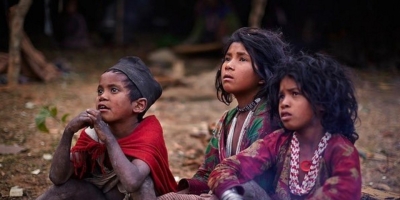
People’s Indigenous Trekking by Asiana Treks and Tours is a pioneering trekking experience in Nepal, uniquely designed to immerse travelers in the rich and diverse indigenous cultures of the region. Unlike typical high-altitude treks focused primarily on nature and mountain views, this trek emphasizes cultural immersion, providing a living experience among Nepal’s indigenous peoples in the mid-hill regions, below 3,000 meters. The trek spans a stunning geographical area, offering panoramic views that extend from the western Himalayan giants like Dhaulagiri and Annapurna to the eastern marvels of Numburchuili and Kanchenjunga. The trail is framed by natural landmarks including the majestic Thulo Sailung peak to the north and the golden rivers Sun Koshi and Tama Koshi to the south and east. The trek allows visitors to delve deeply into the everyday lives and traditions of diverse ethnic groups such as the Tamang, Newars, Sherpas, Thames, and Majlis. These communities maintain vibrant customs shaped by both Hinduism and Buddhism, evident in the numerous temples, stupas, and monasteries scattered along the trail. Staying overnight in private homes offers an authentic and intimate experience, far removed from commercial tourism. Visitors enjoy traditional meals prepared in hygienic local kitchens and often participate in cultural events like folk dances, weddings, and culinary workshops. The aim is to provide travelers not only breathtaking landscapes but a meaningful connection to Nepal’s living heritage. Key Highlights: Trekking at lower elevations (below 3,000m) Panoramic Himalayan views from Annapurna to Kanchenjunga Stay in traditional homestays with indigenous families Exposure to multiple ethnic groups and their cultural practices Opportunities for cultural performances, workshops, and festivals Natural diversity including forest walks, bird watching, and fishing 2. Introduction to People’s Indigenous Trekking The People’s Indigenous Trekking route is a cultural and scenic journey crafted by Asiana Treks and Tours to showcase the authentic lifestyles and traditions of Nepal’s indigenous communities. It is one of the first treks in Nepal dedicated exclusively to cultural exploration combined with accessible trekking, suitable for those interested in anthropology, history, and nature alike. Unlike high-altitude trekking routes, this trail maintains moderate elevation, focusing on the mid-hills where indigenous people live in harmony with nature. Trekking here is not just about reaching a summit; it is about experiencing the heritage and stories of the local peoples firsthand. Travelers will traverse varied landscapes—from terraced farmlands and peaceful villages to lush forests and river valleys—while engaging directly with local hosts. The journey also highlights the peaceful coexistence of Hindu and Buddhist traditions, manifested in a wealth of religious sites. Monasteries, temples, and local festivals provide a vibrant backdrop to the trekking experience. By spending nights in homestays, trekkers get a unique window into daily Nepali life, including cooking traditional meals, participating in cultural rituals, and learning native arts and crafts. This trek promises a slow, immersive adventure that offers cultural richness, warm hospitality, and stunning natural scenery — a perfect blend for those seeking meaningful travel experiences. 3. Trekking Route Summary The People’s Indigenous Trekking route is carefully planned to maximize cultural and natural experiences while maintaining comfortable trekking distances each day: Day 1: Arrival in Kathmandu (1,337m) – Begin with acclimatization and cultural preparation. Day 2: Heritage Tour of Kathmandu – Explore UNESCO sites and historic monuments. Day 3: Kathmandu to Mude (2,580m), then Mude to Deurali (2,298m) – Initial trek into the hills. Day 4: Deurali to Kholakharka (2,448m) – Scenic village routes and forest trails. Day 5: Kholakharka to Surkey Doramba (1,842m) – Descend into warmer valleys, encountering diverse flora and fauna. Day 6: Doramba to Galba to Khandadevi – Visits to local communities and temples. Day 7: Khandadevi to Hiledevi/Dongme – Trek through terraced fields and cultural villages. Day 8: Hiledevi to Sunapati to Lubughat – Cross river valleys and dense forests. Day 9: Lubughat to Nepalthok, then drive to Dhulikhel (1,650m) – End of trek with traditional hospitality. Day 10: Departure from Kathmandu or onward destination. The route combines trekking, cultural experiences, and comfortable homestays, providing a well-rounded adventure in Nepal’s indigenous heartland. 4. Cultural Highlights A central feature of the People’s Indigenous Trekking is the extraordinary cultural diversity encountered along the way. The trek passes through villages inhabited by six major ethnic groups: Tamang, Newars, Sherpas, Thames, Majlis, and others. Each group has its own language, customs, and traditional attire, which travelers can witness during their homestay visits. The journey is rich with opportunities to attend local festivals, traditional weddings, and dance performances where locals wear vibrant costumes and sing ancestral songs. Visitors may take part in culinary workshops, learning to prepare authentic Nepali dishes using local ingredients. Religious diversity is also profound—monasteries, stupas, and Hindu temples dot the trail, offering insight into spiritual practices and ceremonies including meditation and traditional animal sacrifices. Moreover, the trek provides cultural immersion rather than superficial tourism. Staying with host families allows trekkers to observe daily routines, agricultural practices, and traditional crafts like weaving and wood carving. This hands-on approach fosters understanding and respect for Nepal’s indigenous heritage. Cultural Highlights Include: Interaction with 6 ethnic groups and their languages Traditional homestays and family-style meals Local festivals, folk dances, and cultural performances Visits to Hindu temples and Buddhist monasteries Culinary workshops and traditional cooking Witnessing rituals like animal sacrifice and meditation practices 5. Terrain and Altitude Overview The trekking route mainly traverses the mid-hills of Nepal, with altitudes ranging between 1,300 meters and 2,600 meters. This makes the trek accessible for most travelers, avoiding the extreme altitudes and risks associated with high mountain expeditions. The terrain varies from gentle valley walks and terraced agricultural fields to forest trails and small mountain ridges. The route is generally moderate in difficulty, with some gradual ascents and descents each day. Paths are well-trodden, often connecting remote villages, allowing trekkers to enjoy a mix of natural beauty and rural landscapes. The moderate altitude ensures a comfortable trekking pace without the need for extensive acclimatization. Throughout the journey, trekkers will experience diverse ecosystems—from subtropical forests in lower valleys to cool pine and rhododendron forests at higher elevations. This variation enriches the trek with opportunities for birdwatching, forest walks, and encounters with local wildlife. Terrain and Altitude at a Glance: Altitude range: 1,337m to 2,580m Mid-hill trekking, moderate elevation gain and loss Varied terrain: terraced farms, forest trails, river valleys Moderate difficulty with daily trekking of 4-6 hours Diverse natural habitats including forests and riversides 6. Duration and Difficulty Level The People’s Indigenous Trekking spans 10 days, including arrival and departure days in Kathmandu. The actual trekking duration is 7-8 days, allowing a balanced pace that is suitable for travelers of moderate fitness. Each day involves 4 to 6 hours of walking, which is comfortable for most trekkers without requiring prior high-altitude experience. The difficulty level is considered easy to moderate, primarily due to the moderate elevations and well-maintained trails. The trek is designed for those who want cultural immersion combined with manageable trekking. The gentle climbs and descents allow trekkers to appreciate the environment and interact with local people without feeling rushed or exhausted. The homestay accommodations and opportunities to rest in villages provide additional comfort and cultural richness, making this trek ideal for families, cultural enthusiasts, and first-time trekkers alike. Duration and Difficulty Summary: Total duration: 10 days (including arrival and departure) Trekking days: 7-8 days with daily walks of 4-6 hours Difficulty: Easy to moderate Suitable for: Moderate fitness levels, families, cultural travelers Accommodation: Homestays and guesthouses in villages
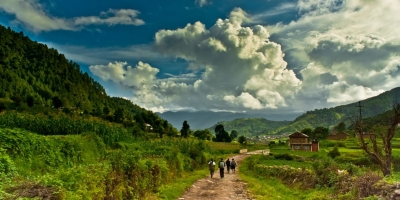
The Chitlang Trekking expedition, offered by Asiana Treks and Tours, is one of the shortest yet most exhilarating trekking experiences near Kathmandu. Located just 22 kilometers southwest of the city, this trek combines natural beauty, cultural heritage, and historical exploration into a compact but fulfilling journey. Starting with a scenic drive to Thankot, trekkers are immersed in the tranquil countryside and lush green forests of the Makwanpur district. This trek is perfectly suited for travelers looking for an easy to moderate trail that offers an authentic glimpse into rural Nepalese life. Over the course of four days, trekkers traverse charming villages, dense forests, and rolling hills while enjoying panoramic views of the Himalayan peaks. Whether you are a beginner or a seasoned trekker, the Chitlang trek promises serenity, culture, and adventure. Key Points: Location: 22 km southwest of Kathmandu, Makwanpur District Duration: 3-4 days Distance: Approximately 22 km of trekking Difficulty: Easy to Moderate Starting point: Thankot (after an hour’s drive from Kathmandu) Trek type: Cultural and scenic nature trail 2. Introduction to Chitlang Trekking Chitlang is a historical village nestled in the Makwanpur district, famous for its rich Newar culture, ancient temples, and natural beauty. The trek begins from Kathmandu with a drive to Thankot, from where the trail winds through beautiful forests and peaceful countryside. The trek offers an opportunity to explore ancient inscriptions, intricately carved wooden and stone temples, and old rest houses that display Nepal’s architectural heritage. The trek provides an authentic interaction with the Newar community, known for their unique language, cuisine, and vibrant culture. Here, trekkers get to savor local delicacies like Daal Bhaat and experience warm Newari hospitality through homestays, which add an intimate touch to the journey. Each day on the trail brings new discoveries, from colorful village festivals to quiet moments surrounded by nature. 3. Highlights of the Trek Historical Villages: Explore villages with centuries-old inscriptions, stone taps, and stunning wooden carvings that tell stories of Nepal’s rich past. Ethnic Newar Culture: Experience the traditional lifestyle, colorful festivals, and delicious local food unique to the Newar community. Stunning Himalayan Views: Clear days offer magnificent views of peaks like Langtang and Ganesh Himal. Diverse Flora and Fauna: The trek passes through green forests inhabited by over 160 species of birds and animals. Kulekhani Lake (Indrasarovar): A two-hour hike from Chitlang, this beautiful man-made lake offers boating and tranquil waterside views. Dakshinkali Temple: A sacred Hindu pilgrimage site dedicated to Goddess Kali, located near the trek route and known for its cultural and spiritual significance. Oldest Hydroelectric Plant: Visit the living museum of Nepal’s oldest hydroelectric power station for a unique historical perspective. 4. Landscape and Culture The Chitlang trek is an immersion into lush landscapes and vibrant culture. The trail meanders through thick forests, terraced fields, and traditional villages. The air is fresh with the scent of pine and rhododendron, and birdwatchers will delight in spotting a variety of species. The rolling hills provide perfect viewpoints for witnessing breathtaking sunrises and sunsets that paint the sky in brilliant hues. Culturally, Chitlang is a treasure trove. The dominant Newar community preserves ancient customs, languages, and artistic traditions. The village is dotted with temples adorned with exquisite wooden carvings and stone sculptures. Trekkers can participate in local ceremonies, taste authentic Newari cuisine, and stay in welcoming homestays, giving them an intimate experience of Nepal’s rural lifestyle. 5. Best Time to Visit The best seasons to embark on the Chitlang trek are spring (March to May) and autumn (September to November). During these periods, the weather is mild, the skies are clear, and the landscape is at its most vibrant. Spring brings blooming rhododendrons and other wildflowers, while autumn offers stunning views of the Himalayas and festive cultural celebrations. Winter months can be cold but are still manageable for trekkers with appropriate gear, while the monsoon season (June to August) is generally avoided due to heavy rainfall and slippery trails. Planning your trek with Asiana Treks and Tours ensures a comfortable and well-guided experience during the ideal season.
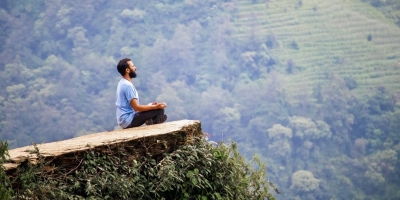
Yoga Trekking in Nepal is a Journey of serenity and adventure. Experience the best of both worlds with a unique blend of adventure and spirituality through yoga trekking in Nepal. This transformative four-day trekking package invites you to explore the breathtaking Himalayan landscapes, immerse yourself in rich cultural heritage, and rejuvenate your mind, body, and spirit through yoga and meditation. Join us for an enriching experience combining adventure, spirituality, and cultural immersion, promising lasting memories and soulful rejuvenation.Yoga trekking is rapidly gaining popularity in Nepal, offering awe-inspiring mountain vistas and a chance to learn and practice ancient yoga techniques. During your stay in Nepal, Asiana Treks and Tours will guide you through revitalizing yoga sessions in the morning and evening. Our expert yoga teacher will accompany you from the hotel to the trekking trails, ensuring a seamless journey of relaxation and adventure.The renowned trek takes you through the culturally rich villages of Ghorepani and Ghandruk, leading to the famed Poonhill viewpoint. As you ascend to the 3,210-meter-high Ghorepani, you'll be captivated by the distinct cultural heritage of the Magar and Gurung ethnicities. The trek commences with a scenic 45-kilometer drive from Pokhara to Nayapul. The crown jewel of this adventure is the sunrise spectacle at Poonhill, offering panoramic views of over 30 mountain peaks, including three towering above 8,000 meters.Autumn is the ideal season for the Ghorepani Poon Hill trek, boasting clear skies and unparalleled mountain vistas accompanying your journey.In a world where modern lifestyles often neglect physical well-being, the significance of yoga has grown immensely. Balancing hectic routines with adequate exercise has become challenging, leading to various health issues. Incorporating yoga into daily life plays a pivotal role in maintaining overall wellness.Calling all yogis who yearn for adventure and mindfulness! Embark on a Himalayan trek infused with the essence of yoga. Asiana Treks and Tours invites you to experience yoga's wonders amidst Nepal's mystical Himalayan landscapes. Immerse yourself in the beauty of the Himalayas, where Lord Shiva, the great Yogi, is believed to traverse. Marvel at majestic mountains, pristine rivers, lush valleys, captivating temples, warm-hearted locals, and delectable cuisines, all awaiting your exploration in Nepal.Nepal isn't just a destination; it's a lifetime journey.Guided by experienced local guides and compassionate yogis, delve into the mystique of the Himalayas. Embrace an unforgettable fusion of remarkable treks, temple visits, indigenous cultures, yoga, and mindfulness. Nepal's splendor is yours to explore! Our expert yoga teachers eagerly anticipate welcoming you to the birthplace of yoga and meditation. Following the trek, unwind at a serene yoga retreat and spa or extend your adventure to Chitwan National Park or the thrilling Trishuli River rafting experience.For those who prefer a more straightforward yoga-focused journey, we offer yoga retreat group tours across Kathmandu, Pokhara, and Lumbini, the birthplace of Buddha—the ultimate meditator. Yoga studios and enthusiasts worldwide are welcome to partake in this soul-enriching journey.Join us in Nepal and uncover the marvels that await you in this must-see destination, YOGA TREK IN NEPAL, on the planet.Yoga Trekking ItineraryAsiana Treks and Tours has the perfect Yoga Trek itinerary. Travelers who desire to explore Nepal with moderate physical fitness. You'll discover the best places for breathtaking views from the city to the countryside and experience an unforgettable lifetime journey.Yoga Trekking Distance:Yoga Trekking spans approximately 110 kilometres, or 68 miles, depending on the chosen itinerary.Many trekkers opt for the route via Ghorepani Poon Hill, which offers a relaxed pace conducive to acclimatization. This route typically spans 10 to 12 days. Extending the itinerary by two days allows for a return trek to Pokhara through picturesque villages like Landruk, Tolka, Pothana, and Dhampus, and concluding at Phedi.Our package tour ensures reliability in terms of cost, itinerary, and overall experience. For Nepali citizens, the Annapurna Base Camp trek typically ranges from US$ 675 to 1075 with variations depending on group size, service level, guide and porter services, transportation preferences, and accommodation choices in Kathmandu or Pokhara. This cost estimation is subject to the types of trekking gear and accommodation preferences.Yoga Trekking route:Yoga Trekking route showcases awe-inspiring natural beauty. Starting in lush valleys with terraced fields and traditional villages, the journey unfolds amidst the Himalayan foothills. Rhododendron forests bloom in spring, accompanied by cascading waterfalls and snow-capped peaks. Traversing wildflower meadows and crossing suspension bridges over mountain streams. leading to panoramic views of towering peaks like Annapurna south, Himchuli and Machhapuchhre. The trek promises unforgettable moments, whether you're a seasoned trekker or novice adventurer, offering an unparalleled journey through Earth's most breathtaking landscapes.Yoga Trekking price:Our package tour ensures reliability in terms of cost, itinerary, and overall experience. For Nepali citizens, the Annapurna Base Camp trek typically ranges from US$ 675 to 1075, and for foreigners, US$ 715 to 1075, variations depending on group size, service level, guide and porter services, transportation preferences, and accommodation category in Kathmandu or Pokhara. This cost estimation is subject to the types of trekking gear and accommodation preferences. However, we could end the trek via Landruk and Dhampus if you avoid Kathmandu sightseeing and Pokhara exploration.Yoga Trekking Height:Yoga Trek starts from the lively and metropolitan city Kathmandu which is situated at an altitude of 1,337 meters. From Kathmandu, you are headed towards the beautiful lakeside city of Pokhara situated at 827 meters above sea level. During the trek, you are going to ascend towards popular viewpoints Landruk, Ghandruk, and Ghorepani. The maximum altitude you will reach Poon Hill is 3210 meters above the sea level. From Ghorepani, you descend towards Tikhedhunga, and further, you trek towards Nayapul and drive back to Pokhara. At last, you take a flight from Pokhara to Kathmandu, where the trek ends.Major villages of Yoga Trekking:The major Magar and Gurung ethnic villages along the Yoga Trekking route are Dhampus, Tolkha, Landruk, Chomrong, Ghandruk, Tadapani, Ghorepani, Tikhedhunga, Hile, Sudame, Bire Thati and Nayapul. The return route follows the same path back to Chhomrong, passing through Hotspring, Mataque, Sewai, Berithati, and Nayapul and finally driving back to Pokhara. These villages are significant landmarks and offer scenic beauty and accommodation options along the Trekking route.Best Viewpoints Yoga Trekking:These viewpoints provide unforgettable experiences, highlighting the beauty of the Yoga Trek.Yoga Trek offers breathtaking viewpoints, showcasing stunning panoramas of the surrounding Himalayan peaks. Here are the critical views along the route:Near Naudanda and Kande: On the way to Nayapul, enjoy magnificent views of the mountains and rice terraces.Ulleri to Banthati: Experience impressive mountain vistas during the second day of trekking.Poon Hill: Witness the iconic sunrise at an altitude of 3,210 meters, with panoramic views of the Annapurna and Dhaulagiri ranges.Deurali: Enjoy similar breathtaking views to Poon Hill on the opposite side during the third day of trekking.Tadapani: Tadapani is a tranquil and peaceful place. Surrounded by Rhododendron and ever-green forest, it is the best location for overlooking the best view. In the Breezi morning, you have the best sunrise view of the stunning "Fish Tail" peak (Machhapuchhre) and Annapurna South and Himchuli right in front of you.Ghandruk:Ghandruk is the best view points of Annapurna south, Himchuli, and Machhepuchhare ( Fishtail) Mountain as well as Modi river valley and beautiful terrace Rice and millet.Dhampus:Dhampus is another beautiful place from where you Enjoy the View of Annapurna South to Lamjung himalayan range include Mt Machhapuchhare and wide vally view of cultivated terrace field and unique village.Biodiversity of Yoga trekking:The Yoga Trekking trail is a biodiversity hotspot, perfect for nature lovers. Lush forests in the lower regions house various bird species, including rhododendrons and bamboo. Alpine meadows greet you higher up with vibrant wildflowers. Look out for elusive wildlife like Himalayan thars and snow leopards, while diverse birdlife, including the Himalayan Monal, adds to the experience. This trek offers a captivating glimpse into the Himalayan ecosystems, promising an unforgettable journey through nature's diversity.Festivals and cultures in Yoga Trekking:You'll immerse yourself in vibrant festivals and cultural traditions along the Yoga Trekking route. The region, predominantly inhabited by ethnic groups like the Gurungs and Magars, celebrates various festivals.Dashain, typically in September or October, is a significant Hindu festival symbolizing the triumph of good over evil. Villages burst with colorful decorations, music, and dances as families gather for blessings and feasts.Tihar, known as the Festival of Lights, falls in October or November. This five-day celebration honors animals and the goddess of wealth, Laxmi. Oil lamps light up homes, and rituals bring prosperity and fortune.These festivals offer a unique and lifetime experience, as well as Nepalese culture with the majestic beauty of the Himalayas.Advantage book with Asiana Treks and tours:Private transport for airport transfers to/from your hotel.Trip briefing on Facebook and online if you love to connect.Last minute booking at your hotel at a suitable time after your arrival.Easy booking and reservation system.Multi-channel communication via Email, WhatsApp, Facebook, Viber, Skyp24/7 phone communication at +977-9851076270Free excess luggage storage during the trekPulse oximeters for monitoring blood oxygen saturation at high altitudes to detect altitude sickness earlyMedical kits along the trek and hot airbags are available in winterArrange sleeping bags, duffel bags, down jackets, and walking pools if you don't have your own.Yoga Trek Booking:Asiana Treks and Tours is the best and most trusted trek and tour company operator authorized by the Nepal government. We require a 10% advance payment to book your trip, and you'll need to send us a copy of your passport, photos, travel insurance, and flight details as soon as you book a tour with us. You can use bank transfer, or any other way like Western Union, or online via our website, which is easy. The remaining trip cost can be paid upon arrival in Nepal. We offer last-minute bookings, but changes may occur due to circumstances like bad weather.Transportation for Yoga Trekking:We pride ourselves on our flexible transportation options, which include planes, helicopters, tourist buses, coasters, vans, jeeps, and cars. These are tailored to our Clints' specific needs, preferences, itineraries, and agreements, ensuring a comfortable and personalized travel experience. However, we provide Tourist buses to and from Pokhara, Private transportation from Nayapul to and from Sewai and Kathmandu sightseeing private vehicle as per the group, and optional fly to and from Pokhara at extra cost.Yoga Trekking Start:Your Yoga Trek begins with a warm welcome in Kathmandu. Our dedicated team will be there to greet you as soon as you arrive at Tribhuvan International Airport. We'll then escort you to your hotel in a private vehicle, ensuring a comfortable and hassle-free start to your adventure, and setting the tone for a memorable journey.If you miss the regular trip briefing, don't worry. We'll provide it at a convenient time before departure, Pokhara, either before a World Heritage tour the following morning or the next day; we'll then proceed to Pokhara by tourist bus, departing around 7 a.m. from Sorakhutte, Kathmandu.The package includes transportation by tourist bus from Kathmandu to Pokhara, offering a comfortable and scenic journey. However, if you prefer a quicker option, you can also take a 25-minute domestic flight to Pokhara or use a private vehicle for an additional cost, allowing you to choose what suits you best.Currency Exchange:The Nepalese rupee is Nepali currency, and 1 USD is approximately 130 NPR. Only NPR is accepted in Nepal, so it's best to bring cash to facilitate transactions. Banks and ATMs in Kathmandu provide currency exchange services but note that most banks prefer new, crisp notessGuide and Porter Arrangement:Our company, Asiana Treks and Tours, focuses on responsible tourism in Nepal. We make sure our guides and porters are well-trained in Trekking and mountaineering. They know a lot about the areas we go to, including geography, history, customs, and culture. We train them regularly in safety, first aid, and environmental conservation. We follow guidelines to treat our porters fairly, providing them with good pay, accommodation, and meals during treks. Our guides and porters are essential team members, and we appreciate their hard work. When you trek with us, you support ethical tourism in Nepal, making your trip meaningful and memorable.Asiana Treks and Tours prioritizes your safety and enjoyment. Our knowledgeable guides, reliable equipment, and safety measures ensure a great trekking experience in Nepal.Porter, Luggage, and extra Luggage storage:We cover the cost of porters for your luggage, but the maximum weight limit is 12 kg per person. Each porter carries luggage for two trekkers; please share a duffle bag with another. Our porters will carry up to 25 kg each. If you need a porter for yourself, we can arrange that. We also recommend carrying a small backpack for your valuables and important documents. You can leave extra luggage at our office for free and at a hotel in Pokhara, Namche, etc.Accommodation:Accommodation during the Yoga Trek varies. Along the trekking route, you'll stay in guest houses, commonly known as teahouses. These basic lodges offer rooms, dining areas, and toilets. The quality of guest houses varies but remains affordable and convenient for trekkers. Rooms typically have twin or bunk beds and shared bathrooms, and blankets and pillows are provided. Our company can offer a sleeping bag if you don't have one. You'll spend nine nights in lodges along the trekking route, two nights in a hotel in Pokhara, and three nights in a hotel in Kathmandu. Some places and lodges have attached bathrooms, while others offer simple yet clean rooms with shared facilities. We can arrange a solo trekking service if you're traveling solo, but availability may be limited during peak season in some places. In Kathmandu or Pokhara, your hotel room will have excellent amenities, including TV, 24/7 hot water, electricity, and laundry service.Meals during the trip:Eating well is essential since the Ghorapani-Dhampus circuit Trek takes you through the high Himalayas. You'll have plenty of nutritious meals in the trekking regions, although the options won't be as varied as in the cities. You'll get fourteen breakfasts, eleven lunches, and ten dinners during the Trek. The menu includes local, Asian, and Western dishes, but it gets more straightforward as you climb higher. Try popular Nepali foods like lentils, rice, curry, dumplings, noodles, Spagaties, and many more. We highly recommend eating fresh vegetables and drinking liquids like green tea, lemon tea, hot lemon, ginger tea, and garlic soup, especially at high altitudes. While non-vegetarian options are available during the Trek, we suggest avoiding them for hygiene reasons. It's also best to steer clear of dairy, cheese, alcohol, caffeine, and hot chocolate. Personal expenses like alcoholic drinks and extra beverages at lodges or cafes aren't included in the package.Drinking water:Nepal is the second country in the world regarding water sources after Brazil. According to the Nepal government, only 27% of people here have clean drinking water. Regarding to drinking water, you can buy mineral water in teahouses, but it is expensive; people prefer plastic bottles in some trekking areas. So, there are some safe drinking water stations where you can refill your bottle. However, we recommend carrying Steripen, iodine drops, water purification tablets for safe drinking, and refillable water bottles for boiled or filtered water. We strongly advise not to drink from taps, wells, and rivers in trekking areas. However, in all the city areas, Mineral water is available at a reasonable cost everywhere.Extra Personal Expenses:While most expenses during the Trek are covered, you'll need to spend money on accommodations and meals in Kathmandu and Pokhara, souvenirs, and additional beverages. We estimate about USD 10-20 per trekking day for miscellaneous expenses.Toilet Facilities in Yoga Trekking:Most teahouses have Western-style flush toilets during mountain treks, especially at lower elevations. But as you go higher, find simple squat toilets along the trails and teahouses at higher altitudes. These toilets usually have water or toilet paper, but it's a good idea to bring your toilet paper just in case. You can also use restrooms at nearby teahouses or find a private spot along the trekking routes.Internet Connectivity:While trekking in the Himalayan region of Nepal, connecting with your family and friends is also a good idea. You can find internet access at teahouses and lodges, but it might be extra minimal cost. The signal might be weak because of the remote location. You can also get internet access using a local SIM card and data packages available at Kathmandu airport or nearby shops in Thamel and Pokhara. You'll have a passport-sized photo and a copy of your passport to get a SIM card. It's a good idea to compare prices and data packages from telecom companies like Ncell and Nepal Telecom before buying. Knowing about teahouse connectivity. Our guide will suggest connections for you.Electricity voltage and plugs:However, 95 % of Nepali people have access to electricity as of May 29, 2023. almost popular trekking routes, teahouses, and lodges have electricity. However, some isolated and solo trekking tea houses in the jungle don't have electricity; Most of these tea houses let travelers charge their devices for a small fee. The average electrical voltage in Nepal is 230 volts, with plug types like Type C, Type D, and Type M. Travellers should bring a suitable adapter and, if needed, a voltage converter for their electronic devices.Communication in Yoga Trekking:The guest houses in the trekking regions have internet access. You could buy a SIM card at Tribhuvan International Airport Kathmandu and Pokhara. However, the signal may need to be more assertive at high altitudes. Our office keeps in touch with all trekking teams via the trek guide at least once daily to ensure everything goes as planned.Trip Extension:Suppose you have extra days in Nepal after the Trek. In that case, we can arrange a tour, overnight stay at Nagarkot Balthali or any other place around Kathmandu and Chitwan, jungle safari, paragliding, rafting, canyoning, or other treks. Do not hesitate to Inform us. We will create the best for you.Trek Difficulty:The Ghorepani-Dhampus circuit trek presents a moderate and challenging yet enriching adventure. Your enjoyment of the trip will largely depend on your level of fitness. We recommend building stamina at least two weeks before the trek. Activities include jogging, running, swimming, or taking long hikes for the journey ahead.Completing this trek is achievable even if you're a beginner, although you must maintain a reasonable fitness level. Prior trekking experience can be advantageous, though it is optional. All you need is the readiness to hike steadily for 4-8 hours, navigating tricky terrain.Suppose trekkers have pre-existing medical conditions, such as lung or heart diseases. In that case, they are advised to consult their physician before booking the trek to ensure their safety and well-being throughout the journey.Trip Safety:We highly give top priority. We provide experienced guides with first aid kits and necessary safety gear to ensure a safe hand. Our team monitors weather and trail conditions and takes precautions to avoid risks. Before starting the trek, we discuss the trip to provide a clear understanding and ensure a reliable experience.Group & Private Treks:We organize many group and private treks simultaneously, with discounts available for larger groups. Every group will have a trekking guide and porters; an assistant guide may be provided for larger groups. Our team ensures a safe and enjoyable trekking experience for all participants.About solo traveler:If you're a solo traveler, please contact us to confirm departure dates before booking. You can tell us via call, WhatsApp, or email. We have listed upcoming departure dates for your convenience. Feel free to share the trip details with friends and family.Notes:Please be aware that the itinerary may change due to weather or other factors, and we'll adjust it accordingly for the group's safety and enjoyment. We look forward to guiding you through the stunning landscapes of the Annapurna region and ensuring a memorable trekking experience.Responsible Travel:We prioritize responsible travel to minimize environmental impact and support local communities. We collaborate with organizations like the Kathmandu Environmental Education Project (KEEP) to promote eco-friendly practices in trekking regions.Graduate:Graduate or tipping is appreciated in Nepali culture and reflects the quality of service provided. You decide how much to tip, but we recommend tipping as a group at the end of the trip.End of Trek:On the eleventh day, you'll take a bus from Pokhara back to Kathmandu, which takes about seven hours. Alternatively, you can fly from Pokhara to Kathmandu for an extra fee. In the evening, we'll host a farewell dinner in Kathmandu.Departure:On the day of your departure flight, we'll come to pick you up from your hotel and transfer you to Tribhuvan International Airport. We hope you enjoyed the Nepal trek and will consider returning for more adventures in Nepal.Feedback:After you complete the Yoga Trek, we'll organize a farewell dinner in Kathmandu and present you with a trekking achievement certificate. After the dinner, you can provide feedback about the Trek on travel portals.Last-Minute Booking:If you can't book in advance, we offer last-minute bookings. Full payment is required 24 hours before departure. While we do our best to accommodate last-minute bookings, delays may occur due to unforeseen.Special Note:Please remember that sometimes unforeseen circumstances, such as inclement weather or unavailable lodging, may cause the schedule to be altered. Your trip guide will design a fresh schedule based on the group's interests in such circumstances.
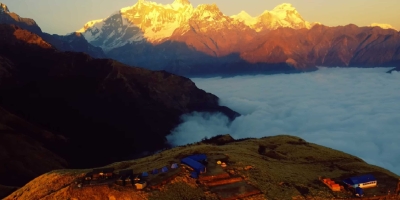
Khumai Danda, located on the northern ridge of Pokhara, stands at an elevation of 3,245 meters and lies gracefully beneath the southern face of the sacred Machhapuchhre (Fishtail) Mountain. Part of the lesser-known Machhapuchhre Model Trek, this destination remains a hidden gem for trekkers looking to escape the crowded trails. Khumai Danda offers a short yet enchanting trekking experience, ideal for both beginners and seasoned hikers who prefer tranquility, stunning landscapes, and a blend of culture and nature. The trek spans 3 to 4 days but can be extended by combining routes like the Mardi Himal Trek.Operated by Asiana Treks and Tours, this trek is a carefully curated journey through untouched nature, vibrant rhododendron forests, and traditional Gurung villages. The path winds through Saripakha, Hile Kharka, and Mirsha Village, eventually leading to the breathtaking viewpoint of Korchan (3,700m), a high ridge that offers panoramic views of the Annapurna and Machhapuchhre ranges. With its manageable trail, comfortable homestays, and unforgettable sunrise experiences, Khumai Danda is a must-do for trekkers looking to explore the less-traveled paths of Nepal.Introduction to Khumai Danda Trek:The Khumai Danda Trek is a relatively new and emerging trekking route in the Annapurna region. Despite its proximity to Pokhara, this route remains off-the-beaten-path, attracting those who crave solitude and a more immersive connection with nature. Asiana Treks and Tours brings you this unique experience with reliable guides, logistic support, and curated routes that combine scenic beauty with authentic local culture.Unlike other popular treks in the region, Khumai Danda offers uninterrupted views of the Machhapuchhre (Fishtail) mountain from very close quarters. The trail is quiet, serene, and dotted with biodiversity-rich forests that change colors with the seasons—fiery red rhododendrons in spring and golden hues in autumn. It is a trek that requires minimal technical skills but delivers maximum visual and emotional impact.Why Choose Khumai Danda Trek?Khumai Danda Trek is perfect for travelers seeking a short yet immersive trekking experience without venturing too far from Pokhara. Its biggest advantage lies in its accessibility and flexibility—whether you have a long weekend or a week, the trail can be adjusted to fit your schedule. It’s also a fantastic introductory trek for first-time hikers who want to experience Nepal’s trekking culture without the strenuous climbs of more famous trails like Everest Base Camp or Annapurna Circuit.Partnering with Asiana Treks and Tours ensures you enjoy well-planned itineraries, experienced guides, and responsible tourism practices. Asiana prioritizes community engagement and eco-conscious travel, making your trek not only enjoyable but also beneficial to local communities.Top Reasons to Choose Khumai Danda Trek:Less crowded than mainstream treksBreathtaking views of Machhapuchhre and AnnapurnaCultural immersion in Gurung villagesEasy access from PokharaCustomizable itinerary through Asiana Treks and ToursHighlights of the Khumai Danda Trek:Every step on the Khumai Danda Trek reveals a new layer of natural or cultural richness. The journey begins with lush sub-tropical forests that gradually give way to alpine landscapes and Himalayan vistas. One of the ultimate highlights is the sunrise from Korchan Danda (3,700m), where the sun casts golden rays on the snow-covered peaks of Annapurna, Dhaulagiri, and the revered Machhapuchhre.The hospitality of the local Gurung communities is another unforgettable element. As you pass through Saripakha, Hile Kharka, and Mirsha Village, you’ll witness traditional architecture, daily rituals, and local cuisine—all adding depth to your trekking adventure. For photographers, nature lovers, and cultural explorers, this trail is a well-rounded package.Memorable Experiences of Lifetimebest Sunrise vie from Korchan ViewpointEnjoy the Homestays with Gurung familiesQuiet, pristine version forest trailUpportunity of Birdwatching and Himalayan floraScenic and Cultural Appeal:One of the defining features of the Khumai Danda Trek is its breathtaking scenery and the warm cultural interactions along the way. As you ascend from Hemja, the trail gradually opens up to expansive views of the Annapurna range. The panoramic landscapes—rivers carving through valleys, clouds brushing mountaintops, and distant snow-clad peaks—are nothing short of cinematic. This trek is a photographer’s paradise and a nature lover’s dream.Culturally, the trek introduces travelers to the lives of the Gurung people, known for their bravery (many serve in Gurkha regiments), resilience, and vibrant traditions. Homestays offer intimate windows into their world, where you can try local dishes, participate in evening dances, or simply listen to stories of mountain life. This blend of raw Himalayan beauty and rich human connection creates a deeply fulfilling trekking experience.Cultural & Scenic Highlights:Authentic Gurung lifestyle and traditionsMountain panoramas featuring Machhapuchhre and Annapurna SouthPeaceful trail with low foot trafficForests alive with wildlife and seasonal blooms
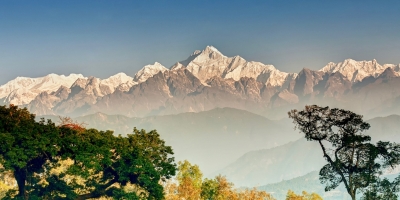
The Mundum Trail is one of eastern Nepal’s most captivating and recently discovered trekking routes. Nestled in the remote Kanchenjunga region, this trail offers an extraordinary off-the-beaten-path experience that immerses trekkers in the vibrant Kirat Rai ethnic culture. The trail has been developed through a collaborative effort between the MTSSTPC (Swiss Project), Tamke Maiyum Rural Municipality, and the government of Province No. 1, focusing on preserving cultural heritage while promoting sustainable tourism.Travelers experience the heart of Kirat, Limbu, Sunuwar, and Kulunge cultures, exploring their unique shamanic, animistic, and Shiva-worshipping traditions. Along the route, trekkers encounter sacred sites like Haspokhari, Salpa Pokhari, and Shilichung Peak—places held in reverence as spiritual homes of gods and ancestors. The journey offers breathtaking Himalayan vistas, including glimpses of the world’s highest peaks: Everest, Makalu, Kangchenjunga, and others.The trek combines wilderness hiking through rhododendron forests, grasslands, and remote villages, with enriching homestay experiences that reveal the daily life and traditions of indigenous communities. The highest point, Shilichung Peak (4,165m), offers panoramic views and a chance to reflect on the deep spiritual meaning of the Mundum scripture, the sacred text of the Kirat people. This trail provides moderate difficulty trekking accessible to fit travelers, with basic tea houses and campsites available along the way.Why Choose Mundum Trekking?The Mundum Trekking Trail is a rare gem hidden in the remote corners of eastern Nepal. For adventurers seeking more than just stunning landscapes, this trail offers a profound cultural and spiritual journey into the heart of the Kirat Rai and Limbu people. Choosing the Mundum Trek means immersing yourself in untouched wilderness, vibrant traditions, and breathtaking Himalayan panoramas — all while contributing to sustainable tourism and community development.Unique Features and HighlightsOff-the-Beaten-Path Experience: Unlike popular routes such as Everest or Annapurna, the Mundum Trail remains a relatively undiscovered destination, providing a peaceful and authentic trekking experience without the crowds.Sacred Spiritual Sites: Trek through revered locations like Shilichung Peak, Salpa Pokhari, and Hans Pokhari, which are deeply significant in Kirat mythology and spirituality.Panoramic Himalayan Views: The trek offers unmatched views of some of the highest peaks in the world, including Mount Everest (8,848m), Makalu (8,463m), Kangchenjunga (8,586m), Lhotse, and Cho Oyu.Rich Cultural Immersion: Stay in homestays and villages where you can experience traditional Kirat and Limbu lifestyles, festivals, rituals, and cuisine.Community-Based Tourism: The trail supports local economies through homestays and community lodges, helping preserve the unique heritage and environment.Diverse Landscapes: From dense rhododendron forests and alpine meadows to rolling pastures and high ridges, the trek traverses a variety of ecological zones.Cultural and Natural AttractionsKirat Rai and Limbu Traditions: The trail passes through villages inhabited by the Kirat Rai and Limbu people, ethnic groups with a unique shamanic and animistic belief system. Visitors can witness traditional dances, rituals, and crafts firsthand.Sacred Natural Sites: Places like Salpa Pokhari are believed to be the abode of Kirat deities, while Shilichung Peak serves as a spiritual pilgrimage site for local gurus.Biodiversity: The region hosts diverse flora and fauna, including rhododendron forests, wild orchids, various bird species, and native mammals.Festivals and Rituals: Depending on the time of year, trekkers may observe local festivals that showcase colorful costumes, traditional music, and community gatherings.Authentic Homestays: Guests can enjoy home-cooked meals and learn about indigenous agricultural practices, weaving, and folklore in intimate village settings.Trek Difficulty and Fitness LevelModerate Difficulty: The Mundum Trek is suited for trekkers with a good level of fitness who are comfortable walking 5-7 hours a day on varied terrain, including uphill and downhill sections.Altitude: The trek gradually ascends to its highest point at Shilichung Peak (4,165m), allowing for reasonable acclimatization without extreme altitude challenges.Trail Conditions: The path includes well-maintained dirt trails, some steep climbs, and rural village tracks. Accommodation is basic but comfortable, with homestays and tea houses providing essential services.Physical Preparation: While previous trekking experience is helpful, determined beginners can complete the trek with adequate fitness training and preparation.Support: Asiana Treks and Tours provides experienced local guides and porters to ensure safety, logistical support, and cultural interpretation.Summary: Why Choose Mundum Trekking with Asiana Treks and Tours?Unique Cultural Immersion: Explore Kirat Rai, Limbu, Sunuwar, and Kulunge cultures rarely visited by tourists.Spiritual Significance: Trek sacred sites like Shilichung Peak and Salpa Pokhari.Breathtaking Views: Panoramas of eight-thousanders including Everest, Makalu, and Kangchenjunga.Moderate Difficulty: Accessible to fit trekkers with basic accommodations.Sustainable Tourism: Support community-based homestays and cultural preservation.Expert Guidance: Professional local guides from Asiana Treks ensure safety and enriching experiences.
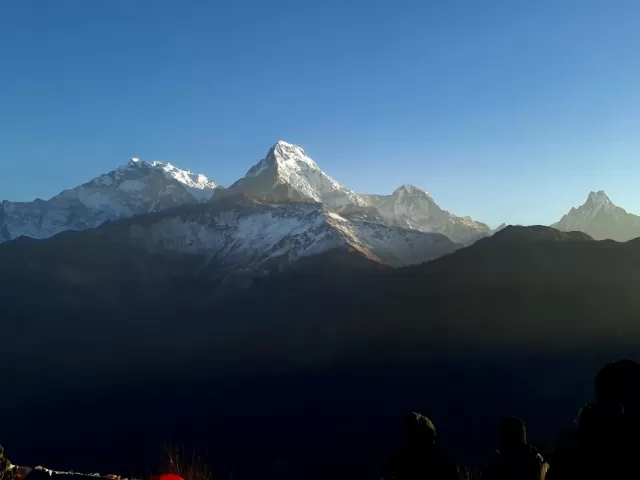
Explore Nepal's Ghorepani Poon Hill-Ghandruk trekking package, showcasing diverse landscapes and stunning natural features. The itinerary is filled with charming, unique destinations, making it a must-visit for avid hikers. This trek includes Ghorepani, Poon Hill, and Ghandruk, offering natural excitement and easy access for many visitors.Renowned for its scenic beauty, the Ghorepani Poon Hill Ghandruk trek attracts adventurers from across the globe. Poon Hill, in particular, offers breathtaking views of the Annapurna massif and provides a short yet unforgettable hiking experience. Though relatively brief, the trek reveals stunning vistas of Dhaulagiri, Machhapuchhare, Nilgiri Himal, Dhampus Peak, and more.Strolling through Ghandruk village is equally enchanting, with its serene surroundings and verdant terrace farms. Teahouse stays in Ulleri, Ghorepani, and Ghandruk immerse visitors in the distinctive culture of the Gurung and Magar communities. Ghandruk, a gateway to Poon Hill, treats trekkers to panoramic views of mountains such as Mt. Gangapurna, Mt. Annapurna, and Hiunchuli.The trek covers 64 km from Pokhara to Ghorepani-Poon Hill and 61 km from Pokhara to Ghandruk. You can reach it by public or private transport. However, trekking is highly recommended for its refreshing experience, easy ascents, and magnificent vistas that captivate enthusiasts.The journey takes you up through dense forests and hills to a hill station at 3,210 meters. Trekkers revel in natural beauty, gleaming peaks, dramatic landscapes, lush ferns, and cascading waterfalls. Post-sightseeing, the trail descends to Tirkhedhunga, winding through varied terrain to reach the culturally rich village of Ghandruk.Asiana Treks and Tours offers the Ghorepani Ghandruk trek at a reasonable cost. It provides an excellent opportunity to witness stunning sunrises and sunsets, with views of Mt. Machhapuchhare, Mt. Gangapurna, and Hiunchuli. Embark on this exhilarating trekking adventure with Asiana Treks and Tours to explore Nepal's captivating landscapes and cultural treasures.Ghorepani Poon Hill- Ghandruk Trek itinerary:Asiana Treks and Tours has the perfect Ghorepani Poon Hill Ghandruk Trek itinerary. Travellers who desire to explore Nepal with moderate physical fitness. You'll discover the best places for breathtaking views, from the city to the countryside. Experience the contrast of cold nights at ABC and relaxing in hot natural springs on an unforgettable lifetime journey.Ghorepani Poon Hill- Ghandruk Trekking Distance:The Ghorepani Poon Hill- Ghandruk Trek spans approximately 33 kilometres, or20. 5 miles, depending on the chosen itinerary. Many trekkers opt for the route via Ghorepani Poon Hill, which offers a relaxed pace conducive to acclimatisation. This route typically spans 5 to 9 days. Extending the itinerary by two days allows for a return trek to Pokhara through picturesque villages like Landruk, Tolka, Pothana, and Dhampus, and concluding at Phedi.Our package tour ensures reliability in terms of cost, itinerary, and overall experience. For Nepali citizens, the Annapurna Base Camp trek typically ranges from US$ 300 to 570, with variations depending on group size, service level, guide and porter services, transportation preferences, and accommodation choices in Kathmandu or Pokhara. This cost estimate depends on the type of trekking gear and accommodation you choose.Ghorepani Poon Hill- Ghandruk Trekking route:The Ghorepani Poon Hill- Ghandruk Trekking route showcases awe-inspiring natural beauty. Starting in lush valleys with terraced fields and traditional villages, the journey unfolds amidst the Himalayan foothills. Rhododendron forests bloom in spring, accompanied by cascading waterfalls and snow-capped peaks. As you traverse wildflower meadows and cross suspension bridges over mountain streams, the landscape evolves as you ascend. As you approach Poon Hill, you'll get panoramic views of towering peaks like Annapurna I and Machhapuchhre. The trek promises unforgettable moments, whether you're a seasoned trekker or a novice adventurer, offering an unparalleled journey through Earth's most breathtaking landscapes.Ghorepani Poon Hill- Ghandruk trekking price:Our package tour ensures reliability in terms of cost, itinerary, and overall experience. For Nepali citizens, the Annapurna Base Camp trek typically ranges from US$ 225 to 375, and for foreigners, US$ 275 to 675, with variations depending on group size, service level, guide and porter services, transportation preferences, and accommodation category in Kathmandu or Pokhara. This cost estimate depends on the type of trekking gear and accommodation you choose. However, we could end the trek via Landruk and Dhampus if you avoid Kathmandu sightseeing and Pokhara exploration.Ghorepani Poon Hill- Ghandruk Trekking Height:The Ghorepani Poon Hill-Ghandruk Trek starts from the bustling city of Kathmandu at an altitude of 1337 meters. From there, you'll descend to the peaceful lakeside town of Pokhara, 827 meters above sea level. Along the way, you'll ascend to famous viewpoints like Poon Hill, reaching an altitude of 3210 meters. Finally, the trek culminates at Poon Hill, at a breathtaking altitude of 3210 meters. Here is a detailed altitude itinerary table for each day.Ghorepani Poon Hill Ghandruk Trek altitude gain and loss: RouteStarting Alt (m)Ending Alt (m)Alt Gain (m)Alt Loss (m)Pokhara (Drive) to Tikhedhunga, then hike822 m / 2,697 ft1,480 m / 4,855 ft658 m / 2,158 ft-Tikhedhunga to Ghorepani1,480 m / 4,855 ft2,874 m / 9,429 ft1,394 m / 4,574 ft-Ghorepani - Poon Hill (Viewpoint) - Tadapani2,874 m / 9,429 ft2,630 m / 8,628 ft400 m / 1,312 ft (to Poon Hill)644 m / 2,114 ftTadapani to Ghandruk2,630 m / 8,628 ft1,940 m / 6,365 ft-690 m / 2,263 ftGhandruk to Nayapul (Drive back to Pokhara)1,940 m / 6,365 ft822 m / 2,697 ft-1,118 m / 3,668 ftMajor villages of Ghorepani Poon Hill Ghandruk Trekking:The major Magar and Gurung ethnic villages along the Ghorepani Poon hill -Ghandruk Trekking route are Nayapul, Birethanti, Matathati, Sudame, Hile, Tikhedhunga, Ulleri, Banthati, Nagethati, Ghorepani, Ghorepani Deurali, another Banthati, Tadapani, Bhaisikharka, Ghandruk, Kimche, Nayapul These villages are significant landmarks and offer scenic beauty and accommodation options along the Ghorepani Poon Hill- Ghandruk Trekking route.Best Viewpoints Ghorepani Poon Hill- Ghandruk Trekking:These viewpoints provide unforgettable experiences, highlighting the beauty of the Ghorepani Poon Hill Ghandruk Trek. Ghorepani Poon hill Ghandruk Trek offers breathtaking views, showcasing stunning panoramas of the surrounding Himalayan peaks. Here are the critical views along the route:Near Naudanda and Kande: On the way to Nayapul, enjoy magnificent views of the mountains and rice terraces.Ulleri to Banhati: Experience impressive mountain vistas during the second day of trekking.Poon Hill: Witness the iconic sunrise at an altitude of 3,210 meters, with panoramic views of the Annapurna and Dhaulagiri ranges.Ghorepani Deurali: Enjoy similar breathtaking views to Poon Hill on the opposite side during the third day of trekking.Tadapani: Tadapani is a tranquil and peaceful place. It offers great views, surrounded by rhododendrons and evergreen forests. On a breezy morning, you get a stunning sunrise view of the "Fish Tail" peak (Machhapuchhre), Annapurna South, and Himchuli. Ghandruk: Ghandruk is a big and significant village of the Gurung people. It's in front of the Annapurna, Himchuli, and Fishtail mountains. From here, you can see the Annapurna South glacier. From the Annapurna Conservation Head Office, the village offers breathtaking views of the Modi Khola, Annapurna South, Himchuli, Gandarva Chuli and the iconic mountain Machhapuchhre (Fishtail)Biodiversity of Ghorepani Poon Hill- Ghandruk Trekking:The Poon Hill Ghandruk Trekking trail is a biodiversity hotspot, perfect for nature lovers. Lush forests in the lower regions host various bird species, along with rhododendrons, bamboo, and vibrant wildflowers. Look out for elusive wildlife like jackals and snow leopards. Deer and diverse birdlife add to the experience. This trek offers a captivating glimpse of serene ecosystems, promising an unforgettable journey through nature's diversity.Festivals and cultures in Ghorepani Poon hill-Ghandruk Trekking: You'll immerse yourself in vibrant festivals and cultural traditions along the Ghorepani Poon Hill Ghandruk Trekking route. The region, predominantly inhabited by ethnic groups like the Gurungs and Magars, celebrates various festivals. Dashain is a significant Hindu festival, typically in September or October, that symbolises the triumph of good over evil. Villages burst with colourful decorations, music, and dances as families gather for blessings and feasts.Tihar, known as the Festival of Lights, falls in October or November. This five-day celebration honours animals and the goddess of wealth, Laxmi. Oil lamps light up homes, and rituals bring prosperity and fortune. These festivals offer a unique, once-in-a-lifetime experience, along with Nepalese culture and the majestic beauty of the Himalayas.Advantages of booking with Asiana Treks and Tours:Private transport for airport transfers to/from your hotel.Trip briefing on Facebook and online if you love to connect.Last-minute booking at your hotel at a time that suits you after arrival.Easy booking and reservation system.Multi-channel communication via Email, WhatsApp, Facebook, Viber, Skype; 24/7 phone communication at +977-9851076270Free excess luggage storage during the trekPulse oximeters for monitoring blood oxygen saturation at high altitudes to detect altitude sickness earlyMedical kits along the trek and hot airbags are available in winterArrange sleeping bags, duffel bags, down jackets, and walking poles if you don't have your own.Trek Booking:Asiana Treks and Tours is the best and most trusted trek and tour company operator authorised by the Nepal government. We require a 10% advance payment to book your trip, and you'll need to send us a copy of your passport, photos, travel insurance, and flight details as soon as you book a tour with us. You can pay by bank transfer, Western Union, or online through our website. You can pay the remaining trip cost upon arrival in Nepal. We offer last-minute bookings, but changes may occur due to circumstances like bad weather. Transportation for Ghorepani Poon Hill - Ghandruk Trekking:We pride ourselves on flexible transportation options, including planes, helicopters, tourist buses, coasters, vans, jeeps, and cars. We tailor these to our clients' needs, preferences, itineraries, and agreements, ensuring a comfortable and personalised travel experience. We also provide Tourist buses to and from Pokhara, Private transportation from Nayapul to and from Sewai and Kathmandu, sightseeing private vehicles as per the group, and an optional flight to and from Pokhara at an extra cost.Trekking Start:Your Ghorepani Poon Hill- Ghandruk Trek begins with a warm welcome in Kathmandu. Our dedicated team will greet you as soon as you arrive at Tribhuvan International Airport. We'll then take you to your hotel in a private vehicle, ensuring a comfortable, hassle-free start to your adventure and setting the tone for a memorable journey.If you miss the regular trip briefing, don't worry. We'll provide it before departure in Pokhara, either before a World Heritage tour the following morning or the next day; then we'll proceed to Pokhara by tourist bus, departing around 7 a.m. from Sorakhutte, Kathmandu.The package includes transportation by tourist bus from Kathmandu to Pokhara, offering a comfortable and scenic journey. However, if you prefer a quicker option, you can also take a 25-minute domestic flight to Pokhara or use a private vehicle for an additional cost, allowing you to choose what suits you best.Currency Exchange:The Nepalese rupee is the currency of Nepal, and 1 USD is approximately 130 NPR. Nepal accepts only NPR, so it's best to bring cash to make transactions easier. Banks and ATMs in Kathmandu provide currency exchange services, but note that most banks prefer new, crisp notesGuide and Porter Arrangement:Our company, Asiana Treks and Tours, focuses on responsible tourism in Nepal. We ensure our guides and porters are well trained in Trekking and mountaineering. They know a lot about the areas we go to, including geography, history, customs, and culture. We train them regularly in safety, first aid, and environmental conservation. We follow guidelines to treat our porters fairly, providing them with good pay, accommodation, and meals during treks. Our guides and porters are essential team members, and we appreciate their hard work. When you trek with us, you support ethical tourism in Nepal, making your trip meaningful and memorable. Asiana Treks and Tours prioritises your safety and enjoyment. Our knowledgeable guides, reliable equipment, and safety measures ensure a great trekking experience in Nepal.Porter, Luggage, and extra Luggage storage:We cover the cost of porters for your luggage, but the maximum weight limit is 12 kg per person. Each porter carries the luggage of two trekkers; please share a duffle bag with another. Our porters will carry up to 25 kg each. If you need a porter, we can arrange one for you. We also recommend carrying a small backpack for your valuables and important documents. You can leave extra luggage at our office for free and at a hotel in Pokhara, Namche, etc.Accommodation:Accommodation during the Ghorepani Poon Hill Ghandruk Trek varies. Along the trekking route, you'll stay in guest houses, commonly known as teahouses. These lodges offer better rooms than other teahouses on the trek, with dining areas and toilets. Guest house quality varies but remains affordable and convenient for trekkers. Rooms typically have twin or bunk beds and shared bathrooms, and they provide blankets and pillows. Our company can offer a sleeping bag if you don't have one. You'll spend nine nights in lodges along the trekking route, two nights in a hotel in Pokhara, and three nights in a hotel in Kathmandu. Some places and lodges have attached bathrooms, while others offer simple yet clean rooms with shared facilities. We can arrange a solo trekking service if you're travelling solo, but availability may be limited during peak seasons in some places. In Kathmandu or Pokhara, your hotel room will have excellent amenities, including TV, 24/7 hot water, electricity, and laundry service.Meals during the trip:Eating well is essential since the Ghorepani Poon Hill Ghandruk Trek takes you through the high Himalayas. You'll have plenty of nutritious meals in the trekking regions, although the options won't be as varied as in the cities. You'll get fifteen breakfasts, eleven lunches, and ten dinners during the Trek. The menu includes local, Asian, and Western dishes, but it gets more straightforward as you climb higher. Try popular Nepali foods like lentils, rice, curry, dumplings, noodles, spaghetti, and many more. We highly recommend eating fresh vegetables and drinking liquids like green tea, lemon tea, hot lemon, ginger tea, and garlic soup, especially at high altitudes. While non-vegetarian options are available during the Trek, we suggest avoiding them for hygiene reasons. It's also best to avoid dairy, cheese, alcohol, caffeine, and hot chocolate. Personal expenses like alcoholic drinks and extra beverages at lodges or cafes aren't included in the package. Drinking water:Nepal is the second country in the world in terms of water sources after Brazil. According to the Nepal government, only 27% of people here have clean drinking water. You can buy mineral water in teahouses, but it is expensive; in some trekking areas, people prefer plastic bottles. There are also safe drinking water stations where you can refill your bottle. However, we recommend carrying Steripen, iodine drops, water purification tablets for safe drinking, and refillable water bottles for boiled or filtered water. We strongly advise against drinking from taps, wells, or rivers in trekking areas. However, in city areas, Mineral water is available at a reasonable cost.Extra Personal Expenses:While most expenses during the Trek are covered, you'll need to pay for accommodations and meals in Kathmandu and Pokhara, souvenirs, and additional beverages. We estimate about USD 10-20 per trekking day for miscellaneous expenses.Toilet Facilities Ghorepani Poon Hill Ghandruk Trekking:Most teahouses have Western-style flush toilets during mountain treks, especially at lower elevations. But as you go higher, you will find simple squat toilets along the trails and at higher-altitude teahouses. These toilets usually have water and toilet paper, but it's a good idea to bring your own just in case. You can also use restrooms at nearby teahouses or find a private spot along the trekking routes.Internet Connectivity:While trekking in Nepal's Himalayan region, it's also a good idea to stay connected with family and friends. You can find internet access at teahouses and lodges, but it may cost a little extra. The signal might be weak because of the remote location. You can also get internet access using a local SIM card and data packages available at Kathmandu airport or nearby shops in Thamel and Pokhara. You'll need a passport-sized photo and a copy of your passport to get a SIM card. It's a good idea to compare prices and data packages from telecom companies like Ncell and Nepal Telecom before buying. Knowing about teahouse connectivity. Our guide will suggest connections for you. Electricity voltage and plugs:However, 95% of Nepali people had access to electricity as of May 29, 2023. Almost all popular trekking routes, teahouses, and lodges have electricity. However, some isolated, solo trekking teahouses in the jungle don't have electricity; most teahouses let travellers charge their devices for a small fee. The average electrical voltage in Nepal is 230 volts, with plug types like Type C, Type D, and Type M. Travellers should bring a suitable adapter and, if needed, a voltage converter for their electronic devices.Communication:Guesthouses in the trekking regions have internet access. You can buy a SIM card at Tribhuvan International Airport in Kathmandu and Pokhara. However, the signal may be weaker at high altitudes. Our office keeps in touch with all trekking teams via the trek guide at least once daily to ensure everything goes as planned.Trip Extension:Suppose you have extra days in Nepal after the Trek. In that case, we can arrange a tour, an overnight stay in Nagarkot, Balthali, or any other place around Kathmandu and Chitwan, jungle safari, paragliding, rafting, canyoning, or other treks. Do not hesitate to inform us. We will create the best for you.Trek Difficulty:The Ghorepani Poon Hill - Ghandruk Trek is an easy trek; however, some ups and downs are still challenging, but it is an enriching adventure. Your enjoyment of the trip will largely depend on your fitness level. We recommend building stamina at least two weeks before the trek. Activities include jogging, running, swimming, or taking long hikes to build stamina for the journey ahead.Completing this trek is achievable even if you're a beginner, although you must maintain a reasonable fitness level. Prior trekking experience can be advantageous, though it is optional. All you need is the readiness to hike steadily for 4-8 hours and navigate tricky terrain.Suppose trekkers have pre-existing medical conditions, such as lung or heart diseases. In that case, they should consult their physician before booking the trek to ensure their safety and well-being throughout the journey.Trip Safety:We highly give top priority. We provide experienced guides, first aid kits, and necessary safety gear to ensure a safe trek. Our team monitors weather and trail conditions and takes precautions to avoid risks. Before starting the trek, we discuss the trip to provide a clear understanding and ensure a reliable experience.Group & Private Treks:We organise many group and private treks simultaneously, with discounts available for larger groups. Every group will have a trekking guide and porters; larger groups may have an assistant guide. Our team ensures a safe and enjoyable trekking experience for all participants.About solo travellers:If you're a solo traveller, please contact us to confirm departure dates before booking. You can reach us by phone, WhatsApp, or email. We have listed upcoming departure dates for your convenience. Feel free to share the trip details with friends and family.Notes: Please be aware that the itinerary may change due to weather or other factors, and we'll adjust it accordingly for the group's safety and enjoyment. We look forward to guiding you through the stunning landscapes of the Annapurna region and ensuring a memorable trekking experience.Responsible Travel:We prioritise responsible travel to minimise environmental impact and support local communities. We collaborate with organisations like the Kathmandu Environmental Education Project (KEEP) to promote eco-friendly practices in trekking regions.Gratitude:Graduating or tipping is appreciated in Nepali culture and reflects the quality of service provided. You decide how much to tip, but we recommend tipping as a group at the end of the trip.End of Trek:On the eleventh day, you'll take a bus from Pokhara back to Kathmandu, which takes about seven hours. Alternatively, you can fly from Pokhara to Kathmandu for an extra fee. In the evening, we'll host a farewell dinner in Kathmandu.Departure:On your departure day, we'll pick you up from your hotel and transfer you to Tribhuvan International Airport. We hope you enjoyed the Nepal trek and will consider returning for more adventures in Nepal.Feedback:After you complete the Ghorepani Poon Hill Ghandruk Trek, we'll organise a farewell dinner in Kathmandu and present you with a trekking achievement certificate. After the dinner, you can provide feedback about the Trek on travel portals.Last-Minute Booking:If you can't book in advance, we offer last-minute bookings. Full payment is required 24 hours before departure. While we do our best to accommodate last-minute bookings, delays may occur due to unforeseen.Special Note: Please remember that unforeseen circumstances, such as inclement weather or unavailable lodging, may cause the schedule to change. Your trip guide will design a fresh schedule based on the group's interests in such circumstances. Annapurna Region Trekking: Guides, Tips & Himalayan AdventuresDiscover the beauty of Nepal’s Annapurna region with Asiana Treks & Tours. Explore breathtaking mountain landscapes, authentic local culture, popular trekking routes, and practical tips to help you plan an unforgettable Himalayan adventure.Annapurna Base Camp vs Everest Base Camp: The Best TrekTrekking Equipment List for Asiana Treks & ToursTrekking Permit Requirements for Different Regions in NepalBest Sunrise and Sunset Destinations in NepalTop Successful Trek for Beginners – Annapurna Base CampMost Popular Trek with High Success Rate – Annapurna Base Camp Trek (ABC) TrekHow to Prepare for the Annapurna Base Camp Trek (Gear, Fitness & Tips)Ghorepani Poon Hill Trek GatewayTop 26 Annapurna Region Trekking Packages in Nepal – The Ultimate GuideTadapani Diaries: One Magical Night in the MountainsDiscovering Ghandruk: A Peaceful Village in the Heart of NepalTrekking the Best of Annapurna: Poon Hill to Mardi HimalWhy Chhomrong is the Heart of the Annapurna Base Camp TrekAnnapurna Base Camp (ABC) & Machhapuchhre Base Camp (MBC) Trek: Two Base Camps, One Incredible JourneyExploring Sinuwa on the Annapurna TrailDeurali: A Peaceful Mountain Village on the ABC TrailBamboo: A Hidden Gem of the ABC TrekDovan Nepal: Peaceful Stopover on the Annapurna Base Camp TrailHimalaya Village: A Quiet Haven on the Way to Annapurna Base CampDhampus Village – Annapurna Classical Alternative GatewayPothana: The Alternative Gateway to Annapurna Base Camp and Mardi HimalBest Camping and Overnight Stays: Australian Camp & Mardi Himal TrekList of Hotels in Mardi Himal Base Camp TrekTrekking to Low Camp: A Peaceful Path to Mardi HimalForest Camp Adventures: Exploring the Mardi Himal Trek in NepalHigh Camp on the Mardi Himal Trek | Views, Altitude & Trekking GuideDiscovering the Magic of Mardi Himal ViewpointTop Highlights of the Mardi Himal Trek in NepalBest Time to Trek Mardi Himal: Tips for Perfect ViewsA Beginner’s Guide to the Mardi Himal Trek in NepalSurprising Facts About the Mardi Himal TrekEssential Guide to Mardi Himal Trekking Permits in NepalMardi Himal Trek Info: Elevation, Altitude, Height and WeatherMardi Himal Trek Accommodation and Food TipsBest Time to Trek Annapurna Base Camp in NepalTop Highlights of the Annapurna Base Camp TrekFood and Accommodation on the ABC Trek: What It’s Really LikeAltitude Tips for a Safe Annapurna Base Camp TrekAnnapurna Base Camp Permits: Costs, Process, and RequirementsTop Tips and Facts for Trekking to Annapurna Base CampAnnapurna Base Camp Trek: Elevation, Height & Temperature GuideDobato Stopover: Experiencing the Heart of the Khopra Danda RouteUpper Chistibung: What to Expect on the Way to Khopra DandaExploring Khopra Danda Ridge and Khayar LakeDiscover Swanta’s Beauty on the Khopra Danda TrailAmazing Facts About Khayar Lake in the Annapurna RegionBayeli Kharka Adventure: From Khopra Danda with Stunning ViewsKhopra Danda Trekking Guide: Cost, Permits, Meals, Lodging and Best SeasonExploring Mardi Himal, ABC, and Khopra Ridge in One Epic JourneyKhopra Khair Lake with Annapurna Base Camp Trek: A Complete JourneyKhopra Khair Lake with ABC Trek: Nature, Culture, and MountainsComplete Guide to Mohare Danda Trekking in NepalSunrise Views from Mohare Danda: What to ExpectTop Highlights of Poon Hill and Mardi Himal TrekExploring Poon Hill and Mardi Himal: A Beginner’s GuideExploring the Ghorepani Dhampus Circuit Trek in NepalAn Amazing Hike from Galeshwor to Nangi via Bans Kharka : Mohare Danda TrekkingLandruk: Gateway to the Stunning Mardi Himal ViewsMardi Himal Adventure: Exploring Badal Danda on the Siding TrekSunrise Views from Poon Hill and Mulde ViewpointsDhaulagiri Annapurna Trail: A New Alternative Trek in NepalBest Nepal Tour Packages: Adventure, Honeymoon, Senior Tours, Himalayan Highlights, Triangle & Sunrise Hill Station ToursCan You Cycle the Annapurna Circuit in Nepal?Besisahar – The Heart of Lamjung District: Gateway to the HimalayasExploring Jagat During the Annapurna Circuit TrekDharapani Village in Nepal: Where the Manaslu Circuit and Annapurna Circuit Trails Meet PointChame Village: A Peaceful Stop on the Annapurna Circuit TrekDiscover Upper Pisang: A Hidden Gem on the Annapurna CircuitExploring Lower Pisang: A Gateway on the Annapurna CircuitManang: The Heart of the Annapurna Circuit TrekYak Kharka (4,020m): A Must-Stop Village on the Annapurna CircuitThorong Phedi: Final Preparation Before Thorong La PassCrossing Thorong La Pass (5,416 m): The Highest Point of the Annapurna CircuitMuktinath in Mustang: A High-Altitude Spiritual Journey on the Annapurna CircuitJomsom (2,743 m): The Windy Valley That Connects Annapurna and Upper Mustang

The Mardi Annapurna Base Camp and Khopra Ridge Trekking offered by Asiana Treks and Tours is an extraordinary journey that combines three of the most breathtaking trekking destinations in the Southern Annapurna region of Nepal: Mardi Himal, Annapurna Base Camp (ABC), and Khopra Ridge. This three-in-one trek is designed for avid nature lovers and adventure seekers who want to immerse themselves in the untouched Himalayan wilderness, far from the usual tourist trails.Starting from the picturesque city of Pokhara, the trek takes you through vibrant terraced fields, dense alpine forests full of rhododendrons and pines, and high mountain ridges that offer panoramic views of some of the world’s highest peaks, including Annapurna I, Dhaulagiri, and Machhapuchare (the iconic “Fish Tail” mountain). Along the way, you will experience a variety of cultural villages inhabited by the Gurung and Magar ethnic groups, witnessing traditional lifestyles and warm Himalayan hospitality.What makes this trek unique is its combination of three exceptional trekking areas, each offering a different flavor of the Annapurna region. Mardi Himal is known for its pristine forests and quiet trails, Annapurna Base Camp is a classic trek famed for its stunning mountain amphitheater, and Khopra Ridge offers spectacular views and a chance to visit the sacred, secluded Khayar Lake. This journey is perfect for trekkers looking for a diverse and immersive Himalayan adventure that balances natural beauty, cultural experiences, and exhilarating mountain vistas.Highlights:Three iconic trekking destinations in one package.Diverse landscapes: terraced fields, alpine forests, glacial moraines.Spectacular mountain panoramas including Annapurna and Dhaulagiri ranges.Cultural immersion in Gurung and Magar villages.Visit to the rarely trekked sacred Khayar Lake.Opportunity to witness vibrant rhododendron blooms in spring.Breathtaking sunrise at Poon Hill.Accommodation mostly in comfortable guest houses.Mardi Annapurna Base Camp and Khopra Ridge Trekking PackageThe trekking package provided by Asiana Treks and Tours is carefully crafted to maximize your experience while allowing adequate acclimatization and rest days. This ensures that you enjoy the trek safely and comfortably. Starting with a flight from Kathmandu to Pokhara, the journey begins with a scenic drive and gradual ascents into the Mardi Himal region.From Mardi Himal, you trek into the Annapurna Sanctuary and reach the Annapurna Base Camp, witnessing the heart of the Himalayas. The trek then continues to the Khopra Ridge area, including a side trip to Khayar Lake, a sacred alpine lake that remains off the beaten path. The return route takes you through charming villages, ending with a rewarding hike to Poon Hill, famous for its spectacular sunrise views over the Himalayan peaks.Meals are included throughout the trek, with three meals daily (Breakfast, Lunch, Dinner) served in guest houses along the route. The accommodation mostly consists of cozy lodges and tea houses, providing a comfortable resting place each night.Mardi Annapurna Base Camp and Khopra Ridge Trekking Itinerary Overview (Short)Day 1: Arrival in Kathmandu, hotel transfer.Day 2: Flight to Pokhara, drive to Phedi, trek to Deurali.Day 3: Trek to High Camp (Mardi Himal).Day 4: Hike to Mardi Himal Base Camp and return to High Camp.Day 5-7: Trek down to Landruk via Deurali, then to Sinwa Danda via Chomrong and Jhinu Village.Day 8: Trek to Annapurna Base Camp.Day 9-13: Return trek via Sinwa Danda, Tadapani, Chistibung, Khopra Ridge, and Khayar Lake.Day 14-15: Trek to Swanta Village and Ghorepani.Day 16: Hike Poon Hill, descend to Tikedhunga, drive back to Pokhara.Day 17-18: Relaxation in Pokhara, drive or fly back to Kathmandu.Day 19: Departure from Nepal.Mardi Annapurna Base Camp and Khopra Ridge Trekking DistanceThe total trekking distance covered in this combined itinerary is approximately 130-140 kilometers (80-87 miles) over 17 days of trekking. The trek involves varying daily distances ranging from 5 to 7 hours on foot, depending on terrain and altitude gain.Day-wise average trekking distances:Moderate daily treks between 8-12 km.Altitude changes from 1,300m (Kathmandu) up to 4,130m (Annapurna Base Camp).Several days of descent and acclimatization to minimize altitude sickness risk.Mardi Annapurna Base Camp and Khopra Ridge Trekking Cost 2026/2027The trekking cost for this exclusive package by Asiana Treks and Tours includes all necessary permits, accommodation, meals, transportation, guide and porter services, and domestic flights. Prices may vary slightly depending on group size, season, and specific client requests.Estimated cost per person: USD 1,350 - 1,600What is included:Domestic flights (Kathmandu-Pokhara-Kathmandu)Trekking permits and Annapurna Conservation Area PermitAccommodation in 3-star hotels in Kathmandu and PokharaGuest house/tea house accommodation during trekThree meals a day during trekking (B/L/D)Experienced English-speaking trekking guide and portersTransportation by private vehicle for airport transfers and road tripsMedical kit and emergency supportWhat is not included:International airfare to/from NepalTravel insurance (highly recommended)Personal expenses (drinks, laundry, tips)Optional activities or side tripsMardi Annapurna Base Camp and Khopra Ridge Trekking Price BreakdownItem Estimated Cost (USD)Domestic Flights (Kathmandu-Pokhara) $200 - $250Accommodation (Hotels & Guesthouses) $300 - $350Meals (During Trek) Included in packageTrekking Permits and Fees $60 - $70Guide and Porter Fees $300 - $350Transportation (Airport/Drive) $100 - $150Company Service Charges $150 - $200Total Estimated Cost $1,350 - $1,600Mardi Annapurna Base Camp and Khopra Ridge Trekking Altitude GuideThe Mardi Annapurna Base Camp and Khopra Ridge Trekking journey spans a significant range of altitudes, starting from the lower elevations of Pokhara at around 827 meters (2,713 ft) and ascending to the highest point at Annapurna Base Camp at 4,130 meters (13,546 ft). Understanding these altitude variations is crucial for a safe and enjoyable trek, as altitude affects oxygen levels and physical performance.Trekking at higher altitudes means thinner air and less oxygen, which can cause altitude sickness if you ascend too quickly. The itinerary designed by Asiana Treks and Tours allows for gradual acclimatization through well-planned rest days and manageable daily ascents. After reaching the Annapurna Base Camp, trekkers descend and then climb again towards Khopra Ridge at 4,020 meters (13,185 ft), offering breathtaking views while ensuring acclimatization protocols are followed.Key altitude points:Kathmandu: 1,337m / 4,385ftPokhara: 827m / 2,713ftDeurali: 2,031m / 6,661ftHigh Camp (Mardi Himal): 3,701m / 12,139ftAnnapurna Base Camp: 4,130m / 13,546ftKhopra Ridge: 4,020m / 13,185ftThis elevation profile enables trekkers to experience a diverse range of ecosystems and climate zones, from subtropical valleys to alpine forests and finally to the cold, snow-laden base camp. Preparation and awareness of altitude effects are vital for the success and enjoyment of this trek.Why Choose Mardi Annapurna Base Camp and Khopra Ridge Trekking?Choosing the Mardi Annapurna Base Camp and Khopra Ridge Trekking with Asiana Treks and Tours is an excellent decision for trekkers who want to explore the Annapurna region comprehensively but with a balanced and less crowded experience. Unlike the typical Annapurna Circuit or Base Camp treks, this route combines three distinct trekking areas, giving a richer, more varied adventure that includes hidden gems like Khayar Lake and Mardi Himal.This trek is perfect for those who appreciate natural beauty and cultural diversity. You'll traverse remote villages inhabited by indigenous Gurung and Magar communities, get a chance to witness traditional lifestyles, and enjoy the tranquility of lesser-known trails. Additionally, the moderate to challenging terrain offers a satisfying physical challenge while providing ample time for acclimatization, minimizing altitude sickness risk.By choosing Asiana Treks and Tours, trekkers benefit from expert guides with deep local knowledge, quality accommodation arrangements, and personalized service. The company’s emphasis on safety, environmental responsibility, and cultural respect ensures a memorable and ethically responsible adventure.Why choose this trek:Diverse landscapes and panoramic Himalayan views.Less crowded and off-the-beaten-path trails.Cultural immersion in traditional Nepali villages.Expert guiding and comprehensive support.Flexible itinerary designed for safe acclimatization.Preparing for Mardi Annapurna Base Camp and Khopra Ridge TrekkingPreparation is key to fully enjoy and safely complete the Mardi Annapurna Base Camp and Khopra Ridge Trekking. Physical fitness is essential since the trek involves several days of uphill walking, sometimes over steep terrain at high altitudes. Cardiovascular training, hiking practice with a loaded backpack, and strength conditioning for the legs and core muscles are highly recommended in the months leading up to your trip.Beyond physical preparation, packing appropriate gear is equally important. Weather in the Himalayas can vary widely, from warm valley temperatures to freezing cold at the higher elevations. Layered clothing, sturdy trekking boots, and quality sleeping bags will keep you comfortable. Also, proper hydration, sun protection, and altitude sickness medication should be part of your kit.Mental preparation is just as important. Understanding the pace of the trek, the possibility of challenging weather, and cultural differences will help set realistic expectations. Asiana Treks and Tours offers pre-trip briefings and detailed information to help trekkers prepare both physically and mentally.Preparation checklist:Physical training: cardio, hiking, strength.Quality gear: layered clothing, boots, sleeping bag.Altitude sickness awareness and medication.Hydration and nutrition planning.Mental readiness for varying conditions and pace.What to Expect on the 18–19-Day Mardi Annapurna Base Camp and Khopra Ridge Trekking AdventureOver 18 to 19 days, trekkers will experience an unforgettable journey through Nepal’s Annapurna region, starting from the bustling city of Kathmandu and ending in the peaceful lakeside city of Pokhara. The trek is a blend of natural beauty, cultural exposure, and physical challenge, with daily hikes ranging between 5 to 7 hours in mostly moderate terrain, punctuated by occasional steep ascents.Along the way, trekkers will be treated to breathtaking views of the Annapurna and Dhaulagiri ranges, explore rhododendron forests, and visit ancient villages with warm hospitality. Nights are spent in cozy guest houses where local cuisine is served, providing a glimpse into the region’s culinary traditions.The trek also includes rest days and acclimatization stops, especially around High Camp and Annapurna Base Camp, allowing the body to adjust to the altitude. Highlights include the sunrise at Poon Hill, the sacred Khayar Lake, and the spectacular views from Khopra Ridge.Expectations summary:18-19 days with varied trekking durations.Mix of cultural villages and pristine nature.Comfortable guest house accommodations.Daily meals included (Breakfast, Lunch, Dinner).Gradual acclimatization to minimize altitude sickness.Stunning Himalayan sunrise and mountain panoramas.Oxygen Levels on Mardi Annapurna Base Camp and Khopra Ridge TrekkingAs you ascend from the lowlands of Kathmandu and Pokhara up to Annapurna Base Camp and Khopra Ridge, the oxygen level in the air decreases significantly. At sea level, oxygen concentration is about 21%, but at 4,000 meters, it drops to roughly 60% of that at sea level, which means the body has less oxygen to function efficiently. This reduced oxygen availability can lead to altitude-related symptoms such as headaches, nausea, and fatigue.Understanding and respecting this oxygen drop is critical. The trek’s itinerary is designed with acclimatization days to allow your body to adapt gradually to thinner air. Slow and steady hiking, staying hydrated, and avoiding alcohol are essential strategies to mitigate the effects of reduced oxygen.Asiana Treks and Tours provides guidance on recognizing altitude sickness symptoms and carries necessary medical kits. Portable oxygen cylinders are available for emergencies, although they are rarely needed when proper acclimatization is followed. Listening to your body and communicating with your guide about any discomfort ensures a safe trekking experience.Oxygen level considerations:Oxygen reduces to ~60% at 4,000m altitude.Symptoms: headaches, nausea, breathlessness.Acclimatization days are vital.Hydration and slow pace help adaptation.Medical support and emergency oxygen available.Major Villages and Scenic Viewpoints on Mardi Annapurna Base Camp and Khopra Ridge Trekking RouteThe Mardi Annapurna Base Camp and Khopra Ridge Trekking route passes through several charming villages and offers stunning scenic viewpoints that enrich the trekking experience. Starting from Phedi, trekkers pass through Deurali and the serene village of Landruk, known for its traditional Gurung houses and terraced farmland. These villages provide insight into rural Nepali life, with opportunities to meet locals and experience their hospitality firsthand.As you ascend towards High Camp and Mardi Himal Base Camp, the landscape transitions into lush rhododendron and oak forests, revealing breathtaking views of the Annapurna massif, Machhapuchare (Fish Tail), and Dhaulagiri peaks. The viewpoint at High Camp is particularly famous for its panoramic vistas of the Himalayas bathed in the soft glow of sunrise and sunset.Further along the route, the trek takes you through Jhinu Danda, a popular spot for its natural hot springs, perfect for a soothing soak after long days of trekking. Ghorepani and Poon Hill offer some of the best sunrise views over the Annapurna range, making these must-visit stops. The journey culminates at Khopra Ridge and Khayar Lake, both renowned for their tranquility and spectacular mountain scenery, far from the typical tourist routes.Key villages and viewpoints:Phedi, Deurali, and Landruk: traditional Gurung villages.High Camp: panoramic Himalayan views.Jhinu Danda: natural hot springs.Ghorepani & Poon Hill: famous sunrise points.Khopra Ridge & Khayar Lake: remote and scenic highlights.Flora and Fauna of Mardi Annapurna Base Camp and Khopra Ridge TrekkingThe Mardi Annapurna Base Camp and Khopra Ridge trekking route showcases a rich diversity of flora and fauna, reflecting the ecological variety of the Annapurna region. The trek starts in subtropical zones characterized by lush vegetation, gradually ascending into temperate and alpine zones with a variety of unique plants and animals.One of the most striking features is the vibrant rhododendron forests that burst into color during spring, creating spectacular natural gardens across the hillsides. Other common trees include oak, magnolia, pine, and fir, which provide vital habitats for the local wildlife. Birdwatchers can enjoy spotting species like the colorful blood pheasant, Himalayan monal, and various types of eagles and vultures.Wildlife in the area includes elusive mammals such as barking deer, Himalayan tahr, and occasionally the rare snow leopard and red panda in the more remote regions. The Annapurna Conservation Area Project (ACAP) oversees conservation efforts, helping to protect these species and maintain the natural balance.Flora and fauna highlights:Rhododendron, oak, pine, and magnolia trees.Bird species: Himalayan monal, blood pheasant.Mammals: barking deer, Himalayan tahr, snow leopard (rare).Conservation efforts by Annapurna Conservation Area Project (ACAP).Seasonal variations in flora and fauna.Festivals and Local Culture Along Mardi Annapurna Base Camp and Khopra Ridge Trekking RouteThe Mardi Annapurna Base Camp and Khopra Ridge trekking route is not just a journey through nature but also a cultural immersion into the rich traditions of Nepal’s hill communities. The trek passes through villages predominantly inhabited by Gurung and Magar ethnic groups, both known for their vibrant festivals, traditional music, dance, and warm hospitality.During the trek, visitors may witness or participate in local festivals such as Tihar, the festival of lights celebrated with candles, flowers, and cultural rituals, or Dashain, Nepal’s biggest festival marked by family gatherings and religious ceremonies. These festivals offer a unique glimpse into the spiritual and communal life of the region.In addition to festivals, local culture is evident in the architecture, handicrafts, and cuisine found along the route. Teahouses often serve traditional Nepali dishes like dal bhat (lentils and rice), momos (dumplings), and seasonal vegetables. Trekkers can also learn about ancient traditions such as shamanism and Buddhist practices prevalent in the area.Cultural and festival highlights:Gurung and Magar ethnic communities.Festivals: Tihar, Dashain, and local celebrations.Traditional music, dance, and rituals.Authentic Nepali cuisine and hospitality.Handicrafts and village architecture.Why Book with Asiana Treks and Tours for Mardi Annapurna Base Camp and Khopra Ridge TrekkingBooking your Mardi Annapurna Base Camp and Khopra Ridge Trekking adventure with Asiana Treks and Tours guarantees a well-organized, safe, and culturally rich trekking experience. With years of expertise in Nepal’s trekking industry, Asiana Treks ensures personalized service from the initial inquiry through to your return, offering peace of mind and professional support throughout the journey.Asiana Treks employs highly experienced and licensed guides who are deeply knowledgeable about the region’s geography, culture, and safety protocols. Their strong local connections allow for authentic experiences in villages and help support the community by promoting sustainable tourism. The company prioritizes responsible trekking practices, including waste management and respect for local traditions.The company also provides comprehensive packages that include permits, accommodation, meals, transportation, and emergency support. Their focus on small groups means a more personalized and flexible trekking experience tailored to your fitness level and interests.Reasons to book with Asiana Treks:Experienced, licensed guides and porters.Personalized and flexible itineraries.Full support: permits, meals, accommodation.Commitment to sustainable and responsible tourism.Emergency and medical support.Strong local community connections.How to Book Mardi Annapurna Base Camp and Khopra Ridge TrekkingBooking your trek to Mardi Annapurna Base Camp and Khopra Ridge with Asiana Treks and Tours is straightforward and customer-friendly. Interested trekkers can start by visiting the company’s official website or contacting their customer service team via email or phone. Detailed information about the trek, including itinerary, pricing, and customization options, is readily available.Once you decide on the trek dates, you can complete the booking process by submitting a reservation form and paying a deposit. Asiana Treks offers secure payment options and clear communication to ensure your booking is confirmed efficiently. The company also provides pre-trip consultations to discuss fitness requirements, gear lists, and travel arrangements, making sure you’re fully prepared.Asiana Treks and Tours maintains transparent cancellation and refund policies to protect your interests. They also assist with visa information, travel insurance recommendations, and international flight arrangements if needed.Booking steps summary:Visit Asiana Treks and Tours website or contact support.Review trek details and confirm dates.Submit reservation form and pay deposit.Receive booking confirmation and pre-trip guidance.Access support for travel documents and insurance.Prepare for your unforgettable trekking adventure.Annapurna Region Trekking: Guides, Tips & Himalayan AdventuresDiscover the beauty of Nepal’s Annapurna region with Asiana Treks & Tours. Explore breathtaking mountain landscapes, authentic local culture, popular trekking routes, and practical tips to help you plan an unforgettable Himalayan adventure.Annapurna Base Camp vs Everest Base Camp: The Best TrekTrekking Equipment List for Asiana Treks & ToursTrekking Permit Requirements for Different Regions in NepalBest Sunrise and Sunset Destinations in NepalTop Successful Trek for Beginners – Annapurna Base CampMost Popular Trek with High Success Rate – Annapurna Base Camp Trek (ABC) TrekHow to Prepare for the Annapurna Base Camp Trek (Gear, Fitness & Tips)Ghorepani Poon Hill Trek GatewayTop 26 Annapurna Region Trekking Packages in Nepal – The Ultimate GuideTadapani Diaries: One Magical Night in the MountainsDiscovering Ghandruk: A Peaceful Village in the Heart of NepalTrekking the Best of Annapurna: Poon Hill to Mardi HimalWhy Chhomrong is the Heart of the Annapurna Base Camp TrekAnnapurna Base Camp (ABC) & Machhapuchhre Base Camp (MBC) Trek: Two Base Camps, One Incredible JourneyExploring Sinuwa on the Annapurna TrailDeurali: A Peaceful Mountain Village on the ABC TrailBamboo: A Hidden Gem of the ABC TrekDovan Nepal: Peaceful Stopover on the Annapurna Base Camp TrailHimalaya Village: A Quiet Haven on the Way to Annapurna Base CampDhampus Village – Annapurna Classical Alternative GatewayPothana: The Alternative Gateway to Annapurna Base Camp and Mardi HimalBest Camping and Overnight Stays: Australian Camp & Mardi Himal TrekList of Hotel in Mardi Himal Base Camp TrekTrekking to Low Camp: A Peaceful Path to Mardi HimalForest Camp Adventures: Exploring the Mardi Himal Trek in NepalHigh Camp on the Mardi Himal Trek | Views, Altitude & Trekking GuideDiscovering the Magic of Mardi Himal ViewpointTop Highlights of the Mardi Himal Trek in NepalBest Time to Trek Mardi Himal: Tips for Perfect ViewsA Beginner’s Guide to the Mardi Himal Trek in NepalSurprising Facts About the Mardi Himal TrekEssential Guide to Mardi Himal Trekking Permits in NepalMardi Himal Trek Info: Elevation, Altitude, Height and WeatherMardi Himal Trek Accommodation and Food TipsBest Time to Trek Annapurna Base Camp in NepalTop Highlights of the Annapurna Base Camp TrekFood and Accommodation on the ABC Trek: What It’s Really LikeAltitude Tips for a Safe Annapurna Base Camp TrekAnnapurna Base Camp Permits: Costs, Process, and RequirementsTop Tips and Facts for Trekking to Annapurna Base CampAnnapurna Base Camp Trek: Elevation, Height & Temperature GuideDobato Stopover: Experiencing the Heart of the Khopra Danda RouteUpper Chistibung: What to Expect on the Way to Khopra DandaExploring Khopra Danda Ridge and Khayar LakeDiscover Swanta’s Beauty on the Khopra Danda TrailAmazing Facts About Khayar Lake in the Annapurna RegionBayeli Kharka Adventure: From Khopra Danda with Stunning ViewsKhopra Danda Trekking Guide: Cost, Permits, Meals, Lodging and Best SeasonExploring Mardi Himal, ABC, and Khopra Ridge in One Epic JourneyKhopra Khair Lake with Annapurna Base Camp Trek: A Complete JourneyKhopra Khair Lake with ABC Trek: Nature, Culture, and MountainsComplete Guide to Mohare Danda Trekking in NepalSunrise Views from Mohare Danda: What to ExpectTop Highlights of Poon Hill and Mardi Himal TrekExploring Poon Hill and Mardi Himal: A Beginner’s GuideExploring the Ghorepani Dhampus Circuit Trek in NepalAn Amazing Hike from Galeshwor to Nangi via Bans Kharka : Mohare Danda TrekkingLandruk: Gateway to the Stunning Mardi Himal ViewsMardi Himal Adventure: Exploring Badal Danda on the Siding TrekSunrise Views from Poon Hill and Mulde ViewpointsDhaulagiri Annapurna Trail: A New Alternative Trek in NepalBest Nepal Tour Packages: Adventure, Honeymoon, Senior Tours, Himalayan Highlights, Triangle & Sunrise Hill Station ToursIs It Possible to Cycle the Annapurna Circuit in Nepal?Besisahar – The Heart of Lamjung District: Gateway to the HimalayasExploring Jagat During the Annapurna Circuit TrekDharapani Village in Nepal: Where the Manaslu Circuit and Annapurna Circuit Trails Meet PointChame Village: A Peaceful Stop on the Annapurna Circuit TrekDiscover Upper Pisang: A Hidden Gem on the Annapurna CircuitExploring Lower Pisang: A Gateway on the Annapurna CircuitManang: The Heart of the Annapurna Circuit TrekYak Kharka (4,020m): A Must-Stop Village on the Annapurna CircuitThorong Phedi: Final Preparation Before Thorong La PassCrossing Thorong La Pass (5,416 m): The Highest Point of the Annapurna CircuitMuktinath in Mustang: A High-Altitude Spiritual Journey on the Annapurna CircuitJomsom (2,743 m): The Windy Valley That Connects Annapurna and Upper Mustang
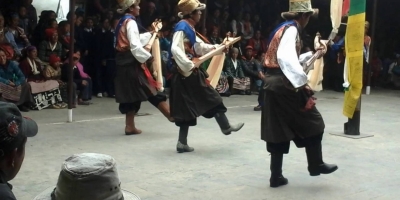
Asiana Treks and Tours proudly offers the Dumji Festival Trekking package, an immersive journey into the rich spiritual and cultural heritage of the Sherpa people in the Solukhumbu region. The Dumji Festival is an ancient and sacred celebration marking the birth anniversary of Guru Rinpoche, also known as Padmasambhava—the revered second Buddha and one of Tibetan Buddhism’s key founders. This festival has been celebrated for over 365 years since Lama Sangwa Dorji initiated it at Pangboche Monastery.The trekking experience revolves around witnessing and participating in the vibrant festivities held across important monasteries in Tengboche, Namche Bazar, Khumjung, and Pangboche. These monasteries become hubs of religious fervor, where monks perform sacred rituals and traditional dances wearing exquisite paper-mâché masks. Sherpa families take turns preparing food and drink for the entire village during the festival, fostering a spirit of community and unity.The trek offers not only a deep cultural immersion but also spectacular natural beauty. Trekkers are rewarded with breathtaking views of iconic Himalayan giants like Mt. Everest, Lhotse, and Ama Dablam, alongside thrilling moments such as flying into Lukla Airport—known as the world’s most dangerous airport. Asiana Treks and Tours ensures a carefully guided, enriching, and safe experience throughout the journey.Highlights:Celebrate Dumji Festival with Sherpa communitiesExperience ancient Tibetan Buddhist rituals and masked dancesTrek through stunning Himalayan landscapes and villagesFlight to/from Lukla, the adrenaline-packed gatewayStay in comfortable guesthouses with authentic local cuisineParticipate in traditional cooking and village festivitiesDumji Festival Trekking Itinerary OverviewThe itinerary of the Dumji Festival Trekking, curated by Asiana Treks and Tours, blends cultural immersion with adventurous trekking through the heart of the Everest region. The journey starts with a heritage tour of Kathmandu, followed by a flight to Lukla, the gateway to Everest. From there, the trek ascends gradually through picturesque villages such as Phakding and Namche Bazaar, culminating at Khumjung and Pangboche—centers of the Dumji Festival.During the festival days in Khumjung, trekkers can witness and even participate in sacred ceremonies performed by monks and local families. The trail from Khumjung to Tengboche offers panoramic views and the chance to visit the famous Tengboche Monastery. The return journey takes trekkers back through Monjo and Lukla before flying back to Kathmandu, concluding with a relaxing stay in the city.This itinerary balances trekking and festival participation, providing time to absorb the cultural significance of the Dumji Festival and the breathtaking mountain scenery. Asiana Treks and Tours’ expert guides ensure a smooth and informative trek, accommodating all fitness levels with proper acclimatization stops and support.Itinerary Highlights:Day 1-2: Kathmandu heritage and preparationDay 3: Flight to Lukla, trek to PhakdingDay 4: Trek to Namche BazaarDay 5-9: Festival celebrations in KhumjungDay 10: Trek to Tengboche MonasteryDay 11-12: Return trek via Monjo and LuklaDay 13: Flight to KathmanduDay 14: DepartureDumji Festival Trekking DistanceThe Dumji Festival Trekking route covers approximately 65 to 75 kilometers round-trip, spread over 12 trekking days. The distances trekked each day are designed to allow gradual acclimatization, ensuring trekkers remain comfortable and safe while enjoying the journey. The trekking paths traverse scenic river valleys, pine forests, and alpine meadows with stunning Himalayan backdrops.The walking distances vary daily, typically ranging from 4 to 6 hours per day, making the trek manageable for most physically fit travelers. Trekkers gain elevation steadily from 1337 meters in Kathmandu up to around 3700 meters in Khumjung, where the festival takes place. This moderate ascent reduces risks of altitude sickness and provides ample time for rest.The itinerary also incorporates necessary rest days during the festival to fully experience the traditional dances, rituals, and communal activities without rushing. Each village offers charming guesthouses where trekkers can relax and enjoy Sherpa hospitality.Daily Trekking Distances (approximate):Kathmandu to Lukla (flight, no trekking)Lukla to Phakding: 8 km (3 hours)Phakding to Namche Bazaar: 10 km (6 hours)Namche to Khumjung: 7 km (3 hours)Khumjung to Tengboche: 10 km (5 hours)Tengboche to Monjo: 15 km (6 hours)Monjo to Lukla: 9 km (4 hours)Dumji Festival Trekking Cost 2026/2027The Dumji Festival Trekking package by Asiana Treks and Tours offers excellent value for an authentic cultural and trekking experience in Nepal. The pricing for 2026/2027 is designed to be all-inclusive, covering permits, domestic flights, accommodation, meals, guides, and necessary support.The package cost reflects the complexity of organizing participation in a rare cultural festival combined with trekking in remote Himalayan terrain. The festival days also involve hosting local families and contributions to village preparations, ensuring that your visit supports the community directly. Asiana Treks and Tours maintains transparency in pricing with no hidden charges, prioritizing quality and safety.Group sizes are kept small to enhance the experience and minimize environmental impact. The team provides pre-trip briefing and support throughout the journey, ensuring a smooth, hassle-free adventure.Included in the Cost:Airport pickups and drop-offs in KathmanduDomestic flight Kathmandu-Lukla-KathmanduAccommodation in guesthouses and hotelsFull board meals (Breakfast/Lunch/Dinner)Experienced English-speaking guide and porter supportNecessary trekking permits and festival entry feesFestival participation arrangementsComprehensive travel insurance adviceDumji Festival Trekking Price BreakdownTo provide clear insight into the trekking package, here is a general price breakdown offered by Asiana Treks and Tours for the Dumji Festival Trekking:Cost Component Estimated Price (USD)Domestic Flight (Kathmandu-Lukla return) $350 - $400Accommodation (13 nights) $200 - $300Meals (13 days) $150 - $200Trekking Permits and Fees $40 - $60Guide and Porter Salaries $300 - $400Festival Participation & Donations $50 - $70Company Service Fee $200 - $300Total Estimated Cost: $1300 - $1730 per personThis price range depends on group size, season, and customization options such as private guides or upgraded accommodation. Asiana Treks and Tours is committed to offering competitive pricing without compromising service quality or traveler experience.Dumji Festival Trekking Altitude GuideThe Dumji Festival Trekking takes you on a journey through a range of altitudes, starting at Kathmandu’s moderate elevation of 1,337 meters (4,385 feet) and ascending to high Himalayan villages like Khumjung at approximately 3,700 meters (12,136 feet). This gradual elevation gain is designed to help trekkers acclimatize properly, reducing the risk of altitude sickness while enjoying the spectacular views and cultural richness of the region.The trek’s highest point typically does not exceed 3,700 meters, which is manageable for most trekkers with proper preparation. The altitude progression from Lukla (2,860 m) through Namche Bazaar (3,440 m) to Khumjung (3,700 m) allows the body to adjust steadily to thinner air. This is critical because as elevation increases, oxygen levels decrease, making breathing more challenging. Proper acclimatization days are built into the itinerary, especially during the festival days in Khumjung, allowing trekkers to rest and experience the cultural festivities without exertion.Asiana Treks and Tours emphasizes safety and health by monitoring symptoms of altitude sickness and encouraging trekkers to hydrate, eat well, and take it slow. Our guides are trained in altitude sickness awareness and will adjust the pace or itinerary as necessary to ensure your well-being.Altitude Highlights:Starting Point: Kathmandu (1,337 m / 4,385 ft)Lukla: Gateway to Everest region (2,860 m / 9,380 ft)Namche Bazaar: Main acclimatization stop (3,440 m / 11,283 ft)Khumjung: Festival location (3,700 m / 12,136 ft)Tengboche: Monastery visit (3,867 m / 12,687 ft)Why Choose Dumji Festival Trekking?Choosing the Dumji Festival Trekking with Asiana Treks and Tours offers a unique blend of spiritual immersion, cultural exploration, and Himalayan adventure. Unlike many treks focused solely on the natural landscape, this trek introduces travelers to one of the oldest and most profound Tibetan Buddhist festivals celebrated by the Sherpa people. Dumji Festival’s rich traditions, including masked dances, rituals to expel evil spirits, and communal celebrations, provide travelers with a once-in-a-lifetime cultural experience.Beyond the festival, trekkers witness breathtaking landscapes featuring iconic Himalayan peaks such as Mt. Everest, Ama Dablam, and Lhotse. The route itself is peppered with charming Sherpa villages, ancient monasteries, and pristine natural beauty. Flying into Lukla adds an exhilarating start and finish to the trek, recognized worldwide for its dramatic terrain and adventurous landing strip.Asiana Treks and Tours distinguishes itself through personalized service, experienced local guides, and responsible tourism practices. We ensure your trek is safe, enjoyable, and environmentally conscious, while supporting local communities directly through festival participation and fair wages for guides and porters.Reasons to Choose Dumji Festival Trekking:Unique access to traditional Sherpa festival and cultureSpectacular Himalayan scenery and iconic mountain viewsExpert guides familiar with festival rituals and trekking routesEmphasis on safety, acclimatization, and traveler comfortContribution to community development and cultural preservationPreparing for Dumji Festival TrekkingPreparation is key to enjoying and successfully completing the Dumji Festival Trekking. Since this trek involves moderate altitude and festival participation, physical fitness, cultural sensitivity, and logistical readiness are essential. Before your trip, Asiana Treks and Tours recommends a regimen of cardiovascular exercise, strength training, and endurance hikes to condition your body for daily trekking.Packing should focus on layering: warm clothing for chilly mornings and evenings, waterproof gear for unpredictable monsoon rains, and comfortable trekking boots for varied terrain. Essential items include a good sleeping bag, trekking poles, sun protection, and a personal first aid kit. Since the festival involves community meals and ceremonies, a respectful attitude and willingness to engage with local traditions enhance the experience.Visa, permits, and travel insurance must be secured well in advance. Asiana Treks and Tours assists with all necessary paperwork, including trekking permits and festival permissions. Mental preparation is equally important—being open to new experiences, embracing cultural differences, and pacing yourself during the trek will make your journey smoother and more rewarding.Key Preparation Tips:Physical training: hiking, cardio, and strength workoutsLayered clothing, waterproofs, sturdy bootsTravel documents and permits arranged beforehandBasic medical kit and altitude sickness medicationRespectful mindset and eagerness to engage with localsWhat to Expect on the 12–14-Day Dumji Festival Trekking AdventureEmbarking on the 12 to 14-day Dumji Festival Trekking with Asiana Treks and Tours means combining adventure trekking with rich cultural immersion. The trek begins with a scenic flight from Kathmandu to Lukla, injecting adrenaline from the world’s most thrilling airport landing. From Lukla, trekkers pass through tranquil villages like Phakding and Namche Bazaar, where acclimatization and interaction with Sherpa culture occur.The core of the trek revolves around Khumjung and Pangboche, where the Dumji Festival unfolds over several days. Here, you will witness monks performing sacred dances, rituals to chase away evil spirits, and community feasts hosted by rotating families. These ceremonies are not only visually spectacular but deeply spiritual, connecting participants to centuries-old traditions.Beyond the festival, expect stunning views of Everest and neighboring peaks, lush forests, and pristine waterfalls. Guesthouses along the route provide cozy overnight stays with traditional Sherpa meals. Each day’s trek ranges between 3 to 6 hours, balanced with ample rest to enjoy the surroundings and cultural events.Highlights of the Experience:Flight to/from Lukla with breathtaking viewsTrekking through Sherpa villages and scenic trailsParticipation in Dumji Festival rituals and dancesMagnificent Himalayan mountain vistasComfortable guesthouse accommodations with local cuisineOxygen Levels on Dumji Festival TrekkingOxygen levels decrease as you ascend during the Dumji Festival Trekking, making it crucial to understand how altitude affects your body. At sea level, oxygen saturation is about 21%, but as you climb above 2,500 meters (8,200 feet), the amount of available oxygen steadily drops. For example, at Khumjung’s altitude of 3,700 meters (12,136 feet), oxygen levels are roughly 40% lower than at sea level.This reduction means your body has to work harder to absorb enough oxygen, often causing symptoms like shortness of breath, fatigue, headaches, and dizziness—signs of mild altitude sickness. That’s why the Dumji Festival Trekking itinerary is paced to allow gradual acclimatization, with rest days at Namche Bazaar and during the festival days in Khumjung. Staying hydrated, eating well, and avoiding overexertion are vital strategies.Asiana Treks and Tours guides are trained to monitor oxygen saturation and altitude sickness symptoms. We recommend using pulse oximeters if possible, and for trekkers with pre-existing respiratory conditions, medical consultation before the trek is essential. Supplemental oxygen is generally not required but can be arranged if needed.Oxygen and Altitude Facts:Oxygen levels drop approximately 40% at 3,700 m compared to sea levelGradual ascent and acclimatization minimize altitude sickness risksHydration, rest, and nutrition support oxygen uptakeMonitoring by guides ensures early intervention if neededSupplemental oxygen rarely necessary but available on requestMajor Villages and Scenic Viewpoints on Dumji Festival Trekking RouteThe Dumji Festival Trekking route takes trekkers through several charming Sherpa villages and breathtaking viewpoints in the Everest region. Starting from Lukla, you traverse villages like Phakding, Namche Bazaar, Khumjung, Tengboche, and Pangboche, each offering unique cultural insights and stunning mountain vistas. These villages serve as hubs for Sherpa life and provide a window into the traditional Himalayan lifestyle that has been preserved over centuries.Namche Bazaar is the largest village on the route and acts as a primary acclimatization stop, where you can explore local markets, cafes, and traditional shops. Khumjung, the heart of the Dumji Festival, is a quaint settlement with a beautiful monastery and close views of Mt. Everest. Tengboche is famed for its monastery perched dramatically above the forested valley, providing panoramic views of Everest, Ama Dablam, and Lhotse. Along the trek, several scenic viewpoints such as Everest View Hotel and the confluence of rivers offer spectacular photo opportunities and moments to soak in the grandeur of the Himalayas.These stops are not only scenic but culturally significant, allowing trekkers to engage with local communities, witness traditional architecture, and experience authentic Sherpa hospitality.Key Villages and Viewpoints:Lukla: Gateway to Everest regionPhakding: Peaceful river villageNamche Bazaar: Acclimatization hub and cultural centerKhumjung: Dumji Festival epicenterTengboche: Famous monastery with Himalayan viewsPangboche: Traditional Sherpa villageEverest Viewpoints: Stunning mountain panoramasFlora and Fauna of Dumji Festival TrekkingThe Dumji Festival Trekking route winds through diverse ecosystems ranging from lush river valleys to alpine forests and rugged mountain terrain. This region is a biodiversity hotspot with an array of flora and fauna unique to the eastern Himalayas. As you ascend from the low altitude forests near Lukla to the higher rhododendron and conifer zones, you will notice changes in vegetation and wildlife.At lower elevations, dense forests of oak, pine, and rhododendron trees dominate the landscape, bursting into vibrant color during spring when rhododendrons bloom spectacularly. Higher up, alpine shrubs and hardy grasses thrive in the harsher climate near Khumjung and Tengboche. The region is home to many bird species, including the colorful Himalayan monal pheasant, the national bird of Nepal. Wildlife such as musk deer, red pandas (rarely seen), Himalayan tahr, and snow leopards inhabit these remote areas, though sightings are uncommon and require patience.This trekking route offers nature lovers a chance to witness the delicate balance between wildlife and traditional Sherpa communities, who live in harmony with their environment.Flora and Fauna Highlights:Rhododendron and oak forests at lower elevationsAlpine shrubs and wildflowers in higher zonesBirds: Himalayan monal, pheasants, and eaglesMammals: Musk deer, Himalayan tahr, elusive snow leopardsSeasonal blooms and changing vegetation zonesFestivals and Local Culture Along Dumji Festival Trekking RouteThe Dumji Festival Trekking experience is deeply enriched by the vibrant local culture and religious festivals celebrated along the route. The highlight is, of course, the Dumji Festival, celebrated predominantly in Khumjung and surrounding monasteries. This ancient Tibetan Buddhist festival commemorates Guru Rinpoche’s birth and features elaborate masked dances, ritual ceremonies, and communal feasts hosted by Sherpa families.Beyond Dumji, the region celebrates other significant festivals such as Losar (Tibetan New Year) and Mani Rimdu, where you can witness more colorful masked dances, prayer rituals, and monastery celebrations. These festivals offer an unparalleled opportunity to immerse yourself in Sherpa spiritual life, folklore, and traditional customs. The communities welcome visitors warmly, often inviting trekkers to join the celebrations, sample local delicacies, and participate in traditional dances.Sherpa culture is known for its resilience, hospitality, and strong Buddhist beliefs, all of which are vividly alive during these festivals. The trek is as much a cultural journey as it is an adventure, offering rich stories, music, and rituals passed down through generations.Cultural and Festival Highlights:Dumji Festival: Masked dances and ritualsMani Rimdu and Losar festivalsTraditional Sherpa hospitality and communal feastsMonastery visits and prayer ceremoniesOpportunities to join local celebrations and cookingWhy Book with Asiana Treks and Tours for Dumji Festival TrekkingBooking your Dumji Festival Trekking adventure with Asiana Treks and Tours ensures a professionally guided, authentic, and responsible trekking experience. With years of expertise organizing cultural treks in the Everest region, Asiana Treks provides personalized service tailored to your needs, from initial planning to the completion of the trek.Asiana Treks and Tours employs experienced local guides who are not only experts in trekking logistics but also deeply knowledgeable about Sherpa culture and the Dumji Festival. Their guidance enriches your understanding of the region’s traditions, history, and spiritual significance. The company prioritizes safety with proper acclimatization protocols, quality accommodations, and reliable support throughout the journey.Beyond customer care, Asiana Treks is committed to sustainable tourism. They ensure that festival participation supports local families financially and culturally while minimizing environmental impact. Choosing Asiana Treks means contributing positively to the communities you visit and experiencing the Himalayas with respect and authenticity.Why Choose Asiana Treks and Tours?Experienced local guides with cultural expertiseFocus on safety, comfort, and acclimatizationSupport for local communities and sustainable tourismTailored itineraries and small group sizesComprehensive support from booking to trek completionHow to Book Dumji Festival TrekkingBooking your Dumji Festival Trekking adventure with Asiana Treks and Tours is a straightforward and personalized process designed to ensure your trip meets all your expectations. Start by contacting the company through their official website or email, where you can request detailed information or a customized itinerary based on your travel dates and preferences.Once you confirm your interest, Asiana Treks will provide a full itinerary, cost breakdown, and advice on preparing for the trek, including recommended gear and physical fitness requirements. The booking is finalized upon payment of a deposit, with flexible payment plans available for convenience. The team also assists with necessary permits, travel insurance guidance, and flight bookings.Throughout the process, Asiana Treks offers attentive communication to answer questions, offer travel tips, and provide support. Their goal is to make your Dumji Festival Trekking experience smooth, memorable, and hassle-free from the moment you book.Booking Steps:Contact Asiana Treks via website or emailReceive itinerary and price detailsConfirm and pay deposit to secure your placeArrange permits, flights, and insurance with company assistancePre-trip briefing and preparation advice provided
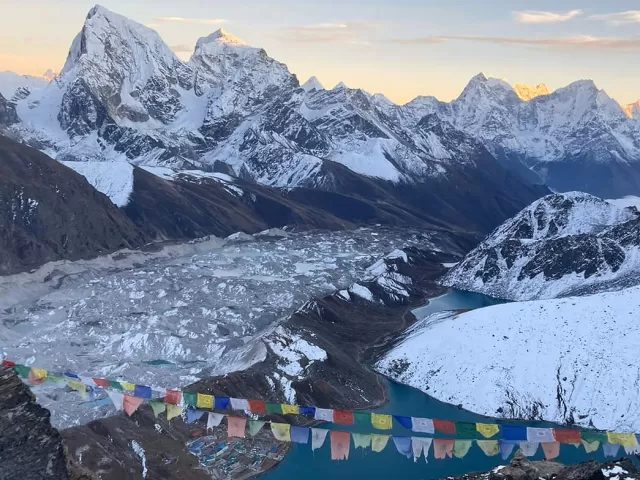
Gokyo Lake and Gokyo Ri Trekking: A Journey into the Heart of the Everest RegionGokyo Lake Trekking is one of the most picturesque adventures in the Everest region. The trek offers breathtaking views of Himalayan glacier lakes and the majestic Ngozumpa Glacier. This trek takes you through the serene Gokyo Valley, home to the famous Gokyo Lakes and Gokyo Ri, a perfect destination for nature lovers and photographers alike.The trek to Gokyo Lakes is a high-altitude trek in Nepal experience that combines scenic beauty, adventure, and cultural exploration. Along the way, trekkers enjoy stunning vistas of Cho Oyu, Everest, and other Himalayan peaks. The sunrise view from Gokyo Ri is an unforgettable highlight, revealing a panorama of snow-capped giants. The trail also offers bird-watching opportunities in Gokyo Valley, making it a favourite for nature enthusiasts.For a more adventurous experience, the Renjo La Pass trek connects Gokyo Valley to the Everest Base Camp route, creating an epic journey known as the Everest Base Camp via Gokyo trek. Whether you're looking for an affordable Gokyo trek package or a luxury Gokyo Lake trek, there are options to suit every preference.The best time for a Gokyo trek is spring and autumn, when the weather is clear and the trails are at their best. Trekkers can choose guided treks to Gokyo Lakes, ensuring safety and expert guidance. Sustainable trekking in Gokyo also helps protect the region's fragile environment and supports local communities.From cultural exploration to panoramic Himalayan views, the Gokyo and Everest panorama trek offers something for everyone. Trekking lovers should embark on this adventure in Nepal for a lifetime of memories.Gokyo Lake and Gokyo-Ri trekking itinerary:Asiana Treks and Tours has the perfect Gokyo Lake and Gokyo-Ri trekking itinerary. Travellers who desire to explore Nepal with moderate physical fitness. You'll discover the best places for breathtaking views from the city to the countryside. Experience the contrast of cold nights at Gokyo with a stunning view of the mountain wall- an unforgettable lifetime journey.Gokyo Lake and Gokyo-Ri Trekking Distance:The Everest Gokyo-Ri trek takes 13 days, with 4- to eight-hour walking days, and is approximately 97 km, or 61 miles, depending on the itinerary and acclimatisation days.Everest Gokyo Ri Trekking route:Gokyo Lake and Gokyo Ri Trekking route showcases awe-inspiring natural beauty. Starting in lush valleys with terraced fields and traditional Sherpa villages, Villages, the journey unfolds amidst the Himalayan foothills. Rhododendron forests bloom in spring, accompanied by cascading waterfalls and snow-capped peaks. As you traverse wildflower meadows and cross suspension bridges over mountain streams, the landscape evolves as you ascend. As you approach Everest Gokyo-Ri, rugged terrain and glacial moraines dominate, leading to panoramic views of towering peaks. The Trek promises unforgettable moments, whether you're a seasoned trekker or a novice adventurer, offering an unparalleled journey through Earth's most breathtaking landscapes and the top of the world.Gokyo Lake and Gokyo Ri Trekking Price:Our Everest Gokyo-Ri package tour ensures reliability in terms of cost, itinerary, and overall experience. The Everest Gokyo Ri trek typically ranges from US$ 1300 to 2000, depending on group size, service level, guide and porter services, transportation preferences, and accommodation category in Kathmandu. This cost estimate depends on the type of trekking gear and accommodation preferences. Gokyo Lake and Gokyo-Ri trekking Height:The Everest Gokyo-Ri trekking and tours start from the bustling city of Kathmandu at an altitude of 1337 meters. From Kathmandu, take a flight to Lukla or, during peak season, from Ramechhap. You'll descend to the beautiful Manthali headquarters of Ramechhap, 474 meters above sea level. If you fly from Manthali to Lukla, you'll embark on your journey, descending and crossing the green forest to Chheplung; finally, the Trek culminates at Everest Base Camp at a breathtaking height of 5,357 m /17575 ft.Major villages of Gokyo Lake and Gokyo-Ri Trekking:The major Sherpa villages along the Gokyo Lake and Gokyo-Ri Trekking route are Lukla, Chheplung, Thado Koshi, Phakding, Taktok, Banker Manjo, Jorsalle, Namche, Sanasha, Dole, Machermo, Gokyo, Phorste, Tangboche, Phungithanga. Return from the same route and follow the same path back to Lukla via Sanasa and Namche. These villages are significant landmarks and offer scenic beauty and accommodation options along the Everest Gokyo-Ri Trekking route.Best Viewpoints: Gokyo Lake and Gokyo -Ri Trekking:These viewpoints provide unforgettable experiences, highlighting the beauty of Gokyo Lake and the Gokyo-Ri Trek. Everest Gokyo-Ri Trek offers breathtaking views, showcasing stunning panoramas of the surrounding Himalayan peaks. Here are the critical views along the route:On a clear day, board your Flight to Lukla or Ramechhap, and try to get a seat on the left-hand side for breathtaking views of the countless Himalayan peaks, from the Langtang Himalayan range to the majestic Mt Everest.Hillary Bridge: Halfway to Namche, you will first catch a majestic view of Everest. Hillary Park Sagarmatha Head Headquarters: At the top of Namche Headquarters of Sagarmatha National Park, Hillary Park, you have stunning views of Many Himalayan ranges, including Mt Everest.Everest View Hotel: From Everest View Hotel, you can enjoy unparalleled vistas of Everest and neighbouring peaks, Dole Viewpoint: Located near the village of Dole, this viewpoint provides early glimpses of Cho Oyu and other peaks, setting the stage for the spectacular views to come further along the trek.Machhermo Viewpoint: This viewpoint is situated above the village of Machhermo and offers beautiful views of the surrounding peaks, including Thamserku, Kangtega, and Cho Oyu. It's a great spot to acclimatise and enjoy the landscape.Gokyo Lakes: A series of turquoise lakes set against snow-capped peaks. The third lake, Dudh Pokhari, is particularly stunning. The area around the lakes provides spectacular photo opportunities and serene spots to enjoy the natural beauty.Gokyo Ri (5,357 meters / 17,575 feet): The trek's highlight, Gokyo Ri offers panoramic views of four of the world's highest peaks: Everest, Lhotse, Makalu, and Cho Oyu. The climb to the summit is challenging but rewarding, with unparalleled vistas of the Gokyo Lakes and the Ngozumpa Glacier, the longest glacier in the Himalayas.Ngozumpa Glacier: You can see the longest glacier in the Himalayas from several points along the trek. The glacier's dramatic ice formations and moraines are awe-inspiring, especially from the nearby hills.Scoundrel's Viewpoint: This viewpoint sits above the fifth Gokyo Lake and offers a more secluded, equally impressive view of Everest, Lhotse, Makalu, and Cho Oyu. It's less frequented by trekkers, providing a tranquil spot to take in the grandeur of the Himalayas.Flora and Fauna in the Gokyo Lake and Gokyo-Ri Trekking :Gokyo Lake and Gokyo-Ri Trekking are also in Sagarmatha National Park. It is home to diverse flora and fauna: pine and hemlock forests occur at lower altitudes, while fir, juniper, birch, rhododendron, scrub, and alpine plants thrive at higher elevations. Sagarmatha National Park is home to a diverse range of animals, including red panda, snow leopard, musk deer, Himalayan tahr, marten, Himalayan mouse hare (pika), and over 118 bird species, such as the Impeyan pheasant, snow cock, blood pheasant, and red-billed cough.Festivals and Culture of Everest Gokyo-Ri Trekking:The Gokyo Lake and Gokyo-Ri Trek offer a cultural immersion into Sherpa traditions. A highlight is the Dumji and Mani Rimdu Festival at Tengboche Monastery, held annually in October or November. This vibrant celebration features sacred dances and colourful ceremonies, providing insight into Sherpa culture.Buddhism, a central pillar of Sherpa life, is beautifully woven into the Trek's fabric. It's evident in the monasteries, prayer flags, and Mani walls that dot the route. Visitors are not just spectators but can actively participate in Buddhist rituals, fostering a deeper understanding of Sherpa spirituality and their profound connection to nature.In their harmonious coexistence with nature, Sherpas practice sustainable living through eco-friendly methods like using yak dung as fuel and managing waste. These practices, born of necessity and deep respect for the environment, testify to the Sherpas' ingenuity and their role as responsible stewards of the land. This practice inspires respect and admiration. People and Hospitality of Gokyo Lake and Gokyo-Ri TrekkingNepal is a country where warm hospitality and incredible values are not just customs but deeply ingrained parts of its culture. Whether a foreign visitor or a local, you're greeted with open arms, friendly smiles, and a radiant manner. This tradition of hospitality, rooted in Hinduism, Buddhism, and traditional customs, treats guests as blessings and shows them utmost respect, generosity, and kindness.The Sherpa people, an indigenous ethnic group with a unique blend of Tibetan Buddhism and ancient Bon rituals, epitomise these values. Residing in the upper Khumbu area, they welcome guests with a distinct warmth and an unwavering spirit of hospitality, marked by their renowned honesty and loyalty.Advantages of booking with Asiana Treks and Tours:Private transport for airport transfers to/from your hotel.• Trip briefing on Facebook and online if you love to connect.• Last-minute booking at your hotel at a suitable time after your arrival.• Easy booking and reservation system.• Multi-channel communication via Email, WhatsApp, Facebook, Viber, Skype; 24/7 phone communication at +977-9851076270• Free excess luggage storage during the Trek• Oximeters are provided to examine blood oxygen saturation at high altitudes to detect altitude sickness early.• Medical kits along the Trek and hot airbags are available in winter• Arrange sleeping bags, duffel bags, down jackets, and walking poles if you don't have your own.Trek Booking for Gokyo Lake and Gokyo-Ri Trekking:Asiana Treks and Tours is the best and most trusted trek and tour company operator authorised by the Nepal government. We require a 10% advance payment to book your trip, and you'll need to send us a copy of your passport, photos, travel insurance, and flight details as soon as you book a tour with us. You can pay by bank transfer, Western Union, or online through our website. You can pay the remaining trip cost upon arrival in Nepal. We offer last-minute bookings, but changes may occur due to circumstances like bad weather.Transportation for Gokyo Lake and Gokyo-Ri trekking:Asiana Treks and Tours Organises all transportation logistics from start to end, based on group size and agreement, including pickups and drop-offs and flights between Kathmandu and Lukla for World Heritage site tours. Our services for all groups ensure convenient travel arrangements, whether a World Heritage tour or Flight tickets, and are tailored to the group, prioritizing safety, comfort, and efficiency. We aim to provide the best and most enjoyable travel experience, meeting the highest standards of safety and comfort.Trekking Start to Gokyo Lake and Gokyo-Ri Trekking:Your Gokyo Lake and Gokyo-Ri Trek begins with a warm welcome in Kathmandu. Our team member will greet you at Tribhuvan International Airport. We'll take you to your hotel in a private vehicle, ensuring a comfortable, hassle-free start to your adventure. This will set the tone for a memorable journey. If you miss the regular trip briefing, don't worry. We'll provide it at a convenient time before departure in Pokhara, either before a World Heritage tour the following morning or the next day; we'll then proceed to the airport for the flight to Lukla or drive the 4-hour Manthali and fly to Lukla.Currency Exchange:The Nepalese rupee is the currency of Nepal, and 1 USD is approximately 130 NPR. Nepal accepts only NPR, so it's best to bring cash to make transactions easier. Banks and ATMs in Kathmandu offer currency exchange services, but most banks prefer new, crisp notes. Our Team: The Asiana Treks and Tours team is professional, reliable, and responsible. They are well-trained, friendly, radiant, and fluent in English. You can feel comfortable sharing anything with them. They are experts in local culture, history, vegetation, food, accommodation, weather conditions, and first aid medication. They are also environmentally conscious and respect animals' rights. However, please do not provoke them for personal gain during the trip. While you can enjoy your holiday with them, we kindly request that you do not try to change their customs, beliefs, religion, culture, or traditions. Our staff and we are committed to making your adventure trip unforgettable memories of a lifetime journey in Nepal.Guide and Porter Arrangement for Lake and Gokyo-Ri Trekking:Asiana Treks and Tours focuses on responsible tourism in Nepal. We ensure our guides and porters are well trained in Trekking and mountaineering. They know a lot about the areas we go to, including geography, history, customs, and culture. We train them regularly in safety, first aid, and environmental conservation. We follow guidelines to treat our porters fairly, providing them with good pay, accommodation, and meals during treks. Our guides and porters are essential team members, and we appreciate their hard work. When you trek with us, you support ethical tourism in Nepal, making your trip meaningful and memorable.Asiana Treks and Tours prioritises your safety and enjoyment. Our knowledgeable guides, reliable equipment, and safety measures ensure a great trekking experience in Nepal.Porter, Luggage, and extra Luggage storage:We cover the cost of porters for your Luggage, but the maximum weight limit is 12 kg per person. Each porter carries Luggage for two trekkers; please share a duffel bag with another. Our porters will carry up to 25 kg each. If you need a porter, we can arrange one for you. We also recommend carrying a small backpack for your valuables and important documents. You can leave extra Luggage at our office for free and at a hotel in Pokhara, Namche, etc.Accommodation during the Gokyo Lake and Gokyo-Ri Trekking:Accommodations during the Gokyo Lake and Gokyo-Ri Trek vary. Along the trekking route, you'll stay in guest houses, known as teahouses or lodges. These basic lodges offer rooms, dining areas, and toilets. Guest house quality varies but remains affordable and convenient for trekkers. Rooms typically have twin or bunk beds and shared bathrooms, and they include blankets and pillows. Our company can offer a sleeping bag if you don't have one. You'll spend nine nights in lodges along the trekking route and three nights in a hotel in Kathmandu. Some places and lodges have attached bathrooms, while others offer simple yet clean rooms with shared facilities. We can arrange solo trekking if you're travelling alone. In high season and in certain areas, availability may be limited, although we do our best. In Kathmandu or Pokhara, your hotel room will have excellent amenities, including TV, 24/7 hot water, electricity, and laundry service. Meals during the Gokyo Lake and Gokyo-Ri Trekking:Eating well is essential since the Everest Gokyo-Ri Trek takes you through the Himalayas. You'll have plenty of nutritious meals in the trekking regions, although the options won't be as varied as in the cities. You'll get fifteen breakfasts, eleven lunches, and ten dinners during the Trek. The menu includes local, Asian, and Western dishes, but it gets more straightforward as you climb higher. Try popular Nepali foods like lentils, rice, curry, dumplings, noodles, spaghetti, and many more. We highly recommend eating fresh vegetables and drinking liquids like green tea, lemon tea, hot lemon, ginger tea, and garlic soup, especially at high altitudes. While non-vegetarian options are available during the Trek, we suggest avoiding them for hygiene reasons. It's also best to avoid dairy, cheese, alcohol, caffeine, and hot chocolate. Personal expenses like alcoholic drinks, extra beverages, and cafes aren't included in the package.Drinking water during the Gokyo Lake and Gokyo-Ri Trekking:Nepal is the second country in the world in terms of water sources after Brazil. According to the Nepal government, only 27% of people have access to clean drinking water. You can buy mineral water in teahouses, but it is expensive. Local people do not prefer plastic bottles in some trekking areas, so some safe drinking water stations let you refill your bottle. However, we recommend carrying Steripen, iodine drops, water purification tablets for safe drinking, and refillable water bottles for boiled or filtered water. We strongly advise against drinking from taps, wells, or rivers in trekking areas. However, in all the city areas, Mineral water is available at a reasonable cost everywhere.Extra Personal Expenses:Your Trip covers most expenses during the Trek; you'll need to pay for extra accommodations and meals in Kathmandu, souvenirs, and beverages. We estimate about USD 15-25 per trekking day for miscellaneous expenses. However, personal expenses depend on your Income, habits, and style.Toilet Facilities During the Gokyo Lake and Gokyo-Ri Trekking:Most teahouses have Western-style flush toilets during mountain treks, especially at lower elevations. But as you go higher, you'll find simple squat toilets along the trails and in teahouses at higher altitudes. These toilets usually have water and toilet paper, but it's a good idea to bring your own just in case. You can also use restrooms at nearby teahouses or find a private spot along the trekking routes.Internet Connectivity during the Gokyo Lake and Gokyo-Ri Trekking:While trekking in Nepal's Himalayan region, staying connected with family and friends is also a good idea. You can find internet access at teahouses and lodges, but it may cost extra. The signal might be weak because of the remote location. You can also get internet access using a local SIM card and data packages available at Kathmandu airport or nearby shops in Thamel. You'll need a passport-sized photo and a copy of your passport to get a SIM card. It's a good idea to compare prices and data packages from telecom companies like Ncell and Nepal Telecom before buying. Knowing about teahouse connectivity. Our guide will suggest connections for you. Electricity voltage and plugs: However, 95% of Nepali people had access to electricity as of May 29, 2023. Almost all popular trekking routes, teahouses, and lodges have electricity. However, some isolated and solo trekking tea houses in the jungle don't have electricity; most tea houses let travellers charge for their devices for a small fee. The average electrical voltage in Nepal is 230 volts, with plug types like Type C, Type D, and Type M. Travellers should bring a suitable adapter and, if needed, a voltage converter for their electronic devices.Communication during the Gokyo Lake and Gokyo-Ri Trekking:The guest houses in the trekking regions have internet access. You could buy a SIM card at Tribhuvan International Airport in Kathmandu and Namche. However, the signal may be weaker at high altitudes. Our office keeps in touch with all trekking teams via the trek guide at least once daily to ensure everything goes as planned.Trip Extension:Suppose you have extra days in Nepal after the Trek. In that case, we can arrange a tour, an overnight stay at Nagarkot Balthali or any other place around Kathmandu and Chitwan, jungle safari, paragliding, rafting, canyoning, or other treks. Do not hesitate to inform us. We will create the best for you.Trek Difficulty:The Gokyo Lake and Gokyo-Ri Trek presents a moderate, challenging, yet enriching adventure. Your enjoyment of the trip will largely depend on your fitness level. We recommend building stamina at least two weeks before the Trek. Activities include jogging, running, swimming, or taking long hikes to build stamina for the journey ahead.Completing this Trek is achievable even if you're a beginner, as long as you maintain a reasonable fitness level. Prior trekking experience can be advantageous, though it is optional. All you need is the readiness to hike steadily for 4-8 hours and navigate tricky terrain.Suppose trekkers have pre-existing medical conditions, such as lung or heart diseases. In that case, they should consult their physician before booking the Trek to ensure their safety and well-being throughout the journey.Trip Safety During the Gokyo Lake and Gokyo-Ri Trekking:We give this top priority. We provide experienced guides, first aid kits, and necessary safety gear to ensure a safe trek. Our team monitors weather and trail conditions and takes precautions to avoid risks. Before starting the Trek, we discuss the trip to provide a clear understanding and ensure a reliable experience. Group & Private Treks information for the Gokyo Lake and Gokyo-Ri Trekking:We organise many group and private treks simultaneously, with discounts available for larger groups. Every group will have a trekking guide and porters. Regarding larger groups, we provide an assistant guide. Our team ensures a safe and enjoyable trekking experience for all participants.About solo travellers:If you're a solo traveller, please contact us to confirm departure dates before booking. You can tell us via call, WhatsApp, or email. We have listed upcoming departure dates for your convenience. Feel free to share the trip details with friends and family.Notes: Please be aware that the itinerary may change due to weather or other factors, and we'll adjust it accordingly for the group's safety and enjoyment. We look forward to guiding you through the stunning landscapes of the Annapurna region and ensuring a memorable trekking experience. Responsible Travel:We prioritise responsible travel to minimise environmental impact and support local communities. We collaborate with organisations like the Kathmandu Environmental Education Project (KEEP) to promote eco-friendly practices in trekking regions.Graduate:Gratuities or tipping is appreciated in Nepali culture and reflects the quality of service provided. You decide how much to tip, but we recommend tipping as a group at the end of the trip.End of Trek:On the eleventh day, you'll take a bus from Pokhara back to Kathmandu, which takes about seven hours. Alternatively, you can fly from Pokhara to Kathmandu for an extra fee. In the evening, we'll host a farewell dinner in Kathmandu. Departure:On your departure day, we'll pick you up from your hotel and transfer you to Tribhuvan International Airport. We hope you enjoyed the Nepal trek and will consider returning for more adventures in Nepal.Feedback:After you complete the Everest Gokyo-Ri Trek, we'll organise a farewell dinner in Kathmandu and present you with a trekking achievement certificate. After the dinner, you can provide feedback about the Trek on travel portals.Last-Minute Booking:If you can't book in advance, we offer last-minute bookings. Last-minute booking offers are available but may cost slightly more than regular departure dates. Those opting for last-minute bookings must pay an additional 7% of the total trip cost on our website. While we strive to accommodate last-minute requests, we do our best to fit them around your last-minute booking holiday.Special Note: Please remember that unforeseen circumstances, such as inclement weather or unavailable lodging, may change the schedule. Your trip guide will design a fresh schedule based on the group's interests in such circumstances. Everest Regions Trekking Blog Post List:Asiana Treks & Tours offers an insightful blog on the Everest region, providing valuable information for trekkers. Explore stunning landscapes, local culture, and practical tips for your journey.Why Everest Base Camp Trek Should Be Your Next Adventure: Top ReasonsBeginner's Guide to Everest Base Camp TrekUnderstanding the Everest Base Camp Trek’s DifficultyEverest Base Camp Trek: Best Seasons (March-Mid June, Sep-Nov)Choosing the Best Route for Everest Base CampMajor Facts About the Everest Base Camp Trekking AdventureHiking from Gorak Shep to Kala Patthar & Everest Base CampIs There an Age Limit for Everest Base Camp Trekking?Is Everest Base Camp Trekking Possible for Women? Absolutely!The Complete List of Permits and Documents for Everest Region TreksMeals and Accommodation in the Everest RegionAccommodation Types in the Everest RegionTop Everest Region Trekking Packages 2025/2026Annapurna Base Camp vs Everest Base Camp: The Best TrekTrekking Permit Requirements for Different Regions in NepalThe First Viewpoint to See Mount EverestThe Beauty of Gokyo Lake with Views of EverestDiscovering the Beauty of Gokyo Lakes with Gokyo RiWhy Choose Everest Three Passes Trekking in NepalWhy Trek Everyone is the Ultimate Guide to Everest Base CampTrekking the Everest Three High Passes: Renjo La, Cho La & Kongma LaLukla: The Trekker's Ultimate GatewayAmazing Facts About Tenzing-Hillary Airport (Lukla Airport)Exploring Phakding: The First Step Toward EverestNamche Bazaar at 3,440m: A Rest Stop with a ViewTengboche Monastery: The Heartbeat of the KhumbuDingboche: The Smart Stop for Acclimatisation and Stunning ViewsLobuche: A High-Altitude Himalayan Gem – History, Culture, Geography & Trekking HighlightsDiscover Everest Dudhkoshi Cultural Trek for BeginnersTraversing the Heart of Solu: Jiri to Sete, Junbesi & Nunthala via the Lamjura-La PassSacred Trails and Alpine Dreams: A Journey Through Pikey Peak, Dudh Kunda, and the Hidden Hamlets of SolukhumbuWhy Choose Everest Three Passes Trekking in NepalThe First Successful Summit: Sir Edmund Hillary and Tenzing NorgayHistory of Mount Everest : International Everest DayWhy Trek: Everyone is the Ultimate Guide to Everest Base CampFAQs for Hiking to the Roof of the World (Everest Region
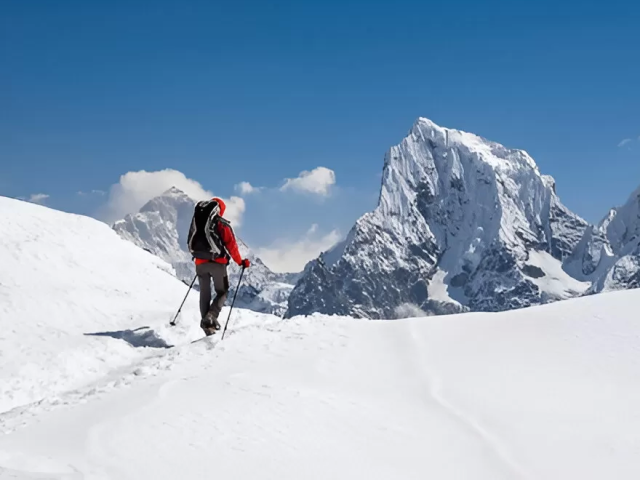
The Gokyo Renjo-La Pass Trek offers a unique alternative to the traditional Everest Base Camp trail, providing an off-the-beaten-path adventure filled with breathtaking scenery and cultural richness. This trek is best for those seeking solitude and exclusivity while exploring the majestic Everest region. Asiana Treks and Tours' Gokyo Valley and Renjo-La Pass Trek take you through stunning snowy peaks, glacial landscapes, pristine Lakes, and vibrant Sherpa culture.The Khumbu region, home to the mighty Mahalangur Himalaya, boasts four of the world's tallest peaks—Everest (8,848m), Lhotse (8,516m), Makalu (8,485m), and Cho Oyu (8,201m)—along with picturesque valleys and awe-inspiring glaciers. The highlight of this trek is the Gokyo Valley, famous for its five turquoise lakes surrounded by towering silver peaks. You'll also cross the iconic Renjo-La Pass (5,345m) and climb Gokyo Ri (5,357m), which offers unparalleled 360-degree panoramic views of Everest, Lhotse, Makalu, Nuptse, Ama Dablam, and many more.The journey also takes you through Sagarmatha National Park, a UNESCO World Heritage Site, where you'll encounter diverse flora and fauna, including musk deer, Himalayan tahrs, lophophorus (Nepal's national bird), and maybe even the mythical Yeti! The Ngozumpa Glacier, the largest in the Himalayas, is another stunning highlight, stretching from Cho Oyu to Dole.Immerse yourself in the unique blend of Nepalese and Tibetan Buddhism, as seen in the Sherpa villages adorned with monasteries, prayer flags, and mani walls. The eco-conscious practices in this region ensure a sustainable trekking experience, preserving its pristine beauty for future travellers.This 14-day trek can also be combined with the Three High Passes Trek or other Everest region adventures. Start your holiday on this unforgettable journey to the heart of the Himalayas in NepalGokyo-Ri and Renjo Pass Trekking itinerary:Asiana Treks and Tours has the perfect Gokyo-Ri and Renjo-La Pass Trek itinerary. Travellers who desire to explore Nepal with moderate physical fitness. You'll discover the best places for breathtaking views from the city to the countryside. Experience the contrast of cold nights at Gokyo to a stunning view of the mountain wall, an unforgettable lifetime journey.Gokyo-Ri and Renjo-La Pass Trekking Distance:Gokyo-Ri and Renjo-La Pass Trekking takes 13 days, with 4 to eight-hour walking days, and is approximately 97 km, or 61 miles, depending on the itinerary and acclimatisation day.Gokyo-Ri and Renjo-La Pass Trekking Route:Gokyo-Ri and Renjo-La Pass Trekking route showcases awe-inspiring natural beauty. Starting in lush valleys with terraced fields and traditional Sherpa. Villages, the journey unfolds amidst the Himalayan foothills. Rhododendron forests bloom in spring, accompanied by cascading waterfalls and snow-capped peaks. Traversing wildflower meadows and crossing suspension bridges over mountain streams, the landscape evolves as you ascend. Approaching Gokyo-Ri and Renjo-La Pass, rugged terrain and glacial moraines dominate, leading to panoramic views of towering peaks. The Trek promises unforgettable moments, whether you're a seasoned trekker or novice adventurer, offering an unparalleled journey through Earth's most breathtaking landscapes and top of the world. Gokyo-Ri and Renjo-La Pass Trekking Price:Our Gokyo-Ri and Renjo-La Pass Trekking package tour ensures reliability in terms of cost, itinerary, and overall experience. The Gokyo Ri and Renjo-La Pass trek typically ranges from US$1300 to 2000, depending on group size, service level, guide and porter services, transportation preferences, and accommodation category in Kathmandu. This cost estimation is subject to the types of trekking gear and accommodation preferences. Gokyo-Ri and Renjo-La Pass Trekking Height:The Gokyo-Ri and Renjo-La Pass trekking and tours start from the bustling city of Kathmandu at an altitude of 1337 meters. From Kathmandu, take a flight to Lukla or during peak season from Ramechhap. You'll descend to the beautiful Manthali headquarters of Ramechhap, 474 meters above sea level. If you Fly from Manthali to Lukla, you'll embark on your journey descending to crossing by the green forest to Chheplung; finally, the Trek culminates at Everest Base Camp at a breathtaking height of 5,357 m /17575 ft.Major villages of Gokyo-Ri and Renjo-La Pass Trekking:The major Sherpa villages along the Gokyo-Ri and Renjo-La Pass Trekking route are Lukla, Chheplung, Thado Koshi, Phakding, Taktok, Banker Manjo, Jorsalle, Namche, Sanasha, Phugithanga, Tangboche, Diboche, Pangboche, Somera, Dingboche, Thukla, Labuche, and Gorekshep Return from the same route and follow the same path back to Lukla. These villages are significant landmarks and offer scenic beauty and accommodation options along the Gokyo-Ri and Renjo-La Pass Trekking routes.Best Viewpoints Gokyo-Ri and Renjo-La Pass Trekking:These viewpoints provide unforgettable experiences, highlighting the beauty of the Gokyo Lake and Gokyo-Ri Trek. Everest Gokyo-Ri Trek offers breathtaking views, showcasing stunning panoramas of the surrounding Himalayan peaks. Here are the critical views along the route: On a clear day, board your Flight to Lukla or Ramechhap, ensuring a seat on the left-hand side for a breathtaking view of the uncountable Himalayan peaks, from the Langtang Himalayan range to the majestic Mt Everest. Hillary Bridge: After halfway from Hillary Bridge to Namche, you will first glimpse the majestic Everest view. Hillary Park Sagarmatha Head Headquarters: At the top of Namche Headquarters of Sagarmatha National Park, Hillary Park, you have a stunning surrounding view of Many Himalayan ranges, including Mt Everest. Everest View Hotel: From Everest View Hotel, you can enjoy unparalleled vistas of Everest and neighbouring peaks, Dole Viewpoint: Located near the village of Dole, this viewpoint provides early glimpses of Cho Oyu and other peaks, setting the stage for the spectacular views to come further along the trek. Machhermo Viewpoint: This viewpoint is situated above the village of Machhermo and offers beautiful views of the surrounding peaks, including Thamserku, Kangtega, and Cho Oyu. It's a great spot to acclimatize and enjoy the landscape. Gokyo Lakes: A series of turquoise lakes set against snow-capped peaks. The third lake, Dudh Pokhari, is particularly stunning. The area around the lakes provides spectacular photo opportunities and serene spots to enjoy the natural beauty. Gokyo Ri (5,357 meters / 17,575 feet): The highlight of the trek, Gokyo-Ri, offers panoramic views of four of the world's highest peaks: Everest, Lhotse, Makalu, and Cho Oyu. The climb to the summit is challenging but rewarding, with unparalleled vistas of the Gokyo Lakes and the Ngozumpa Glacier, the longest glacier in the Himalayas. Ngozumpa Glacier: The longest glacier in the Himalayas is visible from several points along the trek. The glacier's dramatic ice formations and moraines are awe-inspiring, especially from the nearby hills.Scoundrel's Viewpoint: This viewpoint is above the fifth Gokyo Lake and offers a more secluded and equally impressive perspective of Everest, Lhotse, Makalu, and Cho Oyu. It's less frequented by trekkers, providing a tranquil spot to take in the grandeur of the Himalayas.Flora and Fauna in the Gokyo-Ri and Renjo-La Pass Trekking :Gokyo-Re and Renjo-La Pass Trekking are also in Sagarmatha National Park. It deserves many different flora and fauna, Where pine and hemlock forests are found at lower altitudes, and fir, juniper, birch, rhododendron, scrub, and alpine plants thrive at higher elevations. Sagarmatha National Park is inhabited by a diverse range of animals, like red panda, snow leopard, musk deer, Himalayan tahr, marten, Himalayan mouse hare (pika), and over 118 bird species, such as the Impeyan pheasant, snow cock, blood pheasant, and red-billed cough.Festivals and Culture of Gokyo-Ri and Renjo-La Pass Trekking:The Gokyo-Ri and Renjo-La Pass Trek offer a cultural immersion into Sherpa traditions. A highlight is the Dumji and Mani Rimdu Festival at Tengboche Monastery, held annually in October or November. This vibrant celebration features sacred dances and colourful ceremonies, providing insight into Sherpa culture.Buddhism, a central pillar of Sherpa life, is beautifully woven into the Trek's fabric. It's evident in the monasteries, prayer flags, and Mani walls that dot the route. Visitors are not just spectators but can actively participate in Buddhist rituals, fostering a deeper understanding of Sherpa spirituality and their profound connection to nature.In their harmonious coexistence with nature, Sherpas practice sustainable living with eco-friendly methods like using yak dung as fuel and waste management. These practices, born out of necessity and deep respect for the environment, are a testament to the Sherpa's ingenuity and their role as responsible stewards of the land. It's a practice that inspires respect and admiration. People and hospitality of Gokyo-Ri and Renjo-La Pass TrekkingNepal is a country where warm hospitality and incredible values are not just a custom but a deeply ingrained part of its culture. Whether a foreign visitor or a local, you're greeted with open arms, friendly smiles, and a radiant manner. This tradition of hospitality, deeply rooted in Hinduism, Buddhism, and traditional customs, sees guests as blessings and treats them with utmost respect, generosity, and kindness.The Sherpa people, an indigenous ethnic group with a unique blend of Tibetan Buddhism and ancient Bon rituals, epitomise these values. Residing in the upper Khumbu area, they welcome guests with a distinct warmth and an unwavering spirit of hospitality, marked by their renowned honesty and loyalty.Advantage book with Asiana Treks and tours: Private transport for airport transfers to/from your hotel.Trip briefing on Facebook and online if you love to connect.Last minute booking at your hotel at a suitable time after your arrival.Easy booking and reservation system.Multi-channel communication via Email, WhatsApp, Facebook, Viber, Skyp 24/7 phone communication at +977-9851076270Free excess luggage storage during the TrekOximeters are provided to examine blood oxygen saturation at high altitudes to detect altitude sickness early.Medical kits along the Trek and hot airbags are available in winterArrange sleeping bags, duffel bags, down jackets, and walking pools if you don't have your own.Trek Booking for Gokyo-Ri and Renjo-La Pass Trekking:Asiana Treks and Tours is the best and most trusted trek and tour company operator authorized by the Nepal government. We require a 10% advance payment to book your trip, and you'll need to send us a copy of your passport, photos, travel insurance, and flight details as soon as you book a tour with us. You can use bank transfer, or any other way like Western Union, or online via our website, which is easy. The remaining trip cost can be paid upon arrival in Nepal. We offer last-minute bookings, but changes may occur due to circumstances like bad weather. Transportation of Gokyo-Ri and Renjo-La Pass Trekking:Asiana Treks and Tours Organizes all transportation logistics from start to end, according to our group size and agreement, including pickups and drops of service to flights between Kathmandu and Lukla for ground transportation for World Heritage site tours. Our services for all groups ensure convenient travel arrangements, whether a World Heritage tour or Flight tickets, and are tailored to the group, prioritizing safety, comfort, and efficiency. We aim to provide the best and most enjoyable travel experience, meeting the highest standards of safety and comfort.Trekking Start to Gyoko-Re and Renjo-La Pass Trekking:Your Gokyo-Ri and Renjo-La Pass Trek begins with a warm welcome in Kathmandu. Our team member will greet you at Tribhuvan International Airport. We'll escort you to your hotel in a private vehicle, ensuring a comfortable and hassle-free start to your adventure. This will set the tone for a memorable journey.If you miss the regular trip briefing, don't worry. We'll provide it at a convenient time before departure, Pokhara, either before a World Heritage tour the following morning or the next day; we'll then proceed to the airport flight to Lukla or drive four 4-hour Manthali and Flight to Lukla.Currency Exchange:The Nepalese rupee is Nepali currency, and 1 USD is approximately 130 NPR. Only NPR is accepted in Nepal, so it's best to bring cash to facilitate transactions. Banks and ATMs in Kathmandu provide currency exchange services but note that most banks prefer new, crisp notes.Our Team:The Asiana Treks and Tours team is professional, reliable, and responsible. They are well-trained, friendly, radiant, and fluent in English. You can feel comfortable sharing anything with them. They are experts in local culture, history, vegetation, food, accommodation, weather conditions, and first aid medication. They are also environmentally conscious and respect the rights of animals.However, please do not provoke them for personal gain during the trip. While you can enjoy your holiday with them, we kindly request that you do not try to change their customs, beliefs, religion, culture, or traditions.We and our staff are committed to making your adventure trip unforgettable memories of a lifetime journey in Nepal. Guide and Porter Arrangement for Gokyo-Ri and Renjo-La Pass Trekking:Our company, Asiana Treks and Tours, focuses on responsible tourism in Nepal. We make sure our guides and porters are well-trained in Trekking and mountaineering. They know a lot about the areas we go to, including geography, history, customs, and culture. We train them regularly in safety, first aid, and environmental conservation. We follow guidelines to treat our porters fairly, providing them with good pay, accommodation, and meals during treks. Our guides and porters are essential team members, and we appreciate their hard work. When you trek with us, you support ethical tourism in Nepal, making your trip meaningful and memorable.Asiana Treks and Tours prioritizes your safety and enjoyment. Our knowledgeable guides, reliable equipment, and safety measures ensure a great trekking experience in Nepal.Porter, Luggage, and extra Luggage storage: We cover the cost of porters for your Luggage, but the maximum weight limit is 12 kg per person. Each porter carries Luggage for two trekkers; please share a duffle bag with another. Our porters will carry up to 25 kg each. If you need a porter for yourself, we can arrange that. We also recommend carrying a small backpack for your valuables and important documents. You can leave extra Luggage at our office for free and at a hotel in Pokhara, Namche, etc.Accommodation during the Gokyo-Ri and Renjo-La PassTrekking:Accommodations during the Gokyo-Ri and Renjo-La Pass Trek vary. Along the trekking route, you'll stay in guest houses, commonly known as teahouses. These basic lodges offer rooms, dining areas, and toilets. The quality of guest houses varies but remains affordable and convenient for trekkers. Rooms typically have twin or bunk beds and shared bathrooms, and blankets and pillows are available. Our company can offer a sleeping bag if you don't have one. You'll spend nine nights in lodges along the trekking route and three nights in a hotel in Kathmandu. Some places and lodges have attached bathrooms, while others offer simple yet clean rooms with shared facilities. We can arrange a solo trekking service if you're travelling solo. In high season and particular areas, availability may be limited for you, although we try our best. In Kathmandu or Pokhara, your hotel room will have excellent amenities, including TV, 24/7 hot water, electricity, and laundry service.Meals during the Gokyo-Ri and Renjo-La PassTrekking:Eating well is essential since the Gokyo-Ri and Renjo-La Pass Trek takes you through the Himalayas. You'll have plenty of nutritious meals in the trekking regions, although the options won't be as varied as in the cities. You'll get fifteen breakfasts, eleven lunches, and ten dinners during the Trek. The menu includes local, Asian, and Western dishes, but it gets more straightforward as you climb higher. Try popular Nepali foods like lentils, rice, curry, dumplings, noodles, Spagaties, and many more. We highly recommend eating fresh vegetables and drinking liquids like green tea, lemon tea, hot lemon, ginger tea, and garlic soup, especially at high altitudes. While non-vegetarian options are available during the Trek, we suggest avoiding them for hygiene reasons. It's also best to steer clear of dairy, cheese, alcohol, caffeine, and hot chocolate. Personal expenses like alcoholic drinks, extra beverages, and cafes aren't included in the package. Drinking water during the Gokyo-Ri and Renjo-La PassTrekking:Nepal is the second country in the world regarding water sources after Brazil. According to the Nepal government, only 27% of people here have clean drinking water. You can buy mineral water in teahouses, but it is expensive. Lokals people do not prefer plastic bottles in some trekking areas, so there are some safe drinking water stations where you can refill your bottle. However, we recommend carrying Steripen, iodine drops, water purification tablets for safe drinking, and refillable water bottles for boiled or filtered water. We strongly advise not to drink from taps, wells, and rivers in trekking areas. However, in all the city areas, Mineral water is available at a reasonable cost everywhere.Extra Personal Expenses:Your Trip covers most expenses during the Trek; you'll need to spend money on extra accommodations and meals in Kathmandu, souvenirs, and beverages. We estimate about USD 15-25 per trekking day for miscellaneous expenses. However, personal expenses depend on your Income, habits, and style.Toilet Facilities During the Gokyo-Ri and Renjo-La Pass Trekking:Most teahouses have Western-style flush toilets during mountain treks, especially at lower elevations. But as you go higher, find simple squat toilets along the trails and teahouses at higher altitudes. These toilets usually have water or toilet paper, but it's a good idea to bring your toilet paper just in case. You can also use restrooms at nearby teahouses or find a private spot along the trekking routes.Internet Connectivity during the Gokyo-Re and Renjo-La Pass trekkingWhile trekking in the Himalayan region of Nepal, connecting with your family and friends is also a good idea. You can find internet access at teahouses and lodges, but it might be extra minimal cost. The signal might be weak because of the remote location. You can also get internet access using a local SIM card and data packages available at Kathmandu airport or nearby shops in Thamel and Pokhara. You'll have a passport-sized photo and a copy of your passport to get a SIM card. It's a good idea to compare prices and data packages from telecom companies like Ncell and Nepal Telecom before buying. Knowing about teahouse connectivity. Our guide will suggest connections for you. Electricity voltage and plugs:However, 95 % of Nepali people have access to electricity as of May 29, 2023. almost popular trekking routes, teahouses, and lodges have electricity. However, some isolated and solo trekking tea houses in the jungle don't have electricity; most tea houses let travellers charge for their devices for a small fee. The average electrical voltage in Nepal is 230 volts, with plug types like Type C, Type D, and Type M. Travellers should bring a suitable adapter and, if needed, a voltage converter for their electronic devices.Communication during the Gokyo-Ri and Ranjo-La PassTrekking:The guest houses in the trekking regions have internet access. You could buy a SIM card at Tribhuvan International Airport Kathmandu and Namche. However, the signal may need to be more assertive at high altitudes. Our office keeps in touch with all trekking teams via the trek guide at least once daily to ensure everything goes as planned.Trip Extension:Suppose you have extra days in Nepal after the Trek. In that case, we can arrange a tour, overnight stay at Nagarkot Balthali or any other place around Kathmandu and Chitwan, jungle safari, paragliding, rafting, canyoning, or other treks. Do not hesitate to Inform us. We will create the best for you.Trek Difficulty:The Gokyo-Ri and Renjo-La Pass Trek presents a moderate, challenging, yet enriching adventure. Your enjoyment of the trip will largely depend on your level of fitness. We recommend building stamina at least two weeks before the Trek. Activities include jogging, running, swimming, or taking long hikes for the journey ahead.Completing this Trek is achievable even if you're a beginner, although you must maintain a reasonable fitness level. Prior trekking experience can be advantageous, though it is optional. All you need is the readiness to hike steadily for 4-8 hours, navigating tricky terrain.Suppose trekkers have pre-existing medical conditions, such as lung or heart diseases. In that case, they are advised to consult their physician before booking the Trek to ensure their safety and well-being throughout the journey.Trip Safety during the Gokyo-Ri and Renjo-La PassTrekking:We highly give top priority. We provide experienced guides with first aid kits and necessary safety gear to ensure a safe hand. Our team monitors weather and trail conditions and takes precautions to avoid risks. Before starting the Trek, we discuss the trip to provide a clear understanding and ensure a reliable experience.Group & Private Treks information for the Gokyo-Ri and Renjo-La Pass Trekking:We organize many group and private treks simultaneously, with discounts available for larger groups. Every group will have a trekking guide and porters. Regarding larger groups, we provide an assistant guide. Our team ensures a safe and enjoyable trekking experience for all participants.About solo traveller:If you're a solo traveller, please contact us to confirm departure dates before booking. You can tell us via call, WhatsApp, or email. We have listed upcoming departure dates for your convenience. Feel free to share the trip details with friends and family.Notes: Please be aware that the itinerary may change due to weather or other factors, and we'll adjust it accordingly for the group's safety and enjoyment. We look forward to guiding you through the stunning landscapes of the Annapurna region and ensuring a memorable trekking experience.Responsible Travel:We prioritize responsible travel to minimize environmental impact and support local communities. We collaborate with organizations like the Kathmandu Environmental Education Project (KEEP) to promote eco-friendly practices in trekking regions.Graduate:Graduate or tipping is appreciated in Nepali culture and reflects the quality of service provided. You decide how much to tip, but we recommend tipping as a group at the end of the trip.End of Trek:On the last day, you'll take a flight from Lukla back to Kathmandu, which will take about 35 minutes. Alternatively, we fly from Ramechhap to Kathmandu for an extra fee. In the evening, we'll host a farewell dinner in Kathmandu.Departure:On the day of your departure flight, we'll come to pick you up from your hotel and transfer you to Tribhuvan International Airport. We hope you enjoyed the Nepal trek and will consider returning for more adventures in Nepal.Feedback:After you complete the Gokyo-Ri and Renjo-la PassTrek, we'll organize a farewell dinner in Kathmandu and present you with a trekking achievement certificate. After the dinner, you can provide feedback about the Trek on travel portals.Last-Minute Booking:If you can't book in advance, we offer last-minute bookings. Last-minute booking offers are available but may cost slightly more than regular departure dates. Those opting for last-minute bookings must pay an additional 7% of the total trip cost on our website. While we strive to make last-minute requests, we try our best to accommodate according to your last-minute booking holiday.Special Note: Please remember that sometimes unforeseen circumstances, such as inclement weather or unavailable lodging, may cause the schedule to be changed. Your trip guide will design a fresh schedule based on the group's interests in such circumstances. Everest Regions Trekking Blog Post List:Asiana Treks & Tours offers an insightful blog on the Everest region, providing valuable information for trekkers. Explore stunning landscapes, local culture, and practical tips for your journey.Why Everest Base Camp Trek Should Be Your Next Adventure: Top ReasonsBeginner's Guide to Everest Base Camp TrekUnderstanding the Everest Base Camp Trek’s DifficultyEverest Base Camp Trek: Best Seasons (March-Mid June, Sep-Nov)Choosing the Best Route for Everest Base CampMajor Facts About the Everest Base Camp Trekking AdventureHiking from Gorak Shep to Kala Patthar & Everest Base CampIs There an Age Limit for Everest Base Camp Trekking?Is Everest Base Camp Trekking Possible for Women? Absolutely!The Complete List of Permits and Documents for Everest Region TreksMeals and Accommodation in the Everest RegionAccommodation Types in the Everest RegionTop Everest Region Trekking Packages 2025/2026Annapurna Base Camp vs Everest Base Camp: The Best TrekTrekking Permit Requirements for Different Regions in NepalThe First Viewpoint to See Mount EverestThe Beauty of Gokyo Lake with Views of EverestDiscovering the Beauty of Gokyo Lakes with Gokyo RiWhy Choose Everest Three Passes Trekking in NepalWhy Trek Everyone is the Ultimate Guide to Everest Base CampTrekking the Everest Three High Passes: Renjo La, Cho La & Kongma LaLukla: The Trekker's Ultimate GatewayAmazing Facts About Tenzing-Hillary Airport (Lukla Airport)Exploring Phakding: The First Step Toward EverestNamche Bazaar at 3,440m: A Rest Stop with a ViewTengboche Monastery: The Heartbeat of the KhumbuDingboche: The Smart Stop for Acclimatization and Stunning ViewsLobuche: A High-Altitude Himalayan Gem – History, Culture, Geography & Trekking HighlightsDiscover Everest Dudhkoshi Cultural Trek for BeginnersTraversing the Heart of Solu: Jiri to Sete, Junbesi & Nunthala via the Lamjura-La PassSacred Trails and Alpine Dreams: A Journey Through Pikey Peak, Dudh Kunda, and the Hidden Hamlets of SolukhumbuWhy Choose Everest Three Passes Trekking in NepalThe First Successful Summit: Sir Edmund Hillary and Tenzing NorgayHistory of Mount Everest : International Everest DayWhy Trek Everyone is the Ultimate Guide to Everest Base CampFAQs for Hiking to the Roof of the World (Everest Region
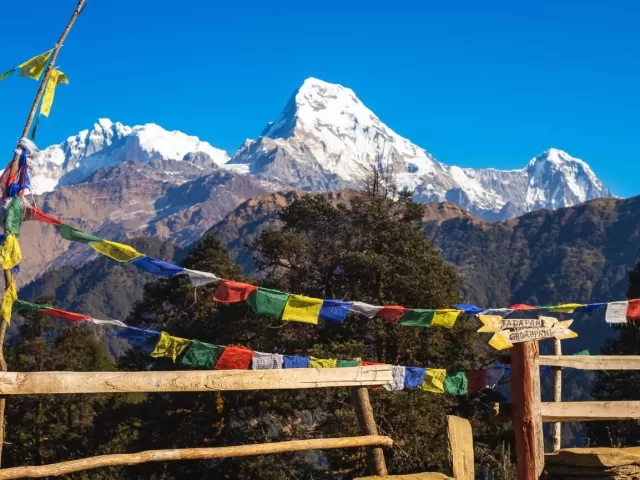
The Poon Hill Short Trek is scenic and easy in the Annapurna region, perfect for a quick Himalayan adventure. Trekkers from Ulleri pass through lush forests and charming villages before reaching Ghorepani. The highlight is the sunrise view from Poon Hill (3,210m), offering stunning panoramas of the Annapurna and Dhaulagiri ranges. The trek ends in Ghandruk, a cultural Gurung village, before returning to Pokhara.The Poon Hill Short Trek is a popular and relatively easy trekking route in the Annapurna region, ideal for those looking to experience the natural beauty of the Himalayas in a short time. The trek starts with a scenic drive from Pokhara to Ulleri, where the adventure begins. Ulleri is a charming village at the foot of the Annapurna range and offers a perfect blend of rural life and stunning mountain views. From here, trekkers ascend through terraced fields, ancient stone stairs, and lush rhododendron forests to reach Banthanti, a small settlement at the Ghorepani ridge's base. Banthanti provides a peaceful place to rest and soak in natural beauty. On the second day, trekkers continue their journey towards Ghorepani Village, a lively settlement at 2,850 meters. This picturesque village is known for its friendly atmosphere, traditional houses, and the magnificent panoramic views of the Annapurna and Dhaulagiri ranges. From Ghorepani, an early morning hike takes trekkers to Poon Hill, the highlight of the trek. Poon Hill stands at an elevation of 3,210 meters and offers one of the most breathtaking sunrise views in the Himalayas, with the golden rays illuminating the snow-capped peaks. After soaking in the beauty of the sunrise, trekkers descend towards Tadapani, where they can rest and enjoy the tranquility of the forested surroundings. The trek ends in Ghandruk, a beautiful Gurung village known for its rich culture and history. Trekkers can explore traditional stone houses here and enjoy the Annapurna range's final views before returning to Pokhara Why Poon Hill Short Trek is a Must-Do Trek?Queen of the Beauty – The trek offers breathtaking views of the Annapurna and Dhaulagiri mountain ranges, especially from Poon Hill at sunrise. Easy Yet Rewarding – Suitable for beginners and experienced trekkers alike, this short trek provides a fulfilling Himalayan experience without requiring extensive trekking expertise.Manageable Duration—This option covers around 25-30 km in just three days, starting at Ulleri and ending at Ghandruk, making it excellent for those with limited time.Diverse Landscapes – The trail passes through lush forests, terraced fields, and charming Gurung and Magar villages, offering cultural and natural diversity.Mild Altitude Gains – Unlike high-altitude treks, Poon Hill has moderate elevation changes, making it accessible to most fitness levels.Cultural Experience—The trek allows one to interact with local communities and experience traditional Nepali Magar and Gurung Indigenous people's hospitality.Convenient Access – Easily reachable from Pokhara, minimizing travel hassle before and after the trek.Close View of 18 Mountain Peaks – Witness panoramic views of 18 stunning peaks, including Annapurna, Dhaulagiri, and Machhapuchhre.Three 8,000-meter-high Giants: Enjoy close-up views of Annapurna I (8,091m), Dhaulagiri I (8,167m), and Manaslu (8,163m), some of the world's highest mountains.Serene and Tranquil Jungle Hike—Trek through peaceful Pine, rhododendron, and oak forests, walking through nature away from urban noise.Reach Poon Hill in a Day – The trek allows you to reach the famous viewpoint within a day of starting, making it a quick yet rewarding adventure.Surrounded by Lush Forests—Walk through vibrant rhododendrons, Pine, and oak forests with rolling green hills in the background.Stunning Countryside Views – Experience breathtaking views of Nepal's picturesque countryside, dotted with traditional villages and terraced fields.Magar Ethnic Villages—Discover the rich culture of the Magar and Gurung communities as you pass through charming, cluster-style villages.Millet and Rice Fields—Trek through beautiful terraced millet and rice fields, which showcase the region's traditional farming practices.Kaligandaki Valley—Enjoy stunning views of the Kaligandaki and Modi River Valley, one of the deepest gorges in the world, adding to the trek's scenic diversity.Preparing for the Nepal Trek with Asiana Treks and Tours:Following these tips ensures a smooth, enjoyable, and enriching journey through Nepal's Silver Triangle. Ensure Your Travel Documents Are ReadyVerify that your passport is valid for at least six months beyond your travel dates.Obtain a Nepal visa in advance or on arrival at the airport.Carry travel insurance covering medical emergencies, trip cancellations, and unexpected delays.Pack wisely For Comfort and ConvenienceBring lightweight, breathable clothing for warm days and layered outfits for cooler evenings.Pack comfortable walking shoes, a rain jacket, sunglasses, sunscreen, and personal essentials.Pack a small daypack to carry essentials during daily excursions.Understand and Respect the Local CultureDress modestly, especially at religious sites, and remove your shoes before entering temples.Greet locals with a polite "Namaste" and respect local customs and traditions.Avoid public displays of affection, as Nepalese culture values modesty.Maintain Physical Readiness for the JourneyThe Silver Triangle Tour includes sightseeing and short walks, so staying active beforehand helps.Do light walking or basic stretching before your trip to build stamina.If you have any medical conditions, carry the necessary medications and inform your tour guide.Prioritise Hydration and Well-BeingDrink purified or bottled water to avoid dehydration and stomach issues.Carry a reusable water bottle and refill it at safe water stations.Eat well-balanced meals with local cuisine, but avoid street food if you have a sensitive stomach.Stay Open-Minded and AdaptableNepal's charm lies in its authenticity, so stay flexible with your schedule and enjoy spontaneous experiences.Expect occasional delays due to road conditions or weather, and embrace the relaxed travel pace.Interact with locals, explore hidden gems, and immerse yourself in the beauty of Nepalese culture.Be Environmentally ConsciousMinimise plastic waste by carrying reusable bottles and bags.Follow responsible tourism practices by respecting nature and local communities.Support eco-friendly accommodations and ethical tour operators.Capture Memories But Stay PresentBring a camera or smartphone to capture the stunning landscapes and cultural sites.Enjoy the beauty around you rather than focusing solely on photos.Seek permission before photographing people, especially in rural areas.Bring Necessary PhotographCarry passport-sized photos, as you may need them for permits, SIM cards, or other travel documents.Poon Hill Short Trek Itinerary:The Poon Hill Short Trek with Asiana Treks and Tours is ideal for travellers seeking a moderate yet rewarding trek in Nepal. This short trek offers stunning Himalayan views, diverse landscapes, and rich Gurung & Magar culture. Experience the warmth of local teahouses, breathtaking sunrises at Poon Hill, and peaceful stays in Tadapani and all. Overlook the Madi River Valley rice and millet terraces within three days.Poon Hill Short Trekking Distance:The total distance of the Poon Hill Short Trek is about 25 to 30 kilometres, depending on your exact route and any detours you take. The trek is broken into manageable sections over three days, giving you a chance to explore the Annapurna region without intense, multi-day trekking. On the first day, trekkers drive from Pokhara to Ulleri and then continue on foot to Banthanti. This stretch covers around 8-10 kilometres. On the second day, the trek takes you to Ghorepani (around 8 kilometres), then includes an early-morning hike to Poon Hill before descending to Tadapani, covering another 8 kilometres. The final day includes a descent to Ghandruk, around 6 kilometres, followed by a drive back to Pokhara.Although the trek doesn’t cover as much distance as longer treks like the Annapurna Circuit or Everest Base Camp, the terrain can still be challenging. The path includes steep ascents, especially from Ulleri to Banthanti and later from Ghorepani to Poon Hill. Trekkers should be ready for these short but intense climbs. Despite its relatively short distance, the trek offers ample opportunity to immerse oneself in the region's cultural and natural beauty. Poon Hill Short Trekking Route:The Poon Hill Short Trek is a scenic journey through lush forests, traditional villages, and breathtaking mountain landscapes. The route passes through the drive-taking Pokhara Baglung Highway, Phedi, Naudanda, Kande, Lumle, and Nayapul. After taking the dirt road to Berithati, Ramduwali, Sudeme Hile, Ulleri, Ghorepani, Tadapani, and Ghandruk, offering stunning views of the Annapurna and Dhaulagiri ranges and the iconic mountain Machhapuchhre(Fishtail) a mountain A Main goal of the trek is the Poon Hill viewpoint (3,210m), where trekkers witness a spectacular sunrise over the 18 Himalayan peaks. The trail winds through dense rhododendron forests, terraced fields, and charming Gurung villages, providing natural beauty and cultural experiences. This short yet rewarding trek is perfect for those seeking an easy yet unforgettable Himalayan adventure.Poon Hill Short Trekking Price:The cost of the Poon Hill Short Trek can vary depending on the season, group size, and the type of services chosen. For trekkers booking through a reputable agency like Asiana Treks & Tours, the price generally includes permits, guide and porter fees, transportation (to and from the starting point), accommodation, and meals along the trek. Typically, the price for the Poon Hill Short Trek ranges from $250 to $500 USD per person for a basic package, depending on the level of service and customisation. This cost covers required permits such as the Annapurna Conservation Area Permit (ACAP) and the TIMS card, plus accommodation in teahouses along the trail, which are generally comfortable with basic amenities. The cost may increase if trekkers prefer a more luxurious experience, including higher-quality accommodations and private guides or porters. You can also make the trek more affordable by booking as part of a group, which often lowers the price. Also factor in extra expenses such as personal items, travel insurance, drinks, snacks, and tips for guides and porters. Overall, the Poon Hill Short Trek offers excellent value for money given the stunning natural beauty and cultural experiences it provides in just three days.Poon Hill Short Trekking Height:The maximum elevation on the Poon Hill Short Trek is 3,210 meters at Poon Hill, the trek's main highlight. Poon Hill is a famous viewpoint that offers one of the most stunning sunrise panoramas of the Annapurna, Machapuchare, and Dhaulagiri ranges, making the trek well worth the effort. Although the trek reaches moderate altitudes, it’s generally considered low risk for altitude sickness because of the gradual ascent. Starting at around 1,050 meters in Pokhara, trekkers climb to Ulleri (1,960 meters), then Banthanti (2,200 meters), and onward to Ghorepani (2,850 meters) before making the final push to Poon Hill. Although Poon Hill's altitude is modest by Himalayan standards, trekkers should still be mindful of the altitude gain, particularly if travelling from sea level or lower elevations. The trek offers a great opportunity to acclimatise, as trekkers spend a couple of nights at lower altitudes before ascending to Poon Hill. After enjoying the sunrise, the trek descends through Tadapani and Ghandruk, keeping the altitude relatively low while still offering impressive views of the highest peaks of the Annapurna Range.RouteStart (m/ft)HighestEnd (m/ft)Pokhara to Ghorepani via Ulleri822m / 2,697ft2,875m / 9,432ft2,874m / 9,429ftPoon Hill to Tadapani2,874m / 9,429ft3,210m / 10,531ft2,630m / 8,628ftTadapani to Ghandruk, Drive to Pokhara2,630m / 8,628ft2,630m / 8,628ft822m / 2,697ftMajor Villages of Poon Hill Short Trekking: The Poon Hill Short Trek takes trekkers through several beautiful, culturally rich villages that offer a unique glimpse into the lifestyle of local communities in the Annapurna region. One of the first places trekkers will encounter is Ulleri, a traditional village known for its stone-paved staircases and warm hospitality. At an elevation of 1,960 meters, Ulleri is a starting point for many trekkers and offers stunning views of the surrounding mountains.From Ulleri, the trek continues towards Banthanti, a small, peaceful settlement amidst dense rhododendron forests. This village is a great place to stop and rest after the first leg of the trek. The next major stop is Ghorepani, a lively and colourful village perched at 2,850 meters. Ghorepani is known for its spectacular views of the Annapurna and Dhaulagiri ranges. The final stop before descending is Tadapani, another serene village that offers fantastic views of Machapuchare (Fishtail) and other peaks. The trek ends in Ghandruk, a charming Gurung village where trekkers can experience the local culture and tradition. Ghandruk is known for its stone houses, terraced fields, and breathtaking panoramic Himalayan views.Best Viewpoints on Poon Hill Short Trekking:The highlight of the Poon Hill Short Trek is undoubtedly the sunrise view from Poon Hill itself, which stands at 3,210 meters. From this viewpoint, trekkers enjoy a panoramic view of some of the highest peaks in the Himalayas, including Annapurna I, Annapurna South, Dhaulagiri, Machapuchare (Fishtail), and Nilgiri. Watching the sun rise over these snow-capped giants is one of the most breathtaking sights you’ll ever experience in the Himalayas. It's the perfect moment to witness the magical play of colours on the mountain faces. Beyond Poon Hill, several other incredible viewpoints dot the trek, including Tadapani and Ghorepani. Both offer panoramic views of the Annapurna and Dhaulagiri ranges. Tadapani is best known for its tranquil environment, where trekkers can enjoy stunning views of Machapuchare and other nearby peaks. As you trek through dense rhododendron forests and cross ridgelines, the various viewpoints provide incredible photo opportunities, making the trek even more memorable.Biodiversity of Poon Hill Short Trek:The Poon Hill Short Trek offers a rich and diverse range of biodiversity, making it a treat for nature lovers and wildlife enthusiasts. The trek passes through the Annapurna Conservation Area, home to various flora and fauna. The trail winds through lush forests of rhododendron, oak, and pine, which change colours with the seasons, especially in spring when rhododendrons bloom in vibrant reds and pinks. The region is home to various species, including Himalayan tahr, Langur monkeys, and wild boars. Birdwatchers will also be thrilled to spot species like the Himalayan Monal (Nepal's national bird), pheasants, and eagles. The trek's moderate altitude range, varying ecosystems, and proximity to the mountains make it a hotspot for flora and fauna, with a unique combination of subtropical, temperate, and alpine environments. The biodiversity on this trek enhances the overall experience, giving trekkers a deeper connection to nature.CategoryDetailsProtected AreaLargest conservation area in Nepal (7,629 sq. km)FloraOver 1,200 species, including rhododendrons, oaks, and alpine flowersFauna100+ species of mammals, including snow leopards, musk deer, and Himalayan tahrBirdlife500+ bird species, including the Himalayan monal (Nepal’s national bird)Reptiles & Amphibians40+ species of reptiles and amphibians found in the regionElevation Range790m (subtropical forests) to 4030 m (Annapurna Base Camp)Cultural DiversityHome to Gurung, Magar, Thakali, and Tibetan communitiesClimate ZonesTropical, temperate, alpine, and arctic zonesTrekking & TourismPopular Treks: Annapurna Circuit, Annapurna Base Camp, Ghorepani Poon HillFestivals and Cultures in Poon Hill Short Trek:The Poon Hill Short Trek not only offers an opportunity to explore nature but also immerses trekkers in the vibrant cultures of the Gurung and Magar people who live along the route. These ethnic groups have unique customs, traditions, and festivals, integral to the trekking experience. One of the most important festivals in the region is Dashain, Nepal's most significant Hindu festival. Dashain involves a series of rituals and family gatherings, where people worship their elders and seek blessings for good fortune and prosperity. During this time, the region comes alive with cultural performances, music, and local feasts. Tihar, also known as the Festival of Lights, is another important festival celebrated along the trail. During Tihar, homes and villages are decorated with oil lamps and colourful lights, creating a festive atmosphere in Ghorepani, Tadapani, and Ghandruk. The trek also offers opportunities to experience traditional Gurung culture, especially in Ghandruk, where you can see the unique architecture of stone houses and interact with locals wearing colourful attire on special occasions. The Poon Hill trek provides a chance to enjoy the local customs, dances, and community spirit that make these festivals unique. Advantages of Booking with Asiana Treks & Tours:Booking your Poon Hill Short Trek with Asiana Treks & Tours comes with numerous advantages. As a well-established and trusted trekking agency in Nepal, Asiana Treks provides trekkers with a seamless, hassle-free experience, including fully guided treks, comfortable accommodations, and all necessary permits. One of the main benefits of choosing Asiana Treks is its focus on providing personalised services tailored to your needs. Whether you're a solo traveller or part of a group, the company ensures a great experience by providing experienced guides and porters familiar with the route and local culture. Another significant advantage is Asiana Treks’ commitment to safety. They prioritise client well-being by providing trained guides who can handle emergencies, including altitude sickness, while maintaining an excellent safety record. Asiana Treks is known for its attention to detail, high-quality trekking gear, proper acclimatisation, and strong customer support throughout the journey. They also offer eco-friendly trekking packages and contribute to local communities through sustainable tourism practices. With Asiana Treks & Tours, trekkers can enjoy the Poon Hill trek in comfort and confidence, knowing that they are in capable hands every step of the way.Trek Booking:Booking the Poon Hill Short Trek with Asiana Treks & Tours is straightforward and hassle-free. The company offers a variety of packages to suit different needs and preferences, and you can easily book your trek online or by contacting their office directly. Once you choose the dates and trek type (private or group), Asiana Treks will handle all necessary arrangements, including permits, accommodation, and meals along the route. The company ensures a smooth, enjoyable experience by handling all logistics so you can focus on the adventure. A deposit is typically required to confirm your trek booking. The team will provide a detailed itinerary, including day-to-day activities, transport arrangements, and gear and preparation recommendations. Asiana Treks also offers flexible cancellation policies and handles all bookings professionally, so you can rest assured your trekking experience will be well organised from start to finish.Transportation for Poon Hill Short Trekking:Asiana Treks & Tours offers convenient transportation options to get trekkers to the starting point of the Poon Hill Short Trek. The journey usually begins with a scenic drive from Pokhara to Ulleri, the first village on the trek. Asiana Treks arranges private vehicles or comfortable tourist buses to take you from Pokhara to the trek's starting point, making the journey easy and relaxing. You can also arrange private vehicles for more flexibility, depending on your schedule and preferences. The drive from Pokhara to Ulleri takes about 1.5 to 2 hours, with the road providing stunning views of the Annapurna range and local villages. At the end of the trek, when you reach Ghandruk, Asiana Treks will arrange the return transportation to Pokhara. This transportation service ensures that trekkers have a stress-free start and finish without worrying about the logistics of getting to and from the trailhead.Trekking Start:The Poon Hill Short Trek officially begins with a scenic drive from Pokhara to Ulleri, a small village located at an elevation of 1,960 meters. From there, the trek begins on foot, and trekkers start their ascent towards Banthanti, followed by Ghorepani and eventually to Poon Hill. The trek is accessible to trekkers of all levels and is moderately challenging, with short but steep climbs through forests and small settlements. Your trekking experience will be well-guided. On the first day, Asiana Treks arranges all logistics, such as permits and transportation, so you can focus on enjoying the breathtaking landscapes. Whether you're a first-time trekker or an experienced hiker, the trek offers an ideal start that gradually acclimatises you to the altitude and prepares you for the scenic beauty.Currency Exchange:Currency exchange is an essential factor to consider when trekking in Nepal. The local currency is the Nepalese Rupee (NPR), and while most trekking routes have basic money-exchange facilities, it's always wise to exchange some currency before starting the trek. Pokhara is a tourist hub with several banks, currency exchange services, and ATMs where trekkers can exchange foreign currency for Nepalese rupees. Asiana Treks & Tours provides guidance on the best places to exchange currency, and it is often recommended to carry enough cash in local currency, as not all teahouses along the Poon Hill route may accept credit cards. Having some extra money available for emergencies is also a good idea. In Pokhara, you can also withdraw cash from ATMs, but it’s best to do so before leaving for the trek, as there are no ATMs on the trail and villages along the way do not always have money-changing facilities.Guide and Porter Arrangement:One of the significant advantages of booking with Asiana Treks & Tours is the professional guide and porter services they offer. For the Poon Hill Short Trek, we highly recommend an experienced guide who knows the trail, can assist with navigation, and provides insights into the local culture, history, and environment. Asiana Treks guides are well-trained, knowledgeable, and fluent in English, ensuring a safe and informative trekking experience. Porters are also available to carry your luggage, so you can trek more comfortably and focus on the experience rather than heavy loads. Porters typically carry around 15-20 kilograms, making the trek much easier, especially on the steep and challenging sections. Asiana Treks carefully selects porters who are experienced and accustomed to the terrain, ensuring they are physically fit and well-prepared for the trek. Their services make the trek more relaxed and enjoyable, allowing trekkers to fully immerse themselves in the stunning landscapes without the burden of heavy packs.Porter, Luggage, and Extra Luggage Storage:Hiring a porter is one of the most beneficial aspects of the Poon Hill Short Trek, as it lets trekkers enjoy a lighter, more comfortable hike. Porters help carry the heavy load, typically around 15-20 kg of personal gear, while you can focus on the trek. Asiana Treks & Tours arranges experienced, professional porters familiar with the terrain, ensuring your belongings are carried safely and efficiently. This service not only lightens your load but also supports the local economy by providing employment opportunities for the villagers. In addition to porter service, trekkers are advised to pack lightly, focusing on essentials such as warm clothing, waterproof gear, and toiletries. For those travelling with excess luggage, Asiana Treks offers extra luggage storage in Pokhara, where you can safely leave unneeded items while on the trek. This is especially useful if you carry more luggage than you need for the trek. The storage facility keeps your belongings secure, giving you peace of mind while you focus on your adventure.Accommodation:During the Poon Hill Short Trek, trekkers will stay in teahouses or guesthouses that offer basic, comfortable accommodations. Local families run these teahouses along the route, giving trekkers a chance to rest and enjoy traditional hospitality. The rooms typically feature simple beds with blankets, most of which are heated during the colder months, ensuring that trekkers stay warm at night. The accommodation in places like Ghorepani, Tadapani, and Ghandruk is clean and basic, but it offers a cosy environment after trekking. While you won't have luxuries such as private bathrooms, most teahouses provide shared facilities, including communal bathrooms and hot showers, for an additional fee. Asiana Treks can arrange accommodations that meet higher standards where possible for trekkers seeking more comfort. Teahouses also serve meals, often in a communal dining area where trekkers can meet other travellers and share stories.Meals During The Trip:Meals on the Poon Hill Short Trek are typically served at teahouses along the trail, offering a wide variety of delicious, nutritious options. Given the moderate altitude and the fact that most trekkers walk for several hours daily, the meals are designed to be energy-boosting and balanced. Breakfast usually includes options like porridge, pancakes, eggs, bread, and hot drinks such as tea, coffee, or hot chocolate. For lunch and dinner, you’ll find a variety of dishes catering to different tastes. Typical meals include dal bhat (a traditional Nepali rice and lentil dish), momos (dumplings), noodles, and fried rice. Many teahouses also serve Western-style meals like pasta, pizza, and sandwiches. The food is simple but flavorful, providing the right kind of sustenance needed for the trek. Asiana Treks ensures trekkers are well-fed, offering fresh, wholesome meals at each stop to maintain energy during the hike.Here’s a well-structured table format for Meals During the Trip:MealTypical OptionsDescriptionBreakfastPorridge, Pancakes, Eggs, Bread, Tea, CoffeeA warm, energising start to the dayLunchDal Bhat, Momos, Noodles, Fried Rice, PastaA mix of Nepali and Western dishes for balance.DinnerDal Bhat, Momos, Noodles, Fried Rice, PastaSimilar to lunch, to sustain energy overnight.BeveragesTea, Coffee, Hot Chocolate, Herbal TeaKeeps trekkers warm and hydrated.Drinking Water:Staying hydrated during the trek is crucial, and while bottled water is readily available for purchase along the Poon Hill route, it’s important to consider environmental impacts. Many trekkers bring reusable water bottles to reduce plastic waste. Along the trail, teahouses provide safe drinking water, either by boiling or purifying it, and you can refill your bottle there for a small fee. As an eco-conscious trekking agency, Asiana Treks & Tours encourages trekkers to use water purification tablets or a water filter to purify natural water sources. Alternatively, trekkers can opt for boiled water, available at teahouses and safe to drink. Since clean drinking water is essential at higher altitudes, Asiana Treks ensures that trekkers have easy access to water while encouraging sustainable practices by minimising single-use plastic bottles on the trek.Extra Personal Expenses:While trekking the Poon Hill Short Trek, it’s essential to be prepared for any extra personal expenses that may arise along the way. These expenses typically cover items not included in the standard trekking package, such as snacks, souvenirs, extra meals, or beverages outside the typical offerings. For example, if you’d like extra snacks like chocolate, chips, or energy bars, or if you’re craving a warm drink like hot chocolate or coffee during your trek, you can buy these items at teahouses along the route. Additional costs may also include charging electronic devices like phones and cameras, as most teahouses provide charging facilities for a small fee. Hot showers are another potential extra expense, as not all teahouses offer them as part of the standard accommodation; they usually charge a fee for this service. Tips for the guide and porter are also a personal expense, and although not mandatory, it’s customary to tip for their excellent service. Asiana Treks & Tours provides guidance on expected tipping amounts, ensuring that trekkers are prepared for these additional costs and can budget accordingly for the trek.Toilet Facilities in Poon Hill Short Trekking: Toilet facilities along the Poon Hill Short Trek vary from teahouse to teahouse, but most of them offer basic toilet facilities. In the villages of Ulleri, Banthanti, Ghorepani, Tadapani, and Ghandruk, trekkers will find shared squat toilets, which are common in the region. These toilets are generally clean but may not have modern amenities such as toilet paper or running water. It’s advisable to bring your own toilet paper and hand sanitiser to maintain hygiene. As you ascend to higher altitudes, the toilet facilities can become more basic, with some teahouses offering simple pit or long-drop toilets. However, some more popular, modern teahouses along the route may provide western-style toilets for added comfort, especially in Ghorepani and Tadapani, where infrastructure is better developed. Trekkers should also be mindful of the environment by disposing of waste properly, as facilities may not always be well equipped for waste disposal. Asiana Treks & Tours encourages responsible trekking practices to keep the trail clean and minimise environmental impact.Internet Connectivity:While the Poon Hill Short Trek is relatively short, trekkers can expect limited internet connectivity along the way. Most teahouses and villages offer Wi-Fi. Still, connection quality and speed can vary greatly depending on your location and weather conditions. Wi-Fi is generally slower than what you're used to at home, but it’s enough for basic tasks like checking emails or sending messages on social media. To access the internet, trekkers usually pay a small fee to use the Wi-Fi at teahouses, and the connection is often available in communal areas or dining rooms. The signal may be weaker or unavailable in more remote areas like Banthanti and Tadapani due to the region’s mountainous terrain. However, you'll find better internet access in Ghorepani and Ghandruk, which are more developed villages. If staying connected is essential, trekkers can purchase local SIM cards with 3G/4G data packages in Pokhara before starting the trek. Keep in mind that internet connectivity may not be as reliable as in urban areas, and it's an excellent opportunity to disconnect and enjoy the natural beauty of the Himalayas.Electricity Voltage and Plugs:The electricity voltage in the regions along the Poon Hill Short Trek is generally 230V at 50Hz, which is compatible with most European and Asian electronics. However, it’s always a good idea to check the voltage requirements for your specific devices and bring a suitable adapter or converter if needed. Some teahouses along the trek will have solar power or hydropower, though the electricity supply can be intermittent, especially in more remote areas. Regarding plugs, Nepal typically uses Type C and Type D plugs. Type C has two round pins, while Type D has three. Type C is more common on the trek, but it's best to confirm the plug type at the teahouse in advance if you plan to charge your devices. Teahouses offer charging facilities, though they usually cost extra, and power supply may be limited. Asiana Treks & Tours recommends carrying a power bank to charge your devices on the go, as electricity may not always be available when you need it most. Communication:While trekking the Poon Hill Short Trek, communication can be challenging because of the region's remote nature. However, staying connected to the outside world is still possible in certain areas. Most teahouses and villages along the route offer essential phone service, and you can find local mobile networks with cellular reception in larger villages like Ghorepani and Ghandruk. You can buy local SIM cards with 3G/4G data in Pokhara before your trek if you need to make calls or send messages. These SIM cards provide better coverage for essential communication. Some teahouses also offer internet connectivity for a fee, but quality and speed are often limited because of the mountainous terrain. While internet service may help with simple tasks such as messaging or checking emails, it may not be sufficient for heavy use such as video calls or streaming. Asiana Treks & Tours advises trekkers to use the trek to disconnect and enjoy the natural surroundings while ensuring basic communication needs are met. If you require urgent communication, satellite phones are sometimes available for rent, though they may be costly and usually reserved for emergencies. Trip Extension:For those looking to extend their trekking adventure, Asiana Treks & Tours offers options for customising your Poon Hill Short Trek itinerary. If you have more time and want to explore other areas in the Annapurna region, the company can help extend your trek to include destinations such as Annapurna Base Camp, the Ghorepani Poon Hill Circuit, or even the more remote areas of the Annapurna Sanctuary. These extensions allow you to explore additional villages, valleys, and viewpoints while experiencing more of Nepal's rich culture and biodiversity. Whether you want to add a few extra days for further trekking, explore additional cultural sites, or relax in a nearby town, Asiana Treks offers the flexibility to adjust the itinerary to meet your needs. This personalised service ensures your trekking experience fits your time frame, interests, and fitness level. If you’re not keen on continuing an extended trek, you can opt for other adventure activities like rafting, paragliding, or cultural tours in Pokhara and Kathmandu. Asiana Treks handles all logistics for these trip extensions, so you can enjoy your journey without worry.Trek Difficulty:The Poon Hill Short Trek is an easy trek suitable for trekkers with a basic fitness level. It doesn't require technical climbing skills, but it involves several hours of walking each day, with some uphill stretches. The trek takes you through rural villages and dense forests and includes steep ascents and descents, particularly between Ulleri and Ghorepani. The trek's highest point, Poon Hill, stands at 3,210 meters. While it is not considered high altitude, trekkers should still be aware of the potential risks of altitude sickness, mainly if they are not accustomed to higher elevations. For most trekkers, the Poon Hill Short Trek is accessible and manageable with proper preparation. However, trekkers should be in good physical condition and ready for moderate hiking. The trek suits first-time trekkers and those with some experience. Asiana Treks & Tours ensures that guides help trekkers acclimatise and pace themselves throughout the journey. The gradual ascent and ample rest stops help minimise the risk of exhaustion or altitude-related issues. Trekking at a comfortable pace, with plenty of hydration and rest breaks, helps ensure you can enjoy the trek without difficulty.Trip Safety:Safety is a top priority when trekking with Asiana Treks & Tours, and the company takes all necessary precautions to ensure trekkers have a safe and enjoyable experience on the Poon Hill Short Trek. All guides are well-trained and thoroughly understand mountain safety, including the signs of altitude sickness, how to treat basic injuries, and how to handle emergencies. The guides also carry essential first-aid kits and have extensive knowledge of the terrain, ensuring trekkers are well cared for in case of health issues.Asiana Treks ensures that all safety measures are in place, including proper acclimatisation schedules to help avoid altitude sickness. The trek’s relatively moderate altitude makes it less prone to severe altitude sickness. However, the company still encourages trekkers to follow safety protocols, stay hydrated, and take rest breaks as needed. Additionally, communication devices such as mobile phones and satellite phones are available for emergency use, providing an extra layer of security. In an emergency evacuation, Asiana Treks has plans to facilitate a quick response and safe transportation to the nearest hospital if needed. The team works with local agencies to ensure that trekkers are in capable hands throughout the trip, and travel insurance covering emergency evacuations and medical treatment is highly recommended before embarking on the trek.Group & Private Treks:When booking a trek with Asiana Treks & Tours, trekkers can choose between group or private treks, each offering unique advantages. Group treks are excellent for travellers who enjoy socialising and meeting other trekkers worldwide. These treks are cost-effective as expenses, including guides, porters, and transportation, are shared among the group. Joining a group trek can also enhance the experience by giving you opportunities to connect with fellow travellers, share stories, and support each other along the way. On the other hand, private treks offer more flexibility, privacy, and personalised attention. If you prefer a more customised experience, a private trek with Asiana Treks lets you adjust the pace, itinerary, and even accommodations to suit your preferences. Whether trekking with friends, family, or alone, private treks offer a more intimate, personalised experience with a dedicated guide and porter to meet your needs. The company’s team is always happy to accommodate special requests, making private treks ideal for those seeking exclusivity and tailored services.About Solo Traveller:Travelling solo on the Poon Hill Short Trek is an excellent way to experience Nepal's natural beauty and culture. Asiana Treks & Tours welcomes solo trekkers and helps ensure a safe, memorable experience. Whether trekking for personal reflection, adventure, or to meet new people, solo trekking offers flexibility and independence. We typically recommend a guide for solo trekkers, especially those unfamiliar with the trail or the region. Asiana Treks will arrange an experienced, friendly guide to help navigate the route and share insights into local culture, wildlife, and history. Solo travellers can also opt for porters to ease carrying their personal belongings. The company’s commitment to safety and personalised service ensures that solo trekkers feel supported throughout their journey. Solo trekkers can also choose a group or private trek based on their preference. The trek provides an opportunity for personal growth, exploration, and a deep connection with nature while being part of a larger trekking community.Responsible Travel:Responsible travel is at the heart of Asiana Treks & Tours' philosophy, and the company is committed to promoting sustainable and ethical trekking practices. The Poon Hill Short Trek offers an opportunity to immerse in the beauty of nature while ensuring minimal environmental impact. Asiana Treks encourages trekkers to follow Leave No Trace principles, including packing out all waste, minimising plastic use, and respecting local wildlife and ecosystems. This helps preserve the pristine environment for future generations. The company also prioritises local culture and communities, ensuring trekkers have a positive impact on the areas they visit. Asiana Treks works closely with local families and businesses, creating economic opportunities and fostering a sustainable tourism model. Local guides, porters, and other staff members benefit directly from responsible tourism. By choosing Asiana Treks & Tours, trekkers can support initiatives that promote community development and environmental conservation, helping to preserve Nepal’s natural beauty and cultural heritage while providing a meaningful travel experience.GratitudeExpressing gratitude is a significant part of the experience at the end of any trek. Asiana Treks & Tours encourages trekkers to express their appreciation for the hard work and dedication of the guides, porters, and other support staff. These individuals play a vital role in making your trek a success, from navigating the trails to carrying your luggage and offering helpful insights. A tip or gesture of thanks for their service is always appreciated, and it helps recognise the hard work that goes into ensuring a safe, enjoyable, and memorable trek. In addition to acknowledging your team's work, Asiana Treks promotes gratitude towards the communities and nature you encounter. Trekkers contribute to the region's and its people's well-being by practising responsible travel and supporting local businesses. Gratitude for the incredible experiences, landscapes, and cultural encounters you gain during the trek can also deepen your appreciation for Nepal and its beauty. Asiana Treks strives to leave both trekkers and the local communities with a sense of fulfilment, connection, and appreciation for the journey shared.End of Trek:As the Poon Hill Short Trek comes to an end, trekkers are typically filled with a sense of achievement and awe from the incredible experiences they’ve had. The trek usually ends back in Pokhara, where you can reflect on the magnificent mountain views, picturesque villages, and rich culture you've experienced. After a celebratory farewell dinner, it’s time to say goodbye to your guide, porter, and fellow trekkers who have made the journey memorable. Asiana Treks & Tours ensures that the trek ends on a positive note by providing any necessary support for your return journey, whether it’s arranging transportation back to Kathmandu or helping with any final details. The company will also ensure that trekkers have any required paperwork or receipts for their trip, making the transition from the mountains back to urban life as seamless as possible. Before departure, you'll be given a certificate of completion for your trek, a small gesture to commemorate the accomplishment.Departure:After completing the Poon Hill Short Trek, you can depart Nepal according to your plans. Asiana Treks & Tours ensures a smooth, hassle-free departure. Whether you're heading back to Kathmandu or continuing your travels to other destinations in Nepal, your guide will help arrange transportation. The company can organise your transport by private vehicle or tourist bus back to Pokhara or Kathmandu. For those flying out of Nepal, Asiana Treks will assist with airport transfers and ensure you get to the airport on time for your flight. If you're extending your trip to other parts of Nepal, like the Chitwan National Park or Lumbini, the team can help arrange transportation or new trekking itineraries. Regardless of your destination, the Asiana Treks & Tours team will ensure a smooth departure so you can focus on enjoying the memories of your trek.FeedbackAfter your trek, Asiana Treks & Tours values trekkers' feedback to continuously improve its services. Your insights and comments about your experience can help the company refine and enhance future treks for all travellers. You can share your thoughts on various aspects of the trek, including the guides, porters, accommodation, food, and overall experience. Feedback is not only a way to help improve services but also a way for the company to celebrate your trekking journey with you. Whether your experience was excellent or you faced challenges, Asiana Treks listens attentively and notes every detail. The company then uses this feedback to help ensure future trekkers have an even better experience on the Poon Hill Short Trek and other treks it offers. By sharing your journey, you also become part of a community of trekkers that helps foster better experiences in Nepal’s trekking tourism.Last-Minute Booking:While it’s always ideal to plan your trek well in advance, Asiana Treks & Tours understands that sometimes plans change or travellers decide to embark on an adventure at the last minute. The company accommodates last-minute bookings for the Poon Hill Short Trek whenever possible, depending on availability and timing. If you are in Nepal and decide to book a trek at the last minute, contact Asiana Treks, and they will do their best to arrange the necessary permits, accommodations, and guides for you. Whether you have a few days left in Nepal or decide to take on the trek on a whim, Asiana Treks’ flexibility allows quick arrangements so you don’t miss out on experiencing the beauty of the Poon Hill Short Trek. Availability for last-minute bookings may be limited during peak trekking seasons, so it's best to book ahead when possible.NoteBefore embarking on your trek, Asiana Treks & Tours reminds you to remember a few essential notes for a smooth and enjoyable trek. First, be sure to have travel insurance covering trekking and emergency evacuation, as this will provide peace of mind in any unforeseen circumstances. Packing appropriately is crucial; bring essentials like warm clothing, sturdy trekking shoes, water purification tablets, sunscreen, and a camera to capture the stunning scenery. Trekking in Nepal’s mountains also requires respect for local customs, culture, and the environment. Always follow Leave No Trace principles, stay hydrated, and listen to your guide’s advice throughout the trek. Finally, bring a positive attitude and enjoy the incredible natural beauty, cultural heritage, and sense of adventure that comes with completing the Poon Hill Short Trek!Add-Ons & OptionsAsiana Treks & Tours offers a variety of add-ons and options for those looking to enhance their Poon Hill Short Trek experience or extend their adventure in Nepal. These optional extras can be tailored to fit your preferences, schedule, and budget, ensuring you maximise your time in the Annapurna region. Annapurna Base Camp Extension: A popular add-on is the Annapurna Base Camp (ABC) extension for trekkers who want to extend their trek. This trek takes you deeper into the heart of the Annapurna Sanctuary, with breathtaking views of snow-capped peaks, glaciers, and traditional Gurung villages. Asiana Treks & Tours can arrange for a seamless transition from the Poon Hill trek to the ABC trek, with a customised itinerary.Helicopter Ride to Poon Hill: If you prefer a quicker, more luxurious way to experience the panoramic views of the Himalayas, Asiana Treks & Tours offers the option to take a helicopter ride to Poon Hill. This aerial adventure provides an extraordinary bird’s-eye view of the Annapurna and Dhaulagiri ranges, ideal for travellers with limited time.Cultural Tours and Sightseeing: Asiana Treks also offers cultural tours in Pokhara and Kathmandu. These can include visits to UNESCO World Heritage sites such as Patan Durbar Square, Swayambhunath (Monkey Temple), and Boudhanath Stupa. For those interested in Nepal's rich culture, these add-ons offer deeper insight into the country’s history and traditions.Rafting in the Trishuli River: If you want to add some adventure to your trip, you can opt for a thrilling rafting experience on the Trishuli River, which flows from the Annapurna Range. It’s an exciting way to experience Nepal's natural beauty from a different perspective, combining adrenaline with stunning landscapes.These add-ons and options allow you to personalise your trek experience, whether you want to explore more remote areas, add luxury to your journey, or dive deeper into Nepal’s culture and adventure activities.Nepal Trekking Costs for 2026, 2027, and 2028:Trekking costs in Nepal, especially for the Poon Hill Short Trek, can vary based on factors such as the trekking season, the type of service (group or private trek), and the trek duration. Below is a general estimate of trekking costs for 2026, 2027, and 2028 based on the standard Poon Hill Short Trek package offered by Asiana Treks & Tours. Please note that prices are subject to change due to inflation, permits, or changes in the local economy, but this guide will provide you with a rough idea of the costs. Helicopter Ride to Poon Hill (Optional): $500 - $700 USD per personNotes:Peak Season (March to May and September to November) will generally see higher prices due to demand.Off-season treks (June to August and December to February) are cheaper, though the weather might be less predictable.Trekking costs include guides, porters, and standard accommodation and meals along the trek, but optional activities or luxury accommodations will incur additional fees.We recommend checking directly with Asiana Treks & Tours for the most up-to-date pricing, special promotions, and custom packages for 2026, 2027, and 2028. They can also provide detailed itineraries and cost breakdowns for any add-ons or extended treks you may be interested in.Annapurna Region Trekking: Guides, Tips & Himalayan AdventuresDiscover the beauty of Nepal’s Annapurna region with Asiana Treks & Tours. Explore breathtaking mountain landscapes, authentic local culture, popular trekking routes, and practical tips to help you plan an unforgettable Himalayan adventure.Annapurna Base Camp vs Everest Base Camp: The Best TrekTrekking Equipment List for Asiana Treks & ToursTrekking Permit Requirements for Different Regions in NepalBest Sunrise and Sunset Destinations in NepalTop Successful Trek for Beginners – Annapurna Base CampMost Popular Trek with High Success Rate – Annapurna Base Camp Trek (ABC) TrekHow to Prepare for the Annapurna Base Camp Trek (Gear, Fitness & Tips)Ghorepani Poon Hill Trek GatewayTop 26 Annapurna Region Trekking Packages in Nepal – The Ultimate GuideTadapani Diaries: One Magical Night in the MountainsDiscovering Ghandruk: A Peaceful Village in the Heart of NepalTrekking the Best of Annapurna: Poon Hill to Mardi HimalWhy Chhomrong is the Heart of the Annapurna Base Camp TrekAnnapurna Base Camp (ABC) & Machhapuchhre Base Camp (MBC) Trek: Two Base Camps, One Incredible JourneyExploring Sinuwa on the Annapurna TrailDeurali: A Peaceful Mountain Village on the ABC TrailBamboo: A Hidden Gem of the ABC TrekDovan Nepal: Peaceful Stopover on the Annapurna Base Camp TrailHimalaya Village: A Quiet Haven on the Way to Annapurna Base CampDhampus Village – Annapurna Classical Alternative GatewayPothana: The Alternative Gateway to Annapurna Base Camp and Mardi HimalBest Camping and Overnight Stays: Australian Camp & Mardi Himal TrekList of Hotels in Mardi Himal Base Camp TrekTrekking to Low Camp: A Peaceful Path to Mardi HimalForest Camp Adventures: Exploring the Mardi Himal Trek in NepalHigh Camp on the Mardi Himal Trek | Views, Altitude & Trekking GuideDiscovering the Magic of Mardi Himal ViewpointTop Highlights of the Mardi Himal Trek in NepalBest Time to Trek Mardi Himal: Tips for Perfect ViewsA Beginner’s Guide to the Mardi Himal Trek in NepalSurprising Facts About the Mardi Himal TrekEssential Guide to Mardi Himal Trekking Permits in NepalMardi Himal Trek Info: Elevation, Altitude, Height and WeatherMardi Himal Trek Accommodation and Food TipsBest Time to Trek Annapurna Base Camp in NepalTop Highlights of the Annapurna Base Camp TrekFood and Accommodation on the ABC Trek: What It’s Really LikeAltitude Tips for a Safe Annapurna Base Camp TrekAnnapurna Base Camp Permits: Costs, Process, and RequirementsTop Tips and Facts for Trekking to Annapurna Base CampAnnapurna Base Camp Trek: Elevation, Height & Temperature GuideDobato Stopover: Experiencing the Heart of the Khopra Danda RouteUpper Chistibung: What to Expect on the Way to Khopra DandaExploring Khopra Danda Ridge and Khayar LakeDiscover Swanta’s Beauty on the Khopra Danda TrailAmazing Facts About Khayar Lake in the Annapurna RegionBayeli Kharka Adventure: From Khopra Danda with Stunning ViewsKhopra Danda Trekking Guide: Cost, Permits, Meals, Lodging and Best SeasonExploring Mardi Himal, ABC, and Khopra Ridge in One Epic JourneyKhopra Khair Lake with Annapurna Base Camp Trek: A Complete JourneyKhopra Khair Lake with ABC Trek: Nature, Culture, and MountainsComplete Guide to Mohare Danda Trekking in NepalSunrise Views from Mohare Danda: What to ExpectTop Highlights of Poon Hill and Mardi Himal TrekExploring Poon Hill and Mardi Himal: A Beginner’s GuideExploring the Ghorepani Dhampus Circuit Trek in NepalAn Amazing Hike from Galeshwor to Nangi via Bans Kharka : Mohare Danda TrekkingLandruk: Gateway to the Stunning Mardi Himal ViewsMardi Himal Adventure: Exploring Badal Danda on the Siding TrekSunrise Views from Poon Hill and Mulde ViewpointsDhaulagiri Annapurna Trail: A New Alternative Trek in NepalBest Nepal Tour Packages: Adventure, Honeymoon, Senior Tours, Himalayan Highlights, Triangle & Sunrise Hill Station ToursCan You Cycle the Annapurna Circuit in Nepal?Besisahar – The Heart of Lamjung District: Gateway to the HimalayasExploring Jagat During the Annapurna Circuit TrekDharapani Village in Nepal: Where the Manaslu Circuit and Annapurna Circuit Trails Meet PointChame Village: A Peaceful Stop on the Annapurna Circuit TrekDiscover Upper Pisang: A Hidden Gem on the Annapurna CircuitExploring Lower Pisang: A Gateway on the Annapurna CircuitManang: The Heart of the Annapurna Circuit TrekYak Kharka (4,020m): A Must-Stop Village on the Annapurna CircuitThorong Phedi: Final Preparation Before Thorong La PassCrossing Thorong La Pass (5,416 m): The Highest Point of the Annapurna CircuitMuktinath in Mustang: A High-Altitude Spiritual Journey on the Annapurna CircuitJomsom (2,743 m): The Windy Valley That Connects Annapurna and Upper Mustang
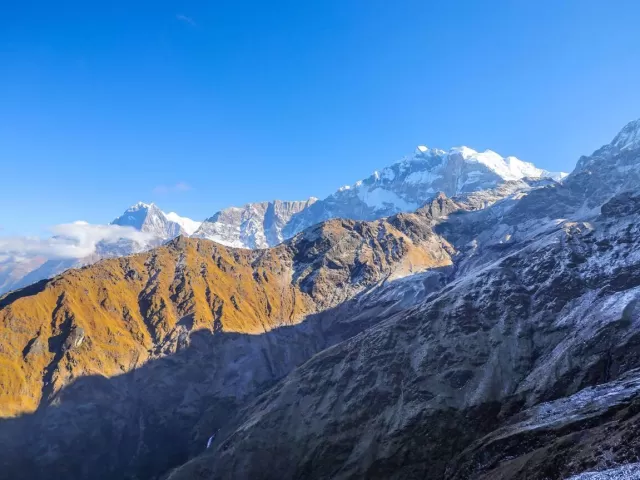
The Khopra Danda with Annapurna Base Camp Trek is one of Nepal’s most rewarding and scenic trekking experiences, combining two iconic routes — Khopra Danda (Khair Lake) and Annapurna Base Camp. This 12-day adventure through the Annapurna region offers breathtaking mountain views, rich cultural encounters, and diverse landscapes. The trail passes through traditional Gurung and Magar villages, lush rhododendron forests, and peaceful terraced hillsides before reaching the stunning Khopra Ridge and the sacred Khair Lake (4,500m).The Annapurna Base Camp Trek via Khopra Ridge is a newer and less-crowded route, perfect for trekkers seeking authentic mountain experiences, warm hospitality, and community-run lodges. This trek rewards you with three of the best sunrise and sunset viewpoints in the Annapurna region — Poon Hill, Khopra Danda, and Annapurna Base Camp — where you can admire majestic peaks like Annapurna I, Dhaulagiri, Machhapuchhre (Fishtail), Tukuche, Nilgiri, and Hiunchuli. Known as the hidden gem of the Annapurna Sanctuary Trek, the Khopra Danda and Khair Lake Trek combo beautifully blends serenity, adventure, and spirituality. Whether you’re an experienced hiker or a first-time trekker, this route is one of the best treks in the Annapurna region, offering a perfect balance of natural beauty, cultural immersion, and unforgettable Himalayan panoramas — all within a well-planned 12-day itinerary from Pokhara created by Asiana Treks and Tours.Why Choose Khopra Danda (Khair Lake) with Annapurna Base Camp Trek? Experience the best of the Annapurna region with Asiana Treks and Tours. Our Khopra Danda (Khair Lake) with Annapurna Base Camp trek combines offbeat serenity with classic Himalayan beauty. Enjoy expert-guided trails, local hospitality, comfortable lodges, and breathtaking sunrise views—crafted for safety, comfort, and authentic Nepalese adventure.Highlight of reason to choose Khopra Danda and Annapurna Base Camp Trek:Expert local guides with 25+ years of experienceSafe, well-paced itinerary with altitude careA combination of the peaceful Khopra Ridge and the iconic Annapurna Base CampAuthentic cultural encounters in Gurung and Magar villagesCosy tea houses on the Annapurna side and community lodges for comfort at the Khopra danda site.Personalised service and flexible trekking optionsExperience Ghorepani Magar Community and Chhomrong Gurung Community.Preparing for Khopra Danda (Khair Lake) with Annapurna Base Camp TrekPrepare smartly for the Khopra Danda (Khair Lake) and Annapurna Base Camp trek:Prepare smartly for the Khopra Danda (Khair Lake) and Annapurna Base Camp trek with Asiana Treks and Tours. Ensure fitness, pack essential gear, and get travel insurance. Our expert guides help you adapt to altitude, enjoy balanced meals, and experience a safe, scenic, and unforgettable journey through the heart of the Annapurna region. Highlights of preparing for the Khopra Danda (Khair Lake) with Annapurna Base Camp trek:Pre-trek fitness and altitude preparationExpert trekking guidance and safety support Proper packing and equipment checklist Travel insurance and health precautions Balanced meals and hydration advice Eco-friendly and culturally respectful travel Khopra Danda (Khair Lake) with Annapurna Base Camp Trek – 12 Days Itinerary, Altitude in meters and fit, Elevation gain and lossDay and PlaceAltitude (m/ft) Altitude Gain and Loss (m/ft Day 1: Pokhara → Banthati 2,230 m / 7,316 ft +780 m / +2,559 ft Day 2: Banthati → Ghorepani 2,860 m / 9,383 ft +630 m / +2,067 ft Day 3: Ghorepani → Swanta 2,270 m / 7,447 ft -590 m / -1,936 ft Day 4: Swanta → Khopra Danda 3,660 m / 12,008 ft +1,390 m / +4,560 ft Day 5: Khopra Danda → Khair Lake → Return 4,500 m / 14,763 ft +840 m / +2,755 ft Day 6: Khopra Danda → Bayeli Kharka 3,460 m / 11,352 ft -200 m / -656 ft Day 7: Bayeli Kharka → Tadapani 2,630 m / 8,628 ft -830 m / -2,723 ft Day 8: Tadapani → Chhomrong 2,170 m / 7,120 ft -460 m / -1,509 ft Day 9: Chhomrong → Himalaya 2,920 m / 9,580 ft +750 m / +2,460 ft Day 10: Himalaya → Annapurna Base Camp 4,130 m / 13,550 ft +1,210 m / +3,970 ft Day 11: Annapurna Base Camp → Bamboo 2,350 m / 7,710 ft -1,780 m / -5,839 ft Day 12: Bamboo → Pokhara (via Jhinu Danda) 822 m / 2,697 ft -1,528 m / -5,013 ft Annapurna Region Trekking: Guides, Tips & Himalayan AdventuresDiscover the beauty of Nepal’s Annapurna region with Asiana Treks & Tours. Explore breathtaking mountain landscapes, authentic local culture, popular trekking routes, and practical tips to help you plan an unforgettable Himalayan adventure.Annapurna Base Camp vs Everest Base Camp: The Best TrekTrekking Equipment List for Asiana Treks & ToursTrekking Permit Requirements for Different Regions in NepalBest Sunrise and Sunset Destinations in NepalTop Successful Trek for Beginners – Annapurna Base CampMost Popular Trek with High Success Rate – Annapurna Base Camp Trek (ABC) TrekHow to Prepare for the Annapurna Base Camp Trek (Gear, Fitness & Tips)Ghorepani Poon Hill Trek GatewayTop 26 Annapurna Region Trekking Packages in Nepal – The Ultimate GuideTadapani Diaries: One Magical Night in the MountainsDiscovering Ghandruk: A Peaceful Village in the Heart of NepalTrekking the Best of Annapurna: Poon Hill to Mardi HimalWhy Chhomrong is the Heart of the Annapurna Base Camp TrekAnnapurna Base Camp (ABC) & Machhapuchhre Base Camp (MBC) Trek: Two Base Camps, One Incredible JourneyExploring Sinuwa on the Annapurna TrailDeurali: A Peaceful Mountain Village on the ABC TrailBamboo: A Hidden Gem of the ABC TrekDovan Nepal: Peaceful Stopover on the Annapurna Base Camp TrailHimalaya Village: A Quiet Haven on the Way to Annapurna Base CampDhampus Village – Annapurna Classical Alternative GatewayPothana: The Alternative Gateway to Annapurna Base Camp and Mardi HimalBest Camping and Overnight Stays: Australian Camp & Mardi Himal TrekList of Hotel in Mardi Himal Base Camp TrekTrekking to Low Camp: A Peaceful Path to Mardi HimalForest Camp Adventures: Exploring the Mardi Himal Trek in NepalHigh Camp on the Mardi Himal Trek | Views, Altitude & Trekking GuideDiscovering the Magic of Mardi Himal ViewpointTop Highlights of the Mardi Himal Trek in NepalBest Time to Trek Mardi Himal: Tips for Perfect ViewsA Beginner’s Guide to the Mardi Himal Trek in NepalSurprising Facts About the Mardi Himal TrekEssential Guide to Mardi Himal Trekking Permits in NepalMardi Himal Trek Info: Elevation, Altitude, Height and WeatherMardi Himal Trek Accommodation and Food TipsBest Time to Trek Annapurna Base Camp in NepalTop Highlights of the Annapurna Base Camp TrekFood and Accommodation on the ABC Trek: What It’s Really LikeAltitude Tips for a Safe Annapurna Base Camp TrekAnnapurna Base Camp Permits: Costs, Process, and RequirementsTop Tips and Facts for Trekking to Annapurna Base CampAnnapurna Base Camp Trek: Elevation, Height & Temperature GuideDobato Stopover: Experiencing the Heart of the Khopra Danda RouteUpper Chistibung: What to Expect on the Way to Khopra DandaExploring Khopra Danda Ridge and Khayar LakeDiscover Swanta’s Beauty on the Khopra Danda TrailAmazing Facts About Khayar Lake in the Annapurna RegionBayeli Kharka Adventure: From Khopra Danda with Stunning ViewsKhopra Danda Trekking Guide: Cost, Permits, Meals, Lodging and Best SeasonExploring Mardi Himal, ABC, and Khopra Ridge in One Epic JourneyKhopra Khair Lake with Annapurna Base Camp Trek: A Complete JourneyKhopra Khair Lake with ABC Trek: Nature, Culture, and MountainsComplete Guide to Mohare Danda Trekking in NepalSunrise Views from Mohare Danda: What to ExpectTop Highlights of Poon Hill and Mardi Himal TrekExploring Poon Hill and Mardi Himal: A Beginner’s GuideExploring the Ghorepani Dhampus Circuit Trek in NepalAn Amazing Hike from Galeshwor to Nangi via Bans Kharka : Mohare Danda TrekkingLandruk: Gateway to the Stunning Mardi Himal ViewsMardi Himal Adventure: Exploring Badal Danda on the Siding TrekSunrise Views from Poon Hill and Mulde ViewpointsDhaulagiri Annapurna Trail: A New Alternative Trek in NepalBest Nepal Tour Packages: Adventure, Honeymoon, Senior Tours, Himalayan Highlights, Triangle & Sunrise Hill Station ToursIs It Possible to Cycle the Annapurna Circuit in Nepal?Besisahar – The Heart of Lamjung District: Gateway to the HimalayasExploring Jagat During the Annapurna Circuit TrekDharapani Village in Nepal: Where the Manaslu Circuit and Annapurna Circuit Trails Meet PointChame Village: A Peaceful Stop on the Annapurna Circuit TrekDiscover Upper Pisang: A Hidden Gem on the Annapurna CircuitExploring Lower Pisang: A Gateway on the Annapurna CircuitManang: The Heart of the Annapurna Circuit TrekYak Kharka (4,020m): A Must-Stop Village on the Annapurna CircuitThorong Phedi: Final Preparation Before Thorong La PassCrossing Thorong La Pass (5,416 m): The Highest Point of the Annapurna CircuitMuktinath in Mustang: A High-Altitude Spiritual Journey on the Annapurna CircuitJomsom (2,743 m): The Windy Valley That Connects Annapurna and Upper Mustang
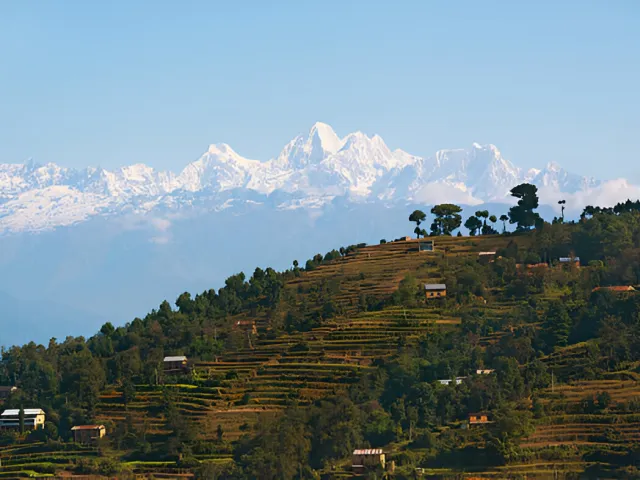
This 3-day Chisapani Nagarkot trek is a perfect escape for those seeking a short trek near Kathmandu. This beautiful journey begins with a scenic drive to Sundarijal, followed by an immersive walk through the lush Shivapuri National Park, rich in flora, fauna, and local village life. As part of the popular Chisapani Nagarkot trekking route, it offers incredible mountain views, peaceful trails, and a taste of traditional Nepali culture.3-day Chisapani Nagarkot Ideal for both beginners and seasoned trekkers, this beginner-friendly trek in Nepal takes you through serene forests, terraced fields, and traditional Tamang settlements. On day two, the trail leads to Nagarkot, a famous hilltop known for its breathtaking Himalayan views, especially during the sunrise trek from Nagarkot. This Kathmandu Valley Trek is among the most affordable short treks in Nepal and a top pick for a weekend trekking package. The Chisapani trek, ideal for nature lovers, combines natural beauty with cultural interaction, making it one of the best short trekking routes in Nepal. Whether you're looking for a Nagarkot hiking tour, eco-friendly hiking in Nepal, or a relaxing, family-friendly trekking in Nepal experience, this trek offers the perfect mix.What to Expect from the 3-Day Chisapani Nagarkot Trek: The 3-day Chisapani–Nagarkot Trek is a short, scenic and lifetime adventure ideal for travellers seeking a peaceful getaway near Kathmandu. You’ll walk through lush forests, pass by traditional villages, and enjoy 360° views of the Himalayas, including peaks like Manaslu and Everest, on clear days. Starting from Sundarijal, the trail leads to Chisapani for an extended and quiet stay on a hilltop, followed by a panoramic ridge walk to Nagarkot, famous for its breathtaking sunrise and sunset views. Along the way, experience local Tamang and Newari culture and immerse yourself in rural Nepali life. This trek is ideal for beginners or those with a limited time frame who still want to experience Nepal’s trekking, countryside village life, natural beauty, and cultural charm within just three days. Day 1: Kathmandu – Sundarijal – ChisapaniDrive for about an hour to Sundarijal, then enter the Shivapuri Nagarjun National Park (a permit is required). Hike past water pipes, forests, and the Tamang village of Mulkharka. Continue uphill to Borlang Bhanjyang and descend to Chisapani, a peaceful hill village with stunning mountain views.Day 2: Chisapani – Nagarkot Wake up to views of Langtang, Ganesh Himal, and even distant Everest. Walk through Shivapuri National Park, passing the Dhap Water Project, forest trails, and local farms. Enjoy a quiet trek through rural villages and terraced hillsides. Arrive at Nagarkot in time for a beautiful sunset.Day 3: Sunrise at Nagarkot – Return to Kathmandu Catch a breathtaking sunrise over the Himalayas. After breakfast, return to Kathmandu either by vehicle or via Bhaktapur, Banepa, or Dhulikhel (optional trek route).Who Can Join the 3-Day Chisapani Nagarkot Trek? The 3-day Chisapani Nagarkot Trek is a gentle and rewarding adventure designed for a wide range of travellers. Here's who can join and enjoy this beautiful journey: Beginners & First-Time Trekkers This trek is perfect for those new to hiking in Nepal. With moderate walking hours and easy-to-follow trails, it's an excellent introduction to trekking in the Himalayas.Families with ChildrenAn excellent choice for families looking for a short, safe, and scenic getaway. Children who enjoy walking and nature will love the experience.Nature and Culture LoversIf you enjoy walking through forests, exploring local villages, and learning about Nepali culture, this trek offers all of that in just three days.Senior Citizen Travellers & Casual HikersThe gradual trail and flexible pacing make it suitable for older adults and those looking for a low-altitude trek without the strain of steep climbs.Photographers and Sunrise SeekersWith dramatic Himalayan views and the famous sunrise from Nagarkot, this trek is ideal for anyone interested in photography and scenic landscapes.Time-Constrained TravelersPerfect for those with limited time who still want to experience Nepal's natural beauty and rural life close to Kathmandu.
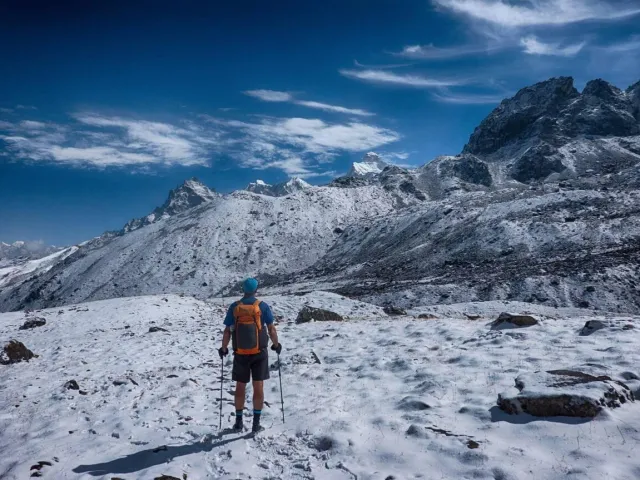
This exceptional adventure to the remote eastern Himalayas begins with your arrival in Nepal’s capital. After settling into your hotel, you get a taste of Kathmandu’s vibrant culture and ancient history. A guided heritage tour through iconic sites like Swayambhunath and Pashupatinath sets the tone before preparing for the journey ahead.A short domestic flight takes you to Bhadrapur, followed by a scenic drive through lush tea gardens to Ilam. From there, the winding roads lead deeper into the hills to Taplejung, the gateway to the Kanchenjunga region. Another day’s drive brings you to Sekathum, a peaceful village nestled beside the Tamor River and the starting point of your trekking adventure.The trail gradually climbs through lush forest and traditional villages. The first trekking stretch to Amjilosa passes dense vegetation and suspension bridges, giving you your first taste of remote Himalayan life. Continuing to Gyabla, the trail follows the river and climbs through rhododendron forests, offering stunning vistas.As the altitude increases, you reach Ghunsa, a charming Sherpa village with stone houses and Buddhist monasteries. Here, you begin to sense the proximity of the high Himalayas. From Ghunsa, the trail ascends further to Khambachen, surrounded by dramatic peaks and glaciers, and a rest day includes an acclimatization hike to the base of Jannu Himal for breathtaking mountain panoramas.Pushing higher, you reach Lhonak, a windswept settlement above the tree line. The journey then takes you to the awe-inspiring Kanchenjunga North Base Camp at Pang Pema, with an unforgettable view of the world's third-highest peak. After soaking in the majesty, you retrace your steps back to Ghunsa.From here, the trail crosses high passes en route to Sele Le Base Camp and continues toward the southern side of Kanchenjunga. A challenging yet rewarding route over Sele La Pass leads to Tseram, offering expansive views of the Yalung Glacier. The next highlight is a hike to Ramche and onward to Oktang Viewpoint, revealing the massive south face of Kanchenjunga.The trail then begins its descent through the rhododendron-filled forests to Tortong and down to Yamphudin, re-entering more populated and verdant terrain. After days of trekking in isolation, a long jeep ride takes you from Yamphudin to Jhapa, and the return journey concludes with a lengthy drive back to Kathmandu, where you enjoy a final evening in the city before your international departure.Quick Summary (Bullet List):Arrival in Kathmandu, hotel transfer, and trek briefingGuided heritage tour and trek preparationFlight to Bhadrapur and drive to IlamScenic drive through hills to TaplejungDrive to Sekathum, trek start pointTrek begins through forested trails to AmjilosaForest and river trail continues to GyablaReach the Sherpa village of GhunsaTrek to alpine landscapes of KhambachenAcclimatization hike to Jannu Himal Base CampPush to remote Lhonak above the tree lineExplore Kanchenjunga North Base Camp and returnRetrace steps to GhunsaClimb toward Sele Le Base Camp via high passesCross Sele La Pass and descend to TseramHike to Oktang, Kanchenjunga South Base viewpointTrek through forests to TortongDescend to Yamphudin villageLong drive from Yamphudin to JhapaFull-day drive back to KathmanduFinal departure from NepalExplore the Untouched Wilderness on the Kanchenjunga Base Camp TrekThe Kanchenjunga Base Camp Trek is a journey into one of the most remote and pristine regions of the Himalayas. Unlike the popular trails of Everest and Annapurna, this trek offers a raw, authentic experience of unspoiled nature, traditional mountain culture, and awe-inspiring mountain vistas. The trail traverses deep forests, high mountain passes, glacial valleys, and charming villages that lie in the shadow of the world’s third-highest peak, Mt. Kanchenjunga (8,586m).You’ll explore both the North and South Base Camps of Kanchenjunga, with panoramic views of the Himalayan giants like Jannu, Yalung Kang, and Rothang. Ideal for trekkers seeking solitude, adventure, and untouched beauty, this 3-week journey is as spiritually enriching as it is physically rewarding.What to Expect on the Kanchenjunga Base Camp TrekExpect a blend of rugged adventure and cultural immersion. The trek takes you through charming Rai, Limbu, and Sherpa villages, ancient monasteries, bamboo forests, alpine meadows, and windswept highlands. Daily trekking hours range from 5 to 7, with challenging terrain, high altitudes, and changing weather—demanding good fitness and mental resilience.The trail covers over 200 km on foot, climbing steadily from subtropical elevations to over 5,100 meters. Rest days for acclimatization are built in, and side trips like Jannu Himal and Oktang Base Camp add depth to the experience. Accommodations are typically teahouses, while local hospitality makes you feel right at home.Why Choose Kanchenjunga Base Camp Trek with Asiana Treks and Tours?Asiana Treks and Tours is a trusted local company with deep roots in Himalayan trekking and community tourism. When you choose us, you're not just booking a trek—you're supporting sustainable tourism and getting expert care from start to finish.Key Reasons in Bullet Points:Local guides with deep knowledge of the Kanchenjunga regionCustomizable itineraries based on your pace, time, and interestsBalanced approach to safety, acclimatization, and explorationEco-conscious and responsible trekking practicesSupport for local communities through employment and partnershipsAffordable pricing without compromising on serviceExperienced logistics and emergency support systemCultural immersion with local interactions and traditional villagesIs Kanchenjunga Base Camp Trek Available from Luxury to Budget? – Yes, Tailor It Your WayAbsolutely! Asiana Treks and Tours offers full flexibility in how you experience the Kanchenjunga Base Camp Trek. Whether you're a backpacker looking for an economical journey or a comfort-seeker who prefers added services like private porters, comfortable accommodations, and domestic flights—we make it happen.Trek Options We Offer:Budget Package: Shared transport, basic teahouse stays, standard guideStandard Package: Private transfers, mid-range accommodation, licensed guide & porterLuxury Trek (where available): Premium lodges in accessible regions, porter-to-client ratio of 1:1, personalized serviceWe believe every traveler deserves a unique and fulfilling Himalayan experience, no matter the budget.Explore the Untouched Wilderness on the Kanchenjunga Base Camp TrekTrekking to the Kanchenjunga Base Camp is a journey to one of the last untouched corners of the Himalayas. Nestled in eastern Nepal near the Indian border, this region offers trekkers a rare combination of raw nature, mountain solitude, and authentic local culture. Unlike commercial routes, this trek remains quiet and pristine, making it ideal for serious adventurers and nature lovers.With both North and South Base Camps included in the trek, you get incredible close-up views of Mt. Kanchenjunga (8,586m)—the world’s third-highest mountain. From bamboo forests and high alpine pastures to glacier moraines and Sherpa villages, this trail delivers breathtaking scenery and a deeply immersive experience.Highlights:Remote, uncrowded Himalayan trailMajestic views of Kanchenjunga and JannuRich biodiversity and protected landscapesCultural insights into Rai, Limbu, and Sherpa communitiesTrue wilderness trekking experienceWhat to Expect on the Kanchenjunga Base Camp TrekThis is a challenging, high-altitude trek suitable for experienced trekkers. The route takes about 20–21 days, with elevations ranging from 1,200m to over 5,100m. You'll walk for 5–7 hours a day, passing through lush forests, suspension bridges, glacial valleys, and isolated highlands.The trek involves gradual acclimatization and includes important rest days. Accommodation is mostly in local teahouses, offering simple meals and cozy shelter. As you ascend, the landscape transforms dramatically—from subtropical greenery to alpine wilderness, eventually reaching the icy terrain of the base camps.Expect:3 weeks of trekking through diverse landscapesModerate to strenuous daily hikes (5–7 hours)Altitude over 5,100 meters at Pang Pema (North Base Camp)Limited facilities; genuine teahouse trekking experienceSupportive and knowledgeable guides ensuring safetyWhy Choose Kanchenjunga Base Camp Trek with Asiana Treks and Tours?Asiana Treks and Tours is a locally rooted trekking company with years of experience guiding adventurers in the Kanchenjunga region. Our team prioritizes safety, sustainability, and personalized service. We know these trails intimately and believe in creating journeys that are authentic, respectful to the local culture, and rewarding to our clients.From seamless logistics to passionate guides and real community engagement, we ensure every step of your trek is supported and meaningful.Key Reasons in Bullet Points:Expert local guides with deep regional knowledgeCustomized itineraries to match your pace and interestEmphasis on safety, acclimatization, and altitude awarenessEco-friendly and responsible trekking practicesClose coordination with local communities and homestaysTransparent pricing and no hidden costs24/7 emergency support and responsive teamExcellent guest feedback and repeat trekkersIs Kanchenjunga Base Camp Trek Available from Luxury to Budget? – Yes, Tailor It Your WayYes, absolutely! Asiana Treks and Tours offers flexible packages to suit different travel styles—from minimalist budget adventurers to comfort-seeking explorers. While the remote nature of the trail limits some luxury elements, we provide the best available options at each level, ensuring comfort, safety, and value.Whether you prefer a basic teahouse trek or a more exclusive experience with private transportation and upgraded services, we’ve got you covered. Our team works closely with you to design an itinerary and service package that fits your budget and expectations.Trekking Options:Budget Package: Shared transfers, standard teahouse stays, group guideStandard Package: Private transport, experienced guide and porter, better accommodationPremium Option (where available): Private guide, porter for each guest, best lodges, hot showers, flight upgradesCustomization Available:Tailor your pace and acclimatization needsChoose side trips and rest daysAdd cultural tours in Kathmandu or IlamExperience the Culture, Mountains, and Nature of Nepal on Kanchenjunga Base Camp TrekThe Kanchenjunga Base Camp Trek is an extraordinary Himalayan journey that combines breathtaking mountain views, rich cultural experiences, and pristine natural landscapes. This trek leads you to the north base camp of Mt. Kanchenjunga (8,586m)—the third-highest mountain in the world—through the remote eastern region of Nepal.Trekkers are rewarded with uninterrupted views of towering peaks like Jannu and Kanchenjunga, while walking through ancient forests, glacier-fed rivers, and picturesque villages inhabited by Rai, Limbu, and Tibetan Buddhist communities. Far from the commercial trails, this trek offers authentic local hospitality and a deep connection to nature.Key Features:Unspoiled, remote trekking experience in eastern NepalStunning views of Mt. Kanchenjunga and surrounding peaksDeep immersion in local cultures and traditionsBiodiverse landscapes: forests, rivers, glaciers, and alpine meadowsOff-the-beaten-path adventure away from tourist crowdsTrip Duration, Elevation, and Difficulty Overview: Kanchenjunga Base Camp TrekThe Kanchenjunga Base Camp Trek is a 21-day expedition covering diverse elevations and terrains. It begins at around 1,200m (Sekathum) and reaches a maximum altitude of 5,143m at Pang Pema (North Base Camp). The trek requires walking 5 to 7 hours per day, sometimes longer on more demanding segments.This trek is moderately to highly challenging, best suited for physically fit and experienced trekkers. The trail includes steep ascents, high mountain passes, and remote regions with limited services. Proper acclimatization and stamina are essential.Trek Snapshot:Duration: 21 daysMax Altitude: 5,143m (North Base Camp – Pang Pema)Difficulty: Moderate to difficultTrek Hours/Day: 5–7 hours averageRoute Type: Point-to-point, loop returnAccommodation: Local teahouses and homestaysWho Is This Trip Best Suited For?This trek is best for adventurous and experienced trekkers who want to explore a lesser-known but equally spectacular region of the Himalayas. Due to its remote location, long duration, and high elevation, it's ideal for people who love nature, value cultural encounters, and are prepared for a physically demanding journey.It’s not suitable for first-time trekkers or those expecting luxury amenities. However, it’s perfect for those seeking genuine adventure, tranquility, and a rich cultural connection in one of Nepal’s most untouched regions.Ideal For:Fit trekkers with previous multi-day hiking experienceAdventure seekers looking for remote, off-grid treksCultural travelers interested in Rai and Limbu communitiesHigh-altitude enthusiasts and mountain loversNature photographers and solitude seekersStart to Finish Support for Every Trekker in Kanchenjunga Base Camp TrekWith Asiana Treks and Tours, you're fully supported throughout the entire Kanchenjunga Base Camp journey. From your arrival in Kathmandu to your departure home, our team handles everything—including permits, transport, accommodations, guides, and safety measures. We provide clear briefings, 24/7 support, and experienced local teams to make your trek smooth and memorable.We are committed to ethical tourism and work closely with local communities, ensuring your trek not only benefits you but also supports the people and environment of the Kanchenjunga region.What We Provide:Airport transfers and hotel arrangements in KathmanduGuided heritage city tour before trekkingDomestic flights and overland transport to/from trailheadRestricted area permits and national park entryLicensed local guides and strong porter teamDaily trek briefings and safety monitoringEmergency response support and medical kit accessBrief Overview of the Trekking Route – Kanchenjunga Base Camp TrekThe trek begins with a scenic flight from Kathmandu to Bhadrapur, followed by a drive through tea gardens to Ilam and onward to Taplejung. From Sekathum, the trek begins on foot, gradually ascending through beautiful villages like Amjilosa, Gyabla, and Ghunsa—a spiritual Sherpa settlement.The trail then rises to Khambachen and Lhonak, finally reaching the awe-inspiring Pang Pema, the Kanchenjunga North Base Camp. After enjoying spectacular views, trekkers return via the same route to Ghunsa and then explore the southern approach, reaching Ramche and Oktang Viewpoint before descending through Tseram, Tortong, and Yamphudin. A long drive from Yamphudin to Jhapa, followed by a return to Kathmandu, concludes the adventure.Route Summary:Start: Kathmandu → Bhadrapur → Ilam → Taplejung → SekathumTrek to Amjilosa → Gyabla → Ghunsa → Khambachen → LhonakReach Pang Pema (North Base Camp)Return via Ghunsa, cross Sele La to Tseram (South approach)Hike to Ramche & Oktang (South Base Camp viewpoint)Descend through Tortong and YamphudinDrive to Jhapa and fly back to KathmanduNatural and Cultural Highlights of the Kanchenjunga Region – Key PointsThe Kanchenjunga region is one of Nepal’s most remote and ecologically diverse trekking areas. As you journey through this protected region, you’ll witness a wide range of natural wonders—from subtropical forests and cascading rivers to alpine pastures and glacial moraines. The Kanchenjunga Conservation Area, home to rare species like the red panda and snow leopard, is a haven for nature lovers.Equally captivating is the cultural richness of the region. The trek traverses through settlements of the Rai, Limbu, and Sherpa ethnic groups, each offering unique traditions, languages, and customs. Sacred monasteries, mani walls, and Buddhist chortens blend harmoniously with the rugged landscape, offering both spiritual and scenic value.Key Highlights:Diverse landscapes: forests, rivers, glaciers, alpine meadowsHome to endangered species: red panda, blue sheep, snow leopardRich cultural heritage of Rai, Limbu, and Sherpa communitiesPeaceful monasteries and spiritual Himalayan ambianceKanchenjunga Conservation Area’s unique biodiversityExperience Rai, Limbu, and Sherpa Local Hospitality and Mountain Life – Kanchenjunga Base Camp TrekOne of the most enriching parts of the trek is the chance to connect with the local mountain communities who live in harmony with the land. The Rai and Limbu people, indigenous to eastern Nepal, share their warm hospitality, traditional homes, and organic food. Their villages are often surrounded by lush terraced fields and dense forests.As you ascend higher, Tibetan-influenced Sherpa communities in places like Ghunsa offer a different flavor of mountain life, with stone houses, monasteries, and a deep-rooted Buddhist culture. Sharing stories over herbal tea, watching yak caravans pass, or joining in local rituals brings you closer to the heart of Himalayan living.In Points:Warm hospitality from Rai, Limbu, and Sherpa familiesOpportunity to experience authentic homestays and teahousesTraditional meals prepared from locally grown produceLearn about highland customs, dialects, and religious practicesWitness daily life in remote Himalayan villagesScenic Flights, Iconic Peaks, and Himalayan Sunrises – Kanchenjunga Base Camp TrekThe journey begins with a scenic flight to Bhadrapur, offering aerial views of the lush lowlands and terraced hills of eastern Nepal. As the trek progresses, the towering peaks begin to reveal themselves—first from a distance and then face-to-face from the base camps.The ultimate reward is reaching Pang Pema, the North Base Camp, where a panoramic view of Mt. Kanchenjunga (8,586m) and its sister peaks like Jannu, Yalung Kang, and others unfold before you. Himalayan sunrises and sunsets, especially from high points like Ramche or Oktang, are magical—casting golden light over glaciers, ridgelines, and snowfields.Trek Visual Highlights:Dramatic flight views of eastern NepalClose-up vistas of Mt. Kanchenjunga and surrounding giantsPhotogenic glacial valleys and icy morainesSunrise and sunset views above the snow lineSerene reflection moments in high-altitude silenceA Balanced Blend of Nature, Adventure, and Culture – Kanchenjunga Base Camp TrekThe Kanchenjunga Base Camp Trek offers a truly well-rounded Himalayan experience—perfectly blending wild natural landscapes, authentic cultural encounters, and challenging adventure. This off-the-beaten-path trek takes you through deep valleys, glacial rivers, alpine meadows, and high mountain passes, all while surrounded by the towering peaks of the Kanchenjunga massif.Culturally, the journey immerses you in the lifestyle and traditions of the Rai, Limbu, and Tibetan-influenced Sherpa people. Their warm hospitality, unique architecture, and spiritual heritage complement the stunning scenery. For trekkers seeking more than just mountains, this trek delivers a complete Nepalese Himalayan experience.Why It’s a Balanced Trek:Combines natural beauty with cultural depthEncounters with diverse ethnic groups and traditionsExciting high-altitude trekking without over-commercializationSacred sites, monasteries, and traditional mountain homesIdeal for adventure-seekers who value authenticityCultural Sites Included in Kathmandu Sightseeing – Kanchenjunga Base Camp TrekBefore heading to the mountains, your journey begins in Kathmandu, a city rich in history, art, and spirituality. Asiana Treks and Tours includes a guided heritage tour of some of Nepal’s most iconic UNESCO World Heritage Sites, giving you a deeper understanding of the country’s culture and beliefs.Explore ancient temples like Swayambhunath (Monkey Temple) and Pashupatinath, observe vibrant rituals at Boudhanath Stupa, and roam the intricately carved courtyards of Patan Durbar Square. These sites set the tone for the spiritual and cultural depth you’ll encounter throughout your trek.Cultural Tour Highlights:Swayambhunath: Buddhist temple with panoramic viewsPashupatinath: Sacred Hindu temple on the Bagmati RiverBoudhanath: One of the largest stupas in the worldPatan Durbar Square: Ancient Newari architecture and artLocal markets and cultural orientation before the trekKids and Family Travel in Nepal – Safety and Planning for Kanchenjunga Base Camp TrekWhile the Kanchenjunga Base Camp Trek is demanding and not ideal for very young children, families with older kids (12+) or teenagers who are physically fit and adventurous can absolutely enjoy this trek with proper planning. Asiana Treks and Tours prioritizes safety, pacing, and comfort when customizing itineraries for family groups.We ensure acclimatization, provide experienced family-friendly guides, and choose the safest accommodations available along the trail. For families seeking an educational and bonding experience in the Himalayas, this trek is an exceptional choice—blending exploration, learning, and togetherness.Family Travel Safety Tips:Suitable for kids aged 12+ with trekking experienceCustom pacing, rest days, and alternative routesSafety-first approach with trained guides and emergency accessCultural learning opportunities for childrenPrivate guides, porters, and support for family logisticsTips for Solo Trekkers or Female Travellers – Kanchenjunga Base Camp TrekSolo and female travelers are increasingly drawn to remote treks like Kanchenjunga for solitude, empowerment, and connection with nature. At Asiana Treks and Tours, we provide a safe, supportive, and respectful environment for all trekkers—regardless of gender or group size.We offer trusted local guides, female guides on request, secure accommodations, and custom itineraries that suit your comfort level. Our team also stays in regular contact with trekkers and monitors weather, health, and trail conditions to ensure safety throughout the journey.Solo & Female Trekking Support:Female trekking guides available upon requestTrusted accommodation partners and remote village supportEmergency contact and regular check-insCultural sensitivity training for staffEncouragement of independence with full backup supportWhat to Expect in Teahouses and Mountain Lodges – Kanchenjunga Base Camp TrekAccommodations along the Kanchenjunga Base Camp Trek are primarily in basic teahouses and locally run mountain lodges. These are modest but welcoming guesthouses offering essential services like warm meals, simple beds, and communal dining areas. Since the region is remote and less commercialized than other trekking areas, facilities are more rustic—yet full of character and hospitality.Expect shared rooms, limited hot showers, and traditional Nepali meals such as dal bhat, noodles, and soups. The charm lies in the authentic village atmosphere, warm fires, and interactions with local families who often run the lodges themselves.Teahouse Essentials:Simple rooms with twin beds and blanketsShared bathrooms; hot showers may be limitedTraditional home-cooked mealsCozy dining halls with wood stovesFriendly hosts from Rai, Limbu, and Sherpa communitiesLuxury Complete Package of Kanchenjunga Base Camp TrekWhile Kanchenjunga is a remote and rugged region, Asiana Treks and Tours offers a Luxury Complete Package designed for trekkers seeking enhanced comfort, safety, and personalized service—without sacrificing the essence of the journey. This upgraded package includes private vehicles, premium hotels in Kathmandu, domestic flights, and high-quality gear.On the trail, we arrange the best available teahouses, provide extra porters, and can include hot showers, private rooms, and custom meals where possible. Luxury doesn’t mean opulence here—but it ensures maximum support, attention to detail, and stress-free trekking.Luxury Package Inclusions:Private Kathmandu airport transfers and deluxe hotelsDomestic flights with upgraded baggage allowancesBest teahouse options with private room priorityHot showers and extra blankets (where available)Experienced guide, porter per person, and satellite supportAll permits, logistics, and emergency arrangements includedScenic Side Trips and Cultural Extensions – Kanchenjunga Base Camp TrekTo enrich your Kanchenjunga experience, Asiana Treks and Tours offers optional scenic side trips and cultural extensions. Popular options include day hikes to Jannu Himal Base Camp, exploration of hidden gompas around Ghunsa, and extra time in traditional villages for cultural exchanges.Before or after the trek, consider extending your stay in Ilam’s tea gardens, Bhadrapur’s lowlands, or Kathmandu’s heritage centers. These add-on experiences give you a deeper appreciation of eastern Nepal’s diversity—both in nature and culture.Side Trip Options:Hike to Jannu Himal Base Camp (acclimatization day)Visit Ghunsa monastery and learn about Sherpa BuddhismTea garden walk and local homestay in IlamExtra time in Yamphudin for cultural immersionKathmandu Valley extensions: Bhaktapur, Patan, or local marketsLocal Markets and Souvenirs in Kathmandu – Kanchenjunga Base Camp TrekBefore embarking on the trek, Kathmandu offers vibrant local markets where trekkers can explore traditional Nepali crafts, textiles, and souvenirs. The bustling streets of Thamel are packed with shops selling everything from handmade pashmina shawls and prayer flags to trekking gear and handmade jewelry.Markets like Asan Bazaar and Patan Market provide an authentic shopping experience with spices, teas, and local artwork. These souvenirs make perfect mementos or gifts, reflecting Nepal’s rich culture and craftsmanship.Market Highlights:Thamel: trekking gear, clothes, pashmina, handicraftsAsan Bazaar: spices, fresh produce, traditional itemsPatan Market: metal crafts, Thanka paintings, and jewelrySouvenirs: prayer flags, singing bowls, and handmade scarvesFriendly bargaining culture with localsBest Time for Kanchenjunga Base Camp TrekThe ideal time to trek Kanchenjunga is during the spring (March to May) and autumn (late September to November) seasons. During these months, the weather is generally stable with clear skies, moderate temperatures, and spectacular mountain views.Spring offers blooming rhododendrons and lush greenery, while autumn presents crisp air and colorful landscapes. Winter and monsoon seasons are less favorable due to cold temperatures, heavy rainfall, and challenging trail conditions.Best Trekking Seasons:Spring (March – May): rhododendron blooms, mild weatherAutumn (September – November): clear skies, cooler temperaturesAvoid monsoon (June – August) due to heavy rain and landslidesWinter (December – February) suitable for experienced trekkers onlyNepal Trekking Maps and Route Navigation – Kanchenjunga Base Camp TrekNavigating the Kanchenjunga Base Camp Trek requires careful planning and reliable maps due to the region’s remoteness and limited signage. Asiana Treks and Tours provides detailed trekking maps, GPS support, and experienced guides familiar with every part of the route.Trekking routes pass through multiple villages, conservation areas, and high passes. Our guides ensure you stay on the safest and most scenic paths, avoiding any confusion. Paper maps and digital tools like GPS apps enhance the trekking experience and safety.Navigation Essentials:Detailed paper maps provided by Asiana Treks and ToursGPS tracking and route markers by guidesLocal knowledge of alternate trails and weather conditionsMarked routes through Kanchenjunga Conservation AreaSupport with route planning and real-time updates
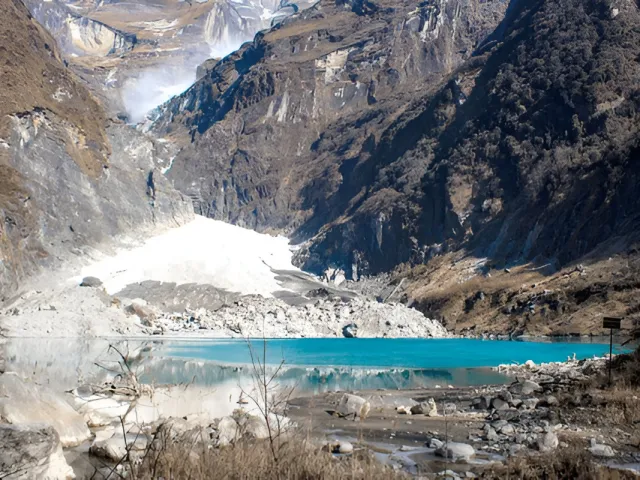
The Kapuche Lake Trek is one of Nepal’s best-kept secrets—a pristine adventure that takes you to the country’s lowest glacial lake, nestled at an elevation of 2,450 meters. Organized by Asiana Treks and Tours, this trek is a hidden gem in the Annapurna region, ideal for those who crave authentic experiences away from the commercial trekking trails. Starting from the picturesque Gurung village of Sikles, the journey offers a perfect blend of cultural richness and raw Himalayan beauty. Surrounded by majestic peaks like Annapurna II, Lamjung Himal, and Machhapuchhre, the trail immerses you in unspoiled nature and traditional Nepalese life.This trek is relatively short yet highly rewarding, making it suitable for beginners, families, and trekkers short on time. Asiana Treks and Tours ensures your safety, comfort, and local immersion by arranging experienced guides, porters, and necessary logistics. The lake itself, Kapuche, has a fascinating backstory—it formed from glacial melt as a result of rising temperatures, making it both a natural wonder and a subtle reminder of climate change’s reach. From lush rhododendron forests and thundering waterfalls to the tranquil glacial basin, this trek promises scenery and serenity in equal measure.Highlights of the Kapuche Lake TrekExplore Nepal’s lowest glacial lake at 2,450mBegin from Sikles, one of the oldest and most culturally rich Gurung villagesStunning views of Annapurna II, Lamjung Himal, and MachhapuchhreCross scenic suspension bridges and pristine waterfallsEnjoy traditional Gurung hospitality and village lifeWildlife and flora in dense, untouched forestsIdeal trek for beginners or short-vacation travelersLess crowded route, perfect for solitude seekersFlexible itinerary options – from Kathmandu or PokharaThe Kapuche Lake Trek stands out for its combination of breathtaking scenery, cultural richness, and accessibility. Unlike the more popular Annapurna or Everest routes, this trail remains off the beaten path, offering a unique experience free from heavy tourist traffic. Trekkers walk through forests rich in biodiversity, cross wooden bridges over turquoise rivers, and camp in remote areas where nature dominates and tranquility prevails.Another major highlight is the journey itself—from the bustling city life of Kathmandu or the serene lakeside charm of Pokhara, you move into the heart of Nepal’s natural landscapes. Along the way, you meet welcoming locals who share their traditions, cuisine, and stories. With expert guidance and logistical support from Asiana Treks and Tours, the Kapuche Lake Trek becomes more than a physical journey—it becomes an immersion into Himalayan life, geology, and beauty.Why Choose the Kapuche Lake Trek?The Kapuche Lake Trek is perfect for those who want to explore Nepal beyond the usual routes. If you're looking to avoid commercial trails like Everest Base Camp or the Annapurna Circuit but still want awe-inspiring views and rich cultural engagement, this is the trek for you. Organized by Asiana Treks and Tours, the trek is designed to be flexible, safe, and deeply rewarding. It can be customized to fit your schedule, fitness level, and interests, whether you want a soft adventure or a culturally immersive experience.Unlike other treks that require days of acclimatization and high-altitude readiness, this trek remains under 2,500 meters, minimizing altitude risks and making it suitable for a wider range of people, including families, first-timers, and senior travelers. You’ll also get a chance to see the direct impact of climate change on glacial environments, giving this trek an educational edge. When you travel with Asiana Treks and Tours, you support local communities, sustainable tourism, and the conservation of Nepal's hidden natural treasures.Cultural Etiquette in Local VillagesOne of the most enriching aspects of the Kapuche Lake Trek is the opportunity to visit and interact with the Gurung communities along the way, especially in Sikles village. Asiana Treks and Tours places strong emphasis on cultural sensitivity and responsible travel. The Gurungs are known for their warm hospitality, colorful traditions, and deep respect for nature and spirituality. When entering their villages and homes, it's important to follow a few basic cultural guidelines that show respect and appreciation for their way of life.Here are a few key tips to keep in mind:Dress modestly and conservatively in villagesAlways ask permission before taking photos of people or religious sitesRemove your shoes before entering homes or certain templesUse your right hand for eating or handing things to othersAvoid public displays of affectionRespect local customs, including traditional food offerings and prayer ritualsFollowing these customs not only enhances your experience but also builds meaningful connections with the people you meet. Asiana Treks and Tours ensures that every guest is well-informed about cultural norms before entering the villages, encouraging mutual respect and positive exchange. Engaging with local communities in an ethical way helps preserve their traditions while offering travelers a more authentic and fulfilling journey.Kapuche Lake Trekking Itinerary – Short DescriptionTailored for Your Time, Interests, and ComfortAt Asiana Treks and Tours, our Kapuche Lake Trekking itinerary is designed to be flexible and customizable to meet your travel preferences. We offer two convenient options to begin your adventure: Kathmandu to Kathmandu or Pokhara to Pokhara, allowing you to choose a full cultural journey or a more direct trekking experience.Kathmandu-Based Itinerary (9 Days)If you choose the Kathmandu to Kathmandu option, your journey begins with a warm welcome in Nepal’s vibrant capital, followed by a guided sightseeing tour of UNESCO World Heritage sites and a day to prepare for the trek. From there, you’ll either fly (25 minutes) or drive (6–8 hours) to Pokhara, Nepal’s picturesque lake city.After a night in Pokhara, we’ll take a scenic jeep ride to the traditional Gurung village of Sikles (2,000m)—the starting point of your trek. Over the next few days, you'll hike through alpine forests, local settlements, and glacial valleys en route to Kapuche Lake, the lowest glacial lake in Nepal. After returning to Pokhara, we arrange your journey back to Kathmandu and a smooth departure from Nepal.Pokhara-Based Itinerary (6–7 Days)Short on time or already in Pokhara? No problem. Our Pokhara to Pokhara itinerary is perfect for those seeking a quicker adventure. This version skips Kathmandu and focuses entirely on the natural beauty, hiking, and local culture of the Annapurna region.You’ll start with a drive from Pokhara to Sikles, complete the trek to Kapuche Lake via Hugu Goth, and return the same way—ideal for travelers on a tight schedule who want a fulfilling trek without compromising on scenic or cultural experiences.🧭 Flexible Travel Options Include:Kathmandu-based full experience (9 days)Pokhara-based express trek (6–7 days)Flight or drive options between Kathmandu and PokharaAll logistics handled by Asiana Treks and Tours✅ Is Kapuche Lake Trekking Right for You?An Offbeat Adventure with Culture, Comfort, and ChallengeThe Kapuche Lake Trek, including Kori Danda, is a perfect choice for travelers seeking a less-traveled, scenic, and culturally rich trekking experience. Organized by Asiana Treks and Tours, this route is ideal for those wanting to explore authentic Gurung and Ghale villages, experience warm local hospitality, and enjoy breathtaking views of Annapurna II, Lamjung Himal, and Machhapuchhre—without the high altitude of other popular treks.This Trek Is Perfect For:First-time trekkers who want a moderate yet rewarding challengeTravelers with limited vacation time seeking a short trek near PokharaCultural travelers interested in rural Nepalese life and traditionsNature lovers who want a peaceful trail far from crowded routesFamilies, couples, or small groups looking for a safe and scenic journeyYou’ll walk through forests, pastures, traditional villages, and glacial landscapes, trekking about 5–6 hours per day. While the trail is not overly strenuous, you should be in good physical condition, with the ability to hike on rugged, uphill, and sometimes slippery terrain. No technical skills are required, and Asiana Treks and Tours provides trained guides and support staff every step of the way.Whether you’re an adventure seeker, a cultural explorer, or someone seeking solitude in nature, the Kapuche Lake Trek offers an experience that is as inspiring as it is immersive. It’s more than a trek—it’s a chance to step into a living Himalayan landscape and connect with its people, traditions, and natural wonders.
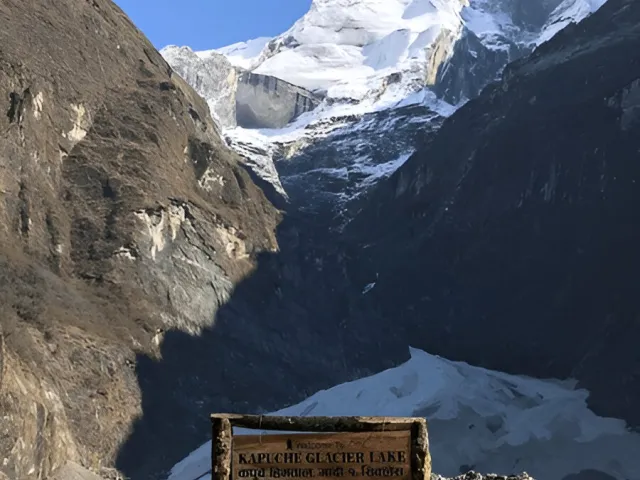
The Kapuche Lake Short Trek is a relatively new and off-the-beaten-path trekking route in Nepal that takes you to the stunning glacial lake nestled in the Annapurna region. Standing at an altitude of just 2,450 meters, Kapuche Lake is the lowest altitude glacial lake in Nepal, making it a unique destination for both novice and seasoned trekkers. With serene landscapes, untouched nature, traditional Gurung villages, and panoramic mountain views, this short trek offers an ideal blend of cultural exploration and scenic adventure.Asiana Treks and Tours has crafted this 5-day itinerary to offer an immersive trekking experience for those seeking a quick Himalayan escape without the altitude challenges of higher treks. The trail winds through charming villages like Sikles and Hugu Goth, each rich in ethnic heritage and hospitality. The trek also offers a chance to witness cascading waterfalls, lush forests, and towering snow-capped peaks like Annapurna II, Lamjung Himal, and Machhapuchhre (Fishtail). With comfortable stays and experienced local guides, this trek ensures you experience authentic Nepal in a compact, rewarding journey.Trek IntroductionThe Kapuche Lake Trek is a captivating short trek that begins with a scenic drive from Pokhara to Sikles Village—one of the oldest and largest Gurung settlements in Nepal. Over five days, trekkers journey through peaceful trails that reveal unspoiled nature and traditional Himalayan lifestyles. What makes this trek truly special is that it offers high-altitude beauty and glacial marvels without the extreme elevations that usually demand long acclimatization.Asiana Treks and Tours offers this trek as a low-altitude, family-friendly option that’s perfect for those with limited time but a strong desire to explore Nepal’s majestic landscapes. The trail gradually ascends from 2,000 meters at Sikles to 2,450 meters at Kapuche Lake, ensuring a smooth and manageable journey for most fitness levels. Each day brings a new experience—from the riverside paths of Hugu Goth to the emerald-green glacial lake of Kapuche, formed by the melting ice of the Annapurna range.Short Trek Itinerary Highlights:Day 1: Drive to Sikles (2,000m)Day 2: Trek to Hugu Goth (2,100m)Day 3: Trek to Kapuche Lake (2,450m), explore, and overnight stayDay 4: Return trek to Tangtang (1,850m)Day 5: Drive back to PokharaWhy Trek to Kapuche Lake?Trekking to Kapuche Lake offers a rare opportunity to explore Nepal's hidden gems without the large crowds seen on more commercial trails like Everest or Annapurna Base Camp. Kapuche Lake is the lowest glacial lake in Nepal, located within the Annapurna Conservation Area, making it geologically and visually unique. Its striking turquoise waters surrounded by towering cliffs and seasonal avalanches create an awe-inspiring atmosphere that few other destinations can match.From a cultural standpoint, the trail passes through traditional Gurung communities, giving trekkers a chance to interact with locals, sample regional cuisine, and witness authentic Himalayan village life. The village of Sikles is particularly known for its preserved architecture, vibrant culture, and traditional customs. Unlike commercial trekking routes, the Kapuche Lake trail remains untouched, clean, and serene, making it a perfect choice for nature lovers and photographers.Reasons to Choose Kapuche Lake Trek:Perfect short trek for all fitness levelsRich in biodiversity and birdlifePeaceful, less crowded trailCultural immersion in traditional Gurung villagesStunning views of Annapurna and Lamjung rangesHighlights of the JourneyEach day of the Kapuche Lake Short Trek is filled with highlights that make this a memorable adventure. The initial drive to Sikles Village offers scenic vistas and introduces trekkers to Gurung culture. Walking from Sikles to Hugu Goth, trekkers pass through dense forests, bamboo groves, and vibrant rhododendron paths (especially beautiful in spring). The friendly villagers and their warm hospitality further enhance the trekking experience.The true highlight, however, is Kapuche Lake itself. Tucked beneath towering cliffs, this pristine glacial lake is fed by the melting glaciers of Annapurna II and Lamjung Himal. It's not uncommon to witness mini-avalanches from afar, cascading into the lake’s valley. The lake area is a perfect spot for photography, meditation, or simply enjoying nature in its purest form. The return journey to Tangtang Village offers a more gradual descent with opportunities to interact with locals and reflect on the experience before heading back to Pokhara.Major Highlights:Explore Sikles, a culturally rich Gurung villageWalk through lush forests and cascading waterfallsWitness glacial formations and pristine lake beautyView Annapurna II, Lamjung Himal, and Fishtail MountainCultural insights and homestay experiences in remote villagesTrek at a GlanceTrek Duration: 5 Days (Pokhara to Pokhara)Starting Point: PokharaMaximum Altitude: 2,450 meters (Kapuche Lake)Trek Grade: Easy to ModerateBest Seasons: Spring (Mar-May), Autumn (Sep-Nov)Trek Style: Guided trek with tea house/homestay accommodationsRegion: Annapurna Conservation AreaGroup Size: Solo to Group (2–12 people recommended)Asiana Treks and Tours ensures that every trekker is supported with professional guides, comfortable accommodations, and safe travel logistics. Whether you're looking for a peaceful escape or an introductory trek into the Himalayas, this trek delivers both adventure and authenticity.
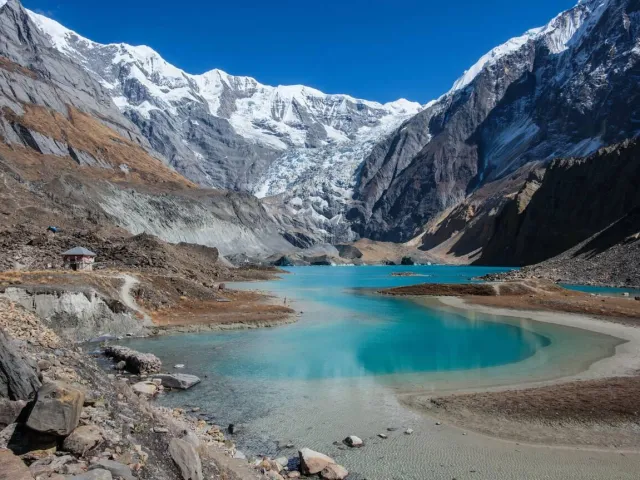
The Annapurna North Base Camp Trekking Package by Asiana Treks and Tours is a unique and off-the-beaten-path journey for adventure seekers aiming to explore the untouched northern side of the majestic Annapurna range. Unlike the popular southern base camp route, this trek takes you through remote villages, scenic valleys, and dramatic landscapes leading up to the base of Annapurna I (8,091m) from the north side. With a perfect blend of culture and nature, trekkers will experience rural life, traditional Magar villages, and panoramic mountain views rarely seen by mainstream trekkers. This package includes full support from professional guides, accommodation in local lodges, and transport arrangements from Kathmandu to Pokhara and onwards. It is ideal for seasoned trekkers who seek solitude, authenticity, and the raw beauty of the Himalayas. Asiana Treks and Tours ensures safety, sustainability, and an enriching cultural encounter. Highlights: Rare and scenic northern route to Annapurna I Local village homestays and cultural immersion Fully guided with logistics and transportation includedAnnapurna North Base Camp Trek Itinerary:The Annapurna North Base Camp Trek Itinerary is a carefully curated 15-day plan that balances trekking, acclimatisation, and cultural exploration. Starting from Kathmandu, the journey continues to Pokhara, then a scenic drive to Ulleri. The trail progresses through Ghorepani, the famous Poon Hill viewpoint, and onward through less-travelled villages like Narchang, Sandhikharka, and Hum Khola before reaching the serene Annapurna North Base Camp (4,190m).After enjoying the base camp's surreal beauty, the return trail retraces through Sandhikharka and Narchang, then takes a drive to Tatopani, where trekkers can relax in the natural hot springs. The trek ends with a drive to Beni, and finally back to Pokhara and Kathmandu. The itinerary allows time for rest, acclimatisation, and photo opportunities, making it ideal for moderately experienced trekkers. Trek Itinerary Snapshot:Day and PlaceAltitude (Meters / Feet) Distance (Km / Miles) Day 1: Pokhara - Upper Narchang 1,160 m / 3,805 ft 98 km / 60.8 mi Day 2: Upper Narchyang -Chotepur 2,369 m / 7,772 ft 14.5 km / 9 mi (approx) Day 3: Chhotepur to Sandhi Kharka ,165 m / 10,384 ft 10 km / 6.2 mi Day 4: Sandhi Kharka -ANBC 4,190 m / 13,747 ft 7 km / 4.3 mi Day 5: Return to Sandhi Kharka 3,165 m / 10,384 ft 7 km / 4.3 mi Day 6: Sandhi Kharka - Thulo Bugin 3,500 m / 11,482 ft 8 km / 5 mi Day 7: Trek to Lete 2,010 m / 6,594 ft 12 km / 7.5 mi Day 8: Drive from Lete to Pokhara 822 m / 2,697 ft 123 km / 76.4 mi Annapurna North Base Camp Trek Distance:The Annapurna North Base Camp Trek typically covers approximately 55 to 65 kilometres (34 to 40 miles). This distance may vary slightly based on your exact starting and ending points, chosen campsites, and any side trails taken. Due to its remote location and limited infrastructure, the trail remains relatively less trodden, adding to the journey's uniqueness.Distance Overview in Points:The trek begins after a drive from Pokhara to Tatopani (98 km).From Tatopani, trekkers gradually ascend through Upper Narchyang, Chhotepa, and Sandhi Kharka, and finally reach the Annapurna North Base Camp at 4,190 meters.The return route descends via Thulo Bugin and Lete, concluding with a 127 km drive back to Pokhara.Tatopani to Upper Narchyang (Trek) – Approx. 5–6 kmUpper Narchyang to Chhotepa – 9 km / 5.5 milesChhotepa to Sandhi Kharka – 10 km / 6.2 milesSandhi Kharka to Annapurna North Base Camp – 7 km / 4.3 milesReturn route via Thulo Bugin to Lete – Approx. 20–25 km (12–15 miles) combinedLete to Pokhara (Drive) – 123 km / 76.5 milesAnnapurna North Base Camp Trekking Cost 2026/2027:Trekking to the remote and pristine Annapurna North Base Camp is a unique Himalayan adventure. With Asiana Treks and Tours, the trekking cost for the 2026/2027 season ranges between USD 1,200 $1,450 per person, depending on the group size, customisation level, and selected service inclusions.This is a fully supported camping trek, offering exceptional value with personalised logistics and services that cater to comfort, safety, and cultural immersion in a remote environment.This Annapurna North Base Camp Trek package includes all accommodations in Star Hotels in Kathmandu and Pokhara, traditional village homestays, and fully supported Tents. Trekkers receive three nutritious meals per day during the trek, prepared by our private cook. The cost also covers all required permits, including ACAP and TIMS. A dedicated team of licensed trekking guides, a cook, a kitchen boy, porters, and helpers ensures your safety and comfort. High-quality camping gear and cooking equipment are provided to support this remote adventure. Additionally, round-trip ground transportation from Kathmandu to Pokhara and to Tatopani or Lower Narchang is included to ensure a smooth, worry-free trekking experience.Trekking Cost Breakdown for Annapurna North Base Camp Trek: Group sizeTrek cost Per Person in US$Inclusion 1 Person (Solo Trekker) $1,555 Private guide, solo logistics, full support, Camping 2–4 Persons $1,350 Shared services, guided & supported camping 5+ Persons $1,225 Group rate with full logistical support Annapurna North Base Camp Trek Price: Asiana Treks and Tours provide the Annapurna North Base Camp Trek. This gives trekkers a clear understanding of where their money goes and what to expect in terms of cost planningEstimate the price of the North Base Camp Trek: Annapurna Conservation Area Permit (ACAP) and TIMS card.Transportation Kathmandu to Pokhara, Pokhara to Tatopani, continuing to Lower Narchang and back to Kathmandu Via Lete Covers bus/private jeep from Kathmandu to Pokhara and transfers to Ulleri and back via Beni/Tatopani.Necessary Guide & Porter Wages Includes wages, insurance, meals, and accommodations for the trekking crew.Lodges and basic teahouse stays along the trail (shared or private, based on availability).Full board meals during the trek, including tea/coffee, varying by altitude and remoteness.Miscellaneous Emergency Fund and emergency buffer.Annapurna North Base Camp Trek Altitude Guide:The Annapurna North Base Camp Trek features gradual altitude gain, which supports safe acclimatisation. Starting at Tatopani (1,160m), the trail steadily ascends through peaceful villages like Upper Narchyang, forested areas like Chhotepa, and high alpine camps like Sandhi Kharka, before reaching the maximum altitude of 4,190m at Annapurna North Base Camp. This trek minimises the risk of Acute Mountain Sickness (AMS) due to its moderate daily elevation gain. On the return route, trekkers descend via Thulo Bugin and Lete, which helps in a smooth transition back to lower altitudes. This route combines scenic diversity, cultural immersion, and safe altitude transitions—perfect for trekkers seeking an off-the-beaten-path Himalayan adventure.Key Altitude Points – In BriefThe trek starts at Tatopani (1,200 m) and gradually climbs to Annapurna North Base Camp (4,190 m).The trail allows natural altitude adjustment due to steady elevation gain.Acclimatisation-friendly with overnight stays at increasing elevations.The highest sleeping point is typically below 4,200 meters, reducing the risk of altitude sickness.The trek descends via Lete and Tatopani, offering relief after the summit.High-altitude guide meter and fit, Altitude Meter gain and loss of Annapurna North Base Camp Trek: Name of the placeAltitude in meters/ FitAltitude Gain/LossTatopani1,200 m / 3,937 ft +378 m / +1,240 ft from Pokhara Lower Nanchang1,900 m / 6,233 ft +700 m / +2,296 ft Upper Narchang2,200 m / 7,217 ft +300 m / +984 ft Chotepa2,650 m / 8,694 ft +450 m / +1,476 ft sandhikharka3,300 m / 10,827 ft +650 m / +2,133 ft Annapurna North (Base Camp4,190 m / 13,747 ft +390 m / +1,280 ft (highest point) Tholo Bugin3,800 m / 12,467 ft +500 m / +1,640 ft Lete2,480 m / 8,136 ft -1,710 m / -5,610 ft Pokhara822 m / 2,697 ft -378 m / -1,240 ft Why Choose Annapurna North Base Camp Trek? The Annapurna North Base Camp Trek is a rare gem in the world of Himalayan trekking, offering an exclusive path to the less-visited north face of Annapurna I (8,091m). Unlike the crowded southern base camp route, this trek leads you through untouched valleys, peaceful forests, and authentic Magar and Gurung villages. It’s perfect for trekkers looking to escape the popular circuits and explore the remote beauty of central Nepal. Asiana Treks and Tours specialises in guiding travellers through this pristine landscape with safety, cultural depth, and environmental responsibility in mind.With panoramic views of the Annapurna range, peaceful trails, and warm local hospitality, this route offers both physical challenge and emotional reward. The journey includes visits to Pokhara, Ghorepani, Poon Hill, Narchang, and the awe-inspiring Annapurna North Base Camp at 4,190m. Why Choose This Trek: Less crowded and more authentic route Panoramic Himalayan views from both Poon Hill and Base Camp Guided by experienced locals with full logistics support Cultural immersion in the Magar and Gurung communities Preparing for the Annapurna North Base Camp Trek:Preparation is key for a successful trek to the Annapurna North Base Camp, especially considering the varied terrain, remote paths, and high-altitude conditions. Trekkers should aim for a moderate to high level of fitness, with emphasis on endurance and cardiovascular training at least 4–6 weeks before departure. Hikes with loaded backpacks, stair climbing, and long walks will help condition your body for daily treks of 6–7 hours.Gear selection is equally important. A solid pair of trekking boots, warm clothing layers, a quality sleeping bag, rain gear, trekking poles, and a first-aid kit are essential. Asiana Treks and Tours provides a complete packing checklist and conducts a pre-departure briefing to ensure you're fully prepared. Travel insurance that covers emergency evacuation is mandatory due to the route's remoteness. Preparation Checklist: Train with cardio, stair climbs, and endurance hikes Invest in proper trekking boots and layers Ensure travel insurance covers high altitude Pack essentials: headlamp, water purifier, snacks, personal meds Use the complete gear guide provided by Asiana Treks and Tours What to Expect on the 8–11-Day Annapurna North Base Camp Adventure:The 8–11-day Annapurna North Base Camp trek is a blend of natural wonder, cultural encounters, and trekking adventure. Starting in Kathmandu, the journey continues to Pokhara and then climbs through traditional mountain villages like Ulleri and Ghorepani, culminating at the famous sunrise viewpoint of Poon Hill. From there, you leave the mainstream trails behind and head deeper into the wilderness toward Narchang, Sandhikharka, and Hum Khola.The final destination is the spectacular Annapurna North Base Camp (4,190m), where trekkers are rewarded with jaw-dropping views of Annapurna I's north face and surrounding peaks. The return path retraces through scenic villages, then includes a drive from Tatopani to Beni, and finally back to Pokhara and Kathmandu. Expect rustic accommodations, ever-changing landscapes, and heartwarming interactions with locals, all guided by the experienced team at Asiana Treks and Tours. Trek Highlights: Visit iconic locations like Ghorepani and Poon Hill Experience remote villages and untouched trails Explore diverse ecosystems from lowland forests to alpine meadows Witness Annapurna I’s dramatic north face up close Relax in Tatopani’s natural hot springs before heading home Oxygen Levels on the Annapurna North Base Camp Trail:Trekking to Annapurna North Base Camp (4,190m) involves ascending to high altitudes where oxygen levels naturally decrease. At sea level, oxygen saturation is 100%, but at base camp, it drops to around 60–65%, making it essential for trekkers to acclimatise gradually. The itinerary by Asiana Treks and Tours is specifically designed to allow for safe altitude gain, with overnight stays at villages such as Ghorepani (2,850m), Sandhikharka (3,300m), and Hum Khola (3,700m) before reaching base camp.To adapt to lower oxygen, trekkers are advised to maintain a slow pace, stay hydrated, and avoid alcohol. AMS (Acute Mountain Sickness) symptoms, such as headache, nausea, or dizziness, can occur if altitude is gained too quickly. Asiana Treks and Tours' guides are trained in high-altitude first aid and carry oximeters to monitor your oxygen levels regularly. Quick guides: Oxygen level at 4,190m is ~60–65% of sea level Acclimatisation days are built into the itinerary Guides carry pulse oximeters and altitude medicine Hydration and slow ascent are key to safety Major Villages and Scenic Viewpoints on the Annapurna North Route:The Annapurna North Base Camp Trek is rich in authentic Himalayan culture and stunning scenery. The route takes you through picturesque villages like Ulleri, known for its long stone staircase and Magar community, and Ghorepani, a bustling trekkers’ hub. From Poon Hill (3,210m), trekkers witness a magical panorama of the Annapurna and Dhaulagiri ranges during sunrise, making it one of the most memorable moments of the trek.As the trail veers off the main route, you'll encounter Narchang, a peaceful hamlet near waterfalls, and Sandhikharka, a secluded village offering breathtaking views of Mt. Nilgiri and the Annapurna Massif. The final highlight is Annapurna North Base Camp, where towering peaks surround you in a dramatic amphitheater of rock and ice. These spots provide insight into local life while showcasing Nepal’s diverse mountain terrain. Key Villages & Viewpoints: Ulleri: Gateway village with scenic terraced fields Poon Hill: Iconic sunrise viewpoint at 3,210m Narchang & Sandhikharka: Remote, cultural, and scenic Base Camp (4,190m): Panoramic views of Annapurna I’s north face Flora and Fauna of the Annapurna North Base Camp Trail:The Annapurna North Base Camp trail is a biodiversity hotspot, with ecological zones ranging from lush subtropical forests to alpine tundra. The lower regions around Ulleri and Ghorepani are covered in vibrant rhododendron forests, especially stunning during spring (March–April). Ferns, orchids, pine, and oak trees thrive in the mid-hills, while higher elevations near Hum Khola and base camp support hardy alpine vegetation such as dwarf junipers and medicinal herbs.Wildlife along this route includes Himalayan Tahr, langurs, musk deer, and, if you're lucky, glimpses of the elusive snow leopard or red panda in the more secluded forest areas. Birdwatchers will also enjoy spotting species such as the Himalayan Monal (Nepal’s national bird), eagles, and Himalayan vultures. Asiana Treks and Tours emphasises eco-friendly trekking practices to help preserve this delicate ecosystem for future generations. Wildlife & Flora Highlights: Rhododendron blooms and alpine meadows Musk deer, Himalayan Monal, and langurs Snow leopard habitats are in higher elevations Diverse forest ecosystems from subtropical to alpine Festivals and Local Culture Route:The Mristi Khola Route, leading to Annapurna North Base Camp, offers a unique cultural journey through lesser-known villages such as Narchang, Sandhikharka, and Hum Khola. These settlements are predominantly inhabited by Magar and Gurung communities, whose rich traditions and colourful festivals bring the trail to life. Throughout the year, trekkers might witness traditional celebrations such as Maghe Sankranti (harvest festival), Tihar (festival of lights), or Losar (Tibetan New Year), depending on the season of travel.Cultural elements are visible in the architecture of stone houses, the use of local costumes, and the rhythm of folk songs and dances. As you travel along this quiet Himalayan corridor, Asiana Treks and Tours ensures respectful engagement with local communities. They often organise homestays or village tours that allow trekkers to share meals and learn customs directly from the people. Cultural Highlights: Experience Magar and Gurung traditions first-hand Attend seasonal festivals if visiting during festival months Participate in homestays and local village life Traditional dances, foods, and rituals along the trail Why Book with Asiana Treks and Tours for Annapurna North Base Camp:Booking your Annapurna North Base Camp Trek with Asiana Treks and Tours means choosing professionalism, safety, and deep local knowledge. Unlike generic agencies, Asiana specialises in off-the-beaten-path Himalayan routes, offering fully supported treks through remote areas such as Mristi Khola, Sandhikharka, and Hum Khola, which require specialised logistical planning. Their team consists of licensed, experienced local guides who know the terrain, culture, and emergency protocols.Asiana also offers custom itineraries based on your pace and interests, with full transparency in pricing. From the moment you arrive in Kathmandu, the company takes care of permits, lodging, meals, transport, and porter services—allowing you to focus solely on the journey. Their commitment to eco-tourism and community support ensures your trek benefits both the environment and the people you meet. Why Choose Asiana Treks and Tours:Experienced in remote routes like Annapurna North Trusted, government-licensed guides and porters Custom itineraries and transparent pricing Strong focus on safety, sustainability, and local benefit How to Book the Annapurna North Base Camp Trek:Booking your Annapurna North Base Camp Trek with Asiana Treks and Tours is straightforward and can be done either online or in person upon arrival in Kathmandu. Their website offers an easy-to-use booking form that lets you select the trekking season, group size, and additional services such as private porter support or accommodation upgrades. A small deposit typically confirms your spot, with the remaining balance due before the trek begins.Once booked, you’ll receive a pre-departure information pack containing a gear checklist, itinerary, and travel advice. If needed, Asiana Treks can also assist with hotel reservations in Kathmandu or Pokhara, airport pickups, and even flight bookings. Their responsive team is available by email or phone to answer any questions and assist with visa requirements or insurance recommendations. Booking Process: Book online or in person at the Kathmandu office Flexible dates with guaranteed departures for small groups Deposit required to confirm, balance paid before the Trek Get a full briefing, packing list, and travel assistance after bookingAnnapurna Region Trekking: Guides, Tips & Himalayan AdventuresDiscover the beauty of Nepal’s Annapurna region with Asiana Treks & Tours. Explore breathtaking mountain landscapes, authentic local culture, popular trekking routes, and practical tips to help you plan an unforgettable Himalayan adventure.Annapurna Base Camp vs Everest Base Camp: The Best TrekTrekking Equipment List for Asiana Treks & ToursTrekking Permit Requirements for Different Regions in NepalBest Sunrise and Sunset Destinations in NepalTop Successful Trek for Beginners – Annapurna Base CampMost Popular Trek with High Success Rate – Annapurna Base Camp Trek (ABC) TrekHow to Prepare for the Annapurna Base Camp Trek (Gear, Fitness & Tips)Ghorepani Poon Hill Trek GatewayTop 26 Annapurna Region Trekking Packages in Nepal – The Ultimate GuideTadapani Diaries: One Magical Night in the MountainsDiscovering Ghandruk: A Peaceful Village in the Heart of NepalTrekking the Best of Annapurna: Poon Hill to Mardi HimalWhy Chhomrong is the Heart of the Annapurna Base Camp TrekAnnapurna Base Camp (ABC) & Machhapuchhre Base Camp (MBC) Trek: Two Base Camps, One Incredible JourneyExploring Sinuwa on the Annapurna TrailDeurali: A Peaceful Mountain Village on the ABC TrailBamboo: A Hidden Gem of the ABC TrekDovan Nepal: Peaceful Stopover on the Annapurna Base Camp TrailHimalaya Village: A Quiet Haven on the Way to Annapurna Base CampDhampus Village – Annapurna Classical Alternative GatewayPothana: The Alternative Gateway to Annapurna Base Camp and Mardi HimalBest Camping and Overnight Stays: Australian Camp & Mardi Himal TrekList of Hotel in Mardi Himal Base Camp TrekTrekking to Low Camp: A Peaceful Path to Mardi HimalForest Camp Adventures: Exploring the Mardi Himal Trek in NepalHigh Camp on the Mardi Himal Trek | Views, Altitude & Trekking GuideDiscovering the Magic of Mardi Himal ViewpointTop Highlights of the Mardi Himal Trek in NepalBest Time to Trek Mardi Himal: Tips for Perfect ViewsA Beginner’s Guide to the Mardi Himal Trek in NepalSurprising Facts About the Mardi Himal TrekEssential Guide to Mardi Himal Trekking Permits in NepalMardi Himal Trek Info: Elevation, Altitude, Height and WeatherMardi Himal Trek Accommodation and Food TipsBest Time to Trek Annapurna Base Camp in NepalTop Highlights of the Annapurna Base Camp TrekFood and Accommodation on the ABC Trek: What It’s Really LikeAltitude Tips for a Safe Annapurna Base Camp TrekAnnapurna Base Camp Permits: Costs, Process, and RequirementsTop Tips and Facts for Trekking to Annapurna Base CampAnnapurna Base Camp Trek: Elevation, Height & Temperature GuideDobato Stopover: Experiencing the Heart of the Khopra Danda RouteUpper Chistibung: What to Expect on the Way to Khopra DandaExploring Khopra Danda Ridge and Khayar LakeDiscover Swanta’s Beauty on the Khopra Danda TrailAmazing Facts About Khayar Lake in the Annapurna RegionBayeli Kharka Adventure: From Khopra Danda with Stunning ViewsKhopra Danda Trekking Guide: Cost, Permits, Meals, Lodging and Best SeasonExploring Mardi Himal, ABC, and Khopra Ridge in One Epic JourneyKhopra Khair Lake with Annapurna Base Camp Trek: A Complete JourneyKhopra Khair Lake with ABC Trek: Nature, Culture, and MountainsComplete Guide to Mohare Danda Trekking in NepalSunrise Views from Mohare Danda: What to ExpectTop Highlights of Poon Hill and Mardi Himal TrekExploring Poon Hill and Mardi Himal: A Beginner’s GuideExploring the Ghorepani Dhampus Circuit Trek in NepalAn Amazing Hike from Galeshwor to Nangi via Bans Kharka : Mohare Danda TrekkingLandruk: Gateway to the Stunning Mardi Himal ViewsMardi Himal Adventure: Exploring Badal Danda on the Siding TrekSunrise Views from Poon Hill and Mulde ViewpointsDhaulagiri Annapurna Trail: A New Alternative Trek in NepalBest Nepal Tour Packages: Adventure, Honeymoon, Senior Tours, Himalayan Highlights, Triangle & Sunrise Hill Station ToursIs It Possible to Cycle the Annapurna Circuit in Nepal?Besisahar – The Heart of Lamjung District: Gateway to the HimalayasExploring Jagat During the Annapurna Circuit TrekDharapani Village in Nepal: Where the Manaslu Circuit and Annapurna Circuit Trails Meet PointChame Village: A Peaceful Stop on the Annapurna Circuit TrekDiscover Upper Pisang: A Hidden Gem on the Annapurna CircuitExploring Lower Pisang: A Gateway on the Annapurna CircuitManang: The Heart of the Annapurna Circuit TrekYak Kharka (4,020m): A Must-Stop Village on the Annapurna CircuitThorong Phedi: Final Preparation Before Thorong La PassCrossing Thorong La Pass (5,416 m): The Highest Point of the Annapurna CircuitMuktinath in Mustang: A High-Altitude Spiritual Journey on the Annapurna CircuitJomsom (2,743 m): The Windy Valley That Connects Annapurna and Upper Mustang
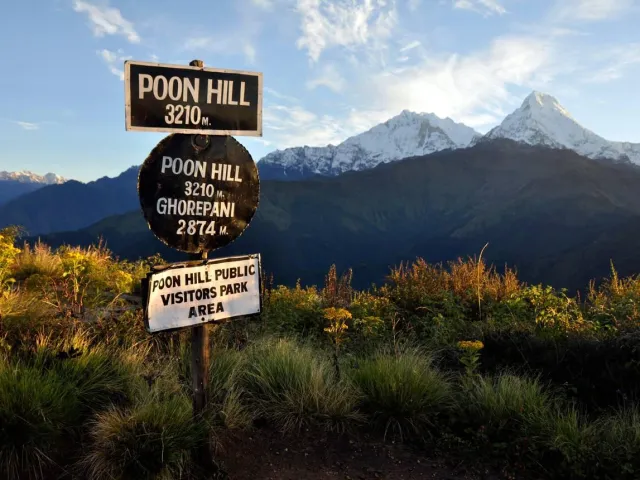
The 6-Day Poon Hill Luxury Trek is one of the most scenic and beginner-friendly luxury treks in Nepal. Ideal for nature lovers, families, couples, and senior travelers who love comfort and Luxury, this short adventure blends Annapurna’s breathtaking Himalayan beauty with the comfort of upgraded lodges, private services, and seamless logisticsInitially, drive off-road from Pokhara to Hile. The trek starts from Hile, following a classic, unique trail that leads you through terraced fields, rhododendron forests, and picturesque villages like Ulleri, Ghorepani, Tadapani (Chuile), and Jhinu Hot Spring, before ending in Tolkha and returning to Pokhara. The highlight is the sunrise hike to Poon Hill (3,210m / 10,531 ft), offering panoramic views of the Annapurna and Dhaulagiri ranges lit in golden morning light.Unlike traditional tea house treks, this luxury trek includes premium accommodation with private rooms, hot showers, gourmet meals, and a customized trekking pace. Experienced guides and porters accompany you throughout, ensuring comfort and safety.Whether you're a first-time trekker or someone looking for a gentle Himalayan escape, this trek offers an ideal blend of nature, soft adventure, local Gurung and Magar culture, and luxury hospitality—all in one.Why Choose Poon Hill Luxury Trek?Breathtaking sunrise from Poon HillLuxury lodges with upgraded amenitiesFamily- and beginner-friendlyExplore authentic villages: Ulleri, Ghorepani, TadapaniStarts and ends in Pokhara (easily accessible from Kathmandu)Perfect for soft adventure, seniors, and honeymooners6-Day Poon Hill Luxury Trekking Cost:The 6-Day Poon Hill Luxury Trek offers a premium Himalayan experience with top-tier comfort at every step. This luxury package ranges from USD 545 to USD 955 per person, depending on group size and services. The cost includes private transport, licensed guide and porter, full-board meals, and accommodation in premium lodges with private rooms and hot showers. You'll stay in upgraded lodges in Ulleri, Ghorepani, Tadapani, Jhinu (Hot Spring), and Tolkha, offering the best comfort available in the Annapurna region. Ideal for honeymooners, senior trekkers, and families seeking the magic of the Himalayas without sacrificing comfort.Luxury Lodge Trekking Table: Day, Place, Comfort Level, Altitude Gain/Loss:Day & PlaceComfort Level (Lodge)Altitude Gain/LossDay 1: Pokhara – UlleriLuxury lodge with private bathGain: +1,200 m / +3,937 ftDay 2: Ulleri – GhorepaniPremium forest-view lodgeGain: +805 m / +2,641 ftDay 3: Poon Hill – TadapaniMountain-view deluxe lodgeLoss: –335 m / –1,099 ftDay 4: Tadapani – Jhinu (Hot Spring)Riverside luxury eco-lodgeLoss: –1,430 m / –4,692 ftDay 5: Jhinu – TolkhaBoutique countryside lodgeGain: +100 m / +328 ftDay 6: Tolkha – Pokhara (via drive)Lakeside hotel with city comfortLoss: –878 m / –2,881 ft6-Day Ghorepani Poon Hill Luxury Trek Route:The 6-Day Poon Hill Luxury Trek is a stunning Himalayan adventure with premium comfort and breathtaking views. This comfortable and scenic trail passes through Ulleri (Banthati), Ghorepani, Tadapani (Chuile), Jhinu Hot Spring, and Tolkha, ending in Pokhara. Enjoy luxury lodges, hot showers, private guides, and cultural immersion along the way. The sunrise from Poon Hill (3,210m) offers unforgettable views of Annapurna, Dhaulagiri, and Machhapuchhre. This trek is perfect for couples, families, and soft adventure seekers looking for short but immersive Himalayan trekking in comfort.Poon Hill Luxury Trekking Route, Village Trail, and Altitude Gain/LossDay & PlaceVillage RouteAltitude Gain/LossDay 1: Pokhara – UlleriPokhara → Nayapul → Birethanti → Suda-meHile → Tikhedhunga → Ulleri (via Banthati)Gain: +1,200 m / +3,937 ftDay 2: Ulleri – GhorepaniUlleri → Banthati → Nangethanti → GhorepaniGain: +805 m / +2,641 ftDay 3: Ghorepani – Poon Hill – Tadapani (Chuile)Ghorepani → Poon Hill → Ghorepani → Deurali → Banthanti → Tadapani (Chuile)Gain: +335 m / +1,099 ft (to Poon Hill)Loss: –1,100 m / –3,608 ft (to Tadapani)Day 4: Tadapani – Jhinu (Hot Spring)Tadapani → Kimrong khola Village Trail → Komrong → Gurjung →Jhinu DandaLoss: –1,430 m / –4,692 ftDay 5: Jhinu – TolkhaJhinu → New Bridge → Landruk → TolkhaGain: +100 m / +328 ftDay 6: Tolkha – Pokhara (via drive)Tolkha → Deuralli → Pothana → Dhampus →Phedi or Kande (trek end) → Drive to PokharaLoss: –878 m / –2,881 ft6-Day Poon Hill Luxury Trek Itinerary:The 6-Day Poon Hill Luxury Trek is one of Nepal’s most popular short trekking routes, designed for travellers seeking a balance of scenic beauty, cultural experience, and high-end comfort. The Annapurna trail passes through Ulleri, Ghorepani, Tadapani, Jhinu Danda (Hot Spring), and Tolkha, ending in Pokhara. Enjoy breathtaking sunrise views from Poon Hill (3,210m), luxury lodges, warm hospitality, and peaceful forest trails. It’s the perfect soft adventure for families, couples, and first-time trekkers.Trek Itinerary with Altitude & Distance:Day & PlaceAltitude (m/ft)Distance (km/mi)Day 1: Pokhara – Ulleri (via Banthati)2,070 m / 6,791 ft12 km / 7.4 miDay 2: Ulleri – Ghorepani2,875 m / 9,432 ft10 km / 6.2 miDay 3: Poon Hill – Tadapani (Chuile)3,210 m / 10,531 ft (Poon Hill)11 km / 6.8 miDay 4: Tadapani – Jhinu (Hot Spring)1,780 m / 5,839 ft10 km / 6.2 miDay 5: Jhinu – Tolkha1,700 m / 5,577 ft9 km / 5.5 miDay 6: Tolkha – Pokhara (via drive)822 m / 2,697 ft13 km / 8.1 mi (incl. drive)6-Day Poon Hill Luxury Trek Distance:The 6-Day Poon Hill Luxury Trek offers a perfect short Himalayan escape with both scenic beauty and premium comfort. Covering approx. 65 km (40 miles) in total, the trail weaves through charming villages like Ulleri, Ghorepani, Tadapani (Chuile), Jhinu Hot Spring, and Tolkha, ending in Pokhara. You'll enjoy breathtaking views, especially the sunrise over Annapurna and Dhaulagiri from Poon Hill (3,210m). The trek features manageable distances each day with stays in luxury lodges, private guiding, hot showers, and full service—ideal for families, couples, and soft adventure lovers.Key Highlights:Total distance approx. 65 km / 40 milesDaily hikes: 9–13 km with gradual ascents/descentsPrivate guide, porter, and upgraded comfortShort drive on the final day to PokharaIdeal for first-timers and scenic photographyTrek Distance & Altitude Table;Day & PlaceAltitude (m/ft)Distance (km/mi)Day 1: Pokhara – Ulleri (Banthati)2,070 m / 6,791 ft12 km / 7.4 miDay 2: Ulleri – Ghorepani2,875 m / 9,432 ft10 km / 6.2 miDay 3: Poon Hill – Tadapani3,210 m / 10,531 ft11 km / 6.8 miDay 4: Tadapani – Jhinu1,780 m / 5,839 ft10 km / 6.2 miDay 5: Jhinu – Tolkha1,700 m / 5,577 ft9 km / 5.5 miDay 6: Tolkha – Pokhara (Drive)822 m / 2,697 ft13 km / 8.1 mi (incl. drive)Why Poon Hill Luxury Trek Is a Must-Do Trek in Nepal:The Poon Hill Luxury Trek is one of Nepal’s most rewarding short treks, combining the natural beauty of the Annapurna region with the comfort of luxury accommodations. Operated by Asiana Treks and Tours, this trek is perfect for travellers seeking both adventure and relaxation. Poon Hill, standing at 3,210 meters, offers some of the most iconic sunrise views over the Himalayas, including Dhaulagiri, Annapurna South, Machhapuchhre (Fishtail), and Nilgiri.What sets the luxury trek apart is the experience: private transport, premium lodges, gourmet meals, and expert guides ensure a smooth and enriching journey. The trail passes through rhododendron forests, charming Gurung and Magar villages, and offers glimpses of Nepalese culture and warm hospitality. With fewer altitude-related risks compared to higher treks, it’s ideal for families, older travellers, or first-time trekkers. Highlights of the 6-day Poon Hill Trek Comfortable, high-end lodges and private services Breathtaking sunrise views from Poon Hill Rich cultural interaction with local villages Gentle elevation and accessible trail Ideal for short vacations (4–6 days total) This trek is a must-do for those who want to experience the best of the Himalayas without compromising comfort. With Asiana Treks and Tours, you get a seamless, curated adventure that blends nature, culture, and luxury. How to Prepare for the Poon Hill Luxury Trek:Preparing for the Poon Hill Luxury Trek is straightforward yet essential for a comfortable and enjoyable experience. While the trek is categorised as moderate, a basic level of fitness is recommended. Begin with regular walking or hiking sessions several weeks before your departure. Focus on endurance rather than speed — 5–10 km walks with mild elevation gains will help simulate the trail.Packing is key. Though luxury lodges provide warm bedding and amenities, a reliable daypack with essentials like water, snacks, a camera, and extra layers is a must. Asiana Treks and Tours provides a detailed packing list; however, don’t forget essentials such as trekking boots, a windproof jacket, sun protection, and personal medications. Since the trek stays below 3,500 meters, you won’t need advanced mountaineering gear or oxygen support. Preparation Guide: Light cardio and leg-strengthening workouts before the trek Quality hiking boots and broken-in footwear Dress in layers: moisture-wicking inner, insulating middle, windproof outer Carry a refillable water bottle and purification tablets Use trekking poles for joint supportAsiana Treks and Tours also offers porter services and a personal guide to reduce stress and enhance your journey. Being mentally prepared for early wake-ups (especially for the Poon Hill sunrise) and some steep ascents will make your trek more fulfilling and enjoyable.What to Expect on the Poon Hill Luxury Trek:The Poon Hill Luxury Trek is a rich combination of scenic landscapes, cultural immersion, and premium travel services. Expect to begin your journey from Pokhara, a picturesque lakeside city, and drive to Nayapul or Ulleri to start your trek. Each day includes 4–6 hours of hiking through terraced fields, rhododendron forests, and charming Gurung or Magar villages.Luxury doesn’t mean missing out on the authentic experience. Asiana Treks and Tours partners with boutique mountain lodges that offer private rooms with en-suite bathrooms, hot showers, fresh meals, and even heated dining areas. Along the trail, enjoy traditional Nepalese dishes such as dal bhat, momos, and Tibetan bread, often prepared with organic, locally sourced ingredients. What you’ll expect and experience 6-Day Poon Hill Luxury Trekking: Daily scenic hikes through lush forests and Himalayan foothills Comfortable overnight stays in high-quality lodges Cultural interaction with local villagers and traditions Early morning ascent to Poon Hill for a sunrise view Personalised services, including guided walks and porter assistanceThe trek culminates with a breathtaking morning hike to Poon Hill (3,210m), where panoramic views of Annapurna, Dhaulagiri, and other peaks unfold in golden hues. This trek blends physical activity with cultural richness and luxury, making it an unforgettable journey with Asiana Treks and Tours.Oxygen Levels on the Poon Hill Luxury Trek – Do You Need Supplemental Oxygen? One of the most common concerns for Himalayan trekkers is altitude sickness, as well as the availability of oxygen. However, the Poon Hill Luxury Trek stays at relatively safe elevations, with the highest point being Poon Hill at 3,210 meters (10,531 feet). At this altitude, oxygen levels are approximately 70% of those at sea level — enough for most healthy individuals to adapt without complications.Because the trek is gradual and includes plenty of rest stops, your body has ample time to adjust. There is no need for supplemental oxygen on this route, and acute mountain sickness (AMS) is extremely rare. Asiana Treks and Tours prioritises safety and ensures the pace is manageable for all trekkers, especially with experienced guides trained in first aid and altitude awareness. Key facts: Highest elevation: 3,210m — below the typical AMS threshold Oxygen levels are lower but manageable without tanks Symptoms like mild breathlessness or fatigue are normal Hydration, nutrition, and a slow pace aid acclimatisation No oxygen equipment is typically required or usedStill, it’s recommended to stay hydrated, eat well, and avoid alcohol or sleeping pills during the trek. If you have pre-existing conditions (like asthma or heart issues), consult your doctor before the trip. With Asiana Treks and Tours, you can trek confidently, knowing your health and comfort are well-managed every step of the way.Best Villages and Viewpoints on the Poon Hill Luxury Trekking Trail:The Poon Hill Luxury Trek takes you through some of the most charming and culturally rich villages in the Annapurna region. These stops are not just places to rest, but highlight the soul of the Himalayan foothills through traditional architecture, friendly locals, and awe-inspiring views.One of the first major villages you’ll encounter is Ulleri, known for its impressive stone steps and sweeping valley views. Ghorepani, the base for the famous Poon Hill sunrise hike, is a vibrant settlement surrounded by rhododendron forests and traditional Magar culture. From here, a short pre-dawn hike leads to Poon Hill Viewpoint (3,210m) — a legendary spot to watch the sunrise over Dhaulagiri, Annapurna, and Machhapuchhre. After descending, Tadapani offers incredible forested trails and peaceful mountain panoramas. Ghandruk, a beautiful Gurung village, is another major highlight. Its traditional stone houses and cultural museum make it one of the best places to learn about Himalayan heritage. Highlights include: Ulleri: Start of the stone stair trail with panoramic valley views Ghorepani: Gateway to Poon Hill and Magar culture Poon Hill: The most famous viewpoint for sunrise over the Himalayas Tadapani: Secluded forest views with serene landscapes Ghandruk: Cultural hub of the Gurung community With Asiana Treks and Tours, you’ll get in-depth insights into each location and stay in handpicked luxury lodges for optimal comfort.Flora and Fauna: Biodiversity of the Annapurna Region:The Annapurna Conservation Area, through which the Poon Hill Luxury Trek runs, is Nepal’s first and largest conservation project. It’s a biodiversity hotspot, rich in both flora and fauna. Walking through this trail is like stepping into a living museum of Himalayan ecology, with each elevation bringing new vegetation, bird species, and occasional animal sightings.At lower altitudes, terraced fields and sub-tropical forests dominate the landscape. You’ll encounter oak, bamboo, and rhododendron — the latter especially vibrant during spring (March–April), when the hills explode with colourful blooms. Higher up, dense forests transition into alpine meadows and coniferous trees. The region is also home to a wide range of wildlife. You might spot langurs (monkeys), Himalayan thar (wild goat), barking deer, and many species of birds like the Danphe (Himalayan Monal) — Nepal’s national bird. Though rare, elusive creatures such as the snow leopard and red panda also reside in more remote parts of the Annapurna region. Key biodiversity highlights: Rhododendron forests are in full bloom in spring Over 450 species of birds, including pheasants and eagles Himalayan mammals like langurs, deer, and goats Medicinal plants and alpine herbs in higher altitudes Conservation-friendly eco-tourism practicesWith expert local guides from Asiana Treks and Tours, you’ll get more than a trek — you’ll gain an appreciation for the natural world that surrounds you at every step.Festivals and Local Culture in the Annapurna Region 6- Day Poon Hill Luxury Trek:The Annapurna region is home to a diverse array of ethnic communities, primarily Gurung and Magar, who celebrate a rich tapestry of festivals that reflect their spiritual beliefs and agricultural traditions. Travelling with Asiana Treks and Tours gives you the chance to witness these cultural elements up close.One of the major festivals in the region is Tihar (Festival of Lights), celebrated with oil lamps, colourful mandalas, and music, often visible in villages like Ghandruk and Ghorepani. Another important festival is Maghe Sankranti, which marks the winter solstice and is a time of family gatherings and feasts. The Gurung community also celebrates Losar, their New Year, with traditional dances, songs, and local foods. Trekking through this region, you’ll often encounter cultural museums, prayer flags, mani walls, and traditional homes adorned with intricate woodwork. You might even witness a Rodhi Ghar—a traditional Gurung communal gathering for dance and singing. These cultural experiences add depth and meaning to your trekking journey. Cultural highlights of the 6-Day Poon Hill Luxury Trek: Tihar and Dashain: Colourful national festivals celebrated in the hills Losar: Gurung New Year with music, food, and ritual Local architecture: Stone houses and Buddhist shrines Traditional hospitality: Warm greetings and organic meals Cultural museums: Especially in Ghandruk and nearby villages Asiana Treks and Tours makes sure your experience includes meaningful cultural interaction, not just scenic views. Why Book with Asiana Treks and Tours:When choosing a trekking company in Nepal, experience, safety, comfort, and local expertise are key considerations. Asiana Treks and Tours stands out as a premium operator offering exceptional service for the Poon Hill Luxury Trek. From the moment you book to your final descent, every detail is professionally managed to deliver a seamless and unforgettable journey.What sets Asiana apart is its commitment to quality and local knowledge. Their guides are licensed, highly experienced, and deeply familiar with the region's culture, terrain, and health precautions. The company selects only the best luxury lodges, ensuring warm hospitality, private bathrooms, and delicious meals even at higher altitudes. Transport is private and comfortable, and all logistics (permits, accommodations, porter support) are taken care of in advance. Why travellers choose Asiana Treks and Tours?Expert local guides with first-aid training and cultural knowledge Luxury lodge stays with high-end amenities Fully customizable itineraries for flexibility Ethical and eco-conscious travel philosophy Exceptional client care, including 24/7 supportWhether you’re a seasoned traveller or a first-time trekker, Asiana Treks and Tours ensures your experience is safe, immersive, and luxurious, making every step of the Poon Hill trek truly memorable.How to Book the Poon Hill Luxury Trek – With Asiana Treks and ToursBooking the Poon Hill Luxury Trek with Asiana Treks and Tours is quick, transparent, and customizable. You can reserve your trek online through their official website or contact their customer service team via email, WhatsApp, or phone for a personalised consultation. The team will guide you through date selection, travel requirements, and customisation options.The booking process typically includes a small advance deposit to confirm your spot, with the remainder payable upon arrival in Nepal. All necessary permits (TIMS, Annapurna Conservation Area Permit), luxury lodge reservations, and transportation logistics are handled by Asiana's in-house team. You’ll also receive a detailed itinerary, packing list, and travel advice ahead of your departure. Steps to book your trek: Visit Asiana Treks and Tours’ official website or contact them directly Choose your preferred travel dates and group size Discuss itinerary customisation and dietary or mobility needs Make a secure deposit to confirm your booking Receive a pre-departure briefing and support documentsAsiana’s team ensures responsive communication and complete transparency, so you can focus on preparing for your Himalayan adventure with confidence.Annapurna Region Trekking: Guides, Tips & Himalayan AdventuresDiscover the beauty of Nepal’s Annapurna region with Asiana Treks & Tours. Explore breathtaking mountain landscapes, authentic local culture, popular trekking routes, and practical tips to help you plan an unforgettable Himalayan adventure.Annapurna Base Camp vs Everest Base Camp: The Best TrekTrekking Equipment List for Asiana Treks & ToursTrekking Permit Requirements for Different Regions in NepalBest Sunrise and Sunset Destinations in NepalTop Successful Trek for Beginners – Annapurna Base CampMost Popular Trek with High Success Rate – Annapurna Base Camp Trek (ABC) TrekHow to Prepare for the Annapurna Base Camp Trek (Gear, Fitness & Tips)Ghorepani Poon Hill Trek GatewayTop 26 Annapurna Region Trekking Packages in Nepal – The Ultimate GuideTadapani Diaries: One Magical Night in the MountainsDiscovering Ghandruk: A Peaceful Village in the Heart of NepalTrekking the Best of Annapurna: Poon Hill to Mardi HimalWhy Chhomrong is the Heart of the Annapurna Base Camp TrekAnnapurna Base Camp (ABC) & Machhapuchhre Base Camp (MBC) Trek: Two Base Camps, One Incredible JourneyExploring Sinuwa on the Annapurna TrailDeurali: A Peaceful Mountain Village on the ABC TrailBamboo: A Hidden Gem of the ABC TrekDovan Nepal: Peaceful Stopover on the Annapurna Base Camp TrailHimalaya Village: A Quiet Haven on the Way to Annapurna Base CampDhampus Village – Annapurna Classical Alternative GatewayPothana: The Alternative Gateway to Annapurna Base Camp and Mardi HimalBest Camping and Overnight Stays: Australian Camp & Mardi Himal TrekList of Hotel in Mardi Himal Base Camp TrekTrekking to Low Camp: A Peaceful Path to Mardi HimalForest Camp Adventures: Exploring the Mardi Himal Trek in NepalHigh Camp on the Mardi Himal Trek | Views, Altitude & Trekking GuideDiscovering the Magic of Mardi Himal ViewpointTop Highlights of the Mardi Himal Trek in NepalBest Time to Trek Mardi Himal: Tips for Perfect ViewsA Beginner’s Guide to the Mardi Himal Trek in NepalSurprising Facts About the Mardi Himal TrekEssential Guide to Mardi Himal Trekking Permits in NepalMardi Himal Trek Info: Elevation, Altitude, Height and WeatherMardi Himal Trek Accommodation and Food TipsBest Time to Trek Annapurna Base Camp in NepalTop Highlights of the Annapurna Base Camp TrekFood and Accommodation on the ABC Trek: What It’s Really LikeAltitude Tips for a Safe Annapurna Base Camp TrekAnnapurna Base Camp Permits: Costs, Process, and RequirementsTop Tips and Facts for Trekking to Annapurna Base CampAnnapurna Base Camp Trek: Elevation, Height & Temperature GuideDobato Stopover: Experiencing the Heart of the Khopra Danda RouteUpper Chistibung: What to Expect on the Way to Khopra DandaExploring Khopra Danda Ridge and Khayar LakeDiscover Swanta’s Beauty on the Khopra Danda TrailAmazing Facts About Khayar Lake in the Annapurna RegionBayeli Kharka Adventure: From Khopra Danda with Stunning ViewsKhopra Danda Trekking Guide: Cost, Permits, Meals, Lodging and Best SeasonExploring Mardi Himal, ABC, and Khopra Ridge in One Epic JourneyKhopra Khair Lake with Annapurna Base Camp Trek: A Complete JourneyKhopra Khair Lake with ABC Trek: Nature, Culture, and MountainsComplete Guide to Mohare Danda Trekking in NepalSunrise Views from Mohare Danda: What to ExpectTop Highlights of Poon Hill and Mardi Himal TrekExploring Poon Hill and Mardi Himal: A Beginner’s GuideExploring the Ghorepani Dhampus Circuit Trek in NepalAn Amazing Hike from Galeshwor to Nangi via Bans Kharka : Mohare Danda TrekkingLandruk: Gateway to the Stunning Mardi Himal ViewsMardi Himal Adventure: Exploring Badal Danda on the Siding TrekSunrise Views from Poon Hill and Mulde ViewpointsDhaulagiri Annapurna Trail: A New Alternative Trek in NepalBest Nepal Tour Packages: Adventure, Honeymoon, Senior Tours, Himalayan Highlights, Triangle & Sunrise Hill Station ToursIs It Possible to Cycle the Annapurna Circuit in Nepal?Besisahar – The Heart of Lamjung District: Gateway to the HimalayasExploring Jagat During the Annapurna Circuit TrekDharapani Village in Nepal: Where the Manaslu Circuit and Annapurna Circuit Trails Meet PointChame Village: A Peaceful Stop on the Annapurna Circuit TrekDiscover Upper Pisang: A Hidden Gem on the Annapurna CircuitExploring Lower Pisang: A Gateway on the Annapurna CircuitManang: The Heart of the Annapurna Circuit TrekYak Kharka (4,020m): A Must-Stop Village on the Annapurna CircuitThorong Phedi: Final Preparation Before Thorong La PassCrossing Thorong La Pass (5,416 m): The Highest Point of the Annapurna CircuitMuktinath in Mustang: A High-Altitude Spiritual Journey on the Annapurna CircuitJomsom (2,743 m): The Windy Valley That Connects Annapurna and Upper Mustang
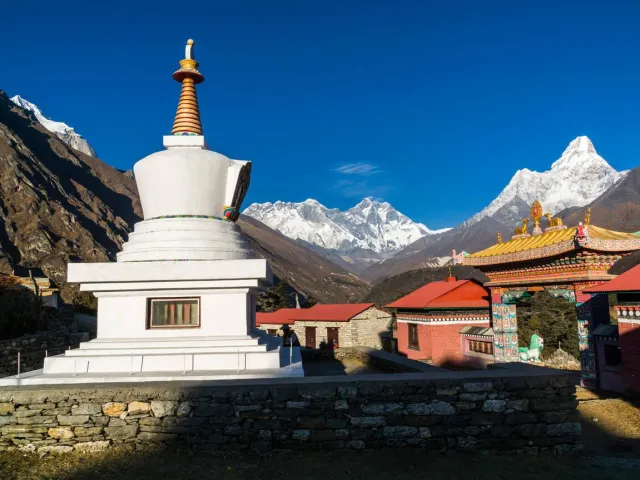
The Ama Dablam Base Camp Trek is a breathtaking 13-day adventure offered by Asiana Treks and Tours, guiding you deep into the heart of the Khumbu region of Nepal. Known as the "Matterhorn of the Himalayas," Ama Dablam stands tall at 6,812 meters, its dramatic ridges and hanging glaciers captivating trekkers and climbers alike. This trek is perfect for those seeking awe-inspiring alpine beauty combined with deep cultural immersion.Your journey begins in Kathmandu, where the vibrant streets and ancient heritage sites set the tone for the adventure ahead. From a scenic mountain flight into Lukla to walking through lush pine forests, crossing suspension bridges, and exploring high-altitude Sherpa villages, every step reveals something new. Unlike the busier Everest Base Camp route, this trail offers a quieter, more serene alternative, bringing you close to Himalayan giants like Everest, Lhotse, Thamserku, and of course, the majestic Ama Dablam. Along the way, you'll visit spiritual monasteries, acclimate in famous towns like Namche Bazaar, and culminate your journey at the peaceful Ama Dablam Base Camp, nestled at 5,120 meters above sea level. Ama Dablam Base Camp Trekking Package:Asiana Treks and Tours provides a comprehensive trekking package designed for both seasoned trekkers and enthusiastic adventurers. Our package includes domestic flights, all trekking permits, professional guides, porters, accommodations, and meals during the trek. You’ll stay in comfortable tea houses along the route, each offering cosy lodgings and warm Sherpa hospitality. This trek is classified as moderately challenging, suitable for those in good physical condition and prepared for gradual altitude gain. We prioritise your safety and acclimatisation, ensuring a well-paced itinerary with sufficient rest days. Our experienced, licensed guides provide not only logistical support but also cultural insights, making your journey educational as well as adventurous. Ama Dablam Base Camp Trek Itinerary, 13 Days:Day 1: Arrival in Kathmandu – Airport pickup and hotel transfer, after refresh + Trek PreparationDay 2: Flight to Lukla & Trek to Phakding (2,610m)Day 3: Trek to Namche Bazaar (3,440m)Day 4: Acclimatisation at Namche – Hike to Everest View HotelDay 5: Trek to Tengboche (3,867m) – Visit the famous monasteryDay 6: Tengboche to Pangboche (3,985m) – Stunning views of Ama DablamDay 7: Hike to Ama Dablam Base Camp (5,120m) and return to PangbocheDay 8: Trek to Mong Danda – Panoramic viewsDay 9: Trek to Jorsalle – Descending through Sherpa settlementsDay 10: Trek back to Lukla – Final mountain viewsDay 11: Fly to Kathmandu – Free afternoonDay 12: Departure from Nepal – Farewell from Asiana Treks and ToursAma Dablam Base Camp Trek Distance:The total trekking distance of the Ama Dablam Base Camp Trek is approximately 120 kilometres (75 miles) round trip. This distance is covered over 8–9 trekking days, giving trekkers enough time to acclimatise and explore cultural landmarks. Daily trekking ranges from 4 to 7 hours, gradually ascending from Lukla (2,840m) to Ama Dablam Base Camp (5,120m). The path covers a variety of terrains, including stone staircases, rhododendron forests, alpine meadows, and rugged high-altitude trails. Key villages along the way include Namche Bazaar, Tengboche, Pangboche, and Mong Danda, each providing rest stops and cultural experiences. Ama Dablam Base Camp Trekking Cost 2026/2027Asiana Treks and Tours offers competitive pricing with high-quality services for the Ama Dablam Base Camp Trek. Our 2026/2027 packages are priced as follows: Standard Group Package: USD 1,350 per personPrivate Trek (2-4 people): USD 1,550 per personSolo Trekker Package: $1,850 USDAma Dablam Base Camp Trek Price Breakdown With Asiana Treks and Tours At Asiana Treks and Tours, we believe in transparency and value. The Ama Dablam Base Camp Trek offers an exceptional Himalayan experience at a reasonable cost, depending on the level of service and customisation. Our standard package starts at USD 1,350 per person for group treks, while private treks or solo adventures can range from $1,550 to USD 1,850. This pricing includes nearly everything: two-way domestic flights (Kathmandu–Lukla), trekking permits (TIMS and Sagarmatha National Park), professional guides and porters, accommodation in local tea houses, and three hearty meals a day during the trek. What’s excluded are personal expenses, gear rental, insurance, international airfare, and tipping. We also offer customizable add-ons such as pre- or post-trek cultural tours, luxury lodge upgrades, and gear rentals. With us, you’re not just paying for logistics—you’re investing in a safe, culturally immersive, and expertly guided Himalayan journey. We ensure ethical treatment of staff, high safety standards, and an unforgettable trekking experience with no hidden costs.Ama Dablam Base Camp Trek Altitude Guide:Your Day-by-Day Elevation Gain with Asiana Treks and Tours Altitude is a critical factor in any Himalayan trek, and the Ama Dablam Base Camp Trek reaches impressive heights. The trek starts at Lukla (2,840m) and reaches its highest point at Ama Dablam Base Camp (5,120m) on Day 8. Each day brings a steady elevation gain, allowing the body to gradually acclimatise. For instance, Namche Bazaar (3,440m) is a vital acclimatisation stop on Day 4, offering hikes to higher elevations like the Everest View Hotel to prepare your lungs and legs for the days ahead. As you ascend through Tengboche (3,867m) and Pangboche (3,985m), you’ll begin to feel the thinning air—but our itinerary is designed to help you adapt safely. The hike to Ama Dablam Base Camp itself is done as a day excursion from Pangboche, ensuring that you gain the elevation and descend the same day to sleep lower—an ideal method for avoiding altitude sickness. With Asiana Treks and Tours, you’ll receive professional guidance on altitude awareness, hydration strategies, and how to pace yourself for success. Why Choose the Ama Dablam Base Camp Trek?An Iconic, Less-Crowded Alternative with Asiana Treks and ToursThe Ama Dablam Base Camp Trek is perfect for trekkers who crave stunning Himalayan landscapes but prefer a quieter, more authentic experience than the popular Everest Base Camp route. With Asiana Treks and Tours, you’ll explore serene trails, centuries-old monasteries, and traditional Sherpa villages untouched by heavy tourism. The scenery is spectacular: soaring peaks like Everest, Lhotse, Nuptse, and Ama Dablam dominate the skyline, while rhododendron forests and glacial rivers line your path. What truly sets this trek apart is the approach to Ama Dablam Base Camp itself, where few venture. Standing at the foot of this sharply ridged mountain, you’re rewarded with a close-up experience that most Everest trekkers miss. Combine this with the spiritual aura of Tengboche Monastery, the lively markets of Namche Bazaar, and the peaceful environment of Pangboche, and you have a trek that delivers cultural richness, adventure, and solitude. Guided by our experienced team, this journey becomes more than just a trek—it becomes a transformative Himalayan experience.Preparing for the Ama Dablam Base Camp Trek:Expert Tips from Asiana Treks and Tours: Preparing for the Ama Dablam Base Camp Trek involves physical readiness, proper gear, and mental preparation. While this is a moderately complex trek, it still requires good cardiovascular fitness, strong legs, and endurance. We recommend a 3–4 month training plan before your departure, including hiking with a backpack, stair climbing, running, or cycling. Altitude training, if available, is a plus—but consistent hiking with elevation gain is your best preparation.On the gear front, Asiana Treks and Tours provides a detailed packing list, and we also offer gear rental services in Kathmandu for items like down jackets, sleeping bags, and trekking poles. Essentials include sturdy trekking boots, moisture-wicking layers, windproof jackets, and sun protection. Mentally, expect early starts, rustic accommodations, and limited connectivity—but also breathtaking sunrises, spiritual serenity, and life-affirming landscapes. Our guides ensure that you’re supported every step of the way, both physically and emotionally, so your preparation is met with expert care once you’re on the trail.What to Expect on the Ama Dablam Base Camp Trek With Asiana Treks and Tours:Embarking on the Ama Dablam Base Camp Trek with Asiana Treks and Tours is more than just a physical journey—it’s a cultural, spiritual, and scenic immersion into one of the world’s most spectacular mountain regions. Over 12–13 active trekking days, expect a balanced mix of challenging ascents, relaxed rest stops, and vibrant encounters with the Sherpa way of life. The trek begins with a dramatic flight from Kathmandu to Lukla, one of the world’s most thrilling airstrips, before transitioning into days of scenic walking through alpine forests, prayer-flag-lined trails, and rhododendron groves.As you ascend from Phakding to Namche Bazaar and onward to Tengboche and Pangboche, the landscape becomes increasingly dramatic. You’ll be walking beneath the shadows of Himalayan giants like Ama Dablam, Everest, Lhotse, and Thamserku. Tea houses offer warm meals and cosy accommodations, while ancient monasteries and yak pastures provide spiritual and cultural texture. The ultimate highlight is the day hike to Ama Dablam Base Camp (5,120m), offering panoramic views and a sense of awe as you stand beneath one of the Himalaya’s most iconic peaks. Expect early mornings, cool mountain air, incredible sunrises, and the satisfaction of trekking in a more peaceful alternative to the crowded Everest Base Camp trail. Oxygen Levels on the Ama Dablam Base Camp Trek Trail:Understanding High-Altitude Conditions and Altitude and oxygen levels is an essential part of the Ama Dablam Base Camp Trek experience. The trek begins at Lukla (2,840 meters), where oxygen levels are roughly 72% of what you’d find at sea level. As you ascend gradually to Namche Bazaar (3,440m) and Tengboche (3,867m), your body has time to adjust to the thinner air. Proper acclimatisation is essential, and that’s why Asiana Treks and Tours has designed a carefully paced itinerary with a dedicated acclimatisation day in Namche.By the time you reach Ama Dablam Base Camp at 5,120 meters, oxygen levels drop to approximately 50% of sea-level oxygen. While this may sound drastic, our guided approach, including hydration, rest, and altitude education, ensures most trekkers adapt comfortably. The trek to base camp is done as a day hike from Pangboche, which means you descend after reaching the high point—one of the best ways to minimise altitude-related issues. Our guides are trained in altitude sickness prevention and carry medical kits and oximeters, ensuring your safety while enjoying the breathtaking high-altitude terrain. Major Villages and Scenic Viewpoints on the Ama Dablam Base Camp Trekking Route:Cultural Highlights and Natural Marvels with Ama Dablam Base Camp Trek is rich in cultural heritage and visual splendour. Each village along the trail tells a story and offers unique opportunities for interaction, rest, and exploration. Namche Bazaar, the largest Sherpa town in the region, is not just a trading hub but also a cultural experience—with bakeries, museums, and mountain markets perched on a terraced hillside with views of Everest. Tengboche, home to the renowned Tengboche Monastery, provides one of the most spiritual and scenic stops, offering views of Ama Dablam framed perfectly in the distance during morning prayers.Further along, Pangboche—the highest permanent settlement on the route—is a historical village that holds one of the oldest monasteries in the Khumbu region. From here, the trail to Ama Dablam Base Camp opens up into raw Himalayan wilderness. Along the trek, there are several unforgettable viewpoints: the Everest View Hotel near Namche, the Dudh Koshi River Valley, and the ridges above Mong Danda offer 360-degree panoramas of the Everest range. These natural balconies allow you to stop, breathe, and absorb the vastness of the Himalayan landscape in a way that feels both personal and awe-inspiring.Flora and Fauna of the Ama Dablam Base Camp Trek:Natural Biodiversity of the Khumbu Region with Ama Dablam Base Camp Trek passes through a stunning range of ecological zones—from temperate forests to alpine tundra—making it a dream for nature lovers. In the lower elevations near Lukla and Phakding, you’ll walk through dense forests of pine, fir, juniper, and rhododendron, especially colourful in spring. These forests are home to Himalayan birds such as the Danphe (Nepal’s national bird), blood pheasants, and impeyan pheasants, whose vibrant feathers flash between branches as you hike.As you gain altitude, the vegetation thins, and the alpine landscape emerges. In the high meadows and rocky outcrops near Pangboche and Ama Dablam Base Camp, you'll find dwarf shrubs, mosses, and rare mountain herbs that have adapted to the harsh climate. Wildlife sightings include Himalayan tahrs, musk deer, marmots, and even the elusive snow leopard in sporadic cases. The higher trails are also visited by yak caravans, vital to the livelihoods of local Sherpas. Trekking with Asiana Treks and Tours, you’ll not only see this incredible biodiversity but also gain insights from our guides, who share local knowledge about the plants, animals, and ecosystems that make the Khumbu region so unique.Festivals and Local Culture Along the Ama Dablam Base Camp Trek Route:Experience Sherpa Heritage in Ama Dablam Base Camp with Asiana Treks and Tours is more than just a walk through mountains—it's a journey through the rich cultural heartland of the Sherpa people. The trail passes through some of the most culturally significant villages in the Everest region, including Namche Bazaar, Tengboche, Pangboche, and Khunde. These villages are alive with tradition, spirituality, and unique Himalayan customs that have been preserved for generations.The region is known for its colourful festivals, which you may be lucky to witness depending on your trekking dates. The Mani Rimdu Festival, celebrated at Tengboche Monastery in October or November, is the most famous. It includes sacred masked dances performed by monks, symbolising the victory of Buddhism over evil. Another festival, Dumje, is celebrated in the summer and honours Guru Rinpoche with prayer rituals, music, and village gatherings. These festivals are not tourist shows—they are authentic cultural expressions, offering a deep insight into Sherpa life.Cultural Highlights on the Ama Dablam Basecamp Trek:Tengboche Monastery: Largest in the Khumbu region; spiritual centre of SherpasPangboche Monastery: Oldest monastery in the Everest areaNamche Bazaar: Cultural hub with local markets, Sherpa Museum, and Tibetan tradersPrayer flags, mani stones, and chortens: Found throughout the trail as signs of spiritual practiceWarm Sherpa hospitality: Experience homestays and tea house traditionsWith Asiana Treks and Tours, you’ll receive guidance from local experts who help you respectfully connect with local customs, attend rituals, and understand the spiritual life of the Himalayas.Why Book with Asiana Treks and Tours for the Ama Dablam Base Camp Trek?Trusted, Local, and Experienced, At Asiana Treks and Tours, we are more than just a trekking company—we are a passionate team of local mountain professionals with decades of experience leading treks in the Khumbu region. When you book the Ama Dablam Base Camp Trek with us, you're choosing safety, local knowledge, personalised service, and cultural authenticity. We are based in Nepal, deeply rooted in the mountain communities we operate in, and committed to ethical tourism practices that benefit both travellers and local people.Our guides are licensed by the Nepal Government, fluent in English, and extensively trained in first aid and altitude awareness. We believe in fair treatment of our porters, use sustainable trekking practices, and provide customizable itineraries for individuals, small groups, and families. Whether you're a seasoned hiker or new to Himalayan trekking, we tailor your experience to suit your pace and interests, with built-in acclimatisation, comfortable tea house stays, and insider tips on everything from photography spots to the best momos on the trail.Why Choose Asiana Treks and Tours?Local expertise and regional connections100% safety-focused operationsTransparent pricing—no hidden feesSmall group size for personal experienceEthical porter and guide policiesFlexible booking and itinerary customisationExcellent customer support—before, during, and after your trekChoosing Asiana means choosing a deeper connection with the Himalayas—one that respects nature, values people, and delivers a truly unforgettable experience. Step-by-Step Guide to Booking the Ama Dablam Trek with Asiana Treks and Tours: Booking your Ama Dablam Base Camp Trek with Asiana Treks and Tours is simple, transparent, and fully supported by our customer service team every step of the way. Whether you're planning your adventure months or seeking a last-minute departure, we’re here to make the process stress-free and seamless. We offer both online booking through our website and direct contact via email or WhatsApp for personalised planning.Start by reviewing the itinerary, cost, and trekking details on our website or request a custom itinerary tailored to your schedule, budget, and preferences. Once you've finalised your dates and group size, you can secure your spot by paying a small advance deposit (usually 20–30%) through secure international payment options like Wise, bank transfer, or credit card. After your deposit is received, we’ll send you a detailed booking confirmation, packing checklist, and travel preparation guide. Final payment is made upon arrival in Kathmandu.Easy Booking Steps:Browse packages or request a customised itinerary.Confirm availability and departure dates via email or chat.Pay the deposit securely to confirm your booking.Receive a confirmation package with trek preparation details.Arrive in Kathmandu—we’ll take care of the rest!For added convenience, we can also assist you with Nepal visa information, airport pickup, and hotel bookings in Kathmandu. When you book with Asiana Treks and Tours, you're not just signing up for a trek—you're joining a trusted local partner on a journey of a lifetime.Everest Regions Trekking Blog Post List:Asiana Treks & Tours offers an insightful blog on the Everest region, providing valuable information for trekkers. Explore stunning landscapes, local culture, and practical tips for your journey.Why Everest Base Camp Trek Should Be Your Next Adventure: Top ReasonsBeginner's Guide to Everest Base Camp TrekUnderstanding the Everest Base Camp Trek’s DifficultyEverest Base Camp Trek: Best Seasons (March-Mid June, Sep-Nov)Choosing the Best Route for Everest Base CampMajor Facts About the Everest Base Camp Trekking AdventureHiking from Gorak Shep to Kala Patthar & Everest Base CampIs There an Age Limit for Everest Base Camp Trekking?Is Everest Base Camp Trekking Possible for Women? Absolutely!The Complete List of Permits and Documents for Everest Region TreksMeals and Accommodation in the Everest RegionAccommodation Types in the Everest RegionTop Everest Region Trekking Packages 2025/2026Annapurna Base Camp vs Everest Base Camp: The Best TrekTrekking Permit Requirements for Different Regions in NepalThe First Viewpoint to See Mount EverestThe Beauty of Gokyo Lake with Views of EverestDiscovering the Beauty of Gokyo Lakes with Gokyo RiWhy Choose Everest Three Passes Trekking in NepalWhy Trek Everyone is the Ultimate Guide to Everest Base CampTrekking the Everest Three High Passes: Renjo La, Cho La & Kongma LaLukla: The Trekker's Ultimate GatewayAmazing Facts About Tenzing-Hillary Airport (Lukla Airport)Exploring Phakding: The First Step Toward EverestNamche Bazaar at 3,440m: A Rest Stop with a ViewTengboche Monastery: The Heartbeat of the KhumbuDingboche: The Smart Stop for Acclimatization and Stunning ViewsLobuche: A High-Altitude Himalayan Gem – History, Culture, Geography & Trekking HighlightsDiscover Everest Dudhkoshi Cultural Trek for BeginnersTraversing the Heart of Solu: Jiri to Sete, Junbesi & Nunthala via the Lamjura-La PassSacred Trails and Alpine Dreams: A Journey Through Pikey Peak, Dudh Kunda, and the Hidden Hamlets of SolukhumbuWhy Choose Everest Three Passes Trekking in NepalThe First Successful Summit: Sir Edmund Hillary and Tenzing NorgayHistory of Mount Everest : International Everest DayWhy Trek Everyone is the Ultimate Guide to Everest Base CampFAQs for Hiking to the Roof of the World (Everest Region
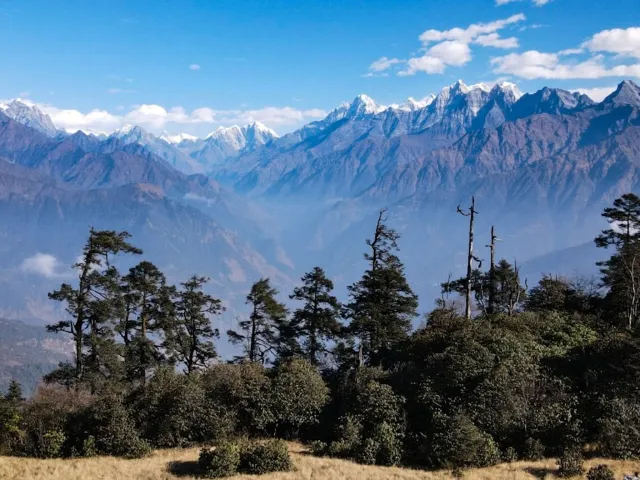
Everest Dudh Koshi Cultural Trail – A Hidden Gem of Culture, Nature, and AdventureThe Everest Dudh Koshi Cultural Trail is a newly explored trekking destination that offers travellers a short yet rewarding journey into the heart of Nepal’s natural beauty and cultural diversity. Stretching from the lowlands of the Dudh Koshi River basin at 1,400 meters to the scenic Aran Danda viewpoint at 3,310 meters, this trail unfolds breathtaking views of 29 Himalayan peaks, including Mount Everest, Mera Peak, Numbur, and even Kanchenjunga on clear days. For those dreaming of seeing Everest up close without going to extreme altitudes, this trek is the perfect choice.What makes this trail truly unique is its rich cultural heritage. Trekkers can immerse themselves in the traditions of the Khaling Rai, Sherpa, Tamang, and Magar communities, enjoying authentic homestays, local cuisine, and colourful festivals. Along the way, ancient monasteries, sacred shrines, and traditional cultural parks reflect centuries-old rituals and spirituality. The Juve Purano Gompa, founded in the 16th century, stands as a testament to Buddhist heritage.Nature lovers will be amazed by the region’s lush rhododendron forests, rolling meadows, terraced fields, and abundant wildlife. This area is home to the clouded leopard, red panda, Himalayan black bear, golden jackal, and over 100 bird species, making it an incredible biodiversity hotspot. For adventure seekers, the trail also showcases opportunities for canyoning, cycling, rock climbing, honey hunting, and the famous Everest View Marathon.With its combination of stunning landscapes, spiritual landmarks, adventure activities, and genuine hospitality, the Everest Dudh Koshi Cultural Trail is fast becoming a prime destination in the southern Everest region. It is an all-season trek suitable for all ages, where every step tells a story of Himalayan culture, nature, and adventure—making it a lifetime experience.The Everest Dudh Koshi Cultural Trail is a newly opened trekking route in the southern Everest region, offering a unique blend of breathtaking Himalayan views, vibrant cultural encounters, and rich biodiversity. From lush rhododendron forests and terraced farmlands to panoramic viewpoints of Everest, Mera Peak, Numbur, and even Kanchenjunga on clear days, this trail is perfect for travellers seeking both adventure and authentic cultural immersion. With homestays in Khaling Rai, Sherpa, Tamang, and Magar villages, spiritual monasteries, and opportunities for adventure sports, the trail promises a once-in-a-lifetime Himalayan experience.Why Choose the Everest Dudh Koshi Cultural Trail with Asiana Treks and Tours?The Everest Dudh Koshi Cultural Trail is more than just a trek; it’s a journey through breathtaking Himalayan landscapes, vibrant traditions, and unforgettable experiences. With Asiana Treks and Tours, you can explore this newly opened trail with expert guidance, personalised service, and cultural immersion that make every moment memorable.Reasons to Choose Us: Expert Local Guides with 25+ years of experience in Himalayan trekking. Authentic Cultural Experience with Rai, Sherpa, Tamang, and Magar communities.Comfortable Homestays offering warm hospitality and local flavours.Safe & Hassle-Free Travel with permits, logistics, and support managed.Customised itineraries for all age groups and fitness levels.Adventure + Culture Combo including trekking, wildlife, and festivals.Sustainable Tourism Approach supporting local people and the environment.Who Can Participate in the Everest Dudh Koshi Cultural Trail?The Everest Dudh Koshi Cultural Trail is designed to be suitable for a wide range of travellers. Unlike high-altitude treks in the Everest region, this trail remains at a moderate elevation, making it accessible for all age groups, including families, students, and senior travellers. It is ideal for those who wish to experience the Himalayan lifestyle, culture, and scenery without the physical demands of extreme trekking.This trail is perfect for:Beginners looking for a short and scenic trek in Nepal.Families and senior citizens seeking a comfortable cultural journey.Cultural enthusiasts interested in Rai, Sherpa, Tamang, and Magar traditions.Nature and wildlife lovers who want to explore rhododendron forests and spot rare Himalayan fauna.Adventure seekers eager to try activities like cycling, canyoning, or honey hunting.Spiritual travellers are drawn to monasteries, sacred shrines, and local festivals.What to Expect on the Everest Dudh Koshi Cultural Trail:The Everest Dudh Koshi Cultural Trail offers travellers a perfect balance of natural beauty, cultural richness, and adventure. This newly explored route offers panoramic views of the Himalayan peaks, lush forests, and terraced hillsides, while immersing you in the traditions of the Khaling Rai, Sherpa, Tamang, and Magar communities. With homestays, wildlife encounters, sacred sites, and local festivals, every step of the journey brings something unique.Highlights of What to Expect:Breathtaking views of Mount Everest, Mera Peak, Numbur Himal, and Gaurishankar.Homestay experiences with Rai, Sherpa, Tamang, and Magar families.Walk through rhododendron forests, terraced farmlands, and rolling meadows.Opportunities to spot red panda, Himalayan black bear, clouded leopard, and over 100 bird species.Visits to ancient monasteries, sacred shrines, and spiritual sites.Immersion in local festivals, cultural dances, and rituals.Adventure activities like cycling, canyoning, rock climbing, honey hunting, and the Everest View Marathon.Year-round trekking is suitable for all ages and experience levels.Explore Sherpa Culture on the Everest Cultural Trekking Route:The Everest Dudhkoshi Cultural Trek offers a unique opportunity to delve deep into the authentic Sherpa culture in Nepal through an immersive journey along the Dudhkoshi Cultural Trail. Unlike the bustling Everest Base Camp route, this off-the-beaten-path Everest trek takes you through serene, traditional Sherpa villages nestled in the heart of the Solukhumbu region. Trekkers gain intimate access to centuries-old customs, spiritual practices, and the everyday life of villages, making this a genuine cultural experience in the Everest region. You will witness ancient monasteries adorned with prayer flags, interact with locals during vibrant festivals, and experience the spiritual rhythms of Himalayan life first-hand.Operated by Asiana Treks and Tours, this trek champions eco trekking Nepal principles, ensuring that your journey supports the preservation of both cultural heritage and natural environments. The Everest Cultural Trek follows the less-explored Dudhkoshi River trail, blending spectacular mountain panoramas with rich cultural interactions. Travellers can enjoy peaceful moments beside the Dudhkoshi River, while learning about Sherpa traditions that have thrived in these remote Himalayan settings for generations. This trek is ideal for travellers seeking meaningful connections beyond the usual tourist experience, providing a holistic blend of nature, spirituality, and community.Highlights:Visit lesser-known Sherpa villages in the Solukhumbu regionExplore ancient Buddhist monasteries, chortens, and mani wallsStay in eco-friendly lodges and authentic homestaysSupport sustainable tourism with Asiana Treks and ToursExperience an offbeat, mindful Nepal cultural trekking adventureDiscover Hidden Trails of the Everest Region Through Dudhkoshi:The Dudhkoshi Cultural Trail offers a refreshing and lesser-known alternative to classic Everest trekking routes. This remote Himalayan trek winds through the lush and culturally rich Dudhkoshi Valley, a hidden gem named after the milky-white glacial river that carves its path from the Everest region. The trail presents a peaceful retreat for trekkers seeking solitude, authenticity, and untouched natural beauty, making it one of the best alternative Everest treks curated by Asiana Treks and Tours.As you traverse the Dudhkoshi Valley Trek, you will pass through dense pine forests, terraced farmlands, and vibrant villages inhabited by Sherpa and Rai communities who maintain their rich cultural heritage with pride. This Solukhumbu cultural trekking experience provides a chance to explore hidden Everest trails rarely visited by mainstream trekkers, offering breathtaking Himalayan vistas along the way. The trek emphasises eco trekking Nepal values, with minimal environmental impact and meaningful cultural exchanges. This trek is perfect for those wanting to venture off the usual path and discover the soulful beauty of the Dudhkoshi River trail and its welcoming communities.Highlights:Trek along the pristine Dudhkoshi River trail away from crowded pathsExplore vibrant villages preserving Sherpa culture and Rai traditionsExperience an eco-conscious, low-impact Nepal cultural trekking journeyDiscover spectacular views on hidden, offbeat Everest trailsEnjoy a serene, authentic adventure with Asiana Treks and ToursEverest Regions Trekking Blog Post List:Asiana Treks & Tours offers an insightful blog on the Everest region, providing valuable information for trekkers. Explore stunning landscapes, local culture, and practical tips for your journey.Why Everest Base Camp Trek Should Be Your Next Adventure: Top ReasonsBeginner's Guide to Everest Base Camp TrekUnderstanding the Everest Base Camp Trek’s DifficultyEverest Base Camp Trek: Best Seasons (March-Mid June, Sep-Nov)Choosing the Best Route for Everest Base CampMajor Facts About the Everest Base Camp Trekking AdventureHiking from Gorak Shep to Kala Patthar & Everest Base CampIs There an Age Limit for Everest Base Camp Trekking?Is Everest Base Camp Trekking Possible for Women? Absolutely!The Complete List of Permits and Documents for Everest Region TreksMeals and Accommodation in the Everest RegionAccommodation Types in the Everest RegionTop Everest Region Trekking Packages 2025/2026Annapurna Base Camp vs Everest Base Camp: The Best TrekTrekking Permit Requirements for Different Regions in NepalThe First Viewpoint to See Mount EverestThe Beauty of Gokyo Lake with Views of EverestDiscovering the Beauty of Gokyo Lakes with Gokyo RiWhy Choose Everest Three Passes Trekking in NepalWhy Trek Everyone is the Ultimate Guide to Everest Base CampTrekking the Everest Three High Passes: Renjo La, Cho La & Kongma LaLukla: The Trekker's Ultimate GatewayAmazing Facts About Tenzing-Hillary Airport (Lukla Airport)Exploring Phakding: The First Step Toward EverestNamche Bazaar at 3,440m: A Rest Stop with a ViewTengboche Monastery: The Heartbeat of the KhumbuDingboche: The Smart Stop for Acclimatization and Stunning ViewsLobuche: A High-Altitude Himalayan Gem – History, Culture, Geography & Trekking HighlightsDiscover Everest Dudhkoshi Cultural Trek for BeginnersTraversing the Heart of Solu: Jiri to Sete, Junbesi & Nunthala via the Lamjura-La PassSacred Trails and Alpine Dreams: A Journey Through Pikey Peak, Dudh Kunda, and the Hidden Hamlets of SolukhumbuWhy Choose Everest Three Passes Trekking in NepalThe First Successful Summit: Sir Edmund Hillary and Tenzing NorgayHistory of Mount Everest : International Everest DayWhy Trek Everyone is the Ultimate Guide to Everest Base CampFAQs for Hiking to the Roof of the World (Everest Region
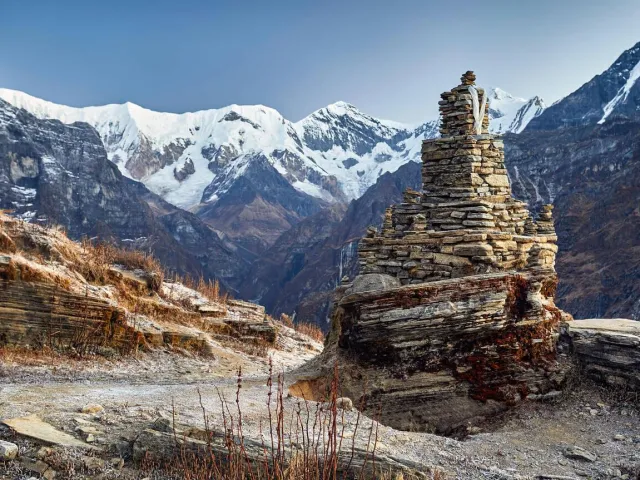
The 12-day Poon Hill and Mardi Himal Trek offered by Asiana Treks and Tours is an extraordinary journey blending vibrant cultural experiences, breathtaking Himalayan panoramas, and invigorating trekking challenges. This trek is designed for adventurers looking to immerse themselves in the Annapurna region’s natural beauty and rich cultural heritage while trekking moderate yet rewarding routes.Your adventure begins with your arrival in Kathmandu, Nepal’s bustling capital, where you are transferred to the popular tourist hub of Thamel. Here, you will have time to rest and prepare for the trek, including a guided tour of Kathmandu’s UNESCO World Heritage sites, such as the famous Durbar Squares, Swayambhunath (Monkey Temple), and Pashupatinath Temple.On Day 2, you travel from Kathmandu to Pokhara by scenic road, entering the gateway to the Annapurna region. The trek officially begins from Ulleri, taking you through rhododendron forests and traditional villages, leading to Ghorepani. The highlight here is the early morning hike to Poon Hill, where you witness an unforgettable sunrise over the majestic peaks of Dhaulagiri, Annapurna, and Machhapuchhre (Fishtail).Following Poon Hill, the trek proceeds through Tadapani and Landruk, quaint villages showcasing local Gurung culture. The route then transitions toward the serene Mardi Himal trail, ascending gradually to High Camp and the Mardi Himal Base Camp at 4500 meters, revealing spectacular close-up views of Annapurna South and Machhapuchhre. The return journey descends through forested ridges and traditional villages before heading back to Pokhara and finally Kathmandu for departure.Key Highlights:Explore Kathmandu’s cultural landmarksScenic drive from Kathmandu to PokharaSunrise at Poon Hill with panoramic Himalayan viewsTrek through charming Gurung villagesAscend Mardi Himal Base Camp for close mountain viewsMix of nature, culture, and mountain adventure2. Poon Hill with Mardi Himal Trekking PackageThe Asiana Treks and Tours Poon Hill with Mardi Himal package is thoughtfully crafted to provide a balance of trekking, sightseeing, and cultural immersion. This all-inclusive package includes airport pickups, comfortable accommodations in Kathmandu and Pokhara, quality teahouse stays during the trek, and professional trekking support.Included are experienced, certified guides and friendly porters who carry your heavy gear, ensuring a safe and enjoyable trek. Meals during trekking days include nutritious breakfasts, lunches, and dinners, with dietary options available upon request. Transportation is provided throughout, including Kathmandu to Pokhara by private vehicle and transfers between trekking trailheads.Asiana Treks and Tours focuses on sustainable tourism, working closely with local communities to support responsible trekking and eco-friendly practices. The package also includes trekking permits and insurance for guides and porters.Package Inclusions:Airport pick-up and drop-offPrivate transportation (Kathmandu-Pokhara-Kathmandu)Accommodations in hotels and teahousesProfessional trekking guide and portersAll meals during trekkingTrekking permits and entrance feesSupport for sustainable tourism3. Poon Hill with Mardi Himal Trek ItineraryDay 1: Arrival in Kathmandu; transfer to ThamelDay 2: Drive Kathmandu to Pokhara (5-6 hours)Day 3: Drive Pokhara to Birethanti; trek to Ulleri (5 hours)Day 4: Trek Ulleri to Ghorepani (5-6 hours)Day 5: Early morning hike to Poon Hill; trek Ghorepani to Tadapani (5-6 hours)Day 6: Trek Tadapani to Landruk (5-6 hours)Day 7: Trek Landruk to Low Camp (5-6 hours uphill)Day 8: Trek Low Camp to High Camp (4-5 hours)Day 9: Trek High Camp to Mardi Himal Base Camp (4500 m) and back to Badal Danda (8-10 hours)Day 10: Trek Badal Danda to Sidding; drive Sidding to Pokhara (alternative trekking route available)Day 11: Drive Pokhara to Kathmandu (5-6 hours)Day 12: Departure from NepalThis itinerary provides a gradual acclimatization profile, allowing trekkers to enjoy stunning landscapes, cultural encounters, and challenging yet manageable trekking days.4. Poon Hill with Mardi Himal Trek DistanceThe total trekking distance covered during this 12-day adventure is approximately 85 to 100 kilometers, depending on the chosen descent route from Badal Danda to Pokhara.Kathmandu to Pokhara road trip: ~200 kilometersTrek Pokhara to Ulleri: ~12 kmUlleri to Ghorepani: ~14 kmGhorepani to Tadapani: ~12 kmTadapani to Landruk: ~10 kmLandruk to Low Camp: ~8 kmLow Camp to High Camp: ~6 kmHigh Camp to Mardi Himal Base Camp and back: ~18 km (round trip)Badal Danda to Sidding to Pokhara (alternative): ~10-12 kmTrekking days vary from 4 to 10 hours, with elevation ranging from 1,000 meters in Pokhara to 4,500 meters at Mardi Himal Base Camp.5. Poon Hill with Mardi Himal Trekking Cost 2026/2027The cost for the Poon Hill with Mardi Himal Trek in 2026/2027 with Asiana Treks and Tours typically ranges between $1,100 to $1,400 USD per person. The price depends on the group size, customization, and additional services requested.What’s included in the cost:Airport transfers and transport Kathmandu-Pokhara-KathmanduAccommodation in hotels and teahousesProfessional guide and porter servicesAll meals during trekkingTrekking permits and government feesNecessary equipment and supportOptional extras like private rooms, additional sightseeing tours, or special dietary meals may affect the final price.Booking early with Asiana Treks and Tours ensures the best price, personalized service, and smooth planning for your Himalayan adventure.Poon Hill with Mardi Himal Trek Price BreakdownThe Poon Hill with Mardi Himal Trek with Asiana Treks and Tours offers excellent value for a premium Himalayan experience. The cost generally ranges from $1,100 to $1,400 USD, depending on group size, season, and any personalized options you choose.The price includes essential services to ensure a comfortable and safe trek:Airport pick-up and drop-off in KathmanduPrivate transport between Kathmandu and PokharaAccommodation in Kathmandu, Pokhara, and teahouses during trekkingLicensed trekking guide and porter supportThree meals a day while trekkingTrekking permits and national park feesSustainable tourism and community support feesOptional extras might include private rooms, extra sightseeing, or special dietary meals, which could affect the total price.Choosing this package means you avoid hidden costs and logistical headaches, as Asiana Treks and Tours handles all permits, bookings, and arrangements professionally.Price Highlights:All-inclusive trekking packageProfessional guide and porter servicesComfortable accommodation and mealsTrekking permits and park fees includedOptional add-ons availableWith transparent pricing and no compromise on quality, this trek package delivers a seamless Himalayan adventure.Poon Hill with Mardi Himal Trek Altitude GuideAltitude plays a crucial role in your trekking experience on the Poon Hill with Mardi Himal route. The trek starts at lower elevations in Pokhara (~1,000 m) and ascends gradually to Mardi Himal Base Camp at around 4,500 meters.Here is a quick altitude progression guide:Pokhara: 1,000 m (start point)Ulleri: ~2,070 mGhorepani/Poon Hill: ~2,850 m / 3,210 m (sunrise viewpoint)Tadapani: ~2,630 mLandruk: ~1,600 mLow Camp: ~2,800 mHigh Camp: ~3,600 mMardi Himal Base Camp: ~4,500 mAs you ascend, oxygen levels decrease, which may cause altitude sickness if proper acclimatization is not followed. The itinerary by Asiana Treks and Tours is designed with gradual ascent and rest days to minimize risks.Altitude Tips:Hydrate well throughout the trekAscend slowly and avoid rushingListen to your body and report any symptomsRest days included for acclimatizationUnderstanding altitude effects helps ensure a safe, enjoyable trek with stunning high-altitude Himalayan views.Why Choose Poon Hill with Mardi Himal Trek?The Poon Hill with Mardi Himal Trek stands out as one of the best treks in Nepal due to its unique blend of stunning mountain vistas, cultural richness, and moderate trekking difficulty.Reasons to choose this trek with Asiana Treks and Tours:Spectacular panoramic views of Annapurna, Dhaulagiri, Machhapuchhre, and beyondA sunrise experience at Poon Hill, one of Nepal’s most iconic viewpointsLess crowded and quieter trails compared to other Annapurna treksRich cultural encounters with Gurung and Magar villages along the routeCombination of classic Poon Hill trek and the adventurous Mardi Himal trailExperienced local guides and professional support from Asiana Treks and ToursWell-planned itinerary balancing trekking effort and rest for acclimatizationThis trek suits those who want a fulfilling Himalayan adventure that mixes nature, culture, and moderate physical challenge in one itinerary.Preparing for Poon Hill with Mardi Himal TrekPreparation is key for a successful Poon Hill with Mardi Himal trek. Asiana Treks and Tours recommends several important steps to get ready physically and mentally.Physical preparation:Regular cardio workouts like running, hiking, or cyclingStrength training focusing on legs, core, and backPractice trekking with a loaded backpackMaintain good overall fitness and flexibilityPacking essentials:Warm layered clothing and waterproof jacketTrekking boots with good ankle supportSleeping bag suitable for cold mountain nightsSun protection (hat, sunglasses, sunscreen)Trekking poles, first aid kit, and reusable water bottleHealth precautions:Get travel insurance with trekking coverageAcclimatize properly and follow guide’s adviceStay hydrated and eat nutritious foodAsiana Treks and Tours provides a pre-trek briefing to ensure all participants are well-prepared for the adventure ahead.What to Expect on the 12–14-Day Poon Hill with Mardi Himal Trek AdventureExpect a thrilling blend of cultural immersion, physical challenge, and breathtaking mountain scenery on this trek.Starting with the vibrant cities of Kathmandu and Pokhara, you will quickly transition to remote mountain villages surrounded by rhododendron forests and terraced fields. The highlight includes the spectacular sunrise at Poon Hill, with views of towering peaks like Annapurna South and Dhaulagiri.The Mardi Himal trail offers quieter, less crowded trekking paths, gradually climbing through dense forests to alpine meadows and the high base camp. The views of Machhapuchhre’s sheer face and surrounding peaks from the base camp are unforgettable.Days vary in trekking duration, generally between 4 to 10 hours, with gradual altitude gains allowing for acclimatization. Evenings are spent in cozy teahouses enjoying local hospitality and nutritious meals.What you’ll experience:Diverse landscapes from forests to high alpine terrainTraditional Gurung and Magar villagesMagnificent Himalayan sunrises and sunsetsModerate physical challenge with rewarding vistasProfessional support by guides and portersThis trek perfectly balances adventure and cultural discovery for an unforgettable Himalayan journey.Oxygen Levels on Poon Hill with Mardi Himal TrekAs you ascend to higher altitudes on the Poon Hill with Mardi Himal trek, oxygen levels decrease, which can impact physical performance and wellbeing.At sea level, oxygen concentration is about 21%. At Mardi Himal Base Camp (4,500 m), oxygen availability drops to roughly 60% of sea level levels. This reduced oxygen makes breathing more difficult and increases fatigue.To mitigate altitude sickness risks, the trek follows a gradual ascent profile with rest days and plenty of hydration. Your guide from Asiana Treks and Tours will monitor health signs and adjust pace accordingly.Key points on oxygen and altitude:Oxygen decreases with altitude—less oxygen in each breathSymptoms of altitude sickness include headache, dizziness, nauseaAscend slowly, rest, and hydrate to acclimatize properlyMedication (like Diamox) can be considered after medical consultationUnderstanding oxygen effects helps trekkers prepare mentally and physically, ensuring a safer, more enjoyable trek.Major Villages and Scenic Viewpoints on Poon Hill with Mardi Himal Trek RouteThe Poon Hill with Mardi Himal Trek offers trekkers the chance to visit some of the most charming villages and breathtaking viewpoints in the Annapurna region. Starting from Ulleri, you traverse lush rhododendron forests to reach Ghorepani, a picturesque village famous for its panoramic Himalayan views. Ghorepani serves as the gateway to the iconic Poon Hill, an early morning hike destination where trekkers witness a spectacular sunrise over Annapurna, Dhaulagiri, and Machhapuchhre.Other significant villages include Tadapani, known for its serene environment and rich flora, and Landruk, a traditional Gurung settlement where trekkers can experience local culture and hospitality firsthand. Further along the trail, you reach Low Camp and High Camp, offering stunning views of the Mardi Himal range with lush forests transitioning to alpine meadows.Finally, Mardi Himal Base Camp at 4,500 meters provides close-up views of majestic peaks like Machhapuchhre (Fishtail), Annapurna South, and Hiunchuli. Each village and viewpoint along this trek provides unique cultural insights and natural beauty.Key Highlights:Ghorepani and Poon Hill sunrise viewpointsTraditional Gurung villages: Landruk and TadapaniForest and alpine meadows transition from Low Camp to High CampClose-up views of Machhapuchhre and Annapurna peaks at Mardi Himal Base CampThis route perfectly balances cultural immersion with breathtaking natural landscapes.Flora and Fauna of Poon Hill with Mardi Himal TrekThe Poon Hill with Mardi Himal trek offers a diverse range of flora and fauna, making it a delight for nature enthusiasts. The trek passes through various ecological zones, from subtropical forests at lower elevations to alpine meadows near the base camp.In the lower regions around Ulleri and Ghorepani, trekkers encounter dense rhododendron forests—Nepal's national flower—especially vibrant in spring when these trees bloom in brilliant reds and pinks. Other trees include oak, pine, and maple, providing rich habitat for birds and animals.The trek is home to various wildlife species, including Himalayan monal pheasants, the colorful national bird of Nepal, and elusive mammals such as barking deer, Himalayan black bears, and langur monkeys. Bird watchers can spot a variety of species like the redstart, laughing thrush, and woodpeckers.At higher altitudes near Mardi Himal Base Camp, the flora shifts to hardy alpine plants, mosses, and wildflowers adapted to colder temperatures and thinner air.Nature Highlights:Rhododendron and oak forestsHimalayan monal and diverse birdlifeMammals: barking deer, Himalayan black bear, langur monkeysAlpine flora near base camp with wildflowers and mossesThis rich biodiversity adds an exciting natural dimension to the trekking experience.Festivals and Local Culture Along Poon Hill with Mardi Himal Trek RouteThe Poon Hill with Mardi Himal trek provides an excellent opportunity to explore the vibrant local culture and traditional festivals of Nepal’s ethnic communities, especially the Gurung and Magar peoples.Villages like Landruk and Tadapani are predominantly inhabited by the Gurung community, known for their warm hospitality and unique customs. Trekkers may witness traditional music, dance, and festivals, especially if trekking during important cultural events like Tihar (Festival of Lights) or Dashain, Nepal’s biggest festival celebrating the victory of good over evil.During these festivals, villagers dress in colorful traditional attire, perform ritual dances, and share local delicacies. The region is also known for its rich oral traditions, including storytelling and folk songs that narrate local legends and Himalayan life.Participating or observing these cultural events enriches the trek, offering deeper insight into the everyday lives, beliefs, and traditions of Nepal’s mountain communities.Cultural Highlights:Gurung and Magar traditional villagesFestivals: Tihar, Dashain, and local celebrationsTraditional music, dance, and attireLocal hospitality and culinary experiencesThis cultural immersion complements the stunning natural beauty of the trek.Why Book with Asiana Treks and Tours for Poon Hill with Mardi Himal TrekBooking your Poon Hill with Mardi Himal Trek with Asiana Treks and Tours guarantees a well-organized, safe, and memorable Himalayan adventure. Asiana is renowned for its personalized service, experienced guides, and commitment to sustainable and responsible tourism.They provide licensed and knowledgeable local guides who ensure your safety and enrich the experience with insights into local culture, geography, and ecology. Porters are hired to ease your load, allowing you to enjoy the trek without unnecessary strain.Asiana Treks and Tours emphasizes comfort by arranging quality accommodations and nutritious meals in teahouses throughout the trek. They also handle all logistics, permits, and transportation, removing the stress of planning.Moreover, Asiana actively supports local communities and eco-friendly trekking practices, helping to preserve the natural and cultural heritage of the Annapurna region.Why Choose Asiana Treks:Experienced and licensed local guidesSupport for porters and sustainable tourismQuality accommodations and mealsAll permits and logistics managedPersonalized and attentive serviceWith Asiana Treks, you embark on a seamless, rewarding Himalayan adventure.How to Book Poon Hill with Mardi Himal TrekBooking your Poon Hill with Mardi Himal Trek with Asiana Treks and Tours is straightforward and convenient. You can start by visiting their official website or contacting their customer service via email or phone to inquire about availability, customized itineraries, and pricing.Once you decide, Asiana will provide a detailed itinerary, booking confirmation, and payment instructions. A deposit is usually required to secure your place, with the balance payable before the trek begins.Asiana Treks offers flexibility in booking dates and group sizes, catering to solo trekkers, couples, and groups. They also provide pre-trek support, including gear advice and travel tips, ensuring you are well-prepared.Booking Steps:Contact Asiana Treks and Tours via website or emailDiscuss itinerary, dates, and special requestsConfirm booking with a deposit paymentReceive detailed pre-trek information and supportArrive in Nepal ready for your adventure!Booking early is advised, especially for peak trekking seasons, to ensure availability and the best rates.Annapurna Region Trekking: Guides, Tips & Himalayan AdventuresDiscover the beauty of Nepal’s Annapurna region with Asiana Treks & Tours. Explore breathtaking mountain landscapes, authentic local culture, popular trekking routes, and practical tips to help you plan an unforgettable Himalayan adventure.Annapurna Base Camp vs Everest Base Camp: The Best TrekTrekking Equipment List for Asiana Treks & ToursTrekking Permit Requirements for Different Regions in NepalBest Sunrise and Sunset Destinations in NepalTop Successful Trek for Beginners – Annapurna Base CampMost Popular Trek with High Success Rate – Annapurna Base Camp Trek (ABC) TrekHow to Prepare for the Annapurna Base Camp Trek (Gear, Fitness & Tips)Ghorepani Poon Hill Trek GatewayTop 26 Annapurna Region Trekking Packages in Nepal – The Ultimate GuideTadapani Diaries: One Magical Night in the MountainsDiscovering Ghandruk: A Peaceful Village in the Heart of NepalTrekking the Best of Annapurna: Poon Hill to Mardi HimalWhy Chhomrong is the Heart of the Annapurna Base Camp TrekAnnapurna Base Camp (ABC) & Machhapuchhre Base Camp (MBC) Trek: Two Base Camps, One Incredible JourneyExploring Sinuwa on the Annapurna TrailDeurali: A Peaceful Mountain Village on the ABC TrailBamboo: A Hidden Gem of the ABC TrekDovan Nepal: Peaceful Stopover on the Annapurna Base Camp TrailHimalaya Village: A Quiet Haven on the Way to Annapurna Base CampDhampus Village – Annapurna Classical Alternative GatewayPothana: The Alternative Gateway to Annapurna Base Camp and Mardi HimalBest Camping and Overnight Stays: Australian Camp & Mardi Himal TrekList of Hotel in Mardi Himal Base Camp TrekTrekking to Low Camp: A Peaceful Path to Mardi HimalForest Camp Adventures: Exploring the Mardi Himal Trek in NepalHigh Camp on the Mardi Himal Trek | Views, Altitude & Trekking GuideDiscovering the Magic of Mardi Himal ViewpointTop Highlights of the Mardi Himal Trek in NepalBest Time to Trek Mardi Himal: Tips for Perfect ViewsA Beginner’s Guide to the Mardi Himal Trek in NepalSurprising Facts About the Mardi Himal TrekEssential Guide to Mardi Himal Trekking Permits in NepalMardi Himal Trek Info: Elevation, Altitude, Height and WeatherMardi Himal Trek Accommodation and Food TipsBest Time to Trek Annapurna Base Camp in NepalTop Highlights of the Annapurna Base Camp TrekFood and Accommodation on the ABC Trek: What It’s Really LikeAltitude Tips for a Safe Annapurna Base Camp TrekAnnapurna Base Camp Permits: Costs, Process, and RequirementsTop Tips and Facts for Trekking to Annapurna Base CampAnnapurna Base Camp Trek: Elevation, Height & Temperature GuideDobato Stopover: Experiencing the Heart of the Khopra Danda RouteUpper Chistibung: What to Expect on the Way to Khopra DandaExploring Khopra Danda Ridge and Khayar LakeDiscover Swanta’s Beauty on the Khopra Danda TrailAmazing Facts About Khayar Lake in the Annapurna RegionBayeli Kharka Adventure: From Khopra Danda with Stunning ViewsKhopra Danda Trekking Guide: Cost, Permits, Meals, Lodging and Best SeasonExploring Mardi Himal, ABC, and Khopra Ridge in One Epic JourneyKhopra Khair Lake with Annapurna Base Camp Trek: A Complete JourneyKhopra Khair Lake with ABC Trek: Nature, Culture, and MountainsComplete Guide to Mohare Danda Trekking in NepalSunrise Views from Mohare Danda: What to ExpectTop Highlights of Poon Hill and Mardi Himal TrekExploring Poon Hill and Mardi Himal: A Beginner’s GuideExploring the Ghorepani Dhampus Circuit Trek in NepalAn Amazing Hike from Galeshwor to Nangi via Bans Kharka : Mohare Danda TrekkingLandruk: Gateway to the Stunning Mardi Himal ViewsMardi Himal Adventure: Exploring Badal Danda on the Siding TrekSunrise Views from Poon Hill and Mulde ViewpointsDhaulagiri Annapurna Trail: A New Alternative Trek in NepalBest Nepal Tour Packages: Adventure, Honeymoon, Senior Tours, Himalayan Highlights, Triangle & Sunrise Hill Station ToursIs It Possible to Cycle the Annapurna Circuit in Nepal?Besisahar – The Heart of Lamjung District: Gateway to the HimalayasExploring Jagat During the Annapurna Circuit TrekDharapani Village in Nepal: Where the Manaslu Circuit and Annapurna Circuit Trails Meet PointChame Village: A Peaceful Stop on the Annapurna Circuit TrekDiscover Upper Pisang: A Hidden Gem on the Annapurna CircuitExploring Lower Pisang: A Gateway on the Annapurna CircuitManang: The Heart of the Annapurna Circuit TrekYak Kharka (4,020m): A Must-Stop Village on the Annapurna CircuitThorong Phedi: Final Preparation Before Thorong La PassCrossing Thorong La Pass (5,416 m): The Highest Point of the Annapurna CircuitMuktinath in Mustang: A High-Altitude Spiritual Journey on the Annapurna CircuitJomsom (2,743 m): The Windy Valley That Connects Annapurna and Upper Mustang
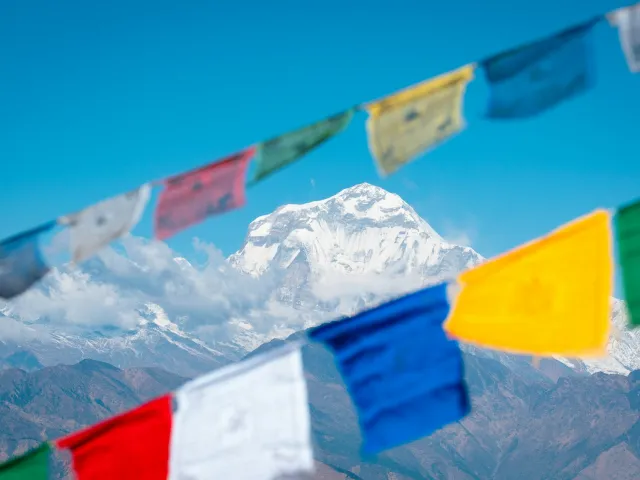
The Dhaulagiri Annapurna Trail is a newly developed trekking route designed as an excellent alternative to the old Bhurung–Tatopani–Ghodepani–Ulleri–Birethanti–Nayapul section of the Annapurna Circuit, which became less convenient due to road expansion. This scenic trail explores some of the most iconic villages, viewpoints, and cultural regions of Kaski, Myagdi, and Parbat, offering a peaceful, crowd-free Himalayan experience. This route connects Ulleri, Mohare Danda, Poon Hill, Ghodepani, Swanta, Khopra, Khair Barahi Lake, Bayeli, Mulde Viewpoint, Ghandruk, Landruk, and Dhampus—beautiful villages known for Gurung and Magar hospitality, rich heritage, and links to the Gurkha tradition. Trekkers walk through serene oak and rhododendron forests, vibrant wildlife habitats, and rolling green hills, enjoying uninterrupted mountain views and breathtaking sunrises and sunsets. The Dhaulagiri Annapurna Trail can be customised for 5 to 15 days, combining sections of the Mohare Danda Trek, Khair Lake Trek, Ghorepani–Ghandruk Trek, and the Dhampus route. Key highlights include Mohare Danda, Poon Hill, Khair Lake (3,600 m), Mulde Viewpoint, Tadapani, and traditional villages showcasing authentic rural lifestyles.Unlike many classic routes affected by road access, this trail remains pure trekking territory, allowing travellers to enjoy nature without vehicle disturbances. Because of its proximity to Pokhara and peaceful environment, the trail is gaining rapid popularity. Swanta (2,300 m) has emerged as an ideal resting point for trekkers, while Khopra Lake is the primary spiritual and scenic attraction. Community lodges, upgraded pathways, and newly promoted viewpoints make this route suitable for both teahouse trekking and camping. With its forests, cliffs, creeks, wildlife, and untouched cultural charm, the Dhaulagiri Annapurna Trail offers one of the most rewarding off-the-beaten-path experiences in Nepal. The Dhaulagiri Annapurna Trail is a spectacular off-the-beaten-path trekking route in western Nepal, offering a perfect blend of cultural immersion, pristine nature, and dramatic Himalayan scenery. This trail connects the foothills of the Annapurna range with breathtaking viewpoints of Dhaulagiri (8,167 m), the world’s seventh-highest mountain. Unlike crowded classical routes, this trek passes through peaceful villages, deep forests, alpine meadows, and remote ridges. Starting in Pokhara and gradually ascending through Ulleri, Mohare Danda, and Khopra Ridge, the trail showcases ever-changing landscapes—from terraced farmlands and rhododendron forests to high-alpine terrain. The highlight of the journey is the hike to Khair Lake, a sacred alpine lake set beneath towering Himalayan peaks. The descent via Dobato and Ghandruk adds rich Gurung culture and panoramic mountain views, making the trek both scenic and meaningful. Highlights of the Trail: Stunning views of Dhaulagiri, Annapurna South, Nilgiri, and MachhapuchhreLess crowded and more peaceful than mainstream Annapurna routesAuthentic villages like Swanta and GhandrukSacred Khair Lake excursionEco-friendly community lodges and teahousesWhy Is the Dhaulagiri Annapurna Trail a Must-Do Trek?The Dhaulagiri Annapurna Trail is a must-do trek for travellers seeking a balance between adventure and tranquillity. It is ideal for trekkers seeking dramatic Himalayan views without the congestion of popular routes such as Annapurna Base Camp or Ghorepani Poon Hill. The trek offers uninterrupted mountain panoramas from Mohare Danda and Khopra Ridge, especially at sunrise and sunset. Another reason this trek stands out is its deep cultural experience. You pass through traditional Magar and Gurung villages where local hospitality, traditional homes, and farming lifestyles remain largely untouched. Staying in community-run lodges directly supports local families, making this trek socially responsible and environmentally sustainable. Why Trekkers Love This Route:Peaceful trails with fewer trekkers Strong cultural connection with local communitiesIdeal for nature lovers and photographersModerate difficulty suitable for fit beginners and experienced trekkersExcellent alternative to crowded trekking routesWhat to Expect on the Dhaulagiri Annapurna Trail: During this 9-day trek, expect a gradual transition from subtropical forests to alpine landscapes. The early days feature stone staircases, terraced hills, and lush greenery as you hike from Ulleri to Mohare Danda. As you gain altitude, the trail opens into broad ridges and meadows with jaw-dropping Himalayan views. Mohare Danda and Khopra Ridge offer some of the finest panoramic viewpoints in the Annapurna region. The trek also includes a rewarding side hike to Khair Lake, a high-altitude sacred lake surrounded by rugged terrain and snow-capped peaks. Comfortable teahouse accommodations, hearty local meals, and well-paced walking days ensure a safe and enjoyable experience. Weather conditions can vary, but clear days reward trekkers with unforgettable scenery. What You’ll Experience:Daily hikes of 4–7 hours with scenic rest stopsRhododendron forests and alpine landscapesCommunity-based teahouses and lodgesSacred pilgrimage site at Khair LakeIncredible sunrise and sunset mountain viewsAdvantages of Booking with Asiana Treks and Tours: Asiana Treks and Tours is a trusted and experienced trekking company in Nepal, dedicated to providing safe, personalised, and memorable trekking experiences. With in-depth knowledge of the Dhaulagiri Annapurna Trail, the company ensures well-planned itineraries, proper acclimatisation, and smooth logistics from start to finish. By booking with Asiana Treks and Tours, trekkers benefit from professional guides, friendly porters, and 24/7 support throughout the journey. The company prioritizes safety, responsible tourism, and customer satisfaction, while also supporting local communities along the trail. Whether you are trekking solo, with friends, or in a group, Asiana Treks and Tours tailors the experience to your needs. Why Choose Asiana Treks and Tours:Experienced, licensed, and English-speaking guidesCarefully designed itinerary with flexibility.Strong focus on safety and responsible tourismExcellent customer care before and during the trekCompetitive pricing with quality serviceWhy Book Dhaulagiri Annapurna Trail with Us: Booking the Dhaulagiri Annapurna Trail with Asiana Treks and Tours ensures a well-organised, safe, and enriching trekking experience in one of Nepal’s most scenic yet less-crowded Himalayan regions. Our team has extensive local knowledge of the Khopra and Mohare Danda routes, allowing us to design itineraries that balance adventure, comfort, and proper acclimatisation. From arrival in Pokhara to your return, every detail is carefully managed. Asiana Treks and Tours focuses on responsible and community-based tourism. Many lodges along this trail are locally operated, and we work closely with these communities to ensure your trek supports local livelihoods. Our professional guides provide cultural insights, safety support, and motivation throughout the journey, making your trek not only memorable but also meaningful. Why Trek with Asiana Treks and Tours:Experienced and licensed trekking guidesPersonalised and flexible itinerariesStrong focus on safety and acclimatisationEthical trekking and community supportExcellent client service and trip managementPreparation for Dhaulagiri Annapurna TrailProper preparation is key to enjoying the Dhaulagiri Annapurna Trail to the fullest. This trek involves moderate daily walking (4–7 hours) with gradual altitude gain, making basic physical fitness essential. We recommend regular walking, hiking, or cardio exercises for several weeks before the trek to build stamina and confidence on uphill and downhill terrain. Mental preparation is equally important, as the trail passes through remote areas with simple teahouse facilities. Weather conditions can change quickly in the mountains, so trekkers should be prepared for cool mornings, warm daytime temperatures, and cold nights at higher elevations. Asiana Treks and Tours provides a detailed packing list and pre-trek briefing to help you prepare effectively. Preparation Tips:Maintain good physical fitness and endurancePack layered clothing for changing weatherBring proper trekking boots and rain gearStay hydrated and follow the guide instructionsTravel insurance covering trekking activitiesDhaulagiri Annapurna Trail ItineraryThe Dhaulagiri Annapurna Trail itinerary is designed to showcase diverse landscapes, rich culture, and stunning Himalayan views. The trek begins with a drive from Pokhara to Ulleri, followed by gradual ascents through forests and villages to Mohare Danda. From here, trekkers enjoy incredible panoramic views of Dhaulagiri, Annapurna South, and Machhapuchhre. The journey continues through Swanta and Chistibung before reaching Khopra Danda (Khopra Ridge)—one of the trek’s major highlights. A side hike to Khair Lake offers a spiritual and scenic experience. The return route passes through Dobato and the beautiful Gurung village of Ghandruk, ending with a scenic descent and drive back to Pokhara. Outline Itinerary:Day 1: Pokhara – UlleriDay 2: Ulleri – Mohare DandaDay 3: Mohare Danda – SwantaDay 4: Swanta – ChistibungDay 5: Chistibung – Khopra DandaDay 6: Khopra Danda – Khair Lake – ReturnDay 7: Khopra Danda – DobatoDay 8: Dobato – GhandrukDay 9: Ghandruk – Syauli Bazaar – Pokhara4. Dhaulagiri Annapurna Trail DistanceThe total Dhaulagiri Annapurna Trail distance is approximately 110–120 kilometers, depending on side hikes and route variations. The trek is spread across nine days, allowing for comfortable daily walking distances and proper acclimatization. Each day involves 8–15 kilometers of trekking on well-established trails.Despite the moderate distance, the trek feels rewarding rather than exhausting due to scenic rest points, gradual elevation gain, and varied terrain. Asiana Treks and Tours carefully plans daily distances to match trekkers’ abilities, ensuring a safe and enjoyable pace throughout the journey.Distance Overview:Total distance: Approx. 110–120 kmAverage walking per day: 4–7 hoursMaximum altitude: Khair Lake areaTerrain: Forest trails, ridges, alpine pathsSuitable for: Moderately fit trekkers5. Dhaulagiri Annapurna Trail PriceThe Dhaulagiri Annapurna Trail price varies depending on group size, trekking season, service level, and customization. Asiana Treks and Tours offers competitive and transparent pricing, ensuring excellent value without compromising safety or service quality. Our packages typically include guides, permits, accommodation, meals during the trek, and transportation.We also offer customized pricing for private treks, student groups, and longer stays. By choosing Asiana Treks and Tours, you benefit from fair pricing, no hidden costs, and professional support throughout the trek. Detailed cost breakdowns are provided before booking for complete clarity.Price Includes (Typical):Licensed guide and porter servicesTrekking permits and documentationTeahouse accommodation and mealsGround transportation as per itineraryFirst-aid kit and trip coordinationPlace Altitude & Oxygen Level of the Dhaulagiri Annapurna TrailThe Dhaulagiri Annapurna Trail gradually ascends from the low hills around Pokhara to the high alpine terrain near Khair Lake, allowing trekkers to adapt naturally to altitude changes. The trek starts below 2,000 meters, where oxygen levels are close to sea level, and steadily climbs above 4,500 meters, where oxygen availability decreases noticeably. This gradual ascent makes the trail safer and more comfortable compared to rapid high-altitude treks.As altitude increases, oxygen levels reduce, which can affect breathing and energy levels. However, the itinerary designed by Asiana Treks and Tours includes proper acclimatization days, shorter walking hours at higher elevations, and careful monitoring by experienced guides. This approach minimizes altitude-related discomfort and ensures a safe trekking experience.Altitude & Oxygen Overview:Starting altitude: ~820 m (Pokhara)Highest point: ~4,660 m (Khair Lake)Oxygen at 3,000 m: ~70% of sea levelOxygen at 4,500 m: ~58–60% of sea levelGradual ascent supports better acclimatization2. Dhaulagiri Annapurna Trail Itinerary with Oxygen LevelThe itinerary of the Dhaulagiri Annapurna Trail is carefully planned to balance altitude gain with safe oxygen adaptation. Lower elevations such as Ulleri and Swanta provide comfortable walking conditions with minimal altitude impact. As trekkers move toward Mohare Danda and Khopra Ridge, the thinner air becomes noticeable, but the body adapts due to controlled elevation gain.The highest oxygen challenge occurs during the Khair Lake hike, where altitude exceeds 4,600 meters. This day is planned as a return hike rather than an overnight stay, reducing prolonged exposure to low oxygen levels. Asiana Treks and Tours ensures guides monitor trekkers closely, encouraging hydration, slow pacing, and rest.Itinerary with Oxygen Awareness:Lower elevations: Comfortable breathingMid elevations (3,000–3,600 m): Slight oxygen reductionHigh elevations (4,000 m+): Noticeable oxygen thinningNo rapid altitude jumpsOne-night maximum above 3,600 m3. Dhaulagiri Annapurna Trail – Route, Height, Oxygen Gain and Loss (Table)The table below shows the major trekking points, their altitude, and the approximate oxygen availability compared to sea level. This helps trekkers understand how the body gradually adapts along the route.Location Altitude (m) Oxygen Level (%) Daily Gain/LossPokhara 820 ~100% —Ulleri 1,960 ~80% +1,140 mMohare Danda 3,300 ~67% +1,340 mSwanta 2,200 ~78% -1,100 mChistibung 3,000 ~70% +800 mKhopra Danda 3,660 ~63% +660 mKhair Lake 4,660 ~58% +1,000 mDobato 3,350 ~66% -1,310 mGhandruk 1,940 ~81% -1,410 mRoute & Altitude Insights:Gradual ascent reduces altitude riskOxygen decreases steadily, not abruptlyDescent days aid recoveryHighest altitude reached only during day hikeIdeal for moderate trekkers4. Major Villages and Best Viewpoints during the Dhaulagiri Annapurna TrailThe Dhaulagiri Annapurna Trail passes through charming villages that reflect the traditional lifestyle of the Magar and Gurung communities. Villages like Ulleri, Swanta, and Ghandruk offer warm hospitality, stone-paved paths, and cultural authenticity. Staying in these villages allows trekkers to experience local food, customs, and daily life.In terms of viewpoints, this trail is exceptional. Mohare Danda, Khopra Ridge, and Dobato are among the finest panoramic viewpoints in the Annapurna region, offering uninterrupted views of Dhaulagiri, Annapurna South, Nilgiri, and Machhapuchhre. Sunrise and sunset moments from these ridges are unforgettable highlights of the trek.Major Villages & Viewpoints:Ulleri – Magar village with terraced farmsSwanta – Peaceful traditional settlementGhandruk – Famous Gurung cultural villageMohare Danda – 360° mountain panoramaKhopra Ridge – Close-up Himalayan viewsDobato – Stunning sunrise viewpoint5. Biodiversity of Dhaulagiri Annapurna TrailThe Dhaulagiri Annapurna Trail lies within a rich ecological zone, transitioning from subtropical forests to alpine ecosystems. Lower elevations are dominated by oak, bamboo, and rhododendron forests, especially vibrant during spring when rhododendrons bloom in red, pink, and white colors.Higher altitudes feature alpine meadows and rocky terrain, home to diverse wildlife and bird species. Trekkers may encounter Himalayan pheasants, langurs, musk deer, and various high-altitude birds. Asiana Treks and Tours promotes eco-friendly trekking practices to help preserve this unique biodiversity.Biodiversity Highlights:Rhododendron and oak forestsAlpine grasslands and meadowsHimalayan birds and wildlifeSeasonal wildflowersProtected natural environmentFestivals and Cultures in the Dhaulagiri Annapurna TrailThe Dhaulagiri Annapurna Trail passes through culturally rich villages inhabited mainly by Magar and Gurung communities, whose traditions reflect a harmonious blend of Hindu and Buddhist beliefs. Along the trail—from Ulleri and Swanta to Ghandruk—trekkers experience traditional stone houses, terraced farming, prayer flags, monasteries, and a lifestyle closely connected to nature and the mountains. Local people are known for their warmth and hospitality, often welcoming trekkers with genuine smiles and traditional greetings.If your trek coincides with local festivals, the cultural experience becomes even more rewarding. Major festivals such as Dashain, Tihar, Maghe Sankranti, Losar, and Buddha Jayanti are celebrated with rituals, music, traditional dances, and community gatherings. With Asiana Treks and Tours, knowledgeable guides explain the cultural significance of these festivals, helping trekkers understand local customs, beliefs, and daily life in the Himalayan region.Cultural & Festival Highlights:Magar and Gurung ethnic traditionsHindu and Buddhist religious practicesLocal festivals and seasonal celebrationsTraditional village lifestyleWarm mountain hospitality2. Booking Process of Dhaulagiri Annapurna TrailThe booking process for the Dhaulagiri Annapurna Trail with Asiana Treks and Tours is simple, transparent, and efficient. Trekkers can start by sending an inquiry through email, website form, or direct contact. Based on your preferred travel dates, group size, and service requirements, a detailed itinerary and cost breakdown are provided.Once confirmed, Asiana Treks and Tours takes care of all trekking logistics, including permits, accommodation, transportation, and staff arrangements. A pre-trek briefing is organized in Pokhara or Kathmandu to cover packing lists, safety guidelines, altitude awareness, and daily trekking routines, ensuring trekkers are fully prepared and confident before starting the journey.Booking Steps:Initial inquiry and consultationItinerary and price confirmationAdvance booking confirmationPermit and logistics arrangementPre-trek briefing and final checks3. Transportation Mode – Dhaulagiri Annapurna TrailTransportation for the Dhaulagiri Annapurna Trail is carefully arranged to ensure comfort and safety. The trek typically starts with a drive from Pokhara to Ulleri, using private jeeps or tourist vehicles, depending on road conditions and group size. The scenic drive passes through hills, rivers, and rural settlements, offering a glimpse of Nepal’s countryside.Asiana Treks and Tours manages all transportation needs, including the return drive from Syauli Bazaar to Pokhara at the end of the trek. Currency exchange should be completed in Pokhara before the trek, as no exchange facilities are available along the trail. Professional guides and porters are arranged in advance to ensure a smooth and well-supported trekking experience.Transportation & Logistics Overview:Trekking Start: Pokhara – Ulleri (by jeep/car)Currency Exchange: Pokhara (before trek)Guide and Porter Arrangement: Fully organized by Asiana Treks and ToursReturn Transport: Syauli Bazaar – PokharaSafe, scenic, and well-managed travel4. Porter, Luggage, and Extra Luggage Storage During the TrekPorters play a key role in making the Dhaulagiri Annapurna Trail comfortable and enjoyable. With Asiana Treks and Tours, experienced and ethically treated porters carry trekkers’ main luggage, allowing trekkers to hike with only a light daypack. This reduces physical strain and enhances the overall trekking experience.Extra luggage that is not required during the trek can be safely stored at your hotel in Pokhara. Clear luggage guidelines are provided before departure, helping trekkers pack efficiently and responsibly. Asiana Treks and Tours follows responsible trekking practices by ensuring fair wages, proper equipment, and safe load limits for porters.Luggage & Porter Services:Professional and experienced portersLimited and safe luggage weight per porterExtra luggage storage in PokharaTrekker carries only a daypackEthical and responsible porter care5. Meals and Accommodation During the Dhaulagiri Annapurna TrailMeals during the Dhaulagiri Annapurna Trail are served in local teahouses and community lodges, offering fresh, nutritious food suitable for trekking. Common meals include dal bhat (rice, lentils, vegetables), noodles, pasta, soups, potatoes, eggs, and simple international dishes. Hot drinks such as tea, coffee, and ginger lemon honey are widely available and help with warmth and hydration.Accommodation is provided in clean and comfortable teahouses with basic facilities. Rooms are generally twin-sharing, with shared bathrooms in most places. Dining halls are warm and social, often heated by a central stove in higher altitudes. Asiana Treks and Tours carefully selects reliable lodges to ensure comfort, hygiene, and a pleasant stay throughout the trek.Meals & Accommodation Highlights:Nutritious local and simple international mealsCommunity-based teahouse accommodationTwin-sharing roomsVegetarian options availableWarm dining areas and friendly serviceDrinking Water During the Dhaulagiri Annapurna TrailAccess to safe drinking water is an important consideration during the Dhaulagiri Annapurna Trail. Along the route—from Ulleri and Swanta to Khopra Danda and Dobato—trekkers can purchase boiled or filtered drinking water at teahouses and community lodges. Natural water sources such as streams and taps are available in many places, but these should always be treated before drinking.Asiana Treks and Tours strongly encourages environmentally responsible practices, such as avoiding single-use plastic bottles. Trekkers are advised to carry reusable water bottles and purification methods like tablets, filters, or UV purifiers. This ensures both personal health safety and environmental protection throughout the trek.Drinking Water Options:Boiled water available at teahousesFiltered water in some lodgesNatural spring/tap water (must be treated)Use of purification tablets or filters recommendedRefillable bottles encouraged2. Extra Personal ExpensesWhile most trekking costs are included in a standard package, trekkers should be prepared for extra personal expenses during the Dhaulagiri Annapurna Trail. Items such as snacks, bottled drinks, hot showers, battery charging, and Wi-Fi access may require additional payment at teahouses, especially at higher altitudes where supplies are limited.Asiana Treks and Tours provides a clear cost breakdown before the trek so there are no surprises. Carrying sufficient Nepalese currency is essential, as there are no ATMs along the trail. Guides can help manage daily expenses and provide advice on budgeting during the trek.Common Extra Expenses:Hot showersDevice chargingSnacks and soft drinksWi-Fi or internet servicesTips for guides and porters3. Toilet Facilities in the Dhaulagiri Annapurna TrailToilet facilities along the Dhaulagiri Annapurna Trail vary depending on location and altitude. In lower villages such as Ulleri, Swanta, and Ghandruk, teahouses usually offer Western-style or improved squat toilets. As the trail moves into higher and more remote areas like Chistibung and Khopra Danda, toilet facilities become more basic.Most teahouses provide shared toilets, often located outside the main building. Maintaining personal hygiene is important, so trekkers should carry toilet paper, hand sanitizer, and personal hygiene supplies. Asiana Treks and Tours guides brief trekkers on what to expect and how to prepare respectfully for rural conditions.Toilet Facility Overview:Western or improved squat toilets in lower areasBasic squat toilets at higher elevationsMostly shared facilitiesCarry personal hygiene essentialsEco-friendly usage encouraged4. Internet ConnectivityInternet connectivity on the Dhaulagiri Annapurna Trail is limited but improving. In lower villages, some teahouses offer Wi-Fi services for an extra fee. However, as you move higher toward Khopra Danda and Dobato, internet access becomes slower and less reliable due to remote terrain and weather conditions.Mobile network coverage from Nepali providers may work in some sections of the trail, but it is not consistent throughout. Asiana Treks and Tours advises trekkers to treat the trek as a digital detox and inform family and friends in advance about limited connectivity.Internet & Communication Tips:Wi-Fi available in some teahouses (paid)Limited and slow connectivity at higher altitudesMobile network works intermittentlyInform contacts about limited accessEmergency communication handled by guides5. Electricity Voltage and PlugsElectricity along the Dhaulagiri Annapurna Trail is mainly supplied by hydropower or solar energy. In lower villages, electricity is more reliable, while higher altitude lodges depend mostly on solar power. Charging electronic devices is usually available at teahouses for an additional fee.Nepal uses a standard voltage of 230V with a frequency of 50Hz. Common plug types are Type C, D, and M, so carrying a universal travel adapter is recommended. Asiana Treks and Tours advises trekkers to bring power banks to ensure uninterrupted access to essential devices during the trek.Electricity & Charging Overview:Voltage: 230V / 50HzPlug types: C, D, and MCharging available at teahouses (extra cost)Solar power at higher elevationsPower banks highly recommendedCommunicationCommunication during the Dhaulagiri Annapurna Trail is managed carefully to ensure trekkers remain informed and safe throughout the journey. While mobile network coverage is available in some lower villages, it becomes limited in higher and more remote areas such as Chistibung and Khopra Danda. For this reason, communication is primarily coordinated through the trekking guide.Asiana Treks and Tours maintains regular contact with its guides during the trek and provides emergency communication support when needed. Trekkers are advised to inform family and friends about possible communication limitations before starting the journey, allowing them to enjoy the trek with peace of mind.Communication Highlights:Limited mobile network coverageGuide-managed communication systemEmergency contact support availablePre-trek communication briefingIdeal for digital detox experienceTrip ExtensionA trip extension is a great option for trekkers who wish to explore more of Nepal after completing the Dhaulagiri Annapurna Trail. Popular extensions include sightseeing in Pokhara, cultural tours in Kathmandu, wildlife safaris in Chitwan, or additional short treks in the Annapurna region.Asiana Treks and Tours offers flexible trip extension options tailored to your interests and available time. All arrangements, including transportation, accommodation, and guided activities, can be smoothly organized upon request, even at the end of the trek.Trip Extension Options:Pokhara sightseeing and relaxationKathmandu cultural toursChitwan jungle safariAdditional trekking routesCustomized travel plansTrek DifficultyThe Dhaulagiri Annapurna Trail is considered a moderate-level trek, suitable for trekkers with reasonable physical fitness. Daily walking hours range from 4 to 7 hours, with gradual ascents and descents across forest trails, ridges, and mountain paths. No technical climbing skills are required.Asiana Treks and Tours designs the itinerary to allow proper acclimatization and rest. With professional guidance and a steady pace, even first-time trekkers can comfortably complete this trek while enjoying its scenic and cultural rewards.Difficulty Overview:Moderate trekking difficulty4–7 hours walking per dayGradual altitude gainSuitable for fit beginnersNo technical skills requiredTrip SafetySafety is a top priority for Asiana Treks and Tours during the Dhaulagiri Annapurna Trail. Our experienced guides are trained in altitude awareness, first aid, and emergency response. The itinerary is carefully planned to minimize altitude risks and ensure safe daily walking distances.All guides carry a basic first-aid kit, and weather conditions are monitored regularly. In case of emergencies, Asiana Treks and Tours has established procedures to provide prompt assistance and evacuation coordination if required.Safety Measures Include:Licensed and trained guidesFirst-aid kits on the trekAltitude awareness and monitoringEmergency response planningRegular itinerary checksGroup & Private TreksThe Dhaulagiri Annapurna Trail can be enjoyed as either a group trek or a private trek, depending on your preference. Group treks are ideal for social travelers who enjoy meeting like-minded adventurers, while private treks offer flexibility and personalized pacing.Asiana Treks and Tours organizes both options with equal care and professionalism. Private treks can be customized in terms of itinerary, walking pace, and service level, ensuring a tailored trekking experience.Group & Private Trek Options:Small group departuresFully private treks availableFlexible itinerary optionsPersonalized servicesProfessional trek coordinationAbout Solo TravellersSolo travelers are warmly welcomed on the Dhaulagiri Annapurna Trail with Asiana Treks and Tours. Trekking solo does not mean trekking alone—our guides provide companionship, safety, and local insight throughout the journey.For solo trekkers, this trail offers a peaceful and reflective experience through nature and traditional villages. Asiana Treks and Tours ensures solo travelers feel supported, comfortable, and confident from start to finish.Solo Travel Benefits:Safe and guided trekkingFlexible trekking pacePersonalized attentionCultural interaction opportunitiesIdeal for independent travelersResponsible TravelResponsible travel is a core value of Asiana Treks and Tours. The Dhaulagiri Annapurna Trail passes through environmentally sensitive and culturally rich areas, and trekkers are encouraged to respect local customs, reduce waste, and support community-based lodges.By choosing local services and practicing eco-friendly trekking habits, travelers help preserve the region’s natural beauty and cultural heritage for future generations.Responsible Travel Practices:Support local communitiesMinimize plastic wasteRespect local culture and traditionsUse eco-friendly lodgesLeave no traceGratitudeAt the heart of the Dhaulagiri Annapurna Trail experience is gratitude—toward the mountains, local communities, and trekking staff. Simple gestures of appreciation, respectful behavior, and cultural sensitivity go a long way in building meaningful connections.Asiana Treks and Tours encourages trekkers to acknowledge the hard work of guides, porters, and hosts who make the journey safe and memorable.Ways to Show Gratitude:Respect local customsAppreciate staff effortsPositive interactions with localsResponsible tippingCultural understandingEnd of TrekThe trek officially ends after a scenic downhill hike from Ghandruk to Syauli Bazaar, followed by a drive back to Pokhara. This final day offers time to reflect on the journey while enjoying beautiful landscapes and village life.Asiana Treks and Tours ensures a smooth conclusion to the trek, with comfortable transportation and assistance upon arrival in Pokhara.End-of-Trek Highlights:Scenic final hikeCultural village experienceComfortable return driveTrip completion assistanceRelaxation in PokharaDepartureDeparture arrangements are handled efficiently by Asiana Treks and Tours. Whether you are returning home or continuing your travels in Nepal, our team can assist with transportation, accommodation, and onward travel planning.Trekkers are supported until their final departure, ensuring a stress-free end to their Himalayan adventure.Departure Support Includes:Hotel drop-offTransport arrangementsTrip extension supportTravel coordinationFinal assistanceFeedbackFeedback is highly valued at Asiana Treks and Tours. Your experiences and suggestions help us improve our services and maintain high standards of trekking excellence.Trekkers are encouraged to share their feedback after completing the Dhaulagiri Annapurna Trail, either in person or online.Why Feedback Matters:Helps improve servicesSupports quality assuranceEnhances future treksEncourages transparencyBuilds traveler trustLast-Minute BookingLast-minute bookings for the Dhaulagiri Annapurna Trail are possible with Asiana Treks and Tours, depending on availability. Our experienced team can quickly arrange permits, guides, accommodation, and transportation.This flexibility makes it ideal for travelers with spontaneous plans or limited time before departure.Last-Minute Booking Advantages:Quick and efficient arrangementsProfessional coordinationPermit and logistics handlingExperienced trekking staffReliable service even on short noticeAnnapurna Region Trekking: Guides, Tips & Himalayan AdventuresDiscover the beauty of Nepal’s Annapurna region with Asiana Treks & Tours. Explore breathtaking mountain landscapes, authentic local culture, popular trekking routes, and practical tips to help you plan an unforgettable Himalayan adventure.Annapurna Base Camp vs Everest Base Camp: The Best TrekTrekking Equipment List for Asiana Treks & ToursTrekking Permit Requirements for Different Regions in NepalBest Sunrise and Sunset Destinations in NepalTop Successful Trek for Beginners – Annapurna Base CampMost Popular Trek with High Success Rate – Annapurna Base Camp Trek (ABC) TrekHow to Prepare for the Annapurna Base Camp Trek (Gear, Fitness & Tips)Ghorepani Poon Hill Trek GatewayTop 26 Annapurna Region Trekking Packages in Nepal – The Ultimate GuideTadapani Diaries: One Magical Night in the MountainsDiscovering Ghandruk: A Peaceful Village in the Heart of NepalTrekking the Best of Annapurna: Poon Hill to Mardi HimalWhy Chhomrong is the Heart of the Annapurna Base Camp TrekAnnapurna Base Camp (ABC) & Machhapuchhre Base Camp (MBC) Trek: Two Base Camps, One Incredible JourneyExploring Sinuwa on the Annapurna TrailDeurali: A Peaceful Mountain Village on the ABC TrailBamboo: A Hidden Gem of the ABC TrekDovan Nepal: Peaceful Stopover on the Annapurna Base Camp TrailHimalaya Village: A Quiet Haven on the Way to Annapurna Base CampDhampus Village – Annapurna Classical Alternative GatewayPothana: The Alternative Gateway to Annapurna Base Camp and Mardi HimalBest Camping and Overnight Stays: Australian Camp & Mardi Himal TrekList of Hotel in Mardi Himal Base Camp TrekTrekking to Low Camp: A Peaceful Path to Mardi HimalForest Camp Adventures: Exploring the Mardi Himal Trek in NepalHigh Camp on the Mardi Himal Trek | Views, Altitude & Trekking GuideDiscovering the Magic of Mardi Himal ViewpointTop Highlights of the Mardi Himal Trek in NepalBest Time to Trek Mardi Himal: Tips for Perfect ViewsA Beginner’s Guide to the Mardi Himal Trek in NepalSurprising Facts About the Mardi Himal TrekEssential Guide to Mardi Himal Trekking Permits in NepalMardi Himal Trek Info: Elevation, Altitude, Height and WeatherMardi Himal Trek Accommodation and Food TipsBest Time to Trek Annapurna Base Camp in NepalTop Highlights of the Annapurna Base Camp TrekFood and Accommodation on the ABC Trek: What It’s Really LikeAltitude Tips for a Safe Annapurna Base Camp TrekAnnapurna Base Camp Permits: Costs, Process, and RequirementsTop Tips and Facts for Trekking to Annapurna Base CampAnnapurna Base Camp Trek: Elevation, Height & Temperature GuideDobato Stopover: Experiencing the Heart of the Khopra Danda RouteUpper Chistibung: What to Expect on the Way to Khopra DandaExploring Khopra Danda Ridge and Khayar LakeDiscover Swanta’s Beauty on the Khopra Danda TrailAmazing Facts About Khayar Lake in the Annapurna RegionBayeli Kharka Adventure: From Khopra Danda with Stunning ViewsKhopra Danda Trekking Guide: Cost, Permits, Meals, Lodging and Best SeasonExploring Mardi Himal, ABC, and Khopra Ridge in One Epic JourneyKhopra Khair Lake with Annapurna Base Camp Trek: A Complete JourneyKhopra Khair Lake with ABC Trek: Nature, Culture, and MountainsComplete Guide to Mohare Danda Trekking in NepalSunrise Views from Mohare Danda: What to ExpectTop Highlights of Poon Hill and Mardi Himal TrekExploring Poon Hill and Mardi Himal: A Beginner’s GuideExploring the Ghorepani Dhampus Circuit Trek in NepalAn Amazing Hike from Galeshwor to Nangi via Bans Kharka : Mohare Danda TrekkingLandruk: Gateway to the Stunning Mardi Himal ViewsMardi Himal Adventure: Exploring Badal Danda on the Siding TrekSunrise Views from Poon Hill and Mulde ViewpointsDhaulagiri Annapurna Trail: A New Alternative Trek in NepalBest Nepal Tour Packages: Adventure, Honeymoon, Senior Tours, Himalayan Highlights, Triangle & Sunrise Hill Station ToursIs It Possible to Cycle the Annapurna Circuit in Nepal?Besisahar – The Heart of Lamjung District: Gateway to the HimalayasExploring Jagat During the Annapurna Circuit TrekDharapani Village in Nepal: Where the Manaslu Circuit and Annapurna Circuit Trails Meet PointChame Village: A Peaceful Stop on the Annapurna Circuit TrekDiscover Upper Pisang: A Hidden Gem on the Annapurna CircuitExploring Lower Pisang: A Gateway on the Annapurna CircuitManang: The Heart of the Annapurna Circuit TrekYak Kharka (4,020m): A Must-Stop Village on the Annapurna CircuitThorong Phedi: Final Preparation Before Thorong La PassCrossing Thorong La Pass (5,416 m): The Highest Point of the Annapurna CircuitMuktinath in Mustang: A High-Altitude Spiritual Journey on the Annapurna CircuitJomsom (2,743 m): The Windy Valley That Connects Annapurna and Upper Mustang
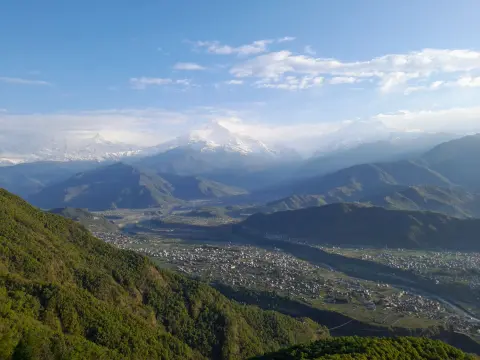
The Dhampus Sarangkot Trek with Bandipur and Chitwan Jungle Safari Tour is a perfectly balanced Nepal experience combining short trekking, cultural exploration, and wildlife adventure. Starting from Kathmandu, the journey takes you to the scenic lake city of Pokhara before beginning a gentle trek through traditional villages like Dhampus and Sarangkot. Along the trail, you will witness panoramic views of the Annapurna and Machhapuchhre ranges, terraced fields, and authentic Gurung culture.After the trek, the journey continues to the charming hilltop town of Bandipur, known for its preserved Newari culture and mountain vistas. The final highlight is a jungle safari in Chitwan National Park, where you can experience Nepal’s rich biodiversity, including rhinos, crocodiles, and exotic bird species.Scenic short trek with Himalayan viewsCultural immersion in Dhampus and BandipurSunrise from Sarangkot viewpointWildlife safari in Chitwan National ParkBest Season for Dhampus Sarangkot Trek with Bandipur and Chitwan Jungle Safari TourThe best time to undertake this tour is during spring (March–May) and autumn (September–November). During these seasons, the weather is stable, skies are clear, and the mountain views are at their best. Rhododendron forests bloom beautifully in spring, adding vibrant colors to the trekking trails, while autumn offers crisp air and excellent visibility.Winter (December–February) is also suitable, especially for those who prefer fewer crowds, though mornings can be chilly in the hills. Summer/monsoon (June–August) brings lush greenery but also rain, which can affect trekking trails and visibility. However, Chitwan is particularly vibrant during this time with rich wildlife activity.Best season highlights:Spring: blooming flowers and moderate weatherAutumn: clear skies and the best mountain viewsWinter: quiet trails and a peaceful experienceDhampus Sarangkot Trek with Bandipur and Chitwan Jungle Safari Tour: Difficulty and TransportationThis trek is considered easy to moderate, making it suitable for beginners, families, and travelers with limited trekking experience. Daily walking hours range from 3 to 6 hours, with gradual ascents and well-defined trails. The altitude remains below 2,000 meters, so the risk of altitude sickness is minimal.Transportation is flexible and comfortable, with options including tourist buses, private vehicles, or short domestic flights between Kathmandu and Pokhara. Road journeys offer scenic views of rivers, hills, and rural landscapes, while flights save time and provide aerial Himalayan views.Difficulty & transport overview:Easy to moderate trekking levelSuitable for beginners and familiesMix of road travel and optional flightsFood and Accommodation for Dhampus Sarangkot Trek with Bandipur and Chitwan Jungle Safari TourAccommodation throughout the tour ranges from comfortable hotels in Kathmandu, Pokhara, and Chitwan to cozy teahouses during the trek. These lodges provide basic but clean rooms with warm hospitality and stunning views. In Bandipur, boutique-style guesthouses reflect local architecture and culture.Food options are diverse, including traditional Nepali dishes like dal bhat, as well as international cuisine such as pasta, noodles, and continental meals. In Chitwan, meals are often served buffet-style with a mix of local and Western options.Food & stay highlights:Comfortable hotels and traditional teahousesVariety of Nepali and international cuisineWarm hospitality and scenic staysDhampus Sarangkot Trek with Bandipur and Chitwan Jungle Safari Tour PermitsTo complete this tour, you will need a few essential permits. The Annapurna Conservation Area Permit (ACAP) is required for trekking in the Dhampus–Sarangkot region. Additionally, a TIMS (Trekkers’ Information Management System) card is necessary for trekker registration and safety.For Chitwan, entry permits to Chitwan National Park are required, which are usually arranged by your tour operator. These permits contribute to conservation efforts and help maintain sustainable tourism in Nepal.Required permits:ACAP (Annapurna Conservation Area Permit)TIMS CardChitwan National Park entry permitWhy Choose Dhampus Sarangkot Trek with Bandipur and Chitwan Jungle Safari TourThis tour is ideal for travelers seeking a complete Nepal experience within a short timeframe. It combines trekking, culture, and wildlife without the physical demands of high-altitude expeditions. The diverse landscapes—from mountains to jungles—make it a truly enriching journey.Choosing Asiana Treks and Tours ensures professional service, experienced guides, and well-organized logistics. Their local expertise enhances your experience, offering deeper cultural insights and ensuring safety and comfort throughout the trip.Reasons to choose this tour:Perfect blend of trekking, culture, and wildlifeSuitable for all experience levelsOperated by an experienced local companyTime-efficient yet diverse itineraryAnnapurna Region Trekking: Guides, Tips & Himalayan AdventuresDiscover the beauty of Nepal’s Annapurna region with Asiana Treks & Tours. Explore breathtaking mountain landscapes, authentic local culture, popular trekking routes, and practical tips to help you plan an unforgettable Himalayan adventure.Annapurna Base Camp vs Everest Base Camp: The Best TrekTrekking Equipment List for Asiana Treks & ToursTrekking Permit Requirements for Different Regions in NepalBest Sunrise and Sunset Destinations in NepalTop Successful Trek for Beginners – Annapurna Base CampMost Popular Trek with High Success Rate – Annapurna Base Camp Trek (ABC) TrekHow to Prepare for the Annapurna Base Camp Trek (Gear, Fitness & Tips)Ghorepani Poon Hill Trek GatewayTop 26 Annapurna Region Trekking Packages in Nepal – The Ultimate GuideTadapani Diaries: One Magical Night in the MountainsDiscovering Ghandruk: A Peaceful Village in the Heart of NepalTrekking the Best of Annapurna: Poon Hill to Mardi HimalWhy Chhomrong is the Heart of the Annapurna Base Camp TrekAnnapurna Base Camp (ABC) & Machhapuchhre Base Camp (MBC) Trek: Two Base Camps, One Incredible JourneyExploring Sinuwa on the Annapurna TrailDeurali: A Peaceful Mountain Village on the ABC TrailBamboo: A Hidden Gem of the ABC TrekDovan Nepal: Peaceful Stopover on the Annapurna Base Camp TrailHimalaya Village: A Quiet Haven on the Way to Annapurna Base CampDhampus Village – Annapurna Classical Alternative GatewayPothana: The Alternative Gateway to Annapurna Base Camp and Mardi HimalBest Camping and Overnight Stays: Australian Camp & Mardi Himal TrekList of Hotel in Mardi Himal Base Camp TrekTrekking to Low Camp: A Peaceful Path to Mardi HimalForest Camp Adventures: Exploring the Mardi Himal Trek in NepalHigh Camp on the Mardi Himal Trek | Views, Altitude & Trekking GuideDiscovering the Magic of Mardi Himal ViewpointTop Highlights of the Mardi Himal Trek in NepalBest Time to Trek Mardi Himal: Tips for Perfect ViewsA Beginner’s Guide to the Mardi Himal Trek in NepalSurprising Facts About the Mardi Himal TrekEssential Guide to Mardi Himal Trekking Permits in NepalMardi Himal Trek Info: Elevation, Altitude, Height and WeatherMardi Himal Trek Accommodation and Food TipsBest Time to Trek Annapurna Base Camp in NepalTop Highlights of the Annapurna Base Camp TrekFood and Accommodation on the ABC Trek: What It’s Really LikeAltitude Tips for a Safe Annapurna Base Camp TrekAnnapurna Base Camp Permits: Costs, Process, and RequirementsTop Tips and Facts for Trekking to Annapurna Base CampAnnapurna Base Camp Trek: Elevation, Height & Temperature GuideDobato Stopover: Experiencing the Heart of the Khopra Danda RouteUpper Chistibung: What to Expect on the Way to Khopra DandaExploring Khopra Danda Ridge and Khayar LakeDiscover Swanta’s Beauty on the Khopra Danda TrailAmazing Facts About Khayar Lake in the Annapurna RegionBayeli Kharka Adventure: From Khopra Danda with Stunning ViewsKhopra Danda Trekking Guide: Cost, Permits, Meals, Lodging and Best SeasonExploring Mardi Himal, ABC, and Khopra Ridge in One Epic JourneyKhopra Khair Lake with Annapurna Base Camp Trek: A Complete JourneyKhopra Khair Lake with ABC Trek: Nature, Culture, and MountainsComplete Guide to Mohare Danda Trekking in NepalSunrise Views from Mohare Danda: What to ExpectTop Highlights of Poon Hill and Mardi Himal TrekExploring Poon Hill and Mardi Himal: A Beginner’s GuideExploring the Ghorepani Dhampus Circuit Trek in NepalAn Amazing Hike from Galeshwor to Nangi via Bans Kharka : Mohare Danda TrekkingLandruk: Gateway to the Stunning Mardi Himal ViewsMardi Himal Adventure: Exploring Badal Danda on the Siding TrekSunrise Views from Poon Hill and Mulde ViewpointsDhaulagiri Annapurna Trail: A New Alternative Trek in NepalBest Nepal Tour Packages: Adventure, Honeymoon, Senior Tours, Himalayan Highlights, Triangle & Sunrise Hill Station ToursIs It Possible to Cycle the Annapurna Circuit in Nepal?Besisahar – The Heart of Lamjung District: Gateway to the HimalayasExploring Jagat During the Annapurna Circuit TrekDharapani Village in Nepal: Where the Manaslu Circuit and Annapurna Circuit Trails Meet PointChame Village: A Peaceful Stop on the Annapurna Circuit TrekDiscover Upper Pisang: A Hidden Gem on the Annapurna CircuitExploring Lower Pisang: A Gateway on the Annapurna CircuitManang: The Heart of the Annapurna Circuit TrekYak Kharka (4,020m): A Must-Stop Village on the Annapurna CircuitThorong Phedi: Final Preparation Before Thorong La PassCrossing Thorong La Pass (5,416 m): The Highest Point of the Annapurna CircuitMuktinath in Mustang: A High-Altitude Spiritual Journey on the Annapurna CircuitJomsom (2,743 m): The Windy Valley That Connects Annapurna and Upper Mustang
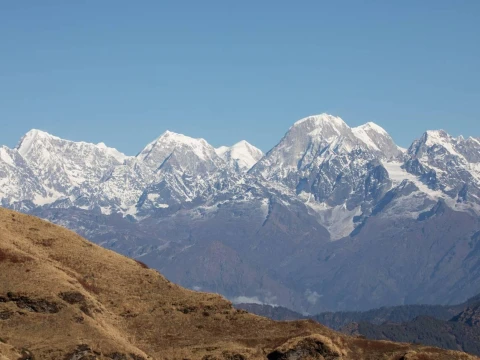
The Jugal Everest View Point Trek is one of Nepal’s newest and most exciting trekking adventures, located in the remote and naturally beautiful Sindhupalchok district, approximately 140 kilometers northeast of Kathmandu. This hidden Himalayan route offers trekkers a rare opportunity to experience untouched mountain landscapes, authentic local culture, and breathtaking panoramic views of some of the world’s highest peaks without the heavy crowds found in more commercial trekking regions. Organized by Asiana Treks and Tours, the trek combines natural beauty, cultural exploration, and adventurous wilderness into a remarkable Himalayan journey suitable for both experienced trekkers and passionate nature lovers.The trail passes through traditional Tamang and Sherpa villages, dense rhododendron forests, alpine meadows, grazing lands, glacial rivers, and remote high-altitude terrain. Along the journey, trekkers can witness magnificent mountain views, including Mt. Everest, Shishapangma, Dorje Lakpa, Gaurishankar, and the stunning Jugal Himal range. The peaceful environment and unexplored trails create a unique trekking experience that feels authentic and deeply connected to nature. Unlike the busy Everest and Annapurna regions, the Jugal Everest View Point Trek allows travelers to enjoy solitude, fresh mountain air, and pure Himalayan wilderness.Another major highlight of this trek is its cultural richness. The route introduces visitors to the warm hospitality and traditional lifestyles of local mountain communities. Trekkers can explore Buddhist culture, prayer flags, monasteries, stone-built houses, and centuries-old customs that remain untouched by modern tourism. Every village along the trail offers meaningful cultural interaction and insight into mountain life in Nepal.The journey reaches its highest point near Jugal Himal Base Camp and Everest View Point at around 4,500 meters. From this spectacular location, trekkers enjoy unforgettable sunrise and sunset views over snow-covered Himalayan peaks. The dramatic alpine scenery, peaceful atmosphere, and remote setting make this one of the most rewarding short Himalayan treks near Kathmandu.Scenic trek near KathmanduPanoramic Everest and Jugal Himal viewsAuthentic Tamang and Sherpa cultureLess crowded trekking routeBeautiful forests and alpine meadowsRemote Himalayan wilderness experienceIdeal combination of nature and adventureJugal Everest View Point Trek PackageThe Jugal Everest View Point Trek is one of the hidden trekking adventures in eastern Nepal, offering a peaceful trail away from the crowded commercial trekking regions. Organized by Asiana Treks and Tours, this package is specially designed for trekkers who want to explore untouched Himalayan landscapes, authentic Tamang and Sherpa culture, and spectacular mountain panoramas within a short period. The trek begins from Kathmandu and moves toward Chautara, gradually ascending through traditional villages, dense forests, alpine meadows, and remote Himalayan settlements before reaching the breathtaking Jugal Himal Base Camp at 4,500 meters.This trekking package combines adventure, culture, and natural beauty in a balanced itinerary suitable for both beginner and experienced trekkers. Along the route, trekkers can witness stunning views of Dorje Lakpa, Phurbi Chhyachu, Madiya Peak, Gaurishankar, and even distant Everest range viewpoints on clear days. The peaceful environment, warm local hospitality, and less crowded trails make the journey highly rewarding. The package normally includes airport transfers, hotel accommodation in Kathmandu, transportation, trekking permits, professional guide and porter services, meals during the trek, and accommodation in local teahouses or camps.The trek also offers excellent opportunities for photography and cultural interaction. Trekkers pass through beautiful rhododendron forests, terraced farmlands, and Buddhist-influenced villages decorated with prayer flags and monasteries. Every day presents a new Himalayan landscape and a deeper connection with the remote mountain lifestyle of Nepal.Package HighlightsScenic drive from Kathmandu to ChautaraRemote and peaceful trekking routeSpectacular Himalayan mountain viewsExploration of Tamang and Sherpa cultureJugal Himal Base Camp experienceProfessional local trekking crewIdeal trek for adventure and photography loversJugal Everest View Point Trek ItineraryThe Jugal Everest View Point Trek itinerary is carefully planned to ensure gradual acclimatization and a comfortable trekking experience in the Himalayas. The journey starts with arrival in Kathmandu, where trekkers are welcomed by Asiana Treks and Tours and transferred to their hotel. Kathmandu provides an opportunity to prepare trekking equipment, complete permit procedures, and explore the cultural heritage sites before beginning the adventure. On the second day, trekkers drive to Chautara, the starting point of the trek located in the Sindhupalchok region of Nepal.The trekking section begins from Chautara to Tembathang, passing through beautiful terraced hills and traditional villages. The trail continues toward Chhendang and Nepemacchal, where trekkers experience changing landscapes from subtropical forests to alpine terrain. As the altitude increases, the environment becomes more dramatic with open mountain views and rugged Himalayan scenery. The journey then proceeds to Bomba Sherpu and finally reaches Jugal Himal Base Camp at 4,500 meters, the highest point of the trek. From the base camp, trekkers enjoy panoramic Himalayan views, peaceful glaciers, and untouched mountain wilderness.After spending memorable moments at the base camp, the route descends back toward Chhendang and returns to Kathmandu by drive. The final day is reserved for departure from Nepal. This itinerary is ideal for trekkers looking for a moderate Himalayan adventure with proper acclimatization and cultural immersion.Short ItineraryDay 1: Arrival in KathmanduDay 2: Drive to ChautaraDay 3: Trek to TembathangDay 4: Trek to ChhendangDay 5: Trek to NepemacchalDay 6: Trek to Bomba SherpuDay 7: Trek to Jugal Himal Base CampDay 8: Trek back to ChhendangDay 9: Return to KathmanduDay 10: Final DepartureJugal Everest View Point Trek DistanceThe total trekking distance of the Jugal Everest View Point Trek is approximately 75 to 90 kilometers depending on the selected route, side explorations, and trekking pace. The journey includes a combination of driving and trekking through remote Himalayan terrain. From Kathmandu to Chautara, travelers cover around 85 kilometers by road before starting the trekking adventure. The trekking trail itself gradually climbs through forests, hills, villages, and high alpine areas toward Jugal Himal Base Camp.Each day involves moderate walking distances ranging from 8 to 15 kilometers. The trek from Chautara to Tembathang includes beautiful uphill sections through forests and local settlements. As trekkers continue toward Chhendang and Nepemacchal, the trail becomes more rugged and remote. The route from Bomba Sherpu to Jugal Himal Base Camp is one of the most scenic sections, featuring high-altitude landscapes, rocky paths, and panoramic mountain views. Although the daily trekking hours are generally between 5 to 7 hours, the gradual ascent helps trekkers adjust comfortably to the altitude.The trek is considered moderate in difficulty, making it suitable for physically fit trekkers with basic hiking experience. The distance is manageable because the itinerary is designed with proper acclimatization and balanced walking schedules. Unlike busy trekking routes in Nepal, the Jugal region offers peaceful trails and a more authentic Himalayan experience. Trekkers can fully enjoy the natural beauty without heavy crowds.Trek Distance OverviewKathmandu to Chautara Drive: Approx. 85 kmTotal Trekking Distance: Approx. 75–90 kmAverage Daily Walk: 8–15 kmAverage Trekking Hours: 5–7 hours per dayMaximum Altitude: 4,500 metersTrek Difficulty: ModerateSuitable Season: Spring and AutumnJugal Everest View Point Trekking Cost 2025/2026The Jugal Everest View Point Trekking Cost for 2025/2026 varies depending on group size, accommodation standard, transportation preference, and service inclusions. Generally, the trekking package organized by Asiana Treks and Tours ranges from USD 950 to USD 1,450 per person for a standard 10-day itinerary. The cost usually includes airport transfers, hotel accommodation in Kathmandu, transportation to and from the trekking region, trekking permits, guide and porter services, accommodation during the trek, and meals while trekking.For private groups, customized itineraries and upgraded hotel services may increase the package price. Similarly, solo trekkers may pay slightly higher due to transportation and guide-sharing limitations. However, larger groups often receive discounted rates. The trekking cost also depends on the season. Spring and autumn are peak trekking periods with the best mountain visibility, while winter and monsoon seasons may offer lower prices but more challenging weather conditions.Additional personal expenses are usually not included in the package. Trekkers should budget separately for travel insurance, Nepal visa fees, personal trekking equipment, hot showers, charging devices, Wi-Fi where available, snacks, and tips for guides and porters. Despite these additional costs, the Jugal Everest View Point Trek remains one of the best-value trekking experiences in Nepal because it combines untouched Himalayan scenery, cultural richness, and remote adventure at a relatively affordable price compared to other popular trekking regions.Estimated Cost IncludesKathmandu hotel accommodationAirport pickup and drop serviceTransportation during the trekTrekking permits and documentationLicensed trekking guidePorter serviceMeals during trekkingTeahouse or camping accommodationExtra Personal ExpensesInternational flightsNepal visa feeTravel insurancePersonal trekking gearTips and beveragesHot shower and charging feesJugal Everest View Point Trek Price BreakdownThe Jugal Everest View Point Trek is one of the emerging trekking adventures in eastern Nepal that combines remote Himalayan landscapes, traditional Sherpa culture, and panoramic mountain scenery at a relatively affordable cost compared to many commercial trekking routes. The overall trek price depends on several factors such as group size, transportation type, accommodation category, guide services, permits, food preferences, and whether the trek is organized privately or through a trekking company. Since the route passes through less-commercialized villages like Chautara, Tembathang, Chhendang, Nepemacchal, and Bomba Sherpu before reaching Jugal Himal Base Camp, expenses remain lower than popular Everest region treks.A standard package generally includes airport transfers, hotel accommodation in Kathmandu, transportation to the trek starting point, trekking permits, guide and porter services, meals during the trek, and basic tea-house or homestay accommodation. Independent trekkers may spend less initially, but organized packages offer better safety, logistics, and local support. The road condition toward Chautara and the remoteness of higher villages can also influence transportation costs. During peak trekking seasons, prices may increase slightly due to high demand for guides and porters.International trekkers should also budget for travel insurance, personal trekking equipment, tips for trekking staff, charging facilities, internet access, and emergency evacuation coverage. Although this trek is less crowded, it still requires careful planning because of limited infrastructure in the upper sections. A guided trek ensures smoother management of food supplies and accommodation availability.Estimated Trek Cost Includes:Kathmandu hotel accommodationAirport pickup and drop serviceTransportation Kathmandu–Chautara–KathmanduTrekking permits and local entry feesProfessional trekking guidePorter service for luggage carryingThree meals during trekking daysTea-house or local lodge accommodationFirst aid support and trek coordinationExtra Personal Expenses:International flightsNepal visa feesTravel insuranceSnacks and drinksHot showers and battery chargingPersonal trekking gearStaff tips and gratitudeThe Jugal Everest View Point Trek offers strong value for travelers seeking an off-the-beaten-path Himalayan experience without the extremely high expenses associated with major trekking destinations. Its balanced combination of adventure, culture, and affordability makes it attractive for both experienced trekkers and enthusiastic beginners looking for a unique Himalayan journey.Jugal Everest View Point Trek Altitude GuideThe Jugal Everest View Point Trek gradually ascends from the Kathmandu Valley at approximately 1400 meters to the high-altitude environment of Jugal Himal Base Camp at around 4500 meters. Understanding altitude progression is extremely important because trekkers gain elevation steadily through forests, terraced farmland, remote settlements, and alpine landscapes. Proper acclimatization helps reduce the risk of Acute Mountain Sickness (AMS), allowing trekkers to enjoy the journey safely and comfortably.The trek begins with a scenic drive from Kathmandu to Chautara at 1470 meters, where the environment remains warm and comfortable. As the route climbs toward Tembathang and Chhendang, the air becomes thinner and temperatures begin to decrease, especially during mornings and evenings. The trail from Nepemacchal to Bomba Sherpu introduces trekkers to more rugged highland terrain with colder nights and increased physical demands. By the time trekkers reach Jugal Himal Base Camp at 4500 meters, oxygen levels are significantly lower than at sea level, making slow walking and hydration essential.Acclimatization becomes important from around 3000 meters onward. Trekkers should maintain a gradual pace, drink sufficient water, avoid alcohol, and consume nutritious meals to support the body’s adjustment process. Weather conditions may change rapidly at higher elevations, especially near the base camp area, where strong winds and sudden temperature drops are common. Proper layering systems, thermal clothing, and adequate rest are necessary for a successful trek.Altitude Progression Overview:Kathmandu – 1400mChautara – 1470mTembathang – 2330mChhendang – 2630mNepemacchal – 3470mBomba Sherpu – 4130mJugal Himal Base Camp – 4500mImportant High-Altitude Tips:Walk slowly and steadilyDrink 3–4 liters of water dailyAvoid overexertionCarry warm layered clothingEat energy-rich mealsInform your guide about symptoms immediatelyRest properly at higher campsThis trek’s gradual altitude gain makes it manageable for trekkers with average fitness levels, but proper preparation and awareness remain essential. The reward is extraordinary Himalayan scenery with panoramic views of snow-covered peaks and untouched mountain wilderness rarely experienced on crowded trekking routes.Why Choose Jugal Everest View Point Trek?The Jugal Everest View Point Trek is an excellent choice for trekkers seeking an authentic Himalayan adventure away from the heavily crowded trekking trails of Nepal. Unlike the commercial Everest or Annapurna routes, this trek offers peaceful mountain landscapes, traditional village experiences, and close interaction with local communities without the pressure of large tourist groups. The journey combines natural beauty, cultural exploration, and wilderness trekking in a relatively unexplored region near the Jugal Himal range.One of the biggest highlights of this trek is the incredible mountain scenery visible from the higher sections near Jugal Himal Base Camp. Trekkers can witness panoramic views of Himalayan giants, dramatic ridgelines, alpine valleys, and untouched forests. The route passes through charming settlements such as Tembathang, Chhendang, and Bomba Sherpu, where traditional lifestyles remain strongly preserved. Local hospitality, Buddhist culture, stone houses, prayer flags, and ancient customs create a meaningful cultural trekking experience.Another major reason to choose this trek is its moderate difficulty level combined with adventure. The trail includes forest walks, hillside climbs, river crossings, and remote mountain paths without requiring technical climbing skills. This makes the trek suitable for travelers who want genuine adventure while remaining accessible to physically fit beginners. Because the region remains less developed, trekkers experience a stronger connection with nature and local life compared to busier trekking areas.Major Highlights of the Trek:Remote and peaceful trekking experienceStunning Himalayan mountain panoramasAuthentic Sherpa and Tamang cultureLess crowded trekking trailsBeautiful forests and alpine sceneryOpportunity to visit Jugal Himal Base CampAffordable trekking cost compared to Everest regionRich photography opportunitiesBest Reasons for Adventure Lovers:Unique off-the-beaten-path destinationIdeal for cultural immersionExcellent for nature photographyGradual altitude gainPerfect balance of challenge and comfortAuthentic village homestay experienceThe Jugal Everest View Point Trek is ideal for travelers looking for something different from mainstream trekking routes. It provides solitude, natural beauty, cultural depth, and unforgettable Himalayan views while still remaining accessible and rewarding for a wide range of trekkers.Preparing for Jugal Everest View Point TrekProper preparation is one of the most important parts of successfully completing the Jugal Everest View Point Trek. Since the journey involves multiple days of trekking through remote mountain terrain and reaches elevations up to 4500 meters, trekkers should focus on physical fitness, packing appropriate gear, and understanding mountain conditions before beginning the adventure. Although the trek is considered moderately challenging, good preparation significantly improves comfort, safety, and overall enjoyment.Physical training should begin several weeks before arrival in Nepal. Cardiovascular exercises such as hiking, jogging, cycling, stair climbing, and long-distance walking help improve endurance for uphill trekking. Strengthening the legs, shoulders, and core muscles is also beneficial because trekkers often walk for several hours each day on uneven terrain. Mental preparation is equally important, as remote trekking routes may include limited facilities, basic accommodation, and changing weather conditions.Packing suitable trekking equipment is essential due to fluctuating temperatures between Kathmandu and the high-altitude base camp area. Layered clothing systems work best because mornings and nights can become extremely cold at higher elevations. Trekking boots should be comfortable and already broken in before the trek begins to avoid blisters. Travelers should also carry water purification tablets, personal medications, sunscreen, and a reliable sleeping bag rated for cold temperatures.Essential Trekking Gear:Warm down jacketWaterproof trekking bootsThermal inner layersTrekking polesGloves and wool hatSleeping bagHeadlamp with extra batteriesReusable water bottlesRain protection gearBasic first aid kitImportant Preparation Tips:Train physically before the trekPurchase travel insuranceCarry enough cash for remote areasKeep important documents safely storedRespect local culture and traditionsFollow guide instructions carefullyStay hydrated throughout the trekTrekkers should also prepare mentally for limited internet access, basic mountain lodges, and unpredictable Himalayan weather. Flexibility and a positive attitude are valuable during remote trekking adventures. With proper planning and preparation, the Jugal Everest View Point Trek becomes an unforgettable journey filled with spectacular mountain scenery, cultural encounters, and rewarding personal achievement.Jugal Everest View Point Trek Price BreakdownThe Jugal Everest View Point Trek is an excellent trekking package for travelers seeking a peaceful Himalayan adventure at a reasonable cost. Compared to Nepal’s commercial trekking destinations, this trek remains more affordable because the region is less crowded and still developing in tourism infrastructure. The trek follows a beautiful route from Kathmandu to Chautara, Tembathang, Chhendang, Nepemacchal, Bomba Sherpu, and finally Jugal Himal Base Camp at 4500 meters. The total trekking price generally depends on group size, accommodation standards, transportation choices, guide experience, and seasonal demand.Most trekking agencies provide complete packages that include airport pickup, Kathmandu hotel accommodation, transportation to the trek starting point, permits, meals, guide and porter services, and accommodation during trekking days. Organized packages are highly recommended because the upper trekking sections are remote with limited facilities. Hiring experienced local guides also improves safety, navigation, cultural understanding, and logistical management throughout the journey. Solo trekkers may reduce expenses slightly, but group packages usually provide better value and convenience.The route passes through traditional villages where accommodation is basic but culturally rich. Because many settlements are remote, transportation and food supply costs can increase in higher areas. Additional expenses such as snacks, charging facilities, internet access, hot showers, and tips for trekking staff should also be considered while planning the overall budget. Travel insurance with emergency helicopter evacuation coverage is strongly recommended for all trekkers visiting high-altitude areas.Main Cost Inclusions:Airport pickup and hotel transferKathmandu accommodationTransportation Kathmandu–Chautara–KathmanduTrekking permits and local feesProfessional trekking guidePorter assistanceThree daily meals during trekkingTea-house or lodge accommodationFirst aid and trek supportAdditional Personal Expenses:International airfareNepal entry visaTravel insurancePersonal trekking equipmentDrinks and snacksBattery charging and Wi-FiStaff tips and donationsThe Jugal Everest View Point Trek offers excellent value for travelers who want authentic Himalayan scenery, traditional mountain culture, and remote wilderness experiences without the higher costs associated with Everest Base Camp or Annapurna trekking routes.What to Expect on the Jugal Everest View Point TrekThe Jugal Everest View Point Trek offers trekkers a unique combination of remote Himalayan beauty, traditional village culture, dense forests, alpine landscapes, and spectacular mountain panoramas. Unlike Nepal’s busier trekking routes, this adventure provides a quieter and more authentic trekking experience where visitors can truly connect with local communities and untouched natural surroundings. From the moment trekkers arrive in Kathmandu and begin the scenic drive toward Chautara, the journey introduces changing landscapes filled with terraced hills, rivers, forests, and snow-covered peaks.As the trek progresses through villages such as Tembathang, Chhendang, Nepemacchal, and Bomba Sherpu, trekkers experience the warm hospitality of local Sherpa and Tamang communities. Traditional stone houses, Buddhist prayer flags, monasteries, and ancient lifestyles create a culturally enriching atmosphere throughout the route. The trail itself includes moderate uphill climbs, forest sections, ridge walks, and rugged mountain terrain that become increasingly dramatic as trekkers approach Jugal Himal Base Camp.One of the most memorable experiences on this trek is the incredible Himalayan scenery visible from higher elevations. Trekkers can enjoy panoramic views of surrounding peaks, deep valleys, glacial landscapes, and pristine mountain wilderness. The peaceful environment allows trekkers to enjoy nature without large tourist crowds. Wildlife sightings, colorful rhododendron forests during spring, and beautiful sunrise views further enhance the trekking experience.Accommodation during the trek is generally basic but comfortable enough for remote mountain travel. Tea houses and local lodges provide simple rooms and freshly prepared meals. Facilities become more limited at higher altitudes, so trekkers should prepare for rustic conditions and occasional weather-related challenges.Highlights You Can Expect:Peaceful off-the-beaten-path trekking routeStunning Himalayan mountain viewsTraditional Sherpa and Tamang cultureRemote villages and authentic local lifeForests, ridges, and alpine sceneryBeautiful sunrise and sunset panoramasUnique photography opportunitiesLess crowded trekking environmentTrekking Experience Includes:Moderate daily walking hoursGradual altitude gainCold mornings and eveningsBasic mountain accommodationFresh local mealsStrong cultural interactionAdventure and wilderness explorationThe Jugal Everest View Point Trek is ideal for trekkers who prefer authentic experiences over commercial tourism. It combines adventure, culture, and natural beauty into a rewarding Himalayan journey filled with unforgettable landscapes and peaceful mountain trails.Oxygen Levels on Jugal Everest View Point TrekUnderstanding oxygen levels is extremely important while trekking in high-altitude Himalayan regions such as the Jugal Everest View Point Trek. As trekkers gradually ascend from Kathmandu at 1400 meters to Jugal Himal Base Camp at approximately 4500 meters, the amount of oxygen available in the air steadily decreases. Although the percentage of oxygen in the atmosphere remains the same, lower air pressure at higher elevations reduces the amount of oxygen absorbed by the body with each breath. This is why trekkers may begin to feel more tired, breathe heavily, or experience altitude-related symptoms during the upper sections of the trek.Most trekkers begin noticing mild altitude effects above 3000 meters, especially while ascending from Chhendang to Nepemacchal and onward to Bomba Sherpu. At 4500 meters near Jugal Himal Base Camp, oxygen availability can drop to nearly 60% of what is available at sea level. Because of this, slow walking, proper hydration, and sufficient rest become essential for safe trekking. Trekkers should avoid rushing, maintain a comfortable pace, and listen carefully to their bodies throughout the journey.Common symptoms related to lower oxygen levels may include headache, dizziness, fatigue, nausea, shortness of breath, or difficulty sleeping. These symptoms are often mild and manageable when acclimatization is done properly. However, serious altitude sickness can become dangerous if ignored. Guides are trained to monitor trekkers for symptoms and make necessary adjustments when required. Drinking enough water and consuming nutritious meals also helps the body adapt more efficiently to high-altitude conditions.Approximate Oxygen Availability:Kathmandu (1400m) – Normal oxygen levelTembathang (2330m) – Slightly reduced oxygenChhendang (2630m) – Mild altitude effects possibleNepemacchal (3470m) – Noticeable breathing changesBomba Sherpu (4130m) – Significant oxygen reductionJugal Himal Base Camp (4500m) – Around 60% sea-level oxygenTips for Managing Low Oxygen:Walk slowly and steadilyStay hydrated at all timesAvoid alcohol and smokingEat energy-rich foodsRest properly every nightInform guides about symptoms immediatelyCarry necessary personal medicationThe gradual ascent profile of the Jugal Everest View Point Trek helps many trekkers adapt naturally to changing oxygen levels. With proper acclimatization, physical preparation, and responsible trekking habits, most healthy trekkers can safely enjoy the spectacular beauty of the Jugal Himal region while minimizing altitude-related risks.Major Villages and Scenic Viewpoints on Jugal Everest View Point Trek RouteThe Jugal Everest View Point Trek passes through several beautiful mountain villages that provide trekkers with a unique opportunity to experience the traditional lifestyle, culture, and hospitality of the Himalayan region. Beginning from Kathmandu, the route gradually reaches Chautara, a lively hill town that serves as the gateway to the trekking adventure. From here, trekkers move toward Tembathang, a culturally rich village surrounded by green hills, terraced farmland, and dense forests. The peaceful atmosphere and warm local hospitality make Tembathang one of the memorable cultural stops along the trail.As the journey continues toward Chhendang, Nepemacchal, and Bomba Sherpu, the landscape transforms into rugged alpine terrain with wider mountain panoramas. Chhendang offers beautiful ridge-top scenery and spectacular sunrise views over surrounding Himalayan peaks. Nepemacchal introduces trekkers to higher-altitude environments with dramatic valleys and untouched wilderness, while Bomba Sherpu provides one of the best viewpoints before reaching Jugal Himal Base Camp. The route becomes increasingly scenic with snow-covered mountains, prayer flags, yak pastures, and alpine vegetation enhancing the trekking experience.The highlight of the trek is undoubtedly Jugal Himal Base Camp at approximately 4500 meters. From this viewpoint, trekkers can witness breathtaking Himalayan vistas including surrounding Jugal peaks, glaciers, and distant mountain ranges. The peaceful environment and untouched natural beauty create an unforgettable mountain experience far from commercial trekking crowds. Along the route, trekkers also encounter beautiful forest trails, waterfalls, suspension bridges, and traditional Buddhist settlements that add depth to the adventure.Major Villages Along the Route:ChautaraTembathangChhendangNepemacchalBomba SherpuScenic Highlights of the Trek:Panoramic Himalayan mountain viewsSunrise and sunset viewpointsTraditional Sherpa and Tamang settlementsAlpine valleys and ridgesForest trails and waterfallsPrayer flags and monasteriesJugal Himal Base Camp sceneryThe combination of authentic villages and spectacular viewpoints makes the Jugal Everest View Point Trek a rewarding experience for trekkers seeking both cultural immersion and Himalayan natural beauty.Flora and Fauna of Jugal Everest View Point TrekThe Jugal Everest View Point Trek offers remarkable biodiversity due to its wide range of altitudes, climatic zones, and relatively untouched natural environment. As trekkers move from the lower hills near Chautara toward the alpine landscapes surrounding Jugal Himal Base Camp, they pass through dense forests, rhododendron-covered hillsides, bamboo groves, and high-altitude meadows. The route remains less commercialized than Nepal’s major trekking regions, allowing much of the ecosystem to remain naturally preserved.Lower elevations along the trail feature lush green forests filled with oak, pine, bamboo, and rhododendron trees. During the spring season, colorful rhododendron flowers bloom across the hills, creating vibrant landscapes throughout the trekking route. As the altitude increases near Nepemacchal and Bomba Sherpu, vegetation gradually becomes thinner, transitioning into alpine shrubs and rocky mountain terrain. Wild herbs, mosses, and medicinal plants can also be found in the higher Himalayan sections.The trek is also home to various Himalayan wildlife species. Trekkers may occasionally spot Himalayan birds, mountain goats, musk deer, langur monkeys, and other native animals in forested areas. Birdwatchers especially enjoy this region because of the diversity of colorful Himalayan bird species found along the trail. Since the region remains remote and peaceful, wildlife habitats are relatively undisturbed compared to heavily visited trekking routes.Common Flora Along the Trek:Rhododendron forestsPine and oak treesBamboo grovesAlpine shrubsWild Himalayan herbsMosses and medicinal plantsWildlife and Bird Species:Himalayan monal birdsMusk deerLangur monkeysMountain goatsHimalayan pheasantsEagles and highland birdsThe natural diversity of the Jugal Everest View Point Trek adds tremendous beauty and ecological richness to the journey. Trekkers not only experience mountain scenery but also encounter the vibrant Himalayan ecosystem that thrives across different elevations of the route.Festivals and Local Culture Along the Jugal Everest View Point Trek RouteThe Jugal Everest View Point Trek provides a meaningful cultural experience through its traditional Sherpa and Tamang communities that continue to preserve ancient Himalayan customs and spiritual practices. The villages along the trekking route maintain strong Buddhist traditions visible in monasteries, prayer wheels, mani walls, colorful prayer flags, and sacred chortens scattered throughout the landscape. Trekkers walking through settlements like Tembathang, Chhendang, and Bomba Sherpu can observe local lifestyles that remain deeply connected to nature, religion, and mountain traditions.Hospitality is one of the most memorable cultural aspects of this trek. Local villagers warmly welcome trekkers into tea houses and homestays where visitors can experience traditional food, clothing, architecture, and daily village life. Farming, livestock herding, and handicrafts continue to play an important role in local livelihoods. Traditional music, dancing, and storytelling are sometimes shared during local celebrations or special gatherings, allowing trekkers to gain a deeper appreciation of Himalayan cultural identity.Several important Buddhist and local festivals are celebrated throughout the region depending on the trekking season. Festivals often include colorful ceremonies, monastery prayers, masked dances, and communal feasts. Losar, the Tibetan New Year, is one of the major celebrations observed by Sherpa and Tamang communities. Buddha Jayanti and other religious events are also celebrated with spiritual rituals and social gatherings. During festival periods, villages become especially vibrant and culturally active.Cultural Highlights of the Trek:Traditional Sherpa and Tamang lifestyleBuddhist monasteries and prayer flagsLocal homestay experiencesTraditional Himalayan architectureFarming and yak herding cultureSpiritual mountain traditionsImportant Local Festivals:Losar FestivalBuddha JayantiDumji celebrationsTraditional harvest festivalsMonastery prayer ceremoniesThe cultural richness of the Jugal Everest View Point Trek makes the journey much more than a mountain adventure. It becomes an opportunity to connect with Himalayan traditions, spirituality, and authentic village life in one of Nepal’s less-explored regions.Why Book with Asiana Treks and Tours for Jugal Everest View Point TrekBooking the Jugal Everest View Point Trek with Asiana Treks and Tours provides trekkers with professional guidance, reliable logistics, local expertise, and personalized service throughout the entire journey. Trekking in remote Himalayan regions requires careful planning, experienced guides, and strong organizational support, especially in less-commercialized trekking areas such as the Jugal Himal region. A professional trekking company helps ensure safety, comfort, cultural understanding, and smooth travel arrangements from arrival in Kathmandu until final departure.Asiana Treks and Tours focuses on delivering authentic trekking experiences while maintaining high standards of safety and customer care. Their experienced trekking guides are familiar with local trails, mountain conditions, altitude management, and cultural traditions of the region. This local knowledge becomes especially valuable in remote villages where facilities may be limited and weather conditions can change quickly. Guides also assist trekkers with communication, accommodation arrangements, and emergency support when necessary.Another major advantage of booking with Asiana Treks and Tours is the convenience of complete trekking packages. Transportation, permits, accommodation, meals, guide services, and porter support are organized professionally, allowing trekkers to focus entirely on enjoying the journey. Customized itineraries, flexible group sizes, and personalized attention make the trekking experience more comfortable and stress-free for both beginners and experienced trekkers.Benefits of Booking with Asiana Treks and Tours:Experienced professional guidesReliable safety managementComplete trekking arrangementsLocal cultural expertisePersonalized trekking serviceComfortable logistics coordinationEmergency assistance supportFlexible itinerary planningServices Commonly Included:Airport transfersKathmandu hotel bookingTrek permits and documentationTransportation servicesMeals and accommodationGuide and porter assistanceTrek briefing and supportChoosing an experienced trekking company like Asiana Treks and Tours helps trekkers enjoy a safe, organized, and culturally enriching Himalayan adventure while exploring the remote beauty of the Jugal Everest View Point Trek.How to Book the Jugal Everest View Point TrekBooking the Jugal Everest View Point Trek is a straightforward process when planned properly in advance. Trekkers are encouraged to book early, especially during Nepal’s peak trekking seasons in spring and autumn, when guides, transportation, and accommodation may become limited. Before confirming the trek, travelers should carefully review the itinerary, inclusions, altitude profile, accommodation standards, and physical difficulty level to ensure the trek matches their interests and fitness level.Most trekking companies allow trekkers to reserve the trip online by contacting the company directly through email, website inquiry forms, or social media platforms. After discussing travel dates, group size, and trekking preferences, the company usually provides a detailed itinerary and package quotation. A deposit payment is often required to confirm the booking, while the remaining balance can usually be paid upon arrival in Kathmandu. Travelers should also prepare essential documents such as passport copies, travel insurance information, and passport-size photographs for permit processing.Before arrival in Nepal, trekkers should also organize travel insurance covering high-altitude trekking and emergency helicopter evacuation. Purchasing or renting trekking equipment in Kathmandu is possible if travelers prefer not to carry all gear from home. Once in Kathmandu, trekkers generally attend a pre-trek briefing where guides explain safety procedures, route details, altitude precautions, and final preparations before departure.Steps to Book the Trek:Contact the trekking companyConfirm trekking dates and itineraryReview package inclusionsSubmit passport informationPay booking depositArrange travel insurancePrepare trekking equipmentAttend pre-trek briefing in KathmanduImportant Booking Tips:Book early during peak seasonsChoose a licensed trekking companyVerify guide experienceCheck insurance coverage carefullyAsk about emergency proceduresConfirm accommodation standardsProper planning and professional support make the booking process smooth and stress-free. Once arrangements are completed, trekkers can fully focus on enjoying the unforgettable landscapes, culture, and adventure of the Jugal Everest View Point Trek.Best Season for Jugal Everest View Point TrekChoosing the right season is extremely important for enjoying the best experience during the Jugal Everest View Point Trek. The most recommended trekking seasons are spring (March to May) and autumn (September to November). These months provide the most stable weather, comfortable temperatures, excellent visibility, and clear panoramic mountain views. During these seasons, trekkers can fully appreciate the beauty of the Himalayas, forests, valleys, and local villages while enjoying safer and more comfortable trekking conditions.Spring is considered one of the most beautiful times for this trek because the forests and hillsides come alive with colorful rhododendron flowers, Nepal’s national flower. The weather remains moderate with warm daytime temperatures and cool evenings, making trekking pleasant at both lower and higher elevations. The skies are generally clear, allowing spectacular views of Mt. Everest, Dorje Lakpa, Gaurishankar, and the Jugal Himal range. Wildlife activity also increases during spring, giving trekkers opportunities to observe Himalayan birds and mountain vegetation in full bloom. The vibrant natural scenery creates excellent photography opportunities throughout the journey.Autumn is another highly preferred season for the Jugal Everest View Point Trek. After the monsoon rains, the air becomes fresh and clean, resulting in crystal-clear mountain visibility. The weather remains dry and stable, which is ideal for trekking in high-altitude regions. Daytime temperatures are comfortable, while nights become colder at higher elevations. Autumn also coincides with Nepal’s major cultural festivals such as Dashain and Tihar, allowing trekkers to experience local traditions, celebrations, and hospitality in mountain villages.Winter trekking is possible but can be challenging due to snowfall and freezing temperatures at higher elevations. Similarly, the monsoon season from June to August is less recommended because heavy rainfall can make trails muddy and slippery while limiting mountain visibility. However, adventurous trekkers seeking solitude may still choose these off-seasons with proper preparation and guidance from Asiana Treks and Tours.Best Trekking SeasonsSpring: March to MayAutumn: September to NovemberClear mountain viewsStable weather conditionsComfortable trekking temperaturesBlooming rhododendron forests in springFresh landscapes after the monsoon in autumnJugal Everest View Point Trek Difficulty and TransportationThe Jugal Everest View Point Trek is considered a moderate to challenging trekking adventure due to its remote trails, gradual altitude gain, and high-altitude alpine terrain. Although the trek does not require technical climbing skills, trekkers should have good physical fitness, strong determination, and basic hiking experience to fully enjoy the journey. Organized professionally by Asiana Treks and Tours, the itinerary is carefully designed to provide proper acclimatization and comfortable pacing throughout the trek.The route includes several uphill and downhill sections through forests, ridges, rocky paths, grazing lands, and high mountain landscapes. As trekkers ascend above 3,000 meters, the air becomes thinner, and temperatures become colder, especially near Bomba Sherpu and Jugal Himal Base Camp. Walking hours generally range between 5ando 7 hours per day, depending on the trail condition and weather. While the trek is physically demanding in some sections, the incredible Himalayan scenery and peaceful environment make every step rewarding.One of the advantages of this trek is its accessibility from Kathmandu. The journey begins with a scenic drive from Kathmandu to Chautara, which takes approximately 6–7 hours by private jeep or local vehicle. The drive itself offers beautiful views of terraced hills, rivers, villages, and countryside landscapes. Since the trekking route lies relatively close to Kathmandu compared to other remote trekking regions, travelers can experience a true Himalayan adventure without requiring domestic flights.Transportation during the trek is generally arranged by Asiana Treks and Tours, ensuring comfortable transfers and proper logistical support. Depending on road conditions and group size, private jeeps are commonly used for safer and more flexible travel. The return journey follows the same scenic route back to Kathmandu after completing the trek.Although the trek reaches around 4,500 meters, it remains suitable for trekkers with average fitness who prepare properly and walk at a steady pace. Proper acclimatization, hydration, and guidance from experienced trekking leaders are important for a safe and enjoyable journey.Trek Difficulty and Transportation HighlightsModerate to challenging trekking routeHighest elevation around 4,500mNo technical climbing requiredSuitable for physically fit trekkersScenic drive from Kathmandu to ChautaraPrivate jeep transportation availableGradual acclimatization during the trekProfessional trekking support providedFood and Accommodation for Jugal Everest View Point TrekFood and accommodation during the Jugal Everest View Point Trek provide trekkers with a combination of authentic local hospitality and basic mountain comfort. Since this is a newly explored and less commercial trekking route, facilities are more traditional and simple compared to popular trekking regions like Everest or Annapurna. However, the peaceful atmosphere, warm hospitality, and natural surroundings create a unique and memorable Himalayan experience. Asiana Treks and Tours carefully manages accommodation and meal arrangements to ensure trekkers remain comfortable and well-supported throughout the journey.In lower villages such as Chautara and Tembathang, trekkers usually stay in local lodges, homestays, or guesthouses operated by local families. These accommodations are simple but clean and welcoming, providing an excellent opportunity to experience local mountain lifestyles and cultural traditions. Rooms generally include basic bedding with shared bathroom facilities. As the trek moves into higher and more remote alpine regions, tented camping becomes necessary due to limited infrastructure. Camping in places like Nepemacchal, Bomba Sherpu, and Jugal Himal Base Camp allows trekkers to fully enjoy the pristine wilderness and spectacular Himalayan scenery.Food during the trek mainly consists of traditional Nepali meals along with some basic international dishes. Dal Bhat, Nepal’s famous combination of rice, lentil soup, vegetables, and pickles, is the most common and energy-rich meal served during the trek. Trekkers may also enjoy noodles, fried rice, soups, potatoes, Tibetan bread, eggs, tea, coffee, and seasonal vegetables. Fresh local ingredients are often used in village areas, providing nutritious and filling meals after long trekking days.At higher altitudes, meals are usually prepared by trekking staff and cooks accompanying the group. Hot meals and warm drinks become especially important in cold alpine regions. Trekkers are advised to carry energy bars, snacks, and reusable water bottles for additional support during long walking days.Despite the simplicity of facilities, the natural beauty, peaceful surroundings, and genuine hospitality make the food and accommodation experience highly rewarding and authentic.Food and Accommodation HighlightsLocal lodges and homestaysTented camping in remote areasTraditional Nepali mealsFresh local ingredientsHot meals during campingWarm hospitality from local communitiesBasic but comfortable facilitiesAuthentic Himalayan lifestyle experienceJugal Everest View Point Trek PermitsPermits are an essential part of trekking in Nepal, including the Jugal Everest View Point Trek. Trekkers are required to obtain official permits to enter the trekking region and support conservation, tourism management, and local community development. Asiana Treks and Tours handles all necessary permit arrangements for trekkers, allowing travelers to enjoy a smooth and hassle-free trekking experience without worrying about complicated administrative procedures.One of the primary permits required for this trek is the TIMS Card (Trekkers’ Information Management System). This permit helps maintain trekker safety and records trekking activity in Nepal’s mountain regions. The TIMS system is especially important for emergency rescue coordination and trekker tracking in remote areas. Travelers must carry this permit throughout the journey and present it at various checkpoints when required.Depending on government regulations and local administrative requirements, trekkers may also need a local area permit for the Sindhupalchok and Jugal region. These permits contribute to the conservation of natural resources, trail maintenance, and the development of local tourism infrastructure. Since the Jugal Himal region is still developing as a trekking destination, permit rules may occasionally change. Therefore, booking through an experienced trekking company like Asiana Treks and Tours ensures accurate and updated permit management.To obtain trekking permits, trekkers generally need:A valid passportPassport-size photographsNepal visa detailsTravel insurance informationIt is highly recommended to arrange permits through a registered trekking agency because they understand the latest government regulations and local requirements. Trekkers should always carry copies of important documents during the trek for safety purposes.Permits not only provide legal access to the trekking area but also help preserve the fragile Himalayan environment and support local communities living along the trail. Responsible trekking and proper permit management contribute to sustainable tourism development in Nepal’s remote mountain regions.Permit HighlightsTIMS Card requiredLocal area permits may applyPassport and photos neededManaged by Asiana Treks and ToursSupports conservation and local developmentImportant for trekker safetyRequired at checkpoint areasWhy Choose Jugal Everest View Point TrekThe Jugal Everest View Point Trek is an excellent choice for travelers seeking a peaceful, authentic, and less crowded Himalayan adventure near Kathmandu. Unlike Nepal’s more commercial trekking destinations, this newly introduced trekking route offers untouched natural beauty, remote mountain landscapes, and genuine cultural experiences without the heavy flow of tourists. Organized professionally by Asiana Treks and Tours, the trek combines adventure, culture, nature, and panoramic Himalayan scenery into one unforgettable journey.One of the biggest reasons to choose this trek is the incredible mountain views. Trekkers can witness spectacular panoramas of Mt. Everest, Shishapangma, Dorje Lakpa, Gaurishankar, and the beautiful Jugal Himal range from high-altitude viewpoints and alpine camps. The sunrise and sunset views over snow-covered Himalayan peaks create unforgettable memories for photographers, nature lovers, and adventure seekers alike.Another major attraction is the cultural experience. The trail passes through traditional Tamang and Sherpa settlements where local lifestyles, Buddhist traditions, ancient customs, and warm hospitality remain preserved. Visitors can interact closely with local communities, experience traditional mountain culture, and observe daily rural life in remote Himalayan villages. This cultural authenticity makes the trek more meaningful and rewarding than many crowded trekking routes.The trek is also ideal for travelers looking for adventure close to Kathmandu. Since the route is accessible by road, there is no need for expensive domestic flights. Trekkers can experience the remote Himalayan wilderness within a relatively short travel distance from Nepal’s capital city. The route offers diverse landscapes, including forests, alpine meadows, rivers, ridges, grazing lands, and glacial terrain.Asiana Treks and Tours provides professional trekking guides, experienced staff, reliable logistics, permit management, transportation, and personalized service to ensure a safe and enjoyable trekking experience. Their local knowledge and commitment to responsible tourism make the journey comfortable and memorable.Why Choose This TrekLess crowded Himalayan routeStunning Everest and Jugal Himal viewsAuthentic Tamang and Sherpa culturePeaceful and remote trekking experienceAccessible from Kathmandu by roadBeautiful forests and alpine sceneryProfessional service by Asiana Treks and ToursIdeal for adventure and nature loversEverest Regions Trekking Blog Post List:Asiana Treks & Tours offers an insightful blog on the Everest region, providing valuable information for trekkers. Explore stunning landscapes, local culture, and practical tips for your journey.Why Everest Base Camp Trek Should Be Your Next Adventure: Top ReasonsBeginner's Guide to Everest Base Camp TrekUnderstanding the Everest Base Camp Trek’s DifficultyEverest Base Camp Trek: Best Seasons (March-Mid June, Sep-Nov)Choosing the Best Route for Everest Base CampMajor Facts About the Everest Base Camp Trekking AdventureHiking from Gorak Shep to Kala Patthar & Everest Base CampIs There an Age Limit for Everest Base Camp Trekking?Is Everest Base Camp Trekking Possible for Women? Absolutely!The Complete List of Permits and Documents for Everest Region TreksMeals and Accommodation in the Everest RegionAccommodation Types in the Everest RegionTop Everest Region Trekking Packages 2025/2026Annapurna Base Camp vs Everest Base Camp: The Best TrekTrekking Permit Requirements for Different Regions in NepalThe First Viewpoint to See Mount EverestThe Beauty of Gokyo Lake with Views of EverestDiscovering the Beauty of Gokyo Lakes with Gokyo RiWhy Choose Everest Three Passes Trekking in NepalWhy Trek Everyone is the Ultimate Guide to Everest Base CampTrekking the Everest Three High Passes: Renjo La, Cho La & Kongma LaLukla: The Trekker's Ultimate GatewayAmazing Facts About Tenzing-Hillary Airport (Lukla Airport)Exploring Phakding: The First Step Toward EverestNamche Bazaar at 3,440m: A Rest Stop with a ViewTengboche Monastery: The Heartbeat of the KhumbuDingboche: The Smart Stop for Acclimatization and Stunning ViewsLobuche: A High-Altitude Himalayan Gem – History, Culture, Geography & Trekking HighlightsDiscover Everest Dudhkoshi Cultural Trek for BeginnersTraversing the Heart of Solu: Jiri to Sete, Junbesi & Nunthala via the Lamjura-La PassSacred Trails and Alpine Dreams: A Journey Through Pikey Peak, Dudh Kunda, and the Hidden Hamlets of SolukhumbuWhy Choose Everest Three Passes Trekking in NepalThe First Successful Summit: Sir Edmund Hillary and Tenzing NorgayHistory of Mount Everest : International Everest DayWhy Trek Everyone is the Ultimate Guide to Everest Base CampFAQs for Hiking to the Roof of the World (Everest Region
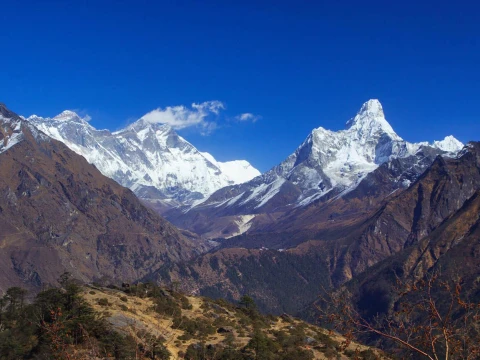
The Everest Short Trek is one of the best short Himalayan adventures in Nepal, specially designed for travellers who want to experience the beauty of the Everest region within a limited time. Organised by Asiana Treks and Tours, this exciting trekking journey combines breathtaking mountain scenery, authentic Sherpa culture, beautiful forests, and thrilling mountain flights into one unforgettable experience. The trek begins with a scenic flight from Kathmandu to Lukla, one of the world’s most adventurous mountain airports. From Lukla, trekkers follow the classic Everest trekking trail through charming villages like Phakding and Namche Bazaar while enjoying spectacular views of snow-covered Himalayan peaks.This short trekking adventure is ideal for beginners, families, and travellers who may not have enough time for the longer Everest Base Camp Trek. Despite being shorter in duration, the trek still offers incredible panoramic views of famous mountains such as Mount Everest, Ama Dablam, Lhotse, Nuptse, and Thamserku. One of the major highlights of the trek is the acclimatisation hike to the famous Hotel Everest View, known as one of the highest luxury hotels in the world. Trekkers can enjoy tea or coffee while admiring the stunning Himalayan landscape from an unforgettable viewpoint.The Everest Short Trek also provides a wonderful cultural experience. Along the trail, trekkers pass ancient Buddhist monasteries, colourful prayer flags, mani walls, and traditional Sherpa settlements. The hospitality of local mountain communities and the peaceful environment of the Everest region make the journey even more special. The trail follows the beautiful Dudh Koshi River and crosses several suspension bridges decorated with Buddhist prayer flags, creating an exciting trekking atmosphere.Highlights of Everest Short TrekScenic mountain flight between Kathmandu and LuklaExplore beautiful Sherpa villages and cultureStunning views of Mount Everest and surrounding peaksVisit Namche Bazaar, the gateway to EverestAcclimatisation hike to Hotel Everest ViewWalk through Sagarmatha National ParkExperience Himalayan teahouse accommodationSuitable for beginners and short holiday travellersAbout Everest Short Trekking Package:The Everest Short Trekking Package offered by Asiana Treks and Tours is carefully designed to provide a comfortable, safe, and memorable trekking experience in the Everest region. This package includes all major trekking services such as airport transfers, domestic flights, trekking permits, experienced trekking guides, porter services, accommodation during the trek, and daily meals. The company focuses on delivering professional service with personalised care to ensure every traveller enjoys a smooth Himalayan adventure.The package begins with your arrival in Kathmandu, where the trekking team provides a complete briefing about the trek. Early the next morning, trekkers take a scenic flight to Lukla before starting the trek toward Phakding. Over the following days, the trail continues to Namche Bazaar and Hotel Everest View before returning to Lukla. Every overnight stay is arranged at comfortable local teahouses that offer warm hospitality and traditional mountain food. The trekking pace is designed carefully to help trekkers adapt to the altitude while fully enjoying the Himalayan scenery.One of the major advantages of choosing this package is the guidance of experienced local Sherpa guides who are highly familiar with the Everest region. They provide valuable information on mountain culture, local traditions, Buddhist heritage, and trekking safety. Porters are also available to carry luggage, allowing trekkers to walk comfortably and enjoy the journey without undue physical strain.The Everest Short Trekking Package is perfect for travellers seeking a short but rewarding Himalayan experience. Whether you are a solo traveler, couple, family, or small group, this package offers a wonderful opportunity to witness the beauty of the Everest region within just a few days.Package IncludesKathmandu–Lukla–Kathmandu flight ticketsAirport pickup and drop serviceExperienced English-speaking trekking guidePorter service during the trekSagarmatha National Park permitsTeahouse accommodation during trekkingBreakfast, lunch, and dinner during the trekTrekking route briefing and safety supportEverest Short Trek ItineraryThe Everest Short Trek itinerary is carefully planned by Asiana Treks and Tours to provide the best Everest experience within a short timeframe. The journey starts with an early morning scenic flight from Kathmandu to Lukla. During the flight, trekkers can enjoy panoramic views of green hills, deep valleys, rivers, and the snow-covered Himalayan range. After landing at Lukla, the trek officially begins with a gentle walk to Phakding through beautiful Sherpa villages and forests beside the Dudh Koshi River.The second day involves trekking from Phakding to Namche Bazaar, one of the most important Sherpa settlements in the Everest region. The route passes through suspension bridges, pine forests, and Sagarmatha National Park before climbing steeply toward Namche. Along the trail, trekkers may catch their first distant views of Mount Everest and nearby Himalayan peaks. Namche Bazaar is a vibrant mountain town filled with bakeries, local markets, trekking shops, and cafes.The third day is dedicated to acclimatisation and exploration around Namche Bazaar. Trekkers hike uphill to Hotel Everest View, where breathtaking views of Everest, Ama Dablam, and Lhotse await. This acclimatisation hike is very important for adjusting to higher altitude while also providing one of the best panoramic viewpoints in the Everest region. After spending time at the viewpoint, trekkers return to Namche for overnight rest.The final trekking day follows the return route back to Lukla through beautiful forests and traditional villages. The next morning, trekkers take an early flight back to Kathmandu, officially completing the Everest Short Trek adventure.Short Itinerary:Day 1: Fly to Lukla and trek to PhakdingDay 2: Trek from Phakding to Namche BazaarDay 3: Hike to Hotel Everest View and return to NamcheDay 4: Trek back to LuklaDay 5: Fly back to KathmanduEverest Short Trek Distance:The Everest Short Trek covers a distance of approximately 45 to 55 kilometres, depending on the exact walking route and side exploration hikes. Although the distance may seem moderate compared to longer Himalayan treks, the journey involves gradual altitude gain, suspension-bridge crossings, and mountain trails that make the adventure both exciting and rewarding. The trek is designed to allow trekkers to comfortably enjoy the Everest region without extreme physical difficulty.The trek starts from Lukla at an elevation of approximately 2,840 meters and reaches its highest point at Hotel Everest View at around 3,880 meters. The trail passes through Phakding, Monjo, and Namche Bazaar while following the scenic Dudh Koshi River valley. Most trekking days involve walking between 4 and 7 hours depending on trail conditions and individual pace. The route includes both uphill and downhill sections, making the journey physically engaging while still suitable for beginners with average fitness.One of the most enjoyable aspects of the Everest Short Trek is that trekkers can experience a remarkable variety of landscapes in a short distance. The trail features forests, rivers, suspension bridges, Sherpa villages, Buddhist monuments, and stunning mountain viewpoints. Even though the trek is shorter than the Everest Base Camp Trek, it still offers a complete Himalayan trekking experience with magnificent views of Everest.Everest Short Trek Distance Overview:Total trekking distance: Approximately 45–55 kmHighest elevation: Hotel Everest View (3,880m)Starting point: Lukla (2,840m)Average daily walking: 4–7 hoursSuitable for beginner and moderate trekkersIncludes both uphill and downhill mountain trailsEverest Short Trekking Cost 2026/2027The Everest Short Trekking Cost for 2025/2026 offered by Asiana Treks and Tours is designed to provide trekkers with an affordable yet unforgettable Himalayan adventure. This short trekking package is ideal for travellers who want to experience the beauty of the Everest region on a limited budget and time. The overall trekking cost usually depends on the group size, trekking season, accommodation preferences, guide and porter services, and the availability of domestic flights between Kathmandu and Lukla. Spring and autumn are considered peak trekking seasons, so prices may vary slightly during these periods due to high demand for flights and teahouse accommodations.The package cost generally includes domestic flights, Sagarmatha National Park permits, trekking guide services, porter assistance, teahouse accommodation, meals during the trek, and airport transfers. Choosing a professional trekking company like Asiana Treks and Tours ensures reliable service, experienced mountain guides, proper safety management, and well-organised logistics throughout the journey. The company focuses on creating comfortable trekking experiences while maintaining excellent customer care and safety standards in the Everest region.Trekkers should also consider personal expenses such as travel insurance, trekking gear, snacks, charging facilities, hot showers, internet services, and tips for guides and porters. Since the Everest region is remote, extra services can be more expensive at higher altitudes. However, the short duration of this trek makes it more budget-friendly compared to longer Everest Base Camp expeditions.Everest Short Trek Cost Includes:Kathmandu–Lukla–Kathmandu flight ticketsExperienced trekking guide and porterSagarmatha National Park permitsTeahouse accommodation during trekkingMeals during the trekAirport pickup and drop-off servicesTrekking safety and trip briefing support Everest Short Trek Price Breakdown:The Everest Short Trek Price Breakdown helps trekkers understand how Asiana Treks and Tours organises the overall trekking package. The total price is usually divided into transportation, permits, accommodation, meals, staff services, and operational costs. One of the largest portions of the budget goes toward the scenic flights between Kathmandu and Lukla, which are essential for accessing the Everest region quickly. Flight prices may increase during the busy trekking seasons due to high tourist demand and limited seating availability.Accommodation and food costs are another important part of the package. Throughout the trek, trekkers stay in comfortable mountain teahouses that provide basic but cosy rooms and freshly prepared meals. As the trekking route reaches higher elevations, such as Namche Bazaar and Hotel Everest View, transportation and supply costs naturally increase, thereby affecting overall service prices. Meals typically include breakfast, lunch, and dinner, with options such as noodles, soup, rice, potatoes, bread, tea, and local Sherpa dishes.Guide and porter services are also included in most trekking packages. Professional local guides play an important role in ensuring safety, navigation, cultural explanation, and altitude management during the trek. Porters help carry luggage, allowing trekkers to enjoy the journey more comfortably. Government taxes, trekking permits, and company operational management are additional components included in the total package cost.Everest Short Trek Price Breakdown:Domestic flights and airport taxesNational park and local permitsGuide and porter salaryTeahouse accommodation costsMeals during trekking daysTransportation and logistics managementCompany service charge and taxesEverest Short Trek Altitude Guide:The Everest Short Trek reaches moderate high-altitude areas of the Everest region, making altitude awareness very important for every trekker. Organised professionally by Asiana Treks and Tours, the itinerary is carefully planned to help trekkers gradually adjust to increasing elevations while safely enjoying the Himalayan scenery. The trek starts in Lukla at approximately 2,840 meters above sea level and gradually ascends through Phakding and Namche Bazaar before reaching the highest overnight stop at Hotel Everest View at around 3,880 meters.Although the Everest Short Trek does not reach extreme altitudes like Everest Base Camp, trekkers may still experience mild altitude-related symptoms such as shortness of breath, fatigue, headache, or reduced energy levels. Proper acclimatisation, hydration, slow walking pace, and adequate rest are very important throughout the trek. The acclimatisation day hike from Namche Bazaar to Hotel Everest View is specifically included to help trekkers adapt safely to the altitude while also enjoying some of the best panoramic mountain views in the Everest region.Trekkers are advised to avoid alcohol, drink plenty of water, eat nutritious meals, and inform guides immediately if they experience altitude discomfort. The experienced trekking team of Asiana Treks and Tours carefully monitors trekkers’ health and pace to ensure a safe and enjoyable Himalayan adventure for everyone.Everest Short Trek Altitude Overview:Kathmandu: 1,350mLukla: 2,840mPhakding: 2,610mNamche Bazaar: 3,440mHotel Everest View: 3,880mModerate altitude trekking experienceAcclimatisation day included for safetyWhy Choose Everest Short Trek?The Everest Short Trek is one of the best trekking options for travellers who want to experience the beauty of the Everest region without committing to a long and physically demanding expedition. Managed professionally by Asiana Treks and Tours, this short Himalayan journey offers a perfect combination of adventure, mountain scenery, cultural exploration, and comfortable trekking in just a few days. It is especially suitable for beginners, families, busy travellers, and those with limited vacation time who still dream of seeing Mount Everest closely.One of the biggest reasons to choose the Everest Short Trek is the opportunity to witness world-famous Himalayan peaks including Mount Everest, Ama Dablam, Lhotse, Nuptse, and Thamserku without trekking all the way to Everest Base Camp. Trekkers can explore traditional Sherpa villages, Buddhist monasteries, colourful prayer flags, suspension bridges, and the lively atmosphere of Namche Bazaar. The scenic mountain flight to Lukla itself becomes a major highlight of the journey, offering unforgettable aerial views of Nepal’s mountain landscapes.Another major advantage of this trek is its moderate difficulty level. The trail is achievable for trekkers with average physical fitness, making it an excellent introduction to Himalayan trekking. Comfortable teahouse accommodation, experienced local guides, proper acclimatisation, and organised trekking services further enhance the overall trekking experience. The Everest Short Trek allows travellers to experience the true spirit of the Everest region in a shorter, more manageable itinerary.Reasons to Choose Everest Short Trek:Short and time-friendly Everest adventureSpectacular views of Mount Everest and nearby peaksScenic flight experience to LuklaExplore Sherpa culture and Himalayan villagesBeginner-friendly trekking routeComfortable teahouse accommodationSafe and professionally organised itineraryPerfect for short holiday travellersPreparing for the Everest Short Trek:Proper preparation is very important before joining the Everest Short Trek organised by Asiana Treks and Tours. Although this trekking adventure is shorter and less demanding than the full Everest Base Camp Trek, trekkers still need good physical preparation, suitable trekking gear, and mental readiness for mountain conditions. The trek includes daily walking through steep trails, suspension bridges, rocky paths, and high-altitude landscapes. Travellers are encouraged to begin light fitness training several weeks before the trek, including walking, hiking, jogging, or stair climbing to improve stamina and endurance.Packing appropriate trekking equipment is another essential part of preparation. Since weather conditions in the Everest region can change quickly, trekkers should carry warm layered clothing, waterproof jackets, gloves, trekking boots, sunglasses, sunscreen, and sleeping essentials. Even during warmer trekking seasons, mornings and evenings can become cold, especially around Namche Bazaar and higher elevations near Hotel Everest View. A small medical kit, reusable water bottle, trekking poles, and altitude medicine recommended by a doctor can also help make the journey safer and more comfortable.Mental preparation is equally important for enjoying the Everest Short Trek. Trekkers should understand that mountain trekking involves basic teahouse accommodation, changing weather, and limited modern facilities in remote areas. However, the stunning Himalayan scenery, peaceful mountain atmosphere, and warm Sherpa hospitality make every challenge worthwhile. The experienced team at Asiana Treks and Tours provides comprehensive trekking briefings and safety support to help trekkers confidently prepare for the adventure.Preparation Tips for Everest Short Trek:Improve physical fitness before trekkingCarry warm layered clothingUse comfortable trekking bootsBring sunscreen, sunglasses, and water bottlesCarry personal medicines and first-aid itemsPrepare for basic mountain accommodationFollow guide instructions for altitude safetyWhat to Expect on Everest Short Trek:The Everest Short Trek adventure with Asiana Treks and Tours offers an unforgettable combination of Himalayan scenery, Sherpa culture, mountain flights, and peaceful trekking trails. From the very beginning, trekkers experience the excitement of flying into Lukla, home to the famous Tenzing-Hillary Airport. The short scenic flight itself becomes one of the most thrilling highlights of the journey, providing breathtaking aerial views of rivers, green hills, deep valleys, and snow-covered mountains.During the trek, travellers can expect beautiful natural landscapes, suspension bridges decorated with prayer flags, Buddhist monuments, and welcoming Sherpa villages. The trail passes through forests of rhododendron and pine while following the scenic Dudh Koshi River valley. Trekkers gradually ascend toward Namche Bazaar, the vibrant trading centre of the Everest region. Along the route, the first distant views of Mount Everest and nearby Himalayan peaks create unforgettable memories for every visitor.Another important aspect of the adventure is the authentic mountain lifestyle experienced in local teahouses. Accommodation is simple yet comfortable, offering warm meals, hot tea, and opportunities to interact with local people and fellow trekkers from around the world. The acclimatisation hike to Hotel Everest View allows trekkers to take in spectacular panoramic mountain scenery while safely adjusting to the altitude. The Everest Short Trek perfectly combines adventure, culture, and natural beauty in a short time.What Trekkers Can Expect:Scenic Kathmandu to Lukla mountain flightBeautiful Himalayan mountain viewsSherpa culture and local hospitalityComfortable teahouse trekking experienceForest trails and suspension bridgesAcclimatisation hike to Hotel Everest ViewPeaceful mountain environment and photography opportunitiesOxygen Levels on Everest Short Trek:Understanding oxygen levels is very important during the Everest Short Trek with Asiana Treks and Tours because the trek reaches elevations above 3,800 meters. As trekkers climb higher into the Everest region, the amount of oxygen in the air gradually decreases. At sea level, oxygen concentration is normal, but at locations such as Namche Bazaar and Hotel Everest View, the body receives significantly less oxygen with every breath. This natural reduction in oxygen can make physical activity feel more difficult, especially for first-time high-altitude trekkers.Most trekkers on the Everest Short Trek experience mild altitude effects such as tiredness, shortness of breath, headache, or slower walking speed. However, the carefully designed itinerary helps reduce altitude risks by allowing gradual acclimatisation. The overnight stay at Namche Bazaar and the acclimatisation hike to Hotel Everest View are important for helping the body adapt naturally to thinner air. Drinking plenty of water, walking slowly, eating nutritious meals, and avoiding alcohol are highly recommended throughout the trek.The experienced trekking guides at Asiana Treks and Tours closely monitor trekkers’ health and provide appropriate advice throughout the journey. Since this is a shorter, moderate-altitude Everest trek, most healthy travellers can complete it comfortably with proper pacing and preparation.Oxygen and Altitude Facts of Everest Short Trek:Oxygen decreases at higher elevationsNamche Bazaar sits at 3,440mHotel Everest View reaches 3,880mSlow walking helps acclimatisationProper hydration is very importantMild altitude symptoms are commonGuides monitor trekkers for safetyMajor Villages and Scenic Viewpoints on Everest Short Trek Route:The Everest Short Trek route, organised by Asiana Treks and Tours, passes through several beautiful Sherpa villages and scenic Himalayan viewpoints, making the journey unforgettable. Starting from Lukla, trekkers walk through charming mountain settlements surrounded by forests, rivers, and suspension bridges. The village of Phakding serves as the first overnight stop and offers a peaceful environment beside the Dudh Koshi River. The area is filled with traditional teahouses, Buddhist prayer stones, and beautiful pine forests that introduce trekkers to the culture and natural beauty of the Everest region.One of the most important villages on the route is Namche Bazaar, known as the gateway to Everest. Namche Bazaar is a lively Sherpa trading centre filled with bakeries, trekking shops, local markets, museums, and cafes. Surrounded by mountain scenery, Namche offers one of the best cultural experiences in the Everest region. Trekkers often spend time exploring the town, interacting with local Sherpa communities, and enjoying panoramic mountain views from nearby viewpoints.The hike to Hotel Everest View is one of the most scenic highlights of the entire Everest Short Trek. From this famous viewpoint, trekkers can enjoy spectacular panoramic views of Mount Everest, Ama Dablam, Lhotse, Nuptse, and Thamserku. The trail also passes Syangboche and several beautiful alpine landscapes with grazing yaks, prayer flags, and Buddhist stupas. Every section of the route offers excellent photography opportunities and unforgettable Himalayan scenery.Major Villages and Viewpoints on the Everest Short Trek:Lukla – gateway to the Everest regionPhakding – peaceful riverside villageMonjo – entrance to Sagarmatha National ParkNamche Bazaar – Sherpa trading centreSyangboche – scenic mountain viewpoint areaHotel Everest View – panoramic Everest viewpointDudh Koshi River valley and suspension bridgesFlora and Fauna of Everest Short Trek:The Everest Short Trek organised by Asiana Treks and Tours offers not only magnificent Himalayan mountain views but also a rich experience of the natural biodiversity found in the Everest region. The trekking route passes through the beautiful forests and protected landscapes of Sagarmatha National Park, a UNESCO World Heritage Site known for its unique alpine ecosystem, rare wildlife, and stunning mountain scenery. As trekkers walk from Lukla toward Namche Bazaar, they travel through dense pine forests, rhododendron woodlands, juniper bushes, and peaceful river valleys beside the Dudh Koshi River.During the spring season, the trekking trail becomes especially colourful as rhododendron flowers bloom across the hillsides. Trekkers can enjoy a beautiful variety of Himalayan vegetation, including alpine grasses and medicinal mountain plants commonly used by local communities. The changing landscapes from lower forests to higher alpine terrain create an exciting natural experience throughout the journey. Around villages and grazing areas, colourful prayer flags and Buddhist stupas blend beautifully with the surrounding Himalayan environment.The Everest region is also home to several fascinating Himalayan wildlife species. Trekkers may spot Himalayan thar, musk deer, mountain goats, yaks, and colourful Himalayan birds along the route. Lucky visitors might even see the rare Danphe, Nepal’s national bird, known for its vibrant feathers. The peaceful forests and protected mountain environment support many species that thrive in high-altitude conditions. The Everest Short Trek provides an excellent opportunity to experience the natural beauty and ecological diversity of the Himalayas while enjoying a moderate trekking adventure.Flora and Fauna Highlights of the Everest Short Trek:Rhododendron and pine forestsJuniper and alpine vegetationSagarmatha National Park biodiversityHimalayan thar and musk deerYak grazing fields and alpine landscapesColourful Himalayan birds including DanpheScenic Dudh Koshi River valley ecosystemsFestivals and Local Culture Along the Everest Short Trek Route:The Everest Short Trek with Asiana Treks and Tours offers trekkers a wonderful opportunity to experience the rich Sherpa culture and traditional Himalayan lifestyle of the Everest region. Along the trekking route, visitors pass through traditional Sherpa villages filled with Buddhist monasteries, prayer wheels, mani walls, chortens, and colourful prayer flags. The local people of the Everest region are well known for their warm hospitality, strong mountain traditions, and deep spiritual connection with Buddhism. Trekkers often feel welcome in the peaceful atmosphere and through friendly interactions with local communities.One of the cultural highlights of the trek is visiting Namche Bazaar, the vibrant trading centre of the Khumbu region. Namche is not only a popular trekking hub but also an important cultural centre where trekkers can observe local markets, Sherpa traditions, museums, and mountain lifestyles. Traditional stone houses, Buddhist stupas, and monasteries create a unique cultural environment surrounded by spectacular Himalayan scenery. Local bakeries, cafes, and small shops add charm to this lively mountain town.Several traditional Buddhist festivals are celebrated in the Everest region throughout the year. Festivals such as Dumji, Mani Rimdu, Losar, and Buddha Jayanti are important cultural events for local Sherpa communities. During these celebrations, monasteries host colourful mask dances, religious ceremonies, prayers, music, and traditional gatherings. Trekkers visiting during festival seasons can witness authentic Himalayan cultural experiences that make the Everest Short Trek even more memorable.Cultural Highlights Along the Everest Short Trek:Traditional Sherpa villages and lifestylesBuddhist monasteries and prayer flagsMani walls, stupas, and prayer wheelsLocal markets and museums in Namche BazaarSherpa hospitality and mountain traditionsFestivals like Mani Rimdu and LosarAuthentic Himalayan Buddhist cultureWhy Book with Asiana Treks and Tours for Everest Short Trek:Choosing Asiana Treks and Tours for the Everest Short Trek ensures a safe, professional, and memorable trekking experience in Nepal’s Everest region. The company specialises in Himalayan trekking adventures and provides excellent service, experienced guides, organised logistics, and personalised care for every traveller. With years of trekking experience in Nepal, Asiana Treks and Tours understands the needs of international trekkers and carefully designs itineraries that combine safety, comfort, and authentic mountain experiences.One of the biggest advantages of booking with Asiana Treks and Tours is the support of knowledgeable local trekking guides and Sherpa staff who are highly familiar with the Everest region. The guides provide valuable information about local culture, mountain geography, Buddhist traditions, trekking safety, and altitude awareness throughout the journey. Their experience helps trekkers enjoy the adventure confidently while ensuring proper acclimatisation and smooth travel arrangements from Kathmandu to Lukla and back.The company also prioritises customer satisfaction by offering well-managed trekking services, comfortable teahouse accommodations, permit arrangements, airport transfers, porter services, and flexible travel assistance. Whether travelling solo, as a couple, or in a group, trekkers receive professional attention and support during every stage of the journey. The Everest Short Trek with Asiana Treks and Tours combines breathtaking Himalayan scenery, local cultural exploration, and excellent hospitality to create unforgettable lifetime memories.Why Choose Asiana Treks and Tours for Everest Short Trek:Experienced trekking guides and Sherpa staffProfessionally organised Everest trekking packagesFocus on safety and acclimatisationComfortable teahouse accommodation supportPersonalised customer serviceReliable flight and permit managementSuitable for beginners and experienced trekkersHow to Book Everest Short Trek:Booking the Everest Short Trek with Asiana Treks and Tours is a simple, convenient process designed to help travellers easily prepare for their Himalayan adventure. Interested trekkers can contact the company directly via its official website, email, or customer support to receive detailed information on trekking itineraries, package costs, travel dates, inclusions, and preparation. The company provides professional travel consultation to help travellers choose the most suitable trekking season and package according to their schedule and experience level.After confirming the preferred trekking dates, trekkers are usually required to complete the booking form and provide passport details necessary for domestic flight reservations and trekking permits. Advance payment or booking deposits may also be required to secure flights between Kathmandu and Lukla, especially during the busy spring and autumn trekking seasons. Asiana Treks and Tours assists trekkers with permit processing, airport transfers, hotel arrangements, and pre-trek briefings to ensure smooth trip preparation.Travellers are advised to book the Everest Short Trek several weeks or months in advance during peak seasons, as Lukla flights and mountain accommodations can fill up quickly. Once the booking is completed, trekkers receive detailed trip information, packing lists, trekking guidelines, and travel assistance from the company’s professional team. This organised booking process allows trekkers to prepare confidently for an unforgettable Everest trekking experience.Booking Process Overview of Everest Short Trek:Contact Asiana Treks and Tours directlyChoose suitable trekking dates and packageSubmit passport details for permits and flightsConfirm booking with advance paymentReceive trekking information and packing listPrepare travel insurance and personal gearAttend pre-trek briefing before departureEverest Regions Trekking Blog Post List:Asiana Treks & Tours offers an insightful blog on the Everest region, providing valuable information for trekkers. Explore stunning landscapes, local culture, and practical tips for your journey.Why Everest Base Camp Trek Should Be Your Next Adventure: Top ReasonsBeginner's Guide to Everest Base Camp TrekUnderstanding the Everest Base Camp Trek’s DifficultyEverest Base Camp Trek: Best Seasons (March-Mid June, Sep-Nov)Choosing the Best Route for Everest Base CampMajor Facts About the Everest Base Camp Trekking AdventureHiking from Gorak Shep to Kala Patthar & Everest Base CampIs There an Age Limit for Everest Base Camp Trekking?Is Everest Base Camp Trekking Possible for Women? Absolutely!The Complete List of Permits and Documents for Everest Region TreksMeals and Accommodation in the Everest RegionAccommodation Types in the Everest RegionTop Everest Region Trekking Packages 2025/2026Annapurna Base Camp vs Everest Base Camp: The Best TrekTrekking Permit Requirements for Different Regions in NepalThe First Viewpoint to See Mount EverestThe Beauty of Gokyo Lake with Views of EverestDiscovering the Beauty of Gokyo Lakes with Gokyo RiWhy Choose Everest Three Passes Trekking in NepalWhy Trek Everyone is the Ultimate Guide to Everest Base CampTrekking the Everest Three High Passes: Renjo La, Cho La & Kongma LaLukla: The Trekker's Ultimate GatewayAmazing Facts About Tenzing-Hillary Airport (Lukla Airport)Exploring Phakding: The First Step Toward EverestNamche Bazaar at 3,440m: A Rest Stop with a ViewTengboche Monastery: The Heartbeat of the KhumbuDingboche: The Smart Stop for Acclimatization and Stunning ViewsLobuche: A High-Altitude Himalayan Gem – History, Culture, Geography & Trekking HighlightsDiscover Everest Dudhkoshi Cultural Trek for BeginnersTraversing the Heart of Solu: Jiri to Sete, Junbesi & Nunthala via the Lamjura-La PassSacred Trails and Alpine Dreams: A Journey Through Pikey Peak, Dudh Kunda, and the Hidden Hamlets of SolukhumbuWhy Choose Everest Three Passes Trekking in NepalThe First Successful Summit: Sir Edmund Hillary and Tenzing NorgayHistory of Mount Everest : International Everest DayWhy Trek Everyone is the Ultimate Guide to Everest Base CampFAQs for Hiking to the Roof of the World (Everest Region
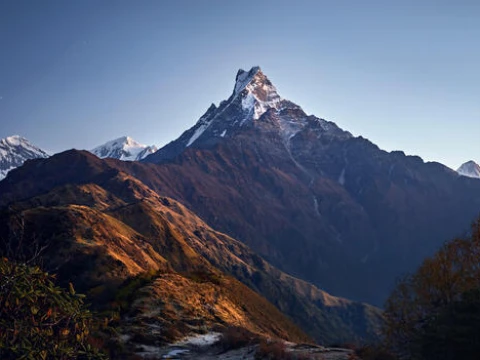
The 15 Day Annapurna Four Viewpoints Trek is a unique trekking journey that combines four of the most scenic viewpoints and two viewpoints, Australian Camp and Tadapani, in the Annapurna region: Mardi Himal Viewpoint, Mulde Viewpoint, Poon Hill Viewpoint, and Mohare Danda Viewpoint. This carefully designed route combines the best parts of the Mardi Himal Trek, Poon Hill Trek, Mulde Viewpoint, and Mohare Danda Trek into one rewarding adventure. The trek offers spectacular views of Annapurna South, Annapurna I, Dhaulagiri, Machhapuchhre (Fishtail), Hiunchuli, Nilgiri, and surrounding Himalayan peaks.The trek passes through beautiful mountain villages, terraced farmland, rhododendron forests, and serene landscapes, along with peaceful hill settlements. The Mardi Himal Viewpoint provides an impressive close-up panorama of Machhapuchhre and the Annapurna range, while Mulde Viewpoint offers a wide Himalayan sunrise panorama. At Poon Hill, one of Nepal's most famous viewpoints, trekkers can enjoy unforgettable sunrises and sunsets over the Annapurna, Dhaulagiri, and Nilgiri ranges. The trail then continues to Mohare Danda, a quieter, less crowded viewpoint known for its peaceful atmosphere, traditional Magar villages, forests, and magnificent mountain scenery.The Annapurna Four Viewpoints Trek is ideal for trekkers who want to experience several of the Annapurna region's best viewpoints without completing four separate trekking routes. The combination provides a diverse trekking experience, from the popular trails of Poon Hill and Mardi Himal to the quieter paths around Mulde and Mohare Danda. Along the way, you can experience local Gurung and Magar culture, traditional villages, mountain hospitality, rhododendron forests, waterfalls, terraced fields, and changing hilly and Himalayan landscapes. With its mix of mountain views, viewpoints, culture, nature, and varied trails, this 13-day trek offers a memorable, comprehensive Annapurna trekking experience without going to high altitude.
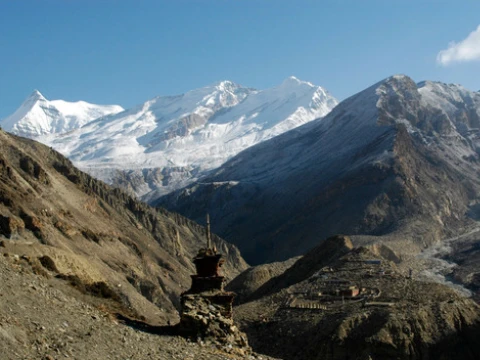
The Nar Phu Valley Trek with Asiana Treks and Tours is an adventurous journey into one of Nepal’s most remote Himalayan regions, combining dramatic mountain landscapes, ancient Tibetan-influenced villages, high-altitude trails, and rich local culture. Following the itinerary, the trek begins with arrival in Kathmandu and a long, scenic drive to Dharapani before entering the restricted Nar Phu Valley. The route passes through Koto, Meta, Phu Village, Nar Phedi, Nar Village, and Ngawal, with dedicated acclimatisation and exploration days in Phu and Nar.The trek offers a rewarding combination of wilderness and cultural discovery. Phu Village (4,050 m) and Nar Village (4,110 m) offer opportunities to experience traditional Himalayan lifestyles, while the surrounding valleys provide spectacular views of rugged cliffs, alpine terrain, and snow-covered peaks. The 13-day itinerary also includes road transportation between major trailheads and Kathmandu, making it a practical choice for travellers seeking a shorter but immersive Himalayan adventure.Explore the remote Nar and Phu valleysExperience traditional Himalayan villagesDiscover Tibetan-influenced culture and Buddhist traditionsEnjoy spectacular mountain landscapesSpend acclimatisation time in Phu and NarTrek through dramatic valleys and alpine terrainTravel with professional support from Asiana Treks and ToursNar Phu Valley Trek ItineraryThe carefully designed itinerary begins with arrival in Kathmandu, followed by a long scenic drive to Dharapani. From Dharapani, the trekking route gradually enters the remote Nar Phu region, passing through Koto, Meta, and Phu Village. The itinerary allows time to acclimatise before continuing to Nar Phedi and Nar Village.After exploring Nar Village, the journey continues toward Ngawal before transportation takes travellers to Chame and eventually back to Kathmandu. This mix of trekking and driving suits travellers who want an immersive Nar Phu experience in a relatively compact timeframe.Major Itinerary StopsKathmandu – Arrival and preparationDharapani – Trek starting pointKoto – Gateway toward Nar PhuMeta – High Himalayan settlementPhu Village – Cultural and acclimatisation experienceNar Phedi – Monastery and mountain surroundingsNar Village – Traditional Himalayan settlementNgawal – Annapurna-region villageChame – Road connection toward KathmanduBest Season for Nar Phu Valley TrekThe best seasons for the Nar Phu Valley Trek are generally spring (March to May) and autumn (September to November). During these periods, the weather is usually more stable, visibility is better, and the mountain scenery is particularly impressive. Spring brings pleasant trekking conditions and colourful vegetation at lower elevations, while autumn generally offers crisp skies and excellent mountain views after the monsoon season.Winter can bring very cold temperatures, snow, and difficult trail conditions at higher elevations, while the summer monsoon can make roads and lower trekking trails muddy and challenging. Because the Nar Phu region is remote and reaches elevations above 4,000 meters, choosing the right season is especially important for comfort, safety, and overall enjoyment.Recommended Trekking MonthsMarch to May: Excellent spring trekking seasonSeptember to November: Excellent autumn trekking seasonDecember to February: Very cold and potentially snowyJune to August: Monsoon conditions can affect roads and trailsNar Phu Valley Trek DifficultyThe Nar Phu Valley Trek is a moderate to challenging trek because of its remote location, high elevations, steep trails, and long walking days. Several stages take about 6–8 hours, and the trail reaches over 4,000 meters. Previous trekking experience and good physical preparation can make the journey considerably more comfortable.Altitude is a major factor to consider. The itinerary includes an acclimatisation day in Phu and an exploration day in Nar, giving trekkers time to adjust to the increasing elevation. Walking slowly, staying hydrated, eating well, and listening to your body are key to a successful high-altitude trek.Factors Affecting Trek DifficultyHigh-altitude trekkingLong walking daysSteep and uneven trailsRemote mountain terrainChanging weather conditionsBasic facilities at higher elevationsGradual acclimatisation requirementsTransportation During Nar Phu Valley TrekTransportation is an important component of this Nar Phu Valley itinerary. The journey starts with an approximately 8–10-hour drive from Kathmandu to Dharapani. This road journey passes through changing landscapes and gets travellers to the trekking area without adding extra walking days.At the end of the trek, travellers drive from Ngawal to Chame, then continue to Kathmandu via Besisahar. The combination of trekking and road travel makes the itinerary more efficient while still allowing travellers to experience the remote Himalayan environment.Transportation RouteKathmandu to Dharapani by roadTrek from Dharapani to Nar Phu ValleyNar Village to Ngawal by trekking routeNgawal to Chame by roadChame to Kathmandu via BesisaharFood and Accommodation for Nar Phu Valley TrekFood and accommodation on the Nar Phu Valley Trek are generally based around teahouses and local lodges, particularly along the established sections of the route. Meals commonly include traditional Nepali dishes such as dal bhat, rice, vegetables, noodles, soups, potatoes, and Tibetan-influenced foods. At higher elevations, food choices can be more limited because supplies must be transported into remote mountain settlements. Staying well hydrated and maintaining adequate calorie intake is important during long trekking days.Accommodation becomes more basic as the trail enters the remote Nar Phu region. Travellers can expect simple rooms and shared facilities rather than the comforts of city hotels. This rustic environment is part of the trek's appeal, offering a closer connection to local communities and traditional Himalayan life. Asiana Treks and Tours can coordinate the trekking arrangements so travellers can focus on enjoying the landscapes, villages, and cultural experiences.Food OptionsDal bhatRice and vegetablesNoodlesSoupsPotatoesTibetan-style dishesTea and hot beveragesAccommodation ExperienceLocal teahousesVillage guesthousesBasic private or shared roomsShared bathroom facilities in some locationsTraditional Himalayan hospitalityNar Phu Valley Trek PermitsThe Nar Phu Valley is a restricted trekking area, so travellers need the appropriate permits before entering the region. Permit requirements vary by season and current Nepal government regulations, so arrange them through an authorised trekking company. In addition to the restricted-area permit for Nar Phu, trekkers may need other applicable trekking permits associated with the route and conservation area.Working with Asiana Treks and Tours can simplify the permit process because the company can help arrange the required documentation before the trek begins. Travellers should carry the necessary identification and permit documents throughout the journey, as officials may check permits at designated points along the route. Confirm the current fees and requirements before departure, as government regulations can change.Permit considerations:Restricted-area permit for Nar PhuApplicable conservation-area/trekking permitsPassport and required identification documentsPermits should be arranged before entering the restricted regionCurrent fees and regulations should be confirmed before departureAccommodation in Phu and Nar VillagePhu and Nar are among the most culturally interesting settlements on the itinerary. Accommodation in these villages is generally provided through simple local guesthouses and teahouses. Facilities are basic compared with hotels in Kathmandu, but they offer an authentic experience of life in the remote Himalayas.Staying overnight in these villages allows trekkers to experience the peaceful atmosphere of the high mountains. Travellers can observe traditional architecture, interact with residents, and appreciate the Nar Phu region's unique culture.Culture and Traditions of Nar Phu ValleyOne of the biggest attractions of the Nar Phu Valley Trek is its distinctive Himalayan culture. Nar and Phu communities have strong Tibetan cultural influences, reflected in their traditional architecture, Buddhist practices, monasteries, prayer flags, mani walls, and daily life.The remote location has helped preserve many traditional aspects of village life. Travellers should approach local customs respectfully and take the opportunity to learn about the communities rather than treating the villages simply as trekking stops.Cultural ExperiencesTraditional Himalayan architectureBuddhist monasteriesPrayer flags and mani wallsTibetan-influenced traditionsLocal village lifeTraditional mountain hospitalityAcclimatisation During Nar Phu Valley TrekAcclimatisation is particularly important because the itinerary reaches elevations above 4,000 meters. The dedicated acclimatisation day in Phu gives trekkers time to rest, explore the area, and let their bodies adjust to the altitude before continuing to Nar Phedi and Nar Village.The exploration day in Nar also gives you another chance to enjoy the high-altitude environment without immediately moving on. A gradual pace, sufficient rest, hydration, and awareness of altitude-related symptoms are essential throughout the trek.Acclimatization TipsWalk at a comfortable paceStay properly hydratedAvoid unnecessary overexertionEat regular nutritious mealsTake adequate restInform your guide about unusual symptomsFollow the recommended itinerarySafety and Preparation for Nar Phu Valley TrekGood preparation is essential for a successful Nar Phu Valley adventure. Travellers should prepare physically before departure, particularly for long uphill and downhill walking. Cardiovascular exercise, regular hiking, and strength training can help improve endurance.Weather and trail conditions can change quickly in the Himalayas, so bring appropriate clothing and equipment. Travellers should also follow their trekking guide's instructions and stay flexible if weather or local conditions require itinerary adjustments.Essential PreparationBuild physical endurance before trekkingCarry suitable hiking footwearBring warm and layered clothingCarry sun protectionMaintain adequate hydrationPrepare for changing weatherFollow your guide's safety recommendationsWhy Choose Nar Phu Valley Trek with Asiana Treks and ToursChoosing the Nar Phu Valley Trek with Asiana Treks and Tours provides an opportunity to explore a relatively remote part of the Nepal Himalayas while experiencing authentic mountain culture away from some of the busier trekking routes. Over 13 days, the itinerary combines adventure, cultural exploration, high-altitude landscapes, and traditional villages. Phu and Nar offer especially memorable experiences, with ancient settlements, Buddhist traditions, dramatic mountain surroundings, and distinctive Himalayan architecture.Another major advantage is the balanced itinerary. Rather than gaining altitude continuously, the route includes acclimatisation and exploration days in Phu and Nar, giving travellers time to adjust and experience the local environment. The combination of trekking and road transportation also makes the journey more manageable for travellers who want to experience Nar Phu without committing to a much longer Himalayan expedition.Why choose this trek:Explore the remote Nar and Phu valleysExperience authentic Himalayan cultureEnjoy spectacular mountain sceneryDiscover traditional villages and Buddhist heritageBenefit from planned acclimatisation daysCombine trekking with convenient road transportationTravel with the support of Asiana Treks and Tours
Feel free to inquire, and together, we'll design the perfect journey to suit your preferences and desires.


 (2)
(2)  100% recommend (0)
 (0)
(0)