The Jugal Everest View Point Trek by Asiana Treks and Tours is a scenic 10-day Himalayan adventure in Sindhupalchok, featuring breathtaking views of Mt. Everest, Shishapangma, and Jugal Himal while exploring remote villages, alpine landscapes, rich local culture, and peaceful high-altitude trekking trails near Kathmandu.
The Jugal Everest View Point Trek is one of Nepal’s newest and most exciting trekking adventures, located in the remote and naturally beautiful Sindhupalchok district, approximately 140 kilometers northeast of Kathmandu. This hidden Himalayan route offers trekkers a rare opportunity to experience untouched mountain landscapes, authentic local culture, and breathtaking panoramic views of some of the world’s highest peaks without the heavy crowds found in more commercial trekking regions. Organized by Asiana Treks and Tours, the trek combines natural beauty, cultural exploration, and adventurous wilderness into a remarkable Himalayan journey suitable for both experienced trekkers and passionate nature lovers.
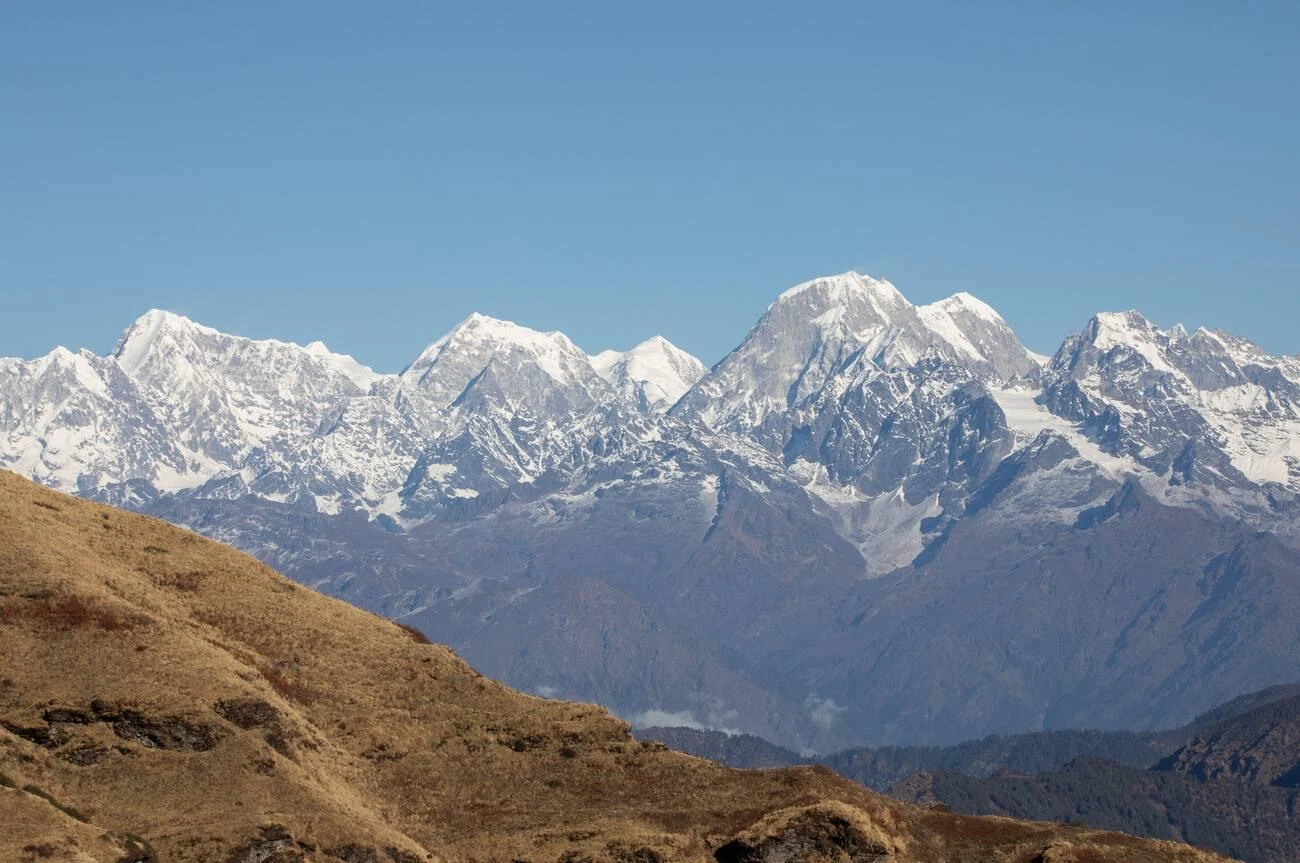
The trail passes through traditional Tamang and Sherpa villages, dense rhododendron forests, alpine meadows, grazing lands, glacial rivers, and remote high-altitude terrain. Along the journey, trekkers can witness magnificent mountain views, including Mt. Everest, Shishapangma, Dorje Lakpa, Gaurishankar, and the stunning Jugal Himal range. The peaceful environment and unexplored trails create a unique trekking experience that feels authentic and deeply connected to nature. Unlike the busy Everest and Annapurna regions, the Jugal Everest View Point Trek allows travelers to enjoy solitude, fresh mountain air, and pure Himalayan wilderness.
Another major highlight of this trek is its cultural richness. The route introduces visitors to the warm hospitality and traditional lifestyles of local mountain communities. Trekkers can explore Buddhist culture, prayer flags, monasteries, stone-built houses, and centuries-old customs that remain untouched by modern tourism. Every village along the trail offers meaningful cultural interaction and insight into mountain life in Nepal.
The journey reaches its highest point near Jugal Himal Base Camp and Everest View Point at around 4,500 meters. From this spectacular location, trekkers enjoy unforgettable sunrise and sunset views over snow-covered Himalayan peaks. The dramatic alpine scenery, peaceful atmosphere, and remote setting make this one of the most rewarding short Himalayan treks near Kathmandu.
Jugal Everest View Point Trek Package
The Jugal Everest View Point Trek is one of the hidden trekking adventures in eastern Nepal, offering a peaceful trail away from the crowded commercial trekking regions. Organized by Asiana Treks and Tours, this package is specially designed for trekkers who want to explore untouched Himalayan landscapes, authentic Tamang and Sherpa culture, and spectacular mountain panoramas within a short period. The trek begins from Kathmandu and moves toward Chautara, gradually ascending through traditional villages, dense forests, alpine meadows, and remote Himalayan settlements before reaching the breathtaking Jugal Himal Base Camp at 4,500 meters.
This trekking package combines adventure, culture, and natural beauty in a balanced itinerary suitable for both beginner and experienced trekkers. Along the route, trekkers can witness stunning views of Dorje Lakpa, Phurbi Chhyachu, Madiya Peak, Gaurishankar, and even distant Everest range viewpoints on clear days. The peaceful environment, warm local hospitality, and less crowded trails make the journey highly rewarding. The package normally includes airport transfers, hotel accommodation in Kathmandu, transportation, trekking permits, professional guide and porter services, meals during the trek, and accommodation in local teahouses or camps.
The trek also offers excellent opportunities for photography and cultural interaction. Trekkers pass through beautiful rhododendron forests, terraced farmlands, and Buddhist-influenced villages decorated with prayer flags and monasteries. Every day presents a new Himalayan landscape and a deeper connection with the remote mountain lifestyle of Nepal.
Package Highlights
Scenic drive from Kathmandu to Chautara
Remote and peaceful trekking route
Spectacular Himalayan mountain views
Exploration of Tamang and Sherpa culture
Jugal Himal Base Camp experience
Professional local trekking crew
Ideal trek for adventure and photography lovers
Jugal Everest View Point Trek Itinerary
The Jugal Everest View Point Trek itinerary is carefully planned to ensure gradual acclimatization and a comfortable trekking experience in the Himalayas. The journey starts with arrival in Kathmandu, where trekkers are welcomed by Asiana Treks and Tours and transferred to their hotel. Kathmandu provides an opportunity to prepare trekking equipment, complete permit procedures, and explore the cultural heritage sites before beginning the adventure. On the second day, trekkers drive to Chautara, the starting point of the trek located in the Sindhupalchok region of Nepal.
The trekking section begins from Chautara to Tembathang, passing through beautiful terraced hills and traditional villages. The trail continues toward Chhendang and Nepemacchal, where trekkers experience changing landscapes from subtropical forests to alpine terrain. As the altitude increases, the environment becomes more dramatic with open mountain views and rugged Himalayan scenery. The journey then proceeds to Bomba Sherpu and finally reaches Jugal Himal Base Camp at 4,500 meters, the highest point of the trek. From the base camp, trekkers enjoy panoramic Himalayan views, peaceful glaciers, and untouched mountain wilderness.
After spending memorable moments at the base camp, the route descends back toward Chhendang and returns to Kathmandu by drive. The final day is reserved for departure from Nepal. This itinerary is ideal for trekkers looking for a moderate Himalayan adventure with proper acclimatization and cultural immersion.
Short Itinerary
Day 1: Arrival in Kathmandu
Day 2: Drive to Chautara
Day 3: Trek to Tembathang
Day 4: Trek to Chhendang
Day 5: Trek to Nepemacchal
Day 6: Trek to Bomba Sherpu
Day 7: Trek to Jugal Himal Base Camp
Day 8: Trek back to Chhendang
Day 9: Return to Kathmandu
Day 10: Final Departure
Jugal Everest View Point Trek Distance
The total trekking distance of the Jugal Everest View Point Trek is approximately 75 to 90 kilometers depending on the selected route, side explorations, and trekking pace. The journey includes a combination of driving and trekking through remote Himalayan terrain. From Kathmandu to Chautara, travelers cover around 85 kilometers by road before starting the trekking adventure. The trekking trail itself gradually climbs through forests, hills, villages, and high alpine areas toward Jugal Himal Base Camp.
Each day involves moderate walking distances ranging from 8 to 15 kilometers. The trek from Chautara to Tembathang includes beautiful uphill sections through forests and local settlements. As trekkers continue toward Chhendang and Nepemacchal, the trail becomes more rugged and remote. The route from Bomba Sherpu to Jugal Himal Base Camp is one of the most scenic sections, featuring high-altitude landscapes, rocky paths, and panoramic mountain views. Although the daily trekking hours are generally between 5 to 7 hours, the gradual ascent helps trekkers adjust comfortably to the altitude.
The trek is considered moderate in difficulty, making it suitable for physically fit trekkers with basic hiking experience. The distance is manageable because the itinerary is designed with proper acclimatization and balanced walking schedules. Unlike busy trekking routes in Nepal, the Jugal region offers peaceful trails and a more authentic Himalayan experience. Trekkers can fully enjoy the natural beauty without heavy crowds.
Trek Distance Overview
Kathmandu to Chautara Drive: Approx. 85 km
Total Trekking Distance: Approx. 75–90 km
Average Daily Walk: 8–15 km
Average Trekking Hours: 5–7 hours per day
Maximum Altitude: 4,500 meters
Trek Difficulty: Moderate
Suitable Season: Spring and Autumn
Jugal Everest View Point Trekking Cost 2025/2026
The Jugal Everest View Point Trekking Cost for 2025/2026 varies depending on group size, accommodation standard, transportation preference, and service inclusions. Generally, the trekking package organized by Asiana Treks and Tours ranges from USD 950 to USD 1,450 per person for a standard 10-day itinerary. The cost usually includes airport transfers, hotel accommodation in Kathmandu, transportation to and from the trekking region, trekking permits, guide and porter services, accommodation during the trek, and meals while trekking.
For private groups, customized itineraries and upgraded hotel services may increase the package price. Similarly, solo trekkers may pay slightly higher due to transportation and guide-sharing limitations. However, larger groups often receive discounted rates. The trekking cost also depends on the season. Spring and autumn are peak trekking periods with the best mountain visibility, while winter and monsoon seasons may offer lower prices but more challenging weather conditions.
Additional personal expenses are usually not included in the package. Trekkers should budget separately for travel insurance, Nepal visa fees, personal trekking equipment, hot showers, charging devices, Wi-Fi where available, snacks, and tips for guides and porters. Despite these additional costs, the Jugal Everest View Point Trek remains one of the best-value trekking experiences in Nepal because it combines untouched Himalayan scenery, cultural richness, and remote adventure at a relatively affordable price compared to other popular trekking regions.
Estimated Cost Includes
Kathmandu hotel accommodation
Airport pickup and drop service
Transportation during the trek
Trekking permits and documentation
Licensed trekking guide
Porter service
Meals during trekking
Teahouse or camping accommodation
Extra Personal Expenses
International flights
Nepal visa fee
Travel insurance
Personal trekking gear
Tips and beverages
Hot shower and charging fees
Jugal Everest View Point Trek Price Breakdown
The Jugal Everest View Point Trek is one of the emerging trekking adventures in eastern Nepal that combines remote Himalayan landscapes, traditional Sherpa culture, and panoramic mountain scenery at a relatively affordable cost compared to many commercial trekking routes. The overall trek price depends on several factors such as group size, transportation type, accommodation category, guide services, permits, food preferences, and whether the trek is organized privately or through a trekking company. Since the route passes through less-commercialized villages like Chautara, Tembathang, Chhendang, Nepemacchal, and Bomba Sherpu before reaching Jugal Himal Base Camp, expenses remain lower than popular Everest region treks.
A standard package generally includes airport transfers, hotel accommodation in Kathmandu, transportation to the trek starting point, trekking permits, guide and porter services, meals during the trek, and basic tea-house or homestay accommodation. Independent trekkers may spend less initially, but organized packages offer better safety, logistics, and local support. The road condition toward Chautara and the remoteness of higher villages can also influence transportation costs. During peak trekking seasons, prices may increase slightly due to high demand for guides and porters.
International trekkers should also budget for travel insurance, personal trekking equipment, tips for trekking staff, charging facilities, internet access, and emergency evacuation coverage. Although this trek is less crowded, it still requires careful planning because of limited infrastructure in the upper sections. A guided trek ensures smoother management of food supplies and accommodation availability.
Estimated Trek Cost Includes:
Kathmandu hotel accommodation
Airport pickup and drop service
Transportation Kathmandu–Chautara–Kathmandu
Trekking permits and local entry fees
Professional trekking guide
Porter service for luggage carrying
Three meals during trekking days
Tea-house or local lodge accommodation
First aid support and trek coordination
Extra Personal Expenses:
International flights
Nepal visa fees
Travel insurance
Snacks and drinks
Hot showers and battery charging
Personal trekking gear
Staff tips and gratitude
The Jugal Everest View Point Trek offers strong value for travelers seeking an off-the-beaten-path Himalayan experience without the extremely high expenses associated with major trekking destinations. Its balanced combination of adventure, culture, and affordability makes it attractive for both experienced trekkers and enthusiastic beginners looking for a unique Himalayan journey.
Jugal Everest View Point Trek Altitude Guide
The Jugal Everest View Point Trek gradually ascends from the Kathmandu Valley at approximately 1400 meters to the high-altitude environment of Jugal Himal Base Camp at around 4500 meters. Understanding altitude progression is extremely important because trekkers gain elevation steadily through forests, terraced farmland, remote settlements, and alpine landscapes. Proper acclimatization helps reduce the risk of Acute Mountain Sickness (AMS), allowing trekkers to enjoy the journey safely and comfortably.
The trek begins with a scenic drive from Kathmandu to Chautara at 1470 meters, where the environment remains warm and comfortable. As the route climbs toward Tembathang and Chhendang, the air becomes thinner and temperatures begin to decrease, especially during mornings and evenings. The trail from Nepemacchal to Bomba Sherpu introduces trekkers to more rugged highland terrain with colder nights and increased physical demands. By the time trekkers reach Jugal Himal Base Camp at 4500 meters, oxygen levels are significantly lower than at sea level, making slow walking and hydration essential.
Acclimatization becomes important from around 3000 meters onward. Trekkers should maintain a gradual pace, drink sufficient water, avoid alcohol, and consume nutritious meals to support the body’s adjustment process. Weather conditions may change rapidly at higher elevations, especially near the base camp area, where strong winds and sudden temperature drops are common. Proper layering systems, thermal clothing, and adequate rest are necessary for a successful trek.
Altitude Progression Overview:
Kathmandu – 1400m
Chautara – 1470m
Tembathang – 2330m
Chhendang – 2630m
Nepemacchal – 3470m
Bomba Sherpu – 4130m
Jugal Himal Base Camp – 4500m
Important High-Altitude Tips:
Walk slowly and steadily
Drink 3–4 liters of water daily
Avoid overexertion
Carry warm layered clothing
Eat energy-rich meals
Inform your guide about symptoms immediately
Rest properly at higher camps
This trek’s gradual altitude gain makes it manageable for trekkers with average fitness levels, but proper preparation and awareness remain essential. The reward is extraordinary Himalayan scenery with panoramic views of snow-covered peaks and untouched mountain wilderness rarely experienced on crowded trekking routes.
Why Choose Jugal Everest View Point Trek?
The Jugal Everest View Point Trek is an excellent choice for trekkers seeking an authentic Himalayan adventure away from the heavily crowded trekking trails of Nepal. Unlike the commercial Everest or Annapurna routes, this trek offers peaceful mountain landscapes, traditional village experiences, and close interaction with local communities without the pressure of large tourist groups. The journey combines natural beauty, cultural exploration, and wilderness trekking in a relatively unexplored region near the Jugal Himal range.
One of the biggest highlights of this trek is the incredible mountain scenery visible from the higher sections near Jugal Himal Base Camp. Trekkers can witness panoramic views of Himalayan giants, dramatic ridgelines, alpine valleys, and untouched forests. The route passes through charming settlements such as Tembathang, Chhendang, and Bomba Sherpu, where traditional lifestyles remain strongly preserved. Local hospitality, Buddhist culture, stone houses, prayer flags, and ancient customs create a meaningful cultural trekking experience.
Another major reason to choose this trek is its moderate difficulty level combined with adventure. The trail includes forest walks, hillside climbs, river crossings, and remote mountain paths without requiring technical climbing skills. This makes the trek suitable for travelers who want genuine adventure while remaining accessible to physically fit beginners. Because the region remains less developed, trekkers experience a stronger connection with nature and local life compared to busier trekking areas.
Major Highlights of the Trek:
Remote and peaceful trekking experience
Stunning Himalayan mountain panoramas
Authentic Sherpa and Tamang culture
Less crowded trekking trails
Beautiful forests and alpine scenery
Opportunity to visit Jugal Himal Base Camp
Affordable trekking cost compared to Everest region
Rich photography opportunities
Best Reasons for Adventure Lovers:
Unique off-the-beaten-path destination
Ideal for cultural immersion
Excellent for nature photography
Gradual altitude gain
Perfect balance of challenge and comfort
Authentic village homestay experience
The Jugal Everest View Point Trek is ideal for travelers looking for something different from mainstream trekking routes. It provides solitude, natural beauty, cultural depth, and unforgettable Himalayan views while still remaining accessible and rewarding for a wide range of trekkers.
Preparing for Jugal Everest View Point Trek
Proper preparation is one of the most important parts of successfully completing the Jugal Everest View Point Trek. Since the journey involves multiple days of trekking through remote mountain terrain and reaches elevations up to 4500 meters, trekkers should focus on physical fitness, packing appropriate gear, and understanding mountain conditions before beginning the adventure. Although the trek is considered moderately challenging, good preparation significantly improves comfort, safety, and overall enjoyment.
Physical training should begin several weeks before arrival in Nepal. Cardiovascular exercises such as hiking, jogging, cycling, stair climbing, and long-distance walking help improve endurance for uphill trekking. Strengthening the legs, shoulders, and core muscles is also beneficial because trekkers often walk for several hours each day on uneven terrain. Mental preparation is equally important, as remote trekking routes may include limited facilities, basic accommodation, and changing weather conditions.
Packing suitable trekking equipment is essential due to fluctuating temperatures between Kathmandu and the high-altitude base camp area. Layered clothing systems work best because mornings and nights can become extremely cold at higher elevations. Trekking boots should be comfortable and already broken in before the trek begins to avoid blisters. Travelers should also carry water purification tablets, personal medications, sunscreen, and a reliable sleeping bag rated for cold temperatures.
Essential Trekking Gear:
Warm down jacket
Waterproof trekking boots
Thermal inner layers
Trekking poles
Gloves and wool hat
Sleeping bag
Headlamp with extra batteries
Reusable water bottles
Rain protection gear
Basic first aid kit
Important Preparation Tips:
Train physically before the trek
Purchase travel insurance
Carry enough cash for remote areas
Keep important documents safely stored
Respect local culture and traditions
Follow guide instructions carefully
Stay hydrated throughout the trek
Trekkers should also prepare mentally for limited internet access, basic mountain lodges, and unpredictable Himalayan weather. Flexibility and a positive attitude are valuable during remote trekking adventures. With proper planning and preparation, the Jugal Everest View Point Trek becomes an unforgettable journey filled with spectacular mountain scenery, cultural encounters, and rewarding personal achievement.
Jugal Everest View Point Trek Price Breakdown
The Jugal Everest View Point Trek is an excellent trekking package for travelers seeking a peaceful Himalayan adventure at a reasonable cost. Compared to Nepal’s commercial trekking destinations, this trek remains more affordable because the region is less crowded and still developing in tourism infrastructure. The trek follows a beautiful route from Kathmandu to Chautara, Tembathang, Chhendang, Nepemacchal, Bomba Sherpu, and finally Jugal Himal Base Camp at 4500 meters. The total trekking price generally depends on group size, accommodation standards, transportation choices, guide experience, and seasonal demand.
Most trekking agencies provide complete packages that include airport pickup, Kathmandu hotel accommodation, transportation to the trek starting point, permits, meals, guide and porter services, and accommodation during trekking days. Organized packages are highly recommended because the upper trekking sections are remote with limited facilities. Hiring experienced local guides also improves safety, navigation, cultural understanding, and logistical management throughout the journey. Solo trekkers may reduce expenses slightly, but group packages usually provide better value and convenience.
The route passes through traditional villages where accommodation is basic but culturally rich. Because many settlements are remote, transportation and food supply costs can increase in higher areas. Additional expenses such as snacks, charging facilities, internet access, hot showers, and tips for trekking staff should also be considered while planning the overall budget. Travel insurance with emergency helicopter evacuation coverage is strongly recommended for all trekkers visiting high-altitude areas.
Main Cost Inclusions:
Airport pickup and hotel transfer
Kathmandu accommodation
Transportation Kathmandu–Chautara–Kathmandu
Trekking permits and local fees
Professional trekking guide
Porter assistance
Three daily meals during trekking
Tea-house or lodge accommodation
First aid and trek support
Additional Personal Expenses:
International airfare
Nepal entry visa
Travel insurance
Personal trekking equipment
Drinks and snacks
Battery charging and Wi-Fi
Staff tips and donations
The Jugal Everest View Point Trek offers excellent value for travelers who want authentic Himalayan scenery, traditional mountain culture, and remote wilderness experiences without the higher costs associated with Everest Base Camp or Annapurna trekking routes.
What to Expect on the Jugal Everest View Point Trek
The Jugal Everest View Point Trek offers trekkers a unique combination of remote Himalayan beauty, traditional village culture, dense forests, alpine landscapes, and spectacular mountain panoramas. Unlike Nepal’s busier trekking routes, this adventure provides a quieter and more authentic trekking experience where visitors can truly connect with local communities and untouched natural surroundings. From the moment trekkers arrive in Kathmandu and begin the scenic drive toward Chautara, the journey introduces changing landscapes filled with terraced hills, rivers, forests, and snow-covered peaks.
As the trek progresses through villages such as Tembathang, Chhendang, Nepemacchal, and Bomba Sherpu, trekkers experience the warm hospitality of local Sherpa and Tamang communities. Traditional stone houses, Buddhist prayer flags, monasteries, and ancient lifestyles create a culturally enriching atmosphere throughout the route. The trail itself includes moderate uphill climbs, forest sections, ridge walks, and rugged mountain terrain that become increasingly dramatic as trekkers approach Jugal Himal Base Camp.
One of the most memorable experiences on this trek is the incredible Himalayan scenery visible from higher elevations. Trekkers can enjoy panoramic views of surrounding peaks, deep valleys, glacial landscapes, and pristine mountain wilderness. The peaceful environment allows trekkers to enjoy nature without large tourist crowds. Wildlife sightings, colorful rhododendron forests during spring, and beautiful sunrise views further enhance the trekking experience.
Accommodation during the trek is generally basic but comfortable enough for remote mountain travel. Tea houses and local lodges provide simple rooms and freshly prepared meals. Facilities become more limited at higher altitudes, so trekkers should prepare for rustic conditions and occasional weather-related challenges.
Highlights You Can Expect:
Peaceful off-the-beaten-path trekking route
Stunning Himalayan mountain views
Traditional Sherpa and Tamang culture
Remote villages and authentic local life
Forests, ridges, and alpine scenery
Beautiful sunrise and sunset panoramas
Unique photography opportunities
Less crowded trekking environment
Trekking Experience Includes:
Moderate daily walking hours
Gradual altitude gain
Cold mornings and evenings
Basic mountain accommodation
Fresh local meals
Strong cultural interaction
Adventure and wilderness exploration
The Jugal Everest View Point Trek is ideal for trekkers who prefer authentic experiences over commercial tourism. It combines adventure, culture, and natural beauty into a rewarding Himalayan journey filled with unforgettable landscapes and peaceful mountain trails.
Oxygen Levels on Jugal Everest View Point Trek
Understanding oxygen levels is extremely important while trekking in high-altitude Himalayan regions such as the Jugal Everest View Point Trek. As trekkers gradually ascend from Kathmandu at 1400 meters to Jugal Himal Base Camp at approximately 4500 meters, the amount of oxygen available in the air steadily decreases. Although the percentage of oxygen in the atmosphere remains the same, lower air pressure at higher elevations reduces the amount of oxygen absorbed by the body with each breath. This is why trekkers may begin to feel more tired, breathe heavily, or experience altitude-related symptoms during the upper sections of the trek.
Most trekkers begin noticing mild altitude effects above 3000 meters, especially while ascending from Chhendang to Nepemacchal and onward to Bomba Sherpu. At 4500 meters near Jugal Himal Base Camp, oxygen availability can drop to nearly 60% of what is available at sea level. Because of this, slow walking, proper hydration, and sufficient rest become essential for safe trekking. Trekkers should avoid rushing, maintain a comfortable pace, and listen carefully to their bodies throughout the journey.
Common symptoms related to lower oxygen levels may include headache, dizziness, fatigue, nausea, shortness of breath, or difficulty sleeping. These symptoms are often mild and manageable when acclimatization is done properly. However, serious altitude sickness can become dangerous if ignored. Guides are trained to monitor trekkers for symptoms and make necessary adjustments when required. Drinking enough water and consuming nutritious meals also helps the body adapt more efficiently to high-altitude conditions.
Approximate Oxygen Availability:
Kathmandu (1400m) – Normal oxygen level
Tembathang (2330m) – Slightly reduced oxygen
Chhendang (2630m) – Mild altitude effects possible
Nepemacchal (3470m) – Noticeable breathing changes
Bomba Sherpu (4130m) – Significant oxygen reduction
Jugal Himal Base Camp (4500m) – Around 60% sea-level oxygen
Tips for Managing Low Oxygen:
Walk slowly and steadily
Stay hydrated at all times
Avoid alcohol and smoking
Eat energy-rich foods
Rest properly every night
Inform guides about symptoms immediately
Carry necessary personal medication
The gradual ascent profile of the Jugal Everest View Point Trek helps many trekkers adapt naturally to changing oxygen levels. With proper acclimatization, physical preparation, and responsible trekking habits, most healthy trekkers can safely enjoy the spectacular beauty of the Jugal Himal region while minimizing altitude-related risks.
Major Villages and Scenic Viewpoints on Jugal Everest View Point Trek Route
The Jugal Everest View Point Trek passes through several beautiful mountain villages that provide trekkers with a unique opportunity to experience the traditional lifestyle, culture, and hospitality of the Himalayan region. Beginning from Kathmandu, the route gradually reaches Chautara, a lively hill town that serves as the gateway to the trekking adventure. From here, trekkers move toward Tembathang, a culturally rich village surrounded by green hills, terraced farmland, and dense forests. The peaceful atmosphere and warm local hospitality make Tembathang one of the memorable cultural stops along the trail.
As the journey continues toward Chhendang, Nepemacchal, and Bomba Sherpu, the landscape transforms into rugged alpine terrain with wider mountain panoramas. Chhendang offers beautiful ridge-top scenery and spectacular sunrise views over surrounding Himalayan peaks. Nepemacchal introduces trekkers to higher-altitude environments with dramatic valleys and untouched wilderness, while Bomba Sherpu provides one of the best viewpoints before reaching Jugal Himal Base Camp. The route becomes increasingly scenic with snow-covered mountains, prayer flags, yak pastures, and alpine vegetation enhancing the trekking experience.
The highlight of the trek is undoubtedly Jugal Himal Base Camp at approximately 4500 meters. From this viewpoint, trekkers can witness breathtaking Himalayan vistas including surrounding Jugal peaks, glaciers, and distant mountain ranges. The peaceful environment and untouched natural beauty create an unforgettable mountain experience far from commercial trekking crowds. Along the route, trekkers also encounter beautiful forest trails, waterfalls, suspension bridges, and traditional Buddhist settlements that add depth to the adventure.
Major Villages Along the Route:
Chautara
Tembathang
Chhendang
Nepemacchal
Bomba Sherpu
Scenic Highlights of the Trek:
Panoramic Himalayan mountain views
Sunrise and sunset viewpoints
Traditional Sherpa and Tamang settlements
Alpine valleys and ridges
Forest trails and waterfalls
Prayer flags and monasteries
Jugal Himal Base Camp scenery
The combination of authentic villages and spectacular viewpoints makes the Jugal Everest View Point Trek a rewarding experience for trekkers seeking both cultural immersion and Himalayan natural beauty.
Flora and Fauna of Jugal Everest View Point Trek
The Jugal Everest View Point Trek offers remarkable biodiversity due to its wide range of altitudes, climatic zones, and relatively untouched natural environment. As trekkers move from the lower hills near Chautara toward the alpine landscapes surrounding Jugal Himal Base Camp, they pass through dense forests, rhododendron-covered hillsides, bamboo groves, and high-altitude meadows. The route remains less commercialized than Nepal’s major trekking regions, allowing much of the ecosystem to remain naturally preserved.
Lower elevations along the trail feature lush green forests filled with oak, pine, bamboo, and rhododendron trees. During the spring season, colorful rhododendron flowers bloom across the hills, creating vibrant landscapes throughout the trekking route. As the altitude increases near Nepemacchal and Bomba Sherpu, vegetation gradually becomes thinner, transitioning into alpine shrubs and rocky mountain terrain. Wild herbs, mosses, and medicinal plants can also be found in the higher Himalayan sections.
The trek is also home to various Himalayan wildlife species. Trekkers may occasionally spot Himalayan birds, mountain goats, musk deer, langur monkeys, and other native animals in forested areas. Birdwatchers especially enjoy this region because of the diversity of colorful Himalayan bird species found along the trail. Since the region remains remote and peaceful, wildlife habitats are relatively undisturbed compared to heavily visited trekking routes.
Common Flora Along the Trek:
Rhododendron forests
Pine and oak trees
Bamboo groves
Alpine shrubs
Wild Himalayan herbs
Mosses and medicinal plants
Wildlife and Bird Species:
Himalayan monal birds
Musk deer
Langur monkeys
Mountain goats
Himalayan pheasants
Eagles and highland birds
The natural diversity of the Jugal Everest View Point Trek adds tremendous beauty and ecological richness to the journey. Trekkers not only experience mountain scenery but also encounter the vibrant Himalayan ecosystem that thrives across different elevations of the route.
Festivals and Local Culture Along the Jugal Everest View Point Trek Route
The Jugal Everest View Point Trek provides a meaningful cultural experience through its traditional Sherpa and Tamang communities that continue to preserve ancient Himalayan customs and spiritual practices. The villages along the trekking route maintain strong Buddhist traditions visible in monasteries, prayer wheels, mani walls, colorful prayer flags, and sacred chortens scattered throughout the landscape. Trekkers walking through settlements like Tembathang, Chhendang, and Bomba Sherpu can observe local lifestyles that remain deeply connected to nature, religion, and mountain traditions.
Hospitality is one of the most memorable cultural aspects of this trek. Local villagers warmly welcome trekkers into tea houses and homestays where visitors can experience traditional food, clothing, architecture, and daily village life. Farming, livestock herding, and handicrafts continue to play an important role in local livelihoods. Traditional music, dancing, and storytelling are sometimes shared during local celebrations or special gatherings, allowing trekkers to gain a deeper appreciation of Himalayan cultural identity.
Several important Buddhist and local festivals are celebrated throughout the region depending on the trekking season. Festivals often include colorful ceremonies, monastery prayers, masked dances, and communal feasts. Losar, the Tibetan New Year, is one of the major celebrations observed by Sherpa and Tamang communities. Buddha Jayanti and other religious events are also celebrated with spiritual rituals and social gatherings. During festival periods, villages become especially vibrant and culturally active.
Cultural Highlights of the Trek:
Traditional Sherpa and Tamang lifestyle
Buddhist monasteries and prayer flags
Local homestay experiences
Traditional Himalayan architecture
Farming and yak herding culture
Spiritual mountain traditions
Important Local Festivals:
Losar Festival
Buddha Jayanti
Dumji celebrations
Traditional harvest festivals
Monastery prayer ceremonies
The cultural richness of the Jugal Everest View Point Trek makes the journey much more than a mountain adventure. It becomes an opportunity to connect with Himalayan traditions, spirituality, and authentic village life in one of Nepal’s less-explored regions.
Why Book with Asiana Treks and Tours for Jugal Everest View Point Trek
Booking the Jugal Everest View Point Trek with Asiana Treks and Tours provides trekkers with professional guidance, reliable logistics, local expertise, and personalized service throughout the entire journey. Trekking in remote Himalayan regions requires careful planning, experienced guides, and strong organizational support, especially in less-commercialized trekking areas such as the Jugal Himal region. A professional trekking company helps ensure safety, comfort, cultural understanding, and smooth travel arrangements from arrival in Kathmandu until final departure.
Asiana Treks and Tours focuses on delivering authentic trekking experiences while maintaining high standards of safety and customer care. Their experienced trekking guides are familiar with local trails, mountain conditions, altitude management, and cultural traditions of the region. This local knowledge becomes especially valuable in remote villages where facilities may be limited and weather conditions can change quickly. Guides also assist trekkers with communication, accommodation arrangements, and emergency support when necessary.
Another major advantage of booking with Asiana Treks and Tours is the convenience of complete trekking packages. Transportation, permits, accommodation, meals, guide services, and porter support are organized professionally, allowing trekkers to focus entirely on enjoying the journey. Customized itineraries, flexible group sizes, and personalized attention make the trekking experience more comfortable and stress-free for both beginners and experienced trekkers.
Benefits of Booking with Asiana Treks and Tours:
Experienced professional guides
Reliable safety management
Complete trekking arrangements
Local cultural expertise
Personalized trekking service
Comfortable logistics coordination
Emergency assistance support
Flexible itinerary planning
Services Commonly Included:
Airport transfers
Kathmandu hotel booking
Trek permits and documentation
Transportation services
Meals and accommodation
Guide and porter assistance
Trek briefing and support
Choosing an experienced trekking company like Asiana Treks and Tours helps trekkers enjoy a safe, organized, and culturally enriching Himalayan adventure while exploring the remote beauty of the Jugal Everest View Point Trek.
How to Book the Jugal Everest View Point Trek
Booking the Jugal Everest View Point Trek is a straightforward process when planned properly in advance. Trekkers are encouraged to book early, especially during Nepal’s peak trekking seasons in spring and autumn, when guides, transportation, and accommodation may become limited. Before confirming the trek, travelers should carefully review the itinerary, inclusions, altitude profile, accommodation standards, and physical difficulty level to ensure the trek matches their interests and fitness level.
Most trekking companies allow trekkers to reserve the trip online by contacting the company directly through email, website inquiry forms, or social media platforms. After discussing travel dates, group size, and trekking preferences, the company usually provides a detailed itinerary and package quotation. A deposit payment is often required to confirm the booking, while the remaining balance can usually be paid upon arrival in Kathmandu. Travelers should also prepare essential documents such as passport copies, travel insurance information, and passport-size photographs for permit processing.
Before arrival in Nepal, trekkers should also organize travel insurance covering high-altitude trekking and emergency helicopter evacuation. Purchasing or renting trekking equipment in Kathmandu is possible if travelers prefer not to carry all gear from home. Once in Kathmandu, trekkers generally attend a pre-trek briefing where guides explain safety procedures, route details, altitude precautions, and final preparations before departure.
Steps to Book the Trek:
Contact the trekking company
Confirm trekking dates and itinerary
Review package inclusions
Submit passport information
Pay booking deposit
Arrange travel insurance
Prepare trekking equipment
Attend pre-trek briefing in Kathmandu
Important Booking Tips:
Book early during peak seasons
Choose a licensed trekking company
Verify guide experience
Check insurance coverage carefully
Ask about emergency procedures
Confirm accommodation standards
Proper planning and professional support make the booking process smooth and stress-free. Once arrangements are completed, trekkers can fully focus on enjoying the unforgettable landscapes, culture, and adventure of the Jugal Everest View Point Trek.
Choosing the right season is extremely important for enjoying the best experience during the Jugal Everest View Point Trek. The most recommended trekking seasons are spring (March to May) and autumn (September to November). These months provide the most stable weather, comfortable temperatures, excellent visibility, and clear panoramic mountain views. During these seasons, trekkers can fully appreciate the beauty of the Himalayas, forests, valleys, and local villages while enjoying safer and more comfortable trekking conditions.
Spring is considered one of the most beautiful times for this trek because the forests and hillsides come alive with colorful rhododendron flowers, Nepal’s national flower. The weather remains moderate with warm daytime temperatures and cool evenings, making trekking pleasant at both lower and higher elevations. The skies are generally clear, allowing spectacular views of Mt. Everest, Dorje Lakpa, Gaurishankar, and the Jugal Himal range. Wildlife activity also increases during spring, giving trekkers opportunities to observe Himalayan birds and mountain vegetation in full bloom. The vibrant natural scenery creates excellent photography opportunities throughout the journey.
Autumn is another highly preferred season for the Jugal Everest View Point Trek. After the monsoon rains, the air becomes fresh and clean, resulting in crystal-clear mountain visibility. The weather remains dry and stable, which is ideal for trekking in high-altitude regions. Daytime temperatures are comfortable, while nights become colder at higher elevations. Autumn also coincides with Nepal’s major cultural festivals such as Dashain and Tihar, allowing trekkers to experience local traditions, celebrations, and hospitality in mountain villages.
Winter trekking is possible but can be challenging due to snowfall and freezing temperatures at higher elevations. Similarly, the monsoon season from June to August is less recommended because heavy rainfall can make trails muddy and slippery while limiting mountain visibility. However, adventurous trekkers seeking solitude may still choose these off-seasons with proper preparation and guidance from Asiana Treks and Tours.
Best Trekking Seasons
The Jugal Everest View Point Trek is considered a moderate to challenging trekking adventure due to its remote trails, gradual altitude gain, and high-altitude alpine terrain. Although the trek does not require technical climbing skills, trekkers should have good physical fitness, strong determination, and basic hiking experience to fully enjoy the journey. Organized professionally by Asiana Treks and Tours, the itinerary is carefully designed to provide proper acclimatization and comfortable pacing throughout the trek.
The route includes several uphill and downhill sections through forests, ridges, rocky paths, grazing lands, and high mountain landscapes. As trekkers ascend above 3,000 meters, the air becomes thinner, and temperatures become colder, especially near Bomba Sherpu and Jugal Himal Base Camp. Walking hours generally range between 5ando 7 hours per day, depending on the trail condition and weather. While the trek is physically demanding in some sections, the incredible Himalayan scenery and peaceful environment make every step rewarding.
One of the advantages of this trek is its accessibility from Kathmandu. The journey begins with a scenic drive from Kathmandu to Chautara, which takes approximately 6–7 hours by private jeep or local vehicle. The drive itself offers beautiful views of terraced hills, rivers, villages, and countryside landscapes. Since the trekking route lies relatively close to Kathmandu compared to other remote trekking regions, travelers can experience a true Himalayan adventure without requiring domestic flights.
Transportation during the trek is generally arranged by Asiana Treks and Tours, ensuring comfortable transfers and proper logistical support. Depending on road conditions and group size, private jeeps are commonly used for safer and more flexible travel. The return journey follows the same scenic route back to Kathmandu after completing the trek.
Although the trek reaches around 4,500 meters, it remains suitable for trekkers with average fitness who prepare properly and walk at a steady pace. Proper acclimatization, hydration, and guidance from experienced trekking leaders are important for a safe and enjoyable journey.
Trek Difficulty and Transportation Highlights
Food and accommodation during the Jugal Everest View Point Trek provide trekkers with a combination of authentic local hospitality and basic mountain comfort. Since this is a newly explored and less commercial trekking route, facilities are more traditional and simple compared to popular trekking regions like Everest or Annapurna. However, the peaceful atmosphere, warm hospitality, and natural surroundings create a unique and memorable Himalayan experience. Asiana Treks and Tours carefully manages accommodation and meal arrangements to ensure trekkers remain comfortable and well-supported throughout the journey.
In lower villages such as Chautara and Tembathang, trekkers usually stay in local lodges, homestays, or guesthouses operated by local families. These accommodations are simple but clean and welcoming, providing an excellent opportunity to experience local mountain lifestyles and cultural traditions. Rooms generally include basic bedding with shared bathroom facilities. As the trek moves into higher and more remote alpine regions, tented camping becomes necessary due to limited infrastructure. Camping in places like Nepemacchal, Bomba Sherpu, and Jugal Himal Base Camp allows trekkers to fully enjoy the pristine wilderness and spectacular Himalayan scenery.
Food during the trek mainly consists of traditional Nepali meals along with some basic international dishes. Dal Bhat, Nepal’s famous combination of rice, lentil soup, vegetables, and pickles, is the most common and energy-rich meal served during the trek. Trekkers may also enjoy noodles, fried rice, soups, potatoes, Tibetan bread, eggs, tea, coffee, and seasonal vegetables. Fresh local ingredients are often used in village areas, providing nutritious and filling meals after long trekking days.
At higher altitudes, meals are usually prepared by trekking staff and cooks accompanying the group. Hot meals and warm drinks become especially important in cold alpine regions. Trekkers are advised to carry energy bars, snacks, and reusable water bottles for additional support during long walking days.
Despite the simplicity of facilities, the natural beauty, peaceful surroundings, and genuine hospitality make the food and accommodation experience highly rewarding and authentic.
Food and Accommodation Highlights
Permits are an essential part of trekking in Nepal, including the Jugal Everest View Point Trek. Trekkers are required to obtain official permits to enter the trekking region and support conservation, tourism management, and local community development. Asiana Treks and Tours handles all necessary permit arrangements for trekkers, allowing travelers to enjoy a smooth and hassle-free trekking experience without worrying about complicated administrative procedures.
One of the primary permits required for this trek is the TIMS Card (Trekkers’ Information Management System). This permit helps maintain trekker safety and records trekking activity in Nepal’s mountain regions. The TIMS system is especially important for emergency rescue coordination and trekker tracking in remote areas. Travelers must carry this permit throughout the journey and present it at various checkpoints when required.
Depending on government regulations and local administrative requirements, trekkers may also need a local area permit for the Sindhupalchok and Jugal region. These permits contribute to the conservation of natural resources, trail maintenance, and the development of local tourism infrastructure. Since the Jugal Himal region is still developing as a trekking destination, permit rules may occasionally change. Therefore, booking through an experienced trekking company like Asiana Treks and Tours ensures accurate and updated permit management.
To obtain trekking permits, trekkers generally need:
It is highly recommended to arrange permits through a registered trekking agency because they understand the latest government regulations and local requirements. Trekkers should always carry copies of important documents during the trek for safety purposes.
Permits not only provide legal access to the trekking area but also help preserve the fragile Himalayan environment and support local communities living along the trail. Responsible trekking and proper permit management contribute to sustainable tourism development in Nepal’s remote mountain regions.
Permit Highlights
The Jugal Everest View Point Trek is an excellent choice for travelers seeking a peaceful, authentic, and less crowded Himalayan adventure near Kathmandu. Unlike Nepal’s more commercial trekking destinations, this newly introduced trekking route offers untouched natural beauty, remote mountain landscapes, and genuine cultural experiences without the heavy flow of tourists. Organized professionally by Asiana Treks and Tours, the trek combines adventure, culture, nature, and panoramic Himalayan scenery into one unforgettable journey.
One of the biggest reasons to choose this trek is the incredible mountain views. Trekkers can witness spectacular panoramas of Mt. Everest, Shishapangma, Dorje Lakpa, Gaurishankar, and the beautiful Jugal Himal range from high-altitude viewpoints and alpine camps. The sunrise and sunset views over snow-covered Himalayan peaks create unforgettable memories for photographers, nature lovers, and adventure seekers alike.
Another major attraction is the cultural experience. The trail passes through traditional Tamang and Sherpa settlements where local lifestyles, Buddhist traditions, ancient customs, and warm hospitality remain preserved. Visitors can interact closely with local communities, experience traditional mountain culture, and observe daily rural life in remote Himalayan villages. This cultural authenticity makes the trek more meaningful and rewarding than many crowded trekking routes.
The trek is also ideal for travelers looking for adventure close to Kathmandu. Since the route is accessible by road, there is no need for expensive domestic flights. Trekkers can experience the remote Himalayan wilderness within a relatively short travel distance from Nepal’s capital city. The route offers diverse landscapes, including forests, alpine meadows, rivers, ridges, grazing lands, and glacial terrain.
Asiana Treks and Tours provides professional trekking guides, experienced staff, reliable logistics, permit management, transportation, and personalized service to ensure a safe and enjoyable trekking experience. Their local knowledge and commitment to responsible tourism make the journey comfortable and memorable.
Why Choose This Trek
Asiana Treks & Tours offers an insightful blog on the Everest region, providing valuable information for trekkers. Explore stunning landscapes, local culture, and practical tips for your journey.
Altitude Sickness Tips & Safety on Jugal Everest View Point Trek
The Jugal Everest View Point Trek is a newly explored trekking destination in the beautiful eastern Himalayan region of Nepal. Organized by Asiana Treks and Tours, this trek gradually takes travelers from the lower hills of Chautara at 1,470 meters to the spectacular Jugal Himal Base Camp at 4,500 meters. Because the trail reaches high-altitude terrain, trekkers should understand the importance of altitude sickness prevention and mountain safety before beginning the journey. Although the route is considered moderate compared to other Himalayan expeditions, the rising elevation can still affect trekkers who are not properly acclimatized.
Altitude sickness, also known as Acute Mountain Sickness (AMS), generally occurs when the body struggles to adapt to lower oxygen levels at high elevations. Common symptoms include headache, dizziness, nausea, fatigue, difficulty sleeping, and shortness of breath. During the Jugal Everest View Point Trek, trekkers gradually ascend through Tembathang, Chhendang, Nepemacchal, and Bomba Sherpu before reaching the base camp. This carefully designed itinerary by Asiana Treks and Tours helps reduce the risk of altitude-related problems because the body gets enough time to adjust naturally to changing elevations.
Trekkers should maintain proper hydration throughout the trek. Drinking at least 3–4 liters of water daily is highly recommended because dehydration can worsen altitude symptoms. It is also important to avoid alcohol and smoking while trekking at higher elevations. Eating balanced meals rich in carbohydrates helps maintain energy and supports acclimatization. The professional trekking guides from Asiana Treks and Tours constantly monitor trekkers’ conditions and provide assistance whenever necessary. Their local experience and knowledge of the Jugal region ensure safer trekking experiences for international and domestic travelers alike.
In addition to altitude awareness, overall mountain safety is essential during the trek. The remote trails pass through isolated villages, forests, alpine landscapes, and rugged mountain terrain. Weather conditions can change rapidly in the Himalayas, especially near Jugal Himal Base Camp. Trekkers should always follow guide instructions, maintain a steady walking pace, and avoid overexertion. Carrying personal medications, warm clothing, gloves, sunglasses, and a basic first-aid kit is strongly advised.
Short Safety Tips
Drink plenty of water daily
Walk slowly and maintain a steady pace
Avoid alcohol and smoking at high altitude
Inform guides immediately if symptoms appear
Carry personal medicine and first-aid supplies
Wear layered warm clothing
Follow acclimatization schedules carefully
Trek with experienced guides from Asiana Treks and Tours
2. Seasonal Weather Challenges on Jugal Everest View Point Trek
The Jugal Everest View Point Trek offers diverse natural beauty throughout the year, but every season brings different weather conditions and trekking challenges. Located in the Sindhupalchok region of Nepal, the trail passes through subtropical hills, dense forests, remote settlements, and alpine mountain landscapes before reaching Jugal Himal Base Camp at 4,500 meters. Understanding seasonal weather patterns is extremely important for trekkers planning this adventure with Asiana Treks and Tours because weather directly affects trail conditions, visibility, transportation, and overall trekking comfort.
Spring season (March to May) is considered one of the best times for the Jugal Everest View Point Trek. During spring, the weather remains stable with moderate temperatures and clear mountain views. Rhododendron forests bloom beautifully across the hills, creating colorful trekking scenery. Daytime temperatures are comfortable for hiking, although nights become colder at higher elevations like Bomba Sherpu and Jugal Himal Base Camp. Spring also offers excellent panoramic views of the Himalayan ranges, making it highly popular among photographers and nature lovers.
Autumn season (September to November) is another ideal period for trekking in the Jugal region. After the monsoon rains, the skies become exceptionally clear, and mountain visibility improves significantly. Trails are fresh, green, and pleasant for walking. However, mornings and evenings can become cold above 3,000 meters. Since autumn is Nepal’s peak trekking season, trekkers may encounter more visitors along the route. Asiana Treks and Tours arranges accommodations, transportation, and professional support to ensure smooth travel during this busy period.
Winter trekking from December to February can be more challenging due to snowfall and freezing temperatures at higher elevations. Heavy snow near Jugal Himal Base Camp may sometimes block trails or slow trekking progress. Trekkers require proper winter gear, insulated jackets, sleeping bags, gloves, and trekking boots. On the other hand, monsoon season from June to August brings heavy rainfall, slippery trails, leeches, and potential landslides in lower sections of the trek. Visibility may also remain poor because of clouds and rain. Despite these challenges, experienced guides from Asiana Treks and Tours help trekkers manage seasonal difficulties safely and efficiently.
Seasonal Trekking Highlights
Spring offers blooming rhododendron forests
Autumn provides the clearest mountain views
Winter requires extra cold-weather preparation
Monsoon trails can become slippery and muddy
Higher elevations experience sudden weather changes
Layered clothing is essential in all seasons
Weather forecasts should be checked regularly
Professional local guides improve safety and comfort
3. Fitness Level Needed for Jugal Everest View Point Trek
The Jugal Everest View Point Trek is an exciting Himalayan adventure suitable for trekkers seeking remote mountain experiences, cultural exploration, and breathtaking Himalayan scenery. Operated by Asiana Treks and Tours, the trek involves several days of uphill and downhill walking through diverse landscapes ranging from terraced farmlands to alpine mountain terrain. Although this trek does not require technical climbing skills, participants should maintain a good physical fitness level because the route includes long trekking hours and continuous altitude gain up to 4,500 meters.
Trekkers typically walk between 5 to 7 hours daily while ascending through villages like Tembathang, Chhendang, Nepemacchal, and Bomba Sherpu. Some sections include steep stone staircases, forest paths, rugged mountain trails, and narrow ridges. Therefore, people with moderate cardiovascular endurance and strong leg strength generally perform better during the trek. Individuals who regularly participate in hiking, jogging, cycling, swimming, or gym workouts usually adapt more comfortably to the physical demands of the journey.
Preparation before the trek is highly recommended. Trekkers should ideally begin physical training at least one to two months prior to arrival in Nepal. Cardiovascular exercises such as running, hiking, stair climbing, and brisk walking help improve stamina and lung capacity. Strength training for legs, back, and core muscles is also beneficial because carrying a backpack while trekking at altitude requires good body balance and endurance. Asiana Treks and Tours advises trekkers to gradually build their fitness rather than attempting intense last-minute preparation.
Mental endurance is equally important during high-altitude trekking. Remote mountain regions may have limited facilities, unpredictable weather, and physically demanding days. Maintaining a positive mindset, trekking at a steady pace, and following guide instructions contribute greatly to successful completion of the trek. The rewarding views of Jugal Himal, surrounding snow-capped peaks, and untouched Himalayan landscapes make the physical effort worthwhile for adventurous travelers.
Fitness Preparation Tips
Practice hiking before the trek
Improve cardio fitness through running or cycling
Train leg and core muscles regularly
Carry a light backpack during practice hikes
Maintain a healthy diet before trekking
Walk at a comfortable and steady pace
Get adequate rest during the trek
Stay mentally prepared for remote mountain conditions
4. Insurance & Trekking Permits for Jugal Everest View Point Trek
Before joining the Jugal Everest View Point Trek, trekkers should understand the importance of travel insurance and trekking permits for safe and legal travel in Nepal. Managed professionally by Asiana Treks and Tours, the trek enters remote Himalayan areas where emergency services and transportation facilities may be limited. Proper documentation and insurance coverage help protect trekkers from unexpected situations such as medical emergencies, altitude sickness, weather disruptions, or trip cancellations.
Comprehensive travel insurance is strongly recommended for all trekkers participating in the Jugal Everest View Point Trek. Insurance policies should include emergency helicopter evacuation coverage up to at least 5,000 meters because medical evacuations in the Himalayas can be extremely expensive without insurance support. Coverage for accidents, medical treatment, trip interruption, lost baggage, and emergency rescue services is also highly important. Trekkers should carefully review their policy details before traveling to Nepal and carry both printed and digital copies of insurance documents during the trek.
In addition to insurance, trekkers require official permits to enter and trek in the Jugal region. Permit regulations may vary depending on government policies and local administrative requirements. Generally, trekkers need a TIMS (Trekkers’ Information Management System) card and relevant local trekking permits issued by Nepalese authorities. Asiana Treks and Tours handles the necessary permit arrangements for clients, ensuring a smooth and hassle-free trekking experience. Their experienced team assists with documentation, logistics, transportation, accommodation, and guide services throughout the journey.
Trekkers should always carry passport copies, permit documents, travel insurance details, and emergency contact information while trekking. Government checkpoints along the route may require document verification. Responsible trekking practices and proper preparation help ensure a safe and enjoyable adventure in the untouched Himalayan wilderness of the Jugal region.
Important Permit & Insurance Points
Travel insurance should cover high-altitude evacuation
Carry passport and permit copies during the trek
TIMS card may be required for trekking
Emergency medical coverage is highly recommended
Helicopter rescue insurance is essential
Keep digital backups of important documents
Follow local trekking regulations carefully
Asiana Treks and Tours assists with permit arrangements
Local Culture and Etiquette During Jugal Everest View Point Trek
The Jugal Everest View Point Trek is not only a mountain adventure but also a meaningful cultural journey through remote Himalayan villages of eastern Nepal. Organized by Asiana Treks and Tours, this trek passes through traditional settlements such as Chautara, Tembathang, Chhendang, and Nepemacchal, where trekkers can experience authentic local lifestyles, customs, and hospitality. The region is home to various ethnic communities including Sherpa, Tamang, and other local Himalayan groups who have preserved their traditions, languages, and spiritual beliefs for generations. Their warm welcome and simple mountain lifestyle create unforgettable cultural experiences for visitors.
Respecting local culture and etiquette is extremely important during the trek. Nepalese mountain communities value politeness, humility, and respectful behavior toward elders, religious places, and local traditions. Trekkers should greet villagers with friendly words such as “Namaste” while passing through settlements. Modest clothing is appreciated, especially near monasteries, temples, and villages. Before taking photographs of local people, homes, or religious sites, it is polite to ask for permission. Guides from Asiana Treks and Tours help trekkers understand cultural sensitivities and local customs throughout the journey.
Buddhist prayer flags, chortens, mani walls, and monasteries can be seen along the trekking route. Trekkers should walk clockwise around religious monuments as a sign of respect according to Buddhist tradition. Loud behavior, public displays of affection, and littering are discouraged in mountain communities. Visitors are encouraged to support local tea houses, purchase local handicrafts, and engage positively with villagers to contribute to the local economy and preserve cultural heritage.
The cultural experience becomes even more memorable through local food, music, and daily village activities. Trekkers may enjoy traditional Nepali meals like dal bhat, homemade breads, potatoes, and locally grown vegetables while interacting with local families. Asiana Treks and Tours focuses on responsible cultural tourism that benefits local communities while offering authentic Himalayan experiences to travelers.
Cultural Etiquette Tips
Greet locals respectfully with “Namaste”
Dress modestly in villages and monasteries
Ask permission before taking photographs
Walk clockwise around religious monuments
Respect local customs and traditions
Support local businesses and tea houses
Avoid loud behavior in peaceful villages
Follow guidance from local trekking guides
2. Environmental Sustainability on Jugal Everest View Point Trek
The Jugal Everest View Point Trek explores one of Nepal’s less crowded and environmentally sensitive Himalayan regions. Managed by Asiana Treks and Tours, this trekking route passes through forests, alpine meadows, mountain villages, and pristine high-altitude landscapes that require careful environmental protection. Sustainable trekking practices are extremely important because the Jugal region remains relatively untouched compared to Nepal’s more commercial trekking destinations. Responsible tourism helps preserve natural beauty, protect wildlife habitats, and support local communities for future generations.
Trekkers play a major role in reducing environmental impact during the journey. Plastic waste management is one of the biggest concerns in remote mountain regions where waste disposal systems are limited. Trekkers are encouraged to carry reusable water bottles and avoid single-use plastics whenever possible. Many trekkers use water purification tablets or filtered drinking systems instead of purchasing bottled water. Asiana Treks and Tours promotes eco-friendly trekking practices by encouraging waste reduction and proper disposal methods throughout the trek.
The forests and mountain ecosystems along the Jugal Everest View Point Trek are home to diverse flora and fauna. Trekkers should avoid disturbing wildlife, damaging vegetation, or collecting natural resources from the environment. Staying on designated trails helps prevent soil erosion and protects fragile alpine landscapes. Campfires and unnecessary use of firewood should also be minimized because local forests are environmentally important for mountain communities and biodiversity conservation.
Sustainable tourism also includes supporting local economies and respecting community resources. Using locally owned tea houses, hiring local guides and porters, and purchasing local products directly benefit the region’s economy. Asiana Treks and Tours works closely with local communities to promote responsible tourism practices that balance adventure travel with environmental and cultural preservation. Through sustainable trekking, visitors can help maintain the untouched beauty of the Jugal Himalayan region.
Environmental Sustainability Tips
Carry reusable water bottles
Avoid plastic waste during trekking
Stay on designated trekking trails
Respect forests and wildlife habitats
Use eco-friendly trekking practices
Support local tea houses and businesses
Do not litter in mountain areas
Follow responsible tourism guidelines
3. Group vs Private Treks on Jugal Everest View Point Trek
The Jugal Everest View Point Trek offers flexible trekking options suitable for solo travelers, couples, families, friends, and organized groups. Operated by Asiana Treks and Tours, trekkers can choose between group treks and private trekking experiences depending on their travel preferences, budget, and comfort level. Both options provide unique advantages while exploring the remote Himalayan landscapes, traditional villages, and spectacular mountain views of the Jugal region.
Group treks are ideal for travelers who enjoy social interaction and shared adventure experiences. In group trekking packages, participants travel together under the guidance of experienced trekking leaders. Costs for transportation, guides, porters, accommodations, and logistics are usually shared among participants, making group treks more budget-friendly. Group members often build friendships during the journey while supporting each other physically and emotionally during challenging trekking days. Asiana Treks and Tours carefully organizes group departures with proper safety measures, experienced staff, and balanced itineraries to ensure enjoyable experiences for all participants.
Private treks, on the other hand, offer greater flexibility and personalized services. Trekkers can customize their itinerary, walking pace, accommodation preferences, and travel schedule according to personal interests and fitness levels. Private trekking is especially suitable for families, photographers, honeymoon travelers, or those seeking peaceful experiences away from larger groups. Guides can provide more individual attention, cultural interaction, and flexible rest stops during the trek. Although private treks may cost slightly more than group departures, many travelers prefer the comfort and personalized nature of private Himalayan adventures.
Both trekking styles offer rewarding opportunities to explore the untouched beauty of the Jugal Himal region. Asiana Treks and Tours provides professional support for both group and private trekking arrangements, including transportation, permits, accommodations, guides, meals, and safety management throughout the journey.
Group vs Private Trek Highlights
Group treks are more budget-friendly
Private treks offer flexible schedules
Group trekking creates social experiences
Private treks provide personalized attention
Both options include professional guides
Safety support is available in all packages
Customized itineraries are possible privately
Suitable for solo travelers and families alike
4. Communication, Wi-Fi & Mobile Networks During Trek
The Jugal Everest View Point Trek takes trekkers through remote Himalayan areas where communication facilities can be limited compared to urban regions of Nepal. Organized by Asiana Treks and Tours, the trek gradually moves from Kathmandu and Chautara into isolated mountain villages and high-altitude landscapes near Jugal Himal Base Camp. Trekkers should understand communication limitations before starting the journey so they can prepare properly for remote trekking conditions.
Mobile network coverage is available in some lower sections of the trek, particularly around Kathmandu, Chautara, and a few larger villages. Nepal Telecom (NTC) and Ncell are the main mobile service providers in Nepal, and both may provide limited signal coverage along certain parts of the route. However, network strength becomes weaker as trekkers ascend toward higher elevations such as Nepemacchal, Bomba Sherpu, and Jugal Himal Base Camp. In some remote sections, mobile service may disappear completely for several hours or even days depending on weather and terrain conditions.
Wi-Fi facilities are limited during the trek and may not be available in every tea house or village. Some lodges in lower regions may offer basic internet services for an additional fee, but connection speeds are usually slow and unreliable compared to city standards. Trekkers are advised to inform family members in advance about possible communication interruptions while trekking in remote Himalayan areas. Guides from Asiana Treks and Tours maintain communication systems and emergency coordination whenever necessary to ensure trekker safety.
For better communication preparation, trekkers can purchase local SIM cards in Kathmandu before departure. Power banks, extra batteries, and offline maps are highly recommended because internet access may remain inconsistent throughout the journey. Many trekkers enjoy the peaceful digital disconnection and opportunity to fully experience nature and mountain culture without constant online distractions.
Communication Tips During Trek
Mobile signals are stronger in lower villages
NTC and Ncell networks work in some areas
Wi-Fi may be limited or unavailable
Carry power banks and spare batteries
Download offline maps before trekking
Inform family about communication gaps
Expect slow internet connections in villages
Guides assist with emergency communication
5. Electricity and Charging Facilities on Jugal Everest View Point Trek
Electricity and charging access during the Jugal Everest View Point Trek can vary significantly depending on the location and altitude. Managed by Asiana Treks and Tours, the trek moves through remote Himalayan villages where modern infrastructure is still developing. While Kathmandu and lower settlements have regular electricity services, higher-altitude villages near the base camp often rely on small solar systems or limited local power supplies. Trekkers should prepare carefully for basic mountain conditions where electricity may not always be available.
Most tea houses along the lower trekking route provide basic charging facilities for mobile phones, cameras, and small electronic devices. However, charging services often come with additional costs, especially at higher elevations where electricity generation is more difficult. In villages such as Tembathang and Chhendang, charging facilities are generally more accessible than in remote areas like Bomba Sherpu or Jugal Himal Base Camp. Trekkers should avoid depending completely on regular charging opportunities because weather conditions and power shortages may affect electricity availability.
Solar-powered systems are commonly used in remote mountain villages. During cloudy or snowy weather, solar charging efficiency may decrease, limiting available electricity for trekkers. Bringing high-capacity power banks and spare camera batteries is highly recommended for uninterrupted device usage throughout the trek. Trekkers who rely heavily on phones, GPS devices, or photography equipment should especially prepare backup power solutions before leaving Kathmandu.
Despite limited facilities, the simplicity of mountain life becomes part of the trekking experience. Many travelers appreciate spending time away from constant electronic dependence while enjoying the natural beauty and peaceful atmosphere of the Himalayas. Asiana Treks and Tours provides practical guidance regarding charging availability, equipment preparation, and energy management to help trekkers stay prepared during the entire journey.
Electricity & Charging Tips
Charging may cost extra in remote villages
Solar power is commonly used at higher elevations
Carry power banks and spare batteries
Electricity availability can vary by weather
Lower villages offer better charging access
Charge devices whenever possible
Bring universal charging adapters
Reduce unnecessary battery usage during trekking
Meals, Water, & Hygiene Along the Jugal Everest View Point Trekking Route
The Jugal Everest View Point Trek offers trekkers a wonderful opportunity to experience traditional Himalayan hospitality while enjoying local meals and mountain culture. Organized by Asiana Treks and Tours, the trek passes through remote villages such as Chautara, Tembathang, Chhendang, Nepemacchal, and Bomba Sherpu before reaching Jugal Himal Base Camp at 4,500 meters. Food and accommodation along the route are generally provided through local tea houses and homestay-style lodges where trekkers can enjoy simple but nutritious meals prepared by local families. The meals are designed to provide energy and warmth for long trekking days in the Himalayas.
The most common trekking meal in Nepal is Dal Bhat, which includes rice, lentil soup, seasonal vegetables, pickles, and sometimes potatoes or meat. This traditional meal is highly recommended because it provides balanced nutrition and unlimited refills in many tea houses. Other available foods may include noodles, fried rice, Tibetan bread, pancakes, soups, eggs, potatoes, pasta, and tea or coffee. As trekkers ascend to higher elevations, food choices may become more limited because supplies must be transported manually by porters or pack animals. Asiana Treks and Tours ensures trekkers receive hygienic meals and sufficient nutrition throughout the trek.
Safe drinking water is extremely important during high-altitude trekking. Trekkers should avoid drinking untreated tap or stream water directly because it may cause stomach illnesses. Carrying reusable water bottles along with water purification tablets, UV sterilizers, or portable filters is highly recommended. Boiled drinking water is available at many tea houses for an additional cost. Staying hydrated helps prevent altitude sickness and maintains overall trekking performance during the journey.
Personal hygiene can become challenging in remote mountain regions where facilities are basic. Tea houses usually provide simple toilets and limited washing areas. Hot showers may be available in lower villages but become less common at higher elevations. Trekkers should carry hand sanitizer, wet wipes, biodegradable soap, tissues, and personal hygiene products for convenience. Maintaining good hygiene practices greatly reduces the risk of illness while trekking in remote Himalayan environments.
Meals & Hygiene Tips
Eat freshly cooked meals whenever possible
Dal Bhat is the most reliable trekking meal
Drink purified or boiled water only
Carry reusable water bottles
Use hand sanitizer regularly
Bring personal hygiene supplies
Avoid untreated stream water
Stay hydrated throughout the trek
2. Emergency Contacts, First Aid & Evacuation Plans
Safety preparation is one of the most important aspects of the Jugal Everest View Point Trek because the route passes through isolated mountain regions with limited medical facilities. Managed professionally by Asiana Treks and Tours, the trek reaches elevations of up to 4,500 meters at Jugal Himal Base Camp, where altitude sickness, injuries, or sudden weather changes can create emergency situations. Proper emergency planning, first aid preparation, and evacuation procedures are essential for ensuring a safe trekking experience in the Himalayas.
Professional trekking guides from Asiana Treks and Tours are trained in mountain safety, altitude awareness, and basic first aid response. Guides monitor trekkers’ physical conditions daily and respond quickly if symptoms of altitude sickness or exhaustion appear. Common high-altitude symptoms such as headache, dizziness, nausea, breathing difficulty, or severe fatigue should never be ignored during the trek. Guides may recommend rest, hydration, descent to lower altitude, or medical evacuation depending on the severity of the situation.
Trekkers are strongly advised to carry personal first-aid kits including medications for altitude sickness, pain relief, stomach problems, allergies, blisters, and cold-related illnesses. Basic medical supplies such as bandages, antiseptic cream, rehydration salts, and personal prescription medicines are also highly recommended. Since healthcare facilities are extremely limited in remote mountain villages, proper medical preparation before the trek is very important.
In severe emergencies, helicopter evacuation may become necessary, especially near higher elevations like Bomba Sherpu or Jugal Himal Base Camp. Comprehensive travel insurance with emergency helicopter rescue coverage is essential for all trekkers. Asiana Treks and Tours coordinates emergency communication, rescue operations, transportation, and logistical support when required. Trekkers should also keep emergency contact numbers, insurance documents, and passport copies accessible throughout the journey.
Emergency & First Aid Tips
Carry a personal first-aid kit
Inform guides immediately about symptoms
Purchase insurance with helicopter evacuation coverage
Stay hydrated to reduce altitude risks
Keep emergency contacts accessible
Follow guide instructions carefully
Carry prescription medicines if needed
Descend immediately if severe symptoms appear
3. Luggage, Porter & Weight Limit Guidelines
Proper luggage preparation is essential for a comfortable and successful Jugal Everest View Point Trek. Operated by Asiana Treks and Tours, the trek involves several days of walking through remote Himalayan trails, steep ascents, and high-altitude landscapes. Since trekkers travel through villages with limited transportation access, luggage is usually carried by professional porters or by trekkers themselves using daypacks. Understanding porter guidelines and packing responsibly helps ensure smoother trekking experiences for both trekkers and support staff.
Trekkers are generally advised to pack only necessary items for the journey. Most trekking companies, including Asiana Treks and Tours, recommend limiting duffel bag or porter luggage weight to around 10–15 kilograms per trekker. Porters often carry combined luggage for two trekkers, so keeping baggage lightweight and organized is extremely important. Heavy luggage creates unnecessary physical strain on porters and may slow down trekking progress along steep mountain routes.
Essential trekking items include warm clothing, trekking boots, sleeping bags, waterproof jackets, gloves, hats, toiletries, water bottles, personal medications, and basic electronics. Trekkers should carry important valuables, documents, cameras, mobile phones, passports, and money in their personal daypacks at all times. The daypack usually contains items needed during daily trekking such as snacks, water, sunscreen, rain jackets, and extra clothing layers.
Packing efficiently for changing mountain weather is highly recommended because temperatures can vary significantly between Kathmandu and Jugal Himal Base Camp. Waterproof duffel bags or rain covers help protect luggage during rain or snowfall. Asiana Treks and Tours provides porter support, logistical guidance, and packing recommendations to ensure trekkers remain comfortable throughout the adventure.
Luggage & Porter Guidelines
Limit porter luggage to 10–15 kg
Carry valuables in personal daypacks
Use waterproof duffel bags or covers
Pack layered clothing for changing weather
Bring only essential trekking items
Respect porter safety and workload
Keep documents and money secure
Organize luggage for easy access
4. Visa, Currency, and Travel Documentation for Nepal Trekkers
International travelers joining the Jugal Everest View Point Trek should prepare proper travel documents before arriving in Nepal. Organized by Asiana Treks and Tours, this Himalayan trekking adventure begins in Kathmandu and requires valid travel documentation, trekking permits, and financial preparation for smooth travel experiences. Understanding Nepal’s visa procedures, local currency system, and documentation requirements helps trekkers avoid unnecessary delays or complications during their journey.
Most foreign travelers can obtain a Nepal tourist visa upon arrival at Tribhuvan International Airport in Kathmandu. Tourist visas are commonly available for 15, 30, or 90 days depending on travel duration. Travelers should carry a passport valid for at least six months from the date of entry along with passport-sized photographs and visa fees payable in major foreign currencies. Some nationalities may require advance visa approval, so checking official Nepal immigration regulations before travel is highly recommended.
The official currency of Nepal is the Nepalese Rupee (NPR). Currency exchange services are widely available in Kathmandu, especially in tourist areas such as Thamel. International credit cards are accepted in many city hotels, restaurants, and shops, but remote mountain regions along the Jugal Everest View Point Trek operate mainly on cash transactions. Trekkers should carry sufficient Nepalese currency before leaving Kathmandu because ATM access becomes unavailable in remote villages.
Important travel documents include passports, travel insurance papers, trekking permits, flight tickets, emergency contact details, and photocopies of essential records. Asiana Treks and Tours assists trekkers with permit processing, logistical support, and travel guidance throughout the trekking journey. Keeping digital and printed copies of documents helps improve security during travel in remote Himalayan regions.
Travel Documentation Tips
Passport must be valid for at least 6 months
Carry passport-size photographs
Exchange currency in Kathmandu
Bring sufficient cash for remote areas
Keep copies of important documents
Purchase comprehensive travel insurance
Carry trekking permits during the trek
Check visa regulations before arrival
5. Entry Requirements at Tribhuvan International Airport for Trekking
Tribhuvan International Airport in Kathmandu serves as the main international gateway for trekkers visiting Nepal for adventures such as the Jugal Everest View Point Trek. Managed by Asiana Treks and Tours, the trekking program begins with arrival in Kathmandu, where travelers complete immigration procedures before transferring to their hotel. Understanding airport entry requirements and arrival procedures helps trekkers begin their Nepal journey smoothly and comfortably.
Upon arrival at Tribhuvan International Airport, travelers must complete immigration forms and obtain tourist visas if eligible for visa-on-arrival services. Visitors should carry passports with at least six months of remaining validity and sufficient blank pages for visa stamps. Passport-sized photographs may also be required during the visa application process, although digital photo systems are sometimes available at the airport. Visa fees are generally payable in cash using major foreign currencies such as US dollars, euros, or pounds sterling.
After completing immigration procedures, travelers collect luggage and proceed through customs clearance. Trekking equipment such as sleeping bags, trekking poles, and hiking gear is normally permitted for personal use. However, travelers should follow airline baggage rules and Nepal customs regulations carefully. Asiana Treks and Tours representatives usually meet trekkers at the airport arrival area and arrange comfortable hotel transfers in Kathmandu.
Health regulations and travel advisories may occasionally change depending on international travel conditions. Trekkers should check current airline guidelines, vaccination requirements, and Nepal government entry regulations before departure. Carrying travel insurance documents, hotel confirmations, emergency contacts, and trekking itinerary details is highly recommended during airport arrival procedures. Proper preparation ensures a smooth beginning to the unforgettable Himalayan adventure.
Airport Entry Tips
Passport should have at least 6 months validity
Carry passport photos for visa processing
Keep visa fees in cash
Follow airline baggage regulations
Carry travel insurance documents
Keep hotel and itinerary confirmations ready
Check latest travel advisories before departure
Meet trekking representatives at airport arrival area
To visit Nepal, you need a valid passport and a visa. You can quickly obtain an arrival visa at entry points or at Kathmandu's Tribhuvan International Airport. However, some people require a permit before arriving, so it's advisable to check with the nearest Nepalese embassy.
Some nationalities that don't get visas from immigration entry points in Nepal are Nigeria, Iraq, Ghana, Afghanistan, Swaziland, Zimbabwe, Somalia, Palestine, and Ethiopia.
Indian Nationals: No visa is required, but you must show a valid ID (passport or citizenship card).
Passport Validity: Must be valid for at least six months.
Travel Insurance: Highly recommended to cover medical treatment and emergency evacuation.
Documents for Visa:
Tourist Visa – For general tourism visits.
15 days – USD 30
30 days – USD 50
90 days – USD 125
A Transit Visa is for short layovers before heading to a third country. Purpose: For short layovers before heading to a third country.
Cost: Transit visa (valid for up to 3 days) – USD 5
People from SAARC countries are eligible for a free 30-day visa. Indians don't need a visa, but they must present identification, such as a passport or citizenship card. Make sure your passport is valid for at least six months. It's also a good idea to have travel insurance that covers medical treatment and emergency evacuation. Some places in Nepal require a separate permit to visit.
Note: Transit visa requirements vary by country, and some countries may permit visa-free transit for certain nationalities or allow layovers of a specified duration. Always check specific requirements with the embassy or consulate before travelling.
15 days – USD 30
30 days – USD 50
90 days – USD 125
If you're coming for business, you can get a suitable visa for up to 5 years. The fee depends on how much you invest. If you invest less than 10 million Nepalese rupees, the monthly cost is $35, the annual cost is $400, or the five-year cost is $1,000. If you invest more, the fees are lower; if you invest more than 100 million Nepalese rupees, you are exempt from paying any fees.
Cost: Up to 1 year – USD 50
Extension (per year) – USD 50
Note: Visa fees are subject to change, and additional charges may apply depending on the country and embassy. Always check the latest requirements before submitting your application
Upon arrival at the entry point, all baggage must be declared and cleared by customs. Passengers arriving at Tribhuvan International Airport (TIA) without checked baggage may use the Green Channel for faster clearance, bypassing luggage checks. Before departing Nepal, you must have a valid visa and passport. If your Visa has expired, you must extend it before being permitted to leave. Please note that the Immigration office at Tribhuvan International Airport is not authorised or allowed to extend visas.
Arrival Process:
Departure Process:
Exit: A valid visa and passport are crucial before departing from Nepal. If your Visa has expired, you must extend it before you are allowed to leave. Please note that the Immigration Office at Tribhuvan International Airport is not authorised to extend visas. The departure process is step-by-step, as shown below.
The Jugal Everest View Point Trek is a newly discovered Himalayan adventure in the remote Sindhupalchok district of Nepal, offering breathtaking mountain scenery, authentic local culture, and peaceful trekking trails close to Kathmandu. This 10-day journey begins with a scenic drive from Kathmandu to Chautara, then treks through traditional Tamang villages, dense rhododendron forests, alpine meadows, and high mountain pastures. The trail gradually ascends toward the spectacular Jugal Himal Base Camp at 4,500 meters, where trekkers can enjoy panoramic views of Mt. Everest, Shishapangma, Dorje Lakpa, Gaurishankar, and the stunning Jugal Himal range.
Organized by Asiana Treks and Tours, this trek is perfect for travelers seeking an off-the-beaten-path Himalayan experience with fewer crowds and untouched natural beauty. Combining adventure, culture, and incredible mountain landscapes, the Jugal Everest View Point Trek provides an unforgettable trekking experience near Kathmandu.
Upon your arrival at Tribhuvan International Airport in Kathmandu, a representative from Asiana Treks and Tours will warmly welcome you and transfer you to your hotel in the heart of the city. Kathmandu, the vibrant capital of Nepal, is rich in cultural heritage, ancient temples, bustling markets, and colorful streets. After checking into the hotel, you can relax after your international journey or take a short walk around the lively tourist district of Thamel. In the evening, your trekking guide will provide a detailed briefing about the Jugal Everest View Point Trek, including trekking preparations, route information, weather conditions, and equipment checks. Overnight stay at the hotel in Kathmandu.
After breakfast, the journey officially begins with a scenic drive from Kathmandu to Chautara, the headquarters of Sindhupalchok district. The drive takes around 6–7 hours through winding mountain highways, terraced farmlands, traditional villages, rivers, and green hills. As the road gradually climbs higher, travelers can enjoy beautiful countryside scenery and glimpses of distant Himalayan peaks. Chautara is a peaceful hill town surrounded by forests and local settlements inhabited mainly by the Tamang and Newar communities. Upon arrival, you can explore the nearby village area and experience the local lifestyle and culture. The fresh mountain air and peaceful environment make Chautara an ideal starting point for the trek. Overnight stay at a local lodge or guesthouse.
Today marks the beginning of the trekking adventure. After breakfast, the trail gradually ascends through terraced fields, rhododendron forests, and small Tamang villages toward Tembathang. The trek offers excellent opportunities to observe local rural life, traditional farming practices, and beautiful landscapes. Along the route, trekkers pass through peaceful forests filled with birds and occasional wildlife. The trail steadily gains elevation, allowing impressive views of rolling hills and snow-capped mountains in the distance. Tembathang is a charming mountain settlement known for its warm local hospitality and scenic surroundings. The village provides a wonderful cultural experience with traditional houses, Buddhist prayer flags, and mountain lifestyles untouched by modern development. Overnight stay at a local homestay or lodge.
The trek today passes through several beautiful settlements and forested ridges while gradually ascending toward Chhendang. After leaving Tembathang, the trail descends slightly to Dipu (2240m) before climbing again through dense forests and open hillsides toward Chidakpu (2540m). The route is rich in natural beauty, with rhododendron forests blooming brightly during spring and clear mountain scenery visible during autumn. Along the way, trekkers encounter traditional shepherd huts, grazing lands, and peaceful mountain landscapes. As you continue toward Chhendang, the views become increasingly spectacular with distant Himalayan ranges dominating the skyline. Chhendang is a scenic settlement surrounded by forests and high hills, offering a tranquil overnight stop before entering more remote alpine terrain. Overnight stay at camp or local shelter.
Today’s trek is one of the most scenic sections of the journey as the route gradually enters higher alpine landscapes. After breakfast, the trail ascends through dense forests and wide grazing meadows toward Nimala (2700m) and Chachung Kharka (3000m). The environment becomes quieter and more remote, with magnificent Himalayan scenery beginning to unfold. Trekkers continue alongside mountain streams and rugged terrain toward Ganazi Khola (3130m) before reaching the mystical Tongsokpa Cave (3400m), an important resting point for local herders and travelers. The trail finally reaches Nepemacchal, a beautiful high-altitude pasture surrounded by dramatic mountain landscapes and pristine wilderness. The area provides incredible sunset views over the surrounding Himalayan peaks and untouched alpine valleys. Overnight stay at a tented camp in Nepemacchal.
The trail today climbs steadily into the high Himalayan region as trekkers move above the tree line toward Bomba Sherpu. The scenery changes dramatically with rocky landscapes, alpine grasslands, glacial streams, and towering snow-covered peaks dominating the surroundings. The air becomes cooler and thinner as the altitude increases, making it important to walk at a comfortable pace. Along the route, trekkers are rewarded with stunning panoramic views of Jugal Himal, Dorje Lakpa, Gaurishankar, and several Tibetan Himalayan peaks. The untouched wilderness and peaceful atmosphere make this section especially memorable. Bomba Sherpu serves as an excellent acclimatization stop with breathtaking mountain scenery in every direction. Overnight stay at a tented camp.
This is the most exciting and rewarding day of the entire trek as you reach the spectacular Jugal Himal Base Camp and Everest View Point region. The trail gradually climbs over rugged alpine terrain surrounded by glaciers, rocky ridges, and dramatic Himalayan landscapes. Upon reaching the viewpoint area near base camp, trekkers are rewarded with direct panoramic views of Mt. Everest, Shishapangma, Dorje Lakpa, Gaurishankar, and numerous other snow-capped peaks above 8,000 meters. The pristine beauty of the region, combined with the peaceful atmosphere and absence of crowds, creates an unforgettable Himalayan experience. This newly explored route is becoming increasingly popular for trekkers seeking a remote adventure close to Kathmandu. Overnight stay at a tented camp near Jugal Himal Base Camp.
After enjoying a magnificent Himalayan sunrise and final mountain views from the base camp region, the trek descends back toward Chhendang. The downhill journey allows trekkers to fully appreciate the alpine scenery, valleys, glaciers, and distant mountain ranges from a different perspective. Descending through high pastures, rocky trails, and forest sections, the route feels more relaxed and enjoyable after reaching the trek’s highest point. Along the way, there are opportunities to rest, photograph the landscapes, and interact with local herders who use these mountain grazing lands seasonally. Upon arrival at Chhendang, trekkers can celebrate the successful completion of the high-altitude section of the journey while enjoying the peaceful mountain environment. Overnight stay at camp or lodge.
The final day of the trekking adventure begins with a descent from Chhendang toward the road access point before driving back to Kathmandu. The trail passes through beautiful hills, forests, terraced fields, and traditional villages, offering a final opportunity to enjoy the cultural and natural beauty of Sindhupalchok district. After reaching the vehicle point, the drive back to Kathmandu follows scenic mountain roads alongside rivers and rural settlements. Upon arrival in Kathmandu, you will be transferred to your hotel, where you can relax and enjoy a comfortable evening after the trek. Many trekkers choose to celebrate with a farewell dinner while sharing memories of the incredible Jugal Everest View Point Trek. Overnight stay at a hotel in Kathmandu.
Today, your unforgettable Himalayan journey comes to an end. Depending on your international flight schedule, a representative from Asiana Treks and Tours will transfer you to Tribhuvan International Airport for your final departure. As you leave Nepal, you will carry lasting memories of the remote Jugal Himal region, breathtaking Everest panoramas, authentic mountain culture, and the incredible adventure through one of Nepal’s newest trekking destinations near Kathmandu. The company hopes to welcome you again for another Himalayan adventure in the future.
The Jugal Everest View Point Trek is a remote and less-commercialized Himalayan adventure that offers an authentic trekking experience in the beautiful Sindhupalchok region of Nepal. Organized by Asiana Treks and Tours, this trek combines scenic mountain drives, high-altitude trekking, traditional village culture, and camping in remote alpine areas. Trekkers should be physically prepared for long walking days and changing mountain weather conditions. Since this is an off-the-beaten-path trekking route, facilities are more basic than in popular trekking regions, making proper preparation essential for a safe and enjoyable journey.
Jugal Everest View Point Trek Start Point and How to Get There
The Jugal Everest View Point Trek begins in Kathmandu, the capital city of Nepal and the main gateway for Himalayan adventures. Organized by Asiana Treks and Tours, the trekking journey officially starts with the arrival of trekkers at Tribhuvan International Airport in Kathmandu at an elevation of 1,400 meters. After airport pickup and hotel transfer, trekkers usually spend their first night in Kathmandu preparing permits, equipment, and final logistics before departing toward the trekking region. Kathmandu also provides an opportunity to explore UNESCO World Heritage Sites, local markets, and traditional Nepalese culture before entering the remote mountain areas.
On the second day of the itinerary, trekkers travel by road from Kathmandu to Chautara, located at approximately 1,470 meters in the Sindhupalchok district. The drive generally takes around 6 to 8 hours depending on road conditions, weather, and traffic. The scenic drive passes through hills, rivers, terraced farmland, and traditional villages, offering beautiful glimpses of rural Nepal. Chautara serves as the main starting point of the trekking route and acts as the gateway to the untouched Jugal Himalayan region.
The trekking trail gradually ascends through remote settlements including Tembathang, Chhendang, Nepemacchal, and Bomba Sherpu before reaching Jugal Himal Base Camp at 4,500 meters. Since the region remains less commercialized than other trekking destinations in Nepal, transportation infrastructure is still basic. Asiana Treks and Tours arranges all transportation, trekking permits, guides, accommodation, and logistical support to ensure a smooth and comfortable travel experience for trekkers.
Travelers arriving internationally usually fly into Kathmandu via Tribhuvan International Airport. From there, all overland transportation to the trekking region is coordinated by the company. The journey combines both scenic road travel and rewarding Himalayan trekking experiences through remote cultural landscapes and pristine mountain environments.
Trek Start & Transportation Highlights
Trek begins in Kathmandu, Nepal
Airport transfer provided by Asiana Treks and Tours
Scenic drive to Chautara takes 6–8 hours
Chautara is the official trek starting point
Road passes through hills and rural villages
Transportation arranged by professional guides
Trek enters remote Jugal Himalayan region
Suitable for adventure and nature lovers
2. Day-by-Day Jugal Everest View Point Trek Itinerary
The Jugal Everest View Point Trek is a carefully designed 10-day Himalayan adventure that combines cultural exploration, mountain scenery, and remote trekking experiences. Managed by Asiana Treks and Tours, the itinerary gradually ascends through traditional villages and alpine landscapes, allowing trekkers to acclimatize properly while enjoying spectacular Himalayan views. The trek offers peaceful trails away from crowded tourist routes, making it ideal for travelers seeking authentic mountain experiences in Nepal.
The journey begins on Day 1 with arrival in Kathmandu at 1,400 meters, followed by hotel transfer and trip preparation. On Day 2, trekkers drive from Kathmandu to Chautara at 1,470 meters, where the trekking adventure officially begins. Day 3 includes trekking from Chautara to Tembathang at 2,330 meters through forests, farmlands, and local settlements. On Day 4, the trail continues toward Chhendang at 2,630 meters with increasing mountain scenery and cultural interaction with local communities.
Day 5 involves trekking from Chhendang to Nepemacchal at 3,470 meters as the trail gradually enters higher alpine terrain. Day 6 continues to Bomba Sherpu at 4,130 meters, where trekkers experience colder temperatures and dramatic Himalayan landscapes. Day 7 is the highlight of the journey, trekking from Bomba Sherpu to Jugal Himal Base Camp at 4,500 meters. Trekkers enjoy breathtaking panoramic views of snow-covered peaks, glaciers, and surrounding mountain ranges before returning toward lower elevations.
On Day 8, trekkers descend from Jugal Himal Base Camp back to Chhendang at 2,630 meters. Day 9 includes further descent followed by a drive back to Kathmandu. Finally, Day 10 marks final departure from Nepal. Throughout the journey, Asiana Treks and Tours provides experienced guides, accommodation, meals, transportation, permits, and safety management for a memorable Himalayan trekking experience.
Day-by-Day Trek Overview
Day 1: Arrival in Kathmandu
Day 2: Drive to Chautara
Day 3: Trek to Tembathang
Day 4: Trek to Chhendang
Day 5: Trek to Nepemacchal
Day 6: Trek to Bomba Sherpu
Day 7: Reach Jugal Himal Base Camp
Day 8: Descend to Chhendang
Day 9: Return to Kathmandu
Day 10: Final Departure
3. Trek Distance, Duration & Elevation Gain on Jugal Everest View Point Trek
The Jugal Everest View Point Trek is considered a moderate to moderately challenging trekking adventure in Nepal’s remote eastern Himalayan region. Organized by Asiana Treks and Tours, the trek covers a diverse range of landscapes including terraced hills, forests, mountain villages, alpine meadows, and high-altitude Himalayan terrain. The route gradually ascends from Kathmandu at 1,400 meters to Jugal Himal Base Camp at approximately 4,500 meters, providing trekkers with both physical challenge and rewarding mountain scenery.
The full trekking and travel itinerary typically lasts 10 days, including arrival and departure in Kathmandu. The actual trekking portion usually involves around 6 days of walking with one major ascent day to the base camp and a return descent. Daily trekking durations generally range between 5 to 7 hours depending on trail conditions, weather, altitude, and individual fitness levels. Some sections involve steep climbs and rugged mountain paths, especially between Nepemacchal, Bomba Sherpu, and Jugal Himal Base Camp.
The overall trekking distance can vary slightly depending on trail conditions and accommodation locations, but the route typically covers approximately 70 to 90 kilometers round-trip from Chautara to Jugal Himal Base Camp and back. The elevation gain becomes more noticeable after Chhendang as trekkers move above 3,000 meters into alpine environments. Proper acclimatization is important because the trek reaches elevations where oxygen levels become significantly lower than at sea level.
Despite the altitude challenges, the gradual itinerary designed by Asiana Treks and Tours helps trekkers adapt comfortably to increasing elevations. Professional guides monitor walking pace, hydration, and acclimatization throughout the trek. The combination of scenic landscapes, cultural villages, and stunning Himalayan views makes the physical effort highly rewarding for adventure travelers.
Trek Distance & Elevation Highlights
Trek duration is approximately 10 days
Walking days average 5–7 hours daily
Total trekking distance is around 70–90 km
Highest point is Jugal Himal Base Camp (4,500m)
Gradual altitude gain supports acclimatization
Moderate fitness level is recommended
Trails include forests, villages, and alpine terrain
Professional guides assist throughout the trek
4. Types of Accommodation on Jugal Everest View Point Trek
Accommodation during the Jugal Everest View Point Trek mainly consists of local tea houses, simple mountain lodges, and basic homestay-style guesthouses. Managed by Asiana Treks and Tours, the trek offers authentic Himalayan hospitality while passing through remote villages and isolated mountain settlements. Unlike commercial trekking routes such as Everest Base Camp or Annapurna, the Jugal region remains less developed for tourism, so accommodation facilities are generally simple but welcoming and culturally rich.
In Kathmandu, trekkers usually stay in comfortable tourist-standard hotels before and after the trek. These hotels provide private rooms, attached bathrooms, Wi-Fi, hot showers, and modern facilities for relaxation and trip preparation. During the drive to Chautara and throughout the trekking route, accommodation becomes more basic as trekkers move into remote Himalayan areas. Tea houses typically provide twin-sharing rooms with beds, blankets, and communal dining spaces where trekkers gather for meals and social interaction.
Higher along the route near Nepemacchal, Bomba Sherpu, and Jugal Himal Base Camp, accommodation facilities become increasingly limited due to the remoteness of the region. Rooms are usually simple with wooden beds, foam mattresses, and shared toilets. Heating systems may not always be available, especially at higher elevations, so warm sleeping bags are strongly recommended. Electricity and hot shower facilities may also be limited depending on weather and local infrastructure conditions.
Despite the simplicity, staying in local tea houses offers meaningful cultural interaction with Himalayan communities. Trekkers experience traditional lifestyles, homemade local meals, and warm hospitality from village families. Asiana Treks and Tours carefully arranges accommodation throughout the journey to ensure trekkers remain safe, comfortable, and well-supported while experiencing authentic mountain culture.
Accommodation Highlights
Comfortable hotels available in Kathmandu
Tea houses are common along trekking routes
Rooms are generally twin-sharing
Shared bathrooms are common in remote villages
Hot showers may be limited at higher elevations
Warm sleeping bags are recommended
Dining halls provide social interaction spaces
Local hospitality creates authentic experiences
Meals & Food Options on Jugal Everest View Point Trek Route
The Jugal Everest View Point Trek offers trekkers a chance to experience authentic Himalayan cuisine while traveling through remote mountain villages and peaceful alpine landscapes. Organized by Asiana Treks and Tours, the trek passes through settlements such as Chautara, Tembathang, Chhendang, Nepemacchal, and Bomba Sherpu before reaching Jugal Himal Base Camp at 4,500 meters. Along the trekking route, meals are mainly served in local tea houses and small mountain lodges operated by local families. Although food choices become simpler at higher elevations, trekkers still receive nutritious meals designed to provide energy and warmth during long trekking days.
The most popular and recommended meal on the trek is the traditional Nepali Dal Bhat, which consists of steamed rice, lentil soup, seasonal vegetables, pickles, and sometimes potatoes or meat curry. Dal Bhat is highly valued among trekkers because it provides balanced carbohydrates, protein, and energy for high-altitude trekking. Many tea houses offer unlimited refills, making it one of the best meal choices during the journey. Other commonly available foods include fried rice, noodles, soups, Tibetan bread, pasta, eggs, porridge, pancakes, potatoes, and tea or coffee.
As trekkers move to higher villages like Nepemacchal and Bomba Sherpu, transportation becomes more difficult, so food supplies are limited and menus may become smaller. Despite this, local lodge owners warmly prepare fresh homemade meals using available ingredients. Drinking sufficient fluids such as tea, soup, and purified water is important to maintain hydration and reduce the risk of altitude sickness during the trek.
Asiana Treks and Tours carefully manages meal arrangements to ensure trekkers receive hygienic and healthy food throughout the adventure. Trekkers with special dietary requirements such as vegetarian meals can usually be accommodated with prior notice. The combination of local hospitality, warm mountain meals, and cultural dining experiences adds memorable value to the overall trekking journey.
Food & Meal Highlights
Dal Bhat is the main trekking meal
Tea houses serve local homemade food
Fried rice, noodles, soups, and bread available
Vegetarian meals can be arranged
Hot drinks help with cold temperatures
Food choices become limited at higher elevations
Hygienic meals arranged by Asiana Treks and Tours
Staying hydrated is very important during trekking
2. Packing List for Jugal Everest View Point Trek
Packing properly for the Jugal Everest View Point Trek is extremely important because the journey passes through remote Himalayan terrain with changing weather conditions and limited shopping facilities. Managed by Asiana Treks and Tours, the trek gradually ascends from Kathmandu at 1,400 meters to Jugal Himal Base Camp at 4,500 meters. Trekkers experience warm lower hills, cool forests, and cold alpine environments during the journey, so carrying appropriate gear and clothing is essential for comfort and safety.
Layered clothing is highly recommended for this trek because mountain temperatures vary significantly between daytime and nighttime. Trekkers should carry moisture-wicking base layers, warm fleece jackets, insulated down jackets, waterproof outer shells, trekking pants, gloves, wool hats, and thermal socks. Good-quality trekking boots with ankle support are especially important because the trails include steep climbs, rocky terrain, and uneven mountain paths. Comfortable camp shoes or sandals are also useful during evenings at tea houses.
Other important trekking items include a warm sleeping bag, sunglasses, sunscreen, reusable water bottles, trekking poles, headlamp, toiletries, personal medications, power banks, and a basic first-aid kit. Since charging facilities become limited at higher elevations, extra camera batteries and portable chargers are strongly recommended. Rain covers for backpacks and waterproof duffel bags help protect belongings during rain or snowfall.
Asiana Treks and Tours provides trekking guidance and porter support, but trekkers should still pack responsibly and avoid unnecessary heavy luggage. Keeping essential items organized and easily accessible helps improve trekking comfort during long mountain walking days. Proper preparation allows trekkers to fully enjoy the stunning scenery and cultural experiences of the Jugal Himalayan region.
Essential Packing List
Warm layered clothing
Waterproof trekking jacket and pants
Comfortable trekking boots
Warm sleeping bag
Sunglasses and sunscreen
Reusable water bottles
Headlamp and power bank
Personal medicines and toiletries
3. Solo Trekkers & Female Trekker Advice for Jugal Everest View Point Trek
The Jugal Everest View Point Trek is suitable for solo travelers, independent adventurers, and female trekkers seeking peaceful Himalayan experiences away from crowded trekking routes. Organized professionally by Asiana Treks and Tours, the trek offers guided support, local expertise, and safe travel arrangements throughout the remote Jugal Himalayan region. Although the route is less commercialized than Everest or Annapurna trekking areas, it provides rewarding cultural interaction, stunning mountain views, and authentic village experiences for solo and female travelers.
Solo trekkers often appreciate the tranquility and untouched nature of the Jugal region. Trekking with an experienced guide is highly recommended because some sections of the route pass through isolated villages, forests, and remote mountain terrain where navigation can become challenging. Local guides not only assist with directions and logistics but also provide cultural interpretation, safety support, and communication assistance during emergencies. Asiana Treks and Tours carefully arranges professional trekking staff to ensure comfortable and secure journeys for individual travelers.
Female trekkers generally find Nepal a welcoming and friendly destination for trekking adventures. Local communities in the Jugal region are known for their hospitality and respectful behavior toward visitors. However, female trekkers are advised to dress modestly, especially in villages and religious areas, to respect local cultural values. Trekking in groups or with licensed guides provides additional comfort and security, particularly in remote mountain regions with limited infrastructure.
Travel insurance, proper trekking gear, communication preparation, and emergency planning are important for all trekkers regardless of gender. Solo and female travelers should inform family or friends about their trekking itinerary and maintain regular communication whenever possible. With proper preparation and professional guidance from Asiana Treks and Tours, the Jugal Everest View Point Trek becomes a safe, empowering, and unforgettable Himalayan adventure.
Advice for Solo & Female Trekkers
Hire experienced local guides
Dress respectfully in villages
Carry emergency contact information
Inform family about trekking plans
Trekking insurance is essential
Keep valuables secure during travel
Follow guide instructions carefully
Enjoy cultural interaction respectfully
4. Transportation Modes: Jeep, Bus, Flight for Jugal Everest View Point Trek
Transportation for the Jugal Everest View Point Trek mainly involves road travel from Kathmandu to the trekking starting point at Chautara. Organized by Asiana Treks and Tours, the journey combines scenic Himalayan road travel with remote mountain trekking experiences. Since the Jugal region does not currently have direct commercial flight access for trekkers, overland transportation remains the primary travel method for reaching the trekking area.
The most common transportation option is a private jeep or tourist vehicle from Kathmandu to Chautara. Private jeeps are highly recommended because they offer greater comfort, flexibility, and reliability on Nepal’s hilly mountain roads. The drive usually takes around 6 to 8 hours depending on weather, road conditions, and traffic. During the journey, travelers enjoy beautiful scenery including rivers, terraced farmlands, forests, and traditional villages. Asiana Treks and Tours generally arranges private transportation for trekking groups to ensure safer and more comfortable travel experiences.
Public buses are also available between Kathmandu and Chautara for budget travelers. However, local buses can become crowded, slower, and less comfortable compared to private jeep services. Road conditions in some rural areas may become rough, particularly during monsoon season when landslides and muddy sections occasionally affect transportation routes. For this reason, many trekkers prefer jeep transportation arranged through professional trekking companies.
At present, there are no direct flights to the Jugal Everest View Point Trek starting region. International travelers first arrive at Tribhuvan International Airport in Kathmandu before continuing by road transportation toward Chautara. Helicopter services may occasionally be used for emergency evacuation or special charter purposes but are not part of regular trekking transportation. Asiana Treks and Tours manages all transportation logistics including airport pickups, hotel transfers, and road transportation for smooth trekking operations.
Transportation Highlights
Kathmandu to Chautara mainly by road
Private jeeps provide better comfort
Public buses available for budget travelers
Drive duration is approximately 6–8 hours
Scenic mountain roads and rural landscapes
No regular flights to trekking start point
Helicopters used mainly for emergencies
Transportation arranged by Asiana Treks and Tours
Add-On Tours After Jugal Everest View Point Trek
After completing the unforgettable Jugal Everest View Point Trek, many travelers choose to extend their Nepal adventure with additional cultural, wildlife, spiritual, or adventure tours. Organized by Asiana Treks and Tours, the Jugal trek already provides a unique experience through remote Himalayan villages, alpine landscapes, and breathtaking mountain scenery. However, Nepal offers many more destinations that perfectly complement the trekking journey and allow visitors to explore the country’s rich diversity beyond the mountains.
One of the most popular add-on options after the trek is a cultural sightseeing tour in Kathmandu Valley. Travelers can visit UNESCO World Heritage Sites such as ancient temples, monasteries, royal palaces, and traditional Newari settlements. Cultural tours provide insight into Nepal’s history, architecture, religion, and daily life after spending days in the remote mountains. Many trekkers also enjoy relaxing in the lakeside city of Pokhara, famous for its peaceful atmosphere, mountain views, boating activities, cafes, and short hiking opportunities.
For travelers interested in wildlife and nature, Chitwan National Park is an excellent extension tour after the Jugal Everest View Point Trek. Jungle safaris, canoe rides, birdwatching, elephant conservation experiences, and Tharu cultural programs make Chitwan one of Nepal’s most popular lowland destinations. Adventure seekers may also combine the trek with activities such as paragliding, white-water rafting, mountain biking, or helicopter sightseeing tours. Asiana Treks and Tours customizes post-trek itineraries according to travelers’ interests, schedule, and budget.
Pilgrimage tours to Lumbini, the birthplace of Lord Buddha, are also highly popular among international visitors seeking spiritual and historical experiences. Whether travelers prefer relaxation, culture, adventure, or wildlife exploration, Nepal offers countless opportunities after the Jugal trek. Professional travel support from Asiana Treks and Tours ensures smooth transportation, accommodation, and itinerary management for all additional travel experiences.
Popular Add-On Tours
Kathmandu cultural sightseeing
Pokhara relaxation and lake tours
Chitwan jungle safari adventure
Lumbini spiritual pilgrimage tours
White-water rafting experiences
Paragliding and adventure sports
Helicopter mountain sightseeing
Customized Nepal holiday packages
2. Feedback & Reviews from Jugal Everest View Point Trek Trekkers
The Jugal Everest View Point Trek has gradually gained popularity among trekkers seeking peaceful Himalayan adventures away from Nepal’s crowded commercial trekking routes. Managed professionally by Asiana Treks and Tours, the trek receives positive feedback from travelers who appreciate its untouched landscapes, authentic village culture, and breathtaking mountain scenery. Many trekkers describe the experience as one of Nepal’s hidden trekking gems because of its remote trails, friendly local communities, and spectacular panoramic views of the Himalayas.
Trekkers frequently praise the professionalism and hospitality of Asiana Treks and Tours throughout the journey. Experienced guides, organized logistics, comfortable transportation, and attentive safety management are commonly highlighted in traveler reviews. Many visitors especially appreciate the personalized care provided by guides and porters during challenging trekking days at higher elevations. The gradual itinerary design also receives positive feedback because it helps trekkers acclimatize safely while enjoying the natural beauty of the Jugal region.
Another common highlight mentioned by trekkers is the authentic cultural experience along the route. Unlike heavily commercialized trekking destinations, the Jugal Everest View Point Trek allows travelers to interact closely with local communities and experience traditional Himalayan lifestyles. Visitors often mention the warm hospitality of tea house owners, homemade local meals, and peaceful mountain villages as memorable parts of their adventure. Photographers and nature lovers particularly enjoy the less crowded trails and untouched landscapes.
Feedback from trekkers also emphasizes the importance of proper preparation due to the remote nature of the trek. While facilities remain basic in higher villages, many travelers consider the simplicity part of the adventure itself. Overall, the Jugal Everest View Point Trek receives strong recommendations from trekkers seeking authentic mountain experiences with reliable support from Asiana Treks and Tours.
Common Trekker Feedback Highlights
Beautiful untouched mountain scenery
Friendly and experienced trekking guides
Excellent cultural interaction opportunities
Peaceful trails with fewer crowds
Well-organized trekking logistics
Safe acclimatization itinerary
Authentic local tea house experiences
Professional support from Asiana Treks and Tours
3. Departure Support & End-of-Trek Services
Completing the Jugal Everest View Point Trek is a rewarding achievement, and proper end-of-trek services help travelers finish their Nepal journey comfortably and smoothly. Organized by Asiana Treks and Tours, the trekking package includes support services from arrival in Kathmandu until final international departure. After several days of trekking through remote Himalayan villages and high-altitude landscapes, trekkers usually appreciate rest, organization, and assistance during the final stage of their journey.
On Day 9 of the itinerary, trekkers descend from Chhendang and return to Kathmandu by road transportation. Upon arrival in Kathmandu, travelers are transferred to their hotels where they can enjoy hot showers, comfortable accommodations, and personal relaxation after the mountain adventure. Many trekkers spend their final evening exploring Kathmandu’s markets, restaurants, cafes, and cultural attractions before departure. Asiana Treks and Tours also assists travelers with souvenir shopping recommendations, optional sightseeing activities, and additional travel arrangements if requested.
Departure day services include airport transfer assistance from the hotel to Tribhuvan International Airport according to flight schedules. The company team helps ensure travelers reach the airport on time with all necessary documents and luggage arrangements. Trekkers may also receive final trip briefings, feedback discussions, and trekking completion certificates depending on the package arrangement. Professional communication and organized support throughout the departure process help reduce travel stress for international visitors.
Some travelers choose to extend their stay in Nepal after the trek, while others continue toward additional Himalayan adventures or neighboring countries. Asiana Treks and Tours can assist with hotel bookings, domestic flights, transportation, and customized post-trek travel plans. Their complete service approach ensures trekkers enjoy smooth experiences from arrival to final departure.
End-of-Trek Service Highlights
Comfortable hotel stay in Kathmandu
Airport transfer assistance provided
Support with departure logistics
Optional sightseeing after trek
Souvenir shopping recommendations
Flexible post-trek travel arrangements
Trek completion assistance available
Professional customer support throughout journey
4. Booking Terms, Cancellation & Refunds for Jugal Everest View Point Trek Packages
Understanding booking policies and cancellation terms is important before confirming the Jugal Everest View Point Trek package. Professionally organized by Asiana Treks and Tours, the trek involves advance logistical planning including permits, accommodations, transportation, guides, and porter arrangements. Clear booking procedures help both travelers and the trekking company manage schedules efficiently while ensuring smooth travel experiences in Nepal’s remote Himalayan regions.
Most trekking bookings require advance confirmation along with a deposit payment to secure the trip reservation. The deposit allows the company to arrange trekking permits, transportation, guide assignments, and accommodation reservations before the traveler’s arrival in Nepal. Final balance payments are usually completed before the trek departure from Kathmandu. Travelers are advised to carefully review package inclusions, exclusions, payment schedules, and service details before confirming their booking.
Cancellation and refund policies may vary depending on the trekking season, trip duration, and company conditions. In many cases, cancellation charges apply if travelers cancel close to the departure date because transportation, permits, hotels, and staffing arrangements may already be confirmed. However, Asiana Treks and Tours generally attempts to provide flexible solutions whenever possible, especially in cases involving medical emergencies, natural disasters, or major travel disruptions. Travel insurance covering trip cancellation and interruption is strongly recommended for international trekkers.
Trekkers should maintain proper communication with the company regarding flight changes, delays, or unexpected travel issues before arrival in Nepal. Reading the booking agreement carefully helps travelers understand refund conditions, itinerary flexibility, emergency procedures, and company responsibilities. Professional planning and transparent communication ensure a smooth and reliable trekking experience from booking confirmation until final departure.
Booking & Cancellation Highlights
Advance booking deposit usually required
Final payment completed before trek departure
Review package inclusions carefully
Cancellation policies may include service charges
Travel insurance is strongly recommended
Inform company about travel changes early
Flexible support available for emergencies
Professional assistance provided throughout booking process
Your Start Date is the day you land in Nepal, and your End Date is when you fly home.
If the set Jugal Everest View Point Trek group dates don’t suit your schedule, we can offer alternative dates upon request.
The Jugal Everest View Point Trek is located in the Sindhupalchok district of Nepal, near the beautiful Jugal Himal range, approximately 140 kilometers northeast of Kathmandu. This newly explored trekking destination is considered one of the nearest high-altitude Himalayan trekking routes from the capital city. The trail passes through traditional Tamang and Sherpa villages, dense forests, alpine meadows, and remote mountain landscapes before reaching the spectacular Everest viewpoint region. The area remains less crowded compared to other popular trekking regions, making it an ideal destination for trekkers seeking peaceful Himalayan scenery and authentic local culture.
The Jugal Everest View Point Trek is considered a moderately challenging to difficult trekking adventure because it reaches elevations above 4,500 meters. Trekkers should have a reasonable level of physical fitness and be prepared for several days of continuous uphill and downhill walking on mountain trails. Although technical climbing skills are not required, previous trekking experience is highly beneficial. The route includes steep ascents, remote trails, and high-altitude conditions where weather can change quickly. Asiana Treks and Tours recommends proper preparation, regular walking practice, and gradual acclimatization to fully enjoy the trekking experience safely.
The standard itinerary for the Jugal Everest View Point Trek usually takes around 8 to 10 days, depending on the trekking pace, acclimatization schedule, and transportation arrangements. Most itineraries include arrival and departure days in Kathmandu, scenic drives to the Sindhupalchok region, and multiple trekking days through remote mountain terrain. Some trekkers may choose to add extra acclimatization or exploration days to enjoy the region more comfortably. Asiana Treks and Tours can also customize the itinerary according to fitness level, group size, available time, and trekking preferences.
Previous trekking experience is helpful but not absolutely necessary for the Jugal Everest View Point Trek. Beginners with good physical fitness, strong determination, and proper preparation can also complete the trek successfully. Since the route reaches high altitudes and includes long walking days, trekkers should prepare through regular exercise, hiking practice, and cardio activities before arrival in Nepal. It is important to walk at a slow and steady pace during the trek to reduce fatigue and help with acclimatization. The experienced guides from Asiana Treks and Tours provide full support throughout the journey.
Yes, altitude sickness can be a concern because the trek reaches elevations above 4,500 meters at Jugal Himal Base Camp. Some trekkers may experience symptoms such as headache, dizziness, fatigue, shortness of breath, or loss of appetite as altitude increases. To reduce risks, the itinerary is designed with gradual elevation gain and proper acclimatization. Drinking enough water, walking slowly, eating nutritious meals, and avoiding alcohol are strongly recommended. The guides from Asiana Treks and Tours are trained to monitor trekkers’ health conditions and provide assistance if altitude-related symptoms occur during the trek.
One of the main highlights of the Jugal Everest View Point Trek is the spectacular panoramic mountain scenery. From the higher sections of the trail and the viewpoint region near Jugal Himal Base Camp, trekkers can enjoy direct views of Mt. Everest along with several other magnificent Himalayan peaks. These include Shishapangma, Dorje Lakpa, Gaurishankar, Langtang peaks, and the beautiful Jugal Himal range. The sunrise and sunset views over the snow-covered mountains create unforgettable photographic opportunities. Because the trail remains relatively undiscovered, trekkers can experience these breathtaking landscapes in a peaceful and uncrowded environment.
Asiana Treks and Tours is an experienced Nepal-based trekking company specializing in adventure holidays, cultural tours, and Himalayan expeditions throughout Nepal. The company provides professional trekking guides, carefully planned itineraries, reliable transportation, quality camping support, and personalized customer service for the Jugal Everest View Point Trek. Their local expertise ensures trekkers experience both the natural beauty and authentic cultural traditions of the remote Jugal region safely and comfortably. With strong attention to safety, responsible tourism, and customer satisfaction, the company offers a memorable and well-organized trekking experience for travelers from around the world.
Yes, camping is an important part of the Jugal Everest View Point Trek because the upper sections of the trail remain remote and undeveloped. While lower villages offer basic lodges or homestays, higher areas such as Nepemacchal, Bomba Sherpu, and Jugal Himal Base Camp generally require tented camping accommodation. Camping allows trekkers to explore untouched Himalayan landscapes where permanent facilities are unavailable. Asiana Treks and Tours arranges all camping logistics, including tents, sleeping arrangements, meals, and support staff to ensure trekkers enjoy a comfortable and organized wilderness experience in the mountains.
Temperatures during the Jugal Everest View Point Trek vary according to season and altitude. Lower villages usually have moderate daytime temperatures, while higher elevations near base camp can become extremely cold, especially during mornings and nights. During autumn and spring, nighttime temperatures at higher camps may fall below freezing. Winter conditions can be even harsher with snow and strong winds in alpine areas. Trekkers should carry warm layered clothing, insulated jackets, gloves, hats, and proper sleeping gear for comfort and safety. Asiana Treks and Tours provides detailed packing recommendations before the trek begins.
Yes, solo travelers can join the Jugal Everest View Point Trek, but trekking with an organized group or licensed guide is strongly advised due to the remoteness of the route. Independent trekking can be difficult because the trail has limited facilities, fewer trekkers, and less-developed infrastructure compared to popular trekking regions in Nepal. Joining a professionally organized trek through Asiana Treks and Tours provides added safety, logistical support, local expertise, and a more enjoyable overall experience. Solo travelers also gain opportunities to interact with guides, staff, and fellow trekkers while exploring this peaceful Himalayan destination.
Internet and mobile connectivity are very limited during the Jugal Everest View Point Trek, especially at higher elevations. Some lower villages may have basic mobile network coverage or limited Wi-Fi services, but connections are often weak and unreliable. As trekkers move deeper into remote alpine regions, communication facilities become minimal or unavailable. This limited connectivity allows travelers to disconnect from daily distractions and fully experience the peaceful natural beauty of the Himalayas. Asiana Treks and Tours recommends informing family members about limited communication access before beginning the trek.
The Jugal Everest View Point Trek is unique because it combines spectacular Everest-region panoramas with remote and less-crowded trekking experiences close to Kathmandu. Unlike heavily commercialized trekking routes, this newly identified trail offers untouched landscapes, peaceful mountain environments, authentic local culture, and pristine alpine scenery. Trekkers can enjoy direct views of Everest and several 8,000-meter peaks without the large crowds commonly found in other Himalayan regions. The trek also passes through traditional Tamang villages and isolated high-altitude pastures, creating a perfect balance of nature, adventure, and culture. Asiana Treks and Tours carefully designs the journey for travelers seeking unique Himalayan exploration.
Yes, the itinerary for the Jugal Everest View Point Trek can be customized according to individual preferences, trekking pace, group size, fitness level, and available travel time. Some trekkers may wish to include extra acclimatization days, photography opportunities, village exploration, or additional sightseeing in Kathmandu. Others may prefer shorter or longer trekking schedules depending on their experience and interests. Asiana Treks and Tours offers flexible itinerary planning and personalized trekking arrangements to ensure travelers enjoy a comfortable and memorable adventure tailored to their specific travel goals and expectations.
The Jugal Everest View Point Trek is gaining popularity because it offers a rare combination of accessibility, breathtaking Himalayan views, remote wilderness, and authentic cultural experiences near Kathmandu. As more trekkers seek peaceful alternatives to crowded trekking routes, the untouched landscapes of the Jugal Himal region have attracted increasing attention. The opportunity to see Mt. Everest and multiple 8,000-meter peaks from a newly explored trekking route makes the experience especially rewarding. Additionally, the region’s traditional villages, scenic forests, and alpine beauty provide a true Himalayan adventure experience. Asiana Treks and Tours continues to promote this hidden gem responsibly for sustainable mountain tourism.
The best seasons for the Jugal Everest View Point Trek are spring (March to May) and autumn (September to November). During these months, the weather is generally stable, skies remain clear, and trekkers can enjoy excellent panoramic views of Everest, Shishapangma, Dorje Lakpa, Gaurishankar, and the surrounding Himalayan peaks. Spring offers blooming rhododendron forests and colorful landscapes, while autumn provides crisp mountain air and the clearest visibility after the monsoon season. Winter trekking is possible but can be very cold at higher elevations, whereas the summer monsoon season may bring slippery trails and limited mountain visibility.
Accommodation during the Jugal Everest View Point Trek varies depending on the location and altitude. In lower villages such as Chautara and Tembathang, trekkers usually stay in local lodges or traditional homestays that offer basic but comfortable facilities. At higher elevations near Nepemacchal, Bomba Sherpu, and Jugal Himal Base Camp, camping accommodation is commonly required due to the remoteness of the region. Tented camps are arranged with sleeping tents, dining tents, and cooking support staff. The trek offers a more adventurous and authentic wilderness experience compared to commercial trekking routes in Nepal.
During the Jugal Everest View Point Trek, trekkers can enjoy simple but nutritious meals prepared by local lodges and camping staff. In lower villages, meals often include traditional Nepali dishes such as dal bhat, noodles, rice, vegetables, soups, potatoes, eggs, and tea. At higher elevations where camping is required, the trekking crew prepares warm meals to maintain energy and comfort in colder conditions. Because the route is remote, food choices may become more limited as altitude increases. Asiana Treks and Tours ensures hygienic meal preparation and sufficient food arrangements throughout the trek to support trekkers during the high-altitude adventure.
Trekkers require certain permits and local entry documents to complete the Jugal Everest View Point Trek legally and safely. Depending on government regulations and route updates, permits may include trekking permits issued by local authorities or conservation-related fees. It is always recommended to trek with a registered trekking company for proper permit management and logistical support. Asiana Treks and Tours arranges all required permits, transportation, guide services, accommodation, and camping logistics so trekkers can focus entirely on enjoying the Himalayan adventure without administrative difficulties.
Hiring experienced guides and porters is highly recommended for the Jugal Everest View Point Trek because the route passes through remote mountain regions with limited infrastructure and unclear trails in some sections. Professional guides help with navigation, communication, safety, cultural interpretation, and altitude management throughout the journey. Porters reduce the physical burden by carrying trekking gear and camping equipment, allowing trekkers to enjoy the scenery more comfortably. Asiana Treks and Tours provides trained local guides and support staff who are familiar with the terrain, weather conditions, and local communities of the Jugal Himal region.
Trekkers should pack carefully for the Jugal Everest View Point Trek because the route includes both moderate and high-altitude environments. Essential items include warm layered clothing, waterproof jackets, trekking boots, gloves, hats, thermal wear, sunglasses, sunscreen, a sleeping bag, trekking poles, water bottles, and personal medications. Since camping is required in higher regions, proper cold-weather gear is especially important. Weather conditions can change quickly in the Himalayas, so trekkers should prepare for rain, snow, wind, and strong sunlight. Asiana Treks and Tours provides a detailed packing checklist before departure to help trekkers prepare properly.


 (2)
(2)  100% recommend (0)
 (0)
(0)