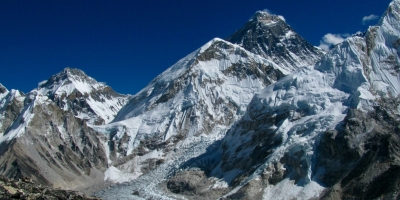
Poon Hill and Everest Panorama Trekking is an awe-inspiring adventure that combines two of Nepal’s most iconic trekking destinations—the Annapurna and Everest regions. This carefully designed trek lets you experience breathtaking Himalayan panoramas, encounter diverse cultures, and explore vibrant local villages while balancing adventure with comfort. Organised by Asiana Treks and Tours, this journey gives both beginners and seasoned trekkers a chance to witness spectacular sunrises over Annapurna’s peaks and take in panoramic views of the world’s highest mountains, without the extreme exertion of more challenging expeditions.The trek begins in the lush Annapurna region, famous for its rhododendron forests, terraced fields, and welcoming Gurung and Magar communities. Poon Hill is a renowned viewpoint offering a magical sunrise, as the sky lights up in golden hues over majestic mountains like Annapurna I, Dhaulagiri, and Machhapuchhre (Fishtail). After soaking in these views, the journey continues to the Everest Panorama trek, which includes a scenic flight to Lukla and trekking through Sherpa villages rich in Buddhist culture, culminating in awe-inspiring views of Everest, Ama Dablam, and other Himalayan giants.Poon Hill and Everest Panorama Trekking:Poon Hill trekking is an accessible, moderate trek ideal for those seeking stunning mountain views with a taste of Nepalese culture. The trek usually starts near Pokhara at Nayapul and takes you through charming villages such as Tikhedhunga, Ghorepani, and Tadapani. Along the route, trekkers pass through rhododendron forests that burst into colour in spring and enjoy warm local hospitality.Highlights of Poon Hill Trekking:Sunrise at Poon Hill: Watch the first light illuminate Annapurna, Dhaulagiri, and Machhapuchhre in vibrant colours.Cultural immersion: Experience Gurung and Magar village life with opportunities to interact and learn local traditions.Scenic landscapes: Trek through terraced fields, dense forests, and tranquil villages.Moderate altitude: Reach a maximum of 3,210 meters (10,528 ft), making acclimatisation easier for beginners.This trek combines the famous Ghorepani Poon Hill and Everest Panorama treks, ideal for those who want to soak up the unparalleled beauty of both without going too high. offering a rewarding Himalayan experience in about 15-16 days.Everest Panorama Trekking: A Glimpse of the World’s Highest Peak:Following the Annapurna adventure, the trek transitions to the Everest region, starting with a thrilling flight from Kathmandu to Lukla, a gateway perched at 2,860 meters (9,380 ft). The Everest Panorama trek offers trekkers a spectacular taste of the Khumbu region’s natural beauty and Sherpa culture, without the time or physical demands of the full Everest Base Camp trek.Key Attractions of the Everest Panorama Trek: Namche Bazaar: A bustling Sherpa trading hub and ideal acclimatisation stop.Tengboche Monastery: The region's spiritual heart, offering sweeping views of Everest, Ama Dablam, and other peaks.Scenic villages: Visit Khumjung and Monjo to gain insight into Sherpa lifestyle and traditions.Panoramic mountain views: While you won't reach Everest Base Camp, trekkers enjoy incredible views of Everest, Lhotse, Nuptse, and more from various viewpoints.This trek is perfect for trekkers who want to experience Everest's grandeur without the longer, more strenuous journey to base camp. It typically takes about 7-9 days to complete.Why Choose Asiana Treks and Tours?Asiana Treks and Tours is a reputable trekking company committed to providing authentic, safe, and enjoyable trekking experiences in Nepal. Their expert guides are well-versed in local culture, safety protocols, and environmental stewardship, ensuring a seamless, meaningful journey.Benefits of trekking with Asiana Treks and Tours:Experienced and certified guides fluent in English and knowledgeable about local customs.Personalised itineraries tailored to your pace and interests.High-quality equipment, comfortable accommodations, and reliable logistics.Emphasis on responsible tourism and community support.Assistance with permits, flights, and acclimatisation planning.Poon Hill and Everest Panorama Trekking PackageThe Poon Hill and Everest Panorama Trekking package by Asiana Treks and Tours is a unique combination of two of Nepal’s most captivating trekking experiences. This package lets trekkers explore the Annapurna region’s gentle trails, culminating in a spectacular sunrise at Poon Hill, then fly to the Everest region for a trekking journey that showcases panoramic views of the world’s tallest peaks. The package balances adventure, cultural immersion, and physical challenge, making it suitable for both novice and experienced trekkers.Travellers can expect to witness some of the most iconic Himalayan landscapes, including majestic peaks like Annapurna I, Dhaulagiri, Machhapuchhre, Everest, Ama Dablam, and Lhotse. The trek combines natural beauty with vibrant local cultures, passing through Gurung, Magar, and Sherpa villages where trekkers can experience traditional Nepalese hospitality. With comfortable tea-house accommodations and expert guides, Asiana Treks and Tours ensures a safe, enriching, and memorable Himalayan journey.Package Highlights:Combined trekking in Annapurna and Everest regionsSpectacular sunrise at Poon Hill viewpointCultural visits to Gurung, Magar, and Sherpa villagesComfortable lodges and local cuisineExpert guides and support staffModerate difficulty suitable for most fitness levelsPoon Hill and Everest Panorama Trekking Itinerary:The Poon Hill and Everest Panorama Trekking itinerary is designed to maximise acclimatisation, cultural experience, and scenic enjoyment. The journey usually begins in Kathmandu, then heads to Pokhara to start the Poon Hill trek. The trek progresses through picturesque villages like Tikhedhunga, Ghorepani, and Tadapani, leading to the famous Poon Hill viewpoint where trekkers witness a breathtaking sunrise.After completing the Annapurna segment, the itinerary includes a flight from Kathmandu to Lukla, marking the start of the Everest Panorama trek. The trek passes through key Sherpa settlements, including Namche Bazaar, Tengboche, and Khumjung. The route includes visits to significant cultural sites, like the Tengboche Monastery, and offers stunning views of Everest and surrounding peaks. The trek gradually descends back to Lukla, then returns to Kathmandu by air.Sample Itinerary Overview:Day 1-5: Kathmandu to Poon Hill via Pokhara (Nayapul, Tikhedhunga, Ghorepani)Day 6: Poon Hill sunrise and trek down to PokharaDay 7: Flight from Pokhara to Kathmandu, then Kathmandu to LuklaDay 8-13: Trekking Lukla – Namche Bazaar – Tengboche – Khumjung – Monjo – LuklaDay 14 : Fly back to KathmanduThis itinerary allows time for proper acclimatisation and exploration, and generally takes 12-14 days to complete.Poon Hill and Everest Panorama Trekking Distance:The total trekking distance in the Poon Hill and Everest Panorama package varies by route, but generally falls within manageable distances for moderate trekkers. The Annapurna segment to Poon Hill covers roughly 40 to 50 kilometres round trip, while the Everest Panorama segment from Lukla to Tengboche and back typically covers about 50 to 60 kilometres.Daily walking distances average 8 to 15 kilometres, balanced with time to rest, acclimatise, and enjoy the scenery. Elevation changes are gradual during the Annapurna trek but become more significant in the Everest region, with altitudes ranging from 827 meters in Pokhara to over 3,860 meters near Tengboche.Distance Highlights:Annapurna region trekking: ~40-50 km totalEverest Panorama trekking: ~50-60 km totalAverage daily trek distance: 8-15 kmAltitude range: 827 m (Pokhara) to 3,860 m (Tengboche)Moderate elevation gain and descent for gradual acclimatisationPoon Hill and Everest Panorama Trekking Cost 2026/2027:The cost for the Poon Hill and Everest Panorama Trekking package offered by Asiana Treks and Tours in 2026/2027 is competitively priced to deliver excellent value, combining quality service, expert guiding, and comfortable accommodations. The price includes airport transfers, domestic flights (Kathmandu-Pokhara-Kathmandu, Kathmandu-Lukla-Kathmandu), permits, accommodations in tea houses, meals during trekking, guide and porter support, and emergency support services.Prices typically range from USD 1,200 to USD 1,600 per person, depending on group size, season, and level of customisation. This cost covers all essential logistics but excludes personal expenses such as tips, insurance, international flights, and personal gear. Early bookings and group packages may benefit from discounts.Cost Inclusions:Airport transfers and domestic flightsTrekking permits and national park feesProfessional guide and porter servicesAccommodation and meals during trek24/7 support and emergency assistanceCost Exclusions:International airfare to/from NepalPersonal travel insuranceTrekking gear and equipment rentalPersonal expenses and tipsPoon Hill and Everest Panorama Trekking Price Breakdown:The Poon Hill and Everest Panorama Trekking package offered by Asiana Treks and Tours presents great value for an immersive Himalayan experience combining two of Nepal’s most iconic trekking destinations. The price reflects a comprehensive service that covers all major aspects of your journey, ensuring a smooth, safe adventure without hidden costs.The main components of the pricing include domestic flights (Kathmandu-Pokhara-Kathmandu and Kathmandu-Lukla-Kathmandu), trekking permits, national park entry fees, accommodation in tea houses or lodges, meals during the trek, and the services of experienced guides and porters. Additional expenses, such as international airfare, personal travel insurance, and equipment rental, are not included but can be arranged separately if needed.Price Breakdown Highlights: Domestic flights: Kathmandu to Pokhara and Lukla round-tripTrekking permits: Annapurna Conservation Area and Sagarmatha National Park feesAccommodation: Tea houses or lodges during trekkingMeals: Breakfast, lunch, and dinner on trekking daysGuide and porter services: Professional, English-speaking, experienced staffTransportation: Airport transfers and local travel arrangementsEmergency support and contingency planningThis structured pricing ensures trekkers get quality service and assistance throughout their journey, making the adventure worry-free and enjoyable.Poon Hill and Everest Panorama Trekking Altitude GuideUnderstanding altitude is crucial for a successful trekking experience, and the Poon Hill and Everest Panorama Trekking involves altitudes ranging from moderate to high, requiring proper acclimatisation. The trek begins at relatively low elevations in Pokhara (around 827 meters) and gradually ascends to Poon Hill at 3,210 meters, offering spectacular Himalayan views without extreme altitude challenges.The Everest Panorama segment goes higher, reaching about 3,860 meters at Tengboche, with several days spent between 2,800 and 3,800 meters. While this is high enough to require careful acclimatisation, the itinerary includes rest days and gradual elevation gain to minimise the risk of altitude sickness.Altitude Summary of Poon Hill and Everest Panorama TrekStarting elevation: 827 meters (Pokhara)Highest point on Poon Hill trek: 3,210 meters (Poon Hill viewpoint)Everest Panorama max altitude: 3,860 meters (Tengboche)Average trekking altitude range: 827 – 3,860 metersIncludes rest and acclimatisation days at Namche Bazaar and TengbocheImportance of gradual ascent to avoid altitude sicknessTravellers are encouraged to listen to their bodies and communicate any symptoms to guides to ensure health and safety during the trek.Why Choose Poon Hill and Everest Panorama Trekking?Choosing the Poon Hill and Everest Panorama Trekking package with Asiana Treks and Tours offers a unique opportunity to experience Nepal’s diverse Himalayan landscapes and cultures within a single, well-organised itinerary. This trek is ideal for travellers seeking awe-inspiring mountain views without the extreme physical demands or longer duration of higher-altitude expeditions.The trek combines the best of both worlds: the lush, culturally rich Annapurna region and the iconic, towering peaks of the Everest region. It offers a balanced adventure with moderate trekking difficulty, allowing beginners and seasoned hikers to enjoy the journey comfortably. Asiana Treks and Tours enhances this experience with expert guides, thoughtful logistics, and a commitment to responsible tourism.Key Reasons to Choose This Trek:Combines Annapurna’s scenic beauty with Everest’s legendary panoramasModerate trekking difficulty suited for most fitness levelsExperienced local guides providing cultural insights and safetyComfortable accommodation in local tea houses with authentic mealsBalanced itinerary with acclimatisation and rest daysSupported by a company committed to ethical and sustainable tourismThis trekking experience offers adventure, cultural immersion, and personal accomplishment in Nepal’s majestic Himalayas.Preparing for Poon Hill and Everest Panorama Trekking:Preparation is key to enjoying the Poon Hill and Everest Panorama Trekking adventure with Asiana Treks and Tours. Physical fitness is vital, as trekking daily for extended periods at moderate to high altitude demands stamina, endurance, and cardiovascular health. We recommend regular aerobic exercise, such as hiking, running, or cycling, several months before the trek.Packing the right gear is equally important. Essentials include sturdy trekking boots, layered clothing to manage varying temperatures, a warm jacket for cold nights, and accessories like trekking poles, sun protection, and a quality sleeping bag. A healthcare professional may recommend altitude sickness medication. Asiana Treks and Tours also provides a detailed pre-trek briefing covering logistics, health tips, and cultural etiquette to fully prepare trekkers.Preparation Checklist:Physical training: Aerobic fitness and strength buildingProper trekking gear: Boots, layered clothing, rain gear, sleeping bagHealth precautions: Vaccinations, altitude sickness medication, travel insuranceMental preparation: Understanding altitude effects and cultural sensitivitiesPacking essentials: Water purification, sunblock, first aid kit, snacksPre-trek briefing and consultations with Asiana Treks and Tours staffThorough preparation enhances safety and enjoyment, ensuring trekkers make the most of this unforgettable Himalayan journey.What to Expect on the 18–19-Day Poon Hill and Everest Panorama Trekking Adventure:The 18- to 19-day Poon Hill and Everest Panorama Trekking adventure with Asiana Treks and Tours offers a comprehensive Himalayan experience filled with natural beauty, cultural richness, and physical challenge. Starting with a cultural exploration in Kathmandu, the trek moves to the Annapurna region’s serene villages and culminates with the iconic Poon Hill sunrise, rewarding trekkers with panoramic mountain views bathed in golden light.Next, the itinerary flies to Lukla and treks through Sherpa villages, forests, and prayer flags fluttering against towering peaks. Days involve moderate hiking, cultural visits, and acclimatisation breaks to ensure health and safety. The trek concludes with a return to Kathmandu, where trekkers can reflect on their journey and experience the vibrant city life.What You’ll Experience:Cultural tours and vibrant markets in KathmanduPicturesque villages and terraced fields in the Annapurna regionSunrise at Poon Hill with views of the Annapurna and Dhaulagiri rangesScenic flight to Lukla, gateway to Everest regionTrekking through Sherpa villages like Namche Bazaar and TengbocheVisits to spiritual sites such as Tengboche MonasteryMagnificent views of Everest, Ama Dablam, and surrounding peaksSupport from experienced guides and well-organised logisticsThis journey blends physical activity with cultural engagement and natural beauty, creating lasting memories of Nepal’s Himalayas.Oxygen Levels on Poon Hill and Everest Panorama Trekking:Trekking in the Himalayas means gradually ascending to higher altitudes, where oxygen levels drop significantly compared to sea level. On the Poon Hill and Everest Panorama Trekking, trekkers start at low elevations in the Annapurna region and gradually ascend to heights around 3,860 meters at Tengboche in the Everest region. At sea level, the air contains about 21% oxygen, but as you climb, the percentage stays the same while air pressure drops, reducing how much oxygen your body can absorb.At Poon Hill (3,210 meters), oxygen levels are roughly 70% of sea-level levels, while at higher elevations on the Everest Panorama trek, such as Tengboche, oxygen availability drops to about 60%. This reduction means your body works harder to deliver oxygen to muscles and organs, which is why acclimatisation and gradual ascent are critical. Trekking with Asiana Treks and Tours ensures proper pacing and rest days to help your body adjust and minimise the risk of altitude sickness.Oxygen Level Facts:Sea level oxygen concentration: ~21%Oxygen availability at 3,210 m (Poon Hill): ~70% of sea levelOxygen availability at 3,860 m (Tengboche): ~60% of sea levelSymptoms of low oxygen: shortness of breath, fatigue, headacheImportance of acclimatization and hydrationProfessional guides monitor health and provide altitude sickness adviceUnderstanding oxygen levels helps trekkers prepare physically and mentally for the challenges of high-altitude hiking, ensuring a safer and more enjoyable experience.Major Villages and Scenic Viewpoints on Poon Hill and Everest Panorama Trekking Route:The combined Poon Hill and Everest Panorama trekking route passes through numerous vibrant villages and breathtaking viewpoints that define the cultural and natural appeal of Nepal’s Himalayas. The Annapurna portion begins near Pokhara and includes villages such as Tikhedhunga, Ghorepani, Tadapani, Landruk, and Dhampus. These villages showcase traditional Gurung and Magar cultures, terraced farming landscapes, and peaceful Himalayan ambience.Key viewpoints include the famous Poon Hill, where trekkers witness a stunning sunrise illuminating the Annapurna and Dhaulagiri ranges. In the Everest region, trekkers visit Lukla, Namche Bazaar (a vibrant Sherpa trading town), Tengboche with its famous monastery, and Khumjung village, known for its spiritual significance and Everest views. Other scenic spots like the Everest View Hotel and Monjo offer unforgettable vistas of the towering peaks.Major Villages and Viewpoints:Annapurna Region: Tikhedhunga, Ghorepani, Tadapani, Landruk, DhampusEverest Region: Lukla, Namche Bazaar, Tengboche Monastery, Khumjung, MonjoScenic Highlights: Poon Hill sunrise viewpoint, Everest View HotelCultural immersion: Traditional Gurung, Magar, and Sherpa communitiesTerraced fields, rhododendron forests, prayer flags, and mountain vistasThese villages and viewpoints offer a perfect blend of cultural encounters and natural beauty, enriching the trekking experience.Flora and Fauna of Poon Hill and Everest Panorama Trekking:The combined trek covers diverse ecological zones, supporting rich flora and fauna unique to the Himalayan region. At lower elevations near Pokhara and early on the Poon Hill trail, dense rhododendron forests burst into vivid colours in spring, alongside oak and pine trees. The higher regions feature alpine meadows and juniper shrubs. Wildlife is abundant, including species such as Himalayan langur monkeys, colourful birds like the Himalayan monal (Nepal’s national bird), and various butterflies.In the Everest region, trekkers might spot elusive animals like musk deer and Himalayan tahrs, which are well-adapted to rocky mountain slopes. Birdlife is diverse, including the snowcock and the golden eagle. The forests around Tengboche and Namche are home to unique plants and medicinal herbs traditionally used by local Sherpas.Flora and Fauna Highlights:Rhododendron, oak, pine, and juniper treesHimalayan langur monkeys and musk deerColourful birds: Himalayan monal, snowcock, golden eagleAlpine meadows and medicinal herbsRich biodiversity due to varying altitude zonesConservation areas: Annapurna Conservation Area and Sagarmatha National ParkExploring these ecosystems gives trekkers a chance to connect deeply with Nepal’s mountain heritage.Festivals and Local Culture Along Poon Hill and Everest Panorama Trekking Route:The trekking routes traverse diverse ethnic communities with vibrant cultural traditions and festivals. In the Annapurna region, Gurung and Magar communities celebrate festivals like Tihar, a festival of lights, and Dashain, Nepal’s biggest festival, which brings families together in thanksgiving and worship. During these celebrations, locals often perform dances, music, and rituals that trekkers may witness.In the Everest region, Sherpas celebrate Losar (Tibetan New Year), a colourful, spiritually significant festival with prayers, dances, and feasts at monasteries like Tengboche. Tibetan Buddhism deeply influences the region, evident in prayer flags, mani walls, and ancient monasteries. These cultural experiences enrich the trek, offering insight into Himalayan spirituality, community life, and traditional hospitality.Cultural and Festival Highlights:Annapurna region: Gurung and Magar festivals like Tihar and DashainEverest region: Sherpa Losar (Tibetan New Year) and Buddhist ceremoniesVisit to Tengboche Monastery, spiritual centre of Khumbu SherpasTraditional music, dance, and local cuisine along the trailInteraction with locals offering authentic cultural exchangeOpportunities to witness or participate in community festivals (season-dependent)These cultural elements add depth and meaning to the trekking adventure, connecting visitors to the heart of Himalayan life.Why Book with Asiana Treks and Tours for Poon Hill and Everest Panorama Trekking:Choosing Asiana Treks and Tours ensures a well-organised, safe, and culturally immersive trekking experience in Nepal. With years of experience, Asiana Treks prioritises personalised service, professional guides, and ethical tourism. Their local guides are knowledgeable about the terrain and culture and trained in first aid and altitude sickness prevention.Asiana Treks offers customised itineraries, high-quality equipment, and comfortable accommodation, balancing adventure with comfort. The company is committed to responsible tourism, supporting local communities and minimising environmental impact. Trekkers receive thorough pre-trek briefings, logistical support, and 24/7 assistance, ensuring peace of mind throughout the journey.Reasons to Choose Asiana Treks and Tours:Experienced, certified guides with cultural and medical knowledgeTailored itineraries suited to fitness and interestsSupport for ethical and sustainable tourism practicesHigh-quality accommodations and safety standards24/7 customer support and emergency responseLocal expertise ensuring authentic cultural experiencesBooking with Asiana Treks means embarking on a worry-free trek backed by professionalism and genuine care for travellers and communities.How to Book the Poon Hill and Everest Panorama TrekkingBooking the Poon Hill and Everest Panorama Trekking with Asiana Treks and Tours is a straightforward, hassle-free process designed to offer maximum convenience for travellers worldwide. Interested trekkers can start by visiting the official Asiana Treks and Tours website or contacting their customer service via email or phone. A dedicated trekking consultant will guide you through the options, answer questions, and customise the itinerary to your preferences and schedule.Once you confirm the itinerary, you submit a booking form and deposit to secure your spot. Asiana Treks provides comprehensive pre-trek information, including visa assistance, gear recommendations, health advice, and flight arrangements. The company also offers flexible payment options and transparent cancellation policies to accommodate varying traveller needs.Booking Process Highlights:Initial inquiry via website, email, or phonePersonalised itinerary planning with trekking consultantBooking confirmation with deposit and necessary documentationPre-trek briefing and logistical supportVisa and permit guidanceFlexible payment and cancellation policiesWith Asiana Treks and Tours, booking your Himalayan adventure is simple, with professional support from start to finish.Annapurna Region Trekking: Guides, Tips & Himalayan AdventuresDiscover the beauty of Nepal’s Annapurna region with Asiana Treks & Tours. Explore breathtaking mountain landscapes, authentic local culture, popular trekking routes, and practical tips to help you plan an unforgettable Himalayan adventure.Annapurna Base Camp vs Everest Base Camp: The Best TrekTrekking Equipment List for Asiana Treks & ToursTrekking Permit Requirements for Different Regions in NepalBest Sunrise and Sunset Destinations in NepalTop Successful Trek for Beginners – Annapurna Base CampMost Popular Trek with High Success Rate – Annapurna Base Camp Trek (ABC) TrekHow to Prepare for the Annapurna Base Camp Trek (Gear, Fitness & Tips)Ghorepani Poon Hill Trek GatewayTop 26 Annapurna Region Trekking Packages in Nepal – The Ultimate GuideTadapani Diaries: One Magical Night in the MountainsDiscovering Ghandruk: A Peaceful Village in the Heart of NepalTrekking the Best of Annapurna: Poon Hill to Mardi HimalWhy Chhomrong is the Heart of the Annapurna Base Camp TrekAnnapurna Base Camp (ABC) & Machhapuchhre Base Camp (MBC) Trek: Two Base Camps, One Incredible JourneyExploring Sinuwa on the Annapurna TrailDeurali: A Peaceful Mountain Village on the ABC TrailBamboo: A Hidden Gem of the ABC TrekDovan Nepal: Peaceful Stopover on the Annapurna Base Camp TrailHimalaya Village: A Quiet Haven on the Way to Annapurna Base CampDhampus Village – Annapurna Classical Alternative GatewayPothana: The Alternative Gateway to Annapurna Base Camp and Mardi HimalBest Camping and Overnight Stays: Australian Camp & Mardi Himal TrekList of Hotel in Mardi Himal Base Camp TrekTrekking to Low Camp: A Peaceful Path to Mardi HimalForest Camp Adventures: Exploring the Mardi Himal Trek in NepalHigh Camp on the Mardi Himal Trek | Views, Altitude & Trekking GuideDiscovering the Magic of Mardi Himal ViewpointTop Highlights of the Mardi Himal Trek in NepalBest Time to Trek Mardi Himal: Tips for Perfect ViewsA Beginner’s Guide to the Mardi Himal Trek in NepalSurprising Facts About the Mardi Himal TrekEssential Guide to Mardi Himal Trekking Permits in NepalMardi Himal Trek Info: Elevation, Altitude, Height and WeatherMardi Himal Trek Accommodation and Food TipsBest Time to Trek Annapurna Base Camp in NepalTop Highlights of the Annapurna Base Camp TrekFood and Accommodation on the ABC Trek: What It’s Really LikeAltitude Tips for a Safe Annapurna Base Camp TrekAnnapurna Base Camp Permits: Costs, Process, and RequirementsTop Tips and Facts for Trekking to Annapurna Base CampAnnapurna Base Camp Trek: Elevation, Height & Temperature GuideDobato Stopover: Experiencing the Heart of the Khopra Danda RouteUpper Chistibung: What to Expect on the Way to Khopra DandaExploring Khopra Danda Ridge and Khayar LakeDiscover Swanta’s Beauty on the Khopra Danda TrailAmazing Facts About Khayar Lake in the Annapurna RegionBayeli Kharka Adventure: From Khopra Danda with Stunning ViewsKhopra Danda Trekking Guide: Cost, Permits, Meals, Lodging and Best SeasonExploring Mardi Himal, ABC, and Khopra Ridge in One Epic JourneyKhopra Khair Lake with Annapurna Base Camp Trek: A Complete JourneyKhopra Khair Lake with ABC Trek: Nature, Culture, and MountainsComplete Guide to Mohare Danda Trekking in NepalSunrise Views from Mohare Danda: What to ExpectTop Highlights of Poon Hill and Mardi Himal TrekExploring Poon Hill and Mardi Himal: A Beginner’s GuideExploring the Ghorepani Dhampus Circuit Trek in NepalAn Amazing Hike from Galeshwor to Nangi via Bans Kharka : Mohare Danda TrekkingLandruk: Gateway to the Stunning Mardi Himal ViewsMardi Himal Adventure: Exploring Badal Danda on the Siding TrekSunrise Views from Poon Hill and Mulde ViewpointsDhaulagiri Annapurna Trail: A New Alternative Trek in NepalBest Nepal Tour Packages: Adventure, Honeymoon, Senior Tours, Himalayan Highlights, Triangle & Sunrise Hill Station ToursCan You Cycle the Annapurna Circuit in Nepal?Besisahar – The Heart of Lamjung District: Gateway to the HimalayasExploring Jagat During the Annapurna Circuit TrekDharapani Village in Nepal: Where the Manaslu Circuit and Annapurna Circuit Trails Meet PointChame Village: A Peaceful Stop on the Annapurna Circuit TrekDiscover Upper Pisang: A Hidden Gem on the Annapurna CircuitExploring Lower Pisang: A Gateway on the Annapurna CircuitManang: The Heart of the Annapurna Circuit TrekYak Kharka (4,020m): A Must-Stop Village on the Annapurna CircuitThorong Phedi: Final Preparation Before Thorong La PassCrossing Thorong La Pass (5,416 m): The Highest Point of the Annapurna CircuitMuktinath in Mustang: A High-Altitude Spiritual Journey on the Annapurna CircuitJomsom (2,743 m): The Windy Valley That Connects Annapurna and Upper Mustang
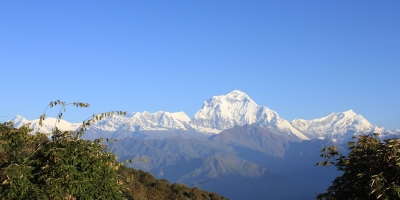
Panchase, Mohare Danda, and Ghorepani-Dhampus Trek is a unique trekking package with the perfect combination and experience of the beaten Path, Community Homestay, and well-known and easy, comfortable trek experience with Asiana Treks and Tours. It combines three breathtaking trekking routes: Panchase, Mohare Danda, and Ghorepani-Dhampus, offering an ideal mix of culture, nature, and adventure. The journey begins with a scenic drive from Kathmandu Pokhara, where you'll explore Pumdi and head towards Panchase Bhanjyang and Panchase Hill, known for their panoramic Himalayan views and peaceful surroundings. Trekking through Chitre, a traditional Gurung village, you'll experience warm hospitality, cultural insights, and stunning landscapes. The trail continues towards Dimuwa before a scenic drive to Beni takes two hours and 60 km. The gateway to the trek's starting point is Gaileshower, which leads to Baskharka and, constantly following day, Nagi, the birthplace of renowned social innovator Mahabir Pun. These remote villages offer an authentic experience of rural Nepali life, with opportunities to witness local craftsmanship, organic farming practices and women's handicrafts.The adventure leads to Mohare Danda, a lesser-known yet equally mesmerizing alternative view to Poon Hill, providing incredible sunrise and sunset views over Dhaulagiri and Annapurna ranges. The trek then connects to the famous Ghorepani-Tadapani-Ghandruk route, where you'll pass through Deurali, Landruk, Tolka, Pothana, and Dhampus, each offering stunning landscapes, diverse flora, and rich Gurung culture. The journey ends with a descent back to Pokhara, completing an unforgettable trekking experience filled with lush forests, rhododendron blooms, breathtaking mountain views, and traditional villages. This combo trekking package is ideal for those seeking a diverse yet less crowded experience, blending natural beauty, cultural immersion, and off-the-beaten-path adventure to a community homestay experience and the well-known Poonhill Ghandruk Dhampus trail. Avoid the motorable road; this path combines the expertise of different tests in Nepal's Annapurna region.Panchase, Mohare Danda, and Ghorepani-Dhampus Trekking ItineraryThe Panchase, Mohare Danda, and Ghorepani-Dhampus Trek blend cultural exploration, scenic landscapes, and breathtaking Himalayan views perfectly. The journey begins in Pokhara, followed by a scenic trek to Panchase Bhanjyang and Panchase Hill, known for their panoramic views of Annapurna, Dhaulagiri, and Machhapuchhre. The trek continues through Chitre, Dimuwa, and Beni, leading to Baskharka and Nagi, the home of Mahabir Pun, a renowned social innovator. From Nagi, the trail ascends towards Mohare Danda, a peaceful viewpoint offering spectacular sunrise and sunset experiences over the Himalayas. The trek then joins the Ghorepani-Poon Hill route, passing through Tadapani, Ghandruk, Landruk, Tolka, Pothana, and Dhampus before descending back to Pokhara, marking the completion of this remarkable trekking experience.Panchase, Mohare Danda, and Ghorepani-Dhampus Trekking Distance:The total trekking distance for the Panchase, Mohare Danda, and Ghorepani-Dhampus trek is approximately 90–110 km (55–68 miles), depending on the exact itinerary and route chosen. Trekkers typically walk 10–15 km daily, covering various terrains, including forests, terraced farmlands, and Himalayan viewpoints. The trek involves moderate ascents and descents, making it suitable for trekkers of all experience levels. The journey offers a mix of off-the-beaten-path trails and well-established routes, allowing travellers to experience remote villages and popular trekking destinations in the Annapurna region.Panchase, Mohare Danda, and Ghorepani-Dhampus Trekking Route:The trekking route starts from Pokhara, heading towards Panchase Hill via Pumdi and Panchase Bhanjyang, providing stunning Himalayas and Phewa Lake views. The trail then continues towards Chitre and Dimuwa, followed by a drive to Beni before reaching Baskharka and Nagi, where trekkers can experience the unique lifestyle of Mahabir Pun's village. From here, the trail ascends to Mohare Danda, a peaceful and less crowded alternative to Poon Hill, offering breathtaking sunrise views over Annapurna and Dhaulagiri ranges. The trek then joins the classic Ghorepani-Poon Hill circuit, passing through Tadapani, Ghandruk, Landruk, Tolka, Pothana, and Dhampus before concluding in Pokhara.Panchase, Mohare Danda, and Ghorepani-Dhampus Trekking Price:The cost of the Panchase, Mohare Danda, and Ghorepani-Dhampus trek varies depending on the level of service, accommodation, and guide arrangements. The trek costs between $500 to $1,200 per person, covering expenses such as permits (TIMS & ACAP), guide and porter services, accommodation, meals, transportation, and entry fees. Luxury trekking packages, which include higher-end lodges, additional porters, and private transportation, can be slightly more expensive. This trek provides a diverse experience of nature, culture, and adventure, making it an ideal choice for trekkers looking for a moderate yet rewarding Himalayan journey.Panchase, Mohare Danda, and Ghorepani-Dhampus Trekking HeightThe Panchase, Mohare Danda, and Ghorepani-Dhampus treks take trekkers through varying elevations, offering a diverse trekking experience. Panchase Hill stands at 2,517 meters (8,258 feet) and is one of the best vantage points near Pokhara for Himalayan sunrise views. Mohare Danda, at 3,300 meters (10,827 feet), is another spectacular viewpoint offering a panoramic view of the Annapurna and Dhaulagiri ranges. The highest point in the trek is Poon Hill, at 3,210 meters (10,531 feet), famous for its breathtaking sunrise over the Himalayas. The trek gradually descends towards Ghandruk, Landruk, Pothana, and Dhampus, located between 1,500 and 2,000 meters at lower elevations. This altitude variation combines hilltop viewpoints, lush forests, and traditional villages, making the trek scenic and culturally immersive.Major Villages of Panchase, Mohare Danda, and Ghorepani-Dhampus Trekking:This trek passes through several traditional villages where trekkers can experience the authentic lifestyle of the Gurung, Magar, and other ethnic communities. Some major villages include Ghandruk, one of the largest Gurung settlements, known for its traditional stone houses and rich cultural heritage. Dhampus is another beautiful village offering stunning views of Machhapuchhre (Fishtail) and Annapurna South. Other noteworthy villages include Baskharka, Nagi (Mahabir Pun's innovative village), Tolka, Landruk, and Chitre, each offering unique insights into rural life in Nepal. These villages provide opportunities to experience local hospitality, traditional farming, and cultural performances, enriching the trek.Best Viewpoints of Panchase, Mohare Danda, and Ghorepani-Dhampus Trekking:The trek is famous for its breathtaking viewpoints that offer panoramic Himalayan vistas. Panchase Hill is a lesser-known but spectacular spot for sunrise views, overlooking the Annapurna, Dhaulagiri, Manaslu, and Lamjung Himal ranges. Mohare Danda provides a peaceful and less crowded alternative to Poon Hill, with equally stunning sunrise and sunset views. Poon Hill (3,210m) is the most famous viewpoint, attracting trekkers with its unobstructed sunrise over the snow-capped peaks. Dhampus and Ghandruk also offer stunning views of Machhapuchhre (Fishtail) and Annapurna South, making this trek one of the best routes for Himalayan scenery.Biodiversity of Panchase, Mohare Danda, and Ghorepani-Dhampus Trekking:This trek takes trekkers through diverse ecosystems, from lush forests to alpine meadows. The Panchase Conservation Area has various rhododendrons, orchids, and medicinal plants. The region is also rich in wildlife, including Himalayan langurs, deer, leopards, and pheasants like the Danphe (Nepal's national bird). The dense forests of Mohare Danda and Ghorepani are filled with oak, pine, and bamboo trees, creating a beautiful green landscape. The biodiversity of this trek makes it a haven for nature lovers, bird watchers, and photographers.Festivals and Culture of Panchase, Mohare Danda, and Ghorepani-Dhampus Trekking:The trek takes you through culturally rich villages where local communities celebrate various festivals and traditions. The Gurung and Magar communities enthusiastically celebrate Dashain, Tihar, and Maghe Sankranti. Lhosar, the New Year festival of the Gurung and Tamang people, is an essential cultural event in these regions. Trekkers visiting during these festivals can witness traditional dances, music, and rituals. Many villages also have cultural museums and monasteries where visitors can learn more about their history and traditions. The warm hospitality and deep-rooted traditions of the local people make this trek a scenic journey and a cultural exploration.Advantages of Booking Panchase, Mohare Danda, and Ghorepani-Dhampus Trekking:Booking this trek with Asiana Treks and Tours comes with several advantages. The itinerary offers a blend of adventure, culture, and nature, making it suitable for both beginner and experienced trekkers. The trek is less crowded than Everest or Annapurna Base Camp, providing a peaceful experience. It is also a shorter and more accessible trek, making it ideal for those with limited time but who still want to experience the beauty of the Himalayas. Additionally, booking through a reliable company ensures experienced guides, proper accommodations, and hassle-free transportation, making the journey safe and enjoyable.This trek is perfect for those who want to experience Nepal's natural beauty, traditional culture, and Himalayan landscapes without extreme altitude challenges. Whether you are a solo traveller, a family, or a group, this trek offers a perfect blend of adventure and relaxation, making it one of the best trekking options in Nepal.Booking process of Panchase, Mohare Danda, and Ghorepani-Dhampus Trekking:Booking the Panchase, Mohare Danda, and Ghorepani-Dhampus trek with Asiana Treks and Tours ensures a smooth and well-organized adventure. The booking process is simple and can be done online or in person. It's recommended to book in advance, especially during peak trekking seasons like spring (March- May) and autumn (September- November), to secure the best accommodations and experienced guides. Travellers must provide personal details, including their passport and travel insurance (if applicable). The package typically includes permits, lodging, meals, transportation, and guide/porter services, ensuring a hassle-free trekking experience.Transportation for Panchase, Mohare Danda, and Ghorepani-Dhampus Trekking:The trek starts from Pokhara, which is easily accessible from Kathmandu by flight (30 minutes) or by road (6-7 hours' drive). Upon arrival in Pokhara, depending on the chosen route, a short drive takes you to the trek's starting points, such as Pumdi Bhumdi, Nayapul, or Kande. Transportation options include private jeeps, tourist buses, or local taxis, with private vehicles being the most comfortable choice. For trekkers heading towards Mohare Danda or Ghorepani, a scenic drive to Beni or Nayapul is the starting point. The return journey follows a similar route, bringing trekkers back to Pokhara before heading to Kathmandu or other destinations.Trekking Start for Panchase, Mohare Danda, and Ghorepani-Dhampus Trekking:The trek usually starts from Pokhara, with a short drive to the designated starting point, such as Pumdi Bhumdi for Panchase, Nayapul for Ghorepani, or Beni for Mohare Danda. The first day involves a moderate trek through lush forests, terraced fields, and small villages, gradually ascending towards the key destinations. Along the way, trekkers pass through diverse landscapes, suspension bridges, waterfalls, and local tea houses, offering a perfect blend of adventure and culture. Each day's trekking time ranges between 4 to 6 hours, ensuring a comfortable pace with enough breaks to enjoy the scenery.Currency Exchange for Panchase, Mohare Danda, and Ghorepani-Dhampus TrekkingThe official currency of Nepal is the Nepalese Rupee (NPR), and it's advisable to exchange money in Kathmandu or Pokhara before starting the trek. While some major hotels and businesses in Pokhara may accept credit cards, most teahouses and small shops along the trekking route only accept cash in local currency. Money exchange counters and ATMs are available in Pokhara but become scarce as you ascend higher. It's recommended to carry small cash denominations for food, drinks, souvenirs, and tips.Guide and Porter Management for Panchase, Mohare Danda,and Ghorepani-Dhampus TrekkingHiring a licensed trekking guide and porter enhances the experience by providing navigation assistance, cultural insights, and logistical support. Guides ensure safe trekking by assessing weather conditions, managing permits, and communicating with locals. Porters help carry heavy backpacks, allowing trekkers to walk freely and enjoy the journey. Asiana Treks and Tours arranges experienced and friendly guides who are fluent in English and local languages. Porters typically carry up to 15-20 kg of luggage, ensuring that trekkers can focus on the breathtaking landscapes without a heavy load.Porter, Luggage, and Extra Luggage Storage for Panchase, Mohare Danda, and Ghorepani-Dhampus Trekking:Trekkers are advised to pack light and bring only the essentials. Any extra luggage can be stored at Pokhara hotels or the Asiana Treks and Tours office. Porters can carry a maximum of 15-20 kg per trekker. Gear should be packed in a duffel bag or backpack with rain protection. Trekkers should carry a daypack (5-7 kg) containing essential items like water, snacks, a camera, and a jacket. Proper luggage division ensures comfort and convenience throughout the trek.Accommodation During Panchase, Mohare Danda, and Ghorepani-Dhampus Trekking:Accommodation along the trekking route consists mainly of teahouses and lodges, which offer basic yet comfortable rooms with twin-sharing beds, blankets, and shared bathrooms. Some eco-community lodges in Panchase and Mohare Danda provide sustainable and cosy accommodations. At higher altitudes like Ghorepani and Mohare Danda, accommodation is slightly more straightforward but offers stunning views of the Himalayas. You should book rooms in advance during peak seasons to secure the best lodges.Meals During the Panchase, Mohare Danda, and Ghorepani-Dhampus Trekking:Teahouses and lodges along the trek serve nutritious and locally prepared meals. The typical menu includes Dal Bhat (rice, lentils, and vegetables), noodles, momos, pancakes, porridge, soups, and Tibetan bread. Breakfast, lunch, and dinner are provided at the lodges. Meals are carbohydrate-rich to maintain energy levels for trekking. Trekkers can also find tea, coffee, and soft drinks at most stops, but it's advisable to carry energy bars and snacks for quick energy boosts during the trek.Drinking Water for Panchase, Mohare Danda, and Ghorepani-Dhampus TrekkingClean drinking water is essential for staying hydrated during the trek. Trekkers can buy bottled mineral water from teahouses. Still, to reduce plastic waste, it is recommended that they carry a reusable water bottle and use water purification tablets or a filter. Many lodges provide boiled or filtered water for a small fee. Staying hydrated helps prevent altitude sickness and fatigue, ensuring a safe and enjoyable trekking experience.This trek offers a perfect mix of adventure, cultural experiences, and scenic beauty, making it one of the best trekking options in Nepal.Extra Personal Expenses for Panchase, Mohare Danda, and Ghorepani Dhampus Trekking:While most trek packages cover accommodation, meals, permits, and guide/porter services, trekkers should budget extra personal expenses such as snacks, drinks, hot showers, battery charging, Wi-Fi, and tipping. Costs for tea, coffee, soft drinks, and alcoholic beverages increase at higher altitudes due to transportation difficulties. Additionally, souvenirs, extra food items, and donations to monasteries or local communities are optional but everyday expenses. Carrying enough Nepalese Rupees in small denominations is advisable, as ATMs are unavailable along the trekking route.Toilet Facilities in Panchase, Mohare Danda, and Ghorepani Dhampus Trekking:Toilet facilities vary depending on the trekking region and accommodation type. Teahouses in lower-altitude areas like Panchase and Dhampus provide Western-style flush toilets with running water. As trekkers ascend to Mohare Danda and Ghorepani, toilet facilities become more basic, with squat toilets being more common. Some lodges offer hot water for an extra charge, while in remote areas, trekkers may need to use outdoor toilets. For convenience, it is recommended that you carry toilet paper, wet wipes, and hand sanitizer.Internet Connectivity in Panchase, Mohare Danda, and Ghorepani Dhampus Trekking:Internet access is available in most lodges and teahouses but may be slow and costly at higher altitudes. In major villages like Ghorepani and Ghandruk, lodges provide Wi-Fi for a small fee. For better connectivity, trekkers can purchase a Nepalese SIM card (NCELL or NTC) with a data plan in Pokhara or Kathmandu before starting the trek. However, internet signals may be weak or unavailable in remote areas, especially in dense forests and high-altitude locations.Electricity Voltage and Plugs in Panchase, Mohare Danda, and Ghorepani Dhampus Trekking:Nepal operates on 220V-240V electricity with Type C, D, and M plug sockets. Most teahouses and lodges offer electricity for charging devices, but in remote areas, solar power is the primary source of electricity. Charging phones, cameras, and power banks may cost an additional $1-$3 per hour at higher altitudes. Trekkers should carry a universal travel adapter and a power bank to ensure they have enough battery life during the trek.Communication in Panchase, Mohare Danda, and Ghorepani Dhampus Trekking:Mobile network coverage is available in most parts of the trekking route, but signals can be weak or lost in some remote regions. NCELL and NTC SIM cards provide the best coverage, with NTC working better in higher altitudes. Most teahouses offer Wi-Fi, though it may be slow. Guides and porters often carry two-way radios for emergency communication. Trekkers can rent a satellite phone for reliable connectivity in isolated regions for added safety.Trip Extension for Panchase, Mohare Danda, and Ghorepani Dhampus Trekking:Trekkers who want to explore more of Nepal can extend their trip with additional activities like the Annapurna Base Camp trek, Mardi Himal trek, or Chitwan Jungle Safari. Those interested in cultural experiences can visit Bandipur, Lumbini, or Tansen. Adventure lovers can opt for paragliding, ultralight flights, bungee jumping, or white-water rafting. Asiana Treks and Tours can customize itineraries based on interests, fitness levels, and available time, ensuring a personalized travel experience.Trek Difficulty for Panchase, Mohare Danda, and Ghorepani Dhampus Trekking:This moderate trek is suitable for both beginners and experienced trekkers. The daily trekking distance ranges from 8 to 15 km, with an average trekking time of 4 to 6 hours daily. The trails include stone-paved steps, forest paths, and uphill climbs, but they are well-maintained. While the Panchase and Dhampus sections are more manageable, Mohare Danda and Ghorepani involve steeper ascents. Regular cardio and strength training before the trek can help improve endurance.Trip Safety for Panchase, Mohare Danda, and Ghorepani Dhampus Trekking:Safety is a top priority for Asiana Treks and Tours, and experienced guides ensure a secure trekking experience. The routes are well-marked, and guides are trained to manage first aid and altitude sickness. Trekkers should know about altitude-related risks, sudden weather changes, and slippery trails. Carrying a basic medical kit, staying hydrated, and walking comfortably are essential for a safe journey. In emergencies, helicopter evacuation can be arranged, so having travel insurance covering high-altitude trekking is highly recommended.Group & Private Treks for Panchase, Mohare Danda, and Ghorepani Dhampus Trekking:Trekkers can choose between group and private treks, each offering unique advantages. Group treks allow travellers to share the experience with like-minded people, reducing costs for guides and porters. On the other hand, private treks provide flexibility in itinerary, pace, and accommodations, making them ideal for families, couples, or solo trekkers looking for a personalized experience. Asiana Treks and Tours caters to both options, ensuring a memorable adventure.About Solo Travelers for Panchase, Mohare Danda, and Ghorepani Dhampus Trekking:With the proper preparations, solo travellers can enjoy a safe and rewarding trekking experience. While Panchase and Dhampus are relatively easy to navigate, Mohare Danda and Ghorepani have remote sections where hiring a guide is recommended for safety. Solo trekkers should carry essential gear, inform someone about their itinerary, and check weather updates regularly. Asiana Treks and Tours offers solo trekking packages with local guides and porters, ensuring a worry-free experience.Responsible Travel for Panchase, Mohare Danda, and Ghorepani Dhampus Trekking:Sustainable and eco-friendly trekking practices help preserve Nepal's natural beauty and cultural heritage. Trekkers should follow the principles of Leave No Trace, such as disposing of waste properly, avoiding plastic bottles, and respecting local customs. Supporting local teahouses, buying handicrafts, and interacting respectfully with communities help contribute to the local economy. Asiana Treks and Tours promotes responsible tourism, ensuring that trekking activities benefit both travellers and local people while protecting the environment.This trek combines scenic landscapes, rich biodiversity, and cultural experiences, making it a must-visit destination in Nepal.Gratitude for Panchase, Mohare Danda, and Ghorepani Dhampus Trekking:At Asiana Treks and Tours, we sincerely appreciate the trust and enthusiasm of our trekkers. Your participation enriches your journey and supports Nepal's local communities, guides, porters, and conservation efforts. This trek is more than just an adventure; it's an opportunity to connect with nature, diverse cultures, and yourself. We are grateful for every traveller who chooses to explore the beauty of Panchase, Mohare Danda, and Ghorepani Dhampus with us, and we hope you carry unforgettable memories of the Himalayas.End of Trek for Panchase, Mohare Danda, and Ghorepani Dhampus Trekking:As the trek concludes, we return to Pokhara, where you can reflect on your incredible journey. Upon reaching the city, you will have time to relax, enjoy a warm meal, and celebrate your achievements. Many trekkers take this opportunity to explore Lakeside Pokhara, get a massage, or enjoy cultural performances before continuing their journey. This marks the end of an exciting adventure, but the memories and friendships made along the way will stay with you forever.Departure for Panchase, Mohare Danda, and Ghorepani Dhampus Trekking:After completing the trek, travellers either return to Kathmandu by flight or drive, depending on their itinerary. Our team ensures a smooth transition, whether you are heading back home or continuing your travels in Nepal. We provide airport transfers and assistance for those flying out of Nepal. We can arrange for additional sightseeing tours, cultural experiences, or relaxation retreats before your departure.Feedback for Panchase, Mohare Danda, and Ghorepani Dhampus Trekking:Your feedback is invaluable in helping us improve our services. After the trek, we encourage trekkers to share their experiences, suggestions, and testimonials. Reviews help future travellers gain insights into the trek and allow us to enhance our offerings. Whether through TripAdvisor, Google Reviews, or personal recommendations, we appreciate every word you share. Your honest opinions enable us to continue providing exceptional trekking experiences.Last-Minute Booking for Panchase, Mohare Danda, and Ghorepani Dhampus Trekking:Those with sudden travel plans can make last-minute reservations based on accommodation possibilities and permit availability. Although we advise making reservations to ensure we recommend booking in advance to secure the best arrangements, we understand that plans can change. Our team is always ready to assist with quick confirmations, permits, and logistics, ensuring that even last-minute travellers can enjoy this trek without hassle. Contact Asiana Treks and Tours for immediate assistance.Note for Panchase, Mohare Danda, and Ghorepani Dhampus Trekking:Trekkers should know seasonal weather conditions, required permits, altitude considerations, and necessary travel documents before booking. We provide a detailed packing list, fitness recommendations, and safety guidelines to ensure a smooth and enjoyable experience. If you have specific dietary requirements, health concerns, or personal requests, please inform us so we can accommodate your needs.Add-Ons & Options for Panchase, Mohare Danda, and Ghorepani Dhampus Trekking:Enhance your trek with exciting add-ons such as:Paragliding in Pokhara for breathtaking aerial views of the Himalayas.Explore Chitwan Jungle Safari to see Nepal's rich wildlife, including rhinos and tigers.Annapurna Base Camp Trek for those looking to extend their Himalayan adventure.Guided city tours in Kathmandu, Bhaktapur, and Patan for a more profound cultural experience.Yoga and wellness retreats to rejuvenate after the trek.Activities include Ultralight flights, Bungee jumping, whitewater rafting, hot air ballooning, ziplining, canoeing, horse riding, Day hiking, cycling, and sightseeing in Pokhara.Asiana Treks and Tours is committed to making your trip to Nepal as memorable and fulfilling as possible. Whether you seek adventure, culture, or relaxation, we tailor your experience to suit your preferences.Annapurna Region Trekking: Guides, Tips & Himalayan AdventuresDiscover the beauty of Nepal’s Annapurna region with Asiana Treks & Tours. Explore breathtaking mountain landscapes, authentic local culture, popular trekking routes, and practical tips to help you plan an unforgettable Himalayan adventure.Annapurna Base Camp vs Everest Base Camp: The Best TrekTrekking Equipment List for Asiana Treks & ToursTrekking Permit Requirements for Different Regions in NepalBest Sunrise and Sunset Destinations in NepalTop Successful Trek for Beginners – Annapurna Base CampMost Popular Trek with High Success Rate – Annapurna Base Camp Trek (ABC) TrekHow to Prepare for the Annapurna Base Camp Trek (Gear, Fitness & Tips)Ghorepani Poon Hill Trek GatewayTop 26 Annapurna Region Trekking Packages in Nepal – The Ultimate GuideTadapani Diaries: One Magical Night in the MountainsDiscovering Ghandruk: A Peaceful Village in the Heart of NepalTrekking the Best of Annapurna: Poon Hill to Mardi HimalWhy Chhomrong is the Heart of the Annapurna Base Camp TrekAnnapurna Base Camp (ABC) & Machhapuchhre Base Camp (MBC) Trek: Two Base Camps, One Incredible JourneyExploring Sinuwa on the Annapurna TrailDeurali: A Peaceful Mountain Village on the ABC TrailBamboo: A Hidden Gem of the ABC TrekDovan Nepal: Peaceful Stopover on the Annapurna Base Camp TrailHimalaya Village: A Quiet Haven on the Way to Annapurna Base CampDhampus Village – Annapurna Classical Alternative GatewayPothana: The Alternative Gateway to Annapurna Base Camp and Mardi HimalBest Camping and Overnight Stays: Australian Camp & Mardi Himal TrekList of Hotel in Mardi Himal Base Camp TrekTrekking to Low Camp: A Peaceful Path to Mardi HimalForest Camp Adventures: Exploring the Mardi Himal Trek in NepalHigh Camp on the Mardi Himal Trek | Views, Altitude & Trekking GuideDiscovering the Magic of Mardi Himal ViewpointTop Highlights of the Mardi Himal Trek in NepalBest Time to Trek Mardi Himal: Tips for Perfect ViewsA Beginner’s Guide to the Mardi Himal Trek in NepalSurprising Facts About the Mardi Himal TrekEssential Guide to Mardi Himal Trekking Permits in NepalMardi Himal Trek Info: Elevation, Altitude, Height and WeatherMardi Himal Trek Accommodation and Food TipsBest Time to Trek Annapurna Base Camp in NepalTop Highlights of the Annapurna Base Camp TrekFood and Accommodation on the ABC Trek: What It’s Really LikeAltitude Tips for a Safe Annapurna Base Camp TrekAnnapurna Base Camp Permits: Costs, Process, and RequirementsTop Tips and Facts for Trekking to Annapurna Base CampAnnapurna Base Camp Trek: Elevation, Height & Temperature GuideDobato Stopover: Experiencing the Heart of the Khopra Danda RouteUpper Chistibung: What to Expect on the Way to Khopra DandaExploring Khopra Danda Ridge and Khayar LakeDiscover Swanta’s Beauty on the Khopra Danda TrailAmazing Facts About Khayar Lake in the Annapurna RegionBayeli Kharka Adventure: From Khopra Danda with Stunning ViewsKhopra Danda Trekking Guide: Cost, Permits, Meals, Lodging and Best SeasonExploring Mardi Himal, ABC, and Khopra Ridge in One Epic JourneyKhopra Khair Lake with Annapurna Base Camp Trek: A Complete JourneyKhopra Khair Lake with ABC Trek: Nature, Culture, and MountainsComplete Guide to Mohare Danda Trekking in NepalSunrise Views from Mohare Danda: What to ExpectTop Highlights of Poon Hill and Mardi Himal TrekExploring Poon Hill and Mardi Himal: A Beginner’s GuideExploring the Ghorepani Dhampus Circuit Trek in NepalAn Amazing Hike from Galeshwor to Nangi via Bans Kharka : Mohare Danda TrekkingLandruk: Gateway to the Stunning Mardi Himal ViewsMardi Himal Adventure: Exploring Badal Danda on the Siding TrekSunrise Views from Poon Hill and Mulde ViewpointsDhaulagiri Annapurna Trail: A New Alternative Trek in NepalBest Nepal Tour Packages: Adventure, Honeymoon, Senior Tours, Himalayan Highlights, Triangle & Sunrise Hill Station ToursIs It Possible to Cycle the Annapurna Circuit in Nepal?Besisahar – The Heart of Lamjung District: Gateway to the HimalayasExploring Jagat During the Annapurna Circuit TrekDharapani Village in Nepal: Where the Manaslu Circuit and Annapurna Circuit Trails Meet PointChame Village: A Peaceful Stop on the Annapurna Circuit TrekDiscover Upper Pisang: A Hidden Gem on the Annapurna CircuitExploring Lower Pisang: A Gateway on the Annapurna CircuitManang: The Heart of the Annapurna Circuit TrekYak Kharka (4,020m): A Must-Stop Village on the Annapurna CircuitThorong Phedi: Final Preparation Before Thorong La PassCrossing Thorong La Pass (5,416 m): The Highest Point of the Annapurna CircuitMuktinath in Mustang: A High-Altitude Spiritual Journey on the Annapurna CircuitJomsom (2,743 m): The Windy Valley That Connects Annapurna and Upper Mustang

The Mardi Annapurna Base Camp and Khopra Ridge Trekking offered by Asiana Treks and Tours is an extraordinary journey that combines three of the most breathtaking trekking destinations in the Southern Annapurna region of Nepal: Mardi Himal, Annapurna Base Camp (ABC), and Khopra Ridge. This three-in-one trek is designed for avid nature lovers and adventure seekers who want to immerse themselves in the untouched Himalayan wilderness, far from the usual tourist trails.Starting from the picturesque city of Pokhara, the trek takes you through vibrant terraced fields, dense alpine forests full of rhododendrons and pines, and high mountain ridges that offer panoramic views of some of the world’s highest peaks, including Annapurna I, Dhaulagiri, and Machhapuchare (the iconic “Fish Tail” mountain). Along the way, you will experience a variety of cultural villages inhabited by the Gurung and Magar ethnic groups, witnessing traditional lifestyles and warm Himalayan hospitality.What makes this trek unique is its combination of three exceptional trekking areas, each offering a different flavor of the Annapurna region. Mardi Himal is known for its pristine forests and quiet trails, Annapurna Base Camp is a classic trek famed for its stunning mountain amphitheater, and Khopra Ridge offers spectacular views and a chance to visit the sacred, secluded Khayar Lake. This journey is perfect for trekkers looking for a diverse and immersive Himalayan adventure that balances natural beauty, cultural experiences, and exhilarating mountain vistas.Highlights:Three iconic trekking destinations in one package.Diverse landscapes: terraced fields, alpine forests, glacial moraines.Spectacular mountain panoramas including Annapurna and Dhaulagiri ranges.Cultural immersion in Gurung and Magar villages.Visit to the rarely trekked sacred Khayar Lake.Opportunity to witness vibrant rhododendron blooms in spring.Breathtaking sunrise at Poon Hill.Accommodation mostly in comfortable guest houses.Mardi Annapurna Base Camp and Khopra Ridge Trekking PackageThe trekking package provided by Asiana Treks and Tours is carefully crafted to maximize your experience while allowing adequate acclimatization and rest days. This ensures that you enjoy the trek safely and comfortably. Starting with a flight from Kathmandu to Pokhara, the journey begins with a scenic drive and gradual ascents into the Mardi Himal region.From Mardi Himal, you trek into the Annapurna Sanctuary and reach the Annapurna Base Camp, witnessing the heart of the Himalayas. The trek then continues to the Khopra Ridge area, including a side trip to Khayar Lake, a sacred alpine lake that remains off the beaten path. The return route takes you through charming villages, ending with a rewarding hike to Poon Hill, famous for its spectacular sunrise views over the Himalayan peaks.Meals are included throughout the trek, with three meals daily (Breakfast, Lunch, Dinner) served in guest houses along the route. The accommodation mostly consists of cozy lodges and tea houses, providing a comfortable resting place each night.Mardi Annapurna Base Camp and Khopra Ridge Trekking Itinerary Overview (Short)Day 1: Arrival in Kathmandu, hotel transfer.Day 2: Flight to Pokhara, drive to Phedi, trek to Deurali.Day 3: Trek to High Camp (Mardi Himal).Day 4: Hike to Mardi Himal Base Camp and return to High Camp.Day 5-7: Trek down to Landruk via Deurali, then to Sinwa Danda via Chomrong and Jhinu Village.Day 8: Trek to Annapurna Base Camp.Day 9-13: Return trek via Sinwa Danda, Tadapani, Chistibung, Khopra Ridge, and Khayar Lake.Day 14-15: Trek to Swanta Village and Ghorepani.Day 16: Hike Poon Hill, descend to Tikedhunga, drive back to Pokhara.Day 17-18: Relaxation in Pokhara, drive or fly back to Kathmandu.Day 19: Departure from Nepal.Mardi Annapurna Base Camp and Khopra Ridge Trekking DistanceThe total trekking distance covered in this combined itinerary is approximately 130-140 kilometers (80-87 miles) over 17 days of trekking. The trek involves varying daily distances ranging from 5 to 7 hours on foot, depending on terrain and altitude gain.Day-wise average trekking distances:Moderate daily treks between 8-12 km.Altitude changes from 1,300m (Kathmandu) up to 4,130m (Annapurna Base Camp).Several days of descent and acclimatization to minimize altitude sickness risk.Mardi Annapurna Base Camp and Khopra Ridge Trekking Cost 2026/2027The trekking cost for this exclusive package by Asiana Treks and Tours includes all necessary permits, accommodation, meals, transportation, guide and porter services, and domestic flights. Prices may vary slightly depending on group size, season, and specific client requests.Estimated cost per person: USD 1,350 - 1,600What is included:Domestic flights (Kathmandu-Pokhara-Kathmandu)Trekking permits and Annapurna Conservation Area PermitAccommodation in 3-star hotels in Kathmandu and PokharaGuest house/tea house accommodation during trekThree meals a day during trekking (B/L/D)Experienced English-speaking trekking guide and portersTransportation by private vehicle for airport transfers and road tripsMedical kit and emergency supportWhat is not included:International airfare to/from NepalTravel insurance (highly recommended)Personal expenses (drinks, laundry, tips)Optional activities or side tripsMardi Annapurna Base Camp and Khopra Ridge Trekking Price BreakdownItem Estimated Cost (USD)Domestic Flights (Kathmandu-Pokhara) $200 - $250Accommodation (Hotels & Guesthouses) $300 - $350Meals (During Trek) Included in packageTrekking Permits and Fees $60 - $70Guide and Porter Fees $300 - $350Transportation (Airport/Drive) $100 - $150Company Service Charges $150 - $200Total Estimated Cost $1,350 - $1,600Mardi Annapurna Base Camp and Khopra Ridge Trekking Altitude GuideThe Mardi Annapurna Base Camp and Khopra Ridge Trekking journey spans a significant range of altitudes, starting from the lower elevations of Pokhara at around 827 meters (2,713 ft) and ascending to the highest point at Annapurna Base Camp at 4,130 meters (13,546 ft). Understanding these altitude variations is crucial for a safe and enjoyable trek, as altitude affects oxygen levels and physical performance.Trekking at higher altitudes means thinner air and less oxygen, which can cause altitude sickness if you ascend too quickly. The itinerary designed by Asiana Treks and Tours allows for gradual acclimatization through well-planned rest days and manageable daily ascents. After reaching the Annapurna Base Camp, trekkers descend and then climb again towards Khopra Ridge at 4,020 meters (13,185 ft), offering breathtaking views while ensuring acclimatization protocols are followed.Key altitude points:Kathmandu: 1,337m / 4,385ftPokhara: 827m / 2,713ftDeurali: 2,031m / 6,661ftHigh Camp (Mardi Himal): 3,701m / 12,139ftAnnapurna Base Camp: 4,130m / 13,546ftKhopra Ridge: 4,020m / 13,185ftThis elevation profile enables trekkers to experience a diverse range of ecosystems and climate zones, from subtropical valleys to alpine forests and finally to the cold, snow-laden base camp. Preparation and awareness of altitude effects are vital for the success and enjoyment of this trek.Why Choose Mardi Annapurna Base Camp and Khopra Ridge Trekking?Choosing the Mardi Annapurna Base Camp and Khopra Ridge Trekking with Asiana Treks and Tours is an excellent decision for trekkers who want to explore the Annapurna region comprehensively but with a balanced and less crowded experience. Unlike the typical Annapurna Circuit or Base Camp treks, this route combines three distinct trekking areas, giving a richer, more varied adventure that includes hidden gems like Khayar Lake and Mardi Himal.This trek is perfect for those who appreciate natural beauty and cultural diversity. You'll traverse remote villages inhabited by indigenous Gurung and Magar communities, get a chance to witness traditional lifestyles, and enjoy the tranquility of lesser-known trails. Additionally, the moderate to challenging terrain offers a satisfying physical challenge while providing ample time for acclimatization, minimizing altitude sickness risk.By choosing Asiana Treks and Tours, trekkers benefit from expert guides with deep local knowledge, quality accommodation arrangements, and personalized service. The company’s emphasis on safety, environmental responsibility, and cultural respect ensures a memorable and ethically responsible adventure.Why choose this trek:Diverse landscapes and panoramic Himalayan views.Less crowded and off-the-beaten-path trails.Cultural immersion in traditional Nepali villages.Expert guiding and comprehensive support.Flexible itinerary designed for safe acclimatization.Preparing for Mardi Annapurna Base Camp and Khopra Ridge TrekkingPreparation is key to fully enjoy and safely complete the Mardi Annapurna Base Camp and Khopra Ridge Trekking. Physical fitness is essential since the trek involves several days of uphill walking, sometimes over steep terrain at high altitudes. Cardiovascular training, hiking practice with a loaded backpack, and strength conditioning for the legs and core muscles are highly recommended in the months leading up to your trip.Beyond physical preparation, packing appropriate gear is equally important. Weather in the Himalayas can vary widely, from warm valley temperatures to freezing cold at the higher elevations. Layered clothing, sturdy trekking boots, and quality sleeping bags will keep you comfortable. Also, proper hydration, sun protection, and altitude sickness medication should be part of your kit.Mental preparation is just as important. Understanding the pace of the trek, the possibility of challenging weather, and cultural differences will help set realistic expectations. Asiana Treks and Tours offers pre-trip briefings and detailed information to help trekkers prepare both physically and mentally.Preparation checklist:Physical training: cardio, hiking, strength.Quality gear: layered clothing, boots, sleeping bag.Altitude sickness awareness and medication.Hydration and nutrition planning.Mental readiness for varying conditions and pace.What to Expect on the 18–19-Day Mardi Annapurna Base Camp and Khopra Ridge Trekking AdventureOver 18 to 19 days, trekkers will experience an unforgettable journey through Nepal’s Annapurna region, starting from the bustling city of Kathmandu and ending in the peaceful lakeside city of Pokhara. The trek is a blend of natural beauty, cultural exposure, and physical challenge, with daily hikes ranging between 5 to 7 hours in mostly moderate terrain, punctuated by occasional steep ascents.Along the way, trekkers will be treated to breathtaking views of the Annapurna and Dhaulagiri ranges, explore rhododendron forests, and visit ancient villages with warm hospitality. Nights are spent in cozy guest houses where local cuisine is served, providing a glimpse into the region’s culinary traditions.The trek also includes rest days and acclimatization stops, especially around High Camp and Annapurna Base Camp, allowing the body to adjust to the altitude. Highlights include the sunrise at Poon Hill, the sacred Khayar Lake, and the spectacular views from Khopra Ridge.Expectations summary:18-19 days with varied trekking durations.Mix of cultural villages and pristine nature.Comfortable guest house accommodations.Daily meals included (Breakfast, Lunch, Dinner).Gradual acclimatization to minimize altitude sickness.Stunning Himalayan sunrise and mountain panoramas.Oxygen Levels on Mardi Annapurna Base Camp and Khopra Ridge TrekkingAs you ascend from the lowlands of Kathmandu and Pokhara up to Annapurna Base Camp and Khopra Ridge, the oxygen level in the air decreases significantly. At sea level, oxygen concentration is about 21%, but at 4,000 meters, it drops to roughly 60% of that at sea level, which means the body has less oxygen to function efficiently. This reduced oxygen availability can lead to altitude-related symptoms such as headaches, nausea, and fatigue.Understanding and respecting this oxygen drop is critical. The trek’s itinerary is designed with acclimatization days to allow your body to adapt gradually to thinner air. Slow and steady hiking, staying hydrated, and avoiding alcohol are essential strategies to mitigate the effects of reduced oxygen.Asiana Treks and Tours provides guidance on recognizing altitude sickness symptoms and carries necessary medical kits. Portable oxygen cylinders are available for emergencies, although they are rarely needed when proper acclimatization is followed. Listening to your body and communicating with your guide about any discomfort ensures a safe trekking experience.Oxygen level considerations:Oxygen reduces to ~60% at 4,000m altitude.Symptoms: headaches, nausea, breathlessness.Acclimatization days are vital.Hydration and slow pace help adaptation.Medical support and emergency oxygen available.Major Villages and Scenic Viewpoints on Mardi Annapurna Base Camp and Khopra Ridge Trekking RouteThe Mardi Annapurna Base Camp and Khopra Ridge Trekking route passes through several charming villages and offers stunning scenic viewpoints that enrich the trekking experience. Starting from Phedi, trekkers pass through Deurali and the serene village of Landruk, known for its traditional Gurung houses and terraced farmland. These villages provide insight into rural Nepali life, with opportunities to meet locals and experience their hospitality firsthand.As you ascend towards High Camp and Mardi Himal Base Camp, the landscape transitions into lush rhododendron and oak forests, revealing breathtaking views of the Annapurna massif, Machhapuchare (Fish Tail), and Dhaulagiri peaks. The viewpoint at High Camp is particularly famous for its panoramic vistas of the Himalayas bathed in the soft glow of sunrise and sunset.Further along the route, the trek takes you through Jhinu Danda, a popular spot for its natural hot springs, perfect for a soothing soak after long days of trekking. Ghorepani and Poon Hill offer some of the best sunrise views over the Annapurna range, making these must-visit stops. The journey culminates at Khopra Ridge and Khayar Lake, both renowned for their tranquility and spectacular mountain scenery, far from the typical tourist routes.Key villages and viewpoints:Phedi, Deurali, and Landruk: traditional Gurung villages.High Camp: panoramic Himalayan views.Jhinu Danda: natural hot springs.Ghorepani & Poon Hill: famous sunrise points.Khopra Ridge & Khayar Lake: remote and scenic highlights.Flora and Fauna of Mardi Annapurna Base Camp and Khopra Ridge TrekkingThe Mardi Annapurna Base Camp and Khopra Ridge trekking route showcases a rich diversity of flora and fauna, reflecting the ecological variety of the Annapurna region. The trek starts in subtropical zones characterized by lush vegetation, gradually ascending into temperate and alpine zones with a variety of unique plants and animals.One of the most striking features is the vibrant rhododendron forests that burst into color during spring, creating spectacular natural gardens across the hillsides. Other common trees include oak, magnolia, pine, and fir, which provide vital habitats for the local wildlife. Birdwatchers can enjoy spotting species like the colorful blood pheasant, Himalayan monal, and various types of eagles and vultures.Wildlife in the area includes elusive mammals such as barking deer, Himalayan tahr, and occasionally the rare snow leopard and red panda in the more remote regions. The Annapurna Conservation Area Project (ACAP) oversees conservation efforts, helping to protect these species and maintain the natural balance.Flora and fauna highlights:Rhododendron, oak, pine, and magnolia trees.Bird species: Himalayan monal, blood pheasant.Mammals: barking deer, Himalayan tahr, snow leopard (rare).Conservation efforts by Annapurna Conservation Area Project (ACAP).Seasonal variations in flora and fauna.Festivals and Local Culture Along Mardi Annapurna Base Camp and Khopra Ridge Trekking RouteThe Mardi Annapurna Base Camp and Khopra Ridge trekking route is not just a journey through nature but also a cultural immersion into the rich traditions of Nepal’s hill communities. The trek passes through villages predominantly inhabited by Gurung and Magar ethnic groups, both known for their vibrant festivals, traditional music, dance, and warm hospitality.During the trek, visitors may witness or participate in local festivals such as Tihar, the festival of lights celebrated with candles, flowers, and cultural rituals, or Dashain, Nepal’s biggest festival marked by family gatherings and religious ceremonies. These festivals offer a unique glimpse into the spiritual and communal life of the region.In addition to festivals, local culture is evident in the architecture, handicrafts, and cuisine found along the route. Teahouses often serve traditional Nepali dishes like dal bhat (lentils and rice), momos (dumplings), and seasonal vegetables. Trekkers can also learn about ancient traditions such as shamanism and Buddhist practices prevalent in the area.Cultural and festival highlights:Gurung and Magar ethnic communities.Festivals: Tihar, Dashain, and local celebrations.Traditional music, dance, and rituals.Authentic Nepali cuisine and hospitality.Handicrafts and village architecture.Why Book with Asiana Treks and Tours for Mardi Annapurna Base Camp and Khopra Ridge TrekkingBooking your Mardi Annapurna Base Camp and Khopra Ridge Trekking adventure with Asiana Treks and Tours guarantees a well-organized, safe, and culturally rich trekking experience. With years of expertise in Nepal’s trekking industry, Asiana Treks ensures personalized service from the initial inquiry through to your return, offering peace of mind and professional support throughout the journey.Asiana Treks employs highly experienced and licensed guides who are deeply knowledgeable about the region’s geography, culture, and safety protocols. Their strong local connections allow for authentic experiences in villages and help support the community by promoting sustainable tourism. The company prioritizes responsible trekking practices, including waste management and respect for local traditions.The company also provides comprehensive packages that include permits, accommodation, meals, transportation, and emergency support. Their focus on small groups means a more personalized and flexible trekking experience tailored to your fitness level and interests.Reasons to book with Asiana Treks:Experienced, licensed guides and porters.Personalized and flexible itineraries.Full support: permits, meals, accommodation.Commitment to sustainable and responsible tourism.Emergency and medical support.Strong local community connections.How to Book Mardi Annapurna Base Camp and Khopra Ridge TrekkingBooking your trek to Mardi Annapurna Base Camp and Khopra Ridge with Asiana Treks and Tours is straightforward and customer-friendly. Interested trekkers can start by visiting the company’s official website or contacting their customer service team via email or phone. Detailed information about the trek, including itinerary, pricing, and customization options, is readily available.Once you decide on the trek dates, you can complete the booking process by submitting a reservation form and paying a deposit. Asiana Treks offers secure payment options and clear communication to ensure your booking is confirmed efficiently. The company also provides pre-trip consultations to discuss fitness requirements, gear lists, and travel arrangements, making sure you’re fully prepared.Asiana Treks and Tours maintains transparent cancellation and refund policies to protect your interests. They also assist with visa information, travel insurance recommendations, and international flight arrangements if needed.Booking steps summary:Visit Asiana Treks and Tours website or contact support.Review trek details and confirm dates.Submit reservation form and pay deposit.Receive booking confirmation and pre-trip guidance.Access support for travel documents and insurance.Prepare for your unforgettable trekking adventure.Annapurna Region Trekking: Guides, Tips & Himalayan AdventuresDiscover the beauty of Nepal’s Annapurna region with Asiana Treks & Tours. Explore breathtaking mountain landscapes, authentic local culture, popular trekking routes, and practical tips to help you plan an unforgettable Himalayan adventure.Annapurna Base Camp vs Everest Base Camp: The Best TrekTrekking Equipment List for Asiana Treks & ToursTrekking Permit Requirements for Different Regions in NepalBest Sunrise and Sunset Destinations in NepalTop Successful Trek for Beginners – Annapurna Base CampMost Popular Trek with High Success Rate – Annapurna Base Camp Trek (ABC) TrekHow to Prepare for the Annapurna Base Camp Trek (Gear, Fitness & Tips)Ghorepani Poon Hill Trek GatewayTop 26 Annapurna Region Trekking Packages in Nepal – The Ultimate GuideTadapani Diaries: One Magical Night in the MountainsDiscovering Ghandruk: A Peaceful Village in the Heart of NepalTrekking the Best of Annapurna: Poon Hill to Mardi HimalWhy Chhomrong is the Heart of the Annapurna Base Camp TrekAnnapurna Base Camp (ABC) & Machhapuchhre Base Camp (MBC) Trek: Two Base Camps, One Incredible JourneyExploring Sinuwa on the Annapurna TrailDeurali: A Peaceful Mountain Village on the ABC TrailBamboo: A Hidden Gem of the ABC TrekDovan Nepal: Peaceful Stopover on the Annapurna Base Camp TrailHimalaya Village: A Quiet Haven on the Way to Annapurna Base CampDhampus Village – Annapurna Classical Alternative GatewayPothana: The Alternative Gateway to Annapurna Base Camp and Mardi HimalBest Camping and Overnight Stays: Australian Camp & Mardi Himal TrekList of Hotel in Mardi Himal Base Camp TrekTrekking to Low Camp: A Peaceful Path to Mardi HimalForest Camp Adventures: Exploring the Mardi Himal Trek in NepalHigh Camp on the Mardi Himal Trek | Views, Altitude & Trekking GuideDiscovering the Magic of Mardi Himal ViewpointTop Highlights of the Mardi Himal Trek in NepalBest Time to Trek Mardi Himal: Tips for Perfect ViewsA Beginner’s Guide to the Mardi Himal Trek in NepalSurprising Facts About the Mardi Himal TrekEssential Guide to Mardi Himal Trekking Permits in NepalMardi Himal Trek Info: Elevation, Altitude, Height and WeatherMardi Himal Trek Accommodation and Food TipsBest Time to Trek Annapurna Base Camp in NepalTop Highlights of the Annapurna Base Camp TrekFood and Accommodation on the ABC Trek: What It’s Really LikeAltitude Tips for a Safe Annapurna Base Camp TrekAnnapurna Base Camp Permits: Costs, Process, and RequirementsTop Tips and Facts for Trekking to Annapurna Base CampAnnapurna Base Camp Trek: Elevation, Height & Temperature GuideDobato Stopover: Experiencing the Heart of the Khopra Danda RouteUpper Chistibung: What to Expect on the Way to Khopra DandaExploring Khopra Danda Ridge and Khayar LakeDiscover Swanta’s Beauty on the Khopra Danda TrailAmazing Facts About Khayar Lake in the Annapurna RegionBayeli Kharka Adventure: From Khopra Danda with Stunning ViewsKhopra Danda Trekking Guide: Cost, Permits, Meals, Lodging and Best SeasonExploring Mardi Himal, ABC, and Khopra Ridge in One Epic JourneyKhopra Khair Lake with Annapurna Base Camp Trek: A Complete JourneyKhopra Khair Lake with ABC Trek: Nature, Culture, and MountainsComplete Guide to Mohare Danda Trekking in NepalSunrise Views from Mohare Danda: What to ExpectTop Highlights of Poon Hill and Mardi Himal TrekExploring Poon Hill and Mardi Himal: A Beginner’s GuideExploring the Ghorepani Dhampus Circuit Trek in NepalAn Amazing Hike from Galeshwor to Nangi via Bans Kharka : Mohare Danda TrekkingLandruk: Gateway to the Stunning Mardi Himal ViewsMardi Himal Adventure: Exploring Badal Danda on the Siding TrekSunrise Views from Poon Hill and Mulde ViewpointsDhaulagiri Annapurna Trail: A New Alternative Trek in NepalBest Nepal Tour Packages: Adventure, Honeymoon, Senior Tours, Himalayan Highlights, Triangle & Sunrise Hill Station ToursIs It Possible to Cycle the Annapurna Circuit in Nepal?Besisahar – The Heart of Lamjung District: Gateway to the HimalayasExploring Jagat During the Annapurna Circuit TrekDharapani Village in Nepal: Where the Manaslu Circuit and Annapurna Circuit Trails Meet PointChame Village: A Peaceful Stop on the Annapurna Circuit TrekDiscover Upper Pisang: A Hidden Gem on the Annapurna CircuitExploring Lower Pisang: A Gateway on the Annapurna CircuitManang: The Heart of the Annapurna Circuit TrekYak Kharka (4,020m): A Must-Stop Village on the Annapurna CircuitThorong Phedi: Final Preparation Before Thorong La PassCrossing Thorong La Pass (5,416 m): The Highest Point of the Annapurna CircuitMuktinath in Mustang: A High-Altitude Spiritual Journey on the Annapurna CircuitJomsom (2,743 m): The Windy Valley That Connects Annapurna and Upper Mustang


 (2)
(2)  100% recommend (0)
 (0)
(0)