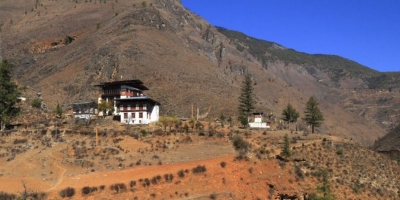
The Druk Path Trekking in Bhutan is a unique adventure trekking tour that takes you through some of the most spectacular and untouched landscapes of the Kingdom of Bhutan. Beginning with the iconic Tiger’s Nest hike in Paro, the trek offers an extraordinary opportunity to explore the pristine wilderness and cultural heritage that Bhutan is celebrated for. This five-day trekking route bridges Paro and Thimphu, two of Bhutan’s most vibrant cities, but it is the journey through rural villages, ancient monasteries, and dense forests that truly defines the experience. During the trek, trekkers encounter rushing rivers, serene high-altitude lakes such as Jimilangtsho, and lush alpine forests that are home to diverse flora and fauna. The Druk Path Trek is not just a physical challenge; it’s a cultural immersion, allowing trekkers to visit incredible Dzongs (fortresses) and Gompas (monasteries), which offer deep insight into Bhutan’s Buddhist traditions. Along the way, the breathtaking panoramic views of the Himalayan mountain ranges create an unforgettable backdrop that will inspire awe and wonder. This trekking adventure is perfect for those who seek both natural beauty and spiritual enrichment. It combines camping under the stars with warm hospitality from local Bhutanese communities. The unspoiled environment, combined with Bhutan’s rich heritage, makes the Druk Path Trekking an ideal journey for adventurers, nature lovers, and culture enthusiasts alike. Highlights: Iconic Tiger’s Nest Monastery hike Camping near serene alpine lakes Visits to historic Dzongs and Gompas Stunning Himalayan mountain vistas Immersion in rural Bhutanese culture and lifestyle Diverse flora and fauna in pristine natural habitats Druk Path Trekking Distance and Difficulty The total trekking distance on the Druk Path route covers approximately 45 to 50 kilometers over six days of hiking, excluding rest and travel days. The trail is moderately challenging, suitable for trekkers with a good level of fitness and previous trekking experience. Elevation range: From 2,200 meters in Paro to about 4,100 meters at the highest pass. Daily trekking distance: Ranges between 6 to 12 kilometers per day. Terrain: Varied, including forest trails, high alpine meadows, mountain passes, and rocky paths. Camping: The trek is primarily a camping trek, with tents and meals provided by the trekking company. Altitude: Trekkers should be mindful of altitude acclimatization, especially at passes like Dochula and during the ascent to Tiger’s Nest. The trek’s moderate difficulty, combined with the stunning scenery and cultural highlights, makes it an accessible yet rewarding adventure. Druk Path Trekking Cost 2026/2027 Asiana Treks and Tours offers competitive pricing for the Druk Path Trekking experience, reflecting the quality of services, permits, guides, and accommodations involved. The cost includes airport transfers, domestic flights, trekking permits, camping equipment, meals, local guide fees, and cultural activities. Price range: USD 2,200 to 2,800 per person (depending on group size and season) Included: International and domestic flights (Kathmandu-Paro-Kathmandu) Licensed Bhutanese trekking guide and porters Camping gear (tents, sleeping bags, mats) All meals during trekking and city tours Entrance fees to heritage sites and monasteries Ground transportation in Bhutan and Nepal Not included: International airfare to Kathmandu Personal insurance and emergency evacuation Tips and personal expenses Visa fees for Bhutan and Nepal Booking early with Asiana Treks and Tours ensures personalized service and availability during the popular trekking seasons. This investment promises an unforgettable journey through the mystical Kingdom of Bhutan. Druk Path Trekking Price Breakdown When planning your Druk Path Trekking adventure with Asiana Treks and Tours, understanding the price breakdown is essential to appreciate what you are paying for and to budget accordingly. The trekking package cost typically covers multiple critical components, ensuring a hassle-free and well-organized experience from start to finish. The price includes all permits, domestic flights, local transportation, accommodation, guide and porter services, camping equipment, and meals during the trek. Here’s a detailed look at the key elements included in the price: International and Domestic Flights: Your round-trip airfare between Kathmandu and Paro, Bhutan, is included, saving you the hassle of separate bookings. Permits and Fees: Bhutan requires special trekking permits for the Druk Path route. These are handled and included in the package cost. Accommodation: In Kathmandu and Bhutan cities, you will stay in comfortable hotels, while camping gear is provided on trekking days. Guides and Porters: Experienced Bhutanese guides lead your trek, supported by porters carrying your luggage, ensuring a comfortable journey. Meals: Full-board meals during trekking days and breakfast in cities are covered, offering a blend of local and international cuisine. Transportation: All ground transfers in Nepal and Bhutan are arranged for smooth travel. Some additional costs to keep in mind include personal expenses, travel insurance, visa fees, and tips. The overall price for the 12-14 day Druk Path Trekking ranges from USD 2,200 to 2,800, depending on group size and season. Summary: All flights, permits, guides, and camping gear included Accommodation in hotels and campsites provided Meals during trek and city tours included Additional costs: personal expenses, visas, insurance Druk Path Trekking Altitude Guide Altitude plays a crucial role in your trekking experience on the Druk Path route, and understanding how the elevation changes will help you prepare physically and mentally. The trek starts at Paro (about 2,200 meters) and reaches its highest point near the Dochula Pass, approximately 3,100 meters, with some side excursions and passes going even higher. Here’s what to expect in terms of altitude during the trek: Starting Point: Paro Valley at around 2,200 meters provides a gentle introduction to trekking in Bhutan. Dochula Pass: At 3,100 meters, this is a key highlight with panoramic Himalayan views and a place where acclimatization is important. Tiger’s Nest Monastery: The hike reaches up to 3,120 meters, a challenging but rewarding ascent. Camping Altitudes: Campsites such as Jele Dzong, Jimilangtsho Lake, and Simkota vary between 2,800 to 3,700 meters. Phajoding Monastery: Located at around 3,600 meters, it offers serene landscapes and spiritual ambiance. To minimize altitude sickness risks, the itinerary is designed to allow gradual acclimatization with rest days and moderate daily elevation gains. Proper hydration, a steady pace, and listening to your body are vital. Key altitude points: Paro: 2,200 m Dochula Pass: 3,100 m Tiger’s Nest: 3,120 m Jimilangtsho Lake: 3,870 m Phajoding: 3,600 m Being prepared for these altitude changes enhances safety and enjoyment during the trek. Why Choose Druk Path Trekking? Choosing the Druk Path Trekking with Asiana Treks and Tours offers a rare opportunity to experience Bhutan’s unparalleled natural beauty, rich culture, and spiritual heritage in an immersive way. This trek is perfect for those who want to combine adventure with cultural exploration in one of the most pristine and least touristy countries in the world. The Druk Path trek is distinctive because: Unique Cultural Experiences: Visit ancient Dzongs, monasteries, and remote villages, gaining a deep understanding of Bhutanese Buddhist traditions. Stunning Natural Beauty: Traverse diverse landscapes—from dense forests of pine and rhododendron to alpine meadows and high-altitude lakes. Moderate Challenge: Suitable for trekkers with moderate fitness, the trail is rewarding without being overly strenuous. Expert Local Guides: Asiana Treks and Tours provides experienced Bhutanese guides who ensure safety, cultural insight, and personal attention. Eco-Friendly Trekking: Bhutan emphasizes sustainability; this trek respects the environment, promoting responsible tourism. Comprehensive Service: From initial arrival in Kathmandu through to departure, all logistics are handled for a seamless adventure. Beyond the physical trek, you’ll build meaningful connections with local people, observe unique wildlife, and witness breathtaking Himalayan vistas that few travelers experience. Druk Path Trekking is not just a journey; it’s a life-changing experience. Preparing for Druk Path Trekking Preparation is key to fully enjoy the Druk Path Trekking adventure and stay safe throughout the journey. Physical fitness, appropriate gear, and mental readiness all contribute to a successful experience. As the trek involves moderate altitudes and multiple days of hiking, it’s important to build endurance and acclimatize your body ahead of time. Here are essential preparation tips: Physical Training: Focus on cardiovascular fitness with hiking, jogging, or cycling, and practice walking long distances with a loaded backpack. Gear and Clothing: Bring layered clothing suitable for varying temperatures, waterproof gear, sturdy trekking boots, and accessories like a hat, sunglasses, and gloves. Health Precautions: Consult your doctor about altitude sickness medication if necessary, carry a basic first-aid kit, and ensure you have all vaccinations. Travel Documents: Secure your Bhutan visa early through Asiana Treks and Tours and ensure your passport is valid for at least six months. Packing Smart: Keep your luggage light; the company provides camping gear, but personal essentials like water bottles, snacks, and cameras are recommended. Mental Readiness: Be open to adapting to rustic camping conditions, variable weather, and the pace of trekking. Checklist: Cardiovascular fitness training Layered clothing and waterproof gear Trekking boots and sun protection Travel insurance and medical consultation Passport and visa arrangements Proper preparation maximizes your comfort and safety, allowing you to focus on the awe-inspiring landscapes and cultural experiences. What to Expect on the 12–14-Day Druk Path Trekking Adventure The 12–14-day Druk Path Trekking adventure with Asiana Treks and Tours offers an unforgettable journey combining trekking, cultural tours, and city sightseeing. From your arrival in Kathmandu to the last day’s departure, the itinerary is crafted to immerse you in the best of Nepal and Bhutan. Expect the following highlights: Diverse Experiences: Begin with a cultural heritage tour of Kathmandu, then fly into Bhutan to hike the famous Tiger’s Nest Monastery, followed by the multi-day trek across alpine meadows, lakes, and high mountain passes. Camping and Comfort: Sleep under the stars in carefully selected campsites with tents and meals provided, balanced by comfortable hotel stays in Kathmandu, Paro, Thimphu, and Punakha. Cultural Immersion: Visit Bhutanese Dzongs, monasteries, and villages; participate in traditional ceremonies if timing allows; learn about Bhutan’s philosophy of Gross National Happiness. Natural Beauty: Witness breathtaking views of the Himalayas including peaks like Jomolhari and Jichu Drake, as well as pristine lakes and forests filled with rhododendrons and native wildlife. Pace and Support: Moderate daily trekking distances allow time for rest and photography, supported by experienced guides and porters who handle logistics and luggage. Travelers should expect a blend of physical challenge, spiritual enrichment, and cultural discovery, making this trek ideal for both adventure seekers and those curious about Himalayan cultures. Oxygen Levels on Druk Path Trekking Altitude and oxygen levels are critical factors to consider when trekking the Druk Path in Bhutan. As you ascend into higher elevations, the air becomes thinner, meaning less oxygen is available with each breath. This decrease in oxygen can affect your physical performance, stamina, and overall health if you are not properly acclimatized. On the Druk Path Trek, you’ll encounter altitudes ranging from about 2,200 meters in Paro to over 3,800 meters near alpine lakes and mountain passes. At lower elevations (2,200–3,000 meters), oxygen levels are still relatively adequate for most trekkers, and you may feel minimal effects of altitude change. However, as you approach higher campsites such as Jimilangtsho Lake (approx. 3,870 meters) and the Dochula Pass (3,100 meters), oxygen levels drop significantly—roughly around 70% of sea-level oxygen availability. This reduction can cause mild to moderate altitude sickness symptoms such as headaches, nausea, dizziness, or fatigue. To minimize the effects of low oxygen: Ascend gradually and follow the guided itinerary that allows acclimatization days Stay hydrated and avoid alcohol and smoking Maintain a slow and steady trekking pace Eat light, high-carbohydrate meals for energy Listen to your body and communicate any symptoms with your guide Understanding oxygen level changes and preparing accordingly helps ensure a safer and more enjoyable trek. The expert guides from Asiana Treks and Tours are trained to monitor health and provide support throughout your journey. Major Villages and Scenic Viewpoints on Druk Path Trekking Route The Druk Path trekking route is dotted with charming villages and breathtaking viewpoints, each offering unique insights into Bhutanese life and spectacular natural beauty. The trek takes you through remote rural communities where traditional lifestyles continue with little change from centuries ago. Some of the major villages you’ll encounter include: Jele Dzong: This ancient fortress ruin sits perched on a hilltop, offering panoramic views of the Paro valley below. It’s an excellent place to rest and soak in Bhutan’s history and architecture. Jangchulakha: A small settlement surrounded by dense forests and high ridges, ideal for observing local flora and fauna. Simkota: Nestled near lush rhododendron forests, Simkota serves as a peaceful campsite, famous for its quiet ambiance. Phajoding: This village is renowned for its peaceful monastery complex, perched high on a ridge with sweeping views of Thimphu valley. Key scenic viewpoints along the route include: Dochula Pass: Offering one of the most stunning panoramic vistas of the eastern Himalayan peaks, including Jomolhari and Jichu Drake mountains. Jimilangtsho Lake: A serene alpine lake surrounded by wildflowers and coniferous trees, perfect for photography and wildlife spotting. Tiger’s Nest Viewpoint: The iconic viewpoint overlooking the Taktsang Monastery, an emblem of Bhutanese spirituality. Summary: Jele Dzong – historic fortress with valley views Jangchulakha – forest-surrounded settlement Simkota – tranquil campsite near rhododendrons Phajoding – monastery with valley panoramas Dochula Pass and Jimilangtsho Lake – breathtaking natural vistas These villages and viewpoints enrich your trekking experience with cultural encounters and stunning scenery. Flora and Fauna of Druk Path Trekking The Druk Path Trekking route passes through some of Bhutan’s most ecologically diverse and pristine environments, hosting a wide array of flora and fauna. As you trek through varying altitudes, the vegetation changes from subtropical forests to alpine meadows, offering a rich botanical tapestry. At lower elevations near Paro, you’ll find dense forests dominated by blue pine, fir, and rhododendron trees. In spring, the rhododendrons burst into vibrant reds, pinks, and whites, painting the landscape with color. The trail passes through thick undergrowth, mossy rocks, and occasional bamboo groves. Higher up, especially near Jimilangtsho Lake and Dochula Pass, the terrain shifts to alpine meadows dotted with wildflowers such as primulas, gentians, and asters. These meadows are crucial habitats for many bird species and small mammals. Wildlife sightings may include: Birds: Himalayan monal (national bird of Nepal, occasionally seen in Bhutan), blood pheasant, and various species of woodpeckers and eagles. Mammals: Himalayan musk deer, red panda (rare but possible), Himalayan black bear, and wild boar. Insects: Butterflies and colorful moths are abundant in summer months. This rich biodiversity combined with pristine natural surroundings makes the Druk Path Trek a paradise for nature lovers and photographers. Festivals and Local Culture Along Druk Path Trekking Route Trekking the Druk Path offers more than just natural beauty; it immerses you in the vibrant local culture and spiritual traditions of Bhutan. Along the route, you will encounter several monasteries and villages where traditional festivals and religious ceremonies take place, often tied to Bhutan’s unique Buddhist calendar. Notable cultural elements include: Dzong Festivals: Dzongs along the trek, such as in Paro and Punakha, often host annual Tsechus—colorful festivals featuring masked dances, traditional music, and religious rituals. While trekking might not always coincide exactly with festival dates, your guides can arrange visits if timing aligns. Monastic Life: Villages like Phajoding and Jele Dzong host monasteries where monks follow centuries-old practices. Visitors may observe prayer sessions, meditation, and daily rituals, gaining insight into Bhutan’s deep Buddhist spirituality. Local Hospitality: The rural communities along the route maintain traditional Bhutanese lifestyles, with warm hospitality extended to trekkers. You might witness local crafts, farming practices, and unique dress styles like the kira and gho. Festive Decorations: Prayer flags flutter along mountain ridges, while mani stones (inscribed with prayers) line trails and riverbanks, symbolizing blessings and protection. Key cultural highlights: Traditional Tsechu festivals at dzongs Monastic prayer rituals and meditation Warm hospitality in rural villages Prayer flags and mani stones along trails Experiencing Bhutan’s living culture adds profound meaning to the trekking adventure. Why Book with Asiana Treks and Tours for Druk Path Trekking Booking your Druk Path Trekking adventure with Asiana Treks and Tours ensures a seamless, authentic, and enriching experience. With years of experience in Himalayan trekking and Bhutanese tours, Asiana Treks combines local expertise with international standards to deliver exceptional service and support. Reasons to choose Asiana Treks and Tours: Expert Local Guides: Their Bhutanese guides are highly knowledgeable about the Druk Path route, culture, and environment, providing in-depth information and ensuring safety. Full-Service Packages: From visa processing and flights to permits, accommodation, meals, and equipment, Asiana Treks handles all logistics. Customized Itineraries: The company can tailor the trek to suit your preferences, fitness level, and interests, offering flexibility and personalized attention. Responsible Tourism: Committed to eco-friendly and culturally respectful travel practices, Asiana Treks supports local communities and sustainable tourism. 24/7 Customer Support: Before, during, and after your trek, you receive continuous assistance from a dedicated team. Competitive Pricing: Transparent pricing with no hidden costs, ensuring good value for your investment. By choosing Asiana Treks and Tours, you not only gain a knowledgeable partner but also contribute to the preservation of Bhutan’s natural and cultural heritage. How to Book Druk Path Trekking Booking your Druk Path Trekking adventure with Asiana Treks and Tours is straightforward and designed to ensure your peace of mind from the start. The company offers clear steps to help you secure your spot and prepare for the journey. Booking steps: Inquiry: Contact Asiana Treks via their website, email, or phone to express interest and ask any preliminary questions. Consultation: Discuss your travel dates, fitness level, and preferences with the team to customize the itinerary if desired. Quotation and Confirmation: Receive a detailed quotation including the trekking cost breakdown, inclusions, and exclusions. Deposit: Pay a deposit to reserve your place on the trek. Payment methods are flexible and secure. Visa Assistance: Asiana Treks coordinates your Bhutan visa application and necessary permits based on your passport and travel details. Final Payment: Settle the remaining balance as the trekking date approaches. Pre-Trek Support: Receive detailed pre-trek information including packing lists, health advice, and travel tips. Trekking and Beyond: Enjoy your well-organized trek with support throughout the journey. Booking early is highly recommended due to Bhutan’s regulated tourist numbers and seasonal popularity.
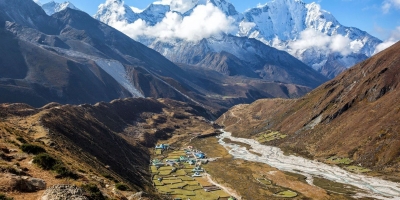
The Everest Base Camp Tour from Tibet offered by Asiana Treks and Tours is a spectacular journey to the world’s highest peak from the northern side, providing a unique blend of cultural immersion and breathtaking Himalayan landscapes. Unlike the traditional Nepal trekking route, this tour involves mostly overland travel by jeep and bus, making it accessible for travelers who prefer a less physically demanding way to reach the base of Everest while still experiencing the grandeur of the Himalayas. Starting in Kathmandu, the tour quickly transitions to Tibet’s capital, Lhasa, where guests acclimatize and explore iconic Tibetan landmarks such as the Potala Palace and Jokhang Temple. From Lhasa, the journey continues by road through picturesque Tibetan towns like Gyantse and Xigatse, crossing high mountain passes and passing through remote villages steeped in Tibetan culture. The highlight is the visit to Everest Base Camp itself, located at an elevation of nearly 5,200 meters, where visitors can marvel at the towering north face of Everest and take in unforgettable panoramic views. This tour is ideal for those seeking an adventurous Himalayan experience with cultural richness, minimal trekking, and comfort in accommodation and logistics, all expertly managed by Asiana Treks and Tours. The journey also provides valuable insights into Tibetan life, Buddhist traditions, and the natural environment of the world’s highest plateau. Key highlights of the Everest Base Camp Tour from Tibet: Unique overland route to Everest Base Camp via Tibet Acclimatization and cultural exploration in Lhasa Scenic drives across high mountain passes and remote villages Opportunity to see Everest’s majestic north face up close Comfortable accommodations from city hotels to mountain guesthouses Expert guidance and logistics support by Asiana Treks and Tours This tour combines adventure, culture, and natural beauty into an unforgettable Himalayan expedition. Everest Base Camp Tour From Tibet Package The Everest Base Camp Tour from Tibet by Asiana Treks and Tours offers an extraordinary journey to the heart of the Himalayas, blending cultural exploration with awe-inspiring natural beauty. Unlike the traditional Nepalese trekking route, this tour provides a comfortable and scenic drive to Everest Base Camp, making it accessible to travelers who prefer less strenuous adventure but still want to witness the grandeur of the world’s highest peak. This package includes visits to key Tibetan cities such as Lhasa, Gyantse, and Xigatse, allowing travelers to immerse themselves in Tibetan culture, architecture, and history before heading to the remote high-altitude landscapes around Everest. Along the way, you will traverse pristine mountain passes, encounter unique Tibetan Buddhist monasteries, and experience the charm of traditional Tibetan life. Highlights of the package: Comfortable travel by road with breathtaking mountain views Cultural tours in Lhasa and historic Tibetan towns Exploration of iconic Tibetan monasteries and heritage sites Arrival at Everest Base Camp with spectacular Himalayan panoramas Support from experienced guides specialized in high-altitude travel Everest Base Camp Tour From Tibet Itinerary Day 1: Arrival in Kathmandu – 1300 mYour journey begins in Kathmandu, the vibrant capital of Nepal, where you will be warmly welcomed by Asiana Treks and Tours staff. After settling into your hotel, take time to relax or explore the bustling streets, markets, and ancient temples that surround the city. Kathmandu is a perfect introduction to South Asian culture and spirituality. Arrival and airport transfer Overnight stay in Kathmandu Day 2: Heritage Tour of KathmanduExplore Kathmandu’s rich cultural heritage with a guided tour of iconic sites such as Durbar Square, Pashupatinath Temple, Boudhanath Stupa, and Swayambhunath (Monkey Temple). This immersive day offers insights into Nepal’s religious traditions, ancient architecture, and vibrant street life. Guided sightseeing of UNESCO World Heritage Sites Opportunity to shop local crafts and sample Nepali cuisine Day 3: Kathmandu – Lhasa – 3650 mFly from Kathmandu to Lhasa, the capital of Tibet, surrounded by snow-capped peaks and mystical monasteries. Upon arrival, rest and acclimatize to the higher altitude. Lhasa’s unique blend of Tibetan culture and spiritual significance makes it a captivating destination. Flight to Lhasa Acclimatization and light exploration Day 4 & 5: Lhasa ExplorationSpend two days touring Lhasa’s most revered sites: the majestic Potala Palace, Jokhang Temple, and Barkhor Street market. These days are designed to help your body adjust to altitude while enjoying the profound cultural experiences Tibetan Buddhism offers. Visits to Potala Palace and Jokhang Temple Exploration of local markets and cultural landmarks Day 6: Lhasa – Gyantse – 3950 mDrive to Gyantse, a charming town famous for its historic Gyantse Kumbum and Palcho Monastery. The scenic route passes Yamdrok Lake, one of Tibet’s most stunning high-altitude lakes, surrounded by snow-capped mountains. Scenic drive along Yamdrok Lake Visit Gyantse Kumbum Stupa Day 7: Gyantse – Xigatse – 3900 mTravel onward to Xigatse, Tibet’s second-largest city. Here, you will visit the impressive Tashilhunpo Monastery, the traditional seat of the Panchen Lama, and learn about Tibetan religious traditions. Tashilhunpo Monastery visit Explore Xigatse town and surroundings Day 8: Xigatse – Tingri – 4100 mThe journey continues toward Tingri, a gateway town near Everest, with spectacular views of Mt. Shishapangma and other Himalayan giants. Tingri provides a glimpse into rural Tibetan life and high-altitude landscapes. Drive to Tingri with mountain vistas Explore local Tibetan culture Day 9: Tingri – Ronbuk – 4980 mDrive to Ronbuk, the last village before Everest Base Camp, nestled in a remote valley surrounded by towering peaks. This area is home to the Ronbuk Monastery, known as the highest monastery in the world. Visit Ronbuk Monastery Acclimatize at high altitude Day 10: Ronbuk – Everest Base Camp – NyalamToday’s highlight: a thrilling drive to Everest Base Camp in Tibet, offering unparalleled views of Mt. Everest’s north face. After soaking in the majestic scenery and capturing unforgettable photographs, descend to Nyalam for overnight rest. Drive to Everest Base Camp Spectacular Himalayan panoramas Return to Nyalam Day 11: Nyalam – KathmanduFly back to Kathmandu, reflecting on your incredible journey. This day is perfect for rest or exploring any missed attractions in Kathmandu city. Flight to Kathmandu Relax and souvenir shopping Day 12: Departure DayYour unforgettable Everest Base Camp Tour from Tibet concludes with your transfer to the airport for your onward journey home or next adventure. Airport transfer and departure Everest Base Camp Tour From Tibet Distance The entire tour covers approximately 1,000 to 1,200 kilometers by road, with flights connecting Kathmandu to Lhasa. Driving distances vary daily but include significant stretches through some of the most remote and scenic high-altitude roads in the world. The highest elevations reached exceed 4,900 meters, requiring good acclimatization. Everest Base Camp Tour From Tibet Cost 2026/2027 Asiana Treks and Tours offers competitive pricing for this exclusive journey. Costs typically include: International and domestic flights (Kathmandu-Lhasa-Kathmandu) Accommodation in 3-star hotels and guesthouses All transportation by private vehicle Guided tours and entrance fees Experienced English-speaking guides and support staff Necessary permits and paperwork Prices can vary based on group size, season, and specific requests but generally range from USD 3,000 to 4,500 per person. Early booking and group discounts may apply. Everest Base Camp Tour From Tibet Breakdown The Everest Base Camp Tour from Tibet with Asiana Treks and Tours is a well-structured journey that offers a unique way to experience the world’s highest peak without the extreme trekking often associated with Nepal’s southern route. This tour blends cultural immersion with scenic high-altitude driving, giving travelers a comprehensive adventure that highlights both the rich Tibetan heritage and the majestic Himalayan landscapes. Starting in Kathmandu, the itinerary quickly shifts to Tibet’s cultural heart—Lhasa—where visitors explore iconic sites such as the Potala Palace and Jokhang Temple. The journey continues through historic towns like Gyantse and Xigatse, visiting ancient monasteries and stunning natural sites such as Yamdrok Lake. The road trip ascends progressively to Tingri and Ronbuk, preparing travelers for the breathtaking arrival at Everest Base Camp on the Tibetan side. Throughout the trip, you’ll enjoy panoramic mountain views, Tibetan Buddhist culture, and the thrill of reaching a legendary mountaineering destination—all in a comfortable, guided setting. Key tour highlights include: Cultural tours in Kathmandu and Lhasa Scenic drives through high mountain passes Visits to important monasteries and heritage sites Reaching Everest Base Camp by vehicle Support from experienced guides and porters This breakdown helps you understand the balance of culture, adventure, and comfort that defines this exceptional tour. Everest Base Camp Tour From Tibet Altitude Guide One of the most important considerations for travelers on the Everest Base Camp Tour from Tibet is acclimatization to the high altitudes. The tour gradually ascends from Kathmandu’s relatively low elevation (1300 meters) to the Everest Base Camp area (approximately 5200 meters on the Tibetan side), giving your body time to adjust and reducing the risk of altitude sickness. Key altitude points on the itinerary include: Kathmandu (1300 m) – Start at a comfortable, low altitude city. Lhasa (3650 m) – The first major stop, allowing time to acclimate. Gyantse (3950 m) and Xigatse (3900 m) – Moderate altitudes where further adjustment occurs. Tingri (4100 m) – Gateway to Everest, higher but still manageable with proper care. Ronbuk (4980 m) – The highest overnight stop, near Everest Base Camp. Everest Base Camp (5200+ m) – The pinnacle destination, reached by vehicle and brief walking. The gradual ascent profile is designed by Asiana Treks and Tours to ensure your body can adapt naturally. Staying hydrated, eating light meals, and resting during the initial days are emphasized. Guides monitor everyone for symptoms of altitude sickness and recommend slow movement and rest days if needed. Important altitude tips: Avoid alcohol and smoking at high altitudes Drink plenty of fluids and eat carbohydrates Inform guides immediately if symptoms occur Use altitude medication if prescribed Understanding this altitude progression helps travelers prepare mentally and physically for a safe and rewarding journey. Why Choose Everest Base Camp Tour From Tibet? Choosing the Everest Base Camp Tour from Tibet with Asiana Treks and Tours offers several unique advantages compared to other Everest adventures. First, this tour makes the Everest Base Camp experience accessible without requiring the weeks of rigorous trekking that Nepal’s southern route demands. Instead, you travel by well-maintained roads and comfortable vehicles, making it ideal for travelers who want to experience Everest’s majesty without extreme physical strain. Another compelling reason is the cultural richness of Tibet. This tour offers a rare opportunity to explore some of Tibet’s most important spiritual sites and ancient towns—like Lhasa, Gyantse, and Xigatse—places not always included in traditional Everest itineraries. The blend of breathtaking natural landscapes with deep spiritual and cultural experiences sets this tour apart. Additional reasons to choose this tour include: Experienced local guides fluent in English and knowledgeable about Tibetan culture Comprehensive package including flights, accommodation, permits, and transport Well-planned itinerary that balances adventure with rest and acclimatization Smaller group sizes for personalized service and safety Opportunity to see the less crowded north face of Everest and Tibetan plateau By selecting Asiana Treks and Tours, travelers are assured a well-organized, enriching, and safe adventure to one of the world’s most iconic destinations. Preparing for Everest Base Camp Tour From Tibet Proper preparation is essential for making the most of your Everest Base Camp Tour from Tibet. Physically, while the tour requires less trekking, it does involve spending time at high altitudes, so cardiovascular fitness and overall good health are important. You don’t need to be an athlete, but regular walking, light hiking, and aerobic exercises in the weeks before the trip will help your body adjust more easily. Packing the right gear is also crucial. Essentials include warm, layered clothing suitable for cold mountain climates, sturdy walking shoes or boots, a good-quality sleeping bag (some accommodations may be basic at higher altitudes), sunglasses, sunscreen, and a hat. Trekking poles can help with balance on uneven terrain, especially near Everest Base Camp. Other preparation tips: Consult your doctor about altitude sickness medication and any health concerns Arrange travel insurance with high-altitude coverage Bring a good camera or smartphone to capture stunning landscapes Prepare mentally for variable weather and the remoteness of high-altitude regions Familiarize yourself with Tibetan customs and etiquette to enhance cultural experiences Asiana Treks and Tours provides pre-trip briefings and detailed packing lists to ensure travelers are fully prepared and confident for the adventure ahead. What to Expect on the 11–13-Day Everest Base Camp Tour From Tibet Adventure The 11 to 13-day Everest Base Camp Tour from Tibet is a blend of cultural exploration, breathtaking mountain scenery, and moderate high-altitude travel that leaves a lasting impression. You can expect a carefully paced itinerary balancing sightseeing, driving, and acclimatization. Each day offers a new experience: from exploring Kathmandu’s ancient temples to wandering Lhasa’s spiritual landmarks and traveling over pristine Tibetan roads with panoramic views of snow-capped peaks. The journey steadily ascends, preparing you for the highlight—arrival at Everest Base Camp itself. The camp provides incredible views of Everest’s towering north face, along with other Himalayan giants like Lhotse and Cho Oyu. Travel with Asiana Treks and Tours means you will have: Comfortable hotels and guesthouses in major towns Knowledgeable guides explaining cultural and historical context All logistical arrangements handled, including permits and transportation Opportunities to meet locals and understand Tibetan traditions Flexibility to accommodate acclimatization needs Expect some physical challenges due to altitude but also rewarding moments of tranquility, stunning vistas, and spiritual insights. This tour is ideal for those who want a comprehensive Everest experience without extensive trekking, combining adventure, culture, and natural beauty into one unforgettable journey. Oxygen Levels on Everest Base Camp Tour From Tibet Traveling to Everest Base Camp from Tibet means ascending to very high altitudes, where the oxygen levels are significantly lower than at sea level. At Everest Base Camp on the Tibetan side, which lies at approximately 5,200 meters (17,060 feet), oxygen levels are roughly about 50% of what you breathe at sea level. This reduction can cause altitude sickness if travelers do not acclimatize properly. Asiana Treks and Tours carefully plans the itinerary to allow gradual ascent and proper acclimatization at intermediate stops like Lhasa (3650 m), Gyantse (3950 m), and Tingri (4100 m). This gradual approach helps your body adapt to thinner air and reduces the risk of altitude-related illnesses. Oxygen supplementation is not usually necessary but is available in emergencies. Important facts about oxygen levels on the tour: Oxygen at 5,200 m is about half of sea level oxygen Reduced oxygen affects breathing, physical performance, and energy Proper acclimatization is crucial for a safe journey Symptoms of altitude sickness include headache, dizziness, and nausea Guides monitor health and can arrange supplemental oxygen if needed Understanding oxygen levels and how your body will respond is key to preparing physically and mentally for this adventure. With expert guidance from Asiana Treks and Tours, travelers can safely enjoy this once-in-a-lifetime experience. Major Villages and Scenic Viewpoints on Everest Base Camp Tour From Tibet Route The route from Lhasa to Everest Base Camp takes you through several historic villages and offers spectacular viewpoints, making the journey a visual and cultural feast. Starting from the Tibetan capital, you pass through charming towns like Gyantse and Xigatse, both known for their ancient monasteries and rich Tibetan culture. Gyantse is home to the famous Gyantse Kumbum, an intricately decorated stupa, while Xigatse features the sprawling Tashilhunpo Monastery, the seat of the Panchen Lama. Beyond these towns, Tingri provides breathtaking views of the Himalayas, including Shishapangma, Tibet’s highest peak entirely within the country. Approaching Ronbuk, the last inhabited village before Everest Base Camp, you experience a dramatic landscape of glaciers and soaring peaks. Key villages and viewpoints include: Lhasa: Cultural hub and starting point Gyantse: Historic town with Kumbum Stupa Xigatse: Monastery and Tibetan city life Tingri: Panoramic Himalayan views Ronbuk: Gateway village with closest monastery to Everest Base Camp Everest Base Camp: Unmatched views of Mt. Everest north face Each stop offers a chance to learn about local lifestyles and enjoy the magnificent Himalayan panorama, all arranged by the expert team at Asiana Treks and Tours. Flora and Fauna of Everest Base Camp Tour From Tibet The flora and fauna along the Everest Base Camp route in Tibet are as unique and fascinating as the dramatic landscapes. Due to the high altitude and harsh climate, vegetation is sparse near the summit, but lower elevations support a variety of hardy plants and wildlife specially adapted to survive here. At lower altitudes near Lhasa and Gyantse, you will find alpine shrubs, juniper trees, and colorful wildflowers during warmer months. As you ascend, the landscape becomes more tundra-like, with grasses and mosses dominating. Animal sightings include Tibetan antelope (chiru), wild yaks, blue sheep (bharal), Himalayan marmots, and occasionally elusive snow leopards in protected areas. Highlights of flora and fauna on this route: Juniper and rhododendron forests at lower altitudes Alpine meadows with seasonal wildflowers Tibetan antelope, wild yaks, blue sheep Himalayan marmots and mountain birds like Tibetan snowcock Sparse vegetation near Everest Base Camp due to extreme conditions Asiana Treks and Tours offers informative guides who explain the ecological significance of these species and promote responsible travel to protect this fragile environment. Festivals and Local Culture Along Everest Base Camp Tour From Tibet Route Traveling through Tibet to Everest Base Camp offers rich cultural experiences, particularly through local festivals and religious practices that reflect centuries-old traditions. Tibetan Buddhism is central to life here, and many festivals celebrate the spiritual calendar with colorful rituals, music, and dance. Key festivals you might encounter include Losar (Tibetan New Year), celebrated with lively ceremonies and family gatherings, and Saga Dawa, a sacred month honoring Buddha’s birth, enlightenment, and passing. In smaller villages like Gyantse and Tingri, monks perform cham dances wearing elaborate costumes, believed to ward off evil spirits. Cultural highlights along the route: Losar Festival: Tibetan New Year with prayers and feasts Saga Dawa: Month-long religious observance Monastic cham dances and ritual ceremonies Traditional Tibetan music, crafts, and local markets Warm hospitality and spiritual insights from local people The team at Asiana Treks and Tours ensures your itinerary includes opportunities to witness these traditions respectfully and learn about Tibetan culture beyond the surface. Why Book with Asiana Treks and Tours for Everest Base Camp Tour From Tibet Booking your Everest Base Camp Tour from Tibet with Asiana Treks and Tours guarantees a safe, authentic, and well-organized adventure. With years of experience in Himalayan tourism, the company specializes in Tibetan travel, ensuring smooth logistics, local expertise, and cultural sensitivity throughout your journey. Asiana Treks and Tours provides experienced guides who speak fluent English and understand the challenges of high-altitude travel. Their focus on small group sizes allows personalized attention and flexibility to accommodate individual needs such as acclimatization pace or dietary preferences. The company handles all permits, transportation, and accommodations, so you can relax and enjoy the journey. Reasons to book with Asiana Treks and Tours: Expert guides with deep knowledge of Tibet and Everest region All-inclusive packages covering permits, flights, transport, and lodging Personalized service with focus on safety and comfort Commitment to responsible tourism and community support 24/7 customer support before, during, and after your trip Choosing Asiana Treks and Tours means you are in trusted hands for one of the world’s most extraordinary journeys. How to Book the Everest Base Camp Tour From Tibet Booking your Everest Base Camp Tour from Tibet with Asiana Treks and Tours is straightforward and designed to provide peace of mind from the start. You can begin by visiting their official website or contacting their friendly customer service team via email or phone to discuss your preferred travel dates, group size, and any special requirements. Once you decide on the tour dates, Asiana Treks and Tours will provide a detailed itinerary, cost estimate, and payment schedule. A deposit secures your booking, with the balance payable closer to departure. The company also assists with visa applications, travel insurance recommendations, and pre-trip preparation advice. Steps to book your tour: Contact Asiana Treks and Tours via website or email Discuss itinerary, dates, and group preferences Receive detailed itinerary and price quotation Pay deposit to confirm booking Complete visa and travel documentation with support Prepare for your adventure with pre-trip guidance With clear communication and professional service, Asiana Treks and Tours makes booking your Everest Base Camp adventure simple and reassuring.
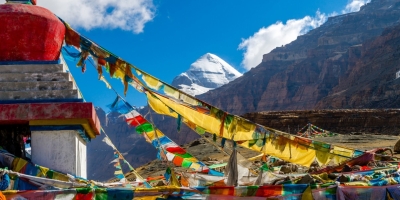
The Kailash Manasarovar Tour is one of the most revered and spiritually significant journeys in the world, attracting pilgrims from Hinduism, Buddhism, Jainism, and the Bon religion. This extraordinary pilgrimage leads travelers to the remote and sacred Mount Kailash and the pristine Lake Manasarovar in Tibet, both holding immense religious, cultural, and mythological significance. Mount Kailash, believed to be the abode of Lord Shiva in Hinduism and a cosmic center in other faiths, remains unclimbed due to its sacred status and harsh environmental conditions. The journey itself is an intense spiritual expedition, combining physical endurance with deep meditation and reflection. Organized by Asiana Treks and Tours, Nepal’s premier trekking and pilgrimage company, the Kailash Manasarovar tour is meticulously planned to balance acclimatization, cultural immersion, and spiritual experiences. Starting from Kathmandu, the tour passes through high-altitude landscapes and ancient Himalayan settlements, allowing pilgrims to experience Tibet’s raw natural beauty alongside profound spiritual moments. Each day’s itinerary, from arrival to departure, is designed to offer an enriching and transformative experience that nourishes the body, mind, and soul. Short points: Sacred pilgrimage to Mount Kailash and Lake Manasarovar Revered by Hinduism, Buddhism, Jainism, and Bon traditions Organized by Asiana Treks and Tours, experts in Himalayan tours Combination of spiritual journey, cultural exploration, and natural beauty Includes acclimatization and cultural heritage sites 2. Introduction to the Kailash Manasarovar Pilgrimage The Kailash Manasarovar pilgrimage is considered one of the most spiritually significant journeys on Earth. It involves visiting the majestic Mount Kailash, regarded as the cosmic axis of the universe, and the sacred Lake Manasarovar, which is believed to purify the soul. Pilgrims undertake this demanding journey to seek blessings, spiritual enlightenment, and liberation (moksha) from the cycle of birth and death. The pilgrimage is not just a physical challenge but a path of devotion and self-discovery. This journey traditionally starts in Kathmandu, where pilgrims can absorb the rich Nepalese spiritual culture and prepare themselves mentally and physically. The pilgrimage then continues through the rugged landscapes of Tibet, crossing high passes and remote villages. Each site visited along the way carries deep symbolic meaning, fostering a profound connection between nature, faith, and inner peace. The Kailash Manasarovar pilgrimage is much more than a travel expedition — it is a sacred act that transforms lives. Short points: Spiritual pilgrimage for liberation and blessings Visit to Mount Kailash and Lake Manasarovar Starts from Kathmandu, blending Nepalese and Tibetan cultures A journey of devotion, challenge, and self-discovery Deeply symbolic and transformative experience 3. Spiritual and Cultural Significance of Mount Kailash and Lake Manasarovar Mount Kailash and Lake Manasarovar hold unparalleled spiritual and cultural significance across several religions. In Hinduism, Mount Kailash is the heavenly abode of Lord Shiva, the destroyer and transformer, where he meditates in eternal peace. Buddhists revere the mountain as the home of Demchok, representing supreme bliss, and consider it the axis mundi (world center). Jainism honors Kailash as the site where their first Tirthankara attained liberation, and the ancient Bon religion regards it as the sacred seat of the Sky Goddess. Lake Manasarovar, located nearby, is a pristine freshwater lake believed to cleanse the soul and body. Pilgrims bathe in its holy waters to wash away sins and achieve spiritual purification. The lake is also an important ecological and cultural site, surrounded by natural beauty and Tibetan villages where ancient traditions thrive. Together, Mount Kailash and Lake Manasarovar embody the unity of nature, spirituality, and culture, making this pilgrimage a unique encounter with divine energy and human history. Short points: Mount Kailash: sacred in Hinduism, Buddhism, Jainism, and Bon Lake Manasarovar: believed to purify sins and soul Spiritual homes of gods and enlightened beings Symbolizes cosmic axis and spiritual liberation Cultural and ecological significance in Tibet 4. Highlights of the Kailash Manasarovar Tour The Kailash Manasarovar tour offers numerous unforgettable highlights that blend spirituality, adventure, and cultural immersion. Some key experiences include the sacred circumambulation (parikrama) around Mount Kailash, which is considered an act of profound devotion and a path to enlightenment. Crossing the challenging Dolma La Pass at over 5,600 meters is a physical and spiritual milestone on the journey. The serene beauty of Lake Manasarovar, with its crystal-clear waters reflecting the surrounding snow-capped peaks, provides a place for deep contemplation and purification rituals. Along the route, travelers visit sacred monasteries, ancient temples, and remote Tibetan villages, gaining insight into local customs and religious practices. The opportunity to witness breathtaking Himalayan landscapes—from deep valleys to high mountain passes—completes this extraordinary pilgrimage. Short points: Circumambulation (parikrama) of Mount Kailash Crossing the high Dolma La Pass Spiritual bathing in Lake Manasarovar Visits to monasteries, temples, and Tibetan villages Stunning Himalayan natural landscapes 5. Pilgrimage Routes and Sacred Sites Explored The tour follows a carefully planned route beginning in Kathmandu and proceeding to Nyalam, a Tibetan border town that offers initial acclimatization. From Nyalam, travelers move to Dongba and then to Lake Manasarovar, where they stay to experience its tranquil spiritual ambiance. The next stages involve reaching Darchen, the gateway to Mount Kailash, followed by the sacred trek covering Derapuk, the Dolma La Pass, and Zuthulpuk. Each site on this route is steeped in religious significance and natural beauty. Derapuk is known for its stunning views and spiritual energy, while Dolma La Pass represents a challenging and symbolic ascent. Zuthulpuk offers a place of rest and meditation before completing the Kailash parikrama. This itinerary blends physical endurance with moments for spiritual reflection, making it an immersive pilgrimage experience. Short points: Kathmandu to Nyalam for acclimatization Dongba and Lake Manasarovar spiritual stay Darchen, gateway to Mount Kailash Trek via Derapuk, Dolma La Pass, and Zuthulpuk Sacred sites and breathtaking natural scenery 6. The Unique Blend of Tibetan Buddhism, Hinduism, and Jainism The Kailash Manasarovar pilgrimage is unique because it unites multiple religions in a single spiritual journey. Tibetan Buddhism reveres Mount Kailash as a sacred mountain tied to cosmic enlightenment and Demchok. Hindu pilgrims see it as the divine home of Lord Shiva and Parvati, embodying the ultimate spiritual power. Jain followers honor it as the place of liberation of their first spiritual leader, Rishabhadeva. This convergence of faiths creates a deeply respectful and harmonious atmosphere during the pilgrimage. Pilgrims from different backgrounds share stories, rituals, and prayers, enriching the cultural tapestry of the journey. The blend of ancient traditions, Buddhist monasteries, Hindu temples, and local Bon practices highlights the region’s spiritual diversity and unity. Short points: Revered by Tibetan Buddhism, Hinduism, Jainism, and Bon Shared spiritual significance of Mount Kailash Harmonious blending of rituals and traditions Diverse religious heritage and mutual respect Enriched cultural experience on pilgrimage 7. Who Should Embark on This Spiritual Journey? This pilgrimage is suited for spiritually motivated travelers seeking deep inner transformation, those fascinated by Himalayan culture, and adventurers ready for a physically demanding journey. It appeals to devout followers of Hinduism, Buddhism, Jainism, and Bon, as well as curious explorers who want to experience the region’s spiritual aura. Travelers should be prepared for high altitudes, remote terrain, and long days of trekking or driving. A strong desire for personal growth, patience, and openness to new cultures enhances the experience. The tour is perfect for those seeking a combination of physical challenge, spiritual awakening, and immersion in one of the world’s most sacred landscapes. Short points: Spiritual seekers and devotees Cultural explorers interested in Tibet and Nepal Adventurous travelers with good physical fitness Open-minded individuals seeking transformation Those ready for high-altitude challenges 8. Natural Beauty and High-Altitude Landscapes Along the Route The route to Kailash and Manasarovar traverses some of the most spectacular and remote landscapes on Earth. Pilgrims encounter towering Himalayan peaks, vast Tibetan plateaus, deep river valleys, and pristine alpine lakes. The natural environment is harsh yet breathtaking, with dramatic weather changes, rugged terrain, and rare wildlife. The Dolma La Pass offers panoramic views of the snow-capped mountain ranges and vast Tibetan plains. Lake Manasarovar’s crystal-clear water reflects the majestic peaks, creating a serene atmosphere perfect for meditation. Along the journey, travelers witness the stark contrast between lush lower valleys and arid highlands, immersing themselves in nature’s raw beauty and spiritual power. Short points: Towering Himalayan peaks and Tibetan plateaus Pristine Lake Manasarovar and alpine landscapes Dramatic weather and rugged terrain Panoramic views from Dolma La Pass Unique flora and fauna of the region 9. Overview of Key Destinations: Kathmandu, Nyalam, Manasarovar, Darchen Kathmandu: The tour begins in Nepal’s vibrant capital, home to historic temples like Pashupatinath, Bouddhanath, and Swayambhunath. These sites offer a rich introduction to South Asian spirituality and culture. Nyalam: This Tibetan border town serves as the gateway into Tibet, allowing pilgrims to acclimatize to the high altitude while experiencing Tibetan lifestyle and customs. Lake Manasarovar: A tranquil, sacred freshwater lake known for its spiritual cleansing powers and stunning natural beauty, making it a highlight of the pilgrimage. Darchen: The starting point for the Kailash parikrama, this remote settlement is surrounded by sacred peaks and acts as a base for the demanding circumambulation trek. These destinations combine to create a seamless spiritual and cultural journey that prepares and guides pilgrims through the Kailash Manasarovar experience. Short points: Kathmandu: spiritual and cultural hub with famous temples Nyalam: Tibetan border and acclimatization stop Lake Manasarovar: sacred lake for purification Darchen: base for Mount Kailash circumambulation Each destination offers cultural immersion and spiritual preparation
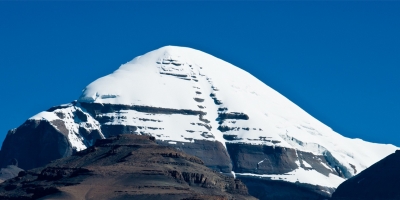
The Kailash Manasarovar Helitour is a unique pilgrimage journey designed for travelers seeking spiritual fulfillment combined with convenience and breathtaking natural beauty. Organized by Asiana Treks and Tours Pvt. Ltd., this tour offers a fast yet immersive experience to the sacred Mount Kailash and Lake Manasarovar region, using helicopter transfers to significantly reduce travel time. Starting in Nepalgunj after departing from Kathmandu, the trip covers some of the most remote and spiritually charged landscapes in the Himalayas, blending adventure with deep cultural and religious significance. This pilgrimage attracts Hindus, Buddhists, Jains, and followers of Bon, all of whom regard Mount Kailash and Lake Manasarovar as sacred. The helitour allows visitors to witness the awe-inspiring Himalayan vistas and partake in traditional rituals and ceremonies, including holy dips and circumambulation (parikrama) around the lake and mountain. The tour is crafted to balance acclimatization needs with comfort, making it accessible to a wider range of travelers who may find traditional trekking physically demanding. Key Features: Helicopter rides between remote locations to save time and avoid tough terrain Guided visits to key spiritual landmarks, including Lake Manasarovar and Mount Kailash Opportunities for meditation, worship, and cultural exchange with local Tibetan communities Managed acclimatization to ensure safety at high altitudes Tour Highlights The Kailash Manasarovar Helitour is packed with moments that blend natural beauty, spirituality, and cultural encounters. The journey begins with a flight from Kathmandu to Nepalgunj, followed by a transfer to Simikot, a gateway town at a significant altitude, offering stunning Himalayan valley views. From Simikot, the helicopter takes you to Hilsa, near the Nepal-China border, facilitating an easy and scenic entry into Tibet. Once inside Tibet, travelers move on to Purang, a peaceful Tibetan town situated at over 12,000 feet. This town offers a chance to acclimate and explore local Tibetan culture, markets, and cuisine. The highlight includes a visit to the sacred Lake Manasarovar and Mount Kailash, where participants perform rituals and parikrama. The lake is believed to cleanse sins, and circumambulating Mount Kailash is said to grant spiritual liberation. Some standout highlights: Helicopter flight from Simikot to Hilsa, cutting days of trekking Holy dip in Lake Manasarovar, a serene and pristine high-altitude lake Circumambulation (parikrama) around Mount Kailash, a 52 km sacred circuit Meditation and rest at high altitude to aid acclimatization Scenic drives and visits to Buddhist temples and local Tibetan towns Journey Summary & Itinerary Outline Day 1: Arrival in Kathmandu (1350m) – Welcome and briefing.Day 2: Preparation and visa collection in Kathmandu.Day 3: Flight Kathmandu to Nepalgunj (150m) – overnight stay.Day 4: Flight Nepalgunj to Simikot (1800m), acclimatization day with Himalayan views.Day 5: Helicopter ride Simikot to Hilsa (border town), then drive to Purang (3700m) for acclimatization.Day 6: Drive Purang to Mansarovar Lake (4590m), visit Rakshesh Tal, holy dip in Manasarovar Lake.Day 7: Drive Mansarovar to Darchen (4600m), gateway to Kailash parikrama.Day 8: Trek or drive Darchen to Diraphuk (4890m), closer to Mount Kailash base camp.Day 9: Return trek/drive from Diraphuk to Mansarovar via Zhulthulphuk (4790m).Day 10: Drive Mansarovar to Paryang (4500m).Day 11: Drive Paryang to Kerung (3200m), entering Nepal.Day 12: Drive Kerung to Kathmandu (1350m).Day 13: Departure from Kathmandu. This itinerary combines flights, helicopter rides, and road journeys for a fast-paced but culturally rich experience that ensures acclimatization while allowing pilgrims to fulfill their spiritual goals. Geographical & Cultural Significance Mount Kailash and Lake Manasarovar hold profound religious importance across multiple faiths. Mount Kailash is considered the cosmic axis of the world, a sacred peak untouched by climbers, revered as the abode of Lord Shiva by Hindus. Buddhists associate it with Demchok, the representation of supreme bliss. Jains regard it as the site where their first Tirthankara attained liberation, while followers of the Bon tradition see it as a spiritual center of power. Lake Manasarovar, located near Kailash, is one of the highest freshwater lakes globally, situated at an altitude of nearly 4600 meters. The lake’s crystal-clear waters are said to have purifying properties, making the ritual bathing there a pivotal element of the pilgrimage. Culturally, the region is rich with Tibetan Buddhist monasteries, traditional Tibetan villages, and ancient trade routes. Pilgrims engage with local customs, enjoy Tibetan cuisine, and often experience the warm hospitality of Tibetan nomads and monks. Cultural highlights: Sacred status of Mount Kailash across Hinduism, Buddhism, Jainism, and Bon Spiritual rituals: parikrama, holy dips, meditation Tibetan Buddhist monasteries and local Tibetan culture immersion Pilgrimage as a path to spiritual enlightenment and physical endurance Altitude & Terrain Overview Travelers on the Kailash Manasarovar Helitour will navigate some of the highest and most challenging terrains in the world. The journey begins at relatively low altitudes in Kathmandu (1350m) and Nepalgunj (150m), but quickly ascends to high mountain environments. Key altitude points include: Simikot at 1800m: first significant altitude gain with acclimatization opportunities Purang at 3700m: second acclimatization stop with Tibetan town exposure Mansarovar Lake at 4590m: sacred lake visit with potential altitude challenges Darchen and Diraphuk (4600m to 4900m): base camps for Mount Kailash parikrama, the highest points of the trek Return descent to Kerung (3200m) and Kathmandu for recovery The terrain varies from rugged Himalayan valleys, high-altitude desert landscapes, to alpine lakesides. The use of helicopter transfers and jeep rides minimizes physical strain but acclimatization days are essential to prevent altitude sickness. Terrain & altitude considerations: Elevation range: 150m to nearly 4900m Mix of air travel, jeep rides, and moderate trekking Importance of acclimatization to prevent altitude sickness Exposure to harsh mountain weather and terrain conditions
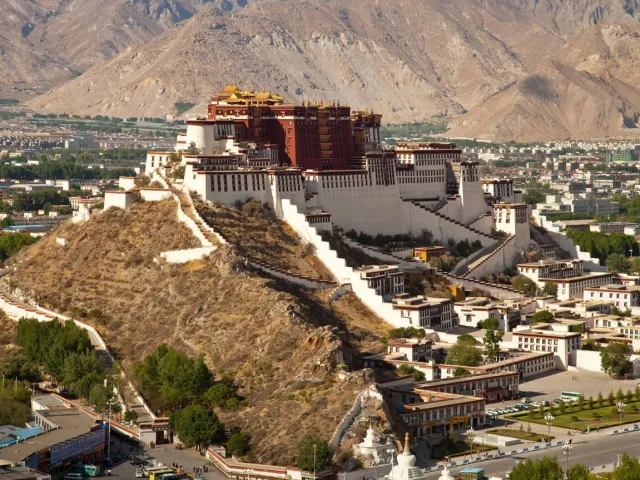
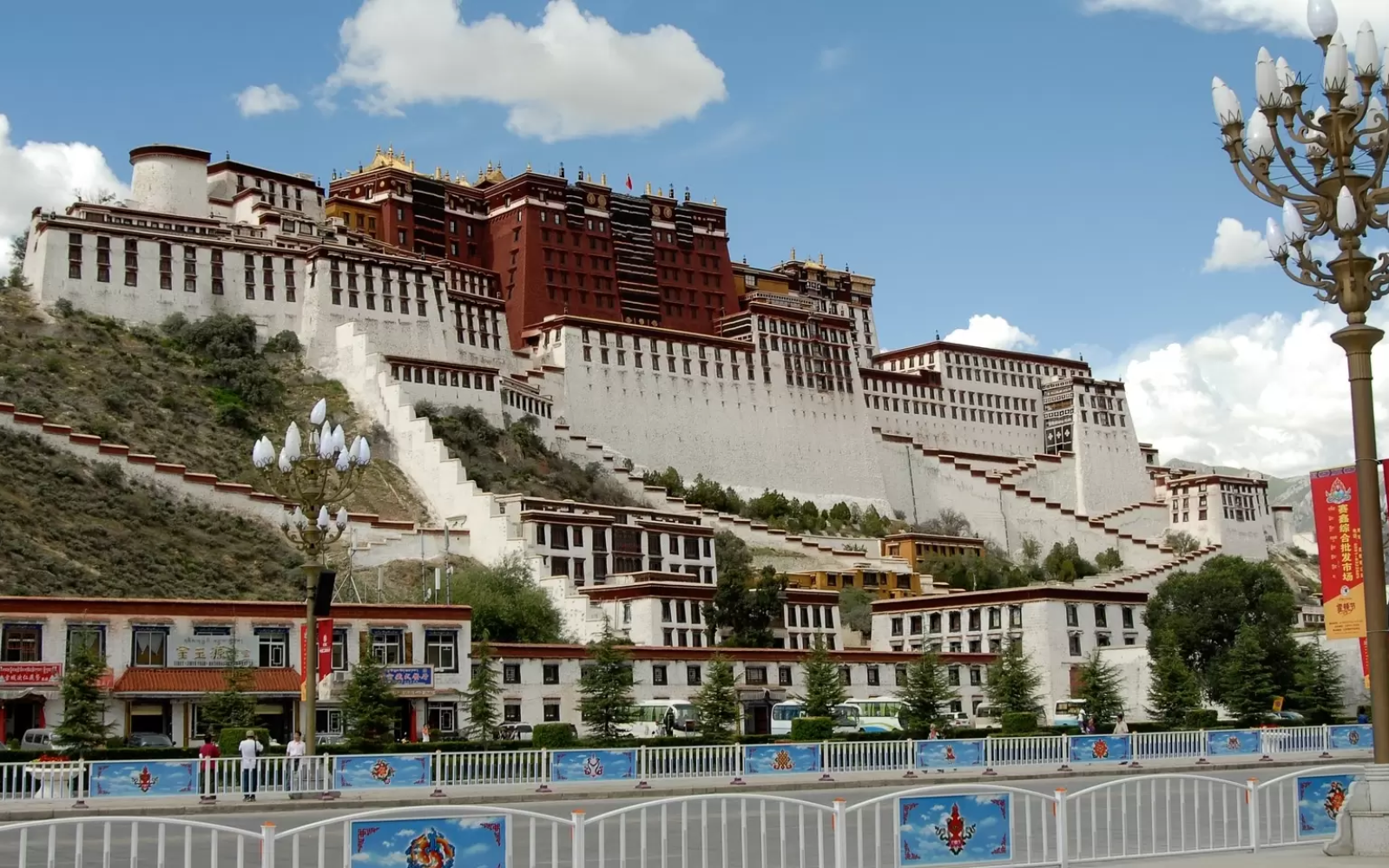
The Tibet Lhasa Overland Tour with Asiana Treks and Tours offers an unforgettable journey that blends natural beauty, ancient spirituality, and high-altitude adventure. This 10-day journey, starting and ending in Kathmandu, is a carefully curated experience that takes travelers across the dramatic Himalayan landscapes into the heart of Tibetan culture. From bustling Kathmandu to the peaceful courtyards of Lhasa's monasteries, every step of the journey is rich in history, culture, and breathtaking scenery.This overland adventure is ideal for travelers seeking a deep connection with the Himalayas without high-altitude trekking. With comfortable drives through scenic mountain passes, time for cultural immersion, and opportunities to visit UNESCO World Heritage Sites like Potala Palace and Jokhang Temple, the Tibet Lhasa Overland Tour delivers both comfort and discovery. Whether you're drawn to ancient Buddhist traditions or the awe of panoramic views over the Roof of the World, this tour provides the perfect combination of both.Brief Introduction to the TourYour journey begins in Kathmandu, the lively capital of Nepal, where you'll receive a warm welcome and brief orientation. From there, you travel by road to the Kerung border, the main gateway to Tibet. The adventure continues as you gradually gain altitude, traversing remote Tibetan towns such as Tingri and Shigatse, each offering glimpses into rural life and stunning mountain landscapes. After several days of travel, you’ll reach the majestic city of Lhasa, the spiritual and administrative heart of Tibet.In Lhasa, you’ll spend two full days exploring iconic landmarks including the towering Potala Palace, the sacred Jokhang Temple, and bustling Barkhor Street. These experiences provide an insightful window into Tibetan Buddhism, its people, and its resilience. The return journey retraces your route through the Himalayan terrain, offering new perspectives and time for reflection before concluding the tour back in Kathmandu.Highlights of the Route (Kathmandu – Lhasa – Kathmandu)Kathmandu to KerungThe adventure begins with a scenic drive from Kathmandu to the Kerung Border, where the foothills of the Himalayas start to rise dramatically. The journey winds through rural Nepalese villages and lush green landscapes, gradually ascending to the Tibet border. Kerung is your first overnight in Tibet, allowing you to acclimatize and enjoy the tranquil surroundings.Kerung – Tingri – Shigatse – Gyantse – LhasaThis overland segment is the heart of the adventure. As you travel deeper into the Tibetan plateau, you’ll pass through Tingri—a highland town with panoramic views of the Mount Everest range—and onward to Shigatse, Tibet’s second-largest city. The route continues via Gyantse, famous for its Kumbum Stupa, before arriving in Lhasa, a city steeped in ancient spirituality and political history.Return Journey: Lhasa to Kathmandu via Xegar and KyirungAfter exploring Lhasa, the journey back retraces through Xegar, known for its rugged beauty, and Kyirung, offering a serene descent into Nepal. The landscapes shift once more as you return to the lush valleys surrounding Kathmandu, where the tour concludes.Key ExperiencesPotala Palace and Jokhang TempleThe visit to Potala Palace, the former winter residence of the Dalai Lama, is a profound highlight of the tour. This architectural marvel, perched on Red Hill, overlooks Lhasa and houses thousands of Buddhist relics, murals, and ancient scriptures. Similarly, the Jokhang Temple, considered the most sacred temple in Tibet, invites pilgrims and visitors alike into its deeply spiritual atmosphere. Walking the Barkhor Circuit around the temple offers a powerful cultural experience as devotees spin prayer wheels and chant mantras.Himalayan Drive and High PassesThe overland journey is packed with dramatic views and thrilling mountain roads. You'll cross several high-altitude passes including Lalung La and Gyatso La, offering panoramic views of snow-capped peaks like Mount Everest, Cho Oyu, and Shishapangma. These moments provide countless photo opportunities and a deep appreciation for the sheer magnitude of the Himalayas.Tibetan Culture and Remote TownsEvery stop along the route introduces you to different aspects of Tibetan life. From the monastic communities of Shigatse to the traditional houses in Gyantse, you’ll experience the everyday resilience and warmth of the Tibetan people. Visiting local markets, engaging with monks, and witnessing centuries-old customs are integral parts of this cultural immersion.Summary of the Tour Experience – Tibet Lhasa Overland TourOrganized by Asiana Treks and ToursThe Tibet Lhasa Overland Tour is a breathtaking journey across the highlands of Tibet that combines natural grandeur, spiritual enlightenment, and cultural depth. Starting in Kathmandu, Nepal, this overland adventure crosses into Tibet via the Kerung border, allowing travelers to experience a gradual altitude gain and fully absorb the ever-changing landscape. The route winds through ancient trade towns like Tingri, Shigatse, and Gyantse before reaching the spiritual heart of Tibet—Lhasa. Over ten days, participants are immersed in local life, dramatic scenery, and UNESCO-listed landmarks that reveal the mystery and resilience of the Tibetan spirit.What makes this journey particularly unique is the transition from the lush valleys of Nepal into the stark, awe-inspiring Tibetan plateau, home to snow-capped peaks, pristine lakes, and windswept high passes. Along the way, you’ll witness centuries-old monasteries, interact with friendly locals, and stand in reverence before sacred monuments like the Potala Palace and Jokhang Temple. The overland route offers the best of both worlds—adventure and comfort—allowing for cultural engagement without the need for strenuous trekking.Key Features of the Tour Experience:Overland travel across the Himalayas from Nepal to Tibet and backComfortable acclimatization schedule with scenic drive and rest daysVisits to key Tibetan cities: Lhasa, Shigatse, Gyantse, TingriExploration of iconic heritage sites and spiritual centersIdeal for photography, history, and culture enthusiastsKey Highlights and Cultural AttractionsThe Tibet Lhasa Overland Tour is designed around some of Tibet’s most iconic attractions and spiritual centers. In Lhasa, you’ll explore the magnificent Potala Palace, the former residence of the Dalai Lama. This towering white-and-red structure houses ancient scriptures, golden tombs of past lamas, and intricate murals that reflect Tibet’s spiritual legacy. The nearby Jokhang Temple, Tibet’s most sacred religious site, draws pilgrims from all across the plateau who chant and prostrate their way around the Barkhor Market Circuit—a deeply immersive and moving experience.Beyond Lhasa, the tour takes you to Shigatse, home to the Tashilhunpo Monastery, seat of the Panchen Lama. In Gyantse, the majestic Kumbum Stupa and Pelkor Chode Monastery offer insight into unique Tibetan architectural styles and religious practices. You’ll also cross dramatic high passes like Karo La and Gyatso La, where the Himalayas unfold in panoramic vistas that include Mount Everest and Shishapangma. This is not just a sightseeing trip—it’s a journey into the spiritual and geographic heart of the Himalayas.Cultural & Scenic Highlights:Potala Palace – Spiritual and political heart of TibetJokhang Temple & Barkhor Street – Pilgrimage and local cultureTashilhunpo Monastery – Seat of the Panchen Lama in ShigatseGyantse Kumbum – Unique architectural stupa with chapelsHigh passes & Himalayan views – Overlooks of Everest and sacred peaksAuthentic Tibetan villages – Cultural immersion beyond major citiesWho This Tour Is Ideal ForThe Tibet Lhasa Overland Tour is perfect for travelers who seek a meaningful journey beyond conventional sightseeing. It is tailored for adventurous souls who want to experience Tibet's mystical culture, rich history, and striking geography—without the rigors of long trekking. Because the tour is vehicle-based, it allows a wide range of travelers to explore high-altitude terrain while still enjoying relative comfort and safety. It’s especially suitable for cultural explorers, photographers, educators, and spiritual seekers eager to engage with Tibetan Buddhism and Himalayan traditions firsthand.This tour is also ideal for families with older children, solo travelers, and small groups who appreciate slow travel and immersive experiences. Because the route provides a gradual gain in elevation, it offers a comfortable pace for acclimatization, making it appropriate for travelers who may not have prior high-altitude experience. Additionally, those who are interested in Buddhist culture, ancient art, traditional lifestyles, and sacred landscapes will find the itinerary deeply rewarding.Best Suited For:Cultural and spiritual travelersPhotographers and nature loversSolo explorers and small travel groupsFamilies and older adults seeking non-trekking adventureAnyone fascinated by Buddhism, Tibetan culture, or Himalayan landscapes
Feel free to inquire, and together, we'll design the perfect journey to suit your preferences and desires.


 (2)
(2)  100% recommend (0)
 (0)
(0)