Explore on an unforgettable 10-day journey with Asiana Treks and Tours, exploring the cultural and natural treasures of Nepal and Bhutan. Begin in Kathmandu with iconic temples and bustling markets, then fly to Paro, Bhutan, to witness the majestic Tiger’s Nest Monastery and vibrant Paro Dzong. Explore Thimphu’s unique culture, Punakha’s stunning dzong, and the serene landscapes along the way. Return to Nepal to discover the medieval charm of Patan and Bhaktapur, unwind in scenic Nagarkot, and conclude with cherished memories of this Himalayan adventure.
The Nepal-Bhutan Tour by Asiana Treks and Tours offers an immersive exploration of two of the most enchanting Himalayan kingdoms. Nestled between China and India, Nepal and Bhutan showcase a unique blend of rich cultural heritage, stunning natural landscapes, and spiritual traditions. This tour is perfect for travelers seeking a deep cultural and spiritual experience combined with breathtaking Himalayan vistas.
Spanning ten days, this guided journey starts in the bustling yet historic Kathmandu Valley, known for its UNESCO World Heritage sites, ancient temples, and vibrant local life. After exploring Nepal’s cultural treasures, the tour takes you on a scenic flight to Bhutan, a serene kingdom famed for its preserved traditions, monasteries, and pristine nature. The itinerary balances sightseeing with trekking and cultural immersion, providing insights into Buddhist practices, traditional Bhutanese architecture, and Himalayan lifestyles.
Autumn and Spring are the best seasons for this tour, offering clear skies, moderate weather, and ideal trekking conditions. However, the tour can be arranged year-round with minor itinerary adjustments. Asiana Treks and Tours ensures a seamless travel experience with expert guides, comfortable accommodations, and personalized services, making this Himalayan adventure both enriching and comfortable.
Key Points:
Duration: 10 days
Destinations: Kathmandu, Paro, Thimphu, Punakha, Patan, Bhaktapur, Nagarkot
Focus: Cultural heritage, spirituality, nature, trekking
Best travel seasons: Autumn and Spring
Provider: Asiana Treks and Tours
2. Introduction to the Nepal-Bhutan Tour
The Nepal-Bhutan Tour is a specialized travel experience that connects the cultural and spiritual jewels of the Himalayas. Designed for cultural enthusiasts, spiritual seekers, and families alike, this tour offers a well-rounded glimpse into the lifestyles and traditions of two distinct yet intertwined Himalayan nations. Nepal’s vibrant Hindu and Buddhist heritage complements Bhutan’s deeply spiritual Buddhist culture, making the itinerary a harmonious journey through time and faith.
Starting in Kathmandu, travelers will be introduced to ancient religious monuments, bustling markets, and lively urban traditions. The flight to Bhutan opens the door to a kingdom where modernization gently coexists with age-old customs. In Bhutan, visitors can witness stunning dzongs (fortresses), iconic monasteries, and untouched landscapes, all underpinned by the Bhutanese philosophy of Gross National Happiness.
The tour includes guided visits to UNESCO World Heritage Sites, scenic hikes such as the renowned Tiger’s Nest Monastery trek, and leisurely explorations of historic cities and hill stations. The seamless blend of sightseeing, hiking, and cultural encounters ensures that guests return home with lasting memories and a profound appreciation for Himalayan heritage.
Key Points:
Combines Nepal and Bhutan’s cultural highlights
Suitable for cultural connoisseurs and families
Includes urban and rural experiences
Focus on spiritual and historic sites
Balanced itinerary of sightseeing and hiking
3. Highlights of the Himalayan Cultural & Spiritual Journey
This tour offers a range of unforgettable experiences that showcase the Himalayan region’s rich spiritual and cultural tapestry. Starting with Kathmandu Valley, travelers explore Buddhist stupas such as Swoyambhu and Boudhanath, the sacred Hindu temple of Pashupatinath, and the historic Kathmandu Durbar Square. Each site offers insight into Nepal’s ancient religious and artistic traditions.
In Bhutan, the journey continues with visits to iconic landmarks such as the Kyichu Lhakhang—one of Bhutan’s oldest temples— and the majestic dzongs of Paro and Punakha. The hike to the Tiger’s Nest Monastery, perched dramatically on a cliffside, is a highlight, offering both spiritual reflection and panoramic views. Passing over the Dochu La Pass provides breathtaking vistas of Bhutan’s highest peaks, including Mt. Jomolhari.
Throughout the tour, travelers witness the blend of Buddhism and Hinduism in Nepal and the strictly Buddhist culture of Bhutan, along with traditional music, festivals, and handicrafts. The journey fosters a deeper understanding of Himalayan spirituality and cultural resilience, making it much more than just sightseeing.
Key Points:
Visit key Buddhist and Hindu sites in Nepal
Explore Bhutan’s historic temples and dzongs
Tiger’s Nest Monastery hike with stunning views
Dochu La Pass scenic mountain vistas
Immersive spiritual and cultural encounters
4. Exploring Nepal’s Heritage Cities: Kathmandu, Patan & Bhaktapur
Kathmandu Valley is a treasure trove of history and culture, with Kathmandu, Patan, and Bhaktapur each offering unique experiences. On arrival day and during sightseeing, the focus is on Kathmandu’s vibrant streets and sacred sites. Swoyambhunath Stupa, also known as the Monkey Temple, offers panoramic views and a spiritual ambiance. Boudhanath Stupa stands as one of the largest Buddhist stupas in the world, with constant prayer wheel rotations and pilgrims from all over Asia.
Patan, the city of fine arts, is renowned for its exquisite Newar architecture, ancient palaces, and exquisite metalwork and woodcraft. The Patan Durbar Square is a living museum of medieval craftsmanship, where every corner tells a story. Bhaktapur, with its narrow lanes and preserved medieval atmosphere, boasts impressive temples, pagodas, and traditional pottery workshops.
A day trip to Nagarkot allows visitors to enjoy fresh mountain air and spectacular views of the Himalayas, including Mount Everest on clear days. This blend of urban heritage and natural beauty enriches travelers’ appreciation for Nepal’s cultural depth and scenic splendor.
Key Points:
Kathmandu: Swoyambhunath, Boudhanath, Pashupatinath
Patan: Durbar Square, traditional arts and crafts
Bhaktapur: Medieval temples, pottery, authentic Newari culture
Nagarkot: Himalayan mountain views and nature walks
5. Bhutan’s Iconic Attractions: Paro, Thimpu & Punakha
Bhutan’s charm lies in its pristine nature and living cultural traditions, all well-preserved despite growing tourism. Paro, the kingdom’s gateway, is home to Kyichu Lhakhang, a temple dating back to the 7th century. Paro’s Rinpung Dzong, a massive fortress, is an architectural marvel and an administrative center. After arrival, sightseeing in Paro reveals Bhutan’s harmonious blend of spirituality and governance.
Thimphu, Bhutan’s capital, offers a modern yet culturally rich experience with its monasteries, museums, and traditional crafts markets. Key sites include the large Buddha Dordenma statue overlooking the valley and the Tashichho Dzong, which houses government offices and monastic bodies. The drive from Paro to Thimphu showcases lush valleys and mountain views.
Punakha, Bhutan’s ancient capital, is famed for its beautiful dzong situated at the confluence of two rivers. It is considered one of Bhutan’s most picturesque and historically significant sites. Visiting Punakha Dzong provides insight into Bhutanese history and religious ceremonies. The journey between these cities traverses stunning landscapes and offers opportunities to observe Bhutanese village life.
Key Points:
Paro: Kyichu Lhakhang, Rinpung Dzong
Thimphu: Buddha Dordenma, Tashichho Dzong, cultural museums
Punakha: Punakha Dzong, river confluence, historic capital
Scenic drives connecting Bhutan’s valleys and towns
6. The Magic of Tiger’s Nest Monastery Hike
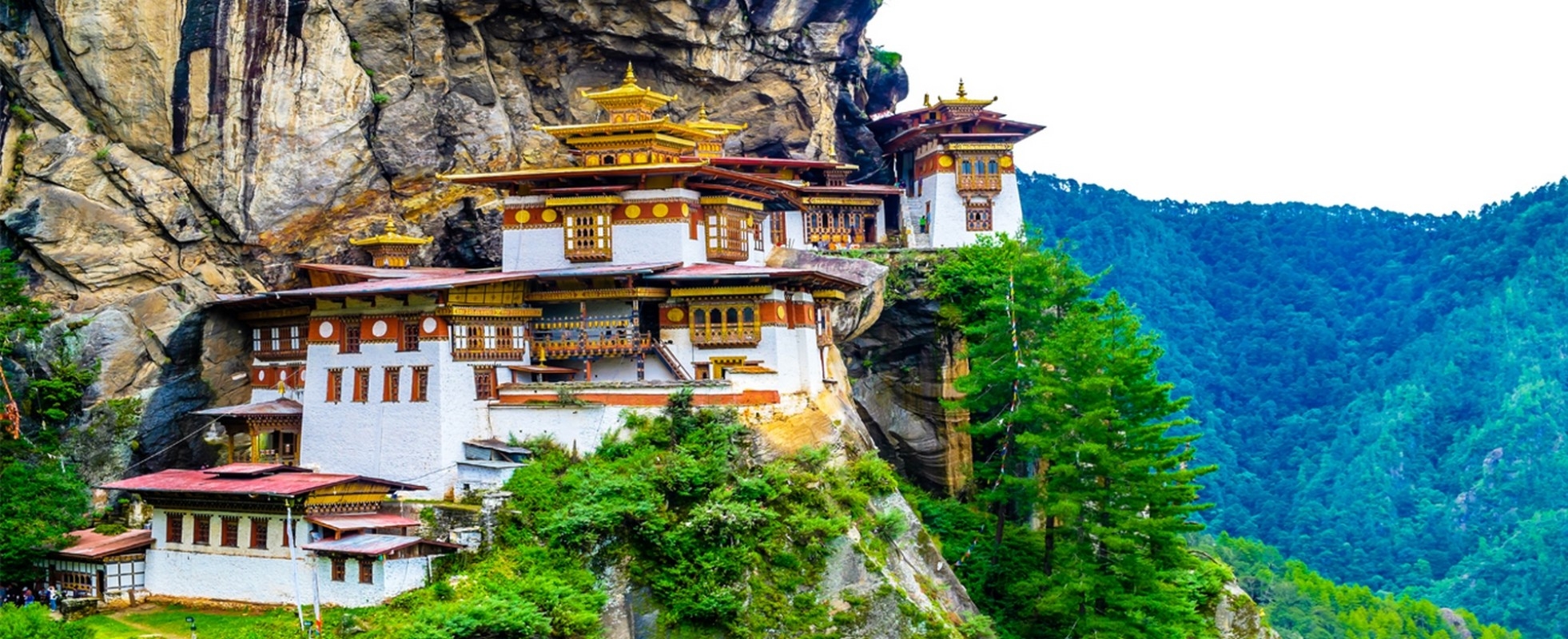
The Tiger’s Nest Monastery, or Paro Taktsang, is Bhutan’s most iconic spiritual site and one of the most breathtaking monasteries globally. Perched on a sheer cliff 900 meters above the Paro valley, it is believed to be the meditation site of Guru Rinpoche, the saint who introduced Buddhism to Bhutan in the 8th century.
The hike to Tiger’s Nest is a moderate to challenging trek, taking about 2-3 hours each way, with stunning natural scenery along the route. Forested trails, prayer flags fluttering in the wind, and the sound of monks chanting create a deeply spiritual atmosphere. At the monastery, visitors can explore its chapels, shrines, and meditation caves while soaking in dramatic Himalayan vistas.
The experience is both physically rewarding and spiritually uplifting, offering a rare glimpse into Bhutanese devotion and Himalayan wilderness. It is a highlight of the Bhutan leg of the tour and a must-do for travelers seeking adventure and cultural depth.
Key Points:
Iconic monastery perched on a cliff
2-3 hour scenic and spiritual hike
Meditation site of Guru Rinpoche
Panoramic views of Paro valley and surrounding peaks
Deep spiritual and cultural significance
7. The Unique Blend of Himalayan Cultures and Traditions
This tour captures the fascinating cultural contrasts and shared traditions of Nepal and Bhutan. Nepal’s diverse population practices Hinduism and Buddhism side by side, creating a vibrant religious mosaic visible in festivals, rituals, and architecture. The ancient kingdoms of Kathmandu, Patan, and Bhaktapur reflect centuries of artistic and religious evolution.
In Bhutan, Buddhism is the cornerstone of society, influencing daily life, government policies, and cultural expression. The concept of Gross National Happiness shapes how Bhutan balances development with cultural preservation. Bhutanese traditions, dress, language, and festivals have remained remarkably intact, offering travelers a rare glimpse into an authentic Himalayan kingdom.
Throughout the journey, participants engage with local communities, visit monasteries, and witness traditional crafts. The juxtaposition of Nepal’s pluralistic society and Bhutan’s Buddhist theocracy enriches travelers’ understanding of Himalayan culture, spirituality, and resilience.
Key Points:
Nepal: Hindu-Buddhist religious fusion, multicultural heritage
Bhutan: Buddhist-centric culture, Gross National Happiness philosophy
Preservation of traditions and festivals in both countries
Interaction with local communities and artisans
Deep cultural and spiritual immersion
8. Who Should Take This Nepal-Bhutan Adventure?
This Nepal-Bhutan Tour suits a wide range of travelers. Cultural connoisseurs will appreciate the rich heritage sites, ancient temples, and traditional arts. Spiritual seekers will find the Buddhist monasteries, meditation spots, and sacred landscapes deeply moving. Families can enjoy a balanced itinerary with cultural exposure, scenic walks, and comfortable travel arrangements.
Nature lovers will be enchanted by the Himalayan panoramas, hill station breezes of Nagarkot, and Bhutan’s pristine valleys. Adventure enthusiasts will relish the Tiger’s Nest hike and mountain pass drives. The tour’s moderate activity level and well-paced itinerary make it accessible to most travelers in good health.
Whether you are a first-time visitor to the Himalayas or a seasoned traveler, this journey promises meaningful encounters, inspiring landscapes, and unforgettable cultural experiences.
Key Points:
Cultural enthusiasts and heritage lovers
Spiritual and religious travelers
Families seeking educational and scenic tours
Nature lovers and adventure seekers
Moderate activity level, suitable for healthy adults
9. Scenic Landscapes from Kathmandu Valley to Bhutan’s Valleys
The tour offers stunning Himalayan landscapes throughout, from the urban-rural contrasts of Kathmandu Valley to Bhutan’s untouched mountain scenery. In Nepal, ancient temples sit amid lush greenery and bustling streets, while Nagarkot’s hilltop vantage point provides sweeping views of snow-capped peaks like Everest.
The short flight from Kathmandu to Paro treats travelers to aerial views of jagged Himalayan ridges, deep valleys, and winding rivers. Bhutan’s mountain passes, such as the Dochu La Pass, showcase a panoramic array of peaks like Mt. Jomolhari, shrouded in prayer flags and mist. The drives between Paro, Thimphu, and Punakha offer peaceful vistas of terraced fields, pine forests, and traditional villages.
Each day presents a new visual feast, blending natural beauty with cultural landmarks and serene spirituality, making this tour a paradise for photographers, nature lovers, and contemplative travelers alike.
Key Points:
Himalayan mountain vistas from Kathmandu and Nagarkot
Aerial views on Kathmandu-Paro flight
Dochu La Pass and Mt. Jomolhari panoramas
Scenic drives through valleys and villages
Rich blend of nature and culture in every setting
When embarking on the Nepal Bhutan Tour with Asiana Treks and Tours, it’s essential to be well-prepared and aware of key considerations to ensure a smooth and enjoyable journey. Both Nepal and Bhutan are Himalayan countries with unique cultures, diverse climates, and varied terrain, which require some planning. The itinerary involves flights, mountain hikes, and visits to ancient heritage sites, so physical fitness and flexibility with travel plans are important.
Travelers should note that Bhutan enforces a strict tourism policy with mandatory licensed guides and pre-approved itineraries. This policy ensures preservation of Bhutan’s culture and environment but means changes to the tour plan must be coordinated well in advance. Likewise, Nepal’s vibrant cities and mountainous areas can be busy or remote depending on the location, so patience and adaptability enhance the experience.
Communication infrastructure varies, with good mobile and internet service in cities but limited connectivity in remote areas. Electricity voltage is typically 220V in both countries, but carrying universal adapters is advisable. Safety measures, cultural sensitivity, and respect for local customs are emphasized throughout the tour.
Key Points:
Bhutan requires licensed guides and pre-approved itineraries
Variable internet and mobile coverage, better in cities
Carry universal power adapters (220V)
Physical fitness needed for moderate hikes and altitude
Respect local customs and follow safety instructions
2. Visa Requirements and Permit Procedures for Nepal and Bhutan
Securing the appropriate visas and permits is a critical part of traveling to Nepal and Bhutan. For Nepal, most nationalities receive a tourist visa on arrival at Tribhuvan International Airport or major land border points. The visa is generally valid for 15, 30, or 90 days, with fees payable in USD or other major currencies. It’s essential to carry a valid passport with at least six months’ validity from the date of arrival.
Bhutan, on the other hand, follows a controlled tourism model that requires all tourists (except nationals of India, Bangladesh, and the Maldives) to obtain a visa in advance. Tourists must book their Bhutan trip through a licensed Bhutanese tour operator or their international partner like Asiana Treks and Tours. The Bhutanese government processes visas after receiving full payment of the tour package. Tourists will receive a visa clearance letter, which is presented upon arrival at Paro airport.
Additional permits may be required for visiting specific areas in Nepal or Bhutan, such as trekking permits for high-altitude regions. Asiana Treks and Tours will assist in securing all necessary permits and guide travelers through the visa application process, ensuring a hassle-free entry to both countries.
Key Points:
Nepal: Visa on arrival for most nationalities (15, 30, or 90 days)
Bhutan: Visa required in advance, booked through licensed operators
Passport validity: Minimum six months recommended
Additional trekking permits may be necessary
Asiana Treks and Tours facilitates all visa and permit processes
3. Health & Altitude Tips for Kathmandu and Bhutan’s Valleys
Traveling to Nepal and Bhutan involves visiting elevations ranging from around 1,300 meters (Kathmandu) to over 3,100 meters (Dochu La Pass). Altitude sickness is a common concern for many travelers. Although Kathmandu and Bhutan’s main valleys are moderate in altitude, the physical exertion of hiking and mountain passes can lead to mild symptoms of altitude sickness, such as headaches, dizziness, or nausea.
It is important to acclimatize gradually, stay well-hydrated, and avoid alcohol and heavy exertion on the first days at higher altitudes. Travelers with pre-existing medical conditions should consult their physician before the trip. Basic health precautions like vaccinations for typhoid, hepatitis A, and routine immunizations are advised. Carrying a personal medical kit with altitude sickness medication, painkillers, and basic first aid supplies is recommended.
Both countries have decent medical facilities in urban centers like Kathmandu and Thimphu, but remote areas may have limited access. Travel insurance covering medical evacuation is strongly advised. With proper preparation, most travelers enjoy their journey without significant health issues.
Key Points:
Altitude ranges: Kathmandu (~1,300m), Bhutan valleys (~2,200–3,100m)
Acclimatize gradually; stay hydrated; avoid alcohol initially
Consult doctor if you have health conditions
Recommended vaccinations: typhoid, hepatitis A, routine shots
Carry altitude sickness meds and first aid kit
Travel insurance with medical evacuation coverage essential
4. Best Time to Travel for Nepal and Bhutan
The ideal seasons to explore Nepal and Bhutan are spring (March to May) and autumn (September to November). These periods offer clear skies, pleasant temperatures, and vibrant festivals. Spring brings blooming rhododendrons and fresh greenery, while autumn is marked by crisp air and spectacular mountain views. Both seasons are perfect for sightseeing, hiking, and photography.
Winter (December to February) can be cold, especially in the mountains, but the lower valleys remain accessible with fewer tourists, which appeals to travelers seeking solitude. Summer (June to August) is the monsoon season, bringing heavy rain to Nepal and Bhutan. This can cause slippery trails and occasional flight delays, so travel during monsoon requires flexibility and caution.
Asiana Treks and Tours recommends planning your Nepal-Bhutan trip during spring or autumn for the best overall experience, with spectacular Himalayan vistas and comfortable weather for outdoor activities.
Key Points:
Best seasons: Spring (March–May) and Autumn (September–November)
Winter: Cold but fewer tourists, accessible lower valleys
Summer: Monsoon season with heavy rains, slippery trails
Clear skies and vibrant festivals in spring and autumn
Ideal for hiking, sightseeing, and photography
5. Cultural Etiquette in Nepal and Bhutan
Respecting local customs and traditions is essential when visiting Nepal and Bhutan. Both countries have deeply rooted spiritual beliefs and social practices that travelers should observe. In Nepal, removing shoes before entering temples, speaking softly, and avoiding public displays of affection are considered polite. When visiting religious sites, it is customary to walk clockwise around stupas and shrines.
Bhutanese culture emphasizes humility and respect for religious authorities. Dress modestly, especially when visiting dzongs and monasteries, and seek permission before photographing people, particularly monks and local villagers. Bhutanese greetings often involve placing the palms together in a prayer-like gesture and bowing slightly.
Avoid discussing politics or criticizing the monarchy in Bhutan, as this is sensitive. In both countries, offering small gifts or donations to monks and local artisans is appreciated. Learning a few basic phrases in Nepali or Dzongkha can enhance interactions and show respect for local cultures.
Key Points:
Remove shoes before entering temples in Nepal
Walk clockwise around religious sites
Dress modestly in Bhutan, especially at monasteries
Ask permission before photographing locals
Use respectful greetings: palms together and slight bow
Avoid sensitive political topics in Bhutan
Small donations/gifts appreciated
6. Currency and Payment Information (Nepalese Rupee & Bhutanese Ngultrum)
Nepal’s official currency is the Nepalese Rupee (NPR), while Bhutan uses the Bhutanese Ngultrum (BTN), which is pegged to the Indian Rupee and accepted interchangeably in Bhutan. Carrying sufficient cash in local currency is important, as many remote areas and small shops do not accept credit cards. ATMs are available in major cities like Kathmandu and Thimphu but may be limited or unreliable in rural areas.
US Dollars and Indian Rupees are widely accepted in Nepal, especially in tourist areas, but it’s best to exchange money into NPR for local markets and transportation. In Bhutan, currency exchange is mainly done in banks and authorized centers. Credit cards are accepted in larger hotels and shops in Thimphu and Paro but less so in smaller towns.
Notify your bank before traveling and carry multiple payment methods for safety. Keep small denominations handy for tips, local purchases, and transport fares.
Key Points:
Nepal: Nepalese Rupee (NPR); Bhutan: Bhutanese Ngultrum (BTN)
BTN pegged to Indian Rupee; Indian Rupees widely accepted in Bhutan
Carry cash; credit cards accepted in major hotels but limited elsewhere
Exchange foreign currency in authorized centers
Use small denominations for tips and local transactions
ATMs available in cities, limited in remote areas
7. Flight Details and Airport Transfers
The Nepal Bhutan Tour involves international and domestic flights, starting with your arrival at Tribhuvan International Airport in Kathmandu. From Kathmandu, a short scenic flight connects to Paro International Airport, Bhutan’s only international airport. Flights between Kathmandu and Paro are operated by airlines like Druk Air and Bhutan Airlines and are subject to weather conditions, so allow for some flexibility in your itinerary.
Asiana Treks and Tours coordinates all airport transfers with reliable vehicles and professional drivers to ensure safe and timely transport. Transfers between hotels, airports, and sightseeing locations are included in the package. At both Kathmandu and Paro airports, customs and immigration procedures are handled efficiently with the support of your guide.
Travelers are advised to arrive at airports well in advance of flight times due to additional security checks. Flight schedules may change, especially during monsoon or winter seasons, so your tour manager will provide timely updates.
Key Points:
Arrival at Tribhuvan International Airport, Kathmandu
Kathmandu-Paro flight via Druk Air or Bhutan Airlines
Airport transfers included and coordinated by Asiana Treks and Tours
Flight schedules may be affected by weather
Arrive early for security and immigration procedures
Professional guides assist throughout
8. Packing Essentials for Varying Climates and Activities
Packing wisely is crucial for enjoying the diverse climates and activities of the Nepal Bhutan Tour. Layered clothing is recommended to accommodate temperature fluctuations—from warm daytime weather in valleys to cool mornings and evenings. Breathable, moisture-wicking fabrics are ideal for hiking and sightseeing.
Essentials include comfortable walking shoes, a sturdy pair of hiking boots for the Tiger’s Nest trek, a waterproof jacket, and a hat or sunglasses for sun protection. A small daypack will be useful for carrying water, snacks, cameras, and personal items during excursions. Don’t forget sunscreen and insect repellent.
Cultural sensitivity requires modest attire, so pack clothes that cover shoulders and knees, especially for temple visits. Power adapters, chargers, and a reusable water bottle should also be included. Packing a basic medical kit with altitude sickness remedies, pain relievers, and bandages is recommended. Travel documents, copies, and emergency contacts should be safely stored.
Key Points:
Layered clothing for varying temperatures
Comfortable walking shoes and hiking boots
Waterproof jacket, hat, sunglasses, sunscreen, insect repellent
Modest clothing for temple visits
Daypack for daily essentials
Power adapters and chargers
Basic medical kit including altitude sickness meds
9. Travel Insurance Recommendations
Travel insurance is a vital component of a safe and worry-free Nepal Bhutan Tour. It should cover medical emergencies, trip cancellations, lost luggage, and, importantly, evacuation in case of severe altitude sickness or other health crises. Given the mountainous terrain and the potential for flight delays or cancellations due to weather, comprehensive coverage is highly recommended.
When selecting insurance, ensure it includes coverage for trekking or hiking activities, as some policies exclude these. Verify that the policy covers COVID-19-related issues, such as testing, quarantine, or medical treatment. Emergency contact numbers and claim procedures should be easily accessible.
Asiana Treks and Tours advises all travelers to purchase insurance before departure and to carry a copy of the policy and emergency contacts throughout the trip. This preparation ensures peace of mind and support in case of unforeseen incidents.
Key Points:
Essential coverage: medical emergencies, trip cancellations, lost luggage
Include trekking/hiking activities coverage
COVID-19 coverage strongly recommended
Emergency contact and claim info readily available
Purchase insurance before departure
Carry copies during travel
10. Safety Tips for Hiking and Mountain Travel
Safety during hiking and mountain travel in Nepal and Bhutan is paramount. Before any trek, including the Tiger’s Nest hike, ensure you are physically prepared and aware of your limits. Follow your guide’s instructions carefully and maintain a steady pace to avoid exhaustion.
Stay hydrated and carry sufficient water, especially at higher altitudes where dehydration risks increase. Use trekking poles for stability and wear appropriate footwear to prevent slips or injuries. Always stay on marked trails and respect warning signs.
Be mindful of altitude sickness symptoms such as headache, dizziness, or nausea; report any discomfort to your guide immediately. Weather conditions in the mountains can change rapidly, so carry rain gear and warm layers. Avoid hiking alone and keep communication devices handy.
Asiana Treks and Tours prioritizes safety with experienced guides, thorough briefing sessions, and well-planned routes to ensure a secure trekking experience.
Key Points:
Be physically prepared and pace yourself
Stay hydrated; carry water
Use trekking poles and appropriate footwear
Stay on marked trails; heed warning signs
Monitor altitude sickness symptoms; report issues
Carry rain gear and warm clothing
Hike with guides and avoid solo trekking
11. COVID-19 or Other Travel Restrictions (if applicable)
Due to the evolving nature of global health situations, COVID-19 protocols and travel restrictions may impact your Nepal Bhutan Tour. Both Nepal and Bhutan have implemented health measures including testing requirements, vaccination verification, and quarantine protocols to safeguard visitors and locals.
Travelers should stay updated on current entry requirements well before their trip, as policies can change rapidly. Asiana Treks and Tours provides updated information, assists with documentation, and coordinates any necessary testing or health checks. Mask-wearing, social distancing, and hygiene practices may be enforced in public spaces and during transportation.
While many restrictions are easing, being flexible and prepared for last-minute changes is important. Travel insurance with COVID-19 coverage is strongly recommended to mitigate risks related to cancellations or medical treatment.
Key Points:
COVID-19 protocols include testing, vaccination, and quarantine
Stay informed on entry requirements prior to travel
Asiana Treks and Tours provides updated guidance and assistance
Mask-wearing and hygiene practices may be required
Flexible itinerary planning advised
COVID-19 travel insurance coverage recommended
Experience the perfect blend of culture, history, and natural beauty with Asiana Treks and Tours on this 10-day Nepal and Bhutan journey. Begin in Kathmandu, exploring its rich heritage with visits to iconic temples, palaces, and vibrant markets. Fly to Paro, where the awe-inspiring Tiger’s Nest Monastery awaits, perched dramatically on a cliffside, followed by a scenic drive to the serene capital, Thimphu. Discover Bhutan’s unique culture and architecture before traveling to Punakha, home to the majestic Punakha Dzong.
Return to Paro and fly back to Kathmandu to continue your exploration of the historic cities of Patan and Bhaktapur, then unwind amidst the panoramic Himalayan views of Nagarkot. This carefully curated itinerary combines cultural immersion, breathtaking landscapes, and unforgettable experiences, ensuring a seamless journey through the highlights of Nepal and Bhutan with Asiana Treks and Tours.
Our airport representative will welcome you on your arrival at Kathmandu international airport. You will be transferred directly to your hotel for rest and refreshment. Overnight stay in hotel in Kathmandu.
This is the day your Nepal tour begins. Our official tour guide will pick you up you’re your hotel and take you on a sightseeing tour of Kathmandu. You will visit the following world heritage sites in the heart of Kathmandu: Kathmandu Durbar Square: Once the seat of Malla Kings, Kathmandu Durbar Square is an open museum for Newari art and architecture. The premises prominently features Taleju Temple, Kumari Temple, courtyard, erotic arts and statues, pagoda and shikhara styled temples. The only living goddess in the world, Kumari, is housed in Kumari house here. Pashupatinath Temple: This 7th century temple is dedicated to Lord Shiva and is one of the four most precious pilgrimage sites for Hindus all over the world. Every year it hosts Shiva Ratri or the Night of Shiva which is attended by thousands of Hindu devotees. There are deer park, classical music center, funeral pyres and several other attractions. Boudha Stupa: Believed to be around 2000 years old, Boudhanath is one of the most important and largest Buddhist stupa in the world. Its unique dome shaped white structure and the all-seeing eyes of Buddha watching in four direction attracts both Nepali and Tibetan Buddhists, red robed Lamas and Rinpoches. Swoyambhu Stupa: Swoyambhu Stupa is considered the twin sister of Boudha Stupa and has equal importance and similar architecture. This is where Newar Buddhists of Kathmandu valley observe Dipankar Buddha festival every 12 years! After the tour, you will be return to your hotel and prepare for a good night rest. Tomorrow you will be flying to Bhutan. Stay overnight in hotel in Kathmandu.
After early morning breakfast, you will be driven to the airport, to catch morning flight from Kathmandu to Paro international airport which takes about 1 hr. Enjoy breathtaking views of the Himalayas both in Nepal and Bhutan. Mt. Jumlohari and and Jichu Drake will greet you on your landing. Our Bhutanese guide will welcome you and take you to your hotel. In the afternoon, start guided sightseeing tour of Bhutan. Among the sites you will visit include Kyichu Lhakhang (oldest temple of Bhutan); 17th century Rinpung Dzong and 17th century Drugyal Dzong. Stay overnight in hotel in Paro.
Take an early morning to Taktsang Monastery or the famous Tiger’s Nest Monastery (3180m). Guru Rinpoche or Chengritse is believed to have arrived on this spot riding a tigress. After spending some time here, you will head for Thimphu which takes about 2 hrs. On arrival in Thimphu, you will straight away visit King's Memorial Chorten, Folk Heritage Museum and National Library. Stay overnight in Thimpu.
Wake up early to go on a tour of Tashichho Dzong and then hike to Wangditse Gompa, followed by National Institute of Traditional Medicine and Textile Museum. After lunch we will head towards Punkaha, which is the capital of Punkaha. The scenic drive will involve crossing over Dochu La Pass at 3100m and through quiet rhododendron and fir forests. You will pass by 108 chorten Lungchutse Monastery. Stay overnight in hotel Punakha.
Enjoy morning hike to Khamsum Valley which will take almost 2 hrs. The valley is home to Namgyal Chorten which features old Buddhist paintings. From here it is just another 45 minutes will take you to Punakha Dzong, which is perched at the crossing of Pho Chhu and Mo Chhu Rivers. Built in 1637, Punakha Dzong is one of the oldest and largest Dzong in Bhutan. Afterwards you will drive back to Paro which is a 2-3 hr journey.
Depending on your flight time, you will be transferred to Paro International Airport for your flight back to Kathmandu. Our airport representative will receive you at the airport and take you to your hotel for rest and refreshment. Enjoy a delightful dinner in the evening.
Today you will visit two medieval palaces of Nepal, namely Patan Durbar Square and Bhaktapur Durbar Square. Enjoy rich Newari arts and architecture in Bhakatpur where the life has stood still for centuries. The 55 window palace, Dattatraya Square, Nyatapola temple, Pottery Square are not to be missed while exploring this medieval city. Enjoy Newari cuisine for lunch and then head to Patan Durbar Square. You will be even more inspired by Newari art and architecture here. Return to your hotel in Kathmandu. Stay overnight in hotel in Kathmandu.
Early morning drive to Nagarkot takes about 1.5 hrs. Enjoy sunrise view from the Nagarkot hill station. Enjoy scenic views of the Himalayan peaks from here, specifically Mt. Everest! Return to Kathmandu in the evening.
This is the last day of your visit to Nepal. According to your flight time, you will be driven to Kathmandu International Airport for your flight back home.
Explore the rich cultures and stunning landscapes of Nepal and Bhutan on this 10-day journey with Asiana Treks and Tours. Your adventure includes Kathmandu’s historic sites, Bhutan’s iconic Tiger’s Nest, and scenic villages like Punakha and Nagarkot. To make your trip smooth and enjoyable, here are essential details to keep in mind:
This guide ensures your Nepal & Bhutan journey with Asiana Treks and Tours is safe, seamless, and memorable.
Your Start Date is the day you land in Nepal, and your End Date is when you fly home.
If the set Nepal Bhutan Tour group dates don’t suit your schedule, we can offer alternative dates upon request.
Daypack (for daily excursions)
Water bottle or hydration system
Trekking poles (optional but helpful for hikes)
Travel umbrella
Quick-dry towel
Sunglasses with UV protection
Camera/phone and chargers
Power adapter (Type D/F/G – Bhutan & Nepal)
Binoculars (optional – wildlife & landscapes)
Notebook/journal
Travel laundry detergent & sink stopper
The ideal time for the Nepal-Bhutan tour with Asiana Treks and Tours is during spring (March to May) and autumn (September to November). These months offer clear skies, pleasant temperatures, and stunning views of the Himalayas. Additionally, many cultural festivals in both countries occur during these seasons, enriching the experience. While summer and winter are also possible, weather conditions may vary. Asiana Treks and Tours ensures smooth travel planning regardless of the season, offering expert advice to align your schedule with the best conditions.
Yes, separate visas are required for Nepal and Bhutan. Nepal offers visa-on-arrival for many nationalities, which Asiana Treks and Tours can assist with. Bhutan, on the other hand, requires pre-approved travel through a licensed tour operator. Asiana Treks and Tours handles all Bhutan visa arrangements, including permits and documentation. You'll receive the Bhutan visa clearance letter before your departure, and the actual visa will be stamped on arrival in Paro. The company ensures a hassle-free process, taking care of all paperwork in advance.
Booking is simple. Visit Asiana Treks and Tours' official website, where you can fill out a booking form or contact their customer service. Once you confirm your dates and preferences, they provide a detailed itinerary and price quote. Upon agreement, you’ll make a deposit to secure your reservation. The team then begins handling visa paperwork, flights, and logistics. You’ll receive a complete pre-departure package with tips, packing lists, and other useful information. The team stays in touch throughout the process.
Yes, round-trip flights between Kathmandu and Paro are typically included in the standard tour package offered by Asiana Treks and Tours. These flights are operated by Bhutanese airlines such as Druk Air or Bhutan Airlines. Asiana will book these tickets for you, ensuring you get the most suitable schedule. The scenic flight offers breathtaking views of the Himalayas, including Mount Everest on clear days. The company also monitors weather conditions and helps with any necessary rescheduling in case of flight delays.
Asiana Treks and Tours uses private, air-conditioned vehicles for all ground transport. In Nepal and Bhutan, you’ll travel in comfortable cars, SUVs, or minibuses depending on group size. Vehicles are clean, safe, and driven by experienced, licensed drivers. For mountain roads in Bhutan or Nagarkot, 4x4 vehicles may be used for added safety. All transportation is planned for efficiency and comfort, with regular rest stops on longer drives. Airport transfers and intercity journeys are also covered under your package.
The hike to Tiger’s Nest (Taktsang Monastery) is moderately challenging but manageable for beginners with average fitness. The 4–5 hour round-trip trek involves a steady uphill climb, but Asiana Treks and Tours paces the hike comfortably with plenty of rest breaks. Mules are available for part of the journey if needed. The reward is an unforgettable view of the sacred monastery perched on a cliff. Your guide ensures your safety and motivation throughout, making this an achievable highlight of the Bhutan leg of your tour.
Absolutely. Asiana Treks and Tours specializes in tailor-made itineraries based on your preferences, interests, and travel pace. You can extend your stay, add destinations like Chitwan or Pokhara in Nepal, or request more time in Bhutan. The itinerary can also be adjusted for private groups, family travel, or spiritual journeys. Whether it’s adjusting hotel standards, adding experiences like cooking classes, or tweaking drive times, Asiana works closely with you to build a personalized, unforgettable travel experience that fits your vision and budget.
This Nepal-Bhutan tour is moderately active but not overly strenuous. The most challenging part is the Tiger’s Nest hike. Otherwise, most sightseeing involves walking short distances, sometimes on uneven paths or stairs, especially around ancient temples and monasteries. Drive times between cities can be long due to winding mountain roads, particularly in Bhutan. Asiana Treks and Tours ensures adequate rest periods, comfortable transport, and customized pacing based on your preferences and fitness level. Elderly travelers and families with kids regularly enjoy this itinerary.
The comprehensive package by Asiana Treks and Tours includes all accommodation, breakfast, guided sightseeing tours, private ground transportation, entrance fees to monuments, Kathmandu–Paro roundtrip flights, Bhutan visa arrangements, and government royalties. In Bhutan, the package also includes all meals and a full-time guide. Some optional activities or tips for guides and drivers are not included unless otherwise stated. Upon booking, you receive a clear breakdown of all inclusions, giving you full transparency and peace of mind throughout your travel planning.
This tour showcases rich cultural heritage in both countries. In Nepal, you'll explore ancient cities like Kathmandu, Patan, and Bhaktapur—famous for temples, palaces, and vibrant markets. In Bhutan, you’ll experience the tranquility of monasteries, the grandeur of Punakha Dzong, and the sacredness of Tiger’s Nest. Asiana Treks and Tours also arranges interactive experiences such as local meals, traditional craft workshops, and optional spiritual blessings. Every day of the journey is designed to connect you deeply with local customs, values, and hospitality.
There are no strict age limits for this Nepal-Bhutan tour. Asiana Treks and Tours welcomes families, seniors, and solo travelers. Children as young as 6 can join, provided they can manage some walking or hiking. Elderly travelers often find this itinerary enjoyable due to its cultural focus and manageable pace. The team will modify activities, transport, and accommodations if needed to suit all age groups. Safety, comfort, and accessibility are top priorities, ensuring everyone has a rewarding and inclusive travel experience.
This tour is available as a private tour or small group departure, depending on your preference. Private tours offer maximum flexibility and personalized service, ideal for couples, families, or friends. Small group tours typically include 6–12 travelers, fostering camaraderie while maintaining a relaxed pace. Asiana Treks and Tours limits group sizes to ensure quality guiding, smooth logistics, and personal attention. Whether you travel solo or in a group, you’ll receive exceptional support and access to authentic local experiences throughout your journey.
Altitude is generally not a major concern on this itinerary, as most destinations are below 3,000 meters (9,800 feet). The highest point is the Tiger’s Nest Monastery in Bhutan, which sits at around 3,120 meters. Some travelers may experience mild shortness of breath or fatigue, but serious altitude sickness is rare. Asiana Treks and Tours plans gradual acclimatization, ensures rest stops, and provides guidance on hydration and health. If you have pre-existing conditions, consult your doctor before travel for peace of mind.
Yes, respecting local customs is important in both Nepal and Bhutan. Dress modestly, remove shoes before entering temples, and avoid touching sacred objects without permission. Always walk clockwise around stupas and prayer wheels. In Bhutan, it’s customary to bow slightly when greeting monks or elders. Asiana Treks and Tours guides brief you on proper etiquette throughout the journey, ensuring respectful and meaningful interactions. Photography is allowed in most places, but always ask before photographing people or religious ceremonies to show courtesy.
Asiana Treks and Tours stands out for its deep regional expertise, personalized service, and commitment to authentic travel. With years of experience organizing Nepal-Bhutan tours, they offer seamless logistics, expert guides, and carefully crafted itineraries that blend culture, nature, and comfort. The company prioritizes customer satisfaction and safety, and they’re known for their prompt communication and flexibility. Whether you're a first-time visitor or a seasoned explorer, Asiana ensures a worry-free, enriching experience that connects you deeply with the heart of the Himalayas.
Asiana Treks and Tours arranges comfortable 3 to 4-star accommodations with options for upgrades to luxury resorts upon request. In cities like Kathmandu, Thimphu, and Paro, you’ll stay in well-rated hotels featuring modern amenities, clean rooms, and traditional decor. All accommodations are carefully selected for their service quality, location, and safety. Breakfast is included, and some packages may include other meals too. If you have special requests such as adjoining rooms or dietary needs, Asiana will gladly coordinate these in advance.
Food on this tour is diverse and delicious. In Nepal, you’ll enjoy a mix of traditional Nepali dishes like dal bhat and momo dumplings, alongside international cuisine. In Bhutan, meals are typically included and served in hotels or restaurants, featuring red rice, ema datshi (chili-cheese stew), and local vegetables. Asiana Treks and Tours caters to dietary preferences, including vegetarian, vegan, or gluten-free meals upon request. Clean drinking water is always available, and guides help ensure you enjoy safe and satisfying culinary experiences throughout.
Yes, experienced and licensed local guides are provided in both Nepal and Bhutan by Asiana Treks and Tours. These guides are fluent in English and have extensive knowledge of culture, history, and geography. In Bhutan, it is mandatory to have a guide, and you’ll be accompanied by the same guide throughout your Bhutan stay. In Nepal, different guides may be assigned for each city or activity. All guides are friendly, professional, and passionate about sharing their country’s stories and traditions with you.
While travel insurance is not legally mandatory, Asiana Treks and Tours strongly recommends it. Travel insurance offers protection against unforeseen events such as trip cancellations, medical emergencies, lost luggage, and flight delays. For Bhutan, insurance is especially important due to its remote locations and limited medical facilities. Many insurance providers cover both Nepal and Bhutan under the same plan. Asiana can recommend reliable insurance partners if needed, and they ensure you're well-informed about what coverage is best for your tour.
For this Nepal-Bhutan tour, pack layered clothing to accommodate changing weather, especially in the mountains. Light, breathable clothes are ideal for daytime sightseeing, while warmer layers like fleece or jackets are needed for cooler mornings and evenings. Comfortable walking shoes are essential, especially for the Tiger’s Nest hike and city tours. Modest attire is recommended for visiting religious sites—long pants and covered shoulders are ideal. Asiana Treks and Tours provides a packing checklist before departure to help you prepare effectively.


 (2)
(2)  100% recommend (0)
 (0)
(0)