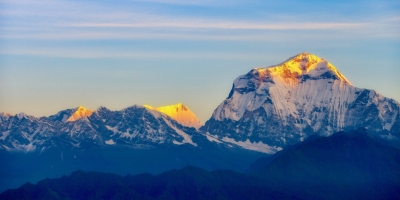
Dhaulagiri Base Camp Trekking is an exciting and relatively new trekking trail in the Himalayas that has recently gained attention among adventure seekers. Nestled in the heart of Nepal, this trek leads you to the base of the majestic Dhaulagiri South Peak, standing tall at 8,167 meters. Unlike more crowded trekking routes, this trail offers a serene and peaceful trekking experience, surrounded by breathtaking Himalayan landscapes, alpine forests, and traditional villages inhabited by diverse ethnic communities. This trek perfectly combines natural beauty with cultural immersion. As you ascend through rhododendron forests and terraced fields, you’ll encounter local Gurung, Magar, and Thakali communities, providing a glimpse into their rich heritage and traditional ways of life. Along the way, panoramic views of the snow-capped peaks of the Dhaulagiri and Annapurna ranges will captivate you. The trek's diverse scenery, from lush green valleys to icy glaciers, offers a once-in-a-lifetime experience for trekkers seeking both adventure and tranquility. 2. Dhaulagiri Base Camp Trekking Package by Asiana Treks and Tours Asiana Treks and Tours provides a comprehensive trekking package that ensures a safe, comfortable, and memorable journey to Dhaulagiri Base Camp. The package includes experienced guides, porters, necessary permits, accommodation in teahouses or lodges, meals during the trek, and airport transfers. Asiana Treks focuses on responsible tourism, respecting local culture and minimizing environmental impact. The package is designed for trekkers with moderate fitness and some prior trekking experience. It offers a mix of challenging high-altitude trekking and immersive cultural experiences, perfect for adventurers who want to explore off-the-beaten-path destinations with reliable local support. 3. Dhaulagiri Base Camp Trekking Itinerary Day 1: Arrival in Kathmandu Day 2: Heritage tour of Kathmandu (exploring historic temples and monuments) Day 3: Kathmandu to Beni (830 m) – Flight or road trip, depending on weather Day 4: Beni to Jhi (1680 m) – Trekking begins, gradual ascent Day 5: Jhi to Ghyasikharka (1865 m) – Trek through lush forests and terraced farms Day 6: Ghyasikharka to Phedi Camp (2466 m) – Scenic trail with panoramic mountain views Day 7: Phedi Camp to Odar Camp (3189 m) – Higher altitude, alpine environment Day 8: Odar Camp to Dhaulagiri South Base Camp (4055 m) – Main highlight, breathtaking glaciers and peaks Day 9: Dhaulagiri Base Camp to Chhari (2020 m) – Descent into valleys Day 10: Chhari to Dagnam (1720 m) – Relaxed trekking through rural villages Day 11: Dagnam to Beni, then drive to Pokhara (B.L) Day 12: Pokhara to Kathmandu (B) Day 13: Departure from Kathmandu (B) B = Breakfast, L = Lunch, D = Dinner 4. Dhaulagiri Base Camp Trekking Distance The entire trek covers approximately 90-100 kilometers round trip, depending on variations in route and detours for sightseeing or cultural visits. The trekking days typically range from 5 to 8 hours of walking per day, balanced between gradual ascents and descents to help with altitude acclimatization. The varied terrain includes forest trails, mountain ridges, river crossings, and rocky paths, offering a physically engaging but rewarding trekking experience. 5. Dhaulagiri Base Camp Trekking Cost 2026/2027 The cost for the Dhaulagiri Base Camp Trekking package by Asiana Treks and Tours in 2026/2027 typically ranges between USD 1,200 to 1,600 per person. The price depends on group size, season, and any additional services such as private guides or upgraded accommodations. This price includes permits, guide and porter fees, accommodation, most meals, and airport transfers, making it an excellent value for a Himalayan trekking adventure. 6. Dhaulagiri Base Camp Trekking Price Breakdown Permits and Entry Fees: $100 – $150 Guide and Porter Fees: $350 – $450 Accommodation (Teahouses/Lodges): $200 – $300 Meals during Trek: $200 – $300 Transportation (Airport transfers, local flights, or road transport): $150 – $200 Miscellaneous (insurance, tips, gear rental): $100 – $150 Asiana Treks ensures transparent pricing with no hidden fees, offering flexibility based on trekker needs. 7. Dhaulagiri Base Camp Trekking Altitude Guide Kathmandu: 1,400 m Beni: 830 m Jhi: 1,680 m Ghyasikharka: 1,865 m Phedi Camp: 2,466 m Odar Camp: 3,189 m Dhaulagiri South Base Camp: 4,055 m Chhari: 2,020 m Dagnam: 1,720 m Trekking gradually from lower elevations to the base camp altitude of over 4,000 meters allows for proper acclimatization, reducing the risk of altitude sickness. Asiana Treks and Tours includes rest days and slow ascents to ensure safety and enjoyment throughout the trek.Why Choose Dhaulagiri Base Camp Trekking? Dhaulagiri Base Camp Trekking offers trekkers a rare and exhilarating Himalayan adventure away from the crowds. Unlike the more popular Annapurna or Everest routes, this trek is a hidden gem providing pristine natural beauty, untouched trails, and authentic cultural experiences. You will witness the towering Dhaulagiri massif, which boasts one of the world’s highest peaks, alongside panoramic views of the Annapurna range. The trail is a perfect blend of dramatic mountain landscapes, serene alpine forests, and traditional Nepali villages, making it ideal for those seeking tranquility and breathtaking scenery. The trek also presents a moderate challenge with gradual altitude gain, which suits trekkers with a reasonable fitness level who want to experience high-altitude trekking without extreme exertion. Moreover, the opportunity to interact with indigenous ethnic groups such as Gurung, Magar, and Thakali enriches your journey with cultural insights. For nature lovers and adventure seekers, this trek promises an unforgettable experience with its spectacular vistas, peaceful paths, and genuine local hospitality. Key reasons to choose Dhaulagiri Base Camp Trekking: Less crowded, peaceful trekking route Spectacular views of Dhaulagiri and Annapurna ranges Rich cultural encounters with local ethnic communities Moderate trekking challenge suitable for experienced beginners Pristine nature and diverse landscapes 2. Preparing for Dhaulagiri Base Camp Trekking Proper preparation is essential for a successful and enjoyable Dhaulagiri Base Camp Trek. Physically, trekkers should build endurance through cardio exercises such as hiking, running, and cycling before the trip. It is advisable to practice long walks with a backpack to simulate trekking conditions. Since the trail reaches altitudes over 4,000 meters, understanding and preparing for high-altitude trekking is crucial. Basic knowledge of altitude sickness symptoms and prevention can ensure a safer journey. Packing the right gear is equally important. Layers of warm clothing, sturdy trekking boots, a sleeping bag rated for cold weather, and rain gear are essential. Since the weather can vary dramatically from sunny valleys to chilly high camps, versatile clothing is recommended. Trekkers should also bring sun protection, a first-aid kit, water purification tablets, and a good camera to capture stunning landscapes. Mental preparation, such as setting realistic expectations and a flexible mindset, will help trekkers embrace the challenges and beauty of the trail. Preparation checklist includes: Build cardio and strength fitness Familiarize with altitude sickness prevention Pack layered clothing and sturdy boots Carry essential trekking gear and first aid Prepare mentally for diverse weather and terrain 3. What to Expect on the 12–13-Day Dhaulagiri Base Camp Trekking Adventure This 12–13-day trek offers a comprehensive journey through the remote Himalayan region. Starting from Kathmandu, you’ll explore vibrant city culture before flying or driving to Beni, the gateway to the trekking route. The trek begins with gentle ascents through lush forests and traditional villages, gradually increasing in altitude to alpine meadows and rugged mountain passes. Along the way, teahouses provide cozy lodging and traditional Nepali meals, creating a warm atmosphere for rest and interaction. As you approach the base camp, expect spectacular views of snow-capped peaks, massive glaciers, and cascading waterfalls. The altitude gain intensifies, and the terrain becomes more rugged, so proper acclimatization is built into the itinerary. Descending back through the same trail offers a different perspective of the landscapes and cultures. Overall, the trek is a balance of adventure, nature, and cultural immersion, promising lasting memories. Highlights of the trek include: City and cultural tour in Kathmandu Gradual trekking from forests to alpine zones Teahouse stays with local hospitality Close-up views of Dhaulagiri massif and glaciers Acclimatization days and varied landscapes 4. Oxygen Levels on Dhaulagiri Base Camp Trekking At higher elevations, oxygen levels drop significantly, impacting physical performance and increasing the risk of altitude sickness. Dhaulagiri Base Camp Trek reaches about 4,055 meters (13,300 feet), where oxygen levels are roughly 60% of what you experience at sea level. This reduced oxygen requires the body to adapt slowly, which is why the itinerary is designed with gradual altitude gains and rest days to facilitate acclimatization. Asiana Treks and Tours prioritizes trekkers’ health by encouraging hydration, rest, and proper pacing. Guides are trained to monitor symptoms of altitude sickness and take necessary action if required. Supplemental oxygen is rarely needed on this trek, but it's always advisable to be aware of the signs of altitude sickness—headache, nausea, dizziness—and communicate openly with your guide. Oxygen-related facts for trekkers: Oxygen decreases with altitude; ~60% at 4,000m Gradual ascent helps prevent altitude sickness Monitor symptoms: headache, nausea, fatigue Stay hydrated and rest often Guides provide support and emergency assistance 5. Major Villages and Scenic Viewpoints on Dhaulagiri Base Camp Trekking Route The trek passes through several charming villages, each offering a glimpse into the rural Himalayan lifestyle. Starting in Beni, a bustling market town, the trail leads to Jhi and Ghyasikharka, small settlements surrounded by terraced fields and forests. These villages showcase traditional stone houses, farming practices, and vibrant local culture. Higher up, camps like Phedi and Odar provide panoramic views of the valley and towering peaks. Key scenic viewpoints along the route include the ridge above Phedi Camp, which offers sweeping views of the Dhaulagiri massif, and Odar Camp with close perspectives on glaciers and snowfields. The final approach to the base camp rewards trekkers with a spectacular 360-degree view of towering Himalayan giants, including Annapurna and Dhaulagiri peaks. These viewpoints are perfect spots for photography and reflection, capturing the grandeur of the mountains and the serene environment. Notable villages and viewpoints: Beni: Trekking gateway, local market hub Jhi and Ghyasikharka: Traditional villages with cultural charm Phedi Camp ridge: Panoramic mountain vistas Odar Camp: Close views of glaciers and snowfields Dhaulagiri Base Camp: Spectacular Himalayan panorama 6. Flora and Fauna of Dhaulagiri Base Camp Trekking The Dhaulagiri region boasts rich biodiversity, with flora and fauna varying dramatically as you ascend in altitude. Lower elevations are dominated by lush subtropical forests with rhododendron, oak, and pine trees. During spring, rhododendrons burst into vibrant red and pink blooms, transforming the landscape into a colorful paradise. As you climb higher, vegetation thins out into alpine meadows with hardy shrubs and medicinal herbs. Wildlife sightings, though rare due to the remote and rugged terrain, can include Himalayan thar (wild goat), langur monkeys, and various bird species such as the Himalayan monal (national bird of Nepal) and snow pigeons. Birdwatchers and nature enthusiasts will find the trek rewarding due to this diverse ecosystem. Asiana Treks and Tours emphasizes eco-friendly trekking practices to protect these natural habitats for future generations. Flora and fauna highlights: Rhododendron and pine forests at lower altitudes Alpine meadows with shrubs and herbs higher up Possible sightings of Himalayan thar and langur monkeys Rich birdlife including Himalayan monal and snow pigeons Eco-friendly trekking encouraged by guides 7. Festivals and Local Culture Along Dhaulagiri Base Camp Trekking Route The region surrounding Dhaulagiri is home to multiple ethnic groups, including Gurung, Magar, and Thakali communities, each with their own unique traditions and festivals. Depending on the season, trekkers may witness vibrant celebrations such as Dashain and Tihar, Nepal’s largest Hindu festivals, characterized by colorful rituals, feasts, and cultural performances. These festivals provide a fascinating window into the spiritual life of the locals. Daily village life is equally rich in tradition, with agricultural practices, local crafts, and communal gatherings offering insights into a way of life deeply connected to nature and the mountains. The people are known for their warmth and hospitality, often inviting trekkers to share meals or tea. Asiana Treks and Tours ensures cultural respect and meaningful interactions with local communities, adding depth to your trekking experience. Cultural highlights along the route: Gurung, Magar, and Thakali ethnic communities Traditional festivals: Dashain, Tihar Local customs, crafts, and agricultural practices Warm hospitality and communal life Opportunities for cultural exchange and learning 8. Why Book with Asiana Treks and Tours for Dhaulagiri Base Camp Trekking Asiana Treks and Tours is a trusted trekking company known for its professionalism, local expertise, and commitment to responsible tourism. They provide personalized services with experienced guides who are well-versed in the terrain, culture, and safety protocols of the Dhaulagiri region. The company emphasizes safety, comfort, and cultural respect, ensuring that every trekker enjoys a fulfilling experience. Booking with Asiana Treks and Tours means you get quality accommodation, reliable logistics, and transparent pricing with no hidden costs. Their support team in Kathmandu and on the trail is always available to assist with any needs or emergencies. With a strong focus on sustainable tourism, they also engage with local communities and contribute to conservation efforts, making your trek not only memorable but also meaningful. Advantages of booking with Asiana Treks and Tours: Experienced, knowledgeable local guides Focus on safety and acclimatization Transparent, all-inclusive pricing Commitment to responsible, sustainable tourism Reliable support from start to finish 9. How to Book Dhaulagiri Base Camp Trekking Booking your Dhaulagiri Base Camp Trek with Asiana Treks and Tours is a straightforward process designed for your convenience. You can start by visiting their official website or contacting them directly via email or phone. They offer customized itineraries to suit your preferences, group size, and travel dates. Early booking is recommended, especially for peak trekking seasons (September-November and March-June), to secure permits, flights, and accommodations. After confirming your itinerary and pricing, you will be asked to provide basic personal details and a deposit to secure your booking. Asiana Treks and Tours provides detailed pre-trek information and support to help you prepare. Payment methods are flexible, and they offer excellent customer service to answer any questions before, during, and after your trek. Steps to book your trek: Contact Asiana Treks via website, email, or phone Customize your itinerary and confirm details Secure your booking with a deposit Receive pre-trek support and information Enjoy your trekking adventure with full company support
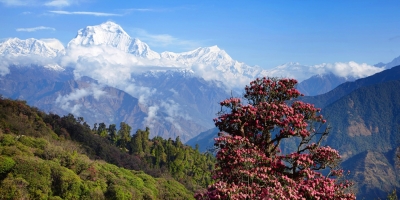
The Dhaulagiri Circuit Trek offered by Asiana Treks and Tours is one of Nepal’s most remote, rugged, and challenging high-altitude treks. Ideal for seasoned trekkers looking for a raw and immersive Himalayan adventure, this 21-day trek takes you into the heart of the Dhaulagiri massif, home to the world’s seventh-highest mountain, Mt. Dhaulagiri (8167m). The trek starts in Beni and weaves through remote Magar villages, deep forests, glacial valleys, and some of the most dramatic mountain scenery in the world. The highlight of this trek is undoubtedly the Hidden Valley, an isolated and high-altitude alpine basin accessible only by crossing the treacherous French Pass (5360m). This adventure offers close-up views of Dhaulagiri I, II, III, IV, and V, along with the Annapurna and Nilgiri ranges. The journey also includes overnight stays at Italian Base Camp and Dhaulagiri Base Camp, offering a true mountaineering feel without summiting. Why Choose This Trek? Remote and untouched trekking route Stunning views of multiple 8000m peaks Cross the French Col and Dhampus Pass Visit to Hidden Valley – one of Nepal’s most isolated spots Culturally rich Magar villages Expedition-style trekking with camping support 2. Dhaulagiri Circuit Trekking Package – What’s Included The Dhaulagiri Circuit Trekking package from Asiana Treks and Tours is designed to give you a worry-free, all-inclusive experience in this remote region. Since the trek goes far off the beaten path, where there are no teahouses or lodges for several days, this is a fully-supported camping trek with a dedicated crew of porters, cooks, and guides. Package Inclusions: Airport transfers in Kathmandu and Pokhara Accommodation in Kathmandu and Pokhara (3-star hotels) All necessary trekking permits (ACAP, TIMS, restricted area permits) All domestic transport (private vehicle and flight from Jomsom to Pokhara) Full camping gear and tents All meals during the trek (prepared by camp cook) Experienced trekking guide and support team First aid kit and satellite phone for emergency communication Package Exclusions: International airfare and visa fees Personal insurance and trekking equipment Tips for guides and porters Extra nights due to delays or changes This package provides everything required to explore one of the most challenging treks in Nepal with full logistical support from Asiana Treks and Tours. 3. Dhaulagiri Circuit Trekking Itinerary The full itinerary covers a span of 21 days, with a carefully planned acclimatization schedule. Here's a detailed overview: Day-by-Day Breakdown: Day 1–2: Arrival and Kathmandu Heritage Tour Day 3: Drive from Kathmandu to Beni (850m) Day 4–6: Trek through Babiyachaur, Dharapani, and Muri Day 7–9: Ascend through Boghara, Dobang to Choriban Khola (3110m) Day 10–11: Trek to Italian Base Camp (3660m) and acclimatize Day 12–13: Continue to Glacier Camp and Dhaulagiri Base Camp (4740m) Day 14: Second acclimatization at Base Camp Day 15–16: Cross French Col to Hidden Valley (5200m), then descend to Yak Kharka Day 17–18: Trek to Jomsom and fly to Pokhara Day 19–21: Rest in Pokhara, return to Kathmandu, and departure Each segment of the route is designed for gradual elevation gain, ensuring better acclimatization and allowing trekkers to fully absorb the natural and cultural landscapes. 4. Dhaulagiri Circuit Trekking Distance The total trekking distance of the Dhaulagiri Circuit Trek is approximately 160–180 kilometers, depending on specific route variations and side trails taken during acclimatization. Distance Highlights: Beni to Italian Base Camp: ~80 km over 7 days Italian Base Camp to Dhaulagiri Base Camp: ~20 km over 2 days Dhaulagiri Base Camp to Hidden Valley: ~12 km (steep ascent over glacier and pass) Hidden Valley to Jomsom via Dhampus Pass: ~50–60 km over 3 days The daily walking time ranges from 5 to 8 hours, with some longer days during high-pass crossings. Due to the high altitude and remote terrain, this trek feels longer and more strenuous than typical treks of similar distance. 5. Dhaulagiri Circuit Trekking Cost 2026/2027 The Dhaulagiri Circuit Trekking cost with Asiana Treks and Tours is designed to reflect the remoteness, logistical complexity, and full camping support required. For the 2026/2027 season, the estimated cost per person is USD $2,950–$3,200, based on group size and customization. Factors Affecting the Cost: Group size (discounts for larger groups) Time of year (peak season vs off-season) Accommodation upgrades in Kathmandu and Pokhara Optional services (porters for personal gear, gear rental, etc.) What You Get at This Price: All-inclusive trekking experience with meals, permits, flights, and camping gear Experienced guides and safety protocols Backup logistics like satellite phone and emergency evacuation arrangements Compared to other high-altitude treks, the Dhaulagiri Circuit is slightly more expensive due to its isolation and need for a self-sufficient trekking approach. 6. Dhaulagiri Circuit Trekking Price Breakdown Here’s a transparent breakdown of what goes into the Dhaulagiri Circuit Trekking cost with Asiana Treks and Tours: Category Estimated Cost (USD)Accommodation (Hotels/Camps) $450Meals and Snacks $350Permits (ACAP, TIMS, etc.) $60Domestic Transport & Flights $250Guide and Porter Wages $600Camping Equipment & Support $500Logistics (Food, Gas, Supplies) $300Emergency Backup and Fees $100Admin and Taxes $100Total Estimate $2,710 – $3,200 This cost structure ensures fair wages to the support team, safety backup, and high-quality service throughout the trek. For trekkers looking for a life-changing, off-grid experience, the price reflects the depth of adventure and professional service provided by Asiana Treks and Tours. Dhaulagiri Circuit Trekking Altitude Guide The Dhaulagiri Circuit Trek is one of the highest non-technical treks in Nepal, reaching elevations over 5,300 meters (17,388 ft). Understanding the altitude progression is essential for safe acclimatization. With a gradual rise from Beni (850 m) to Hidden Valley (5,200 m) and back down to Jomsom (2,710 m), this trek presents multiple altitude zones—each with unique terrain, climate, and risks. The most critical high points of the trek include: Italian Base Camp – 3,660 m Dhaulagiri Base Camp – 4,740 m French Pass – 5,360 m Hidden Valley – 5,200 m Dhampus Pass – 5,240 m These elevations demand proper acclimatization, which is why Asiana Treks and Tours includes two full acclimatization days at Italian Base Camp and Dhaulagiri Base Camp. These pauses help your body adapt to reduced oxygen levels and minimize the risk of Acute Mountain Sickness (AMS). Key Points: Starts at 850 m, peaks at 5,360 m Two acclimatization days included Gradual altitude gain with careful pacing Support staff trained in altitude safety Why Choose Dhaulagiri Circuit Trekking? If you are seeking a truly off-the-beaten-path trekking experience in the Himalayas, then the Dhaulagiri Circuit Trek is second to none. Unlike commercialized trails such as Everest Base Camp or Annapurna Circuit, the Dhaulagiri route sees very few trekkers each year. This means untouched nature, raw wilderness, and deep solitude—a perfect combination for those who want an authentic Himalayan expedition. Another key reason to choose this trek is the sense of achievement it offers. Navigating through deep gorges, crossing glaciers, tackling high mountain passes like French Col, and reaching the isolated Hidden Valley—this trek feels more like a mini-expedition than a typical trek. Asiana Treks and Tours ensures that all logistics are handled, so you can focus on the experience without stress. Reasons to Choose This Trek: Remote and less-traveled route Epic high-altitude mountain views Unique experience of camping-style trekking Strong support team with full logistics Rich Magar culture and authentic Himalayan life Preparing for Dhaulagiri Circuit Trekking The Dhaulagiri Circuit is not a beginner’s trek. It’s a strenuous, high-altitude journey that demands physical endurance, mental preparedness, and proper gear. Preparation should ideally begin 2–3 months before the trek. Cardiovascular training (hiking, jogging, swimming), strength training (leg and core), and hiking with a backpack are excellent ways to get ready. Asiana Treks and Tours provides detailed gear lists and personal consultations to ensure trekkers are fully equipped. You will need warm, layered clothing, a four-season sleeping bag, waterproof boots, and accessories like trekking poles, gaiters, and a headlamp. As the route involves glacier walking and rough terrain, you should be comfortable with long trekking days (6–8 hours daily) and variable weather conditions. Pre-Trek Preparation Checklist: Build cardio and strength endurance Practice multi-day hikes with a loaded backpack Prepare for camping and high-altitude conditions Gear up with high-quality trekking equipment Mental readiness for remote and rough terrain What to Expect on the 20–21-Day Dhaulagiri Circuit Trekking Adventure This three-week-long journey is a total immersion into the majestic and rugged landscapes of western Nepal. The early days take you through warm valleys and culturally rich Magar villages like Muri and Boghara, where you’ll witness traditional life, terraced farming, and local hospitality. As you ascend, the environment shifts dramatically—lush forests give way to barren glacial valleys and icy mountain terrain. From Day 10 onward, you’ll be trekking on and alongside glaciers. Camps are set up in wild alpine zones, far from settlements, with incredible mountain views all around. You’ll cross two major high passes: French Col (5,360 m) and Dhampus Pass (5,240 m), both of which offer jaw-dropping panoramas. Nights are spent in tents, and meals are prepared by the trekking cook team—creating a real expedition experience. Trek Highlights: Cultural encounters in Magar villages Camping under the stars near glaciers Crossing French Col and entering Hidden Valley Isolation, silence, and raw beauty of the Himalayas Descent into Jomsom and scenic flight to Pokhara Oxygen Levels on Dhaulagiri Circuit Trekking One of the most critical elements of this trek is dealing with reduced oxygen levels at high altitude. At sea level, the oxygen concentration is about 21%, but by the time you reach Dhaulagiri Base Camp (4,740 m), available oxygen drops to around 60% of sea level levels. At Hidden Valley (5,200 m) and French Col (5,360 m), it’s even lower—hovering around 50%. These low oxygen levels can cause symptoms like fatigue, headaches, nausea, or insomnia—signs of Acute Mountain Sickness (AMS). That’s why Asiana Treks and Tours places such a strong emphasis on acclimatization, slow pacing, and proper hydration. The guides are trained in altitude medicine, and oxygen cylinders or emergency support can be arranged if needed. Understanding Oxygen Impact: At 5,000m, oxygen is about 50% of sea level Reduced oxygen leads to fatigue, slower pace, AMS risk Proper acclimatization is built into the itinerary Guides trained to recognize altitude-related issuesMajor Villages and Scenic Viewpoints on Dhaulagiri Circuit Trekking Route The Dhaulagiri Circuit trek passes through a series of traditional villages and breathtaking viewpoints that add both cultural depth and scenic beauty to the adventure. Starting from Beni, the trail takes you through charming settlements like Babiyachaur, Dharapani, Muri, and Boghara—each inhabited predominantly by the Magar ethnic group, known for their warm hospitality and rich traditions. These villages are nestled in lush, terraced valleys surrounded by forested hills and give you a real taste of rural life in Nepal. As the trek ascends, you move beyond human habitation and into the alpine wilderness. This is where the scenic grandeur begins to take over—starting with Italian Base Camp, a stunning amphitheater of mountains. Further up, Dhaulagiri Base Camp offers one of the most dramatic mountain vistas in Nepal, with towering ice walls and glacial formations. From French Pass (5,360m), you can see panoramic views of Tukuche Peak, Dhaulagiri I, and parts of the Annapurna range. The Hidden Valley and Dhampus Pass also offer incredible sunrise and sunset experiences. Key Scenic and Cultural Highlights: Traditional Magar villages: Muri, Boghara, Dharapani Italian Base Camp: first high-altitude viewpoint Dhaulagiri Base Camp: towering glacier and 8000m peaks French Pass & Dhampus Pass: panoramic Himalayan vistas Hidden Valley: remote and beautiful alpine basin 2. Flora and Fauna of Dhaulagiri Circuit Trekking The Dhaulagiri Circuit trek traverses a wide range of ecological zones, offering trekkers a fascinating insight into Nepal's rich biodiversity. In the lower regions near Beni and Babiyachaur, the trails are surrounded by lush subtropical forests, featuring rhododendron, oak, bamboo, and pine. During spring, especially in March and April, the rhododendrons bloom in vibrant red and pink, turning the forests into a natural garden. As you ascend, the landscape changes dramatically to alpine meadows and high-altitude terrain, where the flora becomes more sparse but equally unique. You’ll encounter hardy shrubs, mosses, and lichens that thrive in extreme climates. The region is also home to diverse wildlife, though sightings depend on luck and quiet travel. Himalayan Tahr, blue sheep, langurs, snow leopards (rare), and a variety of birds of prey like lammergeiers and Himalayan vultures inhabit the area. The isolated environment around Hidden Valley and the glacial zones is especially important for conservation and pristine natural beauty. Flora and Fauna Highlights: Lush rhododendron forests in lower altitudes Alpine meadows and glacial flora above 3,500m Rare wildlife: blue sheep, Himalayan Tahr, langurs Bird species: Himalayan monal, lammergeier, vultures Remote, untouched ecosystem in Hidden Valley 3. Festivals and Local Culture Along Dhaulagiri Circuit Trekking Route The villages on the Dhaulagiri Circuit are primarily inhabited by the Magar community, one of Nepal’s largest ethnic groups known for their bravery, especially in Gurkha regiments, and rich cultural heritage. Their language, customs, and daily life are deeply connected to nature and the mountain environment. As you pass through villages like Muri, Boghara, and Dharapani, you'll witness a way of life that is self-sustaining and deeply spiritual. Many local festivals are celebrated in these areas, the most prominent being Maghe Sankranti, Tihar, and Dashain. If your trek coincides with these festivals (mostly in October–November or January), you’ll get to experience colorful rituals, traditional dances, and local feasts. In some villages, Shamanic traditions and Bon practices are still observed, with local priests performing ancient rites. Asiana Treks and Tours makes efforts to connect travelers with cultural experiences—whether it’s visiting a local home, attending a village festival, or observing religious ceremonies. Cultural and Festival Highlights: Magar culture and traditions in mountain villages Festivals: Dashain, Tihar, Maghe Sankranti Traditional dances and communal rituals Strong spiritual connection with nature and mountains Opportunity to engage in local life through guided visits 4. Why Book with Asiana Treks and Tours for Dhaulagiri Circuit Trekking Asiana Treks and Tours specializes in remote, off-the-beaten-path Himalayan adventures, making it the perfect choice for tackling the Dhaulagiri Circuit. With years of experience guiding treks in Nepal’s most challenging regions, Asiana provides unmatched logistics, personalized service, and deep local knowledge. Their Dhaulagiri itinerary is carefully designed to ensure both safety and enjoyment, including built-in acclimatization days, camping support, and emergency protocols. What sets Asiana apart is their focus on responsible and ethical trekking. The company ensures fair wages, proper insurance, and welfare for all staff. They also practice eco-friendly trekking by minimizing waste and using sustainable supplies wherever possible. Trekkers benefit from experienced guides who are trained in first aid, high-altitude awareness, and cultural interpretation—making the journey both safe and enriching. Why Choose Asiana Treks and Tours: Expert in remote and challenging treks Full-service camping with safety protocols Ethical treatment of guides and porters Eco-conscious trekking practices Customizable itineraries with expert consultation 5. How to Book Dhaulagiri Circuit Trekking Booking your Dhaulagiri Circuit Trek with Asiana Treks and Tours is simple and flexible. You can either book directly through their official website or contact them via email or WhatsApp for a custom consultation. After your initial inquiry, the Asiana team will guide you through choosing your travel dates, group size, and any personal preferences. Once confirmed, you’ll receive a detailed itinerary and gear checklist. To secure your booking, a deposit payment (usually 20–30%) is required, with the remaining balance payable before or upon arrival in Kathmandu. Asiana provides full customer support throughout the planning process, including help with visa information, flight recommendations, and insurance guidance. They also offer private treks, group departures, and even tailor-made trips for photographers or cultural explorers. Booking Steps: Contact Asiana via website or email Confirm itinerary, dates, and customization Pay deposit to secure your spot Receive packing list, preparation advice, and pre-trip support Arrival day briefing and meet your team in Kathmandu


 (2)
(2)  100% recommend (0)
 (0)
(0)