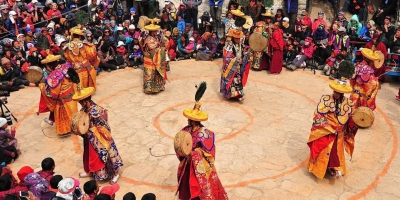
The Tiji Festival Trekking with Asiana Treks and Tours is a once-in-a-lifetime cultural journey into the heart of Upper Mustang, Nepal's restricted trans-Himalayan region. The highlight of this trek is the three-day Tiji Festival, a traditional Tibetan Buddhist celebration unique to the ancient walled city of Lo Manthang. Held annually in May, the festival is deeply spiritual and features elaborate dances, vibrant costumes, and sacred rituals that reflect the local belief in the triumph of good over evil.The word “Tiji” is a short form of “Tempa Chirim”, which means “Prayer for World Peace.” This celebration commemorates the legendary battle of Dorje Jono, a deity who defeats his demon father to save the Mustang kingdom from destruction. It’s more than just a festival—Tiji symbolizes hope, renewal, and the spiritual protection of the land and its people. Organized by the Choedhe Monastery, over 65 monks perform ritual dances including:Tsa Chaam (Day 1): Depicting Dorje’s birth.Ngacham (Day 2): Representing his efforts to subdue evil.Rhachham (Day 3): Signifying final victory.Highlights:Witness the authentic Tibetan Buddhist culture in Lo Manthang.Immerse in the dramatic landscapes of Upper Mustang.Experience the exclusive Tiji Festival firsthand.Explore ancient cave dwellings, monasteries, and fortresses.Tiji Festival Trekking Itinerary (18 Days)Asiana Treks and Tours offers a thoughtfully crafted itinerary that blends cultural immersion, adventure, and high-altitude trekking. The journey begins in Kathmandu and gradually ascends to the culturally preserved Upper Mustang.Detailed Itinerary:Day 1-3 – Kathmandu to PokharaArrival in Kathmandu, tour preparation and sightseeing.Drive or fly to Pokhara, Nepal’s lakeside city.Day 4-5 – Jomsom to Kagbeni to ChaileShort scenic flight to Jomsom.Trek through windy Kali Gandaki Valley to Kagbeni, the gateway to Upper Mustang.Ascend to Chaile with views of Nilgiri and Dhaulagiri.Day 6-8 – Chaile to CharangTrek through Syangboche, Ghami, and Charang.Explore ancient monasteries and Mani walls.Day 9-12 – Lo Manthang and Tiji FestivalArrival in Lo Manthang.Enjoy three days of Tiji Festival rituals, dances, and storytelling.Explore the walled city, King's palace, and gompas.Day 13-16 – Return trek to JomsomRetrace via Drakmar, Geling, Chhuksang to Jomsom.Descend through colorful landscapes, apple orchards, and Buddhist shrines.Day 17-18 – Jomsom to Pokhara to KathmanduFly to Pokhara and return to Kathmandu.Tiji Festival Trekking DistanceThe total trekking distance of the Tiji Festival Trek is approximately 130–150 kilometers (80–95 miles), depending on side explorations and detours.Daily Distance Breakdown (approximate):Kagbeni to Chaile: 10 kmChaile to Syangboche: 11 kmSyangboche to Ghami: 10 kmGhami to Charang: 11 kmCharang to Lo Manthang: 12 kmLo Manthang to Drakmar: 15 kmDrakmar to Geling: 12 kmGeling to Chhuksang: 15 kmChhuksang to Jomsom: 13 kmKey Features:Moderate to strenuous trekking.Maximum elevation: 3,810 meters at Drakmar.Suitable for trekkers with good physical condition and prior altitude experience.Tiji Festival Trekking Cost 2026/2027The cost of the Tiji Festival Trek with Asiana Treks and Tours varies depending on group size, services included, and mode of travel (drive or flight). Estimated cost range is:Approximate Cost:USD $2,200 – $2,900 per personInclusions:All domestic flights (Kathmandu–Pokhara–Jomsom–Pokhara–Kathmandu)Trekking permits (including Restricted Area Permit for Upper Mustang)Experienced trekking guide and porter support.Full-board meals during the trek (B.L.D).Three-star hotel accommodation in Kathmandu and Pokhara.Tea house / lodge accommodation during the trek.Festival entry and cultural sightseeing tours in Lo Manthang.First aid kit, trekking map, and duffel bag.Exclusions:International airfare and visa fees.Travel insurance.Personal expenses (hot showers, charging, tips).Alcoholic beverages and snacks.Why Choose Asiana Treks and Tours?✅ Expert local guides with cultural insights✅ Carefully curated Tiji Festival access✅ Safety-focused trekking policies✅ Flexible group departure dates✅ Exceptional customer support before and during the trekTiji Festival Trekking Price Breakdown – Asiana Treks and ToursThe Tiji Festival Trekking with Asiana Treks and Tours offers a well-structured cultural adventure into the heart of Upper Mustang. The pricing reflects both the exclusivity of the region (a restricted area) and the premium experience offered. Costs vary slightly based on group size, travel mode (flights or drive), and hotel category selected for Kathmandu and Pokhara. The average package for the 16–17-day trek ranges between USD $2,200 – $2,900 per person.This price includes a variety of essential services and permits. All domestic flights, airport transfers, accommodation (3-star hotel in cities and teahouses during the trek), meals during trekking days, and permits (including the Restricted Area Permit, which alone costs USD $500 for 10 days) are covered. Also included are experienced English-speaking guides, licensed porters, sightseeing tours in Kathmandu, and the festival entry in Lo Manthang. Notably, this is a full-board trek during the Mustang journey, so most of your expenses are prepaid.Price Includes:Two-way domestic flights (Kathmandu–Pokhara–Jomsom)Upper Mustang restricted area permit (USD $500)Annapurna Conservation Area Permit (ACAP)Licensed local guide and porterFull-board meals during the trek (B.L.D.)Accommodation in Kathmandu, Pokhara & tea houses on the trekGuided Tiji Festival accessFirst aid kit and trekking gear rentalExcludes:International airfare and Nepal visaTravel insurancePersonal trekking gearMeals in Kathmandu and PokharaExtra beverages, hot showers, tipsTiji Festival Trekking Altitude Guide – Know the Heights Before You HikeAltitude is a key consideration when planning your Tiji Festival Trekking experience. The trek traverses Upper Mustang’s high desert plateau, with elevations ranging from 2,700 meters (Jomsom) to 3,810 meters (Drakmar). The trek is not considered extremely high-altitude by Himalayan standards, but the elevation can still affect those not properly acclimatized. Asiana Treks and Tours builds in gradual ascent and rest periods to mitigate altitude sickness.The average daily gain is moderate, and the itinerary allows your body to adapt slowly—especially vital once you pass 3,000 meters. Notable altitude points include Kagbeni (2,810m), Syangboche (3,475m), Lo Manthang (3,730m), and Drakmar (3,810m). Trekkers generally do not need technical climbing skills but should be physically fit and ideally have prior experience trekking above 3,000 meters.Key Altitude Points:Jomsom: 2,700mKagbeni: 2,810mChaile: 3,065mSyangboche: 3,475mGhami: 3,520mCharang: 3,620mLo Manthang: 3,730mDrakmar: 3,810mTips for Altitude Safety:Hydrate frequently (3–4 liters/day)Avoid alcohol and smokingEat light but energy-rich foodsFollow a slow, steady paceConsider bringing Diamox (after medical consultation)Why Choose Tiji Festival Trekking? – A Journey Beyond AdventureChoosing the Tiji Festival Trekking is about more than landscapes—it’s about stepping into a living piece of Himalayan history and culture. Organized by Asiana Treks and Tours, this trek combines natural wonders, cultural authenticity, and a rare festival that most travelers never witness. The Tiji Festival itself is deeply spiritual and visually mesmerizing, featuring masked dances, mantras, and ancient Buddhist rituals performed by monks in vibrant robes.Upper Mustang is also one of the last bastions of pure Tibetan culture. Its caves, monasteries, and centuries-old villages remain untouched by time. Lo Manthang—the focal point of the trek—boasts unique architecture, walled settlements, and sacred gompas. During the festival, the town becomes a living museum of music, dance, and devotion. For adventure seekers and cultural explorers alike, this trek offers more than scenic trekking—it’s an experience of spiritual storytelling and living history.Why This Trek is Special:Only available in May (Tiji Festival dates vary by Tibetan lunar calendar)Deep immersion into Tibetan Buddhist traditionVisit Lo Manthang, the once-forbidden kingdom of MustangCulturally preserved region with stunning Himalayan viewsExclusive access via special permitsPreparing for the Tiji Festival Trekking – Physical and Mental ReadinessProper preparation is essential for a successful Tiji Festival Trekking experience. This journey spans around 130–150 km over nearly 17 days, with daily trekking hours ranging from 5 to 7 hours. Though not technical, the trek demands moderate fitness, the ability to handle thin air, and stamina for multi-day hiking at elevations over 3,000 meters.Asiana Treks and Tours recommends a 4–6 week pre-trek conditioning routine including cardio (running, cycling, swimming), hiking with a daypack, and strength exercises for the legs and core. Mental preparation is equally important: the terrain is rugged, and facilities in Upper Mustang are basic compared to Annapurna or Everest regions. This trek is about authenticity, not luxury.Pre-Trek Preparation Tips:Cardiovascular training 3–5 times per weekAltitude simulation or stair-climbing practiceBreak in hiking boots before arrivalPack lightweight, moisture-wicking clothingInvest in a quality sleeping bag and trekking polesMental preparation for limited connectivity and remote conditionsEssential Packing List:Down jacket & layered clothingSleeping bag (-10°C or better)UV sunglasses, sunscreen, lip balmReusable water bottles & purification tabletsEnergy bars and snacksHeadlamp and extra batteriesWhat to Expect on the 16–17-Day Tiji Festival Trekking AdventureThe Tiji Festival Trekking is more than just a hike—it's a full cultural and spiritual experience in Nepal’s most mystical region. For 16 to 17 days, you'll explore the high-altitude desert of Mustang, walk among centuries-old Buddhist monasteries, and witness the colorful Tiji Festival in the ancient capital of Lo Manthang. This journey offers a unique mix of adventure, heritage, and festival spectacle, rarely found elsewhere.Expect to fly into Jomsom, trek through villages like Kagbeni, Chaile, and Ghami, and experience drastic landscape changes—from green valleys to dry red canyons. Accommodation is in local teahouses—basic yet cozy with warm hospitality. Meals are mostly traditional Nepali and Tibetan (dal bhat, tsampa, noodles). The Tiji Festival itself, spread over three days, includes masked cham dances, spiritual chants, and the reenactment of Dorje Jono’s triumph over demonic forces. The return trek follows a slightly different route to keep the experience fresh and scenic.What to Expect Daily:Trekking 5–7 hours per dayAltitudes up to 3,810 metersDiverse landscapes: desert, cliffs, valleysUnique architecture and cave dwellingsFriendly locals and Tibetan-influenced cultureNo Wi-Fi or mobile network in many areasDeep cultural connection through the Tiji FestivalOxygen Levels on the Tiji Festival Trekking – Breathing at AltitudeWhile the Tiji Festival Trekking doesn’t reach extreme Himalayan heights like Everest Base Camp or Annapurna Circuit, it still takes you well above 3,000 meters for multiple days. As you climb higher into the Upper Mustang region, oxygen levels drop significantly compared to sea level. At Lo Manthang (3,730m) and Drakmar (3,810m), the oxygen level is only about 64–66% of what it is at sea level. This decrease can affect breathing, stamina, and overall energy—especially for those who are not acclimatized.Asiana Treks and Tours plans the itinerary carefully to allow gradual altitude gain and sufficient acclimatization. There are no high passes or sudden elevation spikes, which makes the trek safer and more manageable. Symptoms of altitude sickness are rare but can occur if hydration, nutrition, and pacing are neglected. The company equips guides with basic first-aid kits and encourages trekkers to report any discomfort early.Quick Tips on Handling Low Oxygen Levels:Walk slowly and steadily—never rush at altitude.Stay well-hydrated and avoid alcohol or caffeine.Get adequate sleep and nutrition during the trek.Know the symptoms of AMS: headache, nausea, fatigue.Use Diamox if prescribed by a doctor for altitude adjustment.Major Villages and Scenic Viewpoints on the Tiji Festival Trekking RouteThe Tiji Festival Trekking Route offers a rare opportunity to experience life in ancient Himalayan settlements. Each village along the route tells its own story through architecture, terrain, and cultural expressions. From the lush riverbanks of Kagbeni to the sunbaked highlands of Lo Manthang, the trek is dotted with Buddhist monasteries, mani walls, sky caves, and traditional mud-brick homes.Key villages such as Chaile, Syangboche, Ghami, and Charang serve as cultural and spiritual pit stops. Charang boasts the historic Thubten Shedrup Dhargyeling Monastery and stunning views of red canyon walls. Lo Manthang, the walled capital of the former Kingdom of Mustang, is the cultural crown jewel—home to royal palaces, ceremonial chortens, and the iconic Tiji Festival itself. Scenic viewpoints are abundant: the Ghami La Pass provides sweeping views of eroded cliffs, while Drakmar showcases dramatic red rock formations.Must-See Villages and Viewpoints:Kagbeni: Gateway to Upper Mustang with medieval streetsCharang: Monastery, fortress, and a panoramic ridgeLo Manthang: Center of culture and Tiji FestivalGhami: Largest mani wall in NepalDrakmar: Red cliffs and sky cavesSyangboche Pass: Spectacular mountain viewsFlora and Fauna of the Tiji Festival Trekking – Life in the Himalayan DesertDespite being part of the rain-shadow region behind the Himalayas, Upper Mustang is home to unique and resilient forms of life. The Tiji Festival Trekking route reveals flora and fauna adapted to high-altitude desert conditions. While dense forests are absent, you’ll find a surprising diversity of alpine shrubs, dwarf juniper, thorny bushes, and seasonal flowers that bloom after spring snowmelt. April to June is the best time to see colorful blossoms of Himalayan blue poppies and edelweiss along the trail.In terms of fauna, keep an eye out for blue sheep (bharal), Himalayan marmots, and the rare snow leopard, which is sometimes spotted in remote cliffs above Charang or Drakmar. Bird watchers can delight in seeing lammergeiers (bearded vultures), Himalayan griffons, and Tibetan snowcocks soaring high in the sky. The dry climate and limited vegetation create open vistas, which help in spotting wildlife from afar.Common Flora:Dwarf junipersAlpine poppiesTibetan snow rosesRhododendron shrubs (in lower elevations)Possible Fauna Sightings:Blue sheep and Himalayan marmotsBearded vultures and mountain hawksSnow leopards (rare and elusive)Wild horses and yaks in high meadowsFestivals and Local Culture Along the Tiji Festival Trekking RouteThe Tiji Festival is just the tip of the cultural iceberg when trekking through Mustang. This region retains a pure form of Tibetan Buddhism, preserved due to its geographical isolation. Along the trekking route, you’ll find Gompas (monasteries), mani walls, prayer flags, and even sky caves with murals and relics dating back over a thousand years. Locals wear traditional attire—chubas, amulets, and yak-wool hats, showcasing identity through clothing.Besides Tiji, locals celebrate other important Tibetan Buddhist festivals like Yartung, Losar (Tibetan New Year), and Saga Dawa. Daily rituals, such as spinning prayer wheels or lighting yak butter lamps, are a regular part of life. Hospitality is a cornerstone of local culture, and visitors are often welcomed with tea and traditional snacks like tsampa or buckwheat pancakes. Guided by Asiana Treks and Tours, trekkers learn to appreciate not just the big festival moments but also the quiet spirituality of village life.Cultural Highlights:Monastic chants and pujas in local gompasAncient art in Lo Gekar and Thubchen monasteriesFestivals: Tiji (May), Yartung (August), Losar (February)Distinct Tibetan dialect and customsTraditional clothing and craftsWhy Book with Asiana Treks and Tours for Tiji Festival TrekkingAsiana Treks and Tours is a trusted local company with deep roots in Nepal's trekking and cultural tourism industry. When you book your Tiji Festival Trekking with them, you’re not just buying a trek—you’re investing in an expertly curated experience with local insights, trained guides, and ethical practices. With over a decade of field experience, Asiana Treks crafts unique adventures that blend comfort, authenticity, and safety.What sets them apart is their access to exclusive local experiences. From early Tiji Festival passes to monastery visits and insider knowledge about village life, Asiana provides an immersive journey. Their guides are fluent in English and often hail from the Mustang region, adding deep cultural context. They also prioritize sustainable travel—supporting local teahouses, porters, and environmental protection.Why Travelers Trust Asiana Treks and Tours:Licensed, local, and culturally aware guidesTailor-made itineraries based on your pace and preferencesStrong focus on safety, ethics, and responsible tourismTransparent pricing—no hidden fees24/7 support before and during the trekHow to Book the Tiji Festival Trekking – Step-by-Step with Asiana Treks and ToursBooking your Tiji Festival Trekking adventure with Asiana Treks and Tours is a straightforward and secure process. You can start by visiting their official website or contacting their booking desk via email or WhatsApp. Once you express interest, the team will provide you with a customized itinerary, cost breakdown, and checklist tailored to your travel dates and group size.A 10–20% deposit is typically required to confirm your booking, with the remaining balance payable upon arrival in Nepal. You’ll also receive assistance with visa preparation, gear rental, and even domestic flight arrangements. For the Tiji Festival, early booking (at least 3–5 months in advance) is highly recommended, as the number of Upper Mustang permits issued per year is limited and the festival dates attract global interest.Booking Process:Contact Asiana Treks via website, email, or phone.Select your preferred departure date (April–May).Receive a custom itinerary and price estimate.Confirm your booking with a deposit (PayPal or wire).Prepare for the trek with help from Asiana’s team.Arrive in Kathmandu—we’ll take care of the rest!

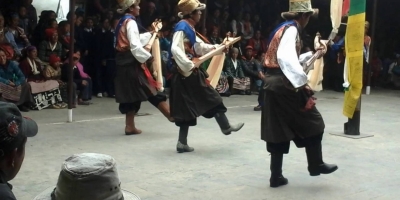
The Mani Rimdu Festival Trekking is a unique cultural and spiritual journey into the heart of the Sherpa Buddhist traditions in the Everest region. Mani Rimdu is a sacred Buddhist festival celebrated primarily in Tengboche, Thame, and Chhorthang monasteries in Solukhumbu district. It is a series of sacred ceremonies held over 19 days, designed to suppress negative energies and reward the virtuous. The festival’s key elements include the construction of the sand mandala, empowering rituals (Wong), ritual dances (Chham), the fire puja (Jinsak), and finally the destruction of the mandala. The three main days of celebration — the masked dances, the fire puja, and the mandala destruction — are especially vibrant and attract both locals and trekkers alike.This trek combines the spiritual richness of the festival with some of the most spectacular mountain scenery on Earth. After arriving in Kathmandu, trekkers fly into Lukla, one of the world’s most famous and challenging airports. The trek then ascends through beautiful Sherpa villages, including Namche Bazaar, a bustling hub known for its stunning views, cultural richness, and opportunity to acclimatize. The final destination, Tengboche Monastery, sits majestically at 3,870 meters, offering panoramic views of Everest, Ama Dablam, Lhotse, and other towering peaks.Participating in Mani Rimdu offers trekkers an immersive cultural experience, where they can witness and engage with traditional Lama rituals, masked dances, chants, and prayers. It’s a soulful celebration of life and spirituality set against a backdrop of Himalayan grandeur, making it a once-in-a-lifetime adventure.Key Points:Sacred 19-day Buddhist festival in Everest region monasteriesIncludes sand mandala, empowering rituals, dances, fire pujaTrek route: Kathmandu → Lukla → Namche → TengbocheImmersive cultural and spiritual experienceSpectacular views of Everest, Ama Dablam, Lhotse, Nuptse, and moreMani Rimdu Festival Trekking PackageAsiana Treks and Tours offers a thoughtfully designed Mani Rimdu Festival Trekking package that balances cultural immersion with adventure. The package typically spans 13 days, beginning with your arrival in Kathmandu, followed by a scenic flight to Lukla and the trek through Sherpa villages to the sacred Tengboche Monastery. Along the way, you will experience the beauty of Himalayan landscapes and the rich Sherpa culture.Our package includes professional Sherpa guides who are well-versed in the Mani Rimdu festival and local customs, experienced porters for carrying luggage, comfortable accommodation in tea houses and lodges, and all meals during trekking days. The itinerary allows adequate acclimatization days, especially in Namche Bazaar, to ensure your safety and comfort. We also provide pre-trek briefings, all necessary permits, and emergency evacuation plans.The highlight of the package is witnessing the major days of Mani Rimdu festival, where trekkers can observe and participate respectfully in the sacred dances, chants, and ceremonies. Asiana Treks and Tours ensures a small group size for a personalized experience and strives to minimize the environmental footprint through responsible trekking practices.Key Points:13-day trekking package including festival participationExpert Sherpa guides and porters includedAccommodation, meals, permits, and emergency support providedAcclimatization days included for safetySmall groups and eco-friendly practices prioritizedMani Rimdu Festival Trekking ItineraryThe itinerary begins with your arrival in Kathmandu (Day 1), where you prepare for your Himalayan adventure. On Day 2, you take a thrilling 30–40 minute flight from Kathmandu to Lukla, followed by a moderate 8 km trek to Phakding. Day 3 takes you through beautiful rhododendron forests and across suspension bridges to Namche Bazaar, the Sherpa capital.Day 4 is a crucial acclimatization day in Namche, allowing trekkers to explore nearby villages or hike short trails. This rest day ensures your body adjusts to the altitude. On Day 5, the trek continues to Tengboche, home to the famous monastery, perched spectacularly at 3,870 meters.Days 6 to 9 are devoted to the Mani Rimdu Festival itself. You’ll witness the sacred dances (Chham), public celebrations, and the Fire Puja (Jinsak), all performed by monks adorned in vibrant brocade robes and masks. These days offer deep cultural insight and photographic opportunities.The trek resumes on Day 10 as you descend to Monjo through stunning valleys and forests. Day 11 takes you further down to Lukla, where a celebration dinner is held to mark the trek’s completion. On Day 12, you fly back to Kathmandu, and Day 13 is your departure day, filled with memories and new friendships.Key Points:Day 1: Arrival KathmanduDay 2: Fly to Lukla → trek to PhakdingDay 3: Phakding to Namche BazaarDay 4: Acclimatization day at NamcheDays 5-9: Trek to Tengboche + Mani Rimdu festivalDays 10-11: Trek back to LuklaDay 12: Fly back to KathmanduDay 13: Departure from NepalMani Rimdu Festival Trekking DistanceThe Mani Rimdu Festival Trek covers a moderate trekking distance of approximately 70 to 80 kilometers in total over 10 trekking days, with daily hikes ranging from 8 to 14 kilometers. The trekking path is a mix of gentle ascents, steep climbs, and scenic descents through forests, mountain villages, and river valleys.The initial days from Lukla to Namche involve steady uphill trekking through beautiful Sherpa villages and terraced fields. Namche Bazaar is an important rest and acclimatization stop, with light local hikes of 4 to 6 km on Day 4 to help your body adjust. The stretch from Namche to Tengboche includes a moderate uphill trek through rhododendron and pine forests.After the festival days, the trek involves descending from Tengboche to Monjo and Lukla, with longer hiking days up to 14 km, but generally less strenuous due to the downhill terrain. The varied distances and terrain provide a balance between adventure and cultural immersion, suitable for fit beginners to experienced trekkers.Key Points:Total trekking distance: ~70–80 kmDaily hikes between 8–14 kmModerate ascents and descentsNamche acclimatization hikes: 4–6 kmVaried terrain: forests, villages, river crossingsMani Rimdu Festival Trekking Cost 2026/2027The cost of the Mani Rimdu Festival Trekking package with Asiana Treks and Tours for 2026/2027 ranges between $1,400 and $1,800 USD per person, depending on group size, accommodation standards, and included services. This cost covers all key expenses such as airport pickups, domestic flights (Kathmandu-Lukla-Kathmandu), tea house accommodation, full board meals during trekking, trekking permits, festival entry, professional English-speaking guides, porters, and necessary insurance for the trekking team.Additional costs not included in the base price may be international airfare, Nepal visa fees, personal trekking gear, travel insurance, tips, and extra expenses like hot showers or internet access. We recommend travelers arrange comprehensive travel insurance with emergency evacuation coverage before the trip.Booking early ensures availability during the festival, a high-demand period, and may qualify for early-bird discounts or group rates. Asiana Treks and Tours offers flexible payment plans and customizable itineraries to match your needs and budget.Key Points:Price range: $1,400–$1,800 USD per personIncludes flights, accommodation, meals, permits, guides, portersExcludes international airfare, visa, personal gear, insurance, tipsEarly booking recommended for best ratesFlexible payment and customization options availableMani Rimdu Festival Trekking Price BreakdownThe Mani Rimdu Festival Trekking package offered by Asiana Treks and Tours is priced to provide excellent value while covering all essential aspects of a safe, comfortable, and culturally immersive experience. The total cost, typically ranging from $1,400 to $1,800 USD, includes domestic flights, accommodation in tea houses, all meals during the trek, permits, festival entrance fees, experienced Sherpa guides, porters to carry luggage, and comprehensive trekking support.Breaking down the price, the major costs are:Domestic flights (Kathmandu-Lukla-Kathmandu): These flights are necessary for reaching the Everest region and account for approximately 25-30% of the total cost.Accommodation and meals: Tea house lodges along the route offer simple but warm places to stay, with meals included during trekking days making up about 30-35%.Permits and festival fees: Trekking permits (TIMS, Sagarmatha National Park) and fees to attend the Mani Rimdu Festival make up around 10%.Guides and porters: Hiring local guides and porters ensures a safer, more enjoyable trek and costs about 20%.Miscellaneous: Includes insurance, equipment, and emergency contingency funds.Additional expenses to budget for are international airfare, Nepal visa, personal gear, tips, and personal purchases like bottled water or souvenirs.Booking early with Asiana Treks and Tours helps secure better flight prices and accommodation during the busy festival season. The price reflects a balance of quality, safety, and authentic cultural engagement.Key Points:Total cost: $1,400–$1,800 USD per personIncludes flights, accommodation, meals, permits, guides, portersExcludes international airfare, visa, personal gear, tipsEarly booking advised due to festival demandTransparent, inclusive pricing for safety and cultureMani Rimdu Festival Trekking Altitude GuideThe Mani Rimdu Festival Trekking route takes trekkers through a progressive altitude range, starting from Lukla at 2,860 meters and reaching Tengboche at 3,870 meters, with acclimatization stops to reduce altitude sickness risks. Proper understanding and management of altitude is vital for a safe and enjoyable trekking experience.Day 1’s arrival in Kathmandu (~1,400m) offers plenty of time for initial rest. Day 2’s flight to Lukla (2,860m) marks the beginning of serious altitude gain. The trek to Namche Bazaar (3,440m) on Day 3 includes significant elevation gain, and Day 4 is dedicated to acclimatization with light hikes nearby (4–6 km), helping your body adjust.From Namche, the trek ascends to Tengboche (3,870m) for the festival. While Tengboche is below the extreme altitude zone, some trekkers may feel mild symptoms such as headaches or fatigue. Descending to Monjo and Lukla on the return journey reduces altitude stress.Asiana Treks and Tours advises trekkers to drink plenty of water, avoid alcohol, eat well, and communicate any symptoms promptly to guides. Supplemental oxygen and emergency evacuation plans are in place if needed. Altitude sickness awareness, acclimatization days, and experienced guides make this trek accessible to many fit travelers.Key Points:Altitude range: 1,400m (Kathmandu) to 3,870m (Tengboche)Acclimatization day at Namche Bazaar (3,440m) includedAltitude sickness symptoms: headache, nausea, dizzinessHydration, rest, and gradual ascent criticalEmergency oxygen and evacuation plans providedWhy Choose Mani Rimdu Festival Trekking?Choosing the Mani Rimdu Festival Trekking with Asiana Treks and Tours means embarking on a unique journey that combines spiritual immersion with the stunning natural beauty of the Everest region. Unlike typical Everest base camp treks, this itinerary centers around the culturally rich Mani Rimdu Festival, offering travelers an extraordinary opportunity to experience Tibetan Buddhist traditions firsthand.The festival itself is a rare spectacle—monks perform intricate masked dances, chants fill the air, and sacred rituals unfold over several days. Asiana Treks ensures you are in the right place at the right time to witness all key events while supporting local communities. This blend of culture and trekking attracts those seeking meaningful travel beyond scenic landscapes.The route also offers breathtaking views of iconic Himalayan peaks such as Mount Everest, Ama Dablam, Lhotse, and Nuptse. The trek passes through charming Sherpa villages, providing insight into the daily life and hospitality of mountain communities.Additionally, Asiana Treks and Tours prides itself on personalized service, professional guides familiar with local culture and safety protocols, and responsible trekking practices that protect the fragile mountain environment.Key Points:Unique cultural immersion in Mani Rimdu FestivalSpectacular Himalayan mountain sceneryInsight into Sherpa life and Buddhist traditionsProfessional, knowledgeable guides and support staffEco-friendly, responsible tourism practicesPreparing for Mani Rimdu Festival TrekkingProper preparation is key to enjoying the Mani Rimdu Festival Trekking experience safely and comfortably. Before arrival, trekkers should focus on physical fitness, packing appropriate gear, and familiarizing themselves with cultural norms.Physical preparation should include cardio and endurance training, such as hiking, jogging, or stair climbing, to handle daily treks of 8–14 km at altitude. Strengthening leg muscles and improving stamina helps tackle steep climbs and uneven terrain.Gear preparation involves layered clothing for variable weather, sturdy trekking boots, a warm sleeping bag, rain gear, a good quality backpack, and essential trekking accessories such as trekking poles, headlamps, and water purification systems. A medical kit including altitude sickness medication, sunscreen, and personal hygiene items is crucial.Understanding local customs, respectful behavior at monasteries, and basic phrases in Nepali or Sherpa can enrich the experience. Mental preparation to embrace slow-paced days, cultural interactions, and high-altitude conditions is also important.Asiana Treks and Tours provides a pre-trek briefing with detailed packing lists, health and safety advice, and festival background to ensure you are fully prepared for this unforgettable journey.Key Points:Physical fitness: cardio and strength training recommendedEssential gear: layered clothing, boots, sleeping bag, trekking polesHealth kit: altitude meds, sunscreen, personal hygieneRespect local culture and customsAttend pre-trek briefing by Asiana Treks and ToursWhat to Expect on the 12–14-Day Mani Rimdu Festival Trekking AdventureThe 12–14-day Mani Rimdu Festival Trekking adventure offers a rich blend of cultural immersion, breathtaking Himalayan landscapes, and physically rewarding trekking experiences. Starting in Kathmandu, you’ll prepare and acclimatize before a scenic flight to Lukla, the gateway to the Everest region. The trek begins with moderate hikes through rhododendron forests and traditional Sherpa villages, gradually ascending to Namche Bazaar, the vibrant Sherpa capital known for its bustling market and spectacular mountain views.A key highlight of the trek is reaching Tengboche Monastery, the spiritual center for the Mani Rimdu Festival, where you will witness the sacred Buddhist ceremonies, including the mesmerizing masked dances and powerful fire puja rituals. Between festival days, you will enjoy scenic walks around monasteries and villages, allowing time for cultural interaction and acclimatization.Throughout the trek, expect varying terrain from gentle paths to steep inclines, with a pace adapted to altitude adjustment. Tea houses offer warm lodging and hearty meals, giving a cozy retreat after daily hikes. Expect early mornings with crisp mountain air, opportunities to spot wildlife, and stunning views of peaks like Everest and Ama Dablam. The final days involve a scenic descent to Lukla followed by a flight back to Kathmandu, concluding a transformative journey.Key Points:Duration: 12–14 days, including acclimatizationFlight to Lukla to start trekkingCultural immersion in Mani Rimdu Festival at TengbocheVarying terrain: moderate to steep climbsTea house accommodations and mountain viewsOxygen Levels on Mani Rimdu Festival TrekkingOxygen levels significantly decrease as you ascend into higher altitudes, and understanding this is critical for the safety and success of the Mani Rimdu Festival Trekking. At sea level, oxygen saturation is at 100%, but by the time you reach Namche Bazaar (3,440m), it drops to approximately 65–70%. At Tengboche (3,870m), oxygen levels are even lower, which can cause symptoms of altitude sickness if not managed properly.Asiana Treks and Tours ensures acclimatization days are built into the itinerary to help your body adjust to the reduced oxygen, reducing risks like headaches, nausea, and fatigue. The guide team constantly monitors trekkers for any symptoms and carries supplemental oxygen for emergencies. Walking slowly, staying hydrated, and avoiding overexertion help maintain healthy oxygen levels during the trek.Though the trekking altitudes are considered moderate-high, many travelers with reasonable fitness levels can successfully complete the trek with proper acclimatization. Should a trekker develop severe altitude sickness symptoms, evacuation protocols are in place to ensure timely medical attention.Key Points:Oxygen level drops to 65–70% at 3,400–3,900mAcclimatization days essential for adjustmentSymptoms: headache, dizziness, nausea, fatigueSupplemental oxygen and evacuation availableSlow pace, hydration, and rest advisedMajor Villages and Scenic Viewpoints on Mani Rimdu Festival Trekking RouteThe trekking route to the Mani Rimdu Festival passes through some of the most charming Sherpa villages and offers panoramic viewpoints that showcase the majestic Himalayan range. After flying into Lukla, the first village is Phakding, a peaceful settlement along the Dudh Koshi river surrounded by pine forests.Namche Bazaar, the next major stop, is a bustling market town perched on a hillside. It offers breathtaking views of peaks such as Thamserku and Kongde. This village is also the cultural heart of the Khumbu region, where you’ll find shops, cafes, and local crafts.Further along, the trail leads to Tengboche village, famous for the Tengboche Monastery with unparalleled views of Everest, Lhotse, and Ama Dablam. From the monastery’s vantage point, trekkers enjoy a spiritual atmosphere alongside magnificent natural beauty.On the return, you’ll pass through Monjo and other smaller settlements where local hospitality shines. Scenic viewpoints along the trail allow for perfect photo opportunities of snow-capped peaks, deep valleys, and prayer flags fluttering in the mountain breeze.Key Points:Phakding: first stop, tranquil village by riverNamche Bazaar: cultural hub and acclimatization pointTengboche: monastery with Everest viewsMonjo and smaller villages: authentic local lifeMultiple scenic viewpoints for Himalayan vistasFlora and Fauna of Mani Rimdu Festival TrekkingThe Mani Rimdu Festival Trekking route traverses a diverse ecosystem rich in flora and fauna, offering nature lovers plenty to observe. At lower elevations near Lukla and Phakding, dense forests of rhododendron, pine, and fir dominate the landscape. The rhododendrons bloom spectacularly in spring, painting the hillsides with vibrant reds and pinks.As you ascend toward Namche and Tengboche, the tree line thins, and alpine meadows with hardy shrubs and wildflowers appear. The region is home to several wildlife species; trekkers might spot musk deer, Himalayan tahr, and elusive snow leopards in the distance, though the latter are very rare.Birdlife is abundant, with species such as the Himalayan monal (Nepal’s national bird), pheasants, and colorful parakeets frequently seen. Monastic communities also maintain respect for the natural environment, promoting conservation.Asiana Treks and Tours encourages responsible trekking to minimize environmental impact, such as avoiding littering and respecting wildlife habitats. The blend of cultural richness and natural beauty makes this trek a rewarding experience for eco-conscious travelers.Key Points:Forests of rhododendron, pine, and fir at lower elevationsAlpine meadows with wildflowers near Namche and TengbochePossible wildlife: musk deer, Himalayan tahr, Himalayan monalRich birdlife and rare species sightingsEmphasis on conservation and responsible trekkingFestivals and Local Culture Along Mani Rimdu Festival Trekking RouteThe trekking route immerses travelers in the vibrant culture of the Sherpa people, who are deeply Buddhist and celebrate Mani Rimdu Festival with great devotion. The festival, held primarily at Tengboche Monastery, is a spiritual event that combines ancient rituals, masked dances (Chham), and community gatherings to honor the triumph of good over evil.Local Sherpa villages along the trek warmly welcome visitors, offering insight into their traditions, festivals, and lifestyle. You'll witness prayer wheels turning, colorful prayer flags fluttering, and monasteries where monks chant mantras. The Mani Rimdu Festival itself features monks in elaborate costumes performing sacred dances that tell mythological stories, a sight rarely experienced outside this region.Cultural etiquette is important: visitors are encouraged to dress modestly, ask permission before photographing ceremonies, and show respect during rituals. The festival and the trek together provide a unique chance to engage deeply with Himalayan Buddhism and Sherpa heritage.Key Points:Mani Rimdu Festival: sacred Buddhist rituals and dancesSherpa villages with traditional customs and hospitalityPrayer wheels, flags, and monasteries enrich cultural experienceRespect for local traditions and photography etiquetteUnique insight into Himalayan Buddhism and Sherpa lifeWhy Book with Asiana Treks and Tours for Mani Rimdu Festival TrekkingBooking the Mani Rimdu Festival Trekking with Asiana Treks and Tours ensures a professionally managed, culturally authentic, and safe adventure. With years of experience in Himalayan trekking, Asiana Treks offers personalized service including expert local guides fluent in English and Sherpa languages, who provide rich cultural interpretation and strong safety oversight.Asiana Treks is committed to responsible tourism, supporting local communities through fair wages for guides and porters, and practicing environmental sustainability on all trips. Their small group sizes enhance the trekking experience, ensuring more intimate interactions with locals and a tailored itinerary.Additionally, Asiana Treks handles all logistics including permits, flights, accommodations, and contingency planning. This relieves travelers from complex arrangements and allows full focus on enjoying the festival and the mountains.Choosing Asiana Treks and Tours means you travel with peace of mind, cultural depth, and environmental respect, making your Mani Rimdu Festival Trekking a truly memorable journey.Key Points:Experienced, knowledgeable local guidesResponsible tourism and fair wagesComprehensive logistical supportSmall groups for personalized experienceStrong focus on safety and cultural authenticityHow to Book Mani Rimdu Festival TrekkingBooking your Mani Rimdu Festival Trekking with Asiana Treks and Tours is straightforward and user-friendly. Start by contacting their team via email or website to inquire about availability for your preferred travel dates, especially since the festival season is popular and limited in capacity.Once your interest is confirmed, Asiana Treks will provide a detailed itinerary, pricing, and a booking form. A deposit is typically required to secure your place, with balance payments arranged closer to departure. The team also offers pre-trip guidance on necessary gear, fitness preparation, and travel documentation such as visas and permits.Asiana Treks offers flexible booking policies and support for international travelers, including airport pick-up, hotel stays in Kathmandu, and advice on insurance and emergency protocols. Early booking is recommended due to the festival’s limited dates and flight seat availability to Lukla.Their customer service is responsive, helping you every step of the way for a smooth and well-prepared trekking adventure.Key Points:Contact Asiana Treks via email/website for availabilityDeposit secures booking, balance paid laterPre-trip support for gear, permits, and fitnessFlexible policies and traveler assistanceEarly booking recommended for festival season

Celebrate the most wonderful time of the year with Asiana Treks and Tours on a magical 9-night, 10-day Christmas and New Year Festival Tour in Nepal. This carefully curated journey takes you through some of Nepal’s most iconic destinations, blending festive celebrations with cultural heritage, natural beauty, and adventurous experiences. From the bustling streets of Kathmandu to the serene lakeside views of Pokhara, and the wild jungles of Chitwan to the charming hilltop town of Bandipur, this tour offers a captivating blend of spirituality, tradition, and festivity. Starting at the ancient temples of Kathmandu, you will witness Nepal’s unique blend of Hindu and Buddhist cultures, experience vibrant local celebrations, and indulge in the festive atmosphere that lights up the city. The tour culminates in Pokhara, where you will enjoy a spectacular Christmas sunrise and a New Year celebration surrounded by the breathtaking Himalayan peaks. This festive season tour is designed to immerse travelers in authentic Nepalese traditions and joyful holiday moments, perfect for families, couples, and solo adventurers alike. Celebrate the Festive Season with Vibrant Cultural Experiences and Joyful Celebrations The Christmas and New Year Festival Tour with Asiana Treks and Tours invites you to immerse yourself in Nepal’s rich cultural tapestry during the most magical time of the year. This tour perfectly blends traditional holiday cheer with the unique customs and vibrant cultural experiences that Nepal offers. From festive decorations adorning ancient temples to joyous street celebrations, you will witness how locals bring their spiritual heritage to life in a joyous manner. During your stay in Kathmandu, you will join the locals in celebrating Christmas Eve with special ceremonies and festive events. The streets glow with colorful lights, and you’ll experience heartwarming moments filled with music, dance, and the aroma of traditional Nepalese foods prepared especially for the season. The celebrations are not only religious but also deeply social, offering an opportunity to connect with local families, artisans, and performers. This vibrant atmosphere creates a joyful environment that beautifully complements the natural and historical wonders you explore. Experience traditional Nepalese Christmas rituals Participate in local festive street celebrations Enjoy cultural music, dance, and food unique to the season Connect with local communities through shared celebrations 3. Explore Iconic Holiday Markets, Dazzling Lights, and Traditional Festivities One of the highlights of the tour is exploring Nepal’s festive holiday markets, where the spirit of Christmas and New Year comes alive with dazzling displays and the buzz of excited shoppers. These markets offer a unique blend of traditional Nepali handicrafts, fresh produce, festive decorations, and delicious street food. Strolling through the stalls, you’ll find beautifully handcrafted gifts, vibrant textiles, and souvenirs that reflect Nepal’s artistic heritage. The nights are especially magical as city streets and temples are lit with thousands of sparkling lights, creating a fairy-tale ambiance. The famous Boudhanath Stupa and Pashupatinath Temple are adorned with illuminations and festive decorations, offering spectacular photo opportunities and moments of reflection. You’ll also witness traditional cultural performances such as folk dances and live music, which bring the community together in celebration. These experiences provide a perfect blend of visual splendor and cultural authenticity. Visit vibrant holiday markets with handcrafted gifts and festive foods Witness spectacular illuminations of temples and streets Enjoy traditional Nepali dance and music performances Capture memorable photos of Nepal’s festive decorations 4. Perfect for Families, Couples, and Solo Travelers Seeking Holiday Magic This Christmas and New Year Festival Tour is thoughtfully designed to suit the needs of all kinds of travelers—whether you are coming with family, seeking a romantic holiday with your partner, or embarking on a solo adventure. Families will find plenty of engaging activities suitable for all ages, from cultural tours in Kathmandu to wildlife safaris in Chitwan National Park, ensuring fun and educational experiences for children and adults alike. Couples can enjoy serene moments watching the sunrise at Sarangkot in Pokhara or experiencing the peaceful atmosphere of the World Peace Stupa during the first Christmas sunrise, creating unforgettable memories. Solo travelers will appreciate the safe and welcoming environment, opportunities to meet like-minded adventurers, and the expert guidance of Asiana Treks and Tours, which ensures personalized support throughout the journey. This tour’s balance of cultural immersion, natural beauty, and festive celebrations guarantees a magical holiday experience for everyone. Family-friendly activities and cultural experiences Romantic settings for couples including scenic sunrises and tranquil lakes Safe, welcoming environment for solo travelers Personalized tour support by experienced guides 5. Includes Visits to Renowned Cities with Special Christmas and New Year Events The itinerary of this festive tour takes you through Nepal’s most iconic destinations, each offering its own unique holiday charm. You will start in Kathmandu, where ancient temples and palaces are transformed with festive decorations and traditional ceremonies. Christmas Eve celebrations here include special prayers and cultural programs, allowing you to soak in both spiritual and communal holiday spirit. Next, you travel to Chitwan National Park, where the festivities blend with nature and adventure. Experience Christmas celebrations amid lush jungles and enjoy thrilling safaris that bring a wild dimension to your holiday. Bandipur, a charming hilltop town, offers a peaceful retreat with stunning mountain views and local cultural festivities. Finally, in Pokhara, the highlight is celebrating Christmas and New Year beside the serene Phewa Lake and witnessing the first Christmas sunrise from the World Peace Stupa—a moment that captures the essence of renewal and hope. Kathmandu’s ancient temples and palaces decked for Christmas Christmas in the wild: Chitwan’s jungle celebrations and safari adventures Cultural festivities in Bandipur with mountain views New Year and Christmas sunrise celebrations in scenic Pokhara

Holi, the festival of colors, is one of the most joyous and culturally rich celebrations in Nepal, deeply rooted in Hindu mythology and philosophy. Celebrated over several days, with the main event falling on 4 March 2026, Holi signifies the triumph of good over evil and the arrival of spring. The festival is vibrant with water and colorful powders, creating a lively atmosphere where people from all walks of life join in the festivities.Nepal's Holi celebrations are distinct across regions—Kathmandu and Pokhara see enthusiastic urban celebrations, while the Terai region, including Chitwan, experiences more traditional observances. For travelers, Holi offers a unique opportunity to witness and participate in an ancient cultural practice while exploring Nepal’s breathtaking landscapes.The Holi Festival Trekking program by Asiana Treks and Tours combines the exhilaration of trekking through Nepal’s majestic terrain with the lively celebrations of Holi. This blend of adventure and culture offers a memorable journey where you not only trek but also immerse yourself in vibrant traditions, ceremonies, and festivities.Key Highlights:Participate in colorful Holi celebrations across Kathmandu and Terai regions.Trek through scenic trails showcasing Nepal’s natural beauty.Experience local cultural ceremonies and festive rituals.Enjoy expert-guided tours, blending adventure with rich heritage.Cultural Significance of Holi Festival in NepalHoli, often referred to as the “Festival of Colors,” is one of Nepal’s most vibrant and culturally significant festivals. Rooted deeply in Hindu mythology, it celebrates the victory of good over evil, the arrival of spring, and the renewal of life. In Nepal, Holi is more than just throwing colors; it is a profound expression of social harmony, forgiveness, and community bonding. Traditionally, it commemorates the mythological story of Prahlad and Holika, symbolizing faith and the triumph of righteousness, which resonates strongly across Nepali society.The festival spans several days, with the main event typically falling in March. In Nepal, the celebrations are widespread—from the bustling streets of Kathmandu to the serene hills of Pokhara and the Terai plains of Chitwan. People of all ages participate in joyous rituals involving colored powders (gulal), water splashing, singing, and dancing. Holi’s cultural essence lies in breaking social barriers, fostering togetherness, and welcoming the new season with open hearts. For visitors, experiencing Holi in Nepal offers a rare window into the country’s spiritual traditions and communal joy, making it an unforgettable cultural immersion.Key Cultural Points:Symbolizes the triumph of good over evil.Marks the arrival of spring and renewal of life.Encourages social unity and forgiveness.Rooted in ancient Hindu mythology.Celebrated nationwide with regional variations.Highlights of the Trek and Festival ExperienceThe Holi Festival Trekking program with Asiana Treks and Tours combines the best of cultural festivities with the thrill of trekking through Nepal’s stunning landscapes. This unique itinerary is designed to immerse travelers in the colorful celebrations of Holi while exploring iconic heritage sites and natural wonders. Beginning in Kathmandu, guests participate in authentic Holi events, enjoying the playful throwing of colors alongside locals, learning about traditional ceremonies, and absorbing the festival’s lively spirit.Beyond the festivities, the trek offers breathtaking views of the Himalayan foothills, serene trails, and encounters with indigenous cultures. The journey includes heritage tours, wildlife safaris in Chitwan National Park, and opportunities to interact with Nepal’s ethnic communities. Every step of the trek is carefully crafted to balance cultural engagement and natural exploration, making the experience enriching and diverse. Whether wandering through ancient temples or spotting wildlife during a jungle safari, participants create lasting memories that transcend typical travel experiences.Highlights of the Experience:Participation in authentic Holi celebrations.Guided tours of Kathmandu’s cultural landmarks.Trekking through scenic trails with Himalayan views.Wildlife safari in Chitwan National Park.Interaction with local ethnic communities and traditions.Unique Blend of Adventure and TraditionThe Holi Festival Trekking experience with Asiana Treks and Tours offers a rare blend of exhilarating adventure and profound cultural tradition, making it ideal for travelers seeking more than just sightseeing. This program uniquely fuses the adrenaline of trekking with the spirited celebrations of Holi, providing a holistic journey that nourishes both the body and soul.Adventure enthusiasts will appreciate the moderate trekking routes through diverse terrain—from lush forests to terraced fields—while cultural aficionados can immerse themselves in centuries-old customs, rituals, and festivities. The vibrancy of Holi adds a festive dimension to the trek, allowing travelers to connect deeply with Nepal’s cultural heartbeat. This combination fosters a richer understanding of the country’s heritage, offering insights into how tradition and modern celebration coexist in harmony.Through personalized attention and expertly planned itineraries, Asiana Treks and Tours ensures that every participant experiences the thrill of the outdoors alongside meaningful cultural exchanges. This synergy of adventure and tradition creates a travel experience that is both dynamic and enriching, leaving guests inspired and rejuvenated.Why This Blend Works:Combines physical activity with cultural immersion.Offers diverse experiences: trekking, festivals, wildlife.Creates meaningful connections with local communities.Balances excitement with spiritual celebration.Provides expert guidance to enhance understanding.
Asiana Treks and Tours proudly offers the Dumji Festival Trekking package, an immersive journey into the rich spiritual and cultural heritage of the Sherpa people in the Solukhumbu region. The Dumji Festival is an ancient and sacred celebration marking the birth anniversary of Guru Rinpoche, also known as Padmasambhava—the revered second Buddha and one of Tibetan Buddhism’s key founders. This festival has been celebrated for over 365 years since Lama Sangwa Dorji initiated it at Pangboche Monastery.The trekking experience revolves around witnessing and participating in the vibrant festivities held across important monasteries in Tengboche, Namche Bazar, Khumjung, and Pangboche. These monasteries become hubs of religious fervor, where monks perform sacred rituals and traditional dances wearing exquisite paper-mâché masks. Sherpa families take turns preparing food and drink for the entire village during the festival, fostering a spirit of community and unity.The trek offers not only a deep cultural immersion but also spectacular natural beauty. Trekkers are rewarded with breathtaking views of iconic Himalayan giants like Mt. Everest, Lhotse, and Ama Dablam, alongside thrilling moments such as flying into Lukla Airport—known as the world’s most dangerous airport. Asiana Treks and Tours ensures a carefully guided, enriching, and safe experience throughout the journey.Highlights:Celebrate Dumji Festival with Sherpa communitiesExperience ancient Tibetan Buddhist rituals and masked dancesTrek through stunning Himalayan landscapes and villagesFlight to/from Lukla, the adrenaline-packed gatewayStay in comfortable guesthouses with authentic local cuisineParticipate in traditional cooking and village festivitiesDumji Festival Trekking Itinerary OverviewThe itinerary of the Dumji Festival Trekking, curated by Asiana Treks and Tours, blends cultural immersion with adventurous trekking through the heart of the Everest region. The journey starts with a heritage tour of Kathmandu, followed by a flight to Lukla, the gateway to Everest. From there, the trek ascends gradually through picturesque villages such as Phakding and Namche Bazaar, culminating at Khumjung and Pangboche—centers of the Dumji Festival.During the festival days in Khumjung, trekkers can witness and even participate in sacred ceremonies performed by monks and local families. The trail from Khumjung to Tengboche offers panoramic views and the chance to visit the famous Tengboche Monastery. The return journey takes trekkers back through Monjo and Lukla before flying back to Kathmandu, concluding with a relaxing stay in the city.This itinerary balances trekking and festival participation, providing time to absorb the cultural significance of the Dumji Festival and the breathtaking mountain scenery. Asiana Treks and Tours’ expert guides ensure a smooth and informative trek, accommodating all fitness levels with proper acclimatization stops and support.Itinerary Highlights:Day 1-2: Kathmandu heritage and preparationDay 3: Flight to Lukla, trek to PhakdingDay 4: Trek to Namche BazaarDay 5-9: Festival celebrations in KhumjungDay 10: Trek to Tengboche MonasteryDay 11-12: Return trek via Monjo and LuklaDay 13: Flight to KathmanduDay 14: DepartureDumji Festival Trekking DistanceThe Dumji Festival Trekking route covers approximately 65 to 75 kilometers round-trip, spread over 12 trekking days. The distances trekked each day are designed to allow gradual acclimatization, ensuring trekkers remain comfortable and safe while enjoying the journey. The trekking paths traverse scenic river valleys, pine forests, and alpine meadows with stunning Himalayan backdrops.The walking distances vary daily, typically ranging from 4 to 6 hours per day, making the trek manageable for most physically fit travelers. Trekkers gain elevation steadily from 1337 meters in Kathmandu up to around 3700 meters in Khumjung, where the festival takes place. This moderate ascent reduces risks of altitude sickness and provides ample time for rest.The itinerary also incorporates necessary rest days during the festival to fully experience the traditional dances, rituals, and communal activities without rushing. Each village offers charming guesthouses where trekkers can relax and enjoy Sherpa hospitality.Daily Trekking Distances (approximate):Kathmandu to Lukla (flight, no trekking)Lukla to Phakding: 8 km (3 hours)Phakding to Namche Bazaar: 10 km (6 hours)Namche to Khumjung: 7 km (3 hours)Khumjung to Tengboche: 10 km (5 hours)Tengboche to Monjo: 15 km (6 hours)Monjo to Lukla: 9 km (4 hours)Dumji Festival Trekking Cost 2026/2027The Dumji Festival Trekking package by Asiana Treks and Tours offers excellent value for an authentic cultural and trekking experience in Nepal. The pricing for 2026/2027 is designed to be all-inclusive, covering permits, domestic flights, accommodation, meals, guides, and necessary support.The package cost reflects the complexity of organizing participation in a rare cultural festival combined with trekking in remote Himalayan terrain. The festival days also involve hosting local families and contributions to village preparations, ensuring that your visit supports the community directly. Asiana Treks and Tours maintains transparency in pricing with no hidden charges, prioritizing quality and safety.Group sizes are kept small to enhance the experience and minimize environmental impact. The team provides pre-trip briefing and support throughout the journey, ensuring a smooth, hassle-free adventure.Included in the Cost:Airport pickups and drop-offs in KathmanduDomestic flight Kathmandu-Lukla-KathmanduAccommodation in guesthouses and hotelsFull board meals (Breakfast/Lunch/Dinner)Experienced English-speaking guide and porter supportNecessary trekking permits and festival entry feesFestival participation arrangementsComprehensive travel insurance adviceDumji Festival Trekking Price BreakdownTo provide clear insight into the trekking package, here is a general price breakdown offered by Asiana Treks and Tours for the Dumji Festival Trekking:Cost Component Estimated Price (USD)Domestic Flight (Kathmandu-Lukla return) $350 - $400Accommodation (13 nights) $200 - $300Meals (13 days) $150 - $200Trekking Permits and Fees $40 - $60Guide and Porter Salaries $300 - $400Festival Participation & Donations $50 - $70Company Service Fee $200 - $300Total Estimated Cost: $1300 - $1730 per personThis price range depends on group size, season, and customization options such as private guides or upgraded accommodation. Asiana Treks and Tours is committed to offering competitive pricing without compromising service quality or traveler experience.Dumji Festival Trekking Altitude GuideThe Dumji Festival Trekking takes you on a journey through a range of altitudes, starting at Kathmandu’s moderate elevation of 1,337 meters (4,385 feet) and ascending to high Himalayan villages like Khumjung at approximately 3,700 meters (12,136 feet). This gradual elevation gain is designed to help trekkers acclimatize properly, reducing the risk of altitude sickness while enjoying the spectacular views and cultural richness of the region.The trek’s highest point typically does not exceed 3,700 meters, which is manageable for most trekkers with proper preparation. The altitude progression from Lukla (2,860 m) through Namche Bazaar (3,440 m) to Khumjung (3,700 m) allows the body to adjust steadily to thinner air. This is critical because as elevation increases, oxygen levels decrease, making breathing more challenging. Proper acclimatization days are built into the itinerary, especially during the festival days in Khumjung, allowing trekkers to rest and experience the cultural festivities without exertion.Asiana Treks and Tours emphasizes safety and health by monitoring symptoms of altitude sickness and encouraging trekkers to hydrate, eat well, and take it slow. Our guides are trained in altitude sickness awareness and will adjust the pace or itinerary as necessary to ensure your well-being.Altitude Highlights:Starting Point: Kathmandu (1,337 m / 4,385 ft)Lukla: Gateway to Everest region (2,860 m / 9,380 ft)Namche Bazaar: Main acclimatization stop (3,440 m / 11,283 ft)Khumjung: Festival location (3,700 m / 12,136 ft)Tengboche: Monastery visit (3,867 m / 12,687 ft)Why Choose Dumji Festival Trekking?Choosing the Dumji Festival Trekking with Asiana Treks and Tours offers a unique blend of spiritual immersion, cultural exploration, and Himalayan adventure. Unlike many treks focused solely on the natural landscape, this trek introduces travelers to one of the oldest and most profound Tibetan Buddhist festivals celebrated by the Sherpa people. Dumji Festival’s rich traditions, including masked dances, rituals to expel evil spirits, and communal celebrations, provide travelers with a once-in-a-lifetime cultural experience.Beyond the festival, trekkers witness breathtaking landscapes featuring iconic Himalayan peaks such as Mt. Everest, Ama Dablam, and Lhotse. The route itself is peppered with charming Sherpa villages, ancient monasteries, and pristine natural beauty. Flying into Lukla adds an exhilarating start and finish to the trek, recognized worldwide for its dramatic terrain and adventurous landing strip.Asiana Treks and Tours distinguishes itself through personalized service, experienced local guides, and responsible tourism practices. We ensure your trek is safe, enjoyable, and environmentally conscious, while supporting local communities directly through festival participation and fair wages for guides and porters.Reasons to Choose Dumji Festival Trekking:Unique access to traditional Sherpa festival and cultureSpectacular Himalayan scenery and iconic mountain viewsExpert guides familiar with festival rituals and trekking routesEmphasis on safety, acclimatization, and traveler comfortContribution to community development and cultural preservationPreparing for Dumji Festival TrekkingPreparation is key to enjoying and successfully completing the Dumji Festival Trekking. Since this trek involves moderate altitude and festival participation, physical fitness, cultural sensitivity, and logistical readiness are essential. Before your trip, Asiana Treks and Tours recommends a regimen of cardiovascular exercise, strength training, and endurance hikes to condition your body for daily trekking.Packing should focus on layering: warm clothing for chilly mornings and evenings, waterproof gear for unpredictable monsoon rains, and comfortable trekking boots for varied terrain. Essential items include a good sleeping bag, trekking poles, sun protection, and a personal first aid kit. Since the festival involves community meals and ceremonies, a respectful attitude and willingness to engage with local traditions enhance the experience.Visa, permits, and travel insurance must be secured well in advance. Asiana Treks and Tours assists with all necessary paperwork, including trekking permits and festival permissions. Mental preparation is equally important—being open to new experiences, embracing cultural differences, and pacing yourself during the trek will make your journey smoother and more rewarding.Key Preparation Tips:Physical training: hiking, cardio, and strength workoutsLayered clothing, waterproofs, sturdy bootsTravel documents and permits arranged beforehandBasic medical kit and altitude sickness medicationRespectful mindset and eagerness to engage with localsWhat to Expect on the 12–14-Day Dumji Festival Trekking AdventureEmbarking on the 12 to 14-day Dumji Festival Trekking with Asiana Treks and Tours means combining adventure trekking with rich cultural immersion. The trek begins with a scenic flight from Kathmandu to Lukla, injecting adrenaline from the world’s most thrilling airport landing. From Lukla, trekkers pass through tranquil villages like Phakding and Namche Bazaar, where acclimatization and interaction with Sherpa culture occur.The core of the trek revolves around Khumjung and Pangboche, where the Dumji Festival unfolds over several days. Here, you will witness monks performing sacred dances, rituals to chase away evil spirits, and community feasts hosted by rotating families. These ceremonies are not only visually spectacular but deeply spiritual, connecting participants to centuries-old traditions.Beyond the festival, expect stunning views of Everest and neighboring peaks, lush forests, and pristine waterfalls. Guesthouses along the route provide cozy overnight stays with traditional Sherpa meals. Each day’s trek ranges between 3 to 6 hours, balanced with ample rest to enjoy the surroundings and cultural events.Highlights of the Experience:Flight to/from Lukla with breathtaking viewsTrekking through Sherpa villages and scenic trailsParticipation in Dumji Festival rituals and dancesMagnificent Himalayan mountain vistasComfortable guesthouse accommodations with local cuisineOxygen Levels on Dumji Festival TrekkingOxygen levels decrease as you ascend during the Dumji Festival Trekking, making it crucial to understand how altitude affects your body. At sea level, oxygen saturation is about 21%, but as you climb above 2,500 meters (8,200 feet), the amount of available oxygen steadily drops. For example, at Khumjung’s altitude of 3,700 meters (12,136 feet), oxygen levels are roughly 40% lower than at sea level.This reduction means your body has to work harder to absorb enough oxygen, often causing symptoms like shortness of breath, fatigue, headaches, and dizziness—signs of mild altitude sickness. That’s why the Dumji Festival Trekking itinerary is paced to allow gradual acclimatization, with rest days at Namche Bazaar and during the festival days in Khumjung. Staying hydrated, eating well, and avoiding overexertion are vital strategies.Asiana Treks and Tours guides are trained to monitor oxygen saturation and altitude sickness symptoms. We recommend using pulse oximeters if possible, and for trekkers with pre-existing respiratory conditions, medical consultation before the trek is essential. Supplemental oxygen is generally not required but can be arranged if needed.Oxygen and Altitude Facts:Oxygen levels drop approximately 40% at 3,700 m compared to sea levelGradual ascent and acclimatization minimize altitude sickness risksHydration, rest, and nutrition support oxygen uptakeMonitoring by guides ensures early intervention if neededSupplemental oxygen rarely necessary but available on requestMajor Villages and Scenic Viewpoints on Dumji Festival Trekking RouteThe Dumji Festival Trekking route takes trekkers through several charming Sherpa villages and breathtaking viewpoints in the Everest region. Starting from Lukla, you traverse villages like Phakding, Namche Bazaar, Khumjung, Tengboche, and Pangboche, each offering unique cultural insights and stunning mountain vistas. These villages serve as hubs for Sherpa life and provide a window into the traditional Himalayan lifestyle that has been preserved over centuries.Namche Bazaar is the largest village on the route and acts as a primary acclimatization stop, where you can explore local markets, cafes, and traditional shops. Khumjung, the heart of the Dumji Festival, is a quaint settlement with a beautiful monastery and close views of Mt. Everest. Tengboche is famed for its monastery perched dramatically above the forested valley, providing panoramic views of Everest, Ama Dablam, and Lhotse. Along the trek, several scenic viewpoints such as Everest View Hotel and the confluence of rivers offer spectacular photo opportunities and moments to soak in the grandeur of the Himalayas.These stops are not only scenic but culturally significant, allowing trekkers to engage with local communities, witness traditional architecture, and experience authentic Sherpa hospitality.Key Villages and Viewpoints:Lukla: Gateway to Everest regionPhakding: Peaceful river villageNamche Bazaar: Acclimatization hub and cultural centerKhumjung: Dumji Festival epicenterTengboche: Famous monastery with Himalayan viewsPangboche: Traditional Sherpa villageEverest Viewpoints: Stunning mountain panoramasFlora and Fauna of Dumji Festival TrekkingThe Dumji Festival Trekking route winds through diverse ecosystems ranging from lush river valleys to alpine forests and rugged mountain terrain. This region is a biodiversity hotspot with an array of flora and fauna unique to the eastern Himalayas. As you ascend from the low altitude forests near Lukla to the higher rhododendron and conifer zones, you will notice changes in vegetation and wildlife.At lower elevations, dense forests of oak, pine, and rhododendron trees dominate the landscape, bursting into vibrant color during spring when rhododendrons bloom spectacularly. Higher up, alpine shrubs and hardy grasses thrive in the harsher climate near Khumjung and Tengboche. The region is home to many bird species, including the colorful Himalayan monal pheasant, the national bird of Nepal. Wildlife such as musk deer, red pandas (rarely seen), Himalayan tahr, and snow leopards inhabit these remote areas, though sightings are uncommon and require patience.This trekking route offers nature lovers a chance to witness the delicate balance between wildlife and traditional Sherpa communities, who live in harmony with their environment.Flora and Fauna Highlights:Rhododendron and oak forests at lower elevationsAlpine shrubs and wildflowers in higher zonesBirds: Himalayan monal, pheasants, and eaglesMammals: Musk deer, Himalayan tahr, elusive snow leopardsSeasonal blooms and changing vegetation zonesFestivals and Local Culture Along Dumji Festival Trekking RouteThe Dumji Festival Trekking experience is deeply enriched by the vibrant local culture and religious festivals celebrated along the route. The highlight is, of course, the Dumji Festival, celebrated predominantly in Khumjung and surrounding monasteries. This ancient Tibetan Buddhist festival commemorates Guru Rinpoche’s birth and features elaborate masked dances, ritual ceremonies, and communal feasts hosted by Sherpa families.Beyond Dumji, the region celebrates other significant festivals such as Losar (Tibetan New Year) and Mani Rimdu, where you can witness more colorful masked dances, prayer rituals, and monastery celebrations. These festivals offer an unparalleled opportunity to immerse yourself in Sherpa spiritual life, folklore, and traditional customs. The communities welcome visitors warmly, often inviting trekkers to join the celebrations, sample local delicacies, and participate in traditional dances.Sherpa culture is known for its resilience, hospitality, and strong Buddhist beliefs, all of which are vividly alive during these festivals. The trek is as much a cultural journey as it is an adventure, offering rich stories, music, and rituals passed down through generations.Cultural and Festival Highlights:Dumji Festival: Masked dances and ritualsMani Rimdu and Losar festivalsTraditional Sherpa hospitality and communal feastsMonastery visits and prayer ceremoniesOpportunities to join local celebrations and cookingWhy Book with Asiana Treks and Tours for Dumji Festival TrekkingBooking your Dumji Festival Trekking adventure with Asiana Treks and Tours ensures a professionally guided, authentic, and responsible trekking experience. With years of expertise organizing cultural treks in the Everest region, Asiana Treks provides personalized service tailored to your needs, from initial planning to the completion of the trek.Asiana Treks and Tours employs experienced local guides who are not only experts in trekking logistics but also deeply knowledgeable about Sherpa culture and the Dumji Festival. Their guidance enriches your understanding of the region’s traditions, history, and spiritual significance. The company prioritizes safety with proper acclimatization protocols, quality accommodations, and reliable support throughout the journey.Beyond customer care, Asiana Treks is committed to sustainable tourism. They ensure that festival participation supports local families financially and culturally while minimizing environmental impact. Choosing Asiana Treks means contributing positively to the communities you visit and experiencing the Himalayas with respect and authenticity.Why Choose Asiana Treks and Tours?Experienced local guides with cultural expertiseFocus on safety, comfort, and acclimatizationSupport for local communities and sustainable tourismTailored itineraries and small group sizesComprehensive support from booking to trek completionHow to Book Dumji Festival TrekkingBooking your Dumji Festival Trekking adventure with Asiana Treks and Tours is a straightforward and personalized process designed to ensure your trip meets all your expectations. Start by contacting the company through their official website or email, where you can request detailed information or a customized itinerary based on your travel dates and preferences.Once you confirm your interest, Asiana Treks will provide a full itinerary, cost breakdown, and advice on preparing for the trek, including recommended gear and physical fitness requirements. The booking is finalized upon payment of a deposit, with flexible payment plans available for convenience. The team also assists with necessary permits, travel insurance guidance, and flight bookings.Throughout the process, Asiana Treks offers attentive communication to answer questions, offer travel tips, and provide support. Their goal is to make your Dumji Festival Trekking experience smooth, memorable, and hassle-free from the moment you book.Booking Steps:Contact Asiana Treks via website or emailReceive itinerary and price detailsConfirm and pay deposit to secure your placeArrange permits, flights, and insurance with company assistancePre-trip briefing and preparation advice provided
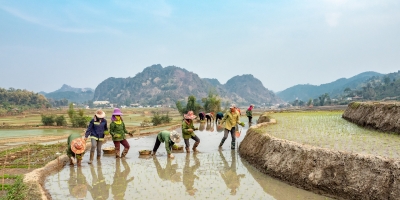
Nepal, a beautiful landlocked country nestled in the Himalayas, is primarily an agricultural society. Over 65% of the population is directly engaged in farming, making agriculture not just an economic activity but a cultural identity. Among various agricultural events celebrated across the country, one of the most colorful and heartfelt festivals is “Pandra Ashar”, also known as “Dhan Diwas” or Rice Planting Day, celebrated annually on the 15th of Ashar (around June 29). This marks the beginning of the monsoon season and is symbolically the perfect time to start rice plantation – Nepal’s staple food and a crop that covers over 47.63% of the nation’s paddy production.This day is more than just agricultural work. It’s a community celebration filled with traditional music, playful mud fights, joyful singing, and dancing in the fields. The highlight of the festival includes participants of all ages, dressed in traditional attire, wading into the muddy paddy fields to plant rice seedlings. After the joyful planting, everyone feasts on a classic Nepali treat – “Dahi-Chiura” (beaten rice with curd and banana), a humble yet delicious meal associated with nourishment and tradition. Asiana Treks and Tours proudly offers a culturally immersive Ropain Festival Tour that allows travelers to dive deep into Nepal's agrarian lifestyle, connect with local communities, and create lifelong memories.Quick Highlights:Celebrated on 15th Ashar / June 29 (approx.)A symbol of the agricultural heritage of NepalTraditional rice planting in muddy fieldsLocal music, dance, and cultural performancesClassic Nepali food like Dahi-ChiuraA once-in-a-lifetime immersive rural experience2. Experience the Joy of Ropain – Nepal's Rice Planting FestivalThe Ropain Festival is a rare opportunity to be part of something deeply rooted in the rhythm of nature and tradition. Asiana Treks and Tours has carefully curated this experience to allow travelers to participate actively, not just as observers, but as part of the community. On this trip, you’ll put on traditional farming attire, get knee-deep in the mud, and plant rice seedlings alongside local farmers. The atmosphere is filled with laughter, playful mud fights, and songs that echo through the fields – making it a joyous day for all.In addition to the fun, you’ll also learn the significance of rice farming in Nepal. Farmers will demonstrate traditional plowing techniques using oxen, and you’ll hear local stories and folklore that surround the rice planting season. This kind of first-hand cultural interaction is what makes the Ropain Festival so unique. You’ll come away not just with muddy clothes, but with a deep appreciation for the land and people of Nepal.Activities You'll Enjoy:Participate in rice planting with local farmersEngage in traditional mud fights and danceDress in cultural farming attireInteract with rural communities and learn local farming techniquesCapture vibrant festival scenes and interactions3. Why Join This Cultural Immersion Trip?Traveling is about more than sightseeing—it's about truly experiencing the essence of a place. This Ropain Festival Trip with Asiana Treks and Tours offers travelers the rare chance to not only witness a traditional agrarian festival but to live it. Whether you're a cultural enthusiast, a photographer, a volunteer, or simply someone seeking authentic travel, this experience brings Nepal’s rural life to the forefront in a vivid and engaging way.Unlike commercial festivals or city tours, this journey brings you directly into the heart of Nepal’s countryside. You'll stay in hospitable villages, interact closely with locals, and participate in a tradition that predates modern Nepal. The journey is educational, eye-opening, and incredibly fun. For those looking to understand the real Nepal beyond the mountains and temples, this trip offers an intimate connection with its people and land.Reasons to Join:Deep cultural interaction and learningOff-the-beaten-path rural adventureIdeal for solo travelers, groups, and familiesCombine fun with meaningful travelFully organized and safe with expert local guides4. Festival Highlights & Cultural SignificanceThe Ropain Festival is more than just planting rice—it’s a collective expression of gratitude, celebration, and hope. The mud represents fertility and life; the act of planting is symbolic of renewal and sustenance. Every step you take in the field connects you with centuries of Nepali tradition. The music and dancing that accompany the day are forms of rural storytelling and social bonding, passed down through generations.One of the most heartfelt moments of the festival is the communal feast. After a long day in the fields, everyone comes together to enjoy Dahi-Chiura (curd and beaten rice) with seasonal fruits like bananas and mangoes. It's a humble meal, but rich in cultural symbolism, believed to bring good health and prosperity. For many farmers, this festival marks the hope of a good harvest – and for travelers, it's a meaningful way to participate in the rhythm of rural life.Festival Traditions:Community-driven rice planting ritualsTraditional Nepali music and folk songs“Dahi-Chiura” communal mealPlaying in the mud as a joyful releaseSacred connection to the monsoon season5. Who Is This Trip For?This trip is perfect for anyone looking for immersive, offbeat cultural travel. Whether you're a solo adventurer, a family seeking meaningful bonding experiences, or a group of friends exploring Nepal, the Ropain Festival trip provides a unique blend of adventure, education, and fun. It’s especially ideal for travelers who love sustainable tourism, anthropology, rural culture, and agricultural history.No special skills are needed to participate—just a willingness to get your hands (and feet) muddy and your heart open to a different way of life. Photographers and travel writers will find endless inspiration in the vivid imagery of fields filled with joyous people, while eco-conscious travelers will appreciate the emphasis on sustainable, community-based tourism.Best Suited For:Cultural travelers and anthropologistsAdventure and eco-tourism seekersFamilies and friend groupsPhotographers and vloggersVolunteers and social travelers6. Trip Duration & SummaryThis 6-day journey by Asiana Treks and Tours combines cultural immersion with scenic beauty, giving you the best of both rural and urban Nepal. From the bustling capital city of Kathmandu to the serene lakes of Pokhara and the joyful chaos of the rice fields, this trip is a perfect blend of nature, culture, and human connection.Itinerary Overview:Day 1: Arrival in KathmanduMeet and greet, hotel check-inWelcome dinner and trip briefingDay 2: Kathmandu to PokharaScenic drive or flight to PokharaVisit Lakeside, rest and prepare for the festivalDay 3: Pokhara – Rice Planting SpotTravel to nearby villageParticipate in pre-festival activitiesReturn to hotel in eveningDay 4: Main Ropain Festival DayTraditional rice planting with local farmersMud play, singing, dancingDahi-Chiura feast and cultural performancesDay 5: Pokhara to KathmanduLeisure drive or flight backFree time for shopping or city tourDay 6: DepartureAirport drop-off with farewell giftsTrip Highlights Recap:6-day culturally immersive experienceTwo full days of Ropain activitiesScenic travel between Kathmandu and PokharaSafe, guided, and culturally enrichingOrganized by experienced local experts at Asiana Treks and Tours
Feel free to inquire, and together, we'll design the perfect journey to suit your preferences and desires.


 (2)
(2)  100% recommend (0)
 (0)
(0)