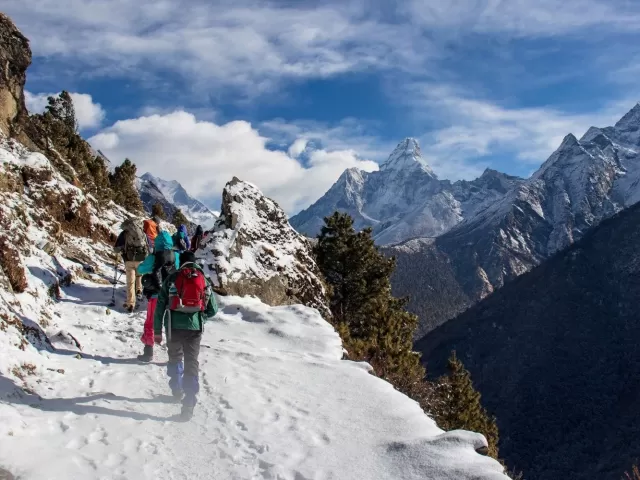
Everest Trekking begins with a thrilling flight from Kathmandu to Lukla or Manthali, followed by continuous ascents to Kalapattar. However, it's crucial to remember that this journey requires moderate physical fitness and altitude acclimatisation.On the Everest Base Camp Trek, following in the footsteps of Hillary, you'll pass through the rare yeti territory and the Dudh Koshi River valley. Trekkers encounter lush forests, terraced farmlands, undulating hills, alpine pastures, and majestic mountains. The trek ascends to 5,364 meters at Everest Base Camp and 5,545 meters at Kalapattar, offering breathtaking views of peaks such as Pumori, Lhotse, Nuptse, Lobuche, and Mount Everest. The route, marked by tranquillity and dotted with teahouses, offers trekkers a serene resting place, allowing them to feel at peace amid nature's grandeur.With diverse peaks, captivating vistas, Sherpa culture, ancient Gompas, and awe-inspiring panoramas, the Everest region offers trekkers worldwide a memorable experience.Everest Base Camp Trek Preparation Guide:Preparing for the Everest Base Camp Trek requires attention to physical readiness, cultural sensitivity, and smart packing. Asiana Treks and Tours ensures a safe and enriching journey, but travellers should still be well-prepared. Ensure your travel documents are in order, maintain physical fitness, and pack appropriately for changing mountain weather. Respect local customs, be environmentally conscious, and stay flexible to embrace Nepal's unique experiences. Staying hydrated, eating carefully, and carrying essential gear, including passport-sized photos, will contribute to a smooth trekking experience.Everest Base Camp Preparation Summary Guide: Plan Your Adventure Early:Book your Everest Base Camp Trek with a trusted operator, such as Asiana Treks and Tours, to ensure safe logistics, professional guides, and proper permits. Confirm your flight to Lukla, hotel booking, and pick-up/drop-off services before arrival in Kathmandu.Understand the Trek Challenge –The Everest Base Camp Trek is a moderate to challenging trek that reaches an elevation of 5,364 meters. It requires good stamina, mental strength, and proper acclimatisation to handle high-altitude conditions.Figure out what the Trek difficulty is:The Everest Base Camp Trek is a moderate to challenging trek that reaches an elevation of up to 5,364 metres. You need to be in good physical shape, have a strong mind, and be accustomed to high altitudes to handle them effectively.Physical Fitness Training:Do physical activities —like jogging, biking, and hiking — for at least 5 - 6 weeks before your trip. Exercises such as lunges and step-ups will help you build strength in your legs, back, and core. For long climbs, you need good balance and endurance.Smart and Light Packing: Pack warm, layered clothing suitable for cold mountain temperatures. Include insulated jackets, thermal wear, gloves, trekking boots, hats, and a waterproof backpack. Don’t forget sunscreen, sunglasses, and a reusable water bottle.Permits and Documentation:Obtain the Sagarmatha National Park Entry Permit and Khumbu Pasang Lhamu Rural Municipality Permit. Asiana Treks and Tours can arrange all required paperwork for your convenience.Acclimatisation and Health:Stroll, drink plenty of water, and take scheduled rest days (such as in Namche Bazaar and Dingboche) to acclimate to the altitude. Avoid alcohol, caffeine, and smoking to minimise the risk of altitude sickness (AMS).Mental Preparation:Stay positive and flexible—mountain weather can change quickly. Be patient and embrace the journey’s challenges as part of your adventure.Cultural Awareness:Respect Sherpa traditions, greet locals with a warm “Namaste,” and refrain from touching religious objects or prayer flags. Be polite and supportive in mountain lodges.Eco-Friendly Trekking:Carry reusable items, minimise plastic use, and respect the environment. Follow the “Leave No Trace” principles throughout the Everest region.Travel Insurance and Safety:Bring comprehensive travel insurance that covers high-altitude trekking and emergency evacuation. Keep a copy of your passport, insurance, and permits with you at all times. Alternative Everest Region Trekking Package List:Everest Panorama TrekkingGokyo Lakes and Gokyo Ri TrekEverest Base Camp Chola Pass Trek via Gokyo RiGokyo Ri Renjo La Pass TrekkingEverest Three High Passes TrekPikey Peak TrekkingEverest Dudh Kunda TrekkingEverest Base Camp Trekking via JiriEverest Regions Trekking Blog Post List:Asiana Treks & Tours offers an insightful blog on the Everest region, providing valuable information for trekkers. Explore stunning landscapes, local culture, and practical tips for your journey.Why Everest Base Camp Trek Should Be Your Next Adventure: Top ReasonsBeginner's Guide to Everest Base Camp TrekUnderstanding the Everest Base Camp Trek’s DifficultyEverest Base Camp Trek: Best Seasons (March-Mid June, Sep-Nov)Choosing the Best Route for Everest Base CampMajor Facts About the Everest Base Camp Trekking AdventureHiking from Gorak Shep to Kala Patthar & Everest Base CampIs There an Age Limit for Everest Base Camp Trekking?Is Everest Base Camp Trekking Possible for Women? Absolutely!The Complete List of Permits and Documents for Everest Region TreksMeals and Accommodation in the Everest RegionAccommodation Types in the Everest RegionTop Everest Region Trekking Packages 2025/2026Annapurna Base Camp vs Everest Base Camp: The Best TrekTrekking Permit Requirements for Different Regions in NepalThe First Viewpoint to See Mount EverestThe Beauty of Gokyo Lake with Views of EverestDiscovering the Beauty of Gokyo Lakes with Gokyo RiWhy Choose Everest Three Passes Trekking in NepalWhy Trek Everyone is the Ultimate Guide to Everest Base CampTrekking the Everest Three High Passes: Renjo La, Cho La & Kongma LaLukla: The Trekker's Ultimate GatewayAmazing Facts About Tenzing-Hillary Airport (Lukla Airport)Exploring Phakding: The First Step Toward EverestNamche Bazaar at 3,440m: A Rest Stop with a ViewTengboche Monastery: The Heartbeat of the KhumbuDingboche: The Smart Stop for Acclimatization and Stunning ViewsLobuche: A High-Altitude Himalayan Gem – History, Culture, Geography & Trekking HighlightsDiscover Everest Dudhkoshi Cultural Trek for BeginnersTraversing the Heart of Solu: Jiri to Sete, Junbesi & Nunthala via the Lamjura-La PassSacred Trails and Alpine Dreams: A Journey Through Pikey Peak, Dudh Kunda, and the Hidden Hamlets of SolukhumbuWhy Choose Everest Three Passes Trekking in NepalThe First Successful Summit: Sir Edmund Hillary and Tenzing NorgayHistory of Mount Everest : International Everest DayWhy Trek Everyone is the Ultimate Guide to Everest Base CampFAQs for Hiking to the Roof of the World (Everest RegionEverest Base Camp Trek Itinerary and Distance:Asiana Treks and Tours offers the ideal Everest Base Camp trek itinerary and distance for travellers with moderate physical fitness, combining adventure, culture, and natural beauty. The journey begins in Kathmandu, where you'll explore heritage sites, then fly to Lukla to start your trek through picturesque Sherpa villages, dense forests, and alpine landscapes. Each day offers breathtaking views, from the vibrant streets of Namche Bazaar to the majestic peaks of the Khumbu region. You'll experience the dramatic contrast of cold nights at Everest Base Camp with the unforgettable sunrise views from Kala Patthar.Day & ActivityDistance ( Km / Miles )Altitude ( Meters / Feet )Day 1: Arrival in Kathmandu7 Km / 4.34 miles1,400 m / 4,593 ftDay 2: Kathmandu – Lukla – Phakding5 km / 3.1 miles2,610 m / 8,562 ftDay 3: Phakding – Namche Bazaar7 km / 4.8 miles3,440 m / 11,286 ftDay 4: Acclimatisation Day at Namche6 km / 3.7 miles (approx)3,880 m / 12,730 ft ( Everest View Hotel )Day 5: Namche To Tangboche8 km / 5 miles3,860 m / 12,664 ftDay 6: Tengboche – Dingboche11 km / 6.8 miles4,410 m / 14,469 ftDay 7: Acclimatisation Day in Dingboche6 km / 3.7 miles ( approx )4,800 m / 15,748 ft ( Nagarjun Hill )Day 8: Dingboche – Lobuche7 km / 4.3 miles4,910 m / 16,109 ftDay 9: Lobuche – Gorakshep – Everest Base Camp11 km / 6.8 miles EBC: 5,364 m / 17,598 ftGorakshep: 5,545 m / 18192 ftDay 10: Gorakshep – Kalapatthar – Pheriche9 km / 5.6 milesKala Patthar: 5,545 m / 18,192 ftPheriche: 4,240 m / 13,910 ftDay 11: Pheriche – Namche Bazaar15 km / 9.3 miles ( approx )3,440 m / 11,286 ftDay 12: Namche – Lukla19 km / 11.8 miles ( approx )2,860 m / 9,383 ftDay 13: Fly Lukla – Kathmandu-Kathmandu: 1,400 m / 4,593 ftEverest Base Camp Trek Route:The Everest Base Camp Trekking Route offers several scenic trails, each showcasing breathtaking Himalayan landscapes, rich Sherpa culture, and thrilling adventure. All routes are excellent; however, the best one depends on your time, budget, and personal preference. Trekkers can choose the Classic Route via Lukla, flying both ways; the historic Jiri–Bhandara Route, reached by bus from Kathmandu and following the original Hillary Trail; or the Salleri–Phaplu Route, accessible by jeep or short flight, which starts the trek toward Lukla.Each route passes through traditional Sherpa villages, rhododendron forests, ancient monasteries, and suspension bridges before reaching the iconic Everest Base Camp (5,364 m) at the foot of Mount Everest (8,848.86 m). These trails promise an unforgettable mix of culture, nature, and mountain adventure. Everest Base Camp Route Summary Table:RouteAccess ModeHighlightLukla RouteFlight from Kathmandu - Lukla or RamechhapMost popular, shortest route to EBCJiri – Bhandara RouteDrive from Kathmandu, trek via the Hillary TrailHistoric trail, cultural experienceSalleri – Phaplu RouteDrive to Surke or fly to PhapluOffbeat path with scenic mountain views Everest Base Camp Trekking PriceEverest Base Camp Trek Price and PackagesAsiana Treks and Tours offers different service levels, from standard full-service trekking packages to luxury experiences with premium mountain lodges and helicopter return options. The final cost depends on your group size, accommodation, meals, flights, permits, and selected services, as outlined in our price lists.However, our regular full-service trekking package prices are according to group size and number of paxEverest Base Camp Trek Price per Person by group size is likewise below.* 1 person: US$ 1,723* 2–4 people: US$ 1,463 per person* 5–9 people: US$ 1,167 per person* 10 or more people: US$ 1,097 per personUse the above-mentioned price chart for our regular trekking package options. For more information, contact Asiana Treks and Tours for a personalised quotation with clear pricing and no hidden costs.Everest Base Camp price list by the different service levels: Package TypePrice Range ( USD)IncludeLuxury Complete Package6053$ - 8015$5 - star hotel in Kathmandu,Yeti Mountain Home or Everest Summit Lodge until Namche,Then, after the best available lodges en route,all permits, from the city to the Mountain guide/porter,all meals, and a helicopter return from EBC / KalapatharFull-Service Package1100 $ - 1500$Flights to / from Lukla, all permits, guide and porter, all meals,accommodation in Kathmandu and during the trekStandard Package$1,100 – $14,00Permits, flights to / from Lukla,guide or porter, Breakfast, Lunch and Dinnerand accommodation only during the trekSimple Package$800 – $1,20B/B ( Bed and Breakfast ), guide, and porter,all necessary Trekking permits ( trekking only )Guide & Accommodation$600 – $700Only guide service and accommodation during the trekPorter $300 – $500 PorterPorter service during the trek only Everest Base Camp Trekking Height:The Everest Base Camp trek and tours begin in the bustling city of Kathmandu, located at an altitude of 1,337 meters. From Kathmandu, fly to Lukla, or, during peak season, fly from Ramechhap. You'll descend to the beautiful Manthali headquarters of Ramechhap,474 meters above sea level. If you fly from Manthali to Lukla, you'll begin your journey, descending through the green forest to Chheplung; the Trek culminates at Everest Base Camp at a breathtaking height of 5,360 m /17,598 ft.LocationAltimeter and FitAltitude Gain / Loss Arrival in Kathmandu1,400 m / 4,593 ftArrive NepalKathmandu – Lukla – Phakding2,610 m / 8,563 ft1,210 (Lukla) - 200 ( Phakding )Phakding – Namche3,440 m / 11,286 ftGain: 830 m / Loss: 0 mNamche – Tengboche3,860 m / 12,664 ftGain: 420 m / Loss: 0 mTengboche – Dingboche4,410 m / 14,468 ftGain: 550 m / Loss: 0 mDingboche – Lobuche4,910 m / 16,109 ftGain: 500 m / Loss: 0 mLobuche – Gorakshep – EBC5,364 m / 17,598 ft454 ( Gorakshep ) - 150 (EBC)Gorakshep – Kalapatthar – Pheriche4,240 m / 13,911 ftGain: 400 m ( to Kala Patthar ) /Loss: 1,524 m ( to Pheriche )Pheriche – Namche3,440 m / 11,286 ftGain: 0 m / Loss: 800 mNamche – Lukla2,860 m / 9,383 ftGain: 0 m / Loss: 580 mFly back to Lukla – Kathmandu1,400 m / 4,593 ftGain: 0 m / Loss: 0 mDeparture from Kathmandu1,400 m / 4,593 ftFly to your Home destinationMajor Sherpa villages of the Everest Base Camp Trekking Route:The Everest Base Camp trekking route passes through several culturally rich and scenic Sherpa villages. These villages provide essential rest stops and accommodation while offering deep insight into the Sherpa way of life. From the bustling town of Lukla to the serene heights of Gorakshep, each village plays a unique role in shaping the trekking experience. As you ascend and descend the trail, these villages offer warm hospitality, spiritual significance, and picturesque Himalayan views.Village nameAltitude Meter and FitShort DescriptionLukla 2,860 m / 9,383 ft Gateway to Everest; home to Tenzing-Hillary Airport.Starting point of the trek.Chheplung2,700 m / 8,858 ftScenic village after Lukla with views of the Dudh Koshi River.Thado Koshi2,580 m / 8,465 ftSmall riverside village with a peaceful atmosphere.Phakding2,610 m / 8,563 ftPopular first overnight stop with lodges and riverside charm.Taktok2,700 m / 8,858 ftA traditional Sherpa village with stone houses and a quiet setting.Banker2,700 m / 8,858 ftA quiet village surrounded by natural beauty and a few teahouses.Manjo2,835 m / 9,301 ftEntrance checkpoint to Sagarmatha National Park.Jorsalle2,740 m / 8,990 ftLast stop before Namche, a popular lunch break location.Namche Bazaar3,440 m / 11,286 ftCentral trading hub with cafés, shops, and acclimatisation points.Sanasha3,600 m / 11,811 ftTrail junction to both Everest Base Camp and Gokyo Lakes.Phugithanga3,250 m / 10,663 ftResting spot at the base of the climb to Tengboche.Tengboche3,867 m / 12,687 ftSpiritual centre with the famous monastery and mountain views.Diboche3,820 m / 12,532 ftA peaceful alternative to Tengboche, with serene lodges.Pangboche3,985 m / 13,074 ftHome to the region’s oldest monastery and Sherpa culture.Somera4,050 m / 13,287 ftA small Lunch Hemlet between Pangboche and Dingboche.Harso4,150 m / 13,615 ftA simple resting point before reaching Dingboche.Dingboche4,410 m / 14,469 ftCentral acclimatisation village with stunning landscapes.Thukla ( Dughla )4,620 m / 15,157 ftSite of memorials for fallen climbers; an emotional stop.Lobuche4,940 m / 16,207 ftA high-altitude village before Gorakshep and EBC.Gorakshep5,164 m / 16,942 ftFinal settlement before Everest Base Camp and Kala Patthar.Best viewpoints of the Everest Base Camp Trek:These viewpoints offer unforgettable experiences that highlight the beauty of the Everest Base Camp Trek. Everest Base Camp Trek offers breathtaking views, showcasing stunning panoramas of the surrounding Himalayan peaks. Here are the critical views along the route:On a clear day, board your Flight to Lukla or Ramechhap, and choose a left-hand seat for breathtaking views of the countless Himalayan peaks, from the Langtang Himalayan range to the majestic Mt Everest.Hillary Bridge: Halfway from Hillary Bridge to Namche, you will first glimpse the majestic view of Everest. Hillary Park Sagarmatha Head Headquarters: Located at the top of Namche, the Headquarters of Sagarmatha National Park, Hillary Park offers stunning views of Many Himalayan ranges, including Mt. Everest.Everest View Hotel: From Everest View Hotel, you can enjoy unparalleled vistas of Everest and neighbouring peaks, Tangboche, Pangboche, Deboche: Traverse picturesque villages, each providing unique perspectives of the towering giants en route to Everest Base Camp.Thukla: On the way from Lobuche to Thukla, soak in the stunning views of jaw-dropping Himalayan peaks.Kala Patthar: Summit at dawn for an unrivalled panorama of the Everest region, witnessing the mountains come alive in a symphony of colours as the sun rises. Each viewpoint leaves an indelible mark on your soul, ensuring the journey back to Lukla reminds you of the awe-inspiring vistas encountered throughout your Trek.Everest Base Camp (EBC): The ultimate destination, commonly listed as 5,550 m (18,209 ft). This trek offers unparalleled views of Flora and fauna.Flora and Fauna In the Everest Base Camp Trekking:The Everest Base Camp Trek is also located within Sagarmatha National Park. It boasts a diverse array of flora and fauna, with pine and hemlock forests at lower altitudes and fir, juniper, birch, rhododendron, scrub, and alpine plants at higher elevations. Sagarmatha National Park is home to a diverse range of animals, including the red panda, snow leopard, musk deer, Himalayan tahr, marten, Himalayan mouse hare (also known as a pika), and over 118 bird species, such as the Impeyan pheasant, snow cock, blood pheasant, and red-billed chough.CategoryDetailsEcosystemTemperate forests, subalpine forests, alpine meadows, tundra, glaciersElevation Range1,400 m (Kathmandu) to 5,364m ( Everest Base Camp )Protected AreaSagarmatha National Park (UNESCO World Heritage Site)Flora ( Plants )Rhododendron forests, pine, juniper, fir, birch, blue poppies, mosses, lichensFauna ( Animals )Himalayan Tahr, Musk Deer, Snow Leopard, Red Panda,Himalayan Monal ( national bird of Nepal ), Danphe, Blood PheasantBirdsHimalayan Griffon, Snow Pigeon, Impeyan Pheasant, Bearded VultureCommon MammalsYak, Himalayan Black Bear, Grey Langur, PikaReptiles & AmphibiansHimalayan Pit Viper, Mountain Toad, High-altitude LizardsThreats to BiodiversityClimate change, deforestation, overgrazing, tourism impact, and habitat lossConservation EffortsSagarmatha National Park protection, community - based eco - tourism,and reforestation projectsFestivals and Culture of Everest Base Camp Trekking:The Everest Base Camp trek offers a cultural immersion into Sherpa traditions. A highlight is the Dumji and Mani Rimdu Festival at Tengboche Monastery, held annually in October or November. This vibrant celebration features sacred dances and colourful ceremonies, providing insight into Sherpa culture.Buddhism, a central pillar of Sherpa culture, is beautifully woven into the fabric of the Trek. It's evident in the monasteries, prayer flags, and Mani walls that dot the route. Visitors aren't just spectators; they can actively participate in Buddhist rituals, fostering a deeper understanding of Sherpa spirituality and their profound connection to nature. In their harmonious coexistence with nature, Sherpas practice sustainable living through eco-friendly methods, including using yak dung as fuel and managing waste effectively. These practices, born of necessity and deep respect for the environment, testify to the Sherpas' ingenuity and their role as responsible stewards of the land. This practice inspires respect and admiration. People and Hospitality:In Nepal, warm hospitality and strong values are not just customs but deeply ingrained parts of the culture. Whether you're a foreign visitor or a local, people greet you with open arms, friendly smiles, and a radiant manner. This tradition of hospitality, rooted in Hinduism, Buddhism, and traditional customs, views guests as blessings and treats them with utmost respect, generosity, and kindness.The Sherpa people, an indigenous ethnic group with a unique blend of Tibetan Buddhism and ancient Bon rituals, embody these values. Residing in the upper Khumbu area, they welcome guests with a distinct warmth and an unwavering spirit of hospitality, marked by their renowned honesty and loyalty.Advantages of booking with Asiana Treks and Tours: Private transportation for airport transfers to and from your hotel.Feel free to connect via Facebook or online if you'd like to discuss the trip.Last-minute booking at your hotel at a suitable time after your arrival.Easy booking and reservation system.Multi-channel communication via Email, WhatsApp, Facebook, Viber, Skype, and 24/7 phone communication at +977-9851076270Free excess luggage storage during the TrekOximeters measure blood oxygen saturation, helping detect altitude sickness early at high altitudes.Medical kits along the Trek and hot air bags are available in winterArrange sleeping bags, duffel bags, down jackets, and walking poles if you don't have your own.Trekking Start: If you miss the regular trip briefing, don't worry. We'll provide it at a convenient time before departure from Pokhara, either before a World Heritage tour the following morning or the next day. We'll then proceed to the airport, either by flight to Lukla or by driving to Manthali and taking a flight there.Currency Exchange:The Nepalese rupee is Nepal's official currency, and 1 USD is approximately equivalent to 130 Nepalese rupees. Nepal accepts only NPR, so it's best to bring cash to make transactions easier. Banks and ATMs in Kathmandu offer currency exchange services; however, most banks prefer new, crisp notes.Our Team:The Asiana Treks and Tours team is professional, reliable, and responsible. They are well-trained, friendly, radiant, and fluent in English. You can feel comfortable sharing anything with them. They are experts in local culture, history, vegetation, cuisine, accommodations, weather conditions, and first aid medications. They are also environmentally conscious and respect animal rights.However, please refrain from provoking them for personal gain during the trip. While you can enjoy your holiday with them, we kindly request that you refrain from trying to change their customs, beliefs, religion, culture, or traditions.We, along with our staff, are committed to making your adventure trip in Nepal unforgettable. Guide and Porter Arrangement:Asiana Treks and Tours focuses on responsible tourism in Nepal. We ensure our guides and porters are well-trained in Trekking and mountaineering. They are well-versed in the areas we visit, including geography, history, customs, and culture. We train them regularly in safety, first aid, and environmental conservation. We follow guidelines to treat our porters fairly, providing them with good pay, accommodation, and meals during treks. Our guides and porters are essential team members, and we appreciate their hard work. When you trek with us, you support ethical tourism in Nepal and make your trip meaningful and memorable.Asiana Treks and Tours prioritises your safety and enjoyment. Our knowledgeable guides, reliable equipment, and safety measures ensure a great trekking experience in Nepal.ServicesDescrptionPrice RangeFull Board with Guide and PorterBLD with professional (G/P) B/B with Guide and PorterB/B with Professional (G/P) Only GuideGuide and salary$25 per dayOnly PorterPorter and salary$20 per dayPorter, Luggage, and Extra Luggage Storage: We cover the cost of porters for your Luggage, but the maximum weight per person is 12 kg. Each porter carries Luggage for two trekkers; please share a duffel bag with another. Our porters will carry up to 25 kg each. If you need a porter, we can arrange one. We also recommend carrying a small backpack for your valuables and important documents. You can leave extra luggage for free at our office and at hotels in Pokhara, Namche, etc.Accommodation:Accommodation during the Everest Base Camp Trek varies. Along the trekking route, you'll stay in guest houses, commonly known as teahouses. These basic lodges offer rooms, dining areas, and toilets. Guest house quality varies, but they remain affordable and convenient for trekkers. Rooms typically feature twin or bunk beds, and shared bathrooms are available. Blankets and pillows are also provided. Our company can offer a sleeping bag if you don't have one. You'll spend nine nights in lodges along the trekking route and three nights in a hotel in Kathmandu. Some places and lodges have attached bathrooms, while others offer simple yet clean rooms with shared facilities. We can arrange a solo trekking service if you're travelling solo. During the high season and in certain areas, availability may be limited; however, we do our best to accommodate you. In Kathmandu or Pokhara, your hotel room will have excellent amenities, including TV, 24/7 hot water, electricity, and laundry service.Meals during the trip:Eating well is essential since the EBC Trek takes you through the Himalayas. You'll have plenty of nutritious meals in the trekking regions, although the options won't be as varied as in the cities. You'll get 15 breakfasts, 11 lunches, and 10 dinners during the Trek. The menu includes local, Asian, and Western dishes, but it gets more straightforward as you climb higher. Try popular Nepali foods like lentils, rice, curry, dumplings, noodles, Spaghetti, and many more. We highly recommend eating fresh vegetables and drinking liquids such as green tea, lemon tea, hot lemon water, ginger tea, and garlic soup, especially at high altitudes. While non-vegetarian options are available during the Trek, we suggest avoiding them for hygiene reasons. It's also best to avoid dairy, cheese, alcohol, caffeine, and hot chocolate. Personal expenses, such as alcoholic beverages, additional drinks, and cafes, aren't included in the package.Meal TypeDetailsTotal Meals Provided15 breakfasts, 11 lunches, 10 dinnersCuisine OptionsLocal Nepali, Asian, and Western dishesCommon MealsDal Bhat ( lentils, rice, curry ), dumplings (momos)noodles, spaghetti, soupsRecommended FoodsFresh vegetables, garlic soup, energy - rich mealsRecommended DrinksGreen tea, lemon tea, hot lemon, ginger teaFoods to AvoidNon-vegetarian items ( for hygiene reasons ),dairy, cheese, caffeine, alcohol, hot chocolateMeal SimplicityMore variety in lower altitudes,simpler options at higher elevationsExcluded ExpensesAlcoholic drinks, extra beverages, speciality cafésDrinking water:Staying hydrated on the trail is essential, as dehydration can contribute to Acute Mountain Sickness (AMS). Drink at least three litres of fluids daily.Using bottled water while hiking creates waste and costs more. Reusable water bottles are a more affordable, environmentally friendly alternative to plastic bottles. You can now use them after filling them with hot water from the teahouse.Mountain water is generally pure, but it's always best to be cautious. Consider using a bottle with a Steripen or an in-built filtration system, such as LifeStraw. Water purification tablets are another reliable option. With these precautions, you can drink mountain water with confidence, knowing it's safe.Chlorine or iodine tablets may change the water's taste. To mask the unpleasant taste, add flavoured electrolyte powder, which is easily available at a medical shop in Kathmandu. These powders enhance flavour and replenish essential minerals such as sodium, potassium, and magnesium, helping you stay healthy and energised during your hike.Teahouses offer boiled drinking water for an additional cost, which increases the higher you go. The kitchen staff will treat and boil your drinking water during the climb.Extra Personal Expenses:Your Trip covers most expenses during the Trek; however, you will need to pay for additional accommodations and meals in Kathmandu, souvenirs, and beverages. We estimate miscellaneous expenses at USD 15-25 per trekking day. However, personal expenses depend on your Income, habits, and style.Toilet Facilities in Everest Base Camp Trekking:Most teahouses have Western-style flush toilets during mountain treks, especially at lower elevations. However, as you ascend, you'll find simple squat toilets along the trails and at higher-altitude teahouses. These toilets usually have water and toilet paper, but it's a good idea to bring your own just in case. You can also use restrooms at nearby teahouses or find a private spot along the trekking routes.Internet Connectivity:While trekking in Nepal's Himalayan region, it's also a good idea to stay in touch with your family and friends. You can find internet access at teahouses and lodges, but it may cost extra. The signal may be weak due to the remote location. You can also get internet access using a local SIM card and data packages available at Kathmandu airport or nearby shops in Thamel and Pokhara. You'll need a passport-sized photo and a copy of your passport to get a SIM card. Compare prices and data packages from telecom companies like Ncell and Nepal Telecom before you buy. Knowing about the teahouse connectivity. Our guide will suggest connections for you. Electricity voltage and plugs:However, as of May 29, 2023, 95% of the Nepali population has access to electricity. Almost all popular trekking routes, teahouses, and lodges have electricity. However, some isolated, solo trekking teahouses in the jungle don't have electricity; most let travellers charge their devices for a small fee. The average electrical voltage in Nepal is 230 volts, with plug types like Type C, Type D, and Type M. Travellers should bring a suitable adapter and, if needed, a voltage converter for their electronic devices.Communication:Guesthouses in trekking regions offer internet access. You can buy a SIM card at Tribhuvan International Airport in Kathmandu and Namche. However, the signal may be weaker at high altitudes. Our office stays in regular contact with all trekking teams through the trek guide, checking in at least once daily to ensure everything goes as planned.Trip Extension:Suppose you have extra days in Nepal after the Trek. In that case, we can arrange a tour that includes an overnight stay in Nagarkot, Balthali, or another location around Kathmandu and Chitwan, along with activities such as jungle safaris, paragliding, rafting, canyoning, or other treks. Do not hesitate to inform us. We will create the best for you.Trek Difficulty:The Everest Base Camp trek offers a moderate yet challenging and enriching adventure. Your enjoyment of the trip will largely depend on your fitness level. We recommend building stamina at least two weeks before the Trek. Activities include jogging, running, swimming, or taking long hikes to build stamina for the journey ahead.This Trek is achievable even for beginners, but you must maintain a reasonable fitness level. Prior trekking experience is advantageous, though optional. All you need is the readiness to hike steadily for 4-8 hours and navigate tricky terrain.Suppose trekkers have pre-existing medical conditions, such as lung or heart diseases. In that case, they should consult their physician before booking the Trek to ensure their safety and well-being throughout the journey.Trip Safety:We highly give top priority. We provide experienced guides, first-aid kits, and necessary safety gear to ensure a safe hand. Our team monitors weather and trail conditions and takes precautions to minimise risks. Before starting the Trek, we discuss the trip to provide a clear understanding and ensure a reliable experience.Group & Private Treks:We organise many group and private treks simultaneously, with discounts available for larger groups. Every group will have a trekking guide and porters. Regarding larger groups, we provide an assistant guide. Our team ensures a safe and enjoyable trekking experience for all participants.About a solo traveller:If you're a solo traveller, please contact us to confirm departure dates before booking. You can tell us via call, WhatsApp, or email. We have listed upcoming departure dates for your convenience. Feel free to share the trip details with friends and family.Notes: The itinerary is subject to change due to weather or other unforeseen factors, and we'll adjust it to ensure the group's safety and enjoyment. We look forward to guiding you through the stunning landscapes of the Annapurna region and providing a memorable trekking experience.Responsible Travel:We prioritise responsible travel to minimise environmental impact and support local communities. We collaborate with organisations like the Kathmandu Environmental Education Project (KEEP) to promote eco-friendly trekking practices.Gratitude:Gratuity, or tipping, is highly appreciated in Nepali culture and reflects the quality of service that has been provided. You decide how much to tip, but we recommend tipping as a group at the end of the trip.End of Trek:On the Last day, you'll fly from Lukla back to Kathmandu, which takes about 35 Minutes. Alternatively, we can fly from Ramechhap to Kathmandu for an extra fee. In the evening, we'll host a farewell dinner in Kathmandu.Departure:On the day of your departure flight, we'll come to pick you up from your hotel and transfer you to Tribhuvan International Airport. We hope you enjoyed the Nepal trek and will consider returning for more adventures in Nepal.Feedback:After you complete the EBC Trek, we'll organise a farewell dinner in Kathmandu and present you with a trekking achievement certificate. After the dinner, you can provide feedback about the Trek on travel portals.Last-Minute Booking:If you can't book in advance, we offer last-minute bookings. Last-minute booking offers are available, but they may cost slightly more than regular departure dates. Those opting for last-minute bookings must pay an additional 7% of the total trip cost on our website. While we strive to accommodate last-minute requests, we do our best to meet your last-minute holiday booking needs.Special Note: Unforeseen circumstances, such as inclement weather or lodging unavailability, may occasionally require schedule changes. In such cases, your trip guide will design a new schedule based on the group's interests.
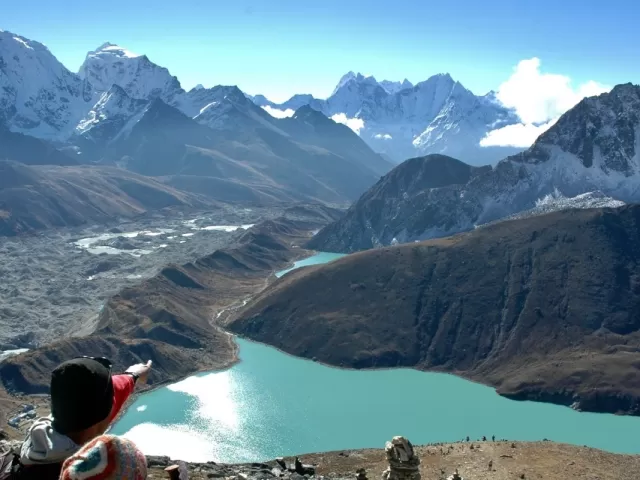
Asiana Treks and Tours offers the Everest Gokyo Ri trek to reach the base of the world's highest mountain! It is the dream of every adventure trekker and mountain lover. Trekking to Everest Base Camp brings your long-desired adventure to reality. Trekking in the Khumbu region through the famous Sherpa villages and Sherpa hospitality is such a pleasant experience that you cannot praise it more.Trekking to Everest Base Camp and Gokyo Ri becomes even more magnificent when combined with a trek to the Gokyo lakes and the surrounding region. Taking a detour from the usual route to Base Camp from Namche takes you to Gokyo, where you can see the emerald green lakes tucked in the middle of the mountains, which are lifetime memories. The view of the serene, crystal-clear lakes with floating Ruddy shelducks brings you such joy that it makes your trek much better and more successful, and the route feels more adventurous. Eventually, the route to the famous viewpoints Gokyo-Ri and Chola Pass is a beauty of life that meets at Lobuche via the glacial route, then leads you to Gorakshep, Everest Base Camp, and Kalapatthar.Another very famous viewpoint just behind Mount Pumori and the lap of the high Himalayas, Kalapatthar provides a panoramic view of the Himalayan peaks Mt Everest and Lhotse, as well as the Khumbu Icefall, and boasts a stunning sunrise from the high altitude of 5556 meters above sea level. The breathtaking view of the mountains from this magical viewpoint makes you forget the early-morning effort it took to reach the top of Kala Patthar. Once you reach the top of Kala Patthar, it adds to the joy of having been at the base camp of the highest mountain the previous day and feels like heaven on earth.Preparing for the Nepal Trek with Asiana Treks and Tours: Following these tips ensures a smooth, enjoyable, and enriching journey through Nepal's Silver Triangle. Ensure Your Travel Documents Are ReadyVerify that your passport is valid for at least six months beyond your travel dates.Obtain a Nepal visa in advance or on arrival at the airport.Carry travel insurance covering medical emergencies, trip cancellations, and unexpected delays.Pack wisely For Comfort and ConvenienceBring lightweight, breathable clothing for warm days and layered outfits for cooler evenings.Comfortable walking shoes, a rain jacket, sunglasses, sunscreen, and personal essentials are necessary.Pack a small daypack to carry essentials during daily excursions.Understand and Respect the Local CultureDress modestly, especially at religious sites, and remove your shoes before entering temples.Greet locals with a polite "Namaste" and respect local customs and traditions.Avoid public displays of affection, as Nepalese culture values modesty.Maintain Physical Readiness for the JourneyThe Silver Triangle Tour includes sightseeing and short walks, so staying active beforehand helps.Engage in light walking or basic stretching exercises before your trip to improve your stamina.If you have any medical conditions, carry the necessary medications and inform your tour guide.Prioritise Hydration and Well-BeingDrink purified or bottled water to avoid dehydration and stomach issues.Carry a reusable water bottle and refill it at safe water stations.Eat well-balanced meals with local cuisine, but avoid street food if you have a sensitive stomach.Stay Open-Minded and AdaptableNepal's charm lies in its authenticity, so be flexible with schedules and enjoy spontaneous experiences.Expect occasional delays due to road conditions or weather, and embrace the relaxed pace of travel.Interact with locals, explore hidden gems, and immerse yourself in the beauty of Nepalese culture.Be Environmentally ConsciousMinimise plastic waste by carrying reusable bottles and bags.Follow responsible tourism practices by respecting nature and local communities.Support eco-friendly accommodations and ethical tour operators.Capture Memories But Stay PresentBring a camera or smartphone to capture the stunning landscapes and cultural sites.Enjoy the beauty around you rather than focusing solely on photos.Seek permission before photographing people, especially in rural areas.Bring Necessary PhotographCarry some passport-sized photos, as they may be needed for permits, SIM cards, or other travel documents.Everest Regions Trekking Blog Post List:Asiana Treks & Tours offers an insightful blog on the Everest region, providing valuable information for trekkers. Explore stunning landscapes, local culture, and practical tips for your journey.Why Everest Base Camp Trek Should Be Your Next Adventure: Top ReasonsBeginner's Guide to Everest Base Camp TrekUnderstanding the Everest Base Camp Trek’s DifficultyEverest Base Camp Trek: Best Seasons (March-Mid June, Sep-Nov)Choosing the Best Route for Everest Base CampMajor Facts About the Everest Base Camp Trekking AdventureHiking from Gorak Shep to Kala Patthar & Everest Base CampIs There an Age Limit for Everest Base Camp Trekking?Is Everest Base Camp Trekking Possible for Women? Absolutely!The Complete List of Permits and Documents for Everest Region TreksMeals and Accommodation in the Everest RegionAccommodation Types in the Everest RegionTop Everest Region Trekking Packages 2025/2026Annapurna Base Camp vs Everest Base Camp: The Best TrekTrekking Permit Requirements for Different Regions in NepalThe First Viewpoint to See Mount EverestThe Beauty of Gokyo Lake with Views of EverestDiscovering the Beauty of Gokyo Lakes with Gokyo RiWhy Choose Everest Three Passes Trekking in NepalWhy Trek Everyone is the Ultimate Guide to Everest Base CampTrekking the Everest Three High Passes: Renjo La, Cho La & Kongma LaLukla: The Trekker's Ultimate GatewayAmazing Facts About Tenzing-Hillary Airport (Lukla Airport)Exploring Phakding: The First Step Toward EverestNamche Bazaar at 3,440m: A Rest Stop with a ViewTengboche Monastery: The Heartbeat of the KhumbuDingboche: The Smart Stop for Acclimatization and Stunning ViewsLobuche: A High-Altitude Himalayan Gem – History, Culture, Geography & Trekking HighlightsDiscover Everest Dudhkoshi Cultural Trek for BeginnersTraversing the Heart of Solu: Jiri to Sete, Junbesi & Nunthala via the Lamjura-La PassSacred Trails and Alpine Dreams: A Journey Through Pikey Peak, Dudh Kunda, and the Hidden Hamlets of SolukhumbuWhy Choose Everest Three Passes Trekking in NepalThe First Successful Summit: Sir Edmund Hillary and Tenzing NorgayHistory of Mount Everest : International Everest DayWhy Trek Everyone is the Ultimate Guide to Everest Base CampFAQs for Hiking to the Roof of the World (Everest RegionEverest Gokyo-Ri trekking itinerary:Asiana Treks and Tours has the perfect Everest Gokyo-Ri Trek itinerary. Travelers who desire to explore Nepal with moderate physical fitness. You'll discover the best places for breathtaking views from the city to the countryside. Experience the contrast of cold nights at Gokyo with a stunning view of the mountain wall, an unforgettable lifetime journey.Everest Gokyo-Ri Trekking Distance:The Everest Gokyo-Ri trekking takes 12 to 17 days, with 4 to eight-hour walking days, and is approximately 130 km, or 81.25 miles, depending on the itinerary and acclimatisation day.Everest Gokyo -Ri Trekking route:The Everest Gokyo- Ri Trekking route showcases awe-inspiring natural beauty. Starting in lush valleys with terraced fields and traditional Sherpa. Villages, the journey unfolds amidst the Himalayan foothills. Rhododendron forests bloom in spring, accompanied by cascading waterfalls and snow-capped peaks. Traversing wildflower meadows and crossing suspension bridges over mountain streams, the landscape evolves as you ascend. Approaching Everest via Gokyo-Ri, rugged terrain and glacial moraines dominate the landscape, offering panoramic views of towering peaks. The Trek promises unforgettable moments, whether you're a seasoned trekker or novice adventurer, offering an unparalleled journey through Earth's most breathtaking landscapes and the top of the world.Everest Gokyo- Ri Trekking Price: Our Everest Gokyo-Ri package tour ensures reliability in terms of cost, itinerary, and overall experience. The Everest Gokyo Ri trek typically ranges from US$ 1,300 to US$ 2,000, depending on group size, service level, guide and porter services, transportation preferences, and accommodation category in Kathmandu. This cost estimation is subject to the types of trekking gear and accommodation preferences. Everest Gokyo-Ri trekking Height:The Everest Gokyo-Ri trekking and tours start from the bustling city of Kathmandu at an altitude of 1337 meters. From Kathmandu, take a flight to Lukla or, during peak season, from Ramechhap. You'll descend to the beautiful Manthali headquarters of Ramechhap,474 meters above sea level. If you fly from Manthali to Lukla, you'll embark on your journey, descending and crossing the green forest to Chheplung; finally, the Trek culminates at Everest Base Camp at a breathtaking height of 5,550 m /18,209 ft.LocationAltitude (m)Increase (m)Decrease (m)Arrival in Kathmandu1,337--Kathmandu – Lukla – Phakding2,6101,210 (flight)400Phakding – Namche3,4408300Namche – Dole4,1106700Dole – Machhermo4,4703600Machhermo – Gokyo Lake4,7903200Gokyo Exploration - Thangna4,700090Thangna - Zongla (via Chola Pass)4,830500370Zongla – Lobuche4910800Labuche -Gorakshep – EBC round trip5364 EBC4540Gorakshep – Kalapatter – Pheriche554501305Pheriche – namche424001380Namche - Lukla34400580Lukla – Kathmandu1,40001,460 (flight)Major villages of Everest Gokyo-Ri Trekking:The major Sherpa villages along the Everest Gokyo-Ri Trekking route are Lukla, Chheplung, Thado Koshi, Phakding, Taktok, Banker Manjo, Jorsalle, Namche, Sanasha, Phugithanga, Tangboche, Diboche, Pangboche, Somera, Dingboche, Thukla, Labuche, and Gorekshep. Return from the same route and follow the same path back to Lukla. These villages are significant landmarks and offer scenic beauty and accommodation options along the Everest Gokyo-Ri Trekking route.Best Viewpoints Everest Gokyo -Ri Trekking:These viewpoints provide unforgettable experiences, highlighting the beauty of the Everest Gokyo-Ri Trek. Everest Gokyo-Ri Trek offers breathtaking viewpoints, showcasing stunning panoramas of the surrounding Himalayan peaks. Here are the critical views along the route:On a clear day, board your flight to Lukla or Ramechhap, and ensure a seat on the left-hand side for a breathtaking view of countless Himalayan peaks, from the Langtang Himalayan range to the majestic Mt Everest.Hillary Bridge: Halfway from Hillary Bridge to Namche, you will first glimpse the majestic view of Everest. Hillary Park, Sagarmatha Head Headquarters: At the top of Namche, the Headquarters of Sagarmatha National Park, Hillary Park offers a stunning view of Many Himalayan ranges, including Mt Everest.Everest View Hotel: From Everest View Hotel, you can enjoy unparalleled vistas of Everest and neighbouring peaks, Dole Viewpoint: Located near the village of Dole, this viewpoint offers early glimpses of Cho Oyu and other peaks, setting the stage for the spectacular views ahead along the trek.Machhermo Viewpoint: This viewpoint is situated above the village of Machhermo and offers beautiful views of the surrounding peaks, including Thamserku, Kangtega, and Cho Oyu. It's a great spot to acclimatise and enjoy the landscape.Gokyo Lakes: A series of turquoise lakes set against snow-capped peaks. The third lake, Dudh Pokhari, is particularly stunning. The area around the lakes provides spectacular photo opportunities and serene spots to enjoy the natural beauty.Gokyo Ri (5,357 meters / 17,575 feet): The highlight of the trek, Gokyo Ri, offers panoramic views of four of the world's highest peaks: Everest, Lhotse, Makalu, and Cho Oyu. The climb to the summit is challenging but rewarding, with unparalleled vistas of the Gokyo Lakes and the Ngozumpa Glacier, the longest glacier in the Himalayas.Ngozumpa Glacier: The longest glacier in the Himalayas is visible from several points along the trek. The glacier's dramatic ice formations and moraines are awe-inspiring, especially from the nearby hills.Scoundrel's Viewpoint:This viewpoint is located above the fifth Gokyo Lake and offers a more secluded and equally impressive perspective of Everest, Lhotse, Makalu, and Cho Oyu. It's less frequented by trekkers, providing a tranquil spot to take in the grandeur of the Himalayas.Thagnak Viewpoint: Located near the village of Thagnak, this viewpoint offers close-up views of Cho Oyu and the surrounding peaks. It is a great spot to acclimatise before crossing the Cho La Pass.Cho La Pass (5,420 meters / 17,782 feet): One of the high passes of the trek, offering breathtaking views of the surrounding peaks and glaciers. The challenging ascent is rewarded with spectacular views of Ama Dablam, Cholatse, and Lobuche East.Dzongla Viewpoint: After crossing the Cho La Pass, the village of Dzongla offers stunning views of Cholatse, Lobuche, and other surrounding peaks. The viewpoint is spectacular at sunset.Lobuche Viewpoint: Located near the village of Lobuche, this viewpoint offers excellent views of the Khumbu Glacier and the peaks of Nuptse, Pumori, and Everest.Everest Base Camp (E B C): The ultimate destination, commonly listed as 5,550 m (18,209 ft). The meters offer unparalleled views of Everest, Lhotse, Pumori, and Nuptse.Kala Patthar: Summit at dawn for an unrivalled panorama of the Everest region, witnessing the mountains come alive in a symphony of colours as the sun rises.Each viewpoint leaves an indelible mark on your soul, ensuring the journey back to Lukla reminds you of the awe-inspiring vistas encountered throughout your Trek.Tangboche, Pangboche, Deboche: Traverse picturesque villages, each providing unique perspectives of the towering giants en route to Everest Base Camp.Thukla: On the way from Lobuche to Thukla, soak in the stunning views of jaw-dropping Himalayan peaks.Flora and Fauna in the Everest Gokyo-Ri Trekking :Everest Gokyo-Ri Trekking is also in Sagarmatha National Park. It has diverse flora and fauna, with pine and hemlock forests at lower altitudes and fir, juniper, birch, rhododendron, scrub, and alpine plants thriving at higher elevations. Sagarmatha National Park is inhabited by a diverse range of animals, like red panda, snow leopard, musk deer, Himalayan tahr, marten, Himalayan mouse hare (pika), and over 118 bird species, such as the Impeyan pheasant, snow cock, blood pheasant, and red-billed cough.CategoryDetailsEcosystemTemperate forests, subalpine forests, alpine meadows, tundra, glaciersElevation Range1,400m (Kathmandu) to 5,545m (Kala Patthar)Protected AreaSagarmatha National Park (UNESCO World Heritage Site)Flora (Plants)Rhododendron, pine, juniper, fir, birch, blue poppies, mosses, lichensFauna (Animals)Snow Leopard, Red Panda, Himalayan Tahr, Musk Deer, Himalayan Monal, Blood PheasantBirdsHimalayan Griffon, Snow Pigeon, Impeyan Pheasant, Bearded VultureCommon MammalsYak, Himalayan Black Bear, Grey Langur, PikaReptiles & AmphibiansHimalayan Pit Viper, Mountain Toad, High-altitude LizardsThreats to BiodiversityClimate change, deforestation, overgrazing, tourism impact, habitat lossConservation EffortsSagarmatha National Park protection, community-based eco-tourism, reforestation projectsFestivals and Culture of Everest Gokyo-Ri Trekking:The Everest Gokyo-Ri trek offers a cultural immersion into Sherpa traditions. A highlight is the Dumji and Mani Rimdu Festival at Tengboche Monastery, held annually in October or November. This vibrant celebration features sacred dances and colourful ceremonies, providing insight into Sherpa culture.Buddhism, a central pillar of Sherpa life, is beautifully woven into the fabric of the Trek. It's evident in the monasteries, prayer flags, and Mani walls that dot the route. Visitors are not just spectators but can actively participate in Buddhist rituals, fostering a deeper understanding of Sherpa spirituality and their profound connection to nature.In their harmonious coexistence with nature, Sherpas practice sustainable living through eco-friendly methods such as using yak dung as fuel and managing waste. These practices, born out of necessity and deep respect for the environment, are a testament to the Sherpas' ingenuity and their role as responsible stewards of the land. It's a practice that inspires respect and admiration. People and hospitality of Everest Gokyo-Ri TrekkingNepal is a country where warm hospitality and incredible values are not just customs but deeply ingrained parts of its culture. Whether you're a foreign visitor or a local, you're greeted with open arms, friendly smiles, and a radiant manner. This tradition of hospitality, deeply rooted in Hinduism, Buddhism, and traditional customs, sees guests as blessings and treats them with utmost respect, generosity, and kindness.The Sherpa people, an indigenous ethnic group with a unique blend of Tibetan Buddhism and ancient Bon rituals, embody these values. Residing in the upper Khumbu area, they welcome guests with a distinct warmth and an unwavering spirit of hospitality, marked by their renowned honesty and loyalty.Advantages of booking with Asiana Treks and tours:Private transport for airport transfers to/from your hotel.Trip briefing on Facebook and online if you love to connect.Last-minute booking at your hotel at a suitable time after your arrival.Easy booking and reservation system.Multi-channel communication via Email, WhatsApp, Facebook, Viber, Skype; 24/7 phone communication at +977-9851076270Free excess luggage storage during the TrekOximeters are provided to examine blood oxygen saturation at high altitudes to detect altitude sickness earlyMedical kits along the Trek and hot airbags are available in winterArrange sleeping bags, duffel bags, down jackets, and walking poles if you don't have your own.Trek Booking for Everest Gokyo -Ri Trekking:Asiana Treks and Tours is the best and most trusted trekking and tour company, authorised by the Government of Nepal. We require a 10% advance payment to book your trip, and you'll need to send us a copy of your passport, photos, travel insurance, and flight details as soon as you book a tour with us. You can use a bank transfer or another method, such as Western Union, or pay online via our website, which is easy. The remaining trip cost can be paid upon arrival in Nepal. We offer last-minute bookings, but changes may be necessary due to circumstances such as bad weather. Transportation for Everest Gokyo-Ri trekking:Asiana Treks and Tours Organises all transportation logistics from start to end, according to our group size and agreement, including pickups and drop-offs, and flights between Kathmandu and Lukla for ground transportation for World Heritage site tours. Our services for all groups ensure convenient travel arrangements, whether a World Heritage tour or Flight tickets, and are tailored to the group, prioritizing safety, comfort, and efficiency. We aim to provide the best and most enjoyable travel experience, meeting the highest standards of safety and comfort.Trekking Start to Everest Gokyo -Re Trekking:Your Everest Gokyo-Ri Trek begins with a warm welcome in Kathmandu. Our team member will greet you at Tribhuvan International Airport. We'll escort you to your hotel in a private vehicle, ensuring a comfortable and hassle-free start to your adventure. This will set the tone for a memorable journey.If you miss the regular trip briefing, don't worry. We'll provide it at a convenient time before departure in Pokhara, either before a World Heritage tour the following morning or the next day; we'll then proceed to the airport for a flight to Lukla, or drive 4 hours to Manthali and Then Fly to Lukla.Currency Exchange:The Nepalese rupee is the Nepali currency, and 1 USD is approximately 150 NPR. Only NPR is accepted in Nepal, so it's best to bring cash to facilitate transactions. Banks and ATMs in Kathmandu provide currency exchange services, but note that most banks prefer new, crisp notes.Our Team:The Asiana Treks and Tours team is professional, reliable, and responsible. They are well-trained, friendly, radiant, and fluent in English. You can feel comfortable sharing anything with them. They are experts in local culture, history, vegetation, food, accommodation, weather conditions, and first aid medication. They are also environmentally conscious and respect animal rights.However, please do not provoke them for personal gain during the trip. While you can enjoy your holiday with them, we kindly request that you do not try to change their customs, beliefs, religion, culture, or traditions.Our staff and we are committed to making your adventure trip in Nepal an unforgettable journey. Guide and Porter Arrangement for Everest Gokyo-Ri Trekking:Our company, Asiana Treks and Tours, focuses on responsible tourism in Nepal. We make sure our guides and porters are well-trained in Trekking and mountaineering. They know a lot about the areas we go to, including geography, history, customs, and culture. We train them regularly in safety, first aid, and environmental conservation. We follow guidelines to treat our porters fairly, providing them with good pay, accommodation, and meals during treks. Our guides and porters are essential team members, and we appreciate their hard work. When you trek with us, you support ethical tourism in Nepal, making your trip meaningful and memorable.Asiana Treks and Tours prioritises your safety and enjoyment. Our knowledgeable guides, reliable equipment, and safety measures ensure a great trekking experience in Nepal.ServicesDescrptionPrice RangeFull service Board with Guide and PorterBLD with professional (G/P)$ 1872Full service B/B with Guide and PorterB/B with Professional (G/P)$ 1555Only GuideGuide and salary$25 per dayOnly PorterPorter and salary$20 per dayPorter, Luggage, and extra Luggage storage: We cover the cost of porters for your Luggage, but the maximum weight limit is 12 kg per person. Each porter carries Luggage for two trekkers; please share a duffel bag with another. Our porters will carry up to 25 kg each. If you need a porter for yourself, we can arrange that. We also recommend carrying a small backpack for your valuables and important documents. You can leave extra Luggage at our office for free, and at hotels in Pokhara, Namche, etc.Accommodation during the Everest Gokyo -Ri Trekking:Accommodation during the Everest Gokyo-Ri Trek varies. Along the trekking route, you'll stay in guest houses, commonly known as teahouses. These basic lodges offer rooms, dining areas, and toilets. The quality of guest houses varies, but they remain affordable and convenient for trekkers. Rooms typically have twin or bunk beds and shared bathrooms, and blankets and pillows are available. Our company can offer a sleeping bag if you don't have one. You'll spend nine nights in lodges along the trekking route and three nights in a hotel in Kathmandu. Some places and lodges have attached bathrooms, while others offer simple yet clean rooms with shared facilities. We can arrange a solo trekking service if you're travelling solo. In high season and in particular areas, availability may be limited for you, although we try our best. In Kathmandu or Pokhara, your hotel room will have excellent amenities, including TV, 24/7 hot water, electricity, and laundry service.Meals during the Everest Gokyo -Ri Trekking:Eating well is essential since the Everest Gokyo-Ri Trek takes you through the Himalayas. You'll have plenty of nutritious meals in the trekking regions, although the options won't be as varied as in the cities. You'll get fifteen breakfasts, eleven lunches, and ten dinners during the Trek. The menu includes local, Asian, and Western dishes, but it gets more straightforward as you climb higher. Try popular Nepali dishes like lentils, rice, curries, dumplings, noodles, spaghetti, and more. We highly recommend eating fresh vegetables and drinking beverages such as green tea, lemon tea, hot lemon, ginger tea, and garlic soup, especially at high altitudes. While non-vegetarian options are available during the Trek, we suggest avoiding them for hygiene reasons. It's also best to steer clear of dairy, cheese, alcohol, caffeine, and hot chocolate. Personal expenses such as alcoholic drinks, additional beverages, and cafe expenses aren't included in the package. Meal TypeDetailsTotal Meals Provided15 breakfasts, 11 lunches, 10 dinnersCuisine OptionsLocal Nepali, Asian, and Western dishesCommon MealsDal Bhat (lentils, rice, curry), dumplings (momos), noodles, spaghetti, soupsRecommended FoodsFresh vegetables, garlic soup, energy-rich mealsRecommended DrinksGreen tea, lemon tea, hot lemon, ginger teaFoods to AvoidNon-vegetarian items (for hygiene reasons), dairy, cheese, caffeine, alcohol, hot chocolateMeal SimplicityMore variety in lower altitudes, simpler options at higher elevationsExcluded ExpensesAlcoholic drinks, extra beverages, and special cafésDrinking water during the Everest Gokyo -Ri Trekking:Nepal is the second country in the world in terms of water sources after Brazil. According to the Nepalese government, only 27% of people here have access to clean drinking water. You can buy mineral water in teahouses, but it is expensive; in some trekking areas, local people prefer glass bottles. So, there are some safe drinking water stations where you can refill your bottle. However, we recommend carrying Steripen, iodine drops, water purification tablets for safe drinking, and refillable water bottles for boiled or filtered water. We strongly advise against drinking from taps, wells, and rivers in trekking areas. However, in all areas of the city, Mineral water is available at a reasonable cost.Extra Personal Expenses:Your Trip covers most expenses during the Trek; you'll need to pay for extra accommodations and meals in Kathmandu, souvenirs, and beverages. We estimate about USD 15-25 per trekking day for miscellaneous expenses. However, personal expenses depend on your Income, habits, and style.Toilet Facilities during the Everest Gokyo -Ri Trekking:Most teahouses have Western-style flush toilets during mountain treks, especially at lower elevations. But as you go higher, you'll find simple squat toilets along the trails and in teahouses at higher altitudes. These toilets usually have water and toilet paper, but it's a good idea to bring your own just in case. You can also use restrooms at nearby teahouses or find a private spot along the trekking routes.Internet Connectivity during the Everest Gokyo -Ri Trekking:While trekking in Nepal's Himalayan region, it's also a good idea to connect with your family and friends. You can find internet access at teahouses and lodges, but it might be an extra cost. The signal might be weak because of the remote location. You can also get internet access using a local SIM card and data packages available at Kathmandu airport or nearby shops in Thamel and Pokhara. You'll need a passport-sized photo and a copy of your passport to get a SIM card. It's a good idea to compare prices and data packages from telecom companies like Ncell and Nepal Telecom before buying. Knowing about teahouse connectivity. Our guide will suggest connections for you. Electricity voltage and plugs:However, 95 % of Nepali people have access to electricity as of May 29, 2023. Most popular trekking routes, teahouses, and lodges have electricity. However, some isolated and solo trekking tea houses in the jungle don't have electricity; most tea houses let travellers charge their devices for a small fee. The average electrical voltage in Nepal is 230 volts, with plug types like Type C, Type D, and Type M. Travellers should bring a suitable adapter and, if needed, a voltage converter for their electronic devices.Communication during the Everest Gokyo -Ri Trekking:The guest houses in the trekking regions have internet access. You could buy a SIM card at Tribhuvan International Airport in Kathmandu and in Namche. However, the signal may need to be more assertive at high altitudes. Our office keeps in touch with all trekking teams via the trek guide at least once daily to ensure everything goes according to plan.Trip Extension:Suppose you have extra days in Nepal after the Trek. In that case, we can arrange a tour, an overnight stay at Nagarkot Balthali or another place around Kathmandu and Chitwan, jungle safari, paragliding, rafting, canyoning, or other treks. Do not hesitate to inform us. We will create the best for you.Trek Difficulty:The Everest Gokyo-Ri Trek offers a moderate yet challenging and enriching adventure. Your enjoyment of the trip will largely depend on your level of fitness. We recommend building stamina at least two weeks before the Trek. Activities include jogging, running, swimming, or taking long hikes for the journey ahead.This Trek is achievable even if you're a beginner, but you must maintain a reasonable fitness level. Prior trekking experience can be advantageous, though it is optional. All you need is the readiness to hike steadily for 4-8 hours and navigate tricky terrain.Suppose trekkers have pre-existing medical conditions, such as lung or heart diseases. In that case, they are advised to consult their physician before booking the Trek to ensure their safety and well-being throughout the journey.Trip Safety during the Everest Gokyo -Ri Trekking:We highly give top priority. We provide experienced guides with first aid kits and necessary safety gear to ensure a safe trek. Our team monitors weather and trail conditions and takes precautions to avoid risks. Before starting the Trek, we discuss the trip to provide a clear understanding and ensure a reliable experience.Group & Private Treks information for the Everest Gokyo -Ri Trekking:We organise many group and private treks simultaneously, with discounts available for larger groups. Every group will have a trekking guide and porters. Regarding larger groups, we provide an assistant guide. Our team ensures a safe and enjoyable trekking experience for all participants.About solo travellers:If you're a solo traveller, please get in touch with us to confirm departure dates before booking. You can tell us via call, WhatsApp, or email. We have listed upcoming departure dates for your convenience. Feel free to share the trip details with friends and family.Notes: Please be aware that the itinerary may change due to weather or other factors, and we'll adjust it accordingly for the group's safety and enjoyment. We look forward to guiding you through the stunning landscapes of the Annapurna region and ensuring a memorable trekking experience.Responsible Travel:We prioritise responsible travel to minimise environmental impact and support local communities. We collaborate with organisations like the Kathmandu Environmental Education Project (KEEP) to promote eco-friendly practices in trekking regions.Graduate:Gratuities or tipping is appreciated in Nepali culture and reflects the quality of service provided. You decide how much to tip, but we recommend tipping as a group at the end of the trip.End of Trek:On the eleventh day, you'll take a bus from Pokhara back to Kathmandu, which takes about seven hours. Alternatively, you can fly from Pokhara to Kathmandu for an extra fee. In the evening, we'll host a farewell dinner in Kathmandu.Departure:On the day of your departure flight, we'll come to pick you up from your hotel and transfer you to Tribhuvan International Airport. We hope you enjoyed the Nepal trek and will consider returning for more adventures in Nepal.Feedback:After you complete the Everest Gokyo-Ri Trek, we'll organise a farewell dinner in Kathmandu and present you with a trekking achievement certificate. After the dinner, you can provide feedback about the Trek on travel portals.Last-Minute Booking:If you can't book in advance, we offer last-minute bookings. Last-minute booking offers are available but may cost slightly more than regular departure dates. Those opting for last-minute bookings must pay an additional 7% of the total trip cost on our website. While we strive to accommodate last-minute requests, we try our best to accommodate your last-minute booking holiday.Special Note: Please remember that unforeseen circumstances, such as inclement weather or unavailable lodging, may change the schedule. Your trip guide will design a fresh schedule based on the group's interests in such circumstances.

Pikey Peak Trekking is a beautiful low-region trekking trip without going too high in the Everest region. It is a wonderful cultural experience for the Sherpa people living there. In addition, you will enjoy majestic views of the Himalayan peaks, including Mt. Everest. Pikey Peak Trekking great and Best Panoramic View of the eastern Himalayan Region including Mt Everest Region.Pikey Peak trekking offers a grand view of the Himalayas from Dhaulagiri in the west to Kanchenjunga in the east from the top of Pikey Peak. The magnificent view of Everest from Pikey Peak is considered to be the best of Sir Edmund Hillary. The first man to conquer the top of the world considered Pikey Peak to be the best viewpoint for Mt. Everest. The Himalayan range's panoramic grandeur following the region's beautiful cultural trail is simply stunning.This Pikey Peak trekking goes through the old Everest Base Camp trekking route and goes towards Pikey Peak. The trek keeps trekkers below 4000 meters on the trail yet offers magnificent views of the mountains. While enjoying the panorama of the gigantic peaks, one can gain an unbelievable cultural experience of the region during this beautiful trek.Pikey Peak trek itinerary:Asiana Treks and Tours has the perfect Pikey Peak trek itinerary. Travelers who desire to explore Nepal with moderate physical fitness. You'll discover the best places for breathtaking views, from the city to the countryside. Experience the contrast of cold nights at pikey peak to a stunning view of the mountain wall, an unforgettable lifetime journey.Pikey Peak Trekking Distance:The Pikey Peak trek takes 11 days, with 4 to eight-hour walking days, and is approximately 93 km, or 57.78 miles, depending on the itinerary and acclimatization day.Pikey Peak Trekking route:The bus trip starts from Kathmandu to Shivalaya, where we trek to Bhandar through the pine and rhododendron forest and then to Namkheli and Ngaur Gompa. A steep walk to Pikey Peak Base Camp (2,955m) passes through numerous small villages and forests. The climb to Pikey Peak summit (3,757m) provides a breathtaking landscape over the Himalayas. After the summit of Pikey Peak, known for its spectacular sunrise view over the Himalayas, we descend through the rhododendron and pine forest to Junbesi, Benighat, and Chiwang, and finally reach Phaplu. A flight back to Kathmandu from Phaplu concludes the trek.Pikey Peak trekking price:Our package tour ensures reliability in terms of cost, itinerary, and overall experience. The Pikey Peak Camp trek typically ranges from US$1100 to 1215, depending on group size, service level, guide and porter services, transportation preferences, and accommodation category in Kathmandu. This cost estimation is subject to the types of trekking gear and accommodation preferences. Major villages of Pikey Peak Trekking:The major Sherpa villages along the Pikey Peak Trekking route are Shivalaya, Bhandar, Namkheli, Ngamor Gompa, Taktok, Jun Beshi, Benighat, Chiwang, and Phalpu. These villages are significant landmarks and offer scenic beauty and accommodation. Best Viewpoints for Pikey Peak Trekking:These viewpoints provide unforgettable experiences, highlighting the beauty of Pikey Peak. Pikey Peak Trek offers breathtaking views, showcasing stunning panoramas of the surrounding Himalayan peaks. Here are the critical views along the route:Pikey Peak Summit 4,065 meters (13,333 feet): The summit of Pikey Peak offers one of the most spectacular panoramic views of the Himalayas. Trekkers can see Mount Everest, Kanchenjunga, Makalu, Lhotse, Annapurna, Gauri Shankar, and many other peaks on a clear day. The sunrise and sunset views from here are breathtaking, with the mountains bathed in golden light.Lamjura La Pass 3,530 meters (11,580 feet): This pass is one of the highest points on the trek and provides stunning views of the surrounding mountains and valleys. The rhododendron forests add a vibrant splash of color, especially in the spring.Junbesi Village 2,675 meters (8,776 feet): Junbesi is a charming Sherpa village with beautiful traditional architecture. The backdrop of snow-capped peaks and the lush green valley makes it an ideal spot for photography. Nearby, the Thubten Chholing Monastery is worth a visit for its spiritual ambiance and architectural beauty.Taktor: Approximately 3,000 meters (9,842 feet), Taktor offers expansive views of the Dudh Kosi River valley and the surrounding hills. It is a tranquil spot where trekkers can enjoy the serene landscape and the sound of the river below.Namkheli: 2,300 meters (7,546 feet). This viewpoint provides a closer look at the middle hills and the traditional terraced farming landscapes. The view of the rolling hills covered in terraced fields is picturesque and indicative of the local way of life.Golla Village: At 2,900 meters (9,514 feet), Golla offers a unique perspective on the trek with its beautiful stone houses and terraced fields. The view of the towering peaks in the distance adds to the charm of this traditional village.Phaplu 2,413 meters (7,918 feet): The town of Phaplu serves as a starting or ending point for many trekkers. It offers views of the nearby hills and mountains, and the airstrip here provides an exciting view of small aircraft taking off and landing against a mountainous backdrop.Dhap 2,850 meters (9,350 feet): Dhap is another excellent viewpoint that offers sweeping vistas of the Solu Khumbu region. The rolling hills and distant mountain ranges create a scenic panorama that is both calming and inspiring.Flora and Fauna in the Pikey Peak Trekking :Pikey Peak Trekking is also in Sagarmatha National Park. It has many different flora and fauna, where pine and hemlock forests are found at lower altitudes, and fir, juniper, birch, rhododendron, scrub, and alpine plants thrive at higher elevations. Sagarmatha National Park is inhabited by a diverse range of animals, like red panda, snow leopard, musk deer, Himalayan tahr, marten, Himalayan mouse hare (pika), and over 118 bird species, such as the Impeyan pheasant, snow cock, blood pheasant, and red-billed cough.Festivals and Culture of Pikey Peak Trekking:The Pikey Peak trek offers a cultural immersion into Sherpa traditions. A highlight is the Dumji and Mani Rimdu Festival at Tengboche Monastery, held annually in October or November. This vibrant celebration features sacred dances and colorful ceremonies, providing insight into Sherpa culture.Buddhism, a central pillar of Sherpa life, is beautifully woven into the Trek's fabric. It's evident in the monasteries, prayer flags, and Mani walls that dot the route. Visitors are not just spectators but can actively participate in Buddhist rituals, fostering a deeper understanding of Sherpa spirituality and their profound connection to nature.In their harmonious coexistence with nature, Sherpas practice sustainable living with eco-friendly methods like using yak dung as fuel and managing waste. These practices, born out of necessity and deep respect for the environment, are a testament to the Sherpas' ingenuity and their role as responsible stewards of the land. They inspire respect and admiration. People and hospitality:Nepal is a country where warm hospitality and incredible values are not just a custom but a deeply ingrained part of its culture. Whether a foreign visitor or a local, you're greeted with open arms, friendly smiles, and a radiant manner. This tradition of hospitality, deeply rooted in Hinduism, Buddhism, and traditional customs, sees guests as blessings and treats them with utmost respect, generosity, and kindness.The Sherpa people, an indigenous ethnic group with a unique blend of Tibetan Buddhism and ancient Bon rituals, epitomise these values. Residing in the upper Khumbu area, they welcome guests with a distinct warmth and an unwavering spirit of hospitality, marked by their renowned honesty and loyalty.Advantages of booking with Asiana Treks:Private transport for airport transfers to/from your hotel.Trip briefing on Facebook and online if you love to connect.Last-minute booking at your hotel at a suitable time after your arrival.Easy booking and reservation system.Multi-channel communication via Email, WhatsApp, Facebook, Viber, Skype, and 24/7 phone communication at +977-9851076270Free excess luggage storage during the TrekOximeters are provided to examine blood oxygen saturation at high altitudes to detect altitude sickness early.Medical kits along the Trek and hot airbags are available in winterArrange sleeping bags, duffel bags, down jackets, and walking poles if you don't have your own.Trek Booking:Asiana Treks and Tours is the best and most trusted trek and tour company operator authorized by the Nepal government. We require a 10% advance payment to book your trip, and you'll need to send us a copy of your passport, photos, travel insurance, and flight details as soon as you book a tour with us. You can use bank transfer, or any other way like Western Union, or online via our website, which is easy. The remaining trip cost can be paid upon arrival in Nepal. We offer last-minute bookings, but changes may occur due to circumstances like bad weather. Transportation for Pikey Peak trekking:Asiana Treks and Tours organizes all transportation logistics from start to end, according to our group size and agreement, including pickups and drops of service to flights between Kathmandu and Phaplu for ground transportation for World Heritage site tours. Our services for all groups ensure convenient travel arrangements, whether a World Heritage tour or Flight tickets, and are tailored to the group, prioritizing safety, comfort, and efficiency. We aim to provide the best and most enjoyable travel experience, meeting the highest standards of safety and comfort.Trekking Start: Your Pikey Peak trek begins with a warm welcome in Kathmandu. Our team member will greet you at the Tribhuvan International Airport. We'll escort you to your hotel in a private vehicle, ensuring a comfortable and hassle-free start to your adventure. This will set the tone for a memorable journey.If you miss the regular trip briefing, don't worry. We'll provide it at a convenient time before departure in Pokhara, either before a World Heritage tour the following morning or the next day; we'll then proceed to the airport for a flight to Lukla or drive the 4-hour Manthali and fly to Lukla.Currency Exchange:The Nepalese rupee is the currency of Nepal, and 1 USD is approximately 150 NPR. Only NPR is accepted in Nepal, so it's best to bring cash to facilitate transactions. Banks and ATMs in Kathmandu provide currency exchange services, but note that most banks prefer new, crisp notes.Our Team:The Asiana Treks and Tours team is professional, reliable, and responsible. They are well-trained, friendly, radiant, and fluent in English. You can feel comfortable sharing anything with them. They are experts in local culture, history, vegetation, food, accommodation, weather conditions, and first aid medication. They are also environmentally conscious and respect the rights of animals.However, please do not provoke them for personal gain during the trip. While you can enjoy your holiday with them, we kindly request that you do not try to change their customs, beliefs, religion, culture, or traditions.Our staff and we are committed to making your adventure trip unforgettable memories of a lifetime journey in Nepal. Guide and Porter Arrangement:Our company, Asiana Treks and Tours, focuses on responsible tourism in Nepal. We make sure our guides and porters are well-trained in Trekking and mountaineering. They know a lot about the areas we go to, including geography, history, customs, and culture. We train them regularly in safety, first aid, and environmental conservation. We follow guidelines to treat our porters fairly, providing them with good pay, accommodation, and meals during treks. Our guides and porters are essential team members, and we appreciate their hard work. When you trek with us, you support ethical tourism in Nepal, making your trip meaningful and memorable.Asiana Treks and Tours prioritizes your safety and enjoyment. Our knowledgeable guides, reliable equipment, and safety measures ensure a great trekking experience in Nepal.Porter, Luggage, and extra Luggage storage: We cover the cost of porters for your Luggage, but the maximum weight limit is 12 kg per person. Each porter carries Luggage for two trekkers; please share a duffel bag with another. Our porters will carry up to 25 kg each. If you need a porter for yourself, we can arrange that. We also recommend carrying a small backpack for your valuables and important documents. You can leave extra Luggage at our office for free and at a hotel in Kathmandu, Namche, etc.Accommodation:Accommodation during the Peaky Peak Trek varies. Along the trekking route, you'll stay in guest houses, commonly known as teahouses. These basic lodges offer rooms, dining areas, and toilets. The quality of guest houses varies but remains affordable and convenient for trekkers. Rooms typically have twin or bunk beds and shared bathrooms, and blankets and pillows are available. Our company can offer a sleeping bag if you don't have one. You'll spend nine nights in lodges along the trekking route and three nights in a hotel in Kathmandu. Some places and lodges have attached bathrooms, while others offer simple yet clean rooms with shared facilities. We can arrange a solo trekking service if you're traveling solo. In high season and in particular areas, availability may be limited for you, although we try our best. In Kathmandu, your hotel room will have excellent amenities, including TV, 24/7 hot water, electricity, and laundry service.Meals during the trip:Eating well is essential since the Pikey Peak Trek takes you through the Himalayas. You'll have plenty of nutritious meals in the trekking regions, although the options won't be as varied as in the cities. You'll get fifteen breakfasts, eleven lunches, and ten dinners during the Trek. The menu includes local, Asian, and Western dishes, but it gets more straightforward as you climb higher. Try popular Nepali foods like lentils, rice, curry, dumplings, noodles, spaghetti, and many more. We highly recommend eating fresh vegetables and drinking liquids like green tea, lemon tea, hot lemon ginger tea, and garlic soup, especially at high altitudes. While non-vegetarian options are available during the Trek, we suggest avoiding them for hygiene reasons. It's also best to steer clear of dairy, cheese, alcohol, caffeine, and hot chocolate. Personal expenses like alcoholic drinks, extra beverages, and cafes aren't included in the package. Drinking water:Nepal is the second country in the world regarding water sources after Brazil. According to the Nepal government, only 27% of people here have clean drinking water. You can buy mineral water in teahouses, but it is expensive; local people do not prefer plastic bottles in some trekking areas, so there are some safe drinking water stations where you can refill your bottle. However, we recommend carrying Steripen, iodine drops, water purification tablets for safe drinking, and refillable water bottles for boiled or filtered water. We strongly advise not to drink from taps, wells, and rivers in trekking areas. However, in all city areas, Mineral water is available at a reasonable cost everywhere.Extra Personal Expenses:Your Trip covers most expenses during the Trek; you'll need to spend money on extra accommodations and meals in Kathmandu, souvenirs, and beverages. We estimate about USD 15-25 per trekking day for miscellaneous expenses. However, personal expenses depend on your Income, habits, and style.Toilet Facilities in Peaky Peak Trekking:Most teahouses have Western-style flush toilets during mountain treks, especially at lower elevations. But as you go higher, find simple squat toilets along the trails and teahouses at higher altitudes. These toilets usually have water or toilet paper, but it's a good idea to bring your toilet paper just in case. You can also use restrooms at nearby teahouses or find a private spot along the trekking routes.Internet Connectivity:While trekking in the Himalayan region of Nepal, connecting with your family and friends is also a good idea. You can find internet access at teahouses and lodges, but it might be for an extra minimal cost. The signal might be weak because of the remote location. You can also get internet access using a local SIM card and data packages available at Kathmandu airport or nearby shops in Thamel and Pokhara. You'll need a passport-sized photo and a copy of your passport to get a SIM card. It's a good idea to compare prices and data packages from telecom companies like Ncell and Nepal Telecom before buying. Knowing about teahouse connectivity. Our guide will suggest connections for you. Electricity voltage and plugs:However, 95 % of Nepali people have access to electricity as of May 29, 2023. Almost all popular trekking routes, teahouses, and lodges have electricity. However, some isolated and solo trekking tea houses in the jungle don't have electricity; most tea houses let travelers charge for their devices for a small fee. The average electrical voltage in Nepal is 230 volts, with plug types like Type C, Type D, and Type M. Travellers should bring a suitable adapter and, if needed, a voltage converter for their electronic devices.Communication:The guest houses in the trekking regions have internet access. You can buy a SIM card at Tribhuvan International Airport in Kathmandu and Namche. However, the signal may need to be more assertive at high altitudes. Our office keeps in touch with all trekking teams via the trek guide at least once daily to ensure everything goes as planned.Trip Extension:Suppose you have extra days in Nepal after the Trek. In that case, we can arrange a tour, an overnight stay at Nagarkot Balthali or any other place around Kathmandu and Chitwan, a jungle safari, paragliding, rafting, canyoning, or other treks. Do not hesitate to inform us. We will create the best for you.Trek Difficulty:The Pikey Peak trek presents a moderate and challenging yet enriching adventure. Your enjoyment of the trip will largely depend on your level of fitness. We recommend building stamina at least two weeks before the Trek. Activities include jogging, running, swimming, or taking long hikes for the journey ahead.Completing this Trek is achievable even if you're a beginner, although you must maintain a reasonable fitness level. Prior trekking experience can be advantageous, though it is optional. All you need is the readiness to hike steadily for 4-8 hours, navigating tricky terrain.Suppose trekkers have pre-existing medical conditions, such as lung or heart diseases. In that case, they are advised to consult their physician before booking the Trek to ensure their safety and well-being throughout the journey.Trip Safety:We prioritize safety. We provide experienced guides with first aid kits and the necessary safety gear to ensure a safe trip. Our team monitors weather and trail conditions and takes precautions to avoid risks. Before starting the Trek, we discuss the trip to provide a clear understanding and ensure a reliable experience.Group & Private Treks:We organize many group and private treks simultaneously, with discounts available for larger groups. Every group will have a trekking guide and porters, and we provide an assistant guide for larger groups. Our team ensures a safe and enjoyable trekking experience for all participants.About Solo Trekkers:If you're a solo trekker, don't hesitate to contact us to confirm departure dates before booking. You can tell us via call, WhatsApp, or email. We have listed upcoming departure dates for your convenience. Feel free to share the trip details with friends and family.Notes: Please be aware that the itinerary may change due to weather or other factors, and we'll adjust it accordingly for the group's safety and enjoyment. We look forward to guiding you through the stunning landscapes of the Annapurna region and ensuring a memorable trekking experience.Responsible Travel:We prioritize responsible travel to minimize environmental impact and support local communities. We collaborate with organizations like the Kathmandu Environmental Education Project (KEEP) to promote eco-friendly practices in trekking regions.Gratitude:Gratitude or tipping is appreciated in Nepali culture and reflects the quality of service provided. You decide how much to tip, but we recommend tipping as a group at the end of the trip.End of Trek:On the ninth day, you'll fly from Phalpu back to Kathmandu. In the evening, we'll host a farewell dinner in Kathmandu.Departure:On the day of your departure flight, we'll come to pick you up from your hotel and transfer you to Tribhuvan International Airport. We hope you enjoyed the Nepal trek and will consider returning for more adventures in Nepal.Feedback:After you complete the Pikey Peak Trek, we'll organize a farewell dinner in Kathmandu and present you with a trekking achievement certificate. After the dinner, you can provide feedback about the Trek on travel portals.Last-Minute Booking:If you can't book in advance, we offer last-minute bookings. Last-minute booking offers are available but may cost slightly more than regular departure dates. Those opting for last-minute bookings must pay an additional 7% of the total trip cost on our website. While we strive to make last-minute requests, we try our best to accommodate them according to your last-minute booking holiday.Special Note: Please remember that sometimes, unforeseen circumstances, such as inclement weather or unavailable lodging, may cause the schedule to be changed. Your trip guide will design a fresh schedule based on the group's interests in such circumstances. Everest Regions Trekking Blog Post List:Asiana Treks & Tours offers an insightful blog on the Everest region, providing valuable information for trekkers. Explore stunning landscapes, local culture, and practical tips for your journey.Why Everest Base Camp Trek Should Be Your Next Adventure: Top ReasonsBeginner's Guide to Everest Base Camp TrekUnderstanding the Everest Base Camp Trek’s DifficultyEverest Base Camp Trek: Best Seasons (March-Mid June, Sep-Nov)Choosing the Best Route for Everest Base CampMajor Facts About the Everest Base Camp Trekking AdventureHiking from Gorak Shep to Kala Patthar & Everest Base CampIs There an Age Limit for Everest Base Camp Trekking?Is Everest Base Camp Trekking Possible for Women? Absolutely!The Complete List of Permits and Documents for Everest Region TreksMeals and Accommodation in the Everest RegionAccommodation Types in the Everest RegionTop Everest Region Trekking Packages 2025/2026Annapurna Base Camp vs Everest Base Camp: The Best TrekTrekking Permit Requirements for Different Regions in NepalThe First Viewpoint to See Mount EverestThe Beauty of Gokyo Lake with Views of EverestDiscovering the Beauty of Gokyo Lakes with Gokyo RiWhy Choose Everest Three Passes Trekking in NepalWhy Trek Everyone is the Ultimate Guide to Everest Base CampTrekking the Everest Three High Passes: Renjo La, Cho La & Kongma LaLukla: The Trekker's Ultimate GatewayAmazing Facts About Tenzing-Hillary Airport (Lukla Airport)Exploring Phakding: The First Step Toward EverestNamche Bazaar at 3,440m: A Rest Stop with a ViewTengboche Monastery: The Heartbeat of the KhumbuDingboche: The Smart Stop for Acclimatization and Stunning ViewsLobuche: A High-Altitude Himalayan Gem – History, Culture, Geography & Trekking HighlightsDiscover Everest Dudhkoshi Cultural Trek for BeginnersTraversing the Heart of Solu: Jiri to Sete, Junbesi & Nunthala via the Lamjura-La PassSacred Trails and Alpine Dreams: A Journey Through Pikey Peak, Dudh Kunda, and the Hidden Hamlets of SolukhumbuWhy Choose Everest Three Passes Trekking in NepalThe First Successful Summit: Sir Edmund Hillary and Tenzing NorgayHistory of Mount Everest : International Everest DayWhy Trek Everyone is the Ultimate Guide to Everest Base CampFAQs for Hiking to the Roof of the World (Everest Region

The classic Trekking route to Everest Basecamp via Jiri is the old route that followed the historic Jiri route of Sir Edmund Hillary's and Tenzing Norgay's historic footsteps. This path is not only rich in history but promises an adventure of a lifetime.Your journey commences with a captivating drive from Kathmandu to Jiri. As you wind through this scenic route to Dolakha Jiri, you'll be treated to breathtaking landscapes and encounter charming villages along the way. This route's gradual altitude gain makes it special, which ensures better acclimatization and minimizes the risk of altitude sickness.Trekking through this route provides a remarkable opportunity to immerse yourself in the local culture. You'll traverse diverse villages, Bhandara Sete, Junbesi, and Lamjura, pass with the friendly locals, and gain insight into the unique Sherpa way of life.The lower sections of the trek are a feast for the eyes, featuring lush forests, terraced fields, and rolling hills. This contrast to the high-altitude terrain further enhances the beauty of your journey.Take a well-deserved break in Namche Bazaar, a bustling Sherpa town that offers a chance to acclimate and fantastic shopping opportunities With breathtaking mountain views that will leave you spellbound.After Namche, we are toward Tangboche, Pangboche, and Dingboche Labuche. As you approach Everest Base Camp, you'll find yourself in a surreal setting, surrounded by towering peaks, the famous Khumbu Icefall, and an unmistakable spirit of mountaineering that hangs in the crisp mountain air.Climb Kala Patthar, a vantage point that rewards you with a panoramic view of the mighty Mount Everest and the magnificent Himalayan peaks Pumari Lotshe and many other peaks encircle it.To wrap up your incredible journey, you'll return via Lukla, where you can catch a flight back to Kathmandu. This smooth transition from the mountainous terrain to the city's hustle and bustle provides a fitting conclusion to your adventure.The Mt Everest to via Jiri route offers a unique perspective on the Everest region. It seamlessly blends cultural immersion, gradual acclimatization, and historical significance to create an unforgettable trekking experience. Whether you're a seasoned trekker or a first-time adventurer, this well-rounded route is ideal for those who want to do something extraordinary in adventure and exploring nature.Everest Base Camp trek via Jiri itinerary:Asiana Treks has the perfect Everest Base Camp trek via jiri, itinerary for travelers who desire to explore Nepal with moderate physical fitness. You'll discover the best places for breathtaking views from the city to the countryside. Experience the contrast of cold nights at EBC to a stunning view of the mountain wall, an unforgettable lifetime journey.Everest Base Camp Trekking via Jiri Distance:The Everest Base Camp trekking via Jiri takes 21 to 25 days, with 4 to eight-hour walking days, and is approximately 190 km, or 120 miles, depending on the itinerary and acclimatisation day.Everest Base Camp Via Jiri Trekking route:The Everest Base Camp Trekking via Jiri route showcases awe-inspiring natural beauty. Starting in lush valleys with terraced fields and traditional Sherpa. Villages, the journey unfolds amidst the Himalayan foothills. Rhododendron forests bloom in spring, accompanied by cascading waterfalls and snow-capped peaks. Traversing wildflower meadows and crossing suspension bridges over mountain streams, the landscape evolves as you ascend. Approaching Everest Base Camp, rugged terrain and glacial moraines dominate, leading to panoramic views of towering peaks. The Trek promises unforgettable moments, whether you're a seasoned trekker or novice adventurer, offering an unparalleled journey through Earth's most breathtaking landscapes and top of the world.Everest Base Camp trekking via Jiri price: Our package tour ensures reliability in terms of cost, itinerary, and overall experience. The Everest Base Camp trek via Jiri typically ranges from US$1800 to 2400, depending on group size, service level, guide and porter services, transportation preferences, and accommodation category in Kathmandu. This cost estimation is subject to the types of trekking gear and accommodation preferences. Everest Base Camp trekking via Jiri Height:The Everest Base Camp trekking via Jiri starts starts with a drive to Jiri at 1,900m and a trail walk to Shivalaya (1,770m), and then to Sete (2,575m). After Sete, you will continue to Junbesi at 2,675m and then drop down to Nunthala at 2,190m. The walk continues to Bupsa Danda at 2,250m and Surkhe at 2,295m before reaching Phakding at 2,650m. After that, you will trek up to Namche Bazaar at 3,440m, the busy Sherpa's town. Then the trek moves on to the famous Tengboche Monastery at 3,867m followed by a visit to Dingboche at 4,358m for the rest day. Then the trek heads to Lobuche at 4,928m and then to Gorak Shep at 5,160m. From Gorak Shep, the trek continues toward Everest Base Camp at 5,364m.Major villages of Everest Base Camp via Jiri Trekking:The major Sherpa villages along the Everest Base Camp Trekking via Jiri route via Jiri are Lukla, Deurali, Sele, Junbesi, Nunthala, Bupsa Danda, Surkhe, Lukla, Phakding, Namche Bazaar, Tayangboche, Dingboche, Pangboche, Lobuche, Gorakshep and Return from the same route and follow the same path back to Lukla. These villages are significant landmarks and offer scenic beauty and accommodation options along the Everest Base Camp Trekking route.Best Viewpoints Everest Base Camp Trekking via Jiri:These viewpoints provide unforgettable experiences, highlighting the beauty of the Everest Base Camp Trek. Everest Base Camp Trek Via jiri offers breathtaking viewpoints, showcasing stunning panoramas of the surrounding Himalayan peaks. Here are the critical views along the route:On a clear day, board your Flight to Lukla or Ramechhap, ensuring a seat on the left-hand side for a breathtaking view of the uncountable Himalayan peaks, from the Langtang Himalayan range to the majestic Mt Everest.Hillary Bridge: After halfway from Hillary Bridge to Namche, you will first glimpse the majestic Everest view. Hillary Park Sagarmatha Head Headquarters: At the top of Namche Headquarters of Sagarmatha National Park, Hillary Park, you have a stunning surrounding view of Many Himalayan ranges, including Mt Everest.Everest View Hotel: From Everest View Hotel, you can enjoy unparalleled vistas of Everest and neighboring peaks, Tangboche, Pangboche, Deboche: Traverse picturesque villages, each providing unique perspectives of the towering giants en route to Everest Base Camp.Thukla: On the way from Lobuche to Thukla, soak in the stunning views of jaw-dropping Himalayan peaks.Kala Patthar: Summit at dawn for an unrivaled panorama of the Everest region, witnessing the mountains come alive in a symphony of colors as the sun rises.Each viewpoint leaves an indelible mark on your soul, ensuring the journey back to Lukla reminds you of the awe-inspiring vistas encountered throughout your Trek.Everest Base Camp (ABC): The ultimate destination, commonly listed as 5,550 m (18,209 ft). Meters offers unparalleled views of Flora and Fauna in the Everest Basecamp Trekking via Jiri :Everest Basecamp Trekking via Jiri is also in Sagarmatha National Park. It deserves many different flora and fauna, Where pine and hemlock forests are found at lower altitudes, and fir, juniper, birch, rhododendron, scrub, and alpine plants thrive at higher elevations. Sagarmatha National Park is inhabited by a diverse range of animals, like red panda, snow leopard, musk deer, Himalayan tahr, marten, Himalayan mouse hare (pika), and over 118 bird species, such as the Impeyan pheasant, snow cock, blood pheasant, and red-billed cough.Festivals and Culture of Everest Base Camp Trekking via Jiri:The Everest Base Camp trek via Jiri offers a cultural immersion into Sherpa traditions. A highlight is the Dumji and Mani Rimdu Festival at Tengboche Monastery, held annually in October or November. This vibrant celebration features sacred dances and colorful ceremonies, providing insight into Sherpa culture.Buddhism, a central pillar of Sherpa life, is beautifully woven into the Trek's fabric. It's evident in the monasteries, prayer flags, and Mani walls that dot the route. Visitors are not just spectators but can actively participate in Buddhist rituals, fostering a deeper understanding of Sherpa spirituality and their profound connection to nature.In their harmonious coexistence with nature, Sherpas practice sustainable living with eco-friendly methods like using yak dung as fuel and waste management. These practices, born out of necessity and deep respect for the environment, are a testament to the Sherpa's ingenuity and their role as responsible stewards of the land. It's a practice that inspires respect and admiration. People and hospitality Everest trek via Jiri:Nepal is a country where warm hospitality and incredible values are not just a custom, but a deeply ingrained part of its culture. Whether you're a foreign visitor or a local, you're greeted with open arms, friendly smiles, and a radiant manner. This tradition of hospitality, deeply rooted in Hinduism, Buddhism, and traditional customs, sees guests as blessings and treats them with utmost respect, generosity, and kindness.The Sherpa people, an indigenous ethnic group with a unique blend of Tibetan Buddhism and ancient Bon rituals, are the epitome of these values. Residing in the upper Khumbu area, they welcome guests with a distinct warmth and an unwavering spirit of hospitality, marked by their renowned honesty and loyalty.Advantage book with Asiana Treks and tours:Private transport for airport transfers to/from your hotel.Trip briefing on Facebook and online if you love to connect.Last-minute booking at your hotel at a suitable time after your arrival.Easy booking and reservation system.Multi-channel communication via Email, WhatsApp, Facebook, Viber, Skype; 24/7 phone communication at +977-9851076270Free excess luggage storage during the TrekOximeters are provided to examine blood oxygen saturation at high altitudes to detect altitude sickness earlyMedical kits along the Trek and hot airbags are available in winterArrange sleeping bags, duffel bags, down jackets, and walking poles if you don't have your own.Trek Booking:Asiana Treks and Tours is the best and most trusted trek and tour company operator authorized by the Nepal government. We require a 10% advance payment to book your trip, and you'll need to send us a copy of your passport, photos, travel insurance, and flight details as soon as you book a tour with us. You can use bank transfer, or any other method like Western Union, or online via our website, which is easy. The remaining trip cost can be paid upon arrival in Nepal. We offer last-minute bookings, but changes may occur due to circumstances like bad weather. Transportation for Everest Basecamp trekking via Jiri:Asiana Treks and Tours organizes all transportation logistics from start to end, according to our group size and agreement, including pickups and drops of service to flights between Kathmandu and Lukla for ground transportation for World Heritage site tours. Our services for all groups ensure convenient travel arrangements, whether for a World Heritage tour or Flight tickets, and are tailored to the group, prioritizing safety, comfort, and efficiency. We aim to provide the best and most enjoyable travel experience, meeting the highest standards of safety and comfort.Trekking Start: Your Everest Base Camp trek via Jiri begins with a warm welcome in Kathmandu. Our team member will greet you at Tribhuvan International Airport. We'll escort you to your hotel in a private vehicle, ensuring a comfortable and hassle-free start to your adventure. This will set the tone for a memorable journey.If you miss the regular trip briefing, don't worry. We'll provide it at a convenient time before departure, or before a World Heritage tour the following morning or the next day; we'll then proceed to the airport for the flight to Lukla or drive four 4-hour Manthali and Flight to Lukla.Currency Exchange:The Nepalese rupee is the Nepali currency, and 1 USD is approximately 130 NPR. Only NPR is accepted in Nepal, so it's best to bring cash to facilitate transactions. Banks and ATMs in Kathmandu provide currency exchange services, but note that most banks prefer new, crisp notes.Our Team:The Asiana Treks and Tours team is professional, reliable, and responsible. They are well-trained, friendly, radiant, and fluent in English. You can feel comfortable sharing anything with them. They are experts in local culture, history, vegetation, food, accommodation, weather conditions, and first aid medication. They are also environmentally conscious and respect the rights of animals.However, please do not provoke them for personal gain during the trip. While you can enjoy your holiday with them, we kindly request that you do not try to change their customs, beliefs, religion, culture, or traditions.Our staff and we are committed to making your adventure trip unforgettable memories of a lifetime journey in Nepal. Guide and Porter Arrangement:Our company, Asiana Treks and Tours, focuses on responsible tourism in Nepal. We make sure our guides and porters are well-trained in Trekking and mountaineering. They know a lot about the areas we go to, including geography, history, customs, and culture. We train them regularly in safety, first aid, and environmental conservation. We follow guidelines to treat our porters fairly, providing them with good pay, accommodation, and meals during treks. Our guides and porters are essential team members, and we appreciate their hard work. When you trek with us, you support ethical tourism in Nepal, making your trip meaningful and memorable.Asiana Treks and Tours prioritizes your safety and enjoyment. Our knowledgeable guides, reliable equipment, and safety measures ensure a great trekking experience in Nepal.Porter, Luggage, and extra Luggage storage: We cover the cost of porters for your Luggage, but the maximum weight limit is 12 kg per person. Each porter carries Luggage for two trekkers; please share a duffel bag with another. Our porters will carry up to 25 kg each. If you need a porter for yourself, we can arrange that. We also recommend carrying a small backpack for your valuables and important documents. You can leave extra Luggage at our office for free and at a hotel in Pokhara, Namche, etc.Accommodation:Accommodation during the Everest Basecamp Trek via Jiri varies. Along the trekking route, you'll stay in guest houses, commonly known as teahouses. These basic lodges offer rooms, dining areas, and toilets. The quality of guest houses varies but remains affordable and convenient for trekkers. Rooms typically have twin or bunk beds and shared bathrooms, and blankets and pillows are available. Our company can offer a sleeping bag if you don't have one. You'll spend nine nights in lodges along the trekking route and three nights in a hotel in Kathmandu. Some places and lodges have attached bathrooms, while others offer simple yet clean rooms with shared facilities. We can arrange a solo trekking service if you're traveling solo. In high season and particular areas, availability may be limited for you, although we try our best. In Kathmandu or Pokhara, your hotel room will have excellent amenities, including TV, 24/7 hot water, electricity, and laundry service.Meals during the trip:Eating well is essential since the EBC Trek takes you through the Himalayas via Jiri. You'll have plenty of nutritious meals in the trekking regions, although the options won't be as varied as in the cities. You'll get fifteen breakfasts, eleven lunches, and ten dinners during the Trek. The menu includes local, Asian, and Western dishes, but it gets more straightforward as you climb higher. Try popular Nepali foods like lentils, rice, curry, dumplings, noodles, spaghetti, and many more. We highly recommend eating fresh vegetables and drinking liquids like green tea, lemon tea, hot lemon, ginger tea, and garlic soup, especially at high altitudes. While non-vegetarian options are available during the Trek, we suggest avoiding them for hygiene reasons. It's also best to steer clear of dairy, cheese, alcohol, caffeine, and hot chocolate. Personal expenses like alcoholic drinks, extra beverages, and cafes aren't included in the package. Guest House Facilities:Guest houses are familiar places to stay while trekking in Nepal. They're simple lodges with rooms, eating areas, and toilets. Guest houses vary in quality but are affordable and convenient for trekkers. They offer a cozy place to rest after walking and serve Nepali and international food. Rooms usually have twin or bunk beds, and bathrooms are shared. They provide blankets and pillows. Our company offers sleeping bags, but it's a good idea to bring one for extra comfort.Safe Drinking Water:Water is a great source of Nepal. Nepal is the second country in the world in terms of water sources after Brazil. According to the Nepal government, only 27% of people here have clean drinking water. You can buy mineral water in teahouses, but it is expensive; local people do not prefer plastic bottles in some trekking areas, but there are some safe drinking water stations where you can refill your bottle. However, we recommend carrying Steripen, iodine drops, water purification tablets for safe drinking, and refillable water bottles for boiled or filtered water. We strongly advise not to drink from taps, wells, and rivers in trekking areas. However, in all city areas, Mineral water is available at a reasonable cost everywhere.Extra Personal Expenses:Your Trip covers most expenses during the Trek; you'll need to spend money on extra accommodations and meals in Kathmandu, souvenirs, and beverages. We estimate about USD 15-25 per trekking day for miscellaneous expenses. However, personal expenses depend on your Income, habits, and style.Toilet Facilities in Everest Base Camp Trekking Via Jiri:Most teahouses have Western-style flush toilets during mountain treks, especially at lower elevations. But as you go higher, find simple squat toilets along the trails and teahouses at higher altitudes. These toilets usually have water or toilet paper, but it's a good idea to bring your toilet paper just in case. You can also use restrooms at nearby teahouses or find a private spot along the trekking routes.Internet Connectivity:While trekking in the Himalayan region of Nepal, connecting with your family and friends is also a good idea. You can find internet access at teahouses and lodges, but it might be at an extra cost. The signal might be weak because of the remote location. You can also get internet access using a local SIM card and data packages available at Kathmandu airport or nearby shops in Thamel and Pokhara. You'll need a passport-sized photo and a copy of your passport to get a SIM card. It's a good idea to compare prices and data packages from telecom companies like Ncell and Nepal Telecom before buying. Knowing about teahouse connectivity. Our guide will suggest connections for you. Electricity voltage and plugs:However, 95 % of Nepali people have access to electricity as of May 29, 2023. Almost all popular trekking routes, teahouses, and lodges have electricity. However, some isolated and solo trekking tea houses in the jungle don't have electricity; most tea houses let travelers charge their devices for a small fee. The average electrical voltage in Nepal is 230 volts, with plug types like Type C, Type D, and Type M. Travellers should bring a suitable adapter and, if needed, a voltage converter for their electronic devices.Communication:The guest houses in the trekking regions have internet access. You could buy a SIM card at Tribhuvan International Airport in Kathmandu and Namche. However, the signal may need to be more assertive at high altitudes. Our office keeps in touch with all trekking teams via the trek guide at least once daily to ensure everything goes as planned.Trip Extension:Suppose you have extra days in Nepal after the Trek. In that case, we can arrange a tour, an overnight stay at Nagarkot Balthali or any other place around Kathmandu and Chitwan, jungle safari, paragliding, rafting, canyoning, or other treks. Do not hesitate to inform us. We will create the best for you.Trek Difficulty:The Everest Base Camp trek via Jiri presents a moderate and challenging yet enriching adventure. Your enjoyment of the trip will largely depend on your level of fitness. We recommend building stamina at least two weeks before the Trek. Activities include jogging, running, swimming, or taking long hikes for the journey ahead.Completing this Trek is achievable even if you're a beginner, although you must maintain a reasonable fitness level. Prior trekking experience can be advantageous, though it is optional. All you need is the readiness to hike steadily for 4-8 hours, navigating tricky terrain.Suppose trekkers have pre-existing medical conditions, such as lung or heart diseases. In that case, they are advised to consult their physician before booking the Trek to ensure their safety and well-being throughout the journey.Trip Safety:We highly give top priority. We provide experienced guides with first aid kits and necessary safety gear to ensure a safe hand. Our team monitors weather and trail conditions and takes precautions to avoid risks. Before starting the Trek, we discuss the trip to provide a clear understanding and ensure a reliable experience.Group & Private Treks:We organize many group and private treks simultaneously, with discounts available for larger groups. Every group will have a trekking guide and porters. Regarding larger groups, we provide an assistant guide. Our team ensures a safe and enjoyable trekking experience for all participants.About solo travelers:If you're a solo traveler, please get in touch with us to confirm departure dates before booking. You can tell us via call, WhatsApp, or email. We have listed upcoming departure dates for your convenience. Feel free to share the trip details with friends and family.Notes: Please be aware that the itinerary may change due to weather or other factors, and we'll adjust it accordingly for the group's safety and enjoyment. We look forward to guiding you through the stunning landscapes of the Annapurna region and ensuring a memorable trekking experience.Responsible Travel:We prioritize responsible travel to minimize environmental impact and support local communities. We collaborate with organizations like the Kathmandu Environmental Education Project (KEEP) to promote eco-friendly practices in trekking regions.Gratitude:Gratuities or tipping is appreciated in Nepali culture and reflects the quality of service provided. You decide how much to tip, but we recommend tipping as a group at the end of the trip.End of Trek:On the eleventh day, you'll take a bus from Pokhara back to Kathmandu, which takes about seven hours. Alternatively, you can fly from Pokhara to Kathmandu for an extra fee. In the evening, we'll host a farewell dinner in Kathmandu.Departure:On the day of your departure flight, we'll come to pick you up from your hotel and transfer you to Tribhuvan International Airport. We hope you enjoyed the Nepal trek and will consider returning for more adventures in Nepal.Feedback:After you complete the Everest Base Camp trek via Jiri, we'll organize a farewell dinner in Kathmandu and present you with a trekking achievement certificate. After the dinner, you can provide feedback about the Trek on travel portals.Last-Minute Booking:If you can't book in advance, we offer last-minute bookings. Last-minute booking offers are available but may cost slightly more than regular departure dates. Those opting for last-minute bookings must pay an additional 7% of the total trip cost on our website. While we strive to make last-minute requests, we try our best to accommodate them according to your last-minute booking holiday.Special Note: Please remember that sometimes unforeseen circumstances, such as inclement weather or unavailable lodging, may cause the schedule to be changed. Your trip guide will design a fresh schedule based on the group's interests in such circumstances.Everest Regions Trekking Blog Post List:Asiana Treks & Tours offers an insightful blog on the Everest region, providing valuable information for trekkers. Explore stunning landscapes, local culture, and practical tips for your journey.Why Everest Base Camp Trek Should Be Your Next Adventure: Top ReasonsBeginner's Guide to Everest Base Camp TrekUnderstanding the Everest Base Camp Trek’s DifficultyEverest Base Camp Trek: Best Seasons (March-Mid June, Sep-Nov)Choosing the Best Route for Everest Base CampMajor Facts About the Everest Base Camp Trekking AdventureHiking from Gorak Shep to Kala Patthar & Everest Base CampIs There an Age Limit for Everest Base Camp Trekking?Is Everest Base Camp Trekking Possible for Women? Absolutely!The Complete List of Permits and Documents for Everest Region TreksMeals and Accommodation in the Everest RegionAccommodation Types in the Everest RegionTop Everest Region Trekking Packages 2025/2026Annapurna Base Camp vs Everest Base Camp: The Best TrekTrekking Permit Requirements for Different Regions in NepalThe First Viewpoint to See Mount EverestThe Beauty of Gokyo Lake with Views of EverestDiscovering the Beauty of Gokyo Lakes with Gokyo RiWhy Choose Everest Three Passes Trekking in NepalWhy Trek Everyone is the Ultimate Guide to Everest Base CampTrekking the Everest Three High Passes: Renjo La, Cho La & Kongma LaLukla: The Trekker's Ultimate GatewayAmazing Facts About Tenzing-Hillary Airport (Lukla Airport)Exploring Phakding: The First Step Toward EverestNamche Bazaar at 3,440m: A Rest Stop with a ViewTengboche Monastery: The Heartbeat of the KhumbuDingboche: The Smart Stop for Acclimatization and Stunning ViewsLobuche: A High-Altitude Himalayan Gem – History, Culture, Geography & Trekking HighlightsDiscover Everest Dudhkoshi Cultural Trek for BeginnersTraversing the Heart of Solu: Jiri to Sete, Junbesi & Nunthala via the Lamjura-La PassSacred Trails and Alpine Dreams: A Journey Through Pikey Peak, Dudh Kunda, and the Hidden Hamlets of SolukhumbuWhy Choose Everest Three Passes Trekking in NepalThe First Successful Summit: Sir Edmund Hillary and Tenzing NorgayHistory of Mount Everest : International Everest DayWhy Trek Everyone is the Ultimate Guide to Everest Base CampFAQs for Hiking to the Roof of the World (Everest Region

The Everest Panorama Trek, also called the Everest Short Trek or the Everest View Trek, is an ideal trek for those with limited time who want to reach Everest Base Camp. Starting from the bustling capital, Kathmandu, a UNESCO World Heritage city rich in culture, the trek takes you through culturally vibrant mountain settlements, the Sagarmatha National Park, also a UNESCO World Heritage Site, and the well-known Sherpa inhabitants of Nepal's Khumbu region. Enjoy a thrilling flight to Lukla with panoramic views of the mountains. In just a week, you will witness breathtaking Himalayan scenery and experience the beauty of the Everest region.Also known as the Everest Panorama Trek or Everest View Trek, this journey offers a glimpse of Mount Everest, the rooftop of the world, in just five days. You can reach Namche Bazaar or the spiritual site of Tengboche for mesmerising, jaw-dropping views of Many Himalayan Peaks, including Mt Everest. Everest Short Trek is the best destination for trekking lovers of all ages and groups worldwide. This trek is a lifetime memory for trekking lovers.Preparing for the Everest Panorama Trek:Preparing for the Everest Panorama Trek requires thoughtful planning and cultural sensitivity. Asiana Treks and Tours supports you every step of the way, but preparation is key. Ensure all your passports, visas, and travel insurance are valid. Pack layers, trekking shoes, and sun protection for changing weather. Stay physically fit by walking or hiking beforehand to elevate your heart rate and improve your cardiovascular endurance. Respect local culture by dressing modestly and greeting with “Namaste.” Carry passport-sized photos and personal medication. Staying hydrated, eating cautiously, and keeping a flexible mindset will make your experience in Nepal safer and more enjoyable. Preparing for the Everest Panorama Trek in Bullet points:Understand the trek difficulty before booking.Start fitness training 6–8 weeks before the trek.Pack light but carry essential trekking gear.Carry valid trekking permits and travel insurance.Acclimatise properly to avoid altitude sickness.Stay hydrated and eat balanced meals.Prepare mentally for long walking days and varying terrain.Everest Panorama Trek itinerary:Asiana Treks and Tours has the perfect Everest Panorama or Everest Short Trek itinerary. Travellers who desire to explore Nepal with easy and moderate physical fitness. You'll discover the best places for breathtaking views from the city to the countryside. Experience the contrast of cold nights at Tengboche to a stunning view of the mountain wall, an unforgettable lifetime journey. Everest Panorama trek summary Table:Day and PlaceAltitude ( M/FDistance In Km /Miles/ Duration In Hours01: Kathmandu – Lukla – Phakding 2,610 m / 8,561 ft 6–7 km / 3–4 miles/ 3–4 Hrs 02: Phakding – Namche Bazaar 3,440 m / 11,286 ft 10–12 km / 6–7.5 miles/ 6-7 Hrs 03: Namche to Namche acclimatisation 3,880 m / 12,729 ft 3–4 km / 1.8–2.5 miles/ 3–4 Hrs 04: Namche to Tangboche3,867m / 12,687 ft. 10 Km/ 6.2 Miles/ 5-6 Hrs 05: Tangboche to Manjo2,835 m/ 9,301 ft 9 to 11 km/5.6 to 6.8 miles/ 5-6 Hrs 06: Monjo – Lukla 2,860m / 9,383 ft. 12 km / 7.5 miles/ 5 Hours 07: Lukla – Kathmandu (Flight) 1,337m / 4,386 ft. 134-138 km/ 83.3 to 86 miles/ 35 min flightEverest Panorama Trekking Distance:The Everest Panorama Trek is an ideal short, scenic Himalayan journey for people with limited time. It is designed for beginners, families, and travellers seeking easy-to-moderate adventure. This trek distance covers approximately 49 km (33 miles) over 5 to 9 days, depending on the Itinerary, making it one of the most accessible routes in the Everest region. Every day involves 4 to 7 hours of walking, allowing gradual and uphill acclimatisation and a comfortable pace. The trail passes through scenic Sherpa villages and mountain people, lush pine and oak forests, suspension bridges decorated with prayer flags, and cultural sites, monasteries, Mani walls, and mantra-printed Mani walls, offering close-up views of Everest, Kusum Kangru, Ama Dablam, Thamserku, Twache, and Kongde. With manageable distances and rewarding panoramas, the Everest Panorama Trek offers world-class natural beauty and cultural exploration.Everest Panorama Trekking route:The Everest Panorama Trekking route showcases awe-inspiring natural beauty. Starting from Lukla, the trail gently climbs to Namche Bazaar, Khumjung, Everest View Hotel, and Tengboche, where oxygen levels decrease steadily, allowing safe, natural acclimatisation. The trek through lush valleys with terraced fields and traditional Sherpa villages crosses several suspension bridges adorned with prayer flags, Mani wall mantras painted on stone, and monasteries. Villages, the journey unfolds amidst the Himalayan foothills. Rhododendron forests bloom in spring, accompanied by cascading waterfalls and breathtaking views of Everest, Ama Dablam, Thamserku, Twache and Kongde. Traversing wildflower meadows and crossing suspension bridges over mountain streams, the landscape evolves as you ascend. Approaching the Everest View Hotel and Tengboche leads to panoramic views of towering peaks. The Trek promises unforgettable moments, whether you're a seasoned trekker or novice adventurer, offering an unparalleled journey through Earth's most breathtaking landscapes and to the top of the world.Day and routeApprox. Oxygen Level Altitude Gain / Loss 01, Lukla - Phakding~73% Gain: 250 m / 02, Phakding - Namche Bazaar~64% Gain: +830 m 03, Namche - Namche acclimatisation day~60% Gain: +440 m 04, Namche -Tangboche-64%Gain: 420 m / 05, Tangboche - Manjoo-72%Gain: +80 m / 06, Manjoo - Lukla-70%Gain: +450 m 07, Lukla - Kathmandu Normal (Sea Level Equivalent) Gain: 0 m/loss: -1523Everest Panorama Trekking price:Our package tour ensures reliability in terms of cost, itinerary, and overall experience. The Everest Panorama trek, also known as the Everest short Trek, typically ranges from a regular US$1097 to a Luxury Package of US$3747, including the Flight to and from Kathmandu to Lukla. However, the cost always depends on group size, service level, guide and porter services, transportation preferences, and accommodation category in Kathmandu. This cost estimation is subject to the types of trekking gear and accommodation preferences. For the special price, please email us at [email protected] Panorama Trekking Height:Everest Panorama trekking and tours start in the bustling city of Kathmandu, at an altitude of 1337 meters. From Kathmandu, take a flight to Lukla or, during peak season, from Ramechhap. You'll descend to the beautiful Manthali headquarters of Ramechhap,474 meters above sea level. If you fly from Manthali to Lukla, you'll descend through the green forest to Chheplung; finally, the Trek culminates at Everest Tengboche at a breathtaking height of 3860 m /11580 ft.Major villages of Everest Panorama Trekking:The major Sherpa villages along the Everest Panorama Trekking route are Lukla, Chheplung, Thado Koshi, Phakding, Taktok, Banker Manjo, Jorsalle, Namche, Khumjung, Khunde, Sanasha, Phugithanga and Tangboche. Return from the same route and follow the same path back to Lukla. These villages are significant landmarks and offer scenic beauty and accommodation options along the Annapurna Base Camp Trekking route.Best Viewpoints Everest Panorama Trekking: These viewpoints provide unforgettable experiences, highlighting the beauty of the Everest Panorama Trek. Everest Short Trek offers breathtaking views, showcasing stunning panoramas of the surrounding Himalayan peaks. Here are the critical views along the route:On a clear day, board your flight to Lukla or Ramechhap, and ensure a seat on the left-hand side for a breathtaking view of countless Himalayan peaks, from the Langtang Himalayan range to the majestic Mt Everest. Hillary Bridge: After halfway from Hillary Bridge to Namche, you will first glimpse the majestic Everest view. Hillary Park Sagarmatha Head Headquarters: At the top of Namche, the Headquarters of Sagarmatha National Park, Hillary Park offers stunning views of Many Himalayan ranges, including Mt Everest.Everest View Hotel: From Everest View Hotel, you can enjoy unparalleled vistas of Everest and neighbouring peaks, Tangboche: Traverse picturesque villages, each providing unique perspectives of the towering giants en route to Everest Lotse and many other mountains.Flora and Fauna in the Everest Panorama Trekking :Everest Short Trekking is also in Sagarmatha National Park. It supports a wide range of flora and fauna, including pine and hemlock forests, juniper, birch, rhododendron, and scrub at lower elevations. Sagarmatha National Park is home to a diverse range of animals, including red panda, snow leopard, musk deer, Himalayan tahr, marten, Himalayan mouse hare (pika), and over 118 bird species, such as the Impeyan pheasant, snow cock, blood pheasant, and red-billed chough.Festivals and Culture of Everest Panorama Trekking:The Everest Panorama Trek offers a cultural immersion into Sherpa traditions. A highlight is the Dumji and Mani Rimdu Festival at Tengboche Monastery, held annually in October or November. This vibrant celebration features sacred dances and colourful ceremonies, providing insight into Sherpa culture.Buddhism, a central pillar of Sherpa life, is beautifully woven into the fabric of the Trek. It's evident in the monasteries, prayer flags, and Mani walls that dot the route. Visitors are not just spectators but can actively participate in Buddhist rituals, fostering a deeper understanding of Sherpa spirituality and their profound connection to nature.In their harmonious coexistence with nature, Sherpas practice sustainable living through eco-friendly methods such as using yak dung as fuel and managing waste. These practices, born out of necessity and deep respect for the environment, are a testament to the Sherpa's ingenuity and their role as responsible stewards of the land. It's a practice that inspires respect and admiration. People and hospitality of Everest Panorama Trek:The Sherpa people are an indigenous ethnic group in Nepal's Everest Himalaya region, specifically the Khumbu region. They are renowned for their mountaineering expertise and often guide climbers to the summit of the High Himalayas, including Mount Everest. Sherpas have a unique and genuine cultural identity influenced by Tibetan Buddhism and mountain life, blending ancient Bon rituals with their faith.Hospitality is central to Sherpa culture. Honesty and loyalty are their manners; they welcome guests with open arms and show respect for elders.Advantages of booking with Asiana Treks and Tours: Private transport for airport transfers to/from your hotel.Trip briefing on Facebook and online if you love to connect.Last-minute booking at your hotel at a suitable time after your arrival.Easy booking and reservation system.Multi-channel communication via Email, WhatsApp, Facebook, Viber, Skype; 24/7 phone communication at +977-9851076270Free excess luggage storage during the TrekOximeters are provided to examine blood oxygen saturation at high altitudes to detect altitude sickness earlyMedical kits along the Trek and hot airbags are available in winterArrange sleeping bags, duffel bags, down jackets, and walking poles if you don't have your own.Trek Booking:Asiana Trek and Tours is the best and most trusted trekking and tour company, authorised by the Nepal government. We require a 10% advance payment to book your trip, and you'll need to send us a copy of your passport, photos, travel insurance, and flight details as soon as you book a tour with us. You can use a bank transfer or another method, like Western Union, or pay online via our website, which is easy. The remaining trip cost can be paid upon arrival in Nepal. We offer last-minute bookings, but changes may be necessary due to factors such as bad weather. Transportation for Everest Panorama Trekking:Asiana Treks and Tours Organises all transportation logistics from start to finish, according to our group size and agreement, including flights between Kathmandu and Lukla and ground transportation for World Heritage site tours. Our services for all groups ensure convenient travel arrangements, whether a World Heritage tour or Flight tickets, and are tailored to the group, prioritising safety, comfort, and efficiency. We aim to provide the best and most enjoyable travel experience, meeting the highest standards of safety and comfort.How to Trekking Start Everest Panorama Trekking: Your Everest Short Trek begins with a warm welcome in Kathmandu. Our team member will greet you at Tribhuvan International Airport. We'll escort you to your hotel in a private vehicle, ensuring a comfortable and hassle-free start to your adventure. This will set the tone for a memorable journey.If you miss the regular trip briefing, don't worry. We'll provide it at a convenient time before departure from Pokhara, either before a World Heritage tour the following morning or the next day. We'll then proceed to the airport, take the flight to Lukla, or drive for 4 hours to Manthali and then take the flight to Lukla.Currency Exchange:The Nepalese rupee is Nepali currency, and 1 USD is approximately 130 NPR. Only NPR is accepted in Nepal, so it's best to bring cash to make transactions easier. Banks and ATMs in Kathmandu provide currency exchange services, but note that most banks prefer new, crisp notes.Our Team:The Asiana Treks and Tours team is professional, reliable, and responsible. They are well-trained, friendly, radiant, and fluent in English. You can feel comfortable sharing anything with them. They are experts in local culture, history, vegetation, food, accommodation, weather conditions, and first aid medication. They are also environmentally conscious and respect animal rights.However, please do not provoke them for personal gain during the trip. While you can enjoy your holiday with them, we kindly request that you do not try to change their customs, beliefs, religion, culture, or traditions.Our staff and we are committed to making your adventure trip an unforgettable journey of a lifetime in Nepal. Guide and Porter Arrangement for Everest Panorama Trekking:Our company, Asiana Treks and Tours, focuses on responsible tourism in Nepal. We make sure our guides and porters are well-trained in Trekking and mountaineering. They know a lot about the areas we go to, including geography, history, customs, and culture. We train them regularly in safety, first aid, and environmental conservation. We follow guidelines to treat our porters fairly, providing them good pay, accommodation, and meals during treks. Our guides and porters are essential team members, and we appreciate their hard work. When you trek with us, you support ethical tourism in Nepal, making your trip meaningful and memorable.Asiana Treks and Tours prioritises your safety and enjoyment. Our knowledgeable guides, reliable equipment, and safety measures ensure a great trekking experience in Nepal.Porter, Luggage, and extra Luggage storage: We cover the cost of porters for your Luggage, but the maximum weight limit is 12 kg per person. Each porter carries Luggage for two trekkers; please share a duffle bag with another. Our porters will carry up to 25 kg each. If you need a porter, we can arrange one. We also recommend carrying a small backpack for your valuables and important documents. You can leave extra Luggage at our office for free and at a hotel in Pokhara, Namche, etc.Accommodation:Accommodation during the Everest Panorama Trek varies. Along the trekking route, you'll stay in guest houses, commonly known as teahouses. These basic lodges offer rooms, dining areas, and toilets. The quality of guest houses varies, but remains affordable and convenient for trekkers. Rooms typically have twin or bunk beds and shared bathrooms, and blankets and pillows are available. Our company can offer a sleeping bag if you don't have one. You'll spend nine nights in lodges along the trekking route and three nights in a hotel in Kathmandu. Some places and lodges have attached bathrooms, while others offer simple yet clean rooms with shared facilities. We can arrange a solo trekking service if you're travelling solo. In high season and particular areas, availability may be limited for you, although we try our best. In Kathmandu or Pokhara, your hotel room will have excellent amenities, including TV, 24/7 hot water, electricity, and laundry service.Meals during the trip:Eating well is essential since the Everest Short Trek takes you through the Himalayas. You'll have plenty of nutritious meals in the trekking regions, although the options won't be as varied as in the cities. You'll get fifteen breakfasts, eleven lunches, and ten dinners during the Trek. The menu includes local, Asian, and Western dishes, but it gets more straightforward as you climb higher. Try popular Nepali foods like lentils, rice, curry, dumplings, noodles, Spaghetti, and many more. We highly recommend eating fresh vegetables and drinking beverages such as green tea, lemon tea, hot lemon, ginger tea, and garlic soup, especially at high altitudes. While non-vegetarian options are available during the Trek, we suggest avoiding them for hygiene reasons. It's also best to avoid dairy, cheese, alcohol, caffeine, and hot chocolate. Personal expenses such as alcoholic drinks, additional beverages, and cafe expenses aren't included in the package. About drinking water on the Everest Panorama Trekking:Nepal is the second country in the world in terms of water sources after Brazil. According to the Nepal government, only 27% of the population here has access to clean drinking water. You can buy mineral water in teahouses, but it is expensive; in some trekking areas, local people do not prefer plastic bottles. So, there are some safe drinking water stations where you can refill your bottle. However, we recommend carrying a Steripen, iodine drops, water purification tablets for safe drinking, and refillable water bottles for boiled or filtered water. We strongly advise against drinking from taps, wells, or rivers in trekking areas. However, in all areas of the city, Mineral water is available at a reasonable cost.Extra Personal Expenses for The Everest Panorama Trek:Your Trip covers most expenses during the Trek; you'll need to pay for extra accommodations and meals in Kathmandu, souvenirs, and beverages. We estimate about USD 15-25 per trekking day for miscellaneous expenses. However, personal expenses depend on your Income, habits, and style.Toilet Facilities in Everest Panorama Trekking:Most teahouses have Western-style flush toilets during mountain treks, especially at lower elevations. But as you go higher, you find simple squat toilets along the trails and teahouses at higher altitudes. These toilets usually have water and toilet paper, but it's a good idea to bring your own just in case. You can also use restrooms at nearby teahouses or find a private spot along the trekking routes.Internet Connectivity During the Trek: While trekking in Nepal's Himalayan region, it's also a good idea to connect with your family and friends. You can find internet access at teahouses and lodges, but it may cost a minimal extra fee. The signal might be weak because of the remote location. You can also get internet access using a local SIM card and data packages available at Kathmandu airport or nearby shops in Thamel and Pokhara. You'll need a passport-sized photo and a copy of your passport to get a SIM card. It's a good idea to compare prices and data packages from telecom companies like Ncell and Nepal Telecom before buying. Knowing about the teahouse connectivity. Our guide will suggest connections for you. Electricity voltage and plugs:However, 95 % of Nepali people have access to electricity as of May 29, 2023. Almost all popular trekking routes, teahouses, and lodges have electricity. However, some isolated and solo trekking tea houses in the jungle don't have electricity; most tea houses let travellers charge their devices for a small fee. The average electrical voltage in Nepal is 230 volts, with plug types like Type C, Type D, and Type M. Travellers should bring a suitable adapter and, if needed, a voltage converter for their electronic devices.Communication in The Trek:The guest houses in the trekking regions have internet access. You can buy a SIM card at Tribhuvan International Airport, Kathmandu, and Namche. However, the signal may need to be more assertive at high altitudes. Our office keeps in touch with all trekking teams via the trek guide at least once daily to ensure everything goes as planned.Trip Extension:Suppose you have extra days in Nepal after the Trek. In that case, we can arrange a tour, an overnight stay at Nagarkot Balthali or any other place around Kathmandu and Chitwan, a jungle safari, paragliding, rafting, canyoning, or other treks. Do not hesitate to inform us. We will create the best for you.How difficult is the Everest Panorama Trek?The Everest Short Trek offers a moderate yet challenging and enriching adventure. Your enjoyment of the trip will largely depend on your fitness level. We recommend building stamina at least two weeks before the Trek. Activities include jogging, running, swimming, or taking long hikes for the journey ahead.Completing this Trek is achievable even if you're a beginner, although you must maintain a reasonable fitness level. Prior trekking experience is optional but can be advantageous. All you need is the readiness to hike steadily for 4-8 hours, navigating tricky terrain.Suppose trekkers have pre-existing medical conditions, such as lung or heart diseases. In that case, they are advised to consult their physician before booking the Trek to ensure their safety and well-being throughout the journey.About Trip Safety:We highly give top priority. We provide experienced guides, first-aid kits, and necessary safety gear to ensure a safe trip. Our team monitors weather and trail conditions and takes precautions to avoid risks. Before starting the Trek, we discuss the trip to provide a clear understanding and ensure a reliable experience.Group & Private Treks about the Everest Panorama Trek:We organise many group and private treks simultaneously, with discounts available for larger groups. Every group will have a trekking guide and porters. Regarding larger groups, we provide an assistant guide. Our team ensures a safe and enjoyable trekking experience for all participants.Information about solo travellers:If you're a solo traveller, don't hesitate to get in touch with us to confirm departure dates before booking. You can tell us via call, WhatsApp, or email. We have listed upcoming departure dates for your convenience. Feel free to share the trip details with friends and family.Notes: Please be aware that the itinerary may change due to weather or other factors, and we'll adjust it accordingly for the group's safety and enjoyment. We look forward to guiding you through the stunning landscapes of the Annapurna region and ensuring a memorable trekking experience.Responsible Travel:We prioritise responsible travel to minimise environmental impact and support local communities. We collaborate with organisations like the Kathmandu Environmental Education Project (KEEP) to promote eco-friendly practices in trekking regions.Tips (Gratitude) For Everest Panorama Trek:Graduating or tipping is appreciated in Nepali culture and reflects the quality of service provided. You decide how much to tip, but we recommend tipping as a group at the end of the trip.End of Trek:On the eleventh day, you'll fly back from Lukla to Kathmandu, which takes about seven hours. Alternatively, you can fly from Pokhara to Kathmandu for an extra fee. In the evening, we'll host a farewell dinner in Kathmandu.Departure From Nepal:On the day of your departure flight, we'll come to pick you up from your hotel and transfer you to Tribhuvan International Airport. We hope you enjoyed the Nepal trek and will consider returning for more adventures in Nepal.Feedback: After you complete the Everest Panorama Trek, we'll organise a farewell dinner in Kathmandu and present you with a trekking achievement certificate. After the dinner, you can provide feedback about the Trek on travel portals.Last-Minute Booking:If you can't book in advance, we offer last-minute bookings. Last-minute booking offers are available but may cost slightly more than regular departure dates. Those opting for last-minute bookings must pay an additional 7% of the total trip cost on our website. While we strive to make last-minute requests, we try our best to accommodate your last-minute holiday booking.Special Note: Please remember that unforeseen circumstances, such as inclement weather or unavailable lodging, may cause the schedule to change. Your trip guide will design a fresh schedule based on the group's interests in such circumstances. Everest Regions Trekking Blog Post List:Asiana Treks & Tours offers an insightful blog on the Everest region, providing valuable information for trekkers. Explore stunning landscapes, local culture, and practical tips for your journey.Why Everest Base Camp Trek Should Be Your Next Adventure: Top ReasonsBeginner's Guide to Everest Base Camp TrekUnderstanding the Everest Base Camp Trek’s DifficultyEverest Base Camp Trek: Best Seasons (March-Mid June, Sep-Nov)Choosing the Best Route for Everest Base CampMajor Facts About the Everest Base Camp Trekking AdventureHiking from Gorak Shep to Kala Patthar & Everest Base CampIs There an Age Limit for Everest Base Camp Trekking?Is Everest Base Camp Trekking Possible for Women? Absolutely!The Complete List of Permits and Documents for Everest Region TreksMeals and Accommodation in the Everest RegionAccommodation Types in the Everest RegionTop Everest Region Trekking Packages 2025/2026Annapurna Base Camp vs Everest Base Camp: The Best TrekTrekking Permit Requirements for Different Regions in NepalThe First Viewpoint to See Mount EverestThe Beauty of Gokyo Lake with Views of EverestDiscovering the Beauty of Gokyo Lakes with Gokyo RiWhy Choose Everest Three Passes Trekking in NepalWhy Trek Everyone is the Ultimate Guide to Everest Base CampTrekking the Everest Three High Passes: Renjo La, Cho La & Kongma LaLukla: The Trekker's Ultimate GatewayAmazing Facts About Tenzing-Hillary Airport (Lukla Airport)Exploring Phakding: The First Step Toward EverestNamche Bazaar at 3,440m: A Rest Stop with a ViewTengboche Monastery: The Heartbeat of the KhumbuDingboche: The Smart Stop for Acclimatization and Stunning ViewsLobuche: A High-Altitude Himalayan Gem – History, Culture, Geography & Trekking HighlightsDiscover Everest Dudhkoshi Cultural Trek for BeginnersTraversing the Heart of Solu: Jiri to Sete, Junbesi & Nunthala via the Lamjura-La PassSacred Trails and Alpine Dreams: A Journey Through Pikey Peak, Dudh Kunda, and the Hidden Hamlets of SolukhumbuWhy Choose Everest Three Passes Trekking in NepalThe First Successful Summit: Sir Edmund Hillary and Tenzing NorgayHistory of Mount Everest : International Everest DayWhy Trek Everyone is the Ultimate Guide to Everest Base CampFAQs for Hiking to the Roof of the World (Everest Region

Makalu Base Camp Trekking is one of Nepal’s most spectacular, challenging, and off-the-beaten-path adventures. Nestled in the lap of Mount Makalu (8,481 m)—the 5th highest mountain in the world—the trek reaches a summit elevation of 4,853 meters at the Base Camp. This route is not just a test of endurance but a transformative journey through raw wilderness, indigenous cultures, and untamed Himalayan landscapes. Managed and guided by Asiana Treks and Tours, this expedition offers complete logistical support, cultural insight, and adventure expertise for those seeking something far beyond the mainstream trekking routes.Beginning with a flight from Kathmandu to Tumlingtar and a drive to Chichila, the trail winds through Makalu Barun National Park, one of the most biodiverse regions in the Himalayas. Trekkers will traverse lush cloud forests, alpine meadows, rhododendron valleys, cascading waterfalls, and dramatic glacial moraines. Along the way, they might spot rare species such as the red panda, musk deer, and over 400 types of birds and butterflies. The experience is enriched by cultural immersion with Rai and Sherpa communities, who offer warm hospitality and insight into their mountain life.Highlights:Elevation gain: From 1,500 m (Num) to 4,853 m (Makalu Base Camp)Best seasons: March–May (spring) and September–November (autumn)Remote wilderness trek with cultural immersionLocated in Makalu Barun National Park, the 8th largest in NepalTrek includes Sano Pokhari, Thulo Pokhari, and Barun GlacierSpectacular views of Everest, Lhotse, Chamlang, and KanchanjungaMakalu Base Camp Trekking Package (via Mristi Khola Trail)The Makalu Base Camp Trekking package offered by Asiana Treks and Tours includes everything a trekker needs for a successful and immersive Himalayan experience. This route—also known as the Mristi Khola Trail—offers a remote trekking experience along one of Nepal’s least-trodden paths. The package provides full board trekking services, including accommodation, meals, guides, porters, permits, domestic flights, and land transport. Each detail is professionally arranged to ensure trekkers can focus on the journey.This trekking package spans 20 days, including arrival, acclimatization, trekking days, and return travel. It includes two acclimatization days to minimize the risk of altitude sickness, and a carefully designed route to maximize both safety and scenery. The trail gradually ascends from subtropical farmland to alpine wilderness, ensuring that trekkers adjust naturally to the elevation. Resting points are simple but comfortable lodges or homestays in Rai and Sherpa communities. For trekkers seeking a raw, untouched, and wilderness-rich trail—this is it.Package Inclusions:Roundtrip Kathmandu–Tumlingtar flightJeep transfers to/from Chichila and NumNational park permits and TIMS cardCertified guides, porters, and full support staffMeals and accommodations during the trekEmergency support and communication accessMakalu Base Camp Trekking Itinerary (20 Days)The Makalu Base Camp trek itinerary is carefully crafted to balance adventure, altitude acclimatization, and cultural immersion. It covers remote sections of Makalu Barun National Park, crossing high passes, wild forests, and hidden glacial valleys. The itinerary includes two rest days—one for acclimatization and another for exploring the base camp area.Day-by-Day Summary:Day 1–2: Arrive in Kathmandu, city tour, and trek preparation.Day 3–4: Fly to Tumlingtar, drive to Chichila, trek to Num.Day 5–7: Trek through Seduwa, Tashigaon to Khongma Danda.Day 8: Acclimatization day in Khongma Danda.Day 9–12: Cross Shipton La to Dobato, trek to Langmale Kharka and reach Makalu Base Camp.Day 13: Explore Base Camp – views of Everest, Lhotse, and Barun Glacier.Day 14–18: Return trek via Thulo Pokhari, Tashigaon, and Seduwa.Day 19–20: Jeep to Tumlingtar and fly to Kathmandu for departure.This itinerary allows trekkers to safely ascend and descend, with daily distances averaging 10–15 kilometers, depending on altitude and terrain.Makalu Base Camp Trekking DistanceThe total trekking distance from Chichila to Makalu Base Camp and back is approximately 170–180 kilometers (105–112 miles), depending on the chosen route and any side explorations. Each trekking day covers an average of 10–15 kilometers, with more strenuous ascents between Khongma Danda, Shipton La, and Langmale Kharka. The trail is physically demanding, especially at higher altitudes, but well-paced for those with moderate to high trekking experience.The trek gains over 3,300 meters in elevation from Num to Base Camp. Trekkers cross major landmarks like Shipton La Pass (4,229 m), and walk along the Barun River gorge, witnessing landscapes ranging from dense jungle to ice-clad ridgelines. Asiana Treks and Tours manages all logistics, ensuring porter support and guided trail navigation throughout the journey.Distance Overview:Total Trekking Distance: ~170–180 km round tripMaximum Elevation: 4,853 m (Makalu Base Camp)Elevation Gain: Over 3,300 m from trail startPasses Crossed: Shipton La, Keke La, Tutu LaDaily Duration: 5–7 hours of walking per dayMakalu Base Camp Trekking Cost 2026/2027The cost for the Makalu Base Camp Trekking package with Asiana Treks and Tours in 2026/2027 is competitively priced to provide excellent value for a fully supported, remote Himalayan expedition. As of current estimates, the price per person ranges between USD $2,100 to $2,400, depending on group size, customizations, and selected accommodation type in Kathmandu.This price includes all trekking permits, Kathmandu-Tumlingtar roundtrip flights, jeep transport, meals and lodges during the trek, guide/porter wages, and safety equipment. Optional add-ons like a private room in Kathmandu, sightseeing tours, helicopter evacuation insurance, or a female guide can be added for an extra fee.Cost Breakdown:Base Price: $2,100 – $2,400 per personIncludes:Airport pickup/drop and Kathmandu hotel staysDomestic flights and jeep transfersLicensed guide, porter, and support staffAll trekking permits and national park feesMeals and accommodations during the trekExcludes:International airfareTravel insurancePersonal gearTips and personal expensesGroup Discounts and early-bird offers availableMakalu Base Camp Trekking Price BreakdownThe Makalu Base Camp Trekking with Asiana Treks and Tours is priced competitively, reflecting the remote nature of the trek, specialized permits, domestic flights, and high-quality support. The overall price covers essential services and ensures trekkers enjoy a safe, well-organized experience in one of the Himalayas’ most rugged and less-visited regions.The price generally ranges from USD $2,100 to $2,400 per person, depending on the season, group size, and customization options such as private guides or upgraded accommodations. This all-inclusive cost typically covers domestic airfare (Kathmandu–Tumlingtar round trip), jeep transfers, government permits, park fees, meals, accommodations during the trek, and the services of experienced guides and porters. Additionally, trekkers receive emergency communication equipment and a pre-trek briefing for safety.Key Price Components:Domestic Flights & Jeep Transfers: Kathmandu to Tumlingtar and onward by jeep to the trailheadPermits & Park Fees: Includes Makalu Barun National Park entry and TIMS cardAccommodation & Meals: Tea houses and lodges en route, with basic but comfortable facilitiesGuides & Porters: Licensed local guides and porters to carry gear and assist trekkersSupport & Safety: Emergency equipment, first aid kits, and communication devicesExclusions: International flights, travel insurance, personal expenses, tipsThis transparent pricing ensures that trekkers receive comprehensive support without unexpected costs, making it easier to budget for this adventurous expedition.Makalu Base Camp Trekking Altitude GuideAltitude plays a crucial role in planning and successfully completing the Makalu Base Camp Trekking. The trek starts at approximately 1,400 meters (Kathmandu) and ascends to a maximum altitude of 4,853 meters at Makalu Base Camp. Due to the significant elevation gain over a relatively short time, proper acclimatization is vital to avoid altitude sickness.The itinerary is designed with acclimatization days at Khongma Danda (3,500 m) and Khare (4,200 m) to allow the body to adjust gradually. Altitude sickness symptoms—such as headaches, nausea, dizziness, or fatigue—can occur, especially above 3,000 meters, so trekkers must monitor their health carefully.Altitude Milestones:Kathmandu: 1,400 m — Arrival and preparationNum: 1,524 m — Trailhead start pointKhongma Danda: 3,500 m — First acclimatization dayShipton La Pass: 4,229 m — Highest pass on the routeMakalu Base Camp: 4,853 m — Trekking summit and highest pointDescent: Gradual return to lower altitudes over several daysAsiana Treks and Tours emphasizes altitude awareness by providing experienced guides trained in recognizing and responding to altitude sickness. Trekkers receive detailed guidance on hydration, pacing, and symptoms to ensure a safe and enjoyable journey to the Base Camp.Why Choose Makalu Base Camp Trekking?The Makalu Base Camp Trekking offers a rare and intimate glimpse into the wild Himalayas, far from the crowds of Everest or Annapurna. Choosing this trek with Asiana Treks and Tours means embarking on a journey that combines spectacular natural beauty, cultural richness, and genuine adventure.Unlike the heavily trafficked Everest or Annapurna routes, Makalu Base Camp trekking is for explorers seeking off-the-beaten-path wilderness. The trail cuts through the Makalu Barun National Park, home to some of Nepal’s rarest flora and fauna including the elusive red panda and musk deer. The panoramic views from the Base Camp reveal towering peaks such as Makalu, Everest, Lhotse, and Chamlang, creating an awe-inspiring Himalayan panorama.Reasons to Choose This Trek:Uncrowded trail offering solitude and pristine natureUnique biodiversity in Makalu Barun National ParkCultural immersion with Rai and Sherpa communitiesChallenging but achievable trekking itinerary with professional supportSpectacular mountain vistas from Base Camp and Shipton La PassFull logistical and safety support from Asiana Treks and ToursThis trek suits both experienced trekkers looking for a challenge and adventure seekers eager to discover the untouched beauty of Nepal’s far eastern Himalayas.Preparing for the Makalu Base Camp TrekkingPreparation is key to a successful Makalu Base Camp Trek due to its challenging altitude and remote setting. Trekkers should build a solid fitness base focusing on cardiovascular endurance, strength, and stamina. Activities like hiking, running, and stair climbing are excellent pre-trip exercises.Proper gear and acclimatization knowledge are also critical. It’s important to pack layered clothing to handle the wide temperature ranges—from warm lowland days to freezing alpine nights—and technical gear like crampons or walking poles for tricky trail sections.Essential Preparation Tips:Physical training: Aerobic exercises, long hikes with a loaded backpackAltitude acclimatization: Gradual ascent plan and hydration strategyGear checklist: Layered clothing, sturdy trekking boots, sleeping bag rated for coldHealth checks: Consult a doctor for altitude-related advice or vaccinationsTravel documents: Valid passport, trekking permits, travel insurance with evacuation coverAsiana Treks and Tours offers a pre-trek briefing that helps trekkers understand the terrain, weather, altitude risks, and cultural etiquette. Their experienced guides provide tailored advice to prepare clients mentally and physically for the journey ahead, ensuring confidence and safety during the trek.What to Expect on the 12–14-Day Makalu Base Camp Trekking AdventureThe 12 to 14-day Makalu Base Camp Trek with Asiana Treks and Tours is an extraordinary adventure that combines rugged wilderness, cultural immersion, and high-altitude trekking. Trekkers can expect a physically demanding but deeply rewarding journey through one of Nepal’s most remote and less-traveled mountain regions. The trail begins gently, winding through lush forests and traditional Rai villages, then gradually ascends into alpine landscapes surrounded by towering peaks.The itinerary is thoughtfully designed to balance trekking days with acclimatization stops, ensuring your body adapts properly to the altitude. Along the way, you’ll experience a variety of terrains—from terraced farmlands and rhododendron forests to steep ridges and rocky passes like Shipton La (4,229 m). Lodging is typically in simple teahouses or lodges offering basic comforts, hot meals, and warm hospitality. The highlight is reaching Makalu Base Camp at 4,853 meters, where stunning panoramic views of Makalu, Everest, Lhotse, and other Himalayan giants await.What to Expect Highlights:Moderate to strenuous trekking with gradual altitude gainDiverse ecosystems including dense forests, alpine meadows, and glaciersOpportunities to experience Sherpa and Rai village life and cultureScenic viewpoints such as Shipton La Pass and Thulo PokhariBasic accommodations with hearty, local cuisineSupport from experienced guides and porters to ensure safety and comfortThis trek offers a unique blend of adventure, nature, and cultural experience, perfect for trekkers seeking solitude away from the crowded Everest trails.Oxygen Levels on the Makalu Base Camp TrekkingOxygen levels are a crucial consideration for the Makalu Base Camp Trek, as the route reaches high altitudes where the air becomes thinner, and oxygen availability decreases significantly. At sea level, oxygen concentration is about 21%, but as you ascend to elevations above 3,000 meters, the air pressure drops, reducing the amount of oxygen available per breath.At Makalu Base Camp (4,853 m), oxygen levels are roughly 60% of what they are at sea level. This reduction means your body has to work harder to perform even simple activities, which can lead to symptoms of altitude sickness if proper precautions are not taken. Common effects include headaches, nausea, dizziness, fatigue, and shortness of breath.Important Oxygen-Related Facts:Oxygen availability decreases approximately 10-12% for every 1,000-meter ascent above 3,000 mAcclimatization days are included in the itinerary to allow your body to adjustAdequate hydration and a slow trekking pace help reduce altitude sickness riskOxygen tanks and first aid kits are available for emergencies through Asiana Treks and ToursGuides monitor trekkers closely and advise descending immediately if symptoms worsenUnderstanding and respecting oxygen levels on this trek is vital for safety. Asiana Treks and Tours ensures thorough preparation and on-route support to help trekkers acclimate properly and enjoy the stunning high-altitude environment safely.Major Villages and Scenic Viewpoints on the Makalu Base Camp Trekking RouteThe Makalu Base Camp Trek passes through several charming villages and breathtaking viewpoints, offering trekkers a rich combination of cultural interaction and scenic beauty. The trek starts from Num (1,524 m), a small Rai village characterized by terraced fields and traditional wooden houses. As you move higher, you’ll encounter villages like Seduwa, Tashigaon, and Khongma Danda, where the warm hospitality of the local Sherpa and Rai communities enriches the journey.Each village reflects unique cultural traditions, and trekkers often have opportunities to visit local homes, Buddhist monasteries, and interact with friendly villagers. These stops also provide valuable rest breaks and delicious local meals.Key Villages & Viewpoints:Num: Traditional Rai farming village; starting pointSeduwa: Gateway to Makalu Barun National ParkTashigaon: Transition from forest to alpine zoneKhongma Danda: Acclimatization point with panoramic mountain viewsDobato: Base for approaching Shipton La Pass with dramatic landscapesShipton La Pass (4,229 m): Stunning viewpoint overlooking valleys and distant peaksMakalu Base Camp (4,853 m): The ultimate panoramic viewpoint with views of Makalu, Everest, and LhotseThis combination of cultural richness and scenic beauty makes the trek unforgettable, with each stop providing new perspectives on Nepal’s eastern Himalayas.Flora and Fauna of the Makalu Base Camp TrekkingThe Makalu Base Camp Trekking route is renowned for its exceptional biodiversity. Nestled within the Makalu Barun National Park, the trek traverses several ecological zones, from subtropical forests to alpine meadows. This rich habitat supports a wide variety of plant and animal species, many of which are rare or endangered.As you ascend through the forested lower elevations, you’ll pass through thick rhododendron and oak forests, bursting with colorful blooms during spring. Higher up, the vegetation thins into alpine meadows, home to medicinal herbs and vibrant wildflowers. The park’s pristine environment shelters over 421 bird species, including the endangered Himalayan Monal pheasant.Flora & Fauna Highlights:Flora: Rhododendron forests, oak, pine, fir, alpine herbs, orchidsFauna: Red panda, musk deer, Himalayan black bear, snow leopard (rare sightings)Birds: Monal pheasant, blood pheasant, impeyan pheasant, various butterfliesThe Makalu region is considered a biodiversity hotspot with ongoing conservation effortsTrekking through this area offers a chance to witness Nepal’s wild side alongside towering Himalayan peaksThe natural beauty of the flora and fauna along the Makalu Base Camp Trek provides an immersive wilderness experience, perfect for nature lovers and photographers alike.Festivals and Local Culture Along the Makalu Base Camp Trekking RouteThe Makalu Base Camp Trekking is not only a journey through Nepal’s rugged mountains but also a deep dive into the rich traditions and vibrant festivals of the indigenous communities inhabiting the region. The trail passes through villages mainly inhabited by the Rai and Sherpa ethnic groups, each with unique customs, languages, and cultural practices that have been preserved for centuries.Throughout the trek, especially in villages like Num, Seduwa, and Khongma Danda, trekkers have the chance to witness traditional festivals that reflect the spiritual and agricultural life of the locals. Festivals such as Udhauli and Ubhauli, which celebrate seasonal changes and are marked by dancing, singing, and rituals to honor nature and ancestors, often occur during the trekking seasons. Sherpa communities celebrate Losar, the Tibetan New Year, featuring vibrant ceremonies and communal feasts. These festivals offer a rare glimpse into the spiritual fabric that sustains the communities in these high-altitude settlements.Highlights of Local Culture & Festivals:Indigenous Rai and Sherpa communities with distinct languages and traditionsSeasonal festivals like Udhauli and Ubhauli marking agricultural cyclesLosar festival celebrated with traditional dances, prayers, and feastsHandicrafts, traditional music, and folklore reflecting deep Himalayan heritageWarm hospitality and opportunities to participate or observe cultural ceremoniesExperiencing these cultural elements adds a meaningful dimension to the trek, transforming it from just a physical challenge into a profound cultural exchange. Asiana Treks and Tours ensures trekkers get authentic insights by arranging visits to local households and village festivals whenever possible.Why Book with Asiana Treks and Tours for Makalu Base Camp TrekkingChoosing Asiana Treks and Tours for your Makalu Base Camp Trekking guarantees a professionally managed, safe, and memorable adventure. With years of expertise in Nepal’s trekking industry, Asiana Treks offers personalized service tailored to individual needs, ensuring every trekker receives expert guidance and comprehensive support throughout the journey.Asiana Treks prides itself on employing experienced local guides and porters who are not only skilled in navigating the challenging terrains of Makalu but are also culturally knowledgeable, enhancing the trekking experience. The company prioritizes responsible tourism and sustainable practices by supporting local communities, respecting natural habitats, and encouraging ethical trekking standards.Reasons to Book with Asiana Treks and Tours:Expert, licensed guides with in-depth knowledge of the Makalu regionWell-trained porters to assist with heavy loads, ensuring your comfortFull logistical support including permits, domestic flights, and accommodation bookingsFocus on safety with altitude awareness, emergency preparedness, and reliable communication toolsTailored itineraries that balance adventure with acclimatization and restCommitment to eco-friendly trekking and community supportPositive reviews and proven track record for customer satisfactionBooking with Asiana Treks means you are supported by a company dedicated to making your Makalu Base Camp Trek a safe, culturally enriching, and unforgettable experience.How to Book the Makalu Base Camp TrekkingBooking your Makalu Base Camp Trekking adventure with Asiana Treks and Tours is designed to be straightforward, secure, and convenient. The company offers multiple booking options, including online reservations through their website, direct email inquiries, or phone consultations with trekking specialists who can help tailor your trek according to your preferences.The booking process typically begins with providing your desired trekking dates, group size, and any specific requirements such as private guiding or additional acclimatization days. Once details are finalized, Asiana Treks sends a detailed itinerary and cost breakdown for your approval. To confirm the booking, a deposit is usually required, with the balance payable before or upon arrival in Kathmandu.Booking Process Overview:Initial inquiry via website, email, or phonePersonalized itinerary proposal and cost quotationSecure deposit payment to reserve your trek datesVisa and permit assistance as part of the packagePre-trek briefing and equipment checklist provided before departureContinuous communication and support from booking until trek completionAsiana Treks and Tours also offers flexible cancellation and refund policies, which are clearly outlined during booking to ensure peace of mind. Their professional team is available to answer all questions and assist with travel arrangements, making the booking experience smooth and reassuring for all trekkers.
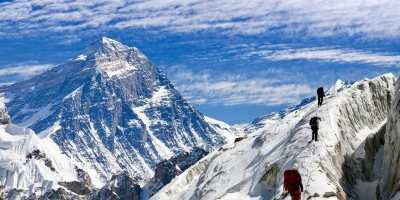
Everest Three High Passes Trekking is an incredible trip that takes you on the adventure of experiencing three popular high Himalayan passes in the Everest region excellent adventure trek goes through the high passes of Renjo La (5340m), Cho La (5420m), and Kongma La (5535m), including hiking to spectacular Gokyo Ri (5360).Apart from achieving three incredible high passes, the trek brings an excellent opportunity to explore beautiful lakes amidst the mountain peaks at Gokyo. The trip also goes to the Everest Base Camp and Kalapatthar for a stunning Himalayan panorama and sunrise over the Himalayas.Although a challenging trip, you will get some unforgettable memory of adventure trekking on this trip. Unlike an average Everest Base Camp trekking, this trek shows Everest and other mountain peaks from several angles. It gives more opportunities to explore the charming beauty of the region. The Everest Three High Passes Trekking alludes to a bold traveling experience in Nepal that provides food as a test to trekking lovers. During the trip, you will run over three passes which incorporate Renjo La (5360m), Cho La (5368m), and Kongma La (5330m), which comprise extraordinary harmony and tranquillity. The trip contains fantastic trails through the Gokyo Valley and Everest Base Camp. This ideal traveling experience allows you to climb three pinnacles: Gokyo Ri, Kala Pattar, and Chukkung Ri, and it would positively enable you to accumulate never-ending recollections.The Everest Three High Passes trekking is a twenty-day trip that follows the Everest Base Camp course before separating and taking you more than three passes that give stunning perspectives on the Himalayas and Mount Everest. It's been named the most beautiful journey on the planet and in light of current circumstances! While going on the Everest Base Camp course is decent due to its business status, the three passes journey takes you past that side of the area. It shows you significantly a more incredible amount of its excellence. The Gokyo Lakes journey is another well-known trip in Sagarmatha National Park, and this takes you through the endpoint of that course.The Everest Base Camp trekking challenge but the grandeur of the mighty Himalayas. Renowned for its breathtaking landscapes and the warm hospitality of the Sherpa people, this trek is a region of the famous mountaineering Sherpa community. It offers a unique opportunity to not just observe but also interact with their rich culture and heritage, sparking your curiosity and leaving you with a deeper understanding of their way of life.Everest Trekking begins with a thrilling flight from Kathmandu to Lukla or Manthali to Lukla, followed by continuous ascents to Kalapatter. However, It's crucial to remember that this journey requires moderate physical fitness and altitude acclimatization. On the Everest Base camp Trek, following in the footsteps of Hillary, you'll pass through the rare yeti territory and the Dudh Koshi River valley. Trekkers encounter lush forests, terraced farmlands, undulating hills, alpine pastures, and majestic mountains along the way. The trek ascends to an altitude of 5,364 meters at Everest Base Camp and 5,555 meters at Kalapatter, offering breathtaking views of peaks like Pumori, Lhotse, Nuptse, Lobuche, and Mt. Everest. The route, marked with tranquility and dotted with teahouses, provides a serene resting place for trekkers, allowing you to feel at peace amidst the grandeur of nature.With diverse peaks, captivating vistas, Sherpa culture, ancient Gompas, and awe-inspiring panoramas, the Everest region promises a memorable experience for trekkers worldwide.Everest three high passes trek itinerary:Asiana Treks and Tours has the perfect Everest three high passes trek itinerary. Travelers who desire to explore Nepal with moderate physical fitness. You'll discover the best places for breathtaking views from the city to the countryside. Experience a stunning view of the mountain wall, an unforgettable lifetime journey.Everest Three Pass Trekking Distance:The Everest three-pass trekking takes 19 to 20 days, with 4 to eight-hour walking days, and is approximately 166 km, or 103 miles, depending on the itinerary and acclimatization day.Everest Three Pass Trekking route:The Everest three-pass Trekking route showcases awe-inspiring natural beauty. Starting in lush valleys with terraced fields and traditional Sherpa. Villages, the journey unfolds amidst the Himalayan foothills. Rhododendron forests bloom in spring, accompanied by cascading waterfalls and snow-capped peaks. Traversing wildflower meadows and crossing suspension bridges over mountain streams, the landscape evolves as you ascend. Approaching Everest Base Camp, rugged terrain and glacial moraines dominate, leading to panoramic views of towering peaks. The Trek promises unforgettable moments, whether you're a seasoned trekker or novice adventurer, offering an unparalleled journey through Earth's most breathtaking landscapes and top of the world.Everest Three Pass trekking price:Our package tour ensures reliability in terms of cost, itinerary, and overall experience. The Everest Base Camp trek typically ranges from US$1300 to 2000, depending on group size, service level, guide and porter services, transportation preferences, and accommodation category in Kathmandu. This cost estimation is subject to the types of trekking gear and accommodation preferences. Everest Three Pass trekking Height:The Everest Base Camp trekking and tours start from the bustling city of Kathmandu at an altitude of 1337 meters. From Kathmandu, take a flight to Lukla or during peak season from Ramechhap. You'll descend to the beautiful Manthali headquarters of Ramechhap, 474 meters above sea level. If you Fly from Manthali to Lukla, you'll embark on your journey descending to crossing by the green forest to Chheplung; finally, the Trek culminates Kongmala-Pass 4555 m, Chola pass 5420 m and Renjola-Pass 4345 meter at Everest Three Pass at a breathtaking height of Three high- pass trekking.Major villages of Everest Three Pass Trekking:The major Sherpa villages along the Everest Base Camp Trekking route are Lukla, Phakding, Namche Bazaar, Thame, Lungden, Gokyo, Thangna, Dzongala, Gorashep, Kalapathar, Chhukung, Tengboche, Dingboche, and Monjo. These villages are significant landmarks and offer scenic beauty and accommodation options along the Everest Three -pass Trekking route.Best Viewpoints Everest Three Pass Trekking:These viewpoints provide unforgettable experiences, highlighting the beauty of the Everest Base Camp Trek. Everest Three Pass Trek offers breathtaking viewpoints, showcasing stunning panoramas of the surrounding Himalayan peaks. Here are the critical views along the route:On a clear day, board your FlightFlight to Lukla or Ramechhap, ensuring a seat on the left-hand side for a breathtaking view of the uncountable Himalayan peaks, from the Langtang Himalayan range to the majestic Mt Everest.Hillary Bridge: After halfway from Hillary Bridge to Namche, you will first glimpse the majestic Everest view. Hillary Park Sagarmatha Head Headquarters: At the top of Namche Headquarters of Sagarmatha National Park, Hillary Park, you have a stunning surrounding view of Many Himalayan ranges, including Mt Everest.Everest View Hotel: From Everest View Hotel, you can enjoy unparalleled vistas of Everest and neighboring peaks, Tangboche, Pangboche, Deboche: Traverse picturesque villages, each providing unique perspectives of the towering giants en route to Everest Base Camp.Thukla: On the way from Lobuche to Thukla, soak in the stunning views of jaw-dropping Himalayan peaks.Kala Patthar: Summit at dawn for an unrivalled panorama of the Everest region, witnessing the mountains come alive in a symphony of colors as the sun rises.Each viewpoint leaves an indelible mark on your soul, ensuring the journey back to Lukla reminds you of the awe-inspiring vistas encountered throughout your Trek.Everest Base Camp (ABC): The ultimate destination, commonly listed as 5,545 m (18,209 ft). Meters offers unparalleled views of Flora and Fauna in the Everest Three Pass Trekking :Everest Three Pass Trekking is also in Sagarmatha National Park. It deserves many different flora and fauna, Where pine and hemlock forests are found at lower altitudes, and fir, juniper, birch, rhododendron, scrub, and alpine plants thrive at higher elevations. Sagarmatha National Park is inhabited by a diverse range of animals, like red panda, snow leopard, musk deer, Himalayan tahr, marten, Himalayan mouse hare (pika), and over 118 bird species, such as the Impeyan pheasant, snow cock, blood pheasant, and red-billed cough.Festivals and Culture of Everest Three Pass Trekking:The Everest Base Camp trek offers a cultural immersion into Sherpa traditions. A highlight is the Dumji and Mani Rimdu Festival at Tengboche Monastery, held annually in October or November. This vibrant celebration features sacred dances and colorful ceremonies, providing insight into Sherpa culture.Buddhism, a central pillar of Sherpa life, is beautifully woven into the Trek's fabric. It's evident in the monasteries, prayer flags, and Mani walls that dot the route. Visitors are not just spectators but can actively participate in Buddhist rituals, fostering a deeper understanding of Sherpa spirituality and their profound connection to nature.In their harmonious coexistence with nature, Sherpas practice sustainable living with eco-friendly methods like using yak dung as fuel and waste management. These practices, born out of necessity and deep respect for the environment, are a testament to the Sherpa's ingenuity and their role as responsible stewards of the land. It's a practice that inspires respect and admiration. People and hospitality:The Sherpa people are an indigenous ethnic group in Nepal's Everest Himalaya, upper Khumbu region. They are renowned for their mountaineering expertise and often guide climbers to the summit of the High Himalayas, including Mount Everest. Sherpas have a unique and genuine cultural identity influenced by Tibetan Buddhism and mountain life, blending ancient Bon rituals with their faith.Hospitality is central to Sherpa culture. Honesty and loyalty are their manners; they welcome guests with open arms in a friendly manner and show respect for elders.Advantage book with Asiana Treks and tours:Private transport for airport transfers to/from your hotel.Trip briefing on Facebook and online if you love to connect.Last minute booking at your hotel at a suitable time after your arrival.Easy booking and reservation system.Multi-channel communication via Email, WhatsApp, Facebook, Viber, Skyp 24/7 phone communication at +977-9851076270Free excess luggage storage during the TrekOximeters are provided to examine blood oxygen saturation at high altitudes to detect altitude sickness earlyMedical kits along the Trek and hot airbags are available in winterArrange sleeping bags, duffel bags, down jackets, and walking pools if you don't have your own.Trek Booking:Asiana Treks and Tours is the best and most trusted trek and tour company operator authorized by the Nepal government. We require a 10% advance payment to book your trip, and you'll need to send us a copy of your passport, photos, travel insurance, and flight details as soon as you book a tour with us. You can use bank transfer, or any other way like Western Union, or online via our website, which is easy. The remaining trip cost can be paid upon arrival in Nepal. We offer last-minute bookings, but changes may occur due to circumstances like bad weather. Transportation for Everest Basecamp trekking:Asiana Treks and Tours Organizes all transportation logistics from start to end, according to our group size and agreement, including pickups and drops of service to flights between Kathmandu and Lukla for ground transportation for World Heritage site tours. Our services for all groups ensure convenient travel arrangements, whether a World Heritage tour or Flight tickets, and are tailored to the group, prioritizing safety, comfort, and efficiency. We aim to provide the best and most enjoyable travel experience, meeting the highest standards of safety and comfort.Trekking Start: Your Everest Three Pass trek begins with a warm welcome in Kathmandu. Our team member will greet you at Tribhuvan International Airport. We'll escort you to your hotel in a private vehicle, ensuring a comfortable and hassle-free start to your adventure. This will set the tone for a memorable journey.If you miss the regular trip briefing, don't worry. We'll provide it at a convenient time before departure, Pokhara, either before a World Heritage tour the following morning or the next day; we'll then proceed to the airport flight to Lukla or drive four 4-hour Manthali and Flight to Lukla.Currency Exchange:The Nepalese rupee is Nepali currency, and 1 USD is approximately 130 NPR. Only NPR is accepted in Nepal, so it's best to bring cash to facilitate transactions. Banks and ATMs in Kathmandu provide currency exchange services but note that most banks prefer new, crisp notes.Our Team:The Asiana Treks and Tours team is professional, reliable, and responsible. They are well-trained, friendly, radiant, and fluent in English. You can feel comfortable sharing anything with them. They are experts in local culture, history, vegetation, food, accommodation, weather conditions, and first aid medication. They are also environmentally conscious and respect the rights of animals.However, please do not provoke them for personal gain during the trip. While you can enjoy your holiday with them, we kindly request that you do not try to change their customs, beliefs, religion, culture, or traditions.We and our staff are committed to making your adventure trip unforgettable memories of a lifetime journey in Nepal. Guide and Porter Arrangement:Our company, Asiana Treks and Tours, focuses on responsible tourism in Nepal. We make sure our guides and porters are well-trained in Trekking and mountaineering. They know a lot about the areas we go to, including geography, history, customs, and culture. We train them regularly in safety, first aid, and environmental conservation. We follow guidelines to treat our porters fairly, providing them good pay, accommodation, and meals during treks. Our guides and porters are essential team members, and we appreciate their hard work. When you trek with us, you support ethical tourism in Nepal, making your trip meaningful and memorable.Asiana Treks and Tours prioritizes your safety and enjoyment. Our knowledgeable guides, reliable equipment, and safety measures ensure a great trekking experience in Nepal.Porter, Luggage, and extra Luggage storage: We cover the cost of porters for your Luggage, but the maximum weight limit is 12 kg per person. Each porter carries Luggage for two trekkers; please share a duffle bag with another. Our porters will carry up to 25 kg each. If you need a porter for yourself, we can arrange that. We also recommend carrying a small backpack for your valuables and important documents. You can leave extra Luggage at our office for free and at a hotel in Pokhara, Namche, etc.Accommodation:Accommodation during the Everest Three-pass Trekking varies, along the trekking route. You'll stay in guest houses, commonly known as teahouses. These basic lodges offer rooms, dining areas, and toilets. The quality of guest houses varies but remains affordable and convenient for trekkers. Rooms typically have twin or bunk beds and shared bathrooms, and blankets and pillows are available. Our company can offer a sleeping bag if you don't have one. You'll spend nine nights in lodges along the trekking route and three nights in a hotel in Kathmandu. Some places and lodges have attached bathrooms, while others offer simple yet clean rooms with shared facilities. We can arrange a solo trekking service if you're traveling solo. In high season and particular areas, availability may be limited for you, although we try our best. In Kathmandu or Pokhara, your hotel room will have excellent amenities, including TV, 24/7 hot water, electricity, and laundry service.Meals during the trip:Eating well is essential since the EBC Trek takes you through the Himalayas. You'll have plenty of nutritious meals in the trekking regions, although the options won't be as varied as in the cities. You'll get fifteen breakfasts, eleven lunches, and ten dinners during the Trek. The menu includes local, Asian, and Western dishes, but it gets more straightforward as you climb higher. Try popular Nepali foods like lentils, rice, curry, dumplings, noodles, Spagaties, and many more. We highly recommend eating fresh vegetables and drinking liquids like green tea, lemon tea, hot lemon, ginger tea, and garlic soup, especially at high altitudes. While non-vegetarian options are available during the Trek, we suggest avoiding them for hygiene reasons. It's also best to steer clear of dairy, cheese, alcohol, caffeine, and hot chocolate. Personal expenses like alcoholic drinks, extra beverages, and cafes aren't included in the package. Drinking water:Nepal is the second country in the world in terms of water sources after Brazil. According to the Nepal government, only 27% of people here have clean drinking water. You can buy mineral water in teahouses, but it is expensive; Lokals people are not prefer plastic bottles in some trekking areas So, there are some safe drinking water stations where you can refill your bottle. However, we recommend carrying Steripen, iodine drops, water purification tablets for safe drinking, and refillable water bottles for boiled or filtered water. We strongly advise not to drink from taps, wells, and rivers in trekking areas. However, in all the city areas, Mineral water is available at a reasonable cost everywhere.Extra Personal Expenses:Your Trip covers most expenses during the Trek; you'll need to spend money on extra accommodations and meals in Kathmandu, souvenirs, and beverages. We estimate about USD 15-25 per trekking day for miscellaneous expenses. However, personal expenses depend on your Income, habits, and style.Toilet Facilities in Everest Three High-Pass Trekking:Most teahouses have Western-style flush toilets during mountain treks, especially at lower elevations. But as you go higher, find simple squat toilets along the trails and teahouses at higher altitudes. These toilets usually have water or toilet paper, but it's a good idea to bring your toilet paper just in case. You can also use restrooms at nearby teahouses or find a private spot along the trekking routes.Internet Connectivity:While Everest three-Pass Trekking in the High Himalayan region and Pass of Nepal, connecting with your family and friends is also a good idea. You can find internet access at teahouses and lodges, but it might be extra minimal cost. The signal might be weak because of the remote location. You can also get internet access using a local SIM card and data packages available at Kathmandu airport or nearby shops in Thamel and Pokhara. You'll have a passport-sized photo and a copy of your passport to get a SIM card. It's a good idea to compare prices and data packages from telecom companies like Ncell and Nepal Telecom before buying. Knowing about teahouse connectivity. Our guide will suggest connections for you. Electricity voltage and plugs:However, 95 % of Nepali people have access to electricity as of May 29, 2023. almost popular trekking routes, teahouses, and lodges have electricity. However, some isolated and solo trekking tea houses in the jungle don't have electricity; most tea houses let travelers charge for their devices for a small fee. The average electrical voltage in Nepal is 230 volts, with plug types like Type C, Type D, and Type M. Travellers should bring a suitable adapter and, if needed, a voltage converter for their electronic devices.Communication:The guest houses in the trekking regions have internet access. You could buy a SIM card at Tribhuvan International Airport Kathmandu and Namche. However, the signal may need to be more assertive at high altitudes. Our office keeps in touch with all trekking teams via the trek guide at least once daily to ensure everything goes as planned.Trip Extension:Suppose you have extra days in Nepal after the Trek. In that case, we can arrange a tour, overnight stay at Nagarkot Balthali or any other place around Kathmandu and Chitwan, jungle safari, paragliding, rafting, canyoning, or other treks. Do not hesitate to Inform us. We will create the best for you.Trek Difficulty:The Everest Three High-Pass trek presents a moderate and challenging yet enriching adventure. Your enjoyment of the trip will largely depend on your level of fitness. We recommend building stamina at least two weeks before the Trek. Activities include jogging, running, swimming, or taking long hikes for the journey ahead.Completing this Trek is achievable even if you're a beginner, although you must maintain a reasonable fitness level. Prior trekking experience can be advantageous, though it is optional. All you need is the readiness to hike steadily for 4-8 hours, navigating tricky terrain.Suppose trekkers have pre-existing medical conditions, such as lung or heart diseases. In that case, they are advised to consult their physician before booking the Trek to ensure their safety and well-being throughout the journey.Trip Safety:We highly give top priority. We provide experienced guides with first aid kits and necessary safety gear to ensure a safe hand. Our team monitors weather and trail conditions and takes precautions to avoid risks. Before starting the Trek, we discuss the trip to provide a clear understanding and ensure a reliable experience.Group & Private Treks:We organize many group and private treks simultaneously, with discounts available for larger groups. Every group will have a trekking guide and porters. Regarding larger groups, we provide an assistant guide. Our team ensures a safe and enjoyable trekking experience for all participants.About solo traveler:If you're a solo traveler, please get in touch with us to confirm departure dates before booking. You can tell us via call, WhatsApp, or email. We have listed upcoming departure dates for your convenience. Feel free to share the trip details with friends and family.Notes: Please be aware that the itinerary may change due to weather or other factors, and we'll adjust it accordingly for the group's safety and enjoyment. We look forward to guiding you through the stunning landscapes of the Annapurna region and ensuring a memorable trekking experience.Responsible Travel:We prioritize responsible travel to minimize environmental impact and support local communities. We collaborate with organizations like the Kathmandu Environmental Education Project (KEEP) to promote eco-friendly practices in trekking regions.Gratitude:Graduate or tipping is appreciated in Nepali culture and reflects the quality of service provided. You decide how much to tip, but we recommend tipping as a group at the end of the trip.End of Trek:On the eighteenth day, you'll fly back from Lukla to Kathmandu, which takes about 30 to 40 minutes from Lukla to Kathmandu and 17-20 minutes from Lukla to Ramechhap. If you fly back from Lukla to Kathmandu, it will take a 30-minute drive to Hotel In Offseason; however, in the peak season, flights operate from Lukla to Ramechhap so you will fly back to Ramechhap and take a four-hour drive to Kathmandu. In the evening, we'll host a farewell dinner in Kathmandu. We Have one extra day reserved for a flight canceled or a free and easy day in Kathmandu.Departure: On the day of your departure flight, we'll come to pick you up from your hotel and transfer you to Tribhuvan International Airport. We hope you enjoyed the Nepal trek and will consider returning for more adventures in Nepal.Feedback:After you complete the Everest three High-pass Trek, we'll organize a farewell dinner in Kathmandu and present you with a trekking achievement certificate. After the dinner, you can provide feedback about the Trek on travel portals.Last-Minute Booking:If you can't book in advance, we offer last-minute bookings. Last-minute booking offers are available but may cost slightly more than regular departure dates. Those opting for last-minute bookings must pay an additional 7% of the total trip cost on our website. While we strive to make last-minute requests, we try our best to accommodate according to your last-minute booking holiday.Special Note: Please remember that sometimes unforeseen circumstances, such as inclement weather or unavailable lodging, may cause the schedule to be changed. Your trip guide will design a fresh schedule based on the group's interests in such circumstances.
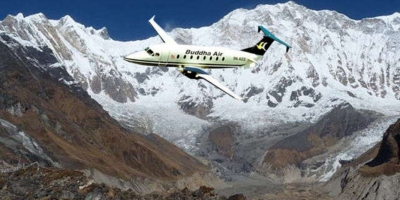
Mountain flights in Nepal are a once-in-a-lifetime opportunity to witness the towering grandeur of the Himalayas without setting foot on a trail. Offered daily by Asiana Treks and Tours, this hour-long scenic adventure provides unmatched views of some of the highest peaks in the world, including the iconic Mt. Everest (8,848 meters). It’s ideal for travellers with limited time or physical constraints, yet who still wish to witness the mighty Himalayas up close.Operated early in the morning to ensure clear skies and perfect lighting, these flights take off from Tribhuvan International Airport in Kathmandu and follow an eastward route parallel to the Himalayan range. The flights are conducted in small aircraft (usually seating around 16 passengers), ensuring that every traveller gets a guaranteed window seat for unobstructed panoramic views. With Asiana Treks and Tours, you also benefit from well-organised logistics, reliable aircraft, and expert commentary from experienced pilots. Introduction to Mountain Flights in Nepal: Nepal is home to eight of the world’s fourteen 8,000-meter peaks, including Everest, Lhotse, Makalu, and Kanchenjunga. While trekking is a popular way to explore these mountains, it requires days or weeks of commitment. Mountain flights offer a faster and more accessible alternative to experiencing this majestic landscape from a bird’s-eye view. Asiana Treks and Tours has earned a reputation for providing well-curated and reliable mountain flight services. The company’s focus is on safety, comfort, and ensuring an educational and breathtaking experience for each guest. Whether you’re a photographer, a nature lover, or a casual traveller, this flight offers a front-row seat to the "roof of the world", making it a must-do in any Nepal itinerary. Why Take a Mountain Flight? Here are some compelling reasons why a mountain flight should be on your Nepal bucket list:Unmatched Accessibility: Ideal for those who cannot trek but want to witness the beauty of the Himalayas.Spectacular Aerial Views: View iconic peaks such as Everest, Lhotse, Cho Oyu, and Makalu in one unforgettable journey.Efficient Time Use: The entire experience, including airport transfers, typically takes under 3 hours.Comfort & Safety: Operated with strict safety protocols and maintained aircraft, offering peace of mind.All-Window Seating: Every passenger is guaranteed a window seat, ensuring panoramic visibility.With Asiana Treks and Tours, you also get local expertise, punctual scheduling, and seamless ground arrangements, including pick-up and drop-off from your hotel in Kathmandu.The Experience: What to Expect: Your adventure begins early in the morning, often before sunrise, when the sky is at its clearest. A representative from Asiana Treks and Tours will pick you up from your hotel and accompany you to the airport. After a short pre-flight briefing, you’ll board the aircraft and take off for an hour-long flight that brings you face-to-face with the Himalayas. As the plane heads east from Kathmandu, the first visible peaks include Langtang Lirung, Dorje Lakpa, and Gauri Shankar. As you fly further, the Everest region comes into view, and passengers can marvel at a lineup of legendary mountains: Mt. Everest, Lhotse, Nuptse, Ama Dablam, and many more. The aircraft often flies at altitudes of 23,000 to 25,000 feet, providing a safe yet awe-inspiring proximity to the mountains. During the flight: You’ll receive a mountain identification map to help recognise the peaks.The cockpit door may open briefly, allowing each passenger a chance to take photos from the pilot’s window.Narration from the pilot adds historical, geological, and cultural context to the visual splendour.Once the flight concludes, you’ll be transferred back to your hotel, having experienced one of the most scenic flights in the world.Why Choose Asiana Treks and Tours?Trusted local operator with years of experience in Himalayan travelSeamless hotel pick-up/drop-off in KathmanduCompetitive pricing and group discountsPersonalised service and multilingual supportExcellent safety record and customer satisfactionFinal Thoughts: Whether it’s your first time in Nepal or your fifth, the Mountain Flight with Asiana Treks and Tours is a unique experience that never gets old. It's a perfect blend of comfort, adventure, and natural wonder. Ideal for families, solo travellers, and honeymooners alike, this one-hour flight delivers a lifetime of memories in just 60 minutes. A Glimpse of the Majestic Himalayas With Asiana Treks and Tours: There are a few places on Earth where the mountains dominate the landscape as profoundly as they do in Nepal. The Himalayan range, home to the world's tallest peaks, is a defining symbol of Nepal’s natural heritage. While trekking is a popular way to witness these incredible mountains, Asiana Treks and Tours offers a more accessible and luxurious option: a scenic mountain flight that takes travellers soaring above the clouds for an aerial glimpse of some of the highest summits on the planet. From the moment your flight lifts off from Kathmandu, the city quickly disappears, and within minutes, the skyline is replaced by layers of rolling ridges and snow-covered giants. The Himalayas stretch across the northern edge of Nepal like a natural fortress, revealing an unending series of dramatic landscapes — serrated ridges, glacial valleys, shimmering ice fields, and endless snow-capped summits. The early morning sun lights up the mountains in golden hues, adding a magical ambience to this extraordinary experience. With guaranteed window seats, guests enjoy unobstructed panoramic views and are even invited into the cockpit one at a time to take photographs through the front-facing windows. This flight is more than just a sightseeing trip; it's an emotional, almost spiritual experience. As you gaze upon the Himalayas in all their majesty, there's a deep sense of awe and wonder. Whether you're a seasoned traveller or visiting Nepal for the first time, this aerial tour will give you an entirely new perspective on the country’s incredible geography and natural beauty. Highlights: Shortly after takeoff, the aircraft cruises towards the Langtang range, revealing Langtang Lirung (7,227m), followed by Dorje Lakpa (6,966m) and Phurbi Ghyachu (6,637m). As the flight continues, passengers will see Gauri Shankar (7,134m) — a sacred mountain for both Hindus and Buddhists. This section of the flight is marked by sweeping views of deep valleys, cascading glaciers, and dramatic ridgelines. Next comes the Rolwaling Range, and then the eastern Himalayan giants begin to appear on the horizon: Melungtse, Chugimago, and Numbur. As the flight progresses, the aircraft enters the Everest region, and passengers are treated to views of some of the highest peaks in the world:Mt. Everest (8,848m) – the world’s tallest and most iconic mountainLhotse (8,516m) – the fourth-highest, connected to Everest by the South ColMakalu (8,485m) – a stunning pyramid-shaped peakCho Oyu (8,188m) – one of the most accessible 8,000ers in mountaineeringNuptse, Amadablam, and Shishapangma also make striking appearances.Each mountain has its own unique shape, cultural significance, and geological features. The knowledgeable pilot provides live commentary during the flight, helping passengers identify and appreciate each peak. Passengers are also given a mountain identification card as a keepsake, detailing the names, heights, and features of each peak visible during the flight.Peaks You’ll See: Mt. Everest (8,848m) – The highest mountain on EarthLhotse, Makalu, Cho Oyu – Part of the world’s 8,000-meter giantsGauri Shankar, Langtang Lirung, Dorje Lakpa – Culturally and spiritually significant peaksAmadablam & Nuptse – Known for their unique shapes and prominenceBonus: Opportunity to see glacier systems, ridgelines, and river valleys Panoramic aerial views of the entire Himalayan rangeA comfortable, one-hour scenic flight with window seats for allOpportunity to photograph peaks directly from the cockpitPerfect for travellers of all ages and abilitiesIdeal alternative to trekking for those short on timeEverest and Beyond: Mountains You’ll See With Asiana Treks and Tours:One of the most thrilling parts of the mountain flight experience with Asiana Treks and Tours is the variety and sheer magnitude of Himalayan peaks visible during the journey. The flight path is strategically designed to fly eastward from Kathmandu, providing close-up views of over a dozen legendary peaks, culminating with the crown jewel of them all — Mt. Everest.
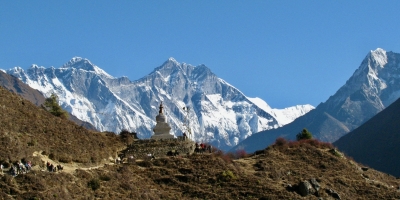
Everest Luxury Trekking is a luxury accommodation in the Everest region that takes you halfway to the Everest base camp trekking trail. Asiana treks and tours using a five-star hotel in Kathmandu and luxury lodges in the mountains, this trip lets you experience the best of the short Everest region trekking in style. The trek goes up to Tengboche taking you past the airstrip of Lukla which is the main gateway to Everest region trekking, Phakding village on the bank of Dudh Koshi River, Namche, the Sherpa town in the Everest region, and finally to Tengboche to experience the view of the highest peak in the world from the way. This trip brings you a remarkable memory of exploring mountain culture, lifestyle, Buddhist traditions, and spirituality, all mixed with adventure.The highest mountain in the world, Everest, lies in the eastern Himalayan range of Mahalangur. The region offers a great trekking experience with the best view of Mt. Everest and other high mountain peaks.Trekking to the base camp of the highest mountain in the world is the dream of many adventure lovers. The Everest Base Camp trekking provides a great opportunity to explore the culture of the famous mountain climbing community, Sherpa while walking up and down the trail to the base camp.Mapping the rugged mountain trails, exploring the Sherpa villages, visiting and praying in a Buddhist monastery, being amazed at the emerald green lakes, crossing the high passes, witnessing a breathtaking view from Kalapatthar, being at the base camp of Mt. Everest, crossing through several suspension bridges, talking leisurely acclimatizing day; all of these activities make trekking in the Everest region simply incredible.If you are an adventure trekking enthusiast who wants to see and experience the Himalayan adventure environment, the Everest luxury trip can be the best choice to be close to the highest mountain in the world.By the end of each trek day, you can stay at basic but comfortable mountain tea houses to relax your feet while sipping some hot tea or lemon ginger honey high in the Himalayas. This trip is ideal for comfortable, soft, trekking adventure seekers. Trekking in the Everest region in style is an incredible luxury mountain trekking experience.Why is Everest Luxury trekking so special?Everest Luxury trekking is notable for some travelers because it offers the best adventure and comfort. This type of trekking is ideal for those who love exploring nature and cost but still want to relax in style after hiking. At Asiana Treks and Tours, we designed our luxury trekking itineraries to provide an opportunity to experience Nepal's stunning mountain landscapes and charming countryside while enjoying the comfort of high-end accommodations, excellent services, and modern amenities. After each day of adventure, you can unwind in a luxurious hotel or resort, making your trekking experience exciting and rejuvenating. This blend of nature and luxury makes trekking even more special for those who want the best of both worlds.Reasons to choose Everest Luxury Trekking:Comfortable Accommodation: Enjoy stays in high-end hotels and luxury lodges with premium amenities, including private rooms, hot showers, and gourmet dining.Breathtaking Mountain Views: Experience unparalleled views of the world's highest peaks, including Mount Everest, Ama Dablam, and Lhotse, from scenic vantage points.Personalized Service: Benefit from exceptional service, including experienced guides and porters and attention to your needs, ensuring a seamless trekking experience.Gentle Pace & Acclimatization: The trek is designed with more rest days to allow for better acclimatization.Cultural Immersion: Explore the rich Sherpa culture by visiting traditional villages and monasteries like Tengboche and interacting with locals, all while enjoying a more leisurely trek.Delicious Cuisine: Savor various freshly prepared local, Asian, and Western dishes during the trek, emphasizing nutritious meals to energize you.Exclusive Experience: Escape the crowds with luxury accommodations and personalized itineraries, offering a more intimate and exclusive trekking experience in the Himalayas.Health & Wellness: Focus on health with fresh meals, herbal teas, and wellness recommendations such as avoiding heavy food and staying hydrated, perfect for high-altitude trekking.Unforgettable Memories: Luxury trekking allows you to experience the beauty and adventure of Everest in a more comfortable, stress-free, and memorable way.Experienced Guides & Porters: Travel with highly skilled, knowledgeable guides who ensure your safety and provide valuable information about the region's history, geography, and culture.Safe Trekking Environment: Luxury treks often prioritize safety, offering better medical facilities, evacuation plans, and communication systems to handle unexpected situations.Small Group Sizes: Enjoy the intimacy of small group trekking, which allows for more personalized attention and flexibility during the journey.Helicopter Return Option: Some luxury treks offer the option of a helicopter ride back from specific points for added convenience. This saves time and provides a thrilling aerial view of the Himalayas.High-Quality Gear & Equipment: Luxury treks include high-end gear and equipment, such as sleeping bags and down jackets, ensuring you stay warm and comfortable in colder conditions.Sustainable Tourism: Participate in eco-friendly and responsible trekking practices that support local communities and help preserve the natural environment.Luxury Transport: Benefit from comfortable transportation, including private transfers and quality domestic flights, enhancing the overall ease of your trip.Stress-Free Logistics: Everything from permits to luggage handling and meal arrangements is expertly managed, allowing you to fully worry-free about all the details. Beautiful Monasteries & Spiritual Experience: Visit iconic Buddhist monasteries like Tengboche, where you can meditate or enjoy the peaceful surroundings and learn about Tibetan Buddhism.Post-Trek Relaxation: After your trek, unwind in luxury hotels that offer spa services, massages, and other wellness treatments to rejuvenate your body.Exclusive Memories & Photography: Capture stunning photos and videos of the majestic Himalayan landscapes while trekking at a relaxed pace, ensuring you don't miss any incredible sightsEverest Luxury Trekking Itinerary:Asiana Treks and Tours has the perfect Everest Luxury Trek itinerary. Travelers who desire to explore Nepal with moderate physical fitness. You'll discover the best places for breathtaking views, from the city to the countryside, and experience an unforgettable lifetime journey.Everest Luxury Trekking Distance: The distance when doing the Everest Luxury Trek (Lukla - Tengboche - Lukla) is approximately 62.8 Kilometers 39.02 Miles; however, this doesn't include side treks for acclimatisation. This distance is about the base trekking that passes through Phakding, Namche Bazaar, and finally to Tagboche. Here, it is significant to state that the total distance may vary depending on the driver's itinerary, chosen route, and made sidelines.Everest Luxury Trekking Route:The Everest Luxury Trek follows the same route as the standard EBC trek to Tengboche but with added luxurious touches throughout the journey. You will start your trek from Lukla, passing through charming villages such as Cheplung, Phakding, Jorsalle, Namche Bazaar, Khumjung, and Tengboche, all while enjoying breathtaking views of the mountains.The trek emphasizes acclimatization, with well-timed rest days to help you adjust to the altitude, ensuring a comfortable pace with shorter daily distances. After reaching Tengboche, you will retrace your steps, walking back through the beautiful Sherpa villages to Lukla, where you will catch your flight back.Everest Luxury Trekking price:Generally, the Everest Luxury Treks mountain costs from $ 4,150 to $ 8,000 or more depending on how long we take, the company organising the trip, the time or season of the year, and extra services. As a rule, the longer the walk, the more relaxed the facilities. Helicopters for transfers or having your guide exclusively will cost more money.Always take your time and do a price comparison to get the kind of trek that you are interested in and the one that you can afford. However, to reinforce you, this price does not include your airfare to get to the trek, your accommodations not during the trek, or any of the incidental expenses.Everest Luxury Trekking Height:The Everest Luxury Treks are like the typical Everest Base Camp Trek but have a hint of luxury. It must be stated that heights differ according to the concrete trail; nonetheless, reaching is typically in Lukla (2840m/9318 ft) a marvelous piece of ground constructed on the mountains. On the way there, we explore beautiful Sherpa-kept villages; the Namche Bazaar, 3,440 meters/11,286 feet, is the lodge center of the higher-altitude treks.Tengboche Monastery is at an altitude of 3,860 meters/12,664 feet, situated on a hill, and you get to see these views as you climb higher. For some great views of the Himalayas, some luxury treks may be better off finding other good viewing points with comfortable teahouses.Major Village of Everest Luxury Trekking:Everest Luxury Treks are treks based on the Everest base camp but with extra luxury. Lukla (2,840m, an exciting field to land) is the beginning point. You will then advance to Namche Bazaar (3,440m), a vibrant center of the Sherpa people where there are crescents of shops and restaurants where one can rest as they begin to acclimatise themselves to the altitude and winding roads. Tengboche (3,860m) is also interesting, and it is famous for the Tengboche monastery, which is located on a mountain with a backdrop of stunning mountains. Although you can spot some of the lesser-known villages during this tour, these stops will give you a cultural and comfortable experience on your journey to Mount Everest.Best view points of Everest Luxury Trekking:The following viewpoints provide unforgettable experiences, highlighting the beauty of the Everest luxury Trek. Everest Base Camp Trek offers breathtaking views, showcasing stunning panoramas of the surrounding Himalayan peaks. Here are the critical views along the route:On a clear day, board your Flight to Lukla or Ramechhap, ensuring a seat on the left-hand side for a breathtaking view of the uncountable Himalayan peaks, from the Langtang Himalayan range to the majestic Mt. Everest.Hillary Bridge: Halfway from Hillary Bridge to Namche, you will first glimpse the majestic Everest view. Hillary Park Sagarmatha Head Headquarters: At the top of Namche Headquarters of Sagarmatha National Park, Hillary Park, you have a stunning surrounding view of Many Himalayan ranges, including Mt. Everest. Everest View Hotel: You can feast on the unparalleled vistas of Everest and its neighboring peaks, a sight that will surely leave you in awe. Tangboche: Picturesque village provides unique perspectives of the towering giants and Tangboche Monastery.Biodiversity of Everest Luxury Trekking:Everest Luxury Trekking is also in Sagarmatha National Park. It deserves many different flora and fauna, where pine and hemlock forests are found at lower altitudes, and fir, juniper, birch, rhododendron, scrub, and alpine plants thrive at higher elevations. Sagarmatha National Park is inhabited by a diverse range of animals, like red panda, snow leopard, musk deer, Himalayan tahr, marten, Himalayan mouse hare (pika), and over 118 bird species, such as the Impeyan pheasant, snow cock, blood pheasant, and red-billed cough.Festivals and culture Everest Luxury Trekking: Feel the rich Khumbu cultural atmosphere blended with luxurious facilities during an Everest Mountain Luxury Trek. What festivals you will see depends on when you go trekking. Still, some options include the Mani Rimdu (February/March), which is full of masked dances and vibrant ceremonies representing good over evil, or Dawa Tche (August), a time to give offerings and pujas to the spirit world. Moreover, one can observe Buddhist practices in addition to visiting villages and monasteries such as Tengboche, enjoy traditional art, and experience Sherpa hospitality at its best. This journey offers amazing views, high-end comfort, and a profound insight into Himalayan culture.Advantages of booking with Asiana Treks and Tours: Private transport for airport transfers to/from your hotel.Trip briefing on Facebook and online if you love to connect.Last-minute booking at your hotel at a suitable time after your arrival.Easy booking and reservation system.Multi-channel communication via Email, WhatsApp, Facebook, Viber, Skype 24/7 phone communication at +977-9851076270Free excess luggage storage during the trekPulse oximeters for monitoring blood oxygen saturation at high altitudes to detect altitude sickness earlyMedical kits along the trek and hot airbags are available in winterArrange sleeping bags, duffel bags, down jackets, and walking pools if you don't have your own.Everest Luxury Trekking Booking:Asiana Treks and Tours is the best and most trusted trek and tour company operator authorized by the Nepal government. We require a 10% advance payment to book your trip, and you'll need to send us a copy of your passport, photos, travel insurance, and flight details as soon as you book a tour with us. You can use bank transfer, or any other way like Western Union, or online via our website, which is easy. The remaining trip cost can be paid upon arrival in Nepal. We offer last-minute bookings, but changes may occur due to circumstances like bad weather. Transportation for Everest Luxury Trekking: Everest Luxury Treks mixes comfort with thrill. Your journey starts with a jaw-dropping plane ride from Kathmandu to Lukla's dramatic mountaintop airstrip. Some outfits offer helicopter upgrades for parts of the trip; you can skip the tough Lukla climb or zoom back by chopper. Porters haul your bags so that you can soak up every moment. The heart of your adventure? An unforgettable hike on well-worn trails, but at a chill pace. You'll get more rest days than the usual Everest Base Camp Trek, letting you acclimatize better. This setup lets you drink in the stunning scenery and rich Himalayan culture while enjoying plush comfort on your way to Everest Base Camp.Everest Luxury Trekking Start:Our crew welcomes you at Kathmandu airport and zips you to your posh hotel in a fancy car. We roll with the punches. Did we miss the first chat? No sweat! We'll catch you up in Lukla before you hit the trails. This could happen before a Pokhara World Heritage spin or on its day. The VIP treatment doesn't stop there. You'll cruise in style with private rides to and from your trek's start and finish lines. It's all about soaking in those jaw-dropping Himalayan views in total comfort.Currency Exchange: The Nepalese rupee is Nepali currency, and 1 USD is approximately 130 NPR. Only NPR is accepted in Nepal, so it's best to bring cash to facilitate transactions. Banks and ATMs in Kathmandu provide currency exchange services, but note that most banks prefer new, crisp notessGuide and Porter Arrangement: Our company, Asiana Treks and Tours, focuses on responsible tourism in Nepal. We make sure our guides and porters are well-trained in Trekking and mountaineering. They know a lot about the areas we go to, including geography, history, customs, and culture. We train them regularly in safety, first aid, and environmental conservation. We follow guidelines to treat our porters fairly, providing them good pay, accommodation, and meals during treks. Our guides and porters are essential team members, and we appreciate their hard work. When you trek with us, you support ethical tourism in Nepal, making your trip meaningful and memorable.Asiana Treks and Tours prioritizes your safety and enjoyment. Our knowledgeable guides, reliable equipment, and safety measures ensure a great trekking experience in Nepal.Porter, Luggage, and extra Luggage storage:We cover the cost of porters for your luggage, but the maximum weight limit is 12 kg per person. Each porter carries the luggage of two trekkers; please share a duffle bag with another. Our porters will carry up to 25 kg each. If you need a porter for yourself, we can arrange that. We also recommend carrying a small backpack for your valuables and important documents. You can leave extra luggage at our office in Kathmandu. Accommodation during Everest Luxury Trekking:During the Everest Luxury Trek, your accommodation will provide the highest level of comfort in the region. You'll stay at Yeti Mountain Homelodges and Everest Summit Lodges for their luxurious amenities and cozy atmosphere in key trekking locations. You'll enjoy stays in areas where Yeti Mountain Home and Everest Summit Lodges are available. For some places without these lodges, carefully selected comfortable guest houses will ensure a pleasant and restful stay throughout your journey.Meals during Everest Luxury Trekking:Eating well is very important during the Everest Luxury Trek, as proper nutrition is crucial for trekking in the high Himalayas. While the meal options may not be as varied as in the cities, you will still enjoy a wide range of nutritious foods throughout the trek. You will receive nine breakfasts, eight lunches, and seven dinners, ensuring you're well-fed during the Trip.The menu includes a mix of local, Asian, and Western dishes, though the variety becomes more straightforward as you ascend higher. Be sure to try popular Nepali foods such as lentils, rice, curry, dumplings, noodles, and spaghetti. We strongly recommend consuming fresh vegetables and staying hydrated with drinks like Hot lemon, Green tea, ginger tea, lemon tea, and garlic soup, which are particularly beneficial at high altitudes.While non-vegetarian meals are available, we suggest avoiding them for hygiene reasons. Additionally, it's wise to refrain from consuming dairy, cheese, alcohol, caffeine, and hot chocolate during the trek. Please remember that the package does not include beverages and additional drinks at lodges or cafes.Drinking water:Daily safe drinking water is essential when trekking in Nepal to prevent dehydration. Our luxury trekking packages are the best tourist destinations, where optimum facilities and amenities for pure drinking water are reasonably available so that we do not have to worry about safe drinking water during the Everest luxury trekking. Extra Personal Expenses:While most expenses during the Trek are covered, you'll need to spend money on accommodations and meals if you love to take souvenirs and additional beverages. We estimate about USD 20-30 per trekking day for miscellaneous expenses. Toilet Facilities in Everest Luxury Trekking:The Everest Luxury Trek boosts comfort by upgrading bathrooms. Private spaces with Western-style toilets are standard in lodges you will stay in, offering a familiar and cozy setting. Private bathrooms are now standard, giving you privacy during your journey. Throughout the trek, a hot shower is provided. Hot showers are great for relaxing after a tough day's trek. Cleanness and hygiene are top priorities, and the lodges keep everything clean. This trek lets you enjoy and not worry about hot water. Internet Connectivity:Keeping in touch on the Everest Luxury Trek can be challenging, yet you have some choices if you want some online time. Wi-Fi is hard to find high up, and although lodges might offer it for a price, the signal and speed often do not work well. Everest Link, a local paid service, could give you a connection in certain places, but it's hit or miss. Cell service is also sporadic, with significant carriers Ncell and NTC providing limited coverage in some areas. Above all, the Everest Luxury Trek focuses on letting you enjoy the fantastic Himalayas and stepping away from online life. So, while you might manage to send a few updates, a real break from digital life is a big part of what you'll get.Electricity voltage and plugs:However, 95 % of Nepali people have access to electricity as of May 29, 2023. Almost all popular trekking routes, teahouses, and lodges have electricity. However, some isolated and solo trekking tea houses in the jungle don't have electricity. Most of these tea houses let travelers charge their devices for a small fee. The average electrical voltage in Nepal is 230 volts, with plug types like Type C, Type D, and Type M. Travellers should bring a suitable adapter and, if needed, a voltage converter for their electronic devices. Regarding the Everest Luxury trek, all places have electricity.Trip Extension:Kathmandu's unique and vibrant culture bewitch the visitors there or one can go on an exciting wildlife tour in the Chitwan National Park. Adventurous people can obtain peace over Gokyo turquoise lake or the challenging route to the Everest Base with a view from the Cho La Pass. Decide by your interest, physical endurance, and your pocket to have the right addition to make your Nepal trip most enjoyable.Trek Difficulty:Everest Luxury Treks offer a taste of opulence in the Himalayas, but don't be fooled by the comfort - it's still a challenging adventure. The high altitude is the main hurdle, with Everest Base Camp reaching over 5,300 meters. Expect potential altitude sickness. The trails themselves are uneven and sometimes steep, requiring good fitness for daily hikes. While luxury lodges ease the experience, you'll still need endurance to conquer this trek.Trip Safety:Everest Luxury Treks offer a taste of opulence in the Himalayas, but don't be fooled by the comfort - it's still a challenging adventure. The high altitude is the main hurdle, with Everest Base Camp reaching over 5,300 meters. Expect potential altitude sickness. The trails themselves are uneven and sometimes steep, requiring good fitness for daily hikes. While luxury lodges ease the experience, you'll still need endurance to conquer this trek.Group & Private Treks:We organize many group and private treks simultaneously, with discounts available for larger groups. Every group will have a trekking guide and porters; an assistant guide may be provided for larger groups. Our team ensures a safe and enjoyable trekking experience for all participants.About solo travelers:If you're a solo traveler, don't hesitate to contact us to confirm departure dates before booking. You can tell us via call, WhatsApp, or email. We have listed upcoming departure dates for your convenience. Feel free to share the trip details with friends and family.Notes: Please be aware that the itinerary may change due to weather or other factors, and we'll adjust it accordingly for the group's safety and enjoyment. We look forward to guiding you through the stunning landscapes of the Annapurna region and ensuring a memorable trekking experience.Responsible Travel:We prioritize responsible travel to minimize environmental impact and support local communities. We collaborate with organizations like the Kathmandu Environmental Education Project (KEEP) to promote eco-friendly practices in trekking regions.Gratitude:Graduating or tipping is appreciated in Nepali culture and reflects the quality of service provided. You decide how much to tip, but we recommend tipping as a group at the end of the trip.End of Trek:Everest Luxury Trek culminates in a grand finale, with a breathtaking mountain flight from Lukla to Kathmandu, offering panoramic vistas of the majestic Everest region. Upon arrival in Kathmandu, you'll be transported in a private vehicle to your hotel, where you can relax and savor the memories of your incredible journey. In the evening, a farewell dinner will be hosted in your honor, concluding your unforgettable Himalayan adventure.Departure:On the day of your departure flight, we'll come to pick you up from your hotel and transfer you to Tribhuvan International Airport. We hope you enjoyed the Nepal trek and will consider returning for more adventures in Nepal.Feedback:After you complete the Yoga Trek, we'll organize a farewell dinner in Kathmandu and present you with a trekking achievement certificate. After the dinner, you can provide feedback about the Trek on travel portals.Last minute booking:If you can't book in advance, we offer last-minute bookings. Full payment is required 24 hours before departure. While we do our best to accommodate last-minute bookings, delays may occur due to unforeseen.Special Note: Please remember that sometimes, unforeseen circumstances, such as inclement weather or unavailable lodging, may cause the schedule to be altered. Your trip guide will design a fresh schedule based on the group's interests in such circumstances. Everest Regions Trekking Blog Post List:Asiana Treks & Tours offers an insightful blog on the Everest region, providing valuable information for trekkers. Explore stunning landscapes, local culture, and practical tips for your journey.Why Everest Base Camp Trek Should Be Your Next Adventure: Top ReasonsBeginner's Guide to Everest Base Camp TrekUnderstanding the Everest Base Camp Trek’s DifficultyEverest Base Camp Trek: Best Seasons (March-Mid June, Sep-Nov)Choosing the Best Route for Everest Base CampMajor Facts About the Everest Base Camp Trekking AdventureHiking from Gorak Shep to Kala Patthar & Everest Base CampIs There an Age Limit for Everest Base Camp Trekking?Is Everest Base Camp Trekking Possible for Women? Absolutely!The Complete List of Permits and Documents for Everest Region TreksMeals and Accommodation in the Everest RegionAccommodation Types in the Everest RegionTop Everest Region Trekking Packages 2025/2026Annapurna Base Camp vs Everest Base Camp: The Best TrekTrekking Permit Requirements for Different Regions in NepalThe First Viewpoint to See Mount EverestThe Beauty of Gokyo Lake with Views of EverestDiscovering the Beauty of Gokyo Lakes with Gokyo RiWhy Choose Everest Three Passes Trekking in NepalWhy Trek Everyone is the Ultimate Guide to Everest Base CampTrekking the Everest Three High Passes: Renjo La, Cho La & Kongma LaLukla: The Trekker's Ultimate GatewayAmazing Facts About Tenzing-Hillary Airport (Lukla Airport)Exploring Phakding: The First Step Toward EverestNamche Bazaar at 3,440m: A Rest Stop with a ViewTengboche Monastery: The Heartbeat of the KhumbuDingboche: The Smart Stop for Acclimatization and Stunning ViewsLobuche: A High-Altitude Himalayan Gem – History, Culture, Geography & Trekking HighlightsDiscover Everest Dudhkoshi Cultural Trek for BeginnersTraversing the Heart of Solu: Jiri to Sete, Junbesi & Nunthala via the Lamjura-La PassSacred Trails and Alpine Dreams: A Journey Through Pikey Peak, Dudh Kunda, and the Hidden Hamlets of SolukhumbuWhy Choose Everest Three Passes Trekking in NepalThe First Successful Summit: Sir Edmund Hillary and Tenzing NorgayHistory of Mount Everest : International Everest DayWhy Trek Everyone is the Ultimate Guide to Everest Base CampFAQs for Hiking to the Roof of the World (Everest Region
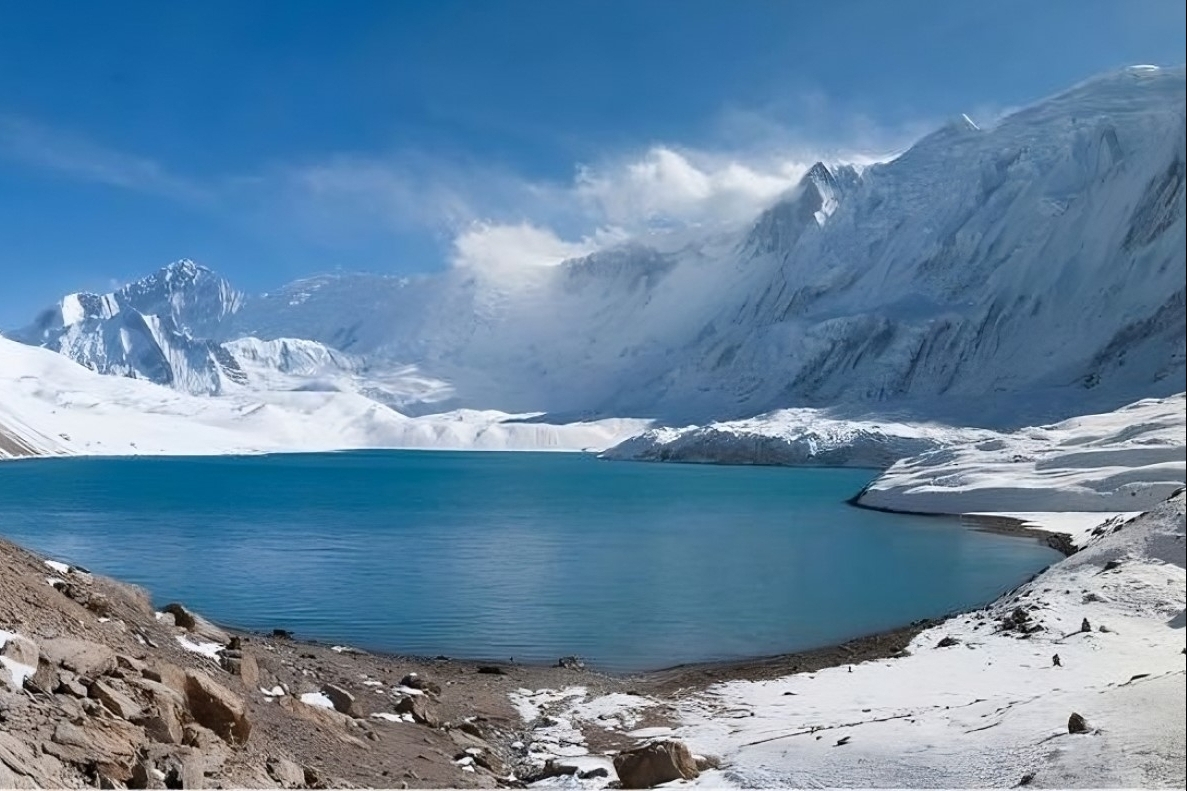
Everest Dudhkunda Trekking is a relatively new and lesser-known trekking route in Nepal that offers an exciting and adventurous journey through the Solukhumbu region. The trek takes you through traditional settlements, beautiful forests, and stunning mountain ranges, providing an unforgettable experience for both experienced and first-time trekkers. The trek starts with a scenic flight to Phaplu, a small town in Nepal's Solukhumbu district. From there, the hike follows a path that leads to Dudhkunda Lake, which translates to "milky lake" in Nepali. The Dudhkunda Lake is located at the base of Mount Numbur, also known as Shorong Yul Lha, which is considered the "Preserver of Solukhumbu Region." The Dudhkunda Lake holds great religious significance for Buddhist and Hindu devotees, who believe that taking a dip in the lake's holy waters will wash away all sins and fulfil wishes. The trekking trail to Dudhkunda Lake is challenging and involves crossing high-altitude passes, walking through dense forests, and climbing steep ridges. The path is also relatively less travelled than other popular trekking routes in the region, providing trekkers with a more peaceful and natural experience. The trek offers stunning vistas of the eastern Himalayan Range, including the magnificent Mount Everest, the highest mountain peak in the world. Trekkers can enjoy panoramic views of the surrounding mountains, including Ama Dablam, Thamserku, and Kusum Kanguru. The trek is an opportunity to explore the traditional Sherpa villages that dot the Solukhumbu region. Trekkers can witness the unique culture, traditions, and lifestyle of the Sherpa people, known for their mountaineering skills and warm hospitality. The Dudhkunda Trekking trail also passes through rhododendron forests, home to diverse flora and fauna. Trekkers may encounter rare animals such as the elusive snow leopard, Himalayan thar, and musk deer. The trek also offers opportunities for bird watching, with the national bird of Nepal, the Danphe pheasant, being a common sight. Asiana Treks and Tours, a reputable trekking company, offers a comprehensive 9-day package for the Dudhkunda Trek. The package includes transportation, accommodation, meals, and a licensed guide, ensuring a hassle-free and enjoyable trekking experience. In conclusion, the Everest Dudhkunda Trekking is a challenging yet rewarding adventure that provides trekkers with breathtaking views of the Himalayan Range, a glimpse into the traditional Sherpa culture, and a chance to explore the natural beauty of the Solukhumbu region.Everest Dudh Kunda trek itinerary:Asiana Treks has the perfect Everest Dudh Kunda trek itinerary. Travellers who desire to explore Nepal with moderate physical fitness. You'll discover the best places for breathtaking views from the city to the countryside. Experience the contrast of cold nights at Dudh Kunda to a stunning view of the mountain wall, an unforgettable lifetime journey. Everest Dudh Kunda Trekking Distance:The Everest Dudh Kunda trek takes 10 to 14 days, with 4 to 8-hour walking days, and is approximately 130 km, or 81.25 miles, depending on the itinerary and acclimatisation day. Everest Dudh Kunda Trekking route:The Everest Dudh Trekking route showcases awe-inspiring natural beauty. Starting in lush valleys with terraced fields and traditional Sherpa. Villages, the journey unfolds amidst the Himalayan foothills. Rhododendron forests bloom in spring, accompanied by cascading waterfalls and snow-capped peaks. Traversing wildflower meadows and crossing suspension bridges over mountain streams, the landscape evolves as you ascend. Approaching Everest Dudh Kunda, rugged terrain and glacial moraines dominate, leading to panoramic views of towering peaks. The Trek promises unforgettable moments, whether you're a seasoned trekker or novice adventurer, offering an unparalleled journey through Earth's most breathtaking landscapes and to the top of the world. Everest Dudh Kunda trekking price:Our package tour ensures reliability in terms of cost, itinerary, and overall experience. The Everest Dudh trek typically ranges from US$1300 to 2000, depending on group size, service level, guide and porter services, transportation preferences, and accommodation category in Kathmandu. This cost estimation is subject to the types of trekking gear and accommodation preferences. Everest Dudh Kunda trekking Height:The Everest Dudh Kunda trekking and tours start from the bustling city of Kathmandu at an altitude of 1337 meters. From Kathmandu, take a flight to Phaplu. After starting to walk, take a jeep and head south to the ridge at Dhap. Then, after starting to walk, move closer to Sigane. descend to the beautiful, finally, the Trek culminates at Everest DudhKunda at a breathtaking height of 4593 m/15065 ft. Major villages of Everest Dudh Kunda Trekking:The major Sherpa villages along the Everest Dudh Kunda Trekking route are on the journey towards Dudhkunda Lake. Ringmo is a picturesque village known for its Sherpa culture and traditional houses near Phaplu. Junbesi, Famous for its monastery and Sherpa hospitality, is a significant village on the trekking route. Salleri A bustling market town and administrative center in the Solukhumbu district, often a starting point for treks. Parting is a small village known for its views of Everest and the surrounding mountains. Return via Phaplu. These villages are significant landmarks and offer scenic beauty and accommodation options along the Everest Dudh Kunda Trek. Best Viewpoints Everest Dudh Kunda Trekking:The Everest Dudh Kunda Trekking route offers numerous breathtaking viewpoints that provide stunning panoramas of the Himalayas and surrounding landscapes. Here are some of the best viewpoints along the trek:Dudh Kunda Lake: The serene Dudh Kunda Lake is a spectacular viewpoint. From here, you can enjoy reflections of the surrounding peaks in the crystal-clear waters, creating a magical scene.Pikey Peak: Pikey Peak offers one of the most magnificent views of the Everest range. On a clear day, you can see Everest and other prominent peaks like Kanchenjunga, Lhotse, Makalu, and Thamserku.Taksindu La Pass: This pass provides panoramic views of the Himalayan peaks of the Everest region. Phaplu: The village of Phaplu is an excellent viewpoint, offering a unique perspective of the lower Everest region. Junbesi: The picturesque village of Junbesi provides beautiful views of the surrounding mountains and valleys. The monastery here also offers a peaceful spot to enjoy the views.Ringmo: Known for its apple orchards, Ringmo offers charming views of the terraced fields and distant peaks. Flora and Fauna in the Everest Dudh Kunda Trekking:The Everest Dudh Kunda Trekking route is a haven for nature enthusiasts, offering a rich tapestry of flora and fauna. It is also an immersive experience of the diverse and stunning natural world of the Himalayas, making it a must-visit for anyone passionate about nature. Flora, the trek is particularly vibrant during the spring when various rhododendrons bloom, painting the landscape with red, pink, and white shades. The lower regions are dominated by dense pine and fir forests, providing a lush green backdrop. As you ascend, you'll encounter a variety of wildflowers, especially in the summer months, adding a splash of colour to the trails.Higher altitudes feature alpine meadows dotted with a variety of grasses and small shrubs.Fauna: The trek is a birdwatcher's delight, with species like the Danphe (Himalayan Monal), Nepal's national bird, pheasants, cuckoos, and various species of raptors. While trekking, you might spot elusive animals such as the Himalayan Thar, musk deer, and snow leopard. More common sightings include langur monkeys and Himalayan goats. The region is also home to a variety of butterflies and other insects, adding to the biodiversity.The Everest Dudh Kunda Trekking route offers an immersive experience of the Himalayas' diverse and stunning natural world, making it a must-visit for nature enthusiasts. Festivals and Culture of Everest Dudu Kunda Trekking:The Everest Dudh Kunda trek offers a cultural immersion into Sherpa traditions. A highlight is the Dumji and Mani Rimdu Festival at Tengboche Monastery, held annually in October or November. This vibrant celebration features sacred dances and colourful ceremonies, providing insight into Sherpa culture.Buddhism, a central pillar of Sherpa life, is beautifully woven into the Trek's fabric. It's evident in the monasteries, prayer flags, and Mani walls that dot the route. Visitors are not just spectators but can actively participate in Buddhist rituals, fostering a deeper understanding of Sherpa spirituality and their profound connection to nature.In their harmonious coexistence with nature, Sherpas practices sustainable living with eco-friendly methods like using yak dung as fuel and waste management. These practices, born out of necessity and deep respect for the environment, are a testament to the Sherpa's ingenuity and their role as responsible stewards of the land. It's a practice that inspires respect and admiration. People and hospitality:Nepal is a country where warm hospitality and incredible values are not just a custom, but a deeply ingrained part of its culture. Whether you're a foreign visitor or a local, you're greeted with open arms, friendly smiles, and a radiant manner. This tradition of hospitality, deeply rooted in Hinduism, Buddhism, and traditional customs, sees guests as blessings and treats them with utmost respect, generosity, and kindness. The Sherpa people, an indigenous ethnic group with a unique blend of Tibetan Buddhism and ancient Bon rituals, are the epitome of these values. Residing in the upper Khumbu area, they welcome guests with a distinct warmth and an unwavering spirit of hospitality, marked by their renowned honesty and loyalty. Advantage book with Asiana Treks and Tours:Private transport for airport transfers to/from your hotel.Join our trip briefing on Facebook and online if you love to connect.Last-minute booking at your hotel at a suitable time after your arrival.Easy booking and reservation system.Multi-channel communication via Email, WhatsApp, Facebook, Viber, Skyp 24/7 phone communication at +977-9851076270Free excess luggage storage during the TrekOximeters are provided to examine blood oxygen saturation at high altitudes to detect altitude sickness earlyMedical kits along the Trek and hot airbags are available in winterArrange sleeping bags, duffel bags, and down jackets.Trek Booking:Asiana Treks and Tours is the best and most trusted trek and tour company operator authorised by the Nepal government. To book your trip, we require a 10% advance payment. Additionally, please send us a copy of your passport, photos, travel insurance, and flight details upon booking a tour with us. You can use a bank transfer, Western Union, or make an online payment via our website, which is easy. The remaining trip cost can be paid upon arrival in Nepal. We offer last-minute bookings, but please note that changes may occur due to unforeseen circumstances, such as bad weather. Transportation for the Everest Dudh Kunda trekking:Asiana Treks and Tours organises all transportation logistics from start to finish, tailored to our group size and agreement. This includes pickups and drops for flights between Kathmandu and Lukla, as well as ground transportation for World Heritage site tours. Our services for all groups ensure convenient travel arrangements, whether a World Heritage tour or Flight tickets, and are tailored to the group, prioritising safety, comfort, and efficiency. We aim to provide the best and most enjoyable travel experience, meeting the highest standards of safety and comfort.Trekking Start: Your Everest Dudh Kunda trek begins with a warm welcome in Kathmandu. Our team member will greet you at Tribhuvan International Airport. We'll escort you to your hotel in a private vehicle, ensuring a comfortable and hassle-free start to your adventure. This will set the tone for a memorable journey. If you miss the regular trip briefing, don't worry. We'll provide it at a convenient time before departure in Pokhara, either before a World Heritage tour the following morning or the next day. We'll then proceed to drive to Dhap.Currency Exchange:The Nepalese rupee is Nepali currency, and 1 USD is approximately 130 NPR. Since only NPR is accepted in Nepal, it's best to bring cash to facilitate transactions. Banks and ATMs in Kathmandu provide currency exchange services, but note that most banks prefer new, crisp notes.Our Team:The Asiana Treks and Tours team is professional, reliable, and responsible. They are well-trained, friendly, radiant, and fluent in English. You can feel comfortable sharing anything with them. They are experts in local culture, history, vegetation, food, accommodation, weather conditions, and first aid medication. They are also environmentally conscious and respect the rights of animals. However, please do not provoke them for personal gain during the trip. While you can enjoy your holiday with them, we kindly request that you do not try to change their customs, beliefs, religion, culture, or traditions.We and our staff are committed to making your adventure trip an unforgettable journey of a lifetime in Nepal. Guide and Porter Arrangement:Our company, Asiana Treks and Tours, focuses on responsible tourism in Nepal. We make sure our guides and porters are well-trained in Trekking and mountaineering. They know a lot about the areas we go to, including geography, history, customs, and culture. We train them regularly in safety, first aid, and environmental conservation. We follow guidelines to treat our porters fairly, providing them with good pay, accommodation, and meals during treks. Our guides and porters are essential team members, and we appreciate their hard work. When you trek with us, you support ethical tourism in Nepal, making your trip meaningful and memorable. Asiana Treks and Tours prioritises your safety and enjoyment. Our knowledgeable guides, reliable equipment, and safety measures ensure a great trekking experience in Nepal.Porter, Luggage, and extra Luggage storage: We cover the cost of porters for your Luggage, but the maximum weight limit is 12 kg per person. Each porter carries Luggage for two trekkers; please share a duffel bag with another. Our porters will carry up to 25 kg each. If you need a porter, we can arrange one for you. We also recommend carrying a small backpack for your valuables and important documents. You can leave extra Luggage at our office for free or at a hotel in Kathmandu.Accommodation:Accommodation during the Everest Dudh Kunda Trek varies. Along the trekking route, you'll stay in guest houses, commonly known as teahouses. These basic lodges offer rooms, dining areas, and toilets. The quality of guest houses varies but remains affordable and convenient for trekkers. Rooms typically have twin or bunk beds and shared bathrooms, and blankets and pillows are available. Our company can offer a sleeping bag if you don't have one. You'll spend nine nights in lodges along the trekking route and three nights in a hotel in Kathmandu. Some places and lodges have attached bathrooms, while others offer simple yet clean rooms with shared facilities. We can arrange a solo trekking service if you're travelling solo. In high season and particular areas, availability may be limited for you, although we try our best. In Kathmandu, your hotel room will have excellent amenities, including TV, 24/7 hot water, electricity, and laundry service.Meals during the trip:Eating well is essential since the Everest Dudh Kunda Trek takes you through the Himalayas. You'll have plenty of nutritious meals in the trekking regions, although the options won't be as varied as in the cities. You'll get fifteen breakfasts, eleven lunches, and ten dinners during the Trek. The menu includes local, Asian, and Western dishes, but it gets more straightforward as you climb higher. Try popular Nepali foods like lentils, rice, curry, dumplings, noodles, Spaghetti, and many more. We highly recommend consuming fresh vegetables and hydrating with liquids such as green tea, lemon tea, hot lemon, ginger tea, and garlic soup, especially at high altitudes. While non-vegetarian options are available during the Trek, we suggest avoiding them for hygiene reasons. It's also best to steer clear of dairy, cheese, alcohol, caffeine, and hot chocolate. Personal expenses, such as alcoholic drinks, extra beverages, and cafe visits, are not included in the package. Drinking water:Nepal is the second country in the world in terms of water sources after Brazil. According to the Nepal government, only 27% of people here have clean drinking water. You can buy mineral water in teahouses, but it is expensive; local people do not prefer plastic bottles in some trekking areas. So, there are some safe drinking water stations where you can refill your bottle. However, we recommend carrying Steripen, iodine drops, water purification tablets for safe drinking, and refillable water bottles for boiled or filtered water. We strongly advise against drinking from taps, wells, and rivers in trekking areas. However, in all the city areas, Mineral water is available at a reasonable cost everywhere.Extra Personal Expenses:Your Trip covers most expenses during the Trek; you'll need to spend money on extra accommodations and meals in Kathmandu, souvenirs, and beverages. We estimate about USD 15-25 per trekking day for miscellaneous expenses. However, personal expenses depend on your Income, habits, and style.Toilet Facilities in Everest Dudh Kunda Trekking:Most teahouses have Western-style flush toilets during mountain treks, especially at lower elevations. But as you go higher, you find simple squat toilets along the trails and teahouses at higher altitudes. These toilets usually have water or toilet paper, but it's a good idea to bring your toilet paper just in case. You can also use restrooms at nearby teahouses or find a private spot along the trekking routes.Internet Connectivity:While trekking in the Himalayan region of Nepal, it's also a good idea to connect with your family and friends. You can find internet access at teahouses and lodges, but it might incur a minimal extra cost. The signal might be weak because of the remote location. You can also get internet access using a local SIM card and data packages available at Kathmandu airport or nearby shops in Thamel. You'll have a passport-sized photo and a copy of your passport to get a SIM card. It's a good idea to compare prices and data packages from telecom companies like Ncell and Nepal Telecom before buying. Knowing about the teahouse connectivity. Our guide will suggest connections for you. Electricity voltage and plugs:However, 95 % of Nepali people have access to electricity as of May 29, 2023. Almost all popular trekking routes, teahouses, and lodges have electricity. However, some isolated and solo trekking tea houses in the jungle don't have electricity; most tea houses let travellers charge their devices for a small fee. The average electrical voltage in Nepal is 230 volts, with plug types like Type C, Type D, and Type M. Travellers should bring a suitable adapter and, if needed, a voltage converter for their electronic devices.Communication:The guest houses in the trekking regions have internet access. You could buy a SIM card at Tribhuvan International Airport, Kathmandu. However, the signal may need to be more assertive at high altitudes. Our office maintains daily contact with all trekking teams through the trek guide to ensure everything goes as planned.Trip Extension:Suppose you have extra days in Nepal after the Trek. In that case, we can arrange a tour, an overnight stay at Nagarkot Balthali or any other place around Kathmandu and Chitwan, a jungle safari, paragliding, rafting, canyoning, or other treks. Do not hesitate to inform us. We will create the best for you.Trek Difficulty:The Everest Dudh Kunda trek presents a moderate and challenging yet enriching adventure. Your enjoyment of the trip will largely depend on your level of fitness. We recommend building stamina at least two weeks before the Trek. Activities include jogging, running, swimming, or taking long hikes for the journey ahead.Completing this Trek is achievable even if you're a beginner, although you must maintain a reasonable fitness level. Prior trekking experience can be advantageous, though it is optional. All you need is the readiness to hike steadily for 4-8 hours, navigating tricky terrain. Suppose trekkers have pre-existing medical conditions, such as lung or heart diseases. In that case, they are advised to consult their physician before booking the Trek to ensure their safety and well-being throughout the journey.Trip Safety: We highly give top priority. We provide experienced guides with first aid kits and necessary safety gear to ensure a safe hand. Our team monitors weather and trail conditions, taking precautions to avoid risks. Before starting the Trek, we discuss the trip to provide a clear understanding and ensure a reliable experience.Group & Private Treks:We organise many group and private treks simultaneously, with discounts available for larger groups. Every group will have a trekking guide and porters. Regarding larger groups, we provide an assistant guide. Our team ensures a safe and enjoyable trekking experience for all participants.About a solo traveller:If you're a solo traveller, please get in touch with us to confirm departure dates before booking. You can reach us by phone, WhatsApp, or email. We have listed upcoming departure dates for your convenience. Feel free to share the trip details with friends and family. Notes: Please be aware that the itinerary may change due to weather or other factors, and we'll adjust it accordingly for the group's safety and enjoyment. We look forward to guiding you through the stunning landscapes of the Annapurna region and ensuring a memorable trekking experience.Responsible Travel:We prioritise responsible travel to minimise environmental impact and support local communities. We collaborate with organisations like the Kathmandu Environmental Education Project (KEEP) to promote eco-friendly practices in trekking regions.Gratitude:Graduate or tipping is appreciated in Nepali culture and reflects the quality of service provided. You decide how much to tip, but we recommend tipping as a group at the end of the trip.End of Trek:On the thirteenth day, you'll take a flight from Phaplu and drive back to Kathmandu via Ramechhap, which takes about four hours. Alternatively, y. In the evening, we'll host a farewell dinner in Kathmandu.Departure:On the day of your departure flight, we'll come to pick you up from your hotel and transfer you to Tribhuvan International Airport. We hope you enjoyed the Nepal trek and will consider returning for more adventures in Nepal. Feedback: After you complete the Everest Dudh Kunda Trek, we'll organise a farewell dinner in Kathmandu and present you with a trekking achievement certificate. After the dinner, you can provide feedback about the Trek on travel portals.Last-Minute Booking:If you can't book in advance, we offer last-minute bookings. Last-minute booking offers are available, although they may cost slightly more than regular departure dates. Those opting for last-minute bookings must pay an additional 7% of the total trip cost on our website. While we strive to make last-minute requests, we try our best to accommodate your last-minute holiday booking.Special Note: Please remember that sometimes unforeseen circumstances, such as inclement weather or unavailable lodging, may cause the schedule to be changed. Your trip guide will design a fresh schedule based on the group's interests in such circumstances. Everest Regions Trekking Blog Post List:Asiana Treks & Tours offers an insightful blog on the Everest region, providing valuable information for trekkers. Explore stunning landscapes, local culture, and practical tips for your journey.Why Everest Base Camp Trek Should Be Your Next Adventure: Top ReasonsBeginner's Guide to Everest Base Camp TrekUnderstanding the Everest Base Camp Trek’s DifficultyEverest Base Camp Trek: Best Seasons (March-Mid June, Sep-Nov)Choosing the Best Route for Everest Base CampMajor Facts About the Everest Base Camp Trekking AdventureHiking from Gorak Shep to Kala Patthar & Everest Base CampIs There an Age Limit for Everest Base Camp Trekking?Is Everest Base Camp Trekking Possible for Women? Absolutely!The Complete List of Permits and Documents for Everest Region TreksMeals and Accommodation in the Everest RegionAccommodation Types in the Everest RegionTop Everest Region Trekking Packages 2025/2026Annapurna Base Camp vs Everest Base Camp: The Best TrekTrekking Permit Requirements for Different Regions in NepalThe First Viewpoint to See Mount EverestThe Beauty of Gokyo Lake with Views of EverestDiscovering the Beauty of Gokyo Lakes with Gokyo RiWhy Choose Everest Three Passes Trekking in NepalWhy Trek Everyone is the Ultimate Guide to Everest Base CampTrekking the Everest Three High Passes: Renjo La, Cho La & Kongma LaLukla: The Trekker's Ultimate GatewayAmazing Facts About Tenzing-Hillary Airport (Lukla Airport)Exploring Phakding: The First Step Toward EverestNamche Bazaar at 3,440m: A Rest Stop with a ViewTengboche Monastery: The Heartbeat of the KhumbuDingboche: The Smart Stop for Acclimatization and Stunning ViewsLobuche: A High-Altitude Himalayan Gem – History, Culture, Geography & Trekking HighlightsDiscover Everest Dudhkoshi Cultural Trek for BeginnersTraversing the Heart of Solu: Jiri to Sete, Junbesi & Nunthala via the Lamjura-La PassSacred Trails and Alpine Dreams: A Journey Through Pikey Peak, Dudh Kunda, and the Hidden Hamlets of SolukhumbuWhy Choose Everest Three Passes Trekking in NepalThe First Successful Summit: Sir Edmund Hillary and Tenzing NorgayHistory of Mount Everest : International Everest DayWhy Trek Everyone is the Ultimate Guide to Everest Base CampFAQs for Hiking to the Roof of the World (Everest Region
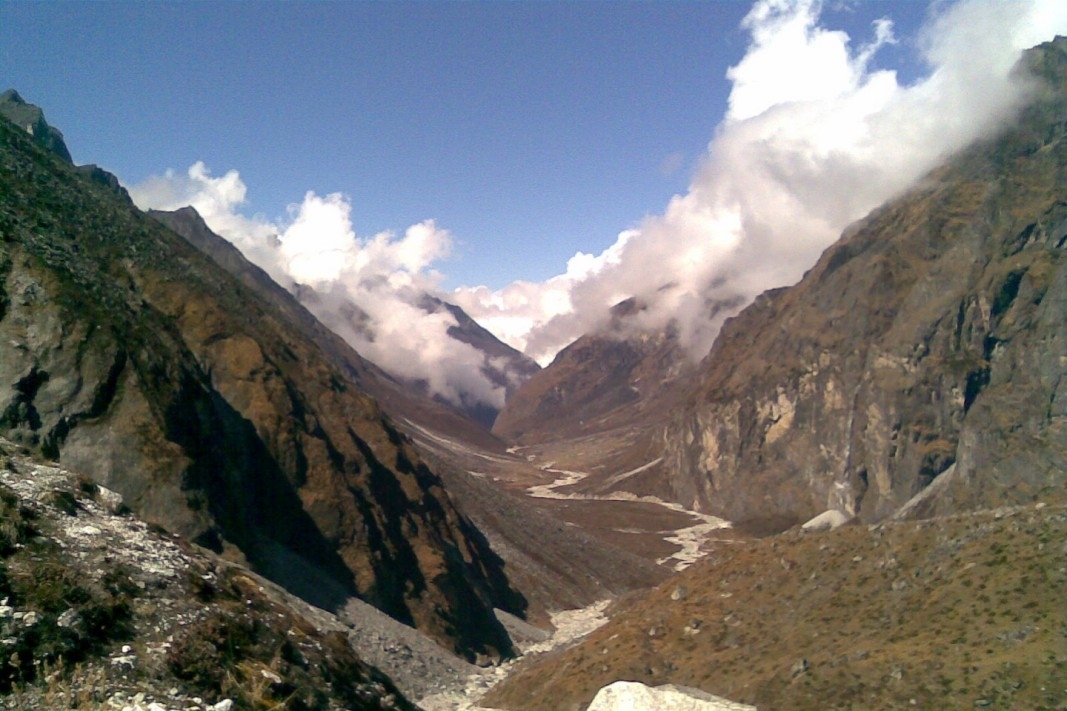
The Rolwaling Trekking Package offered by Asiana Treks and Tours is a meticulously designed adventure for trekkers seeking an off-the-beaten-path experience in the Himalayas. This package provides a complete trekking experience from start to finish, including airport transfers, Kathmandu hotel accommodations, expert guiding services, porters to carry heavy luggage, and all necessary permits. The focus is on delivering a seamless, safe, and culturally immersive journey into one of Nepal’s most pristine regions. The package includes accommodation in comfortable lodges and teahouses throughout the trek, serving nutritious meals to help maintain energy levels. With an experienced local guide knowledgeable in the geography, culture, and history of Rolwaling Valley, trekkers receive not only logistical support but also enriching insights into the Sherpa and Tibetan cultures encountered along the route. The Rolwaling package balances physical challenge with cultural immersion, perfect for trekkers with moderate to high fitness levels. Package Highlights: Arrival and departure transfers in Kathmandu 3-star hotel stay in Kathmandu with breakfast Experienced, licensed trekking guide and porters All trekking permits and government fees Accommodation in teahouses/lodges along the trail Daily breakfast, lunch, and dinner on the trek Pre-trek briefing and 24/7 support from Asiana Treks and Tours This all-inclusive package ensures that every aspect of the trek is managed professionally for a hassle-free, rewarding adventure. Rolwaling Trekking ItineraryThe Rolwaling Trekking Itinerary crafted by Asiana Treks and Tours spans approximately 15 days, taking trekkers through some of Nepal’s most spectacular and less-explored landscapes. The journey begins in Kathmandu with a short domestic flight or road transfer to Charikot or Chetchet village, the traditional starting point. From here, trekkers follow the scenic Rolwaling River valley, passing through dense rhododendron forests and charming Sherpa and Tibetan villages such as Bedding and Na Gaun. One of the itinerary’s highlights is the trek to Tsho Rolpa, Nepal’s second-largest glacial lake, nestled among towering Himalayan peaks. The most physically demanding yet exhilarating section is crossing the Tashi Lapcha Pass at 5,755 meters, which connects the Rolwaling Valley to the Khumbu region. After crossing the pass, the route descends into the Everest region, passing through culturally vibrant Sherpa villages like Thame and Namche Bazaar. The trek concludes with a scenic flight from Lukla back to Kathmandu, bringing trekkers full circle from wilderness to city. Sample Itinerary Highlights: Day 1: Arrival in Kathmandu and pre-trek briefing Days 2-5: Trek from Charikot to Na Gaun via Sherpa villages Day 6: Acclimatization and exploration around Na Gaun Days 7-9: Trek to Tsho Rolpa Lake and onward to base of Tashi Lapcha Pass Days 10-11: Cross Tashi Lapcha Pass (5,755m) into Everest region Days 12-14: Descend through Thame, Namche Bazaar to Lukla Day 15: Flight back to Kathmandu and onward transfer This well-paced itinerary combines breathtaking scenery with ample acclimatization time to ensure a safe and memorable experience. Rolwaling Trekking DistanceThe total trekking distance on the Rolwaling Trek varies slightly depending on the exact route and acclimatization stops, but generally covers around 120 to 140 kilometers (75 to 87 miles) one way. This distance is spread over approximately 12 trekking days, allowing trekkers to gradually ascend and acclimatize to the high altitude. The terrain ranges from gentle river valleys and forest trails to steep mountainous paths and high alpine passes. Daily trekking distances average between 8 to 12 kilometers, with some longer days on either side of the Tashi Lapcha Pass crossing. Elevation gains are significant, as the trek starts around 1,600 meters in Charikot and reaches a maximum altitude of 5,755 meters at the pass. After crossing, the trek descends into the Everest region, giving trekkers a well-rounded experience of both high-altitude Himalayan landscapes and rich cultural villages. Distance and Elevation Summary: Total trekking distance: approx. 120–140 km Average daily trekking distance: 8–12 km Starting elevation: ~1,600 meters (Charikot) Highest elevation: 5,755 meters (Tashi Lapcha Pass) Final elevation: ~2,860 meters (Lukla) Trek duration: 12 trekking days plus acclimatization days The diverse elevation and distances make this trek ideal for trekkers with moderate to advanced fitness who enjoy challenging terrain. Rolwaling Trekking Cost 2026/2027For the 2026/2027 trekking seasons, Asiana Treks and Tours offers competitive pricing for the Rolwaling Trekking Package, reflecting quality service, expert guiding, and comprehensive inclusions. The cost typically ranges from $1,200 to $1,700 USD per person, depending on group size, accommodation preferences, and any additional services requested. Early booking and group discounts may be available, making the trek accessible for a range of budgets. The pricing includes all major expenses such as trekking permits, guide and porter fees, accommodation, meals on the trek, and domestic transportation within Nepal. Optional extras like travel insurance, personal gear rental, or international airfare are not included but can be arranged. Asiana Treks and Tours emphasizes transparency in pricing with no hidden fees, ensuring travelers know exactly what their investment covers. Payment plans and flexible booking options are also available for convenience. Cost Inclusions: Trekking permits and government fees Licensed guide and porter salaries and insurance Accommodation and meals during trekking Domestic airport transfers and Lukla flight Pre-trek briefing and 24/7 company support This competitive pricing structure offers excellent value for an authentic, expertly managed Himalayan trekking adventure. Rolwaling Trekking Price BreakdownTo help trekkers budget effectively, Asiana Treks and Tours provides a detailed price breakdown for the Rolwaling Trekking Package. This transparency ensures clients understand how their payment is allocated and the value they receive for each component of the trek. Approximately 40-50% of the cost goes toward staffing—experienced guides and porters who ensure safety, navigation, and local cultural interpretation. Accommodation and meals account for roughly 25-30%, covering clean, comfortable lodges and nutritious food essential for high-altitude trekking. Permits, entrance fees, and domestic flights make up around 15-20% of the total cost, reflecting necessary government regulations and logistical transport. The remainder covers administrative costs, company support services, and contingencies. Asiana Treks and Tours also factors in sustainable tourism practices, ensuring local communities benefit fairly from tourism revenue. Typical Price Breakdown: Guide and porter wages: 40-50% Accommodation & meals: 25-30% Permits & domestic flights: 15-20% Company administration & support: 10-15% Sustainable tourism contributions: included throughout This clear breakdown highlights how your payment supports not only your trek but also the local economy and responsible tourism in Nepal. Rolwaling Trekking Altitude GuideThe Rolwaling Trekking Altitude Guide is essential for understanding the elevation changes trekkers will face and for preparing safely for the physical demands of the journey. The trek begins at a relatively moderate altitude of around 1,600 meters in Charikot or Chetchet and gradually ascends through forested valleys, traditional villages, and alpine landscapes. Trekkers reach their highest point at the Tashi Lapcha Pass, soaring to an impressive 5,755 meters above sea level. This significant elevation gain requires careful acclimatization and physical preparedness to avoid altitude sickness. Throughout the trek, altitude changes are balanced with rest and acclimatization days, particularly in key villages such as Na Gaun and Thame, where trekkers can adjust to thinner air. Proper hydration, a slow trekking pace, and listening to your body are critical when ascending above 3,000 meters. Asiana Treks and Tours ensures that the itinerary includes gradual altitude gain, with expert guides monitoring the health of trekkers and providing advice on how to cope with altitude-related challenges. Altitude Breakdown: Starting altitude: ~1,600 meters (Charikot/Chetchet) Key acclimatization stops: Na Gaun (~3,750m), Thame (~3,800m) Highest altitude: Tashi Lapcha Pass (5,755m) Ending altitude: Lukla (~2,860m) Recommended acclimatization days: 1-2 days during trek Altitude sickness prevention: slow ascent, hydration, rest This altitude profile helps trekkers prepare both mentally and physically for the diverse Himalayan terrain they will encounter. Why Choose Rolwaling Trekking?Choosing the Rolwaling Trek with Asiana Treks and Tours offers a unique blend of adventure, cultural immersion, and natural beauty that few other Himalayan treks can match. Rolwaling Valley lies between the popular Everest and Langtang regions, but it remains remarkably untouched by mass tourism, making it ideal for trekkers seeking solitude and authenticity. The region boasts spectacular views of towering peaks such as Mt. Everest, Gauri Shankar, and Menlungtse, providing breathtaking photo opportunities and unforgettable moments. Beyond the natural beauty, the trek offers rich cultural experiences in Sherpa, Tamang, and Tibetan villages where traditions and Buddhism thrive. Trekkers can visit remote monasteries, interact with local families, and experience warm hospitality far from the busy tourist trails. Asiana Treks and Tours enhances this experience with expert guides who share deep knowledge of the region’s culture, wildlife, and environment, ensuring a meaningful and safe adventure. Rolwaling Trekking is perfect for those who want a challenging yet rewarding journey through one of Nepal’s last wilderness frontiers. Top Reasons to Choose Rolwaling Trekking: Off-the-beaten-path route with fewer tourists Stunning panoramic views of Everest, Gauri Shankar, and more Rich Sherpa and Tibetan cultural encounters Challenging but well-paced trek with expert support Access to pristine natural environments and remote villages Professional guiding and full-service trekking package from Asiana Treks and Tours This trek is ideal for trekkers who value authentic Himalayan culture combined with rugged mountain adventure. Preparing for the Rolwaling TrekkingProper preparation is key to enjoying the Rolwaling Trek safely and comfortably. Physical fitness plays a major role, as trekkers will be hiking long days on varied terrain and gaining altitude rapidly. Cardiovascular exercises such as running, hiking, and cycling are recommended at least 6–8 weeks before departure. Strength training focusing on legs, core, and back can also enhance endurance and reduce injury risk. Asiana Treks and Tours provides detailed pre-trek guidelines to help you get in shape and pack smartly. Equipping yourself with the right gear is equally important. Layered clothing suitable for fluctuating temperatures, sturdy trekking boots, a quality sleeping bag, and trekking poles are essentials. Due to the remote nature of Rolwaling, trekkers should bring personal medical kits and any necessary prescription medications. Mental preparation for the challenges of high altitude and remote living conditions is also crucial. Asiana Treks and Tours offers pre-trek briefings and support to ensure you are fully informed about what to expect and how to prepare. Preparation Tips: Begin cardiovascular and strength training 6–8 weeks in advance Invest in quality trekking gear: boots, clothes, sleeping bag Pack altitude sickness medication and personal medical supplies Prepare mentally for remote, rugged conditions Follow Asiana Treks and Tours pre-trek briefing and advice Arrange travel insurance with high-altitude trekking coverage By preparing physically, mentally, and logistically, trekkers maximize their enjoyment and safety on this demanding but rewarding route. What to Expect on the 14–15-Day Rolwaling Trekking AdventureThe 14–15-day Rolwaling Trekking adventure with Asiana Treks and Tours is a blend of breathtaking natural beauty, cultural immersion, and physical challenge. Expect to spend your days hiking through dense forests of rhododendron, oak, and pine, crossing crystal-clear rivers and navigating steep mountain trails. Each day presents new vistas—from the deep Rolwaling Valley to the towering Himalayan peaks surrounding you. The route offers a mix of moderate hiking days and more strenuous sections, especially during the ascent and crossing of the Tashi Lapcha Pass. Along the trek, you will stay in traditional teahouses and lodges, where hearty Nepalese and Tibetan meals provide necessary energy. The local Sherpa and Tamang villages you visit showcase vibrant cultural traditions, Buddhist monasteries, and warm hospitality. The altitude gain requires good acclimatization, but the Asiana Treks and Tours guides ensure the pace suits your fitness and health needs. The trek culminates with a rewarding descent into the Everest region, offering a glimpse of Sherpa culture in Namche Bazaar and the excitement of a mountain flight back to Kathmandu. What to Expect Each Day: Hiking 6–8 hours on varied terrain, 8–12 km daily Scenic landscapes with panoramic mountain views Cultural experiences in Sherpa, Tamang, and Tibetan villages Accommodation in comfortable teahouses with basic amenities Meals include traditional Nepali and Tibetan dishes Altitude acclimatization days included for safety Professional support and safety monitoring by guides Final days include a scenic flight back to Kathmandu This trek is perfect for those seeking a combination of adventure, culture, and nature over two weeks of Himalayan exploration. Oxygen Levels on the Rolwaling TrekkingAs you progress through the Rolwaling Trekking route, understanding oxygen levels at various altitudes is crucial for a safe and enjoyable trek. Atmospheric oxygen decreases as altitude increases, making breathing more difficult and physical exertion more taxing. At sea level, oxygen makes up about 21% of the air, but the effective oxygen availability drops sharply at high elevations. For example, at the highest point of the Rolwaling Trek, the Tashi Lapcha Pass (5,755 meters), oxygen levels are approximately 50% of what they are at sea level. This reduction means your body must work harder to absorb enough oxygen, which can lead to altitude sickness if not managed properly. Symptoms can include headaches, nausea, dizziness, and fatigue. Asiana Treks and Tours emphasizes acclimatization by incorporating rest days and gradual elevation gain to help your body adjust to thinner air. Guides also monitor trekkers closely for any signs of altitude sickness and are trained in emergency response protocols. Key Oxygen Facts on Rolwaling Trek: Oxygen decreases with altitude, about half at 5,755m compared to sea level Reduced oxygen makes physical activity more strenuous Proper acclimatization essential to avoid altitude sickness Rest days and slow ascent are built into the itinerary Guides provide education and monitor health constantly Supplemental oxygen is rare but available in emergencies Understanding oxygen levels helps trekkers respect their limits and enjoy this high-altitude adventure safely. Major Villages and Scenic Viewpoints on the Rolwaling Trekking RouteThe Rolwaling Trekking route is dotted with several picturesque villages and breathtaking viewpoints that highlight the trek’s cultural richness and natural beauty. Trekkers begin at Charikot or Chetchet before passing through remote Sherpa and Tamang villages like Bedding, Na Gaun, and Thame. Each village offers a unique glimpse into local lifestyles, traditional Buddhist monasteries, and friendly communities eager to share their customs. Na Gaun is a popular acclimatization stop with several guesthouses and beautiful mountain views. Key scenic viewpoints include Tsho Rolpa, Nepal’s second-largest glacial lake, which dazzles with turquoise waters surrounded by snow-capped peaks. The ascent to the Tashi Lapcha Pass provides some of the most spectacular panoramic views of Mount Everest, Cho Oyu, and Gauri Shankar. The descent into the Everest region rewards trekkers with vibrant Sherpa villages such as Namche Bazaar, bustling with market life and colorful culture. Major Villages and Viewpoints: Charikot / Chetchet: Trek start points with local markets Bedding: Sherpa village with traditional monasteries Na Gaun: Key acclimatization village with guesthouses Tsho Rolpa Lake: Stunning glacier-fed alpine lake Tashi Lapcha Pass: Panoramic Himalayan summit views Thame and Namche Bazaar: Cultural hubs of Sherpa heritage Scenic river valleys, rhododendron forests, and mountain vistas along the trail These highlights combine cultural richness and natural wonder, making the Rolwaling trek truly memorable. Flora and Fauna of the Rolwaling TrekkingThe Rolwaling Valley is a biodiversity hotspot, boasting rich flora and fauna that change dramatically with altitude. Lower elevations feature lush forests of rhododendron, oak, pine, and fir, which burst into vivid color in spring with blooming rhododendrons. As you ascend, vegetation thins out to alpine shrubs and hardy grasses suited to the harsh mountain environment. Wildflowers like primulas, asters, and gentians add splashes of color to the meadows near glacial lakes and passes. Wildlife enthusiasts can spot diverse animals including Himalayan black bears, musk deer, red pandas (rare), and various species of pheasants and vultures. Birdwatchers enjoy glimpses of Himalayan monal (Nepal’s national bird), snowcocks, and colorful mountain finches. The region’s biodiversity is well-protected by local conservation efforts and national park regulations. Trekking with Asiana Treks and Tours means knowledgeable guides can help you identify species and explain ecological significance. Flora and Fauna Highlights: Forests of rhododendron, pine, oak, and fir at lower elevations Alpine shrubs and wildflowers near higher passes and meadows Wildlife includes musk deer, Himalayan black bear, and occasional red panda Bird species: Himalayan monal, snowcock, vultures, and finches Seasonal variations in flora, with spring blooms and autumn colors Conservation efforts by local communities and park authorities This rich biodiversity adds an exciting natural dimension to the Rolwaling trekking experience. Festivals and Local Culture Along the Rolwaling Trekking RouteThe Rolwaling region is home to Sherpa, Tamang, and Tibetan communities whose cultural traditions and festivals enrich the trekking experience. Many villages celebrate Buddhist festivals with colorful prayer flags, masked dances, and religious ceremonies, giving trekkers a window into ancient Himalayan spirituality. One of the most important festivals is Losar, the Tibetan New Year, which involves rituals, feasts, and community gatherings. Celebrated around February or March, Losar is a lively time to witness local culture at its most vibrant. Other festivals like Tihar and Dashain are celebrated with family feasts, prayer rituals, and traditional music, reflecting Nepal’s diverse ethnic tapestry. Along the route, monasteries and stupas offer opportunities to learn about Buddhism and local spiritual life. The warm hospitality of villagers, who often invite trekkers into their homes or tea houses for traditional food and conversation, creates memorable cultural exchanges. Cultural and Festival Highlights: Losar (Tibetan New Year) with dances and rituals Dashain and Tihar, Nepal’s major Hindu festivals Visits to Buddhist monasteries and stupas along the route Traditional Sherpa and Tamang music, food, and crafts Opportunities to participate in village life and festivals Deep cultural immersion with local guides sharing stories and customs These cultural experiences make the Rolwaling Trek a journey not only through mountains but also through living traditions. Why Book with Asiana Treks and Tours for Rolwaling TrekkingBooking your Rolwaling Trekking with Asiana Treks and Tours guarantees expert guidance, personalized service, and an authentic Himalayan adventure. With years of experience organizing treks in Nepal, Asiana Treks and Tours specializes in remote routes like Rolwaling that require detailed planning and local knowledge. Their professional guides are highly trained in safety, altitude management, and cultural interpretation, ensuring trekkers have a secure and enriching experience. Asiana Treks and Tours focuses on responsible tourism, partnering with local communities and promoting sustainable practices that benefit villagers along the route. Their all-inclusive packages provide transparent pricing, quality accommodations, nutritious meals, and reliable transportation. From your initial inquiry to post-trek support, their dedicated team offers personalized communication and flexible itineraries tailored to your needs. Reasons to Choose Asiana Treks and Tours: Experienced, licensed guides with local expertise Strong commitment to safety and acclimatization Sustainable and community-supportive tourism practices Transparent, all-inclusive pricing with no hidden costs Personalized service from booking to trek completion High-quality accommodation and meal arrangements Reliable transportation and logistical support This combination of professionalism, local connection, and traveler care makes Asiana Treks and Tours a top choice for the Rolwaling Trek. How to Book the Rolwaling TrekkingBooking the Rolwaling Trekking with Asiana Treks and Tours is straightforward and designed to ensure peace of mind from the start. Interested trekkers can begin by visiting the company’s official website or contacting their customer service via email or phone. The booking process typically starts with selecting your preferred dates and trek duration, after which the team provides a detailed itinerary, cost estimate, and payment options. To confirm your booking, a deposit is usually required, with the balance payable before the trek or upon arrival in Kathmandu. Asiana Treks and Tours offers flexible cancellation and refund policies, along with comprehensive pre-trek support including gear checklists, travel tips, and permit arrangements. They also assist with travel insurance recommendations and can customize the trek for solo travelers, families, or groups. Once booked, you receive a full briefing and 24/7 assistance throughout your journey. Booking Steps: Contact Asiana Treks and Tours via website, email, or phone Choose trek dates and itinerary options Receive detailed quote and payment terms Pay deposit to secure your spot Get pre-trek support and gear advice Final payment before or on arrival Enjoy 24/7 support during your trek This clear, customer-friendly booking process ensures your Rolwaling adventure begins with confidence and clarity.
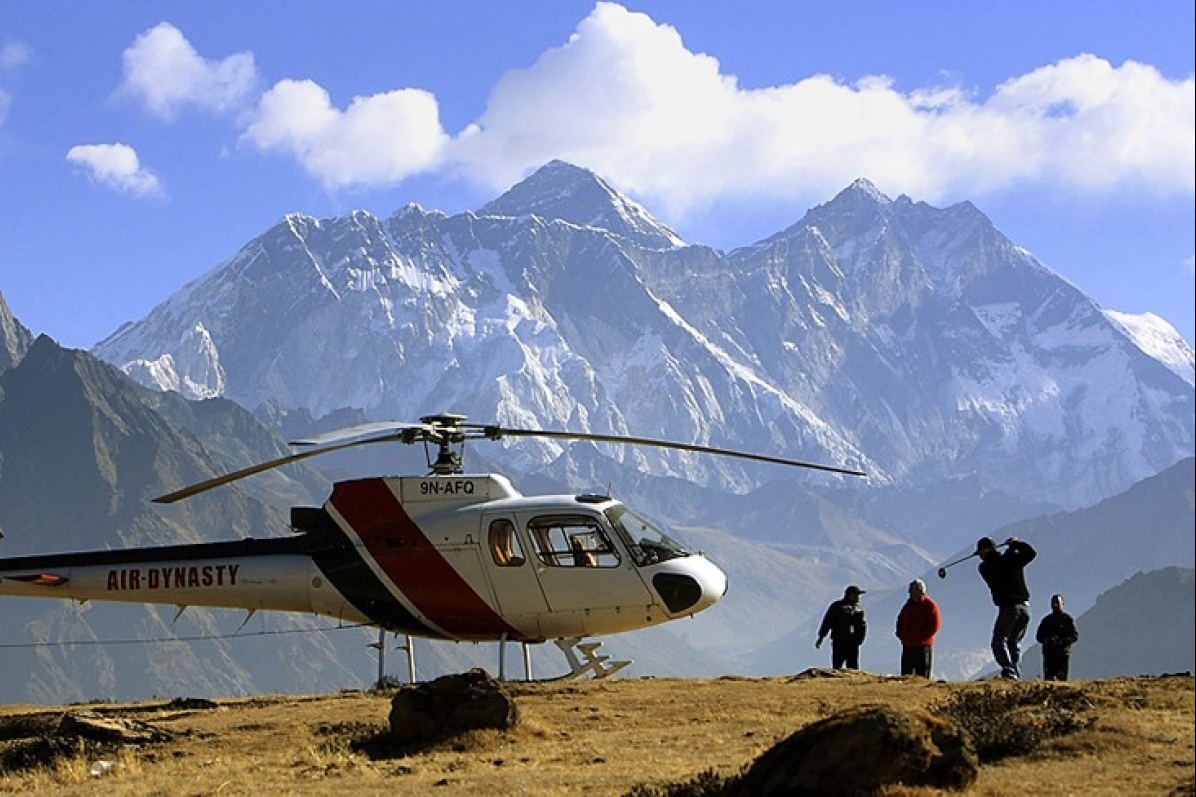
Start on an extraordinaryadventure with the Everest Base Camp trekwith fly back by chopper. It is an iconic journey that combines the thrill of trekking near the base of theworld's highest peakwith the convenience of a return journey by helicopter. This trek offers a perfect blend of well-maintained trails, stunning landscapes, and the rich cultural tapestry of theEverest region.Spanning nine days of Everest Base Camp chopper, the trek begins with a scenicflight from Kathmandu to Lukla, providing a breathtaking start to the journey. The trail follows along theDudh Koshi River, weaving through the enchanting trails ofSagarmatha National ParktowardsNamche Bazaar, a valuable trading hub renowned for its acclimatization significance.As the trek progresses, participants navigate through lush forests, terraced farmlands, and undulating hills, accompanied by majestic mountain views. Acclimatization stops in critical locations like Namche Bazaar and Tengboche ensure a safe ascent to higher altitudes.The trek unfoldspanoramic vistas of iconic peakssuch asPumori, Lhotse, Nuptse, Lobuche, and the mighty Mt. Everest. Visiting the reveredTengboche Monasteryadds a cultural dimension to the journey, providing insight into the Sherpa way of life.Reaching Gorak Shep, the trail skirts the edges of the Khumbu Glacier, leading to theEverest Base Camp. This surreal destination offers a close-up view of the world's deepest glacier and a unique perspective on the surrounding Himalayan giants.The return journey is fallow. Alice Everest base camp takes an exhilarating turn with ahelicopter ride from Gorak Shep back to Kathmandu, providing a swift and scenic conclusion to the trek. The helicopter journey offers a unique aerial perspective of the Himalayas and adds a touch of luxury and convenience to the overall experience.For those seeking an adventure that seamlessly combines the thrill of trekking with the luxury of a helicopter return, the Everest Base Camp trek by helicopter return promises an unforgettable odyssey through the heart of the Himalayas. Asiana Treks and Tours is an authentic heli tour operator with reliable Everest heli tour costs.Everest Base Camp trek Return by Heli Itinerary:Asiana Treks and Tours has the perfect Everest Base Camp trek return by Heli itinerary. Travelers who desire to explore Nepal with moderate physical fitness. You'll discover the best places for breathtaking views from the city to the countryside. Experience the contrast of cold nights at EBC to a stunning view of the mountain wall, an unforgettable lifetime journey.Everest Base Camp Trekking Return by Heli Distance:The Everest Base Camp trekking return by Heli treks take 12 days, with 4 to eight-hour walking days, and is approximately 65 km, or 40.38 miles, including trek to EBC and acclimatisation day.Everest Base Camp Trek return By Trekking route:The Everest Base Camp Return by Heli Trekking route showcases awe-inspiring natural beauty. Starting in lush valleys with terraced fields and traditional Sherpa. Villages, the journey unfolds amidst the Himalayan foothills. Rhododendron forests bloom in spring, accompanied by cascading waterfalls and snow-capped peaks. Traversing wildflower meadows and crossing suspension bridges over mountain streams, the landscape evolves as you ascend. Approaching Everest Base Camp, rugged terrain and glacial moraines dominate, leading to panoramic views of towering peaks. The Trek promises unforgettable moments, whether you're a seasoned trekker or novice adventurer, offering an unparalleled journey through Earth's most breathtaking landscapes and top of the world and easy way back to Helicopter.Everest Base Camp Trek return by Heli Trekking price:Our package tour ensures reliability in terms of cost, itinerary, and overall experience. The Everest Base Camp trekreturn by Heli typically ranges from US$ 2300 to 3000, depending on group size, service level, guide and porter services, transportation preferences, and accommodation category in Kathmandu. This cost estimation is subject to the types of trekking gear and accommodation preferences.Everest Base Camp trek return by Heli trekking Height:The Everest Base Camp trekking and return by Heli treks start from the bustling city of Kathmandu at an altitude of 1337 meters. From Kathmandu, take a flight to Lukla or during peak season from Ramechhap. You'll descend to the beautiful Manthali headquarters of Ramechhap,474 meters above sea level. If you Fly from Manthali to Lukla, you'll embark on your journey descending to crossing by the green forest to Chheplung; finally, the Trek culminates at Everest Base Camp at a breathtaking height of 5,545–5,550 m /18,192–18,209 ft.Major villages of Everest Base Camp trek return by Heli Trekking:The major Sherpa villages along the Everest Base Camp Trek return by Heli Trekking route are Lukla, Chheplung, Thado Koshi, Phakding, Taktok, Banker Manjo, Jorsalle, Namche, Sanasha, Phugithanga, Tangboche, Diboche, Pangboche, Somera, Harso, Dingboche, Thukla, Labuche, and Gorekshep Return from the same route and follow the same path back to Lukla. These villages are significant landmarks and offer scenic beauty and accommodation options along the Annapurna Base Camp Trekking route.Best Viewpoints on the Way to Everest Base Camp trek return by Heli:These viewpoints provide unforgettable experiences, highlighting the beauty of the Everest Base Camp Trek.Everest Base Camp return by Heli trek offers breathtaking viewpoints, showcasing stunning panoramas of the surrounding Himalayan peaks. Here are the critical views along the route:On a clear day, have stunning Himalayan view or scenic mountain view like mountain flight and board your EBC to direct Kathmandu, ensuring a breathtaking view of the uncountable Himalayan peaks, from East Kanchanjunga to west Annapurna.Hillary Bridge: After halfway from Hillary Bridge to Namche, you will first glimpse the majestic Everest view.Hillary Park Sagarmatha Head Headquarters: At the top of Namche Headquarters of Sagarmatha National Park, Hillary Park, you have a stunning surrounding view of Many Himalayan ranges, including Mt Everest.Everest View Hotel: From Everest View Hotel, you can enjoy unparalleled vistas of Everest and neighboring peaks,Tangboche, Pangboche, Deboche: Traverse picturesque villages, each providing unique perspectives of the towering giants en route to Everest Base Camp.Thukla: On the way from Lobuche to Thukla, soak in the stunning views of jaw-dropping Himalayan peaks.Kala Patthar: Summit at dawn for an unrivalled panorama of the Everest region, witnessing the mountains come alive in a symphony of colors as the sun rises. Each viewpoint leaves an indelible mark on your soul, ensuring the journey back to Lukla reminds you of the awe-inspiring vistas encountered throughout your Trek.Everest Base Camp (EBC): The ultimate destination, commonly listed as 5,545–5,550 m (18,192–18,209 ft). Meters offers unparalleled views of Flora and Fauna in the Everest Basecamp Trekking.Flora and Fauna In Everest Base Camp return by Heli:Everest Base Camp return by Heli Trekking is also in Sagarmatha National Park. It deserves many different flora and fauna, Where pine and hemlock forests are found at lower altitudes, and fir, juniper, birch, rhododendron, scrub, and alpine plants thrive at higher elevations. Sagarmatha National Park is inhabited by a diverse range of animals, like red panda, snow leopard, musk deer, Himalayan tahr, marten, Himalayan mouse hare (pika), and over 118 bird species, such as the Impeyan pheasant, snow cock, blood pheasant, and red-billed cough.Festivals and Culture of Everest Base Camp return by Heli Trekking:The Everest Base Camp return by Heli Trek offers a cultural immersion into Sherpa traditions. A highlight is the Dumji and Mani Rimdu Festival at Tengboche Monastery, held annually in October or November. This vibrant celebration features sacred dances and colorful ceremonies, providing insight into Sherpa culture.Buddhism, a central pillar of Sherpa life, is beautifully woven into the Trek's fabric. It's evident in the monasteries, prayer flags, and Mani walls that dot the route. Visitors are not just spectators but can actively participate in Buddhist rituals, fostering a deeper understanding of Sherpa spirituality and their profound connection to nature. In their harmonious coexistence with nature, Sherpas practice sustainable living with eco-friendly methods like using yak dung as fuel and waste management. These practices, born out of necessity and deep respect for the environment, are a testament to the Sherpa's ingenuity and their role as responsible stewards of the land. It's a practice that inspires respect and admiration.People and Hospitality:Nepal is a country where warm hospitality and incredible values are not just a custom, but a deeply ingrained part of its culture. Whether you're a foreign visitor or a local, you're greeted with open arms, friendly smiles, and a radiant manner. This tradition of hospitality, deeply rooted in Hinduism, Buddhism, and traditional customs, sees guests as blessings and treats them with utmost respect, generosity, and kindness.The Sherpa people, an indigenous ethnic group with a unique blend of Tibetan Buddhism and ancient Bon rituals, are the epitome of these values. Residing in the upper Khumbu area, they welcome guests with a distinct warmth and an unwavering spirit of hospitality, marked by their renowned honesty and loyalty.Advantage book with Asiana Treks and Tours:Private transport for airport transfers to/from your hotel.Trip briefing on Facebook and online if you love to connect.Last minute booking at your hotel at a suitable time after your arrival.Easy booking and reservation system.Multi-channel communication via Email, WhatsApp, Facebook, Viber, Skyp 24/7 phone communication at +977-9851076270Free excess luggage storage during the TrekOximeters are provided to examine blood oxygen saturation at high altitudes to detect altitude sickness earlyMedical kits along the Trek and hot airbags are available in winterArrange sleeping bags, duffel bags, down jackets, and walking pools if you don't have your own.Trekking Start:If you miss the regular trip briefing, don't worry. We'll provide it at a convenient time before departure, Pokhara, either before a World Heritage tour the following morning or the next day; we'll then proceed to the airport flight to Lukla or drive four 4-hour Manthali and Flight to Lukla.Currency Exchange:The Nepalese rupee is Nepali currency, and 1 USD is approximately 130 NPR. Only NPR is accepted in Nepal, so it's best to bring cash to facilitate transactions. Banks and ATMs in Kathmandu provide currency exchange services but note that most banks prefer new, crisp notes.Our Team:The Asiana Treks and Tours team is professional, reliable, and responsible. They are well-trained, friendly, radiant, and fluent in English. You can feel comfortable sharing anything with them. They are experts in local culture, history, vegetation, food, accommodation, weather conditions, and first aid medication. They are also environmentally conscious and respect the rights of animals.However, please do not provoke them for personal gain during the trip. While you can enjoy your holiday with them, we kindly request that you do not try to change their customs, beliefs, religion, culture, or traditions.We and our staff are committed to making your adventure trip unforgettable memories of a lifetime journey in Nepal.Guide and Porter Arrangement:Our company, Asiana Treks and Tours, focuses on responsible tourism in Nepal. We make sure our guides and porters are well-trained in Trekking and mountaineering. They know a lot about the areas we go to, including geography, history, customs, and culture. We train them regularly in safety, first aid, and environmental conservation. We follow guidelines to treat our porters fairly, providing them with good pay, accommodation, and meals during treks. Our guides and porters are essential team members, and we appreciate their hard work. When you trek with us, you support ethical tourism in Nepal, making your trip meaningful and memorable.Asiana Treks and Tours prioritizes your safety and enjoyment. Our knowledgeable guides, reliable equipment, and safety measures ensure a great trekking experience in Nepal.Porter, Luggage, and Extra Luggage Storage:We cover the cost of porters for your Luggage, but the maximum weight limit is 12 kg per person. Each porter carries Luggage for two trekkers; please share a duffle bag with another. Our porters will carry up to 25 kg each. If you need a porter for yourself, we can arrange that. We also recommend carrying a small backpack for your valuables and important documents. You can leave extra Luggage at our office for free and at a hotel in Pokhara, Namche, etc.Accommodation:Accommodation during the Everest Base Camp return by Heli Trek varies. Along the trekking route, you'll stay in guest houses, commonly known as teahouses. These basic lodges offer rooms, dining areas, and toilets. The quality of guest houses varies but remains affordable and convenient for trekkers. Rooms typically have twin or bunk beds and shared bathrooms, and blankets and pillows are available. Our company can offer a sleeping bag if you don't have one. You'll spend nine nights in lodges along the trekking route and three nights in a hotel in Kathmandu. Some places and lodges have attached bathrooms, while others offer simple yet clean rooms with shared facilities. We can arrange a solo trekking service if you're traveling solo. In high season and particular areas, availability may be limited for you, although we try our best. In Kathmandu or Pokhara, your hotel room will have excellent amenities, including TV, 24/7 hot water, electricity, and laundry service.Meals during the trip:Eating well is essential since the EBC Trek return by Heli takes you through the Himalayas. You'll have plenty of nutritious meals in the trekking regions, although the options won't be as varied as in the cities. You'll get fifteen breakfasts, eleven lunches, and ten dinners during the Trek. The menu includes local, Asian, and Western dishes, but it gets more straightforward as you climb higher. Try popular Nepali foods like lentils, rice, curry, dumplings, noodles, Spagaties, and many more. We highly recommend eating fresh vegetables and drinking liquids like green tea, lemon tea, hot lemon, ginger tea, and garlic soup, especially at high altitudes. While non-vegetarian options are available during the Trek, we suggest avoiding them for hygiene reasons. It's also best to steer clear of dairy, cheese, alcohol, caffeine, and hot chocolate. Personal expenses like alcoholic drinks, extra beverages, and cafes aren't included in the package.Drinking water:Nepal is the second country in the world in terms of water sources after Brazil. According to the Nepal government, only 27% of people here have clean drinking water. You can buy mineral water in teahouses, but it is expensive; Lokals people do not prefer plastic bottles in some trekking areas, but there are some safe drinking water stations where you can refill your bottle. However, we recommend carrying Steripen, iodine drops, water purification tablets for safe drinking, and refillable water bottles for boiled or filtered water. We strongly advise not to drink from taps, wells, and rivers in trekking areas. However, in all the city areas, Mineral water is available at a reasonable cost everywhere.Extra Personal Expenses:Your Trip covers most expenses during the Trek; you'll need to spend money on extra accommodations and meals in Kathmandu, souvenirs, and beverages. We estimate about USD 15-25 per trekking day for miscellaneous expenses. However, personal expenses depend on your Income, habits, and style.Toilet Facilities in Everest Base Camp Trekking:Most teahouses have Western-style flush toilets during mountain treks, especially at lower elevations. But as you go higher, find simple squat toilets along the trails and teahouses at higher altitudes. These toilets usually have water or toilet paper, but it's a good idea to bring your toilet paper just in case. You can also use restrooms at nearby teahouses or find a private spot along the trekking routes.Internet Connectivity:While trekking in the Himalayan region of Nepal, connecting with your family and friends is also a good idea. You can find internet access at teahouses and lodges, but it might be extra minimal cost. The signal might be weak because of the remote location. You can also get internet access using a local SIM card and data packages available at Kathmandu airport or nearby shops in Thamel and Pokhara. You'll have a passport-sized photo and a copy of your passport to get a SIM card. It's a good idea to compare prices and data packages from telecom companies like Ncell and Nepal Telecom before buying. Knowing about teahouse connectivity. Our guide will suggest connections for you.Electricity voltage and plugs:However, 95 % of Nepali people have access to electricity as of May 29, 2023. almost popular trekking routes, teahouses, and lodges have electricity. However, some isolated and solo trekking tea houses in the jungle don't have electricity; most tea houses let travelers charge for their devices for a small fee. The average electrical voltage in Nepal is 230 volts, with plug types like Type C, Type D, and Type M. Travellers should bring a suitable adapter and, if needed, a voltage converter for their electronic devices.Communication:The guest houses in the trekking regions have internet access. You could buy a SIM card at Tribhuvan International Airport Kathmandu and Namche. However, the signal may need to be more assertive at high altitudes. Our office keeps in touch with all trekking teams via the trek guide at least once daily to ensure everything goes as planned.Trip Extension:Suppose you have extra days in Nepal after the Trek. In that case, we can arrange a tour, overnight stay at Nagarkot Balthali or any other place around Kathmandu and Chitwan, jungle safari, paragliding, rafting, canyoning, or other treks. Do not hesitate to Inform us. We will create the best for you.Trek Difficulty:The Everest Base Camp trek return by Heli presents a moderate and challenging yet enriching adventure. Your enjoyment of the trip will largely depend on your level of fitness. We recommend building stamina at least two weeks before the Trek. Activities include jogging, running, swimming, or taking long hikes for the journey ahead.Completing this Trek is achievable even if you're a beginner, although you must maintain a reasonable fitness level. Prior trekking experience can be advantageous, though it is optional. All you need is the readiness to hike steadily for 4-8 hours, navigating tricky terrain.Suppose trekkers have pre-existing medical conditions, such as lung or heart diseases. In that case, they are advised to consult their physician before booking the Trek to ensure their safety and well-being throughout the journey.Trip Safety:We highly give top priority. We provide experienced guides with first aid kits and necessary safety gear to ensure a safe hand. Our team monitors weather and trail conditions and takes precautions to avoid risks. Before starting the Trek, we discuss the trip to provide a clear understanding and ensure a reliable experience.Group & Private Treks:We organize many group and private treks simultaneously, with discounts available for larger groups. Every group will have a trekking guide and porters. Regarding larger groups, we provide an assistant guide. Our team ensures a safe and enjoyable trekking experience for all participants.About solo traveler:If you're a solo traveler, please get in touch with us to confirm departure dates before booking. You can tell us via call, WhatsApp, or email. We have listed upcoming departure dates for your convenience. Feel free to share the trip details with friends and family.Notes: Please be aware that the itinerary may change due to weather or other factors, and we'll adjust it accordingly for the group's safety and enjoyment. We look forward to guiding you through the stunning landscapes of the Annapurna region and ensuring a memorable trekking experience.Responsible Travel:We prioritize responsible travel to minimize environmental impact and support local communities. We collaborate with organizations like the Kathmandu Environmental Education Project (KEEP) to promote eco-friendly practices in trekking regions.Gratitude:Graduate or tipping is appreciated in Nepali culture and reflects the quality of service provided. You decide how much to tip, but we recommend tipping as a group at the end of the trip.End of Trek:On the twelve day, you'll take a Heli in the morning after breakfast from Gorekshep to back to Kathmandu, taking stunning scenic Himalayan view which takes about one hour back to Kathmandu. Alternatively, In the evening, we'll host a farewell dinner in Kathmandu.Departure:On the day of your departure flight, we'll come to pick you up from your hotel and transfer you to Tribhuvan International Airport. We hope you enjoyed the Nepal trek and will consider returning for more adventures in Nepal.Feedback:After you complete the EBC Trek return by Heli, we'll organize a farewell dinner in Kathmandu and present you with a trekking achievement certificate. After the dinner, you can provide feedback about the Trek on travel portals.Last-Minute Booking:If you can't book in advance, we offer last-minute bookings. Last-minute booking offers are available but may cost slightly more than regular departure dates. Those opting for last-minute bookings must pay an additional 7% of the total trip cost on our website. While we strive to make last-minute requests, we try our best to accommodate according to your last-minute booking holiday.Special Note: Please remember that sometimes unforeseen circumstances, such as inclement weather or unavailable lodging, may cause the schedule to be changed. Your trip guide will design a fresh schedule based on the group's interests in such circumstances.Everest Regions Trekking Blog Post List:Asiana Treks & Tours offers an insightful blog on the Everest region, providing valuable information for trekkers. Explore stunning landscapes, local culture, and practical tips for your journey.Why Everest Base Camp Trek Should Be Your Next Adventure: Top ReasonsBeginner's Guide to Everest Base Camp TrekUnderstanding the Everest Base Camp Trek’s DifficultyEverest Base Camp Trek: Best Seasons (March-Mid June, Sep-Nov)Choosing the Best Route for Everest Base CampMajor Facts About the Everest Base Camp Trekking AdventureHiking from Gorak Shep to Kala Patthar & Everest Base CampIs There an Age Limit for Everest Base Camp Trekking?Is Everest Base Camp Trekking Possible for Women? Absolutely!The Complete List of Permits and Documents for Everest Region TreksMeals and Accommodation in the Everest RegionAccommodation Types in the Everest RegionTop Everest Region Trekking Packages 2025/2026Annapurna Base Camp vs Everest Base Camp: The Best TrekTrekking Permit Requirements for Different Regions in NepalThe First Viewpoint to See Mount EverestThe Beauty of Gokyo Lake with Views of EverestDiscovering the Beauty of Gokyo Lakes with Gokyo RiWhy Choose Everest Three Passes Trekking in NepalWhy Trek Everyone is the Ultimate Guide to Everest Base CampTrekking the Everest Three High Passes: Renjo La, Cho La & Kongma LaLukla: The Trekker's Ultimate GatewayAmazing Facts About Tenzing-Hillary Airport (Lukla Airport)Exploring Phakding: The First Step Toward EverestNamche Bazaar at 3,440m: A Rest Stop with a ViewTengboche Monastery: The Heartbeat of the KhumbuDingboche: The Smart Stop for Acclimatization and Stunning ViewsLobuche: A High-Altitude Himalayan Gem – History, Culture, Geography & Trekking HighlightsDiscover Everest Dudhkoshi Cultural Trek for BeginnersTraversing the Heart of Solu: Jiri to Sete, Junbesi & Nunthala via the Lamjura-La PassSacred Trails and Alpine Dreams: A Journey Through Pikey Peak, Dudh Kunda, and the Hidden Hamlets of SolukhumbuWhy Choose Everest Three Passes Trekking in NepalThe First Successful Summit: Sir Edmund Hillary and Tenzing NorgayHistory of Mount Everest : International Everest DayWhy Trek Everyone is the Ultimate Guide to Everest Base CampFAQs for Hiking to the Roof of the World (Everest Region
Start aunique adventurewith the 11-dayGokyo Trekand Helicopter Return viaEverest base camp package, designed for those who want to go without challengeEBC Trek in Khumbu. This journey takes you to the lesser-explored yet captivatingGokyo Valley in the Everest Region, providing seven days of trekking amid breathtaking landscapes. To optimize your time and energy, the return journey to Lukla is conveniently facilitated by a helicopter, offering a panoramic aerial perspective of the entireEverest Base Camp area, glaciers, and surrounding mountains.Commencing in Kathmandu, your expedition starts with aflight to Lukla, the starting point of your trek. As you progress through the days, you traverse theSagarmatha National Park, a UNESCO Natural World Heritage Site, and via various Sherpa villages. A rejuvenatingacclimatization day in Namche Bazaarbecomes a pivotal pause to absorb the awe-inspiring ambiance and views of the 7000 and 8000-meter peaks in proximity.Upon conquering a challenging ascent, Gokyo Lake becomes your ultimate destination. A hike to Gokyo Ri rewards you withbreathtaking vistas of the Gokyo lakesand themajestic Himalayan mountains. The trek culminates in athrilling helicopter flight back to Lukla, allowing you to savor the mesmerizing landscapes ofEverest Base Camp and Kala Patthar.This moderate to challenging trek demands mental and physical endurance as you navigate elevations exceeding 5000 meters. Prepared and guided byAsiana Treks and Tours, this expedition promises a test of resilience amid thestunning backdrop of the Everest Region.Everest Gokyo-Ri Trekking return by Heli itinerary:Asiana Treks and Tours has the perfect Everest Gokyo-Ri Trek itinerary. Travelers who desire to explore Nepal with moderate physical fitness. You'll discover the best places for breathtaking views from the city to the countryside. Experience the contrast of cold nights at Gokyo to a stunning view of the mountain wall, an unforgettable lifetime journey.Everest Gokyo-Ri Trekking return by Heli Distance:The Everest Gokyo-Ri trekking return by Hel takes 12 days, with 4 to eight-hour walking days, and is approximately 48 km, or 29.82 miles, depending on the itineraryEverest Gokyo-Ri Trekking return by Heli Trekking route:The Everest Gokyo- Ri Trekking return by Heli route showcases awe-inspiring natural beauty. Starting in lush valleys with terraced fields and traditional Sherpa. Villages, the journey unfolds amidst the Himalayan foothills. Rhododendron forests bloom in spring, accompanied by cascading waterfalls and snow-capped peaks. Traversing wildflower meadows and crossing suspension bridges over mountain streams, the landscape evolves as you ascend. Approaching Everest Gokyo-Ri trekking return by Heli, rugged terrain and glacial moraines dominate, leading to panoramic views of towering peaks. The Trek promises unforgettable moments, whether you're a seasoned trekker or novice adventurer, offering an unparalleled journey through Earth's most breathtaking landscapes and top of the world.Everest Gokyo-Ri Trekking return by Heli Trekking Price:Our Everest Gokyo-Ri trekking return by package tour ensures reliability in terms of cost, itinerary, and overall experience. The Everest Gokyo Ri trek typically ranges from US$2300 to 3000, depending on group size, service level, guide and porter services, transportation preferences, and accommodation category in Kathmandu. This cost estimation is subject to the types of trekking gear and accommodation preferences. Everest Gokyo-Ri Trekking return by Heli trek Height:The Everest Gokyo-Ri trekking and tours start from the bustling city of Kathmandu at an altitude of 1337 meters. From Kathmandu, take a flight to Lukla or during peak season from Ramechhap. You'll descend to the beautiful Manthali headquarters of Ramechhap,474 meters above sea level. If you Fly from Manthali to Lukla, you'll embark on your journey descending to crossing by the green forest to Chheplung; finally, the Trek culminates at Everest Gokyo-Re at a breathtaking height of 5,357m /17,575 ft.Major villages of Everest Gokyo-Ri Trekking trekking return by Heli:The major Sherpa villages along the Everest Gokyo-Ri Trekking route are Lukla, Chheplung, Thado Koshi, Phakding, Taktok, Banker Manjo, Jorsalle, Namche, Sanasha, Doley, Macherma,Gokyo valley Return from the same route and follow stunning Helicopter to Kathmandu. These villages are significant landmarks and offer scenic beauty and accommodation options along the Everest Gokyo-Ri Trekking return by Heli.Best Viewpoints Everest Gokyo -Ri Trekking return by Heli:These viewpoints provide unforgettable experiences, highlighting the beauty of the Everest Gokyo- Ri Trek.Everest Gokyo-Ri return by heli Trek offers breathtaking viewpoints, showcasing stunning panoramas of the surrounding Himalayan peaks. Here are the critical views along the route: On a clear day, board your FlightFlight to Lukla or Ramechhap, ensuring a seat on the left-hand side for a breathtaking view of the uncountable Himalayan peaks, from the Langtang Himalayan range to the majestic Mt Everest.Hillary Bridge:After halfway from Hillary Bridge to Namche, you will first glimpse the majestic Everest view. Hillary Park Sagarmatha Head Headquarters:At the top of Namche Headquarters of Sagarmatha National Park, Hillary Park, you have a stunning surrounding view of Many Himalayan ranges, including Mt Everest.Everest View Hotel:From Everest View Hotel, you can enjoy unparalleled vistas of Everest and neighbouring peaks, Dole Viewpoint:Located near the village of Dole, this viewpoint provides early glimpses of Cho Oyu and other peaks, setting the stage for the spectacular views to come further along the trek.Machhermo Viewpoint:This viewpoint is situated above the village of Machhermo and offers beautiful views of the surrounding peaks, including Thamserku, Kangtega, and Cho Oyu. It's a great spot to acclimatize and enjoy the landscape.Gokyo Lakes:A series of turquoise lakes set against snow-capped peaks. The third lake, Dudh Pokhari, is particularly stunning. The area around the lakes provides spectacular photo opportunities and serene spots to enjoy the natural beauty.Gokyo Ri (5,357 meters / 17,575 feet): The highlight of the trek, Gokyo-Ri, offers panoramic views of four of the world's highest peaks: Everest, Lhotse, Makalu, and Cho Oyu. The climb to the summit is challenging but rewarding, with unparalleled vistas of the Gokyo Lakes and the Ngozumpa Glacier, the longest glacier in the Himalayas.Ngozumpa Glacier:The longest glacier in the Himalayas is visible from several points along the trek. The glacier's dramatic ice formations and moraines are awe-inspiring, especially from the nearby hills.Scoundrel's Viewpoint: This viewpoint is located above the fifth Gokyo-Ri trekking return by Heli offers a more secluded and equally impressive perspective of Everest, Lhotse, Makalu, and Cho Oyu. It's less frequented by trekkers, providing a tranquil spot to take in the grandeur of the Himalayas.Each viewpoint leaves an indelible mark on your soul, ensuring the journey back to Lukla reminds you of the awe-inspiring vistas encountered throughout your Trek.Flora and Fauna in the Everest Gokyo-Ri Trekking :Everest Gokyo-Re Trekking return by Heli Trek is also in Sagarmatha National Park. It deserves many different flora and fauna, Where pine and hemlock forests are found at lower altitudes, and fir, juniper, birch, rhododendron, scrub, and alpine plants thrive at higher elevations. Sagarmatha National Park is inhabited by a diverse range of animals, like red panda, snow leopard, musk deer, Himalayan tahr, marten, Himalayan mouse hare (pika), and over 118 bird species, such as the Impeyan pheasant, snow cock, blood pheasant, and red-billed cough.Festivals and Culture of Everest Gokyo-Ri Trek return by Heli:The Everest Gokyo-Ri trek return by Heli trek offers a cultural immersion into Sherpa traditions. A highlight is the Dumji and Mani Rimdu Festival at Tengboche Monastery, held annually in October or November. This vibrant celebration features sacred dances and colorful ceremonies, providing insight into Sherpa culture.Buddhism, a central pillar of Sherpa life, is beautifully woven into the Trek's fabric. It's evident in the monasteries, prayer flags, and Mani walls that dot the route. Visitors are not just spectators but can actively participate in Buddhist rituals, fostering a deeper understanding of Sherpa spirituality and their profound connection to nature.In their harmonious coexistence with nature, Sherpas practices sustainable living with eco-friendly methods like using yak dung as fuel and waste management. These practices, born out of necessity and deep respect for the environment, are a testament to the Sherpa's ingenuity and their role as responsible stewards of the land. It's a practice that inspires respect and admiration. People and hospitality of Everest Gokyo-Ri Trekking Return by Heli:Nepal is a country where warm hospitality and incredible values are not just a custom, but a deeply ingrained part of its culture. Whether you're a foreign visitor or a local, you're greeted with open arms, friendly smiles, and a radiant manner. This tradition of hospitality, deeply rooted in Hinduism, Buddhism, and traditional customs, sees guests as blessings and treats them with utmost respect, generosity, and kindness.The Sherpa people, an indigenous ethnic group with a unique blend of Tibetan Buddhism and ancient Bon rituals, are the epitome of these values. Residing in the upper Khumbu area, they welcome guests with a distinct warmth and an unwavering spirit of hospitality, marked by their renowned honesty and loyalty.Advantage book with Asiana Treks and tours:Private transport for airport transfers to/from your hotel.Trip briefing on Facebook and online if you love to connect.Last minute booking at your hotel at a suitable time after your arrival.Easy booking and reservation system.Multi-channel communication via Email, WhatsApp, Facebook, Viber, Skyp 24/7 phone communication at +977-9851076270Free excess luggage storage during the TrekOximeters are provided to examine blood oxygen saturation at high altitudes to detect altitude sickness earlyMedical kits along the Trek and hot airbags are available in winterArrange sleeping bags, duffel bags, down jackets, and walking pools if you don't have your own.Trek Booking for Everest Gokyo -Ri Trekking return by Heli:Asiana Treks and Tours is the best and most trusted trek and tour company operator authorized by the Nepal government. We require a 10% advance payment to book your trip, and you'll need to send us a copy of your passport, photos, travel insurance, and flight details as soon as you book a tour with us. You can use bank transfer, or any other way like Western Union, or online via our website, which is easy. The remaining trip cost can be paid upon arrival in Nepal. We offer last-minute bookings, but changes may occur due to circumstances like bad weather. Transportation of Everest Gokyo-Ri trekking return by Heli:Asiana Treks and Tours Organizes all transportation logistics from start to end, according to our group size and agreement, including pickups and drops of service to flights between Kathmandu and Lukla for ground transportation for World Heritage site tours. Our services for all groups ensure convenient travel arrangements, whether a World Heritage tour or Flight tickets, and are tailored to the group, prioritizing safety, comfort, and efficiency. We aim to provide the best and most enjoyable travel experience, meeting the highest standards of safety and comfort.Trekking Start to Everest Gokyo -Re Trekking return by Heli:Your Everest Gokyo-Ri Trek return by Heli begins with a warm welcome in Kathmandu. Our team member will greet you at Tribhuvan International Airport. We'll escort you to your hotel in a private vehicle, ensuring a comfortable and hassle-free start to your adventure. This will set the tone for a memorable journey.If you miss the regular trip briefing, don't worry. We'll provide it at a convenient time before departure and before a World Heritage tour the following morning or the next day; we'll then proceed to the airport flight to Lukla or drive four 4-hour Manthali and Flight to Lukla.Currency Exchange:The Nepalese rupee is Nepali currency, and 1 USD is approximately 130 NPR. Only NPR is accepted in Nepal, so it's best to bring cash to facilitate transactions. Banks and ATMs in Kathmandu provide currency exchange services, but note that most banks prefer new, crisp notes.Our Team:The Asiana Treks and Tours team is professional, reliable, and responsible. They are well-trained, friendly, radiant, and fluent in English. You can feel comfortable sharing anything with them. They are experts in local culture, history, vegetation, food, accommodation, weather conditions, and first aid medication. They are also environmentally conscious and respect the rights of animals.However, please do not provoke them for personal gain during the trip. While you can enjoy your holiday with them, we kindly request that you do not try to change their customs, beliefs, religion, culture, or traditions.We and our staff are committed to making your adventure trip unforgettable memories of a lifetime journey in Nepal. Guide and Porter Arrangement for Everest Gokyo-Ri Trekking return by Heli:Our company, Asiana Treks and Tours, focuses on responsible tourism in Nepal. We make sure our guides and porters are well-trained in Trekking and mountaineering. They know a lot about the areas we go to, including geography, history, customs, and culture. We train them regularly in safety, first aid, and environmental conservation. We follow guidelines to treat our porters fairly, providing them good pay, accommodation, and meals during treks. Our guides and porters are essential team members, and we appreciate their hard work. When you trek with us, you support ethical tourism in Nepal, making your trip meaningful and memorable.Asiana Treks and Tours prioritizes your safety and enjoyment. Our knowledgeable guides, reliable equipment, and safety measures ensure a great trekking experience in Nepal.Porter, Luggage, and extra Luggage storage: We cover the cost of porters for your Luggage, but the maximum weight limit is 12 kg per person. Each porter carries Luggage for two trekkers; please share a duffle bag with another. Our porters will carry up to 25 kg each. If you need a porter for yourself, we can arrange that. We also recommend carrying a small backpack for your valuables and important documents. You can leave extra Luggage at our office for free and at a hotel in Pokhara, Namche, etc.Accommodation during the Everest Gokyo -Ri Trekking:Accommodation during the Everest Gokyo-Ri Trek varies. Along the trekking route, you'll stay in guest houses, commonly known as teahouses. These basic lodges offer rooms, dining areas, and toilets. The quality of guest houses varies but remains affordable and convenient for trekkers. Rooms typically have twin or bunk beds and shared bathrooms, and blankets and pillows are available. Our company can offer a sleeping bag if you don't have one. You'll spend nine nights in lodges along the trekking route and three nights in a hotel in Kathmandu. Some places and lodges have attached bathrooms, while others offer simple yet clean rooms with shared facilities. We can arrange a solo trekking service if you're traveling solo. In high season and particular areas, availability may be limited for you, although we try our best. In Kathmandu or Pokhara, your hotel room will have excellent amenities, including TV, 24/7 hot water, electricity, and laundry service.Meals during the Everest Gokyo -Ri Trekking:Eating well is essential since the Everest Gokyo-Ri Trek takes you through the Himalayas. You'll have plenty of nutritious meals in the trekking regions, although the options won't be as varied as in the cities. You'll get fifteen breakfasts, eleven lunches, and ten dinners during the Trek. The menu includes local, Asian, and Western dishes, but it gets more straightforward as you climb higher. Try popular Nepali foods like lentils, rice, curry, dumplings, noodles, Spagaties, and many more. We highly recommend eating fresh vegetables and drinking liquids like green tea, lemon tea, hot lemon, ginger tea, and garlic soup, especially at high altitudes. While non-vegetarian options are available during the Trek, we suggest avoiding them for hygiene reasons. It's also best to steer clear of dairy, cheese, alcohol, caffeine, and hot chocolate. Personal expenses like alcoholic drinks, extra beverages, and cafes aren't included in the package. Drinking water during the Everest Gokyo -Ri Trekking:Nepal is the second country in the world in terms of water sources after Brazil. According to the Nepal government, only 27% of people here have clean drinking water. You can buy mineral water in teahouses, but it is expensive; Lokals people are not prefer plastic bottles in some trekking areas So, there are some safe drinking water stations where you can refill your bottle. However, we recommend carrying Steripen, iodine drops, water purification tablets for safe drinking, and refillable water bottles for boiled or filtered water. We strongly advise not to drink from taps, wells, and rivers in trekking areas. However, in all the city areas, Mineral water is available at a reasonable cost everywhere.Extra Personal Expenses:Your Trip covers most expenses during the Trek; you'll need to spend money on extra accommodations and meals in Kathmandu, souvenirs, and beverages. We estimate about USD 15-25 per trekking day for miscellaneous expenses. However, personal expenses depend on your Income, habits, and style.Toilet Facilities in during the Everest Gokyo -Ri Trekking:Most teahouses have Western-style flush toilets during mountain treks, especially at lower elevations. But as you go higher, find simple squat toilets along the trails and teahouses at higher altitudes. These toilets usually have water or toilet paper, but it's a good idea to bring your toilet paper just in case. You can also use restrooms at nearby teahouses or find a private spot along the trekking routes.Internet Connectivity during the Everest Gokyo -Ri Trekking:While trekking in the Himalayan region of Nepal, connecting with your family and friends is also a good idea. You can find internet access at teahouses and lodges, but it might be extra minimal cost. The signal might be weak because of the remote location. You can also get internet access using a local SIM card and data packages available at Kathmandu airport or nearby shops in Thamel and Pokhara. You'll have a passport-sized photo and a copy of your passport to get a SIM card. It's a good idea to compare prices and data packages from telecom companies like Ncell and Nepal Telecom before buying. Knowing about teahouse connectivity. Our guide will suggest connections for you. Electricity voltage and plugs:However, 95 % of Nepali people have access to electricity as of May 29, 2023. almost popular trekking routes, teahouses, and lodges have electricity. However, some isolated and solo trekking tea houses in the jungle don't have electricity; most tea houses let travelers charge for their devices for a small fee. The average electrical voltage in Nepal is 230 volts, with plug types like Type C, Type D, and Type M. Travellers should bring a suitable adapter and, if needed, a voltage converter for their electronic devices.Communication during the Everest Gokyo -Ri Trekking:The guest houses in the trekking regions have internet access. You could buy a SIM card at Tribhuvan International Airport Kathmandu and Namche. However, the signal may need to be more assertive at high altitudes. Our office keeps in touch with all trekking teams via the trek guide at least once daily to ensure everything goes as planned.Trip Extension:Suppose you have extra days in Nepal after the Trek. In that case, we can arrange a tour, overnight stay at Nagarkot Balthali or any other place around Kathmandu and Chitwan, jungle safari, paragliding, rafting, canyoning, or other treks. Do not hesitate to Inform us. We will create the best for you.Trek Difficulty:The Everest Gokyo-Ri Trek presents a moderate and challenging yet enriching adventure. Your enjoyment of the trip will largely depend on your level of fitness. We recommend building stamina at least two weeks before the Trek. Activities include jogging, running, swimming, or taking long hikes for the journey ahead.Completing this Trek is achievable even if you're a beginner, although you must maintain a reasonable fitness level. Prior trekking experience can be advantageous, though it is optional. All you need is the readiness to hike steadily for 4-8 hours, navigating tricky terrain.Suppose trekkers have pre-existing medical conditions, such as lung or heart diseases. In that case, they are advised to consult their physician before booking the Trek to ensure their safety and well-being throughout the journey.Trip Safety during the Everest Gokyo -Ri Trekking:We highly give top priority. We provide experienced guides with first aid kits and necessary safety gear to ensure a safe hand. Our team monitors weather and trail conditions and takes precautions to avoid risks. Before starting the Trek, we discuss the trip to provide a clear understanding and ensure a reliable experience.Group & Private Treks information for the Everest Gokyo -Ri Trekking:We organize many group and private treks simultaneously, with discounts available for larger groups. Every group will have a trekking guide and porters. Regarding larger groups, we provide an assistant guide. Our team ensures a safe and enjoyable trekking experience for all participants.About solo traveler:If you're a solo traveler, please get in touch with us to confirm departure dates before booking. You can tell us via call, WhatsApp, or email. We have listed upcoming departure dates for your convenience. Feel free to share the trip details with friends and family.Notes: Please be aware that the itinerary may change due to weather or other factors, and we'll adjust it accordingly for the group's safety and enjoyment. We look forward to guiding you through the stunning landscapes of the Annapurna region and ensuring a memorable trekking experience.Responsible Travel:We prioritize responsible travel to minimize environmental impact and support local communities. We collaborate with organizations like the Kathmandu Environmental Education Project (KEEP) to promote eco-friendly practices in trekking regions.Gratitude:Graduate or tipping is appreciated in Nepali culture and reflects the quality of service provided. You decide how much to tip, but we recommend tipping as a group at the end of the trip.End of Trek:On the eleventh day, you'll take a bus from Pokhara back to Kathmandu, which takes about seven hours. Alternatively, you can fly from Pokhara to Kathmandu for an extra fee. In the evening, we'll host a farewell dinner in Kathmandu.Departure:On the day of your departure flight, we'll come to pick you up from your hotel and transfer you to Tribhuvan International Airport. We hope you enjoyed the Nepal trek and will consider returning for more adventures in Nepal.Feedback:After you complete the Everest Gokyo-Ri Trek, we'll organize a farewell dinner in Kathmandu and present you with a trekking achievement certificate. After the dinner, you can provide feedback about the Trek on travel portals.Last-Minute Booking:If you can't book in advance, we offer last-minute bookings. Last-minute booking offers are available but may cost slightly more than regular departure dates. Those opting for last-minute bookings must pay an additional 7% of the total trip cost on our website. While we strive to make last-minute requests, we try our best to accommodate according to your last-minute booking holiday.Special Note: Please remember that sometimes unforeseen circumstances, such as inclement weather or unavailable lodging, may cause the schedule to be changed. Your trip guide will design a fresh schedule based on the group's interests in such circumstances. Everest Regions Trekking Blog Post List:Asiana Treks & Tours offers an insightful blog on the Everest region, providing valuable information for trekkers. Explore stunning landscapes, local culture, and practical tips for your journey.Why Everest Base Camp Trek Should Be Your Next Adventure: Top ReasonsBeginner's Guide to Everest Base Camp TrekUnderstanding the Everest Base Camp Trek’s DifficultyEverest Base Camp Trek: Best Seasons (March-Mid June, Sep-Nov)Choosing the Best Route for Everest Base CampMajor Facts About the Everest Base Camp Trekking AdventureHiking from Gorak Shep to Kala Patthar & Everest Base CampIs There an Age Limit for Everest Base Camp Trekking?Is Everest Base Camp Trekking Possible for Women? Absolutely!The Complete List of Permits and Documents for Everest Region TreksMeals and Accommodation in the Everest RegionAccommodation Types in the Everest RegionTop Everest Region Trekking Packages 2025/2026Annapurna Base Camp vs Everest Base Camp: The Best TrekTrekking Permit Requirements for Different Regions in NepalThe First Viewpoint to See Mount EverestThe Beauty of Gokyo Lake with Views of EverestDiscovering the Beauty of Gokyo Lakes with Gokyo RiWhy Choose Everest Three Passes Trekking in NepalWhy Trek Everyone is the Ultimate Guide to Everest Base CampTrekking the Everest Three High Passes: Renjo La, Cho La & Kongma LaLukla: The Trekker's Ultimate GatewayAmazing Facts About Tenzing-Hillary Airport (Lukla Airport)Exploring Phakding: The First Step Toward EverestNamche Bazaar at 3,440m: A Rest Stop with a ViewTengboche Monastery: The Heartbeat of the KhumbuDingboche: The Smart Stop for Acclimatization and Stunning ViewsLobuche: A High-Altitude Himalayan Gem – History, Culture, Geography & Trekking HighlightsDiscover Everest Dudhkoshi Cultural Trek for BeginnersTraversing the Heart of Solu: Jiri to Sete, Junbesi & Nunthala via the Lamjura-La PassSacred Trails and Alpine Dreams: A Journey Through Pikey Peak, Dudh Kunda, and the Hidden Hamlets of SolukhumbuWhy Choose Everest Three Passes Trekking in NepalThe First Successful Summit: Sir Edmund Hillary and Tenzing NorgayHistory of Mount Everest : International Everest DayWhy Trek Everyone is the Ultimate Guide to Everest Base CampFAQs for Hiking to the Roof of the World (Everest Region

The Mani Rimdu Festival Trekking is a unique cultural and spiritual journey into the heart of the Sherpa Buddhist traditions in the Everest region. Mani Rimdu is a sacred Buddhist festival celebrated primarily in Tengboche, Thame, and Chhorthang monasteries in Solukhumbu district. It is a series of sacred ceremonies held over 19 days, designed to suppress negative energies and reward the virtuous. The festival’s key elements include the construction of the sand mandala, empowering rituals (Wong), ritual dances (Chham), the fire puja (Jinsak), and finally the destruction of the mandala. The three main days of celebration — the masked dances, the fire puja, and the mandala destruction — are especially vibrant and attract both locals and trekkers alike.This trek combines the spiritual richness of the festival with some of the most spectacular mountain scenery on Earth. After arriving in Kathmandu, trekkers fly into Lukla, one of the world’s most famous and challenging airports. The trek then ascends through beautiful Sherpa villages, including Namche Bazaar, a bustling hub known for its stunning views, cultural richness, and opportunity to acclimatize. The final destination, Tengboche Monastery, sits majestically at 3,870 meters, offering panoramic views of Everest, Ama Dablam, Lhotse, and other towering peaks.Participating in Mani Rimdu offers trekkers an immersive cultural experience, where they can witness and engage with traditional Lama rituals, masked dances, chants, and prayers. It’s a soulful celebration of life and spirituality set against a backdrop of Himalayan grandeur, making it a once-in-a-lifetime adventure.Key Points:Sacred 19-day Buddhist festival in Everest region monasteriesIncludes sand mandala, empowering rituals, dances, fire pujaTrek route: Kathmandu → Lukla → Namche → TengbocheImmersive cultural and spiritual experienceSpectacular views of Everest, Ama Dablam, Lhotse, Nuptse, and moreMani Rimdu Festival Trekking PackageAsiana Treks and Tours offers a thoughtfully designed Mani Rimdu Festival Trekking package that balances cultural immersion with adventure. The package typically spans 13 days, beginning with your arrival in Kathmandu, followed by a scenic flight to Lukla and the trek through Sherpa villages to the sacred Tengboche Monastery. Along the way, you will experience the beauty of Himalayan landscapes and the rich Sherpa culture.Our package includes professional Sherpa guides who are well-versed in the Mani Rimdu festival and local customs, experienced porters for carrying luggage, comfortable accommodation in tea houses and lodges, and all meals during trekking days. The itinerary allows adequate acclimatization days, especially in Namche Bazaar, to ensure your safety and comfort. We also provide pre-trek briefings, all necessary permits, and emergency evacuation plans.The highlight of the package is witnessing the major days of Mani Rimdu festival, where trekkers can observe and participate respectfully in the sacred dances, chants, and ceremonies. Asiana Treks and Tours ensures a small group size for a personalized experience and strives to minimize the environmental footprint through responsible trekking practices.Key Points:13-day trekking package including festival participationExpert Sherpa guides and porters includedAccommodation, meals, permits, and emergency support providedAcclimatization days included for safetySmall groups and eco-friendly practices prioritizedMani Rimdu Festival Trekking ItineraryThe itinerary begins with your arrival in Kathmandu (Day 1), where you prepare for your Himalayan adventure. On Day 2, you take a thrilling 30–40 minute flight from Kathmandu to Lukla, followed by a moderate 8 km trek to Phakding. Day 3 takes you through beautiful rhododendron forests and across suspension bridges to Namche Bazaar, the Sherpa capital.Day 4 is a crucial acclimatization day in Namche, allowing trekkers to explore nearby villages or hike short trails. This rest day ensures your body adjusts to the altitude. On Day 5, the trek continues to Tengboche, home to the famous monastery, perched spectacularly at 3,870 meters.Days 6 to 9 are devoted to the Mani Rimdu Festival itself. You’ll witness the sacred dances (Chham), public celebrations, and the Fire Puja (Jinsak), all performed by monks adorned in vibrant brocade robes and masks. These days offer deep cultural insight and photographic opportunities.The trek resumes on Day 10 as you descend to Monjo through stunning valleys and forests. Day 11 takes you further down to Lukla, where a celebration dinner is held to mark the trek’s completion. On Day 12, you fly back to Kathmandu, and Day 13 is your departure day, filled with memories and new friendships.Key Points:Day 1: Arrival KathmanduDay 2: Fly to Lukla → trek to PhakdingDay 3: Phakding to Namche BazaarDay 4: Acclimatization day at NamcheDays 5-9: Trek to Tengboche + Mani Rimdu festivalDays 10-11: Trek back to LuklaDay 12: Fly back to KathmanduDay 13: Departure from NepalMani Rimdu Festival Trekking DistanceThe Mani Rimdu Festival Trek covers a moderate trekking distance of approximately 70 to 80 kilometers in total over 10 trekking days, with daily hikes ranging from 8 to 14 kilometers. The trekking path is a mix of gentle ascents, steep climbs, and scenic descents through forests, mountain villages, and river valleys.The initial days from Lukla to Namche involve steady uphill trekking through beautiful Sherpa villages and terraced fields. Namche Bazaar is an important rest and acclimatization stop, with light local hikes of 4 to 6 km on Day 4 to help your body adjust. The stretch from Namche to Tengboche includes a moderate uphill trek through rhododendron and pine forests.After the festival days, the trek involves descending from Tengboche to Monjo and Lukla, with longer hiking days up to 14 km, but generally less strenuous due to the downhill terrain. The varied distances and terrain provide a balance between adventure and cultural immersion, suitable for fit beginners to experienced trekkers.Key Points:Total trekking distance: ~70–80 kmDaily hikes between 8–14 kmModerate ascents and descentsNamche acclimatization hikes: 4–6 kmVaried terrain: forests, villages, river crossingsMani Rimdu Festival Trekking Cost 2026/2027The cost of the Mani Rimdu Festival Trekking package with Asiana Treks and Tours for 2026/2027 ranges between $1,400 and $1,800 USD per person, depending on group size, accommodation standards, and included services. This cost covers all key expenses such as airport pickups, domestic flights (Kathmandu-Lukla-Kathmandu), tea house accommodation, full board meals during trekking, trekking permits, festival entry, professional English-speaking guides, porters, and necessary insurance for the trekking team.Additional costs not included in the base price may be international airfare, Nepal visa fees, personal trekking gear, travel insurance, tips, and extra expenses like hot showers or internet access. We recommend travelers arrange comprehensive travel insurance with emergency evacuation coverage before the trip.Booking early ensures availability during the festival, a high-demand period, and may qualify for early-bird discounts or group rates. Asiana Treks and Tours offers flexible payment plans and customizable itineraries to match your needs and budget.Key Points:Price range: $1,400–$1,800 USD per personIncludes flights, accommodation, meals, permits, guides, portersExcludes international airfare, visa, personal gear, insurance, tipsEarly booking recommended for best ratesFlexible payment and customization options availableMani Rimdu Festival Trekking Price BreakdownThe Mani Rimdu Festival Trekking package offered by Asiana Treks and Tours is priced to provide excellent value while covering all essential aspects of a safe, comfortable, and culturally immersive experience. The total cost, typically ranging from $1,400 to $1,800 USD, includes domestic flights, accommodation in tea houses, all meals during the trek, permits, festival entrance fees, experienced Sherpa guides, porters to carry luggage, and comprehensive trekking support.Breaking down the price, the major costs are:Domestic flights (Kathmandu-Lukla-Kathmandu): These flights are necessary for reaching the Everest region and account for approximately 25-30% of the total cost.Accommodation and meals: Tea house lodges along the route offer simple but warm places to stay, with meals included during trekking days making up about 30-35%.Permits and festival fees: Trekking permits (TIMS, Sagarmatha National Park) and fees to attend the Mani Rimdu Festival make up around 10%.Guides and porters: Hiring local guides and porters ensures a safer, more enjoyable trek and costs about 20%.Miscellaneous: Includes insurance, equipment, and emergency contingency funds.Additional expenses to budget for are international airfare, Nepal visa, personal gear, tips, and personal purchases like bottled water or souvenirs.Booking early with Asiana Treks and Tours helps secure better flight prices and accommodation during the busy festival season. The price reflects a balance of quality, safety, and authentic cultural engagement.Key Points:Total cost: $1,400–$1,800 USD per personIncludes flights, accommodation, meals, permits, guides, portersExcludes international airfare, visa, personal gear, tipsEarly booking advised due to festival demandTransparent, inclusive pricing for safety and cultureMani Rimdu Festival Trekking Altitude GuideThe Mani Rimdu Festival Trekking route takes trekkers through a progressive altitude range, starting from Lukla at 2,860 meters and reaching Tengboche at 3,870 meters, with acclimatization stops to reduce altitude sickness risks. Proper understanding and management of altitude is vital for a safe and enjoyable trekking experience.Day 1’s arrival in Kathmandu (~1,400m) offers plenty of time for initial rest. Day 2’s flight to Lukla (2,860m) marks the beginning of serious altitude gain. The trek to Namche Bazaar (3,440m) on Day 3 includes significant elevation gain, and Day 4 is dedicated to acclimatization with light hikes nearby (4–6 km), helping your body adjust.From Namche, the trek ascends to Tengboche (3,870m) for the festival. While Tengboche is below the extreme altitude zone, some trekkers may feel mild symptoms such as headaches or fatigue. Descending to Monjo and Lukla on the return journey reduces altitude stress.Asiana Treks and Tours advises trekkers to drink plenty of water, avoid alcohol, eat well, and communicate any symptoms promptly to guides. Supplemental oxygen and emergency evacuation plans are in place if needed. Altitude sickness awareness, acclimatization days, and experienced guides make this trek accessible to many fit travelers.Key Points:Altitude range: 1,400m (Kathmandu) to 3,870m (Tengboche)Acclimatization day at Namche Bazaar (3,440m) includedAltitude sickness symptoms: headache, nausea, dizzinessHydration, rest, and gradual ascent criticalEmergency oxygen and evacuation plans providedWhy Choose Mani Rimdu Festival Trekking?Choosing the Mani Rimdu Festival Trekking with Asiana Treks and Tours means embarking on a unique journey that combines spiritual immersion with the stunning natural beauty of the Everest region. Unlike typical Everest base camp treks, this itinerary centers around the culturally rich Mani Rimdu Festival, offering travelers an extraordinary opportunity to experience Tibetan Buddhist traditions firsthand.The festival itself is a rare spectacle—monks perform intricate masked dances, chants fill the air, and sacred rituals unfold over several days. Asiana Treks ensures you are in the right place at the right time to witness all key events while supporting local communities. This blend of culture and trekking attracts those seeking meaningful travel beyond scenic landscapes.The route also offers breathtaking views of iconic Himalayan peaks such as Mount Everest, Ama Dablam, Lhotse, and Nuptse. The trek passes through charming Sherpa villages, providing insight into the daily life and hospitality of mountain communities.Additionally, Asiana Treks and Tours prides itself on personalized service, professional guides familiar with local culture and safety protocols, and responsible trekking practices that protect the fragile mountain environment.Key Points:Unique cultural immersion in Mani Rimdu FestivalSpectacular Himalayan mountain sceneryInsight into Sherpa life and Buddhist traditionsProfessional, knowledgeable guides and support staffEco-friendly, responsible tourism practicesPreparing for Mani Rimdu Festival TrekkingProper preparation is key to enjoying the Mani Rimdu Festival Trekking experience safely and comfortably. Before arrival, trekkers should focus on physical fitness, packing appropriate gear, and familiarizing themselves with cultural norms.Physical preparation should include cardio and endurance training, such as hiking, jogging, or stair climbing, to handle daily treks of 8–14 km at altitude. Strengthening leg muscles and improving stamina helps tackle steep climbs and uneven terrain.Gear preparation involves layered clothing for variable weather, sturdy trekking boots, a warm sleeping bag, rain gear, a good quality backpack, and essential trekking accessories such as trekking poles, headlamps, and water purification systems. A medical kit including altitude sickness medication, sunscreen, and personal hygiene items is crucial.Understanding local customs, respectful behavior at monasteries, and basic phrases in Nepali or Sherpa can enrich the experience. Mental preparation to embrace slow-paced days, cultural interactions, and high-altitude conditions is also important.Asiana Treks and Tours provides a pre-trek briefing with detailed packing lists, health and safety advice, and festival background to ensure you are fully prepared for this unforgettable journey.Key Points:Physical fitness: cardio and strength training recommendedEssential gear: layered clothing, boots, sleeping bag, trekking polesHealth kit: altitude meds, sunscreen, personal hygieneRespect local culture and customsAttend pre-trek briefing by Asiana Treks and ToursWhat to Expect on the 12–14-Day Mani Rimdu Festival Trekking AdventureThe 12–14-day Mani Rimdu Festival Trekking adventure offers a rich blend of cultural immersion, breathtaking Himalayan landscapes, and physically rewarding trekking experiences. Starting in Kathmandu, you’ll prepare and acclimatize before a scenic flight to Lukla, the gateway to the Everest region. The trek begins with moderate hikes through rhododendron forests and traditional Sherpa villages, gradually ascending to Namche Bazaar, the vibrant Sherpa capital known for its bustling market and spectacular mountain views.A key highlight of the trek is reaching Tengboche Monastery, the spiritual center for the Mani Rimdu Festival, where you will witness the sacred Buddhist ceremonies, including the mesmerizing masked dances and powerful fire puja rituals. Between festival days, you will enjoy scenic walks around monasteries and villages, allowing time for cultural interaction and acclimatization.Throughout the trek, expect varying terrain from gentle paths to steep inclines, with a pace adapted to altitude adjustment. Tea houses offer warm lodging and hearty meals, giving a cozy retreat after daily hikes. Expect early mornings with crisp mountain air, opportunities to spot wildlife, and stunning views of peaks like Everest and Ama Dablam. The final days involve a scenic descent to Lukla followed by a flight back to Kathmandu, concluding a transformative journey.Key Points:Duration: 12–14 days, including acclimatizationFlight to Lukla to start trekkingCultural immersion in Mani Rimdu Festival at TengbocheVarying terrain: moderate to steep climbsTea house accommodations and mountain viewsOxygen Levels on Mani Rimdu Festival TrekkingOxygen levels significantly decrease as you ascend into higher altitudes, and understanding this is critical for the safety and success of the Mani Rimdu Festival Trekking. At sea level, oxygen saturation is at 100%, but by the time you reach Namche Bazaar (3,440m), it drops to approximately 65–70%. At Tengboche (3,870m), oxygen levels are even lower, which can cause symptoms of altitude sickness if not managed properly.Asiana Treks and Tours ensures acclimatization days are built into the itinerary to help your body adjust to the reduced oxygen, reducing risks like headaches, nausea, and fatigue. The guide team constantly monitors trekkers for any symptoms and carries supplemental oxygen for emergencies. Walking slowly, staying hydrated, and avoiding overexertion help maintain healthy oxygen levels during the trek.Though the trekking altitudes are considered moderate-high, many travelers with reasonable fitness levels can successfully complete the trek with proper acclimatization. Should a trekker develop severe altitude sickness symptoms, evacuation protocols are in place to ensure timely medical attention.Key Points:Oxygen level drops to 65–70% at 3,400–3,900mAcclimatization days essential for adjustmentSymptoms: headache, dizziness, nausea, fatigueSupplemental oxygen and evacuation availableSlow pace, hydration, and rest advisedMajor Villages and Scenic Viewpoints on Mani Rimdu Festival Trekking RouteThe trekking route to the Mani Rimdu Festival passes through some of the most charming Sherpa villages and offers panoramic viewpoints that showcase the majestic Himalayan range. After flying into Lukla, the first village is Phakding, a peaceful settlement along the Dudh Koshi river surrounded by pine forests.Namche Bazaar, the next major stop, is a bustling market town perched on a hillside. It offers breathtaking views of peaks such as Thamserku and Kongde. This village is also the cultural heart of the Khumbu region, where you’ll find shops, cafes, and local crafts.Further along, the trail leads to Tengboche village, famous for the Tengboche Monastery with unparalleled views of Everest, Lhotse, and Ama Dablam. From the monastery’s vantage point, trekkers enjoy a spiritual atmosphere alongside magnificent natural beauty.On the return, you’ll pass through Monjo and other smaller settlements where local hospitality shines. Scenic viewpoints along the trail allow for perfect photo opportunities of snow-capped peaks, deep valleys, and prayer flags fluttering in the mountain breeze.Key Points:Phakding: first stop, tranquil village by riverNamche Bazaar: cultural hub and acclimatization pointTengboche: monastery with Everest viewsMonjo and smaller villages: authentic local lifeMultiple scenic viewpoints for Himalayan vistasFlora and Fauna of Mani Rimdu Festival TrekkingThe Mani Rimdu Festival Trekking route traverses a diverse ecosystem rich in flora and fauna, offering nature lovers plenty to observe. At lower elevations near Lukla and Phakding, dense forests of rhododendron, pine, and fir dominate the landscape. The rhododendrons bloom spectacularly in spring, painting the hillsides with vibrant reds and pinks.As you ascend toward Namche and Tengboche, the tree line thins, and alpine meadows with hardy shrubs and wildflowers appear. The region is home to several wildlife species; trekkers might spot musk deer, Himalayan tahr, and elusive snow leopards in the distance, though the latter are very rare.Birdlife is abundant, with species such as the Himalayan monal (Nepal’s national bird), pheasants, and colorful parakeets frequently seen. Monastic communities also maintain respect for the natural environment, promoting conservation.Asiana Treks and Tours encourages responsible trekking to minimize environmental impact, such as avoiding littering and respecting wildlife habitats. The blend of cultural richness and natural beauty makes this trek a rewarding experience for eco-conscious travelers.Key Points:Forests of rhododendron, pine, and fir at lower elevationsAlpine meadows with wildflowers near Namche and TengbochePossible wildlife: musk deer, Himalayan tahr, Himalayan monalRich birdlife and rare species sightingsEmphasis on conservation and responsible trekkingFestivals and Local Culture Along Mani Rimdu Festival Trekking RouteThe trekking route immerses travelers in the vibrant culture of the Sherpa people, who are deeply Buddhist and celebrate Mani Rimdu Festival with great devotion. The festival, held primarily at Tengboche Monastery, is a spiritual event that combines ancient rituals, masked dances (Chham), and community gatherings to honor the triumph of good over evil.Local Sherpa villages along the trek warmly welcome visitors, offering insight into their traditions, festivals, and lifestyle. You'll witness prayer wheels turning, colorful prayer flags fluttering, and monasteries where monks chant mantras. The Mani Rimdu Festival itself features monks in elaborate costumes performing sacred dances that tell mythological stories, a sight rarely experienced outside this region.Cultural etiquette is important: visitors are encouraged to dress modestly, ask permission before photographing ceremonies, and show respect during rituals. The festival and the trek together provide a unique chance to engage deeply with Himalayan Buddhism and Sherpa heritage.Key Points:Mani Rimdu Festival: sacred Buddhist rituals and dancesSherpa villages with traditional customs and hospitalityPrayer wheels, flags, and monasteries enrich cultural experienceRespect for local traditions and photography etiquetteUnique insight into Himalayan Buddhism and Sherpa lifeWhy Book with Asiana Treks and Tours for Mani Rimdu Festival TrekkingBooking the Mani Rimdu Festival Trekking with Asiana Treks and Tours ensures a professionally managed, culturally authentic, and safe adventure. With years of experience in Himalayan trekking, Asiana Treks offers personalized service including expert local guides fluent in English and Sherpa languages, who provide rich cultural interpretation and strong safety oversight.Asiana Treks is committed to responsible tourism, supporting local communities through fair wages for guides and porters, and practicing environmental sustainability on all trips. Their small group sizes enhance the trekking experience, ensuring more intimate interactions with locals and a tailored itinerary.Additionally, Asiana Treks handles all logistics including permits, flights, accommodations, and contingency planning. This relieves travelers from complex arrangements and allows full focus on enjoying the festival and the mountains.Choosing Asiana Treks and Tours means you travel with peace of mind, cultural depth, and environmental respect, making your Mani Rimdu Festival Trekking a truly memorable journey.Key Points:Experienced, knowledgeable local guidesResponsible tourism and fair wagesComprehensive logistical supportSmall groups for personalized experienceStrong focus on safety and cultural authenticityHow to Book Mani Rimdu Festival TrekkingBooking your Mani Rimdu Festival Trekking with Asiana Treks and Tours is straightforward and user-friendly. Start by contacting their team via email or website to inquire about availability for your preferred travel dates, especially since the festival season is popular and limited in capacity.Once your interest is confirmed, Asiana Treks will provide a detailed itinerary, pricing, and a booking form. A deposit is typically required to secure your place, with balance payments arranged closer to departure. The team also offers pre-trip guidance on necessary gear, fitness preparation, and travel documentation such as visas and permits.Asiana Treks offers flexible booking policies and support for international travelers, including airport pick-up, hotel stays in Kathmandu, and advice on insurance and emergency protocols. Early booking is recommended due to the festival’s limited dates and flight seat availability to Lukla.Their customer service is responsive, helping you every step of the way for a smooth and well-prepared trekking adventure.Key Points:Contact Asiana Treks via email/website for availabilityDeposit secures booking, balance paid laterPre-trip support for gear, permits, and fitnessFlexible policies and traveler assistanceEarly booking recommended for festival season
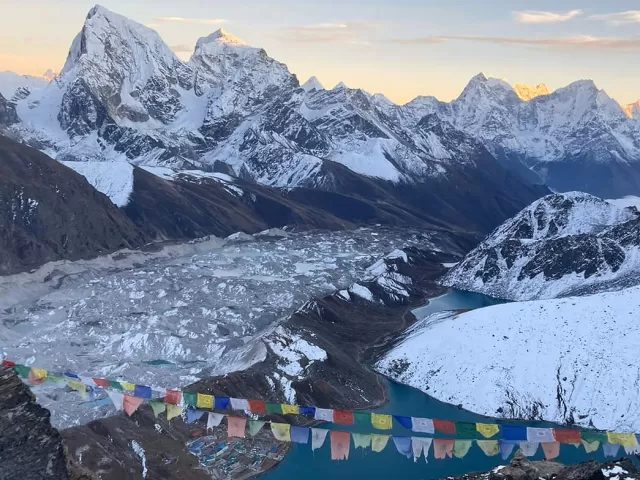
Gokyo Lake and Gokyo Ri Trekking: A Journey into the Heart of the Everest RegionGokyo Lake Trekking is one of the most picturesque adventures in the Everest region. The trek offers breathtaking views of Himalayan glacier lakes and the majestic Ngozumpa Glacier. This trek takes you through the serene Gokyo Valley, home to the famous Gokyo Lakes and Gokyo Ri, a perfect destination for nature lovers and photographers alike.The trek to Gokyo Lakes is a high-altitude trek in Nepal experience that combines scenic beauty, adventure, and cultural exploration. Along the way, trekkers enjoy stunning vistas of Cho Oyu, Everest, and other Himalayan peaks. The sunrise view from Gokyo Ri is an unforgettable highlight, revealing a panorama of snow-capped giants. The trail also offers bird-watching opportunities in Gokyo Valley, making it a favourite for nature enthusiasts.For a more adventurous experience, the Renjo La Pass trek connects Gokyo Valley to the Everest Base Camp route, creating an epic journey known as the Everest Base Camp via Gokyo trek. Whether you're looking for an affordable Gokyo trek package or a luxury Gokyo Lake trek, there are options to suit every preference.The best time for a Gokyo trek is spring and autumn, when the weather is clear and the trails are at their best. Trekkers can choose guided treks to Gokyo Lakes, ensuring safety and expert guidance. Sustainable trekking in Gokyo also helps protect the region's fragile environment and supports local communities.From cultural exploration to panoramic Himalayan views, the Gokyo and Everest panorama trek offers something for everyone. Trekking lovers should embark on this adventure in Nepal for a lifetime of memories.Gokyo Lake and Gokyo-Ri trekking itinerary:Asiana Treks and Tours has the perfect Gokyo Lake and Gokyo-Ri trekking itinerary. Travellers who desire to explore Nepal with moderate physical fitness. You'll discover the best places for breathtaking views from the city to the countryside. Experience the contrast of cold nights at Gokyo with a stunning view of the mountain wall- an unforgettable lifetime journey.Gokyo Lake and Gokyo-Ri Trekking Distance:The Everest Gokyo-Ri trek takes 13 days, with 4- to eight-hour walking days, and is approximately 97 km, or 61 miles, depending on the itinerary and acclimatisation days.Everest Gokyo Ri Trekking route:Gokyo Lake and Gokyo Ri Trekking route showcases awe-inspiring natural beauty. Starting in lush valleys with terraced fields and traditional Sherpa villages, Villages, the journey unfolds amidst the Himalayan foothills. Rhododendron forests bloom in spring, accompanied by cascading waterfalls and snow-capped peaks. As you traverse wildflower meadows and cross suspension bridges over mountain streams, the landscape evolves as you ascend. As you approach Everest Gokyo-Ri, rugged terrain and glacial moraines dominate, leading to panoramic views of towering peaks. The Trek promises unforgettable moments, whether you're a seasoned trekker or a novice adventurer, offering an unparalleled journey through Earth's most breathtaking landscapes and the top of the world.Gokyo Lake and Gokyo Ri Trekking Price:Our Everest Gokyo-Ri package tour ensures reliability in terms of cost, itinerary, and overall experience. The Everest Gokyo Ri trek typically ranges from US$ 1300 to 2000, depending on group size, service level, guide and porter services, transportation preferences, and accommodation category in Kathmandu. This cost estimate depends on the type of trekking gear and accommodation preferences. Gokyo Lake and Gokyo-Ri trekking Height:The Everest Gokyo-Ri trekking and tours start from the bustling city of Kathmandu at an altitude of 1337 meters. From Kathmandu, take a flight to Lukla or, during peak season, from Ramechhap. You'll descend to the beautiful Manthali headquarters of Ramechhap, 474 meters above sea level. If you fly from Manthali to Lukla, you'll embark on your journey, descending and crossing the green forest to Chheplung; finally, the Trek culminates at Everest Base Camp at a breathtaking height of 5,357 m /17575 ft.Major villages of Gokyo Lake and Gokyo-Ri Trekking:The major Sherpa villages along the Gokyo Lake and Gokyo-Ri Trekking route are Lukla, Chheplung, Thado Koshi, Phakding, Taktok, Banker Manjo, Jorsalle, Namche, Sanasha, Dole, Machermo, Gokyo, Phorste, Tangboche, Phungithanga. Return from the same route and follow the same path back to Lukla via Sanasa and Namche. These villages are significant landmarks and offer scenic beauty and accommodation options along the Everest Gokyo-Ri Trekking route.Best Viewpoints: Gokyo Lake and Gokyo -Ri Trekking:These viewpoints provide unforgettable experiences, highlighting the beauty of Gokyo Lake and the Gokyo-Ri Trek. Everest Gokyo-Ri Trek offers breathtaking views, showcasing stunning panoramas of the surrounding Himalayan peaks. Here are the critical views along the route:On a clear day, board your Flight to Lukla or Ramechhap, and try to get a seat on the left-hand side for breathtaking views of the countless Himalayan peaks, from the Langtang Himalayan range to the majestic Mt Everest.Hillary Bridge: Halfway to Namche, you will first catch a majestic view of Everest. Hillary Park Sagarmatha Head Headquarters: At the top of Namche Headquarters of Sagarmatha National Park, Hillary Park, you have stunning views of Many Himalayan ranges, including Mt Everest.Everest View Hotel: From Everest View Hotel, you can enjoy unparalleled vistas of Everest and neighbouring peaks, Dole Viewpoint: Located near the village of Dole, this viewpoint provides early glimpses of Cho Oyu and other peaks, setting the stage for the spectacular views to come further along the trek.Machhermo Viewpoint: This viewpoint is situated above the village of Machhermo and offers beautiful views of the surrounding peaks, including Thamserku, Kangtega, and Cho Oyu. It's a great spot to acclimatise and enjoy the landscape.Gokyo Lakes: A series of turquoise lakes set against snow-capped peaks. The third lake, Dudh Pokhari, is particularly stunning. The area around the lakes provides spectacular photo opportunities and serene spots to enjoy the natural beauty.Gokyo Ri (5,357 meters / 17,575 feet): The trek's highlight, Gokyo Ri offers panoramic views of four of the world's highest peaks: Everest, Lhotse, Makalu, and Cho Oyu. The climb to the summit is challenging but rewarding, with unparalleled vistas of the Gokyo Lakes and the Ngozumpa Glacier, the longest glacier in the Himalayas.Ngozumpa Glacier: You can see the longest glacier in the Himalayas from several points along the trek. The glacier's dramatic ice formations and moraines are awe-inspiring, especially from the nearby hills.Scoundrel's Viewpoint: This viewpoint sits above the fifth Gokyo Lake and offers a more secluded, equally impressive view of Everest, Lhotse, Makalu, and Cho Oyu. It's less frequented by trekkers, providing a tranquil spot to take in the grandeur of the Himalayas.Flora and Fauna in the Gokyo Lake and Gokyo-Ri Trekking :Gokyo Lake and Gokyo-Ri Trekking are also in Sagarmatha National Park. It is home to diverse flora and fauna: pine and hemlock forests occur at lower altitudes, while fir, juniper, birch, rhododendron, scrub, and alpine plants thrive at higher elevations. Sagarmatha National Park is home to a diverse range of animals, including red panda, snow leopard, musk deer, Himalayan tahr, marten, Himalayan mouse hare (pika), and over 118 bird species, such as the Impeyan pheasant, snow cock, blood pheasant, and red-billed cough.Festivals and Culture of Everest Gokyo-Ri Trekking:The Gokyo Lake and Gokyo-Ri Trek offer a cultural immersion into Sherpa traditions. A highlight is the Dumji and Mani Rimdu Festival at Tengboche Monastery, held annually in October or November. This vibrant celebration features sacred dances and colourful ceremonies, providing insight into Sherpa culture.Buddhism, a central pillar of Sherpa life, is beautifully woven into the Trek's fabric. It's evident in the monasteries, prayer flags, and Mani walls that dot the route. Visitors are not just spectators but can actively participate in Buddhist rituals, fostering a deeper understanding of Sherpa spirituality and their profound connection to nature.In their harmonious coexistence with nature, Sherpas practice sustainable living through eco-friendly methods like using yak dung as fuel and managing waste. These practices, born of necessity and deep respect for the environment, testify to the Sherpas' ingenuity and their role as responsible stewards of the land. This practice inspires respect and admiration. People and Hospitality of Gokyo Lake and Gokyo-Ri TrekkingNepal is a country where warm hospitality and incredible values are not just customs but deeply ingrained parts of its culture. Whether a foreign visitor or a local, you're greeted with open arms, friendly smiles, and a radiant manner. This tradition of hospitality, rooted in Hinduism, Buddhism, and traditional customs, treats guests as blessings and shows them utmost respect, generosity, and kindness.The Sherpa people, an indigenous ethnic group with a unique blend of Tibetan Buddhism and ancient Bon rituals, epitomise these values. Residing in the upper Khumbu area, they welcome guests with a distinct warmth and an unwavering spirit of hospitality, marked by their renowned honesty and loyalty.Advantages of booking with Asiana Treks and Tours:Private transport for airport transfers to/from your hotel.• Trip briefing on Facebook and online if you love to connect.• Last-minute booking at your hotel at a suitable time after your arrival.• Easy booking and reservation system.• Multi-channel communication via Email, WhatsApp, Facebook, Viber, Skype; 24/7 phone communication at +977-9851076270• Free excess luggage storage during the Trek• Oximeters are provided to examine blood oxygen saturation at high altitudes to detect altitude sickness early.• Medical kits along the Trek and hot airbags are available in winter• Arrange sleeping bags, duffel bags, down jackets, and walking poles if you don't have your own.Trek Booking for Gokyo Lake and Gokyo-Ri Trekking:Asiana Treks and Tours is the best and most trusted trek and tour company operator authorised by the Nepal government. We require a 10% advance payment to book your trip, and you'll need to send us a copy of your passport, photos, travel insurance, and flight details as soon as you book a tour with us. You can pay by bank transfer, Western Union, or online through our website. You can pay the remaining trip cost upon arrival in Nepal. We offer last-minute bookings, but changes may occur due to circumstances like bad weather.Transportation for Gokyo Lake and Gokyo-Ri trekking:Asiana Treks and Tours Organises all transportation logistics from start to end, based on group size and agreement, including pickups and drop-offs and flights between Kathmandu and Lukla for World Heritage site tours. Our services for all groups ensure convenient travel arrangements, whether a World Heritage tour or Flight tickets, and are tailored to the group, prioritizing safety, comfort, and efficiency. We aim to provide the best and most enjoyable travel experience, meeting the highest standards of safety and comfort.Trekking Start to Gokyo Lake and Gokyo-Ri Trekking:Your Gokyo Lake and Gokyo-Ri Trek begins with a warm welcome in Kathmandu. Our team member will greet you at Tribhuvan International Airport. We'll take you to your hotel in a private vehicle, ensuring a comfortable, hassle-free start to your adventure. This will set the tone for a memorable journey. If you miss the regular trip briefing, don't worry. We'll provide it at a convenient time before departure in Pokhara, either before a World Heritage tour the following morning or the next day; we'll then proceed to the airport for the flight to Lukla or drive the 4-hour Manthali and fly to Lukla.Currency Exchange:The Nepalese rupee is the currency of Nepal, and 1 USD is approximately 130 NPR. Nepal accepts only NPR, so it's best to bring cash to make transactions easier. Banks and ATMs in Kathmandu offer currency exchange services, but most banks prefer new, crisp notes. Our Team: The Asiana Treks and Tours team is professional, reliable, and responsible. They are well-trained, friendly, radiant, and fluent in English. You can feel comfortable sharing anything with them. They are experts in local culture, history, vegetation, food, accommodation, weather conditions, and first aid medication. They are also environmentally conscious and respect animals' rights. However, please do not provoke them for personal gain during the trip. While you can enjoy your holiday with them, we kindly request that you do not try to change their customs, beliefs, religion, culture, or traditions. Our staff and we are committed to making your adventure trip unforgettable memories of a lifetime journey in Nepal.Guide and Porter Arrangement for Lake and Gokyo-Ri Trekking:Asiana Treks and Tours focuses on responsible tourism in Nepal. We ensure our guides and porters are well trained in Trekking and mountaineering. They know a lot about the areas we go to, including geography, history, customs, and culture. We train them regularly in safety, first aid, and environmental conservation. We follow guidelines to treat our porters fairly, providing them with good pay, accommodation, and meals during treks. Our guides and porters are essential team members, and we appreciate their hard work. When you trek with us, you support ethical tourism in Nepal, making your trip meaningful and memorable.Asiana Treks and Tours prioritises your safety and enjoyment. Our knowledgeable guides, reliable equipment, and safety measures ensure a great trekking experience in Nepal.Porter, Luggage, and extra Luggage storage:We cover the cost of porters for your Luggage, but the maximum weight limit is 12 kg per person. Each porter carries Luggage for two trekkers; please share a duffel bag with another. Our porters will carry up to 25 kg each. If you need a porter, we can arrange one for you. We also recommend carrying a small backpack for your valuables and important documents. You can leave extra Luggage at our office for free and at a hotel in Pokhara, Namche, etc.Accommodation during the Gokyo Lake and Gokyo-Ri Trekking:Accommodations during the Gokyo Lake and Gokyo-Ri Trek vary. Along the trekking route, you'll stay in guest houses, known as teahouses or lodges. These basic lodges offer rooms, dining areas, and toilets. Guest house quality varies but remains affordable and convenient for trekkers. Rooms typically have twin or bunk beds and shared bathrooms, and they include blankets and pillows. Our company can offer a sleeping bag if you don't have one. You'll spend nine nights in lodges along the trekking route and three nights in a hotel in Kathmandu. Some places and lodges have attached bathrooms, while others offer simple yet clean rooms with shared facilities. We can arrange solo trekking if you're travelling alone. In high season and in certain areas, availability may be limited, although we do our best. In Kathmandu or Pokhara, your hotel room will have excellent amenities, including TV, 24/7 hot water, electricity, and laundry service. Meals during the Gokyo Lake and Gokyo-Ri Trekking:Eating well is essential since the Everest Gokyo-Ri Trek takes you through the Himalayas. You'll have plenty of nutritious meals in the trekking regions, although the options won't be as varied as in the cities. You'll get fifteen breakfasts, eleven lunches, and ten dinners during the Trek. The menu includes local, Asian, and Western dishes, but it gets more straightforward as you climb higher. Try popular Nepali foods like lentils, rice, curry, dumplings, noodles, spaghetti, and many more. We highly recommend eating fresh vegetables and drinking liquids like green tea, lemon tea, hot lemon, ginger tea, and garlic soup, especially at high altitudes. While non-vegetarian options are available during the Trek, we suggest avoiding them for hygiene reasons. It's also best to avoid dairy, cheese, alcohol, caffeine, and hot chocolate. Personal expenses like alcoholic drinks, extra beverages, and cafes aren't included in the package.Drinking water during the Gokyo Lake and Gokyo-Ri Trekking:Nepal is the second country in the world in terms of water sources after Brazil. According to the Nepal government, only 27% of people have access to clean drinking water. You can buy mineral water in teahouses, but it is expensive. Local people do not prefer plastic bottles in some trekking areas, so some safe drinking water stations let you refill your bottle. However, we recommend carrying Steripen, iodine drops, water purification tablets for safe drinking, and refillable water bottles for boiled or filtered water. We strongly advise against drinking from taps, wells, or rivers in trekking areas. However, in all the city areas, Mineral water is available at a reasonable cost everywhere.Extra Personal Expenses:Your Trip covers most expenses during the Trek; you'll need to pay for extra accommodations and meals in Kathmandu, souvenirs, and beverages. We estimate about USD 15-25 per trekking day for miscellaneous expenses. However, personal expenses depend on your Income, habits, and style.Toilet Facilities During the Gokyo Lake and Gokyo-Ri Trekking:Most teahouses have Western-style flush toilets during mountain treks, especially at lower elevations. But as you go higher, you'll find simple squat toilets along the trails and in teahouses at higher altitudes. These toilets usually have water and toilet paper, but it's a good idea to bring your own just in case. You can also use restrooms at nearby teahouses or find a private spot along the trekking routes.Internet Connectivity during the Gokyo Lake and Gokyo-Ri Trekking:While trekking in Nepal's Himalayan region, staying connected with family and friends is also a good idea. You can find internet access at teahouses and lodges, but it may cost extra. The signal might be weak because of the remote location. You can also get internet access using a local SIM card and data packages available at Kathmandu airport or nearby shops in Thamel. You'll need a passport-sized photo and a copy of your passport to get a SIM card. It's a good idea to compare prices and data packages from telecom companies like Ncell and Nepal Telecom before buying. Knowing about teahouse connectivity. Our guide will suggest connections for you. Electricity voltage and plugs: However, 95% of Nepali people had access to electricity as of May 29, 2023. Almost all popular trekking routes, teahouses, and lodges have electricity. However, some isolated and solo trekking tea houses in the jungle don't have electricity; most tea houses let travellers charge for their devices for a small fee. The average electrical voltage in Nepal is 230 volts, with plug types like Type C, Type D, and Type M. Travellers should bring a suitable adapter and, if needed, a voltage converter for their electronic devices.Communication during the Gokyo Lake and Gokyo-Ri Trekking:The guest houses in the trekking regions have internet access. You could buy a SIM card at Tribhuvan International Airport in Kathmandu and Namche. However, the signal may be weaker at high altitudes. Our office keeps in touch with all trekking teams via the trek guide at least once daily to ensure everything goes as planned.Trip Extension:Suppose you have extra days in Nepal after the Trek. In that case, we can arrange a tour, an overnight stay at Nagarkot Balthali or any other place around Kathmandu and Chitwan, jungle safari, paragliding, rafting, canyoning, or other treks. Do not hesitate to inform us. We will create the best for you.Trek Difficulty:The Gokyo Lake and Gokyo-Ri Trek presents a moderate, challenging, yet enriching adventure. Your enjoyment of the trip will largely depend on your fitness level. We recommend building stamina at least two weeks before the Trek. Activities include jogging, running, swimming, or taking long hikes to build stamina for the journey ahead.Completing this Trek is achievable even if you're a beginner, as long as you maintain a reasonable fitness level. Prior trekking experience can be advantageous, though it is optional. All you need is the readiness to hike steadily for 4-8 hours and navigate tricky terrain.Suppose trekkers have pre-existing medical conditions, such as lung or heart diseases. In that case, they should consult their physician before booking the Trek to ensure their safety and well-being throughout the journey.Trip Safety During the Gokyo Lake and Gokyo-Ri Trekking:We give this top priority. We provide experienced guides, first aid kits, and necessary safety gear to ensure a safe trek. Our team monitors weather and trail conditions and takes precautions to avoid risks. Before starting the Trek, we discuss the trip to provide a clear understanding and ensure a reliable experience. Group & Private Treks information for the Gokyo Lake and Gokyo-Ri Trekking:We organise many group and private treks simultaneously, with discounts available for larger groups. Every group will have a trekking guide and porters. Regarding larger groups, we provide an assistant guide. Our team ensures a safe and enjoyable trekking experience for all participants.About solo travellers:If you're a solo traveller, please contact us to confirm departure dates before booking. You can tell us via call, WhatsApp, or email. We have listed upcoming departure dates for your convenience. Feel free to share the trip details with friends and family.Notes: Please be aware that the itinerary may change due to weather or other factors, and we'll adjust it accordingly for the group's safety and enjoyment. We look forward to guiding you through the stunning landscapes of the Annapurna region and ensuring a memorable trekking experience. Responsible Travel:We prioritise responsible travel to minimise environmental impact and support local communities. We collaborate with organisations like the Kathmandu Environmental Education Project (KEEP) to promote eco-friendly practices in trekking regions.Graduate:Gratuities or tipping is appreciated in Nepali culture and reflects the quality of service provided. You decide how much to tip, but we recommend tipping as a group at the end of the trip.End of Trek:On the eleventh day, you'll take a bus from Pokhara back to Kathmandu, which takes about seven hours. Alternatively, you can fly from Pokhara to Kathmandu for an extra fee. In the evening, we'll host a farewell dinner in Kathmandu. Departure:On your departure day, we'll pick you up from your hotel and transfer you to Tribhuvan International Airport. We hope you enjoyed the Nepal trek and will consider returning for more adventures in Nepal.Feedback:After you complete the Everest Gokyo-Ri Trek, we'll organise a farewell dinner in Kathmandu and present you with a trekking achievement certificate. After the dinner, you can provide feedback about the Trek on travel portals.Last-Minute Booking:If you can't book in advance, we offer last-minute bookings. Last-minute booking offers are available but may cost slightly more than regular departure dates. Those opting for last-minute bookings must pay an additional 7% of the total trip cost on our website. While we strive to accommodate last-minute requests, we do our best to fit them around your last-minute booking holiday.Special Note: Please remember that unforeseen circumstances, such as inclement weather or unavailable lodging, may change the schedule. Your trip guide will design a fresh schedule based on the group's interests in such circumstances. Everest Regions Trekking Blog Post List:Asiana Treks & Tours offers an insightful blog on the Everest region, providing valuable information for trekkers. Explore stunning landscapes, local culture, and practical tips for your journey.Why Everest Base Camp Trek Should Be Your Next Adventure: Top ReasonsBeginner's Guide to Everest Base Camp TrekUnderstanding the Everest Base Camp Trek’s DifficultyEverest Base Camp Trek: Best Seasons (March-Mid June, Sep-Nov)Choosing the Best Route for Everest Base CampMajor Facts About the Everest Base Camp Trekking AdventureHiking from Gorak Shep to Kala Patthar & Everest Base CampIs There an Age Limit for Everest Base Camp Trekking?Is Everest Base Camp Trekking Possible for Women? Absolutely!The Complete List of Permits and Documents for Everest Region TreksMeals and Accommodation in the Everest RegionAccommodation Types in the Everest RegionTop Everest Region Trekking Packages 2025/2026Annapurna Base Camp vs Everest Base Camp: The Best TrekTrekking Permit Requirements for Different Regions in NepalThe First Viewpoint to See Mount EverestThe Beauty of Gokyo Lake with Views of EverestDiscovering the Beauty of Gokyo Lakes with Gokyo RiWhy Choose Everest Three Passes Trekking in NepalWhy Trek Everyone is the Ultimate Guide to Everest Base CampTrekking the Everest Three High Passes: Renjo La, Cho La & Kongma LaLukla: The Trekker's Ultimate GatewayAmazing Facts About Tenzing-Hillary Airport (Lukla Airport)Exploring Phakding: The First Step Toward EverestNamche Bazaar at 3,440m: A Rest Stop with a ViewTengboche Monastery: The Heartbeat of the KhumbuDingboche: The Smart Stop for Acclimatisation and Stunning ViewsLobuche: A High-Altitude Himalayan Gem – History, Culture, Geography & Trekking HighlightsDiscover Everest Dudhkoshi Cultural Trek for BeginnersTraversing the Heart of Solu: Jiri to Sete, Junbesi & Nunthala via the Lamjura-La PassSacred Trails and Alpine Dreams: A Journey Through Pikey Peak, Dudh Kunda, and the Hidden Hamlets of SolukhumbuWhy Choose Everest Three Passes Trekking in NepalThe First Successful Summit: Sir Edmund Hillary and Tenzing NorgayHistory of Mount Everest : International Everest DayWhy Trek: Everyone is the Ultimate Guide to Everest Base CampFAQs for Hiking to the Roof of the World (Everest Region
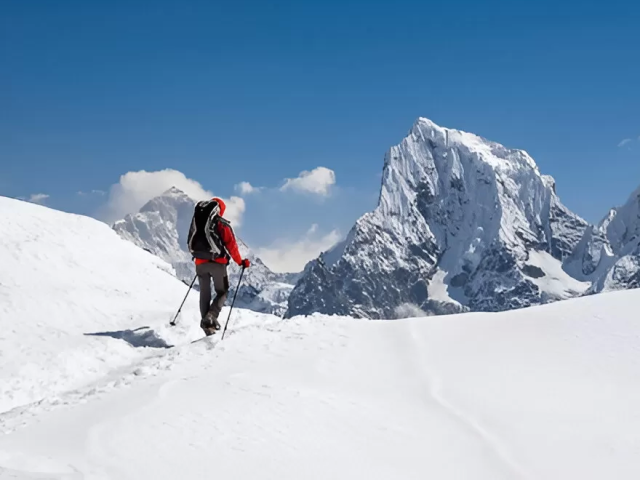
The Gokyo Renjo-La Pass Trek offers a unique alternative to the traditional Everest Base Camp trail, providing an off-the-beaten-path adventure filled with breathtaking scenery and cultural richness. This trek is best for those seeking solitude and exclusivity while exploring the majestic Everest region. Asiana Treks and Tours' Gokyo Valley and Renjo-La Pass Trek take you through stunning snowy peaks, glacial landscapes, pristine Lakes, and vibrant Sherpa culture.The Khumbu region, home to the mighty Mahalangur Himalaya, boasts four of the world's tallest peaks—Everest (8,848m), Lhotse (8,516m), Makalu (8,485m), and Cho Oyu (8,201m)—along with picturesque valleys and awe-inspiring glaciers. The highlight of this trek is the Gokyo Valley, famous for its five turquoise lakes surrounded by towering silver peaks. You'll also cross the iconic Renjo-La Pass (5,345m) and climb Gokyo Ri (5,357m), which offers unparalleled 360-degree panoramic views of Everest, Lhotse, Makalu, Nuptse, Ama Dablam, and many more.The journey also takes you through Sagarmatha National Park, a UNESCO World Heritage Site, where you'll encounter diverse flora and fauna, including musk deer, Himalayan tahrs, lophophorus (Nepal's national bird), and maybe even the mythical Yeti! The Ngozumpa Glacier, the largest in the Himalayas, is another stunning highlight, stretching from Cho Oyu to Dole.Immerse yourself in the unique blend of Nepalese and Tibetan Buddhism, as seen in the Sherpa villages adorned with monasteries, prayer flags, and mani walls. The eco-conscious practices in this region ensure a sustainable trekking experience, preserving its pristine beauty for future travellers.This 14-day trek can also be combined with the Three High Passes Trek or other Everest region adventures. Start your holiday on this unforgettable journey to the heart of the Himalayas in NepalGokyo-Ri and Renjo Pass Trekking itinerary:Asiana Treks and Tours has the perfect Gokyo-Ri and Renjo-La Pass Trek itinerary. Travellers who desire to explore Nepal with moderate physical fitness. You'll discover the best places for breathtaking views from the city to the countryside. Experience the contrast of cold nights at Gokyo to a stunning view of the mountain wall, an unforgettable lifetime journey.Gokyo-Ri and Renjo-La Pass Trekking Distance:Gokyo-Ri and Renjo-La Pass Trekking takes 13 days, with 4 to eight-hour walking days, and is approximately 97 km, or 61 miles, depending on the itinerary and acclimatisation day.Gokyo-Ri and Renjo-La Pass Trekking Route:Gokyo-Ri and Renjo-La Pass Trekking route showcases awe-inspiring natural beauty. Starting in lush valleys with terraced fields and traditional Sherpa. Villages, the journey unfolds amidst the Himalayan foothills. Rhododendron forests bloom in spring, accompanied by cascading waterfalls and snow-capped peaks. Traversing wildflower meadows and crossing suspension bridges over mountain streams, the landscape evolves as you ascend. Approaching Gokyo-Ri and Renjo-La Pass, rugged terrain and glacial moraines dominate, leading to panoramic views of towering peaks. The Trek promises unforgettable moments, whether you're a seasoned trekker or novice adventurer, offering an unparalleled journey through Earth's most breathtaking landscapes and top of the world. Gokyo-Ri and Renjo-La Pass Trekking Price:Our Gokyo-Ri and Renjo-La Pass Trekking package tour ensures reliability in terms of cost, itinerary, and overall experience. The Gokyo Ri and Renjo-La Pass trek typically ranges from US$1300 to 2000, depending on group size, service level, guide and porter services, transportation preferences, and accommodation category in Kathmandu. This cost estimation is subject to the types of trekking gear and accommodation preferences. Gokyo-Ri and Renjo-La Pass Trekking Height:The Gokyo-Ri and Renjo-La Pass trekking and tours start from the bustling city of Kathmandu at an altitude of 1337 meters. From Kathmandu, take a flight to Lukla or during peak season from Ramechhap. You'll descend to the beautiful Manthali headquarters of Ramechhap, 474 meters above sea level. If you Fly from Manthali to Lukla, you'll embark on your journey descending to crossing by the green forest to Chheplung; finally, the Trek culminates at Everest Base Camp at a breathtaking height of 5,357 m /17575 ft.Major villages of Gokyo-Ri and Renjo-La Pass Trekking:The major Sherpa villages along the Gokyo-Ri and Renjo-La Pass Trekking route are Lukla, Chheplung, Thado Koshi, Phakding, Taktok, Banker Manjo, Jorsalle, Namche, Sanasha, Phugithanga, Tangboche, Diboche, Pangboche, Somera, Dingboche, Thukla, Labuche, and Gorekshep Return from the same route and follow the same path back to Lukla. These villages are significant landmarks and offer scenic beauty and accommodation options along the Gokyo-Ri and Renjo-La Pass Trekking routes.Best Viewpoints Gokyo-Ri and Renjo-La Pass Trekking:These viewpoints provide unforgettable experiences, highlighting the beauty of the Gokyo Lake and Gokyo-Ri Trek. Everest Gokyo-Ri Trek offers breathtaking views, showcasing stunning panoramas of the surrounding Himalayan peaks. Here are the critical views along the route: On a clear day, board your Flight to Lukla or Ramechhap, ensuring a seat on the left-hand side for a breathtaking view of the uncountable Himalayan peaks, from the Langtang Himalayan range to the majestic Mt Everest. Hillary Bridge: After halfway from Hillary Bridge to Namche, you will first glimpse the majestic Everest view. Hillary Park Sagarmatha Head Headquarters: At the top of Namche Headquarters of Sagarmatha National Park, Hillary Park, you have a stunning surrounding view of Many Himalayan ranges, including Mt Everest. Everest View Hotel: From Everest View Hotel, you can enjoy unparalleled vistas of Everest and neighbouring peaks, Dole Viewpoint: Located near the village of Dole, this viewpoint provides early glimpses of Cho Oyu and other peaks, setting the stage for the spectacular views to come further along the trek. Machhermo Viewpoint: This viewpoint is situated above the village of Machhermo and offers beautiful views of the surrounding peaks, including Thamserku, Kangtega, and Cho Oyu. It's a great spot to acclimatize and enjoy the landscape. Gokyo Lakes: A series of turquoise lakes set against snow-capped peaks. The third lake, Dudh Pokhari, is particularly stunning. The area around the lakes provides spectacular photo opportunities and serene spots to enjoy the natural beauty. Gokyo Ri (5,357 meters / 17,575 feet): The highlight of the trek, Gokyo-Ri, offers panoramic views of four of the world's highest peaks: Everest, Lhotse, Makalu, and Cho Oyu. The climb to the summit is challenging but rewarding, with unparalleled vistas of the Gokyo Lakes and the Ngozumpa Glacier, the longest glacier in the Himalayas. Ngozumpa Glacier: The longest glacier in the Himalayas is visible from several points along the trek. The glacier's dramatic ice formations and moraines are awe-inspiring, especially from the nearby hills.Scoundrel's Viewpoint: This viewpoint is above the fifth Gokyo Lake and offers a more secluded and equally impressive perspective of Everest, Lhotse, Makalu, and Cho Oyu. It's less frequented by trekkers, providing a tranquil spot to take in the grandeur of the Himalayas.Flora and Fauna in the Gokyo-Ri and Renjo-La Pass Trekking :Gokyo-Re and Renjo-La Pass Trekking are also in Sagarmatha National Park. It deserves many different flora and fauna, Where pine and hemlock forests are found at lower altitudes, and fir, juniper, birch, rhododendron, scrub, and alpine plants thrive at higher elevations. Sagarmatha National Park is inhabited by a diverse range of animals, like red panda, snow leopard, musk deer, Himalayan tahr, marten, Himalayan mouse hare (pika), and over 118 bird species, such as the Impeyan pheasant, snow cock, blood pheasant, and red-billed cough.Festivals and Culture of Gokyo-Ri and Renjo-La Pass Trekking:The Gokyo-Ri and Renjo-La Pass Trek offer a cultural immersion into Sherpa traditions. A highlight is the Dumji and Mani Rimdu Festival at Tengboche Monastery, held annually in October or November. This vibrant celebration features sacred dances and colourful ceremonies, providing insight into Sherpa culture.Buddhism, a central pillar of Sherpa life, is beautifully woven into the Trek's fabric. It's evident in the monasteries, prayer flags, and Mani walls that dot the route. Visitors are not just spectators but can actively participate in Buddhist rituals, fostering a deeper understanding of Sherpa spirituality and their profound connection to nature.In their harmonious coexistence with nature, Sherpas practice sustainable living with eco-friendly methods like using yak dung as fuel and waste management. These practices, born out of necessity and deep respect for the environment, are a testament to the Sherpa's ingenuity and their role as responsible stewards of the land. It's a practice that inspires respect and admiration. People and hospitality of Gokyo-Ri and Renjo-La Pass TrekkingNepal is a country where warm hospitality and incredible values are not just a custom but a deeply ingrained part of its culture. Whether a foreign visitor or a local, you're greeted with open arms, friendly smiles, and a radiant manner. This tradition of hospitality, deeply rooted in Hinduism, Buddhism, and traditional customs, sees guests as blessings and treats them with utmost respect, generosity, and kindness.The Sherpa people, an indigenous ethnic group with a unique blend of Tibetan Buddhism and ancient Bon rituals, epitomise these values. Residing in the upper Khumbu area, they welcome guests with a distinct warmth and an unwavering spirit of hospitality, marked by their renowned honesty and loyalty.Advantage book with Asiana Treks and tours: Private transport for airport transfers to/from your hotel.Trip briefing on Facebook and online if you love to connect.Last minute booking at your hotel at a suitable time after your arrival.Easy booking and reservation system.Multi-channel communication via Email, WhatsApp, Facebook, Viber, Skyp 24/7 phone communication at +977-9851076270Free excess luggage storage during the TrekOximeters are provided to examine blood oxygen saturation at high altitudes to detect altitude sickness early.Medical kits along the Trek and hot airbags are available in winterArrange sleeping bags, duffel bags, down jackets, and walking pools if you don't have your own.Trek Booking for Gokyo-Ri and Renjo-La Pass Trekking:Asiana Treks and Tours is the best and most trusted trek and tour company operator authorized by the Nepal government. We require a 10% advance payment to book your trip, and you'll need to send us a copy of your passport, photos, travel insurance, and flight details as soon as you book a tour with us. You can use bank transfer, or any other way like Western Union, or online via our website, which is easy. The remaining trip cost can be paid upon arrival in Nepal. We offer last-minute bookings, but changes may occur due to circumstances like bad weather. Transportation of Gokyo-Ri and Renjo-La Pass Trekking:Asiana Treks and Tours Organizes all transportation logistics from start to end, according to our group size and agreement, including pickups and drops of service to flights between Kathmandu and Lukla for ground transportation for World Heritage site tours. Our services for all groups ensure convenient travel arrangements, whether a World Heritage tour or Flight tickets, and are tailored to the group, prioritizing safety, comfort, and efficiency. We aim to provide the best and most enjoyable travel experience, meeting the highest standards of safety and comfort.Trekking Start to Gyoko-Re and Renjo-La Pass Trekking:Your Gokyo-Ri and Renjo-La Pass Trek begins with a warm welcome in Kathmandu. Our team member will greet you at Tribhuvan International Airport. We'll escort you to your hotel in a private vehicle, ensuring a comfortable and hassle-free start to your adventure. This will set the tone for a memorable journey.If you miss the regular trip briefing, don't worry. We'll provide it at a convenient time before departure, Pokhara, either before a World Heritage tour the following morning or the next day; we'll then proceed to the airport flight to Lukla or drive four 4-hour Manthali and Flight to Lukla.Currency Exchange:The Nepalese rupee is Nepali currency, and 1 USD is approximately 130 NPR. Only NPR is accepted in Nepal, so it's best to bring cash to facilitate transactions. Banks and ATMs in Kathmandu provide currency exchange services but note that most banks prefer new, crisp notes.Our Team:The Asiana Treks and Tours team is professional, reliable, and responsible. They are well-trained, friendly, radiant, and fluent in English. You can feel comfortable sharing anything with them. They are experts in local culture, history, vegetation, food, accommodation, weather conditions, and first aid medication. They are also environmentally conscious and respect the rights of animals.However, please do not provoke them for personal gain during the trip. While you can enjoy your holiday with them, we kindly request that you do not try to change their customs, beliefs, religion, culture, or traditions.We and our staff are committed to making your adventure trip unforgettable memories of a lifetime journey in Nepal. Guide and Porter Arrangement for Gokyo-Ri and Renjo-La Pass Trekking:Our company, Asiana Treks and Tours, focuses on responsible tourism in Nepal. We make sure our guides and porters are well-trained in Trekking and mountaineering. They know a lot about the areas we go to, including geography, history, customs, and culture. We train them regularly in safety, first aid, and environmental conservation. We follow guidelines to treat our porters fairly, providing them with good pay, accommodation, and meals during treks. Our guides and porters are essential team members, and we appreciate their hard work. When you trek with us, you support ethical tourism in Nepal, making your trip meaningful and memorable.Asiana Treks and Tours prioritizes your safety and enjoyment. Our knowledgeable guides, reliable equipment, and safety measures ensure a great trekking experience in Nepal.Porter, Luggage, and extra Luggage storage: We cover the cost of porters for your Luggage, but the maximum weight limit is 12 kg per person. Each porter carries Luggage for two trekkers; please share a duffle bag with another. Our porters will carry up to 25 kg each. If you need a porter for yourself, we can arrange that. We also recommend carrying a small backpack for your valuables and important documents. You can leave extra Luggage at our office for free and at a hotel in Pokhara, Namche, etc.Accommodation during the Gokyo-Ri and Renjo-La PassTrekking:Accommodations during the Gokyo-Ri and Renjo-La Pass Trek vary. Along the trekking route, you'll stay in guest houses, commonly known as teahouses. These basic lodges offer rooms, dining areas, and toilets. The quality of guest houses varies but remains affordable and convenient for trekkers. Rooms typically have twin or bunk beds and shared bathrooms, and blankets and pillows are available. Our company can offer a sleeping bag if you don't have one. You'll spend nine nights in lodges along the trekking route and three nights in a hotel in Kathmandu. Some places and lodges have attached bathrooms, while others offer simple yet clean rooms with shared facilities. We can arrange a solo trekking service if you're travelling solo. In high season and particular areas, availability may be limited for you, although we try our best. In Kathmandu or Pokhara, your hotel room will have excellent amenities, including TV, 24/7 hot water, electricity, and laundry service.Meals during the Gokyo-Ri and Renjo-La PassTrekking:Eating well is essential since the Gokyo-Ri and Renjo-La Pass Trek takes you through the Himalayas. You'll have plenty of nutritious meals in the trekking regions, although the options won't be as varied as in the cities. You'll get fifteen breakfasts, eleven lunches, and ten dinners during the Trek. The menu includes local, Asian, and Western dishes, but it gets more straightforward as you climb higher. Try popular Nepali foods like lentils, rice, curry, dumplings, noodles, Spagaties, and many more. We highly recommend eating fresh vegetables and drinking liquids like green tea, lemon tea, hot lemon, ginger tea, and garlic soup, especially at high altitudes. While non-vegetarian options are available during the Trek, we suggest avoiding them for hygiene reasons. It's also best to steer clear of dairy, cheese, alcohol, caffeine, and hot chocolate. Personal expenses like alcoholic drinks, extra beverages, and cafes aren't included in the package. Drinking water during the Gokyo-Ri and Renjo-La PassTrekking:Nepal is the second country in the world regarding water sources after Brazil. According to the Nepal government, only 27% of people here have clean drinking water. You can buy mineral water in teahouses, but it is expensive. Lokals people do not prefer plastic bottles in some trekking areas, so there are some safe drinking water stations where you can refill your bottle. However, we recommend carrying Steripen, iodine drops, water purification tablets for safe drinking, and refillable water bottles for boiled or filtered water. We strongly advise not to drink from taps, wells, and rivers in trekking areas. However, in all the city areas, Mineral water is available at a reasonable cost everywhere.Extra Personal Expenses:Your Trip covers most expenses during the Trek; you'll need to spend money on extra accommodations and meals in Kathmandu, souvenirs, and beverages. We estimate about USD 15-25 per trekking day for miscellaneous expenses. However, personal expenses depend on your Income, habits, and style.Toilet Facilities During the Gokyo-Ri and Renjo-La Pass Trekking:Most teahouses have Western-style flush toilets during mountain treks, especially at lower elevations. But as you go higher, find simple squat toilets along the trails and teahouses at higher altitudes. These toilets usually have water or toilet paper, but it's a good idea to bring your toilet paper just in case. You can also use restrooms at nearby teahouses or find a private spot along the trekking routes.Internet Connectivity during the Gokyo-Re and Renjo-La Pass trekkingWhile trekking in the Himalayan region of Nepal, connecting with your family and friends is also a good idea. You can find internet access at teahouses and lodges, but it might be extra minimal cost. The signal might be weak because of the remote location. You can also get internet access using a local SIM card and data packages available at Kathmandu airport or nearby shops in Thamel and Pokhara. You'll have a passport-sized photo and a copy of your passport to get a SIM card. It's a good idea to compare prices and data packages from telecom companies like Ncell and Nepal Telecom before buying. Knowing about teahouse connectivity. Our guide will suggest connections for you. Electricity voltage and plugs:However, 95 % of Nepali people have access to electricity as of May 29, 2023. almost popular trekking routes, teahouses, and lodges have electricity. However, some isolated and solo trekking tea houses in the jungle don't have electricity; most tea houses let travellers charge for their devices for a small fee. The average electrical voltage in Nepal is 230 volts, with plug types like Type C, Type D, and Type M. Travellers should bring a suitable adapter and, if needed, a voltage converter for their electronic devices.Communication during the Gokyo-Ri and Ranjo-La PassTrekking:The guest houses in the trekking regions have internet access. You could buy a SIM card at Tribhuvan International Airport Kathmandu and Namche. However, the signal may need to be more assertive at high altitudes. Our office keeps in touch with all trekking teams via the trek guide at least once daily to ensure everything goes as planned.Trip Extension:Suppose you have extra days in Nepal after the Trek. In that case, we can arrange a tour, overnight stay at Nagarkot Balthali or any other place around Kathmandu and Chitwan, jungle safari, paragliding, rafting, canyoning, or other treks. Do not hesitate to Inform us. We will create the best for you.Trek Difficulty:The Gokyo-Ri and Renjo-La Pass Trek presents a moderate, challenging, yet enriching adventure. Your enjoyment of the trip will largely depend on your level of fitness. We recommend building stamina at least two weeks before the Trek. Activities include jogging, running, swimming, or taking long hikes for the journey ahead.Completing this Trek is achievable even if you're a beginner, although you must maintain a reasonable fitness level. Prior trekking experience can be advantageous, though it is optional. All you need is the readiness to hike steadily for 4-8 hours, navigating tricky terrain.Suppose trekkers have pre-existing medical conditions, such as lung or heart diseases. In that case, they are advised to consult their physician before booking the Trek to ensure their safety and well-being throughout the journey.Trip Safety during the Gokyo-Ri and Renjo-La PassTrekking:We highly give top priority. We provide experienced guides with first aid kits and necessary safety gear to ensure a safe hand. Our team monitors weather and trail conditions and takes precautions to avoid risks. Before starting the Trek, we discuss the trip to provide a clear understanding and ensure a reliable experience.Group & Private Treks information for the Gokyo-Ri and Renjo-La Pass Trekking:We organize many group and private treks simultaneously, with discounts available for larger groups. Every group will have a trekking guide and porters. Regarding larger groups, we provide an assistant guide. Our team ensures a safe and enjoyable trekking experience for all participants.About solo traveller:If you're a solo traveller, please contact us to confirm departure dates before booking. You can tell us via call, WhatsApp, or email. We have listed upcoming departure dates for your convenience. Feel free to share the trip details with friends and family.Notes: Please be aware that the itinerary may change due to weather or other factors, and we'll adjust it accordingly for the group's safety and enjoyment. We look forward to guiding you through the stunning landscapes of the Annapurna region and ensuring a memorable trekking experience.Responsible Travel:We prioritize responsible travel to minimize environmental impact and support local communities. We collaborate with organizations like the Kathmandu Environmental Education Project (KEEP) to promote eco-friendly practices in trekking regions.Graduate:Graduate or tipping is appreciated in Nepali culture and reflects the quality of service provided. You decide how much to tip, but we recommend tipping as a group at the end of the trip.End of Trek:On the last day, you'll take a flight from Lukla back to Kathmandu, which will take about 35 minutes. Alternatively, we fly from Ramechhap to Kathmandu for an extra fee. In the evening, we'll host a farewell dinner in Kathmandu.Departure:On the day of your departure flight, we'll come to pick you up from your hotel and transfer you to Tribhuvan International Airport. We hope you enjoyed the Nepal trek and will consider returning for more adventures in Nepal.Feedback:After you complete the Gokyo-Ri and Renjo-la PassTrek, we'll organize a farewell dinner in Kathmandu and present you with a trekking achievement certificate. After the dinner, you can provide feedback about the Trek on travel portals.Last-Minute Booking:If you can't book in advance, we offer last-minute bookings. Last-minute booking offers are available but may cost slightly more than regular departure dates. Those opting for last-minute bookings must pay an additional 7% of the total trip cost on our website. While we strive to make last-minute requests, we try our best to accommodate according to your last-minute booking holiday.Special Note: Please remember that sometimes unforeseen circumstances, such as inclement weather or unavailable lodging, may cause the schedule to be changed. Your trip guide will design a fresh schedule based on the group's interests in such circumstances. Everest Regions Trekking Blog Post List:Asiana Treks & Tours offers an insightful blog on the Everest region, providing valuable information for trekkers. Explore stunning landscapes, local culture, and practical tips for your journey.Why Everest Base Camp Trek Should Be Your Next Adventure: Top ReasonsBeginner's Guide to Everest Base Camp TrekUnderstanding the Everest Base Camp Trek’s DifficultyEverest Base Camp Trek: Best Seasons (March-Mid June, Sep-Nov)Choosing the Best Route for Everest Base CampMajor Facts About the Everest Base Camp Trekking AdventureHiking from Gorak Shep to Kala Patthar & Everest Base CampIs There an Age Limit for Everest Base Camp Trekking?Is Everest Base Camp Trekking Possible for Women? Absolutely!The Complete List of Permits and Documents for Everest Region TreksMeals and Accommodation in the Everest RegionAccommodation Types in the Everest RegionTop Everest Region Trekking Packages 2025/2026Annapurna Base Camp vs Everest Base Camp: The Best TrekTrekking Permit Requirements for Different Regions in NepalThe First Viewpoint to See Mount EverestThe Beauty of Gokyo Lake with Views of EverestDiscovering the Beauty of Gokyo Lakes with Gokyo RiWhy Choose Everest Three Passes Trekking in NepalWhy Trek Everyone is the Ultimate Guide to Everest Base CampTrekking the Everest Three High Passes: Renjo La, Cho La & Kongma LaLukla: The Trekker's Ultimate GatewayAmazing Facts About Tenzing-Hillary Airport (Lukla Airport)Exploring Phakding: The First Step Toward EverestNamche Bazaar at 3,440m: A Rest Stop with a ViewTengboche Monastery: The Heartbeat of the KhumbuDingboche: The Smart Stop for Acclimatization and Stunning ViewsLobuche: A High-Altitude Himalayan Gem – History, Culture, Geography & Trekking HighlightsDiscover Everest Dudhkoshi Cultural Trek for BeginnersTraversing the Heart of Solu: Jiri to Sete, Junbesi & Nunthala via the Lamjura-La PassSacred Trails and Alpine Dreams: A Journey Through Pikey Peak, Dudh Kunda, and the Hidden Hamlets of SolukhumbuWhy Choose Everest Three Passes Trekking in NepalThe First Successful Summit: Sir Edmund Hillary and Tenzing NorgayHistory of Mount Everest : International Everest DayWhy Trek Everyone is the Ultimate Guide to Everest Base CampFAQs for Hiking to the Roof of the World (Everest Region
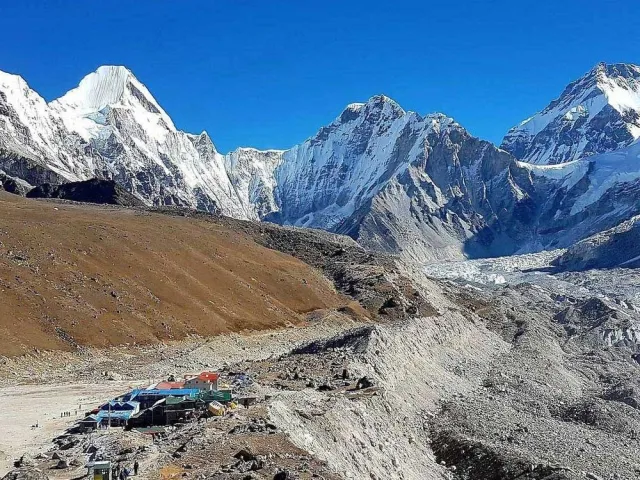
Embark on the ultimate Everest Base luxury trek in Nepal with Asiana Treks and Tours, where five‑star comfort meets high‑altitude adventure. From Kathmandu’s plush hotels to bespoke village lodges perched in the Himalayas, every detail is perfected—from pre‑trek gear fittings and private transportation to personalized porter arrangements and expert guides. Gourmet chef‑prepared meals, globally sourced as well as local-style, are served with panoramic Himalayan views. Included are exclusive wellness touches: hot‑stone baths, massage therapy, oxygen support, and snow‑cleared private en‑suite facilities in high‑altitude lodges.Tailored for discerning travelers, this Everest luxury holiday trekking experience blends adrenaline with indulgence. Optional helicopter return flights from Dzongla or Lobuche back to Kathmandu (or luxury campsite stays under the stars) deliver an unforgettable finale. Cultural evening receptions in Sherpa villages, whiskey‑tasting at Tengboche, and deluxe altitude‑adaptation rooms elevate your journey beyond the ordinary.Highlights:Luxury lodges with private heated bathrooms and power supplyPrivate guide, assistant guide, and specialized portersDaily chef‑prepared multi‑course meals & snacksSpa & massage treatments in Dingboche & NamcheOptional helicopter return (Lobuche → Kathmandu)2. 14‑Day Everest luxury trek in Nepal ItineraryDays 1–3: Arrive in Kathmandu, stay at 5-star hotels; fly to Lukla. Trek to Phakding, then Namche Bazaar. Evening at luxury lodge with private ensuite and ambient heating.Days 4–7: Acclimatization in Namche with charter helicopter sightseeing to Tengboche Monastery. Trek to Tengboche in luxury comfort. Move on to Dingboche with massage and spa treatment, then rest day to enjoy guided acclimatization hikes and Sherpa tea‑ceremony at your lodge.Days 8–10: Trek to Lobuche and onward to Everest Base Camp and Gorak Shep. Summit Kala Patthar at dawn from comfort‑equipped mountain lodge. Descend to Pheriche with nutritious high‑altitude meals and oxygen availability.Days 11–14: Return trek via Namche and Lukla with celebratory farewell dinners. Fly back to Kathmandu for deluxe hotel stays and city tour. Final day departure with VIP airport transfer and souvenir token from Asiana Treks.Summary:Days 1–3: Kathmandu → Lukla → Phakding → NamcheDay 4: Acclimatization & clinic tourDays 5–7: Namche → Tengboche → DingbocheDays 8–10: Dingboche → Lobuche → EBC → Gorak Shep → PhericheDays 11–12: Pheriche → Namche → LuklaDays 13–14: Fly to Kathmandu, departure3. Everest luxury trek in Nepal Distance (KM & Miles)Your Everest luxury trek spans approximately 110–130 km (68–81 miles) round‑trip, depending on specific lodge placements and acclimatization loops.Kathmandu → Lukla flight bypasses over 400 km (250 mi) by air travelTrek legs:Lukla → Phakding: ~8 km (5 mi)Phakding → Namche: ~10 km (6 mi)Namche → Tengboche: ~10 km (6 mi)Tengboche → Dingboche: ~12 km (7 mi)Dingboche → Lobuche: ~14 km (9 mi)Lobuche → EBC → Gorak Shep → Pheriche: ~16 km (10 mi)Pheriche → Namche: ~20 km (12 mi)Namche → Lukla: ~25 km (15 mi)Each day’s hiking is gentle, paired with rest after 5–7 hours, optimized for comfort and acclimatization. Helicopter return options reduce the final trek distance, creating a more leisurely conclusion.4. Everest luxury trek in Nepal Cost for 2026 & 2027Asiana Treks and Tours offers this upscale 14‑day luxury itinerary priced per person based on double occupancy:2026 Pricing: US $7,500 per person2026 Early‑Bird (book by Dec 31, 2025): US $7,200 per personWhat’s included:International/domestic flights & VIP terminals5‑star Kathmandu hotel with breakfastLuxury lodges (with ensuite toilets & heating)All meals (gourmet mountain‑cooked breakfast, packed lunch, four‑course dinner)Private guide, porter, chef, and kitchen staffHelicopter return (Lobuche → Kathmandu) + light baggage transportOxygen, spa massage in high‑altitude villagesPermits, insurance, and contingency helicopter rescueOptional extras:Single‑supplement room: US $800Private helicopter sightseeing (e.g., Everest summit flight): from US $2,500Pre/post trek luxury extensions (Chitwan safari, Pokhara lakeside stay)Asiana Treks and Tours ensures a seamless, indulgent experience on the world’s most iconic high‑altitude route.Everest Luxury Trek in Nepal Price Breakdown by Package – Asiana Treks and ToursThe Everest luxury trek 14 days by Asiana Treks and Tours offers a premium trekking experience with comprehensive services, safety, and comfort built into the price. This luxury trekking package is ideal for those who want to explore the Everest region with enhanced comfort, top-tier accommodation, and helicopter support. The cost ranges between USD 7,200 – 8,500 per person depending on season, group size, and helicopter return preferences.Inclusions cover everything: five-star hotels in Kathmandu, luxury mountain lodges (like Yeti Mountain Home and Everest Summit Lodge), three gourmet meals per day, porter services, licensed guide, domestic flights, permits, and even spa/massage access at high altitudes. The EBC luxury trek with helicopter return from Lobuche or Pheriche can be upgraded for an additional USD 1,200–1,500, eliminating the need for a long downhill walk.Price Breakdown:Standard Everest luxury trek: $7,200–$7,500Everest base camp luxury trek with heli return: $8,200–$8,500Single supplement (optional): $800Private Everest luxury heli tour: From $2,500Inclusions:5-star Kathmandu hotels, mountain lodgesMeals, flights, guide, porter, permitsWellness services, oxygen, private porterOptional helicopter returns for comfort2. Everest Luxury Trek in Nepal Height: Elevation in Meters and FeetThe Everest luxury holiday trekking journey takes you through some of the world’s most dramatic elevation gains, reaching Everest Base Camp at 5,364 meters (17,598 feet) and Kala Patthar at 5,545 meters (18,192 feet)—the highest point of the trek. Altitude is a serious consideration, and luxury accommodations help manage it better through proper acclimatization, supplemental oxygen, and heated rooms.Asiana Treks and Tours designs the Everest comfort trek itinerary with built-in rest days at Namche Bazaar (3,440m / 11,286ft) and Dingboche (4,410m / 14,468ft). This structured approach helps you adjust gradually, minimizing the risk of AMS (Acute Mountain Sickness). The trek begins in Lukla at 2,860m (9,383ft) and steadily rises day by day.Key Elevations:Kathmandu: 1,400m / 4,593ftLukla: 2,860m / 9,383ftNamche Bazaar: 3,440m / 11,286ftTengboche: 3,860m / 12,664ftDingboche: 4,410m / 14,468ftLobuche: 4,940m / 16,207ftEverest Base Camp: 5,364m / 17,598ftKala Patthar: 5,545m / 18,192ftWhy Elevation Matters:Gradual acclimatization improves success rateLuxury lodges offer heated rooms & oxygen for comfortHelicopter return helps avoid fatigue at high altitudes3. Why Everest Luxury Trek in Nepal Is a Must-Do TrekThe Everest luxury trek is not just a hiking journey—it’s a transformative experience that blends adventure, cultural immersion, and world-class comfort. With Asiana Treks and Tours, travelers experience the grandeur of Mount Everest with all the ease of luxury logistics: plush bedding, fine dining, spa treatments, private guides, and even scenic helicopter rides. Whether it’s sipping warm tea on a heated terrace in Namche or watching sunrise over Everest from Kala Patthar, every moment is curated for excellence.This trek also connects you with the rich Sherpa heritage. You'll visit iconic sites like Tengboche Monastery, dine in eco-lodges powered by solar, and engage with locals through organized cultural interactions. The EBC luxury trekking experience is also safer, thanks to proper acclimatization, backup helicopter evacuation, and premium care.Reasons to Choose Everest Luxury Trek:World’s highest luxury lodge-to-lodge trekCultural depth: Sherpa villages, monasteries, eco-tourismSafer: oxygen availability, slower pace, professional teamBest views of Everest, Ama Dablam, Lhotse, and NuptseOption for Everest luxury heli return for a stylish exit4. How to Prepare for the Everest Luxury Trek in NepalEven though the Everest base camp luxury trek is more comfortable than standard treks, it still demands physical readiness and smart preparation. You should begin training 2–3 months in advance with a focus on cardiovascular fitness (hiking, jogging, cycling) and leg strength (squats, lunges, step-ups). Include day hikes with a weighted backpack to simulate trekking conditions.Mentally, it's important to prepare for long trekking days at high altitude—even if you’ll be staying in luxury lodges. Pack smartly: breathable base layers, high-quality down jackets, waterproof outerwear, and broken-in trekking boots are essential. Asiana Treks and Tours provides a detailed pre-departure checklist, and their team assists with gear rental or purchase in Kathmandu.Trekking Preparation Tips:Fitness: Focus on cardio and leg enduranceGear: Quality trekking boots, thermal wear, rain gearAltitude: Acclimatization days are key; train at altitude if possibleMental prep: Stay flexible, and pace yourselfLogistics: Asiana handles permits, lodging, and guidesWith the right preparation, this luxury trekking in Nepal becomes a once-in-a-lifetime adventure—safe, enriching, and awe-inspiring.What to Expect on the Everest Luxury Trek in NepalThe Everest luxury trek in Nepal with Asiana Treks and Tours is an extraordinary journey combining the thrill of high-altitude trekking with five-star comfort. From the moment you land in Kathmandu, you're treated to high-end service—luxury hotel accommodations, private airport transfers, gourmet meals, and personalized trekking support. Once on the trail, you’ll stay in the finest mountain lodges in the region, each offering heated rooms, hot showers, premium bedding, and incredible views.Expect shorter hiking days compared to standard treks, giving you ample time to rest and acclimatize. You'll enjoy health-focused cuisine prepared with fresh ingredients, high-quality coffee and tea, and snacks between meals. Every lodge stop is carefully selected for both comfort and scenic beauty. There’s also the option of an Everest luxury trek with helicopter return, allowing you to fly back to Kathmandu after reaching Everest Base Camp or Kala Patthar—ideal for avoiding the long descent.Key Highlights:5-star hotels and deluxe lodges throughoutPrivate guide, porter, and support teamCustom meals, oxygen availability, wellness servicesHelicopter return options for comfort and easeCultural immersion in Sherpa villages2. Oxygen Levels on the Everest Luxury Trek in NepalOxygen levels decrease significantly as you ascend toward Everest Base Camp, and this can impact even the fittest trekkers. The air contains roughly 50% less oxygen at 5,300m (17,388 ft) compared to sea level. However, the Everest luxury trekking experience is designed to help you adapt safely and comfortably to high altitudes.With Asiana Treks and Tours, the itinerary includes two essential acclimatization days—in Namche Bazaar (3,440m) and Dingboche (4,410m)—to help your body adjust. Additionally, several of the luxury lodges provide oxygen cylinders and pulse oximeter monitoring, and your guide will assist with daily altitude checks. Lodges are equipped with heating, proper insulation, and medical support, making the experience more manageable and far safer than standard trekking.Oxygen Tips:Air has ~50% less oxygen at Base Camp (5,364m)Acclimatization days reduce altitude sickness riskPortable oxygen and trained staff included in luxury packagesHelicopter descent available in case of emergencySlow ascent & professional monitoring ensure safety3. Best Villages and Viewpoints on the Everest Luxury Trek in Nepal TrailThe Everest luxury trek 14 days is packed with photogenic villages and legendary viewpoints, each offering a unique angle of Everest and the surrounding Himalayan giants. Starting from Lukla, the trail weaves through vibrant Sherpa settlements such as Phakding, Namche Bazaar, Tengboche, Dingboche, and Lobuche. These villages not only serve as resting points but also offer opportunities to engage with local culture, visit monasteries, and witness the hospitality of the Khumbu region.Top viewpoints on the EBC luxury trek include:Namche Bazaar Viewpoint: Stunning first glimpse of Mt. Everest.Tengboche Monastery: Panoramic views of Ama Dablam, Everest, and Nuptse.Kala Patthar (5,545m): The ultimate sunrise viewpoint for a close-up look at Everest.Dingboche Ridge Hike: Offers a quieter, wide-angle view of the Imja Valley and surrounding peaks.Must-Visit Spots:Namche Bazaar: Market, Sherpa culture, Everest viewpointTengboche: Monastery with world-class viewsDingboche: Best ridge hikes, stunning valleysKala Patthar: Closest panoramic view of EverestWith Asiana Treks and Tours, each stop is elevated by luxury lodging and curated local experiences that make the journey just as memorable as the destination.4. Flora and Fauna: Biodiversity of the Everest RegionThe Everest region, part of Sagarmatha National Park, is not just a mountain lover’s dream—it’s a UNESCO World Heritage Site rich in biodiversity. During your Everest comfort trek, you’ll traverse through various ecological zones, from lush pine and rhododendron forests to alpine meadows and glacial moraines. Spring and autumn are the best times to see the full bloom of Himalayan flowers, including rare blue poppies and vibrant rhododendrons.Wildlife is another highlight of the EBC luxury trekking experience. You may encounter musk deer, Himalayan tahrs, danphe (national bird of Nepal), and even the elusive snow leopard in higher elevations. Birdwatchers will enjoy spotting Himalayan monals, eagles, and vultures soaring above the valleys. Asiana Treks and Tours ensures respectful, eco-conscious trekking, often led by guides knowledgeable in local flora and fauna.Biodiversity Highlights:Flora: Rhododendrons, juniper, blue poppy, alpine herbsFauna: Musk deer, Himalayan tahr, snow leopard (rare), monal pheasantBirdlife: Eagles, Himalayan vultures, choughs, blood pheasantEco-conscious trekking with local nature insightsBest time for flora: April–May; fauna sightings: September–NovemberBy choosing a luxury trekking in Nepal package, you're not just reaching Everest—you’re experiencing the full richness of its ecosystem, culture, and high-altitude magic in the most comfortable way possible.Festivals and Local Culture in the Everest RegionThe Everest Region, home to the indigenous Sherpa people, offers an enriching cultural experience alongside breathtaking mountain vistas. During your Everest luxury trek, you’ll witness age-old traditions, ancient monasteries, and vibrant festivals that define life in the Khumbu Valley. The region’s most celebrated event is Mani Rimdu, a 19-day Buddhist festival held in Tengboche Monastery each October or November. Travelers lucky enough to be trekking during this time will see masked dances, spiritual blessings, and lively communal gatherings.Another key festival is Dumji, which celebrates the birth of Guru Rinpoche, the founder of Tibetan Buddhism. Held in June, this festival is observed in Namche Bazaar, Khumjung, and other Sherpa settlements. Your luxury trek offers opportunities to explore these festivals without compromising comfort—Asiana Treks and Tours ensures you'll be accommodated in high-end lodges near major cultural hubs like Namche and Tengboche.Cultural Highlights:Mani Rimdu Festival in Tengboche (Oct–Nov)Dumji Festival across Sherpa villages (June)Visits to ancient monasteries (Tengboche, Pangboche, Thame)Traditional Sherpa cuisine & hospitality in luxury lodgesPrayer flags, spinning wheels & Buddhist chants throughout the trailExperience not just the majesty of Everest, but the soul of the Himalayas through the Everest luxury holiday trekking journey.2. Why Book with Asiana Treks and ToursAsiana Treks and Tours stands out as a leader in luxury trekking in Nepal, offering curated, safe, and unforgettable journeys into the Himalayas. What sets Asiana apart is their attention to detail—from personalized pre-trip consultation to 24/7 in-country support. Their Everest base camp luxury trekking packages include handpicked luxury lodges, experienced multilingual guides, spa and wellness services at altitude, and even VIP helicopter return options.Unlike many operators, Asiana limits group sizes to ensure personalized service. Your safety is a top priority, with oxygen support, satellite communication, and emergency evacuation protocols included. Cultural immersion is also at the heart of every trek. You'll enjoy curated local experiences, guided monastery visits, and authentic Sherpa interactions—all while enjoying the highest level of comfort on the trail.Why Choose Asiana Treks and Tours:Specializes in Everest luxury trekking and private expeditionsBest-in-class guides with medical and cultural trainingPremium accommodations in Kathmandu and Everest regionPrivate airport transfers, customized itineraries, helicopter optionsTransparent pricing with no hidden feesIf you're looking for the best luxury trek in the Everest region, Asiana Treks and Tours delivers a seamless blend of adventure and indulgence.3. How to Book the Everest Luxury Trek in NepalBooking your Everest luxury trek 14 days with Asiana Treks and Tours is a smooth, secure, and personalized process. The first step is to visit their official website or contact the team directly via email or WhatsApp. A travel consultant will schedule a call to understand your travel dates, fitness level, and preferences—whether you want a helicopter return, private group, or add-ons like Pokhara or Chitwan extensions.Once your preferences are set, Asiana provides a detailed itinerary, packing list, and transparent pricing. You can secure your booking with a deposit, usually 20–30%, via secure online payment or bank transfer. They also assist with travel insurance recommendations, flight bookings, and visa information. A personal trekking manager will stay in touch from booking to departure and throughout your journey in Nepal.Steps to Book:Visit: www.asianatreks.com or email the teamChoose from available EBC luxury trekking packagesCustomize your trek: group/private, heli return, add-onsSecure with deposit (20–30%), full support providedReceive digital travel kit: gear checklist, health tips, local contactsWith Asiana Treks and Tours, your journey to Everest is organized with professionalism, precision, and personalized care—making your luxury trek to Everest Base Camp stress-free and unforgettable.
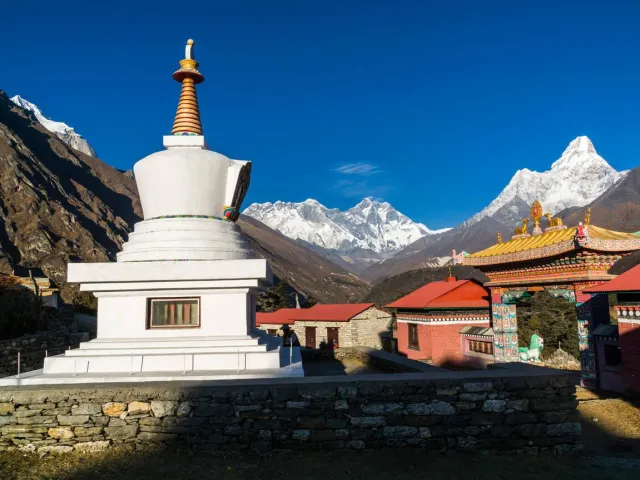
The Ama Dablam Base Camp Trek is a breathtaking 13-day adventure offered by Asiana Treks and Tours, guiding you deep into the heart of the Khumbu region of Nepal. Known as the "Matterhorn of the Himalayas," Ama Dablam stands tall at 6,812 meters, its dramatic ridges and hanging glaciers captivating trekkers and climbers alike. This trek is perfect for those seeking awe-inspiring alpine beauty combined with deep cultural immersion.Your journey begins in Kathmandu, where the vibrant streets and ancient heritage sites set the tone for the adventure ahead. From a scenic mountain flight into Lukla to walking through lush pine forests, crossing suspension bridges, and exploring high-altitude Sherpa villages, every step reveals something new. Unlike the busier Everest Base Camp route, this trail offers a quieter, more serene alternative, bringing you close to Himalayan giants like Everest, Lhotse, Thamserku, and of course, the majestic Ama Dablam. Along the way, you'll visit spiritual monasteries, acclimate in famous towns like Namche Bazaar, and culminate your journey at the peaceful Ama Dablam Base Camp, nestled at 5,120 meters above sea level. Ama Dablam Base Camp Trekking Package:Asiana Treks and Tours provides a comprehensive trekking package designed for both seasoned trekkers and enthusiastic adventurers. Our package includes domestic flights, all trekking permits, professional guides, porters, accommodations, and meals during the trek. You’ll stay in comfortable tea houses along the route, each offering cosy lodgings and warm Sherpa hospitality. This trek is classified as moderately challenging, suitable for those in good physical condition and prepared for gradual altitude gain. We prioritise your safety and acclimatisation, ensuring a well-paced itinerary with sufficient rest days. Our experienced, licensed guides provide not only logistical support but also cultural insights, making your journey educational as well as adventurous. Ama Dablam Base Camp Trek Itinerary, 13 Days:Day 1: Arrival in Kathmandu – Airport pickup and hotel transfer, after refresh + Trek PreparationDay 2: Flight to Lukla & Trek to Phakding (2,610m)Day 3: Trek to Namche Bazaar (3,440m)Day 4: Acclimatisation at Namche – Hike to Everest View HotelDay 5: Trek to Tengboche (3,867m) – Visit the famous monasteryDay 6: Tengboche to Pangboche (3,985m) – Stunning views of Ama DablamDay 7: Hike to Ama Dablam Base Camp (5,120m) and return to PangbocheDay 8: Trek to Mong Danda – Panoramic viewsDay 9: Trek to Jorsalle – Descending through Sherpa settlementsDay 10: Trek back to Lukla – Final mountain viewsDay 11: Fly to Kathmandu – Free afternoonDay 12: Departure from Nepal – Farewell from Asiana Treks and ToursAma Dablam Base Camp Trek Distance:The total trekking distance of the Ama Dablam Base Camp Trek is approximately 120 kilometres (75 miles) round trip. This distance is covered over 8–9 trekking days, giving trekkers enough time to acclimatise and explore cultural landmarks. Daily trekking ranges from 4 to 7 hours, gradually ascending from Lukla (2,840m) to Ama Dablam Base Camp (5,120m). The path covers a variety of terrains, including stone staircases, rhododendron forests, alpine meadows, and rugged high-altitude trails. Key villages along the way include Namche Bazaar, Tengboche, Pangboche, and Mong Danda, each providing rest stops and cultural experiences. Ama Dablam Base Camp Trekking Cost 2026/2027Asiana Treks and Tours offers competitive pricing with high-quality services for the Ama Dablam Base Camp Trek. Our 2026/2027 packages are priced as follows: Standard Group Package: USD 1,350 per personPrivate Trek (2-4 people): USD 1,550 per personSolo Trekker Package: $1,850 USDAma Dablam Base Camp Trek Price Breakdown With Asiana Treks and Tours At Asiana Treks and Tours, we believe in transparency and value. The Ama Dablam Base Camp Trek offers an exceptional Himalayan experience at a reasonable cost, depending on the level of service and customisation. Our standard package starts at USD 1,350 per person for group treks, while private treks or solo adventures can range from $1,550 to USD 1,850. This pricing includes nearly everything: two-way domestic flights (Kathmandu–Lukla), trekking permits (TIMS and Sagarmatha National Park), professional guides and porters, accommodation in local tea houses, and three hearty meals a day during the trek. What’s excluded are personal expenses, gear rental, insurance, international airfare, and tipping. We also offer customizable add-ons such as pre- or post-trek cultural tours, luxury lodge upgrades, and gear rentals. With us, you’re not just paying for logistics—you’re investing in a safe, culturally immersive, and expertly guided Himalayan journey. We ensure ethical treatment of staff, high safety standards, and an unforgettable trekking experience with no hidden costs.Ama Dablam Base Camp Trek Altitude Guide:Your Day-by-Day Elevation Gain with Asiana Treks and Tours Altitude is a critical factor in any Himalayan trek, and the Ama Dablam Base Camp Trek reaches impressive heights. The trek starts at Lukla (2,840m) and reaches its highest point at Ama Dablam Base Camp (5,120m) on Day 8. Each day brings a steady elevation gain, allowing the body to gradually acclimatise. For instance, Namche Bazaar (3,440m) is a vital acclimatisation stop on Day 4, offering hikes to higher elevations like the Everest View Hotel to prepare your lungs and legs for the days ahead. As you ascend through Tengboche (3,867m) and Pangboche (3,985m), you’ll begin to feel the thinning air—but our itinerary is designed to help you adapt safely. The hike to Ama Dablam Base Camp itself is done as a day excursion from Pangboche, ensuring that you gain the elevation and descend the same day to sleep lower—an ideal method for avoiding altitude sickness. With Asiana Treks and Tours, you’ll receive professional guidance on altitude awareness, hydration strategies, and how to pace yourself for success. Why Choose the Ama Dablam Base Camp Trek?An Iconic, Less-Crowded Alternative with Asiana Treks and ToursThe Ama Dablam Base Camp Trek is perfect for trekkers who crave stunning Himalayan landscapes but prefer a quieter, more authentic experience than the popular Everest Base Camp route. With Asiana Treks and Tours, you’ll explore serene trails, centuries-old monasteries, and traditional Sherpa villages untouched by heavy tourism. The scenery is spectacular: soaring peaks like Everest, Lhotse, Nuptse, and Ama Dablam dominate the skyline, while rhododendron forests and glacial rivers line your path. What truly sets this trek apart is the approach to Ama Dablam Base Camp itself, where few venture. Standing at the foot of this sharply ridged mountain, you’re rewarded with a close-up experience that most Everest trekkers miss. Combine this with the spiritual aura of Tengboche Monastery, the lively markets of Namche Bazaar, and the peaceful environment of Pangboche, and you have a trek that delivers cultural richness, adventure, and solitude. Guided by our experienced team, this journey becomes more than just a trek—it becomes a transformative Himalayan experience.Preparing for the Ama Dablam Base Camp Trek:Expert Tips from Asiana Treks and Tours: Preparing for the Ama Dablam Base Camp Trek involves physical readiness, proper gear, and mental preparation. While this is a moderately complex trek, it still requires good cardiovascular fitness, strong legs, and endurance. We recommend a 3–4 month training plan before your departure, including hiking with a backpack, stair climbing, running, or cycling. Altitude training, if available, is a plus—but consistent hiking with elevation gain is your best preparation.On the gear front, Asiana Treks and Tours provides a detailed packing list, and we also offer gear rental services in Kathmandu for items like down jackets, sleeping bags, and trekking poles. Essentials include sturdy trekking boots, moisture-wicking layers, windproof jackets, and sun protection. Mentally, expect early starts, rustic accommodations, and limited connectivity—but also breathtaking sunrises, spiritual serenity, and life-affirming landscapes. Our guides ensure that you’re supported every step of the way, both physically and emotionally, so your preparation is met with expert care once you’re on the trail.What to Expect on the Ama Dablam Base Camp Trek With Asiana Treks and Tours:Embarking on the Ama Dablam Base Camp Trek with Asiana Treks and Tours is more than just a physical journey—it’s a cultural, spiritual, and scenic immersion into one of the world’s most spectacular mountain regions. Over 12–13 active trekking days, expect a balanced mix of challenging ascents, relaxed rest stops, and vibrant encounters with the Sherpa way of life. The trek begins with a dramatic flight from Kathmandu to Lukla, one of the world’s most thrilling airstrips, before transitioning into days of scenic walking through alpine forests, prayer-flag-lined trails, and rhododendron groves.As you ascend from Phakding to Namche Bazaar and onward to Tengboche and Pangboche, the landscape becomes increasingly dramatic. You’ll be walking beneath the shadows of Himalayan giants like Ama Dablam, Everest, Lhotse, and Thamserku. Tea houses offer warm meals and cosy accommodations, while ancient monasteries and yak pastures provide spiritual and cultural texture. The ultimate highlight is the day hike to Ama Dablam Base Camp (5,120m), offering panoramic views and a sense of awe as you stand beneath one of the Himalaya’s most iconic peaks. Expect early mornings, cool mountain air, incredible sunrises, and the satisfaction of trekking in a more peaceful alternative to the crowded Everest Base Camp trail. Oxygen Levels on the Ama Dablam Base Camp Trek Trail:Understanding High-Altitude Conditions and Altitude and oxygen levels is an essential part of the Ama Dablam Base Camp Trek experience. The trek begins at Lukla (2,840 meters), where oxygen levels are roughly 72% of what you’d find at sea level. As you ascend gradually to Namche Bazaar (3,440m) and Tengboche (3,867m), your body has time to adjust to the thinner air. Proper acclimatisation is essential, and that’s why Asiana Treks and Tours has designed a carefully paced itinerary with a dedicated acclimatisation day in Namche.By the time you reach Ama Dablam Base Camp at 5,120 meters, oxygen levels drop to approximately 50% of sea-level oxygen. While this may sound drastic, our guided approach, including hydration, rest, and altitude education, ensures most trekkers adapt comfortably. The trek to base camp is done as a day hike from Pangboche, which means you descend after reaching the high point—one of the best ways to minimise altitude-related issues. Our guides are trained in altitude sickness prevention and carry medical kits and oximeters, ensuring your safety while enjoying the breathtaking high-altitude terrain. Major Villages and Scenic Viewpoints on the Ama Dablam Base Camp Trekking Route:Cultural Highlights and Natural Marvels with Ama Dablam Base Camp Trek is rich in cultural heritage and visual splendour. Each village along the trail tells a story and offers unique opportunities for interaction, rest, and exploration. Namche Bazaar, the largest Sherpa town in the region, is not just a trading hub but also a cultural experience—with bakeries, museums, and mountain markets perched on a terraced hillside with views of Everest. Tengboche, home to the renowned Tengboche Monastery, provides one of the most spiritual and scenic stops, offering views of Ama Dablam framed perfectly in the distance during morning prayers.Further along, Pangboche—the highest permanent settlement on the route—is a historical village that holds one of the oldest monasteries in the Khumbu region. From here, the trail to Ama Dablam Base Camp opens up into raw Himalayan wilderness. Along the trek, there are several unforgettable viewpoints: the Everest View Hotel near Namche, the Dudh Koshi River Valley, and the ridges above Mong Danda offer 360-degree panoramas of the Everest range. These natural balconies allow you to stop, breathe, and absorb the vastness of the Himalayan landscape in a way that feels both personal and awe-inspiring.Flora and Fauna of the Ama Dablam Base Camp Trek:Natural Biodiversity of the Khumbu Region with Ama Dablam Base Camp Trek passes through a stunning range of ecological zones—from temperate forests to alpine tundra—making it a dream for nature lovers. In the lower elevations near Lukla and Phakding, you’ll walk through dense forests of pine, fir, juniper, and rhododendron, especially colourful in spring. These forests are home to Himalayan birds such as the Danphe (Nepal’s national bird), blood pheasants, and impeyan pheasants, whose vibrant feathers flash between branches as you hike.As you gain altitude, the vegetation thins, and the alpine landscape emerges. In the high meadows and rocky outcrops near Pangboche and Ama Dablam Base Camp, you'll find dwarf shrubs, mosses, and rare mountain herbs that have adapted to the harsh climate. Wildlife sightings include Himalayan tahrs, musk deer, marmots, and even the elusive snow leopard in sporadic cases. The higher trails are also visited by yak caravans, vital to the livelihoods of local Sherpas. Trekking with Asiana Treks and Tours, you’ll not only see this incredible biodiversity but also gain insights from our guides, who share local knowledge about the plants, animals, and ecosystems that make the Khumbu region so unique.Festivals and Local Culture Along the Ama Dablam Base Camp Trek Route:Experience Sherpa Heritage in Ama Dablam Base Camp with Asiana Treks and Tours is more than just a walk through mountains—it's a journey through the rich cultural heartland of the Sherpa people. The trail passes through some of the most culturally significant villages in the Everest region, including Namche Bazaar, Tengboche, Pangboche, and Khunde. These villages are alive with tradition, spirituality, and unique Himalayan customs that have been preserved for generations.The region is known for its colourful festivals, which you may be lucky to witness depending on your trekking dates. The Mani Rimdu Festival, celebrated at Tengboche Monastery in October or November, is the most famous. It includes sacred masked dances performed by monks, symbolising the victory of Buddhism over evil. Another festival, Dumje, is celebrated in the summer and honours Guru Rinpoche with prayer rituals, music, and village gatherings. These festivals are not tourist shows—they are authentic cultural expressions, offering a deep insight into Sherpa life.Cultural Highlights on the Ama Dablam Basecamp Trek:Tengboche Monastery: Largest in the Khumbu region; spiritual centre of SherpasPangboche Monastery: Oldest monastery in the Everest areaNamche Bazaar: Cultural hub with local markets, Sherpa Museum, and Tibetan tradersPrayer flags, mani stones, and chortens: Found throughout the trail as signs of spiritual practiceWarm Sherpa hospitality: Experience homestays and tea house traditionsWith Asiana Treks and Tours, you’ll receive guidance from local experts who help you respectfully connect with local customs, attend rituals, and understand the spiritual life of the Himalayas.Why Book with Asiana Treks and Tours for the Ama Dablam Base Camp Trek?Trusted, Local, and Experienced, At Asiana Treks and Tours, we are more than just a trekking company—we are a passionate team of local mountain professionals with decades of experience leading treks in the Khumbu region. When you book the Ama Dablam Base Camp Trek with us, you're choosing safety, local knowledge, personalised service, and cultural authenticity. We are based in Nepal, deeply rooted in the mountain communities we operate in, and committed to ethical tourism practices that benefit both travellers and local people.Our guides are licensed by the Nepal Government, fluent in English, and extensively trained in first aid and altitude awareness. We believe in fair treatment of our porters, use sustainable trekking practices, and provide customizable itineraries for individuals, small groups, and families. Whether you're a seasoned hiker or new to Himalayan trekking, we tailor your experience to suit your pace and interests, with built-in acclimatisation, comfortable tea house stays, and insider tips on everything from photography spots to the best momos on the trail.Why Choose Asiana Treks and Tours?Local expertise and regional connections100% safety-focused operationsTransparent pricing—no hidden feesSmall group size for personal experienceEthical porter and guide policiesFlexible booking and itinerary customisationExcellent customer support—before, during, and after your trekChoosing Asiana means choosing a deeper connection with the Himalayas—one that respects nature, values people, and delivers a truly unforgettable experience. Step-by-Step Guide to Booking the Ama Dablam Trek with Asiana Treks and Tours: Booking your Ama Dablam Base Camp Trek with Asiana Treks and Tours is simple, transparent, and fully supported by our customer service team every step of the way. Whether you're planning your adventure months or seeking a last-minute departure, we’re here to make the process stress-free and seamless. We offer both online booking through our website and direct contact via email or WhatsApp for personalised planning.Start by reviewing the itinerary, cost, and trekking details on our website or request a custom itinerary tailored to your schedule, budget, and preferences. Once you've finalised your dates and group size, you can secure your spot by paying a small advance deposit (usually 20–30%) through secure international payment options like Wise, bank transfer, or credit card. After your deposit is received, we’ll send you a detailed booking confirmation, packing checklist, and travel preparation guide. Final payment is made upon arrival in Kathmandu.Easy Booking Steps:Browse packages or request a customised itinerary.Confirm availability and departure dates via email or chat.Pay the deposit securely to confirm your booking.Receive a confirmation package with trek preparation details.Arrive in Kathmandu—we’ll take care of the rest!For added convenience, we can also assist you with Nepal visa information, airport pickup, and hotel bookings in Kathmandu. When you book with Asiana Treks and Tours, you're not just signing up for a trek—you're joining a trusted local partner on a journey of a lifetime.Everest Regions Trekking Blog Post List:Asiana Treks & Tours offers an insightful blog on the Everest region, providing valuable information for trekkers. Explore stunning landscapes, local culture, and practical tips for your journey.Why Everest Base Camp Trek Should Be Your Next Adventure: Top ReasonsBeginner's Guide to Everest Base Camp TrekUnderstanding the Everest Base Camp Trek’s DifficultyEverest Base Camp Trek: Best Seasons (March-Mid June, Sep-Nov)Choosing the Best Route for Everest Base CampMajor Facts About the Everest Base Camp Trekking AdventureHiking from Gorak Shep to Kala Patthar & Everest Base CampIs There an Age Limit for Everest Base Camp Trekking?Is Everest Base Camp Trekking Possible for Women? Absolutely!The Complete List of Permits and Documents for Everest Region TreksMeals and Accommodation in the Everest RegionAccommodation Types in the Everest RegionTop Everest Region Trekking Packages 2025/2026Annapurna Base Camp vs Everest Base Camp: The Best TrekTrekking Permit Requirements for Different Regions in NepalThe First Viewpoint to See Mount EverestThe Beauty of Gokyo Lake with Views of EverestDiscovering the Beauty of Gokyo Lakes with Gokyo RiWhy Choose Everest Three Passes Trekking in NepalWhy Trek Everyone is the Ultimate Guide to Everest Base CampTrekking the Everest Three High Passes: Renjo La, Cho La & Kongma LaLukla: The Trekker's Ultimate GatewayAmazing Facts About Tenzing-Hillary Airport (Lukla Airport)Exploring Phakding: The First Step Toward EverestNamche Bazaar at 3,440m: A Rest Stop with a ViewTengboche Monastery: The Heartbeat of the KhumbuDingboche: The Smart Stop for Acclimatization and Stunning ViewsLobuche: A High-Altitude Himalayan Gem – History, Culture, Geography & Trekking HighlightsDiscover Everest Dudhkoshi Cultural Trek for BeginnersTraversing the Heart of Solu: Jiri to Sete, Junbesi & Nunthala via the Lamjura-La PassSacred Trails and Alpine Dreams: A Journey Through Pikey Peak, Dudh Kunda, and the Hidden Hamlets of SolukhumbuWhy Choose Everest Three Passes Trekking in NepalThe First Successful Summit: Sir Edmund Hillary and Tenzing NorgayHistory of Mount Everest : International Everest DayWhy Trek Everyone is the Ultimate Guide to Everest Base CampFAQs for Hiking to the Roof of the World (Everest Region
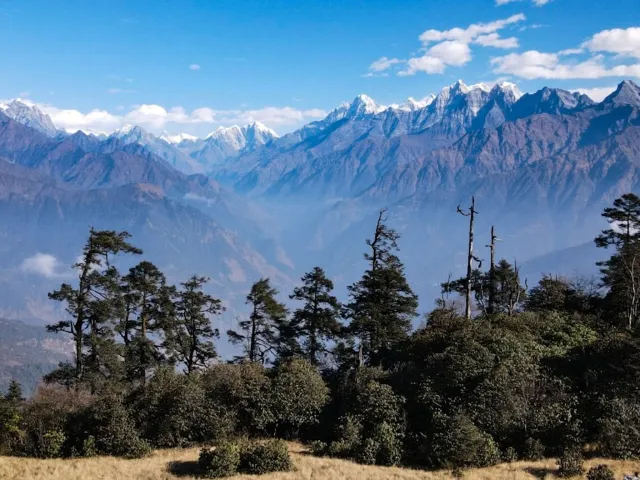
Everest Dudh Koshi Cultural Trail – A Hidden Gem of Culture, Nature, and AdventureThe Everest Dudh Koshi Cultural Trail is a newly explored trekking destination that offers travellers a short yet rewarding journey into the heart of Nepal’s natural beauty and cultural diversity. Stretching from the lowlands of the Dudh Koshi River basin at 1,400 meters to the scenic Aran Danda viewpoint at 3,310 meters, this trail unfolds breathtaking views of 29 Himalayan peaks, including Mount Everest, Mera Peak, Numbur, and even Kanchenjunga on clear days. For those dreaming of seeing Everest up close without going to extreme altitudes, this trek is the perfect choice.What makes this trail truly unique is its rich cultural heritage. Trekkers can immerse themselves in the traditions of the Khaling Rai, Sherpa, Tamang, and Magar communities, enjoying authentic homestays, local cuisine, and colourful festivals. Along the way, ancient monasteries, sacred shrines, and traditional cultural parks reflect centuries-old rituals and spirituality. The Juve Purano Gompa, founded in the 16th century, stands as a testament to Buddhist heritage.Nature lovers will be amazed by the region’s lush rhododendron forests, rolling meadows, terraced fields, and abundant wildlife. This area is home to the clouded leopard, red panda, Himalayan black bear, golden jackal, and over 100 bird species, making it an incredible biodiversity hotspot. For adventure seekers, the trail also showcases opportunities for canyoning, cycling, rock climbing, honey hunting, and the famous Everest View Marathon.With its combination of stunning landscapes, spiritual landmarks, adventure activities, and genuine hospitality, the Everest Dudh Koshi Cultural Trail is fast becoming a prime destination in the southern Everest region. It is an all-season trek suitable for all ages, where every step tells a story of Himalayan culture, nature, and adventure—making it a lifetime experience.The Everest Dudh Koshi Cultural Trail is a newly opened trekking route in the southern Everest region, offering a unique blend of breathtaking Himalayan views, vibrant cultural encounters, and rich biodiversity. From lush rhododendron forests and terraced farmlands to panoramic viewpoints of Everest, Mera Peak, Numbur, and even Kanchenjunga on clear days, this trail is perfect for travellers seeking both adventure and authentic cultural immersion. With homestays in Khaling Rai, Sherpa, Tamang, and Magar villages, spiritual monasteries, and opportunities for adventure sports, the trail promises a once-in-a-lifetime Himalayan experience.Why Choose the Everest Dudh Koshi Cultural Trail with Asiana Treks and Tours?The Everest Dudh Koshi Cultural Trail is more than just a trek; it’s a journey through breathtaking Himalayan landscapes, vibrant traditions, and unforgettable experiences. With Asiana Treks and Tours, you can explore this newly opened trail with expert guidance, personalised service, and cultural immersion that make every moment memorable.Reasons to Choose Us: Expert Local Guides with 25+ years of experience in Himalayan trekking. Authentic Cultural Experience with Rai, Sherpa, Tamang, and Magar communities.Comfortable Homestays offering warm hospitality and local flavours.Safe & Hassle-Free Travel with permits, logistics, and support managed.Customised itineraries for all age groups and fitness levels.Adventure + Culture Combo including trekking, wildlife, and festivals.Sustainable Tourism Approach supporting local people and the environment.Who Can Participate in the Everest Dudh Koshi Cultural Trail?The Everest Dudh Koshi Cultural Trail is designed to be suitable for a wide range of travellers. Unlike high-altitude treks in the Everest region, this trail remains at a moderate elevation, making it accessible for all age groups, including families, students, and senior travellers. It is ideal for those who wish to experience the Himalayan lifestyle, culture, and scenery without the physical demands of extreme trekking.This trail is perfect for:Beginners looking for a short and scenic trek in Nepal.Families and senior citizens seeking a comfortable cultural journey.Cultural enthusiasts interested in Rai, Sherpa, Tamang, and Magar traditions.Nature and wildlife lovers who want to explore rhododendron forests and spot rare Himalayan fauna.Adventure seekers eager to try activities like cycling, canyoning, or honey hunting.Spiritual travellers are drawn to monasteries, sacred shrines, and local festivals.What to Expect on the Everest Dudh Koshi Cultural Trail:The Everest Dudh Koshi Cultural Trail offers travellers a perfect balance of natural beauty, cultural richness, and adventure. This newly explored route offers panoramic views of the Himalayan peaks, lush forests, and terraced hillsides, while immersing you in the traditions of the Khaling Rai, Sherpa, Tamang, and Magar communities. With homestays, wildlife encounters, sacred sites, and local festivals, every step of the journey brings something unique.Highlights of What to Expect:Breathtaking views of Mount Everest, Mera Peak, Numbur Himal, and Gaurishankar.Homestay experiences with Rai, Sherpa, Tamang, and Magar families.Walk through rhododendron forests, terraced farmlands, and rolling meadows.Opportunities to spot red panda, Himalayan black bear, clouded leopard, and over 100 bird species.Visits to ancient monasteries, sacred shrines, and spiritual sites.Immersion in local festivals, cultural dances, and rituals.Adventure activities like cycling, canyoning, rock climbing, honey hunting, and the Everest View Marathon.Year-round trekking is suitable for all ages and experience levels.Explore Sherpa Culture on the Everest Cultural Trekking Route:The Everest Dudhkoshi Cultural Trek offers a unique opportunity to delve deep into the authentic Sherpa culture in Nepal through an immersive journey along the Dudhkoshi Cultural Trail. Unlike the bustling Everest Base Camp route, this off-the-beaten-path Everest trek takes you through serene, traditional Sherpa villages nestled in the heart of the Solukhumbu region. Trekkers gain intimate access to centuries-old customs, spiritual practices, and the everyday life of villages, making this a genuine cultural experience in the Everest region. You will witness ancient monasteries adorned with prayer flags, interact with locals during vibrant festivals, and experience the spiritual rhythms of Himalayan life first-hand.Operated by Asiana Treks and Tours, this trek champions eco trekking Nepal principles, ensuring that your journey supports the preservation of both cultural heritage and natural environments. The Everest Cultural Trek follows the less-explored Dudhkoshi River trail, blending spectacular mountain panoramas with rich cultural interactions. Travellers can enjoy peaceful moments beside the Dudhkoshi River, while learning about Sherpa traditions that have thrived in these remote Himalayan settings for generations. This trek is ideal for travellers seeking meaningful connections beyond the usual tourist experience, providing a holistic blend of nature, spirituality, and community.Highlights:Visit lesser-known Sherpa villages in the Solukhumbu regionExplore ancient Buddhist monasteries, chortens, and mani wallsStay in eco-friendly lodges and authentic homestaysSupport sustainable tourism with Asiana Treks and ToursExperience an offbeat, mindful Nepal cultural trekking adventureDiscover Hidden Trails of the Everest Region Through Dudhkoshi:The Dudhkoshi Cultural Trail offers a refreshing and lesser-known alternative to classic Everest trekking routes. This remote Himalayan trek winds through the lush and culturally rich Dudhkoshi Valley, a hidden gem named after the milky-white glacial river that carves its path from the Everest region. The trail presents a peaceful retreat for trekkers seeking solitude, authenticity, and untouched natural beauty, making it one of the best alternative Everest treks curated by Asiana Treks and Tours.As you traverse the Dudhkoshi Valley Trek, you will pass through dense pine forests, terraced farmlands, and vibrant villages inhabited by Sherpa and Rai communities who maintain their rich cultural heritage with pride. This Solukhumbu cultural trekking experience provides a chance to explore hidden Everest trails rarely visited by mainstream trekkers, offering breathtaking Himalayan vistas along the way. The trek emphasises eco trekking Nepal values, with minimal environmental impact and meaningful cultural exchanges. This trek is perfect for those wanting to venture off the usual path and discover the soulful beauty of the Dudhkoshi River trail and its welcoming communities.Highlights:Trek along the pristine Dudhkoshi River trail away from crowded pathsExplore vibrant villages preserving Sherpa culture and Rai traditionsExperience an eco-conscious, low-impact Nepal cultural trekking journeyDiscover spectacular views on hidden, offbeat Everest trailsEnjoy a serene, authentic adventure with Asiana Treks and ToursEverest Regions Trekking Blog Post List:Asiana Treks & Tours offers an insightful blog on the Everest region, providing valuable information for trekkers. Explore stunning landscapes, local culture, and practical tips for your journey.Why Everest Base Camp Trek Should Be Your Next Adventure: Top ReasonsBeginner's Guide to Everest Base Camp TrekUnderstanding the Everest Base Camp Trek’s DifficultyEverest Base Camp Trek: Best Seasons (March-Mid June, Sep-Nov)Choosing the Best Route for Everest Base CampMajor Facts About the Everest Base Camp Trekking AdventureHiking from Gorak Shep to Kala Patthar & Everest Base CampIs There an Age Limit for Everest Base Camp Trekking?Is Everest Base Camp Trekking Possible for Women? Absolutely!The Complete List of Permits and Documents for Everest Region TreksMeals and Accommodation in the Everest RegionAccommodation Types in the Everest RegionTop Everest Region Trekking Packages 2025/2026Annapurna Base Camp vs Everest Base Camp: The Best TrekTrekking Permit Requirements for Different Regions in NepalThe First Viewpoint to See Mount EverestThe Beauty of Gokyo Lake with Views of EverestDiscovering the Beauty of Gokyo Lakes with Gokyo RiWhy Choose Everest Three Passes Trekking in NepalWhy Trek Everyone is the Ultimate Guide to Everest Base CampTrekking the Everest Three High Passes: Renjo La, Cho La & Kongma LaLukla: The Trekker's Ultimate GatewayAmazing Facts About Tenzing-Hillary Airport (Lukla Airport)Exploring Phakding: The First Step Toward EverestNamche Bazaar at 3,440m: A Rest Stop with a ViewTengboche Monastery: The Heartbeat of the KhumbuDingboche: The Smart Stop for Acclimatization and Stunning ViewsLobuche: A High-Altitude Himalayan Gem – History, Culture, Geography & Trekking HighlightsDiscover Everest Dudhkoshi Cultural Trek for BeginnersTraversing the Heart of Solu: Jiri to Sete, Junbesi & Nunthala via the Lamjura-La PassSacred Trails and Alpine Dreams: A Journey Through Pikey Peak, Dudh Kunda, and the Hidden Hamlets of SolukhumbuWhy Choose Everest Three Passes Trekking in NepalThe First Successful Summit: Sir Edmund Hillary and Tenzing NorgayHistory of Mount Everest : International Everest DayWhy Trek Everyone is the Ultimate Guide to Everest Base CampFAQs for Hiking to the Roof of the World (Everest Region
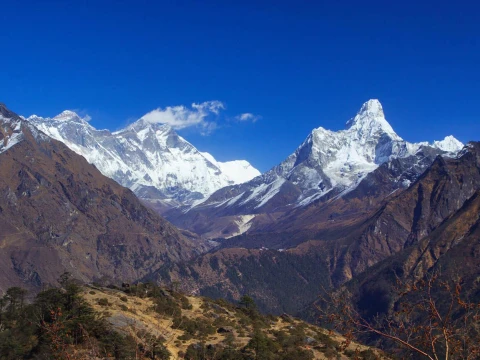
The Everest Short Trek is one of the best short Himalayan adventures in Nepal, specially designed for travellers who want to experience the beauty of the Everest region within a limited time. Organised by Asiana Treks and Tours, this exciting trekking journey combines breathtaking mountain scenery, authentic Sherpa culture, beautiful forests, and thrilling mountain flights into one unforgettable experience. The trek begins with a scenic flight from Kathmandu to Lukla, one of the world’s most adventurous mountain airports. From Lukla, trekkers follow the classic Everest trekking trail through charming villages like Phakding and Namche Bazaar while enjoying spectacular views of snow-covered Himalayan peaks.This short trekking adventure is ideal for beginners, families, and travellers who may not have enough time for the longer Everest Base Camp Trek. Despite being shorter in duration, the trek still offers incredible panoramic views of famous mountains such as Mount Everest, Ama Dablam, Lhotse, Nuptse, and Thamserku. One of the major highlights of the trek is the acclimatisation hike to the famous Hotel Everest View, known as one of the highest luxury hotels in the world. Trekkers can enjoy tea or coffee while admiring the stunning Himalayan landscape from an unforgettable viewpoint.The Everest Short Trek also provides a wonderful cultural experience. Along the trail, trekkers pass ancient Buddhist monasteries, colourful prayer flags, mani walls, and traditional Sherpa settlements. The hospitality of local mountain communities and the peaceful environment of the Everest region make the journey even more special. The trail follows the beautiful Dudh Koshi River and crosses several suspension bridges decorated with Buddhist prayer flags, creating an exciting trekking atmosphere.Highlights of Everest Short TrekScenic mountain flight between Kathmandu and LuklaExplore beautiful Sherpa villages and cultureStunning views of Mount Everest and surrounding peaksVisit Namche Bazaar, the gateway to EverestAcclimatisation hike to Hotel Everest ViewWalk through Sagarmatha National ParkExperience Himalayan teahouse accommodationSuitable for beginners and short holiday travellersAbout Everest Short Trekking Package:The Everest Short Trekking Package offered by Asiana Treks and Tours is carefully designed to provide a comfortable, safe, and memorable trekking experience in the Everest region. This package includes all major trekking services such as airport transfers, domestic flights, trekking permits, experienced trekking guides, porter services, accommodation during the trek, and daily meals. The company focuses on delivering professional service with personalised care to ensure every traveller enjoys a smooth Himalayan adventure.The package begins with your arrival in Kathmandu, where the trekking team provides a complete briefing about the trek. Early the next morning, trekkers take a scenic flight to Lukla before starting the trek toward Phakding. Over the following days, the trail continues to Namche Bazaar and Hotel Everest View before returning to Lukla. Every overnight stay is arranged at comfortable local teahouses that offer warm hospitality and traditional mountain food. The trekking pace is designed carefully to help trekkers adapt to the altitude while fully enjoying the Himalayan scenery.One of the major advantages of choosing this package is the guidance of experienced local Sherpa guides who are highly familiar with the Everest region. They provide valuable information on mountain culture, local traditions, Buddhist heritage, and trekking safety. Porters are also available to carry luggage, allowing trekkers to walk comfortably and enjoy the journey without undue physical strain.The Everest Short Trekking Package is perfect for travellers seeking a short but rewarding Himalayan experience. Whether you are a solo traveler, couple, family, or small group, this package offers a wonderful opportunity to witness the beauty of the Everest region within just a few days.Package IncludesKathmandu–Lukla–Kathmandu flight ticketsAirport pickup and drop serviceExperienced English-speaking trekking guidePorter service during the trekSagarmatha National Park permitsTeahouse accommodation during trekkingBreakfast, lunch, and dinner during the trekTrekking route briefing and safety supportEverest Short Trek ItineraryThe Everest Short Trek itinerary is carefully planned by Asiana Treks and Tours to provide the best Everest experience within a short timeframe. The journey starts with an early morning scenic flight from Kathmandu to Lukla. During the flight, trekkers can enjoy panoramic views of green hills, deep valleys, rivers, and the snow-covered Himalayan range. After landing at Lukla, the trek officially begins with a gentle walk to Phakding through beautiful Sherpa villages and forests beside the Dudh Koshi River.The second day involves trekking from Phakding to Namche Bazaar, one of the most important Sherpa settlements in the Everest region. The route passes through suspension bridges, pine forests, and Sagarmatha National Park before climbing steeply toward Namche. Along the trail, trekkers may catch their first distant views of Mount Everest and nearby Himalayan peaks. Namche Bazaar is a vibrant mountain town filled with bakeries, local markets, trekking shops, and cafes.The third day is dedicated to acclimatisation and exploration around Namche Bazaar. Trekkers hike uphill to Hotel Everest View, where breathtaking views of Everest, Ama Dablam, and Lhotse await. This acclimatisation hike is very important for adjusting to higher altitude while also providing one of the best panoramic viewpoints in the Everest region. After spending time at the viewpoint, trekkers return to Namche for overnight rest.The final trekking day follows the return route back to Lukla through beautiful forests and traditional villages. The next morning, trekkers take an early flight back to Kathmandu, officially completing the Everest Short Trek adventure.Short Itinerary:Day 1: Fly to Lukla and trek to PhakdingDay 2: Trek from Phakding to Namche BazaarDay 3: Hike to Hotel Everest View and return to NamcheDay 4: Trek back to LuklaDay 5: Fly back to KathmanduEverest Short Trek Distance:The Everest Short Trek covers a distance of approximately 45 to 55 kilometres, depending on the exact walking route and side exploration hikes. Although the distance may seem moderate compared to longer Himalayan treks, the journey involves gradual altitude gain, suspension-bridge crossings, and mountain trails that make the adventure both exciting and rewarding. The trek is designed to allow trekkers to comfortably enjoy the Everest region without extreme physical difficulty.The trek starts from Lukla at an elevation of approximately 2,840 meters and reaches its highest point at Hotel Everest View at around 3,880 meters. The trail passes through Phakding, Monjo, and Namche Bazaar while following the scenic Dudh Koshi River valley. Most trekking days involve walking between 4 and 7 hours depending on trail conditions and individual pace. The route includes both uphill and downhill sections, making the journey physically engaging while still suitable for beginners with average fitness.One of the most enjoyable aspects of the Everest Short Trek is that trekkers can experience a remarkable variety of landscapes in a short distance. The trail features forests, rivers, suspension bridges, Sherpa villages, Buddhist monuments, and stunning mountain viewpoints. Even though the trek is shorter than the Everest Base Camp Trek, it still offers a complete Himalayan trekking experience with magnificent views of Everest.Everest Short Trek Distance Overview:Total trekking distance: Approximately 45–55 kmHighest elevation: Hotel Everest View (3,880m)Starting point: Lukla (2,840m)Average daily walking: 4–7 hoursSuitable for beginner and moderate trekkersIncludes both uphill and downhill mountain trailsEverest Short Trekking Cost 2026/2027The Everest Short Trekking Cost for 2025/2026 offered by Asiana Treks and Tours is designed to provide trekkers with an affordable yet unforgettable Himalayan adventure. This short trekking package is ideal for travellers who want to experience the beauty of the Everest region on a limited budget and time. The overall trekking cost usually depends on the group size, trekking season, accommodation preferences, guide and porter services, and the availability of domestic flights between Kathmandu and Lukla. Spring and autumn are considered peak trekking seasons, so prices may vary slightly during these periods due to high demand for flights and teahouse accommodations.The package cost generally includes domestic flights, Sagarmatha National Park permits, trekking guide services, porter assistance, teahouse accommodation, meals during the trek, and airport transfers. Choosing a professional trekking company like Asiana Treks and Tours ensures reliable service, experienced mountain guides, proper safety management, and well-organised logistics throughout the journey. The company focuses on creating comfortable trekking experiences while maintaining excellent customer care and safety standards in the Everest region.Trekkers should also consider personal expenses such as travel insurance, trekking gear, snacks, charging facilities, hot showers, internet services, and tips for guides and porters. Since the Everest region is remote, extra services can be more expensive at higher altitudes. However, the short duration of this trek makes it more budget-friendly compared to longer Everest Base Camp expeditions.Everest Short Trek Cost Includes:Kathmandu–Lukla–Kathmandu flight ticketsExperienced trekking guide and porterSagarmatha National Park permitsTeahouse accommodation during trekkingMeals during the trekAirport pickup and drop-off servicesTrekking safety and trip briefing support Everest Short Trek Price Breakdown:The Everest Short Trek Price Breakdown helps trekkers understand how Asiana Treks and Tours organises the overall trekking package. The total price is usually divided into transportation, permits, accommodation, meals, staff services, and operational costs. One of the largest portions of the budget goes toward the scenic flights between Kathmandu and Lukla, which are essential for accessing the Everest region quickly. Flight prices may increase during the busy trekking seasons due to high tourist demand and limited seating availability.Accommodation and food costs are another important part of the package. Throughout the trek, trekkers stay in comfortable mountain teahouses that provide basic but cosy rooms and freshly prepared meals. As the trekking route reaches higher elevations, such as Namche Bazaar and Hotel Everest View, transportation and supply costs naturally increase, thereby affecting overall service prices. Meals typically include breakfast, lunch, and dinner, with options such as noodles, soup, rice, potatoes, bread, tea, and local Sherpa dishes.Guide and porter services are also included in most trekking packages. Professional local guides play an important role in ensuring safety, navigation, cultural explanation, and altitude management during the trek. Porters help carry luggage, allowing trekkers to enjoy the journey more comfortably. Government taxes, trekking permits, and company operational management are additional components included in the total package cost.Everest Short Trek Price Breakdown:Domestic flights and airport taxesNational park and local permitsGuide and porter salaryTeahouse accommodation costsMeals during trekking daysTransportation and logistics managementCompany service charge and taxesEverest Short Trek Altitude Guide:The Everest Short Trek reaches moderate high-altitude areas of the Everest region, making altitude awareness very important for every trekker. Organised professionally by Asiana Treks and Tours, the itinerary is carefully planned to help trekkers gradually adjust to increasing elevations while safely enjoying the Himalayan scenery. The trek starts in Lukla at approximately 2,840 meters above sea level and gradually ascends through Phakding and Namche Bazaar before reaching the highest overnight stop at Hotel Everest View at around 3,880 meters.Although the Everest Short Trek does not reach extreme altitudes like Everest Base Camp, trekkers may still experience mild altitude-related symptoms such as shortness of breath, fatigue, headache, or reduced energy levels. Proper acclimatisation, hydration, slow walking pace, and adequate rest are very important throughout the trek. The acclimatisation day hike from Namche Bazaar to Hotel Everest View is specifically included to help trekkers adapt safely to the altitude while also enjoying some of the best panoramic mountain views in the Everest region.Trekkers are advised to avoid alcohol, drink plenty of water, eat nutritious meals, and inform guides immediately if they experience altitude discomfort. The experienced trekking team of Asiana Treks and Tours carefully monitors trekkers’ health and pace to ensure a safe and enjoyable Himalayan adventure for everyone.Everest Short Trek Altitude Overview:Kathmandu: 1,350mLukla: 2,840mPhakding: 2,610mNamche Bazaar: 3,440mHotel Everest View: 3,880mModerate altitude trekking experienceAcclimatisation day included for safetyWhy Choose Everest Short Trek?The Everest Short Trek is one of the best trekking options for travellers who want to experience the beauty of the Everest region without committing to a long and physically demanding expedition. Managed professionally by Asiana Treks and Tours, this short Himalayan journey offers a perfect combination of adventure, mountain scenery, cultural exploration, and comfortable trekking in just a few days. It is especially suitable for beginners, families, busy travellers, and those with limited vacation time who still dream of seeing Mount Everest closely.One of the biggest reasons to choose the Everest Short Trek is the opportunity to witness world-famous Himalayan peaks including Mount Everest, Ama Dablam, Lhotse, Nuptse, and Thamserku without trekking all the way to Everest Base Camp. Trekkers can explore traditional Sherpa villages, Buddhist monasteries, colourful prayer flags, suspension bridges, and the lively atmosphere of Namche Bazaar. The scenic mountain flight to Lukla itself becomes a major highlight of the journey, offering unforgettable aerial views of Nepal’s mountain landscapes.Another major advantage of this trek is its moderate difficulty level. The trail is achievable for trekkers with average physical fitness, making it an excellent introduction to Himalayan trekking. Comfortable teahouse accommodation, experienced local guides, proper acclimatisation, and organised trekking services further enhance the overall trekking experience. The Everest Short Trek allows travellers to experience the true spirit of the Everest region in a shorter, more manageable itinerary.Reasons to Choose Everest Short Trek:Short and time-friendly Everest adventureSpectacular views of Mount Everest and nearby peaksScenic flight experience to LuklaExplore Sherpa culture and Himalayan villagesBeginner-friendly trekking routeComfortable teahouse accommodationSafe and professionally organised itineraryPerfect for short holiday travellersPreparing for the Everest Short Trek:Proper preparation is very important before joining the Everest Short Trek organised by Asiana Treks and Tours. Although this trekking adventure is shorter and less demanding than the full Everest Base Camp Trek, trekkers still need good physical preparation, suitable trekking gear, and mental readiness for mountain conditions. The trek includes daily walking through steep trails, suspension bridges, rocky paths, and high-altitude landscapes. Travellers are encouraged to begin light fitness training several weeks before the trek, including walking, hiking, jogging, or stair climbing to improve stamina and endurance.Packing appropriate trekking equipment is another essential part of preparation. Since weather conditions in the Everest region can change quickly, trekkers should carry warm layered clothing, waterproof jackets, gloves, trekking boots, sunglasses, sunscreen, and sleeping essentials. Even during warmer trekking seasons, mornings and evenings can become cold, especially around Namche Bazaar and higher elevations near Hotel Everest View. A small medical kit, reusable water bottle, trekking poles, and altitude medicine recommended by a doctor can also help make the journey safer and more comfortable.Mental preparation is equally important for enjoying the Everest Short Trek. Trekkers should understand that mountain trekking involves basic teahouse accommodation, changing weather, and limited modern facilities in remote areas. However, the stunning Himalayan scenery, peaceful mountain atmosphere, and warm Sherpa hospitality make every challenge worthwhile. The experienced team at Asiana Treks and Tours provides comprehensive trekking briefings and safety support to help trekkers confidently prepare for the adventure.Preparation Tips for Everest Short Trek:Improve physical fitness before trekkingCarry warm layered clothingUse comfortable trekking bootsBring sunscreen, sunglasses, and water bottlesCarry personal medicines and first-aid itemsPrepare for basic mountain accommodationFollow guide instructions for altitude safetyWhat to Expect on Everest Short Trek:The Everest Short Trek adventure with Asiana Treks and Tours offers an unforgettable combination of Himalayan scenery, Sherpa culture, mountain flights, and peaceful trekking trails. From the very beginning, trekkers experience the excitement of flying into Lukla, home to the famous Tenzing-Hillary Airport. The short scenic flight itself becomes one of the most thrilling highlights of the journey, providing breathtaking aerial views of rivers, green hills, deep valleys, and snow-covered mountains.During the trek, travellers can expect beautiful natural landscapes, suspension bridges decorated with prayer flags, Buddhist monuments, and welcoming Sherpa villages. The trail passes through forests of rhododendron and pine while following the scenic Dudh Koshi River valley. Trekkers gradually ascend toward Namche Bazaar, the vibrant trading centre of the Everest region. Along the route, the first distant views of Mount Everest and nearby Himalayan peaks create unforgettable memories for every visitor.Another important aspect of the adventure is the authentic mountain lifestyle experienced in local teahouses. Accommodation is simple yet comfortable, offering warm meals, hot tea, and opportunities to interact with local people and fellow trekkers from around the world. The acclimatisation hike to Hotel Everest View allows trekkers to take in spectacular panoramic mountain scenery while safely adjusting to the altitude. The Everest Short Trek perfectly combines adventure, culture, and natural beauty in a short time.What Trekkers Can Expect:Scenic Kathmandu to Lukla mountain flightBeautiful Himalayan mountain viewsSherpa culture and local hospitalityComfortable teahouse trekking experienceForest trails and suspension bridgesAcclimatisation hike to Hotel Everest ViewPeaceful mountain environment and photography opportunitiesOxygen Levels on Everest Short Trek:Understanding oxygen levels is very important during the Everest Short Trek with Asiana Treks and Tours because the trek reaches elevations above 3,800 meters. As trekkers climb higher into the Everest region, the amount of oxygen in the air gradually decreases. At sea level, oxygen concentration is normal, but at locations such as Namche Bazaar and Hotel Everest View, the body receives significantly less oxygen with every breath. This natural reduction in oxygen can make physical activity feel more difficult, especially for first-time high-altitude trekkers.Most trekkers on the Everest Short Trek experience mild altitude effects such as tiredness, shortness of breath, headache, or slower walking speed. However, the carefully designed itinerary helps reduce altitude risks by allowing gradual acclimatisation. The overnight stay at Namche Bazaar and the acclimatisation hike to Hotel Everest View are important for helping the body adapt naturally to thinner air. Drinking plenty of water, walking slowly, eating nutritious meals, and avoiding alcohol are highly recommended throughout the trek.The experienced trekking guides at Asiana Treks and Tours closely monitor trekkers’ health and provide appropriate advice throughout the journey. Since this is a shorter, moderate-altitude Everest trek, most healthy travellers can complete it comfortably with proper pacing and preparation.Oxygen and Altitude Facts of Everest Short Trek:Oxygen decreases at higher elevationsNamche Bazaar sits at 3,440mHotel Everest View reaches 3,880mSlow walking helps acclimatisationProper hydration is very importantMild altitude symptoms are commonGuides monitor trekkers for safetyMajor Villages and Scenic Viewpoints on Everest Short Trek Route:The Everest Short Trek route, organised by Asiana Treks and Tours, passes through several beautiful Sherpa villages and scenic Himalayan viewpoints, making the journey unforgettable. Starting from Lukla, trekkers walk through charming mountain settlements surrounded by forests, rivers, and suspension bridges. The village of Phakding serves as the first overnight stop and offers a peaceful environment beside the Dudh Koshi River. The area is filled with traditional teahouses, Buddhist prayer stones, and beautiful pine forests that introduce trekkers to the culture and natural beauty of the Everest region.One of the most important villages on the route is Namche Bazaar, known as the gateway to Everest. Namche Bazaar is a lively Sherpa trading centre filled with bakeries, trekking shops, local markets, museums, and cafes. Surrounded by mountain scenery, Namche offers one of the best cultural experiences in the Everest region. Trekkers often spend time exploring the town, interacting with local Sherpa communities, and enjoying panoramic mountain views from nearby viewpoints.The hike to Hotel Everest View is one of the most scenic highlights of the entire Everest Short Trek. From this famous viewpoint, trekkers can enjoy spectacular panoramic views of Mount Everest, Ama Dablam, Lhotse, Nuptse, and Thamserku. The trail also passes Syangboche and several beautiful alpine landscapes with grazing yaks, prayer flags, and Buddhist stupas. Every section of the route offers excellent photography opportunities and unforgettable Himalayan scenery.Major Villages and Viewpoints on the Everest Short Trek:Lukla – gateway to the Everest regionPhakding – peaceful riverside villageMonjo – entrance to Sagarmatha National ParkNamche Bazaar – Sherpa trading centreSyangboche – scenic mountain viewpoint areaHotel Everest View – panoramic Everest viewpointDudh Koshi River valley and suspension bridgesFlora and Fauna of Everest Short Trek:The Everest Short Trek organised by Asiana Treks and Tours offers not only magnificent Himalayan mountain views but also a rich experience of the natural biodiversity found in the Everest region. The trekking route passes through the beautiful forests and protected landscapes of Sagarmatha National Park, a UNESCO World Heritage Site known for its unique alpine ecosystem, rare wildlife, and stunning mountain scenery. As trekkers walk from Lukla toward Namche Bazaar, they travel through dense pine forests, rhododendron woodlands, juniper bushes, and peaceful river valleys beside the Dudh Koshi River.During the spring season, the trekking trail becomes especially colourful as rhododendron flowers bloom across the hillsides. Trekkers can enjoy a beautiful variety of Himalayan vegetation, including alpine grasses and medicinal mountain plants commonly used by local communities. The changing landscapes from lower forests to higher alpine terrain create an exciting natural experience throughout the journey. Around villages and grazing areas, colourful prayer flags and Buddhist stupas blend beautifully with the surrounding Himalayan environment.The Everest region is also home to several fascinating Himalayan wildlife species. Trekkers may spot Himalayan thar, musk deer, mountain goats, yaks, and colourful Himalayan birds along the route. Lucky visitors might even see the rare Danphe, Nepal’s national bird, known for its vibrant feathers. The peaceful forests and protected mountain environment support many species that thrive in high-altitude conditions. The Everest Short Trek provides an excellent opportunity to experience the natural beauty and ecological diversity of the Himalayas while enjoying a moderate trekking adventure.Flora and Fauna Highlights of the Everest Short Trek:Rhododendron and pine forestsJuniper and alpine vegetationSagarmatha National Park biodiversityHimalayan thar and musk deerYak grazing fields and alpine landscapesColourful Himalayan birds including DanpheScenic Dudh Koshi River valley ecosystemsFestivals and Local Culture Along the Everest Short Trek Route:The Everest Short Trek with Asiana Treks and Tours offers trekkers a wonderful opportunity to experience the rich Sherpa culture and traditional Himalayan lifestyle of the Everest region. Along the trekking route, visitors pass through traditional Sherpa villages filled with Buddhist monasteries, prayer wheels, mani walls, chortens, and colourful prayer flags. The local people of the Everest region are well known for their warm hospitality, strong mountain traditions, and deep spiritual connection with Buddhism. Trekkers often feel welcome in the peaceful atmosphere and through friendly interactions with local communities.One of the cultural highlights of the trek is visiting Namche Bazaar, the vibrant trading centre of the Khumbu region. Namche is not only a popular trekking hub but also an important cultural centre where trekkers can observe local markets, Sherpa traditions, museums, and mountain lifestyles. Traditional stone houses, Buddhist stupas, and monasteries create a unique cultural environment surrounded by spectacular Himalayan scenery. Local bakeries, cafes, and small shops add charm to this lively mountain town.Several traditional Buddhist festivals are celebrated in the Everest region throughout the year. Festivals such as Dumji, Mani Rimdu, Losar, and Buddha Jayanti are important cultural events for local Sherpa communities. During these celebrations, monasteries host colourful mask dances, religious ceremonies, prayers, music, and traditional gatherings. Trekkers visiting during festival seasons can witness authentic Himalayan cultural experiences that make the Everest Short Trek even more memorable.Cultural Highlights Along the Everest Short Trek:Traditional Sherpa villages and lifestylesBuddhist monasteries and prayer flagsMani walls, stupas, and prayer wheelsLocal markets and museums in Namche BazaarSherpa hospitality and mountain traditionsFestivals like Mani Rimdu and LosarAuthentic Himalayan Buddhist cultureWhy Book with Asiana Treks and Tours for Everest Short Trek:Choosing Asiana Treks and Tours for the Everest Short Trek ensures a safe, professional, and memorable trekking experience in Nepal’s Everest region. The company specialises in Himalayan trekking adventures and provides excellent service, experienced guides, organised logistics, and personalised care for every traveller. With years of trekking experience in Nepal, Asiana Treks and Tours understands the needs of international trekkers and carefully designs itineraries that combine safety, comfort, and authentic mountain experiences.One of the biggest advantages of booking with Asiana Treks and Tours is the support of knowledgeable local trekking guides and Sherpa staff who are highly familiar with the Everest region. The guides provide valuable information about local culture, mountain geography, Buddhist traditions, trekking safety, and altitude awareness throughout the journey. Their experience helps trekkers enjoy the adventure confidently while ensuring proper acclimatisation and smooth travel arrangements from Kathmandu to Lukla and back.The company also prioritises customer satisfaction by offering well-managed trekking services, comfortable teahouse accommodations, permit arrangements, airport transfers, porter services, and flexible travel assistance. Whether travelling solo, as a couple, or in a group, trekkers receive professional attention and support during every stage of the journey. The Everest Short Trek with Asiana Treks and Tours combines breathtaking Himalayan scenery, local cultural exploration, and excellent hospitality to create unforgettable lifetime memories.Why Choose Asiana Treks and Tours for Everest Short Trek:Experienced trekking guides and Sherpa staffProfessionally organised Everest trekking packagesFocus on safety and acclimatisationComfortable teahouse accommodation supportPersonalised customer serviceReliable flight and permit managementSuitable for beginners and experienced trekkersHow to Book Everest Short Trek:Booking the Everest Short Trek with Asiana Treks and Tours is a simple, convenient process designed to help travellers easily prepare for their Himalayan adventure. Interested trekkers can contact the company directly via its official website, email, or customer support to receive detailed information on trekking itineraries, package costs, travel dates, inclusions, and preparation. The company provides professional travel consultation to help travellers choose the most suitable trekking season and package according to their schedule and experience level.After confirming the preferred trekking dates, trekkers are usually required to complete the booking form and provide passport details necessary for domestic flight reservations and trekking permits. Advance payment or booking deposits may also be required to secure flights between Kathmandu and Lukla, especially during the busy spring and autumn trekking seasons. Asiana Treks and Tours assists trekkers with permit processing, airport transfers, hotel arrangements, and pre-trek briefings to ensure smooth trip preparation.Travellers are advised to book the Everest Short Trek several weeks or months in advance during peak seasons, as Lukla flights and mountain accommodations can fill up quickly. Once the booking is completed, trekkers receive detailed trip information, packing lists, trekking guidelines, and travel assistance from the company’s professional team. This organised booking process allows trekkers to prepare confidently for an unforgettable Everest trekking experience.Booking Process Overview of Everest Short Trek:Contact Asiana Treks and Tours directlyChoose suitable trekking dates and packageSubmit passport details for permits and flightsConfirm booking with advance paymentReceive trekking information and packing listPrepare travel insurance and personal gearAttend pre-trek briefing before departureEverest Regions Trekking Blog Post List:Asiana Treks & Tours offers an insightful blog on the Everest region, providing valuable information for trekkers. Explore stunning landscapes, local culture, and practical tips for your journey.Why Everest Base Camp Trek Should Be Your Next Adventure: Top ReasonsBeginner's Guide to Everest Base Camp TrekUnderstanding the Everest Base Camp Trek’s DifficultyEverest Base Camp Trek: Best Seasons (March-Mid June, Sep-Nov)Choosing the Best Route for Everest Base CampMajor Facts About the Everest Base Camp Trekking AdventureHiking from Gorak Shep to Kala Patthar & Everest Base CampIs There an Age Limit for Everest Base Camp Trekking?Is Everest Base Camp Trekking Possible for Women? Absolutely!The Complete List of Permits and Documents for Everest Region TreksMeals and Accommodation in the Everest RegionAccommodation Types in the Everest RegionTop Everest Region Trekking Packages 2025/2026Annapurna Base Camp vs Everest Base Camp: The Best TrekTrekking Permit Requirements for Different Regions in NepalThe First Viewpoint to See Mount EverestThe Beauty of Gokyo Lake with Views of EverestDiscovering the Beauty of Gokyo Lakes with Gokyo RiWhy Choose Everest Three Passes Trekking in NepalWhy Trek Everyone is the Ultimate Guide to Everest Base CampTrekking the Everest Three High Passes: Renjo La, Cho La & Kongma LaLukla: The Trekker's Ultimate GatewayAmazing Facts About Tenzing-Hillary Airport (Lukla Airport)Exploring Phakding: The First Step Toward EverestNamche Bazaar at 3,440m: A Rest Stop with a ViewTengboche Monastery: The Heartbeat of the KhumbuDingboche: The Smart Stop for Acclimatization and Stunning ViewsLobuche: A High-Altitude Himalayan Gem – History, Culture, Geography & Trekking HighlightsDiscover Everest Dudhkoshi Cultural Trek for BeginnersTraversing the Heart of Solu: Jiri to Sete, Junbesi & Nunthala via the Lamjura-La PassSacred Trails and Alpine Dreams: A Journey Through Pikey Peak, Dudh Kunda, and the Hidden Hamlets of SolukhumbuWhy Choose Everest Three Passes Trekking in NepalThe First Successful Summit: Sir Edmund Hillary and Tenzing NorgayHistory of Mount Everest : International Everest DayWhy Trek Everyone is the Ultimate Guide to Everest Base CampFAQs for Hiking to the Roof of the World (Everest Region


 (2)
(2)  100% recommend (0)
 (0)
(0)