Need help with booking? Send us a message.
Explore the spectacular Manaslu Circuit and Tsum Valley Trek with Asiana Treks and Tours, an 18-day Himalayan adventure featuring ancient monasteries, traditional villages, breathtaking mountain scenery, Birendra Lake, and the challenging Larkya La Pass, combining cultural discovery, natural beauty, and unforgettable trekking experiences in Nepal.
The Manaslu Tsum Valley Trek is an unforgettable Himalayan adventure combining the Manaslu Circuit, the remote Tsum Valley, and the spectacular crossing of Larkya La Pass (5,106 m / 16,752 ft). This 18-day trekking journey takes you through the Manaslu Conservation Area, traditional mountain villages, ancient Buddhist monasteries, and dramatic Himalayan landscapes near the Tibetan border.
The trek revolves around Mount Manaslu (8,163 m / 26,781 ft), the world's eighth-highest mountain. Along the route, you will explore peaceful pine forests, rhododendron woodlands, terraced farmland, deep river gorges, waterfalls, and long suspension bridges. The hidden Tsum Valley is especially known for its Tibetan-influenced culture, Buddhist traditions, historic monasteries, and welcoming local communities. Highlights include Mu Gompa, traditional villages, and Milarepa's Cave.
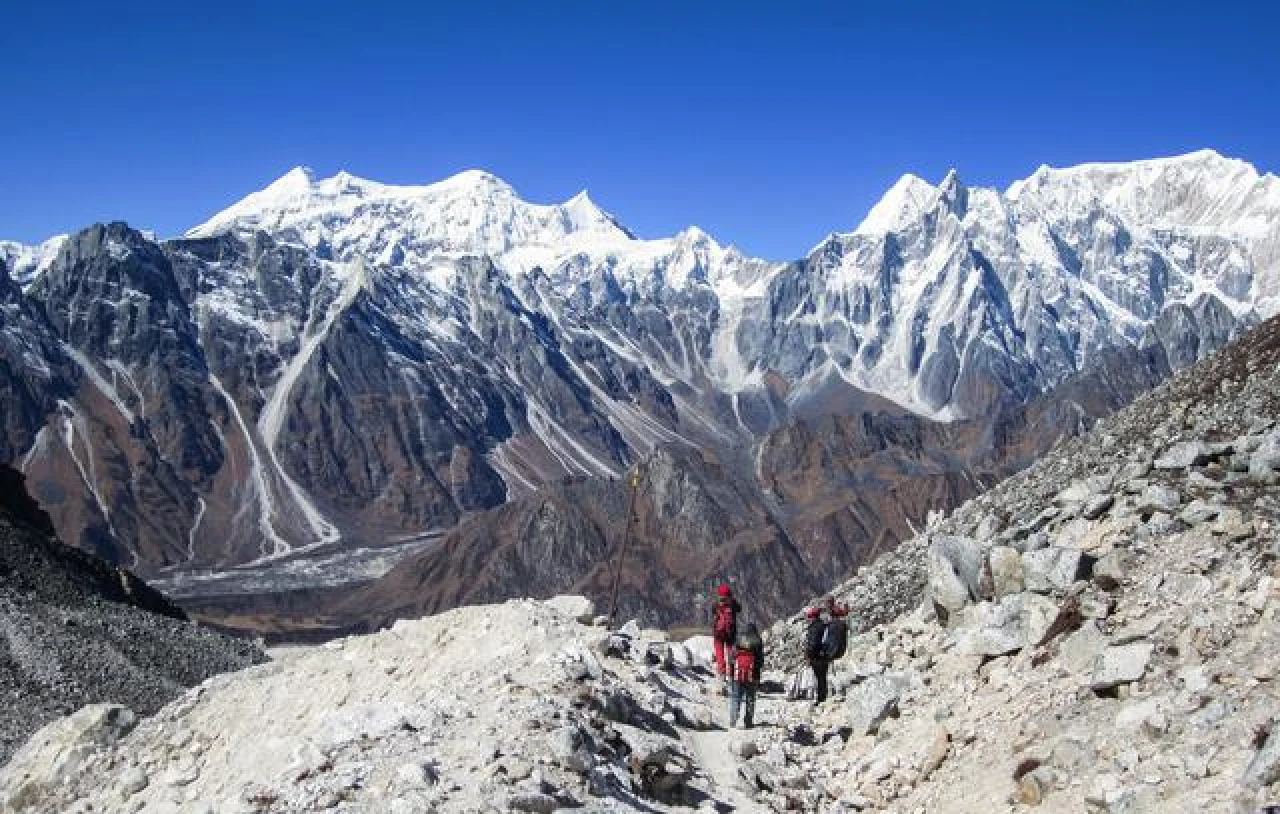
The Manaslu Circuit section leads toward Larkya La Pass, offering breathtaking views of Mount Manaslu, Himlung Himal, Cheo Himal, Kang Guru, and Annapurna II, along with glaciers and rugged peaks. You may also spot wildlife and birdlife within the conservation area, including the colourful Himalayan monal, Nepal's national bird.
The Manaslu Tsum Valley Trek is physically demanding, with remote trails, long walking days, and high-altitude terrain above 3,000 metres. Proper fitness, gradual acclimatisation, suitable equipment, and an experienced trekking guide are essential. Special permits are required for the restricted areas.
With Asiana Treks and Tours, you can experience the Manaslu region's natural beauty, Himalayan scenery, and rich cultural heritage through a carefully organised trekking adventure.
The Manaslu Circuit and Tsum Valley Trek requires good physical fitness, careful planning, and appropriate trekking gear. The route passes through remote Himalayan villages, high-altitude landscapes, and traditional Buddhist settlements. Prepare by walking regularly to build stamina, arranging the required permits and a licensed guide, and packing appropriate clothing for changing mountain weather. If your itinerary includes Larkya La Pass, allow time for gradual acclimatisation and check trail and weather conditions before departure.
Manaslu Circuit and Tsum Valley Trek Preparation Guide in Points
The Manaslu Circuit Tsum Valley Trek is an 18-day Himalayan journey that combines the sacred Tsum Valley with the spectacular Manaslu Circuit. Asiana Treks and Tours organises this adventure for travellers who want to explore remote mountain communities, traditional Buddhist settlements, dramatic river valleys, and high-altitude Himalayan scenery. The itinerary begins with a private jeep drive from Kathmandu to Jagat, then continues through Lokpa, Chumling, Chhekamparo, Mu Gompa, Rachen Nunnery, Deng, Namrung, Syala, Samagaun, Samdo, Dharamsala, Bhimtang, and Dharapani.
The total trekking distance depends on the exact route, side trips, and overnight stops. A reasonable planning estimate is about 200–230 km (124–143 miles) of walking, excluding road travel, though the final distance should be confirmed based on the actual daily route. The trek includes a dedicated acclimatisation day at Samagaun, an excursion to Birendra Lake, and the challenging crossing of Larkya La Pass before descending toward Bhimtang.
Duration: 18 days, including road transfers.
Starting point: Jagat, reached by private jeep from Kathmandu.
Major highlights: Tsum Valley, Mu Gompa, Rachen Nunnery, Samagaun, Birendra Lake, and Larkya La Pass.
Highest point: Larkya La Pass, approximately 5,106 m.
Ending point: Dharapani, followed by a private drive to Kathmandu or Pokhara.
Before departure, Asiana Treks and Tours should confirm the daily walking distances, overnight villages, and itinerary timing. In particular, the proposed Day 5 and Day 6 descriptions both mention Mu Gompa, so the overnight schedule should be clarified. The stated altitude for Samdo on Day 14 should also be corrected to approximately 3,875 m rather than 7,875 m.
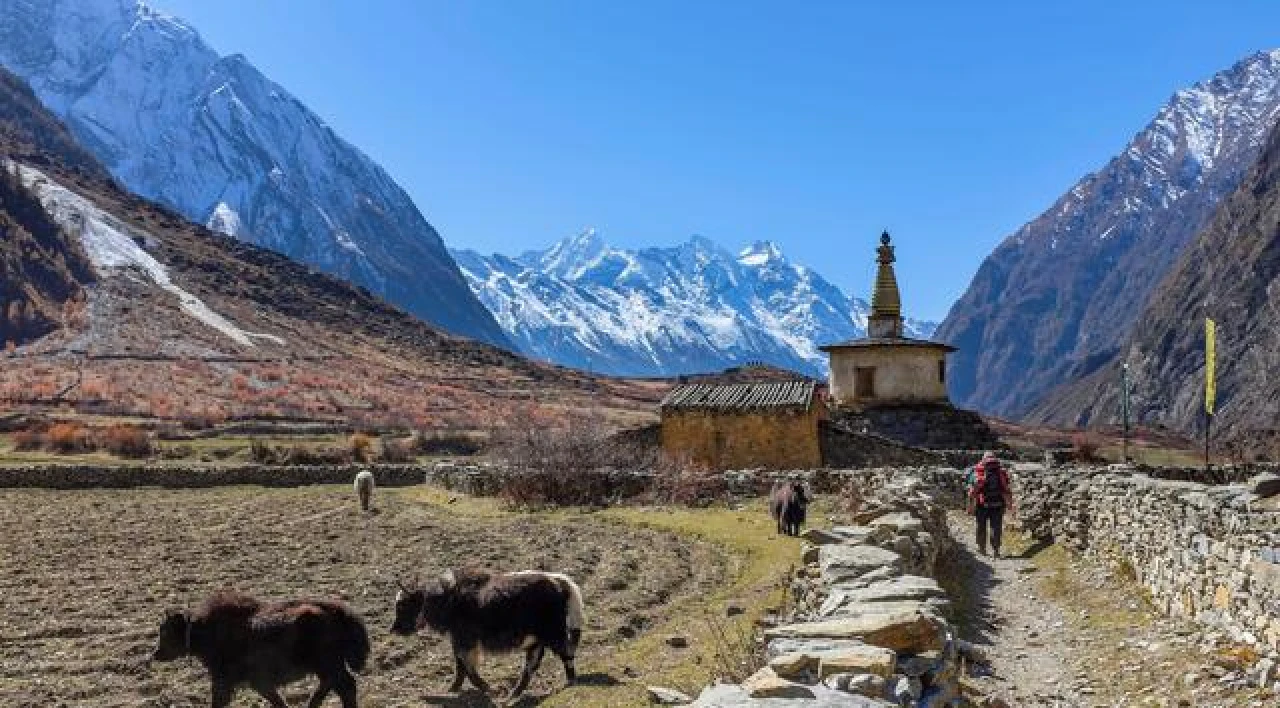
The Manaslu Circuit Tsum Valley Trek route passes through some of Nepal's most culturally distinctive and geographically varied Himalayan landscapes. After driving from Kathmandu to Jagat, trekkers follow mountain trails through Lokpa and Chumling into the restricted Tsum Valley, a region known for Tibetan Buddhist traditions, stone-built settlements, prayer flags, mani walls, and ancient monasteries. Continuing to Chhekamparo, Nile, Chhule, and Mu Gompa offers a chance to experience the quieter northern valley and its high-altitude cultural heritage. Rachen Nunnery offers another important insight into the area's living Buddhist traditions.
After exploring Tsum Valley, the route retraces sections of the trail toward the main Manaslu Circuit and joins the Budhi Gandaki Valley near Deng. From there, trekkers pass through Namrung and Syala before reaching Samagaun, one of the principal villages below Mount Manaslu. The acclimatisation excursion to Birendra Lake introduces dramatic glacial scenery, while the trail onward to Samdo and Dharamsala gradually prepares trekkers for the high crossing of Larkya La Pass. The descent to Bhimtang and Dharapani completes the mountain journey.
Cultural section: Jagat, Lokpa, Chumling, Chhekamparo, Mu Gompa, and Rachen Nunnery.
Manaslu Circuit section: Deng, Namrung, Syala, Samagaun, Samdo, Dharamsala, Bhimtang, and Dharapani.
Scenic highlights: Forested gorges, Himalayan villages, glacial lakes, snowy peaks, and high mountain terrain.
Asiana Treks and Tours can coordinate transportation, permits, guide services, and overnight arrangements for this route. Because Tsum Valley and the Manaslu region have restricted-area requirements, trekkers should confirm the current permit rules and minimum group requirements before booking.
The Manaslu Circuit Tsum Valley Trekking Price depends on the number of participants, trekking season, transportation arrangements, accommodation standards, meals, permits, guide and porter services, and itinerary length. An 18-day journey combining Tsum Valley and the Manaslu Circuit generally requires more logistical planning than a standard Manaslu Circuit trek because it includes additional walking days, remote settlements, monastery visits, and accommodation in less-developed areas.
Asiana Treks and Tours can prepare a personalised quotation based on your travel dates and service preferences. Private treks may cost more per person because fewer participants share the costs of a guide, transportation, and other fixed arrangements. Larger groups can often reduce the per-person cost, although the final price still depends on the group size and the services required. International flights, travel insurance, personal equipment, tips, and optional hotel stays may be additional expenses unless explicitly included.
Transportation: Private jeep transfers to and from Jagat and Dharapani.
Trekking services: Guide
Daily arrangements: Teahouse accommodation and meals according to the package.
Additional expenses: Insurance, personal snacks, hot showers, charging, Wi-Fi, and gratuities where applicable.
For an accurate price, Asiana Treks and Tours should provide a written breakdown showing what is included and excluded. Rather than relying on a generic advertised rate, ask for the final price based on your group size, preferred departure date, and whether you want a private or group departure. This helps you compare packages fairly and understand the full cost before confirming your booking.
Asiana Treks and Tours can tailor the Manaslu Circuit Tsum Valley Trek package to suit different budgets, travel styles, and service expectations. A standard package may include trekking permits, a licensed guide, porter arrangements, teahouse accommodation, meals during the trek, and the principal road transfers. Depending on the selected package, the company may also arrange hotel accommodation in Kathmandu, airport transfers, private transportation, and pre-trek briefings. Travellers should confirm each service in writing rather than assume it is automatically included.
A private package offers greater flexibility over departure dates, walking pace, rest stops, and the time spent exploring cultural sites. A group package may be more economical because participants share some operating expenses. Customised options can include additional acclimatisation time, improved accommodation in Kathmandu, a return to Pokhara instead of Kathmandu, or extra sightseeing before or after the trek. Tsum Valley's remoteness means accommodation and food options may be more limited than in major trekking centres.
Standard package: Essential trekking arrangements and basic teahouse services.
Private package: Flexible dates, personalised coordination, and a private guide arrangement.
Group package: Shared trekking arrangements with other participants.
Customised package: Additional hotel nights, transport upgrades, or itinerary adjustments.
Before booking, request the package's inclusions, exclusions, cancellation conditions, deposit requirements, and refund policy. Asiana Treks and Tours should also explain how it handles additional costs if weather, trail conditions, illness, or transportation disruptions require itinerary changes. A transparent package makes it easier to budget responsibly and enjoy the trek without unexpected financial pressure.
Altitude is one of the most important factors to consider when preparing for the Manaslu Circuit Tsum Valley Trek. The journey begins in lower mountain settlements and gradually climbs into the high Himalayas, where thinner air can make walking more demanding. Jagat sits at about 1,340 m, while Lokpa and Chumling are higher settlements near the entrance to Tsum Valley. Chhekamparo is around 3,010 m, and Mu Gompa lies at approximately 3,700 m. Returning toward the Manaslu Circuit, trekkers reach Samagaun at roughly 3,525 m and Samdo at approximately 3,875 m.
The trek's highest point is Larkya La Pass, at approximately 5,106 m. At this elevation, cold temperatures, strong winds, snow, and reduced oxygen availability can significantly affect physical performance. The itinerary includes an acclimatisation day in Samagaun and a gradual ascent. Trekkers should remain alert for altitude sickness symptoms such as headache, nausea, dizziness, unusual fatigue, or loss of appetite. Severe symptoms require immediate descent and urgent medical assistance.
Altitude figures are approximate and can vary between maps and accommodation locations. Asiana Treks and Tours should verify the daily elevation profile when finalising the itinerary. Trekkers should walk at a steady pace, drink adequate fluids, avoid rushing to higher elevations, and follow their guide's advice. An acclimatisation schedule reduces risk but cannot completely prevent altitude sickness.
The Manaslu Circuit and Tsum Valley are home to communities with deep Himalayan Buddhist traditions. Although Sherpa culture is widely recognised across Nepal's mountain regions, the settlements along this particular route are strongly associated with Tibetan-influenced Tsumba, Nubri, Gurung, and other local Himalayan communities. These distinctions matter when describing the region's cultural identity. Visitors can learn about local lifestyles through traditional houses, agricultural practices, Buddhist monasteries, prayer wheels, and conversations with residents.
Important villages include Chumling and Chhekamparo in Tsum Valley, followed by Nile and settlements around Mu Gompa. Along the main Manaslu Circuit, Namrung, Syala, Samagaun, and Samdo offer opportunities to observe mountain architecture, yak herding, barley cultivation where conditions permit, and religious traditions shaped by the Himalayan environment. Many families maintain close links with Tibetan Buddhist customs, and monasteries remain important centres of community life.
Asiana Treks and Tours encourages respectful cultural exploration rather than treating villages simply as sightseeing stops. Ask permission before photographing people, respect monastery rules, and support local teahouses and small businesses. Learning about the Tsumba and Nubri communities provides a more accurate, meaningful understanding of the people who make this Himalayan journey distinctive.
The Manaslu Circuit Tsum Valley Trek offers outstanding mountain scenery, ranging from forested river valleys to high alpine landscapes. In Tsum Valley, the trails around Chumling and Chhekamparo provide views of traditional villages set against rugged Himalayan slopes. Higher settlements around Nile and Mu Gompa create a striking combination of mountain scenery, monasteries, open grazing areas, and distant snow-covered peaks. The valley's quieter atmosphere lets trekkers appreciate the landscape without the crowds often found on Nepal's busiest trekking routes.
On the Manaslu Circuit, the views become increasingly dramatic around Namrung, Syala, and Samagaun. Clear weather may reveal Mount Manaslu and neighbouring Himalayan peaks, while the area around Birendra Lake provides striking glacial scenery. The trail toward Samdo and Dharamsala gets increasingly rugged, and crossing Larkya La Pass is the trek's major panoramic highlight. The descent toward Bhimtang rewards trekkers with expansive views of snow-covered mountains, glaciers, and alpine valleys.
Weather, cloud cover, and seasonal snow affect visibility, so we can't guarantee a particular summit view. Asiana Treks and Tours can help plan suitable walking times and rest stops to make the most of favourable conditions. Trekkers should carry sun protection, warm layers, and a camera or binoculars if they wish to enjoy the region's landscapes in greater detail.
The Manaslu Circuit Tsum Valley Trek crosses several ecological zones, creating a fascinating progression of plant life. Lower sections around Jagat and the Budhi Gandaki Valley contain subtropical vegetation, terraced farmland, and forested slopes. As the trail rises, trekkers encounter mixed woodland, oak, pine, and rhododendron in suitable areas, along with bamboo and other plants adapted to shaded mountain environments. Higher elevations gradually give way to coniferous forests, alpine shrubs, open meadows, and sparse vegetation around the cold, rocky terrain near the pass.
Wildlife in the wider Manaslu Conservation Area includes Himalayan species such as the Himalayan tahr, musk deer, blue sheep, and numerous bird species. The region is also home to elusive animals such as the snow leopard, though sightings are extremely rare. You may see monkeys and other wildlife in lower forested areas, and colourful pheasants and Himalayan birds are sometimes spotted along the trail. Wildlife sightings depend on the season, elevation, weather, and how quiet the trekking group is.
Plant life: Rhododendron, pine, oak, alpine shrubs, and seasonal wildflowers.
Possible wildlife: Himalayan tahr, blue sheep, musk deer, and various mountain birds.
Rare species: Snow leopards inhabit the broader Himalayan region but are seldom seen by trekkers.
Best practice: Observe wildlife from a distance and never feed or chase animals.
Asiana Treks and Tours promotes responsible trekking that protects fragile mountain habitats. Staying on established trails, carrying waste out of remote areas, avoiding loud disturbance, and respecting wildlife help preserve the region's natural environment. Trekkers should remember that the absence of animal sightings does not mean the ecosystem lacks wildlife; many Himalayan species are naturally elusive and avoid busy trails.
Culture is central to the Manaslu Circuit Tsum Valley Trek. The Tsum Valley has strong Tibetan Buddhist traditions, reflected in its monasteries, prayer flags, mani walls, chortens, and sacred landscapes. Buddhist teachings influence local customs, daily life, and attitudes toward animals and the natural environment. Monasteries such as Mu Gompa and Rachen Nunnery are important cultural destinations, while village shrines and prayer wheels offer smaller but equally meaningful glimpses of local spiritual practice.
Festivals and religious events vary according to the Tibetan lunar calendar and local community traditions. Lhosar, the Tibetan New Year, is an important celebration in many Himalayan Buddhist communities and may include family gatherings, traditional food, religious ceremonies, and cultural performances. Other Buddhist observances and monastery festivals occur throughout the year. However, dates vary from year to year, and you should not promise a festival visit without confirming the local calendar.
Lhosar: A New Year celebration observed in many Tibetan-influenced communities.
Buddhist ceremonies: Religious events held at monasteries and village shrines.
Prayer flags and mani walls: Important expressions of Buddhist faith and local identity.
Monastic heritage: Mu Gompa and Rachen Nunnery provide opportunities to learn about religious traditions.
Traditional architecture: Stone houses, agricultural settlements, and religious monuments reflect adaptation to mountain life.
Asiana Treks and Tours can help travellers understand appropriate behaviour at religious sites and identify cultural activities that may coincide with their travel dates. Visitors should dress respectfully, ask permission before taking photographs during ceremonies, and avoid interrupting prayers. Cultural experiences are most rewarding when travellers approach local traditions with curiosity, humility, and respect rather than expecting staged performances.
The people of Tsum Valley and the Manaslu region are essential to the trekking experience. Many residents maintain traditional lifestyles shaped by the Himalayan climate, limited road access, agriculture, animal husbandry, trade, and Buddhist religious practices. Families often operate teahouses and small lodges, providing food and shelter for trekkers travelling through remote mountain communities. Their knowledge of the local landscape, seasonal conditions, religious traditions, and mountain trails gives visitors a deeper understanding of the region than scenery alone can provide.
Hospitality in the mountains often comes through simple but meaningful gestures, including a warm welcome, a hot meal, help arranging accommodation, or advice on trail conditions. Life in remote villages can be challenging, particularly during winter, when supplies are limited and weather affects transportation. Trekkers should therefore appreciate the effort required to provide services at high altitude and understand that facilities may be more basic than those in Kathmandu or Pokhara.
Local interaction: Learn about village life through respectful conversations.
Traditional hospitality: Enjoy locally prepared meals and the welcoming atmosphere of family-run lodges.
Community support: Purchase snacks, drinks, handicrafts, and other available goods locally.
Cultural respect: Follow local customs around monasteries, homes, and religious objects.
Asiana Treks and Tours encourages travellers to treat hosts, guides, porters, and other community members with consideration. Learning a few local greetings, asking permission before taking photographs, and respecting cultural differences can make interactions more meaningful. Responsible visitors help maintain positive relationships between trekking tourism and the communities that welcome travellers to this extraordinary Himalayan region.
Booking the Manaslu Circuit Tsum Valley Trek with Asiana Treks and Tours offers an opportunity to coordinate a complicated Himalayan itinerary through one trekking company. The journey combines remote restricted-area trekking, road transfers, several high-altitude settlements, monastery visits, and a demanding pass crossing. Organising these details independently can be challenging, particularly for travellers unfamiliar with Nepal's permit procedures, transportation conditions, and mountain accommodation systems. A well-planned package brings these elements together into a coherent travel experience.
A well-organised trip should include clear communication before departure, an itinerary suited to the group's ability, appropriate guide and porter arrangements, and transparent information about costs. The company should explain permit requirements, daily walking expectations, altitude considerations, emergency procedures, and what happens if weather or trail conditions disrupt the schedule. Travelers should also receive a written list of package inclusions and exclusions before paying a deposit.
Itinerary coordination: Planning the Tsum Valley and Manaslu Circuit sections together.
Local logistics: Assistance with transportation, permits, accommodation, and meals according to the agreed package.
Trekking support: Guide and porter (if necessary), with arrangements suited to the group.
Personalised planning: Options for private departures and reasonable itinerary adjustments.
Pre-trip guidance: Information about equipment, altitude, insurance, and local customs.
Asiana Treks and Tours should be selected based on the clarity of its service agreement, relevant trekking experience, communication, safety practices, and customer references. Ask the company to confirm that your guide is appropriately qualified, that they arrange required permits legally, and that they have emergency support planned. These checks help you book confidently and set realistic expectations for a remote Himalayan adventure.
The Manaslu Circuit Tsum Valley Trek begins with preparation in Kathmandu, Nepal's main international arrival point. Before leaving the city, trekkers typically finalise permits, check equipment, meet their guide, and confirm transportation. This preparation matters because the route enters remote mountain areas where shops, medical services, and replacement equipment are limited. Asiana Treks and Tours can coordinate these arrangements according to the services confirmed in the trekking package.
On Day 1, the itinerary calls for a private jeep drive from Kathmandu to Jagat. The road journey can be long and tiring, with travel times influenced by road conditions, traffic, weather, and the selected route. After reaching Jagat, the walking portion begins toward Lokpa and the villages of Tsum Valley. Trekkers should expect changing trail conditions, suspension bridges, steep ascents and descents, and limited facilities in some settlements.
Starting city: Kathmandu.
First day's activity: Private jeep drive to Jagat.
First trekking stage: Jagat to Lokpa.
Pre-trek preparation: Permits, equipment checks, guide briefing, and transport confirmation.
Essential items: Passport, insurance details, suitable boots, warm clothing, and personal medication.
Asiana Treks and Tours should provide the departure time, expected road journey, luggage arrangements, and meeting instructions before the trip. Arrive in Kathmandu at least a day before the planned departure so flight delays don't immediately affect the trekking schedule. A relaxed start, proper preparation, and realistic expectations make the first days of the trek much more comfortable.
Nepal's official currency is the Nepalese rupee (NPR). Travellers arriving for the Manaslu Circuit Tsum Valley Trek should arrange sufficient local currency in Kathmandu before beginning the journey. Banks, authorised exchange counters, and ATMs are available in the capital, although exchange rates and service charges differ. Carrying smaller banknotes helps with minor purchases, drinks, snacks, laundry, and other personal expenses during the trek.
Once the trekking route enters remote villages, access to banking services and ATMs becomes extremely limited or nonexistent. Teahouses may accept cash only, so you cannot rely on electronic payments. Because the itinerary includes several days in Tsum Valley and high-altitude settlements, estimate your personal spending in advance and carry enough money for the full trekking period, plus an extra reserve for unexpected expenses.
Currency: Nepalese rupee (NPR).
Best place to exchange money: Kathmandu before departure.
Cash requirement: Budget for snacks, hot showers, charging, Wi-Fi, tips, and other services not included.
ATM access: Do not rely on finding ATMs along the trekking route.
Exchange advice: Use authorised exchange services and keep receipts where provided.
Asiana Treks and Tours can advise travellers on common personal expenses and clarify which costs the package covers. However, the right amount of cash depends on individual spending habits, group arrangements, and the services included. Keep cash securely separated from passports and other valuables, and avoid displaying large amounts in public. Carrying a combination of small and medium denominations makes everyday transactions easier in remote villages.
A successful Manaslu Circuit Tsum Valley Trek depends on a coordinated team working together across a challenging mountain environment. The trekking team may include an experienced guide, assistant guides for larger groups where appropriate, porters, drivers, and the operations staff who arrange permits, accommodation, transportation, and communication before departure. Each person helps make the journey more organised and enjoyable, especially in remote locations where logistical problems can be hard to resolve quickly.
Asiana Treks and Tours should provide clear information about the people assigned to your departure. Your guide should understand the route, local cultural practices, altitude risks, and emergency procedures. Assign porters realistic loads and provide appropriate working conditions. Drivers should use suitable vehicles for the road journey to Jagat and the return transfer from Dharapani. Communication between the trekking team and the company's operations staff is especially valuable when weather, health, or trail conditions require changes.
Trekking guide: Leads the route, provides cultural interpretation, and coordinates day-to-day logistics.
Porters: Help transport agreed trekking luggage.
Drivers: Road transportation according to the package.
Operations team: Permits, accommodation, logistics, and itinerary coordination.
Travellers: Following safety guidance and communicating health or equipment concerns.
Before departure, ask Asiana Treks and Tours who will accompany your group and how they will provide emergency support. The precise team structure may vary with group size and itinerary requirements. Good teamwork depends on mutual respect, reasonable expectations, regular communication, and recognising that both travellers and local staff contribute to the expedition's overall success.
Professional guide and porter arrangements matter for the Manaslu Circuit Tsum Valley Trek because the route includes remote settlements, altitude changes, and a demanding high mountain pass. A qualified guide helps manage the daily schedule, identify the correct trail, communicate with local lodge owners, explain cultural sites, and monitor changing conditions. Guides also play an important role in recognising potential altitude-related illness and coordinating assistance when necessary, although they do not replace professional medical care.
Porters help transport the agreed luggage, letting trekkers carry a lighter daypack and focus on walking. Trekkers must manage their loads responsibly, with appropriate equipment, clothing, accommodation, and rest. The number of porters required depends on group size, luggage allowance, trek length, and the company's operating arrangements. Trekkers should confirm whether porter services are included in their package and whether one porter will carry luggage for more than one person.
Guide responsibilities: Navigation, daily coordination, cultural guidance, and safety monitoring.
Porter responsibilities: Carrying agreed luggage within the permitted load.
Traveler's daypack: Water, snacks, rainwear, sun protection, valuables, and personal medication.
Before departure: Confirm staffing, luggage limits, tips, and emergency arrangements.
Asiana Treks and Tours should explain the guide's qualifications, the porter-to-client arrangement, and the maximum luggage weight permitted under the package. Trekkers should not add excessive weight at the last minute or expect staff to carry loads beyond safe limits. Fair working conditions, appropriate insurance and equipment, and respectful communication help create a safer and more responsible trekking experience for everyone.
Managing luggage properly makes the Manaslu Circuit Tsum Valley Trek more comfortable. Trekkers generally carry a small daypack with essentials for each walking day, while porters carry the main trekking bags, depending on the agreed service. Because the route passes through remote villages and high-altitude terrain, pack efficiently and bring only what you need for the 18-day itinerary. Heavy or unnecessary items increase the burden on both trekkers and support staff.
You can usually leave extra luggage not needed during the trek at a Kathmandu hotel or arrange storage through the trekking company, provided you confirm this service in advance. Travellers should keep passports, money, electronic devices, medication, and other valuables with them rather than placing them in porter luggage or unattended storage. Waterproof duffel bags or suitable pack covers help protect equipment from rain, dust, and changing weather during transport.
Daypack: Water, snacks, camera, rain jacket, sunscreen, and personal essentials.
Main trekking bag: Spare clothes, sleeping equipment if required, and other agreed items.
Luggage allowance: Confirm the weight limit and porter-sharing arrangements before departure.
Extra luggage: Ask about hotel or company storage in Kathmandu.
Valuables: Keep important documents, money, and electronics secure and accessible.
Asiana Treks and Tours should clarify the bag type, maximum weight, luggage collection arrangements, and storage conditions before the trip begins. Pack clothing in waterproof bags inside your main duffel, label your luggage, and keep a small reserve of essentials in your daypack. Good luggage management reduces stress at teahouses and makes daily departures easier, especially when the route involves early starts or challenging high-altitude walking.
Accommodation on the Manaslu Circuit Tsum Valley Trek is generally provided in locally operated teahouses and simple mountain lodges. These establishments offer basic rooms, shared or private sleeping arrangements depending on availability, and communal dining areas where trekkers eat and relax. Facilities are usually more limited than in Kathmandu or Pokhara, especially in the upper sections of Tsum Valley and near high-altitude settlements. Room availability may be limited during busy trekking periods, so plan ahead.
In villages such as Chumling, Chhekamparo, Samagaun, and Samdo, accommodation allows trekkers to experience the rhythms of daily life in remote Himalayan communities. Rooms may have simple beds, blankets, and limited furniture, while toilets and washing facilities are often shared. Hot showers, private bathrooms, and reliable heating are not guaranteed. Near Dharamsala, facilities may be particularly basic because of the high elevation and seasonal nature of the trekking route.
Accommodation type: Local teahouses and mountain lodges.
Room standards: Generally simple, with availability varying by village.
Bathrooms: Shared facilities are common.
Heating: Communal stoves may be available in dining rooms, but rooms are often unheated.
Sleeping equipment: Confirm whether blankets are provided and whether a sleeping bag is recommended.
Asiana Treks and Tours should arrange accommodation in accordance with the selected package and expected availability. During busy seasons, room sharing or changes to the planned overnight stop may become necessary. Carry a suitable sleeping bag for the season, earplugs if desired, and personal hygiene supplies. Flexible expectations and respect for local lodge staff help ensure a pleasant stay throughout this remote Himalayan journey.
Meals are an important part of the Manaslu Circuit Tsum Valley Trek because trekkers need sufficient energy for long walking days and high-altitude conditions. Teahouses typically serve traditional Nepali dishes alongside a selection of simple international-style meals. Dal bhat, consisting of rice, lentil soup, vegetables, and sometimes additional side dishes, is a common choice because it provides carbohydrates and protein. Other options may include noodle soup, fried rice, potatoes, eggs, porridge, pancakes, and momos, depending on the village and season.
Food variety generally decreases as the trail reaches more remote and higher settlements. Ingredients often must be transported over difficult terrain, which can raise prices and limit availability. Eating regular meals, choosing freshly prepared food, and maintaining adequate calorie intake are particularly important when trekking at altitude. Travellers with vegetarian, vegan, gluten-free, or other dietary requirements should communicate their needs before departure, although remote villages cannot always guarantee specialised ingredients.
Common meals: Dal bhat, noodle soup, rice dishes, potatoes, eggs, and porridge.
Breakfast: Porridge, bread, pancakes, eggs, or similar available options.
Lunch and dinner: Local set meals, soups, rice, noodles, and vegetables.
Dietary needs: Notify Asiana Treks and Tours before travel.
Personal snacks: Energy bars, nuts, dried fruit, and other lightweight snacks.
Asiana Treks and Tours should specify whether all trekking meals are included, whether drinks are excluded, and how dietary requests will be handled. Eat enough to maintain energy, wash your hands before meals, and avoid food that appears improperly stored or undercooked. Bringing familiar snacks can help, but most trekkers can enjoy trying freshly prepared local food along the route.
Staying hydrated is essential during the Manaslu Circuit Tsum Valley Trek, particularly as the route climbs above 3,000 m and includes strenuous walking. Cold, dry mountain air can increase fluid loss, and physical exertion and altitude can make dehydration hard to recognise. Trekkers should drink regularly throughout the day rather than waiting until they feel thirsty. Water needs vary by body size, weather, walking intensity, and individual health, so a flexible approach works better than relying on a fixed amount.
Water is available at teahouses and other local sources, but it should not automatically be assumed safe to drink untreated. Trekkers can use boiled water, a suitable water filter, or an effective purification method appropriate for the source. Chemical treatment may require adequate contact time, and some methods do not remove all types of contaminants. Carrying reusable water bottles or a hydration system reduces single-use plastic waste and keeps water readily available while walking.
Recommended approach: Use boiled, filtered, or appropriately treated water.
Daily routine: Refill bottles before leaving each lodge and drink regularly.
Equipment: Reusable bottles, a hydration bladder, and a reliable backup purification method.
Avoid: Drinking untreated stream or tap water.
Asiana Treks and Tours should explain the water arrangements included in the package and where safe refills are available. Trekkers should also avoid becoming overhydrated through forced excessive drinking; maintain a sensible intake and pay attention to thirst, urine colour, and physical condition. Proper hydration supports comfort and performance, but it does not prevent altitude sickness on its own.
Extra personal expenses are costs that may arise during the Manaslu Circuit Tsum Valley Trek beyond the services included in your package. These may include hot showers, charging electronic devices, Wi-Fi, snacks, bottled or treated water, soft drinks, laundry, souvenirs, tips, and additional accommodation. Availability and prices vary by village, and costs are often higher in remote areas because supplies must be transported over difficult terrain.
Travellers should also budget for expenses before and after the trek, such as hotel nights in Kathmandu, meals outside the package, airport transfers if not included, international flights, travel insurance, equipment purchases, and optional sightseeing. Unexpected expenses may occur if weather delays transportation or an itinerary change requires an additional overnight stay. It's sensible to carry an emergency reserve rather than budget only for expected purchases.
Daily personal spending: Snacks, drinks, hot showers, charging, and Wi-Fi.
Optional purchases: Souvenirs, local handicrafts, and laundry.
Tips: For guides, porters, and drivers, according to service and local practice.
Travel-related costs: Insurance, equipment, extra hotel nights, and meals not included.
Emergency reserve: Cash for unforeseen delays or additional services.
Asiana Treks and Tours should provide a clear list of included and excluded costs when you book. Ask whether guide and porter tips, drinking water, charging, hot showers, and additional accommodation are included or payable separately. Planning for personal expenses in advance makes budgeting easier and prevents misunderstandings during the journey. Carry enough Nepalese rupees for the entire trek because banking facilities are extremely limited along the route.
Toilet facilities on the Manaslu Circuit Tsum Valley Trek vary by village, lodge, and elevation. In larger settlements, some teahouses provide indoor toilets, while others have shared facilities outside the main building. At higher, more remote locations, facilities may be basic, and running water can be limited or unavailable in cold weather. Trekkers should not expect the same standards as urban hotels, especially at high-altitude overnight stops such as Dharamsala.
Good hygiene is important throughout the trek because limited water and sanitation infrastructure can increase the risk of gastrointestinal illness. Travellers should carry toilet paper, hand sanitiser, and a small supply of personal hygiene products. Dispose of paper and sanitary waste according to local instructions rather than assuming every toilet can accommodate it. Where outdoor toilet use is unavoidable, follow the guide's instructions and local environmental regulations to avoid contaminating water sources or damaging fragile alpine terrain.
Lower villages: A mixture of indoor and shared toilets.
Remote settlements: Basic facilities may be available, depending on the lodge.
Personal supplies: Toilet paper, hand sanitiser, and biodegradable hygiene products where appropriate.
Waste disposal: Follow local rules and use designated bins or disposal systems.
Environmental protection: Never contaminate streams, springs, or lakes.
Asiana Treks and Tours should explain the likely facilities at each overnight stop and advise trekkers on suitable hygiene practices. Carry a small personal kit in an accessible part of your daypack, and be prepared for simple conditions. Understanding these limitations before departure helps travellers adapt comfortably and reduces the environmental impact of trekking in a sensitive mountain ecosystem.
Internet connectivity along the Manaslu Circuit Tsum Valley Trek is variable and should not be relied upon for uninterrupted communication. Some teahouses in larger villages may offer Wi-Fi, sometimes for an additional fee, but the connection can be slow, unstable, or unavailable. As the route enters the more remote sections of Tsum Valley and climbs toward Mu Gompa, Samdo, and Dharamsala, reliable internet access becomes increasingly difficult. Weather, power availability, terrain, and local infrastructure can all affect connectivity.
Mobile data may work in certain settlements depending on the operator and network coverage, but signal strength varies substantially. Travelers should download offline maps, save important documents, and inform family or friends that regular updates may not be possible. Those who require reliable connectivity for work should make alternative arrangements before leaving Kathmandu and avoid promising availability during the trek.
Kathmandu: Generally good access to Wi-Fi and mobile data.
Lower trekking villages: Connectivity may be available but can be inconsistent.
Upper Tsum Valley and high-altitude areas: Expect limited or no dependable service in some locations.
Preparation: Download offline maps, save bookings, and carry a power bank.
Emergency planning: Do not rely solely on ordinary internet access for urgent communication.
Asiana Treks and Tours can advise on expected connectivity based on current local conditions, but service cannot be guaranteed at every stop. Travellers should treat internet as an optional convenience rather than an essential part of the trekking plan. Disconnecting from daily online routines can also make it easier to appreciate the landscapes, monasteries, and local communities along the route.
Electricity is available in many settlements along the Manaslu Circuit Tsum Valley Trek, but access can be inconsistent in remote villages and high-altitude lodges. Nepal generally uses a nominal 230-volt, 50-hertz electrical supply. Common plug types include Type C, Type D, and Type M, so travellers should check device compatibility and bring a suitable travel adapter. Power outages, limited charging points, and additional charging fees may occur, especially in smaller teahouses.
Prepare electronic equipment for cold temperatures and long days away from reliable charging facilities. Cold conditions can reduce battery performance, particularly for smartphones and cameras. A fully charged power bank, spare camera batteries, and a suitable charging cable can be extremely useful. Travellers should also consider switching devices to aeroplane mode when there is no signal, as continuous network searching can drain batteries quickly.
Standard supply: Approximately 230 V, 50 Hz.
Common plug types: C, D, and M; compatibility varies by lodge.
Useful equipment: Universal adapter, power bank, spare batteries, and charging cables.
Charging access: Available in some teahouses, sometimes for an extra fee.
Device safety: Check voltage compatibility before connecting electrical equipment.
Asiana Treks and Tours should advise trekkers about likely charging arrangements and any costs that are excluded from the package. Don't assume every room has a power outlet, and keep essential electronics protected from moisture and cold. For high-altitude trekking, preserving battery power is particularly important because phones may be needed for offline navigation, photographs, or emergency communication.
Communication during the Manaslu Circuit Tsum Valley Trek requires preparation because mobile networks and internet services become unreliable in remote areas. Before departure, travellers should share their itinerary with family or friends, provide emergency contact details, and agree on a realistic schedule for updates. The lack of a daily message does not necessarily indicate a problem; trekkers may simply be in a village with limited signal or staying at a lodge without reliable Wi-Fi.
The trekking guide is usually the main point of contact for coordinating daily plans, communicating with local lodge owners, and arranging assistance when needed. Asiana Treks and Tours should provide an appropriate company contact and explain how the team will respond if weather, illness, or road conditions disrupt the itinerary. For remote sections, the company should also clarify the emergency communication arrangements available to the guide and group, rather than relying entirely on ordinary mobile phones.
Before departure: Save company contacts, insurance information, and emergency numbers.
During the trek: Ask the guide about the best available communication method.
Family updates: Agree on realistic check-in intervals.
Offline preparation: Keep copies of permits, bookings, and maps accessible without internet.
Emergency support: Confirm the guide's procedures and the company's response arrangements.
Asiana Treks and Tours should explain any communication equipment provided for the trip and whether it is included in the package. Travellers should not assume that satellite communication devices are automatically supplied. Clear communication before the trek, realistic expectations about network coverage, and a defined emergency plan help everyone manage the journey more confidently.
A trip extension is an excellent option for travellers who want to explore more of Nepal before or after the Manaslu Circuit Tsum Valley Trek. Kathmandu offers historic temples, traditional courtyards, cultural landmarks, and local markets, while Pokhara is known for its lakeside setting and mountain views. Depending on your interests and schedule, you can also use extra days for cultural tours, wildlife experiences, short hikes, or relaxation after the demanding high-altitude trek.
Some travellers prefer to extend their trip with a visit to other Himalayan regions, but plan carefully around flight schedules, trekking recovery, seasonal weather, and available time. After crossing Larkya La Pass and descending to Dharapani, you can arrange a transfer to Kathmandu or Pokhara according to the agreed itinerary. Allow a buffer day before an international flight, as mountain road journeys can be delayed by traffic, landslides, weather, or other disruptions.
Kathmandu sightseeing: Heritage sites, temples, local markets, and cultural tours.
Pokhara extension: Lakeside relaxation, mountain viewpoints, and short excursions.
Wildlife experiences: Optional visits to suitable national parks, subject to available time.
Additional trekking: We can consider other routes based on fitness, season, and permit requirements.
Recovery time: Allow time to rest after crossing the high pass.
Asiana Treks and Tours can help tailor extensions to your travel dates, interests, and budget. Discuss extra hotel nights, domestic transport, guided sightseeing, and any additional permits before confirming your booking. A well-planned extension lets you experience another side of Nepal without rushing the final stages of the trek or risking a tight connection after the mountain journey.
The Manaslu Circuit Tsum Valley Trek is a challenging high-altitude trek for travellers with good fitness, a positive attitude, and the ability to walk consecutive days. The route includes steep ascents and descents, uneven stone steps, narrow trails, suspension bridges, remote settlements, and long walking days. The Tsum Valley section adds cultural exploration and extra distance, while the Manaslu Circuit culminates in the demanding crossing of Larkya La Pass at approximately 5,106 m.
Altitude is one of the greatest challenges. Even physically fit trekkers can experience altitude-related symptoms, and cold weather, wind, snow, or fatigue may make walking more difficult. The descent from the pass to Bhimtang can also be demanding because tired legs must negotiate steep or uneven terrain. Preparation should include regular aerobic exercise, hill walking, stair climbing, and practice carrying a daypack. Previous multi-day trekking experience helps, but a gradual training plan can improve readiness for first-time high-altitude trekkers.
Difficulty level: Challenging, with substantial altitude and endurance demands.
Daily walking: Varies by stage, terrain, and the final overnight schedule.
Highest elevation: Larkya La Pass, approximately 5,106 m.
Preparation: Cardiovascular fitness, leg strength, and practice hikes.
Key challenges: Altitude, weather, long walking days, and remote facilities.
Asiana Treks and Tours should assess the group's experience and fitness before departure and confirm that the itinerary allows appropriate acclimatisation. Trekkers should be prepared to walk at a steady pace and communicate symptoms early. Don't approach the trek as a race; sensible pacing, rest, hydration, and flexibility matter more than speed.
Safety is a priority on the Manaslu Circuit Tsum Valley Trek because the route crosses remote mountain terrain and reaches elevations where weather and altitude can become serious concerns. Proper preparation includes suitable clothing, sturdy trekking boots, sun protection, a first-aid kit, travel insurance, and an itinerary that accounts for acclimatisation. Trekkers should listen to the guide's daily briefing, follow trail instructions, and avoid taking unnecessary risks on exposed or slippery sections.
Altitude sickness deserves particular attention. Symptoms may include headache, nausea, dizziness, unusual tiredness, and reduced appetite. Severe or worsening symptoms, particularly confusion, difficulty walking straight, breathlessness at rest, or a serious deterioration in condition, require urgent action. Do not continue ascending with suspected serious altitude illness. Descent and medical assessment may be necessary, and emergency evacuation may be required depending on the circumstances. Weather can also change quickly near Larkya La Pass, so attempt the crossing only when conditions and the group's health are suitable.
Acclimatisation: Follow the planned rest day and avoid rushing the ascent.
Weather: Carry warm layers, waterproof clothing, gloves, and suitable footwear.
Insurance: Confirm coverage for high-altitude trekking and emergency evacuation.
Emergency readiness: Keep essential medication and emergency contacts accessible.
Guide instructions: Follow advice regarding trail conditions, symptoms, and departure times.
Asiana Treks and Tours should provide a clear emergency plan and confirm the guide's procedures for handling illness, injury, severe weather, or evacuation. No trekking company can eliminate every mountain risk, and weather, daylight, location, and insurance approval may affect helicopter evacuation. Travellers should be honest about their health, remain flexible, and prioritise safety over completing the itinerary exactly as originally scheduled.
The Manaslu Circuit Tsum Valley Trek can be arranged as a group departure or a private trek, depending on availability, permit requirements, and traveller preferences. Group trekking can reduce per-person costs and offer opportunities to share the experience with other travellers. Participants follow a shared itinerary, though differences in fitness, pace, and altitude response may affect the daily schedule. A compatible group size and realistic walking expectations help make the experience more enjoyable.
A private trek offers greater flexibility for couples, families, friends, and small groups who want more control over departure dates, rest stops, and the pace of exploration. Private arrangements may also make it easier to accommodate photography interests, cultural visits, or reasonable itinerary adjustments. However, the per-person cost may be higher because fewer travellers share fixed expenses. Restricted-area rules can also affect minimum group and guide requirements, so a private trip for one traveller doesn't necessarily mean trekking without required support arrangements.
Group trek: A shared itinerary, a social experience, and potentially lower per-person costs.
Private trek: Greater flexibility and a more personalised experience.
Family or friends: An opportunity to travel together at a coordinated pace.
Customised services: Additional rest days or other changes, subject to logistics.
Booking checks: Confirm group size, permit conditions, and the cancellation policy.
Asiana Treks and Tours can explain which departures are available and recommend the most appropriate option for your group. Before booking, discuss fitness levels, room-sharing preferences, luggage arrangements, and the expected walking pace. Choose the option that matches your budget, experience, and expectations while keeping the itinerary safe and realistic.
Solo travellers can enjoy the Manaslu Circuit Tsum Valley Trek, but this restricted-area route requires special planning. The Manaslu and Tsum Valley sections are subject to permit and guide regulations, and the applicable rules may require travel arrangements through a registered trekking agency, a licensed guide, and a minimum number of trekkers for restricted-area permits. These requirements can change, so solo travellers should confirm the current regulations before booking rather than assume they can trek independently.
A traveller arriving alone may be able to join an existing group or arrange a private trip through Asiana Treks and Tours, depending on departure availability and the applicable permit rules. Joining a group can reduce costs and provide company on long walking days, while a private arrangement may offer more flexibility but cost more. Regardless of the arrangement, solo travellers should share their itinerary with a trusted contact, purchase appropriate travel insurance, and follow the guide's advice about altitude, weather, and route conditions.
Permit planning: Confirm current restricted-area rules and minimum group requirements.
Agency support: Arrange the trek through an appropriately registered operator.
Group option: Ask whether a compatible scheduled departure is available.
Private option: Request a quotation for individualised arrangements.
Safety preparation: Carry emergency contacts and suitable trekking insurance.
Asiana Treks and Tours can explain the practical options for a solo traveller. Be clear about your experience, fitness, preferred departure dates, and budget so that the company can recommend a suitable arrangement. Solo travel can be rewarding in the Himalayas, but this journey requires compliance with local rules, careful preparation, and a reliable support plan.
Responsible travel helps protect the landscapes, wildlife, cultural heritage, and communities you encounter on the Manaslu Circuit Tsum Valley Trek. The region's remote villages and fragile alpine environments are particularly sensitive to waste, excessive resource consumption, and disrespectful behaviour at religious sites. Trekkers can reduce their impact by staying on established trails, using reusable bottles, minimising packaging, disposing of waste properly, and following local instructions around monasteries, lakes, and protected areas.
Supporting local communities is another important part of responsible tourism. Staying in locally operated teahouses, buying local products, and treating guides, porters, drivers, and lodge staff fairly helps spread tourism income more widely. Travellers should also recognise that local customs may differ from their own and that cultural sites are active places of worship rather than simply tourist attractions. Ask permission before photographing people, dress appropriately in monasteries, and follow local guidance when walking around religious monuments.
Reduce waste: Carry reusable water bottles and dispose of rubbish properly.
Respect culture: Follow monastery rules and local customs.
Protect wildlife: Keep a safe distance and never feed wild animals.
Support local livelihoods: Use local accommodation and services where appropriate.
Treat workers fairly: Respect agreed luggage limits, working conditions, and rest requirements.
Asiana Treks and Tours can encourage responsible practices by explaining local expectations before departure and working respectfully with communities. Every trekker can contribute by using resources thoughtfully, avoiding unnecessary environmental damage, and recognising the value of the people and places encountered along the trail. Responsible travel helps ensure that future visitors can also appreciate the distinctive beauty and heritage of Tsum Valley and the Manaslu region.
Gratitude is an important part of the trekking experience because the Manaslu Circuit Tsum Valley Trek depends on the support and cooperation of many people. Guides share their knowledge of the trail and local culture, porters carry luggage, drivers navigate demanding roads, and lodge owners provide food and accommodation in challenging mountain conditions. Local communities also welcome visitors into places where traditions and everyday life have developed over generations.
A sincere thank-you can mean a great deal, whether expressed in a few respectful words, a friendly conversation, or a thoughtful tip for good service. Tips are generally discretionary and should reflect service quality, the length and difficulty of the trek, local customs, and your budget. If you are travelling in a group, discuss a fair approach to tipping in advance to avoid confusion and ensure the guide, porters, and other team members are considered appropriately.
Thank your team: Recognise the work of guides, porters, drivers, and lodge staff.
Respect local hosts: Appreciate their hospitality and follow their house rules.
Tip thoughtfully: Follow local guidance and the company's recommendations.
Support communities: Purchase local goods and services when appropriate.
Leave a positive impact: Follow environmental and cultural guidelines throughout the journey.
Asiana Treks and Tours can explain customary tipping practices and clarify whether gratuities are included in the package. Gratitude should be sincere, not obligatory, and it extends beyond money to respectful behaviour, patience, and consideration. By recognising everyone's contributions, trekkers help create a positive atmosphere and a more meaningful connection with the communities that make the journey possible.
End of Trek
The trekking portion of the Manaslu Circuit Tsum Valley Trek concludes after the descent from Larkya La Pass to Bhimtang and the subsequent walk toward Dharapani. This final section takes trekkers from the high alpine environment into lower mountain landscapes, marking the end of a journey through remote valleys, traditional villages, monasteries, and some of Nepal's most dramatic mountain scenery. Reaching Dharapani is an important milestone, especially after the physical demands of crossing the high pass.
After arriving in Dharapani, travellers transfer by private vehicle to Kathmandu or Pokhara, as arranged with Asiana Treks and Tours. The road journey can be long, and the duration depends on road conditions, traffic, weather, and the selected destination. A direct return to Kathmandu may suit travellers with limited time, while Pokhara offers an alternative for those who want to relax by the lake or keep exploring Nepal.
Final trekking stage: Bhimtang to Dharapani, with the precise walking schedule confirmed before departure.
Transport: Private drive from Dharapani to Kathmandu or Pokhara.
After the trek: Rest, shower, do laundry, and recover.
Travel buffer: Allow extra time before an international flight.
Trip review: Confirm you've collected all luggage and personal belongings.
Asiana Treks and Tours should confirm vehicle arrangements, the expected departure time, the destination, and any additional road-transfer costs. Keep essential items accessible during the drive, and inform the guide promptly if you sustain an injury or feel unwell after crossing the pass. Ending the trek with a comfortable transfer and adequate recovery time helps bring the Himalayan adventure to a satisfying close.
Departure
Plan departure arrangements carefully after completing the Manaslu Circuit Tsum Valley Trek. Travellers returning to Kathmandu may need to connect with an international flight, while those continuing to Pokhara or another destination may require additional road or air transportation. Because roadworks, traffic, landslides, and weather can affect the journey from Dharapani, it is unwise to schedule a tight international flight connection immediately after the drive.
Asiana Treks and Tours can coordinate the private transfer specified in your package and help clarify whether airport transportation or additional hotel nights are included. If you are flying internationally, share your confirmed flight details with the company and allow a generous buffer between the end of the trek and departure. A recovery night in Kathmandu is often a sensible precaution, particularly after an itinerary involving high-altitude walking and remote road travel.
Before leaving Dharapani: Check luggage, documents, and personal belongings.
Road transfer: Confirm the destination and departure time with your guide or company.
Flight planning: Leave sufficient time for road delays and airport procedures.
Hotel arrangements: Confirm whether a post-trek overnight stay is included.
Travel documents: Keep passports, tickets, and insurance information accessible.
If your plans change during the trek, notify Asiana Treks and Tours as early as possible so that transport and accommodation can be adjusted. Travellers should also keep some reserve funds for unforeseen delays. A flexible departure plan reduces stress and lets you finish the journey safely, without rushing through the final stages of your Nepal visit.
Feedback
Feedback is valuable after completing the Manaslu Circuit Tsum Valley Trek because it helps travellers reflect on their experience and helps trekking companies understand what worked well and what could be improved. You may wish to comment on the itinerary, guide's knowledge, porter arrangements, accommodation, meals, transportation, cultural experiences, and the overall organisation of the trip. Honest feedback helps future trekkers and identifies areas where services could improve.
Asiana Treks and Tours can invite you to share your experience after the journey, whether through a direct message, a customer review, or a discussion with the company. Constructive comments are most useful when they describe specific experiences and distinguish between factors within the company's control and challenges caused by weather, remoteness, or changing trail conditions. If an issue arises during the trek, report it promptly so the company and guide can address it while the journey is still underway.
Share your experience: Describe the route, guide service, accommodation, and overall organisation.
Be specific: Explain what you appreciated and what could be improved.
Raise concerns promptly: Give the team an opportunity to resolve issues during the trip.
Provide a fair review: Distinguish service quality from unavoidable mountain conditions.
Help future trekkers: Share practical insights about preparation and the trekking experience.
Your feedback can help Asiana Treks and Tours refine its services and provide clearer information to future clients. If you enjoyed the journey, a thoughtful review can help other travellers understand what to expect from the Tsum Valley and Manaslu Circuit. If improvements are needed, constructive suggestions can also help improve planning, communication, and responsible trekking practices.
Last-Minute Booking
Last-minute booking for the Manaslu Circuit Tsum Valley Trek may be possible, depending on your departure date, permit processing, guide availability, accommodation, transportation, and current restricted-area requirements. However, this remote, logistically demanding itinerary is less straightforward to book at short notice than a standard trek in a more accessible region. The combined Tsum Valley and Manaslu route requires careful coordination, and travellers should not assume they can organise all permits and services immediately.
Asiana Treks and Tours can assess whether your requested dates are realistic and explain which arrangements can be confirmed within the available time. You will generally need a valid passport, suitable travel insurance, relevant travel information, and sufficient time to complete the required permit procedures. If your schedule is very tight, the company may recommend adjusting the departure date or revising the itinerary rather than rushing essential preparations. Verify current regulations before making any payment.
Availability: Depends on guides, transport, accommodation, and permit processing.
Required information: Passport details and any required permit documents.
Preparation: Pack suitable trekking equipment and purchase high-altitude travel insurance.
Flexibility: Alternative dates may improve the chance of securing arrangements.
Confirmation: Obtain a written itinerary, cost breakdown, and booking terms.
Contact Asiana Treks and Tours with your intended departure date, group size, trekking experience, and preferred transport arrangements to establish what is feasible. Before committing, ask for confirmation of the permit process, total price, included services, and cancellation policy. Proceed with a last-minute departure only when the required arrangements, safety planning, and itinerary are fully confirmed.
Best Time to Travel to Nepal and Manaslu Circuit Tsum Valley Trek
The Manaslu Circuit Tsum Valley Trek is one of Nepal’s most rewarding trekking adventures, combining spectacular Himalayan scenery, traditional Tibetan-influenced culture, ancient monasteries, remote villages, and the dramatic crossing of Larkya La Pass. Organized by Asiana Treks and Tours, this 18-day journey takes you through the beautiful Tsum Valley, the upper Budhi Gandaki Valley, and the magnificent Manaslu region. Choosing the right season is essential for enjoying comfortable walking conditions, clear mountain views, and safer high-altitude travel.
The best seasons for the Manaslu Circuit Tsum Valley Trek are spring (March to May) and autumn (September to November). Spring brings warmer daytime temperatures, blooming rhododendrons, and fresh mountain landscapes. Autumn usually offers stable weather, excellent visibility, and crisp mornings, making it a popular time for crossing Larkya La Pass at approximately 5,106 metres. Winter is much colder, with possible heavy snowfall and difficult pass conditions, while the monsoon season brings rain, muddy trails, landslides, and leeches at lower elevations.
Asiana Treks and Tours recommends selecting your departure dates according to your fitness level, weather preferences, and the time you have available. Because this itinerary reaches high elevations and includes remote settlements, flexibility is important. Weather conditions can change rapidly, especially around Mu Gompa, Samdo, Dharamsala, and Larkya La Pass.
Spring: March–May for flowering landscapes and increasingly warm days.
Autumn: September–November for clear mountain views and generally stable conditions.
Winter: December–February for experienced trekkers prepared for extreme cold and possible route closures.
Monsoon: June–August, when rain, leeches, landslides, and poor visibility can affect the trek.
Recommended preparation: Book permits, arrange a licensed guide, and allow flexibility for weather-related delays.
With appropriate seasonal planning, Asiana Treks and Tours can help you experience the cultural richness of Tsum Valley and the unforgettable Himalayan scenery of the Manaslu Circuit.
Fitness and Training Guide for Manaslu Circuit Tsum Valley Trekking
The Manaslu Circuit Tsum Valley Trek requires good physical fitness, endurance, and mental preparation because it involves multiple days of walking through remote mountain terrain. During this 18-day itinerary, trekkers travel from Kathmandu to Jagat by private jeep before gradually ascending through villages such as Lokpa, Chumling, Chhekamparo, and Mu Gompa. The route later connects with the Manaslu Circuit, passing through Samagaun, Samdo, Dharamsala, and Bhimtang before descending toward Dharapani. Several days involve prolonged walking, steep ascents, rocky trails, and significant changes in altitude.
Although previous Himalayan trekking experience is helpful, beginners with good fitness can also prepare successfully. The most important factor is developing the stamina to walk for several consecutive days while carrying a comfortable daypack. The crossing of Larkya La Pass is particularly demanding because of the high elevation, cold conditions, and long walking hours. Asiana Treks and Tours recommends beginning a structured training programme at least 8–12 weeks before departure, with longer preparation for anyone new to mountain trekking.
Training should combine cardiovascular exercise, leg strength, balance, and practice walking on uneven ground. Gradually increasing your walking distance and elevation gain helps your body adapt to sustained physical activity. Training with the footwear, socks, and daypack you intend to use during the trek can also help prevent blisters and discomfort.
Walking and hiking: Practise hikes of 4–7 hours, increasing duration gradually.
Cardiovascular exercise: Include brisk walking, cycling, swimming, or jogging three to four times weekly.
Strength training: Focus on squats, lunges, step-ups, calves, and core stability.
Hill training: Practise uphill walking and controlled downhill movement.
Pack training: Walk with a light daypack similar to the one you will carry during the trek.
Recovery: Include rest days, sleep well, stay hydrated, and eat balanced meals.
Asiana Treks and Tours encourages trekkers to tell their guide about any physical limitations before departure. Good preparation improves comfort and endurance, but fitness alone does not prevent altitude sickness. A sensible pace, gradual acclimatisation, and attention to symptoms remain essential throughout the journey.
Sunrise and Sunset on the Manaslu Circuit Tsum Valley Trek
Sunrise and sunset are among the most memorable experiences of the Manaslu Circuit Tsum Valley Trek. The Himalayan landscape changes colour throughout the day, with golden sunlight illuminating snow-covered summits, deep valleys, ancient villages, and dramatic mountain ridges. Asiana Treks and Tours offers trekkers opportunities to appreciate these moments as they travel through the secluded Tsum Valley and the wider Manaslu region. The scenery is especially impressive around Chumling, Chhekamparo, Mu Gompa, Samagaun, and the high mountain settlements near the Larkya La approach.
During sunrise, the first light gradually touches the Himalayan peaks, creating a striking contrast between glowing snowfields and shadowed valleys. In the Tsum Valley, early mornings offer a peaceful atmosphere around traditional stone houses, Buddhist prayer flags, chortens, and monasteries. Near Samagaun, the surrounding mountains provide an excellent photo backdrop, while the walk to Birendra Lake offers a different perspective on the high-altitude landscape. Clear weather is essential for the best views, and sunrise timing varies by season.
Sunset is equally beautiful, particularly when the evening light spreads across the surrounding ridges and mountain villages. After a day of trekking, travellers can enjoy the changing colours from a teahouse or a safe viewpoint near their accommodation. However, cold temperatures and rapidly changing weather make it important to avoid unnecessary evening hikes at high elevations.
Chumling: Enjoy peaceful village scenery and early morning mountain light.
Chhekamparo: Experience traditional Tsum Valley landscapes beneath the Himalayan peaks.
Mu Gompa: Appreciate the remote monastery setting and dramatic high-altitude surroundings.
Samagaun: Admire the mountain panorama and explore the area around Birendra Lake.
Dharamsala: Experience the stark beauty of the high-altitude landscape before crossing Larkya La.
Bhimtang: Enjoy mountain views after descending from the pass, weather permitting.
Asiana Treks and Tours recommends carrying a camera, spare batteries, warm clothing, and a headlamp for early starts. Check sunrise and sunset times locally, and trekkers should stay close to their accommodation when conditions are cold, icy, or windy. These quiet moments add a special dimension to the trek, allowing travellers to appreciate both the natural beauty and spiritual atmosphere of the Manaslu region.
TIMS and Permits During the Manaslu Circuit Tsum Valley Trek
The Manaslu Circuit Tsum Valley Trek passes through restricted trekking areas and protected conservation landscapes, so you must obtain the correct permits before entering the region. Unlike many popular trekking routes in Nepal, you generally cannot undertake this journey independently without the required arrangements. Trekkers must follow current government regulations on licensed guides, authorised trekking agencies, group requirements, and access to restricted areas. Asiana Treks and Tours can help organise the necessary permits and confirm the requirements for the planned itinerary.
The principal permits normally required include the Manaslu Restricted Area Permit, the Tsum Valley Restricted Area Permit, and the Manaslu Conservation Area Permit. The Annapurna Conservation Area Permit may also be required because the standard exit route through Dharapani continues through the Annapurna Conservation Area. Permit fees can vary by season, how long you stay in restricted areas, and the government regulations in effect when you travel.
The Trekkers’ Information Management System (TIMS) card has historically been used for trekking registration in Nepal, but its applicability varies by route and current administrative rules. Restricted-area trekking requirements may differ from those of ordinary trekking routes. Therefore, travellers should not assume that a TIMS card automatically replaces any restricted-area or conservation-area permit. Asiana Treks and Tours can confirm the current requirements before departure.
Manaslu Restricted Area Permit: Required for the regulated Manaslu section.
Tsum Valley Restricted Area Permit: Required for entering the restricted Tsum Valley area.
Manaslu Conservation Area Permit (MCAP): Required for the applicable conservation area.
Annapurna Conservation Area Permit (ACAP): Normally relevant for the standard exit route through Dharapani.
TIMS: Confirm whether it applies to your particular itinerary under current rules.
Identification: Carry your passport and any additional documents your trekking agency requests.
Permit fees, seasonal rates, and entry requirements can change. Asiana Treks and Tours recommends verifying the latest rules with the Nepal Tourism Board and relevant immigration or conservation authorities before travel. Trekkers should carry their original identification and keep permit documents accessible at checkpoints. Correct documentation helps prevent delays and supports responsible travel through these sensitive mountain regions.
Travel Insurance for Manaslu Circuit Tsum Valley Trek
Travel insurance is an important part of preparing for the Manaslu Circuit Tsum Valley Trek because the route passes through remote mountain areas with limited road access and medical facilities. The itinerary reaches elevations above 4,000 metres and crosses Larkya La Pass at approximately 5,106 metres. In an emergency, reaching a suitable medical facility can take considerable time, and helicopter evacuation may be necessary depending on the severity of the situation, weather, and access conditions. Asiana Treks and Tours strongly recommends obtaining comprehensive travel insurance before arriving in Nepal.
A standard travel insurance policy may not automatically cover high-altitude trekking, mountaineering-related activities, or emergency helicopter evacuation. Trekkers should carefully review the policy wording to ensure the maximum covered altitude exceeds the highest point on the planned route. The policy should also cover emergency medical treatment, evacuation, trip interruption, and repatriation where appropriate. Some insurers require travellers to follow specific emergency procedures or obtain authorisation before arranging an evacuation, except when immediate action is medically necessary.
Insurance is particularly important in the Tsum Valley and upper Manaslu region, where villages are spread across mountainous terrain and communications can be unreliable. A serious injury, altitude-related illness, or sudden weather disruption can create significant expenses. Travellers should understand the difference between emergency rescue coverage and reimbursement for cancelled accommodation, missed flights, or other travel disruptions.
High-altitude trekking: Confirm coverage above 5,106 metres.
Helicopter evacuation: Check the maximum coverage limit and authorisation requirements.
Medical expenses: Ensure emergency treatment and hospital costs are included.
Trip interruption: Consider coverage for unexpected delays, cancellations, or early departure.
Repatriation: Verify whether the policy covers transport to your home country when medically necessary.
Policy documents: Carry digital and printed copies, including emergency contact details.
Before departure, provide your insurer with the actual itinerary, including the Tsum Valley excursion and Larkya La Pass crossing. Asiana Treks and Tours can help you understand the trekking route, but your insurer remains responsible for eligibility and claim decisions. Proper coverage offers financial protection and greater peace of mind throughout this challenging Himalayan adventure.
High Altitude Sickness and Acclimatisation During Manaslu Circuit Tsum Valley Trekking
Altitude awareness is essential on the Manaslu Circuit Tsum Valley Trek because the route gradually climbs from lower mountain valleys to remote settlements above 3,000 metres and eventually reaches Larkya La Pass at approximately 5,106 metres. As the elevation increases, the amount of oxygen available with each breath decreases, placing additional stress on the body. Acute mountain sickness (AMS) can affect anyone, regardless of age, fitness, or previous trekking experience. Asiana Treks and Tours emphasises gradual ascent, adequate rest, and early symptom recognition throughout the journey.
Common symptoms of AMS include headaches, nausea, dizziness, unusual fatigue, reduced appetite, and difficulty sleeping. Symptoms may appear after you ascend to a higher elevation or on your first night at a new altitude. The itinerary includes time around Samagaun, where an acclimatisation day allows trekkers to rest and explore the area around Birendra Lake before continuing toward Samdo and Dharamsala. This is an important opportunity to monitor how the body responds to the altitude, although an acclimatisation walk does not guarantee protection against altitude illness.
More serious conditions, including high-altitude cerebral oedema (HACE) and high-altitude pulmonary oedema (HAPE), require urgent medical attention. Warning signs include confusion, difficulty walking straight, breathlessness at rest, worsening cough, and severe weakness. If you experience these symptoms, stop ascending and seek immediate assistance. Descent and emergency medical care may be lifesaving.
Ascend gradually: Avoid unnecessary rapid increases in sleeping altitude.
Acclimatise: Use the planned rest day in Samagaun to allow your body to adjust.
Walk slowly: Maintain a comfortable pace and avoid exhausting yourself.
Stay hydrated: Drink regularly and eat enough food to maintain energy.
Monitor symptoms: Report headaches, nausea, dizziness, or unusual fatigue to your guide.
Never ascend with worsening symptoms: Stop gaining altitude if AMS is suspected.
Descend when necessary: Severe or worsening symptoms require immediate descent and medical assessment.
Asiana Treks and Tours encourages all trekkers to discuss altitude risks with a qualified healthcare professional before travelling. Medication such as acetazolamide may be appropriate for some travellers, but discuss it with a clinician who understands your medical history. Supplemental oxygen, medication, and rescue arrangements are not substitutes for gradual acclimatisation. A cautious approach and open communication with your guide are essential for a safer journey.
Packing Checklist for Manaslu Circuit Tsum Valley Trek
Packing correctly for the Manaslu Circuit Tsum Valley Trek is essential because the route passes through warm lower valleys, cool forested areas, exposed high-altitude settlements, and potentially freezing conditions near Larkya La Pass. During the 18-day itinerary, trekkers encounter a wide range of temperatures and weather conditions. Asiana Treks and Tours recommends a practical packing strategy based on layering, comfort, weather protection, and keeping the overall load manageable.
The most effective clothing system consists of a moisture-wicking base layer, an insulating mid-layer, and a waterproof outer layer. Warm gloves, a hat, a buff, and insulated clothing are particularly important for early starts and the high-altitude section between Dharamsala and Bhimtang. Break in good trekking boots before departure, and bring spare socks to help prevent blisters on long walking days. A comfortable daypack should hold water, snacks, sunscreen, rain protection, and personal essentials.
Personal equipment should also include a headlamp, water treatment supplies, a first-aid kit, and any prescribed medication. Sleeping arrangements vary between teahouses, so bring a suitable sleeping bag, especially during colder seasons. Travellers should avoid packing unnecessary items and confirm with Asiana Treks and Tours whether their chosen package includes porter services and luggage limits.
Clothing: Base layers, fleece or insulated jacket, waterproof jacket and trousers, trekking trousers, and warm socks.
Footwear: Broken-in trekking boots, camp shoes or sandals, and spare socks.
Cold-weather gear: Insulated jacket, warm hat, gloves, neck covering, and thermal layers.
Bags: Main duffel or backpack and a comfortable daypack with a rain cover.
Sleeping equipment: Sleeping bag suitable for expected seasonal temperatures.
Sun protection: Sunglasses with suitable UV protection, sunscreen, lip balm, and a sun hat.
Health and hygiene: Personal medication, blister treatment, basic first-aid supplies, hand sanitiser, and toiletries.
Water and food: Reusable water bottles, water purification tablets or a filter, and energy snacks.
Electronics: Headlamp with spare batteries, phone, camera, and power bank.
Documents: Passport, permits, insurance details, emergency contacts, and some cash in Nepalese rupees.
Asiana Treks and Tours recommends testing all equipment before departure and checking seasonal weather forecasts before leaving Kathmandu. Keep important documents, medication, and valuables in a waterproof bag. With the right clothing and practical equipment, you can remain comfortable across the changing landscapes of Tsum Valley and the Manaslu Circuit.
Typical Day on the Manaslu Circuit Tsum Valley Trek
A typical day on the Manaslu Circuit Tsum Valley Trek begins early, when the mountain air is cool, and the surrounding villages gradually come to life. After waking up at a teahouse, trekkers usually have breakfast, then pack their daypacks and set out with their guide. Depending on the route and altitude, walking may begin between 7:00 and 8:00 a.m. The day’s pace adjusts to the terrain, weather, group fitness, and acclimatisation requirements. Asiana Treks and Tours aims to organise walking days that let travellers enjoy the scenery while safely progressing toward the next overnight stop.
The morning walking section often includes forest trails, suspension bridges, stone staircases, river valleys, and traditional Himalayan settlements. Along the Tsum Valley route, trekkers encounter Buddhist prayer walls, chortens, monasteries, and villages influenced by Tibetan culture. The itinerary includes stops for water, snacks, photography, and rest throughout the day. Trekkers typically have lunch at a suitable teahouse or village along the route, depending on the day’s destination and available facilities.
Afternoons may involve additional uphill walking, a gradual descent, or a shorter approach to the overnight village. Once at the teahouse, trekkers can rest, organise their equipment, enjoy a warm meal, and discuss the following day’s route with the guide. On acclimatisation days, activities may include short exploratory walks, cultural visits, or scenic excursions, such as the walk toward Birendra Lake from Samagaun.
6:00–7:00 a.m.: Wake up, wash, pack, and prepare for the day.
7:00–8:00 a.m.: Enjoy breakfast and receive a briefing from the guide.
8:00 a.m.–12:00 p.m.: Trek at a steady pace with short rest stops.
12:00–1:00 p.m.: Have lunch and take a break at a suitable village or teahouse.
1:00–4:00 p.m.: Continue walking toward the overnight destination, depending on the route.
4:00–6:00 p.m.: Arrive, rest, hydrate, and prepare for the next day.
6:00–8:00 p.m.: Enjoy dinner, review the itinerary, and get adequate sleep.
These times are illustrative rather than fixed; high-altitude days can start earlier and take longer. Crossing Larkya La Pass requires special planning, an early departure, and close attention to weather and trail conditions. Asiana Treks and Tours encourages trekkers to follow their guide’s advice and avoid rushing, particularly on steep ascents and exposed sections.
About the Sensitive Zone in the Manaslu Circuit Tsum Valley Trek
The Manaslu Circuit Tsum Valley Trek passes through areas of significant cultural, environmental, and geographical sensitivity. The Tsum Valley and sections of the Manaslu region are regulated trekking destinations because of their proximity to international borders, their distinctive Tibetan-influenced heritage, and the need to protect fragile mountain ecosystems. These restrictions help manage tourism, preserve local traditions, and maintain responsible access to remote communities. Asiana Treks and Tours recognises that travelling through these areas requires careful planning, respect for local customs, and compliance with government regulations.
Tsum Valley is especially notable for its ancient monasteries, traditional villages, sacred landscapes, and Buddhist cultural practices. Settlements such as Chumling and Chhekamparo offer insight into local life, while Mu Gompa provides an opportunity to appreciate the valley’s spiritual heritage. Visitors should remember that monasteries, prayer sites, mani walls, and chortens are active cultural and religious places rather than simply tourist attractions. Modest clothing, asking permission before photographing people or religious ceremonies, and following monastery instructions are important expressions of respect.
Environmental sensitivity matters just as much throughout the Manaslu region. Mountain communities depend on fragile natural resources, and waste management becomes increasingly difficult in remote areas. Trekkers should minimise disposable packaging, avoid leaving rubbish on trails, use established paths, and respect wildlife and local water sources. The region’s high-altitude environment is particularly vulnerable to careless behaviour because vegetation grows slowly and recovery from disturbance can take a long time.
Restricted-area regulations: Obtain the required permits and follow the authorised itinerary.
Guide requirements: Trek with a properly licensed guide and comply with current group and agency rules.
Cultural respect: Follow monastery guidelines, respect prayer sites, and ask before taking photographs.
Environmental protection: Carry rubbish to appropriate disposal points and minimise plastic waste.
Wildlife conservation: Observe animals from a distance and avoid disturbing their habitats.
Local communities: Support local teahouses, purchase locally produced goods, and respect village customs.
Responsible water use: Avoid contaminating streams and follow appropriate sanitation practices.
The Manaslu Circuit Tsum Valley Trek is more than a mountain adventure; it is an opportunity to experience a living cultural landscape that deserves protection. Asiana Treks and Tours encourages visitors to travel thoughtfully, respect local regulations, and contribute positively to the communities they visit. By combining responsible tourism with proper preparation, trekkers can help preserve the region’s natural beauty and cultural identity for future generations.
Important itinerary note: Before publishing this guide, Asiana Treks and Tours should review several elevation and route details in the supplied itinerary. Samdo is approximately 3,875 metres, not 7,875 metres; the Mu Gompa section appears to repeat the Chhokangparo–Mu Gompa journey; and the elevation listed for Bhimtang varies between days. The exact route and overnight stops should also be confirmed, as the standard Manaslu Circuit usually connects with the Tsum Valley route through the lower Budhi Gandaki corridor before continuing toward Samagaun.
The 18-day Manaslu Circuit Tsum Valley Trek with Asiana Treks and Tours is an unforgettable Himalayan adventure combining remote mountain landscapes, traditional Tibetan-influenced villages, ancient Buddhist monasteries, and spectacular alpine scenery. The journey begins with a private jeep drive from Kathmandu to Jagat, followed by trekking through Lokpa, Chumling, Chhekamparo, and the culturally rich Tsum Valley, including Mu Gompa and Rachen Nunnery.
The adventure continues through Deng, Namrung, Syala, and Samagaun, with an acclimatisation excursion to beautiful Birendra Lake before reaching Samdo and Dharamsala. The highlight is crossing the challenging Larkya La Pass (approximately 5,106 m) before descending to Bhimtang and Dharapani. The trek concludes with a private drive to Kathmandu or Pokhara, offering an exceptional combination of cultural discovery, natural beauty, and Himalayan adventure.
Your Manaslu Circuit Tsum Valley Trek with Larkya Pass begins with a scenic drive from Kathmandu to Jagat by private 4WD jeep. The private jeep journey takes about 8 hours, passing through beautiful countryside, green hills, forests, rice terraces, and traditional villages.
The route follows the Prithvi Highway toward Malekhu before continuing through Dhading Beshi, Salayantar, Arughat and Soti Khola. From Arughat, the road follows the Budhi Gandaki River toward Machha Khola and Jagat. This section is more rugged, with winding mountain roads, steep uphill and downhill sections, and an unpaved road.
Along the way, you can enjoy views of Nepal’s rural landscapes and experience local village life. Road conditions may vary depending on weather and season.
After reaching Jagat, check into a simple teahouse, enjoy dinner, and rest overnight.
 Accommodation best guest house
 Meals B/L/D
 Max. altitude 1,350m / 4,429ft.
The trek from Jagat to Lokpa begins the Tsum Valley section of the Manaslu Circuit and Tsum Valley Trek. Starting in Jagat (1,340 m / 4,396 ft), the trail follows the Gandaki River through traditional Himalayan villages, terraced fields, forested hills, and dramatic river gorges. scenic route via Salleri, Sirdibas, and Philim to Ekle Bhatti, where it branches off the Manaslu Circuit toward the remote Tsum Valley. Along the way, trekkers pass stone houses, suspension bridges, waterfalls, and scenic mountain landscapes while experiencing the authentic rural lifestyle of northern Gorkha.
As the route continues toward Lokpa (approximately 1,804 m / 5,919 ft), the trail branches off the main Manaslu Circuit into the peaceful, culturally rich Tsum Valley. This remote region is known for its ancient Tibetan Buddhist traditions, prayer flags, mani walls, chortens, and welcoming Tsumba communities. The journey offers beautiful views of surrounding hills and, on clear days, the distant Ganesh Himal range.
Lokpa is the gateway to Upper Tsum Valley and an important overnight stop before continuing toward Chumling, Chhekampar, Nile, and Mu Gompa. This scenic trekking day combines Himalayan nature, traditional village life, and Buddhist cultural heritage in one of Nepal’s less-visited mountain regions.
Accommodation Gust House Meals B/L/D Max. altitude 1,804m / 5,919ft. The trek from Lokpa (1,804 m / 5,919 ft) to Chumling (2,386 m / 7,828 ft) takes you deeper into the remote and culturally rich Tsum Valley. The trail descends through dense forests, crosses suspension bridges, and climbs along narrow, rugged mountain paths. Along the way, enjoy peaceful woodland, cascading streams, terraced fields, and glimpses of the surrounding Himalayan landscape.
As you approach Chumling, traditional stone houses, Buddhist prayer flags, mani walls, and chortens introduce you to the Tsumba people's distinctive Tibetan Buddhist culture. On clear days, the surrounding hills provide beautiful mountain scenery, including views toward the Ganesh Himal range.
The walk generally takes around 4–6 hours, depending on your pace and trail conditions. Chumling is a traditional Himalayan village and an important overnight stop on the Tsum Valley Trek, offering an opportunity to experience local hospitality before continuing toward Chhekampar and the higher settlements of Upper Tsum Valley.
Accommodation Gust House Meals B/L/D The Tsum Valley Trek from Chumling to Chhekampar (Chhokangparo) follows an ascending trail into the upper valley, revealing wider mountain views and traditional Himalayan settlements. The trail from Chumling at about 2,386 m (7,828 ft) passes through tiny settlements and cultivated fields to reach Chhekampar at around 3,010 m (9,941 ft)
The trek generally takes 4–6 hours, depending on walking pace and trail conditions. Expect uphill paths, stone steps, rocky sections, and river crossings. Along the way, you'll meet local communities whose Tibetan Buddhist traditions show in their stone-built homes, chortens, mani walls, prayer flags, and monasteries. This remote mountain region grows barley, maize, and potatoes.
As the trail climbs, dense forests gradually give way to more open mountain terrain, traditional farmland, and spectacular views of Ganesh Himal and surrounding peaks. Chhekampar, also known as Chhokangparo, offers a rewarding introduction to the cultural heritage, peaceful landscapes, and distinctive Tibetan-influenced lifestyle of Upper Tsum Valley.
Accommodation Gust House Meals B/L/D Max. altitude 3,010m / 9,875ft. After breakfast in Chhokang Paro, follow a scenic trail through traditional Tsumba villages, mani walls, chortens, and Tibetan Buddhist settlements to Mu Gompa. The trek takes about 5–7 hours and covers about 12–14 km, depending on the route and walking pace.
Along the way, explore the spiritual heritage of Upper Tsum Valley, with opportunities to visit Milarepa’s Cave and observe the region’s ancient Buddhist traditions. The trail passes through settlements such as Lamagaon and Nile, offering beautiful views of the surrounding Himalayan landscape.
Mu Gompa, one of the highest and most remote monasteries in Tsum Valley, is the day’s destination. Enjoy the peaceful mountain setting, experience local Buddhist culture, and stay at available local accommodation. Walk slowly and allow time to adjust to the increasing altitude.
Accommodation Gust House Meals B/L/D Max. altitude 3,031m / 9,944ft. After breakfast in Chhokang Paro, follow a scenic trail through traditional Tsumba villages, mani walls, chortens, and Tibetan Buddhist settlements to Mu Gompa. The trek takes about 5–7 hours and covers about 12–14 km, depending on the route and walking pace.
Along the way, explore the spiritual heritage of Upper Tsum Valley, with opportunities to visit Milarepa’s Cave and observe the region’s ancient Buddhist traditions. The trail passes through settlements such as Lamagaon and Nile, offering beautiful views of the surrounding Himalayan landscape.
Mu Gompa, one of the highest and most remote monasteries in Tsum Valley, is the day’s destination. Enjoy the peaceful mountain setting, experience local Buddhist culture, and stay at available local accommodation. Walk slowly and allow time to adjust to the increasing altitude.
Accommodation Gust House Meals B/L/D Max. altitude 3,700m / 12,139ft. After breakfast at Mu Gompa (approximately 3,700 m / 12,139 ft), begin your trek through the peaceful landscapes of Upper Tsum Valley toward Rachen Nunnery (3,240 m / 10,630 ft). The walk takes around 4–5 hours, depending on your pace, route, and trail conditions.
Follow scenic mountain paths through traditional settlements such as Kalung, Bhajyo, and Bursi. Along the way, enjoy Himalayan views, stone houses, prayer flags, and the distinctive Tibetan Buddhist culture preserved by the local Tsumba people.
Upon arrival, explore Rachen Gompa, a historic Buddhist nunnery where nuns follow traditional spiritual practices. Learn about Tibetan Buddhist heritage and its cultural connections with Nepal and Tibet. If available, stay overnight at the nunnery or a nearby local teahouse to experience the peaceful atmosphere of this remote Himalayan region.
Accommodation basic Gust House Meals B/L/D Max. altitude 3,240m / 10,630ft. After breakfast at Rachen Nunnery (3,240 m / 10,630 ft), begin your descent through the scenic trails of Tsum Valley toward Chumling (2,386 m / 7,828 ft). The trek takes approximately 6–7 hours, depending on your walking pace, route, and trail conditions. Follow familiar paths through traditional villages and peaceful mountain landscapes.
Along the route, enjoy stunning views of Ganesh Himal, forested slopes, terraced farms, stone dwellings, Buddhist prayer flags, and mani walls. As you descend, the air warms and the landscape gradually shifts from open, high-altitude terrain to greener forests and cultivated farmland.
Arrive at Chumling, a welcoming Himalayan village known for its traditional architecture and local hospitality. Check into a teahouse, enjoy a warm meal, and rest before continuing your Tsum Valley and Manaslu Circuit Trek toward Lokpa and the lower Budhi Gandaki Valley.
Accommodation Gust House Meals B/L/D Max. altitude 2,386m / 7,828ft. After breakfast in Chumling, begin your trek toward Deng, leaving the culturally rich Tsum Valley and rejoining the main Manaslu Circuit route. The walk takes approximately 6–8 hours, depending on your pace, route, and trail conditions.
Follow forested trails through Lokpa, descend toward the Budhi Gandaki River, and cross suspension bridges along rugged mountain paths. Enjoy the surrounding pine forests, waterfalls, traditional settlements, and opportunities to spot Himalayan birds and other wildlife. The route includes steep descents and several uphill sections.
Upon reaching Deng, a small Himalayan village surrounded by steep hills and river valleys. Check into a local teahouse, enjoy dinner, and rest before continuing your Manaslu Circuit Trek toward Namrung and the higher mountain villages.
Accommodation Gust House Meals B/L/D Max. altitude 1,860m / 6,102ft. After breakfast in Deng (1,860 m), begin a longer day of trekking toward Namrung (2,630 m). Cross the Budhi Gandaki River and follow a trail with short descents, steep climbs, and zigzag sections through narrow valleys. After passing Rana Village, the route climbs steadily toward Bihi Phedi, offering beautiful waterfalls, rocky cliffs, and peaceful mountain scenery.
The trail showcases the Manaslu region's deep-rooted Tibetan-influenced culture, with ancient stone inscriptions, mani walls, prayer flags, and traditional villages. Seasonal mustard fields add colour to the landscape, while local people continue their traditional farming and mountain lifestyle.
As the trail gains elevation, enter forests of blue pine, oak, rhododendron, fir, and bamboo. The changing vegetation provides habitat for Himalayan thar, musk deer, monkeys, pheasants, and mountain birds. Continue along the Budhi Gandaki before reaching Namrung, where you'll be surrounded by spectacular Himalayan views.
Accommodation Gust House Meals B/L/D Max. altitude 2,616m / 8,583ft. After breakfast in Namrung, continue your Manaslu Circuit Trek toward Syala (3,500 m). The trek takes around 5–6 hours and follows a scenic mountain trail through forests, hilly terrain, steep sections, and gentle ups and downs known as the typical “Nepali flat.”
As you gain altitude, the scenery becomes increasingly spectacular. The trail opens to breathtaking views of Mt. Manaslu (8,163 m), the eighth-highest mountain in the world, along with Himal Chuli, Ngadi Chuli, Ganesh Himal, Baudha Himal, and Shringi Himal. The surrounding snow-capped peaks create an impressive Himalayan panorama.
After reaching Syala, explore this peaceful mountain village and visit a local Buddhist monastery to experience the region’s Tibetan Buddhist culture. Enjoy the spectacular mountain views and tranquil surroundings before relaxing at a local teahouse in Syala for the night.
Accommodation Gust House Meals B/L/D Max. altitude 3,520m / 11,549ft. Wake up early to breathtaking views of Mt. Manaslu before starting your trek from Syala to Samagaon (3,525 m). The trail passes through pine and rhododendron forests, moss-covered paths, clear streams, and scenic mountain terrain. After about an hour, you reach Samagaon, the Nubri people's main village.
The highlight of the day is a visit to Pungyen Gompa (4,050 m), which offers spectacular views of Manaslu Glacier, Mt. Manaslu, and Naike Peak. Along the way, enjoy traditional villages, yak pastures, local houses, and the peaceful Himalayan landscape.
Samagaon is a traditional mountain settlement with a historic gompa, shops, a health post, a heliport, and communication facilities. After exploring the village, relax at a local teahouse and enjoy the magnificent surroundings. overnight at Sama gaun
Accommodation Gust House Meals B/L/D Max. altitude 3,525m / 11,565ft. Today is an important acclimatisation day in Samagaon (3,525 m). After breakfast at Samagaon, hike toward Birendra Lake (3,690 m), a beautiful glacial lake with spectacular views of Mount Manaslu. The trail continues through rocky, glacial terrain to Manaslu Base Camp, offering breathtaking views of the surrounding Himalayan peaks.
The hike to base camp is more demanding at altitude, so walk slowly, stay hydrated, and take regular breaks. After enjoying the magnificent views and a packed lunch, return to Samagaon by the same route.
For a shorter hike, visit Birendra Lake or Pungyen Gompa, then return to Samagaon.
Accommodation Gust House Meals B/L/D Max. altitude 3,525m / 11,565ft. Accommodation Gust House Meals B/L/D Max. altitude 3,875m / 12,713ft. After breakfast, leave Samdo (3,875 m) and trek toward Dharamsala (4,460 m), the base camp for crossing Larkya La Phedi. This short, high-altitude trek takes about 3 hours and follows a rugged trail through open yak pastures, rocky terrain, and the Budhi Gandaki River valley.
Along the way, you pass Larke Bazaar, a seasonal trading point, and enjoy views of Samdo Peak, Larkya Glacier, and surrounding Himalayan peaks. You may also spot marmots, hawks, and blue sheep (Jharal) on the hillsides.
The trail crosses wooden bridges and small streams before reaching Dharamsala, the highest overnight stop on the Manaslu Circuit Trek). The settlement has only a few basic guesthouses and serves as the final resting point before the challenging Larkya La Pass crossing. Walk slowly, stay hydrated, and prepare for the next day's high-altitude adventure.
Accommodation Gust House Meals B/L/D Max. altitude 4,460m / 14,633ft. Today is the most challenging and rewarding day of the Manaslu Circuit Trek. After an early breakfast in Dharamsala (4,460 m), begin the long trek to Bimthang by crossing the famous Larkya La Pass (5,106 m), the trek's highest point.
The trail gradually climbs through rugged, glacial terrain, offering spectacular views of Manaslu, Larkya Glacier, Himlung Himal, Cheo Himal, and other snow-capped peaks. Reaching the top of Larkya La Pass is a memorable achievement, offering breathtaking panoramic views of the Himalayan landscape.
After spending some time at the pass, begin the long descent toward Bimthang. The trail passes through rocky landscapes and beautiful alpine scenery before reaching the village. Enjoy a well-earned rest and overnight stay at Bimthang.
Accommodation Gust House Meals B/L/D Max. altitude 3,720m / 12,205ft. After breakfast in Bimthang (3,520 m), begin the final section of the Manaslu Larke Pass trek or Manaslu Circuit Trek toward Dharapani (1,920 m). The trail gradually descends through beautiful pine, rhododendron, and bamboo forests, offering a peaceful and scenic walk.
Along the way, pass small settlements including Hampuk, Jangli Kharka, and Sangure Kharka. You will also cross Karche Pass (2,715 m) before continuing toward Tilije. Enjoy lunch and a short rest in Karche while taking in the surrounding mountain scenery.
From Tilije, the trail follows the Dudh Khola River and continues along the river valley toward the Dharaani confluence on the Annapurna Circuit. As you descend, the landscape becomes greener and warmer, with spectacular views of the surrounding hills and mountains.
After reaching Dharapani, check into a comfortable lodge and celebrate completing your Manaslu Circuit adventure.
Accommodation Gust House Meals B/L/D Max. altitude 1,860m / 6,102ft. Today, from Dharapani, you can take a private jeep to Besisahar along the famous Annapurna Circuit trek trail, since road access from Dharapani is limited. If you wish to return to Kathmandu, Pokhara, or Chitwan, you can continue your journey or drive down the Annapurna Circuit Trekking trail to Besisahar, passing through several beautiful villages that offer a rich cultural experience. If you want to return from Dharapani to Kathmandu, it takes seven to nine hours by local bus; however, we take a private jeep. For added comfort, you can arrange transportation for an additional $185 USD, depending on group size. We follow the drive through the beautiful villages of Taal, Jugat, Gharung, Nagi, Bulbule, and Khudi, retracing the classic route to the Annapurna Circuit, and then back to Kathmandu, Pokhara, or Chitwan according to your wish and plan.
Accommodation Gust House Meals B/L Max. altitude 1,337m / 4,386ft. The Manaslu Circuit Tsum Valley Trek with Asiana Treks and Tours requires careful preparation because the journey passes through remote Himalayan villages, restricted trekking areas, and high-altitude landscapes, including Larkya La Pass (approximately 5,106 m). Understanding transportation arrangements, accommodation standards, meals, permits, payments, insurance, and health precautions helps ensure a safe and enjoyable adventure. Trekkers should prepare for basic teahouse facilities, changing weather, limited internet access, and physically demanding walking days while respecting local Buddhist traditions and the natural environment.
Asiana Treks and Tours recommends reviewing all arrangements before departure and maintaining flexibility throughout the journey. Proper preparation, responsible travel practices, and communication with your guide will help you enjoy the cultural richness and spectacular mountain scenery of the Manaslu Circuit Tsum Valley Trek.
The Manaslu Circuit Tsum Valley Trek is an extraordinary Himalayan adventure combining remote mountain trails, traditional Tibetan-influenced villages, ancient Buddhist monasteries, dramatic river valleys, and spectacular mountain scenery. Organized by Asiana Treks and Tours, this 18-day trekking journey explores the culturally rich Tsum Valley before continuing through the Manaslu region toward the challenging Larkya La Pass. The trek provides an opportunity to experience authentic Himalayan lifestyles while travelling through landscapes that remain less developed than many of Nepal’s popular trekking destinations.
The journey begins with a private jeep drive from Kathmandu to Jagat, followed by trekking through Lokpa, Chumling, Chhekamparo, and Mu Gompa. After exploring the upper Tsum Valley, the route returns toward the Manaslu Circuit, passing through Samagaun, Samdo, Dharamsala, and Bhimtang before reaching Dharapani. The adventure concludes with a private vehicle transfer to Kathmandu or Pokhara, depending on the travel arrangements selected.
The trek requires good physical fitness, a willingness to walk for several hours each day, and an understanding of high-altitude conditions. The highest point is Larkya La Pass, at approximately 5,106 metres, where weather and snow conditions can affect the crossing. Asiana Treks and Tours assists with itinerary planning, permit arrangements, accommodation coordination, transportation, and guide services according to the selected package.
Key trip information:
Duration: 18 days, including the drive from Kathmandu and return transportation.
Destination: Tsum Valley and Manaslu Circuit, Nepal.
Highest point: Larkya La Pass, approximately 5,106 metres.
Starting point: Kathmandu, followed by a drive to Jagat.
Ending point: Dharapani, with onward transportation to Kathmandu or Pokhara.
Accommodation: Mountain teahouses and lodges, with city hotels according to the package.
Difficulty: Challenging, due to consecutive trekking days and high altitude.
Best seasons: Spring and autumn.
Organiser: Asiana Treks and Tours.
This trek is suitable for travellers seeking a combination of cultural exploration, wilderness scenery, and a demanding Himalayan walking experience. Proper preparation and a flexible itinerary help make the journey more enjoyable and safer.
2. Manaslu Circuit Tsum Valley Trekking Starting Point
The Manaslu Circuit Tsum Valley Trek typically starts in Kathmandu, Nepal’s capital and the main gateway for Himalayan trekking adventures. Kathmandu is where travellers meet the team from Asiana Treks and Tours, complete any outstanding preparations, check trekking equipment, and confirm transport and permit arrangements. Depending on the package, the itinerary may include airport transfers, hotel accommodation, a pre-trek briefing, and assistance with purchasing any last-minute trekking supplies.
From Kathmandu, the journey continues by private jeep toward Jagat, following mountain roads through rural settlements, terraced fields, river valleys, and foothill landscapes. Road conditions vary according to the season, rainfall, construction, and local circumstances, so the drive can take longer than expected. The private jeep offers greater flexibility than public transportation and allows the group to make suitable stops along the way. Jagat serves as an important entry point for the trekking route and the permit-controlled Manaslu region.
After reaching Jagat, trekkers begin walking through the Budhi Gandaki Valley and gradually enter the Tsum Valley. The early trekking days introduce suspension bridges, forest paths, stone staircases, traditional villages, and views of the surrounding hills. As the route gains elevation, the landscape becomes increasingly mountainous, and the influence of Tibetan Buddhist culture becomes more evident.
Starting-point highlights:
Kathmandu: Arrival, hotel arrangements, equipment checks, and trek briefing.
Private jeep journey: Road transfer through Nepal’s mountainous countryside.
Jagat: Starting point for the walking section of the itinerary.
Lokpa and Chumling: Early trekking destinations leading into Tsum Valley.
Chhekamparo: A traditional settlement surrounded by mountain scenery.
Mu Gompa: A remote monastic destination in the upper Tsum Valley.
Asiana Treks and Tours recommends arriving in Kathmandu at least one day before the planned departure whenever possible. This provides time to recover from international travel, check equipment, and address any unexpected flight delays. The exact starting arrangements should be confirmed before booking, particularly if travellers require airport pickup or accommodation before the trek.
3. Day-by-Day Manaslu Circuit Tsum Valley Trek Itinerary
The 18-day Manaslu Circuit Tsum Valley Trek itinerary combines road transportation, cultural exploration, gradual altitude gain, and the challenging crossing of Larkya La Pass. Asiana Treks and Tours organises the journey to introduce trekkers to the Tsum Valley first, allowing time to experience its traditional villages and Buddhist heritage before connecting with the Manaslu Circuit. Daily walking hours depend on the trail, weather, group pace, and overnight destination.
The first day involves a private jeep drive from Kathmandu to Jagat. Trekking begins on Day 2, continuing through Lokpa, Chumling, and Chhekamparo before exploring Mu Gompa and Rachen Nunnery. The itinerary then reconnects with the main Manaslu route, passing through Deng, Namrung, Syala, and Samagaun. An acclimatisation day around Samagaun allows trekkers to rest and explore the area near Birendra Lake before proceeding to Samdo and Dharamsala.
The most demanding section involves the crossing of Larkya La Pass and the descent to Bhimtang. The final trekking day continues toward Dharapani, followed by a road transfer to Kathmandu or Pokhara. The itinerary should remain flexible because road conditions, high-altitude weather, and trail conditions can occasionally require adjustments.
18-day itinerary overview:
Day 1: Private jeep drive from Kathmandu to Jagat.
Day 2: Trek from Jagat (1,340 m) to Lokpa (2,240 m).
Day 3: Trek from Lokpa to Chumling (approximately 2,386 m).
Day 4: Trek from Chumling to Chhekamparo (approximately 3,010 m).
Day 5: Trek toward Mu Gompa through the upper Tsum Valley, according to the confirmed route.
Day 6: Explore or continue the Mu Gompa section, approximately 3,700 m.
Day 7: Trek from Mu Gompa to Rachen Nunnery (approximately 3,240 m).
Day 8: Trek toward Chumling (approximately 2,346 m).
Day 9: Trek from Chumling toward Deng (approximately 1,860 m).
Day 10: Trek from Deng to Namrung (approximately 2,616 m).
Day 11: Trek from Namrung toward Syala (approximately 3,520 m).
Day 12: Trek from Syala to Samagaun (approximately 3,525 m).
Day 13: Acclimatisation day and excursion toward Birendra Lake (approximately 3,690 m).
Day 14: Trek from Samagaun to Samdo (approximately 3,875 m).
Day 15: Trek from Samdo to Dharamsala/Larkya Phedi (approximately 4,460 m).
Day 16: Cross Larkya La Pass (approximately 5,106 m) and descend to Bhimtang (approximately 3,720 m).
Day 17: Trek from Bhimtang to Dharapani.
Day 18: Private drive from Dharapani to Kathmandu or Pokhara.
Important: This is a working outline based on the supplied itinerary, not a fully verified daily route. Days 5–8 and the transition between the Tsum Valley and the Manaslu Circuit need careful review to confirm realistic walking distances, overnight stops, and the correct route connection. Asiana Treks and Tours should also verify the elevations and walking times before final publication or booking.
4. Trek Distance, Duration and Altitude Gain on Manaslu Circuit Tsum Valley Trek
The Manaslu Circuit Tsum Valley Trek covers a substantial distance through remote Himalayan terrain, with the exact total depending on the selected route, side trips, overnight stops, and road access. The 18-day programme includes one road transfer at the beginning, approximately 15 days of trekking or walking-related itinerary activities, and a final road transfer. Because the route explores both Tsum Valley and the Manaslu Circuit, the walking distance differs from that of a standard Manaslu Circuit trek without the Tsum Valley extension.
The trek begins at a relatively low elevation in Jagat and climbs through forested valleys, traditional villages, and high mountain settlements. The upper Tsum Valley section reaches approximately 3,700 metres around Mu Gompa, while Samagaun and Samdo provide further opportunities to adapt to the altitude. The highest point of the standard circuit is Larkya La Pass, at approximately 5,106 metres. After crossing the pass, trekkers descend toward Bhimtang and eventually Dharapani.
The total elevation gain should not be calculated simply by subtracting the starting altitude from the highest point because the route includes repeated ascents and descents. Long uphill sections, stone steps, uneven trails, and the thin air at higher elevations can make the journey physically demanding even when the daily distance appears manageable. Asiana Treks and Tours recommends reviewing the daily walking schedule rather than relying solely on the total distance.
Distance and altitude considerations:
Duration: 18 days, including road transfers.
Walking distance: Varies with the confirmed Tsum Valley route and side trips; the final itinerary should provide verified daily kilometres.
Starting elevation: Jagat, approximately 1,340 metres.
Upper Tsum Valley: Mu Gompa, approximately 3,700 metres.
Acclimatisation area: Samagaun, approximately 3,525 metres.
High-altitude overnight stop: Dharamsala, approximately 4,460 metres.
Highest point: Larkya La Pass, approximately 5,106 metres.
Descent: From the pass to Bhimtang and onward toward Dharapani.
Daily walking commonly takes several hours, while the Larkya La crossing can require a particularly long day depending on snow, weather, and walking speed. The route may need additional time if conditions deteriorate. Asiana Treks and Tours should confirm the exact kilometres and estimated walking hours for each overnight stage before travellers make final plans.
5. Types of Accommodation on Manaslu Circuit Tsum Valley Trek
Accommodation during the Manaslu Circuit Tsum Valley Trek mainly consists of locally operated teahouses and mountain lodges. These establishments provide basic but welcoming accommodation in remote villages, allowing trekkers to rest and experience local hospitality. Facilities vary significantly from one settlement to another, depending on altitude, accessibility, and the availability of supplies. Asiana Treks and Tours can arrange accommodation according to the package, group size, season, and availability along the route.
Most teahouses provide simple rooms with beds, mattresses, pillows, and blankets. Bathrooms may be shared, and hot showers are sometimes available for an additional charge. In higher settlements such as Mu Gompa, Samdo, and Dharamsala, facilities may be more basic because of the remoteness and cold conditions. Dining rooms often serve as communal spaces where trekkers eat meals, warm themselves, and exchange stories with other travellers.
Accommodation in Kathmandu or Pokhara, if included, is usually more comfortable than mountain lodging. City hotels may offer private bathrooms, hot showers, Wi-Fi, and luggage storage, depending on the selected category. Travellers should check whether hotel nights before or after the trek are included in the package rather than assuming all accommodation is covered.
Accommodation options include:
Mountain teahouses: Basic rooms and communal dining facilities.
Local lodges: Simple accommodation with varying room and bathroom arrangements.
Shared rooms: Common during busy periods or where availability is limited.
Private rooms: Possible in some villages, but not guaranteed at every overnight stop.
City hotels: Available in Kathmandu or Pokhara according to the selected package.
Camping: Not normally required for a standard teahouse itinerary, but special arrangements may be necessary if suitable accommodation is unavailable.
Asiana Treks and Tours recommends carrying a sleeping bag suitable for the expected temperatures, especially during spring and autumn at higher elevations and during colder months. A small towel, toiletries, earplugs, and a power bank can also improve comfort. Since facilities are more limited in remote areas, travellers should maintain flexible expectations and follow their guide’s advice regarding accommodation arrangements.
6. Meals and Food Options on Manaslu Circuit Tsum Valley Trek Route
Food is an important part of the Manaslu Circuit Tsum Valley Trek because trekkers need sufficient energy to walk for several consecutive days and adapt to increasing altitude. Mountain teahouses usually offer a selection of freshly prepared local and simple international dishes. The menu becomes more limited in remote villages because ingredients must be transported along mountain trails or supplied by local producers. Asiana Treks and Tours can explain which meals are included in the package and help travellers communicate dietary requirements to their guide.
Dal bhat, a traditional Nepali meal of rice, lentil soup, vegetables, and accompanying dishes, is widely available along many trekking routes. It provides carbohydrates and protein that help support long walking days. Other common options may include noodle soup, fried rice, vegetable curry, potatoes, eggs, Tibetan-style bread, porridge, pancakes, and momos. Availability varies by location, and the menu may be smaller at higher elevations or during periods of poor supply.
Breakfast often includes porridge, eggs, toast, pancakes, or Tibetan bread with tea or coffee. Lunch is usually taken at a village or teahouse along the trail, while dinner is commonly served at the overnight lodge. Trekkers should eat regularly, drink sufficient safe water, and avoid relying entirely on packaged snacks. Vegetarian options are often available, but vegans and travellers with allergies should discuss requirements in advance.
Typical food and drink options:
Dal bhat: Rice, lentils, vegetables, and seasonal side dishes.
Noodle soups: A warming option for cold mountain days.
Rice and pasta dishes: Simple sources of energy.
Breakfast foods: Porridge, eggs, toast, pancakes, and Tibetan bread.
Local specialities: Momos, potato dishes, and regional Tibetan-influenced foods.
Hot drinks: Tea, ginger-lemon drinks, and coffee where available.
Snacks: Nuts, dried fruit, energy bars, and biscuits.
Water: Treated or filtered drinking water is recommended.
Asiana Treks and Tours advises travellers to confirm meal inclusions before booking because some packages include full-board meals during trekking, while others may charge meals separately. Special dietary needs should be communicated before departure. Eating well, maintaining hydration, and carrying a few familiar snacks can make the trek more comfortable, particularly during the demanding approach to Larkya La Pass.
7. Packing List for Manaslu Circuit Tsum Valley Trek
Packing for the Manaslu Circuit Tsum Valley Trek requires careful preparation because the journey crosses several climate zones, from relatively warm lower valleys to freezing high-altitude environments. The weather may change rapidly, especially around Samdo, Dharamsala, and Larkya La Pass. Asiana Treks and Tours recommends choosing versatile equipment that offers warmth, rain protection, comfort, and durability without making your backpack unnecessarily heavy.
A layered clothing system is essential. A moisture-wicking base layer helps keep the skin dry, while a fleece or insulated mid-layer provides warmth. A waterproof and windproof outer shell protects against rain, snow, and cold winds. Well-fitting trekking boots, warm socks, gloves, a sun hat, and a warm beanie are important throughout the journey. Boots should be broken in before arrival to reduce the risk of blisters.
Personal equipment should include a daypack, water bottles, a headlamp, sun protection, personal medication, and a basic first-aid kit. A sleeping bag is recommended because teahouse blankets may not provide sufficient warmth during colder nights. Travellers should also bring their passport, permits, and insurance documents, keeping copies in a separate waterproof location.
Essential packing checklist:
Clothing: Base layers, trekking trousers, fleece, insulated jacket, waterproof jacket, and waterproof trousers.
Footwear: Trekking boots, camp shoes, spare socks, and blister protection.
Cold-weather accessories: Gloves, warm hat, neck gaiter, and thermal layers.
Bags: Main backpack or duffel, daypack, and rain cover.
Sleeping equipment: Sleeping bag suited to expected seasonal temperatures.
Health items: Personal medication, first-aid supplies, sunscreen, lip balm, and hand sanitiser.
Hydration: Reusable water bottles, filter or purification tablets, and electrolyte supplies if appropriate.
Electronics: Headlamp, spare batteries, phone, power bank, and camera.
Documents: Passport, permits, insurance information, and emergency contacts.
Snacks: Nuts, dried fruit, and energy bars for longer walking days.
Asiana Treks and Tours recommends checking the seasonal forecast and confirming luggage limits before departure. Travellers using porters should keep essential medication, valuables, drinking water, and extra layers in their daypacks. A well-organised packing system reduces unnecessary weight and allows you to concentrate on the landscapes, cultural encounters, and trekking experience.
8. Solo Trekkers and Female Trekker Advice for Manaslu Circuit Tsum Valley Trek
The Manaslu Circuit Tsum Valley Trek can be rewarding for solo travellers and female trekkers who want to explore remote Himalayan communities with professional support. The region is culturally distinctive and less developed than some popular trekking destinations, so careful organisation is especially important. Restricted-area regulations generally require foreign trekkers to arrange the trek through an authorised trekking agency, travel with a licensed guide, and meet the applicable group and permit requirements. Solo travellers should confirm the current rules before booking, as requirements may change.
Travelling with a guide can provide practical assistance with navigation, accommodation, cultural interpretation, and communication with local communities. It is also useful when weather changes, a trail becomes difficult, or a trekker feels unwell. Solo travellers should understand that the remote location and limited communication infrastructure can make independent problem-solving more challenging than on well-developed trekking routes.
Female trekkers can generally follow the same itinerary and preparation advice as other travellers, while considering their personal comfort and accommodation preferences. Dressing respectfully in villages and monasteries, carrying appropriate personal hygiene products, and discussing room arrangements with the trekking agency in advance can help make the journey more comfortable. A reputable agency should explain its guide arrangements, emergency procedures, and expectations for respectful professional conduct.
Practical advice for solo and female trekkers:
Book through an authorised agency: Confirm the current restricted-area requirements.
Use a licensed guide: Discuss walking pace, cultural interests, and safety expectations.
Confirm group arrangements: Ask whether other trekkers will join and what minimum-group rules apply.
Discuss accommodation: Request private rooms where available, while understanding that availability cannot always be guaranteed.
Keep documents secure: Carry identification, permits, insurance details, and emergency contacts.
Prepare for limited connectivity: Download offline maps and keep a power bank available.
Pack personal essentials: Include hygiene supplies, suitable clothing, and necessary medication.
Communicate concerns early: Tell your guide or agency if you feel uncomfortable or need assistance.
Asiana Treks and Tours can discuss suitable arrangements before departure, including guide preferences where feasible, room requests, and emergency communication procedures. No trekking arrangement can eliminate every risk, but careful planning, clear communication, and respect for local customs can help solo and female travellers enjoy a more confident and rewarding experience.
9. Transportation Modes: Jeep, Bus and Flight for Manaslu Circuit Tsum Valley Trek
Transportation is an important part of planning the Manaslu Circuit Tsum Valley Trek because the trailhead and finishing point are reached by road through Nepal’s mountainous countryside. The standard itinerary begins with a drive from Kathmandu to Jagat and finishes at Dharapani, from where travellers continue toward Kathmandu or Pokhara. Asiana Treks and Tours can coordinate transportation according to the selected package, group size, budget, road conditions, and onward travel plans.
A private jeep is commonly preferred for the journey between Kathmandu and Jagat because it offers greater flexibility, convenient departure times, and the possibility of stopping for meals or rest breaks. Mountain roads can be rough, narrow, dusty, or muddy, and journey times vary according to traffic, weather, roadwork, and seasonal disruptions. A private vehicle is particularly useful for groups that value flexibility and a more direct transfer.
Public buses and shared jeeps may provide a lower-cost alternative, but they usually involve less flexibility and may require changes of vehicle or additional transfers. Flights are not normally part of the standard transport arrangement to Jagat or Dharapani. However, domestic flights can be useful for travel to other parts of Nepal before or after the trek, depending on the chosen destination and available schedules.
Transportation options:
Private jeep: Flexible road transfers between Kathmandu, Jagat, Dharapani, and onward destinations.
Shared jeep: A possible alternative for travellers who prefer to share costs.
Public bus: A budget option where suitable services and connections are available.
Domestic flight: Useful for connecting to other destinations in Nepal, but not a direct substitute for the road journey to the standard trailhead.
Private transfer to Pokhara: Available as an onward travel option from Dharapani.
Airport transfer: Can be arranged in Kathmandu or other cities according to the package.
Asiana Treks and Tours recommends confirming whether transport is private or shared, the vehicle type, luggage arrangements, and which transfers are included in the package price. Road delays should be anticipated, particularly during the monsoon season. Travellers with tight international flight connections should allow sufficient buffer time after returning from the mountains.
10. Add-On Tours After Manaslu Circuit Tsum Valley Trek
After completing the Manaslu Circuit Tsum Valley Trek, many travellers choose to extend their Nepal holiday with cultural sightseeing, wildlife experiences, lakeside relaxation, or additional Himalayan adventures. The trek itself is physically demanding, so an extra day or two of rest can be useful before beginning another activity. Asiana Treks and Tours can help coordinate extensions according to your interests, remaining travel time, budget, and preferred pace.
Kathmandu is an excellent destination for cultural sightseeing, with historic squares, traditional temples, Buddhist stupas, and heritage neighbourhoods. Travellers interested in architecture and religious history may enjoy visiting Boudhanath Stupa, Swayambhunath, and the historic areas of Kathmandu Valley. Pokhara provides a more relaxed atmosphere, with lakeside walks, mountain views, boating, and opportunities to enjoy cafés and wellness activities after several weeks in the mountains.
Travellers with additional time can also consider wildlife and cultural experiences in other parts of Nepal. Chitwan National Park offers opportunities to explore the Terai landscape and learn about wildlife conservation. Alternatively, visitors may prefer a gentle stay in Pokhara or a short cultural tour before departing from Kathmandu. The most suitable extension depends on how tired you feel after crossing Larkya La Pass and how much time remains before your international flight.
Popular extension options:
Kathmandu cultural tour: Visit heritage sites, temples, stupas, and traditional markets.
Pokhara relaxation: Enjoy Phewa Lake, lakeside cafés, mountain views, and optional boating.
Chitwan wildlife tour: Experience Nepal’s lowland ecosystems and guided wildlife activities.
Bhaktapur and Patan: Explore historic architecture, courtyards, and traditional craftsmanship.
Lumbini: Visit the birthplace of Gautama Buddha and important Buddhist heritage sites.
Additional trekking: Consider another route only after assessing recovery time, fitness, and available days.
Wellness and rest: Arrange a massage, quiet hotel stay, or relaxed sightseeing day.
Asiana Treks and Tours recommends adding at least one recovery day after the trek before undertaking strenuous activities. Travellers should also allow time for potential road delays and check domestic flight schedules before confirming onward plans. An extension can provide a rewarding contrast to the remote mountain experience and allow visitors to discover more of Nepal’s cultural and natural diversity.
11. Feedback and Reviews from Manaslu Circuit Tsum Valley Trekkers
Feedback from trekkers can help prospective visitors understand what to expect from the Manaslu Circuit Tsum Valley Trek and the services provided by Asiana Treks and Tours. When reviewing a trekking company, travellers should consider practical aspects such as guide knowledge, communication before departure, permit arrangements, accommodation coordination, transportation, safety procedures, and how the team responds when plans need to change. These details often have a greater effect on the overall experience than the itinerary alone.
The trek offers many opportunities for memorable experiences, including walking through traditional Tsum Valley villages, visiting Buddhist monasteries, enjoying mountain scenery around Samagaun, and crossing Larkya La Pass. However, the journey also involves long walking days, basic facilities in remote settlements, variable weather, and physical challenges at high altitude. Balanced feedback should reflect both the rewards and the difficulties of travelling in a remote Himalayan region.
Asiana Treks and Tours can invite previous clients to share their experiences after completing the trek. Genuine reviews are most useful when they describe specific aspects of the journey, such as guide professionalism, responsiveness, route organisation, food arrangements, and support during challenging days. Prospective travellers should look for reviews published on verifiable platforms and consider both positive and critical comments rather than relying on general promotional statements.
What to look for in trekking reviews:
Guide quality: Knowledge of the route, communication, and cultural understanding.
Safety and acclimatisation: Responsible pacing and awareness of altitude-related symptoms.
Organisation: Clear pre-departure information and reliable permit arrangements.
Accommodation: Accurate descriptions of room standards and available facilities.
Transportation: Clear communication about vehicles, road conditions, and delays.
Customer support: Timely responses before, during, and after the trek.
Value for money: Transparent inclusions, exclusions, and additional charges.
To maintain trust, Asiana Treks and Tours should publish authentic customer testimonials with permission and avoid presenting invented reviews or unverified ratings as genuine customer feedback. Travellers can also ask the company for recent references, sample itineraries, and a detailed breakdown of included services. This helps set realistic expectations and supports an informed booking decision.
12. Departure Support and End-of-Trek Services
Departure support is an important part of the Manaslu Circuit Tsum Valley Trek experience because travellers may need assistance with airport transfers, hotel arrangements, onward transportation, and final travel preparations. Asiana Treks and Tours can help coordinate these services according to the package selected, allowing trekkers to concentrate on the journey rather than managing every logistical detail themselves. Before departure, the team should confirm the meeting point, transport arrangements, guide contact information, permit requirements, and any last-minute changes.
During the trek, guides and support staff help coordinate the daily route, accommodation, and practical arrangements along the trail. The team can also provide information about walking conditions, weather, food options, and the next day’s plan. Since remote mountain travel can involve unpredictable circumstances, travellers should remain flexible and maintain communication with their guide about any concerns or changes in health.
After completing the trekking section at Dharapani, travellers usually continue by road toward Kathmandu or Pokhara. The drive may take several hours and can be affected by road conditions, traffic, weather, and construction. Asiana Treks and Tours can arrange a private transfer or another agreed transport option. If the package includes a hotel stay, airport transfer, or additional sightseeing, these services should be confirmed in writing before departure.
Departure and end-of-trek services may include:
Pre-trek briefing: Review the itinerary, safety information, permits, and equipment.
Airport pickup: Transfer from Tribhuvan International Airport when included.
Accommodation support: Assistance with hotel reservations and pre-trek arrangements.
Trekking coordination: Communication about daily walking plans and accommodation.
Return transportation: Transfer from Dharapani toward Kathmandu or Pokhara.
Hotel assistance: Post-trek accommodation arrangements according to the package.
Airport drop-off: Transfer for international departure if included or separately booked.
Feedback and follow-up: An opportunity to share comments and discuss the services received.
Asiana Treks and Tours recommends confirming all departure and end-of-trek services before paying the final balance. Travellers should also allow a suitable buffer between returning from the mountains and catching an international flight. Clear arrangements help minimise uncertainty and make the transition from the remote Himalayan trails to onward travel more comfortable.
13. Booking Terms, Cancellation and Refunds for Manaslu Circuit Tsum Valley Trek Packages
Booking the Manaslu Circuit Tsum Valley Trek requires advance planning because restricted-area permits, guides, accommodation, and transportation must be coordinated before the journey begins. Asiana Treks and Tours should provide a written booking confirmation outlining the itinerary, package price, payment schedule, inclusions, exclusions, and cancellation conditions. Travellers should read these terms carefully before paying a deposit, particularly because some costs are committed to local service providers in advance and may not be refundable.
The booking process generally begins with confirming the travel dates, number of participants, preferred transportation, accommodation expectations, and any dietary or medical considerations relevant to the trek. The agency can then prepare a quotation and explain the permit requirements. Once the itinerary and price have been agreed upon, the traveller follows the payment instructions provided by the company and receives confirmation of the services included.
Cancellation and refund conditions depend on the written policy agreed at the time of booking, the timing of the cancellation, and whether payments have already been made to third-party providers. Government permit fees, transport reservations, hotel bookings, and other prepaid services may have separate refund rules. Weather disruptions, road closures, illness, and unexpected route changes can also affect the itinerary, so travellers should understand how the agency handles changes and whether additional costs may arise.
Booking and cancellation points to confirm:
Deposit: Confirm the amount required to secure the booking and whether it is refundable.
Final payment: Check the due date and accepted payment methods.
Inclusions: Verify guide services, permits, accommodation, meals, transport, and other package components.
Exclusions: Identify personal expenses, drinks, tips, insurance, and any additional services not covered.
Cancellation deadlines: Check how refund eligibility changes as the departure date approaches.
Third-party costs: Ask whether prepaid permits, hotel charges, and transport fees can be recovered.
Itinerary changes: Confirm the procedure for weather-related or safety-related adjustments.
No-shows and early departure: Check the policy for missed departures or leaving the trek early.
Travel insurance: Obtain appropriate coverage for emergencies, trip interruption, and evacuation.
Asiana Treks and Tours should provide its current cancellation and refund policy directly rather than relying on generic terms or assumptions. Travellers should keep receipts, payment confirmations, booking correspondence, and copies of the agreed terms. Reading the contract before payment helps avoid misunderstandings and ensures that both parties understand their responsibilities.
Final recommendation: Before confirming this 18-day trek, ask Asiana Treks and Tours for the final day-by-day itinerary, verified walking distances, permit inclusions, meal arrangements, accommodation standards, and written cancellation policy. Because the route combines the restricted Tsum Valley with the high-altitude Manaslu Circuit, accurate planning is particularly important for a safe and well-organised Himalayan journey.
Your Start Date is the day you land in Nepal, and your End Date is when you fly home.
If the set Manaslu Circuit Tsum Valley Trek group dates don’t suit your schedule, we can offer alternative dates upon request.
The Manaslu Circuit Tsum Valley Trek is a challenging Himalayan trekking adventure that combines the culturally rich Tsum Valley with the scenic Manaslu Circuit. Organised by Asiana Treks and Tours, the journey takes you through traditional villages, Buddhist monasteries, forested trails, river valleys, and high-altitude mountain landscapes. Highlights include Mu Gompa, Rachen Nunnery, Samagaun, Birendra Lake, and Larkya La Pass, offering a memorable combination of cultural discovery and mountain adventure.
The combined Manaslu Circuit Tsum Valley Trek generally requires approximately 18–22 days, depending on the route, acclimatisation schedule, transportation arrangements, and overnight stops. The itinerary provided by Asiana Treks and Tours is planned for 18 days, beginning with a private jeep drive from Kathmandu to Jagat and ending with transportation from Dharapani to Kathmandu or Pokhara. Additional days may be helpful for bad weather, road delays, or unexpected altitude-related difficulties.
The Manaslu Circuit Tsum Valley Trek is considered challenging because it involves consecutive walking days, steep ascents and descents, uneven mountain trails, and high-altitude conditions. The crossing of Larkya La Pass, at approximately 5,106 metres, is particularly demanding. Asiana Treks and Tours recommends good cardiovascular fitness, regular hiking practice, and suitable equipment. Previous trekking experience is beneficial, although well-prepared beginners may also participate with appropriate guidance, realistic expectations, and sufficient time for acclimatisation.
The highest point of the standard Manaslu Circuit Tsum Valley Trek is Larkya La Pass, approximately 5,106 metres above sea level. The pass offers dramatic views of snow-covered Himalayan peaks, glaciers, and rugged mountain terrain. Before reaching this elevation, trekkers usually spend time around Samagaun, Samdo, and Dharamsala to help their bodies adjust to the altitude. Asiana Treks and Tours emphasises a steady pace, careful weather monitoring, and following the guide’s advice during the crossing.
Foreign trekkers generally cannot undertake the restricted Manaslu and Tsum Valley sections independently under the usual permit rules. Trekking through an authorised agency with a licensed guide and meeting the applicable group requirements are normally necessary. Asiana Treks and Tours can coordinate the guide, permits, accommodation, and transportation. Solo travellers should confirm current regulations before booking because restricted-area requirements can change. Travelling with professional support also helps with navigation, cultural interpretation, and responding to unexpected conditions on remote trails.
Yes, altitude sickness is an important consideration because the trek reaches elevations above 5,000 metres. Symptoms of acute mountain sickness can include headaches, nausea, dizziness, fatigue, and difficulty sleeping. Asiana Treks and Tours recommends gradual ascent, appropriate acclimatisation, regular hydration, and reporting symptoms promptly to your guide. Never continue ascending when symptoms are worsening. Confusion, difficulty walking straight, or breathlessness at rest can indicate a serious emergency requiring immediate medical assistance and descent.
Walking time varies according to the route, elevation, weather, and individual pace. Many trekking days involve approximately five to eight hours of walking, while the crossing of Larkya La Pass may take longer. Some days include steep ascents, stone staircases, suspension bridges, and extended descents. Asiana Treks and Tours plans walking schedules around the group's abilities and local conditions. Trekkers should avoid rushing, take regular breaks, and understand that weather or trail conditions may change the expected arrival time.
Yes, Mu Gompa and Rachen Nunnery are important cultural highlights of the Tsum Valley region. Mu Gompa is a remote Buddhist monastery in the upper valley, while Rachen Nunnery is associated with the Buddhist monastic traditions of the region. These places offer opportunities to learn about local spiritual practices, architecture, and Tibetan-influenced culture. Asiana Treks and Tours can include these destinations in the itinerary, subject to route feasibility, accommodation availability, and local conditions. Visitors should dress respectfully and follow monastery rules.
Yes, the Manaslu region offers impressive mountain scenery, and Mount Manaslu is one of the principal attractions of the broader trekking area. Views vary according to the location, weather, cloud cover, and surrounding terrain. Areas around Samagaun and the upper Manaslu trail can provide particularly rewarding mountain panoramas. Asiana Treks and Tours recommends carrying a camera and allowing time for scenic stops. Clear mornings often provide better visibility, although mountain weather can change rapidly throughout the day.
Solo and female travellers can enjoy this trek with suitable planning and professional support. Because the route passes through restricted areas, applicable guide and group requirements must be followed. Asiana Treks and Tours can discuss guide arrangements, accommodation preferences, transportation, and practical safety considerations before departure. Travellers should carry personal medication, maintain communication with their guide, respect local customs, and prepare for limited connectivity. Private rooms may be available in some villages, but availability cannot be guaranteed throughout the route.
The best seasons for the Manaslu Circuit Tsum Valley Trek are spring, from March to May, and autumn, from September to November. Spring brings blooming rhododendrons, increasingly pleasant temperatures, and beautiful mountain scenery, while autumn often provides clear skies and excellent visibility. Asiana Treks and Tours generally recommends these seasons because weather conditions are often more suitable for trekking and crossing Larkya La Pass. Winter and monsoon departures require additional consideration because of snow, cold, rain, and trail disruptions.
Weather in the Himalayas can change rapidly, and snowfall, strong winds, heavy rain, landslides, or poor visibility may affect the trekking schedule. If conditions make a section unsafe, the guide may recommend waiting, adjusting the itinerary, or taking an alternative course of action where feasible. Asiana Treks and Tours encourages flexibility because safety should take priority over completing the itinerary on a particular date. Travellers should also maintain suitable travel insurance and allow buffer days for possible delays.
Yes, trekkers generally need several permits because the route passes through restricted trekking areas and protected conservation landscapes. These normally include the Manaslu Restricted Area Permit, the Tsum Valley Restricted Area Permit, and the Manaslu Conservation Area Permit. An Annapurna Conservation Area Permit may also be required for the standard exit route through Dharapani. Asiana Treks and Tours can help arrange the necessary documentation, but permit fees and entry requirements should be confirmed under the current government regulations before departure.
To book the Manaslu Circuit Tsum Valley Trek with Asiana Treks and Tours, first confirm your preferred travel dates, group size, accommodation preferences, and transportation requirements. Request a detailed itinerary and written quotation that clearly explains the permit arrangements, guide services, meals, accommodation, transfers, exclusions, and payment schedule. Before paying a deposit, review the cancellation and refund policy and confirm the current restricted-area requirements. Keeping copies of your booking confirmation, receipts, travel insurance, and permit information helps ensure a well-organised trekking experience.
Accommodation is mainly provided by local teahouses and mountain lodges offering simple rooms, beds, mattresses, and communal dining areas. Bathroom facilities may be shared, and hot showers, electricity, and Wi-Fi can be limited or available for additional charges. More remote settlements, including Dharamsala and parts of the upper Tsum Valley, may have particularly basic facilities. Asiana Treks and Tours coordinates accommodation according to availability and the selected package. A suitable sleeping bag is recommended, especially during colder seasons.
Teahouses along the route commonly serve dal bhat, rice, lentil soup, vegetable dishes, noodles, pasta, potatoes, soups, eggs, porridge, pancakes, and Tibetan-style bread. Food choices can become more limited at higher elevations because ingredients must be transported to remote villages. Asiana Treks and Tours can explain meal inclusions and help communicate dietary preferences to local accommodation providers. Trekkers should eat sufficient carbohydrates and protein, drink treated or filtered water, and carry a few energy snacks for longer walking days.
Preparation should ideally begin 8–12 weeks before departure, with additional time for beginners or travellers who are not regularly active. Training should include long walks, uphill hiking, stair climbing, cardiovascular exercise, and strengthening exercises for the legs and core. Asiana Treks and Tours recommends gradually increasing walking duration and practising with the footwear and daypack you plan to use. Good fitness improves endurance, but it does not prevent altitude sickness, so gradual acclimatisation and a sensible walking pace remain essential.
Essential equipment includes broken-in trekking boots, moisture-wicking base layers, warm insulating clothing, a waterproof jacket and trousers, gloves, a warm hat, and suitable trekking socks. You should also carry a daypack, water bottles, water purification supplies, sunscreen, sunglasses, a headlamp, personal medication, and a sleeping bag appropriate for the season. Asiana Treks and Tours recommends carrying your passport, permits, insurance details, and emergency contacts securely. Pack light but prepare for freezing temperatures, particularly near Dharamsala and Larkya La Pass.
Comprehensive travel insurance is strongly recommended because the route passes through remote mountain areas where emergency medical assistance and evacuation can be expensive. Your policy should explicitly cover high-altitude trekking above 5,000 metres, emergency helicopter evacuation, medical treatment, and trip interruption where available. Asiana Treks and Tours advises checking exclusions, coverage limits, and authorisation procedures before departure. Standard policies do not always cover high-altitude activities or helicopter rescue, so confirm that your particular itinerary is included in the policy.
The standard itinerary begins with a road journey from Kathmandu to Jagat, commonly by private jeep, because the trekking route is not directly accessible by domestic flight. After completing the trek at Dharapani, travellers continue by road toward Kathmandu or Pokhara. Journey times vary because of road conditions, traffic, weather, and construction. Asiana Treks and Tours can arrange private or agreed shared transportation according to the package. Travellers should allow extra time for road delays before connecting with international flights.
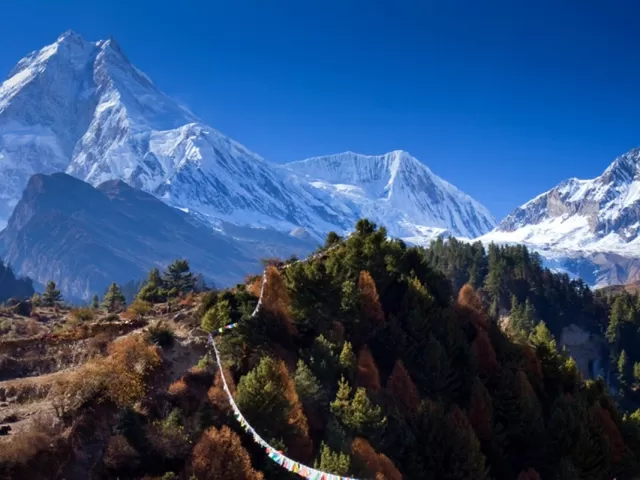
| No of people | Price per person |
|---|---|
| 2 - 2 | $1,060 |
| 3 - 6 | $997 |
| 7 - 12 | $867 |
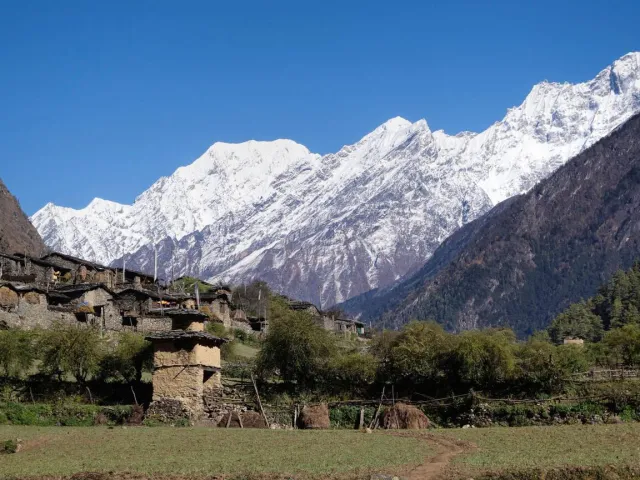


 (2)
 100% recommend (0)

 (0)