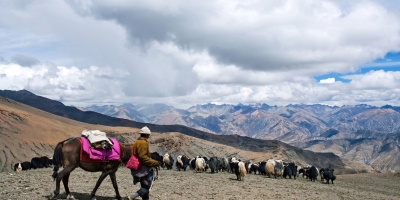
Upper Dolpa Trekking is one of Nepal’s most remote and rewarding high-altitude adventures. Situated in the far western part of Nepal, this trek explores the untouched wilderness of Dolpa district, bordered by Tibet and the mighty Dhaulagiri range. This region offers trekkers a chance to experience a landscape shaped by rugged mountains, crystal-clear lakes, and ancient Tibetan Buddhist culture, making it a truly once-in-a-lifetime experience. Due to the trek’s challenging nature, including long distances, extreme altitudes, and difficult terrain, it is recommended for experienced and well-prepared trekkers. However, the reward is unmatched: pristine natural beauty, rich cultural encounters, and crossing iconic high passes such as Kang La and Jeng La. This journey starts with a scenic flight from Kathmandu to Juphal and proceeds through Shey Phoksundo National Park, home to Nepal’s deepest lake. Along the way, trekkers immerse in the unique lifestyle of the Dolpa people, visit ancient monasteries like Shey Gompa, and explore traditional Tibetan villages. Wildlife enthusiasts may spot rare species like snow leopards and Himalayan blue sheep. The best seasons for this trek are spring (March to May) and autumn (September to November), when the weather is stable and views are spectacular. Detailed ItineraryDay 1: Arrival in Kathmandu Arrive in Kathmandu, the vibrant capital city of Nepal. This day is reserved for rest and acclimatization after your flight. You can explore local markets, temples, and enjoy the rich cultural ambiance of the city. Day 2: Heritage Tour of Kathmandu A guided tour takes you through Kathmandu’s UNESCO World Heritage Sites, including Durbar Square, Pashupatinath Temple, Boudhanath Stupa, and Patan. This day introduces you to Nepal’s rich history and culture before your trek. Day 3: Kathmandu – Nepalgunj – B Fly from Kathmandu to Nepalgunj, a major gateway to western Nepal. You will prepare for the onward flight to the more remote Juphal. Overnight in Nepalgunj, allowing some rest before entering the wilderness. Day 4: Nepalgunj – Juphal (2,369m) – Dunai (2,140m) – B.L.D. Take a short domestic flight from Nepalgunj to Juphal, the starting point of your trek. From Juphal, trek downhill to Dunai, a small settlement that acts as a base for the Upper Dolpa region. The trail begins through subtropical forests with views of distant mountains. Day 5: Dunai – Ankhe (2,660m) – B.L.D. The trek ascends through rhododendron forests and rural villages. Ankhe village offers a glimpse of traditional Dolpo culture, with stone houses and Buddhist prayer flags fluttering in the breeze. Day 6: Ankhe – Renje (3,105m) – B.L.D. Gain altitude steadily, moving into alpine terrain. The trail offers panoramic views of the snow-capped Himalayas. Renje is a small settlement surrounded by barren landscapes and grazing yak herds. Day 7: Renje – Phoksundo Lake (3,610m) – B.L.D. Reach the stunning Phoksundo Lake, famous for its turquoise blue waters and sacred status among locals. The lake is the deepest in Nepal and is surrounded by dramatic cliffs and forested hills. Day 8: Phoksundo Lake – B.L.D. A day to explore around Phoksundo Lake. Visit Ringmo village, witness traditional Tibetan architecture, and learn about the local Bon and Buddhist cultures. Day 9: Phoksundo Lake – Phoksundo Khola (3,510m) – B.L.D. Descend to the banks of Phoksundo Khola river and trek through lush valleys, crossing suspension bridges and enjoying the tranquil surroundings. Day 10: Phoksundo Khola – Phoksundo Bhanjyang (4,400m) – B.L.D. Begin your ascent toward Phoksundo Bhanjyang pass. The altitude gain is significant, but the panoramic views of Dolpo’s peaks and valleys make the climb rewarding. Day 11: Phoksundo Bhanjyang – Shey Gompa (4,125m) via Kang La Pass (5,151m) – B.L.D. Cross Kang La Pass, the highest pass on this trek, offering breathtaking views of the Himalayas and the Tibetan plateau. Descend to the famous Shey Gompa monastery, a spiritual hub for local Buddhists. Day 12: Shey Gompa – B.L.D. Spend a day at Shey Gompa. Explore the monastery complex, interact with monks, and absorb the spiritual atmosphere of this ancient site. Day 13: Shey Gompa – Namduna Gaun (4,800m) via Saldang La Pass (5,200m) – B.L.D. Cross the challenging Saldang La Pass. The rugged terrain and altitude demand endurance but reward with spectacular mountain views. Arrive at Namduna Gaun, a remote village known for its Tibetan heritage. Day 14: Namduna Gaun – Saldang (3,620m) – B.L.D. Descend to the larger village of Saldang, which serves as a local administrative center. Explore the village markets and mingle with the locals. Day 15: Saldang – Sibu (3,940m) – B.L.D. Trek to Sibu, a smaller village nestled in the mountains. The landscape transitions to more arid, high-altitude terrain dotted with traditional stone houses. Day 16: Sibu – Jeng La Phedi (4,900m) – B.L.D. Ascend to the base of Jeng La Pass, gaining altitude through rocky and barren landscapes. This is one of the most challenging sections due to the steep climb. Day 17: Jeng La Phedi – Tokyo Gaau (4,210m) via Jeng La Pass (5,090m) – B.L.D. Cross Jeng La Pass, another high-altitude challenge, offering sweeping views of the Himalayan range and valleys below. Descend to Tokyo Gaau, a tranquil mountain village. Day 18: Tokyo Gaun – Dho Tarap (4,040m) – B.L.D. Trek to Dho Tarap, one of the largest traditional villages in Upper Dolpa. The village features impressive stone houses and offers a rare look into ancient Tibetan culture. Day 19: Dho Tarap – Serkam (3,630m) – B.L.D. Descend to Serkam, passing through terraced fields and river valleys. The trail showcases the changing ecology as you go lower. Day 20: Serkam – Khani Gaun (2,550m) – B.L.D. Reach Khani Gaun, a small village with friendly locals and traditional customs. The altitude drop brings milder weather and greener surroundings. Day 21: Khani Gaun – Tarakot (2,280m) – B.L.D. Continue trekking downhill to Tarakot, a regional trading hub. Experience local markets and the hospitality of the Dolpa people. Day 22: Tarakot – Dunai (2,140m) – B.L.D. Retrace your steps back to Dunai, where the journey begins to wind down. Prepare for departure with a sense of accomplishment. Day 23: Dunai – Juphal – B.L.D. Trek or drive to Juphal, where the trek officially ends. Take time to relax and celebrate your journey through this remote wilderness. Day 24: Juphal – Nepalgunj – Kathmandu – B.L. Fly from Juphal back to Nepalgunj, then onward to Kathmandu. Rest in the capital city and reflect on your incredible adventure. Day 25: Contingency Day – B. An extra day reserved for any flight delays or acclimatization needs, ensuring a stress-free return. Day 26: See You Again – B. Departure day from Kathmandu. Fly home with unforgettable memories and stories to share. Highlights of Upper Dolpa Trekking Remote Tibetan Culture: Visit ancient monasteries like Shey Gompa and villages such as Saldang and Dho Tarap. High Passes: Cross Kang La Pass (5,151m) and Jeng La Pass (5,090m) for panoramic mountain vistas. Shey Phoksundo National Park: Home to Phoksundo Lake, Nepal’s deepest and most pristine lake. Wildlife: Possible sightings of snow leopards, Himalayan blue sheep, musk deer, and rare birds. Spectacular Landscapes: From dense forests to arid high-altitude plateaus and dramatic mountain views. Cultural Interaction: Engage with Dolpa people of Tibetan descent and learn their traditions.Upper Dolpa Trekking Package – Asiana Treks and ToursPackage Overview The Upper Dolpa Trekking Package offers a comprehensive and immersive experience through one of Nepal’s most remote and pristine regions. This package is designed for seasoned trekkers seeking an off-the-beaten-path adventure, combining breathtaking natural landscapes, unique Tibetan culture, and challenging high-altitude trekking. Package Highlights: Domestic flights: Kathmandu – Nepalgunj – Juphal – Nepalgunj – Kathmandu Trekking permits & national park fees (Shey Phoksundo National Park) Experienced trekking guides and porters for support and safety Accommodation in tea houses and camping where necessary All meals during trekking (Breakfast, Lunch, Dinner) Airport transfers and welcome briefing in Kathmandu Emergency evacuation arrangements and communication support Upper Dolpa Trekking Itinerary (26 Days)Day Route Altitude (m) HighlightsDay 1 Arrival in Kathmandu 1,400 Rest & prepareDay 2 Heritage Tour of Kathmandu 1,400 Cultural sightseeingDay 3 Kathmandu – Nepalgunj 150 Flight & restDay 4 Nepalgunj – Juphal – Dunai 2,140 Trek startDay 5 Dunai – Ankhe 2,660 Mountain sceneryDay 6 Ankhe – Renje 3,105 Rhododendron forestsDay 7 Renje – Phoksundo Lake 3,610 Lake & local cultureDay 8 Phoksundo Lake 3,610 Rest & exploreDay 9 Phoksundo Lake – Phoksundo Khola 3,510 Valley trekkingDay 10 Phoksundo Khola – Phoksundo Bhanjyang 4,400 Pass ascentDay 11 Phoksundo Bhanjyang – Shey Gompa 4,125 Kang La Pass crossingDay 12 Shey Gompa 4,125 Monastery explorationDay 13 Shey Gompa – Namduna Gaun 4,800 Saldang La Pass crossingDay 14 Namduna Gaun – Saldang 3,620 Cultural villageDay 15 Saldang – Sibu 3,940 Mountain villageDay 16 Sibu – Jeng La Phedi 4,900 Steep climbDay 17 Jeng La Phedi – Tokyo Gaau 4,210 Jeng La Pass crossingDay 18 Tokyo Gaun – Dho Tarap 4,040 Tibetan culture immersionDay 19 Dho Tarap – Serkam 3,630 Descending valleyDay 20 Serkam – Khani Gaun 2,550 Village lifeDay 21 Khani Gaun – Tarakot 2,280 Trading townDay 22 Tarakot – Dunai 2,140 Trek returnDay 23 Dunai – Juphal 2,369 Trek endDay 24 Juphal – Nepalgunj – Kathmandu 1,400 Flight backDay 25 Contingency Day - Buffer dayDay 26 Departure - Fly homeUpper Dolpa Trekking Distance & Terrain Total Trekking Distance: Approx. 250 – 280 kilometers (round trip) Daily Trekking Distance: Varies from 6 to 15 kilometers depending on altitude and terrain Terrain: Mixture of forest trails, alpine meadows, rocky mountain passes, river valleys, and rugged high plateaus Altitude Range: From 2,140 meters (Dunai) to 5,200 meters (Saldang La Pass) Difficulty Level: Challenging due to high altitude, steep ascents/descents, and remoteness Upper Dolpa Trekking Cost 2026/2027 (per person)Service Price (USD)Full Trekking Package $3,800Includes:- All domestic flights Included- Accommodation & meals during trek Included- Experienced guide & porters Included- Trekking permits & park fees Included- Airport transfers & welcome briefing Included- Emergency support & evacuation plan Included- Contingency day IncludedOptional:- Travel insurance Not included- Personal expenses & tips Not included- International airfare Not included Note: Prices may vary slightly due to fuel surcharges or government tax changes. Why Book with Asiana Treks and Tours? Over 10 years of experience specializing in remote trekking adventures Professional, certified guides fluent in English and local dialects Focus on responsible tourism and cultural respect Personalized service and small group sizes for safety and comfort Strong network for emergency evacuation and health support Upper Dolpa Trekking Price Breakdown Upper Dolpa Trekking is a premium trekking experience that involves considerable logistics and specialized services, reflected in its pricing. The comprehensive price typically includes all internal flights, accommodation during the trek (in tea houses or tents where necessary), meals as specified (breakfast, lunch, and dinner), trekking permits, national park fees, and the services of experienced guides and porters. Given the remoteness of the region, the cost also covers essential equipment, safety measures, and emergency evacuation support, which are crucial in such a high-altitude and isolated environment. Asiana Treks and Tours ensures transparency in pricing by clearly outlining what is included and excluded. The package generally does not include international airfare, travel insurance, personal expenses, or tips. Additionally, the cost may vary slightly depending on the season, group size, and government taxes. Despite the high price, the value offered is exceptional, considering the logistics involved in accessing this remote area and the expert local knowledge provided to ensure safety and an enriching cultural experience. Key Price Inclusions: Domestic flights: Kathmandu-Nepalgunj-Juphal and return Accommodation and meals during trek Licensed trekking guides and porters Permits & national park fees Emergency evacuation and communication equipment Airport transfers and initial briefing Exclusions: International flights and visa fees Travel insurance and personal expenses Tips for guides and porters Upper Dolpa Trekking Altitude Guide The Upper Dolpa Trekking route takes trekkers through some of the highest inhabited villages and passes in Nepal, ranging from about 2,140 meters at Dunai to over 5,200 meters at Saldang La Pass. Acclimatization is critical on this trek, as altitude sickness can pose a serious threat if not managed properly. Trekkers should be prepared for gradual elevation gains and take advantage of rest days built into the itinerary to allow their bodies to adjust. The trekking altitude profile is challenging: you start at a moderate altitude but rapidly ascend through high alpine and arid zones, crossing several passes above 5,000 meters, including Kang La Pass (5,151m) and Jeng La Pass (5,090m). These high passes expose trekkers to thinner air, colder temperatures, and harsher weather conditions. Proper acclimatization, hydration, and pacing are essential to enjoy the trek safely. Altitude Stages to Note: Starting point: Dunai (2,140m) Midpoints: Phoksundo Lake (3,610m), Shey Gompa (4,125m) Highest passes: Saldang La (5,200m), Kang La Pass (5,151m), Jeng La Pass (5,090m) Final descent back to lower altitudes toward Dunai and Juphal Understanding these altitude changes and preparing physically and mentally ensures a safer, more enjoyable trekking experience. Why Choose Upper Dolpa Trekking? Choosing Upper Dolpa Trekking with Asiana Treks and Tours means embarking on one of Nepal’s most authentic and remote adventures. Unlike more popular trekking routes, Upper Dolpa remains largely untouched by mass tourism, allowing visitors to experience traditional Tibetan culture and untouched landscapes that few outsiders have explored. This trek offers a rare combination of natural beauty, spiritual heritage, and rugged wilderness. You’ll encounter ancient Buddhist monasteries, interact with the hospitable Dolpo people, and witness breathtaking vistas from high mountain passes that overlook the Tibetan plateau. Moreover, this trek is ideal for experienced trekkers seeking physical and mental challenges. The demanding terrain and extreme altitude require good fitness and acclimatization but reward with unparalleled scenery and cultural immersion. Asiana Treks and Tours specializes in guiding trekkers safely through this remote region, providing expert knowledge, well-trained guides, and comprehensive logistical support. This ensures that you can focus on the adventure while we manage the complexities of the journey. Top Reasons to Choose Upper Dolpa Trekking: Unique Tibetan Buddhist culture and monasteries Rare wildlife sightings (snow leopards, blue sheep) High-altitude trekking with stunning Himalayan views Remote, untouched wilderness off the beaten path Expert guidance and full support by Asiana Treks and Tours Preparing for Upper Dolpa Trekking Preparation for the Upper Dolpa Trekking requires both physical conditioning and thoughtful planning. Because the trek involves long days of walking at high altitude (up to 5,200m), cardiovascular fitness and endurance are essential. Training should include aerobic exercises such as hiking, running, or cycling for several weeks or months before the trek. Strengthening your legs and core muscles will help tackle steep ascents and rugged terrain. Beyond fitness, acclimatization knowledge is critical—plan to follow a slow pace and drink plenty of fluids to avoid altitude sickness. Packing appropriate gear for sub-zero temperatures at higher passes is also vital: layered clothing, sturdy trekking boots, down jackets, sleeping bags rated for cold, and sun protection are necessary. Since accommodation options are basic, be prepared for simple living conditions. Finally, ensure all trekking permits, travel insurance (including evacuation coverage), and personal medications are arranged well in advance. Asiana Treks and Tours provides a detailed pre-trek briefing and checklist, helping trekkers prepare comprehensively for this challenging but rewarding adventure. Preparation Tips: Regular aerobic and strength training Layered clothing and high-altitude gear Proper hydration and slow trekking pace Securing permits and travel insurance early Mental readiness for a demanding journey What to Expect on the 25–26-Day Upper Dolpa Trekking Adventure The 25 to 26-day Upper Dolpa Trekking adventure is a mix of cultural immersion, physical challenge, and spectacular natural beauty. The trek begins with flights to remote airstrips, immediately exposing trekkers to the thrill of exploration. Over the following weeks, you will pass through dense forests, barren high plateaus, and ancient villages where time seems to stand still. Each day brings new landscapes and interactions with the local Dolpo people, whose Tibetan Buddhist traditions remain deeply rooted. Expect long trekking days with variable terrain: some days involve gradual ascents, while others require crossing steep high passes over 5,000 meters. The weather can be unpredictable, ranging from warm sunshine in the valleys to freezing winds at higher altitudes. Rest days at key locations like Phoksundo Lake and Shey Gompa allow for acclimatization and cultural exploration. Meals mainly consist of nutritious local food, and accommodations are basic but comfortable. Throughout the trek, Asiana Treks and Tours provides expert guidance, logistical support, and safety management. Expectations Overview: Remote wilderness and challenging high-altitude trekking Daily trekking distances averaging 8–15 km Cultural experiences in Tibetan Buddhist villages Crossings of multiple high mountain passes Basic tea house and camping accommodations Variable weather conditions and altitude challenges Oxygen Levels on Upper Dolpa Trekking Oxygen levels decrease significantly as you ascend in altitude, which is a critical factor on the Upper Dolpa Trekking route. At sea level, atmospheric oxygen concentration is about 21%, but at 5,000 meters, the effective oxygen available to breathe can be less than half that amount. This reduction means your body must work harder to supply oxygen to muscles and organs, causing fatigue, shortness of breath, and increasing the risk of altitude sickness. On Upper Dolpa Trekking, trekkers reach altitudes above 5,000 meters multiple times, where oxygen levels are roughly 50% of those at sea level. This makes acclimatization days and slow pacing essential to avoid serious altitude-related illnesses such as Acute Mountain Sickness (AMS). Symptoms include headache, nausea, dizziness, and fatigue. Trekkers should monitor themselves carefully, stay hydrated, and communicate openly with guides. Asiana Treks and Tours ensures that all guides are trained in altitude sickness recognition and management, and oxygen canisters are available for emergencies. Trekkers are encouraged to acclimate gradually and not rush the ascent, ensuring a safer and more enjoyable experience in the oxygen-thin air of Upper Dolpa. Oxygen Level Facts: Oxygen availability decreases by about 50% at 5,000m altitude Increased risk of altitude sickness without proper acclimatization Symptoms: headache, dizziness, nausea, fatigue Gradual ascent and rest days crucial for acclimatization Guides trained for altitude sickness management and emergency oxygen use Major Villages and Scenic Viewpoints on Upper Dolpa Trekking Route The Upper Dolpa trekking route is dotted with unique and culturally rich villages that provide trekkers an authentic glimpse into traditional Tibetan lifestyle and architecture. Some of the most notable villages along the trail include Dunai, the starting point of the trek after flight to Juphal, known as a gateway town with a bustling local market and administrative center. Further along, Ankhe and Renje offer tranquil high-altitude stops with friendly locals living traditional lifestyles amidst spectacular mountain scenery. As the trek progresses, villages such as Ringmo, located near the famous Phoksundo Lake, provide breathtaking views of the turquoise lake framed by snow-capped peaks. Saldang and Dho Tarap stand out as some of the highest inhabited settlements in Nepal, where ancient monasteries and mani walls enrich the spiritual landscape. These villages are key cultural hubs where you can witness Tibetan Buddhist practices up close. In addition to villages, the trek is famed for its dramatic scenic viewpoints. Passes like Kang La Pass (5,151m) and Jeng La Pass (5,090m) offer panoramic views of the Himalayas and the Tibetan plateau. The pristine Phoksundo Lake itself is a stunning natural landmark, renowned for its crystal-clear blue waters and surrounding cliffs. Key Villages and Viewpoints: Dunai, Ankhe, Renje (starting points & high-altitude villages) Ringmo (Phoksundo Lake access) Saldang, Dho Tarap (high Tibetan cultural centers) Kang La Pass & Jeng La Pass (high mountain viewpoints) Phoksundo Lake (pristine alpine lake) Flora and Fauna of Upper Dolpa Trekking Upper Dolpa is situated within the Shey Phoksundo National Park, one of Nepal’s largest protected areas, known for its remarkable biodiversity despite the harsh climate. The region’s flora is diverse and varies dramatically with altitude. Lower elevations are covered with mixed coniferous forests featuring species like pine, fir, and rhododendron. Higher elevations transition into alpine meadows with hardy shrubs and wildflowers that bloom vibrantly during spring and summer months, painting the landscape with colors. The fauna of Upper Dolpa is equally impressive. The area is a haven for rare and endangered wildlife, some of which are endemic to the Himalayas. Trekkers may spot elusive snow leopards, the iconic yet rarely seen big cats of the high Himalayas. Blue sheep (bharal), Himalayan tahr, and musk deer are commonly seen grazing in alpine meadows. Birdwatchers can delight in sightings of the Himalayan monal (Nepal’s national bird), Tibetan snowcock, and other high-altitude birds. The preservation efforts by local communities and national park authorities help maintain this fragile ecosystem, offering trekkers a rare opportunity to witness Himalayan biodiversity in its natural habitat. Flora and Fauna Highlights: Mixed coniferous forests at lower elevations Alpine meadows with wildflowers at higher elevations Snow leopards, blue sheep, musk deer, Himalayan tahr Bird species: Himalayan monal, Tibetan snowcock Protected habitat in Shey Phoksundo National Park Festivals and Local Culture Along Upper Dolpa Trekking Route Upper Dolpa is rich in Tibetan Buddhist heritage, and the local culture is deeply influenced by ancient traditions and spiritual practices. The region’s festivals provide a colorful and vibrant window into the lives and beliefs of the Dolpo people. One of the most important celebrations is Chhewar, a Tibetan Buddhist ceremony marking the end of the monks’ meditation retreat. The festival involves mask dances, prayer ceremonies, and community feasts, allowing trekkers a unique chance to witness traditional rituals and performances. Throughout the year, monasteries such as Shey Gompa and Saldang Monastery host various religious events that highlight the monks’ devotion and the local community’s spiritual life. These festivals reinforce social bonds and preserve cultural identity in this remote region. The Dolpo people are known for their hospitality, and trekkers often experience warm welcomes, traditional music, and home-cooked meals that reflect centuries-old culinary traditions. The culture along the trekking route is also visible in the architecture, clothing, and daily activities of the villagers, offering a rich anthropological experience beyond the natural beauty. Cultural Highlights: Tibetan Buddhist festivals like Chhewar Mask dances and prayer ceremonies Monasteries: Shey Gompa, Saldang Monastery Warm hospitality and traditional cuisine Distinctive Tibetan architecture and lifestyle Why Book with Asiana Treks and Tours for Upper Dolpa Trekking Booking your Upper Dolpa Trekking adventure with Asiana Treks and Tours guarantees a safe, well-organized, and deeply enriching journey into one of Nepal’s most remote regions. With over a decade of experience specializing in high-altitude and off-the-beaten-path treks, Asiana Treks provides expert guidance, personalized service, and deep local knowledge. Our professional team of licensed guides and porters are trained in safety, first aid, and altitude sickness management to ensure your trekking experience is both safe and enjoyable. We take pride in responsible and sustainable tourism practices, working closely with local communities to support their economy and cultural preservation. Our trekking packages include all necessary permits, domestic flights, quality accommodation, and comprehensive support logistics, reducing your travel stress and allowing you to focus on the adventure. We also offer flexible itineraries, tailored to individual fitness levels and interests, making your Upper Dolpa trekking experience truly unique and memorable. Reasons to Choose Asiana Treks and Tours: Experienced licensed guides & support staff Comprehensive, all-inclusive trekking packages Focus on safety and altitude sickness management Commitment to sustainable and responsible tourism Personalized service with flexible itineraries How to Book Upper Dolpa Trekking Booking the Upper Dolpa Trekking with Asiana Treks and Tours is a straightforward and hassle-free process designed to give you peace of mind from the very start. First, contact our friendly customer service team via email or phone to discuss your preferred travel dates, fitness level, and any special requirements. We provide a detailed consultation and customized trekking itinerary tailored to your needs. Once your itinerary is confirmed, we require a deposit to secure your spot, followed by the balance payment as per our booking policy. Our team assists with all necessary trekking permits, domestic flight bookings, and pre-trip preparations, including a comprehensive gear checklist and health guidelines. Before your departure, you will receive a detailed briefing on the trek and emergency protocols. Asiana Treks and Tours ensures transparent communication throughout the booking process, making it easy for you to plan this extraordinary adventure with confidence. Booking Steps: Initial consultation via email/phone Customized itinerary & package confirmation Secure your booking with a deposit Assistance with permits, flights, and logistics Pre-trek briefing & gear checklist provided Continuous support until trek completion
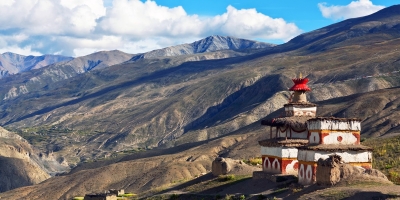
Your adventure begins with an arrival in Kathmandu, where you’ll be welcomed and transferred to your hotel. The next day is dedicated to exploring the vibrant city, visiting UNESCO World Heritage sites, and preparing the necessary permits for the Lower Dolpo trek.A scenic flight takes you from Kathmandu to Nepalgunj, a bustling city in the western Terai. From there, another short but spectacular flight brings you to Juphal, the gateway to Dolpo. Upon landing, the trek officially begins as you make your way to Dunai, the administrative headquarters of Dolpa. Following the banks of the Thuli Bheri River, the trail leads to Tarakot, a historic fortress town with ancient monasteries and chortens. The journey continues through rugged terrain and highland pastures, reaching Laini, where you begin to feel the remoteness of the Dolpo region.The path ascends towards Nawarpani, offering glimpses of the dramatic landscapes that define this region. As you gain altitude, the trek takes you to Dho Tarap, one of the highest human settlements in the world. Here, a well-deserved acclimatization day allows you to explore the traditional Tibetan-influenced culture of the Dolpo people and visit ancient monasteries.Leaving Dho Tarap behind, the trail climbs towards Numa La Base Camp, preparing for the challenging ascent of Numa La Pass. Reaching the top at 5,190m, you are rewarded with breathtaking panoramic views of snow-capped peaks. The descent leads to Penung Tang, from where another high-altitude challenge awaits at Baga La Pass (5,070m). Crossing the pass, the trail gradually descends to Dajok Tang, where the landscape begins to change as you approach the beautiful Phoksundo region.The trek continues towards Ringmo, a picturesque village near the mesmerizing turquoise waters of Phoksundo Lake. Spending time by the lake, you’ll experience the serene beauty of Shey Phoksundo National Park, surrounded by dramatic cliffs and cascading waterfalls. Leaving the lake behind, the descent begins towards Shyanta, passing through dense forests and charming villages. The final leg of the trek takes you back to Juphal, where you bid farewell to the remote wilderness of Dolpo.A morning flight from Juphal to Nepalgunj reconnects you with civilization before another flight back to Kathmandu. With memories of the pristine landscapes and cultural encounters, your journey concludes as you prepare for your final departure, carrying with you the spirit of the hidden gem that is Lower Dolpo.Lower Dolpa Trekking RouteThe Lower Dolpa Trekking route takes you through one of Nepal’s most remote and untouched regions, offering an unforgettable journey into the heart of the Himalayas. The adventure begins with a flight from Kathmandu to Nepalgunj, followed by another short but scenic flight to Juphal, the starting point of the trek. From Juphal, the trail gradually ascends through Dunai, Tarakot, and Laini, following the Thuli Bheri River and passing through deep gorges and rugged landscapes.As you progress, the path leads to Nawarpani and Dho Tarap, an ancient village with a strong Tibetan Buddhist influence. After an acclimatization day in Dho Tarap, the trek continues towards Numa La Base Camp, preparing for a challenging ascent over Numa La Pass (5,190m), one of the highest points of the trek. The route then descends to Penung Tang and climbs again over Baga La Pass (5,070m) before reaching Dajok Tang. From here, the landscape starts to change as you approach Ringmo and the stunning Phoksundo Lake, known for its mesmerizing turquoise waters.After spending time by the lake, the descent begins through lush forests and traditional villages, passing Shyanta before returning to Juphal. The trek concludes with a flight back to Nepalgunj and Kathmandu, marking the end of an epic journey through the hidden landscapes of Lower Dolpa.Lower Dolpa Trekking PriceThe cost of the Lower Dolpa Trek varies depending on several factors, including the duration of the trek, group size, permit fees, accommodation type, and additional services such as guides and porters. Asiana Treks & Tours offers well-organized trekking packages at competitive prices, ensuring a comfortable and safe journey.The main expenses include special trekking permits required for Dolpo, Shey Phoksundo National Park entry fees, domestic flights, accommodation in teahouses or camping sites, food, and guide and porter services. Due to the remote nature of the trek, logistics and transportation costs are higher than in more popular trekking regions like Annapurna or Everest. On average, the trek can range between $2,500 to $3,500 per person, depending on the level of services included. Custom packages can also be arranged based on specific preferences and requirements.Lower Dolpa Trekking HeightThe Lower Dolpa Trek takes you to some of the highest trekking points in Nepal, reaching elevations above 5,000 meters. The journey starts in Kathmandu at 1,400m, followed by Nepalgunj at 150m, and Juphal at 2,502m. As you ascend, Dunai sits at 2,850m, Tarakot at 2,543m, and Laini at 3,160m. The altitude gradually increases as you reach Nawarpani (3,545m) and Dho Tarap (4,090m), one of the highest permanent settlements in Nepal.The trek's highest points are Numa La Pass (5,190m) and Baga La Pass (5,070m), offering breathtaking views of the surrounding peaks. After crossing these passes, the altitude decreases as you descend towards Dajok Tang (4,080m), Ringmo (3,600m), and the beautiful Phoksundo Lake at 3,611m. The final stages of the trek gradually descend towards Shyanta (2,520m) and Juphal (2,320m) before returning to lower altitudes in Nepalgunj and Kathmandu.With significant altitude variations throughout the trek, proper acclimatization and a steady pace are essential to avoid altitude sickness and ensure a safe and enjoyable trekking experience.Major Villages of Lower Dolpa TrekkingLower Dolpa is home to some of the most remote and culturally rich villages in Nepal, offering an authentic experience of Himalayan life. The trek takes you through several significant villages, each with its own unique charm and history.Dunai (2,850m) is the administrative center of Dolpa district and the first major settlement on the trek. It is a small yet bustling town with basic facilities, schools, and government offices. As you continue, Tarakot (2,543m) stands as an ancient fortress village that once served as a trading hub on the caravan route between Tibet and Nepal.Further along, Dho Tarap (4,090m) is one of the highest permanent settlements in the world, inhabited by people of Tibetan descent who practice both Buddhism and the Bon religion. This village is a cultural gem, featuring traditional houses, centuries-old monasteries, and unique customs preserved for generations. Another significant village is Ringmo (3,600m), located near Phoksundo Lake. This picturesque village showcases traditional Dolpo architecture and is home to the Tshowa Monastery, which is over 900 years old.These villages provide an incredible opportunity to interact with the locals, learn about their traditions, and witness a way of life that has remained unchanged for centuries.Best Viewpoints in Lower Dolpa TrekkingThe Lower Dolpa Trek offers some of the most breathtaking viewpoints, with stunning panoramic vistas of the Himalayas, deep valleys, and pristine landscapes.One of the most spectacular viewpoints is at Numa La Pass (5,190m), the highest point of the trek. From here, trekkers can enjoy an awe-inspiring view of the Dhaulagiri range, including towering snow-capped peaks stretching into the horizon. Another remarkable vantage point is Baga La Pass (5,070m), which offers incredible views of the Kanjirowa Himal and the surrounding rugged terrain of Dolpo.Phoksundo Lake (3,611m) is another must-see viewpoint. The mesmerizing turquoise waters of Nepal’s deepest lake, surrounded by dramatic cliffs and pine forests, create one of the most photogenic landscapes in the country. The viewpoint above Ringmo village provides a panoramic perspective of the lake and its cascading waterfalls.The trail itself is filled with natural viewpoints, including ridges and high-altitude plateaus, where trekkers can pause to admire the vast, untouched beauty of the Dolpa region.Biodiversity of Lower Dolpa TrekkingThe Lower Dolpa region is rich in biodiversity, as it lies within the Shey Phoksundo National Park, Nepal’s largest trans-Himalayan national park. The park covers an area of 3,555 square kilometers and is home to a diverse range of flora and fauna, some of which are rare and endangered.The region’s vegetation varies from lush subalpine forests of pine, juniper, and rhododendron at lower elevations to barren, windswept alpine meadows at higher altitudes. The higher regions are dominated by rugged landscapes, glaciers, and high-altitude desert-like terrain, resembling the Tibetan Plateau.Wildlife enthusiasts have the chance to spot some of Nepal’s most elusive species, including the snow leopard, blue sheep (bharal), Himalayan tahr, musk deer, and the Tibetan wolf. The park is also home to over 200 species of birds, including the Himalayan griffon, golden eagle, and blood pheasant. The diverse ecosystem supports a delicate balance of life, making Lower Dolpa a paradise for nature lovers.With its unique blend of cultural heritage, stunning landscapes, and remarkable biodiversity, the Lower Dolpa Trek is an extraordinary journey into one of Nepal’s last hidden frontiers.Festivals and Cultures in Lower Dolpa TrekkingLower Dolpa is a culturally rich region deeply influenced by Tibetan Buddhism and the ancient Bon religion. The people of Dolpa, primarily of Tibetan descent, have preserved their traditions, rituals, and way of life for centuries. During the trek, you will encounter monasteries, chortens, prayer flags, and spiritual practices that reflect the deep-rooted Buddhist beliefs of the local communities.One of the most significant festivals in Dolpa is Saga Dawa, celebrated by Buddhists to commemorate the birth, enlightenment, and passing of Lord Buddha. This festival is marked by prayers, butter lamp offerings, and religious ceremonies at monasteries like the Tshowa Monastery near Phoksundo Lake. Another important festival is Shey Festival, which takes place every 12 years at the Shey Gompa Monastery in Upper Dolpa, attracting pilgrims from across Nepal and Tibet.Local festivals such as Losar (Tibetan New Year) and Chaite Dashain are also widely celebrated with traditional dances, music, and feasts. The Dolpo people still practice an ancient trade culture, where they barter goods with Tibetan traders in seasonal markets. The unique customs, traditional attire, and deep spiritual connection of the locals make this trek a fascinating cultural experience.Advantages of Booking with Asiana Treks & ToursBooking your Lower Dolpa Trek with Asiana Treks & Tours comes with numerous benefits, ensuring a safe, well-organized, and unforgettable trekking experience.Expert Guides and Local Knowledge – Our professional trekking guides are experienced in navigating the remote trails of Dolpa, ensuring safety and providing deep cultural insights throughout the journey.Hassle-Free Permits & Logistics – The Lower Dolpa trek requires special restricted area permits, which we handle for you, along with all necessary trekking arrangements, flights, and accommodations.Customized Itineraries – We offer flexible trekking packages tailored to your preferences, whether you want a shorter or extended trek, cultural immersion, or additional side trips.Responsible and Sustainable Tourism – Asiana Treks & Tours is committed to eco-friendly travel, supporting local communities, hiring local guides and porters, and promoting responsible tourism in Dolpa.24/7 Support & Safety Assurance – Our team provides continuous support before, during, and after the trek, ensuring your safety with proper acclimatization schedules, medical kits, and emergency evacuation plans if needed.With our expertise, local connections, and dedication to quality service, we strive to provide an extraordinary trekking experience in the hidden paradise of Lower Dolpa.Trek BookingBooking your Lower Dolpa Trek with Asiana Treks & Tours is simple and convenient. You can contact us through our official website, email, or phone, and our team will assist you with all the details, including permits, flights, accommodation, and itinerary customization.To secure your booking, a confirmation deposit is required, with the remaining balance payable before the trek starts. We provide detailed information on required gear, travel insurance, fitness preparation, and visa procedures to ensure you are fully prepared for the adventure.Whether you’re a solo traveler, part of a group, or looking for a private trek, we offer flexible booking options to match your needs. Don’t miss the opportunity to explore the breathtaking landscapes and rich culture of Lower Dolpa—book your trek today with Asiana Treks & Tours and embark on the journey of a lifetime!Transportation for Lower Dolpa TrekkingThe journey to Lower Dolpa involves multiple modes of transportation, combining flights and trekking through remote Himalayan terrain. The adventure begins with a domestic flight from Kathmandu to Nepalgunj, a city in western Nepal near the Indian border. The flight takes approximately 1 hour and provides a glimpse of the diverse geography of Nepal, from the central hills to the flat Terai plains.From Nepalgunj, another short but scenic flight of around 35 minutes takes you to Juphal (2,502m), the starting point of the trek. This flight offers breathtaking views of the Himalayan foothills and deep valleys. Since Juphal has a small airstrip, flights are subject to weather conditions, and delays can occur.Once in Juphal, the only mode of transportation is walking. The trek follows rugged trails, crossing high mountain passes, deep valleys, and remote villages. There are no road networks in most parts of Dolpa, making trekking the only way to access this pristine region.After completing the trek, you will fly back from Juphal to Nepalgunj and then take a connecting flight to Kathmandu, marking the end of your journey.Lower Dolpa Trekking StartThe Lower Dolpa Trek officially begins in Juphal (2,502m), a small mountain village in Dolpa district. After arriving in Juphal by flight from Nepalgunj, trekkers start their journey with a short hike to Dunai (2,850m), the administrative center of Dolpa.From Dunai, the trail gradually ascends through remote villages, deep river valleys, and high mountain passes, leading deeper into the heart of Dolpo. The trek follows ancient trade routes and paths used by locals for centuries. The journey takes you through Tarakot, Dho Tarap, Numa La Base Camp, Baga La Pass, and finally to Phoksundo Lake, one of the trek's highlights.The trek concludes as you retrace your steps back to Juphal, from where you take the return flights to Nepalgunj and Kathmandu. The starting and ending points remain the same, ensuring a well-planned route through this rugged and beautiful Himalayan region.Currency ExchangeSince Lower Dolpa is a remote region with limited financial services, it is essential to exchange currency in Kathmandu or Nepalgunj before starting the trek. The local villages do not have ATMs or banks, and cash is the only accepted form of payment in teahouses and local shops.The official currency of Nepal is the Nepalese Rupee (NPR), and it is recommended to carry small denominations for easy transactions. Currency exchange can be done at banks, exchange counters, and ATMs in Kathmandu, which offer competitive rates. US Dollars, Euros, and other major foreign currencies can be exchanged at these locations.Trekkers should carry enough cash to cover expenses such as food, accommodation, extra snacks, and emergency needs during the trek. Credit cards and digital payments are not accepted in the remote Dolpa region, making cash the only reliable option.Guide and Porter ArrangementHiring a licensed guide and porter is highly recommended for the Lower Dolpa Trek, as it is one of Nepal’s most challenging and remote trekking routes. Asiana Treks & Tours provides experienced and knowledgeable guides and porters to ensure a safe and enjoyable trekking experience.Guides: Our professional guides are fluent in English and have in-depth knowledge of the Dolpo region, its culture, history, and trails. They assist with navigation, communication with locals, and ensure trekkers' safety, especially in high-altitude areas.Porters: Since Dolpa is a demanding trek with high-altitude passes, hiring a porter can ease the journey. A porter can carry up to 20-25 kg of luggage, allowing trekkers to walk freely with a lighter daypack.All guides and porters are properly trained, insured, and equipped for high-altitude trekking. Asiana Treks & Tours follows ethical trekking practices, ensuring fair wages, proper gear, and responsible treatment of porters and staff.Booking a guide and porter with us enhances your trekking experience, offering local insights, safety, and logistical support, making your Lower Dolpa adventure smooth and stress-free.Porter, Luggage, and Extra Luggage StorageTrekking in the Lower Dolpa region involves long hiking days over rugged terrain and high mountain passes, so hiring a porter can significantly ease the journey. A porter typically carries up to 20-25 kg of luggage, allowing trekkers to walk comfortably with only a small daypack containing essentials like water, snacks, a camera, and extra clothing.It is advisable to pack only the necessary trekking gear and essentials, as carrying unnecessary items can be cumbersome. Trekkers should use a duffel bag or rucksack for easy transportation by porters. Our team at Asiana Treks & Tours provides well-equipped and insured porters, ensuring fair wages and ethical treatment.For extra luggage that is not needed on the trek, we offer secure storage facilities in Kathmandu. You can leave your additional belongings at your hotel or with our team, ensuring they are safe and ready for pickup upon your return.AccommodationThe Lower Dolpa Trek offers a mix of teahouse and camping accommodations, depending on the remoteness of the region. In villages like Dunai, Tarakot, and Dho Tarap, basic teahouses and lodges are available, providing simple yet comfortable stays. These teahouses typically offer basic rooms with twin-sharing beds, blankets, and limited facilities.As the trek progresses into more remote areas, accommodation options become limited, and camping is required in certain sections such as Numa La Base Camp and Baga La Pass. Our team arranges high-quality tents, sleeping bags, and all necessary camping gear for a comfortable experience in the wilderness.At Phoksundo Lake, there are a few teahouses near Ringmo village, offering a beautiful overnight stay with stunning lake views. Since accommodation in Dolpa is very basic compared to popular trekking routes like Everest or Annapurna, travelers should be prepared for simple facilities with no luxury amenities.Meals During the TripThe meals provided during the Lower Dolpa Trek mainly consist of traditional Nepali and Tibetan cuisine, with a limited variety due to the remoteness of the region. The main dish served in most teahouses is Dal Bhat (rice, lentil soup, and vegetables), which provides essential energy for trekking. Other food options may include:Tibetan bread, chapati, and pancakes for breakfastNoodles, pasta, momos (dumplings), and fried rice for lunch and dinnerSeasonal vegetables, potatoes, and local dairy productsTea, coffee, hot chocolate, and local herbal drinksAs the region is remote, food prices are higher than in more accessible trekking routes due to transportation challenges. During camping sections, our team arranges freshly cooked meals with a dedicated kitchen team to provide hygienic and nutritious food. It is advisable to bring some energy bars, snacks, and instant foods for extra nutrition during the trek.Drinking WaterAccess to safe drinking water is essential during the Lower Dolpa Trek, as staying hydrated at high altitudes is crucial. Bottled water is available in some villages, but due to the remoteness, it is expensive and not environmentally friendly. Instead, trekkers are encouraged to use refillable bottles and water purification methods.The best options for drinking water include:Boiled Water – Available at teahouses and campsites for a small fee.Water Purification Tablets/Drops – Easy to carry and effective for purifying tap or stream water.Water Filters/Steripen – Personal water filters or UV purifiers are great for ensuring safe drinking water from natural sources.Spring and Stream Water – Readily available throughout the trek but must be purified before consumption.At Asiana Treks & Tours, we promote sustainable trekking and encourage trekkers to avoid plastic bottles and use purification methods to minimize environmental impact.With careful preparation and the support of our experienced team, the Lower Dolpa Trek offers an incredible adventure into one of Nepal’s most remote and breathtaking regions!Lower Dolpa Trekking is an isolated and challenging trek situated in the western part of Nepal. Trek to Lower Dolpa offers the most glorious views of the majestic Himalayan peaks, beautiful landscapes, ancient monasteries, and fortresses. Lower Dolpa due to its unique and unimaginable history and landscape is referred to as the Hidden Treasure of Nepal.In fact, the Dolpa region had been a major business route to Tibet. Similarly, the convoy of Yak carrying traditional business products can be seen during summer. At the same time, the lower Dolpa trek is characterized as strenuous and adventurous since the trail crosses over three high Passes; Kangmara La (5115m), Numa La (5159m), and Baga La(5190m).Lower Dolpa Trekking is full of beautiful forests of pine, rhododendron, juniper, and bamboo. Additionally, the trek also caters to the infusion of winsome villages, giant waterfalls, rivers, deep gorges, high meadows, wooden and air-swinging suspension bridges, and terraced colorful fields. Initially, the trek starts from semi-desert areas admiring the rain shadow landscape of the Himalayas. The trails pass through the rich protected area known as Shey Phoksundo National Park.The National Park is filled with tranquil and pristine Phoksundo Lake, white sparkling waterfalls, and wildlife like jackals, musk deer, mountain goats, blue sheep, and snow leopards. The trek is fascinating and bewildering due to its ancient Tibetan pre-Buddhism religion “Bon Poâ€, adventurous high Passes, challenging trails, diverse nature, and she-Phoksundo Lake-The deepest Lake in Nepal. The lake is at an elevation of 3589 m with a depth of 145 m.Surprisingly, all three passes offer flabbergasting views of Mt. Dhaulagiri (8167m) and extended Tibetan peaks. The trekkers also visit the beautiful and colourful monasteries and Bon Po shrines surrounding Phoksundo Lake. Meanwhile, the trekkers get enchanted by the alluring and indescribable beauty of Phoksundo Lake which splits between 2000m tall mountain rocks. Similarly, camping around the turquoise Phoksundo Lake is one of the finest experiences of living in nature under clear blue skies, surrounded by enchanting views of mountains, untouched nature, and Bon Po shrines.


 (2)
(2)  100% recommend (0)
 (0)
(0)