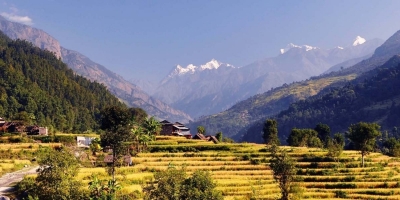
The Lower Manaslu Trek is a scenic, culturally rich short trek in Nepal's Gorkha district, ideal for travellers who want to experience Himalayan villages, local traditions, and beautiful mountain landscapes without spending many weeks at high altitude. This trek takes you through traditional Gurung villages, peaceful forests, terraced green hills, and historic settlements, offering an authentic experience of rural Nepal in Gorkha district, home to the brave Gorkha. The route is especially known for its welcoming communities, homestay experiences, and opportunities to learn about the everyday lifestyle, culture, and traditions of people living around the lower Manaslu region.The journey begins with a scenic drive from Kathmandu toward Gorkha and Barpak, passing rivers, green hills, terraced farmland, and mountain landscapes along the way. Gorkha has an important place in Nepal's history and is closely associated with the unification of modern Nepal under King Prithvi Narayan Shah. Barpak is a major village on the route, known for its attractive stone houses, mountain surroundings, local culture, and views toward the Manaslu range. The trail continues through Larpak, another traditional Gurung settlement where travellers can experience local hospitality and village life. Depending on the itinerary, places such as Sita Cave, Sirandanda, and Deurali add cultural and natural interest to the journey.The Lower Manaslu Trek combines mountain scenery with cultural exploration and village tourism. From viewpoints such as Dharche Danda, Sirandanda, and Nambai Kharka, trekkers can enjoy views of Manaslu, Ganesh Himal, Buddha Himal, and surrounding Himalayan peaks. The trail passes through forests, meadows, traditional villages, and peaceful landscapes, making it ideal for travellers seeking a moderate Himalayan adventure. With homestay accommodation and close interaction with local communities, the Lower Manaslu Trek offers an opportunity to experience Gurung culture, local traditions, rural life, history, and the natural beauty of Gorkha on a memorable journey.Lower Manaslu Trek Itinerary:The Lower Manaslu trek unfolds over eight days, starting in Kathmandu. You'll trek through charming villages like Sirandanda and Barpak, with stunning mountain views. You'll spend the days traversing diverse landscapes, from lush forests to the scenic meadows of Nambai Kharka. The highlight is the climb to Dharche Danda for breathtaking Himalayan panoramas. The trek concludes in Deuralli, followed by a scenic drive back to Kathmandu.Lower Manaslu Trekking Distance: The Lower Manaslu trek offers a moderate distance, making it perfect for those new to trekking. The total distance varies by route, but most itineraries range from 70 to 100 kilometres (43 to 62 miles). Each day's hike is typically manageable, allowing you to savour the stunning scenery and unique culture of the Manaslu region.Lower Manaslu Trekking Route:The Lower Manaslu trek winds through the foothills of the Manaslu massif, offering stunning scenery without the high altitudes of the full Manaslu Circuit. This trek is ideal for first-time trekkers. Starting in the lower-altitude town of Barpak, you'll gradually gain elevation as you trek through charming villages nestled amidst rice terraces and lush forests. Each day's hike takes you to a new village, like Sirandanda or Barpak, where you can soak in the local culture and breathtaking mountain views. The pace is gentle, allowing you to truly appreciate the beauty of the Manaslu region before returning to a lower elevation for your departure.Lower Manaslu trekking price:Asiana Trek and Tour offers a fantastic opportunity to experience the beauty of the Himalayas at a competitive price. The Lower Manaslu trek is known for being budget-friendly compared to high-altitude treks in the region. Prices vary depending on your group size, chosen itinerary length, and accommodation type. Generally, you can expect costs to range from USD $770 to $857 per person.Lower Manaslu trekking Height:The Lower Manaslu trek keeps you in a comfortable altitude range, perfect for acclimatisation and enjoying the Himalayas without battling extreme heights. Unlike the full Manaslu Circuit, which rockets past 5,000 meters, the Lower Manaslu explores the foothills, with most of the journey between 1,500 and 3,500 meters (4,900 and 11,500 feet) above sea level. You'll start at a lower elevation village like Arughat (around 700 meters) and gradually climb, stopping at charming villages like Sirandanda (around 2,000 meters) and Barpak (around 2,300 meters) where you can soak in the mountain views. The highest point you'll likely reach is Dharche Danda, at a challenging but rewarding 3,500 meters, offering breathtaking panoramas of the Manaslu region before descending back to lower elevations for your departure.Major villages of Manaslu Lower Trekking:The Lower Manaslu trek weaves through a string of charming villages, each showcasing the Manaslu region's unique culture. Starting at a lower-elevation village like Arughat, you'll gradually climb, encountering villages with beautiful names like Sirandanda, Barpak, Laprak, and Nambai Kharka. Each village offers a distinct experience, from Laprak's traditional wooden houses to the tranquil meadows around Nambai Kharka. The trek often reaches its highest point at Dharche Danda before descending through villages like Tallo Thotneri, bringing you back to lower elevations.Best Viewpoints on the Way to Lower Manaslu Trekking:The Lower Manaslu trek is a feast for the eyes, with viewpoints offering stunning panoramas throughout the journey. Here are a few gems you won't want to miss:Dharche Danda: The undisputed king of viewpoints, Dharche Danda stands tall at around 3,500 meters. This challenging climb rewards you with a breathtaking vista of Manaslu, other Himalayan giants, and the sprawling valleys below.Barpak Village: Perched at 2,300 meters, Barpak Village offers a unique blend. Gaze upon the majestic Himalayas while immersing yourself in vibrant Gurung culture for a truly memorable experience.Sirandanda Village: Nestled amidst terraced fields at approximately 2,000 meters, Sirandanda offers a different perspective. Rolling hills unfold before you, with a peek at the higher Manaslu peaks adding a touch of grandeur.Laprak Village: Keep an eye out for Laprak Village, known for its traditional wooden houses. You'll likely find a scenic spot here to admire the surrounding landscape.Nambai Kharka: This tranquil haven of meadows offers a unique viewpoint. Soak in the serenity of the surroundings and enjoy the fresh mountain air.Remember, these are just some highlights. The entire Lower Manaslu trek is dotted with potential viewpoints, so keep your camera ready for those unexpected, breathtaking moments!Flora and Fauna In Lower Manaslu:The Lower Manaslu trek isn't just about stunning scenery; it's also a chance to see the region's diverse flora and fauna. At lower altitudes, expect lush rhododendron and oak forests, with colourful wildflowers adding a splash of vibrancy. Keep an eye out for medicinal herbs used in traditional remedies, a testament to the region's rich botanical heritage. The skies might be graced by soaring birds like Himalayan Monals and lammergeyers, while the chance to spot elusive mammals like Himalayan tahr or even a red panda adds a touch of excitement to your adventure!Festivals and Culture of Lower Manaslu Trekking:The Lower Manaslu trek immerses you in the vibrant culture of the Manaslu region. Gurung villages along the route celebrate year-round. You might experience Dashain, Nepal's grand festival, with music, dance, and offerings (animal welfare practices are evolving). Loshar, the Tibetan New Year, is another possibility, with colourful ceremonies and traditional clothing. Even without festivals, the Gurung people's warmth is contagious. Expect friendly welcomes and a chance to experience their daily life and traditional music in the evenings.People and Hospitality: This area is home to the Gurung people, known for their bravery and skill as soldiers, and the Nuwakote people, known for their rich cultural traditions. Trek through lower Manaslu and you'll likely encounter these warm and welcoming communities, experiencing their hospitality through cups of yak butter tea, invitations to share meals, and a chance to witness their unique way of life.Advantages of booking with Asiana Treks and Tours: Private transport for airport transfers to/from your hotel.Trip briefing on Facebook and online if you love to connect.Last-minute booking at your hotel at a time that suits you after arrival.Easy booking and reservation system.Multi-channel communication via Email, WhatsApp, Facebook, Viber, Skype; 24/7 phone communication at +977-9851076270Free excess luggage storage during the TrekOximeters are provided to examine blood oxygen saturation at high altitudes to detect altitude sickness earlyMedical kits along the Trek and hot airbags are available in winterArrange sleeping bags, duffel bags, down jackets, and walking poles if you don't have your own.Currency Exchange:The Nepalese rupee is the currency of Nepal, and 1 USD is approximately 150 NPR. Nepal accepts only NPR, so it's best to bring cash to make transactions easier. Banks and ATMs in Kathmandu offer currency exchange services, but most banks prefer new, crisp notes.Our Team:The Asiana Treks and Tours team is professional, reliable, and responsible. They are well-trained, friendly, radiant, and fluent in English. You can feel comfortable sharing anything with them. They are experts in local culture, history, vegetation, food, accommodation, weather conditions, and first aid medication. They are also environmentally conscious and respect animals' rights.However, please do not provoke them for personal gain during the trip. While you can enjoy your holiday with them, we kindly request that you do not try to change their customs, beliefs, religion, culture, or traditions.Our staff and we are committed to making your adventure trip unforgettable a journey of a lifetime in Nepal. Guide and Porter Arrangement:Asiana Treks and Tours focuses on responsible tourism in Nepal. We make sure our guides and porters are well-trained in Trekking and mountaineering. They know a lot about the areas we go to, including geography, history, customs, and culture. We train them regularly in safety, first aid, and environmental conservation. We follow guidelines to treat our porters fairly, providing them with good pay, accommodation, and meals during treks. Our guides and porters are essential team members, and we appreciate their hard work. When you trek with us, you support ethical tourism in Nepal, making your trip meaningful and memorable.Asiana Treks and Tours prioritises your safety and enjoyment. Our knowledgeable guides, reliable equipment, and safety measures ensure a great trekking experience in Nepal.Porter, Luggage, and Extra Luggage Storage: We cover the cost of porters for your Luggage, but the maximum weight limit is 12 kg per person. Each porter carries Luggage for two trekkers; please share a duffel bag with another. Our porters will carry up to 25 kg each. If you need a porter, we can arrange one for you. We also recommend carrying a small backpack for your valuables and important documents. You can leave extra Luggage at our office for free and at a hotel in Pokhara, Namche, etc.Accommodation:Lower Manaslu offers a unique lodging experience steeped in local tradition. Accommodation mainly consists of homestays run by local families. These establishments offer a more basic yet comfortable environment than typical homestays. Shared rooms and dormitories are the norm, though some guesthouses may offer a limited number of private rooms. Meals, often featuring delicious home-cooked fare, are frequently included with your stay. Guesthouses and teahouses are strategically situated along the trekking routes, allowing you to rest comfortably and take in the breathtaking Himalayan vistas.Meals during the trip:The Manaslu Larke Pass trek provides hearty meals to fuel your adventure. Tea homestays along the route offer a delicious mix of local Nepali dishes like dal bhat (lentils and rice), curries, dumplings, and noodles. Western options are also available, though choices become more basic at higher altitudes. Stay hydrated with plenty of fluids like green tea, lemon tea, and hot soups, especially as you gain elevation. While you can find some non-vegetarian options, it's best to stick with cooked vegetables and consider avoiding dairy, alcohol, and caffeine for optimal digestion during the trek.Drinking water:Staying hydrated on the Manaslu Larke Pass trek is important, but bottled water can be scarce and expensive. Instead, plan to refill your water bottle at teahouses along the way, where treated or boiled water is usually available. To ensure safe drinking water even in remote areas, consider bringing a water filter or purification tablets. Remember, you'll lose electrolytes through sweat, so adding tablets or powder to your water can help keep you energised and prevent dehydration.Extra Personal Expenses:Your Trip covers most expenses during the Trek; you'll need to pay for extra accommodations and meals in Kathmandu, souvenirs, and beverages. We estimate about USD 15-25 per trekking day for miscellaneous expenses. However, personal expenses depend on your Income, habits, and style.Toilet Facilities in Manasalu Larke Pass Trekking:Most teahouses have Western-style flush toilets during mountain treks, especially at lower elevations. As you go higher, you'll find simple squat toilets along the trails and at higher-altitude teahouses. These toilets usually have water and toilet paper, but it's a good idea to bring your own just in case. You can also use restrooms at nearby teahouses or find a private spot along the trekking routes.Internet Connectivity:While trekking in Nepal's Himalayan region, it's also a good idea to stay connected with family and friends. You can find internet access at teahouses and lodges, but it may cost extra. The signal might be weak because of the remote location. You can also get internet access using a local SIM card and data packages available at Kathmandu airport or nearby shops in Thamel and Pokhara. You'll need a passport-sized photo and a copy of your passport to get a SIM card. It's a good idea to compare prices and data packages from telecom companies like Ncell and Nepal Telecom before buying. Knowing about teahouse connectivity. Our guide will suggest connections for you. Electricity voltage and plugs:However, 95% of Nepali people had access to electricity as of May 29, 2023. Most popular trekking routes, teahouses, and lodges have electricity. However, some isolated, solo trekking teahouses in the jungle don't have electricity; most teahouses let travellers charge their devices for a small fee. The average electrical voltage in Nepal is 230 volts, with plug types like Type C, Type D, and Type M. Travellers should bring a suitable adapter and, if needed, a voltage converter for their electronic devices.Communication:The guest houses in the trekking regions have internet access. You could buy a SIM card at Tribhuvan International Airport, Kathmandu, and Namche. However, the signal may be weaker at high altitudes. Our office keeps in touch with all trekking teams via the trek guide at least once daily to ensure everything goes as planned.Trip Extension:Suppose you have extra days in Nepal after the Trek. In that case, we can arrange a tour, an overnight stay in Nagarkot, Balthali, or another place around Kathmandu and Chitwan, jungle safari, paragliding, rafting, canyoning, or other treks. Do not hesitate to inform us. We will create the best for you.Trek Difficulty:The lower Manaslu trek is an epic journey that demands both physical and mental fortitude. While not a technical climb, it's a moderate adventure spanning 8 days and covering over 105 kilometres. Daily hikes range from 5 to 7 hours and require sustained effort and endurance.The terrain takes you through diverse landscapes, from verdant valleys and forests to moderate climbs and Dharche Danda (3,220 m / 10,498 ft) viewpoints at higher elevations. Be prepared for uneven ground and slippery sections.Trip Safety:We highly give top priority. We provide experienced guides, first aid kits, and necessary safety gear to ensure a safe trek. Our team monitors weather and trail conditions and takes precautions to avoid risks. Before starting the Trek, we discuss the trip to provide a clear understanding and ensure a reliable experience.Group & Private Treks:We organise many group and private treks simultaneously, with discounts available for larger groups. Every group will have a trekking guide and porters. Regarding larger groups, we provide an assistant guide. Our team ensures a safe and enjoyable trekking experience for all participants.About solo travellers:If you're a solo traveller, please contact us to confirm departure dates before booking. You can tell us via call, WhatsApp, or email. We have listed upcoming departure dates for your convenience. Feel free to share the trip details with friends and family.Notes: Please be aware that the itinerary may change due to weather or other factors, and we'll adjust it accordingly for the group's safety and enjoyment. We look forward to guiding you through the stunning landscapes of the Annapurna region and ensuring a memorable trekking experience.Responsible Travel:We prioritise responsible travel to minimise environmental impact and support local communities. We collaborate with organisations like the Kathmandu Environmental Education Project (KEEP) to promote eco-friendly practices in trekking regions.Gratitude:Tipping is appreciated in Nepali culture and reflects the quality of service provided. You decide how much to tip, but we recommend tipping as a group at the end of the trip.End of Trek:The lower Manaslu trek is an 8-day adventure that will test your limits and leave you breathless. You'll trek through diverse landscapes, conquer the moderate Dharche Danda (3,220 m / 10,498 ft) viewpoint, and immerse yourself in the rich culture of the Manaslu region. Return drive from Deurali Departure:On your departure day, we'll pick you up from your hotel and transfer you to Tribhuvan International Airport. We hope you enjoyed the Nepal trek and will consider returning for more adventures in Nepal.Feedback:After you complete the Manaslu Larke Pass Trek, we'll organise a farewell dinner in Kathmandu and present you with a trekking achievement certificate. After the dinner, you can provide feedback about the Trek on travel portals.Last-Minute Booking:If you can't book in advance, we offer last-minute bookings. Last-minute booking offers are available but may cost slightly more than regular departure dates. Those opting for last-minute bookings must pay an additional 7% of the total trip cost on our website. While we strive to accommodate last-minute requests, we try our best to accommodate your last-minute booking holiday.Special Note: Please remember that unforeseen circumstances, such as inclement weather or unavailable lodging, may change the schedule. Your trip guide will design a fresh schedule based on the group's interests in such circumstances.
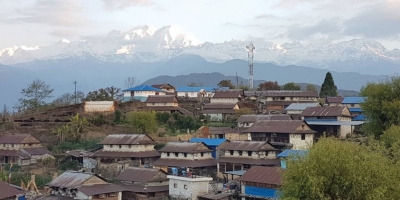
The Gurung Heritage Trek is a culturally immersive journey through some of Nepal's most picturesque, traditional villages in the mid-hills. Designed to showcase the unique lifestyle, history, and natural beauty of the Gurung community—famed for their bravery during World War II as Gurkha soldiers—this trek blends cultural exploration with scenic hiking.Nestled between the Marsyangdi and Madi rivers, the trail offers awe-inspiring views of the Himalayas, including Mt. Manaslu (8,156m), the Annapurna range, and Mt. Lamjung. You'll pass through key heritage villages like Ghale Gaun, Bhujung, Passgaun, and Thumsikot — all known for warm hospitality, traditional Gurung homes, and authentic village life. The trek blends natural wonders, traditional homestays, mountain vistas, and deep-rooted Buddhist culture.Gurung Heritage Trekking Package:The Gurung Heritage Trekking Package offered by Asiana Treks and Tours is a culturally immersive, nature-rich journey that explores the heart of the Gurung community—an ethnic group famed for their valour in World War II and their unique traditions. Unlike high-altitude treks, this package focuses on cultural encounters, village homestays, and unspoiled mountain views, making it ideal for trekkers seeking authenticity over adrenaline.This 11-day itinerary lets travellers walk through some of the most beautiful Gurung settlements, including Ghale Gaun, Bhujung, Passgaun, and Thumsikot, while staying in traditional homes and enjoying local hospitality. Each village has preserved its cultural roots and offers warm welcomes through traditional dances, music, and home-cooked meals. Throughout the journey, guests will see 95 unique styles of Gurung homes, Buddhist stupas and monasteries, and scenic trails nestled between the Marsyangdi and Madi rivers.This package blends heritage, nature, and comfort, including transportation, English-speaking guides, cultural shows, permits, and three meals daily during the trek. Guests will also experience Kathmandu and Pokhara, Nepal's two most iconic cities, for the perfect mix of culture, city, and countryside.Package Highlights:Cultural immersion in Gurung villagesDaily traditional meals and homestay experiencesStunning views of Annapurna and Manaslu rangesProfessional guide and portersVisit to Pokhara and KathmanduAll permits, transfers, and accommodations includedGurung Heritage Trekking Itinerary – Short List:Day 1: Arrival in Kathmandu (1337m)Day 2: Drive to Besishahar (807m)Day 3: Trek to Ghale Gaun (2100m)Day 4: Trek to Bhujung (1950m)Day 5: Trek to Passgaun (1635m)Day 6: Trek to Yarma Village (1500m)Day 7: Trek to Thumsikot (1230m)Day 8: Drive to Pokhara (827m)Day 9: Pokhara sightseeing and rest dayDay 10: Return to KathmanduDay 11: Final departure from NepalEach day blends trekking and cultural immersion, with stops in local homes and exposure to the Gurung way of life. Distances are moderate, and the trail suits travellers who prefer authentic village experiences over high-altitude challenges.Gurung Heritage Trekking Distance:The total trekking distance on the Gurung Heritage Trek is approximately 65–75 kilometres (40–47 miles) over 6 trekking days. The terrain is moderate, with gradual ascents and descents through terraced farmland, forests, and hillside villages. Unlike strenuous high-altitude treks in the Everest or Annapurna Base Camp regions, this cultural trek focuses on gentle walking paths and cultural connection.Distances between villages typically range from 10 to 15 kilometres per day, which allows ample time for cultural interactions, scenic breaks, and guided storytelling by your trek leader. The trail connects a network of Gurung settlements that are often inaccessible by road, offering a unique glimpse into Nepal's living heritage. Most elevations stay below 2200 meters, minimising risks of altitude sickness and making it ideal for families, beginners, and older trekkers.Highlights of Distances for Gurung Heritage Trek:Besishahar to Ghale Gaun: 12–14 kmGhale Gaun to Bhujung: 10 kmBhujung to Passgaun: 13 kmPassgaun to Yarma: 10–12 kmYarma to Thumsikot: 12 kmTotal Walking: 65–75 km over 6 trekking daysGurung Heritage Trekking Cost – 2026/2027: Asiana Treks and Tours provides flexible pricing for the Gurung Heritage Trekking depending on group size, time of year, and customisation options. The cost for the 2026/2027 season is competitively priced for an all-inclusive cultural trekking experience with no hidden fees.Pricing Options:Package Type Price (Per Person)Standard Group (2–5 pax) USD $950Small Private Trek (1 pax) USD $1,150Deluxe (with upgraded hotels) USD $1,300Group Discount (6+ pax) 10–15% offWhether you're travelling solo, as a couple, or in a group, Asiana Treks and Tours offers personalised service and cultural depth that elevate your trekking experience into a truly unforgettable adventure.Gurung Heritage Trekking Price Breakdown:By Asiana Treks and ToursThe Gurung Heritage Trekking package offers exceptional value for an all-inclusive cultural trekking experience. Designed for travellers looking to immerse themselves in traditional Gurung life, the pricing structure is transparent, affordable, and flexible based on group size and preference for standard or deluxe services. Asiana Treks and Tours ensures no hidden costs by providing a detailed price breakdown so you know exactly where your money is going.The standard package includes airport transfers, hotel accommodations in Kathmandu and Pokhara, all meals during the trek, certified guides, cultural programs, trekking permits, and homestay accommodations in traditional Gurung villages. For those seeking added comfort, deluxe packages with upgraded lodging and private transportation are available at a slightly higher rate. Solo trekkers and couples can request private trips, and larger groups receive generous discounts. Price Breakdown for (2026/2027):Package Type Cost (Per Person)Standard Group (2–5 people) USD $950Private Trek (1 person) USD $1,150Deluxe Package (2–5 people) USD $1,300Group Discount (6+ pax): 10–15% offGurung Heritage Trekking Altitude Guide:The Gurung Heritage Trek is considered a low- to moderate-altitude trek, making it an ideal adventure for those who want to experience Himalayan culture without the risks associated with high altitudes. The highest point reached on this trek is Ghale Gaun at 2100 meters (6888 ft), which eliminates the need for acclimatisation days and greatly reduces the chance of altitude sickness.The trek begins at Besishahar (807m) and descends gradually through a series of scenic Gurung villages before ending near Pokhara at 827 meters. Unlike other Himalayan treks that can rise above 4,000 or even 5,000 meters, the Gurung Heritage Trail remains between 800 and 2,100 meters throughout the journey. This makes it accessible for beginners, families, older travellers, and those with moderate fitness. Key Altitude Points:Kathmandu – 1,337 m (4,385 ft)Besishahar – 807 m (2,648 ft)Ghale Gaun – 2,100 m (6,888 ft)Bhujung – 1,950 m (6,396 ft)Passgaun – 1,635 m (5,362 ft)Yarma – 1,500 m (4,920 ft)Thumsikot – 1,230 m (4,034 ft)Pokhara – 827 m (2,713 ft)Because of the manageable elevation, trekkers can enjoy the cultural richness and scenic landscapes without physical stress, which is a rare advantage in Himalayan trekking.Why Choose Gurung Heritage Trekking?The Gurung Heritage Trek, curated by Asiana Treks and Tours, is more than a hiking experience—it's a journey into the heart of Nepal’s ethnic and cultural soul. What sets this trek apart is its deep immersion in Gurung culture, an indigenous community known for warm hospitality and an honourable history as brave Gurkha soldiers in World War II. If you're looking to move beyond typical mountain views and engage with real local life, this trek is your perfect match.This trail celebrates cultural storytelling, hospitality, and community-based tourism. Trekkers stay in homestays, dine on traditional Gurung meals, wear local attire, and participate in dance and music performances. The villages of Ghale Gaun, Bhujung, Passgaun, and Yarma are not just beautiful—they’re living museums that preserve authentic Himalayan traditions. Unlike the crowded Everest or Annapurna base camp routes, this trail is less commercialised and more personal.Reasons to Choose Gurung Heritage Trekking:Deep cultural immersion with homestaysIdeal for beginners or low-altitude trekkersUncrowded and peaceful trekking routeDirect support to local communitiesRich biodiversity and mountain viewsEthical and sustainable tourism with Asiana Treks and ToursPreparing for the Gurung Heritage Trekking:Preparation for the Gurung Heritage Trekking is essential for a smooth, enjoyable journey. The trek is considered moderate, so while you don’t need to be an elite athlete, good general fitness and mental readiness are important. Preparing physically with regular walking, light hiking, or cardio workouts at least a month before the trek is highly recommended. If you're prone to joint issues, consider bringing trekking poles for support.For gear, pack layered clothing, as temperatures vary between villages. Evenings can be chilly, so a warm jacket is necessary. A pair of good trekking shoes, a small backpack, and basic toiletries are must-haves. While many villages have electricity, power cuts can happen, so bring a headlamp and power bank. Asiana Treks and Tours provides a detailed packing list and pre-departure briefing to help you feel fully prepared. Essential Tips for Preparation:Start light training 3–4 weeks in advanceBreak in your trekking shoes before the trekCarry reusable water bottles and purification tabletsDress modestly for village visitsBring personal medications and basic first aidBeing mentally prepared to live in rural conditions—basic bathrooms, shared meals, limited internet—will help you better enjoy the authentic homestay experience and connect with the Gurung people on a deeper level.What to Expect on the 10–11-Day Gurung Heritage Trek:The 10–11-day Gurung Heritage Trek offers an intimate and rewarding trekking experience. Unlike treks focused solely on altitude or physical challenge, this journey is about culture, people, and landscapes. You’ll walk through lush hills, terraced farms, and traditional villages while enjoying panoramic views of Mt. Manaslu, Annapurna, Machhapuchhre, and Lamjung Himal.Expect to stay in traditional Gurung homes—most built with stone, mud, and thatch roofs—where you’ll sleep on comfortable beds and be treated like family. Each village has its own unique charm and offers experiences like local dance performances, cooking sessions, cultural talks, and opportunities to try on traditional attire. Spend days walking 4–6 hours on scenic trails, and evenings resting and immersing yourself in local culture.The following are highlights to expect in the Gurung Heritage Trek:6 days of trekking (moderate difficulty)2 city tours (Kathmandu & Pokhara)3 meals per day during the trekNightly cultural interactionsGuided support throughoutLocal stories, songs, and smilesThis trek suits solo travellers, couples, families, and small groups who want to escape the commercial routes and dive into Nepal’s timeless culture. By the end of your journey, you’ll leave with lifelong memories, new friendships, and a deep appreciation for Nepal's diversity.Oxygen Levels on the Gurung Heritage Trekking:One standout feature of the Gurung Heritage Trekking route is its low to moderate altitude, which makes it significantly easier on the lungs than many other Himalayan treks. The trail ranges from 807 meters (Besishahar) to 2,100 meters (Ghale Gaun), so oxygen levels stay between 80% and 95% of sea level. This is ideal for trekkers of all fitness levels, including children, seniors, and beginners, as the risk of altitude sickness is minimal.Unlike high-altitude treks (such as Everest Base Camp or Annapurna Circuit) where oxygen drops dramatically and acclimatisation becomes a concern, Gurung Heritage Trekking provides a safe yet rewarding experience with breathtaking Himalayan scenery. Trekkers enjoy crisp mountain air, peaceful forest trails, and cultural interactions without the physical exhaustion caused by oxygen deprivation.Quick Facts about Oxygen Level:Altitude stays below 2,100m (no acclimatisation needed)Oxygen levels remain high (80%–95%)Great for families, beginners, and older trekkersNo need for oxygen tanks or altitude medicationComfortable breathing throughout the trekMajor Villages and Scenic Viewpoints on the Gurung Heritage Trekking RouteThe Gurung Heritage Trek, organised by Asiana Treks and Tours, takes you through a series of culturally rich and visually stunning villages, each with its own identity, charm, and traditions. Nestled within the Annapurna Conservation Area, these villages offer breathtaking views of snow-capped Himalayan peaks and untouched landscapes. The four primary villages—Ghale Gaun, Bhujung, Passgaun, and Thumsikot—are living showcases of the Gurung people’s heritage.Ghale Gaun (2,100m): Known for its panoramic mountain views and 95 distinct Gurung-style homes. A cultural capital where you’ll experience local dress, dance, and traditional welcome ceremonies.Bhujung (1,950m): Nepal’s largest Gurung village, built on steep hillsides, with terrace-farming views and stunning Himalayan backdrops.Passgaun (1,635m): Quieter and deeply spiritual, featuring monasteries and hilltop viewpoints over Lamjung Himal and Annapurna II.Yarma & Thumsikot (1,230m): Gateway to Pokhara, blending rural Gurung life with spectacular sunset views.Top Viewpoints Along the Route: Ghale Gaun Viewpoint: Panoramic sights of Mt. Manaslu, Annapurna, Machhapuchhre, and Bouddha HimalBhujung Ridge: Overlooks lush forests and farmlandsPassgaun Monastery Hill: Ideal sunrise spotThumsikot Fields: Rolling hills meet the distant HimalayasFlora and Fauna of the Gurung Heritage Trekking:One of the many highlights of trekking the Gurung Heritage Trail is the chance to walk through diverse ecological zones that showcase Nepal's rich biodiversity. This trail traverses dense forests, terraced fields, bamboo groves, and river valleys—all thriving with flora and fauna. As part of the Annapurna Conservation Area Project (ACAP), the environment along this trek is well-preserved and sustainably protected.The trek starts in sub-tropical terrain and slowly ascends into temperate forests filled with rhododendrons (Nepal’s national flower), oak, alder, and magnolia trees. Seasonal blooms—especially in spring—create colourful trails that feel like walking through botanical gardens. The forests are also rich with herbs and medicinal plants, many of which are used in traditional Gurung remedies.As for fauna, lucky trekkers may spot langurs, barking deer, Himalayan monals (Danphe), and various butterfly and bird species. Birdwatchers will be especially thrilled, as the region is home to pheasants, eagles, and dozens of migratory birds.Notable Flora and Fauna:Rhododendrons, magnolias, orchidsBarking deer, langurs, Himalayan foxMonals, eagles, vultures, and other highland birdsRare herbs used in Gurung medicineButterfly species unique to Himalayan mid-hillsFestivals and Local Culture Along the Gurung Heritage Trekking:The Gurung Heritage Trek is not just a scenic journey—it’s a living cultural experience. The route passes through traditional Gurung settlements, where centuries-old customs, festivals, and daily rituals are still actively practised. Visitors are often invited to join in local festivities, learn about ancestral traditions, and even participate in dance, dress, and food.One of the most famous celebrations is Tamu Lhosar, the Gurung New Year celebrated in December or January. It’s marked with colourful attire, communal feasts, chanting, and traditional “Ghantu” and “Sorathi” dances. Another highlight is the Rodhi Ghar tradition, where villagers gather to sing, dance, and share stories in community halls—trekkers often join these social evenings.The Gurungs are Buddhists influenced by Bon and Hindu practices. You’ll visit monasteries, prayer flags, and stupas, and witness rituals like morning pujas or evening chants. Asiana Treks and Tours ensures these cultural exchanges are respectful, immersive, and authentic. Cultural Highlights:Tamu Lhosar (Gurung New Year)Rodhi Ghar singing and dancing eveningsBuddhist monastery visits and prayersTraditional Gurung dress-up and cuisineWood carving, weaving, and local craftsWhy Book with Asiana Treks and Tours for Gurung Heritage Trekking:Asiana Treks and Tours has earned a reputation for offering authentic, community-focused experiences in Nepal. Specialising in heritage and cultural treks, their Gurung Heritage Trekking itinerary is one of the most thoughtfully curated in the country. What sets Asiana apart is its deep-rooted relationships with local Gurung communities, ensuring guests get an inside look into traditions not often shared with tourists.Their guides are not only licensed professionals, but many are locals from the region—adding an insider's perspective and storytelling to the trail. Every trek is run with a commitment to responsible tourism, supporting local economies, preserving cultural heritage, and minimising environmental impact. Guests can expect personalised attention, high-quality logistics, and true cultural immersion.Why Choose Asiana Treks and Tours: Culturally immersive, community-driven trekkingLocal guides with deep regional knowledge24/7 client support and safety-first operationsEthical tourism—profits benefit local communitiesFully customizable itinerary optionsHundreds of satisfied trekkers since inceptionHow to Book the Gurung Heritage Trekking:Booking your Gurung Heritage Trekking adventure with Asiana Treks and Tours is simple, transparent, and flexible. Whether you are planning months in advance or looking for a last-minute adventure, the Asiana team offers multiple booking options to suit your needs. Start by visiting their website or contacting them via email or WhatsApp to discuss your preferred travel dates, group size, and any customisation requests.Once you’ve chosen your package, a small deposit (typically 20–30%) secures your spot. Final payments are collected either upon arrival in Kathmandu or via secure online transfer. Asiana will assist with pre-trek briefings, packing lists, visa support, and even hotel bookings before or after the trek. If you’re travelling solo, they can also help you join a group trek to reduce costs and add social connection.Booking Steps:Contact Asiana via website/email/WhatsAppDiscuss preferred trek dates and customisationsPay deposit via secure payment systemReceive booking confirmation and pre-trip infoArrive in Nepal and begin your adventure!For a truly transformative Himalayan experience rich in culture, scenery, and authentic encounters, the Gurung Heritage Trekking with Asiana Treks and Tours is an unbeatable choice.
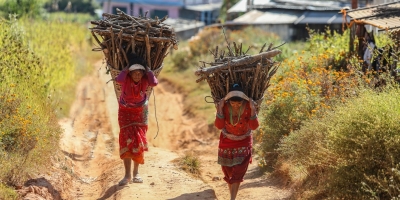
Ghale Gaun Trekking is a captivating journey through one of Nepal’s most scenic and culturally rich regions. Located in Lamjung District, Ghale Gaun is widely recognised as Asia’s model tourism village. This trek offers travellers a unique blend of stunning natural landscapes and deep cultural immersion. Nestled at around 2,100 meters, Ghale Gaun is home to the indigenous Gurung and Ghale communities, who warmly welcome visitors into their traditional homestays. This experience lets trekkers explore authentic Nepalese rural life, traditional architecture, and unique cultural practices, making the trek more than just a nature walk.The trekking route is renowned for panoramic views of majestic Himalayan peaks such as Machhapuchhre (Fishtail), Annapurna I, Annapurna II, Annapurna IV, Lamjung Himal, Himalchuli, and Bouddha Himal. Lush forests of rhododendron, magnolia, and oak surround the trail, alongside terraced farming fields that highlight the sustainable lifestyle of the locals. Wildlife enthusiasts will appreciate the diversity of bird species and other fauna encountered during the trek. Asiana Treks and Tours carefully curates the journey to provide a safe, comfortable, and enriching experience. Their experienced guides share valuable insights into the region’s natural environment, history, and customs, while providing full logistical support, including accommodation, meals, and emergency care.Ghale Gaun Trekking Itinerary:The typical Ghale Gaun trekking itinerary offered by Asiana Treks and Tours spans about 7 days, allowing trekkers to comfortably explore the area’s highlights without rushing. Starting from Kathmandu, you will travel to Ghale Gaun via scenic routes passing through hills and forests. Each day combines moderate trekking distances with opportunities to engage with local culture and enjoy the landscape.Day 1: Arrive in Kathmandu (1337 meters) and prepare for the trek.Day 2: Transfer from Kathmandu to Ghale Gaun by vehicle; begin acclimatisation and cultural orientation.Day 3: Trek around Ghale Gaun, visit traditional villages, interact with locals, and enjoy mountain vistas.Day 4: Trek from Ghale Gaun to Ghan Pokhara; explore the natural beauty and local lifestyle.Day 5: Continue trek to Khudi, with panoramic views of the Annapurna and Dhaulagiri ranges.Day 6: Return from Khudi to Kathmandu by vehicle.Day 7: Departure day from Kathmandu.Throughout the trek, Asiana Treks and Tours provide traditional homestays or guesthouses with local meals (Breakfast, Lunch, Dinner). The itinerary balances trekking with cultural exposure and relaxation, making it suitable for moderate fitness levels.Ghale Gaun Trekking Distance and Terrain:The total trekking distance covered in the Ghale Gaun trek is approximately 70-80 kilometres over the course of the journey. The trails mix dirt paths, stone staircases, and forest trails winding through terraced farmland and rural villages. Trekkers ascend gradually, with altitudes ranging from 1,300 meters in Kathmandu to around 2,100 meters at Ghale Gaun, allowing proper acclimatisation.The terrain is moderately difficult, suitable for trekkers with a basic level of fitness. Day-to-day walking distances range from 6 to 10 kilometres, allowing a leisurely pace to take in the surroundings. The elevation gain is gradual, reducing the risk of altitude sickness, and the route includes frequent stops at traditional villages to experience local culture and hospitality.Key highlights of the trekking distance include:Scenic mountain viewpoints showcasing the Annapurna, Machhapuchhre, and Lamjung rangesVillage-to-village trails through forests of rhododendron and oakVisits to homestays offering insights into Gurung and Ghale lifestylesOpportunities for birdwatching and spotting local wildlifeGhale Gaun Trekking Cost 2026/2027Booking your Ghale Gaun trek with Asiana Treks and Tours guarantees value for money and an unforgettable experience. The trekking cost for 2026/2027 includes:Airport pick-up and drop-off in Kathmandu All transportation between Kathmandu and trekking trailheads Accommodation in traditional homestays or guesthouses throughout the trek Full board meals (Breakfast, Lunch, Dinner) during trekking days Professional English-speaking local guide and porter services Necessary permits and entry fees Trekking equipment support (if required) Emergency medical support and insurance for guides and porters Estimated Price Range: USD 750 - 950 per person (depending on group size, season, and customization options) Asiana Treks and Tours emphasize safety and comfort, ensuring you receive expert guidance, quality accommodation, and authentic cultural experiences. They also recommend travelers to have travel insurance and consult a healthcare professional prior to the trek. Summary: Why Choose Ghale Gaun Trekking with Asiana Treks and Tours?Located in the scenic Lamjung district, Asia’s tourism model hamletTrek duration: 7 days, moderate difficulty, suitable for intermediate trekkersSpectacular Himalayan views: Annapurna, Machhapuchhre, Dhaulagiri, Lamjung HimalCultural immersion: Stay in traditional Gurung and Ghale homestaysRich biodiversity: Rhododendron forests, magnolias, native birds and wildlife Full service package: Transportation, meals, accommodation, guide, porter Emergency support and healthcare facilities ensured Competitive cost with expert local knowledge and safety standards Booking with Asiana Treks and Tours offers a well-organised, safe, and culturally immersive trekking experience in one of Nepal’s most beautiful and authentic rural regions. Ghale Gaun Trekking Price Breakdown:Ghale Gaun Trekking with Asiana Treks and Tours offers excellent value, providing a comprehensive package that covers all essential trekking services. The overall price typically ranges from USD 750 to 950 per person, depending on group size, season, and optional add-ons. This price includes airport transfers in Kathmandu, transportation to and from the trekking trailheads, accommodations in traditional homestays or guesthouses, full-board meals (breakfast, lunch, and dinner), and support from experienced English-speaking local guides and porters.The trekking fee also covers necessary permits, entry fees, and any trekking equipment rental you may require. Asiana Treks and Tours ensure all safety protocols are followed, and emergency medical support is available if needed. The cost does not usually include international flights, personal travel insurance, tips, or personal expenses such as drinks and souvenirs. Travelers should budget for these separately. Price Breakdown Summary: Airport pick-up and drop-off: Included Transportation to/from trailhead: Included Accommodation (homestays/guesthouses): Included Full board meals (B/L/D): Included Licensed guide and porter services: Included Permits and entry fees: Included Trekking equipment rental (optional): Additional Travel insurance and tips: Not included Booking through Asiana Treks and Tours guarantees quality service, transparent pricing, and an authentic cultural trekking experience. Ghale Gaun Trekking Altitude Guide The Ghale Gaun Trekking route offers a moderate altitude experience, making it suitable for trekkers with varying levels of fitness. The trek starts at Kathmandu (about 1,337 meters) and gradually ascends to Ghale Gaun, which sits around 2,100 meters above sea level. The highest points during the trek reach roughly 2,200 to 2,300 meters, which is considered moderate altitude and poses a relatively low risk of altitude sickness compared to higher Himalayan treks. Gradual elevation gain allows for proper acclimatization, making the trek safe for most travelers, including beginners and families. The moderate altitude also means that oxygen levels remain fairly stable, minimizing discomfort and reducing symptoms like headaches or dizziness. However, trekkers are advised to stay hydrated, avoid overexertion, and communicate any symptoms of altitude sickness immediately to guides. Altitude Guide Highlights: Kathmandu: 1,337 meters Ghale Gaun Village: ~2,100 meters Highest trekking points: 2,200–2,300 meters Moderate altitude trek, low risk of altitude sickness Gradual ascent allows acclimatization Suitable for beginner and intermediate trekkers This altitude profile offers a rewarding Himalayan experience without the extreme challenges of higher elevation routes, allowing trekkers to enjoy stunning mountain views and cultural immersion comfortably. Why Choose Ghale Gaun Trekking? Ghale Gaun Trekking with Asiana Treks and Tours is a unique choice for those seeking a blend of breathtaking natural beauty, cultural richness, and moderate trekking difficulty. Ghale Gaun is famous as Asia’s tourism model village, offering trekkers an authentic glimpse into the lifestyle of the Gurung and Ghale communities. Staying in traditional homestays, visitors experience local hospitality, customs, and cuisine, making the journey deeply enriching beyond just the scenery. The trek showcases spectacular Himalayan views of iconic peaks such as Annapurna, Machhapuchhre, Lamjung Himal, and Dhaulagiri. Unlike busier trekking routes, Ghale Gaun offers a more peaceful, less commercialized trail with pristine forests, terraced fields, and diverse flora and fauna. Asiana Treks and Tours provide expert guides who share insights into the region’s natural and cultural heritage, ensuring an informative and safe journey. Reasons to Choose Ghale Gaun Trekking: Authentic cultural experience in Asia’s tourism model village Moderate trekking suitable for a wide range of fitness levels Panoramic views of Annapurna, Machhapuchhre, and Dhaulagiri peaks Peaceful, less crowded trails through lush forests and rural villages Traditional homestay accommodation and home-cooked meals Professional guides and support from Asiana Treks and Tours Choosing Ghale Gaun Trekking guarantees a well-rounded Himalayan adventure with the perfect balance of nature, culture, and comfort.Preparing for the Ghale Gaun Trekking:Preparation is key to fully enjoying the Ghale Gaun Trekking experience. Since the trek involves moderate physical exertion and moderate altitudes up to around 2,300 meters, trekkers should ensure they have a reasonable fitness level. Cardiovascular exercises like jogging, cycling, or hiking practice are highly recommended in the weeks leading up to the trek. Strengthening leg muscles and building stamina will help you manage daily trekking distances of 6–10 kilometres comfortably.Packing smartly is equally important. Asiana Treks and Tours advise trekkers to bring layered clothing suitable for varying temperatures, sturdy trekking boots, rain gear, and sun protection such as hats and sunscreen. Since you’ll be staying in homestays, it’s a good idea to bring personal toiletries and any medications. A quality backpack and trekking poles can also make the journey easier.Preparation Checklist:Build fitness with cardio and strength exercisesPack layered clothing for variable weatherWear sturdy hiking boots and bring rain gearCarry sun protection: sunscreen, sunglasses, hatBring personal toiletries and basic medicinesUse trekking poles for balance and supportGet travel insurance covering trekking activities Asiana Treks and Tours also recommend a pre-trek briefing to cover health and safety, cultural etiquette, and what to expect on the trail, so you feel confident and ready for your adventure.What to Expect on the 6–7-Day Ghale Gaun Trekking Adventure:The Ghale Gaun Trekking itinerary spans 6 to 7 days, offering a balanced adventure through Nepal’s picturesque rural and mountainous regions. Each day includes moderate hiking distances, so you can enjoy the scenery and cultural experiences at a comfortable pace. You’ll start with a drive from Kathmandu to the trailhead, then trek through forests, terraced fields, and traditional villages.Expect to stay in warm, welcoming homestays where locals offer home-cooked meals, often featuring traditional Nepali dishes. The trek provides spectacular sunrise and sunset mountain views, especially of the Annapurna and Machhapuchhre ranges. Days include ample opportunities to interact with locals, visit village markets, and learn about Gurung and Ghale cultural traditions such as music, dance, and handicrafts.Expect a summary of Ghale Gaun Trekking: Moderate daily hiking of 6–10 kmComfortable overnight stays in traditional homestaysDelicious local Nepali meals, including Dal Bhat and seasonal vegetablesStunning Himalayan panoramas with mountain photo opportunitiesCultural immersion: village tours, local crafts, and traditionsFriendly, knowledgeable guides and supportive portersA mix of nature, culture, and relaxationThis trekking adventure provides a perfect introduction to Nepal’s mountain lifestyle and natural beauty, suitable for a wide range of travellers.Oxygen Levels on Ghale Gaun Trekking:Oxygen levels decrease as altitude increases, which can affect physical performance and well-being. On the Ghale Gaun Trekking route, the altitude ranges from around 1,300 meters in Kathmandu to roughly 2,300 meters at the trek’s highest points. At these elevations, oxygen levels are only slightly lower than at sea level—approximately 80-85% of normal oxygen availability.This modest decrease means most trekkers do not experience significant altitude sickness symptoms. However, some individuals may feel mild effects such as slight breathlessness during exertion. Proper acclimatisation, hydration, and pacing help maintain comfort and safety. Asiana Treks and Tours closely monitor trekkers and adjust the itinerary if needed to prevent altitude-related issues.Oxygen Level and Altitude differ in Points:Oxygen levels at 2,300m are about 80-85% of sea levelRisk of altitude sickness is low but possible in sensitive individualsGradual ascent allows the body to adapt to lower oxygenDrink plenty of water and avoid overexertionEmergency oxygen and evacuation plans are in placeGuides trained to recognise and respond to altitude symptomsBy understanding oxygen changes and preparing accordingly, trekkers can enjoy the stunning landscapes and culture of Ghale Gaun without undue health concerns.Major Villages and Scenic Viewpoints on Ghale Gaun Trekking Route:The Ghale Gaun Trekking route winds through some of the most charming and culturally rich villages in Nepal's Lamjung district. The trek begins near the rural town of Khudi and passes through quaint settlements such as Ghan Pokhara, Taudaha, and, of course, Ghale Gaun itself. Each village offers unique insights into traditional Gurung and Ghale lifestyles, with stone houses, terraced fields, and vibrant local markets that reflect the region's simple, pastoral way of life.Ghale Gaun is the heart of the trek, famed for its status as a model tourism village. Here, trekkers can experience authentic homestay hospitality, traditional crafts, and folklore. As you hike through these villages, expect warm greetings from locals in traditional attire, often accompanied by the melodies of local songs and dances.Beyond the cultural richness, the trek offers numerous scenic viewpoints. The trail is dotted with vantage points that provide breathtaking panoramic views of snow-capped Himalayan giants like Machhapuchhre (Fishtail), Annapurna South, Annapurna I, Lamjung Himal, and Dhaulagiri. These viewpoints are perfect spots for photography, sunrise and sunset watching, or simply soaking in the grandeur of the Nepalese Himalayas.Summary of Major Villages & Viewpoints:Villages: Khudi, Ghan Pokhara, Taudaha, Ghale GaunTraditional Gurung and Ghale culture and homestaysStone houses, terraced farming landscapesScenic viewpoints with panoramic views of Machhapuchhre, Annapurna, Lamjung Himal, DhaulagiriOpportunities for cultural interaction and photographyFlora and Fauna of Ghale Gaun TrekkingThe Ghale Gaun Trekking route passes through a richly biodiverse area, showcasing Nepal’s unique Himalayan flora and fauna. The region is known for its lush forests that change with elevation, offering trekkers a vibrant natural experience. At lower altitudes, you will find subtropical forests with species such as rhododendron, magnolia, oak, and maple. In spring, rhododendrons bloom spectacularly, painting the hillsides in vivid red, pink, and white hues and making for a visual treat for nature lovers.Wildlife enthusiasts will delight in spotting the region's diverse species. The area is home to several bird species like the Himalayan monal (Nepal’s national bird), different types of pheasants, and colourful songbirds. Mammals such as barking deer, langur monkeys, and sometimes even elusive Himalayan black bears inhabit the surrounding forests. The plant diversity also supports a variety of insects and butterflies, adding to the area's ecological richness.Ghale Gaun's biodiversity is one of its unique draws, allowing trekkers to enjoy both the area's cultural and natural heritage. Asiana Treks and Tours’ guides are knowledgeable about local flora and fauna and often provide insightful commentary to enhance your trekking experience.Highlights of Flora & Fauna of Ghalegaun TrekkingForests of rhododendron, magnolia, oak, and mapleSeasonal rhododendron blooms in springBirds: Himalayan monal, pheasants, songbirdsMammals: barking deer, langur monkeys, Himalayan black bears (rare)Diverse insects and butterfliesExpert naturalist guides for enhanced wildlife viewingFestivals and Local Culture Along Ghale Gaun Trekking Route:The Ghale Gaun trekking area is rich in cultural traditions and festivals, many of which the local Gurung and Ghale communities celebrate with enthusiasm. The trekking experience is especially rewarding when you time your visit to coincide with one of these vibrant festivals, offering firsthand insight into rural Nepalese life.One of the region's most important festivals is Tihar (Deepawali), the festival of lights, which includes family gatherings, traditional songs, and elaborate decorations. Another key celebration is Lhosar, the Gurung New Year, marked by colourful dances, feasts, and rituals that honour ancestors and welcome the new year with blessings. During these festivals, local villages come alive with music, dance, and communal spirit, offering trekkers a chance to participate in or observe these lively cultural events.Besides festivals, the region boasts rich customs including traditional dress, local crafts such as weaving and pottery, and oral storytelling traditions. Visitors will notice the warmth and hospitality of the locals, who often invite guests into their homes to share meals or stories, making the cultural experience truly immersive.Highlight of Festivals & Local Culture:Major festivals: Tihar (festival of lights), Lhosar (Gurung New Year)Traditional music, dance, and communal feastsLocal crafts: weaving, pottery, storytellingOpportunities for immersive cultural interactionFriendly and hospitable Gurung and Ghale communitiesWhy Book with Asiana Treks and Tours for Ghale Gaun Trekking:Booking your Ghale Gaun Trekking adventure with Asiana Treks and Tours ensures a well-organised, safe, and culturally immersive experience. With years of local expertise, the company offers personalised services for both beginner and experienced trekkers. Their knowledgeable guides not only lead you safely through the trail but also enrich your journey by sharing detailed information about local history, culture, and the natural environment.Asiana Treks and Tours prioritise client safety and comfort. They provide well-trained porters, reliable transportation, traditional homestays with authentic meals, and 24/7 support throughout your trek. Emergency protocols and medical assistance plans are in place to handle unforeseen circumstances, giving all trekkers peace of mind. Furthermore, the company’s commitment to sustainable tourism means your trekking experience supports local communities and minimises environmental impact.By choosing Asiana Treks and Tours, you get a hassle-free trekking experience with expert logistics, responsible tourism practices, and a genuine connection to Nepal’s culture and nature.Highlights of Why Book with Asiana Treks:Experienced, knowledgeable local guidesSafety-focused with emergency medical supportComfortable homestays and authentic mealsResponsible, sustainable tourism practicesPersonalised services tailored to client needs24/7 support and reliable transportationHow to Book the Ghale Gaun Trekking:Booking your Ghale Gaun Trekking adventure with Asiana Treks and Tours is a simple, convenient process designed to make travel planning smooth. First, visit their official website or contact customer service by email or phone to ask about available dates, group sizes, and any customisation requests. The team responds promptly with detailed information, itinerary options, pricing, and what to expect during your trek.Once you decide to proceed, you can confirm your booking by paying a deposit. The company provides clear payment instructions and accepts various secure payment methods. After you book, Asiana Treks and Tours will send you a pre-trek information pack with important details on gear, health precautions, and logistics. They also offer a pre-departure consultation to address any questions or concerns.On arrival in Nepal, Asiana Treks and Tours handle your airport pickup and arrange an initial briefing before the trek begins. This seamless booking and preparation process ensures you can focus on enjoying the adventure without stress.Summary of Booking Process:Contact via website, email, or phone for inquiryReceive itinerary, pricing, and customisation optionsConfirm booking with a deposit paymentReceive pre-trek info pack and pre-departure briefingAirport pickup and trekking preparation on arrivalHassle-free, customer-focused service
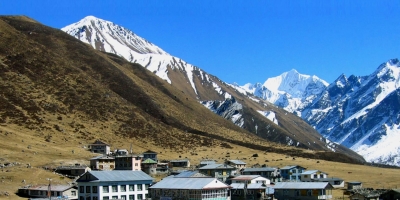
A wonderful ethnic and cultural experience as you trek through the trail among natural wonders in the Himalayas is an experience that you can ask for more than anything. Tamang Heritage Trek takes you through several beautiful villages of ethnic Tamang people in the mountains of the Langtang region.The trekking for days along the trail that goes through Tamang villages gives you an amazing Himalayan trekking experience while the stopover places are rich in cultural wonders. Tamang people are one of the ethnic tribes in Nepal who follow Tibetan Buddhist culture and live a very humble and simple way of life up in the mountains. This culturally rich ethnic group of people is known to be innocent which can be truly inspiring for many. As you trek through the villages where these people live, you can experience their culture and lifestyle while you can even enjoy the view of the mountains and serenity of the rural area.Join this amazing adventurous immersion into the Tamang culture and experience the wonders of the cultural and adventure mix of the Himalayan journey.Why Tamang HeritageTrekking?The Tamang heritage trek offers natural beauty, cultural immersion, and accessibility, making it a top choice for Himalayan trekkers. Langtang National Park remains a treasure trove for those seeking a Himalayan journey enriched with natural wonders, cultural discoveries, and conservation values.Proximity to Kathmandu: This is the closest trekking destination to Kathmandu, ideal for travelers with limited time seeking a Himalayan adventure.Natural Beauty: The Langtang range offers stunning views of snow-capped peaks, lush forests, and serene valleys, perfect for nature lovers and photographers.Cultural Immersion: Trek through Tamang villages on the Tamang Heritage Trail, experiencing authentic culture, ancient monasteries, and warm hospitality.Recovery from the 2015 Earthquake: Despite earthquake devastation, the region shows resilience, with tourism supporting local recovery efforts.Easy and Moderate Difficulty: Suitable for beginners and experienced Hikers, well-defined trails offer a balanced challenge.Variety of Landscapes: From dense forests to alpine meadows and glacial lakes like Gosaikunda, diverse landscapes enrich the trekking experience.Less Crowded: Compared to more popular routes, Langtang Valley offers a tranquil environment with fewer trekkers.Habitat Diversity: Home to rare wildlife like the Red Panda, featuring diverse habitats from forests to alpine meadows.Biodiversity Hotspot: Recognized for its rich flora and fauna, crucial for Himalayan ecosystem balance and supporting endemic species.Ecological Importance: Vital for conserving biodiversity and promoting sustainable practices through responsible tourism.Community Engagement: Local communities are involved in eco-tourism and wildlife protection efforts, contributing to sustainable livelihoods.Scenic Beauty: Besides wildlife, the park offers breathtaking natural landscapes, attracting nature enthusiasts and photographers.Location: Situated north of Kathmandu, Langtang National Park spans Himalayan terrain with forests, meadows, and peaks.Trekking Trails: Popular routes like the Langtang Valley trek provide cultural insights and pristine wilderness experiences.Cultural Heritage: The area abounds with Tamang culture, ancient monasteries, and Buddhist stupas, offering a glimpse into local traditions.Conservation Efforts: Focused on preserving fragile ecosystems and habitats, supported by local and international conservation efforts.Adventure Activities: Beyond trekking, opportunities include birdwatching, wildlife viewing, and enjoying natural hot springs, enhancing its appeal as a nature tourism destination.Tamang Heritage Trekking itinerary:Asiana Treks and Tours has the best Tamang Heritage Trekking itinerary for people who love long and short trekking. Travelers who desire to explore Nepal with moderate physical fitness. You'll discover the best places for breathtaking views from the city to the countryside. Experience the contrast of cold nights at Kyanjin Gompa to relaxing in Kathmandu an unforgettable lifetime journey.Tamang Heritage Trekking Distance:The Tamang Heritage trek covers approximately 75 km (46.6 miles), depending on the chosen itinerary. This trek alone typically takes around ten to twelve days to complete. If combined with other routes like Langtang Valley Trekking, Langtang Gosaikunda Pass Trekking, Langtang Panorama Trekking, Langtang and Helambu, Helambu Aama Yangri Trekking adds 3-8 days, depending on the chosen route. The Langtang Valley Trek showcases breathtaking natural beauty, passing through peaceful Buddhist villages and serene jungles and offering stunning views from Kyanjin Ri and the expansive Langtang Valley. For those fit enough, the trek can start and end in Kathmandu, totaling approximately 12 days.Tamang Heritage Trekking route:Tamang Heritage Trekking route showcases awe-inspiring natural beauty. Starting in lush valleys with terraced fields and traditional villages, the journey unfolds amidst the Himalayan foothills. Rhododendron and pine forests bloom in spring, and stunning views of snow-capped peaks can be seen when we walk. The Langtang Valley Trekking route showcases awe-inspiring natural beauty. Ganesh Himal Range, Langtang Himalayan Range, and many more mountains offer stunning views. The trek promises unforgettable moments, whether you're a seasoned trekker or novice adventurer, offering an unparalleled journey through Earth's most breathtaking landscapes. Includes Kathmandu, Syabru Besi, Lamahotel, Langtang, Kyanjingumba, Tholo Syabru, Sing Gumpa, and a return same way back to Kathmandu. Tamang Heritage Trekking price (cost):Our package tour ensures reliability in terms of cost, itinerary, and overall experience. For Nepali citizens, the Langtang trek typically ranges from US$ 665to 875, and for foreigners, US$ 875 to 1085, variations depending on group size, service level, guide and porter services, transportation preferences, and accommodation category in Kathmandu. This cost estimation is subject to the types of trekking gear and accommodation preferences.However, if you avoid Kathmandu sightseeing and exploration and want a Short route you could get a heavy discount on our Price.Tamang Heritage Trekking Altitude:The Tamang Heritage trek starts from the bustling city of Kathmandu at an altitude of 1337 meters. From there, you'll ascend to Kyanjin Ri (4773m / 15655 ft), above sea level. Along the way, you'll see many famous viewpoints of Kyanging-Re reaching an altitude of Kyanjin Ri (4773m / 15655 ft), and Tserko Ri 5033 m/16,500 ft a meters. Finally, the trek culminates at the High of Kyanjin Re.Major villages of Tamang Heritage Trekking:Kathmandu, Trishuli, Betrawati, - Syabrubesi-Bambu -Lamahotel - Ghora Tabela - Thangshep -Langtang- Mundu- Kyanjing Gompa, and the same way back to Kathmandu via syabru Besi. completing the trek reflecting on their memorable journey through the diverse landscapes and cultural richness of the Langtang region. These villages are significant landmarks and offer scenic beauty and accommodation options along the Langtang Gosaikunda Pass Trekking route.Best Viewpoints Tamang Heritage Trekking:The Tamang Heritage trekking route has several breathtaking viewpoints offering panoramic Himalayan landscape vistas. Here are the main views along the trek:Kyanjin Ri: A viewpoint near Kyanjin Gompa offering stunning 360-degree views of the Langtang Valley and surrounding peaks, including Langtang Lirung (7,227 meters) and Tserko Ri (5,033 meters). It's a popular spot for sunrise and sunset photography.This viewpoint along the Langtang Gosaikunda Pass trekking route offers trekkers memorable opportunities to witness the grandeur of the Himalayas, immerse themselves in the natural beauty of alpine lakes, and appreciate the cultural richness of the region's diverse landscapes.Flora and Fauna Of Tamang Heritage Trekking:Tamang Heritage Trekking trail is a biodiversity hotspot, perfect for nature lovers. Lush forests in the lower regions house various bird species, including rhododendrons and bamboo. Alpine meadows greet you higher up with vibrant wildflowers. Look out for elusive wildlife like Himalayan Thars snow leopards, and diverse birdlife, including the Himalayan Monal, adds to the experience. This trek offers a captivating glimpse into the Himalayan and hilly region ecosystems, promising an unforgettable journey through nature's diversity.Festivals and cultures in Tamang Heritage Trekking:You'll immerse yourself in vibrant festivals and cultural traditions along the Tamang Heritage Trekking route. The region, predominantly inhabited by ethnic groups like the Tamang, Helmo, and Sherpa, celebrates various festivals. especially they celebrate the Buddhist festival However they celebrate the Dashain, festival. typically in September or October, is a significant Hindu festival symbolizing the triumph of good over evil. Villages burst with colorful decorations, music, and dances as families gather for blessings and feasts. Buddhist festivals offer a unique and lifetime experience, as well as Nepalese Himalayan culture with the majestic beauty of the Himalayas.Advantage book with Asiana Treks and tours:Private transport for airport transfers to/from your hotel.Trip briefing on Facebook and online if you love to connect.Last minute booking at your hotel at a suitable time after your arrival.Easy booking and reservation system.Multi-channel communication via Email, WhatsApp, Facebook, Viber, Skyp 24/7 phone communication at +977-9851076270Free excess luggage storage during the trekPulse oximeters for monitoring blood oxygen saturation at high altitudes to detect altitude sickness earlyMedical kits along the trek and hot airbags are available in winterArrange sleeping bags, duffel bags down jackets, and walking pools if you don't have your own.Notes: Please be aware that the itinerary may change due to weather or other factors, and we'll adjust it accordingly for the group's safety and enjoyment. We look forward to guiding you through the stunning landscapes of the Annapurna region and ensuring a memorable trekking experience.Trek Booking:Asiana Treks and Tours is the best and most trusted trek and tour company operator authorized by the Nepal government. We require a 10% advance payment to book your trip, and you'll need to send us a copy of your passport, photos, travel insurance, and flight details as soon as you book a tour with us. You can use bank transfer, or any other way like Western Union, or online via our website, which is easy. The remaining trip cost can be paid upon arrival in Nepal. We offer last-minute bookings, but changes may occur due to circumstances like bad weather. Transportation for Tamang Heritage trekking:We offer a range of flexible transportation options, including planes, helicopters, tourist buses, coasters, vans, 4HW jeeps, and cars tailored to our clients' specific needs, preferences, itineraries, and agreements. This ensures a comfortable and personalized travel experience. Private transportation will be provided for sightseeing in Kathmandu based on group size and requirements.Local transportation is provided for the journey to and from Syabru Bensi while optional private transportation from Kathmandu to and from Syabru Bensi could be provided at an additional cost, depending on the group size and wishes.Trekking Start: Your Tamang Heritage Trek begins with a warm welcome in Kathmandu. As soon as you arrive at Tribhuvan International Airport, our dedicated team will be there to greet you. We'll then escort you to your hotel in a private vehicle, ensuring a comfortable and hassle-free start to your adventure, and setting the tone for a memorable journey.If you miss the regular trip briefing, don't worry. We'll provide it at a convenient time before departure, we'll then proceed to the local bus, departing around 7 a.m. from Gangabu New Bas Park Kathmandu.The package includes transportation by simple bus from Kathmandu to Syabru Besi, offering a comfortable and scenic journey. However, if you prefer a comfortable van or Jeep option, you can also use a private vehicle for an additional cost, giving you the freedom to choose what suits you best.Currency Exchange:The Nepalese rupee is Nepali currency, and 1 USD is approximately 130 NPR. Only NPR is accepted in Nepal, so it's best to bring cash to facilitate transactions. Banks and ATMs in Kathmandu provide currency exchange services but note that most banks prefer new, crisp notesGuide and Porter Arrangement:Our company, Asiana Treks and Tours, focuses on responsible tourism in Nepal. We make sure our guides and porters are well-trained in Trekking and mountaineering. They know a lot about the areas we go to, including geography, history, customs, and culture. We train them regularly in safety, first aid, and environmental conservation. We follow guidelines to treat our porters fairly, providing them with good pay, accommodation, and meals during treks. Our guides and porters are essential team members, and we appreciate their hard work. When you trek with us, you support ethical tourism in Nepal, making your trip meaningful and memorable.Asiana Treks and Tours prioritizes your safety and enjoyment. Our knowledgeable guides, reliable equipment, and safety measures ensure a great trekking experience in Nepal.Porter, Luggage, and extra Luggage storage: We cover the cost of porters for your luggage, but the maximum weight limit is 12 kg per person. Each porter carries luggage for two trekkers; please share a duffle bag with another. Our porters will carry up to 25 kg each. If you need a porter for yourself, we can arrange that. We also recommend carrying a small backpack for your valuables and important documents. You can leave extra luggage at our office for free and at a hotel in Kathmandu or even in Syabrubesi.Accommodation:Accommodation during the Langtang Valley Trek varies. Along the trekking route, you'll stay in guest houses, commonly known as teahouses. These basic lodges offer rooms, dining areas, and toilets. The quality of guest houses varies but remains affordable and convenient for trekkers. Rooms typically have twin or bunk beds and shared bathrooms, and blankets and pillows are provided. Our company can offer a sleeping bag if you don't have one. You'll spend nine nights in lodges along the trekking route and three nights in a hotel in Kathmandu. Some places and lodges have attached bathrooms, while others offer simple yet clean rooms with shared facilities. We can arrange a solo trekking service if you're traveling solo, but availability may be limited during peak season in some places. In Kathmandu, your hotel room will have excellent amenities, including TV, 24/7 hot water, electricity, and laundry service.Meals during the trip:Eating well is essential since the Langtang Helambu Trek takes you through the high Himalayas. You'll have plenty of nutritious meals in the trekking regions, although the options won't be as varied as in the cities. You'll get nineteen breakfasts, fifteen lunches, and sixteen dinners during the Trek. The menu includes local, Asian, and Western dishes, but it gets more straightforward as you climb higher. Try popular Nepali foods like lentils, rice, curry, dumplings, noodles, Spagaties, and many more. We highly recommend eating fresh vegetables and drinking liquids like green tea, lemon tea, hot lemon, ginger tea, and garlic soup, especially at high altitudes. While non-vegetarian options are available during the Trek, we suggest avoiding them for hygiene reasons. It's also best to steer clear of dairy, cheese, alcohol, caffeine, and hot chocolate. Personal expenses like alcoholic drinks and extra beverages at lodges or cafes aren't included in the package. Drinking water:Nepal is the second country in the world regarding water sources after Brazil. According to the Nepal government, only 27% of people here have clean drinking water. You can buy mineral water in teahouses, but it is expensive; people prefer plastic bottles in some trekking areas. So, there are some safe drinking water stations where you can refill your bottle. However, we recommend carrying Steripen, iodine drops, water purification tablets for safe drinking, and refillable water bottles for boiled or filtered water. We strongly advise not to drink from taps, wells, and rivers in trekking areas. However, in all the city areas, Mineral water is available at a reasonable cost everywhere.Extra Personal expenses:While most expenses during the trek are covered, you'll need to spend money on accommodations and meals in Kathmandu and Pokhara, Souvenirs, and additional beverages. We estimate about USD 10-20 per trekking day for miscellaneous expenses.Toilet Facilities in Langtang Valley Trekking:Most teahouses have Western-style flush toilets during mountain treks, especially at lower elevations. But as you go higher, find simple squat toilets along the trails and teahouses at higher altitudes. These toilets usually have water or toilet paper, but it's a good idea to bring your toilet paper just in case. You can also use restrooms at nearby teahouses or find a private spot along the trekking routes.Internet Connectivity:While trekking in the Himalayan region of Nepal, connecting with your family and friends is also a good idea. You can find internet access at teahouses and lodges, but it might be extra minimal cost. The signal might be weak because of the remote location. You can also get internet access using a local SIM card and data packages available at Kathmandu airport or nearby shops in Thamel and Pokhara. You'll have a passport-sized photo and a copy of your passport to get a SIM card. It's a good idea to compare prices and data packages from telecom companies like Ncell and Nepal Telecom before buying. Knowing about teahouse connectivity. Our guide will suggest connections for you. Electricity voltage and plugs:However, 95 % of Nepali people have access to electricity as of May 29, 2023. almost popular trekking routes, teahouses, and lodges have electricity. However, some isolated and solo trekking tea houses in the jungle don't have electricity; Most of these tea houses let travelers charge their devices for a small fee. The average electrical voltage in Nepal is 230 volts, with plug types like Type C, Type D, and Type M. Travellers should bring a suitable adapter and, if needed, a voltage converter for their electronic devices.Communication:The guest houses in the trekking regions have internet access. You could buy a SIM card at Tribhuvan International Airport Kathmandu and Pokhara. However, the signal may need to be more assertive at high altitudes. Our office keeps in touch with all trekking teams via the trek guide at least once daily to ensure everything goes as planned.Trip Extension:Suppose you have extra days in Nepal after the Trek. In that case, we can arrange a tour, overnight stay at Nagarkot Balthali or any other place around Kathmandu and Chitwan, jungle safari, paragliding, rafting, canyoning, or other treks. Do not hesitate to Inform us. We will create the best for you.Trek Difficulty:The Tamang Heritage Trek presents an easy moderate and challenging yet enriching adventure. Your enjoyment of the trip will largely depend on your level of fitness. We recommend building stamina at least two weeks before the trek. Activities include jogging, running, swimming, or taking long hikes for the journey ahead.Completing this trek is achievable even if you're a beginner, although you must maintain a reasonable fitness level. Prior trekking experience can be advantageous, though it is optional. All you need is the readiness to hike steadily for 4-8 hours, navigating tricky terrain.Suppose trekkers have pre-existing medical conditions, such as lung or heart diseases. In that case, they are advised to consult their physician before booking the trek to ensure their safety and well-being throughout the journey.Trip Safety:We highly give priority to your safety We provide experienced guides with first aid kits and necessary safety gear to ensure a safe hand. Our team monitors weather and trail conditions and takes precautions to avoid risks. Before starting the trek, we discuss the trip to provide a clear understanding and ensure a reliable experience.Group & Private Treks:We organize many group and private treks simultaneously, with discounts available for larger groups. Every group will have a trekking guide and porters; an assistant guide may be provided for larger groups. Our team ensures a safe and enjoyable trekking experience for all participants.About solo traveler:If you're a solo traveler, please contact us to confirm departure dates before booking. You can tell us via call, WhatsApp, or email. We have listed upcoming departure dates for your convenience. Feel free to share the trip details with friends and family.Responsible Travel:We prioritize responsible travel to minimize environmental impact and support local communities. We collaborate with organizations like the Kathmandu Environmental Education Project (KEEP) to promote eco-friendly practices in trekking regions.Gratitude:Graduate or tipping is appreciated in Nepali culture and reflects the quality of service provided. You decide how much to tip, but we recommend tipping as a group at the end of the trip.End of Trek:On the 12 day, you'll take a local bus back to Kathmandu, which takes about six hours. Alternatively, you can take private transportation from Syabru Besi to Kathmandu for an extra cost. In the evening, we'll host a farewell dinner in Kathmandu.Departure:On the day of your departure flight, we'll come to pick you up from your hotel and transfer you to Tribhuvan International Airport. We hope you enjoyed the Nepal trek and will consider returning for more adventures in Nepal.Feedback:After you complete the Langtang Valley Trek, we'll organize a farewell dinner in Kathmandu and present you with a trekking achievement certificate. After the dinner, you can provide feedback about the Trek on travel portals.Last-Minute Booking:If you can't book in advance, we offer last-minute bookings. Full payment is required 24 hours before departure. While we do our best to accommodate last-minute bookings, delays may occur due to unforeseen.Special Note: Please remember that sometimes unforeseen circumstances, such as inclement weather or unavailable lodging, may cause the schedule to be altered. Your trip guide will design a fresh schedule based on the group's interests in such circumstances.
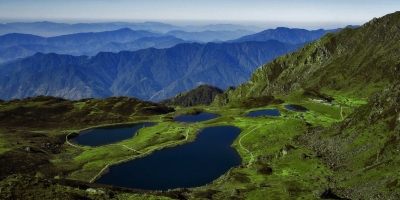
Panch Pokhari, also known as the Five Lakes, is a sacred and scenic trekking destination located in the Sindhupalchowk district, northeast of Kathmandu, nestled in the lap of the majestic Dorje Lakpa Himal. This remote and pristine area is renowned for its spiritual significance to both Hindus and Buddhists. The name Panch Pokhari derives from the five holy lakes found here — Surya Kunda, Bhairav Kunda, Ganesh Kunda, Nag Kunda, and Saraswati Kunda. These lakes are not only sacred pilgrimage sites but also the source of the Indravati River, one of the major tributaries feeding the powerful Saptakoshi River system. The pristine waters and serene surroundings make this region a profound place for spiritual reflection and natural beauty.Apart from its spiritual importance, Panch Pokhari offers trekkers breathtaking panoramic views of several towering Himalayan peaks, including Ganesh Himal, Yangri Himal, Dorje Lakpa, and Gaurishankar. One of the historical highlights of the trek is the 178-year-old Haveli built by Kaji Ranbir Singh Thapa, which showcases traditional architecture and local history. During the Janai Purnima festival, the area becomes a vibrant hub, with many pilgrims flocking to worship Lord Shiva, adding a festive cultural layer to the trekking experience. Additionally, the region is rich in biodiversity, harbouring over 250 wildlife species, including the endangered Red Panda and more than 350 species of flora. The vibrant culture of the indigenous Hyolmo and Tamang people also adds depth and charm to the journey, offering trekkers a unique cultural immersion. Overview Highlights: Sacred five lakes: Surya, Bhairav, Ganesh, Nag, Saraswati Kunda Spiritual pilgrimage site for Hindus and Buddhists Origin of the Indravati River feeding the Saptakoshi River Panoramic views of Ganesh Himal, Dorje Lakpa, and Gaurishankar Historical 178-year-old Haveli built by Kaji Ranbir Singh Thapa Rich biodiversity, including the endangered Red Panda Vibrant Hyolmo and Tamang culturesPreparation for the Panch Pokhari Trek:Preparing for the Panch Pokhari Trek requires reasonable fitness, smart packing, and cultural awareness. Asiana Treks and Tours ensures your comfort and safety, but preparation enhances your Himalayan journey. Pack wisely for varied mountain weather, stay hydrated, and respect local customs. Carry essential permits, maintain flexibility, and travel sustainably to enjoy one of Nepal’s most sacred and scenic trekking routes.Preparation trek overview in the table:Catagory Preparation guide useful NoteTravel Documents Keep passport, visa, and insurance ready Passport valid 6+ months; Nepal visa on arrival;travel insurance recommended Smart Packing Pack light but weather-ready gear Warm layers, according to the season,trekking boots, rain jacket, sunscreen, daypack A A A couple of photosBring passport-sized photos Needed for permits, SIM cards, and documentation Physical Preparation Build endurance before the trek Regular hikes, cardio, and stretching; inform the guide of health conditions Health & Hydration Stay healthy and drink safe water Carry a reusable bottle; use purified water; avoid unsafe food Cultural Awareness Respect local traditions and dress modestly Greet with “Namaste”, remove shoes in temples, and avoid public affection Environmental Responsibility Trek sustainably and reduce waste Use reusable bottles and bags; respect nature and wildlife Flexibility & Mindset Embrace local pace and natural rhythm Be patient with changes; enjoy authentic rural Himalayan life Photography Capture moments respectfully Ask before photographing locals or sacred sites Trek Preparation Quick Guide:Maintain good physical fitness through regular walking or hikingCheck your passport, visa, and travel insurance validityPack light layers, trekking boots, rain gear, and a reusable water bottleRespect local customs and traditions — greet with “Namaste”Stay flexible and positive about weather or trail changesProtect the environment — avoid plastic wasteCarry passport-size photos for permits and SIM cardsPanch Pokhari Trekking Package:Asiana Treks and Tours offers a thoughtfully crafted Panch Pokhari Trekking Package that provides a balanced blend of adventure, culture, and spiritual discovery. This package is ideal for trekkers seeking a less crowded route that combines natural beauty with rich cultural experiences. The package begins with a comfortable arrival and acclimatisation phase in Kathmandu, including a heritage tour to explore Nepal’s historic sites. From there, the journey progresses with a scenic drive and gradual trekking ascents through diverse landscapes, from terraced farmlands and forests to alpine meadows. The trekking package includes professional guides who are knowledgeable about the local ecology, history, and culture, enhancing the overall experience. Trekkers stay in traditional teahouses and lodges along the route, ensuring comfort while enjoying local hospitality. Special attention is given to acclimatisation, allowing the body to adjust to altitude changes safely. The package also includes all necessary permits, transportation, meals during the trek, and porter support to ease the physical burden. Whether you want to explore the spiritual lakes, encounter wildlife, or connect with indigenous communities, Asiana Treks and Tours’ Panch Pokhari package ensures a fulfilling adventure. Package Features: Guided trekking with experienced local guides Comfortable teahouse accommodations Full board meals on trekking days Transportation from Kathmandu to the trek start and return All necessary permits and fees included Porter supports luggage Focus on acclimatisation and safety. Panch Pokhari Trekking Itinerary:The Panch Pokhari Trekking itinerary by Asiana Treks and Tours is carefully designed to provide progressive acclimatisation while allowing trekkers to experience the region’s cultural and natural diversity. The journey begins with arrival in Kathmandu, followed by a heritage tour to explore Nepal's cultural heart. On the third day, trekkers drive from Kathmandu to Chautara (1450m), entering the gateway to the trekking trail. The following days involve a gradual ascent with manageable daily distances and elevation gains, trekking through traditional villages such as Kami Kharka, Pauwa Bas, and Hile Bhanjyang. These villages provide insight into the Tamang and Hyolmo cultures, including traditional homes, festivals, and local cuisine. Day 9 marks the arrival at the sacred Panch Pokhari lakes at 4100 meters, where trekkers can explore the lakes, take in the tranquil atmosphere, and appreciate the panoramic mountain views. The descent is planned via Tupi Danda and Dhap, offering diverse scenery and a gradual drop in altitude, ending in Kathmandu via Melamchi, allowing relaxation and reflection before departure. This itinerary balances trekking challenges with rest days and cultural exposure, making it suitable for moderately experienced trekkers eager to discover an off-the-beaten-path Himalayan adventure. Itinerary Highlights: Day 1-2: Arrival and Trek startDay 3-6: Trek through rural villages with cultural experiences Day 6: Visit the sacred Panch Pokhari lakes (4100m) Day 7-8 - Scenic descent and return to Kathmandu Day 9: Departure Panch Pokhari Trekking Distance:The Panch Pokhari Trek covers a total of 9 days, combining scenic drives and moderate trekking through Nepal’s mid-hills to the sacred alpine lakes. The total trekking distance is approximately 52 km /32 miles, with a daily average of 6–8 km, making it suitable for trekkers with moderate fitness levels. The trail begins at Chhimti (1,800m / 5,906 ft) and gradually ascends to the holy Panch Pokhari Lakes (4,100m / 13,451 ft). Average 65% – 88% oxygen level range and 4100 meter elevation gain, providing a rewarding challenge with steady altitude gain that supports proper acclimatisation.The route passes through terraced fields, rhododendron and pine forests, alpine meadows, and rocky trails near the high-altitude lakes. The descent follows a more straightforward path with a steady drop in elevation, ensuring a comfortable return to lower altitudes before driving back to Kathmandu. Distance and Altitude Summary: Total trekking distance: ~52 -32 km Average daily distance: 6-8 km Altitude range: 1800m (Chhimti ) to 4100m (Panch Pokhari) Terrain: Mixed forest trails, farmland, alpine zones, rocky paths Panch Pokhari Trekking Cost 2026/2027:The Panch Pokhari Trekking package offered by Asiana Treks and Tours for the 2026/2027 season is competitively priced, offering great value without compromising quality or safety. The cost typically ranges from USD 975 to USD depending on group size, season, and any additional services required. This all-inclusive pricing covers airport transfers, transportation to and from trekking start points, licensed guide and porter services, accommodation in guesthouses or teahouses, full-board meals during the trek, permits, and trekking insurance support. Asiana Treks and Tours emphasises responsible tourism practices by ensuring fair wages for local staff and minimising environmental impact. Optional add-ons, such as equipment rental, additional sightseeing tours in Kathmandu, or private guiding, can be arranged at extra cost. This transparent pricing allows trekkers to focus on their journey and enjoy the spiritual and natural wonders of Panch Pokhari without hidden fees or surprises. Cost Inclusions:Airport and local transportationLicensed trekking guide and portersAccommodation and meals during the trekPermits and entry feesSafety and trekking equipment supportPrice Range: The price range of the Panch Pokhari Trek depends on the size of your group. The standard rate is USD 975 per person for a group of two trekkers, with a constant decrease. If you are travelling in a larger group—for example, 4, 6, 10, or more participants—we offer special discounted prices. The bigger your group, the lower the cost per person, as we adjust the price to make your trip as affordable as possible.For an exact quote tailored to your group size and travel preferences, please contact Asiana Treks and Tours. We are always happy to customise your package to suit your budget and comfort level.Panch Pokhari Trekking Price Breakdown: Asiana Treks and Tours offers a comprehensive Panch Pokhari Trekking package that provides excellent value by including all essential services to make your journey safe, comfortable, and memorable. The overall cost typically ranges from USD 975 per person to USD 735 per two-person, depending on the season, group size, and any additional customisations. This pricing includes airport transfers, private transportation to and from the trek's starting points, accommodation in local guesthouses or teahouses, full-board meals during trekking days, and all necessary permits and fees required for the region. Additionally, the package includes the services of a licensed trekking guide and porters to carry your heavier luggage, allowing you to focus on the trek and enjoy the stunning landscapes without undue physical strain. Safety gear and insurance support are also included, ensuring that any emergencies can be managed professionally and effectively. Optional extras, such as trekking gear rental, Kathmandu sightseeing tours, or private guide services, can be arranged for an additional fee. Transparency in pricing means no hidden costs, making it easier for you to budget your trip effectively. Price Breakdown Highlights:Licensed trekking guide and portersTransportation for the start and end of the trekAccommodation and meals on trek Trekking permits and government fees Safety and trekking equipment Optional extras: gear rental, private tours Panch Pokhari Trekking Altitude Guide:The Panch Pokhari trek offers a varied altitude experience ranging from about 1800 meters at Chautara to 4100 meters at the sacred lakes, providing an exciting challenge balanced with proper acclimatisation. The gradual elevation gain allows trekkers to adjust comfortably to higher altitudes, which is critical in preventing altitude sickness. Starting the trek at a relatively low altitude helps the body prepare naturally for the higher mountain zones. Most days involve ascending 400 to 600 meters with moderate trekking distances (6-7 hours), which allows time for acclimatisation stops and rest. The highest point is Panch Pokhari itself at 4100 meters, where the cold alpine air and panoramic mountain views reward trekkers. On the descent, altitudes drop progressively, helping the body recover as you return to lower elevations. Throughout the trek, trekkers experience diverse ecological zones: subtropical forests at the start, temperate rhododendron and pine forests mid-trek, and alpine meadows near the lakes. Altitude Guide Summary: Starting altitude: 1450 meters (Chautara) Highest altitude: 4100 meters (Panch Pokhari lakes) Typical daily ascent: 400-600 meters Gradual ascent for acclimatisation Diverse ecological zones: subtropical to alpine Why Choose Panch Pokhari Trekking?Choosing the Panch Pokhari Trek with Asiana Treks and Tours offers a unique Himalayan experience, set apart from the heavily trafficked routes of Everest or Annapurna. This trek is ideal for adventure seekers seeking a blend of spirituality, nature, and authentic culture in a serene environment. The trek combines the sacred pilgrimage to the five holy lakes with breathtaking Himalayan views, giving it a spiritual and natural allure that few other treks can match. The cultural richness of the trek is another major highlight. You will pass through traditional Tamang and Hyolmo villages, where you can engage with locals, learn about their customs, and enjoy home-cooked meals. The trek’s moderate difficulty makes it accessible to both beginners and experienced trekkers. At the same time, the pristine biodiversity, including the possibility of spotting endangered species such as the red panda, offers an unforgettable nature experience. The professional guides from Asiana Treks and Tours ensure safety, comfort, and insightful storytelling along the way. Reasons to Choose Panch Pokhari Trekking:Off-the-beaten-path Himalayan pilgrimageSpiritual and cultural immersionStunning mountain vistas, including Ganesh HimalModerate difficulty with a good acclimatisation profileRich biodiversity and a chance to see wildlifeExperienced guides and full supportWhat to Expect on the 9 Day Panch Pokhari Trekking: The 9-day Panch Pokhari trek offers a harmonious mix of cultural discovery, natural beauty, and physical challenge. Starting with a drive from Kathmandu to Chautara, trekkers will gradually ascend through lush forests and traditional villages, gaining altitude steadily and soaking in spectacular views. Each day involves approximately 5-6 hours of trekking through well-marked trails, balanced with ample rest stops and chances to explore local culture.Upon reaching Panch Pokhari, trekkers experience a spiritual highlight—the serene and sacred cluster of five lakes surrounded by towering peaks. This is also the highest point of the trek, offering stunning panoramic vistas. The descent route winds through various villages and scenic landscapes, offering diverse perspectives of the region. Accommodation is mainly in cosy teahouses where local hospitality and simple meals create a welcoming atmosphere. The trek concludes back in Kathmandu, where you can reflect on your journey and enjoy a final cultural experience before departure. Trek Experience Highlights: Gradual, scenic ascent with cultural stops Daily trekking 5-6 hours with acclimatisation Sacred Panch Pokhari lakes and spiritual sitesVaried landscapes: forests, alpine meadows, mountain vistasTeahouse accommodation with local hospitalityReturn to Kathmandu for departure.Oxygen Levels on Panch Pokhari Trekking:The Panch Pokhari Trekking route gradually ascends from approximately 1,800 meters at Chhimti to around 4,100 meters at the Panch Pokhari lakes. As you gain altitude, the oxygen levels in the air decrease significantly, which is an essential consideration for trekkers. At sea level, oxygen constitutes about 21% of the air we breathe; at 4100 meters, it drops to roughly 60% of that at sea level. This reduction can cause altitude sickness symptoms, such as headaches, nausea, dizziness, and fatigue, if the body is not given adequate time to acclimate. To mitigate these risks, the trekking itinerary designed by Asiana Treks and Tours incorporates gradual altitude gains and rest days, allowing your body to adapt. Proper hydration, pacing yourself during trekking, and avoiding overexertion are also emphasised. The guides are trained to recognise symptoms of altitude sickness and will take the necessary precautions, including slowing the pace or descending if needed. Supplemental oxygen is generally not required on this trek, but can be arranged in emergencies. Understanding and respecting the effects of lower oxygen levels is key to a safe and enjoyable Panch Pokhari trekking experience. Key Points on Oxygen Levels: Oxygen decreases to about 60% at 4100m Symptoms of altitude sickness may appear. Gradual ascent and acclimatisation included Guides monitor health and symptoms carefully. Supplemental oxygen is available in the event of an emergency. Major Villages and Scenic Viewpoints on Panch Pokhari Trekking Route:The Panch Pokhari trek passes through a series of culturally rich villages and breathtaking viewpoints, enhancing the journey beyond just trekking. The trail begins at Chautara, a gateway town with traditional Nepali charm. As you progress, you pass through Tamang and Hyolmo villages, such as Kami Kharka, Pauwa Bas, and Hile Bhanjyang, where locals maintain ancient customs, traditional houses, and offer warm hospitality. These villages provide opportunities to interact with the local community, witness conventional farming practices, and savour home-cooked meals.Several scenic viewpoints punctuate the trek. Notable among them is the vantage point at Hile Bhanjyang, where trekkers can admire the panoramic Himalayan ranges, including Ganesh Himal, Dorje Lakpa, and Langtang. The climax of the trek is Panch Pokhari itself, with the sacred five lakes surrounded by snow-capped peaks. On the descent, places like Tupi Danda and Dhap offer lush forests and sweeping valley views. These villages and viewpoints collectively provide a rich blend of natural beauty and cultural depth, making the trek truly memorable.Major Villages and Viewpoints: Chautara: traditional gateway townKami Kharka, Pauwa Bas, Hile Bhanjyang: cultural villagesHile Bhanjyang viewpoint: Himalayan panoramasPanch Pokhari: sacred five lakes and mountain viewsTupi Danda and Dhap: scenic descent stopsFlora and Fauna of Panch Pokhari Trekking:The Panch Pokhari region is renowned for its remarkable biodiversity, which encompasses a diverse array of flora and fauna that change dramatically with elevation. At lower altitudes near Chautara and Sano Okhreni, trekkers encounter lush subtropical forests rich with rhododendrons, oaks, and maples. As the trail climbs higher, temperate pine and fir forests dominate, bursting with vibrant blooms in spring. Approaching the alpine zones near Panch Pokhari, the vegetation shifts to hardy shrubs, medicinal herbs, and alpine flowers that thrive in the cold, thin air. Wildlife enthusiasts will appreciate the region's more than 250 recorded species of animals. The elusive and endangered Red Panda is one of the most sought-after sightings. Other mammals include the Himalayan black bear, barking deer, and various bird species, such as the Himalayan Monal pheasant, Nepal’s national bird. The diversity of plant life and animal species, combined with the pristine environment, makes the Panch Pokhari trek a paradise for nature lovers and photographers alike. Flora and Fauna Highlights: Lower altitudes: rhododendron, oak, maple forests Mid-altitudes: pine and fir forests Alpine zone: shrubs, medicinal herbs, alpine flowers Wildlife: endangered Red Panda, black bear, barking deer Birdlife: Himalayan Monal pheasant and others Festivals and Local Culture Along the Panch Pokhari Trekking Route:The Panch Pokhari trekking route is not only a journey through nature but also a rich cultural expedition. The trail is dotted with villages inhabited primarily by Tamang and Hyolmo ethnic communities, each with its distinct customs, language, and traditions. These communities maintain vibrant lifestyles rooted in agriculture, animal husbandry, and a blend of Tibetan Buddhism and Hindu practices. Travellers can witness traditional houses, prayer flags fluttering in the wind, and ancient monasteries that serve as spiritual centres.One of the most colourful cultural events along the route is the Janai Purnima festival, celebrated at Panch Pokhari itself. This festival attracts thousands of pilgrims who come to perform sacred rituals and offer prayers to Lord Shiva and other deities at the five holy lakes. During this time, the region is alive with music, prayer ceremonies, and traditional dances. Experiencing local festivals and community life gives trekkers a unique insight into the spiritual and social fabric of this Himalayan region. Festivals and Cultural Features:Predominantly Tamang and Hyolmo communities Traditional agricultural and spiritual lifestyles Janai Purnima festival at Panch Pokhari Monasteries, prayer flags, and local rituals Warm hospitality and cultural exchange Why Book with Asiana Treks and Tours for Panch Pokhari Trekking:Booking your Panch Pokhari trekking adventure with Asiana Treks and Tours ensures a safe, well-organised, and culturally enriching experience. Asiana Treks is known for its professionalism, experienced guides, and commitment to responsible tourism. Their guides are experts not only in navigation but also in local culture, ecology, and altitude health, helping trekkers safely enjoy the journey while gaining deeper insights into the region. The company provides personalised service from the moment you arrive in Kathmandu until your departure, including airport transfers, accommodation, and quality trekking support such as porters and meals. Asiana Treks and Tours also prioritises environmental sustainability and fair treatment of local staff, ensuring your trek benefits the communities you visit. Their transparent pricing and clear communication make planning your trek a hassle-free and enjoyable experience. Reasons to Book with Asiana Treks and Tours:Experienced, knowledgeable guides Focus on safety and acclimatisation Personalised and attentive service Commitment to sustainable and ethical tourism Transparent pricing and no hidden fees How to Book Panch Pokhari Trekking:Booking your Panch Pokhari trek with Asiana Treks and Tours is a straightforward and customer-friendly process. You can start by visiting their official website or contacting them directly via email or phone. The company offers detailed pre-trek consultations to help tailor the itinerary, duration, and services according to your preferences and fitness level. Once you confirm your booking, Asiana Treks provides a comprehensive pre-departure briefing including packing lists, health advice, and travel tips. Payment can typically be made via bank transfer, credit card, or online payment systems, with clear instructions provided by the company. Asiana Treks and Tours also offers support for visa applications, flight bookings, and travel insurance, making it a one-stop solution for your Nepal trekking adventure. Early booking is recommended, especially during peak trekking seasons, to ensure availability and the best pricing. Booking Steps: Contact Asiana Treks via website, email, or phone Customise itinerary and services with consultation. Confirm booking and receive pre-departure briefing. Make payment through secure channels. Receive visa, insurance, and travel support if needed
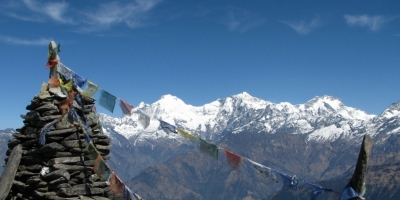
The Lower Ganesh Himal Trekking offered by Asiana Treks and Tours is a culturally immersive, scenic, and less-crowded trekking adventure that reveals the heart of rural Nepal. Located just northwest of Kathmandu, this trek takes you through the untouched valleys and hilltop villages of the Ganesh Himal region, named after the Hindu god Ganesh. With relatively low elevations (max 1900m), this trek is ideal for those who want to enjoy the natural and cultural richness of Nepal without the challenges of high-altitude trekking. Unlike the more commercial routes of Everest or Annapurna, the Lower Ganesh Himal region remains a hidden gem. This trek is perfectly suited for trekkers seeking a deeper connection with local communities, pristine views of the Ganesh Himal and Langtang ranges, and exposure to authentic Nepalese rural life. The journey begins with a heritage tour in Kathmandu before heading into the hills via local transport or private vehicle. From there, the trek leads through villages like Samari, Gaira, Marpak, Shalyankot, Jyamrung, and Maidi, offering unique experiences at each stop, such as homestays, local festivals, and insights into traditional farming practices. 🧭 Highlights of the Trek: Peaceful trekking route through ethnic villages of Tamang, Chhetri, Dalit, and Gurung communities Panoramic views of Ganesh I-IV, Langtang Himal, and surrounding hills Unique cultural experiences like cooking, firewood collection, and religious rituals Overnight stays in authentic homestays and community-run guesthouses Visits to Buddhist monasteries, Hindu temples, and a functioning micro-hydropower plant Guided by local experts from Asiana Treks and Tours ensuring ethical and insightful travel This trek is an excellent choice for travelers with limited time, families, or those who prefer less physically demanding but meaningful treks. It's more than just walking—it's a deep dive into the soul of Nepal. Whether you’re sipping local tea in a Tamang home or admiring sunrise over the hills, the Lower Ganesh Himal Trek leaves you with lasting memories and connections. With a strong commitment to responsible tourism, Asiana Treks and Tours works closely with local communities to ensure that your presence contributes positively to the region. When you choose this trek, you’re not just trekking—you’re participating in sustainable travel that respects and preserves the cultures and landscapes of Nepal. Lower Ganesh Himal Trekking Package The Lower Ganesh Himal Trekking package by Asiana Treks and Tours is designed for adventurers seeking cultural depth, scenic beauty, and authentic Nepalese hospitality without committing to high altitudes. Nestled within the picturesque Ganesh Himal range, this lesser-known trail lies just northwest of Kathmandu and offers a unique opportunity to experience Nepal's ethnic diversity, religious harmony, and natural grandeur in a compact itinerary. Named after the Hindu deity Ganesh, this trek symbolizes wisdom, protection, and good fortune—values you'll experience firsthand as you pass through vibrant villages, terraced farmlands, and sacred temples. This 11-day package includes guided city tours of UNESCO World Heritage Sites in Kathmandu, a scenic countryside drive to Samari, and a 7-day culturally immersive trek through the heart of the mid-hills. Highlights of the Trekking Package: ✅ Guided Kathmandu heritage tour (Pashupatinath, Swayambhunath, Boudhanath, and Durbar Square) ✅ Peaceful trek through remote ethnic villages (Tamang, Gurung, Chhetri, Dalit) ✅ Stunning views of Ganesh Himal, Langtang, and surrounding peaks ✅ Overnight stays in community lodges and traditional homestays ✅ Insight into daily village life: farming, cooking, local schools, and hydropower facilities This package is ideal for trekkers of all skill levels, including families and solo travelers. The trek is free of altitude risks, yet offers panoramic mountain vistas and serene forest trails. Best suited for spring (March–May) and autumn (September–November), the Lower Ganesh Himal Trek gives you the best of Nepal in under two weeks. Lower Ganesh Himal Trekking Distance While the Lower Ganesh Himal Trek is not particularly high in elevation, it spans a meaningful distance with varied terrain. Daily walking ranges from 4 to 6 hours depending on the terrain and pace, making it suitable for moderately fit individuals. Approximate Trekking Distances: Kathmandu to Samari: 100 km (Drive) Samari to Gaira: ~10 km Gaira to Marpak: ~9 km Marpak to Shalyankot: ~11 km Shalyankot to Jyamrung: ~10 km Jyamrung to Maidi Kot: ~9 km Maidi to Salang: ~10 km Salang to Kathmandu: ~100 km (Drive) Key Features of Trek Distance: 🥾 Total trekking distance: ~60–65 km 🗻 Moderate elevation gain (max ~1900m) ⏱️ Trekking time per day: 4–6 hours 🧭 Terrain: Terraced farmland, forest trails, hill ridges, village paths This route is non-technical and doesn't require mountaineering skills, making it perfect for cultural trekkers, photographers, or anyone looking to disconnect from the modern world and immerse themselves in rural Nepal. 💰 Lower Ganesh Himal Trekking Cost 2026/2027 The cost of the Lower Ganesh Himal Trekking package for the 2026/2027 season with Asiana Treks and Tours is competitively priced to offer value while supporting local communities through ethical tourism. Standard Package Cost: USD $899 per person (Group of 2–6) Discounts available for larger groups and early bookings What’s Included: ✅ Airport pick-up and drop-off ✅ 3 nights in Kathmandu (Hotel with breakfast) ✅ Guided heritage tour with entrance fees ✅ All land transport (public/local or private) ✅ Trekking permits and insurance for guides ✅ Accommodation during the trek (Homestays/guesthouses) ✅ 3 meals a day during trek (Nepali, Tibetan, or local food) ✅ Professional licensed English-speaking guide and porter What’s Not Included: ❌ International flights to/from Kathmandu ❌ Travel insurance ❌ Alcohol, snacks, and bottled water ❌ Tips for guide and porter (optional but appreciated) Add-on Options: 🏞️ Extra night in Kathmandu: $30 🧘 Cultural workshop or cooking class: $25–$40 🚙 Private Jeep upgrade for drive-in/out: +$60 With ethical pricing and strong community involvement, this trek balances comfort, authenticity, and affordability. Lower Ganesh Himal Trekking Price Breakdown Affordable, Ethical, and Transparent Pricing with Asiana Treks and Tours The Lower Ganesh Himal Trekking is not only a culturally rich journey but also one of the most budget-friendly treks available in Nepal. Asiana Treks and Tours offers transparent pricing with no hidden fees, ensuring that trekkers receive top value while contributing to the local economy. The price typically ranges from USD $850 to $950 per person, depending on group size and preferences (private jeep, upgraded hotels, etc.). This cost covers everything needed for a smooth and enjoyable trek, from city tours to village accommodations, meals, permits, and experienced guides. Asiana Treks and Tours also believes in sustainable tourism, ensuring local guides, porters, and homestay owners are paid fairly. 💸 What's Included: ✔️ Airport transfers (arrival/departure) ✔️ 3 nights hotel in Kathmandu (breakfast included) ✔️ Kathmandu UNESCO heritage tour with guide and entry fees ✔️ All surface transportation (public/private) ✔️ Trekking permits and local government fees ✔️ Accommodation in homestays/guesthouses during trek ✔️ 3 meals per day during trekking ✔️ Experienced licensed guide and porter ❌ Not Included: ❌ International airfare and visa ❌ Personal travel insurance ❌ Alcoholic drinks, snacks, bottled water ❌ Tips for guides and porters (optional) This pricing model provides a perfect balance of comfort, authenticity, and ethical tourism—making the Lower Ganesh Himal Trek ideal for travelers who seek real experiences without breaking the bank. 🏔️ Lower Ganesh Himal Trekking Altitude Guide Low Elevation, High Impact – Safe and Scenic Trekking Experience The Lower Ganesh Himal Trek is well-known for being a low-altitude trek, making it ideal for beginners, families, or those who prefer to avoid the risks of altitude sickness. The highest point of the trek is Shalyankot (1900 meters / 6234 ft), and the average elevation remains between 1100 to 1900 meters (3609–6234 ft). Unlike the high Himalayan circuits, this trek focuses more on cultural immersion and scenic beauty than elevation gain. Throughout the journey, you'll gradually ascend and descend through terraced fields, dense forests, and remote villages, never exceeding 2000 meters. Because of this, there's no need for acclimatization days, and trekkers are free from the physiological stresses that often come with high-altitude trekking. 🧭 Key Altitudes by Location: Kathmandu: 1337m (4385ft) Samari: 1400m (4593ft) Gaira: 1600m (5249ft) Marpak: 1700m (5577ft) Shalyankot (Highest point): 1900m (6234ft) Jyamrung: 1600m (5249ft) Salang (lowest overnight): 1100m (3609ft) This elevation profile ensures a comfortable trekking pace, allowing participants to enjoy every moment without the health concerns of altitude sickness. It's an excellent entry-level trek with breathtaking hilltop views and cultural experiences at every turn. 🌟 Why Choose Lower Ganesh Himal Trekking? An Untouched Gem of Nepal – Real Culture, Real People, Real Beauty The Lower Ganesh Himal Trekking route is a hidden jewel, perfect for travelers who crave authenticity over commercial tourism. While the Everest and Annapurna regions attract massive crowds, this quiet trail leads you into Nepal’s untouched mid-hill villages, offering genuine cultural exchanges, diverse scenery, and panoramic mountain views—without the need for technical gear or intense conditioning. With Asiana Treks and Tours, this journey becomes even more meaningful. Their deep community ties ensure that your trek directly supports local livelihoods while you enjoy a well-organized, guided adventure. The guides are locals who know every trail, story, and hidden viewpoint. 🌿 Why Trek Lower Ganesh Himal? 🏡 Authentic Tamang, Gurung, Dalit, and Chhetri communities 🧘 Peaceful trails – far from the tourist crowds 🏔️ Vistas of Ganesh Himal, Langtang, and Manaslu 🙏 Cultural interaction – temples, chortens, homestays 🛖 Eco-tourism and responsible travel focus 💬 Opportunities to engage in farming, cooking, and daily life This trek is perfect for photographers, cultural explorers, educators, and nature lovers who want to see the real Nepal—simple, sincere, and spectacular. 🎒 Preparing for Lower Ganesh Himal Trekking Smart Packing, Mental Readiness, and Cultural Awareness Though the Lower Ganesh Himal Trek is not high-altitude or overly strenuous, it still requires thoughtful preparation. With daily walking times of 4 to 6 hours, you'll need to have a moderate level of fitness. Gentle cardio training (like walking, cycling, or hiking) in the weeks before departure will help you enjoy the trail comfortably. Packing wisely is also essential. Because you'll be staying in homestays and small lodges, facilities may be basic, especially in remote villages. A warm sleeping bag, personal hygiene supplies, and layers for changing weather are must-haves. Footwear should be broken-in trekking boots or sturdy trail shoes. 🎒 Trekking Essentials: 🧥 Light down jacket and rainproof outer layer 👟 Comfortable hiking boots 🛏️ Sleeping bag rated for 0–5°C 🧴 Personal toiletries (soap, toilet paper, sanitizer) 💊 Basic medicines (painkillers, rehydration salts) 🎒 Small daypack, reusable water bottle, sun protection Equally important is preparing mentally. You’ll be stepping into simple village life, where comfort is defined by connection and culture, not luxury. Keeping an open mind, being respectful, and embracing a slower pace will turn this trek into a deeply enriching life experience. 🗓️ What to Expect on the 10–11-Day Lower Ganesh Himal Trekking Adventure A Journey of Discovery, Simplicity, and Community The 10–11-day Lower Ganesh Himal Trekking itinerary is designed to flow smoothly between cultural exploration and natural beauty. You'll begin your journey in Kathmandu, visiting ancient heritage sites before heading to the countryside via a scenic drive. From Day 3 to Day 10, you'll walk between remote villages, staying with local families and immersing yourself in their way of life. Expect to walk 4–6 hours a day, stopping frequently for tea, interaction, and photos. Terrain varies from terraced hillsides and forest trails to riverside paths and village roads. Nights are spent in cozy community lodges or homestays, where meals are freshly prepared from local produce. 📌 What You'll Experience Daily: 🥾 Comfortable trekking with moderate climbs 🍛 Fresh Nepali meals (dal bhat, roti, curry) 🛖 Homestay lodging with basic amenities 🎉 Interaction with local communities 📸 Stunning views of the Himalayan mid-hills This is not just a physical trek, but a social, spiritual, and emotional journey. From helping collect firewood to visiting a village school, your days will be filled with real experiences that leave a lasting impression. 🧬 Oxygen Levels on Lower Ganesh Himal Trekking Trek Without Worry – Ample Oxygen, No Altitude Risks One of the biggest benefits of choosing the Lower Ganesh Himal Trek is its low elevation, which ensures that oxygen levels remain close to normal throughout the journey. Unlike treks that go above 3000 meters, where oxygen saturation starts to drop significantly, this trek stays comfortably between 1100 and 1900 meters, keeping air pressure and oxygen content at safe, healthy levels. This means you won’t experience altitude sickness, even if you’re trekking for the first time or have underlying health concerns. The air remains fresh and crisp, and the trekking route allows for easy breathing and gradual pacing—making this ideal for trekkers of all ages. 🌬️ Oxygen and Elevation Facts: 🧭 Max altitude: 1900m (~6234 ft) 💨 Oxygen level: 80–90% of sea-level oxygen ✅ No need for acclimatization days ✅ No risk of Acute Mountain Sickness (AMS) This trek is a safe choice for children, older adults, and beginners, while still offering jaw-dropping views and meaningful cultural interaction. With Asiana Treks and Tours, your safety and comfort are the top priorities, so you can enjoy the trail with complete peace of mind. Major Villages and Scenic Viewpoints on Lower Ganesh Himal Trekking Route Cultural Encounters with Unmatched Natural Beauty One of the standout features of the Lower Ganesh Himal Trekking experience is its passage through some of Nepal’s most scenic and culturally rich hilltop villages. With Asiana Treks and Tours, you’ll journey through vibrant communities nestled in terraced hills, each offering unique local traditions and breathtaking views. From sunrise over snow-capped peaks to misty river valleys, each day reveals a new visual and cultural highlight. The trek starts from Samari Bhanjyang, a peaceful village surrounded by rice fields, and continues to Gaira and Marpak, where you'll find traditional stone houses and friendly locals eager to share their stories. Shalyankot, sitting at 1900 meters, is the highest point on the trek and offers a 360-degree panoramic view of the Ganesh Himal Range, Langtang Himal, and distant Manaslu. As you descend to Jyamrung, the views shift to lush valleys, rivers, and cultivated landscapes. 🗺️ Key Villages and Viewpoints: 🛖 Samari: Traditional starting village with rustic charm 🛖 Gaira: Rich in Tamang culture and terraced farms 🛖 Marpak: Stone-paved village with mountain-facing homes 🏞️ Shalyankot: Panoramic hilltop viewpoint (1900m) 🛖 Jyamrung: Riverside village with cultural immersion 🛖 Maidi & Salang: Low-altitude cultural villages with peaceful ambiance Each of these locations offers authentic homestay experiences, stunning photo opportunities, and a closer look at Nepal’s rural lifestyle. Trekkers often describe the nights spent in these villages as the most memorable parts of their trip. 🌿 Flora and Fauna of Lower Ganesh Himal Trekking Walk Through Biodiverse Ecosystems Rich in Life and Color The Lower Ganesh Himal Trekking route isn’t just a cultural trail—it’s also an immersion into some of Nepal’s most diverse mid-hill ecosystems. Managed by Asiana Treks and Tours, the trail passes through dense forests, open meadows, and terraced agricultural lands teeming with local flora and fauna. The region, though not officially protected as a conservation area, is rich in biodiversity, offering a refreshing blend of natural encounters for nature lovers and birdwatchers. As you ascend and descend the trail, you’ll encounter a variety of subtropical and temperate plant life, including rhododendrons, oak, pine, and bamboo groves. In spring (March–May), rhododendron forests bloom in vibrant reds and pinks, adding striking color to the hills. The terraced farms are often filled with seasonal crops like millet, barley, and mustard flowers. 🌳 Flora Highlights: 🌺 Rhododendrons (Nepal's national flower) 🌿 Wild herbs and medicinal plants 🌾 Seasonal crops and fruit trees (pear, orange, plum) 🐾 Fauna Highlights: 🐦 Himalayan monal (Danphe) 🐒 Langur monkeys in the forests 🦅 Eagles, vultures, and other raptors 🐗 Possible sightings of wild boar, deer, and porcupines The biodiversity along the trail provides moments of quiet wonder. Whether it's a colorful butterfly dancing over a mustard field or the sudden screech of a langur echoing through the trees, these natural encounters deepen the serenity of your trekking journey. 🎉 Festivals and Local Culture Along Lower Ganesh Himal Trekking Route A Living Tapestry of Faith, Festivity, and Folklore One of the most enriching aspects of trekking the Lower Ganesh Himal route with Asiana Treks and Tours is the opportunity to witness and participate in the vibrant local festivals and cultural practices that define life in these remote villages. The region is primarily inhabited by Tamang, Gurung, Dalit, and Chhetri communities, each with its unique set of traditions, songs, dances, and religious observances. Trekking during festival seasons—especially Tihar, Dashain, or the Tamang Lhosar (New Year)—allows travelers to join community celebrations, enjoy traditional music, and witness ritualistic dances. You'll see villagers dressed in colorful garments, elders reciting ancient folk tales, and children performing dances in return for blessings or treats. Hindu and Buddhist faiths coexist peacefully along the trail, with prayer flags fluttering over temples and Buddhist chortens lining village paths. 🌟 Cultural Highlights: 🪔 Tihar Festival: Houses lit with oil lamps, honoring animals and family deities 🎶 Tamang Lhosar: Cultural dancing, feasting, and communal rituals 🛕 Shrines & temples: Small local temples with daily rituals 📿 Chortens and prayer stones: Cultural landmarks with spiritual significance Participating in these events not only deepens your understanding of local life but also turns your trek into a culturally transformative experience—one that stays with you long after your return home. ✅ Why Book with Asiana Treks and Tours for Lower Ganesh Himal Trekking Authentic, Ethical, and Personalized Trekking You Can Trust When choosing a trekking company in Nepal, Asiana Treks and Tours stands out for its local expertise, personalized service, and community-based values. Unlike large international operators, Asiana is deeply rooted in the communities it serves. Their guides and porters are locals—born and raised in the very villages you’ll trek through. This ensures genuine experiences, better communication with locals, and sustainable economic support for the region. Asiana Treks and Tours focuses on responsible tourism, partnering with homestays, supporting village schools, and ensuring fair wages for staff. Their itineraries are well-paced and culturally rich, and they go the extra mile to help you connect meaningfully with the people and places you visit. 💡 Why Choose Asiana Treks and Tours: ✅ Local expertise and guides from Ganesh Himal region ✅ Ethical and fair-trade practices with local communities ✅ Flexible itineraries customized to your pace and interests ✅ 24/7 support and emergency response ✅ Eco-conscious and culturally respectful travel With Asiana, you're not just booking a trek—you're building relationships, making memories, and becoming a part of something bigger. The level of attention, authenticity, and cultural depth they offer is unmatched in the region. 📝 How to Book Lower Ganesh Himal Trekking Easy, Transparent, and Flexible Booking Process with Asiana Treks and Tours Booking your Lower Ganesh Himal Trek with Asiana Treks and Tours is a smooth and transparent process designed to make planning your adventure stress-free. Whether you’re booking months in advance or looking for a last-minute trip, Asiana’s team is ready to assist you at every step. Their user-friendly website and responsive customer service ensure you get all your questions answered quickly. To begin, you can submit an inquiry online, call or WhatsApp their trekking coordinator, or email them with your desired dates and preferences. Once details are confirmed, you'll receive a detailed itinerary, packing list, and invoice. Asiana requires only a 20% deposit to reserve your spot, with the balance due upon arrival in Kathmandu. They also offer flexible date changes, making it easier to adjust your trip if needed. 🧾 Booking Steps: 📩 Inquire via website, email, or WhatsApp 🗓️ Confirm your trekking dates and preferences 💳 Pay a small deposit (20%) to secure booking 📄 Receive full itinerary, gear checklist, and payment details ✈️ Arrive in Kathmandu – the adventure begins! You can also add services like airport transfers, extra hotel nights, or cultural workshops during booking. With a reputation for professionalism and honesty, Asiana Treks and Tours makes booking your Lower Ganesh Himal Trek a breeze—so you can focus on what matters: enjoying the journey.
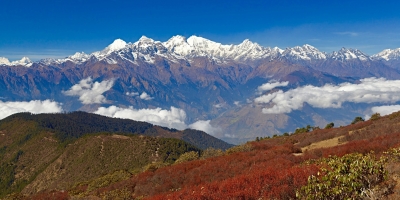
Rubi Valley Trekking in the Ganesh Himal region is an enchanting journey that offers trekkers an authentic experience in one of Nepal’s most pristine and lesser-explored mountain regions. This trek is famous for its breathtaking panoramic views of majestic Himalayan peaks such as Langtang, Ganesh, Bouddha, and Hiunchuli. Unlike more commercial trekking routes, Rubi Valley is a hidden gem where nature remains largely untouched, allowing adventurers to immerse themselves in unspoiled beauty. The route is predominantly a homestay trek, giving trekkers a unique opportunity to experience the warm hospitality and vibrant cultural traditions of local ethnic groups such as the Tamang and Gurung communities. The trek begins and ends in Kathmandu, spanning a total of 13 days. You spend the initial and final days in the bustling capital, allowing time for acclimatization, cultural exploration, and preparation. The journey through remote villages, terraced farmlands, rhododendron forests, and alpine meadows reveals a side of Nepal rarely seen by mainstream tourists. Travelers enjoy peaceful trails far from crowds, making the Rubi Valley Trekking an ideal choice for those seeking solitude and genuine cultural interactions. Rubi Valley Trekking Package Asiana Treks and Tours offers a well-structured 13-day Rubi Valley Trekking package that combines adventure, culture, and natural beauty. This trek includes all necessary arrangements such as accommodation in homestays, meals, local guides, and transportation from Kathmandu to the trailheads and back. The package is designed to ensure a comfortable and safe trekking experience with opportunities to explore Nepal’s diverse ethnic traditions and Himalayan landscapes. Package Highlights: 3 nights in Kathmandu for rest and sightseeing Trekking through the untouched Ganesh Himal region Homestay accommodations for authentic cultural experiences Spectacular views of Himalayan peaks: Langtang, Ganesh, Bouddha, Hiunchuli Interaction with Tamang and Gurung ethnic groups Professional guide and porter services included Transport to and from trekking starting/ending points Support for acclimatization and safety throughout the trek Rubi Valley Trekking Distance and Difficulty The total trekking distance covers approximately 120-130 kilometers spread over 9 trekking days. The daily trekking distance averages 12-15 kilometers with moderate to challenging elevation gains and losses. Distance Highlights: Moderate altitude with maximum elevation around 2,600 meters Mix of forest trails, mountain ridges, and rural village paths Trekking pace designed for acclimatization and comfort Suitable for experienced trekkers and adventurous beginners with good fitness Rubi Valley Trekking Cost 2026/2027 The comprehensive cost of the Rubi Valley Trekking package for 2026/2027 includes airport transfers, all accommodation (hotel and homestay), meals during trekking, professional guide and porter services, permits, and transportation. Price Breakdown: International and domestic flights: Not included Kathmandu accommodation: Included for specified nights Trekking permits and national park fees: Included Guide and porter wages: Included Meals during trekking: Included (breakfast, lunch, dinner) Transportation (Kathmandu to Syabrubesi and back): Included Personal expenses and insurance: Not included Please contact Asiana Treks and Tours directly for a detailed, personalized quotation based on your travel dates and group size. Rubi Valley Trekking Price Breakdown The Rubi Valley Trekking package offered by Asiana Treks and Tours provides great value by including all the essentials for a safe and memorable Himalayan adventure. The price generally covers airport transfers in Kathmandu, comfortable hotel stays before and after the trek, and cozy homestays during trekking days. Your meals on the trail—breakfast, lunch, and dinner—are included, which helps you stay well-fueled throughout the journey. A professional, experienced local guide and porter accompany the group to ensure safety, smooth logistics, and cultural interpretation, making the trek both safe and enriching. Additionally, all necessary permits, such as TIMS (Trekkers’ Information Management System) and conservation fees for protected areas, are included in the price. Transportation costs for the round-trip journey from Kathmandu to Syabrubesi (trailhead) are also covered. However, the price typically excludes international airfare, travel insurance, personal shopping or tips, and any additional activities or hotel upgrades outside the package. For 2026/2027, Asiana Treks and Tours recommends budgeting for these extras separately to avoid surprises. Group sizes and specific dates can also affect pricing, so it’s best to contact the company for customized quotes. Price Breakdown Summary: Included: Airport transfers in Kathmandu Kathmandu hotel stays (3 nights) All meals during trekking Accommodation in homestays Professional guide and porter Trekking permits and conservation fees Round-trip transportation to/from Syabrubesi Not Included: International/domestic flights Travel insurance Personal expenses and tips Extra activities or hotel upgrades Rubi Valley Trekking Altitude Guide Rubi Valley Trekking takes trekkers through varying altitudes, ranging from around 1,500 meters in Syabrubesi up to the highest points near 2,600 meters at Borang and nearby villages. The altitude profile is moderate compared to some of Nepal’s higher Himalayan treks, which makes this route accessible to a broader range of trekkers, including those who may not want to push into extreme high altitudes. Nevertheless, acclimatization is still important to prevent altitude sickness and ensure a comfortable experience. The trek starts with lower-altitude forest trails, ascending gradually through terraced fields and alpine meadows where rhododendrons bloom in spring. The altitude changes daily are designed to help your body adjust progressively. Since the highest points remain below the 3,000-meter mark, the risk of severe altitude sickness is relatively low, but proper hydration and pacing are encouraged. The trek concludes with a descent back down to Kathmandu, ensuring a smooth transition back to low altitude. Altitude Highlights: Starting altitude: approx. 1,400 meters (Syabrubesi) Highest altitude: approx. 2,600 meters (Borang area) Moderate altitude gain, suitable for beginners to intermediate trekkers Daily elevation changes to aid acclimatization Risk of altitude sickness is low but possible—hydration and rest recommended Why Choose Rubi Valley Trekking? Choosing the Rubi Valley Trekking route with Asiana Treks and Tours means stepping off the beaten path to experience a truly authentic and tranquil Himalayan adventure. Unlike the more popular trekking routes such as Annapurna or Everest Base Camp, Rubi Valley remains relatively untouched by mass tourism, providing a peaceful environment with pristine nature and minimal crowds. This makes it perfect for travelers who want to experience Nepal’s rural mountain life, spectacular scenery, and cultural diversity without the hustle and bustle of tourist hubs. The homestay-style accommodations offer an intimate cultural immersion where trekkers live with local families and enjoy home-cooked meals, enhancing the connection with Nepal’s indigenous ethnic communities like the Tamang and Gurung. The natural beauty is complemented by diverse flora and fauna, tranquil forests, and views of stunning Himalayan peaks. Asiana Treks and Tours ensures every trekker’s comfort, safety, and authentic experience by providing experienced guides and personalized service. Whether you seek nature, culture, or adventure, Rubi Valley offers a fulfilling trekking experience. Reasons to Choose Rubi Valley Trekking: Off-the-beaten-path trekking with fewer tourists Authentic homestay experiences with local communities Spectacular views of Ganesh Himal, Langtang, and Hiunchuli peaks Rich biodiversity with rhododendron forests and alpine meadows Moderate altitude, ideal for beginners and intermediate trekkers Professional guides ensuring safety and cultural insights Tailored itineraries from Asiana Treks and Tours for maximum comfort Preparing for Rubi Valley Trekking Proper preparation is key to enjoying the Rubi Valley Trekking adventure to its fullest. Given the trek’s moderate altitude and mixed terrain, physical fitness plays a significant role in your comfort on the trail. It is recommended to engage in cardiovascular exercises like hiking, running, or cycling at least 4-6 weeks prior to the trek. Endurance and leg strength training will help manage uphill and downhill sections with ease. Mental preparation is also important, as you’ll experience simple living conditions during the homestay nights. In terms of gear, pack light but thoughtfully. Essentials include layered clothing to accommodate variable mountain weather, sturdy trekking boots, a warm sleeping bag, and rain protection. Asiana Treks and Tours provides a detailed packing list and offers support with gear rental options in Kathmandu if needed. Don’t forget travel insurance that covers trekking activities. Nutrition and hydration are vital during trekking; carry reusable water bottles and water purification tablets or filters recommended by the guides. Lastly, consult your doctor about altitude sickness medications if you have concerns. Preparation Tips: Begin cardiovascular and strength training weeks before the trek Pack layered clothing, waterproof gear, and comfortable boots Use trekking poles to reduce joint strain on descents Arrange travel insurance covering trekking and emergencies Carry necessary medications, including altitude sickness prevention Stay hydrated and maintain balanced nutrition during the trek Follow Asiana Treks and Tours’ pre-trek briefing and packing guide What to Expect on the 12–13-Day Rubi Valley Trekking Adventure The 12–13-day Rubi Valley Trekking adventure with Asiana Treks and Tours offers a balanced blend of scenic trekking, cultural immersion, and rest days in Kathmandu. The journey begins with an engaging cultural tour of Kathmandu’s UNESCO World Heritage sites, preparing trekkers for the contrasting tranquility of mountain life. After a scenic drive to Syabrubesi, you embark on daily treks through forests, terraced hills, and peaceful villages, staying in comfortable homestays that provide hearty, local meals. Along the way, expect warm interactions with ethnic Tamang and Gurung people, who share their traditions, stories, and lifestyles. The trail showcases spectacular Himalayan panoramas that unfold gradually as you ascend, with rhododendron blossoms coloring the landscape in spring. The trek’s moderate altitude and carefully planned itinerary allow sufficient acclimatization and enjoyable hiking days averaging 5-6 hours. At the end of the trek, you return to Kathmandu to relax and celebrate your adventure before departure. What to Expect: Comfortable homestay accommodations with local families Daily trekking distances of 12-15 km with moderate elevation gain Cultural exchanges with Tamang and Gurung ethnic communities Panoramic views of Himalayan peaks and lush forests Professional support from experienced guides and porters Time in Kathmandu for cultural sightseeing and rest A peaceful, less crowded trekking experience off popular trailsOxygen Levels on Rubi Valley Trekking The Rubi Valley Trekking route offers a relatively moderate altitude experience, which means oxygen levels along the trail remain comfortably sufficient for most trekkers. At lower elevations around 1,400 meters in Syabrubesi, the oxygen concentration is nearly the same as at sea level, allowing trekkers to start their journey without any respiratory difficulty. As you ascend towards the highest points around 2,600 meters near Borang, the atmospheric pressure and oxygen levels drop slightly. However, this altitude is considered moderate and well within the range that most healthy individuals can tolerate without significant issues. Despite the lower oxygen levels at higher elevations, the trek’s gradual ascent ensures that your body has time to acclimatize, reducing the risk of altitude sickness. Symptoms like headaches, dizziness, or nausea are less common here than on higher Himalayan treks. Still, it’s essential to stay hydrated, take regular rest breaks, and avoid overexertion. Asiana Treks and Tours guides are trained to monitor your health and suggest acclimatization techniques. If you have pre-existing respiratory or cardiovascular conditions, consulting a doctor before the trek is advised. Key Oxygen Level Facts: Starting altitude oxygen near sea level (1,400 m) Highest altitude approx. 2,600 m with moderate oxygen reduction Gradual ascent minimizes altitude sickness risk Hydration and pacing important for acclimatization Guides trained to assist with altitude-related health concerns Generally safe for healthy trekkers with moderate fitness Major Villages and Scenic Viewpoints on Rubi Valley Trekking Route Rubi Valley Trekking showcases a charming blend of remote villages and breathtaking viewpoints that enrich the trekking experience. The trek begins at Syabrubesi, a gateway village known for its traditional Tamang culture and lush surroundings. Other notable villages include Ghatlang, Somdang, Tipling, Borang, Jharlang Phedi, Khaniyabas, Marpak, and Katunje. Each village offers unique cultural experiences through homestays where trekkers can savor authentic local cuisine and interact with friendly residents. These villages are dotted with terraced fields, prayer flags, and traditional architecture, giving a vivid glimpse into rural Nepali life. The route is also rich with scenic viewpoints offering panoramic vistas of the Himalayan ranges. From Borang and surrounding high points, trekkers can admire stunning views of the Ganesh Himal massif, Langtang range, Bouddha Himal, and Hiunchuli peaks. Rhododendron forests, alpine meadows, and serene rivers accompany the trail, adding to the natural beauty. Asiana Treks and Tours ensures that these key spots are highlighted with adequate rest stops to absorb the views and take memorable photographs. Major Villages & Viewpoints: Syabrubesi: Starting point with cultural richness Ghatlang & Somdang: Forested, traditional villages Tipling & Borang: Panoramic Himalayan views Jharlang Phedi & Khaniyabas: Remote villages with homestay experiences Marpak & Katunje: Final villages before return Scenic viewpoints of Ganesh Himal, Langtang, Bouddha, Hiunchuli Natural highlights: Rhododendron forests, alpine meadows, rivers Flora and Fauna of Rubi Valley Trekking The Rubi Valley region is a biodiversity hotspot, offering trekkers a rich palette of flora and fauna throughout the journey. The trail passes through diverse ecosystems, beginning with subtropical forests rich in oak, pine, and rhododendron trees. During the spring season, the rhododendron forests burst into vibrant red, pink, and white blossoms, creating spectacular scenery. Higher up, alpine meadows provide habitat for various wildflowers, medicinal plants, and aromatic herbs that locals use for traditional remedies. Wildlife sightings along the trek include several bird species such as the Himalayan monal (Nepal’s national bird), blood pheasant, and colorful butterflies. Mammals like musk deer, barking deer, and occasionally the elusive red panda inhabit the forested areas. The rich natural environment supports a delicate ecosystem that trekkers can appreciate while minimizing their environmental impact. Asiana Treks and Tours promotes responsible trekking to protect this fragile habitat. Flora & Fauna Highlights: Oak, pine, rhododendron forests Spring rhododendron blooms Alpine meadows with wildflowers and medicinal herbs Bird species: Himalayan monal, blood pheasant, various songbirds Mammals: Musk deer, barking deer, occasional red panda Emphasis on eco-friendly trekking practices Festivals and Local Culture Along Rubi Valley Trekking Route Trekking through Rubi Valley offers a unique opportunity to experience Nepal’s vibrant local culture, deeply intertwined with ethnic traditions and festivals. The region is predominantly inhabited by Tamang and Gurung communities, whose customs, folklore, and lifestyle add rich layers to the trekking experience. Homestay stays allow travelers to participate in daily village life, including traditional cooking, farming activities, and handicrafts. Throughout the year, you may encounter colorful festivals such as Lhosar (Tamang New Year), Dashain, and Tihar, celebrated with lively dances, music, and rituals. These festivals reflect the community’s strong spiritual beliefs and connection to nature. Local monasteries and temples along the trail offer insight into Buddhist and Hindu practices, often marked by prayer flags fluttering in the mountain breeze. Asiana Treks and Tours ensures that trekkers have opportunities to learn about and respect these cultural celebrations, enhancing the journey’s authenticity. Cultural & Festival Highlights: Tamang and Gurung ethnic communities Homestay cultural immersion Festivals: Lhosar, Dashain, Tihar Traditional dances, music, and rituals Buddhist monasteries and Hindu temples Learning about local customs and spiritual life Why Book with Asiana Treks and Tours for Rubi Valley Trekking Booking your Rubi Valley Trekking adventure with Asiana Treks and Tours guarantees a well-organized, safe, and culturally enriching experience. With years of local expertise and a passion for Nepal’s mountains, Asiana Treks prioritizes personalized service, ensuring that every trekker’s needs are met. The company employs knowledgeable guides and experienced porters who are trained in safety, first aid, and cultural interpretation. Their focus on small groups means a more intimate, flexible, and authentic trekking journey. Moreover, Asiana Treks and Tours is committed to responsible and sustainable tourism. They work closely with local communities, contributing to economic development through fair wages and supporting eco-friendly practices that protect the natural environment. The company also provides transparent pricing, detailed pre-trek briefings, and 24/7 customer support. Choosing Asiana Treks means choosing quality, safety, and meaningful cultural connections in the heart of the Himalayas. Reasons to Book with Asiana Treks: Experienced local guides and porters Small group sizes for personalized attention Emphasis on safety and responsible trekking Support for local communities and eco-tourism Transparent pricing and excellent customer service Comprehensive pre-trek preparation and support How to Book Rubi Valley Trekking Booking the Rubi Valley Trekking with Asiana Treks and Tours is a straightforward and customer-friendly process designed to provide convenience and peace of mind. Interested trekkers can start by visiting the company’s official website or contacting their customer service team via email or phone. Asiana Treks offers personalized consultations to tailor the trekking itinerary to your preferences, travel dates, and fitness levels. Once details are finalized, a booking confirmation and detailed pre-trek information pack are sent to ensure you are well-prepared. Payments are typically made through secure online transactions, bank transfers, or in-person payments in Kathmandu. Asiana Treks recommends booking at least 4-6 weeks in advance, especially during peak trekking seasons, to secure guides, permits, and accommodations. The company also offers flexible cancellation policies and travel insurance guidance. Throughout the process, their team remains available to assist with visa advice, equipment rentals, and any special requirements, making your Rubi Valley adventure hassle-free. Booking Steps: Contact Asiana Treks via website, email, or phone Discuss itinerary, dates, and requirements Receive booking confirmation and info pack Make payment securely online or in Kathmandu Prepare for trek with company support Enjoy flexible cancellation and travel insurance options
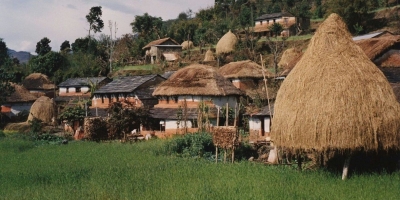
Chepang Heritage Hill trekking lies at an elevation of 1945m in the Mahabharat Mountain range of Central Nepal, north of Chitwan National Park. Firstly, the trek starts on the drive from Kathmandu to Hugdi and further on foot. Chepang people are the indigenous Tibeto-Burman ethnic people considered to be the poorest of the poor and an endangered community in Nepal. Gradually, Chepangs are shifting from a semi-nomadic lifestyle to a more normal settled life. Along with experiencing the Chepang culture and tradition, the Chepang Heritage Hill trekking is full of exotic views, crackling trees of dense forest, chirping birds, and crimson sunrises and sunsets. However, the local people live by hunting, fishing, and self-sustaining farming or mainly depend on maize, rice, and wheat. Likewise, the Chepang community has its own culture, tradition, language, and dress style. The Chepang community provides a completely different cultural experience than what is heard, read, or experienced in the rest of Nepal. Surprisingly, the trails also showcase the sublime and distinguished view of splendid Himalayan Peaks such as Rolwaling, Dorje Lapka, Gaurishankar, Langtang, Manaslu Range, Himalchuli, Annapurna Range, and Dhaulagiri. The magnificent view of the landscape, the tourist-friendly locals, Chepang culture, local dishes, and homestays make this trek to Chepang Hill a remarkable experience of the isolated trails. Chepang Heritage Hill trekking is accompanied by high hills and streams, along with some wildlife in a dense forest. Moreover, the established Chepang museum serves as the best source of the culture, language, lifestyle, and musical instruments. Ultimately, the trek is put to the final phase after hiking the upper Dhangadi to Shaktikhor and driving back to Kathmandu.Why is the Chepang Heritage trek a must-do trek? The Chepang Heritage Trek is a hidden gem for those seeking an authentic, off-the-beaten-path adventure in Nepal. Unlike the popular high-altitude routes, this trek offers a rare opportunity to immerse yourself in the untouched culture and traditions of the indigenous Chepang people. Trekking through the beautiful Mahabharat hills, you’ll experience a way of life that remains deeply connected to nature, history, and self-sufficiency. One of the main reasons the Chepang Hill Trek stands out is its rich cultural experience. From staying in homestays to sharing meals with local families, trekkers get an intimate glimpse into the Chepang community's unique traditions, language, and lifestyle — something you won't find on any other trekking route in Nepal.In addition to the cultural treasures, the trail offers breathtaking natural beauty. Expect panoramic views of the Himalayan giants, including the Annapurna, Manaslu, Langtang, and Dhaulagiri ranges. The peaceful forests, rolling hills, chirping birds, and crimson sunsets create a serene atmosphere ideal for nature lovers.Perfect for trekkers looking for a low-altitude trek and easy trekking routes in Nepal, the Chepang Heritage Trail is accessible, less crowded, and eco-friendly. It combines stunning landscapes with cultural exploration, making it one of the most enriching trekking experiences available. Whether you're passionate about remote Nepal trekking, cultural trekking in Nepal, or simply yearning for a journey that connects you deeply with nature and people, the Chepang Heritage Trek is a must-do adventure that will leave a lasting impact on your heart.Preparing for the Chepang Heritage Hill Trek:Preparing for the Chepang Heritage Hill Trek ensures you get the most out of this unique cultural and scenic journey through rural Nepal. Though the trek is considered moderate and at low altitude, a little preparation will make your experience more enjoyable and comfortable.Preparation Points: Build basic fitness through hiking or joggingWear lightweight clothes and warm layersCarry a headlamp, water bottle & power bankRespect local culture and dress modestlyUse purified or boiled water onlyStay in simple but cosy local homestaysLearn a few Nepali phrases—it goes a long wayPreparation of Chepang Heritage Hill Trekking in the TableCatagoriesDetails NotePhysical Preparation Basic fitness: hiking, jogging, swimming Practice walking with a backpack ClothingTrekking shoes or boots Break them in before the trek Foot were Trekking shoes or bootsBreak them in before the trek GearsBackpack, headlamp, power bank, water Bottle Charging facilities are available in the VillageHealth & Safety First aid kit, personal medicine, water tablets Include insect repellent Personal Items Sunscreen, hat, sunglasses, toiletries Use biodegradable soap cultural prepLearn Nepali phrases; respect traditions Ask before taking a PhotoBest seasonSpring (Mar–May) & Autumn (Sep–Nov) Winter trekking is possible, but cold Food and waterMeals at homestays; carry energy bars Drink purified or boiled water only AccommodationLocal homestay at Trek Hotel in Safari ActivitiesBasic, clean, and welcomingChepang Heritage Hill Trekking Itinerary:Chepang Heritage Hill Trekking is a unique cultural and scenic adventure that takes you through the hills north of Chitwan National Park. This off-the-beaten-path trek allows you to experience the traditions, lifestyle, and hospitality of the indigenous Chepang people while enjoying breathtaking views of the Himalayas. Ideal for those seeking a low-altitude, eco-friendly trek, this route combines authentic cultural immersion with stunning landscapes, peaceful forests, and charming homestays. Perfect for trekkers looking to explore rural Nepal away from the crowds. Itinerary Highlight of Chepang Heritage Hill Trekking: Moderate daily hiking between 7–13 km (4.3–8.1 mi)Trek reaches a maximum elevation of 1,940 m / 6,364 ft Ideal for cultural immersion and gentle trekking Descends to 355 m / 1,165 ft at ShaktikhorDay-by-Day Trekking Itinerary of Chepang Hill Heritage Tour: Day and Place Activities Approx. Distance (Km/ Miles Day 1, Drive from Kathmandu to Hungdi and trek to Hattibang1,410 m / 4,626 ft 69 km/ 43 Miles Drive and trekDay 2, Trek from Hattibang to Jyandala1,600 m / 5,249 ft 10 km / 6.2 mi Day 3, Trek from Jyandala to Upper Dhangadi1,940 m / 6,364 ft 9 km / 5.6 mi Day 4, Trek from Upper Dhangadi to Sakktikhor355 m / 1,165 ft 13 km / 8.1 mi (descent) Day 5, Drive back from Shaktikhor to Kathmandu (6–7 hrs)1,400 m / 4,593 ft 150 km / 93 mi (drive) Chepang Heritage Hill Trekking Distance:The Chepang Heritage Hill Trekking covers a moderate distance across beautiful hills, forests, and traditional villages of central Nepal. Each day involves around 10 to 15 kilometres of trekking on gentle to moderately steep trails. This trek is ideal for those seeking an easy-to-moderate adventure that combines cultural immersion with scenic views, without the challenge of high altitudes. Chepang Heritage Hill Distance Highlight: Moderate daily hiking between 7–13 km (4.3–8.1 mi) Trek reaches a maximum elevation of 1,940 m / 6,364 ftIdeal for cultural immersion and gentle trekkingDescends to 355 m / 1,165 ft at ShaktikhorDay and PlaceAltitude (Meter / Feet) Elevation Gain/LossDay 1, Kathmandu -drive to Hundi -Trek Hattibang1,410 m / 4,626 ft Gain: 1,110 m / 3,641 ft Day 2, Jyandala1,600 m / 5,249 ft Gain: 190 m / 623 ft Day 3, Upper Dhangadi1,940 m / 6,364 ft Gain: 340 m / 1,115 ft Day 4, Shaktikhor355 m / 1,165 ft Loss: 1,585 m / 5,199 ft Day 5, Drive back to Kathmandu 1,400 m / 4,593 ft Gain: 1,045 m / 3,428 ft (by drive)
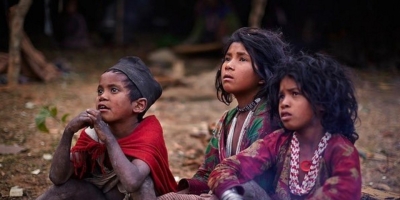
People’s Indigenous Trekking by Asiana Treks and Tours is a pioneering trekking experience in Nepal, uniquely designed to immerse travelers in the rich and diverse indigenous cultures of the region. Unlike typical high-altitude treks focused primarily on nature and mountain views, this trek emphasizes cultural immersion, providing a living experience among Nepal’s indigenous peoples in the mid-hill regions, below 3,000 meters. The trek spans a stunning geographical area, offering panoramic views that extend from the western Himalayan giants like Dhaulagiri and Annapurna to the eastern marvels of Numburchuili and Kanchenjunga. The trail is framed by natural landmarks including the majestic Thulo Sailung peak to the north and the golden rivers Sun Koshi and Tama Koshi to the south and east. The trek allows visitors to delve deeply into the everyday lives and traditions of diverse ethnic groups such as the Tamang, Newars, Sherpas, Thames, and Majlis. These communities maintain vibrant customs shaped by both Hinduism and Buddhism, evident in the numerous temples, stupas, and monasteries scattered along the trail. Staying overnight in private homes offers an authentic and intimate experience, far removed from commercial tourism. Visitors enjoy traditional meals prepared in hygienic local kitchens and often participate in cultural events like folk dances, weddings, and culinary workshops. The aim is to provide travelers not only breathtaking landscapes but a meaningful connection to Nepal’s living heritage. Key Highlights: Trekking at lower elevations (below 3,000m) Panoramic Himalayan views from Annapurna to Kanchenjunga Stay in traditional homestays with indigenous families Exposure to multiple ethnic groups and their cultural practices Opportunities for cultural performances, workshops, and festivals Natural diversity including forest walks, bird watching, and fishing 2. Introduction to People’s Indigenous Trekking The People’s Indigenous Trekking route is a cultural and scenic journey crafted by Asiana Treks and Tours to showcase the authentic lifestyles and traditions of Nepal’s indigenous communities. It is one of the first treks in Nepal dedicated exclusively to cultural exploration combined with accessible trekking, suitable for those interested in anthropology, history, and nature alike. Unlike high-altitude trekking routes, this trail maintains moderate elevation, focusing on the mid-hills where indigenous people live in harmony with nature. Trekking here is not just about reaching a summit; it is about experiencing the heritage and stories of the local peoples firsthand. Travelers will traverse varied landscapes—from terraced farmlands and peaceful villages to lush forests and river valleys—while engaging directly with local hosts. The journey also highlights the peaceful coexistence of Hindu and Buddhist traditions, manifested in a wealth of religious sites. Monasteries, temples, and local festivals provide a vibrant backdrop to the trekking experience. By spending nights in homestays, trekkers get a unique window into daily Nepali life, including cooking traditional meals, participating in cultural rituals, and learning native arts and crafts. This trek promises a slow, immersive adventure that offers cultural richness, warm hospitality, and stunning natural scenery — a perfect blend for those seeking meaningful travel experiences. 3. Trekking Route Summary The People’s Indigenous Trekking route is carefully planned to maximize cultural and natural experiences while maintaining comfortable trekking distances each day: Day 1: Arrival in Kathmandu (1,337m) – Begin with acclimatization and cultural preparation. Day 2: Heritage Tour of Kathmandu – Explore UNESCO sites and historic monuments. Day 3: Kathmandu to Mude (2,580m), then Mude to Deurali (2,298m) – Initial trek into the hills. Day 4: Deurali to Kholakharka (2,448m) – Scenic village routes and forest trails. Day 5: Kholakharka to Surkey Doramba (1,842m) – Descend into warmer valleys, encountering diverse flora and fauna. Day 6: Doramba to Galba to Khandadevi – Visits to local communities and temples. Day 7: Khandadevi to Hiledevi/Dongme – Trek through terraced fields and cultural villages. Day 8: Hiledevi to Sunapati to Lubughat – Cross river valleys and dense forests. Day 9: Lubughat to Nepalthok, then drive to Dhulikhel (1,650m) – End of trek with traditional hospitality. Day 10: Departure from Kathmandu or onward destination. The route combines trekking, cultural experiences, and comfortable homestays, providing a well-rounded adventure in Nepal’s indigenous heartland. 4. Cultural Highlights A central feature of the People’s Indigenous Trekking is the extraordinary cultural diversity encountered along the way. The trek passes through villages inhabited by six major ethnic groups: Tamang, Newars, Sherpas, Thames, Majlis, and others. Each group has its own language, customs, and traditional attire, which travelers can witness during their homestay visits. The journey is rich with opportunities to attend local festivals, traditional weddings, and dance performances where locals wear vibrant costumes and sing ancestral songs. Visitors may take part in culinary workshops, learning to prepare authentic Nepali dishes using local ingredients. Religious diversity is also profound—monasteries, stupas, and Hindu temples dot the trail, offering insight into spiritual practices and ceremonies including meditation and traditional animal sacrifices. Moreover, the trek provides cultural immersion rather than superficial tourism. Staying with host families allows trekkers to observe daily routines, agricultural practices, and traditional crafts like weaving and wood carving. This hands-on approach fosters understanding and respect for Nepal’s indigenous heritage. Cultural Highlights Include: Interaction with 6 ethnic groups and their languages Traditional homestays and family-style meals Local festivals, folk dances, and cultural performances Visits to Hindu temples and Buddhist monasteries Culinary workshops and traditional cooking Witnessing rituals like animal sacrifice and meditation practices 5. Terrain and Altitude Overview The trekking route mainly traverses the mid-hills of Nepal, with altitudes ranging between 1,300 meters and 2,600 meters. This makes the trek accessible for most travelers, avoiding the extreme altitudes and risks associated with high mountain expeditions. The terrain varies from gentle valley walks and terraced agricultural fields to forest trails and small mountain ridges. The route is generally moderate in difficulty, with some gradual ascents and descents each day. Paths are well-trodden, often connecting remote villages, allowing trekkers to enjoy a mix of natural beauty and rural landscapes. The moderate altitude ensures a comfortable trekking pace without the need for extensive acclimatization. Throughout the journey, trekkers will experience diverse ecosystems—from subtropical forests in lower valleys to cool pine and rhododendron forests at higher elevations. This variation enriches the trek with opportunities for birdwatching, forest walks, and encounters with local wildlife. Terrain and Altitude at a Glance: Altitude range: 1,337m to 2,580m Mid-hill trekking, moderate elevation gain and loss Varied terrain: terraced farms, forest trails, river valleys Moderate difficulty with daily trekking of 4-6 hours Diverse natural habitats including forests and riversides 6. Duration and Difficulty Level The People’s Indigenous Trekking spans 10 days, including arrival and departure days in Kathmandu. The actual trekking duration is 7-8 days, allowing a balanced pace that is suitable for travelers of moderate fitness. Each day involves 4 to 6 hours of walking, which is comfortable for most trekkers without requiring prior high-altitude experience. The difficulty level is considered easy to moderate, primarily due to the moderate elevations and well-maintained trails. The trek is designed for those who want cultural immersion combined with manageable trekking. The gentle climbs and descents allow trekkers to appreciate the environment and interact with local people without feeling rushed or exhausted. The homestay accommodations and opportunities to rest in villages provide additional comfort and cultural richness, making this trek ideal for families, cultural enthusiasts, and first-time trekkers alike. Duration and Difficulty Summary: Total duration: 10 days (including arrival and departure) Trekking days: 7-8 days with daily walks of 4-6 hours Difficulty: Easy to moderate Suitable for: Moderate fitness levels, families, cultural travelers Accommodation: Homestays and guesthouses in villages
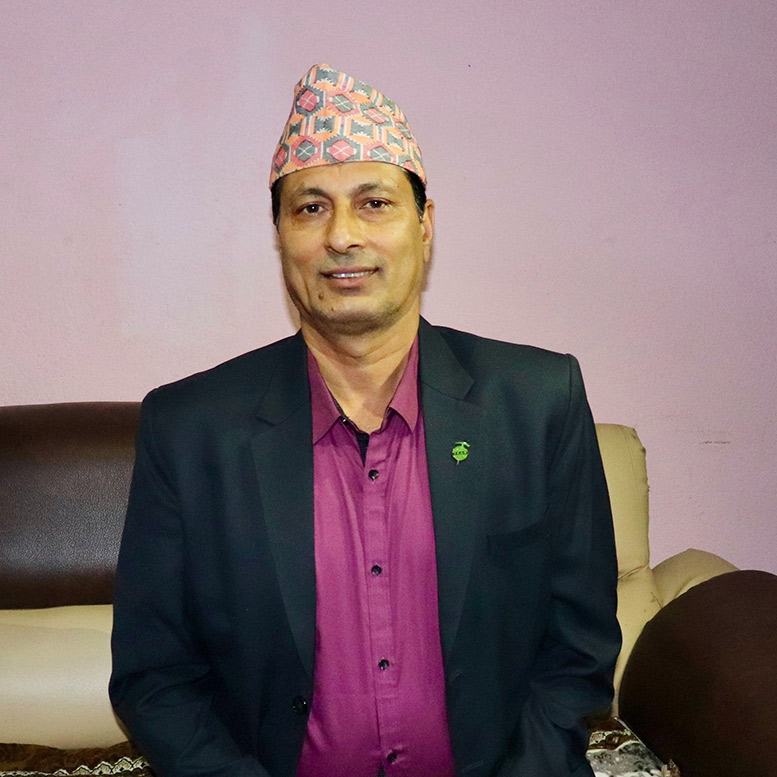
Feel free to inquire, and together, we'll design the perfect journey to suit your preferences and desires.


 (2)
(2)  100% recommend (0)
 (0)
(0)