Need help with booking? Send us a message.
Experience the remote Himalayan landscapes of Nar and Phu with Asiana Treks and Tours. This 13-day adventure combines scenic drives, authentic mountain villages, cultural exploration, acclimatization, and spectacular high-altitude trekking, without crossing the challenging Kang La Pass.
The Nar Phu Valley Trek with Asiana Treks and Tours is an adventurous journey into one of Nepal’s most remote Himalayan regions, combining dramatic mountain landscapes, ancient Tibetan-influenced villages, high-altitude trails, and rich local culture. Following the itinerary, the trek begins with arrival in Kathmandu and a long, scenic drive to Dharapani before entering the restricted Nar Phu Valley. The route passes through Koto, Meta, Phu Village, Nar Phedi, Nar Village, and Ngawal, with dedicated acclimatisation and exploration days in Phu and Nar.
The trek offers a rewarding combination of wilderness and cultural discovery. Phu Village (4,050 m) and Nar Village (4,110 m) offer opportunities to experience traditional Himalayan lifestyles, while the surrounding valleys provide spectacular views of rugged cliffs, alpine terrain, and snow-covered peaks. The 13-day itinerary also includes road transportation between major trailheads and Kathmandu, making it a practical choice for travellers seeking a shorter but immersive Himalayan adventure.
The carefully designed itinerary begins with arrival in Kathmandu, followed by a long scenic drive to Dharapani. From Dharapani, the trekking route gradually enters the remote Nar Phu region, passing through Koto, Meta, and Phu Village. The itinerary allows time to acclimatise before continuing to Nar Phedi and Nar Village.
After exploring Nar Village, the journey continues toward Ngawal before transportation takes travellers to Chame and eventually back to Kathmandu. This mix of trekking and driving suits travellers who want an immersive Nar Phu experience in a relatively compact timeframe.
Major Itinerary Stops
The best seasons for the Nar Phu Valley Trek are generally spring (March to May) and autumn (September to November). During these periods, the weather is usually more stable, visibility is better, and the mountain scenery is particularly impressive. Spring brings pleasant trekking conditions and colourful vegetation at lower elevations, while autumn generally offers crisp skies and excellent mountain views after the monsoon season.
Winter can bring very cold temperatures, snow, and difficult trail conditions at higher elevations, while the summer monsoon can make roads and lower trekking trails muddy and challenging. Because the Nar Phu region is remote and reaches elevations above 4,000 meters, choosing the right season is especially important for comfort, safety, and overall enjoyment.
Recommended Trekking Months
The Nar Phu Valley Trek is a moderate to challenging trek because of its remote location, high elevations, steep trails, and long walking days. Several stages take about 6–8 hours, and the trail reaches over 4,000 meters. Previous trekking experience and good physical preparation can make the journey considerably more comfortable.
Altitude is a major factor to consider. The itinerary includes an acclimatisation day in Phu and an exploration day in Nar, giving trekkers time to adjust to the increasing elevation. Walking slowly, staying hydrated, eating well, and listening to your body are key to a successful high-altitude trek.
Factors Affecting Trek Difficulty
Transportation is an important component of this Nar Phu Valley itinerary. The journey starts with an approximately 8–10-hour drive from Kathmandu to Dharapani. This road journey passes through changing landscapes and gets travellers to the trekking area without adding extra walking days.
At the end of the trek, travellers drive from Ngawal to Chame, then continue to Kathmandu via Besisahar. The combination of trekking and road travel makes the itinerary more efficient while still allowing travellers to experience the remote Himalayan environment.
Transportation Route
Food and accommodation on the Nar Phu Valley Trek are generally based around teahouses and local lodges, particularly along the established sections of the route. Meals commonly include traditional Nepali dishes such as dal bhat, rice, vegetables, noodles, soups, potatoes, and Tibetan-influenced foods. At higher elevations, food choices can be more limited because supplies must be transported into remote mountain settlements. Staying well hydrated and maintaining adequate calorie intake is important during long trekking days.
Accommodation becomes more basic as the trail enters the remote Nar Phu region. Travellers can expect simple rooms and shared facilities rather than the comforts of city hotels. This rustic environment is part of the trek's appeal, offering a closer connection to local communities and traditional Himalayan life. Asiana Treks and Tours can coordinate the trekking arrangements so travellers can focus on enjoying the landscapes, villages, and cultural experiences.
Food Options
The Nar Phu Valley is a restricted trekking area, so travellers need the appropriate permits before entering the region. Permit requirements vary by season and current Nepal government regulations, so arrange them through an authorised trekking company. In addition to the restricted-area permit for Nar Phu, trekkers may need other applicable trekking permits associated with the route and conservation area.
Working with Asiana Treks and Tours can simplify the permit process because the company can help arrange the required documentation before the trek begins. Travellers should carry the necessary identification and permit documents throughout the journey, as officials may check permits at designated points along the route. Confirm the current fees and requirements before departure, as government regulations can change.
Permit considerations:
Phu and Nar are among the most culturally interesting settlements on the itinerary. Accommodation in these villages is generally provided through simple local guesthouses and teahouses. Facilities are basic compared with hotels in Kathmandu, but they offer an authentic experience of life in the remote Himalayas.
Staying overnight in these villages allows trekkers to experience the peaceful atmosphere of the high mountains. Travellers can observe traditional architecture, interact with residents, and appreciate the Nar Phu region's unique culture.
One of the biggest attractions of the Nar Phu Valley Trek is its distinctive Himalayan culture. Nar and Phu communities have strong Tibetan cultural influences, reflected in their traditional architecture, Buddhist practices, monasteries, prayer flags, mani walls, and daily life.
The remote location has helped preserve many traditional aspects of village life. Travellers should approach local customs respectfully and take the opportunity to learn about the communities rather than treating the villages simply as trekking stops.
Cultural Experiences
Acclimatisation is particularly important because the itinerary reaches elevations above 4,000 meters. The dedicated acclimatisation day in Phu gives trekkers time to rest, explore the area, and let their bodies adjust to the altitude before continuing to Nar Phedi and Nar Village.
The exploration day in Nar also gives you another chance to enjoy the high-altitude environment without immediately moving on. A gradual pace, sufficient rest, hydration, and awareness of altitude-related symptoms are essential throughout the trek.
Acclimatization Tips
Good preparation is essential for a successful Nar Phu Valley adventure. Travellers should prepare physically before departure, particularly for long uphill and downhill walking. Cardiovascular exercise, regular hiking, and strength training can help improve endurance.
Weather and trail conditions can change quickly in the Himalayas, so bring appropriate clothing and equipment. Travellers should also follow their trekking guide's instructions and stay flexible if weather or local conditions require itinerary adjustments.
Essential Preparation
Choosing the Nar Phu Valley Trek with Asiana Treks and Tours provides an opportunity to explore a relatively remote part of the Nepal Himalayas while experiencing authentic mountain culture away from some of the busier trekking routes. Over 13 days, the itinerary combines adventure, cultural exploration, high-altitude landscapes, and traditional villages. Phu and Nar offer especially memorable experiences, with ancient settlements, Buddhist traditions, dramatic mountain surroundings, and distinctive Himalayan architecture.
Another major advantage is the balanced itinerary. Rather than gaining altitude continuously, the route includes acclimatisation and exploration days in Phu and Nar, giving travellers time to adjust and experience the local environment. The combination of trekking and road transportation also makes the journey more manageable for travellers who want to experience Nar Phu without committing to a much longer Himalayan expedition.
Why choose this trek:
The Nar Phu Valley Trek with Asiana Treks and Tours is an extraordinary journey into one of Nepal’s most remote and culturally preserved Himalayan regions. The 13-day itinerary begins in Kathmandu and follows a scenic drive to Dharapani before entering the restricted Nar Phu Valley through Koto. Trekkers explore the dramatic landscapes, ancient villages, Buddhist monasteries, narrow gorges, and traditional Tibetan-influenced communities of Meta, Phu, Nar Phedi, and Nar Village.
The journey includes acclimatization days in Phu and Nar, allowing travelers to adjust to elevations above 4,000 meters while experiencing authentic Himalayan culture. After reaching Ngawal, the trek concludes with a scenic drive through Chame and Besisahar back to Kathmandu. Asiana Treks and Tours provides professional guidance and organized logistics throughout this unforgettable Himalayan adventure.
Upon your arrival at Tribhuvan International Airport in Kathmandu, a representative from Asiana Treks and Tours will warmly welcome you and transfer you to your hotel. After checking in, you can rest and recover from your journey. Depending on your arrival time, you may have an opportunity to explore the lively streets of Thamel or simply relax at the hotel. In the evening, your trekking team will provide a detailed briefing about the Nar Phu Valley Trek, including the route, altitude, accommodation, meals, safety considerations, and preparations for the days ahead. Overnight at a hotel in Kathmandu.
Today, your adventure begins with a scenic drive from Kathmandu toward Dharapani, the gateway to the Manaslu and Annapurna regions. The journey follows the Prithvi Highway before continuing through the countryside along winding mountain roads. You will pass through riverside settlements, terraced farmland, lush hills, and increasingly dramatic Himalayan landscapes. As the road progresses toward the Marsyangdi Valley, the scenery becomes more mountainous and remote. After approximately 8–10 hours of driving, you will reach Dharapani, where you will spend the night. Your trekking crew from Asiana Treks and Tours will ensure that you are comfortable and prepared for the first trekking day.
After breakfast, you begin trekking from Dharapani toward Koto, following the beautiful Marsyangdi Valley. The trail passes through pine and fir forests, traditional mountain settlements, cultivated fields, and spectacular views of the surrounding Himalayan peaks. You will gradually gain altitude while walking through the culturally rich communities of the region. Along the way, you may encounter prayer flags, mani walls, small monasteries, and traditional stone houses that reflect the Tibetan-influenced culture of the area. After around 5–6 hours of walking, you arrive at Koto, a small settlement and an important checkpoint before entering the restricted Nar Phu Valley. Overnight at a teahouse in Koto.
Today marks the beginning of the more remote and adventurous section of the Nar Phu Valley Trek. After completing the necessary permit and checkpoint procedures, you leave Koto and follow the narrow trail into the Nar Phu Valley. The route becomes quieter and more rugged as you walk through dense forests, dramatic cliffs, waterfalls, and narrow gorges. The trail gradually climbs higher above the river and offers an increasingly impressive wilderness experience. You will cross suspension bridges and walk through isolated landscapes far from the busy trekking routes. After approximately 6–7 hours, you reach Meta, a small settlement surrounded by spectacular mountains. Overnight at a teahouse in Meta.
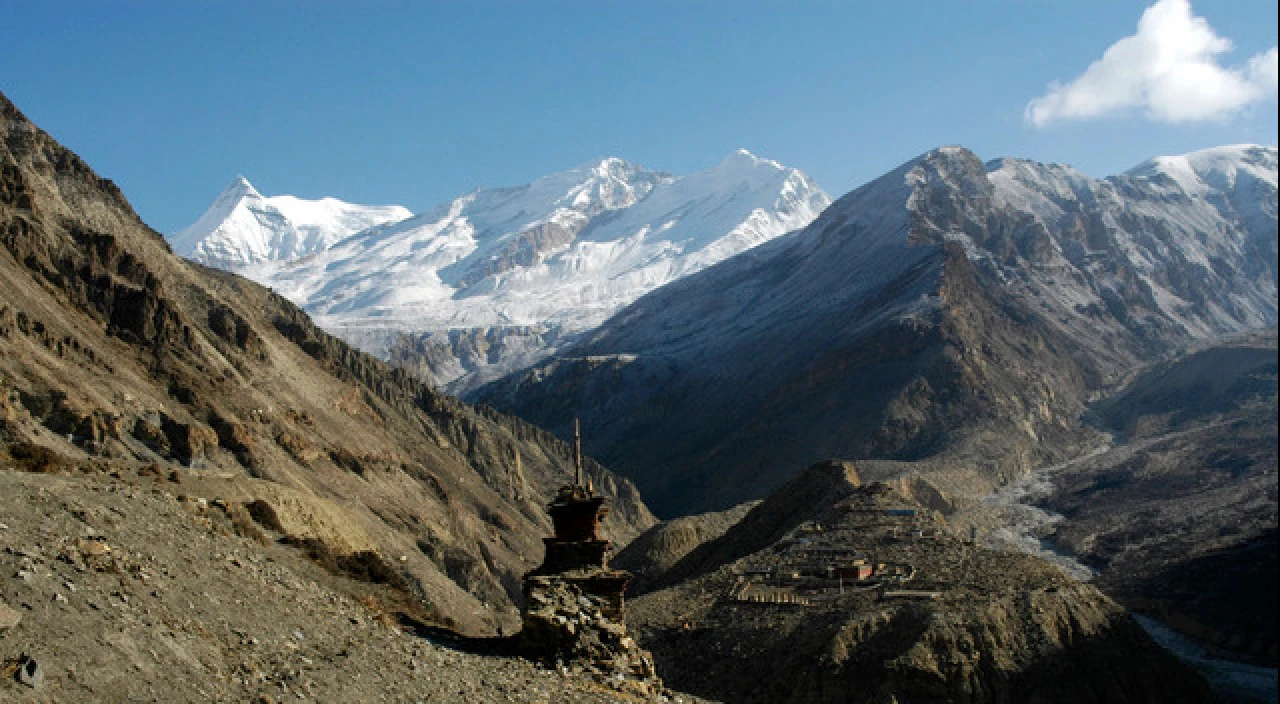
Today is one of the most exciting and scenic days of the trek as you continue from Meta toward the ancient settlement of Phu. The trail passes through dramatic Himalayan terrain, with rugged cliffs, narrow valleys, rock formations, and views of snow-covered peaks. As you approach Phu, the landscape becomes increasingly arid and Tibetan in character. You will pass traditional settlements and ancient chortens before finally reaching the remarkable village of Phu. Built high above the Phu Khola, the village offers a fascinating glimpse into traditional Himalayan life. After 7–8 hours of trekking, you arrive at Phu Village and settle into your teahouse. Overnight in Phu.
Today is dedicated to acclimatization and exploration, allowing your body to adjust to the increased altitude before continuing deeper into the mountains. Rather than undertaking a strenuous full-day trek, you will explore the unique cultural and natural surroundings of Phu Village. You can walk through its narrow lanes, observe traditional stone houses, visit local monasteries, and learn about the centuries-old Tibetan Buddhist traditions practiced by the local communities. Short hikes to nearby viewpoints provide impressive panoramas of the surrounding peaks and valley. Spending a full day at this altitude is an important part of the itinerary and helps prepare you for the higher sections of the trek. Overnight in Phu.
After breakfast, you leave the remarkable Phu Valley and retrace part of the trail before continuing toward the Nar Valley. The route takes you through remote Himalayan landscapes characterized by barren hillsides, deep river valleys, and spectacular mountain scenery. You will pass through Junam Goth, an old seasonal settlement traditionally used by local people and their livestock. The trail eventually descends toward Nar Phedi, where the famous Nar Phedi Monastery provides a peaceful overnight setting. The lower elevation of Nar Phedi also gives you a welcome opportunity to rest before climbing toward Nar Village. After approximately 6–7 hours of trekking, you reach the monastery area and settle in for the night. Overnight at a teahouse/lodge in Nar Phedi.
Today, you make the steady ascent from Nar Phedi to Nar Village, one of the most culturally fascinating settlements in the region. The trail climbs through dry, rugged mountain terrain while offering beautiful views of the surrounding Himalayan peaks and the Nar Valley. As you approach Nar, you will begin to see its traditional stone houses, agricultural terraces, chortens, prayer flags, and ancient Buddhist structures. Nar Village sits at approximately 4,110 meters, so you will maintain a comfortable pace and take regular breaks during the climb. After 4–5 hours of trekking, you reach the village and have time to settle into your accommodation and enjoy the remarkable atmosphere of this remote Himalayan community. Overnight in Nar Village.
Today is another important acclimatization and cultural exploration day in Nar Village. The village provides an excellent opportunity to experience traditional life in one of Nepal's most isolated Himalayan communities. You can explore the stone-paved lanes, traditional houses, Buddhist monasteries, prayer wheels, chortens, and surrounding agricultural fields. A short hike to a nearby viewpoint can provide magnificent views of the mountains and the deep valleys surrounding Nar. Your trekking guide from Asiana Treks and Tours will help you explore the village while allowing sufficient time for rest and acclimatization. The day is intentionally kept flexible so you can enjoy the culture, scenery, and peaceful atmosphere without excessive physical exertion. Overnight in Nar Village.
After spending time in the remote Nar Valley, today you begin your journey toward Ngawal. The trail gradually descends from Nar Village and eventually connects with the wider Annapurna region. Along the way, you will experience a noticeable change in scenery as the rugged and isolated landscape gives way to more established Himalayan settlements and trekking trails. The route provides impressive views of Annapurna II, Annapurna III, Annapurna IV, Gangapurna, and other surrounding peaks depending on weather conditions. After approximately 6–7 hours of walking, you reach Ngawal, a beautiful traditional village situated on the Annapurna Circuit. The lower altitude makes this a pleasant place to rest after several demanding days at high elevation. Overnight in Ngawal.
Today, you leave the trekking trail and begin the journey by road toward Chame, the administrative center of Manang District. The drive follows mountain roads through the spectacular Marsyangdi Valley, passing through traditional villages, pine forests, waterfalls, suspension bridges, and dramatic Himalayan scenery. Depending on road conditions, the journey may take approximately 4–6 hours. Along the way, you will have opportunities to appreciate the changing landscape as you descend to a lower elevation. Chame is a pleasant mountain settlement with beautiful views of Lamjung Himal and Annapurna II. After arriving, you can relax, explore the local area, or simply enjoy a well-earned evening following your trek. Overnight at a hotel or teahouse in Chame.
After breakfast, you begin the long scenic drive back to Kathmandu. The road follows the Marsyangdi Valley toward Besisahar before continuing through the lower hills and eventually toward the Kathmandu Valley. As you descend from the high Himalayas, the scenery gradually changes from rugged mountain landscapes to green hills, terraced farmland, rivers, and more densely populated settlements. Although the journey may take approximately 7–9 hours depending on road and traffic conditions, it provides a final opportunity to enjoy the diverse landscapes of Nepal. Upon reaching Kathmandu, you will be transferred to your hotel. In the evening, you can relax, enjoy a farewell dinner, or explore Thamel and purchase souvenirs. Overnight at a hotel in Kathmandu.
Your Nar Phu Valley Trek officially comes to an end today. Depending on your flight schedule, you will have some free time in Kathmandu for last-minute shopping, relaxing, or enjoying breakfast at the hotel. A representative from Asiana Treks and Tours will arrange your transfer to Tribhuvan International Airport in time for your international departure. As you leave Nepal, you will take home unforgettable memories of the remote Nar and Phu valleys, traditional Himalayan villages, dramatic mountain landscapes, and the unique cultural experiences encountered throughout the journey. We hope the adventure with Asiana Treks and Tours has been a memorable and rewarding experience and look forward to welcoming you again to Nepal for another Himalayan adventure.
The Nar Phu Valley Trek with Asiana Treks and Tours takes you into a remote, high-altitude Himalayan region where facilities are more basic and travel conditions can change quickly. Good preparation, flexible planning, and respect for local culture are essential for enjoying this off-the-beaten-path adventure. Keep the following points in mind before and during your trek:Transportation: The itinerary includes road journeys between Kathmandu, Dharapani, Chame, and Kathmandu. Mountain roads can be rough, winding, and affected by weather or traffic, so travel times may vary.
Accommodation & Meals: Accommodation is mainly in simple teahouses and lodges with basic rooms and shared facilities. Meals generally include dal bhat, rice, vegetables, noodles, soups, potatoes, eggs, and other local or simple trekking foods.
Money & Payments: Carry sufficient Nepalese cash because ATMs and card facilities are limited or unavailable in remote Nar Phu. Keep some extra money for personal expenses, drinks, snacks, hot showers, charging, tips, and unexpected transportation costs.
Travel Insurance: Comprehensive travel insurance covering high-altitude trekking, emergency medical treatment, evacuation, trip interruption, and other relevant trekking risks is strongly recommended.
Travel Documents: Carry your passport, valid Nepal visa, insurance details, emergency contacts, permits, and copies of important documents. Asiana Treks and Tours can assist with the necessary trekking permit arrangements.
Common Travel Phrases & Local Culture: Learning simple Nepali greetings such as “Namaste” and showing respect when visiting monasteries, villages, chortens, and prayer wheels can make your interactions more meaningful. Dress modestly and follow local customs.
Sightseeing & Off the Beaten Path: Nar Phu is valued for its ancient settlements, Tibetan-influenced culture, monasteries, dramatic valleys, traditional stone houses, and spectacular Himalayan scenery. Expect fewer modern facilities and fewer trekkers than on Nepal's busier routes.
Travel Advisory: Mountain weather and road conditions can change unexpectedly. Your itinerary may occasionally need adjustment because of snowfall, rainfall, landslides, trail conditions, transportation delays, or local circumstances. Maintain flexibility throughout the journey.
Health & Safety: The trek reaches elevations above 4,000 meters, making acclimatization especially important. Walk at a steady pace, stay hydrated, eat properly, protect yourself from cold and strong sunlight, and immediately inform your guide about symptoms such as severe headache, dizziness, nausea, unusual fatigue, or breathing difficulties.
Your Start Date is the day you land in Nepal, and your End Date is when you fly home.
If the set Nar Phu Valley Trek group dates don’t suit your schedule, we can offer alternative dates upon request.
The Nar Phu Valley Trek is a remote and culturally rich Himalayan adventure in Nepal that takes travelers into the secluded valleys of Nar and Phu in the Annapurna region. The trek combines dramatic mountain scenery, ancient Tibetan-influenced villages, Buddhist monasteries, narrow gorges, high-altitude landscapes, and traditional Himalayan lifestyles. Unlike some of Nepal's more crowded trekking routes, Nar Phu offers a quieter and more authentic wilderness experience. Asiana Treks and Tours organizes the trek with experienced guides and carefully planned itineraries to provide travelers with a safe, comfortable, and memorable journey through this remarkable region.
The Nar Phu Valley Trek is considered a moderate to challenging trek because of its remote terrain, long walking days, steep ascents and descents, and high elevations. Trekkers need to be prepared for several consecutive days of walking, with some days requiring approximately 6–8 hours on mountain trails. The altitude above 4,000 meters also makes acclimatization particularly important. Previous trekking experience is helpful, although experienced beginners with good physical fitness can undertake the journey with proper preparation. Asiana Treks and Tours provides experienced trekking guides who help maintain a suitable pace and monitor the group's well-being throughout the trek.
The Nar Phu Valley Trek reaches significant elevations, with Phu Village situated at approximately 4,050 meters and Nar Village at around 4,110 meters. Because the trek involves spending several nights above 3,500 meters, altitude awareness and gradual acclimatization are essential. The itinerary includes acclimatization and exploration days in Phu and Nar to allow travelers to adjust to the thinner air. Walking slowly, staying hydrated, eating sufficiently, and avoiding excessive physical exertion can help your body adapt. Asiana Treks and Tours carefully structures the itinerary to provide gradual elevation gains and adequate opportunities for rest during the journey.
The trek can be suitable for physically fit beginners, but it is not generally considered an easy introduction to Himalayan trekking. The remote environment, high altitude, long walking days, and rugged trails require good stamina and mental preparation. Beginners should ideally undertake some cardiovascular training, regular walking, hiking, or stair climbing before arriving in Nepal. A gradual pace and proper acclimatization are particularly important. Travelers should also understand that facilities in Nar Phu are more basic than those found on popular trekking routes. Asiana Treks and Tours provides experienced guides who support trekkers throughout the route and help beginners manage the challenges of the high-altitude environment.
Good physical preparation can significantly improve your experience on the Nar Phu Valley Trek. Ideally, you should begin training several weeks before departure by incorporating regular walking, hiking, stair climbing, cycling, jogging, or other cardiovascular activities into your routine. Longer weekend hikes are particularly useful because they help your body become accustomed to extended periods of walking. Strengthening your legs and core can also make ascents and descents easier. It is equally important to prepare mentally for changing weather, basic facilities, and long trekking days. Asiana Treks and Tours recommends arriving in Nepal physically prepared while following the itinerary's gradual pace and acclimatization schedule.
Altitude sickness is a potential concern because the trek reaches elevations above 4,000 meters. Symptoms can include headache, tiredness, dizziness, nausea, reduced appetite, and difficulty sleeping. The best prevention is gradual ascent, adequate acclimatization, hydration, sufficient rest, and avoiding excessive physical exertion. The itinerary of Asiana Treks and Tours includes acclimatization and exploration days in Phu and Nar to give trekkers time to adjust to the elevation. However, altitude sickness should always be taken seriously. If symptoms become severe or worsen, trekkers should immediately inform their guide so that appropriate action, including descending to a lower elevation, can be taken.
Choosing an experienced local trekking company can make a significant difference when traveling through a remote region such as Nar Phu. Asiana Treks and Tours focuses on providing well-organized trekking experiences supported by knowledgeable local guides, appropriate permits, transportation arrangements, accommodation coordination, and practical assistance throughout the journey. The company understands the challenges associated with remote Himalayan trekking and can help travelers manage logistics while experiencing the region's culture and landscapes. With careful itinerary planning, acclimatization days, and local support, Asiana Treks and Tours aims to make the Nar Phu Valley Trek safe, enjoyable, culturally meaningful, and memorable for travelers seeking an authentic Himalayan adventure.
The standard Nar Phu Valley Trek itinerary arranged by Asiana Treks and Tours takes 13 days, including arrival and departure days in Kathmandu. The trekking portion is designed to provide enough time to explore Phu and Nar villages while allowing for gradual acclimatization at higher elevations. The itinerary includes dedicated exploration days in Phu and Nar, which are particularly valuable because the trek reaches elevations above 4,000 meters. The total duration may be adjusted depending on transportation conditions, personal preferences, flight schedules, or additional rest days.
Yes, the Nar Phu Valley Trek can be customized according to your available time, fitness level, interests, and preferred travel arrangements. Asiana Treks and Tours can discuss options such as adding rest days, extending your stay in Kathmandu, adjusting transportation, combining the trek with other Annapurna destinations, or modifying the pace where practical. Customized itineraries are especially useful for travelers who prefer a slower trekking experience or want additional time for photography and cultural exploration. Any changes should be planned in advance so that permits, accommodation, transportation, and guide arrangements can be coordinated properly.
Because Nar Phu is a restricted trekking area, travelers should trek with an authorized guide and follow the applicable permit and group requirements. The region is remote, and trails can be difficult to navigate, while communication and emergency services may be limited. Traveling with a professional guide also provides valuable assistance with accommodation, local customs, route conditions, and altitude awareness. Asiana Treks and Tours provides experienced trekking staff who can manage the necessary arrangements and support travelers throughout the journey, allowing them to concentrate on enjoying the landscapes, culture, and unique experience of the Nar Phu Valley.
Nar Phu Valley offers a much more remote and secluded experience than the main Annapurna Circuit. While the Annapurna Circuit passes through many established villages and receives a large number of trekkers, Nar Phu takes you into isolated valleys where traditional Tibetan-influenced culture remains strongly preserved. Ancient settlements, monasteries, dramatic cliffs, narrow gorges, and traditional stone houses are among the highlights. The trails are generally quieter, and accommodation is more basic. With Asiana Treks and Tours, travelers can explore this less-developed region while receiving professional logistical support throughout the trek.
Yes, photography is one of the major attractions of the Nar Phu Valley Trek. The route offers opportunities to photograph dramatic mountain landscapes, traditional stone villages, monasteries, prayer flags, suspension bridges, rivers, cliffs, and local agricultural fields. The changing light at sunrise and sunset can create particularly beautiful mountain scenes. When photographing local people, religious sites, or private homes, it is respectful to ask permission first. Travelers should also protect cameras, phones, and batteries from cold temperatures and carry sufficient memory and power. Asiana Treks and Tours encourages responsible photography that respects local culture and community traditions.
Communication facilities in the Nar Phu Valley are limited compared with Kathmandu and larger trekking settlements. Some teahouses may offer Wi-Fi or charging facilities, but connectivity can be slow, unreliable, or unavailable in remote locations. Mobile network coverage can also vary considerably along the trail. Travelers should therefore avoid depending on continuous internet access and inform family or friends before entering the remote section of the trek. Asiana Treks and Tours recommends carrying a fully charged power bank and keeping important emergency and travel information available offline.
If you experience symptoms such as headache, dizziness, nausea, unusual weakness, loss of appetite, or difficulty sleeping, inform your trekking guide immediately rather than continuing silently. Mild symptoms may improve with rest and proper acclimatization, but worsening or severe symptoms require immediate attention and may require descending to a lower elevation. Never continue climbing when serious altitude-related symptoms are present. Asiana Treks and Tours places strong emphasis on responsible trekking practices, gradual acclimatization, and communication with the guide so that appropriate decisions can be made if health or weather conditions become concerning.
The best seasons for the Nar Phu Valley Trek are generally spring and autumn, particularly from March to May and September to November. During these periods, the weather is usually more stable, skies are clearer, and mountain visibility is often excellent. Spring brings pleasant temperatures and blooming vegetation in the lower areas, while autumn generally provides crisp mountain views and comfortable trekking conditions. Winter can bring heavy snowfall and very cold conditions at higher elevations, while the monsoon season may result in rain and difficult trail conditions. Asiana Treks and Tours can help travelers choose suitable travel dates according to weather, trail conditions, and personal preferences.
Weather in the Nar Phu Valley can change rapidly because of the high altitude and mountainous terrain. Lower sections may experience relatively mild conditions, while higher areas can become very cold, particularly in the mornings, evenings, and overnight. Clear skies are often experienced during the preferred trekking seasons, but clouds, wind, rain, or snowfall can still occur. Travelers should therefore bring layered clothing and waterproof protection. Asiana Treks and Tours monitors local conditions and may adjust the daily schedule when necessary to prioritize safety and comfort.
Yes, the Nar Phu Valley is a restricted trekking area, so travelers need the appropriate permits before entering the region. In addition to the permits associated with the Annapurna region, a special restricted-area permit is required for Nar Phu. The exact permit requirements and fees can vary depending on the season and current regulations established by the Nepalese authorities. Travelers should not attempt to enter the restricted valley independently without ensuring that all necessary documentation has been arranged. Asiana Treks and Tours handles the required trekking permits and administrative arrangements as part of the organized trekking service, helping make the preparation process easier for international travelers.
Accommodation during the Nar Phu Valley Trek is primarily provided in local teahouses, lodges, and community-run guesthouses. Facilities in the remote Nar Phu region are generally more basic than those available in Kathmandu or on highly developed sections of the Annapurna Circuit. Rooms are usually simple and may include twin beds with shared bathroom facilities. In some remote locations, amenities can be limited, but this is an important part of the authentic Himalayan experience. Asiana Treks and Tours selects available accommodation with consideration for cleanliness, location, comfort, and practicality while ensuring that trekkers understand the basic nature of facilities in this remote part of Nepal.
Meals during the trek are generally prepared by local teahouses and lodges, with common options including dal bhat, rice, vegetables, noodles, pasta, soups, potatoes, Tibetan-style dishes, eggs, bread, and other simple meals. Dal bhat is particularly popular because it provides a filling combination of rice, lentils, vegetables, and sometimes additional side dishes. At higher elevations, food choices can be more limited because supplies must be transported into remote settlements. Asiana Treks and Tours can also advise trekkers about dietary requirements and food preferences before departure. Travelers with allergies or special diets should communicate their requirements in advance so suitable arrangements can be considered.
Packing for the Nar Phu Valley Trek requires preparation for changing temperatures, high altitude, sun exposure, and potentially cold nights. Essential items generally include comfortable trekking boots, warm layers, thermal clothing, a waterproof jacket, trekking trousers, gloves, a warm hat, sunglasses, sunscreen, a sleeping bag suitable for cold conditions, a headlamp, water bottles, personal medication, toiletries, and a suitable backpack. Because the trek reaches over 4,000 meters, warm clothing is particularly important. You should avoid carrying unnecessary items because excessive backpack weight can make the long trekking days more difficult. Asiana Treks and Tours can provide a detailed packing checklist before your departure.
| No of people | Price per person |
|---|---|
| 1 - 1 | $1,275 |
| 2 - 4 | $1,067 |
| 5 - 9 | $997 |
| 10 - above no of pax | $815 |


 (2)
 100% recommend (0)

 (0)