The Everest Dudhkoshi Cultural Trek with Asiana Treks and Tours offers a perfect blend of adventure, culture, and breathtaking Himalayan scenery. Starting from Kathmandu, the journey includes drives or flights to Silguri, scenic treks through Khudam, Yotelmya, and Rappchha, with stunning viewpoints like Khudam at 3,200 m. Along the way, trekkers experience traditional villages, local hospitality, and natural wonders such as Sundar Jharna and Mahabhir. The trek concludes with a return to Silguri and a flight back to Kathmandu, making it an unforgettable six-day cultural Himalayan adventure.
Everest Dudh Koshi Cultural Trail – A Hidden Gem of Culture, Nature, and Adventure
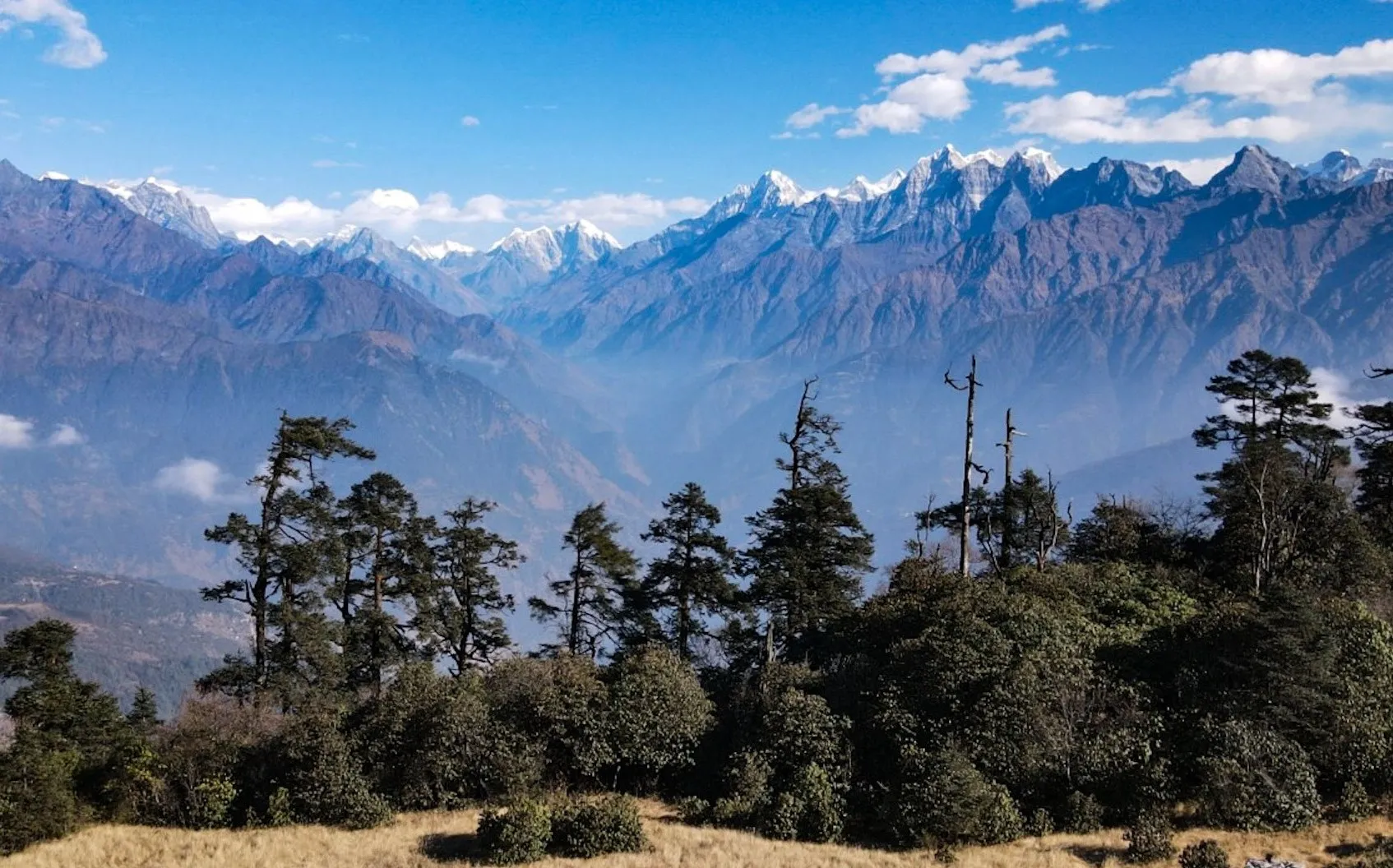
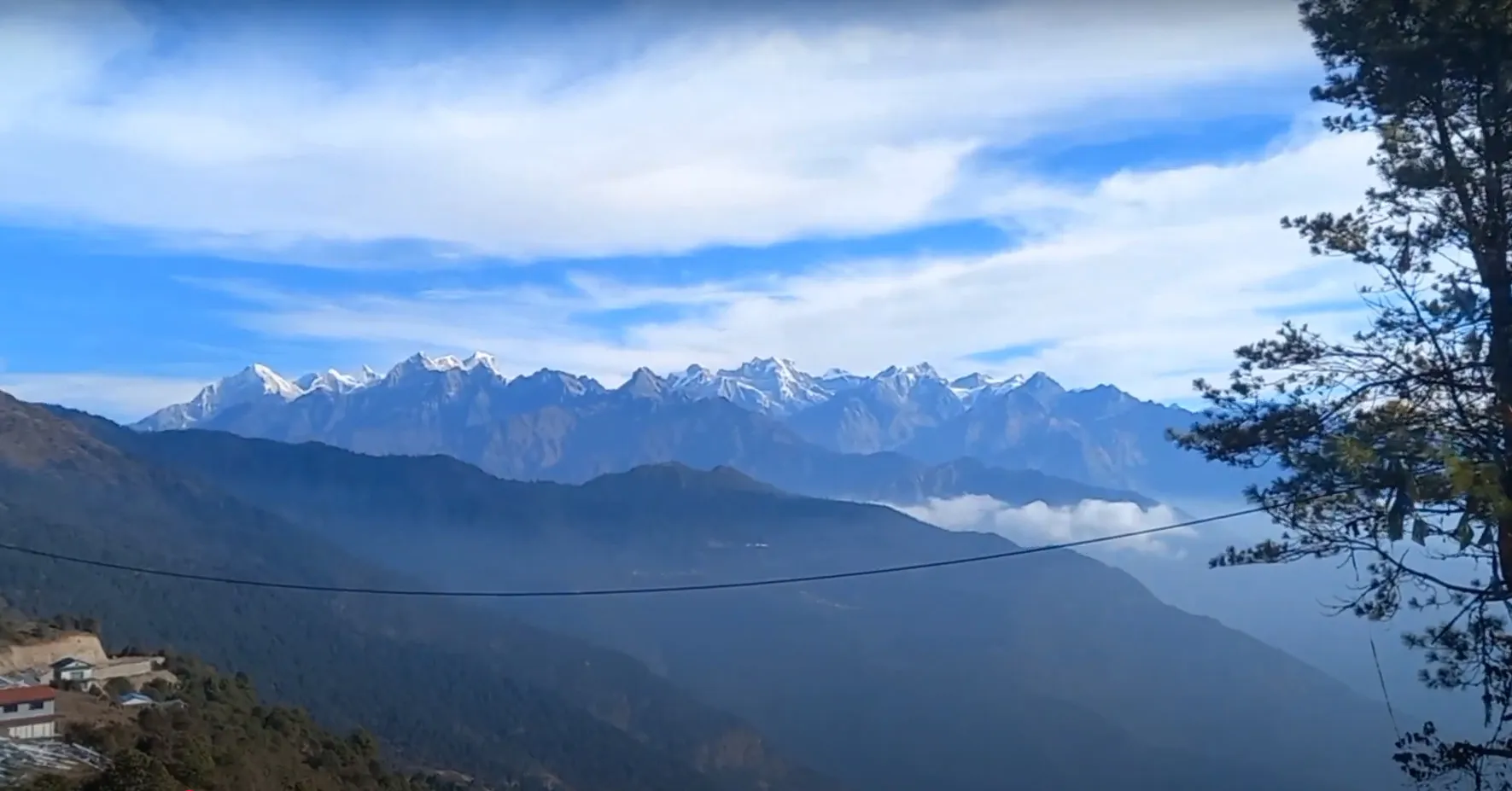
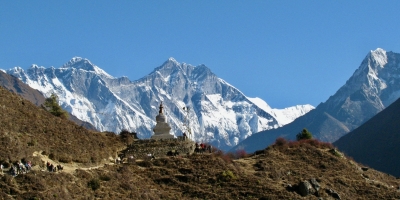
The Everest Dudh Koshi Cultural Trail is a newly explored trekking destination that offers travellers a short yet rewarding journey into the heart of Nepal’s natural beauty and cultural diversity. Stretching from the lowlands of the Dudh Koshi River basin at 1,400 meters to the scenic Aran Danda viewpoint at 3,310 meters, this trail unfolds breathtaking views of 29 Himalayan peaks, including Mount Everest, Mera Peak, Numbur, and even Kanchenjunga on clear days. For those dreaming of seeing Everest up close without going to extreme altitudes, this trek is the perfect choice.
What makes this trail truly unique is its rich cultural heritage. Trekkers can immerse themselves in the traditions of the Khaling Rai, Sherpa, Tamang, and Magar communities, enjoying authentic homestays, local cuisine, and colourful festivals. Along the way, ancient monasteries, sacred shrines, and traditional cultural parks reflect centuries-old rituals and spirituality. The Juve Purano Gompa, founded in the 16th century, stands as a testament to Buddhist heritage.
Nature lovers will be amazed by the region’s lush rhododendron forests, rolling meadows, terraced fields, and abundant wildlife. This area is home to the clouded leopard, red panda, Himalayan black bear, golden jackal, and over 100 bird species, making it an incredible biodiversity hotspot. For adventure seekers, the trail also showcases opportunities for canyoning, cycling, rock climbing, honey hunting, and the famous Everest View Marathon.
With its combination of stunning landscapes, spiritual landmarks, adventure activities, and genuine hospitality, the Everest Dudh Koshi Cultural Trail is fast becoming a prime destination in the southern Everest region. It is an all-season trek suitable for all ages, where every step tells a story of Himalayan culture, nature, and adventure—making it a lifetime experience.
The Everest Dudh Koshi Cultural Trail is a newly opened trekking route in the southern Everest region, offering a unique blend of breathtaking Himalayan views, vibrant cultural encounters, and rich biodiversity. From lush rhododendron forests and terraced farmlands to panoramic viewpoints of Everest, Mera Peak, Numbur, and even Kanchenjunga on clear days, this trail is perfect for travellers seeking both adventure and authentic cultural immersion. With homestays in Khaling Rai, Sherpa, Tamang, and Magar villages, spiritual monasteries, and opportunities for adventure sports, the trail promises a once-in-a-lifetime Himalayan experience.
The Everest Dudh Koshi Cultural Trail is more than just a trek; it’s a journey through breathtaking Himalayan landscapes, vibrant traditions, and unforgettable experiences. With Asiana Treks and Tours, you can explore this newly opened trail with expert guidance, personalised service, and cultural immersion that make every moment memorable.
Reasons to Choose Us:
The Everest Dudh Koshi Cultural Trail is designed to be suitable for a wide range of travellers. Unlike high-altitude treks in the Everest region, this trail remains at a moderate elevation, making it accessible for all age groups, including families, students, and senior travellers. It is ideal for those who wish to experience the Himalayan lifestyle, culture, and scenery without the physical demands of extreme trekking.
The Everest Dudh Koshi Cultural Trail offers travellers a perfect balance of natural beauty, cultural richness, and adventure. This newly explored route offers panoramic views of the Himalayan peaks, lush forests, and terraced hillsides, while immersing you in the traditions of the Khaling Rai, Sherpa, Tamang, and Magar communities. With homestays, wildlife encounters, sacred sites, and local festivals, every step of the journey brings something unique.
Highlights of What to Expect:
The Everest Dudhkoshi Cultural Trek offers a unique opportunity to delve deep into the authentic Sherpa culture in Nepal through an immersive journey along the Dudhkoshi Cultural Trail. Unlike the bustling Everest Base Camp route, this off-the-beaten-path Everest trek takes you through serene, traditional Sherpa villages nestled in the heart of the Solukhumbu region. Trekkers gain intimate access to centuries-old customs, spiritual practices, and the everyday life of villages, making this a genuine cultural experience in the Everest region. You will witness ancient monasteries adorned with prayer flags, interact with locals during vibrant festivals, and experience the spiritual rhythms of Himalayan life first-hand.
Operated by Asiana Treks and Tours, this trek champions eco trekking Nepal principles, ensuring that your journey supports the preservation of both cultural heritage and natural environments. The Everest Cultural Trek follows the less-explored Dudhkoshi River trail, blending spectacular mountain panoramas with rich cultural interactions. Travellers can enjoy peaceful moments beside the Dudhkoshi River, while learning about Sherpa traditions that have thrived in these remote Himalayan settings for generations. This trek is ideal for travellers seeking meaningful connections beyond the usual tourist experience, providing a holistic blend of nature, spirituality, and community.
Highlights:
The Dudhkoshi Cultural Trail offers a refreshing and lesser-known alternative to classic Everest trekking routes. This remote Himalayan trek winds through the lush and culturally rich Dudhkoshi Valley, a hidden gem named after the milky-white glacial river that carves its path from the Everest region. The trail presents a peaceful retreat for trekkers seeking solitude, authenticity, and untouched natural beauty, making it one of the best alternative Everest treks curated by Asiana Treks and Tours.
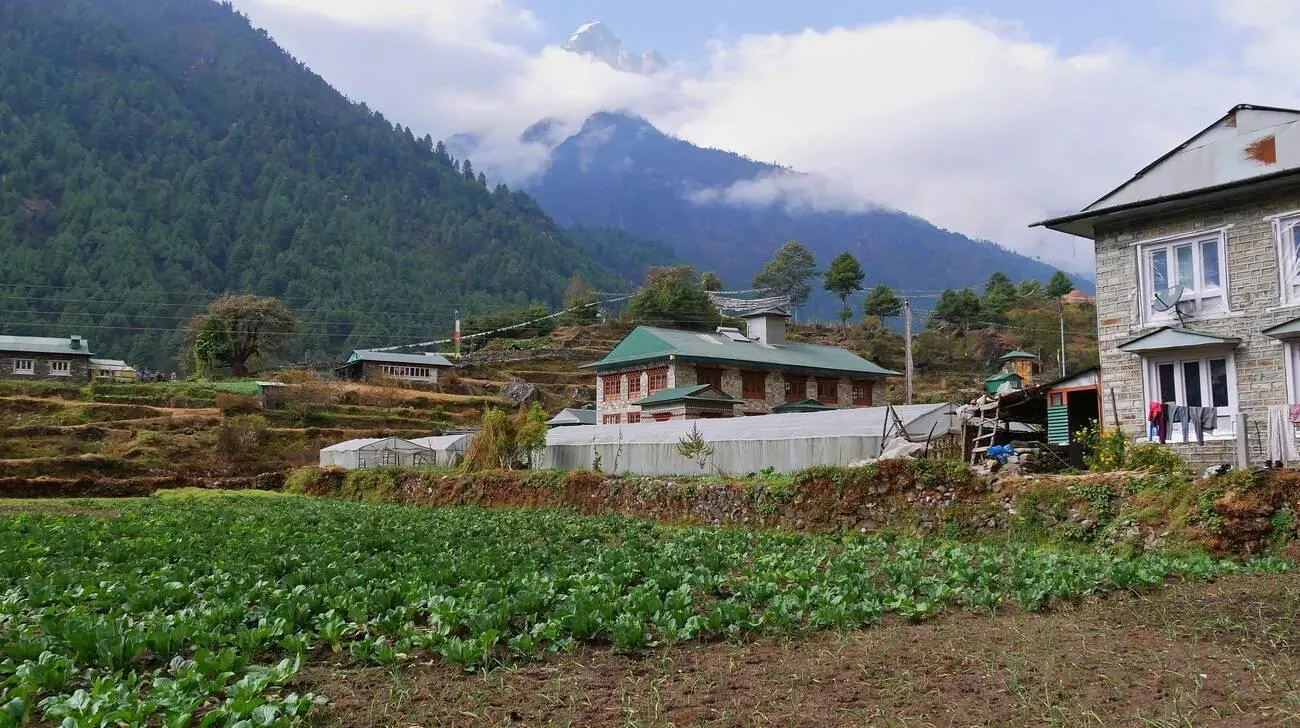
As you traverse the Dudhkoshi Valley Trek, you will pass through dense pine forests, terraced farmlands, and vibrant villages inhabited by Sherpa and Rai communities who maintain their rich cultural heritage with pride. This Solukhumbu cultural trekking experience provides a chance to explore hidden Everest trails rarely visited by mainstream trekkers, offering breathtaking Himalayan vistas along the way. The trek emphasises eco trekking Nepal values, with minimal environmental impact and meaningful cultural exchanges. This trek is perfect for those wanting to venture off the usual path and discover the soulful beauty of the Dudhkoshi River trail and its welcoming communities.
Highlights:
Asiana Treks & Tours offers an insightful blog on the Everest region, providing valuable information for trekkers. Explore stunning landscapes, local culture, and practical tips for your journey.
The Everest Dudhkoshi Cultural Trek is a truly unique experience that combines breathtaking landscapes, remote Himalayan trails, and deep cultural immersion. As a lesser-known alternative to the Everest trek, it ventures through the peaceful Dudhkoshi Valley—a route rich in Sherpa heritage, Buddhist landmarks, and untouched natural beauty. Before starting this trek, it’s essential to understand that this is not your typical Everest Base Camp route. The Dudhkoshi Cultural Trail is ideal for those looking for a cultural trek in the Everest region that prioritises sustainability, local interaction, and spiritual connection over altitude and crowds.
Trekkers should come prepared for changing mountain weather, limited mobile network access, and basic accommodation in traditional Sherpa villages. While the altitude is moderate compared to classic Everest routes, it still requires a good level of fitness due to daily ascents and descents. Asiana Treks and Tours ensures that local guides and porters are employed ethically, supporting eco trekking Nepal practices and encouraging authentic experiences with Sherpa and Rai communities.
Key Takeaways:
Choosing the right season is crucial for thoroughly enjoying the Dudhkoshi Valley Trek. The ideal times are spring (March to May) and autumn (September to November), when the weather is clear, the skies are deep blue, and the Himalayan views are stunning. These months also coincide with local festivals, making it an ideal time for cultural exploration during the Everest Cultural Trek. Spring brings blooming rhododendrons and warmer weather, while autumn offers dry trails, fewer leeches, and crisp mountain air.
Monsoon (June–August) makes trails slippery and increases the risk of landslides, particularly on the Dudhkoshi River trail. Winter (December–February) is quiet and beautiful, but snow may block higher viewpoints like Khudam. However, for those seeking total solitude and adventure, winter can offer a serene off-the-beaten-path Everest trek experience with proper gear and preparation.
Best Time Highlights:
The Dudhkoshi Cultural Trail stands out as a premier destination for eco-trekking in Nepal. Asiana Treks and Tours promotes responsible tourism by encouraging trekkers to respect local customs, reduce waste, and support local economies. This remote Himalayan trek leads through pristine forests, sacred sites, and hidden Everest trails, where travellers are guests in ancient Sherpa and Rai communities. Every step on this trail is a chance to minimise impact and maximise positive contribution.
Trekkers are advised to carry reusable water bottles, avoid plastic packaging, and eat local produce whenever possible. Accommodations are mostly family-run tea houses or homestays, which offer both comfort and cultural immersion. By choosing local guides and porters through Asiana Treks and Tours, you contribute directly to sustainable employment in the region. Supporting Solukhumbu cultural trekking initiatives also helps preserve traditional practices and maintain biodiversity along the Dudhkoshi Valley Trek.
Eco Trek Tips:
Although the Dudhkoshi Cultural Trek is not as mainstream as the classic Everest route, proper permits are still essential. For this trail, you’ll need the Sagarmatha National Park Permit and the Khumbu Rural Municipality Permit, both of which can be easily arranged by Asiana Treks and Tours before the trek begins. These fees support conservation and infrastructure development in the Dudhkoshi Valley and the greater Everest Cultural Trek area.
Safety is a top priority on this remote Himalayan trek. The terrain, while moderate in altitude, can be rugged in places with limited access to medical help. Trekkers should carry a basic first aid kit, have travel insurance that covers high-altitude trekking, and be aware of signs of altitude sickness—even at relatively moderate elevations. Asiana’s guides are trained in wilderness first aid and are knowledgeable about trail conditions, weather risks, and cultural sensitivities, ensuring a secure and respectful journey along the Dudhkoshi River trail.
Permit & Safety Checklist:
The Everest Dudhkoshi Cultural Trek is considered moderate in difficulty, with a maximum altitude of around 3,200 meters (10,498 ft) at Khudam Viewpoint. Compared to the Everest Base Camp Trek, this route is less demanding in terms of elevation gain, but it requires good physical condition due to daily walking of 5–7 hours. The trail includes gentle ascents and descents, often through forest paths, riversides, and farmlands dotted with traditional Sherpa villages.
The trek spans 6 days, including driving or flying in and out of Kathmandu. It's an excellent choice for trekkers who want a more relaxed yet deeply immersive Nepal cultural trekking experience. You'll pass through places like Ghumne Mera, Yotelmya, and Khastap—villages rarely touched by mass tourism. This makes it ideal for those seeking an alternative Everest trek that is rich in heritage and natural beauty without extreme altitude challenges.
Trekking Summary:
To visit Nepal, you need a valid passport and a visa. You can quickly obtain an arrival visa at entry points or at Kathmandu's Tribhuvan International Airport. However, some people require a permit before arriving, so it's advisable to check with the nearest Nepalese embassy.
Some nationalities that don't get visas from immigration entry points in Nepal are Nigeria, Iraq, Ghana, Afghanistan, Swaziland, Zimbabwe, Somalia, Palestine, and Ethiopia.
Indian Nationals: No visa is required, but you must show a valid ID (passport or citizenship card).
Passport Validity: Must be valid for at least six months.
Travel Insurance: Highly recommended to cover medical treatment and emergency evacuation.
Documents for Visa:
Tourist Visa – For general tourism visits.
15 days – USD 30
30 days – USD 50
90 days – USD 125
A Transit Visa is for short layovers before heading to a third country. Purpose: For short layovers before heading to a third country.
Cost: Transit visa (valid for up to 3 days) – USD 5
People from SAARC countries are eligible for a free 30-day visa. Indians don't need a visa, but they must present identification, such as a passport or citizenship card. Make sure your passport is valid for at least six months. It's also a good idea to have travel insurance that covers medical treatment and emergency evacuation. Some places in Nepal require a separate permit to visit.
Note: Transit visa requirements vary by country, and some countries may permit visa-free transit for certain nationalities or allow layovers of a specified duration. Always check specific requirements with the embassy or consulate before travelling.
15 days – USD 30
30 days – USD 50
90 days – USD 125
If you're coming for business, you can get a suitable visa for up to 5 years. The fee depends on how much you invest. If you invest less than 10 million Nepalese rupees, the monthly cost is $35, the annual cost is $400, or the five-year cost is $1,000. If you invest more, the fees are lower; if you invest more than 100 million Nepalese rupees, you are exempt from paying any fees.
Cost: Up to 1 year – USD 50
Extension (per year) – USD 50
Note: Visa fees are subject to change, and additional charges may apply depending on the country and embassy. Always check the latest requirements before submitting your application
Upon arrival at the entry point, all baggage must be declared and cleared by customs. Passengers arriving at Tribhuvan International Airport (TIA) without checked baggage may use the Green Channel for faster clearance, bypassing luggage checks. Before departing Nepal, you must have a valid visa and passport. If your Visa has expired, you must extend it before being permitted to leave. Please note that the Immigration office at Tribhuvan International Airport is not authorised or allowed to extend visas.
Arrival Process:
Departure Process:
Exit: A valid visa and passport are crucial before departing from Nepal. If your Visa has expired, you must extend it before you are allowed to leave. Please note that the Immigration Office at Tribhuvan International Airport is not authorised to extend visas. The departure process is step-by-step, as shown below.
The Everest Dudhkoshi Cultural Trek with Asiana Treks and Tours offers a perfect blend of adventure, culture, and stunning Himalayan scenery. Beginning in Kathmandu, the journey takes you through picturesque landscapes, either by road to Silguri or via a scenic flight to Phaplu, followed by trekking to Silguri. Over the next few days, trekkers ascend through charming villages, lush forests, and high-altitude trails, reaching the Khudam Viewpoint at 3,200 meters, where panoramic views of snow-capped peaks and the Dudhkoshi Valley unfold.
Along the way, the trek immerses you in the rich Sherpa culture, visiting traditional settlements like Yotelmya, Rappchha, and Khastap, and enjoying local hospitality. The adventure also includes short drives through scenic spots like Sundar Jharna and Mahabhir, making the journey comfortable yet memorable. Concluding with a return to Kathmandu via Phaplu, this trek perfectly balances moderate trekking with cultural exploration, offering an unforgettable Himalayan experience with Asiana Treks and Tours.
Your adventure with Asiana Treks and Tours begins in Kathmandu, where you can either take a scenic drive to Silguri or opt for a short flight to Phaplu followed by a brief trek. The drive option takes you along winding mountain roads with stunning views of terraced farmlands, gushing rivers, and remote hillside villages—an excellent preview of the natural beauty that awaits on the Everest Dudhkoshi Cultural Trek. Alternatively, flying to Phaplu shortens your journey and allows for a light trek through local villages to Silguri, the gateway to the Dudhkoshi Cultural Trail. Whether by road or air, today marks the beginning of your immersive Cultural Trek in the Everest Region, where traditions and landscapes intertwine to create a unique trekking experience. Overnight stay in Silguri, a peaceful village nestled in the lower Solukhumbu hills.
 Accommodation Gurst house
  Meals B/L/D
  Max. altitude 2m / 7ft.
 Today, your journey on the Dudhkoshi Trek Nepal officially kicks off as you leave Silguri behind and begin trekking deeper into the heart of the Dudhkoshi Valley Trek. The trail ascends gradually through lush forests of pine and rhododendron, leading to Ghumne Mera—a scenic resting point known for its panoramic views and peaceful surroundings. Along the way, you'll pass through traditional Sherpa settlements, where prayer flags flutter in the wind and stone chortens mark the spiritual significance of the land. The moderate ascent continues to Khudam Mid Camp, a high pasture with rewarding views and a tranquil atmosphere. This part of the Everest Cultural Trekking Route is a wonderful blend of nature and culture, offering trekkers a firsthand experience of remote mountain life. Settle in for the night at Khudam Mid Camp under the starlit Himalayan sky.
Accommodation Guest house Meals B/L/D Max. altitude 2m / 7ft. Rise early for a memorable sunrise hike to Khudam Viewpoint, perched at 3,200 meters. This spectacular viewpoint offers breathtaking views of Mount Everest, Lhotse, and Ama Dablam—an unforgettable moment on your Everest Trek via Dudhkoshi. As the golden morning light illuminates the peaks, you’ll gain a deeper appreciation for the spiritual and natural power of the Himalayas. After returning to camp for breakfast, begin your descent through thick alpine forests and past grazing yak pastures toward the quaint Sherpa village of Yotelmya. The trail is rich in biodiversity and cultural elements, with fluttering prayer flags and traditional homes dotting the landscape. Yotelmya is a perfect example of how communities along the Dudhkoshi Cultural Trail preserve their heritage amidst modern change. Spend the evening enjoying local hospitality and reflecting on the serene beauty of the Everest Dudhkoshi Cultural Trek.
Accommodation homestay Meals B/L/D Max. altitude 2m / 7ft. Today’s journey is more relaxed, as you descend gradually through layers of cultural and natural landscapes along the Everest Cultural Trekking Route. From Yotelmya, the trail winds through cultivated farmlands and ancient forests, occasionally revealing terraced fields and traditional houses. You’ll pass through Rappchha, a quiet village that offers insight into everyday rural life in the Dudhkoshi Valley Trek region. From there, a short trek brings you to Khastap, a culturally rich village known for its warm Sherpa hospitality and vibrant heritage. Local monasteries, mani walls, and community spaces make Khastap a special stop along the Dudhkoshi Trek Nepal, offering trekkers the chance to connect with residents and observe local rituals. Spend the night in a traditional homestay or teahouse, deepening your cultural immersion in the Cultural Trek in Everest Region.
Accommodation Homestay Meals B/L/D Max. altitude 2m / 7ft. After a peaceful morning in Khastap, set off by local jeep through a rugged and scenic mountain route curated by Asiana Treks and Tours. Your first stop is Sundar Jharna, meaning “Beautiful Waterfall,” a hidden gem along the Dudhkoshi Cultural Trail that offers a refreshing moment in nature. Continue to Mahabhir Viewpoint, where panoramic views of the Solu hills and river valleys stretch before you—a final highlight of the Everest Dudhkoshi Cultural Trek. The journey then leads to Bhumesthan Paasdha, a culturally significant site often used for local festivals and gatherings. Eventually, return to Silguri or Salleri for your final night in the mountains. This drive offers a comfortable transition from high-altitude trekking to the lower hills, while still immersing you in the spiritual and natural essence of the Everest Trek via Dudhkoshi.
Accommodation Guest House Meals B/L/D Max. altitude 2m / 7ft. Your incredible journey through the Everest Dudhkoshi Cultural Trek concludes with a scenic drive from Salleri back to Kathmandu. This full-day drive winds through picturesque mid-hill landscapes, showcasing the rivers, forests, and terraced fields of eastern Nepal. As you gradually descend toward the capital, you’ll pass small towns and roadside tea houses, giving you a final glimpse of rural life in the Himalayas. Reflect on your unforgettable experiences along the Dudhkoshi Cultural Trail, where every step introduced you to the rich traditions, landscapes, and communities of this unique region. Upon arrival in Kathmandu, Asiana Treks and Tours will transfer you to your hotel, marking the end of a truly enriching Cultural Trek in Everest Region—one that blends nature, heritage, and adventure in the heart of the Himalayas.
Accommodation 3*Hotel Meals B/L Max. altitude 1,337m / 4,386ft. The Everest Dudhkoshi Cultural Trek with Asiana Treks and Tours offers a blend of stunning Himalayan landscapes, traditional Sherpa culture, and off-the-beaten-path trekking experiences. Starting from Kathmandu, the journey can begin with either a scenic drive or a short flight to Phaplu, followed by moderate trekking through remote villages, lush forests, and panoramic viewpoints. Trekkers explore Khudam Viewpoint, charming hamlets like Yotelmya and Rappchha, and witness local rituals and daily life before returning via Silguri and Phaplu. This trek combines cultural immersion with manageable trekking distances, suitable for adventurous travelers seeking authentic Nepalese mountain life.
Your Start Date is the day you land in Nepal, and your End Date is when you fly home.
If the set Everest Dudhkoshi Cultural Trek group dates don’t suit your schedule, we can offer alternative dates upon request.
Base Layers
Insulation Layers
Outer Shell (Weather Protection)
Trekking Pants & Casual Wear
Head & Neck Wear
The Everest Dudhkoshi Cultural Trek by Asiana Treks and Tours is an immersive trekking experience through remote areas of the Solukhumbu region. This off the beaten path Everest trek leads you through traditional Sherpa villages, verdant forests, and sacred sites, offering a deep dive into the Sherpa culture trek Nepal is known for. It’s part of the Dudhkoshi Cultural Trail, tracing the Dudhkoshi River trail through hidden valleys and high viewpoints. This trek blends nature, culture, and eco-conscious travel, making it a top choice for those seeking an alternative Everest trek.
The trek is a 6-day journey through the Everest Dudhkoshi Cultural Trail, combining trekking and cultural sightseeing. While this makes it shorter than traditional Everest treks, it’s packed with cultural depth, scenic diversity, and unique encounters. With options to extend or customize your trip, Asiana Treks and Tours provides flexible itineraries to match your pace and interest. This off the beaten path Everest trek is ideal for those who want a rich Himalayan experience without committing to a long expedition.
The Dudhkoshi Cultural Trail is a perfect choice for those looking to avoid crowds and enjoy a more authentic cultural journey. Unlike the busy Everest Base Camp trail, this off the beaten path Everest trek offers solitude, pristine nature, and a stronger connection with traditional Sherpa villages. You'll experience real Sherpa culture trek Nepal is famous for—without the commercialization. Asiana Treks and Tours created this trek as an eco trekking Nepal experience, giving you access to hidden Everest trails rarely explored by tourists.
This Everest Cultural Trek is deeply rooted in Sherpa heritage and Buddhist traditions. You'll stay in homes and lodges run by locals, witness age-old ceremonies, visit gompas (monasteries), and pass sacred chortens and mani walls. It’s an unmatched cultural trek in Everest region that gives you firsthand experience of rural Himalayan life. This journey through the Dudhkoshi Valley Trek allows you to understand the customs, food, religion, and hospitality of the Sherpa people—making it a rich Nepal cultural trekking experience curated by Asiana Treks and Tours.
The Dudhkoshi Valley Trek is considered moderately easy compared to high-altitude expeditions. The daily walking hours range from 4 to 7, with trails passing through undulating hills, forests, and cultural landmarks. The altitude stays below 3,200 m, making it safer and more manageable. The Everest Dudhkoshi Cultural Trail is suitable for beginners with reasonable fitness and great for those who prefer remote Himalayan treks over challenging ascents. With full logistical support from Asiana Treks and Tours, the trek becomes an enjoyable and enriching experience.
The entire Everest Dudhkoshi Trek takes six days, including driving or flying to and from the trailhead. The hiking portion typically spans four full days and two partial days. Daily trekking distances vary but average between 8 to 14 kilometers, depending on the terrain and elevation gain. Asiana Treks and Tours structures the itinerary with proper rest, acclimatization, and cultural stops, ensuring a comfortable pace. Unlike intense expeditions, this hidden Everest trail allows trekkers to fully absorb the beauty and traditions of the region.
Asiana Treks and Tours offers both group and private trekking options for the Everest Dudhkoshi Cultural Trek. If you choose a private itinerary, it becomes a highly personalized off the beaten path Everest trek, focusing on your interests—whether that’s visiting particular Sherpa culture trek Nepal sites or exploring branches of the Dudhkoshi Cultural Trail deeply. Group treks provide camaraderie with like-minded travelers while sharing experiences of Nepal cultural trekking and discovering hidden Everest trails together. Both formats emphasize cultural immersion, eco-friendly practices, and meaningful contact with traditional Sherpa villages.
The highest point on the Everest Dudhkoshi Cultural Trek is Khudam Viewpoint at 3,200 meters (10,498 ft). This elevation is relatively safe for most trekkers, and the risk of acute altitude sickness is low. The Dudhkoshi Valley Trek is designed for gradual elevation gain, allowing your body to adapt. Asiana Treks and Tours monitors health throughout the trek and ensures a safe pace. This makes the trek perfect for those wary of altitude-related issues often found in other remote Himalayan treks.
You don’t need to be an athlete, but a moderate level of fitness is recommended for the Everest Dudhkoshi Trek. Regular walking, stair climbing, or day hikes before your trip will help. The terrain is varied but not extreme, and there are no technical climbing sections. The trek is suitable for beginners and seasoned hikers alike, especially those interested in Nepal cultural trekking rather than high-altitude adventure. Asiana Treks and Tours accommodates different fitness levels and provides support throughout the journey.
Asiana Treks and Tours is committed to sustainable travel. On the Everest Dudhkoshi Cultural Trail, they ensure low-impact trekking by promoting reusable supplies, proper waste disposal, and sourcing food locally. They support traditional Sherpa villages economically through fair wages and local partnerships. Their guides are trained in Leave No Trace ethics, and they invest in environmental awareness campaigns. This makes the Everest Dudhkoshi Trek not just a journey, but a part of a larger mission for eco trekking Nepal.
Your journey typically begins in Kathmandu. Asiana Treks and Tours arranges domestic transport—either jeep rides or scenic flights—to access Solukhumbu cultural trekking routes. From the airstrip or roadhead, you embark on the Dudhkoshi River trail portion of the trek. Once on the Everest Dudhkoshi Trail and Everest Dudhkoshi Cultural Trek, lodges and homestays guide your progression through traditional Sherpa villages. The journey blends transport, acclimatization, and cultural immersion, making the trek smooth and enriching right from the trailhead to the high valleys.
This Everest Dudhkoshi Trek begins with a drive or flight from Kathmandu to Silguri via Phaplu. From there, you trek through the stunning landscapes of Ghumne Mera, Khudam, and Yotelmya, hike up to the Khudam Viewpoint, and descend to Rappchha and Khastap. On Day 5, you explore Bhumesthan Paasdha and Sundar Jharna, a hidden waterfall gem on this hidden Everest trail, before returning to Silguri and then to Kathmandu. This well-paced route allows full appreciation of this culturally rich and scenic Dudhkoshi Valley Trek.
This trek is designed as a true cultural trek in Everest region, with multiple opportunities to interact with locals and observe traditions in authentic traditional Sherpa villages. You’ll pass through communities where Sherpa customs remain untouched by mass tourism. Asiana Treks and Tours arranges homestays and village visits that allow you to learn about Buddhist rituals, local farming practices, and everyday life. This is a prime example of Nepal cultural trekking, especially ideal for travelers seeking meaningful encounters rather than just high-altitude views.
Yes, the Everest Dudhkoshi Trail is a fantastic option for first-time trekkers who want a moderate challenge with high rewards. Unlike the intense EBC route, this alternative Everest trek features manageable daily ascents and descents, with plenty of time for rest and cultural exploration. With elevations peaking around 3,200 meters, it's safer in terms of altitude sickness. Asiana Treks and Tours provides expert local guides who assist you throughout, making it ideal for those new to remote Himalayan treks and eco trekking Nepal.
The Khudam Viewpoint (3,200m) offers one of the most breathtaking panoramas in the Dudhkoshi Cultural Trail. It's an early morning hike on Day 3 and is a highlight of the Everest Cultural Trek. From this vantage point, you can view distant Himalayan peaks and enjoy serene sunrise moments above mist-filled valleys. It also gives a unique perspective of the hidden Everest trails and the Dudhkoshi Valley Trek, untouched by crowds. The viewpoint experience is both spiritual and scenic—perfect for introspective moments and memorable photography.
Absolutely. One of the key principles of the Everest Dudhkoshi Cultural Trek is its eco-conscious design. Asiana Treks and Tours encourages low-impact travel through waste reduction, responsible trekking practices, and support for local economies. Lodges avoid plastics, use local produce, and respect natural water sources. The trail itself is less trafficked, reducing erosion and preserving its charm. This makes it a perfect trek for anyone interested in eco trekking Nepal and sustainable adventure travel.
You can either drive from Kathmandu to Silguri or take a flight to Phaplu, followed by a short hike to Silguri, where the Everest Dudhkoshi Cultural Trail begins. Asiana Treks and Tours arranges all necessary transport, making the journey stress-free. The drive is scenic, while the flight option saves time. Both options offer a preview of the landscapes and lifestyle found in Solukhumbu cultural trekking zones and set the tone for your upcoming Dudhkoshi Valley Trek.
Trekkers should be in moderate physical condition, as this is a relatively gentle remote Himalayan trek. Daily treks range from 4–7 hours over rolling terrain. The elevation gain is gradual, and there’s ample time for rest. That said, some basic preparation like walking, hiking, or stair climbing beforehand will enhance your enjoyment. Since this is not a high-altitude expedition, it’s a good entry point for those curious about Nepal cultural trekking and the off the beaten path Everest trek scene.
Altitude sickness is less of a concern on the Everest Dudhkoshi Cultural Trail compared to higher Himalayan treks. The highest point reached is 3,200 meters at Khudam Viewpoint, which is relatively low-risk. Nonetheless, Asiana Treks and Tours ensures proper acclimatization by pacing the trek sensibly. Guides monitor your health daily. Since this is an alternative Everest trek, the focus is more on cultural experiences than extreme elevation, making it safer and more enjoyable for a wide range of travelers.
While trekking the Dudhkoshi River trail, expect to see rhododendron forests, pine groves, and alpine meadows. Birdwatchers may spot Himalayan monals, while lucky trekkers might see langurs or musk deer. The biodiversity of the Everest Dudhkoshi trail is underappreciated due to its lesser-known status. Asiana Treks and Tours promotes these hidden Everest trails to raise awareness about their ecological value, making it a top destination for nature lovers and eco trekking Nepal enthusiasts.
The trek includes stops at ancient monasteries, Buddhist stupas, and sacred shrines scattered across the Dudhkoshi Cultural Trail. In villages like Khudam and Yotelmya, you can join morning rituals and interact with local monks. The trail passes through culturally significant locations where time-honored Sherpa traditions thrive. This makes it one of the richest cultural treks in Everest region, guided thoughtfully by Asiana Treks and Tours.
Unlike the crowded Everest Base Camp route, the Everest Dudhkoshi Cultural Trek navigates hidden Everest trails that are largely undiscovered by mass tourism. The villages, viewpoints, and waterfalls like Sundar Jharna are peaceful and pristine. This is a remote Himalayan trek that truly deserves the title of an off the beaten path Everest trek, offering exclusivity, tranquility, and authenticity.
Yes, Asiana Treks and Tours offers customizations for the Dudhkoshi Valley Trek. Whether you want to add extra days, focus more on cultural experiences, or include spiritual retreats, the team can design a perfect itinerary. The Everest Dudhkoshi trail is flexible and ideal for tailored experiences, making it a great option for customized Nepal cultural trekking.
The best seasons for the Everest Dudhkoshi Cultural Trek are spring (March to May) and autumn (September to November). During these months, the weather is clear and stable, providing excellent views from places like Khudam Viewpoint (3,200 m). You’ll also witness blooming rhododendrons or vibrant harvest festivals, depending on the season. These times also support eco trekking Nepal initiatives by minimizing environmental stress. Trekking during these seasons ensures the best of both nature and cultural immersion along the Dudhkoshi Cultural Trail.
During the Dudhkoshi Valley Trek, you’ll stay in simple lodges, guesthouses, or homestays in villages like Silguri, Yotelmya, and Khastap. These accommodations are run by local Sherpa families and align with eco trekking Nepal practices. They offer basic amenities but a rich cultural exchange, making your overnight stays a part of the overall Sherpa culture trek Nepal experience. Asiana Treks and Tours ensures you are comfortable while fully immersed in the local way of life.
Food on the Everest Dudhkoshi Trail is locally sourced and freshly prepared. Meals often include rice, lentils, vegetable curry, noodles, and traditional Sherpa dishes such as “shyakpa” and “tsampa.” Since this trek is deeply tied to Nepal cultural trekking, expect to enjoy home-cooked meals in family-run lodges or homestays. Asiana Treks and Tours also considers dietary preferences and ensures meals are nutritious and eco-friendly, supporting their commitment to eco trekking Nepal principles.
Yes, Asiana Treks and Tours provides experienced local Sherpa guides well-versed in Solukhumbu cultural trekking and the Everest Cultural Trek environment. These guides speak English and local language, know hidden paths along the Everest Dudhkoshi Trail, and introduce trekkers to Sherpa culture trek Nepal and traditional Sherpa villages. They are experts in acclimatization, terrain navigation, and eco-friendly trekking practices, ensuring safe and culturally respectful passage through remote areas along the Dudhkoshi Valley Trek while enriching your journey with stories, traditions, and insider knowledge you wouldn’t get on mainstream routes.
Asiana Treks and Tours offers both private and group departures for the Everest Cultural Trek. Solo travelers, couples, and families can book private treks tailored to their interests. Group treks are small, fostering camaraderie and shared cultural learning. Whether you prefer quiet reflection or social exploration, the Everest Dudhkoshi Trek offers a fulfilling journey for every type of traveler.
Pack light but wisely. Essential gear includes trekking boots, layered clothing (including warm jackets), rain protection, a hat, gloves, sunglasses, a reusable water bottle, basic first aid, and headlamp. Asiana Treks and Tours provides a comprehensive gear checklist upon booking. Since this is an eco trekking Nepal initiative, avoid single-use plastics and bring eco-friendly items. The trail conditions on the Everest Dudhkoshi Cultural Trail can vary, so good footwear and waterproof gear are essential.
Preparation should include regular walking, hiking practice, and a basic understanding of altitude awareness. Mental preparation is equally important—being open to cultural differences and rustic conditions. Asiana Treks and Tours provides a complete packing list and guidance to help you prepare for the Everest Dudhkoshi Trek, ensuring a smooth and enriching experience along this Dudhkoshi Cultural Trail.
Yes, travel insurance that covers trekking up to 4,000 meters is mandatory for the Everest Dudhkoshi Cultural Trek. This includes emergency evacuation and medical coverage. Asiana Treks and Tours verifies insurance documents before departure to ensure safety throughout the Dudhkoshi Valley Trek, especially since it's a remote Himalayan trek with limited medical access.
Booking the Everest Dudhkoshi Cultural Trek is simple. Visit Asiana Treks and Tours’ website or contact their support team with your travel dates and preferences. They’ll help you choose between flight or drive options, advise on gear, and finalize permits and lodging. Once confirmed, you’re set to explore one of Nepal’s most rewarding alternative Everest treks through the untouched beauty of the Dudhkoshi Cultural Trail.

| No of people | Price per person |
|---|---|
| 1 - 1 | $1,277 |
| 2 - 4 | $1,183 |
| 5 - 9 | $1,107 |
| 10 - above | $1,025 |
| No of people | Price per person |
|---|---|
| 1 - 2 | $3,587 |
| 3 - 8 | $3,467 |
| 9 - 14 | $3,307 |
| 15 - above | $3,187 |


 (2)
(2)  100% recommend (0)
 (0)
(0)