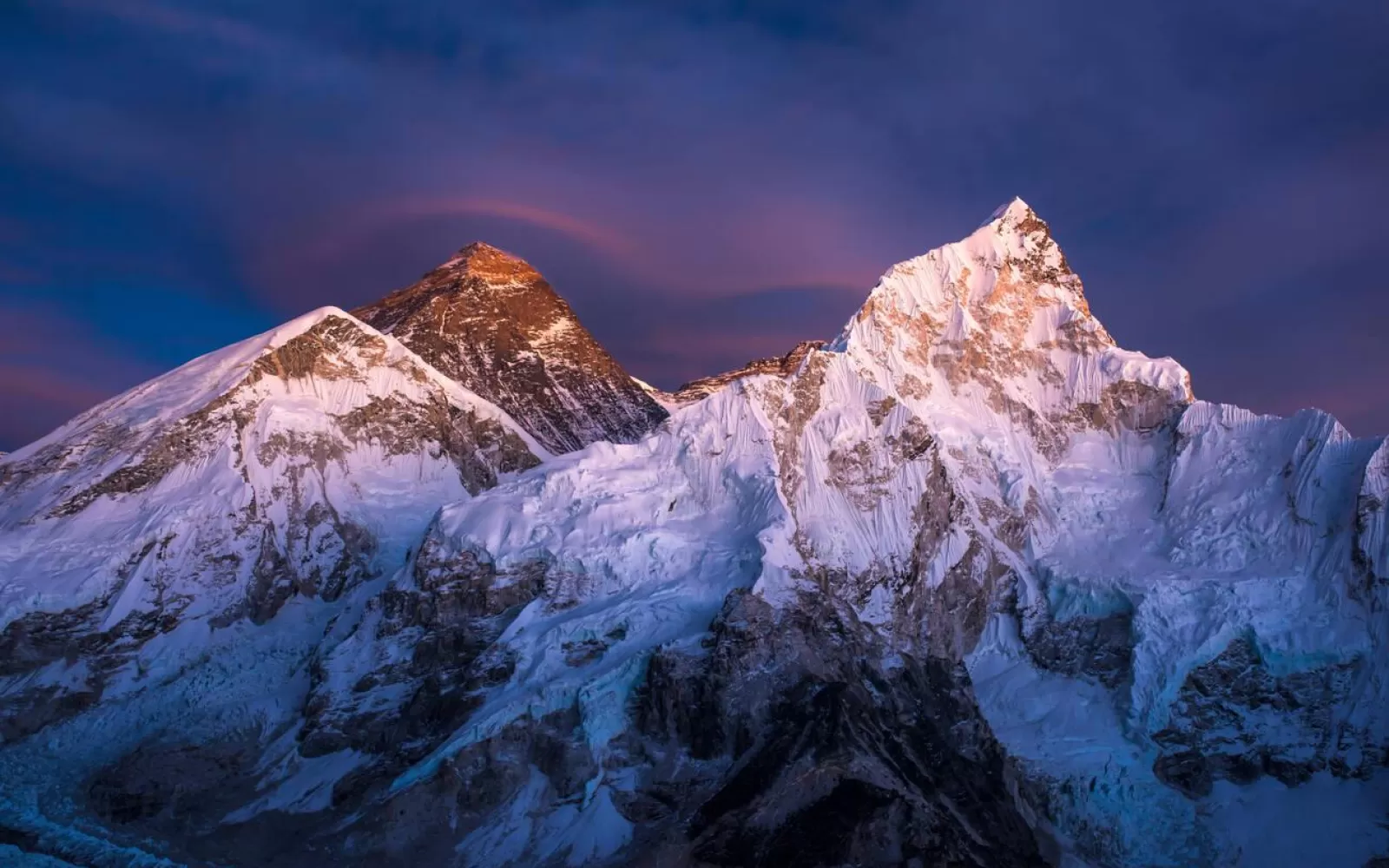
Mount Everest, known as the highest peak on Earth, rises to 8,848.86 meters (29,031.7 feet) above sea level. This iconic mountain, located in the Himalayas on the border between Nepal and the Tibet Autonomous Region of China, has fascinated explorers and mountaineers for centuries. It was originally known as "Peak XV" until it was renamed in 1865 in honor of Sir George Everest, a British surveyor general of India, who had a significant role in mapping the region. The mountain's formidable height and isolation from human settlements contributed to its mystery for many years, and it was often referred to as the "third pole," due to its remoteness and extreme conditions.
The history of Mount Everest is closely linked to the quest for human exploration and adventure. The first successful ascent of Everest was achieved in 1953 by Sir Edmund Hillary of New Zealand and Tenzing Norgay, a Sherpa of Nepal, during a British expedition. Their historic climb opened the floodgates for future mountaineers and adventurers from around the world. Since then, Mount Everest has become a symbol of determination and endurance, attracting climbers seeking to reach the top of the world. Over the years, the mountain has seen both triumphs and tragedies, with numerous expeditions attempting to conquer its heights, some of which have ended in disaster.
International Everest Day
International Everest Day is celebrated annually on May 29th, marking the anniversary of the first successful ascent of Mount Everest by Sir Edmund Hillary and Tenzing Norgay in 1953. The day is a tribute to their extraordinary achievement and honors all those who have contributed to the exploration, conservation, and cultural significance of Mount Everest. It is not only a celebration of human perseverance but also a reminder of the challenges and risks that come with climbing the world's highest peak. For the people of Nepal, this day holds immense national pride, as the success of the expedition was a momentous event in the country's history.
In addition to honoring the legacy of Hillary and Norgay, International Everest Day also serves as a platform to raise awareness about the preservation of Mount Everest and the surrounding environment. The increased number of climbers visiting the area has led to concerns over waste and the ecological impact on the fragile Himalayan ecosystem. On this day, various events such as ceremonies, exhibitions, and environmental campaigns are organized to emphasize the importance of sustainable tourism, mountaineering ethics, and the protection of the natural heritage of the Everest region.
The discovery of Mount Everest as the tallest mountain in the world was the result of a series of surveys and explorations conducted during the 19th century. Prior to that, the peak was not known to the Western world, though it had been a significant part of local Sherpa and Tibetan culture for centuries. The first British surveys of the region in the early 1800s sought to map the Himalayan mountains in the context of British imperial interests in India. It was in 1841 that the British surveyor Andrew Waugh, based on measurements taken by the Great Trigonometric Survey, declared Peak XV to be the highest point on Earth, though the mountain itself was not yet fully explored.
The mountain remained largely unknown to the Western world until the British survey team under the leadership of Sir George Everest, after whom the peak would later be named, confirmed its existence in the mid-19th century. The mountain was first surveyed and mapped as part of the Great Trigonometric Survey of India in 1852. As European explorers became more fascinated by the Himalayas, they began looking for an opportunity to ascend the mountain. However, it wasn’t until the 20th century that expeditions were launched with the intent to summit. Though the mountain had been known to local populations for millennia, the Western discovery of Mount Everest brought it into the global spotlight as a symbol of the ultimate challenge in mountaineering.
The first successful ascent of Mount Everest is one of the most iconic moments in the history of mountaineering. On May 29, 1953, Sir Edmund Hillary from New Zealand and Tenzing Norgay, a Sherpa of Nepal, reached the summit of Everest as part of a British expedition. Their achievement marked the culmination of years of efforts by climbers from various countries to conquer the world's highest peak. The two climbers' historic ascent is a testament to their bravery, skill, and determination, as the climb involved perilous conditions, including freezing temperatures, low oxygen levels, and treacherous terrain.
The expedition was led by Colonel John Hunt of the British Army, who had organized several previous attempts. After weeks of preparation and reconnaissance, Hillary and Norgay made their final push toward the summit, overcoming physical exhaustion, altitude sickness, and other dangers. They reached the summit early in the morning, and the news of their success quickly spread around the world. Their victory was celebrated not only as a personal triumph but also as a significant achievement in the history of human exploration. Sir Hillary's and Norgay's success also symbolized the spirit of collaboration, as their combined efforts showcased the partnership between Western climbers and the Sherpas, whose support and expertise were invaluable in overcoming Everest's challenges. The ascent of Everest by Hillary and Norgay remains an enduring inspiration for adventurers around the world.
International Everest Day, observed on May 29th every year, commemorates the historic first successful ascent of Mount Everest by Sir Edmund Hillary and Tenzing Norgay in 1953. This day not only honors their achievement but also celebrates the cultural and environmental significance of Everest and the surrounding region. It was established to acknowledge the contribution of these two legendary figures in mountaineering and to promote global awareness about the importance of preserving the Everest region's natural beauty and cultural heritage.
The origins of International Everest Day lie in the pride that Nepal, in particular, takes in the accomplishment of the first ascent. The day is celebrated with various events, including commemorative ceremonies, cultural programs, and environmental campaigns aimed at raising awareness about sustainable tourism in the Everest region. The establishment of this day also serves to inspire future generations to pursue the spirit of adventure and to appreciate the values of courage, resilience, and teamwork that Hillary and Norgay demonstrated. In addition to honoring these explorers, International Everest Day is an opportunity to reflect on the challenges of high-altitude mountaineering, the dangers faced by modern-day climbers, and the ongoing efforts to mitigate the ecological impact of tourism in the area.
International Everest Day, celebrated annually on May 29th, holds immense significance, both for the people of Nepal and the global mountaineering community. The day marks the anniversary of the first successful summit of Mount Everest by Sir Edmund Hillary and Tenzing Norgay in 1953, a landmark moment in human history. It serves as a tribute to the extraordinary achievements of these two legendary figures, whose successful ascent demonstrated the heights that human determination and collaboration could reach. The day is not only an occasion for remembrance but also a celebration of human resilience and the spirit of exploration, which continues to inspire adventurers worldwide.
Beyond its historical importance, International Everest Day highlights the cultural and environmental significance of Mount Everest and the surrounding region. It is an opportunity to reflect on the impact of mountaineering on local communities, especially the Sherpa people, who have been integral to the success of many Everest expeditions. The day also serves to raise awareness about the pressing issues surrounding Everest, including environmental sustainability, waste management, and the challenges posed by tourism in the region. In Nepal, the day is often marked by ceremonies, educational programs, and discussions aimed at promoting responsible tourism and ensuring the preservation of this iconic peak for future generations.
Climbing Mount Everest is a monumental challenge that requires not only exceptional physical fitness but also mental fortitude, technical skills, and the ability to navigate the numerous dangers that accompany such a high-altitude ascent. One of the primary challenges of Everest climbing is the extreme altitude, which creates conditions of low oxygen levels and high atmospheric pressure. The so-called "death zone" above 8,000 meters (26,247 feet) can be fatal to climbers, as the body struggles to acclimatize to the oxygen-deficient environment. High-altitude sickness, including symptoms like nausea, headaches, and dizziness, is common, and without proper acclimatization, climbers risk life-threatening conditions such as pulmonary or cerebral edema.
In addition to altitude sickness, climbers face numerous other hazards, such as treacherous weather, avalanches, icefalls, and crevasses. The unpredictable weather on Everest can change rapidly, with blizzards and extreme cold setting in unexpectedly, which can increase the risk of frostbite, hypothermia, and other cold-related injuries. The Khumbu Icefall, a critical section of the climb, is infamous for its shifting ice blocks and crevasses, making it one of the most dangerous parts of the ascent. Furthermore, overcrowding on the mountain has become a growing concern, particularly in recent years. With more climbers attempting to summit, delays at key points such as the Hillary Step can lead to dangerous bottlenecks, particularly in the "death zone," where climbers are already struggling with fatigue and oxygen depletion.
Modern-day expeditions to Mount Everest have become a significant industry, attracting thousands of climbers each year. While the advancement of technology, equipment, and the growing expertise of climbers has made the ascent more accessible, the challenges associated with Everest climbing remain immense. Today, climbers are equipped with state-of-the-art gear, oxygen tanks, and weather forecasting technology that aid in navigation and survival, but the mountain's unpredictable nature means that no climb is ever guaranteed to be successful. Expeditions now include teams of professional climbers, Sherpas, and support staff who assist in making the climb safer and more efficient.
However, with the increase in the number of climbers, there are growing concerns about the environmental and ecological impact of tourism on Everest. Preservation efforts are becoming increasingly important to ensure that the natural beauty and cultural significance of the region are maintained. One of the most pressing issues is the accumulation of waste, including discarded oxygen bottles, tents, and human waste, which has led to a significant pollution problem on the mountain. Efforts to combat this include clean-up campaigns, stricter regulations regarding waste disposal, and promoting the practice of "leave no trace" mountaineering ethics. The Nepalese government and various conservation organizations are also working to manage the number of climbers allowed to summit, in order to reduce the environmental impact while still supporting the local economy. Ensuring that Everest remains a safe and sustainable destination for climbers is now a key focus for those involved in modern expeditions.
Mount Everest is not only the highest peak in the world but also a powerful symbol of human adventure, ambition, and spirit. For centuries, the mountain has represented the ultimate challenge for explorers, climbers, and adventurers. Its towering height and seemingly insurmountable barriers embody the limits of human potential, and the pursuit of reaching its summit has captivated the imagination of countless individuals around the world. Everest's allure is tied to the idea of pushing beyond one's limits, of embracing the unknown, and of testing the very fabric of human endurance against the forces of nature.
Everest's significance transcends its physical dimensions, as it holds deep spiritual and cultural meaning for the local people. For the Sherpa community, the mountain is revered as a deity, known as "Sagarmatha" in Nepali and "Chomolungma" in Tibetan. The deep connection between the people and the mountain underscores the spiritual aspect of climbing Everest, which is seen not just as a conquest but as a journey of respect, reverence, and partnership with nature. In modern times, Everest continues to symbolize the spirit of adventure, inspiring mountaineers, athletes, and dreamers to pursue challenges in their own lives, and to embrace the values of perseverance, teamwork, and courage that the mountain embodies. Whether as a beacon for explorers or as a reminder of the beauty and power of nature, Mount Everest stands as a symbol of the indomitable human spirit.
Sir Edmund Hillary, a New Zealand mountaineer and explorer, is remembered not only for his historic ascent of Mount Everest but also for his lifelong dedication to the betterment of the people of Nepal and the Himalayas. Along with Tenzing Norgay, Hillary made the first successful summit of Mount Everest on May 29, 1953, an achievement that forever changed the world of mountaineering. However, Hillary's legacy extends far beyond just the climb. After his successful ascent, he devoted much of his life to humanitarian work, particularly in Nepal, where he established schools, hospitals, and infrastructure for the Sherpa people. His contributions to both mountaineering and the Sherpa community have earned him widespread respect and admiration, and his story remains an inspiring example of bravery, resilience, and compassion.
Hillary's relationship with the Sherpas, especially with Tenzing Norgay, is often regarded as one of the most iconic partnerships in the history of exploration. Despite the challenges of the climb and the adversities they faced, Hillary and Norgay formed a close bond built on mutual respect. Hillary’s contributions to the world of adventure and his humanitarian legacy continue to be celebrated. His impact on Nepal's development, through his trust and dedication to the Sherpa community, is still felt today. In honor of his achievements, various memorials, such as the Hillary School in Khumjung and the Sir Edmund Hillary Trust, continue to uphold his name and mission to improve the lives of people in the Everest region.
Tenzing Norgay, a Sherpa of Nepal, is celebrated as one of the most accomplished and respected mountaineers in history. His successful ascent of Mount Everest alongside Sir Edmund Hillary in 1953 is a defining moment in the history of exploration. However, Norgay's contributions to mountaineering go far beyond this single achievement. As a member of multiple expeditions to Everest before the successful summit, Norgay demonstrated exceptional strength, skill, and expertise. He was not only instrumental in the success of the 1953 expedition but also became a symbol of the Sherpa people’s resilience and mountaineering prowess. Norgay’s role in the success of Everest’s first ascent helped cement the Sherpas' crucial place in the history of high-altitude mountaineering.
In addition to his role as a mountaineer, Tenzing Norgay became an ambassador for the Sherpa culture and a source of pride for Nepal. After the summit of Everest, he became a global figure, recognized as one of the pioneers of mountaineering. Norgay's humility and dedication to his work earned him respect worldwide, and his contribution to the mountaineering world and Nepal's cultural heritage is remembered every year on May 29th, International Everest Day. His legacy is celebrated through various honors, including the naming of a mountain after him—Norgay Peak—and the enduring spirit of adventure he symbolizes.
Mount Everest holds profound importance for both mountaineers and the global community. As the highest point on Earth, it represents the ultimate physical and mental challenge, drawing climbers from across the world to test their limits. Beyond its significance as a mountaineering destination, Everest has become a symbol of human resilience and ambition. Reaching the summit of Everest is seen by many as the pinnacle of exploration and a testament to the power of human determination. It has attracted explorers for centuries, becoming a beacon for adventurers and inspiring countless individuals to push the boundaries of what is possible.
For the people of Nepal, Everest holds immense cultural and spiritual significance. The mountain is revered as the home of the gods, and it plays a central role in the local traditions and beliefs of the Sherpa people. Known as "Sagarmatha" in Nepali and "Chomolungma" in Tibetan, Everest is not only a physical challenge but a sacred site for the indigenous communities living in the shadow of the mountain. It provides a source of livelihood through tourism, and its cultural importance cannot be overstated. Moreover, Everest’s presence as a global icon has helped to raise awareness about the issues of climate change and environmental sustainability, particularly as the mountain faces threats from the increasing number of climbers and environmental degradation.
Mount Everest's status as the highest mountain in the world is indisputable, with its summit reaching 8,848.86 meters (29,031.7 feet) above sea level. This towering peak, located in the Himalayas on the border between Nepal and Tibet, is the ultimate prize for mountaineers who seek to conquer the highest point on Earth. Its immense height and towering presence dominate the surrounding landscape, making it a visually and physically awe-inspiring challenge for climbers. Everest's status as the highest mountain also makes it a significant focal point in the world of geography, exploration, and mountaineering.
For centuries, Everest remained largely inaccessible due to its remote location, extreme weather conditions, and hazardous terrain. The first successful summit in 1953 marked a monumental achievement, but the mountain’s height continues to present insurmountable challenges for those attempting to reach its summit. As the highest point on Earth, Everest represents the ultimate test of human endurance, strength, and courage. Its towering height not only captivates climbers and adventurers but also symbolizes the reach of human ambition and the drive to overcome the impossible.
Mount Everest is situated in the Himalayas, straddling the border between Nepal and the Tibet Autonomous Region of China. The summit of Everest marks the intersection of these two regions, with the southern face of the mountain lying in Nepal and the northern face in Tibet. The mountain is part of the Mahalangur range, which includes several other prominent peaks in the region. The surrounding area, particularly the Everest National Park in Nepal, is known for its stunning natural beauty, including glaciers, deep valleys, and alpine forests. The closest town to Everest is Lukla, which serves as the gateway for trekkers and climbers aiming to reach Everest Base Camp.
Everest's geographic location places it at the heart of the Himalayas, a mountain range that stretches across five countries: Nepal, India, Bhutan, China, and Pakistan. This region is known for its high-altitude terrain, complex geology, and unique biodiversity. The location of Mount Everest, combined with its sheer scale and remote position, makes it one of the most challenging places on Earth to access. The combination of cultural significance, environmental beauty, and natural challenges makes Everest one of the most revered and coveted destinations for adventurers from around the world.
The surrounding area of Mount Everest, located in Nepal and Tibet, is known for its remarkable landscapes, rich cultural heritage, and biodiversity. The Everest region, known as the Khumbu, is home to the Sherpa people, whose deep connection with the mountain spans generations. In addition to Mount Everest itself, the area features other notable peaks, glaciers, and valleys. The Sagarmatha National Park in Nepal, which includes Everest, is a UNESCO World Heritage Site and contains an array of rare wildlife, such as the snow leopard, red panda, and Himalayan tahr. The region also boasts rich flora, including rhododendron forests and alpine meadows.
The Khumbu region is one of the most popular trekking destinations in the world, with routes leading to Everest Base Camp and other vantage points that offer spectacular views of the mountain. Despite its beauty, the region faces numerous environmental challenges due to the growing influx of trekkers and climbers. The area’s high-altitude environment and fragile ecosystem require careful preservation efforts, and both local communities and global organizations are increasingly focused on ensuring that tourism in the Everest region is sustainable and environmentally responsible.
Climbing Mount Everest has a rich and storied history, beginning long before the first successful summit in 1953. In the mid-19th century, British surveyors identified Peak XV, later named Everest, as the highest mountain in the world. Early expeditions, including attempts by British and Tibetan climbers, failed to summit due to the mountain’s formidable height, weather, and technical challenges. It was not until 1953, when Sir Edmund Hillary and Tenzing Norgay successfully reached the summit, that Everest was conquered. Their achievement marked the culmination of years of planning, perseverance, and pioneering mountaineering techniques.
Following Hillary and Norgay's landmark ascent, Everest has been a focal point for climbers worldwide. Over the decades, a growing number of expeditions have attempted to summit the mountain, leading to various challenges, including overcrowding, commercialization, and environmental degradation. Nevertheless, the history of Everest climbing is marked by incredible feats of endurance, with climbers pushing the boundaries of human exploration. The history of climbing Mount Everest is not just a story of conquest but of collaboration, hardship, and the spirit of adventure that continues to inspire climbers today.
Mount Everest offers several climbing routes, with the most commonly used ones being the South Col route from Nepal and the North Col route from Tibet. The South Col route is the most popular and was the path taken by Hillary and Norgay in 1953. It begins at Everest Base Camp in Nepal, ascends through the Khumbu Icefall, and reaches the South Col, where climbers typically make their final push to the summit. This route is considered to be more accessible, though it still presents significant technical challenges, such as crossing crevasses and navigating the icefall.
The North Col route, located on the Tibetan side of Everest, is less frequently used due to political restrictions and logistical difficulties. This route also presents unique challenges, such as extreme cold and less frequent weather windows for summiting. Both routes require climbers to be highly skilled, well-prepared, and capable of handling the harsh conditions of the mountain’s upper reaches. Each of the routes, whether on the south or north side, offers a distinct set of challenges, but all share the same ultimate goal—the summit of the world’s highest peak.
The "Death Zone" refers to the altitude above 8,000 meters (26,247 feet) on Mount Everest, where the oxygen levels are insufficient to sustain human life for extended periods. This zone is notorious for the extreme danger it poses to climbers, as the body’s ability to acclimatize to the lack of oxygen diminishes, leading to severe fatigue, hypoxia (oxygen deprivation), and an increased risk of life-threatening conditions such as pulmonary and cerebral edema. The Death Zone is typically encountered during the final stages of an Everest ascent, especially when climbers are approaching the summit or descending.
Climbers in the Death Zone must rely on supplemental oxygen, which extends their survival time but cannot eliminate the dangers entirely. Many fatalities on Everest have occurred in this zone, either from exhaustion, altitude sickness, or exposure. The harsh conditions of the Death Zone, including extreme cold, low oxygen levels, and the psychological strain of being so high up, contribute to the high mortality rate among climbers. Successful expeditions to Everest require careful timing, strategic planning, and the ability to ascend and descend quickly through this dangerous region to minimize the risks associated with the Death Zone.
Sagarmatha National Park, located in the Khumbu region of Nepal, is a UNESCO World Heritage Site and one of the most famous national parks in the world due to its proximity to Mount Everest, the highest peak on Earth. The park spans an area of 1,148 square kilometers (443 square miles) and is home to a diverse range of flora, fauna, and ecosystems. The park's name, "Sagarmatha," is derived from the Nepali word for Mount Everest, meaning "Forehead in the Sky," which emphasizes the towering presence of Everest that dominates the region. For the people of Nepal, the park holds not only natural significance but also cultural and spiritual importance.
The park is known for its breathtaking landscapes, which range from lush valleys and alpine meadows to stark, rugged terrain high in the Himalayas. These varied ecosystems provide a rich habitat for numerous species of plants and animals, many of which are endemic to the region. Sagarmatha National Park is home to a number of endangered species, including the snow leopard, red panda, and Himalayan tahr. The park also provides refuge for various bird species, such as the Himalayan griffon vulture and the pheasant. As the region is a crucial part of the Himalayan ecosystem, preserving its biodiversity is essential for maintaining the health of the entire area.
In addition to its natural beauty, Sagarmatha National Park is significant for its cultural importance. The Sherpa people, who are the indigenous inhabitants of the region, have a deep spiritual connection to the land, with Mount Everest (Sagarmatha) considered a sacred mountain. The park contains several monasteries, temples, and other cultural landmarks that reflect the Sherpas' rich heritage and traditions. Many trekkers and climbers pass through the park on their journey to Everest Base Camp, and the park is also the site of important Sherpa cultural events and religious ceremonies.
The park has become a major tourism destination, with thousands of trekkers visiting annually to explore its trails and experience the magnificence of Mount Everest and the surrounding Himalayas. However, the rise in tourism has brought challenges, including environmental degradation, waste management issues, and the pressure on local resources. To address these concerns, the Nepalese government and various conservation organizations are working to promote sustainable tourism practices, ensuring that Sagarmatha National Park remains protected for future generations. With its stunning landscapes, rich biodiversity, and cultural significance, Sagarmatha National Park remains one of the most treasured natural areas in the world.
The Mount Everest region, specifically Sagarmatha National Park in Nepal, is home to a unique array of wildlife adapted to the extreme conditions of the Himalayas. Due to the varying altitudes and ecosystems, the area hosts diverse species that are specially suited to survive in harsh climates, ranging from alpine meadows to high-altitude glaciers. Among the most iconic animals found in the region are the elusive snow leopards, which are highly adapted to the cold and rugged terrain. The park is also home to the Himalayan tahr, a wild goat with thick fur that can scale the rocky cliffs of the Everest region, as well as the musk deer, which is known for its distinctively aromatic scent. These animals are often difficult to spot due to the challenging landscape, but they are an integral part of the area's biodiversity.
The Everest region is also rich in birdlife, including the Himalayan griffon vulture, which circles high above the mountain ridges, and the rare pheasants such as the blood pheasant, which thrives in the forests and lower alpine meadows. Additionally, the park is home to smaller mammals like the pika, a small, herbivorous mammal that survives at high altitudes, and the red panda, a rare and elusive species that lives in the temperate forests of the lower Everest region. The diverse wildlife, from large mammals to various bird species, plays a critical role in maintaining the ecological balance in the Everest region. However, these species face increasing threats from climate change and human activity, which puts their future survival at risk.
The inhabitants of the Mount Everest region are primarily the Sherpa people, a Tibetan ethnic group known for their exceptional skills in high-altitude mountaineering. Sherpas have lived in the Everest region for centuries and have adapted to the challenging high-altitude environment, making them invaluable guides and support staff for expeditions climbing Mount Everest. Their deep knowledge of the terrain, ability to endure the extreme altitude, and expertise in navigating treacherous paths have made them central to the success of Everest expeditions. Many Sherpas work as guides, porters, and cooks, with some even achieving personal fame for their feats in mountaineering.
In addition to the Sherpa people, there are also other ethnic groups that live in the region, including the Tamang, Rai, and Magar communities. These communities have historically coexisted with the Sherpas, sharing similar cultural and spiritual ties to the land. Life in the Everest region is marked by a unique blend of Tibetan and Nepali traditions, with distinct local dialects, customs, and ways of life. The inhabitants of the region rely heavily on agriculture, herding, and tourism for their livelihoods, and they are deeply intertwined with the natural landscape and the mountain itself. Their way of life is not only shaped by the land but also by their respect and reverence for Mount Everest.
The Sherpa people are often referred to as the "guardians" of Mount Everest due to their long-standing relationship with the mountain. Indigenous to the Solu-Khumbu region of Nepal, the Sherpas have a deep spiritual and cultural connection to the mountain. Their resilience in the harsh environment, combined with their mountain-climbing prowess, has made them indispensable in the world of mountaineering. While many Western climbers and explorers sought to conquer Everest, it was the Sherpas who were integral to making these expeditions possible, providing support, guidance, and assistance in the most difficult parts of the climb.
Sherpas are renowned for their high-altitude endurance, and their ability to perform strenuous physical labor at great altitudes is a result of both their genetics and years of acclimatization to the thin air. Over time, many Sherpas have made significant contributions to the success of mountaineering expeditions, with some even achieving great personal feats, such as summiting Mount Everest multiple times. Beyond their work in mountaineering, the Sherpas maintain a rich cultural tradition, celebrating their heritage through festivals, rituals, and their unique form of Buddhism. They play a key role in ensuring that Mount Everest remains a safe and respected place for climbers and trekkers, while also maintaining their spiritual and cultural connection to the land.
In the Everest region, festivals are a key aspect of life and are deeply rooted in the cultural and religious traditions of the people. The Sherpa community, along with other ethnic groups in the area, celebrate numerous festivals throughout the year, many of which are based on Buddhist and Hindu practices. One of the most significant festivals is Lhosar, the Nepali New Year, which is celebrated by Sherpas with elaborate feasts, dances, and religious ceremonies. Lhosar marks the beginning of a new year according to the lunar calendar, and it is a time for families to come together, honor their ancestors, and renew their spiritual commitments.
Another important festival is Dumji, which is held in honor of the Sherpa community’s Buddhist faith. It is celebrated with prayers, ritual offerings, and dances. This festival is a reflection of the Sherpa people's deep spiritual connection to Mount Everest, which they view as a sacred mountain. The festival is also a way for communities to come together to raise awareness about the importance of preserving both their cultural heritage and the natural environment surrounding them. These festivals, along with others like Saka Dawa (celebrating the birth, enlightenment, and death of Buddha) and Buddha Jayanti, offer a glimpse into the rich cultural tapestry of the Everest region, where religious traditions and a deep respect for the mountain blend seamlessly.
The communities around Mount Everest are deeply rooted in a rich cultural heritage that blends Tibetan Buddhist traditions with local customs. The Sherpa people, in particular, are known for their strong sense of community, hospitality, and respect for the natural world. The culture is characterized by its close connection to the land, as well as the central role that religion and spirituality play in daily life. The Sherpas traditionally practice Tibetan Buddhism, and many of the region’s monasteries and stupas are considered sacred. The spiritual life of the Everest region revolves around prayers, rituals, and offerings to local deities, particularly those believed to inhabit the mountains.
The Sherpa way of life is centered on cooperation and mutual support, with families and villages working together to grow food, raise livestock, and care for one another. Although traditional agricultural practices are still central to the livelihoods of many in the Everest region, tourism has become increasingly important in recent decades, with trekkers and climbers contributing to the local economy. However, the influx of tourism has brought both opportunities and challenges, as it has altered the traditional way of life in some areas. Despite these changes, the Sherpas have worked to maintain their cultural traditions, continuing to celebrate festivals, preserve their unique language, and uphold their spiritual practices, ensuring that their identity remains intact.
Mount Everest, known as Sagarmatha in Nepali and Chomolungma in Tibetan, holds immense spiritual significance for the people living in the surrounding regions. For the Sherpa people, Everest is not just a physical landmark but a sacred deity, representing a powerful connection between the divine and the natural world. In Tibetan Buddhism, Everest is considered a dwelling place for deities, and the mountain is revered as a guardian spirit. Pilgrimages to Everest Base Camp are often undertaken as spiritual journeys, where climbers and trekkers alike pay respects to the mountain through prayer flags, rituals, and offerings.
Many Sherpa people participate in religious ceremonies that honor the mountain, such as the Kora (a ritual circumambulation of the mountain) and prayers at monasteries located in the region. Everest’s spiritual significance extends beyond Buddhism, with some local communities also observing Hindu rituals that honor nature’s divine power. Mount Everest's role in local spirituality emphasizes the deep reverence the Sherpa people have for the mountain, viewing it as a sacred protector rather than just a physical challenge to be conquered. This spiritual connection continues to influence how the people of the Everest region interact with the mountain, balancing respect for its sacredness with the practical realities of mountaineering and tourism.
Tourism in the Everest region has brought significant economic benefits but has also introduced challenges to both local culture and wildlife. On the positive side, tourism has provided income for many Sherpas and other local residents through services such as guiding, portering, accommodation, and food. It has also spurred the development of infrastructure in the region, such as trekking routes, lodges, and communication facilities. However, the influx of trekkers and climbers has led to cultural and environmental issues.
Culturally, the increased presence of tourists has altered some traditional practices, particularly in villages along the trekking routes, where there is now greater reliance on tourism rather than agriculture or other traditional livelihoods. The pressure of catering to a global market has also led to some changes in local customs and daily life. On the environmental side, tourism has contributed to the degradation of the region's fragile ecosystems. The large numbers of visitors bring waste, pollution, and the potential for habitat destruction, which threaten the wildlife of the area. The growing number of climbers also leads to overcrowding, particularly at key points on the mountain like the South Col, which raises safety concerns and increases human impact on Everest's delicate environment.
Efforts to conserve the ecosystem of Mount Everest are increasingly important as the region faces threats from climate change, over-tourism, and environmental degradation. Conservation initiatives focus on reducing pollution, protecting wildlife habitats, and promoting sustainable tourism practices. One major challenge is the growing problem of waste management on the mountain. The Nepalese government, along with various environmental organizations, has implemented campaigns to collect trash left by climbers and trekkers, including discarded oxygen tanks, equipment, and human waste. Additionally, there are efforts to limit the number of climbers allowed on the mountain each season to reduce overcrowding and minimize environmental impact.
Conservation also involves protecting the biodiversity of the Everest region. This includes preserving the natural habitats of species like the snow leopard, red panda, and Himalayan tahr. To mitigate the effects
The landscape surrounding Mount Everest is nothing short of spectacular, offering awe-inspiring views that have captivated explorers, mountaineers, and trekkers for centuries. The region's dramatic topography consists of jagged peaks, vast glaciers, and deep valleys, making it one of the most visually striking places on Earth. As the highest mountain on the planet, Mount Everest itself towers above the surrounding Himalayan range, its snow-capped summit often shrouded in clouds, creating a sense of mystery and grandeur. The terrain is rugged and wild, with treacherous cliffs, sheer rock faces, and snowfields that stretch as far as the eye can see.
The area's dramatic beauty extends beyond Everest itself. The lower valleys and villages, such as Namche Bazaar, are set against a backdrop of towering peaks like Lhotse, Nuptse, and Makalu, creating a majestic contrast between lush green forests and the stark, snow-covered slopes higher up. The landscape is also characterized by alpine meadows, glacial lakes, and rushing rivers, all adding to the region's charm and allure. For those who trek or climb in the region, the landscape is not only a visual feast but a true test of endurance, as the terrain and altitude present significant challenges.
The glaciers of Mount Everest add to the region's mystical allure, with vast ice flows and towering formations that are both majestic and mysterious. The Khumbu Glacier, one of the largest and most famous glaciers in the area, lies at the foot of Mount Everest and is a central feature of many Everest expeditions. The glacier’s immense size and beauty are matched by its ever-changing nature, as it is constantly shifting and calving, creating crevasses and icefalls that make traversing it treacherous. The Khumbu Icefall, in particular, is a key obstacle on the route to the summit of Everest, with its towering ice seracs and deep crevasses requiring expert navigation.
The glaciers on Mount Everest are critical to the region's ecosystem, feeding the rivers and contributing to the formation of glacial lakes, some of which have become popular trekking destinations, such as Gokyo Lakes. These serene, turquoise lakes are surrounded by towering peaks and glaciers, offering visitors a peaceful yet awe-inspiring glimpse into the harsh environment of the high Himalayas. However, the glaciers are also vulnerable to the effects of climate change, with rising temperatures causing them to retreat at an alarming rate. As the glaciers continue to shrink, they not only pose a risk to the local environment but also to the communities downstream that depend on the water they provide.
Tup Dhara is often considered one of the first major viewpoints on the trek to Everest Base Camp, offering trekkers a spectacular early view of Mount Everest and the surrounding peaks. Located on the trail from Lukla to Namche Bazaar, Tup Dhara lies at a lower altitude than some of the higher viewpoints in the region but still provides a stunning panoramic view of the Himalayan mountains. It is a perfect starting point for trekkers as it marks the beginning of their journey into the Khumbu Valley, with the first glimpse of Everest and its neighboring peaks.
At Tup Dhara, trekkers can catch their first sight of Mount Everest in the distance, rising majestically among other iconic peaks like Lhotse and Nuptse. The viewpoint offers a clear view of the southern face of Everest, with its towering height and snow-covered ridges. The scenic beauty of Tup Dhara is further enhanced by the surrounding natural landscape, which includes lush forests, terraced fields, and the rushing Dudh Kosi River. The trek to Tup Dhara is relatively short and accessible, making it a rewarding stop early on in the journey, and it provides trekkers with a chance to acclimatize to the altitude while enjoying one of the first breathtaking vistas of Everest.
Tup Dhara is a place of peace and tranquility, offering trekkers the opportunity to pause and take in the awe-inspiring sight of the highest mountain on Earth, setting the stage for the adventure ahead.
Namche Bazaar
Namche Bazaar is often referred to as the gateway to the Everest region and serves as a popular stop for trekkers on their journey to Everest Base Camp. Located at an elevation of about 3,440 meters (11,286 feet), Namche offers some of the best panoramic views of Mount Everest and the surrounding peaks, such as Lhotse, Ama Dablam, and Nuptse. The town is nestled in a horseshoe-shaped valley and is surrounded by towering mountains, making it an ideal location for acclimatization. The vibrant town is also a cultural hub, where trekkers can enjoy local markets, Sherpa culture, and the warm hospitality of the people. From Namche, Everest can be seen in its full glory, often viewed from the local monastery or trekking routes leading higher up.
Hillary Park (Namche Bazaar)
Hillary Park, located just above Namche Bazaar, is dedicated to the memory of Sir Edmund Hillary, who, along with Tenzing Norgay, was the first person to summit Mount Everest in 1953. The park offers a breathtaking viewpoint of Mount Everest and surrounding peaks. The view from Hillary Park is one of the best in Namche, providing trekkers with a stunning vista of the snow-covered summit of Everest framed by other Himalayan giants like Lhotse and Ama Dablam. This park serves not only as a tribute to Hillary’s legacy but also as an excellent place for visitors to pause, reflect, and appreciate the majesty of the mountains.
Everest View Hotel
The Everest View Hotel, located near Syangboche, at an altitude of 3,880 meters (12,729 feet), holds the distinction of being the highest-placed hotel in the world. From here, visitors are treated to a spectacular panoramic view of Mount Everest, as well as several other iconic peaks in the Everest region. The hotel is accessible by a short trek from Namche Bazaar, making it a perfect spot for trekkers looking for an incredible view without having to go too far. The view from the hotel includes Everest’s towering summit, framed by the peaks of Lhotse, Nuptse, and Ama Dablam. For many, the experience of sipping tea while gazing at the world’s highest mountain is a highlight of the journey to Everest.
Syangboche
Located above Namche Bazaar, Syangboche is a small village and a great viewpoint for those looking to enjoy breathtaking views of Mount Everest and the surrounding peaks. Syangboche is home to the Everest View Hotel, and from here, trekkers can catch a view of Everest, often in its majestic, snow-capped glory. The village is situated at a higher elevation, offering visitors a clear view of the surrounding landscape, including the rugged terrain that leads up to Everest Base Camp. It’s a wonderful place to stop, relax, and take in the scenic beauty of the Khumbu region. Additionally, Syangboche offers a relatively quiet and peaceful atmosphere compared to the busier Namche Bazaar, making it a perfect spot for reflection.
Tengboche
Tengboche is located at an altitude of 3,860 meters (12,664 feet) and is home to the famous Tengboche Monastery, one of the most important Buddhist monasteries in the Khumbu region. Tengboche offers stunning views of Mount Everest, along with nearby peaks like Lhotse, Nuptse, and Ama Dablam. The village is often a key stop for trekkers on their way to Everest Base Camp, and the viewpoint here is breathtaking. The combination of the serene atmosphere of the monastery and the dramatic backdrop of the Himalayan mountains makes Tengboche one of the most memorable viewpoints on the Everest trekking route. The panoramic view of Everest, with the surrounding peaks in the distance, provides a stunning visual experience for visitors.
Gorak Shep
Gorak Shep, located at 5,164 meters (16,942 feet), is the final stop on the classic trekking route to Everest Base Camp. Although it is primarily known as a base for trekkers on their way to the base camp, it also offers one of the best viewpoints for seeing Mount Everest in close proximity. From Gorak Shep, trekkers can take a short, but challenging hike up Kala Patthar, which is one of the best spots in the region to view Everest. The hike offers unparalleled views of the south face of Everest, as well as the surrounding peaks like Lhotse and Makalu. Watching the sunrise from Kala Patthar, with the golden light hitting Everest’s summit, is a truly breathtaking experience that has made it one of the most iconic viewpoints for those on the Everest trail.
These viewpoints along the Everest trekking route offer trekkers and adventurers incredible opportunities to experience the grandeur of Mount Everest and the surrounding peaks. From the bustling streets of Namche Bazaar to the tranquil heights of Gorak Shep and Kala Patthar, the views of Everest are nothing short of spectacular, making each stop a memorable part of the journey.
The Yeti Legend: Myth and Mystery of Mount Everest
The Yeti, often referred to as the "Abominable Snowman," is one of the most famous legends associated with the Mount Everest region. This mysterious, ape-like creature is said to inhabit the remote and snowy heights of the Himalayas, and stories of sightings have been passed down through generations of Sherpas and other local inhabitants. The Yeti is often described as a large, bipedal creature, covered in fur and resembling a human or ape in its features. While there is no scientific evidence to support the existence of the Yeti, the legend has captivated the imagination of explorers, trekkers, and mountaineers for years.
The Yeti's connection to the Mount Everest region is not only a part of local folklore but also a key element of the area's cultural heritage. Sherpas and other Himalayan people believe the Yeti to be a spiritual guardian of the mountains, embodying the wild and untamed nature of the region. Over the years, there have been numerous reported sightings, mysterious footprints, and even supposed hair samples that have added to the mystery. Despite the lack of definitive proof, the Yeti remains a symbol of the unknown, a creature that embodies the mystery and danger of Mount Everest's harsh environment. For many trekkers and climbers, the Yeti represents the enduring allure of the Everest region, where myth, legend, and nature intertwine in ways that continue to inspire wonder and curiosity.
Asiana Treks & Tours is a reputable travel and adventure company based in Nepal, specializing in providing guided trekking and mountaineering experiences in the Himalayas. The company has earned a reputation for offering exceptional services for those wishing to explore the beauty and majesty of Nepal's mountain regions, including Everest. Their team of experienced guides, Sherpas, and porters ensures that clients are well-prepared and supported throughout their journey, whether it be trekking to Everest Base Camp or attempting a summit. Asiana Treks & Tours is committed to promoting responsible tourism and providing high-quality experiences for both seasoned trekkers and those new to adventure travel.
Founded with the goal of sharing Nepal's natural beauty with the world, Asiana Treks & Tours has grown into a trusted name in the industry. The company offers a wide range of trekking packages, including customized itineraries for those looking to challenge themselves with the ascent of Everest or other prominent peaks. They also provide cultural immersion experiences, helping travelers connect with the rich traditions and customs of Nepal's diverse communities. Asiana Treks & Tours plays a crucial role in Nepal's tourism industry, helping to boost the local economy while ensuring that environmental conservation and cultural respect remain top priorities.
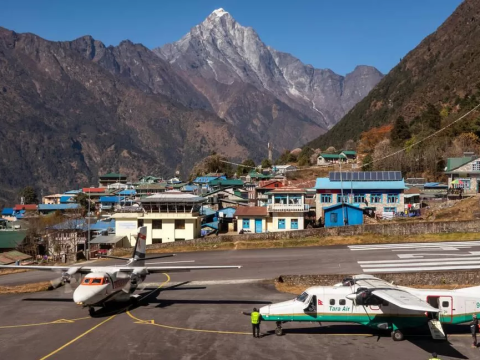
Lukla, a small town nestled in the Solu-Khumbu region of Nepal, is often referred to as the "Gateway to Everest" due to its crucial role as the starting point for trekking adventures in the Everest region. Sitting at an altitude of 2,860 meters (9,383 feet), Lukla has become a popular destination for trekkers seeking to conquer the mighty Mount Everest or explore the nearby trails such as the Everest Base Camp (EBC) trek.
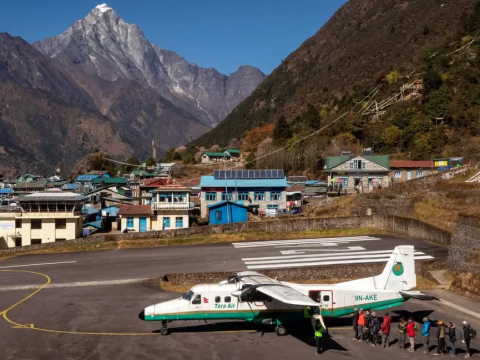
Tenzing-Hillary Airport, often referred to as Lukla Airport, is located in the small town of Lukla in the Solu-Khumbu region of Nepal, nestled in the foothills of the Himalayas. The airport is famously known as one of the most dangerous in the world due to its challenging weather conditions, short runway, and steep mountain terrain.
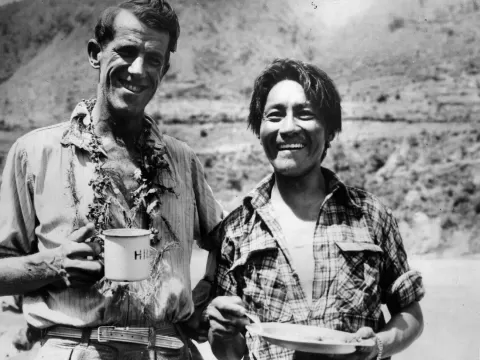
The ascent of Mount Everest on May 29, 1953, is a moment in history that forever changed the world of mountaineering. Sir Edmund Hillary from New Zealand and Tenzing Norgay, a Sherpa from Nepal, achieved the seemingly impossible: reaching the summit of the world’s highest peak at 8,848 meters (29,029 feet).


 (2)
(2)  100% recommend (0)
 (0)
(0)