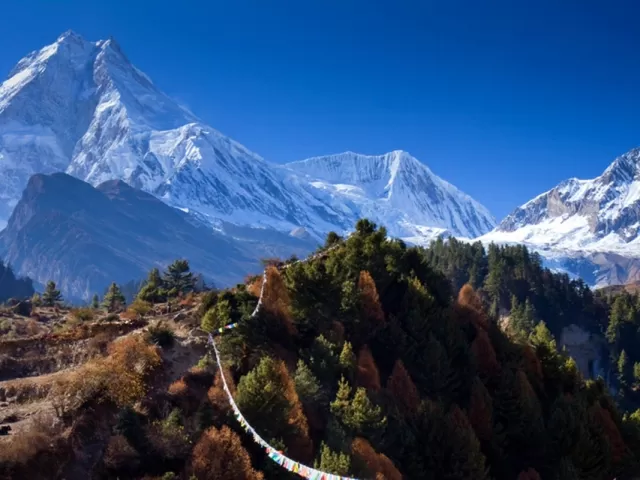
The 11-day Manaslu Larke Pass Trek, also known as the Manaslu Circuit Trek, is one of Nepal’s most scenic, culturally rich, and rewarding Himalayan adventures. The trek takes you through the Manaslu Conservation Area and around Mount Manaslu (8,160 m), the eighth-highest mountain in the world. Starting from Jagat and ending at Dharapani, the route follows the Budhi Gandaki Valley through terraced farmland, lush forests, traditional villages, dramatic gorges, and spectacular Himalayan landscapes. From Dharapani, the Manaslu Larke La Pass is becoming shorter due to the road access, so you can drive to Kathmandu or Pokhara, depending on your preference. This trek is less crowded compared to the Everest and Annapurna treks.As you gain altitude, the scenery shifts from subtropical forests and terraced fields to pine, fir, oak, and rhododendron forests, then to alpine meadows, rocky terrain, glaciers, and high Himalayan valleys. The main highlight is crossing Larke La Pass (5,160 m), where you can enjoy breathtaking views of Manaslu, Himlung Himal, Cheo Himal, Nemjung, Gyaji Kang, Kang Guru, Annapurna II, and Ganesh Himal. The Larke La crossing is challenging and usually requires an early morning start around 4:00 AM to reach the pass before strong winds develop.The Manaslu Conservation Area is rich in biodiversity, with opportunities to see Himalayan thar, musk deer, blue sheep, Himalayan monal, snow pigeon, and golden eagle. Vegetation ranges from sal and bamboo forests at lower elevations to oak, pine, rhododendron, juniper, and alpine grasses higher up. The trek also offers deep cultural experiences among Gurung, Nubri, and Tsum communities, with monasteries, mani walls, chortens, prayer flags, and traditional mountain lifestyles. Along the route, trekkers can explore places like Birendra Lake and enjoy the unforgettable glacial scenery around Larke La Pass. Why is the Manaslu Larke Pass trek so special?Trekking to Manaslu Larke Pass offers unparalleled natural beauty and cultural richness. The trek offers alluring views of Mount Manaslu, the world's eighth-highest peak, and traverses a diverse landscape ranging from lush forests to high alpine terrain. It's less crowded than other popular treks, providing a more serene and authentic experience. The route passes through traditional villages, letting trekkers experience the unique culture and hospitality of local communities. Additionally, the Trek is part of a protected area, offering a chance to see rare wildlife and pristine natural environments.Manaslu Larke Pass Trekking Itinerary: Asianatreks and Tours offers the best Manaslu Larke Pass Trek Itinerary. Embark on a journey through Nepal's diverse landscape on the Manaslu Trek, also known as the Larke Pass Trek. This trek suits moderately fit hikers, offering breathtaking vistas and cultural Immersion. Witness the transformation from Kathmandu's energy to serene villages, culminating in the Majestic Manaslu Himal. Traverse varied terrain, conquer the high-altitude Larke-La Pass, and experience the contrasting charm of a unique town and the Himalaya.Manaslu Larke Pass Trekking Itinerary:This 11-day Manaslu Larke Pass (Circuit) Trek offers an unforgettable Himalayan journey, spanning lush river valleys and dramatic alpine landscapes near the Tibetan border. Starting with a scenic drive from Kathmandu to Machha Khola, the trek ascends through charming Gurung and Tibetan-influenced villages, rhododendron forests, and glacial valleys. Crossing the challenging Larkya La Pass (5,160 m / 16,929 ft), you’ll be rewarded with magnificent views of Manaslu (8,163 m) and the surrounding peaks before descending to Dharapani and driving back to Kathmandu.Manaslu Larke-Pass trekking Itinerary Table guide: Day and PlaceAltitude Meter and FitElevation Gain and LossDay 1: Kathmandu - Jagat 1340 m/ 4396 ft Day 3: Jagat - Deng 1,860 m / 6,102 ft ↑ 520 m Day 4: Deng - Namrung 2,630 m / 8,629 ft ↑ 770 m Day 5: Namrung - Syala 3,520 m / 11,459 ft ↑ 900 m Day 6: Rest & Acclimatisation (Samagaun) 3,530 m / 11,581 ft Day 7: Samagaun - Samdo 3,875 m / 12,713 ft ↑ 345 m Day 8: Samdo - Larkya Phedi (Dharamsala) 4,460 m / 14,633 ft ↑ 585 m Day 9: Larkya Phedi - Larkya La Pass (5,160 m) → Bhimtang 3,720 m / 12,204 ft ↑ 700 m / ↓ −1,440 m Day 10: Bhimtang - Dharapani 1,920 m / 6,299 ft ↓ −1,800 m Day 11: Dharapani - Kathmandu (Drive) 1,350 m / 4,429 ft Drive ↓ −570 m Manaslu Larke Pass Trekking Distance:The Manaslu Larke Pass Trek is one of Nepal’s most scenic and challenging Himalayan adventures. This 11-day journey combines cultural immersion, dramatic landscapes, and a thrilling high-mountain crossing over Larkya La Pass (5,160 m / 16,929 ft). Starting from Jagat, the trek passes through lush valleys, alpine meadows, glacial moraines, and remote Tibetan-influenced villages before descending to Dharapani and returning to Kathmandu. Perfect for experienced trekkers seeking a blend of culture, nature, and adventure in the Manaslu Conservation Area.Manaslu Larke Pass Trekking Distance Summary Table:Category Details Approx. Figures Trekking Distance Total walking distance during the trek 126 km / 78.29 miles Driving Distance Kathmandu - Jagat - Dharapani - Kathmandu 395 Km/ 245.4 miles Maximum Elevation Larkya La Pass 5,160 m / 16,929 ft Elevation Gain Total ascent during tracking +4,200 m Elevation Loss Total descent during the trek -3,900 m Total Duration Full Itinerary11 DayManaslu Larke Pass Trekking route: The Manaslu Larkya La Pass Trek is an 11-day adventure in Nepal. Hike through charming villages, rice paddies, and lush forests with stunning views of the Manaslu mountains. Climb the high Larkya La Pass for epic panoramas, then descend into the beautiful Manang Valley. Explore the villages of Tibetan culture and hike to a glacier lake. This unforgettable trek ends in Besisahar, where you can catch a bus back to Kathmandu.Manaslu Larke Pass trekking price:The Manaslu Larke Pass Trek, also known as the Manaslu Circuit Trek, is one of Nepal’s most scenic Himalayan trekking adventures. The trek takes you around Mount Manaslu through beautiful mountain villages, forests, rivers, Buddhist monasteries, and high Himalayan landscapes. The highlight of the journey is crossing Larke Pass (5,106 m), followed by a descent through the beautiful Manang region.Our Manaslu Circuit Trek package provides reliable service, transparent pricing, and a well-organised trekking experience. The cost depends on the group size and the services you choose. We offer different options, including full-board trekking with a private jeep, guide, porter, and permits; full-board trekking using shared transportation and local buses; and a basic B&B package with guide and porter services.Package Price Details:Full Board + Private Jeep: Includes trekking guide, porter, required permits, accommodation, breakfast, lunch and dinner during the trek, plus private ground transportation by jeep where applicable. This is a convenient option for travellers seeking a comfortable and more flexible Manaslu Circuit Trek.Full Board + Sharing Jeep/Local Bus: Includes guide, porter, permits, teahouse accommodation, and three meals a day during the trek. Transportation is arranged by sharing a jeep or a local bus, making this a more economical option.B&B + Guide and Porter: This budget-friendly option includes a guide, porter, Permit, accommodation, and breakfast. Trekkers pay for lunch and dinner directly, while transportation is arranged.Manaslu Larkya Pass Trekking price range by Table:Group sizeFull board with private jeepFull board with shared transportation1 single pax164512362 - 6 pax144210057-12 pax97791913 above 897815Manaslu Larke Pass trekking Height:The Manaslu Larke Pass trek is a 14-day journey through Nepal's Himalayas, starting at the bustling Arughat Bazaar, located at an elevation of 500 meters (1,640 feet). As you trek through villages and valleys, the altitude gradually increases, reaching a comfortable 2,000-3,000 meters (6,562-9,842 feet) by day 4 or 5. The real challenge comes at Larkya La Pass, the highest point at a staggering 5,106 meters (16,751 feet), with breathtaking views. As you descend into the beautiful Manang Valley, you'll find villages like Bimtang (3,720 meters/12,200 feet) and Manang (3,540 meters/11,600 feet), which offer Tibetan culture and a chance to acclimatise before potentially reaching even higher glacial sights, such as Ice Lake (4,690 meters/15,384 feet).Major Villages and Scenery on the Manaslu Larkya Pass Trek:The Manaslu Larkya Pass Trek, also known as the Manaslu Circuit Trek, passes through a remarkable variety of villages, landscapes, forests, rivers, and high Himalayan terrain. The route begins in the lower hills around Soti Khola and Machha Khola and gradually climbs toward the high mountains of Manaslu before crossing Larkya La Pass (5,106 m). Each major village offers a different landscape, culture, and mountain view.Major Villages and Highlights:Soti Khola – The trek's traditional starting area, surrounded by green hills, forests, and the Budhi Gandaki River.Machha Khola – A riverside village with waterfalls, narrow gorges, suspension bridges, and dramatic rocky landscapes.Jagat (1,410 m) – The gateway to the restricted Manaslu region, featuring stone-paved paths, traditional houses, and terraced hillsides.Deng (1,860 m) – A peaceful mountain village surrounded by pine and rhododendron forests, with increasingly impressive Himalayan scenery.Namrung (2,630 m) – A beautiful Tibetan-influenced village with views toward Manaslu, Himalchuli, and Ganesh Himal.Lho (3,180 m) – One of the most scenic villages on the route, known for its monastery, traditional houses, mani walls, and spectacular views of Manaslu.Sama Gaon (3,525 m) – The major acclimatisation village, surrounded by dramatic peaks, glaciers, monasteries, and wide Himalayan valleys. It is also the gateway to Manaslu Base Camp and Birendra Lake.Samdo (3,875 m) – A high-altitude Tibetan-influenced settlement with stone houses, yak pastures, and excellent views of the surrounding Himalayan peaks.Dharamsala/Larkya Phedi (4,460 m) – The final overnight stop before Larkya La Pass, surrounded by barren alpine landscapes, glaciers, and snow-covered mountains.Bhimtang (around 3,600 m) – A beautiful mountain settlement reached after crossing Larkya La, with views of Manaslu, Himlung Himal, Cheo Himal, and Lamjung Himal.Dharapani (1,860 m) – The endpoint of the Manaslu Circuit, where the landscape turns greener, and the trail connects to the Annapurna region.Changing Scenery Along the Manaslu Larkya Pass Route:One of the main attractions of the Manaslu Larkya Pass Trek is its dramatic change in scenery. The lower section features lush forests, waterfalls, terraced farmland, rivers, and deep Budhi Gandaki gorges. Around Namrung and Lho, the landscape changes into a high Himalayan environment with pine forests, Tibetan-style villages, monasteries, mani walls, and expansive views of Manaslu. Beyond Sama Gaon, vegetation becomes sparse, giving way to alpine meadows, glaciers, moraines, and rugged mountain terrain around Samdo and Larkya Phedi.After crossing Larkya La Pass, the scenery changes again as the trail descends toward Bhimtang through glacial landscapes, high mountain valleys, and eventually rhododendron and pine forests. This remarkable transition from subtropical river valleys to high alpine terrain is a defining feature of the Manaslu Circuit and Larkya Pass Trek.Best Viewpoints on the Way to Manaslu Larke Pass:The Manaslu Larke Pass trek offers breathtaking viewpoints with panoramic views of the Himalayas and diverse landscapes. Here are some of the best viewpoints you'll encounter on your journey:Arughat Bazaar: Although not technically part of the trek, it offers a scenic introduction to your adventure. Standing on a ridge, you might get glimpses of Ganesh Himal and Manaslu in the distance, depending on the weather conditions.Jagat: Nestled at 1300 meters (4,265 feet), Jagat provides stunning views of the Ganesh Himal range with snow-capped peaks.Philim: This charming village, situated at 1,570 meters (5,151 feet), is nestled among apple orchards and offers panoramic views of the Manaslu Himal range, including Manaslu itself, Himalchuli, and Ngadi Chuli.Namrung (3,230 meters/10,600 feet): Considered the gateway to the Manang Valley, Namrung boasts spectacular views of the Manaslu and Annapurna ranges. You can spot the iconic Manaslu North face from here.Larkya La Pass (5,106 meters/16,751 feet): This is undoubtedly the crown jewel of the Trek.Conquering the pass rewards you with unparalleled 360-degree panoramas. You'll see the Annapurna range to the west, the Manaslu Himal to the south, and the Chulu West Himal to the north. Glaciers cascading down from the peaks are genuinely awe-inspiring.Flora and Fauna In Manaslu Larke Pass:The Manaslu Larke Pass trek is a biodiversity wonderland! As you trek, the scenery transforms: lush subtropical forests teeming with rhododendrons and monkeys at lower altitudes give way to temperate conifer forests with vibrant spring displays. Higher up, the landscape becomes a canvas of alpine meadows and colourful wildflowers, while animals like Himalayan tahr and elusive musk deer might become your companions. Remember, the Manaslu Conservation Area protects this rich ecosystem, so respect wildlife and leave no trace.Festivals and Culture of Manaslu Larke Pass Trekking:The Manaslu Larke Pass trek offers stunning natural beauty and a rich cultural tapestry. You may encounter various festivals that celebrate the region's unique traditions throughout your journey. These festivals, such as the Tiji Festival in February and March, with its vibrant masked dances and prayers for a good harvest, and the Damphu Festival in August and September, featuring lively drumming and blessings, provide a window into the local way of life. Additionally, the Mani Rimdu Festival, celebrated in November across Manaslu villages, showcases Buddhist masked dances depicting the triumph of good over evil. Beyond these celebrations, the Trek offers the opportunity to experience the warmth and hospitality of the local people. The Gurung people primarily inhabit the lower villages, which are renowned for their distinctive cultural heritage. Tibetan influences become increasingly prominent as you ascend, reflected in the architecture, clothing, and prayer flags that adorn the landscape. Throughout your Trek, you are encouraged to engage with the locals, learn about their customs, and gain a deeper appreciation for the cultural richness of the Manaslu region.People and Hospitality:The Manaslu Larke Pass trek isn't just about mountains; it's about meeting the friendly people who call this region home. As you trek, you'll encounter villages in the lower regions inhabited by the Gurung people, known for their rich cultural heritage. Higher up, Tibetan influences become more evident, with locals practising Buddhism and their villages adorned with colourful prayer flags. Throughout your journey, expect warm hospitality - a smile and a helping hand are never far away, making the Manaslu Larke Pass trek a cultural experience as much as an adventure.Advantages of booking with Asiana Treks and Tours:Private transportation for airport transfers to and from your hotel.Feel free to connect with us on Facebook or online for a trip briefing.Last-minute booking is available after you arrive.Easy booking and reservation system.24/7 phone communication at +977-9851076270. WhatsApp, and SkypeFree excess luggage storage during the TrekOximeters measure blood oxygen saturation at high altitudes, enabling early detection of altitude sickness.Medical kits along the Trek and hot airbags are available in winterArrange sleeping bags, duffel bags, down jackets, and walking poles if needed.3 pieces of 20 cm felt and a handmade rug hat, pot coaster.Currency Exchange:The Nepalese rupee is the Nepali currency, and 1 USD is approximately 130 Nepalese rupees. Nepal accepts only NPR, so it's best to bring cash to make transactions easier. Banks and ATMs in Kathmandu offer currency exchange services; however, most banks prefer new, crisp notes.Our Team:The Asiana Treks and Tours team is professional, reliable, and responsible. They are well-trained, friendly, radiant, and fluent in English. You can feel comfortable sharing anything with them. They are experts in local culture, history, vegetation, cuisine, accommodations, weather conditions, and first aid medications. They are also environmentally conscious and respect animal rights.However, please refrain from provoking them for personal gain during the Trip. While you can enjoy your holiday with them, we kindly request that you refrain from attempting to alter their customs, beliefs, religion, culture, or traditions.We and our staff are committed to making your adventure trip an unforgettable memory of a lifetime in Nepal.Guide and Porter Arrangement:Asiana Treks and Tours focuses on responsible tourism in Nepal. We make sure our guides and porters are well-trained in Trekking and mountaineering. They are well-versed in the areas we visit, including geography, history, customs, and culture. We train them regularly in safety, first aid, and environmental conservation. We follow guidelines to treat our porters fairly, providing them with good pay, accommodation, and meals during treks. Our guides and porters are essential team members, and we appreciate their hard work. When you trek with us, you support ethical tourism in Nepal, making your Trip meaningful and memorable.Asiana Treks and Tours prioritises your safety and enjoyment. Our knowledgeable guides, reliable equipment, and safety measures ensure a great trekking experience in Nepal.Porter, Luggage, and Extra Luggage Storage:We cover the cost of porters for your Luggage, but the maximum weight limit is 12 kg per person. Each porter carries Luggage for two trekkers; please share a duffel bag with another. Our porters will carry up to 25 kg each. If you need a porter, we can arrange one. We also recommend carrying a small backpack for your valuables and important documents. You can leave extra Luggage at our office for free, and at hotels in Pokhara, Namche, etc.Accommodation on the Manaslu Larke Pass Trek:The Manaslu Larke Pass trek offers teahouse accommodation throughout the journey. These guesthouses are comfortable yet straightforward lodges, featuring rooms, dining areas, and shared bathrooms. They're a great way to experience local culture and offer a clean, affordable place to rest each night. We'll provide blankets, pillows, and sleeping bags, which are available. You'll spend your nights in these teahouses along the trek and enjoy hotel stays in [destination city] before and after your adventure.Meals during the Trip:The Manaslu Larkya Pass trek provides hearty meals to fuel your adventure. Tea houses along the route offer a delicious mix of local Nepali dishes, including dal bhat (a combination of lentils and rice), curries, dumplings, and noodles. Western options are also available, though choices become more basic at higher altitudes. Stay hydrated with fluids like green tea, lemon tea, and hot soups, especially as you gain elevation. While you can find some non-vegetarian options, it's best to stick to cooked vegetables and consider avoiding dairy, alcohol, and caffeine to support optimal digestion during the Trek.Drinking water:Staying hydrated on the Manaslu Larke Pass trek is essential, but bottled water can be scarce and expensive. Instead, plan to refill your water bottle at teahouses along the way, where treated or boiled water is usually available. To ensure safe drinking water, even in remote areas, consider bringing a water filter or purification tablets. Remember, you'll lose electrolytes through sweat, so adding tablets or powder to your water can help keep you energised and prevent dehydration.Extra Personal Expenses:Your Trip covers most expenses during the Trek; however, you will need to pay for additional accommodations and meals in Kathmandu, souvenirs, and beverages. We estimate miscellaneous expenses at USD 15-25 per trekking day. However, personal expenses depend on your Income, habits, and style.Toilet Facilities in Manaslu Larke Pass Trekking:Most teahouses have Western-style flush toilets during mountain treks, especially at lower elevations. However, as you ascend, you'll find simple squat toilets along the trails and at teahouses at higher altitudes. These toilets usually have water and toilet paper, but it's a good idea to bring your own just in case. You can also use restrooms at nearby teahouses or find a private spot along the trekking routes.Internet Connectivity:While trekking in Nepal's Himalayan region, it's also a good idea to stay connected with your family and friends. You can find internet access at teahouses and lodges, but it may cost extra. The signal may be weak due to the remote location. You can also get internet access using a local SIM card and data packages available at Kathmandu airport or nearby shops in Thamel and Pokhara. To get a SIM card, you'll need a passport-sized photo and a copy of your passport. It's a good idea to compare prices and data packages from telecom companies like Ncell and Nepal Telecom before buying. Knowing about the connectivity. Our guide will suggest connections for you.Electricity voltage and plugs:However, as of May 29, 2023, 95% of Nepali people have access to electricity. Almost all popular trekking routes, teahouses, and lodges have electricity. However, some isolated, solo trekking teahouses in the jungle do not have electricity; most teahouses let travellers charge their devices for a small fee. The average electrical voltage in Nepal is 230 volts, with common plug types including Type C, Type D, and Type M. Travellers should bring a suitable adapter and, if necessary, a voltage converter for their electronic devices.Communication:The guesthouses in the trekking regions offer internet access. You can purchase a SIM card at Tribhuvan International Airport in Kathmandu and Namche. However, the signal may be weaker at high altitudes. Our office maintains regular contact with all trekking teams through the trek guide, checking in at least once daily to ensure everything proceeds as planned.Trip Extension:Suppose you have extra days in Nepal after Trek Trek Trek. In that case, we can arrange a tour, including an overnight stay at Nagarkot Balthali or any other location around Kathmandu and Chitwan, as well as activities such as jungle safari, paragliding, rafting, canyoning, or other treks. Do not hesitate to inform us. We will create the best for you.Trek Difficulty:The Manaslu Larke Pass trek is an epic journey that demands physical and mental fortitude. While not a technical climb, it is a strenuous 14-day adventure covering over 177 kilometres. Daily hikes last 5 to 7 hours and require sustained effort and endurance. The real challenge is the altitude. At Larkya La Pass, reaching a staggering 5,106 meters (16,751 feet), proper acclimatisation is crucial to avoid altitude sickness. The terrain presents a diverse array of landscapes, ranging from verdant valleys and forests to challenging climbs and potentially icy trails at higher elevations. Be prepared for uneven ground and slippery sections.This Trek is best suited for experienced trekkers in good physical condition who are comfortable with high altitudes and long days on the trail. With proper training, a focus on acclimatisation, and a positive mindset, the Manaslu Larke Pass trek promises an unforgettable and rewarding experience.Trip Safety:We highly give top priority. We provide experienced guides with first aid kits and necessary safety gear to ensure a safe hand. Our team monitors weather and trail conditions and takes precautions to minimise risks. Before starting the Trek, we discuss the Trip to provide a clear understanding and ensure a reliable experience.Group & Private Treks:We organise many group and private treks simultaneously, with discounts available for larger groups. Every group will have a trekking guide and porters. Regarding larger groups, we provide an assistant guide. Our team ensures a safe and enjoyable trekking experience for all participants.About a solo traveller:If you're a solo traveller, please get in touch with us to confirm departure dates before booking. You can tell us via call, WhatsApp, or email. We have listed upcoming departure dates for your convenience. Feel free to share the trip details with friends and family.Notes: Please be aware that the itinerary is subject to change due to weather or other unforeseen factors, and we will adjust it accordingly to ensure the group's safety and enjoyment. We look forward to guiding you through the stunning landscapes of the Annapurna region and providing a memorable trekking experience.Responsible Travel:We prioritise responsible travel to minimise environmental impact and support local communities. We collaborate with organisations like the Kathmandu Environmental Education Project (KEEP) to promote eco-friendly practices in trekking regions.Gratitude:Gratuity or tipping is highly appreciated in Nepali culture and reflects the quality of service provided. You decide how much to tip, but we recommend tipping as a group at the end of the Trip.End of Trek:The Manaslu Larkya Pass trek is a 14-day adventure that will test your limits and leave you breathless. You'll trek through diverse landscapes, conquer the challenging Larkya La Pass at a staggering 5,106 meters, and immerse yourself in the rich culture of the Manaslu region. After your triumphant return to Pokhara, you can choose between a scenic bus ride or a quicker flight back to Kathmandu, where a celebratory farewell dinner awaits.Departure:On your departure day, we'll pick you up from your hotel and transfer you to Tribhuvan International Airport. We hope you enjoyed the Nepal trek and will consider returning for more adventures in Nepal.Feedback:After you complete the Manaslu Larke Pass Trek, we'll organise a farewell dinner in Kathmandu and present you with a trekking achievement certificate. After the dinner, you can provide feedback about the Trek Trekon travel portals.Last-Minute Booking:If you can't book in advance, we offer last-minute bookings. Last-minute booking offers are available, but they may cost slightly more than regular departure dates. Those opting for last-minute bookings must pay an additional 7% of the total trip cost on our website. While we strive to accommodate last-minute requests, we do our best to meet your last-minute holiday booking needs.Special Note: Unforeseen circumstances, such as inclement weather or lodging unavailability, may occasionally require schedule changes. Your trip guide will design a fresh schedule based on the group's interests in such circumstances.
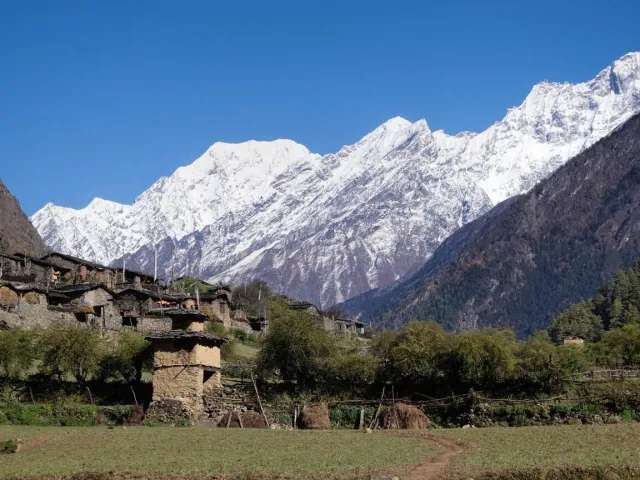
Tsum Valley trekking is a unique and adventurous journey in northern Nepal. Tsum Valley, also known as the "Hidden Valley," lies in the lap of the majestic Himalayas near the border of Tibet. The valley is surrounded by beautiful mountain ranges, including Ganesh Himal, Sringi Himal, and Boudha Himal. Tsum Valley trekking offers a chance to explore the region's rich culture, stunning scenery, and diverse flora.Tsum Valley Trekking is a beautiful journey through Nepal's remote, hidden Himalayan valleys. Located in the Manaslu region, Tsum Valley is one of Nepal's lesser-known trekking destinations. It is the perfect option for travellers seeking a unique and off-the-beaten-path experience.The first-day journey begins with a drive from Kathmandu to Machhakhola, where you will start your hike. The trail takes you through beautiful landscapes, including lush green forests, cascading waterfalls, and terraced rice and maize fields. As you trek higher, you'll be greeted with stunning views of the snow-capped Himalayas, including Manaslu, Ganesh Himal, and Sringi Himal.One unique aspect of Tsum Valley Trekking is the chance to experience the culture and lifestyle of the local people. The Tsumba people live in Tsum Valley and have their own language. Distinct culture and traditions. They are known for their hospitality and warm welcomes, and you'll have the chance to interact with them during your trek. The area is filled with old monasteries and Chortens, including the Milarepa's cave, a famous pilgrimage site for Buddhists.The trek passes many small villages and settlements, offering a glimpse into the daily lives of local people. Accommodation in Tsum Valley is mostly tea houses, which offer basic amenities and a warm bed to rest after a long day of trekking. The food in the tea houses is also a highlight, with local Nepali cuisine and traditional Tibetan dishes on the menu.The Tsum Valley Trek is moderately strenuous, so you should have a reasonable level of fitness and endurance. The walk reaches a maximum altitude of 4,020 meters at Mu Gompa, and it's important to acclimatise properly to prevent altitude sickness.In conclusion, Tsum Valley Trekking is a unique and rewarding experience for travellers looking to explore the beauty and culture of Nepal's remote Himalayan region. The amazing landscapes, rich culture, and warm hospitality of the locals make Tsum Valley Trekking an unforgettable journey.Tsum Valley Trek Itinerary:Start an 11-day trip to tour the Tsum Valley. Start with sightseeing in Kathmandu Valley and proceed to trek to villages, Hot springs, and Lokpa . Explore the upper part of the Tsum Valley, with ancient Monasteries and spectacular views of the Himalayas. Lastly, return to the starting point and descend to Kathmandu with beautiful memories of this cultural trek.Tsum Valley Trekking Distance: The Lower Manaslu trek is ideal for beginners, covering a moderate distance of 70 to 100 kilometres (43 to 62 miles), depending on the route chosen. Each day's hike is manageable, allowing trekkers to fully enjoy the breathtaking scenery and rich culture of the Manaslu region.Tsum Valley Trekking Route:Tsum Valley Trek is a moderate 11-day trek that takes clients to the culturally isolated Tsum Valley in the Manaslu region. Travel by jeep to Soti Khola, on the banks of the Budhi Gandaki River. Starting with valley and river-view tracks and then crossing the river, the trek takes you to Jagat, with a stop at the hot baths in Tatopani for muscle aches. For the next few days, walk through villages and paddy fields; Lokpa is the starting point to Tsum Valley. Here, your step-by-step exploration of the Upper Tsum Valley begins. Travellers can also visit the monasteries of Rachen Gompa, Mu Gompa, and Dephyudonma Gompa, and see the startling views of Ganesh Himal, Boudha Himal, and Himal Chuli. Last but not least, you will retrace your steps back to Macha Khola and feel the Infrastructure and geometry of the landscape reversed then return to the jeep to Kathmandu.Tsum Valley trek high and altitudeThe highest trekking elevation on the Tsum Valley Trek is around 3,700 meters (12,139 feet) at Mu Gompa, the highest monastery in the Tsum Valley. Important places along the route include Jagat at about 1,410 m, Lokpa at 2,240 m, Chumling at 2,386 m, Chhokangparo at 3,031 m, Nile at 3,361 m, and Mu Gompa at 3,700 m. The gradual elevation gain makes acclimatisation an important part of the trek. Tsum Valley Trek Height and AltitudeThe Tsum Valley Trek is a beautiful Himalayan journey in the northern Gorkha district of Nepal, known forBecause the Tsum Valley Trek reaches above 3,000 meters, trekkers should walk at a comfortable pace, stay hydrated, eat well, and allow enough time for acclimatisation. The trail passes through green forests, steep mountain valleys, traditional Tibetan-style villages, Buddhist monasteries, mani walls, and high Himalayan landscapes, making the altitude change an important part of the overall trekking experience.Major Villages of Tsum Valley Trek The Tsum Valley Trek passes through several beautiful Himalayan villages that reflect the ancient Tibetan Buddhist culture and traditional lifestyle of the people of northern Gorkha. Green forests, steep mountain valleys, high Himalayan peaks, monasteries, chortens, mani walls, and terraced fields surround the villages. Each settlement has its own character and offers a chance to experience the Tsum Valley's peaceful rural life. Major Villages on the Tsum Valley Trek Jagat – 1,410 m: The main gateway to the Tsum Valley and Manaslu region, with traditional stone houses and narrow mountain trails.Philim – 1,590 m: A beautiful Gurung settlement surrounded by forests and terraced farmland, located along the Budhi Gandaki River.Lokpa – 2,240 m: The first major village after entering the Tsum Valley, known for its peaceful surroundings and impressive mountain scenery.Chumling – 2,386 m: A traditional Tsumba village with stone houses, Buddhist prayer flags, and views toward Ganesh Himal.Chhokangparo – 3,031 m: A group of traditional villages in the upper Tsum Valley, known for Tibetan Buddhist culture, monasteries, and spectacular Himalayan views.Nile – 3,361 m: One of the highest permanent settlements in Tsum Valley, situated near the Shiar Khola and surrounded by dramatic mountain landscapes.Mu Gompa – 3,700 m: The highest major settlement and home to the famous Mu Gompa monastery. A cultural and spiritual highlight of the Tsum Valley Trek.Chumje – 3,238 m: A scenic mountain settlement surrounded by forests, traditional houses, and Buddhist cultural sites.Dumje – around 2,400 m: A small traditional settlement offering a quieter experience of local Himalayan life and mountain landscapes.Together, these villages make the Tsum Valley Trek a unique combination of Himalayan scenery, Tibetan Buddhist culture, traditional villages, monasteries, and local hospitality. 03,Best Viewpoints on the Tsum Valley Trek The Tsum Valley Trek offers beautiful Himalayan viewpoints throughout the journey, from the lower Budhi Gandaki Valley to the high mountain landscapes around Nile and Mu Gompa. Unlike treks that focus on a single famous viewpoint, Tsum Valley provides a combination of mountain panoramas, deep river valleys, traditional villages, monasteries, forests, and dramatic Himalayan scenery. Along the trail, trekkers can enjoy views of Ganesh Himal, Himalchuli, Manaslu, Buddha Himal, Sringi Himal, and other surrounding peaks. Sunrise and morning hours generally provide the clearest mountain views, while the changing landscapes make the entire route scenic. Major Viewpoints on the Tsum Valley Trek Jagat Viewpoint: Enjoy views of the steep Budhi Gandaki Valley, green hills, waterfalls, and surrounding mountains.Philim Viewpoint: A scenic location overlooking terraced hills, forests, the Budhi Gandaki River, and nearby mountain landscapes.Lokpa Viewpoint: The trail around Lokpa provides beautiful views of deep Himalayan valleys, forests, and surrounding peaks.Chumling Viewpoint: One of the attractive viewpoints in lower Tsum Valley, offering views toward Ganesh Himal and the surrounding Himalayan landscape.Chhokangparo Viewpoint: Enjoy panoramic views of traditional Tsumba villages, green hills, and snow-covered mountains.Nile Viewpoint: The area around Nile provides impressive views of the high Tsum Valley, Ganesh Himal, Sringi Himal, and surrounding peaks.Mu Gompa Viewpoint: Located around 3,700 m, Mu Gompa is one of the trek's highest points and offers dramatic views of the surrounding high Himalayan terrain.Shiar Khola Valley: Several sections of the trail provide beautiful views of the river valley, cliffs, forests, and high mountains.Ganesh Himal Views: Different sections of the Tsum Valley trail offer impressive views of the Ganesh Himal range, especially around Chumling and higher villages.Manaslu and Himalchuli Views: On clear days, trekkers can see parts of the Manaslu and Himalchuli ranges from different sections of the route.The combination of mountain viewpoints, traditional villages, Buddhist monasteries, deep valleys, forests, and peaceful Himalayan landscapes makes the Tsum Valley Trek a rewarding experience for travellers seeking both natural beauty and Tibetan Buddhist culture. 04,Accommodation for the Tsum Valley Trek Accommodation on the Tsum Valley Trek is mainly provided in local teahouses, lodges, and simple guesthouses along the trekking route. Because the Tsum Valley is a remote, less-developed Himalayan region, accommodation is more basic than in popular trekking areas such as Everest and Annapurna. Most teahouses provide clean rooms with simple beds, mattresses, blankets, and shared toilets. Staying in local lodges also gives trekkers a chance to experience the traditional lifestyle and warm hospitality of local communities.In lower villages such as Jagat, Philim, and Lokpa, trekkers can find relatively comfortable teahouses and guesthouses. As the trail climbs higher toward Chumling, Chhokangparo, Nile, and Mu Gompa, accommodation becomes simpler, with fewer facilities and limited room availability. During the busy trekking seasons, especially spring and autumn, it is advisable to arrange accommodation in advance, particularly for larger groups. Accommodation Facilities on the Tsum Valley TrekLocal teahouses and guesthouses are the main accommodation along the route.Twin-sharing rooms are commonly available.Rooms generally have simple beds, mattresses, pillows, and blankets.Shared bathrooms and toilets are common, especially at higher elevations.Some villages offer hot showers for an additional charge.Dining rooms provide a warm place to eat, rest, and socialise.Meals commonly include dal bhat, noodles, rice, pasta, soup, Tibetan bread, vegetables, and other simple local dishes.Electricity and charging facilities may be available in some villages, but services can be limited at higher elevations.Wi-Fi and mobile network coverage are limited and can be unreliable in remote sections.At Mu Gompa and other high-altitude areas, accommodation is particularly basic and limited.Trekkers should carry a sleeping bag because rooms may be cold at night and blankets may not always be sufficient.Staying in local teahouses supports community-based tourism and local livelihoods.Simple accommodation is an important part of the Tsum Valley trekking experience, allowing travellers to stay close to local communities while enjoying the peaceful Himalayan environment, traditional villages, and ancient Buddhist culture. 05,Available Food on the Tsum Valley Trek Along the Tsum Valley Trek, food is mainly obtained at local teahouses, lodges and homestays situated on the route. Since Tsum Valley is in a remote part of the Himalayas, the variety of food is greater than that found on popular trekking routes such as Everest Base Camp and Annapurna. The majority of the meals make use of ingredients that are available in the area and rely on traditional methods of cooking. Trekkers usually select dal bhat, noodles, Tibetan bread, potatoes, vegetables, soups and Tibetan-style dishes. By staying and eating at local teahouses, trekkers also get the opportunity to taste the traditional food and enjoy the hospitality of the Tsumba communities. Food Available on the Tsum Valley Trek Dal Bhat consists of rice, lentil soup, vegetables, curry, and pickles and is a satisfying and popular meal for trekkers.At teahouses you can usually find vegetable, egg, or mixed noodles.Thukpa is a kind of warm noodle soup in the Tibetan style, and it is particularly pleasant to eat in the colder mountain regions.Tibetan Bread is a traditional type of bread which is usually eaten for breakfast together with tea, honey, jam, or eggs.Momos are steamed dumplings of Tibetan origin, the fillings typically being vegetables when they are available.Potatoes can be served in the form of boiled, fried potatoes or together with vegetables if they are locally grown.Vegetable curry is usually served with rice or with other native dishes.Fried rice is a simple meal which is made with rice and either vegetables or eggs depending on what is available.In terms of soups, a great many teahouses provide warm vegetable, noodle, or garlic soups.Porridge is a simple choice for a breakfast that gives you energy before starting a day's trekking.Eggs are available boiled, fried, scrambled or used to make an omelette at many lodges.Pancakes are generally to be found in some teahouses, especially in smaller and more substantial villages.Dal or lentil soup is a nutritious side dish to go with rice and vegetables.Snacks such as biscuits, chocolate, cookies, nuts, and other ready-made snacks can be found, but the variety decreases in the more elevated villages.Tea, milk tea, black tea, coffee, hot lemon juice, ginger tea, and hot water are generally available.In local homes and teahouses you can find traditional foods that have been influenced by the Tibetan Buddhist culture of the Tsum Valley. Food at Higher Elevations When the Tsum Valley Trek reaches Nile and Mu Gompa, the variety of food decreases since the area is isolated and it is difficult to transport supplies. The meals are usually simple, warm, and satisfying. Trekkers should take with them some of their own snacks, for example energy bars, nuts, chocolate or dried fruit, so as to have extra energy while on the trek.Should you have any dietary needs such as being vegetarian, vegan, gluten-free, or otherwise, it is important that you let your trekking company know before the trek takes place. Nowadays, the local teahouses are generally able to prepare appropriate meals provided that you make your requirements known in advance. 06,Best Time to Trek in Tsum Valley The best time to trek in Tsum Valley is during spring (March to May) and autumn (September to November). These seasons generally offer stable weather, clear mountain views, comfortable daytime temperatures, and better trail conditions. Spring brings colourful rhododendron flowers and fresh green landscapes, while autumn offers clear skies and excellent views of Ganesh Himal, Manaslu, Siring Himal, and the surrounding mountains. October and November are particularly popular for trekking because of the dry weather and good visibility. Best Seasons for the Tsum Valley Trek Spring – March to May: One of the best seasons for the Tsum Valley Trek. The weather is generally mild, mountain views are clear, and rhododendron forests are colourful.March: Cool mornings and evenings with improving weather. Lower elevations warm up, and flowers start to appear.April: Pleasant trekking temperatures, clear mountain views, and colourful rhododendron forests make April an excellent month for the trek.May: Generally warm at lower elevations with good trekking conditions, although clouds and occasional rain may increase toward the end of the month.Autumn – September to November: Another excellent trekking season, with generally dry weather, clear skies, and excellent Himalayan visibility.September: The monsoon usually begins to retreat, bringing greener landscapes and gradually improving mountain views.October: Usually one of the most favourable months, with stable weather, clear skies, and excellent views of the Himalayan peaks.November: Cool and mostly dry, with clear mountain views. Nights become colder, particularly at higher elevations.Winter – December to February: The trek is possible for experienced trekkers, but temperatures can drop significantly at higher elevations. Snow may affect the upper sections, and some teahouses may have limited services.Monsoon – June to August: This is generally a less favourable period because of frequent rainfall, cloudy mountain views, slippery trails, and possible landslides on lower sections of the route.Recommended MonthsFor the best overall experience, March, April, May, October, and November are generally suitable months for the Tsum Valley Trek. October and November are especially popular for clear Himalayan scenery, while spring offers blooming rhododendrons and fresh mountain landscapes.Weather can change quickly in the Himalayas, so the exact trekking conditions depend on the year, altitude, and local weather. A flexible itinerary and appropriate clothing are recommended for all seasons. 8, A Typical Day on the Tsum Valley Trek A typical day on the Tsum Valley Trek starts with an early breakfast at a local teahouse or lodge. Most trekking days begin around 7:00 AM, though an earlier start may be needed if the section is longer or more difficult. After breakfast, the trek passes through traditional villages, forests, terraced fields, Buddhist monasteries, and beautiful Himalayan scenery. The walking pace is comfortable, with frequent short breaks so you can enjoy the views, take photographs, and meet local people.You typically walk 5 to 6 hours a day, depending on the route, altitude, and trail conditions. The trail passes through rivers, suspension bridges, pine and rhododendron forests, rocky mountain paths, and traditional Tsumba villages. Lunch is generally at a teahouse or lodge along the trail, and then the trek continues at a slow pace toward the village where you will spend the night.Usually in the afternoon, you will arrive at your destination between 3:00 and 5:00 PM. After checking into the teahouse, you can rest, explore the village, visit a nearby monastery, or enjoy the mountain scenery. Dinner is typically served around 6:30 to 7:00 PM, after which you can relax with your guide and the other trekkers. At higher elevations, it is advisable to go to bed early to acclimatise and prepare for the next day’s trek.Typical Daily Schedule on the Tsum Valley TrekFrom 6:30 to 7:00 a.m., wake up and get ready for the day.At 7:00 a.m., have breakfast at the teahouse or lodge.7:30–8:00 AM: Begin trekking.From 10:00 to 10:30 AM, take a short rest and a photography break.From 12:00 to 1:00 PM, have lunch at a local teahouse.From 1:00 to 1:30 PM, continue toward the village where you will spend the night.From 3:00 to 5:00 PM, arrive at the day’s destination and check in at the lodge.In the afternoon, rest, explore the village, visit the monasteries, or enjoy the mountain views.6:30–7:00 PM: Dinner.From 7:30 PM onwards, relax, get ready for the next day, and rest.What makes a typical day special?Passing through traditional Tsumba villages.Taking part in Tibetan Buddhist culture and local traditions.Visiting ancient monasteries, chortens, and mani walls.Enjoying views of Ganesh Himal, Manaslu, Sringi Himal, and other surrounding peaks.Passing through forests of pines, rhododendrons, and Himalayan trees.Crossing mountain suspension bridges and rivers.Enjoying simple, fresh meals at local teahouses.Meeting local people and enjoying friendly Himalayan hospitality.Proceeding at a comfortable pace and taking regular rest breaks.Spend peaceful evenings in traditional mountain villages. 9, Permits for the Tsum Valley Trek The Tsum Valley Trek requires a Restricted Area Permit (RAP) because Tsum Valley is a protected, restricted trekking area in northern Gorkha. Trekkers must obtain the required permits before entering the valley's restricted section. In addition to the Tsum Valley Restricted Area Permit, trekkers normally need the Manaslu Conservation Area Permit (MCAP) because the route passes through the Manaslu Conservation Area. Permit requirements and fees can vary by season and current government regulations.Required Permits for the Tsum Valley TrekTsum Valley Restricted Area Permit (RAP): Required for entering the restricted Tsum Valley area. The fee varies by trekking season and the number of days spent inside the restricted area.Manaslu Conservation Area Permit (MCAP): Required because the Tsum Valley trekking route lies within the Manaslu Conservation Area.TIMS Card: The requirement for a Trekkers' Information Management System (TIMS) card depends on current rules and your trekking arrangement. Your trekking agency can confirm the latest requirement before departure.Tsum Valley Permit: An authorised trekking agency must arrange the restricted-area permit, and independent trekking is not permitted in the restricted area.Important Permit InformationA licensed trekking agency should arrange the restricted-area permits.Trekkers should carry their valid passport and required photographs when arranging permits.Permit details must match the trekker's passport information.The restricted-area permit is generally issued for a specific period and trekking route.Permit fees can change according to season and government regulations.Keep your permits and passport handy during the trek, as they may be checked at designated checkpoints.Your guide or trekking agency should handle the permit process and explain the current requirements before the trek.For the Tsum Valley Trek, arranging the correct permits in advance is important for a smooth and legal trekking experience. Asiana Treks and Tours can arrange the required permits and coordinate the documentation before you enter the Tsum Valley. 10,Acclimatisation During the Tsum Valley Trek Acclimatisation is an important part of the Tsum Valley Trek because the trail gradually climbs from the lower Budhi Gandaki Valley to elevations above 3,000 meters. Proper acclimatisation gives your body time to adjust to the lower oxygen levels at higher altitudes and can make the trek more comfortable. A well-planned itinerary includes gradual elevation gains, comfortable walking days, and suitable rest periods, especially before reaching the higher villages of Chhokangparo, Nile, and Mu Gompa.During the trek, walk slowly and maintain a steady pace rather than trying to reach the destination quickly. Drink plenty of water, eat regular meals, and get enough sleep each night. Your guide should monitor how you feel, especially after gaining significant altitude. If you develop symptoms such as a persistent headache, unusual tiredness, dizziness, nausea, or difficulty breathing, tell your guide immediately and do not continue climbing until you have been assessed.Acclimatisation Tips for the Tsum Valley TrekAscend gradually: Avoid gaining altitude too quickly and follow the planned itinerary.Rest when needed: Give your body enough time to adjust to higher elevations.Walk at a comfortable pace: Slow and steady walking is better than rushing.Stay hydrated: Drink water regularly throughout the trekking day.Eat properly: Have regular, nutritious meals to maintain energy.Get enough sleep: A good night's rest helps your body recover after each day of trekking.Avoid alcohol: Alcohol can contribute to dehydration and may make altitude-related problems harder to manage.Listen to your body: Inform your guide if you feel unwell or notice unusual symptoms.Do not ignore symptoms: Take headache, nausea, dizziness, unusual weakness, or breathing problems seriously.Be flexible: If necessary, your guide may recommend resting, stopping the ascent, or descending to a lower altitude.Carry essential medication: Bring any regular medicines you need and discuss altitude concerns with a healthcare professional before the trek.Follow your guide's advice: Experienced local guides can monitor your progress and help manage the itinerary safely.Acclimatisation on the Higher SectionsThe higher sections around Nile and Mu Gompa (about 3,700 m) require particular attention to altitude. The gradual approach through the Tsum Valley allows trekkers to gain elevation step by step while experiencing different landscapes and villages. Good preparation, a sensible pace, adequate hydration, and a flexible itinerary can help make the Tsum Valley Trek safer and more enjoyable. 11, Tsum Valley Trek Difficulty and Physical Fitness The Tsum Valley Trek is generally considered a moderate trek suitable for travellers with a reasonable level of fitness and some prior hiking experience. The trail follows mountain paths through forests, traditional villages, suspension bridges, rocky sections, and uneven terrain. Some days involve several hours of walking, while the increasing altitude makes the higher sections more demanding. The highest point is around Mu Gompa at 3,700 meters (12,139 feet), so gradual acclimatisation is important.You do not need technical climbing skills or mountaineering experience for the Tsum Valley Trek. However, you should be comfortable walking for approximately 5–7 hours a day on consecutive days. Regular walking, hiking, stair climbing, or other aerobic activities before the trek can help improve endurance. Strong legs and good balance help you navigate uphill and downhill sections, especially on rocky, uneven trails.Physical Fitness Required for the Tsum Valley TrekGood general fitness: You should be able to walk for several hours each day.Walking endurance: Most trekking days involve around 5–7 hours of walking, depending on the route.Leg strength: Useful for continuous uphill and downhill sections.Stamina: Helps you manage several consecutive trekking days.Balance and stability: Important on rocky, uneven, and narrow mountain trails.Altitude awareness: The route climbs above 3,000 meters, so gradual acclimatisation is important.Hiking practice: Regular walking or hiking before the trek can help prepare your body.Comfort with stairs: Training on stairs can help, since sections of the trail include many stone steps.Mental preparation: Patience and a positive attitude are helpful on long trekking days.Proper rest: Adequate sleep and regular breaks help maintain energy during the trek.Is the Tsum Valley Trek Suitable for Beginners?The Tsum Valley Trek can suit fit beginners who are comfortable with long-distance walking and have enough time for gradual acclimatisation. Previous high-altitude trekking experience helps but isn't essential. A well-planned itinerary, experienced guide, suitable pace, and proper preparation can make the trek more manageable.People with existing medical conditions, especially those that could be affected by altitude or strenuous exercise, should discuss their trekking plans with a qualified healthcare professional before departure. During the trek, always inform your guide if you feel unwell, particularly at higher elevations. 12, Cultural Insights of the Tsum Valley Trek: The Tsum Valley Trek is not only a Himalayan trekking adventure but also a journey into the ancient Tsumba culture and Tibetan Buddhist traditions of northern Gorkha. The valley has a distinctive cultural heritage shaped by its close connection with Tibet. As you walk through traditional villages, you can see stone houses, Buddhist prayer flags, chortens, mani walls, prayer wheels, and ancient monasteries. The peaceful surroundings and traditional lifestyle make Tsum Valley one of Nepal's most culturally rich trekking destinations.The villages of Chumling, Chhokangparo, Nile, and Mu Gompa provide opportunities to experience local customs and Himalayan hospitality. Buddhism is deeply connected with everyday life in the valley, and monasteries and religious sites are important parts of the local community. Mu Gompa, Rachen Gompa, and other monasteries are among the trek's major cultural highlights. Trekkers should respect local religious practices, dress appropriately when visiting monasteries, and follow local customs. Major Cultural Highlights of the Tsum Valley TrekTsumba Culture: Experience the unique culture, traditions, and lifestyle of the Tsum Valley people.Tibetan Buddhist Heritage: Discover the strong influence of Tibetan Buddhism throughout the valley.Ancient Monasteries: Visit important religious sites including Mu Gompa and Rachen Gompa.Traditional Villages: Walk through villages with traditional stone houses and narrow mountain paths.Mani Walls: See long stone walls carved with Buddhist prayers and sacred inscriptions.Prayer Wheels: Colourful prayer wheels line trails, monasteries, and village entrances.Chortens and Stupas: Buddhist monuments are an important part of the cultural landscape.Prayer Flags: Colourful flags carrying Buddhist prayers appear throughout the valley.Local Hospitality: Stay in local teahouses or homestays and experience traditional Himalayan hospitality.Traditional Lifestyle: Observe farming, animal husbandry, and everyday village activities.Festivals and Traditions: Depending on your travel dates, you may have an opportunity to see local Buddhist festivals and ceremonies.Traditional Food: Taste simple local dishes influenced by the Himalayan and Tibetan culinary traditions.Respect for Religion: Visitors should walk around religious monuments in the appropriate direction and avoid disturbing religious ceremonies.Peaceful Mountain Communities: Experience a slower pace of life in remote Himalayan villages away from busy tourist centres.Why Culture Makes Tsum Valley SpecialThe combination of ancient Buddhist heritage, Tsumba traditions, traditional villages, monasteries, mountain landscapes, and local hospitality makes the Tsum Valley Trek different from many other trekking routes in Nepal. The journey offers travellers an opportunity to experience not only the natural beauty of the Himalayas but also the living culture and traditions of a remote mountain community. 13, Route and Alternatives for the Tsum Valley Trek The Tsum Valley Trek follows the spectacular Budhi Gandaki Valley in the Gorkha district before turning north toward the remote, culturally rich Tsum Valley. The journey usually begins with a drive from Kathmandu to Machha Khola or Jagat, then continues through Philim and Lokpa before entering Tsum Valley. The trail continues through traditional villages such as Chumling, Chhokangparo, Nile, and Mu Gompa, with opportunities to visit ancient Buddhist monasteries and enjoy views of the surrounding Himalayan peaks. After exploring the upper valley, the route generally retraces the trail back toward Lokpa and continues toward the Budhi Gandaki Valley.Main Tsum Valley Trek RouteKathmandu → Machha Khola: Scenic drive through rivers, hills, and rural settlements.Machha Khola → Jagat: Walk along the Budhi Gandaki River through forests, waterfalls, and mountain villages.Jagat → Philim: Continue through traditional villages and dramatic river valleys.Philim → Lokpa: Enter the Tsum Valley region through a quieter mountain trail.Lokpa → Chumling: Trek through forests with views toward Ganesh Himal.Chumling → Chhokangparo: Gradually climb through traditional Tsumba settlements and Himalayan landscapes.Chhokangparo → Nile: Continue toward the higher part of Tsum Valley.Nile → Mu Gompa: Visit one of the valley's highest and most important monasteries.Mu Gompa → Chhokangparo: Descend through the upper Tsum Valley.Chhokangparo → Lokpa: Retrace the trail toward the lower valley.Lokpa → Philim → Jagat: Continue back through the Budhi Gandaki Valley.Jagat → Machha Khola: Complete the trekking section and prepare for the return drive.Alternative Routes and ExtensionsTsum Valley and Manaslu Circuit: Combine the Tsum Valley Trek with the Manaslu Circuit Trek for a longer Himalayan adventure.Tsum Valley Short Trek: A shorter itinerary can focus on the main villages and cultural highlights of Tsum Valley.Tsum Valley with Mu Gompa: Extend the itinerary to spend more time exploring Mu Gompa and the upper valley.Tsum Valley Cultural Trek: Focus on monasteries, traditional villages, Buddhist heritage, and local community life.Tsum Valley and Larkya La: Combine Tsum Valley with the Larkya La Pass section of the Manaslu Circuit for a more challenging and comprehensive trek.Customised Tsum Valley Trek: The itinerary can be adjusted according to available time, walking ability, preferred trekking pace, and cultural interests.Choosing the Right Tsum Valley RouteThe best route depends on how much time you have and what you want to experience. A short Tsum Valley itinerary suits travellers mainly interested in the valley's culture and scenery, while combining Tsum Valley with the Manaslu Circuit offers a longer journey with greater variety in landscapes, villages, and high-altitude trekking. An experienced local guide can help select a suitable itinerary and arrange the necessary permits and accommodation. 14, Transportation During the Tsum Valley TrekThe Tsum Valley Trek is primarily a walking journey, as no regular road transportation connects the remote villages in the upper Tsum Valley. Transportation is mainly used at the beginning and end of the trek, while the main route inside the Tsum Valley is explored on foot. The journey usually involves a drive from Kathmandu to Machha Khola or Jagat, depending on the road and the selected itinerary. From the trekking starting point, travellers continue on foot through the Budhi Gandaki Valley and into the remote Tsum Valley.Transportation Options for the Tsum Valley TrekKathmandu to Machha Khola: Usually travelled by public bus, shared jeep, or private 4WD jeep.Kathmandu to Jagat: Depending on current road conditions, some itineraries can use a jeep toward Jagat.Machha Khola to Jagat: Local jeeps may operate when road conditions permit, although the availability can vary.Jagat to Tsum Valley: The main trekking route is completed on foot.Transportation inside Tsum Valley: Road access is very limited, so you'll reach villages and monasteries mainly on foot.Local Jeep Services: Jeeps may operate on some lower sections where roads have been built, but service is not always regular.Private Jeep: A private 4WD jeep provides greater flexibility and can be arranged for the Kathmandu–Machha Khola/Jagat journey.Public Transportation: Buses and shared jeeps can reduce transportation costs, although travel may take longer.Return Journey: After completing the trek, trekkers generally walk back toward the lower Budhi Gandaki Valley before continuing by jeep or bus to Kathmandu.Road Conditions: Mountain roads can be rough, narrow, and affected by rainfall, landslides, or seasonal conditions, so travel times can change.Why Walking Is the Main Transportation in Tsum ValleyLimited road access helps the Tsum Valley Trek retain its remote Himalayan character. Walking allows trekkers to experience traditional villages, forests, monasteries, suspension bridges, rivers, and mountain scenery at a relaxed pace. Transportation arrangements can be adjusted according to road conditions, weather, local vehicle availability, and the trekking itinerary.For a comfortable journey, Asiana Treks and Tours can arrange private or shared transportation for the road sections and provide an experienced guide for the walking sections of the Tsum 15,Extending Your Trip After the Tsum Valley Trek After completing the Tsum Valley Trek, you can extend your Nepal holiday with another trek, a cultural tour, a wildlife experience, or a relaxing trip. Tsum Valley is located in the Gorkha region, making it possible to combine your trekking adventure with other destinations in Nepal. Depending on your available time and interests, you can continue to the Manaslu Circuit, explore the Annapurna region, visit historic cities, or enjoy the natural beauty of Pokhara and Chitwan.Popular Trip Extensions After the Tsum Valley TrekManaslu Circuit Trek: Combine Tsum Valley with the Manaslu Circuit for a longer Himalayan journey through traditional villages, high mountain landscapes, and the Larkya La Pass.Manaslu Larkya Pass Trek: Continue your adventure toward Samagaon, Samdo, Dharmsala, Larkya Phedi, and Larkya La before descending toward Bhimtang and Dharapani.Annapurna Base Camp Trek: After returning from Tsum Valley, continue to the Annapurna region for a trek to the famous Annapurna Base Camp.Mardi Himal Trek: Enjoy a shorter Himalayan trek through rhododendron forests, traditional villages, and viewpoints overlooking Machhapuchhre and the Annapurna range.Poon Hill Trek: A shorter option for travellers who want spectacular sunrise and mountain views from Poon Hill without committing to a long high-altitude trek.Pokhara Tour: Relax beside Phewa Lake and explore popular attractions such as the World Peace Pagoda, Davis Falls, and nearby viewpoints.Chitwan Jungle Safari: Extend your Nepal holiday with a wildlife experience in Chitwan National Park, known for its forests, rivers, and diverse wildlife.Kathmandu Valley Cultural Tour: Explore UNESCO World Heritage sites, ancient temples, historic squares, and traditional neighbourhoods in Kathmandu Valley.Gorkha Tour: Visit Gorkha Bazaar and Gorkha Durbar to learn more about the Gorkha region's history and cultural heritage.Bandipur: Spend a relaxing few days in the historic hill town of Bandipur, known for traditional Newari architecture and mountain views.Customise Your Nepal TripYou can combine your Tsum Valley Trek with other destinations based on your time, interests, budget, and preferred travel style. Whether you want another Himalayan trek, a cultural experience, wildlife activities, or a few relaxing days in Pokhara, a customised itinerary allows you to make the most of your time in Nepal.Asiana Treks and Tours can arrange transportation, accommodation, guides, permits, sightseeing, and additional trekking programs to create a complete Nepal holiday after your Tsum Valley adventure. 16, Porter Weight Limit and Information for the Tsum Valley Trek Hiring a porter for the Tsum Valley Trek can make the journey more comfortable, especially because the route includes long walking days, uneven mountain trails, and increasing altitude. Porters carry the main trekking luggage while trekkers normally carry only a small daypack with essential personal items, water, snacks, and valuables. At Asiana Treks and Tours, we focus on fair working conditions and appropriate loads so our porters can work safely throughout the trek.Porter Weight Limit on the Tsum Valley TrekRecommended luggage weight: Around 15–20 kg per porter is a practical limit for a trekking porter.Shared porter: One porter can commonly carry the luggage of two trekkers, depending on the total weight.Individual porter: You can arrange a porter for one trekker if preferred.Daypack: Trekkers should carry a small daypack containing water, snacks, documents, a camera, valuables, and items needed during the day.Duffel bag: The porter normally carries the main luggage in a durable trekking duffel bag.Weight distribution: Pack and distribute the load properly to make carrying it safer and more comfortable.Essential items: Keep passports, money, electronics, medicines, and other valuables in your personal daypack.Extra luggage: You can usually store unnecessary luggage safely in Kathmandu or another suitable location before the trek.Porter Support on the Tsum Valley TrekThe Tsum Valley is a remote Himalayan region where porters play an important role in transporting trekking equipment and luggage. They carry duffel bags along the trail, allowing trekkers to focus on walking, enjoying the scenery, and experiencing local culture.Responsible Porter PracticeWe believe porters should be treated with respect, fair wages, suitable equipment, adequate clothing, and reasonable workloads. They should manage weight responsibly, especially on higher and more demanding sections of the Tsum Valley Trek. Supporting responsible porter practices also contributes to the local communities and livelihoods connected with trekking tourism.For a comfortable Tsum Valley Trek, we recommend packing light and keeping your main trekking luggage within the agreed porter weight limit. Asiana Treks and Tours can arrange porters and explain the luggage allowance before your trek begins. Accommodation:Lower Manaslu offers a unique lodging experience steeped in local tradition. Accommodation primarily consists of guesthouses and teahouses operated by resident families. These establishments provide a more basic yet comfortable environment compared to typical hotels. Shared rooms and dormitories are the norm, though some guesthouses may offer a limited number of private rooms. Meals, often featuring delicious home-cooked fare, are frequently included with your stay. The guesthouses and teahouses are strategically situated along the trekking routes, allowing you to rest comfortably and appreciate the breathtaking Himalayan vistas.Meals during the trip:The Manaslu Larke Pass trek provides hearty meals to fuel your adventure. Tea houses along the route offer a delicious mix of local Nepali dishes like dal bhat (lentils and rice), curries, dumplings, and noodles. Western options are also available, though choices become more basic at higher altitudes. Stay hydrated with plenty of fluids like green tea, lemon tea, and hot soups, especially as you gain elevation. While you can find some non-vegetarian options, it's best to stick with cooked vegetables and consider avoiding dairy, alcohol, and caffeine for optimal digestion during the trek.Drinking water:Staying hydrated on the Manaslu Larke Pass trek is important, but bottled water can be scarce and expensive. Instead, plan to refill your water bottle at teahouses along the way, where treated or boiled water is usually available. To ensure safe drinking water even in remote areas, consider bringing a water filter or purification tablets. Remember, you'll lose electrolytes through sweat, so adding tablets or powder to your water can help keep you energized and prevent dehydration.Extra Personal Expenses:Your Trip covers most expenses during the Trek; you'll need to spend money on extra accommodations and meals in Kathmandu, souvenirs, and beverages. We estimate about USD 15-25 per trekking day for miscellaneous expenses. However, personal expenses depend on your Income, habits, and style.Toilet Facilities in Manasalu Larke Pass Trekking:Most teahouses have Western-style flush toilets during mountain treks, especially at lower elevations. But as you go higher, find simple squat toilets along the trails and teahouses at higher altitudes. These toilets usually have water or toilet paper, but it's a good idea to bring your toilet paper just in case. You can also use restrooms at nearby teahouses or find a private spot along the trekking routes.Internet Connectivity:While trekking in the Himalayan region of Nepal, connecting with your family and friends is also a good idea. You can find internet access at teahouses and lodges, but it might be extra minimal cost. The signal might be weak because of the remote location. You can also get internet access using a local SIM card and data packages available at Kathmandu airport or nearby shops in Thamel and Pokhara. You'll have a passport-sized photo and a copy of your passport to get a SIM card. It's a good idea to compare prices and data packages from telecom companies like Ncell and Nepal Telecom before buying. Knowing about teahouse connectivity. Our guide will suggest connections for you. Electricity voltage and plugs:However, 95 % of Nepali people have access to electricity as of May 29, 2023. almost popular trekking routes, teahouses, and lodges have electricity. However, some isolated and solo trekking tea houses in the jungle don't have electricity; most tea houses let travelers charge for their devices for a small fee. The average electrical voltage in Nepal is 230 volts, with plug types like Type C, Type D, and Type M. Travellers should bring a suitable adapter and, if needed, a voltage converter for their electronic devices.Communication:The guest houses in the trekking regions have internet access. You could buy a SIM card at Tribhuvan International Airport Kathmandu and Namche. However, the signal may need to be more assertive at high altitudes. Our office keeps in touch with all trekking teams via the trek guide at least once daily to ensure everything goes as planned.Trip Extension:Suppose you have extra days in Nepal after the Trek. In that case, we can arrange a tour, overnight stay at Nagarkot Balthali or any other place around Kathmandu and Chitwan, jungle safari, paragliding, rafting, canyoning, or other treks. Do not hesitate to Inform us. We will create the best for you.Trek Difficulty:The Manaslu Larke Pass trek is an epic journey that demands both physical and mental fortitude. While not a technical climb, it's a strenuous adventure spanning 14 days and covering over 177 kilometers. Daily hikes range from 5 to 7 hours, requiring sustained effort and endurance. The true challenge lies in the altitude. Reaching a staggering 5,106 meters (16,751 feet) at Larkya La Pass, proper acclimatization is crucial to avoid altitude sickness. The terrain throws diverse landscapes your way, from verdant valleys and forests to challenging climbs and potentially icy trails at higher elevations. Be prepared for uneven ground and slippery sections.This trek is best suited for experienced trekkers in good physical condition, comfortable with high altitudes and long days on the trail. With proper training, a focus on acclimatization, and a positive mindset, the Manaslu Larke Pass trek promises an unforgettable and rewarding experience.Trip Safety:We highly give top priority. We provide experienced guides with first aid kits and necessary safety gear to ensure a safe hand. Our team monitors weather and trail conditions and takes precautions to avoid risks. Before starting the Trek, we discuss the trip to provide a clear understanding and ensure a reliable experience.Group & Private Treks:We organize many group and private treks simultaneously, with discounts available for larger groups. Every group will have a trekking guide and porters. Regarding larger groups, we provide an assistant guide. Our team ensures a safe and enjoyable trekking experience for all participants.About solo traveler:If you're a solo traveler, please get in touch with us to confirm departure dates before booking. You can tell us via call, WhatsApp, or email. We have listed upcoming departure dates for your convenience. Feel free to share the trip details with friends and family.Notes: Please be aware that the itinerary may change due to weather or other factors, and we'll adjust it accordingly for the group's safety and enjoyment. We look forward to guiding you through the stunning landscapes of the Annapurna region and ensuring a memorable trekking experience.Responsible Travel:We prioritize responsible travel to minimize environmental impact and support local communities. We collaborate with organizations like the Kathmandu Environmental Education Project (KEEP) to promote eco-friendly practices in trekking regions.Gratitude:Graduate or tipping is appreciated in Nepali culture and reflects the quality of service provided. You decide how much to tip, but we recommend tipping as a group at the end of the trip.End of Trek:The Manaslu Larke Pass trek is a 14-day adventure that will test your limits and leave you breathless. You'll trek through diverse landscapes, conquer the challenging Larkya La Pass at a staggering 5,106 meters, and immerse yourself in the rich culture of the Manaslu region. After your triumphant return to Pokhara, you can choose between a scenic bus ride or a quicker flight back to Kathmandu, where a celebratory farewell dinner awaits.Departure:On the day of your departure flight, we'll come to pick you up from your hotel and transfer you to Tribhuvan International Airport. We hope you enjoyed the Nepal trek and will consider returning for more adventures in Nepal.Feedback:After you complete the Manaslu Larke Pass Trek, we'll organize a farewell dinner in Kathmandu and present you with a trekking achievement certificate. After the dinner, you can provide feedback about the Trek on travel portals.Last-Minute Booking:If you can't book in advance, we offer last-minute bookings. Last-minute booking offers are available but may cost slightly more than regular departure dates. Those opting for last-minute bookings must pay an additional 7% of the total trip cost on our website. While we strive to make last-minute requests, we try our best to accommodate according to your last-minute booking holiday.Special Note: Please remember that sometimes unforeseen circumstances, such as inclement weather or unavailable lodging, may cause the schedule to be changed. Your trip guide will design a fresh schedule based on the group's interests in such circumstances.
The Lower Manaslu Trek is a scenic, culturally rich short trek in Nepal's Gorkha district, ideal for travellers who want to experience Himalayan villages, local traditions, and beautiful mountain landscapes without spending many weeks at high altitude. This trek takes you through traditional Gurung villages, peaceful forests, terraced green hills, and historic settlements, offering an authentic experience of rural Nepal in Gorkha district, home to the brave Gorkha. The route is especially known for its welcoming communities, homestay experiences, and opportunities to learn about the everyday lifestyle, culture, and traditions of people living around the lower Manaslu region.The journey begins with a scenic drive from Kathmandu toward Gorkha and Barpak, passing rivers, green hills, terraced farmland, and mountain landscapes along the way. Gorkha has an important place in Nepal's history and is closely associated with the unification of modern Nepal under King Prithvi Narayan Shah. Barpak is a major village on the route, known for its attractive stone houses, mountain surroundings, local culture, and views toward the Manaslu range. The trail continues through Larpak, another traditional Gurung settlement where travellers can experience local hospitality and village life. Depending on the itinerary, places such as Sita Cave, Sirandanda, and Deurali add cultural and natural interest to the journey.The Lower Manaslu Trek combines mountain scenery with cultural exploration and village tourism. From viewpoints such as Dharche Danda, Sirandanda, and Nambai Kharka, trekkers can enjoy views of Manaslu, Ganesh Himal, Buddha Himal, and surrounding Himalayan peaks. The trail passes through forests, meadows, traditional villages, and peaceful landscapes, making it ideal for travellers seeking a moderate Himalayan adventure. With homestay accommodation and close interaction with local communities, the Lower Manaslu Trek offers an opportunity to experience Gurung culture, local traditions, rural life, history, and the natural beauty of Gorkha on a memorable journey.Lower Manaslu Trek Itinerary:The Lower Manaslu trek unfolds over eight days, starting in Kathmandu. You'll trek through charming villages like Sirandanda and Barpak, with stunning mountain views. You'll spend the days traversing diverse landscapes, from lush forests to the scenic meadows of Nambai Kharka. The highlight is the climb to Dharche Danda for breathtaking Himalayan panoramas. The trek concludes in Deuralli, followed by a scenic drive back to Kathmandu.Lower Manaslu Trekking Distance: The Lower Manaslu trek offers a moderate distance, making it perfect for those new to trekking. The total distance varies by route, but most itineraries range from 70 to 100 kilometres (43 to 62 miles). Each day's hike is typically manageable, allowing you to savour the stunning scenery and unique culture of the Manaslu region.Lower Manaslu Trekking Route:The Lower Manaslu trek winds through the foothills of the Manaslu massif, offering stunning scenery without the high altitudes of the full Manaslu Circuit. This trek is ideal for first-time trekkers. Starting in the lower-altitude town of Barpak, you'll gradually gain elevation as you trek through charming villages nestled amidst rice terraces and lush forests. Each day's hike takes you to a new village, like Sirandanda or Barpak, where you can soak in the local culture and breathtaking mountain views. The pace is gentle, allowing you to truly appreciate the beauty of the Manaslu region before returning to a lower elevation for your departure.Lower Manaslu trekking price:Asiana Trek and Tour offers a fantastic opportunity to experience the beauty of the Himalayas at a competitive price. The Lower Manaslu trek is known for being budget-friendly compared to high-altitude treks in the region. Prices vary depending on your group size, chosen itinerary length, and accommodation type. Generally, you can expect costs to range from USD $770 to $857 per person.Lower Manaslu trekking Height:The Lower Manaslu trek keeps you in a comfortable altitude range, perfect for acclimatisation and enjoying the Himalayas without battling extreme heights. Unlike the full Manaslu Circuit, which rockets past 5,000 meters, the Lower Manaslu explores the foothills, with most of the journey between 1,500 and 3,500 meters (4,900 and 11,500 feet) above sea level. You'll start at a lower elevation village like Arughat (around 700 meters) and gradually climb, stopping at charming villages like Sirandanda (around 2,000 meters) and Barpak (around 2,300 meters) where you can soak in the mountain views. The highest point you'll likely reach is Dharche Danda, at a challenging but rewarding 3,500 meters, offering breathtaking panoramas of the Manaslu region before descending back to lower elevations for your departure.Major villages of Manaslu Lower Trekking:The Lower Manaslu trek weaves through a string of charming villages, each showcasing the Manaslu region's unique culture. Starting at a lower-elevation village like Arughat, you'll gradually climb, encountering villages with beautiful names like Sirandanda, Barpak, Laprak, and Nambai Kharka. Each village offers a distinct experience, from Laprak's traditional wooden houses to the tranquil meadows around Nambai Kharka. The trek often reaches its highest point at Dharche Danda before descending through villages like Tallo Thotneri, bringing you back to lower elevations.Best Viewpoints on the Way to Lower Manaslu Trekking:The Lower Manaslu trek is a feast for the eyes, with viewpoints offering stunning panoramas throughout the journey. Here are a few gems you won't want to miss:Dharche Danda: The undisputed king of viewpoints, Dharche Danda stands tall at around 3,500 meters. This challenging climb rewards you with a breathtaking vista of Manaslu, other Himalayan giants, and the sprawling valleys below.Barpak Village: Perched at 2,300 meters, Barpak Village offers a unique blend. Gaze upon the majestic Himalayas while immersing yourself in vibrant Gurung culture for a truly memorable experience.Sirandanda Village: Nestled amidst terraced fields at approximately 2,000 meters, Sirandanda offers a different perspective. Rolling hills unfold before you, with a peek at the higher Manaslu peaks adding a touch of grandeur.Laprak Village: Keep an eye out for Laprak Village, known for its traditional wooden houses. You'll likely find a scenic spot here to admire the surrounding landscape.Nambai Kharka: This tranquil haven of meadows offers a unique viewpoint. Soak in the serenity of the surroundings and enjoy the fresh mountain air.Remember, these are just some highlights. The entire Lower Manaslu trek is dotted with potential viewpoints, so keep your camera ready for those unexpected, breathtaking moments!Flora and Fauna In Lower Manaslu:The Lower Manaslu trek isn't just about stunning scenery; it's also a chance to see the region's diverse flora and fauna. At lower altitudes, expect lush rhododendron and oak forests, with colourful wildflowers adding a splash of vibrancy. Keep an eye out for medicinal herbs used in traditional remedies, a testament to the region's rich botanical heritage. The skies might be graced by soaring birds like Himalayan Monals and lammergeyers, while the chance to spot elusive mammals like Himalayan tahr or even a red panda adds a touch of excitement to your adventure!Festivals and Culture of Lower Manaslu Trekking:The Lower Manaslu trek immerses you in the vibrant culture of the Manaslu region. Gurung villages along the route celebrate year-round. You might experience Dashain, Nepal's grand festival, with music, dance, and offerings (animal welfare practices are evolving). Loshar, the Tibetan New Year, is another possibility, with colourful ceremonies and traditional clothing. Even without festivals, the Gurung people's warmth is contagious. Expect friendly welcomes and a chance to experience their daily life and traditional music in the evenings.People and Hospitality: This area is home to the Gurung people, known for their bravery and skill as soldiers, and the Nuwakote people, known for their rich cultural traditions. Trek through lower Manaslu and you'll likely encounter these warm and welcoming communities, experiencing their hospitality through cups of yak butter tea, invitations to share meals, and a chance to witness their unique way of life.Advantages of booking with Asiana Treks and Tours: Private transport for airport transfers to/from your hotel.Trip briefing on Facebook and online if you love to connect.Last-minute booking at your hotel at a time that suits you after arrival.Easy booking and reservation system.Multi-channel communication via Email, WhatsApp, Facebook, Viber, Skype; 24/7 phone communication at +977-9851076270Free excess luggage storage during the TrekOximeters are provided to examine blood oxygen saturation at high altitudes to detect altitude sickness earlyMedical kits along the Trek and hot airbags are available in winterArrange sleeping bags, duffel bags, down jackets, and walking poles if you don't have your own.Currency Exchange:The Nepalese rupee is the currency of Nepal, and 1 USD is approximately 150 NPR. Nepal accepts only NPR, so it's best to bring cash to make transactions easier. Banks and ATMs in Kathmandu offer currency exchange services, but most banks prefer new, crisp notes.Our Team:The Asiana Treks and Tours team is professional, reliable, and responsible. They are well-trained, friendly, radiant, and fluent in English. You can feel comfortable sharing anything with them. They are experts in local culture, history, vegetation, food, accommodation, weather conditions, and first aid medication. They are also environmentally conscious and respect animals' rights.However, please do not provoke them for personal gain during the trip. While you can enjoy your holiday with them, we kindly request that you do not try to change their customs, beliefs, religion, culture, or traditions.Our staff and we are committed to making your adventure trip unforgettable a journey of a lifetime in Nepal. Guide and Porter Arrangement:Asiana Treks and Tours focuses on responsible tourism in Nepal. We make sure our guides and porters are well-trained in Trekking and mountaineering. They know a lot about the areas we go to, including geography, history, customs, and culture. We train them regularly in safety, first aid, and environmental conservation. We follow guidelines to treat our porters fairly, providing them with good pay, accommodation, and meals during treks. Our guides and porters are essential team members, and we appreciate their hard work. When you trek with us, you support ethical tourism in Nepal, making your trip meaningful and memorable.Asiana Treks and Tours prioritises your safety and enjoyment. Our knowledgeable guides, reliable equipment, and safety measures ensure a great trekking experience in Nepal.Porter, Luggage, and Extra Luggage Storage: We cover the cost of porters for your Luggage, but the maximum weight limit is 12 kg per person. Each porter carries Luggage for two trekkers; please share a duffel bag with another. Our porters will carry up to 25 kg each. If you need a porter, we can arrange one for you. We also recommend carrying a small backpack for your valuables and important documents. You can leave extra Luggage at our office for free and at a hotel in Pokhara, Namche, etc.Accommodation:Lower Manaslu offers a unique lodging experience steeped in local tradition. Accommodation mainly consists of homestays run by local families. These establishments offer a more basic yet comfortable environment than typical homestays. Shared rooms and dormitories are the norm, though some guesthouses may offer a limited number of private rooms. Meals, often featuring delicious home-cooked fare, are frequently included with your stay. Guesthouses and teahouses are strategically situated along the trekking routes, allowing you to rest comfortably and take in the breathtaking Himalayan vistas.Meals during the trip:The Manaslu Larke Pass trek provides hearty meals to fuel your adventure. Tea homestays along the route offer a delicious mix of local Nepali dishes like dal bhat (lentils and rice), curries, dumplings, and noodles. Western options are also available, though choices become more basic at higher altitudes. Stay hydrated with plenty of fluids like green tea, lemon tea, and hot soups, especially as you gain elevation. While you can find some non-vegetarian options, it's best to stick with cooked vegetables and consider avoiding dairy, alcohol, and caffeine for optimal digestion during the trek.Drinking water:Staying hydrated on the Manaslu Larke Pass trek is important, but bottled water can be scarce and expensive. Instead, plan to refill your water bottle at teahouses along the way, where treated or boiled water is usually available. To ensure safe drinking water even in remote areas, consider bringing a water filter or purification tablets. Remember, you'll lose electrolytes through sweat, so adding tablets or powder to your water can help keep you energised and prevent dehydration.Extra Personal Expenses:Your Trip covers most expenses during the Trek; you'll need to pay for extra accommodations and meals in Kathmandu, souvenirs, and beverages. We estimate about USD 15-25 per trekking day for miscellaneous expenses. However, personal expenses depend on your Income, habits, and style.Toilet Facilities in Manasalu Larke Pass Trekking:Most teahouses have Western-style flush toilets during mountain treks, especially at lower elevations. As you go higher, you'll find simple squat toilets along the trails and at higher-altitude teahouses. These toilets usually have water and toilet paper, but it's a good idea to bring your own just in case. You can also use restrooms at nearby teahouses or find a private spot along the trekking routes.Internet Connectivity:While trekking in Nepal's Himalayan region, it's also a good idea to stay connected with family and friends. You can find internet access at teahouses and lodges, but it may cost extra. The signal might be weak because of the remote location. You can also get internet access using a local SIM card and data packages available at Kathmandu airport or nearby shops in Thamel and Pokhara. You'll need a passport-sized photo and a copy of your passport to get a SIM card. It's a good idea to compare prices and data packages from telecom companies like Ncell and Nepal Telecom before buying. Knowing about teahouse connectivity. Our guide will suggest connections for you. Electricity voltage and plugs:However, 95% of Nepali people had access to electricity as of May 29, 2023. Most popular trekking routes, teahouses, and lodges have electricity. However, some isolated, solo trekking teahouses in the jungle don't have electricity; most teahouses let travellers charge their devices for a small fee. The average electrical voltage in Nepal is 230 volts, with plug types like Type C, Type D, and Type M. Travellers should bring a suitable adapter and, if needed, a voltage converter for their electronic devices.Communication:The guest houses in the trekking regions have internet access. You could buy a SIM card at Tribhuvan International Airport, Kathmandu, and Namche. However, the signal may be weaker at high altitudes. Our office keeps in touch with all trekking teams via the trek guide at least once daily to ensure everything goes as planned.Trip Extension:Suppose you have extra days in Nepal after the Trek. In that case, we can arrange a tour, an overnight stay in Nagarkot, Balthali, or another place around Kathmandu and Chitwan, jungle safari, paragliding, rafting, canyoning, or other treks. Do not hesitate to inform us. We will create the best for you.Trek Difficulty:The lower Manaslu trek is an epic journey that demands both physical and mental fortitude. While not a technical climb, it's a moderate adventure spanning 8 days and covering over 105 kilometres. Daily hikes range from 5 to 7 hours and require sustained effort and endurance.The terrain takes you through diverse landscapes, from verdant valleys and forests to moderate climbs and Dharche Danda (3,220 m / 10,498 ft) viewpoints at higher elevations. Be prepared for uneven ground and slippery sections.Trip Safety:We highly give top priority. We provide experienced guides, first aid kits, and necessary safety gear to ensure a safe trek. Our team monitors weather and trail conditions and takes precautions to avoid risks. Before starting the Trek, we discuss the trip to provide a clear understanding and ensure a reliable experience.Group & Private Treks:We organise many group and private treks simultaneously, with discounts available for larger groups. Every group will have a trekking guide and porters. Regarding larger groups, we provide an assistant guide. Our team ensures a safe and enjoyable trekking experience for all participants.About solo travellers:If you're a solo traveller, please contact us to confirm departure dates before booking. You can tell us via call, WhatsApp, or email. We have listed upcoming departure dates for your convenience. Feel free to share the trip details with friends and family.Notes: Please be aware that the itinerary may change due to weather or other factors, and we'll adjust it accordingly for the group's safety and enjoyment. We look forward to guiding you through the stunning landscapes of the Annapurna region and ensuring a memorable trekking experience.Responsible Travel:We prioritise responsible travel to minimise environmental impact and support local communities. We collaborate with organisations like the Kathmandu Environmental Education Project (KEEP) to promote eco-friendly practices in trekking regions.Gratitude:Tipping is appreciated in Nepali culture and reflects the quality of service provided. You decide how much to tip, but we recommend tipping as a group at the end of the trip.End of Trek:The lower Manaslu trek is an 8-day adventure that will test your limits and leave you breathless. You'll trek through diverse landscapes, conquer the moderate Dharche Danda (3,220 m / 10,498 ft) viewpoint, and immerse yourself in the rich culture of the Manaslu region. Return drive from Deurali Departure:On your departure day, we'll pick you up from your hotel and transfer you to Tribhuvan International Airport. We hope you enjoyed the Nepal trek and will consider returning for more adventures in Nepal.Feedback:After you complete the Manaslu Larke Pass Trek, we'll organise a farewell dinner in Kathmandu and present you with a trekking achievement certificate. After the dinner, you can provide feedback about the Trek on travel portals.Last-Minute Booking:If you can't book in advance, we offer last-minute bookings. Last-minute booking offers are available but may cost slightly more than regular departure dates. Those opting for last-minute bookings must pay an additional 7% of the total trip cost on our website. While we strive to accommodate last-minute requests, we try our best to accommodate your last-minute booking holiday.Special Note: Please remember that unforeseen circumstances, such as inclement weather or unavailable lodging, may change the schedule. Your trip guide will design a fresh schedule based on the group's interests in such circumstances.
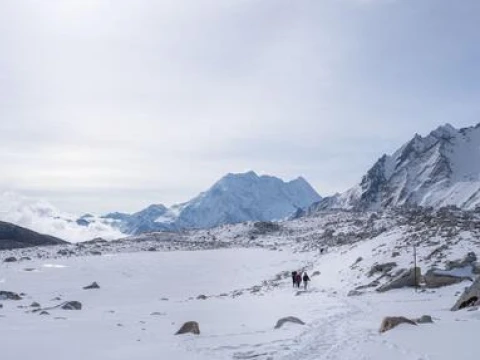
The Manaslu Circuit Luxury Trek Package by Asiana Treks and Tours is designed for travelers who want to experience the spectacular Manaslu region with greater comfort, private transportation, personalized trekking support, and carefully planned acclimatization. This Manaslu luxury trek follows a scenic route from Kathmandu toward Jagat, through Deng, Namrung, Syala, Samagaun and Samdo, before crossing the challenging Larkya La Pass at approximately 5,106–5,160 meters and descending to Bhimthang and Dharapani. Published route references generally place the standard Manaslu Circuit at around 177 km, although the exact distance varies according to the starting point and side trips.The itinerary combines adventure with a more comfortable style of luxury trek in Nepal. Private jeep transportation is arranged for the road sections, while the trekking days focus on mountain scenery, Himalayan villages, Buddhist culture and gradual altitude gain. Because this is a high-altitude and restricted-area journey, the itinerary should always be operated with the required permits and licensed trekking support.Duration: 11 daysTrekking region: Manaslu, GorkhaHighest point: Larkya La Pass, approximately 5,106–5,160 mStarting trek point: JagatEnding trek point: DharapaniTrek style: Private/luxury trekking experienceTransportation: Private JeepMajor highlight: Larkya La Pass crossingCompany: Asiana Treks and ToursManaslu Circuit Luxury Trek ItineraryThe Manaslu Circuit Luxury Trek itinerary begins with a private Jeep journey from Kathmandu to Jagat, followed by trekking through the Budhi Gandaki Valley and the high Himalayan settlements of the Manaslu region. Starting the walking section at Jagat makes this a more compact version of the traditional Manaslu trek while retaining major highlights such as Namrung, Syala, Samagaun, Samdo, Dharamsala, Larkya La and Bhimthang.The itinerary is structured to allow gradual elevation gain, including an acclimatization day at Samagaun before the trek moves toward Samdo and Dharamsala. The most demanding stage is the crossing from Larkya Phedi over Larkya La to Bhimthang, after which the trail descends toward Dharapani. Current route references similarly identify Samagaun, Samdo, Dharamsala, Larkya La, Bhimthang and Dharapani as the key upper-circuit stages.Day 1: Kathmandu to Jagat by private JeepDay 2: Jagat to DengDay 3: Deng to NamrungDay 4: Namrung to SyalaDay 5: Syala to SamagaunDay 6: Acclimatization day at SamagaunDay 7: Samagaun to SamdoDay 8: Samdo to Larkya Phedi/DharamsalaDay 9: Larkya Phedi to Bhimthang via Larkya LaDay 10: Bhimthang to DharapaniDay 11: Dharapani to Besisahar by private Jeep and onward to KathmanduManaslu Circuit Luxury Trek DistanceThe standard Manaslu Circuit Trek is commonly described as approximately 177 km from Machha Khola to Dharapani, but this figure does not directly apply to every itinerary. Starting the walking section at Jagat, as in this Manaslu Circuit Luxury Trek, removes part of the lower route and therefore reduces the distance walked. Side trips and route variations can also change the final total. For a luxury itinerary, distance should not be considered independently of altitude, terrain and walking duration. The upper section becomes progressively more demanding even when daily kilometres decrease. The Larkya La crossing is particularly challenging because of altitude, cold, weather and the long ascent followed by a substantial descent.Standard circuit reference: approximately 177 kmThis itinerary starts walking from JagatDistance varies according to exact trail conditions and side tripsLower sections generally allow longer walking distancesHigher sections require slower, altitude-conscious pacinglife sightings are never guaranteed, but the Manaslu region supports diverse Himalayan fauna. Depending on season, location and luck, trekkers may encounter Himalayan birds experience. The lower and middle sections of the route feature communities with strong Gurung and Himalayan traditions, while the upper Nubri Valley has a pronounced Tibetan Buddhist cultural influence.Larkya La crossing is the major high-altitude stageManaslu Circuit Luxury Trekking Cost 2025/2026The Manaslu Circuit Luxury Trekking Cost 2025/2026 depends on the level of accommodation, private transportation, group size, guide and porter arrangements, permits, meals, hotel category in Kathmandu, and additional services included in the package. A genuine Manaslu luxury trek generally costs more than a standard teahouse Manaslu trek because it emphasizes private services and greater comfort.Asiana Treks and Tours can determine the final package price according to the travel dates and services selected. Since permit fees, transportation conditions, accommodation availability and operational costs can change, travelers should request a current quotation rather than relying on an old published price.Private Jeep transportationLicensed trekking guidePorter support, if selectedRequired trekking permitsKathmandu hotel accommodation, according to packageTrekking accommodationMeals during the trekking periodAcclimatization planningAirport/ground transportation according to packageEmergency assistance and trekking supportManaslu Circuit Luxury Trekking Price BreakdownThe Manaslu Circuit Luxury Trekking Price Breakdown normally consists of several major cost components rather than one trekking fee. Transportation is particularly important for this itinerary because private Jeep services are used between Kathmandu, Jagat, Dharapani and Besisahar. The price can also change according to whether the traveler chooses single-room arrangements, upgraded Kathmandu hotels, additional porter services or other personalized services.Luxury trekking does not mean that every mountain teahouse provides five-star facilities. The upper Manaslu region remains remote, and accommodation becomes simpler at higher elevations. The luxury aspect is therefore primarily reflected in private logistics, professional service, careful planning, comfortable Kathmandu arrangements and personalized support.Transportation: Private Jeep and required transfersAccommodation: Kathmandu hotel plus mountain teahouses/lodgesPermits: Restricted-area and conservation-area requirementsGuide: Professional licensed trekking guidePorter: Available according to package arrangementFood: Meals according to the selected packageStaff expenses: Guide/porter transportation, food and accommodation where applicableSafety: Trekking support and emergency coordinationOptional services: Private rooms, additional nights, upgraded hotels and side tripsManaslu Circuit Luxury Trekking Altitude GuideAltitude is one of the most important considerations on the Manaslu Circuit Luxury Trek. The route rises from the lower Budhi Gandaki Valley through Jagat, Deng and Namrung toward Syala and Samagaun, before reaching Samdo and Dharamsala. The highest point is Larkya La, generally mapped or described at approximately 5,106–5,160 meters depending on the reference.The itinerary includes an acclimatization day at Samagaun before continuing higher. This provides an opportunity to rest and undertake an appropriate short activity while allowing the body additional time to adapt. Altitude cannot be eliminated by choosing a luxury trekking package, so gradual ascent, hydration, sensible pacing and attention to symptoms remain essential.Jagat: approximately 1,340 mDeng: approximately 1,860 mNamrung: approximately 2,630 mSyala: approximately 3,500 mSamagaun: approximately 3,530 mSamdo: approximately 3,860 mDharamsala/Larkya Phedi: approximately 4,460 mLarkya La: approximately 5,106–5,160 mBhimthang: approximately 3,590–3,720 mDharapani: approximately 1,860 mWhy Choose Manaslu Circuit Luxury Trek?The Manaslu Circuit Luxury Trek offers a combination of remote Himalayan scenery, cultural immersion, high-altitude adventure and enhanced travel comfort. The route passes through dramatically different landscapes, from green river valleys and forests to Tibetan-influenced mountain settlements, alpine terrain and the snow-covered surroundings of Larkya La.For travelers who want a more personalized luxury trek in Nepal, private transportation can make the road sections more convenient, while professional trekking support allows the group to concentrate on the mountain experience. The route also provides opportunities to experience traditional settlements such as Namrung, Syala, Samagaun and Samdo.Remote Himalayan trekking experienceSpectacular views of Mount ManasluTibetan-influenced mountain cultureLarkya La high-pass crossingPrivate Jeep transportationPersonalized trekking arrangementsDedicated acclimatization dayCombination of adventure and comfortFewer crowds than some major Nepal trekking routesPreparing for Manaslu Circuit Luxury TrekPreparation for a Manaslu trek should focus on endurance, uphill walking, downhill control and altitude awareness. Luxury services can improve transportation and logistical comfort, but they do not reduce the physical demands of walking at high altitude. Regular walking, hiking, stair climbing and cardiovascular training before departure can help prepare the body.Trekkers should also prepare appropriate clothing and equipment for changing conditions. The lower valley can be relatively warm while the upper Manaslu region can be cold, windy and snowy, particularly around Dharamsala and Larkya La. A professional guide should also assess daily conditions and make appropriate decisions regarding the pass crossing.Build cardiovascular fitness before departurePractice long uphill and downhill walksCarry layered clothingBring warm gloves, hat and thermal layersUse comfortable, broken-in trekking bootsCarry sun protection and sunglassesBring a suitable sleeping bagKeep personal medication accessibleStay hydrated throughout the trekFollow the guide's acclimatization adviceWhat to Expect on the Manaslu Circuit Luxury TrekTravelers should expect a changing landscape throughout the Manaslu Circuit Trekking experience. The lower trail follows dramatic river valleys and forested terrain, while the route around Namrung and Syala opens toward larger Himalayan peaks. Samagaun and Samdo introduce a much more alpine environment, with traditional stone houses, Buddhist monuments and wide mountain views.The accommodation experience also changes with altitude. A luxury trekking package can provide comfort where facilities are available, but remote mountain settlements have practical limitations. The greatest luxury is often having private logistics, experienced staff, flexible support and carefully managed transportation while experiencing a genuinely remote Himalayan route.River valleys and suspension bridgesForests and alpine landscapesTraditional Himalayan villagesBuddhist monasteries and mani wallsMountain views around Samagaun and SamdoCold and rugged terrain near Larkya PhediLong pass-crossing dayScenic descent toward BhimthangPrivate transportation on road sectionsOxygen Levels on Manaslu Circuit Luxury TrekOxygen availability decreases as elevation increases, making altitude management essential during the Manaslu luxury trek. At approximately 3,500–4,000 meters, trekkers may notice that ordinary physical activities require more effort. Above 4,000 meters, the ascent toward Dharamsala and Larkya La becomes considerably more demanding.The acclimatization day at Samagaun is therefore an important part of the itinerary. Trekkers should communicate symptoms such as persistent headache, unusual dizziness, nausea, significant fatigue or breathing difficulties to their guide promptly. Severe or worsening altitude-related symptoms require appropriate descent and medical assessment rather than simply continuing upward.Oxygen availability decreases with elevationWalk slowly at higher elevationsMaintain adequate hydrationAvoid unnecessary overexertionUse the Samagaun acclimatization day properlyInform the guide about unusual symptomsDo not ascend when experiencing serious altitude symptomsDescend when medically necessaryMajor Villages and Scenic Viewpoints on Manaslu Circuit Luxury TrekThe major settlements on this Manaslu Circuit Luxury Trekking route include Jagat, Deng, Namrung, Syala, Samagaun, Samdo, Larkya Phedi and Bhimthang. Each settlement represents a different stage of the journey, while the surrounding landscape changes from forest and river gorge to high Himalayan terrain. The upper route around Samagaun and Samdo is particularly associated with dramatic views of Manaslu and the surrounding peaks.Larkya La is the principal scenic and physical landmark of the trek. From the pass, the landscape opens into a spectacular high-mountain panorama before the trail descends toward Bhimthang. Depending on weather and itinerary timing, additional viewpoints and side excursions can be incorporated where appropriate.Jagat: Gateway to the walking sectionDeng: Mountain valley settlementNamrung: Important cultural and scenic villageSyala: Open Himalayan viewpoint areaSamagaun: Major Nubri Valley settlementSamdo: High-altitude Tibetan-influenced villageDharamsala: Final major overnight point before Larkya LaLarkya La: Highest point of the journeyBhimthang: Scenic post-pass settlementDharapani: End of the trekking sectionFlora and Fauna of Manaslu Circuit Luxury TrekThe Manaslu Circuit Trek passes through several ecological environments as elevation increases. Lower sections contain greener vegetation, forests and agricultural landscapes, while the upper route gradually transitions toward alpine meadows, rocky terrain and sparse high-altitude vegetation. This ecological variation is one of the defining features of trekking around Manaslu.Wildlife sightings are never guaranteed, but the Manaslu region supports diverse Himalayan fauna. Depending on season, location and luck, trekkers may encounter Himalayan birds and mountain wildlife. Visitors should observe animals from a distance and avoid feeding or disturbing them.Subtropical vegetation in lower areasPine, oak and rhododendron-type forest environmentsAlpine shrubs and meadowsHigh-altitude grasses and sparse vegetationHimalayan bird speciesMountain mammals in suitable habitatsDiverse ecosystems within the Manaslu Conservation AreaFestivals and Local Culture Along Manaslu Circuit Luxury Trek RouteCulture is a major part of the Manaslu Circuit Luxury Trek experience. The lower and middle sections of the route feature communities with strong Gurung and Himalayan traditions, while the upper Nubri Valley has a pronounced Tibetan Buddhist cultural influence. Traditional houses, monasteries, chortens, prayer flags and mani walls become increasingly prominent as the trail climbs toward Samagaun and Samdo.Festivals and religious traditions follow local Buddhist and Himalayan calendars, so the exact dates vary from year to year. Travelers visiting during a local celebration may have an opportunity to observe traditional ceremonies, music, dances and community gatherings, provided they do so respectfully.Gurung and Himalayan cultural traditionsTibetan Buddhist influence in the upper valleyBuddhist monasteries and gompasPrayer flags and mani wallsChortens and traditional architectureLocal agricultural traditionsBuddhist festivals and religious observancesRespectful interaction with local communitiesWhy Book with Asiana Treks and Tours for Manaslu Circuit Luxury TrekAsiana Treks and Tours can organize the Manaslu Circuit Luxury Trek as a private, carefully coordinated Himalayan journey. This itinerary combines private Jeep transportation, experienced trekking support, comfortable accommodation where available, planned acclimatization, and a well-managed route through the remote Manaslu region. The carefully structured Manaslu luxury trek allows travelers to experience the dramatic landscapes and cultural heritage of the Manaslu Circuit while receiving personalized assistance throughout the journey.The Manaslu Circuit Trek reaches the challenging Larkya La Pass at 5,160 meters, making proper preparation, pacing, and acclimatization important. Asiana Treks and Tours can coordinate the logistics of the Manaslu Circuit trekking experience, including transportation between Kathmandu and the trailheads, trekking arrangements, permits, guides, and porter support.Private Jeep transportation for designated road sectionsExperienced trekking guide and porter supportPlanned acclimatization day at SamagaunCarefully arranged trekking logisticsSupport for permits and essential trek preparationsPersonalized service for a private luxury trek in NepalHow to Book the Manaslu Circuit Luxury TrekBooking the Manaslu Circuit Luxury Trek with Asiana Treks and Tours can be arranged according to your preferred travel dates, group size, accommodation preferences, and transportation requirements. The company can help prepare the trekking schedule and organize the necessary logistics before you begin the journey from Kathmandu.Because the Manaslu Circuit Trek involves remote mountain terrain and a high-altitude pass, advance planning is important. Asiana Treks and Tours can assist with permits, guide and porter arrangements, private Jeep transportation, accommodation, and other essential preparations for a comfortable and well-organized Manaslu Circuit Luxury Trek.Contact Asiana Treks and Tours with your preferred datesConfirm the number of trekkersDiscuss private Jeep and accommodation requirementsComplete the required trekking permits and documentationReceive the finalized Manaslu luxury trek itineraryPrepare for the trek with appropriate high-altitude equipmentBegin your private Manaslu Circuit trekking adventure from Kathmandu
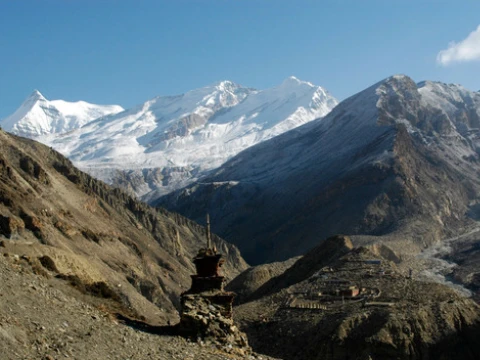
The Nar Phu Valley Trek with Asiana Treks and Tours is an adventurous journey into one of Nepal’s most remote Himalayan regions, combining dramatic mountain landscapes, ancient Tibetan-influenced villages, high-altitude trails, and rich local culture. Following the itinerary, the trek begins with arrival in Kathmandu and a long, scenic drive to Dharapani before entering the restricted Nar Phu Valley. The route passes through Koto, Meta, Phu Village, Nar Phedi, Nar Village, and Ngawal, with dedicated acclimatisation and exploration days in Phu and Nar.The trek offers a rewarding combination of wilderness and cultural discovery. Phu Village (4,050 m) and Nar Village (4,110 m) offer opportunities to experience traditional Himalayan lifestyles, while the surrounding valleys provide spectacular views of rugged cliffs, alpine terrain, and snow-covered peaks. The 13-day itinerary also includes road transportation between major trailheads and Kathmandu, making it a practical choice for travellers seeking a shorter but immersive Himalayan adventure.Explore the remote Nar and Phu valleysExperience traditional Himalayan villagesDiscover Tibetan-influenced culture and Buddhist traditionsEnjoy spectacular mountain landscapesSpend acclimatisation time in Phu and NarTrek through dramatic valleys and alpine terrainTravel with professional support from Asiana Treks and ToursNar Phu Valley Trek ItineraryThe carefully designed itinerary begins with arrival in Kathmandu, followed by a long scenic drive to Dharapani. From Dharapani, the trekking route gradually enters the remote Nar Phu region, passing through Koto, Meta, and Phu Village. The itinerary allows time to acclimatise before continuing to Nar Phedi and Nar Village.After exploring Nar Village, the journey continues toward Ngawal before transportation takes travellers to Chame and eventually back to Kathmandu. This mix of trekking and driving suits travellers who want an immersive Nar Phu experience in a relatively compact timeframe.Major Itinerary StopsKathmandu – Arrival and preparationDharapani – Trek starting pointKoto – Gateway toward Nar PhuMeta – High Himalayan settlementPhu Village – Cultural and acclimatisation experienceNar Phedi – Monastery and mountain surroundingsNar Village – Traditional Himalayan settlementNgawal – Annapurna-region villageChame – Road connection toward KathmanduBest Season for Nar Phu Valley TrekThe best seasons for the Nar Phu Valley Trek are generally spring (March to May) and autumn (September to November). During these periods, the weather is usually more stable, visibility is better, and the mountain scenery is particularly impressive. Spring brings pleasant trekking conditions and colourful vegetation at lower elevations, while autumn generally offers crisp skies and excellent mountain views after the monsoon season.Winter can bring very cold temperatures, snow, and difficult trail conditions at higher elevations, while the summer monsoon can make roads and lower trekking trails muddy and challenging. Because the Nar Phu region is remote and reaches elevations above 4,000 meters, choosing the right season is especially important for comfort, safety, and overall enjoyment.Recommended Trekking MonthsMarch to May: Excellent spring trekking seasonSeptember to November: Excellent autumn trekking seasonDecember to February: Very cold and potentially snowyJune to August: Monsoon conditions can affect roads and trailsNar Phu Valley Trek DifficultyThe Nar Phu Valley Trek is a moderate to challenging trek because of its remote location, high elevations, steep trails, and long walking days. Several stages take about 6–8 hours, and the trail reaches over 4,000 meters. Previous trekking experience and good physical preparation can make the journey considerably more comfortable.Altitude is a major factor to consider. The itinerary includes an acclimatisation day in Phu and an exploration day in Nar, giving trekkers time to adjust to the increasing elevation. Walking slowly, staying hydrated, eating well, and listening to your body are key to a successful high-altitude trek.Factors Affecting Trek DifficultyHigh-altitude trekkingLong walking daysSteep and uneven trailsRemote mountain terrainChanging weather conditionsBasic facilities at higher elevationsGradual acclimatisation requirementsTransportation During Nar Phu Valley TrekTransportation is an important component of this Nar Phu Valley itinerary. The journey starts with an approximately 8–10-hour drive from Kathmandu to Dharapani. This road journey passes through changing landscapes and gets travellers to the trekking area without adding extra walking days.At the end of the trek, travellers drive from Ngawal to Chame, then continue to Kathmandu via Besisahar. The combination of trekking and road travel makes the itinerary more efficient while still allowing travellers to experience the remote Himalayan environment.Transportation RouteKathmandu to Dharapani by roadTrek from Dharapani to Nar Phu ValleyNar Village to Ngawal by trekking routeNgawal to Chame by roadChame to Kathmandu via BesisaharFood and Accommodation for Nar Phu Valley TrekFood and accommodation on the Nar Phu Valley Trek are generally based around teahouses and local lodges, particularly along the established sections of the route. Meals commonly include traditional Nepali dishes such as dal bhat, rice, vegetables, noodles, soups, potatoes, and Tibetan-influenced foods. At higher elevations, food choices can be more limited because supplies must be transported into remote mountain settlements. Staying well hydrated and maintaining adequate calorie intake is important during long trekking days.Accommodation becomes more basic as the trail enters the remote Nar Phu region. Travellers can expect simple rooms and shared facilities rather than the comforts of city hotels. This rustic environment is part of the trek's appeal, offering a closer connection to local communities and traditional Himalayan life. Asiana Treks and Tours can coordinate the trekking arrangements so travellers can focus on enjoying the landscapes, villages, and cultural experiences.Food OptionsDal bhatRice and vegetablesNoodlesSoupsPotatoesTibetan-style dishesTea and hot beveragesAccommodation ExperienceLocal teahousesVillage guesthousesBasic private or shared roomsShared bathroom facilities in some locationsTraditional Himalayan hospitalityNar Phu Valley Trek PermitsThe Nar Phu Valley is a restricted trekking area, so travellers need the appropriate permits before entering the region. Permit requirements vary by season and current Nepal government regulations, so arrange them through an authorised trekking company. In addition to the restricted-area permit for Nar Phu, trekkers may need other applicable trekking permits associated with the route and conservation area.Working with Asiana Treks and Tours can simplify the permit process because the company can help arrange the required documentation before the trek begins. Travellers should carry the necessary identification and permit documents throughout the journey, as officials may check permits at designated points along the route. Confirm the current fees and requirements before departure, as government regulations can change.Permit considerations:Restricted-area permit for Nar PhuApplicable conservation-area/trekking permitsPassport and required identification documentsPermits should be arranged before entering the restricted regionCurrent fees and regulations should be confirmed before departureAccommodation in Phu and Nar VillagePhu and Nar are among the most culturally interesting settlements on the itinerary. Accommodation in these villages is generally provided through simple local guesthouses and teahouses. Facilities are basic compared with hotels in Kathmandu, but they offer an authentic experience of life in the remote Himalayas.Staying overnight in these villages allows trekkers to experience the peaceful atmosphere of the high mountains. Travellers can observe traditional architecture, interact with residents, and appreciate the Nar Phu region's unique culture.Culture and Traditions of Nar Phu ValleyOne of the biggest attractions of the Nar Phu Valley Trek is its distinctive Himalayan culture. Nar and Phu communities have strong Tibetan cultural influences, reflected in their traditional architecture, Buddhist practices, monasteries, prayer flags, mani walls, and daily life.The remote location has helped preserve many traditional aspects of village life. Travellers should approach local customs respectfully and take the opportunity to learn about the communities rather than treating the villages simply as trekking stops.Cultural ExperiencesTraditional Himalayan architectureBuddhist monasteriesPrayer flags and mani wallsTibetan-influenced traditionsLocal village lifeTraditional mountain hospitalityAcclimatisation During Nar Phu Valley TrekAcclimatisation is particularly important because the itinerary reaches elevations above 4,000 meters. The dedicated acclimatisation day in Phu gives trekkers time to rest, explore the area, and let their bodies adjust to the altitude before continuing to Nar Phedi and Nar Village.The exploration day in Nar also gives you another chance to enjoy the high-altitude environment without immediately moving on. A gradual pace, sufficient rest, hydration, and awareness of altitude-related symptoms are essential throughout the trek.Acclimatization TipsWalk at a comfortable paceStay properly hydratedAvoid unnecessary overexertionEat regular nutritious mealsTake adequate restInform your guide about unusual symptomsFollow the recommended itinerarySafety and Preparation for Nar Phu Valley TrekGood preparation is essential for a successful Nar Phu Valley adventure. Travellers should prepare physically before departure, particularly for long uphill and downhill walking. Cardiovascular exercise, regular hiking, and strength training can help improve endurance.Weather and trail conditions can change quickly in the Himalayas, so bring appropriate clothing and equipment. Travellers should also follow their trekking guide's instructions and stay flexible if weather or local conditions require itinerary adjustments.Essential PreparationBuild physical endurance before trekkingCarry suitable hiking footwearBring warm and layered clothingCarry sun protectionMaintain adequate hydrationPrepare for changing weatherFollow your guide's safety recommendationsWhy Choose Nar Phu Valley Trek with Asiana Treks and ToursChoosing the Nar Phu Valley Trek with Asiana Treks and Tours provides an opportunity to explore a relatively remote part of the Nepal Himalayas while experiencing authentic mountain culture away from some of the busier trekking routes. Over 13 days, the itinerary combines adventure, cultural exploration, high-altitude landscapes, and traditional villages. Phu and Nar offer especially memorable experiences, with ancient settlements, Buddhist traditions, dramatic mountain surroundings, and distinctive Himalayan architecture.Another major advantage is the balanced itinerary. Rather than gaining altitude continuously, the route includes acclimatisation and exploration days in Phu and Nar, giving travellers time to adjust and experience the local environment. The combination of trekking and road transportation also makes the journey more manageable for travellers who want to experience Nar Phu without committing to a much longer Himalayan expedition.Why choose this trek:Explore the remote Nar and Phu valleysExperience authentic Himalayan cultureEnjoy spectacular mountain sceneryDiscover traditional villages and Buddhist heritageBenefit from planned acclimatisation daysCombine trekking with convenient road transportationTravel with the support of Asiana Treks and Tours


 (2)
(2)  100% recommend (0)
 (0)
(0)