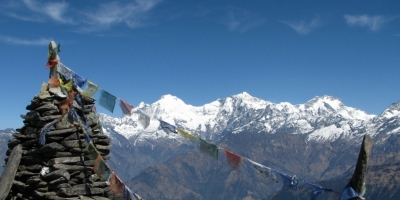
The Lower Ganesh Himal Trekking offered by Asiana Treks and Tours is a culturally immersive, scenic, and less-crowded trekking adventure that reveals the heart of rural Nepal. Located just northwest of Kathmandu, this trek takes you through the untouched valleys and hilltop villages of the Ganesh Himal region, named after the Hindu god Ganesh. With relatively low elevations (max 1900m), this trek is ideal for those who want to enjoy the natural and cultural richness of Nepal without the challenges of high-altitude trekking. Unlike the more commercial routes of Everest or Annapurna, the Lower Ganesh Himal region remains a hidden gem. This trek is perfectly suited for trekkers seeking a deeper connection with local communities, pristine views of the Ganesh Himal and Langtang ranges, and exposure to authentic Nepalese rural life. The journey begins with a heritage tour in Kathmandu before heading into the hills via local transport or private vehicle. From there, the trek leads through villages like Samari, Gaira, Marpak, Shalyankot, Jyamrung, and Maidi, offering unique experiences at each stop, such as homestays, local festivals, and insights into traditional farming practices. 🧭 Highlights of the Trek: Peaceful trekking route through ethnic villages of Tamang, Chhetri, Dalit, and Gurung communities Panoramic views of Ganesh I-IV, Langtang Himal, and surrounding hills Unique cultural experiences like cooking, firewood collection, and religious rituals Overnight stays in authentic homestays and community-run guesthouses Visits to Buddhist monasteries, Hindu temples, and a functioning micro-hydropower plant Guided by local experts from Asiana Treks and Tours ensuring ethical and insightful travel This trek is an excellent choice for travelers with limited time, families, or those who prefer less physically demanding but meaningful treks. It's more than just walking—it's a deep dive into the soul of Nepal. Whether you’re sipping local tea in a Tamang home or admiring sunrise over the hills, the Lower Ganesh Himal Trek leaves you with lasting memories and connections. With a strong commitment to responsible tourism, Asiana Treks and Tours works closely with local communities to ensure that your presence contributes positively to the region. When you choose this trek, you’re not just trekking—you’re participating in sustainable travel that respects and preserves the cultures and landscapes of Nepal. Lower Ganesh Himal Trekking Package The Lower Ganesh Himal Trekking package by Asiana Treks and Tours is designed for adventurers seeking cultural depth, scenic beauty, and authentic Nepalese hospitality without committing to high altitudes. Nestled within the picturesque Ganesh Himal range, this lesser-known trail lies just northwest of Kathmandu and offers a unique opportunity to experience Nepal's ethnic diversity, religious harmony, and natural grandeur in a compact itinerary. Named after the Hindu deity Ganesh, this trek symbolizes wisdom, protection, and good fortune—values you'll experience firsthand as you pass through vibrant villages, terraced farmlands, and sacred temples. This 11-day package includes guided city tours of UNESCO World Heritage Sites in Kathmandu, a scenic countryside drive to Samari, and a 7-day culturally immersive trek through the heart of the mid-hills. Highlights of the Trekking Package: ✅ Guided Kathmandu heritage tour (Pashupatinath, Swayambhunath, Boudhanath, and Durbar Square) ✅ Peaceful trek through remote ethnic villages (Tamang, Gurung, Chhetri, Dalit) ✅ Stunning views of Ganesh Himal, Langtang, and surrounding peaks ✅ Overnight stays in community lodges and traditional homestays ✅ Insight into daily village life: farming, cooking, local schools, and hydropower facilities This package is ideal for trekkers of all skill levels, including families and solo travelers. The trek is free of altitude risks, yet offers panoramic mountain vistas and serene forest trails. Best suited for spring (March–May) and autumn (September–November), the Lower Ganesh Himal Trek gives you the best of Nepal in under two weeks. Lower Ganesh Himal Trekking Distance While the Lower Ganesh Himal Trek is not particularly high in elevation, it spans a meaningful distance with varied terrain. Daily walking ranges from 4 to 6 hours depending on the terrain and pace, making it suitable for moderately fit individuals. Approximate Trekking Distances: Kathmandu to Samari: 100 km (Drive) Samari to Gaira: ~10 km Gaira to Marpak: ~9 km Marpak to Shalyankot: ~11 km Shalyankot to Jyamrung: ~10 km Jyamrung to Maidi Kot: ~9 km Maidi to Salang: ~10 km Salang to Kathmandu: ~100 km (Drive) Key Features of Trek Distance: 🥾 Total trekking distance: ~60–65 km 🗻 Moderate elevation gain (max ~1900m) ⏱️ Trekking time per day: 4–6 hours 🧭 Terrain: Terraced farmland, forest trails, hill ridges, village paths This route is non-technical and doesn't require mountaineering skills, making it perfect for cultural trekkers, photographers, or anyone looking to disconnect from the modern world and immerse themselves in rural Nepal. 💰 Lower Ganesh Himal Trekking Cost 2026/2027 The cost of the Lower Ganesh Himal Trekking package for the 2026/2027 season with Asiana Treks and Tours is competitively priced to offer value while supporting local communities through ethical tourism. Standard Package Cost: USD $899 per person (Group of 2–6) Discounts available for larger groups and early bookings What’s Included: ✅ Airport pick-up and drop-off ✅ 3 nights in Kathmandu (Hotel with breakfast) ✅ Guided heritage tour with entrance fees ✅ All land transport (public/local or private) ✅ Trekking permits and insurance for guides ✅ Accommodation during the trek (Homestays/guesthouses) ✅ 3 meals a day during trek (Nepali, Tibetan, or local food) ✅ Professional licensed English-speaking guide and porter What’s Not Included: ❌ International flights to/from Kathmandu ❌ Travel insurance ❌ Alcohol, snacks, and bottled water ❌ Tips for guide and porter (optional but appreciated) Add-on Options: 🏞️ Extra night in Kathmandu: $30 🧘 Cultural workshop or cooking class: $25–$40 🚙 Private Jeep upgrade for drive-in/out: +$60 With ethical pricing and strong community involvement, this trek balances comfort, authenticity, and affordability. Lower Ganesh Himal Trekking Price Breakdown Affordable, Ethical, and Transparent Pricing with Asiana Treks and Tours The Lower Ganesh Himal Trekking is not only a culturally rich journey but also one of the most budget-friendly treks available in Nepal. Asiana Treks and Tours offers transparent pricing with no hidden fees, ensuring that trekkers receive top value while contributing to the local economy. The price typically ranges from USD $850 to $950 per person, depending on group size and preferences (private jeep, upgraded hotels, etc.). This cost covers everything needed for a smooth and enjoyable trek, from city tours to village accommodations, meals, permits, and experienced guides. Asiana Treks and Tours also believes in sustainable tourism, ensuring local guides, porters, and homestay owners are paid fairly. 💸 What's Included: ✔️ Airport transfers (arrival/departure) ✔️ 3 nights hotel in Kathmandu (breakfast included) ✔️ Kathmandu UNESCO heritage tour with guide and entry fees ✔️ All surface transportation (public/private) ✔️ Trekking permits and local government fees ✔️ Accommodation in homestays/guesthouses during trek ✔️ 3 meals per day during trekking ✔️ Experienced licensed guide and porter ❌ Not Included: ❌ International airfare and visa ❌ Personal travel insurance ❌ Alcoholic drinks, snacks, bottled water ❌ Tips for guides and porters (optional) This pricing model provides a perfect balance of comfort, authenticity, and ethical tourism—making the Lower Ganesh Himal Trek ideal for travelers who seek real experiences without breaking the bank. 🏔️ Lower Ganesh Himal Trekking Altitude Guide Low Elevation, High Impact – Safe and Scenic Trekking Experience The Lower Ganesh Himal Trek is well-known for being a low-altitude trek, making it ideal for beginners, families, or those who prefer to avoid the risks of altitude sickness. The highest point of the trek is Shalyankot (1900 meters / 6234 ft), and the average elevation remains between 1100 to 1900 meters (3609–6234 ft). Unlike the high Himalayan circuits, this trek focuses more on cultural immersion and scenic beauty than elevation gain. Throughout the journey, you'll gradually ascend and descend through terraced fields, dense forests, and remote villages, never exceeding 2000 meters. Because of this, there's no need for acclimatization days, and trekkers are free from the physiological stresses that often come with high-altitude trekking. 🧭 Key Altitudes by Location: Kathmandu: 1337m (4385ft) Samari: 1400m (4593ft) Gaira: 1600m (5249ft) Marpak: 1700m (5577ft) Shalyankot (Highest point): 1900m (6234ft) Jyamrung: 1600m (5249ft) Salang (lowest overnight): 1100m (3609ft) This elevation profile ensures a comfortable trekking pace, allowing participants to enjoy every moment without the health concerns of altitude sickness. It's an excellent entry-level trek with breathtaking hilltop views and cultural experiences at every turn. 🌟 Why Choose Lower Ganesh Himal Trekking? An Untouched Gem of Nepal – Real Culture, Real People, Real Beauty The Lower Ganesh Himal Trekking route is a hidden jewel, perfect for travelers who crave authenticity over commercial tourism. While the Everest and Annapurna regions attract massive crowds, this quiet trail leads you into Nepal’s untouched mid-hill villages, offering genuine cultural exchanges, diverse scenery, and panoramic mountain views—without the need for technical gear or intense conditioning. With Asiana Treks and Tours, this journey becomes even more meaningful. Their deep community ties ensure that your trek directly supports local livelihoods while you enjoy a well-organized, guided adventure. The guides are locals who know every trail, story, and hidden viewpoint. 🌿 Why Trek Lower Ganesh Himal? 🏡 Authentic Tamang, Gurung, Dalit, and Chhetri communities 🧘 Peaceful trails – far from the tourist crowds 🏔️ Vistas of Ganesh Himal, Langtang, and Manaslu 🙏 Cultural interaction – temples, chortens, homestays 🛖 Eco-tourism and responsible travel focus 💬 Opportunities to engage in farming, cooking, and daily life This trek is perfect for photographers, cultural explorers, educators, and nature lovers who want to see the real Nepal—simple, sincere, and spectacular. 🎒 Preparing for Lower Ganesh Himal Trekking Smart Packing, Mental Readiness, and Cultural Awareness Though the Lower Ganesh Himal Trek is not high-altitude or overly strenuous, it still requires thoughtful preparation. With daily walking times of 4 to 6 hours, you'll need to have a moderate level of fitness. Gentle cardio training (like walking, cycling, or hiking) in the weeks before departure will help you enjoy the trail comfortably. Packing wisely is also essential. Because you'll be staying in homestays and small lodges, facilities may be basic, especially in remote villages. A warm sleeping bag, personal hygiene supplies, and layers for changing weather are must-haves. Footwear should be broken-in trekking boots or sturdy trail shoes. 🎒 Trekking Essentials: 🧥 Light down jacket and rainproof outer layer 👟 Comfortable hiking boots 🛏️ Sleeping bag rated for 0–5°C 🧴 Personal toiletries (soap, toilet paper, sanitizer) 💊 Basic medicines (painkillers, rehydration salts) 🎒 Small daypack, reusable water bottle, sun protection Equally important is preparing mentally. You’ll be stepping into simple village life, where comfort is defined by connection and culture, not luxury. Keeping an open mind, being respectful, and embracing a slower pace will turn this trek into a deeply enriching life experience. 🗓️ What to Expect on the 10–11-Day Lower Ganesh Himal Trekking Adventure A Journey of Discovery, Simplicity, and Community The 10–11-day Lower Ganesh Himal Trekking itinerary is designed to flow smoothly between cultural exploration and natural beauty. You'll begin your journey in Kathmandu, visiting ancient heritage sites before heading to the countryside via a scenic drive. From Day 3 to Day 10, you'll walk between remote villages, staying with local families and immersing yourself in their way of life. Expect to walk 4–6 hours a day, stopping frequently for tea, interaction, and photos. Terrain varies from terraced hillsides and forest trails to riverside paths and village roads. Nights are spent in cozy community lodges or homestays, where meals are freshly prepared from local produce. 📌 What You'll Experience Daily: 🥾 Comfortable trekking with moderate climbs 🍛 Fresh Nepali meals (dal bhat, roti, curry) 🛖 Homestay lodging with basic amenities 🎉 Interaction with local communities 📸 Stunning views of the Himalayan mid-hills This is not just a physical trek, but a social, spiritual, and emotional journey. From helping collect firewood to visiting a village school, your days will be filled with real experiences that leave a lasting impression. 🧬 Oxygen Levels on Lower Ganesh Himal Trekking Trek Without Worry – Ample Oxygen, No Altitude Risks One of the biggest benefits of choosing the Lower Ganesh Himal Trek is its low elevation, which ensures that oxygen levels remain close to normal throughout the journey. Unlike treks that go above 3000 meters, where oxygen saturation starts to drop significantly, this trek stays comfortably between 1100 and 1900 meters, keeping air pressure and oxygen content at safe, healthy levels. This means you won’t experience altitude sickness, even if you’re trekking for the first time or have underlying health concerns. The air remains fresh and crisp, and the trekking route allows for easy breathing and gradual pacing—making this ideal for trekkers of all ages. 🌬️ Oxygen and Elevation Facts: 🧭 Max altitude: 1900m (~6234 ft) 💨 Oxygen level: 80–90% of sea-level oxygen ✅ No need for acclimatization days ✅ No risk of Acute Mountain Sickness (AMS) This trek is a safe choice for children, older adults, and beginners, while still offering jaw-dropping views and meaningful cultural interaction. With Asiana Treks and Tours, your safety and comfort are the top priorities, so you can enjoy the trail with complete peace of mind. Major Villages and Scenic Viewpoints on Lower Ganesh Himal Trekking Route Cultural Encounters with Unmatched Natural Beauty One of the standout features of the Lower Ganesh Himal Trekking experience is its passage through some of Nepal’s most scenic and culturally rich hilltop villages. With Asiana Treks and Tours, you’ll journey through vibrant communities nestled in terraced hills, each offering unique local traditions and breathtaking views. From sunrise over snow-capped peaks to misty river valleys, each day reveals a new visual and cultural highlight. The trek starts from Samari Bhanjyang, a peaceful village surrounded by rice fields, and continues to Gaira and Marpak, where you'll find traditional stone houses and friendly locals eager to share their stories. Shalyankot, sitting at 1900 meters, is the highest point on the trek and offers a 360-degree panoramic view of the Ganesh Himal Range, Langtang Himal, and distant Manaslu. As you descend to Jyamrung, the views shift to lush valleys, rivers, and cultivated landscapes. 🗺️ Key Villages and Viewpoints: 🛖 Samari: Traditional starting village with rustic charm 🛖 Gaira: Rich in Tamang culture and terraced farms 🛖 Marpak: Stone-paved village with mountain-facing homes 🏞️ Shalyankot: Panoramic hilltop viewpoint (1900m) 🛖 Jyamrung: Riverside village with cultural immersion 🛖 Maidi & Salang: Low-altitude cultural villages with peaceful ambiance Each of these locations offers authentic homestay experiences, stunning photo opportunities, and a closer look at Nepal’s rural lifestyle. Trekkers often describe the nights spent in these villages as the most memorable parts of their trip. 🌿 Flora and Fauna of Lower Ganesh Himal Trekking Walk Through Biodiverse Ecosystems Rich in Life and Color The Lower Ganesh Himal Trekking route isn’t just a cultural trail—it’s also an immersion into some of Nepal’s most diverse mid-hill ecosystems. Managed by Asiana Treks and Tours, the trail passes through dense forests, open meadows, and terraced agricultural lands teeming with local flora and fauna. The region, though not officially protected as a conservation area, is rich in biodiversity, offering a refreshing blend of natural encounters for nature lovers and birdwatchers. As you ascend and descend the trail, you’ll encounter a variety of subtropical and temperate plant life, including rhododendrons, oak, pine, and bamboo groves. In spring (March–May), rhododendron forests bloom in vibrant reds and pinks, adding striking color to the hills. The terraced farms are often filled with seasonal crops like millet, barley, and mustard flowers. 🌳 Flora Highlights: 🌺 Rhododendrons (Nepal's national flower) 🌿 Wild herbs and medicinal plants 🌾 Seasonal crops and fruit trees (pear, orange, plum) 🐾 Fauna Highlights: 🐦 Himalayan monal (Danphe) 🐒 Langur monkeys in the forests 🦅 Eagles, vultures, and other raptors 🐗 Possible sightings of wild boar, deer, and porcupines The biodiversity along the trail provides moments of quiet wonder. Whether it's a colorful butterfly dancing over a mustard field or the sudden screech of a langur echoing through the trees, these natural encounters deepen the serenity of your trekking journey. 🎉 Festivals and Local Culture Along Lower Ganesh Himal Trekking Route A Living Tapestry of Faith, Festivity, and Folklore One of the most enriching aspects of trekking the Lower Ganesh Himal route with Asiana Treks and Tours is the opportunity to witness and participate in the vibrant local festivals and cultural practices that define life in these remote villages. The region is primarily inhabited by Tamang, Gurung, Dalit, and Chhetri communities, each with its unique set of traditions, songs, dances, and religious observances. Trekking during festival seasons—especially Tihar, Dashain, or the Tamang Lhosar (New Year)—allows travelers to join community celebrations, enjoy traditional music, and witness ritualistic dances. You'll see villagers dressed in colorful garments, elders reciting ancient folk tales, and children performing dances in return for blessings or treats. Hindu and Buddhist faiths coexist peacefully along the trail, with prayer flags fluttering over temples and Buddhist chortens lining village paths. 🌟 Cultural Highlights: 🪔 Tihar Festival: Houses lit with oil lamps, honoring animals and family deities 🎶 Tamang Lhosar: Cultural dancing, feasting, and communal rituals 🛕 Shrines & temples: Small local temples with daily rituals 📿 Chortens and prayer stones: Cultural landmarks with spiritual significance Participating in these events not only deepens your understanding of local life but also turns your trek into a culturally transformative experience—one that stays with you long after your return home. ✅ Why Book with Asiana Treks and Tours for Lower Ganesh Himal Trekking Authentic, Ethical, and Personalized Trekking You Can Trust When choosing a trekking company in Nepal, Asiana Treks and Tours stands out for its local expertise, personalized service, and community-based values. Unlike large international operators, Asiana is deeply rooted in the communities it serves. Their guides and porters are locals—born and raised in the very villages you’ll trek through. This ensures genuine experiences, better communication with locals, and sustainable economic support for the region. Asiana Treks and Tours focuses on responsible tourism, partnering with homestays, supporting village schools, and ensuring fair wages for staff. Their itineraries are well-paced and culturally rich, and they go the extra mile to help you connect meaningfully with the people and places you visit. 💡 Why Choose Asiana Treks and Tours: ✅ Local expertise and guides from Ganesh Himal region ✅ Ethical and fair-trade practices with local communities ✅ Flexible itineraries customized to your pace and interests ✅ 24/7 support and emergency response ✅ Eco-conscious and culturally respectful travel With Asiana, you're not just booking a trek—you're building relationships, making memories, and becoming a part of something bigger. The level of attention, authenticity, and cultural depth they offer is unmatched in the region. 📝 How to Book Lower Ganesh Himal Trekking Easy, Transparent, and Flexible Booking Process with Asiana Treks and Tours Booking your Lower Ganesh Himal Trek with Asiana Treks and Tours is a smooth and transparent process designed to make planning your adventure stress-free. Whether you’re booking months in advance or looking for a last-minute trip, Asiana’s team is ready to assist you at every step. Their user-friendly website and responsive customer service ensure you get all your questions answered quickly. To begin, you can submit an inquiry online, call or WhatsApp their trekking coordinator, or email them with your desired dates and preferences. Once details are confirmed, you'll receive a detailed itinerary, packing list, and invoice. Asiana requires only a 20% deposit to reserve your spot, with the balance due upon arrival in Kathmandu. They also offer flexible date changes, making it easier to adjust your trip if needed. 🧾 Booking Steps: 📩 Inquire via website, email, or WhatsApp 🗓️ Confirm your trekking dates and preferences 💳 Pay a small deposit (20%) to secure booking 📄 Receive full itinerary, gear checklist, and payment details ✈️ Arrive in Kathmandu – the adventure begins! You can also add services like airport transfers, extra hotel nights, or cultural workshops during booking. With a reputation for professionalism and honesty, Asiana Treks and Tours makes booking your Lower Ganesh Himal Trek a breeze—so you can focus on what matters: enjoying the journey.
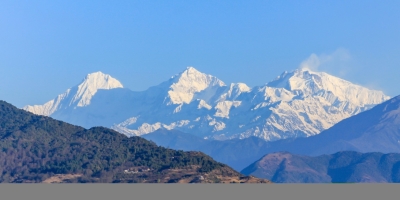
Ganesh Himal is a remote and pristine mountain region located in central Nepal, northwest of Kathmandu. Named after the sacred Hindu god Ganesh, this area remains largely untouched by mass tourism, offering trekkers an authentic and serene Himalayan experience. The trek reveals a unique blend of rich Nepalese culture and stunning natural beauty, making it a rewarding journey for both nature lovers and cultural enthusiasts. The region’s rugged landscape is home to diverse flora and fauna, with dense forests of Spanish oak, blue pine, and rhododendrons that burst into spectacular colors each spring. Rare wildflowers like primula, orchids, and berberis thrive here, enhancing the trek’s visual appeal. The highlight of this trek is crossing the Singla Pass (4600 m), a challenging yet exhilarating high mountain pass that offers panoramic views of the Ganesh Himal range and neighboring peaks such as Langtang and Manaslu. The trek begins with a scenic drive from Kathmandu to Betrawati, then continues on foot through charming villages and tranquil forests. The journey includes hot springs, deep gorges, glaciers, and the chance to experience the warm hospitality of the local ethnic communities. Asiana Treks and Tours provides expert support and camping facilities throughout this adventure, ensuring a comfortable and safe trekking experience in this off-the-beaten-path destination. Ganesh Himal with Singla Pass Trekking Package Asiana Treks and Tours proudly presents the Ganesh Himal with Singla Pass Trekking Package, a comprehensive adventure designed for trekkers seeking an immersive Himalayan experience away from the crowds. This package includes all the necessary logistics, such as transport from Kathmandu to the trailhead, experienced guides and porters, camping gear, and comfortable accommodations in tents during the trek. The package is ideal for those who enjoy camping under the stars while trekking through some of Nepal’s most spectacular and remote landscapes. Highlights of the package include: Full-service camping trek with expert crew support Crossing Singla Pass at 4600 meters Exploration of traditional villages like Balche, Serthung, and Mongey Thanthi Diverse landscapes ranging from subtropical forests to alpine meadows and high mountain passes Cultural insights into Gurung and Tamang communities living along the trail Opportunities for wildlife and bird watching Stunning mountain panoramas including Ganesh Himal, Langtang, and Annapurna ranges The trekking itinerary is carefully crafted to balance trekking days with rest and acclimatization, ensuring a safe and enjoyable journey for adventurers of moderate fitness levels. Ganesh Himal with Singla Pass Trekking Short Listing Duration: 16 days Maximum Altitude: 4600 meters (Singla Pass) Starting Point: Kathmandu Ending Point: Kathmandu via Gorkha Trekking Style: Camping trek Difficulty Level: Moderate to challenging Best Season: Spring (March-May), Autumn (September-November) Accommodation: Tents with camping crew support Transport: Private vehicle and walking Group Size: Small to medium groups for personalized experience Distance: Ganesh Himal with Singla Pass Trekking The Ganesh Himal with Singla Pass trekking route covers a total trekking distance of approximately 110 to 130 kilometers, depending on slight variations in daily routes and acclimatization detours. The trek starts after a scenic drive from Kathmandu to Betrawati, where the trekking trail officially begins. From there, trekkers journey through a mix of forested valleys, alpine meadows, and high mountain passes, crossing several traditional villages and natural landmarks. The distance between the trekking points varies daily, ranging from 8 to 16 kilometers, designed to balance challenging trekking sections with adequate rest and acclimatization periods. One of the longest and most demanding sections is the ascent and crossing of the Singla Pass at 4600 meters, which is a highlight of this trek. The trek descends gradually towards Gorkha and then back to Kathmandu, covering different terrain types, including dense rhododendron forests, river gorges, terraced hillsides, and open mountain ridges. Trekkers can expect to experience significant altitude variations, from as low as 548 meters near Salangkhu Khola to the high pass at 4600 meters. The itinerary is crafted to ensure safety, comfort, and the opportunity to fully absorb the natural beauty and local culture along the route. Key distance highlights: Total trekking distance: 110-130 km Maximum altitude: 4600 m (Singla Pass) Daily trekking segments: 8-16 km per day Terrain: Forest trails, mountain passes, river valleys Trek start/end: Kathmandu – Kathmandu via Gorkha Ganesh Himal with Singla Pass Trekking Cost 2026/2027 The trekking cost for the Ganesh Himal with Singla Pass route in the 2026/2027 season with Asiana Treks and Tours is competitively priced at USD 1,850 per person. This price is based on a minimum group size of two people and includes all major expenses required for a fully supported camping trek. The cost covers airport transfers, hotel accommodation in Kathmandu before and after the trek, all ground transportation to and from the trailhead, and a professional English-speaking trekking guide and porters to carry luggage and camp equipment. Meals during the trekking days (breakfast, lunch, and dinner) are included, and you will be served a variety of nutritious local and international dishes to keep your energy up throughout the trek. The package also includes camping equipment such as tents, sleeping mats, dining tents, and toilet tents, all maintained and carried by the support crew. Permits like TIMS (Trekkers’ Information Management System) and national park fees are part of the cost, as are emergency first aid supplies and oxygen tanks in case of altitude sickness. The transparent pricing ensures no hidden costs, making your trek a hassle-free adventure. What the cost includes: Airport transfers and Kathmandu accommodation Transportation to/from trailhead Experienced guide and porter support Full camping gear and crew services Three meals per day on trek Trekking permits and government fees First aid kit and emergency oxygen Cultural tours in Kathmandu and Gorkha Ganesh Himal with Singla Pass Trekking Price Breakdown The comprehensive price for the Ganesh Himal with Singla Pass trek with Asiana Treks and Tours is broken down into clear components to help trekkers understand the value of the package and what they are paying for. The biggest portion of the cost goes towards supporting local guides, porters, and the crew who ensure a safe and comfortable journey. Transport and accommodation expenses, both in Kathmandu and during the trek, form another significant part of the budget. The trekking permits and national park fees are fixed government charges and are included to ease the trekking process. Food and camping equipment rental also account for a large share of the cost, as these ensure trekkers have access to hot meals and safe shelter every night. Additionally, the cost includes emergency preparedness measures such as a well-stocked first aid kit and oxygen cylinder, essential for high-altitude trekking. This transparent price breakdown gives trekkers confidence in the professionalism and reliability of Asiana Treks and Tours, ensuring they get excellent service and support from start to finish. Price Breakdown Table: Expense Category Included Services/Items Approx. Cost ShareAirport Transfers Pickup and drop-off in Kathmandu IncludedKathmandu Accommodation 3-star hotels, 2 nights IncludedGround Transportation Private vehicles to/from trailhead IncludedGuide and Porter Fees Professional English-speaking guide, porters IncludedCamping Equipment & Crew Tents, sleeping mats, dining tent, camp crew IncludedMeals on Trekking Days Breakfast, lunch, dinner IncludedTrekking Permits & Fees TIMS card, national park permits IncludedEmergency & Safety Equipment First aid kit, oxygen cylinder IncludedCultural Tours Heritage tours in Kathmandu and Gorkha Included Ganesh Himal with Singla Pass Trekking Altitude Guide The Ganesh Himal with Singla Pass Trekking route takes you through diverse altitudinal zones, ranging from subtropical lowlands to high alpine regions, peaking at Singla Pass at 4600 meters. This gradual ascent allows trekkers to experience the ecological variety and cultural diversity of the region while giving the body adequate time to acclimatize to increasing altitude. Starting near 548 meters at Salangkhu Khola, the trek steadily climbs through lush forests of oak, pine, and rhododendrons, before reaching high mountain meadows and remote villages above 3500 meters. Crossing Singla Pass at 4600 meters represents the highest point of the trek and requires careful preparation and pacing due to thinner air and colder temperatures. Beyond the pass, trekkers descend into valleys inhabited by ethnic communities where altitude decreases gradually to around 1500 meters in Gorkha, offering relief after the high pass challenge. Understanding the altitude profile is crucial to prepare physically and mentally for the trek, and Asiana Treks and Tours ensures you have an experienced guide who monitors your acclimatization and health every step of the way. Altitude Profile Highlights: Starting altitude: 548 m (Salangkhu Khola) Mid trekking altitudes: 2800-3500 m (Balche to Serthung Village) Highest point: 4600 m (Singla Pass) Final trekking altitudes: 1500 m (Gorkha) Gradual ascent/descent to minimize altitude sickness risk Ecological zones: subtropical forests to alpine meadows and snowfields Why Choose Ganesh Himal with Singla Pass Trekking? Choosing the Ganesh Himal with Singla Pass Trekking route offers a unique Himalayan adventure far from the crowded tourist trails. Unlike popular trekking routes such as Annapurna or Everest, Ganesh Himal remains remote and pristine, providing trekkers with untouched natural beauty and authentic cultural experiences. This trek is ideal for travelers looking to combine challenging high-altitude trekking with cultural immersion in traditional villages inhabited by Gurung, Tamang, and other ethnic groups. Moreover, the Singla Pass crossing provides a thrilling high-mountain experience with spectacular panoramic views of Ganesh Himal, Langtang, Manaslu, and even Annapurna ranges. The trek’s diverse landscapes include dense forests, rhododendron-covered slopes, alpine meadows, and glacial streams, offering incredible biodiversity and natural scenery. With Asiana Treks and Tours, you gain the assurance of expert local guides, a dedicated camping crew, and a comprehensive support system that prioritizes your safety, comfort, and meaningful travel experience. Top Reasons to Choose This Trek: Remote, less crowded, and pristine Himalayan experience Authentic cultural encounters with indigenous communities Crossing of Singla Pass – a spectacular high-altitude challenge Diverse flora and fauna along the route Professional trekking support from Asiana Treks and Tours Combination of adventure, nature, and cultural heritage Preparing for Ganesh Himal with Singla Pass Trekking Proper preparation is essential to enjoy the Ganesh Himal with Singla Pass Trekking safely and comfortably. Due to the trek’s moderate to challenging difficulty and the high altitude of the Singla Pass, physical fitness is critical. It is recommended that trekkers engage in cardiovascular and endurance training, such as hiking, running, cycling, or swimming for at least 6 to 8 weeks before the trek. Additionally, practicing walking with a loaded backpack on uneven terrain can greatly help prepare your body for the trek. Packing suitable gear is equally important. Asiana Treks and Tours advises trekkers to bring layered clothing to adapt to varying temperatures—from warm days in lower altitudes to freezing conditions near the pass. Essential items include a quality sleeping bag, waterproof trekking boots, thermal wear, sun protection, and a good rain jacket. Mental preparation is also vital; trekkers should be ready for long walking days, possible weather changes, and the need to adapt to local customs and slower rural life pace. Our experienced guides provide detailed pre-trek briefings to ensure you are fully informed and confident. Preparation Checklist: Engage in cardiovascular and endurance exercises Practice hiking with a loaded backpack Pack layered, weather-appropriate clothing Bring quality trekking boots and sleeping gear Carry sun protection and rainwear Mental readiness for altitude and cultural immersion Attend pre-trek briefing from Asiana Treks and Tours guides What to Expect on the 15–16-Day Ganesh Himal with Singla Pass Trekking Adventure Embarking on the 15 to 16-day Ganesh Himal with Singla Pass Trekking adventure with Asiana Treks and Tours promises a blend of natural beauty, cultural discovery, and physical challenge. You will start with a scenic drive from Kathmandu to the trailhead, then proceed through tranquil villages, dense forests, and diverse ecological zones. Each day offers changing landscapes, from subtropical foothills to rugged mountain terrain. The trek includes moderate to long walking days with opportunities to meet local communities, observe traditional lifestyles, and enjoy breathtaking mountain views. The journey’s highlight, crossing Singla Pass, is both a physical and emotional achievement. After crossing the pass, the descent towards Gorkha offers a refreshing change in scenery and climate. You can expect comfortable camping accommodations with support from a dedicated crew, delicious meals cooked fresh daily, and the company of knowledgeable guides who enrich your experience with stories and cultural insights. The trek concludes with a drive back to Kathmandu, leaving you with unforgettable memories and a deep appreciation for Nepal’s hidden Himalayan treasures. What to Expect Highlights: Scenic drive from Kathmandu to Betrawati trailhead Trekking through diverse landscapes and villages Gradual ascent to 4600 m Singla Pass crossing Descending into warmer valleys towards Gorkha Camping accommodations with full crew support Local cultural experiences and panoramic mountain views Professional guide assistance throughout the trek Oxygen Levels on Ganesh Himal with Singla Pass Trekking Oxygen levels decrease as you ascend to higher altitudes, which significantly affects your body’s ability to function normally. At sea level, oxygen concentration is about 21%, but at 4600 meters, like the Singla Pass on this trek, it drops to roughly 12-13%. This reduction means your body receives less oxygen, requiring adjustments in breathing and circulation. Symptoms of altitude sickness can occur if you ascend too rapidly without proper acclimatization. Asiana Treks and Tours emphasizes gradual ascent and scheduled rest days to help your body adapt and maintain safe oxygen levels. During the trek, guides monitor trekkers closely for signs of altitude sickness such as headaches, dizziness, nausea, or shortness of breath. Supplemental oxygen is available if needed as part of the safety protocol. The thin air also means physical exertion is more taxing, so pacing yourself and staying hydrated are essential. Proper acclimatization, combined with experienced guidance and emergency preparedness from Asiana Treks and Tours, ensures trekkers can safely enjoy the stunning high-altitude environment of Ganesh Himal and Singla Pass. Oxygen Level Insights: Oxygen drops to approx. 12-13% at 4600 m (Singla Pass) Gradual ascent essential to prevent altitude sickness Symptoms: headache, nausea, dizziness, fatigue Supplemental oxygen available if required Guides monitor health continuously Pacing and hydration critical for safety Acclimatization days built into itinerary Major Villages and Scenic Viewpoints on Ganesh Himal with Singla Pass Trekking Route The Ganesh Himal with Singla Pass trekking route offers trekkers the unique opportunity to explore a number of traditional villages and panoramic viewpoints that showcase the rich cultural and natural heritage of the region. Starting from Salangkhu Khola, the trail passes through several small, picturesque villages such as Balche, Gonga, Serthung, and Laba, each inhabited by indigenous ethnic groups including the Tamang and Gurung communities. These villages are characterized by stone houses with wooden roofs, terraced farms, and colorful prayer flags fluttering in the mountain breeze. Interaction with locals offers insights into their daily lives, traditional crafts, and Buddhist and Hindu cultural practices. The trekking route is dotted with breathtaking scenic viewpoints that afford spectacular views of Ganesh Himal’s snow-capped peaks, the Langtang and Manaslu ranges, and the lush green valleys below. Notable viewpoints such as Singla Pass itself provide an awe-inspiring 360-degree panorama of the surrounding Himalayan landscape. Other viewpoints along the trail overlook deep river gorges, dense rhododendron forests, and alpine meadows blanketed in wildflowers during spring. These vantage points make perfect spots for photography and moments of peaceful reflection amidst nature’s grandeur. Highlights of Villages & Viewpoints: Traditional villages: Balche, Gonga, Serthung, Laba Indigenous communities: Tamang, Gurung cultures Architectural features: stone houses, prayer flags Key viewpoints: Singla Pass (4600 m), alpine meadows Panoramic mountain views: Ganesh Himal, Langtang, Manaslu Diverse landscapes: river gorges, rhododendron forests
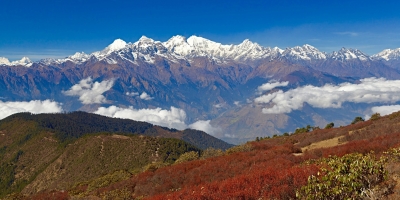
Rubi Valley Trekking in the Ganesh Himal region is an enchanting journey that offers trekkers an authentic experience in one of Nepal’s most pristine and lesser-explored mountain regions. This trek is famous for its breathtaking panoramic views of majestic Himalayan peaks such as Langtang, Ganesh, Bouddha, and Hiunchuli. Unlike more commercial trekking routes, Rubi Valley is a hidden gem where nature remains largely untouched, allowing adventurers to immerse themselves in unspoiled beauty. The route is predominantly a homestay trek, giving trekkers a unique opportunity to experience the warm hospitality and vibrant cultural traditions of local ethnic groups such as the Tamang and Gurung communities. The trek begins and ends in Kathmandu, spanning a total of 13 days. You spend the initial and final days in the bustling capital, allowing time for acclimatization, cultural exploration, and preparation. The journey through remote villages, terraced farmlands, rhododendron forests, and alpine meadows reveals a side of Nepal rarely seen by mainstream tourists. Travelers enjoy peaceful trails far from crowds, making the Rubi Valley Trekking an ideal choice for those seeking solitude and genuine cultural interactions. Rubi Valley Trekking Package Asiana Treks and Tours offers a well-structured 13-day Rubi Valley Trekking package that combines adventure, culture, and natural beauty. This trek includes all necessary arrangements such as accommodation in homestays, meals, local guides, and transportation from Kathmandu to the trailheads and back. The package is designed to ensure a comfortable and safe trekking experience with opportunities to explore Nepal’s diverse ethnic traditions and Himalayan landscapes. Package Highlights: 3 nights in Kathmandu for rest and sightseeing Trekking through the untouched Ganesh Himal region Homestay accommodations for authentic cultural experiences Spectacular views of Himalayan peaks: Langtang, Ganesh, Bouddha, Hiunchuli Interaction with Tamang and Gurung ethnic groups Professional guide and porter services included Transport to and from trekking starting/ending points Support for acclimatization and safety throughout the trek Rubi Valley Trekking Distance and Difficulty The total trekking distance covers approximately 120-130 kilometers spread over 9 trekking days. The daily trekking distance averages 12-15 kilometers with moderate to challenging elevation gains and losses. Distance Highlights: Moderate altitude with maximum elevation around 2,600 meters Mix of forest trails, mountain ridges, and rural village paths Trekking pace designed for acclimatization and comfort Suitable for experienced trekkers and adventurous beginners with good fitness Rubi Valley Trekking Cost 2026/2027 The comprehensive cost of the Rubi Valley Trekking package for 2026/2027 includes airport transfers, all accommodation (hotel and homestay), meals during trekking, professional guide and porter services, permits, and transportation. Price Breakdown: International and domestic flights: Not included Kathmandu accommodation: Included for specified nights Trekking permits and national park fees: Included Guide and porter wages: Included Meals during trekking: Included (breakfast, lunch, dinner) Transportation (Kathmandu to Syabrubesi and back): Included Personal expenses and insurance: Not included Please contact Asiana Treks and Tours directly for a detailed, personalized quotation based on your travel dates and group size. Rubi Valley Trekking Price Breakdown The Rubi Valley Trekking package offered by Asiana Treks and Tours provides great value by including all the essentials for a safe and memorable Himalayan adventure. The price generally covers airport transfers in Kathmandu, comfortable hotel stays before and after the trek, and cozy homestays during trekking days. Your meals on the trail—breakfast, lunch, and dinner—are included, which helps you stay well-fueled throughout the journey. A professional, experienced local guide and porter accompany the group to ensure safety, smooth logistics, and cultural interpretation, making the trek both safe and enriching. Additionally, all necessary permits, such as TIMS (Trekkers’ Information Management System) and conservation fees for protected areas, are included in the price. Transportation costs for the round-trip journey from Kathmandu to Syabrubesi (trailhead) are also covered. However, the price typically excludes international airfare, travel insurance, personal shopping or tips, and any additional activities or hotel upgrades outside the package. For 2026/2027, Asiana Treks and Tours recommends budgeting for these extras separately to avoid surprises. Group sizes and specific dates can also affect pricing, so it’s best to contact the company for customized quotes. Price Breakdown Summary: Included: Airport transfers in Kathmandu Kathmandu hotel stays (3 nights) All meals during trekking Accommodation in homestays Professional guide and porter Trekking permits and conservation fees Round-trip transportation to/from Syabrubesi Not Included: International/domestic flights Travel insurance Personal expenses and tips Extra activities or hotel upgrades Rubi Valley Trekking Altitude Guide Rubi Valley Trekking takes trekkers through varying altitudes, ranging from around 1,500 meters in Syabrubesi up to the highest points near 2,600 meters at Borang and nearby villages. The altitude profile is moderate compared to some of Nepal’s higher Himalayan treks, which makes this route accessible to a broader range of trekkers, including those who may not want to push into extreme high altitudes. Nevertheless, acclimatization is still important to prevent altitude sickness and ensure a comfortable experience. The trek starts with lower-altitude forest trails, ascending gradually through terraced fields and alpine meadows where rhododendrons bloom in spring. The altitude changes daily are designed to help your body adjust progressively. Since the highest points remain below the 3,000-meter mark, the risk of severe altitude sickness is relatively low, but proper hydration and pacing are encouraged. The trek concludes with a descent back down to Kathmandu, ensuring a smooth transition back to low altitude. Altitude Highlights: Starting altitude: approx. 1,400 meters (Syabrubesi) Highest altitude: approx. 2,600 meters (Borang area) Moderate altitude gain, suitable for beginners to intermediate trekkers Daily elevation changes to aid acclimatization Risk of altitude sickness is low but possible—hydration and rest recommended Why Choose Rubi Valley Trekking? Choosing the Rubi Valley Trekking route with Asiana Treks and Tours means stepping off the beaten path to experience a truly authentic and tranquil Himalayan adventure. Unlike the more popular trekking routes such as Annapurna or Everest Base Camp, Rubi Valley remains relatively untouched by mass tourism, providing a peaceful environment with pristine nature and minimal crowds. This makes it perfect for travelers who want to experience Nepal’s rural mountain life, spectacular scenery, and cultural diversity without the hustle and bustle of tourist hubs. The homestay-style accommodations offer an intimate cultural immersion where trekkers live with local families and enjoy home-cooked meals, enhancing the connection with Nepal’s indigenous ethnic communities like the Tamang and Gurung. The natural beauty is complemented by diverse flora and fauna, tranquil forests, and views of stunning Himalayan peaks. Asiana Treks and Tours ensures every trekker’s comfort, safety, and authentic experience by providing experienced guides and personalized service. Whether you seek nature, culture, or adventure, Rubi Valley offers a fulfilling trekking experience. Reasons to Choose Rubi Valley Trekking: Off-the-beaten-path trekking with fewer tourists Authentic homestay experiences with local communities Spectacular views of Ganesh Himal, Langtang, and Hiunchuli peaks Rich biodiversity with rhododendron forests and alpine meadows Moderate altitude, ideal for beginners and intermediate trekkers Professional guides ensuring safety and cultural insights Tailored itineraries from Asiana Treks and Tours for maximum comfort Preparing for Rubi Valley Trekking Proper preparation is key to enjoying the Rubi Valley Trekking adventure to its fullest. Given the trek’s moderate altitude and mixed terrain, physical fitness plays a significant role in your comfort on the trail. It is recommended to engage in cardiovascular exercises like hiking, running, or cycling at least 4-6 weeks prior to the trek. Endurance and leg strength training will help manage uphill and downhill sections with ease. Mental preparation is also important, as you’ll experience simple living conditions during the homestay nights. In terms of gear, pack light but thoughtfully. Essentials include layered clothing to accommodate variable mountain weather, sturdy trekking boots, a warm sleeping bag, and rain protection. Asiana Treks and Tours provides a detailed packing list and offers support with gear rental options in Kathmandu if needed. Don’t forget travel insurance that covers trekking activities. Nutrition and hydration are vital during trekking; carry reusable water bottles and water purification tablets or filters recommended by the guides. Lastly, consult your doctor about altitude sickness medications if you have concerns. Preparation Tips: Begin cardiovascular and strength training weeks before the trek Pack layered clothing, waterproof gear, and comfortable boots Use trekking poles to reduce joint strain on descents Arrange travel insurance covering trekking and emergencies Carry necessary medications, including altitude sickness prevention Stay hydrated and maintain balanced nutrition during the trek Follow Asiana Treks and Tours’ pre-trek briefing and packing guide What to Expect on the 12–13-Day Rubi Valley Trekking Adventure The 12–13-day Rubi Valley Trekking adventure with Asiana Treks and Tours offers a balanced blend of scenic trekking, cultural immersion, and rest days in Kathmandu. The journey begins with an engaging cultural tour of Kathmandu’s UNESCO World Heritage sites, preparing trekkers for the contrasting tranquility of mountain life. After a scenic drive to Syabrubesi, you embark on daily treks through forests, terraced hills, and peaceful villages, staying in comfortable homestays that provide hearty, local meals. Along the way, expect warm interactions with ethnic Tamang and Gurung people, who share their traditions, stories, and lifestyles. The trail showcases spectacular Himalayan panoramas that unfold gradually as you ascend, with rhododendron blossoms coloring the landscape in spring. The trek’s moderate altitude and carefully planned itinerary allow sufficient acclimatization and enjoyable hiking days averaging 5-6 hours. At the end of the trek, you return to Kathmandu to relax and celebrate your adventure before departure. What to Expect: Comfortable homestay accommodations with local families Daily trekking distances of 12-15 km with moderate elevation gain Cultural exchanges with Tamang and Gurung ethnic communities Panoramic views of Himalayan peaks and lush forests Professional support from experienced guides and porters Time in Kathmandu for cultural sightseeing and rest A peaceful, less crowded trekking experience off popular trailsOxygen Levels on Rubi Valley Trekking The Rubi Valley Trekking route offers a relatively moderate altitude experience, which means oxygen levels along the trail remain comfortably sufficient for most trekkers. At lower elevations around 1,400 meters in Syabrubesi, the oxygen concentration is nearly the same as at sea level, allowing trekkers to start their journey without any respiratory difficulty. As you ascend towards the highest points around 2,600 meters near Borang, the atmospheric pressure and oxygen levels drop slightly. However, this altitude is considered moderate and well within the range that most healthy individuals can tolerate without significant issues. Despite the lower oxygen levels at higher elevations, the trek’s gradual ascent ensures that your body has time to acclimatize, reducing the risk of altitude sickness. Symptoms like headaches, dizziness, or nausea are less common here than on higher Himalayan treks. Still, it’s essential to stay hydrated, take regular rest breaks, and avoid overexertion. Asiana Treks and Tours guides are trained to monitor your health and suggest acclimatization techniques. If you have pre-existing respiratory or cardiovascular conditions, consulting a doctor before the trek is advised. Key Oxygen Level Facts: Starting altitude oxygen near sea level (1,400 m) Highest altitude approx. 2,600 m with moderate oxygen reduction Gradual ascent minimizes altitude sickness risk Hydration and pacing important for acclimatization Guides trained to assist with altitude-related health concerns Generally safe for healthy trekkers with moderate fitness Major Villages and Scenic Viewpoints on Rubi Valley Trekking Route Rubi Valley Trekking showcases a charming blend of remote villages and breathtaking viewpoints that enrich the trekking experience. The trek begins at Syabrubesi, a gateway village known for its traditional Tamang culture and lush surroundings. Other notable villages include Ghatlang, Somdang, Tipling, Borang, Jharlang Phedi, Khaniyabas, Marpak, and Katunje. Each village offers unique cultural experiences through homestays where trekkers can savor authentic local cuisine and interact with friendly residents. These villages are dotted with terraced fields, prayer flags, and traditional architecture, giving a vivid glimpse into rural Nepali life. The route is also rich with scenic viewpoints offering panoramic vistas of the Himalayan ranges. From Borang and surrounding high points, trekkers can admire stunning views of the Ganesh Himal massif, Langtang range, Bouddha Himal, and Hiunchuli peaks. Rhododendron forests, alpine meadows, and serene rivers accompany the trail, adding to the natural beauty. Asiana Treks and Tours ensures that these key spots are highlighted with adequate rest stops to absorb the views and take memorable photographs. Major Villages & Viewpoints: Syabrubesi: Starting point with cultural richness Ghatlang & Somdang: Forested, traditional villages Tipling & Borang: Panoramic Himalayan views Jharlang Phedi & Khaniyabas: Remote villages with homestay experiences Marpak & Katunje: Final villages before return Scenic viewpoints of Ganesh Himal, Langtang, Bouddha, Hiunchuli Natural highlights: Rhododendron forests, alpine meadows, rivers Flora and Fauna of Rubi Valley Trekking The Rubi Valley region is a biodiversity hotspot, offering trekkers a rich palette of flora and fauna throughout the journey. The trail passes through diverse ecosystems, beginning with subtropical forests rich in oak, pine, and rhododendron trees. During the spring season, the rhododendron forests burst into vibrant red, pink, and white blossoms, creating spectacular scenery. Higher up, alpine meadows provide habitat for various wildflowers, medicinal plants, and aromatic herbs that locals use for traditional remedies. Wildlife sightings along the trek include several bird species such as the Himalayan monal (Nepal’s national bird), blood pheasant, and colorful butterflies. Mammals like musk deer, barking deer, and occasionally the elusive red panda inhabit the forested areas. The rich natural environment supports a delicate ecosystem that trekkers can appreciate while minimizing their environmental impact. Asiana Treks and Tours promotes responsible trekking to protect this fragile habitat. Flora & Fauna Highlights: Oak, pine, rhododendron forests Spring rhododendron blooms Alpine meadows with wildflowers and medicinal herbs Bird species: Himalayan monal, blood pheasant, various songbirds Mammals: Musk deer, barking deer, occasional red panda Emphasis on eco-friendly trekking practices Festivals and Local Culture Along Rubi Valley Trekking Route Trekking through Rubi Valley offers a unique opportunity to experience Nepal’s vibrant local culture, deeply intertwined with ethnic traditions and festivals. The region is predominantly inhabited by Tamang and Gurung communities, whose customs, folklore, and lifestyle add rich layers to the trekking experience. Homestay stays allow travelers to participate in daily village life, including traditional cooking, farming activities, and handicrafts. Throughout the year, you may encounter colorful festivals such as Lhosar (Tamang New Year), Dashain, and Tihar, celebrated with lively dances, music, and rituals. These festivals reflect the community’s strong spiritual beliefs and connection to nature. Local monasteries and temples along the trail offer insight into Buddhist and Hindu practices, often marked by prayer flags fluttering in the mountain breeze. Asiana Treks and Tours ensures that trekkers have opportunities to learn about and respect these cultural celebrations, enhancing the journey’s authenticity. Cultural & Festival Highlights: Tamang and Gurung ethnic communities Homestay cultural immersion Festivals: Lhosar, Dashain, Tihar Traditional dances, music, and rituals Buddhist monasteries and Hindu temples Learning about local customs and spiritual life Why Book with Asiana Treks and Tours for Rubi Valley Trekking Booking your Rubi Valley Trekking adventure with Asiana Treks and Tours guarantees a well-organized, safe, and culturally enriching experience. With years of local expertise and a passion for Nepal’s mountains, Asiana Treks prioritizes personalized service, ensuring that every trekker’s needs are met. The company employs knowledgeable guides and experienced porters who are trained in safety, first aid, and cultural interpretation. Their focus on small groups means a more intimate, flexible, and authentic trekking journey. Moreover, Asiana Treks and Tours is committed to responsible and sustainable tourism. They work closely with local communities, contributing to economic development through fair wages and supporting eco-friendly practices that protect the natural environment. The company also provides transparent pricing, detailed pre-trek briefings, and 24/7 customer support. Choosing Asiana Treks means choosing quality, safety, and meaningful cultural connections in the heart of the Himalayas. Reasons to Book with Asiana Treks: Experienced local guides and porters Small group sizes for personalized attention Emphasis on safety and responsible trekking Support for local communities and eco-tourism Transparent pricing and excellent customer service Comprehensive pre-trek preparation and support How to Book Rubi Valley Trekking Booking the Rubi Valley Trekking with Asiana Treks and Tours is a straightforward and customer-friendly process designed to provide convenience and peace of mind. Interested trekkers can start by visiting the company’s official website or contacting their customer service team via email or phone. Asiana Treks offers personalized consultations to tailor the trekking itinerary to your preferences, travel dates, and fitness levels. Once details are finalized, a booking confirmation and detailed pre-trek information pack are sent to ensure you are well-prepared. Payments are typically made through secure online transactions, bank transfers, or in-person payments in Kathmandu. Asiana Treks recommends booking at least 4-6 weeks in advance, especially during peak trekking seasons, to secure guides, permits, and accommodations. The company also offers flexible cancellation policies and travel insurance guidance. Throughout the process, their team remains available to assist with visa advice, equipment rentals, and any special requirements, making your Rubi Valley adventure hassle-free. Booking Steps: Contact Asiana Treks via website, email, or phone Discuss itinerary, dates, and requirements Receive booking confirmation and info pack Make payment securely online or in Kathmandu Prepare for trek with company support Enjoy flexible cancellation and travel insurance options


 (2)
(2)  100% recommend (0)
 (0)
(0)