Journey to Extraordinary Height.
Peak climbing in Nepal is a dream for adventure lovers, mountaineers, and trekkers. With 1,310 peaks over 6,000 meters, the Himalayas offer more than just high summits—they inspire with beauty, vastness, and mystery. A classic expedition takes you through lush foothills, past traditional Sherpa villages, and along stunning mountain scenery. Whether you’re a beginner or a seasoned climber, Nepal has challenges for every skill level, from trekking peaks to technical routes involving ice, rock, and glaciers. For a premium experience, choose a VIP expedition with private guides, top-notch gear support, luxury lodges, and even a helicopter return from base camp. Enjoy breathtaking views, magical sunrises and sunsets from the summit, and immerse yourself in Sherpa culture and local traditions. This journey not only tests your limits but also reveals the true spirit of the Himalayas, making it a genuinely enriching adventure.
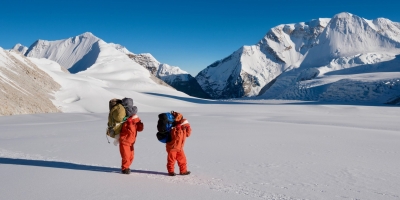
The Nepal Mountaineering Association (NMA) categorizes Mera Peak Climbing as the highest trekking peak. Mera Peak at an elevation of 6476 meters is adventurous but less challenging, requiring little or no peak summiting experience. However, it involves the preparation of proper safety gear and physical and mental fitness to trek to the steep hanging rocks and remain calm in the barren lands of the Himalayas. Climb to Mera Peak is the easiest mountaineering in the Everest region where most of the peaks stand tall over 8000 meters. Primarily, mountaineers fly to Lukla from Kathmandu and land on the world’s most dangerous airport runway. The trekkers descend off the beaten trails reaching Khare via Hinku Valley for a night stay. The beautiful Hinku valley remains unspoiled with green terrace farmlands, and Buddhist Monasteries and provides mesmerizing views around the valley inhabited by the Sherpa people.The trails are full of stunning snow-capped Himalayan Vistas, dramatic landscapes, untouched valleys, and impressive floras and faunas. The trails take travelers to the most beautiful Everest region with frozen lakes, glaciers, deep gorges, rocky paths, giant waterfalls, and hanging suspension bridges. Trekkers take sufficient time at an elevation of 4900m to acclimatize their body and mind to avoid AMS (Acute Mountain Sickness) and rest from rigorous treks at the tea houses. Further, the traveler set up two camps to acclimatize before climbing the Mera Peak (6476m) since the level of oxygen reduced drastically; one at Mera Base Camp (5350m) and another at a high camp (5800 m). The mountaineers make a final push straight up to the elevation of 6476 meters using dynamic ropes crossing the icy hanging rocks take them to the summit. The Mera Peak provides sensational 360° views of the world’s tallest mountains such as Mt. Everest (8848m), Ama Dablam (the necklace of Mt. Everest.), Kanchenjunga (8586m), Lhotse (8516), Mt. Makalu (8481), Cho Oyu (8201) and several other highest peaks. It leaves trekkers speechless and provides a lifetime memory of adventure, nature, and culture. Finally, trekkers retrace back to Lukla Airport via Zatra La Pass through quaint villages which gives a glimpse of rich Sherpa culture.Mera Peak Itinerary:Asiana Treks and Tours ensures a safe and well-organized itinerary tailored for optimal acclimatization and enjoyment. Climbers experience from lively Kathmandu to tranquil Himalayan trails, experiencing the contrast of cold nights at high-altitude camps and exhilarating summit days.Mera Peak Climbing Distance:Climbing Mera Peak involves covering approximately 125 kilometers (78 miles) of challenging terrain. You can expect to spend around 14 to 18 days on the expedition, which includes time for acclimatization and the summit attempt. Keep in mind that weather, group pace, and individual fitness can affect the actual duration and distance traveled.Mera peak climbing route:The Mera Peak trek cuts away from the more well-known route of the Everest Base Camp which is much more crowded. It starts with a flight to Lukla and then passes through the beautiful Hinku valley. Hiking needs to be gradual with stop-overs at a place like Khare. Once you get used to that, then start the actual climb to the Mera Base Camp. From there climbers put up what is called High Camp and then attempt to make the final push to the summit. The coming down also repeats the ascending pattern and the final road leads back to Lukla; the whole of the journey is filled with magnificent views.Mera peak climbing cost:The climbing cost of Mera Peak varies regarding several factors. The number of persons in the group, the type of service required; the method of transport, and the accommodation in Kathmandu also determine the price. In general, the price ranges between $2,385 AND $2,575 per person. This involves appropriate quality types of equipment and preferable accommodation facilities when practicing the exercise of climbing. It is our opinion that your choices should be yours; thus, we offer you the best that fits your preferences and pocket. In this manner, it is possible to arrange the ultimate climbing experience while paying little attention to the details.Mera Peak climbing Difficulty:Mera Peak is described as a moderate peak for newcomers to Nepal and mountaineering all in all, it is not an easy peak to climb. Like many other technical peaks, physically and mentally it is not very strenuous compared to other places but the altitude of this mountain is over 6,400 meters. Successful acclimatization is critical, as are such beginners’ techniques as double boots, crampons, and an ice axe. Of course, it is quite a payoff to get to the top but it is a challenge that needs some effort, personal fitness, and the acknowledgment of the power of nature.Mera Peak Height:Mera Peak rises to 6,476m/ 21,247 ft making it one of the tallest trekking peaks in Nepal. Another factor that can well be attributed to the difficulty of climbing the mountain is this awesome elevation. A climber has to ascend gradually due to the poor concentration of oxygen in the atmosphere at such altitude with a view of enhancing his/her likelihood of successful conquest of the mountain.About Mera Peak High Camp:Mera Peak High Camp is a rather lonely place located at the threshold of the high altitude area. Located at an altitude and climate that makes it an extremely inhospitable environment consisting of extreme cold, strong winds, and a severely low amount of oxygen. Being a base for the final attempts at reaching the summit, the camp requires a great deal of strength both physically and mentally. The climbers are exposed to extreme conditions and most of the time they have limited sleep due to the altitude they are at. Although difficult to denote given the difficult conditions experienced in High Camp, it plays a definite role in being the last chance to rest before the Mera Peak summit. Perhaps it is fortunate that the huge walls of the surrounding Himalayas, including those of Mount Everest, Lhotse, and Makulu, are inspiring and also scary and grand at the same time to help you remember that it is a huge journey you are about to undertake.Mera peaks safety:Safety is the prime concern at Asiana Treks and Tours in Mera Peak climbing. As far as the mountain is concerned, it has some drawbacks, mainly connected to high altitude, yet the agency can number a significant number of its successful climbing expeditions, most of which stated no fatalities. Nevertheless, altitude sickness persists as a possibility and we minimize it by proper itinerary, hiring professional porters, and proper gear.The guides leading this team are well trained for mountaineering, first aid, and high altitude traveler’s medical care. This way, their expertise in the destination and safety-oriented approach guarantee you the best throughout the journey. We strictly adhere to security measures and use the best equipment to reduce as many variables as possible and give you the best chance at the top.Do not worry, your safety will always be of top utmost importance to us. While choosing a climbing company, it is always best to journey with a company that looks out for your welfare, which is why with Asiana Treks and Tours, you can start your Mera Peak journey knowing that you are in safe hands.Major villages of Mera Peak Climbing:Mera Peak trekking Trail goes through some of the stunning villages of the region. The trail to reach the base village is from Lukla via Paiya, Panggom, Ningsow, Chhatra Khola, Kothe, and Thaknak ending at Khare which is important for acclimatization. These villages provide a taste of the Sherpa lifestyle and magnificent views of the mighty Himalayas which make for a fitting setting to prepare and attempt the strenuous climb.Best Viewpoints on the Way to Mera Peak Climbing:The Lobuche Peak climbing is a spectacle of the eye since the view of the Himalayas opens up before one with a marvelous delight at every stage of the trek. Here are some of the most notable viewpoints along the way: Here are some of the most notable viewpoints along the way:Soaring Sights:At the start of your journey you will be greeted with an amazing helicopter view of the great Himalayas. While flying to Lukla or Ramechhap take the left side of the plane to get an external view of heaps of mountains including the Langtang and Mount Everest.First Glimpse of Everest:On the way to Namche Bazaar while crossing the Hillary Bridge the mighty Everest peak comes into view for the first time.Namche Panorama:Namche Bazaar resides in the central part of the Everest region where this view can be observed. You can directly visit Hillary Park or for the stunning views of the Himalayan ranges including Mount Everest visit Sagarmatha National Park Headquarters.Unparalleled Vistas:Take in sensational views of Mount Everest and her neighboring brethren from the luxurious indoors of the Everest View Hotel. Sherpa Villages: When hiking on the trail, go to beautiful villages such as Tangboche, Pangboche, and Deboche which provide different vantage points of the gigantic Himalayas.Lobuche Base Camp:Lobuche Base Camp is another picturesque site located in a valley, with great peaks rising around and it gives a beautiful first impression of the mountain you are going to climb. From here you get a splendid view of the huge face of Lobuche Peak and the Lhotse Glacier. High Camp: The views become even more dramatic as you ascend to the fourth night stop at the Lobuche High Camp at 5,600M/18,373FT. This camp gives fantastic scenery of the expanding mountains like the Ama Dablam, Makalu, Baruntse, etc. Crampon Point:Prepare for the summit at the crampon point where one has to fix the crampons before crossing the glacier. This vista is rather challenging but at the same time very stimulating. You will be presented with a view of the glacier below as well as a steep and fine finale that is the summit ridge. From this vantage point, one gets a boost of the reminder of the probabilities of facing the odds while getting the potential of experiencing the potential of experiencing success in it.View and experience the top of Mera Peak Climbing:Standing on Mera Peak is hard to put into words! You get this amazing view all around. It's a full 360-degree sight of the huge Himalayas. Everest, Lhotse, Makalu, & Kanchenjunga—they seem so close as if you could reach out & touch them! Below, the world feels smaller. It turns into a lovely mix of snowy peaks, big glaciers, & vibrant green valleys. Wow! This moment feels thrilling. You become so connected to nature—it’s incredible how tough people can be & how grand these mountains are. Truly unforgettable!Flora and Fauna In Mera Peak Climbing:The Mera Peak climbing path is a delightful mix of nature's beauty & fascinating wildlife. You will find lush rhododendron forests when you’re at lower altitudes. They are filled with vibrant flowers, which create a lovely backdrop against the stunning Himalayan landscape. As you climb higher, keep an eye out for alpine meadows. Yaks often graze peacefully here while breathtaking views surround you.It’s also interesting to spot creatures like red pandas, musk deer, & even Himalayan black bears. But, be warned—sightings are quite rare! Even though reaching the summit is the main goal, don't forget to take a moment to enjoy the amazing ecosystem around you. This adds something extra special to your adventure.This Mera Peak route showcases diverse environments and stunning sights. The beautiful scenery shifts dramatically as you make your way up. From lush greenery to open alpine expanses, it truly makes for a unique experience across different ecosystems. Enjoy every step of the journey!Festivals and Culture of Mera Peak Climbing:The Mera Peak Climbing offers a cultural immersion into Sherpa traditions. A highlight is the Dumji and Mani Rimdu Festival at Tengboche Monastery, held annually in October or November. This vibrant celebration features sacred dances and colorful ceremonies, providing insight into Sherpa culture.Buddhism, a central pillar of Sherpa life, is beautifully woven into the Trek's fabric. It's evident in the monasteries, prayer flags, and Mani walls that dot the route. Visitors are not just spectators but can actively participate in Buddhist rituals, fostering a deeper understanding of Sherpa spirituality and their profound connection to nature. In their harmonious coexistence with nature, Sherpas practice sustainable living with eco-friendly methods like using yak dung as fuel and waste management. These practices, born out of necessity and deep respect for the environment, are a testament to the Sherpa's ingenuity and their role as responsible stewards of the land. It's a practice that inspires respect and admiration. People and Hospitality:Nepal is a country where warm hospitality and incredible values are not just a custom but a deeply ingrained part of its culture. Whether a foreign visitor or a local, you're greeted with open arms, friendly smiles, and a radiant manner. This tradition of hospitality, deeply rooted in Hinduism, Buddhism, and traditional customs, sees guests as blessings and treats them with utmost respect, generosity, and kindness.The Sherpa people, an indigenous ethnic group with a unique blend of Tibetan Buddhism and ancient Bon rituals, epitomize these values. Residing in the upper Khumbu area, they welcome guests with a distinct warmth and an unwavering spirit of hospitality, marked by their renowned honesty and loyalty.Advantage book with Asiana Treks and Tours with Mera Peak: * Private transport for airport transfers to/from your hotel.* Trip briefing on Facebook and online if you love to connect.* Last minute booking at your hotel at a suitable time after your arrival.* Easy booking and reservation system.* Multi-channel communication via Email, WhatsApp, Facebook, Viber, Skyp 24/7 phone communication at +977-9851076270* Free excess luggage storage during the Trek* Oximeters are provided to examine blood oxygen saturation at high altitudes to detect altitude sickness early* Medical kits along the Trek and hot airbags are available in winter* Arrange sleeping bags, duffel bags, down jackets, and walking pools if you don't have your own.Mera Peak Climbing Start:If you miss the regular trip briefing, don't worry. We'll provide it at a convenient time before departure or before a World Heritage tour the following morning or the next day; we'll then proceed to the airport flight to Lukla or drive a 4-hour Manthali Flight to Lukla.Currency Exchange:The Nepalese rupee is Nepali currency, and 1 USD is approximately 130 NPR. Only NPR is accepted in Nepal, so it's best to bring cash to facilitate transactions. Banks and ATMs in Kathmandu provide currency exchange services but note that most banks prefer new, crisp notes.Our Team:The Asiana Treks and Tours team is professional, reliable, and responsible. They are well-trained, friendly, radiant, and fluent in English. You can feel comfortable sharing anything with them. They are experts in local culture, history, vegetation, food, accommodation, weather conditions, and first aid medication. They are also environmentally conscious and respect the rights of animals.However, please do not provoke them for personal gain during the Trip. While you can enjoy your holiday with them, we kindly request that you do not try to change their customs, beliefs, religion, culture, or traditions.We and our staff are committed to making your adventure trip unforgettable memories of a lifetime journey in Nepal. Sherpa, Guide, and Porter Arrangement:Our company, Asiana Treks and Tours, focuses on responsible tourism in Nepal. We ensure our guides and porters are well-trained in Trekking, Peak climbing, and mountaineering. They know a lot about the areas we go to, including geography, history, customs, and culture. We train them regularly in safety, first aid, and environmental conservation. We follow guidelines to treat our porters fairly, providing them with good pay, accommodation, and meals during treks. Our guides and porters are essential team members, and we appreciate their hard work. When you trek with us, you support ethical tourism in Nepal, making your Trip meaningful and memorable.Asiana Treks and Tours prioritizes your safety and enjoyment. Our knowledgeable guides, reliable equipment, and safety measures ensure a great trekking experience in Nepal.Porter, Luggage, and Extra Luggage Storage: We cover the cost of porters for your Luggage, but the maximum weight limit is 12 kg per person. Each porter carries Luggage for two trekkers; please share a duffle bag with another. Our porters will carry up to 25 kg each. If you need a porter for yourself, we can arrange that. We also recommend carrying a small backpack for your valuables and important documents. You can leave extra Luggage at our office for free and at a hotel in Pokhara, Namche, etc.Accommodation Mera Peak Climbing:Accommodation during the Merapeak Climbing varies. Along the trekking route, you'll stay in guest houses, commonly known as teahouses. These basic lodges offer rooms, dining areas, and toilets. The quality of guest houses varies but remains affordable and convenient for trekkers. Rooms typically have twin or bunk beds and shared bathrooms, and blankets and pillows are available. Our company can offer a sleeping bag if you don't have one. You'll spend nine nights in lodges along the trekking route and three nights in a hotel in Kathmandu. Some places and lodges have attached bathrooms, while others offer simple yet clean rooms with shared facilities. We can arrange a solo trekking service if you're traveling solo. In high season and particular areas, availability may be limited for you, although we try our best. In Kathmandu or Pokhara, your hotel room will have excellent amenities, including TV, 24/7 hot water, electricity, and laundry service.Meals during the Trip:Eating well is for the Mera Peak you through the Himalayas. You'll have plenty of nutritious meals in the trekking regions, although the options won't be as varied as in the cities. You'll get fifteen breakfasts, eleven lunches, and ten dinners during the Trek. The menu includes local, Asian, and Western dishes, but it gets more straightforward as you climb higher. Try popular Nepali foods like lentils, rice, curry, dumplings, noodles, Spagaties, and many more. We highly recommend eating fresh vegetables and drinking liquids like green tea, lemon tea, hot lemon, ginger tea, and garlic soup, especially at high altitudes. While non-vegetarian options are available during the Trek, we suggest avoiding them for hygiene reasons. It's also best to steer clear of dairy, cheese, alcohol, caffeine, and hot chocolate. Personal expenses like alcoholic drinks, extra beverages, and cafes aren't included in the package.Drinking water during Mera Peak Climbing:Nepal is the second country in the world in terms of water sources after Brazil. According to the Nepal government, only 27% of people here have clean drinking water. You can buy mineral water in teahouses, but it is expensive. Lokals people prefer something other than plastic bottles in some trekking areas, but there are some safe drinking water stations where you can refill your bottle. However, we recommend carrying Steripen, iodine drops, water purification tablets for safe drinking, and refillable water bottles for boiled or filtered water. We strongly advise not to drink from taps, wells, and rivers in trekking areas. However, in all the city areas, Mineral water is available at a reasonable cost everywhere.Extra Personal Expenses for Mera Peak Climbing:Your Trip covers most expenses during the peak climbing; you'll need to spend money on extra accommodations and meals in Kathmandu, souvenirs, and beverages. The package does not include expenses incurred for personal items and services such as trekking and climbing equipment, laundry, tips, landlines, mobile phones, walkie-talkies, satellite phones, and internet services. You will need to cover these costs yourself as you use them. While most expenses during the Trek are covered, you must budget additional accommodations and meals in Kathmandu, souvenirs, and beverages. We estimate miscellaneous expenses to be around USD 15-25 per trekking day. However, personal expenses will vary depending on your income, habits, and lifestyle.Toilet Facilities in Mera Peak Climbing:Most teahouses have Western-style flush toilets during mountain treks, especially at lower elevations. But as you go higher, find simple squat toilets along the trails and teahouses at higher altitudes. These toilets usually have water or toilet paper, but it's a good idea to bring your toilet paper just in case. You can also use restrooms at nearby teahouses or find a private spot along the trekking routes.Internet Connectivity:While trekking in the Himalayan region of Nepal, connecting with your family and friends is also a good idea. You can find internet access at teahouses and lodges, but it might be extra minimal cost. The signal might be weak because of the remote location. You can also get internet access using a local SIM card and data packages available at Kathmandu airport or nearby shops in Thamel. You'll have a passport-sized photo and a copy of your passport to get a SIM card. It's a good idea to compare prices and data packages from telecom companies like Ncell and Nepal Telecom before buying. Knowing about teahouse connectivity. Our guide will suggest connections for you. Electricity voltage and plugs:However, 95 % of Nepali people have access to electricity as of May 29, 2023. almost popular trekking routes, teahouses, and lodges have electricity. However, some isolated and solo trekking tea houses in the jungle don't have electricity; most tea houses let travelers charge for their devices for a small fee. The average electrical voltage in Nepal is 230 volts, with plug types like Type C, Type D, and Type M. Travellers should bring a suitable adapter and, if needed, a voltage converter for their electronic devices.Communication:The guest houses in the trekking regions have internet access. You could buy a SIM card at Tribhuvan International Airport Kathmandu and Namche. However, the signal may need to be more assertive at high altitudes. Our office keeps in touch with all trekking teams via the trek guide at least once daily to ensure everything goes as planned. However, services include landlines, mobile phones, walkie-talkies, satellite phones, and internet services. You will need to cover these costs yourself as you use them.Trip Extension:Suppose you have extra days in Nepal after the Trek. In that case, we can arrange a tour, overnight stay at Nagarkot Balthali or any other place around Kathmandu and Chitwan, jungle safari, paragliding, rafting, canyoning, or other treks. Do not hesitate to Inform us. We will create the best for you.Trip Safety:At Asiana Treks and Tours, we take immense pride in our impeccable safety record, especially concerning the challenging climb of Island Peak. Our main priority is our client's safety first, so there have been no fatalities during Island Peak expeditions; however, High-altitude trekking, peak climbing, and mountaineering are inherently risky and adventurous activities in remote areas.We take the utmost care and use the right gear and safety protocol to minimize risks, ensuring our clients' safe and successful climbs. This comprehensive approach to safety will make you feel secure and protected throughout your adventure.Our climbing guides are experienced mountain submitters and well-versed in first aid and high-altitude medicine. Their extensive training and local knowledge ensure that they can handle any situation that might arise during the climb, providing you with a sense of security and confidence in their abilities. Asiana Treks and Tours is committed to your safety and success. Our proven track record and experienced guides ensure that your Island Peak adventure will be thrilling and secure.Group & Private Treks:We organize many group and private treks simultaneously, with discounts available for larger groups. Every group will have a trekking guide and porters. Regarding larger groups, we provide an assistant guide. Our team ensures a safe and enjoyable trekking experience for all participants.About solo traveler:If you're a solo traveler, please get in touch with us to confirm departure dates before booking. You can tell us via call, WhatsApp, or email. We have listed upcoming departure dates for your convenience. Feel free to share the trip details with friends and family.Notes: Please be aware that the itinerary may change due to weather or other factors, and we'll adjust it accordingly for the group's safety and enjoyment. We look forward to guiding you through the stunning landscapes of the Annapurna region and ensuring a memorable trekking experience.Responsible Travel:We prioritize responsible travel to minimize environmental impact and support local communities. We collaborate with organizations like the Kathmandu Environmental Education Project (KEEP) to promote eco-friendly practices in trekking regions.Gratitude:Gratuities are appreciated in Nepali culture and reflect the quality of service provided. While the amount you tip is up to you, we recommend tipping as a group at the end of the Trip. Our staff involved in your trekking and mountaineering experience will be hoping for tips, gifts, or tokens of appreciation. This is a meaningful way to express your satisfaction with their service and to show your gratitude.End of Climbing trip:On the eleventh day, you'll take a bus from Pokhara back to Kathmandu, which takes about seven hours. Alternatively, you can fly from Pokhara to Kathmandu for an extra fee. In the evening, we'll host a farewell dinner in Kathmandu.Departure:On the day of your departure flight, we'll come to pick you up from your hotel and transfer you to Tribhuvan International Airport. We hope you enjoyed the Nepal trek and will consider returning for more adventures in Nepal.Feedback:After you complete the Lobuche peak climbing, we'll organize a farewell dinner in Kathmandu and present you with a trekking achievement certificate. After the dinner, you can provide feedback about the Trek on travel portals.Last-Minute Booking:If you can't book in advance, we offer last-minute bookings. Last-minute booking offers are available but may cost slightly more than regular departure dates. Those opting for last-minute bookings must pay an additional 7% of the total trip cost on our website. While we strive to make last-minute requests, we try our best to accommodate according to your last-minute booking holiday.Special Note: Please remember that unforeseen circumstances, such as inclement weather or unavailable lodging, may necessitate changes to the schedule. In such cases, your guide will create a new itinerary based on the group's interests. Any additional expenses arising from unforeseen situations like natural disasters, landslides, political disturbances, strikes, or Updates of government rules are not covered by the package price and will need to be covered separately.
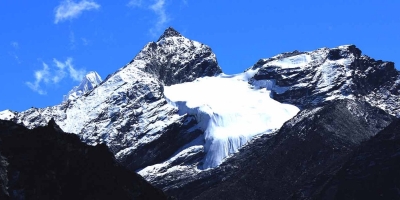
Pokalde Peak Climbing is a challenging and rewarding adventure situated on the famous Everest Base Camp trekking route. Although it is not among the highest Himalayan peaks, its steep trails demand good physical fitness and endurance, making it a strenuous climb for mountaineers and trekkers alike. The summit offers one of the most spectacular panoramic views of the Everest massif and surrounding peaks, making the effort truly worthwhile.The journey begins with a thrilling flight from Kathmandu to Lukla, an adventure in itself due to the short mountain runway and small aircraft. From Lukla (2840m), the trek descends slightly to Phakding (2610m), and from here, trekkers follow in the footsteps of legendary mountaineers Sir Edmund Hillary and Tenzing Norgay, who pioneered these trails to Everest. Along the way, trekkers are treated to breathtaking scenery including snow-clad Himalayan peaks, deep gorges, roaring waterfalls, and iconic suspension bridges crossing icy rivers and glaciers.Highlights of Pokalde Peak Climbing:Flight from Kathmandu to Lukla on a small 18-seater planeTrekking through historically significant Everest Base Camp trailsStunning views of Himalayan peaks like Everest, Lhotse, and Ama DablamRich biodiversity with rhododendron forests and unique Himalayan wildlifeCultural sites such as Namche Bazaar and Tengboche MonasteryPokalde Peak Climbing PackageThe Pokalde Peak Climbing Package offered by Asiana Treks and Tours is designed to provide an optimal balance of adventure, acclimatization, and cultural experience. The package includes all necessary permits, experienced guides, porters, accommodation, meals during the trek, and airport transfers, ensuring a hassle-free and memorable climbing experience.Asiana Treks and Tours provides personalized service, adjusting itineraries based on weather and acclimatization needs. The package typically spans around 14-17 days, encompassing the gradual ascent through vibrant Sherpa villages, Buddhist monasteries, and pristine alpine forests before the technical climb to the summit. Climbers are supplied with safety equipment and given expert instruction on climbing techniques and altitude management.Package Inclusions:Lukla and National Park permitsExperienced mountaineering guide and porter supportAccommodation in teahouses/lodges along the routeThree meals daily during trekkingAirport transfers and domestic flightsSafety equipment and climbing gear guidancePre-departure briefing and detailed itineraryPokalde Peak Climbing ItineraryThe detailed itinerary for Pokalde Peak Climbing begins with arrival in Kathmandu, followed by a scenic flight to Lukla, where the trekking officially starts. The trek passes through charming villages such as Phakding, Namche Bazaar, and Tengboche, where trekkers acclimatize and experience the vibrant Sherpa culture. Days are interspersed with rest or acclimatization stops to ensure safety at high altitudes.The climb to Pokalde Peak involves steep ascents starting from the base near Kangma La Pass (5171m). The summit push demands a good head for heights and basic mountaineering skills, as the final stretch includes scrambling over rocky terrain and ice patches. After celebrating the summit, climbers retrace their steps back to Namche Bazaar, descending via Dingboche Monastery and then returning to Lukla to fly back to Kathmandu.Typical Day-by-Day Itinerary:Day 1-2: Arrival and exploration in KathmanduDay 3: Flight to Lukla, trek to PhakdingDay 4-6: Trek to Namche Bazaar and acclimatizationDay 7-8: Trek to Tengboche and Dingboche, further acclimatizationDay 9-10: Trek to Pokalde Base Camp and prepare for summitDay 11: Summit day and descend to ChhukungDay 12-14: Return trek to Lukla via Namche BazaarDay 15: Flight to Kathmandu, rest dayDay 16: Departure or optional Kathmandu toursPokalde Peak Climbing DistanceThe total trekking distance of the Pokalde Peak Climbing route varies slightly depending on specific itinerary adjustments, but it generally covers approximately 80-100 kilometers round trip from Lukla to the summit and back. This distance is spread over 14 to 17 days, allowing ample time for acclimatization and rest.The trek involves substantial elevation gain, with the highest point being the summit of Pokalde Peak at 5,806 meters (19,051 feet). Starting at Lukla (2,840m), trekkers gradually ascend through mountainous terrain, with key altitude stops at Namche Bazaar (3,440m), Tengboche (3,867m), Dingboche (4,260m), and the base camp near the Kangma La Pass. The ascent includes steep trails and stone steps, especially approaching the summit, where mountaineering skills are required.Distance & Elevation Summary:Total trekking distance: ~80-100 km (round trip)Lukla (start point): 2,840m (9,317 ft)Namche Bazaar: 3,440m (11,286 ft)Tengboche: 3,867m (12,684 ft)Dingboche: 4,260m (13,976 ft)Pokalde Base Camp near Kangma La Pass: ~5,171m (16,975 ft)Pokalde Peak summit: 5,806m (19,051 ft)Duration: 14-17 days including acclimatizationPokalde Peak Climbing Cost 2026/2027The cost for the Pokalde Peak Climbing package with Asiana Treks and Tours in 2026/2027 reflects the comprehensive services provided, including permits, domestic flights, experienced guides, porters, accommodation, and meals. The price balances quality and affordability, making the climb accessible to adventurous trekkers who want professional support.Typical costs range from $2,500 to $3,200 USD, depending on group size, season, and specific itinerary customization. Peak seasons such as spring (March-May) and autumn (September-November) tend to be higher priced due to demand and optimal weather conditions. The cost also includes pre-trek consultations, safety briefings, and necessary climbing equipment advice, ensuring a safe and successful summit attempt.Cost Breakdown Includes:Domestic flights (Kathmandu-Lukla-Kathmandu)Trekking permits and National Park feesGuide and porter wages, insurance, and equipmentAccommodation in lodges and teahousesMeals during trekking (breakfast, lunch, dinner)Climbing permit and base camp entry feesEmergency and evacuation support provisionsBooking early with Asiana Treks and Tours is advised to secure availability and the best rates.Pokalde Peak Climbing Price BreakdownThe Pokalde Peak Climbing Price Breakdown with Asiana Treks and Tours is designed to offer trekkers a transparent and comprehensive understanding of the costs involved in this thrilling adventure. The total price reflects the quality services, safety measures, and professional support necessary to make the climb both enjoyable and secure.Key cost components include:Permits and Fees: This includes the necessary climbing permits, Sagarmatha National Park entry permits, and TIMS (Trekkers' Information Management System) cards, which are mandatory for all trekkers in the Everest region.Domestic Flights: Round-trip flights between Kathmandu and Lukla, which is the gateway to the Everest region, are factored in. These flights are essential but can vary in cost depending on the season and airline availability.Guides and Porters: Experienced mountain guides and porters are provided to ensure safety, carry equipment, and assist climbers throughout the journey. Their salaries, insurance, and equipment form a significant part of the budget.Accommodation & Meals: Includes stays in comfortable lodges and tea houses along the trekking route with meals provided during the trek.Equipment & Safety: Rental or provision of technical climbing gear, safety briefings, oxygen (if necessary), and first aid supplies.Miscellaneous: Includes airport transfers, welcome and farewell dinners, and contingency funds for emergency evacuation or weather delays.By clearly outlining these costs, Asiana Treks and Tours ensures clients know exactly what they are paying for, avoiding hidden fees and last-minute surprises.Pokalde Peak Climbing Altitude GuideUnderstanding the altitude progression during the Pokalde Peak climb is crucial for safe acclimatization and a successful summit. The climb starts from Lukla at 2,840 meters and ascends progressively to the summit at 5,806 meters. This gradual gain allows the body to adapt to thinner air, reducing the risk of altitude sickness.The altitude breakdown for key points on the trek:Lukla (2,840m / 9,317ft): Starting point, moderate altitude.Phakding (2,610m / 8,566ft): Initial descent, easier walking.Namche Bazaar (3,440m / 11,286ft): Main acclimatization hub with rest days to adapt.Tengboche (3,867m / 12,684ft): Higher elevation, cultural visits.Dingboche (4,260m / 13,976ft): Second acclimatization stop with rest.Pokalde Base Camp (~5,171m / 16,975ft): Near summit base for preparation.Pokalde Peak Summit (5,806m / 19,051ft): Final climb and highest point reached.To cope with altitude, Asiana Treks and Tours emphasizes:Gradual ascent with scheduled acclimatization daysHydration and proper nutritionAwareness of altitude sickness symptomsUse of oxygen tanks if necessary during summit pushEmergency evacuation plans in placeThis altitude guide is essential to prepare climbers for the physical and mental challenges of high-altitude mountaineering.Why Choose Pokalde Peak Climbing?Choosing Pokalde Peak Climbing with Asiana Treks and Tours offers adventurers a unique blend of challenge, culture, and breathtaking Himalayan scenery. Pokalde Peak, while not the highest, offers a demanding climb that is ideal for those seeking a technical summit experience without the extreme risks of higher peaks.Reasons to choose this climb include:Spectacular Views: The summit provides unmatched panoramic vistas of Everest, Lhotse, Ama Dablam, and surrounding peaks, rewarding climbers with a breathtaking Himalayan spectacle.Historical Trails: The trek follows part of the legendary route first pioneered by Sir Edmund Hillary and Tenzing Norgay, giving climbers a deep connection to mountaineering history.Cultural Immersion: The journey passes through Sherpa villages like Namche Bazaar and Tengboche, offering insight into local traditions, monasteries, and mountain lifestyle.Professional Support: Asiana Treks and Tours ensures a well-organized expedition with experienced guides, quality gear, and a focus on safety and acclimatization.Balanced Challenge: The climb is suitable for experienced trekkers looking to push their limits, providing a sense of accomplishment with a manageable technical difficulty.In summary, this trek combines adventure, cultural richness, and natural beauty in a way that few other climbs can match.Preparing for the Pokalde Peak ClimbingProper preparation is critical to safely and successfully climbing Pokalde Peak. Physical conditioning, mental readiness, and packing the right gear can make a significant difference in your trekking and climbing experience.Key preparation tips:Physical Training: Focus on cardiovascular endurance, strength training, and hiking with a loaded backpack to simulate trek conditions. Regular aerobic exercises like running, cycling, and stair climbing are beneficial.Altitude Acclimatization: Plan your itinerary to allow rest days and gradual elevation gain. Learn to recognize symptoms of altitude sickness and understand preventive measures.Gear & Equipment: Invest in quality trekking boots, layered clothing for variable weather, climbing equipment (crampons, ice axe, harness), and essentials like a headlamp, water purification, and a sleeping bag.Mental Readiness: Prepare for long days of trekking, variable weather conditions, and physical challenges. Mindfulness and stress management techniques can help maintain focus and resilience.Health Checks: Consult a physician before the trek, especially if you have pre-existing conditions. Vaccinations and travel insurance with evacuation coverage are recommended.Travel Logistics: Ensure all necessary permits and documentation are in place. Coordinate with Asiana Treks and Tours for flights, accommodations, and support.By thoroughly preparing in these areas, climbers increase their chances of a safe and enjoyable Pokalde Peak expedition.What to Expect on the 12–14-Day Pokalde Peak Climbing AdventureThe 12 to 14-day Pokalde Peak Climbing adventure offers a thrilling combination of trekking, cultural immersion, and technical climbing. Starting from Kathmandu, adventurers embark on a scenic flight to Lukla, the gateway to the Everest region, where the journey truly begins. The trek passes through picturesque Sherpa villages, ancient monasteries, and lush rhododendron forests, gradually ascending to higher altitudes for acclimatization.Expect a mix of moderate to strenuous trekking days, with challenging steep sections as you approach the summit. The climb itself involves using basic mountaineering equipment like crampons and ice axes, making it an ideal introduction to Himalayan peak climbing. Throughout the journey, trekkers are rewarded with breathtaking views of iconic peaks such as Everest, Lhotse, and Ama Dablam. The itinerary also includes acclimatization days to ensure your body adapts to the increasing altitude, minimizing the risk of altitude sickness.Key highlights of the adventure include:Scenic flight from Kathmandu to LuklaTrekking through Sherpa villages like Namche Bazaar and TengbocheVisits to important cultural sites such as Tengboche MonasteryAcclimatization days with rest and light hikesTechnical ascent of Pokalde Peak (5,806m)Stunning Himalayan panoramas from the summitWell-organized support by Asiana Treks and Tours, including guides and portersThis adventure is perfect for trekkers seeking a rewarding peak climb paired with rich cultural experiences in the Everest region.Oxygen Levels on the Pokalde Peak ClimbingOxygen levels play a critical role in the Pokalde Peak climbing experience due to the high elevations involved. At sea level, oxygen concentration is about 21%, but as altitude increases, the partial pressure of oxygen drops, resulting in less oxygen available for the body. This decrease can lead to symptoms of altitude sickness if climbers ascend too quickly without proper acclimatization.Pokalde Peak stands at 5,806 meters (19,051 feet), where oxygen levels are approximately 50% lower than at sea level. This means the body has to work much harder to supply oxygen to muscles and vital organs. During the ascent, trekkers may experience shortness of breath, fatigue, headaches, and dizziness. To combat these effects, Asiana Treks and Tours schedules acclimatization days and gradual elevation gains to help the body adapt.Some important points regarding oxygen levels and safety:Oxygen supplementation is usually not required for Pokalde Peak but is available if needed.Proper hydration and nutrition support acclimatization.Guides monitor climbers for altitude sickness symptoms and can arrange emergency evacuations if necessary.Trekking poles and paced walking help conserve energy.Rest days at key elevations (Namche Bazaar, Dingboche) allow the body to adjust.Understanding and respecting oxygen levels is vital to ensuring a safe and successful climb.What to Expect on the 16–17 Day Pokalde Peak Climbing AdventureThe 16 to 17-day Pokalde Peak Climbing adventure with Asiana Treks and Tours is an exhilarating journey that combines cultural exploration, scenic trekking, and a thrilling summit climb in the Everest region. This itinerary allows ample time for acclimatization, which is crucial for a safe and enjoyable experience at high altitudes.The adventure begins with a scenic flight from Kathmandu to Lukla, followed by gradual trekking through Sherpa villages like Phakding and Namche Bazaar. The days are a mix of trekking through lush rhododendron forests, crossing suspension bridges over icy rivers, and visiting ancient monasteries such as Tengboche. Acclimatization days are built into the itinerary at key locations like Namche and Dingboche to allow your body to adapt to the thinning air, reducing the risk of altitude sickness.The climbing portion itself is both physically demanding and rewarding, involving the use of technical gear like crampons and ice axes as you ascend Pokalde Peak (5,806m). The summit rewards climbers with breathtaking panoramic views of iconic Himalayan giants, including Mt. Everest, Lhotse, Nuptse, and Ama Dablam. After the summit, the descent retraces the trekking route back to Lukla, followed by a flight to Kathmandu for rest and celebration.Key highlights include:Scenic mountain flights and trek through Sherpa villagesAcclimatization days with cultural immersionSteep, technical ascent of Pokalde PeakPanoramic summit views of Everest and surrounding peaksSupport from expert guides and Sherpa portersOpportunities to witness local traditions and festivalsThis 16–17 day adventure perfectly balances challenge and cultural experience for climbers eager to explore the Everest region beyond the usual trekking routes.Oxygen Levels on the Pokalde Peak ClimbingOxygen availability plays a vital role in high-altitude trekking and climbing, especially on peaks like Pokalde Peak, which reaches an elevation of 5,806 meters (19,051 feet). At such heights, the air pressure and oxygen concentration decrease significantly compared to sea level, affecting the body’s ability to function optimally.At 5,800 meters, oxygen levels are roughly half of what they are at sea level. This reduction makes breathing more laborious and increases the risk of altitude sickness, which can manifest as headaches, nausea, dizziness, and fatigue. To mitigate these risks, Asiana Treks and Tours emphasizes a carefully planned itinerary with adequate acclimatization stops. For example, rest days in Namche Bazaar (3,440m) and Dingboche (4,260m) allow trekkers’ bodies to adapt gradually to the thinning air.Key points about oxygen levels during Pokalde Peak Climbing:Oxygen saturation decreases significantly above 4,000 meters.Gradual ascent with acclimatization days is essential for safety.Supplemental oxygen is generally not required for Pokalde Peak but may be available for emergencies.Hydration, nutrition, and rest are critical for coping with low oxygen.Guides monitor trekkers closely for signs of Acute Mountain Sickness (AMS).Use of trekking poles and pacing helps conserve energy at altitude.Understanding and respecting oxygen levels can make the difference between a successful climb and a dangerous situation.Major Villages and Scenic Viewpoints on the Pokalde Peak Climbing RouteThe Pokalde Peak climbing route is rich with vibrant Sherpa culture, stunning landscapes, and panoramic mountain views, making it an unforgettable journey beyond just the summit climb. Trekkers pass through several key villages and viewpoints that highlight both the natural beauty and cultural heritage of the Everest region.Namche Bazaar, known as the Sherpa capital, is a bustling market town where trekkers acclimatize and experience local life. It offers spectacular views of Thamserku and Kongde peaks and a chance to explore traditional shops, cafes, and museums. Namche serves as an important rest stop with ample facilities.Tengboche Village is home to the famous Tengboche Monastery, a spiritual hub for Sherpas with stunning views of Everest, Ama Dablam, and Lhotse. The monastery’s peaceful atmosphere and occasional Buddhist ceremonies provide cultural insight and a serene break for climbers.Key scenic viewpoints and villages include:Phakding: Starting point for the trek, with beautiful rhododendron forests and suspension bridges.Dingboche: High-altitude village surrounded by glaciers and mountain peaks, perfect for acclimatization.Kala Patthar (nearby): Offers arguably the best panoramic view of Everest and the surrounding massif.Pokalde Peak Summit: The ultimate viewpoint offering breathtaking vistas of Everest (8,848m), Lhotse (8,516m), Nuptse, Ama Dablam, and many other peaks.Each village and viewpoint enriches the trekking experience, combining cultural encounters with spectacular Himalayan scenery.Flora and Fauna of the Pokalde Peak ClimbingThe Pokalde Peak climbing route traverses a remarkable variety of ecosystems, offering trekkers the chance to witness diverse flora and fauna unique to the Everest region. Starting from the lower valleys with dense forests, the trail ascends through subalpine and alpine zones rich in biodiversity.In the lower elevations near Lukla and Namche Bazaar, rhododendron forests dominate the landscape, especially vibrant during spring when the flowers bloom in stunning reds and pinks. These forests provide habitat for colorful birds like the Himalayan Monal (Danphe), Nepal’s national bird, known for its brilliant plumage. You may also spot musk deer, barking deer, and occasional glimpses of elusive snow leopards or red pandas in the dense undergrowth.As the trek ascends past Dingboche and higher, the environment becomes more alpine and sparse. Here, hardy shrubs and grasses adapted to cold temperatures thrive. Mountain goats, blue sheep (bharal), and Himalayan tahrs are common sightings, often grazing near rocky outcrops. Bird species such as snowcocks and vultures soar overhead, adding to the rich wildlife experience.Key flora and fauna highlights include:Rhododendron forests and alpine shrubsHimalayan Monal (Danphe), snowcock, and other bird speciesMusk deer, barking deer, and Himalayan tahrOccasional sightings of elusive wildlife such as snow leopard and red pandaMedicinal herbs and rare orchids in lower forested regionsThis natural diversity, combined with breathtaking mountain scenery, makes the Pokalde Peak climbing trail an ecological wonder as well as a trekking adventure.

Island Peak (Imja Tse) offers a thrilling climbing experience in Nepal's Everest region. Discover the best time to climb the expedition's highlights and prepare for stunning views of Mt. Everest and the surrounding peaks. It is ideal for climbers seeking a challenge with rewarding panoramas.Island Peak Climbing, an esteemed expedition in Nepal's Himalayas, provides a technical ascent to Island Peak, also known as Imja Tse. This challenging climb is located near Mount Everest in the Everest region and begins with several days of trekking. At 6,189 meters/20,305 feet from sea level, Island Peak stands northeast of the Everest region and was first ascended by a Swiss team in 1956. With geographical coordinates of approximately 27°55'14''N latitude and 86°56'16''E longitude, the peak is renowned for its challenging yet attainable summit, offering breathtaking panoramic views of surrounding peaks and the landscape.The journey to Island Peak begins with a scenic forty-minute flight from Kathmandu to Tenzing Hillary Airport in Lukla, providing stunning views of Everest and other Himalayan peaks. From Lukla, a few days of trekking through the famed Namche Bazaar, a vibrant market town, and the picturesque Dingboche lead to the base camp of Island Peak. This route offers an incredible trekking and climbing experience in the Everest region.Why Island Peak Climbing is so special?The following reasons are the exact facts for Island Peak climbing, which is a fantastic choice for adventurers hoping to feel the excitement of scaling mountains in the Himalayas without requiring extensive technical expertise. In Nepal's Langtang region, Yala Peak stands at 5,732 meters (18,806 feet), making it a relatively accessible trekking peak. Here are several reasons why Yala Peak climbing is a popular option:Moderate ChallengeRich Cultural Experience of Sherpa HospitalityPeaceful and tranquil EnvironmentSense of AchievementFlexible ScheduleAccessible AdventureSpectacular Views of the HimalayasAlpine Sherpa Cultural and Tradition.Training Ground for Higher PeaksAdventure and AccomplishmentScenic Trekking and Flight RoutePersonal GrowthA Gateway to the HimalayasRich Biodiversity in HighlandConnection with Fellow ClimbersUnique Climbing ExperienceContribution to Local CommunitiesMindful AdventurePreparation for Greater ChallengesThe Thrill of Summit DayA Journey of DiscoveryHistorical SignificanceIncredible Night SkiesAcclimatization and SafetyEngagement with Local GuidesEnvironmental StewardshipPhysical and Mental ChallengesUnique and rugged TerrainRemote BeautyA Lifetime AchievementGateway to a New PassionGreat Photographic OpportunitiesSpiritual ConnectionIsland Peak Itinerary:Asiana Treks and Tours ensures a safe and well-organised itinerary tailored for optimal acclimatisation and enjoyment. Climbers experience from lively Kathmandu to tranquil Himalayan trails, experiencing the contrast of cold nights at high-altitude camps and exhilarating summit days.Island Peak Climbing Distance:Island Peak, also known as Imja Tse, is situated in the Everest region of Nepal. The distance from Lukla to Island Peak's summit and back is approximately 45-50 kilometers (28-31 miles).The climbing distance for Island Peak typically involves trekking from Lukla, the gateway to the Everest region; climbers trek to Chukhung, the base camp for Island Peak.The climbing distance from Chukhung Base Camp to the Island Peak summit is variable, so climbers must be prepared for it. Typically, climbers ascend from Chukhung Base Camp to High Camp and then proceed to the summit of Island Peak. This final stretch involves navigating through rocky terrain, glaciers, and sometimes fixed ropes, depending on the season and conditions. The round trip covers varied landscapes and altitude gains, making it a challenging yet rewarding adventure in the Himalayas.Island peak climbing route:The Island Peak climbing south east(standard) route begins by following the well-trodden Everest Base Camp trail until reaching Dingboche. From Dingboche, the route diverges towards Chhukung, where climbers spend a crucial acclimatization day.The itinerary from Chhukung involves moving to Island Peak Base Camp for preparation and further acclimatisation. The summit push typically includes ascending to High Camp and finally to the summit of Island Peak, which deserves stunning panoramic views of the Himalayas.In case of any technical issues or the need for additional acclimatization, an extra day is factored in for climbing or contingency purposes. After successfully summiting Island Peak, the descent retraces the route back to Lukla, passing through Chhukung and Dingboche.Completing the entire itinerary, including sightseeing in Kathmandu, trekking, and climbing activities, over the span of 19 days is a significant achievement. This comprehensive journey not only provides a challenging climbing experience on Island Peak but also allows trekkers to immerse themselves in the natural and cultural wonders of the Everest region, a feat that they can be proud of.Island Peak Climbing Success Rate: Island Peak (Imja Tse) is one of Nepal's most popular trekking peaks, located in the Everest region. The success rate for climbing Island Peak is generally high, with approximately 85-90% of climbers reaching the summit. Several factors contribute to this high success rate. Island Peak is relatively accessible, with established routes and good infrastructure providing a secure environment for climbers. Accompanied by experienced guides who provide essential support and knowledge of the terrain. With basic mountaineering skills, adequate acclimatization and preparation, often done during the trek to Everest Base Camp, help climbers adapt to the altitude and physical demands.Combining these factors makes Island Peak an achievable goal for many aspiring climbers. Island peak climbing cost:Our goal with the Island Peak climbing package is to provide a transparent and reliable cost structure. The total cost ranges between US$2385 and US$2575 per person, varying based on group size, service level, transportation preferences, and the accommodation category in Kathmandu hotels.The estimate also considers the preferred and best climbing gear and accommodation during trekking and climbing. It's important to note that all these components collectively influence the overall cost of the climbing expedition, ensuring you're fully informed about the investment.We empower climbers to select the most suitable arrangements for their budget and preferences. This ensures a well-organised and memorable Island Peak climbing experience in the majestic Himalayas of Nepal.Island Peak climbing Difficulty:Island Peak, rated as Peu Difficile + (PD+), meaning 'slightly difficult' in the mountaineering grading system, is a challenge that requires moderate technical climbing skills and physical fitness. The ascent typically includes navigating through steep sections of ice and snow and using basic climbing equipment such as crampons, ice axes, and ropes.The challenges on Island Peak include, Crossing crevasses, Ascending fixed ropes on steep sections and Dealing with high-altitude conditions.Given the altitude of Island Peak 6,160 m/20,209 ft, climbers must be well-versed in basic mountaineering techniques and the crucial practice of acclimatisation. This ensures you're fully prepared for the challenges ahead.This adventure promises a rewarding experience in the Himalayas of Nepal, unforgettable memories, and a profound sense of accomplishment that only a few can claim.Island Peak Height:Island Peak, also known as Imja Tse, is 6,160 meters and 20,209 feet above sea level and is situated northeast of Nepal's Everest region. Its geographical coordinates are approximately 27°55'14''N latitude and 86°56'16''E longitude.This prominent peak is a popular climbing destination for mountaineers seeking a challenging yet achievable summit experience in the Himalayas. Its elevation provides stunning panoramic views of neighbouring peaks and the surrounding landscapes, making it a memorable destination for adventurers and climbers worldwide.About Island peak high Camp:High Camp on Island Peak is the pivotal last acclimatisation stop before climbers make their daring attempt on the summit.At High Camp, climbers prepare for the summit push by resting, hydrating, and adjusting to the high-altitude conditions. The camp, strategically located above the base camp, offers alluring panoramic views of the surrounding snowcapped peaks and glaciers, providing inspiration and motivation for climbers as they gear up for their final push toward the summit.From High Camp, climbers typically embark on a challenging ascent to the summit of Island Peak, navigating steep terrain and possibly fixed ropes depending on the season and conditions. This challenging ascent adds a thrill and excitement to the climb, making High Camp a memorable and significant part of the Island Peak climbing experience.Island peaks deaths:At Asiana Treks and Tours, we take immense pride in our impeccable safety record, especially concerning the challenging climb of Island Peak. Our main priority is the safety first of our clients, so there have been no fatalities during Island Peak expeditions; however, some of the clients get altitude sickness is common.We take the utmost care and use the right gear and safety protocol to minimize risks, ensuring our clients' safe and successful climbs. This comprehensive approach to safety will make you feel secure and protected throughout your adventure.Our climbing guides are not only experienced mountaineers but also well-versed in first aid and high-altitude medicine. Their extensive training and local knowledge ensure that they can handle any situation that might arise during the climb, providing you with a sense of security and confidence in their abilities. Asiana Treks and Tours is committed to your safety and success. Our proven track record and experienced guides ensure that your Island Peak adventure will be thrilling and secure.Major villages of Island peak Climbing:The major Sherpa villages along the Island Peak climbing route are Lukla, Chheplung, Thado Koshi, Phakding, Taktok, Banker Manjo, Jorsalle, Namche, Sanasha, Phugithanga, Tangboche, Diboche, Pangboche, Somera, Harso, Dingboche and Chhukum Return from the same route and follow the same path back to Lukla. These villages are significant landmarks and offer scenic beauty and accommodation options along the Annapurna Base Camp Trekking route.Best Viewpoints on the Way to Island Peak Climbing:Island Peak Climbing or Imja Tse, Peak climbing offers climbers several breathtaking viewpoints throughout the ascent. Here are some of the most notable views along the route.On a clear day, board your Flight to Lukla or Ramechhap, ensuring a seat on the left-hand side for a breathtaking view of the uncountable Himalayan peaks, from the Langtang Himalayan range to the majestic Mt Everest.Hillary Bridge: After halfway from Hillary Bridge to Namche, you will first glimpse the majestic Everest view. Hillary Park Sagarmatha Head Headquarters: At the top of Namche Headquarters of Sagarmatha National Park, Hillary Park, you have a stunning surrounding view of Many Himalayan ranges, including Mt Everest.Everest View Hotel: From Everest View Hotel, you can enjoy unparalleled vistas of Everest and neighboring peaks, Tangboche, Pangboche, Deboche: Traverse picturesque villages, each providing unique perspectives of the towering giants en route to Island Peak climbing. Situated at the Elevation of the scenic valley surrounded by towering peaks, the base camp provides a stunning first glimpse of the high-altitude landscape. From here, climbers can see the imposing face of Island Peak and the beautiful Lhotse Glacier.High Camp (5,600 meters / 18,373 feet) The views become even more spectacular as climbers ascend to the High Camp. This Camp offers a panoramic perspective of the surrounding peaks, including Ama Dablam, Makalu, and Baruntse. The sight of these giants at sunrise or sunset is truly mesmerizing.Crampon PointJust before the glacier crossing, climbers put on crampons at this spot. The view of the glacier and the summit ridge from here is daunting and exhilarating, giving a sense of the challenges and rewards ahead.Summit RidgeThe final ridge leading to the summit offers some of the most breathtaking views of the climb. The narrow, steep ridge provides an exhilarating panoramic view of the surrounding peaks and valleys.Summit (6,160 m/20,209 ft,)The ultimate viewpoint, the summit of Island Peak, rewards climbers with an unparalleled 360-degree view of the Himalayan range. You can see Lhotse, Nuptse, Baruntse, Ama Dablam, and the immense south face of Makalu. The sight of these towering peaks under the vast sky is a moment of pure awe and triumph.This viewpoint deserves a fantastic journey filled with incredible sights and profound experiences.View and experience top of Island peak Climbing:The summit of Island Peak is a breathtaking and exhilarating experience. From the top, climbers are rewarded with mind-blowing panoramic views of the many surrounding Himalayan giants, including Lhotse, Nuptse, and the majestic Ama Dablam. The journey to the top is challenging but incredibly rewarding. Climbers traverse glacial landscapes, negotiate steep ice walls, and navigate crevasses, all while experiencing the unique beauty and serenity of the high Himalayas. The combination of high altitude, and the sheer beauty of the environment makes reaching the top of Island Peak an unforgettable adventure, leaving climbers with lifetime memories and a deep connection to the majestic mountains.Flora and Fauna In Island peak Climbing:Island Peak climbing is also in Sagarmatha National Park. It deserves many different flora and fauna, Where pine and hemlock forests are found at lower altitudes, and fir, juniper, birch, rhododendron, scrub, and alpine plants thrive at higher elevations. Sagarmatha National Park is inhabited by a diverse range of animals, like red panda, snow leopard, musk deer, Himalayan tahr, marten, Himalayan mouse hare (pika), and over 118 bird species, such as the Impeyan pheasant, snow cock, blood pheasant, and red-billed cough.Festivals and Culture of Island peak Climbing:The Island peak Climbing: offers a cultural immersion into Sherpa traditions. A highlight is the Dumji and Mani Rimdu Festival at Tengboche Monastery, held annually in October or November. This vibrant celebration features sacred dances and colorful ceremonies, providing insight into Sherpa culture.Buddhism, a central pillar of Sherpa life, is beautifully woven into the Trek's fabric. It's evident in the monasteries, prayer flags, and Mani walls that dot the route. Visitors are not just spectators but can actively participate in Buddhist rituals, fostering a deeper understanding of Sherpa spirituality and their profound connection to nature. In their harmonious coexistence with nature, Sherpas practices sustainable living with eco-friendly methods like using yak dung as fuel and waste management. These practices, born out of necessity and deep respect for the environment, are a testament to the Sherpa's ingenuity and their role as responsible stewards of the land. It's a practice that inspires respect and admiration. People and Hospitality:Nepal is a country where warm hospitality and incredible values are not just a custom, but a deeply ingrained part of its culture. Whether you're a foreign visitor or a local, you're greeted with open arms, friendly smiles, and a radiant manner. This tradition of hospitality, deeply rooted in Hinduism, Buddhism, and traditional customs, sees guests as blessings and treats them with utmost respect, generosity, and kindness.The Sherpa people, an indigenous ethnic group with a unique blend of Tibetan Buddhism and ancient Bon rituals, are the epitome of these values. Residing in the upper Khumbu area, they welcome guests with a distinct warmth and an unwavering spirit of hospitality, marked by their renowned honesty and loyalty.Advantage book with Asiana Treks and Tours: Private transport for airport transfers to/from your hotel.* Trip briefing on Facebook and online if you love to connect.* Last minute booking at your hotel at a suitable time after your arrival.* Easy booking and reservation system.* Multi-channel communication via Email, WhatsApp, Facebook, Viber, Skyp 24/7 phone communication at +977-9851076270* Free excess luggage storage during the Trek* Oximeters are provided to examine blood oxygen saturation at high altitudes to detect altitude sickness early* Medical kits along the Trek and hot airbags are available in winter* Arrange sleeping bags, duffel bags, down jackets, and walking pools if you don't have your own. Last-Minute Booking for Island peak climbing:If you can't book in advance, we offer last-minute bookings. Last-minute booking offers are available but may cost slightly more than regular departure dates. Those opting for last-minute bookings must pay an additional 7% of the total trip cost on our website. While we strive to make last-minute requests, we try our best to accommodate according to your last-minute booking holiday.Island peak Climbing Start: If you miss the regular trip briefing, don't worry. We'll provide it at a convenient time before departure or before a World Heritage tour the following morning or the next day; we'll then proceed to the airport flight to Lukla or drive four 4-hour Manthali and Flight to Lukla.Currency Exchange:The Nepalese rupee is Nepali currency, and 1 USD is approximately 130 NPR. Only NPR is accepted in Nepal, so it's best to bring cash to facilitate transactions. Banks and ATMs in Kathmandu provide currency exchange services but note that most banks prefer new, crisp notes.Our Team:The Asiana Treks and Tours team is professional, reliable, and responsible. They are well-trained, friendly, radiant, and fluent in English. You can feel comfortable sharing anything with them. They are experts in local culture, history, vegetation, food, accommodation, weather conditions, and first aid medication. They are also environmentally conscious and respect the rights of animals.However, please do not provoke them for personal gain during the trip. While you can enjoy your holiday with them, we kindly request that you do not try to change their customs, beliefs, religion, culture, or traditions.We and our staff are committed to making your adventure trip unforgettable memories of a lifetime journey in Nepal. Guide and Porter Arrangement:Our company, Asiana Treks and Tours, focuses on responsible tourism in Nepal. We make sure our guides and porters are well-trained in Trekking,Peak climbing and mountaineering. They know a lot about the areas we go to, including geography, history, customs, and culture. We train them regularly in safety, first aid, and environmental conservation. We follow guidelines to treat our porters fairly, providing them with good pay, accommodation, and meals during treks. Our guides and porters are essential team members, and we appreciate their hard work. When you trek with us, you support ethical tourism in Nepal, making your trip meaningful and memorable.Asiana Treks and Tours prioritizes your safety and enjoyment. Our knowledgeable guides, reliable equipment, and safety measures ensure a great trekking experience in Nepal.Porter, Luggage, and Extra Luggage Storage: We cover the cost of porters for your Luggage, but the maximum weight limit is 12 kg per person. Each porter carries Luggage for two trekkers; please share a duffle bag with another. Our porters will carry up to 25 kg each. If you need a porter for yourself, we can arrange that. We also recommend carrying a small backpack for your valuables and important documents. You can leave extra Luggage at our office for free and at a hotel in Pokhara, Namche, etc.Accommodation Island peak Climbing:Accommodation during the Island peak Climbing varies. Along the trekking route, you'll stay in guest houses, commonly known as teahouses. These basic lodges offer rooms, dining areas, and toilets. The quality of guest houses varies but remains affordable and convenient for trekkers. Rooms typically have twin or bunk beds and shared bathrooms, and blankets and pillows are available. Our company can offer a sleeping bag if you don't have one. You'll spend nine nights in lodges along the trekking route and three nights in a hotel in Kathmandu. Some places and lodges have attached bathrooms, while others offer simple yet clean rooms with shared facilities. We can arrange a solo trekking service if you're traveling solo. In high season and particular areas, availability may be limited for you, although we try our best. In Kathmandu or Pokhara, your hotel room will have excellent amenities, including TV, 24/7 hot water, electricity, and laundry service.Meals during the trip:Eating well is essential since the EBC Trek takes you through the Himalayas. You'll have plenty of nutritious meals in the trekking regions, although the options won't be as varied as in the cities. You'll get fifteen breakfasts, eleven lunches, and ten dinners during the Trek. The menu includes local, Asian, and Western dishes, but it gets more straightforward as you climb higher. Try popular Nepali foods like lentils, rice, curry, dumplings, noodles, Spagaties, and many more. We highly recommend eating fresh vegetables and drinking liquids like green tea, lemon tea, hot lemon, ginger tea, and garlic soup, especially at high altitudes. While non-vegetarian options are available during the Trek, we suggest avoiding them for hygiene reasons. It's also best to steer clear of dairy, cheese, alcohol, caffeine, and hot chocolate. Personal expenses like alcoholic drinks, extra beverages, and cafes aren't included in the package.Drinking water:Nepal is the second country in the world in terms of water sources after Brazil. According to the Nepal government data, only 27% of people here have clean drinking water. You can buy mineral water in teahouses, but it is expensive; Lokals people do not prefer plastic bottles in some trekking areas, but there are some safe drinking water stations where you can refill your bottle. However, we recommend carrying Steripen, iodine drops, water purification tablets for safe drinking, and refillable water bottles for boiled or filtered water. We strongly advise not to drink from taps, wells, and rivers in trekking areas. However, in all the city areas, Mineral water is available at a reasonable cost everywhere.Extra Personal Expenses:Your Trip covers most expenses during the trekking and climbing, you'll need to spend money on extra accommodations and meals in Kathmandu, souvenirs, and beverages The package does not include expenses incurred for personal items and services such as trekking and climbing equipment, laundry, tips, landlines, mobile phones, walkie-talkies, satellite phones, and internet services. You will need to cover these costs yourself as you use them. While most expenses during the trek are covered, you will need to budget for additional accommodations and meals in Kathmandu, souvenirs, and beverages. We estimate miscellaneous expenses to be around USD 15-25 per trekking day. However, personal expenses will vary depending on your income, habits, and lifestyle.Toilet Facilities in Island Peak Climbing:Most teahouses have Western-style flush toilets during mountain treks, especially at lower elevations. But as you go higher, find simple squat toilets along the trails and teahouses at higher altitudes. These toilets usually have water or toilet paper, but it's a good idea to bring your toilet paper just in case. You can also use restrooms at nearby teahouses or find a private spot along the trekking routes.Internet Connectivity:While trekking in the Himalayan region of Nepal, connecting with your family and friends is also a good idea. You can find internet access at teahouses and lodges, but it might be extra minimal cost. The signal might be weak because of the remote location. You can also get internet access using a local SIM card and data packages available at Kathmandu airport or nearby shops in Thamel. You'll have a passport-sized photo and a copy of your passport to get a SIM card. It's a good idea to compare prices and data packages from telecom companies like Ncell and Nepal Telecom before buying. Knowing about teahouse connectivity. Our guide will suggest connections for you. Electricity voltage and plugs:Today Nepali people are admirable about electric,we donot have any more load shedding, However, 95 % of Nepali people have access to electricity as of May 29, 2023. almost popular trekking routes, teahouses, and lodges have electricity. However, some isolated and solo trekking tea houses in the jungle don't have electricity; most tea houses let travelers charge for their devices for a small fee. The average electrical voltage in Nepal is 230 volts, with plug types like Type C, Type D, and Type M. Travellers should bring a suitable adapter and, if needed, a voltage converter for their electronic devices.Communication:The guest houses in the trekking regions have internet access. You could buy a SIM card at Tribhuvan International Airport Kathmandu and Namche. However, the signal may need to be more assertive at high altitudes. Our office keeps in touch with all trekking teams via the trek guide at least once daily to ensure everything goes as planned. However services such as landlines, mobile phones, walkie-talkies, satellite phones, and internet services. You will need to cover these costs yourself as you use themTrip Extension:
Suppose you have extra days in Nepal after the climbing or Trek. In that case, we can arrange a tour, overnight stay at Nagarkot Balthali or any other place around Kathmandu and Chitwan, jungle safari, paragliding, rafting, canyoning, or other treks. Do not hesitate to Inform us. We will create the best for you.Trip Safety:At Asiana Treks and Tours, we take immense pride in our impeccable safety record, especially concerning the challenging climb of Island Peak. Our main priority is the safety first of our clients, so there have been no fatalities during Island Peak expeditions; however, High-altitude trekking, peak climbing, and mountaineering are inherently risky and adventurous activities in remote areas.We take the utmost care and use the right gear and safety protocol to minimize risks, ensuring our clients' safe and successful climbs. This comprehensive approach to safety will make you feel secure and protected throughout your adventure.Our climbing guides are experienced mountain sumitters and well-versed in first aid and high-altitude medicine. Their extensive training and local knowledge ensure that they can handle any situation that might arise during the climb, providing you with a sense of security and confidence in their abilities. Asiana Treks and Tours is committed to your safety and success. Our proven track record and experienced guides ensure that your Island Peak adventure will be thrilling and secure.Group & Private Climbing:We organize many group and private Climbing simultaneously, with discounts available for larger groups. Every group will have a Climbing guide and porters. Regarding larger groups, we provide an assistant guide. Our team ensures a safe and enjoyable Climbing and trekking experience for all participants.About solo traveler:If you're a solo traveler, please get in touch with us to confirm departure dates before booking. You can tell us via call, WhatsApp, or email. We have listed upcoming departure dates for your convenience. Feel free to share the trip details with friends and family.Notes: Please be aware that the itinerary may change due to weather or other factors, and we'll adjust it accordingly for the group's safety and enjoyment. We look forward to guiding you through the stunning landscapes of the Annapurna region and ensuring a memorable trekking experience.Responsible Travel:We prioritize responsible travel to minimize environmental impact and support local communities. We collaborate with organizations like the Kathmandu Environmental Education Project (KEEP) to promote eco-friendly practices in trekking regions.Gratitude:Gratuities are appreciated in Nepali culture and reflect the quality of service provided. While the amount you tip is up to you, we recommend tipping as a group at the end of the trip. Our staff involved in your trekking and mountaineering experience will be hoping for tips, gifts, or tokens of appreciation. This is a meaningful way to express your satisfaction with their service and to show your gratitude.End of Island peak Climbing trip:On the eleventh day, you'll take a bus from Pokhara back to Kathmandu, which takes about seven hours. Alternatively, you can fly from Pokhara to Kathmandu for an extra fee. In the evening, we'll host a farewell dinner in Kathmandu.Departure:On the day of your departure flight, we'll come to pick you up from your hotel and transfer you to Tribhuvan International Airport. We hope you enjoyed the Nepal trek and will consider returning for more adventures in Nepal.Feedback:After you complete the Island peak climbing, we'll organize a farewell dinner in Kathmandu and present you with a trekking achievement certificate. After the dinner, you can provide feedback about the Trek on travel portals.Last-Minute Booking for Island peak climbing:If you can't book in advance, we offer last-minute bookings. Last-minute booking offers are available but may cost slightly more than regular departure dates. Those opting for last-minute bookings must pay an additional 7% of the total trip cost on our website. While we strive to make last-minute requests, we try our best to accommodate according to your last-minute booking holiday.Special Note:Please remember that unforeseen circumstances, such as inclement weather or unavailable lodging, may necessitate changes to the schedule. In such cases, your guide will create a new itinerary based on the group's interests. Any additional expenses arising from unforeseen situations like natural disasters, landslides, political disturbances, strikes, or Updates of government rules are not covered by the package price and will need to be covered separately.
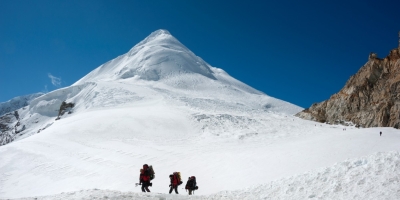
Lobuche Peak (6119m) is located in the Khumbu region. Laurence Nielson and Ang Gyalzen Serpa first climbed Lobuche East and Lobuche West on April 25, 1984. Lobuche Peak is an attractive peak that offers various existing routes and the potential for new ones. The dark triangle of its rocky East face rises over the moraines of the Khumbu Glacier to a spectacular skyline, forming the south ridge. The peak of Lobuche is reached by descending a marked notch and climbing steep snowy slopes to the top. It has a nerve-breaking view of the Khumbu Valley and the glacier.Two distinct summits exist on Lobuche Peak: Lobuche East ( 6119m/ 20,075ft ) and Lobuche West ( 6145m/ 20161ft ). Although a continuous ridge connects them, there is a sharp gap and a considerable distance between them. The trekking peak permit is for the east peak, while the Lobuche west, well seen at the head of the Lobuche glacier, requires an expedition permit. Lobuche is also spelt Lobuche on some maps. Lobuche Peak climbing is a challenging trekking peak in the Everest region. The usual route for climbing is through South Ridge. Lobuche East Peak consists of several small summits, and the true summit requires climbing steep snow and ice slopes to the summit ridge.Lobuche Peak Itinerary:Asiana Treks and Tours ensures a safe and well-organized itinerary tailored for optimal acclimatization and enjoyment. Climbers experience from lively Kathmandu to tranquil Himalayan trails, experiencing the contrast of cold nights at high-altitude camps and exhilarating summit days.Lobuche Peak Climbing Distance:Lobuche Peak, also known as Imja Tse, is situated in the Everest region of Nepal. The distance from Lukla to Lobuche Peak's summit and back is approximately 45-50 kilometers (28-31 miles).The climbing distance for Lobuche Peak typically involves trekking from Lukla, the gateway to the Everest region; climbers trek to Chukhung, the base camp for Lobuche Peak.The climbing distance from Chukhung Base Camp to the Lobuche Peak summit is variable, so climbers must be prepared for it. Typically, climbers ascend from Chukhung Base Camp to High Camp and then proceed to the summit of Lobuche Peak. This final stretch involves navigating through rocky terrain, glaciers, and sometimes fixed ropes, depending on the season and conditions. The round trip covers varied landscapes and altitude gains, making it a challenging yet rewarding adventure in the Himalayas.Lobuche peak climbing route:The Lobuche Peak climbing southeast (standard) route begins by following the well-trodden Everest Base Camp trail until reaching Dingboche. From Dingboche, the route diverges towards Chhukung, where climbers spend a crucial acclimatization day.The itinerary from Chhukung involves moving to Lobuche Peak Base Camp for preparation and further acclimatization. The summit push typically includes ascending to High Camp and finally to the summit of Island Peak, which deserves stunning panoramic views of the Himalayas.In case of any technical issues or the need for additional acclimatization, an extra day is factored in for climbing or contingency purposes. After successfully summiting Lobuche Peak, the descent retraces the route back to Lukla, passing through Chhukung and Dingboche.Completing the entire itinerary, including sightseeing in Kathmandu, trekking, and climbing activities over 19 days, is significant. This comprehensive journey not only provides a challenging climbing experience on Island Peak but also allows trekkers to immerse themselves in the natural and cultural wonders of the Everest region, a feat that they can be proud of.Lobuche peak climbing cost:Our goal with the Lobuche Peak climbing package is to provide a transparent and reliable cost structure. The total cost ranges between US$2385 and US$2575 per person, varying based on group size, service level, transportation preferences, and the accommodation category in Kathmandu hotels.The estimate also considers the preferred and best climbing gear and accommodation during trekking and climbing. It's important to note that all these components collectively influence the overall cost of the climbing expedition, ensuring you're fully informed about the investment.We empower climbers to select the most suitable arrangements for their budget and preferences. This ensures a well-organized and memorable Island Peak climbing experience in the majestic Himalayas of Nepal.Lobuche Peak climbing Difficulty:Labuche Peak, rated as Peu Difficile + (PD+), meaning 'slightly difficult' in the mountaineering grading system, is a challenge that requires moderate technical climbing skills and physical fitness. The ascent typically includes navigating through steep sections of ice and snow and using essential climbing equipment such as crampons, ice axes, and ropes.The challenges on Labuche Peak include Crossing crevasses, Ascending fixed ropes on steep sections, and Dealing with high-altitude conditions.Given the altitude of Labuche Peak, 6,160 m/20,209 ft, climbers must be well-versed in basic mountaineering techniques and the crucial practice of acclimatization. This ensures you're fully prepared for the challenges ahead.This adventure promises a rewarding experience in the Himalayas of Nepal, unforgettable memories, and a profound sense of accomplishment that only a few can claim.Lobuche Peak Height:Lobuche Peak, also known as Imja Tse, is 6,160 meters and 20,209 feet above sea level and is situated northeast of Nepal's Everest region. Its geographical coordinates are approximately 27°55'14''N latitude and 86°56'16''E longitude.This prominent peak is a popular climbing destination for mountaineers seeking a challenging yet achievable summit experience in the Himalayas. Its Elevation provides stunning panoramic views of neighboring peaks and the surrounding landscapes, making it a memorable destination for adventurers and climbers worldwide.About Lobuche Peak High Camp:High Camp on Lobuche Peak is the pivotal last acclimatization stop before climbers dare attempt the summit.At High Camp, climbers prepare for the summit push by resting, hydrating, and adjusting to the high-altitude conditions. The Camp, strategically located above the base camp, offers alluring panoramic views of the surrounding snowcapped peaks and glaciers. It provides climbers inspiration and motivation as they gear up for their final push toward the summit.From High Camp, climbers typically embark on a challenging ascent to the summit of Labuche Peak, navigating steep terrain and possibly fixed ropes depending on the season and conditions. This challenging ascent adds a thrill and excitement to the climb, making High Camp a memorable and significant part of the Island Peak climbing experience.Lobuche peaks deaths:At Asiana Treks and Tours, we take immense pride in our impeccable safety record, especially concerning the challenging climb of Lobuche Peak. Our main priority is the safety first of our clients, so there have been no fatalities during Lobuche Peak expeditions; however, some of the clients get altitude sickness is common.We take the utmost care and use the right gear and safety protocol to minimize risks, ensuring our clients' safe and successful climbs. This comprehensive approach to safety will make you feel secure and protected throughout your adventure.Our climbing guides are experienced mountaineers and well-versed in first aid and high-altitude medicine. Their extensive training and local knowledge ensure that they can handle any situation that might arise during the climb, providing you with a sense of security and confidence in their abilities. Asiana Treks and Tours is committed to your safety and success. Our proven track record and experienced guides ensure that your Island Peak adventure will be thrilling and secure.Major villages of Lobuche Peak Climbing:The major Sherpa villages along the Lobuche Peak climbing route are Lukla, Chheplung, Thado Koshi, Phakding, Taktok, Banker Manjo, Jorsalle, Namche, Sanasha, Phugithanga, Tangboche, Diboche, Pangboche, Somera, Harso, Dingboche and Thugla, Labuche and Labuche Peak climbing Return from the same route and follow the same path back to Lukla. These villages are significant landmarks and offer scenic beauty and accommodation options along the Labuche Peak Climbing route.Best Viewpoints on the Way to Lobuche Peak Climbing:Lobuche Peak Climbing or Imja Tse, Peak Climbing offers climbers several breathtaking viewpoints throughout the ascent. Here are some of the most notable views along the route.On a clear day, board your Flight to Lukla or Ramechhap, ensuring a seat on the left-hand side for a breathtaking view of the uncountable Himalayan peaks, from the Langtang Himalayan range to the majestic Mt Everest.Hillary Bridge: After halfway from Hillary Bridge to Namche, you will first glimpse the majestic Everest view. Hillary Park Sagarmatha Head Headquarters: At the top of Namche Headquarters of Sagarmatha National Park, Hillary Park, you have a stunning surrounding view of Many Himalayan ranges, including Mt Everest.Everest View Hotel: From Everest View Hotel, you can enjoy unparalleled vistas of Everest and neighboring peaks, Tangboche, Pangboche, Deboche: Traverse picturesque villages, each providing unique perspectives of the towering giants en route to Labuche Peak climbing. Situated at the Elevation of the scenic valley surrounded by towering peaks, the base camp provides a stunning first glimpse of the high-altitude landscape. From here, climbers can see the imposing face of Labuche Peak and the beautiful Lhotse Glacier.High Camp (5,600 meters / 18,373 feet)The views become even more spectacular as climbers ascend to the High Camp. This Camp offers a panoramic perspective of the surrounding peaks, including Ama Dablam, Makalu, and Baruntse. The sight of these giants at sunrise or sunset is genuinely mesmerizing.Crampon PointJust before the glacier crossing, climbers put on crampons at this spot. The view of the glacier and the summit ridge from here is daunting and exhilarating, giving a sense of the challenges and rewards ahead.Summit Ridge:The final ridge leading to the summit offers some of the most breathtaking views of the climb. The narrow, steep ridge provides an exhilarating panoramic view of the surrounding peaks and valleys.Summit (6,160 m/20,209 ft)The ultimate viewpoint, the summit of Island Peak, rewards climbers with an unparalleled 360-degree view of the Himalayan range. You can see Lhotse, Nuptse, Baruntse, Ama Dablam, and the immense south face of Makalu. The sight of these towering peaks under the vast sky is a moment of pure awe and triumph.This viewpoint deserves a fantastic journey filled with incredible sights and profound experiences.View and experience the top of Lobuche Peak Climbing:The summit of Lobuche Peak is a breathtaking and exhilarating experience. From the top, climbers are rewarded with mind-blowing panoramic views of the many surrounding Himalayan giants, including Lhotse, Nuptse, and the majestic Ama Dablam. The journey to the top is challenging but incredibly rewarding. Climbers traverse glacial landscapes, negotiate steep ice walls, and navigate crevasses, all while experiencing the unique beauty and serenity of the high Himalayas. The combination of high altitude and the sheer beauty of the environment makes reaching the top of Lobuche Peak an unforgettable adventure, leaving climbers with lifetime memories and a deep connection to the majestic mountains.Flora and Fauna In Lobuche Peak Climbing:Lobuche Peak climbing is also in Sagarmatha National Park. It deserves many different flora and fauna, Where pine and hemlock forests are found at lower altitudes, and fir, juniper, birch, rhododendron, scrub, and alpine plants thrive at higher elevations. Sagarmatha National Park is inhabited by a diverse range of animals, like red panda, snow leopard, musk deer, Himalayan tahr, marten, Himalayan mouse hare (pika), and over 118 bird species, such as the Impeyan pheasant, snow cock, blood pheasant, and red-billed cough.Festivals and Culture of Lobuche Peak Climbing:The Lobuche Peak Climbing offers a cultural immersion into Sherpa traditions. A highlight is the Dumji and Mani Rimdu Festival at Tengboche Monastery, held annually in October or November. This vibrant celebration features sacred dances and colorful ceremonies, providing insight into Sherpa culture.Buddhism, a central pillar of Sherpa life, is beautifully woven into the Trek's fabric. It's evident in the monasteries, prayer flags, and Mani walls that dot the route. Visitors are not just spectators but can actively participate in Buddhist rituals, fostering a deeper understanding of Sherpa spirituality and their profound connection to nature. In their harmonious coexistence with nature, Sherpas practices sustainable living with eco-friendly methods like using yak dung as fuel and waste management. These practices, born out of necessity and deep respect for the environment, are a testament to the Sherpa's ingenuity and their role as responsible stewards of the land. It's a practice that inspires respect and admiration. People and Hospitality:Nepal is a country where warm hospitality and incredible values are not just a custom but a deeply ingrained part of its culture. Whether a foreign visitor or a local, you're greeted with open arms, friendly smiles, and a radiant manner. This tradition of hospitality, deeply rooted in Hinduism, Buddhism, and traditional customs, sees guests as blessings and treats them with utmost respect, generosity, and kindness.The Sherpa people, an indigenous ethnic group with a unique blend of Tibetan Buddhism and ancient Bon rituals, epitomize these values. Residing in the upper Khumbu area, they welcome guests with a distinct warmth and an unwavering spirit of hospitality, marked by their renowned honesty and loyalty.Advantage book with Asiana Treks and Tours with Lobuche Peak: * Private transport for airport transfers to/from your hotel.* Trip briefing on Facebook and online if you love to connect.* Last minute booking at your hotel at a suitable time after your arrival.* Easy booking and reservation system.* Multi-channel communication via Email, WhatsApp, Facebook, Viber, Skyp 24/7 phone communication at +977-9851076270* Free excess luggage storage during the Trek* Oximeters are provided to examine blood oxygen saturation at high altitudes to detect altitude sickness early* Medical kits along the Trek and hot airbags are available in winter* Arrange sleeping bags, duffel bags, down jackets, and walking pools if you don't have your own.Lobuche Peak Climbing Start:If you miss the regular trip briefing, don't worry. We'll provide it at a convenient time before departure or before a World Heritage tour the following morning or the next day; we'll then proceed to the airport flight to Lukla or drive a 4-hour Manthali Flight to Lukla.Currency Exchange:The Nepalese rupee is Nepali currency, and 1 USD is approximately 130 NPR. Only NPR is accepted in Nepal, so it's best to bring cash to facilitate transactions. Banks and ATMs in Kathmandu provide currency exchange services but note that most banks prefer new, crisp notes.Our Team:The Asiana Treks and Tours team is professional, reliable, and responsible. They are well-trained, friendly, radiant, and fluent in English. You can feel comfortable sharing anything with them. They are experts in local culture, history, vegetation, food, accommodation, weather conditions, and first aid medication. They are also environmentally conscious and respect the rights of animals.However, please do not provoke them for personal gain during the Trip. While you can enjoy your holiday with them, we kindly request that you do not try to change their customs, beliefs, religion, culture, or traditions.We and our staff are committed to making your adventure trip unforgettable memories of a lifetime journey in Nepal. Sherpa, Guide, and Porter Arrangement:Our company, Asiana Treks and Tours, focuses on responsible tourism in Nepal. We ensure our guides and porters are well-trained in Trekking, Peak climbing, and mountaineering. They know a lot about the areas we go to, including geography, history, customs, and culture. We train them regularly in safety, first aid, and environmental conservation. We follow guidelines to treat our porters fairly, providing them good pay, accommodation, and meals during treks. Our guides and porters are essential team members, and we appreciate their hard work. When you trek with us, you support ethical tourism in Nepal, making your Trip meaningful and memorable.Asiana Treks and Tours prioritizes your safety and enjoyment. Our knowledgeable guides, reliable equipment, and safety measures ensure a great trekking experience in Nepal.Porter, Luggage, and Extra Luggage Storage: We cover the cost of porters for your Luggage, but the maximum weight limit is 12 kg per person. Each porter carries Luggage for two trekkers; please share a duffle bag with another. Our porters will carry up to 25 kg each. If you need a porter for yourself, we can arrange that. We also recommend carrying a small backpack for your valuables and important documents. You can leave extra Luggage at our office for free and at a hotel in Pokhara, Namche, etc.Accommodation Lobuche Peak Climbing:Accommodation during the Island peak Climbing varies. Along the trekking route, you'll stay in guest houses, commonly known as teahouses. These basic lodges offer rooms, dining areas, and toilets. The quality of guest houses varies but remains affordable and convenient for trekkers. Rooms typically have twin or bunk beds and shared bathrooms, and blankets and pillows are available. Our company can offer a sleeping bag if you don't have one. You'll spend nine nights in lodges along the trekking route and three nights in a hotel in Kathmandu. Some places and lodges have attached bathrooms, while others offer simple yet clean rooms with shared facilities. We can arrange a solo trekking service if you're traveling solo. In high season and particular areas, availability may be limited for you, although we try our best. In Kathmandu or Pokhara, your hotel room will have excellent amenities, including TV, 24/7 hot water, electricity, and laundry service.Meals during the Trip:Eating well is for the Labuche Peak you through the Himalayas. You'll have plenty of nutritious meals in the trekking regions, although the options won't be as varied as in the cities. You'll get fifteen breakfasts, eleven lunches, and ten dinners during the Trek. The menu includes local, Asian, and Western dishes, but it gets more straightforward as you climb higher. Try popular Nepali foods like lentils, rice, curry, dumplings, noodles, Spagaties, and many more. We highly recommend eating fresh vegetables and drinking liquids like green tea, lemon tea, hot lemon, ginger tea, and garlic soup, especially at high altitudes. While non-vegetarian options are available during the Trek, we suggest avoiding them for hygiene reasons. It's also best to steer clear of dairy, cheese, alcohol, caffeine, and hot chocolate. Personal expenses like alcoholic drinks, extra beverages, and cafes aren't included in the package.Drinking water during Lobuche Peak Climbing:Nepal is the second country in the world in terms of water sources after Brazil. According to the Nepal government, only 27% of people here have clean drinking water. You can buy mineral water in teahouses, but it is expensive. Lokals people prefer something other than plastic bottles in some trekking areas, but there are some safe drinking water stations where you can refill your bottle. However, we recommend carrying Steripen, iodine drops, water purification tablets for safe drinking, and refillable water bottles for boiled or filtered water. We strongly advise not to drink from taps, wells, and rivers in trekking areas. However, in all the city areas, Mineral water is available at a reasonable cost everywhere.Extra Personal Expenses for Lobuche Peak Climbing:Your Trip covers most expenses during the peak climbing; you'll need to spend money on extra accommodations and meals in Kathmandu, souvenirs, and beverages. The package does not include expenses incurred for personal items and services such as trekking and climbing equipment, laundry, tips, landlines, mobile phones, walkie-talkies, satellite phones, and internet services. You will need to cover these costs yourself as you use them. While most expenses during the Trek are covered, you must budget additional accommodations and meals in Kathmandu, souvenirs, and beverages. We estimate miscellaneous expenses to be around USD 15-25 per trekking day. However, personal expenses will vary depending on your income, habits, and lifestyle.Toilet Facilities in Lobuche Peak Climbing:Most teahouses have Western-style flush toilets during mountain treks, especially at lower elevations. But as you go higher, find simple squat toilets along the trails and teahouses at higher altitudes. These toilets usually have water or toilet paper, but it's a good idea to bring your toilet paper just in case. You can also use restrooms at nearby teahouses or find a private spot along the trekking routes.Internet Connectivity:While trekking in the Himalayan region of Nepal, connecting with your family and friends is also a good idea. You can find internet access at teahouses and lodges, but it might be extra minimal cost. The signal might be weak because of the remote location. You can also get internet access using a local SIM card and data packages available at Kathmandu airport or nearby shops in Thamel. You'll have a passport-sized photo and a copy of your passport to get a SIM card. It's a good idea to compare prices and data packages from telecom companies like Ncell and Nepal Telecom before buying. Knowing about teahouse connectivity. Our guide will suggest connections for you. Electricity voltage and plugs:However, 95 % of Nepali people have access to electricity as of May 29, 2023. almost popular trekking routes, teahouses, and lodges have electricity. However, some isolated and solo trekking tea houses in the jungle don't have electricity; most tea houses let travelers charge for their devices for a small fee. The average electrical voltage in Nepal is 230 volts, with plug types like Type C, Type D, and Type M. Travellers should bring a suitable adapter and, if needed, a voltage converter for their electronic devices.Communication:The guest houses in the trekking regions have internet access. You could buy a SIM card at Tribhuvan International Airport Kathmandu and Namche. However, the signal may need to be more assertive at high altitudes. Our office keeps in touch with all trekking teams via the trek guide at least once daily to ensure everything goes as planned. However, services include landlines, mobile phones, walkie-talkies, satellite phones, and internet services. You will need to cover these costs yourself as you use them.Trip Extension:Suppose you have extra days in Nepal after the Trek. In that case, we can arrange a tour, overnight stay at Nagarkot Balthali or any other place around Kathmandu and Chitwan, jungle safari, paragliding, rafting, canyoning, or other treks. Do not hesitate to Inform us. We will create the best for you.Trip Safety:At Asiana Treks and Tours, we take immense pride in our impeccable safety record, especially concerning the challenging climb of Island Peak. Our main priority is our client's safety first, so there have been no fatalities during Island Peak expeditions; however, High-altitude trekking, peak climbing, and mountaineering are inherently risky and adventurous activities in remote areas.We take the utmost care and use the right gear and safety protocol to minimize risks, ensuring our clients' safe and successful climbs. This comprehensive approach to safety will make you feel secure and protected throughout your adventure.Our climbing guides are experienced mountain submitters and well-versed in first aid and high-altitude medicine. Their extensive training and local knowledge ensure that they can handle any situation that might arise during the climb, providing you with a sense of security and confidence in their abilities. Asiana Treks and Tours is committed to your safety and success. Our proven track record and experienced guides ensure that your Island Peak adventure will be thrilling and secure.Group & Private Treks:We organize many group and private treks simultaneously, with discounts available for larger groups. Every group will have a trekking guide and porters. Regarding larger groups, we provide an assistant guide. Our team ensures a safe and enjoyable trekking experience for all participants.About solo traveler:If you're a solo traveler, please get in touch with us to confirm departure dates before booking. You can tell us via call, WhatsApp, or email. We have listed upcoming departure dates for your convenience. Feel free to share the trip details with friends and family.Notes: Please be aware that the itinerary may change due to weather or other factors, and we'll adjust it accordingly for the group's safety and enjoyment. We look forward to guiding you through the stunning landscapes of the Annapurna region and ensuring a memorable trekking experience.Responsible Travel:We prioritize responsible travel to minimize environmental impact and support local communities. We collaborate with organizations like the Kathmandu Environmental Education Project (KEEP) to promote eco-friendly practices in trekking regions.Gratitude:Gratuities are appreciated in Nepali culture and reflect the quality of service provided. While the amount you tip is up to you, we recommend tipping as a group at the end of the Trip. Our staff involved in your trekking and mountaineering experience will be hoping for tips, gifts, or tokens of appreciation. This is a meaningful way to express your satisfaction with their service and to show your gratitude.End of Climbing trip:On the eleventh day, you'll take a bus from Pokhara back to Kathmandu, which takes about seven hours. Alternatively, you can fly from Pokhara to Kathmandu for an extra fee. In the evening, we'll host a farewell dinner in Kathmandu.Departure:On the day of your departure flight, we'll come to pick you up from your hotel and transfer you to Tribhuvan International Airport. We hope you enjoyed the Nepal trek and will consider returning for more adventures in Nepal.Feedback:After you complete the Lobuche peak climbing, we'll organize a farewell dinner in Kathmandu and present you with a trekking achievement certificate. After the dinner, you can provide feedback about the Trek on travel portals.Last-Minute Booking:If you can't book in advance, we offer last-minute bookings. Last-minute booking offers are available but may cost slightly more than regular departure dates. Those opting for last-minute bookings must pay an additional 7% of the total trip cost on our website. While we strive to make last-minute requests, we try our best to accommodate according to your last-minute booking holiday.Special Note: Please remember that unforeseen circumstances, such as inclement weather or unavailable lodging, may necessitate changes to the schedule. In such cases, your guide will create a new itinerary based on the group's interests. Any additional expenses arising from unforeseen situations like natural disasters, landslides, political disturbances, strikes, or Updates of government rules are not covered by the package price and will need to be covered separately.
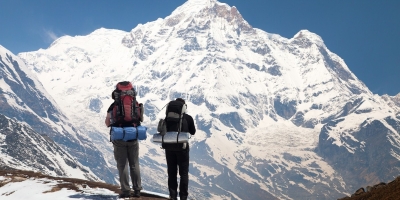
Himchuli Peak also spelt as Hiunchuli is one of the technical routed mountaineering running on the easy trails of Annapurna Sanctuary. Himchuli Peak lies in the Annapurna region connected to Annapurna South forming a huge south-facing mountain wall at an elevation of 6441m. The climb to Himchuli is not as challenging as other massive peaks but might require technicality to find the route to the summit during the bad weather and the area is exposed to significant avalanche risks.Additionally, this trek takes travelers to various enticing destinations such as Poonhill (3210m), Machhapuchhre Base Camp (3700m), and Annapurna Base Camps (4130m) before reaching the peak of Himchuli. The trekking initiates from Naya Pul on feet and hikes up to Poonhill for captivating views of sunrise and a panoramic view of the Annapurna chain, Dhaulagiri and Manaslu. Meanwhile, the trekkers also experience the culture and tradition of the settlement of the Gurung tribe while heading to Chommrong. Similarly, the trails offer magnificent views of giant waterfalls, thrilling suspension bridges, monasteries, prayer stones, and dense Bamboo woods and Rhododendron forest parallel to Modi Khola (glacier). Likewise, endangered animals such as Snow leopard, musk deer, Himalayan Tahr, mountain goat, and Yak are also seen in a conservation area of the Annapurna region. Further, the voyage reaches Annapurna Base Camp via Machhapuchhre Base Camp offering picturesque views of the splendid Himalayas over 7000 meters.In October 1971, an American Peace Corps Expedition Team under the leadership of Craig Anderson was the first to climb the Himchuli peak via the South-East face. The trekker mostly follows the same route climbing the summit in two pushes establishing two different camps on the hike to Himchuli Peak. Finally, reaching the peak that very few people explored offers enchanting and charismatic up-close views of Annapurna I (8091 m), Annapurna South (7219m), Annapurna III (7937m), Annapurna IV (7 525m), Gangapurna (7455m), and Machhapuchhre (6993m). After the Hinchuli peak is summited, trekkers retrace back to Hinko Cave from Annapurna Base Camp descending for Pokhara. Himchuli Itinerary:Himchuli peak climb usually takes 12 to 19 days in total. One begins the journey with a scenic drive or even a flight to Pokhara, then the trek through the Annapurna circuit via Poon Hill, Tadapani, Chhomrong, and the Annapurna base camp. While approaching the base of the Himchuli Peak, one has to camp. The journey ends after conquering the summit and descending. Still, another trek is required from the base camp to reach Pokhara after enjoying trekking climbing, and some splendid views of the Himalayas.Himchuli Peak Climbing Distance:Distance-wise, the total distance covered while climbing Himchuli Peak From Annapurna basecamp is only about around 113 Km and 70.28 miles This includes hiking to and from the Annapurna Base Camp, climbing to the top of Himchuli Peak, summit. The difference of one or two hundred kilometers is understandable with regards to the route differences and difference in pace of different climbers, nevertheless, these numbers should give a rough idea of the physical efforts made in this strenuous endeavor.Himchuli peak climbing route:The route to ascend the Himchuli Peak usually takes through the Annapurna territory via Nayapul Poon Hill, Tadapani, Chhomrong, Sinuwa, bambu, Dovan, Himalaya, Deurali, MBC, and Annapurna Base Camp. While trekking and climbing Himchuli, climbers set a base and proceed to an elevated camp for acclimatization. Summit push entails some degree of technical climbing commonly the north-west ridge requiring face climb and traversing of sharp ridges. The descent after Himchuli peak climbing to Annapurna base camp and following the same route to Chhomrong and Then Hotspring drive back to Nayapul and finally Pokhara.Himchuli peak climbing cost:The cost of climbing the Himchuli Peak usually varies between two thousand three hundred to two thousand seven hundred dollars per person. This variation in prices depends on the group size, with larger groups paying less. This may cover accommodation, meals, guides, porters, equipment, permits, and transport. However, expenses like travel insurance, personal gear, and tips are not included. It’s recommended to research and compare different operators based on budget and preferences.Himchuli Peak Climbing Difficulty:Himchuli climbing is generally considered a moderately difficult trek that lasts 5-6 days. While not highly technical, it demands excellent physical fitness and endurance due to the high altitude. The trek to base camp is strenuous, and the summit push involves challenging terrain with steep sections and crevasses. Acclimatization is crucial to prevent altitude sickness. Despite its difficulty, Tent Peak is accessible to those with previous trekking and climbing experience, offering a rewarding challenge compared to other peaks in the region.Himchuli Peak Height:Himchuli Peak stands at 6441 meters (21132 feet). This makes it a suitable option for climbers seeking a taste of the Himalayas without the extreme challenges of higher peaks. While not as imposing as its neighboring giants, Himchuli Peak provides an opportunity to experience high-altitude mountaineering in the stunning Annapurna region.About Himchuli Peak High Camp:Himchuli High Camp is a crucial staging point for climbers attempting to summit Himchuli. The camp is typically set up in a sheltered area to protect against harsh weather conditions, with tents providing accommodation for climbers. The High Camp offers mindblowing views of the Annapurna I, Annapurna South, Fishtail, and many Himalayan peaks and valleys, making it a truly unique experience for those who reach this point. Climbers often spend a night or two at the high camp to adjust to the altitude and ensure a physically prepared final leg of their journey to the summit. The reward of witnessing sunrise over the Himalayas from this vantage point is unforgettable.Himchuli peaks safety:Himchuli Peak climbing carries inherent risks due to high altitude, exposed terrain, and unpredictable weather. Safety is paramount, and climbers must be well-prepared and accompanied by experienced guides. Proper acclimatization is crucial to prevent altitude sickness. Glacier travel skills and avalanche awareness are essential. Climbers should have comprehensive insurance, appropriate gear, and a thorough understanding of the risks involved. By prioritizing safety and following expert advice, climbers can significantly reduce potential hazards and enjoy a successful ascent.Major villages of Himchuli Peak Climbing:The climb to Himchuli Peak takes one through several iconic villages in the Annapurna region. The trail starting from Pokhara passes through Ghorepani, Poon Hill, Tadapani, and Chhomrong, offering glimpses of Gurung and Magar culture. Trekkers encounter Dovan, Deurali, and Machhapuchhre Base Camp before reaching Annapurna Base Camp, the final stop before the Tent Peak ascent. These villages boast stunning mountain backdrops and offer warm hospitality and rich cultural experiences.Best Viewpoints on the Way to Himchuli Peak Climbing:Poon Hill (3,210 m):Poon Hill is famous for its sunrise panorama of the Annapurna and Dhaulagiri ranges, including Annapurna South, Machhapuchhre, and Hiunchuli.Machhapuchhre Base Camp (3,700 m):Machhapuchhre Base Camp offers stunning views of Machhapuchhre and other mountains, along with glorious glaciers and fewer trekkers compared to other spots.Annapurna Base Camp (4,130 m):Annapurna Base Camp is surrounded by Annapurna I, Annapurna South, and Hiunchuli, creating a breathtaking 360-degree view of the Himalayas.Himchuli Chuli High Camp:The journey continues to Tharpu Chuli High Camp with impressive views of Tent Peak and the Annapurna Mountain Ranges, especially during the mornings and evenings.Summit of Tent Peak (5,663 m):The summit of Tent Peak offers unparalleled vistas of the Annapurna range, including I, III, South, and Machapuchare, as well as Hunchuli.Chhomrong (2,170m):Chhomrong is a charming village with exceptional views of Machapuchare and Annapurna South, providing opportunities to interact with local Gurung people.Deurali (3,230 m):Deurali boasts spectacular views of the Modi Khola valley and involves a challenging climb over big rocks while offering glimpses of the mountains ahead.View and Experience on Top of Himchuli Peak:Standing atop Himchuli Peak at 6441 meters creates a sense of victory and awe, surrounded by the immense Annapurna massif. The endless white expanse of snow and the deep blue sky creates a surreal, almost sci-fi-like atmosphere. The isolation and grandeur of the high Himalayas are palpable.Flora and Fauna In Himchuli Peak Climbing:The flora and fauna encountered during a Himchuli Peak climb vary with altitude. Lower elevations boast lush rhododendron forests and diverse birdlife. As altitude increases, vegetation thins, giving way to alpine meadows with wildflowers. Higher still, the landscape becomes barren, with limited plant and animal life. Though rare, Himalayan birds like the Impeyan pheasant or blood pheasant might be spotted at lower altitudes.Festivals and Culture of Himchuli Peak Climbing:The area of the Himchuli Peak climbing is filled with the Gurung and Magar traditions. Even though the concentration is on a high-altitude trek, passing through such places as Ghorepani, Tadapani, and Chhomrong, brings out some of the traditions of the people of the region. Larger festivals such as Dashain and Tihar might not be as literally celebrated near the summit of Mount Kailash, but it is touched by the kind essence of the mountain people. It is also a cultural affiliation when the group gets a chance to sit together with local guides and porters and share tea, and some stories despite the ardent adventure.Advantage book with Asiana Treks and Tours with Himchuli Peak climbing: * Private transport for airport transfers to/from your hotel.* Trip briefing on Facebook and online if you love to connect.* Last minute booking at your hotel at a suitable time after your arrival.* Easy booking and reservation system.* Multi-channel communication via Email, WhatsApp, Facebook, Viber, Skyp 24/7 phone communication at +977-9851076270* Free excess luggage storage during the Trek* Oximeters are provided to examine blood oxygen saturation at high altitudes to detect altitude sickness early* Medical kits along the Trek and hot airbags are available in winter* Arrange sleeping bags, duffel bags, down jackets, and walking pools if you don't have your own.Himchuli Peak Climbing Start:Himchuli Peak climbing begins usually with a drive or a flight to Pokhara, which is the starting point of the Annapurna circuit. From here further the exciting tour through responsibly beautiful woods, fields and hills, and lovely quaint villages. As you go higher, the country becomes a rugged alpine one, common with treelines, rocks, and large hills. It incorporates a steady climb of altitude to condition the body for high-altitude tasks such as rock climbing. During the trekking, you will come across trekking beautiful points such as Poon Hill, Tadapani, Chhomrong, etc from where you can view some of the magnificent mountains.Currency Exchange:The Nepalese rupee is Nepali currency, and 1 USD is approximately 130 NPR. Only NPR is accepted in Nepal, so it's best to bring cash to facilitate transactions. Banks and ATMs in Kathmandu provide currency exchange services but note that most banks prefer new, crisp notes.Our Team:The Asiana Treks and Tours team is professional, reliable, and responsible. They are well-trained, friendly, radiant, and fluent in English. You can feel comfortable sharing anything with them. They are experts in local culture, history, vegetation, food, accommodation, weather conditions, and first aid medication. They are also environmentally conscious and respect the rights of animals.However, please do not provoke them for personal gain during the Trip. While you can enjoy your holiday with them, we kindly request that you do not try to change their customs, beliefs, religion, culture, or traditions.We and our staff are committed to making your adventure trip unforgettable memories of a lifetime journey in Nepal. Sherpa, Guide, and Porter Arrangement:Our company, Asiana Treks and Tours, focuses on responsible tourism in Nepal. We ensure our guides and porters are well-trained in Trekking, Peak climbing, and mountaineering. They know a lot about the areas we go to, including geography, history, customs, and culture. We train them regularly in safety, first aid, and environmental conservation. We follow guidelines to treat our porters fairly, providing them with good pay, accommodation, and meals during treks. Our guides and porters are essential team members, and we appreciate their hard work. When you trek with us, you support ethical tourism in Nepal, making your Trip meaningful and memorable.Asiana Treks and Tours prioritizes your safety and enjoyment. Our knowledgeable guides, reliable equipment, and safety measures ensure a great trekking experience in Nepal.Porter, Luggage, and Extra Luggage Storage: We cover the cost of porters for your Luggage, but the maximum weight limit is 12 kg per person. Each porter carries Luggage for two trekkers; please share a duffle bag with another. Our porters will carry up to 25 kg each. If you need a porter for yourself, we can arrange that. We also recommend carrying a small backpack for your valuables and important documents. You can leave extra Luggage at our office for free and at a hotel in Pokhara, Namche, etc.Accommodation Himchuli Peak Climbing:On a Himchuli Peak climb, the places you spend the night differ as explained below: En route to the base camp, the lodges where you will be putting up are teahouses that provide simple yet good accommodation with shared wash facilities. These are teahouses where people find a place to take a rest after the day’s tiredness of trekking. Nevertheless, whenever you start the climb to Tent Peak, camping forms part of the climbers’ activities regularly. Proper equipment in the form of tents, sleeping bags, and mats should be chosen of high quality due to the poor conditions of the mountains. That is why, despite some difficulties that can be encountered when camping, it is very valuable since it lets experience nature to the fullest and enjoy the night sky.Meals during the Himchuli peak climbing Trip:Food during the Himchuli Peak hike is part of the energy source during the activity. While traveling from one village to another, even trekking to the mountains, Teahouses serve typical Nepalese food like Dal Bhat, Noodles, and Eggs. A printed menu of orders, which is available as one rises in rank, is also tendered; such orders include fried rice, pasta, and basic curry meals, among others. Back in the base camp and especially in the higher camps, dehydrated meals turn into the only source of food. Technically speaking, such meals can be considered ultra-low-impact meals carrying only the minimal amount of nutrition required. Without fail, tea and coffee are crucial for supplying heat, and that is a bonus if consumed in high-altitude areas.Drinking water during Himchuli Peak Climbing:Water is very important when it comes to Himchuli Peak climbing, therefore keeping the body hydrated is important. As they move from one village to another, they are afforded boiled water to drink from teahouses. However, if you go higher, the availability of clean water is very limited or can barely be accessed. One should always have with them water purification tablets or a small portable water filter to purify water from natural sources. Consumption of sufficient amounts of water enables the prevention of altitude sickness and good health during the physically demanding climb. The availability of rehydration salts is also recommended to help in the replenishing of the electrolytes that may have been washed out through the sweat.Extra Personal Expenses for Himchuli Peak Climbing:Your Trip covers most expenses during the peak climbing; you'll need to spend money on extra accommodations and meals in Kathmandu, souvenirs, and beverages. The package does not include expenses incurred for personal items and services such as trekking and climbing equipment, laundry, tips, landlines, mobile phones, walkie-talkies, satellite phones, and internet services. You will need to cover these costs yourself as you use them. While most expenses during the Trek are covered, you must budget additional accommodations and meals in Kathmandu, souvenirs, and beverages. We estimate miscellaneous expenses to be around USD 15-25 per trekking day. However, personal expenses will vary depending on your income, habits, and lifestyle.Toilet Facilities in Himchuli Peak Climbing:Most teahouses have Western-style flush toilets during mountain treks, especially at lower elevations. But as you go higher, find simple squat toilets along the trails and teahouses at higher altitudes. These toilets usually have water or toilet paper, but it's a good idea to bring your toilet paper just in case. You can also use restrooms at nearby teahouses or find a private spot along the trekking routes.Internet Connectivity:Any form of connectivity to the Internet is usually very scarce while on a Tent Peak climb. However, only a few teahouses which are along the trekking route provide Wi-Fi facilities and that too normally it is slow Wi-Fi. The beauty of this is that as you go higher, the internet connection diminishes severely. As much as internet connections can be compromised throughout a climb, especially in base camps, one must be ready not to have access to it at all. Another factor that needs to be managed and reconstructed is attending to the ‘presence’ of the trek and the climb, by avoiding the distractions of technology and digital connectivity.Electricity voltage and plugs:However, 95 % of Nepali people have access to electricity as of May 29, 2023. almost popular trekking and climbing routes, teahouses, and lodges have electricity. However, some isolated and solo trekking tea houses in the jungle don't have electricity; most tea houses let travelers charge for their devices for a small fee. The average electrical voltage in Nepal is 230 volts, with plug types like Type C, Type D, and Type M. Travellers should bring a suitable adapter and, if needed, a voltage converter for their electronic devices.Communication:The guest houses in the trekking and climbing regions have internet access. You could buy a SIM card at Tribhuvan International Airport Kathmandu and Namche. However, the signal may need to be more assertive at high altitudes. Our office keeps in touch with all trekking teams via the trek guide at least once daily to ensure everything goes as planned. However, services include landlines, mobile phones, walkie-talkies, satellite phones, and internet services. You will need to cover these costs yourself as you use them.Trip Extension:Suppose you have extra days in Nepal after the Trek and Peak climbing. In that case, we can arrange a tour, overnight stay at Nagarkot Balthali or any other place around Kathmandu and Chitwan, jungle safari, paragliding, rafting, canyoning, or other treks. Do not hesitate to Inform us. We will create the best for you.Trip Safety:At Asiana Treks and Tours, we take immense pride in our impeccable safety record, especially concerning the challenging climb of Island Peak. Our main priority is our client's safety first, so there have been no fatalities during Island Peak expeditions; however, High-altitude trekking, peak climbing, and mountaineering are inherently risky and adventurous activities in remote areas.We take the utmost care and use the right gear and safety protocol to minimize risks, ensuring our clients' safe and successful climbs. This comprehensive approach to safety will make you feel secure and protected throughout your adventure.Our climbing guides are experienced mountain submitters and well-versed in first aid and high-altitude medicine. Their extensive training and local knowledge ensure that they can handle any situation that might arise during the climb, providing you with a sense of security and confidence in their abilities. Asiana Treks and Tours is committed to your safety and success. Our proven track record and experienced guides ensure that your Island Peak adventure will be thrilling and secure.Group & Private Treks:We organize many group and private treks and Peak climbing simultaneously, with discounts available for larger groups. Every group will have a trekking guide and porters. Regarding larger groups, we provide an assistant guide. Our team ensures a safe and enjoyable trekking experience for all participants.About solo traveler:If you're a solo traveler, please get in touch with us to confirm departure dates before booking. You can tell us via call, WhatsApp, or email. We have listed upcoming departure dates for your convenience. Feel free to share the trip details with friends and family.Notes: Please be aware that the itinerary may change due to weather or other factors, and we'll adjust it accordingly for the group's safety and enjoyment. We look forward to guiding you through the stunning landscapes of the Annapurna region and ensuring a memorable climbing experience.Responsible Travel:We prioritize responsible travel to minimize environmental impact and support local communities. We collaborate with organizations like the Kathmandu Environmental Education Project (KEEP) to promote eco-friendly practices in trekking regions.Gratitude:Gratuities are appreciated in Nepali culture and reflect the quality of service provided. While the amount you tip is up to you, we recommend tipping as a group at the end of the Trip. Our staff involved in your trekking and mountaineering experience will be hoping for tips, gifts, or tokens of appreciation. This is a meaningful way to express your satisfaction with their service and to show your gratitude.End of Climbing trip:Upon successful completion of the Himchuli summit and retracing the route through Annapurna Base Camp there are several familiar villages that one can spend time in to ask for more of. The descent down to Pokhara offers the climbers a gradual descent to the real world, where they can relax and have something to look forward to after a difficult yet fulfilling climb. Some prefer to stay longer to further explore the Annapurna area or other regions of Nepal which is the prolongation of the magic of the mountains.Departure:On the day of your departure flight, we'll come to pick you up from your hotel and transfer you to Tribhuvan International Airport. We hope you enjoyed the Nepal trek and will consider returning for more adventures in Nepal.Feedback:After you complete the Lobuche peak climbing, we'll organize a farewell dinner in Kathmandu and present you with a trekking achievement certificate. After the dinner, you can provide feedback about the Trek on travel portals.Last-Minute Booking:If you can't book in advance, we offer last-minute bookings. Last-minute booking offers are available but may cost slightly more than regular departure dates. Those opting for last-minute bookings must pay an additional 7% of the total trip cost on our website. While we strive to make last-minute requests, we try our best to accommodate according to your last-minute booking holiday.Special Note: Please remember that unforeseen circumstances, such as inclement weather or unavailable lodging, may necessitate changes to the schedule. In such cases, your guide will create a new itinerary based on the group's interests. Any additional expenses arising from unforeseen situations like natural disasters, landslides, political disturbances, strikes, or Updates of government rules are not covered by the package price and will need to be covered separately.
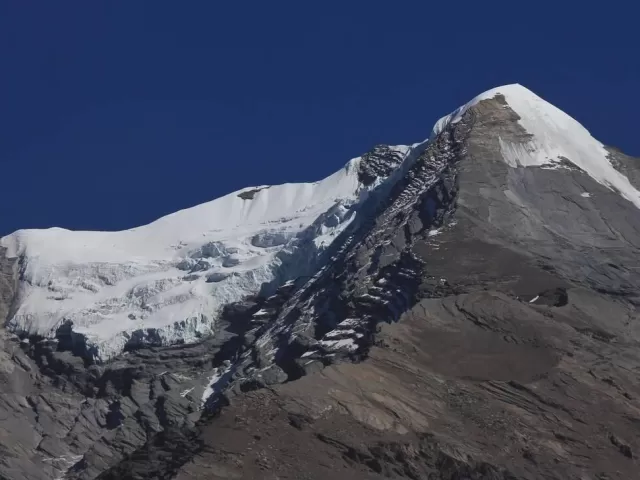
Pisang Peak rises above Pisang village and yak pastures in a uniform slope of ice and snow to the final summit pyramid. This peak is considered the easy climbing peak in Nepal. To reach the base camp from Pisang village, the path ascends through sparse wood and pasture to a Kharka at (4,380m) which is considered the best place for setting up the base camp. High Camp is set up at 5,400m climbing to a shoulder on the South-West Ridge. There will be snow at the high camp from the end of November to the end of March. The well-defined ridge leads to the final snow slope, which is quite steep but not difficult to reach the summit. Descent is made on the same route.This trek after all is difficult to match for its rugged mountain scenery, trekking challenges and the exposure it provides to the variety of ethnic Nepalese cultures. Starting in the lowland paddy fields the trek steadily gains altitude passing through oak and pine forests and eventually emerging into the high desert country at Manang (3597 m.). The descent is equally amazing and varied.Pisang Peak Itinerary:A Pisang Peak climbing normally takes 12-15 days; one needs to drive from Kathmandu to Bulbule, and then trek to Chamje, Dharapani, and Chame. Trekking to Pisang is done after acclimatization in Upper Pisang to reach Pisang Peak Base Camp and High Camp. In the morning, an attempt to get to the summit is made and then descent back to Upper Pisang and from there to Manang Valley. The last day of the known tour takes the guests through Yak Kharka and Thorung Phedi where the splendid mountains and the rewarding hiking impress.Pisang Peak Climbing Distance:The distance amount that can be accrued during the Pisang Peak climbing can also differ depending on certain tasks and the chosen direction. Even though the actual climbing of the Pisang peak is said to be from the base camp to the summit and shorter than other peaks; the total trek starting from Kathmandu to the base camp and back is quite long. These numbers should be expected to vary as there are varying topographies, weather conditions, and individuals’ realistic speeds that they are willing to maintain throughout the hike. Chiefly, the objective is the vertical distance as opposed to the horizontal course as it is a vertical journey through several stages of acclimatization before arriving at the peak.Pisang peak climbing route:The climbing route of the Pisang peak is usually done through any number of the great trails such as the Annapurna circuit. This entails passing through beautiful villages, green full-grown forests, and mountainous regions. About the difficulty level, the climbing gets steeper when approaching the Pisang area, and the last push to Uhapperko requires technical climbing. The trail mostly involves rest days to get accustomed to the high altitude and the descent is also on the same trail back to the main Annapurna Circuit.Pisang peak climbing cost:The price for climbing Pisang Peak differs from package to package, group size, and the time of the year. In general, the price of the guided expedition is assessed to range between $2,500 and $3,500 per person. These may consist of permits, transport, food and lodges, tools, guides, and porters. Services offered such as extra carries, rentals for gears, and other personal expenses may affect the charges to be given. Therefore, consumers should spend more time and effort analyzing various packages so that they can effectively come up with a package that comes with an affordable price but at the same time makes them happy.Pisang Peak climbing Difficulty:Despite Pisang Peak being listed among those medium-sized peaks that can be climbed as a mountaineering expedition, lots of people prefer it due to the intensity of the climb as well as the scarce beauty of the Himalayas. Although it is not as technical as other higher and steeper mountains, it still calls for adequate fitness and altitude exposure/acclimatization. There is some degree of ascent, people are exposed to elements and there are parts with relatively more steep incline. It is very important to have preparation like training, acclimatization, and an experienced guide before even attempting the climb.Pisang Peak Height:Pisang Peak is located at an altitude of 6,091 meters (19,984 feet) thus a challenging but doable for professional trekkers. The height it undertakes to span provides climbers with astounding vistas of the other hills in the region, particularly the Annapurna massif. In as much as many hikers regard is as an easy climb mountain, its altitude requires one to factor the need to find the right acclimatization and training before being able to successfully hike up the mountain into consideration.About Pisang Peak High Camp:The Pisang Peak High Camp is established around 5400 meters above sea level; indeed, it is a comparatively difficult camp; however, if accomplished, you will be pleased as it will be the last stop before the finale. The high camp is attained after often a tough trek from the Base camp and serves as a staging post of sorts and a critical one at that as people start their final assault on the summit from here. This puts the place into the risk factor due to the exposure to extreme weathers appropriate to the location with spectacular views of the surrounding Himalayan mountains.Pisang peaks safety:All troupes that Asiana Treks and Tours takes for Pisang Peak adventures prioritize safety foremost. Pisang Peak is in general recognized to be much easier than other peaks of the Himalayas range still there are some more or less serious difficulties connected with climbing in the high mountains. Still, one must admit that a number of years of work and, what is more important, several successful campaigns without a single death demonstrate the company’s concern with safety. Acute mountain sickness is still a possibility, which is managed through an effective itinerary, well-trained porters, and the best equipment. The guides here are nicely spoken and are experienced in mountain climbing, first aid, and high-altitude medical care. This is facilitated by the fact that our employees are conversant with the various areas that our clients frequent while at the same time exercising maximum precaution to avoid the occurrence of an incident. Our gear is the newest and we strictly follow safety procedures to avoid any mishaps during the climbing and make sure that you get to the top. Dear valued users, it is also important to note that we do value the safety of our users. Selecting the right climbing company is essential and Asiana Treks and Tours company will assure you of the best and safe climb on Pisang Peak.Major villages of Pisang Peak Climbing:Major villages that are usually met during the Pisang Peak climb mainly exist in the Annapurna area. The trekking starts in the places like Jagat, Dharapani, and Chame which are some of the key settlements. The climbers, while moving towards the higher altitudes reach the beautiful village of Upper Pisang, for acclimatization. Further from this point, the trace is more secluded, and the main focus is to secure the base camp and the high camp for the final assault.Best Viewpoints on the Way to Pisang Peak Climbing:The Pisang Peak climbing is a spectacle of the eye since the view of the Himalayas opens up before one with a marvelous delight at every stage of the trek. Here are some of the most notable viewpoints along the way: Here are some of the most notable viewpoints along the way:Jagat:It overlooks the Jagat River and has a view of the bridge on it.Dharapani:Offers an outlook of Dharapani Valley or the hills depending on the side of the trail.Chame: Presents impressions of the Chame Bazaar and monastery for the reader.Pisang:It presents the village of Pisang especially the monasteries located in this area.Upper Pisang:Includes the meadows and the ridge for a birds-eye view.Base Camp:It offers outlooks of the morning scenery and the top.High Camp:Great for star gazing in the night and catching some of the best sunset views.View and experience the top of Pisang Peak Climbing:The top indeed presents extraordinary dividends ranging from the romantic view of the Annapurna mountains to the feeling of achievement.However,attaining such a status entails other difficulties like; Acute mountain sickness, instability of weather, and tough terrains. For the journey to be accomplished, the physical fitness of one is challenged tenancy, the mental part is exercised keenly and one has to find the right altitude to endure the journey. However, the sense of victory over such a mountain and the feeling of Unity with the earth make such a summit more than value for the money for every climber.Flora and Fauna In Pisang Peak Climbing:Regarding the geographical and biological components of the Pisang Peak climbing route, there is a lot of variation in the type of plants and animals that could be found in that area. In the lower regions, there are dense forests of rhododendrons, and the chirping of birds is heard; going up, there are vast meadows filled with different wildflowers. The spars begin as the trail rises higher, although trees remain present the soil is more arid, and much of the land appears rocky and barren. It’s important to stay alert in the search of the various and mostly hidden Himalayan animals such as the blue sheep, red pandas, and even the snow leopards. Anyway, these appearances contribute to the exclusivity of the region’s aura, as such surprises are rare.Festivals and Culture of Pisang Peak Climbing:The area mainly hosts the Gurung and the Tibetan ethnic groups which have their customs and celebrations. While experiencing organized and large events is difficult due to altitude, it is always a memorable experience, meeting local people, and seeing the warm quality of their hospitality. Some of these are Tiji- a Buddhist mask dance that is rather enigmatic and Losar- the Tibetan New Year festival provides cultural diversity to make it even more appealing.we'll then proceed to the airport flight to Lukla or drive a 4-hour Manthali Flight to Lukla.People and Hospitality:The warmth of the local people, with their hearty welcome, make Pisang Peak climbing indeed memorable. The people of Gurung and Magar ethnic groups are friendly, hospitable, and very kind to the trekkers, guiding them in all possible ways. Through their hospitable gestures and readiness to introduce the people of this severe area to their customs, this group makes one feel at home. Staying with the local people enables one to learn more about the customs and ways of living, enjoy proper home-prepared meals, and make friends with the family. The attitudes of these people and the skills to continue life after catastrophes are the core of cultivating the adventurous spirit, so it is an essential aspect.Advantage book with Asiana Treks and Tours with Mera Peak: * Private transport for airport transfers to/from your hotel.* Trip briefing on Facebook and online if you love to connect.* Last minute booking at your hotel at a suitable time after your arrival.* Easy booking and reservation system.* Multi-channel communication via Email, WhatsApp, Facebook, Viber, Skyp 24/7 phone communication at +977-9851076270* Free excess luggage storage during the Trek* Oximeters are provided to examine blood oxygen saturation at high altitudes to detect altitude sickness early* Medical kits along the Trek and hot airbags are available in winter* Arrange sleeping bags, duffel bags, down jackets, and walking pools if you don't have your own.Pisang Peak Climbing Start:A Pisang Peak climbing expedition normally starts in Kathmandu which is the capital city of Nepal. You will then be driven or flown to the starting point of the trekking. The journey then consists of several stages of trekking through many villages, beautiful forests, and altitude landscapes. Thus, as one trek toward the Pisang region, the treks become steeper and this culminates in the final push to the top.Currency Exchange:The Nepalese rupee is Nepali currency, and 1 USD is approximately 130 NPR. Only NPR is accepted in Nepal, so it's best to bring cash to facilitate transactions. Banks and ATMs in Kathmandu provide currency exchange services but note that most banks prefer new, crisp notes.Our Team:The Asiana Treks and Tours team is professional, reliable, and responsible. They are well-trained, friendly, radiant, and fluent in English. You can feel comfortable sharing anything with them. They are experts in local culture, history, vegetation, food, accommodation, weather conditions, and first aid medication. They are also environmentally conscious and respect the rights of animals.However, please do not provoke them for personal gain during the Trip. While you can enjoy your holiday with them, we kindly request that you do not try to change their customs, beliefs, religion, culture, or traditions.We and our staff are committed to making your adventure trip unforgettable memories of a lifetime journey in Nepal. Sherpa, Guide, and Porter Arrangement:Our company, Asiana Treks and Tours, focuses on responsible tourism in Nepal. We ensure our guides and porters are well-trained in Trekking, Peak climbing, and mountaineering. They know a lot about the areas we go to, including geography, history, customs, and culture. We train them regularly in safety, first aid, and environmental conservation. We follow guidelines to treat our porters fairly, providing them with good pay, accommodation, and meals during treks. Our guides and porters are essential team members, and we appreciate their hard work. When you trek with us, you support ethical tourism in Nepal, making your Trip meaningful and memorable.Asiana Treks and Tours prioritizes your safety and enjoyment. Our knowledgeable guides, reliable equipment, and safety measures ensure a great trekking experience in Nepal.Porter, Luggage, and Extra Luggage Storage: We cover the cost of porters for your Luggage, but the maximum weight limit is 12 kg per person. Each porter carries Luggage for two trekkers; please share a duffle bag with another. Our porters will carry up to 25 kg each. If you need a porter for yourself, we can arrange that. We also recommend carrying a small backpack for your valuables and important documents. You can leave extra Luggage at our office for free and at a hotel in Pokhara, Namche, etc.Accommodation Pisang Peak Climbing:Accommodation during the Pisang peak Climbing varies. Along the trekking route, you'll stay in guest houses, commonly known as teahouses. These basic lodges offer rooms, dining areas, and toilets. The quality of guest houses varies but remains affordable and convenient for trekkers. Rooms typically have twin or bunk beds and shared bathrooms, and blankets and pillows are available. Our company can offer a sleeping bag if you don't have one. You'll spend nine nights in lodges along the trekking route and three nights in a hotel in Kathmandu. Some places and lodges have attached bathrooms, while others offer simple yet clean rooms with shared facilities. We can arrange a solo trekking service if you're traveling solo. In high season and particular areas, availability may be limited for you, although we try our best. In Kathmandu or Pokhara, your hotel room will have excellent amenities, including TV, 24/7 hot water, electricity, and laundry service.Meals during the Trip:Eating well is for the Mera Peak you through the Himalayas. You'll have plenty of nutritious meals in the trekking regions, although the options won't be as varied as in the cities. You'll get fifteen breakfasts, eleven lunches, and ten dinners during the Trek. The menu includes local, Asian, and Western dishes, but it gets more straightforward as you climb higher. Try popular Nepali foods like lentils, rice, curry, dumplings, noodles, Spagaties, and many more. We highly recommend eating fresh vegetables and drinking liquids like green tea, lemon tea, hot lemon, ginger tea, and garlic soup, especially at high altitudes. While non-vegetarian options are available during the Trek, we suggest avoiding them for hygiene reasons. It's also best to steer clear of dairy, cheese, alcohol, caffeine, and hot chocolate. Personal expenses like alcoholic drinks, extra beverages, and cafes aren't included in the package.Drinking water during Pisang Peak Climbing:Nepal is the second country in the world in terms of water sources after Brazil. According to the Nepal government, only 27% of people here have clean drinking water. You can buy mineral water in teahouses, but it is expensive. Lokals people prefer something other than plastic bottles in some trekking areas, but there are some safe drinking water stations where you can refill your bottle. However, we recommend carrying Steripen, iodine drops, water purification tablets for safe drinking, and refillable water bottles for boiled or filtered water. We strongly advise not to drink from taps, wells, and rivers in trekking areas. However, in all the city areas, Mineral water is available at a reasonable cost everywhere.Extra Personal Expenses for Pisang Peak Climbing:Your Trip covers most expenses during the peak climbing; you'll need to spend money on extra accommodations and meals in Kathmandu, souvenirs, and beverages. The package does not include expenses incurred for personal items and services such as trekking and climbing equipment, laundry, tips, landlines, mobile phones, walkie-talkies, satellite phones, and internet services. You will need to cover these costs yourself as you use them. While most expenses during the Trek are covered, you must budget additional accommodations and meals in Kathmandu, souvenirs, and beverages. We estimate miscellaneous expenses to be around USD 15-25 per trekking day. However, personal expenses will vary depending on your income, habits, and lifestyle.Toilet Facilities in Pisang Peak Climbing:Most teahouses have Western-style flush toilets during mountain treks, especially at lower elevations. But as you go higher, find simple squat toilets along the trails and teahouses at higher altitudes. These toilets usually have water or toilet paper, but it's a good idea to bring your toilet paper just in case. You can also use restrooms at nearby teahouses or find a private spot along the trekking routes.Internet Connectivity:While trekking in the Himalayan region of Nepal, connecting with your family and friends is also a good idea. You can find internet access at teahouses and lodges, but it might be extra minimal cost. The signal might be weak because of the remote location. You can also get internet access using a local SIM card and data packages available at Kathmandu airport or nearby shops in Thamel. You'll have a passport-sized photo and a copy of your passport to get a SIM card. It's a good idea to compare prices and data packages from telecom companies like Ncell and Nepal Telecom before buying. Knowing about teahouse connectivity. Our guide will suggest connections for you. Electricity voltage and plugs:However, 95 % of Nepali people have access to electricity as of May 29, 2023. almost popular trekking routes, teahouses, and lodges have electricity. However, some isolated and solo trekking tea houses in the jungle don't have electricity; most tea houses let travelers charge for their devices for a small fee. The average electrical voltage in Nepal is 230 volts, with plug types like Type C, Type D, and Type M. Travellers should bring a suitable adapter and, if needed, a voltage converter for their electronic devices.Communication:The guest houses in the trekking regions have internet access. You could buy a SIM card at Tribhuvan International Airport Kathmandu and Namche. However, the signal may need to be more assertive at high altitudes. Our office keeps in touch with all trekking teams via the trek guide at least once daily to ensure everything goes as planned. However, services include landlines, mobile phones, walkie-talkies, satellite phones, and internet services. You will need to cover these costs yourself as you use them.Trip Extension:Suppose you have extra days in Nepal after the Trek. In that case, we can arrange a tour, overnight stay at Nagarkot Balthali or any other place around Kathmandu and Chitwan, jungle safari, paragliding, rafting, canyoning, or other treks. Do not hesitate to Inform us. We will create the best for you.Trip Safety:At Asiana Treks and Tours, we take immense pride in our impeccable safety record, especially concerning the challenging climb of Island Peak. Our main priority is our client's safety first, so there have been no fatalities during Island Peak expeditions; however, High-altitude trekking, peak climbing, and mountaineering are inherently risky and adventurous activities in remote areas.We take the utmost care and use the right gear and safety protocol to minimize risks, ensuring our clients' safe and successful climbs. This comprehensive approach to safety will make you feel secure and protected throughout your adventure.Our climbing guides are experienced mountain submitters and well-versed in first aid and high-altitude medicine. Their extensive training and local knowledge ensure that they can handle any situation that might arise during the climb, providing you with a sense of security and confidence in their abilities. Asiana Treks and Tours is committed to your safety and success. Our proven track record and experienced guides ensure that your Island Peak adventure will be thrilling and secure.Group & Private Treks:We organize many group and private treks simultaneously, with discounts available for larger groups. Every group will have a trekking guide and porters. Regarding larger groups, we provide an assistant guide. Our team ensures a safe and enjoyable trekking experience for all participants.About solo traveler:If you're a solo traveler, please get in touch with us to confirm departure dates before booking. You can tell us via call, WhatsApp, or email. We have listed upcoming departure dates for your convenience. Feel free to share the trip details with friends and family.Notes: Please be aware that the itinerary may change due to weather or other factors, and we'll adjust it accordingly for the group's safety and enjoyment. We look forward to guiding you through the stunning landscapes of the Annapurna region and ensuring a memorable trekking experience.Responsible Travel:We prioritize responsible travel to minimize environmental impact and support local communities. We collaborate with organizations like the Kathmandu Environmental Education Project (KEEP) to promote eco-friendly practices in trekking regions.Gratitude:Gratuities are appreciated in Nepali culture and reflect the quality of service provided. While the amount you tip is up to you, we recommend tipping as a group at the end of the Trip. Our staff involved in your trekking and mountaineering experience will be hoping for tips, gifts, or tokens of appreciation. This is a meaningful way to express your satisfaction with their service and to show your gratitude.End of Climbing trip:On the last day of the Pisang peak climb, the trekkers will descend and return to the lower valleys. After saying bye to the mountains, you can either take a scenic bus ride back to Kathmandu or you can just fly back to Kathmandu. The bus trip sometimes may take about seven hours but the flight to this city is a quicker way to get there. On arrival in Kathmandu, a warm welcome will be extended at the airport by our representative who will transferred to a hotel where the rest of the day will be at leisure followed by a farewell dinner in the evening to share the feelings of excitement in the accomplishment of this adventurous trip.Departure:On the day of your departure flight, we'll come to pick you up from your hotel and transfer you to Tribhuvan International Airport. We hope you enjoyed the Nepal trek and will consider returning for more adventures in Nepal.Feedback:After you complete the Lobuche peak climbing, we'll organize a farewell dinner in Kathmandu and present you with a trekking achievement certificate. After the dinner, you can provide feedback about the Trek on travel portals.Last-Minute Booking:If you can't book in advance, we offer last-minute bookings. Last-minute booking offers are available but may cost slightly more than regular departure dates. Those opting for last-minute bookings must pay an additional 7% of the total trip cost on our website. While we strive to make last-minute requests, we try our best to accommodate according to your last-minute booking holiday.Special Note: Please remember that unforeseen circumstances, such as inclement weather or unavailable lodging, may necessitate changes to the schedule. In such cases, your guide will create a new itinerary based on the group's interests. Any additional expenses arising from unforeseen situations like natural disasters, landslides, political disturbances, strikes, or Updates of government rules are not covered by the package price and will need to be covered separately.
Chulu East (6,584 m. ) rises steeply above the Kali Gandaki with stunning views to Annapurna II, III & IV, Gangapurna, Glacier Dome, Dhaulagiri, Tilicho Peak & Manaslu. The climb is linked with the well-known circuit around the Annapurna, moving in the Marshyangdi valley up to the Thorong La, and then going down the Kali Gandaki valley to Pokhara. Though it is not very difficult and any person with a reasonable level of fitness should be capable of it with a background knowledge of the usage of the gears like crampons, harness, ice axe, tying knots and handling climbing ropes. Many of the climbing will be roped walking and this includes the glacial crossings. You need to be very fit and you should have prior experience of climbing. The North-East Ridge is recognized as the most suitable route through which one can climb this peak from a Base Camp at 5334M or (17500ft) on the moraine. Common practice is that most climbers take full day to both sum up the mountain and descend to the Base Camp and while earlier attempts have been made to build a higher camp somewhat lower than the summit. Another subsidiary peak in this context is Chulu Far East (6059m/ 19880ft) may also be attempted from this possible approach.Chulu East Peak Itinerary:Chulu East Peak climbing itinerary typically involves a jeep ride to the trailhead, followed by a trek through lush landscapes to the drier Manang region. Several days of gradual ascent are necessary for acclimatization before reaching base camp. The final climb to the summit is challenging and requires technical expertise. Upon summiting, the descent retraces the upward route, offering stunning views of the Annapurna and Dhaulagiri ranges. The journey concludes via Throngla-Pass or via Humde with a flight to Pokhara from Jomsom or from Humde.Chulu East Peak Climbing Distance:Approximately one kilometer of vertical gain is the climbing distance for Chulu East from High Camp to the summit and back. This figure highlights the core technical climbing aspect of the expedition. The overall trekking distance, including the ascent to Base Camp, acclimatization hikes, and descent, is variable based on routes and weather conditions, but it's significantly longer.Chulu East Peak climbing route:The journey begins with a trek through the picturesque Annapurna Valley, passing through charming villages before gradually ascending to Base Camp. Climbers then establish High Camp as a stepping stone toward the summit. The final push is technically demanding, characterized by exposed terrain, steep sections, and crevasses. Upon reaching the summit, climbers retrace their route back to High Camp and Base Camp, concluding this challenging expedition.Chulu East Peak climbing cost:A standard 15-day package to climb Chulu East costs between $1895 and $2380 per person. This price includes permits, a guide, a porter, equipment, accommodation, and meals. However, the final cost can vary based on group size, additional services, and the specific operator. Comparing different packages is essential to find the best value for your budget.Chulu East Peak climbing Difficulty:Located in the Annapurna range of Nepal, Chulu East Peak is categorized as a moderately difficult climb and is recommended for those with prior trekking and climbing experience at high altitudes, along with some basic mountaineering skills. The climb involves traversing across glaciers, navigating steep and rough terrain, and technical climbing using crampons, ice axes, and ropes. While not as technically demanding as some of the Himalayas' most renowned peaks, it requires several days of acclimatization, solid physical fitness, and fundamental mountaineering expertise. Be prepared for the challenges of high altitude, including weather conditions, steep slopes, crevasses, and potential altitude-related symptoms.Chulu East Peak Height:Chulu East Peak rises to an astonishing height of 6584 meters above sea level, which makes it one of the key climbing peaks in Nepal Annapurna region. From this summit, climbers can be rewarded with stunning views of the Annapurna and Daulagiri, further extending to a section of the Damodar Himal. The approach to Chulu East traverses diverse terrains; cultivated fields, ancestral villages, pastures, and glacial debris. The experience is a challenging one, but the scenery at the peak is breathtaking. Climbing Chulu East Peak is a physically and spiritually demanding endeavor due to the peak's altitude, requiring proper preparation and acclimatization.Chulu East Peak Climbing Success Rate:Chulu East Peak Climbing Success Rate:Chulu East Peak Climbing Success Rate: It is a newly opened trekking peak in the Annapurna region of Nepal highly famous among the tourists and trekkers. The success rate of Chulu East climbing is one hundred percent that is getting to the top. Several reasons explain why the success rate of business turnarounds is high. Island Peak is still quite approachable, there are well-trodden paths and proper facilities which will give a secure area to the climbers. With the assistance of professional tour leaders who ensure the clients’ safety and explain what is going on. To some extent, easy familiarization with important mountaineering techniques, and enough acclimatization and preparation, as during the Annapurna Round trekking, are ways of preparing the climbers physically. These aspects put together makes Chulu East Peak to be within the reach of so many climbing enthusiasts.About Chulu East Peak High Camp:Situated at an altitude of 5,300 meters (17,388 feet) above sea level, Chulu East Peak's High Camp is the final staging area before the summit attempt. This strategic location allows climbers to acclimatize effectively and prepare for the challenging terrain ahead. The relatively flat area at High Camp provides a suitable space for camping and organizing equipment, in contrast to the steep, rocky, or snowy conditions higher up the mountain.Chulu East peaks safety:Safety is the prime concern at Asiana Treks and Tours in Mera Peak climbing. As far as the mountain is concerned, it has some drawbacks, mainly connected to high altitude, yet the agency can number a significant number of its successful climbing expeditions, most of which stated no fatalities. Nevertheless, altitude sickness persists as a possibility and we minimize it by proper itinerary, hiring professional porters, and proper gear.The guides leading this team are well trained for mountaineering, first aid, and high altitude traveler’s medical care. This way, their expertise in the destination and safety-oriented approach guarantee you the best throughout the journey. We strictly adhere to security measures and use the best equipment to reduce as many variables as possible and give you the best chance at the top.Do not worry, your safety will always be of top utmost importance to us. While choosing a climbing company, it is always best to journey with a company that looks out for your welfare, which is why with Asiana Treks and Tours, you can start your Mera Peak journey knowing that you are in safe hands.Major villages of Chulu East Peak Climbing:Climbing Chulu East Peak often passes through several important towns where climbers can receive valuable assistance from locals and immerse themselves in diverse cultural experiences. Trekkers journey to Chame, the district headquarters of Manang, renowned for its hot springs and breathtaking mountain views. Pisang village, situated further along the route, showcases the traditional Tibetan way of life and architecture. Manang, another key location, offers essential amenities like teahouses and bakeries, providing an opportunity to interact with the local Gurung and Tibetan communities.Best Viewpoints on the Way to Chulu East Peak Climbing:As for the climbing to Chulu East Peak, there are numerous beautiful stunning points en route from where the climbers can have different and beautiful views of the Himalayas. Some of the best viewpoints along the way include:Besisahar:The first destination of the trekking, providing a gorgeous view of the lower Himalayan range and green canyon.Chame:Popular for the beautiful display of Lamjung Himal along with Annapurna II and the Marsyangdi River forming the beautiful background.Upper Pisang:Provides magnificent outlooks of Annapurna II and IV, and Pisang Peak with colorfully painted traditional Tibetan-styled structures.Manang:The final important acclimatization place where one can have a wonderful view of the Himalayas, Annapurna range of hills, Gangapurna mountain, and Tilicho peak.Yak Kharka:This viewpoint is located at a slightly higher altitude to observe stunning views of Chulu West and Chulu Far East.Thorong La Pass:While this pass is not en route to Chulu East climbing, this pass is one that many trekkers cross, and with great views of the Dhaulagiri and Annapurna ranges.Chulu East Base Camp:From here, the clients get to see Chulu East Peak, the surrounding Glacier, and the entire Himalayan range.All these are not only eye-satisfying but also motivating factors for climbers for the tough task of climbing the Chulu East peak.View and experience the top of Chulu East Peak Climbing:The climax of the climbers is to reach the top of the Chulu East Peak with wonderful sightseeing of the Annapurna and Dhaulagiri ranges. There are giants like the Annapurna, the Annapurna II, the Annapurna III, the Annapurna IV, and the Gangapurna, Manaslu, etc., which stretch menacingly down to the feet. It became evident that the calm and elevated atmosphere of the area positively affects the feeling of competence and unity with the surrounding environment. The climbers feel on top of the world and at the same time dwarfed by the grandeur and majesty of the Himalayas at 6,584 meters (21,601 feet). The steep trail is pointed towards the summit and the area is relatively uninhabited, therefore the culmination of the steep hike is enjoyable and satisfying.Flora and Fauna In Chulu East Peak Climbing:There is variation in the vegetation and fauna of Chulu East Peak depending on the altitude. Down the lower tiers, one gets to witness a wide variety of rhododendrons and pine forests where you can see the Himalayan Monal and the Blood Pheasant. Further up the height, the vegetation reverts to that of the alpine meadows, juniper shrub, and hardy grass covering most of the area. Just like at the Pensacola base, plant life at the base camp is also somewhat limited and the flora and fauna found here include cold-adapted Lichens and Moss and they do exist. Himalayan Tahr, 'snow leopards', and the 'marmots' are seen at the higher zones but are rare due to the unavailability of favorable conditions. This great variation of plants and animals added to the adventure of climbers since they move through several zones during trekking.Festivals and Culture of Chulu East Peak Climbing:The Chulu East Peak area is vibrant with festivals and a culture predominantly shaped by Gurungs and Tibetans. Prominent celebrations include Tihar and Dashain, featuring captivating cultural programs encompassing dance, music, and cuisine. Another highlight for tourists is Lhosar, the Tibetan New Year, characterized by colorful ceremonies, cultural dances, and unique delicacies. The region's identity is a harmonious blend of Tibetan Buddhist and Hindu influences, evident in the presence of prayer flags and monasteries throughout the trekking area. Immersing oneself in these traditions creates a sense of cultural immersion, enhancing the overall trekking experience.People and Hospitality:Nepal is a country where warm hospitality and incredible values are not just a custom but a deeply ingrained part of its culture. Whether a foreign visitor or a local, you're greeted with open arms, friendly smiles, and a radiant manner. This tradition of hospitality, deeply rooted in Hinduism, Buddhism, and traditional customs, sees guests as blessings and treats them with utmost respect, generosity, and kindness.The Sherpa people, an indigenous ethnic group with a unique blend of Tibetan Buddhism and ancient Bon rituals, epitomize these values. Residing in the upper Khumbu area, they welcome guests with a distinct warmth and an unwavering spirit of hospitality, marked by their renowned honesty and loyalty.Advantage book with Asiana Treks and Tours with Mera Peak: * Private transport for airport transfers to/from your hotel.* Trip briefing on Facebook and online if you love to connect.* Last minute booking at your hotel at a suitable time after your arrival.* Easy booking and reservation system.* Multi-channel communication via Email, WhatsApp, Facebook, Viber, Skyp 24/7 phone communication at +977-9851076270* Free excess luggage storage during the Trek* Oximeters are provided to examine blood oxygen saturation at high altitudes to detect altitude sickness early* Medical kits along the Trek and hot airbags are available in winter* Arrange sleeping bags, duffel bags, down jackets, and walking pools if you don't have your own.Chulu East Peak Climbing Start:Chulu East Peak is typically climbed starting from the picturesque town of Besisahar in the Annapurna region. The journey progresses through scenic villages like Chame and Pisang, traversing diverse terrains from forests to meadows before reaching higher altitudes. Acclimatization takes place in Manang before embarking on the ascent to the base camp. The final push involves navigating steep terrain and glaciers, culminating in the technical climb to Chulu East Peak.Currency Exchange:The Nepalese rupee is Nepali currency, and 1 USD is approximately 130 NPR. Only NPR is accepted in Nepal, so it's best to bring cash to facilitate transactions. Banks and ATMs in Kathmandu provide currency exchange services but note that most banks prefer new, crisp notes.Our Team:The Asiana Treks and Tours team is professional, reliable, and responsible. They are well-trained, friendly, radiant, and fluent in English. You can feel comfortable sharing anything with them. They are experts in local culture, history, vegetation, food, accommodation, weather conditions, and first aid medication. They are also environmentally conscious and respect the rights of animals.However, please do not provoke them for personal gain during the Trip. While you can enjoy your holiday with them, we kindly request that you do not try to change their customs, beliefs, religion, culture, or traditions.We and our staff are committed to making your adventure trip unforgettable memories of a lifetime journey in Nepal. Sherpa, Guide, and Porter Arrangement:Our company, Asiana Treks and Tours, focuses on responsible tourism in Nepal. We ensure our guides and porters are well-trained in Trekking, Peak climbing, and mountaineering. They know a lot about the areas we go to, including geography, history, customs, and culture. We train them regularly in safety, first aid, and environmental conservation. We follow guidelines to treat our porters fairly, providing them with good pay, accommodation, and meals during treks. Our guides and porters are essential team members, and we appreciate their hard work. When you trek with us, you support ethical tourism in Nepal, making your Trip meaningful and memorable.Asiana Treks and Tours prioritizes your safety and enjoyment. Our knowledgeable guides, reliable equipment, and safety measures ensure a great trekking experience in Nepal.Porter, Luggage, and Extra Luggage Storage: We cover the cost of porters for your Luggage, but the maximum weight limit is 12 kg per person. Each porter carries Luggage for two trekkers; please share a duffle bag with another. Our porters will carry up to 25 kg each. If you need a porter for yourself, we can arrange that. We also recommend carrying a small backpack for your valuables and important documents. You can leave extra Luggage at our office for free and at a hotel in Pokhara, Namche, etc.Accommodation during Chulu East Peak Climbing:From Besisahar to Manang, travelers encounter basic teahouses offering meals and accommodation. In contrast, Chulu East Peak's base camp and high camp provide simple tent accommodations. Teahouses offer essential amenities and social interaction, while tented camps prioritize functionality over comfort in the harsh mountain environment. Climbers should anticipate basic living conditions at higher altitudes, as structures are designed for utility rather than luxury. This configuration ensures a practical and supportive environment for the ascent.After leaving the guest house, our Sherpas will set up your accommodation tents in safe locations during the climbing period. Likewise toilet tents will be set up in convenient spots nearby the camp. Meals during the Trip:Meals on the Chulu East Peak climbing expedition offer a blend of Nepalese and international cuisine. Lower camps typically serve hearty dishes like dal bhat, lentil soup, noodle soups, and vegetables. As climbers ascend to higher altitudes, menus transition to calorie-dense options such as pasta, rice, and bread, prepared in simple cooking setups. The emphasis is on easily digestible foods to fuel the demanding climb. A variety of meal choices cater to diverse culinary preferences.After leaving the guest house, Drinking water during Chulu East Peak Climbing:Water availability varies throughout the Chulu East Peak climbing expedition. In lowervillages and teahouses, water is readily accessible but boiling or using purification tablets is recommended. At higher altitudes, water sources become limited, necessitating water purification tablets, filters, or UV purifiers. Base camps and high camps typically offer melted snow, which must be purified before consumption. Carrying sufficient water is essential for the entire journey, considering its vital role in hydration and acclimatization. When leaving the teahouse, boiled water is provided, but we recommend carrying a water purification tablet or Steri Pen to treat water from natural sources found along the climbing.Extra Personal Expenses for Chulu East Peak Climbing:Your Trip covers most expenses during the peak climbing; you'll need to spend money on extra accommodations and meals in Kathmandu, souvenirs, and beverages. The package does not include expenses incurred for personal items and services such as trekking and climbing equipment, laundry, tips, landlines, mobile phones, walkie-talkies, satellite phones, and internet services. You will need to cover these costs yourself as you use them. While most expenses during the Trek are covered, you must budget additional accommodations and meals in Kathmandu, souvenirs, and beverages. We estimate miscellaneous expenses to be around USD 15-25 per trekking day. However, personal expenses will vary depending on your income, habits, and lifestyle.Toilet Facilities in Chulu East Peak Climbing:Most teahouses have Western-style flush toilets during mountain treks, especially at lower elevations. But as you go higher, find simple squat toilets along the trails and teahouses at higher altitudes. These toilets usually have water or toilet paper, but it's a good idea to bring your toilet paper just in case. You can also use restrooms at nearby teahouses or find a private spot along the trekking routes.Internet Connectivity:While trekking in the Himalayan region of Nepal, connecting with your family and friends is also a good idea. You can find internet access at teahouses and lodges, but it might be extra minimal cost. The signal might be weak because of the remote location. You can also get internet access using a local SIM card and data packages available at Kathmandu airport or nearby shops in Thamel. You'll have a passport-sized photo and a copy of your passport to get a SIM card. It's a good idea to compare prices and data packages from telecom companies like Ncell and Nepal Telecom before buying. Knowing about teahouse connectivity. Our guide will suggest connections for you. Electricity voltage and plugs:However, 95 % of Nepali people have access to electricity as of May 29, 2023. almost popular trekking routes, teahouses, and lodges have electricity. However, some isolated and solo trekking tea houses in the jungle don't have electricity; most tea houses let travelers charge for their devices for a small fee. The average electrical voltage in Nepal is 230 volts, with plug types like Type C, Type D, and Type M. Travellers should bring a suitable adapter and, if needed, a voltage converter for their electronic devices.Communication:The guest houses in the trekking regions have internet access. You could buy a SIM card at Tribhuvan International Airport Kathmandu and Namche. However, the signal may need to be more assertive at high altitudes. Our office keeps in touch with all trekking teams via the trek guide at least once daily to ensure everything goes as planned. However, services include landlines, mobile phones, walkie-talkies, satellite phones, and internet services. You will need to cover these costs yourself as you use them.Trip Extension:Suppose you have extra days in Nepal after the Trek. In that case, we can arrange a tour, overnight stay at Nagarkot Balthali or any other place around Kathmandu and Chitwan, jungle safari, paragliding, rafting, canyoning, or other treks. Do not hesitate to Inform us. We will create the best for you.Trip Safety:At Asiana Treks and Tours, we take immense pride in our impeccable safety record, especially concerning the challenging climb of Island Peak. Our main priority is our client's safety first, so there have been no fatalities during Island Peak expeditions; however, High-altitude trekking, peak climbing, and mountaineering are inherently risky and adventurous activities in remote areas.We take the utmost care and use the right gear and safety protocol to minimize risks, ensuring our clients' safe and successful climbs. This comprehensive approach to safety will make you feel secure and protected throughout your adventure.Our climbing guides are experienced mountain submitters and well-versed in first aid and high-altitude medicine. Their extensive training and local knowledge ensure that they can handle any situation that might arise during the climb, providing you with a sense of security and confidence in their abilities. Asiana Treks and Tours is committed to your safety and success. Our proven track record and experienced guides ensure that your Island Peak adventure will be thrilling and secure.Group & Private Treks:We organize many group and private treks simultaneously, with discounts available for larger groups. Every group will have a trekking guide and porters. Regarding larger groups, we provide an assistant guide. Our team ensures a safe and enjoyable trekking experience for all participants.About solo traveler:If you're a solo traveler, please get in touch with us to confirm departure dates before booking. You can tell us via call, WhatsApp, or email. We have listed upcoming departure dates for your convenience. Feel free to share the trip details with friends and family.Notes: Please be aware that the itinerary may change due to weather or other factors, and we'll adjust it accordingly for the group's safety and enjoyment. We look forward to guiding you through the stunning landscapes of the Annapurna region and ensuring a memorable trekking experience.Responsible Travel:We prioritize responsible travel to minimize environmental impact and support local communities. We collaborate with organizations like the Kathmandu Environmental Education Project (KEEP) to promote eco-friendly practices in trekking regions.Gratitude:Gratuities are appreciated in Nepali culture and reflect the quality of service provided. While the amount you tip is up to you, we recommend tipping as a group at the end of the Trip. Our staff involved in your trekking and mountaineering experience will be hoping for tips, gifts, or tokens of appreciation. This is a meaningful way to express your satisfaction with their service and to show your gratitude.End of Climbing trip:On the eleventh day, you'll take a bus from Pokhara back to Kathmandu, which takes about seven hours. Alternatively, you can fly from Pokhara to Kathmandu for an extra fee. In the evening, we'll host a farewell dinner in Kathmandu.Departure:On the day of your departure flight, we'll come to pick you up from your hotel and transfer you to Tribhuvan International Airport. We hope you enjoyed the Nepal trek and will consider returning for more adventures in Nepal.Feedback:After you complete the Lobuche peak climbing, we'll organize a farewell dinner in Kathmandu and present you with a trekking achievement certificate. After the dinner, you can provide feedback about the Trek on travel portals.Last-Minute Booking:If you can't book in advance, we offer last-minute bookings. Last-minute booking offers are available but may cost slightly more than regular departure dates. Those opting for last-minute bookings must pay an additional 7% of the total trip cost on our website. While we strive to make last-minute requests, we try our best to accommodate according to your last-minute booking holiday.Special Note: Please remember that unforeseen circumstances, such as inclement weather or unavailable lodging, may necessitate changes to the schedule. In such cases, your guide will create a new itinerary based on the group's interests. Any additional expenses arising from unforeseen situations like natural disasters, landslides, political disturbances, strikes, or Updates of government rules are not covered by the package price and will need to be covered separately.
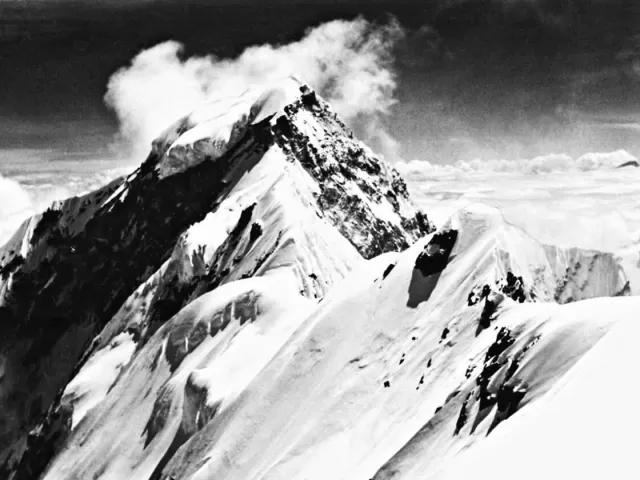
Tent Peak ( Tharpu Chuli) Climbing, also recognized as Tharpu Chuli (5663m/18,563ft) above sea level, can be summited within a 15-day. This peak stands in the Annapurna Himalaya range. Tharpu Chuli stands on one of the famous trekking to ABC and someday onward to climbing ascent. However, ice and rock climbing skills alongside appropriate equipment are suggested. This peak is an excellent stepping stone for trekkers transitioning from high-pass trekking to amateur mountaineering. The chosen route for this climb is the standard Northwest Ridge, categorized as Peu Difficile (PD) in grading. Including vertical and ridge climbing segments imparts an intriguing and challenging dimension, particularly for those venturing into trekking peaks for the first time. The relative ease of Tharpu Chuli's height and snow conditions sets it apart from more formidable trekking mountains.In 1956, Mr. Jimmy Roberts achieved the Tent Peak summit via the Southeast Ridge. Alternatively, the Southwest Ridge, specifically the West Face Ridge, has emerged as a popular climbing route. The ideal seasons for ascending Tent Peak are spring (April, May) and autumn (September, October, November). The climb follows a relatively straightforward path, with an approximate Alpine grade of PD+. The journey involves primarily snow slopes at a 35-42-degree gradient, interspersed with some exposed ridge climbing. Fixed lines are established to cover any precarious sections.The summit of Tent Peak treats climbers to breathtaking panoramic vistas of the majestic snow-capped mountains within the Annapurna region. The captivating landscapes encountered during the trek are an additional incentive to explore this remarkable peak. Trekking along the Modi River's picturesque course allows for an immersive experience of both natural splendor and cultural richness along one of the most renowned routes in the Annapurna region. The journey unfolds through Himalayan flora, lush forests, vibrant blossoms, culturally vibrant local communities, and the snow-draped allure of the trekking peak.Embarking from Pokhara, commencing the trek from Dhampus village to Annapurna Base Camp. The route, spanning around seven days, predominantly winds through forested terrains, encompassing stopovers Landruk: 1,565 meters (5,135 feet) Chhomrong: 2,170 meters (7,119 feet)Dovan: 2,500 meters (8,202 feet) Machhapuchhre Base Camp (MBC): Altitude: 3,700 meters (12,139 feet)Annapurna Base Camp (ABC): Altitude: 4,130 meters (13,549 feet)The stretch from Machhapuchhre Base Camp to Annapurna Base Camp (13,550ft) is relatively short, usually taking two hours. Sufficient time is allocated for acclimatization before going to Tharpu Chuli Base Camp. A higher camp is situated at 5000m. The route traverses the glacier from the high camp and ascends a 41° snow slope to reach the North West Ridge. This ridge, initially broad, narrows significantly for the final 61 meters leading to the summit.Tent Peak Itinerary:A Tent Peak climb usually takes 12 to 19 days in total. One begins the journey with a scenic drive or even a flight to Pokhara, then the trek through the Annapurna circuit via Poon Hill, Tadapani, Chhomrong, and the Annapurna base camp. While approaching the base of the Tent Peak, one has to camp. The journey ends after conquering the summit and descending. Still, another trek is required from the base camp to reach Pokhara after enjoying trekking mountaineering, and some splendid views of the Himalayas.Tent Peak Climbing Distance:Distance-wise, the total distance covered while climbing a Tent Peak is about 18 KM. This includes hiking to and from the Annapurna Base Camp, climbing to the high camp of Tent Peak, and the summit attempt. The difference of one or two hundred kilometers is understandable with regards to the route differences and difference in pace of different climbers, nevertheless, these numbers should give a rough idea of the physical efforts made in this strenuous endeavor.Tent peak climbing route:The route to ascend the Tent Peak usually takes through the Annapurna territory via Poon Hill, Tadapani, Chhomrong and Annapurna Base Camp.While trekking at Annapurna Base Camp, climbers first set a base after which they proceed to an elevated camp for acclimatization. Summit push entails some degree of technical climbing commonly the north-west ridge requiring face climb and traversing of sharp ridges. The descent is also the same route back to Annapurna base camp then the trekking trail back to Pokhara.Tent peak climbing cost:The cost of climbing the Tent Peak usually varies between one thousand seven hundred and two thousand two hundred dollars per person. This variation in prices depends on the group size, with larger groups paying less. This may cover accommodation, meals, guides, porters, equipment, permits, and transport. However, expenses like travel insurance, personal gear, and tips are not included. It’s recommended to research and compare different operators based on budget and preferences.Tent Peak climbing Difficulty:Tent Peak climbing is generally considered a moderately difficult trek that lasts 5-6 days. While not highly technical, it demands excellent physical fitness and endurance due to the high altitude. The trek to base camp is strenuous, and the summit push involves challenging terrain with steep sections and crevasses. Acclimatization is crucial to prevent altitude sickness. Despite its difficulty, Tent Peak is accessible to those with previous trekking and climbing experience, offering a rewarding challenge compared to other peaks in the region.Tent Peak Height:Tent Peak, also known as Tharpu Chuli, stands at 5663 meters (18,574 feet). This makes it a suitable option for climbers seeking a taste of the Himalayas without the extreme challenges of higher peaks. While not as imposing as its neighboring giants, Tent Peak provides an opportunity to experience high-altitude mountaineering in the stunning Annapurna region.About Tent Peak High Camp:Tent Peak High Camp is located at approximately 4900 meters (16,085 feet) below Rakshi Peak. This exposed camp offers breathtaking panoramic views of the Annapurna Sanctuary, including iconic peaks like Annapurna I, Machhapuchhre, and Gangapurna. Spending a night here is essential for acclimatization before the summit push. While conditions can be harsh, the reward of witnessing sunrise over the Himalayas from this vantage point is unforgettable.Tent peaks safety:Tent Peak climbing carries inherent risks due to high altitude, exposed terrain, and unpredictable weather. Safety is paramount, and climbers must be well-prepared and accompanied by experienced guides. Proper acclimatization is crucial to prevent altitude sickness. Glacier travel skills and avalanche awareness are essential. Climbers should have comprehensive insurance, appropriate gear, and a thorough understanding of the risks involved. By prioritizing safety and following expert advice, climbers can significantly reduce potential hazards and enjoy a successful ascent.Major villages of Tent Peak Climbing:The climb to Tent Peak takes one through several iconic villages in the Annapurna region. The trail starting from Pokhara passes through Ghorepani, Poon Hill, Tadapani, and Chhomrong, offering glimpses of Gurung and Magar culture. Trekkers encounter Dovan, Deurali, and Machhapuchhre Base Camp before reaching Annapurna Base Camp, the final stop before the Tent Peak ascent. These villages boast stunning mountain backdrops and offer warm hospitality and rich cultural experiences.Best Viewpoints on the Way to Tent Peak Climbing:Poon Hill (3,210 m):Poon Hill is famous for its sunrise panorama of the Annapurna and Dhaulagiri ranges, including Annapurna South, Machhapuchhre, and Hiunchuli.Machhapuchhre Base Camp (3,700 m):Machhapuchhre Base Camp offers stunning views of Machhapuchhre and other mountains, along with glorious glaciers and fewer trekkers compared to other spots.Annapurna Base Camp (4,130 m):Annapurna Base Camp is surrounded by Annapurna I, Annapurna South, and Hiunchuli, creating a breathtaking 360-degree view of the Himalayas.Tharpu Chuli High Camp (4800m):The journey continues to Tharpu Chuli High Camp with impressive views of Tent Peak and the Annapurna Mountain Ranges, especially during the mornings and evenings.Summit of Tent Peak (5,663 m):The summit of Tent Peak offers unparalleled vistas of the Annapurna range, including I, III, South, and Machapuchare, as well as Hunchuli.Chhomrong (2,170m):Chhomrong is a charming village with exceptional views of Machapuchare and Annapurna South, providing opportunities to interact with local Gurung people.Deurali (3,230 m):Deurali boasts spectacular views of the Modi Khola valley and involves a challenging climb over big rocks while offering glimpses of the mountains ahead.View and Experience on Top of Tent Peak:Standing atop Tent Peak at 5,663 meters creates a sense of victory and awe, surrounded by the immense Annapurna massif. The endless white expanse of snow and the deep blue sky creates a surreal, almost sci-fi-like atmosphere. The isolation and grandeur of the high Himalayas are palpable.Flora and Fauna In Tent Peak Climbing:The flora and fauna encountered during a Tent Peak climb vary with altitude. Lower elevations boast lush rhododendron forests and diverse birdlife. As altitude increases, vegetation thins, giving way to alpine meadows with wildflowers. Higher still, the landscape becomes barren, with limited plant and animal life. Though rare, Himalayan birds like the Impeyan pheasant or blood pheasant might be spotted at lower altitudes.Festivals and Culture of Tent Peak Climbing:The area of the Tent Peak climbing is filled with the Gurung and Magar traditions. Even though the concentration is on a high-altitude trek, passing through such places as Ghorepani, Tadapani, and Chhomrong, brings out some of the traditions of the people of the region. Larger festivals such as Dashain and Tihar might not be as literally celebrated near the summit of Mount Kailash, but it is touched by the kind essence of the mountain people. It is also a cultural affiliation when the group gets a chance to sit together with local guides and porters and share tea, and some stories despite the ardent adventure.Advantage book with Asiana Treks and Tours with Mera Peak: * Private transport for airport transfers to/from your hotel.* Trip briefing on Facebook and online if you love to connect.* Last minute booking at your hotel at a suitable time after your arrival.* Easy booking and reservation system.* Multi-channel communication via Email, WhatsApp, Facebook, Viber, Skyp 24/7 phone communication at +977-9851076270* Free excess luggage storage during the Trek* Oximeters are provided to examine blood oxygen saturation at high altitudes to detect altitude sickness early* Medical kits along the Trek and hot airbags are available in winter* Arrange sleeping bags, duffel bags, down jackets, and walking pools if you don't have your own.Tent Peak Climbing Start:Tent Peak climbing begins usually with a drive or a flight to Pokhara, which is the starting point of the Annapurna circuit. From here further the exciting tour through responsibly beautiful woods, fields and hills, and lovely quaint villages. As you go higher, the country becomes a rugged alpine one, common with treelines, rocks, and large hills. It incorporates a steady climb of altitude to condition the body for high-altitude tasks such as rock climbing. During the trekking, you will come across trekking beautiful points such as Poon Hill, Tadapani, Chhomrong, etc from where you can view some of the magnificent mountains.Currency Exchange:The Nepalese rupee is Nepali currency, and 1 USD is approximately 130 NPR. Only NPR is accepted in Nepal, so it's best to bring cash to facilitate transactions. Banks and ATMs in Kathmandu provide currency exchange services but note that most banks prefer new, crisp notes.Our Team:The Asiana Treks and Tours team is professional, reliable, and responsible. They are well-trained, friendly, radiant, and fluent in English. You can feel comfortable sharing anything with them. They are experts in local culture, history, vegetation, food, accommodation, weather conditions, and first aid medication. They are also environmentally conscious and respect the rights of animals.However, please do not provoke them for personal gain during the Trip. While you can enjoy your holiday with them, we kindly request that you do not try to change their customs, beliefs, religion, culture, or traditions.We and our staff are committed to making your adventure trip unforgettable memories of a lifetime journey in Nepal. Sherpa, Guide, and Porter Arrangement:Our company, Asiana Treks and Tours, focuses on responsible tourism in Nepal. We ensure our guides and porters are well-trained in Trekking, Peak climbing, and mountaineering. They know a lot about the areas we go to, including geography, history, customs, and culture. We train them regularly in safety, first aid, and environmental conservation. We follow guidelines to treat our porters fairly, providing them with good pay, accommodation, and meals during treks. Our guides and porters are essential team members, and we appreciate their hard work. When you trek with us, you support ethical tourism in Nepal, making your Trip meaningful and memorable.Asiana Treks and Tours prioritizes your safety and enjoyment. Our knowledgeable guides, reliable equipment, and safety measures ensure a great trekking experience in Nepal.Porter, Luggage, and Extra Luggage Storage: We cover the cost of porters for your Luggage, but the maximum weight limit is 12 kg per person. Each porter carries Luggage for two trekkers; please share a duffle bag with another. Our porters will carry up to 25 kg each. If you need a porter for yourself, we can arrange that. We also recommend carrying a small backpack for your valuables and important documents. You can leave extra Luggage at our office for free and at a hotel in Pokhara, Namche, etc.Accommodation Tent Peak Climbing:On a Tent Peak climb, the places you spend the night differ as explained below: En route to the base camp, the lodges where you will be putting up are teahouses that provide simple yet good accommodation with shared wash facilities. These are teahouses where people find a place to take a rest after the day’s tiredness of trekking. Nevertheless, whenever you start the climb to Tent Peak, camping forms part of the climbers’ activities regularly. Proper equipment in the form of tents, sleeping bags, and mats should be chosen of high quality due to the poor conditions of the mountains. That is why, despite some difficulties that can be encountered when camping, it is very valuable since it lets experience nature to the fullest and enjoy the night sky.Meals during the Trip:Food during the Tent Peak hike is part of the energy source during the activity. While traveling from one village to another, even trekking to the mountains, Teahouses serve typical Nepalese food like Dal Bhat, Noodles, and Eggs. A printed menu of orders, which is available as one rises in rank, is also tendered; such orders include fried rice, pasta, and basic curry meals, among others. Back in the base camp and especially in the higher camps, dehydrated meals turn into the only source of food. Technically speaking, such meals can be considered ultra-low-impact meals carrying only the minimal amount of nutrition required. Without fail, tea and coffee are crucial for supplying heat, and that is a bonus if consumed in high-altitude areas.Drinking water during Tent Peak Climbing:Water is very important when it comes to Tent Peak climbing, therefore keeping the body hydrated is important. As they move from one village to another, they are afforded boiled water to drink from teahouses. However, if you go higher, the availability of clean water is very limited or can barely be accessed. One should always have with them water purification tablets or a small portable water filter to purify water from natural sources. Consumption of sufficient amounts of water enables the prevention of altitude sickness and good health during the physically demanding climb. The availability of rehydration salts is also recommended to help in the replenishing of the electrolytes that may have been washed out through the sweat.Extra Personal Expenses for Tent Peak Climbing:Your Trip covers most expenses during the peak climbing; you'll need to spend money on extra accommodations and meals in Kathmandu, souvenirs, and beverages. The package does not include expenses incurred for personal items and services such as trekking and climbing equipment, laundry, tips, landlines, mobile phones, walkie-talkies, satellite phones, and internet services. You will need to cover these costs yourself as you use them. While most expenses during the Trek are covered, you must budget additional accommodations and meals in Kathmandu, souvenirs, and beverages. We estimate miscellaneous expenses to be around USD 15-25 per trekking day. However, personal expenses will vary depending on your income, habits, and lifestyle.Toilet Facilities inTent Peak Climbing:Most teahouses have Western-style flush toilets during mountain treks, especially at lower elevations. But as you go higher, find simple squat toilets along the trails and teahouses at higher altitudes. These toilets usually have water or toilet paper, but it's a good idea to bring your toilet paper just in case. You can also use restrooms at nearby teahouses or find a private spot along the trekking routes.Internet Connectivity:Any form of connectivity to the Internet is usually very scarce while on a Tent Peak climb. However, only a few teahouses which are along the trekking route provide Wi-Fi facilities and that too normally it is slow Wi-Fi. The beauty of this is that as you go higher, the internet connection diminishes severely. As much as internet connections can be compromised throughout a climb, especially in base camps, one must be ready not to have access to it at all. Another factor that needs to be managed and re/constructed is attending to the ‘presence’ of the trek and the climb, by avoiding the distractions of technology and digital connectivity.Electricity voltage and plugs:However, 95 % of Nepali people have access to electricity as of May 29, 2023. almost popular trekking routes, teahouses, and lodges have electricity. However, some isolated and solo trekking tea houses in the jungle don't have electricity; most tea houses let travelers charge for their devices for a small fee. The average electrical voltage in Nepal is 230 volts, with plug types like Type C, Type D, and Type M. Travellers should bring a suitable adapter and, if needed, a voltage converter for their electronic devices.Communication:The guest houses in the trekking regions have internet access. You could buy a SIM card at Tribhuvan International Airport Kathmandu and Namche. However, the signal may need to be more assertive at high altitudes. Our office keeps in touch with all trekking teams via the trek guide at least once daily to ensure everything goes as planned. However, services include landlines, mobile phones, walkie-talkies, satellite phones, and internet services. You will need to cover these costs yourself as you use them.Trip Extension:Suppose you have extra days in Nepal after the Trek. In that case, we can arrange a tour, overnight stay at Nagarkot Balthali or any other place around Kathmandu and Chitwan, jungle safari, paragliding, rafting, canyoning, or other treks. Do not hesitate to Inform us. We will create the best for you.Trip Safety:At Asiana Treks and Tours, we take immense pride in our impeccable safety record, especially concerning the challenging climb of Island Peak. Our main priority is our client's safety first, so there have been no fatalities during Island Peak expeditions; however, High-altitude trekking, peak climbing, and mountaineering are inherently risky and adventurous activities in remote areas.We take the utmost care and use the right gear and safety protocol to minimize risks, ensuring our clients' safe and successful climbs. This comprehensive approach to safety will make you feel secure and protected throughout your adventure.Our climbing guides are experienced mountain submitters and well-versed in first aid and high-altitude medicine. Their extensive training and local knowledge ensure that they can handle any situation that might arise during the climb, providing you with a sense of security and confidence in their abilities. Asiana Treks and Tours is committed to your safety and success. Our proven track record and experienced guides ensure that your Island Peak adventure will be thrilling and secure.Group & Private Treks:We organize many group and private treks simultaneously, with discounts available for larger groups. Every group will have a trekking guide and porters. Regarding larger groups, we provide an assistant guide. Our team ensures a safe and enjoyable trekking experience for all participants.About solo traveler:If you're a solo traveler, please get in touch with us to confirm departure dates before booking. You can tell us via call, WhatsApp, or email. We have listed upcoming departure dates for your convenience. Feel free to share the trip details with friends and family.Notes: Please be aware that the itinerary may change due to weather or other factors, and we'll adjust it accordingly for the group's safety and enjoyment. We look forward to guiding you through the stunning landscapes of the Annapurna region and ensuring a memorable trekking experience.Responsible Travel:We prioritize responsible travel to minimize environmental impact and support local communities. We collaborate with organizations like the Kathmandu Environmental Education Project (KEEP) to promote eco-friendly practices in trekking regions.Gratitude:Gratuities are appreciated in Nepali culture and reflect the quality of service provided. While the amount you tip is up to you, we recommend tipping as a group at the end of the Trip. Our staff involved in your trekking and mountaineering experience will be hoping for tips, gifts, or tokens of appreciation. This is a meaningful way to express your satisfaction with their service and to show your gratitude.End of Climbing trip:Upon successful completion of the summit and retracing the route through Annapurna Base Camp, there are several familiar villages that one can spend time in to ask for more of. The descent down to Pokhara offers the climbers a gradual descent to the real world, where they can relax and have something to look forward to after a difficult yet fulfilling climb. Some prefer to stay longer to further explore the Annapurna area or other regions of Nepal which is the prolongation of the magic of the mountains.Departure:On the day of your departure flight, we'll come to pick you up from your hotel and transfer you to Tribhuvan International Airport. We hope you enjoyed the Nepal trek and will consider returning for more adventures in Nepal.Feedback:After you complete the Lobuche peak climbing, we'll organize a farewell dinner in Kathmandu and present you with a trekking achievement certificate. After the dinner, you can provide feedback about the Trek on travel portals.Last-Minute Booking:If you can't book in advance, we offer last-minute bookings. Last-minute booking offers are available but may cost slightly more than regular departure dates. Those opting for last-minute bookings must pay an additional 7% of the total trip cost on our website. While we strive to make last-minute requests, we try our best to accommodate according to your last-minute booking holiday.Special Note: Please remember that unforeseen circumstances, such as inclement weather or unavailable lodging, may necessitate changes to the schedule. In such cases, your guide will create a new itinerary based on the group's interests. Any additional expenses arising from unforeseen situations like natural disasters, landslides, political disturbances, strikes, or Updates of government rules are not covered by the package price and will need to be covered separately.

Saribung Peak Climbing in Nepal is an unforgettable Nepal adventure. It's a technically easy ascent without specialized gear situated at the Mustang-Manang border near China. This expedition is part of the Saribung Pass Trek, combining Upper Mustang and Nar Phu Valley trails, showcasing diverse landscapes and cultures. Starting with a flight to Jomsom, the trek unveils ethnic communities, ancient monasteries, and the stunning Damodar Kunda. Witness panoramic views of Dhaulagiri, Annapurna, and Manaslu ranges. With certified guides, safety is paramount at Satori Adventures. Immerse yourself in the charm of Saribung Peak in Nepal's majestic Himalayas.Explore Saribung Peak (6328m) between Mustang and Manang districts in Nepal's Damodar Himal range. This popular expedition site offers a glimpse of the unique Tibetan plateau and villages near Lo-Manthang. Since 2006, Asiana treks and tours have prioritized safety and satisfaction with expert guides and certified staff. Dive into culture, religion, and stunning scenery while mastering climbing techniques on this remarkable adventure.Uncover the allure of Saribung Peak (6328m) in mid-Western Nepal. Near Lo-Manthang, this peak offers a captivating blend of Tibetan influences and stunning landscapes. Safety is paramount at Satori Adventures, where certified guides with extensive mountain skills lead the way. Traverse high passes and immerse yourself in the unique culture and geography of the region. Embark on a rewarding journey with Satori Adventures in the Upper Mustang region.Saribung Peak Itinerary:A typical Saribung Peak itinerary involves a trek through the remote Langtang region, offering breathtaking Himalayan vistas. The trek begins from the capital city of Nepal, Kathmandu followed by Syabrubesi which serves as an acclimatization day, and then Langtang Village. The trail passes through rhododendron forests, crystal clear lakes, and through the pastures used by the yaks. People climb Saribung (6011m) through steeply inclined routes for which technicality and use of equipment are needed besides correct acclimatization. The descent is the reverse of the ascend, giving an opportunity and means to visit the Tamang villages and learn about their culture before being transferred back to Kathmandu.Saribung Peak Climbing Distance:On average, a Saribung Peak climbing expedition involves the coverage of 100- 150 kilometers of distance. This includes the trip to the base camp, the various excursions meant for acclimatization, and the last part the summiting of the mountain. However, this is a general estimation as there might be alterations in the distance depending on the track taken, the weather, and the speed of the climber. Getting through the Upper Mustang tack is interesting in terms of the view it provides, but the journey is somewhat challenging considering the area’s geographical nature and low human settlement.Saribung peak climbing route:The climbing route for Saribung Peak is usually from Jomsom, Nepal, and passes through the geographically isolated Upper Mustang. Spectacular scenery includes hiking, experiencing passes at certain altitudes, and getting accustomed to the terrain. The last climb to the Saribung Peak is a little challenging and involves glaciers, crevasses, and steep slopes, this makes it necessary to involve an experienced mountaineer. The descent is also similar and proffers possible sightseeing of the people and the outstanding features of the Mustang region and then to Kathmandu.Saribung peak climbing cost:The price of the Saribung Peak trekking depends on the number of persons in a group, the services to be offered, and the time of year. These range from $4,000-$6,000 per head and include everything from permits to transport food and water, and the gear as well as the guide and porterage services. Extra features such as exotic accommodation or an individual tour plan would certainly boost expenses. Look for more operators, hence comparing and selecting the best that suits your pocket and desires.Saribung Peak Climbing Difficulty:Climbing Saribung Peak is regarded to be expeditionary due to its geographical inaccessibility, high latitude, and relative rockiness. It is accentuated by steep climbing, the presence of glaciers, crevasses as well as fluctuating climatic conditions. Climbing experience, including prior mountaineering, and good physical health must be a trademark for this feat. Accumulation of acclimatization is very important to reduce associated altitude risks and technical skills are essential and useful by the time one reaches the steep climbing parts of the walls.Saribung Peak Height:Saribung Peak rises to a height, somewhere around 6,328 meters or 20,751 feet, and is, therefore, quite a challenging climb but it is certainly worth every effort for mountaineering enthusiasts. The peak provides marvelous vistas of the adjacent snow-topped Himalayan ranges which makes the climb a spectacular adventure.About Saribung Peak High Camp:The high camp, for Saribung Peak is usually set up near the height of 5800 meters. Because of the high altitude, the high camp can itself be a small number of tents where climbers use the last preparation before the attack. Temperatures at this upland are severe as are the winds, and the thinnest of airs prove to be the order of the day. The only thing a climber can do on this part of the mountain is to rest, eat, drink, and rehydrate himself or herself properly before the attempt of the summit.Saribung Peaks safety:Climbing to the Saribung Peak per se entails certain dangerous factors correlated with the altitudinal status, fluctuating climatic conditions, and topographic difficulties. The primary hazards are avalanches, crevasse falls, altitude sickness, and exposure. To avoid these risks, the climbers should be professional and experienced in the activity, and in good health besides having undergone the necessary acclimatization process. Measures can be taken to maximize the luck of success and safety High-country experience, having the right gear, and safety-consciousness.Major villages of Saribung Peak Climbing:The climb has many enchanting villages, namely Jomsom, Kagbeni, Chele, Geling, Tsarang, Lo Manthang, Dhi Gaon, Luri Gomba, Ghuma Tanti, and Namta Khola on the way to the Saribung Peak climbing. These settlements provide a preview of the type of society of the Upper Mustang area and are completely different from the rocky landscape.Best Viewpoints on the Way to Saribung Peak Climbing:Muktinath (3,800 meters):High altitude sightseeing including the panorama of the Annapurna and Dhaulagiri mountains. The Muktinath shrine is an important place of worship and this is evidenced by the testing topographical features that include; barren land and mountains with white snow caps at the horizon.Kagbeni (2,800 meters):Tours of the Nilgiri and Dhaulagiri ranges. The medieval village of Kagbeni possesses wonderful sights and sounds, the Kali Gandaki River, and the view of the altitude gateway to the forbidden kingdom of Upper Mustang.Chhuksang (2,980 meters):Panoramic land views and some River Kali Gandaki gorge and cliffs. The destination of Chhuksang is well famous for its red cliffs which provide more or less bizarre-looking rock formations.Chele La Pass (3,630 meters):Amazing vistas of Upper Mustang and the neighboring mountains. The pass offers very beautiful scenes of the inhospitable Mustang terrain that is bordered by mountains whose tops are frozen all year round.Lo Manthang (3,840 meters):Tours of the walls of the city and the Himalayan views of the surrounding regions. Lo Manthang is a historical place and former capital of the Kingdom of Mustang with a viewpoint to watch all the region around.Damodar Kunda (4,890 meters):Sweeping landscapes and impressive vista of Damodar Himal and several other neighboring summits. Despite being a Hindu and Buddhist pilgrim site, it may be aptly described as the ‘mirror of the gods’ as its waters mirror the towering mountains.Saribung Base Camp (5,100 meters):Other viewpoints include some of Saribung Peak and views of glaciers in the area. The base camp has the most spectacular view of the peak and the vast glaciers with fields.Saribung Pass (6,042 meters):Panoramic views of Annapurna and Dhaulagiri ranges of mountains with peaks as far as Tibet. According to one of the locals it offers one of the best outlooks, on the peaks and the Tibetan plateau.Saribung Peak Summit (6,328 meters):There are wonderful prospects of the massifs of Annapurna, Dhaulagiri, and Manaslu and the Tibetan plateau. The top of the summit provides an exciting view that is around 360 degrees and for this reason, hikers deserve to be rewarded for the hard task they accomplished.View and Experience on Top of Saribung Peak:The experience of being on the rooftop of the world that is Saribung Peak is something that cannot be described in words. We get a breathtaking view of the gigantic mountain ranges known as Annapurna and Dhaulagiri and several other gigantic mountainous zones. This strikes me immediately and expands infinitely – the scale of the Tibetan Plateau: a white nothingness in the distance. This loneliness is very rewarding because climbers feel that they are in the middle of a snowy and even icy meadow with gorgeous wind blowing around them. It is the thrill that makes a man and the victory of the human spirit over the dominating rock massifs.Flora and Fauna In Saribung Peak Climbing:Vegetation cover as well as the wildlife is limited due to the altitude of location of the Saribung Peak. Considering that the Upper Mustang resides in the Himalayan range of Nepal, it is even more desolate, it is a desert and the altitude is very high, and all these factors make it very hard for most living organisms to survive. Some parts, particularly on lowlands, are covered with tough shrubs and grasses, while most of the upper parts are very sparsely vegetated or even practically astir. Similar to plant life, animal life is restricted and the traveler may come across blue sheep, Himalayan marmots and in the more desolate stretches, may sight the snow leopard.Festivals and Culture of Saribung Peak Climbing:The Saribung Peak climbing region influences Tibetan Buddhism. As the trekkise is set in the high mountains and has many days devoted to ascension, it is rather difficult to get a lot of experience with the color of the local festivals During the trek though, it is possible to get a glimpse of life in the Upper Mustang region. Picturesque features include ancient monasteries, fluttering prayer flags, mani walls and so on which make the physical climbing task a real spiritual. The culture of the region with a mixing of both Tibetan and Nepalese flavors enhances the cultural values and heritage of the country.Advantage book with Asiana Treks and Tours with Himchuli Peak climbing: * Private transport for airport transfers to/from your hotel.* Trip briefing on Facebook and online if you love to connect.* Last minute booking at your hotel at a suitable time after your arrival.* Easy booking and reservation system.* Multi-channel communication via Email, WhatsApp, Facebook, Viber, Skyp 24/7 phone communication at +977-9851076270* Free excess luggage storage during the Trek* Oximeters are provided to examine blood oxygen saturation at high altitudes to detect altitude sickness early* Medical kits along the Trek and hot airbags are available in winter* Arrange sleeping bags, duffel bags, down jackets, and walking pools if you don't have your own.Saribung Peak Climbing Start: The Saribung Peak climbing expedition starts in Kathmandu, Nepal. Moving forward from the colorful Kathmandu, the original route takes you to Jomsom usually through an aerial tour of the Annapurna range. From Jomsom, the trekking starts through the mesmerizing area of the Upper Mustang. This is a less inhabited region, but filled with rich culture and tradition which will act as the base for the steeping up trip to Saribung peak.Currency Exchange:The Nepalese rupee is Nepali currency, and 1 USD is approximately 130 NPR. Only NPR is accepted in Nepal, so it's best to bring cash to facilitate transactions. Banks and ATMs in Kathmandu provide currency exchange services but note that most banks prefer new, crisp notes.Our Team:The Asiana Treks and Tours team is professional, reliable, and responsible. They are well-trained, friendly, radiant, and fluent in English. You can feel comfortable sharing anything with them. They are experts in local culture, history, vegetation, food, accommodation, weather conditions, and first aid medication. They are also environmentally conscious and respect the rights of animals.However, please do not provoke them for personal gain during the Trip. While you can enjoy your holiday with them, we kindly request that you do not try to change their customs, beliefs, religion, culture, or traditions.We and our staff are committed to making your adventure trip unforgettable memories of a lifetime journey in Nepal. Sherpa, Guide, and Porter Arrangement:Our company, Asiana Treks and Tours, focuses on responsible tourism in Nepal. We ensure our guides and porters are well-trained in Trekking, Peak climbing, and mountaineering. They know a lot about the areas we go to, including geography, history, customs, and culture. We train them regularly in safety, first aid, and environmental conservation. We follow guidelines to treat our porters fairly, providing them with good pay, accommodation, and meals during treks. Our guides and porters are essential team members, and we appreciate their hard work. When you trek with us, you support ethical tourism in Nepal, making your Trip meaningful and memorable.Asiana Treks and Tours prioritizes your safety and enjoyment. Our knowledgeable guides, reliable equipment, and safety measures ensure a great trekking experience in Nepal.Porter, Luggage, and Extra Luggage Storage: We cover the cost of porters for your Luggage, but the maximum weight limit is 12 kg per person. Each porter carries Luggage for two trekkers; please share a duffle bag with another. Our porters will carry up to 25 kg each. If you need a porter for yourself, we can arrange that. We also recommend carrying a small backpack for your valuables and important documents. You can leave extra Luggage at our office for free and at a hotel in Pokhara, Namche, etc.Accommodation Saribung Peak Climbing:Food and shelter services on a Saribung Peak climbing expedition are a combination of teahouses and camping. In the lower areas, there are ample numbers of teahouses where trekkers can find comparatively basic facilities. The choice of teahouses also declines as elevation rises, and the trekkers begin camping. Climbers will be sleeping in tents including at the base camp to ensure that they can acclimatize fully. Camping in such conditions is rather difficult but it is an option that allows you to plunge into the stunning nature of the Himalayas and concentrate on the climb.Meals during the Saribung peak climbing Trip:Saribung peak climbing means lots of trekking and climbing; therefore, the food served during the expedition is nourishing. In teahouses, you will get a combination of Nepali and Tibetan food, and they tend to major in carbohydrates. As you go higher it gets even more basic but has noodles, rice, soup, and their staple meal the Dal Bhat. When the place of stopover is located at high altitudes, and the nights are spent in tents, the cook of the expedition cooks delicious and healthy meals with the use of dehydrated or freeze-dried products. Staying hydrated is important so fluids such as tea and soup which are hot are offered all day.Drinking water during Saribung Peak Climbing:Water is very important when it comes to Peak climbing, therefore keeping the body hydrated is important. As they move from one village to another, they are afforded boiled water to drink from teahouses. However, if you go higher, the availability of clean water is very limited or can barely be accessed. One should always have with them water purification tablets or a small portable water filter to purify water from natural sources. Consumption of sufficient amounts of water enables the prevention of altitude sickness and good health during the physically demanding climb. The availability of rehydration salts is also recommended to help in the replenishing of the electrolytes that may have been washed out through the sweat.Extra Personal Expenses for Saribung Peak Climbing:Your Trip covers most expenses during the peak climbing; you'll need to spend money on extra accommodations and meals in Kathmandu, souvenirs, and beverages. The package does not include expenses incurred for personal items and services such as trekking and climbing equipment, laundry, tips, landlines, mobile phones, walkie-talkies, satellite phones, and internet services. You will need to cover these costs yourself as you use them. While most expenses during the Trek are covered, you must budget additional accommodations and meals in Kathmandu, souvenirs, and beverages. We estimate miscellaneous expenses to be around USD 15-25 per trekking day. However, personal expenses will vary depending on your income, habits, and lifestyle.Toilet Facilities in Saribung Peak Climbing:Sanitation on the elevation of Saribung Peak is still relatively primitive; They have toilets on the way up the route of climbing the Saribung Peak. As you travel a little higher, many of the villages and teahouses offer the more basic, flush-down toilets as are seen in the Western world. You will find that there are more squat toilets and the higher up you go the fewer flush toilets are available. Sanitary wipes are less likely to be found in public places, such as washrooms, and therefore one should always possess his or her toilet paper. Disposal of wastes is very important especially in areas of high altitude since sanitation and hygiene are very important. When climbing to the BC or higher camps, pit toilet or outdoor toilets is most often cited.Internet Connectivity:Any form of connectivity to the Internet is usually very scarce while on a Tent Peak climb. However, only a few teahouses which are along the trekking route provide Wi-Fi facilities and that too normally it is slow Wi-Fi. The beauty of this is that as you go higher, the internet connection diminishes severely. As much as internet connections can be compromised throughout a climb, especially in base camps, one must be ready not to have access to it at all. Another factor that needs to be managed and reconstructed is attending to the ‘presence’ of the trek and the climb, by avoiding the distractions of technology and digital connectivity.Electricity voltage and plugs:However, 95 % of Nepali people have access to electricity as of May 29, 2023. almost popular trekking and climbing routes, teahouses, and lodges have electricity. However, some isolated and solo trekking tea houses in the jungle don't have electricity; most tea houses let travelers charge for their devices for a small fee. The average electrical voltage in Nepal is 230 volts, with plug types like Type C, Type D, and Type M. Travellers should bring a suitable adapter and, if needed, a voltage converter for their electronic devices.Communication:The guest houses in the trekking and climbing regions have internet access. You could buy a SIM card at Tribhuvan International Airport Kathmandu and Namche. However, the signal may need to be more assertive at high altitudes. Our office keeps in touch with all trekking teams via the trek guide at least once daily to ensure everything goes as planned. However, services include landlines, mobile phones, walkie-talkies, satellite phones, and internet services. You will need to cover these costs yourself as you use them.Trip Extension:Suppose you have extra days in Nepal after the Trek and Peak climbing. In that case, we can arrange a tour, overnight stay at Nagarkot Balthali or any other place around Kathmandu and Chitwan, jungle safari, paragliding, rafting, canyoning, or other treks. Do not hesitate to Inform us. We will create the best for you.Trip Safety:At Asiana Treks and Tours, we take immense pride in our impeccable safety record, especially concerning the challenging climb of Island Peak. Our main priority is our client's safety first, so there have been no fatalities during Island Peak expeditions; however, High-altitude trekking, peak climbing, and mountaineering are inherently risky and adventurous activities in remote areas.We take the utmost care and use the right gear and safety protocol to minimize risks, ensuring our clients' safe and successful climbs. This comprehensive approach to safety will make you feel secure and protected throughout your adventure.Our climbing guides are experienced mountain submitters and well-versed in first aid and high-altitude medicine. Their extensive training and local knowledge ensure that they can handle any situation that might arise during the climb, providing you with a sense of security and confidence in their abilities. Asiana Treks and Tours is committed to your safety and success. Our proven track record and experienced guides ensure that your Island Peak adventure will be thrilling and secure.Group & Private Treks:We organize many group and private treks and Peak climbing simultaneously, with discounts available for larger groups. Every group will have a trekking guide and porters. Regarding larger groups, we provide an assistant guide. Our team ensures a safe and enjoyable trekking experience for all participants.About solo traveler:If you're a solo traveler, please get in touch with us to confirm departure dates before booking. You can tell us via call, WhatsApp, or email. We have listed upcoming departure dates for your convenience. Feel free to share the trip details with friends and family.Notes: Please be aware that the itinerary may change due to weather or other factors, and we'll adjust it accordingly for the group's safety and enjoyment. We look forward to guiding you through the stunning landscapes of the Annapurna region and ensuring a memorable climbing experience.Responsible Travel:We prioritize responsible travel to minimize environmental impact and support local communities. We collaborate with organizations like the Kathmandu Environmental Education Project (KEEP) to promote eco-friendly practices in trekking regions.Gratitude:Gratuities are appreciated in Nepali culture and reflect the quality of service provided. While the amount you tip is up to you, we recommend tipping as a group at the end of the Trip. Our staff involved in your trekking and mountaineering experience will be hoping for tips, gifts, or tokens of appreciation. This is a meaningful way to express your satisfaction with their service and to show your gratitude.End of Climbing trip:Saribung's climbing is a joyful accomplishment after several tests. Descent is awaited because it is the joy of getting to the end, resting, and achieving the outcome of an epic quest. It is time to return to Kathmandu and have a rest, celebrating the received accomplishment and exchanging the most thrilling stories with the other members of the team.Departure:On the day of your departure flight, we'll come to pick you up from your hotel and transfer you to Tribhuvan International Airport. We hope you enjoyed the Nepal trek and will consider returning for more adventures in Nepal.Feedback:After you complete the Lobuche peak climbing, we'll organize a farewell dinner in Kathmandu and present you with a trekking achievement certificate. After the dinner, you can provide feedback about the Trek on travel portals.Last-Minute Booking:If you can't book in advance, we offer last-minute bookings. Last-minute booking offers are available but may cost slightly more than regular departure dates. Those opting for last-minute bookings must pay an additional 7% of the total trip cost on our website. While we strive to make last-minute requests, we try our best to accommodate according to your last-minute booking holiday.Special Note: Please remember that unforeseen circumstances, such as inclement weather or unavailable lodging, may necessitate changes to the schedule. In such cases, your guide will create a new itinerary based on the group's interests. Any additional expenses arising from unforeseen situations like natural disasters, landslides, political disturbances, strikes, or Updates of government rules are not covered by the package price and will need to be covered separately.
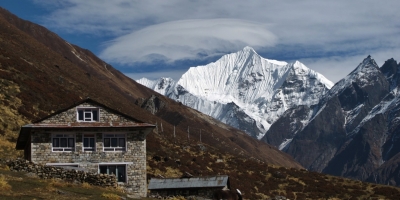
Yala Peak Climbing, situated in Nepal's scenic Langtang Region, is famous for trekkers and mountaineers. It's often labeled as a "trekking peak," indicating its relatively accessible nature compared to more difficult summits. Yala Peak is categorized as Grade F on the Alpine Grading system, signifying its moderate difficulty level. However, this rating can fluctuate slightly depending on the current snow conditions.In 2003, Yala Peak was considered moderately challenging, falling within the PD (Peu Difficile) scale. Yala Peak apart is that it's not typically climbed in isolation. Instead, it's often used as a warm-up for climbers planning to conquer Naya Kanga on the opposite side of the valley. This unique combination of peaks allows mountaineers to test their skills in diverse terrains and conditions within the same region.Yala Peak Climbing offers the potential for stunning panoramic views; on clear days, the summit provides breathtaking vistas of Shishapangma, an impressive 8,000-meter peak. However, these views depend on the unpredictable Himalayan weather. When conditions are favorable, the climb becomes even more rewarding.Yala Peak's accessibility, scenic beauty, and the potential for awe-inspiring vistas make it a standout destination for novice and experienced climbers. The opportunity to witness Shishapangma from its summit provides an additional attraction to Himalayan adventure. It's crucial to remember that, despite its accessibility, the Himalayas remain a challenging environment that requires respect, preparation, and some experience.Climbing Yala Peak usually involves establishing a base camp at the trail's end for acclimatization and preparation. Beyond the base camp, a high camp awaits, requiring an additional half-day trek. This high camp is the starting point for the final push to the summit.Yala Peak in Nepal's Langtang Region offers a perfect blend of accessibility and adventure. Its designation as a "trekking peak" makes it an excellent choice for those embarking on their first Himalayan climbing journey. The chance to witness the grandeur of Shishapangma from the summit adds to its appeal. Nevertheless, climbers must be cautious and well-prepared due to the Himalayas' unpredictable weather and demanding conditions.Why Yala Peak Climbing?Yala Peak climbing is an excellent choice for adventurers looking to experience the thrill of Himalayan mountaineering without requiring extensive technical skills. In the Langtang region of Nepal, Yala Peak is located at an elevation of 5,732 meters (18,806 feet), making it a relatively accessible trekking peak. Here are some reasons why Yala Peak climbing is a popular option: Moderate DifficultyYala Peak is a trekking peak suitable for climbers with little mountaineering experience. The climb involves bare snow and ice skills, making it a perfect introduction to Himalayan climbing for beginners. Stunning SceneryThe journey to Yala Peak offers breathtaking views of the Langtang Valley, lush forests, and traditional villages. From the summit, climbers are rewarded with stunning views of some of the world's highest peaks, including Shishapangma (8,027 meters), the highest peak in Tibet.Cultural ExperienceThe Langtang area thrives, and Tibetan Buddhism primarily influences the natural heritage. The trek to Yala Peak passes through traditional Tamang and Sherpa villages, offering an opportunity to experience the local culture, visit ancient monasteries, and interact with friendly locals.Less CrowdedCompared to more famous trekking routes like Everest Base Camp or the Annapurna Circuit, the Langtang Valley and Yala Peak are less crowded. This means a more peaceful and intimate trekking experience, connecting you deeply with nature and the surrounding environment.Accessible LocationYala Peak is relatively easy to access. The trek starts from Syabrubesi, a drive of about 7-8 hours from Kathmandu. The approach to the peak is straightforward, making it a feasible option for those with limited time.Adventure and AchievementReaching the summit of Yala Peak is a rewarding accomplishment that offers a sense of achievement and adventure. Standing at the top, surrounded by the grandeur of the Himalayas, is an experience that stays with you forever.Flexible ItineraryThe climb can be completed in a shorter time than other Himalayan expeditions, typically around two weeks. This makes it an attractive option for those who want a high-altitude experience but have time constraints without needing advanced mountaineering skills.Yala Peak Itinerary:Asiana Treks and Tours created the best Yala Peak climbing for travelers with an excellent desire for climbing in Nepal and the best physical fitness. You'll discover the best places for breathtaking views from the city to the countryside and experience an unforgettable lifetime journey of Yala Peak climbing. Yala Peak Climbing Distance:Distance-wise, the total distance covered while climbing Himchuli Peak From kathmandu to Kathmandu is only about around 343 Km and 213 miles This includes hiking to and from the shyabru Beshi, to the top of Yala Peak, summit. The difference of some kilometers is understandable with regards to the route differences and difference in pace of different climbers, nevertheless, these numbers should give a rough idea of the physical efforts made in this strenuous endeavour. Yala peak climbing route:The Yala Peak climb Rute usually takes around 14 days through the Langtang National Park via Langtang trekking. The trip starts with a scenic and best drive to Syabrubesi, followed by a trek through Bidur, Betrawati, Dhunche, Syabrubesi, Bambu, Lama Hotel, Ghoratabala, Thangshap, Mundu, and Kyanjin Gompa. Eventually, the Yala Peak is summited. Then, after descending, the same route is followed, returning to Syabrubesi and then Kathmandu. Yala peak climbing cost:The cost of climbing the Yala Peak usually varies between two nineteen hundred to two thousand three hundred dollars per person. This variation in prices depends on the group size, with larger groups paying less. This may cover accommodation, meals, guides, porters, equipment, permits, and transport. However, expenses like travel insurance, personal gear, and tips are not included. It is recommended to research and compare different operators based on budget and preferences.Yala Peak Climbing Difficulty:Yala climbing is generally considered as moderately challenging (Peu Difficile (PD) While not highly technical, it demands excellent physical fitness and endurance due to the high altitude. The trek to base camp is strenuous, and the summit push involves challenging terrain with steep sections and crevasses. Acclimatization is crucial to prevent altitude sickness. Despite its difficulty, Yala Peak is accessible to those with previous trekking and climbing experience, offering a rewarding challenge compared to other peaks in the region.Yala Peak Height:Yala Peak stands at 5732 meters (18806 feet). This makes it a suitable option for climbers seeking a taste of the Himalayas without the extreme challenges of higher peaks. Yala Peak Climbing is considered moderately challenging. Among the trekking peaks in Nepal, Yala Peak is regarded as one of the easiest and leas technical climbs. Yala Peak provides an opportunity to experience high-altitude mountaineering in the stunning Langtang region.About Yala Peak Top:Yala peak summit provides clear views of the northeast ridge of Naya Kanga, standing at 5,844 meters and rising west of Ganja La. Although the famous high pass trekking route, the breathtaking panorama of Langtang Lirung (7,246m), Lenpo Gang (7,083m), Dorje Lakpa (6,990m), and the mighty Shishapangma (8,027m) on the Tibetan side. The reward of witnessing sunrise over the Himalayas from this vantage point is unforgettable.Yala peaks safety:Yala Peak climbing carries inherent risks due to high altitude, exposed terrain, and unpredictable weather. Safety is paramount, and climbers must be well-prepared and accompanied by experienced guides. Proper acclimatization is crucial to prevent altitude sickness. Glacier travel skills and avalanche awareness are essential. Climbers should have comprehensive insurance, appropriate gear, and a thorough understanding of the risks involved. By prioritizing safety and following expert advice, climbers can significantly reduce potential hazards and enjoy a successful ascent.Major villages of Yala Peak Climbing:The climb to Yala Peak takes one through several iconic villages in the Langtang region. The trail starting from Syabru Besi passes through Pairo Thapla, Bamboo, Ghora Tabala, Thangshyap Mundu and Kynjin Gompa, offering glimpses of Tamang and Tibeaten culture.These villages boast stunning mountain backdrops and offer warm hospitality and rich cultural experiences.Best Viewpoints on the Way to Yala Peak Climbing:The Yala Peak climbing route is a grand adventure. It offers several stunning viewpoints that showcase the awe-inspiring grandeur of the Himalayas. What sets this route apart is its unique perspective, allowing you to take in the natural splendor of this stunning Himalayan range in a way that few others can.Syabrubesi: The journey begins in this picturesque village, offering views of terraced fields, lush green hills, and the starting point of the Langtang Valley.Lama Hotel: As you ascend towards Lama Hotel, you trek through dense forests of oak, rhododendron, and bamboo, with glimpses of snow-capped peaks in the distance.Langtang Village: A beautiful spot to take in the sweeping views of the Langtang Himal range, including Langtang Lirung (7,246m). The village, with its traditional stone houses, is a sight to behold, adding to the allure of the journey.Kyanjin Gompa: This small monastery offers one of the best panoramic views on the route. You can see Langtang Lirung, Langshisha Ri, and even the glaciers cascading down the peaks.Tsergo Ri: A side trip to Tsergo Ri (4,984m) provides an incredible vantage point for panoramic views of the entire Langtang Valley, surrounded by towering peaks.Yala Base Camp: As you approach the base camp, the landscape provides clear views of Yala Peak and the surrounding mountains, which are covered with a vast expanse of snow and ice.Yala Peak Summit: The ultimate viewpoint, the summit of Yala Peak offers a breathtaking 360-degree view of the Langtang range, including Shishapangma in Tibet, Dorje Lakpa, and other majestic peaks in the region.View and Experience from the Top of Yala Peak:Standing atop Yala Peak at 5844m/19168 ft creates a sense of victory and awe, surrounded by the immense Langtang range. The endless white expanse of snow and the deep blue sky creates a surreal, almost sci-fi-like atmosphere. The summit of Yala Peak offers a breathtaking 360-degree view of the Langtang range, including Shishapangma in Tibet, Dorje Lakpa, and other majestic peaks in the region.Flora and Fauna In Yala Peak Climbing Route:Yala Peak Trekking and climbing trail deserve biodiversity hotspot, perfect for nature lovers. Lush forests in the lower regions house various bird species, including rhododendrons and bamboo. Alpine meadows greet you higher up with vibrant wildflowers. Look out for elusive wildlife like Himalayan Thars and snow leopards, and repanda while diverse birdlife, including the Himalayan Monal, adds to the experience. This trek offers a captivating glimpse into the Himalayan and hilly region ecosystems, promising an unforgettable journey through nature's diversity.Festivals and Culture of Yala Peak Climbing:You'll immerse yourself in vibrant festivals and cultural traditions along the Yala Peak Climbing and Trekking route. The region, predominantly inhabited by ethnic groups like the Tamang and helmo and Sherpa, celebrates various festivals. specially they celebrates Buddhist festival However they celebrate Dashain, festival. typically in September or October, is a significant Hindu festival symbolizing the triumph of good over evil. Villages burst with colourful decorations, music, and dances as families gather for blessings and feasts.Buddhist festivals offer a unique and lifetime experience, as well as Nepalese himalayan culture with the majestic beauty of the Himalayas.Advantage book with Asiana Treks and Tours to Yala Peak climbing: * Private transport for airport transfers to/from your hotel.* Trip briefing on Facebook and online if you love to connect.* Last minute booking at your hotel at a suitable time after your arrival.* Easy booking and reservation system.* Multi-channel communication via Email, WhatsApp, Facebook, Viber, Skyp 24/7 phone communication at +977-9851076270* Free excess luggage storage during the Trek* Oximeters are provided to examine blood oxygen saturation at high altitudes to detect altitude sickness early* Medical kits along the Trek and hot airbags are available in winter* Arrange sleeping bags, duffel bags, down jackets, and walking pools if you don't have your own.Yala Peak Climbing Start:Yala Peak climbing begins usually with a drive to Sybrubeshi, which is the starting point of the Yala peak Climbing. From here further the exciting tour through responsibly beautiful woods, fields and hills, and lovely quaint villages. As you go higher, the country becomes a rugged alpine one, common with tree-lines, rocks, and large hills. It incorporates a steady climb of altitude to condition the body for high-altitude tasks such as rock climbing. During the trekking, you will come across trekking beautiful points such as Poon Hill, Tadapani, Chhomrong, etc from where you can view some of the magnificent mountains.Currency Exchange:The Nepalese rupee is Nepali currency, and 1 USD is approximately 130 NPR. Only NPR is accepted in Nepal, so it's best to bring cash to facilitate transactions. Banks and ATMs in Kathmandu provide currency exchange services but note that most banks prefer new, crisp notes.Our Team for Yala Peak Climbing:The Asiana Treks and Tours team is professional, reliable, and responsible. They are well-trained, friendly, radiant, and fluent in English. You can feel comfortable sharing anything with them. They are experts in local culture, history, vegetation, food, accommodation, weather conditions, and first aid medication. They are also environmentally conscious and respect the rights of animals.However, please do not provoke them for personal gain during the Trip. While you can enjoy your holiday with them, we kindly request that you do not try to change their customs, beliefs, religion, culture, or traditions.We and our staff are committed to making your adventure trip unforgettable memories of a lifetime journey in Nepal. Sherpa, Guide, and Porter Arrangement for Yala Peak Climbing:Our company, Asiana Treks and Tours, focuses on responsible tourism in Nepal. We ensure our guides and porters are well-trained in Trekking, Peak climbing, and mountaineering. They know a lot about the areas we go to, including geography, history, customs, and culture. We train them regularly in safety, first aid, and environmental conservation. We follow guidelines to treat our porters fairly, providing them with good pay, accommodation, and meals during treks. Our guides and porters are essential team members, and we appreciate their hard work. When you trek with us, you support ethical tourism in Nepal, making your Trip meaningful and memorable.Asiana Treks and Tours prioritizes your safety and enjoyment. Our knowledgeable guides, reliable equipment, and safety measures ensure a great Climbing experience in Nepal.Porter, Luggage, and Extra Luggage Storage: We cover the cost of porters for your Luggage, but the maximum weight limit is 12 kg per person. Each porter carries Luggage for two trekkers; please share a duffle bag with another. Our porters will carry up to 25 kg each. If you need a porter for yourself, we can arrange that. We also recommend carrying a small backpack for your valuables and important documents. You can leave extra Luggage at our office for free and at a hotel in Pokhara, Namche, etc.Accommodation Yala Peak Climbing:On a Yala Peak climb, the places you spend the night differ as explained below: En route to the base camp, the lodges where you will be putting up are teahouses that provide simple yet good accommodation with shared wash facilities. These are teahouses where people find a place to take a rest after the day’s tiredness of trekking. Nevertheless, whenever you start the climb to Yala Peak, camping forms part of the climbers’ activities regularly. Proper equipment in the form of tents, sleeping bags, and mats should be chosen of high quality due to the poor conditions of the mountains. That is why, despite some difficulties that can be encountered when camping, it is very valuable since it lets experience nature to the fullest and enjoy the night sky.Meals during the Yala peak climbing Trip:Food during the Yala Peak climbing is part of the energy source during the activity. While traveling from one village to another, even trekking to the mountains, Teahouses serve typical Nepalese food like Dal Bhat, Noodles, and Eggs. A printed menu of orders, which is available as one rises in rank, is also tendered; such orders include fried rice, pasta, and basic curry meals, among others. Back in the base camp and especially in the higher camps, dehydrated meals turn into the only source of food. Technically speaking, such meals can be considered ultra-low-impact meals carrying only the minimal amount of nutrition required. Without fail, tea and coffee are crucial for supplying heat, and that is a bonus if consumed in high-altitude areas.Drinking water during Yala Peak Climbing:Water is very important when Peak climbing, therefore keeping the body hydrated is important. As they move from one village to another, they are afforded boiled water to drink from teahouses. However, if you go higher, the availability of clean water is very limited or can barely be accessed. One should always have with them water purification tablets or a small portable water filter to purify water from natural sources. Consumption of sufficient amounts of water enables the prevention of altitude sickness and good health during the physically demanding climb. The availability of rehydration salts is also recommended to help in the replenishing of the electrolytes that may have been washed out through the sweat.Extra Personal Expenses for Yala Peak Climbing:Your Trip covers most expenses during the Yala peak climbing; you'll need to spend money on extra accommodations and meals in Kathmandu, souvenirs, and beverages. The package does not include expenses incurred for personal items and services such as trekking and climbing equipment, laundry, tips, landlines, mobile phones, walkie-talkies, satellite phones, and internet services. You will need to cover these costs yourself as you use them. While most expenses during the Trek are covered, you must budget additional accommodations and meals in Kathmandu, souvenirs, and beverages. We estimate miscellaneous expenses to be around USD 15-25 per trekking day. However, personal expenses will vary depending on your income, habits, and lifestyle.Toilet Facilities in Yala Peak Climbing:Most teahouses have Western-style flush toilets during mountain treks, especially at lower elevations. But as you go higher, find simple squat toilets along the trails and teahouses at higher altitudes. These toilets usually have water or toilet paper, but it's a good idea to bring your toilet paper just in case. You can also use restrooms at nearby teahouses or find a private spot along the trekking routes.Internet Connectivity:Any form of connectivity to the Internet is usually very scarce while on a Tent Peak climb. However, only a few teahouses which are along the trekking route provide Wi-Fi facilities and that too normally it is slow Wi-Fi. The beauty of this is that as you go higher, the internet connection diminishes severely. As much as internet connections can be compromised throughout a climb, especially in base camps, one must be ready not to have access to it at all. Another factor that needs to be managed and reconstructed is attending to the presence of the trek and the climb, by avoiding the distractions of technology and digital connectivity.Electricity voltage and plugs:However, 95 % of Nepali people have access to electricity as of May 29, 2023. almost popular trekking and climbing routes, teahouses, and lodges have electricity. However, some isolated and solo trekking tea houses in the jungle don't have electricity; most tea houses let travelers charge for their devices for a small fee. The average electrical voltage in Nepal is 230 volts, with plug types like Type C, Type D, and Type M. Travellers should bring a suitable adapter and, if needed, a voltage converter for their electronic devices.Communication:The guest houses in the trekking and climbing regions have internet access. You could buy a SIM card at Tribhuvan International Airport Kathmandu and Namche. However, the signal may need to be more assertive at high altitudes. Our office keeps in touch with all trekking teams via the trek guide at least once daily to ensure everything goes as planned. However, services include landlines, mobile phones, walkie-talkies, satellite phones, and internet services. You will need to cover these costs yourself as you use them.Trip Extension:Suppose you have extra days in Nepal after the Trek and Peak climbing. In that case, we can arrange a tour, overnight stay at Nagarkot Balthali or any other place around Kathmandu and Chitwan, jungle safari, paragliding, rafting, canyoning, or other treks. Do not hesitate to Inform us. We will create the best for you.Trip Safety:At Asiana Treks and Tours, we take immense pride in our impeccable safety record, especially concerning the challenging climb of Is Yala Peak. Our main priority is our client's safety first, so there have been no fatalities during Yala Peak expeditions; however, High-altitude trekking, peak climbing, and mountaineering are inherently risky and adventurous activities in remote areas.We take the utmost care and use the right gear and safety protocol to minimize risks, ensuring our clients' safe and successful climbs. This comprehensive approach to safety will make you feel secure and protected throughout your adventure.Our climbing guides are experienced mountain submitters and well-versed in first aid and high-altitude medicine. Their extensive training and local knowledge ensure that they can handle any situation that might arise during the climb, providing you with a sense of security and confidence in their abilities. Asiana Treks and Tours is committed to your safety and success. Our proven track record and experienced guides ensure that your Yala Peak adventure will be thrilling and secure.Group & Private Yala Peak Climbing:We organize many group and private treks and Peak climbing simultaneously, with discounts available for larger groups. Every group will have a trekking guide and porters. Regarding larger groups, we provide an assistant guide. Our team ensures a safe and enjoyable trekking experience for all participants.About solo traveler:If you're a solo traveler, please get in touch with us to confirm departure dates before booking. You can tell us via call, WhatsApp, or email. We have listed upcoming departure dates for your convenience. Feel free to share the trip details with friends and family.Notes: Please be aware that the itinerary may change due to weather or other factors, and we'll adjust it accordingly for the group's safety and enjoyment. We look forward to guiding you through the stunning landscapes of the Annapurna region and ensuring a memorable climbing experience.Responsible Travel:We prioritize responsible travel to minimize environmental impact and support local communities. We collaborate with organizations like the Kathmandu Environmental Education Project (KEEP) to promote eco-friendly practices in trekking regions.Gratitude:Gratuities are appreciated in Nepali culture and reflect the quality of service provided. While the amount you tip is up to you, we recommend tipping as a group at the end of the Trip. Our staff involved in your trekking and mountaineering experience will be hoping for tips, gifts, or tokens of appreciation. This is a meaningful way to express your satisfaction with their service and to show your gratitude.End of Climbing trip:Upon successful completion of the Himchuli summit and retracing the route through Annapurna Base Camp there are several familiar villages that one can spend time in to ask for more of. The descent down to Pokhara offers the climbers a gradual descent to the real world, where they can relax and have something to look forward to after a difficult yet fulfilling climb. Some prefer to stay longer to further explore the Annapurna area or other regions of Nepal which is the prolongation of the magic of the mountains.Departure:On the day of your departure flight, we'll come to pick you up from your hotel and transfer you to Tribhuvan International Airport. We hope you enjoyed the Nepal trek and will consider returning for more adventures in Nepal.Feedback:After you complete the Yala peak climbing, we'll organize a farewell dinner in Kathmandu and present you with a trekking achievement certificate. After the dinner, you can provide feedback about the Trek on travel portals.Last-Minute Booking:If you can't book in advance, we offer last-minute bookings. Last-minute booking offers are available but may cost slightly more than regular departure dates. Those opting for last-minute bookings must pay an additional 7% of the total trip cost on our website. While we strive to make last-minute requests, we try our best to accommodate according to your last-minute booking holiday.Special Note: Please remember that unforeseen circumstances, such as inclement weather or unavailable lodging, may necessitate changes to the schedule. In such cases, your guide will create a new itinerary based on the group's interests. Any additional expenses arising from unforeseen situations like natural disasters, landslides, political disturbances, strikes, or Updates of government rules are not covered by the package price and will need to be covered separately.
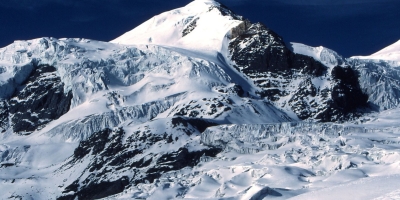
Paldor Peak with a Height of 5860m is one of the famous trekking peaks in the Ganesh Himal Range this Himalayan trekking is dominated by the providence god Ganesha. The trail is not very steep and it is quite easy to climb, and one does not need to have any experience of mountaineering at all. It begins in Kathmandu and takes tourists through the villages of Tangjet of the Tamang cultural richness and Gatlang and across suspension bridges over the melting glacier from the Tibetan border. The trail now turns northwards along the ridge into more of the dense forests of Mailing Khola which is a tributary of the Trishuli River.The main climbing route after crossing the glacier is either to start up the steep icy exactly at the top of the ridge which requires ropes or continue around the ridge on the crevassed side, and then up an easy 45-degree ridge. Climbers establish a base camp at Paldor Base Camp and spend one day at 4280 m for acclimatization before moving to the high camp at a high altitude suggested by a climbing specialist before the final assault on the summit.The Paldor Peak has clear views of several other mountains of the Himalayas including the Ganesh Himal, Langtang Lirung, Manaslu, Pabil, La, Lobsang Karpo, Ganesh I and Ganesh V, and the range of mountains of Tibet including the Shishapangma. The one from Kathmandu to Sya-Bru-Bensi is the nearest trekking route from the North West.Paldor Peak Itinerary:Asiana Trek and Tour has a perfect itinerary for Paldor Peak. A Paldor Peak expedition usually takes about 10-12 days in all.Starting from Kathmandu, there is a drive to Syabrubesi, and then the trek through villages and terrains to reach the base camp. Carrying a spare day before heading for the high camp is important for acclimatization. The actual climbing of the mountain takes place in the early morning and is followed by a return to the base camp for rest. The final part of the trek includes the return to Syabrubesi, which includes visits from local people and hot springs.Paldor Peak Climbing Distance:Climbing an expedition to Paldor Peak also depends on the route and approach that has been chosen for the trekking, but the trekking area is approximately 19 km in distance. The actual stalk to the top may not be long compared to that of other mountains, but other aspects including the approaches, movements and descents, acclimatization walks and the back-off can take several days. The actual climbing distance can therefore be more described by vertical meters than by horizontal kilometers since climbers cover steep and tough terrains.Paldor peak climbing route:The most common trail to approach Paldord Peak is to cross over the glaciers and up and over a series of steep ridges. As with most treks, there are several ways the most conventional is through Syabrubesi. The ascent consists of steep ground with crevasses and some steep ground, particularly during the first part of the climb. Climbers often encounter two main options after reaching a particular point: climbing a ridge face directly or employing a crack to perform a tilting ridge. It presents splendid vistas of ultramodern peaks in the Great Himalayan Range across the valley.Paldor peak climbing cost:The charges for the Paldor Peak trek depend on the time of the year, the number of people participating, or the services that are to be included. In most cases, one has to be prepared to part with at least $1400 to $2700 for a single individual. This includes permits, guides, porter, equipment, accommodation, and meals. However, personal expenses such as climbing equipment, travel insurance, and pocket money, cannot be included in the budget. Thus, the tourists should embark on the expedition through a recommended travel agency that would guarantee safety as well as coordination of the exercise.Paldor Peak Climbing Difficulty:Paldor Peak Fall is among the moderate-rated mountain peaks climbing in Nepal. It can be said that it offers difficulties not present in summiting higher mountains but is not as technically difficult as the latter. A set of glaciers, steep slopes, and sometimes rather open rises have to be passed through while moving along the route. A few points about the climbing experience: Necessary is previous mountain climbing and a good physical shape. This way, it will be possible to acclimatize to that altitude and the next days weather conditions may be quite different. Though not a technical summit, Paldor deserves to be a must for those who are looking for some hardcore expedition out in the Himalayas.Paldor Peak Height:Paldor Peak has a height of 5,903 meters (19,367 feet) vertically perceived from sea level. This mountain is found in the Ganesh Himal area and as a result, it provides climbers with stunning vistas of other Himalayan giants. Its height is instrumental to the climbing process and the climbing experience and has particular requirements in terms of acclimatization and the actual use of climbing tools and skills.About Paldor Peak High Camp:Paldor Peak High Camp is ideal for making a bid for the summit of the mountain. Located at a higher level than the base camp, this is the place where climbers prepare themselves for the worst at the expense of the low oxygen concentration in the environment. The camp is very exposed and very barren and gives a good feel of the mountains with good views of other mountains. In general, conditions at high camp vary but are usually cold with wind at times. It is required and useful to have good camping equipment and clothing if the weather is expected to be bad.Paldor Peaks safety:There is so much fun and satisfaction that comes with climbing during Paldor Peak but it deserves a word on safety. These risks consist of; Sickness: Due to the high altitude slopes Slides: These are avalanches Crevasses: Large gaps in the snow base that one may be trapped Weather: This is relative to conditions that change frequently in those regions. Accommodation to the wilderness, experienced wilderness guides, and good quality equipment are crucial to any success. Like every other adventure activity, climbers should be in good physique and minimum climbing competency must be required. Asiana Trek and Tour offers professional guides on safety as well as the most experienced porters and detailed emergency plans. Determinations towards the welfare of the clients provide security for all the individuals who venture on the Paldor peak trip.Major villages of Paldor Peak Climbing:The notable villages that trekkers are likely to pass by while attempting the Paldor Peak are Gatlang, Yuri Kharka, Somdang, and Jastapani. Such settlements give a glimpse into the local people way of life and facilities are available for trekking expeditions of the Tamang people. Gatlang is sometimes used as a starting point, and Yuri Kharka and Somdang are used as stopover points to acclimatize before beginning the ascend to the base camp at Jastapani. All these villages are easily accessible by foot and are immersed in natural beauty and that too largely adds to it.Best Viewpoints on the Way to Paldor Peak Climbing:Paldor Peak is one of the trekking peaks in the Ganesh Himal, a region in the Nepalese Himalayas. Here are some of the best viewpoints on the way to Paldor Peak:Tamang Villages: The route also goes through some of the remotest Tamang villages such as Gatlang and Somdang. These villages give a picturesque view of the hills, forests, and sometimes peaks of the neighboring areas; these tours are cultural as well.Somdang Valley:Somdang Valley is relatively a calm and peaceful place with a panoramic view of the Ganesh Himal and the greenery around it. There are also several scenes of landscape painting and mountain villages.Pangsang La Pass (3,842 meters):This pass is one of the most important vantage sites on the trek, where one gets to view the Ganesh Himal, Langtang Lirung, Manaslu, and other ranges. Prayer flags are also hung on the pass signifying the divine nature of the place.Jasta Khani:In the route to Paldor Peak, Jasta Khani also serves as a high camp area. It affords a magnificent sight of the mountains as well as the glacier at the bottom of the ravine. Being an excellent place to acclimatize and live in the comparatively calm atmosphere of the high Himalayas.Base Camp (4,300 meters):Despite what the name might suggest, the Paldor Peak Base Camp provides a side-on view of not only the Paldor Peak itself but a host of other mountains forming the Ganesh Himal. Due to the presence of glaciers and firm snow fields, it has largely and undoubtedly a stunning view.Paldor Peak Summit (5,896 meters):The last viewpoint gives the distant top view of Ganesh Himal ranges, Langtang Lirung, Manaslu, and Shishapangma if seen from Tibet. Many people feel the joy of achievement when they reach the top of the mountain or a tall building and in addition, the wonderful vistas capped by the views on the horizon give this experience an unforgettable touch.These viewpoints not only give very beautiful views of the area but also contribute positively to the entire trekking experience, giving a sneak preview of the race, customs, wildlife, and topography of the Ganesh Himal.View and Experience on Top of Paldor Peak:As described about this trek at the top of the Paldor Peak one can feel sheer ecstasy. This part provides an amazing view of the Himalayan range including Langtang Lirung, Manaslu, and Ganesh Himal is viewed in its sweep. It is fulfilling and breathtaking to feel on top of the mountain world while taking a look at the immensity of the climbers. The clear atmosphere of the high and the terrific silence of the lonely emerald make the top of Paldor Peak one of the truly memorable experiences of the trip in the Himalayas.Flora and Fauna In Paldor Peak Climbing:Flora and fauna in Paldor Peak have a variety while opting for the climbing route of the Paldor Peak. The terrain at lower slopes is covered by Rhododendrons while the higher slopes are occupied by vast meadows. Some of the colorful flowers you may glimpse are primulas and gentians. Himalayan black bears, red pandas, and birds like the Impeyan, Kalij, and Cheer are some of the animals that wildlife enthusiasts are likely to come across. The longer you go on the trek the tougher it gets; the vegetation decreases and the rocks and glaciers take over.Festivals and Culture of Paldor Peak Climbing:The Saribung Peak climbing region influences Tibetan Buddhism. As the trekkise is set in the high mountains and has many days devoted to ascension, it is rather difficult to get a lot of experience with the color of the local festivals During the trek though, it is possible to get a glimpse of life in the Upper Mustang region. Picturesque features include ancient monasteries, fluttering prayer flags, mani walls and so on which make the physical climbing task a real spiritual. The culture of the region with a mixing of both Tibetan and Nepalese flavors enhances the cultural values and heritage of the country.Advantage book with Asiana Treks and Tours with Himchuli Peak climbing: * Private transport for airport transfers to/from your hotel.* Trip briefing on Facebook and online if you love to connect.* Last minute booking at your hotel at a suitable time after your arrival.* Easy booking and reservation system.* Multi-channel communication via Email, WhatsApp, Facebook, Viber, Skyp 24/7 phone communication at +977-9851076270* Free excess luggage storage during the Trek* Oximeters are provided to examine blood oxygen saturation at high altitudes to detect altitude sickness early* Medical kits along the Trek and hot airbags are available in winter* Arrange sleeping bags, duffel bags, down jackets, and walking pools if you don't have your own.Paldor Peak Climbing Start:A Paldor Peak climbing expedition can be initiated through a spectacular drive from Kathmandu to Syabrubesi. It is spread out on a hilltop and is known for its beauty and as the first checkpoint for the Langtang treks. After this, it passes through scenic regions throughout Tamang settlements with rice terracing along with forests. As the climbers progress up the trail, the country becomes rocky and alpine, allowing climbers to have a feeling of the real deal ahead of them.Currency Exchange:The Nepalese rupee is Nepali currency, and 1 USD is approximately 130 NPR. Only NPR is accepted in Nepal, so it's best to bring cash to facilitate transactions. Banks and ATMs in Kathmandu provide currency exchange services but note that most banks prefer new, crisp notes.Our Team:The Asiana Treks and Tours team is professional, reliable, and responsible. They are well-trained, friendly, radiant, and fluent in English. You can feel comfortable sharing anything with them. They are experts in local culture, history, vegetation, food, accommodation, weather conditions, and first aid medication. They are also environmentally conscious and respect the rights of animals.However, please do not provoke them for personal gain during the Trip. While you can enjoy your holiday with them, we kindly request that you do not try to change their customs, beliefs, religion, culture, or traditions.We and our staff are committed to making your adventure trip unforgettable memories of a lifetime journey in Nepal. Sherpa, Guide, and Porter Arrangement:Our company, Asiana Treks and Tours, focuses on responsible tourism in Nepal. We ensure our guides and porters are well-trained in Trekking, Peak climbing, and mountaineering. They know a lot about the areas we go to, including geography, history, customs, and culture. We train them regularly in safety, first aid, and environmental conservation. We follow guidelines to treat our porters fairly, providing them with good pay, accommodation, and meals during treks. Our guides and porters are essential team members, and we appreciate their hard work. When you trek with us, you support ethical tourism in Nepal, making your Trip meaningful and memorable.Asiana Treks and Tours prioritizes your safety and enjoyment. Our knowledgeable guides, reliable equipment, and safety measures ensure a great trekking experience in Nepal.Porter, Luggage, and Extra Luggage Storage: We cover the cost of porters for your Luggage, but the maximum weight limit is 12 kg per person. Each porter carries Luggage for two trekkers; please share a duffle bag with another. Our porters will carry up to 25 kg each. If you need a porter for yourself, we can arrange that. We also recommend carrying a small backpack for your valuables and important documents. You can leave extra Luggage at our office for free and at a hotel in Pokhara, Namche, etc.Accommodation Paldor Peak Climbing:Food and shelter on a Paldor Peak ascent depend on the phase of climbing involved as will be illustrated below. In the lowland regions, small and lovely teahouses are availed for resting and feeding on local meals. As altitude increases these choices are limited and hence the common practice of camping is practiced. High camp and the base camp are usually camps where the climbers have installed a temporary shelter in the form of tents which can be found in the alpine zone. Camping equipment should be chosen properly – a durable tent, a good sleeping bag, and an insulated sleeping pad are necessary. However, it has to be admitted that conditions may be rather strict and the experience of the night spent in tents among Himalayan mountains is indelible.Meals during the Paldor peak climbing Trip:Food during the expedition at Paldor Peak is a combination of what local people in the region eat and the high-altitude diets. As reached in several lower villages, teahouses serve different Nepali foods including Dal Bhat, Momos, and Thukpa. And as you go up the menu you find that it’s all the straightforward foods that give you energy. At the base camp and high camp, you are served by a team of cooks as part of the support team, and mainly rice, lentils, potatoes, and meat are available. One must hydrate themselves and ensure they are putting as many calories in their body to sustain the vigorous act of climbing.Drinking water during Paldor Peak Climbing:Water is very important when it comes to Peak climbing, therefore keeping the body hydrated is important. As they move from one village to another, they are afforded boiled water to drink from teahouses. However, if you go higher, the availability of clean water is very limited or can barely be accessed. One should always have with them water purification tablets or a small portable water filter to purify water from natural sources. Consumption of sufficient amounts of water enables the prevention of altitude sickness and good health during the physically demanding climb. The availability of rehydration salts is also recommended to help in the replenishing of the electrolytes that may have been washed out through the sweat.Extra Personal Expenses for Paldor Peak Climbing:Your Trip covers most expenses during the peak climbing; you'll need to spend money on extra accommodations and meals in Kathmandu, souvenirs, and beverages. The package does not include expenses incurred for personal items and services such as trekking and climbing equipment, laundry, tips, landlines, mobile phones, walkie-talkies, satellite phones, and internet services. You will need to cover these costs yourself as you use them. While most expenses during the Trek are covered, you must budget additional accommodations and meals in Kathmandu, souvenirs, and beverages. We estimate miscellaneous expenses to be around USD 15-25 per trekking day. However, personal expenses will vary depending on your income, habits, and lifestyle.Toilet Facilities in Paldor Peak Climbing:Sanitation on the elevation of Saribung Peak is still relatively primitive; They have toilets on the way up the route of climbing the Paldor Peak. As you travel a little higher, many of the villages and teahouses offer the more basic, flush-down toilets as are seen in the Western world. You will find that there are more squat toilets and the higher up you go the fewer flush toilets are available. Sanitary wipes are less likely to be found in public places, such as washrooms, and therefore one should always possess his or her toilet paper. Disposal of wastes is very important especially in areas of high altitude since sanitation and hygiene are very important. When climbing to the BC or higher camps, pit toilet or outdoor toilets is most often cited.Internet Connectivity:Any form of connectivity to the Internet is usually very scarce while on a Tent Peak climb. However, only a few teahouses which are along the trekking route provide Wi-Fi facilities and that too normally it is slow Wi-Fi. The beauty of this is that as you go higher, the internet connection diminishes severely. As much as internet connections can be compromised throughout a climb, especially in base camps, one must be ready not to have access to it at all. Another factor that needs to be managed and reconstructed is attending to the presence of the trek and the climb, by avoiding the distractions of technology and digital connectivity.Electricity voltage and plugs:However, 95 % of Nepali people have access to electricity as of May 29, 2023. almost popular trekking and climbing routes, teahouses, and lodges have electricity. However, some isolated and solo trekking tea houses in the jungle don't have electricity; most tea houses let travelers charge for their devices for a small fee. The average electrical voltage in Nepal is 230 volts, with plug types like Type C, Type D, and Type M. Travellers should bring a suitable adapter and, if needed, a voltage converter for their electronic devices.Communication:The guest houses in the trekking and climbing regions have internet access. You could buy a SIM card at Tribhuvan International Airport Kathmandu and Namche. However, the signal may need to be more assertive at high altitudes. Our office keeps in touch with all trekking teams via the trek guide at least once daily to ensure everything goes as planned. However, services include landlines, mobile phones, walkie-talkies, satellite phones, and internet services. You will need to cover these costs yourself as you use them.Trip Extension:Suppose you have extra days in Nepal after the Trek and Peak climbing. In that case, we can arrange a tour, overnight stay at Nagarkot Balthali or any other place around Kathmandu and Chitwan, jungle safari, paragliding, rafting, canyoning, or other treks. Do not hesitate to Inform us. We will create the best for you.Trip Safety:At Asiana Treks and Tours, we take immense pride in our impeccable safety record, especially concerning the challenging climb of Island Peak. Our main priority is our client's safety first, so there have been no fatalities during Island Peak expeditions; however, High-altitude trekking, peak climbing, and mountaineering are inherently risky and adventurous activities in remote areas.We take the utmost care and use the right gear and safety protocol to minimize risks, ensuring our clients' safe and successful climbs. This comprehensive approach to safety will make you feel secure and protected throughout your adventure.Our climbing guides are experienced mountain submitters and well-versed in first aid and high-altitude medicine. Their extensive training and local knowledge ensure that they can handle any situation that might arise during the climb, providing you with a sense of security and confidence in their abilities. Asiana Treks and Tours is committed to your safety and success. Our proven track record and experienced guides ensure that your Island Peak adventure will be thrilling and secure.Group & Private Treks:We organize many group and private treks and Peak climbing simultaneously, with discounts available for larger groups. Every group will have a trekking guide and porters. Regarding larger groups, we provide an assistant guide. Our team ensures a safe and enjoyable trekking experience for all participants.About solo traveler:If you're a solo traveler, please get in touch with us to confirm departure dates before booking. You can tell us via call, WhatsApp, or email. We have listed upcoming departure dates for your convenience. Feel free to share the trip details with friends and family.Notes: Please be aware that the itinerary may change due to weather or other factors, and we'll adjust it accordingly for the group's safety and enjoyment. We look forward to guiding you through the stunning landscapes of the Annapurna region and ensuring a memorable climbing experience.Responsible Travel:We prioritize responsible travel to minimize environmental impact and support local communities. We collaborate with organizations like the Kathmandu Environmental Education Project (KEEP) to promote eco-friendly practices in trekking regions.Gratitude:Gratuities are appreciated in Nepali culture and reflect the quality of service provided. While the amount you tip is up to you, we recommend tipping as a group at the end of the Trip. Our staff involved in your trekking and mountaineering experience will be hoping for tips, gifts, or tokens of appreciation. This is a meaningful way to express your satisfaction with their service and to show your gratitude.End of Climbing trip:Paldor's climbing is a joyful accomplishment after several tests. Descent is awaited because it is the joy of getting to the end, resting, and achieving the outcome of an epic quest. It is time to return to Kathmandu and have a rest, celebrating the received accomplishment and exchanging the most thrilling stories with the other members of the team.Departure:On the day of your departure flight, we'll come to pick you up from your hotel and transfer you to Tribhuvan International Airport. We hope you enjoyed the Nepal trek and will consider returning for more adventures in Nepal.Feedback:After you complete the Lobuche peak climbing, we'll organize a farewell dinner in Kathmandu and present you with a trekking achievement certificate. After the dinner, you can provide feedback about the Trek on travel portals.Last-Minute Booking:If you can't book in advance, we offer last-minute bookings. Last-minute booking offers are available but may cost slightly more than regular departure dates. Those opting for last-minute bookings must pay an additional 7% of the total trip cost on our website. While we strive to make last-minute requests, we try our best to accommodate according to your last-minute booking holiday.Special Note: Please remember that unforeseen circumstances, such as inclement weather or unavailable lodging, may necessitate changes to the schedule. In such cases, your guide will create a new itinerary based on the group's interests. Any additional expenses arising from unforeseen situations like natural disasters, landslides, political disturbances, strikes, or Updates of government rules are not covered by the package price and will need to be covered separately.
Feel free to inquire, and together, we'll design the perfect journey to suit your preferences and desires.


 (2)
(2)  100% recommend (0)
 (0)
(0)