Need help with booking? Send us a message.
Experience the breathtaking Everest region with Asiana Treks and Tours on this 5-day Everest Short Trek featuring scenic Lukla flights, vibrant Sherpa villages, Namche Bazaar exploration, and stunning Himalayan panoramas from Hotel Everest View. Perfect for travelers seeking a short yet unforgettable Himalayan adventure with comfortable trekking and cultural experiences.
The Everest Short Trek is one of the best short Himalayan adventures in Nepal, specially designed for travellers who want to experience the beauty of the Everest region within a limited time. Organised by Asiana Treks and Tours, this exciting trekking journey combines breathtaking mountain scenery, authentic Sherpa culture, beautiful forests, and thrilling mountain flights into one unforgettable experience. The trek begins with a scenic flight from Kathmandu to Lukla, one of the world’s most adventurous mountain airports. From Lukla, trekkers follow the classic Everest trekking trail through charming villages like Phakding and Namche Bazaar while enjoying spectacular views of snow-covered Himalayan peaks.
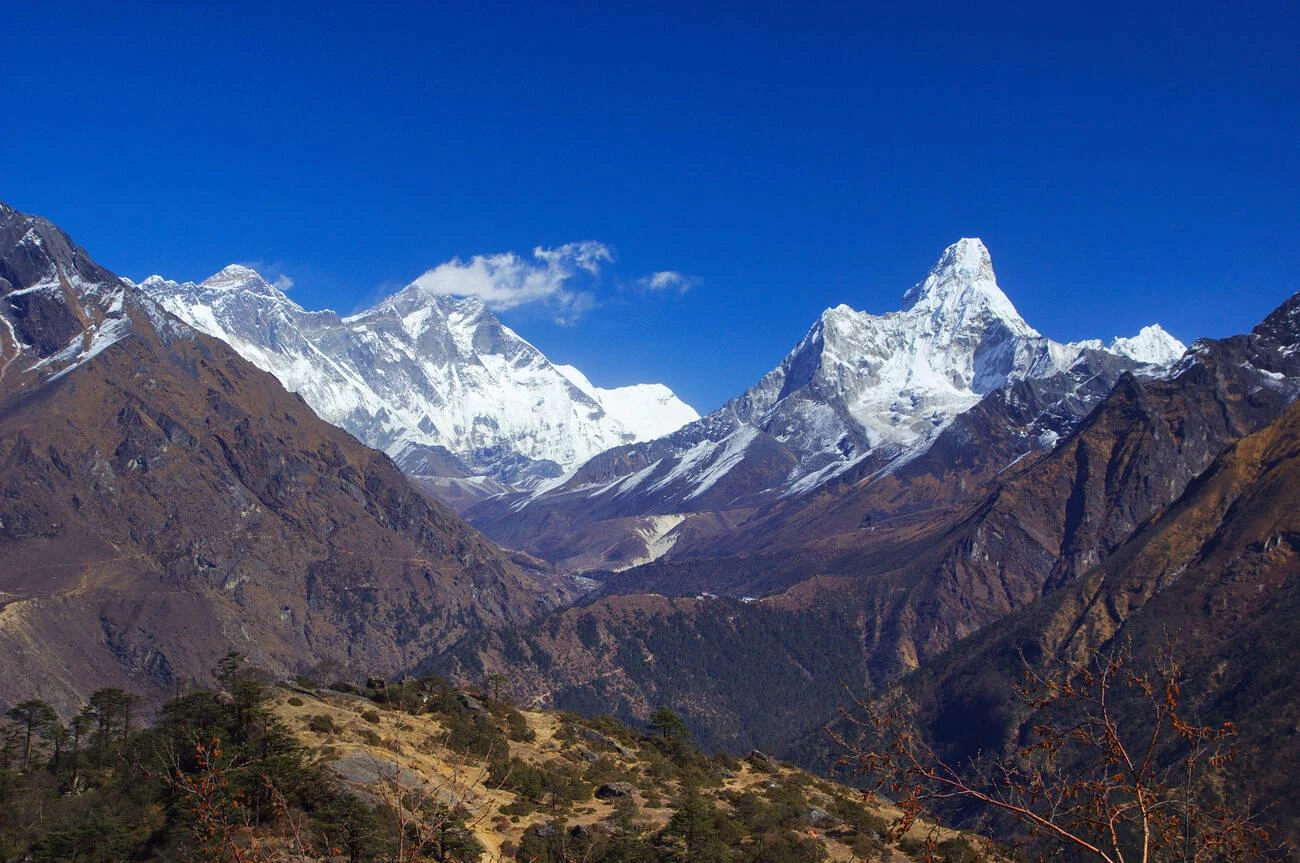
This short trekking adventure is ideal for beginners, families, and travellers who may not have enough time for the longer Everest Base Camp Trek. Despite being shorter in duration, the trek still offers incredible panoramic views of famous mountains such as Mount Everest, Ama Dablam, Lhotse, Nuptse, and Thamserku. One of the major highlights of the trek is the acclimatisation hike to the famous Hotel Everest View, known as one of the highest luxury hotels in the world. Trekkers can enjoy tea or coffee while admiring the stunning Himalayan landscape from an unforgettable viewpoint.
The Everest Short Trek also provides a wonderful cultural experience. Along the trail, trekkers pass ancient Buddhist monasteries, colourful prayer flags, mani walls, and traditional Sherpa settlements. The hospitality of local mountain communities and the peaceful environment of the Everest region make the journey even more special. The trail follows the beautiful Dudh Koshi River and crosses several suspension bridges decorated with Buddhist prayer flags, creating an exciting trekking atmosphere.
The Everest Short Trekking Package offered by Asiana Treks and Tours is carefully designed to provide a comfortable, safe, and memorable trekking experience in the Everest region. This package includes all major trekking services such as airport transfers, domestic flights, trekking permits, experienced trekking guides, porter services, accommodation during the trek, and daily meals. The company focuses on delivering professional service with personalised care to ensure every traveller enjoys a smooth Himalayan adventure.
The package begins with your arrival in Kathmandu, where the trekking team provides a complete briefing about the trek. Early the next morning, trekkers take a scenic flight to Lukla before starting the trek toward Phakding. Over the following days, the trail continues to Namche Bazaar and Hotel Everest View before returning to Lukla. Every overnight stay is arranged at comfortable local teahouses that offer warm hospitality and traditional mountain food. The trekking pace is designed carefully to help trekkers adapt to the altitude while fully enjoying the Himalayan scenery.
One of the major advantages of choosing this package is the guidance of experienced local Sherpa guides who are highly familiar with the Everest region. They provide valuable information on mountain culture, local traditions, Buddhist heritage, and trekking safety. Porters are also available to carry luggage, allowing trekkers to walk comfortably and enjoy the journey without undue physical strain.
The Everest Short Trekking Package is perfect for travellers seeking a short but rewarding Himalayan experience. Whether you are a solo traveler, couple, family, or small group, this package offers a wonderful opportunity to witness the beauty of the Everest region within just a few days.
Package Includes
The Everest Short Trek itinerary is carefully planned by Asiana Treks and Tours to provide the best Everest experience within a short timeframe. The journey starts with an early morning scenic flight from Kathmandu to Lukla. During the flight, trekkers can enjoy panoramic views of green hills, deep valleys, rivers, and the snow-covered Himalayan range. After landing at Lukla, the trek officially begins with a gentle walk to Phakding through beautiful Sherpa villages and forests beside the Dudh Koshi River.
The second day involves trekking from Phakding to Namche Bazaar, one of the most important Sherpa settlements in the Everest region. The route passes through suspension bridges, pine forests, and Sagarmatha National Park before climbing steeply toward Namche. Along the trail, trekkers may catch their first distant views of Mount Everest and nearby Himalayan peaks. Namche Bazaar is a vibrant mountain town filled with bakeries, local markets, trekking shops, and cafes.
The third day is dedicated to acclimatisation and exploration around Namche Bazaar. Trekkers hike uphill to Hotel Everest View, where breathtaking views of Everest, Ama Dablam, and Lhotse await. This acclimatisation hike is very important for adjusting to higher altitude while also providing one of the best panoramic viewpoints in the Everest region. After spending time at the viewpoint, trekkers return to Namche for overnight rest.
The final trekking day follows the return route back to Lukla through beautiful forests and traditional villages. The next morning, trekkers take an early flight back to Kathmandu, officially completing the Everest Short Trek adventure.
Day 1: Fly to Lukla and trek to Phakding
Day 2: Trek from Phakding to Namche Bazaar
Day 3: Hike to Hotel Everest View and return to Namche
Day 4: Trek back to Lukla
Day 5: Fly back to Kathmandu
The Everest Short Trek covers a distance of approximately 45 to 55 kilometres, depending on the exact walking route and side exploration hikes. Although the distance may seem moderate compared to longer Himalayan treks, the journey involves gradual altitude gain, suspension-bridge crossings, and mountain trails that make the adventure both exciting and rewarding. The trek is designed to allow trekkers to comfortably enjoy the Everest region without extreme physical difficulty.
The trek starts from Lukla at an elevation of approximately 2,840 meters and reaches its highest point at Hotel Everest View at around 3,880 meters. The trail passes through Phakding, Monjo, and Namche Bazaar while following the scenic Dudh Koshi River valley. Most trekking days involve walking between 4 and 7 hours depending on trail conditions and individual pace. The route includes both uphill and downhill sections, making the journey physically engaging while still suitable for beginners with average fitness.
One of the most enjoyable aspects of the Everest Short Trek is that trekkers can experience a remarkable variety of landscapes in a short distance. The trail features forests, rivers, suspension bridges, Sherpa villages, Buddhist monuments, and stunning mountain viewpoints. Even though the trek is shorter than the Everest Base Camp Trek, it still offers a complete Himalayan trekking experience with magnificent views of Everest.
The Everest Short Trekking Cost for 2025/2026 offered by Asiana Treks and Tours is designed to provide trekkers with an affordable yet unforgettable Himalayan adventure. This short trekking package is ideal for travellers who want to experience the beauty of the Everest region on a limited budget and time. The overall trekking cost usually depends on the group size, trekking season, accommodation preferences, guide and porter services, and the availability of domestic flights between Kathmandu and Lukla. Spring and autumn are considered peak trekking seasons, so prices may vary slightly during these periods due to high demand for flights and teahouse accommodations.
The package cost generally includes domestic flights, Sagarmatha National Park permits, trekking guide services, porter assistance, teahouse accommodation, meals during the trek, and airport transfers. Choosing a professional trekking company like Asiana Treks and Tours ensures reliable service, experienced mountain guides, proper safety management, and well-organised logistics throughout the journey. The company focuses on creating comfortable trekking experiences while maintaining excellent customer care and safety standards in the Everest region.
Trekkers should also consider personal expenses such as travel insurance, trekking gear, snacks, charging facilities, hot showers, internet services, and tips for guides and porters. Since the Everest region is remote, extra services can be more expensive at higher altitudes. However, the short duration of this trek makes it more budget-friendly compared to longer Everest Base Camp expeditions.
The Everest Short Trek Price Breakdown helps trekkers understand how Asiana Treks and Tours organises the overall trekking package. The total price is usually divided into transportation, permits, accommodation, meals, staff services, and operational costs. One of the largest portions of the budget goes toward the scenic flights between Kathmandu and Lukla, which are essential for accessing the Everest region quickly. Flight prices may increase during the busy trekking seasons due to high tourist demand and limited seating availability.
Accommodation and food costs are another important part of the package. Throughout the trek, trekkers stay in comfortable mountain teahouses that provide basic but cosy rooms and freshly prepared meals. As the trekking route reaches higher elevations, such as Namche Bazaar and Hotel Everest View, transportation and supply costs naturally increase, thereby affecting overall service prices. Meals typically include breakfast, lunch, and dinner, with options such as noodles, soup, rice, potatoes, bread, tea, and local Sherpa dishes.
Guide and porter services are also included in most trekking packages. Professional local guides play an important role in ensuring safety, navigation, cultural explanation, and altitude management during the trek. Porters help carry luggage, allowing trekkers to enjoy the journey more comfortably. Government taxes, trekking permits, and company operational management are additional components included in the total package cost.
The Everest Short Trek reaches moderate high-altitude areas of the Everest region, making altitude awareness very important for every trekker. Organised professionally by Asiana Treks and Tours, the itinerary is carefully planned to help trekkers gradually adjust to increasing elevations while safely enjoying the Himalayan scenery. The trek starts in Lukla at approximately 2,840 meters above sea level and gradually ascends through Phakding and Namche Bazaar before reaching the highest overnight stop at Hotel Everest View at around 3,880 meters.
Although the Everest Short Trek does not reach extreme altitudes like Everest Base Camp, trekkers may still experience mild altitude-related symptoms such as shortness of breath, fatigue, headache, or reduced energy levels. Proper acclimatisation, hydration, slow walking pace, and adequate rest are very important throughout the trek. The acclimatisation day hike from Namche Bazaar to Hotel Everest View is specifically included to help trekkers adapt safely to the altitude while also enjoying some of the best panoramic mountain views in the Everest region.
Trekkers are advised to avoid alcohol, drink plenty of water, eat nutritious meals, and inform guides immediately if they experience altitude discomfort. The experienced trekking team of Asiana Treks and Tours carefully monitors trekkers’ health and pace to ensure a safe and enjoyable Himalayan adventure for everyone.
The Everest Short Trek is one of the best trekking options for travellers who want to experience the beauty of the Everest region without committing to a long and physically demanding expedition. Managed professionally by Asiana Treks and Tours, this short Himalayan journey offers a perfect combination of adventure, mountain scenery, cultural exploration, and comfortable trekking in just a few days. It is especially suitable for beginners, families, busy travellers, and those with limited vacation time who still dream of seeing Mount Everest closely.
One of the biggest reasons to choose the Everest Short Trek is the opportunity to witness world-famous Himalayan peaks including Mount Everest, Ama Dablam, Lhotse, Nuptse, and Thamserku without trekking all the way to Everest Base Camp. Trekkers can explore traditional Sherpa villages, Buddhist monasteries, colourful prayer flags, suspension bridges, and the lively atmosphere of Namche Bazaar. The scenic mountain flight to Lukla itself becomes a major highlight of the journey, offering unforgettable aerial views of Nepal’s mountain landscapes.
Another major advantage of this trek is its moderate difficulty level. The trail is achievable for trekkers with average physical fitness, making it an excellent introduction to Himalayan trekking. Comfortable teahouse accommodation, experienced local guides, proper acclimatisation, and organised trekking services further enhance the overall trekking experience. The Everest Short Trek allows travellers to experience the true spirit of the Everest region in a shorter, more manageable itinerary.
Proper preparation is very important before joining the Everest Short Trek organised by Asiana Treks and Tours. Although this trekking adventure is shorter and less demanding than the full Everest Base Camp Trek, trekkers still need good physical preparation, suitable trekking gear, and mental readiness for mountain conditions. The trek includes daily walking through steep trails, suspension bridges, rocky paths, and high-altitude landscapes. Travellers are encouraged to begin light fitness training several weeks before the trek, including walking, hiking, jogging, or stair climbing to improve stamina and endurance.
Packing appropriate trekking equipment is another essential part of preparation. Since weather conditions in the Everest region can change quickly, trekkers should carry warm layered clothing, waterproof jackets, gloves, trekking boots, sunglasses, sunscreen, and sleeping essentials. Even during warmer trekking seasons, mornings and evenings can become cold, especially around Namche Bazaar and higher elevations near Hotel Everest View. A small medical kit, reusable water bottle, trekking poles, and altitude medicine recommended by a doctor can also help make the journey safer and more comfortable.
Mental preparation is equally important for enjoying the Everest Short Trek. Trekkers should understand that mountain trekking involves basic teahouse accommodation, changing weather, and limited modern facilities in remote areas. However, the stunning Himalayan scenery, peaceful mountain atmosphere, and warm Sherpa hospitality make every challenge worthwhile. The experienced team at Asiana Treks and Tours provides comprehensive trekking briefings and safety support to help trekkers confidently prepare for the adventure.
The Everest Short Trek adventure with Asiana Treks and Tours offers an unforgettable combination of Himalayan scenery, Sherpa culture, mountain flights, and peaceful trekking trails. From the very beginning, trekkers experience the excitement of flying into Lukla, home to the famous Tenzing-Hillary Airport. The short scenic flight itself becomes one of the most thrilling highlights of the journey, providing breathtaking aerial views of rivers, green hills, deep valleys, and snow-covered mountains.
During the trek, travellers can expect beautiful natural landscapes, suspension bridges decorated with prayer flags, Buddhist monuments, and welcoming Sherpa villages. The trail passes through forests of rhododendron and pine while following the scenic Dudh Koshi River valley. Trekkers gradually ascend toward Namche Bazaar, the vibrant trading centre of the Everest region. Along the route, the first distant views of Mount Everest and nearby Himalayan peaks create unforgettable memories for every visitor.
Another important aspect of the adventure is the authentic mountain lifestyle experienced in local teahouses. Accommodation is simple yet comfortable, offering warm meals, hot tea, and opportunities to interact with local people and fellow trekkers from around the world. The acclimatisation hike to Hotel Everest View allows trekkers to take in spectacular panoramic mountain scenery while safely adjusting to the altitude. The Everest Short Trek perfectly combines adventure, culture, and natural beauty in a short time.
Understanding oxygen levels is very important during the Everest Short Trek with Asiana Treks and Tours because the trek reaches elevations above 3,800 meters. As trekkers climb higher into the Everest region, the amount of oxygen in the air gradually decreases. At sea level, oxygen concentration is normal, but at locations such as Namche Bazaar and Hotel Everest View, the body receives significantly less oxygen with every breath. This natural reduction in oxygen can make physical activity feel more difficult, especially for first-time high-altitude trekkers.
Most trekkers on the Everest Short Trek experience mild altitude effects such as tiredness, shortness of breath, headache, or slower walking speed. However, the carefully designed itinerary helps reduce altitude risks by allowing gradual acclimatisation. The overnight stay at Namche Bazaar and the acclimatisation hike to Hotel Everest View are important for helping the body adapt naturally to thinner air. Drinking plenty of water, walking slowly, eating nutritious meals, and avoiding alcohol are highly recommended throughout the trek.
The experienced trekking guides at Asiana Treks and Tours closely monitor trekkers’ health and provide appropriate advice throughout the journey. Since this is a shorter, moderate-altitude Everest trek, most healthy travellers can complete it comfortably with proper pacing and preparation.
The Everest Short Trek route, organised by Asiana Treks and Tours, passes through several beautiful Sherpa villages and scenic Himalayan viewpoints, making the journey unforgettable. Starting from Lukla, trekkers walk through charming mountain settlements surrounded by forests, rivers, and suspension bridges. The village of Phakding serves as the first overnight stop and offers a peaceful environment beside the Dudh Koshi River. The area is filled with traditional teahouses, Buddhist prayer stones, and beautiful pine forests that introduce trekkers to the culture and natural beauty of the Everest region.
One of the most important villages on the route is Namche Bazaar, known as the gateway to Everest. Namche Bazaar is a lively Sherpa trading centre filled with bakeries, trekking shops, local markets, museums, and cafes. Surrounded by mountain scenery, Namche offers one of the best cultural experiences in the Everest region. Trekkers often spend time exploring the town, interacting with local Sherpa communities, and enjoying panoramic mountain views from nearby viewpoints.
The hike to Hotel Everest View is one of the most scenic highlights of the entire Everest Short Trek. From this famous viewpoint, trekkers can enjoy spectacular panoramic views of Mount Everest, Ama Dablam, Lhotse, Nuptse, and Thamserku. The trail also passes Syangboche and several beautiful alpine landscapes with grazing yaks, prayer flags, and Buddhist stupas. Every section of the route offers excellent photography opportunities and unforgettable Himalayan scenery.
The Everest Short Trek organised by Asiana Treks and Tours offers not only magnificent Himalayan mountain views but also a rich experience of the natural biodiversity found in the Everest region. The trekking route passes through the beautiful forests and protected landscapes of Sagarmatha National Park, a UNESCO World Heritage Site known for its unique alpine ecosystem, rare wildlife, and stunning mountain scenery. As trekkers walk from Lukla toward Namche Bazaar, they travel through dense pine forests, rhododendron woodlands, juniper bushes, and peaceful river valleys beside the Dudh Koshi River.
During the spring season, the trekking trail becomes especially colourful as rhododendron flowers bloom across the hillsides. Trekkers can enjoy a beautiful variety of Himalayan vegetation, including alpine grasses and medicinal mountain plants commonly used by local communities. The changing landscapes from lower forests to higher alpine terrain create an exciting natural experience throughout the journey. Around villages and grazing areas, colourful prayer flags and Buddhist stupas blend beautifully with the surrounding Himalayan environment.
The Everest region is also home to several fascinating Himalayan wildlife species. Trekkers may spot Himalayan thar, musk deer, mountain goats, yaks, and colourful Himalayan birds along the route. Lucky visitors might even see the rare Danphe, Nepal’s national bird, known for its vibrant feathers. The peaceful forests and protected mountain environment support many species that thrive in high-altitude conditions. The Everest Short Trek provides an excellent opportunity to experience the natural beauty and ecological diversity of the Himalayas while enjoying a moderate trekking adventure.
The Everest Short Trek with Asiana Treks and Tours offers trekkers a wonderful opportunity to experience the rich Sherpa culture and traditional Himalayan lifestyle of the Everest region. Along the trekking route, visitors pass through traditional Sherpa villages filled with Buddhist monasteries, prayer wheels, mani walls, chortens, and colourful prayer flags. The local people of the Everest region are well known for their warm hospitality, strong mountain traditions, and deep spiritual connection with Buddhism. Trekkers often feel welcome in the peaceful atmosphere and through friendly interactions with local communities.
One of the cultural highlights of the trek is visiting Namche Bazaar, the vibrant trading centre of the Khumbu region. Namche is not only a popular trekking hub but also an important cultural centre where trekkers can observe local markets, Sherpa traditions, museums, and mountain lifestyles. Traditional stone houses, Buddhist stupas, and monasteries create a unique cultural environment surrounded by spectacular Himalayan scenery. Local bakeries, cafes, and small shops add charm to this lively mountain town.
Several traditional Buddhist festivals are celebrated in the Everest region throughout the year. Festivals such as Dumji, Mani Rimdu, Losar, and Buddha Jayanti are important cultural events for local Sherpa communities. During these celebrations, monasteries host colourful mask dances, religious ceremonies, prayers, music, and traditional gatherings. Trekkers visiting during festival seasons can witness authentic Himalayan cultural experiences that make the Everest Short Trek even more memorable.
Choosing Asiana Treks and Tours for the Everest Short Trek ensures a safe, professional, and memorable trekking experience in Nepal’s Everest region. The company specialises in Himalayan trekking adventures and provides excellent service, experienced guides, organised logistics, and personalised care for every traveller. With years of trekking experience in Nepal, Asiana Treks and Tours understands the needs of international trekkers and carefully designs itineraries that combine safety, comfort, and authentic mountain experiences.
One of the biggest advantages of booking with Asiana Treks and Tours is the support of knowledgeable local trekking guides and Sherpa staff who are highly familiar with the Everest region. The guides provide valuable information about local culture, mountain geography, Buddhist traditions, trekking safety, and altitude awareness throughout the journey. Their experience helps trekkers enjoy the adventure confidently while ensuring proper acclimatisation and smooth travel arrangements from Kathmandu to Lukla and back.
The company also prioritises customer satisfaction by offering well-managed trekking services, comfortable teahouse accommodations, permit arrangements, airport transfers, porter services, and flexible travel assistance. Whether travelling solo, as a couple, or in a group, trekkers receive professional attention and support during every stage of the journey. The Everest Short Trek with Asiana Treks and Tours combines breathtaking Himalayan scenery, local cultural exploration, and excellent hospitality to create unforgettable lifetime memories.
Booking the Everest Short Trek with Asiana Treks and Tours is a simple, convenient process designed to help travellers easily prepare for their Himalayan adventure. Interested trekkers can contact the company directly via its official website, email, or customer support to receive detailed information on trekking itineraries, package costs, travel dates, inclusions, and preparation. The company provides professional travel consultation to help travellers choose the most suitable trekking season and package according to their schedule and experience level.
After confirming the preferred trekking dates, trekkers are usually required to complete the booking form and provide passport details necessary for domestic flight reservations and trekking permits. Advance payment or booking deposits may also be required to secure flights between Kathmandu and Lukla, especially during the busy spring and autumn trekking seasons. Asiana Treks and Tours assists trekkers with permit processing, airport transfers, hotel arrangements, and pre-trek briefings to ensure smooth trip preparation.
Travellers are advised to book the Everest Short Trek several weeks or months in advance during peak seasons, as Lukla flights and mountain accommodations can fill up quickly. Once the booking is completed, trekkers receive detailed trip information, packing lists, trekking guidelines, and travel assistance from the company’s professional team. This organised booking process allows trekkers to prepare confidently for an unforgettable Everest trekking experience.
Asiana Treks & Tours offers an insightful blog on the Everest region, providing valuable information for trekkers. Explore stunning landscapes, local culture, and practical tips for your journey.
Awareness of altitude sickness is one of the most important parts of the Everest Short Trek organised by Asiana Treks and Tours. Although this short Everest adventure does not reach the extremely high elevations of Everest Base Camp, trekkers still travel above 3,800 meters, where oxygen levels are lower than at sea level. As the trek progresses from Lukla to Namche Bazaar and eventually to Hotel Everest View, some trekkers may experience mild symptoms such as headaches, tiredness, dizziness, loss of appetite, or shortness of breath. These symptoms are common at high altitude and should never be ignored.
The Everest Short Trek itinerary is carefully designed to help trekkers acclimatise gradually while safely enjoying the mountain environment. The acclimatisation hike to Hotel Everest View plays an important role in helping the body adjust naturally to thinner air. Trekking slowly, drinking enough water, eating balanced meals, and avoiding alcohol are highly recommended during the journey. Getting proper rest and maintaining a comfortable walking pace can significantly reduce the risk of altitude-related problems.
The experienced guides from Asiana Treks and Tours closely monitor trekkers throughout the trek and provide important safety guidance every day. Travellers are encouraged to communicate openly with guides if they feel unwell or notice unusual symptoms. Trekking with a professional company provides additional confidence because emergency planning, local knowledge, and mountain safety management are already well organised.
The Everest Short Trek with Asiana Treks and Tours can be enjoyed in different seasons, but weather conditions in the Everest region can change quickly, creating unique trekking challenges. Spring (March to May) and autumn (September to November) are considered the best trekking seasons because of stable weather, moderate temperatures, and clear mountain views. During these months, trekkers can enjoy excellent visibility of Mount Everest and surrounding Himalayan peaks while walking through colourful forests and traditional Sherpa villages.
Winter trekking from December to February offers peaceful trails and fewer crowds, but temperatures can be extremely cold, especially in the mornings and at night in higher areas such as Namche Bazaar and Hotel Everest View. Snowfall may occasionally affect trails and domestic flight schedules. On the other hand, the monsoon season from June to August brings rain, cloudy skies, slippery trails, and possible flight delays due to poor visibility. However, the landscapes become very green and beautiful during this period.
Trekkers should always prepare for changing mountain weather conditions regardless of the season. Warm layered clothing, waterproof jackets, gloves, and proper trekking boots are essential for comfort and safety. The professional team at Asiana Treks and Tours carefully monitors weather conditions and assists trekkers with proper planning and seasonal travel advice.
Domestic flights are an important part of the Everest Short Trek experience with Asiana Treks and Tours because the trek begins with a scenic mountain flight from Kathmandu or Ramechhap to Lukla. The short flight provides spectacular aerial views of Himalayan peaks, terraced hills, rivers, and remote mountain villages. Flights to Lukla are operated by small domestic aircraft specially designed for mountain airstrips. The famous Tenzing-Hillary Airport in Lukla is considered one of the world’s most adventurous airports due to its short runway and mountain surroundings.
During peak trekking seasons, flights to Lukla are often operated from Ramechhap instead of Kathmandu to reduce air traffic congestion in the capital. Travellers may need to drive several hours from Kathmandu to Ramechhap before taking the flight. Although the flights are short and scenic, weather conditions in the Everest region can frequently cause delays or cancellations. Fog, clouds, rain, strong winds, or poor visibility can affect mountain flights, especially during monsoon and winter seasons.
Trekkers are strongly advised to keep at least one or two extra buffer days in their travel plans in case of flight delays. The experienced travel team at Asiana Treks and Tours assists travellers with updated flight information, airport transfers, and alternative arrangements whenever necessary. Flexibility and patience are very important while travelling in the Himalayan mountain region.
The Everest Short Trek, organised by Asiana Treks and Tours, is a moderate trekking adventure suitable for beginners and travellers with average physical fitness. Although this trek is shorter than the classic Everest Base Camp Trek, trekkers still need sufficient stamina and endurance to walk for several hours each day on mountain trails. The route includes uphill climbs, downhill descents, rocky paths, suspension bridges, and changing elevations between Lukla, Phakding, Namche Bazaar, and Hotel Everest View.
Trekkers do not need professional mountaineering skills for this journey, but regular walking practice and basic fitness preparation are highly recommended before arrival in Nepal. Activities such as hiking, jogging, cycling, swimming, stair climbing, or regular cardio exercise can help improve endurance and breathing efficiency for high-altitude trekking. Maintaining a slow, steady walking pace during the trek is more important than speed, especially when ascending to higher elevations.
The itinerary is carefully designed to balance trekking hours with acclimatisation for maximum comfort and safety. The experienced guides from Asiana Treks and Tours support trekkers along the route and help manage the pace to suit individual fitness levels. With proper preparation, determination, and positive energy, most healthy travellers can successfully complete this short Everest trekking adventure.
Travel insurance and trekking permits are essential requirements for joining the Everest Short Trek organised by Asiana Treks and Tours. Since the trek takes place in the remote Himalayan region of Nepal, proper travel insurance provides important financial and emergency protection during the journey. Trekkers are strongly advised to purchase comprehensive insurance that covers high-altitude trekking, emergency helicopter evacuation, medical treatment, trip cancellation, flight delays, and personal belongings. Weather conditions and altitude-related issues can sometimes create unexpected situations in the Everest region, making insurance highly important for a safe and stress-free trekking experience.
The Everest Short Trek reaches elevations near 4,000 meters, especially around Hotel Everest View, so insurance policies should include high-altitude coverage. Emergency helicopter rescue services in the Everest region can be expensive without insurance support. The experienced team at Asiana Treks and Tours assists trekkers by providing guidance about recommended insurance requirements before arrival in Nepal.
In addition to insurance, trekkers must obtain official trekking permits for the Everest region. The trek passes through Sagarmatha National Park, which requires a national park entry permit. Trekkers also need the Khumbu Pasang Lhamu Rural Municipality permit for entering the local Everest region. These permits help support conservation, trail maintenance, and local community development in the Himalayas. Asiana Treks and Tours usually arranges all required permits on behalf of trekkers, making the process simple and convenient.
The Everest Short Trek with Asiana Treks and Tours offers an incredible opportunity to experience the rich Sherpa culture and Buddhist traditions of the Everest region. Along the trekking route, trekkers pass through traditional Himalayan villages decorated with colourful prayer flags, mani walls, chortens, monasteries, and prayer wheels. The Sherpa people are famous for their kindness, hospitality, mountaineering skills, and deep spiritual connection with Tibetan Buddhism. Respecting local customs and traditions helps create positive cultural interactions and enriches the overall trekking experience.
Trekkers are encouraged to follow local etiquette while visiting villages and religious sites. When passing mani walls or Buddhist stupas, it is customary to walk clockwise as a sign of respect. Visitors should ask permission before taking close-up photographs of local people or of the inside of monasteries. Modest clothing and polite behaviour are appreciated throughout the trek, especially in religious areas. Greeting local people with a smile and simple respectful words can create warm interactions with mountain communities.
In places like Namche Bazaar, trekkers can observe traditional Sherpa lifestyles mixed with modern trekking culture. Local bakeries, tea houses, markets, and museums provide insight into daily mountain life in the Everest region. Respecting local culture and traditions not only supports responsible tourism but also creates a more meaningful and memorable Himalayan adventure.
Environmental sustainability is becoming increasingly important in the Everest region, and Asiana Treks and Tours promotes responsible trekking practices during the Everest Short Trek. The trekking route passes through the fragile mountain ecosystem of Sagarmatha National Park, a UNESCO World Heritage Site known for its natural beauty, biodiversity, and cultural significance. Protecting this Himalayan environment is essential for preserving the region for future generations of trekkers and local communities.
Trekkers are encouraged to minimise environmental impact by avoiding plastic waste, carrying reusable water bottles, and properly disposing of garbage during the trek. Many teahouses and trekking organisations in the Everest region now support eco-friendly tourism practices, including safe drinking water stations, solar energy use, and waste management systems. Responsible trekking also means staying on designated trails, respecting wildlife habitats, and avoiding unnecessary disturbance to local ecosystems.
The Everest Short Trek route passes through beautiful forests, rivers, and alpine landscapes that are home to rare Himalayan wildlife and plant species. By choosing responsible trekking practices and supporting local conservation efforts, trekkers help maintain the beauty and ecological balance of the Everest region. Asiana Treks and Tours encourages sustainable travel awareness and works with local communities to promote environmentally responsible tourism in Nepal’s mountain areas.
The Everest Short Trek organised by Asiana Treks and Tours can be arranged as either a group trek or a private trek depending on travellers’ preferences, travel style, and budget. Both options offer unique advantages while allowing trekkers to experience the spectacular beauty of the Everest region. Group treks are popular among solo travellers and adventure enthusiasts who enjoy meeting new people and sharing trekking experiences with fellow travellers from different countries. Trekking in a group creates a social atmosphere and often reduces overall costs by sharing guide services, transportation, and logistics.
Group treks also provide strong team motivation and companionship during challenging uphill sections such as the climb toward Namche Bazaar. Many trekkers enjoy exchanging stories, sharing meals in teahouses, and forming friendships along the way. Group departures are usually scheduled during the most popular trekking seasons such as spring and autumn.
Private treks, on the other hand, offer more flexibility, comfort, and personalised service. Travellers can customise trekking dates, walking pace, accommodation preferences, and sightseeing plans to suit their interests. Private treks are ideal for couples, families, photographers, or travellers seeking a quieter and more independent Himalayan experience. The guides from Asiana Treks and Tours can provide more focused attention and customised support during private journeys, creating a more relaxed and personal trekking adventure.
Communication facilities during the Everest Short Trek organised by Asiana Treks and Tours are available in most major villages, although the quality of internet and mobile networks may vary depending on altitude, weather, and location. Along the trekking route from Lukla to Namche Bazaar, trekkers can usually access mobile service from Nepali telecom companies such as NTC and Ncell. Network coverage is generally better in larger settlements like Lukla and Namche Bazaar, while smaller villages may have weaker or unstable signals due to the mountainous terrain.
Many teahouses along the Everest trekking route also offer Wi-Fi for trekkers, especially at popular stops such as Phakding and Namche Bazaar. However, internet speeds in the mountains are often slower than in cities because connections rely on satellite links or limited local networks. During bad weather or busy trekking seasons, Wi-Fi connections may become unreliable. Some teahouses charge an additional fee for internet usage, and connection quality usually decreases at higher elevations.
Trekkers are advised to inform family members in advance that communication may be limited at times during the trek. Carrying a local SIM card purchased in Kathmandu can help maintain mobile access during the journey. The guides from Asiana Treks and Tours also stay connected with local contacts and emergency services to ensure safety during the trek.
Electricity and charging services are available throughout most parts of the Everest Short Trek route with Asiana Treks and Tours, especially in popular trekking villages and teahouses. In lower villages such as Lukla and Phakding, electricity supply is relatively stable, while in higher settlements like Namche Bazaar, many lodges rely on hydroelectric power and solar energy systems. Trekkers can generally charge phones, cameras, power banks, and small electronic devices during overnight stays at teahouses.
Although charging facilities are available, trekkers should understand that electricity in the mountains can sometimes be limited, especially during poor weather conditions or busy trekking seasons. Many teahouses charge additional fees for device charging, particularly at higher altitudes where energy production and transportation become more difficult. Bringing a high-capacity power bank or solar charger is highly recommended for trekkers who use cameras, drones, or multiple electronic devices frequently during the journey.
The Everest region offers incredible photography opportunities, especially near Hotel Everest View and other scenic viewpoints. Trekkers often use their devices extensively for photos and videos, so battery management becomes important during the trek. The experienced trekking team at Asiana Treks and Tours provides practical advice about electricity access and charging facilities before the trek begins.
Meals during the Everest Short Trek with Asiana Treks and Tours are freshly prepared in local teahouses along the trekking route. Trekkers can enjoy a variety of meals including rice, noodles, soups, potatoes, fried rice, pasta, eggs, bread, pancakes, tea, coffee, and traditional Nepali dishes such as Dal Bhat. The food is designed to provide energy and warmth for trekking in mountainous environments. In popular villages like Namche Bazaar, trekkers can also find bakeries, cafes, and more diverse menu options.
Maintaining hydration is extremely important at higher altitudes because dry mountain air and physical activity can increase the risk of dehydration. Trekkers are advised to drink plenty of safe water throughout the journey. Bottled water is available in many villages, but carrying reusable water bottles and purification tablets is strongly recommended to reduce plastic waste and support environmentally responsible trekking. Many teahouses provide boiled drinking water for trekkers at an additional cost.
Hygiene conditions in the Everest region are generally basic but manageable. Teahouses provide simple washroom facilities and limited hot showers depending on altitude and weather conditions. Trekkers should carry personal hygiene items such as hand sanitiser, wet wipes, toilet paper, soap, and quick-dry towels. Practising good hygiene habits helps reduce the risk of stomach problems or illness during the trek. Asiana Treks and Tours encourages trekkers to prioritise cleanliness, hydration, and healthy eating throughout the adventure.
Safety is a top priority during the Everest Short Trek organised by Asiana Treks and Tours, and proper emergency planning is an important part of the trekking experience. Although the Everest Short Trek is considered a moderate Himalayan adventure, mountain environments can sometimes present unexpected situations such as altitude sickness, weather changes, injuries, or flight delays. Professional trekking guides are trained to monitor trekkers carefully and respond quickly if any health or safety concerns arise during the journey.
Guides usually carry basic first-aid kits containing medicines and supplies for headaches, cuts, blisters, stomach problems, altitude symptoms, and minor injuries. In larger villages like Namche Bazaar, there are also small medical clinics and health posts that provide assistance for trekkers when necessary. Trekkers are encouraged to carry personal medications and inform guides about any medical conditions before starting the trek.
For serious emergencies, helicopter evacuation services are available in the Everest region. These rescue operations can transport trekkers quickly to hospitals in Kathmandu if required. Because helicopter evacuation can be very expensive, comprehensive travel insurance covering high-altitude rescue is strongly recommended before joining the trek. The experienced team at Asiana Treks and Tours coordinates emergency communications, rescue arrangements, and logistical support as needed to ensure traveller safety.
Proper luggage management is an important part of the Everest Short Trek organised by Asiana Treks and Tours because trekking in the Himalayan region requires careful packing and weight control. Domestic flights from Kathmandu to Lukla have strict baggage limits, usually allowing around 10–15 kg for checked luggage and 5 kg for hand carry. These restrictions are strictly enforced due to the small aircraft's size and mountain-airport safety rules. Trekkers are advised to pack only essential items and avoid unnecessary weight to ensure smooth travel.
During the trekking journey, porters play a very important role in carrying heavy luggage between villages such as Phakding, Namche Bazaar, and other stops along the route. Each porter typically carries a combined weight of around 20–25 kg for two trekkers. This allows travellers to walk comfortably with only a light daypack containing personal items like water, camera, snacks, jacket, and documents. Proper packing helps reduce physical strain and improves the overall trekking experience in high-altitude terrain.
The professional team at Asiana Treks and Tours ensures that luggage handling is well organised, safe, and efficient throughout the journey. Trekkers are encouraged to use waterproof duffel bags for porter loads and keep valuables in their daypack. Smart packing is essential for a comfortable and enjoyable Everest Short Trek experience.
Before joining the Everest Short Trek with Asiana Treks and Tours, trekkers must prepare the necessary travel documents for entry into Nepal. Most international travellers require a tourist visa to enter Nepal, which can be obtained either on arrival at Tribhuvan International Airport or in advance from a Nepalese embassy. The visa process is generally simple, and travellers should carry a valid passport with at least six months of validity remaining from the date of entry.
The official currency of Nepal is the Nepalese Rupee (NPR). Foreign currency can be easily exchanged at banks, exchange counters, and hotels in Kathmandu. ATMs are widely available in the capital city, but cash is recommended for trekking regions like Lukla and Namche Bazaar, as banking facilities are limited in the mountains. Trekkers should carry enough cash for personal expenses such as snacks, Wi-Fi, charging, hot showers, and souvenirs during the trek.
In addition to visa and currency requirements, trekkers should also carry travel insurance documents and copies of important identification such as passports. The team at Asiana Treks and Tours provides full assistance and guidance to ensure all travel documentation is properly arranged before the trekking begins.
Arrival procedures at Tribhuvan International Airport are an important first step for trekkers joining the Everest Short Trek organised by Asiana Treks and Tours. Upon landing in Nepal, travellers must complete immigration formalities, including completing arrival forms, processing visas, and verifying passports. The process is usually smooth, but it may take some time during peak trekking seasons due to the high number of international visitors arriving for Himalayan treks.
After clearing immigration, trekkers proceed to the baggage collection area where luggage is checked. Once outside the terminal, representatives from Asiana Treks and Tours typically welcome clients and provide airport transfers to their hotels in Kathmandu. This marks the official start of the trekking journey, during which travellers receive a brief briefing on the itinerary, permits, and preparations for the flight to Lukla.
It is important for trekkers to keep all travel documents easily accessible upon arrival, including passport, visa receipt, and insurance papers. Having printed copies can make the entry process faster and more convenient. The company ensures smooth coordination from arrival at the airport to departure for trekking, making the Everest Short Trek experience stress-free and well organised.
To visit Nepal, you need a valid passport and a visa. You can quickly obtain an arrival visa at entry points or at Kathmandu's Tribhuvan International Airport. However, some people require a permit before arriving, so it's advisable to check with the nearest Nepalese embassy.
Some nationalities that don't get visas from immigration entry points in Nepal are Nigeria, Iraq, Ghana, Afghanistan, Swaziland, Zimbabwe, Somalia, Palestine, and Ethiopia.
Indian Nationals: No visa is required, but you must show a valid ID (passport or citizenship card).
Passport Validity: Must be valid for at least six months.
Travel Insurance: Highly recommended to cover medical treatment and emergency evacuation.
Documents for Visa:
Tourist Visa – For general tourism visits.
15 days – USD 30
30 days – USD 50
90 days – USD 125
A Transit Visa is for short layovers before heading to a third country. Purpose: For short layovers before heading to a third country.
Cost: Transit visa (valid for up to 3 days) – USD 5
People from SAARC countries are eligible for a free 30-day visa. Indians don't need a visa, but they must present identification, such as a passport or citizenship card. Make sure your passport is valid for at least six months. It's also a good idea to have travel insurance that covers medical treatment and emergency evacuation. Some places in Nepal require a separate permit to visit.
Note: Transit visa requirements vary by country, and some countries may permit visa-free transit for certain nationalities or allow layovers of a specified duration. Always check specific requirements with the embassy or consulate before travelling.
15 days – USD 30
30 days – USD 50
90 days – USD 125
If you're coming for business, you can get a suitable visa for up to 5 years. The fee depends on how much you invest. If you invest less than 10 million Nepalese rupees, the monthly cost is $35, the annual cost is $400, or the five-year cost is $1,000. If you invest more, the fees are lower; if you invest more than 100 million Nepalese rupees, you are exempt from paying any fees.
Cost: Up to 1 year – USD 50
Extension (per year) – USD 50
Note: Visa fees are subject to change, and additional charges may apply depending on the country and embassy. Always check the latest requirements before submitting your application
Upon arrival at the entry point, all baggage must be declared and cleared by customs. Passengers arriving at Tribhuvan International Airport (TIA) without checked baggage may use the Green Channel for faster clearance, bypassing luggage checks. Before departing Nepal, you must have a valid visa and passport. If your Visa has expired, you must extend it before being permitted to leave. Please note that the Immigration office at Tribhuvan International Airport is not authorised or allowed to extend visas.
Arrival Process:
Departure Process:
Exit: A valid visa and passport are crucial before departing from Nepal. If your Visa has expired, you must extend it before you are allowed to leave. Please note that the Immigration Office at Tribhuvan International Airport is not authorised to extend visas. The departure process is step-by-step, as shown below.
Experience the beauty of the Everest region with Asiana Treks and Tours on this carefully designed Everest Short Trek, perfect for travelers seeking a quick Himalayan adventure. The journey begins with a thrilling scenic flight from Kathmandu to Lukla, followed by a gentle trek through charming Sherpa villages, pine forests, and suspension bridges along the Dudh Koshi River to Phakding and the vibrant mountain town of Namche Bazaar.
The trek includes an acclimatization hike to the famous Hotel Everest View, offering spectacular panoramas of Mount Everest, Ama Dablam, and surrounding Himalayan peaks. Designed for trekkers with limited time, this short itinerary combines breathtaking scenery, authentic Sherpa culture, comfortable teahouse stays, and experienced local guidance, then returns to Lukla and flies back to Kathmandu.
Your unforgettable Everest Short Trek with Asiana Treks and Tours begins early in the morning with a thrilling scenic flight from Kathmandu to Lukla. The short mountain flight offers breathtaking aerial views of the Himalayan ranges, green hills, rivers, and traditional mountain settlements. Upon landing at the famous Tenzing-Hillary Airport in Lukla, you will meet the trekking crew and begin the gentle trek toward Phakding. The trail descends gradually through beautiful Sherpa villages, mani walls, Buddhist prayer stones, and pine forests alongside the Dudh Koshi River. Crossing several suspension bridges and passing charming local teahouses creates an exciting introduction to the Everest region. The hike is relatively easy, allowing trekkers to adjust to the altitude while enjoying the peaceful mountain atmosphere. Overnight stay at a comfortable teahouse in Phakding surrounded by beautiful Himalayan scenery.
 Accommodation Best guest house
  Meals B/L/D
  Max. altitude 2,610m / 8,563ft.
 After breakfast in Phakding, the trek continues along the Dudh Koshi River through rhododendron forests, pine trees, and traditional Sherpa settlements. The trail crosses several exciting suspension bridges, including the famous Hillary Suspension Bridge, decorated with colorful Buddhist prayer flags. Along the route, trekkers enter Sagarmatha National Park at Monjo, where permits are checked before ascending toward Namche Bazaar. Today’s trek is more challenging because of the steep uphill climb before reaching Namche, but the rewarding mountain scenery makes every step worthwhile. On clear days, trekkers can enjoy the first distant views of Mt. Everest, Lhotse, and Kusum Kangaru. Namche Bazaar, known as the gateway to the Everest region, is a lively Sherpa town filled with bakeries, trekking shops, cafes, and local markets. After reaching Namche, trekkers can relax and enjoy the beautiful mountain surroundings while preparing for further exploration. Overnight stay at a teahouse in Namche Bazaar.
Accommodation best guest house Meals B/L/D Max. altitude 3,440m / 11,286ft. Today is one of the most scenic and memorable days of the Everest Short Trek organized by Asiana Treks and Tours. After breakfast, the trail climbs gradually above Namche Bazaar toward Syangboche and the famous Hotel Everest View, one of the highest luxury hotels in the world. During the hike, trekkers are rewarded with spectacular panoramic views of Mt. Everest, Ama Dablam, Lhotse, Thamserku, Nuptse, and several other snow-covered Himalayan peaks. The route passes beautiful alpine landscapes, Buddhist stupas, and yak grazing areas. Hotel Everest View offers an incredible viewpoint where trekkers can relax, take photographs, and enjoy tea or coffee while admiring the majestic Everest panorama. This day also serves as an important acclimatization hike to help adjust to the higher altitude. After spending quality time enjoying the mountain scenery, trekkers descend back to Namche Bazaar. In the afternoon, there is time to explore Namche town, visit local museums, bakeries, and nearby Everest viewpoints. Overnight stay at Namche Bazaar.
Accommodation best guest house Meals B/L/D Max. altitude 3,440m / 11,286ft. Following breakfast, the return trek begins from Namche Bazaar toward Lukla. The trail descends steeply through forests and suspension bridges before following the scenic Dudh Koshi River valley. Trekkers retrace the beautiful route through Monjo, Benkar, and Phakding while enjoying the final close-up experiences of Sherpa culture and Himalayan landscapes. Along the way, there are opportunities to interact with local people, observe traditional mountain lifestyles, and capture last photographs of the Everest region. Although the journey is mostly downhill, some sections include gradual uphill climbs, making the trek both enjoyable and physically rewarding. Reaching Lukla marks the completion of the trekking adventure in the Everest region. In the evening, trekkers can celebrate the successful journey with guides and porters while enjoying the lively atmosphere of Lukla village. Overnight stay at a teahouse in Lukla.
Accommodation best guest house Meals B/L/D Max. altitude 2,840m / 9,318ft. Early in the morning, you will take a scenic flight from Lukla back to Kathmandu or Ramechhap, depending on the seasonal flight schedule. The return flight once again offers spectacular aerial views of the Himalayan mountains, deep valleys, rivers, and terraced hills of Nepal. After arriving at the airport, the memorable Everest Short Trek with Asiana Treks and Tours officially concludes. Upon arrival in Kathmandu, you will be transferred to your hotel, where you can relax or spend the rest of the day exploring the cultural heritage sites, local markets, and vibrant streets of the capital city. This short Everest adventure provides an excellent opportunity to experience the beauty of the Everest region, Sherpa culture, and magnificent Himalayan landscapes within a limited timeframe while creating unforgettable lifetime memories.
Accommodation non Meals B/D Max. altitude 1,337m / 4,386ft. With Asiana Treks and Tours, this Everest Short Trek offers a comfortable and scenic introduction to the Khumbu region, combining breathtaking Himalayan flights, Sherpa culture, and iconic mountain viewpoints in a short itinerary. The journey includes domestic flights between Kathmandu and Lukla (or Ramechhap during peak season), guided trekking through Phakding and Namche Bazaar, and a memorable acclimatisation hike to Hotel Everest View. Teahouse accommodation, local meals, and experienced trekking support are arranged throughout the trek for a smooth and enjoyable adventure experience.
Everest Short Trek – Start Point and How to Get There
The Everest Short Trek organized by Asiana Treks and Tours begins in the vibrant capital city of Kathmandu, which serves as the main gateway for all trekking adventures in Nepal. After arriving in Kathmandu, trekkers are usually transferred to a hotel where they receive a detailed briefing about the journey, permits, and flight arrangements. The next early morning, the adventure officially starts with a scenic mountain flight from Kathmandu to Lukla, one of the most thrilling airports in the world, located in the heart of the Everest region.
The flight to Lukla is a major highlight of the journey, offering breathtaking aerial views of the Himalayan ranges, deep valleys, and traditional hillside settlements. Depending on the season and weather conditions, flights may also operate from Ramechhap Airport, which requires a drive from Kathmandu before boarding the aircraft. Upon landing at Lukla’s Tenzing-Hillary Airport, trekkers meet their guide and porter team from Asiana Treks and Tours and begin the trek toward Phakding.
The route from Lukla marks the beginning of the Himalayan trekking experience, passing through scenic trails, suspension bridges, Sherpa villages, and peaceful river valleys. The journey gradually introduces trekkers to the beauty and culture of the Everest region while allowing proper acclimatization from the very first day.
Start Point Overview
Main starting point: Kathmandu, Nepal
Scenic flight to Lukla (primary access point)
Alternative flights via Ramechhap in peak seasons
Meet guide and porter team in Lukla
Trek begins toward Phakding village
Entry into Everest trekking region
Organized support by Asiana Treks and Tours
2. Day-by-Day Everest Short Trek Itinerary
The Everest Short Trek itinerary designed by Asiana Treks and Tours follows a well-balanced schedule that combines trekking, acclimatization, cultural exploration, and breathtaking Himalayan views. The journey typically lasts five days and begins with a scenic flight to Lukla, followed by trekking through Phakding and Namche Bazaar, and an acclimatization hike to the famous Hotel Everest View before returning back to Lukla and flying to Kathmandu.
Day one starts with a flight from Kathmandu to Lukla and a gentle trek to Phakding along the Dudh Koshi River. On day two, trekkers ascend to Namche Bazaar, the bustling Sherpa capital of the Everest region. Day three is dedicated to acclimatization, featuring a scenic hike to Hotel Everest View, offering panoramic views of Everest and surrounding peaks. This day is important for altitude adjustment and photography opportunities.
Day four involves trekking back from Namche to Lukla, retracing beautiful forest trails, suspension bridges, and Sherpa villages. Finally, on day five, trekkers take an early morning flight back to Kathmandu or Ramechhap, marking the end of the Everest Short Trek adventure. The itinerary is designed to ensure safety, gradual altitude gain, and maximum enjoyment of the Himalayan landscape.
Day-by-Day Summary
Day 1: Fly to Lukla, trek to Phakding
Day 2: Trek to Namche Bazaar
Day 3: Acclimatization hike to Hotel Everest View
Day 4: Trek back to Lukla
Day 5: Fly return to Kathmandu/Ramechhap
Balanced itinerary for acclimatization
Managed by Asiana Treks and Tours
3. Trek Distance, Duration & Elevation Gain on Everest Short Trek
The Everest Short Trek covers a moderate trekking distance and is designed for travelers who want a short but rewarding Himalayan experience. On average, the total trekking distance ranges from 40 to 55 kilometers, depending on walking pace and side excursions. Each trekking day involves approximately 4 to 7 hours of walking through varying terrain, including river valleys, forest trails, suspension bridges, and uphill climbs toward higher villages.
The elevation gain is gradual but significant, starting from Lukla at around 2,840 meters and reaching up to 3,880 meters at Hotel Everest View. Key stops such as Phakding and Namche Bazaar help trekkers adjust slowly to altitude changes. The trek includes both ascents and descents, making it physically engaging but suitable for beginners with moderate fitness levels.
The experienced guides from Asiana Treks and Tours ensure a safe trekking pace, allowing proper rest and acclimatization. The combination of manageable distance, gradual altitude gain, and scenic trails makes this trek one of the most popular short Himalayan adventures.
Distance & Elevation Highlights
Total trekking distance: 40–55 km approx.
Daily walking: 4–7 hours
Starting altitude: 2,840m (Lukla)
Highest point: 3,880m (Hotel Everest View)
Moderate elevation gain profile
Includes uphill and downhill terrain
Suitable for beginner to intermediate trekkers
4. Types of Accommodation on Everest Short Trek
Accommodation during the Everest Short Trek with Asiana Treks and Tours is primarily in traditional teahouses, which are simple mountain lodges operated by local Sherpa families. These teahouses provide essential services such as private or shared rooms, warm meals, and a cozy environment for trekkers after long walking days. Villages like Phakding, Lukla, and Namche Bazaar offer some of the best accommodation options in the Everest region.
Rooms in teahouses are generally basic, featuring twin beds, blankets, and shared bathroom facilities. As altitude increases, facilities become simpler due to limited resources and transportation challenges. However, hospitality remains warm and welcoming throughout the trek. In popular areas like Namche Bazaar, trekkers can also find more comfortable lodges, bakeries, cafes, and even luxury-style stays near viewpoints such as Hotel Everest View.
Meals are freshly prepared in teahouse kitchens and include both local Nepali and international dishes. The accommodation experience is an important part of Himalayan trekking culture, allowing trekkers to interact closely with local communities. Asiana Treks and Tours carefully selects safe and comfortable lodges to ensure a pleasant stay throughout the journey.
Accommodation Overview
Teahouse lodging throughout the trek
Basic rooms with twin beds
Shared bathroom facilities in most areas
Warm meals prepared locally
Better facilities in Namche Bazaar
Luxury options near Hotel Everest View
Run by local Sherpa families
Managed accommodation by Asiana Treks and Tours
Meals & Food Options on Everest Short Trek Route
Meals during the Everest Short Trek organized by Asiana Treks and Tours are served in traditional teahouses along the route from Lukla to Namche Bazaar. The food is freshly prepared using locally available ingredients and designed to provide high energy for trekking in mountainous terrain. Common meal options include Dal Bhat (rice, lentils, vegetables), noodles, fried rice, pasta, soups, eggs, bread, pancakes, and hot beverages such as tea, coffee, and hot lemon.
As altitude increases, food variety becomes slightly limited due to transportation challenges, but teahouses in popular stops like Namche Bazaar still offer a wide range of international and local dishes. Trekkers are encouraged to eat freshly cooked meals and avoid raw or unhygienic food items. Staying hydrated and consuming warm meals is especially important to maintain energy and adjust to higher elevations such as near Hotel Everest View.
The trekking team from Asiana Treks and Tours ensures that meals are safe, nutritious, and suitable for altitude trekking. Proper food planning helps trekkers maintain stamina throughout the journey and enjoy the Himalayan experience comfortably.
Meals & Food Highlights
Fresh meals in local teahouses
Popular dish: Dal Bhat (energy-rich meal)
Noodles, pasta, soups, eggs available
Hot drinks: tea, coffee, lemon
Food variety decreases at higher altitude
Safe, freshly cooked meals recommended
Hydration and warm food essential
2. Packing List for Everest Short Trek
Packing properly for the Everest Short Trek with Asiana Treks and Tours is essential for comfort, safety, and successful trekking. Since the journey includes varying temperatures from lower valleys to high-altitude areas like Namche Bazaar, trekkers must pack layered clothing, warm gear, and essential personal items. Weather conditions in the Himalayas can change quickly, so preparation is key.
Essential clothing includes trekking boots, thermal layers, fleece jackets, down jackets, gloves, hats, and moisture-wicking shirts. A waterproof jacket and pants are also highly recommended due to unpredictable mountain weather. Other important items include sunglasses, sunscreen, lip balm, reusable water bottles, power banks, and personal medications. A lightweight backpack is needed for daily use while a duffel bag is carried by porters.
The team at Asiana Treks and Tours advises trekkers to pack light but smart, focusing only on essential gear. Overpacking should be avoided due to weight restrictions on flights to Lukla and porter limitations during the trek.
Packing Essentials
Trekking boots with good grip
Warm layered clothing system
Down jacket and fleece layers
Waterproof jacket and pants
Sunglasses, sunscreen, lip balm
Reusable water bottle
Power bank and charging accessories
Personal medicines and toiletries
3. Solo Trekkers & Female Trekker Advice for Everest Short Trek
The Everest Short Trek organized by Asiana Treks and Tours is considered safe for solo travelers and female trekkers due to well-established trekking routes and professional guide support. The trails from Lukla to Namche Bazaar are popular and frequently visited, making them socially active and relatively secure even for independent travelers.
Solo trekkers are advised to always trek with a licensed guide for safety, navigation, and cultural support. Female trekkers can also feel comfortable on this route as teahouses are welcoming and local communities are friendly. However, it is recommended to follow basic safety practices such as avoiding isolated walking at night, keeping valuables secure, and maintaining regular communication with the trekking company.
Asiana Treks and Tours provides experienced, trained guides who ensure safety, comfort, and cultural understanding throughout the journey. The company also assists with group matching for solo trekkers who prefer to join others.
Solo & Female Trekker Tips
Safe and popular trekking route
Hire licensed guide for safety
Friendly local Sherpa communities
Stay in group or guided trek preferred
Avoid night walking alone
Keep valuables secure at all times
Regular communication with company
Support from Asiana Treks and Tours guides
4. Transportation Modes: Jeep, Bus, Flight for Everest Short Trek
Transportation is an important part of the Everest Short Trek experience with Asiana Treks and Tours. The journey begins with international arrival at Tribhuvan International Airport, followed by domestic travel to the Everest region. The most common mode of transport is a scenic flight from Kathmandu to Lukla, which offers breathtaking Himalayan views and saves significant travel time.
During peak seasons, flights may operate from Ramechhap Airport, which requires a 4–6 hour drive from Kathmandu by tourist bus or private jeep. This road journey is scenic, passing through hills, rivers, and rural villages. Private jeeps are more comfortable and faster compared to public buses, which are more economical but slower and less flexible.
The return journey follows the same route, either by flight or combined road-air transfer depending on weather conditions. Asiana Treks and Tours manages all transportation logistics to ensure smooth and safe travel for trekkers.
Transportation Overview
International arrival at Kathmandu airport
Flight: Kathmandu/Ramechhap to Lukla
Scenic mountain flight to Everest region
Jeep: faster and comfortable road option
Bus: budget-friendly but slower option
Seasonal flight changes may apply
Fully managed logistics by Asiana Treks and Tours
Add-On Tours After Everest Short Trek
After completing the Everest Short Trek with Asiana Treks and Tours, many travelers choose to extend their journey by exploring more cultural, natural, and adventure destinations in Nepal. Since the trek ends in Kathmandu, it provides an excellent opportunity to visit UNESCO World Heritage Sites, explore local markets, or relax in peaceful surroundings after the Himalayan adventure. Add-on tours are highly flexible and can be customized based on available time and personal interests.
Popular extension activities include cultural sightseeing tours, jungle safaris, and spiritual retreats. In Kathmandu Valley, trekkers can visit ancient temples, monasteries, and historical palaces, gaining deeper insight into Nepal’s rich heritage. Some travelers also choose to visit nearby hill stations or take short scenic flights over the Himalayas for a final aerial view of the mountains seen during the trek.
Asiana Treks and Tours provides fully customizable post-trek packages, ensuring smooth arrangements for accommodation, transport, and guided tours. These add-on experiences allow trekkers to extend their Himalayan journey beyond trekking and enjoy Nepal’s diverse attractions.
Add-On Tour Options
Kathmandu heritage sightseeing tour
Cultural village exploration
Jungle safari in national parks
Mountain scenic flights (Everest flight)
Spiritual and wellness retreats
Shopping and local market visits
Fully customizable extension packages
2. Feedback & Reviews from Everest Short Trek Trekkers
The Everest Short Trek organized by Asiana Treks and Tours consistently receives positive feedback from trekkers worldwide. Most travelers highlight the professionalism of guides, well-organized itinerary, and breathtaking views of the Everest region. The journey from Lukla to Namche Bazaar is often described as life-changing due to its combination of natural beauty, Sherpa culture, and Himalayan adventure.
Trekkers frequently appreciate the hospitality of local teahouses, the safety measures taken by guides, and the smooth coordination of flights and logistics. The acclimatization day at Hotel Everest View is often mentioned as a highlight, offering unforgettable panoramic mountain views and a comfortable rest experience in high altitude.
Asiana Treks and Tours values traveler feedback and continuously improves services based on reviews. Many trekkers recommend the company for first-time visitors to the Everest region due to its safety standards, experienced staff, and personalized service.
Common Trekker Feedback
Highly experienced and friendly guides
Well-organized itinerary and logistics
Stunning Himalayan scenery throughout trek
Safe and comfortable trekking experience
Excellent acclimatization planning
Positive teahouse hospitality experience
Strong recommendation for first-time trekkers
3. Departure Support & End-of-Trek Services
The Everest Short Trek with Asiana Treks and Tours includes complete departure assistance and end-of-trek services to ensure a smooth conclusion of the journey. After returning from Lukla to Kathmandu, trekkers are welcomed and transferred to their hotel. The company ensures that all logistics, including airport transfers and flight coordination, are handled efficiently.
Once the trek is completed, travelers receive assistance with hotel check-in, luggage handling, and optional sightseeing arrangements. The team also helps with reconfirming international flight schedules, ensuring that trekkers face no difficulties during departure. For those with extra time, cultural tours or relaxation activities can be arranged before leaving Nepal.
Asiana Treks and Tours provides 24/7 support until the traveler safely departs from Nepal. This ensures peace of mind and a stress-free ending to the Everest adventure.
End-of-Trek Services
Airport drop-off and pickup support
Hotel transfer assistance in Kathmandu
Flight reconfirmation services
Luggage and logistics support
Optional sightseeing arrangements
Emergency assistance until departure
Full coordination by trekking team
4. Booking Terms, Cancellation & Refunds for Everest Short Trek Packages
Booking the Everest Short Trek with Asiana Treks and Tours is a simple and transparent process. Trekkers are required to confirm their reservation in advance by providing personal details and making a deposit payment. This helps secure domestic flights to Lukla, trekking permits, accommodation, and guide arrangements. Full payment is usually completed before the trek begins.
Cancellation policies are designed to be fair and flexible, considering unpredictable factors such as weather conditions, flight delays, or personal changes in travel plans. Refund conditions may vary depending on the timing of cancellation and non-refundable services like permits or flight bookings. Detailed terms are clearly communicated during booking to ensure full transparency.
Asiana Treks and Tours emphasizes customer satisfaction and provides support for rescheduling or adjusting trek dates whenever possible. Travel insurance is strongly recommended to cover unexpected cancellations or emergency situations.
Booking & Policy Highlights
Advance booking required for confirmation
Deposit needed for flight and permit reservation
Full payment before trek departure
Flexible cancellation policies (conditions apply)
Refund depends on timing and services used
Travel insurance strongly recommended
Clear terms provided before booking
Your Start Date is the day you land in Nepal, and your End Date is when you fly home.
If the set Everest Short Trek group dates don’t suit your schedule, we can offer alternative dates upon request.
The Everest Short Trek is a short Himalayan trekking adventure designed for travelers who want to experience the beauty of the Everest region within a limited timeframe. The trek includes scenic mountain flights, Sherpa villages, panoramic Everest viewpoints, and a memorable acclimatization hike to Hotel Everest View while staying in comfortable teahouses along the trail.
The Everest Short Trek is considered a moderate trek suitable for beginners with good physical fitness. The trails involve daily walking for several hours on rocky paths, suspension bridges, and gradual uphill sections. Although the trek does not reach extreme altitude compared to Everest Base Camp, proper acclimatization and steady walking are important for a safe and enjoyable experience.
Previous trekking experience is not mandatory for the Everest Short Trek with Asiana Treks and Tours. Travelers with basic fitness, positive attitude, and preparation can complete the trek successfully. Regular walking, light cardio exercises, and stamina-building activities before the trip are recommended to make the trek more comfortable.
The highest point of the Everest Short Trek is Hotel Everest View at approximately 3,880 meters above sea level. From this viewpoint, trekkers can enjoy spectacular views of Mount Everest and surrounding Himalayan peaks while allowing the body to acclimatize safely to higher elevations.
Although this is a shorter Everest trek, altitude sickness can still affect some trekkers. Asiana Treks and Tours includes a proper acclimatization day in Namche Bazaar to reduce risks. Drinking plenty of water, walking slowly, eating well, and avoiding alcohol are important preventive measures during the trek.
Yes, beginners with reasonable fitness can join this trek. The itinerary is designed to provide gradual altitude gain and manageable walking distances. Professional guides from Asiana Treks and Tours assist trekkers throughout the journey to ensure safety and comfort.
Most teahouses in Phakding and Namche Bazaar offer Wi-Fi and charging facilities for an additional fee. Internet speed may be slower at higher elevations, and occasional power interruptions can occur due to mountain weather conditions.
Namche Bazaar is the main Sherpa trading hub of the Everest region. Trekkers can explore local markets, museums, bakeries, cafes, Everest viewpoints, and cultural sites. The town also offers excellent mountain scenery and opportunities to experience authentic Sherpa culture.
The acclimatization hike to Hotel Everest View helps the body gradually adjust to higher elevations. This reduces the risk of altitude sickness while allowing trekkers to enjoy breathtaking Himalayan views and prepare safely for trekking at altitude.
Yes, trekkers can enjoy stunning views of Mount Everest from several viewpoints, especially near Hotel Everest View and around Namche Bazaar. Other visible peaks include Ama Dablam, Lhotse, Nuptse, and Thamserku.
The Everest Short Trek combines Himalayan scenery, Sherpa culture, scenic Lukla flights, and Everest viewpoints within a short itinerary. It is ideal for travelers with limited time who still want to experience the magic of the Everest region with professional support from Asiana Treks and Tours.
The best seasons are spring (March to May) and autumn (September to November). During these months, the weather is generally stable with clear skies and excellent mountain visibility. Spring offers blooming rhododendron forests, while autumn provides crisp air and panoramic Himalayan scenery throughout the trekking route.
Trekkers stay in local teahouses or mountain lodges that provide basic but comfortable twin-sharing rooms. Most lodges offer warm dining halls, blankets, simple beds, and local meals. Facilities become more basic at higher elevations, but the lodges provide a cozy atmosphere and authentic Himalayan hospitality.
Meals along the trail typically include Nepali, Tibetan, and continental dishes such as dal bhat, noodles, fried rice, potatoes, soups, pancakes, eggs, tea, and coffee. Asiana Treks and Tours ensures trekkers have access to hygienic and energy-rich meals throughout the journey.
Yes, drinking water is available at teahouses along the route. Trekkers are encouraged to use water purification tablets or refill reusable bottles with boiled or filtered water to reduce plastic waste and stay hydrated throughout the trek.
Flights to Lukla are operated by experienced mountain pilots and are considered one of the most scenic flights in the world. However, weather conditions in the Himalayas can cause delays or cancellations. Travelers are advised to keep flexible schedules and extra buffer days for flight changes.
Yes, comprehensive travel insurance is strongly recommended for the Everest Short Trek. Insurance should cover high-altitude trekking, medical emergencies, helicopter evacuation, flight cancellations, and trip interruptions to ensure safety and financial protection during the journey.
Most Everest Short Trek packages with Asiana Treks and Tours include experienced trekking guides and porters. Guides assist with navigation, safety, accommodation, and local information, while porters help carry trekking bags to make the journey easier.
Trekkers require the Sagarmatha National Park Permit and the Khumbu Pasang Lhamu Rural Municipality Permit. Asiana Treks and Tours usually arranges all necessary permits and paperwork before the trek begins.
Essential items include warm layered clothing, trekking boots, gloves, a down jacket, sunscreen, sunglasses, water bottles, personal medications, and a sleeping bag if preferred. Weather in the Everest region changes quickly, so proper trekking gear is highly recommended.


 (2)
(2)  100% recommend (0)
 (0)
(0)