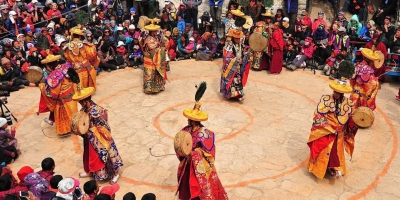
The Tiji Festival Trekking with Asiana Treks and Tours is a once-in-a-lifetime cultural journey into the heart of Upper Mustang, Nepal's restricted trans-Himalayan region. The highlight of this trek is the three-day Tiji Festival, a traditional Tibetan Buddhist celebration unique to the ancient walled city of Lo Manthang. Held annually in May, the festival is deeply spiritual and features elaborate dances, vibrant costumes, and sacred rituals that reflect the local belief in the triumph of good over evil.The word “Tiji” is a short form of “Tempa Chirim”, which means “Prayer for World Peace.” This celebration commemorates the legendary battle of Dorje Jono, a deity who defeats his demon father to save the Mustang kingdom from destruction. It’s more than just a festival—Tiji symbolizes hope, renewal, and the spiritual protection of the land and its people. Organized by the Choedhe Monastery, over 65 monks perform ritual dances including:Tsa Chaam (Day 1): Depicting Dorje’s birth.Ngacham (Day 2): Representing his efforts to subdue evil.Rhachham (Day 3): Signifying final victory.Highlights:Witness the authentic Tibetan Buddhist culture in Lo Manthang.Immerse in the dramatic landscapes of Upper Mustang.Experience the exclusive Tiji Festival firsthand.Explore ancient cave dwellings, monasteries, and fortresses.Tiji Festival Trekking Itinerary (18 Days)Asiana Treks and Tours offers a thoughtfully crafted itinerary that blends cultural immersion, adventure, and high-altitude trekking. The journey begins in Kathmandu and gradually ascends to the culturally preserved Upper Mustang.Detailed Itinerary:Day 1-3 – Kathmandu to PokharaArrival in Kathmandu, tour preparation and sightseeing.Drive or fly to Pokhara, Nepal’s lakeside city.Day 4-5 – Jomsom to Kagbeni to ChaileShort scenic flight to Jomsom.Trek through windy Kali Gandaki Valley to Kagbeni, the gateway to Upper Mustang.Ascend to Chaile with views of Nilgiri and Dhaulagiri.Day 6-8 – Chaile to CharangTrek through Syangboche, Ghami, and Charang.Explore ancient monasteries and Mani walls.Day 9-12 – Lo Manthang and Tiji FestivalArrival in Lo Manthang.Enjoy three days of Tiji Festival rituals, dances, and storytelling.Explore the walled city, King's palace, and gompas.Day 13-16 – Return trek to JomsomRetrace via Drakmar, Geling, Chhuksang to Jomsom.Descend through colorful landscapes, apple orchards, and Buddhist shrines.Day 17-18 – Jomsom to Pokhara to KathmanduFly to Pokhara and return to Kathmandu.Tiji Festival Trekking DistanceThe total trekking distance of the Tiji Festival Trek is approximately 130–150 kilometers (80–95 miles), depending on side explorations and detours.Daily Distance Breakdown (approximate):Kagbeni to Chaile: 10 kmChaile to Syangboche: 11 kmSyangboche to Ghami: 10 kmGhami to Charang: 11 kmCharang to Lo Manthang: 12 kmLo Manthang to Drakmar: 15 kmDrakmar to Geling: 12 kmGeling to Chhuksang: 15 kmChhuksang to Jomsom: 13 kmKey Features:Moderate to strenuous trekking.Maximum elevation: 3,810 meters at Drakmar.Suitable for trekkers with good physical condition and prior altitude experience.Tiji Festival Trekking Cost 2026/2027The cost of the Tiji Festival Trek with Asiana Treks and Tours varies depending on group size, services included, and mode of travel (drive or flight). Estimated cost range is:Approximate Cost:USD $2,200 – $2,900 per personInclusions:All domestic flights (Kathmandu–Pokhara–Jomsom–Pokhara–Kathmandu)Trekking permits (including Restricted Area Permit for Upper Mustang)Experienced trekking guide and porter support.Full-board meals during the trek (B.L.D).Three-star hotel accommodation in Kathmandu and Pokhara.Tea house / lodge accommodation during the trek.Festival entry and cultural sightseeing tours in Lo Manthang.First aid kit, trekking map, and duffel bag.Exclusions:International airfare and visa fees.Travel insurance.Personal expenses (hot showers, charging, tips).Alcoholic beverages and snacks.Why Choose Asiana Treks and Tours?✅ Expert local guides with cultural insights✅ Carefully curated Tiji Festival access✅ Safety-focused trekking policies✅ Flexible group departure dates✅ Exceptional customer support before and during the trekTiji Festival Trekking Price Breakdown – Asiana Treks and ToursThe Tiji Festival Trekking with Asiana Treks and Tours offers a well-structured cultural adventure into the heart of Upper Mustang. The pricing reflects both the exclusivity of the region (a restricted area) and the premium experience offered. Costs vary slightly based on group size, travel mode (flights or drive), and hotel category selected for Kathmandu and Pokhara. The average package for the 16–17-day trek ranges between USD $2,200 – $2,900 per person.This price includes a variety of essential services and permits. All domestic flights, airport transfers, accommodation (3-star hotel in cities and teahouses during the trek), meals during trekking days, and permits (including the Restricted Area Permit, which alone costs USD $500 for 10 days) are covered. Also included are experienced English-speaking guides, licensed porters, sightseeing tours in Kathmandu, and the festival entry in Lo Manthang. Notably, this is a full-board trek during the Mustang journey, so most of your expenses are prepaid.Price Includes:Two-way domestic flights (Kathmandu–Pokhara–Jomsom)Upper Mustang restricted area permit (USD $500)Annapurna Conservation Area Permit (ACAP)Licensed local guide and porterFull-board meals during the trek (B.L.D.)Accommodation in Kathmandu, Pokhara & tea houses on the trekGuided Tiji Festival accessFirst aid kit and trekking gear rentalExcludes:International airfare and Nepal visaTravel insurancePersonal trekking gearMeals in Kathmandu and PokharaExtra beverages, hot showers, tipsTiji Festival Trekking Altitude Guide – Know the Heights Before You HikeAltitude is a key consideration when planning your Tiji Festival Trekking experience. The trek traverses Upper Mustang’s high desert plateau, with elevations ranging from 2,700 meters (Jomsom) to 3,810 meters (Drakmar). The trek is not considered extremely high-altitude by Himalayan standards, but the elevation can still affect those not properly acclimatized. Asiana Treks and Tours builds in gradual ascent and rest periods to mitigate altitude sickness.The average daily gain is moderate, and the itinerary allows your body to adapt slowly—especially vital once you pass 3,000 meters. Notable altitude points include Kagbeni (2,810m), Syangboche (3,475m), Lo Manthang (3,730m), and Drakmar (3,810m). Trekkers generally do not need technical climbing skills but should be physically fit and ideally have prior experience trekking above 3,000 meters.Key Altitude Points:Jomsom: 2,700mKagbeni: 2,810mChaile: 3,065mSyangboche: 3,475mGhami: 3,520mCharang: 3,620mLo Manthang: 3,730mDrakmar: 3,810mTips for Altitude Safety:Hydrate frequently (3–4 liters/day)Avoid alcohol and smokingEat light but energy-rich foodsFollow a slow, steady paceConsider bringing Diamox (after medical consultation)Why Choose Tiji Festival Trekking? – A Journey Beyond AdventureChoosing the Tiji Festival Trekking is about more than landscapes—it’s about stepping into a living piece of Himalayan history and culture. Organized by Asiana Treks and Tours, this trek combines natural wonders, cultural authenticity, and a rare festival that most travelers never witness. The Tiji Festival itself is deeply spiritual and visually mesmerizing, featuring masked dances, mantras, and ancient Buddhist rituals performed by monks in vibrant robes.Upper Mustang is also one of the last bastions of pure Tibetan culture. Its caves, monasteries, and centuries-old villages remain untouched by time. Lo Manthang—the focal point of the trek—boasts unique architecture, walled settlements, and sacred gompas. During the festival, the town becomes a living museum of music, dance, and devotion. For adventure seekers and cultural explorers alike, this trek offers more than scenic trekking—it’s an experience of spiritual storytelling and living history.Why This Trek is Special:Only available in May (Tiji Festival dates vary by Tibetan lunar calendar)Deep immersion into Tibetan Buddhist traditionVisit Lo Manthang, the once-forbidden kingdom of MustangCulturally preserved region with stunning Himalayan viewsExclusive access via special permitsPreparing for the Tiji Festival Trekking – Physical and Mental ReadinessProper preparation is essential for a successful Tiji Festival Trekking experience. This journey spans around 130–150 km over nearly 17 days, with daily trekking hours ranging from 5 to 7 hours. Though not technical, the trek demands moderate fitness, the ability to handle thin air, and stamina for multi-day hiking at elevations over 3,000 meters.Asiana Treks and Tours recommends a 4–6 week pre-trek conditioning routine including cardio (running, cycling, swimming), hiking with a daypack, and strength exercises for the legs and core. Mental preparation is equally important: the terrain is rugged, and facilities in Upper Mustang are basic compared to Annapurna or Everest regions. This trek is about authenticity, not luxury.Pre-Trek Preparation Tips:Cardiovascular training 3–5 times per weekAltitude simulation or stair-climbing practiceBreak in hiking boots before arrivalPack lightweight, moisture-wicking clothingInvest in a quality sleeping bag and trekking polesMental preparation for limited connectivity and remote conditionsEssential Packing List:Down jacket & layered clothingSleeping bag (-10°C or better)UV sunglasses, sunscreen, lip balmReusable water bottles & purification tabletsEnergy bars and snacksHeadlamp and extra batteriesWhat to Expect on the 16–17-Day Tiji Festival Trekking AdventureThe Tiji Festival Trekking is more than just a hike—it's a full cultural and spiritual experience in Nepal’s most mystical region. For 16 to 17 days, you'll explore the high-altitude desert of Mustang, walk among centuries-old Buddhist monasteries, and witness the colorful Tiji Festival in the ancient capital of Lo Manthang. This journey offers a unique mix of adventure, heritage, and festival spectacle, rarely found elsewhere.Expect to fly into Jomsom, trek through villages like Kagbeni, Chaile, and Ghami, and experience drastic landscape changes—from green valleys to dry red canyons. Accommodation is in local teahouses—basic yet cozy with warm hospitality. Meals are mostly traditional Nepali and Tibetan (dal bhat, tsampa, noodles). The Tiji Festival itself, spread over three days, includes masked cham dances, spiritual chants, and the reenactment of Dorje Jono’s triumph over demonic forces. The return trek follows a slightly different route to keep the experience fresh and scenic.What to Expect Daily:Trekking 5–7 hours per dayAltitudes up to 3,810 metersDiverse landscapes: desert, cliffs, valleysUnique architecture and cave dwellingsFriendly locals and Tibetan-influenced cultureNo Wi-Fi or mobile network in many areasDeep cultural connection through the Tiji FestivalOxygen Levels on the Tiji Festival Trekking – Breathing at AltitudeWhile the Tiji Festival Trekking doesn’t reach extreme Himalayan heights like Everest Base Camp or Annapurna Circuit, it still takes you well above 3,000 meters for multiple days. As you climb higher into the Upper Mustang region, oxygen levels drop significantly compared to sea level. At Lo Manthang (3,730m) and Drakmar (3,810m), the oxygen level is only about 64–66% of what it is at sea level. This decrease can affect breathing, stamina, and overall energy—especially for those who are not acclimatized.Asiana Treks and Tours plans the itinerary carefully to allow gradual altitude gain and sufficient acclimatization. There are no high passes or sudden elevation spikes, which makes the trek safer and more manageable. Symptoms of altitude sickness are rare but can occur if hydration, nutrition, and pacing are neglected. The company equips guides with basic first-aid kits and encourages trekkers to report any discomfort early.Quick Tips on Handling Low Oxygen Levels:Walk slowly and steadily—never rush at altitude.Stay well-hydrated and avoid alcohol or caffeine.Get adequate sleep and nutrition during the trek.Know the symptoms of AMS: headache, nausea, fatigue.Use Diamox if prescribed by a doctor for altitude adjustment.Major Villages and Scenic Viewpoints on the Tiji Festival Trekking RouteThe Tiji Festival Trekking Route offers a rare opportunity to experience life in ancient Himalayan settlements. Each village along the route tells its own story through architecture, terrain, and cultural expressions. From the lush riverbanks of Kagbeni to the sunbaked highlands of Lo Manthang, the trek is dotted with Buddhist monasteries, mani walls, sky caves, and traditional mud-brick homes.Key villages such as Chaile, Syangboche, Ghami, and Charang serve as cultural and spiritual pit stops. Charang boasts the historic Thubten Shedrup Dhargyeling Monastery and stunning views of red canyon walls. Lo Manthang, the walled capital of the former Kingdom of Mustang, is the cultural crown jewel—home to royal palaces, ceremonial chortens, and the iconic Tiji Festival itself. Scenic viewpoints are abundant: the Ghami La Pass provides sweeping views of eroded cliffs, while Drakmar showcases dramatic red rock formations.Must-See Villages and Viewpoints:Kagbeni: Gateway to Upper Mustang with medieval streetsCharang: Monastery, fortress, and a panoramic ridgeLo Manthang: Center of culture and Tiji FestivalGhami: Largest mani wall in NepalDrakmar: Red cliffs and sky cavesSyangboche Pass: Spectacular mountain viewsFlora and Fauna of the Tiji Festival Trekking – Life in the Himalayan DesertDespite being part of the rain-shadow region behind the Himalayas, Upper Mustang is home to unique and resilient forms of life. The Tiji Festival Trekking route reveals flora and fauna adapted to high-altitude desert conditions. While dense forests are absent, you’ll find a surprising diversity of alpine shrubs, dwarf juniper, thorny bushes, and seasonal flowers that bloom after spring snowmelt. April to June is the best time to see colorful blossoms of Himalayan blue poppies and edelweiss along the trail.In terms of fauna, keep an eye out for blue sheep (bharal), Himalayan marmots, and the rare snow leopard, which is sometimes spotted in remote cliffs above Charang or Drakmar. Bird watchers can delight in seeing lammergeiers (bearded vultures), Himalayan griffons, and Tibetan snowcocks soaring high in the sky. The dry climate and limited vegetation create open vistas, which help in spotting wildlife from afar.Common Flora:Dwarf junipersAlpine poppiesTibetan snow rosesRhododendron shrubs (in lower elevations)Possible Fauna Sightings:Blue sheep and Himalayan marmotsBearded vultures and mountain hawksSnow leopards (rare and elusive)Wild horses and yaks in high meadowsFestivals and Local Culture Along the Tiji Festival Trekking RouteThe Tiji Festival is just the tip of the cultural iceberg when trekking through Mustang. This region retains a pure form of Tibetan Buddhism, preserved due to its geographical isolation. Along the trekking route, you’ll find Gompas (monasteries), mani walls, prayer flags, and even sky caves with murals and relics dating back over a thousand years. Locals wear traditional attire—chubas, amulets, and yak-wool hats, showcasing identity through clothing.Besides Tiji, locals celebrate other important Tibetan Buddhist festivals like Yartung, Losar (Tibetan New Year), and Saga Dawa. Daily rituals, such as spinning prayer wheels or lighting yak butter lamps, are a regular part of life. Hospitality is a cornerstone of local culture, and visitors are often welcomed with tea and traditional snacks like tsampa or buckwheat pancakes. Guided by Asiana Treks and Tours, trekkers learn to appreciate not just the big festival moments but also the quiet spirituality of village life.Cultural Highlights:Monastic chants and pujas in local gompasAncient art in Lo Gekar and Thubchen monasteriesFestivals: Tiji (May), Yartung (August), Losar (February)Distinct Tibetan dialect and customsTraditional clothing and craftsWhy Book with Asiana Treks and Tours for Tiji Festival TrekkingAsiana Treks and Tours is a trusted local company with deep roots in Nepal's trekking and cultural tourism industry. When you book your Tiji Festival Trekking with them, you’re not just buying a trek—you’re investing in an expertly curated experience with local insights, trained guides, and ethical practices. With over a decade of field experience, Asiana Treks crafts unique adventures that blend comfort, authenticity, and safety.What sets them apart is their access to exclusive local experiences. From early Tiji Festival passes to monastery visits and insider knowledge about village life, Asiana provides an immersive journey. Their guides are fluent in English and often hail from the Mustang region, adding deep cultural context. They also prioritize sustainable travel—supporting local teahouses, porters, and environmental protection.Why Travelers Trust Asiana Treks and Tours:Licensed, local, and culturally aware guidesTailor-made itineraries based on your pace and preferencesStrong focus on safety, ethics, and responsible tourismTransparent pricing—no hidden fees24/7 support before and during the trekHow to Book the Tiji Festival Trekking – Step-by-Step with Asiana Treks and ToursBooking your Tiji Festival Trekking adventure with Asiana Treks and Tours is a straightforward and secure process. You can start by visiting their official website or contacting their booking desk via email or WhatsApp. Once you express interest, the team will provide you with a customized itinerary, cost breakdown, and checklist tailored to your travel dates and group size.A 10–20% deposit is typically required to confirm your booking, with the remaining balance payable upon arrival in Nepal. You’ll also receive assistance with visa preparation, gear rental, and even domestic flight arrangements. For the Tiji Festival, early booking (at least 3–5 months in advance) is highly recommended, as the number of Upper Mustang permits issued per year is limited and the festival dates attract global interest.Booking Process:Contact Asiana Treks via website, email, or phone.Select your preferred departure date (April–May).Receive a custom itinerary and price estimate.Confirm your booking with a deposit (PayPal or wire).Prepare for the trek with help from Asiana’s team.Arrive in Kathmandu—we’ll take care of the rest!
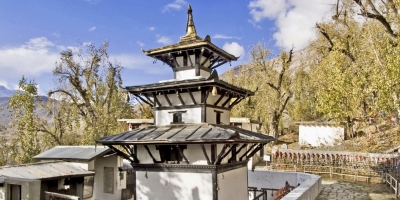
Muktinath is a sacred spiritual site where people visit for spiritual liberation. Taking a holy bath in the 108 water fountains and dipping into the natural hot spring gets one rid of physical tiredness and brings spiritual joy. It is a beautiful mountain surrounding which is reached via Jomsom and Kagbeni. Jomsom is an astounding mountain town that is just 17 17-minute scenic mountain flight from Pokhara. Nestled amidst the Annapurna and Dhaulagiri ranges in the Himalayas, Jomsom casts aromatic fresh mountain air with spectacular landscapes around. The walk to Kagbeni and then to Muktinath from Jomsom is a Himalayan blessing that brings enlightenment about mountain life, culture, terrain, and atmosphere. Walking along the sacred Kali Gandaki River is a joyful journey.Jomsom Muktinath trek itinerary:Asiana Treks and Tours has the perfect Jomsom Muktinath trek itinerary. Travelers who desire to explore Nepal with moderate physical fitness. You'll discover the best places for breathtaking views from the city to the countryside. Experience an unforgettable lifetime journey.Jomsom Muktinath Trekking Distance:The Jomsom Muktinath trek spans approximately 45.6 kilometers, or 28 miles, depending on the chosen itinerary. This route typically spans 13 days.Our package tour ensures reliability in terms of cost, itinerary, and overall experience. For Nepali citizens, the Jomsom Muktinath trek typically ranges from US$500 to 1000, with variations depending on group size, service level, guide and porter services, transportation preferences, and accommodation choices in Kathmandu or Pokhara. This cost estimation is subject to the types of trekking gear and accommodation preferences.Jomsom Muktinath Trekking route:The Jomsom Muktinath Trekking route showcases awe-inspiring natural beauty. Starting in lush valleys with terraced fields and traditional villages, the journey unfolds amidst the Himalayan foothills. Rhododendron forests bloom in spring, accompanied by cascading waterfalls and snow-capped peaks. Traversing wildflower meadows and crossing suspension bridges over mountain streams, the landscape evolves as you ascend. The trek promises unforgettable moments, whether you're a seasoned trekker or novice adventurer, offering an unparalleled journey through Earth's most breathtaking landscapes.Jomsom Muktinath trekking Height:The Jomsom Muktinath Trek in the Mustang region of Nepal is a culturally rich and scenically diverse journey that begins in the picturesque lakeside city of Pokhara (827m). From Pokhara, trekkers take a short scenic flight to Jomsom (2,720m), the administrative hub of the Mustang district and the gateway to the Annapurna and Upper Mustang regions.Jomsom Muktinath Trekking price: Our package tour ensures reliability in terms of cost, itinerary, and overall experience. For Nepali citizens, the Jomsom Muktinath trek typically ranges from US$ 500 to 1000, and for foreigners, US$ 715 to 1385, variations depending on group size, service level, guide and porter services, transportation preferences, and accommodation category in Kathmandu or Pokhara. This cost estimation is subject to the types of trekking gear and accommodation preferences.Advantage book with Asiana Treks and tours:We provide the best experienced local guide for you on your Trek. Our booking process is hassle-free. We guarantee your happiness and offer the best price for your Trek. Group discounts are available based on the number of participants, so you can save more when trekking with friends or family.Currency Exchange:The Nepalese rupee is Nepali currency, and 1 USD is approximately 130 NPR. Only NPR is accepted in Nepal, so it's best to bring cash to facilitate transactions. Banks and ATMs in Kathmandu provide currency exchange services but note that most banks prefer new, crisp notes.Luggage and extra storage:We cover the cost of porters for your luggage, but the maximum weight limit is 12 kg per person. Each porter carries luggage for two trekkers; please share a duffle bag with another. Our porters will carry up to 25 kg each. If you need a porter for yourself, we can arrange that. We also recommend carrying a small backpack for your valuables and important documents. You can leave extra luggage at our office for free and at a hotel in Pokhara, Namche, etc.Weather Conditions:Each season offers unique experiences during the Jomsom Muktinath Trek. Spring brings mild weather and blooming rhododendrons, while summer provides lush vegetation despite the monsoon. Autumn features clear skies and vibrant festivals, and winter offers snowy peaks with fewer crowds.Trek Difficulty:Jomsom Muktinath Trek is an easy trek, requiring 5-7 hours of daily hiking. While no technical skills are necessary, being reasonably fit for trekking at higher altitudes is essential. Trekkers with pre-existing medical conditions should inform us before booking their trip.Group & Private Treks:We organize many group and private treks simultaneously, with discounts available for larger groups. Every group will have a trekking guide and porters; an assistant guide may be provided for larger groups. Our team ensures a safe and enjoyable trekking experience for all participants.Responsible Travel:We prioritize responsible travel to minimize environmental impact and support local communities. We collaborate with organizations like the Kathmandu Environmental Education Project (KEEP) to promote eco-friendly practices in trekking regions.NotesPlease be aware that the itinerary may change due to weather or other factors, and we'll adjust it accordingly for the group's safety and enjoyment. We look forward to guiding you through the stunning landscapes of the Annapurna region and ensuring a memorable trekking experience.About solo traveler:If you're a solo traveler, please contact us to confirm departure dates before booking. You can tell us via call, WhatsApp, or email. We have listed upcoming departure dates for your convenience. Feel free to share the trip details with friends and family.Accommodation :During the Jomsom Muktinath trekking, you'll stay in different places along the way. You'll spend eight nights in lodges in the trekking regions and two nights in a hotel in Pokhara. At some stops, you will have rooms with bathrooms, but most places you'll stay in are standard rooms shared with other People.If you're traveling alone, we'll arrange for you to have a private room with a bathroom, which most places do not have. In Kathmandu or Pokhara, your hotel room will have a bathroom, TV, hot water 24/7, electricity, and laundry service. Meals during the trip:Eating well is essential since the Muktinath Jomsom Trek takes you through the high Himalayas. You'll have plenty of nutritious meals in the trekking regions, although the options won't be as varied as in the cities. You'll get ten breakfasts, nine lunches, and nine dinners during the Trek. The menu includes local, Asian, and Western dishes, but it gets more straightforward as you climb higher. Try popular Nepali foods like lentils, rice, curry, dumplings, noodles, Spagaties, and many more.We highly recommend eating fresh vegetables and drinking liquids like green tea, lemon tea, hot lemon, ginger tea, and garlic soup, especially at high altitudes. While non-vegetarian options are available during the Trek, we suggest avoiding them for hygiene reasons. It's also best to steer clear of dairy, cheese, alcohol, caffeine, and hot chocolate. Personal expenses like alcoholic drinks and extra beverages at lodges or cafes aren't included in the package.Extra Personal Expenses:While most expenses during the Jomsom Muktinath Trekking are covered, you'll need to spend money on accommodations and meals in Kathmandu and Pokhara, souvenirs, and additional beverages. We estimate about USD 10-20 per trekking day for miscellaneous expenses.Electricity voltage and plugs:However, 95 % of Nepali people have access to electricity as of May 29, 2023. almost popular trekking routes, teahouses, and lodges have electricity. However, some isolated and solo trekking tea houses in the jungle don't have electricity; Most of these tea houses let travelers charge their devices for a small fee. The average electrical voltage in Nepal is 230 volts, with plug types like Type C, Type D, and Type M. Travellers should bring a suitable adapter and, if needed, a voltage converter for their electronic devices."Drinking water:Drinking more than three liters of water trekking in higher terrain to prevent dehydration. Staying hydrated while trekking in Nepal's Himalayan region is crucial for your safety. You can find water taps in some areas but must ensure before drinking. While mineral water is available in guest houses along popular routes, it can be costly. However, in the Annapurna region, safe water stations allow you to refill your water bottle safely. Your guide can assist you in purchasing boiled water from guest houses, which is cheaper than mineral water. A good suggestion is to bring a water filter, iodine drops, water purification tablets, and a Steri pen to treat water from streams or other natural sources along the trail. You must ensure that your water is safe to drink. However, Nepal is the second country in the world regarding water sources after Brazil nevertheless only 27% of people here have clean drinking water available. However, in the city areas, Mineral water is available at a reasonable cost everywhere.Communication:The Jomsom Muktinath Trekking region guest houses have internet access. Upon arrival at Tribhuvan International Airport Kathmandu and Pokhara, you can buy a SIM card to communicate easily with family and friends. However, you need a copy of your passport and a photo of your passport size to obtain a SIM card. The signal depends on location. When heading up, there may be a poor connection at high altitudes. Please do not expect like your home country. We watch our trekking teams via the trek guide at least once daily to ensure everything goes as planned.Our Team:Our team includes qualified guides, Sherpas, porters, and assistant guides for larger groups. They're local Himalayan people with high endurance and experience at high altitudes. We ensure their well-being by covering their expenses and providing necessary training.Trip Extension:Suppose you have extra days in Nepal after the Trek. In that case, we can arrange a tour, overnight stay at Nagarkot Balthali or any other place around Kathmandu and Chitwan, jungle safari, paragliding, rafting, canyoning, or other treks. Do not hesitate to Inform us. We will create the best for you.Tipping:Tipping is appreciated in Nepali culture and reflects the quality of service provided. You decide how much to tip, but we recommend tipping as a group at the end of the trip.End of Trek:On the Twelveth day, you'll take a bus from Pokhara back to Kathmandu, which takes about seven hours. Alternatively, you can fly from Pokhara to Kathmandu for an extra fee. In the evening, we'll host a farewell dinner in Kathmandu.Departure:On the day of your departure flight, we'll come to pick you up from your hotel and transfer you to Tribhuvan International Airport. We hope you enjoyed the Nepal trek and will consider returning for more adventures in Nepal.Feedback:After you complete the Jomsom Muktinath Trek, we'll organize a farewell dinner in Kathmandu and present you with a trekking achievement certificate. After the dinner, you can provide feedback about the Trek on travel portals.Useful Info:Please remember that sometimes unforeseen circumstances, such as inclement weather or unavailable lodging, may cause the schedule to be altered. Your trip guide will design a fresh schedule based on the group's interests in such circumstances. Typical Day:Each day of the Trek brings new experiences as you explore different places, enjoy breathtaking landscapes, and converse with locals to learn more about their customs and culture. Our guides will provide information about the places you visit.Trekking usually starts around 7-8 am, depending on the distance to cover and the terrain. We'll stop for lunch after about three hours of Trekking, usually on the way to our destination for the day. After lunch, you'll have an hour to rest before continuing the Trek. The afternoon trek is shorter, and once we reach our destination, you'll have time to explore until it gets dark. Dinner is served around 6-7 pm, followed by a briefing from your trek leader about the next day's plan. Afterward, you can relax and entertain yourself with games or learn Nepali words from our crew.Last-Minute Booking:Last-minute bookings are always available, but slightly more expensive than our regular departure dates. Specifically, last-minute bookings are possible up to 24 hours before the trip begins and incur an additional 7% cost on the total trip price listed in our packages.If you're lucky, last-minute booking might become a golden opportunity to get the same price or even less, especially if a trip member cancels at the last moment.So, if you're late to book your preferred trip with us, don't worry. You still have the option, and we are committed to making your trip as successful and enjoyable as our other trips. At the eleventh hour, don't hesitate to reach out to us. We are always ready and eager to assist with your last-minute vacation plans in Nepal. Your plans are just as important to us, and we are here to provide the support you need every step of the way.About the risky zone in Jomsom Muktinath Trekking:There are some risky areas to watch out for during the Jomsom Muktinath Trek. Certain parts of the trail, such as the steep up to Throng top and descent from Throngla to Near Muktinath, are essential during snowfall or heavy rains in winter and March. Our guides are familiar with these risky spots and can help navigate them safely daily at trip Briefing after dinner. Travelers sometimes run into difficulties, and some have even gotten injured while trekking to Jomsom Muktinath without a guide and proper information.Annapurna Region Trekking: Guides, Tips & Himalayan AdventuresDiscover the beauty of Nepal’s Annapurna region with Asiana Treks & Tours. Explore breathtaking mountain landscapes, authentic local culture, popular trekking routes, and practical tips to help you plan an unforgettable Himalayan adventure.Annapurna Base Camp vs Everest Base Camp: The Best TrekTrekking Equipment List for Asiana Treks & ToursTrekking Permit Requirements for Different Regions in NepalBest Sunrise and Sunset Destinations in NepalTop Successful Trek for Beginners – Annapurna Base CampMost Popular Trek with High Success Rate – Annapurna Base Camp Trek (ABC) TrekHow to Prepare for the Annapurna Base Camp Trek (Gear, Fitness & Tips)Ghorepani Poon Hill Trek GatewayTop 26 Annapurna Region Trekking Packages in Nepal – The Ultimate GuideTadapani Diaries: One Magical Night in the MountainsDiscovering Ghandruk: A Peaceful Village in the Heart of NepalTrekking the Best of Annapurna: Poon Hill to Mardi HimalWhy Chhomrong is the Heart of the Annapurna Base Camp TrekAnnapurna Base Camp (ABC) & Machhapuchhre Base Camp (MBC) Trek: Two Base Camps, One Incredible JourneyExploring Sinuwa on the Annapurna TrailDeurali: A Peaceful Mountain Village on the ABC TrailBamboo: A Hidden Gem of the ABC TrekDovan Nepal: Peaceful Stopover on the Annapurna Base Camp TrailHimalaya Village: A Quiet Haven on the Way to Annapurna Base CampDhampus Village – Annapurna Classical Alternative GatewayPothana: The Alternative Gateway to Annapurna Base Camp and Mardi HimalBest Camping and Overnight Stays: Australian Camp & Mardi Himal TrekList of Hotel in Mardi Himal Base Camp TrekTrekking to Low Camp: A Peaceful Path to Mardi HimalForest Camp Adventures: Exploring the Mardi Himal Trek in NepalHigh Camp on the Mardi Himal Trek | Views, Altitude & Trekking GuideDiscovering the Magic of Mardi Himal ViewpointTop Highlights of the Mardi Himal Trek in NepalBest Time to Trek Mardi Himal: Tips for Perfect ViewsA Beginner’s Guide to the Mardi Himal Trek in NepalSurprising Facts About the Mardi Himal TrekEssential Guide to Mardi Himal Trekking Permits in NepalMardi Himal Trek Info: Elevation, Altitude, Height and WeatherMardi Himal Trek Accommodation and Food TipsBest Time to Trek Annapurna Base Camp in NepalTop Highlights of the Annapurna Base Camp TrekFood and Accommodation on the ABC Trek: What It’s Really LikeAltitude Tips for a Safe Annapurna Base Camp TrekAnnapurna Base Camp Permits: Costs, Process, and RequirementsTop Tips and Facts for Trekking to Annapurna Base CampAnnapurna Base Camp Trek: Elevation, Height & Temperature GuideDobato Stopover: Experiencing the Heart of the Khopra Danda RouteUpper Chistibung: What to Expect on the Way to Khopra DandaExploring Khopra Danda Ridge and Khayar LakeDiscover Swanta’s Beauty on the Khopra Danda TrailAmazing Facts About Khayar Lake in the Annapurna RegionBayeli Kharka Adventure: From Khopra Danda with Stunning ViewsKhopra Danda Trekking Guide: Cost, Permits, Meals, Lodging and Best SeasonExploring Mardi Himal, ABC, and Khopra Ridge in One Epic JourneyKhopra Khair Lake with Annapurna Base Camp Trek: A Complete JourneyKhopra Khair Lake with ABC Trek: Nature, Culture, and MountainsComplete Guide to Mohare Danda Trekking in NepalSunrise Views from Mohare Danda: What to ExpectTop Highlights of Poon Hill and Mardi Himal TrekExploring Poon Hill and Mardi Himal: A Beginner’s GuideExploring the Ghorepani Dhampus Circuit Trek in NepalAn Amazing Hike from Galeshwor to Nangi via Bans Kharka : Mohare Danda TrekkingLandruk: Gateway to the Stunning Mardi Himal ViewsMardi Himal Adventure: Exploring Badal Danda on the Siding TrekSunrise Views from Poon Hill and Mulde ViewpointsDhaulagiri Annapurna Trail: A New Alternative Trek in NepalBest Nepal Tour Packages: Adventure, Honeymoon, Senior Tours, Himalayan Highlights, Triangle & Sunrise Hill Station ToursIs It Possible to Cycle the Annapurna Circuit in Nepal?Besisahar – The Heart of Lamjung District: Gateway to the HimalayasExploring Jagat During the Annapurna Circuit TrekDharapani Village in Nepal: Where the Manaslu Circuit and Annapurna Circuit Trails Meet PointChame Village: A Peaceful Stop on the Annapurna Circuit TrekDiscover Upper Pisang: A Hidden Gem on the Annapurna CircuitExploring Lower Pisang: A Gateway on the Annapurna CircuitManang: The Heart of the Annapurna Circuit TrekYak Kharka (4,020m): A Must-Stop Village on the Annapurna CircuitThorong Phedi: Final Preparation Before Thorong La PassCrossing Thorong La Pass (5,416 m): The Highest Point of the Annapurna CircuitMuktinath in Mustang: A High-Altitude Spiritual Journey on the Annapurna CircuitJomsom (2,743 m): The Windy Valley That Connects Annapurna and Upper Mustang
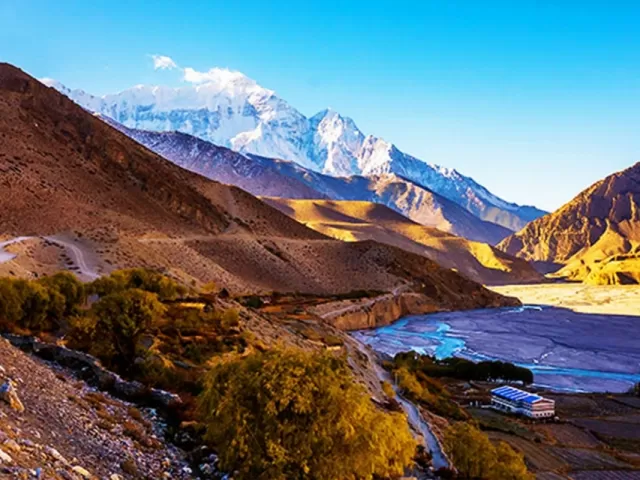
The trek starts from Jomsom, following the Kali Gandaki River and winding through traditional villages, including the fascinating Kagbeni village. As you move further into the Upper Mustang, you will encounter Buddhist monasteries, colorful Buddhist prayer flags, and Mustang Caves, all reflecting the region's rich cultural heritage. Lo Manthang, a medieval walled city, is the highlight of the trek, known as the capital of the Hidden Kingdom of Mustang.Passing through windy valleys and mountain passes, trekkers enjoy stunning views of the Nilgiri and Dhaulagiri mountains. The Upper Mustang trek itinerary is ideal for those seeking a remote trekking experience, with teahouse treks offering comfort along the way. However, as this is a restricted area trek, special Mustang trekking permits are required.Trekking in the Upper Mustang allows one to witness the Tiji Festival, explore sacred caves, and traverse a landscape shaped by an ancient trade route. This high-altitude trek through the Trans-Himalayan landscape offers a glimpse into Tibetan Buddhist traditions and a chance to immerse in Himalayan wilderness adventure.Why Upper Mustang Trekking is so Important? Upper Mustang is significant culturally and geographically, making it a unique and treasured region in Nepal.Cultural Preservation:Upper Mustang is often called the "Hidden Kingdom" because it was isolated from the outside world for centuries. Its culture is deeply rooted in Tibetan Buddhist traditions, and this isolation has helped preserve the ancient customs, language, and religious practices. The region's Buddhist monasteries, Mustang Caves, and Lo Manthang, the ancient medieval walled city, offer a window into Tibetan heritage, making it a living museum of history and spirituality.Geographical Importance: The region lies in the rain shadow of the Himalayas, creating a striking Himalayan desert landscape distinct from the rest of Nepal. The desert-like terrain and the towering Nilgiri and Dhaulagiri mountains form an awe-inspiring natural environment. The Kali Gandaki River flows through Mustang, an essential part of an ancient trade route between Nepal and Tibet, adding historical importance to the region.Restricted Area: The government of Nepal has designated the Upper Mustang as a restricted area, requiring special trekking permits to enter. This has limited tourism, helping to maintain its pristine condition and protect its unique culture and environment from over-commercialisation.Historical and Spiritual Significance: Known as the Forbidden Kingdom, the Mustang holds excellent significance in Buddhist mythology. The annual Tiji Festival celebrated in Lo Manthang symbolises the triumph of good over evil, attracting spiritual seekers worldwide.Overall, Upper Mustang's cultural richness, historical relevance, and unique geography make it one of Nepal's most essential and fascinating trekking destinations. Reasons to Choose Upper Mustang Trekking.Cultural Richness: Explore the "Hidden Kingdom of Mustang," a region renowned for its Tibetan-inspired culture, ancient monasteries, and preserved traditions.Unique Landscapes: Witness red cliffs, desert valleys, and vast, mystical landscapes resembling the Tibetan plateau.Panoramic Mountain Views: Enjoy iconic peaks like the Nilgiri and Dhaulagiri, as well as dramatic Himalayan desert scenery.Lo Manthang: Visit the medieval walled city, home to sacred caves, monasteries, and a living history of the Mustang Kingdom.Tiji Festival: Experience the colourful Tiji Festival, celebrating peace and prosperity with traditional rituals.Rain Shadow Area: Trekking is possible even during the monsoon season, thanks to Mustang's dry climate.Restricted Area: Mustang has preserved its authenticity by remaining a restricted area, offering an unspoiled, off-the-beaten-path adventure.High Cultural Immersion: Interact with local communities and experience their unique way of life. Upper Mustang Trekking Itinerary: Aiana Treks and Tours offers the best Upper Mustang Trekking itinerary for travellers seeking long and short treks. The itinerary is ideal for those with moderate physical fitness who wish to explore Nepal. Beginning with the bustling atmosphere of Kathmandu, trekkers will journey through scenic landscapes, from vibrant cities to the serene countryside. The trek leads to stunning locations, including the ancient town of Lo Manthang, where you'll experience the contrast of cold nights in the Himalayan wilderness. This unforgettable journey blends adventure and relaxation, making it a once-in-a-lifetime experience. Upper Mustang trekking distance: The Upper Mustang trekking distance is approximately 170 kilometres (105 miles) round trip. This journey usually takes 10 to 14 days, depending on the itinerary and pace. The trek begins from Jomsom and follows a well-established trail through traditional villages, including Kagbeni and Lo Manthang, the region's ancient capital. Along the way, trekkers will cover a variety of terrains, from dry Himalayan desert landscapes to lush valleys. Despite the long distance, the trek is designed for people with moderate physical fitness, offering a rewarding blend of cultural exploration and stunning natural scenery. Upper Mustang Trekking Route: The Upper Mustang trekking route offers several breathtaking viewpoints that showcase the region's unique blend of natural beauty and cultural landmarks. One of the most iconic viewpoints is from the Nyi La Pass at 4,010 meters, where trekkers are rewarded with panoramic views of the towering Nilgiri and Dhaulagiri mountains and the surrounding Himalayan desert landscape. As you approach the ancient city of Lo Manthang, the elevated viewpoints around the area provide stunning perspectives of the medieval walled city and the vast Tibetan plateau. Other notable views include those from Dhakmar village, which has striking red cliffs, and Chhoser, known for its ancient Mustang Caves and monasteries carved into the cliffs. Along the trail, trekkers can enjoy beautiful sunrise and sunset views over the rugged terrain, highlighting the dramatic contrasts between the desert landscape and the snow-capped Himalayan peaks. These viewpoints make the Upper Mustang trek a visual delight, offering unforgettable moments in one of Nepal's most remote and mysterious regions. Upper Mustang Trekking price: The Upper Mustang Trek price can vary depending on the trek length, services included, and the trekking season. The average cost ranges from $1,500 to $3,000 per person for a standard 10-14-day trek. This price usually includes essential items such as trekking permits, accommodation in teahouses, meals, transportation from Kathmandu to Jomsom, and the services of a professional trekking guide. The restricted area permit for Upper Mustang alone costs around $500, significantly impacting the total cost. Additionally, the price may increase if you opt for more luxurious amenities, private guides, or longer itineraries. Despite the higher cost than other treks in Nepal, the Upper Mustang trek is a once-in-a-lifetime experience, offering a rare glimpse into the "Hidden Kingdom," making it well worth the investment. Maximum Height of Upper Mustang Trek: The Upper Mustang trek reaches a maximum height of approximately 3,840 meters (12,600 feet) at the ancient city of Lo Manthang, the capital of the Forbidden Kingdom. Though lower than other treks in Nepal, the high-altitude trekking still presents a challenge due to the region's rugged Himalayan desert terrain and dry conditions. Along the route, trekkers will also pass through several mountain passes, such as Nyi La Pass at 4,010 meters (13,156 feet), offering breathtaking views of the Nilgiri and Dhaulagiri mountains. The manageable altitude makes this trek ideal for those seeking a remote adventure without the extreme elevation of other high-altitude treks in Nepal. Major Village on the route to Upper Mustang Trekking: The Upper Mustang trek takes you through several significant villages, each offering a glimpse into the region's rich Tibetan culture and unique landscapes. One of the first significant villages is Kagbeni, located at the confluence of the Kali Gandaki River, serving as the gateway to Upper Mustang. This village is known for its ancient Buddhist monasteries and traditional stone houses. As you continue, you'll pass through Chhusang and Samar, small settlements surrounded by red cliffs and stunning desert-like scenery. Further along the trek, Gelling and Dhakmar villages offer spectacular views of wind-sculpted landscapes and provide a peaceful atmosphere for trekkers. The trek culminates in the medieval city of Lo Manthang, the heart of Upper Mustang, known for its walled city, rich history, and Buddhist prayer flags. With their preserved Tibetan traditions and local homestay experiences, these villages make the trek a culturally enriching journey through one of Nepal's most remote regions.Best viewpoints along the Upper Mustang Trekking: Nyi La Pass (4,010 meters): Offers panoramic views of the Nilgiri and Dhaulagiri ranges and the stunning Himalayan desert landscape.Lo Manthang: Provides breathtaking views of the surrounding valleys and Tibetan plateau from its ancient walls.Dhakmar Village is known for its red cliffs and unique rock formations, creating a dramatic landscape.Chhoser Caves: A viewpoint with a mix of history and natural beauty, offering views of ancient caves carved into cliffs.Kali Gandaki Valley: The world's deepest gorge, with impressive views of barren cliffs and Himalayan peaks.Dhi Village: Offers scenic views of the surrounding valleys and remote Mustang terrain. Biodiversity of Upper Mustang:The biodiversity of Upper Mustang is as unique as its landscape, offering a rare glimpse into the natural wonders of a Himalayan desert ecosystem. Despite the region's dry and rugged terrain, Upper Mustang is home to a diverse array of plant and animal life. The trek passes through the Annapurna Conservation Area, where trekkers will encounter hardy alpine vegetation like juniper, rhododendron, and wildflowers that thrive in the high-altitude, arid environment. The region's rain shadow area creates a unique habitat for wildlife, including Himalayan blue sheep, snow leopards, and Tibetan wild asses. However, sightings are rare due to the animals' elusive nature. Birdwatchers will also enjoy the opportunity to spot species such as the Himalayan griffon and the lammergeier, both of which are commonly found in the region. Additionally, the Kali Gandaki River valley supports a variety of aquatic life, adding to the biodiversity of the trek. This rich and varied ecosystem, combined with the dramatic landscapes of Upper Mustang, makes the trek a cultural journey and an exploration of Himalayan wildlife and plant life. Festival and Culture of Upper Mustang: The festival and culture of Upper Mustang are deeply rooted in Tibetan Buddhist traditions, making the trek a culturally enriching experience. One of the most critical events in the region is the Tiji Festival, held annually in the ancient city of Lo Manthang. This three-day festival symbolizes the triumph of good over evil and features colorful masked dances and rituals local monks perform. It draws visitors worldwide, offering a unique opportunity to witness the vibrant Tibetan culture firsthand. Throughout the trek, trekkers will encounter Buddhist monasteries, ancient Mustang caves, and Buddhist prayer flags fluttering in the wind, representing the deep spiritual significance of the area. The people of Upper Mustang, primarily of Tibetan origin, have preserved their cultural heritage for centuries, with their traditional clothing, language, and customs reflecting their rich history. Villages like Kagbeni and Dhakmar showcase conventional stone houses and offer a glimpse into the daily life of the Mustang people, where Buddhism plays a central role in their customs, festivals, and rituals. The unique Tibetan Buddhist traditions and spectacular natural scenery make the Upper Mustang trek a journey into the past and the spiritual heart of the Himalayas. People and Hospitality: Nepal is a country where warm hospitality and incredible values are not just a custom, but a deeply ingrained part of its culture. Whether you're a foreign visitor or a local, you're greeted with open arms, friendly smiles, and a radiant manner. This tradition of hospitality, deeply rooted in Hinduism, Buddhism, and traditional customs, sees guests as blessings and treats them with utmost respect, generosity, and kindness.The Gurung and Tibeten people, an indigenous ethnic group with a unique blend of Tibetan Buddhism and ancient Bon rituals, are the epitome of these values. Residing in the upper Mustang area, they welcome guests with a distinct warmth and an unwavering spirit of hospitality, marked by their renowned honesty and loyalty. Advantage book with Asiana Treks and tours: Upper Mustang Trek Booking: Trek Booking with Asiana Treks and Tours is a simple and secure process for your Upper Mustang trekking adventure. As a trusted and authorized trek operator by the Nepal government, Asiana Treks and Tours requires a 10% advance payment to confirm your booking. To secure your reservation, you must provide a copy of your passport, photos, travel insurance, and flight details when booking. Payments can be made conveniently via bank transfer, Western Union, or the company's online platform. The remaining balance can be paid upon your arrival in Nepal. While last-minute bookings are possible, adjustments may occur due to unforeseen factors such as bad weather. Asiana Treks and Tours ensures a hassle-free booking experience, providing peace of mind as you prepare for your Upper Mustang trekking journey. Transportation of Upper Mustang trek: Transportation for the Upper Mustang trek typically begins with a scenic flight from Kathmandu to Pokhara, followed by another short flight to Jomsom, the gateway to Upper Mustang. The flights provide stunning views of the Himalayas, including the Annapurna and Dhaulagiri ranges. From Jomsom, the trek usually begins on foot. However, if needed, some sections can be covered using jeeps or mule caravans, particularly for those preferring a more comfortable or time-efficient journey. The rugged terrain of Upper Mustang often requires off-road vehicles for transport between villages in certain areas. However, most trekkers enjoy walking through the scenic Kali Gandaki valley, passing by traditional villages and stunning desert landscapes. These transportation options make the Upper Mustang trekking experience accessible while preserving the trekking adventure through one of Nepal's most remote regions. Upper Mustang Trek Start: Your Upper Mustang Trek begins with a warm welcome in Kathmandu. As soon as you arrive at Tribhuvan International Airport, our dedicated team will greet you and escort you to your hotel in a private vehicle, ensuring a comfortable and hassle-free start to your adventure and setting the tone for a memorable journey. If you miss the regular trip briefing, there's no need to worry; we'll provide it conveniently before your departure to Pokhara. This can be arranged before a World Heritage tour the following morning or the next day. We will then proceed to Pokhara by tourist bus, departing around 7 a.m. from Sorakhutte, Kathmandu. The package includes transportation by tourist bus, offering a comfortable and scenic journey. However, if you prefer more comfort, you can use a private vehicle, such as a van or jeep, for an additional cost, allowing you to choose what suits you best. Currency Exchange: The Nepalese rupee is Nepali currency, and 1 USD is approximately 130 NPR. Only NPR is accepted in Nepal, so it's best to bring cash to facilitate transactions. Banks and ATMs in Kathmandu provide currency exchange services but note that most banks prefer new, crisp notes. Our Team: The Asiana Treks and Tours team is professional, reliable, and responsible. They are well-trained, friendly, radiant, and fluent in English. You can feel comfortable sharing anything with them. They are experts in local culture, history, vegetation, food, accommodation, weather conditions, and first aid medication. They are also environmentally conscious and respect the rights of animals.However, please do not provoke them for personal gain during the trip. While you can enjoy your holiday with them, we kindly request that you do not try to change their customs, beliefs, religion, culture, or traditions.We and our staff are committed to making your adventure trip unforgettable memories of a lifetime journey in Nepal. Guide and Porter Arrangement: Our company, Asiana Treks and Tours, focuses on responsible tourism in Nepal. We make sure our guides and porters are well-trained in Trekking and mountaineering. They know a lot about the areas we go to, including geography, history, customs, and culture. We train them regularly in safety, first aid, and environmental conservation. We follow guidelines to treat our porters fairly, providing them with good pay, accommodation, and meals during treks. Our guides and porters are essential team members, and we appreciate their hard work. When you trek with us, you support ethical tourism in Nepal, making your trip meaningful and memorable.Asiana Treks and Tours prioritizes your safety and enjoyment. Our knowledgeable guides, reliable equipment, and safety measures ensure a great trekking experience in Nepal. Porter, Luggage, and Extra Luggage Storage: We cover the cost of porters for your Luggage, but the maximum weight limit is 12 kg per person. Each porter carries Luggage for two trekkers; please share a duffle bag with another. Our porters will carry up to 25 kg each. If you need a porter for yourself, we can arrange that. We also recommend carrying a small backpack for your valuables and important documents. You can leave extra Luggage at our office for free and at a hotel in Pokhara, Jomsom etc. Accommodation: Accommodation during the Upper Mustang Trek varies. Along the trekking route, you'll stay in guest houses, commonly known as teahouses. These basic lodges offer rooms, dining areas, and toilets. The quality of guest houses varies but remains affordable and convenient for trekkers. Rooms typically have twin or bunk beds and shared bathrooms, and blankets and pillows are available. Our company can offer a sleeping bag if you don't have one. You'll spend nine nights in lodges along the trekking route and three nights in a hotel in Kathmandu. Some places and lodges have attached bathrooms, while others offer simple yet clean rooms with shared facilities. We can arrange a solo trekking service if you're traveling solo. In high season and particular areas, availability may be limited for you, although we try our best. In Kathmandu or Pokhara, your hotel room will have excellent amenities, including TV, 24/7 hot water, electricity, and laundry service. Meals during the trip: Eating well is essential since the Upper Mustang Trek takes you through the Himalayas. You'll have plenty of nutritious meals in the trekking regions, although the options won't be as varied as in the cities. You'll get fifteen breakfasts, eleven lunches, and ten dinners during the Trek. The menu includes local, Asian, and western dishes, but it gets more straightforward as you climb higher. Try popular Nepali foods like lentils, rice, curry, dumplings, noodles, Spagaties, and many more. We highly recommend eating fresh vegetables and drinking liquids like green tea, lemon tea, hot lemon, ginger tea, and garlic soup, especially at high altitudes. While non-vegetarian options are available during the Trek, we suggest avoiding them for hygiene reasons. It's also best to steer clear of dairy, cheese, alcohol, caffeine, and hot chocolate. Personal expenses like alcoholic drinks, extra beverages, and cafes aren't included in the package. Drinking water: Staying hydrated on the trail is essential, as dehydration can contribute to Acute Mountain Sickness (AMS). You should drink at least three liters of fluids daily.Using bottled water while hiking causes waste and reduces finances. Reusable water bottles are a cheaper and more beneficial alternative to nature. You can now use them after filling them with hot water from the teahouse.Mountain water is generally pure, but it's always best to be cautious. Consider using a bottle with a SteriPEN or an inbuilt filtration system like LifeStraw. Water purification tablets are another reliable option. With these precautions, you can drink mountain water with a sense of security, knowing it's safe.Using chlorine or iodine tablets may change the taste of the water. To help cover up the unpleasant taste, you can add flavoured electrolyte powder, easily found at a medical shop in Kathmandu. These powders not only improve the taste but also replenish minerals such as sodium, potassium, and magnesium, keeping you healthy and energized during your hike.Teahouses offer boiled drinking water for an additional cost. The price increases as you climb higher. The kitchen staff will treat you and boil drinking water during the climb. Extra Personal Expenses: Your Trip covers most expenses during the Trek; you'll need to spend money on extra accommodations and meals in Kathmandu, souvenirs, and beverages. We estimate about USD 15-25 per trekking day for miscellaneous expenses. However, personal expenses depend on your Income, habits, and style. Toilet Facilities in Upper Mustang Trekking: Most teahouses have Western-style flush toilets during mountain treks, especially at lower elevations. But as you go higher, find simple squat toilets along the trails and teahouses at higher altitudes. These toilets usually have water or toilet paper, but it's a good idea to bring your toilet paper just in case. You can also use restrooms at nearby teahouses or find a private spot along the trekking routes. Internet Connectivity: While trekking in the Himalayan region of Nepal, connecting with your family and friends is also a good idea. You can find internet access at teahouses and lodges, but it might be extra minimal cost. The signal might be weak because of the remote location. You can also get internet access using a local SIM card and data packages available at Kathmandu airport or nearby shops in Thamel and Pokhara. You'll have a passport-sized photo and a copy of your passport to get a SIM card. It's a good idea to compare prices and data packages from telecom companies like Ncell and Nepal Telecom before buying. Knowing about teahouse connectivity. Our guide will suggest connections for you. Electricity voltage and plugs: However, 95 % of Nepali people have access to electricity as of May 29, 2023. almost popular trekking routes, teahouses, and lodges have electricity. However, some isolated and solo trekking tea houses in the jungle don't have electricity; most tea houses let travelers charge for their devices for a small fee. The average electrical voltage in Nepal is 230 volts, with plug types like Type C, Type D, and Type M. Travellers should bring a suitable adapter and, if needed, a voltage converter for their electronic devices. Communication: The guest houses in the trekking regions have internet access. You could buy a SIM card at Tribhuvan International Airport Kathmandu and Pokhara. However, the signal may need to be more assertive at high altitudes. Our office keeps in touch with all trekking teams via the trek guide at least once daily to ensure everything goes as planned. Trip Extension: Suppose you have extra days in Nepal after the Trek. In that case, we can arrange a tour, overnight stay at Nagarkot Balthali or any other place around Kathmandu and Chitwan, jungle safari, paragliding, rafting, canyoning, or other treks. Do not hesitate to Inform us. We will create the best for you. Trek Difficulty: The Upper Mustang Trek presents a moderate and challenging yet enriching adventure. Your enjoyment of the trip will largely depend on your level of fitness. We recommend building stamina at least two weeks before the Trek. Activities include jogging, running, swimming, or taking long hikes for the journey ahead.Completing this Trek is achievable even if you're a beginner, although you must maintain a reasonable fitness level. Prior trekking experience can be advantageous, though it is optional. All you need is the readiness to hike steadily for 4-8 hours, navigating tricky terrain.Suppose trekkers have pre-existing medical conditions, such as lung or heart diseases. In that case, they are advised to consult their physician before booking the Trek to ensure their safety and well-being throughout the journey. Trip Safety: We highly give top priority. We provide experienced guides with first aid kits and necessary safety gear to ensure a safe hand. Our team monitors weather and trail conditions and takes precautions to avoid risks. Before starting the Trek, we discuss the trip to provide a clear understanding and ensure a reliable experience. Group & Private Treks: We organize many group and private treks simultaneously, with discounts available for larger groups. Every group will have a trekking guide and porters. Regarding larger groups, we provide an assistant guide. Our team ensures a safe and enjoyable trekking experience for all participants. About solo traveler: If you're a solo traveler, please get in touch with us to confirm departure dates before booking. You can tell us via call, WhatsApp, or email. We have listed upcoming departure dates for your convenience. Feel free to share the trip details with friends and family. Notes:Please be aware that the itinerary may change due to weather or other factors, and we'll adjust it accordingly for the group's safety and enjoyment. We look forward to guiding you through the stunning landscapes of the Annapurna region and ensuring a memorable trekking experience. Responsible Travel: We prioritize responsible travel to minimize environmental impact and support local communities. We collaborate with organizations like the Kathmandu Environmental Education Project (KEEP) to promote eco-friendly practices in trekking regions. Gratitude: Graduate or tipping is appreciated in Nepali culture and reflects the quality of service provided. You decide how much to tip, but we recommend tipping as a group at the end of the trip. End of Trek: On the eleventh day, you'll take a bus from Pokhara back to Kathmandu, which takes about seven hours. Alternatively, you can fly from Pokhara to Kathmandu for an extra fee. In the evening, we'll host a farewell dinner in Kathmandu. Departure: On the day of your departure flight, we'll come to pick you up from your hotel and transfer you to Tribhuvan International Airport. We hope you enjoyed the Nepal trek and will consider returning for more adventures in Nepal. Feedback: After you complete the EBC Trek, we'll organize a farewell dinner in Kathmandu and present you with a trekking achievement certificate. After the dinner, you can provide feedback about the Trek on travel portals. Last-Minute Booking: If you can't book in advance, we offer last-minute bookings. Last-minute booking offers are available but may cost slightly more than regular departure dates. Those opting for last-minute bookings must pay an additional 7% of the total trip cost on our website. While we strive to make last-minute requests, we try our best to accommodate according to your last-minute booking holiday. Special Note: Please remember that sometimes unforeseen circumstances, such as inclement weather or unavailable lodging, may cause the schedule to be changed. Your trip guide will design a fresh schedule based on the group's interests in such circumstances. Upper Mustang Trekking is a unique and remote adventure in Nepal, offering trekkers a journey into the Mustang Region, also known as the Forbidden Kingdom. This off-the-beaten-path trek takes you through the Annapurna Conservation Area, where the landscape dramatically changes into a Himalayan and desert landscape, contrasting with lush valleys. The region's Tibetan culture and the influence of the ancient Tibetan plateau are deeply embedded in every part of this trek.Private transport for airport transfers to/from your hotel.Trip briefing on Facebook and online if you love to connect.Last minute booking at your hotel at a suitable time after your arrival.Easy booking and reservation system.Multi-channel communication via Email, WhatsApp, Facebook, Viber, Skyp 24/7 phone communication at +977-9851076270Free excess luggage storage during the trekPulse oximeters for monitoring blood oxygen saturation at high altitudes to detect altitude sickness earlyMedical kits along the trek and hot airbags are available in winterArrangement sleeping bags, duffel bags and down jackets, and walking pools if you don't have your own.


 (2)
(2)  100% recommend (0)
 (0)
(0)