Experience the perfect blend of culture and nature with Asiana Treks and Tours on this 8-day journey through the Kathmandu Valley. Begin with the rich heritage of Kathmandu, exploring ancient temples, palaces, and vibrant local markets. Trek along scenic ridge paths from Nagarkot to Dhulikhel, Namo Buddha, and Balthali, witnessing breathtaking Himalayan vistas and serene landscapes. Immerse yourself in local traditions, charming villages, and peaceful monasteries, before returning to Kathmandu. This adventure offers a harmonious mix of heritage exploration and valley rim trekking, leaving unforgettable memories in just eight days.
The Kathmandu Heritage Tour with Valley Rim Trekking by Asiana Treks and Tours is the perfect blend of cultural discovery and soft adventure. Designed for travelers who seek to explore both the spiritual heart of Nepal and its serene natural landscapes, this journey combines UNESCO World Heritage sites with less-traveled mountain trails and luxurious comfort. Over the span of eight days, you’ll delve into Nepal’s ancient traditions, picturesque hills, and welcoming rural communities.
Starting in Kathmandu, the tour introduces you to historic temples, royal palaces, and sacred stupas. As you leave the city behind, the trail unfolds through Nagarkot, Dhulikhel, Namo Buddha, and Balthali—each offering a unique window into Nepal's countryside and mountain life. Expect panoramic views of the Himalayan giants, encounters with monks and villagers, and overnight stays in charming eco-resorts and hilltop lodges.
Whether it’s sipping morning tea while watching the sunrise over Everest or walking through lush pine forests alongside rice paddies, this experience reflects the essence of Nepal. It’s not just a tour—it's a transformative journey that connects you to a culture rich in spirit and nature.
2. Tour Introduction: Kathmandu Heritage Meets Himalayan Trails
This curated itinerary begins with a deep dive into Kathmandu’s spiritual and historical core. You’ll explore Durbar Square’s ancient palaces, the majestic Swayambhunath (Monkey Temple), and the sacred Hindu cremation site of Pashupatinath. Each site tells a story of dynasties, deities, and devotees that shaped the valley for over a millennium.
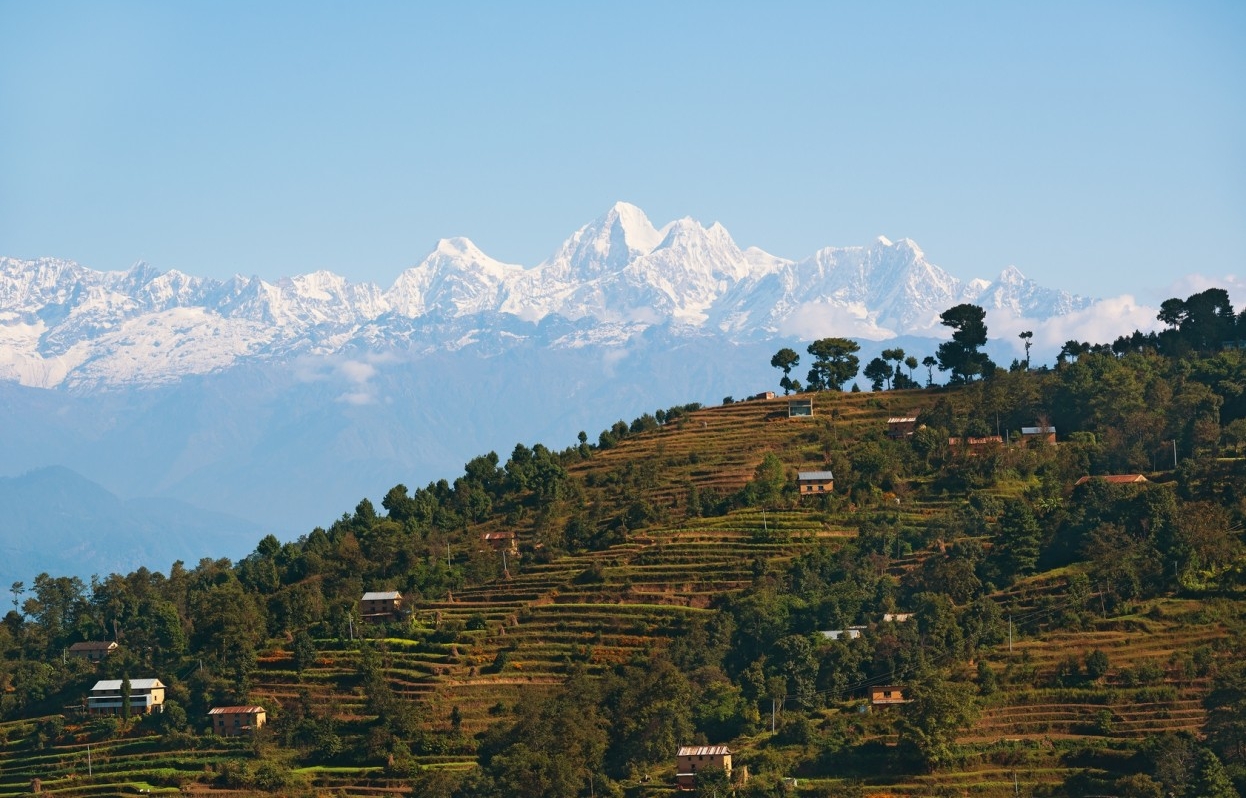
But this journey doesn’t stop with temples and stupas. It expands outward—literally—to the valley’s rim, where traditional village life and undisturbed nature still reign. From the sunrise haven of Nagarkot to the peaceful monastery at Namo Buddha, your path winds through terraced hillsides, pine forests, and quiet roads. The views open up to include Langtang, Ganesh Himal, and even Mount Everest on a clear day.
The trail connects cultural learning with physical movement—soft trekking that’s ideal for both seasoned walkers and first-timers. The tour’s rhythm alternates between exploration and relaxation, ensuring that you absorb Nepal at your own pace. With expert local guides, thoughtfully selected accommodations, and cultural immersion at every stop, this itinerary captures the soul of Nepal in just over a week.
3. Trip Highlights
Explore 4 UNESCO World Heritage Sites in Kathmandu Valley
Witness breathtaking Himalayan panoramas from Nagarkot and Dhulikhel
Visit sacred Buddhist and Hindu pilgrimage sites like Namo Buddha
Interact with local Newari, Tamang, and Brahmin communities
Stay in eco-lodges and luxury hilltop resorts
Enjoy a soft trekking experience with no high-altitude acclimatization needed
Wander through lush forests, terraced farmlands, and ancient trade routes
4. Why Choose This Tour?
This tour offers an authentic Nepalese experience without the extreme demands of high-altitude trekking. It’s ideal for travelers seeking a mix of culture, nature, and comfort. Unlike the busier trekking routes like Everest or Annapurna, the Valley Rim Trek offers solitude, serenity, and soul-stirring landscapes—all within a short drive from Kathmandu.
With Asiana Treks and Tours, you’re ensured a seamless experience. From expert local guides who bring history to life, to hand-picked boutique stays that blend comfort with charm, every detail is curated to maximize your journey. The itinerary also maintains a balance of structured sightseeing and personal time, allowing you to reflect and explore freely.
Furthermore, your impact on the communities you visit is meaningful. The tour supports local artisans, farmers, and homestay operators, ensuring that tourism here contributes positively to sustainable development.
5. Best Time to Visit
Nepal enjoys a diverse climate, and the best seasons for this tour are:
Autumn (September to November):
Clear skies and crisp mountain views
Vibrant festivals like Dashain and Tihar
Spring (March to May):
Blooming rhododendrons and wildflowers
Pleasant trekking temperatures
Winter (December to February):
Fewer tourists and clear air, though colder mornings
While summer (June–August) brings monsoon rains, short showers alternate with sunny periods—making it still doable for those with flexibility and rain gear.
6. Who Is This Trip For?
This journey is perfect for:
First-time visitors to Nepal
Cultural travelers interested in temples, heritage, and history
Soft adventurers looking for light trekking without altitude risk
Photographers and nature lovers drawn to landscapes and village life
Couples or families seeking meaningful travel in comfort
Whether you're in your 20s or your 70s, this tour can be tailored to your pace and preferences. The daily walks range from 2 to 5 hours, mostly on gentle trails—making it accessible to most fitness levels.
7. Trekking Style and Cultural Depth Combined
This itinerary isn't just about walking through hills; it's about walking through time. From the medieval streets of Bhaktapur to the sacred monastic grounds of Namo Buddha, each destination offers a lesson in faith, architecture, and resilience.
The trekking segments are moderate and scenic, following the contours of the valley rim. You’ll pass through forests of pine and rhododendron, cross traditional villages, and rest in tea shops where stories are shared over cups of milk tea. Unlike high-altitude treks, there’s no need for special gear or acclimatization, yet the Himalayan vistas are just as spectacular.
In parallel, the cultural immersion is deep and genuine. You’ll witness monks in morning chants, artisans crafting statues, and farmers tending rice fields. With Asiana Treks and Tours, every step you take brings you closer to Nepal’s essence—its blend of spirituality, simplicity, and mountain beauty.
Altitude Awareness & Acclimatization
Although the Kathmandu Heritage Tour with Valley Rim Trekking does not venture into extreme altitudes, altitude awareness remains important. The trek explores elevations ranging from approximately 1,300 meters in Kathmandu up to around 2,135 meters in Nagarkot. At these heights, most people experience minimal effects of altitude sickness. However, it is still vital to listen to your body, especially if you are new to mountainous terrain.
Acclimatization is a natural process where your body adjusts to decreased oxygen levels at higher elevations. Because this trek progresses gradually with ample rest days and moderate daily walks, it naturally allows your body to adapt. Drinking plenty of water and avoiding strenuous activity during the first day can further reduce discomfort. Should symptoms like headache, nausea, or dizziness occur, it is crucial to inform your guide immediately.
Key Points:
Trekking altitudes between 1,300m and 2,135m are generally safe with minimal risk of altitude sickness
Gradual ascent and rest days support natural acclimatization
Stay hydrated and avoid overexertion on the first day
Report any symptoms like headache or dizziness to your guide promptly
2. Health & Fitness Requirements
The Kathmandu Heritage Tour with Valley Rim Trekking is designed to be accessible for most healthy individuals, including those with moderate fitness levels. Daily walking segments last between 2 to 5 hours on well-marked, mostly gentle trails with occasional inclines. This makes the trek suitable for travelers who enjoy light to moderate physical activity.
However, participants should still prepare by maintaining a basic level of cardiovascular fitness. Activities like walking, jogging, or cycling in the weeks leading up to your trip will help enhance endurance and reduce fatigue. It’s also recommended to consult your physician if you have any pre-existing medical conditions such as heart or respiratory issues.
The tour’s pace is flexible, allowing you to walk at your own comfort level. The experienced guides of Asiana Treks and Tours provide continuous support, ensuring your safety and well-being throughout the journey.
Key Points:
Moderate fitness level recommended; daily walks 2–5 hours on gentle terrain
Basic cardiovascular preparation advised before the trip
Suitable for most ages and fitness backgrounds with pace adjustments
Medical consultation advised for chronic health conditions
3. Cultural Etiquette in Rural and Religious Sites
Respecting local customs is essential during the Kathmandu Heritage Tour with Valley Rim Trekking. Nepalese culture is deeply rooted in religious traditions, and you will visit many sacred temples, stupas, and monasteries. At these sites, modest dress is expected—covering shoulders and knees—and removing shoes before entering sacred areas is customary.
Photography is often allowed but always ask permission before taking pictures of people, especially monks, elders, or ceremonies. Greetings using the traditional “Namaste” (pressing palms together) are appreciated. When interacting with villagers, approach conversations with genuine curiosity and respect, and avoid sensitive topics like politics or religion.
Observing silence or whispering in temples and monasteries preserves the peaceful atmosphere. Donations to temples are welcomed but never forced. These small gestures enrich your cultural experience and foster goodwill with the local communities.
Key Points:
Dress modestly; cover shoulders and knees at religious sites
Remove shoes before entering temples and stupas
Ask permission before photographing people or ceremonies
Use “Namaste” greetings and engage respectfully with locals
Maintain silence in sacred areas and respect rituals
4. Weather Conditions & What to Expect
The weather during the Kathmandu Heritage Tour with Valley Rim Trekking varies depending on the season but is generally mild due to the moderate elevations. During autumn (September to November) and spring (March to May), expect clear skies, pleasant temperatures, and minimal rain—ideal conditions for trekking and sightseeing.
Winter months (December to February) bring cooler temperatures, especially in early mornings and evenings. Daytime temperatures remain comfortable for trekking but layering with warm clothing is recommended. Summer (June to August) is the monsoon season, characterized by heavy but intermittent rain showers. Trails can become slippery, and visibility may be reduced, but the landscape turns lush and green.
Regardless of the season, mornings and evenings can be chilly, and weather can change rapidly in the hills. Packing for layers and waterproof gear ensures you stay comfortable and dry throughout the trip.
Key Points:
Best seasons: Autumn and spring with clear, mild weather
Winter: Cooler temperatures; dress in layers
Summer: Monsoon rains; trails may be slippery
Weather can change quickly—prepare for layering and rain protection
5. Packing List Essentials
Packing wisely can make your trek enjoyable and hassle-free. Essentials include comfortable trekking shoes with good grip, breathable layered clothing, a waterproof jacket, and a warm fleece or down jacket for evenings. Walking sticks are helpful for balance on uneven terrain but optional.
Sun protection is critical due to the high altitude and exposure: sunglasses, a wide-brimmed hat, and high-SPF sunscreen are must-haves. Don’t forget insect repellent, especially for lower elevation areas. A reusable water bottle and basic first aid kit are useful for daily needs.
For cultural visits, pack modest clothing suitable for temple entry. Cameras and chargers will capture your unforgettable moments, while a small daypack keeps your items handy.
Key Points:
Sturdy trekking shoes, layered breathable clothing, and waterproof jacket
Sun protection: sunglasses, hat, and sunscreen
Insect repellent and reusable water bottle
Modest attire for temples
Basic first aid kit and camera equipment
6. Permits & Entry Fees
The Kathmandu Heritage Tour with Valley Rim Trekking requires several permits to legally access trekking areas and heritage sites. Asiana Treks and Tours will handle the arrangement of these permits on your behalf to simplify your travel experience.
The primary permits include the Kathmandu Valley Entry Permit, which covers most heritage sites like Durbar Square and Swayambhunath, and the Protected Area Permit for trekking zones around Nagarkot and Dhulikhel. Entry fees for UNESCO World Heritage Sites are separate and usually paid at the ticket office.
Visitors must carry a valid passport to obtain permits. Your guide will assist in ensuring all permits and fees are in order before the trek begins, allowing you to focus on the experience rather than logistics.
Key Points:
Permits required for trekking and heritage site access
Asiana Treks and Tours arranges permits and fees
Carry a valid passport for permit processing
Entry fees for UNESCO sites are usually paid onsite
7. Travel Insurance Recommendation
Travel insurance is a critical component for any adventure, including the Kathmandu Heritage Tour with Valley Rim Trekking. While this itinerary avoids extreme altitudes, risks such as minor injuries, illness, or unexpected changes in travel plans still exist.
Insurance should cover emergency medical evacuation, hospital treatment, trip cancellation, lost baggage, and personal liability. Given Nepal’s mountainous terrain, evacuation costs can be substantial in the event of injury. It’s wise to select a policy that includes helicopter rescue coverage.
Before purchasing insurance, confirm it covers trekking activities up to approximately 2,500 meters. Asiana Treks and Tours recommends all clients secure comprehensive insurance for peace of mind and safe travels.
Key Points:
Comprehensive travel insurance is essential
Must cover emergency medical evacuation and helicopter rescue
Include trip cancellation and baggage loss protection
Confirm coverage for trekking up to 2,500 meters
Experience the rich culture and stunning landscapes of Nepal with Asiana Treks and Tours on this 8-day Kathmandu Heritage Tour with Valley Rim Trekking. Begin your journey in the vibrant city of Kathmandu, exploring UNESCO World Heritage Sites, ancient temples, and bustling markets that showcase the city’s unique history and spirituality. From the city’s cultural treasures, embark on a scenic trek along the Himalayan foothills, visiting picturesque hilltop villages and serene monasteries, including Nagarkot, Dhulikhel, Namo Buddha, and Balthali. Enjoy panoramic views of the Himalayas, tranquil forests, and traditional village life that perfectly blend nature and culture.
This journey combines leisurely sightseeing with moderate trekking, offering travelers a balanced experience of Nepal’s heritage and natural beauty. Conclude your adventure back in Kathmandu, carrying memories of majestic mountain vistas, historic architecture, and authentic Nepali hospitality, all thoughtfully arranged by Asiana Treks and Tours.
Your trip day starts today when you arrive at Tribhuvan International Airport in Kathmandu. Upon your arrival, you will be received by our representative at the airport. He will be carrying a signboard with our company’s name on it. Then you will be transferred to the tour hotel and checked in. A trip briefing will follow later today and the time will be notified to you by the representative who picks you up from the airport. We will come to meet and brief you about the trip at the fixed time. Until then just relax or explore a bit of surrounding.
After breakfast, we will take you for a day tour of cultural heritage monuments in Kathmandu Valley. The time will give you a mixed insight into the history, culture, art, architecture, and spirituality of Kathmandu Valley. The sites include; Swoyambhunath, aka Monkey Temple: The oldest of all places in Kathmandu valley, Swoyambhunath is an important Buddhist spiritual site with a history of over two thousand years. This site has gained a popular name as a monkey temple, as this small forested hill is a suitable habitat for hundreds of monkeys. The visit there will heighten your spiritual and cultural experience.
Patan Durbar Square: A tour of the medieval city of Patan gives you a great insight into ethnic Newari culture, Buddhist spirituality, religious harmony, art, and architecture while you stroll around the charismatic alleys taking you to the magnificent local community squares known as Bahal and eventually leading you to a tremendous medieval palace square. The monuments and skills of the local artisans displayed on those monuments in the square will stun you with their unbelievable charm.
Boudhanath Stupa: The largest of its kind in the world, this magnificent stupa is a very important centre of faith for the people following Tibetan Buddhism. This place is a lovely Circular Square with a stunning stupa in the middle, which spreads many spiritual vibrations around the atmosphere.
Another beautiful day starts after breakfast sightseeing in Bhaktapur Bhaktpur is called the city of devotees. after sightseeing drive to katike and two hours gradual, up trek to Nagarkot. From Nagarkot deserve an incredible sunset and spectacular view of the Himalayan range in the clear weather. Check into the hotel and relax overnight at Nagarkot.
Today early in the morning On a clear day spectacular panoramic Himalayan view with a sunrise from your hotel. after enjoying the mountain sunrise and take breakfast beautiful hiking to the wonderful town of Dhulikhel will welcome you. Standing amidst nature, Dhulikhel boasts a magnificent panoramic Himalayan view. Check into the hotel and relax. overnight hotel in Dhulikhel.
Trek from Dhulikhel to Namo Buddha to stay overnight. You will mostly walk through the side motorable road today but you will surely have a beautiful experience of walking through local villages. wide range of terrace fields and unforgettable views of mountains, Landscape, terraces, and the unique village then Check into Namo Buddha Resort and relax overnight at Namobuddha.
This morning we start the exploration of the Namo Buddha monastery is the perfect way to start the day. After exploring the monastery, you will start the walk to Balthali village. This is a pleasant walking day mostly downhill to the Roshi River and a little uphill to reach a huge expanse of Balthali village on the rice field. Check into Balthali Village Resort to enjoy the view of the amazing rice terrace and overnight at Balthali Resort which resides on a small hillock and relax.
today after breakfast with a vie of glory you will return back to Kathmandu today. An hour's walk will take you to Khopasi where your vehicle will be waiting for you. on the way back to Kathmandu we take a short time sightseeing in Panauti. Panauti is a beautiful Newari town as well as many monuments. after another one and half hours, we drive back to the hotel in Kathmandu. overnight in Kathmandu.
We will drive you to the airport for your departure flight, on your wayback home.
Explore the cultural richness of Kathmandu and the serene landscapes of the Kathmandu Valley with Asiana Treks and Tours. This 8-day adventure blends heritage sightseeing, hilltop trekking through Nagarkot, Dhulikhel, Namo Buddha, and Balthali, with comfortable accommodations and authentic local experiences. Perfect for travelers seeking both cultural immersion and scenic trekking.
This combination of heritage, trekking, and valley vistas makes for a balanced and enriching itinerary with Asiana Treks and Tours, ensuring cultural and natural highlights in comfort and safety.
Your Start Date is the day you land in Nepal, and your End Date is when you fly home.
If the set Kathmandu Heritage Tour with Valley Rim Trekking group dates don’t suit your schedule, we can offer alternative dates upon request.
Handwear
Footwear
Notebook and pen
The package by Asiana Treks and Tours includes all ground transportation, accommodation in hotels and local lodges, daily breakfast, professional English-speaking guides, entrance fees to heritage sites, and permits for trekking. Also included are guided sightseeing tours in Kathmandu and full support during the Valley Rim Trekking. Meals during the trek and porter services may be included depending on the package tier. Airport pick-up and drop-off are also arranged for your convenience.
The Valley Rim Trekking is considered an easy to moderate trek suitable for beginners, families, and older travelers with a basic level of fitness. The trail involves walking 4–6 hours per day on average, with gradual ascents and descents along well-marked paths. Since the highest altitude is around 2,135 meters (Nagarkot), there’s no serious risk of altitude sickness. Asiana Treks and Tours ensures a comfortable pace and adequate rest throughout the journey.
The heritage tour focuses on the cultural and architectural treasures of Kathmandu Valley. Highlights include visits to UNESCO World Heritage Sites like Swayambhunath (Monkey Temple), Boudhanath Stupa, Pashupatinath Temple, and the historic Durbar Squares of Kathmandu. Asiana Treks and Tours provides insightful guided tours to showcase the valley’s Newar heritage, sacred Hindu and Buddhist sites, ancient palaces, and vibrant local bazaars, ensuring a deep understanding of Nepalese culture.
No, altitude sickness is generally not a concern for the Valley Rim Trek as the elevation remains below 2,200 meters. The itinerary is designed by Asiana Treks and Tours to ensure a gradual ascent and ample acclimatization. However, travelers should still stay hydrated, walk at a comfortable pace, and report any unusual symptoms to the guide. The lower elevations make it an ideal trek for those looking to experience Nepal’s scenic beauty without high-altitude risks.
Absolutely! Asiana Treks and Tours welcomes solo travelers and can arrange single rooms upon request (with a supplemental fee). Solo participants are often paired with a professional guide and may join small group departures for a social experience. Safety, comfort, and personalized attention are prioritized, making it a popular choice for solo adventurers who want to explore Nepal’s culture and landscapes with confidence.
You don’t need to be an athlete to join the Valley Rim Trek. A moderate level of physical fitness is sufficient. You should be able to walk for 4–6 hours on gentle terrain with occasional uphills. Daily stretching or light exercise in the weeks leading up to the trip is recommended. Asiana Treks and Tours builds the itinerary with flexibility in mind, allowing for rest and adjustment to individual pace and comfort levels.
Group sizes typically range from 2 to 10 travelers, providing a personalized experience with ample interaction with guides. Smaller groups allow for flexibility and better accommodation options. Private tours can also be arranged on request. Asiana Treks and Tours ensures group dynamics are balanced, and solo travelers are welcomed into the group, making it a great opportunity to meet like-minded adventurers.
Yes, Asiana Treks and Tours offers customizable itineraries to suit your preferences. Whether you want to extend your stay in Nepal, add an adventure like rafting or a jungle safari, or include a visit to Pokhara or Lumbini, the company will design a personalized plan. You can also upgrade hotels or add cultural experiences like cooking classes, village visits, or yoga retreats.
Yes, most travelers require a Nepal tourist visa, which can be obtained on arrival at Tribhuvan International Airport or through a Nepalese embassy. You’ll need a passport valid for at least six months and a passport-size photo. Tourist visas are available for 15, 30, or 90 days. Asiana Treks and Tours provides guidance on the visa process, including what to prepare before arrival.
The official currency is the Nepalese Rupee (NPR). You can exchange foreign currency at banks, hotels, or authorized exchange counters in Kathmandu. ATMs are widely available in the city but may be limited in trekking areas. Asiana Treks and Tours recommends exchanging a portion of your money before the trek begins and always carrying small denominations for local purchases, tips, and snacks.
Asiana Treks and Tours is a reputable, locally owned company with a deep commitment to sustainable tourism and customer satisfaction. With experienced guides, tailor-made itineraries, and attention to every detail, they ensure your Kathmandu Heritage Tour and Valley Rim Trekking experience is enriching, safe, and unforgettable. Their personal approach, local expertise, and excellent reviews make them a top choice for discovering the real Nepal in a responsible and authentic way.
For this tour, pack lightweight, breathable clothing for day walks and warmer layers for cooler evenings, especially in Nagarkot and Balthali. Comfortable trekking shoes, sunhat, sunglasses, sunscreen, and a refillable water bottle are essentials. A light rain jacket is also advisable. For the heritage tour, modest clothing is recommended when visiting temples. Asiana Treks and Tours provides a full packing list before your departure to ensure you’re well-prepared.
Accommodations range from comfortable 3-star hotels in Kathmandu to charming local lodges or boutique resorts in places like Nagarkot, Dhulikhel, Namo Buddha, and Balthali. These are handpicked by Asiana Treks and Tours for their cleanliness, hospitality, and scenic settings. Rooms generally offer twin-sharing options with attached bathrooms and basic amenities. In more remote areas, accommodations are simple but cozy, offering a chance to experience local life and traditions.
In Kathmandu and nearby towns, you’ll find a variety of cuisines, including Nepali, Indian, Tibetan, and continental dishes. During the trek, guesthouses offer wholesome meals such as dal bhat (rice and lentils), noodles, soups, eggs, vegetables, and local specialties. Breakfast is usually included in the tour package, and Asiana Treks and Tours ensures food is hygienically prepared. Special dietary needs (vegetarian, gluten-free, etc.) can be accommodated with prior notice.
The ideal seasons are spring (March–May) and autumn (September–November) when the weather is clear, dry, and mild. During these times, you’ll enjoy panoramic views of the Himalayas, pleasant temperatures, and blooming flora. Winter (December–February) can be cold, especially in the hill areas, but is still possible with proper clothing. Asiana Treks and Tours can advise you on seasonal highlights and help you pick the perfect travel dates.
Yes, all tours are led by experienced, government-licensed, English-speaking guides employed by Asiana Treks and Tours. The guides are knowledgeable about local history, culture, flora, and fauna. They also ensure your safety and comfort throughout the tour. Many of them have years of experience and are happy to answer questions, share stories, and provide valuable insight into Nepalese traditions and daily life.
Nepal is widely regarded as a safe and welcoming country for tourists. The people are friendly, and crime rates against travelers are low. Asiana Treks and Tours takes extra precautions by employing trained guides, providing emergency contact support, and monitoring your health and safety during the trip. It’s always wise to follow your guide’s advice, respect local customs, and keep valuables secure.
Yes, permits such as the TIMS (Trekkers’ Information Management System) card and possibly a National Park Entry Permit (depending on route specifics) are required. Asiana Treks and Tours handles all necessary permits and paperwork on your behalf. You will need to provide a copy of your passport and passport-size photos before the trek. All legal requirements are taken care of to ensure a smooth and hassle-free trekking experience.
Asiana Treks and Tours provides private, air-conditioned vehicles for airport transfers and all ground transportation during the tour. These vehicles are well-maintained and driven by experienced drivers. For shorter distances, such as city sightseeing or transfers between villages, comfortable SUVs or vans are used depending on the group size. The company ensures travel is safe and efficient, allowing you to focus on enjoying your journey.
Yes, Asiana Treks and Tours strongly recommends that all travelers purchase comprehensive travel insurance that covers trip cancellation, medical emergencies, theft, and trekking up to 2,200 meters. While the tour is relatively low-risk, unexpected events can occur. Having insurance provides peace of mind and ensures you are covered in case of emergencies, delays, or medical issues during the trek or city tour.


 (2)
(2)  100% recommend (0)
 (0)
(0)