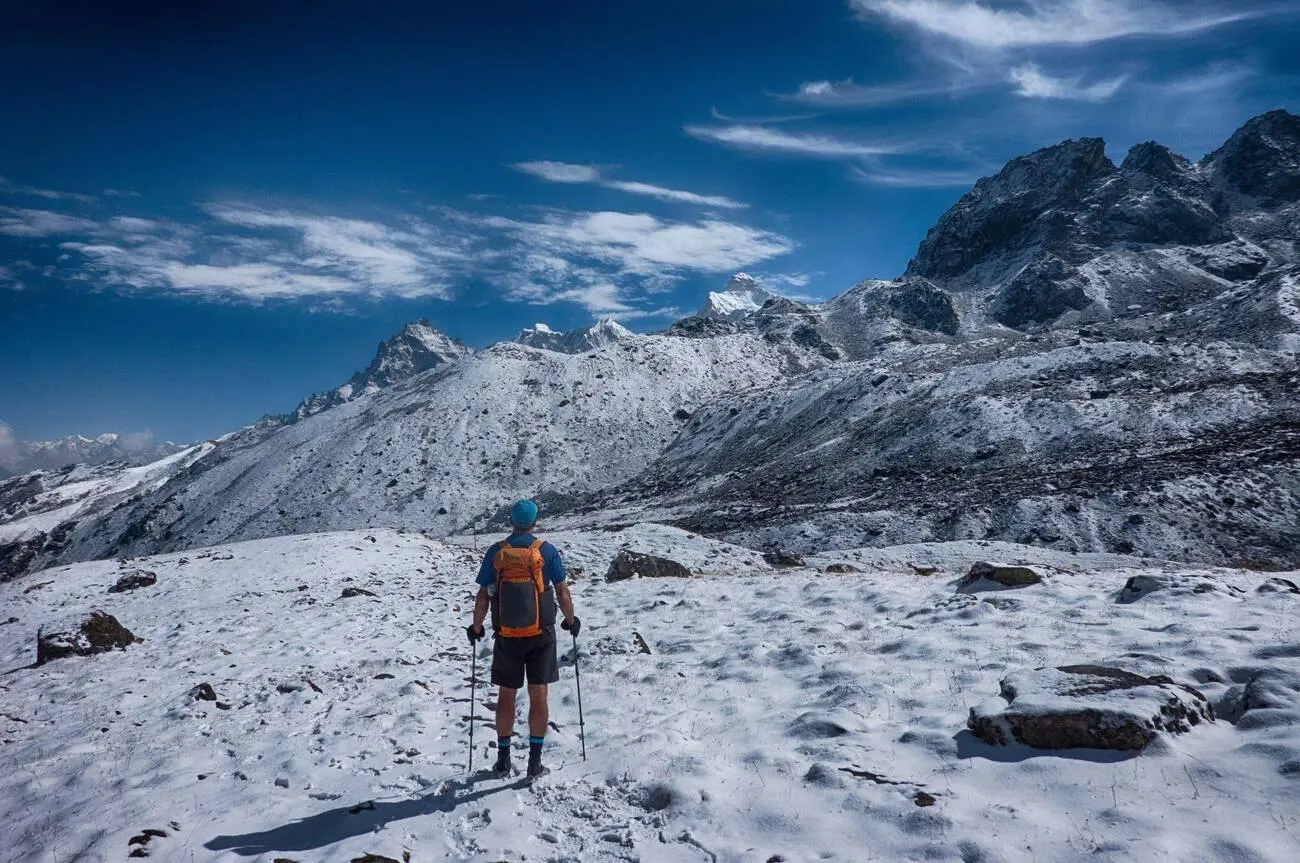
Explore the epic Kanchenjunga Base Camp Trek with Asiana Treks and Tours, journeying from the bustling streets of Kathmandu to the serene landscapes of eastern Nepal. Experience scenic drives through Ilam and Taplejung, then trek through lush forests, traditional villages, and high Himalayan terrains. Ascend past Ghunsa, Khambachen, and Lhonak to reach the awe-inspiring Kanchenjunga North Base Camp, explore Sele La Pass, and witness panoramic Himalayan vistas. Return via charming settlements to Jhapa before concluding your adventure back in Kathmandu, blending culture, nature, and adventure seamlessly.
This exceptional adventure to the remote eastern Himalayas begins with your arrival in Nepal’s capital. After settling into your hotel, you get a taste of Kathmandu’s vibrant culture and ancient history. A guided heritage tour through iconic sites like Swayambhunath and Pashupatinath sets the tone before preparing for the journey ahead.
A short domestic flight takes you to Bhadrapur, followed by a scenic drive through lush tea gardens to Ilam. From there, the winding roads lead deeper into the hills to Taplejung, the gateway to the Kanchenjunga region. Another day’s drive brings you to Sekathum, a peaceful village nestled beside the Tamor River and the starting point of your trekking adventure.
The trail gradually climbs through lush forest and traditional villages. The first trekking stretch to Amjilosa passes dense vegetation and suspension bridges, giving you your first taste of remote Himalayan life. Continuing to Gyabla, the trail follows the river and climbs through rhododendron forests, offering stunning vistas.
As the altitude increases, you reach Ghunsa, a charming Sherpa village with stone houses and Buddhist monasteries. Here, you begin to sense the proximity of the high Himalayas. From Ghunsa, the trail ascends further to Khambachen, surrounded by dramatic peaks and glaciers, and a rest day includes an acclimatization hike to the base of Jannu Himal for breathtaking mountain panoramas.
Pushing higher, you reach Lhonak, a windswept settlement above the tree line. The journey then takes you to the awe-inspiring Kanchenjunga North Base Camp at Pang Pema, with an unforgettable view of the world's third-highest peak. After soaking in the majesty, you retrace your steps back to Ghunsa.
From here, the trail crosses high passes en route to Sele Le Base Camp and continues toward the southern side of Kanchenjunga. A challenging yet rewarding route over Sele La Pass leads to Tseram, offering expansive views of the Yalung Glacier. The next highlight is a hike to Ramche and onward to Oktang Viewpoint, revealing the massive south face of Kanchenjunga.
The trail then begins its descent through the rhododendron-filled forests to Tortong and down to Yamphudin, re-entering more populated and verdant terrain. After days of trekking in isolation, a long jeep ride takes you from Yamphudin to Jhapa, and the return journey concludes with a lengthy drive back to Kathmandu, where you enjoy a final evening in the city before your international departure.
Quick Summary (Bullet List):
Explore the Untouched Wilderness on the Kanchenjunga Base Camp Trek
The Kanchenjunga Base Camp Trek is a journey into one of the most remote and pristine regions of the Himalayas. Unlike the popular trails of Everest and Annapurna, this trek offers a raw, authentic experience of unspoiled nature, traditional mountain culture, and awe-inspiring mountain vistas. The trail traverses deep forests, high mountain passes, glacial valleys, and charming villages that lie in the shadow of the world’s third-highest peak, Mt. Kanchenjunga (8,586m).
You’ll explore both the North and South Base Camps of Kanchenjunga, with panoramic views of the Himalayan giants like Jannu, Yalung Kang, and Rothang. Ideal for trekkers seeking solitude, adventure, and untouched beauty, this 3-week journey is as spiritually enriching as it is physically rewarding.
What to Expect on the Kanchenjunga Base Camp Trek
Expect a blend of rugged adventure and cultural immersion. The trek takes you through charming Rai, Limbu, and Sherpa villages, ancient monasteries, bamboo forests, alpine meadows, and windswept highlands. Daily trekking hours range from 5 to 7, with challenging terrain, high altitudes, and changing weather—demanding good fitness and mental resilience.
The trail covers over 200 km on foot, climbing steadily from subtropical elevations to over 5,100 meters. Rest days for acclimatization are built in, and side trips like Jannu Himal and Oktang Base Camp add depth to the experience. Accommodations are typically teahouses, while local hospitality makes you feel right at home.
Why Choose Kanchenjunga Base Camp Trek with Asiana Treks and Tours?
Asiana Treks and Tours is a trusted local company with deep roots in Himalayan trekking and community tourism. When you choose us, you're not just booking a trek—you're supporting sustainable tourism and getting expert care from start to finish.
Key Reasons in Bullet Points:
Is Kanchenjunga Base Camp Trek Available from Luxury to Budget? – Yes, Tailor It Your Way
Absolutely! Asiana Treks and Tours offers full flexibility in how you experience the Kanchenjunga Base Camp Trek. Whether you're a backpacker looking for an economical journey or a comfort-seeker who prefers added services like private porters, comfortable accommodations, and domestic flights—we make it happen.
Trek Options We Offer:
We believe every traveler deserves a unique and fulfilling Himalayan experience, no matter the budget.
Explore the Untouched Wilderness on the Kanchenjunga Base Camp Trek
Trekking to the Kanchenjunga Base Camp is a journey to one of the last untouched corners of the Himalayas. Nestled in eastern Nepal near the Indian border, this region offers trekkers a rare combination of raw nature, mountain solitude, and authentic local culture. Unlike commercial routes, this trek remains quiet and pristine, making it ideal for serious adventurers and nature lovers.
With both North and South Base Camps included in the trek, you get incredible close-up views of Mt. Kanchenjunga (8,586m)—the world’s third-highest mountain. From bamboo forests and high alpine pastures to glacier moraines and Sherpa villages, this trail delivers breathtaking scenery and a deeply immersive experience.
Highlights:
What to Expect on the Kanchenjunga Base Camp Trek
This is a challenging, high-altitude trek suitable for experienced trekkers. The route takes about 20–21 days, with elevations ranging from 1,200m to over 5,100m. You'll walk for 5–7 hours a day, passing through lush forests, suspension bridges, glacial valleys, and isolated highlands.
The trek involves gradual acclimatization and includes important rest days. Accommodation is mostly in local teahouses, offering simple meals and cozy shelter. As you ascend, the landscape transforms dramatically—from subtropical greenery to alpine wilderness, eventually reaching the icy terrain of the base camps.
Expect:
Why Choose Kanchenjunga Base Camp Trek with Asiana Treks and Tours?
Asiana Treks and Tours is a locally rooted trekking company with years of experience guiding adventurers in the Kanchenjunga region. Our team prioritizes safety, sustainability, and personalized service. We know these trails intimately and believe in creating journeys that are authentic, respectful to the local culture, and rewarding to our clients.
From seamless logistics to passionate guides and real community engagement, we ensure every step of your trek is supported and meaningful.
Key Reasons in Bullet Points:
Is Kanchenjunga Base Camp Trek Available from Luxury to Budget? – Yes, Tailor It Your Way
Yes, absolutely! Asiana Treks and Tours offers flexible packages to suit different travel styles—from minimalist budget adventurers to comfort-seeking explorers. While the remote nature of the trail limits some luxury elements, we provide the best available options at each level, ensuring comfort, safety, and value.
Whether you prefer a basic teahouse trek or a more exclusive experience with private transportation and upgraded services, we’ve got you covered. Our team works closely with you to design an itinerary and service package that fits your budget and expectations.
Trekking Options:
Customization Available:
Experience the Culture, Mountains, and Nature of Nepal on Kanchenjunga Base Camp Trek
The Kanchenjunga Base Camp Trek is an extraordinary Himalayan journey that combines breathtaking mountain views, rich cultural experiences, and pristine natural landscapes. This trek leads you to the north base camp of Mt. Kanchenjunga (8,586m)—the third-highest mountain in the world—through the remote eastern region of Nepal.
Trekkers are rewarded with uninterrupted views of towering peaks like Jannu and Kanchenjunga, while walking through ancient forests, glacier-fed rivers, and picturesque villages inhabited by Rai, Limbu, and Tibetan Buddhist communities. Far from the commercial trails, this trek offers authentic local hospitality and a deep connection to nature.
Key Features:
Trip Duration, Elevation, and Difficulty Overview: Kanchenjunga Base Camp Trek
The Kanchenjunga Base Camp Trek is a 21-day expedition covering diverse elevations and terrains. It begins at around 1,200m (Sekathum) and reaches a maximum altitude of 5,143m at Pang Pema (North Base Camp). The trek requires walking 5 to 7 hours per day, sometimes longer on more demanding segments.
This trek is moderately to highly challenging, best suited for physically fit and experienced trekkers. The trail includes steep ascents, high mountain passes, and remote regions with limited services. Proper acclimatization and stamina are essential.
Trek Snapshot:
Who Is This Trip Best Suited For?
This trek is best for adventurous and experienced trekkers who want to explore a lesser-known but equally spectacular region of the Himalayas. Due to its remote location, long duration, and high elevation, it's ideal for people who love nature, value cultural encounters, and are prepared for a physically demanding journey.
It’s not suitable for first-time trekkers or those expecting luxury amenities. However, it’s perfect for those seeking genuine adventure, tranquility, and a rich cultural connection in one of Nepal’s most untouched regions.
Ideal For:
Start to Finish Support for Every Trekker in Kanchenjunga Base Camp Trek
With Asiana Treks and Tours, you're fully supported throughout the entire Kanchenjunga Base Camp journey. From your arrival in Kathmandu to your departure home, our team handles everything—including permits, transport, accommodations, guides, and safety measures. We provide clear briefings, 24/7 support, and experienced local teams to make your trek smooth and memorable.
We are committed to ethical tourism and work closely with local communities, ensuring your trek not only benefits you but also supports the people and environment of the Kanchenjunga region.
What We Provide:
Brief Overview of the Trekking Route – Kanchenjunga Base Camp Trek
The trek begins with a scenic flight from Kathmandu to Bhadrapur, followed by a drive through tea gardens to Ilam and onward to Taplejung. From Sekathum, the trek begins on foot, gradually ascending through beautiful villages like Amjilosa, Gyabla, and Ghunsa—a spiritual Sherpa settlement.
The trail then rises to Khambachen and Lhonak, finally reaching the awe-inspiring Pang Pema, the Kanchenjunga North Base Camp. After enjoying spectacular views, trekkers return via the same route to Ghunsa and then explore the southern approach, reaching Ramche and Oktang Viewpoint before descending through Tseram, Tortong, and Yamphudin. A long drive from Yamphudin to Jhapa, followed by a return to Kathmandu, concludes the adventure.
Route Summary:
Natural and Cultural Highlights of the Kanchenjunga Region – Key Points
The Kanchenjunga region is one of Nepal’s most remote and ecologically diverse trekking areas. As you journey through this protected region, you’ll witness a wide range of natural wonders—from subtropical forests and cascading rivers to alpine pastures and glacial moraines. The Kanchenjunga Conservation Area, home to rare species like the red panda and snow leopard, is a haven for nature lovers.
Equally captivating is the cultural richness of the region. The trek traverses through settlements of the Rai, Limbu, and Sherpa ethnic groups, each offering unique traditions, languages, and customs. Sacred monasteries, mani walls, and Buddhist chortens blend harmoniously with the rugged landscape, offering both spiritual and scenic value.
Key Highlights:
Experience Rai, Limbu, and Sherpa Local Hospitality and Mountain Life – Kanchenjunga Base Camp Trek
One of the most enriching parts of the trek is the chance to connect with the local mountain communities who live in harmony with the land. The Rai and Limbu people, indigenous to eastern Nepal, share their warm hospitality, traditional homes, and organic food. Their villages are often surrounded by lush terraced fields and dense forests.
As you ascend higher, Tibetan-influenced Sherpa communities in places like Ghunsa offer a different flavor of mountain life, with stone houses, monasteries, and a deep-rooted Buddhist culture. Sharing stories over herbal tea, watching yak caravans pass, or joining in local rituals brings you closer to the heart of Himalayan living.
In Points:
Scenic Flights, Iconic Peaks, and Himalayan Sunrises – Kanchenjunga Base Camp Trek
The journey begins with a scenic flight to Bhadrapur, offering aerial views of the lush lowlands and terraced hills of eastern Nepal. As the trek progresses, the towering peaks begin to reveal themselves—first from a distance and then face-to-face from the base camps.
The ultimate reward is reaching Pang Pema, the North Base Camp, where a panoramic view of Mt. Kanchenjunga (8,586m) and its sister peaks like Jannu, Yalung Kang, and others unfold before you. Himalayan sunrises and sunsets, especially from high points like Ramche or Oktang, are magical—casting golden light over glaciers, ridgelines, and snowfields.
Trek Visual Highlights:
A Balanced Blend of Nature, Adventure, and Culture – Kanchenjunga Base Camp Trek
The Kanchenjunga Base Camp Trek offers a truly well-rounded Himalayan experience—perfectly blending wild natural landscapes, authentic cultural encounters, and challenging adventure. This off-the-beaten-path trek takes you through deep valleys, glacial rivers, alpine meadows, and high mountain passes, all while surrounded by the towering peaks of the Kanchenjunga massif.
Culturally, the journey immerses you in the lifestyle and traditions of the Rai, Limbu, and Tibetan-influenced Sherpa people. Their warm hospitality, unique architecture, and spiritual heritage complement the stunning scenery. For trekkers seeking more than just mountains, this trek delivers a complete Nepalese Himalayan experience.
Why It’s a Balanced Trek:
Cultural Sites Included in Kathmandu Sightseeing – Kanchenjunga Base Camp Trek
Before heading to the mountains, your journey begins in Kathmandu, a city rich in history, art, and spirituality. Asiana Treks and Tours includes a guided heritage tour of some of Nepal’s most iconic UNESCO World Heritage Sites, giving you a deeper understanding of the country’s culture and beliefs.
Explore ancient temples like Swayambhunath (Monkey Temple) and Pashupatinath, observe vibrant rituals at Boudhanath Stupa, and roam the intricately carved courtyards of Patan Durbar Square. These sites set the tone for the spiritual and cultural depth you’ll encounter throughout your trek.
Cultural Tour Highlights:
Kids and Family Travel in Nepal – Safety and Planning for Kanchenjunga Base Camp Trek
While the Kanchenjunga Base Camp Trek is demanding and not ideal for very young children, families with older kids (12+) or teenagers who are physically fit and adventurous can absolutely enjoy this trek with proper planning. Asiana Treks and Tours prioritizes safety, pacing, and comfort when customizing itineraries for family groups.
We ensure acclimatization, provide experienced family-friendly guides, and choose the safest accommodations available along the trail. For families seeking an educational and bonding experience in the Himalayas, this trek is an exceptional choice—blending exploration, learning, and togetherness.
Family Travel Safety Tips:
Tips for Solo Trekkers or Female Travellers – Kanchenjunga Base Camp Trek
Solo and female travelers are increasingly drawn to remote treks like Kanchenjunga for solitude, empowerment, and connection with nature. At Asiana Treks and Tours, we provide a safe, supportive, and respectful environment for all trekkers—regardless of gender or group size.
We offer trusted local guides, female guides on request, secure accommodations, and custom itineraries that suit your comfort level. Our team also stays in regular contact with trekkers and monitors weather, health, and trail conditions to ensure safety throughout the journey.
Solo & Female Trekking Support:
What to Expect in Teahouses and Mountain Lodges – Kanchenjunga Base Camp Trek
Accommodations along the Kanchenjunga Base Camp Trek are primarily in basic teahouses and locally run mountain lodges. These are modest but welcoming guesthouses offering essential services like warm meals, simple beds, and communal dining areas. Since the region is remote and less commercialized than other trekking areas, facilities are more rustic—yet full of character and hospitality.
Expect shared rooms, limited hot showers, and traditional Nepali meals such as dal bhat, noodles, and soups. The charm lies in the authentic village atmosphere, warm fires, and interactions with local families who often run the lodges themselves.
Teahouse Essentials:
Luxury Complete Package of Kanchenjunga Base Camp Trek
While Kanchenjunga is a remote and rugged region, Asiana Treks and Tours offers a Luxury Complete Package designed for trekkers seeking enhanced comfort, safety, and personalized service—without sacrificing the essence of the journey. This upgraded package includes private vehicles, premium hotels in Kathmandu, domestic flights, and high-quality gear.
On the trail, we arrange the best available teahouses, provide extra porters, and can include hot showers, private rooms, and custom meals where possible. Luxury doesn’t mean opulence here—but it ensures maximum support, attention to detail, and stress-free trekking.
Luxury Package Inclusions:
Scenic Side Trips and Cultural Extensions – Kanchenjunga Base Camp Trek
To enrich your Kanchenjunga experience, Asiana Treks and Tours offers optional scenic side trips and cultural extensions. Popular options include day hikes to Jannu Himal Base Camp, exploration of hidden gompas around Ghunsa, and extra time in traditional villages for cultural exchanges.
Before or after the trek, consider extending your stay in Ilam’s tea gardens, Bhadrapur’s lowlands, or Kathmandu’s heritage centers. These add-on experiences give you a deeper appreciation of eastern Nepal’s diversity—both in nature and culture.
Side Trip Options:
Local Markets and Souvenirs in Kathmandu – Kanchenjunga Base Camp Trek
Before embarking on the trek, Kathmandu offers vibrant local markets where trekkers can explore traditional Nepali crafts, textiles, and souvenirs. The bustling streets of Thamel are packed with shops selling everything from handmade pashmina shawls and prayer flags to trekking gear and handmade jewelry.
Markets like Asan Bazaar and Patan Market provide an authentic shopping experience with spices, teas, and local artwork. These souvenirs make perfect mementos or gifts, reflecting Nepal’s rich culture and craftsmanship.
Market Highlights:
Best Time for Kanchenjunga Base Camp Trek
The ideal time to trek Kanchenjunga is during the spring (March to May) and autumn (late September to November) seasons. During these months, the weather is generally stable with clear skies, moderate temperatures, and spectacular mountain views.
Spring offers blooming rhododendrons and lush greenery, while autumn presents crisp air and colorful landscapes. Winter and monsoon seasons are less favorable due to cold temperatures, heavy rainfall, and challenging trail conditions.
Best Trekking Seasons:
Nepal Trekking Maps and Route Navigation – Kanchenjunga Base Camp Trek
Navigating the Kanchenjunga Base Camp Trek requires careful planning and reliable maps due to the region’s remoteness and limited signage. Asiana Treks and Tours provides detailed trekking maps, GPS support, and experienced guides familiar with every part of the route.
Trekking routes pass through multiple villages, conservation areas, and high passes. Our guides ensure you stay on the safest and most scenic paths, avoiding any confusion. Paper maps and digital tools like GPS apps enhance the trekking experience and safety.
Navigation Essentials:
Altitude Sickness: Prevention, Symptoms, and Safety – Kanchenjunga Base Camp Trek
Altitude sickness is a serious risk on high Himalayan treks like Kanchenjunga Base Camp. It occurs when the body struggles to adjust to reduced oxygen at high elevations. Symptoms include headache, nausea, dizziness, and fatigue, which can escalate to life-threatening conditions if ignored.
Asiana Treks and Tours emphasizes gradual acclimatization, plenty of hydration, and proper nutrition to prevent altitude sickness. Our guides are trained to recognize symptoms early and can adjust the itinerary or arrange emergency evacuation if needed.
Altitude Sickness Safety Tips:
Weather Conditions and Seasonal Challenges – Kanchenjunga Base Camp Trek
The weather in the Kanchenjunga region can be highly variable due to its high altitude and remote location. During the main trekking seasons—spring and autumn—you can expect clear skies and moderate temperatures, but sudden weather changes are common, especially at higher elevations. Monsoon season brings heavy rainfall, causing slippery trails and possible landslides, while winter temperatures drop below freezing with snow on the trails.
Trekking in Kanchenjunga demands preparation for sudden cold snaps, wind, and occasional rain or snow. Proper gear and flexible itineraries help handle these challenges safely.
Key Weather Considerations:
What to Know About Domestic Flights and Delays – Kanchenjunga Base Camp Trek
Domestic flights to Bhadrapur or Bhadrapur (gateway for Kanchenjunga trek) are often subject to delays or cancellations due to unpredictable mountain weather and air traffic control. Early morning flights have better chances of flying but may still be affected by fog, rain, or strong winds.
Asiana Treks and Tours plans your itinerary with buffer days to accommodate possible flight delays and arranges ground transport alternatives if needed. Staying flexible with your schedule ensures a stress-free start to your trek.
Domestic Flight Tips:
Physical Fitness Required for Trekking in Nepal – Kanchenjunga Base Camp Trek
Kanchenjunga Base Camp Trek is moderately to highly challenging due to the altitude, daily walking distances, and rugged terrain. Trekkers should have good cardiovascular fitness, stamina, and leg strength to enjoy the experience safely.
Prior trekking experience is helpful but not mandatory. Regular aerobic exercises, hiking with a backpack, and strength training before the trip will greatly enhance your trekking comfort and reduce fatigue.
Fitness Recommendations:
Travel Insurance for Kanchenjunga Base Camp Trek
Travel insurance is essential for any Himalayan trek, especially for remote treks like Kanchenjunga Base Camp. Your policy should cover medical emergencies, evacuation (including helicopter rescue), trip cancellation, and lost gear.
Asiana Treks and Tours advises all clients to purchase comprehensive insurance before the trek and recommends policies with high-altitude trekking coverage. Having insurance provides peace of mind and protection against unforeseen circumstances.
Travel Insurance Must-Haves:
Understanding Trekking Permits and TIMS Card – Kanchenjunga Base Camp Trek
Trekking in the Kanchenjunga region requires specific permits to protect the environment and manage tourism. Key permits include the Kanchenjunga Conservation Area Permit (KCAP) and the Trekkers’ Information Management System (TIMS) card. The KCAP allows entry into the protected conservation area, while the TIMS card helps monitor trekkers’ movement and enhances safety.
Asiana Treks and Tours assists trekkers in obtaining all necessary permits before departure, ensuring a smooth, hassle-free start to your adventure.
Permit Essentials:
Trekking in Restricted Zones: Rules and Conditions – Kanchenjunga Base Camp Trek
Certain areas within the Kanchenjunga region are designated as restricted or controlled zones due to their ecological sensitivity and cultural importance. Trekking in these zones requires special permission, and travelers must strictly follow local rules such as limited group sizes, waste disposal regulations, and respecting wildlife habitats.
Asiana Treks and Tours ensures that all trekking activities comply with these regulations, promoting responsible tourism and protecting fragile ecosystems.
Restricted Zone Guidelines:
Cultural Etiquette: Respecting Local Traditions – Kanchenjunga Base Camp Trek
The Kanchenjunga region is home to diverse ethnic groups including the Rai, Limbu, and Sherpa, each with their own customs, dress, and religious practices. Trekkers should approach these cultures with respect by dressing modestly, asking permission before taking photos, and observing local rituals silently.
Engaging respectfully with villagers fosters goodwill and enriches your trekking experience. Asiana Treks and Tours provides cultural orientation before the trek to prepare you for meaningful and respectful interactions.
Cultural Etiquette Tips:
Responsible Travel and Sustainability in Kanchenjunga Base Camp Trek
Preserving the pristine environment and supporting local communities are top priorities on the Kanchenjunga Base Camp Trek. Asiana Treks and Tours follows sustainable practices such as using local guides and porters, minimizing plastic waste, and supporting community-based lodges.
Trekkers are encouraged to pack out all non-biodegradable waste, respect wildlife, and contribute positively to the villages visited. This approach ensures that future generations can continue to enjoy the natural and cultural richness of Kanchenjunga.
Sustainability Practices:
Choosing Between Group or Private Trek Options for Kanchenjunga Base Camp Trek
When planning your Kanchenjunga Base Camp trek, you can choose between group treks or private treks depending on your preferences. Group treks offer a social atmosphere, shared costs, and the chance to meet fellow trekkers, while private treks provide personalized itineraries, flexible schedules, and exclusive attention from your guide.
Asiana Treks and Tours offers both options with professional guides, ensuring safety and an unforgettable experience no matter your choice.
Group Trek Benefits:
Private Trek Benefits:
High-Altitude Medical Services and Emergency Plans for Kanchenjunga Base Camp Trek
Health and safety are paramount on the Kanchenjunga trek. Although the region is remote, Asiana Treks and Tours arranges for high-altitude medical kits, guides trained in first aid, and communication equipment for emergencies. In serious cases, evacuation via helicopter is available, and contingency plans are in place to handle altitude sickness or injuries.
You’ll receive thorough safety briefings, and our team closely monitors all trekkers’ health during the journey.
Medical & Emergency Support:
Porters and Weight Limits: Ethical Considerations for Kanchenjunga Base Camp Trek
Using porters is essential for many trekkers, but it’s important to prioritize their well-being. Asiana Treks and Tours adheres to ethical guidelines by enforcing weight limits (usually 20-25 kg per porter) and ensuring fair wages, proper equipment, and rest periods.
This responsible approach helps protect the health of porters while supporting local livelihoods and maintaining sustainable tourism.
Ethical Porter Guidelines:
Currency Use and Access to ATMs During Kanchenjunga Base Camp Trek
Cash is king during the Kanchenjunga trek, as most mountain villages and teahouses do not accept cards or digital payments. You’ll need to carry sufficient Nepalese Rupees (NPR) for daily expenses like meals, accommodation, and tips.
ATMs are available only in major towns such as Kathmandu and Bhadrapur, so plan accordingly. Asiana Treks and Tours provides guidance on currency exchange and recommends carrying small denominations for ease of transactions.
Currency & ATM Tips:
Emergency Contacts and Local Support During the Kanchenjunga Base Camp Trek
Safety is a top priority on the Kanchenjunga Base Camp Trek. Asiana Treks and Tours provides trekkers with a list of essential emergency contacts, including local rescue teams, hospitals, and government offices. Our guides maintain communication devices like satellite phones to ensure constant contact even in remote areas.
Local communities are friendly and supportive, often assisting trekkers in emergencies. Our company’s 24/7 support system also helps coordinate quick responses if needed.
Emergency Support Highlights:
Drone Rule Permits on Kanchenjunga Base Camp Trek
Flying drones in the Kanchenjunga region is subject to strict regulations due to security, privacy, and environmental concerns. Trekkers must obtain official drone permits from Nepal’s Department of Civil Aviation before carrying drones into the area.
Asiana Treks and Tours assists in the permit application process and advises on safe and responsible drone use to avoid disturbing wildlife or local communities.
Drone Permit Essentials:
Visa Extension & Overstay Penalties – Kanchenjunga Base Camp Trek
Most visitors to Nepal receive a visa on arrival, valid for 15, 30, or 90 days. If your Kanchenjunga trek exceeds this period, you must apply for a visa extension at the Department of Immigration in Kathmandu or Pokhara.
Overstaying your visa can result in fines and complications when leaving Nepal. Asiana Treks and Tours advises all trekkers to plan their trek duration carefully and assists with visa extension information if needed.
Visa Extension Tips:
Food Safety and Water Purification Advice During the Kanchenjunga Base Camp Trek
Maintaining good food safety and drinking clean water are essential to avoid illness on the trek. Kanchenjunga teahouses offer simple meals, so eating freshly cooked hot food is recommended. Avoid raw or undercooked foods.
For water, always use purification methods such as boiling, water purification tablets, or portable filters. Carry a reusable water bottle and avoid buying plastic bottles to support sustainability.
Food & Water Safety Tips:
Environmental Guidelines for Trekkers During the Kanchenjunga Base Camp Trek
Preserving the pristine environment of Kanchenjunga is a shared responsibility. Trekkers should follow strict environmental guidelines to minimize their impact, including proper waste disposal, staying on marked trails, and avoiding damage to flora and fauna. Asiana Treks and Tours promotes “Leave No Trace” principles to ensure the natural beauty remains intact for future generations.
Key Environmental Guidelines:
Budget Baggage Limits on Domestic Flights in Nepal
Domestic flights to and from the Kanchenjunga region have strict baggage limits due to small aircraft capacity. Typically, the free baggage allowance is around 15-20 kg per person with a small carry-on. Exceeding this limit can result in extra fees or the need to repack.
Asiana Treks and Tours advises trekkers to pack light and prioritize essentials, while also providing packing tips to comply with airline regulations and avoid hassle during travel.
Baggage Tips for Domestic Flights:
Donation and Volunteering Etiquette in the Village – Kanchenjunga Base Camp Trek
Many villages along the Kanchenjunga trek welcome donations and volunteer support, but it’s important to approach this respectfully. Donations should be made thoughtfully and preferably through local organizations or schools rather than giving money directly to individuals.
Asiana Treks and Tours encourages trekkers to contribute sustainably, such as donating educational materials or volunteering time during longer stays, to make a positive and lasting impact.
Donation & Volunteering Tips:
Safety Guidelines for Bridge Crossings and High Passes – Kanchenjunga Base Camp Trek
Crossing suspension bridges and high mountain passes can be challenging and requires caution. Always check the stability of bridges before crossing and avoid overcrowding. When trekking high passes, pace yourself, watch your footing, and be aware of weather conditions.
Asiana Treks and Tours ensures all guides brief trekkers on safety measures and provide support during difficult sections, making your journey safer and more enjoyable.
Safety Tips for Bridges & Passes:
Acclimatization Days – Why They’re Important on the Kanchenjunga Base Camp Trek
Acclimatization days are vital during the Kanchenjunga Base Camp Trek to allow your body to adjust gradually to increasing altitudes. These rest days help prevent altitude sickness, improve energy levels, and enhance your overall trekking experience. Asiana Treks and Tours includes planned acclimatization days in the itinerary, often accompanied by short hikes to aid adaptation.
Importance of Acclimatization:
Gratitude and Tipping Guidelines for Staff – Kanchenjunga Base Camp Trek
Showing appreciation to your trekking staff through tipping is a customary and important part of Nepalese trekking culture. Tips recognize the hard work of guides, porters, and cooks. Asiana Treks and Tours advises trekkers on appropriate tipping amounts and proper etiquette to ensure fair compensation for staff.
Tipping Guidelines:
Electricity and Communication Tips for Remote Areas – Kanchenjunga Base Camp Trek
Electricity is limited in remote Kanchenjunga teahouses and lodges, often available only for a few hours per day or via solar power. Communication signals can be weak or nonexistent in higher regions. Asiana Treks and Tours recommends carrying portable power banks, solar chargers, and using satellite communication devices if necessary.
Electricity & Communication Tips:
Luggage Restrictions and Storage Options – Kanchenjunga Base Camp Trek
Due to domestic flight baggage limits and challenging terrain, trekkers must pack light. Asiana Treks and Tours advises packing essential gear within weight limits (usually 15-20 kg for flights). Excess luggage can be stored safely in Kathmandu or hotel facilities while you trek.
Luggage & Storage Tips:
General Climate by Season – Kanchenjunga Base Camp Trek
The Kanchenjunga region experiences a diverse climate throughout the year. Spring (March to May) offers mild temperatures and blooming rhododendrons, while Autumn (September to November) is known for clear skies and stable weather, ideal for trekking. Winter (December to February) can be cold with snow at higher elevations, and Monsoon season (June to August) brings heavy rain, making trails slippery and less safe.
Asiana Treks and Tours recommends planning your trek during spring or autumn for the best weather and views.
Seasonal Climate Overview:
Sunrise and Sunset Times at the Best Viewpoints – Kanchenjunga Base Camp Trek
Witnessing sunrise and sunset over the Himalayas is one of the trek’s highlights. In Kanchenjunga, sunrises generally occur between 5:30 am and 6:30 am, while sunsets happen between 5:30 pm and 6:30 pm, varying slightly by season.
Popular viewpoints such as Lhonak, Ghunsa, and Kanchenjunga Base Camp provide breathtaking views of golden light illuminating the peaks, perfect for photography and quiet reflection.
Sunrise & Sunset Highlights:
Note on Travel Disruptions or Unforeseen Events – Kanchenjunga Base Camp Trek
Due to its remote location and challenging terrain, the Kanchenjunga Base Camp Trek may face travel disruptions such as flight delays, landslides, or bad weather. Asiana Treks and Tours plans for such contingencies with flexible itineraries and backup transport options.
Trekkers should maintain a flexible mindset, stay informed, and rely on experienced guides for safe navigation through unforeseen events.
Managing Disruptions:
Entry Requirements at Tribhuvan International Airport – Kanchenjunga Base Camp Trek
All international trekkers enter Nepal through Tribhuvan International Airport (TIA) in Kathmandu. Visitors must carry a valid passport with at least six months’ validity. Visas are available on arrival for most nationalities or can be obtained in advance.
Asiana Treks and Tours advises travelers to have all documents ready, including trekking permits and insurance, to ensure smooth entry and transfer to hotel accommodations.
Entry Requirements Summary:
Nepal Tourist Visa Requirements and Application – Kanchenjunga Base Camp Trek
To embark on the Kanchenjunga Base Camp Trek, all international visitors require a Nepal tourist visa. Visas can be obtained on arrival at Tribhuvan International Airport or applied for in advance online (e-visa). Requirements include a valid passport (minimum six months’ validity) and a recent passport-sized photo.
Asiana Treks and Tours assists trekkers by providing detailed visa application guidance and ensuring all paperwork is in order before arrival, making the process hassle-free.
Visa Requirements & Application:
Child and Family Safety on Trail – Kanchenjunga Base Camp Trek
Trekking in the Kanchenjunga region with children or family members requires extra care and preparation. The terrain is rugged, and altitude gains are significant, so proper acclimatization and health precautions are essential. Asiana Treks and Tours recommends families travel with experienced guides and adjust daily trekking distances for younger trekkers.
Safety gear, hydration, and regular rest are prioritized to ensure a comfortable and secure trekking experience for all ages.
Child and Family Safety Tips:
Food and Hygiene Guidelines in Mountain Teahouses – Kanchenjunga Base Camp Trek
Mountain teahouses along the Kanchenjunga trek offer basic but nourishing meals. However, hygiene standards can vary, so it’s important to follow food safety practices to avoid illness. Drinking boiled or purified water and eating freshly cooked meals are highly recommended.
Asiana Treks and Tours educates trekkers on maintaining good hygiene practices and choosing safe food and water sources to keep everyone healthy throughout the journey.
Food & Hygiene Tips:
The Kanchenjunga Base Camp Trek with Asiana Treks and Tours offers an extraordinary journey through eastern Nepal’s pristine landscapes, rich culture, and high Himalayan wilderness. Beginning in the vibrant city of Kathmandu, the trek takes you on a scenic flight to Bhadrapur, followed by drives through lush tea gardens and traditional villages to Taplejung and Sekathum. From here, the adventure unfolds on foot, trekking through rhododendron forests, alpine meadows, and remote Sherpa settlements, gradually ascending to the dramatic heights of Ghunsa, Khambachen, and Lhonak. The highlight is reaching the awe-inspiring Kanchenjunga North Base Camp at 5,143m, with close-up views of the world’s third-highest peak.
The return journey includes crossing the challenging Sele La Pass, panoramic viewpoints at Oktang, and descents through serene villages back to lower elevations. This trek combines cultural immersion, natural beauty, and high-altitude adventure over 21 days, providing an unforgettable experience for serious trekkers seeking solitude and the grandeur of the Himalayas, all expertly organized by Asiana Treks and Tours.
Upon arrival at Tribhuvan International Airport in Kathmandu, a representative from Asiana Treks and Tours will greet you and transfer you to your hotel in Thamel. After check-in, you’ll meet your trekking guide for a detailed trek briefing. This meeting covers route highlights, daily distances, altitude awareness, packing recommendations, and permits. The rest of the day is free to rest or explore local streets filled with colorful shops, cafés, and trekking gear stores. Depending on your arrival time, Asiana Treks and Tours may also help coordinate any gear rentals or last-minute shopping for essentials. Enjoy your welcome dinner at a traditional Nepali restaurant arranged by the company. Overnight at hotel.
After breakfast, embark on a half-day guided tour of Kathmandu’s UNESCO World Heritage Sites with a knowledgeable guide from Asiana Treks and Tours. You’ll visit the sacred Hindu temple of Pashupatinath, the massive Boudhanath Stupa, and the hilltop Swayambhunath (Monkey Temple), soaking in Nepal’s rich spiritual and cultural heritage. Return to the hotel by early afternoon for final trek preparations. Your guide will recheck your gear, trekking permits, and flight details. Spend the rest of the day packing, relaxing, or exploring nearby markets. Overnight stay in Kathmandu, with anticipation building for your mountain journey ahead.
Take an early 45-minute flight from Kathmandu to Bhadrapur, located in the flat Terai region of southeastern Nepal. Upon landing, drive 4–5 hours through green hills and scenic tea gardens to reach Ilam, a picturesque town famous for its organic tea and cool climate. As the road winds upward, you’ll notice a shift in vegetation and temperature. Ilam offers a peaceful atmosphere and is a great place to rest before your mountain journey begins. Spend the evening enjoying the views and warm hospitality of a local guesthouse or tea lodge, arranged by Asiana Treks and Tours.
Today you’ll drive around 5–6 hours to Taplejung, the trailhead of the Kanchenjunga trek. The road passes through charming hill villages and thick forests, offering scenic views of eastern Nepal’s landscape. Taplejung is a lively mountain town and serves as the final urban stop before entering the remote wilderness. Here, you’ll meet porters and finalize logistics for the trek. Spend the afternoon exploring the local bazaar and stretching your legs in preparation for the days ahead. Overnight in a guesthouse or lodge in Taplejung, organized by Asiana Treks and Tours.
After breakfast, drive around 3–4 hours through narrow roads and terraced fields to Sekathum, the official starting point of the trek. From here, the first short trekking segment begins. Cross several suspension bridges over the Ghunsa Khola (river), walking through cardamom fields and small villages. The trail gives you a taste of the lush environment and natural beauty of the Kanchenjunga region. Overnight in a basic teahouse at Sekathum, where the peaceful sound of the river accompanies your first night in the mountains.
Today’s trail takes you deep into the forested river gorge. Cross multiple suspension bridges and climb steadily along narrow paths beside the Ghunsa River. The terrain is steep and challenging at times, with dense bamboo, pine, and rhododendron forests surrounding you. After around 5–6 hours of trekking, arrive at the small settlement of Amjilosa, perched above the river. This is a Tibetan-influenced hamlet with limited but welcoming teahouse accommodation arranged by Asiana Treks and Tours. Overnight at Amjilosa.
Today’s journey continues through lush rhododendron and bamboo forests, following the Ghunsa River upstream. The trail involves a mix of steep ascents, narrow paths, and several bridges, giving occasional glimpses of waterfalls cascading down the cliffs. The terrain gradually opens up as you approach the small Tibetan village of Gyabla. The air feels cooler and thinner as you gain altitude, and the dense forest begins to thin. Gyabla is a quiet settlement surrounded by terraced fields and prayer flags fluttering in the wind. You’ll start to feel the transition into high-altitude Himalayan terrain. Overnight in a simple but warm teahouse arranged by Asiana Treks and Tours.
This leg leads you to Ghunsa, one of the main Sherpa villages of the region. The trail begins with a descent to the river before gradually ascending through pine forests and scattered yak pastures. You’ll cross wooden bridges and pass small chortens and mani walls, arriving at Ghunsa by early afternoon. This picturesque village is a cultural highlight, with traditional wooden houses, a monastery, and friendly locals. Ghunsa is also the last sizable settlement before reaching the higher altitudes of the Kanchenjunga region. Rest, hydrate, and acclimatize. Asiana Treks and Tours arranges a comfortable teahouse for your stay.
Today’s trail takes you through increasingly alpine landscapes. The trek begins along the river, climbing gradually through larch and pine forests, with stunning views of snow-covered peaks. As you ascend, vegetation becomes sparser, and the trail leads through glacial moraines and open valleys. After crossing a few scree slopes and waterfalls, you reach Khambachen, a small seasonal settlement with stone huts and dramatic mountain views, especially of Jannu Himal (7,710m / 25,295ft). The air is noticeably thinner, and you'll begin to feel the effects of higher elevation. Overnight in a basic teahouse coordinated by Asiana Treks and Tours.
A vital rest and acclimatization day. After breakfast, take a side hike to Jannu Himal Base Camp or a nearby ridge for panoramic views. The hike gains altitude gradually and helps your body adjust before pushing higher. Jannu, also known as “Mystery Peak,” dominates the skyline with its imposing, icy summit. You'll return to Khambachen for a second night, giving your body time to recover. In the afternoon, you can relax, journal, or chat with fellow trekkers. Guides from Asiana Treks and Tours ensure you monitor for any signs of altitude sickness and encourage a slow, steady pace.
This is one of the most breathtaking and remote sections of the trek. Depart Khambachen and walk through glacial terrain, along lateral moraines, and beneath towering ice peaks. The trail narrows at times and passes landslide-prone areas, requiring care. After around 4–5 hours, you reach Lhonak, a barren but striking valley surrounded by massive peaks. There's minimal vegetation, and the settlement consists of a few stone lodges. The night will be cold, but the skies are usually clear, revealing a blanket of stars. Overnight in a basic lodge provided by Asiana Treks and Tours.
This is the trek’s crown jewel. Begin early and follow the trail toward Pangpema and Kanchenjunga North Base Camp. The path offers panoramic views of Kanchenjunga (8,586m / 28,169ft), Nepal’s second-highest peak and the world’s third-highest. The glacier, icefalls, and silence of this high-altitude environment are awe-inspiring. After spending time at the base camp, soaking in the grandeur and taking photographs, retrace your steps to Lhonak for the night. This is a long but rewarding day, and Asiana Treks and Tours ensures your safety and pacing at these extreme altitudes.
Descend back the same route, retracing your way through Khambachen to reach Ghunsa. The drop in elevation makes walking easier, and you’ll feel the difference in oxygen levels. Along the way, take time to rest, hydrate, and enjoy once more the incredible alpine terrain. Arrive in Ghunsa by late afternoon and return to the familiar warmth and hospitality of your previous lodge. This descent marks the transition toward the second phase of the trek—toward Kanchenjunga’s south side. Overnight stay arranged by Asiana Treks and Tours.
Leave the main trail and begin climbing steeply through pine and rhododendron forests toward the high pass of Sele Le. This trail is more remote and less frequented, offering solitude and pristine wilderness. After around 5–6 hours of steady ascent, you’ll reach Sele Le Base Camp. Views of the surrounding peaks begin to open up, and the air grows crisp and dry. This camp sits just below the Sele La Pass, your gateway to the south side of Kanchenjunga. Overnight in a basic tented camp or stone lodge organized by Asiana Treks and Tours.
This is a dramatic and physically demanding day. Cross several high passes, including Sele La (4,290m), Sinion La, and Mirgin La. From the top, enjoy breathtaking views of the Himalayas, including Everest, Makalu, and Jannu. Descend steeply through rocky paths to reach Tseram, a tiny settlement nestled in a high alpine valley. The terrain here is rugged, with occasional herder huts and yaks grazing nearby. The long day ends with a well-earned rest in a basic but welcoming teahouse.
Begin an early morning trek up the valley to Oktang, the viewpoint for the south face of Kanchenjunga. You’ll pass Yalung Glacier and moraine fields before reaching the viewpoint. The south face of Kanchenjunga, along with Yalung Kang and surrounding peaks, creates one of the most stunning Himalayan panoramas. Spend time soaking in this incredible high-altitude arena before returning to Tseram for the night. This day completes your full Kanchenjunga Base Camp circuit. Overnight at the same lodge.
Descend sharply through dense forests of pine, rhododendron, and moss-covered trails. The change in scenery is striking, with alpine terrain giving way to lush greenery. Cross wooden bridges and follow the Simbuwa Khola downstream to reach Tortong. This is a quiet stop with only a few basic lodges. Enjoy a hot meal and the thickening air as you drop back below 3,000 meters. Overnight in a teahouse managed through Asiana Treks and Tours.
Continue your descent through forests and small hamlets to reach Yamphudin, a mixed-community village inhabited by Sherpas, Rais, and Limbus. The trail involves a mix of ups and downs, crossing ridges and streams. This is your last full trekking day, and you’ll feel both proud and reflective. Yamphudin is culturally rich and offers a gentle reintroduction to lowland life. Overnight in a comfortable teahouse.
A long, bumpy drive awaits as you descend from the hills to the plains of Jhapa. This journey takes most of the day, transitioning from mountain switchbacks to flat, subtropical terrain. The road passes tea fields, villages, and forests before reaching the hot, humid lowlands. Check into a hotel in Jhapa for your final night in eastern Nepal, where Asiana Treks and Tours ensures a comfortable rest before flying back to the capital.
Depending on the itinerary and weather, you’ll either drive (9–10 hours) or take a short flight from Bhadrapur to Kathmandu. Upon arrival, check into your hotel. Enjoy a farewell dinner hosted by Asiana Treks and Tours, celebrating your successful completion of one of Nepal’s most challenging and rewarding treks. Overnight in Kathmandu.
After breakfast, you’ll be transferred to Tribhuvan International Airport for your onward journey. Asiana Treks and Tours will assist with all departure logistics, ensuring a smooth and heartfelt farewell from Nepal. Carry with you memories of remote valleys, towering peaks, and warm local hospitality.
The Kanchenjunga Base Camp Trek with Asiana Treks and Tours is a journey through remote landscapes, traditional villages, and high Himalayan passes, combining cultural immersion with challenging trekking. The trek spans approximately 21 days, starting from Kathmandu, flying to Bhadrapur, and trekking through Taplejung, Ghunsa, Lhonak, and Kanchenjunga North Base Camp, including the iconic Sele La Pass. Trekkers experience altitudes from 91m in Bhadrapur to over 5,100m at the base camp, offering spectacular mountain views, rich biodiversity, and off-the-beaten-path adventure.
Asiana Treks and Tours ensures experienced guides, reliable porters, and local support throughout, making this remote Himalayan adventure both safe and unforgettable.
Common Exclusions:
Your Start Date is the day you land in Nepal, and your End Date is when you fly home.
If the set Kanchenjunga Base Camp Trek group dates don’t suit your schedule, we can offer alternative dates upon request.
Base Layers
Insulation Layers
Outer Shell (Weather Protection)
Trekking Pants & Casual Wear
Head & Neck Wear
Upon arrival at Tribhuvan International Airport in Kathmandu, you will be warmly welcomed by your trekking agency’s representative. You will be transferred to your hotel where you can rest and prepare for the journey ahead. The next day usually includes a comprehensive trek briefing conducted by your guide and agency staff. This session covers important details such as the itinerary, necessary gear, altitude precautions, and health and safety tips. It’s also a great chance to meet your fellow trekkers and address any concerns before departure.
The briefing often includes a guided heritage tour of Kathmandu’s cultural landmarks such as Durbar Square, Boudhanath Stupa, and Pashupatinath Temple. This tour not only immerses you in Nepal’s rich culture but also helps your body start acclimatizing gradually by avoiding rapid altitude gain right away. The combination of cultural exposure and professional preparation makes this initial phase an essential part of the trek.
The journey to the Kanchenjunga region begins with a short domestic flight from Kathmandu to Bhadrapur Airport in the far east of Nepal. Flights here are subject to weather conditions, so flexibility in your schedule is advised. Upon arrival, you will be driven to Ilam, a picturesque town famous for its tea gardens and rolling hills. This drive is scenic and offers a pleasant transition from urban Kathmandu to the rural eastern hills.
From Ilam, a longer but equally scenic drive follows through the hills to Taplejung, the district headquarters near Kanchenjunga. From Taplejung, you will continue by jeep or bus to Sekathum, the official starting point of the trek. This entire journey showcases Nepal’s varied landscapes—from terraced fields to dense forests—building anticipation for the wilderness ahead.
The trek officially starts from Sekathum with a gradual ascent along forested trails towards Amjilosa. This initial stage is a great way to adjust to trekking at moderate altitude while enjoying the serene environment of rhododendron and oak forests. As you proceed to Gyabla, the trail follows riverbanks and gentle ridges, offering a pleasant mix of terrain and chances to spot local wildlife.
The village of Ghunsa is a major stop on the route and a highlight due to its Sherpa heritage. Ghunsa offers a chance to experience Sherpa culture firsthand, and the guesthouses here provide warm hospitality and a comfortable place to rest and acclimatize.
From Ghunsa, the trail ascends into more alpine terrain as you trek toward Khambachen. Vegetation becomes sparse and the air thinner, indicating your progression into higher altitudes. This part of the trek is physically demanding but highly rewarding, with spectacular views of the Kanchenjunga massif and surrounding peaks. The changing landscape—from dense forest to alpine meadows—makes this stage memorable.
An important part of the itinerary here is the acclimatization hike to Jannu Himal Base Camp. This side hike allows trekkers to gain altitude in a controlled way and offers spectacular views of Jannu Peak. Proper acclimatization is crucial on this trek to reduce the risk of altitude sickness.
Beyond Khambachen lies Lhonak, a remote settlement situated above the tree line. The environment here is stark and glacial, with rugged terrain and stunning views of glaciers and towering peaks. The trek to Lhonak is challenging due to altitude and exposure, but the pristine wilderness makes every step worthwhile.
Kanchenjunga North Base Camp, reached shortly after Lhonak, is a truly remote and breathtaking destination. Trekkers here can explore the area around the base camp, enjoy spectacular panoramic views, and experience one of the least visited regions in the Himalayas. It is a highlight for adventurers seeking solitude and raw mountain beauty.
After spending time at the base camp, trekkers retrace their steps back to Ghunsa, passing through the same spectacular alpine and forested landscapes. The descent is generally quicker but still requires caution, especially on steep or rocky paths.
From Ghunsa, the trek continues toward Sele Le Base Camp, crossing high mountain passes. This segment involves challenging ascents and descents, crossing the high Sele La Pass, which offers sweeping views of the Kanchenjunga massif and surrounding valleys. Descending from the pass leads you to Tseram, where you can rest and prepare for the final stages of the trek.
From Tseram, you hike to Oktang, known for its proximity to Kanchenjunga South Base viewpoint, a prime spot for mountain vistas. The terrain here features alpine meadows and glaciers. After Oktang, the trail descends through forests to the village of Tortong, followed by a further descent to Yamphudin village.
Yamphudin is a peaceful settlement offering insight into the local Kirati culture. This village marks the end of the trekking portion before the return to civilization. The trek concludes with a long drive from Yamphudin to Jhapa, crossing diverse ecological zones as you descend from the mountains.
From Jhapa, a full-day scenic drive returns you to Kathmandu. The drive takes you through the lowland Terai region, marked by lush greenery and agricultural fields, before ascending back into the Kathmandu Valley. This journey offers a final opportunity to enjoy Nepal’s varied landscapes and reflect on the trek’s experiences.
Once back in Kathmandu, trekkers usually have a day to rest, shop for souvenirs, or explore more of the city’s culture before their final departure. Airport transfers are arranged to ensure a smooth exit from Nepal.
Proper acclimatization is key to avoiding altitude sickness. The itinerary includes rest and acclimatization days, such as the hike to Jannu Himal Base Camp. Drinking plenty of water, ascending slowly, and listening to your body’s signals are vital. Inform your guide immediately if you experience symptoms like headaches, nausea, or dizziness.
The Kanchenjunga region is home to diverse wildlife, including Himalayan musk deer, red pandas (rarely sighted), Himalayan black bears, and various bird species. Early mornings and evenings are the best times for wildlife spotting. The region’s rich biodiversity is protected within Kanchenjunga Conservation Area.
Mobile coverage is available in larger villages such as Taplejung and Ghunsa but is limited or nonexistent in remote sections like Lhonak or base camps. Some lodges may offer Wi-Fi but expect slow or unreliable service. It’s best to prepare for limited connectivity.
While experienced solo trekkers can do this trek safely, the remote nature and difficulty mean it’s best suited for those with good trekking experience. Families with children or less experienced hikers should consider their physical condition and altitude tolerance carefully. Trekking with a guide is strongly recommended.
The Kanchenjunga trek passes through villages inhabited by Sherpa, Limbu, and Kirati ethnic groups. Trekkers will witness traditional lifestyles, religious practices, and festivals. Engaging with locals and visiting monasteries and mani walls enrich the trekking experience beyond just nature and scenery.
Upon arrival at Tribhuvan International Airport in Kathmandu, you will be greeted by our representative who will assist you with your hotel transfer. Most trekkers stay in a comfortable hotel where the trek briefing is conducted. This briefing includes a detailed overview of the itinerary, equipment check, and answers to any questions you may have. It’s also an opportunity to meet your guide and fellow trekkers, ensuring everyone is well-prepared for the adventure ahead.
The trek begins with a flight to Bhadrapur, a gateway town in eastern Nepal. From Bhadrapur, a scenic drive takes you to Ilam, known for its lush tea gardens and beautiful hills. This leg of the journey offers spectacular views and a gentle introduction to the region’s diverse landscapes.
After Ilam, you embark on a longer drive through hilly terrain to Taplejung, the district headquarters near Kanchenjunga. From Taplejung, you continue by road to Sekathum, the official starting point of the trek. This journey showcases the rugged beauty of eastern Nepal and sets the tone for the remote trekking experience.
Trekking in the Kanchenjunga region requires several permits, including the Kanchenjunga Conservation Area Permit (KCAP) and a Trekkers’ Information Management System (TIMS) card. Your trekking agency usually arranges these on your behalf prior to the start of the trek. It’s important to carry these permits throughout your journey, as they are checked by park authorities.
The Kanchenjunga Base Camp Trek is considered strenuous due to its long duration, high altitudes, and challenging terrain. Trekkers should be in good physical condition, with prior experience of multi-day hikes at altitude preferred. Cardiovascular fitness, stamina, and strength are essential to manage steep ascents, long walking days, and carrying a daypack.
Accommodation along the Kanchenjunga trek is primarily in tea houses or lodges offering basic facilities. You can expect simple rooms with shared bathrooms and limited heating. Meals are usually traditional Nepali or Tibetan dishes like dal bhat and noodles. In more remote areas such as Lhonak and near the base camps, facilities become very basic due to the isolation.
Essential gear includes layered clothing for varying temperatures, a good-quality down jacket, waterproof outerwear, sturdy trekking boots, a sleeping bag rated for cold temperatures, and trekking poles. Sun protection, a headlamp, and a first aid kit are also important. Your guide will provide a detailed packing list during the trek briefing.
Yes, hiring porters is common on this trek to help carry heavy luggage, allowing you to trek comfortably with a daypack. Your trekking agency can arrange this service. In some areas, yaks or mules may be used for carrying supplies, especially on rougher sections of the trail.
Medical facilities are limited to basic health posts in larger villages such as Taplejung and Ghunsa. For serious medical emergencies, evacuation by helicopter may be necessary. It’s recommended to carry a personal first aid kit and travel insurance that covers emergency evacuation.
Before starting the trek, you will experience a guided heritage tour in Kathmandu. This tour typically includes visits to UNESCO World Heritage Sites such as Durbar Square, Pashupatinath Temple, and Boudhanath Stupa. This cultural immersion enriches your Nepal experience and helps you acclimatize to the altitude gradually. Following the tour, there’s a thorough preparation session focusing on trek gear, health tips, and safety measures to ensure you are ready for the challenges ahead.
The best time to trek Kanchenjunga is during spring (March to May) and autumn (September to November) when the weather is stable and visibility is clear. Winters can be very cold with heavy snowfall at higher elevations, while monsoon season (June to August) brings heavy rain and slippery trails, making trekking difficult.


 (2)
(2)  100% recommend (0)
 (0)
(0)