
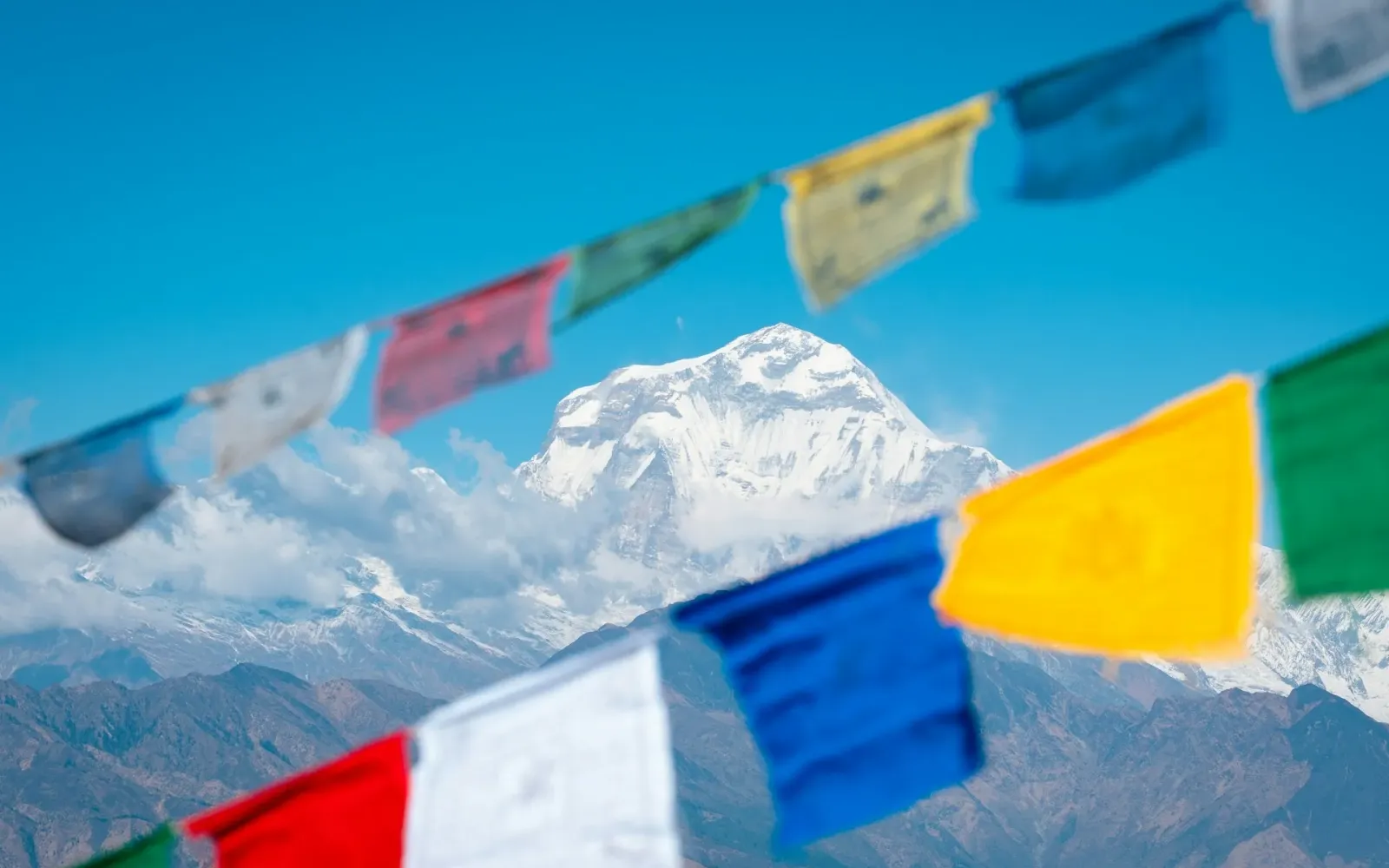
The Dhaulagiri Annapurna Trail, commonly known as the Khopra Ridge Trek, is one of Nepal’s finest alternative trekking routes, offering a quieter and more immersive Himalayan experience. Unlike the crowded Annapurna Base Camp or Ghorepani Poon Hill trails, this route takes trekkers deep into community-managed forests, high alpine ridges, and traditional villages where local culture remains untouched by mass tourism. With sweeping views of Dhaulagiri (8,167 m), Annapurna South, Nilgiri, and Machhapuchhre, the trek delivers world-class scenery with peaceful trails.
This trek is ideal for trekkers seeking a balance of adventure, comfort, and authenticity. Teahouses are simple but welcoming, run by local communities who directly benefit from tourism. Asiana Treks and Tours carefully designs this itinerary to ensure proper acclimatization, cultural interaction, and access to the sacred Khair Lake, making the journey both spiritually and visually rewarding.
Highlights
Nepal is famous for legendary trekking routes, yet many hidden trails remain unexplored by mainstream travelers. The Dhaulagiri Annapurna Trail is one such gem, combining pristine nature, rich biodiversity, and authentic village life. Passing through rhododendron forests, alpine meadows, and remote settlements, this trek offers a deeper connection to the Himalayas beyond just mountain views.
With expert planning and local knowledge, Asiana Treks and Tours introduces trekkers to this remarkable route in a responsible and sustainable way. The trail not only showcases dramatic landscapes but also supports conservation efforts and rural livelihoods. This makes the trek a meaningful journey for travelers who value responsible tourism and cultural respect.
Why Choose This Route
The Dhaulagiri Annapurna Trail is an excellent choice for trekkers who want to experience Nepal’s Himalayan beauty away from crowded routes. Unlike the classic Annapurna Base Camp trek, this trail leads you through quiet villages, deep forests, high alpine ridges, and breathtaking viewpoints. It offers a perfect balance of nature, culture, and adventure while maintaining a moderate level of difficulty suitable for both experienced and fit beginner trekkers.
Traveling with Asiana Treks and Tours, trekkers benefit from well-planned itineraries, experienced local guides, and a strong focus on safety and cultural respect. This trail rewards hikers with uninterrupted mountain views, authentic homestay experiences, and peaceful trekking days that allow you to truly connect with the Himalayas. The combination of comfort, exploration, and natural beauty makes this trek a standout alternative in the Annapurna region.
Main reasons to choose this trail:
The Dhaulagiri Annapurna Trail is a newly popular trekking route that combines sections of community eco-trails with high mountain ridges in western Nepal. This trek runs between the Dhaulagiri and Annapurna Himalayan ranges, offering trekkers diverse landscapes—from lush rhododendron forests to alpine meadows and rugged ridgelines.
Designed as an alternative to busier Annapurna routes, the trail emphasizes sustainable tourism and local community involvement. Trekkers stay in teahouses and community lodges, helping support local economies. With the guidance of Asiana Treks and Tours, the journey becomes smooth, informative, and culturally enriching, making it an ideal trek for those seeking authenticity and comfort.
Overview highlights:
The Dhaulagiri Annapurna Trail uniquely links two of Nepal’s most famous mountain regions through a network of ridges, valleys, and traditional footpaths. Instead of crossing high technical passes, the trail follows natural ridgelines such as Mohare Danda and Khopra Danda, allowing trekkers to enjoy both mountain ranges without extreme altitude risks.
As you walk along the trail, the scenery constantly shifts Dhaulagiri dominates the western horizon while Annapurna South, Hiunchuli, and Machhapuchhre rise to the east. This natural connection makes the trek visually dynamic and geographically unique. Asiana Treks and Tours carefully plans each stage to maximize scenic exposure while ensuring comfortable daily walking distances.
How the regions connect:
One of the biggest attractions of the Dhaulagiri Annapurna Trail is the opportunity to experience three iconic viewpoints in a single trek: Mohare Danda, Ghorepani Poon Hill, and Khopra Danda. Each viewpoint offers a unique perspective of the Himalayas, making sunrise and sunset moments truly unforgettable.
Mohare Danda is known for its peaceful environment and wide panoramic views. From the top, trekkers can see Dhaulagiri, Annapurna South, Machhapuchhre (Fishtail), and Nilgiri glowing during sunrise. Ghorepani Poon Hill, one of Nepal’s most famous viewpoints, provides a dramatic sunrise over the Annapurna and Dhaulagiri ranges. Khopra Danda, located on a high ridge, offers close-up mountain scenery and a sense of isolation that few treks can match.
Viewpoints included on this trek:
The Dhaulagiri Annapurna Trail stands out for its combination of scenery, culture, and solitude. Trekkers pass through charming villages like Ulleri, Swanta, and Ghandruk, experiencing local hospitality and traditional mountain lifestyles. Forests filled with rhododendrons, oak, and bamboo make the walk especially beautiful during spring.
Another major highlight is Khopra Ridge and Khair Lake, a sacred alpine lake surrounded by dramatic mountain scenery. The trail also offers excellent opportunities for photography, wildlife observation, and peaceful reflection. With professional support from Asiana Treks and Tours, trekkers can fully enjoy these highlights without worrying about logistics.
Key highlights include:
The Dhaulagiri Annapurna Trail offers a remarkable variety of landscapes within a relatively short trekking duration. The journey begins in lush valleys filled with terraced fields, rivers, and waterfalls. As the trail ascends, trekkers walk through dense rhododendron and oak forests, which burst into color during the spring season.
Higher up, the scenery transforms into open alpine meadows and dramatic ridgelines such as Mohare Danda and Khopra Ridge. From these high points, trekkers enjoy sweeping views of the Dhaulagiri, Annapurna South, Nilgiri, and Machhapuchhre ranges. Asiana Treks and Tours carefully designs the itinerary to ensure trekkers experience the full range of Nepal’s diverse mountain landscapes.
Landscape highlights:
Cultural experience is an essential part of the Dhaulagiri Annapurna Trail. The route passes through traditional Magar and Gurung villages such as Ulleri, Swanta, and Ghandruk, where local life has remained largely unchanged for generations. Trekkers can observe traditional farming, architecture, clothing, and daily customs.
Staying in community lodges and homestays allows trekkers to interact closely with local families. Warm hospitality, home-cooked meals, and cultural storytelling add depth to the trekking experience. Traveling with Asiana Treks and Tours ensures respectful cultural interaction while directly supporting local communities through sustainable tourism.
Cultural highlights:
The Dhaulagiri Annapurna Trail is rich in biodiversity due to its varied altitude and protected forest areas. The trail passes through habitats that support wildlife such as Himalayan thar, langur monkeys, barking deer, and a variety of bird species. Although sightings are rare, the untouched nature of the region makes wildlife encounters possible.
Flora is equally impressive, especially during spring when rhododendrons bloom in red, pink, and white shades. Bamboo groves, pine forests, alpine flowers, and medicinal plants are found along the trail. Asiana Treks and Tours promotes responsible trekking practices to help preserve this natural diversity for future generations.
Natural diversity includes:
The best time to trek the Dhaulagiri Annapurna Trail is during spring (March to May) and autumn (September to November). Spring offers clear skies, moderate temperatures, and colorful rhododendron forests, making it one of the most beautiful seasons for this trek.
Autumn is equally popular due to stable weather, excellent visibility, and crisp mountain views after the monsoon. Winter trekking is possible at lower elevations but can be cold at higher ridges, while the monsoon season brings rain and leeches in forested areas. Asiana Treks and Tours helps trekkers choose the best season based on fitness level, weather conditions, and travel preferences.
Best trekking seasons:
The Dhaulagiri Annapurna Trail is considered a moderate to moderately challenging trek. Unlike high-altitude treks such as Everest Base Camp or Manaslu Circuit, this route avoids extremely high passes, making it accessible to trekkers with reasonable fitness and some prior hiking experience. Daily walking hours range from 4–7 hours, with gradual ascents and descents that help with acclimatization.
The trail reaches its highest point around Khopra Danda (2,980–3,100 meters), offering spectacular Himalayan views without exposing trekkers to extreme altitude sickness risks. A good level of cardiovascular fitness, stamina, and comfortable hiking experience is recommended. For those new to trekking, preparation like brisk walking, stair climbing, or light hill treks is advisable before starting this adventure. With Asiana Treks and Tours, the itinerary is carefully planned to balance trekking effort with rest and acclimatization.
Key points on difficulty and fitness:
The trail passes through remote villages and small settlements, where accommodation is mostly in tea houses, lodges, and community-run homestays. These provide basic but comfortable facilities, including warm bedding and shared bathrooms. Staying in local lodges allows trekkers to experience authentic Himalayan hospitality while supporting village economies.
Food options on the trail are varied and cater to both local and international tastes. Dal Bhat (rice and lentils), noodles, soups, and fresh vegetables are available, while tea, coffee, and snacks are widely offered. Asiana Treks and Tours ensures trekkers are guided to reliable accommodations that maintain hygiene standards and quality service, making your stay safe, comfortable, and culturally enriching.
Accommodation and food highlights:
The Dhaulagiri Annapurna Trail requires standard trekking permits similar to other routes in the Annapurna region. Trekkers must obtain the Annapurna Conservation Area Permit (ACAP) and the Trekkers’ Information Management System (TIMS) card. These permits help support local conservation efforts and ensure trekkers’ safety while trekking in protected areas.
Because this is a new alternative trail, certain sections may be managed by local community committees rather than heavily commercialized trekking operations. Following local regulations, respecting private lands, and practicing eco-friendly trekking is essential. Asiana Treks and Tours assists with all permits, fees, and guidance, ensuring that trekkers comply with legal requirements while minimizing environmental impact.
Permit and regulation points:
The Dhaulagiri Annapurna Trail is an outstanding alternative to popular routes such as Ghorepani Poon Hill and the Jomsom–Muktinath Trek. While those classic trails attract thousands of trekkers every season, this route offers similar Himalayan views with far fewer crowds. Trekkers can still enjoy sunrise panoramas, traditional villages, and mountain hospitality without walking on busy, commercialized paths.
Unlike the windy and road-affected Jomsom trail, the Dhaulagiri Annapurna Trail passes through quiet forests, peaceful ridges, and remote settlements. It also goes beyond the short Poon Hill trek by adding high viewpoints like Mohare Danda and Khopra Danda, as well as the sacred Khair Lake. With expert planning by Asiana Treks and Tours, this alternative trek provides deeper exploration and a more rewarding Himalayan experience.
Why this trail is a better alternative:
Compared to popular trekking routes such as Annapurna Base Camp, Ghorepani Poon Hill, and Jomsom, the Dhaulagiri Annapurna Trail offers less crowded paths, more diverse landscapes, and authentic cultural experiences. While Poon Hill is famous for sunrise views, this trail combines multiple viewpoints like Mohare Danda, Khopra Danda, and Ghorepani Poon Hill with remote village exploration.
Unlike the Annapurna Base Camp trek, which can be crowded during peak season, this alternative trail provides solitude and tranquility, allowing trekkers to connect with nature. Similarly, it avoids the dusty roads and bus traffic often encountered on the Jomsom trek. Overall, the Dhaulagiri Annapurna Trail is ideal for trekkers seeking a unique Himalayan adventure, diverse landscapes, and cultural immersion, all supported by the expertise of Asiana Treks and Tours.
Comparison highlights:
The Dhaulagiri Annapurna Trail is ideal for trekkers looking for a moderate adventure with rich Himalayan scenery and cultural immersion. It is well-suited for individuals, small groups, or families who are comfortable walking 4–7 hours daily on hilly terrain. While it avoids extreme high-altitude challenges, trekkers should have a basic level of fitness and stamina to enjoy the journey fully.
This trek also appeals to those who want to escape the crowds of popular trekking routes like Annapurna Base Camp or Poon Hill. The combination of ridge walks, high viewpoints, and remote village exploration makes it perfect for hikers who value solitude, nature, and cultural discovery. Traveling with Asiana Treks and Tours ensures that all participants are supported with knowledgeable guides, logistics, and safety measures throughout the trek.
Best suited for:
Sustainable tourism is at the heart of the Dhaulagiri Annapurna Trail. The trek passes through remote villages, community lodges, and conservation areas, so respecting local customs, minimizing waste, and supporting local businesses is essential. The trail promotes eco-friendly trekking practices such as using reusable water bottles, avoiding single-use plastics, and leaving no trace on paths and forests.
Asiana Treks and Tours actively collaborates with local communities to ensure that tourism benefits the villages directly. By choosing this alternative trail, trekkers help sustain local economies while preserving natural landscapes. Responsible trekking also includes following wildlife regulations, staying on designated trails, and practicing cultural sensitivity when visiting homes and religious sites.
Responsible trekking highlights:
Proper preparation is key to enjoying the Dhaulagiri Annapurna Trail safely and comfortably. Essential items include sturdy hiking boots, warm layered clothing, rain gear, trekking poles, and a good daypack. Since the trail passes through a range of altitudes and weather conditions, layering clothes for warmth and flexibility is recommended.
Other important items include a water bottle with filtration, sunscreen, a hat, gloves, trekking snacks, and personal medications. Physical preparation such as regular walking, stair climbing, or cardio exercises for 4–6 weeks before the trek can greatly improve endurance and comfort. Asiana Treks and Tours provides pre-trek guidance, packing tips, and a detailed checklist to ensure that trekkers are fully prepared for this Himalayan adventure.
Packing and preparation essentials:
While the Dhaulagiri Annapurna Trail is moderate in difficulty, trekkers may face steep ascents, variable weather, and long days on uneven terrain. Some areas can be slippery during the monsoon season, and higher ridges may be cold, especially in early mornings and evenings. Awareness of altitude effects is also important, though the trek avoids extreme high-altitude risks.
Planning and preparation are essential to ensure safety and enjoyment. Trekking with an experienced guide from Asiana Treks and Tours reduces risks by providing navigation, weather updates, and support for emergencies. Being mentally prepared, carrying proper gear, and respecting local customs can help trekkers overcome minor challenges while fully enjoying the stunning landscapes.
Key challenges and tips:
This trail is gaining recognition as Nepal’s next big trekking experience because it combines the best of Himalayan scenery, cultural immersion, and peace away from overcrowded routes. The multiple viewpoints—Mohare Danda, Ghorepani Poon Hill, and Khopra Danda—offer panoramic views rivaling classic trails, while remote villages provide authentic cultural experiences.
It also highlights Nepal’s natural and ecological diversity, from rhododendron forests to alpine ridges, and is fully supported by responsible tourism practices. With the expertise of Asiana Treks and Tours, trekkers can enjoy a unique journey that is scenic, culturally rich, and safe, making it ideal for both first-time Himalayan adventurers and experienced trekkers seeking something new.
Reasons it’s the next big trek:
Absolutely. The Dhaulagiri Annapurna Trail is a perfect blend of adventure, culture, and natural beauty, making it a must-try for trekkers who want something new in Nepal. Its moderate difficulty, stunning landscapes, remote villages, and panoramic ridges make it an unforgettable experience.
By trekking with Asiana Treks and Tours, hikers can enjoy a well-organized, safe, and culturally enriching journey while contributing to sustainable tourism in the region. For those seeking Nepal’s hidden trails with maximum Himalayan exposure and minimum crowds, the Dhaulagiri Annapurna Trail is not just worth exploring—it’s a Himalayan adventure that leaves a lasting impression.
Conclusion highlights:
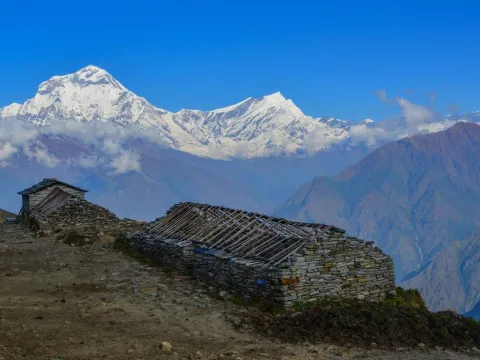
Khayar Lake, also known as Khopra Khayar Lake, is one of the most breathtaking and lesser-explored high-altitude lakes in Nepal’s Annapurna Region. Located at an elevation of approximately 4,500 meters (14,764 feet), the lake is reached during the Khopra Ridge Trek, making it a rewarding destination for trekkers seeking solitude, spirituality, and raw Himalayan beauty.
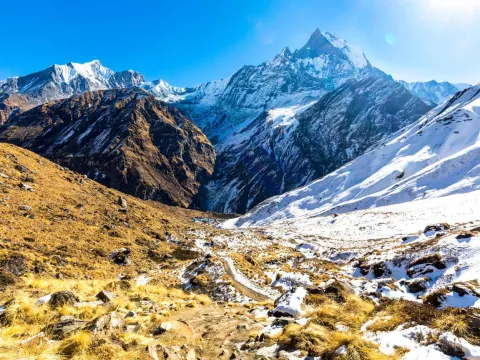
The Khopra Khair Lake with Annapurna Base Camp Trek is a remarkable journey that blends two of the Annapurna region’s most rewarding experiences—the off-the-beaten-path Khopra Ridge and Khayar (Khair) Lake, and the iconic Annapurna Base Camp (ABC).
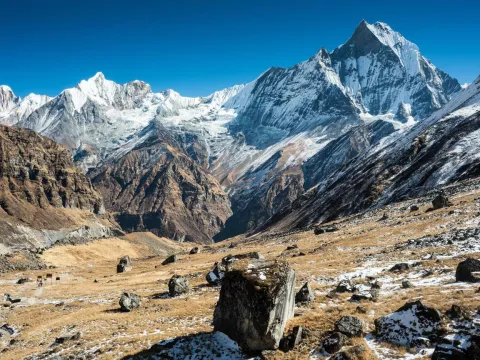
The Khopra Khair Lake with Annapurna Base Camp (ABC) Trek is a mesmerizing journey through the heart of the Annapurna region, offering a unique blend of natural beauty, rich culture, and stunning mountain vistas. This trek is ideal for travelers who want to experience the traditional Gurung villages, rhododendron forests, and panoramic Himalayan


 (2)
(2)  100% recommend (0)
 (0)
(0)