
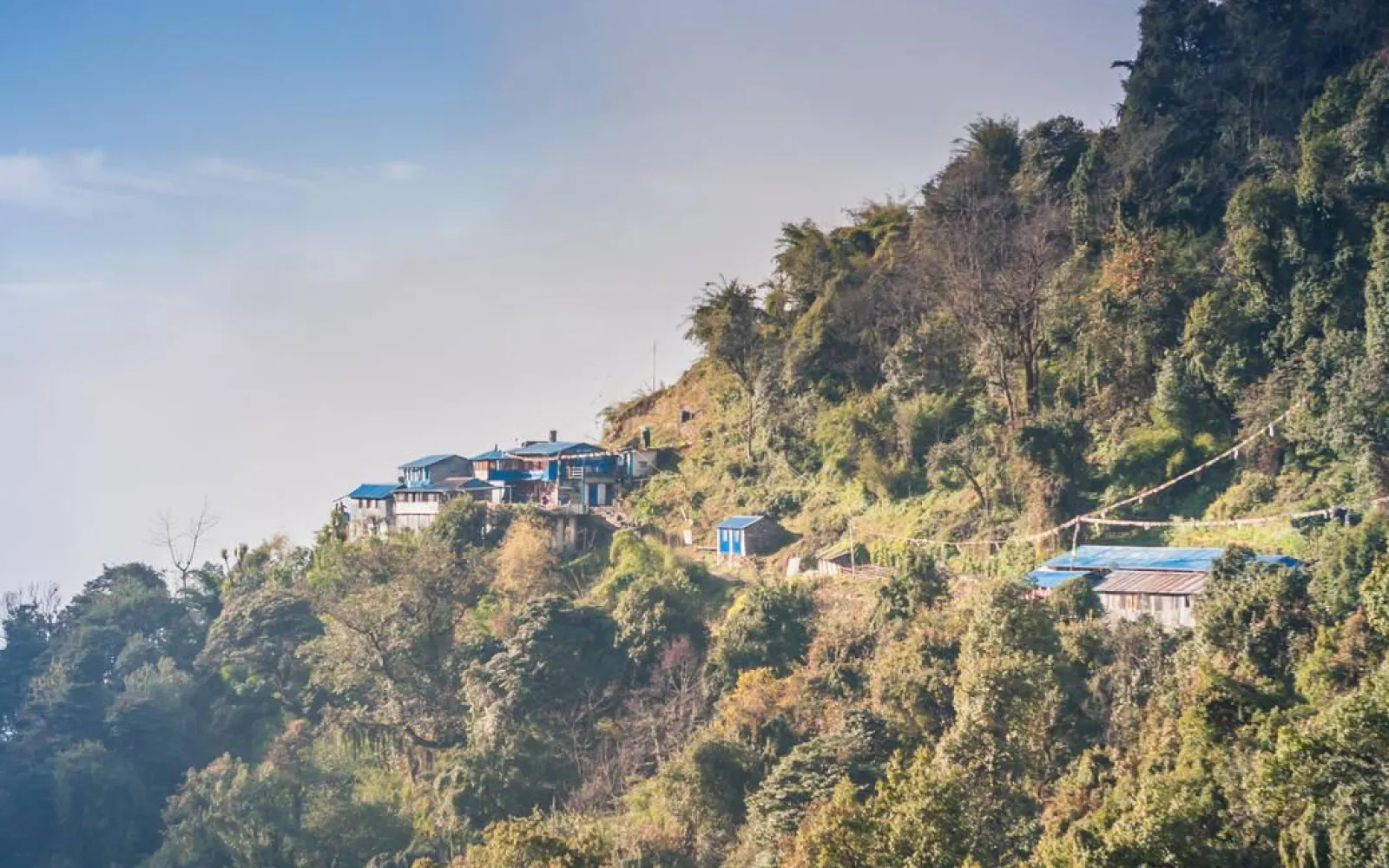
Reaching Sinuwa is an adventurous and rewarding experience, offering trekkers a blend of scenic forest walks, stone staircases, and ridge trails with stunning views of the Annapurna region. Sinuwa is accessible via multiple trekking routes, making it a flexible destination for trekkers coming from different starting points along the Annapurna Circuit and Annapurna Base Camp trail. Each route provides unique cultural and natural experiences, from traditional villages to river valleys and lush forests.
One of the common approaches is from Ulleri → Ghorepani → Tadapani → Chhomrong → Sinuwa, which passes through terraced farmlands, rhododendron forests, and small teahouses, allowing trekkers to experience local hill culture along the way. Another popular route begins at Dhampus → Landruk → Jhinu Danda → Chhomrong → Sinuwa, offering a mix of steep ascents and scenic riverside paths. For trekkers starting at Nayapul → Ghandruk → Chhomrong → Sinuwa, the trail includes traditional Gurung villages, forest walks, and cascading waterfalls. A slightly longer approach involves Nayapul → Sewai → Mataque → Jhinu Danda → Chhomrong → Sinuwa, which gives trekkers more gradual acclimatization and the chance to enjoy the serene Modi Khola valley scenery.
The final stretch from Chhomrong to Sinuwa is moderately steep, typically taking 1.5–2.5 hours depending on pace. The trail is well-maintained, featuring stone steps, forested paths, and ridge walks with panoramic views of terraced hillsides and the flowing Modi Khola River. Trekkers often take this section at a slower pace to enjoy the peaceful environment and the natural and cultural richness of the Annapurna region.
Asiana Treks and Tours ensures every trekker reaches Sinuwa safely and comfortably by providing organized transportation, expert guides, and well-paced itineraries. With guidance on hydration, breaks, and acclimatization, the trek becomes both enjoyable and safe. Sinuwa is accessible year-round, though spring and autumn are considered the best seasons due to clear skies, mild temperatures, and ideal trekking conditions.
How to Reach Sinuwa – Quick Guide
Accommodation in Sinuwa is designed to give trekkers a peaceful and comfortable rest before they continue toward Bamboo, Dovan, and the higher elevations of the Annapurna Sanctuary. Most of the lodges operate in a traditional tea-house style, providing basic but cozy rooms furnished with wooden beds, blankets, and shared bathroom facilities. The calm atmosphere and surrounding greenery create an excellent place to unwind after a long day of trekking.
Asiana Treks and Tours carefully selects lodges in both Lower Sinuwa and Upper Sinuwa based on cleanliness, food quality, hospitality, and reliability. While the services are modest, they are perfectly suited for trekkers who want a warm, quiet, and refreshing place to stay. The views from Sinuwa’s lodges—overlooking terraced hills, deep valleys, and the forest canopy—add an extra layer of relaxation to the experience.
Accommodation Highlights
Sinuwa is home to several well-known tea houses that cater specifically to trekkers heading toward Annapurna Base Camp. These lodges offer a family-run atmosphere where guests are welcomed with warm smiles and freshly cooked meals. Many of them feature wooden interiors, comfortable beds, and scenic outdoor seating areas that overlook the lush Modi Khola valley. Despite the remote location, the lodges maintain friendly service and a peaceful environment.
Asiana Treks and Tours builds strong relationships with trusted lodge owners to ensure that trekkers receive consistent quality and priority during peak seasons. The lodges often provide warm blankets, charging options (sometimes for a small fee), and hearty meals that help trekkers regain their energy. Staying in these local lodges also supports the local economy and contributes to sustainable tourism in the Annapurna region.
Famous Lodge Features
Food in Sinuwa’s tea houses is simple but nourishing, designed to keep trekkers energized for the demanding trek ahead. The menus typically offer traditional Nepali dishes, with dal bhat being the most popular choice due to its unlimited servings and high nutritional value. Western-style meals such as pasta, pancakes, soups, fried rice, and omelets are also widely available. Hot drinks like tea, coffee, hot lemon, and ginger honey tea are trekking favorites, especially in the cooler evenings.
In addition to meals, lodges in Sinuwa offer various services tailored to the needs of trekkers. Asiana Treks and Tours ensures that travelers receive reliable meals, purified water options, and hygienic dining environments. Some lodges also provide charging facilities, Wi-Fi (though often slow), and hot showers for an extra fee. These services help trekkers stay comfortable even in the remote Himalayan landscape.
Food & Service Highlights
Sinuwa offers essential trekking facilities that support the journey toward Annapurna Base Camp. While not luxurious, these facilities provide everything needed for a safe and comfortable stopover. Common amenities include shared bathrooms, warm dining halls with fire stoves, filtered water, and charging stations. Trekkers can also find first aid assistance, simple snacks, and basic toiletries for sale at the tea houses. The calm environment and clean air make Sinuwa an ideal place to recover from the steep climb from Chhomrong.
Under the guidance of Asiana Treks and Tours, trekkers are briefed on how to best utilize these facilities and prepare for the more remote sections ahead. Because the trail beyond Sinuwa becomes denser and less populated, the services here are particularly valuable for resting, recharging equipment, and replenishing supplies. Trekkers often take time to stretch, hydrate, and mentally prepare for the next day’s forested ascent toward Bamboo and beyond.
Facilities Summary
Sinuwa is known for its peaceful surroundings, lush forest trails, and panoramic ridge-top views that make it a standout stop on the Annapurna Base Camp trail. The village rests at the edge of dense bamboo and rhododendron forests, allowing trekkers to experience both cultural and natural beauty in one location. Its position also offers clear views of surrounding hillsides, terraced farmlands, and deep valleys, which create a magical environment, especially during sunrise and sunset.
Asiana Treks and Tours highlights Sinuwa as an essential acclimatization and observation point before entering the more secluded section of the Annapurna Sanctuary. With its quiet charm and strategic location, Sinuwa also provides access to short side walks, forest trails, and natural resting platforms that give trekkers a chance to immerse themselves fully in the Himalayan landscape.
Major Attractions
Sinuwa is blessed with several scenic highlights that showcase the natural charm of the Modi Khola valley. From different parts of the village, trekkers can enjoy an unobstructed view of terraced hills, deep river gorges, and layers of mist-covered forests. Although higher-altitude peaks are not fully visible from Sinuwa, the ambient landscapes and dramatic cliffs surrounding the region make the scenery equally captivating.
Asiana Treks and Tours often recommends Sinuwa as a photography-friendly stop because of its early morning and late afternoon lighting conditions. The village’s upper ridge provides particularly beautiful vantage points where trekkers can relax, stretch, and take in the serene atmosphere. These scenic viewpoints become even more enchanting during spring when rhododendrons bloom brightly across the hillsides.
Scenic Highlights
Despite being a small and quiet village, Sinuwa offers several enjoyable activities for trekkers who want to make the most of their stay. One of the most popular activities is exploring the nearby forested paths, which provide a peaceful environment filled with birdsong and natural beauty. Trekkers can also take part in short meditation or stretching sessions in the open terraces, allowing their bodies to relax after a demanding climb from Chhomrong.
Asiana Treks and Tours encourages trekkers to experience the local culture by interacting with lodge owners and learning about traditional Gurung lifestyles. Watching the sunset, enjoying warm tea in a cozy dining hall, and observing the stars in the crisp mountain air are simple yet meaningful experiences that make Sinuwa memorable. The calm atmosphere provides a perfect opportunity to recharge before heading deeper into the Annapurna Sanctuary.
Activities to Enjoy
Sinuwa lies at the threshold of the dense bamboo and rhododendron forests that characterize the lower Annapurna Sanctuary, making it an excellent place for wildlife and nature observation. The region is home to various species of birds, including Himalayan bulbuls, thrushes, and colorful pheasants. Early mornings and late afternoons are particularly rewarding for birdwatching, as the forest becomes alive with natural sounds.
Asiana Treks and Tours ensures that trekkers learn about the rich biodiversity of the area as they move from Sinuwa toward Bamboo. The trail surrounding Sinuwa is known for occasional sightings of langur monkeys, musk deer, and other forest-dwelling animals. The dense vegetation, fresh mountain air, and constant river sound from the Modi Khola create a refreshing environment that helps trekkers connect deeply with nature.
Wildlife & Nature Highlights
Sinuwa is a welcoming Gurung community that reflects the authentic hill culture of Nepal’s Annapurna region. Although small, the village showcases traditional lifestyles through its stone houses, terraced farming, and warm hospitality. Travelers often find themselves immersed in the daily rhythms of local life—farmers tending crops, families preparing meals over wood stoves, and children playing along the narrow footpaths. This cultural simplicity creates a memorable atmosphere for trekkers seeking genuine mountain experiences.
Asiana Treks and Tours emphasizes the importance of cultural sensitivity and encourages trekkers to interact respectfully with the local community. Trekkers can learn about Gurung customs, traditional foods, and the significance of ancestral ties in the region. Many lodge owners share stories of life in the mountains and the role trekking plays in supporting their livelihoods. These meaningful exchanges enrich the overall journey and deepen the connection to the Annapurna trail.
Cultural Highlights
Sinuwa enjoys a typical mid-altitude Himalayan climate, making it pleasant for trekking most of the year. The weather varies depending on the season, with spring and autumn offering the clearest skies and mild temperatures. During these seasons, trekkers can enjoy bright days, crisp air, and vibrant landscapes, especially when rhododendrons bloom in spring. The evenings can be cool, but tea houses provide warm dining areas that create a comfortable resting environment.
Monsoon season (June–August) brings heavy rainfall, creating slippery trails and reduced visibility, which is why Asiana Treks and Tours generally recommends avoiding this time. Winter (December–February) brings colder temperatures, especially at night, but the skies are often clear and the crowds lighter. For most trekkers, the ideal times to visit Sinuwa are March–May and September–November, when weather conditions are stable and scenery is at its best.
Best Time to Visit
Sinuwa is popular because it serves as a crucial gateway to the Annapurna Sanctuary and the higher-altitude sections leading to Annapurna Base Camp. Trekkers appreciate its peaceful setting, mild climate, and strategic location between Chhomrong and Bamboo. Sinuwa is often remembered as the place where the scenery begins to shift from village farmlands to dense forest wilderness, marking a significant transition in the trek.
Asiana Treks and Tours also highlights Sinuwa’s popularity due to its comfort-oriented tea houses, excellent rest opportunities, and clean, serene environment. Many trekkers describe Sinuwa as a “breathing point,” a place to recover strength before pushing deeper into the sanctuary. Its tranquil charm, friendly locals, and the sound of forests and rivers make it one of the most beloved stops on the entire trekking route.
Why Sinuwa Stands Out
Trekkers visiting Sinuwa should be prepared for steep ascents, especially on the way up from Chhomrong, where long stone staircases test endurance. Taking frequent breaks and staying hydrated makes the ascent much more manageable. Asiana Treks and Tours ensures that trekkers maintain a comfortable pace, allowing plenty of time to enjoy the views and recover upon arrival. Packing light layers is essential, as temperatures can vary significantly between day and night.
Additionally, trekkers should carry essentials such as a refillable water bottle, rain gear, and snacks. Since Sinuwa marks the beginning of more remote sections of the trail, it’s wise to charge electronic devices and stock up on small necessities before heading toward Bamboo and Dovan. Respecting the local environment and minimizing waste helps preserve the natural beauty of the area.
Useful Tips
Sinuwa is a peaceful, scenic, and culturally rich stop along the Annapurna Base Camp trail, offering trekkers comfort and natural beauty in equal measure. With its lush forests, friendly Gurung community, and strategic location, Sinuwa provides the perfect environment to relax and prepare for the deeper Himalayan landscapes ahead. It stands as a memorable milestone in the trekking journey, where nature, culture, and tranquility come together in harmony.
Asiana Treks and Tours ensures that trekkers experience the very best that Sinuwa has to offer with reliable accommodation, expert guidance, and thoughtful itinerary planning. Whether it’s the calming forest views, warm tea houses, or interactions with local families, the time spent in Sinuwa enriches the entire Annapurna experience. Every moment in this peaceful mountain village becomes a cherished part of the adventure.
Sinuwa’s Key Takeaways
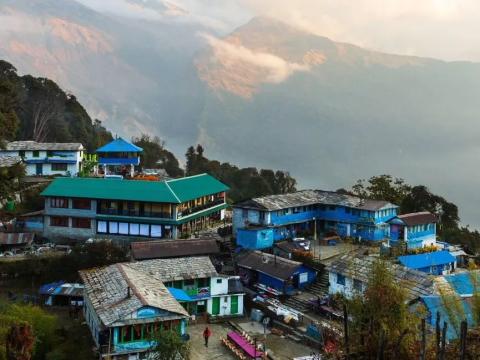
Despite being located on the popular Ghorepani-Ghandruk trek, Tadapani often flies under the radar of mainstream tourism, making it a hidden gem in the truest sense. Surrounded by dense rhododendron and oak forests, this quaint village rewards those who venture just a little
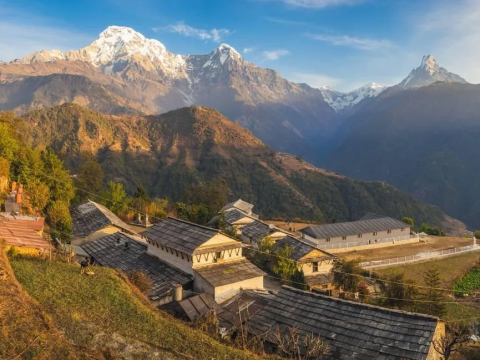
Ghandruk is a tranquil village that feels like a step back in time. With its traditional stone houses, warm Gurung hospitality, and panoramic views of snow-capped peaks, this charming hamlet captures the soul of Nepalese culture and nature
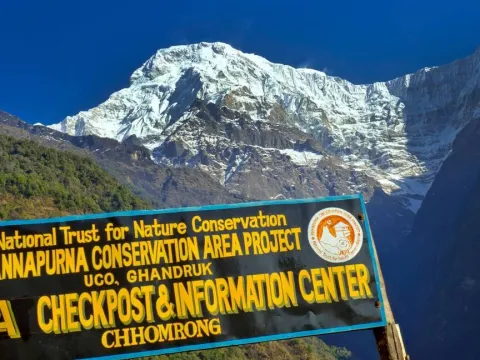
Chhomrong is often celebrated as the heart of the Annapurna Base Camp (ABC) trek, and for good reason. Situated at an elevation of approximately 2,170 meters, this picturesque Gurung village offers trekkers a perfect combination of natural beauty, cultural richness, and strategic convenience.


 (2)
(2)  100% recommend (0)
 (0)
(0)