
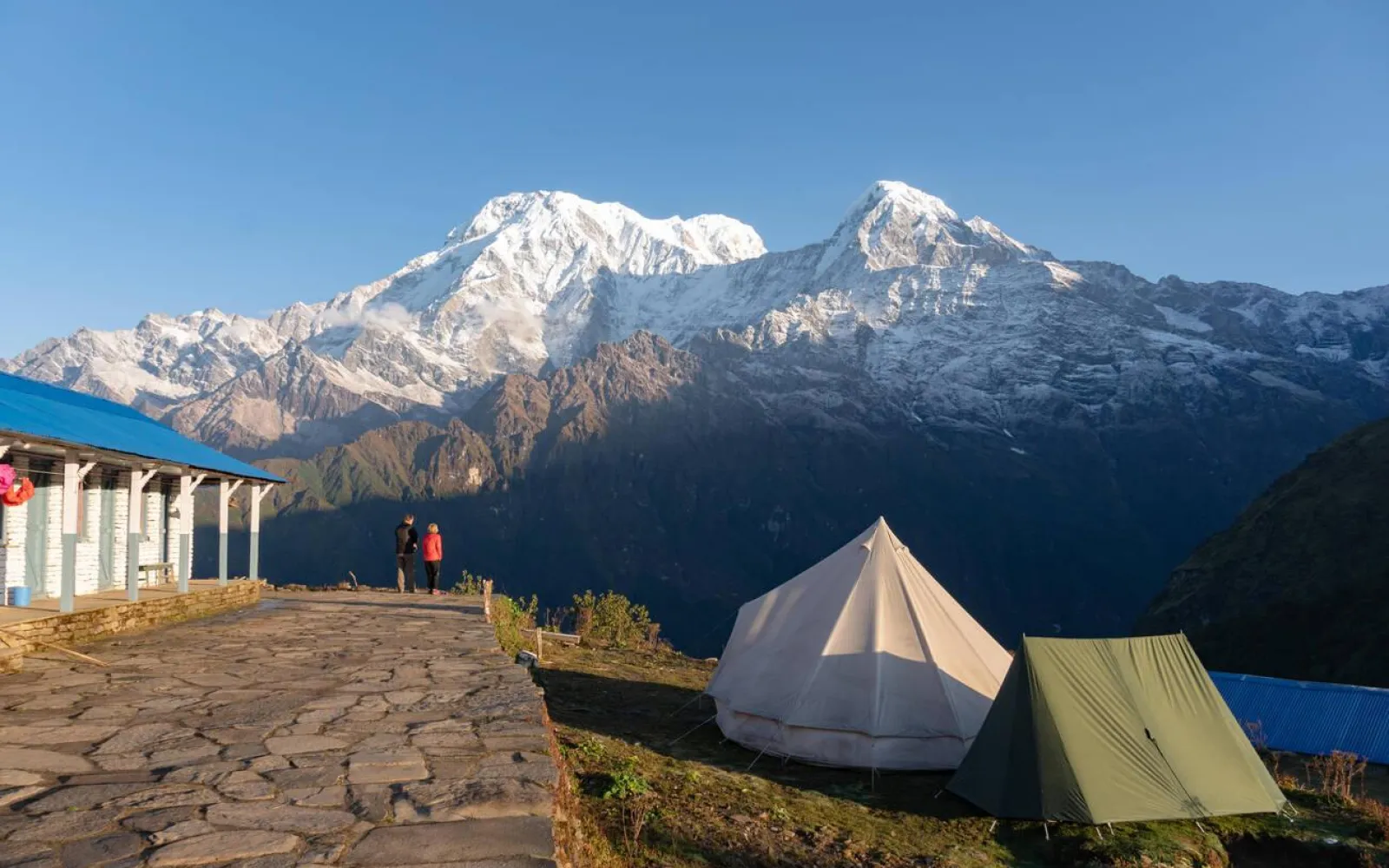
The Mardi Himal Trek is one of Nepal’s most scenic short Himalayan treks, offering breathtaking views of Mardi Himal, Machhapuchhre (Fishtail), Annapurna South, and Hiunchuli. The journey gradually ascends through lush rhododendron forests, rugged ridges, and alpine landscapes until reaching the iconic Mardi Himal Viewpoint at around 4,500 meters (14,764 ft). Managed and organized by Asiana Treks and Tours, this trek is suitable for trekkers seeking a blend of adventure, moderate difficulty, and spectacular mountain panoramas without the heavy crowds of other popular routes.
The elevation gain along the trail is gradual, making it accessible to trekkers with moderate fitness levels. However, the higher altitudes beyond High Camp can introduce thinner air, requiring a steady pace and proper acclimatization. Weather conditions vary significantly along the route—from warm and humid forests at lower levels to cold, windy alpine conditions near High Camp and the viewpoint. Understanding these variations helps trekkers prepare with the proper gear, clothing layers, and expectations.
Key Points Summary
To fully appreciate the Mardi Himal Trek, it’s helpful to understand how elevation and weather change along the trail. The trek begins in the subtropical foothills around Pokhara (820 m) and climbs through temperature-controlled forests to reach Forest Camp (~2,500 m) and later High Camp (~3,580 m). Each elevation band offers distinct scenery, from dense forests to open ridges. As trekkers ascend, oxygen levels naturally decrease, and temperatures drop, especially during mornings and nights.
Weather is one of the most influential factors in Himalayan trekking. Lower regions experience mild temperatures, but higher elevations can bring sudden weather shifts, including fog, snowfall (in winter), strong winds, and near-freezing nighttime temperatures. Asiana Treks and Tours provides guidance on proper layering systems and timing to ensure trekkers stay safe and comfortable throughout the journey. With a clear understanding of altitude and weather patterns, trekkers can better prepare for the challenges and beauty of this iconic route.
Key Points Summary
Altitude and elevation are two of the most defining elements of the Mardi Himal Trek. As the journey progresses from the warm, forested foothills near Pokhara to the crisp alpine zones above 3,500 meters, trekkers experience a dramatic shift in climate, air pressure, and scenery. The gradual ascent allows your body to adapt while offering ever-expanding views of the Annapurna and Machhapuchhre ranges. Each elevation zone has its own atmosphere—dense greenery in the lower sections, open ridges at mid-altitudes, and stark alpine terrain closer to the viewpoints.
Higher altitudes also bring the challenge of thinner air, which affects endurance, breathing patterns, and energy levels. While Mardi Himal is considered a moderate trek, reaching around 4,500 meters (14,764 ft) at the viewpoint introduces noticeable changes in physical performance. Asiana Treks and Tours emphasizes proper pacing, hydration, and acclimatization to ensure every trekker enjoys a safe and rewarding journey. Understanding how altitude shapes the trail experience helps trekkers prepare both mentally and physically.
Quick Summary
The Mardi Himal Trek features several key height markers that help trekkers understand their progress and prepare for changing conditions. Starting in the mid-hills of Nepal, the altitude quickly climbs as you progress through Forest Camp (~2,500 m), Low Camp (~2,970 m), and finally High Camp (~3,580 m). The highest point most trekkers reach is the Mardi Himal Viewpoint, located at approximately 4,500 meters, offering spectacular close-range views of Mardi Himal and Machhapuchhre.
Understanding these height levels is essential because each stage presents unique challenges and visual highlights. At mid altitudes, trekkers experience lush forests and warm temperatures, whereas higher elevations bring colder, windier conditions with wide-open Himalayan landscapes. With the guidance of Asiana Treks and Tours, trekkers receive an accurate overview of the altitude profile, ensuring they carry proper gear, pace themselves well, and anticipate weather shifts as the height increases.
Quick Summary
Weather on the Mardi Himal Trek changes dramatically with altitude, making it an important factor for preparation and planning. Lower elevations near the trailhead are generally warm, humid, and stable, with dense forests offering protection from wind and direct sunlight. As trekkers move higher, temperatures drop significantly, especially in early mornings and evenings. Conditions become more unpredictable, with clouds forming quickly around the ridges and occasional snowfall possible during colder seasons.
At altitudes above 3,500 meters, wind patterns intensify, and temperatures can plunge to near freezing at night. The alpine zone remains exposed, meaning visibility can shift rapidly from clear skies to dense fog. Asiana Treks and Tours helps trekkers understand these weather transitions, advising on the best trekking seasons—primarily spring and autumn—to experience stable conditions and clear mountain views. Knowing how altitude impacts weather ensures trekkers stay safe, warm, and well-prepared during the journey.
Quick Summary
One of the most captivating aspects of the Mardi Himal Trek is the variety of landscapes shaped by elevation changes. The route begins in subtropical forest zones teeming with rhododendron, pine, and oak trees before transitioning to mossy woodlands and narrow ridge paths. These vibrant forests create a calming and shaded environment, offering a gentle introduction to the trek’s gradual ascent. Wildlife, birdsongs, and lush vegetation accompany trekkers throughout this early stage.
As the trail rises above the tree line, the scenery transforms into open ridges and alpine meadows. The views widen dramatically, showcasing the snow-capped peaks of Machhapuchhre and the Annapurna range at close range. The high ridges offer a thrilling sense of exposure and grandeur, especially at High Camp and the final viewpoint. Asiana Treks and Tours ensures trekkers understand these elevation-based transitions, helping them appreciate the diverse landscapes while staying well-equipped for varying trail conditions.
Quick Summary
Weather on the Mardi Himal Trek changes noticeably as you ascend through different elevation zones. At the lower altitudes, trekkers enjoy mild temperatures, stable weather, and thick forest cover that provides natural shelter from sun and wind. This region typically remains warm and humid, especially during the spring and summer months, making it comfortable for walking and ideal for nature photography. Morning mists and light breezes often characterize this zone.
However, as the trail climbs above 3,000 meters, the weather becomes cooler, windier, and far more unpredictable. Clouds can roll in quickly, temperatures drop sharply—especially at night—and the chances of fog or light snowfall increase during certain seasons. These changes are a natural part of trekking in the Himalayas, and Asiana Treks and Tours ensures trekkers are well-informed about daily weather patterns so they can dress accordingly and remain safe throughout their journey.
Quick Summary
The Mardi Himal route features several important elevation milestones that help trekkers track their progress. Starting around 820 meters in Pokhara, the trail gradually climbs to Forest Camp (2,500 m), where the forest thickens and temperatures begin to cool. Low Camp (2,970 m) and Badal Danda (3,210 m) present more open views as you rise above the densest forest layer. These middle sections offer a comfortable mix of lush greenery and emerging mountain panoramas.
The higher points—High Camp (3,580 m) and Mardi Himal Viewpoint (~4,500 m)—mark the transition into the alpine zone. Here, the terrain becomes steeper, the air thinner, and the views significantly more dramatic. Snow-capped peaks appear close enough to touch. Asiana Treks and Tours helps trekkers understand these elevation points clearly, offering support with pacing, acclimatization, and gear preparation for each stage of the ascent.
Quick Summary
For first-time trekkers, understanding altitude and how it affects the body is essential for a safe and enjoyable Mardi Himal experience. As elevation increases, oxygen levels decrease, which can cause fatigue, headaches, or mild discomfort for those not used to high altitudes. Beginners are encouraged to maintain a steady pace, avoid rushing uphill, and hydrate regularly to support healthy acclimatization. Trekking with professionals ensures you receive reminders and check-ins along the trail.
Beginners should also be aware that trekking at altitude may feel different from walking on flat ground. Even short uphill stretches can feel more demanding. With support from Asiana Treks and Tours, trekkers receive expert advice on proper breathing techniques, rest timing, and recognizing early signs of altitude-related issues. Their guidance ensures that even first-time trekkers can confidently reach High Camp and enjoy breathtaking views without unnecessary risk.
Quick Summary
Weather conditions on the Mardi Himal Trek vary not only by altitude but also by season. In spring (March–May), lower regions become warm and lush, with blooming rhododendrons complementing clear skies. Higher areas remain cool with refreshing air, ideal for trekking. Autumn (September–November) brings crisp visibility, stable temperatures, and some of the clearest mountain views of the year. These seasons are the best for comfortable walking and photography.
In contrast, winter (December–February) introduces freezing temperatures at higher altitudes, especially at High Camp and the viewpoint. Snow can cover the trails, making the route more challenging but stunningly beautiful. Monsoon season (June–August) brings heavy rain to lower altitudes, slippery paths, and limited visibility. Asiana Treks and Tours provides detailed seasonal guidance to help trekkers choose the best time for their trek based on weather preferences and comfort levels.
Quick Summary
Elevation and weather play major roles in shaping your overall trekking experience on the Mardi Himal route. As you ascend through multiple elevation zones, the changing environment affects your physical endurance, comfort, and the type of scenery you enjoy. Understanding these changes allows trekkers to properly prepare clothing, gear, and expectations at each stage of the journey. The gradual climb also highlights the beauty of Nepal’s varied ecosystems, making the trek both challenging and rewarding.
Weather is equally important because it influences visibility, trail safety, and daily trekking comfort. Clear days offer unmatched mountain views, while sudden fog or wind at higher elevations requires proper planning and readiness. With expert guidance from Asiana Treks and Tours, trekkers stay informed about both elevation challenges and weather forecasts, ensuring a safe, enjoyable, and well-organized Mardi Himal adventure.
Quick Summary
The Mardi Himal Trek features a gradual elevation gain that makes it accessible for beginners while still offering breathtaking Himalayan views. Starting from Pokhara (~820 m), trekkers ascend to Forest Camp (~2,500 m), Low Camp (~2,970 m), High Camp (~3,580 m), and finally the Mardi Himal Viewpoint (~4,500 m). Each stage of the trek introduces slightly steeper terrain and thinner air, which helps the body adjust progressively to higher altitudes. This structured ascent minimizes the risk of altitude-related issues and allows beginners to enjoy the journey without overexertion.
Elevation gain also affects daily trekking duration and energy levels. Lower sections offer shaded forests and gentle slopes, making it easier to maintain a steady pace. As you approach High Camp and the viewpoint, the trails become steeper and the temperature drops, requiring more physical effort and proper preparation. Asiana Treks and Tours provides guidance on pacing, rest periods, and gear selection, ensuring beginners can safely and confidently manage the elevation gain.
Quick Summary
Temperature on the Mardi Himal Trek varies depending on both altitude and season. Lower trails near Pokhara experience mild, warm conditions, with daytime temperatures ranging between 18°C–25°C in spring and autumn. As trekkers ascend, temperatures gradually drop, and nights at High Camp (~3,580 m) or the Viewpoint (~4,500 m) can fall close to freezing, especially during winter. Understanding these temperature variations is essential for selecting clothing layers and planning trekking times.
Seasonal shifts also affect trail conditions and comfort. Spring (March–May) brings blooming rhododendrons, clear skies, and moderate temperatures, while autumn (September–November) offers crisp air and stable mountain views. Winter (December–February) is cold and snowy at higher elevations, whereas the monsoon season (June–August) can cause slippery trails and heavy rainfall at lower altitudes. Asiana Treks and Tours advises trekkers on temperature-appropriate gear and clothing for all seasons.
Quick Summary
The best time for the Mardi Himal Trek combines ideal temperatures, clear skies, and safe trail conditions. Spring (March–May) offers warm days, cool nights, and flowering rhododendrons along the trail. Autumn (September–November) brings crisp, stable weather with minimal clouds and panoramic mountain views. These two seasons provide the most comfortable trekking experience in terms of both climate and visibility.
During winter, higher elevations can experience extreme cold and occasional snow, making trekking more challenging but also more scenic. Monsoon season is typically avoided due to slippery trails, landslides, and poor visibility. Asiana Treks and Tours recommends planning the trek during spring or autumn to enjoy favorable temperatures, clear skies, and minimal weather-related disruptions.
Quick Summary
Temperature drops significantly as elevation increases on the Mardi Himal Trek. While daytime temperatures at lower elevations remain comfortable (18°C–25°C), nights at High Camp (~3,580 m) and the Mardi Himal Viewpoint (~4,500 m) can fall below freezing. Trekkers must prepare for strong winds, cold nights, and frost in the early morning hours at higher altitudes.
Cold temperatures can affect energy levels, sleep quality, and trekking comfort. Layered clothing, windproof jackets, and insulated gear are essential to stay warm and safe. Asiana Treks and Tours ensures trekkers are equipped with the right gear and understand how to manage cold conditions effectively, especially at high-altitude camps and during early morning ascents.
Quick Summary
The Mardi Himal Trek covers a total distance of approximately 36–42 kilometers, depending on the exact route taken. Starting from Pokhara, the trail passes through scenic villages, lush forests, alpine ridges, and finally reaches the Mardi Himal Viewpoint. Daily hiking distances vary between 4–8 kilometers, making it manageable for trekkers with moderate fitness levels. The gradual elevation gain spreads the effort across multiple days, allowing for acclimatization and rest.
The trek also includes opportunities for short side hikes, such as viewpoints and local villages, which enhance the experience without adding extreme difficulty. Asiana Treks and Tours helps trekkers plan daily distances, pace, and rest stops to ensure a balanced and enjoyable trekking experience.
Quick Summary
Altitude sickness can affect anyone ascending above 2,500 meters, making awareness and acclimatization essential on the Mardi Himal Trek. Symptoms include headaches, nausea, dizziness, and fatigue. Proper pacing, hydration, and rest days help the body adjust to higher elevations, particularly at Forest Camp, High Camp, and the Mardi Himal Viewpoint (~4,500 m).
Asiana Treks and Tours provides guidance on safe acclimatization practices, including gradual ascent, avoiding overexertion, and recognizing early signs of altitude sickness. Trekkers are also advised to carry essential medications and monitor their condition throughout the trek. With careful planning and expert support, most trekkers can safely reach the high viewpoints while minimizing altitude-related risks.
Quick Summary
The Mardi Himal Trek offers a unique blend of moderate adventure, dramatic elevation changes, and ever-shifting Himalayan weather. Understanding the relationship between altitude, height, and climate conditions allows trekkers to appreciate the journey more deeply—from the warm, lush forests at the lower elevations to the crisp alpine ridges overlooking the Annapurna and Machhapuchhre ranges. As the trek ascends toward the Mardi Himal Viewpoint at approximately 4,500 meters, the transformation in landscape and temperature becomes a defining part of the experience. These natural transitions not only shape the physical journey but also heighten the sense of achievement as trekkers climb into the high Himalayas.
Weather plays an equally important role in determining comfort, safety, and visibility along the route. With temperatures dropping as elevation rises, conditions become more unpredictable in the upper zones, requiring proper gear, preparation, and awareness. This is where Asiana Treks and Tours provides invaluable expertise—offering guidance on pacing, acclimatization, and seasonal planning so trekkers can enjoy the best possible experience. By understanding how elevation and weather interact, trekkers can embark on the Mardi Himal adventure with confidence, clarity, and a deeper connection to the natural beauty surrounding them.
Quick Summary
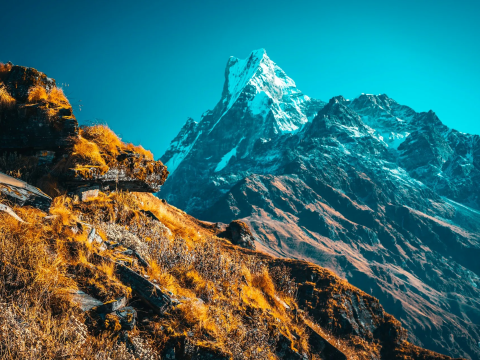
Exploring on the Mardi Himal Trek is an ideal choice for those who are new to trekking in the Himalayas. Unlike the more crowded Annapurna Base Camp or Everest Base Camp treks, Mardi Himal offers a peaceful trail with breathtaking views of snow-capped peaks, lush forests, and charming villages. This trek is perfect for beginners because it combines
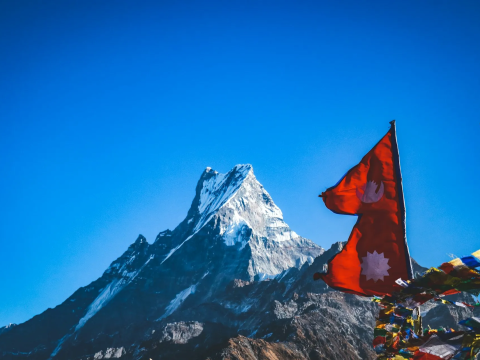
The Mardi Himal Trek, often called one of Nepal’s best-kept secrets, offers an off-the-beaten-path experience that contrasts sharply with the more crowded Annapurna Base Camp Trek. Located in the Annapurna region, this trek provides a unique combination of cultural immersion, diverse landscapes, and panoramic mountain views.
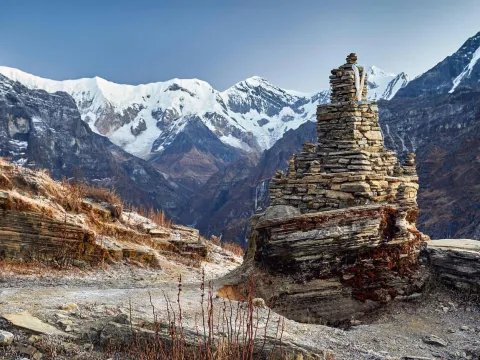
Exploring on the Mardi Himal Trek is an exciting journey into the heart of the Annapurna region, offering pristine landscapes, breathtaking high-altitude viewpoints, and quiet trails. However, before starting this adventure, trekkers must obtain specific permits to ensure a smooth, legal, and safe trekking experience. These permits help maintain


 (2)
(2)  100% recommend (0)
 (0)
(0)