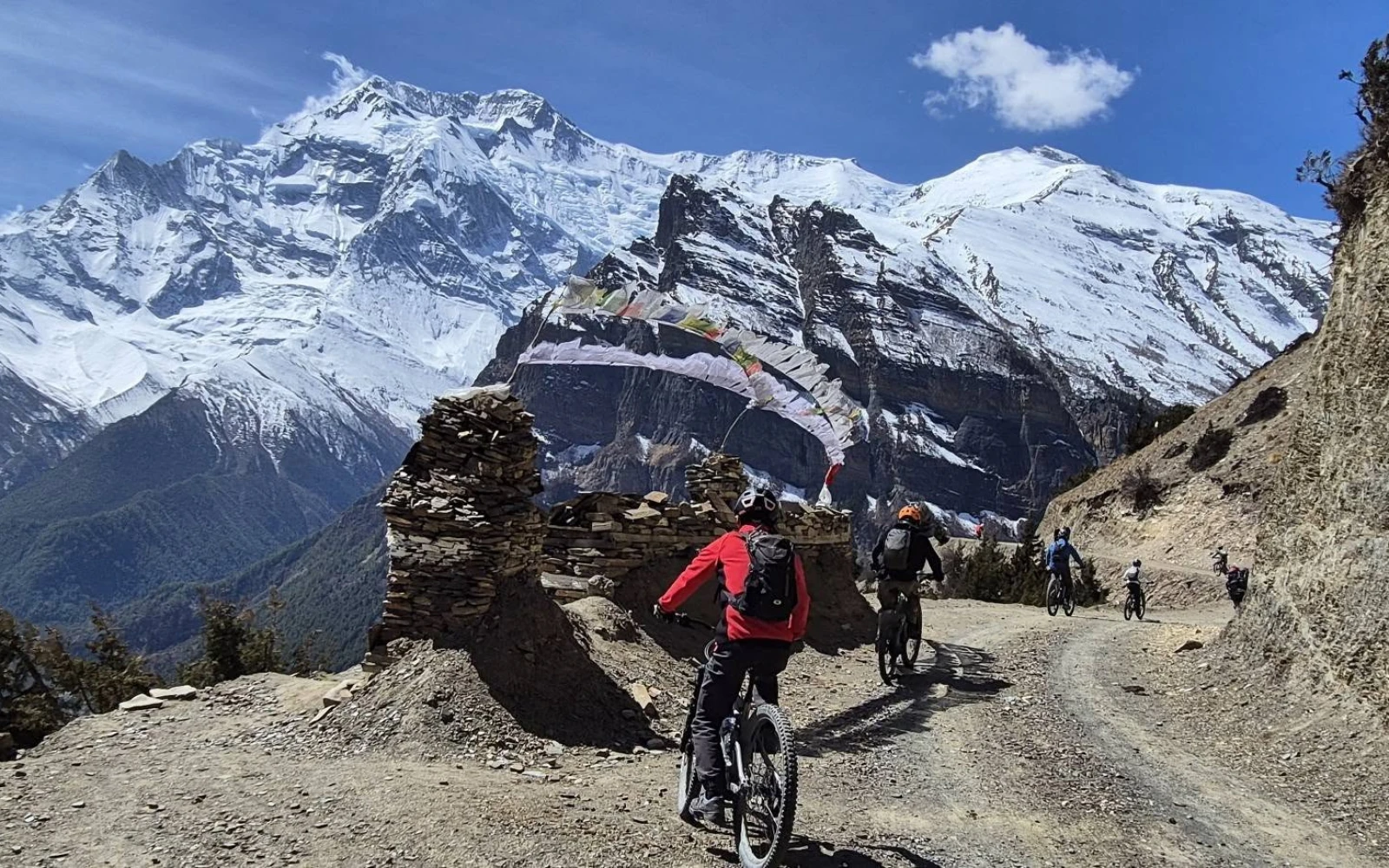
Cycling the Annapurna Circuit is not only possible but increasingly popular among adventure enthusiasts seeking a more dynamic alternative to trekking. This iconic Himalayan route, traditionally walked over several weeks, can be tackled on a mountain bike with proper planning, physical fitness, and acclimatization. The route offers an extraordinary mix of terrain from lush subtropical forests to arid high-altitude landscapes, making it one of the most diverse cycling adventures in the world.
However, it’s important to understand that this is not a typical cycling trip. Riders must be prepared for steep climbs, rough jeep tracks, unpredictable weather, and thin air at high elevations, especially around Thorong La Pass. While some sections are rideable, others may require pushing or carrying your bike. With expert guidance from experienced operators like Asiana Treks and Tours, cyclists can safely navigate the route while enjoying logistical support and local expertise.
Key Points:
Yes, you can cycle the Annapurna Circuit, and for many, it’s a once-in-a-lifetime experience. What was once considered a trekking-only route has evolved due to the development of jeep roads, making large sections accessible to mountain bikers. This has opened the door for adventure cyclists who want to experience the Himalayas in a faster yet equally immersive way.
That said, cycling here is not for beginners. The route reaches altitudes above 5,000 meters, where oxygen levels are significantly lower, and physical exertion becomes more demanding. Riders need to be mentally prepared for long days, changing trail conditions, and occasional altitude-related challenges. With the right support system, such as guided trips from Asiana Treks and Tours, the journey becomes safer and more manageable.
Key Points:
The Annapurna Circuit is one of Nepal’s most famous long-distance routes, circling the Annapurna mountain range. It typically starts in the lowland villages and gradually ascends through diverse ecosystems, eventually crossing the dramatic Thorong La Pass at 5,416 meters before descending into the Mustang region. The journey showcases a rich blend of natural beauty and cultural diversity.
Cyclists on this route encounter everything from terraced rice fields and rhododendron forests to high-altitude deserts and Tibetan-influenced villages. The route length can vary depending on the starting and ending points, but it generally spans 160–230 kilometers when cycled. Companies like Asiana Treks and Tours help customize itineraries based on rider ability and time constraints, ensuring a balanced and enjoyable adventure.
Key Points:
Cycling the Annapurna Circuit is absolutely achievable, but it depends on several factors, including fitness level, experience with mountain biking, and proper acclimatization. While much of the trail follows jeep roads, there are still rugged sections where landslides, rocky paths, and steep gradients make riding difficult. In such cases, cyclists must be willing to push or carry their bikes.
Despite these challenges, the reward is immense. The sense of accomplishment from crossing high mountain passes, combined with breathtaking Himalayan views, makes the effort worthwhile. Many riders choose guided expeditions through companies like Asiana Treks and Tours to ensure safety, proper pacing, and logistical ease. With the right mindset and preparation, cycling the Annapurna Circuit is not just possible—it’s unforgettable.
Key Points:
Trekking and cycling the Annapurna Circuit offer two very different ways to experience the same spectacular landscape. Trekking is slower and allows for deeper immersion in local culture, giving travelers more time to interact with villagers, explore monasteries, and adjust gradually to altitude. It is generally more accessible to a wider range of people, as it doesn’t require technical riding skills.
Cycling, on the other hand, transforms the journey into a high-adrenaline adventure. Riders can cover longer distances in a shorter period, but the physical demands are significantly higher. You’ll need strong biking skills, stamina, and the ability to handle rough terrain. With expert support from Asiana Treks and Tours, cyclists can balance speed with safety while still enjoying the cultural richness of the route.
Key Points:
Timing is crucial when planning a cycling adventure on the Annapurna Circuit. The best seasons are spring (March to May) and autumn (September to November), when the weather is relatively stable, skies are clear, and temperatures are moderate. These conditions provide the safest and most enjoyable riding experience, especially at higher altitudes.
During the monsoon season (June to August), heavy rainfall can make trails muddy and dangerous, with increased risk of landslides. Winter (December to February) brings snow and extreme cold, particularly around high passes like Thorong La, making cycling very challenging or even impossible. Planning your trip with Asiana Treks and Tours ensures you choose the optimal window for both safety and scenic beauty.
Key Points:
The Annapurna Circuit can be divided into several key sections, each offering a unique riding experience. The lower sections, starting from areas like Besisahar, feature lush greenery, rivers, and relatively smoother roads. These parts are more rideable and allow cyclists to ease into the journey while building stamina and adjusting to the terrain.
As the route ascends, the landscape becomes more rugged and remote. Sections leading up to Manang and beyond involve steeper climbs, thinner air, and rougher trails. The descent after crossing Thorong La Pass is one of the most thrilling parts, with long downhill stretches into the Mustang region. Organized trips by Asiana Treks and Tours often break the route into manageable stages, ensuring proper acclimatization and rest.
Key Points:
The ultimate test of cycling the Annapurna Circuit is crossing Thorong La Pass, the highest point of the journey at 5,416 meters. At this altitude, oxygen levels are significantly reduced, making physical exertion extremely difficult. Most cyclists are unable to ride the entire ascent and must push or carry their bikes for several hours.
Despite the hardship, reaching the top is an unforgettable achievement. The panoramic Himalayan views and sense of accomplishment make every struggle worthwhile. Safety is critical here, as altitude sickness is a real risk. That’s why many riders rely on experienced operators like Asiana Treks and Tours for proper acclimatization schedules, support staff, and emergency planning.
Key Points:
Cycling the Annapurna Circuit means dealing with constantly changing road conditions. Unlike paved cycling routes, this circuit is a mix of dirt trails, loose gravel, rocky paths, and expanding jeep tracks. In the lower regions, riders can expect relatively smoother and wider roads, often shared with local vehicles, making it easier to maintain a steady pace.
As you move higher into the mountains, the terrain becomes more technical and unpredictable. Sections may include narrow trails carved into cliffs, landslide-prone areas, and uneven rocky surfaces that demand strong bike handling skills. Weather conditions can further affect the trail, turning dust into mud or ice. Guided trips with Asiana Treks and Tours help cyclists anticipate these conditions and choose the safest and most enjoyable routes.
Key Points:
Cycling the Annapurna Circuit is physically demanding and requires a high level of endurance. Riders should be comfortable cycling long distances over consecutive days, often on steep inclines and at high altitudes. Cardiovascular fitness, leg strength, and stamina are all essential to handle the sustained effort required throughout the journey.
It’s not just about physical strength—mental resilience plays a huge role as well. Facing challenging climbs, unpredictable weather, and fatigue can test even experienced cyclists. Preparing in advance with regular training and practice rides is highly recommended. Many cyclists choose guided programs from Asiana Treks and Tours, which include acclimatization days and support systems to make the journey more manageable.
Key Points:
Altitude is one of the biggest challenges when cycling the Annapurna Circuit. As you ascend, the air becomes thinner, reducing oxygen levels and making physical activity more difficult. Without proper acclimatization, cyclists risk developing altitude sickness, which can be dangerous if ignored.
To stay safe, it’s essential to follow a gradual ascent and include rest days in places like Manang to allow your body to adjust. Hydration, proper nutrition, and listening to your body are key factors in preventing altitude-related issues. Professional support from Asiana Treks and Tours ensures that cyclists follow safe acclimatization schedules and have access to guidance in case of emergencies.
Key Points:
Choosing the right bike is crucial for successfully cycling the Annapurna Circuit. A high-quality mountain bike is the best option, preferably with full suspension or at least a strong front suspension to absorb shocks from rough terrain. Durable tires with good grip are essential for handling gravel, rocks, and muddy trails.
In addition to the bike itself, proper gear and maintenance tools are equally important. Riders should carry spare tubes, a repair kit, and essential tools for on-the-go fixes. Reliable tour operators like Asiana Treks and Tours often provide well-maintained bikes and technical support, ensuring a smoother and safer journey through the Himalayas.
Key Points:
Cycling the Annapurna Circuit requires careful preparation, and having the right gear can make a huge difference in both comfort and safety. Since the route spans multiple climate zones—from warm lowlands to freezing alpine regions—you’ll need layered clothing that can adapt to rapidly changing weather conditions. Waterproof jackets, thermal wear, gloves, and a good-quality helmet are all essential items.
Beyond clothing, technical cycling gear is equally important. Items such as a hydration system, repair kits, spare tubes, and a reliable navigation device are crucial for handling the remote and rugged terrain. Many riders prefer organized trips with Asiana Treks and Tours, as they often provide support vehicles, backup equipment, and expert guidance to ensure you’re fully prepared for the journey.
Key Points:
Before starting your cycling adventure on the Annapurna Circuit, you must obtain the necessary permits. The two main permits required are the Annapurna Conservation Area Permit (ACAP) and the TIMS (Trekkers’ Information Management System) card. These permits help regulate tourism, ensure safety, and contribute to conservation efforts in the region.
Checkpoints are located throughout the route, where officials will verify your documents. It’s important to carry these permits at all times. Regulations can change, so it’s wise to stay updated before your trip. Booking through Asiana Treks and Tours simplifies this process, as they typically handle all permit arrangements and ensure compliance with local rules.
Key Points:
One of the advantages of cycling the Annapurna Circuit is the availability of teahouse accommodation along the entire route. These lodges provide basic but comfortable rooms, usually with twin beds and shared facilities. As you ascend to higher altitudes, the facilities become more basic, but they still offer a warm place to rest after a long day of riding.
Food options are surprisingly varied, ranging from traditional Nepali meals like dal bhat to international dishes such as pasta and pancakes. Proper nutrition is vital for maintaining energy levels during the ride. Organized trips with Asiana Treks and Tours often include pre-arranged accommodation and meal planning, ensuring you get safe, hygienic, and energy-rich food throughout your journey.
Key Points:
Choosing between a guided or independent cycling trip on the Annapurna Circuit depends on your experience, confidence, and travel style. Independent cyclists enjoy greater flexibility and a sense of adventure, as they can set their own pace and itinerary. However, they must manage logistics, navigation, permits, and safety on their own.
Guided tours provide a more structured and secure experience. With professional guides, support staff, and planned itineraries, cyclists can focus on enjoying the ride rather than worrying about logistics. Companies like Asiana Treks and Tours offer tailored cycling packages, making them ideal for those who prefer convenience, safety, and local expertise.
Key Points:
Safety should always be a top priority when cycling the Annapurna Circuit. The route presents several risks, including altitude sickness, sudden weather changes, rough terrain, and potential accidents. Being prepared with proper gear, knowledge, and awareness can significantly reduce these risks.
It’s important to ride within your limits, stay hydrated, and allow enough time for acclimatization. Always check weather forecasts and trail conditions before setting out each day. Many cyclists choose guided support from Asiana Treks and Tours, which provides emergency planning, experienced guides, and local insights to enhance safety throughout the journey.
Key Points:
Planning a cycling trip on the Annapurna Circuit requires a clear understanding of the overall costs involved. Expenses can vary widely depending on whether you travel independently or join a guided tour. Basic costs include permits (ACAP and TIMS), accommodation, food, bike rental or transport, and personal gear. Independent cyclists may spend less overall, but they must handle all logistics themselves.
Guided trips, while more expensive upfront, often provide better value by including accommodation, meals, permits, guides, and support services. This can significantly reduce stress and improve safety. Companies like Asiana Treks and Tours offer customizable packages to suit different budgets, allowing riders to balance cost with comfort and support.
Key Points:
A typical cycling itinerary for the Annapurna Circuit ranges from 10 to 18 days, depending on pace and acclimatization needs. The journey often begins in Besisahar and gradually ascends through villages like Chame and Manang, where riders take rest days to adjust to the altitude. This gradual progression helps reduce the risk of altitude sickness while allowing time to enjoy the scenery.
After acclimatization, cyclists continue toward Thorong La Pass before descending into the Mustang region, often ending in Jomsom or Tatopani. Each day involves a mix of riding and occasional bike pushing, especially in higher sections. Organized trips by Asiana Treks and Tours typically include well-paced itineraries with rest days and support, ensuring a smoother experience.
Key Points:
Cycling the Annapurna Circuit offers a unique blend of adventure, speed, and stunning scenery. One of the biggest advantages is the ability to cover more ground in less time compared to trekking. Cyclists also enjoy thrilling downhill rides and a strong sense of accomplishment after completing such a demanding route.
However, there are also challenges to consider. The physical demands are high, and not all sections are rideable. Weather, altitude, and rough terrain can make the journey difficult at times. With proper planning and support from Asiana Treks and Tours, many of these challenges can be managed effectively.
Key Points:
Pros:
Cons:
Many cyclists describe their journey on the Annapurna Circuit as one of the most rewarding adventures of their lives. They often highlight the diversity of landscapes, from green valleys to high-altitude deserts, as well as the cultural richness of the villages along the route. The sense of achievement after crossing Thorong La Pass is frequently mentioned as a major highlight.
At the same time, riders also share honest insights about the challenges. Long uphill climbs, cold temperatures, and altitude sickness can test endurance. However, those who travel with experienced operators like Asiana Treks and Tours often report a smoother and more enjoyable experience due to professional guidance and support.
Key Points:
Cycling the Annapurna Circuit is absolutely worth it for those seeking a challenging and unique Himalayan adventure. It combines physical endurance, technical riding, and breathtaking scenery into one unforgettable journey. While it may not be suitable for beginners, experienced cyclists with proper preparation will find it incredibly fulfilling.
Ultimately, the decision depends on your fitness level, experience, and willingness to embrace the challenges. With proper planning and the support of a reliable company like Asiana Treks and Tours, you can turn this demanding route into a safe, enjoyable, and life-changing experience.
Key Points:

Nepal has introduced a major reform in its trekking regulations by allowing solo trekkers to access previously restricted regions under updated rules in 2026. These areas, such as Upper Mustang, Manaslu, and Dolpo, were traditionally limited to group travel only, primarily for safety, cultural preservation, and border security. With this shift

Nepal, a land of diverse cultures and breathtaking landscapes, offers countless opportunities for immersive day tours. Within a short driving distance from Kathmandu, travelers can explore ancient towns, sacred temples, serene lakes, and traditional Newari villages that have preserved their heritage for centuries. These destinations provide

Nepal is a dream destination for thrill-seekers, offering a rare blend of towering Himalayan peaks, roaring rivers, deep valleys, and rich cultural landscapes. From the skies above the world’s highest mountains to the rushing waters of glacial rivers, every corner of the country invites adventure. Whether you’re chasing adrenaline or simply want


 (2)
(2)  100% recommend (0)
 (0)
(0)