Nepal has introduced a major reform in its trekking regulations by allowing solo trekkers to access previously restricted regions under updated rules in 2026. These areas—such as Upper Mustang, Manaslu, and Dolpo—were traditionally limited to group travel only, primarily for safety, cultural preservation, and border security. With this shift, Nepal is opening its doors wider to independent adventurers while still maintaining structured oversight through licensed guides.
This policy change reflects Nepal’s effort to adapt to modern travel trends, where many trekkers prefer solo experiences for flexibility and personal exploration. While solo trekking is now permitted, the government continues to emphasise safety and responsible tourism by requiring at least one licensed guide per trekking permit. This ensures that even individual trekkers benefit from local expertise and emergency support.
Key Highlights of the 2026 Rule Changes:
Companies like Asiana Treks and Tours are well-prepared to support solo trekkers under these new regulations, offering professional guides and customised itineraries tailored to individual needs.
Nepal has long been considered one of the world’s premier trekking destinations, home to iconic regions like the Himalayas, ancient mountain cultures, and diverse landscapes. From lush subtropical forests to high-altitude deserts, the country offers unmatched trekking experiences that attract thousands of adventurers every year. Restricted areas, in particular, have always been highly sought-after due to their untouched beauty and cultural authenticity.
The 2026 policy update marks a historic shift in how Nepal manages access to these exclusive regions. Previously, trekkers were required to travel in groups of at least two people, often arranged through agencies. This requirement sometimes discouraged solo travellers or made planning more complicated. The new rule removes that barrier, allowing individuals to explore freely while still maintaining safety through guide requirements.
This change is significant because it balances freedom with responsibility. It acknowledges the growing global trend toward solo travel while ensuring that trekkers are not entirely alone in challenging and remote environments.
Why This Change Matters:
With expert operators like Asiana Treks and Tours, solo trekkers can now enjoy both independence and professional guidance in Nepal’s most remote regions.
A Restricted Area Permit (RAP) is a special trekking authorisation issued by the Nepalese government for entry into designated sensitive regions. These areas are typically located near international borders or in culturally significant zones where access is controlled to preserve heritage and ensure national security. Unlike standard trekking permits, RAPs come with stricter regulations and higher fees.
The purpose of the RAP system is to regulate tourism in fragile environments and protect indigenous communities from excessive outside influence. It also helps authorities monitor trekkers in remote regions where infrastructure and emergency services are limited. Even with the new 2026 rules allowing solo trekkers, obtaining an RAP still requires going through a registered trekking agency.
Restricted areas include some of Nepal’s most spectacular and culturally rich destinations, making the RAP essential for trekkers seeking unique and less-crowded experiences.
Common Restricted Trekking Areas in Nepal:
Key Features of RAP:
Through trusted operators like Asiana Treks and Tours, trekkers can easily arrange RAP permits and enjoy a seamless trekking experience while complying with Nepal’s updated regulations.
Restricted areas in Nepal are specially designated regions where access is regulated by the government to protect their unique cultural heritage, fragile ecosystems, and strategic geographic importance. These areas are often located near international borders—particularly with Tibet (China)—and are home to ancient traditions, isolated communities, and landscapes that have remained largely untouched by modernisation. Because of their sensitivity, trekkers must obtain a Restricted Area Permit (RAP) and travel with a licensed guide, even under the new 2026 rules that now allow solo trekking.
These regions are not “restricted” to discourage tourism, but rather to ensure that tourism is managed responsibly. The goal is to preserve indigenous lifestyles, prevent environmental degradation, and maintain security oversight. With the 2026 policy update, solo trekkers can now explore these areas, but the presence of a professional guide ensures that visitors respect local customs and stay safe in remote terrains.
From a cultural perspective, many restricted areas are deeply influenced by Tibetan Buddhism and ancient Himalayan traditions. Politically, their proximity to international borders requires careful monitoring. Environmentally, these areas often include high-altitude deserts, rare wildlife habitats, and delicate ecosystems that need protection from mass tourism.
Key Characteristics of Restricted Areas:
Nepal’s restricted areas are home to some of the most extraordinary trekking routes in the world. These treks offer a rare combination of raw natural beauty, cultural immersion, and solitude that is difficult to find in more commercial trekking regions. With the new 2026 rules allowing solo trekkers (with a guide), these destinations are now more accessible than ever for independent adventurers seeking unique experiences.
Each restricted trek has its own distinct character—from desert-like landscapes to lush valleys and ancient monasteries. While these routes are more challenging due to their remoteness, they reward trekkers with unparalleled views, authentic cultural encounters, and a deep sense of exploration. With proper organisation through a reliable company like Asiana Treks and Tours, trekkers can safely navigate these remote trails and fully enjoy their journey.
Major Restricted Area Treks:
Upper Mustang Trek
Known as the “Last Forbidden Kingdom,” Upper Mustang offers a dramatic landscape of red cliffs, caves, and ancient monasteries. This region preserves a strong Tibetan culture and provides a unique desert-like trekking experience in the Himalayas.
Manaslu Circuit Trek
The Manaslu Circuit is a stunning alternative to the Annapurna region, circling the world’s eighth-highest peak. It features diverse landscapes, from subtropical forests to high mountain passes, along with rich cultural encounters.
Tsum Valley Trek
Tsum Valley is a hidden gem known for its spiritual significance and peaceful environment. The valley is dotted with ancient monasteries and offers deep insights into traditional Himalayan Buddhist life.
Upper Dolpo Trek
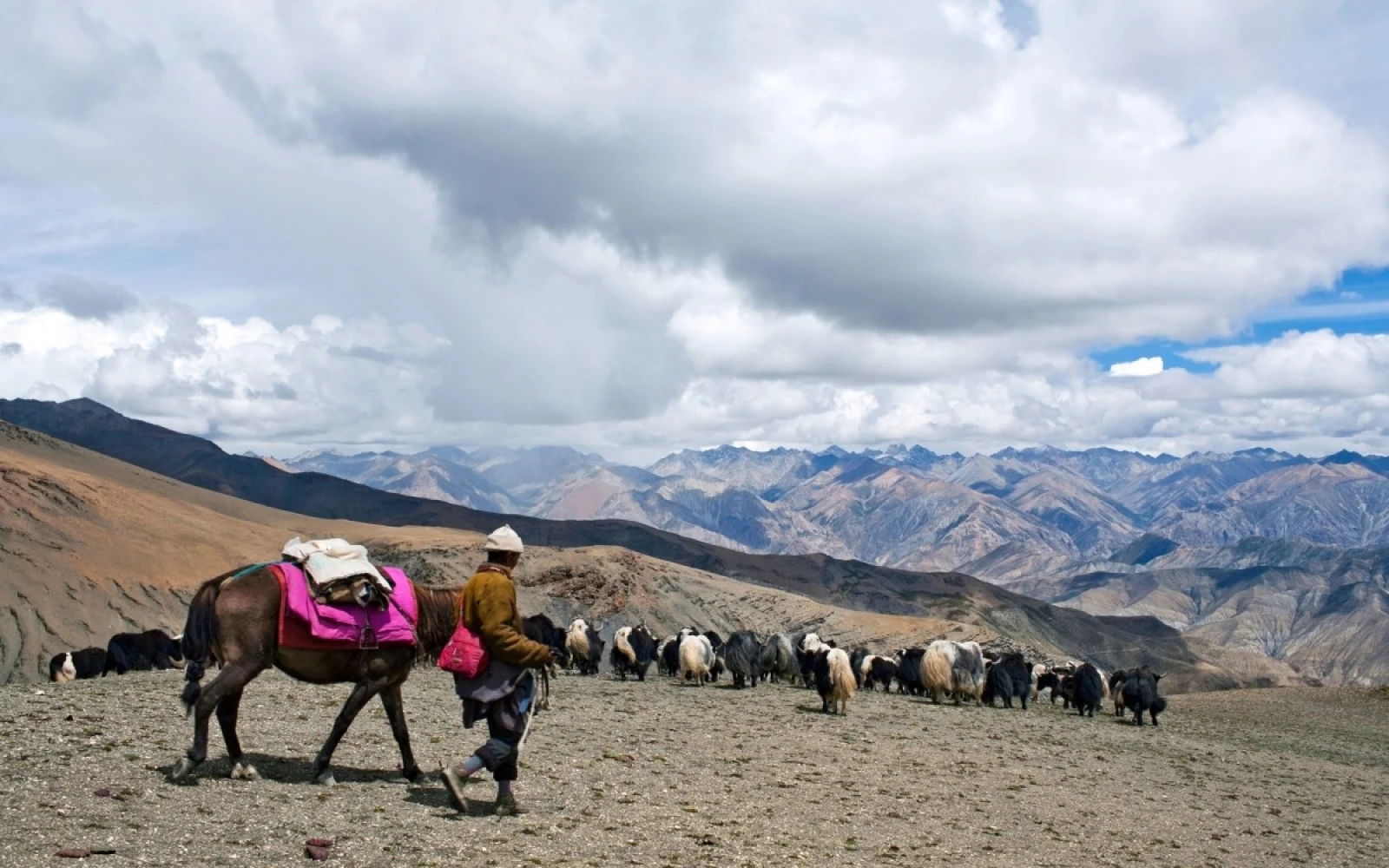
One of the most remote and challenging treks in Nepal, Upper Dolpo is famous for its rugged terrain and connection to ancient Bon and Buddhist cultures. It is ideal for experienced trekkers seeking true wilderness.
Nar Phu Valley Trek
Nar and Phu valleys are isolated regions offering dramatic landscapes and authentic village life. This trek combines natural beauty with cultural richness and fewer crowds.
Highlights of These Treks:
Before the 2026 policy reform, trekking in Nepal’s restricted areas was governed by strict regulations designed to control access and ensure safety. One of the most notable rules was the mandatory minimum group size of at least two trekkers. This meant that solo travellers could not obtain a Restricted Area Permit (RAP) on their own and had to either join another trekker or book through an agency that paired them with someone else. While this system helped authorities monitor visitors, it often limited flexibility for independent travellers.
In addition to the group requirement, hiring a licensed guide was compulsory for all trekkers, regardless of group size. Permits could only be issued through registered trekking agencies, which handled documentation, itinerary planning, and logistics. Although these rules ensured a structured and safer trekking environment, they also created barriers—especially for solo adventurers who preferred independence and spontaneous travel planning.
Many trekkers found these provisions restrictive, particularly those who wanted to explore at their own pace. Coordinating with strangers, adjusting travel schedules, and dealing with higher costs due to forced group arrangements were common challenges.
Key Features of Pre-2026 Rules:
With professional agencies like Asiana Treks and Tours, many of these challenges were managed efficiently, but the system still lacked true accessibility for solo trekkers.
In 2026, Nepal introduced a landmark update to its trekking policies by officially allowing solo trekkers to enter restricted areas. This change removed the long-standing requirement of having at least two trekkers per permit, making it possible for individuals to plan and undertake their journeys independently. It represents a progressive step toward modernising Nepal’s tourism industry and aligning with global travel trends.
The decision was influenced by the growing demand for solo travel experiences and feedback from international visitors who sought more freedom in exploring remote regions. By allowing solo trekking—while still requiring a licensed guide—the government has struck a balance between independence and safety. This ensures that trekkers can enjoy personal exploration without compromising on security or responsible tourism practices.
The update is expected to significantly boost tourism, especially among younger travellers, digital nomads, and adventure seekers who prefer customised itineraries. It also opens new opportunities for local guides and trekking companies to offer more personalised services.
Highlights of the 2026 Update:
Tourism Impact:
With trusted operators like Asiana Treks and Tours, solo trekkers can seamlessly adapt to these new rules while enjoying expert support and customized travel planning.
The 2026 rule change is more than just a policy update—it has real, practical implications for how trekking in Nepal is experienced. For trekkers, it means greater freedom to design their own journeys without needing to coordinate with others. Solo travellers can now choose their preferred routes, travel dates, and pace, making the entire experience more personal and fulfilling.
At the same time, the requirement for a licensed guide ensures that trekkers are not entirely alone in remote and potentially risky environments. Guides provide navigation assistance, cultural insights, and emergency support, which enhances both safety and the overall trekking experience. This hybrid model—independence with professional support—offers the best of both worlds.
The new rule also makes restricted areas more accessible than ever before. Trekkers who were previously discouraged by logistical challenges can now confidently plan their trips. This increased accessibility is expected to diversify the type of visitors exploring these regions.
Practical Implications for Trekkers:
Benefits of Increased Accessibility:
The 2026 update to Nepal’s Restricted Area Trekking Permit (RAP) policy introduces several important changes that significantly improve accessibility while maintaining safety and regulation. These updates reflect a modern approach to tourism, focusing on flexibility, digitalisation, and responsible travel. Trekkers can now enjoy a more streamlined process and greater independence when planning adventures in restricted regions.
Despite these changes, the government has retained essential safeguards such as mandatory guides and monitoring systems. This ensures that while trekkers gain more freedom, the risks associated with remote and high-altitude trekking are minimised. With professional support from Asiana Treks and Tours, travellers can easily navigate these new policies and make the most of their Himalayan journey.
Solo Trekking Permission
One of the most groundbreaking changes in 2026 is the official approval of solo trekking in restricted areas. Previously, trekkers had to be in a group of at least two people to obtain a permit. Now, individual travellers can apply for a RAP and explore independently, making Nepal more attractive to solo adventurers worldwide.
This change empowers trekkers to create personalised itineraries and travel at their own pace. However, solo trekking does not mean trekking alone without support—licensed guides are still required to accompany trekkers, ensuring safety and compliance with local regulations.
Highlights:
Updated Group Size Limits
While solo trekking is now permitted, the government has also introduced a maximum group size limit to better manage tourism flow in sensitive regions. Groups are now capped at a certain number of trekkers per permit, ensuring that overcrowding does not negatively impact local communities or the environment.
This approach helps maintain the exclusivity and pristine nature of restricted areas. Smaller group sizes also enhance the trekking experience by allowing more meaningful cultural interactions and minimising environmental pressure.
Updated Group Rules:
Mandatory Guide Rule & Digital Tracking
Even with the introduction of solo trekking, the requirement for a licensed guide remains firmly in place. Guides play a crucial role in ensuring trekkers’ safety, navigating difficult terrain, and providing cultural insights. This rule reflects Nepal’s commitment to responsible tourism and visitor protection.
Additionally, digital tracking systems are being introduced to monitor trekkers in real-time. These systems enhance emergency response capabilities and help authorities keep track of visitors in remote regions. This combination of human guidance and technology ensures a safer trekking environment.
Key Points:
Online Application System
Another major improvement is the introduction of an online application system for RAP permits. Previously, the process involved manual paperwork and coordination through agencies, which could be time-consuming. The new digital system simplifies the process, making it faster and more convenient.
Trekkers can now submit documents, track applications, and receive approvals more efficiently. However, permits must still be processed through authorised agencies, ensuring compliance with regulations. Companies like Asiana Treks and Tours assist trekkers in handling these applications smoothly.
Benefits of the Online System:
The changes introduced in 2026 represent a clear shift toward flexibility and accessibility while maintaining safety standards. Comparing the old and new rules highlights how Nepal has modernized its trekking policies to meet evolving traveler expectations.
Below is a simple comparison of the key differences:
| Aspect | Previous Rules | New 2026 Rules |
|---|---|---|
| Minimum Group Size | 2 trekkers required | 1 (solo allowed) |
| Maximum Group Size | No strict limit | 7 trekkers per permit |
| Guide Requirement | Mandatory | Mandatory (unchanged) |
| Permit Process | Manual, agency-based | Online + agency support |
| Flexibility | Limited | High |
| Rationale | Partner requirement | Safety, accessibility, better management |
These updates make trekking more inclusive while ensuring that safety and sustainability remain priorities. With guidance from Asiana Treks and Tours, trekkers can easily adapt to these updated rules and plan their trips confidently.
With the new 2026 regulations, several of Nepal’s most iconic restricted trekking regions are now accessible to solo trekkers. This opens up incredible opportunities for individuals seeking remote adventures, cultural immersion, and unique Himalayan landscapes.
Each of these regions offers something distinct, from ancient Tibetan-influenced cultures to dramatic high-altitude scenery. While solo access is now permitted, trekkers must still follow RAP guidelines and travel with a licensed guide.
Key Accessible Regions:
Upper Mustang Trek
Manaslu Circuit Trek
Tsum Valley Trek
Upper Dolpo Trek
Nar Phu Valley Trek
Special Notes for Trekkers:
With the introduction of the 2026 trekking policy, solo trekkers are now allowed to enter Nepal’s restricted areas, but they must still follow specific rules to ensure safety, compliance, and responsible tourism. These regulations are designed to maintain a balance between individual freedom and the protection of remote regions. While the removal of the minimum group size is a major benefit, the permit system remains structured and carefully monitored.
Solo trekkers must obtain a Restricted Area Permit (RAP) through a registered trekking agency and cannot apply independently. Additionally, hiring a licensed guide is mandatory, even for single travellers. This ensures that trekkers are supported in remote areas where navigation, communication, and emergency services can be challenging. Agencies like Asiana Treks and Tours play a key role in managing permits, arranging guides, and ensuring all requirements are met.
Conditions Solo Trekkers Must Follow:
Guide and Agency Requirements:
Obtaining a Restricted Area Permit (RAP) in Nepal has become more streamlined with the 2026 updates, but it still requires coordination with a registered trekking agency. The process begins with selecting a reliable agency that will handle all logistics, including permit applications, guide arrangements, and itinerary planning. This ensures that trekkers meet all legal requirements before entering restricted regions.
The introduction of an online application system has made the process faster and more efficient. Once the agency submits the required documents, the permit is reviewed and approved by the relevant authorities. The timeline for approval can vary depending on the region and season, but most permits are processed within a few working days if all documents are in order.
Step-by-Step Process:
Timeline and Approval:
To obtain a Restricted Area Permit, trekkers must provide several essential documents that verify identity, travel plans, and safety preparedness. These documents are crucial for ensuring that trekkers are properly registered and can be tracked in remote regions if necessary. The documentation process is handled by the trekking agency but requires accurate input from the traveller.
The most important document is a valid passport with a Nepal visa, as all permits are linked to official identification. Travel insurance is also highly recommended—and sometimes required—especially for high-altitude trekking, as it covers emergencies such as evacuation or medical treatment. A detailed itinerary and agency guarantee letter further ensure that the trek is organised and monitored.
Required Documents:
Additional Requirements:
With assistance from Asiana Treks and Tours, trekkers can ensure all documents are properly prepared and submitted without complications.
The cost of Restricted Area Permits in Nepal varies depending on the region, duration of the trek, and season. These permits are generally more expensive than standard trekking permits due to the exclusivity and management required in restricted areas. Fees are typically charged per person and per day, with higher rates during peak trekking seasons such as spring and autumn.
Different regions have different pricing structures. For example, Upper Mustang and Upper Dolpo tend to have higher permit fees due to their remoteness and cultural significance, while areas like Manaslu and Nar Phu may have more moderate costs. Trekkers should also consider additional expenses beyond the permit itself, as trekking in restricted areas often involves logistics such as guides, accommodation, and transportation.
Pricing Factors:
Additional Costs to Consider:
Trekking in Nepal’s restricted areas is an extraordinary experience, but it comes with significant challenges that require proper preparation and awareness. These regions are often located in remote Himalayan landscapes where trails can be rugged, steep, and physically demanding. Unlike popular trekking routes, restricted areas are less developed, meaning trekkers must be ready for unpredictable conditions and longer trekking days.
One of the greatest difficulties is the remoteness of these regions. Access is limited, communication networks are weak, and emergency services may take time to reach. Trekkers must rely heavily on their guide and careful planning. With expert assistance from Asiana Treks and Tours, these challenges can be managed effectively, ensuring a safer and more enjoyable journey.
Altitude is another major concern. Many restricted area treks reach elevations above 4,000 meters, where the risk of altitude sickness becomes significant. Proper acclimatisation, hydration, and pacing are essential to avoid serious health issues. Additionally, limited infrastructure means basic accommodations and fewer medical facilities along the route.
Key Challenges:
Preparation Tips:
Packing properly is crucial for a successful trekking experience in Nepal’s restricted areas. Due to the remoteness and lack of facilities, trekkers must carry all essential items needed for varying weather conditions and emergencies. The right gear not only ensures comfort but also plays a critical role in safety and survival.
Clothing should be layered to adapt to changing temperatures, from warm daytime conditions to freezing nights at higher altitudes. High-quality trekking gear, including sturdy boots and weatherproof jackets, is essential. Safety equipment such as a first-aid kit, headlamp, and water purification tools should always be included.
With guidance from Asiana Treks and Tours, trekkers receive detailed packing advice tailored to their specific route and season, ensuring they are fully prepared.
Clothing and Gear:
Safety Equipment:
Documentation Essentials:
Safety is a top priority when trekking in Nepal’s restricted regions, and the government has implemented systems to monitor and assist trekkers. With the 2026 updates, digital tracking and improved coordination between agencies and authorities have strengthened the overall safety framework. These measures ensure that trekkers can be located and assisted quickly in case of emergencies.
Guides play a critical role in the safety system. They are trained to handle navigation, altitude-related issues, and emergency situations. They also act as a communication link between trekkers and rescue services. Trekking agencies coordinate logistics and maintain records, ensuring that trekkers are accounted for throughout their journey.
Travel insurance is another essential component of safety. In remote areas, helicopter evacuation may be required in emergencies, which can be extremely costly without proper insurance coverage. Agencies like Asiana Treks and Tours strongly recommend comprehensive insurance for all trekkers.
Emergency Response System:
Role of Guides and Agencies:
Insurance Importance:
Choosing the right season is essential for a successful trekking experience in Nepal’s restricted areas. Weather conditions in the Himalayas can vary significantly depending on the time of year, affecting trail accessibility, visibility, and overall comfort. The best seasons are generally spring and autumn, which offer stable weather and clear mountain views.
Spring (March to May) is known for moderate temperatures, blooming rhododendrons, and excellent trekking conditions. Autumn (September to November) is the most popular season due to clear skies, dry weather, and stunning visibility. These seasons provide the best balance of safety and scenic beauty.
Winter and monsoon seasons present additional challenges. Winter (December to February) brings cold temperatures and snow, especially at higher altitudes, while the monsoon (June to August) can cause heavy rainfall, landslides, and poor visibility. However, some regions like Upper Mustang and Dolpo lie in rain-shadow areas and can still be trekked during the monsoon.
With expert seasonal planning from Asiana Treks and Tours, trekkers can choose the best time based on their preferred region and experience level.
Seasonal Breakdown:
Region-Specific Recommendations:
Best Time Highlights:
Restricted area treks in Nepal are not for casual hikers; they are best suited for trekkers who are well-prepared physically, mentally, and logistically. Experienced trekkers who are comfortable with long days of walking, rugged terrain, and high altitudes will find these regions rewarding. The remoteness, altitude changes, and limited infrastructure require prior trekking experience and good fitness levels to ensure safety and enjoyment.
Beyond physical readiness, restricted area treks are ideal for cultural explorers and adventure seekers. These regions offer a glimpse into ancient Himalayan lifestyles, Tibetan-influenced Buddhist culture, and untouched natural landscapes. Trekkers who value solitude, photography opportunities, and immersive cultural experiences will benefit the most from these unique journeys. With support from Asiana Treks and Tours, even challenging treks can be managed safely and comfortably.
Ideal Candidates for Restricted Area Treks:
Benefits of Choosing Restricted Area Treks:
Nepal’s decision to update the Restricted Area Permit (RAP) policy in 2026 was motivated by several factors. First, tourism recovery and growth were key considerations. Following global disruptions to travel, Nepal aimed to make its trekking industry more accessible, attract international trekkers, and boost local economies. Allowing solo trekking removes barriers that previously limited visitor numbers.
Second, feedback from trekkers and trekking agencies played a major role. Many travellers expressed frustration with the minimum group size requirement and rigid permit rules. Agencies like Asiana Treks and Tours highlighted the demand for more flexible options while maintaining safety. The government considered these insights to modernise the policy while ensuring sustainable tourism.
Finally, the update reflects a careful balance between access and preservation. Nepal wants to open its remote regions to more visitors while protecting fragile ecosystems, local cultures, and security-sensitive areas. By combining solo access with mandatory guides and monitoring, the RAP policy achieves both accessibility and responsible management.
Reasons for the 2026 RAP Update:
Booking a restricted area trek through a licensed local agency is not just convenient—it is legally required. Permits can only be issued through registered trekking companies, making agencies like Asiana Treks and Tours essential for accessing restricted areas. These agencies ensure that trekkers comply with government regulations and receive authentic guidance throughout their journey.
Local agencies offer invaluable expertise and logistical support. From arranging transportation, accommodations, and guides to planning routes and itineraries, they simplify complex trekking arrangements. They are also familiar with regional conditions, cultural protocols, and seasonal challenges, allowing trekkers to focus on their experience rather than administrative details.
Safety and rescue coordination is another critical advantage. Agencies maintain communication with local authorities, monitor trekkers’ progress, and manage emergency situations if necessary. This ensures that even solo trekkers can explore remote regions with professional support, minimising risks in challenging terrain.
Benefits of Booking Through a Local Agency:
While the 2026 rules allow solo trekking in Nepal’s restricted areas, it is important to understand what “solo” actually means in this context. Trekkers are still required to travel with a licensed guide, follow a registered itinerary, and obtain a permit through an agency. True independence is therefore moderated by legal and safety obligations.
The guide’s role is central. Guides provide navigation, cultural insights, safety monitoring, and emergency response support. While trekkers can enjoy personal freedom in terms of pace and focus, they remain connected to their guide and agency throughout the trek. This ensures both safety and compliance but also sets boundaries on full autonomy.
Understanding these limitations helps solo trekkers plan realistically. They can enjoy the experience of trekking independently while benefiting from expert guidance, local knowledge, and emergency preparedness. Companies like Asiana Treks and Tours make this balance seamless, offering the freedom of solo trekking with professional support.
Reality Check for Solo Trekkers:
Practical Tips:
The 2026 update, allowing solo trekking in Nepal’s restricted areas, opens up exciting opportunities for adventure enthusiasts. Trekkers now have the freedom to explore iconic Himalayan regions at their own pace, enjoy personalised itineraries, and experience a deep connection with nature and culture. Previously, solo travellers faced logistical challenges due to minimum group size requirements, but now the process is more flexible and accessible.
However, trekkers must remember that “solo” does not mean unsupported. A licensed guide and agency coordination are still required for safety and legal compliance. Understanding the rules, preparing for high-altitude trekking, and being aware of remoteness challenges are essential. With the support of Asiana Treks and Tours, trekkers can balance independence with professional guidance for a safe and enriching journey.
Opportunities Created by the New Rule:
Things to Keep in Mind:
The updated RAP policy is a game-changer for Nepal’s trekking industry. By allowing solo trekkers, the country has increased accessibility, making some of the world’s most remote and culturally rich trekking destinations available to a wider range of travellers. This change enhances Nepal’s global reputation as a flexible, adventure-friendly destination.
Beyond accessibility, the update improves the overall travel experience. Trekkers can now plan individualised trips with the support of professional guides, reducing logistical stress while retaining independence. Moreover, the boost in solo and small-group trekking is expected to benefit local economies, including hotels, guides, transport services, and cultural sites, spreading tourism revenue to remote communities. Asiana Treks and Tours helps ensure these benefits are maximised for travellers and local partners alike.
Key Benefits of the Policy Change:
Can I trek completely alone?
No. Even under the new 2026 rules, trekkers must be accompanied by a licensed guide while exploring restricted areas. The guide ensures safety, navigation, and compliance with government regulations.
Do I still need a guide?
Yes. A licensed guide is mandatory for solo and group trekkers in all restricted areas, providing both safety and cultural guidance.
How long does the permit process take?
Permit approval typically takes 2–5 working days when all documents are submitted through a licensed agency like Asiana Treks and Tours. Peak trekking seasons may extend processing times slightly.
Which trek is best for solo travellers?
Treks like Upper Mustang, Manaslu Circuit, Tsum Valley, Upper Dolpo, and Nar Phu Valley are ideal for solo trekkers, offering manageable logistics, safety with guides, and immersive cultural experiences.
Planning a restricted area trek requires careful preparation. Trekkers should start by selecting a reliable agency like Asiana Treks and Tours, which handles permits, guides, accommodations, and logistical support. Choosing the best season, spring or autumn, is essential for stable weather and clear mountain views.
Suggested itineraries can be tailored to experience cultural immersion, photography opportunities, and challenging high-altitude trails. Solo trekkers should also maintain a final preparation checklist, including gear, documents, insurance, and acclimatisation plans. With careful planning, restricted area trekking becomes a safe, unforgettable adventure.
Suggested Planning Steps:
Final Preparation Checklist:
The 2026 update to Nepal’s Restricted Area Permit policy is a landmark moment for Himalayan trekking. By allowing solo travellers, the country has modernised its trekking regulations while maintaining safety, cultural respect, and environmental preservation. Trekkers can now experience some of the most remote and breathtaking regions of Nepal with independence and confidence, supported by professional guides and trusted agencies like Asiana Treks and Tours.
This policy change not only benefits individual trekkers but also strengthens Nepal’s tourism industry, promotes cultural exchange, and supports local economies in remote regions. For anyone seeking adventure, cultural immersion, and the thrill of the Himalayas, restricted area trekking under the 2026 rules offers an unparalleled opportunity.
Key Takeaways:
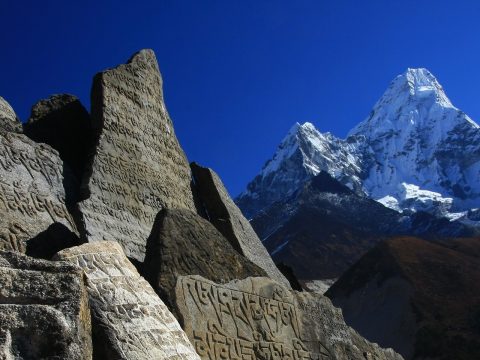
Plan your trekking adventure with our guide to the best time for trekking in Nepal. Discover the ideal seasons, weather conditions, and what makes spring and autumn perfect for exploring Nepal’s majestic trails.
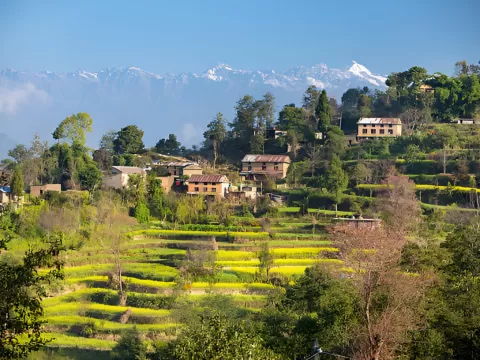
Nepal is an extraordinary destination for adventure enthusiasts, with its breathtaking landscapes and diverse trekking routes, nestled in the heart of the Himalayas. Asiana Treks & Tours specializes in offering unforgettable hiking adventures across this mountainous region, tailored for all types of trekkers.
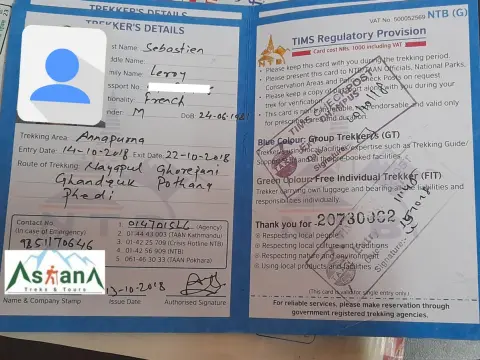
Nepal is globally recognized as a premier destination for trekking enthusiasts. From the iconic Everest Base Camp to the serene trails of Annapurna and the hidden valleys of Mustang, Nepal’s trekking routes offer unparalleled diversity.


 (2)
(2)  100% recommend (0)
 (0)
(0)