
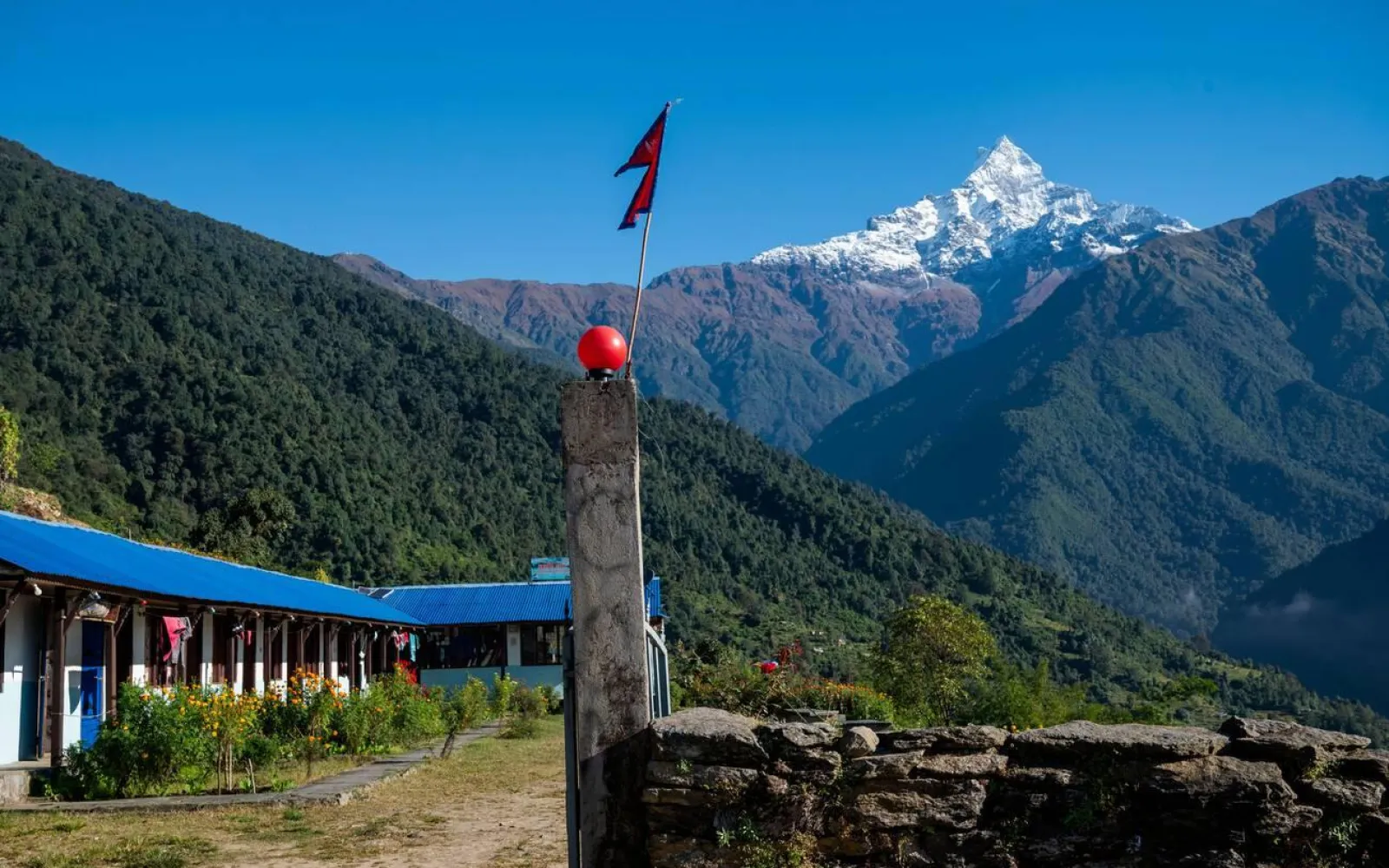
The Mardi Himal Trek offers trekkers a comfortable and authentic Himalayan experience through its network of teahouses and lodges. Accommodation along the trail is modest but cozy, typically consisting of single or shared rooms with basic bedding and blankets. While facilities may be simple, the warm hospitality of local owners makes the stay memorable. Staying in teahouses also allows trekkers to interact with locals and fellow travelers, giving a deeper sense of the region's culture and lifestyle.
Food on the trek is hearty and mostly vegetarian-friendly. Most teahouses serve traditional Nepali meals such as dal bhat (rice and lentils), vegetable curry, soups, and noodles. Non-vegetarian options like eggs, chicken, or trout are also available in some locations. For trekkers with specific dietary needs, it’s advisable to carry snacks, energy bars, and water purification tablets. Hot beverages like tea, coffee, and hot chocolate are widely available and are especially comforting in cold weather or at higher altitudes.
Accommodation & Food Tips:
The Mardi Himal Trek is a hidden jewel located near Pokhara, offering panoramic Himalayan views combined with lush forests and serene landscapes. Unlike the more crowded Annapurna Base Camp trek, Mardi Himal provides a quieter, less-traveled experience. The trek passes through traditional Gurung villages, dense rhododendron forests, and alpine meadows, offering both natural beauty and cultural encounters. Trekkers can enjoy striking views of Annapurna South, Hiunchuli, and the majestic Machapuchare (Fishtail) peak, making it a rewarding adventure for photography enthusiasts and nature lovers alike.
The trail begins with gentle ascents through farmland and forests, gradually becoming steeper as you approach High Camp and the Mardi Himal viewpoint. Each stage of the trek offers a different perspective of the surrounding mountains and valleys, ensuring a varied and immersive trekking experience. The combination of panoramic vistas, cultural exposure, and serene trails makes Mardi Himal a unique alternative to the more popular Himalayan treks.
Why Mardi Himal is a Hidden Gem
Mardi Himal remains relatively undiscovered compared to the famous Annapurna Base Camp or Poon Hill treks, allowing trekkers to enjoy solitude and tranquility. The route passes through rhododendron forests that burst into color during spring, bamboo groves, and pristine alpine landscapes. Local villages along the trail provide opportunities to experience traditional Nepali life and hospitality.
The trek’s hidden-gem status also means fewer crowds and cleaner trails, offering a more intimate connection with nature. At higher altitudes, panoramic views of Mardi Himal, Machapuchare, and the Annapurna range create unforgettable moments for trekkers seeking pristine mountain vistas away from bustling tourist spots.
Best Time to Visit
The optimal seasons for Mardi Himal Trek are autumn (September to November) and spring (March to May). During these periods, the skies are clear, the weather is stable, and the mountain scenery is at its most dramatic. Spring is particularly beautiful as rhododendrons bloom along the trail, adding vibrant colors to the forests.
Winter offers crisp mountain views with fewer trekkers on the trail, but temperatures can drop significantly at higher elevations. Monsoon season (June to August) is generally avoided due to heavy rainfall, slippery trails, and limited visibility, which can make trekking challenging and less enjoyable.
Pokhara to Forest Camp:
The trek begins with a scenic drive from Pokhara to the trailhead, followed by a gentle hike through farmland and villages, gradually entering lush forests. Forest Camp offers cozy teahouse accommodation, a warm meal, and a chance to rest before the more challenging sections of the trek.
Forest Camp to High Camp:
The trail becomes steeper as trekkers ascend through dense rhododendron and oak forests. High Camp provides spectacular sunrise views of the Annapurna range and is the base for the next day’s climb to the Mardi Himal viewpoint. Nights here are chilly but manageable with warm blankets and proper trekking gear.
High Camp to Mardi Himal Viewpoint and Back to Low Camp:
From High Camp, the trail climbs to the Mardi Himal viewpoint at 4,500 m (14,764 ft), offering breathtaking panoramas of Machapuchare, Mardi Himal, Annapurna South, and surrounding peaks. After enjoying the views, trekkers descend back to Low Camp, where a well-deserved rest awaits along with hearty meals.
Low Camp to Siding and Return to Pokhara:
The final stretch descends through forests and hills to Siding (1,700 m/5,576 ft), a gentle 1.5-hour hike. From Siding, a 2-hour drive returns trekkers to Pokhara, marking the end of a memorable journey through hidden Himalayan landscapes.
Trekking with Asiana Treks and Tours
Asiana Treks and Tours provides a seamless trekking experience for Mardi Himal. Their packages include experienced guides, porters if needed, arranged teahouse accommodation, and all necessary permits. Traveling with Asiana Treks ensures safety, comfort, and logistical ease throughout the trek.
Key Highlights of Trekking with Asiana Treks:
The Mardi Himal Trek primarily offers accommodation in teahouses, which are small lodges run by local families. These teahouses provide basic yet comfortable amenities, including beds, blankets, and sometimes attached or shared bathrooms. Staying in teahouses allows trekkers to experience local hospitality, enjoy homemade meals, and interact with fellow travelers along the trail. While simple, the warmth of the accommodation and the scenic surroundings make teahouse stays an integral part of the trekking experience.
For trekkers seeking a more adventurous or private experience, camping is also possible, though less common. Camping requires bringing tents, sleeping bags, cooking equipment, and often hiring porters to carry gear. While it provides a greater sense of solitude and closeness to nature, it is more logistically demanding compared to teahouse trekking.
Key Points:
Teahouses vs. Camping
Teahouses are ideal for most trekkers because they require minimal equipment and provide warmth, meals, and a social environment. They are located in key points along the trail, such as Forest Camp, High Camp, and Low Camp, ensuring convenient resting points.
Camping, while offering flexibility and privacy, is less practical on Mardi Himal due to limited camping sites and the need to carry your own gear. Camping might appeal to small private groups or those seeking solitude, but it adds significant physical effort and logistical planning.
Comparison:
Popular Stops with Lodging
Along the Mardi Himal Trek, there are several well-known stops for lodging, usually at scenic or strategic points:
Each stop provides opportunities to rest, enjoy meals, and prepare for the next stage of the trek. Asiana Treks and Tours arranges accommodation at these stops, ensuring trekkers do not face last-minute difficulties or overcrowded teahouses during peak seasons.
Tips for Booking in Advance
Although teahouses are available along the trail, booking in advance is highly recommended, especially during peak trekking seasons (spring and autumn). This ensures comfort, access to rooms, and avoids last-minute stress.
Food along the Mardi Himal Trek is hearty and filling, catering mostly to vegetarian diets. Typical meals include dal bhat (rice with lentils), vegetable curries, noodles, soups, and eggs. Non-vegetarian options like chicken or trout are sometimes available.
Tips for Eating on the Trail:
Food on the Trail
Food plays a vital role in ensuring energy, stamina, and overall comfort on the Mardi Himal Trek. Meals are primarily served in teahouses along the trail, where local families prepare fresh and nutritious dishes. The food is typically simple but hearty, designed to fuel trekkers through long and often steep hiking sections. Eating well on the trail not only supports your trekking performance but also enhances your experience of local culture and hospitality.
Trekkers can expect three main meals a day at teahouses—breakfast, lunch, and dinner. Breakfast often includes items such as porridge, eggs, bread, and tea or coffee, providing a light but energizing start. Lunch and dinner are usually larger meals with rice, lentils, vegetables, soups, or noodles. Many teahouses also offer snacks like biscuits, chocolate, and instant noodles for between-meal energy boosts.
Key Points about Food on the Trail:
Typical Trekking Meals
On the Mardi Himal Trek, dal bhat is the staple meal, often served with seasonal vegetables, pickles, and sometimes meat. Dal bhat provides a good balance of carbohydrates, protein, and fiber, which is essential for sustained trekking energy. Other commonly served meals include vegetable curries, fried rice, momo (Nepali dumplings), and noodles, all prepared fresh at the teahouse kitchens.
Hot drinks are extremely popular, especially in colder temperatures or at higher altitudes. Tea, coffee, and hot chocolate are widely available, and they help warm the body and boost energy levels during rest stops. Simple meals, combined with the hearty Nepali flavors, make trekking along Mardi Himal both satisfying and culturally immersive.
Highlights of Typical Trekking Meals:
Local Nepali Cuisine to Try
Trekking in the Annapurna region is a chance to experience authentic Nepali cuisine. Trekkers should try dishes such as:
Eating local dishes not only provides the necessary nutrition but also gives insight into the culture and lifestyle of the mountain communities. Most teahouses along the Mardi Himal Trek are run by locals who take pride in their traditional recipes, making meals a highlight of the trekking experience.
Tips for Trying Local Cuisine:
Dietary Considerations for Trekkers
Trekkers with specific dietary needs should plan ahead. While most teahouses provide vegetarian and non-vegetarian options, vegan, gluten-free, or other special diets may require extra preparation. Carrying energy bars, nuts, dried fruits, or instant meals is recommended, especially for higher altitudes where appetite may decrease.
Hydration is crucial: drink plenty of water and consider water purification tablets to ensure safety. For trekkers with sensitive digestion, sticking to familiar foods, avoiding raw vegetables, and eating smaller meals frequently can help prevent altitude-related discomfort.
Dietary Tips:
Budgeting is an important part of planning the Mardi Himal Trek, as it ensures trekkers can enjoy the journey without unnecessary financial stress. Accommodation and food costs along the trail are generally moderate, but prices can increase slightly at higher elevations due to transportation challenges and limited supply. Staying in teahouses along the route provides basic comfort, hot meals, and a cozy place to rest, all at a reasonable cost.
While trekking with Asiana Treks and Tours, many costs such as permits, teahouse arrangements, and some meals can be included in the package. However, trekkers should still plan for personal expenses like snacks, hot drinks, bottled water, and tips for guides or porters. Careful budgeting helps ensure that the trek remains enjoyable and comfortable, without compromising on food or lodging.
Key Points About Budgeting:
Average Costs Per Night
Accommodation costs on the Mardi Himal Trek vary depending on altitude and type of lodging. At lower elevations, rooms in teahouses are generally more affordable, while higher-altitude teahouses charge slightly more due to transportation logistics and limited supplies. On average:
Meals at teahouses typically range from $5–$10 per dish. Popular choices include dal bhat, vegetable curry, noodles, soups, and momos. Hot drinks such as tea, coffee, and hot chocolate cost around $2–$3 each.
Average Costs Summary:
Cost-Saving Tips
Trekking on a budget doesn’t mean compromising on comfort. Here are some tips to save money while trekking Mardi Himal:
Book your trek with a reputable company like Asiana Treks and Tours, as pre-arranged accommodations often come at better rates than booking last minute.
Key Money-Saving Tips:
Managing Your Daily Expenses
Keeping track of daily expenses during the trek helps ensure that you stay within budget. Trekkers should allocate funds for accommodation, meals, drinks, snacks, and optional items like souvenirs or tips. It is also advisable to carry cash in smaller denominations, as ATMs are unavailable along the trail and card payments are generally not accepted.
Daily expense management can be made easier by planning a daily budget, estimating costs for each meal and lodging, and setting aside an emergency fund for unexpected situations. Using Asiana Treks and Tours simplifies budgeting, as their packages often cover many logistical aspects, reducing the need for last-minute spending.
Tips for Managing Daily Expenses:
Trekking in the Himalayas requires attention to both comfort and health, as conditions can vary widely with altitude, weather, and trail difficulty. Staying warm, well-rested, and properly nourished is essential for maintaining energy and preventing altitude-related issues. Accommodation and food play a key role in ensuring a safe and enjoyable trekking experience, and careful planning helps trekkers make the most of their journey.
Traveling with a reputable company like Asiana Treks and Tours ensures that teahouses are pre-arranged, meals are reliable, and guidance is provided for maintaining health and comfort throughout the trek. Their experienced staff can advise on acclimatization, hygiene, and safe food and water practices, which is especially important for first-time trekkers or those unfamiliar with Himalayan conditions.
Staying Warm and Rested
Temperature fluctuations are common on the Mardi Himal Trek, with chilly nights at higher altitudes and cooler mornings even at lower camps. Staying warm is essential to avoid discomfort, fatigue, or hypothermia. Teahouses provide blankets and basic bedding, but trekkers should carry thermal layers, insulated jackets, and sleeping liners for added warmth.
Rest is equally important, as trekking days can be long and physically demanding. A good night’s sleep helps with altitude acclimatization, energy recovery, and overall trekking performance. Teahouses are generally quiet, but bringing earplugs or a sleep mask can help ensure uninterrupted rest.
Tips for Staying Warm and Rested:
Hygiene and Safe Drinking Water
Maintaining hygiene on the trail is essential for preventing illnesses. Handwashing with soap before meals, brushing teeth with boiled or bottled water, and keeping personal items clean can reduce the risk of infection. Most teahouses provide hot showers at higher camps, but water may be limited, so bringing a small towel and quick-dry clothing is recommended.
Safe drinking water is critical. Water from natural sources should always be boiled, filtered, or treated with purification tablets. Many teahouses sell bottled water, but carrying a reusable water bottle and purification method reduces plastic waste and ensures safe hydration. Asiana Treks and Tours provides guidance on safe water practices and recommends trusted teahouses along the trail.
Hygiene and Water Tips:
Avoiding Common Food-Related Illnesses
Food-related illnesses can be disruptive during a trek, so it’s important to take precautions. Stick to hot, freshly cooked meals in teahouses rather than raw or cold foods, which may be less hygienic at higher elevations. Popular Nepali dishes like dal bhat, vegetable curry, and noodles are generally safe and nutritious.
Snacks like nuts, energy bars, and dried fruits can provide safe supplemental nutrition. Avoid ice or untreated water, as it can carry bacteria or parasites. Trekkers with sensitive digestion should introduce new foods gradually and eat smaller, frequent meals to prevent discomfort. Asiana Treks and Tours ensures that meals provided during the trek are safe, freshly prepared, and suitable for most dietary needs.
Tips to Avoid Food-Related Illnesses:
Proper planning for accommodation, food, and health is essential for a successful and enjoyable Mardi Himal Trek. By understanding the options available, budgeting carefully, and following practical tips for comfort and hygiene, trekkers can focus on the breathtaking scenery, cultural experiences, and personal achievements that the trek offers. Whether staying in cozy teahouses or occasionally camping, the key is preparation and informed decision-making.
Traveling with a trusted company like Asiana Treks and Tours further enhances the experience. Their services include pre-arranged teahouse accommodations, nutritious meals, guidance on safe water and food practices, and support for dietary needs. With experienced guides, trekkers can confidently navigate the trail while maintaining health, comfort, and safety at every stage of the journey.
Summary of Best Practices
Making Your Mardi Himal Trek Enjoyable and Safe
To make the most of your Mardi Himal adventure, balance planning with flexibility. Enjoy the serenity of less-traveled trails, interact with local communities, and savor the fresh mountain meals. Taking precautions with food, water, and personal health will prevent disruptions and allow for a smooth, memorable trek.
With Asiana Treks and Tours, trekkers can maximize comfort, safety, and enjoyment. Their professional guidance, pre-arranged accommodations, and reliable meal planning remove much of the logistical stress, allowing trekkers to focus entirely on the natural beauty, mountain vistas, and personal fulfillment that the Mardi Himal Trek uniquely offers.
The Mardi Himal Base Camp Trek offers a rewarding blend of wilderness, mountain vistas, and cultural immersion. Since this trail lies in the Annapurna Conservation Area and follows a less-commercialized route, accommodation options primarily consist of teahouses, lodges, and a handful of basic hotels.
The Mardi Himal Trek, often called one of Nepal’s best-kept secrets, offers an off-the-beaten-path experience that contrasts sharply with the more crowded Annapurna Base Camp Trek. Located in the Annapurna region, this trek provides a unique combination of cultural immersion, diverse landscapes, and panoramic mountain views.
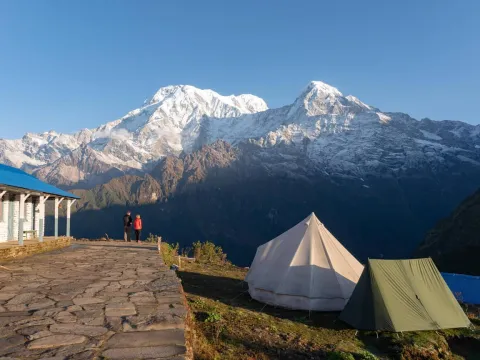
The Mardi Himal Trek is one of Nepal’s most scenic short Himalayan treks, offering breathtaking views of Mardi Himal, Machhapuchhre (Fishtail), Annapurna South, and Hiunchuli. The journey gradually ascends through lush rhododendron forests, rugged ridges, and alpine landscapes until reaching the iconic Mardi Himal Viewpoint at around 4,500


 (2)
(2)  100% recommend (0)
 (0)
(0)