
Nepal remains one of the world’s top destinations for beginner-friendly peak climbing adventures. With a wide range of trekking peaks between 5,500 m and 6,500 m, it offers the perfect introduction to mountaineering without requiring extreme technical expertise. In 2026, peak climbing packages are more accessible than ever, with improved logistics, experienced guides, and customizable itineraries.
Asiana Treks and Tours offers a variety of beginner-oriented climbing packages designed to combine trekking with basic mountaineering. These packages typically include acclimatization days, pre-climb training, and guided summit attempts, ensuring both safety and success for first-time climbers.
Nepal is home to eight of the world’s fourteen highest mountains, making it a dream destination for climbers. But beyond the towering giants like Everest, Nepal also offers numerous “trekking peaks” that are ideal for beginners looking to step into mountaineering.
In 2026, Nepal continues to attract climbers due to its well-established trekking routes, welcoming culture, and improved infrastructure. With companies like Asiana Treks and Tours, beginners can safely explore high-altitude climbing while enjoying breathtaking Himalayan landscapes and rich cultural experiences.
Why Nepal stands out:
What Counts as a “Trekking Peak”?
Trekking peaks in Nepal are mountains classified by the Nepal Mountaineering Association (NMA) that are suitable for climbers with basic mountaineering skills. These peaks are less technical but still require physical fitness and proper acclimatization.
Difference Between Trekking Peaks and Expedition Peaks
Trekking Peaks: Lower altitude, less technical, suitable for beginners
Expedition Peaks: Higher altitude (above 7,000 m), highly technical, require advanced experience
Key Differences:
Unique Himalayan Experience
Climbing in Nepal offers unmatched views of snow-capped peaks, glaciers, and remote valleys. Each climb is not just a physical challenge but a cultural journey through Sherpa villages and ancient monasteries.
Affordable and Guided Climbing Packages
Compared to other mountaineering destinations, Nepal offers cost-effective packages with complete support. Asiana Treks and Tours ensures safety, comfort, and expert guidance throughout the journey.
Benefits:
Choosing the right season is one of the most important factors for a successful and enjoyable peak climbing experience in Nepal. The Himalayan weather is highly seasonal, and conditions can vary dramatically depending on the time of year. For beginners, stable weather, clear skies, and moderate temperatures are essential for both safety and comfort.
In 2026, Nepal continues to offer two main climbing windows: spring (March–May) and autumn (September–November). These seasons provide the best combination of favorable weather, clear mountain views, and well-established trekking routes. Asiana Treks and Tours carefully schedules its beginner-friendly climbing packages around these optimal periods to ensure the best possible experience.
Key Seasonal Highlights:
Spring (March–May):
Autumn (September–November):
Winter (December–February):
Monsoon (June–August):
Spring vs Autumn: Which is Better for Beginners?
Both spring and autumn are excellent seasons, but each offers a slightly different experience for beginner climbers. Spring is often considered more beginner-friendly due to warmer temperatures and longer daylight hours, which make acclimatization and summit attempts more comfortable.
Autumn, on the other hand, is famous for its crystal-clear skies and breathtaking mountain views. While temperatures can be cooler, the weather's stability makes it equally suitable for beginners. With Asiana Treks and Tours, both seasons are supported by expert guides, ensuring safety and success regardless of your choice.
Quick Comparison:
Spring Advantages:
Autumn Advantages:
Nepal offers a wide range of trekking peaks suitable for beginners looking to step into mountaineering. These peaks typically require basic climbing skills, equipment such as crampons and ropes, and guided support. Asiana Treks and Tours specializes in beginner-friendly itineraries with proper acclimatization and safety measures.
Below are some of the most popular and recommended peaks for 2026:
Island Peak Climbing (6,189m) – Imja Tse
Island Peak, also known as Imja Tse, is one of Nepal’s most popular trekking peaks for beginners. Situated in the Everest region, it offers breathtaking views of towering Himalayan giants such as Lhotse and Ama Dablam. The journey to Island Peak follows the classic Everest Base Camp trail, allowing climbers to experience a combination of high-altitude trekking and mountaineering in one adventure.
The climb involves glacier travel, crevasse navigation, and a moderately technical summit push using ropes and basic climbing gear. Asiana Treks and Tours provides expert guidance, pre-climb training, and full acclimatization support to ensure a safe and rewarding experience for first-time climbers. The summit offers panoramic views that are unmatched, making it an ideal introduction to Himalayan mountaineering.
Highlights:
Mera Peak Climbing (6,476m)
Mera Peak is the highest trekking peak in Nepal and an excellent choice for beginners who prefer a non-technical climb. The focus of this peak is endurance and altitude adaptation rather than technical climbing skills, making it suitable for physically fit trekkers.
The summit of Mera Peak provides stunning 360° views of the Himalayan giants, including Mount Everest, Lhotse, and Makalu. Asiana Treks and Tours ensures gradual ascent with proper acclimatization and expert support, increasing the likelihood of a successful and memorable summit experience.
Highlights:
Lobuche East Peak Climbing (6,119m)
Lobuche East is ideal for beginners who want to experience slightly technical climbing. Located near the Everest Base Camp trail, the climb combines trekking and moderate technical challenges, including steep snow slopes and fixed rope sections.
Often paired with an Everest Base Camp trek, Lobuche East provides climbers the opportunity to gain mountaineering skills while enjoying iconic high-altitude scenery. Asiana Treks and Tours ensures climbers are well-acclimatized and fully prepared for summit day, offering both safety and skill-building opportunities.
Highlights:
Pisang Peak Climbing (6,091m)
Pisang Peak lies in the breathtaking Annapurna region, offering both adventure and cultural immersion. Known for its straightforward climbing route, it is ideal for beginners who want a balance of trekking and mountaineering. The ascent allows climbers to experience traditional Gurung and Manangi villages, stunning mountain scenery, and gradual acclimatization, making the climb comfortable and manageable.
Asiana Treks and Tours provides structured itineraries with proper acclimatization, high camp preparation, and summit guidance. This ensures that first-time climbers gain confidence while enjoying the rich landscapes of the Annapurna region.
Highlights:
Chulu East Climbing (6,584m)
Chulu East Peak, in the Annapurna region, is one of the highest trekking peaks suitable for ambitious beginners. Standing at 6,584 meters, it provides a remote and peaceful climbing experience. The climb is often combined with the Annapurna Circuit trek, offering both cultural immersion and high-altitude adventure.
The climb involves glacier travel and some technical sections, but remains achievable for fit beginners with proper guidance. Asiana Treks and Tours provides expert guidance, professional equipment, and a well-paced itinerary with sufficient acclimatization.
Highlights:
Yala Peak Climbing (5,732m)
Yala Peak is one of the easiest trekking peaks in Nepal, making it perfect for first-time climbers. Located in the Langtang region, it is easily accessible from Kathmandu and requires minimal technical climbing skills. Despite its modest altitude, the summit offers amazing views of Shishapangma and the surrounding Himalayan ranges.
With Asiana Treks and Tours, beginners can enjoy a short yet fulfilling climbing adventure with proper guidance, acclimatization, and support. The climb combines trekking through scenic valleys with a rewarding summit experience.
Highlights:
Pokalde Peak Climbing (5,806m approx.)
Pokalde Peak is a low-altitude trekking peak in the Everest region, ideal for beginners seeking a gentle introduction to mountaineering. It is often climbed alongside the Everest Base Camp trek and provides spectacular views of Everest and surrounding peaks without requiring advanced climbing skills.
Asiana Treks and Tours ensures a fully guided experience with acclimatization support, summit training, and logistical arrangements. The peak is perfect for those who want a short, scenic climb with minimal technical challenges.
Highlights:
Himchuli Peak Climbing (6,441m approx.)
Himchuli Peak is located in the Annapurna region and offers a less crowded, peaceful climbing experience. It is perfect for beginners who want an off-the-beaten-path adventure with stunning Himalayan scenery. The climb is moderately challenging but manageable for fit beginners with proper support.
Asiana Treks and Tours provides guided itineraries with acclimatization, training, and summit support. The route passes through scenic Annapurna trails, combining trekking and climbing for a rewarding experience.
Highlights:
Tent Peak (Tharpu Chuli) Climbing
Tent Peak, also known as Tharpu Chuli, is a beginner-friendly peak located in the Annapurna Sanctuary. Often combined with the Annapurna Base Camp trek, it offers an ideal dual experience of trekking and mountaineering. The climb involves moderate difficulty, making it suitable for beginners with basic training.
With Asiana Treks and Tours, climbers receive full guidance, acclimatization support, and essential equipment for a safe and successful summit. The route allows trekkers to enjoy stunning Himalayan scenery while developing essential climbing skills.
Highlights:
Saribung Peak Climbing
Saribung Peak is a remote and adventurous peak in the Mustang region. It offers an expedition-style climbing experience that is suitable for fit beginners seeking a unique and less crowded adventure. The journey passes through diverse landscapes, including arid Mustang terrain, traditional villages, and Himalayan glaciers.
Asiana Treks and Tours provides full logistical support, including experienced guides, acclimatization schedules, and equipment management. This makes Saribung a safe yet challenging peak for beginners who want a truly off-the-beaten-path Himalayan experience.
Highlights:
Paldor Peak Climbing
Paldor Peak is a beginner-friendly peak in the Ganesh Himal region. Known for its tranquil environment and fewer climbers, it is ideal for those seeking a peaceful Himalayan adventure. The climb is relatively easy and focuses on gradual ascent, acclimatization, and enjoying scenic mountain views.
Asiana Treks and Tours ensures full support, including guided trekking, acclimatization days, and summit preparation, making it perfect for first-time climbers.
Highlights:
Difficulty Level, Duration, and Cost Breakdown
Nepal offers a wide variety of trekking peaks, each with different levels of difficulty, duration, and cost. For beginners, choosing the right peak is essential to ensure both safety and enjoyment. Some peaks, like Yala Peak and Pokalde Peak, are easy and suitable for first-time climbers, while others, like Island Peak and Lobuche East, offer a slightly more technical challenge.
With Asiana Treks and Tours, all peak-climbing packages are carefully designed to ensure proper acclimatization and gradual progression. This allows beginners to select a climb that matches their fitness level, time availability, and budget, ensuring a successful Himalayan adventure in 2026.
Quick Comparison:
Challenging Beginner Peaks:
Permits, Guides, Equipment, and Accommodation
Booking a peak climbing package with Asiana Treks and Tours ensures that all essential logistics are professionally handled. This allows climbers to focus entirely on the experience without worrying about complex arrangements such as permits, route planning, and safety measures.
Nepal requires multiple permits for trekking and climbing, including national park entry permits and peak climbing permits. Experienced guides and porters play a crucial role in ensuring safety, navigation, and support throughout the journey. Quality equipment and comfortable accommodation are also key components of a successful climb.
Package Inclusions:
Professional Support:
Accommodation & Meals:
Climbing Equipment (Group Gear):
Transportation:
Do You Need Prior Climbing Experience?
One of the most common questions among beginners is whether prior climbing experience is necessary. The good news is that many trekking peaks in Nepal are specifically designed for beginners. Peaks like Yala and Mera do not require advanced technical skills, but a good level of physical fitness is essential.
With Asiana Treks and Tours, beginners receive pre-climb training, including how to use crampons, ice axes, and ropes. However, mental preparation, endurance, and the ability to walk for several hours daily at high altitude are equally important for success.
Skills & Fitness Requirements:
Physical Fitness:
Technical Skills:
Helpful Experience:
Mental Preparation:
Must-Have Equipment Checklist
Having the right gear is critical for a safe and comfortable peak climbing experience in Nepal. The season in the Himalayas can change rapidly, and proper equipment helps climbers handle cold temperatures, strong winds, and snow conditions.
Asiana Treks and Tours provides group climbing gear, but each climber must arrange personal equipment. Beginners are advised to invest in high-quality gear or rent from trusted suppliers in Kathmandu.
Essential Gear Checklist:
Clothing:
Footwear:
Climbing Gear:
Sleeping & Personal Items:
Health & Safety:
Acclimatization and Altitude Sickness Prevention
Safety is the most important aspect of peak climbing in Nepal, especially for beginners. The Himalayas present unique challenges, including high altitude, sudden weather changes, and physically demanding terrain. Proper preparation, awareness, and guidance are essential to ensure a safe and successful climbing experience.
One of the biggest risks in high-altitude climbing is Altitude Sickness. It occurs when the body cannot adapt quickly to reduced oxygen levels at high elevations. Asiana Treks and Tours prioritizes climber safety by designing itineraries with enough acclimatization days, gradual altitude gain, and continuous health monitoring throughout the expedition.
Essential Safety Tips:
Acclimatization:
Hydration & Nutrition:
Recognizing Symptoms:
Guided Climbing:
Weather Awareness:
Budget vs Premium Options
The cost of peak climbing in Nepal varies depending on the peak, duration, level of service, and logistics involved. For beginners, it’s important to understand what is included in the package rather than choosing solely based on price. Nepal remains one of the most affordable destinations for Himalayan climbing compared to other countries.
With Asiana Treks and Tours, climbers can choose between budget-friendly and premium packages based on their preferences. Budget options provide essential services, while premium packages offer enhanced comfort, better accommodation, and additional support for a more relaxed experience.
Cost Breakdown:
Budget Packages:
Standard Packages:
Premium Packages:
Factors Affecting Cost:
What to Look for in a Reliable Operator
Selecting the right climbing company is crucial for a safe and enjoyable experience in the Himalayas. A reliable operator ensures proper logistics, safety protocols, and experienced guidance throughout the journey. Beginners should prioritize quality and reputation over cheap pricing.
Asiana Treks and Tours is a trusted name in Nepal, offering professionally managed peak climbing packages with a strong focus on safety, customer satisfaction, and authentic Himalayan experiences. Their experienced Sherpa guides and well-planned itineraries make them an excellent choice for beginners in 2026.
Key Factors to Consider:
Experience & Reputation:
Qualified Guides:
Safety Standards:
Transparent Pricing:
Customer Support:
Latest Rules for 2026
Climbing peaks in Nepal requires several permits issued by the government and related authorities. These regulations are in place to ensure the safety of climbers, protect the environment, and manage Tourism activities in the Himalayas.
For 2026, the permit system remains structured but strictly enforced. Beginners are advised to book through a registered company like Asiana Treks and Tours, which handles all permit arrangements and ensures compliance with the latest rules and regulations.
Required Permits:
Climbing Permit:
National Park Permit:
TIMS Card:
Local Permits:
Important Regulations (2026):
Typical 2–3 Week Climbing Schedule
A structured itinerary is crucial for beginners to ensure proper acclimatization, safe progress, and maximum enjoyment. Most beginner-friendly peaks in Nepal, such as Island Peak, Mera Peak, or Pisang Peak, can be climbed within a 2–3 week schedule, including trekking, acclimatization, and summit attempts.
With Asiana Treks and Tours, itineraries are carefully designed to balance trekking, rest, and climbing practice. Each day is planned to allow gradual altitude gain, cultural exposure, and preparation for the technical sections of the climb.
Sample 18-Day Itinerary (Island Peak / Mera Peak):
Key Benefits of a Structured Itinerary:
Beginner Errors That Can Ruin Your Climb
Even with proper planning, beginners can make mistakes that affect their experience or even safety. Understanding and avoiding these errors is essential for a successful Himalayan climb.
Asiana Treks and Tours provides guidance on common pitfalls and ensures climbers are well-prepared before leaving Kathmandu or trekking to high altitudes.
Common Mistakes:
Skipping Acclimatization:
Underestimating Physical Fitness:
Overpacking or Underpacking Gear:
Ignoring Weather Conditions:
Overconfidence:
Answering Common Beginner Questions
Many beginners have similar questions about climbing in Nepal. Asiana Treks and Tours addresses these concerns to provide clarity and peace of mind.
Popular FAQs:
Do I need prior climbing experience?
Not for beginner peaks; basic training is provided
What is the best season for climbing?
Spring (March–May) or Autumn (September–November)
How physically demanding are beginner peaks?
Moderate; requires good stamina and trekking experience
Are guides mandatory?
Yes, licensed guides are required for safety and permits
What happens if I feel sick at high altitude?
Guided teams monitor climbers; descent and medical support are provided
How long does a typical climb take?
12–24 days, depending on peak and acclimatization schedule
Is Peak Climbing in Nepal Worth It for Beginners in 2026?
Peak climbing in Nepal is absolutely worth it for beginners who are physically prepared and properly guided. The combination of breathtaking Himalayan landscapes, cultural immersion, and personal achievement makes it a life-changing experience. Even non-technical peaks offer adventure, challenge, and unmatched summit satisfaction.
With Asiana Treks and Tours, beginners receive expert guidance, safe itineraries, and logistical support from start to finish. Whether you aim to climb Island Peak, Mera Peak, or Yala Peak, Nepal provides an unforgettable introduction to mountaineering, making 2026 the perfect year to take your first step into the world of Himalayan climbing.
Key Takeaways:

The cost of climbing in Nepal varies significantly based on the type of peak, the season, group size, and administrative fees set by the government. Trekking Peak permits range from USD 70 to USD 250 per person, depending
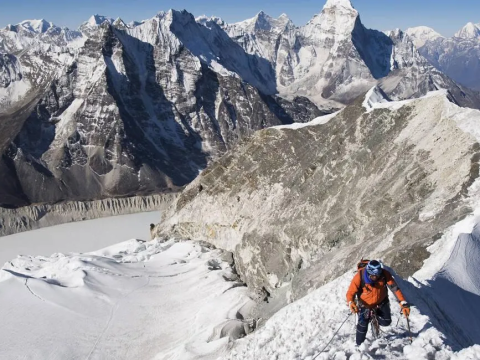
Nepal is world-renowned as one of the best destinations for peak climbing, attracting adventurers from all over the globe eager to challenge themselves in the Himalayas. The country offers a wide range of climbing opportunities, from beginner-friendly trekking
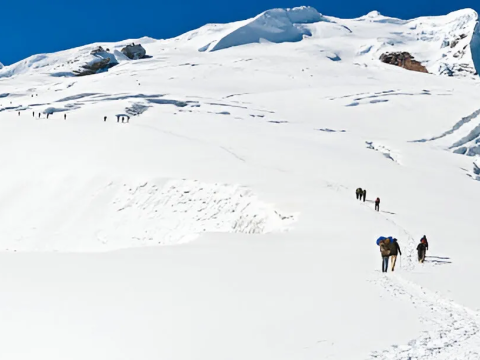
Standing tall at 6,476 meters (21,247 ft), Mera Peak is the highest trekking peak in Nepal, located in the Khumbu region to the south of Mount Everest. Unlike technical expeditions requiring extensive mountaineering expertise, Mera Peak


 (2)
(2)  100% recommend (0)
 (0)
(0)