
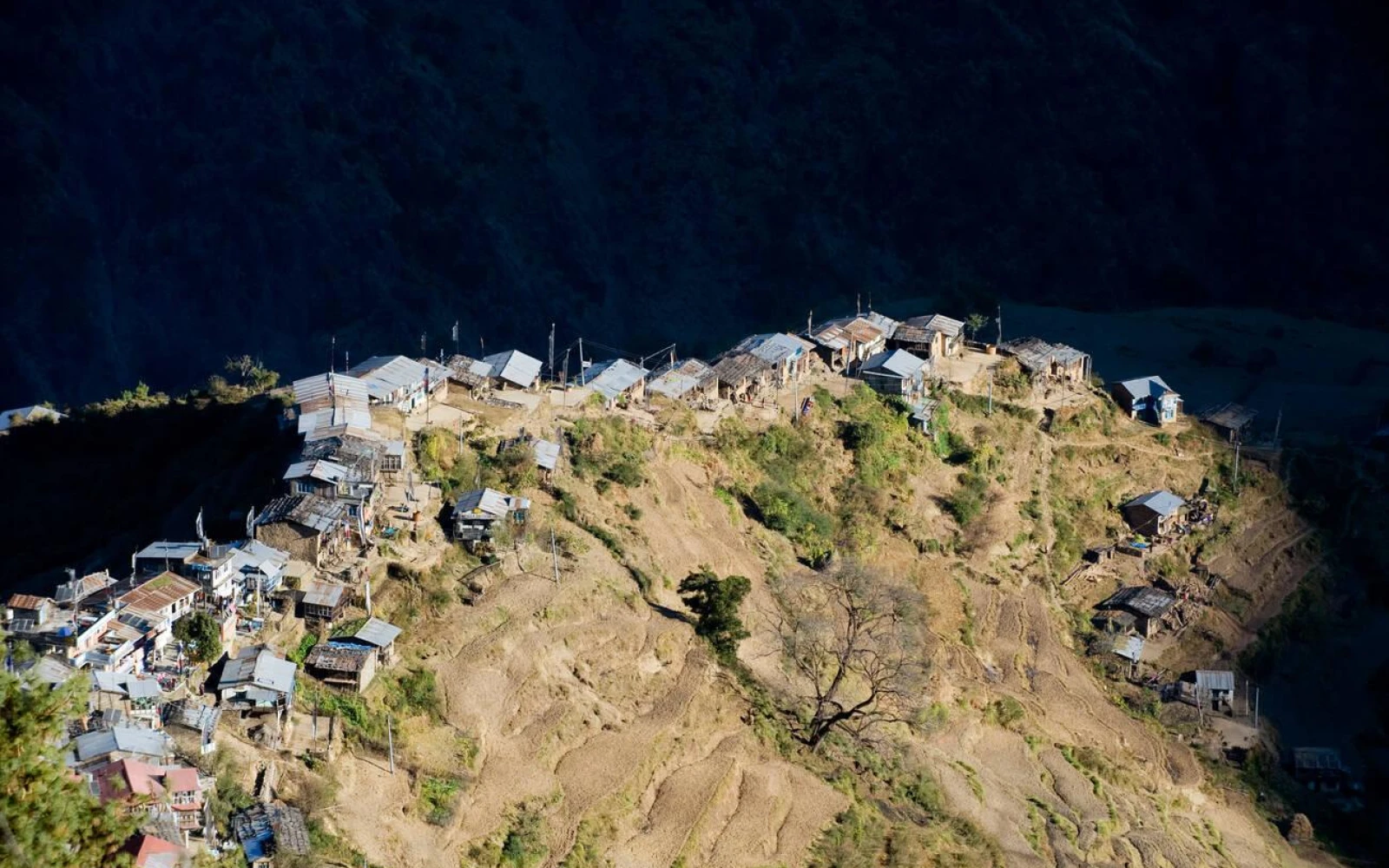
Nestled in the folds of the Himalayas, Thulo Syabru is one of the most culturally rich and visually rewarding stops in the Langtang region. Perched on a ridge with sweeping views of terraced hills and distant snow peaks, the village offers a rare blend of natural beauty and traditional Tamang heritage. Unlike more commercial trekking hubs, Thulo Syabru retains a peaceful, lived-in atmosphere where daily life unfolds against a dramatic mountain backdrop.
What makes Thulo Syabru stand out is not just its scenery, but its authenticity. Visitors experience warm hospitality, stone-built houses, and monasteries that reflect deep-rooted Buddhist traditions. With support from experienced operators like Asiana Treks and Tours, travelers can explore the village in a way that is both immersive and respectful of local culture.
Key Highlights:
For trekkers seeking a more meaningful Himalayan journey, Thulo Syabru offers a deeper connection to both land and people. The village sits along routes that link the Langtang Valley with the sacred lakes of Gosainkunda, making it a strategic yet serene stop. Here, the rhythm of life is slower—prayer flags flutter, locals tend to livestock, and visitors are welcomed with genuine curiosity and warmth.
Exploring Thulo Syabru is not just about reaching a destination; it’s about understanding a way of life shaped by altitude, tradition, and resilience. Guided trips with Asiana Treks and Tours help bring context to the experience, offering insights into Tamang customs, local history, and the region’s recovery and growth after past challenges.
Why It’s Worth Discovering:
Thulo Syabru is located in the northern part of Nepal, within the Langtang region, which lies close to the Tibetan border. The village sits at an elevation of approximately 2,200 meters (7,200 feet), making it a comfortable acclimatization point for trekkers heading toward higher altitudes like Gosainkunda or Langtang Valley. Its hillside position provides expansive views of forested slopes and distant Himalayan peaks.
Geographically, Thulo Syabru is well-placed along trekking routes that branch off from the main Langtang trail. It connects travelers to both cultural exploration and alpine adventure. Trekking itineraries organized by Asiana Treks and Tours often include Thulo Syabru as a key stop due to its accessibility and cultural significance.
Location Facts:
Reaching Thulo Syabru typically begins from Kathmandu, the capital city of Nepal. Travelers take a scenic drive—often 6 to 8 hours—through winding mountain roads to reach trailheads such as Syabrubesi or Dhunche. These starting points serve as gateways into the Langtang region, offering the first glimpses of rural Himalayan life.
From the trailhead, the journey continues on foot. The trek to Thulo Syabru involves ascending through forests, crossing suspension bridges, and passing smaller settlements. The hike usually takes one to two days, depending on the chosen route and pace. With Asiana Treks and Tours, logistics such as transportation, permits, and guides are handled efficiently, allowing trekkers to focus on the experience.
Travel Steps:
Arriving at Thulo Syabru feels like stepping into a quiet world suspended between sky and earth. The village stretches across a hillside ridge, where terraced fields cascade downward in neat, hand-carved layers. Depending on the season, these terraces glow green with crops or golden under the sun, creating a striking contrast against the deep forests and distant white peaks. Early mornings are often wrapped in mist, giving the impression that the village floats above the clouds.
As the day unfolds, the clouds lift to reveal breathtaking views of the surrounding Himalayan ranges. Snow-capped mountains appear almost within reach, while prayer flags flutter gently in the wind, adding color and spiritual presence to the landscape. Trekkers traveling with Asiana Treks and Tours often describe this first glimpse as one of the most memorable moments of their journey.
First Impressions at a Glance:
The heart of Thulo Syabru lies in its people—the Tamang community, known for their rich cultural heritage and deep-rooted traditions. Influenced by Tibetan Buddhism, the Tamang people practice rituals that revolve around monasteries, prayer wheels, and seasonal festivals. Visitors may hear the rhythmic chanting of monks or see locals spinning prayer wheels as part of their daily spiritual routine.
Language, attire, and customs all reflect a unique identity that has been preserved for generations. Traditional Tamang dress, often worn during festivals, features colorful fabrics and intricate jewelry. With guidance from Asiana Treks and Tours, travelers can gain deeper insight into these traditions, learning about local beliefs, food habits, and the significance of community life in the high Himalayas.
Cultural Highlights:
The architecture of Thulo Syabru reflects both practicality and tradition. Houses are typically built from stone and wood, designed to withstand the mountain climate. Roofs are often made of slate or metal, while windows are small to retain warmth during colder months. These homes are closely clustered along narrow paths, forming a tight-knit settlement that encourages community interaction.
Daily life in the village revolves around agriculture, livestock, and small-scale trade. Families tend to fields, care for animals, and welcome trekkers into teahouses that offer simple yet comforting meals. Life here moves at a slower, more deliberate pace, deeply connected to the rhythms of nature. Organized treks with Asiana Treks and Tours allow visitors to observe and respectfully engage with this harmonious way of living.
Village Life Features:
Surrounded by lush forests and dramatic landscapes, Thulo Syabru is a paradise for nature lovers. The area is rich in biodiversity, with trails winding through rhododendron forests, pine woods, and alpine vegetation. In spring, the hills burst into color as rhododendrons bloom, while autumn brings crisp air and crystal-clear mountain views.
From various viewpoints around the village, trekkers can enjoy sweeping panoramas of the Langtang Himalayas. Rolling hills stretch endlessly, dotted with small settlements and grazing animals, while towering peaks rise in the distance. With Asiana Treks and Tours, these scenic spots are often included in guided walks, ensuring travelers don’t miss the best vantage points.
Natural Beauty Highlights:
Thulo Syabru plays an important role as a connecting hub within the wider Langtang region trekking network. It sits strategically between the classic Langtang Valley trail and the sacred Gosainkunda route, making it a natural stop for trekkers who want to combine both experiences. Rather than retracing steps, many itineraries loop through Thulo Syabru to add cultural depth and scenic variety to the journey.
From here, trekkers can either descend toward Syabrubesi to rejoin the Langtang Valley route or ascend toward the high alpine lakes of Gosainkunda. This flexibility makes the village more than just a resting point—it becomes a crossroads of adventure. With experienced planning from Asiana Treks and Tours, travelers can design routes that balance altitude, scenery, and cultural exposure.
Trekking Importance:
Food in Thulo Syabru reflects both simplicity and nourishment, designed to sustain trekkers and locals alike. The staple meal is dal bhat (rice, lentils, and vegetables), served fresh and often with locally grown ingredients. Other options include noodles, soups, potatoes, and Tibetan-influenced dishes like thukpa and momo. Meals are typically prepared in small family-run teahouses, where the kitchen is at the heart of the home.
Hospitality is one of the village’s most memorable aspects. Guests are welcomed with warmth, often treated like extended family rather than customers. Conversations around the dining table, shared cups of tea, and genuine smiles create a sense of belonging. Organized treks with Asiana Treks and Tours ensure that visitors experience not just the food, but the cultural connection behind it.
Food & Hospitality Highlights:
The best time to visit Thulo Syabru largely depends on the weather and trekking preferences. Spring (March to May) is one of the most popular seasons, when rhododendron forests are in full bloom, and temperatures are mild. The hills come alive with color, and the skies are generally clear, offering excellent mountain views.
Autumn (September to November) is another ideal period, known for stable weather and crisp visibility after the monsoon rains. Winters can be cold, with occasional snow at higher elevations, while the monsoon season (June to August) brings heavy rainfall and slippery trails. With guidance from Asiana Treks and Tours, travelers can choose the season that best matches their expectations and trekking experience.
Seasonal Overview:
There is more to Thulo Syabru than just passing through—it invites exploration and quiet discovery. Short hikes around the village lead to monasteries, ridge viewpoints, and forest trails filled with birds and wildlife. Early morning walks are especially rewarding, offering sunrise views over the Himalayas and a peaceful start to the day.
Cultural experiences are equally enriching. Visitors can observe daily village life, interact with locals, and even participate in small traditions or festivals if timing allows. Whether it’s sitting by a fire in a teahouse or wandering through terraced fields, the experience feels genuine and unhurried. With Asiana Treks and Tours, these activities can be thoughtfully arranged to ensure both comfort and cultural respect.
Top Activities:
Staying in Thulo Syabru offers a simple yet rewarding experience that reflects the authenticity of Himalayan village life. Accommodation is primarily in locally run teahouses and lodges, which provide basic but comfortable rooms. Most rooms include twin beds with blankets, while bathrooms are often shared. Though facilities are modest compared to urban hotels, the charm lies in the warmth of the environment and the stunning views just outside your window.
Electricity, Wi-Fi, and hot showers may be available in some lodges, but they can be limited or come at an extra cost due to the remote setting. Dining areas are usually cozy, with a central stove that becomes a gathering place in the evenings. With Asiana Treks and Tours, travelers can expect carefully selected accommodations that balance comfort with local authenticity.
Accommodation Overview:
Thulo Syabru stands as a testament to resilience and community strength, especially in the years following the devastating 2015 Nepal earthquake. The village, like much of the Langtang region, faced significant challenges, but local efforts and sustainable tourism have played a vital role in rebuilding livelihoods and infrastructure.
Today, tourism is approached with a focus on sustainability and cultural preservation. Many lodges use local materials, promote eco-friendly practices, and support community-based initiatives. By trekking with responsible operators like Asiana Treks and Tours, visitors contribute directly to the local economy while helping preserve the natural and cultural heritage of the region.
Sustainability Highlights:
Traveling to Thulo Syabru requires thoughtful preparation to ensure a safe and enjoyable experience. Packing essentials include layered clothing for changing weather, sturdy trekking shoes, and basic toiletries. Since the village is at a moderate altitude, it’s important to stay hydrated and allow time for acclimatization, especially if continuing toward higher elevations like Gosainkunda.
Cultural respect is equally important. Visitors are encouraged to dress modestly, ask permission before taking photos of people, and follow local customs—especially around monasteries and religious sites. Planning your trip with Asiana Treks and Tours helps ensure that all logistics, permits, and safety considerations are well managed.
Helpful Travel Tips:
In a region known for dramatic landscapes and iconic trekking routes, Thulo Syabru offers something uniquely meaningful—a blend of natural beauty, cultural depth, and genuine human connection. It’s not just a place to pass through, but a destination that invites you to slow down and truly experience the Himalayas beyond the surface.
Whether it’s the quiet charm of terraced fields, the warmth of Tamang hospitality, or the breathtaking mountain views, Thulo Syabru leaves a lasting impression on every traveler. With the support of Asiana Treks and Tours, your journey becomes more than a trek—it becomes a story of discovery, connection, and appreciation for one of Nepal’s hidden gems.
Why Visit Thulo Syabru:
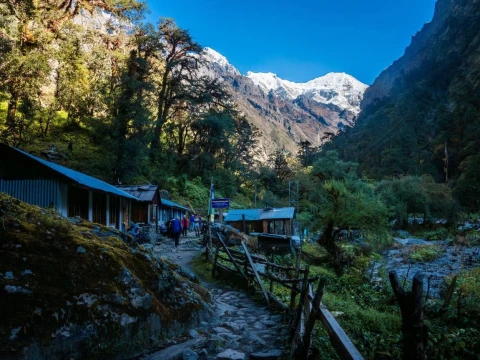
The journey from Syabrubesi to Lama Hotel is one of the most enchanting segments of the Langtang region, serving as a shared gateway for treks such as the Langtang Valley, Langtang Gosaikunda Pass, Langtang Helambu, and the approach to Yala Peak climbing. This section offers trekkers an immersive introduction to the region’s lush
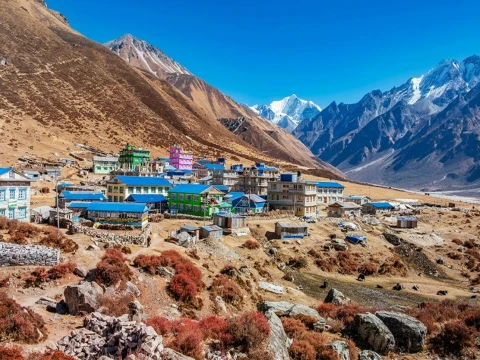
Kyanjin Gompa is one of the most serene and captivating destinations in Nepal’s Langtang Valley, offering a harmonious blend of natural beauty, cultural richness, and spiritual calm. Surrounded by towering Himalayan peaks, glaciers, and alpine meadows, this small settlement sits at a high altitude and serves as a rewarding endpoint
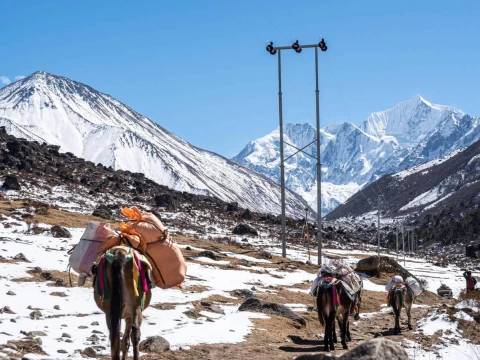
The day hikes to Kyanjin Ri (4,773 m) and Tserko Ri (4,984 m) are among the most rewarding short trekking experiences in Nepal’s stunning Langtang Valley. These hikes offer breathtaking panoramic views of snow-capped peaks, glaciers, and alpine landscapes without requiring technical climbing skills. For beginners, they provide an excellent


 (2)
(2)  100% recommend (0)
 (0)
(0)