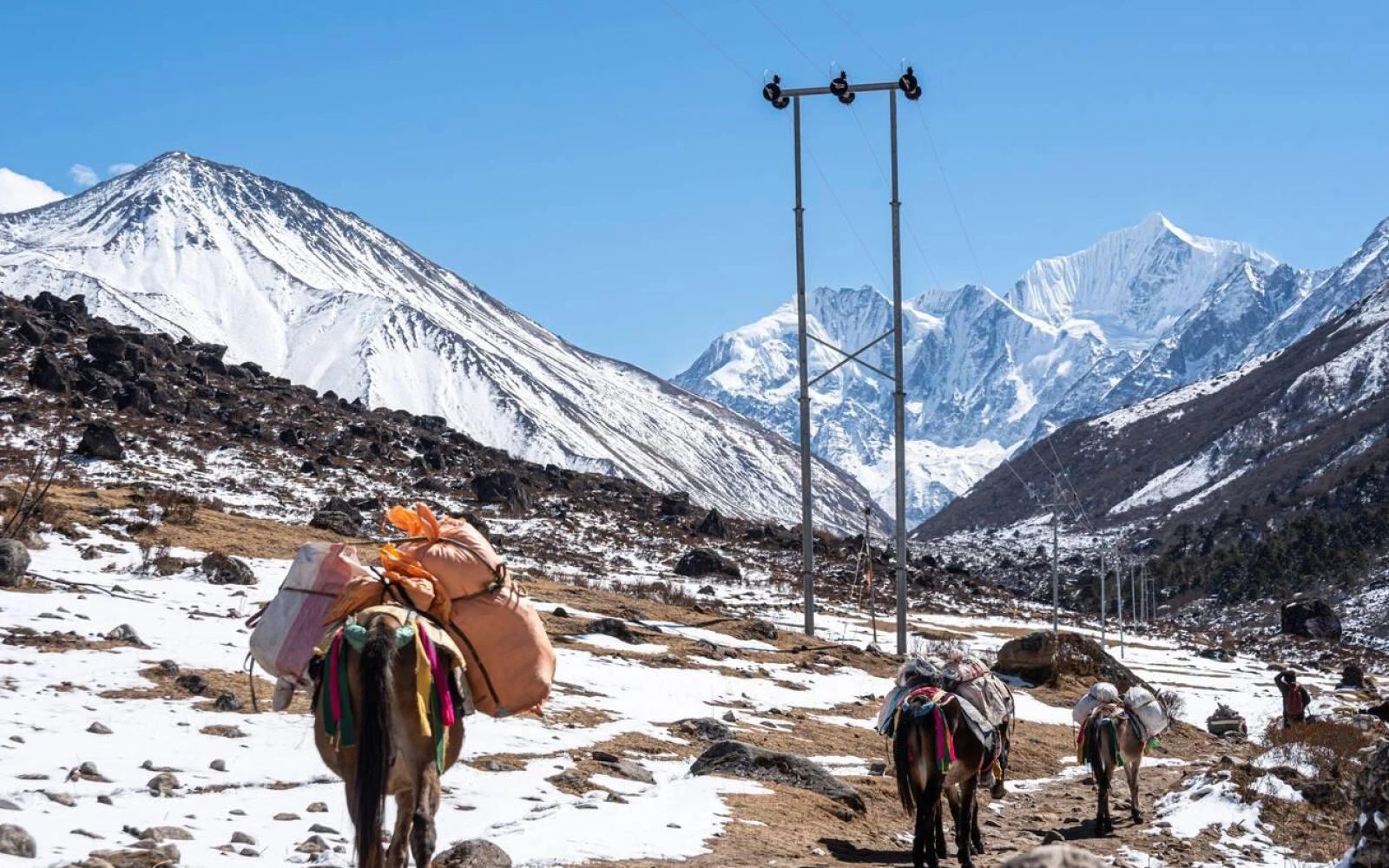
The day hikes to Kyanjin Ri (4,773 m) and Tserko Ri (4,984 m) are among the most rewarding short trekking experiences in Nepal’s stunning Langtang Valley. These hikes offer breathtaking panoramic views of snow-capped peaks, glaciers, and alpine landscapes without requiring technical climbing skills. For beginners, they provide an excellent introduction to high-altitude trekking while still delivering a true Himalayan adventure.
Organized by Asiana Treks and Tours, these hikes are designed to be accessible, safe, and deeply immersive. With proper acclimatization at Kyanjin Gompa (3,870 m), even first-time trekkers can confidently attempt these viewpoints. The trails are well-defined, and the sense of achievement upon reaching the summit makes the effort incredibly worthwhile.
Key Highlights:
The hikes to Kyanjin Ri (4,773 m) and Tserko Ri (4,984 m) are often considered the crown jewels of the Langtang Valley trek. Unlike long, multi-day summit attempts, these are day hikes that begin and end in Kyanjin Gompa (3,870 m), making them perfect for trekkers who want maximum reward with minimal logistical complexity. Each viewpoint offers a unique perspective of the surrounding Himalayan range, including Langtang Lirung and other towering peaks.
These hikes are especially appealing to beginners because they combine manageable distances with incredible scenery. While the altitude can be challenging, the gradual ascent and the opportunity to take breaks make it achievable for those new to trekking. With guidance from Asiana Treks and Tours, beginners can enjoy a safe and enriching experience tailored to their pace and comfort.
Why They Are Highlights:
Who They Are Perfect For:
Both Kyanjin Ri (4,773 m) and Tserko Ri (4,984 m) are located in the beautiful Langtang Valley, a region of the Himalayas north of Kathmandu near the Tibetan border. This valley is part of the Langtang National Park, known for its diverse landscapes, rich biodiversity, and traditional Tamang culture. The area offers a quieter alternative to Nepal’s more crowded trekking destinations, making it ideal for beginners seeking a peaceful trekking environment.
The starting point for both hikes is Kyanjin Gompa (3,870 m), a charming high-altitude village situated at around 3,870 meters. From here, trekkers can choose between the shorter Kyanjin Ri hike or the more challenging Tserko Ri ascent. The accessibility of these peaks from a single base makes planning simple and efficient, especially when trekking with Asiana Treks and Tours.
Location Highlights:
Choosing between Kyanjin Ri (4,773 m) and Tserko Ri (4,984 m) depends largely on your fitness level, time, and how adventurous you feel. Kyanjin Ri is the more accessible of the two, offering a shorter and less demanding climb. It is perfect for beginners who want a taste of high-altitude hiking without pushing their limits too far. Despite being easier, it still rewards hikers with spectacular views of Langtang Lirung and the surrounding Himalaya peaks.
On the other hand, Tserko Ri is higher and more challenging, making it better suited for those who are slightly more confident or already acclimatized. The hike is longer and requires an early start, but the panoramic views from the top are even more expansive. With Asiana Treks and Tours, trekkers can receive guidance on which option suits their ability, ensuring both safety and enjoyment throughout the experience.
Key Differences:
Time Required:
The best time to hike Kyanjin Ri (4,773 m) and Tserko Ri (4,984 m) in the Langtang Valley is during the spring (March to May) and autumn (September to November) seasons. These months offer stable weather, clear skies, and excellent mountain visibility, making your hiking experience both safe and visually rewarding. Rhododendron forests bloom in spring, while autumn provides crisp air and golden landscapes.
Winter and monsoon seasons present additional challenges but can still be rewarding for well-prepared trekkers. Winter (December to February) brings cold temperatures and possible snow, while monsoon (June to August) can make trails slippery and obscure mountain views due to clouds. With proper planning and support from Asiana Treks and Tours, even off-season hikes can be managed safely.
Seasonal Breakdown:
Weather & Visibility Tips:
Both Kyanjin Ri (4,773 m) and Tserko Ri (4,984 m) are considered achievable for beginners, but they do require a reasonable level of fitness and determination. The trails are steep in sections, especially near the summit, and the high altitude can make even simple walking feel more demanding. Kyanjin Ri is typically recommended as the first attempt, as it allows beginners to test their endurance without committing to a full-day hike.
Altitude is the main challenge rather than technical difficulty. At nearly 5,000 meters, oxygen levels are significantly lower, so proper acclimatization at Kyanjin Gompa is essential. Trekkers are advised to walk slowly, stay hydrated, and listen to their bodies. With expert guidance from Asiana Treks and Tours, beginners can safely manage these hikes and gain confidence in high-altitude trekking.
Fitness Level Required:
Altitude Considerations:
Hiking to Kyanjin Ri (4,773 m) and Tserko Ri (4,984 m) is an unforgettable experience, but beginners should approach these high-altitude hikes with preparation and awareness. One of the most important tips is to start your hike early in the morning. Early starts not only provide clearer mountain views but also help you avoid strong afternoon winds and sudden weather changes common in the Langtang Valley.
Another key factor is pacing yourself. At high altitudes, your body needs more time to adjust, so walking slowly and taking regular breaks is essential. Many beginners make the mistake of rushing, which can lead to exhaustion or altitude sickness. With proper guidance from Asiana Treks and Tours, you can follow a comfortable pace that ensures both safety and enjoyment.
Key Tips for Beginners:
Staying hydrated and acclimatizing properly are equally important. Spending at least two nights at Kyanjin Gompa helps your body adjust to the altitude before attempting either hike. Drinking plenty of water and avoiding alcohol can significantly reduce the risk of altitude-related issues.
Hydration & Acclimatization Tips:
Packing wisely is essential for a successful day hike to Kyanjin Ri (4,773 m) or Tserko Ri (4,984 m). Weather conditions in the Langtang Valley can change rapidly, so layering your clothing is the best strategy. Mornings are usually cold, while daytime hiking can get warm, especially under direct sunlight.
Proper gear not only enhances comfort but also ensures safety. Even though these are day hikes, the altitude and remoteness mean you should always be prepared for unexpected changes. Asiana Treks and Tours provides guidance on packing essentials so beginners don’t overpack or miss critical items.
Clothing Checklist:
In addition to clothing, carrying enough food and water is crucial. There are no shops along the hiking trails, so you must bring everything you need for the day. Lightweight snacks and Energy-rich foods will keep you energized throughout the climb.
Snacks, Water & Essentials:
The hike to Kyanjin Ri (4,773 m) begins from Kyanjin Gompa (3,870 m), a peaceful village surrounded by the Himalaya peaks. The trail starts with a gradual ascent through yak pastures and rocky terrain before becoming steeper as you gain elevation. The path is clearly visible, making navigation relatively straightforward even for beginners.
As you climb higher, the landscape opens up to reveal breathtaking views of glaciers and surrounding mountains. The final section is a bit steep, but the effort is rewarded with panoramic vistas that stretch across the Langtang range. With support from Asiana Treks and Tours, hikers can take their time and fully enjoy each stage of the journey.
Trail Overview:
Along the way, you’ll encounter several natural viewpoints perfect for short breaks and photos. The summit itself offers one of the best panoramic views in the region, including Langtang Lirung and surrounding peaks. The sense of accomplishment at the top makes this hike especially rewarding for beginners.
What to Expect & Highlights:
The hike to Tserko Ri (4,984 m) is one of the most rewarding day adventures in the Langtang Valley, starting from Kyanjin Gompa (3,870 m). The trail begins with a gentle ascent across alpine meadows before gradually becoming steeper as you gain altitude. Most trekkers start very early—often before sunrise—to take advantage of stable weather conditions and to reach the summit in time for spectacular morning views.
As the hike progresses, the terrain becomes more rugged and physically demanding. The higher elevation means thinner air, so even experienced hikers may feel the strain. However, with steady pacing and proper acclimatization, beginners can complete the hike successfully. With expert support from Asiana Treks and Tours, trekkers are guided safely along the route, ensuring they manage both time and energy effectively.
Trail Route & Duration:
The challenges of Tserko Ri are balanced by its incredible rewards. The summit offers a breathtaking 360-degree panorama of the Himalayas ' peaks, glaciers, and vast valleys. Reaching the top provides a deep sense of accomplishment, especially for beginners pushing their limits at high altitude.
Challenges & Rewards:
Summit Experience:
Altitude sickness is one of the most important factors to consider when hiking to high elevations like Kyanjin Ri (4,773 m) and Tserko Ri (4,984 m). As you ascend above 3,000 meters, oxygen levels decrease, and your body needs time to adjust. Without proper acclimatization, even fit and healthy individuals can experience symptoms.
The best way to prevent altitude sickness is to ascend gradually and allow your body time to adapt. Spending extra nights at Kyanjin Gompa is highly recommended. Asiana Treks and Tours ensures that trekkers follow safe acclimatization practices and are well-informed about recognizing early warning signs.
Symptoms of Altitude Sickness:
Prevention is always better than a cure. Staying hydrated, eating well, and avoiding alcohol can significantly reduce risks. However, it’s crucial to know when to stop or descend if symptoms worsen.
Prevention Tips:
When to Turn Back:
Safety should always be a top priority when hiking in the Langtang Valley. Weather conditions can change rapidly, especially at higher elevations like Tserko Ri and Kyanjin Ri. Clear mornings can quickly turn into cloudy afternoons with strong winds or even snowfall, so being prepared is essential.
One of the most common mistakes beginners make is underestimating the impact of altitude and overexerting themselves. Hiking too fast, skipping acclimatization, or not carrying enough water can lead to serious issues. With Asiana Treks and Tours, trekkers receive proper guidance, reducing risks and ensuring a safe, enjoyable journey.
Weather Safety Tips:
Navigation is generally straightforward on these trails, but it’s still important to stay alert. Poor visibility or fatigue can make even clear paths confusing. Trekking with a guide or paying close attention to trail markers helps prevent getting lost.
Common Mistakes to Avoid:
By following these safety guidelines and trekking with experienced professionals like Asiana Treks and Tours, beginners can confidently enjoy the incredible beauty of Kyanjin Ri and Tserko Ri while minimizing risks.
Staying in Kyanjin Gompa is a highlight of any trek in the Langtang Valley. This small yet vibrant village offers a range of cozy teahouses that cater to trekkers of all levels. While the facilities are basic compared to city hotels, they are comfortable and welcoming, often run by local families who provide warm hospitality. Rooms typically include twin beds with blankets, and some teahouses offer hot showers and charging facilities for an extra fee.
Food in Kyanjin Gompa is hearty and designed to fuel trekkers for high-altitude hiking. Meals are usually freshly prepared, with menus offering a mix of Nepali and international dishes. With Asiana Treks and Tours, trekkers can enjoy well-planned meal options that ensure proper nutrition and energy throughout their stay.
Teahouse Options:
Meals are simple yet satisfying, often centered around traditional Nepali food like dal bhat, which provides balanced nutrition for trekking. Prices tend to be higher due to the remote location and transportation costs, but the quality and freshness make it worthwhile.
Typical Meals & Costs:
A well-structured itinerary is essential for beginners planning to hike Kyanjin Ri (4,773 m) and Tserko Ri (4,984 m). The journey begins with a scenic drive from Kathmandu to Syabrubesi, followed by several days of gradual trekking through forests, rivers, and traditional villages. Each day is designed to help your body adjust to increasing altitude while enjoying the natural beauty of the Langtang region.
By the time you reach Kyanjin Gompa (3,870 m), you’ll be well-acclimatized and ready for the highlight hikes. Day 5 is typically reserved for exploration, including the challenging ascent to Tserko Ri or the shorter hike to Kyanjin Ri. With Asiana Treks and Tours, itineraries are carefully paced to ensure safety, comfort, and maximum enjoyment for beginners.
Suggested Beginner Itinerary:
Acclimatization Tips:
The hikes to Kyanjin Ri (4,773 m) and Tserko Ri (4,984 m) are truly worth the effort because they offer some of the most spectacular mountain scenery in Nepal without requiring technical climbing skills. From the top, trekkers are rewarded with sweeping views of Himalayan peaks, vast glaciers, and untouched alpine landscapes. The sense of calm and remoteness in the Langtang Valley adds to the uniqueness of the experience.
Beyond the scenery, these hikes provide a deeper connection to nature and local culture. Walking through yak pastures, interacting with local communities, and witnessing traditional lifestyles make the journey more meaningful. With Asiana Treks and Tours, trekkers gain not just a hiking experience but a cultural and personal adventure.
Scenic Highlights:
Unique Experiences:
For first-time trekkers, the journey to Langtang Valley and the hikes to Kyanjin Ri (4,773 m) and Tserko Ri (4,984 m) can be both exciting and challenging. With the right mindset, preparation, and guidance, it becomes an incredibly rewarding experience. The key is to take things slow, respect the altitude, and enjoy every moment of the journey rather than rushing to the destination.
Asiana Treks and Tours ensures that beginners feel supported throughout the trek, from planning to execution. With experienced guides, well-paced itineraries, and local expertise, you can focus on enjoying the beauty of the Himalayas while staying safe and comfortable.
Quick Recap of Key Tips:
In the end, these hikes are not just about reaching a summit—they’re about experiencing the raw beauty of nature, discovering new limits, and creating unforgettable memories in one of Nepal’s most stunning regions.
The Langtang Valley Trek is one of Nepal’s most accessible yet rewarding Himalayan journeys, located just north of Kathmandu. Operated by Asiana Treks and Tours, this itinerary offers a balanced mix of scenic driving, gradual ascents, rich Tamang culture, and breathtaking mountain landscapes. The trek passes through dense forests
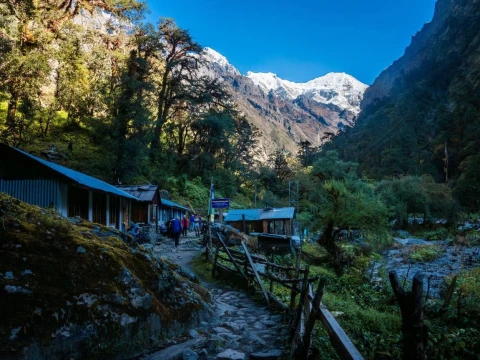
The journey from Syabrubesi to Lama Hotel is one of the most enchanting segments of the Langtang region, serving as a shared gateway for treks such as the Langtang Valley, Langtang Gosaikunda Pass, Langtang Helambu, and the approach to Yala Peak climbing. This section offers trekkers an immersive introduction to the region’s lush
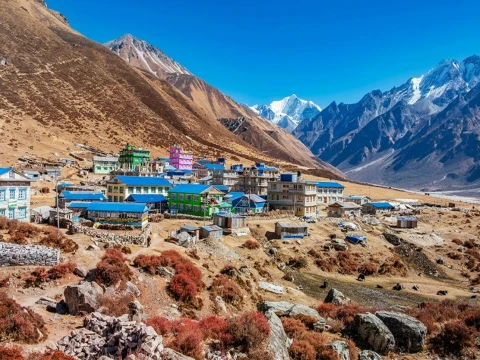
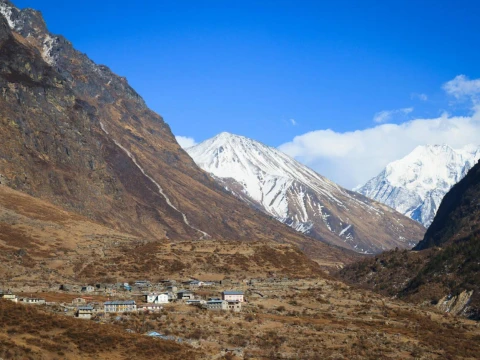
Kyanjin Gompa is one of the most serene and captivating destinations in Nepal’s Langtang Valley, offering a harmonious blend of natural beauty, cultural richness, and spiritual calm. Surrounded by towering Himalayan peaks, glaciers, and alpine meadows, this small settlement sits at a high altitude and serves as a rewarding endpoint


 (2)
(2)  100% recommend (0)
 (0)
(0)