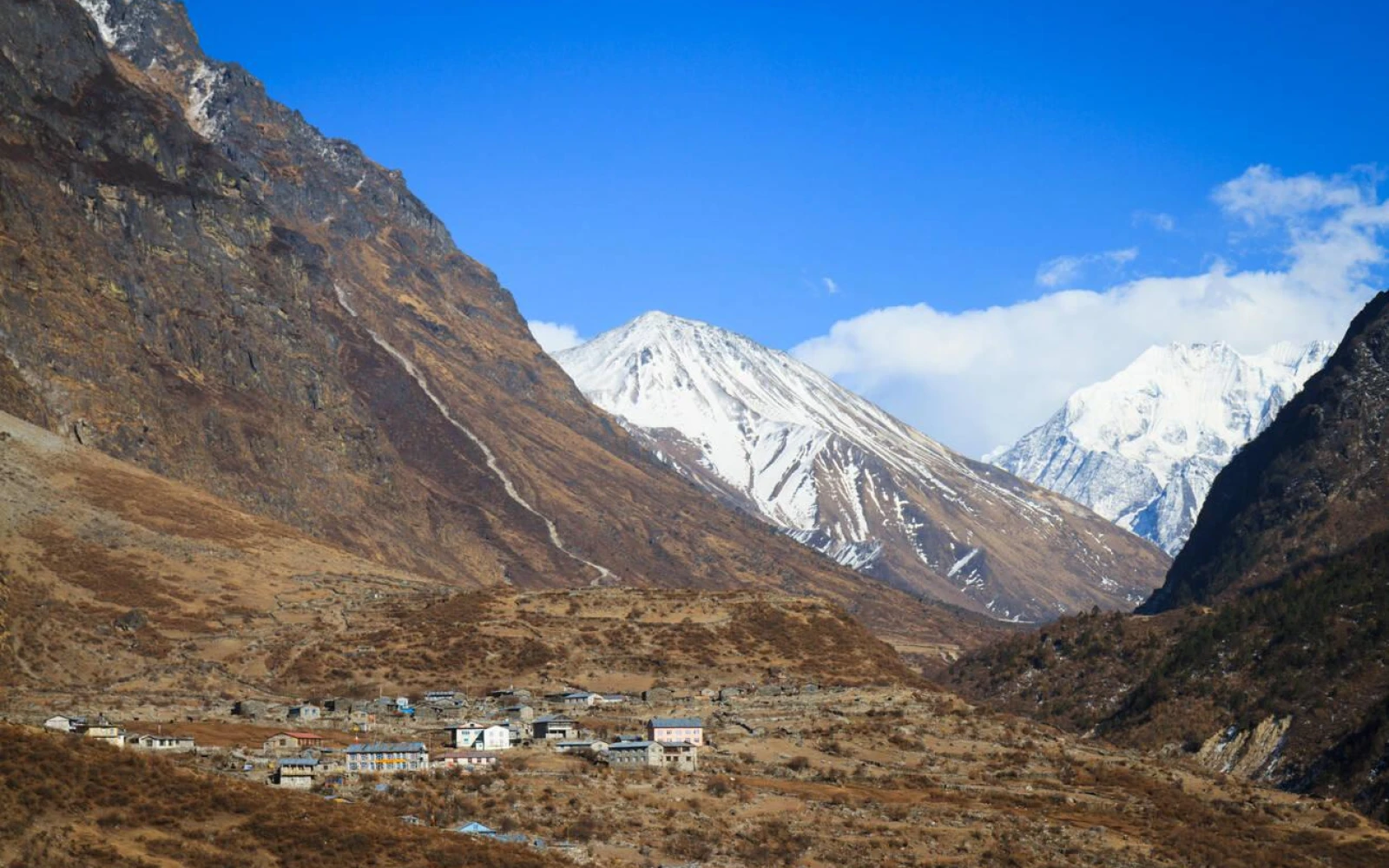
The Langtang Valley Trek is one of Nepal’s most accessible yet rewarding Himalayan journeys, located just north of Kathmandu. Operated by Asiana Treks and Tours, this itinerary offers a balanced mix of scenic driving, gradual ascents, rich Tamang culture, and breathtaking mountain landscapes. The trek passes through dense forests, traditional villages, and high alpine valleys before reaching the iconic Kyanjin Gompa.
As you move deeper into the valley, the landscape transforms dramatically—from subtropical greenery to rugged glacial terrain surrounded by snow-capped peaks. The trek is moderate in difficulty, making it suitable for beginners with good fitness as well as experienced trekkers looking for a shorter Himalayan adventure.
The Langtang Valley Trek stands out because it offers a complete Himalayan experience in just over a week. Unlike more crowded trekking regions, this route provides a peaceful atmosphere, making it ideal for travelers seeking nature, culture, and solitude. Organized by Asiana Treks and Tours, the journey is designed for comfort, safety, and immersive exploration.
Another compelling reason to choose this trek is its cultural richness. The region is home to the Tamang people, whose traditions, monasteries, and hospitality add a meaningful dimension to the adventure. You also get a chance to witness recovery and resilience in a region that was affected by the 2015 earthquake but has since rebuilt beautifully.
Key highlights:
The journey begins with a 6-hour drive from Kathmandu to Syabrubesi, the gateway to the Langtang region. From there, the trail gradually ascends through dense forests to Lama Hotel and onward to Langtang Village and Mundu, eventually reaching Kyanjin Gompa, the spiritual and scenic highlight of the trek.
Each day brings a change in landscape, from river valleys and suspension bridges to alpine meadows and yak pastures. After reaching Kyanjin Gompa, trekkers enjoy a rest and exploration day before retracing the same route back to Syabrubesi and finally returning to Kathmandu.
Route highlights:
The best seasons for the Langtang Valley Trek are spring (March to May) and autumn (September to November). During these months, the weather is stable, the skies are clear, and the mountain views are at their best. Spring also brings blooming rhododendrons, while autumn offers crisp air and excellent visibility.
Winter trekking is possible but colder, especially at higher elevations like Kyanjin Gompa. Monsoon season (June to August) is generally less recommended due to heavy rainfall, slippery trails, and occasional landslides. However, experienced trekkers may still enjoy the lush greenery and fewer crowds.
Seasonal breakdown:
The Langtang Valley Trek is considered moderate in difficulty. It does not require technical climbing skills, but it does involve several days of walking for 4–7 hours over varied terrain. The gradual altitude gain helps most trekkers acclimatize safely, especially with a rest day at Kyanjin Gompa.
While suitable for beginners, a reasonable level of fitness is important. Daily ascents, descents, and changing terrain can be physically demanding, especially above 3,000 meters. With proper pacing and preparation, most trekkers complete the journey comfortably with Asiana Treks and Tours guiding the route.
Difficulty factors:
The Langtang Valley Trek with Asiana Treks and Tours follows a well-paced 8-day itinerary that balances travel, trekking, rest, and exploration. It begins with a scenic drive from Kathmandu to Syabrubesi, followed by gradual trekking through forested trails, traditional villages, and alpine landscapes. Each day is designed to help trekkers adapt comfortably to altitude while enjoying changing scenery.
As the journey progresses, you move deeper into the Langtang Valley, reaching highlights such as Langtang Village, Mundu, and the stunning Kyanjin Gompa. A dedicated rest and exploration day at Kyanjin Gompa allows for acclimatization and optional hikes to viewpoints or glaciers before retracing the route back to Syabrubesi and Kathmandu.
Day-by-day highlights:
One of the most remarkable aspects of the Langtang Valley Trek is the dramatic change in landscapes. Starting from subtropical forests filled with bamboo, oak, and rhododendron, the trail gradually ascends into alpine meadows and finally into a high-altitude glacial valley surrounded by towering Himalayan peaks. Asiana Treks and Tours ensures trekkers experience these transitions at a comfortable pace.
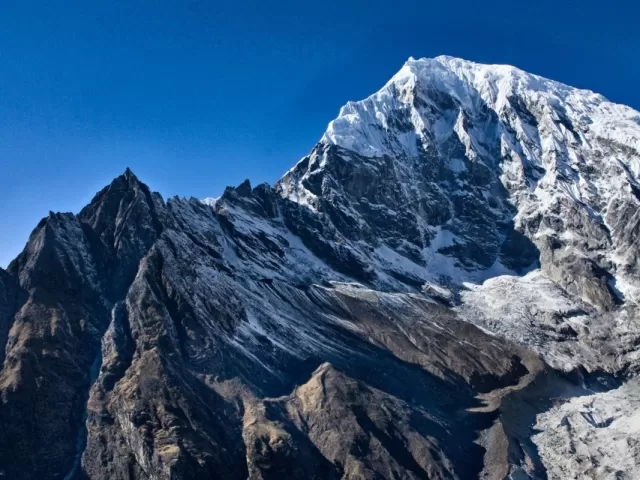
As you approach Kyanjin Gompa, the scenery becomes increasingly dramatic. Snow-covered peaks like Langtang Lirung dominate the horizon, while glacial moraines and yak pastures create a raw, untouched Himalayan environment. The trek offers a perfect blend of natural diversity within a relatively short duration.
Scenic highlights:
The Langtang region is deeply influenced by the Tamang community, whose culture, traditions, and hospitality add a rich human dimension to the trek. With Asiana Treks and Tours, trekkers get the opportunity to observe authentic village life, interact with locals, and learn about their Buddhist heritage and resilient lifestyle.
Villages like Langtang and Mundu showcase traditional stone houses, prayer wheels, monasteries, and prayer flags fluttering in the mountain wind. The cultural experience becomes even more meaningful as you understand the community’s rebuilding efforts after the 2015 earthquake, reflecting strength and unity.
Cultural highlights:
Accommodation on the Langtang Valley Trek is primarily in teahouses, which are simple but comfortable lodges run by local families. Asiana Treks and Tours carefully selects reliable teahouses that provide clean rooms, warm meals, and friendly service, ensuring trekkers have a safe and welcoming stay throughout the journey.
Food along the trail is a mix of traditional Nepali meals and basic international options. Dal Bhat (rice, lentils, and vegetables) is the most common and energizing meal for trekkers, while noodles, soups, pancakes, and tea are widely available. As altitude increases, food options may become more limited, but quality remains sufficient for trekking needs.
Accommodation & food features:
The Langtang Valley Trek reaches a maximum elevation of around 3,800 meters at Kyanjin Gompa, which is high enough for altitude effects but generally manageable for most trekkers. With Asiana Treks and Tours, the itinerary is carefully structured to allow gradual ascent, reducing the risk of altitude sickness. The steady gain in elevation from Syabrubesi through Lama Hotel and Langtang Village helps your body adjust naturally.
A key part of this trek is the rest day at Kyanjin Gompa. This day is not just for relaxation but also for short hikes to higher viewpoints such as Kyanjin Ri or Tserko Ri, which help with acclimatization. Proper hydration, slow pacing, and listening to your body are essential throughout the journey.
Key acclimatization points:
Packing correctly is crucial for comfort and safety on the Langtang Valley Trek. Since the trail passes through varying climates—from warm forest areas to cold alpine zones—layered clothing is essential. Asiana Treks and Tours recommends keeping your pack light but efficient, focusing on essentials that support changing weather conditions.
Good trekking boots, warm layers, and a reliable backpack make a big difference. Weather in the mountains can change quickly, so rain protection and thermal clothing are important even in peak seasons. Carrying personal medications, snacks, and basic hygiene items ensures convenience during remote stretches.
Essential packing list:
The cost of the Langtang Valley Trek varies depending on services, group size, and level of comfort. With Asiana Treks and Tours, most packages include transportation, permits, accommodation, meals during trekking, and guide services, making budgeting more straightforward and transparent for travelers.
Additional personal expenses such as snacks, hot showers, Wi-Fi, tips, and drinks should also be considered. Compared to other Himalayan treks in Nepal, Langtang is relatively affordable while still offering a rich mountain experience and excellent value for money.
Typical cost breakdown includes:
To enter the Langtang region, trekkers are required to obtain official permits, which are arranged easily through Asiana Treks and Tours. The main permits include the Langtang National Park Entry Permit and the TIMS (Trekkers’ Information Management System) card. These are mandatory for all foreign trekkers and help ensure safety and conservation in the region.
The process is straightforward when organized by a registered trekking company. You only need to provide a copy of your passport and passport-sized photos. These permits are checked at various entry points along the route, especially at Syabrubesi and park checkpoints.
Required permits and entry info:
Safety on the Langtang Valley Trek is generally manageable, but like any Himalayan journey, it requires awareness, preparation, and responsible trekking habits. With Asiana Treks and Tours, safety is prioritized through experienced guides, well-planned itineraries, and proper acclimatization schedules. Most risks on this trek come from altitude, weather changes, and fatigue rather than technical difficulty.
Trekkers are encouraged to walk at a steady pace, stay hydrated, and communicate any discomfort early—especially symptoms of altitude sickness such as headache, dizziness, or nausea. Weather in the mountains can change quickly, so being prepared for rain, wind, or sudden temperature drops is essential for a safe and enjoyable experience.
Key safety considerations:
The Langtang Valley Trek passes through the beautiful Langtang National Park, one of Nepal’s most diverse protected areas. Managed carefully with guidance from Asiana Treks and Tours, trekkers get to experience rich biodiversity ranging from dense forests to alpine ecosystems. The park is home to rare wildlife, medicinal plants, and stunning Himalayan scenery.
Although sightings are not guaranteed, lucky trekkers may spot Himalayan wildlife such as red pandas, langurs, musk deer, and various species of pheasants. The forests of rhododendron, oak, and bamboo create a vibrant natural corridor that changes dramatically with altitude, offering a constantly evolving trekking environment.
Natural and wildlife highlights:
The Langtang Valley Trek is a compact yet incredibly rewarding Himalayan experience, combining natural beauty, cultural richness, and accessible trekking routes. With Asiana Treks and Tours, travelers can enjoy a well-organized journey that balances adventure with safety, comfort, and meaningful cultural encounters.
From lush forests to towering glaciers, and from Tamang villages to peaceful monasteries, every step of the trek offers something memorable. It is an ideal choice for those seeking a shorter Himalayan trek without compromising on scenery or cultural depth.
Final takeaways:


 (2)
(2)  100% recommend (0)
 (0)
(0)