
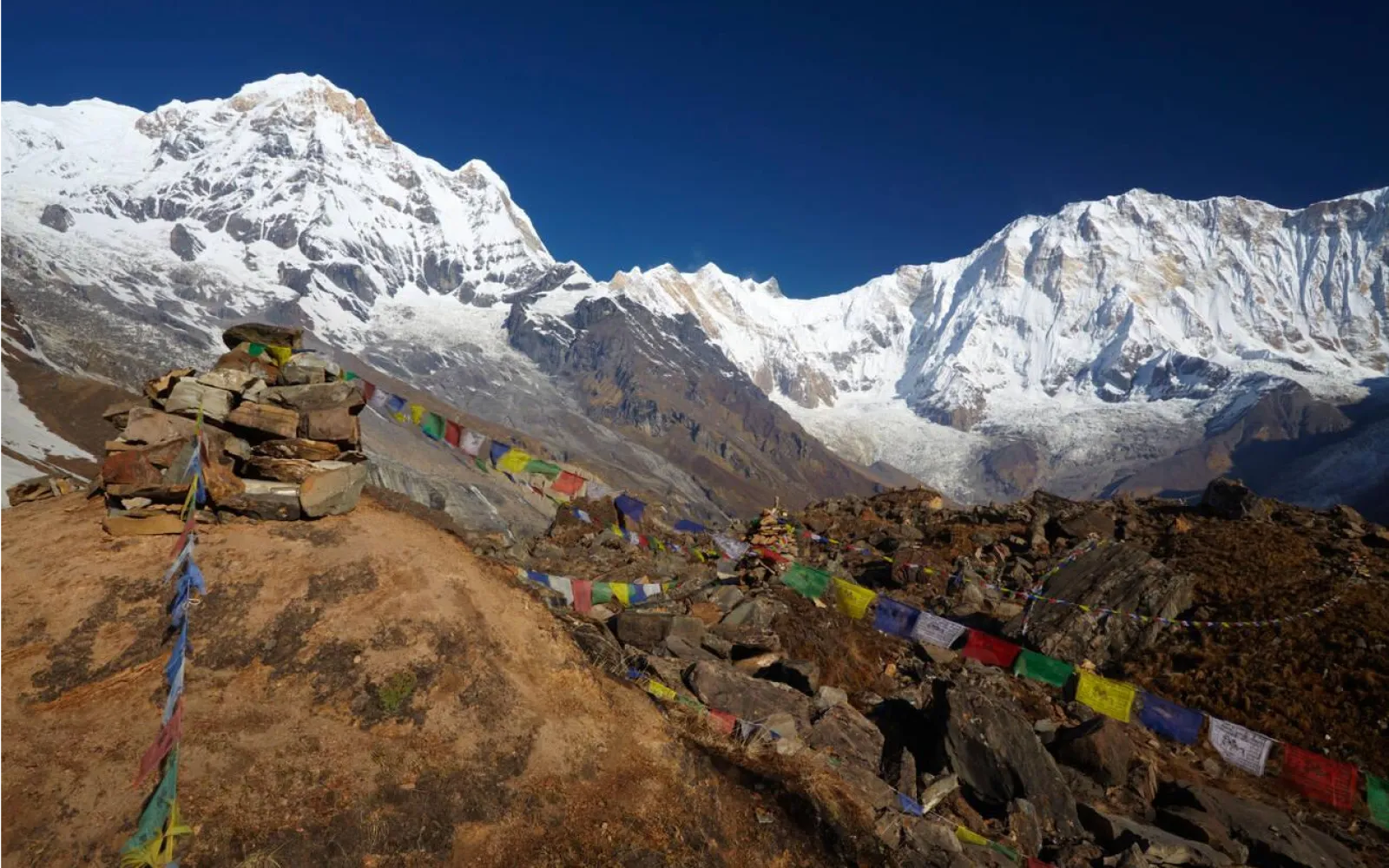
Trekking to Annapurna Base Camp (ABC) is a dream adventure for many hikers worldwide. However, as the trek reaches altitudes above 4,000 meters, understanding the effects of altitude on your body becomes crucial. Proper preparation, pacing, and awareness can help you enjoy the trek safely and avoid altitude-related illnesses.
The Annapurna region offers stunning views of peaks like Machhapuchhre (Fishtail) and Annapurna South, but rapid ascents can lead to serious health risks. Asiana Treks and Tours emphasizes a balance between adventure and safety, ensuring trekkers acclimatize properly while experiencing the beauty of the Himalayas.
Altitude sickness, also called Acute Mountain Sickness (AMS), occurs when your body struggles to adapt to lower oxygen levels at high elevations. Symptoms include headaches, nausea, dizziness, and fatigue. In severe cases, it can progress to High Altitude Pulmonary Edema (HAPE) or High Altitude Cerebral Edema (HACE), both life-threatening conditions.
Trekkers often underestimate how altitude affects the body, which can turn an exciting journey into a dangerous situation. By understanding the warning signs and acclimatizing properly, you can minimize risks. Asiana Treks and Tours provides expert guides trained in altitude safety to support trekkers at every stage of the ABC trek.
Practical Trekking Tips with Asiana Treks and Tours
Pacing: Follow the recommended itinerary, which spreads challenging sections over multiple days. For example:
Sleeping Altitude: Avoid sleeping immediately at high altitudes; ascend during the day and sleep at lower elevations when possible.
Buddy System: Trek with a partner or group to monitor symptoms. Guides from Asiana Treks and Tours are trained to identify early signs of AMS.
Climbing too quickly is one of the most common causes of altitude sickness. Gradual acclimatization allows your body to adjust to decreasing oxygen levels and minimizes the risk of Acute Mountain Sickness (AMS). The Annapurna Base Camp trek, reaching over 4,100 meters, requires careful pacing to enjoy the journey safely.
Asiana Treks and Tours emphasizes structured itineraries that balance trekking and rest. For example, ascending from Ghorepani to Tadapani (Day 3) or from Sinuwa to Deurali (Day 5) is planned to give trekkers’ bodies time to adapt, reducing strain on the heart and lungs.
Tips for gradual acclimatization:
At high altitudes, the body loses water faster due to increased breathing and dry air, making hydration essential. Dehydration can worsen altitude sickness symptoms such as headaches, fatigue, and dizziness. Proper nutrition is equally important, as your body needs energy to adapt to thinner air and increased physical effort.
Asiana Treks and Tours provides guidance on maintaining energy and hydration during each stage of the trek. Trekkers are encouraged to drink 3–4 liters of water daily and eat a balanced, carbohydrate-rich diet to maintain stamina.
Tips for hydration and nutrition:
Recognizing the early signs of altitude sickness is crucial to prevent serious conditions like High Altitude Pulmonary Edema (HAPE) or High Altitude Cerebral Edema (HACE). Symptoms may start subtly with headaches, nausea, fatigue, or dizziness but can escalate quickly if ignored.
Guides from Asiana Treks and Tours are trained to identify early warning signs and respond immediately. Trekkers are advised to report any discomfort promptly rather than pushing through symptoms. Early recognition allows for timely rest, descent, or medical intervention if necessary.
Key symptoms to watch for:
Adequate rest and quality sleep are essential for altitude adaptation. At higher elevations, sleep quality may decrease due to lower oxygen levels, making your body more susceptible to fatigue and AMS. Trekking schedules should balance activity and downtime to allow proper recovery.
Asiana Treks and Tours ensures that accommodation along the trek—such as in Banthati, Ghorepani, or Deurali—offers safe, comfortable rest stops. Taking short naps during the day and prioritizing early bedtimes helps your body adjust naturally to altitude changes.
Sleep and rest strategies:
Medications can be an important tool to manage altitude-related symptoms, but they must be used carefully and under medical guidance. Acetazolamide (Diamox) is commonly prescribed to prevent or reduce symptoms of Acute Mountain Sickness (AMS). It helps your body acclimatize faster by balancing blood pH and improving breathing efficiency at higher altitudes.
Asiana Treks and Tours advises trekkers to consult a doctor before taking any medication and to follow recommended dosages. Medications are not a substitute for proper acclimatization; they should complement other preventive measures such as gradual ascent and adequate rest.
Tips for using medication safely:
Weather conditions in the Annapurna region can change rapidly, and exposure to cold, wind, or sun at high altitudes increases the risk of health issues. Snow, rain, and fog can affect visibility and trail conditions, while strong UV radiation at higher elevations can lead to sunburn.
Asiana Treks and Tours prepares trekkers by providing weather updates and guidance on suitable gear for all conditions. Proper clothing, layered dressing, and sun protection are essential for maintaining body temperature and minimizing altitude stress.
Key weather and environmental tips:
Even with careful preparation, altitude sickness can occur unexpectedly. Knowing when to descend is crucial. Severe symptoms—such as shortness of breath at rest, confusion, or persistent vomiting—require immediate descent to lower altitudes. Delaying can lead to life-threatening conditions like HAPE or HACE.
Asiana Treks and Tours emphasizes clear emergency protocols, including rapid evacuation options and guides trained to respond to altitude emergencies. Every trek includes communication tools and contingency plans to ensure trekkers can descend safely when needed.
Emergency planning tips:
Listening to the experiences of trekkers who have completed Annapurna Base Camp can provide invaluable lessons. Many emphasize the importance of patience, pacing, and acclimatization. Stories often highlight how taking extra rest days or drinking enough water helped prevent serious altitude issues.
Asiana Treks and Tours shares these insights with new trekkers to prepare them mentally and physically. Learning from others’ experiences helps manage expectations, reduces anxiety, and promotes a safer trekking mindset.
Lessons from experienced trekkers:
A successful Annapurna Base Camp trek is a combination of preparation, awareness, and enjoyment. By respecting your body’s limits and following altitude safety strategies, you can experience breathtaking Himalayan views without compromising health.
Asiana Treks and Tours ensures trekkers have a balanced itinerary, experienced guides, and resources to manage altitude, weather, and emergencies. With proper planning, you can make your ABC journey both safe and memorable.
Final tips for trekkers:
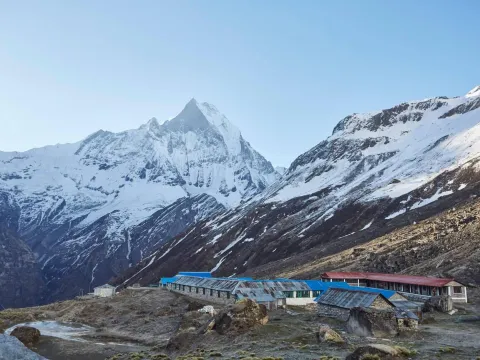
Trekking to Annapurna Base Camp (ABC) is one of Nepal’s most iconic adventures, and choosing the right time can greatly enhance the quality of your journey. The region experiences distinct seasonal variations, each influencing visibility, trail conditions, and the overall trekking experience. For most trekkers, the autumn (September–November)
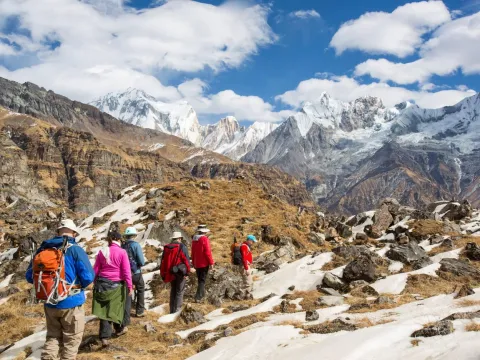
The Annapurna Base Camp Trek is one of Nepal’s most iconic trekking experiences, offering trekkers a perfect blend of natural beauty, cultural immersion, and panoramic Himalayan vistas. This trek takes you through diverse landscapes—from lush subtropical forests and terraced fields to rhododendron-clad slopes and alpine terrain.
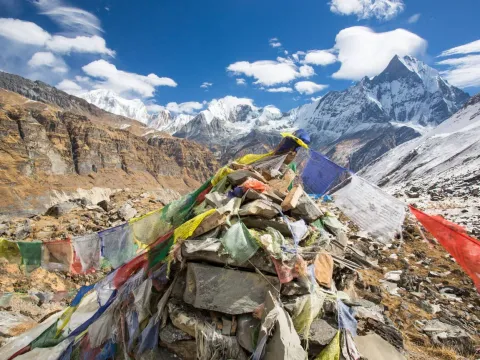
The Annapurna Base Camp (ABC) Trek is renowned for its breathtaking landscapes, cultural richness, and the unforgettable experience of trekking in the Himalayas. However, for many trekkers, one of the biggest questions is about comfort on the trail — specifically, the food they’ll eat and the places they’ll sleep. While the ABC Trek is not a luxury journey,


 (2)
(2)  100% recommend (0)
 (0)
(0)