
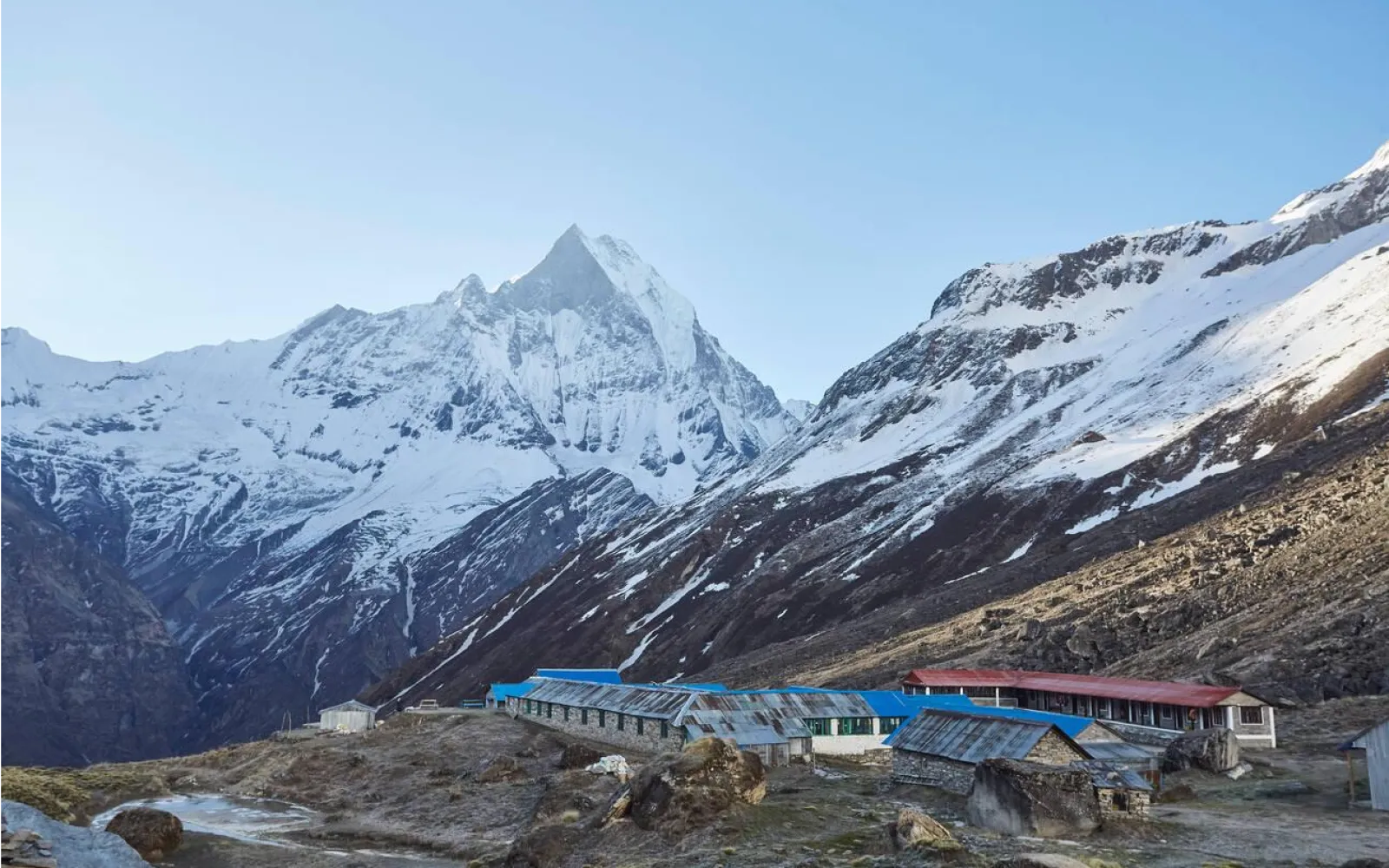
Trekking to Annapurna Base Camp (ABC) is one of Nepal’s most iconic adventures, and choosing the right time can greatly enhance the quality of your journey. The region experiences distinct seasonal variations, each influencing visibility, trail conditions, and the overall trekking experience. For most trekkers, the autumn (September–November) and spring (March–May) seasons offer the best combination of stable weather, clear mountain views, and comfortable temperatures. These months transform the trails with blooming rhododendrons in spring and crystal-clear skies in autumn, making the journey both scenic and rewarding.
With years of expertise in Himalayan trekking, Asiana Treks and Tours recommends planning the Annapurna Base Camp trek during these ideal windows to enjoy the best that the region has to offer. Not only do these seasons provide safer and more enjoyable trekking conditions, but they also allow you to experience the cultural richness of the Gurung and Magar communities along the way. Whether you are a seasoned trekker or a beginner, choosing the best time ensures smoother logistics, breathtaking landscapes, and a memorable adventure.
Key Highlights of the Best Trekking Seasons
Timing plays a crucial role in determining the quality and safety of your Annapurna Base Camp trek. Weather directly affects trail conditions, visibility, and overall comfort. For instance, trekking during the monsoon (June–August) can be challenging due to heavy rainfall, slippery trails, and limited views because of persistent cloud cover. Meanwhile, winter months (December–February) offer stunning visibility but bring freezing temperatures, snow-covered paths, and potential route closures at higher elevations. Understanding these seasonal nuances helps trekkers prepare better and avoid unnecessary risks.
Asiana Treks and Tours emphasizes the importance of aligning your trekking dates with the season that best matches your preferences and physical readiness. Whether you prioritize scenic beauty, cultural interactions, or quieter trails, choosing the right season can significantly elevate your experience. Moreover, the company carefully monitors weather patterns and provides expert guidance to ensure that trekkers remain safe, informed, and well-prepared at every step of the journey.
Reasons Why Choosing the Right Season Matters
Nepal’s diverse geography creates four distinct trekking seasons—spring, summer/monsoon, autumn, and winter—each offering its own charm and challenges. Spring (March–May) brings warmer temperatures, blooming rhododendron forests, and clear mornings, making it one of the most pleasant times to trek. Autumn (September–November) is widely considered the best season for trekking, thanks to its stable weather, crisp mountain views, and lively festival atmosphere. These prime seasons attract trekkers from all over the world, especially those seeking optimal visibility and comfortable trail conditions.
Winter (December–February) offers peaceful trails and incredible clarity in the mountains but also brings colder temperatures, icy paths, and occasional snowfall at higher altitudes. Meanwhile, the monsoon season (June–August) transforms the landscape with lush greenery but challenges trekkers with heavy rainfall, leeches, and cloud-covered views. Asiana Treks and Tours helps trekkers navigate these seasonal differences by offering expert guidance and itinerary planning to match each traveler’s goals, comfort level, and preferred trekking style.
Season Highlights at a Glance
Weather plays a defining role in shaping your Annapurna Base Camp trek, influencing everything from trail accessibility to scenic quality. In clear seasons like autumn, trekkers enjoy uninterrupted views of Annapurna I, Machhapuchhre, and surrounding peaks, along with dry, stable trails. Spring weather is generally mild, with colorful forests, warm days, and cooler nights, creating a picturesque and comfortable trekking environment. These favorable conditions make both seasons particularly appealing for first-time and experienced trekkers alike.
Conversely, monsoon conditions can significantly alter the ABC trekking experience. Heavy rain can make trails muddy and slippery, while dense clouds often obscure mountain views. Winter introduces icy pathways and colder temperatures, which may affect pacing and overall comfort. Thanks to their deep familiarity with the region, Asiana Treks and Tours provides accurate seasonal forecasts and practical weather-based recommendations, ensuring trekkers stay safe and enjoy a rewarding journey.
Ways Weather Affects Your Trek
Every trekking season in Nepal brings distinct differences in trail traffic, weather patterns, and scenic beauty. During the high seasons—spring and autumn—expect moderate to heavy foot traffic on popular routes, including Annapurna Base Camp. The appeal lies in exceptional weather and dramatic mountain scenery, drawing trekkers worldwide. Although trails may feel busier, teahouses and villages along the route come alive with energy, cultural exchange, and warm hospitality.
In contrast, the monsoon and winter seasons offer a quieter, more introspective trekking experience. While monsoon rains create lush forests and vibrant landscapes, the cloud cover may obscure major peaks. Winter, however, provides some of the clearest skies of the year but with far colder temperatures and potential snowfall. Asiana Treks and Tours helps trekkers choose the season that aligns with their preferences—whether they desire solitude, comfort, vibrant scenery, or cultural interaction.
What Varies Each Season
Spring and autumn stand as the two most favored trekking windows for the Annapurna Base Camp trek, each offering unique advantages. Spring is marked by blossoming rhododendron forests, warmer temperatures, and lively local wildlife. The mornings are typically clear, although occasional afternoon clouds can gather. This season is ideal for nature lovers, photographers, and trekkers seeking vibrant, colorful landscapes.
Autumn, however, is widely hailed as the best season for the ABC trek due to its extremely stable weather, crisp visibility, and comfortable daytime temperatures. After the monsoon rains wash the air clean, trekkers enjoy some of the clearest views of the Annapurna and Machhapuchhre ranges. Asiana Treks and Tours frequently recommends autumn for those who prioritize mountain scenery and reliable weather. While both seasons offer unforgettable experiences, the choice ultimately depends on whether you prefer lush, blooming trails or pristine alpine clarity.
Spring vs. Autumn At a Glance
Winter trekking to Annapurna Base Camp (December–February) can be an incredibly rewarding experience for those who seek tranquility, crystal-clear mountain views, and a more intimate connection with nature. The air is sharp and clean, offering some of the year’s best visibility of the Annapurna and Machhapuchhre ranges. Trails are noticeably quieter, teahouses less crowded, and the overall atmosphere peaceful—ideal for trekkers who prefer solitude over busy paths. With the right gear and preparation, winter turns the Annapurna region into a stunning white wonderland.
However, winter also presents significant challenges, such as freezing temperatures, icy trails, and occasional snowfall that may temporarily block sections of the route. It is essential to trek with proper winter equipment and a reliable guide to ensure safety and comfort. Asiana Treks and Tours recommends winter trekking mainly for experienced hikers or adventure lovers seeking something unique. The company ensures proper planning, safe pacing, and expert guidance to help trekkers enjoy the raw beauty of the Himalayas in winter conditions.
Winter Trekking Highlights & Considerations
The monsoon season (June–August) transforms the Annapurna region into a lush, green paradise, with vibrant forests, blooming wildflowers, and flowing waterfalls at every turn. Trekkers who embrace monsoon trekking can enjoy quieter paths, fresh landscapes, and a unique sense of immersion in Nepal’s natural beauty. For photographers and nature enthusiasts, the verdant scenery offers a different perspective on the Himalayas that many visitors never experience.
Despite the beauty, monsoon trekking comes with challenges such as heavy rainfall, leeches at lower elevations, slippery trails, and cloud cover that can hide the mountains for days at a time. Landslides are also a concern in certain areas. Asiana Treks and Tours assists trekkers by planning weather-conscious itineraries, choosing safe routes, and providing essential guidance for trekking in wet conditions. With expert support, monsoon trekking can be both safe and unforgettable for those seeking dramatic landscapes and off-season adventure.
What to Expect During Monsoon
Choosing the ideal month for your Annapurna Base Camp trek involves balancing comfort, scenery, and your appetite for adventure. Months like October, November, March, and April offer the best mix of stable weather, moderate temperatures, and breathtaking visibility, making them ideal for most trekkers. These peak months ensure comfortable trekking conditions without extreme heat or cold, perfect for beginners and families looking for a smooth and enjoyable experience.
For those who crave adventure or wish to avoid crowds, shoulder months like May, September, and December strike a healthy balance. These months provide good visibility with fewer trekkers, though they come with slightly less predictable weather. Asiana Treks and Tours helps travelers pick the month that aligns with their fitness level, interests, and schedule. With personalized recommendations, they ensure every trekker finds the right blend of comfort and adventure.
Best Month Selection Factors
Each trekking season offers unique opportunities for photography and influences how clearly the mountains appear, as well as how easy or challenging the trails are. In autumn, the skies are crisp and clear, giving photographers picture-perfect shots of Annapurna I, Machhapuchhre, and surrounding peaks. Spring brings colorful rhododendron forests and softer light, ideal for capturing vibrant landscapes and wildlife. Both seasons provide dry, safe trails, making them perfect for those aiming for optimal photography and enjoyable walking conditions.
Winter offers unparalleled clarity for mountain photos, though shorter daylight hours and colder conditions require extra preparation. Monsoon season, meanwhile, gives photographers lush greenery and dramatic cloud formations—but views of the peaks may be limited due to fog and rain. Trails become slippery, streams rise, and visibility fluctuates. Asiana Treks and Tours provides detailed seasonal insights to help photographers and trekkers choose the best time of year for the visual and physical experience they desire.
Photography & Trail Conditions by Season
Trekking conditions in the Annapurna region vary significantly from month to month, influencing everything from visibility to trail safety. January and February offer cold but crystal-clear skies, making them rewarding for experienced trekkers who don’t mind snow and chilly nights. March, April, and May bring warming temperatures and vibrant rhododendron blooms, making spring a favorite among nature lovers and photographers. During these months, trails come alive with color, and the weather remains relatively stable.
June, July, and August mark the monsoon season, creating lush green landscapes but also slippery trails, heavy rainfall, and limited mountain views. This period appeals to adventurous trekkers seeking solitude and dramatic scenery. Once monsoon rains fade, September, October, and November emerge as the most popular trekking months. These autumn months offer the clearest skies of the year, moderate temperatures, and breathtaking visibility of Annapurna and Machhapuchhre. December welcomes early winter, offering quieter trails and excellent visibility but colder nights. With insights from Asiana Treks and Tours, trekkers can select the month that perfectly matches their style, comfort level, and expectations.
Month-by-Month Snapshot
Planning your Annapurna Base Camp trek requires attention to timing, fitness preparation, and the right equipment. Weather is the biggest factor, shaping not only visibility but also what clothing, gear, and trekking style will work best. Choosing the right trekking month enhances safety, comfort, and the overall experience. It’s also crucial to prepare physically, as the trek involves daily climbs and descents across varying altitudes. Starting a fitness routine several weeks before your departure helps ensure a comfortable and enjoyable journey.
Additionally, planning with a trusted company like Asiana Treks and Tours offers significant advantages. Their experienced guides provide real-time weather information, updated trail conditions, acclimatization planning, and personalized route adjustments. They also assist with permits, teahouse reservations, and transportation logistics—details that can be overwhelming for first-time trekkers. By preparing ahead and relying on expert support, trekkers can focus entirely on enjoying the region’s majestic landscapes.
Key Planning Tips
While each season offers something unique, the best time to trek Annapurna Base Camp ultimately depends on what you value most—weather reliability, scenery, solitude, or adventure. For trekkers prioritizing clear views and comfortable conditions, autumn (September–November) stands out as the most dependable period. Spring (March–May) is equally appealing, offering blooming forests and mild temperatures. Both seasons maximize trail accessibility and scenic beauty.
However, trekkers seeking peaceful paths or a more rugged experience may find winter or monsoon trekking equally fulfilling. The key is aligning your expectations with seasonal realities. Asiana Treks and Tours helps trekkers identify the ideal time based on their goals, ensuring every journey becomes a memorable, safe, and rewarding adventure. Ultimately, there is no single “best” time—just the time that best suits your spirit of exploration.
Best Time Summary
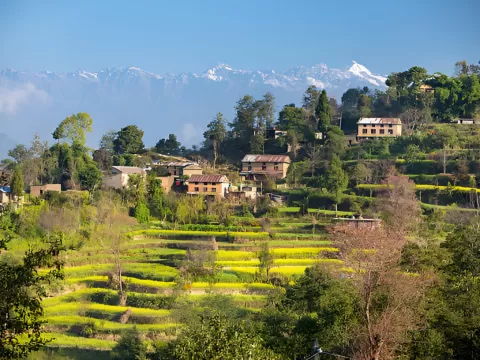
Nepal is an extraordinary destination for adventure enthusiasts, with its breathtaking landscapes and diverse trekking routes, nestled in the heart of the Himalayas. Asiana Treks & Tours specializes in offering unforgettable hiking adventures across this mountainous region, tailored for all types of trekkers.
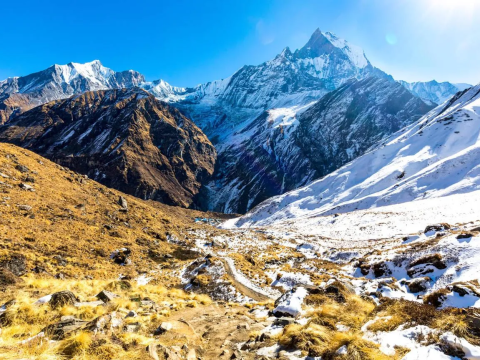
Nepal is a small, landlocked country nestled between India and China, famous worldwide for its towering Himalayan peaks, including Mount Everest—the highest point on Earth. Despite its modest size, Nepal offers an extraordinary diversity of landscapes, cultures, and experiences
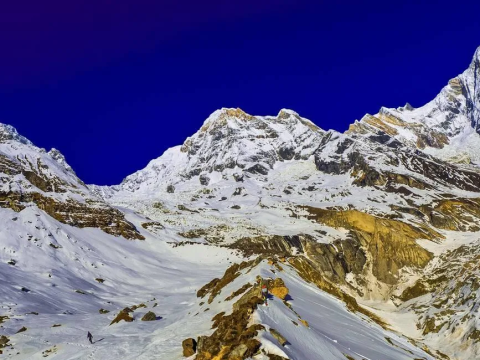
Nepal is renowned worldwide as a premier trekking destination, attracting adventure seekers, nature lovers, and cultural enthusiasts alike. Nestled in the heart of the Himalayas, Nepal offers some of the most breathtaking trekking routes on the planet.
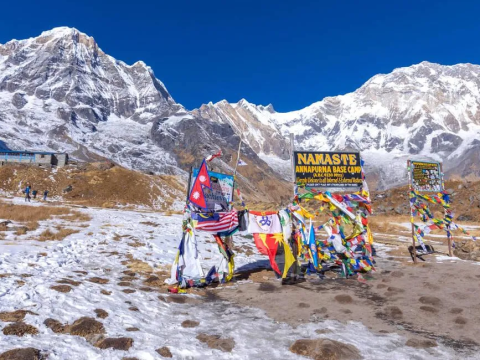
The Annapurna Base Camp (ABC) Trek is one of Nepal's most iconic and breathtaking trekking experiences. Nestled in the heart of the Annapurna Himalayas, this trek takes adventurers through lush forests, terraced farmlands, traditional villages, and high alpine


 (2)
(2)  100% recommend (0)
 (0)
(0)