
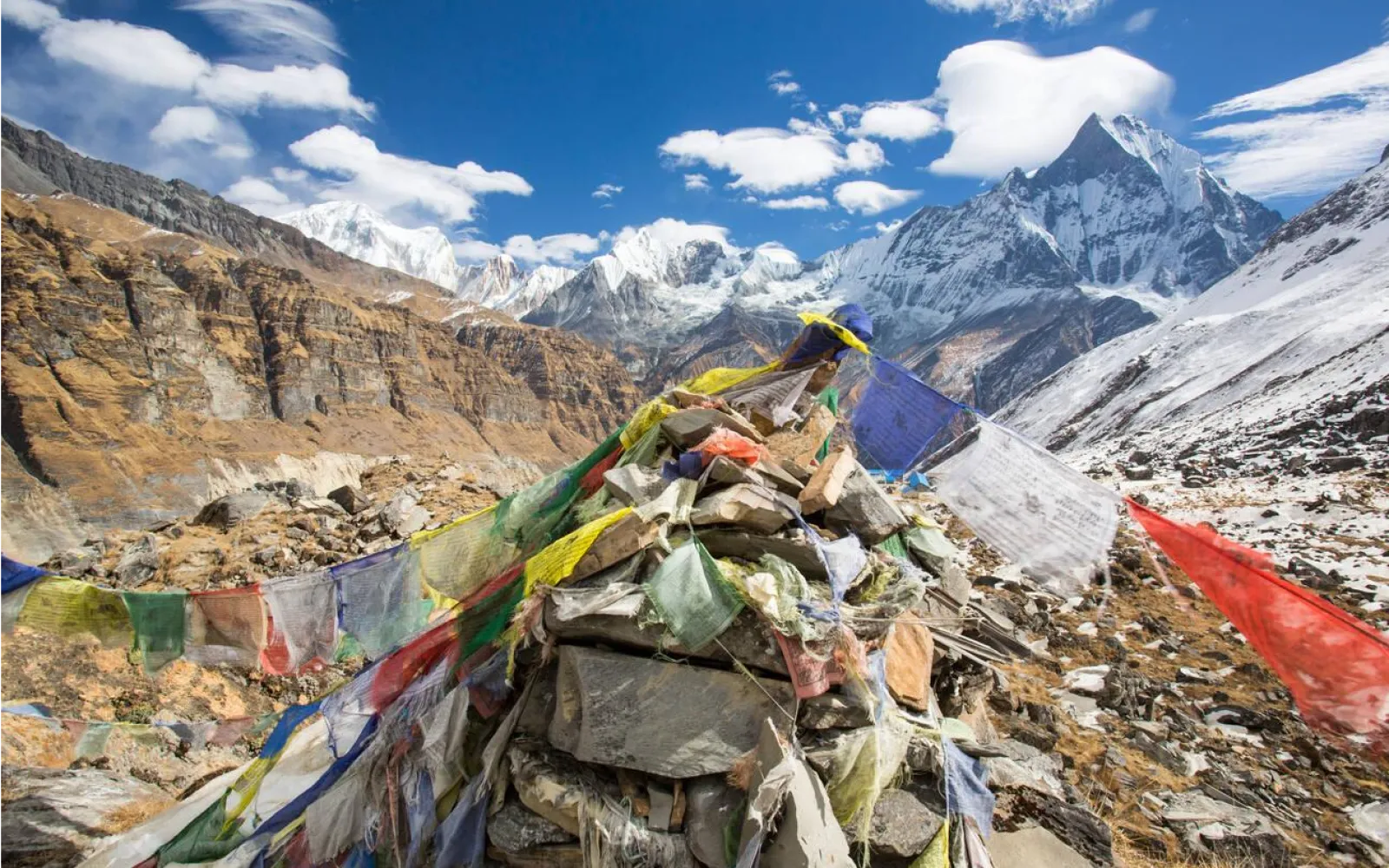
The Annapurna Base Camp (ABC) Trek is renowned for its breathtaking landscapes, cultural richness, and the unforgettable experience of trekking in the Himalayas. However, for many trekkers, one of the biggest questions is about comfort on the trail — specifically, the food they’ll eat and the places they’ll sleep. While the ABC Trek is not a luxury journey, it offers surprisingly cozy lodges and surprisingly diverse cuisine, especially when guided by professional trekking companies like Asiana Treks and Tours.
Trekkers should anticipate simple but satisfying meals, mostly influenced by local Nepali cuisine, with opportunities to enjoy a few international dishes along the route. Accommodation is primarily in tea houses—small lodges run by local families—which provide basic rooms, bedding, and a warm atmosphere. Some lodges offer hot showers and charging facilities for electronic devices, though availability may vary depending on altitude and location.
Key Highlights:
Before setting out on the ABC Trek, it’s important to understand that the journey combines adventure with simplicity. The trek passes through villages, lush forests, and alpine landscapes, where life moves at a slower pace. Here, food and accommodation are functional, comfortable, and community-oriented rather than luxurious.
As you ascend, amenities gradually become more limited. Lower-altitude villages often have larger tea houses with multiple dining options, while higher-altitude lodges tend to be smaller and simpler, with fewer menu choices. Despite the rustic nature, the friendliness of local hosts and the homely meals are part of the charm that makes the trek memorable. Asiana Treks and Tours ensures trekkers are placed in reputable lodges known for their hygiene, service, and warm hospitality.
Key Points:
On a typical day of the ABC Trek, trekkers wake up early to the sounds of the Himalayas, enjoy a hearty breakfast, and set out for a day of walking that can last 4–8 hours, depending on the stage. Tea houses along the trail serve as rest stops for lunch and evening meals, offering not only food but a chance to recharge and socialize.
Evenings are generally spent relaxing in the lodge, reviewing the day’s highlights, or chatting with fellow trekkers and local hosts. Most lodges provide simple rooms with comfortable beds, blankets, and sometimes small windows with a view of the surrounding mountains. Meals often include staples like dal bhat (lentil soup with rice), noodles, potatoes, and seasonal vegetables, with occasional options like pasta, pancakes, or omelets for a taste of home.
Daily Expectations:
On the ABC Trek, meals are primarily served at tea houses, which are small, family-run lodges offering a warm and inviting atmosphere. Breakfast usually includes options like eggs, porridge, toast, pancakes, or traditional Nepali items such as momo (dumplings). Lunch and dinner tend to feature Dal Bhat (lentil soup with rice and vegetables), soups, noodles, and occasionally Western dishes like pasta or fried rice. Trekkers guided by Asiana Treks and Tours can expect consistently hygienic kitchens and well-prepared meals that provide enough energy for long trekking days.
As altitude increases, menu options become more limited due to logistical challenges, so it’s common to see fewer Western dishes and more basic, hearty Nepali meals designed to fuel hikers. Despite the simplicity, meals are usually satisfying, with generous portions and a homely flavor that reflects the local culture. Socializing over dinner is also a highlight, as trekkers from around the world gather to share experiences.
Key Points:
Even with regular meals, trekking the ABC route requires additional energy. Snacks are essential for maintaining stamina between meals and during long treks. Popular options available at tea houses include chocolate, biscuits, energy bars, instant noodles, and dried fruits. Many lodges also serve local snacks like roasted corn, puffed rice, or fried potatoes.
Trekkers guided by Asiana Treks and Tours are advised to carry a personal stash of high-calorie snacks and electrolytes to ensure consistent energy levels, especially at higher elevations where appetite may decrease. Drinking plenty of fluids, including tea, coffee, or hot lemon water, is also recommended to stay hydrated in the dry mountain air.
Key Points:
Accommodation on the ABC Trek is generally simple but functional, ranging from small tea houses to slightly larger lodges in more popular villages. Tea houses are locally owned, offering communal dining areas, shared or private rooms, and a cozy atmosphere. Lodges at lower altitudes may provide slightly more comfort, including larger rooms, better heating, and additional amenities like charging stations or Wi-Fi.
Higher up the trail, facilities become more basic due to the remoteness. Most tea houses provide beds with blankets, but trekkers are encouraged to bring a sleeping bag for extra warmth. Staying at reputable tea houses recommended by Asiana Treks and Tours ensures that hygiene standards are maintained and that guests enjoy a safe and comfortable experience, even in remote locations.
Key Points:
Rooms on the ABC Trek are basic but comfortable, often including a bed, mattress, and blankets. Some tea houses provide private rooms, while others offer shared accommodations. Facilities like running water, hot showers, and charging ports are available in selected lodges, mostly at lower and mid-altitude stops, and often at an extra cost.
The focus is on practicality and warmth rather than luxury. Windows in many rooms provide spectacular views of the surrounding mountains, making the experience memorable despite minimal facilities. Trekkers guided by Asiana Treks and Tours can expect a balance of comfort and convenience, with careful selection of lodges that maintain cleanliness, offer hearty meals, and provide a welcoming environment for resting after a challenging day on the trail.
Key Points:
On the ABC Trek, each day has its rhythm of walking, eating, and resting, with meals and accommodations tailored to support the trekker’s energy needs and recovery. A typical day begins with a hearty breakfast at the tea house, often consisting of eggs, porridge, pancakes, or traditional Nepali dishes. Trekkers then head out for several hours of walking, stopping for tea or snacks along the trail. Lunch is usually at another tea house, offering Dal Bhat, soups, or noodles.
Evenings are spent settling into lodges, cleaning up, and enjoying a warm dinner. Most lodges provide simple rooms with beds, blankets, and sometimes hot showers, especially at lower altitudes. As you ascend to higher elevations, meals become simpler and accommodation more basic. Asiana Treks and Tours ensures trekkers are guided to reputable tea houses with reliable hygiene, nutritious meals, and welcoming hosts, making each night restful despite the rustic setting.
Key Points:
Maintaining health and hydration is crucial while trekking at high altitudes. Drink plenty of water throughout the day, aiming for at least 3–4 liters depending on the temperature and exertion. Herbal teas, hot lemon water, and soups can help with warmth and hydration in colder climates. It’s also important to pace yourself, take breaks, and listen to your body to prevent altitude sickness.
Eating balanced meals at tea houses is essential, but supplementing with snacks like energy bars, nuts, and dried fruits keeps energy levels steady. Asiana Treks and Tours emphasizes hygiene, recommending that trekkers wash hands frequently, choose boiled or cooked foods, and avoid raw vegetables or unfiltered water. Proper rest and layered clothing are also key to maintaining health and comfort on the trail.
Key Points:
Food and accommodation costs on the ABC Trek are generally moderate but can vary depending on location, altitude, and amenities. Lower-altitude villages offer more options at competitive prices, while remote tea houses at higher altitudes may charge slightly more due to logistical challenges. Typical meals range from $3–$10, and rooms can cost between $5–$15 per night, with extras like hot showers or charging ports often costing a small additional fee.
Asiana Treks and Tours helps trekkers plan their budgets efficiently, ensuring they understand what to expect for daily expenses and minimizing surprises. Planning ahead for snacks, water, and small personal necessities is recommended, as these can add to daily costs if purchased along the trail. Despite the added cost at higher elevations, food and accommodation remain very reasonable compared to urban standards.
Key Points:
The ABC Trek offers a delicious introduction to Nepali cuisine. Dal Bhat, a combination of lentil soup, rice, vegetables, and sometimes meat, is a staple for energy and nutrition. Other must-try items include momo (steamed or fried dumplings), thukpa (Tibetan-style noodle soup), and sel roti (a sweet, ring-shaped rice bread). Local teas, including butter tea in some higher villages, provide warmth and energy during cold trekking days.
Asiana Treks and Tours encourages trekkers to embrace local flavors, as tasting these dishes is part of the cultural experience. Even small villages often take pride in serving hearty, freshly-prepared meals that showcase regional ingredients and cooking styles. Sampling these dishes enhances the overall trek, creating memorable moments beyond the landscapes themselves.
Key Points:
Food and accommodation on the ABC Trek are all about balancing comfort and adventure. While amenities may be simple, they are functional, safe, and sufficient to support the physical demands of the trek. Tea houses and lodges offer warmth, social interaction, and hearty meals that leave trekkers energized for the next day. The combination of cultural immersion, local flavors, and basic comforts makes the experience uniquely rewarding.
Asiana Treks and Tours ensures that trekkers enjoy this balance, providing guidance, trusted accommodations, and access to nourishing meals along the route. The simplicity of life on the trail allows trekkers to focus on the stunning scenery, cultural encounters, and personal achievement, making the ABC Trek a truly unforgettable Himalayan adventure.
Key Points:
Nepal is a small, landlocked country nestled between India and China, famous worldwide for its towering Himalayan peaks, including Mount Everest—the highest point on Earth. Despite its modest size, Nepal offers an extraordinary diversity of landscapes, cultures, and experiences
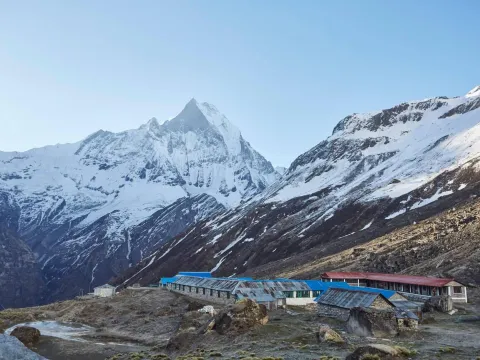
Trekking to Annapurna Base Camp (ABC) is one of Nepal’s most iconic adventures, and choosing the right time can greatly enhance the quality of your journey. The region experiences distinct seasonal variations, each influencing visibility, trail conditions, and the overall trekking experience. For most trekkers, the autumn (September–November)
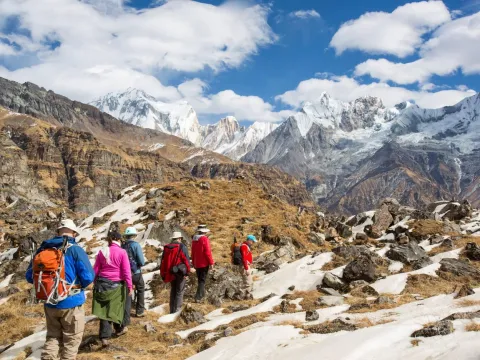
The Annapurna Base Camp Trek is one of Nepal’s most iconic trekking experiences, offering trekkers a perfect blend of natural beauty, cultural immersion, and panoramic Himalayan vistas. This trek takes you through diverse landscapes—from lush subtropical forests and terraced fields to rhododendron-clad slopes and alpine terrain.


 (2)
(2)  100% recommend (0)
 (0)
(0)