
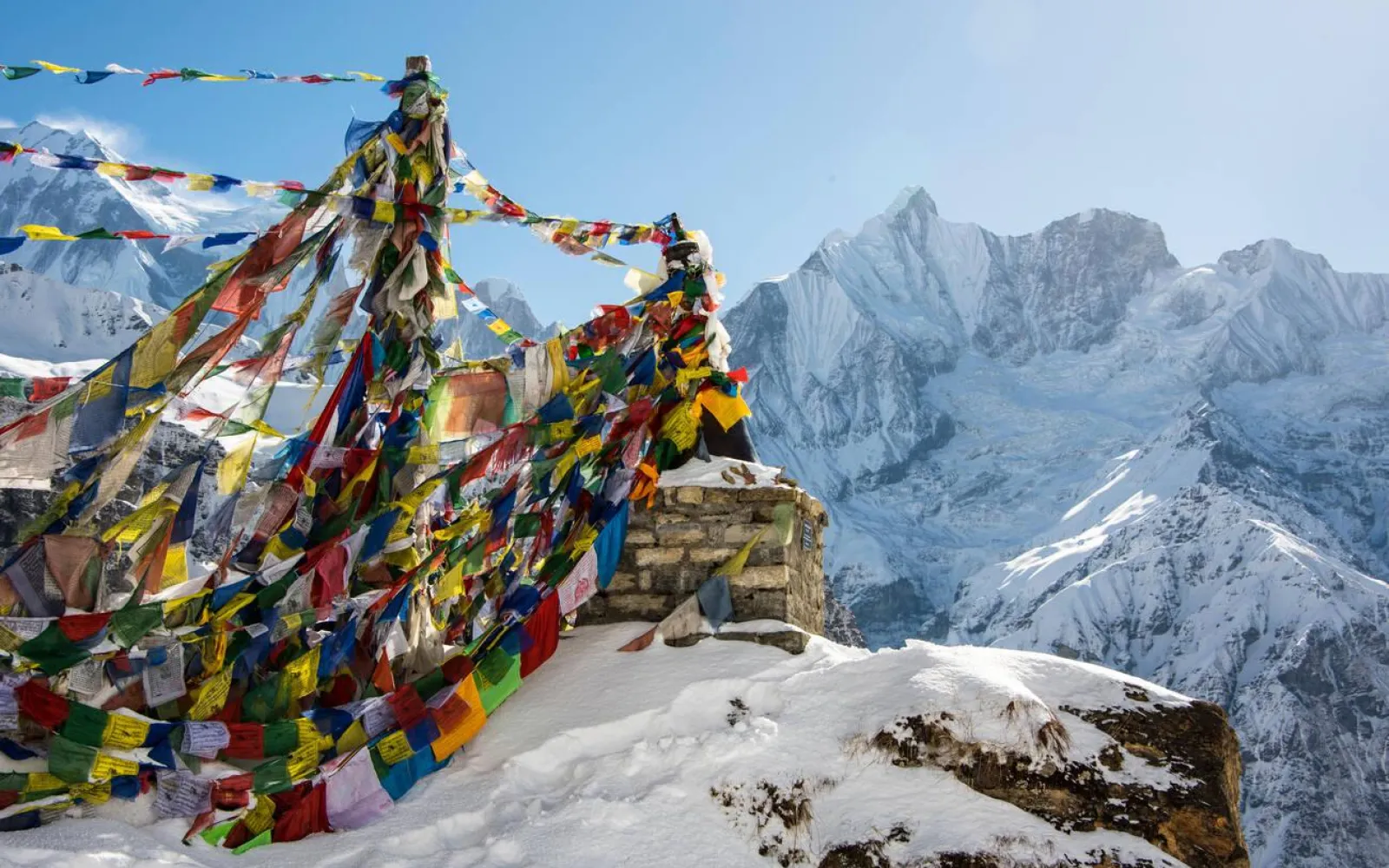
The Annapurna Base Camp (ABC) trek lies within a restricted conservation area, meaning every trekker must obtain specific permits before entering. These permits are designed to safeguard the natural ecosystem, support sustainable tourism, and ensure that trekking routes remain safe and well-maintained. Whether you’re trekking independently or with a trekking agency, obtaining the right permits is mandatory and checked frequently at multiple checkpoints along the route.
Asiana Treks and Tours provides a streamlined permit-handling service so trekkers can enjoy a stress-free journey without worrying about administrative procedures.
Two key permits are required for the ABC trek: the Annapurna Conservation Area Permit (ACAP) and the Trekkers’ Information Management System (TIMS) card. Costs vary based on nationality and trekking style, but the process remains straightforward when managed properly. Understanding the requirements, documentation, and verification stages ensures an efficient start to your journey. With Asiana Treks and Tours, trekkers receive complete guidance—whether obtaining permits in Kathmandu or Pokhara—allowing you to focus on adventure rather than paperwork.
Quick Points
Permits for the Annapurna Base Camp region exist to protect one of Nepal’s most fragile and diverse ecosystems. The Annapurna region spans subtropical forests, high alpine landscapes, and wildlife-rich conservation zones. The ACAP permit directly supports conservation projects, trail maintenance, waste management, and community-based tourism programs. These fees ensure that trekkers benefit from safer trails, reliable infrastructure, and preserved natural beauty.
By requiring permits, Nepal also maintains control over trekking volume, helping reduce environmental pressure in high-traffic areas such as Chhomrong, Bamboo, and the sanctuary itself.
The TIMS card, on the other hand, acts as a safety and tracking measure. In emergencies, TIMS data helps authorities and rescue teams locate trekkers quickly. It also enhances overall trekker management in remote regions where communication can be limited. Asiana Treks and Tours always ensures trekkers are properly registered so they travel confidently and securely throughout the ABC route.
Quick Points
Permit fees for the ABC trek are standardized to maintain consistency for international and domestic trekkers. For foreign nationals, the ACAP generally costs USD 30 (approx.) per person, while the TIMS card costs USD 20 for trekkers entering with a licensed company like Asiana Treks and Tours. Independent trekkers may face slightly higher TIMS fees, depending on the regulatory category. Nepali citizens and SAARC-nation trekkers enjoy reduced prices.
These fees are non-refundable and contribute directly to conservation and safety management within the region.
Although the cost may vary slightly due to government revisions, Asiana Treks and Tours always provides transparent, updated pricing before the trek begins. The company includes permit assistance in most trekking packages, preventing misunderstandings and last-minute delays. Trekkers are advised to carry cash (Nepali Rupees) when applying in person, as card facilities may not always be reliable in government offices.
Typical Permit Costs
Applying for ABC permits is straightforward when you understand the steps, and it becomes even easier when handled by Asiana Treks and Tours. Permits can be obtained at the Nepal Tourism Board offices in Kathmandu (Bhrikutimandap) or Pokhara (Damside). Trekkers must submit documents such as passport copies, passport-sized photos, and a completed form. After payment, permits are issued immediately, usually within 10–20 minutes unless queues are long.
Guided trekkers simply hand required documents to their trekking company, which completes the entire process for them.
Once issued, trekkers must carry their ACAP and TIMS permits throughout the trek and show them at multiple checkpoints—most commonly in Birethanti, Chhomrong, and Ghandruk. Failing to present permits may result in penalties or denied entry. Asiana Treks and Tours ensures all clients receive clear instructions on how to protect and present their permits during the trek.
Required Steps
The documentation needed for ABC permits is minimal, but accuracy is essential. Trekkers must hold a valid passport with remaining validity for at least six months. A scanned or photocopy version is necessary for submission. You also need two passport-sized photos—one for ACAP and one for TIMS—though Asiana Treks and Tours can arrange quick photos if you don’t have them.
There are no strict eligibility criteria aside from passport validity, though minors must be accompanied by a guardian.
If trekking with Asiana Treks and Tours, your guide’s details and company registration number will also be included on the TIMS card, ensuring proper authorization for group entry. This not only verifies safety compliance but also ensures smoother passage through checkpoints.
You Need
Trekker safety is one of the primary reasons the permit system exists in the Annapurna region. The TIMS (Trekkers’ Information Management System) card collects vital trekker data—such as entry points, intended routes, and emergency contacts—which becomes crucial if a trekker goes missing, experiences altitude-related issues, or needs rescue evacuation. Mountain weather can change rapidly, and communication can be unreliable, making accurate and accessible records essential for search-and-rescue teams. Without the TIMS system, locating and assisting trekkers would be significantly more challenging.
Furthermore, by requiring permits at multiple checkpoints along the Annapurna Base Camp (ABC) trail, authorities can track trekking activity and ensure that everyone on the route has proper documentation. This monitoring helps reduce illegal or unregistered trekking, which is often riskier due to the absence of safety protocols. Asiana Treks and Tours ensures that all trekkers in their groups are properly registered and well-informed about altitude risks, emergency contacts, and safety procedures, reinforcing a secure trekking environment.
Quick Points
Different trekking routes inside the Annapurna region fall under specific conservation and monitoring areas, making the permit type essential for route selection. For example, the ACAP permit is mandatory for all treks entering the Annapurna Conservation Area, whether you trek to Annapurna Base Camp, Mardi Himal, Ghorepani Poon Hill, or Annapurna Circuit. Meanwhile, the TIMS card is required for most major trekking trails to ensure safety records and trekker data are properly maintained.
Understanding the link between route choice and permit type helps trekkers avoid delays at checkpoints and ensures smooth entry into each protected region.
Trekkers often assume that permits vary greatly between routes, but in reality, the Annapurna region is governed under a unified conservation system. This means that even if you start your journey in a different village or take an alternative trail, such as via Ghandruk or Hile, the same permits apply. Asiana Treks and Tours provides route-specific guidance to ensure that trekkers understand which permits cover their chosen trail and avoids unnecessary confusion or duplicate fees.
Quick Points
Permit fees for trekking in the Annapurna region directly support long-term conservation initiatives. Revenue collected from ACAP is used for environmental protection, reforestation projects, trail maintenance, and wildlife conservation. These funds are crucial in keeping the Annapurna Sanctuary clean, safe, and ecologically balanced despite high trekking traffic. By paying the permit fees, trekkers actively contribute to preserving the natural landscapes they come to experience.
The funds also support local communities through infrastructure improvements, waste management systems, and training programs for guides and porters.
Similarly, the cost of the TIMS card helps support trekker safety management, rescue operations, and data monitoring systems. Although the fees may seem small compared to the overall trekking budget, they play a significant role in maintaining the region’s sustainability. Asiana Treks and Tours ensures transparency in permit pricing and helps trekkers understand how their contributions support the environment and local communities, fostering a more responsible trekking culture.
Quick Points
The TIMS and ACAP permits serve distinct but complementary purposes in the Annapurna region. ACAP focuses on environmental conservation, while TIMS ensures trekker safety and record-keeping. Together, they form a comprehensive management system that protects both trekkers and the fragile Himalayan ecosystem. One cannot replace the other, and both are required for treks such as Annapurna Base Camp, as they cover different aspects of trekking regulation.
In practice, ACAP regulates the physical region, while TIMS regulates the people within it. ACAP confirms that trekkers have contributed to the conservation fund, and TIMS verifies that they are properly documented for safety procedures. Asiana Treks and Tours handles both permits simultaneously for their clients, ensuring full compliance and a smooth trekking experience from start to finish.
Quick Points
A well-organized permit process is one of the key factors in ensuring a smooth and enjoyable trekking experience to Annapurna Base Camp. The required permits—ACAP (Annapurna Conservation Area Permit) and TIMS (Trekkers’ Information Management System)—help avoid delays at checkpoints, prevent misunderstandings with authorities, and ensure uninterrupted access to the protected areas. When trekkers begin the journey with all paperwork completed, they enjoy greater peace of mind and can focus entirely on the adventure rather than administrative concerns.
For many first-time visitors, the permit system may appear complicated, but with proper guidance, the process becomes easy and efficient.
This is where Asiana Treks and Tours adds significant value. The company manages all permit procedures on behalf of its clients, ensuring that forms are accurately filled, documents are complete, and fees are properly submitted. By having an experienced trekking agency handle these tasks, trekkers avoid the stress of navigating government offices in a foreign country. As a result, the journey begins with confidence, smooth movement through entry points, and a hassle-free trekking experience.
Quick Points
Permit costs and requirements differ depending on a trekker’s nationality. Foreign trekkers pay the standard ACAP fee and a TIMS fee that supports conservation and safety systems. SAARC (South Asian Association for Regional Cooperation) nationals receive discounted rates for both ACAP and TIMS, encouraging regional tourism and strengthening cultural ties within South Asia. Nepali citizens pay the lowest rates, as the Annapurna region is part of their domestic trekking network and conservation contributions are subsidized by the government.
These tiered pricing levels ensure fairness while reflecting varying economic backgrounds among trekkers.
Although costs differ, the documentation and process remain nearly identical across nationalities. Everyone—foreign, SAARC, and Nepali—must provide valid identification and route information. Asiana Treks and Tours guides trekkers through the specific fee categories to ensure they pay only what is required for their nationality. This clarity helps avoid mistakes such as paying incorrect fees or applying under the wrong category.
Quick Points
The primary offices for obtaining Annapurna Base Camp permits are located in Kathmandu and Pokhara, making it convenient for trekkers beginning their journey from either city. The Nepal Tourism Board (NTB) office in Kathmandu handles both ACAP and TIMS permits, while the Trekking Agency Association of Nepal (TAAN) office also issues TIMS cards. Pokhara has a dedicated NTB office near Damside, which is especially popular for trekkers heading directly to the Annapurna region.
Both offices are well-equipped with staff who can assist with forms, photos, and general trekking inquiries.
These offices also support trekkers by verifying route plans, emergency contacts, and trekking status. They provide essential updates on trail conditions, weather impacts, or safety warnings that may affect routes like Annapurna Base Camp or Ghorepani. For trekkers working with Asiana Treks and Tours, permit collection is handled on their behalf, but the offices still serve as valuable centers for official information.
Quick Points
To obtain ACAP and TIMS permits, trekkers must present a valid passport, passport-sized photographs, and a completed application form. These documents confirm a trekker’s identity, nationality, and travel intentions, which are essential for both security and conservation management. They also help authorities ensure that only verified individuals enter protected areas, reducing risks such as illegal trekking or unregistered travel.
For foreign trekkers, passport validity of at least six months is recommended to avoid complications during the permit process.
These documents also provide essential data for safety purposes. Emergency contacts and trekking routes listed on forms help authorities or rescue teams respond swiftly during unexpected situations. Asiana Treks and Tours ensures that trekkers’ documents are prepared before visiting any permit office, making the process efficient and error-free. The company also assists trekkers who may lack photos by providing quick photo services when needed.
Quick Points
Permit fees play a crucial role in maintaining and protecting the Annapurna region. Funds collected through the ACAP permit support conservation programs, wildlife protection, reforestation, and waste management systems. The Annapurna Conservation Area is one of Nepal’s most heavily trekked regions, and without these contributions, the environment would face overwhelming pressure from tourism.
ACAP funds also support trail repairs, construction of bridges, and community-based tourism projects in villages like Chhomrong, Ghandruk, and Sinuwa.
Similarly, TIMS fees help fund the trekker safety system, including data management, information centers, and rescue coordination. These contributions ensure that the trekking infrastructure remains safe, functional, and sustainable for future generations. Asiana Treks and Tours takes pride in promoting responsible tourism, explaining to trekkers how permit fees directly benefit local communities and preserve the beauty of the Annapurna region.
Quick Points
Securing the correct permits for the Annapurna Base Camp trek is more than just a formality—it is a vital part of ensuring a safe, enjoyable, and sustainable trekking experience. From the ACAP permit that protects the region’s fragile environment to the TIMS card that safeguards trekkers through proper documentation, each permit plays an essential role in maintaining the balance between tourism and conservation. Understanding the costs, requirements, and processes not only helps trekkers avoid delays but also deepens their appreciation for the systems in place that make the Annapurna region one of Nepal’s best-managed trekking destinations.
With the guidance of Asiana Treks and Tours, the entire permit process becomes smooth, efficient, and stress-free. The company ensures that all documentation is accurate, fees are correctly handled, and trekkers are fully informed before beginning their journey. By contributing to conservation efforts and following permit regulations, trekkers help preserve the natural beauty and cultural richness of the Annapurna region for future generations. In the end, proper permits are not just tickets to the mountains—they’re a shared commitment to sustainability, safety, and responsible adventure.
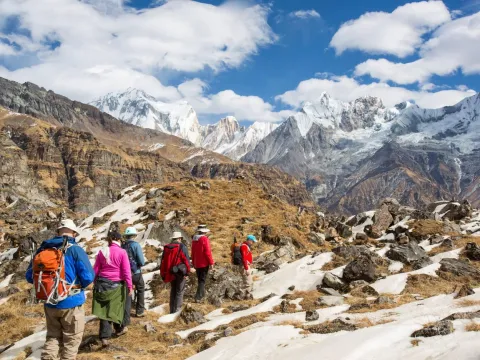
The Annapurna Base Camp Trek is one of Nepal’s most iconic trekking experiences, offering trekkers a perfect blend of natural beauty, cultural immersion, and panoramic Himalayan vistas. This trek takes you through diverse landscapes—from lush subtropical forests and terraced fields to rhododendron-clad slopes and alpine terrain.

The Annapurna Base Camp (ABC) Trek is renowned for its breathtaking landscapes, cultural richness, and the unforgettable experience of trekking in the Himalayas. However, for many trekkers, one of the biggest questions is about comfort on the trail — specifically, the food they’ll eat and the places they’ll sleep. While the ABC Trek is not a luxury journey,
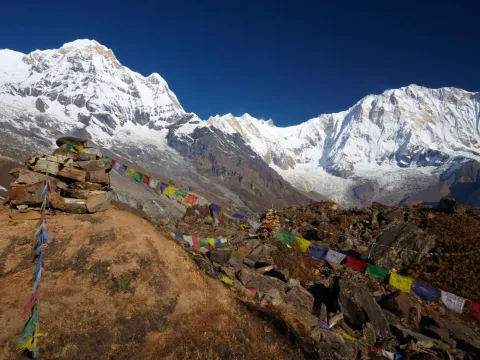
Trekking to Annapurna Base Camp (ABC) is a dream adventure for many hikers worldwide. However, as the trek reaches altitudes above 4,000 meters, understanding the effects of altitude on your body becomes crucial. Proper preparation, pacing, and awareness can help you enjoy the trek safely and avoid altitude-related illnesses.


 (2)
(2)  100% recommend (0)
 (0)
(0)