
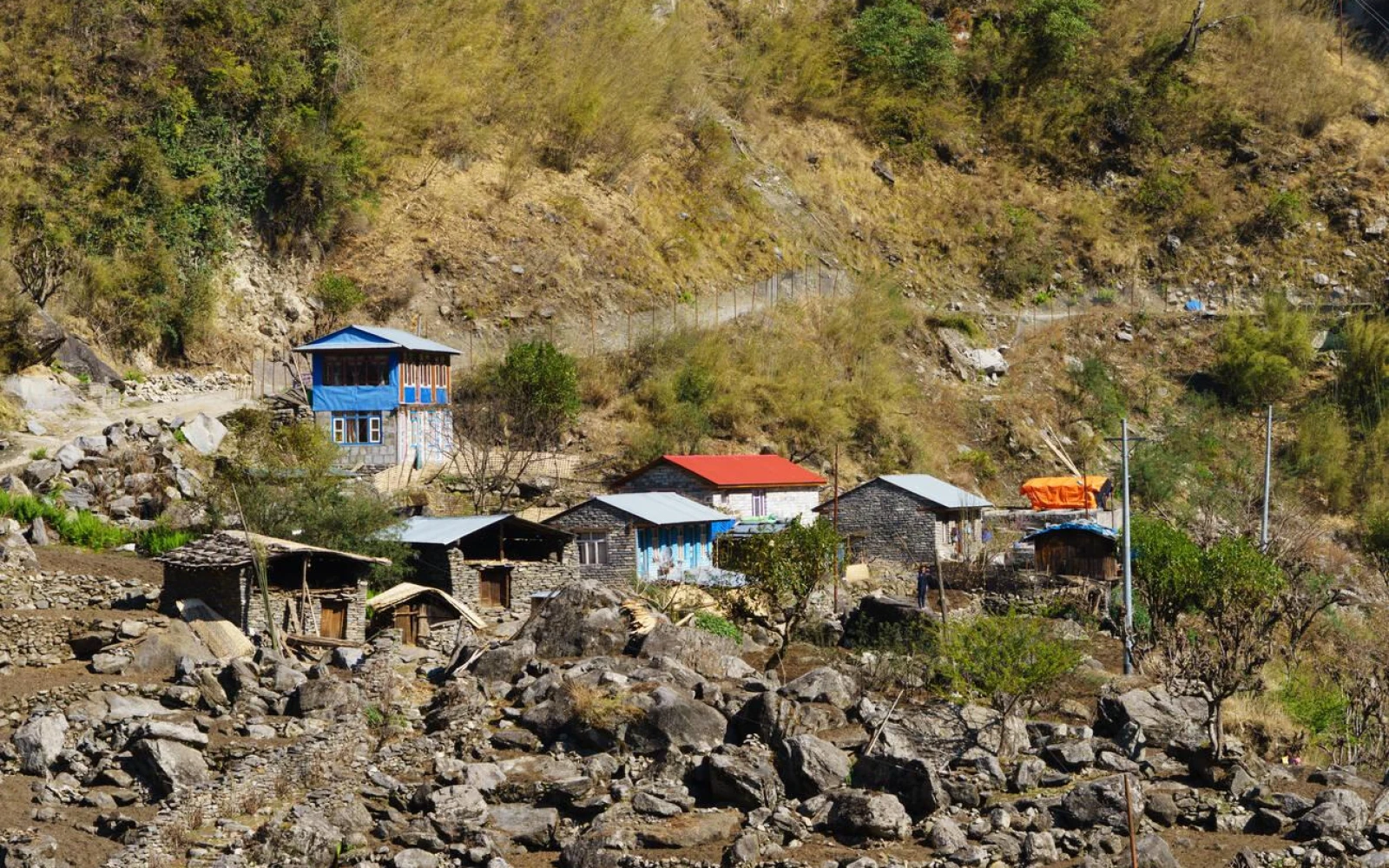
Dharapani is one of the most important trekking villages in the Himalayan region of Nepal. Located in the beautiful Manang District along the banks of the Marsyangdi River, Dharapani serves as a strategic junction where two of Nepal’s world-famous trekking routes, the Annapurna Circuit and the Manaslu Circuit Trek, connect. Situated at an elevation ranging from approximately 2,300 meters to nearby high alpine regions above 3,900 meters, the village offers trekkers a remarkable blend of Himalayan landscapes, Tibetan-influenced culture, and mountain hospitality.
The village development community of Dharapani includes 21 administrative wards, stretching across deep valleys, forested hillsides, and high mountain terrain. Due to its location between the Annapurna and Manaslu conservation regions, Dharapani has become a major stop for trekkers, guides, and adventure travelers from around the world. The area is rich in Buddhist traditions, prayer flags, monasteries, stone-built houses, and panoramic mountain scenery that reflects the authentic Himalayan lifestyle.
For trekkers, Dharapani represents a transition point between different trekking experiences. The Manaslu Circuit Trek officially ends here, while the Annapurna Circuit Trek continues northward toward Chame, Pisang, Manang, and Thorong La Pass. Because of this unique position, the village has grown into a lively trekking hub with tea houses, lodges, local shops, and cultural interaction opportunities.
Short Points
Dharapani is a picturesque Himalayan settlement surrounded by pine forests, waterfalls, cliffs, and snow-capped mountains. Traditionally, the village has been an important resting point for traders and local communities traveling through the mountain routes connecting Lamjung, Manang, and the northern Himalayan valleys. Over time, with the rise of trekking tourism in Nepal, Dharapani transformed into a globally recognized trekking destination.
The village reflects a unique cultural mixture influenced by Gurung, Tibetan, and Manangi communities. Visitors can experience traditional Buddhist culture through ancient mani walls, chortens, monasteries, and colorful prayer flags fluttering in the mountain wind. The peaceful environment, combined with warm local hospitality, creates a memorable experience for travelers passing through the region.
Dharapani also serves as a major acclimatization and rest location for trekkers preparing for higher Himalayan elevations. Since many trekking routes converge here, the village offers a dynamic atmosphere where adventurers from different trekking backgrounds meet and exchange stories. The blend of natural beauty and cultural richness makes Dharapani one of the most fascinating villages in Nepal’s trekking landscape.
Short Points
Annapurna Circuit and Manaslu Circuit Trek are considered two of the greatest trekking adventures in the world, and Dharapani is the exact meeting point of these iconic Himalayan trails. Trekkers descending from the remote Manaslu region enter Dharapani after crossing the dramatic Larkya La Pass, while Annapurna Circuit trekkers continue their journey northward through the Marsyangdi Valley toward Manang and Thorong La Pass.
This unique convergence has made Dharapani internationally famous among trekking communities. The village acts as a bridge between restricted trekking regions and the more established Annapurna trekking route. Travelers arriving from the Manaslu side often feel a dramatic shift from isolated mountain wilderness into a more vibrant trekking environment filled with lodges, bakeries, tea houses, and fellow adventurers.
The meeting of these trails also creates cultural diversity within the village. Trekking groups from different countries, guides, porters, and local traders gather here, making Dharapani a lively center of mountain tourism. The exchange of stories, trekking experiences, and Himalayan traditions adds to the charm of this remarkable village.
Short Points
Dharapani holds exceptional geographic importance within Nepal’s Himalayan trekking network. Positioned along the Marsyangdi River valley, the village serves as a natural gateway between the lower mid-hills and the high Himalayan alpine region. Its location allows travelers to access remote mountain districts while gradually acclimatizing to increasing elevations.
The surrounding geography includes dense rhododendron forests, rugged cliffs, glacier-fed rivers, and towering Himalayan peaks. The changing landscapes around Dharapani provide a dramatic transition from subtropical vegetation to alpine terrain. This ecological diversity makes the area highly attractive not only for trekking but also for nature photography, biodiversity observation, and cultural exploration.
Geographically, Dharapani is also significant because it lies within a critical section of Nepal’s trekking infrastructure. Roads, suspension bridges, trekking trails, and conservation areas intersect near the village, making it a logistical center for Himalayan expeditions. The region plays a key role in supporting sustainable tourism and local mountain economies through trekking-related activities.
Short Points
Dharapani is widely recognized as the gateway where two legendary Himalayan trekking routes converge: the Manaslu Circuit Trek and the Annapurna Circuit. Located in the Marsyangdi Valley, Dharapani sits at a crucial junction that connects the remote western Himalayan region with the more developed Annapurna trekking corridor.
For trekkers coming from the Manaslu region, Dharapani marks the end of a challenging journey through isolated valleys and high mountain passes. For Annapurna Circuit trekkers, it is a key stop that signals entry into higher alpine terrain toward Chame and Manang. Because of this dual role, Dharapani has become one of the most important logistical and cultural meeting points in Nepal’s trekking network.
Short Points
The history of Dharapani is closely connected to ancient trade and pilgrimage routes that linked Nepal with Tibet. Long before modern trekking tourism, the village served as a resting point for traders, monks, and travelers moving between lowland Nepal and the trans-Himalayan regions. Its strategic position made it an essential stopover for the salt trade and cultural exchange.
With the rise of Himalayan trekking in Nepal during the late 20th century, Dharapani gradually transformed from a quiet mountain settlement into a vibrant trekking village. Today, it plays a key role in supporting tourism along both the Manaslu and Annapurna circuits, while still preserving its traditional Himalayan identity.
Short Points
Dharapani is home to a rich mix of ethnic communities, primarily Gurung, Tibetan-influenced Manangi, and other Himalayan groups. Each community contributes unique traditions, languages, festivals, and lifestyles that reflect the cultural diversity of the region.
The coexistence of different ethnic groups has created a harmonious social environment where traditions are preserved and shared. Visitors trekking through the village can experience local hospitality, traditional foods, and cultural practices that reflect centuries of Himalayan heritage. This diversity is one of the main attractions for trekkers passing through Dharapani with Asiana Treks and Tours.
Short Points
Tibetan Buddhism plays a major role in shaping the spiritual and cultural identity of Dharapani. The village is decorated with mani walls, chortens (stupas), prayer wheels, and colorful prayer flags that reflect deep Buddhist beliefs. Monasteries in and around the region serve as spiritual centers for the local population.
The influence of Tibetan Buddhism is also visible in daily life, where rituals, prayers, and festivals are part of community culture. Trekkers often witness monks, prayer ceremonies, and spiritual traditions that add a peaceful and meaningful dimension to their journey through the Himalayas. This spiritual atmosphere makes Dharapani a special stop on treks organized by Asiana Treks and Tours.
Short Points
The traditional lifestyle of Dharapani is deeply connected to agriculture, animal husbandry, and seasonal tourism. Locals grow crops such as potatoes, barley, and maize in terraced fields while also relying on yak and mule caravans for transport and trade in higher regions.
In recent years, trekking tourism has become an important part of local livelihoods. Many families operate tea houses, lodges, and small shops to serve trekkers traveling the Annapurna and Manaslu circuits. Despite modern influences, the village still maintains its traditional stone houses, cultural practices, and slow-paced Himalayan lifestyle, offering an authentic experience for visitors trekking with Asiana Treks and Tours.
Short Points
Dharapani is surrounded by breathtaking Himalayan scenery that combines lush green forests, deep river valleys, and towering snow-covered peaks. The village lies in a transitional zone where subtropical landscapes gradually rise into alpine wilderness, offering trekkers constantly changing views throughout their journey.
The natural beauty around Dharapani is enhanced by rhododendron forests, waterfalls cascading down rocky cliffs, and distant views of Himalayan peaks. The peaceful environment, fresh mountain air, and dramatic terrain make it one of the most visually rewarding sections of both the Manaslu and Annapurna trekking routes.
Short Points
The Dharapani region is shaped by the powerful Marsyangdi River, which flows through deep gorges and narrow valleys. This river plays a vital role in carving the dramatic Himalayan landscape that defines the Annapurna region. The sound of rushing water accompanies trekkers as they pass through suspension bridges and riverside trails.
The surrounding Himalayan landscape includes cliffs, glacial streams, and snow-fed tributaries that descend from high peaks. This dynamic environment creates one of the most adventurous and visually stunning trekking sections in Nepal, especially for those trekking with Asiana Treks and Tours.
Short Points
The best time to visit Dharapani is during the spring (March to May) and autumn (September to November) seasons. During these months, the weather is stable, the skies are clear, and the mountain views are at their best. These conditions make trekking on both the Annapurna Circuit and Manaslu routes more enjoyable and safe.
Winter brings heavy snowfall at higher elevations, which can make trekking difficult, while the monsoon season (June to August) brings rain, landslides, and limited visibility. However, experienced trekkers still visit during the off-season for solitude and unique natural experiences. Trekking companies like Asiana Treks and Tours carefully plan itineraries based on seasonal conditions.
Short Points
Dharapani is a major junction where multiple trekking routes connect. It serves as a key transition point between the remote Manaslu region and the popular Annapurna trekking corridor. Trekkers descending from the Manaslu Circuit enter Dharapani after crossing high mountain passes, while Annapurna Circuit trekkers pass through it on their way to higher elevations.
From Dharapani, routes extend toward Chame, Pisang, Manang, and Thorong La Pass in the north, while southern trails lead toward Besisahar and lower Lamjung. This makes Dharapani a critical logistical hub for trekking, transportation, and accommodation in the region.
Short Points
On the Annapurna Circuit, Dharapani is one of the most important early-stage villages for trekkers entering the high Himalayas. It marks the transition from lower green hills to rugged alpine terrain as the trail moves toward Chame and the upper Manang region.
The village provides essential services such as accommodation, food, permits, checkpoints, and rest facilities for trekkers. It is also a cultural introduction point where trekkers begin to experience Tibetan-influenced Himalayan traditions that become more prominent deeper into the circuit. Many guided treks operated by Asiana Treks and Tours include Dharapani as a key overnight stop.
Short Points
Dharapani is one of the most significant endpoint villages of the Manaslu Circuit Trek. After crossing the challenging Larkya La Pass and descending through remote mountain settlements, trekkers finally reach Dharapani as they re-enter a more connected trekking network. This transition makes Dharapani feel like a gateway between wilderness and civilization.
The village provides a sense of relief and accomplishment for trekkers completing the Manaslu Circuit. It is also where many trekkers either continue toward the Annapurna region or return toward Kathmandu via road access. Because of its strategic location, Dharapani is a crucial logistical and cultural junction for trekking expeditions organized by Asiana Treks and Tours.
Short Points
Trekkers stop at Dharapani because it serves as an essential resting, regrouping, and transition point on both major trekking routes. After long days of walking through rugged terrain, steep ascents, and river valleys, Dharapani offers comfortable accommodation and a peaceful environment for recovery.
Another reason trekkers stay here is logistics. The village is a checkpoint for permits, route direction, and transportation options. It is also a meeting point where trekkers from different routes and backgrounds converge, making it a lively and informative stop along the journey with Asiana Treks and Tours.
Short Points
Dharapani is well known for its welcoming tea houses and family-run lodges that cater to trekkers from around the world. These establishments provide basic but comfortable accommodation, warm meals, and a friendly atmosphere that reflects Himalayan hospitality traditions.
Local hosts take pride in serving guests with care, often sharing stories about mountain life and culture. Staying in these lodges allows trekkers to experience authentic village life while enjoying essential services such as hot meals, Wi-Fi in some areas, and rest before continuing their journey with Asiana Treks and Tours.
Short Points
Food in Dharapani reflects traditional Himalayan and Nepali mountain cuisine. The most popular dish among trekkers is dal bhat (rice, lentil soup, and vegetables), which provides energy for long trekking days. Other common foods include Tibetan bread, noodles, soups, and potato-based dishes.
Many tea houses also serve hot drinks like butter tea and ginger tea, which help trekkers stay warm in the cold mountain environment. The food is simple but nutritious, designed to support high-altitude trekking activities along routes managed by Asiana Treks and Tours.
Short Points
Dal Bhat (main energy meal)
Tibetan bread and noodle soups
Potato-based local dishes
Butter tea and ginger tea
Simple, fresh, and energy-rich food
The spiritual environment of Dharapani is deeply influenced by Tibetan Buddhism. The village is decorated with colorful prayer flags that flutter in the wind, believed to spread blessings across the mountains. Mani walls carved with sacred inscriptions line parts of the trekking trails.
Small monasteries and chortens (stupas) add to the peaceful atmosphere of the village. Trekkers often experience a sense of calm and reflection while passing through Dharapani, making it not just a physical stop but also a spiritual moment in their Himalayan journey with Asiana Treks and Tours.
Short Points
Dharapani is surrounded by rich Himalayan biodiversity that changes dramatically with altitude. The lower sections feature lush subtropical forests filled with pine, oak, bamboo, and rhododendron trees. As trekkers ascend, the vegetation gradually shifts into alpine shrubs and grassy landscapes, reflecting the unique ecological transition of the region.
Wildlife in the area is equally diverse. Trekkers may encounter Himalayan birds, langur monkeys, and Himalayan thar in higher regions, and a variety of butterflies and insects. This biodiversity makes Dharapani an important ecological zone along both the Manaslu and Annapurna trekking routes managed by Asiana Treks and Tours.
Short Points
Dharapani offers excellent photography opportunities for trekkers and professional photographers alike. The village is surrounded by dramatic landscapes, including deep river valleys, forested hills, and distant Himalayan peaks that change color throughout the day with shifting light conditions.
Cultural photography is also rich in Dharapani, with prayer flags, monasteries, traditional houses, and local people in daily mountain life. Whether capturing sunrise over the peaks or candid village moments, Dharapani provides endless visual storytelling opportunities for trekkers with Asiana Treks and Tours.
Short Points
Dharapani offers spectacular views of the surrounding Himalayan peaks and ridgelines. As the village sits in the Marsyangdi Valley, trekkers can see snow-capped mountains rising sharply above forested hills, creating a stunning contrast of landscapes.
On clear days, the visibility extends toward parts of the Annapurna and Manaslu ranges, especially as trekkers move higher along the trail. These views are among the most rewarding features of trekking with Asiana Treks and Tours in this region.
Short Points
Dharapani is an important acclimatization and preparation stop for trekkers entering higher altitudes. While not extremely high itself, it marks the beginning of a gradual elevation gain toward Chame, Pisang, and Manang on the Annapurna Circuit.
Trekkers use Dharapani to rest, adjust their pace, and prepare physically and mentally for more challenging sections ahead. Lodges and guides from Asiana Treks and Tours often recommend staying here to ensure safe acclimatization before ascending further into the Himalayas.
Short Points
Dharapani is accessible via road and trekking routes, making it one of the more connected villages in the Manaslu and Annapurna regions. The road from Besisahar extends up to Dharapani, allowing jeep access during most seasons, depending on weather and road conditions.
For trekkers, Dharapani is both an entry and an exit point depending on the chosen route. Many organized trekking packages with Asiana Treks and Tours include jeep transfers combined with trekking sections, making the journey more flexible and efficient.
Short Points
Dharapani has changed significantly after the expansion of road access from Besisahar into the upper Marsyangdi Valley. What was once a fully trekking-only destination is now partially connected by a rough mountain road that allows jeep transportation up to the village. This development has made Dharapani more accessible for both trekkers and locals.
However, despite increased accessibility, the trekking spirit of the region remains strong. Many travelers still choose to continue on foot to experience the natural beauty and cultural depth of the trail. Trekking companies like Asiana Treks and Tours carefully balance road transport and trekking sections to maintain authentic Himalayan adventure experiences.
Short Points
Sustainable tourism plays a vital role in Dharapani. The village depends heavily on trekking tourism, which supports tea houses, lodges, porters, guides, and small local businesses. Income from trekking helps improve education, infrastructure, and daily livelihoods for local families.
Efforts are being made to maintain environmental balance by reducing waste, promoting eco-friendly trekking practices, and encouraging responsible tourism. Organizations and trekking operators like Asiana Treks and Tours actively promote sustainable travel to protect the fragile Himalayan ecosystem.
Short Points
Dharapani is surrounded by several lesser-known villages and scenic spots that offer peaceful alternatives to busy trekking routes. Nearby settlements such as Bagarchhap, Timang, and Danaque provide unique cultural experiences and quieter environments for trekkers seeking authenticity.
These hidden gems feature traditional stone houses, Buddhist monasteries, and panoramic mountain views without heavy tourist crowds. Exploring these areas with guides from Asiana Treks and Tours allows trekkers to experience a deeper and more personal side of the Himalayas.
Short Points
First-time visitors to Dharapani should prepare for changing weather conditions, moderate altitude gain, and long walking hours. Proper acclimatization, hydration, and pacing are essential for a safe trekking experience, especially when continuing toward higher regions of the Annapurna Circuit.
It is also recommended to carry essential gear such as warm clothing, trekking boots, rain protection, and basic medical supplies. Trekking with experienced guides from Asiana Treks and Tours ensures safety, navigation support, and cultural insights throughout the journey.
Short Points
Dharapani has gradually developed basic communication and modern facilities due to growing trekking tourism. Some tea houses offer Wi-Fi services, though connectivity may be slow or limited depending on the weather and location. Mobile network coverage is available in certain areas, but it may not always be stable.
The village also provides essential trekking facilities such as accommodation, hot meals, charging stations, and basic medical support. While not highly modernized, Dharapani offers sufficient comfort for trekkers traveling with Asiana Treks and Tours in the Himalayan region.
Short Points
Dharapani experiences a wide range of weather conditions due to its location in the Himalayan mid-hills. The weather can change quickly, especially during trekking seasons, shifting from clear sunny skies to sudden rain or fog. Temperature varies by season, with cold winters, mild springs, and wet monsoon months that can affect trail conditions.
Safety in the region depends largely on weather awareness, proper gear, and trekking preparation. Landslides during monsoon and icy trails in winter can pose challenges, so trekkers are advised to follow local guidance and plan carefully. Professional trekking companies like Asiana Treks and Tours ensure safety through experienced guides and well-planned itineraries.
Short Points
Dharapani is not just a resting point—it is a cultural and geographic crossroads of two major Himalayan trekking routes. It connects the remote wilderness of the Manaslu Circuit Trek with the well-established Annapurna trekking region, making it a key transition zone.
Beyond logistics, Dharapani offers cultural depth, scenic beauty, and meaningful interactions with local communities. Trekkers often experience it as a place of reflection after long mountain journeys or as the beginning of a new Himalayan adventure with Asiana Treks and Tours.
Short Points
Compared to other Himalayan villages, Dharapani stands out due to its dual role as a connector between the Manaslu and Annapurna regions. While villages like Manang or Namche Bazaar are more famous for altitude acclimatization or Everest tourism, Dharapani is unique for linking two major trekking circuits.
Its altitude is moderate compared to higher Himalayan settlements, making it a comfortable stop for rest and transition. The blend of road access and trekking routes also makes it different from fully remote villages, offering a balance between accessibility and an authentic Himalayan experience organized by Asiana Treks and Tours.
Short Points
Many trekkers describe Dharapani as a place of relief, celebration, and transition. After crossing difficult terrain in the Manaslu region or long uphill climbs in the Annapurna Circuit, reaching Dharapani often feels like a reward where comfort and community return.
Trekkers share stories of meeting people from around the world, enjoying warm meals, and resting in cozy tea houses after challenging mountain days. These shared experiences often become memorable highlights of trekking journeys arranged by Asiana Treks and Tours.
Short Points
The future of tourism in Dharapani is expected to grow steadily due to the increasing popularity of both the Manaslu Circuit Trek and the Annapurna Circuit. Improved infrastructure, better communication, and rising international interest will continue to shape the village’s development.
At the same time, sustainable tourism practices will be essential to protect its natural and cultural environment. Responsible trekking companies like Asiana Treks and Tours play a key role in balancing tourism growth with environmental conservation and community benefits.
Short Points
Dharapani truly represents the heart of two iconic Himalayan journeys—the Manaslu Circuit and the Annapurna Circuit. Its unique position as a meeting point gives it cultural, geographical, and emotional importance for trekkers exploring the Nepal Himalayas.
Whether arriving after a challenging high-pass trek or starting a new adventure toward higher valleys, Dharapani leaves a lasting impression. With the support of experienced operators like Asiana Treks and Tours, travelers experience not just a stopover, but a meaningful Himalayan encounter.
Short Points
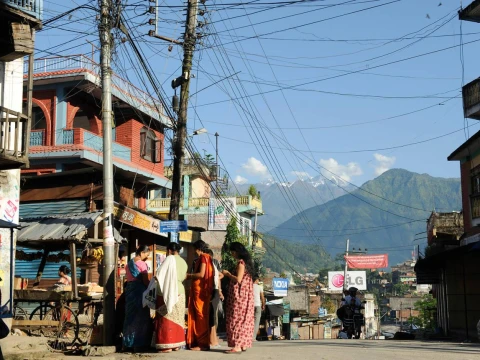
Besisahar is one of the most important and vibrant towns in the Lamjung District of Nepal. Nestled along the banks of the Marsyangdi River and surrounded by green hills, waterfalls, terraced farmlands, and distant Himalayan peaks, Besisahar serves as the administrative headquarters of Lamjung District. The town beautifully combines natural
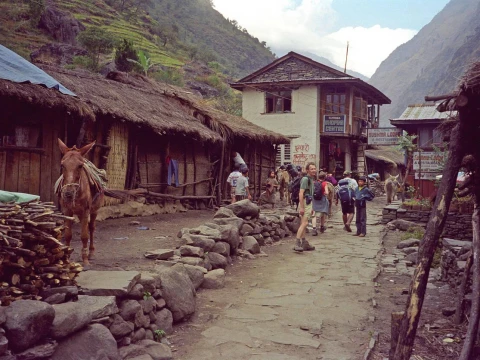
The journey to Jagat marks one of the most exciting beginnings of the legendary Annapurna Circuit adventure. After leaving the lively capital city of Kathmandu, travelers experience a dramatic transition from urban life to the peaceful Himalayan countryside. The scenic drive to Besishahar passes through green hills, terraced farmlands


 (2)
(2)  100% recommend (0)
 (0)
(0)