
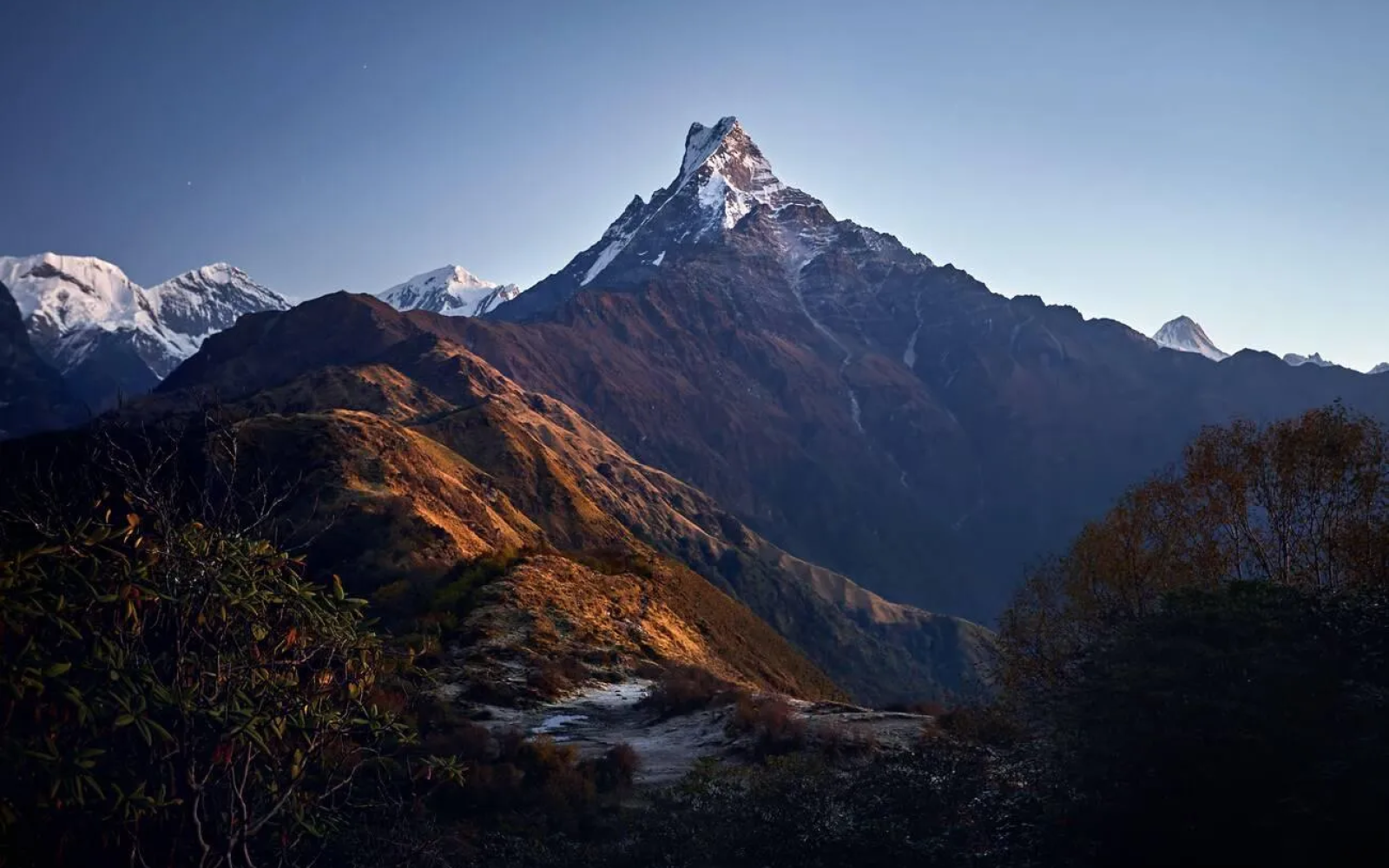
Forest Camp Adventures is one of the most serene and scenic stops on the Mardi Himal Trek in Nepal. Nestled in the lap of the Annapurna region, this camp is renowned for its panoramic views of the Mardi Himal, Machapuchare (Fishtail), Annapurna South, and the surrounding peaks. It offers trekkers a peaceful retreat surrounded by lush rhododendron and oak forests, making it an ideal location for nature lovers and adventure enthusiasts alike. The camp combines natural beauty with authentic Nepali hospitality, providing basic yet comfortable lodgings for trekkers.
The journey to Forest Camp is an immersive experience, taking hikers through diverse landscapes, from subtropical forests at lower elevations to alpine zones near the camp. Trekkers often describe the experience as a perfect blend of adventure, culture, and tranquility. With Asiana Treks and Tours, adventurers are guided safely along the trails, ensuring a rewarding and memorable trekking experience.
Short Point List:
Forest Camp serves as an intermediate trekking stop for those venturing toward the Mardi Himal Base Camp. Situated at an elevation of approximately 2,500 meters (8,200 feet), it provides trekkers with an opportunity to rest and acclimatize while enjoying breathtaking natural scenery. The camp is strategically placed to offer views of snow-capped peaks while remaining immersed in forested surroundings, creating a sense of solitude away from busier trekking routes.
This camp is not just a resting point; it also offers a glimpse into the local culture and lifestyle. Trekkers can interact with local guides and villagers, learn about traditional practices, and experience Nepali cuisine in teahouses along the trail. Asiana Treks and Tours ensures that travelers experience the adventure safely while also appreciating the environmental and cultural significance of the region.
Short Point List:
Forest Camp is located in the southern slopes of Mardi Himal in the Annapurna region of Nepal. The area is characterized by its dense forest cover, with a mix of pine, oak, and rhododendron trees, making it a rich habitat for wildlife and a visually stunning trekking environment. The terrain gradually ascends from subtropical zones into temperate forests, offering trekkers diverse ecosystems and a variety of flora and fauna along the way.
The location of Forest Camp is particularly strategic for trekking itineraries, as it acts as a gateway to higher camps like Low Camp and the Mardi Himal Base Camp. From Forest Camp, trekkers can enjoy uninterrupted views of the Annapurna South and Machapuchare peaks, especially during sunrise and sunset. Its remote location ensures minimal human disturbance, providing a serene environment for reflection and photography. Asiana Treks and Tours emphasizes eco-friendly practices in this area to preserve its natural beauty and biodiversity.
Short Point List:
Forest Camp is situated at an altitude of approximately 2,500 meters (8,200 feet) on the Mardi Himal Trek, serving as an important rest and acclimatization point for trekkers. The elevation allows trekkers to gradually adapt to higher altitudes while enjoying spectacular views of surrounding peaks, including Mardi Himal, Machapuchare (Fishtail), and Annapurna South. The camp is surrounded by dense rhododendron and oak forests, giving it a serene and tranquil environment that contrasts beautifully with the rugged Himalayan peaks.
The terrain around Forest Camp features a mix of gentle slopes, moderate ascents, and narrow forest trails. The path is generally well-maintained but can include rocky patches and occasional muddy sections, especially after rainfall. Trekkers often find themselves walking through shaded forest canopies before emerging onto open ridges, where panoramic mountain views reward the effort. This variety of terrain ensures a trekking experience that is both physically engaging and visually enriching.
Short Point List:
Forest Camp is accessed via the Mardi Himal Trek, starting from Australian Base Camp, located a short drive from Pokhara, the gateway to the Annapurna region. Trekkers typically travel from Kathmandu to Pokhara by road or flight, then take a vehicle to the trailhead near Australian Base Camp. From there, a well-marked trekking route leads through villages, terraced fields, and dense forests toward Forest Camp.
The trek from Australian Base Camp to Forest Camp is moderate in difficulty, with a steady uphill climb that gradually acclimatizes hikers to the elevation. Along the way, trekkers pass suspension bridges, scenic viewpoints, and small local teahouses, offering opportunities to rest and experience Nepali culture. With guidance from Asiana Treks and Tours, trekkers can navigate the trails safely, ensuring a smooth journey to Forest Camp while enjoying the diverse landscapes and breathtaking mountain views.
Short Point List:
The weather at Forest Camp varies according to season and altitude, which significantly affects trekking conditions. Spring (March to May) and Autumn (September to November) are considered the best seasons to visit, offering clear skies, moderate temperatures, and vibrant rhododendron blooms. During these months, trekkers enjoy excellent visibility of the surrounding Himalayan peaks and comfortable trekking conditions during the day.
The monsoon season (June to August) brings heavy rainfall, making trails slippery and sometimes hazardous, while dense clouds may obscure mountain views. Winter (December to February) is colder, with daytime temperatures ranging from 10°C to 20°C and nighttime temperatures dropping near freezing. Snow is possible at higher elevations, which can add challenges for trekking but also offers quiet trails and pristine scenery. Trekkers starting from Australian Base Camp should prepare for temperature fluctuations, dress in layers, and carry waterproof gear for a safe and enjoyable trek to Forest Camp.
Short Point List:
Forest Camp provides essential facilities designed to cater to the needs of trekkers traversing the Mardi Himal Trek. While it is still relatively remote, the camp has basic amenities, including rest areas, clean water supply, and designated trekking paths. Trekkers can access hot showers at certain lodges and enjoy small communal areas for resting and socializing with fellow hikers. These facilities ensure a comfortable stay while maintaining the rustic charm of a Himalayan forest campsite.
Additionally, Forest Camp offers facilities for emergency support and trekking guidance. Local guides and staff from Asiana Treks and Tours provide assistance, including route directions, altitude advice, and first-aid supplies if necessary. Solar-powered lighting and eco-friendly waste disposal methods are also used in some lodges, emphasizing sustainable tourism practices. These features make Forest Camp not only convenient but also safe and environmentally responsible for trekkers.
Short Point List:
Accommodation in Forest Camp ranges from simple tea houses to cozy lodges, providing trekkers with a comfortable rest after a long day on the trail. Most lodges offer shared or private rooms with basic bedding, blankets, and heating options to keep warm during cold nights. While the facilities are modest, they provide a welcoming atmosphere where trekkers can relax and interact with other hikers.
For trekkers seeking slightly more comfort, a few lodges in Forest Camp offer hot meals and small lounges, making it easier to rest and recharge for the next day. Regardless of the choice of accommodation, staying in Forest Camp allows trekkers to wake up to panoramic views of the Annapurna and Mardi Himal peaks, making the experience both memorable and picturesque. Asiana Treks and Tours can pre-arrange lodgings to ensure availability, especially during peak trekking seasons.
Short Point List:
Several tea houses and lodges in Forest Camp have become popular among trekkers for their friendly hospitality and stunning views. These establishments provide a warm environment for rest, meals, and social interaction, making them ideal stopovers for acclimatization. The lodges typically operate on a first-come, first-served basis, so it is recommended to book through trusted trekking companies like Asiana Treks and Tours, especially during busy trekking seasons.
Tea houses in Forest Camp often serve as community hubs where trekkers can meet others, share stories, and enjoy local hospitality. Lodges vary in style, with some offering basic rooms while others include modern amenities such as Wi-Fi and charging stations powered by solar energy. Many are family-run and reflect the authentic Nepali culture, adding a cultural dimension to the trekking experience.
Short Point List:
Food in Forest Camp primarily consists of Nepali and Tibetan cuisine, including dal bhat (rice with lentil soup), noodles, momos (dumplings), and soups. Tea houses also provide snacks, hot drinks, and energy-boosting meals for trekkers. Many lodges are flexible and can cater to dietary preferences, including vegetarian options. Meals are freshly prepared and served in cozy dining areas, allowing trekkers to refuel after a long day of trekking.
Apart from food, Forest Camp offers other essential services such as laundry, limited medical supplies, and charging stations for electronics. Trekking guides from Asiana Treks and Tours can assist with route guidance, weather updates, and safety tips, ensuring that trekkers have all the necessary support. The combination of food, services, and hospitality makes Forest Camp a reliable and welcoming stop for all adventurers trekking the Mardi Himal trail.
Short Point List:
Forest Camp is surrounded by some of the most breathtaking natural attractions on the Mardi Himal Trek. The Mardi Himal Peak itself, towering at 5,587 meters (18,323 feet), dominates the skyline and serves as a primary highlight for trekkers. Alongside this, the iconic Machapuchare (Fishtail) Mountain and Annapurna South are visible from various points around the camp, providing postcard-perfect scenery at sunrise and sunset.
In addition to the towering peaks, the trek to Forest Camp passes through charming traditional villages, terraced farmlands, and lush forests, offering trekkers a combination of natural and cultural attractions. Visitors can explore small settlements, witness local farming practices, and interact with friendly villagers, making the journey to Forest Camp culturally enriching as well as visually spectacular. Asiana Treks and Tours ensures that trekkers experience these attractions safely while highlighting the historical and ecological significance of the region.
Short Point List:
Forest Camp is renowned for its panoramic viewpoints that showcase the Annapurna and Machapuchare ranges. Trekkers can enjoy 360-degree vistas, including Mardi Himal Base Camp in the distance, giving a rewarding perspective of the region’s towering peaks and valleys. The camp itself is positioned to provide stunning sunrise and sunset views, making early mornings and evenings particularly photogenic.
The trek to Forest Camp features several scenic stops, such as ridge trails that overlook lush forests and terraced hillsides. The juxtaposition of dense green forests and snow-capped peaks offers a striking contrast that makes photography, meditation, and nature appreciation highly rewarding. These scenic highlights contribute to why Forest Camp is considered a must-visit stop on the Mardi Himal Trek.
Short Point List:
Forest Camp offers a variety of activities that make the trekking experience more immersive. The primary activity is, of course, trekking itself, with challenging trails leading further up to Low Camp and Mardi Himal Base Camp. Beyond trekking, visitors can enjoy nature walks within the rhododendron and oak forests, birdwatching, and short hikes to nearby viewpoints.
Other popular activities include photography, cultural interactions, and local cuisine experiences. Trekkers can engage with local villagers, observe traditional farming practices, and even try cooking local meals in teahouses. Many travelers also use the time at Forest Camp for relaxation, yoga, or meditation, taking advantage of the peaceful environment and spectacular surroundings. Asiana Treks and Tours can organize guided hikes, educational nature walks, and cultural experiences to enrich the visit.
Short Point List:
The trek to Forest Camp passes through a rich ecological zone, making it ideal for wildlife and nature enthusiasts. Trekkers can spot a variety of bird species, including Himalayan monals, bulbuls, and sunbirds. The forests also harbor small mammals like langurs, Himalayan squirrels, and occasional barking deer, offering glimpses of Nepal’s diverse fauna.
The journey through the oak, rhododendron, and pine forests provides not only scenic beauty but also educational experiences, as trekkers learn about local flora and ecological balance. Seasonal blooms, especially the vibrant rhododendrons in spring, create a visual spectacle that enhances the trekking experience. Wildlife encounters and the soothing sounds of nature along the trail make the approach to Forest Camp deeply immersive. Asiana Treks and Tours ensures trekkers are informed about wildlife safety and conservation while enjoying these natural experiences.
Short Point List:
The trail to Forest Camp is not only a journey through natural landscapes but also a window into the rich culture and traditions of local Nepali communities. Trekkers pass through small villages inhabited primarily by Gurung and Magar communities, who have lived in the Annapurna region for generations. These villages are characterized by traditional stone houses, terraced farms, and prayer flags fluttering in the wind, reflecting the harmonious relationship between the locals and the environment.
Trekkers can engage with villagers, learn about traditional farming, handicrafts, and local festivals, and even participate in cultural exchanges. Many teahouses and lodges along the route are family-run, offering insights into Nepali cuisine and hospitality, including the serving of dal bhat, momos, and locally brewed tea. Asiana Treks and Tours ensures that trekkers experience these cultural encounters respectfully, making the trek both an adventurous and educational journey.
Short Point List:
Forest Camp is located in a rich ecological zone, providing trekkers with opportunities to explore diverse flora and fauna. The forests surrounding the camp include oak, rhododendron, pine, and maple trees, which create colorful landscapes, particularly during spring when rhododendrons are in full bloom. Seasonal wildflowers and medicinal plants also add to the natural beauty and biodiversity of the area.
Wildlife sightings are common along the trail, with Himalayan monals, bulbuls, sunbirds, langurs, and occasional barking deer being some of the highlights. Birdwatchers and nature enthusiasts can enjoy observing species in their natural habitats while appreciating the ecological balance maintained in the forests. Trekking through these environments also allows for educational opportunities, such as learning about native plants, animal behavior, and the importance of conservation. Asiana Treks and Tours emphasizes eco-friendly trekking practices to protect this unique flora and fauna.
Short Point List:
Forest Camp is a strategically significant stop on the Mardi Himal Trek for several reasons. At an elevation of around 2,500 meters, it provides an ideal acclimatization point for trekkers before proceeding to higher altitudes like Low Camp and Mardi Himal Base Camp. Proper acclimatization reduces the risk of altitude sickness and allows trekkers to enjoy the journey safely.
Additionally, Forest Camp offers rest, refreshment, and scenic reward. The location is perfect for taking a break, enjoying meals at tea houses, and soaking in views of the surrounding peaks. Its proximity to dense forests and cultural villages makes it a unique combination of nature and cultural immersion, providing a holistic trekking experience. Asiana Treks and Tours ensures that Forest Camp is used effectively as a key stop, offering guidance, support, and pre-arranged accommodations for trekkers.
Short Point List:
Trekking to Forest Camp requires careful preparation to ensure a safe and enjoyable experience. It is important to dress in layers for varying temperatures, carry rain gear, and wear sturdy trekking shoes. Trekkers should also bring sufficient water, snacks, and personal first-aid supplies. Acclimatization is crucial; walking slowly and taking rest days prevents altitude-related issues.
Other advice includes being respectful of local customs, following designated trekking paths, and avoiding littering to preserve the environment. Trekking with experienced guides from Asiana Treks and Tours can provide additional safety, route knowledge, and emergency assistance if needed. Monitoring weather forecasts, staying hydrated, and maintaining energy levels are essential for enjoying the trek safely.
Short Point List:
Forest Camp is a must-visit highlight of the Mardi Himal Trek, offering a perfect blend of natural beauty, cultural experiences, and trekking adventure. Its strategic location, stunning views, and immersive forest surroundings make it an ideal place to rest, acclimatize, and appreciate the Himalayan landscape. Trekkers can enjoy scenic viewpoints, diverse flora and fauna, and cultural interactions, making each visit memorable.
With the support of Asiana Treks and Tours, visitors can experience Forest Camp safely, comfortably, and sustainably. The combination of guided trekking, pre-arranged accommodations, and eco-friendly practices ensures a rewarding journey from Australian Base Camp to Forest Camp and beyond. For adventurers seeking a comprehensive Himalayan trekking experience, Forest Camp represents both a challenge and a reward—a true gateway to the majesty of the Mardi Himal region.
Short Point List:
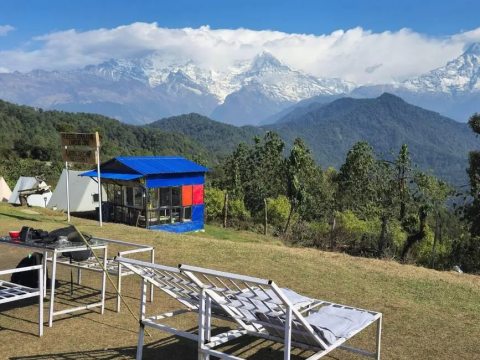
The Australian Camp on the Mardi Himal Trek offers trekkers an unforgettable experience of Nepal's pristine natural beauty combined with comfortable camping and overnight stays. Managed by Asiana Treks and Tours, this trek is ideal for both novice and experienced hikers who want to experience the Himalayas away from the crowded trails.
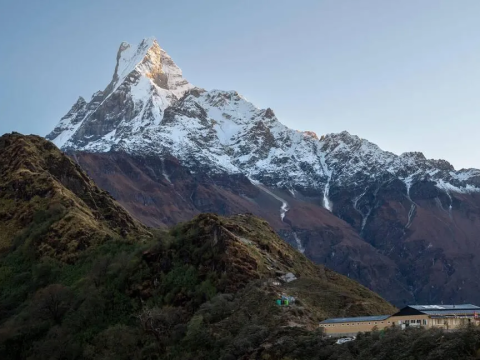
The Mardi Himal Base Camp Trek offers a rewarding blend of wilderness, mountain vistas, and cultural immersion. Since this trail lies in the Annapurna Conservation Area and follows a less-commercialized route, accommodation options primarily consist of teahouses, lodges, and a handful of basic hotels.

Trekking to Low Camp on the Mardi Himal route offers a serene escape into the untouched beauty of the Annapurna region. Unlike the more crowded trekking trails of Nepal, the path to Low Camp is quiet, peaceful, and surrounded by lush forests that create an immersive natural experience.


 (2)
(2)  100% recommend (0)
 (0)
(0)