The Manaslu Circuit Trek is one of Nepal’s most rewarding Himalayan adventures, offering spectacular mountain scenery, traditional villages, rich cultural heritage, and peaceful trails away from some of the country’s busier trekking routes. Organized by Asiana Treks and Tours, this remarkable journey takes trekkers through lush green valleys, terraced hillsides, roaring rivers, Buddhist monasteries, and dramatic high-altitude landscapes surrounding Mount Manaslu, the eighth-highest mountain in the world. Along the route, Jagat village, situated at approximately 1,340 meters above sea level, serves as an important gateway to the upper Manaslu region.
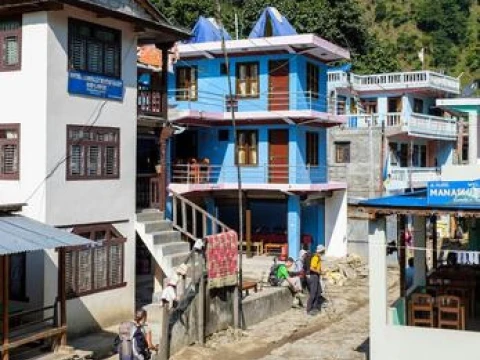
Jagat is more than just a resting point on the Manaslu Circuit Trek. It is a traditional mountain settlement where trekkers begin to experience the distinctive culture, hospitality, and natural beauty of the Himalayan foothills. The village provides a welcoming atmosphere after the journey from Kathmandu and marks an important stage before continuing toward higher settlements such as Deng, Namrung, Samagaun, and eventually Larkya La Pass. With its stone-paved paths, traditional houses, surrounding green hills, and riverside scenery, Jagat offers an authentic introduction to trekking in the Manaslu region.
Asiana Treks and Tours helps trekkers experience the Manaslu Circuit through organized transportation, experienced trekking guides, accommodation arrangements, and itinerary planning. Whether you are a first-time visitor to Nepal or an experienced mountain enthusiast, the journey through Jagat offers an excellent opportunity to discover the natural and cultural richness of the Manaslu region.
The Manaslu Circuit Trek is a spectacular Himalayan trekking route that circles Mount Manaslu, reaching an elevation of 8,163 meters. The journey combines beautiful mountain views, remote settlements, deep river valleys, alpine forests, and high mountain passes. Unlike more crowded trekking destinations, the Manaslu region retains much of its traditional character, allowing visitors to experience local lifestyles and landscapes that have changed relatively little over time. The trek usually takes around 14–18 days, depending on the itinerary, acclimatization requirements, transportation arrangements, and walking pace.
One of the most memorable aspects of the Manaslu Circuit Trek is the gradual transformation of the scenery and culture as trekkers gain altitude. Lower sections feature subtropical vegetation, waterfalls, terraced farmland, and villages influenced by Nepalese hill cultures. Farther north, Tibetan Buddhist traditions become increasingly prominent, with prayer flags, mani walls, chortens, monasteries, and traditional stone houses decorating the landscape. The journey culminates in the challenging crossing of Larkya La Pass, at approximately 5,106 meters, where trekkers can enjoy expansive views of surrounding Himalayan peaks.
With Asiana Treks and Tours, trekkers can plan a suitable itinerary that balances walking distances, cultural exploration, and proper acclimatization. The company can also assist with the necessary trekking permits, guide arrangements, and logistical planning required for this restricted trekking region. Because the route reaches considerable altitude and passes through remote terrain, preparation and a well-organized itinerary are essential for a safe and enjoyable experience.
Jagat is a small traditional village in the Manaslu trekking region of Gorkha District, within Nepal’s Gandaki Province. Located along the Budhi Gandaki River valley, the settlement lies on the trekking route leading toward the Manaslu Conservation Area and the upper Himalayan villages. At approximately 1,340 meters above sea level, Jagat occupies a transitional landscape between the warmer foothills and the increasingly mountainous terrain farther north. Its riverside setting, green hills, terraced fields, and surrounding forested slopes make it an attractive stop for trekkers exploring the region.
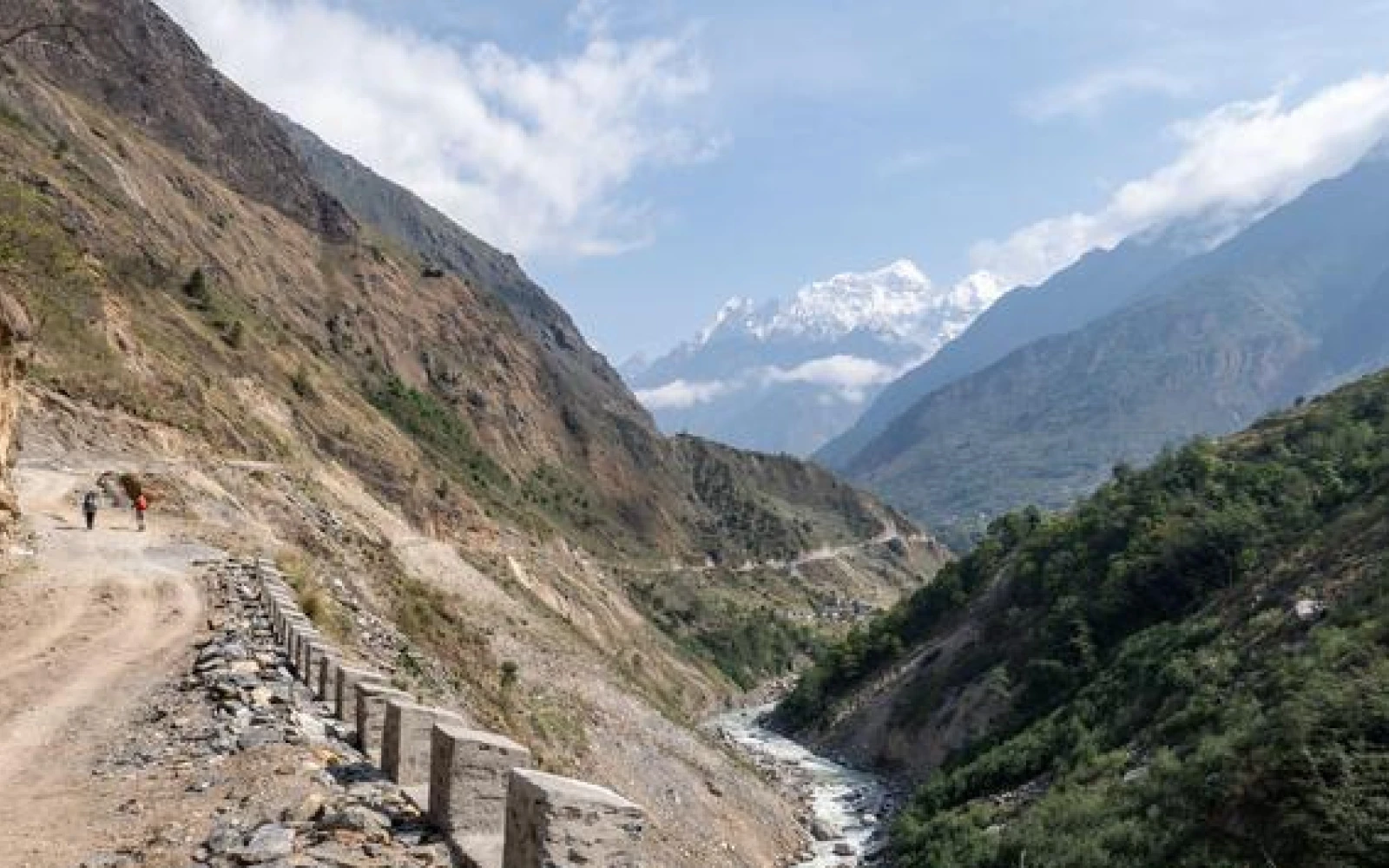
The village is reached by road from Kathmandu through the Dhading and Gorkha areas, followed by a journey along rugged mountain roads toward the Budhi Gandaki valley. Depending on road conditions, the starting point of the trek, and the chosen itinerary, travelers may walk to Jagat from Machha Khola or use available local transportation where practical. The final approach often includes winding roads, suspension bridges, rocky paths, and scenic views of the river valley. Jagat’s location makes it an important meeting point between the accessible lower valley and the more remote trekking settlements beyond.
Jagat’s geographical position also makes it a useful place to observe how the natural environment changes along the Manaslu Circuit. The lower valley supports more varied vegetation and agricultural activity, while the route farther north gradually enters cooler mountain environments with distinct architectural styles and cultural influences. For trekkers traveling with Asiana Treks and Tours, Jagat offers a comfortable opportunity to rest, explore the village, and prepare for the more demanding days ahead.
Jagat is an important stop because it serves as a major settlement on the approach to the restricted Manaslu trekking region. It is a recognized checkpoint along the route, where trekking permits and relevant travel documents may be checked by local authorities. Trekkers must carry the required permits and follow the applicable regulations for the Manaslu Conservation Area and restricted region. Traveling with a registered trekking agency and an appropriately licensed guide helps ensure that the required arrangements are made before entering the designated trekking area.
Beyond its administrative role, Jagat provides a valuable opportunity for rest, meals, accommodation, and preparation before continuing toward more remote villages. The settlement has trekking lodges and teahouses where visitors can enjoy traditional Nepali meals, simple rooms, and warm local hospitality. After a long journey through the lower Budhi Gandaki valley, stopping in Jagat allows trekkers to recover, organize their equipment, and prepare for the next stage of the adventure. Its location also makes it a useful point for assessing trail conditions and adjusting the itinerary when necessary.
Jagat is also significant because it offers an early introduction to the cultural atmosphere of the Manaslu region. Trekkers begin to notice traditional stone-built houses, prayer flags, local religious customs, and the influence of Himalayan Buddhist traditions along the route. Although cultural features vary from village to village, Jagat provides an excellent starting point for understanding the region’s diverse communities and their relationship with the surrounding mountains.
Asiana Treks and Tours includes Jagat in its Manaslu Circuit Trek planning to help travelers maintain a practical schedule while enjoying the local environment. A well-planned stop here contributes to a smoother trekking experience by providing time to rest, prepare for the following stages, and become familiar with the landscape and regulations of the Manaslu region.
Reaching Jagat from Kathmandu is an adventurous journey that takes travelers from Nepal’s busy capital into the rural landscapes of the central Himalayas. The journey generally follows the road toward Dhading and the Gorkha region before continuing along the Budhi Gandaki River valley. Depending on road conditions, weather, traffic, and the vehicle used, the drive to the lower trekking area can take most of a day. Roads become increasingly rough as travelers approach the remote villages, so the actual travel time can vary considerably, particularly during the monsoon season.
Many Manaslu Circuit itineraries begin with a drive from Kathmandu to Machha Khola, followed by a trek to Jagat the next day. This approach allows travelers to experience the gradual transition from the lower river valley to the traditional mountain settlements. Some itineraries may use local transportation on sections of the route toward Jagat when road access and conditions permit. However, road construction, landslides, and seasonal disruptions can affect vehicle access, making it important to confirm the latest conditions before departure.
Transportation options:
Traveling with Asiana Treks and Tours can simplify this journey through transportation coordination, accommodation arrangements, guide services, and itinerary planning. Before departure, travelers should confirm the vehicle arrangements, expected travel time, road conditions, and overnight stops with their trekking operator. Carrying drinking water, snacks, warm clothing, and essential personal items is recommended because facilities and services become less frequent as the route enters the more remote valley.
The journey to Jagat is an experience in itself. Travelers pass terraced hillsides, small settlements, river crossings, and dramatic mountain scenery while gradually leaving the urban environment behind. Once in Jagat, trekkers can relax, enjoy a local meal, and prepare for the continuing journey into the heart of the Manaslu region.
Jagat village reflects the traditional lifestyle of communities living along the Budhi Gandaki River valley. Local life is closely connected to the surrounding mountains, agricultural land, rivers, and trekking routes. Residents maintain homes and businesses, cultivate crops where the terrain allows, raise livestock in suitable areas, and provide services to travelers passing through the village. Although tourism has become an important source of income, many aspects of daily life continue to reflect the region’s longstanding rural traditions and strong community connections.
The cultural environment around Jagat is diverse, shaped by the different ethnic communities and religious traditions found throughout the Manaslu region. As trekkers travel farther north, Tibetan-influenced Buddhist customs become increasingly visible in architecture, religious symbols, and village practices. Prayer flags, mani stones, chortens, and monasteries are important features of the broader region. Visitors may also encounter Hindu and Buddhist influences alongside local customs that vary between settlements. Respect for local beliefs, religious sites, and community practices helps travelers build positive relationships with residents.
Cultural highlights in and around Jagat:
Food is an important part of the trekking experience in Jagat. Teahouses commonly serve dal bhat, a traditional meal of rice, lentil soup, vegetables, and accompanying dishes. Other options may include noodles, soups, potatoes, eggs, Tibetan-style bread, and momos, depending on the lodge and available supplies. Sharing meals in local establishments allows trekkers to interact with hosts, learn about everyday life, and experience the hospitality that makes trekking in Nepal memorable.
Visitors should approach the village with cultural sensitivity and an interest in learning rather than simply observing. It is polite to ask permission before photographing residents, homes, religious ceremonies, or sacred objects. Trekkers should also respect local dress expectations around religious sites, avoid disturbing prayer areas, and follow guidance from their trekking guide when visiting monasteries or other culturally significant places.
With Asiana Treks and Tours, travelers can gain a deeper appreciation of Jagat and the wider Manaslu region through guided cultural encounters and respectful village exploration. Beyond its role as a trekking stop, Jagat offers a meaningful introduction to the people, traditions, and everyday experiences that make the Manaslu Circuit Trek a memorable Himalayan adventure.
The Manaslu Circuit Trek route from Jagat takes trekkers deeper into the beautiful Budhi Gandaki River valley, passing through traditional Himalayan villages, lush forests, suspension bridges, rocky trails, and spectacular mountain landscapes. Located at approximately 1,340 meters above sea level, Jagat is an important settlement along the trekking route, providing access to the remote villages of the Manaslu region. From here, the trail continues north toward Deng, Namrung, Lho, Samagaun, Samdo, and Dharamsala before reaching the challenging Larkya La Pass at approximately 5,106 meters. After crossing the pass, trekkers descend toward Bimthang and continue to the lower mountain region.
The route gradually changes in character as trekkers gain altitude. Around Jagat, the landscape features green hills, agricultural terraces, river gorges, and subtropical vegetation. Farther along the trail, the valley becomes narrower in places, with steep rock faces, waterfalls, and dramatic river scenery. Traditional villages provide opportunities to rest, enjoy local meals, and experience the diverse cultures of the Manaslu region. With Asiana Treks and Tours, trekkers can follow a carefully planned route that considers walking distances, accommodation availability, trail conditions, and appropriate acclimatization.
Major stops along the Manaslu Circuit Trek route from Jagat:
The exact route and overnight stops may vary depending on road access, weather, trail conditions, and the trekker's fitness. Asiana Treks and Tours can arrange a suitable itinerary with experienced guides, necessary permits, and accommodation along the route. Because the Manaslu Circuit includes remote terrain and significant altitude gains, a gradual schedule is essential for an enjoyable and responsible trekking experience.
Starting the Manaslu Circuit Trek from Jagat allows trekkers to focus on the traditional villages, natural scenery, and Himalayan culture of the upper Budhi Gandaki valley. Jagat is generally reached after traveling from Kathmandu to Machha Khola and trekking onward, or through available road transportation when conditions permit. Once in Jagat, trekkers can begin the next stage of the journey with a relatively clear understanding of the trail, local facilities, and the challenges ahead. The itinerary should allow sufficient time for walking, rest, and gradual acclimatization as the route moves toward higher elevations.
A typical itinerary from Jagat continues through Deng, Namrung, Lho, and Samagaun before moving toward Samdo and Dharamsala. Trekkers then cross Larkya La Pass and descend to Bimthang before continuing toward the road-accessible areas of the Annapurna region. The number of days required depends on walking pace, acclimatization needs, weather, and the chosen departure and ending points. Asiana Treks and Tours can customize the itinerary according to the traveler's schedule, experience, and fitness level while maintaining a practical approach to altitude management.
Sample trekking itinerary starting from Jagat:
This sample represents the principal stages rather than a complete itinerary for every trekker. Additional acclimatization days, shorter walking stages, and extra nights may be necessary, particularly for trekkers who are not accustomed to high elevations. The approach to Larkya La Pass requires an early start and careful consideration of weather, snow, and trail conditions.
Asiana Treks and Tours can incorporate the Jagat section into a longer Manaslu Circuit Trek package that includes transportation from Kathmandu, trekking permits, a licensed guide, accommodation, meals according to the package, and assistance with logistical arrangements. A well-designed itinerary helps travelers enjoy the region's scenery and cultural experiences without rushing through important acclimatization stages.
The trek from Jagat to Deng is an important stage of the Manaslu Circuit Trek, taking travelers farther into the Budhi Gandaki River valley. Deng lies at approximately 1,860 meters, higher than Jagat at around 1,340 meters. The trail generally follows a combination of rocky paths, stone steps, forested slopes, riverside sections, and village trails. Along the way, trekkers encounter suspension bridges, cultivated hillsides, waterfalls, and scenic views of the river winding through the surrounding mountains.
The distance between Jagat and Deng is approximately 18–20 kilometers, depending on the precise route and trail conditions. Most trekkers should allow around 6–8 hours of walking for this section, although the actual duration varies according to pace, weather, trail conditions, rest breaks, and the amount of time spent exploring villages. The route includes repeated ascents and descents, so the walking time may feel longer than the distance alone suggests. Trekkers should begin early, carry sufficient drinking water, and take regular breaks to maintain a comfortable pace.
The journey provides several opportunities to appreciate the natural beauty of the Manaslu region. Trekkers pass through small settlements, cross suspension bridges above the Budhi Gandaki River, and walk beneath steep hillsides covered with vegetation. The route also offers a closer look at rural life, including traditional houses, cultivated land, and local teahouses serving trekkers traveling through the valley.
Asiana Treks and Tours recommends walking at a steady pace and allowing time for lunch, photographs, and short rest stops. Good footwear with reliable grip is useful on uneven or slippery sections, especially after rain. Although this stage is not as high as the upper Manaslu villages, the trail can still be physically demanding because of its length and repeated changes in elevation. Travelers should confirm the latest route conditions with their guide before setting out.
Jagat is one of the memorable settlements on the Manaslu Circuit Trek because it combines traditional village life with the natural beauty of the Budhi Gandaki River valley. Its location among green hills, rocky slopes, and riverside trails creates an inviting atmosphere for trekkers beginning their journey into the more remote Himalayan region. The village provides a place to rest, enjoy local hospitality, and learn about the communities that live along this historic mountain route.
Another important highlight is Jagat's role as a gateway to the upper Manaslu trekking area. Trekkers can experience the transition from the lower valley's warmer environment toward the cooler mountain landscapes farther north. Traditional houses, stone-paved sections, cultivated land, and religious symbols along the route offer insights into local culture and daily life. For visitors traveling with Asiana Treks and Tours, Jagat is an excellent place to appreciate the combination of nature, community, and trekking history that defines the Manaslu region.
Top highlights of Jagat village:
Jagat also offers an opportunity to slow down and appreciate the details that can be missed during a long trekking day. Visitors can observe local daily activities, learn about the importance of agriculture and tourism, and enjoy the peaceful surroundings before continuing farther into the valley. The village's modest scale and welcoming atmosphere make it a meaningful stop for travelers interested in authentic cultural experiences rather than only dramatic mountain viewpoints.
With Asiana Treks and Tours, visitors can explore Jagat as part of a broader Manaslu adventure, combining scenic walks with cultural learning and responsible travel. Trekkers are encouraged to support local businesses, minimize plastic waste, respect religious sites, and ask permission before photographing residents. These simple practices help preserve the village's character while contributing positively to the local community.
The landscapes around Jagat are shaped by the Budhi Gandaki River, steep hillsides, terraced farmland, and forested slopes. The river cuts through the valley, creating a dramatic natural corridor that guides trekkers toward the higher Himalayan settlements. Near the village, green vegetation and agricultural land contrast with rocky cliffs and rugged mountain terrain. The combination of flowing water, cultivated hillsides, and traditional settlements creates a distinctive landscape that is particularly attractive for walking and photography.
The region's scenery changes as trekkers continue north from Jagat. The lower valley features relatively lush vegetation, waterfalls, and river crossings, while higher sections gradually become cooler and more rugged. The trail passes beneath steep slopes and through narrow sections of the valley, offering changing views of the river and surrounding hills. Although Jagat is not itself a high-altitude mountain viewpoint, it forms part of the approach to the spectacular Himalayan scenery found farther along the Manaslu Circuit, including views of Mount Manaslu and neighboring peaks from suitable locations on the upper route.
Natural highlights around Jagat:
The changing landscapes make the journey from Jagat especially rewarding for nature lovers. The sound of the river, the sight of waterfalls after rainfall, and the contrast between green vegetation and rugged rock formations create a memorable trekking environment. During spring, vegetation and seasonal flowers can add color to the trail, while autumn often brings clearer skies and excellent visibility. Monsoon conditions may intensify waterfalls and greenery but can also increase the risk of landslides, slippery trails, and transportation delays.
Asiana Treks and Tours encourages trekkers to take time to appreciate the natural environment rather than treating Jagat simply as an overnight stop. Walking with an experienced guide helps travelers identify scenic viewpoints, understand local geography, and choose suitable places for photographs and rest breaks. Responsible trekking practices, including carrying reusable water bottles, avoiding litter, and respecting wildlife and vegetation, help protect the valley's fragile environment for future visitors.
The landscapes surrounding Jagat provide a beautiful introduction to the Manaslu Circuit Trek. From the rushing Budhi Gandaki River to forested hills and the increasingly rugged mountain scenery farther north, this section of the journey demonstrates the remarkable diversity of Nepal's Himalayan environment and sets the stage for the high-altitude adventure ahead.
Jagat, located at approximately 1,340 meters above sea level, is an important overnight stop on the Manaslu Circuit Trek, offering basic accommodation for trekkers traveling through the Budhi Gandaki River valley. The village has local teahouses and trekking lodges that provide simple rooms, meals, and essential facilities. Most accommodations are designed to meet the needs of hikers rather than provide luxury services, allowing travelers to rest comfortably before continuing toward Deng and the higher settlements of the Manaslu region. The atmosphere is generally peaceful, with mountain surroundings and opportunities to experience traditional village hospitality.
Accommodation in Jagat usually consists of modest rooms with twin beds, mattresses, pillows, and blankets. Some lodges offer shared bathrooms, while others may have limited rooms with attached facilities. Hot showers, charging facilities, and Wi-Fi may be available at selected properties, sometimes for an additional fee. Services can vary according to the lodge, season, weather, and availability of electricity or other supplies. During the busy spring and autumn trekking seasons, arranging accommodation in advance through a trekking company can help avoid unnecessary delays.
Accommodation highlights in Jagat:
Asiana Treks and Tours can arrange suitable accommodation in Jagat as part of a complete Manaslu Circuit Trek package. The company can coordinate overnight stays according to the itinerary, group size, and available facilities. Travelers should communicate any special accommodation requirements before departure, especially if they prefer private rooms or have particular dietary or accessibility needs.
Although facilities in Jagat are generally adequate for a comfortable trekking stop, visitors should maintain realistic expectations about remote mountain accommodation. Carrying a sleeping bag, personal toiletries, a quick-drying towel, and a power bank can make the overnight experience more comfortable. Staying in local lodges also helps support the communities that provide essential services along the Manaslu trekking route.
Food in Jagat reflects the traditional eating habits of Nepal's mountain communities while catering to the needs of trekkers. Local teahouses generally serve freshly prepared meals that provide carbohydrates, protein, and energy for long days on the trail. Dal bhat, consisting of rice, lentil soup, vegetables, and accompanying dishes, is one of the most common meals available. Other options may include noodle soups, fried rice, vegetable dishes, potatoes, eggs, Tibetan-style bread, and momos, depending on the lodge and availability of ingredients.
Breakfast menus often feature porridge, toast, eggs, pancakes, or Tibetan bread with tea or coffee. For lunch and dinner, trekkers can choose from rice dishes, noodle preparations, soups, and locally prepared meals. Vegetarian food is commonly available, while meat dishes may be offered depending on local supply and the individual lodge. Because Jagat lies along a trekking route with limited transportation infrastructure, food prices and menu choices may differ from those in Kathmandu, and some ingredients may not always be available.
Popular food and meal options in Jagat:
Asiana Treks and Tours can help organize meals according to the selected trekking package and the facilities available along the route. Trekkers should inform the company in advance about vegetarian, vegan, allergy-related, or other dietary requirements. Although lodges may accommodate common preferences, options can become more limited in remote settlements farther along the trail.
To stay healthy during the trek, travelers should eat regular meals, drink sufficient safe water, and choose freshly prepared food. Use treated, boiled, or properly filtered drinking water rather than assuming that untreated tap or stream water is safe. Carrying a few energy bars, nuts, or other lightweight snacks can also be useful during longer walking days. A balanced diet and adequate hydration help maintain energy and support recovery throughout the Manaslu Circuit Trek.
The best time to visit Jagat on the Manaslu Circuit Trek is generally during spring and autumn, when trekking conditions across much of the region are favorable. Spring, from March to May, brings warmer daytime temperatures at lower elevations, green hillsides, and seasonal flowers along the trail. As trekkers move higher into the Manaslu region, the weather becomes cooler, and mountain views can be spectacular when skies are clear. Spring is particularly appealing for travelers who enjoy natural scenery and gradually changing landscapes.
Autumn, from September to November, is another excellent season because the weather is often relatively stable after the monsoon. Clear skies can provide impressive views of the surrounding mountains, while comfortable daytime conditions make walking more enjoyable. October and early November are especially popular for trekking in Nepal, so accommodation and guide arrangements should be made ahead of time. Although Jagat itself is at a relatively moderate elevation, weather conditions farther along the circuit must also be considered when choosing travel dates.
Best seasons for visiting Jagat:
Jagat can be visited at different times of the year, but the best season depends on the overall trekking itinerary rather than conditions in the village alone. A trek that includes Larkya La Pass requires careful consideration of snowfall, temperatures, visibility, and trail conditions at higher elevations. Winter may make the pass more difficult, while monsoon rainfall can affect access roads and lower trails.
Asiana Treks and Tours recommends planning the Manaslu Circuit Trek around seasonal conditions and checking the latest weather and trail reports before departure. The company can help select suitable dates, organize transportation, and prepare an itinerary that accounts for possible delays. Booking during spring or autumn generally offers a good balance of scenery, walking conditions, and access to trekking services.
Jagat has a generally milder climate than the higher villages along the Manaslu Circuit Trek because it lies at approximately 1,340 meters above sea level. Daytime conditions can be relatively warm during spring and autumn, although temperatures may drop noticeably after sunset. The surrounding river valley, forested slopes, and changing weather patterns influence local conditions throughout the year. Trekkers should be prepared for warm sunshine, cool evenings, occasional rain, and rapid weather changes during their stay.
During spring and autumn, daytime temperatures in Jagat may often range from approximately 15°C to 25°C, depending on the month, sunlight, and weather conditions. Nights are usually cooler. Summer brings warmer conditions and increased humidity, along with monsoon rainfall that can make the trails slippery. Winter is generally cooler, particularly at night, although conditions in Jagat are usually less severe than those at higher elevations such as Samagaun, Samdo, or Dharamsala.
Typical seasonal weather in Jagat:
These temperature ranges are approximate seasonal estimates, not a forecast or guaranteed daily minimum and maximum. Actual conditions vary from year to year, and weather at higher elevations can be dramatically colder than in Jagat. Trekkers should check updated forecasts before traveling and consult their guide about conditions along the route, especially before crossing Larkya La Pass.
Asiana Treks and Tours recommends wearing layered clothing to adjust to changing temperatures throughout the day. Lightweight trekking clothes, a warm fleece or insulated jacket, a waterproof outer layer, comfortable hiking trousers, and suitable footwear are useful for the lower valley. A warm hat and gloves become increasingly important as the trek progresses to higher elevations. Proper preparation helps trekkers remain comfortable while enjoying the landscapes around Jagat and beyond.
The Manaslu Circuit Trek passes through a regulated trekking region, so trekkers must arrange the necessary permits before entering the designated area. Requirements generally include the Manaslu Restricted Area Permit (RAP), the Manaslu Conservation Area Permit (MCAP), and, for itineraries that continue through the Annapurna Conservation Area toward Dharapani or another exit point, the Annapurna Conservation Area Permit (ACAP). Permit requirements, fees, and validity periods depend on the planned route, travel dates, and current government regulations.
The Manaslu Restricted Area Permit is particularly important because access to the restricted section is regulated. Under the applicable rules, trekkers generally need to travel with a registered trekking agency and a licensed guide, and restricted-area permit applications must meet the required group and documentation conditions. The exact rules should be verified before departure because government regulations and administrative procedures may change. Trekkers should carry their permits and passports during the journey, as documents may be checked at designated checkpoints, including along the approach through Jagat.
Common permits for the Manaslu Circuit Trek:
Permit fees for the restricted area can vary according to the season and the number of days spent in the designated area. Conservation-area permit fees and administrative requirements should also be confirmed using the current official rules. Trekkers should avoid relying on outdated fee information from older itineraries or travel blogs.
Asiana Treks and Tours can assist with permit applications, document preparation, and coordination with the relevant authorities as part of the trekking arrangements. Travelers should provide accurate passport information and allow sufficient time for the necessary paperwork. Before booking, it is advisable to confirm which permits are included in the package price and whether any government fees or administrative costs are charged separately.
The Manaslu Circuit Trek from Jagat is generally considered a moderate-to-challenging Himalayan trekking adventure, becoming significantly more demanding as the route gains altitude. The section from Jagat to Deng involves several hours of walking across uneven trails, stone steps, forested slopes, and river crossings. Although this lower section does not reach extreme elevations, the repeated ascents and descents can be tiring for trekkers who are not accustomed to walking for long periods. A reasonable level of fitness and comfortable hiking footwear make the journey more manageable.
The overall difficulty increases farther along the route, particularly around Samagaun, Samdo, Dharamsala, and the crossing of Larkya La Pass at approximately 5,106 meters. High altitude, cold temperatures, changing weather, and long walking days can make these stages physically and mentally challenging. Snow or ice may also affect the pass, depending on the season. Trekkers should understand that reaching Jagat is only an early stage of the adventure; successful completion of the circuit requires appropriate preparation and a realistic understanding of the challenges ahead.
Factors that influence trekking difficulty:
Trekkers can prepare by walking regularly, hiking on uneven terrain, climbing stairs, and building cardiovascular endurance in the weeks before departure. It is also helpful to break in hiking boots, test trekking equipment, and carry a properly fitted daypack. Previous high-altitude trekking experience is beneficial but is not a substitute for gradual acclimatization and responsible decision-making.
Asiana Treks and Tours can help match the itinerary to a traveler's experience and fitness level. The guide can adjust walking pace, schedule rest breaks, and assess conditions along the route. Trekkers should be willing to slow down, take additional acclimatization days when needed, or change plans if weather or health conditions make continuing unsafe.
Altitude and acclimatization are important considerations on the Manaslu Circuit Trek because the route rises from Jagat at approximately 1,340 meters to Larkya La Pass at approximately 5,106 meters. As elevation increases, the air pressure decreases, meaning less oxygen is available with each breath. Some trekkers experience altitude-related symptoms even when they are physically fit, so fitness alone does not guarantee protection against acute mountain sickness (AMS). Proper acclimatization gives the body time to adjust and is essential for a safer trekking experience.
The itinerary should include gradual elevation gains and sufficient time at higher settlements, particularly around Samagaun and Samdo. Rest or acclimatization days may include gentle walks to higher elevations followed by a return to sleep at a lower altitude, when appropriate. Trekkers should avoid rushing through the route simply to reach the pass sooner. Drinking adequate fluids, eating regular meals, avoiding excessive alcohol, and maintaining a comfortable walking pace can support general well-being, although these measures do not eliminate the risk of altitude illness.
Important altitude and acclimatization tips:
Warning signs that require urgent action include difficulty breathing at rest, confusion, loss of coordination, inability to walk normally, or a worsening cough accompanied by breathlessness. These can indicate serious altitude-related emergencies. The affected trekker should not continue ascending; urgent descent and emergency medical assistance are necessary. A guide should be informed immediately, and supplemental oxygen or medication should be used only as part of appropriate medical guidance and emergency procedures.
Asiana Treks and Tours can incorporate acclimatization stops and altitude-awareness guidance into the Manaslu Circuit Trek itinerary. Trekkers should discuss any previous altitude-related problems and relevant medication questions with a qualified healthcare professional before departure. Preventive medication may be appropriate for some individuals, but it should be assessed with a clinician rather than taken automatically.
A safe trekking experience depends on recognizing personal limits and responding promptly to symptoms. Following a sensible itinerary, listening to the guide, and being prepared to delay or abandon the summit crossing when conditions require it are essential parts of responsible high-altitude trekking. With adequate preparation and careful acclimatization, trekkers can enjoy the remarkable landscapes and cultural experiences of the Manaslu region while reducing avoidable risks.
Packing the right equipment is essential for enjoying the Manaslu Circuit Trek, particularly when starting from Jagat at approximately 1,340 meters and continuing toward the high-altitude terrain around Larkya La Pass. The trek passes through warm river valleys, forested hills, traditional villages, and cold alpine environments, so trekkers need clothing suitable for changing temperatures and weather conditions. A well-organized backpack helps maintain comfort, reduce fatigue, and ensure that essential items remain accessible throughout the journey.
Trekkers should prioritize lightweight, durable, and weather-resistant equipment rather than carrying unnecessary items. Layered clothing is especially useful because temperatures can vary considerably between daytime walking and cold mountain mornings. Good-quality trekking boots, waterproof clothing, a warm sleeping bag, and a comfortable backpack are among the most important items. Asiana Treks and Tours recommends preparing equipment according to the season, itinerary, personal requirements, and expected conditions at higher elevations.
Essential packing checklist:
Packing should also account for the limited availability of shops and services in remote settlements. Reusable water bottles, energy snacks, and a few spare clothing items can be valuable during long walking days. Trekking poles may help reduce pressure on the knees during steep ascents and descents, while gaiters can be useful in muddy or snowy conditions.
Before departure, Asiana Treks and Tours can advise travelers about equipment requirements and which items may be available for rental in Kathmandu. It is important to confirm the expected weather and sleeping arrangements before finalizing your packing list. Carrying only what you need makes the trek more comfortable and allows you to concentrate on the spectacular scenery and cultural experiences of the Manaslu region.
The Manaslu Circuit Trek offers a rich cultural experience alongside its mountain scenery. Around Jagat, trekkers encounter traditional villages, local agricultural practices, and communities whose daily lives are closely connected to the Budhi Gandaki River valley. As the trail continues north toward Deng, Namrung, Lho, and Samagaun, Tibetan cultural influences become increasingly prominent. The region's architecture, religious symbols, and village traditions reflect a long history of cultural exchange between Nepal's Himalayan communities and neighboring Tibetan regions.
Buddhism plays an important role in many communities along the upper Manaslu route. Trekkers may see colorful prayer flags, mani walls carved with sacred mantras, chortens, prayer wheels, and monasteries. These features are not merely decorative; they are expressions of religious devotion and cultural identity. In villages such as Lho and Samagaun, Buddhist heritage is particularly visible in the local landscape and community life. Visitors can learn about these traditions by observing respectfully and following guidance from their trekking guide.
Cultural highlights along the Manaslu Circuit:
Respectful behavior is essential when visiting religious sites and traditional villages. Trekkers should walk clockwise around mani walls and chortens when following local Buddhist custom, remove footwear when requested, and avoid touching sacred objects without permission. Photography inside monasteries or during ceremonies should only take place when permitted. Learning a few simple Nepali greetings and showing appreciation for local hospitality can also make interactions more meaningful.
Asiana Treks and Tours encourages cultural exploration as an important part of the Manaslu Circuit Trek. A knowledgeable guide can explain the significance of religious landmarks, local customs, and traditional lifestyles while helping visitors interact respectfully with residents. By approaching the region with curiosity and sensitivity, trekkers can gain a deeper understanding of the cultural heritage that makes the journey more than just a mountain adventure.
The trekking experience from Jagat to Deng introduces visitors to the natural beauty and traditional village life of the Manaslu region. Starting from Jagat at approximately 1,340 meters, the trail continues through the Budhi Gandaki River valley, passing rocky paths, stone steps, cultivated slopes, forested areas, and suspension bridges. The sound of flowing water accompanies much of the journey, while steep hillsides and narrow valley sections create an impressive mountain atmosphere. Although this stage is below the highest elevations of the Manaslu Circuit, it provides a rewarding introduction to the physical and cultural character of the trek.
The walk generally takes around 6–8 hours, covering approximately 18–20 kilometers depending on the exact route and conditions. Trekkers encounter repeated ascents and descents, so a steady pace and regular breaks are important. Along the way, small settlements and teahouses provide opportunities to rest and observe everyday life in the valley. The landscape gradually changes as the trail moves toward Deng, where the surroundings become more mountainous, and the village provides a welcoming place to recover after a long day.
What to expect on the Jagat-to-Deng trek:
One of the most memorable aspects of this stage is the variety of scenery along the trail. Trekkers can photograph suspension bridges, observe the river flowing beneath cliffs, and enjoy views of cultivated hillsides surrounding small settlements. Depending on the season, waterfalls and streams may be particularly impressive. The combination of physical effort and natural beauty makes the journey rewarding, especially for travelers who appreciate quieter trails and authentic mountain environments.
Asiana Treks and Tours can arrange a guided trekking experience from Jagat to Deng, including accommodation planning and practical support along the route. Trekkers should start early, carry enough safe drinking water, wear appropriate footwear, and follow their guide's advice regarding trail conditions. Taking time to appreciate the scenery rather than rushing toward the destination helps make this stage a memorable part of the Manaslu Circuit Trek.
Safety is an important consideration when trekking through Jagat and the wider Manaslu region. Although Jagat lies at a relatively moderate elevation, the route passes through remote mountain terrain where road access, medical facilities, and communication services may be limited. Trails can include uneven rocks, steep steps, exposed slopes, and suspension bridges. Rainfall can make paths slippery, while landslides and road disruptions may affect transportation during certain seasons. Trekkers should remain attentive to their surroundings and follow the instructions of an experienced guide.
Weather and trail conditions can change quickly in the mountains. During the monsoon, heavy rain may increase the risk of landslides and swollen streams, while winter conditions can introduce snow and ice farther along the route. Travelers should check local conditions before setting out each day and avoid attempting dangerous crossings or unstable trail sections. Staying with the trekking group, maintaining a sensible walking pace, and allowing enough time to reach the day's destination are important ways to reduce unnecessary risks.
Essential safety tips for Jagat and the Manaslu Circuit:
Altitude safety becomes increasingly important beyond Jagat as the route rises toward Samagaun, Samdo, and Larkya La Pass. Symptoms such as headache, nausea, dizziness, and unusual fatigue should never be ignored. If symptoms develop or worsen, inform your guide, stop ascending, and seek appropriate medical advice. Severe symptoms, including confusion, difficulty walking normally, or breathlessness at rest, require urgent medical attention and descent.
Asiana Treks and Tours can assist with safety planning through guide coordination, itinerary preparation, and advice about suitable equipment. Travelers should also obtain travel insurance that explicitly covers high-altitude trekking and emergency helicopter evacuation when required. No trekking plan can eliminate every risk, but careful preparation, responsible decision-making, and attention to changing conditions can substantially improve the overall experience.
For first-time Manaslu Circuit trekkers, preparation begins with understanding the route, building physical fitness, and selecting an itinerary that allows sufficient time for acclimatization. The journey from Jagat to the higher Himalayan settlements involves progressively longer walking days and more demanding terrain. Even travelers who regularly exercise may find the repeated ascents, descents, and high-altitude sections challenging. Regular walking, stair climbing, cardiovascular exercise, and practice hikes with a loaded backpack can help prepare the body for the demands of the trek.
Choosing the right season and organizing the necessary logistics are equally important. Spring and autumn are generally preferred because they often offer favorable trekking conditions, although weather can change at any time. First-time trekkers should arrange the necessary permits, a registered trekking agency, a licensed guide, accommodation, and transportation before departing. It is also helpful to understand what the trekking package includes, particularly regarding meals, equipment, porter services, and emergency arrangements.
Practical tips for first-time trekkers:
First-time trekkers should also prepare mentally for basic accommodation, limited connectivity, and occasional changes in food availability. The Manaslu region is more remote than many popular trekking destinations, so comfort levels may differ from those found in cities or established tourist centers. Patience, flexibility, and an appreciation for simple mountain life can make the experience much more rewarding.
Asiana Treks and Tours can guide beginners through the planning process, including equipment advice, permit arrangements, transportation, and route selection. Before booking, travelers should share their previous trekking experience, fitness level, and any concerns about altitude or accommodation. A well-prepared trekker is better positioned to enjoy Jagat's village atmosphere, the spectacular scenery along the route, and the challenge of completing the Manaslu Circuit.
Responsible trekking helps protect the natural environment and cultural heritage of Jagat and the wider Manaslu region. The local economy depends partly on agriculture, traditional livelihoods, and tourism, so trekkers can make a positive contribution through their daily choices. Staying in locally operated lodges, eating at village teahouses, purchasing locally made products, and hiring qualified local trekking professionals can help distribute tourism income among the communities along the route.
Environmental awareness is equally important because waste management and transportation are challenging in remote mountain settlements. Plastic packaging, discarded batteries, and other waste can place pressure on local communities and ecosystems. Trekkers should carry reusable water bottles, avoid unnecessary single-use plastics, and pack out waste when appropriate disposal facilities are unavailable. Respecting wildlife, vegetation, riverbanks, and established trails helps reduce the impact of tourism on the fragile mountain environment.
Ways to trek responsibly in Jagat:
Cultural respect is a key part of responsible trekking. Communities throughout the Manaslu region maintain traditions that are closely connected to their religious beliefs and local history. Visitors should dress appropriately when entering religious sites, avoid disturbing ceremonies, and seek permission before entering private areas. Learning about local customs before the trek can help prevent misunderstandings and create more meaningful interactions.
Asiana Treks and Tours can encourage responsible travel by working with local guides, arranging community-based accommodation where practical, and informing trekkers about environmental and cultural expectations. Travelers can further contribute by treating porters and guides fairly, following agreed baggage limits, and recognizing the effort required to provide services in remote terrain. Responsible choices help ensure that the benefits of trekking are shared with local communities while preserving the natural beauty that attracts visitors to the Manaslu region.
Jagat is an important stop on the Manaslu Circuit Trek, and travelers often have questions about its elevation, accommodation, walking distances, trekking seasons, and permit requirements. Understanding these details before departure helps trekkers prepare for the journey and set realistic expectations. Because the route enters a regulated and relatively remote region, it is particularly important to confirm current trekking rules, transportation arrangements, and trail conditions with a reliable trekking operator.
Asiana Treks and Tours can help travelers plan their visit to Jagat and organize the wider Manaslu Circuit Trek. The answers below provide a general overview, but individual itineraries may differ according to the season, weather, group fitness, road access, and accommodation availability.
What is the elevation of Jagat on the Manaslu Circuit Trek?
Jagat is located at approximately 1,340 meters above sea level. It is an important settlement along the Budhi Gandaki River valley and a gateway to the higher Manaslu trekking region.
How do I reach Jagat from Kathmandu?
Most trekkers travel by road from Kathmandu toward Machha Khola and then trek to Jagat. Depending on road conditions and the itinerary, some transportation may be possible on sections closer to the village.
How long does it take to trek from Jagat to Deng?
The Jagat-to-Deng section generally takes around 6–8 hours of walking and covers approximately 18–20 kilometers, depending on the exact route, pace, and trail conditions.
Are accommodation facilities available in Jagat?
Yes. Jagat has basic teahouses and trekking lodges offering simple rooms and meals. Facilities such as hot showers, Wi-Fi, and charging points vary by property and may incur additional charges.
What food is available in Jagat?
Common meals include dal bhat, noodle soups, fried rice, momos, potatoes, eggs, pancakes, and hot beverages. Menu choices depend on the lodge and the availability of supplies.
When is the best time to visit Jagat?
Spring, from March to May, and autumn, from September to November, are generally the preferred trekking seasons. Conditions should also be checked for the higher sections of the circuit, especially Larkya La Pass.
What permits are required for the Manaslu Circuit Trek?
Trekkers generally need the Manaslu Restricted Area Permit and Manaslu Conservation Area Permit. An Annapurna Conservation Area Permit is generally required if the route continues through that conservation area. Current rules should be confirmed before departure.
Is the Manaslu Circuit Trek suitable for beginners?
It may be suitable for well-prepared beginners with good fitness, an appropriate itinerary, and professional guidance. However, the trek becomes challenging at high elevations, and previous trekking experience can be beneficial.
Is altitude sickness a concern on the Manaslu Circuit Trek?
Yes. The route reaches more than 5,000 meters at Larkya La Pass, where altitude-related illness is a serious consideration. Gradual acclimatization, symptom awareness, and a willingness to descend when necessary are essential.
Do I need a guide for the Manaslu Circuit Trek?
The restricted Manaslu region generally requires trekkers to travel through a registered trekking agency with a licensed guide and comply with the applicable permit and group requirements. Confirm the current regulations before booking.
How many days are needed for the Manaslu Circuit Trek?
A complete Manaslu Circuit itinerary commonly takes around 14–18 days, although the duration varies with the starting point, acclimatization schedule, transportation, and route conditions.
Can Asiana Treks and Tours organize the Manaslu Circuit Trek?
Asiana Treks and Tours can assist with planning a Manaslu Circuit Trek itinerary, including transportation coordination, guide arrangements, permit assistance, accommodation planning, and other services according to the selected package.
Conclusion: Is Jagat Worth Visiting on the Manaslu Circuit Trek?
Jagat is certainly worth visiting on the Manaslu Circuit Trek because it offers a meaningful introduction to the natural landscapes, traditional settlements, and cultural experiences of the Manaslu region. Located at approximately 1,340 meters, the village provides an important stopping point along the Budhi Gandaki River valley before trekkers continue toward Deng and the higher Himalayan communities. Its combination of riverside scenery, green hills, local teahouses, and traditional village life makes it an appealing part of the journey.
Beyond its practical role as an overnight stop and trekking checkpoint, Jagat gives travelers an opportunity to appreciate the everyday life of mountain communities. Visitors can enjoy local meals, interact with lodge owners, observe traditional architecture, and experience the transition from the lower valley toward the more remote landscapes farther north. The journey beyond Jagat gradually reveals forested trails, dramatic river gorges, Buddhist cultural landmarks, and spectacular mountain scenery, ultimately leading toward the high-altitude challenge of Larkya La Pass.
Why Jagat deserves a place on your Manaslu itinerary:
Travelers should remember that Jagat is only one stage of a longer mountain adventure. The complete circuit requires thoughtful preparation, suitable equipment, appropriate permits, and a realistic itinerary that allows for gradual acclimatization. Weather, road access, and trail conditions can change, so flexibility is essential. Respecting local customs and practicing responsible trekking also help preserve the environment and support the communities that make the journey possible.
With Asiana Treks and Tours, travelers can plan a Manaslu Circuit Trek that includes Jagat, traditional Himalayan villages, scenic mountain trails, and the spectacular crossing of Larkya La Pass. Whether you are an experienced trekker or a fit beginner seeking a guided Himalayan adventure, Jagat offers an excellent starting point for discovering the region's remarkable natural and cultural heritage. Its peaceful village atmosphere, river-valley scenery, and welcoming teahouses make it a worthwhile stop on one of Nepal's most rewarding trekking routes.
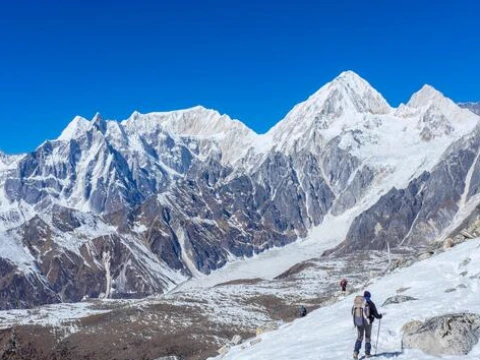
The Manaslu Circuit Trek is one of the most spectacular and rewarding trekking adventures in Nepal, taking trekkers around Mount Manaslu through remote Himalayan landscapes, traditional villages, high mountain passes, and culturally rich settlements. Although the trail is suitable for experienced trekkers, doing the Manaslu Circuit Trek
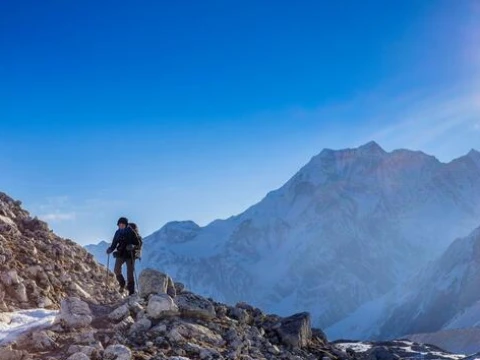
Yes, a woman can trek the Manaslu Circuit in Nepal, but a completely independent solo trek is generally not permitted under Nepal’s current restricted-area rules. The Manaslu region requires the appropriate permits and a licensed trekking guide, so female travelers who want to experience the circuit alone should plan the trek
The Manaslu Circuit Trek Experience offers an unforgettable journey into Nepal's natural beauty, cultural richness, and traditional mountain lifestyle. Organized by Asiana Treks and Tours, this remarkable adventure begins in Kathmandu.


 (2)
(2)  100% recommend (0)
 (0)
(0)