
Pikey Peak Trekking is a beautiful low-region trekking trip without going too high in the Everest region. It is a wonderful cultural experience for the Sherpa people living there. In addition, you will enjoy majestic views of the Himalayan peaks, including Mt. Everest. Pikey Peak Trekking great and Best Panoramic View of the eastern Himalayan Region including Mt Everest Region.Pikey Peak trekking offers a grand view of the Himalayas from Dhaulagiri in the west to Kanchenjunga in the east from the top of Pikey peak. The magnificent view of Everest from Pikey peak is considered to be the best of Sir Edmund Hillary. The first man to conquer the top of the world took Pikey Peak to be the best viewpoint for Mt. Everest. The Himalayan range's panoramic grandeur following the region's beautiful cultural trail is simply stunning.This Pikey Peak trekking goes through the old Everest base camp trekkingroute and goes towards Pikey Peak. The trek keeps trekkers below 4000 meters on the trail yet offers magnificent views of the mountains. While enjoying the panorama of the gigantic peaks, one can gain an unbelievable cultural experience of the region during this beautiful trek. Pikey Peak trek itinerary:Asiana Treks and Tours has the perfect Pikey Peak trek itinerary. Travelers who desire to explore Nepal with moderate physical fitness. You'll discover the best places for breathtaking views, from the city to the countryside. Experience the contrast of cold nights at pikey peak to a stunning view of the mountain wall, an unforgettable lifetime journey. Pikey Peak Trekking Distance:The Pikey Peak trekking takes 11 days, with 4 to eight-hour walking days, and is approximately 93 km, or 57.78 miles, depending on the itinerary and acclimatization day.Pikey Peak Trekking route:The bus trip starts from Kathmandu to Shivalaya, where we trek to Bhandar through the pine and rhododendron forest and then to Namkheli and Ngaur Gompa. A steep walk to Pikey Peak Base Camp (2,955m) passes through numerous small villages and forests. The climb to Pikey Peak summit (3,757m) provides a breathtaking landscape over the Himalayas. After the summit of Pikey Peak known for its spectacular sunrise view over the Himalayas, we descend through the rhododendron and pine forest to Junbesi, Benighat, and Chiwang, and finally reach Phaplu. A flight back to Kathmandu from Phaplu concludes the trek.Pikey Peak trekking price:Our package tour ensures reliability in terms of cost, itinerary, and overall experience. The Pikey Peak Camp trek typically ranges from US$1100 to 1215, depending on group size, service level, guide and porter services, transportation preferences, and accommodation category in Kathmandu. This cost estimation is subject to the types of trekking gear and accommodation preferences. Major villages of Pikey Pike Trekking:The major Sherpa villages along the Pikey Peak Trekking route are Shivalaya, Bhandar, Namkheli, Ngamor Gompa, Taktok, Jun Beshi, Benighat, Chiwang, and Phalpu. These villages are significant landmarks and offer scenic beauty and accommodation. Best Viewpoints Pikey Peak Trekking:These viewpoints provide unforgettable experiences, highlighting the beauty of Pikey Peak. Pikey Peak Trek offers breathtaking views, showcasing stunning panoramas of the surrounding Himalayan peaks. Here are the critical views along the route:Pikey Peak Summit: 4,065 meters (13,333 feet) The summit of Pikey Peak offers one of the most spectacular panoramic views of the Himalayas. Trekkers can see Mount Everest, Kanchenjunga, Makalu, Lhotse, Annapurna, Gauri Shankar, and many other peaks on a clear day. The sunrise and sunset views from here are breathtaking, with the mountains bathed in golden light.Lamjura La Pass: 3,530 meters (11,580 feet) This pass is one of the highest points on the trek and provides stunning views of the surrounding mountains and valleys. The rhododendron forests add a vibrant splash of color, especially in the spring.Junbesi Village: 2,675 meters (8,776 feet) Junbesi is a charming Sherpa village with beautiful traditional architecture. The backdrop of snow-capped peaks and the lush green valley makes it an ideal spot for photography. Nearby, the Thubten Chholing Monastery is worth a visit for its spiritual ambiance and architectural beauty.Taktor: Approximately 3,000 meters (9,842 feet), Taktor offers expansive views of the Dudh Kosi River valley and the surrounding hills. It is a tranquil spot where trekkers can enjoy the serene landscape and the sound of the river below.Namkheli: 2,300 meters (7,546 feet) This viewpoint provides a closer look at the middle hills and the traditional terraced farming landscapes. The view of the rolling hills covered in terraced fields is picturesque and indicative of the local way of life.Golla Village: At 2,900 meters (9,514 feet), Golla offers a unique perspective on the trek with its beautiful stone houses and terraced fields. The view of the towering peaks in the distance adds to the charm of this traditional village.Phaplu: 2,413 meters (7,918 feet) The town of Phaplu serves as a starting or ending point for many trekkers. It offers views of the nearby hills and mountains, and the airstrip here provides an exciting view of small aircraft taking off and landing against a mountainous backdrop.Dhap: 2,850 meters (9,350 feet) Dhap is another excellent viewpoint that offers sweeping vistas of the Solu Khumbu region. The rolling hills and distant mountain ranges create a scenic panorama that is both calming and inspiring.Flora and Fauna in the Pikey Peak Trekking :Pikey Peak Trekking is also in Sagarmatha National Park. It deserves many different flora and fauna, where pine and hemlock forests are found at lower altitudes, and fir, juniper, birch, rhododendron, scrub, and alpine plants thrive at higher elevations. Sagarmatha National Park is inhabited by a diverse range of animals, like red panda, snow leopard, musk deer, Himalayan tahr, marten, Himalayan mouse hare (pika), and over 118 bird species, such as the Impeyan pheasant, snow cock, blood pheasant, and red-billed cough.Festivals and Culture of Pikey Peak Trekking:The Pikey Peak trek offers a cultural immersion into Sherpa traditions. A highlight is the Dumji and Mani Rimdu Festival at Tengboche Monastery, held annually in October or November. This vibrant celebration features sacred dances and colorful ceremonies, providing insight into Sherpa culture.Buddhism, a central pillar of Sherpa life, is beautifully woven into the Trek's fabric. It's evident in the monasteries, prayer flags, and Mani walls that dot the route. Visitors are not just spectators but can actively participate in Buddhist rituals, fostering a deeper understanding of Sherpa spirituality and their profound connection to nature.In their harmonious coexistence with nature, Sherpas practice sustainable living with eco-friendly methods like using yak dung as fuel and managing waste. These practices, born out of necessity and deep respect for the environment, are a testament to the Sherpa's ingenuity and their role as responsible stewards of the land. They inspire respect and admiration. People and hospitality:Nepal is a country where warm hospitality and incredible values are not just a custom but a deeply ingrained part of its culture. Whether a foreign visitor or a local, you're greeted with open arms, friendly smiles, and a radiant manner. This tradition of hospitality, deeply rooted in Hinduism, Buddhism, and traditional customs, sees guests as blessings and treats them with utmost respect, generosity, and kindness.The Sherpa people, an indigenous ethnic group with a unique blend of Tibetan Buddhism and ancient Bon rituals, epitomise these values. Residing in the upper Khumbu area, they welcome guests with a distinct warmth and an unwavering spirit of hospitality, marked by their renowned honesty and loyalty.Advantages of booking with Asiana Treks:Private transport for airport transfers to/from your hotel.Trip briefing on Facebook and online if you love to connect.Last-minute booking at your hotel at a suitable time after your arrival.Easy booking and reservation system.Multi-channel communication via Email, WhatsApp, Facebook, Viber, Skype 24/7 phone communication at +977-9851076270Free excess luggage storage during the TrekOximeters are provided to examine blood oxygen saturation at high altitudes to detect altitude sickness early.Medical kits along the Trek and hot airbags are available in winterArrange sleeping bags, duffel bags, down jackets, and walking pools if you don't have your own.Trek Booking:Asiana Treks and Tours is the best and most trusted trek and tour company operator authorized by the Nepal government. We require a 10% advance payment to book your trip, and you'll need to send us a copy of your passport, photos, travel insurance, and flight details as soon as you book a tour with us. You can use bank transfer, or any other way like Western Union, or online via our website, which is easy. The remaining trip cost can be paid upon arrival in Nepal. We offer last-minute bookings, but changes may occur due to circumstances like bad weather. Transportation for Pikey Peak trekking:Asiana Treks and Tours organizes all transportation logistics from start to end, according to our group size and agreement, including pickups and drops of service to flights between Kathmandu and Phaplu for ground transportation for World Heritage site tours. Our services for all groups ensure convenient travel arrangements, whether a World Heritage tour or Flight tickets, and are tailored to the group, prioritizing safety, comfort, and efficiency. We aim to provide the best and most enjoyable travel experience, meeting the highest standards of safety and comfort.Trekking Start: Your Pikey Peak trek begins with a warm welcome in Kathmandu. Our team member will greet you at the Tribhuvan International Airport. We'll escort you to your hotel in a private vehicle, ensuring a comfortable and hassle-free start to your adventure. This will set the tone for a memorable journey.If you miss the regular trip briefing, don't worry. We'll provide it at a convenient time before departure, Pokhara, either before a World Heritage tour the following morning or the next day; we'll then proceed to the airport flight to Lukla or drive four 4-hour Manthali and Flight to Lukla.Currency Exchange:The Nepalese rupee is Nepali currency, and 1 USD is approximately 130 NPR. Only NPR is accepted in Nepal, so it's best to bring cash to facilitate transactions. Banks and ATMs in Kathmandu provide currency exchange services, but note that most banks prefer new, crisp notes.Our Team:The Asiana Treks and Tours team is professional, reliable, and responsible. They are well-trained, friendly, radiant, and fluent in English. You can feel comfortable sharing anything with them. They are experts in local culture, history, vegetation, food, accommodation, weather conditions, and first aid medication. They are also environmentally conscious and respect the rights of animals.However, please do not provoke them for personal gain during the trip. While you can enjoy your holiday with them, we kindly request that you do not try to change their customs, beliefs, religion, culture, or traditions.We and our staff are committed to making your adventure trip unforgettable memories of a lifetime journey in Nepal. Guide and Porter Arrangement:Our company, Asiana Treks and Tours, focuses on responsible tourism in Nepal. We make sure our guides and porters are well-trained in Trekking and mountaineering. They know a lot about the areas we go to, including geography, history, customs, and culture. We train them regularly in safety, first aid, and environmental conservation. We follow guidelines to treat our porters fairly, providing them good pay, accommodation, and meals during treks. Our guides and porters are essential team members, and we appreciate their hard work. When you trek with us, you support ethical tourism in Nepal, making your trip meaningful and memorable.Asiana Treks and Tours prioritizes your safety and enjoyment. Our knowledgeable guides, reliable equipment, and safety measures ensure a great trekking experience in Nepal.Porter, Luggage, and extra Luggage storage: We cover the cost of porters for your Luggage, but the maximum weight limit is 12 kg per person. Each porter carries Luggage for two trekkers; please share a duffle bag with another. Our porters will carry up to 25 kg each. If you need a porter for yourself, we can arrange that. We also recommend carrying a small backpack for your valuables and important documents. You can leave extra Luggage at our office for free and at a hotel in Kathmandu, Namche, etc.Accommodation:Accommodation during the Peaky Peak Trek varies. Along the trekking route, you'll stay in guest houses, commonly known as teahouses. These basic lodges offer rooms, dining areas, and toilets. The quality of guest houses varies but remains affordable and convenient for trekkers. Rooms typically have twin or bunk beds and shared bathrooms, and blankets and pillows are available. Our company can offer a sleeping bag if you don't have one. You'll spend nine nights in lodges along the trekking route and three nights in a hotel in Kathmandu. Some places and lodges have attached bathrooms, while others offer simple yet clean rooms with shared facilities. We can arrange a solo trekking service if you're traveling solo. In high season and particular areas, availability may be limited for you, although we try our best. In Kathmandu, your hotel room will have excellent amenities, including TV, 24/7 hot water, electricity, and laundry service.Meals during the trip:Eating well is essential since the Pikey Peak Trek takes you through the Himalayas. You'll have plenty of nutritious meals in the trekking regions, although the options won't be as varied as in the cities. You'll get fifteen breakfasts, eleven lunches, and ten dinners during the Trek. The menu includes local, Asian, and Western dishes, but it gets more straightforward as you climb higher. Try popular Nepali foods like lentils, rice, curry, dumplings, noodles, spaghetti, and many more. We highly recommend eating fresh vegetables and drinking liquids like green tea, lemon tea, hot lemon ginger tea, and garlic soup, especially at high altitudes. While non-vegetarian options are available during the Trek, we suggest avoiding them for hygiene reasons. It's also best to steer clear of dairy, cheese, alcohol, caffeine, and hot chocolate. Personal expenses like alcoholic drinks, extra beverages, and cafes aren't included in the package. Drinking water:Nepal is the second country in the world regarding water sources after Brazil. According to the Nepal government, only 27% of people here have clean drinking water. You can buy mineral water in teahouses, but it is expensive; local people do not prefer plastic bottles in some trekking areas, so there are some safe drinking water stations where you can refill your bottle. However, we recommend carrying Steripen, iodine drops, water purification tablets for safe drinking, and refillable water bottles for boiled or filtered water. We strongly advise not to drink from taps, wells, and rivers in trekking areas. However, in all the city areas, Mineral water is available at a reasonable cost everywhere.Extra Personal Expenses:Your Trip covers most expenses during the Trek; you'll need to spend money on extra accommodations and meals in Kathmandu, souvenirs, and beverages. We estimate about USD 15-25 per trekking day for miscellaneous expenses. However, personal expenses depend on your Income, habits, and style.Toilet Facilities in Peaky Peak Trekking:Most teahouses have Western-style flush toilets during mountain treks, especially at lower elevations. But as you go higher, find simple squat toilets along the trails and teahouses at higher altitudes. These toilets usually have water or toilet paper, but it's a good idea to bring your toilet paper just in case. You can also use restrooms at nearby teahouses or find a private spot along the trekking routes.Internet Connectivity:While trekking in the Himalayan region of Nepal, connecting with your family and friends is also a good idea. You can find internet access at teahouses and lodges, but it might be for an extra minimal cost. The signal might be weak because of the remote location. You can also get internet access using a local SIM card and data packages available at Kathmandu airport or nearby shops in Thamel and Pokhara. You'll need a passport-sized photo and a copy of your passport to get a SIM card. It's a good idea to compare prices and data packages from telecom companies like Ncell and Nepal Telecom before buying. Knowing about teahouse connectivity. Our guide will suggest connections for you. Electricity voltage and plugs:However, 95 % of Nepali people have access to electricity as of May 29, 2023. Almost all popular trekking routes, teahouses, and lodges have electricity. However, some isolated and solo trekking tea houses in the jungle don't have electricity; most tea houses let travelers charge for their devices for a small fee. The average electrical voltage in Nepal is 230 volts, with plug types like Type C, Type D, and Type M. Travellers should bring a suitable adapter and, if needed, a voltage converter for their electronic devices.Communication:The guest houses in the trekking regions have internet access. You can buy a SIM card at Tribhuvan International Airport Kathmandu and Namche. However, the signal may need to be more assertive at high altitudes. Our office keeps in touch with all trekking teams via the trek guide at least once daily to ensure everything goes as planned.Trip Extension:Suppose you have extra days in Nepal after the Trek. In that case, we can arrange a tour, overnight stay at Nagarkot Balthali or any other place around Kathmandu and Chitwan, jungle safari, paragliding, rafting, canyoning, or other treks. Do not hesitate to inform us. We will create the best for you.Trek Difficulty:The Pikey Peak trek presents a moderate and challenging yet enriching adventure. Your enjoyment of the trip will largely depend on your level of fitness. We recommend building stamina at least two weeks before the Trek. Activities include jogging, running, swimming, or taking long hikes for the journey ahead.Completing this Trek is achievable even if you're a beginner, although you must maintain a reasonable fitness level. Prior trekking experience can be advantageous, though it is optional. All you need is the readiness to hike steadily for 4-8 hours, navigating tricky terrain.Suppose trekkers have pre-existing medical conditions, such as lung or heart diseases. In that case, they are advised to consult their physician before booking the Trek to ensure their safety and well-being throughout the journey.Trip Safety:We prioritize safety. We provide experienced guides with first aid kits and the necessary safety gear to ensure a safe trip. Our team monitors weather and trail conditions and takes precautions to avoid risks. Before starting the Trek, we discuss the trip to provide a clear understanding and ensure a reliable experience.Group & Private Treks:We organize many group and private treks simultaneously, with discounts available for larger groups. Every group will have a trekking guide and porters, and we provide an assistant guide for larger groups. Our team ensures a safe and enjoyable trekking experience for all participants.About solo trakers:If you're a solo tracker, don't hesitate to contact us to confirm departure dates before booking. You can tell us via call, WhatsApp, or email. We have listed upcoming departure dates for your convenience. Feel free to share the trip details with friends and family.Notes: Please be aware that the itinerary may change due to weather or other factors, and we'll adjust it accordingly for the group's safety and enjoyment. We look forward to guiding you through the stunning landscapes of the Annapurna region and ensuring a memorable trekking experience.Responsible Travel:We prioritize responsible travel to minimize environmental impact and support local communities. We collaborate with organizations like the Kathmandu Environmental Education Project (KEEP) to promote eco-friendly practices in trekking regions.Gratitude:Gratitude or tipping is appreciated in Nepali culture and reflects the quality of service provided. You decide how much to tip, but we recommend tipping as a group at the end of the trip.End of Trek:On the ninth day, you'll fly from Phalpu back to Kathmandu. In the evening, we'll host a farewell dinner in Kathmandu.Departure:On the day of your departure flight, we'll come to pick you up from your hotel and transfer you to Tribhuvan International Airport. We hope you enjoyed the Nepal trek and will consider returning for more adventures in Nepal.Feedback:After you complete the Pikey Peak Trek, we'll organize a farewell dinner in Kathmandu and present you with a trekking achievement certificate. After the dinner, you can provide feedback about the Trek on travel portals.Last-Minute Booking:If you can't book in advance, we offer last-minute bookings. Last-minute booking offers are available but may cost slightly more than regular departure dates. Those opting for last-minute bookings must pay an additional 7% of the total trip cost on our website. While we strive to make last-minute requests, we try our best to accommodate according to your last-minute booking holiday.Special Note: Please remember that sometimes, unforeseen circumstances, such as inclement weather or unavailable lodging, may cause the schedule to be changed. Your trip guide will design a fresh schedule based on the group's interests in such circumstances. Everest Regions Trekking Blog Post List:Asiana Treks & Tours offers an insightful blog on the Everest region, providing valuable information for trekkers. Explore stunning landscapes, local culture, and practical tips for your journey.Why Everest Base Camp Trek Should Be Your Next Adventure: Top ReasonsBeginner's Guide to Everest Base Camp TrekUnderstanding the Everest Base Camp Trek’s DifficultyEverest Base Camp Trek: Best Seasons (March-Mid June, Sep-Nov)Choosing the Best Route for Everest Base CampMajor Facts About the Everest Base Camp Trekking AdventureHiking from Gorak Shep to Kala Patthar & Everest Base CampIs There an Age Limit for Everest Base Camp Trekking?Is Everest Base Camp Trekking Possible for Women? Absolutely!The Complete List of Permits and Documents for Everest Region TreksMeals and Accommodation in the Everest RegionAccommodation Types in the Everest RegionTop Everest Region Trekking Packages 2025/2026Annapurna Base Camp vs Everest Base Camp: The Best TrekTrekking Permit Requirements for Different Regions in NepalThe First Viewpoint to See Mount EverestThe Beauty of Gokyo Lake with Views of EverestDiscovering the Beauty of Gokyo Lakes with Gokyo RiWhy Choose Everest Three Passes Trekking in NepalWhy Trek Everyone is the Ultimate Guide to Everest Base CampTrekking the Everest Three High Passes: Renjo La, Cho La & Kongma LaLukla: The Trekker's Ultimate GatewayAmazing Facts About Tenzing-Hillary Airport (Lukla Airport)Exploring Phakding: The First Step Toward EverestNamche Bazaar at 3,440m: A Rest Stop with a ViewTengboche Monastery: The Heartbeat of the KhumbuDingboche: The Smart Stop for Acclimatization and Stunning ViewsLobuche: A High-Altitude Himalayan Gem – History, Culture, Geography & Trekking HighlightsDiscover Everest Dudhkoshi Cultural Trek for BeginnersTraversing the Heart of Solu: Jiri to Sete, Junbesi & Nunthala via the Lamjura-La PassSacred Trails and Alpine Dreams: A Journey Through Pikey Peak, Dudh Kunda, and the Hidden Hamlets of SolukhumbuWhy Choose Everest Three Passes Trekking in NepalThe First Successful Summit: Sir Edmund Hillary and Tenzing NorgayHistory of Mount Everest : International Everest DayWhy Trek Everyone is the Ultimate Guide to Everest Base CampFAQs for Hiking to the Roof of the World (Everest Region
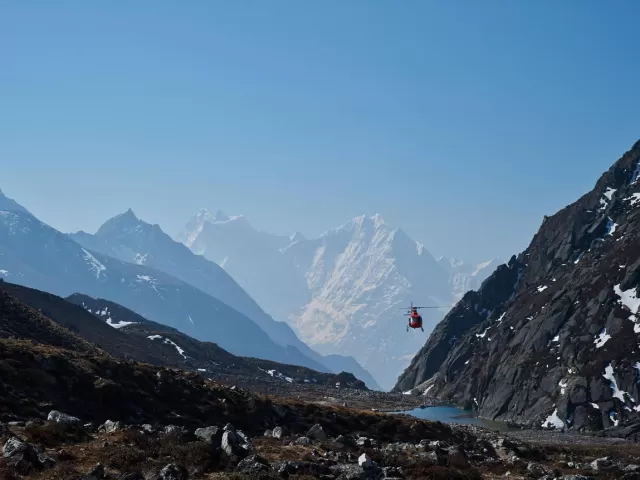
Start aunique adventurewith the 11-dayGokyo Trekand Helicopter Return viaEverest base camp package, designed for those who want to go without challengeEBC Trek in Khumbu. This journey takes you to the lesser-explored yet captivatingGokyo Valley in the Everest Region, providing seven days of trekking amid breathtaking landscapes. To optimize your time and energy, the return journey to Lukla is conveniently facilitated by a helicopter, offering a panoramic aerial perspective of the entireEverest Base Camp area, glaciers, and surrounding mountains.Commencing in Kathmandu, your expedition starts with aflight to Lukla, the starting point of your trek. As you progress through the days, you traverse theSagarmatha National Park, a UNESCO Natural World Heritage Site, and via various Sherpa villages. A rejuvenatingacclimatization day in Namche Bazaarbecomes a pivotal pause to absorb the awe-inspiring ambiance and views of the 7000 and 8000-meter peaks in proximity.Upon conquering a challenging ascent, Gokyo Lake becomes your ultimate destination. A hike to Gokyo Ri rewards you withbreathtaking vistas of the Gokyo lakesand themajestic Himalayan mountains. The trek culminates in athrilling helicopter flight back to Lukla, allowing you to savor the mesmerizing landscapes ofEverest Base Camp and Kala Patthar.This moderate to challenging trek demands mental and physical endurance as you navigate elevations exceeding 5000 meters. Prepared and guided byAsiana Treks and Tours, this expedition promises a test of resilience amid thestunning backdrop of the Everest Region.Everest Gokyo-Ri Trekking return by Heli itinerary:Asiana Treks and Tours has the perfect Everest Gokyo-Ri Trek itinerary. Travelers who desire to explore Nepal with moderate physical fitness. You'll discover the best places for breathtaking views from the city to the countryside. Experience the contrast of cold nights at Gokyo to a stunning view of the mountain wall, an unforgettable lifetime journey.Everest Gokyo-Ri Trekking return by Heli Distance:The Everest Gokyo-Ri trekking return by Hel takes 12 days, with 4 to eight-hour walking days, and is approximately 48 km, or 29.82 miles, depending on the itineraryEverest Gokyo-Ri Trekking return by Heli Trekking route:The Everest Gokyo- Ri Trekking return by Heli route showcases awe-inspiring natural beauty. Starting in lush valleys with terraced fields and traditional Sherpa. Villages, the journey unfolds amidst the Himalayan foothills. Rhododendron forests bloom in spring, accompanied by cascading waterfalls and snow-capped peaks. Traversing wildflower meadows and crossing suspension bridges over mountain streams, the landscape evolves as you ascend. Approaching Everest Gokyo-Ri trekking return by Heli, rugged terrain and glacial moraines dominate, leading to panoramic views of towering peaks. The Trek promises unforgettable moments, whether you're a seasoned trekker or novice adventurer, offering an unparalleled journey through Earth's most breathtaking landscapes and top of the world.Everest Gokyo-Ri Trekking return by Heli Trekking Price:Our Everest Gokyo-Ri trekking return by package tour ensures reliability in terms of cost, itinerary, and overall experience. The Everest Gokyo Ri trek typically ranges from US$2300 to 3000, depending on group size, service level, guide and porter services, transportation preferences, and accommodation category in Kathmandu. This cost estimation is subject to the types of trekking gear and accommodation preferences. Everest Gokyo-Ri Trekking return by Heli trek Height:The Everest Gokyo-Ri trekking and tours start from the bustling city of Kathmandu at an altitude of 1337 meters. From Kathmandu, take a flight to Lukla or during peak season from Ramechhap. You'll descend to the beautiful Manthali headquarters of Ramechhap,474 meters above sea level. If you Fly from Manthali to Lukla, you'll embark on your journey descending to crossing by the green forest to Chheplung; finally, the Trek culminates at Everest Gokyo-Re at a breathtaking height of 5,357m /17,575 ft.Major villages of Everest Gokyo-Ri Trekking trekking return by Heli:The major Sherpa villages along the Everest Gokyo-Ri Trekking route are Lukla, Chheplung, Thado Koshi, Phakding, Taktok, Banker Manjo, Jorsalle, Namche, Sanasha, Doley, Macherma,Gokyo valley Return from the same route and follow stunning Helicopter to Kathmandu. These villages are significant landmarks and offer scenic beauty and accommodation options along the Everest Gokyo-Ri Trekking return by Heli.Best Viewpoints Everest Gokyo -Ri Trekking return by Heli:These viewpoints provide unforgettable experiences, highlighting the beauty of the Everest Gokyo- Ri Trek.Everest Gokyo-Ri return by heli Trek offers breathtaking viewpoints, showcasing stunning panoramas of the surrounding Himalayan peaks. Here are the critical views along the route: On a clear day, board your FlightFlight to Lukla or Ramechhap, ensuring a seat on the left-hand side for a breathtaking view of the uncountable Himalayan peaks, from the Langtang Himalayan range to the majestic Mt Everest.Hillary Bridge:After halfway from Hillary Bridge to Namche, you will first glimpse the majestic Everest view. Hillary Park Sagarmatha Head Headquarters:At the top of Namche Headquarters of Sagarmatha National Park, Hillary Park, you have a stunning surrounding view of Many Himalayan ranges, including Mt Everest.Everest View Hotel:From Everest View Hotel, you can enjoy unparalleled vistas of Everest and neighbouring peaks, Dole Viewpoint:Located near the village of Dole, this viewpoint provides early glimpses of Cho Oyu and other peaks, setting the stage for the spectacular views to come further along the trek.Machhermo Viewpoint:This viewpoint is situated above the village of Machhermo and offers beautiful views of the surrounding peaks, including Thamserku, Kangtega, and Cho Oyu. It's a great spot to acclimatize and enjoy the landscape.Gokyo Lakes:A series of turquoise lakes set against snow-capped peaks. The third lake, Dudh Pokhari, is particularly stunning. The area around the lakes provides spectacular photo opportunities and serene spots to enjoy the natural beauty.Gokyo Ri (5,357 meters / 17,575 feet): The highlight of the trek, Gokyo-Ri, offers panoramic views of four of the world's highest peaks: Everest, Lhotse, Makalu, and Cho Oyu. The climb to the summit is challenging but rewarding, with unparalleled vistas of the Gokyo Lakes and the Ngozumpa Glacier, the longest glacier in the Himalayas.Ngozumpa Glacier:The longest glacier in the Himalayas is visible from several points along the trek. The glacier's dramatic ice formations and moraines are awe-inspiring, especially from the nearby hills.Scoundrel's Viewpoint: This viewpoint is located above the fifth Gokyo-Ri trekking return by Heli offers a more secluded and equally impressive perspective of Everest, Lhotse, Makalu, and Cho Oyu. It's less frequented by trekkers, providing a tranquil spot to take in the grandeur of the Himalayas.Each viewpoint leaves an indelible mark on your soul, ensuring the journey back to Lukla reminds you of the awe-inspiring vistas encountered throughout your Trek.Flora and Fauna in the Everest Gokyo-Ri Trekking :Everest Gokyo-Re Trekking return by Heli Trek is also in Sagarmatha National Park. It deserves many different flora and fauna, Where pine and hemlock forests are found at lower altitudes, and fir, juniper, birch, rhododendron, scrub, and alpine plants thrive at higher elevations. Sagarmatha National Park is inhabited by a diverse range of animals, like red panda, snow leopard, musk deer, Himalayan tahr, marten, Himalayan mouse hare (pika), and over 118 bird species, such as the Impeyan pheasant, snow cock, blood pheasant, and red-billed cough.Festivals and Culture of Everest Gokyo-Ri Trek return by Heli:The Everest Gokyo-Ri trek return by Heli trek offers a cultural immersion into Sherpa traditions. A highlight is the Dumji and Mani Rimdu Festival at Tengboche Monastery, held annually in October or November. This vibrant celebration features sacred dances and colorful ceremonies, providing insight into Sherpa culture.Buddhism, a central pillar of Sherpa life, is beautifully woven into the Trek's fabric. It's evident in the monasteries, prayer flags, and Mani walls that dot the route. Visitors are not just spectators but can actively participate in Buddhist rituals, fostering a deeper understanding of Sherpa spirituality and their profound connection to nature.In their harmonious coexistence with nature, Sherpas practices sustainable living with eco-friendly methods like using yak dung as fuel and waste management. These practices, born out of necessity and deep respect for the environment, are a testament to the Sherpa's ingenuity and their role as responsible stewards of the land. It's a practice that inspires respect and admiration. People and hospitality of Everest Gokyo-Ri Trekking Return by Heli:Nepal is a country where warm hospitality and incredible values are not just a custom, but a deeply ingrained part of its culture. Whether you're a foreign visitor or a local, you're greeted with open arms, friendly smiles, and a radiant manner. This tradition of hospitality, deeply rooted in Hinduism, Buddhism, and traditional customs, sees guests as blessings and treats them with utmost respect, generosity, and kindness.The Sherpa people, an indigenous ethnic group with a unique blend of Tibetan Buddhism and ancient Bon rituals, are the epitome of these values. Residing in the upper Khumbu area, they welcome guests with a distinct warmth and an unwavering spirit of hospitality, marked by their renowned honesty and loyalty.Advantage book with Asiana Treks and tours:Private transport for airport transfers to/from your hotel.Trip briefing on Facebook and online if you love to connect.Last minute booking at your hotel at a suitable time after your arrival.Easy booking and reservation system.Multi-channel communication via Email, WhatsApp, Facebook, Viber, Skyp 24/7 phone communication at +977-9851076270Free excess luggage storage during the TrekOximeters are provided to examine blood oxygen saturation at high altitudes to detect altitude sickness earlyMedical kits along the Trek and hot airbags are available in winterArrange sleeping bags, duffel bags, down jackets, and walking pools if you don't have your own.Trek Booking for Everest Gokyo -Ri Trekking return by Heli:Asiana Treks and Tours is the best and most trusted trek and tour company operator authorized by the Nepal government. We require a 10% advance payment to book your trip, and you'll need to send us a copy of your passport, photos, travel insurance, and flight details as soon as you book a tour with us. You can use bank transfer, or any other way like Western Union, or online via our website, which is easy. The remaining trip cost can be paid upon arrival in Nepal. We offer last-minute bookings, but changes may occur due to circumstances like bad weather. Transportation of Everest Gokyo-Ri trekking return by Heli:Asiana Treks and Tours Organizes all transportation logistics from start to end, according to our group size and agreement, including pickups and drops of service to flights between Kathmandu and Lukla for ground transportation for World Heritage site tours. Our services for all groups ensure convenient travel arrangements, whether a World Heritage tour or Flight tickets, and are tailored to the group, prioritizing safety, comfort, and efficiency. We aim to provide the best and most enjoyable travel experience, meeting the highest standards of safety and comfort.Trekking Start to Everest Gokyo -Re Trekking return by Heli:Your Everest Gokyo-Ri Trek return by Heli begins with a warm welcome in Kathmandu. Our team member will greet you at Tribhuvan International Airport. We'll escort you to your hotel in a private vehicle, ensuring a comfortable and hassle-free start to your adventure. This will set the tone for a memorable journey.If you miss the regular trip briefing, don't worry. We'll provide it at a convenient time before departure and before a World Heritage tour the following morning or the next day; we'll then proceed to the airport flight to Lukla or drive four 4-hour Manthali and Flight to Lukla.Currency Exchange:The Nepalese rupee is Nepali currency, and 1 USD is approximately 130 NPR. Only NPR is accepted in Nepal, so it's best to bring cash to facilitate transactions. Banks and ATMs in Kathmandu provide currency exchange services, but note that most banks prefer new, crisp notes.Our Team:The Asiana Treks and Tours team is professional, reliable, and responsible. They are well-trained, friendly, radiant, and fluent in English. You can feel comfortable sharing anything with them. They are experts in local culture, history, vegetation, food, accommodation, weather conditions, and first aid medication. They are also environmentally conscious and respect the rights of animals.However, please do not provoke them for personal gain during the trip. While you can enjoy your holiday with them, we kindly request that you do not try to change their customs, beliefs, religion, culture, or traditions.We and our staff are committed to making your adventure trip unforgettable memories of a lifetime journey in Nepal. Guide and Porter Arrangement for Everest Gokyo-Ri Trekking return by Heli:Our company, Asiana Treks and Tours, focuses on responsible tourism in Nepal. We make sure our guides and porters are well-trained in Trekking and mountaineering. They know a lot about the areas we go to, including geography, history, customs, and culture. We train them regularly in safety, first aid, and environmental conservation. We follow guidelines to treat our porters fairly, providing them good pay, accommodation, and meals during treks. Our guides and porters are essential team members, and we appreciate their hard work. When you trek with us, you support ethical tourism in Nepal, making your trip meaningful and memorable.Asiana Treks and Tours prioritizes your safety and enjoyment. Our knowledgeable guides, reliable equipment, and safety measures ensure a great trekking experience in Nepal.Porter, Luggage, and extra Luggage storage: We cover the cost of porters for your Luggage, but the maximum weight limit is 12 kg per person. Each porter carries Luggage for two trekkers; please share a duffle bag with another. Our porters will carry up to 25 kg each. If you need a porter for yourself, we can arrange that. We also recommend carrying a small backpack for your valuables and important documents. You can leave extra Luggage at our office for free and at a hotel in Pokhara, Namche, etc.Accommodation during the Everest Gokyo -Ri Trekking:Accommodation during the Everest Gokyo-Ri Trek varies. Along the trekking route, you'll stay in guest houses, commonly known as teahouses. These basic lodges offer rooms, dining areas, and toilets. The quality of guest houses varies but remains affordable and convenient for trekkers. Rooms typically have twin or bunk beds and shared bathrooms, and blankets and pillows are available. Our company can offer a sleeping bag if you don't have one. You'll spend nine nights in lodges along the trekking route and three nights in a hotel in Kathmandu. Some places and lodges have attached bathrooms, while others offer simple yet clean rooms with shared facilities. We can arrange a solo trekking service if you're traveling solo. In high season and particular areas, availability may be limited for you, although we try our best. In Kathmandu or Pokhara, your hotel room will have excellent amenities, including TV, 24/7 hot water, electricity, and laundry service.Meals during the Everest Gokyo -Ri Trekking:Eating well is essential since the Everest Gokyo-Ri Trek takes you through the Himalayas. You'll have plenty of nutritious meals in the trekking regions, although the options won't be as varied as in the cities. You'll get fifteen breakfasts, eleven lunches, and ten dinners during the Trek. The menu includes local, Asian, and Western dishes, but it gets more straightforward as you climb higher. Try popular Nepali foods like lentils, rice, curry, dumplings, noodles, Spagaties, and many more. We highly recommend eating fresh vegetables and drinking liquids like green tea, lemon tea, hot lemon, ginger tea, and garlic soup, especially at high altitudes. While non-vegetarian options are available during the Trek, we suggest avoiding them for hygiene reasons. It's also best to steer clear of dairy, cheese, alcohol, caffeine, and hot chocolate. Personal expenses like alcoholic drinks, extra beverages, and cafes aren't included in the package. Drinking water during the Everest Gokyo -Ri Trekking:Nepal is the second country in the world in terms of water sources after Brazil. According to the Nepal government, only 27% of people here have clean drinking water. You can buy mineral water in teahouses, but it is expensive; Lokals people are not prefer plastic bottles in some trekking areas So, there are some safe drinking water stations where you can refill your bottle. However, we recommend carrying Steripen, iodine drops, water purification tablets for safe drinking, and refillable water bottles for boiled or filtered water. We strongly advise not to drink from taps, wells, and rivers in trekking areas. However, in all the city areas, Mineral water is available at a reasonable cost everywhere.Extra Personal Expenses:Your Trip covers most expenses during the Trek; you'll need to spend money on extra accommodations and meals in Kathmandu, souvenirs, and beverages. We estimate about USD 15-25 per trekking day for miscellaneous expenses. However, personal expenses depend on your Income, habits, and style.Toilet Facilities in during the Everest Gokyo -Ri Trekking:Most teahouses have Western-style flush toilets during mountain treks, especially at lower elevations. But as you go higher, find simple squat toilets along the trails and teahouses at higher altitudes. These toilets usually have water or toilet paper, but it's a good idea to bring your toilet paper just in case. You can also use restrooms at nearby teahouses or find a private spot along the trekking routes.Internet Connectivity during the Everest Gokyo -Ri Trekking:While trekking in the Himalayan region of Nepal, connecting with your family and friends is also a good idea. You can find internet access at teahouses and lodges, but it might be extra minimal cost. The signal might be weak because of the remote location. You can also get internet access using a local SIM card and data packages available at Kathmandu airport or nearby shops in Thamel and Pokhara. You'll have a passport-sized photo and a copy of your passport to get a SIM card. It's a good idea to compare prices and data packages from telecom companies like Ncell and Nepal Telecom before buying. Knowing about teahouse connectivity. Our guide will suggest connections for you. Electricity voltage and plugs:However, 95 % of Nepali people have access to electricity as of May 29, 2023. almost popular trekking routes, teahouses, and lodges have electricity. However, some isolated and solo trekking tea houses in the jungle don't have electricity; most tea houses let travelers charge for their devices for a small fee. The average electrical voltage in Nepal is 230 volts, with plug types like Type C, Type D, and Type M. Travellers should bring a suitable adapter and, if needed, a voltage converter for their electronic devices.Communication during the Everest Gokyo -Ri Trekking:The guest houses in the trekking regions have internet access. You could buy a SIM card at Tribhuvan International Airport Kathmandu and Namche. However, the signal may need to be more assertive at high altitudes. Our office keeps in touch with all trekking teams via the trek guide at least once daily to ensure everything goes as planned.Trip Extension:Suppose you have extra days in Nepal after the Trek. In that case, we can arrange a tour, overnight stay at Nagarkot Balthali or any other place around Kathmandu and Chitwan, jungle safari, paragliding, rafting, canyoning, or other treks. Do not hesitate to Inform us. We will create the best for you.Trek Difficulty:The Everest Gokyo-Ri Trek presents a moderate and challenging yet enriching adventure. Your enjoyment of the trip will largely depend on your level of fitness. We recommend building stamina at least two weeks before the Trek. Activities include jogging, running, swimming, or taking long hikes for the journey ahead.Completing this Trek is achievable even if you're a beginner, although you must maintain a reasonable fitness level. Prior trekking experience can be advantageous, though it is optional. All you need is the readiness to hike steadily for 4-8 hours, navigating tricky terrain.Suppose trekkers have pre-existing medical conditions, such as lung or heart diseases. In that case, they are advised to consult their physician before booking the Trek to ensure their safety and well-being throughout the journey.Trip Safety during the Everest Gokyo -Ri Trekking:We highly give top priority. We provide experienced guides with first aid kits and necessary safety gear to ensure a safe hand. Our team monitors weather and trail conditions and takes precautions to avoid risks. Before starting the Trek, we discuss the trip to provide a clear understanding and ensure a reliable experience.Group & Private Treks information for the Everest Gokyo -Ri Trekking:We organize many group and private treks simultaneously, with discounts available for larger groups. Every group will have a trekking guide and porters. Regarding larger groups, we provide an assistant guide. Our team ensures a safe and enjoyable trekking experience for all participants.About solo traveler:If you're a solo traveler, please get in touch with us to confirm departure dates before booking. You can tell us via call, WhatsApp, or email. We have listed upcoming departure dates for your convenience. Feel free to share the trip details with friends and family.Notes: Please be aware that the itinerary may change due to weather or other factors, and we'll adjust it accordingly for the group's safety and enjoyment. We look forward to guiding you through the stunning landscapes of the Annapurna region and ensuring a memorable trekking experience.Responsible Travel:We prioritize responsible travel to minimize environmental impact and support local communities. We collaborate with organizations like the Kathmandu Environmental Education Project (KEEP) to promote eco-friendly practices in trekking regions.Gratitude:Graduate or tipping is appreciated in Nepali culture and reflects the quality of service provided. You decide how much to tip, but we recommend tipping as a group at the end of the trip.End of Trek:On the eleventh day, you'll take a bus from Pokhara back to Kathmandu, which takes about seven hours. Alternatively, you can fly from Pokhara to Kathmandu for an extra fee. In the evening, we'll host a farewell dinner in Kathmandu.Departure:On the day of your departure flight, we'll come to pick you up from your hotel and transfer you to Tribhuvan International Airport. We hope you enjoyed the Nepal trek and will consider returning for more adventures in Nepal.Feedback:After you complete the Everest Gokyo-Ri Trek, we'll organize a farewell dinner in Kathmandu and present you with a trekking achievement certificate. After the dinner, you can provide feedback about the Trek on travel portals.Last-Minute Booking:If you can't book in advance, we offer last-minute bookings. Last-minute booking offers are available but may cost slightly more than regular departure dates. Those opting for last-minute bookings must pay an additional 7% of the total trip cost on our website. While we strive to make last-minute requests, we try our best to accommodate according to your last-minute booking holiday.Special Note: Please remember that sometimes unforeseen circumstances, such as inclement weather or unavailable lodging, may cause the schedule to be changed. Your trip guide will design a fresh schedule based on the group's interests in such circumstances. Everest Regions Trekking Blog Post List:Asiana Treks & Tours offers an insightful blog on the Everest region, providing valuable information for trekkers. Explore stunning landscapes, local culture, and practical tips for your journey.Why Everest Base Camp Trek Should Be Your Next Adventure: Top ReasonsBeginner's Guide to Everest Base Camp TrekUnderstanding the Everest Base Camp Trek’s DifficultyEverest Base Camp Trek: Best Seasons (March-Mid June, Sep-Nov)Choosing the Best Route for Everest Base CampMajor Facts About the Everest Base Camp Trekking AdventureHiking from Gorak Shep to Kala Patthar & Everest Base CampIs There an Age Limit for Everest Base Camp Trekking?Is Everest Base Camp Trekking Possible for Women? Absolutely!The Complete List of Permits and Documents for Everest Region TreksMeals and Accommodation in the Everest RegionAccommodation Types in the Everest RegionTop Everest Region Trekking Packages 2025/2026Annapurna Base Camp vs Everest Base Camp: The Best TrekTrekking Permit Requirements for Different Regions in NepalThe First Viewpoint to See Mount EverestThe Beauty of Gokyo Lake with Views of EverestDiscovering the Beauty of Gokyo Lakes with Gokyo RiWhy Choose Everest Three Passes Trekking in NepalWhy Trek Everyone is the Ultimate Guide to Everest Base CampTrekking the Everest Three High Passes: Renjo La, Cho La & Kongma LaLukla: The Trekker's Ultimate GatewayAmazing Facts About Tenzing-Hillary Airport (Lukla Airport)Exploring Phakding: The First Step Toward EverestNamche Bazaar at 3,440m: A Rest Stop with a ViewTengboche Monastery: The Heartbeat of the KhumbuDingboche: The Smart Stop for Acclimatization and Stunning ViewsLobuche: A High-Altitude Himalayan Gem – History, Culture, Geography & Trekking HighlightsDiscover Everest Dudhkoshi Cultural Trek for BeginnersTraversing the Heart of Solu: Jiri to Sete, Junbesi & Nunthala via the Lamjura-La PassSacred Trails and Alpine Dreams: A Journey Through Pikey Peak, Dudh Kunda, and the Hidden Hamlets of SolukhumbuWhy Choose Everest Three Passes Trekking in NepalThe First Successful Summit: Sir Edmund Hillary and Tenzing NorgayHistory of Mount Everest : International Everest DayWhy Trek Everyone is the Ultimate Guide to Everest Base CampFAQs for Hiking to the Roof of the World (Everest Region
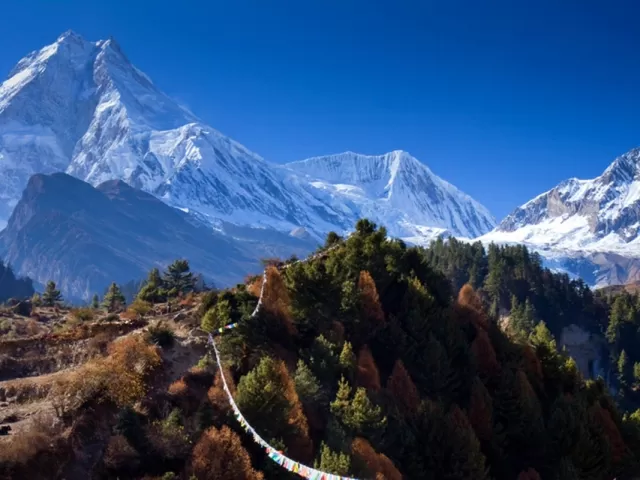
The 11-day Manaslu Larke Pass Trek, also known as the Manaslu Circuit Trek, is one of Nepal’s most scenic, culturally rich, and rewarding Himalayan adventures. The trek takes you through the Manaslu Conservation Area and around Mount Manaslu (8,160 m), the eighth-highest mountain in the world. Starting from Jagat and ending at Dharapani, the route follows the Budhi Gandaki Valley through terraced farmland, lush forests, traditional villages, dramatic gorges, and spectacular Himalayan landscapes. From Dharapani, the Manaslu Larke La Pass is becoming shorter due to the road access, so you can drive to Kathmandu or Pokhara, depending on your preference. This trek is less crowded compared to the Everest and Annapurna treks.As you gain altitude, the scenery shifts from subtropical forests and terraced fields to pine, fir, oak, and rhododendron forests, then to alpine meadows, rocky terrain, glaciers, and high Himalayan valleys. The main highlight is crossing Larke La Pass (5,160 m), where you can enjoy breathtaking views of Manaslu, Himlung Himal, Cheo Himal, Nemjung, Gyaji Kang, Kang Guru, Annapurna II, and Ganesh Himal. The Larke La crossing is challenging and usually requires an early morning start around 4:00 AM to reach the pass before strong winds develop.The Manaslu Conservation Area is rich in biodiversity, with opportunities to see Himalayan thar, musk deer, blue sheep, Himalayan monal, snow pigeon, and golden eagle. Vegetation ranges from sal and bamboo forests at lower elevations to oak, pine, rhododendron, juniper, and alpine grasses higher up. The trek also offers deep cultural experiences among Gurung, Nubri, and Tsum communities, with monasteries, mani walls, chortens, prayer flags, and traditional mountain lifestyles. Along the route, trekkers can explore places like Birendra Lake and enjoy the unforgettable glacial scenery around Larke La Pass. Why is the Manaslu Larke Pass trek so special?Trekking to Manaslu Larke Pass offers unparalleled natural beauty and cultural richness. The trek offers alluring views of Mount Manaslu, the world's eighth-highest peak, and traverses a diverse landscape ranging from lush forests to high alpine terrain. It's less crowded than other popular treks, providing a more serene and authentic experience. The route passes through traditional villages, letting trekkers experience the unique culture and hospitality of local communities. Additionally, the Trek is part of a protected area, offering a chance to see rare wildlife and pristine natural environments.Manaslu Larke Pass Trekking Itinerary: Asianatreks and Tours offers the best Manaslu Larke Pass Trek Itinerary. Embark on a journey through Nepal's diverse landscape on the Manaslu Trek, also known as the Larke Pass Trek. This trek suits moderately fit hikers, offering breathtaking vistas and cultural Immersion. Witness the transformation from Kathmandu's energy to serene villages, culminating in the Majestic Manaslu Himal. Traverse varied terrain, conquer the high-altitude Larke-La Pass, and experience the contrasting charm of a unique town and the Himalaya.Manaslu Larke Pass Trekking Itinerary:This 11-day Manaslu Larke Pass (Circuit) Trek offers an unforgettable Himalayan journey, spanning lush river valleys and dramatic alpine landscapes near the Tibetan border. Starting with a scenic drive from Kathmandu to Machha Khola, the trek ascends through charming Gurung and Tibetan-influenced villages, rhododendron forests, and glacial valleys. Crossing the challenging Larkya La Pass (5,160 m / 16,929 ft), you’ll be rewarded with magnificent views of Manaslu (8,163 m) and the surrounding peaks before descending to Dharapani and driving back to Kathmandu.Manaslu Larke-Pass trekking Itinerary Table guide: Day and PlaceAltitude Meter and FitElevation Gain and LossDay 1: Kathmandu - Jagat 1340 m/ 4396 ft Day 3: Jagat - Deng 1,860 m / 6,102 ft ↑ 520 m Day 4: Deng - Namrung 2,630 m / 8,629 ft ↑ 770 m Day 5: Namrung - Syala 3,520 m / 11,459 ft ↑ 900 m Day 6: Rest & Acclimatisation (Samagaun) 3,530 m / 11,581 ft Day 7: Samagaun - Samdo 3,875 m / 12,713 ft ↑ 345 m Day 8: Samdo - Larkya Phedi (Dharamsala) 4,460 m / 14,633 ft ↑ 585 m Day 9: Larkya Phedi - Larkya La Pass (5,160 m) → Bhimtang 3,720 m / 12,204 ft ↑ 700 m / ↓ −1,440 m Day 10: Bhimtang - Dharapani 1,920 m / 6,299 ft ↓ −1,800 m Day 11: Dharapani - Kathmandu (Drive) 1,350 m / 4,429 ft Drive ↓ −570 m Manaslu Larke Pass Trekking Distance:The Manaslu Larke Pass Trek is one of Nepal’s most scenic and challenging Himalayan adventures. This 11-day journey combines cultural immersion, dramatic landscapes, and a thrilling high-mountain crossing over Larkya La Pass (5,160 m / 16,929 ft). Starting from Jagat, the trek passes through lush valleys, alpine meadows, glacial moraines, and remote Tibetan-influenced villages before descending to Dharapani and returning to Kathmandu. Perfect for experienced trekkers seeking a blend of culture, nature, and adventure in the Manaslu Conservation Area.Manaslu Larke Pass Trekking Distance Summary Table:Category Details Approx. Figures Trekking Distance Total walking distance during the trek 126 km / 78.29 miles Driving Distance Kathmandu - Jagat - Dharapani - Kathmandu 395 Km/ 245.4 miles Maximum Elevation Larkya La Pass 5,160 m / 16,929 ft Elevation Gain Total ascent during tracking +4,200 m Elevation Loss Total descent during the trek -3,900 m Total Duration Full Itinerary11 DayManaslu Larke Pass Trekking route: The Manaslu Larkya La Pass Trek is an 11-day adventure in Nepal. Hike through charming villages, rice paddies, and lush forests with stunning views of the Manaslu mountains. Climb the high Larkya La Pass for epic panoramas, then descend into the beautiful Manang Valley. Explore the villages of Tibetan culture and hike to a glacier lake. This unforgettable trek ends in Besisahar, where you can catch a bus back to Kathmandu.Manaslu Larke Pass trekking price:The Manaslu Larke Pass Trek, also known as the Manaslu Circuit Trek, is one of Nepal’s most scenic Himalayan trekking adventures. The trek takes you around Mount Manaslu through beautiful mountain villages, forests, rivers, Buddhist monasteries, and high Himalayan landscapes. The highlight of the journey is crossing Larke Pass (5,106 m), followed by a descent through the beautiful Manang region.Our Manaslu Circuit Trek package provides reliable service, transparent pricing, and a well-organised trekking experience. The cost depends on the group size and the services you choose. We offer different options, including full-board trekking with a private jeep, guide, porter, and permits; full-board trekking using shared transportation and local buses; and a basic B&B package with guide and porter services.Package Price Details:Full Board + Private Jeep: Includes trekking guide, porter, required permits, accommodation, breakfast, lunch and dinner during the trek, plus private ground transportation by jeep where applicable. This is a convenient option for travellers seeking a comfortable and more flexible Manaslu Circuit Trek.Full Board + Sharing Jeep/Local Bus: Includes guide, porter, permits, teahouse accommodation, and three meals a day during the trek. Transportation is arranged by sharing a jeep or a local bus, making this a more economical option.B&B + Guide and Porter: This budget-friendly option includes a guide, porter, Permit, accommodation, and breakfast. Trekkers pay for lunch and dinner directly, while transportation is arranged.Manaslu Larkya Pass Trekking price range by Table:Group sizeFull board with private jeepFull board with shared transportation1 single pax149710872 - 6 pax11979837-12 pax107791913 above 879815Manaslu Larke Pass trekking Height:The Manaslu Larke Pass trek is a 14-day journey through Nepal's Himalayas, starting at the bustling Arughat Bazaar, located at an elevation of 500 meters (1,640 feet). As you trek through villages and valleys, the altitude gradually increases, reaching a comfortable 2,000-3,000 meters (6,562-9,842 feet) by day 4 or 5. The real challenge comes at Larkya La Pass, the highest point at a staggering 5,106 meters (16,751 feet), with breathtaking views. As you descend into the beautiful Manang Valley, you'll find villages like Bimtang (3,720 meters/12,200 feet) and Manang (3,540 meters/11,600 feet), which offer Tibetan culture and a chance to acclimatise before potentially reaching even higher glacial sights, such as Ice Lake (4,690 meters/15,384 feet).Major villages of Manaslu Larke Pass Trekking:The Manaslu Larke Pass Trek takes you through a tapestry of charming Nepali villages. Your adventure begins in the bustling Arughat Bazaar, then continues to Soti Khola, Machhakhola, and Jagat, where Gurung culture runs deep. Higher up, nestled amidst apple orchards, lies Philim. Namrung serves as the gateway to the Manang Valley, where villages like Bimtang and Manang, steeped in Tibetan influences, offer a chance to rest and acclimatise. Your journey concludes in Besisahar.Best Viewpoints on the Way to Manaslu Larke Pass:The Manaslu Larke Pass trek offers breathtaking viewpoints with panoramic views of the Himalayas and diverse landscapes. Here are some of the best viewpoints you'll encounter on your journey:Arughat Bazaar: Although not technically part of the trek, it offers a scenic introduction to your adventure. Standing on a ridge, you might get glimpses of Ganesh Himal and Manaslu in the distance, depending on the weather conditions.Jagat: Nestled at 1300 meters (4,265 feet), Jagat provides stunning views of the Ganesh Himal range with snow-capped peaks.Philim: This charming village, situated at 1,570 meters (5,151 feet), is nestled among apple orchards and offers panoramic views of the Manaslu Himal range, including Manaslu itself, Himalchuli, and Ngadi Chuli.Namrung (3,230 meters/10,600 feet): Considered the gateway to the Manang Valley, Namrung boasts spectacular views of the Manaslu and Annapurna ranges. You can spot the iconic Manaslu North face from here.Larkya La Pass (5,106 meters/16,751 feet): This is undoubtedly the crown jewel of the Trek.Conquering the pass rewards you with unparalleled 360-degree panoramas. You'll see the Annapurna range to the west, the Manaslu Himal to the south, and the Chulu West Himal to the north. Glaciers cascading down from the peaks are genuinely awe-inspiring.Flora and Fauna In Manaslu Larke Pass:The Manaslu Larke Pass trek is a biodiversity wonderland! As you trek, the scenery transforms: lush subtropical forests teeming with rhododendrons and monkeys at lower altitudes give way to temperate conifer forests with vibrant spring displays. Higher up, the landscape becomes a canvas of alpine meadows and colourful wildflowers, while animals like Himalayan tahr and elusive musk deer might become your companions. Remember, the Manaslu Conservation Area protects this rich ecosystem, so respect wildlife and leave no trace.Festivals and Culture of Manaslu Larke Pass Trekking:The Manaslu Larke Pass trek offers stunning natural beauty and a rich cultural tapestry. You may encounter various festivals that celebrate the region's unique traditions throughout your journey. These festivals, such as the Tiji Festival in February and March, with its vibrant masked dances and prayers for a good harvest, and the Damphu Festival in August and September, featuring lively drumming and blessings, provide a window into the local way of life. Additionally, the Mani Rimdu Festival, celebrated in November across Manaslu villages, showcases Buddhist masked dances depicting the triumph of good over evil. Beyond these celebrations, the Trek offers the opportunity to experience the warmth and hospitality of the local people. The Gurung people primarily inhabit the lower villages, which are renowned for their distinctive cultural heritage. Tibetan influences become increasingly prominent as you ascend, reflected in the architecture, clothing, and prayer flags that adorn the landscape. Throughout your Trek, you are encouraged to engage with the locals, learn about their customs, and gain a deeper appreciation for the cultural richness of the Manaslu region.People and Hospitality:The Manaslu Larke Pass trek isn't just about mountains; it's about meeting the friendly people who call this region home. As you trek, you'll encounter villages in the lower regions inhabited by the Gurung people, known for their rich cultural heritage. Higher up, Tibetan influences become more evident, with locals practising Buddhism and their villages adorned with colourful prayer flags. Throughout your journey, expect warm hospitality - a smile and a helping hand are never far away, making the Manaslu Larke Pass trek a cultural experience as much as an adventure.Advantages of booking with Asiana Treks and Tours:Private transportation for airport transfers to and from your hotel.Feel free to connect with us on Facebook or online for a trip briefing.Last-minute booking is available after you arrive.Easy booking and reservation system.24/7 phone communication at +977-9851076270. WhatsApp, and SkypeFree excess luggage storage during the TrekOximeters measure blood oxygen saturation at high altitudes, enabling early detection of altitude sickness.Medical kits along the Trek and hot airbags are available in winterArrange sleeping bags, duffel bags, down jackets, and walking poles if needed.3 pieces of 20 cm felt and a handmade rug hat, pot coaster.Currency Exchange:The Nepalese rupee is the Nepali currency, and 1 USD is approximately 130 Nepalese rupees. Nepal accepts only NPR, so it's best to bring cash to make transactions easier. Banks and ATMs in Kathmandu offer currency exchange services; however, most banks prefer new, crisp notes.Our Team:The Asiana Treks and Tours team is professional, reliable, and responsible. They are well-trained, friendly, radiant, and fluent in English. You can feel comfortable sharing anything with them. They are experts in local culture, history, vegetation, cuisine, accommodations, weather conditions, and first aid medications. They are also environmentally conscious and respect animal rights.However, please refrain from provoking them for personal gain during the Trip. While you can enjoy your holiday with them, we kindly request that you refrain from attempting to alter their customs, beliefs, religion, culture, or traditions.We and our staff are committed to making your adventure trip an unforgettable memory of a lifetime in Nepal.Guide and Porter Arrangement:Asiana Treks and Tours focuses on responsible tourism in Nepal. We make sure our guides and porters are well-trained in Trekking and mountaineering. They are well-versed in the areas we visit, including geography, history, customs, and culture. We train them regularly in safety, first aid, and environmental conservation. We follow guidelines to treat our porters fairly, providing them with good pay, accommodation, and meals during treks. Our guides and porters are essential team members, and we appreciate their hard work. When you trek with us, you support ethical tourism in Nepal, making your Trip meaningful and memorable.Asiana Treks and Tours prioritises your safety and enjoyment. Our knowledgeable guides, reliable equipment, and safety measures ensure a great trekking experience in Nepal.Porter, Luggage, and Extra Luggage Storage:We cover the cost of porters for your Luggage, but the maximum weight limit is 12 kg per person. Each porter carries Luggage for two trekkers; please share a duffel bag with another. Our porters will carry up to 25 kg each. If you need a porter, we can arrange one. We also recommend carrying a small backpack for your valuables and important documents. You can leave extra Luggage at our office for free, and at hotels in Pokhara, Namche, etc.Accommodation on the Manaslu Larke Pass Trek:The Manaslu Larke Pass trek offers teahouse accommodation throughout the journey. These guesthouses are comfortable yet straightforward lodges, featuring rooms, dining areas, and shared bathrooms. They're a great way to experience local culture and offer a clean, affordable place to rest each night. We'll provide blankets, pillows, and sleeping bags, which are available. You'll spend your nights in these teahouses along the trek and enjoy hotel stays in [destination city] before and after your adventure.Meals during the Trip:The Manaslu Larkya Pass trek provides hearty meals to fuel your adventure. Tea houses along the route offer a delicious mix of local Nepali dishes, including dal bhat (a combination of lentils and rice), curries, dumplings, and noodles. Western options are also available, though choices become more basic at higher altitudes. Stay hydrated with fluids like green tea, lemon tea, and hot soups, especially as you gain elevation. While you can find some non-vegetarian options, it's best to stick to cooked vegetables and consider avoiding dairy, alcohol, and caffeine to support optimal digestion during the Trek.Drinking water:Staying hydrated on the Manaslu Larke Pass trek is essential, but bottled water can be scarce and expensive. Instead, plan to refill your water bottle at teahouses along the way, where treated or boiled water is usually available. To ensure safe drinking water, even in remote areas, consider bringing a water filter or purification tablets. Remember, you'll lose electrolytes through sweat, so adding tablets or powder to your water can help keep you energised and prevent dehydration.Extra Personal Expenses:Your Trip covers most expenses during the Trek; however, you will need to pay for additional accommodations and meals in Kathmandu, souvenirs, and beverages. We estimate miscellaneous expenses at USD 15-25 per trekking day. However, personal expenses depend on your Income, habits, and style.Toilet Facilities in Manaslu Larke Pass Trekking:Most teahouses have Western-style flush toilets during mountain treks, especially at lower elevations. However, as you ascend, you'll find simple squat toilets along the trails and at teahouses at higher altitudes. These toilets usually have water and toilet paper, but it's a good idea to bring your own just in case. You can also use restrooms at nearby teahouses or find a private spot along the trekking routes.Internet Connectivity:While trekking in Nepal's Himalayan region, it's also a good idea to stay connected with your family and friends. You can find internet access at teahouses and lodges, but it may cost extra. The signal may be weak due to the remote location. You can also get internet access using a local SIM card and data packages available at Kathmandu airport or nearby shops in Thamel and Pokhara. To get a SIM card, you'll need a passport-sized photo and a copy of your passport. It's a good idea to compare prices and data packages from telecom companies like Ncell and Nepal Telecom before buying. Knowing about the connectivity. Our guide will suggest connections for you.Electricity voltage and plugs:However, as of May 29, 2023, 95% of Nepali people have access to electricity. Almost all popular trekking routes, teahouses, and lodges have electricity. However, some isolated, solo trekking teahouses in the jungle do not have electricity; most teahouses let travellers charge their devices for a small fee. The average electrical voltage in Nepal is 230 volts, with common plug types including Type C, Type D, and Type M. Travellers should bring a suitable adapter and, if necessary, a voltage converter for their electronic devices.Communication:The guesthouses in the trekking regions offer internet access. You can purchase a SIM card at Tribhuvan International Airport in Kathmandu and Namche. However, the signal may be weaker at high altitudes. Our office maintains regular contact with all trekking teams through the trek guide, checking in at least once daily to ensure everything proceeds as planned.Trip Extension:Suppose you have extra days in Nepal after Trek Trek Trek. In that case, we can arrange a tour, including an overnight stay at Nagarkot Balthali or any other location around Kathmandu and Chitwan, as well as activities such as jungle safari, paragliding, rafting, canyoning, or other treks. Do not hesitate to inform us. We will create the best for you.Trek Difficulty:The Manaslu Larke Pass trek is an epic journey that demands physical and mental fortitude. While not a technical climb, it is a strenuous 14-day adventure covering over 177 kilometres. Daily hikes last 5 to 7 hours and require sustained effort and endurance. The real challenge is the altitude. At Larkya La Pass, reaching a staggering 5,106 meters (16,751 feet), proper acclimatisation is crucial to avoid altitude sickness. The terrain presents a diverse array of landscapes, ranging from verdant valleys and forests to challenging climbs and potentially icy trails at higher elevations. Be prepared for uneven ground and slippery sections.This Trek is best suited for experienced trekkers in good physical condition who are comfortable with high altitudes and long days on the trail. With proper training, a focus on acclimatisation, and a positive mindset, the Manaslu Larke Pass trek promises an unforgettable and rewarding experience.Trip Safety:We highly give top priority. We provide experienced guides with first aid kits and necessary safety gear to ensure a safe hand. Our team monitors weather and trail conditions and takes precautions to minimise risks. Before starting the Trek, we discuss the Trip to provide a clear understanding and ensure a reliable experience.Group & Private Treks:We organise many group and private treks simultaneously, with discounts available for larger groups. Every group will have a trekking guide and porters. Regarding larger groups, we provide an assistant guide. Our team ensures a safe and enjoyable trekking experience for all participants.About a solo traveller:If you're a solo traveller, please get in touch with us to confirm departure dates before booking. You can tell us via call, WhatsApp, or email. We have listed upcoming departure dates for your convenience. Feel free to share the trip details with friends and family.Notes: Please be aware that the itinerary is subject to change due to weather or other unforeseen factors, and we will adjust it accordingly to ensure the group's safety and enjoyment. We look forward to guiding you through the stunning landscapes of the Annapurna region and providing a memorable trekking experience.Responsible Travel:We prioritise responsible travel to minimise environmental impact and support local communities. We collaborate with organisations like the Kathmandu Environmental Education Project (KEEP) to promote eco-friendly practices in trekking regions.Gratitude:Gratuity or tipping is highly appreciated in Nepali culture and reflects the quality of service provided. You decide how much to tip, but we recommend tipping as a group at the end of the Trip.End of Trek:The Manaslu Larkya Pass trek is a 14-day adventure that will test your limits and leave you breathless. You'll trek through diverse landscapes, conquer the challenging Larkya La Pass at a staggering 5,106 meters, and immerse yourself in the rich culture of the Manaslu region. After your triumphant return to Pokhara, you can choose between a scenic bus ride or a quicker flight back to Kathmandu, where a celebratory farewell dinner awaits.Departure:On your departure day, we'll pick you up from your hotel and transfer you to Tribhuvan International Airport. We hope you enjoyed the Nepal trek and will consider returning for more adventures in Nepal.Feedback:After you complete the Manaslu Larke Pass Trek, we'll organise a farewell dinner in Kathmandu and present you with a trekking achievement certificate. After the dinner, you can provide feedback about the Trek Trekon travel portals.Last-Minute Booking:If you can't book in advance, we offer last-minute bookings. Last-minute booking offers are available, but they may cost slightly more than regular departure dates. Those opting for last-minute bookings must pay an additional 7% of the total trip cost on our website. While we strive to accommodate last-minute requests, we do our best to meet your last-minute holiday booking needs.Special Note: Unforeseen circumstances, such as inclement weather or lodging unavailability, may occasionally require schedule changes. Your trip guide will design a fresh schedule based on the group's interests in such circumstances.
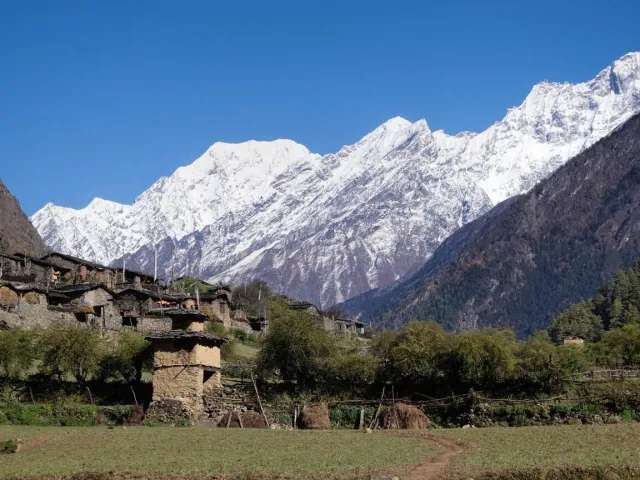
Tsum Valley trekking is a unique and adventurous journey in northern Nepal. Tsum Valley, also known as "Hidden Valley," is situated in the lap of the majestic Himalayas near the border of Tibet. The valley is surrounded by beautiful mountain ranges, which include the Ganesh Himal, Sringi Himal, and Boudha Himal. Tsum Valley trekking offers a chance to explore the region's rich culture, stunning scenery, and diverse flora.Tsum Valley Trekking is a beautiful journey that takes you through Nepal's remote, hidden valleys of the Himalayas. Located in the Manaslu region, Tsum Valley is one of Nepal's lesser-known trekking destinations. It is the perfect option for travelers seeking a unique and off-the-beaten-path experience.The first-day journey starts with a drive from Kathmandu to Machhakhola, Where you will start your hike. The trail takes you through beautiful landscapes, including lush green forests, cascading waterfalls, and terraced fields of rice and maize. As you trek higher, you'll be greeted with stunning views of the snow-capped Himalayas, including Manaslu, Ganesh Himal, and Sringi Himal.One of the unique aspects of Tsum Valley Trekking is the opportunity to experience the culture and lifestyle of the local people. The Tsumba people live in Tsum Valley and have their own language. Distinct culture and traditions. They are known for their hospitality and warm welcomes, and you'll have the chance to interact with them during your trek. The area is filled with old monasteries and Chortens, including the Milarepa's cave, a famous pilgrimage site for Buddhists.The trek passes by many small villages and settlements, providing a glimpse into the daily lives of the local people. The accommodation options in Tsum Valley are mostly tea houses, which provide basic amenities and a warm bed to rest after a long day of trekking. The food in the tea houses is also a highlight, with local Nepali cuisine and traditional Tibetan dishes on the menu.Tsum Valley Trekking is a moderately strenuous trek, and it's essential to have a reasonable level of fitness and endurance. The walk reaches a maximum altitude of 4,020 meters at Mu Gompa, and it's important to acclimatize properly to prevent altitude sickness.In conclusion, Tsum Valley Trekking is a unique and rewarding experience for travelers looking to explore the beauty and culture of Nepal's remote Himalayan region. The amazing landscapes, rich culture, and warm hospitality of the locals make Tsum Valley Trekking an unforgettable journey.Tsum Valley Trek Itinerary:Start a 11 day trip to make a tour around the Tsum Valley. Start with sightseeing in Kathmandu Valley and proceed to trek to villages, Hot springs, and Lokpa . Explore the upper part of Tsum Valley which has ancient Monasteries and offers a spectacular view of the Himalayas. Lastly, return to the beginning point and descend to Kathmandu with the beautiful memories of this cultural and beautiful trek.Tsum Valley Trekking Distance: The Lower Manaslu trek is ideal for beginners, as it covers a moderate distance of 70 to 100 kilometers (43 to 62 miles), depending on the route chosen. Each day's hike is manageable, allowing trekkers to fully enjoy the breathtaking scenery and rich culture of the Manaslu region. Tsum Valley Trekking Route: Tsum Valley Trek is a moderate 11-day trek that takes clients to the culturally isolated Tsum Valley in the Manaslu region. Moving throughout the country by jeep, you will reach the town of Soti Khola which is situated on the banks of Budhi Gandaki River. Starting with the valley and river view tracks and then crossing the river, the trek takes one to Jagat with a halt at hot baths at Tatopani for muscle aches. For the next few days walk through villages and paddy fields, Lokpa is the starting point to Tsum Valley. Here step by step commences your exploration of the Upper Tsum Valley. Travelers can also visit the monasteries of Rachen Gompa, Mu Gompa, and Dephyudonma Gompa besides getting to see the startling views of Ganesh Himal, Boudha Himal, and Himal Chuli. Last but not least, you will retrace and walk back to Macha Khola and feel the Infrastructure and geometry of the landscape reversed and back to the jeep to Kathmandu.Lower Manaslu trekking Height:The Lower Manaslu trek keeps you in a comfortable altitude range, perfect for acclimatization and enjoying the Himalayas without battling extreme heights. Unlike the full Manaslu Circuit which rockets past 5,000 meters, the Lower Manaslu explores the foothills, with most of the journey between 1,500 and 3,500 meters (4,900 and 11,500 feet) above sea level. You'll start at a lower elevation village like Arughat (around 700 meters) and gradually climb, stopping at charming villages like Sirandanda (around 2,000 meters) and Barpak (around 2,300 meters) where you can soak in the mountain views. The highest point you'll likely reach is Dharche Danda, at a challenging but rewarding 3,500 meters, offering breathtaking panoramas of the Manaslu region before descending back to lower elevations for your departure.Major villages of Manaslu Lower Trekking: The Lower Manaslu trek weaves through a string of charming villages, each showcasing the unique culture of the Manaslu region. Starting at a lower elevation village like Arughat, you'll gradually climb, encountering villages with beautiful names like Sirandanda, Barpak, Laprak, and Nambai Kharka. Each village offers a distinct experience, from traditional wooden houses in Laprak to the tranquil meadows surrounding Nambai Kharka. The trek often reaches its highest point at Dharche Danda before descending through villages like Tallo Thotneri, bringing you back to lower elevations.Best Viewpoints on the Way to Lower Manasalutrekking: The Lower Manaslu trek is a feast for the eyes, with viewpoints offering stunning panoramas throughout the journey. Here are a few gems you won't want to miss:Dharche Danda: The undisputed king of viewpoints, Dharche Danda stands tall at around 3,500 meters. This challenging climb is rewarded with a breathtaking vista encompassing Manaslu, other Himalayan giants, and the sprawling valleys below.Barpak Village: Perched at 2,300 meters, Barpak Village offers a unique blend. Gaze upon the majestic Himalayas while immersing yourself in the vibrant Gurung culture, making for a truly memorable experience.Sirandanda Village: Nestled amidst terraced fields at approximately 2,000 meters, Sirandanda provides a different perspective. Rolling hills unfold before you, with a peek at the higher Manaslu peaks adding a touch of grandeur.Laprak Village: Keep an eye out for Laprak Village, known for its traditional wooden houses. Chances are you'll find a scenic spot here to admire the surrounding landscape.Nambai Kharka: This tranquil haven of meadows offers a unique viewpoint. Soak in the serenity of the surroundings and enjoy the fresh mountain air.Remember, these are just some highlights. The entire Lower Manaslu trek is dotted with potential viewpoints, so be sure to keep your camera ready for those unexpected breathtaking moments!Flora and Fauna In Lower Manasalu:The Lower Manaslu trek isn't just about stunning scenery; it's also a chance to encounter the diverse flora and fauna of the region. As you trek through lower altitudes, expect lush forests teeming with a variety of rhododendron and oak trees, while colorful wildflowers add a splash of vibrancy. Keep an eye out for medicinal herbs used in traditional remedies, a testament to the region's rich botanical heritage. The skies might be graced by soaring birds like Himalayan Monals and lammergeyers, while the chance to spot elusive mammals like Himalayan tahr or even a red panda adds a touch of excitement to your adventure!Festivals and Culture of Lower Manasalu Trekking:The Lower Manaslu trek immerses you in the vibrant culture of the Manaslu region. Gurung villages along the route celebrate throughout the year. You might experience Dashain, Nepal's grand festival with music, dance, and offerings (animal welfare practices are evolving). Loshar, the Tibetan New Year, is another possibility, with colorful ceremonies and traditional clothing. Even without festivals, the Gurung people's warmth is contagious. Expect friendly welcomes and a chance to experience their daily life and traditional music in the evenings.People and Hospitality: This area is home to the Gurung people, known for their bravery and skill as soldiers, and the Nuwakote people, known for their rich cultural traditions. Trek through lower Manaslu and you'll likely encounter these warm and welcoming communities, experiencing their hospitality through cups of yak butter tea, invitations to share meals, and a chance to witness their unique way of life.Advantage book with Asiana Treks and Tours: Private transport for airport transfers to/from your hotel.Trip briefing on Facebook and online if you love to connect.Last minute booking at your hotel at a suitable time after your arrival.Easy booking and reservation system.Multi-channel communication via Email, WhatsApp, Facebook, Viber, Skyp 24/7 phone communication at +977-9851076270Free excess luggage storage during the TrekOximeters are provided to examine blood oxygen saturation at high altitudes to detect altitude sickness earlyMedical kits along the Trek and hot airbags are available in winterArrange sleeping bags, duffel bags, down jackets, and walking pools if you don't have your own.Currency Exchange:The Nepalese rupee is Nepali currency, and 1 USD is approximately 130 NPR. Only NPR is accepted in Nepal, so it's best to bring cash to facilitate transactions. Banks and ATMs in Kathmandu provide currency exchange services but note that most banks prefer new, crisp notes.Our Team:The Asiana Treks and Tours team is professional, reliable, and responsible. They are well-trained, friendly, radiant, and fluent in English. You can feel comfortable sharing anything with them. They are experts in local culture, history, vegetation, food, accommodation, weather conditions, and first aid medication. They are also environmentally conscious and respect the rights of animals.However, please do not provoke them for personal gain during the trip. While you can enjoy your holiday with them, we kindly request that you do not try to change their customs, beliefs, religion, culture, or traditions.We and our staff are committed to making your adventure trip unforgettable memories of a lifetime journey in Nepal. Guide and Porter Arrangement:Our company, Asiana Treks and Tours, focuses on responsible tourism in Nepal. We make sure our guides and porters are well-trained in Trekking and mountaineering. They know a lot about the areas we go to, including geography, history, customs, and culture. We train them regularly in safety, first aid, and environmental conservation. We follow guidelines to treat our porters fairly, providing them with good pay, accommodation, and meals during treks. Our guides and porters are essential team members, and we appreciate their hard work. When you trek with us, you support ethical tourism in Nepal, making your trip meaningful and memorable.Asiana Treks and Tours prioritizes your safety and enjoyment. Our knowledgeable guides, reliable equipment, and safety measures ensure a great trekking experience in Nepal.Porter, Luggage, and Extra Luggage Storage: We cover the cost of porters for your Luggage, but the maximum weight limit is 12 kg per person. Each porter carries Luggage for two trekkers; please share a duffle bag with another. Our porters will carry up to 25 kg each. If you need a porter for yourself, we can arrange that. We also recommend carrying a small backpack for your valuables and important documents. You can leave extra Luggage at our office for free and at a hotel in Pokhara, Namche, etc.Accommodation:Lower Manaslu offers a unique lodging experience steeped in local tradition. Accommodation primarily consists of guesthouses and teahouses operated by resident families. These establishments provide a more basic yet comfortable environment compared to typical hotels. Shared rooms and dormitories are the norm, though some guesthouses may offer a limited number of private rooms. Meals, often featuring delicious home-cooked fare, are frequently included with your stay. The guesthouses and teahouses are strategically situated along the trekking routes, allowing you to rest comfortably and appreciate the breathtaking Himalayan vistas.Meals during the trip:The Manaslu Larke Pass trek provides hearty meals to fuel your adventure. Tea houses along the route offer a delicious mix of local Nepali dishes like dal bhat (lentils and rice), curries, dumplings, and noodles. Western options are also available, though choices become more basic at higher altitudes. Stay hydrated with plenty of fluids like green tea, lemon tea, and hot soups, especially as you gain elevation. While you can find some non-vegetarian options, it's best to stick with cooked vegetables and consider avoiding dairy, alcohol, and caffeine for optimal digestion during the trek.Drinking water:Staying hydrated on the Manaslu Larke Pass trek is important, but bottled water can be scarce and expensive. Instead, plan to refill your water bottle at teahouses along the way, where treated or boiled water is usually available. To ensure safe drinking water even in remote areas, consider bringing a water filter or purification tablets. Remember, you'll lose electrolytes through sweat, so adding tablets or powder to your water can help keep you energized and prevent dehydration.Extra Personal Expenses:Your Trip covers most expenses during the Trek; you'll need to spend money on extra accommodations and meals in Kathmandu, souvenirs, and beverages. We estimate about USD 15-25 per trekking day for miscellaneous expenses. However, personal expenses depend on your Income, habits, and style.Toilet Facilities in Manasalu Larke Pass Trekking:Most teahouses have Western-style flush toilets during mountain treks, especially at lower elevations. But as you go higher, find simple squat toilets along the trails and teahouses at higher altitudes. These toilets usually have water or toilet paper, but it's a good idea to bring your toilet paper just in case. You can also use restrooms at nearby teahouses or find a private spot along the trekking routes.Internet Connectivity:While trekking in the Himalayan region of Nepal, connecting with your family and friends is also a good idea. You can find internet access at teahouses and lodges, but it might be extra minimal cost. The signal might be weak because of the remote location. You can also get internet access using a local SIM card and data packages available at Kathmandu airport or nearby shops in Thamel and Pokhara. You'll have a passport-sized photo and a copy of your passport to get a SIM card. It's a good idea to compare prices and data packages from telecom companies like Ncell and Nepal Telecom before buying. Knowing about teahouse connectivity. Our guide will suggest connections for you. Electricity voltage and plugs:However, 95 % of Nepali people have access to electricity as of May 29, 2023. almost popular trekking routes, teahouses, and lodges have electricity. However, some isolated and solo trekking tea houses in the jungle don't have electricity; most tea houses let travelers charge for their devices for a small fee. The average electrical voltage in Nepal is 230 volts, with plug types like Type C, Type D, and Type M. Travellers should bring a suitable adapter and, if needed, a voltage converter for their electronic devices.Communication:The guest houses in the trekking regions have internet access. You could buy a SIM card at Tribhuvan International Airport Kathmandu and Namche. However, the signal may need to be more assertive at high altitudes. Our office keeps in touch with all trekking teams via the trek guide at least once daily to ensure everything goes as planned.Trip Extension:Suppose you have extra days in Nepal after the Trek. In that case, we can arrange a tour, overnight stay at Nagarkot Balthali or any other place around Kathmandu and Chitwan, jungle safari, paragliding, rafting, canyoning, or other treks. Do not hesitate to Inform us. We will create the best for you.Trek Difficulty:The Manaslu Larke Pass trek is an epic journey that demands both physical and mental fortitude. While not a technical climb, it's a strenuous adventure spanning 14 days and covering over 177 kilometers. Daily hikes range from 5 to 7 hours, requiring sustained effort and endurance. The true challenge lies in the altitude. Reaching a staggering 5,106 meters (16,751 feet) at Larkya La Pass, proper acclimatization is crucial to avoid altitude sickness. The terrain throws diverse landscapes your way, from verdant valleys and forests to challenging climbs and potentially icy trails at higher elevations. Be prepared for uneven ground and slippery sections.This trek is best suited for experienced trekkers in good physical condition, comfortable with high altitudes and long days on the trail. With proper training, a focus on acclimatization, and a positive mindset, the Manaslu Larke Pass trek promises an unforgettable and rewarding experience.Trip Safety:We highly give top priority. We provide experienced guides with first aid kits and necessary safety gear to ensure a safe hand. Our team monitors weather and trail conditions and takes precautions to avoid risks. Before starting the Trek, we discuss the trip to provide a clear understanding and ensure a reliable experience.Group & Private Treks:We organize many group and private treks simultaneously, with discounts available for larger groups. Every group will have a trekking guide and porters. Regarding larger groups, we provide an assistant guide. Our team ensures a safe and enjoyable trekking experience for all participants.About solo traveler:If you're a solo traveler, please get in touch with us to confirm departure dates before booking. You can tell us via call, WhatsApp, or email. We have listed upcoming departure dates for your convenience. Feel free to share the trip details with friends and family.Notes: Please be aware that the itinerary may change due to weather or other factors, and we'll adjust it accordingly for the group's safety and enjoyment. We look forward to guiding you through the stunning landscapes of the Annapurna region and ensuring a memorable trekking experience.Responsible Travel:We prioritize responsible travel to minimize environmental impact and support local communities. We collaborate with organizations like the Kathmandu Environmental Education Project (KEEP) to promote eco-friendly practices in trekking regions.Gratitude:Graduate or tipping is appreciated in Nepali culture and reflects the quality of service provided. You decide how much to tip, but we recommend tipping as a group at the end of the trip.End of Trek:The Manaslu Larke Pass trek is a 14-day adventure that will test your limits and leave you breathless. You'll trek through diverse landscapes, conquer the challenging Larkya La Pass at a staggering 5,106 meters, and immerse yourself in the rich culture of the Manaslu region. After your triumphant return to Pokhara, you can choose between a scenic bus ride or a quicker flight back to Kathmandu, where a celebratory farewell dinner awaits.Departure:On the day of your departure flight, we'll come to pick you up from your hotel and transfer you to Tribhuvan International Airport. We hope you enjoyed the Nepal trek and will consider returning for more adventures in Nepal.Feedback:After you complete the Manaslu Larke Pass Trek, we'll organize a farewell dinner in Kathmandu and present you with a trekking achievement certificate. After the dinner, you can provide feedback about the Trek on travel portals.Last-Minute Booking:If you can't book in advance, we offer last-minute bookings. Last-minute booking offers are available but may cost slightly more than regular departure dates. Those opting for last-minute bookings must pay an additional 7% of the total trip cost on our website. While we strive to make last-minute requests, we try our best to accommodate according to your last-minute booking holiday.Special Note: Please remember that sometimes unforeseen circumstances, such as inclement weather or unavailable lodging, may cause the schedule to be changed. Your trip guide will design a fresh schedule based on the group's interests in such circumstances.
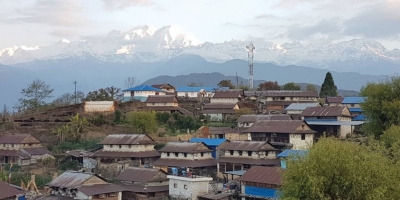
The Gurung Heritage Trek is a culturally immersive journey through some of the most picturesque and traditional villages in the mid-hills of Nepal. Designed to showcase the unique lifestyle, history, and natural beauty of the Gurung community — famed for their bravery during World War II as Gurkha soldiers — this trek combines cultural exploration with scenic hiking. Nestled between the Marsyangdi and Madi rivers, the trail offers awe-inspiring views of the Himalayas including Mt. Manaslu (8,156m), Annapurna range, and Mt. Lamjung. You'll pass through key heritage villages like Ghale Gaun, Bhujung, Passgaun, and Thumsikot — all known for warm hospitality, traditional Gurung homes, and authentic village life. The trek is a blend of natural wonders, traditional homestays, mountain vistas, and deep-rooted Buddhist culture.Gurung Heritage Trekking Package – Asiana Treks and Tours The Gurung Heritage Trekking Package offered by Asiana Treks and Tours is a culturally immersive, nature-rich journey that explores the heart of the Gurung community—an ethnic group famed for their valor in World War II and their unique traditions. Unlike high-altitude treks, this package focuses on cultural encounters, village homestays, and unspoiled mountain views, making it ideal for trekkers seeking authenticity over adrenaline. This 11-day itinerary allows travelers to walk through some of the most beautiful Gurung settlements such as Ghale Gaun, Bhujung, Passgaun, and Thumsikot, staying in traditional homes and enjoying local hospitality. Each village has preserved its cultural roots and offers warm welcomes through traditional dances, music, and home-cooked meals. Throughout the journey, guests will be exposed to the 95 unique styles of Gurung homes, Buddhist stupas and monasteries, and scenic trails nestled between the Marsyangdi and Madi rivers. The package is crafted to blend heritage, nature, and comfort, including transportation, English-speaking guides, cultural shows, permits, and three meals daily during the trek. Guests will also experience Kathmandu and Pokhara, the two most iconic cities in Nepal, completing the perfect mix of culture, city, and countryside. ✅ Package Highlights: Cultural immersion in Gurung villages Daily traditional meals and homestay experiences Stunning views of Annapurna and Manaslu ranges Professional guide and porters Visit to Pokhara and Kathmandu All permits, transfers, and accommodations included 🗓️ Gurung Heritage Trekking Itinerary – Short Point List This concise day-by-day breakdown gives a quick overview of the 11-day Gurung Heritage Trek itinerary managed by Asiana Treks and Tours: 🧭 Short Itinerary Summary: Day 1: Arrival in Kathmandu (1337m) Day 2: Drive to Besishahar (807m) Day 3: Trek to Ghale Gaun (2100m) Day 4: Trek to Bhujung (1950m) Day 5: Trek to Passgaun (1635m) Day 6: Trek to Yarma Village (1500m) Day 7: Trek to Thumsikot (1230m) Day 8: Drive to Pokhara (827m) Day 9: Pokhara sightseeing and rest day Day 10: Return to Kathmandu Day 11: Final departure from Nepal Each day blends trekking and cultural immersion, with stops in local homes and exposure to the Gurung way of life. Distances are moderate, and the trail is designed for travelers who prefer authentic village experiences over high-altitude challenges. 📏 Gurung Heritage Trekking Distance The total trekking distance covered during the Gurung Heritage Trek is approximately 65–75 kilometers (40–47 miles) over the course of 6 trekking days. The terrain is moderate, with gradual ascents and descents through terraced farmland, forests, and hillside villages. Unlike strenuous high-altitude treks in the Everest or Annapurna base camp regions, this cultural trek focuses on gentle walking paths and cultural connectivity. Distances between villages typically range from 10 to 15 kilometers per day, which allows ample time for cultural interactions, scenic breaks, and guided storytelling by your trek leader. The trail connects a network of Gurung settlements that are often inaccessible by road, offering a unique glimpse into Nepal's living heritage. Most elevations stay below 2200 meters, minimizing risks of altitude sickness and making it ideal for families, beginners, and older trekkers. 📌 Distance Overview (approximate): Besishahar to Ghale Gaun: 12–14 km Ghale Gaun to Bhujung: 10 km Bhujung to Passgaun: 13 km Passgaun to Yarma: 10–12 km Yarma to Thumsikot: 12 km Total Walking: 65–75 km over 6 trekking days 💰 Gurung Heritage Trekking Cost – 2026/2027 Asiana Treks and Tours provides flexible pricing for the Gurung Heritage Trekking depending on group size, time of year, and customization options. The cost for the 2026/2027 season is competitively priced for an all-inclusive cultural trekking experience with no hidden fees. 💼 Standard Package Inclusions: Airport pick-up/drop-off Private transport to/from trailheads Three meals a day during the trek Accommodation in homestays and hotels Cultural programs in Gurung villages English-speaking trekking guide Annapurna Conservation Area Permit (ACAP) & TIMS card All taxes and service charges 💵 Pricing Options:Package Type Price (Per Person)Standard Group (2–5 pax) USD $950Small Private Trek (1 pax) USD $1,150Deluxe (with upgraded hotels) USD $1,300Group Discount (6+ pax) 10–15% off📝 Exclusions: International airfare Travel insurance Personal expenses (souvenirs, tips) Extra drinks/snacks Optional activities in Pokhara Whether you're traveling solo, as a couple, or in a group, Asiana Treks and Tours offers personalized service and cultural depth that elevate your trekking experience into a truly unforgettable adventure. Gurung Heritage Trekking Price Breakdown By Asiana Treks and Tours The Gurung Heritage Trekking package offers exceptional value for an all-inclusive cultural trekking experience. Designed for travelers looking to immerse themselves in traditional Gurung life, the pricing structure is transparent, affordable, and flexible based on group size and preference for standard or deluxe services. Asiana Treks and Tours ensures there are no hidden costs, providing a detailed price breakdown so that you know exactly where your money is going. The standard package includes airport transfers, hotel accommodations in Kathmandu and Pokhara, all meals during the trek, certified guides, cultural programs, trekking permits, and homestay accommodations in traditional Gurung villages. For those seeking added comfort, deluxe packages with upgraded lodging and private transportation are available at a slightly higher rate. Solo trekkers and couples can request private trips, and larger groups receive generous discounts. ✅ Price Breakdown (2026/2027):Package Type Cost (Per Person)Standard Group (2–5 people) USD $950Private Trek (1 person) USD $1,150Deluxe Package (2–5 people) USD $1,300Group Discount (6+ pax) 10–15% off📦 Inclusions: Airport transfers Transportation (Kathmandu–Besishahar–Pokhara–Kathmandu) Licensed English-speaking guide Meals and accommodation during the trek Annapurna Conservation Area Permit (ACAP) TIMS card Cultural programs in villages ❌ Exclusions: International airfare Travel insurance Personal expenses, tips Drinks & snacks Optional activities in Pokhara 🏔️ Gurung Heritage Trekking Altitude Guide The Gurung Heritage Trek is considered a low to moderate altitude trek, making it an ideal adventure for those who want to experience Himalayan culture without the risks associated with high altitudes. The highest point reached on this trek is Ghale Gaun at 2100 meters (6888 ft), which eliminates the need for acclimatization days and greatly reduces the chance of altitude sickness. The trek begins at Besishahar (807m) and descends gradually through a series of scenic Gurung villages before ending near Pokhara at 827 meters. Unlike other Himalayan treks that can rise above 4,000 or even 5,000 meters, the Gurung Heritage Trail remains between 800 to 2100 meters throughout the journey. This makes it accessible for beginners, families, older travelers, and those with moderate fitness. 📍 Key Altitude Points: Kathmandu – 1,337 m (4,385 ft) Besishahar – 807 m (2,648 ft) Ghale Gaun – 2,100 m (6,888 ft) Bhujung – 1,950 m (6,396 ft) Passgaun – 1,635 m (5,362 ft) Yarma – 1,500 m (4,920 ft) Thumsikot – 1,230 m (4,034 ft) Pokhara – 827 m (2,713 ft) Because of the manageable elevation, trekkers can enjoy the cultural richness and scenic landscapes without physical stress, which is a rare advantage in Himalayan trekking. 🌟 Why Choose Gurung Heritage Trekking? The Gurung Heritage Trek, curated by Asiana Treks and Tours, is more than a hiking experience—it's a journey into the heart of Nepal’s ethnic and cultural soul. What sets this trek apart is the deep immersion in Gurung culture, an indigenous community known for its warm hospitality and honorable history as brave Gurkha soldiers in World War II. If you're looking to move beyond typical mountain views and engage with real local life, this trek is your perfect match. This trail is a celebration of cultural storytelling, hospitality, and community-based tourism. Trekkers stay in homestays, dine on traditional Gurung meals, wear local attire, and participate in dance and music performances. The villages of Ghale Gaun, Bhujung, Passgaun, and Yarma are not just beautiful—they’re living museums that preserve authentic Himalayan traditions. Unlike the crowded Everest or Annapurna base camp routes, this trail is less commercialized and more personal. 💡 Reasons to Choose This Trek: Deep cultural immersion with homestays Ideal for beginners or low-altitude trekkers Uncrowded and peaceful trekking route Direct support to local communities Rich biodiversity and mountain views Ethical and sustainable tourism with Asiana Treks and Tours 🧳 Preparing for the Gurung Heritage Trekking Preparation for the Gurung Heritage Trekking is essential to ensure a smooth and enjoyable journey. The trek is considered moderate, so while you don’t need to be an elite athlete, good general fitness and mental readiness are important. Preparing physically with regular walking, light hiking, or cardio workouts at least a month before the trek is highly recommended. If you're prone to joint issues, consider bringing trekking poles for support. In terms of gear, pack layered clothing as the temperature varies between villages. Evenings can be chilly, so a warm jacket is necessary. A pair of good trekking shoes, a small backpack, and basic toiletries are must-haves. While electricity is available in many villages, power cuts can occur, so bring a headlamp and power bank. Asiana Treks and Tours provides a detailed packing list and pre-departure briefing to help you feel fully prepared. 📋 Essential Tips for Preparation: Start light training 3–4 weeks in advance Break in your trekking shoes before the trek Carry reusable water bottles and purification tablets Dress modestly for village visits Bring personal medications and basic first aid Being mentally prepared to live in rural conditions—basic bathrooms, shared meals, limited internet—will help you better enjoy the authentic homestay experience and connect with the Gurung people on a deeper level. 🏞️ What to Expect on the 10–11-Day Gurung Heritage Trekking Adventure The 10–11-day Gurung Heritage Trek is designed to offer an intimate and rewarding trekking experience. Unlike treks focused solely on altitude or physical challenge, this journey is about culture, people, and landscapes. You’ll walk through lush hills, terraced farms, and traditional villages while enjoying panoramic views of Mt. Manaslu, Annapurna, Machhapuchhre, and Lamjung Himal. Expect to stay in traditional Gurung homes—most built with stone, mud, and thatch roofs—where you’ll sleep on comfortable beds and be treated like family. Each village has its own unique charm and offers experiences like local dance performances, cooking sessions, cultural talks, and opportunities to try on traditional attire. Days are spent walking 4–6 hours through scenic trails, while evenings are reserved for rest and cultural immersion. 🎯 You Can Expect: 6 days of trekking (moderate difficulty) 2 city tours (Kathmandu & Pokhara) 3 meals per day during the trek Nightly cultural interactions Guided support throughout Local stories, songs, and smiles The trek is suited for solo travelers, couples, families, and small groups who want to escape the commercial routes and dive into Nepal’s timeless culture. By the end of your journey, you’ll leave with lifelong memories, new friendships, and a deep appreciation for Nepal's diversity. Oxygen Levels on the Gurung Heritage Trekking One of the standout features of the Gurung Heritage Trekking route is its low to moderate altitude, which makes it significantly easier on the lungs than many other Himalayan treks. The trail ranges from 807 meters (Besishahar) to 2,100 meters (Ghale Gaun), which means oxygen levels remain between 80% to 95% of sea level. This is excellent for trekkers of all fitness levels, including children, seniors, and beginners, as there is minimal risk of altitude sickness. Unlike high-altitude treks (such as Everest Base Camp or Annapurna Circuit) where oxygen drops dramatically and acclimatization becomes a concern, Gurung Heritage Trekking provides a safe yet rewarding experience with breathtaking Himalayan scenery. Trekkers enjoy crisp mountain air, peaceful forest trails, and cultural interactions without the physical exhaustion caused by oxygen deprivation. 📌 Quick Facts: Altitude stays below 2,100m (no acclimatization needed) Oxygen levels remain high (80%–95%) Great for families, beginners, and older trekkers No need for oxygen tanks or altitude medication Comfortable breathing throughout the trek 🏘️ Major Villages and Scenic Viewpoints on the Gurung Heritage Trekking Route The Gurung Heritage Trek, organized by Asiana Treks and Tours, takes you through a series of culturally rich and visually stunning villages, each with its own identity, charm, and traditions. These villages are nestled within the Annapurna Conservation Area, offering breathtaking views of snow-capped Himalayan peaks and untouched landscapes. The four primary villages—Ghale Gaun, Bhujung, Passgaun, and Thumsikot—are living showcases of the Gurung people’s heritage. Ghale Gaun (2,100m): Known for its panoramic mountain views and 95 distinct Gurung-style homes. A cultural capital where you’ll experience local dress, dance, and traditional welcome ceremonies. Bhujung (1,950m): Nepal’s largest Gurung village, built on steep hillsides, offering terrace farming views and stunning Himalayan backdrops. Passgaun (1,635m): Quieter and deeply spiritual, featuring monasteries and hilltop viewpoints over Lamjung Himal and Annapurna II. Yarma & Thumsikot (1,230m): Gateway to Pokhara, blending rural Gurung life with spectacular sunset views. 🌄 Top Viewpoints Along the Route: Ghale Gaun Viewpoint: Panoramic sights of Mt. Manaslu, Annapurna, Machhapuchhre, and Bouddha Himal Bhujung Ridge: Overlooks lush forests and farmlands Passgaun Monastery Hill: Ideal sunrise spot Thumsikot Fields: Rolling hills meet the distant Himalayas 🌿 Flora and Fauna of the Gurung Heritage Trekking One of the many highlights of trekking the Gurung Heritage Trail is the chance to walk through diverse ecological zones that showcase the rich biodiversity of Nepal. This trail traverses dense forests, terraced fields, bamboo groves, and river valleys—all thriving with flora and fauna. As part of the Annapurna Conservation Area Project (ACAP), the environment along this trek is well-preserved and sustainably protected. The trek starts in sub-tropical terrain and slowly ascends into temperate forests filled with rhododendrons (Nepal’s national flower), oak, alder, and magnolia trees. Seasonal blooms—especially in spring—create colorful trails that feel like walking through botanical gardens. The forests are also rich with herbs and medicinal plants, many of which are used in traditional Gurung remedies. In terms of fauna, lucky trekkers may spot langurs, barking deer, Himalayan monals (Danphe), and various species of butterflies and birds. Birdwatchers will be especially thrilled, as the region is home to pheasants, eagles, and dozens of migratory birds. 🐾 Notable Flora and Fauna: Rhododendrons, magnolias, orchids Barking deer, langurs, Himalayan fox Monals, eagles, vultures, and other highland birds Rare herbs used in Gurung medicine Butterfly species unique to Himalayan mid-hills 🎉 Festivals and Local Culture Along the Gurung Heritage Trekking Route The Gurung Heritage Trek is not just a scenic journey—it’s a living cultural experience. The route passes through traditional Gurung settlements, where centuries-old customs, festivals, and daily rituals are still actively practiced. Visitors are often invited to join in local festivities, learn about ancestral traditions, and even participate in dance, dress, and food. One of the most famous celebrations is Tamu Lhosar, the Gurung New Year celebrated in December or January. It’s marked with colorful attire, communal feasts, chanting, and traditional “Ghantu” and “Sorathi” dances. Another highlight is the Rodhi Ghar tradition, where villagers gather to sing, dance, and share stories in community halls—trekkers often find themselves included in these social evenings. The Gurungs are Buddhists with influences of Bon and Hindu practices. You’ll visit monasteries, prayer flags, and stupas, and witness rituals like morning pujas or evening chants. Asiana Treks and Tours ensures these cultural exchanges are respectful, immersive, and authentic. 🪔 Cultural Highlights: Tamu Lhosar (Gurung New Year) Rodhi Ghar singing and dancing evenings Buddhist monastery visits and prayers Traditional Gurung dress-up and cuisine Wood carving, weaving, and local crafts 🌐 Why Book with Asiana Treks and Tours for Gurung Heritage Trekking Asiana Treks and Tours has earned a reputation for offering authentic, community-focused experiences in Nepal. Specializing in heritage and cultural treks, their Gurung Heritage Trekking itinerary is one of the most thoughtfully curated in the country. What sets Asiana apart is its deep-rooted relationships with local Gurung communities, ensuring guests get an inside look into traditions not often shared with tourists. Their guides are not only licensed professionals, but many are locals from the region—adding an insider's perspective and storytelling to the trail. Every trek is operated with a commitment to responsible tourism, contributing to local economies, preserving cultural heritage, and minimizing environmental impact. Guests can expect personalized attention, high-quality logistics, and true cultural immersion. ✅ Why Choose Asiana Treks and Tours: Culturally immersive, community-driven trekking Local guides with deep regional knowledge 24/7 client support and safety-first operations Ethical tourism—profits benefit local communities Fully customizable itinerary options Hundreds of satisfied trekkers since inception 📅 How to Book the Gurung Heritage Trekking Booking your Gurung Heritage Trekking adventure with Asiana Treks and Tours is simple, transparent, and flexible. Whether you are planning months in advance or looking for a last-minute adventure, the Asiana team offers multiple booking options to suit your needs. Start by visiting their website or contacting them via email or WhatsApp to discuss your preferred travel dates, group size, and any customization requests. Once you’ve chosen your package, a small deposit (typically 20–30%) secures your spot. Final payments are collected either upon arrival in Kathmandu or via secure online transfer. Asiana will assist with pre-trek briefings, packing lists, visa support, and even hotel bookings before or after the trek. If you’re traveling solo, they can also help you join a group trek to reduce costs and add social connection. 🛎️ Booking Steps: Contact Asiana via website/email/WhatsApp Discuss preferred trek dates and customizations Pay deposit via secure payment system Receive booking confirmation and pre-trip info Arrive in Nepal and begin your adventure! For a truly transformative Himalayan experience rich in culture, scenery, and authentic encounters, the Gurung Heritage Trekking with Asiana Treks and Tours is an unbeatable choice.
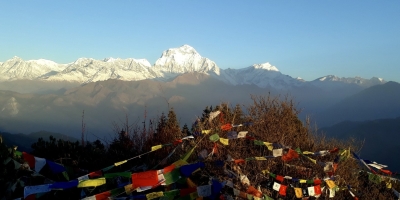
The Poon Hill and Mulde View Point Trek is a delightful Eleven -day short trekking adventure in the mesmerizing Annapurna region of Nepal. This trek offers the opportunity to experience breathtaking sunrise and sunset views from two of the most popular Himalayan viewpoints - Poon Hill and Muldai View Point. While Poon Hill has been a tourist favourite destination for many years, Muldai View Point remains a hidden gem, overlooked by regular people away from trekking routes.The journey begins in Kathmandu Sightseeing, and the following day, early in the morning, we drive to Pokhara, the City of Seven Lakes. From Pokhara, you embark on a thrilling drive to Nayapul, the starting point of your trek. As you start walking from Nayapul, you'll be greeted by the charm of quaint Gurung and Magar villages nestled beneath the snow-capped peaks of the Annapurna Range and the iconic Machhapucchre (Fishtail) Peak.As you traverse the trail, you'll find yourself amidst one of the most extensive rhododendron forests in the world. During Spring, this forest comes alive with over a million blooms, painting the path with vibrant colours and creating a truly enchanting ambience.Your first stop is the picturesque village of Tikhedhunga. From these two vantage points, you'll be rewarded with a stunning 360-degree panorama of over twenty-two Himalayan peaks, including Dhaulagiri, Tukuche Peak, Nilgiri, Annapurna South, and Annapurna I. The breathtaking views from Poon Hill and Muldai View Point make it a must-visit destination for nature enthusiasts and trekkers seeking tranquillity away from the crowds.The other highlight of the trek is the awe-inspiring sunrise view from Poon Hill. To reach Poon Hill, you'll trek to Ghorepani, passing through the enchanting rhododendron forest. The sunrise view from Poon Hill is a magical moment, as the first rays of sunlight paint the snow-capped peaks in golden hues, creating a mesmerising spectacle that stays etched in your memory forever.After relishing the views from Poon Hill and having breakfast at Ghorepani, you'll ascend to Deurali, where you'll find serene and peaceful surroundings, marking the end of your short and sweet trek.The Poon Hill and Mulde View Point Trek are ideal for those seeking a relatively easy Himalayan trek with breathtaking vistas. It's perfect for beginners and families with children. While good health is essential for trekking, prior experience in hill walking is beneficial. The best seasons to embark on this adventure are Spring, autumn, and winter, as the weather during these times offers clear skies and stunning views of the majestic Himalayan peaks.Overall, the Poon Hill and Mulde View Points Trek promises an unforgettable experience, where you'll be immersed in the natural beauty of the Annapurna region, surrounded by towering mountains, lush forests, and the warm hospitality of the local communities.Poon Hill and Mulde View Point Trekking Itinerary:Asiana Treks and Tours has the perfect Poon Hill and Mulde View Point Trek itinerary. Travellers who desire to explore Nepal with moderate physical fitness. You'll discover the best places for breathtaking views from the city to the countryside and experience an unforgettable lifetime journey.Poon Hill and Mulde View Point Trekking Distance:Poon Hill and Mulde View point Trekking spans approximately 45 kilometers, or 27 miles, depending on the chosen itinerary.This route typically spans 12 days. Our package tour ensures reliability in terms of cost, itinerary, and overall experience. The Poon Hill short trek typically ranges from US$ 315 to 395 with variations depending on group size, service level, guide and porter services, transportation preferences, and accommodation choices. This cost estimation is subject to the type s of trekking gear and accommodation preferences.Poon Hill and Mulde View Point Trekking route:Poon Hill's and Mulde View point Trekking route showcases awe-inspiring natural beauty. Starting in lush valleys with terraced fields and traditional villages, the journey unfolds amidst the Himalayan foothills. Rhododendron forests bloom in spring, accompanied by cascading waterfalls and snow-capped peaks. Traversing wildflowers, leading to panoramic views of towering peaks like Dhauligiri Range, Annapurna Range, Iconic Machhapuchhre (Fishtail Mountain) Lamjung Himal and Manaslu on clear days. The trek promises unforgettable moments, whether you're a seasoned trekker or novice adventurer, offering an unparalleled journey through Earth's most breathtaking landscapes.Poon Hill and Mulde view point Trekking price:Our package tour ensures reliability in terms of cost, itinerary, and overall experience. For Nepali citizens, the Poon hill trek typically ranges from US$ 315 to 475, and for foreigners, US$ 375 to 595, variations depending on group size, service level, guide and porter services, transportation preferences, and accommodation category in Kathmandu. This cost estimation is subject to the types of trekking gear and accommodation preferences. However, we could end the trek is sightseeing in Pokhara and exploration.Poon Hill and Mulde View Point Trekking Height:The Poon Hill and Mulde view point Trek begins in the lively city of Kathmandu at an altitude of 1,400 meters. From Kathmandu, you will drive to Pokhara(827 meters). During the trek, you will ascend to the famous Tamang village. The highest point you will get is Ghorepani, which is 2,450 meters above sea level. From there, descend to Tadapani; you will head towards Ghandruk, then after Pokhara, and then back to Kathmandu.Major village in Poon Hill and Mulde View Point Trekking:The major villages in Poon Hill and Mulde view Trekking route include Birethati, Tikhedhunga, Ulleri, Banthali, Ghorepani, Dobato Muldaivie point Tadapani, and Ghandruk back to Nayapul to Pokhara. The return journey includes sightseeing in Pokhara before driving back to Kathmandu. These villages are significant landmarks, offering scenic beauty and accommodation options along the trekking route.Poon Hill and Mulde View Point Trekking View point:The Poon Hill and Mulde View Point Trek offers breathtaking viewpoints, showcasing stunning panoramas of the surrounding Himalayan peaks. Here are the critical views along the route:Tadapani: Tadapani is a tranquil and peaceful place. Surrounded by Rhododendron and ever-green forest, it is the best location for overlooking the best view. In the Breezi morning, you have the best sunrise view of the stunning "Fish Tail" peak (Machhapuchhre) and Annapurna South and Himchuli right in front of you.Ghandruk: Ghandruk is the big and significant village of the Gurung people. It's located in front of the Annapurna, Himchuli, and Fishtail mountains. From here, you can see the glacier of Annapurna South. The village deserves a breathtaking view near Modi Khola, Annapurna, Himchuli, and Fishtail Mountains from the Annapurna conservation head office.Poon Hill: Witness the iconic sunrise at an altitude of 3,210 meters, with panoramic views of the Annapurna and Dhaulagiri ranges.Biodiversity of Poon Hill and Mulde View Point Trekking:The Poonhill and Mulde view point Trekking trail is a biodiversity hotspot, perfect for nature lovers. Lush forests in the lower regions house various bird species, including rhododendrons and bamboo with vibrant wildflowers. Look out for elusive wildlife like Jakle and snow leopards, Dears while diverse birdlife, adds to the experience. This trek offers a captivating glimpse of serene ecosystems, promising an unforgettable journey through nature's diversity.Festivals and culture Poon Hill and Mulde View Point Trekking: You'll immerse yourself in vibrant festivals and cultural traditions along the Poon Hill and Muldai view point Trekking route. The region, predominantly inhabited by ethnic groups like the Gurungs and Magars, celebrates various festivals.Dashain, typically in September or October, is a significant Hindu festival symbolizing the triumph of good over evil. Villages burst with colorful decorations, music, and dances as families gather for blessings and feasts.Tihar, known as the Festival of Lights, falls in October or November. This five-day celebration honors animals and the goddess of wealth, Laxmi. Oil lamps light up homes, and rituals bring prosperity and fortune.These festivals offer a unique and lifetime experience, as well as Nepalese culture with the majestic beauty of the Himalayas.Advantage book with Asiana Treks and tours:Private transport for airport transfers to/from your hotel.Trip briefing on Facebook and online if you'd like to connect.Last minute booking at your hotel at a suitable time after your arrival.Easy booking and reservation system.Multi-channel communication via Email, WhatsApp, Facebook, Viber, Skyp 24/7 phone communication at +977-9851076270Free excess luggage storage during the trekPulse oximeters for monitoring blood oxygen saturation at high altitudes to detect altitude sickness earlyMedical kits along the trek and hot airbags are available in winterArrange sleeping bags, duffel bags, down jackets, and walking pools if you don't have your own.Poon Hill and Mulde View Point Trekking Booking:Asiana Treks and Tours is the best and most trusted trek and tour company operator authorized by the Nepal government. We require a 10% advance payment to book your trip, and you'll need to send us a copy of your passport, photos, travel insurance, and flight details as soon as you book a tour with us. You can use bank transfer, or any other way like Western Union, or online via our website, which is easy. The remaining trip cost can be paid upon arrival in Nepal. We offer last-minute bookings, but changes may occur due to circumstances like bad weather.Transportation for Poon Hill and Mulde View Point Trekking:We pride ourselves on our flexible transportation options according to our Itinerary, which includes planes, helicopters, tourist buses, coasters, vans, jeeps, and cars. These are tailored to our Clints' specific needs, preferences, itineraries, and agreements, ensuring a comfortable and personalized travel experience. However, we provide Tourist buses to and from Pokhara, and Lumbini, Private transportation from Nayapul to and from Sewai and Kathmandu sightseeing private vehicle as per the group size and Itinerary, and optional flight to and from Pokhara at extra cost.Poon Hill and Mulde view point Trekking Start:Your Poon Hill and Mulde view Trekking begins with a warm welcome in Kathmandu. Our dedicated team will be there to greet you as soon as you arrive at Tribhuvan International Airport. We'll then escort you to your hotel in a private vehicle, ensuring a comfortable and hassle-free start to your adventure, and setting the tone for a memorable journey.If you miss the regular trip briefing, don't worry. We'll provide it at a convenient time before departure, Pokhara, either before a World Heritage tour the following morning or the next day; we'll then proceed to Pokhara by tourist bus, departing around 7 a.m. from your Hotel, Kathmandu.The package includes transportation by private transportation from Kathmandu to Sundarijal and back from your trekking ending Points. offering a comfortable and scenic journey.Currency Exchange:The Nepalese rupee is Nepali currency, and 1 USD is approximately 130 NPR. Only NPR is accepted in Nepal, so it's best to bring cash to facilitate transactions. Banks and ATMs in Kathmandu provide currency exchange services but note that most banks prefer new, crisp notessGuide and Porter Arrangement Poon Hilland Mulde view point Trekking:Our company, Asiana Treks and Tours, focuses on responsible tourism in Nepal. We make sure our guides and porters are well-trained in Trekking and mountaineering. They know a lot about the areas we go to, including geography, history, customs, and culture. We train them regularly in safety, first aid, and environmental conservation. We follow guidelines to treat our porters fairly, providing them with good pay, accommodation, and meals during treks. Our guides and porters are essential team members, and we appreciate their hard work. When you trek with us, you support ethical tourism in Nepal, making your trip meaningful and memorable.Asiana Treks and Tours prioritizes your safety and enjoyment. Our knowledgeable guides, reliable equipment, and safety measures ensure a great trekking experience in Nepal.Porter, Luggage, and extra Luggage storage:We cover the cost of porters for your luggage, but the maximum weight limit is 12 kg per person. Each porter carries luggage for two trekkers; please share a duffle bag with another. Our porters will carry up to 25 kg each. If you need a porter for yourself, we can arrange that. We also recommend carrying a small backpack for your valuables and important documents. You can leave extra luggage at our office in Kathmandu.Accommodation In Poon Hill and Mulde view point TrekkingAccommodation during the Poon Hill and Mulde View Trek varies. Along the trekking route, you'll stay in guest houses, commonly known as teahouses. These basic lodges offer rooms, dining areas, and toilets. The quality of guest houses varies but remains affordable and convenient for trekkers. Rooms typically have twin or bunk beds and shared bathrooms, and blankets and pillows are provided. Our company can offer a sleeping bag if you don't have one. You'll spend nine nights in lodges along the trekking route, and a night hotel in Kathmandu. We can arrange a solo trekking service if you're traveling solo.Meals during the trip:Eating well is essential since the Poon Hill and Mulde view point Trek takes you through the high Himalayas. You'll have plenty of nutritious meals in the trekking regions, although the options won't be as varied as in the cities. You'll get fourteen breakfasts, eleven lunches, and ten dinners during the Trek. The menu includes local, Asian, and Western dishes, but it gets more straightforward as you climb higher. Try popular Nepali foods like lentils, rice, curry, dumplings, noodles, Spagaties, and many more. We highly recommend eating fresh vegetables and drinking liquids like green tea, lemon tea, hot lemon, ginger tea, and garlic soup, especially at high altitudes. While non-vegetarian options are available during the Trek, we suggest avoiding them for hygiene reasons. It's also best to steer clear of dairy, cheese, alcohol, caffeine, and hot chocolate. Personal expenses like alcoholic drinks and extra beverages at lodges or cafes aren't included in the package.Drinking water:Nepal is the second country in the world regarding water sources after Brazil. According to the Nepal government, only 27% of people here have clean drinking water. However drinking water is not a big deal in this trekking, you can buy mineral water in teahouses, We recommend you carry Steripen, iodine drops, water purification tablets for safe drinking, and refillable water bottles for boiled or filtered water. We strongly advise not to drink from taps, wells, and rivers in trekking areas. However, in all the city areas, Mineral water is available at a reasonable cost everywhere.Extra Personal Expenses:While most expenses during the Trek are covered, you'll need to spend money on accommodations and meals. If you love to take souvenirs and additional beverages. We estimate about USD 10-20 per trekking day for miscellaneous expenses.Toilet Facilities in Poon Hill Trekking:Most teahouses have Western-style flush toilets during mountain treks, especially at lower elevations. But as you go higher, find simple squat toilets along the trails and teahouses at higher altitudes. These toilets usually have water or toilet paper, but it's a good idea to bring your toilet paper just in case. You can also use restrooms at nearby teahouses or find a private spot along the trekking routes. However, this trekking route does have not any problem with Toilets.Internet Connectivity:While trekking in the Himalayan and Hilly region of Nepal, connecting with your family and friends is also a good idea. You can find internet access at teahouses and lodges, but it might be extra minimal cost. The signal might be weak because of the remote location. You can also get internet access using a local SIM card and data packages available at Kathmandu airport or nearby shops in Thamel and Pokhara. You'll have a passport-sized photo and a copy of your passport to get a SIM card. It's a good idea to compare prices and data packages from telecom companies like Ncell and Nepal Telecom before buying. Knowing about teahouse connectivity. Our guide will suggest connections for you. However, connections are best for this trek.Electricity voltage and plugs:However, 95 % of Nepali people have access to electricity as of May 29, 2023. almost popular trekking routes, teahouses, and lodges have electricity. However, some isolated and solo trekking tea houses in the jungle don't have electricity; Most of these tea houses let travelers charge their devices for a small fee. The average electrical voltage in Nepal is 230 volts, with plug types like Type C, Type D, and Type M. Travellers should bring a suitable adapter and, if needed, a voltage converter for their electronic devices.Communication in Poon Hill and Mulde View point Trekking:The guest houses in the trekking regions have internet access. You could buy a SIM card at Tribhuvan International Airport Kathmandu. However, the signal may need to be more assertive at high altitudes. Our office keeps in touch with all trekking teams via the trek guide at least once daily to ensure everything goes as planned.Trip Extension:Suppose you have extra days in Nepal after the Trek. In that case, we can arrange a tour, overnight stay at Nagarkot Balthali or any other place around Kathmandu and Chitwan, jungle safari, paragliding, rafting, canyoning, or other treks. Do not hesitate to Inform us. We will create the best for you.Trek Difficulty:Poon Hill and Mulde View point Trekking presents easy low-land trekking. Completing this trek is achievable even if you're a beginner, although you must maintain a reasonable fitness level. Prior trekking experience can be advantageous, though it is optional. All you need is the readiness to hike steadily for 3-5 hours, on easy trails.Suppose trekkers have pre-existing medical conditions, such as lung or heart diseases. In that case, they are advised to consult their physician before booking the trek to ensure their safety and well-being throughout the journey.Trip Safety:We highly give top priority. We provide experienced guides with first aid kits and necessary safety gear to ensure a safe hand. Our team monitors weather and trail conditions and takes precautions to avoid risks. Before starting the trek, we discuss the trip to provide a clear understanding and ensure a reliable experience.Group & Private Treks:We organize many group and private treks simultaneously, with discounts available for larger groups. Every group will have a trekking guide and porters; an assistant guide may be provided for larger groups. Our team ensures a safe and enjoyable trekking experience for all participants.About solo traveler:If you're a solo traveler, please contact us to confirm departure dates before booking. You can tell us via call, WhatsApp, or email. We have listed upcoming departure dates for your convenience. Feel free to share the trip details with friends and family.Notes: Please be aware that the itinerary may change due to weather or other factors, and we'll adjust it accordingly for the group's safety and enjoyment. We look forward to guiding you through the stunning landscapes of the Annapurna region and ensuring a memorable trekking experience.Responsible Travel:We prioritize responsible travel to minimize environmental impact and support local communities. We collaborate with organizations like the Kathmandu Environmental Education Project (KEEP) to promote eco-friendly practices in trekking regions.Graduate:Graduate or tipping is appreciated in Nepali culture and reflects the quality of service provided. You decide how much to tip, but we recommend tipping as a group at the end of the trip.End of Trek:On the final day, you'll take a private transportation Tourist bus from Pokhara, In the evening, we'll host a farewell dinner in Kathmandu.Departure:On the day of your departure flight, we'll come to pick you up from your hotel and transfer you to Tribhuvan International Airport. We hope you enjoyed the Nepal trek and will consider returning for more adventures in Nepal.Feedback:After you complete the Trek, we'll organize a farewell dinner in Kathmandu and present you with a trekking achievement certificate. After the dinner, you can provide feedback about the Trek on travel portals.Last-Minute Booking:If you can't book in advance, we offer last-minute bookings. Full payment is required 24 hours before departure. While we do our best to accommodate last-minute bookings, delays may occur due to unforeseen.Special Note: Please remember that sometimes unforeseen circumstances, such as inclement weather or unavailable lodging, may cause the schedule to be altered. Your trip guide will design a fresh schedule based on the group's interests in such circumstances.Annapurna Region Trekking: Guides, Tips & Himalayan AdventuresDiscover the beauty of Nepal’s Annapurna region with Asiana Treks & Tours. Explore breathtaking mountain landscapes, authentic local culture, popular trekking routes, and practical tips to help you plan an unforgettable Himalayan adventure.Annapurna Base Camp vs Everest Base Camp: The Best TrekTrekking Equipment List for Asiana Treks & ToursTrekking Permit Requirements for Different Regions in NepalBest Sunrise and Sunset Destinations in NepalTop Successful Trek for Beginners – Annapurna Base CampMost Popular Trek with High Success Rate – Annapurna Base Camp Trek (ABC) TrekHow to Prepare for the Annapurna Base Camp Trek (Gear, Fitness & Tips)Ghorepani Poon Hill Trek GatewayTop 26 Annapurna Region Trekking Packages in Nepal – The Ultimate GuideTadapani Diaries: One Magical Night in the MountainsDiscovering Ghandruk: A Peaceful Village in the Heart of NepalTrekking the Best of Annapurna: Poon Hill to Mardi HimalWhy Chhomrong is the Heart of the Annapurna Base Camp TrekAnnapurna Base Camp (ABC) & Machhapuchhre Base Camp (MBC) Trek: Two Base Camps, One Incredible JourneyExploring Sinuwa on the Annapurna TrailDeurali: A Peaceful Mountain Village on the ABC TrailBamboo: A Hidden Gem of the ABC TrekDovan Nepal: Peaceful Stopover on the Annapurna Base Camp TrailHimalaya Village: A Quiet Haven on the Way to Annapurna Base CampDhampus Village – Annapurna Classical Alternative GatewayPothana: The Alternative Gateway to Annapurna Base Camp and Mardi HimalBest Camping and Overnight Stays: Australian Camp & Mardi Himal TrekList of Hotel in Mardi Himal Base Camp TrekTrekking to Low Camp: A Peaceful Path to Mardi HimalForest Camp Adventures: Exploring the Mardi Himal Trek in NepalHigh Camp on the Mardi Himal Trek | Views, Altitude & Trekking GuideDiscovering the Magic of Mardi Himal ViewpointTop Highlights of the Mardi Himal Trek in NepalBest Time to Trek Mardi Himal: Tips for Perfect ViewsA Beginner’s Guide to the Mardi Himal Trek in NepalSurprising Facts About the Mardi Himal TrekEssential Guide to Mardi Himal Trekking Permits in NepalMardi Himal Trek Info: Elevation, Altitude, Height and WeatherMardi Himal Trek Accommodation and Food TipsBest Time to Trek Annapurna Base Camp in NepalTop Highlights of the Annapurna Base Camp TrekFood and Accommodation on the ABC Trek: What It’s Really LikeAltitude Tips for a Safe Annapurna Base Camp TrekAnnapurna Base Camp Permits: Costs, Process, and RequirementsTop Tips and Facts for Trekking to Annapurna Base CampAnnapurna Base Camp Trek: Elevation, Height & Temperature GuideDobato Stopover: Experiencing the Heart of the Khopra Danda RouteUpper Chistibung: What to Expect on the Way to Khopra DandaExploring Khopra Danda Ridge and Khayar LakeDiscover Swanta’s Beauty on the Khopra Danda TrailAmazing Facts About Khayar Lake in the Annapurna RegionBayeli Kharka Adventure: From Khopra Danda with Stunning ViewsKhopra Danda Trekking Guide: Cost, Permits, Meals, Lodging and Best SeasonExploring Mardi Himal, ABC, and Khopra Ridge in One Epic JourneyKhopra Khair Lake with Annapurna Base Camp Trek: A Complete JourneyKhopra Khair Lake with ABC Trek: Nature, Culture, and MountainsComplete Guide to Mohare Danda Trekking in NepalSunrise Views from Mohare Danda: What to ExpectTop Highlights of Poon Hill and Mardi Himal TrekExploring Poon Hill and Mardi Himal: A Beginner’s GuideExploring the Ghorepani Dhampus Circuit Trek in NepalAn Amazing Hike from Galeshwor to Nangi via Bans Kharka : Mohare Danda TrekkingLandruk: Gateway to the Stunning Mardi Himal ViewsMardi Himal Adventure: Exploring Badal Danda on the Siding TrekSunrise Views from Poon Hill and Mulde ViewpointsDhaulagiri Annapurna Trail: A New Alternative Trek in NepalBest Nepal Tour Packages: Adventure, Honeymoon, Senior Tours, Himalayan Highlights, Triangle & Sunrise Hill Station ToursIs It Possible to Cycle the Annapurna Circuit in Nepal?Besisahar – The Heart of Lamjung District: Gateway to the HimalayasExploring Jagat During the Annapurna Circuit TrekDharapani Village in Nepal: Where the Manaslu Circuit and Annapurna Circuit Trails Meet PointChame Village: A Peaceful Stop on the Annapurna Circuit TrekDiscover Upper Pisang: A Hidden Gem on the Annapurna CircuitExploring Lower Pisang: A Gateway on the Annapurna CircuitManang: The Heart of the Annapurna Circuit TrekYak Kharka (4,020m): A Must-Stop Village on the Annapurna CircuitThorong Phedi: Final Preparation Before Thorong La PassCrossing Thorong La Pass (5,416 m): The Highest Point of the Annapurna CircuitMuktinath in Mustang: A High-Altitude Spiritual Journey on the Annapurna CircuitJomsom (2,743 m): The Windy Valley That Connects Annapurna and Upper Mustang
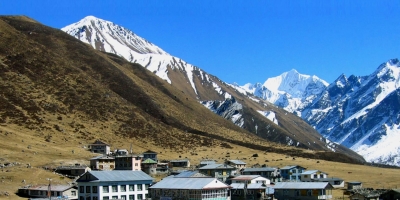
A wonderful ethnic and cultural experience as you trek through the trail among natural wonders in the Himalayas is an experience that you can ask for more than anything. Tamang Heritage Trek takes you through several beautiful villages of ethnic Tamang people in the mountains of the Langtang region.The trekking for days along the trail that goes through Tamang villages gives you an amazing Himalayan trekking experience while the stopover places are rich in cultural wonders. Tamang people are one of the ethnic tribes in Nepal who follow Tibetan Buddhist culture and live a very humble and simple way of life up in the mountains. This culturally rich ethnic group of people is known to be innocent which can be truly inspiring for many. As you trek through the villages where these people live, you can experience their culture and lifestyle while you can even enjoy the view of the mountains and serenity of the rural area.Join this amazing adventurous immersion into the Tamang culture and experience the wonders of the cultural and adventure mix of the Himalayan journey.Why Tamang HeritageTrekking?The Tamang heritage trek offers natural beauty, cultural immersion, and accessibility, making it a top choice for Himalayan trekkers. Langtang National Park remains a treasure trove for those seeking a Himalayan journey enriched with natural wonders, cultural discoveries, and conservation values.Proximity to Kathmandu: This is the closest trekking destination to Kathmandu, ideal for travelers with limited time seeking a Himalayan adventure.Natural Beauty: The Langtang range offers stunning views of snow-capped peaks, lush forests, and serene valleys, perfect for nature lovers and photographers.Cultural Immersion: Trek through Tamang villages on the Tamang Heritage Trail, experiencing authentic culture, ancient monasteries, and warm hospitality.Recovery from the 2015 Earthquake: Despite earthquake devastation, the region shows resilience, with tourism supporting local recovery efforts.Easy and Moderate Difficulty: Suitable for beginners and experienced Hikers, well-defined trails offer a balanced challenge.Variety of Landscapes: From dense forests to alpine meadows and glacial lakes like Gosaikunda, diverse landscapes enrich the trekking experience.Less Crowded: Compared to more popular routes, Langtang Valley offers a tranquil environment with fewer trekkers.Habitat Diversity: Home to rare wildlife like the Red Panda, featuring diverse habitats from forests to alpine meadows.Biodiversity Hotspot: Recognized for its rich flora and fauna, crucial for Himalayan ecosystem balance and supporting endemic species.Ecological Importance: Vital for conserving biodiversity and promoting sustainable practices through responsible tourism.Community Engagement: Local communities are involved in eco-tourism and wildlife protection efforts, contributing to sustainable livelihoods.Scenic Beauty: Besides wildlife, the park offers breathtaking natural landscapes, attracting nature enthusiasts and photographers.Location: Situated north of Kathmandu, Langtang National Park spans Himalayan terrain with forests, meadows, and peaks.Trekking Trails: Popular routes like the Langtang Valley trek provide cultural insights and pristine wilderness experiences.Cultural Heritage: The area abounds with Tamang culture, ancient monasteries, and Buddhist stupas, offering a glimpse into local traditions.Conservation Efforts: Focused on preserving fragile ecosystems and habitats, supported by local and international conservation efforts.Adventure Activities: Beyond trekking, opportunities include birdwatching, wildlife viewing, and enjoying natural hot springs, enhancing its appeal as a nature tourism destination.Tamang Heritage Trekking itinerary:Asiana Treks and Tours has the best Tamang Heritage Trekking itinerary for people who love long and short trekking. Travelers who desire to explore Nepal with moderate physical fitness. You'll discover the best places for breathtaking views from the city to the countryside. Experience the contrast of cold nights at Kyanjin Gompa to relaxing in Kathmandu an unforgettable lifetime journey.Tamang Heritage Trekking Distance:The Tamang Heritage trek covers approximately 75 km (46.6 miles), depending on the chosen itinerary. This trek alone typically takes around ten to twelve days to complete. If combined with other routes like Langtang Valley Trekking, Langtang Gosaikunda Pass Trekking, Langtang Panorama Trekking, Langtang and Helambu, Helambu Aama Yangri Trekking adds 3-8 days, depending on the chosen route. The Langtang Valley Trek showcases breathtaking natural beauty, passing through peaceful Buddhist villages and serene jungles and offering stunning views from Kyanjin Ri and the expansive Langtang Valley. For those fit enough, the trek can start and end in Kathmandu, totaling approximately 12 days.Tamang Heritage Trekking route:Tamang Heritage Trekking route showcases awe-inspiring natural beauty. Starting in lush valleys with terraced fields and traditional villages, the journey unfolds amidst the Himalayan foothills. Rhododendron and pine forests bloom in spring, and stunning views of snow-capped peaks can be seen when we walk. The Langtang Valley Trekking route showcases awe-inspiring natural beauty. Ganesh Himal Range, Langtang Himalayan Range, and many more mountains offer stunning views. The trek promises unforgettable moments, whether you're a seasoned trekker or novice adventurer, offering an unparalleled journey through Earth's most breathtaking landscapes. Includes Kathmandu, Syabru Besi, Lamahotel, Langtang, Kyanjingumba, Tholo Syabru, Sing Gumpa, and a return same way back to Kathmandu. Tamang Heritage Trekking price (cost):Our package tour ensures reliability in terms of cost, itinerary, and overall experience. For Nepali citizens, the Langtang trek typically ranges from US$ 665to 875, and for foreigners, US$ 875 to 1085, variations depending on group size, service level, guide and porter services, transportation preferences, and accommodation category in Kathmandu. This cost estimation is subject to the types of trekking gear and accommodation preferences.However, if you avoid Kathmandu sightseeing and exploration and want a Short route you could get a heavy discount on our Price.Tamang Heritage Trekking Altitude:The Tamang Heritage trek starts from the bustling city of Kathmandu at an altitude of 1337 meters. From there, you'll ascend to Kyanjin Ri (4773m / 15655 ft), above sea level. Along the way, you'll see many famous viewpoints of Kyanging-Re reaching an altitude of Kyanjin Ri (4773m / 15655 ft), and Tserko Ri 5033 m/16,500 ft a meters. Finally, the trek culminates at the High of Kyanjin Re.Major villages of Tamang Heritage Trekking:Kathmandu, Trishuli, Betrawati, - Syabrubesi-Bambu -Lamahotel - Ghora Tabela - Thangshep -Langtang- Mundu- Kyanjing Gompa, and the same way back to Kathmandu via syabru Besi. completing the trek reflecting on their memorable journey through the diverse landscapes and cultural richness of the Langtang region. These villages are significant landmarks and offer scenic beauty and accommodation options along the Langtang Gosaikunda Pass Trekking route.Best Viewpoints Tamang Heritage Trekking:The Tamang Heritage trekking route has several breathtaking viewpoints offering panoramic Himalayan landscape vistas. Here are the main views along the trek:Kyanjin Ri: A viewpoint near Kyanjin Gompa offering stunning 360-degree views of the Langtang Valley and surrounding peaks, including Langtang Lirung (7,227 meters) and Tserko Ri (5,033 meters). It's a popular spot for sunrise and sunset photography.This viewpoint along the Langtang Gosaikunda Pass trekking route offers trekkers memorable opportunities to witness the grandeur of the Himalayas, immerse themselves in the natural beauty of alpine lakes, and appreciate the cultural richness of the region's diverse landscapes.Flora and Fauna Of Tamang Heritage Trekking:Tamang Heritage Trekking trail is a biodiversity hotspot, perfect for nature lovers. Lush forests in the lower regions house various bird species, including rhododendrons and bamboo. Alpine meadows greet you higher up with vibrant wildflowers. Look out for elusive wildlife like Himalayan Thars snow leopards, and diverse birdlife, including the Himalayan Monal, adds to the experience. This trek offers a captivating glimpse into the Himalayan and hilly region ecosystems, promising an unforgettable journey through nature's diversity.Festivals and cultures in Tamang Heritage Trekking:You'll immerse yourself in vibrant festivals and cultural traditions along the Tamang Heritage Trekking route. The region, predominantly inhabited by ethnic groups like the Tamang, Helmo, and Sherpa, celebrates various festivals. especially they celebrate the Buddhist festival However they celebrate the Dashain, festival. typically in September or October, is a significant Hindu festival symbolizing the triumph of good over evil. Villages burst with colorful decorations, music, and dances as families gather for blessings and feasts. Buddhist festivals offer a unique and lifetime experience, as well as Nepalese Himalayan culture with the majestic beauty of the Himalayas.Advantage book with Asiana Treks and tours:Private transport for airport transfers to/from your hotel.Trip briefing on Facebook and online if you love to connect.Last minute booking at your hotel at a suitable time after your arrival.Easy booking and reservation system.Multi-channel communication via Email, WhatsApp, Facebook, Viber, Skyp 24/7 phone communication at +977-9851076270Free excess luggage storage during the trekPulse oximeters for monitoring blood oxygen saturation at high altitudes to detect altitude sickness earlyMedical kits along the trek and hot airbags are available in winterArrange sleeping bags, duffel bags down jackets, and walking pools if you don't have your own.Notes: Please be aware that the itinerary may change due to weather or other factors, and we'll adjust it accordingly for the group's safety and enjoyment. We look forward to guiding you through the stunning landscapes of the Annapurna region and ensuring a memorable trekking experience.Trek Booking:Asiana Treks and Tours is the best and most trusted trek and tour company operator authorized by the Nepal government. We require a 10% advance payment to book your trip, and you'll need to send us a copy of your passport, photos, travel insurance, and flight details as soon as you book a tour with us. You can use bank transfer, or any other way like Western Union, or online via our website, which is easy. The remaining trip cost can be paid upon arrival in Nepal. We offer last-minute bookings, but changes may occur due to circumstances like bad weather. Transportation for Tamang Heritage trekking:We offer a range of flexible transportation options, including planes, helicopters, tourist buses, coasters, vans, 4HW jeeps, and cars tailored to our clients' specific needs, preferences, itineraries, and agreements. This ensures a comfortable and personalized travel experience. Private transportation will be provided for sightseeing in Kathmandu based on group size and requirements.Local transportation is provided for the journey to and from Syabru Bensi while optional private transportation from Kathmandu to and from Syabru Bensi could be provided at an additional cost, depending on the group size and wishes.Trekking Start: Your Tamang Heritage Trek begins with a warm welcome in Kathmandu. As soon as you arrive at Tribhuvan International Airport, our dedicated team will be there to greet you. We'll then escort you to your hotel in a private vehicle, ensuring a comfortable and hassle-free start to your adventure, and setting the tone for a memorable journey.If you miss the regular trip briefing, don't worry. We'll provide it at a convenient time before departure, we'll then proceed to the local bus, departing around 7 a.m. from Gangabu New Bas Park Kathmandu.The package includes transportation by simple bus from Kathmandu to Syabru Besi, offering a comfortable and scenic journey. However, if you prefer a comfortable van or Jeep option, you can also use a private vehicle for an additional cost, giving you the freedom to choose what suits you best.Currency Exchange:The Nepalese rupee is Nepali currency, and 1 USD is approximately 130 NPR. Only NPR is accepted in Nepal, so it's best to bring cash to facilitate transactions. Banks and ATMs in Kathmandu provide currency exchange services but note that most banks prefer new, crisp notesGuide and Porter Arrangement:Our company, Asiana Treks and Tours, focuses on responsible tourism in Nepal. We make sure our guides and porters are well-trained in Trekking and mountaineering. They know a lot about the areas we go to, including geography, history, customs, and culture. We train them regularly in safety, first aid, and environmental conservation. We follow guidelines to treat our porters fairly, providing them with good pay, accommodation, and meals during treks. Our guides and porters are essential team members, and we appreciate their hard work. When you trek with us, you support ethical tourism in Nepal, making your trip meaningful and memorable.Asiana Treks and Tours prioritizes your safety and enjoyment. Our knowledgeable guides, reliable equipment, and safety measures ensure a great trekking experience in Nepal.Porter, Luggage, and extra Luggage storage: We cover the cost of porters for your luggage, but the maximum weight limit is 12 kg per person. Each porter carries luggage for two trekkers; please share a duffle bag with another. Our porters will carry up to 25 kg each. If you need a porter for yourself, we can arrange that. We also recommend carrying a small backpack for your valuables and important documents. You can leave extra luggage at our office for free and at a hotel in Kathmandu or even in Syabrubesi.Accommodation:Accommodation during the Langtang Valley Trek varies. Along the trekking route, you'll stay in guest houses, commonly known as teahouses. These basic lodges offer rooms, dining areas, and toilets. The quality of guest houses varies but remains affordable and convenient for trekkers. Rooms typically have twin or bunk beds and shared bathrooms, and blankets and pillows are provided. Our company can offer a sleeping bag if you don't have one. You'll spend nine nights in lodges along the trekking route and three nights in a hotel in Kathmandu. Some places and lodges have attached bathrooms, while others offer simple yet clean rooms with shared facilities. We can arrange a solo trekking service if you're traveling solo, but availability may be limited during peak season in some places. In Kathmandu, your hotel room will have excellent amenities, including TV, 24/7 hot water, electricity, and laundry service.Meals during the trip:Eating well is essential since the Langtang Helambu Trek takes you through the high Himalayas. You'll have plenty of nutritious meals in the trekking regions, although the options won't be as varied as in the cities. You'll get nineteen breakfasts, fifteen lunches, and sixteen dinners during the Trek. The menu includes local, Asian, and Western dishes, but it gets more straightforward as you climb higher. Try popular Nepali foods like lentils, rice, curry, dumplings, noodles, Spagaties, and many more. We highly recommend eating fresh vegetables and drinking liquids like green tea, lemon tea, hot lemon, ginger tea, and garlic soup, especially at high altitudes. While non-vegetarian options are available during the Trek, we suggest avoiding them for hygiene reasons. It's also best to steer clear of dairy, cheese, alcohol, caffeine, and hot chocolate. Personal expenses like alcoholic drinks and extra beverages at lodges or cafes aren't included in the package. Drinking water:Nepal is the second country in the world regarding water sources after Brazil. According to the Nepal government, only 27% of people here have clean drinking water. You can buy mineral water in teahouses, but it is expensive; people prefer plastic bottles in some trekking areas. So, there are some safe drinking water stations where you can refill your bottle. However, we recommend carrying Steripen, iodine drops, water purification tablets for safe drinking, and refillable water bottles for boiled or filtered water. We strongly advise not to drink from taps, wells, and rivers in trekking areas. However, in all the city areas, Mineral water is available at a reasonable cost everywhere.Extra Personal expenses:While most expenses during the trek are covered, you'll need to spend money on accommodations and meals in Kathmandu and Pokhara, Souvenirs, and additional beverages. We estimate about USD 10-20 per trekking day for miscellaneous expenses.Toilet Facilities in Langtang Valley Trekking:Most teahouses have Western-style flush toilets during mountain treks, especially at lower elevations. But as you go higher, find simple squat toilets along the trails and teahouses at higher altitudes. These toilets usually have water or toilet paper, but it's a good idea to bring your toilet paper just in case. You can also use restrooms at nearby teahouses or find a private spot along the trekking routes.Internet Connectivity:While trekking in the Himalayan region of Nepal, connecting with your family and friends is also a good idea. You can find internet access at teahouses and lodges, but it might be extra minimal cost. The signal might be weak because of the remote location. You can also get internet access using a local SIM card and data packages available at Kathmandu airport or nearby shops in Thamel and Pokhara. You'll have a passport-sized photo and a copy of your passport to get a SIM card. It's a good idea to compare prices and data packages from telecom companies like Ncell and Nepal Telecom before buying. Knowing about teahouse connectivity. Our guide will suggest connections for you. Electricity voltage and plugs:However, 95 % of Nepali people have access to electricity as of May 29, 2023. almost popular trekking routes, teahouses, and lodges have electricity. However, some isolated and solo trekking tea houses in the jungle don't have electricity; Most of these tea houses let travelers charge their devices for a small fee. The average electrical voltage in Nepal is 230 volts, with plug types like Type C, Type D, and Type M. Travellers should bring a suitable adapter and, if needed, a voltage converter for their electronic devices.Communication:The guest houses in the trekking regions have internet access. You could buy a SIM card at Tribhuvan International Airport Kathmandu and Pokhara. However, the signal may need to be more assertive at high altitudes. Our office keeps in touch with all trekking teams via the trek guide at least once daily to ensure everything goes as planned.Trip Extension:Suppose you have extra days in Nepal after the Trek. In that case, we can arrange a tour, overnight stay at Nagarkot Balthali or any other place around Kathmandu and Chitwan, jungle safari, paragliding, rafting, canyoning, or other treks. Do not hesitate to Inform us. We will create the best for you.Trek Difficulty:The Tamang Heritage Trek presents an easy moderate and challenging yet enriching adventure. Your enjoyment of the trip will largely depend on your level of fitness. We recommend building stamina at least two weeks before the trek. Activities include jogging, running, swimming, or taking long hikes for the journey ahead.Completing this trek is achievable even if you're a beginner, although you must maintain a reasonable fitness level. Prior trekking experience can be advantageous, though it is optional. All you need is the readiness to hike steadily for 4-8 hours, navigating tricky terrain.Suppose trekkers have pre-existing medical conditions, such as lung or heart diseases. In that case, they are advised to consult their physician before booking the trek to ensure their safety and well-being throughout the journey.Trip Safety:We highly give priority to your safety We provide experienced guides with first aid kits and necessary safety gear to ensure a safe hand. Our team monitors weather and trail conditions and takes precautions to avoid risks. Before starting the trek, we discuss the trip to provide a clear understanding and ensure a reliable experience.Group & Private Treks:We organize many group and private treks simultaneously, with discounts available for larger groups. Every group will have a trekking guide and porters; an assistant guide may be provided for larger groups. Our team ensures a safe and enjoyable trekking experience for all participants.About solo traveler:If you're a solo traveler, please contact us to confirm departure dates before booking. You can tell us via call, WhatsApp, or email. We have listed upcoming departure dates for your convenience. Feel free to share the trip details with friends and family.Responsible Travel:We prioritize responsible travel to minimize environmental impact and support local communities. We collaborate with organizations like the Kathmandu Environmental Education Project (KEEP) to promote eco-friendly practices in trekking regions.Gratitude:Graduate or tipping is appreciated in Nepali culture and reflects the quality of service provided. You decide how much to tip, but we recommend tipping as a group at the end of the trip.End of Trek:On the 12 day, you'll take a local bus back to Kathmandu, which takes about six hours. Alternatively, you can take private transportation from Syabru Besi to Kathmandu for an extra cost. In the evening, we'll host a farewell dinner in Kathmandu.Departure:On the day of your departure flight, we'll come to pick you up from your hotel and transfer you to Tribhuvan International Airport. We hope you enjoyed the Nepal trek and will consider returning for more adventures in Nepal.Feedback:After you complete the Langtang Valley Trek, we'll organize a farewell dinner in Kathmandu and present you with a trekking achievement certificate. After the dinner, you can provide feedback about the Trek on travel portals.Last-Minute Booking:If you can't book in advance, we offer last-minute bookings. Full payment is required 24 hours before departure. While we do our best to accommodate last-minute bookings, delays may occur due to unforeseen.Special Note: Please remember that sometimes unforeseen circumstances, such as inclement weather or unavailable lodging, may cause the schedule to be altered. Your trip guide will design a fresh schedule based on the group's interests in such circumstances.
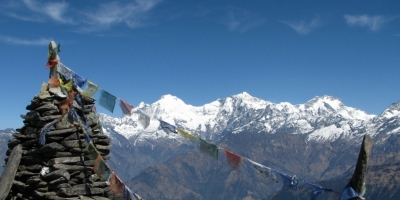
The Lower Ganesh Himal Trekking offered by Asiana Treks and Tours is a culturally immersive, scenic, and less-crowded trekking adventure that reveals the heart of rural Nepal. Located just northwest of Kathmandu, this trek takes you through the untouched valleys and hilltop villages of the Ganesh Himal region, named after the Hindu god Ganesh. With relatively low elevations (max 1900m), this trek is ideal for those who want to enjoy the natural and cultural richness of Nepal without the challenges of high-altitude trekking. Unlike the more commercial routes of Everest or Annapurna, the Lower Ganesh Himal region remains a hidden gem. This trek is perfectly suited for trekkers seeking a deeper connection with local communities, pristine views of the Ganesh Himal and Langtang ranges, and exposure to authentic Nepalese rural life. The journey begins with a heritage tour in Kathmandu before heading into the hills via local transport or private vehicle. From there, the trek leads through villages like Samari, Gaira, Marpak, Shalyankot, Jyamrung, and Maidi, offering unique experiences at each stop, such as homestays, local festivals, and insights into traditional farming practices. 🧭 Highlights of the Trek: Peaceful trekking route through ethnic villages of Tamang, Chhetri, Dalit, and Gurung communities Panoramic views of Ganesh I-IV, Langtang Himal, and surrounding hills Unique cultural experiences like cooking, firewood collection, and religious rituals Overnight stays in authentic homestays and community-run guesthouses Visits to Buddhist monasteries, Hindu temples, and a functioning micro-hydropower plant Guided by local experts from Asiana Treks and Tours ensuring ethical and insightful travel This trek is an excellent choice for travelers with limited time, families, or those who prefer less physically demanding but meaningful treks. It's more than just walking—it's a deep dive into the soul of Nepal. Whether you’re sipping local tea in a Tamang home or admiring sunrise over the hills, the Lower Ganesh Himal Trek leaves you with lasting memories and connections. With a strong commitment to responsible tourism, Asiana Treks and Tours works closely with local communities to ensure that your presence contributes positively to the region. When you choose this trek, you’re not just trekking—you’re participating in sustainable travel that respects and preserves the cultures and landscapes of Nepal. Lower Ganesh Himal Trekking Package The Lower Ganesh Himal Trekking package by Asiana Treks and Tours is designed for adventurers seeking cultural depth, scenic beauty, and authentic Nepalese hospitality without committing to high altitudes. Nestled within the picturesque Ganesh Himal range, this lesser-known trail lies just northwest of Kathmandu and offers a unique opportunity to experience Nepal's ethnic diversity, religious harmony, and natural grandeur in a compact itinerary. Named after the Hindu deity Ganesh, this trek symbolizes wisdom, protection, and good fortune—values you'll experience firsthand as you pass through vibrant villages, terraced farmlands, and sacred temples. This 11-day package includes guided city tours of UNESCO World Heritage Sites in Kathmandu, a scenic countryside drive to Samari, and a 7-day culturally immersive trek through the heart of the mid-hills. Highlights of the Trekking Package: ✅ Guided Kathmandu heritage tour (Pashupatinath, Swayambhunath, Boudhanath, and Durbar Square) ✅ Peaceful trek through remote ethnic villages (Tamang, Gurung, Chhetri, Dalit) ✅ Stunning views of Ganesh Himal, Langtang, and surrounding peaks ✅ Overnight stays in community lodges and traditional homestays ✅ Insight into daily village life: farming, cooking, local schools, and hydropower facilities This package is ideal for trekkers of all skill levels, including families and solo travelers. The trek is free of altitude risks, yet offers panoramic mountain vistas and serene forest trails. Best suited for spring (March–May) and autumn (September–November), the Lower Ganesh Himal Trek gives you the best of Nepal in under two weeks. Lower Ganesh Himal Trekking Distance While the Lower Ganesh Himal Trek is not particularly high in elevation, it spans a meaningful distance with varied terrain. Daily walking ranges from 4 to 6 hours depending on the terrain and pace, making it suitable for moderately fit individuals. Approximate Trekking Distances: Kathmandu to Samari: 100 km (Drive) Samari to Gaira: ~10 km Gaira to Marpak: ~9 km Marpak to Shalyankot: ~11 km Shalyankot to Jyamrung: ~10 km Jyamrung to Maidi Kot: ~9 km Maidi to Salang: ~10 km Salang to Kathmandu: ~100 km (Drive) Key Features of Trek Distance: 🥾 Total trekking distance: ~60–65 km 🗻 Moderate elevation gain (max ~1900m) ⏱️ Trekking time per day: 4–6 hours 🧭 Terrain: Terraced farmland, forest trails, hill ridges, village paths This route is non-technical and doesn't require mountaineering skills, making it perfect for cultural trekkers, photographers, or anyone looking to disconnect from the modern world and immerse themselves in rural Nepal. 💰 Lower Ganesh Himal Trekking Cost 2026/2027 The cost of the Lower Ganesh Himal Trekking package for the 2026/2027 season with Asiana Treks and Tours is competitively priced to offer value while supporting local communities through ethical tourism. Standard Package Cost: USD $899 per person (Group of 2–6) Discounts available for larger groups and early bookings What’s Included: ✅ Airport pick-up and drop-off ✅ 3 nights in Kathmandu (Hotel with breakfast) ✅ Guided heritage tour with entrance fees ✅ All land transport (public/local or private) ✅ Trekking permits and insurance for guides ✅ Accommodation during the trek (Homestays/guesthouses) ✅ 3 meals a day during trek (Nepali, Tibetan, or local food) ✅ Professional licensed English-speaking guide and porter What’s Not Included: ❌ International flights to/from Kathmandu ❌ Travel insurance ❌ Alcohol, snacks, and bottled water ❌ Tips for guide and porter (optional but appreciated) Add-on Options: 🏞️ Extra night in Kathmandu: $30 🧘 Cultural workshop or cooking class: $25–$40 🚙 Private Jeep upgrade for drive-in/out: +$60 With ethical pricing and strong community involvement, this trek balances comfort, authenticity, and affordability. Lower Ganesh Himal Trekking Price Breakdown Affordable, Ethical, and Transparent Pricing with Asiana Treks and Tours The Lower Ganesh Himal Trekking is not only a culturally rich journey but also one of the most budget-friendly treks available in Nepal. Asiana Treks and Tours offers transparent pricing with no hidden fees, ensuring that trekkers receive top value while contributing to the local economy. The price typically ranges from USD $850 to $950 per person, depending on group size and preferences (private jeep, upgraded hotels, etc.). This cost covers everything needed for a smooth and enjoyable trek, from city tours to village accommodations, meals, permits, and experienced guides. Asiana Treks and Tours also believes in sustainable tourism, ensuring local guides, porters, and homestay owners are paid fairly. 💸 What's Included: ✔️ Airport transfers (arrival/departure) ✔️ 3 nights hotel in Kathmandu (breakfast included) ✔️ Kathmandu UNESCO heritage tour with guide and entry fees ✔️ All surface transportation (public/private) ✔️ Trekking permits and local government fees ✔️ Accommodation in homestays/guesthouses during trek ✔️ 3 meals per day during trekking ✔️ Experienced licensed guide and porter ❌ Not Included: ❌ International airfare and visa ❌ Personal travel insurance ❌ Alcoholic drinks, snacks, bottled water ❌ Tips for guides and porters (optional) This pricing model provides a perfect balance of comfort, authenticity, and ethical tourism—making the Lower Ganesh Himal Trek ideal for travelers who seek real experiences without breaking the bank. 🏔️ Lower Ganesh Himal Trekking Altitude Guide Low Elevation, High Impact – Safe and Scenic Trekking Experience The Lower Ganesh Himal Trek is well-known for being a low-altitude trek, making it ideal for beginners, families, or those who prefer to avoid the risks of altitude sickness. The highest point of the trek is Shalyankot (1900 meters / 6234 ft), and the average elevation remains between 1100 to 1900 meters (3609–6234 ft). Unlike the high Himalayan circuits, this trek focuses more on cultural immersion and scenic beauty than elevation gain. Throughout the journey, you'll gradually ascend and descend through terraced fields, dense forests, and remote villages, never exceeding 2000 meters. Because of this, there's no need for acclimatization days, and trekkers are free from the physiological stresses that often come with high-altitude trekking. 🧭 Key Altitudes by Location: Kathmandu: 1337m (4385ft) Samari: 1400m (4593ft) Gaira: 1600m (5249ft) Marpak: 1700m (5577ft) Shalyankot (Highest point): 1900m (6234ft) Jyamrung: 1600m (5249ft) Salang (lowest overnight): 1100m (3609ft) This elevation profile ensures a comfortable trekking pace, allowing participants to enjoy every moment without the health concerns of altitude sickness. It's an excellent entry-level trek with breathtaking hilltop views and cultural experiences at every turn. 🌟 Why Choose Lower Ganesh Himal Trekking? An Untouched Gem of Nepal – Real Culture, Real People, Real Beauty The Lower Ganesh Himal Trekking route is a hidden jewel, perfect for travelers who crave authenticity over commercial tourism. While the Everest and Annapurna regions attract massive crowds, this quiet trail leads you into Nepal’s untouched mid-hill villages, offering genuine cultural exchanges, diverse scenery, and panoramic mountain views—without the need for technical gear or intense conditioning. With Asiana Treks and Tours, this journey becomes even more meaningful. Their deep community ties ensure that your trek directly supports local livelihoods while you enjoy a well-organized, guided adventure. The guides are locals who know every trail, story, and hidden viewpoint. 🌿 Why Trek Lower Ganesh Himal? 🏡 Authentic Tamang, Gurung, Dalit, and Chhetri communities 🧘 Peaceful trails – far from the tourist crowds 🏔️ Vistas of Ganesh Himal, Langtang, and Manaslu 🙏 Cultural interaction – temples, chortens, homestays 🛖 Eco-tourism and responsible travel focus 💬 Opportunities to engage in farming, cooking, and daily life This trek is perfect for photographers, cultural explorers, educators, and nature lovers who want to see the real Nepal—simple, sincere, and spectacular. 🎒 Preparing for Lower Ganesh Himal Trekking Smart Packing, Mental Readiness, and Cultural Awareness Though the Lower Ganesh Himal Trek is not high-altitude or overly strenuous, it still requires thoughtful preparation. With daily walking times of 4 to 6 hours, you'll need to have a moderate level of fitness. Gentle cardio training (like walking, cycling, or hiking) in the weeks before departure will help you enjoy the trail comfortably. Packing wisely is also essential. Because you'll be staying in homestays and small lodges, facilities may be basic, especially in remote villages. A warm sleeping bag, personal hygiene supplies, and layers for changing weather are must-haves. Footwear should be broken-in trekking boots or sturdy trail shoes. 🎒 Trekking Essentials: 🧥 Light down jacket and rainproof outer layer 👟 Comfortable hiking boots 🛏️ Sleeping bag rated for 0–5°C 🧴 Personal toiletries (soap, toilet paper, sanitizer) 💊 Basic medicines (painkillers, rehydration salts) 🎒 Small daypack, reusable water bottle, sun protection Equally important is preparing mentally. You’ll be stepping into simple village life, where comfort is defined by connection and culture, not luxury. Keeping an open mind, being respectful, and embracing a slower pace will turn this trek into a deeply enriching life experience. 🗓️ What to Expect on the 10–11-Day Lower Ganesh Himal Trekking Adventure A Journey of Discovery, Simplicity, and Community The 10–11-day Lower Ganesh Himal Trekking itinerary is designed to flow smoothly between cultural exploration and natural beauty. You'll begin your journey in Kathmandu, visiting ancient heritage sites before heading to the countryside via a scenic drive. From Day 3 to Day 10, you'll walk between remote villages, staying with local families and immersing yourself in their way of life. Expect to walk 4–6 hours a day, stopping frequently for tea, interaction, and photos. Terrain varies from terraced hillsides and forest trails to riverside paths and village roads. Nights are spent in cozy community lodges or homestays, where meals are freshly prepared from local produce. 📌 What You'll Experience Daily: 🥾 Comfortable trekking with moderate climbs 🍛 Fresh Nepali meals (dal bhat, roti, curry) 🛖 Homestay lodging with basic amenities 🎉 Interaction with local communities 📸 Stunning views of the Himalayan mid-hills This is not just a physical trek, but a social, spiritual, and emotional journey. From helping collect firewood to visiting a village school, your days will be filled with real experiences that leave a lasting impression. 🧬 Oxygen Levels on Lower Ganesh Himal Trekking Trek Without Worry – Ample Oxygen, No Altitude Risks One of the biggest benefits of choosing the Lower Ganesh Himal Trek is its low elevation, which ensures that oxygen levels remain close to normal throughout the journey. Unlike treks that go above 3000 meters, where oxygen saturation starts to drop significantly, this trek stays comfortably between 1100 and 1900 meters, keeping air pressure and oxygen content at safe, healthy levels. This means you won’t experience altitude sickness, even if you’re trekking for the first time or have underlying health concerns. The air remains fresh and crisp, and the trekking route allows for easy breathing and gradual pacing—making this ideal for trekkers of all ages. 🌬️ Oxygen and Elevation Facts: 🧭 Max altitude: 1900m (~6234 ft) 💨 Oxygen level: 80–90% of sea-level oxygen ✅ No need for acclimatization days ✅ No risk of Acute Mountain Sickness (AMS) This trek is a safe choice for children, older adults, and beginners, while still offering jaw-dropping views and meaningful cultural interaction. With Asiana Treks and Tours, your safety and comfort are the top priorities, so you can enjoy the trail with complete peace of mind. Major Villages and Scenic Viewpoints on Lower Ganesh Himal Trekking Route Cultural Encounters with Unmatched Natural Beauty One of the standout features of the Lower Ganesh Himal Trekking experience is its passage through some of Nepal’s most scenic and culturally rich hilltop villages. With Asiana Treks and Tours, you’ll journey through vibrant communities nestled in terraced hills, each offering unique local traditions and breathtaking views. From sunrise over snow-capped peaks to misty river valleys, each day reveals a new visual and cultural highlight. The trek starts from Samari Bhanjyang, a peaceful village surrounded by rice fields, and continues to Gaira and Marpak, where you'll find traditional stone houses and friendly locals eager to share their stories. Shalyankot, sitting at 1900 meters, is the highest point on the trek and offers a 360-degree panoramic view of the Ganesh Himal Range, Langtang Himal, and distant Manaslu. As you descend to Jyamrung, the views shift to lush valleys, rivers, and cultivated landscapes. 🗺️ Key Villages and Viewpoints: 🛖 Samari: Traditional starting village with rustic charm 🛖 Gaira: Rich in Tamang culture and terraced farms 🛖 Marpak: Stone-paved village with mountain-facing homes 🏞️ Shalyankot: Panoramic hilltop viewpoint (1900m) 🛖 Jyamrung: Riverside village with cultural immersion 🛖 Maidi & Salang: Low-altitude cultural villages with peaceful ambiance Each of these locations offers authentic homestay experiences, stunning photo opportunities, and a closer look at Nepal’s rural lifestyle. Trekkers often describe the nights spent in these villages as the most memorable parts of their trip. 🌿 Flora and Fauna of Lower Ganesh Himal Trekking Walk Through Biodiverse Ecosystems Rich in Life and Color The Lower Ganesh Himal Trekking route isn’t just a cultural trail—it’s also an immersion into some of Nepal’s most diverse mid-hill ecosystems. Managed by Asiana Treks and Tours, the trail passes through dense forests, open meadows, and terraced agricultural lands teeming with local flora and fauna. The region, though not officially protected as a conservation area, is rich in biodiversity, offering a refreshing blend of natural encounters for nature lovers and birdwatchers. As you ascend and descend the trail, you’ll encounter a variety of subtropical and temperate plant life, including rhododendrons, oak, pine, and bamboo groves. In spring (March–May), rhododendron forests bloom in vibrant reds and pinks, adding striking color to the hills. The terraced farms are often filled with seasonal crops like millet, barley, and mustard flowers. 🌳 Flora Highlights: 🌺 Rhododendrons (Nepal's national flower) 🌿 Wild herbs and medicinal plants 🌾 Seasonal crops and fruit trees (pear, orange, plum) 🐾 Fauna Highlights: 🐦 Himalayan monal (Danphe) 🐒 Langur monkeys in the forests 🦅 Eagles, vultures, and other raptors 🐗 Possible sightings of wild boar, deer, and porcupines The biodiversity along the trail provides moments of quiet wonder. Whether it's a colorful butterfly dancing over a mustard field or the sudden screech of a langur echoing through the trees, these natural encounters deepen the serenity of your trekking journey. 🎉 Festivals and Local Culture Along Lower Ganesh Himal Trekking Route A Living Tapestry of Faith, Festivity, and Folklore One of the most enriching aspects of trekking the Lower Ganesh Himal route with Asiana Treks and Tours is the opportunity to witness and participate in the vibrant local festivals and cultural practices that define life in these remote villages. The region is primarily inhabited by Tamang, Gurung, Dalit, and Chhetri communities, each with its unique set of traditions, songs, dances, and religious observances. Trekking during festival seasons—especially Tihar, Dashain, or the Tamang Lhosar (New Year)—allows travelers to join community celebrations, enjoy traditional music, and witness ritualistic dances. You'll see villagers dressed in colorful garments, elders reciting ancient folk tales, and children performing dances in return for blessings or treats. Hindu and Buddhist faiths coexist peacefully along the trail, with prayer flags fluttering over temples and Buddhist chortens lining village paths. 🌟 Cultural Highlights: 🪔 Tihar Festival: Houses lit with oil lamps, honoring animals and family deities 🎶 Tamang Lhosar: Cultural dancing, feasting, and communal rituals 🛕 Shrines & temples: Small local temples with daily rituals 📿 Chortens and prayer stones: Cultural landmarks with spiritual significance Participating in these events not only deepens your understanding of local life but also turns your trek into a culturally transformative experience—one that stays with you long after your return home. ✅ Why Book with Asiana Treks and Tours for Lower Ganesh Himal Trekking Authentic, Ethical, and Personalized Trekking You Can Trust When choosing a trekking company in Nepal, Asiana Treks and Tours stands out for its local expertise, personalized service, and community-based values. Unlike large international operators, Asiana is deeply rooted in the communities it serves. Their guides and porters are locals—born and raised in the very villages you’ll trek through. This ensures genuine experiences, better communication with locals, and sustainable economic support for the region. Asiana Treks and Tours focuses on responsible tourism, partnering with homestays, supporting village schools, and ensuring fair wages for staff. Their itineraries are well-paced and culturally rich, and they go the extra mile to help you connect meaningfully with the people and places you visit. 💡 Why Choose Asiana Treks and Tours: ✅ Local expertise and guides from Ganesh Himal region ✅ Ethical and fair-trade practices with local communities ✅ Flexible itineraries customized to your pace and interests ✅ 24/7 support and emergency response ✅ Eco-conscious and culturally respectful travel With Asiana, you're not just booking a trek—you're building relationships, making memories, and becoming a part of something bigger. The level of attention, authenticity, and cultural depth they offer is unmatched in the region. 📝 How to Book Lower Ganesh Himal Trekking Easy, Transparent, and Flexible Booking Process with Asiana Treks and Tours Booking your Lower Ganesh Himal Trek with Asiana Treks and Tours is a smooth and transparent process designed to make planning your adventure stress-free. Whether you’re booking months in advance or looking for a last-minute trip, Asiana’s team is ready to assist you at every step. Their user-friendly website and responsive customer service ensure you get all your questions answered quickly. To begin, you can submit an inquiry online, call or WhatsApp their trekking coordinator, or email them with your desired dates and preferences. Once details are confirmed, you'll receive a detailed itinerary, packing list, and invoice. Asiana requires only a 20% deposit to reserve your spot, with the balance due upon arrival in Kathmandu. They also offer flexible date changes, making it easier to adjust your trip if needed. 🧾 Booking Steps: 📩 Inquire via website, email, or WhatsApp 🗓️ Confirm your trekking dates and preferences 💳 Pay a small deposit (20%) to secure booking 📄 Receive full itinerary, gear checklist, and payment details ✈️ Arrive in Kathmandu – the adventure begins! You can also add services like airport transfers, extra hotel nights, or cultural workshops during booking. With a reputation for professionalism and honesty, Asiana Treks and Tours makes booking your Lower Ganesh Himal Trek a breeze—so you can focus on what matters: enjoying the journey.
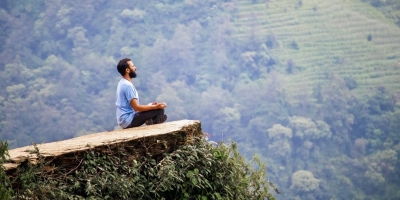
Yoga Trekking in Nepal is a Journey of serenity and adventure. Experience the best of both worlds with a unique blend of adventure and spirituality through yoga trekking in Nepal. This transformative four-day trekking package invites you to explore the breathtaking Himalayan landscapes, immerse yourself in rich cultural heritage, and rejuvenate your mind, body, and spirit through yoga and meditation. Join us for an enriching experience combining adventure, spirituality, and cultural immersion, promising lasting memories and soulful rejuvenation.Yoga trekking is rapidly gaining popularity in Nepal, offering awe-inspiring mountain vistas and a chance to learn and practice ancient yoga techniques. During your stay in Nepal, Asiana Treks and Tours will guide you through revitalizing yoga sessions in the morning and evening. Our expert yoga teacher will accompany you from the hotel to the trekking trails, ensuring a seamless journey of relaxation and adventure.The renowned trek takes you through the culturally rich villages of Ghorepani and Ghandruk, leading to the famed Poonhill viewpoint. As you ascend to the 3,210-meter-high Ghorepani, you'll be captivated by the distinct cultural heritage of the Magar and Gurung ethnicities. The trek commences with a scenic 45-kilometer drive from Pokhara to Nayapul. The crown jewel of this adventure is the sunrise spectacle at Poonhill, offering panoramic views of over 30 mountain peaks, including three towering above 8,000 meters.Autumn is the ideal season for the Ghorepani Poon Hill trek, boasting clear skies and unparalleled mountain vistas accompanying your journey.In a world where modern lifestyles often neglect physical well-being, the significance of yoga has grown immensely. Balancing hectic routines with adequate exercise has become challenging, leading to various health issues. Incorporating yoga into daily life plays a pivotal role in maintaining overall wellness.Calling all yogis who yearn for adventure and mindfulness! Embark on a Himalayan trek infused with the essence of yoga. Asiana Treks and Tours invites you to experience yoga's wonders amidst Nepal's mystical Himalayan landscapes. Immerse yourself in the beauty of the Himalayas, where Lord Shiva, the great Yogi, is believed to traverse. Marvel at majestic mountains, pristine rivers, lush valleys, captivating temples, warm-hearted locals, and delectable cuisines, all awaiting your exploration in Nepal.Nepal isn't just a destination; it's a lifetime journey.Guided by experienced local guides and compassionate yogis, delve into the mystique of the Himalayas. Embrace an unforgettable fusion of remarkable treks, temple visits, indigenous cultures, yoga, and mindfulness. Nepal's splendor is yours to explore! Our expert yoga teachers eagerly anticipate welcoming you to the birthplace of yoga and meditation. Following the trek, unwind at a serene yoga retreat and spa or extend your adventure to Chitwan National Park or the thrilling Trishuli River rafting experience.For those who prefer a more straightforward yoga-focused journey, we offer yoga retreat group tours across Kathmandu, Pokhara, and Lumbini, the birthplace of Buddha—the ultimate meditator. Yoga studios and enthusiasts worldwide are welcome to partake in this soul-enriching journey.Join us in Nepal and uncover the marvels that await you in this must-see destination, YOGA TREK IN NEPAL, on the planet.Yoga Trekking ItineraryAsiana Treks and Tours has the perfect Yoga Trek itinerary. Travelers who desire to explore Nepal with moderate physical fitness. You'll discover the best places for breathtaking views from the city to the countryside and experience an unforgettable lifetime journey.Yoga Trekking Distance:Yoga Trekking spans approximately 110 kilometres, or 68 miles, depending on the chosen itinerary.Many trekkers opt for the route via Ghorepani Poon Hill, which offers a relaxed pace conducive to acclimatization. This route typically spans 10 to 12 days. Extending the itinerary by two days allows for a return trek to Pokhara through picturesque villages like Landruk, Tolka, Pothana, and Dhampus, and concluding at Phedi.Our package tour ensures reliability in terms of cost, itinerary, and overall experience. For Nepali citizens, the Annapurna Base Camp trek typically ranges from US$ 675 to 1075 with variations depending on group size, service level, guide and porter services, transportation preferences, and accommodation choices in Kathmandu or Pokhara. This cost estimation is subject to the types of trekking gear and accommodation preferences.Yoga Trekking route:Yoga Trekking route showcases awe-inspiring natural beauty. Starting in lush valleys with terraced fields and traditional villages, the journey unfolds amidst the Himalayan foothills. Rhododendron forests bloom in spring, accompanied by cascading waterfalls and snow-capped peaks. Traversing wildflower meadows and crossing suspension bridges over mountain streams. leading to panoramic views of towering peaks like Annapurna south, Himchuli and Machhapuchhre. The trek promises unforgettable moments, whether you're a seasoned trekker or novice adventurer, offering an unparalleled journey through Earth's most breathtaking landscapes.Yoga Trekking price:Our package tour ensures reliability in terms of cost, itinerary, and overall experience. For Nepali citizens, the Annapurna Base Camp trek typically ranges from US$ 675 to 1075, and for foreigners, US$ 715 to 1075, variations depending on group size, service level, guide and porter services, transportation preferences, and accommodation category in Kathmandu or Pokhara. This cost estimation is subject to the types of trekking gear and accommodation preferences. However, we could end the trek via Landruk and Dhampus if you avoid Kathmandu sightseeing and Pokhara exploration.Yoga Trekking Height:Yoga Trek starts from the lively and metropolitan city Kathmandu which is situated at an altitude of 1,337 meters. From Kathmandu, you are headed towards the beautiful lakeside city of Pokhara situated at 827 meters above sea level. During the trek, you are going to ascend towards popular viewpoints Landruk, Ghandruk, and Ghorepani. The maximum altitude you will reach Poon Hill is 3210 meters above the sea level. From Ghorepani, you descend towards Tikhedhunga, and further, you trek towards Nayapul and drive back to Pokhara. At last, you take a flight from Pokhara to Kathmandu, where the trek ends.Major villages of Yoga Trekking:The major Magar and Gurung ethnic villages along the Yoga Trekking route are Dhampus, Tolkha, Landruk, Chomrong, Ghandruk, Tadapani, Ghorepani, Tikhedhunga, Hile, Sudame, Bire Thati and Nayapul. The return route follows the same path back to Chhomrong, passing through Hotspring, Mataque, Sewai, Berithati, and Nayapul and finally driving back to Pokhara. These villages are significant landmarks and offer scenic beauty and accommodation options along the Trekking route.Best Viewpoints Yoga Trekking:These viewpoints provide unforgettable experiences, highlighting the beauty of the Yoga Trek.Yoga Trek offers breathtaking viewpoints, showcasing stunning panoramas of the surrounding Himalayan peaks. Here are the critical views along the route:Near Naudanda and Kande: On the way to Nayapul, enjoy magnificent views of the mountains and rice terraces.Ulleri to Banthati: Experience impressive mountain vistas during the second day of trekking.Poon Hill: Witness the iconic sunrise at an altitude of 3,210 meters, with panoramic views of the Annapurna and Dhaulagiri ranges.Deurali: Enjoy similar breathtaking views to Poon Hill on the opposite side during the third day of trekking.Tadapani: Tadapani is a tranquil and peaceful place. Surrounded by Rhododendron and ever-green forest, it is the best location for overlooking the best view. In the Breezi morning, you have the best sunrise view of the stunning "Fish Tail" peak (Machhapuchhre) and Annapurna South and Himchuli right in front of you.Ghandruk:Ghandruk is the best view points of Annapurna south, Himchuli, and Machhepuchhare ( Fishtail) Mountain as well as Modi river valley and beautiful terrace Rice and millet.Dhampus:Dhampus is another beautiful place from where you Enjoy the View of Annapurna South to Lamjung himalayan range include Mt Machhapuchhare and wide vally view of cultivated terrace field and unique village.Biodiversity of Yoga trekking:The Yoga Trekking trail is a biodiversity hotspot, perfect for nature lovers. Lush forests in the lower regions house various bird species, including rhododendrons and bamboo. Alpine meadows greet you higher up with vibrant wildflowers. Look out for elusive wildlife like Himalayan thars and snow leopards, while diverse birdlife, including the Himalayan Monal, adds to the experience. This trek offers a captivating glimpse into the Himalayan ecosystems, promising an unforgettable journey through nature's diversity.Festivals and cultures in Yoga Trekking:You'll immerse yourself in vibrant festivals and cultural traditions along the Yoga Trekking route. The region, predominantly inhabited by ethnic groups like the Gurungs and Magars, celebrates various festivals.Dashain, typically in September or October, is a significant Hindu festival symbolizing the triumph of good over evil. Villages burst with colorful decorations, music, and dances as families gather for blessings and feasts.Tihar, known as the Festival of Lights, falls in October or November. This five-day celebration honors animals and the goddess of wealth, Laxmi. Oil lamps light up homes, and rituals bring prosperity and fortune.These festivals offer a unique and lifetime experience, as well as Nepalese culture with the majestic beauty of the Himalayas.Advantage book with Asiana Treks and tours:Private transport for airport transfers to/from your hotel.Trip briefing on Facebook and online if you love to connect.Last minute booking at your hotel at a suitable time after your arrival.Easy booking and reservation system.Multi-channel communication via Email, WhatsApp, Facebook, Viber, Skyp24/7 phone communication at +977-9851076270Free excess luggage storage during the trekPulse oximeters for monitoring blood oxygen saturation at high altitudes to detect altitude sickness earlyMedical kits along the trek and hot airbags are available in winterArrange sleeping bags, duffel bags, down jackets, and walking pools if you don't have your own.Yoga Trek Booking:Asiana Treks and Tours is the best and most trusted trek and tour company operator authorized by the Nepal government. We require a 10% advance payment to book your trip, and you'll need to send us a copy of your passport, photos, travel insurance, and flight details as soon as you book a tour with us. You can use bank transfer, or any other way like Western Union, or online via our website, which is easy. The remaining trip cost can be paid upon arrival in Nepal. We offer last-minute bookings, but changes may occur due to circumstances like bad weather.Transportation for Yoga Trekking:We pride ourselves on our flexible transportation options, which include planes, helicopters, tourist buses, coasters, vans, jeeps, and cars. These are tailored to our Clints' specific needs, preferences, itineraries, and agreements, ensuring a comfortable and personalized travel experience. However, we provide Tourist buses to and from Pokhara, Private transportation from Nayapul to and from Sewai and Kathmandu sightseeing private vehicle as per the group, and optional fly to and from Pokhara at extra cost.Yoga Trekking Start:Your Yoga Trek begins with a warm welcome in Kathmandu. Our dedicated team will be there to greet you as soon as you arrive at Tribhuvan International Airport. We'll then escort you to your hotel in a private vehicle, ensuring a comfortable and hassle-free start to your adventure, and setting the tone for a memorable journey.If you miss the regular trip briefing, don't worry. We'll provide it at a convenient time before departure, Pokhara, either before a World Heritage tour the following morning or the next day; we'll then proceed to Pokhara by tourist bus, departing around 7 a.m. from Sorakhutte, Kathmandu.The package includes transportation by tourist bus from Kathmandu to Pokhara, offering a comfortable and scenic journey. However, if you prefer a quicker option, you can also take a 25-minute domestic flight to Pokhara or use a private vehicle for an additional cost, allowing you to choose what suits you best.Currency Exchange:The Nepalese rupee is Nepali currency, and 1 USD is approximately 130 NPR. Only NPR is accepted in Nepal, so it's best to bring cash to facilitate transactions. Banks and ATMs in Kathmandu provide currency exchange services but note that most banks prefer new, crisp notessGuide and Porter Arrangement:Our company, Asiana Treks and Tours, focuses on responsible tourism in Nepal. We make sure our guides and porters are well-trained in Trekking and mountaineering. They know a lot about the areas we go to, including geography, history, customs, and culture. We train them regularly in safety, first aid, and environmental conservation. We follow guidelines to treat our porters fairly, providing them with good pay, accommodation, and meals during treks. Our guides and porters are essential team members, and we appreciate their hard work. When you trek with us, you support ethical tourism in Nepal, making your trip meaningful and memorable.Asiana Treks and Tours prioritizes your safety and enjoyment. Our knowledgeable guides, reliable equipment, and safety measures ensure a great trekking experience in Nepal.Porter, Luggage, and extra Luggage storage:We cover the cost of porters for your luggage, but the maximum weight limit is 12 kg per person. Each porter carries luggage for two trekkers; please share a duffle bag with another. Our porters will carry up to 25 kg each. If you need a porter for yourself, we can arrange that. We also recommend carrying a small backpack for your valuables and important documents. You can leave extra luggage at our office for free and at a hotel in Pokhara, Namche, etc.Accommodation:Accommodation during the Yoga Trek varies. Along the trekking route, you'll stay in guest houses, commonly known as teahouses. These basic lodges offer rooms, dining areas, and toilets. The quality of guest houses varies but remains affordable and convenient for trekkers. Rooms typically have twin or bunk beds and shared bathrooms, and blankets and pillows are provided. Our company can offer a sleeping bag if you don't have one. You'll spend nine nights in lodges along the trekking route, two nights in a hotel in Pokhara, and three nights in a hotel in Kathmandu. Some places and lodges have attached bathrooms, while others offer simple yet clean rooms with shared facilities. We can arrange a solo trekking service if you're traveling solo, but availability may be limited during peak season in some places. In Kathmandu or Pokhara, your hotel room will have excellent amenities, including TV, 24/7 hot water, electricity, and laundry service.Meals during the trip:Eating well is essential since the Ghorapani-Dhampus circuit Trek takes you through the high Himalayas. You'll have plenty of nutritious meals in the trekking regions, although the options won't be as varied as in the cities. You'll get fourteen breakfasts, eleven lunches, and ten dinners during the Trek. The menu includes local, Asian, and Western dishes, but it gets more straightforward as you climb higher. Try popular Nepali foods like lentils, rice, curry, dumplings, noodles, Spagaties, and many more. We highly recommend eating fresh vegetables and drinking liquids like green tea, lemon tea, hot lemon, ginger tea, and garlic soup, especially at high altitudes. While non-vegetarian options are available during the Trek, we suggest avoiding them for hygiene reasons. It's also best to steer clear of dairy, cheese, alcohol, caffeine, and hot chocolate. Personal expenses like alcoholic drinks and extra beverages at lodges or cafes aren't included in the package.Drinking water:Nepal is the second country in the world regarding water sources after Brazil. According to the Nepal government, only 27% of people here have clean drinking water. Regarding to drinking water, you can buy mineral water in teahouses, but it is expensive; people prefer plastic bottles in some trekking areas. So, there are some safe drinking water stations where you can refill your bottle. However, we recommend carrying Steripen, iodine drops, water purification tablets for safe drinking, and refillable water bottles for boiled or filtered water. We strongly advise not to drink from taps, wells, and rivers in trekking areas. However, in all the city areas, Mineral water is available at a reasonable cost everywhere.Extra Personal Expenses:While most expenses during the Trek are covered, you'll need to spend money on accommodations and meals in Kathmandu and Pokhara, souvenirs, and additional beverages. We estimate about USD 10-20 per trekking day for miscellaneous expenses.Toilet Facilities in Yoga Trekking:Most teahouses have Western-style flush toilets during mountain treks, especially at lower elevations. But as you go higher, find simple squat toilets along the trails and teahouses at higher altitudes. These toilets usually have water or toilet paper, but it's a good idea to bring your toilet paper just in case. You can also use restrooms at nearby teahouses or find a private spot along the trekking routes.Internet Connectivity:While trekking in the Himalayan region of Nepal, connecting with your family and friends is also a good idea. You can find internet access at teahouses and lodges, but it might be extra minimal cost. The signal might be weak because of the remote location. You can also get internet access using a local SIM card and data packages available at Kathmandu airport or nearby shops in Thamel and Pokhara. You'll have a passport-sized photo and a copy of your passport to get a SIM card. It's a good idea to compare prices and data packages from telecom companies like Ncell and Nepal Telecom before buying. Knowing about teahouse connectivity. Our guide will suggest connections for you.Electricity voltage and plugs:However, 95 % of Nepali people have access to electricity as of May 29, 2023. almost popular trekking routes, teahouses, and lodges have electricity. However, some isolated and solo trekking tea houses in the jungle don't have electricity; Most of these tea houses let travelers charge their devices for a small fee. The average electrical voltage in Nepal is 230 volts, with plug types like Type C, Type D, and Type M. Travellers should bring a suitable adapter and, if needed, a voltage converter for their electronic devices.Communication in Yoga Trekking:The guest houses in the trekking regions have internet access. You could buy a SIM card at Tribhuvan International Airport Kathmandu and Pokhara. However, the signal may need to be more assertive at high altitudes. Our office keeps in touch with all trekking teams via the trek guide at least once daily to ensure everything goes as planned.Trip Extension:Suppose you have extra days in Nepal after the Trek. In that case, we can arrange a tour, overnight stay at Nagarkot Balthali or any other place around Kathmandu and Chitwan, jungle safari, paragliding, rafting, canyoning, or other treks. Do not hesitate to Inform us. We will create the best for you.Trek Difficulty:The Ghorepani-Dhampus circuit trek presents a moderate and challenging yet enriching adventure. Your enjoyment of the trip will largely depend on your level of fitness. We recommend building stamina at least two weeks before the trek. Activities include jogging, running, swimming, or taking long hikes for the journey ahead.Completing this trek is achievable even if you're a beginner, although you must maintain a reasonable fitness level. Prior trekking experience can be advantageous, though it is optional. All you need is the readiness to hike steadily for 4-8 hours, navigating tricky terrain.Suppose trekkers have pre-existing medical conditions, such as lung or heart diseases. In that case, they are advised to consult their physician before booking the trek to ensure their safety and well-being throughout the journey.Trip Safety:We highly give top priority. We provide experienced guides with first aid kits and necessary safety gear to ensure a safe hand. Our team monitors weather and trail conditions and takes precautions to avoid risks. Before starting the trek, we discuss the trip to provide a clear understanding and ensure a reliable experience.Group & Private Treks:We organize many group and private treks simultaneously, with discounts available for larger groups. Every group will have a trekking guide and porters; an assistant guide may be provided for larger groups. Our team ensures a safe and enjoyable trekking experience for all participants.About solo traveler:If you're a solo traveler, please contact us to confirm departure dates before booking. You can tell us via call, WhatsApp, or email. We have listed upcoming departure dates for your convenience. Feel free to share the trip details with friends and family.Notes:Please be aware that the itinerary may change due to weather or other factors, and we'll adjust it accordingly for the group's safety and enjoyment. We look forward to guiding you through the stunning landscapes of the Annapurna region and ensuring a memorable trekking experience.Responsible Travel:We prioritize responsible travel to minimize environmental impact and support local communities. We collaborate with organizations like the Kathmandu Environmental Education Project (KEEP) to promote eco-friendly practices in trekking regions.Graduate:Graduate or tipping is appreciated in Nepali culture and reflects the quality of service provided. You decide how much to tip, but we recommend tipping as a group at the end of the trip.End of Trek:On the eleventh day, you'll take a bus from Pokhara back to Kathmandu, which takes about seven hours. Alternatively, you can fly from Pokhara to Kathmandu for an extra fee. In the evening, we'll host a farewell dinner in Kathmandu.Departure:On the day of your departure flight, we'll come to pick you up from your hotel and transfer you to Tribhuvan International Airport. We hope you enjoyed the Nepal trek and will consider returning for more adventures in Nepal.Feedback:After you complete the Yoga Trek, we'll organize a farewell dinner in Kathmandu and present you with a trekking achievement certificate. After the dinner, you can provide feedback about the Trek on travel portals.Last-Minute Booking:If you can't book in advance, we offer last-minute bookings. Full payment is required 24 hours before departure. While we do our best to accommodate last-minute bookings, delays may occur due to unforeseen.Special Note:Please remember that sometimes unforeseen circumstances, such as inclement weather or unavailable lodging, may cause the schedule to be altered. Your trip guide will design a fresh schedule based on the group's interests in such circumstances.

Best Nepal Tour – A Journey Through Culture, Nature & Adventure:Explore the Best Nepal Tour, a perfectly created 12-night, 13-day journey to immerse you in Nepal's rich culture, awe-inspiring nature, thrilling adventure, and spiritual depth. Asiana Treks and Tours offers a seamless experience across Nepal's most iconic destinations, whether you're a family, a couple, or a first-time traveller. Your adventure begins in Kathmandu, the cultural heart of Nepal. Explore its UNESCO World Heritage Sites, including Swayambhunath (Monkey Temple), Pashupatinath Temple, Boudhanath Stupa, and the historic Patan Durbar Square. These spiritual and architectural wonders offer insight into Nepal's centuries-old traditions and vibrant cultural heritage.From the valley, you'll ascend to Nagarkot, a peaceful hilltop known for its stunning Himalayan sunrise and sunset views. The journey continues with a pilgrimage to Manakamana, accessed via an exciting cable car ride, and then to Chitwan National Park, home to Nepal's most renowned wildlife experiences. Enjoy an authentic jungle safari and elephant bathing here, and visit the Elephant Breeding Centre. Interact with the Tharu community and witness their captivating cultural performances.Next, travel to Lumbini, the sacred birthplace of Lord Buddha, and walk through its tranquil monastic zone. From there, a scenic drive leads you to Pokhara, Nepal's adventure capital and a serene haven by Fewa Lake. Enjoy a peaceful boat ride, visit Devi's Falls and Gupteshwor Cave, and take in the majestic sunrise view from Sarangkot, offering panoramic views of the Annapurna and Machhapuchhre ranges.Whether you choose a luxury-guided Nepal tour, a budget-friendly itinerary, or a family adventure package, this all-in-one experience promises to deliver unforgettable moments, from photographic landscapes and spiritual sites to natural wonders and cultural treasures.We, Asiana Treks and Tours, are your trusted companions on this life-enriching journey across Nepal.Preparing for the Best Nepal Tour in Nepal:Preparing for the Best Nepal Tour with Asiana Treks and Tours involves a few important steps to ensure a smooth and enjoyable journey. Begin by booking your international flight to and from Tribhuvan International Airport in Kathmandu and sharing your flight details with your tour provider for a hassle-free arrival and departure. Consult your doctor about your health condition or a travel clinic at least 4–6 weeks before departure to discuss any recommended vaccinations for Nepal. Ensure your passport is valid, and arrange your travel visa and insurance in advance. Pack clothing suitable for different climates and activities, including layers for changing temperatures and seasons, comfortable shoes, and rain protection. Bring basic medicines, personal hygiene items, and a power bank. Carry enough cash, especially for rural areas, and consider getting a local SIM card for communication. Lastly, learn about local customs, dress modestly, and respect cultural traditions to enhance your experience in Nepal. With thoughtful preparation, you’ll enjoy a safe, exciting, and unforgettable adventure. What to do What to Prepare Notes & Tips Flight Booking Book your international flight to and fromTribhuvan Int’l Airport (KTM) Use trusted platforms like kayak.comOr makeMyTrip.com; share your flight info.Vaccinations Consult your doctor 4–6 weeks before departure Recommended: Hep A, Typhoid, Tetanus;Check the CDC for the latest updates Travel Documents Valid passport, Nepal visa, travel insurance Apply for a visa on arrival or online (e-Visa) Packing Essentials Comfortable clothing, trekking shoes, rain jacket, power bank Layered clothing for changing weather Health & Safety Basic medicines, sunscreen, hand sanitiser, insect repellent Visit your doctor for vaccinations if needed Currency & Payments Nepalese Rupees (NPR), extra cash for remote areas ATMS are available in cities, and cash is preferred in villages Cultural Awareness Respect local customs, dress modestly, and remove shoes in temples Learn basic Nepali greetings like “Namaste” Weather Planning Check the climate based on the month and destination Spring (Mar–May) and Autumn (Sep–Nov) are ideal Tech & Connectivity Local SIM card, adapter, and offline maps Buy a local SIM for better coverage What to Expect in the Best Nepal Tour: Nepal is a land of cultural depth, natural beauty, and warm hospitality. During your Best Nepal Tour, expect a blend of spiritual heritage, stunning Himalayan views, jungle adventures, and vibrant local life. From ancient temples in Kathmandu to serene lakes in Pokhara and the wildlife-rich jungles of Chitwan, Nepal offers diverse experiences in one journey. Be ready for friendly locals, peaceful monasteries, scenic drives, and unforgettable sunrises over the mountains. The weather varies by region and altitude, so flexibility and curiosity will make your journey even more rewarding. Experience Witness and Encounter Better suggestion to know Culture & People Friendly locals, ancient temples, colourful festivals Learn basic greetings like “Namaste”, and respect local customs Nature & Scenery Himalayas, lakes, forests, rivers, and rural villages Ideal for photography and peaceful nature walks Adventure Options Short treks, paragliding, jungle safaris, rafting Optional and suitable for all levels of fitness Food & Cuisine Dal Bhat, momo, Newari dishes, fresh fruits and local tea Try local eateries for authentic flavours Climate & Weather Varies by region – cool mountains, warm lowlands Layered clothing is best; check the season before travel Religion & Beliefs Hinduism and Buddhism dominate with daily rituals and ceremonies Visit stupas and monasteries respectfully Transport & Roads Tourist buses, private vehicles, scenic but winding roads Be patient with travel time; enjoy the views Itinerary, Height, and Oxygen levels in Best Nepal Tour:The Best Nepal Tour offers a scenic and cultural journey through Nepal’s most iconic destinations—from the spiritual ambience of Kathmandu to the panoramic sunrise at Sarangkot, the sacred birthplace of Buddha in Lumbini, jungle adventures in Chitwan, and the peaceful lakeside charm of Pokhara. This well-balanced itinerary is perfect for travellers who wish to experience Nepal’s nature, heritage, and adventure at a comfortable pace. The altitudes remain moderate, making it ideal for all ages with no risk of altitude sickness. Day & Destination Altitude (meters/feet) Oxygen Level by place Day 1: Arrive in Kathmandu 1,337 m / 4,386 ft ~87% Day 2: Kathmandu to Nagarkot 2,175 m / 7,136 ft ~80% Day 3: Nagarkot to Kurintar to Manakamana 1,258 m / 4,127 ft (Manakamana) ~88% Day 4: Kurintar to Chitwan (Sauraha) 415 m / 1,362 ft ~95% Day 5: Chitwan Safari Activities 415 m / 1,362 ft ~95% Day 6: Chitwan to Lumbini 150 m / 492 ft ~98% Day 7: Lumbini to Pokhara 827 m / 2,713 ft ~92% Day 8: Pokhara to Sarangkot 1,600 m / 5,250 ft ~84% Day 9: Sarangkot to Pokhara 827 m / 2,713 ft ~92% Day 10: Pokhara to Kathmandu 1,337 m / 4,386 ft ~87% Day 11: Final Departure 1,337 m / 4,386 ft (Kathmandu) ~87% Travel Distances of Best Nepal Tour: This Best Nepal Tour covers a variety of scenic routes, cultural heritage sites, and natural wonders across Nepal. From the hills of Nagarkot to the jungles of Chitwan, the birthplace of Buddha in Lumbini, and the lakeside city of Pokhara, the journey is designed to be immersive and enjoyable. Depending on your package, all travel is done by comfortable tourist vehicles or private cars.Tour Route Distances in km and Miles Highlight of the Tour Kathmandu → Nagarkot 32 km/20 miles Sunrise views of the Himalayas, a hilltop village, and a peaceful retreat Nagarkot → Kurintar (via Manakamana) 97 km/60 miles Scenic drive, Manakamana Temple cable car experience Kurintar → Chitwan (Sauraha) 90 km/56 miles Jungle safari, wildlife viewing, Tharu culture show Chitwan → Lumbini 165 km/103 miles Birthplace of Lord Buddha, monasteries, meditation gardens Lumbini → Pokhara 205 km/127 miles Lakes, caves, temples, and the Himalaya views from the lakeside Pokhara → Sarangkot 11 km/7 miles Sunrise over the Annapurna Range, panoramic mountain vistas Sarangkot → Pokhara 11 km/7 miles Return to Pokhara, relax or explore the city Pokhara → Kathmandu 200 km/124 miles Scenic highway drive, river valleys, hillside villages Best Nepal Tour Package Cost (Price):At Asiana Treks and Tours, we aim to provide fair and flexible pricing options for every traveller. The total cost of your Nepal tour varies based on your choice of accommodation, services included, and customisation preferences.We offer several categories, from regular and budget-friendly tours to premium luxury experiences, ensuring a comfortable journey whether you're a solo traveller, a couple, a family, or a group. All tour packages include transportation, guide services, necessary permits, and entry fees unless specified.The prices are based on a twin-sharing basis (per person) and may vary slightly depending on seasonality and group size. Below is a cost breakdown: Tour Category Services Included Price Range (Per Person in USD) Regular Tour Basic hotels/guesthouses, transportation,guide, permits, standard meals, sightseeing entrance fees $750 – $890 3-Star Hotel Tour Comfortable 3-star hotels, breakfast, private vehicle transport,English-speaking guide, sightseeing with entry fees $950 – $1,150 4-Star Hotel Tour Deluxe 4-star hotels, full-board meals, upgraded transport,all entrance fees, an experienced guide, and airport services $1,250 – $1,480 5-Star Hotel Tour Premium 5-star hotels, private luxury vehicle,top-rated guides, all meals and permits, spa access in selected hotels $1,600 – $1,950 Premium Luxury Tour Finest boutique & heritage hotels, exclusive private guide, luxury transportation(car/flight), all-inclusive service, personalised itinerary support$2,100 – $2,500+ Best Viewpoints & village During the Best Nepal Tour:The Best Nepal Tour is thoughtfully crafted to showcase Nepal's cultural heritage, natural beauty, and spiritual depth. From the centuries-old temples of Kathmandu Valley to the panoramic Himalayan views of Sarangkot and the peaceful jungles of Chitwan, this tour takes you through Nepal's most iconic locations. Each destination offers unique viewpoints and memorable experiences, whether a sunrise over snow-capped peaks, a walk through sacred Buddhist sites, or a thrilling jungle safari in a countryside village. The diverse terrain and local communities authentically taste Nepalese life and scenery. PlacessScenic View / Cultural Highlight Key Experiences Kathmandu Ancient temples, Durbar Squares, and city skyline views UNESCO sites, cultural walking tours, and local markets Nagarkot Panoramic Himalayan sunrise/sunset, green hills and terracesPanoramic Mountain view, including Mount Everest on clear days Peaceful hill station stay, sunrise photography,beautiful landscape, peace and serene environment Kurintar Hills and river valley view near the Trishuli River Cable car to Manakamana Temple, a spiritual experience Manakamana Temple perched on a ridge with views of mountains and rivers Pilgrimage site, panoramic hill views Chitwan (Sauraha) Jungle landscape, Rapti River sunset Elephant safari, canoe ride, Tharu cultural show Lumbini Sacred Buddhist gardens and monasteries Birthplace of Buddha, global peace monuments Pokhara Lakeside views, Annapurna and Machhapuchhre mountains Boating on Phewa Lake, caves, and waterfalls Sarangkot Unmatched sunrise over Annapurna, Dhaulagiri, Machhapuchhre Paragliding, sunrise hike, panoramic mountain viewing Biodiversity of the Best Nepal Tour:Nepal is a biodiversity hotspot with dramatic altitudinal variation—from lowland jungles to alpine meadows—making it one of Earth's most ecologically diverse countries. Asiana Treks and Tours offers a thoughtfully crafted Best Nepal Tour that takes travellers through various ecosystems, showcasing an array of flora and fauna.From tropical wildlife in Chitwan National Park to the rhododendron-covered hills of Pokhara and the highland vegetation of Nagarkot, this journey is a living classroom of nature. You'll explore diverse landscapes home to endangered species, unique birds, and Himalayan plants, enriching your travel experience with ecological depth and discovery.Location Biodiversity Features Key Nature Experiences Chitwan National Park Dense sal forests, grasslands, wetlands;UNESCO World Heritage Site See rhinos, Bengal tigers, elephants,crocodiles, and 500+ bird species Lumbini Region Terai plains with native flora, wetland birds Birdwatching, peaceful gardens, and sacred ponds Pokhara Valley Subtropical to temperate forest zones, the Phewa Lake ecosystem Lake ecosystem tours, butterfly watching, and hill flora Sarangkot Hills Mixed deciduous and rhododendron forests Birdwatching, panoramic nature walks Nagarkot Highland forests, Himalayan plant life Scenic walks, Himalayan ecosystem observations Festivals, Culture & Lifestyle in Best Nepal Tour:Nepal has vibrant festivals, diverse cultures, and deeply rooted traditions. While travelling across cities and the countryside, you will witness the harmony between ancient customs and modern life. From sacred temples in Kathmandu to the peaceful monasteries of Lumbini, and from the lively Tharu villages in Chitwan to the spiritual lifestyle of Pokhara, this tour is a true celebration of Nepalese heritage. Nepal's cultural richness is amplified during festivals such as Dashain, Tihar, Buddha Jayanti, and Holi. You'll also observe traditional architecture, local attire, daily rituals, and the hospitality of Nepal's ethnic communities, such as the Newars, Gurungs, Tharus, and Brahmins.Region / City Cultural Experience Festival / Lifestyle Highlight Kathmandu Valley Temples, stupas, old palaces, bustling markets Dashain, Tihar, Indra Jatra, Newar heritage & art Nagarkot Hill culture with a spiritual atmosphere Peaceful village life, sunrise rituals Kurintar / Manakamana Pilgrimage culture via cable car to the Manakamana Temple Hindu offerings, local beliefs Chitwan (Tharu Village) Indigenous Tharu tribal lifestyle, traditional homes & dress Stick dance, rice wine, and daily subsistence lifestyle Lumbini Buddhist pilgrimage centre, monastic architecture Buddha Jayanti, meditative monastic routines Pokhara Lakeside modern city with a laid-back vibe mixed with spirituality Gurung culture, yoga centres, trekking lifestyle Sarangkot Rural hilltop settlement with breathtaking Himalayan views Agricultural life, sunrise prayer ritualsAdvantage book with Asiana Treks and Tours: Private transport for airport transfers to/from your hotel. Trip briefing on Facebook and online if you'd like to connect.Last-minute booking at your hotel at a suitable time after your arrival.Easy booking and reservation system.Multi-channel communication via Email, WhatsApp, Facebook, Viber, Skype, and 24/7 phone communication at +977-9851076270Free excess luggage storage during the TourAbout Tour Booking, Transportation & Start in Best Nepal Tour:Booking your Nepal tour with Asiana Treks and Tours assures a seamless travel experience from start to finish. Our process is simple, secure, and personalised. You can book without hesitation through our website or by contacting our team to customise the itinerary based on your interests, group size, and travel time.The tour begins in Kathmandu, the capital of Nepal, where you will be greeted at the airport by our representative holding a placard. On the first day, a short orientation meeting is held at the hotel. The tour continues through scenic cities and natural attractions using comfortable private vehicles, tourist buses, or jeeps, depending on group size and road conditions. Some segments, like the Manakamana cable car ride, add unique travel experiences.Aspect Details Highlights Tour Booking Online via the official website ordirect contact for customisation Easy, secure booking; customizable itinerary Tour Start Location Kathmandu – Airport pickup included Meet & greet with placard, hotel orientation on Day 1 Transportation Modes Private car/van, tourist bus, jeep, and Manakamana cable car Comfortable travel, scenic drives, and a unique cable car ride Travel Support Services – Currency Exchange, Guides, Drivers & Luggage Storage:Asiana Treks and Tours is committed to providing a hassle-free experience for every traveller. Upon arrival in Kathmandu, our team helps you exchange currency at authorised and competitive exchange counters. You should exchange money at the airport or in trusted exchange centres in Thamel, Pokhara, or other major towns.We provide professional and friendly licensed tour guides knowledgeable in history, culture, and local traditions. They accompany you on sightseeing tours to ensure an enriching experience. For your journey, we also arrange experienced drivers and helpers who assist with transportation, luggage handling, and comfort throughout the trip.If you have extra luggage you don’t need during multi-day tours or treks, we offer free storage at our partner hotel or office in Kathmandu so that you can travel light and worry-free.Service Details Highlights Currency Exchange Available at the airport & reliable exchange centres inKathmandu/Pokhara/ Chitwan/ Lumbini Competitive rates, assistance provided Tourist Guide Licensed English-speaking guides for city tours & cultural sites In-depth knowledge, friendly and professional service Driver & Helper Private drivers and helpers were arranged for each route Safe travel, assistance with luggage and comfort Extra Luggage Storage Free storage facility at Kathmandu hotel/office during trek or tour Safe and convenient luggage storage Accommodation, Meals & Drinking Water During Best Nepal Tour:Asiana Treks and Tours ensures comfort throughout the Best Nepal Tour by offering quality accommodation, hygienic meals, and safe drinking water.Depending on the package you choose, you’ll be accommodated in 3-star to 5-star hotels or luxury resorts during your stay. All accommodations are clean, safe, and well-equipped with modern amenities, offering warm hospitality and great views of the surrounding landscapes.Meals are served at your hotels or selected local restaurants and include Nepali, continental, and Asian cuisines. Special dietary preferences, such as vegetarian, vegan, or gluten-free meals, can be arranged upon request.We ensure access to bottled mineral water throughout the journey for drinking water. In some eco-lodges or rural areas, filtered or boiled water is provided for safety. Staying hydrated is essential, especially in warmer regions and while moving.Service Details Highlights Accommodation 3-star, 4-star, 5-star, or luxury hotels/Resorts based on package selection Clean rooms, hot showers, Wi-Fi, scenic views Meals Breakfast included; lunch and dinner atselected restaurants or hotels Hygienic Nepali and international cuisine,custom meals available Drinking Water Bottled mineral water,or filtered/boiled water, where applicable Safe and clean water throughout the tour Extra Expenses, Electricity & Internet – Best Nepal Tour:While most services are included in the tour package, travellers should be aware of extra personal expenses such as souvenirs, drinks, tips, laundry, or personal shopping. ATM services are available in all major towns, and most tourist areas accept credit/debit cards.Nepal uses 220V / 50Hz electricity with Type C, D, and M plugs. To ensure device compatibility, it’s advisable to carry a universal adapter. Electricity is generally stable in cities and tourist regions, though brief outages may occur in rural areas.Internet connectivity is readily available in hotels, cafes, and public places. Most accommodations offer free Wi-Fi, and travellers can buy a local SIM card with 4G data for mobile access during the tour. Coverage is strong in cities and moderate in remote areas.Category Details Highlights Extra Personal Expenses Not included: souvenirs, drinks, tips, laundry, and personal shopping Bring extra cash or use ATMS; cards accepted in major towns Electricity & Plugs 220v / 50Hz with plug types C, D, and M Carry a universal adapter; stable power in tourist areas Internet Connectivity Wi-Fi in hotels, local SIM cards with 4G data available Good city coverage; limited access in remote regions Communication, Trip Extension & Safety – Best Nepal Tour:During your journey through Nepal, communication is generally reliable in major towns and tourist hubs. Mobile networks are widely available, and travellers can purchase a local SIM card with voice and data plans for easy contact throughout the trip. English is commonly spoken by guides, hotel staff, and most tourist services, making interaction smooth for international travellers.For those looking to explore more, trip extensions are available to customise your Nepal experience. You can add popular destinations like Everest Scenic Flight, Bhaktapur Heritage Tour, Paragliding in Pokhara, or even trekking add-ons. Asiana Treks and Tours can help plan these extensions based on your schedule and interests.Trip safety is a top priority for Asiana Treks and Tours. Our Knowledgeable guides, trained by the Nepal Government, operate safe Tours. We ensure all ground transportation is operated by licensed and experienced drivers. Emergency contact assistance, travel insurance recommendations, and local support teams provide additional peace of mind.Category Details Highlights Communication Local SIM cards available; mobileand Wi-Fi access in most areas English is widely spoken;Good mobile coverage in cities Trip Extension Customizable tour extensions offered(sightseeing, activities, short Hikes) Add Everest flight,heritage sites, paragliding, etc. Trip Safety First-aid trained guides, insured transport,Safety briefings provided Emergency support and local backupensure safe travelTrip Difficulty, Trip Safety & Suggestions – Best Nepal Tour with Asiana Treks and Tours:The Best Nepal Tour is a cultural and scenic tour considered easy to moderate in terms of physical demand. It involves city sightseeing, nature excursions, short hill walks (like Sarangkot and Nagarkot), and jungle safaris—all manageable for most travellers, including families and senior citizens. Your safety is a top priority. All transportation is arranged through licensed and insured vehicles, and accommodations are vetted for cleanliness and security. Professional guides accompany each tour group, and local support is available throughout. Emergency contact and assistance are accessible at all times.Simple suggestions to ensure a smooth journey include staying hydrated, dressing in layers for changing weather, following the guide's instructions, and informing your tour manager of any health issues. Carry essential items like personal medication, sunscreen, comfortable shoes, and travel insurance for peace of mind.Category Details Highlights Trip Difficulty Easy to moderate, suitable for all fitness levels City tours, short hikes, and relaxed activities Trip Safety Fully guided tour with insured transport, safe hotels, and local assistance Emergency support and responsible travel practices Suggestions Wear layered clothes, follow the guide, carry sunscreen & meds Stay hydrated, be prepared for mixed weather and local customs Private and solo travel offers flexibility, personalisation, and privacy. You can customise your schedule, accommodation level, and travel pace. Solo travellers receive personal attention from guides and can explore places at their own pace, with safety and support from our experienced team.Responsible Travel We are committed to sustainable and ethical travel at Asiana Treks and Tours. We respect local cultures, traditions, and the environment. We promote ethical practices such as fair wages for staff, minimising waste, supporting local businesses, and preserving heritage sites. Travellers are encouraged to travel mindfully and leave a positive impact.Travel Type Description Highlights Group Travel Fixed departure, shared experience, guided group tour Economical, social, great for first-time visitors Private/Solo Travel Fully customizable itinerary, one-on-one guide support Flexible, personal attention, ideal for couples or solo explorers Responsible Travel Ethical tourism that supports the local economy and culture Eco-friendly, culturally respectful, community-supportive tourism Gratitude & End of the Tour:As your unforgettable journey through Nepal concludes, Asiana Treks and Tours expresses heartfelt gratitude for travelling with us. From the towering Himalayas to serene temples and vibrant villages, your adventure has contributed to your personal experience and responsible and sustainable tourism in Nepal.Whether you explored with a group, solo, or on a private trip, we thank you for being part of our travel family. Your presence helps empower local communities and preserve Nepal’s cultural and natural heritage. We hope the memories you’ve made will stay with you forever. We encourage you to share your feedback, photos, and stories. Your experiences inspire others and help us improve our services. We look forward to welcoming you back for future adventures in Nepal’s mountains, jungles, and spiritual heartlands. Thank you once again—Dhanyabaad! Safe journey ahead.Aspect Details Highlights Farewell Note Heartfelt thanks for choosing Asiana Treks and Tours Encouragement to return for future Nepal trips Cultural Contribution Your journey supports local culture and responsible tourism Helps preserve heritage and create sustainable income Departure & Feedback:As your memorable journey with Asiana Treks and Tours ends, we ensure a smooth and timely transfer to Tribhuvan International Airport in Kathmandu. Our staff will assist you with transportation and luggage to ensure a stress-free departure. We recommend arriving at the airport at least 3 hours before your international flight.Your feedback is critical to us. It helps improve our services and guide future travellers. Whether it’s a review, suggestion, or shared memory, we appreciate every word you leave behind. You may share feedback via email, review platforms, or directly with your tour leader.We truly value your time with us and hope the experience has been inspiring. We wish you a safe journey home and look forward to seeing you again in Nepal!Aspect Details Highlights Airport Transfer Included in your tour package;Private vehicle to Tribhuvan International Airport On-time, hassle-free departure service Recommended Timing Arrive 3 hours before your flight departure Staff support with luggage and check-in guidance Feedback Collection Online reviews, email, and in-person form,Or direct sharing with a tour leader Helps improve future services andinspires other travellers
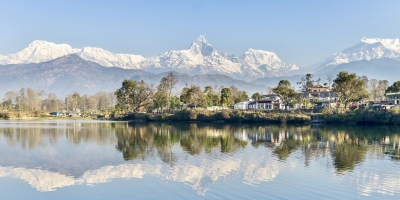
Best of Family tour Nepal is Good for families. Being the capital city, Kathmandu has no lack of any tourist destination places. People from different land visited these destination places to find peace and comfort. Kathmandu is a place where tourists can find peace and comfort. It is the perfect destination place for a vacation. There are resorts, luxury hotels, delicious food to enjoy your day. Kathmandu is the doorway to the travel industry in Nepal. Kathmandu is very rich in natural biodiversity as well as it is surrounded by a diversity of cultural, historical, architectural importance. Kathmandu valley consists of 7 UNESCO sites on the heritage list. Pashupatinath temple, Boudhanath, and Swayambhunath are the three religious pilgrimage of Kathmandu valley. The UNESCO Heritage tour in Kathmandu is an incredible insight into the valley’s culture, history, art, architecture, and spirituality. Visiting some of the amazing Buddhist sites brings you to a closer understanding of cultural and spiritual practices in Buddhist communities in Nepal. The way of their prayers, practices of rituals, and the legacy that they are carrying for generations are some of the incredible things to learn about. Exploring the medieval Durbar squares takes you back to the medieval age to give an insight into the wonderful skills of the artisans living at that time, the history of the royal dynasty ruling in Kathmandu valley during that time, and many other ancient and medieval secrets and facts that can only amaze you. An unbelievable exploration of Hindu cremation place at Pashupatinath area brings you the understanding of how passionate the death rituals are that keep people so honestly engrossed. The heart-warming feeling of observing and experiencing the rituals at the cremation site makes you realize the uniqueness of the cultural practice that is different from yours.Pokhara is the second biggest city in Nepal. It is the doorway to the journey in the Annapurna Mount Everest. Pokhara invites us with its normal excellence with Phewa lake, staggering Himalayas, stupas, caverns, cascade, sanctuaries. We can participate in numerous exercises in Pokhara like a short climb to Sarangkot, where we can see an amazing perspective on dawn and nightfall, one day climb to world harmony pagoda from where we can see the all-encompassing perspective on Mt.annapurna Mt. Dhaulagiri Mt. fishtail, and top perspective on Phewa lake and Pokhara city, Paragliding, ziplining and bungee bouncing, Butterfly watching, Rafting and kayaking, Moutain trekking, and town visit. Chitwan public park is the first national park of Nepal which was set up in 1973AD and it is recorded on the planet's legacy destinations by UNESCO in 1984AD. It is a well-known traveller objective in Nepal. Chitwan is wealthy in verdure. We can be occupied with numerous exercises in Chitwan like elephant back safari, jeep safari, visiting elephant rearing focus, wilderness walk, and bird watching, elephant washing, kayak ride, social program. Chitwan public park is interesting for various vertebrates, reptiles, birds, and jeopardized species like one-horned rhinos and the imperial Bengal tiger. There are numerous journey sanctuaries and places in Chitwan.
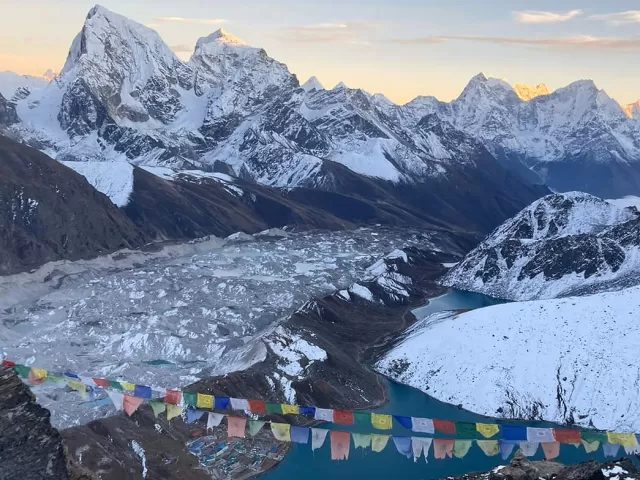
Gokyo Lake and Gokyo Ri Trekking: A Journey into the Heart of the Everest RegionGokyo Lake Trekking is one of the most picturesque adventures in the Everest region. Trekking offers breathtaking views of the Himalayan glacier lakes and the majestic Ngozumpa Glacier. This trek takes you through the serene Gokyo Valley, home to the famous Gokyo Lakes and Gokyo Ri, a perfect destination for nature lovers and photographers alike.The trek to Gokyo Lakes is a high-altitude trek in Nepal experience that combines scenic beauty, adventure, and cultural exploration. Along the way, trekkers enjoy stunning vistas of Cho Oyu, Everest, and other Himalayan peaks. The sunrise view from Gokyo Ri is an unforgettable highlight, revealing a panorama of snow-capped giants. The trail also offers opportunities for bird-watching in Gokyo Valley, making it a favourite for nature enthusiasts.For a more adventurous experience, the Renjo La Pass trek connects Gokyo Valley to the Everest Base Camp route, creating an epic journey known as the Everest Base Camp via Gokyo trek. Whether you're seeking an affordable Gokyo trek package or a luxury Gokyo Lake trek, there are options to suit all preferences.The best time for a Gokyo trek is in spring and autumn when the weather is clear and the trails are at their best. Trekkers can choose guided treks to Gokyo Lakes, ensuring safety and expert guidance. Sustainable trekking in Gokyo also helps protect the region's fragile environment and supports local communities.From cultural exploration to panoramic Himalayan views, the Gokyo and Everest panorama trek offers something for everyone. Trekking lovers should embark on this adventure in Nepal for a lifetime of memories. Gokyo Lake and Gokyo-Ri trekking itinerary: Asiana Treks and Tours has the perfect Gokyo Lake and Gokyo-Ri Trek itinerary. Travellers who desire to explore Nepal with moderate physical fitness. You'll discover the best places for breathtaking views from the city to the countryside. Experience the contrast of cold nights at Gokyo to a stunning view of the mountain wall, an unforgettable lifetime journey. Gokyo Lake and Gokyo-Ri Trekking Distance: The Everest Gokyo-Ri trekking takes 13 days, with 4 to eight-hour walking days, and is approximately 97 km, or 61 miles, depending on the itinerary and acclimatisation day. Everest Gokyo -Ri Trekking route: Gokyo Lake and Gokyo- Ri Trekking route showcases awe-inspiring natural beauty. Starting in lush valleys with terraced fields and traditional Sherpa. Villages, the journey unfolds amidst the Himalayan foothills. Rhododendron forests bloom in spring, accompanied by cascading waterfalls and snow-capped peaks. Traversing wildflower meadows and crossing suspension bridges over mountain streams, the landscape evolves as you ascend. Approaching Everest Gokyo-Ri, rugged terrain and glacial moraines dominate, leading to panoramic views of towering peaks. The Trek promises unforgettable moments, whether you're a seasoned trekker or novice adventurer, offering an unparalleled journey through Earth's most breathtaking landscapes and top of the world. Gokyo Lake and Gokyo- Ri Trekking Price: Our Everest Gokyo-Ri package tour ensures reliability in terms of cost, itinerary, and overall experience. The Everest Gokyo Ri trek typically ranges from US$ 1300 to 2000, depending on group size, service level, guide and porter services, transportation preferences, and accommodation category in Kathmandu. This cost estimation is subject to the types of trekking gear and accommodation preferences. Gokyo Lake and Gokyo-Ri trekking Height: The Everest Gokyo-Ri trekking and tours start from the bustling city of Kathmandu at an altitude of 1337 meters. From Kathmandu, take a flight to Lukla or during peak season from Ramechhap. You'll descend to the beautiful Manthali headquarters of Ramechhap, 474 meters above sea level. If you Fly from Manthali to Lukla, you'll embark on your journey descending to crossing by the green forest to Chheplung; finally, the Trek culminates at Everest Base Camp at a breathtaking height of 5,357 m /17575 ft. Major villages of Gokyo Lake and Gokyo-Ri Trekking: The major Sherpa villages along the Lake and Gokyo-Ri Trekking route are Lukla, Chheplung, Thado Koshi, Phakding, Taktok, Banker Manjo, Jorsalle, Namche, Sanasha, Dole, Machermo, Gokyo, Phorste, Tangboche, Phungithanga, Return from the same route and follow the same path back to Lukla via Sanasa Namche. These villages are significant landmarks and offer scenic beauty and accommodation options along the Everest Gokyo-Ri Trekking route. Best Viewpoints Gokyo Lake and Gokyo -Ri Trekking: These viewpoints provide unforgettable experiences, highlighting the beauty of the Gokyo Lake and Gokyo-Ri Trek. Everest Gokyo-Ri Trek offers breathtaking views, showcasing stunning panoramas of the surrounding Himalayan peaks. Here are the critical views along the route: On a clear day, board your Flight to Lukla or Ramechhap, ensuring a seat on the left-hand side for a breathtaking view of the uncountable Himalayan peaks, from the Langtang Himalayan range to the majestic Mt Everest. Hillary Bridge: After halfway from Hillary Bridge to Namche, you will first glimpse the majestic Everest view. Hillary Park Sagarmatha Head Headquarters: At the top of Namche Headquarters of Sagarmatha National Park, Hillary Park, you have a stunning surrounding view of Many Himalayan ranges, including Mt Everest. Everest View Hotel: From Everest View Hotel, you can enjoy unparalleled vistas of Everest and neighbouring peaks, Dole Viewpoint: Located near the village of Dole, this viewpoint provides early glimpses of Cho Oyu and other peaks, setting the stage for the spectacular views to come further along the trek. Machhermo Viewpoint: This viewpoint is situated above the village of Machhermo and offers beautiful views of the surrounding peaks, including Thamserku, Kangtega, and Cho Oyu. It's a great spot to acclimatize and enjoy the landscape. Gokyo Lakes: A series of turquoise lakes set against snow-capped peaks. The third lake, Dudh Pokhari, is particularly stunning. The area around the lakes provides spectacular photo opportunities and serene spots to enjoy the natural beauty. Gokyo Ri (5,357 meters / 17,575 feet): The highlight of the trek, Gokyo-Ri, offers panoramic views of four of the world's highest peaks: Everest, Lhotse, Makalu, and Cho Oyu. The climb to the summit is challenging but rewarding, with unparalleled vistas of the Gokyo Lakes and the Ngozumpa Glacier, the longest glacier in the Himalayas. Ngozumpa Glacier: The longest glacier in the Himalayas is visible from several points along the trek. The glacier's dramatic ice formations and moraines are awe-inspiring, especially from the nearby hills. Scoundrel's Viewpoint: This viewpoint is above the fifth Gokyo Lake and offers a more secluded and equally impressive perspective of Everest, Lhotse, Makalu, and Cho Oyu. It's less frequented by trekkers, providing a tranquil spot to take in the grandeur of the Himalayas. Flora and Fauna in the Gokyo Lake and Gokyo-Ri Trekking : Gokyo Lake and Gokyo-Re Trekking are also in Sagarmatha National Park. It deserves many different flora and fauna, Where pine and hemlock forests are found at lower altitudes, and fir, juniper, birch, rhododendron, scrub, and alpine plants thrive at higher elevations. Sagarmatha National Park is inhabited by a diverse range of animals, like red panda, snow leopard, musk deer, Himalayan tahr, marten, Himalayan mouse hare (pika), and over 118 bird species, such as the Impeyan pheasant, snow cock, blood pheasant, and red-billed cough. Festivals and Culture of Everest Gokyo-Ri Trekking: The Gokyo Lake and Gokyo-Ri Trek offer a cultural immersion into Sherpa traditions. A highlight is the Dumji and Mani Rimdu Festival at Tengboche Monastery, held annually in October or November. This vibrant celebration features sacred dances and colourful ceremonies, providing insight into Sherpa culture. Buddhism, a central pillar of Sherpa life, is beautifully woven into the Trek's fabric. It's evident in the monasteries, prayer flags, and Mani walls that dot the route. Visitors are not just spectators but can actively participate in Buddhist rituals, fostering a deeper understanding of Sherpa spirituality and their profound connection to nature. In their harmonious coexistence with nature, Sherpas practice sustainable living with eco-friendly methods like using yak dung as fuel and waste management. These practices, born out of necessity and deep respect for the environment, are a testament to the Sherpa's ingenuity and their role as responsible stewards of the land. It's a practice that inspires respect and admiration. People and Hospitality of Gokyo Lake and Gokyo-Ri Trekking Nepal is a country where warm hospitality and incredible values are not just a custom but a deeply ingrained part of its culture. Whether a foreign visitor or a local, you're greeted with open arms, friendly smiles, and a radiant manner. This tradition of hospitality, deeply rooted in Hinduism, Buddhism, and traditional customs, sees guests as blessings and treats them with utmost respect, generosity, and kindness. The Sherpa people, an indigenous ethnic group with a unique blend of Tibetan Buddhism and ancient Bon rituals, epitomise these values. Residing in the upper Khumbu area, they welcome guests with a distinct warmth and an unwavering spirit of hospitality, marked by their renowned honesty and loyalty. Advantage book with Asiana Treks and tours: Private transport for airport transfers to/from your hotel.Trip briefing on Facebook and online if you love to connect.Last minute booking at your hotel at a suitable time after your arrival.Easy booking and reservation system.Multi-channel communication via Email, WhatsApp, Facebook, Viber, Skyp 24/7 phone communication at +977-9851076270Free excess luggage storage during the TrekOximeters are provided to examine blood oxygen saturation at high altitudes to detect altitude sickness early.Medical kits along the Trek and hot airbags are available in winterArrange sleeping bags, duffel bags, down jackets, and walking pools if you don't have your own.Trek Booking for Gokyo Lake and Gokyo-Ri Trekking: Asiana Treks and Tours is the best and most trusted trek and tour company operator authorized by the Nepal government. We require a 10% advance payment to book your trip, and you'll need to send us a copy of your passport, photos, travel insurance, and flight details as soon as you book a tour with us. You can use bank transfer, or any other way like Western Union, or online via our website, which is easy. The remaining trip cost can be paid upon arrival in Nepal. We offer last-minute bookings, but changes may occur due to circumstances like bad weather. Transportation of Gokyo Lake and Gokyo-Ri trekking: Asiana Treks and Tours Organizes all transportation logistics from start to end, according to our group size and agreement, including pickups and drops of service to flights between Kathmandu and Lukla for ground transportation for World Heritage site tours. Our services for all groups ensure convenient travel arrangements, whether a World Heritage tour or Flight tickets, and are tailored to the group, prioritizing safety, comfort, and efficiency. We aim to provide the best and most enjoyable travel experience, meeting the highest standards of safety and comfort. Trekking Start to Gokyo Lake and Gyoko -Re Trekking: Your Gokyo Lake and Gokyo-Ri Trek begins with a warm welcome in Kathmandu. Our team member will greet you at Tribhuvan International Airport. We'll escort you to your hotel in a private vehicle, ensuring a comfortable and hassle-free start to your adventure. This will set the tone for a memorable journey. If you miss the regular trip briefing, don't worry. We'll provide it at a convenient time before departure, Pokhara, either before a World Heritage tour the following morning or the next day; we'll then proceed to the airport flight to Lukla or drive four 4-hour Manthali and Flight to Lukla. Currency Exchange: The Nepalese rupee is Nepali currency, and 1 USD is approximately 130 NPR. Only NPR is accepted in Nepal, so it's best to bring cash to facilitate transactions. Banks and ATMs in Kathmandu provide currency exchange services, but note that most banks prefer new, crisp notes. Our Team: The Asiana Treks and Tours team is professional, reliable, and responsible. They are well-trained, friendly, radiant, and fluent in English. You can feel comfortable sharing anything with them. They are experts in local culture, history, vegetation, food, accommodation, weather conditions, and first aid medication. They are also environmentally conscious and respect the rights of animals. However, please do not provoke them for personal gain during the trip. While you can enjoy your holiday with them, we kindly request that you do not try to change their customs, beliefs, religion, culture, or traditions. We and our staff are committed to making your adventure trip unforgettable memories of a lifetime journey in Nepal. Guide and Porter Arrangement for Lake and Gokyo-Ri Trekking: Our company, Asiana Treks and Tours, focuses on responsible tourism in Nepal. We make sure our guides and porters are well-trained in Trekking and mountaineering. They know a lot about the areas we go to, including geography, history, customs, and culture. We train them regularly in safety, first aid, and environmental conservation. We follow guidelines to treat our porters fairly, providing them good pay, accommodation, and meals during treks. Our guides and porters are essential team members, and we appreciate their hard work. When you trek with us, you support ethical tourism in Nepal, making your trip meaningful and memorable. Asiana Treks and Tours prioritizes your safety and enjoyment. Our knowledgeable guides, reliable equipment, and safety measures ensure a great trekking experience in Nepal. Porter, Luggage, and extra Luggage storage: We cover the cost of porters for your Luggage, but the maximum weight limit is 12 kg per person. Each porter carries Luggage for two trekkers; please share a duffle bag with another. Our porters will carry up to 25 kg each. If you need a porter for yourself, we can arrange that. We also recommend carrying a small backpack for your valuables and important documents. You can leave extra Luggage at our office for free and at a hotel in Pokhara, Namche, etc. Accommodation during the Gokyo Lake and Gokyo-Ri Trekking: Accommodations during the Gokyo Lake and Gokyo-Ri Trek vary. Along the trekking route, you'll stay in guest houses, known as teahouses or Lodge. These basic lodges offer rooms, dining areas, and toilets. The quality of guest houses varies but remains affordable and convenient for trekkers. Rooms typically have twin or bunk beds and shared bathrooms, and blankets and pillows are available. Our company can offer a sleeping bag if you don't have one. You'll spend nine nights in lodges along the trekking route and three nights in a hotel in Kathmandu. Some places and lodges have attached bathrooms, while others offer simple yet clean rooms with shared facilities. We can arrange a solo trekking service if you're travelling solo. In high season and particular areas, availability may be limited for you, although we try our best. In Kathmandu or Pokhara, your hotel room will have excellent amenities, including TV, 24/7 hot water, electricity, and laundry service.Meals during the Gokyo Lake and Gokyo-Ri Trekking: Eating well is essential since the Everest Gokyo-Ri Trek takes you through the Himalayas. You'll have plenty of nutritious meals in the trekking regions, although the options won't be as varied as in the cities. You'll get fifteen breakfasts, eleven lunches, and ten dinners during the Trek. The menu includes local, Asian, and Western dishes, but it gets more straightforward as you climb higher. Try popular Nepali foods like lentils, rice, curry, dumplings, noodles, Spagaties, and many more. We highly recommend eating fresh vegetables and drinking liquids like green tea, lemon tea, hot lemon, ginger tea, and garlic soup, especially at high altitudes. While non-vegetarian options are available during the Trek, we suggest avoiding them for hygiene reasons. It's also best to steer clear of dairy, cheese, alcohol, caffeine, and hot chocolate. Personal expenses like alcoholic drinks, extra beverages, and cafes aren't included in the package. Drinking water during the Gokyo Lake and Gokyo-Ri Trekking: Nepal is the second country in the world in terms of water sources after Brazil. According to the Nepal government, only 27% of people here have clean drinking water. You can buy mineral water in teahouses, but it is expensive. Lokals people do not prefer plastic bottles in some trekking areas, so there are some safe drinking water stations where you can refill your bottle. However, we recommend carrying Steripen, iodine drops, water purification tablets for safe drinking, and refillable water bottles for boiled or filtered water. We strongly advise not to drink from taps, wells, and rivers in trekking areas. However, in all the city areas, Mineral water is available at a reasonable cost everywhere. Extra Personal Expenses: Your Trip covers most expenses during the Trek; you'll need to spend money on extra accommodations and meals in Kathmandu, souvenirs, and beverages. We estimate about USD 15-25 per trekking day for miscellaneous expenses. However, personal expenses depend on your Income, habits, and style. Toilet Facilities During the Gokyo Lake and Gokyo-Ri Trekking: Most teahouses have Western-style flush toilets during mountain treks, especially at lower elevations. But as you go higher, find simple squat toilets along the trails and teahouses at higher altitudes. These toilets usually have water or toilet paper, but it's a good idea to bring your toilet paper just in case. You can also use restrooms at nearby teahouses or find a private spot along the trekking routes. Internet Connectivity during the Gokyo Lake and Gokyo-Ri Trekking: While trekking in the Himalayan region of Nepal, connecting with your family and friends is also a good idea. You can find internet access at teahouses and lodges, but it might be extra minimal cost. The signal might be weak because of the remote location. You can also get internet access using a local SIM card and data packages available at Kathmandu airport or nearby shops in Thamel. You'll have a passport-sized photo and a copy of your passport to get a SIM card. It's a good idea to compare prices and data packages from telecom companies like Ncell and Nepal Telecom before buying. Knowing about teahouse connectivity. Our guide will suggest connections for you. Electricity voltage and plugs: However, 95 % of Nepali people have access to electricity as of May 29, 2023. almost popular trekking routes, teahouses, and lodges have electricity. However, some isolated and solo trekking tea houses in the jungle don't have electricity; most tea houses let travellers charge for their devices for a small fee. The average electrical voltage in Nepal is 230 volts, with plug types like Type C, Type D, and Type M. Travellers should bring a suitable adapter and, if needed, a voltage converter for their electronic devices. Communication during the Gokyo Lake and Gokyo-Ri Trekking: The guest houses in the trekking regions have internet access. You could buy a SIM card at Tribhuvan International Airport Kathmandu and Namche. However, the signal may need to be more assertive at high altitudes. Our office keeps in touch with all trekking teams via the trek guide at least once daily to ensure everything goes as planned. Trip Extension: Suppose you have extra days in Nepal after the Trek. In that case, we can arrange a tour, overnight stay at Nagarkot Balthali or any other place around Kathmandu and Chitwan, jungle safari, paragliding, rafting, canyoning, or other treks. Do not hesitate to Inform us. We will create the best for you. Trek Difficulty: The Gokyo Lake and Gokyo-Ri Trek presents a moderate, challenging, yet enriching adventure. Your enjoyment of the trip will largely depend on your level of fitness. We recommend building stamina at least two weeks before the Trek. Activities include jogging, running, swimming, or taking long hikes for the journey ahead. Completing this Trek is achievable even if you're a beginner, although you must maintain a reasonable fitness level. Prior trekking experience can be advantageous, though it is optional. All you need is the readiness to hike steadily for 4-8 hours, navigating tricky terrain. Suppose trekkers have pre-existing medical conditions, such as lung or heart diseases. In that case, they are advised to consult their physician before booking the Trek to ensure their safety and well-being throughout the journey. Trip Safety During the Gokyo Lake and Gokyo-Ri Trekking: We highly give top priority. We provide experienced guides with first aid kits and necessary safety gear to ensure a safe hand. Our team monitors weather and trail conditions and takes precautions to avoid risks. Before starting the Trek, we discuss the trip to provide a clear understanding and ensure a reliable experience. Group & Private Treks information for the Gokyo Lake and Gokyo-Ri Trekking: We organize many group and private treks simultaneously, with discounts available for larger groups. Every group will have a trekking guide and porters. Regarding larger groups, we provide an assistant guide. Our team ensures a safe and enjoyable trekking experience for all participants. About solo traveller: If you're a solo traveller, please get in touch with us to confirm departure dates before booking. You can tell us via call, WhatsApp, or email. We have listed upcoming departure dates for your convenience. Feel free to share the trip details with friends and family. Notes: Please be aware that the itinerary may change due to weather or other factors, and we'll adjust it accordingly for the group's safety and enjoyment. We look forward to guiding you through the stunning landscapes of the Annapurna region and ensuring a memorable trekking experience. Responsible Travel: We prioritize responsible travel to minimize environmental impact and support local communities. We collaborate with organizations like the Kathmandu Environmental Education Project (KEEP) to promote eco-friendly practices in trekking regions. Graduate: Graduate or tipping is appreciated in Nepali culture and reflects the quality of service provided. You decide how much to tip, but we recommend tipping as a group at the end of the trip. End of Trek: On the eleventh day, you'll take a bus from Pokhara back to Kathmandu, which takes about seven hours. Alternatively, you can fly from Pokhara to Kathmandu for an extra fee. In the evening, we'll host a farewell dinner in Kathmandu. Departure: On the day of your departure flight, we'll come to pick you up from your hotel and transfer you to Tribhuvan International Airport. We hope you enjoyed the Nepal trek and will consider returning for more adventures in Nepal. Feedback: After you complete the Everest Gokyo-Ri Trek, we'll organize a farewell dinner in Kathmandu and present you with a trekking achievement certificate. After the dinner, you can provide feedback about the Trek on travel portals. Last-Minute Booking: If you can't book in advance, we offer last-minute bookings. Last-minute booking offers are available but may cost slightly more than regular departure dates. Those opting for last-minute bookings must pay an additional 7% of the total trip cost on our website. While we strive to make last-minute requests, we try our best to accommodate according to your last-minute booking holiday. Special Note: Please remember that sometimes unforeseen circumstances, such as inclement weather or unavailable lodging, may cause the schedule to be changed. Your trip guide will design a fresh schedule based on the group's interests in such circumstances. Everest Regions Trekking Blog Post List:Asiana Treks & Tours offers an insightful blog on the Everest region, providing valuable information for trekkers. Explore stunning landscapes, local culture, and practical tips for your journey.Why Everest Base Camp Trek Should Be Your Next Adventure: Top ReasonsBeginner's Guide to Everest Base Camp TrekUnderstanding the Everest Base Camp Trek’s DifficultyEverest Base Camp Trek: Best Seasons (March-Mid June, Sep-Nov)Choosing the Best Route for Everest Base CampMajor Facts About the Everest Base Camp Trekking AdventureHiking from Gorak Shep to Kala Patthar & Everest Base CampIs There an Age Limit for Everest Base Camp Trekking?Is Everest Base Camp Trekking Possible for Women? Absolutely!The Complete List of Permits and Documents for Everest Region TreksMeals and Accommodation in the Everest RegionAccommodation Types in the Everest RegionTop Everest Region Trekking Packages 2025/2026Annapurna Base Camp vs Everest Base Camp: The Best TrekTrekking Permit Requirements for Different Regions in NepalThe First Viewpoint to See Mount EverestThe Beauty of Gokyo Lake with Views of EverestDiscovering the Beauty of Gokyo Lakes with Gokyo RiWhy Choose Everest Three Passes Trekking in NepalWhy Trek Everyone is the Ultimate Guide to Everest Base CampTrekking the Everest Three High Passes: Renjo La, Cho La & Kongma LaLukla: The Trekker's Ultimate GatewayAmazing Facts About Tenzing-Hillary Airport (Lukla Airport)Exploring Phakding: The First Step Toward EverestNamche Bazaar at 3,440m: A Rest Stop with a ViewTengboche Monastery: The Heartbeat of the KhumbuDingboche: The Smart Stop for Acclimatization and Stunning ViewsLobuche: A High-Altitude Himalayan Gem – History, Culture, Geography & Trekking HighlightsDiscover Everest Dudhkoshi Cultural Trek for BeginnersTraversing the Heart of Solu: Jiri to Sete, Junbesi & Nunthala via the Lamjura-La PassSacred Trails and Alpine Dreams: A Journey Through Pikey Peak, Dudh Kunda, and the Hidden Hamlets of SolukhumbuWhy Choose Everest Three Passes Trekking in NepalThe First Successful Summit: Sir Edmund Hillary and Tenzing NorgayHistory of Mount Everest : International Everest DayWhy Trek Everyone is the Ultimate Guide to Everest Base CampFAQs for Hiking to the Roof of the World (Everest Region


 (2)
(2)  100% recommend (0)
 (0)
(0)