Everest Dudhkunda Trekking is a relatively new and lesser-known trekking route in Nepal that offers an exciting and adventurous journey through the Solukhumbu region. The trek takes you through traditional settlements, beautiful forests, and stunning mountain ranges, providing an unforgettable experience for both experienced and first-time trekkers. The trek starts with a scenic flight to Phaplu, a small town in Nepal's Solukhumbu district. From there, the hike follows a path that leads to Dudhkunda Lake, which translates to "milky lake" in Nepali. The Dudhkunda Lake is located at the base of Mount Numbur, also known as Shorong Yul Lha, which is considered the "Preserver of Solukhumbu Region." The Dudhkunda Lake holds great religious significance for Buddhist and Hindu devotees, who believe that taking a dip in the lake's holy waters will wash away all sins and fulfil wishes. The trekking trail to Dudhkunda Lake is challenging and involves crossing high-altitude passes, walking through dense forests, and climbing steep ridges. The path is also relatively less travelled than other popular trekking routes in the region, providing trekkers with a more peaceful and natural experience. The trek offers stunning vistas of the eastern Himalayan Range, including the magnificent Mount Everest, the highest mountain peak in the world. Trekkers can enjoy panoramic views of the surrounding mountains, including Ama Dablam, Thamserku, and Kusum Kanguru. The trek is an opportunity to explore the traditional Sherpa villages that dot the Solukhumbu region. Trekkers can witness the unique culture, traditions, and lifestyle of the Sherpa people, known for their mountaineering skills and warm hospitality. The Dudhkunda Trekking trail also passes through rhododendron forests, home to diverse flora and fauna. Trekkers may encounter rare animals such as the elusive snow leopard, Himalayan thar, and musk deer. The trek also offers opportunities for bird watching, with the national bird of Nepal, the Danphe pheasant, being a common sight. Asiana Treks and Tours, a reputable trekking company, offers a comprehensive 9-day package for the Dudhkunda Trek. The package includes transportation, accommodation, meals, and a licensed guide, ensuring a hassle-free and enjoyable trekking experience. In conclusion, the Everest Dudhkunda Trekking is a challenging yet rewarding adventure that provides trekkers with breathtaking views of the Himalayan Range, a glimpse into the traditional Sherpa culture, and a chance to explore the natural beauty of the Solukhumbu region.Everest Dudh Kunda trek itinerary:Asiana Treks has the perfect Everest Dudh Kunda trek itinerary. Travellers who desire to explore Nepal with moderate physical fitness. You'll discover the best places for breathtaking views from the city to the countryside. Experience the contrast of cold nights at Dudh Kunda to a stunning view of the mountain wall, an unforgettable lifetime journey. Everest Dudh Kunda Trekking Distance:The Everest Dudh Kunda trek takes 10 to 14 days, with 4 to 8-hour walking days, and is approximately 130 km, or 81.25 miles, depending on the itinerary and acclimatisation day. Everest Dudh Kunda Trekking route:The Everest Dudh Trekking route showcases awe-inspiring natural beauty. Starting in lush valleys with terraced fields and traditional Sherpa. Villages, the journey unfolds amidst the Himalayan foothills. Rhododendron forests bloom in spring, accompanied by cascading waterfalls and snow-capped peaks. Traversing wildflower meadows and crossing suspension bridges over mountain streams, the landscape evolves as you ascend. Approaching Everest Dudh Kunda, rugged terrain and glacial moraines dominate, leading to panoramic views of towering peaks. The Trek promises unforgettable moments, whether you're a seasoned trekker or novice adventurer, offering an unparalleled journey through Earth's most breathtaking landscapes and to the top of the world. Everest Dudh Kunda trekking price:Our package tour ensures reliability in terms of cost, itinerary, and overall experience. The Everest Dudh trek typically ranges from US$1300 to 2000, depending on group size, service level, guide and porter services, transportation preferences, and accommodation category in Kathmandu. This cost estimation is subject to the types of trekking gear and accommodation preferences. Everest Dudh Kunda trekking Height:The Everest Dudh Kunda trekking and tours start from the bustling city of Kathmandu at an altitude of 1337 meters. From Kathmandu, take a flight to Phaplu. After starting to walk, take a jeep and head south to the ridge at Dhap. Then, after starting to walk, move closer to Sigane. descend to the beautiful, finally, the Trek culminates at Everest DudhKunda at a breathtaking height of 4593 m/15065 ft. Major villages of Everest Dudh Kunda Trekking:The major Sherpa villages along the Everest Dudh Kunda Trekking route are on the journey towards Dudhkunda Lake. Ringmo is a picturesque village known for its Sherpa culture and traditional houses near Phaplu. Junbesi, Famous for its monastery and Sherpa hospitality, is a significant village on the trekking route. Salleri A bustling market town and administrative center in the Solukhumbu district, often a starting point for treks. Parting is a small village known for its views of Everest and the surrounding mountains. Return via Phaplu. These villages are significant landmarks and offer scenic beauty and accommodation options along the Everest Dudh Kunda Trek. Best Viewpoints Everest Dudh Kunda Trekking:The Everest Dudh Kunda Trekking route offers numerous breathtaking viewpoints that provide stunning panoramas of the Himalayas and surrounding landscapes. Here are some of the best viewpoints along the trek:Dudh Kunda Lake: The serene Dudh Kunda Lake is a spectacular viewpoint. From here, you can enjoy reflections of the surrounding peaks in the crystal-clear waters, creating a magical scene.Pikey Peak: Pikey Peak offers one of the most magnificent views of the Everest range. On a clear day, you can see Everest and other prominent peaks like Kanchenjunga, Lhotse, Makalu, and Thamserku.Taksindu La Pass: This pass provides panoramic views of the Himalayan peaks of the Everest region. Phaplu: The village of Phaplu is an excellent viewpoint, offering a unique perspective of the lower Everest region. Junbesi: The picturesque village of Junbesi provides beautiful views of the surrounding mountains and valleys. The monastery here also offers a peaceful spot to enjoy the views.Ringmo: Known for its apple orchards, Ringmo offers charming views of the terraced fields and distant peaks. Flora and Fauna in the Everest Dudh Kunda Trekking:The Everest Dudh Kunda Trekking route is a haven for nature enthusiasts, offering a rich tapestry of flora and fauna. It is also an immersive experience of the diverse and stunning natural world of the Himalayas, making it a must-visit for anyone passionate about nature. Flora, the trek is particularly vibrant during the spring when various rhododendrons bloom, painting the landscape with red, pink, and white shades. The lower regions are dominated by dense pine and fir forests, providing a lush green backdrop. As you ascend, you'll encounter a variety of wildflowers, especially in the summer months, adding a splash of colour to the trails.Higher altitudes feature alpine meadows dotted with a variety of grasses and small shrubs.Fauna: The trek is a birdwatcher's delight, with species like the Danphe (Himalayan Monal), Nepal's national bird, pheasants, cuckoos, and various species of raptors. While trekking, you might spot elusive animals such as the Himalayan Thar, musk deer, and snow leopard. More common sightings include langur monkeys and Himalayan goats. The region is also home to a variety of butterflies and other insects, adding to the biodiversity.The Everest Dudh Kunda Trekking route offers an immersive experience of the Himalayas' diverse and stunning natural world, making it a must-visit for nature enthusiasts. Festivals and Culture of Everest Dudu Kunda Trekking:The Everest Dudh Kunda trek offers a cultural immersion into Sherpa traditions. A highlight is the Dumji and Mani Rimdu Festival at Tengboche Monastery, held annually in October or November. This vibrant celebration features sacred dances and colourful ceremonies, providing insight into Sherpa culture.Buddhism, a central pillar of Sherpa life, is beautifully woven into the Trek's fabric. It's evident in the monasteries, prayer flags, and Mani walls that dot the route. Visitors are not just spectators but can actively participate in Buddhist rituals, fostering a deeper understanding of Sherpa spirituality and their profound connection to nature.In their harmonious coexistence with nature, Sherpas practices sustainable living with eco-friendly methods like using yak dung as fuel and waste management. These practices, born out of necessity and deep respect for the environment, are a testament to the Sherpa's ingenuity and their role as responsible stewards of the land. It's a practice that inspires respect and admiration. People and hospitality:Nepal is a country where warm hospitality and incredible values are not just a custom, but a deeply ingrained part of its culture. Whether you're a foreign visitor or a local, you're greeted with open arms, friendly smiles, and a radiant manner. This tradition of hospitality, deeply rooted in Hinduism, Buddhism, and traditional customs, sees guests as blessings and treats them with utmost respect, generosity, and kindness. The Sherpa people, an indigenous ethnic group with a unique blend of Tibetan Buddhism and ancient Bon rituals, are the epitome of these values. Residing in the upper Khumbu area, they welcome guests with a distinct warmth and an unwavering spirit of hospitality, marked by their renowned honesty and loyalty. Advantage book with Asiana Treks and Tours:Private transport for airport transfers to/from your hotel.Join our trip briefing on Facebook and online if you love to connect.Last-minute booking at your hotel at a suitable time after your arrival.Easy booking and reservation system.Multi-channel communication via Email, WhatsApp, Facebook, Viber, Skyp 24/7 phone communication at +977-9851076270Free excess luggage storage during the TrekOximeters are provided to examine blood oxygen saturation at high altitudes to detect altitude sickness earlyMedical kits along the Trek and hot airbags are available in winterArrange sleeping bags, duffel bags, and down jackets.Trek Booking:Asiana Treks and Tours is the best and most trusted trek and tour company operator authorised by the Nepal government. To book your trip, we require a 10% advance payment. Additionally, please send us a copy of your passport, photos, travel insurance, and flight details upon booking a tour with us. You can use a bank transfer, Western Union, or make an online payment via our website, which is easy. The remaining trip cost can be paid upon arrival in Nepal. We offer last-minute bookings, but please note that changes may occur due to unforeseen circumstances, such as bad weather. Transportation for the Everest Dudh Kunda trekking:Asiana Treks and Tours organises all transportation logistics from start to finish, tailored to our group size and agreement. This includes pickups and drops for flights between Kathmandu and Lukla, as well as ground transportation for World Heritage site tours. Our services for all groups ensure convenient travel arrangements, whether a World Heritage tour or Flight tickets, and are tailored to the group, prioritising safety, comfort, and efficiency. We aim to provide the best and most enjoyable travel experience, meeting the highest standards of safety and comfort.Trekking Start: Your Everest Dudh Kunda trek begins with a warm welcome in Kathmandu. Our team member will greet you at Tribhuvan International Airport. We'll escort you to your hotel in a private vehicle, ensuring a comfortable and hassle-free start to your adventure. This will set the tone for a memorable journey. If you miss the regular trip briefing, don't worry. We'll provide it at a convenient time before departure in Pokhara, either before a World Heritage tour the following morning or the next day. We'll then proceed to drive to Dhap.Currency Exchange:The Nepalese rupee is Nepali currency, and 1 USD is approximately 130 NPR. Since only NPR is accepted in Nepal, it's best to bring cash to facilitate transactions. Banks and ATMs in Kathmandu provide currency exchange services, but note that most banks prefer new, crisp notes.Our Team:The Asiana Treks and Tours team is professional, reliable, and responsible. They are well-trained, friendly, radiant, and fluent in English. You can feel comfortable sharing anything with them. They are experts in local culture, history, vegetation, food, accommodation, weather conditions, and first aid medication. They are also environmentally conscious and respect the rights of animals. However, please do not provoke them for personal gain during the trip. While you can enjoy your holiday with them, we kindly request that you do not try to change their customs, beliefs, religion, culture, or traditions.We and our staff are committed to making your adventure trip an unforgettable journey of a lifetime in Nepal. Guide and Porter Arrangement:Our company, Asiana Treks and Tours, focuses on responsible tourism in Nepal. We make sure our guides and porters are well-trained in Trekking and mountaineering. They know a lot about the areas we go to, including geography, history, customs, and culture. We train them regularly in safety, first aid, and environmental conservation. We follow guidelines to treat our porters fairly, providing them with good pay, accommodation, and meals during treks. Our guides and porters are essential team members, and we appreciate their hard work. When you trek with us, you support ethical tourism in Nepal, making your trip meaningful and memorable. Asiana Treks and Tours prioritises your safety and enjoyment. Our knowledgeable guides, reliable equipment, and safety measures ensure a great trekking experience in Nepal.Porter, Luggage, and extra Luggage storage: We cover the cost of porters for your Luggage, but the maximum weight limit is 12 kg per person. Each porter carries Luggage for two trekkers; please share a duffel bag with another. Our porters will carry up to 25 kg each. If you need a porter, we can arrange one for you. We also recommend carrying a small backpack for your valuables and important documents. You can leave extra Luggage at our office for free or at a hotel in Kathmandu.Accommodation:Accommodation during the Everest Dudh Kunda Trek varies. Along the trekking route, you'll stay in guest houses, commonly known as teahouses. These basic lodges offer rooms, dining areas, and toilets. The quality of guest houses varies but remains affordable and convenient for trekkers. Rooms typically have twin or bunk beds and shared bathrooms, and blankets and pillows are available. Our company can offer a sleeping bag if you don't have one. You'll spend nine nights in lodges along the trekking route and three nights in a hotel in Kathmandu. Some places and lodges have attached bathrooms, while others offer simple yet clean rooms with shared facilities. We can arrange a solo trekking service if you're travelling solo. In high season and particular areas, availability may be limited for you, although we try our best. In Kathmandu, your hotel room will have excellent amenities, including TV, 24/7 hot water, electricity, and laundry service.Meals during the trip:Eating well is essential since the Everest Dudh Kunda Trek takes you through the Himalayas. You'll have plenty of nutritious meals in the trekking regions, although the options won't be as varied as in the cities. You'll get fifteen breakfasts, eleven lunches, and ten dinners during the Trek. The menu includes local, Asian, and Western dishes, but it gets more straightforward as you climb higher. Try popular Nepali foods like lentils, rice, curry, dumplings, noodles, Spaghetti, and many more. We highly recommend consuming fresh vegetables and hydrating with liquids such as green tea, lemon tea, hot lemon, ginger tea, and garlic soup, especially at high altitudes. While non-vegetarian options are available during the Trek, we suggest avoiding them for hygiene reasons. It's also best to steer clear of dairy, cheese, alcohol, caffeine, and hot chocolate. Personal expenses, such as alcoholic drinks, extra beverages, and cafe visits, are not included in the package. Drinking water:Nepal is the second country in the world in terms of water sources after Brazil. According to the Nepal government, only 27% of people here have clean drinking water. You can buy mineral water in teahouses, but it is expensive; local people do not prefer plastic bottles in some trekking areas. So, there are some safe drinking water stations where you can refill your bottle. However, we recommend carrying Steripen, iodine drops, water purification tablets for safe drinking, and refillable water bottles for boiled or filtered water. We strongly advise against drinking from taps, wells, and rivers in trekking areas. However, in all the city areas, Mineral water is available at a reasonable cost everywhere.Extra Personal Expenses:Your Trip covers most expenses during the Trek; you'll need to spend money on extra accommodations and meals in Kathmandu, souvenirs, and beverages. We estimate about USD 15-25 per trekking day for miscellaneous expenses. However, personal expenses depend on your Income, habits, and style.Toilet Facilities in Everest Dudh Kunda Trekking:Most teahouses have Western-style flush toilets during mountain treks, especially at lower elevations. But as you go higher, you find simple squat toilets along the trails and teahouses at higher altitudes. These toilets usually have water or toilet paper, but it's a good idea to bring your toilet paper just in case. You can also use restrooms at nearby teahouses or find a private spot along the trekking routes.Internet Connectivity:While trekking in the Himalayan region of Nepal, it's also a good idea to connect with your family and friends. You can find internet access at teahouses and lodges, but it might incur a minimal extra cost. The signal might be weak because of the remote location. You can also get internet access using a local SIM card and data packages available at Kathmandu airport or nearby shops in Thamel. You'll have a passport-sized photo and a copy of your passport to get a SIM card. It's a good idea to compare prices and data packages from telecom companies like Ncell and Nepal Telecom before buying. Knowing about the teahouse connectivity. Our guide will suggest connections for you. Electricity voltage and plugs:However, 95 % of Nepali people have access to electricity as of May 29, 2023. Almost all popular trekking routes, teahouses, and lodges have electricity. However, some isolated and solo trekking tea houses in the jungle don't have electricity; most tea houses let travellers charge their devices for a small fee. The average electrical voltage in Nepal is 230 volts, with plug types like Type C, Type D, and Type M. Travellers should bring a suitable adapter and, if needed, a voltage converter for their electronic devices.Communication:The guest houses in the trekking regions have internet access. You could buy a SIM card at Tribhuvan International Airport, Kathmandu. However, the signal may need to be more assertive at high altitudes. Our office maintains daily contact with all trekking teams through the trek guide to ensure everything goes as planned.Trip Extension:Suppose you have extra days in Nepal after the Trek. In that case, we can arrange a tour, an overnight stay at Nagarkot Balthali or any other place around Kathmandu and Chitwan, a jungle safari, paragliding, rafting, canyoning, or other treks. Do not hesitate to inform us. We will create the best for you.Trek Difficulty:The Everest Dudh Kunda trek presents a moderate and challenging yet enriching adventure. Your enjoyment of the trip will largely depend on your level of fitness. We recommend building stamina at least two weeks before the Trek. Activities include jogging, running, swimming, or taking long hikes for the journey ahead.Completing this Trek is achievable even if you're a beginner, although you must maintain a reasonable fitness level. Prior trekking experience can be advantageous, though it is optional. All you need is the readiness to hike steadily for 4-8 hours, navigating tricky terrain. Suppose trekkers have pre-existing medical conditions, such as lung or heart diseases. In that case, they are advised to consult their physician before booking the Trek to ensure their safety and well-being throughout the journey.Trip Safety: We highly give top priority. We provide experienced guides with first aid kits and necessary safety gear to ensure a safe hand. Our team monitors weather and trail conditions, taking precautions to avoid risks. Before starting the Trek, we discuss the trip to provide a clear understanding and ensure a reliable experience.Group & Private Treks:We organise many group and private treks simultaneously, with discounts available for larger groups. Every group will have a trekking guide and porters. Regarding larger groups, we provide an assistant guide. Our team ensures a safe and enjoyable trekking experience for all participants.About a solo traveller:If you're a solo traveller, please get in touch with us to confirm departure dates before booking. You can reach us by phone, WhatsApp, or email. We have listed upcoming departure dates for your convenience. Feel free to share the trip details with friends and family. Notes: Please be aware that the itinerary may change due to weather or other factors, and we'll adjust it accordingly for the group's safety and enjoyment. We look forward to guiding you through the stunning landscapes of the Annapurna region and ensuring a memorable trekking experience.Responsible Travel:We prioritise responsible travel to minimise environmental impact and support local communities. We collaborate with organisations like the Kathmandu Environmental Education Project (KEEP) to promote eco-friendly practices in trekking regions.Gratitude:Graduate or tipping is appreciated in Nepali culture and reflects the quality of service provided. You decide how much to tip, but we recommend tipping as a group at the end of the trip.End of Trek:On the thirteenth day, you'll take a flight from Phaplu and drive back to Kathmandu via Ramechhap, which takes about four hours. Alternatively, y. In the evening, we'll host a farewell dinner in Kathmandu.Departure:On the day of your departure flight, we'll come to pick you up from your hotel and transfer you to Tribhuvan International Airport. We hope you enjoyed the Nepal trek and will consider returning for more adventures in Nepal. Feedback: After you complete the Everest Dudh Kunda Trek, we'll organise a farewell dinner in Kathmandu and present you with a trekking achievement certificate. After the dinner, you can provide feedback about the Trek on travel portals.Last-Minute Booking:If you can't book in advance, we offer last-minute bookings. Last-minute booking offers are available, although they may cost slightly more than regular departure dates. Those opting for last-minute bookings must pay an additional 7% of the total trip cost on our website. While we strive to make last-minute requests, we try our best to accommodate your last-minute holiday booking.Special Note: Please remember that sometimes unforeseen circumstances, such as inclement weather or unavailable lodging, may cause the schedule to be changed. Your trip guide will design a fresh schedule based on the group's interests in such circumstances. Everest Regions Trekking Blog Post List:Asiana Treks & Tours offers an insightful blog on the Everest region, providing valuable information for trekkers. Explore stunning landscapes, local culture, and practical tips for your journey.Why Everest Base Camp Trek Should Be Your Next Adventure: Top ReasonsBeginner's Guide to Everest Base Camp TrekUnderstanding the Everest Base Camp Trek’s DifficultyEverest Base Camp Trek: Best Seasons (March-Mid June, Sep-Nov)Choosing the Best Route for Everest Base CampMajor Facts About the Everest Base Camp Trekking AdventureHiking from Gorak Shep to Kala Patthar & Everest Base CampIs There an Age Limit for Everest Base Camp Trekking?Is Everest Base Camp Trekking Possible for Women? Absolutely!The Complete List of Permits and Documents for Everest Region TreksMeals and Accommodation in the Everest RegionAccommodation Types in the Everest RegionTop Everest Region Trekking Packages 2025/2026Annapurna Base Camp vs Everest Base Camp: The Best TrekTrekking Permit Requirements for Different Regions in NepalThe First Viewpoint to See Mount EverestThe Beauty of Gokyo Lake with Views of EverestDiscovering the Beauty of Gokyo Lakes with Gokyo RiWhy Choose Everest Three Passes Trekking in NepalWhy Trek Everyone is the Ultimate Guide to Everest Base CampTrekking the Everest Three High Passes: Renjo La, Cho La & Kongma LaLukla: The Trekker's Ultimate GatewayAmazing Facts About Tenzing-Hillary Airport (Lukla Airport)Exploring Phakding: The First Step Toward EverestNamche Bazaar at 3,440m: A Rest Stop with a ViewTengboche Monastery: The Heartbeat of the KhumbuDingboche: The Smart Stop for Acclimatization and Stunning ViewsLobuche: A High-Altitude Himalayan Gem – History, Culture, Geography & Trekking HighlightsDiscover Everest Dudhkoshi Cultural Trek for BeginnersTraversing the Heart of Solu: Jiri to Sete, Junbesi & Nunthala via the Lamjura-La PassSacred Trails and Alpine Dreams: A Journey Through Pikey Peak, Dudh Kunda, and the Hidden Hamlets of SolukhumbuWhy Choose Everest Three Passes Trekking in NepalThe First Successful Summit: Sir Edmund Hillary and Tenzing NorgayHistory of Mount Everest : International Everest DayWhy Trek Everyone is the Ultimate Guide to Everest Base CampFAQs for Hiking to the Roof of the World (Everest Region
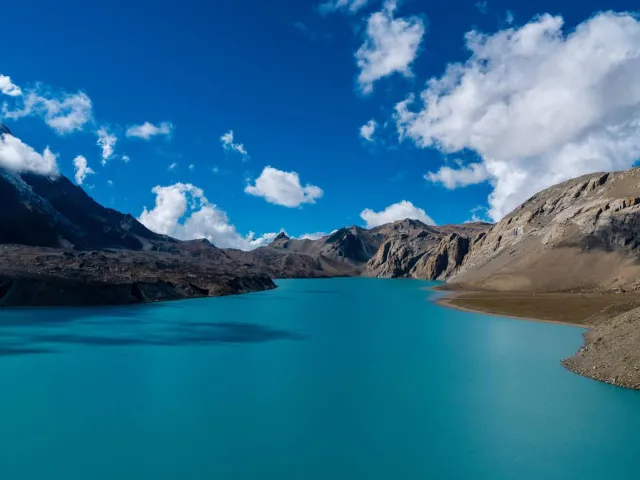
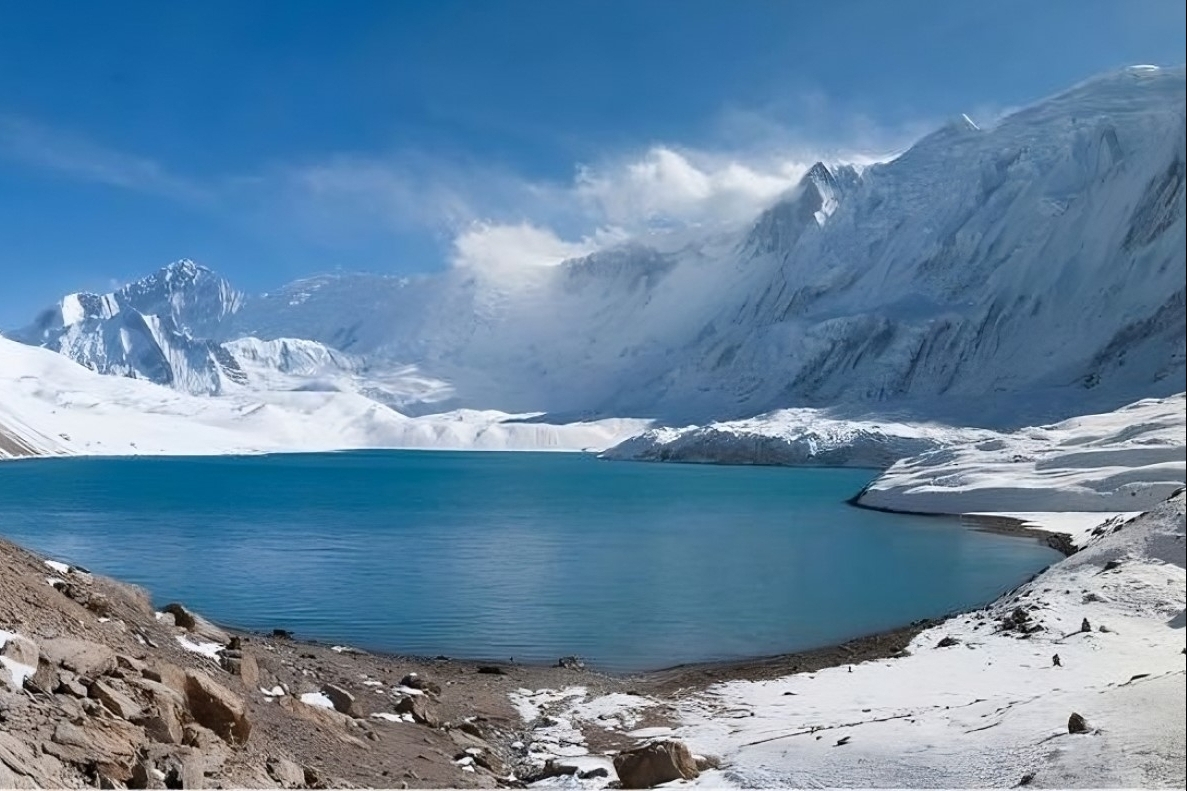
Annapurna Jomsom with Tilicho lake trekking is the most popular destination all over the world. Tilicho Lake is the highest-placed and crystal clear lake situated at a high altitude of 4949 m. This trekking offers one of the best alpine scenery with different kinds of landscape, views every different camp is different as well as the view Annapurna range, Pisang peak, Tukuche peak, Machhapuchhre Himal and other many greatest view of mountains, you have never seen before which make you feel the real adventure of a lifetime. The trip will be incredible and unforgettable in this region. The Annapurna Himalayan Glacier surrounded by the Himalayan range is one of the main attractions of this trip. Bahundanda will be your Trekking starting point and nature beauty lake city Pokhara will be your ending point. During your visit, you will be familiar with the Gurung, Magars and Thakali, brahmin and Kshetri culture as well. During your visit, the Spectacular view of Manang and Mustang Valley, lower Mustang and upper Mustang will be seen on the way down from Throngla to Muktinath, Muktinath a great pilgrimage place Both Hindu and Buddhist. Hindu believes that religious campaign is incomplete of the religious journey without Muktinath Darsan or get salvation in their life.Annapurna Jomsom with Tilicho Lake trek itinerary:Asiana Treks and Tours has the perfect Annapurna Jomsom with a Tilicho Lake trek itinerary. Travelers who desire to explore Nepal with moderate physical fitness. You'll discover the best places for breathtaking views from the city to the countryside. Experience the contrast of cold nights at ABC to relaxing in hot natural springs an unforgettable lifetime journey.Annapurna Jomsom with Tilicho Lake Trekking Distance:The Annapurna Base Camp trek spans approximately 176 kilometers, or 109 miles, depending on the chosen itinerary. This route typically spans 15 to 17 days.Our package tour ensures reliability in terms of cost, itinerary, and overall experience. For Nepali citizens, the Annapurna Jomsom with Tilicho trek typically ranges from US$500 to 1000, with variations depending on group size, service level, guide and porter services, transportation preferences, and accommodation choices in Kathmandu or Pokhara. This cost estimation is subject to the types of trekking gear and accommodation preferences.Annapurna Jomsom with Tilicho lake route:The Annapurna Jomsom with Tilicho Lake route showcases awe-inspiring natural beauty. Starting in lush valleys with terraced fields and traditional villages, the journey unfolds amidst the Himalayan foothills. Rhododendron forests bloom in spring, accompanied by cascading waterfalls and snow-capped peaks. Traversing wildflower meadows and crossing suspension bridges over mountain streams, the landscape evolves as you ascend. Approaching Annapurna Base Camp, rugged terrain and glacial moraines dominate, leading to panoramic views of towering peaks like Annapurna I and Machhapuchhre. The trek promises unforgettable moments, whether you're a seasoned trekker or novice adventurer, offering an unparalleled journey through Earth's most breathtaking landscapes.Annapurna Jomsom with Tiliccho lake trekking Height:The Annapurna Jomsom with Tilicho Lake trek starts with a bus ride from Kathmandu (1,337m) to Bahundanda (1,270m). From Bahundanda, trek to Chamje (1,715m), then to Bagarchhap (2,160m), and onward to Chame (2,650m). Continue the journey to Pisang (3,250m), followed by Manang (3,519m), then to Khangsar Village (3,735m), and Tilicho Base Camp (4,150m). Descend to Yak Kharka (4,020m), then proceed to Thorong Phedi (4,525m). Cross the Thorong La Pass (5,416m) to reach Muktinath (around 3,800m), and travel to Jomsom (2,720m) by trek or jeep. The adventure concludes with a flight from Jomsom to Pokhara (827m).Annapurna Base Camp trekking price: Our package tour ensures reliability in terms of cost, itinerary, and overall experience. For Nepali citizens, the Annapurna Base Camp trek typically ranges from US$ 500 to 1000, and for foreigners, US$ 715 to 1385, variations depending on group size, service level, guide and porter services, transportation preferences, and accommodation category in Kathmandu or Pokhara. This cost estimation is subject to the types of trekking gear and accommodation preferences. However, we could end the trek via Landruk and Dhampus if you avoid Kathmandu sightseeing and Pokhara exploration.Advantage book with Asiana Treks and tours:We provide the best experienced local guide for you on your Trek. Our booking process is hassle-free. We guarantee your happiness and offer the best price for your Trek. Group discounts are available based on the number of participants, so you can save more when trekking with friends or family.Currency Exchange:The Nepalese rupee is Nepali currency, and 1 USD is approximately 130 NPR. Only NPR is accepted in Nepal, so it's best to bring cash to facilitate transactions. Banks and ATMs in Kathmandu provide currency exchange services, but note that most banks prefer new, crisp notes.Luggage and extra storage:We cover the cost of porters for your luggage, but the maximum weight limit is 12 kg per person. Each porter carries luggage for two trekkers; please share a duffle bag with another. Our porters will carry up to 25 kg each. If you need a porter for yourself, we can arrange that. We also recommend carrying a small backpack for your valuables and important documents. You can leave extra luggage at our office for free and at a hotel in Pokhara, Namche, etc.Weather Conditions:Each season offers unique experiences during the ABC Trek. Spring brings mild weather and blooming rhododendrons, while summer provides lush vegetation despite the monsoon. Autumn features clear skies and vibrant festivals, and winter offers snowy peaks with fewer crowds.Trek Difficulty:The Annapurna base camp Trek is moderately complex, requiring 5-7 hours of daily hiking. While no technical skills are necessary, being reasonably fit for trekking at higher altitudes is essential. Trekkers with pre-existing medical conditions should inform us before booking their trip.Group & Private Treks:We organize many group and private treks simultaneously, with discounts available for larger groups. Every group will have a trekking guide and porters; an assistant guide may be provided for larger groups. Our team ensures a safe and enjoyable trekking experience for all participants.Responsible Travel:We prioritize responsible travel to minimize environmental impact and support local communities. We collaborate with organizations like the Kathmandu Environmental Education Project (KEEP) to promote eco-friendly practices in trekking regions.NotesPlease be aware that the itinerary may change due to weather or other factors, and we'll adjust it accordingly for the group's safety and enjoyment. We look forward to guiding you through the stunning landscapes of the Annapurna region and ensuring a memorable trekking experience.About solo traveler:If you're a solo traveler, please contact us to confirm departure dates before booking. You can tell us via call, WhatsApp, or email. We have listed upcoming departure dates for your convenience. Feel free to share the trip details with friends and family.Accommodation :During the Annapurna Jomsom With Tilicho Lake Trekking, you'll stay in different places along the way. You'll spend eight nights in lodges in the trekking regions and two nights in a hotel in Pokhara. At some stops, you will have rooms with bathrooms, but most places you'll stay in are standard rooms shared with other People.If you're traveling alone, we'll arrange for you to have a private room with a bathroom, which most places do not have. In Kathmandu or Pokhara, your hotel room will have a bathroom, TV, hot water 24/7, electricity, and laundry service. Meals during the trip:Eating well is essential since the ABC Trek takes you through the high Himalayas. You'll have plenty of nutritious meals in the trekking regions, although the options won't be as varied as in the cities. You'll get ten breakfasts, nine lunches, and nine dinners during the Trek. The menu includes local, Asian, and Western dishes, but it gets more straightforward as you climb higher. Try popular Nepali foods like lentils, rice, curry, dumplings, noodles, Spagaties, and many more.We highly recommend eating fresh vegetables and drinking liquids like green tea, lemon tea, hot lemon, ginger tea, and garlic soup, especially at high altitudes. While non-vegetarian options are available during the Trek, we suggest avoiding them for hygiene reasons. It's also best to steer clear of dairy, cheese, alcohol, caffeine, and hot chocolate. Personal expenses like alcoholic drinks and extra beverages at lodges or cafes aren't included in the package.Extra Personal Expenses:While most expenses during the Annapurna Jomsom With Tilicho Lake Trekking are covered, you'll need to spend money on accommodations and meals in Kathmandu and Pokhara, souvenirs, and additional beverages. We estimate about USD 10-20 per trekking day for miscellaneous expenses.Electricity voltage and plugs:However, 95 % of Nepali people have access to electricity as of May 29, 2023. almost popular trekking routes, teahouses, and lodges have electricity. However, some isolated and solo trekking tea houses in the jungle don't have electricity; Most of these tea houses let travelers charge their devices for a small fee. The average electrical voltage in Nepal is 230 volts, with plug types like Type C, Type D, and Type M. Travellers should bring a suitable adapter and, if needed, a voltage converter for their electronic devices."Drinking water:Drinking more than three liters of water trekking in higher terrain to prevent dehydration. Staying hydrated while trekking in Nepal's Himalayan region is crucial for your safety. You can find water taps in some areas but must ensure before drink. While mineral water is available in guest houses along popular routes, it can be costly. However, in the Annapurna region, safe water stations allow you to refill your water bottle safely. Your guide can assist you in purchasing boiled water from guest houses, which is cheaper than mineral water. A good suggestion is to bring a water filter, iodine drops, water purification tablets, and a Steri pen to treat water from streams or other natural sources along the trail. You must ensure that your water is safe to drink. However, Nepal is the second country in the world regarding water sources after Brazil nevertheless only 27% of people here have clean drinking water available. However, all in the city areas, Mineral water is available at a reasonable cost everywhere.Communication:The Annapurna Jomsom With Tilicho Lake Trekking region guest houses have internet access. Upon arrival at Tribhuvan International Airport Kathmandu and Pokhara, you can buy a SIM card to communicate easily with family and friends. However, you need a copy of your passport and a photo of your passport size to obtain a SIM card. The signal depends on location. When heading up, there may be a poor connection at high altitudes. Please do not expect like your home country. We watch our trekking teams via the trek guide at least once daily to ensure everything goes as planned.Our Team:Our team includes qualified guides, Sherpas, porters, and assistant guides for larger groups. They're local Himalayan people with high endurance and experience at high altitudes. We ensure their well-being by covering their expenses and providing necessary training.Trip Extension:Suppose you have extra days in Nepal after the Trek. In that case, we can arrange a tour, overnight stay at Nagarkot Balthali or any other place around Kathmandu and Chitwan, jungle safari, paragliding, rafting, canyoning, or other treks. Do not hesitate to Inform us. We will create the best for you.Tipping:Tipping is appreciated in Nepali culture and reflects the quality of service provided. You decide how much to tip, but we recommend tipping as a group at the end of the trip.End of Trek:On the eighteen day, you'll take a bus from Pokhara back to Kathmandu, which takes about seven hours. Alternatively, you can fly from Pokhara to Kathmandu for an extra fee. In the evening, we'll host a farewell dinner in Kathmandu.Departure:On the day of your departure flight, we'll come to pick you up from your hotel and transfer you to Tribhuvan International Airport. We hope you enjoyed the Nepal trek and will consider returning for more adventures in Nepal.Feedback:After you complete the Annapurna Circuit with Tilicho Lake Trek, we'll organize a farewell dinner in Kathmandu and present you with a trekking achievement certificate. After the dinner, you can provide feedback about the Trek on travel portals.Useful Info:Please remember that sometimes unforeseen circumstances, such as inclement weather or unavailable lodging, may cause the schedule to be altered. Your trip guide will design a fresh schedule based on the group's interests in such circumstances. Typical Day:Each day of the Trek brings new experiences as you explore different places, enjoy breathtaking landscapes, and converse with locals to learn more about their customs and culture. Our guides will provide information about the places you visit.Trekking usually starts around 7-8 am, depending on the distance to cover and the terrain. We'll stop for lunch after about three hours of Trekking, usually on the way to our destination for the day. After lunch, you'll have an hour to rest before continuing the Trek. The afternoon trek is shorter, and once we reach our destination, you'll have time to explore until it gets dark. Dinner is served around 6-7 pm, followed by a briefing from your trek leader about the next day's plan. Afterward, you can relax and entertain yourself with games or learn Nepali words from our crew.Last-Minute Booking:Last-minute bookings are always available, but slightly more expensive than our regular departure dates. Specifically, last-minute bookings are possible up to 24 hours before the trip begins and incur an additional 7% cost on the total trip price listed in our packages.If you're lucky, last-minute booking might become a golden opportunity to get the same price or even less, especially if a trip member cancels at the last moment.So, if you're late to book your preferred trip with us, don't worry. You still have the option, and we are committed to making your trip as successful and enjoyable as our other trips. At the eleventh hour, don't hesitate to reach out to us. We are always ready and eager to assist with your last-minute vacation plans in Nepal. Your plans are just as important to us, and we are here to provide the support you need every step of the way.About the risky zone in Annapurna circuit trek with Tilicho Trekking:There are some risky areas to watch out for during the Annapurna Circuit with TilichoTrek. This Trek is also known as the Annapurna Round with Tilicho trek. Certain parts of the trail, such as the steep up to Throng top and descent from Throngla to Near Muktinath, are essential during snowfall or heavy rains in winter and March. Our guides are familiar with these risky spots and can help navigate them safely daily at trip Briefing after dinner. Travelers sometimes run into difficulties, and sadly, some have even lost their lives while trekking to Annapurna Base Camp without a guide and proper information.Annapurna Region Trekking: Guides, Tips & Himalayan AdventuresDiscover the beauty of Nepal’s Annapurna region with Asiana Treks & Tours. Explore breathtaking mountain landscapes, authentic local culture, popular trekking routes, and practical tips to help you plan an unforgettable Himalayan adventure.Annapurna Base Camp vs Everest Base Camp: The Best TrekTrekking Equipment List for Asiana Treks & ToursTrekking Permit Requirements for Different Regions in NepalBest Sunrise and Sunset Destinations in NepalTop Successful Trek for Beginners – Annapurna Base CampMost Popular Trek with High Success Rate – Annapurna Base Camp Trek (ABC) TrekHow to Prepare for the Annapurna Base Camp Trek (Gear, Fitness & Tips)Ghorepani Poon Hill Trek GatewayTop 26 Annapurna Region Trekking Packages in Nepal – The Ultimate GuideTadapani Diaries: One Magical Night in the MountainsDiscovering Ghandruk: A Peaceful Village in the Heart of NepalTrekking the Best of Annapurna: Poon Hill to Mardi HimalWhy Chhomrong is the Heart of the Annapurna Base Camp TrekAnnapurna Base Camp (ABC) & Machhapuchhre Base Camp (MBC) Trek: Two Base Camps, One Incredible JourneyExploring Sinuwa on the Annapurna TrailDeurali: A Peaceful Mountain Village on the ABC TrailBamboo: A Hidden Gem of the ABC TrekDovan Nepal: Peaceful Stopover on the Annapurna Base Camp TrailHimalaya Village: A Quiet Haven on the Way to Annapurna Base CampDhampus Village – Annapurna Classical Alternative GatewayPothana: The Alternative Gateway to Annapurna Base Camp and Mardi HimalBest Camping and Overnight Stays: Australian Camp & Mardi Himal TrekList of Hotel in Mardi Himal Base Camp TrekTrekking to Low Camp: A Peaceful Path to Mardi HimalForest Camp Adventures: Exploring the Mardi Himal Trek in NepalHigh Camp on the Mardi Himal Trek | Views, Altitude & Trekking GuideDiscovering the Magic of Mardi Himal ViewpointTop Highlights of the Mardi Himal Trek in NepalBest Time to Trek Mardi Himal: Tips for Perfect ViewsA Beginner’s Guide to the Mardi Himal Trek in NepalSurprising Facts About the Mardi Himal TrekEssential Guide to Mardi Himal Trekking Permits in NepalMardi Himal Trek Info: Elevation, Altitude, Height and WeatherMardi Himal Trek Accommodation and Food TipsBest Time to Trek Annapurna Base Camp in NepalTop Highlights of the Annapurna Base Camp TrekFood and Accommodation on the ABC Trek: What It’s Really LikeAltitude Tips for a Safe Annapurna Base Camp TrekAnnapurna Base Camp Permits: Costs, Process, and RequirementsTop Tips and Facts for Trekking to Annapurna Base CampAnnapurna Base Camp Trek: Elevation, Height & Temperature GuideDobato Stopover: Experiencing the Heart of the Khopra Danda RouteUpper Chistibung: What to Expect on the Way to Khopra DandaExploring Khopra Danda Ridge and Khayar LakeDiscover Swanta’s Beauty on the Khopra Danda TrailAmazing Facts About Khayar Lake in the Annapurna RegionBayeli Kharka Adventure: From Khopra Danda with Stunning ViewsKhopra Danda Trekking Guide: Cost, Permits, Meals, Lodging and Best SeasonExploring Mardi Himal, ABC, and Khopra Ridge in One Epic JourneyKhopra Khair Lake with Annapurna Base Camp Trek: A Complete JourneyKhopra Khair Lake with ABC Trek: Nature, Culture, and MountainsComplete Guide to Mohare Danda Trekking in NepalSunrise Views from Mohare Danda: What to ExpectTop Highlights of Poon Hill and Mardi Himal TrekExploring Poon Hill and Mardi Himal: A Beginner’s GuideExploring the Ghorepani Dhampus Circuit Trek in NepalAn Amazing Hike from Galeshwor to Nangi via Bans Kharka : Mohare Danda TrekkingLandruk: Gateway to the Stunning Mardi Himal ViewsMardi Himal Adventure: Exploring Badal Danda on the Siding TrekSunrise Views from Poon Hill and Mulde ViewpointsDhaulagiri Annapurna Trail: A New Alternative Trek in NepalBest Nepal Tour Packages: Adventure, Honeymoon, Senior Tours, Himalayan Highlights, Triangle & Sunrise Hill Station ToursIs It Possible to Cycle the Annapurna Circuit in Nepal?Besisahar – The Heart of Lamjung District: Gateway to the HimalayasExploring Jagat During the Annapurna Circuit TrekDharapani Village in Nepal: Where the Manaslu Circuit and Annapurna Circuit Trails Meet PointChame Village: A Peaceful Stop on the Annapurna Circuit TrekDiscover Upper Pisang: A Hidden Gem on the Annapurna CircuitExploring Lower Pisang: A Gateway on the Annapurna CircuitManang: The Heart of the Annapurna Circuit TrekYak Kharka (4,020m): A Must-Stop Village on the Annapurna CircuitThorong Phedi: Final Preparation Before Thorong La PassCrossing Thorong La Pass (5,416 m): The Highest Point of the Annapurna CircuitMuktinath in Mustang: A High-Altitude Spiritual Journey on the Annapurna CircuitJomsom (2,743 m): The Windy Valley That Connects Annapurna and Upper Mustang
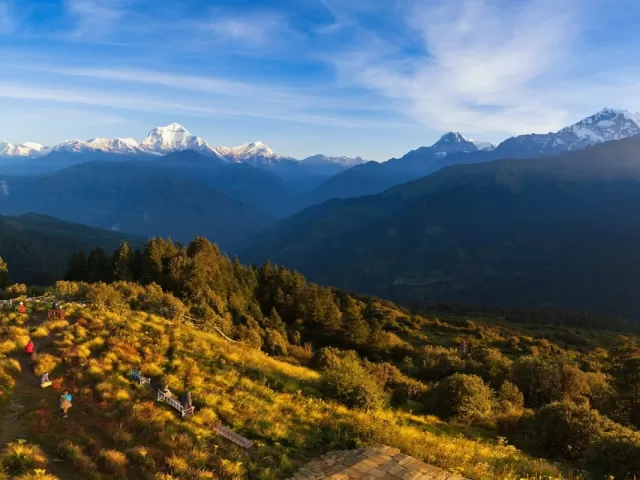
The all-in-one holiday in Nepal Package is one of the best-designed packages by Asiana Treks and Tours, where you can discover Kathmandu world heritage site, Ghorepani Poon hill trekking, Rafting, and Chitwan Safari. Embark on a mesmerizing 14-day journey through Nepal with Asiana Treks and Tours' all-in-one package, offering an unforgettable blend of experiences. This adventure encompasses a heritage tour in Kathmandu, thrilling rafting on the Trishuli River, exploration in Pokhara, and an exhilarating trek through the renowned Poon Hill. Top it off with an awe-inspiring safari in Chitwan National Park, and you have the recipe for a truly remarkable holiday.Your journey starts with a cultural immersion in the historical heart of Kathmandu. Explore ancient UNESCO World Heritage sites, witness the beauty of age-old architecture, and soak in the rich cultural tapestry of this vibrant city.Feel the adrenaline rush as you navigate the Trishuli River's exciting rapids. Rafting in Nepal is a year-round adventure, and this experience allows you to cool off on a hot day or relax on sandy riverbanks while reveling in the breathtaking surroundings.The highlight of your adventure is the trek to Poon Hill, a breathtaking location situated 270 km west of Kathmandu. Starting from Nayapul, the trek leads you through picturesque villages and offers incredible Mount Annapurna, Mount Dhaulagiri, Mount Nilgiri, and Tukuche peaks around 8 Himalayan views with sunrise. Poon Hill's maximum elevation is 3,210 meters, making it accessible to trekkers of moderate fitness levels. There's no risk of high-altitude sickness, so you can enjoy walking through a peaceful and tranquil rhododendron forest.After exploring and relaxing in Lake City, Pokhara, visit the natural wonderland of Chitwan National Park, one of the best places in Nepal for wildlife encounters. Enjoy iconic safari rides through lush forests and witness creatures in their natural habitat, including the rare one-horned rhino and many flora and fauna in the tropical jungle in the heart of the National Park.Immerse yourself in local Tharu stick dance preservation of Nepal's ancient and ethnic culture. You'll be able to visit local communities that have transformed their ancestral practices, lifestyles, and culture into living museums. Experience warm hospitality, traditional attire, cultural dances, and savor traditional cuisine.This package offers an elevation range from 3,210 meters high to 300 meters low, ensuring a diverse and enriching experience. In a short span, you'll dive into cultural immersion, relaxation, and pure enjoyment. Explore, indulge, and bask in the splendor of this adventure with complete peace of mind courtesy.Experience Nepal's glory, from the towering mountains and pristine rivers to the captivating wildlife and vibrant culture. Travel stress-free with Asiana Treks and Tours and make memories that will last a lifetime.All-in-One Holiday Nepal Trip Itinerary:The All-in-One Holiday Nepal Trip is a carefully designed itinerary that blends trekking, cultural exploration, White water Rafting, wildlife safaris, and adventure sports into a comprehensive journey. Organized by Asiana Treks & Tours, this package takes you through Nepal's most iconic destinations, offering a diverse range of experiences in one seamless trip.The Adventure begins with an arrival in Kathmandu, where you explore the city's rich history, UNESCO World Heritage Sites, and vibrant culture. Next, continue on the scenic drive to the river beach for a thrilling experience rafting in the Trishuli River; the following day, head to Pokhara, the lake city and gateway to the Annapurna region. After the four days Poon Hill trek, rest, relax and have the opportunity to engage in Pokhara for adventure sports like paragliding, bungee jumping, Zip lining, Ultralight flight, and Hot air Ballooning. Our journey is constantly to Chitwan National Park for an exciting jungle safari. Here, you explore the jungle Activities on a jeep safari, spot one-horned rhinos, Bengal tigers, and other wildlife, and experience canoeing, birdwatching, and traditional Tharu cultural performances.After the Chitwan National Park exploration, return to Kathmandu. The trip concludes with a farewell dinner, reflecting on the unforgettable experiences of the holiday. All-in-One Holiday Nepal Trip Distance:The total distance covered in the All-in-One Holiday Nepal Trip varies depending on the specific trekking routes and activities chosen. The trekking segments include:Annapurna Region Trekking (Ghorepani – Poon Hill – Ghandruk Trek ( Approximately 35-45km covered over Four days.Chitwan National Park Safari activities, Elephant Safari, canoe rides, and jungle walks just two nights in Chitwan.In addition, travel distances between significant locations include:Kathmandu to Pokhara: 200 km (6-7 hours by road or 25-minute flight).Pokhara to Chitwan: 163 km (4-5 hours by road).Chitwan to Kathmandu: 165 km (5-6 hours by road).Overall, this trip covers a significant portion of Nepal's diverse landscapes, from the lowland jungles to the high Himalayas.All-in-One Holiday Nepal Trip Route:The All-in-One Holiday Nepal Trip route is strategically planned to include Nepal's best trekking trails, cultural hotspots, and adventure destinations, offering a perfect blend of nature, heritage, and Adventure.The journey follows this general route: Kathmandu Exploration – Visit UNESCO World Heritage Sites, including Swayambhunath, Pashupatinath, Boudhanath, and Kathmandu Durbar Square.Kathmandu to Trishuli River Beach Resort with three hours of exciting rafting. Trishuli River beach to Pokhara. Pokhara to four days Poon Hill Trekking drive to Hile, then trek to Ghorepani, Poon Hill, Ghandruk, and Dhampus, experiencing mountain views, cultural villages, and lush forests.After trekking back to Pokhara the following day, you have the opportunity to do Adventure Sports - paragliding, bungee jumping Chitwan National Park Safari—Travel to Chitwan for a wildlife safari, jungle activities, and cultural encounters with the Tharu community. Finally, returned to Kathmandu and bid farewell to Nepal.All-in-One Holiday Nepal Package Price:The price of the All-in-One Holiday Nepal package varies based on the duration, group size, accommodation preferences, and additional activities included in the itinerary. Asiana Treks & Tours offers a range of customizable packages to ensure the best value for travellers.Generally, the price includes:Trekking permits (Annapurna Conservation Area Permit, Sagarmatha National Park Permit, and TIMS card)Domestic flights (Kathmandu–Lukla–Kathmandu, if included)Ground transportation (private vehicles, tourist buses, and jeeps)Accommodation (hotels in cities, tea houses in trekking regions, and lodges in Chitwan)Meals (Breakfast, lunch, and dinner during the trek and in Chitwan)Guides and porters (Licensed trekking guides and experienced porters)Entry fees for cultural sites and Chitwan National Park activitiesAdventure activities (optional add-ons such as paragliding, rafting, and bungee jumping)Prices typically range from $600 to $900 per person, depending on the inclusions and customization. Group discounts and special offers may be available.All-in-One Holiday Nepal Trip Height:The All-in-One Holiday Nepal trip covers many elevations, from lowland jungles to high Himalayan viewpoints, offering diverse landscapes and climate variations.Lowest Point: Chitwan National Park – 415 meters (1,362 feet)Pokhara & Annapurna Trekking: Poon Hill – 3,210 meters (10,531 feet)This diverse altitude variation makes the journey both scenic and exciting, allowing travellers to experience Nepal's tropical jungles, mid-hill villages, and high-altitude Himalayan landscapes in one trip.Major Villages of All-in-One Holiday NepalThe All-in-One Holiday Nepal trip takes travellers through some of Nepal's most culturally rich and scenic villages, where they can experience traditional lifestyles, local hospitality, and ethnic diversity.Ghorepani – A beautiful Magar village near Poon Hill, known for its rhododendron forests.Ghandruk – A traditional Gurung village with stunning views of Annapurna South and Machhapuchhre.Chitwan Tharu Villages – Experience the Tharu community's unique culture, traditions, and homestay experiences.These villages provide authentic cultural experiences, breathtaking scenery, and warm hospitality, making the journey even more special.Best Viewpoints in All-in-One Holiday Nepal:This Adventure features some of Nepal's most stunning viewpoints, offering spectacular sunrise and sunset views of the Himalayas.Poon Hill (3,210m) – One of the best panoramic viewpoints in the Annapurna region, offering sunrise views of Annapurna, Dhaulagiri, Machhapuchhre, and Manaslu.Ghandruk – Offer close-up views of Machhapuchhre (Fishtail), Annapurna South, and Hiunchuli.Sarangkot (1,600m) – Near Pokhara, offering a stunning sunrise over the Annapurna range and Pokhara valley.These viewpoints provide unforgettable Himalayan panoramas, making the All-in-One Holiday Nepal trip with Asiana Treks & Tours a once-in-a-lifetime experience.Biodiversity of All-in-One Holiday in Nepal:The All-in-One Holiday Nepal trip showcases Nepal's incredible biodiversity, ranging from lowland jungles to high-altitude Himalayan ecosystems. The journey takes you through tropical forests, alpine meadows, and glacial landscapes, offering opportunities to encounter various flora and fauna.Chitwan National Park (UNESCO World Heritage Site) – Home to one-horned rhinoceroses, Bengal tigers, wild elephants, crocodiles, and over 500 bird species. Activities like jeep safaris, canoe rides, and jungle walks offer an up-close wildlife experience.The Annapurna trek passes through rhododendron, oak, and pine forests, home to musk deer, red pandas, Himalayan monals (Nepal's national bird), and langurs.Sagarmatha National Park – A high-altitude Himalayan sanctuary where you may spot snow leopards, Himalayan tahrs, and eagles soaring above.This diverse biodiversity adds an exciting element to the trip, making it a paradise for nature lovers and wildlife enthusiasts.Festivals and Cultures in All-in-One Holiday Nepal:Nepal is rich in cultural diversity, and this trip offers an immersive experience of the unique traditions, festivals, and customs of different ethnic communities.Gurung & Magar Culture (Annapurna Region): Experience the warm hospitality of the Gurung and Magar communities, known for their unique traditions, folk dances, and traditional attire.Tharu Culture (Chitwan): During your stay in Chitwan, witness the vibrant Tharu stick dance, cultural performances, and traditional homes.Festivals – If you visit during Dashain, Tihar, Buddha Jayanti, or Mani This trip perfectly blends Adventure and cultural exploration, offering insight into Nepal's rich heritage and way of life.Advantages of Booking with Asiana Treks & ToursChoosing Asiana Treks & Tours for your All-in-One Holiday in Nepal ensures a well-organized, safe, and enriching experience. Here's why:Experienced Guides & Local Experts – Our professional trekking guides, cultural experts, and wildlife specialists provide in-depth knowledge about the regions.Customized Itineraries – We offer flexible schedules, allowing you to tailor your trip based on your preferences and interests.Safety & Reliability – We prioritize your safety, providing well-planned routes, emergency support, and first-aid assistance.Authentic Experiences – We ensure a genuine and immersive journey, from staying in traditional homestays to attending cultural programs.Sustainable & Responsible Travel – We promote eco-friendly trekking, support local communities, and follow ethical tourism practices.With Asiana Treks & Tours, you get Nepal's best Adventure, comfort, and cultural experiences.Trip BookingBooking your All-in-One Holiday Nepal trek with Asiana Treks & Tours is simple and hassle-free.Inquiry & Consultation – Contact us via email, WhatsApp, or website to discuss your travel plans.Customizing Your Trip—You can choose from our pre-designed itineraries or request a personalised trek based on your schedule and preferences.Confirmation & Payment – Secure your booking by making an advance payment through our secure payment system.Preparation & Guidance – Receive detailed information on packing lists, permits, and necessary documents before your trip.Arrival & Adventure Begins – Our team welcomes you to Nepal, ensuring a seamless trekking and holiday experience.Book your trek today with Asiana Treks & Tours for a memorable, well-planned Nepal adventure!Transportation During All-in-One Holiday in Nepal:The All-in-One Holiday Nepal trip includes various modes of transportation, ensuring a smooth and comfortable journey across diverse landscapes. Domestic Flights—A scenic flight from Kathmandu to Pokhara provides breathtaking aerial views of the Himalayas, making for a thrilling start to the all-in-one combo holiday Trek.Private Vehicles – Comfortable private cars, jeeps, or vans are used for airport transfers, city tours, and the drive to trek starting points like Pokhara and Chitwan.Tourist & Local Buses—Depending on the itinerary, you may experience tourist buses between Kathmandu, Pokhara, and Chitwan, which offer affordable and scenic rides.Jeep Safari in Chitwan – A 4WD jungle safari in Chitwan National Park provides an exciting opportunity to explore Nepal's wildlife.With Asiana Treks & Tours, all transportation is well-organized, safe, and efficient, allowing you to enjoy your journey without hassle.Trekking StartThe trekking Adventure begins at different locations depending on the region:Annapurna Region (Ghorepani-Dhampus Trek) – The trek starts from Nayapul or Phedi, a short drive from Pokhara.Chitwan National Park—After finishing the trek, you travel by road (private vehicle or tourist bus) from Pokhara to Chitwan for a jungle safari experience.Each trekking route is carefully designed to provide the best views, cultural interactions, and natural beauty.Currency Exchange:Nepal's official currency is the Nepalese Rupee (NPR). While major cities like Kathmandu and Pokhara have numerous currency exchange centres, ATMs, and banks, remote trekking areas accept only cash in NPR.Best Places for Exchange – Currency can be exchanged at authorized money exchangers in Kathmandu, Pokhara, and Namche Bazaar.ATMs & Card Payments – ATMs are available in cities, but carrying cash in the mountains is best as card payments are rarely accepted.Foreign Currency: USD, EUR, and GBP are commonly exchanged, but rates vary, so it is advisable to check rates before exchanging.For a smooth experience, Asiana Treks & Tours provides guidance on the best exchange rates and financial tips.Guide and Porter Arrangement:Asiana Treks & Tours provides licensed, experienced guides and strong porters for a safe and enriching trekking experience.Trekking Guide – A knowledgeable, English-speaking (or other language) guide leads the trek, ensuring safety, navigation, cultural insights, and emergency assistance.Porters – Porters help carry luggage, allowing you to trek comfortably with only a daypack. Each porter carries up to 15 kg of luggage.Local Expertise – Our guides and porters come from local mountain communities, ensuring authentic interactions and a more profound cultural experience.By trekking with our expert team, you can focus on the Adventure while we handle the logistics.Porter, Luggage, and Extra Luggage StorageManaging luggage properly enhances comfort and ease during the trek.Porter Services – Each porter carries up to 15 kg per trekker, allowing you to walk freely with a small daypack.Luggage Storage – Extra luggage can be safely stored at your hotel in Kathmandu or Pokhara, ensuring a hassle-free trek.Packing Tips—It's recommended to bring only essential trekking gear; unnecessary items can be stored safely before the trek.With Asiana Treks & Tours, all luggage arrangements are well-organized, so you can trek light and enjoy the experience.Accommodation During the Trip:Accommodation varies depending on the location and type of experience during the All-in-One Holiday Nepal trip. Asiana Treks & Tours ensures comfortable stays in hotels, tea houses, and jungle lodges throughout the journey.Kathmandu & Pokhara – Well-facilitated 3-star or 4-star hotels with modern amenities like hot showers, WiFi, and comfortable beds.Trekking Region (Annapurna & Everest) – Cozy tea houses and homestays provide basic yet comfortable lodging. Rooms are usually twin-sharing with shared bathrooms, and some places offer hot showers for an extra charge.Chitwan National Park: Stay in jungle resorts or lodges with private rooms, which offer relaxing environments and cultural Tharu experiences.With Asiana Treks & Tours, all accommodations are handpicked for quality service, cleanliness, and scenic locations.Meals During the Trip:This trip offers a mix of local and international cuisine, ensuring a balanced diet to energize you.City Meals: In Kathmandu and Pokhara, restaurants and hotels serve continental, Nepali, Indian, Chinese, and Western cuisines.Trekking Meals – Along the trekking trails, meals are served in tea houses, with options like Dal Bhat (rice and lentils), noodles, soups, momos, pasta, and porridge.Chitwan Meals – Experience traditional Tharu cuisine along with standard buffet-style meals in jungle lodges.Dietary Needs – Vegetarian, vegan, and gluten-free options are available on request.All meals during the trek and in Chitwan are freshly prepared to ensure hygiene and energy for trekking.Drinking Water During the Trip:Staying hydrated is crucial during the trek, and there are several safe drinking water options:Bottled Water – Available in trekking regions, but discouraged due to environmental concerns.Boiled Water – Many tea houses provide boiled water, which is safer for drinking.Water Purification Tablets – Recommended for purifying tap or stream water.Refill Stations – You can refill your bottle at safe water stations in major trekking areas.Bringing a reusable bottle with a water filter is the best eco-friendly option.Extra Personal Expenses:While most significant costs are included, personal expenses vary based on individual preferences:WiFi & Charging – Available in tea houses for an additional fee.Hot Showers – Some tea houses charge extra for hot showers in trekking areas.Souvenirs & Shopping – Handicrafts, trekking gear, and local souvenirs can be bought in Kathmandu, Pokhara, and Namche Bazaar.Tips & Gratuities – Tipping guides, porters, and hotel staff are appreciated but not mandatory.Extra cash in NPR (Nepalese rupees) is recommended for small purchases in remote areas.Toilet Facilities in All-in-One Holiday Nepal:Toilet facilities vary depending on the location:City Hotels (Kathmandu & Pokhara) – Private Western-style bathrooms with flush toilets and running water.Trekking Routes (Annapurna & Everest) – Tea houses provide basic shared toilets (Western or squat-style). Some places have attached bathrooms, while others have outdoor toilets.Chitwan National Park Lodges offer modern, clean restrooms with running water.On the Trail – In remote areas, you may need to use nature-friendly methods—it's best to carry toilet paper, wet wipes, and hand sanitizer.Toilets in trekking regions are basic but functional, and it's best to carry personal hygiene essentials for convenience.Internet Connectivity:During the All-in-One Holiday Nepal trip, internet access is available in most locations, though the speed and reliability may vary: Kathmandu & Pokhara – Hotels and restaurants provide free WiFi with good speed.Trekking Routes (Annapurna & Everest): Tea houses offer paid WiFi services (Everest Link or local providers) at an extra cost. Connectivity can be slow and unstable, especially at higher altitudes.Chitwan National Park – Most jungle lodges provide WiFi access, but speeds may be limited.Alternative Option – Local SIM cards (NCELL or NTC) with a data package are recommended for better connectivity in trekking regions.For a more reliable connection, purchase a tourist SIM card in Kathmandu before starting the trip.Electricity Voltage and PlugsNepal uses 230V / 50Hz electricity, and the power outlets commonly support Type C, D, and M plugs.Kathmandu & Pokhara – Hotels have stable electricity with multiple plug types.Trekking Areas – Tea houses rely on solar power or generators, and charging electronic devices often costs extra.Chitwan National Park – Jungle lodges have stable power, but outages can occur.Recommendation: Bring a universal travel adapter and a power bank to charge your devices with limited electricity.Communication During the Trip:Staying connected during the journey is possible, but signal strength varies:Cities and major Towns—Reliable mobile networks (NCELL & NTC) allow calls, messages, and mobile data usage.Trekking Areas – Limited signal in high-altitude areas; WiFi or satellite phones are alternatives.Chitwan National Park – Network coverage is decent in populated areas but weak inside deep forests.Emergency Communication – Asiana Treks & Tours ensures that guides carry mobile or satellite phones for emergencies.A local SIM card with a data plan is recommended for consistent connectivity.Trip ExtensionFor those looking to extend their All-in-One Holiday Nepal adventure, Asiana Treks & Tours offers several exciting options:Lumbini Tour – Explore the birthplace of Lord Buddha, which is rich in history and spirituality.Bardia National Park Safari – An alternative wildlife experience with better chances of spotting Bengal tigers.Adventure Activities – Experience paragliding, bungee jumping, or white-water rafting in Nepal Pokhara.For those with extra time, these extensions add more Adventure and cultural depth to the journey.Trip Difficulty:The All-in-One Holiday Nepal trip includes moderate trekking routes and cultural and wildlife experiences.The Ghorepani-Dhampus Trek and the Everest Panorama Trek are moderate treks suitable for trekkers with essential fitness. Daily walking ranges from 4 to 7 hours, with some steep ascents and descents.Altitude—The maximum altitude is Tengboche (3,860m) in the Everest region, which is lower than high-altitude treks like Everest Base Camp.Physical Requirements – Basic hiking experience and reasonable fitness are recommended. Regular walking, stair climbing, and light training beforehand can help.Since this itinerary combines trekking with leisure and wildlife experiences, it is ideal for beginners and experienced hikers.Trip Safety:Asiana Treks & Tours prioritizes your safety throughout the journey.Experienced Guides – Knowledgeable, trained in first aid and altitude sickness management.Well-Planned Itinerary – The trek allows proper acclimatization and includes emergency backup plans.Emergency Evacuation – Helicopter rescue can be arranged in case of serious health issues (covered by insurance).Health & Hygiene – Safe drinking water, sanitized accommodations, and healthy meals provided.All trekkers are advised to carry travel insurance covering high-altitude trekking.Group & Private Traveller:This trip is available for both group departures and private travellers.Group Travel – Join a scheduled group for a cost-effective experience and meet like-minded travellers.Private Trek: Enjoy a customized itinerary, flexible pace, and personalized service. This option is perfect for families, couples, or solo travelers seeking exclusivity.Asiana Treks & Tours ensures expert guidance, comfort, and seamless logistics, whether in a group or private.About Solo Traveller:Solo travellers are welcome on the All-in-One Holiday Nepal trip.Safety – Guides and porters ensure solo trekkers feel secure throughout the journey.Flexible Bookings – Tailored itineraries for solo adventurers seeking an independent yet guided experience.Social Experience – Opportunity to join small groups or interact with locals and fellow travellers.Solo trekkers can enjoy privacy while benefiting from expert support and cultural immersion.Responsible Travel:Asiana Treks & Tours is committed to sustainable tourism and responsible travel.Eco-Friendly Practices – Minimize plastic waste, use refillable water bottles, and support responsible waste disposal.Respect for Local Cultures – Encouraging cultural exchanges, respecting traditions, and promoting local crafts.Community Support – Partnering with local homestays, tea houses, and ethical tourism initiatives to support mountain communities.Wildlife Conservation – Promoting responsible jungle safaris in Chitwan National Park with ethical wildlife viewing.By travelling with Asiana Treks & Tours, you contribute to sustainable tourism, local communities, and environmental conservation in Nepal.Gratitude:At Asiana Treks & Tours, we sincerely appreciate your trust in us for your All-in-One Holiday Nepal adventure. Your journey with us will allow you to experience Nepal's breathtaking landscapes and rich culture, and it will support local communities and responsible tourism. We extend our heartfelt thanks and hope you carry unforgettable memories of Nepal's mountains, heritage, and warm hospitality.End of Trek:As your trekking Adventure ends, we ensure a comfortable and smooth transition back to your hotel. After descending from the trek, you can relax, explore the local area, or enjoy a farewell dinner with your guide and fellow travellers. Whether in Pokhara, Kathmandu, or Chitwan, this is the perfect moment to reflect on your incredible journey.DepartureOur team will arrange a transfer to Tribhuvan International Airport on your departure day based on your flight schedule. We recommend arriving at the airport at least three hours before departure. If you have extra time before your flight, you may explore Kathmandu's markets, buy souvenirs, or enjoy a final Nepali meal. Asiana Treks & Tours wishes you a safe journey home and hopes to welcome you again for future adventures!Feedback:We highly value your feedback! After your trip, we encourage you to share your experiences through:A short review on our website or social mediaPersonal feedback to help us improve our servicesRecommendations to fellow travellersYour insights help us maintain high-quality services and inspire future adventurers to explore Nepal with us.Last-Minute Booking:For travelers making last-minute bookings, we accommodate flexible itineraries based on availability. We recommend booking at least two weeks in advance, but we also handle urgent requests with quick arrangements for permits, flights, and accommodations. Contact us for immediate assistance in planning your Adventure.NoteTravel Insurance is mandatory for high-altitude trekking.We suggest carrying some cash (Nepali Rupees) for personal expenses in remote areas.Unexpected weather changes may require minor itinerary adjustments for safety reasons.Solo travellers, families, and private groups are welcome on this trip.We are committed to providing you with the best Nepal experience, ensuring a seamless and memorable journey.Add-Ons & OptionsTo enhance your All-in-One Holiday Nepal experience, Asiana Treks & Tours offers a variety of customizable add-ons and optional activities. These options allow you to personalize your trip according to your interests, schedule, and adventure level.Scenic Mountain Flights:Experience the Everest Mountain Flight, a one-hour aerial tour offering breathtaking views of Mount Everest, Lhotse, Makalu, and other Himalayan peaks.Available for those who want to witness the grandeur of the Himalayas without trekking.Helicopter Tours:For a once-in-a-lifetime experience, opt for a luxury helicopter tour to Everest Base Camp, Annapurna Base Camp, or Langtang.Perfect for travellers with limited time or those who prefer an aerial view of Nepal's majestic landscapes.Cultural City Tours:Extend your trip with guided tours of Kathmandu, Bhaktapur, and Patan, exploring Nepal's UNESCO World Heritage Sites, temples, and ancient palaces.Learn about Nepal's rich history, traditions, and architecture with an expert local guide.Adventure Activities:Paragliding in Pokhara – Soar above Phewa Lake with breathtaking views of the Annapurna range.White-water rafting – Enjoy thrilling rapids on Nepal's famous rivers like the Trishuli or Seti.Bungee jumping & zip-lining – Nepal offers one of the world's highest bungee jumps for adrenaline seekers.Meditation & Yoga Retreats:Join a yoga and meditation retreat in Kathmandu, Pokhara, or Lumbini to rejuvenate your mind and body.Experience spiritual healing with traditional Buddhist and Hindu practices.Extra Trekking Days & Extensions:Extend your trekking experience with additional destinations like Mardi Himal, Khopra Ridge, or Gokyo Lakes.Customize your itinerary with more acclimatization days for a relaxed trekking pace.Wildlife & Jungle Safari Extensions:Upgrade your Chitwan National Park experience with longer jungle safaris, canoe rides, and cultural interactions with the Tharu community.Alternatively, visit Bardia National Park, a less crowded but equally stunning wildlife sanctuary.Luxury Lodge & Private Trekking Options:Upgrade to luxury lodges with high-end accommodations in places like Everest, Annapurna, and Chitwan.Choose a private trek for a more personalized experience with a dedicated guide and porter.Photography & Documentary Tours:Capture Nepal's stunning landscapes, wildlife, and culture with a tailored photography tour.Ideal for travel bloggers, professional photographers, and documentary filmmakers.Whether you want to add Adventure, relaxation, or cultural depth to your journey, Asiana Treks & Tours ensures a seamless and enriching experience. Let us know your preferences, and we'll customize the perfect Nepal adventure for you!
Rara Lake Trekking, offered by Asiana Treks and Tours, is one of Nepal’s most pristine and lesser-explored trekking experiences. Nestled in the Far-Western region of Nepal, this trek takes adventurers to the magnificent Rara Lake, the largest freshwater lake in Nepal at 10.8 square kilometers and located at an elevation of approximately 2990 meters (9,810 feet). Known for its serene beauty, Rara Lake is surrounded by the untouched wilderness of Rara National Park, home to a remarkable diversity of flora and fauna. Unlike the popular trekking routes in Nepal, the Rara Lake trek offers solitude and a nomadic experience away from the crowds. The trail leads through remote villages, dense pine forests, and stunning mountain landscapes, making it a perfect journey for trekkers seeking pristine nature and cultural immersion. With spectacular views of snow-capped peaks and a chance to witness rare wildlife like the red panda, musk deer, and Himalayan black bear, the trek is a rewarding adventure for nature lovers and photographers alike. The journey begins with a flight from Kathmandu to Nepalgunj, followed by a scenic 40-minute flight to Jumla, a city famed for its organic apples and traditional lifestyle. From here, the trekking adventure unfolds along the Jugad Khola river and across terraced fields dotted with traditional villages, culminating in the breathtaking arrival at Rara Lake. Detailed Itinerary and Highlights Day 1: Arrival in KathmanduYour trek commences with your arrival in Kathmandu, where you will be greeted and transferred to your comfortable 3-star hotel. This day allows you to rest and prepare for the exciting journey ahead. Day 2: Flight Kathmandu to NepalgunjaA short 40-minute flight takes you from the bustling city of Kathmandu to the flatlands of Nepalgunj, where you spend the night preparing for the onward journey to Jumla. Day 3: Flight Nepalgunja to Jumla and Trek to Uthugaon (2531 m)From Nepalgunj, a 40-minute flight brings you to Jumla, the gateway to Rara. The trek begins from Jumla, heading to the quaint village of Uthugaon at an elevation of 2,531 meters. The village is a blend of Himalayan culture and natural beauty, perfect for acclimatization. Day 4 to Day 7: Trekking Through Pristine Villages to Rara LakeThe trail leads you through several villages including Danphe Lagna, Chautha, and Dhotu, with gradual ascents and descents through dense forests and farmland. You will reach the shores of Rara Lake, where you can spend time exploring the largest lake in Nepal. The crystal-clear water reflects the towering mountains, creating mesmerizing photo opportunities and a perfect spot for boating. Day 8: Rest and Explore Rara LakeA rest day allows you to soak in the serene atmosphere of the lake, hike nearby trails, or enjoy boating. You can also visit the Chuchemara Hilltop at 4,090 meters, offering panoramic views of the surrounding peaks and the vast lake below. Day 9 to Day 12: Trek Back through Ghorasingha, Sinja, Jaljala to JumlaThe return trek offers a chance to explore more remote villages and forests, witnessing traditional lifestyles and diverse wildlife. The descent to Jumla completes your trekking circuit. Day 13: Flight from Jumla to Kathmandu via NepalgunjAfter the trek, you will take flights back from Jumla to Nepalgunj and then to Kathmandu. A comfortable transfer to your hotel is arranged. Day 14: DepartureOn the final day, you will be transferred to the airport for your onward journey or international departure. Why Choose Asiana Treks and Tours? Expert Local Guides: Our guides are experienced, knowledgeable, and passionate about the Far-Western region’s culture and nature. Safety and Comfort: We prioritize your safety and comfort with well-planned logistics, quality accommodations, and altitude acclimatization. Customized Experience: Tailor-made itineraries to suit your pace and interests. Environmental Responsibility: We promote sustainable tourism practices to preserve Rara National Park’s pristine environment. Rara Lake Trekking Package Details Total Trekking Distance: Approximately 90-100 kilometers over 12 days Trekking Duration: 10-12 days of trekking with rest days included Best Time to Visit: September to November and March to May for clear weather and lush landscapes Cost Includes: Domestic flights, accommodation, meals, permits, guide, and porter services Cost Excludes: International flights, personal expenses, travel insurance, and tips Experience the Untouched Beauty of Nepal with Asiana Treks and Tours Embark on an unforgettable adventure with Asiana Treks and Tours and discover the mesmerizing beauty of Rara Lake and its surrounding wilderness. Whether you are a seasoned trekker or seeking a peaceful escape into nature, the Rara Lake Trek promises to enchant you with every step, from rugged trails and cultural encounters to the tranquil waters of Nepal’s largest lake. This hidden gem trek offers a unique blend of adventure, wildlife, and authentic Himalayan lifestyle, making it a must-add to your trekking bucket list. Rara Lake Trekking Package – With Asiana Treks and Tours The Rara Lake Trekking Package by Asiana Treks and Tours is a full-service guided trekking experience to one of Nepal’s most enchanting and off-the-beaten-path destinations. Rara Lake, often referred to as the "Queen of Lakes," lies at an altitude of 2,990 meters and is the largest freshwater lake in Nepal. Our trekking package offers not just an opportunity to reach this remote gem but also to immerse yourself in the untouched culture, landscapes, and biodiversity of western Nepal. This all-inclusive trekking package is ideal for adventurers, photographers, and travelers looking for serenity away from the crowded Everest and Annapurna trails. The journey starts in Kathmandu and includes domestic flights to Nepalgunj and Jumla. The trek unfolds through serene forests, traditional villages, alpine meadows, and hidden valleys before finally reaching the awe-inspiring Rara Lake nestled within Rara National Park. Package Inclusions: Airport transfers and hotel stays in Kathmandu (3-star or above) Domestic flights (Kathmandu–Nepalgunj–Jumla and return) All trekking permits and national park fees Three meals a day during the trek (Breakfast, Lunch, Dinner) Licensed trekking guide and porter Accommodation in teahouses or lodges during the trek First-aid kit, map, and local support Company T-shirt and trip completion certificate Whether you are traveling solo or in a group, Asiana Treks and Tours ensures your experience is safe, comfortable, and deeply rewarding. Optional side treks, such as a hike to Chuchemara Hill (4,090 m), and cultural tours in Kathmandu can be added to customize your package. Rara Lake Trekking Itinerary The Rara Lake Trekking Itinerary is thoughtfully curated to ensure a balance between adventure and acclimatization. Spanning 14 days, this itinerary blends cultural exploration, high-altitude trekking, and wilderness immersion into a single unforgettable journey. Day-by-Day Overview: Day 1: Arrival in Kathmandu – Transfer to hotel Day 2: Fly to Nepalgunj – Overnight in lowland city Day 3: Fly to Jumla – Trek to Uthugaon (2,531 m) Day 4: Trek to Danphe Lagna (3,500 m) – Panoramic views Day 5: Trek to Chautha (2,730 m) – Through forests and streams Day 6: Trek to Dhotu (3,388 m) – Ascend gradually Day 7: Trek to Rara Lake (2,980 m) – Explore upon arrival Day 8: Rest day – Optional hikes, boating, or relax by the lake Day 9: Trek to Ghorasingha (3,190 m) – Gentle climb Day 10: Trek to Sinja (2,440 m) – Explore ancient village Day 11: Trek to Jaljala (3,571 m) – Forest walk Day 12: Trek back to Jumla (2,370 m) – Final trekking day Day 13: Flight to Nepalgunj, then to Kathmandu Day 14: Departure – Transfer to airport The itinerary allows you to witness various ecological zones, including subalpine forests, high-altitude grasslands, and Himalayan villages. It's a journey back in time—untouched, raw, and purely magical. Asiana Treks and Tours provides all logistical support, guiding you every step of the way. Rara Lake Trekking Distance The total trekking distance for the Rara Lake Trek is approximately 90 to 100 kilometers (56 to 62 miles), depending on specific trail routes and any optional hikes included in the journey. Unlike more commercialized trekking routes, Rara’s trails are diverse and rugged, winding through lush forests, hill passes, deep river valleys, and open meadows. The daily walking distance ranges between 8 to 15 kilometers (5–9 miles), spread over 5 to 7 hours of trekking per day. Sample Daily Distances: Jumla to Uthugaon: ~8 km Uthugaon to Danphe Lagna: ~11 km Danphe Lagna to Chautha: ~12 km Chautha to Dhotu: ~10 km Dhotu to Rara Lake: ~9 km Rara Lake to Ghorasingha: ~11 km Ghorasingha to Sinja: ~13 km Sinja to Jaljala: ~10 km Jaljala to Jumla: ~12 km While the daily distances are moderate, the terrain is uneven, and trekkers should be prepared for a mix of uphill and downhill sections. There’s also a good balance of rest and movement, ensuring proper acclimatization and enjoyment throughout. Asiana Treks and Tours structures each trekking day to allow ample time for breaks, sightseeing, and slow ascents. Rara Lake Trekking Cost 2026/2027 The Rara Lake Trekking cost for the 2026/2027 season with Asiana Treks and Tours ranges between $1,800 – $2,200 USD per person, depending on the group size, level of service, and whether you opt for private or group departures. This price reflects high-quality services including domestic flights, trekking logistics, permits, and experienced guides. It provides excellent value for a remote region trek, especially when compared with more commercial routes like Everest or Annapurna. What’s Included in the Cost: ✅ Airport transfers and 2 nights hotel in Kathmandu ✅ Domestic flights (Kathmandu–Nepalgunj–Jumla roundtrip) ✅ 3 meals per day during trek ✅ Licensed guide and porters (with insurance) ✅ Rara National Park permit and TIMS card ✅ All accommodations during trek (lodges/teahouses) ✅ First-aid support and trekking map What’s Not Included: ❌ International airfare and visa fees ❌ Travel insurance with emergency evacuation ❌ Personal expenses (drinks, snacks, laundry) ❌ Tips for guide and porters (customary) ❌ Optional Kathmandu cultural tours or luxury upgrades Early booking is advised, especially for Spring (March–May) and Autumn (September–November), which are peak seasons. Group discounts, student pricing, and family trek rates are available. Asiana Treks and Tours also offers flexible payment plans and custom packages for 2026/2027—making it easier than ever to explore one of Nepal’s best-kept secrets. Rara Lake Trekking Price Breakdown With Asiana Treks and Tours, Rara Lake Trekking is designed to be both affordable and premium in experience. The pricing may vary slightly depending on group size, travel season, and customized preferences, but here is a general cost breakdown for the 13–14-day trek: Estimated Price: $1,800 – $2,200 USD per person This cost typically includes all domestic flights, permits, accommodation, meals during the trek, guides, and porter services. Included in the Package Price: ✔️ Airport pick-up/drop-off in Kathmandu ✔️ Two-way domestic flights (Kathmandu–Nepalgunj–Jumla–Nepalgunj–Kathmandu) ✔️ Accommodation (3-star hotel in Kathmandu & teahouses/lodges during the trek) ✔️ Three meals a day during the trek ✔️ TIMS card and Rara National Park Permit ✔️ Government-licensed trekking guide and porter (1 porter for every 2 trekkers) ✔️ First-aid kit, map, and safety briefing Not Included in the Package: ❌ International airfare ❌ Nepal visa fees ❌ Personal trekking gear ❌ Travel insurance (mandatory) ❌ Tips for guides and porters ❌ Extra drinks/snacks during the trek Asiana Treks and Tours maintains complete transparency in pricing, with no hidden charges. For group bookings, family treks, or off-season travel, special discounts may be available. Optional add-ons such as Chuchemara Hill trek, cultural tours in Kathmandu, or private guides can be arranged at an additional cost. Rara Lake Trekking Altitude Guide Altitude is a crucial factor in the Rara Lake Trek, as it influences both the difficulty of the trek and the acclimatization process. The trek begins at lower elevations and gradually ascends to nearly 3,500 meters, allowing your body to adjust naturally to the thinner air. Key Altitudes Along the Trek: Kathmandu – 1,337 m (4,385 ft) Nepalgunj – 150 m (492 ft) Jumla (Start of Trek) – 2,370 m (7,773 ft) Danphe Lagna Pass (Highest Point) – 3,500 m (11,480 ft) Rara Lake – 2,990 m (9,810 ft) Chuchemara Hill (Optional Hike) – 4,090 m (13,418 ft) How Altitude is Managed: 🚶 Gradual ascent with proper acclimatization 🛑 No rapid altitude gain days 💧 Emphasis on hydration and rest 🩺 Trekking guides equipped with first-aid and altitude sickness knowledge While the Rara trek doesn't reach extreme altitudes like Everest Base Camp, it still involves trekking above 3,000 meters, so caution is advised. Asiana Treks and Tours ensures a slow and steady pace to minimize altitude-related issues, and your guides will always monitor your health and stamina. Why Choose Rara Lake Trekking? The Rara Lake trek is often described as Nepal’s most beautiful off-the-beaten-path experience. Unlike commercial treks like Everest or Annapurna, this journey introduces you to raw wilderness, untouched villages, and surreal alpine landscapes. Key Reasons to Choose Rara Lake Trek: 🌊 Nepal’s Largest Lake: Rara is a true natural wonder, offering surreal reflections, crystal waters, and boating experiences. 🏞️ Remote Wilderness: The trail passes through Rara National Park, one of Nepal’s least explored protected areas. 🐾 Wildlife and Biodiversity: Spot red pandas, musk deer, Himalayan black bears, and over 200 species of birds. 🏔️ Cultural Immersion: Traditional villages, farmlands, and authentic Himalayan hospitality. 🚫 No Crowds: A peaceful, isolated trek with fewer tourists even in peak seasons. Asiana Treks and Tours offers this trek as a perfect alternative for adventurers seeking solitude, nature, and cultural immersion. The overall atmosphere is meditative, far from the commercialization found in other trekking zones. It's not just a physical journey—but a mental retreat into nature’s finest creations. Preparing for Rara Lake Trekking While Rara Lake Trek is considered moderate in difficulty, it still requires adequate physical and logistical preparation. Asiana Treks and Tours recommends a training routine and gear checklist for a smoother experience. Physical Preparation: 🏃♂️ Cardiovascular training (running, hiking, cycling) 4-6 weeks before the trek 🧘 Strength training and flexibility (core, legs, balance exercises) 🧭 Practice day hikes with a backpack to simulate trekking conditions Packing Essentials: 🎒 Proper trekking boots (broken in) 🧥 Layered clothing for changing temperatures 🧤 Gloves, hats, and warm socks 🛏️ Sleeping bag (rated for -10°C or lower) 💧 Reusable water bottle, water purification tablets 🥾 Trekking poles and headlamp 💊 First-aid kit, altitude medication (if prescribed) Administrative Prep: ✅ Travel Insurance (must include emergency evacuation) ✅ Visa for Nepal ✅ Booking your trek 2–3 months in advance (especially for peak seasons) Asiana Treks and Tours provides a detailed pre-departure checklist and is available to assist with equipment rentals, gear purchases, and insurance guidance to ensure every trekker is fully prepared. What to Expect on the 13–14-Day Rara Lake Trekking Adventure This 13–14-day adventure is a combination of peaceful hiking, cultural richness, and natural beauty, curated with care by Asiana Treks and Tours. Each day brings new sights, smells, and experiences that enrich the spirit and challenge the body. Daily Life on the Trail: ☀️ Wake-up around 6:30–7:00 AM 🍳 Morning tea and breakfast 🥾 4–7 hours of trekking daily with lunch breaks 🏡 Evenings in teahouses/lodges with dinner and storytelling ✨ Nights under clear Himalayan skies Highlights to Expect: 🛬 Flights over dramatic terrain (Kathmandu–Nepalgunj–Jumla) 🚶 Trekking through forests, villages, rivers, and mountain passes 🌲 Entering Rara National Park and spotting diverse wildlife 🚣 Boating or walking along the quiet shores of Rara Lake 📸 Optional hike to Chuchemara Hill for panoramic photos 💬 Cultural interaction with locals in Sinja and other villages 🌌 Stargazing in untouched, high-altitude wilderness You’ll experience everything from lush green hills to snow-dusted passes, from quiet mountain trails to joyful village children waving you on. Whether you’re a nature enthusiast, cultural traveler, or seasoned trekker, the Rara Lake Trek delivers an unforgettable blend of beauty and solitude. Oxygen Levels on the Rara Lake Trekking The oxygen levels on the Rara Lake Trekking route vary based on altitude, and while the trek is considered moderate in terms of elevation, it still reaches altitudes where reduced oxygen can be felt. The highest point on the standard trekking route is Danphe Lagna Pass (3,500 m/11,480 ft) and optionally Chuchemara Hill (4,090 m/13,418 ft), where the oxygen concentration drops to around 60–65% compared to sea level. Most trekkers begin to feel the effects of lower oxygen levels once above 2,500 meters (8,200 ft). These effects may include mild symptoms such as shortness of breath, fatigue, or headaches. However, since the ascent during the Rara Lake trek is gradual and spread over several days, the body is given enough time to acclimatize, reducing the risk of altitude sickness. Oxygen Considerations Along the Trek: 🌬️ Kathmandu (1,337 m): ~85% oxygen saturation 🌬️ Jumla (2,370 m): ~75% oxygen saturation 🌬️ Danphe Lagna (3,500 m): ~65% oxygen saturation 🌬️ Rara Lake (2,990 m): ~70% oxygen saturation 🌬️ Chuchemara Hill (4,090 m): ~60% oxygen saturation Asiana Treks and Tours provides experienced guides trained in altitude safety, and they monitor each trekker’s condition daily. Hydration, proper pacing, and scheduled rest days help in adapting to lower oxygen levels. Portable oxygen and first-aid kits are available for emergencies, ensuring your safety remains the top priority throughout the journey. Major Villages and Scenic Viewpoints on Rara Lake Trekking Route The Rara Lake Trekking route offers an immersive journey through some of Nepal’s most remote and culturally rich villages. Each settlement provides a unique insight into the traditional way of life, untouched by mass tourism. These villages are nestled among lush forests, river valleys, and open meadows—perfect for experiencing authentic Himalayan culture. Some notable villages include Uthugaon, Chautha, Dhotu, and Sinja. These are not just resting points but living museums of rural Nepalese life. Sinja Valley, in particular, is an archaeological and cultural hotspot—believed to be the cradle of the Khas language. The stone-built homes, terraced fields, and friendly locals offer a glimpse into the centuries-old lifestyle of the Karnali region. Major Villages: 🏡 Uthugaon – First village on the trek from Jumla 🏡 Chautha – Gateway to Rara National Park 🏡 Dhotu – Scenic and peaceful, close to Rara 🏡 Sinja – Ancient capital with historical significance Scenic Viewpoints: 🌄 Danphe Lagna Pass (3,500 m) – Stunning ridgeline views 🌄 Rara Lake Shoreline – 360-degree reflection of surrounding hills 🌄 Chuchemara Hill (4,090 m) – Unmatched panorama of Rara Lake, distant peaks, and green valleys With Asiana Treks and Tours, you’ll stop at these villages not just to rest, but to connect—with the land, the culture, and the people. Flora and Fauna of Rara Lake Trekking One of the defining characteristics of the Rara Lake Trekking experience is its breathtaking biodiversity. Located within Rara National Park, this route takes you through pristine forests, alpine meadows, and rich wetlands that support a wide variety of plant and animal life. This protected area is known for its unspoiled ecosystems and rare species not commonly seen in other trekking regions of Nepal. The flora includes lush pine, juniper, spruce, oak, and rhododendron forests. In spring and early summer, the trails bloom with wildflowers, adding color and fragrance to the journey. Medicinal plants like Yarshagumba and Kutki are also found in the higher altitudes. The fauna of Rara National Park is even more impressive. If you're lucky, you might spot the endangered red panda, musk deer, Himalayan black bear, and Himalayan Tahr. The park is also a paradise for birdwatchers, home to over 214 species of birds including the Himalayan monal (Nepal’s national bird), snowcocks, and various migratory waterfowl that stop at Rara Lake. Flora Highlights: 🌲 Blue pine, Himalayan spruce, rhododendrons 🌺 Seasonal wildflowers (April–June) 🌿 Medicinal herbs in high altitudes Fauna Highlights: 🦌 Red panda, musk deer, Himalayan black bear 🦅 Himalayan monal, kalij pheasant, snowcocks 🐾 Leopards, langurs, wild boars, and Himalayan Tahr Asiana Treks and Tours ensures that every trekker understands and respects the fragile ecosystems of the region, following sustainable trekking practices that protect the flora and fauna for future generations. Festivals and Local Culture Along Rara Lake Trekking Route The Rara Lake Trekking trail not only brings you through beautiful landscapes but also offers a deep dive into the vibrant culture of Nepal’s Khas and Thakuri ethnic communities. The cultural traditions in these remote villages have been preserved for generations, with minimal influence from the outside world. Life here is deeply spiritual, guided by nature, seasonal festivals, and community rituals. As you walk through villages like Sinja and Chautha, you'll see people engaged in farming, spinning wool, weaving baskets, and other traditional crafts. Local homes are built of stone and wood, with flat roofs designed for drying grains and herbs. Religion is a blend of Hinduism and shamanistic practices, and many villages have ancient temples, shrines, or sacred trees. If your trek coincides with local festivals, you’ll witness colorful dances, music, and traditional attire. Major celebrations include: Key Festivals Along the Route: 🎉 Dashain (Sept–Oct): Celebrated with animal sacrifices, feasting, and blessings 🎉 Tihar (Oct–Nov): Known as the festival of lights and honoring animals 🎉 Maghe Sankranti (Jan): Marks the beginning of longer days; celebrated with traditional foods 🎉 Local Fairs (Mela): Held seasonally, especially near Sinja and Jumla Asiana Treks and Tours promotes cultural awareness and encourages interaction with locals in a respectful and immersive manner. Trekkers often get invited to join small gatherings or watch traditional dances—an unforgettable highlight of the Rara journey. Why Book with Asiana Treks and Tours for Rara Lake Trekking Choosing the right trekking company is essential for a successful and enjoyable trekking experience. Asiana Treks and Tours stands out as one of the most reputable, safety-conscious, and traveler-focused companies specializing in off-the-beaten-path treks like Rara Lake. With a perfect balance of personalized service, expert local knowledge, and responsible travel practices, they ensure your journey is meaningful and memorable. Their team of licensed, experienced guides are from the western region of Nepal, meaning they not only know the route but also the history, wildlife, and culture like the back of their hand. They’re trained in first aid, altitude sickness protocols, and eco-tourism, ensuring both your safety and a low environmental footprint. Reasons to Choose Asiana Treks and Tours: ✅ Licensed and insured company with excellent safety record ✅ Local expertise from guides born and raised in the region ✅ Customizable itineraries with group and private options ✅ Eco-conscious trekking with Leave No Trace ethics ✅ 24/7 support before, during, and after your trek From seamless logistics to cultural engagement, Asiana Treks and Tours takes care of all the details—so you can focus on the beauty of the journey. How to Book Rara Lake Trekking Booking your Rara Lake Trekking adventure with Asiana Treks and Tours is a simple, transparent process designed to give you complete confidence and support. Whether you're a solo traveler, a couple, or part of a group, they offer multiple booking channels and flexible options. Steps to Book: 📧 Inquiry: Send a query via their website or email with your preferred dates and group size 📅 Itinerary Confirmation: Choose a fixed departure or request a custom itinerary 💳 Deposit Payment: Secure your spot with a 25% deposit (PayPal, bank transfer, card) ✅ Pre-Trip Support: Receive packing lists, visa guidance, and travel prep advice 🛬 Arrival in Nepal: Airport pickup and trek begins! What You’ll Need to Confirm: 🛂 Valid passport and Nepal visa (on arrival or embassy) 💳 Travel insurance (including helicopter evacuation) 🧳 Fitness level and medical readiness 📅 Preferred travel dates (Spring and Autumn recommended) You can book directly through the Asiana Treks and Tours website, via international agents, or WhatsApp support for quick communication. With a customer-first approach, you’ll find planning your trek just as enjoyable as the adventure itself.
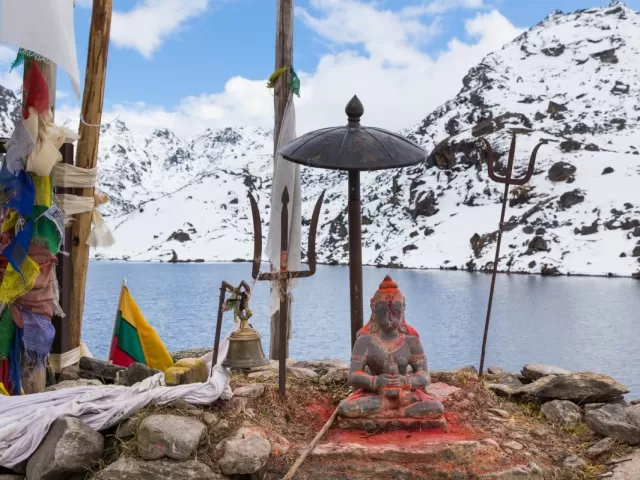
Langtang Gosaikunda Pass ( Langtang Circuit) trekking is culturally rich and worth visiting from Kathmandu due to easy access by road up to the trekking starting point. This trek is recommendable for senior citizens and families with kids. After breakfast in Kathmandu, we can begin our journey overland scenic drive up to Shyabru Besi, then after the actual trek begins crossing through the Bhotekoshi river Tamang settlement, Buddhist Gompa and alongside the Langtang Khola. This trail is continuous uphill via some cascade & green forests of oak and rhododendron, all set against a distant horizon of mountain peaks. We visit several Tamang and Sherpa settlements and meet friendly people with strong family & cultural ties.This trekking trail walks through the famous Langtang National park's one of the main attractions of this is the rare Red panda, which will be a chance to encounter In near the Bamboo and Syabru village area as well as other animals. Langtang Gosaikunda Pass trekking deserves to see also many different Himalayan scenery and the famous frozen Lake Gosaikunda.Langtang Gosaikunda Pass Trekking itinerary:Asiana Treks and Tours has the best Langtang Gosaikunda pass Trekking itinerary for people who love long and short trekking. Travelers who desire to explore Nepal with moderate physical fitness. You'll discover the best places for breathtaking views from the city to the countryside. Experience the contrast of cold nights at Gosaikunda to relaxing in Kathmandu an unforgettable lifetime journey.Langtang Gosaikunda Pass Trekking Distance:Langtang Gosaikunda Pass trekking distance is approximately 125 km/ 77.6 miles long, typically depending on the itinerary made many segment, Only Langtang, Langtang Gosaikunda back to via Chisapani. Cross Gosaikunda then after Kathmandu. If you combine another Trekking route like Helambu Trekking, Langtang Valley Trekking, Langtang Helambu Trekking and Langtang Panorama Trekking you should plan for an additional 3-8 days. Depending on the chosen itinerary. The Langtang Gosaikunda Pass Trekking showcases awe-inspiring natural beauty.This trek walks through the beautiful kyangjang_Ri , Lauribina Pass, Gosaikunda Lake, Tharepati Chisapani , offering stunning views of the Himalaya and verjin Landcape. However, if you are fit enough, you start and end in Kathmandu, where the trek takes Kathmandu to Kathmandu 17 days .Langtang Gosaikunda pass Trekking route:Langtang Gosaikunda pass Trekking route showcases awe-inspiring natural beauty. Starting in lush valleys with terraced fields and traditional villages, the journey unfolds amidst the Himalayan foothills. Rhododendron and pine forests bloom in spring, and stunning views of snow-capped peaks are can be seen when we walk. The Langtang Gosaikunda pass Trekking route showcases awe-inspiring natural beauty. Ganesh Himal Range, Langtang Himalayan Range, Gyanchanpo Dorje Lakpa, Gauri Shanker and many more mountains offer stunning views. The trek promises unforgettable moments, whether you're a seasoned trekker or novice adventurer, offering an unparalleled journey through Earth's most breathtaking landscapes. Includes Kathmandu, Syabru Besi, Lamahotel, Langtang, Kyanjingumba, Tholo Syabru, Sing Gumpa, Lauribina, Gosaikunda, Tharepati , Chisapani, and a return via Sundarijal to Kathmandu. Langtang Gosaikunda pass Trekking price:Our package tour ensures reliability in terms of cost, itinerary, and overall experience. For Nepali citizens, the Mardi Himal trek typically ranges from US$ 600 to 975, and for foreigners, US$ 915 to 1185, variations depending on group size, service level, guide and porter services, transportation preferences, and accommodation category in Kathmandu. This cost estimation is subject to the types of trekking gear and accommodation preferences. However, we could end the trek via Mulkharka and Sundarijal if you avoid Kathmandu sightseeing and exploration and want a Short route you could get a heavy discount on our Price.Langtang Gosaikunda Pass Trekking Altitude:The Langtang Gosaikunda trek starts from the bustling city of Kathmandu at an altitude of 1337 meters. From there, you'll aescend to Lauribina pass 4610 meters above sea level. Along the way, you'll see many famous viewpoints of Kyanging-Re reaching an altitude of Kyanjin Ri (4773m / 15655 ft), and Tserko Ri 5033 m/16,500 ft a meters. Finally, the trek culminates at High Tserko Ri stand at a breathtaking height 5033 m/16500 ft.Major villages of Langtang Gosaikunda pass Trekking:Kathmandu, Trishuli, Betrawati, - Syabrubesi-Bambu -Lamahotel - Ghora Tabela - Thangshep -Langtang- Mundu- KyanjingGompa - Thulosyabru- Singgumpa- Cholangpati -Lauribina Pass- Gosaikunda-Phedi- Ghopte-Thadepati- Magingoth- Kutumsang -Gulbhanjyang- Cheplung -Chisapani- Mulkharka Sundarijal and drive Back to Kathmandu.The final point of the trek before returning to Kathmandu. It's located near Shivapuri National Park and offers waterfalls, forests, and a refreshing end to the trekking journey.From Sundarijal, trekkers typically drive back to Kathmandu, completing the loop and reflecting on their memorable journey through the diverse landscapes and cultural richness of the Langtang-Gosaikunda region.These villages are significant landmarks and offer scenic beauty and accommodation options along the Langtang Gosaikunda Pass Trekking route.Best Viewpoints Langtang Gosaikunda pass Trekking:The Langtang Gosaikunda Pass trekking route has several breathtaking viewpoints offering panoramic Himalayan landscape vistas. Here are the main views along the trek:Kyanjin Ri:A viewpoint near Kyanjin Gompa offering stunning 360-degree views of the Langtang Valley and surrounding peaks, including Langtang Lirung (7,227 meters) and Tserko Ri (5,033 meters). It's a popular spot for sunrise and sunset photography.Thulo Syabru Village: Thulo Syabru is a traditional village in the Langtang region of Nepal. It is situated at approximately 2,200 meters and is known for its scenic beauty, traditional Tamang architecture, and cultural richness. The village offers panoramic views of the surrounding hills and forests, making it a popular stopover for trekkers heading towards Gosaikunda or exploring the Langtang Valley. Thulo Syabru provides basic amenities such as teahouses for accommodation, giving visitors a glimpse into the local way of life amidst the Himalayan foothills.Chandan Bari: A scenic viewpoint on the way to Gosaikunda, offering a panoramic view of the Langtang range and the lush green hillsides.Lauribina Pass (Gosaikunda Pass, 4,610 meters):The high-altitude pass between the Langtang Valley and Gosaikunda. From here, trekkers can see breathtaking views of the Himalayan peaks, including Langtang Lirung, Ganesh Himal, Manaslu, and even glimpses of the Annapurna range on clear days.Gosaikunda Lake:Gosaikunda Lake is a sacred alpine lake at around 4,380 meters, revered by Hindus and Buddhists. Its turquoise waters create a serene and spiritual atmosphere against the backdrop of snow-capped mountains.Ghopte:A viewpoint offering views of the Helambu region and the distant peaks of the Langtang range. Trekkers often stop here for a break and to admire the surrounding landscapes.Thadepati:Located on the descent towards Kutumsang, Thadepati offers panoramic views of the Helambu region and the terraced fields below.Magingoth:A viewpoint known for its sweeping views of the Helambu valleys and terraced farmlands, providing a picturesque setting for trekkers.Biodiversity of Langtang Gosaikunda pass trekking:These viewpoints along the Langtang Gosaikunda Pass trekking route offer trekkers memorable opportunities to witness the grandeur of the Himalayas, immerse themselves in the natural beauty of alpine lakes and appreciate the cultural richness of the region's diverse landscapes.Langtang Gosaikunda PassTrekking trail is a biodiversity hotspot, perfect for nature lovers. Lush forests in the lower regions house various bird species, including rhododendrons and bamboo. Alpine meadows greet you higher up with vibrant wildflowers. Look out for elusive wildlife like Himalayan Thars and snow leopards, and repanda while diverse birdlife, including the Himalayan Monal, adds to the experience. This trek offers a captivating glimpse into the Himalayan and hilly region ecosystems, promising an unforgettable journey through nature's diversity.Festivals and cultures in Langtang Gosaikunda Pass Trekking:You'll immerse yourself in vibrant festivals and cultural traditions along the Langtang Gosaikunda Pass Trekking route. The region, predominantly inhabited by ethnic groups like the Tamang and Helmo and Sherpa, celebrates various festivals. specially they celebrated Buddhist related festival However they celebrate Dashain, festival. typically in September or October, is a significant Hindu festival symbolizing the triumph of good over evil. Villages burst with colourful decorations, music, and dances as families gather for blessings and feasts.These festivals offer a unique and lifetime experience, as well as Nepalese culture with the majestic beauty of the Himalayas.Advantage book with Asiana Treks and tours:Private transport for airport transfers to/from your hotel.Trip briefing on Facebook and online if you love to connect.Last minute booking at your hotel at a suitable time after your arrival.Easy booking and reservation system.Multi-channel communication via Email, WhatsApp, Facebook, Viber, Skyp 24/7 phone communication at +977-9851076270Free excess luggage storage during the trekPulse oximeters for monitoring blood oxygen saturation at high altitudes to detect altitude sickness earlyMedical kits along the trek and hot airbags are available in winterArrangement sleeping bags, duffel bags and down jackets, and walking pools if you don't have your own.Notes:Please be aware that the itinerary may change due to weather or other factors, and we'll adjust it accordingly for the group's safety and enjoyment. We look forward to guiding you through the stunning landscapes of the Langtang National park and ensuring a memorable trekking experience.Trek Booking:Asiana Treks and Tours is the best and most trusted trek and tour company operator authorized by the Nepal government. We require a 10% advance payment to book your trip, and you'll need to send us a copy of your passport, photos, travel insurance, and flight details as soon as you book a tour with us. You can use bank transfer, or any other way like Western Union, or online via our website, which is easy. The remaining trip cost can be paid upon arrival in Nepal. We offer last min bookings, but changes may occur due to circumstances like bad weather. Transportation for Langtang Gosaikunda pass trekking:We pride ourselves on our flexible transportation options, which include planes, helicopters, tourist buses, coasters, vans, jeeps, and cars. These are tailored to our Clints' specific needs, preferences, itineraries, and agreements, ensuring a comfortable and personalized travel experience. However, we provide Comfortable local buses to Syabru Beshi and from Melamchi Bazza., Private transportation to Syabru Besi to and from Melamchi to Kathmandu, We private vehicle as per the group, and wish at extra cost. however Kathmandu Sightseeing always operated by private transportation according to Group size.Trekking Start: Your Langtang Gosaikunda pass trek begins with a warm welcome in Kathmandu. As soon as you arrive at Tribhuvan International Airport, our dedicated team will be there to greet you. We'll then escort you to your hotel in a private vehicle, ensuring a comfortable and hassle-free start to your adventure, setting the tone for a memorable journey.If you miss the regular trip briefing, don't worry. We'll provide it at a convenient time before departure, Pokhara, either before a World Heritage tour the following morning or the next day; we'll then proceed to Pokhara by tourist bus, departing around 7 a.m. from Sorakhutte, Kathmandu.The package includes transportation by simple bus from Kathmandu to syabru Besi, offering a comfortable and scenic journey. However, if you prefer a comfortable van or Jeep have option, you can also a use a private vehicle for an additional cost, giving you the freedom to choose what suits you best.Currency Exchange:The Nepalese rupee is Nepali currency, and 1 USD is approximately 130 NPR. Only NPR is accepted in Nepal, so it's best to bring cash to facilitate transactions. Banks and ATMs in Kathmandu provide currency exchange services, but note that most banks prefer new, crisp notesGuide and Porter Arrangement:Our company, Asiana Treks and Tours, focuses on responsible tourism in Nepal. We make sure our guides and porters are well-trained in Trekking and mountaineering. They know a lot about the areas we go to, including geography, history, customs, and culture. We train them regularly in safety, first aid, and environmental conservation. We follow guidelines to treat our porters fairly, providing them with good pay, accommodation, and meals during treks. Our guides and porters are essential team members, and we appreciate their hard work. When you trek with us, you support ethical tourism in Nepal, making your trip meaningful and memorable.Asiana Treks and Tours prioritizes your safety and enjoyment. Our knowledgeable guides, reliable equipment, and safety measures ensure a great trekking experience in Nepal.Porter, Luggage, and extra Luggage storage: We cover the cost of porters for your luggage, but the maximum weight limit is 12 kg per person. Each porter carries luggage for two trekkers; please share a duffle bag with another. Our porters will carry up to 25 kg each. If you need a porter for yourself, we can arrange that. We also recommend carrying a small backpack for your valuables and important documents. You can leave extra luggage at our office for free and at a hotel in Pokhara, Namche, etc.Accommodation:Accommodation during the Mardi Himal Trek varies. Along the trekking route, you'll stay in guest houses, commonly known as teahouses. These basic lodges offer rooms, dining areas, and toilets. The quality of guest houses varies but remains affordable and convenient for trekkers. Rooms typically have twin or bunk beds and shared bathrooms, and blankets and pillows are provided. Our company can offer a sleeping bag if you don't have one. You'll spend nine nights in lodges along the trekking route, two nights in a hotel in Pokhara, and three nights in a hotel in Kathmandu. Some places and lodges have attached bathrooms, while others offer simple yet clean rooms with shared facilities. We can arrange a solo trekking service if you're traveling solo, but availability may be limited during peak season in some places. In Kathmandu or Pokhara, your hotel room will have excellent amenities, including TV, 24/7 hot water, electricity, and laundry service.Meals during the trip:Eating well is essential since the Mardi Himal Trek takes you through the high Himalayas. You'll have plenty of nutritious meals in the trekking regions, although the options won't be as varied as in the cities. You'll get twelve breakfasts, eight lunches, and nine dinners during the Trek. The menu includes local, Asian, and Western dishes, but it gets more straightforward as you climb higher. Try popular Nepali foods like lentils, rice, curry, dumplings, noodles, Spagaties, and many more. We highly recommend eating fresh vegetables and drinking liquids like green tea, lemon tea, hot lemon, ginger tea, and garlic soup, especially at high altitudes. While non-vegetarian options are available during the Trek, we suggest avoiding them for hygiene reasons. It's also best to steer clear of dairy, cheese, alcohol, caffeine, and hot chocolate. Personal expenses like alcoholic drinks and extra beverages at lodges or cafes aren't included in the package. Drinking water:Nepal is the second country in the world regarding water sources after Brazil. According to the Nepal government, only 27% of people here have clean drinking water. You can buy mineral water in teahouses, but it is expensive; people prefer plastic bottles in some trekking areas. So, there are some safe drinking water stations where you can refill your bottle. However, we recommend carrying Steripen, iodine drops, water purification tablets for safe drinking, and refillable water bottles for boiled or filtered water. We strongly advise not to drink from taps, wells, and rivers in trekking areas. However, in all the city areas, Mineral water is available at a reasonable cost everywhere.Extra Personal expenses:While most expenses during the trek are covered, you'll need to spend money on accommodations and meals in Kathmandu and Pokhara, Souvenirs, and additional beverages. We estimate about USD 10-20 per trekking day for miscellaneous expenses. Personal Expenses: Toilet Facilities in Langtang Gosaikunda Pass Trekking:Most teahouses have Western-style flush toilets during mountain treks, especially at lower elevations. But as you go higher, find simple squat toilets along the trails and teahouses at higher altitudes. These toilets usually have water or toilet paper, but it's a good idea to bring your toilet paper just in case. You can also use restrooms at nearby teahouses or find a private spot along the trekking routes.Internet Connectivity:While trekking in the Himalayan region of Nepal, connecting with your family and friends is also a good idea. You can find internet access at teahouses and lodges, but it might be extra minimal cost. The signal might be weak because of the remote location. You can also get internet access using a local SIM card and data packages available at Kathmandu airport or nearby shops in Thamel and Pokhara. You'll have a passport-sized photo and a copy of your passport to get a SIM card. It's a good idea to compare prices and data packages from telecom companies like Ncell and Nepal Telecom before buying. Knowing about teahouse connectivity. Our guide will suggest connections for you. Electricity voltage and plugs:However, 95 % of Nepali people have access to electricity as of May 29, 2023. almost popular trekking routes, teahouses, and lodges have electricity. However, some isolated and solo trekking tea houses in the jungle don't have electricity; Most of these tea houses let travelers charge their devices for a small fee. The average electrical voltage in Nepal is 230 volts, with plug types like Type C, Type D, and Type M. Travellers should bring a suitable adapter and, if needed, a voltage converter for their electronic devices.Communication:The guest houses in the trekking regions have internet access. You could buy a SIM card at Tribhuvan International Airport Kathmandu and Pokhara. However, the signal may need to be more assertive at high altitudes. Our office keeps in touch with all trekking teams via the trek guide at least once daily to ensure everything goes as planned.Trip Extension:Suppose you have extra days in Nepal after the Trek. In that case, we can arrange a tour, overnight stay at Nagarkot Balthali or any other place around Kathmandu and Chitwan, jungle safari, paragliding, rafting, canyoning, or other treks. Do not hesitate to Inform us. We will create the best for you.Trek Difficulty:The Langtang Gosaikunda Pass trek presents an easy moderate and challenging yet enriching adventure. Your enjoyment of the trip will largely depend on your level of fitness. We recommend building stamina at least two weeks before the trek. Activities include jogging, running, swimming, or taking long hikes for the journey ahead.Completing this trek is achievable even if you're a beginner, although you must maintain a reasonable fitness level. Prior trekking experience can be advantageous, though it is optional. All you need is the readiness to hike steadily for 4-8 hours, navigating tricky terrain.Suppose trekkers have pre-existing medical conditions, such as lung or heart diseases. In that case, they are advised to consult their physician before booking the trek to ensure their safety and well-being throughout the journey.Trip Safety:We highly give priority to your safety We provide experienced guides with first aid kits and necessary safety gear to ensure a safe hand. Our team monitors weather and trail conditions and takes precautions to avoid risks. Before starting the trek, we discuss the trip to provide a clear understanding and ensure a reliable experience.Group & Private Treks:We organize many group and private treks simultaneously, with discounts available for larger groups. Every group will have a trekking guide and porters; an assistant guide may be provided for larger groups. Our team ensures a safe and enjoyable trekking experience for all participants.About solo traveler:If you're a solo traveler, please contact us to confirm departure dates before booking. You can tell us via call, WhatsApp, or email. We have listed upcoming departure dates for your convenience. Feel free to share the trip details with friends and family.Responsible Travel company:We prioritize responsible travel to minimize environmental impact and support local communities. We collaborate with organizations like the Kathmandu Environmental Education Project (KEEP) to promote eco-friendly practices in trekking regions.Gratitude:Graduate or tipping is appreciated in Nepali culture and reflects the quality of service provided. You decide how much to tip, but we recommend tipping as a group at the end of the trip.End of Trek:On the 12th day, you'll take a bus from Pokhara back to Kathmandu, which takes about seven hours. Alternatively, you can fly from Pokhara to Kathmandu for an extra fee. In the evening, we'll host a farewell dinner in Kathmandu.Departure:On the day of your departure flight, we'll come to pick you up from your hotel and transfer you to Tribhuvan International Airport. We hope you enjoyed the Nepal trek and will consider returning for more adventures in Nepal.Feedback:After you complete the Mardi Himal Trek, we'll organize a farewell dinner in Kathmandu and present you with a trekking achievement certificate. After the dinner, you can provide feedback about the Trek on travel portals.Last-Minute Booking:If you can't book in advance, we offer last-minute bookings. Full payment is required 24 hours before departure. While we do our best to accommodate last-minute bookings, delays may occur due to unforeseen.Special Note: Please remember that sometimes unforeseen circumstances, such as inclement weather or unavailable lodging, may cause the schedule to be altered. Your trip guide will design a fresh schedule based on the group's interests in such circumstances.
Yala Peak Climbing, situated in Nepal's scenic Langtang Region, is famous for trekkers and mountaineers. It's often labeled as a "trekking peak," indicating its relatively accessible nature compared to more difficult summits. Yala Peak is categorized as Grade F on the Alpine Grading system, signifying its moderate difficulty level. However, this rating can fluctuate slightly depending on the current snow conditions.In 2003, Yala Peak was considered moderately challenging, falling within the PD (Peu Difficile) scale. Yala Peak apart is that it's not typically climbed in isolation. Instead, it's often used as a warm-up for climbers planning to conquer Naya Kanga on the opposite side of the valley. This unique combination of peaks allows mountaineers to test their skills in diverse terrains and conditions within the same region.Yala Peak Climbing offers the potential for stunning panoramic views; on clear days, the summit provides breathtaking vistas of Shishapangma, an impressive 8,000-meter peak. However, these views depend on the unpredictable Himalayan weather. When conditions are favorable, the climb becomes even more rewarding.Yala Peak's accessibility, scenic beauty, and the potential for awe-inspiring vistas make it a standout destination for novice and experienced climbers. The opportunity to witness Shishapangma from its summit provides an additional attraction to Himalayan adventure. It's crucial to remember that, despite its accessibility, the Himalayas remain a challenging environment that requires respect, preparation, and some experience.Climbing Yala Peak usually involves establishing a base camp at the trail's end for acclimatization and preparation. Beyond the base camp, a high camp awaits, requiring an additional half-day trek. This high camp is the starting point for the final push to the summit.Yala Peak in Nepal's Langtang Region offers a perfect blend of accessibility and adventure. Its designation as a "trekking peak" makes it an excellent choice for those embarking on their first Himalayan climbing journey. The chance to witness the grandeur of Shishapangma from the summit adds to its appeal. Nevertheless, climbers must be cautious and well-prepared due to the Himalayas' unpredictable weather and demanding conditions.Why Yala Peak Climbing?Yala Peak climbing is an excellent choice for adventurers looking to experience the thrill of Himalayan mountaineering without requiring extensive technical skills. In the Langtang region of Nepal, Yala Peak is located at an elevation of 5,732 meters (18,806 feet), making it a relatively accessible trekking peak. Here are some reasons why Yala Peak climbing is a popular option: Moderate DifficultyYala Peak is a trekking peak suitable for climbers with little mountaineering experience. The climb involves bare snow and ice skills, making it a perfect introduction to Himalayan climbing for beginners. Stunning SceneryThe journey to Yala Peak offers breathtaking views of the Langtang Valley, lush forests, and traditional villages. From the summit, climbers are rewarded with stunning views of some of the world's highest peaks, including Shishapangma (8,027 meters), the highest peak in Tibet.Cultural ExperienceThe Langtang area thrives, and Tibetan Buddhism primarily influences the natural heritage. The trek to Yala Peak passes through traditional Tamang and Sherpa villages, offering an opportunity to experience the local culture, visit ancient monasteries, and interact with friendly locals.Less CrowdedCompared to more famous trekking routes like Everest Base Camp or the Annapurna Circuit, the Langtang Valley and Yala Peak are less crowded. This means a more peaceful and intimate trekking experience, connecting you deeply with nature and the surrounding environment.Accessible LocationYala Peak is relatively easy to access. The trek starts from Syabrubesi, a drive of about 7-8 hours from Kathmandu. The approach to the peak is straightforward, making it a feasible option for those with limited time.Adventure and AchievementReaching the summit of Yala Peak is a rewarding accomplishment that offers a sense of achievement and adventure. Standing at the top, surrounded by the grandeur of the Himalayas, is an experience that stays with you forever.Flexible ItineraryThe climb can be completed in a shorter time than other Himalayan expeditions, typically around two weeks. This makes it an attractive option for those who want a high-altitude experience but have time constraints without needing advanced mountaineering skills.Yala Peak Itinerary:Asiana Treks and Tours created the best Yala Peak climbing for travelers with an excellent desire for climbing in Nepal and the best physical fitness. You'll discover the best places for breathtaking views from the city to the countryside and experience an unforgettable lifetime journey of Yala Peak climbing. Yala Peak Climbing Distance:Distance-wise, the total distance covered while climbing Himchuli Peak From kathmandu to Kathmandu is only about around 343 Km and 213 miles This includes hiking to and from the shyabru Beshi, to the top of Yala Peak, summit. The difference of some kilometers is understandable with regards to the route differences and difference in pace of different climbers, nevertheless, these numbers should give a rough idea of the physical efforts made in this strenuous endeavour. Yala peak climbing route:The Yala Peak climb Rute usually takes around 14 days through the Langtang National Park via Langtang trekking. The trip starts with a scenic and best drive to Syabrubesi, followed by a trek through Bidur, Betrawati, Dhunche, Syabrubesi, Bambu, Lama Hotel, Ghoratabala, Thangshap, Mundu, and Kyanjin Gompa. Eventually, the Yala Peak is summited. Then, after descending, the same route is followed, returning to Syabrubesi and then Kathmandu. Yala peak climbing cost:The cost of climbing the Yala Peak usually varies between two nineteen hundred to two thousand three hundred dollars per person. This variation in prices depends on the group size, with larger groups paying less. This may cover accommodation, meals, guides, porters, equipment, permits, and transport. However, expenses like travel insurance, personal gear, and tips are not included. It is recommended to research and compare different operators based on budget and preferences.Yala Peak Climbing Difficulty:Yala climbing is generally considered as moderately challenging (Peu Difficile (PD) While not highly technical, it demands excellent physical fitness and endurance due to the high altitude. The trek to base camp is strenuous, and the summit push involves challenging terrain with steep sections and crevasses. Acclimatization is crucial to prevent altitude sickness. Despite its difficulty, Yala Peak is accessible to those with previous trekking and climbing experience, offering a rewarding challenge compared to other peaks in the region.Yala Peak Height:Yala Peak stands at 5732 meters (18806 feet). This makes it a suitable option for climbers seeking a taste of the Himalayas without the extreme challenges of higher peaks. Yala Peak Climbing is considered moderately challenging. Among the trekking peaks in Nepal, Yala Peak is regarded as one of the easiest and leas technical climbs. Yala Peak provides an opportunity to experience high-altitude mountaineering in the stunning Langtang region.About Yala Peak Top:Yala peak summit provides clear views of the northeast ridge of Naya Kanga, standing at 5,844 meters and rising west of Ganja La. Although the famous high pass trekking route, the breathtaking panorama of Langtang Lirung (7,246m), Lenpo Gang (7,083m), Dorje Lakpa (6,990m), and the mighty Shishapangma (8,027m) on the Tibetan side. The reward of witnessing sunrise over the Himalayas from this vantage point is unforgettable.Yala peaks safety:Yala Peak climbing carries inherent risks due to high altitude, exposed terrain, and unpredictable weather. Safety is paramount, and climbers must be well-prepared and accompanied by experienced guides. Proper acclimatization is crucial to prevent altitude sickness. Glacier travel skills and avalanche awareness are essential. Climbers should have comprehensive insurance, appropriate gear, and a thorough understanding of the risks involved. By prioritizing safety and following expert advice, climbers can significantly reduce potential hazards and enjoy a successful ascent.Major villages of Yala Peak Climbing:The climb to Yala Peak takes one through several iconic villages in the Langtang region. The trail starting from Syabru Besi passes through Pairo Thapla, Bamboo, Ghora Tabala, Thangshyap Mundu and Kynjin Gompa, offering glimpses of Tamang and Tibeaten culture.These villages boast stunning mountain backdrops and offer warm hospitality and rich cultural experiences.Best Viewpoints on the Way to Yala Peak Climbing:The Yala Peak climbing route is a grand adventure. It offers several stunning viewpoints that showcase the awe-inspiring grandeur of the Himalayas. What sets this route apart is its unique perspective, allowing you to take in the natural splendor of this stunning Himalayan range in a way that few others can.Syabrubesi: The journey begins in this picturesque village, offering views of terraced fields, lush green hills, and the starting point of the Langtang Valley.Lama Hotel: As you ascend towards Lama Hotel, you trek through dense forests of oak, rhododendron, and bamboo, with glimpses of snow-capped peaks in the distance.Langtang Village: A beautiful spot to take in the sweeping views of the Langtang Himal range, including Langtang Lirung (7,246m). The village, with its traditional stone houses, is a sight to behold, adding to the allure of the journey.Kyanjin Gompa: This small monastery offers one of the best panoramic views on the route. You can see Langtang Lirung, Langshisha Ri, and even the glaciers cascading down the peaks.Tsergo Ri: A side trip to Tsergo Ri (4,984m) provides an incredible vantage point for panoramic views of the entire Langtang Valley, surrounded by towering peaks.Yala Base Camp: As you approach the base camp, the landscape provides clear views of Yala Peak and the surrounding mountains, which are covered with a vast expanse of snow and ice.Yala Peak Summit: The ultimate viewpoint, the summit of Yala Peak offers a breathtaking 360-degree view of the Langtang range, including Shishapangma in Tibet, Dorje Lakpa, and other majestic peaks in the region.View and Experience from the Top of Yala Peak:Standing atop Yala Peak at 5844m/19168 ft creates a sense of victory and awe, surrounded by the immense Langtang range. The endless white expanse of snow and the deep blue sky creates a surreal, almost sci-fi-like atmosphere. The summit of Yala Peak offers a breathtaking 360-degree view of the Langtang range, including Shishapangma in Tibet, Dorje Lakpa, and other majestic peaks in the region.Flora and Fauna In Yala Peak Climbing Route:Yala Peak Trekking and climbing trail deserve biodiversity hotspot, perfect for nature lovers. Lush forests in the lower regions house various bird species, including rhododendrons and bamboo. Alpine meadows greet you higher up with vibrant wildflowers. Look out for elusive wildlife like Himalayan Thars and snow leopards, and repanda while diverse birdlife, including the Himalayan Monal, adds to the experience. This trek offers a captivating glimpse into the Himalayan and hilly region ecosystems, promising an unforgettable journey through nature's diversity.Festivals and Culture of Yala Peak Climbing:You'll immerse yourself in vibrant festivals and cultural traditions along the Yala Peak Climbing and Trekking route. The region, predominantly inhabited by ethnic groups like the Tamang and helmo and Sherpa, celebrates various festivals. specially they celebrates Buddhist festival However they celebrate Dashain, festival. typically in September or October, is a significant Hindu festival symbolizing the triumph of good over evil. Villages burst with colourful decorations, music, and dances as families gather for blessings and feasts.Buddhist festivals offer a unique and lifetime experience, as well as Nepalese himalayan culture with the majestic beauty of the Himalayas.Advantage book with Asiana Treks and Tours to Yala Peak climbing: * Private transport for airport transfers to/from your hotel.* Trip briefing on Facebook and online if you love to connect.* Last minute booking at your hotel at a suitable time after your arrival.* Easy booking and reservation system.* Multi-channel communication via Email, WhatsApp, Facebook, Viber, Skyp 24/7 phone communication at +977-9851076270* Free excess luggage storage during the Trek* Oximeters are provided to examine blood oxygen saturation at high altitudes to detect altitude sickness early* Medical kits along the Trek and hot airbags are available in winter* Arrange sleeping bags, duffel bags, down jackets, and walking pools if you don't have your own.Yala Peak Climbing Start:Yala Peak climbing begins usually with a drive to Sybrubeshi, which is the starting point of the Yala peak Climbing. From here further the exciting tour through responsibly beautiful woods, fields and hills, and lovely quaint villages. As you go higher, the country becomes a rugged alpine one, common with tree-lines, rocks, and large hills. It incorporates a steady climb of altitude to condition the body for high-altitude tasks such as rock climbing. During the trekking, you will come across trekking beautiful points such as Poon Hill, Tadapani, Chhomrong, etc from where you can view some of the magnificent mountains.Currency Exchange:The Nepalese rupee is Nepali currency, and 1 USD is approximately 130 NPR. Only NPR is accepted in Nepal, so it's best to bring cash to facilitate transactions. Banks and ATMs in Kathmandu provide currency exchange services but note that most banks prefer new, crisp notes.Our Team for Yala Peak Climbing:The Asiana Treks and Tours team is professional, reliable, and responsible. They are well-trained, friendly, radiant, and fluent in English. You can feel comfortable sharing anything with them. They are experts in local culture, history, vegetation, food, accommodation, weather conditions, and first aid medication. They are also environmentally conscious and respect the rights of animals.However, please do not provoke them for personal gain during the Trip. While you can enjoy your holiday with them, we kindly request that you do not try to change their customs, beliefs, religion, culture, or traditions.We and our staff are committed to making your adventure trip unforgettable memories of a lifetime journey in Nepal. Sherpa, Guide, and Porter Arrangement for Yala Peak Climbing:Our company, Asiana Treks and Tours, focuses on responsible tourism in Nepal. We ensure our guides and porters are well-trained in Trekking, Peak climbing, and mountaineering. They know a lot about the areas we go to, including geography, history, customs, and culture. We train them regularly in safety, first aid, and environmental conservation. We follow guidelines to treat our porters fairly, providing them with good pay, accommodation, and meals during treks. Our guides and porters are essential team members, and we appreciate their hard work. When you trek with us, you support ethical tourism in Nepal, making your Trip meaningful and memorable.Asiana Treks and Tours prioritizes your safety and enjoyment. Our knowledgeable guides, reliable equipment, and safety measures ensure a great Climbing experience in Nepal.Porter, Luggage, and Extra Luggage Storage: We cover the cost of porters for your Luggage, but the maximum weight limit is 12 kg per person. Each porter carries Luggage for two trekkers; please share a duffle bag with another. Our porters will carry up to 25 kg each. If you need a porter for yourself, we can arrange that. We also recommend carrying a small backpack for your valuables and important documents. You can leave extra Luggage at our office for free and at a hotel in Pokhara, Namche, etc.Accommodation Yala Peak Climbing:On a Yala Peak climb, the places you spend the night differ as explained below: En route to the base camp, the lodges where you will be putting up are teahouses that provide simple yet good accommodation with shared wash facilities. These are teahouses where people find a place to take a rest after the day’s tiredness of trekking. Nevertheless, whenever you start the climb to Yala Peak, camping forms part of the climbers’ activities regularly. Proper equipment in the form of tents, sleeping bags, and mats should be chosen of high quality due to the poor conditions of the mountains. That is why, despite some difficulties that can be encountered when camping, it is very valuable since it lets experience nature to the fullest and enjoy the night sky.Meals during the Yala peak climbing Trip:Food during the Yala Peak climbing is part of the energy source during the activity. While traveling from one village to another, even trekking to the mountains, Teahouses serve typical Nepalese food like Dal Bhat, Noodles, and Eggs. A printed menu of orders, which is available as one rises in rank, is also tendered; such orders include fried rice, pasta, and basic curry meals, among others. Back in the base camp and especially in the higher camps, dehydrated meals turn into the only source of food. Technically speaking, such meals can be considered ultra-low-impact meals carrying only the minimal amount of nutrition required. Without fail, tea and coffee are crucial for supplying heat, and that is a bonus if consumed in high-altitude areas.Drinking water during Yala Peak Climbing:Water is very important when Peak climbing, therefore keeping the body hydrated is important. As they move from one village to another, they are afforded boiled water to drink from teahouses. However, if you go higher, the availability of clean water is very limited or can barely be accessed. One should always have with them water purification tablets or a small portable water filter to purify water from natural sources. Consumption of sufficient amounts of water enables the prevention of altitude sickness and good health during the physically demanding climb. The availability of rehydration salts is also recommended to help in the replenishing of the electrolytes that may have been washed out through the sweat.Extra Personal Expenses for Yala Peak Climbing:Your Trip covers most expenses during the Yala peak climbing; you'll need to spend money on extra accommodations and meals in Kathmandu, souvenirs, and beverages. The package does not include expenses incurred for personal items and services such as trekking and climbing equipment, laundry, tips, landlines, mobile phones, walkie-talkies, satellite phones, and internet services. You will need to cover these costs yourself as you use them. While most expenses during the Trek are covered, you must budget additional accommodations and meals in Kathmandu, souvenirs, and beverages. We estimate miscellaneous expenses to be around USD 15-25 per trekking day. However, personal expenses will vary depending on your income, habits, and lifestyle.Toilet Facilities in Yala Peak Climbing:Most teahouses have Western-style flush toilets during mountain treks, especially at lower elevations. But as you go higher, find simple squat toilets along the trails and teahouses at higher altitudes. These toilets usually have water or toilet paper, but it's a good idea to bring your toilet paper just in case. You can also use restrooms at nearby teahouses or find a private spot along the trekking routes.Internet Connectivity:Any form of connectivity to the Internet is usually very scarce while on a Tent Peak climb. However, only a few teahouses which are along the trekking route provide Wi-Fi facilities and that too normally it is slow Wi-Fi. The beauty of this is that as you go higher, the internet connection diminishes severely. As much as internet connections can be compromised throughout a climb, especially in base camps, one must be ready not to have access to it at all. Another factor that needs to be managed and reconstructed is attending to the presence of the trek and the climb, by avoiding the distractions of technology and digital connectivity.Electricity voltage and plugs:However, 95 % of Nepali people have access to electricity as of May 29, 2023. almost popular trekking and climbing routes, teahouses, and lodges have electricity. However, some isolated and solo trekking tea houses in the jungle don't have electricity; most tea houses let travelers charge for their devices for a small fee. The average electrical voltage in Nepal is 230 volts, with plug types like Type C, Type D, and Type M. Travellers should bring a suitable adapter and, if needed, a voltage converter for their electronic devices.Communication:The guest houses in the trekking and climbing regions have internet access. You could buy a SIM card at Tribhuvan International Airport Kathmandu and Namche. However, the signal may need to be more assertive at high altitudes. Our office keeps in touch with all trekking teams via the trek guide at least once daily to ensure everything goes as planned. However, services include landlines, mobile phones, walkie-talkies, satellite phones, and internet services. You will need to cover these costs yourself as you use them.Trip Extension:Suppose you have extra days in Nepal after the Trek and Peak climbing. In that case, we can arrange a tour, overnight stay at Nagarkot Balthali or any other place around Kathmandu and Chitwan, jungle safari, paragliding, rafting, canyoning, or other treks. Do not hesitate to Inform us. We will create the best for you.Trip Safety:At Asiana Treks and Tours, we take immense pride in our impeccable safety record, especially concerning the challenging climb of Is Yala Peak. Our main priority is our client's safety first, so there have been no fatalities during Yala Peak expeditions; however, High-altitude trekking, peak climbing, and mountaineering are inherently risky and adventurous activities in remote areas.We take the utmost care and use the right gear and safety protocol to minimize risks, ensuring our clients' safe and successful climbs. This comprehensive approach to safety will make you feel secure and protected throughout your adventure.Our climbing guides are experienced mountain submitters and well-versed in first aid and high-altitude medicine. Their extensive training and local knowledge ensure that they can handle any situation that might arise during the climb, providing you with a sense of security and confidence in their abilities. Asiana Treks and Tours is committed to your safety and success. Our proven track record and experienced guides ensure that your Yala Peak adventure will be thrilling and secure.Group & Private Yala Peak Climbing:We organize many group and private treks and Peak climbing simultaneously, with discounts available for larger groups. Every group will have a trekking guide and porters. Regarding larger groups, we provide an assistant guide. Our team ensures a safe and enjoyable trekking experience for all participants.About solo traveler:If you're a solo traveler, please get in touch with us to confirm departure dates before booking. You can tell us via call, WhatsApp, or email. We have listed upcoming departure dates for your convenience. Feel free to share the trip details with friends and family.Notes: Please be aware that the itinerary may change due to weather or other factors, and we'll adjust it accordingly for the group's safety and enjoyment. We look forward to guiding you through the stunning landscapes of the Annapurna region and ensuring a memorable climbing experience.Responsible Travel:We prioritize responsible travel to minimize environmental impact and support local communities. We collaborate with organizations like the Kathmandu Environmental Education Project (KEEP) to promote eco-friendly practices in trekking regions.Gratitude:Gratuities are appreciated in Nepali culture and reflect the quality of service provided. While the amount you tip is up to you, we recommend tipping as a group at the end of the Trip. Our staff involved in your trekking and mountaineering experience will be hoping for tips, gifts, or tokens of appreciation. This is a meaningful way to express your satisfaction with their service and to show your gratitude.End of Climbing trip:Upon successful completion of the Himchuli summit and retracing the route through Annapurna Base Camp there are several familiar villages that one can spend time in to ask for more of. The descent down to Pokhara offers the climbers a gradual descent to the real world, where they can relax and have something to look forward to after a difficult yet fulfilling climb. Some prefer to stay longer to further explore the Annapurna area or other regions of Nepal which is the prolongation of the magic of the mountains.Departure:On the day of your departure flight, we'll come to pick you up from your hotel and transfer you to Tribhuvan International Airport. We hope you enjoyed the Nepal trek and will consider returning for more adventures in Nepal.Feedback:After you complete the Yala peak climbing, we'll organize a farewell dinner in Kathmandu and present you with a trekking achievement certificate. After the dinner, you can provide feedback about the Trek on travel portals.Last-Minute Booking:If you can't book in advance, we offer last-minute bookings. Last-minute booking offers are available but may cost slightly more than regular departure dates. Those opting for last-minute bookings must pay an additional 7% of the total trip cost on our website. While we strive to make last-minute requests, we try our best to accommodate according to your last-minute booking holiday.Special Note: Please remember that unforeseen circumstances, such as inclement weather or unavailable lodging, may necessitate changes to the schedule. In such cases, your guide will create a new itinerary based on the group's interests. Any additional expenses arising from unforeseen situations like natural disasters, landslides, political disturbances, strikes, or Updates of government rules are not covered by the package price and will need to be covered separately.
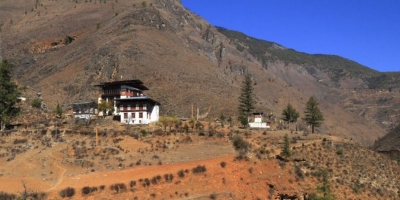
The Druk Path Trekking in Bhutan is a unique adventure trekking tour that takes you through some of the most spectacular and untouched landscapes of the Kingdom of Bhutan. Beginning with the iconic Tiger’s Nest hike in Paro, the trek offers an extraordinary opportunity to explore the pristine wilderness and cultural heritage that Bhutan is celebrated for. This five-day trekking route bridges Paro and Thimphu, two of Bhutan’s most vibrant cities, but it is the journey through rural villages, ancient monasteries, and dense forests that truly defines the experience. During the trek, trekkers encounter rushing rivers, serene high-altitude lakes such as Jimilangtsho, and lush alpine forests that are home to diverse flora and fauna. The Druk Path Trek is not just a physical challenge; it’s a cultural immersion, allowing trekkers to visit incredible Dzongs (fortresses) and Gompas (monasteries), which offer deep insight into Bhutan’s Buddhist traditions. Along the way, the breathtaking panoramic views of the Himalayan mountain ranges create an unforgettable backdrop that will inspire awe and wonder. This trekking adventure is perfect for those who seek both natural beauty and spiritual enrichment. It combines camping under the stars with warm hospitality from local Bhutanese communities. The unspoiled environment, combined with Bhutan’s rich heritage, makes the Druk Path Trekking an ideal journey for adventurers, nature lovers, and culture enthusiasts alike. Highlights: Iconic Tiger’s Nest Monastery hike Camping near serene alpine lakes Visits to historic Dzongs and Gompas Stunning Himalayan mountain vistas Immersion in rural Bhutanese culture and lifestyle Diverse flora and fauna in pristine natural habitats Druk Path Trekking Distance and Difficulty The total trekking distance on the Druk Path route covers approximately 45 to 50 kilometers over six days of hiking, excluding rest and travel days. The trail is moderately challenging, suitable for trekkers with a good level of fitness and previous trekking experience. Elevation range: From 2,200 meters in Paro to about 4,100 meters at the highest pass. Daily trekking distance: Ranges between 6 to 12 kilometers per day. Terrain: Varied, including forest trails, high alpine meadows, mountain passes, and rocky paths. Camping: The trek is primarily a camping trek, with tents and meals provided by the trekking company. Altitude: Trekkers should be mindful of altitude acclimatization, especially at passes like Dochula and during the ascent to Tiger’s Nest. The trek’s moderate difficulty, combined with the stunning scenery and cultural highlights, makes it an accessible yet rewarding adventure. Druk Path Trekking Cost 2026/2027 Asiana Treks and Tours offers competitive pricing for the Druk Path Trekking experience, reflecting the quality of services, permits, guides, and accommodations involved. The cost includes airport transfers, domestic flights, trekking permits, camping equipment, meals, local guide fees, and cultural activities. Price range: USD 2,200 to 2,800 per person (depending on group size and season) Included: International and domestic flights (Kathmandu-Paro-Kathmandu) Licensed Bhutanese trekking guide and porters Camping gear (tents, sleeping bags, mats) All meals during trekking and city tours Entrance fees to heritage sites and monasteries Ground transportation in Bhutan and Nepal Not included: International airfare to Kathmandu Personal insurance and emergency evacuation Tips and personal expenses Visa fees for Bhutan and Nepal Booking early with Asiana Treks and Tours ensures personalized service and availability during the popular trekking seasons. This investment promises an unforgettable journey through the mystical Kingdom of Bhutan. Druk Path Trekking Price Breakdown When planning your Druk Path Trekking adventure with Asiana Treks and Tours, understanding the price breakdown is essential to appreciate what you are paying for and to budget accordingly. The trekking package cost typically covers multiple critical components, ensuring a hassle-free and well-organized experience from start to finish. The price includes all permits, domestic flights, local transportation, accommodation, guide and porter services, camping equipment, and meals during the trek. Here’s a detailed look at the key elements included in the price: International and Domestic Flights: Your round-trip airfare between Kathmandu and Paro, Bhutan, is included, saving you the hassle of separate bookings. Permits and Fees: Bhutan requires special trekking permits for the Druk Path route. These are handled and included in the package cost. Accommodation: In Kathmandu and Bhutan cities, you will stay in comfortable hotels, while camping gear is provided on trekking days. Guides and Porters: Experienced Bhutanese guides lead your trek, supported by porters carrying your luggage, ensuring a comfortable journey. Meals: Full-board meals during trekking days and breakfast in cities are covered, offering a blend of local and international cuisine. Transportation: All ground transfers in Nepal and Bhutan are arranged for smooth travel. Some additional costs to keep in mind include personal expenses, travel insurance, visa fees, and tips. The overall price for the 12-14 day Druk Path Trekking ranges from USD 2,200 to 2,800, depending on group size and season. Summary: All flights, permits, guides, and camping gear included Accommodation in hotels and campsites provided Meals during trek and city tours included Additional costs: personal expenses, visas, insurance Druk Path Trekking Altitude Guide Altitude plays a crucial role in your trekking experience on the Druk Path route, and understanding how the elevation changes will help you prepare physically and mentally. The trek starts at Paro (about 2,200 meters) and reaches its highest point near the Dochula Pass, approximately 3,100 meters, with some side excursions and passes going even higher. Here’s what to expect in terms of altitude during the trek: Starting Point: Paro Valley at around 2,200 meters provides a gentle introduction to trekking in Bhutan. Dochula Pass: At 3,100 meters, this is a key highlight with panoramic Himalayan views and a place where acclimatization is important. Tiger’s Nest Monastery: The hike reaches up to 3,120 meters, a challenging but rewarding ascent. Camping Altitudes: Campsites such as Jele Dzong, Jimilangtsho Lake, and Simkota vary between 2,800 to 3,700 meters. Phajoding Monastery: Located at around 3,600 meters, it offers serene landscapes and spiritual ambiance. To minimize altitude sickness risks, the itinerary is designed to allow gradual acclimatization with rest days and moderate daily elevation gains. Proper hydration, a steady pace, and listening to your body are vital. Key altitude points: Paro: 2,200 m Dochula Pass: 3,100 m Tiger’s Nest: 3,120 m Jimilangtsho Lake: 3,870 m Phajoding: 3,600 m Being prepared for these altitude changes enhances safety and enjoyment during the trek. Why Choose Druk Path Trekking? Choosing the Druk Path Trekking with Asiana Treks and Tours offers a rare opportunity to experience Bhutan’s unparalleled natural beauty, rich culture, and spiritual heritage in an immersive way. This trek is perfect for those who want to combine adventure with cultural exploration in one of the most pristine and least touristy countries in the world. The Druk Path trek is distinctive because: Unique Cultural Experiences: Visit ancient Dzongs, monasteries, and remote villages, gaining a deep understanding of Bhutanese Buddhist traditions. Stunning Natural Beauty: Traverse diverse landscapes—from dense forests of pine and rhododendron to alpine meadows and high-altitude lakes. Moderate Challenge: Suitable for trekkers with moderate fitness, the trail is rewarding without being overly strenuous. Expert Local Guides: Asiana Treks and Tours provides experienced Bhutanese guides who ensure safety, cultural insight, and personal attention. Eco-Friendly Trekking: Bhutan emphasizes sustainability; this trek respects the environment, promoting responsible tourism. Comprehensive Service: From initial arrival in Kathmandu through to departure, all logistics are handled for a seamless adventure. Beyond the physical trek, you’ll build meaningful connections with local people, observe unique wildlife, and witness breathtaking Himalayan vistas that few travelers experience. Druk Path Trekking is not just a journey; it’s a life-changing experience. Preparing for Druk Path Trekking Preparation is key to fully enjoy the Druk Path Trekking adventure and stay safe throughout the journey. Physical fitness, appropriate gear, and mental readiness all contribute to a successful experience. As the trek involves moderate altitudes and multiple days of hiking, it’s important to build endurance and acclimatize your body ahead of time. Here are essential preparation tips: Physical Training: Focus on cardiovascular fitness with hiking, jogging, or cycling, and practice walking long distances with a loaded backpack. Gear and Clothing: Bring layered clothing suitable for varying temperatures, waterproof gear, sturdy trekking boots, and accessories like a hat, sunglasses, and gloves. Health Precautions: Consult your doctor about altitude sickness medication if necessary, carry a basic first-aid kit, and ensure you have all vaccinations. Travel Documents: Secure your Bhutan visa early through Asiana Treks and Tours and ensure your passport is valid for at least six months. Packing Smart: Keep your luggage light; the company provides camping gear, but personal essentials like water bottles, snacks, and cameras are recommended. Mental Readiness: Be open to adapting to rustic camping conditions, variable weather, and the pace of trekking. Checklist: Cardiovascular fitness training Layered clothing and waterproof gear Trekking boots and sun protection Travel insurance and medical consultation Passport and visa arrangements Proper preparation maximizes your comfort and safety, allowing you to focus on the awe-inspiring landscapes and cultural experiences. What to Expect on the 12–14-Day Druk Path Trekking Adventure The 12–14-day Druk Path Trekking adventure with Asiana Treks and Tours offers an unforgettable journey combining trekking, cultural tours, and city sightseeing. From your arrival in Kathmandu to the last day’s departure, the itinerary is crafted to immerse you in the best of Nepal and Bhutan. Expect the following highlights: Diverse Experiences: Begin with a cultural heritage tour of Kathmandu, then fly into Bhutan to hike the famous Tiger’s Nest Monastery, followed by the multi-day trek across alpine meadows, lakes, and high mountain passes. Camping and Comfort: Sleep under the stars in carefully selected campsites with tents and meals provided, balanced by comfortable hotel stays in Kathmandu, Paro, Thimphu, and Punakha. Cultural Immersion: Visit Bhutanese Dzongs, monasteries, and villages; participate in traditional ceremonies if timing allows; learn about Bhutan’s philosophy of Gross National Happiness. Natural Beauty: Witness breathtaking views of the Himalayas including peaks like Jomolhari and Jichu Drake, as well as pristine lakes and forests filled with rhododendrons and native wildlife. Pace and Support: Moderate daily trekking distances allow time for rest and photography, supported by experienced guides and porters who handle logistics and luggage. Travelers should expect a blend of physical challenge, spiritual enrichment, and cultural discovery, making this trek ideal for both adventure seekers and those curious about Himalayan cultures. Oxygen Levels on Druk Path Trekking Altitude and oxygen levels are critical factors to consider when trekking the Druk Path in Bhutan. As you ascend into higher elevations, the air becomes thinner, meaning less oxygen is available with each breath. This decrease in oxygen can affect your physical performance, stamina, and overall health if you are not properly acclimatized. On the Druk Path Trek, you’ll encounter altitudes ranging from about 2,200 meters in Paro to over 3,800 meters near alpine lakes and mountain passes. At lower elevations (2,200–3,000 meters), oxygen levels are still relatively adequate for most trekkers, and you may feel minimal effects of altitude change. However, as you approach higher campsites such as Jimilangtsho Lake (approx. 3,870 meters) and the Dochula Pass (3,100 meters), oxygen levels drop significantly—roughly around 70% of sea-level oxygen availability. This reduction can cause mild to moderate altitude sickness symptoms such as headaches, nausea, dizziness, or fatigue. To minimize the effects of low oxygen: Ascend gradually and follow the guided itinerary that allows acclimatization days Stay hydrated and avoid alcohol and smoking Maintain a slow and steady trekking pace Eat light, high-carbohydrate meals for energy Listen to your body and communicate any symptoms with your guide Understanding oxygen level changes and preparing accordingly helps ensure a safer and more enjoyable trek. The expert guides from Asiana Treks and Tours are trained to monitor health and provide support throughout your journey. Major Villages and Scenic Viewpoints on Druk Path Trekking Route The Druk Path trekking route is dotted with charming villages and breathtaking viewpoints, each offering unique insights into Bhutanese life and spectacular natural beauty. The trek takes you through remote rural communities where traditional lifestyles continue with little change from centuries ago. Some of the major villages you’ll encounter include: Jele Dzong: This ancient fortress ruin sits perched on a hilltop, offering panoramic views of the Paro valley below. It’s an excellent place to rest and soak in Bhutan’s history and architecture. Jangchulakha: A small settlement surrounded by dense forests and high ridges, ideal for observing local flora and fauna. Simkota: Nestled near lush rhododendron forests, Simkota serves as a peaceful campsite, famous for its quiet ambiance. Phajoding: This village is renowned for its peaceful monastery complex, perched high on a ridge with sweeping views of Thimphu valley. Key scenic viewpoints along the route include: Dochula Pass: Offering one of the most stunning panoramic vistas of the eastern Himalayan peaks, including Jomolhari and Jichu Drake mountains. Jimilangtsho Lake: A serene alpine lake surrounded by wildflowers and coniferous trees, perfect for photography and wildlife spotting. Tiger’s Nest Viewpoint: The iconic viewpoint overlooking the Taktsang Monastery, an emblem of Bhutanese spirituality. Summary: Jele Dzong – historic fortress with valley views Jangchulakha – forest-surrounded settlement Simkota – tranquil campsite near rhododendrons Phajoding – monastery with valley panoramas Dochula Pass and Jimilangtsho Lake – breathtaking natural vistas These villages and viewpoints enrich your trekking experience with cultural encounters and stunning scenery. Flora and Fauna of Druk Path Trekking The Druk Path Trekking route passes through some of Bhutan’s most ecologically diverse and pristine environments, hosting a wide array of flora and fauna. As you trek through varying altitudes, the vegetation changes from subtropical forests to alpine meadows, offering a rich botanical tapestry. At lower elevations near Paro, you’ll find dense forests dominated by blue pine, fir, and rhododendron trees. In spring, the rhododendrons burst into vibrant reds, pinks, and whites, painting the landscape with color. The trail passes through thick undergrowth, mossy rocks, and occasional bamboo groves. Higher up, especially near Jimilangtsho Lake and Dochula Pass, the terrain shifts to alpine meadows dotted with wildflowers such as primulas, gentians, and asters. These meadows are crucial habitats for many bird species and small mammals. Wildlife sightings may include: Birds: Himalayan monal (national bird of Nepal, occasionally seen in Bhutan), blood pheasant, and various species of woodpeckers and eagles. Mammals: Himalayan musk deer, red panda (rare but possible), Himalayan black bear, and wild boar. Insects: Butterflies and colorful moths are abundant in summer months. This rich biodiversity combined with pristine natural surroundings makes the Druk Path Trek a paradise for nature lovers and photographers. Festivals and Local Culture Along Druk Path Trekking Route Trekking the Druk Path offers more than just natural beauty; it immerses you in the vibrant local culture and spiritual traditions of Bhutan. Along the route, you will encounter several monasteries and villages where traditional festivals and religious ceremonies take place, often tied to Bhutan’s unique Buddhist calendar. Notable cultural elements include: Dzong Festivals: Dzongs along the trek, such as in Paro and Punakha, often host annual Tsechus—colorful festivals featuring masked dances, traditional music, and religious rituals. While trekking might not always coincide exactly with festival dates, your guides can arrange visits if timing aligns. Monastic Life: Villages like Phajoding and Jele Dzong host monasteries where monks follow centuries-old practices. Visitors may observe prayer sessions, meditation, and daily rituals, gaining insight into Bhutan’s deep Buddhist spirituality. Local Hospitality: The rural communities along the route maintain traditional Bhutanese lifestyles, with warm hospitality extended to trekkers. You might witness local crafts, farming practices, and unique dress styles like the kira and gho. Festive Decorations: Prayer flags flutter along mountain ridges, while mani stones (inscribed with prayers) line trails and riverbanks, symbolizing blessings and protection. Key cultural highlights: Traditional Tsechu festivals at dzongs Monastic prayer rituals and meditation Warm hospitality in rural villages Prayer flags and mani stones along trails Experiencing Bhutan’s living culture adds profound meaning to the trekking adventure. Why Book with Asiana Treks and Tours for Druk Path Trekking Booking your Druk Path Trekking adventure with Asiana Treks and Tours ensures a seamless, authentic, and enriching experience. With years of experience in Himalayan trekking and Bhutanese tours, Asiana Treks combines local expertise with international standards to deliver exceptional service and support. Reasons to choose Asiana Treks and Tours: Expert Local Guides: Their Bhutanese guides are highly knowledgeable about the Druk Path route, culture, and environment, providing in-depth information and ensuring safety. Full-Service Packages: From visa processing and flights to permits, accommodation, meals, and equipment, Asiana Treks handles all logistics. Customized Itineraries: The company can tailor the trek to suit your preferences, fitness level, and interests, offering flexibility and personalized attention. Responsible Tourism: Committed to eco-friendly and culturally respectful travel practices, Asiana Treks supports local communities and sustainable tourism. 24/7 Customer Support: Before, during, and after your trek, you receive continuous assistance from a dedicated team. Competitive Pricing: Transparent pricing with no hidden costs, ensuring good value for your investment. By choosing Asiana Treks and Tours, you not only gain a knowledgeable partner but also contribute to the preservation of Bhutan’s natural and cultural heritage. How to Book Druk Path Trekking Booking your Druk Path Trekking adventure with Asiana Treks and Tours is straightforward and designed to ensure your peace of mind from the start. The company offers clear steps to help you secure your spot and prepare for the journey. Booking steps: Inquiry: Contact Asiana Treks via their website, email, or phone to express interest and ask any preliminary questions. Consultation: Discuss your travel dates, fitness level, and preferences with the team to customize the itinerary if desired. Quotation and Confirmation: Receive a detailed quotation including the trekking cost breakdown, inclusions, and exclusions. Deposit: Pay a deposit to reserve your place on the trek. Payment methods are flexible and secure. Visa Assistance: Asiana Treks coordinates your Bhutan visa application and necessary permits based on your passport and travel details. Final Payment: Settle the remaining balance as the trekking date approaches. Pre-Trek Support: Receive detailed pre-trek information including packing lists, health advice, and travel tips. Trekking and Beyond: Enjoy your well-organized trek with support throughout the journey. Booking early is highly recommended due to Bhutan’s regulated tourist numbers and seasonal popularity.
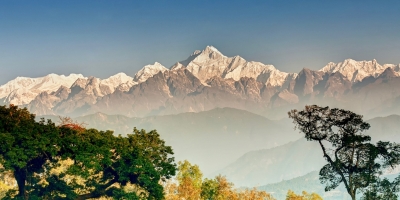
The Mundum Trail is one of eastern Nepal’s most captivating and recently discovered trekking routes. Nestled in the remote Kanchenjunga region, this trail offers an extraordinary off-the-beaten-path experience that immerses trekkers in the vibrant Kirat Rai ethnic culture. The trail has been developed through a collaborative effort between the MTSSTPC (Swiss Project), Tamke Maiyum Rural Municipality, and the government of Province No. 1, focusing on preserving cultural heritage while promoting sustainable tourism.Travelers experience the heart of Kirat, Limbu, Sunuwar, and Kulunge cultures, exploring their unique shamanic, animistic, and Shiva-worshipping traditions. Along the route, trekkers encounter sacred sites like Haspokhari, Salpa Pokhari, and Shilichung Peak—places held in reverence as spiritual homes of gods and ancestors. The journey offers breathtaking Himalayan vistas, including glimpses of the world’s highest peaks: Everest, Makalu, Kangchenjunga, and others.The trek combines wilderness hiking through rhododendron forests, grasslands, and remote villages, with enriching homestay experiences that reveal the daily life and traditions of indigenous communities. The highest point, Shilichung Peak (4,165m), offers panoramic views and a chance to reflect on the deep spiritual meaning of the Mundum scripture, the sacred text of the Kirat people. This trail provides moderate difficulty trekking accessible to fit travelers, with basic tea houses and campsites available along the way.Why Choose Mundum Trekking?The Mundum Trekking Trail is a rare gem hidden in the remote corners of eastern Nepal. For adventurers seeking more than just stunning landscapes, this trail offers a profound cultural and spiritual journey into the heart of the Kirat Rai and Limbu people. Choosing the Mundum Trek means immersing yourself in untouched wilderness, vibrant traditions, and breathtaking Himalayan panoramas — all while contributing to sustainable tourism and community development.Unique Features and HighlightsOff-the-Beaten-Path Experience: Unlike popular routes such as Everest or Annapurna, the Mundum Trail remains a relatively undiscovered destination, providing a peaceful and authentic trekking experience without the crowds.Sacred Spiritual Sites: Trek through revered locations like Shilichung Peak, Salpa Pokhari, and Hans Pokhari, which are deeply significant in Kirat mythology and spirituality.Panoramic Himalayan Views: The trek offers unmatched views of some of the highest peaks in the world, including Mount Everest (8,848m), Makalu (8,463m), Kangchenjunga (8,586m), Lhotse, and Cho Oyu.Rich Cultural Immersion: Stay in homestays and villages where you can experience traditional Kirat and Limbu lifestyles, festivals, rituals, and cuisine.Community-Based Tourism: The trail supports local economies through homestays and community lodges, helping preserve the unique heritage and environment.Diverse Landscapes: From dense rhododendron forests and alpine meadows to rolling pastures and high ridges, the trek traverses a variety of ecological zones.Cultural and Natural AttractionsKirat Rai and Limbu Traditions: The trail passes through villages inhabited by the Kirat Rai and Limbu people, ethnic groups with a unique shamanic and animistic belief system. Visitors can witness traditional dances, rituals, and crafts firsthand.Sacred Natural Sites: Places like Salpa Pokhari are believed to be the abode of Kirat deities, while Shilichung Peak serves as a spiritual pilgrimage site for local gurus.Biodiversity: The region hosts diverse flora and fauna, including rhododendron forests, wild orchids, various bird species, and native mammals.Festivals and Rituals: Depending on the time of year, trekkers may observe local festivals that showcase colorful costumes, traditional music, and community gatherings.Authentic Homestays: Guests can enjoy home-cooked meals and learn about indigenous agricultural practices, weaving, and folklore in intimate village settings.Trek Difficulty and Fitness LevelModerate Difficulty: The Mundum Trek is suited for trekkers with a good level of fitness who are comfortable walking 5-7 hours a day on varied terrain, including uphill and downhill sections.Altitude: The trek gradually ascends to its highest point at Shilichung Peak (4,165m), allowing for reasonable acclimatization without extreme altitude challenges.Trail Conditions: The path includes well-maintained dirt trails, some steep climbs, and rural village tracks. Accommodation is basic but comfortable, with homestays and tea houses providing essential services.Physical Preparation: While previous trekking experience is helpful, determined beginners can complete the trek with adequate fitness training and preparation.Support: Asiana Treks and Tours provides experienced local guides and porters to ensure safety, logistical support, and cultural interpretation.Summary: Why Choose Mundum Trekking with Asiana Treks and Tours?Unique Cultural Immersion: Explore Kirat Rai, Limbu, Sunuwar, and Kulunge cultures rarely visited by tourists.Spiritual Significance: Trek sacred sites like Shilichung Peak and Salpa Pokhari.Breathtaking Views: Panoramas of eight-thousanders including Everest, Makalu, and Kangchenjunga.Moderate Difficulty: Accessible to fit trekkers with basic accommodations.Sustainable Tourism: Support community-based homestays and cultural preservation.Expert Guidance: Professional local guides from Asiana Treks ensure safety and enriching experiences.
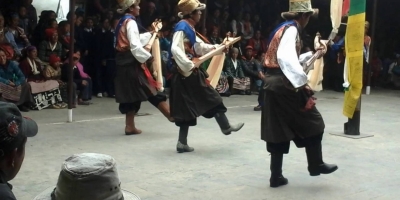
Asiana Treks and Tours proudly offers the Dumji Festival Trekking package, an immersive journey into the rich spiritual and cultural heritage of the Sherpa people in the Solukhumbu region. The Dumji Festival is an ancient and sacred celebration marking the birth anniversary of Guru Rinpoche, also known as Padmasambhava—the revered second Buddha and one of Tibetan Buddhism’s key founders. This festival has been celebrated for over 365 years since Lama Sangwa Dorji initiated it at Pangboche Monastery.The trekking experience revolves around witnessing and participating in the vibrant festivities held across important monasteries in Tengboche, Namche Bazar, Khumjung, and Pangboche. These monasteries become hubs of religious fervor, where monks perform sacred rituals and traditional dances wearing exquisite paper-mâché masks. Sherpa families take turns preparing food and drink for the entire village during the festival, fostering a spirit of community and unity.The trek offers not only a deep cultural immersion but also spectacular natural beauty. Trekkers are rewarded with breathtaking views of iconic Himalayan giants like Mt. Everest, Lhotse, and Ama Dablam, alongside thrilling moments such as flying into Lukla Airport—known as the world’s most dangerous airport. Asiana Treks and Tours ensures a carefully guided, enriching, and safe experience throughout the journey.Highlights:Celebrate Dumji Festival with Sherpa communitiesExperience ancient Tibetan Buddhist rituals and masked dancesTrek through stunning Himalayan landscapes and villagesFlight to/from Lukla, the adrenaline-packed gatewayStay in comfortable guesthouses with authentic local cuisineParticipate in traditional cooking and village festivitiesDumji Festival Trekking Itinerary OverviewThe itinerary of the Dumji Festival Trekking, curated by Asiana Treks and Tours, blends cultural immersion with adventurous trekking through the heart of the Everest region. The journey starts with a heritage tour of Kathmandu, followed by a flight to Lukla, the gateway to Everest. From there, the trek ascends gradually through picturesque villages such as Phakding and Namche Bazaar, culminating at Khumjung and Pangboche—centers of the Dumji Festival.During the festival days in Khumjung, trekkers can witness and even participate in sacred ceremonies performed by monks and local families. The trail from Khumjung to Tengboche offers panoramic views and the chance to visit the famous Tengboche Monastery. The return journey takes trekkers back through Monjo and Lukla before flying back to Kathmandu, concluding with a relaxing stay in the city.This itinerary balances trekking and festival participation, providing time to absorb the cultural significance of the Dumji Festival and the breathtaking mountain scenery. Asiana Treks and Tours’ expert guides ensure a smooth and informative trek, accommodating all fitness levels with proper acclimatization stops and support.Itinerary Highlights:Day 1-2: Kathmandu heritage and preparationDay 3: Flight to Lukla, trek to PhakdingDay 4: Trek to Namche BazaarDay 5-9: Festival celebrations in KhumjungDay 10: Trek to Tengboche MonasteryDay 11-12: Return trek via Monjo and LuklaDay 13: Flight to KathmanduDay 14: DepartureDumji Festival Trekking DistanceThe Dumji Festival Trekking route covers approximately 65 to 75 kilometers round-trip, spread over 12 trekking days. The distances trekked each day are designed to allow gradual acclimatization, ensuring trekkers remain comfortable and safe while enjoying the journey. The trekking paths traverse scenic river valleys, pine forests, and alpine meadows with stunning Himalayan backdrops.The walking distances vary daily, typically ranging from 4 to 6 hours per day, making the trek manageable for most physically fit travelers. Trekkers gain elevation steadily from 1337 meters in Kathmandu up to around 3700 meters in Khumjung, where the festival takes place. This moderate ascent reduces risks of altitude sickness and provides ample time for rest.The itinerary also incorporates necessary rest days during the festival to fully experience the traditional dances, rituals, and communal activities without rushing. Each village offers charming guesthouses where trekkers can relax and enjoy Sherpa hospitality.Daily Trekking Distances (approximate):Kathmandu to Lukla (flight, no trekking)Lukla to Phakding: 8 km (3 hours)Phakding to Namche Bazaar: 10 km (6 hours)Namche to Khumjung: 7 km (3 hours)Khumjung to Tengboche: 10 km (5 hours)Tengboche to Monjo: 15 km (6 hours)Monjo to Lukla: 9 km (4 hours)Dumji Festival Trekking Cost 2026/2027The Dumji Festival Trekking package by Asiana Treks and Tours offers excellent value for an authentic cultural and trekking experience in Nepal. The pricing for 2026/2027 is designed to be all-inclusive, covering permits, domestic flights, accommodation, meals, guides, and necessary support.The package cost reflects the complexity of organizing participation in a rare cultural festival combined with trekking in remote Himalayan terrain. The festival days also involve hosting local families and contributions to village preparations, ensuring that your visit supports the community directly. Asiana Treks and Tours maintains transparency in pricing with no hidden charges, prioritizing quality and safety.Group sizes are kept small to enhance the experience and minimize environmental impact. The team provides pre-trip briefing and support throughout the journey, ensuring a smooth, hassle-free adventure.Included in the Cost:Airport pickups and drop-offs in KathmanduDomestic flight Kathmandu-Lukla-KathmanduAccommodation in guesthouses and hotelsFull board meals (Breakfast/Lunch/Dinner)Experienced English-speaking guide and porter supportNecessary trekking permits and festival entry feesFestival participation arrangementsComprehensive travel insurance adviceDumji Festival Trekking Price BreakdownTo provide clear insight into the trekking package, here is a general price breakdown offered by Asiana Treks and Tours for the Dumji Festival Trekking:Cost Component Estimated Price (USD)Domestic Flight (Kathmandu-Lukla return) $350 - $400Accommodation (13 nights) $200 - $300Meals (13 days) $150 - $200Trekking Permits and Fees $40 - $60Guide and Porter Salaries $300 - $400Festival Participation & Donations $50 - $70Company Service Fee $200 - $300Total Estimated Cost: $1300 - $1730 per personThis price range depends on group size, season, and customization options such as private guides or upgraded accommodation. Asiana Treks and Tours is committed to offering competitive pricing without compromising service quality or traveler experience.Dumji Festival Trekking Altitude GuideThe Dumji Festival Trekking takes you on a journey through a range of altitudes, starting at Kathmandu’s moderate elevation of 1,337 meters (4,385 feet) and ascending to high Himalayan villages like Khumjung at approximately 3,700 meters (12,136 feet). This gradual elevation gain is designed to help trekkers acclimatize properly, reducing the risk of altitude sickness while enjoying the spectacular views and cultural richness of the region.The trek’s highest point typically does not exceed 3,700 meters, which is manageable for most trekkers with proper preparation. The altitude progression from Lukla (2,860 m) through Namche Bazaar (3,440 m) to Khumjung (3,700 m) allows the body to adjust steadily to thinner air. This is critical because as elevation increases, oxygen levels decrease, making breathing more challenging. Proper acclimatization days are built into the itinerary, especially during the festival days in Khumjung, allowing trekkers to rest and experience the cultural festivities without exertion.Asiana Treks and Tours emphasizes safety and health by monitoring symptoms of altitude sickness and encouraging trekkers to hydrate, eat well, and take it slow. Our guides are trained in altitude sickness awareness and will adjust the pace or itinerary as necessary to ensure your well-being.Altitude Highlights:Starting Point: Kathmandu (1,337 m / 4,385 ft)Lukla: Gateway to Everest region (2,860 m / 9,380 ft)Namche Bazaar: Main acclimatization stop (3,440 m / 11,283 ft)Khumjung: Festival location (3,700 m / 12,136 ft)Tengboche: Monastery visit (3,867 m / 12,687 ft)Why Choose Dumji Festival Trekking?Choosing the Dumji Festival Trekking with Asiana Treks and Tours offers a unique blend of spiritual immersion, cultural exploration, and Himalayan adventure. Unlike many treks focused solely on the natural landscape, this trek introduces travelers to one of the oldest and most profound Tibetan Buddhist festivals celebrated by the Sherpa people. Dumji Festival’s rich traditions, including masked dances, rituals to expel evil spirits, and communal celebrations, provide travelers with a once-in-a-lifetime cultural experience.Beyond the festival, trekkers witness breathtaking landscapes featuring iconic Himalayan peaks such as Mt. Everest, Ama Dablam, and Lhotse. The route itself is peppered with charming Sherpa villages, ancient monasteries, and pristine natural beauty. Flying into Lukla adds an exhilarating start and finish to the trek, recognized worldwide for its dramatic terrain and adventurous landing strip.Asiana Treks and Tours distinguishes itself through personalized service, experienced local guides, and responsible tourism practices. We ensure your trek is safe, enjoyable, and environmentally conscious, while supporting local communities directly through festival participation and fair wages for guides and porters.Reasons to Choose Dumji Festival Trekking:Unique access to traditional Sherpa festival and cultureSpectacular Himalayan scenery and iconic mountain viewsExpert guides familiar with festival rituals and trekking routesEmphasis on safety, acclimatization, and traveler comfortContribution to community development and cultural preservationPreparing for Dumji Festival TrekkingPreparation is key to enjoying and successfully completing the Dumji Festival Trekking. Since this trek involves moderate altitude and festival participation, physical fitness, cultural sensitivity, and logistical readiness are essential. Before your trip, Asiana Treks and Tours recommends a regimen of cardiovascular exercise, strength training, and endurance hikes to condition your body for daily trekking.Packing should focus on layering: warm clothing for chilly mornings and evenings, waterproof gear for unpredictable monsoon rains, and comfortable trekking boots for varied terrain. Essential items include a good sleeping bag, trekking poles, sun protection, and a personal first aid kit. Since the festival involves community meals and ceremonies, a respectful attitude and willingness to engage with local traditions enhance the experience.Visa, permits, and travel insurance must be secured well in advance. Asiana Treks and Tours assists with all necessary paperwork, including trekking permits and festival permissions. Mental preparation is equally important—being open to new experiences, embracing cultural differences, and pacing yourself during the trek will make your journey smoother and more rewarding.Key Preparation Tips:Physical training: hiking, cardio, and strength workoutsLayered clothing, waterproofs, sturdy bootsTravel documents and permits arranged beforehandBasic medical kit and altitude sickness medicationRespectful mindset and eagerness to engage with localsWhat to Expect on the 12–14-Day Dumji Festival Trekking AdventureEmbarking on the 12 to 14-day Dumji Festival Trekking with Asiana Treks and Tours means combining adventure trekking with rich cultural immersion. The trek begins with a scenic flight from Kathmandu to Lukla, injecting adrenaline from the world’s most thrilling airport landing. From Lukla, trekkers pass through tranquil villages like Phakding and Namche Bazaar, where acclimatization and interaction with Sherpa culture occur.The core of the trek revolves around Khumjung and Pangboche, where the Dumji Festival unfolds over several days. Here, you will witness monks performing sacred dances, rituals to chase away evil spirits, and community feasts hosted by rotating families. These ceremonies are not only visually spectacular but deeply spiritual, connecting participants to centuries-old traditions.Beyond the festival, expect stunning views of Everest and neighboring peaks, lush forests, and pristine waterfalls. Guesthouses along the route provide cozy overnight stays with traditional Sherpa meals. Each day’s trek ranges between 3 to 6 hours, balanced with ample rest to enjoy the surroundings and cultural events.Highlights of the Experience:Flight to/from Lukla with breathtaking viewsTrekking through Sherpa villages and scenic trailsParticipation in Dumji Festival rituals and dancesMagnificent Himalayan mountain vistasComfortable guesthouse accommodations with local cuisineOxygen Levels on Dumji Festival TrekkingOxygen levels decrease as you ascend during the Dumji Festival Trekking, making it crucial to understand how altitude affects your body. At sea level, oxygen saturation is about 21%, but as you climb above 2,500 meters (8,200 feet), the amount of available oxygen steadily drops. For example, at Khumjung’s altitude of 3,700 meters (12,136 feet), oxygen levels are roughly 40% lower than at sea level.This reduction means your body has to work harder to absorb enough oxygen, often causing symptoms like shortness of breath, fatigue, headaches, and dizziness—signs of mild altitude sickness. That’s why the Dumji Festival Trekking itinerary is paced to allow gradual acclimatization, with rest days at Namche Bazaar and during the festival days in Khumjung. Staying hydrated, eating well, and avoiding overexertion are vital strategies.Asiana Treks and Tours guides are trained to monitor oxygen saturation and altitude sickness symptoms. We recommend using pulse oximeters if possible, and for trekkers with pre-existing respiratory conditions, medical consultation before the trek is essential. Supplemental oxygen is generally not required but can be arranged if needed.Oxygen and Altitude Facts:Oxygen levels drop approximately 40% at 3,700 m compared to sea levelGradual ascent and acclimatization minimize altitude sickness risksHydration, rest, and nutrition support oxygen uptakeMonitoring by guides ensures early intervention if neededSupplemental oxygen rarely necessary but available on requestMajor Villages and Scenic Viewpoints on Dumji Festival Trekking RouteThe Dumji Festival Trekking route takes trekkers through several charming Sherpa villages and breathtaking viewpoints in the Everest region. Starting from Lukla, you traverse villages like Phakding, Namche Bazaar, Khumjung, Tengboche, and Pangboche, each offering unique cultural insights and stunning mountain vistas. These villages serve as hubs for Sherpa life and provide a window into the traditional Himalayan lifestyle that has been preserved over centuries.Namche Bazaar is the largest village on the route and acts as a primary acclimatization stop, where you can explore local markets, cafes, and traditional shops. Khumjung, the heart of the Dumji Festival, is a quaint settlement with a beautiful monastery and close views of Mt. Everest. Tengboche is famed for its monastery perched dramatically above the forested valley, providing panoramic views of Everest, Ama Dablam, and Lhotse. Along the trek, several scenic viewpoints such as Everest View Hotel and the confluence of rivers offer spectacular photo opportunities and moments to soak in the grandeur of the Himalayas.These stops are not only scenic but culturally significant, allowing trekkers to engage with local communities, witness traditional architecture, and experience authentic Sherpa hospitality.Key Villages and Viewpoints:Lukla: Gateway to Everest regionPhakding: Peaceful river villageNamche Bazaar: Acclimatization hub and cultural centerKhumjung: Dumji Festival epicenterTengboche: Famous monastery with Himalayan viewsPangboche: Traditional Sherpa villageEverest Viewpoints: Stunning mountain panoramasFlora and Fauna of Dumji Festival TrekkingThe Dumji Festival Trekking route winds through diverse ecosystems ranging from lush river valleys to alpine forests and rugged mountain terrain. This region is a biodiversity hotspot with an array of flora and fauna unique to the eastern Himalayas. As you ascend from the low altitude forests near Lukla to the higher rhododendron and conifer zones, you will notice changes in vegetation and wildlife.At lower elevations, dense forests of oak, pine, and rhododendron trees dominate the landscape, bursting into vibrant color during spring when rhododendrons bloom spectacularly. Higher up, alpine shrubs and hardy grasses thrive in the harsher climate near Khumjung and Tengboche. The region is home to many bird species, including the colorful Himalayan monal pheasant, the national bird of Nepal. Wildlife such as musk deer, red pandas (rarely seen), Himalayan tahr, and snow leopards inhabit these remote areas, though sightings are uncommon and require patience.This trekking route offers nature lovers a chance to witness the delicate balance between wildlife and traditional Sherpa communities, who live in harmony with their environment.Flora and Fauna Highlights:Rhododendron and oak forests at lower elevationsAlpine shrubs and wildflowers in higher zonesBirds: Himalayan monal, pheasants, and eaglesMammals: Musk deer, Himalayan tahr, elusive snow leopardsSeasonal blooms and changing vegetation zonesFestivals and Local Culture Along Dumji Festival Trekking RouteThe Dumji Festival Trekking experience is deeply enriched by the vibrant local culture and religious festivals celebrated along the route. The highlight is, of course, the Dumji Festival, celebrated predominantly in Khumjung and surrounding monasteries. This ancient Tibetan Buddhist festival commemorates Guru Rinpoche’s birth and features elaborate masked dances, ritual ceremonies, and communal feasts hosted by Sherpa families.Beyond Dumji, the region celebrates other significant festivals such as Losar (Tibetan New Year) and Mani Rimdu, where you can witness more colorful masked dances, prayer rituals, and monastery celebrations. These festivals offer an unparalleled opportunity to immerse yourself in Sherpa spiritual life, folklore, and traditional customs. The communities welcome visitors warmly, often inviting trekkers to join the celebrations, sample local delicacies, and participate in traditional dances.Sherpa culture is known for its resilience, hospitality, and strong Buddhist beliefs, all of which are vividly alive during these festivals. The trek is as much a cultural journey as it is an adventure, offering rich stories, music, and rituals passed down through generations.Cultural and Festival Highlights:Dumji Festival: Masked dances and ritualsMani Rimdu and Losar festivalsTraditional Sherpa hospitality and communal feastsMonastery visits and prayer ceremoniesOpportunities to join local celebrations and cookingWhy Book with Asiana Treks and Tours for Dumji Festival TrekkingBooking your Dumji Festival Trekking adventure with Asiana Treks and Tours ensures a professionally guided, authentic, and responsible trekking experience. With years of expertise organizing cultural treks in the Everest region, Asiana Treks provides personalized service tailored to your needs, from initial planning to the completion of the trek.Asiana Treks and Tours employs experienced local guides who are not only experts in trekking logistics but also deeply knowledgeable about Sherpa culture and the Dumji Festival. Their guidance enriches your understanding of the region’s traditions, history, and spiritual significance. The company prioritizes safety with proper acclimatization protocols, quality accommodations, and reliable support throughout the journey.Beyond customer care, Asiana Treks is committed to sustainable tourism. They ensure that festival participation supports local families financially and culturally while minimizing environmental impact. Choosing Asiana Treks means contributing positively to the communities you visit and experiencing the Himalayas with respect and authenticity.Why Choose Asiana Treks and Tours?Experienced local guides with cultural expertiseFocus on safety, comfort, and acclimatizationSupport for local communities and sustainable tourismTailored itineraries and small group sizesComprehensive support from booking to trek completionHow to Book Dumji Festival TrekkingBooking your Dumji Festival Trekking adventure with Asiana Treks and Tours is a straightforward and personalized process designed to ensure your trip meets all your expectations. Start by contacting the company through their official website or email, where you can request detailed information or a customized itinerary based on your travel dates and preferences.Once you confirm your interest, Asiana Treks will provide a full itinerary, cost breakdown, and advice on preparing for the trek, including recommended gear and physical fitness requirements. The booking is finalized upon payment of a deposit, with flexible payment plans available for convenience. The team also assists with necessary permits, travel insurance guidance, and flight bookings.Throughout the process, Asiana Treks offers attentive communication to answer questions, offer travel tips, and provide support. Their goal is to make your Dumji Festival Trekking experience smooth, memorable, and hassle-free from the moment you book.Booking Steps:Contact Asiana Treks via website or emailReceive itinerary and price detailsConfirm and pay deposit to secure your placeArrange permits, flights, and insurance with company assistancePre-trip briefing and preparation advice provided
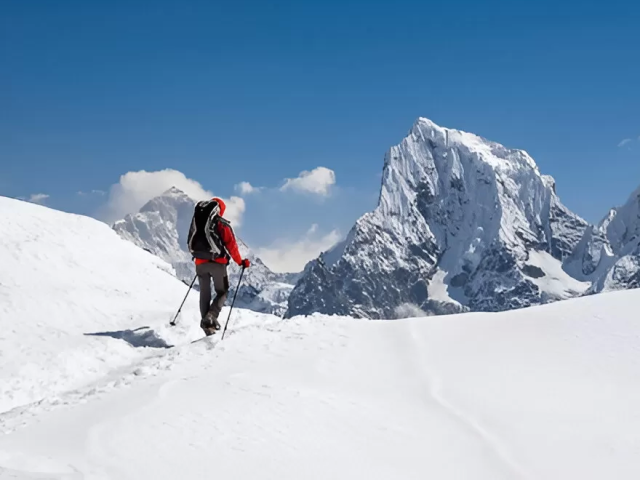
The Gokyo Renjo-La Pass Trek offers a unique alternative to the traditional Everest Base Camp trail, providing an off-the-beaten-path adventure filled with breathtaking scenery and cultural richness. This trek is best for those seeking solitude and exclusivity while exploring the majestic Everest region. Asiana Treks and Tours' Gokyo Valley and Renjo-La Pass Trek take you through stunning snowy peaks, glacial landscapes, pristine Lakes, and vibrant Sherpa culture.The Khumbu region, home to the mighty Mahalangur Himalaya, boasts four of the world's tallest peaks—Everest (8,848m), Lhotse (8,516m), Makalu (8,485m), and Cho Oyu (8,201m)—along with picturesque valleys and awe-inspiring glaciers. The highlight of this trek is the Gokyo Valley, famous for its five turquoise lakes surrounded by towering silver peaks. You'll also cross the iconic Renjo-La Pass (5,345m) and climb Gokyo Ri (5,357m), which offers unparalleled 360-degree panoramic views of Everest, Lhotse, Makalu, Nuptse, Ama Dablam, and many more.The journey also takes you through Sagarmatha National Park, a UNESCO World Heritage Site, where you'll encounter diverse flora and fauna, including musk deer, Himalayan tahrs, lophophorus (Nepal's national bird), and maybe even the mythical Yeti! The Ngozumpa Glacier, the largest in the Himalayas, is another stunning highlight, stretching from Cho Oyu to Dole.Immerse yourself in the unique blend of Nepalese and Tibetan Buddhism, as seen in the Sherpa villages adorned with monasteries, prayer flags, and mani walls. The eco-conscious practices in this region ensure a sustainable trekking experience, preserving its pristine beauty for future travellers.This 14-day trek can also be combined with the Three High Passes Trek or other Everest region adventures. Start your holiday on this unforgettable journey to the heart of the Himalayas in NepalGokyo-Ri and Renjo Pass Trekking itinerary:Asiana Treks and Tours has the perfect Gokyo-Ri and Renjo-La Pass Trek itinerary. Travellers who desire to explore Nepal with moderate physical fitness. You'll discover the best places for breathtaking views from the city to the countryside. Experience the contrast of cold nights at Gokyo to a stunning view of the mountain wall, an unforgettable lifetime journey.Gokyo-Ri and Renjo-La Pass Trekking Distance:Gokyo-Ri and Renjo-La Pass Trekking takes 13 days, with 4 to eight-hour walking days, and is approximately 97 km, or 61 miles, depending on the itinerary and acclimatisation day.Gokyo-Ri and Renjo-La Pass Trekking Route:Gokyo-Ri and Renjo-La Pass Trekking route showcases awe-inspiring natural beauty. Starting in lush valleys with terraced fields and traditional Sherpa. Villages, the journey unfolds amidst the Himalayan foothills. Rhododendron forests bloom in spring, accompanied by cascading waterfalls and snow-capped peaks. Traversing wildflower meadows and crossing suspension bridges over mountain streams, the landscape evolves as you ascend. Approaching Gokyo-Ri and Renjo-La Pass, rugged terrain and glacial moraines dominate, leading to panoramic views of towering peaks. The Trek promises unforgettable moments, whether you're a seasoned trekker or novice adventurer, offering an unparalleled journey through Earth's most breathtaking landscapes and top of the world. Gokyo-Ri and Renjo-La Pass Trekking Price:Our Gokyo-Ri and Renjo-La Pass Trekking package tour ensures reliability in terms of cost, itinerary, and overall experience. The Gokyo Ri and Renjo-La Pass trek typically ranges from US$1300 to 2000, depending on group size, service level, guide and porter services, transportation preferences, and accommodation category in Kathmandu. This cost estimation is subject to the types of trekking gear and accommodation preferences. Gokyo-Ri and Renjo-La Pass Trekking Height:The Gokyo-Ri and Renjo-La Pass trekking and tours start from the bustling city of Kathmandu at an altitude of 1337 meters. From Kathmandu, take a flight to Lukla or during peak season from Ramechhap. You'll descend to the beautiful Manthali headquarters of Ramechhap, 474 meters above sea level. If you Fly from Manthali to Lukla, you'll embark on your journey descending to crossing by the green forest to Chheplung; finally, the Trek culminates at Everest Base Camp at a breathtaking height of 5,357 m /17575 ft.Major villages of Gokyo-Ri and Renjo-La Pass Trekking:The major Sherpa villages along the Gokyo-Ri and Renjo-La Pass Trekking route are Lukla, Chheplung, Thado Koshi, Phakding, Taktok, Banker Manjo, Jorsalle, Namche, Sanasha, Phugithanga, Tangboche, Diboche, Pangboche, Somera, Dingboche, Thukla, Labuche, and Gorekshep Return from the same route and follow the same path back to Lukla. These villages are significant landmarks and offer scenic beauty and accommodation options along the Gokyo-Ri and Renjo-La Pass Trekking routes.Best Viewpoints Gokyo-Ri and Renjo-La Pass Trekking:These viewpoints provide unforgettable experiences, highlighting the beauty of the Gokyo Lake and Gokyo-Ri Trek. Everest Gokyo-Ri Trek offers breathtaking views, showcasing stunning panoramas of the surrounding Himalayan peaks. Here are the critical views along the route: On a clear day, board your Flight to Lukla or Ramechhap, ensuring a seat on the left-hand side for a breathtaking view of the uncountable Himalayan peaks, from the Langtang Himalayan range to the majestic Mt Everest. Hillary Bridge: After halfway from Hillary Bridge to Namche, you will first glimpse the majestic Everest view. Hillary Park Sagarmatha Head Headquarters: At the top of Namche Headquarters of Sagarmatha National Park, Hillary Park, you have a stunning surrounding view of Many Himalayan ranges, including Mt Everest. Everest View Hotel: From Everest View Hotel, you can enjoy unparalleled vistas of Everest and neighbouring peaks, Dole Viewpoint: Located near the village of Dole, this viewpoint provides early glimpses of Cho Oyu and other peaks, setting the stage for the spectacular views to come further along the trek. Machhermo Viewpoint: This viewpoint is situated above the village of Machhermo and offers beautiful views of the surrounding peaks, including Thamserku, Kangtega, and Cho Oyu. It's a great spot to acclimatize and enjoy the landscape. Gokyo Lakes: A series of turquoise lakes set against snow-capped peaks. The third lake, Dudh Pokhari, is particularly stunning. The area around the lakes provides spectacular photo opportunities and serene spots to enjoy the natural beauty. Gokyo Ri (5,357 meters / 17,575 feet): The highlight of the trek, Gokyo-Ri, offers panoramic views of four of the world's highest peaks: Everest, Lhotse, Makalu, and Cho Oyu. The climb to the summit is challenging but rewarding, with unparalleled vistas of the Gokyo Lakes and the Ngozumpa Glacier, the longest glacier in the Himalayas. Ngozumpa Glacier: The longest glacier in the Himalayas is visible from several points along the trek. The glacier's dramatic ice formations and moraines are awe-inspiring, especially from the nearby hills.Scoundrel's Viewpoint: This viewpoint is above the fifth Gokyo Lake and offers a more secluded and equally impressive perspective of Everest, Lhotse, Makalu, and Cho Oyu. It's less frequented by trekkers, providing a tranquil spot to take in the grandeur of the Himalayas.Flora and Fauna in the Gokyo-Ri and Renjo-La Pass Trekking :Gokyo-Re and Renjo-La Pass Trekking are also in Sagarmatha National Park. It deserves many different flora and fauna, Where pine and hemlock forests are found at lower altitudes, and fir, juniper, birch, rhododendron, scrub, and alpine plants thrive at higher elevations. Sagarmatha National Park is inhabited by a diverse range of animals, like red panda, snow leopard, musk deer, Himalayan tahr, marten, Himalayan mouse hare (pika), and over 118 bird species, such as the Impeyan pheasant, snow cock, blood pheasant, and red-billed cough.Festivals and Culture of Gokyo-Ri and Renjo-La Pass Trekking:The Gokyo-Ri and Renjo-La Pass Trek offer a cultural immersion into Sherpa traditions. A highlight is the Dumji and Mani Rimdu Festival at Tengboche Monastery, held annually in October or November. This vibrant celebration features sacred dances and colourful ceremonies, providing insight into Sherpa culture.Buddhism, a central pillar of Sherpa life, is beautifully woven into the Trek's fabric. It's evident in the monasteries, prayer flags, and Mani walls that dot the route. Visitors are not just spectators but can actively participate in Buddhist rituals, fostering a deeper understanding of Sherpa spirituality and their profound connection to nature.In their harmonious coexistence with nature, Sherpas practice sustainable living with eco-friendly methods like using yak dung as fuel and waste management. These practices, born out of necessity and deep respect for the environment, are a testament to the Sherpa's ingenuity and their role as responsible stewards of the land. It's a practice that inspires respect and admiration. People and hospitality of Gokyo-Ri and Renjo-La Pass TrekkingNepal is a country where warm hospitality and incredible values are not just a custom but a deeply ingrained part of its culture. Whether a foreign visitor or a local, you're greeted with open arms, friendly smiles, and a radiant manner. This tradition of hospitality, deeply rooted in Hinduism, Buddhism, and traditional customs, sees guests as blessings and treats them with utmost respect, generosity, and kindness.The Sherpa people, an indigenous ethnic group with a unique blend of Tibetan Buddhism and ancient Bon rituals, epitomise these values. Residing in the upper Khumbu area, they welcome guests with a distinct warmth and an unwavering spirit of hospitality, marked by their renowned honesty and loyalty.Advantage book with Asiana Treks and tours: Private transport for airport transfers to/from your hotel.Trip briefing on Facebook and online if you love to connect.Last minute booking at your hotel at a suitable time after your arrival.Easy booking and reservation system.Multi-channel communication via Email, WhatsApp, Facebook, Viber, Skyp 24/7 phone communication at +977-9851076270Free excess luggage storage during the TrekOximeters are provided to examine blood oxygen saturation at high altitudes to detect altitude sickness early.Medical kits along the Trek and hot airbags are available in winterArrange sleeping bags, duffel bags, down jackets, and walking pools if you don't have your own.Trek Booking for Gokyo-Ri and Renjo-La Pass Trekking:Asiana Treks and Tours is the best and most trusted trek and tour company operator authorized by the Nepal government. We require a 10% advance payment to book your trip, and you'll need to send us a copy of your passport, photos, travel insurance, and flight details as soon as you book a tour with us. You can use bank transfer, or any other way like Western Union, or online via our website, which is easy. The remaining trip cost can be paid upon arrival in Nepal. We offer last-minute bookings, but changes may occur due to circumstances like bad weather. Transportation of Gokyo-Ri and Renjo-La Pass Trekking:Asiana Treks and Tours Organizes all transportation logistics from start to end, according to our group size and agreement, including pickups and drops of service to flights between Kathmandu and Lukla for ground transportation for World Heritage site tours. Our services for all groups ensure convenient travel arrangements, whether a World Heritage tour or Flight tickets, and are tailored to the group, prioritizing safety, comfort, and efficiency. We aim to provide the best and most enjoyable travel experience, meeting the highest standards of safety and comfort.Trekking Start to Gyoko-Re and Renjo-La Pass Trekking:Your Gokyo-Ri and Renjo-La Pass Trek begins with a warm welcome in Kathmandu. Our team member will greet you at Tribhuvan International Airport. We'll escort you to your hotel in a private vehicle, ensuring a comfortable and hassle-free start to your adventure. This will set the tone for a memorable journey.If you miss the regular trip briefing, don't worry. We'll provide it at a convenient time before departure, Pokhara, either before a World Heritage tour the following morning or the next day; we'll then proceed to the airport flight to Lukla or drive four 4-hour Manthali and Flight to Lukla.Currency Exchange:The Nepalese rupee is Nepali currency, and 1 USD is approximately 130 NPR. Only NPR is accepted in Nepal, so it's best to bring cash to facilitate transactions. Banks and ATMs in Kathmandu provide currency exchange services but note that most banks prefer new, crisp notes.Our Team:The Asiana Treks and Tours team is professional, reliable, and responsible. They are well-trained, friendly, radiant, and fluent in English. You can feel comfortable sharing anything with them. They are experts in local culture, history, vegetation, food, accommodation, weather conditions, and first aid medication. They are also environmentally conscious and respect the rights of animals.However, please do not provoke them for personal gain during the trip. While you can enjoy your holiday with them, we kindly request that you do not try to change their customs, beliefs, religion, culture, or traditions.We and our staff are committed to making your adventure trip unforgettable memories of a lifetime journey in Nepal. Guide and Porter Arrangement for Gokyo-Ri and Renjo-La Pass Trekking:Our company, Asiana Treks and Tours, focuses on responsible tourism in Nepal. We make sure our guides and porters are well-trained in Trekking and mountaineering. They know a lot about the areas we go to, including geography, history, customs, and culture. We train them regularly in safety, first aid, and environmental conservation. We follow guidelines to treat our porters fairly, providing them with good pay, accommodation, and meals during treks. Our guides and porters are essential team members, and we appreciate their hard work. When you trek with us, you support ethical tourism in Nepal, making your trip meaningful and memorable.Asiana Treks and Tours prioritizes your safety and enjoyment. Our knowledgeable guides, reliable equipment, and safety measures ensure a great trekking experience in Nepal.Porter, Luggage, and extra Luggage storage: We cover the cost of porters for your Luggage, but the maximum weight limit is 12 kg per person. Each porter carries Luggage for two trekkers; please share a duffle bag with another. Our porters will carry up to 25 kg each. If you need a porter for yourself, we can arrange that. We also recommend carrying a small backpack for your valuables and important documents. You can leave extra Luggage at our office for free and at a hotel in Pokhara, Namche, etc.Accommodation during the Gokyo-Ri and Renjo-La PassTrekking:Accommodations during the Gokyo-Ri and Renjo-La Pass Trek vary. Along the trekking route, you'll stay in guest houses, commonly known as teahouses. These basic lodges offer rooms, dining areas, and toilets. The quality of guest houses varies but remains affordable and convenient for trekkers. Rooms typically have twin or bunk beds and shared bathrooms, and blankets and pillows are available. Our company can offer a sleeping bag if you don't have one. You'll spend nine nights in lodges along the trekking route and three nights in a hotel in Kathmandu. Some places and lodges have attached bathrooms, while others offer simple yet clean rooms with shared facilities. We can arrange a solo trekking service if you're travelling solo. In high season and particular areas, availability may be limited for you, although we try our best. In Kathmandu or Pokhara, your hotel room will have excellent amenities, including TV, 24/7 hot water, electricity, and laundry service.Meals during the Gokyo-Ri and Renjo-La PassTrekking:Eating well is essential since the Gokyo-Ri and Renjo-La Pass Trek takes you through the Himalayas. You'll have plenty of nutritious meals in the trekking regions, although the options won't be as varied as in the cities. You'll get fifteen breakfasts, eleven lunches, and ten dinners during the Trek. The menu includes local, Asian, and Western dishes, but it gets more straightforward as you climb higher. Try popular Nepali foods like lentils, rice, curry, dumplings, noodles, Spagaties, and many more. We highly recommend eating fresh vegetables and drinking liquids like green tea, lemon tea, hot lemon, ginger tea, and garlic soup, especially at high altitudes. While non-vegetarian options are available during the Trek, we suggest avoiding them for hygiene reasons. It's also best to steer clear of dairy, cheese, alcohol, caffeine, and hot chocolate. Personal expenses like alcoholic drinks, extra beverages, and cafes aren't included in the package. Drinking water during the Gokyo-Ri and Renjo-La PassTrekking:Nepal is the second country in the world regarding water sources after Brazil. According to the Nepal government, only 27% of people here have clean drinking water. You can buy mineral water in teahouses, but it is expensive. Lokals people do not prefer plastic bottles in some trekking areas, so there are some safe drinking water stations where you can refill your bottle. However, we recommend carrying Steripen, iodine drops, water purification tablets for safe drinking, and refillable water bottles for boiled or filtered water. We strongly advise not to drink from taps, wells, and rivers in trekking areas. However, in all the city areas, Mineral water is available at a reasonable cost everywhere.Extra Personal Expenses:Your Trip covers most expenses during the Trek; you'll need to spend money on extra accommodations and meals in Kathmandu, souvenirs, and beverages. We estimate about USD 15-25 per trekking day for miscellaneous expenses. However, personal expenses depend on your Income, habits, and style.Toilet Facilities During the Gokyo-Ri and Renjo-La Pass Trekking:Most teahouses have Western-style flush toilets during mountain treks, especially at lower elevations. But as you go higher, find simple squat toilets along the trails and teahouses at higher altitudes. These toilets usually have water or toilet paper, but it's a good idea to bring your toilet paper just in case. You can also use restrooms at nearby teahouses or find a private spot along the trekking routes.Internet Connectivity during the Gokyo-Re and Renjo-La Pass trekkingWhile trekking in the Himalayan region of Nepal, connecting with your family and friends is also a good idea. You can find internet access at teahouses and lodges, but it might be extra minimal cost. The signal might be weak because of the remote location. You can also get internet access using a local SIM card and data packages available at Kathmandu airport or nearby shops in Thamel and Pokhara. You'll have a passport-sized photo and a copy of your passport to get a SIM card. It's a good idea to compare prices and data packages from telecom companies like Ncell and Nepal Telecom before buying. Knowing about teahouse connectivity. Our guide will suggest connections for you. Electricity voltage and plugs:However, 95 % of Nepali people have access to electricity as of May 29, 2023. almost popular trekking routes, teahouses, and lodges have electricity. However, some isolated and solo trekking tea houses in the jungle don't have electricity; most tea houses let travellers charge for their devices for a small fee. The average electrical voltage in Nepal is 230 volts, with plug types like Type C, Type D, and Type M. Travellers should bring a suitable adapter and, if needed, a voltage converter for their electronic devices.Communication during the Gokyo-Ri and Ranjo-La PassTrekking:The guest houses in the trekking regions have internet access. You could buy a SIM card at Tribhuvan International Airport Kathmandu and Namche. However, the signal may need to be more assertive at high altitudes. Our office keeps in touch with all trekking teams via the trek guide at least once daily to ensure everything goes as planned.Trip Extension:Suppose you have extra days in Nepal after the Trek. In that case, we can arrange a tour, overnight stay at Nagarkot Balthali or any other place around Kathmandu and Chitwan, jungle safari, paragliding, rafting, canyoning, or other treks. Do not hesitate to Inform us. We will create the best for you.Trek Difficulty:The Gokyo-Ri and Renjo-La Pass Trek presents a moderate, challenging, yet enriching adventure. Your enjoyment of the trip will largely depend on your level of fitness. We recommend building stamina at least two weeks before the Trek. Activities include jogging, running, swimming, or taking long hikes for the journey ahead.Completing this Trek is achievable even if you're a beginner, although you must maintain a reasonable fitness level. Prior trekking experience can be advantageous, though it is optional. All you need is the readiness to hike steadily for 4-8 hours, navigating tricky terrain.Suppose trekkers have pre-existing medical conditions, such as lung or heart diseases. In that case, they are advised to consult their physician before booking the Trek to ensure their safety and well-being throughout the journey.Trip Safety during the Gokyo-Ri and Renjo-La PassTrekking:We highly give top priority. We provide experienced guides with first aid kits and necessary safety gear to ensure a safe hand. Our team monitors weather and trail conditions and takes precautions to avoid risks. Before starting the Trek, we discuss the trip to provide a clear understanding and ensure a reliable experience.Group & Private Treks information for the Gokyo-Ri and Renjo-La Pass Trekking:We organize many group and private treks simultaneously, with discounts available for larger groups. Every group will have a trekking guide and porters. Regarding larger groups, we provide an assistant guide. Our team ensures a safe and enjoyable trekking experience for all participants.About solo traveller:If you're a solo traveller, please contact us to confirm departure dates before booking. You can tell us via call, WhatsApp, or email. We have listed upcoming departure dates for your convenience. Feel free to share the trip details with friends and family.Notes: Please be aware that the itinerary may change due to weather or other factors, and we'll adjust it accordingly for the group's safety and enjoyment. We look forward to guiding you through the stunning landscapes of the Annapurna region and ensuring a memorable trekking experience.Responsible Travel:We prioritize responsible travel to minimize environmental impact and support local communities. We collaborate with organizations like the Kathmandu Environmental Education Project (KEEP) to promote eco-friendly practices in trekking regions.Graduate:Graduate or tipping is appreciated in Nepali culture and reflects the quality of service provided. You decide how much to tip, but we recommend tipping as a group at the end of the trip.End of Trek:On the last day, you'll take a flight from Lukla back to Kathmandu, which will take about 35 minutes. Alternatively, we fly from Ramechhap to Kathmandu for an extra fee. In the evening, we'll host a farewell dinner in Kathmandu.Departure:On the day of your departure flight, we'll come to pick you up from your hotel and transfer you to Tribhuvan International Airport. We hope you enjoyed the Nepal trek and will consider returning for more adventures in Nepal.Feedback:After you complete the Gokyo-Ri and Renjo-la PassTrek, we'll organize a farewell dinner in Kathmandu and present you with a trekking achievement certificate. After the dinner, you can provide feedback about the Trek on travel portals.Last-Minute Booking:If you can't book in advance, we offer last-minute bookings. Last-minute booking offers are available but may cost slightly more than regular departure dates. Those opting for last-minute bookings must pay an additional 7% of the total trip cost on our website. While we strive to make last-minute requests, we try our best to accommodate according to your last-minute booking holiday.Special Note: Please remember that sometimes unforeseen circumstances, such as inclement weather or unavailable lodging, may cause the schedule to be changed. Your trip guide will design a fresh schedule based on the group's interests in such circumstances. Everest Regions Trekking Blog Post List:Asiana Treks & Tours offers an insightful blog on the Everest region, providing valuable information for trekkers. Explore stunning landscapes, local culture, and practical tips for your journey.Why Everest Base Camp Trek Should Be Your Next Adventure: Top ReasonsBeginner's Guide to Everest Base Camp TrekUnderstanding the Everest Base Camp Trek’s DifficultyEverest Base Camp Trek: Best Seasons (March-Mid June, Sep-Nov)Choosing the Best Route for Everest Base CampMajor Facts About the Everest Base Camp Trekking AdventureHiking from Gorak Shep to Kala Patthar & Everest Base CampIs There an Age Limit for Everest Base Camp Trekking?Is Everest Base Camp Trekking Possible for Women? Absolutely!The Complete List of Permits and Documents for Everest Region TreksMeals and Accommodation in the Everest RegionAccommodation Types in the Everest RegionTop Everest Region Trekking Packages 2025/2026Annapurna Base Camp vs Everest Base Camp: The Best TrekTrekking Permit Requirements for Different Regions in NepalThe First Viewpoint to See Mount EverestThe Beauty of Gokyo Lake with Views of EverestDiscovering the Beauty of Gokyo Lakes with Gokyo RiWhy Choose Everest Three Passes Trekking in NepalWhy Trek Everyone is the Ultimate Guide to Everest Base CampTrekking the Everest Three High Passes: Renjo La, Cho La & Kongma LaLukla: The Trekker's Ultimate GatewayAmazing Facts About Tenzing-Hillary Airport (Lukla Airport)Exploring Phakding: The First Step Toward EverestNamche Bazaar at 3,440m: A Rest Stop with a ViewTengboche Monastery: The Heartbeat of the KhumbuDingboche: The Smart Stop for Acclimatization and Stunning ViewsLobuche: A High-Altitude Himalayan Gem – History, Culture, Geography & Trekking HighlightsDiscover Everest Dudhkoshi Cultural Trek for BeginnersTraversing the Heart of Solu: Jiri to Sete, Junbesi & Nunthala via the Lamjura-La PassSacred Trails and Alpine Dreams: A Journey Through Pikey Peak, Dudh Kunda, and the Hidden Hamlets of SolukhumbuWhy Choose Everest Three Passes Trekking in NepalThe First Successful Summit: Sir Edmund Hillary and Tenzing NorgayHistory of Mount Everest : International Everest DayWhy Trek Everyone is the Ultimate Guide to Everest Base CampFAQs for Hiking to the Roof of the World (Everest Region
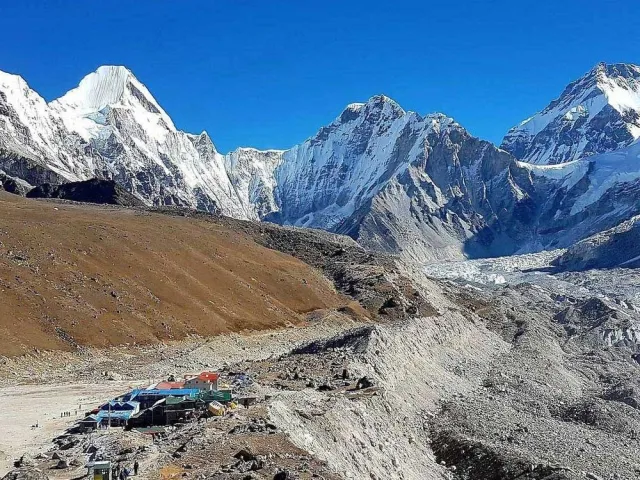
Embark on the ultimate Everest Base luxury trek in Nepal with Asiana Treks and Tours, where five‑star comfort meets high‑altitude adventure. From Kathmandu’s plush hotels to bespoke village lodges perched in the Himalayas, every detail is perfected—from pre‑trek gear fittings and private transportation to personalized porter arrangements and expert guides. Gourmet chef‑prepared meals, globally sourced as well as local-style, are served with panoramic Himalayan views. Included are exclusive wellness touches: hot‑stone baths, massage therapy, oxygen support, and snow‑cleared private en‑suite facilities in high‑altitude lodges.Tailored for discerning travelers, this Everest luxury holiday trekking experience blends adrenaline with indulgence. Optional helicopter return flights from Dzongla or Lobuche back to Kathmandu (or luxury campsite stays under the stars) deliver an unforgettable finale. Cultural evening receptions in Sherpa villages, whiskey‑tasting at Tengboche, and deluxe altitude‑adaptation rooms elevate your journey beyond the ordinary.Highlights:Luxury lodges with private heated bathrooms and power supplyPrivate guide, assistant guide, and specialized portersDaily chef‑prepared multi‑course meals & snacksSpa & massage treatments in Dingboche & NamcheOptional helicopter return (Lobuche → Kathmandu)2. 14‑Day Everest luxury trek in Nepal ItineraryDays 1–3: Arrive in Kathmandu, stay at 5-star hotels; fly to Lukla. Trek to Phakding, then Namche Bazaar. Evening at luxury lodge with private ensuite and ambient heating.Days 4–7: Acclimatization in Namche with charter helicopter sightseeing to Tengboche Monastery. Trek to Tengboche in luxury comfort. Move on to Dingboche with massage and spa treatment, then rest day to enjoy guided acclimatization hikes and Sherpa tea‑ceremony at your lodge.Days 8–10: Trek to Lobuche and onward to Everest Base Camp and Gorak Shep. Summit Kala Patthar at dawn from comfort‑equipped mountain lodge. Descend to Pheriche with nutritious high‑altitude meals and oxygen availability.Days 11–14: Return trek via Namche and Lukla with celebratory farewell dinners. Fly back to Kathmandu for deluxe hotel stays and city tour. Final day departure with VIP airport transfer and souvenir token from Asiana Treks.Summary:Days 1–3: Kathmandu → Lukla → Phakding → NamcheDay 4: Acclimatization & clinic tourDays 5–7: Namche → Tengboche → DingbocheDays 8–10: Dingboche → Lobuche → EBC → Gorak Shep → PhericheDays 11–12: Pheriche → Namche → LuklaDays 13–14: Fly to Kathmandu, departure3. Everest luxury trek in Nepal Distance (KM & Miles)Your Everest luxury trek spans approximately 110–130 km (68–81 miles) round‑trip, depending on specific lodge placements and acclimatization loops.Kathmandu → Lukla flight bypasses over 400 km (250 mi) by air travelTrek legs:Lukla → Phakding: ~8 km (5 mi)Phakding → Namche: ~10 km (6 mi)Namche → Tengboche: ~10 km (6 mi)Tengboche → Dingboche: ~12 km (7 mi)Dingboche → Lobuche: ~14 km (9 mi)Lobuche → EBC → Gorak Shep → Pheriche: ~16 km (10 mi)Pheriche → Namche: ~20 km (12 mi)Namche → Lukla: ~25 km (15 mi)Each day’s hiking is gentle, paired with rest after 5–7 hours, optimized for comfort and acclimatization. Helicopter return options reduce the final trek distance, creating a more leisurely conclusion.4. Everest luxury trek in Nepal Cost for 2026 & 2027Asiana Treks and Tours offers this upscale 14‑day luxury itinerary priced per person based on double occupancy:2026 Pricing: US $7,500 per person2026 Early‑Bird (book by Dec 31, 2025): US $7,200 per personWhat’s included:International/domestic flights & VIP terminals5‑star Kathmandu hotel with breakfastLuxury lodges (with ensuite toilets & heating)All meals (gourmet mountain‑cooked breakfast, packed lunch, four‑course dinner)Private guide, porter, chef, and kitchen staffHelicopter return (Lobuche → Kathmandu) + light baggage transportOxygen, spa massage in high‑altitude villagesPermits, insurance, and contingency helicopter rescueOptional extras:Single‑supplement room: US $800Private helicopter sightseeing (e.g., Everest summit flight): from US $2,500Pre/post trek luxury extensions (Chitwan safari, Pokhara lakeside stay)Asiana Treks and Tours ensures a seamless, indulgent experience on the world’s most iconic high‑altitude route.Everest Luxury Trek in Nepal Price Breakdown by Package – Asiana Treks and ToursThe Everest luxury trek 14 days by Asiana Treks and Tours offers a premium trekking experience with comprehensive services, safety, and comfort built into the price. This luxury trekking package is ideal for those who want to explore the Everest region with enhanced comfort, top-tier accommodation, and helicopter support. The cost ranges between USD 7,200 – 8,500 per person depending on season, group size, and helicopter return preferences.Inclusions cover everything: five-star hotels in Kathmandu, luxury mountain lodges (like Yeti Mountain Home and Everest Summit Lodge), three gourmet meals per day, porter services, licensed guide, domestic flights, permits, and even spa/massage access at high altitudes. The EBC luxury trek with helicopter return from Lobuche or Pheriche can be upgraded for an additional USD 1,200–1,500, eliminating the need for a long downhill walk.Price Breakdown:Standard Everest luxury trek: $7,200–$7,500Everest base camp luxury trek with heli return: $8,200–$8,500Single supplement (optional): $800Private Everest luxury heli tour: From $2,500Inclusions:5-star Kathmandu hotels, mountain lodgesMeals, flights, guide, porter, permitsWellness services, oxygen, private porterOptional helicopter returns for comfort2. Everest Luxury Trek in Nepal Height: Elevation in Meters and FeetThe Everest luxury holiday trekking journey takes you through some of the world’s most dramatic elevation gains, reaching Everest Base Camp at 5,364 meters (17,598 feet) and Kala Patthar at 5,545 meters (18,192 feet)—the highest point of the trek. Altitude is a serious consideration, and luxury accommodations help manage it better through proper acclimatization, supplemental oxygen, and heated rooms.Asiana Treks and Tours designs the Everest comfort trek itinerary with built-in rest days at Namche Bazaar (3,440m / 11,286ft) and Dingboche (4,410m / 14,468ft). This structured approach helps you adjust gradually, minimizing the risk of AMS (Acute Mountain Sickness). The trek begins in Lukla at 2,860m (9,383ft) and steadily rises day by day.Key Elevations:Kathmandu: 1,400m / 4,593ftLukla: 2,860m / 9,383ftNamche Bazaar: 3,440m / 11,286ftTengboche: 3,860m / 12,664ftDingboche: 4,410m / 14,468ftLobuche: 4,940m / 16,207ftEverest Base Camp: 5,364m / 17,598ftKala Patthar: 5,545m / 18,192ftWhy Elevation Matters:Gradual acclimatization improves success rateLuxury lodges offer heated rooms & oxygen for comfortHelicopter return helps avoid fatigue at high altitudes3. Why Everest Luxury Trek in Nepal Is a Must-Do TrekThe Everest luxury trek is not just a hiking journey—it’s a transformative experience that blends adventure, cultural immersion, and world-class comfort. With Asiana Treks and Tours, travelers experience the grandeur of Mount Everest with all the ease of luxury logistics: plush bedding, fine dining, spa treatments, private guides, and even scenic helicopter rides. Whether it’s sipping warm tea on a heated terrace in Namche or watching sunrise over Everest from Kala Patthar, every moment is curated for excellence.This trek also connects you with the rich Sherpa heritage. You'll visit iconic sites like Tengboche Monastery, dine in eco-lodges powered by solar, and engage with locals through organized cultural interactions. The EBC luxury trekking experience is also safer, thanks to proper acclimatization, backup helicopter evacuation, and premium care.Reasons to Choose Everest Luxury Trek:World’s highest luxury lodge-to-lodge trekCultural depth: Sherpa villages, monasteries, eco-tourismSafer: oxygen availability, slower pace, professional teamBest views of Everest, Ama Dablam, Lhotse, and NuptseOption for Everest luxury heli return for a stylish exit4. How to Prepare for the Everest Luxury Trek in NepalEven though the Everest base camp luxury trek is more comfortable than standard treks, it still demands physical readiness and smart preparation. You should begin training 2–3 months in advance with a focus on cardiovascular fitness (hiking, jogging, cycling) and leg strength (squats, lunges, step-ups). Include day hikes with a weighted backpack to simulate trekking conditions.Mentally, it's important to prepare for long trekking days at high altitude—even if you’ll be staying in luxury lodges. Pack smartly: breathable base layers, high-quality down jackets, waterproof outerwear, and broken-in trekking boots are essential. Asiana Treks and Tours provides a detailed pre-departure checklist, and their team assists with gear rental or purchase in Kathmandu.Trekking Preparation Tips:Fitness: Focus on cardio and leg enduranceGear: Quality trekking boots, thermal wear, rain gearAltitude: Acclimatization days are key; train at altitude if possibleMental prep: Stay flexible, and pace yourselfLogistics: Asiana handles permits, lodging, and guidesWith the right preparation, this luxury trekking in Nepal becomes a once-in-a-lifetime adventure—safe, enriching, and awe-inspiring.What to Expect on the Everest Luxury Trek in NepalThe Everest luxury trek in Nepal with Asiana Treks and Tours is an extraordinary journey combining the thrill of high-altitude trekking with five-star comfort. From the moment you land in Kathmandu, you're treated to high-end service—luxury hotel accommodations, private airport transfers, gourmet meals, and personalized trekking support. Once on the trail, you’ll stay in the finest mountain lodges in the region, each offering heated rooms, hot showers, premium bedding, and incredible views.Expect shorter hiking days compared to standard treks, giving you ample time to rest and acclimatize. You'll enjoy health-focused cuisine prepared with fresh ingredients, high-quality coffee and tea, and snacks between meals. Every lodge stop is carefully selected for both comfort and scenic beauty. There’s also the option of an Everest luxury trek with helicopter return, allowing you to fly back to Kathmandu after reaching Everest Base Camp or Kala Patthar—ideal for avoiding the long descent.Key Highlights:5-star hotels and deluxe lodges throughoutPrivate guide, porter, and support teamCustom meals, oxygen availability, wellness servicesHelicopter return options for comfort and easeCultural immersion in Sherpa villages2. Oxygen Levels on the Everest Luxury Trek in NepalOxygen levels decrease significantly as you ascend toward Everest Base Camp, and this can impact even the fittest trekkers. The air contains roughly 50% less oxygen at 5,300m (17,388 ft) compared to sea level. However, the Everest luxury trekking experience is designed to help you adapt safely and comfortably to high altitudes.With Asiana Treks and Tours, the itinerary includes two essential acclimatization days—in Namche Bazaar (3,440m) and Dingboche (4,410m)—to help your body adjust. Additionally, several of the luxury lodges provide oxygen cylinders and pulse oximeter monitoring, and your guide will assist with daily altitude checks. Lodges are equipped with heating, proper insulation, and medical support, making the experience more manageable and far safer than standard trekking.Oxygen Tips:Air has ~50% less oxygen at Base Camp (5,364m)Acclimatization days reduce altitude sickness riskPortable oxygen and trained staff included in luxury packagesHelicopter descent available in case of emergencySlow ascent & professional monitoring ensure safety3. Best Villages and Viewpoints on the Everest Luxury Trek in Nepal TrailThe Everest luxury trek 14 days is packed with photogenic villages and legendary viewpoints, each offering a unique angle of Everest and the surrounding Himalayan giants. Starting from Lukla, the trail weaves through vibrant Sherpa settlements such as Phakding, Namche Bazaar, Tengboche, Dingboche, and Lobuche. These villages not only serve as resting points but also offer opportunities to engage with local culture, visit monasteries, and witness the hospitality of the Khumbu region.Top viewpoints on the EBC luxury trek include:Namche Bazaar Viewpoint: Stunning first glimpse of Mt. Everest.Tengboche Monastery: Panoramic views of Ama Dablam, Everest, and Nuptse.Kala Patthar (5,545m): The ultimate sunrise viewpoint for a close-up look at Everest.Dingboche Ridge Hike: Offers a quieter, wide-angle view of the Imja Valley and surrounding peaks.Must-Visit Spots:Namche Bazaar: Market, Sherpa culture, Everest viewpointTengboche: Monastery with world-class viewsDingboche: Best ridge hikes, stunning valleysKala Patthar: Closest panoramic view of EverestWith Asiana Treks and Tours, each stop is elevated by luxury lodging and curated local experiences that make the journey just as memorable as the destination.4. Flora and Fauna: Biodiversity of the Everest RegionThe Everest region, part of Sagarmatha National Park, is not just a mountain lover’s dream—it’s a UNESCO World Heritage Site rich in biodiversity. During your Everest comfort trek, you’ll traverse through various ecological zones, from lush pine and rhododendron forests to alpine meadows and glacial moraines. Spring and autumn are the best times to see the full bloom of Himalayan flowers, including rare blue poppies and vibrant rhododendrons.Wildlife is another highlight of the EBC luxury trekking experience. You may encounter musk deer, Himalayan tahrs, danphe (national bird of Nepal), and even the elusive snow leopard in higher elevations. Birdwatchers will enjoy spotting Himalayan monals, eagles, and vultures soaring above the valleys. Asiana Treks and Tours ensures respectful, eco-conscious trekking, often led by guides knowledgeable in local flora and fauna.Biodiversity Highlights:Flora: Rhododendrons, juniper, blue poppy, alpine herbsFauna: Musk deer, Himalayan tahr, snow leopard (rare), monal pheasantBirdlife: Eagles, Himalayan vultures, choughs, blood pheasantEco-conscious trekking with local nature insightsBest time for flora: April–May; fauna sightings: September–NovemberBy choosing a luxury trekking in Nepal package, you're not just reaching Everest—you’re experiencing the full richness of its ecosystem, culture, and high-altitude magic in the most comfortable way possible.Festivals and Local Culture in the Everest RegionThe Everest Region, home to the indigenous Sherpa people, offers an enriching cultural experience alongside breathtaking mountain vistas. During your Everest luxury trek, you’ll witness age-old traditions, ancient monasteries, and vibrant festivals that define life in the Khumbu Valley. The region’s most celebrated event is Mani Rimdu, a 19-day Buddhist festival held in Tengboche Monastery each October or November. Travelers lucky enough to be trekking during this time will see masked dances, spiritual blessings, and lively communal gatherings.Another key festival is Dumji, which celebrates the birth of Guru Rinpoche, the founder of Tibetan Buddhism. Held in June, this festival is observed in Namche Bazaar, Khumjung, and other Sherpa settlements. Your luxury trek offers opportunities to explore these festivals without compromising comfort—Asiana Treks and Tours ensures you'll be accommodated in high-end lodges near major cultural hubs like Namche and Tengboche.Cultural Highlights:Mani Rimdu Festival in Tengboche (Oct–Nov)Dumji Festival across Sherpa villages (June)Visits to ancient monasteries (Tengboche, Pangboche, Thame)Traditional Sherpa cuisine & hospitality in luxury lodgesPrayer flags, spinning wheels & Buddhist chants throughout the trailExperience not just the majesty of Everest, but the soul of the Himalayas through the Everest luxury holiday trekking journey.2. Why Book with Asiana Treks and ToursAsiana Treks and Tours stands out as a leader in luxury trekking in Nepal, offering curated, safe, and unforgettable journeys into the Himalayas. What sets Asiana apart is their attention to detail—from personalized pre-trip consultation to 24/7 in-country support. Their Everest base camp luxury trekking packages include handpicked luxury lodges, experienced multilingual guides, spa and wellness services at altitude, and even VIP helicopter return options.Unlike many operators, Asiana limits group sizes to ensure personalized service. Your safety is a top priority, with oxygen support, satellite communication, and emergency evacuation protocols included. Cultural immersion is also at the heart of every trek. You'll enjoy curated local experiences, guided monastery visits, and authentic Sherpa interactions—all while enjoying the highest level of comfort on the trail.Why Choose Asiana Treks and Tours:Specializes in Everest luxury trekking and private expeditionsBest-in-class guides with medical and cultural trainingPremium accommodations in Kathmandu and Everest regionPrivate airport transfers, customized itineraries, helicopter optionsTransparent pricing with no hidden feesIf you're looking for the best luxury trek in the Everest region, Asiana Treks and Tours delivers a seamless blend of adventure and indulgence.3. How to Book the Everest Luxury Trek in NepalBooking your Everest luxury trek 14 days with Asiana Treks and Tours is a smooth, secure, and personalized process. The first step is to visit their official website or contact the team directly via email or WhatsApp. A travel consultant will schedule a call to understand your travel dates, fitness level, and preferences—whether you want a helicopter return, private group, or add-ons like Pokhara or Chitwan extensions.Once your preferences are set, Asiana provides a detailed itinerary, packing list, and transparent pricing. You can secure your booking with a deposit, usually 20–30%, via secure online payment or bank transfer. They also assist with travel insurance recommendations, flight bookings, and visa information. A personal trekking manager will stay in touch from booking to departure and throughout your journey in Nepal.Steps to Book:Visit: www.asianatreks.com or email the teamChoose from available EBC luxury trekking packagesCustomize your trek: group/private, heli return, add-onsSecure with deposit (20–30%), full support providedReceive digital travel kit: gear checklist, health tips, local contactsWith Asiana Treks and Tours, your journey to Everest is organized with professionalism, precision, and personalized care—making your luxury trek to Everest Base Camp stress-free and unforgettable.


 (2)
(2)  100% recommend (0)
 (0)
(0)