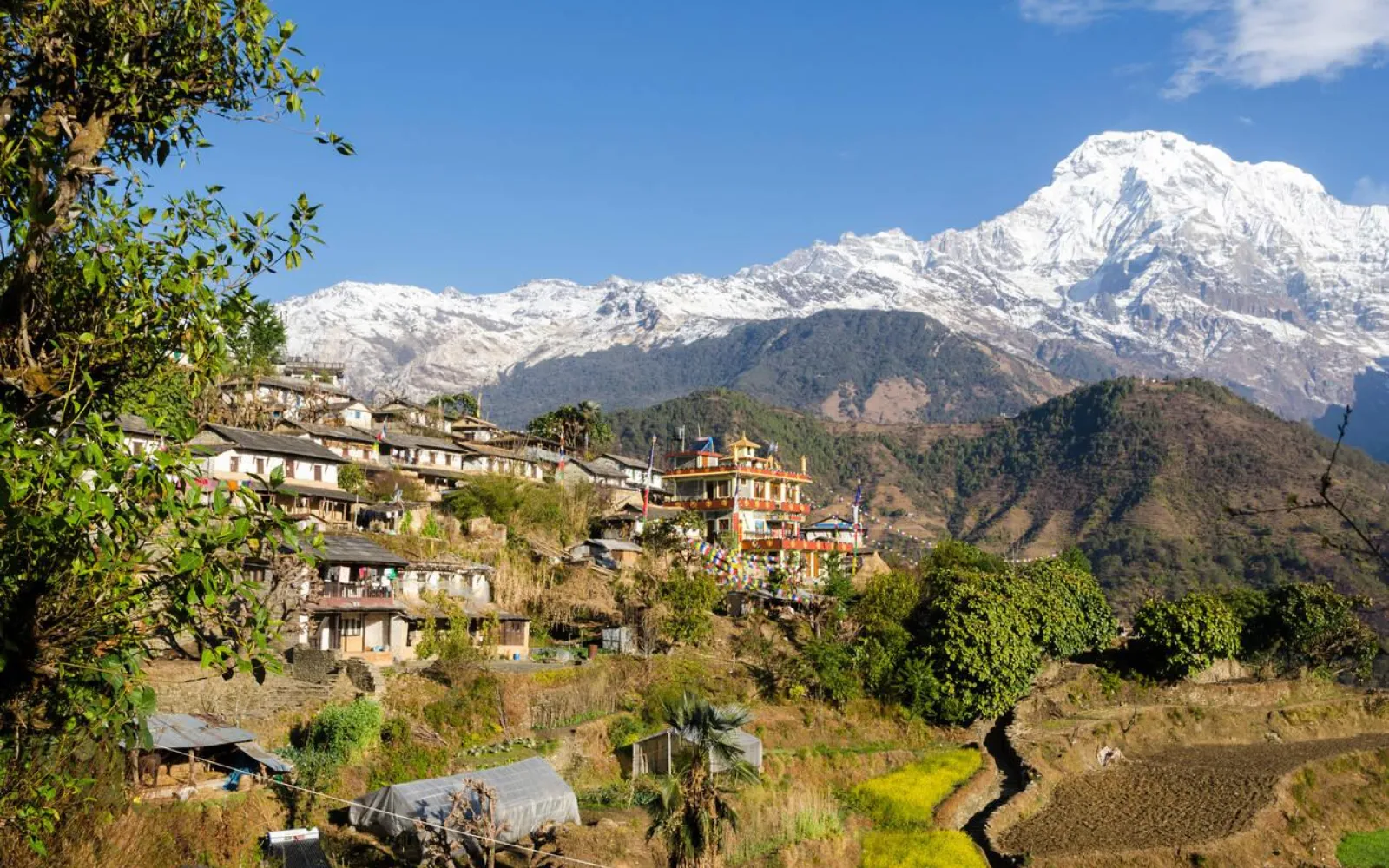
The Annapurna Base Camp (ABC) Trek is one of Nepal’s most iconic trekking routes, offering a combination of stunning mountain scenery, lush forests, traditional villages, and cultural experiences. The trek culminates at the Annapurna Base Camp, providing trekkers with a close-up view of the Annapurna Massif and the legendary Machhapuchhre (Fishtail) peak.
Maximum Elevation: 4,130 meters (13,549 ft) at Annapurna Base Camp
Starting Point: Hile (Pokhara region) at approximately 1,450 meters (4,757 ft)
Duration: Typically 9–10 days depending on pace
Best Season to Trek: Spring (March–May) and Autumn (September–November)
Temperature Guide:
This trek is suitable for moderately fit trekkers. Weather can be unpredictable in the high Himalayas, so layered clothing and proper gear are essential.
The Annapurna Base Camp Trek is a classic Himalayan trek that showcases some of the most breathtaking landscapes in Nepal. Trekkers are treated to panoramic views of towering peaks such as Annapurna I, Machhapuchhre, Hiunchuli, and Gangapurna, along with lush rhododendron forests, charming Gurung and Magar villages, and cascading waterfalls along the trail. The trek starts with a scenic drive from Pokhara to Hile, followed by progressively challenging hikes through terraced farmlands and forests, gradually ascending to the alpine zone.
Why it’s popular among trekkers:
The trek is well-facilitated with tea houses along the route, and with Asiana Treks and Tours, trekkers receive professional guidance, logistical support, and a seamless experience from Pokhara to Annapurna Base Camp and back.
The Annapurna Base Camp (ABC) is perched at an altitude of 4,130 meters (13,549 feet) above sea level, making it one of the most accessible high-altitude trekking destinations in the Himalayas. This elevation allows trekkers to experience the grandeur of the Himalayas without the extreme risks associated with higher peaks like Everest Base Camp. The Base Camp lies at the base of the Annapurna Massif, offering panoramic, 360-degree views of several towering peaks, including Annapurna I (8,091 m), Annapurna South (7,219 m), Machhapuchhre (6,993 m), and Hiunchuli (6,441 m).
Compared to nearby peaks, Annapurna Base Camp sits at a moderate altitude. For example:
This elevation allows trekkers to enjoy high-altitude landscapes, snow-capped peaks, and glacial valleys while keeping the trek accessible to those with moderate fitness levels.
Trek difficulty related to altitude:
Key Points – Elevation & Height:
With Asiana Treks and Tours, trekkers are guided safely through each stage, with proper acclimatization schedules, tea house accommodations, and expert advice on altitude management, making the journey to ABC both safe and memorable.
Annapurna Base Camp (ABC) is situated at 4,130 meters (13,549 ft), where temperatures can vary widely depending on altitude, season, and time of day. Daytime temperatures are generally mild and comfortable, allowing trekkers to enjoy the panoramic views of the Annapurna Massif. However, nighttime temperatures can drop significantly, especially at the Base Camp and higher passes. Understanding these variations is critical for a safe and enjoyable trek.
Seasonal Temperature Variations:
Day vs. Night Temperatures:
Tips for Dealing with Cold Weather:
Choosing the right season is crucial to maximize visibility, comfort, and safety on the ABC Trek. The most popular trekking seasons are spring and autumn, while winter offers solitude but harsher conditions.
Spring (March–May):
Autumn (September–November):
Winter (December–February):
Monsoon (June–August):
Key Points – Temperature & Season:
With Asiana Treks and Tours, trekkers receive professional guidance on seasonal preparation, ensuring proper clothing, acclimatization, and safety measures, making the Annapurna Base Camp Trek a memorable adventure in any season.
Trekking to Annapurna Base Camp involves ascending from lower elevations (around 1,450 m) to high altitudes (4,130 m). At these heights, the risk of altitude sickness increases, particularly for trekkers who ascend too quickly without proper acclimatization. Understanding the symptoms and preventive measures is essential for a safe journey.
Symptoms to Watch For:
Acclimatization Tips:
Recommended Pace for Trekkers:
With guidance from Asiana Treks and Tours, trekkers follow a carefully planned itinerary that ensures proper acclimatization and minimizes the risk of altitude-related complications.
Proper gear is crucial for comfort, safety, and enjoyment during the Annapurna Base Camp Trek. The trek passes through diverse climates—from subtropical forests to alpine zones and glacial moraines—so layered clothing and specialized equipment are essential.
Clothing Essentials for Different Temperatures:
Equipment for High-Altitude Trekking:
Asiana Treks and Tours provides guidance on gear selection and can arrange high-quality equipment for rent or purchase, ensuring trekkers are fully prepared for all conditions.
The Annapurna Base Camp Trek offers a once-in-a-lifetime Himalayan experience, combining adventure, natural beauty, and cultural immersion. Proper preparation for elevation, temperature variations, and high-altitude trekking is essential for a safe and memorable journey.
Key Points – Elevation, Temperature, and Preparation:
Encouragement for Trekkers:
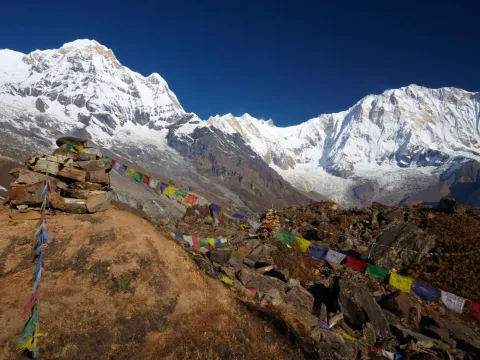
Trekking to Annapurna Base Camp (ABC) is a dream adventure for many hikers worldwide. However, as the trek reaches altitudes above 4,000 meters, understanding the effects of altitude on your body becomes crucial. Proper preparation, pacing, and awareness can help you enjoy the trek safely and avoid altitude-related illnesses.
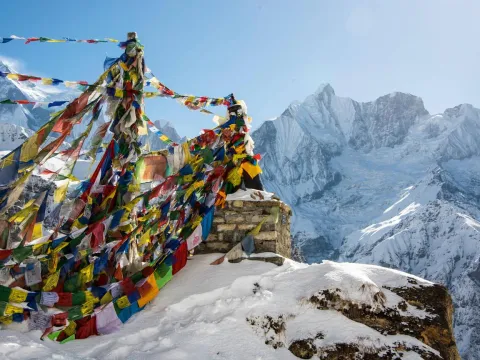
The Annapurna Base Camp (ABC) trek lies within a restricted conservation area, meaning every trekker must obtain specific permits before entering. These permits are designed to safeguard the natural ecosystem, support sustainable tourism, and ensure that trekking routes remain safe and well-maintained.
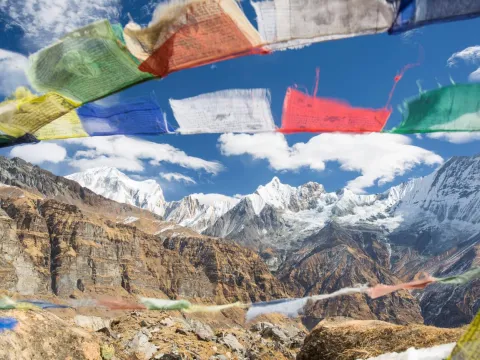
The Annapurna Base Camp (ABC) trek is one of the most iconic trekking routes in Nepal, offering trekkers a combination of stunning natural beauty, cultural experiences, and the thrill of walking amidst towering Himalayan peaks. This trek takes you through lush rhododendron forests, terraced villages, and diverse landscapes that gradually rise


 (2)
(2)  100% recommend (0)
 (0)
(0)