
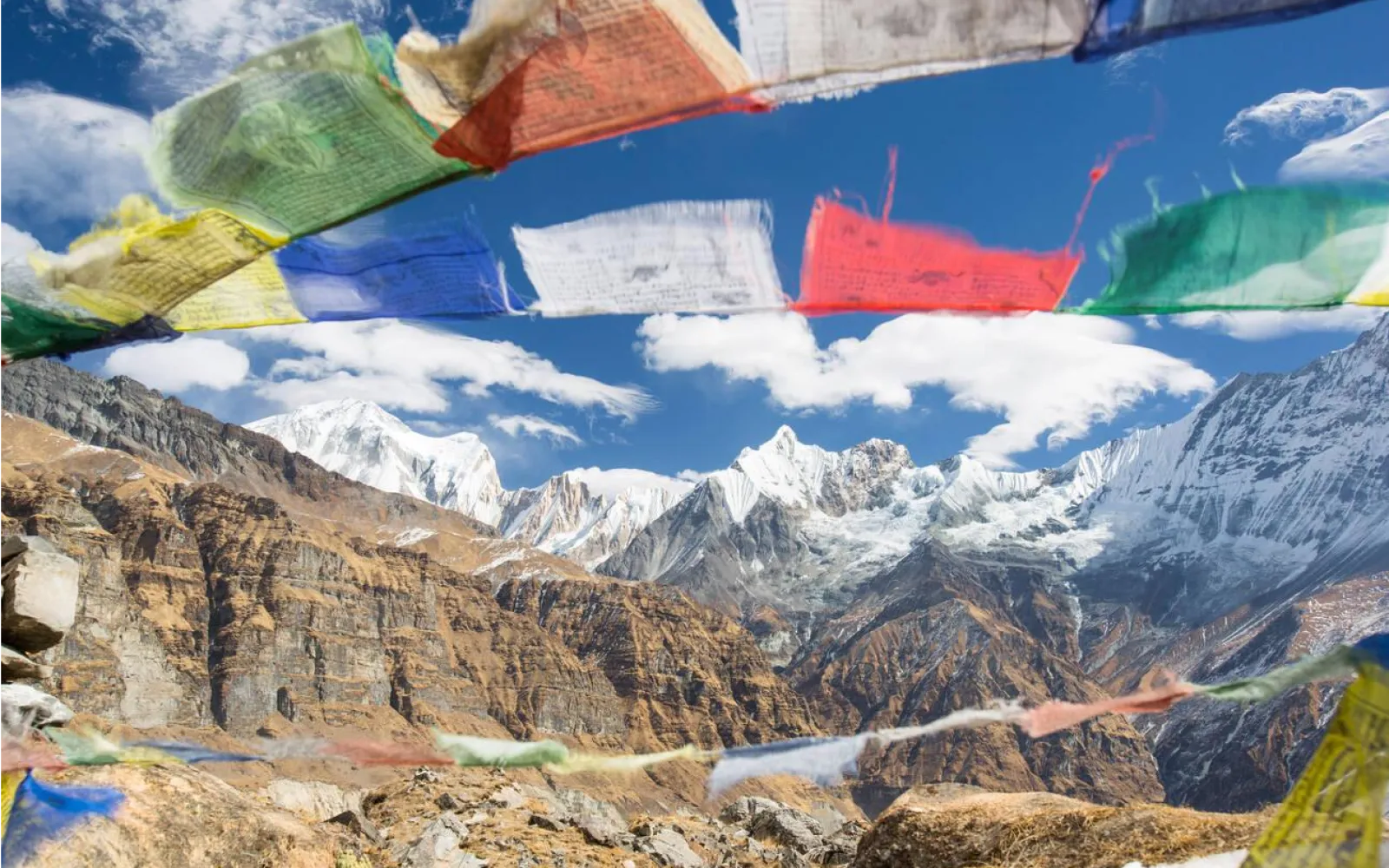
The Annapurna Base Camp (ABC) trek is one of the most iconic trekking routes in Nepal, offering trekkers a combination of stunning natural beauty, cultural experiences, and the thrill of walking amidst towering Himalayan peaks. This trek takes you through lush rhododendron forests, terraced villages, and diverse landscapes that gradually rise to the awe-inspiring base of the Annapurna Massif. With its moderate difficulty, ABC is suitable for both novice and experienced trekkers who are eager to immerse themselves in the Himalayan environment.
With Asiana Treks and Tours, trekkers are guided through a carefully curated itinerary that ensures both safety and an authentic local experience. Their expert guides provide insights about local culture, geography, and trekking logistics, making the ABC journey not just a physical adventure but also a deeply enriching experience.
The ABC trek is more than a hike; it’s a journey into the heart of the Himalayas. Trekkers are treated to panoramic views of some of the highest peaks in the world, including Annapurna South, Hiunchuli, Machapuchare (Fishtail), and Annapurna I. Each day of the trek offers a new perspective, from terraced farmlands and quaint Gurung and Magar villages to dense forests and sparkling rivers. Reaching the base camp itself gives a sense of accomplishment and a chance to witness the grandeur of the Annapurna Massif up close.
Trekking to ABC also offers a unique blend of adventure and relaxation. The trail provides enough challenges to satisfy trekking enthusiasts while still allowing for comfortable rest stops in teahouses along the way. With professional guidance from Asiana Treks and Tours, the journey becomes not only safer but also richer in cultural and natural experiences.
The ABC trek passes through several notable locations that are both culturally significant and visually spectacular. Each stop along the route contributes to the overall experience, offering rest, nourishment, and a chance to absorb the Himalayan lifestyle.
These stops not only break up the trek physically but also provide trekkers with opportunities to rest, acclimatize, and capture the stunning scenery of the Annapurna region. With Asiana Treks and Tours, accommodations, meals, and guidance are arranged to maximize both comfort and adventure along this iconic trail.
The Annapurna Base Camp (ABC) trek is one of Nepal’s most celebrated trekking routes, combining dramatic mountain scenery, cultural encounters, and diverse ecosystems. Situated in the Annapurna region, the trek spans from lush lowland forests to high-altitude alpine terrain, culminating at the base camp at 4,130 meters (13,549 feet). This moderate-difficulty trek is suitable for both novice and experienced trekkers, but awareness of the trek’s logistics and terrain is essential for a safe and enjoyable journey.
Asiana Treks and Tours ensures that trekkers are well-prepared with route planning, local guides, and support services. Guides provide insights into trail conditions, altitude management, and cultural interactions, making the trek both safe and enriching. From charming teahouses to scenic viewpoints, every part of the trek is designed to maximize both adventure and comfort.
Choosing the right season for trekking greatly influences the experience of Annapurna Base Camp. The two prime trekking seasons are spring (March–May) and autumn (September–November), both offering stable weather, clear mountain vistas, and vibrant landscapes. Spring showcases blooming rhododendron forests, while autumn provides crisp air and exceptional visibility of snow-capped peaks.
During the off-season, trekkers must be prepared for unpredictable weather and trail conditions. Asiana Treks and Tours recommends scheduling your trek during spring or autumn to balance safety, visibility, and comfort, while still offering flexible itineraries for adventurous travelers willing to embrace winter conditions.
Physical readiness plays a critical role in successfully completing the Annapurna Base Camp trek. While it is considered a moderate trek, it involves several days of uphill climbs, long walking hours, and high-altitude exposure. Proper preparation not only ensures a safer trek but also enhances the overall experience, allowing trekkers to fully appreciate the Himalayan scenery without undue fatigue.
With guidance from Asiana Treks and Tours, trekkers receive pre-trek briefings, packing advice, and acclimatization strategies to ensure fitness and safety on the trail. Their experienced team helps customize the trek based on each trekker’s ability, allowing both beginners and seasoned hikers to enjoy a rewarding journey to the heart of the Annapurna Sanctuary.
Proper gear is essential for a comfortable and safe trek to Annapurna Base Camp. The trail takes trekkers through a wide range of climates—from warm, humid lower elevations to cold alpine conditions—so packing smart ensures you are prepared for sudden weather changes. Choosing the right equipment can prevent discomfort, injury, and even serious health issues such as hypothermia or altitude sickness.
Asiana Treks and Tours emphasizes packing only what is necessary to maintain a light load without sacrificing safety. Their guides also advise on the optimal gear for different seasons and altitude conditions, helping trekkers avoid overpacking while staying prepared for all contingencies. Proper gear improves mobility, reduces fatigue, and ensures that each step of the journey is enjoyable.
Altitude is one of the most significant challenges on the ABC trek. As you ascend above 3,000 meters, the air becomes thinner, reducing oxygen availability and increasing the risk of altitude sickness. Understanding how your body reacts to altitude and taking proper acclimatization measures is essential for a safe and successful trek.
With Asiana Treks and Tours, trekkers benefit from expert guidance on pacing, daily altitude gains, and rest days to ensure proper acclimatization. Guides monitor each trekker’s health and recommend adjustments, making it possible for both beginners and experienced hikers to safely reach Annapurna Base Camp while minimizing health risks.
Trekking to Annapurna Base Camp involves staying in teahouses along the trail, which offer basic lodging and hearty meals to support energy levels. These accommodations provide a glimpse into local culture and traditions, with hospitality that enhances the trekking experience. Understanding what to expect can help trekkers plan better and stay comfortable throughout the journey.
Asiana Treks and Tours ensures trekkers are informed about daily accommodation and meal options, helping them adapt to basic living conditions while maintaining energy and warmth. Their itineraries balance trekking distance with sufficient stops, providing time to rest, acclimatize, and enjoy meals that replenish energy for the challenging but rewarding journey ahead.
Trekking to Annapurna Base Camp involves navigating a well-trodden but sometimes challenging trail that winds through forests, villages, and high-altitude passes. Choosing between a guided trek or an independent adventure is a key decision that affects safety, logistics, and overall experience. While maps and GPS apps are useful for independent trekkers, local knowledge is invaluable for navigating terrain, weather changes, and cultural nuances.
Asiana Treks and Tours specializes in guided treks, ensuring that trekkers stay on safe routes, manage time effectively, and gain in-depth knowledge of the Annapurna region. Guides provide not only navigation but also real-time weather updates, tips on acclimatization, and local cultural information, making the trek safer and more rewarding, especially for first-time visitors.
Safety is a top priority when trekking in the Annapurna region. Weather conditions can change rapidly, trails can be steep or slippery, and high-altitude effects can impact even experienced trekkers. Being prepared and aware reduces risks and ensures a smoother trekking experience.
Asiana Treks and Tours ensures that safety measures are built into every trek, from route selection to emergency planning. Their experienced guides monitor trekkers’ health and trail conditions, provide altitude advice, and offer local insights to avoid risky areas, allowing travelers to enjoy the adventure with peace of mind.
The Annapurna region is home to diverse communities, including Gurung, Magar, and Thakali people, each with unique traditions and lifestyles. Respectful trekking enriches the experience by allowing trekkers to connect with locals and appreciate their culture while minimizing impact on communities and the environment.
With guidance from Asiana Treks and Tours, trekkers gain deeper cultural insights and understand proper trekking etiquette. Their guides facilitate meaningful interactions, explain local customs, and encourage environmentally responsible behavior, ensuring that the journey is not only adventurous but also culturally enriching.
Planning a trek to Annapurna Base Camp requires careful budgeting to ensure a smooth experience without unexpected expenses. Costs vary depending on trekking style, season, and whether you choose guided services or independent trekking. Understanding the main expenses helps trekkers prepare financially and enjoy the journey without stress.
Asiana Treks and Tours provides clear cost estimates for guided and customized trekking packages, helping travelers plan their budgets effectively. Their team can also advise on ways to save costs without compromising safety or comfort, such as choosing shared accommodation or arranging bundled trekking services.
Trekking to Annapurna Base Camp is a once-in-a-lifetime adventure that combines physical challenge, natural beauty, and cultural immersion. Bringing together tips on fitness, gear, safety, acclimatization, and cultural awareness ensures that trekkers are fully prepared to enjoy every step of the journey. Proper planning transforms the trek from a simple hike into an unforgettable Himalayan experience.
With guidance from Asiana Treks and Tours, trekkers gain professional support, insider knowledge, and logistical assistance. Their expert team ensures that every aspect of the trek—from planning and permits to accommodation and cultural experiences—is carefully managed, giving travelers the confidence to embark on a safe, rewarding, and truly memorable journey to Annapurna Base Camp.
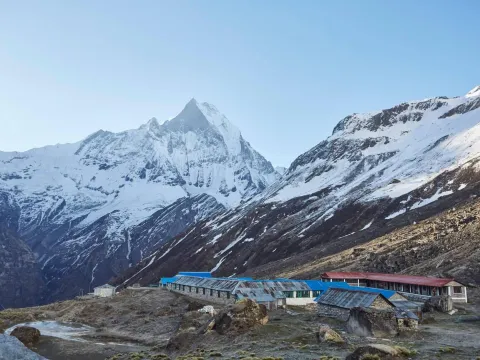
Trekking to Annapurna Base Camp (ABC) is one of Nepal’s most iconic adventures, and choosing the right time can greatly enhance the quality of your journey. The region experiences distinct seasonal variations, each influencing visibility, trail conditions, and the overall trekking experience. For most trekkers, the autumn (September–November)
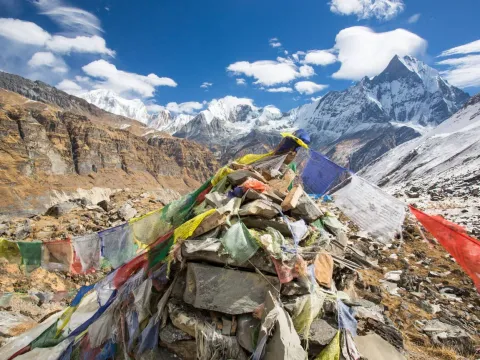
The Annapurna Base Camp (ABC) Trek is renowned for its breathtaking landscapes, cultural richness, and the unforgettable experience of trekking in the Himalayas. However, for many trekkers, one of the biggest questions is about comfort on the trail — specifically, the food they’ll eat and the places they’ll sleep. While the ABC Trek is not a luxury journey,

The Annapurna Base Camp (ABC) trek lies within a restricted conservation area, meaning every trekker must obtain specific permits before entering. These permits are designed to safeguard the natural ecosystem, support sustainable tourism, and ensure that trekking routes remain safe and well-maintained.


 (2)
(2)  100% recommend (0)
 (0)
(0)