
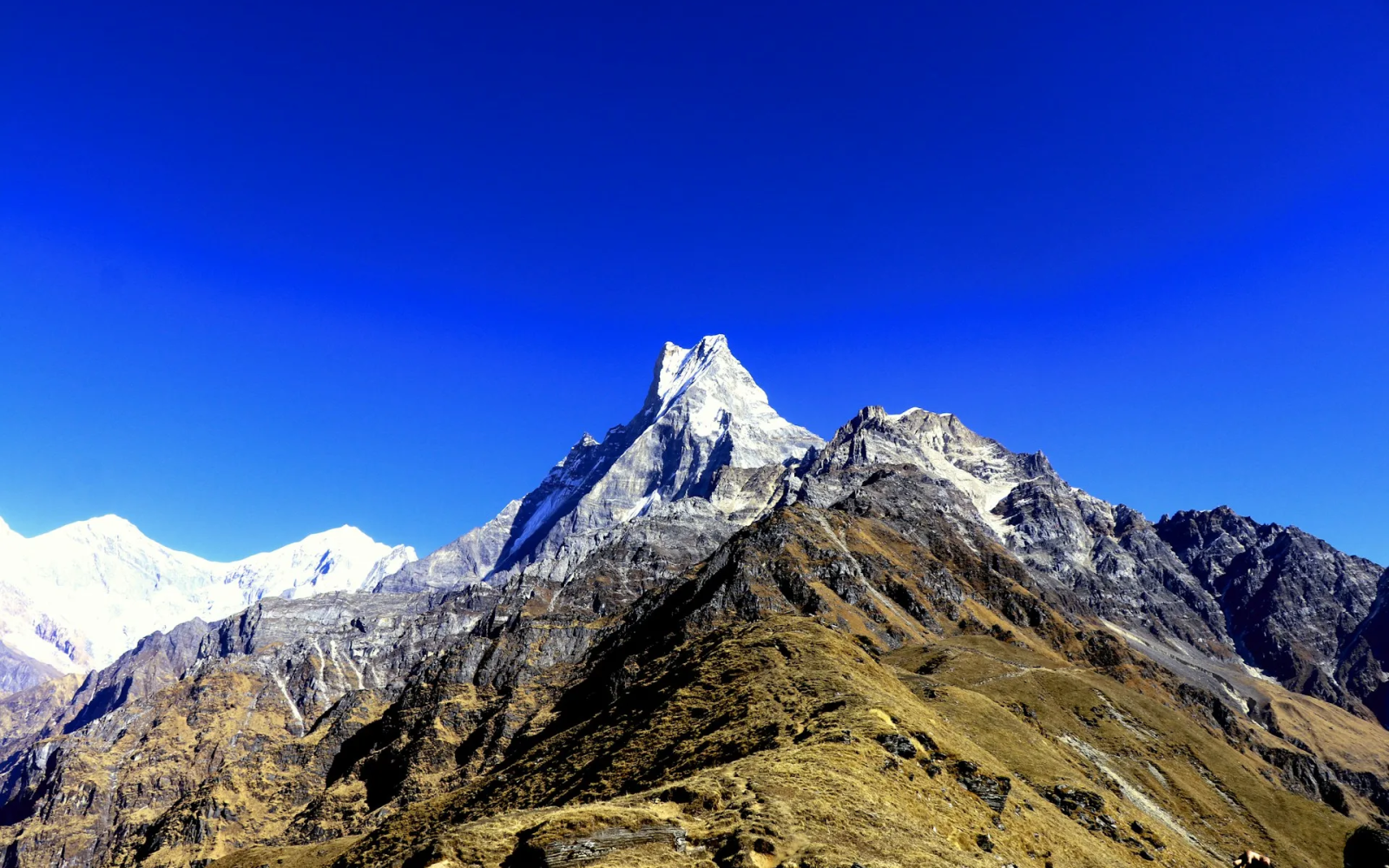
Mardi Himal, a hidden gem of the Annapurna region, has become increasingly popular among trekkers seeking spectacular Himalayan vistas without the heavy crowds of nearby trails. Known for its panoramic views of Machapuchare (Fishtail) and Annapurna South, Mardi Himal offers a unique combination of alpine landscapes, rhododendron forests, and serene villages. Planning the trek at the right time can significantly enhance your experience, ensuring clear views, pleasant weather, and comfortable trekking conditions.
Highlights:
Mardi Himal is often described as a hidden jewel of the Annapurna region, ideal for trekkers who want a more intimate experience with nature. Unlike the busier Annapurna Base Camp (ABC) trek, Mardi Himal offers a tranquil journey through lush forests, cascading waterfalls, and traditional villages. Along the way, trekkers encounter diverse flora and fauna, making it a paradise for nature enthusiasts and photographers alike.
The trail gradually ascends from subtropical forests to alpine zones, rewarding trekkers with breathtaking landscapes at every turn. Whether it’s the striking view of the snow-capped peaks or the serene sunset over the valley, Mardi Himal promises a unique Himalayan adventure.
Why trek Mardi Himal:
Choosing the right season for Mardi Himal is crucial for maximizing your trekking experience. The region experiences four distinct seasons, each offering different advantages and challenges. The most popular and recommended trekking seasons are autumn (September to November) and spring (March to May). During these months, the skies are generally clear, allowing for unobstructed views of the majestic Himalayan peaks. Temperatures are also moderate, making the trek more comfortable.
The monsoon season (June to August), while lush and green, often brings heavy rainfall that can make trails slippery and obscure mountain views. Winter (December to February) offers crisp air and snow-covered landscapes, but some higher trails may be challenging due to cold temperatures and occasional snowfall. Planning your trek with seasonal conditions in mind ensures both safety and the best possible visual experience.
Seasonal tips:
The timing of your Mardi Himal trek plays a crucial role in how much of the Himalayan panorama you can actually see. The two most recommended periods are autumn (September to November) and spring (March to May). Autumn offers stable weather, clear skies, and post-monsoon freshness, allowing trekkers to enjoy unobstructed views of Machapuchare, Annapurna South, and the surrounding peaks. Spring, on the other hand, paints the trail in vibrant colors as rhododendrons bloom, enhancing both scenery and photography opportunities.
While these are the ideal months, understanding the lesser-favored periods can also help plan your trip. The monsoon season (June to August) brings heavy rainfall, dense clouds, and slippery trails, which may obstruct views. Winter (December to February) offers crisp, clear air and fewer trekkers, but extreme cold and occasional snow may make higher trails challenging. Planning your trek during the right months ensures both safety and the chance to capture breathtaking vistas.
Best months at a glance:
Mardi Himal’s microclimate can vary significantly throughout the day. Mornings are usually the clearest, with crisp air and excellent visibility of the surrounding peaks. As the day progresses, clouds may build, especially during the monsoon or spring seasons, which can obscure views by early afternoon. Even in autumn, afternoon clouds can form, making early starts essential for catching the best mountain vistas.
Temperature variations are another important consideration. Lower elevations near the trailhead are warm during the day, but higher altitudes bring cooler mornings and evenings. Snow or frost may appear at higher campsites during late autumn or winter. By understanding daily weather patterns, trekkers can plan their hikes, photography sessions, and breaks for optimal comfort and safety.
Daily weather tips:
One of the highlights of trekking Mardi Himal is witnessing the sunrise and sunset over the Himalayan peaks. The trail offers spectacular vantage points, particularly from high campsites and viewpoints like Mardi Himal Base Camp. For sunrise, start early and position yourself at a high vantage point to see the first light illuminating Machapuchare and Annapurna South. The soft morning glow creates incredible opportunities for photography and quiet reflection.
Sunsets are equally mesmerizing, with the warm evening light casting golden hues over the mountains and valleys. Lower elevation viewpoints or tea houses along the trail often provide perfect spots to capture this magical time. Timing your trek to coincide with these golden hours not only enhances your visual experience but also makes your photos truly unforgettable.
Sunrise and sunset tips:
Mardi Himal is already less crowded than the more famous Annapurna Base Camp trek, but timing your trek can further enhance the sense of tranquility. The peak trekking seasons of autumn (September–November) and spring (March–May) attract more trekkers, particularly on weekends and around festivals. For a more peaceful experience, consider starting your trek during weekdays or slightly before or after peak months. This allows you to enjoy serene trails, quiet tea houses, and unobstructed viewpoints without the bustle of large groups.
Trekking during off-peak hours is another simple way to enjoy solitude. Early morning starts for sunrise or mid-afternoon hikes to campsites help avoid the busiest periods on the trail. Choosing less frequented side trails and viewpoints also provides unique perspectives on the mountains and the local culture.
Tips for avoiding crowds:
Proper packing is key to enjoying Mardi Himal comfortably and safely. The trek spans diverse climates—from subtropical forests to high alpine zones—so layering is essential. Lightweight base layers, insulated jackets, and waterproof outer layers help you adjust to changing conditions. Good trekking boots with ankle support and comfortable socks prevent blisters and injuries on uneven terrain.
Besides clothing, trekking gear such as trekking poles, a quality backpack, headlamp, reusable water bottles, and personal first aid supplies are highly recommended. Don’t forget camera equipment or binoculars to capture the stunning scenery and observe local wildlife. Asiana Treks and Tours also advises carrying small snacks, sunscreen, and a hat, as well as having a reusable bag for minimizing plastic use along the trail.
Essential packing list:
Planning your Mardi Himal trek with attention to timing, weather, and preparation ensures an unforgettable experience. The ideal seasons of autumn and spring provide clear skies, vibrant landscapes, and comfortable temperatures. Early morning treks offer the best views and photo opportunities, while off-peak scheduling lets you enjoy the trail in peace. Proper packing, layered clothing, and essential gear make the trek comfortable and safe from start to finish.
Choosing a reliable trekking company like Asiana Treks and Tours enhances the journey, as experienced guides provide local insights, logistics support, and safety advice. By combining careful planning, seasonal awareness, and the right gear, you can fully immerse yourself in the natural beauty of Mardi Himal, capturing stunning sunrises, sunsets, and panoramic Himalayan vistas that will last a lifetime.
Key takeaways for a perfect trek:
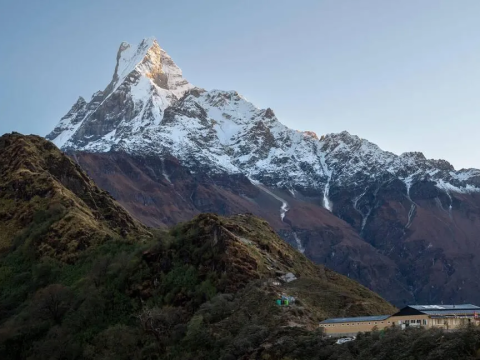
The Mardi Himal Base Camp Trek offers a rewarding blend of wilderness, mountain vistas, and cultural immersion. Since this trail lies in the Annapurna Conservation Area and follows a less-commercialized route, accommodation options primarily consist of teahouses, lodges, and a handful of basic hotels.
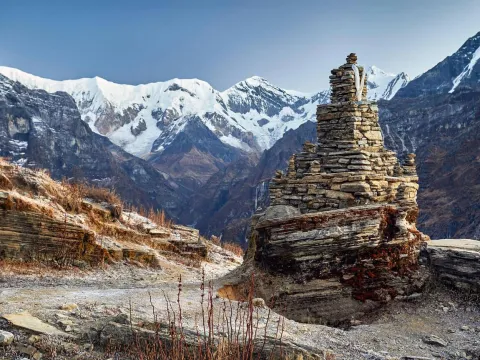
Explore on an unforgettable journey with Asiana Treks and Tours to the Mardi Himal Viewpoint, a hidden gem in the Annapurna region of Nepal. This trek offers adventurers a perfect blend of natural beauty, serene landscapes, and panoramic Himalayan vistas without the heavy crowds often found on other treks.
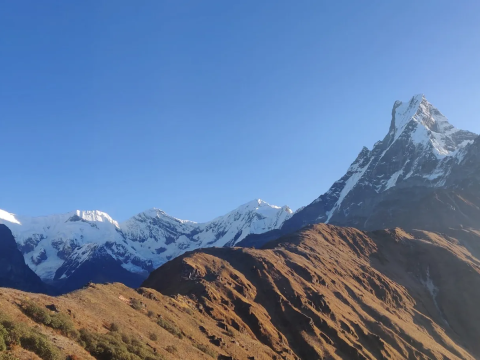
The Mardi Himal Trek is one of Nepal’s most enchanting short treks, offering a perfect blend of serenity, natural beauty, and breathtaking Himalayan panoramas. Unlike some of the more crowded routes in the Annapurna region, this trek follows peaceful forest trails, charming villages, and ridge-top pathways that lead directly toward the striking peak of Machhapuchhre (Fishtail).


 (2)
(2)  100% recommend (0)
 (0)
(0)