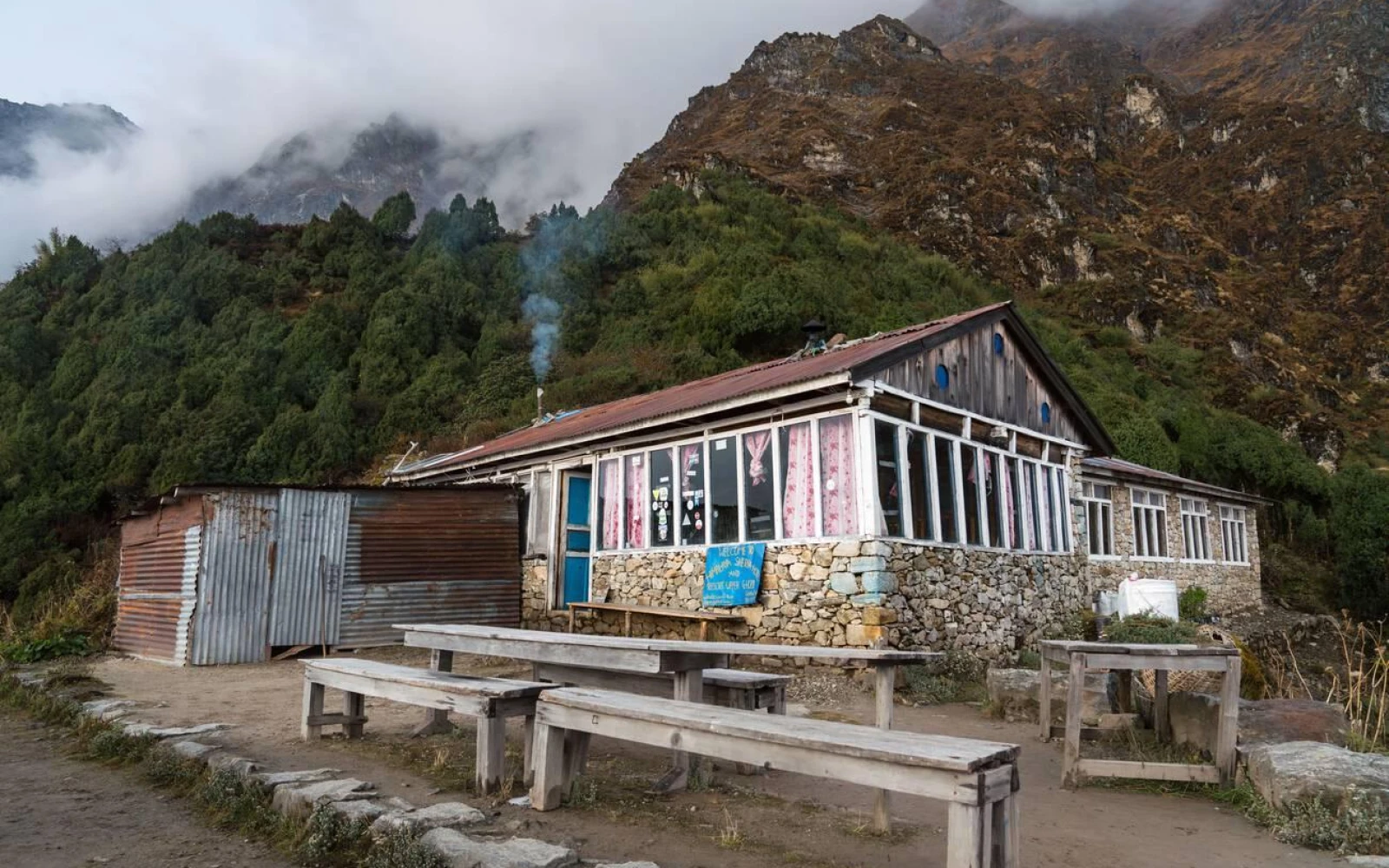
Ghopte is one of those rare Himalayan stops that feels untouched by time and tourism. Perched at an altitude of 3,530 meters inside Langtang National Park, this small cluster of teahouses offers trekkers a quiet refuge amid towering ridgelines, mossy forests, and sweeping alpine views. Unlike more popular trekking destinations in Nepal, Ghopte doesn’t try to impress with luxury or crowds—it captivates through simplicity, silence, and raw natural beauty.
For trekkers seeking something beyond the mainstream trails, Ghopte delivers a deeply immersive experience. It serves as a key resting point along routes connecting Gosaikunda Lake and the Helambu region, especially for those crossing the challenging Laurebina La Pass. With minimal infrastructure and a peaceful environment, it invites travelers to slow down and reconnect with nature in its purest form.
Key Highlights:
In a world where trekking routes are increasingly crowded and commercialized, Ghopte stands out as a sanctuary of stillness. Here, the noise of busy trails fades away, replaced by the whisper of wind through rhododendron forests and the distant echo of mountain birds. It’s a place where time slows down, allowing trekkers to fully absorb the serenity of the Himalayas.
This hidden village is not just a stopover—it’s an experience. The absence of large crowds creates a sense of intimacy with the landscape, making every step feel personal and meaningful. Whether you’re watching clouds drift across the peaks or sharing stories in a small teahouse, Ghopte offers a rare kind of peace that is increasingly hard to find.
Why It Feels Special:
Ghopte lies along a lesser-known trekking corridor that connects two iconic regions of Nepal: Langtang and Helambu. Situated south of the famous Gosaikunda Lakes, it becomes a crucial resting point for trekkers crossing the Laurebina La Pass, one of the higher and more demanding sections of the route. Despite its importance, it remains relatively unknown compared to other stops in the region.
Geographically, Ghopte sits in a transition zone—where lush forests begin to thin, and alpine landscapes take over. This positioning makes it both a strategic and scenic stop for trekkers navigating between different terrains. Its remote location adds to its charm, rewarding those who venture off the beaten path.
Location Insights:
Reaching Ghopte is an adventure in itself. The journey typically involves trekking through dense rhododendron and pine forests, crossing suspension bridges, and ascending gradually into higher elevations. Unlike popular trails filled with large groups, this route offers long stretches of solitude where trekkers can walk for hours without encountering others.
The landscapes along the way are incredibly diverse. From lush green valleys to misty ridgelines and high-altitude meadows, every segment of the trail feels unique. This diversity, combined with the quiet atmosphere, makes the trek to Ghopte both peaceful and deeply rewarding.
What Makes the Journey Unique:
Arriving in Ghopte feels like stepping into a quiet world suspended between earth and sky. After hours—or even days—of trekking through forests and ridgelines, the sight of a few simple teahouses emerging from misty slopes brings both relief and awe. The air is crisp, the surroundings are untouched, and the silence is almost surreal. There are no bustling markets or crowds—just the soft rustle of wind and the occasional call of birds echoing across the hills.
What truly defines the first impression of Ghopte is its raw, unfiltered beauty. The panoramic Himalayan views stretch endlessly, especially during sunrise and sunset when the sky paints the peaks in hues of gold and crimson. Many trekkers describe an emotional shift upon arrival—a sense of calm, accomplishment, and deep connection with nature. It’s not just a destination; it’s a feeling that lingers long after you leave.
What Makes the First Impression Memorable:
Ghopte lies within one of Nepal’s most pristine natural environments, where biodiversity thrives undisturbed. The surrounding landscapes are a blend of dense rhododendron forests, towering pine trees, and high-altitude grasslands. During spring, the forests burst into color with blooming rhododendrons, creating a vibrant contrast against the rugged terrain. In other seasons, the same trails transform into misty, mystical pathways that feel almost otherworldly.
Wildlife sightings, though not guaranteed, add an element of excitement to the trek. The region is home to various Himalayan species such as langurs, musk deer, and numerous bird species. Because the trails are less crowded, animals are less disturbed, increasing the chances of encountering them in their natural habitat. This untouched environment makes Ghopte a haven for nature lovers and photographers alike.
Main Attractions:
Accessibility:
Facilities:
Life in Ghopte revolves around simplicity, resilience, and genuine hospitality. The small number of residents—mostly teahouse owners and their families—live a lifestyle closely tied to nature. Daily routines depend on the rhythm of the mountains, from preparing meals for trekkers to maintaining their lodges in challenging weather conditions. Despite the remoteness, visitors are welcomed with warmth and sincerity that feels deeply personal.
Interacting with locals often becomes one of the most memorable parts of the journey. Conversations by the fire, shared meals, and stories about mountain life create meaningful cultural exchanges. There is no rush here—everything moves at a slower, more intentional pace, allowing trekkers to truly experience the human side of the Himalayas.
What to Eat in Ghopte:
Despite its small size and minimal infrastructure, Ghopte offers a surprisingly rich set of experiences for trekkers who appreciate nature and quiet exploration. One of the best ways to spend time here is by taking short hikes to nearby ridgelines and viewpoints. These trails are not heavily marked, but with a guide or some local direction, they lead to breathtaking vantage points where the Himalayan ranges unfold in all directions. The stillness of these spots makes them perfect for reflection and photography.
Photography, especially during sunrise and sunset, becomes a highlight of staying in Ghopte. As the first light touches the peaks and clouds drift below the ridges, the landscape transforms into a dreamlike scene. Birdwatching and nature walks are equally rewarding, with chances to spot colorful Himalayan birds and observe the subtle details of alpine ecosystems. Beyond nature, simply spending time with locals—sharing tea, learning about their routines—offers a meaningful cultural experience.
Things to Enjoy in Ghopte:
When compared to more popular destinations like Langtang Valley, Ghopte offers a completely different trekking experience. Langtang Valley is well-known for its accessibility, developed teahouses, and steady flow of trekkers. While it provides stunning Himalayan views and cultural richness, it can sometimes feel busy, especially during peak seasons. Ghopte, on the other hand, remains largely untouched and uncrowded, preserving a sense of wilderness that is increasingly rare.
What truly sets Ghopte apart is its atmosphere. There are no big lodges or commercial distractions—just a handful of teahouses surrounded by nature. This simplicity creates a deeper connection with the environment and a more personal trekking journey. For those who value solitude, authenticity, and raw beauty, Ghopte stands out as a hidden gem that offers something beyond the typical trekking routes.
Why Ghopte Stands Out:
Choosing the right season to visit Ghopte can significantly shape your trekking experience. Spring (March to May) is one of the most beautiful times, as the rhododendron forests bloom in vibrant colors, and the weather remains relatively stable. The skies are generally clear, offering excellent mountain views, and temperatures are comfortable for trekking at higher altitudes.
Autumn (September to November) is another peak season, known for its crisp air and fantastic visibility. After the monsoon rains, the landscapes are fresh and green, and the skies are open and clear, making it ideal for photography and long trekking days. These two seasons are considered the best for both beginners and experienced trekkers.
Winter and monsoon, however, bring more challenging conditions. Winter (December to February) can be harsh, with freezing temperatures and snow-covered trails, especially near high passes like Laurebina La. Monsoon (June to August) brings heavy rainfall, slippery paths, and limited visibility, though it also offers lush greenery and fewer trekkers for those seeking solitude.
Seasonal Overview:
Trekking to Ghopte requires thoughtful preparation, as the region is remote and facilities are limited. Before starting your journey, it’s essential to secure the necessary permits. Since Ghopte lies within Langtang National Park, trekkers must obtain a national park entry permit along with a TIMS (Trekkers’ Information Management System) card. These permits not only ensure your legal access but also contribute to conservation and safety efforts in the region.
Packing wisely can make a huge difference in your overall experience. Weather conditions can shift quickly at higher altitudes, so layering is key. Essentials like a warm sleeping bag, waterproof clothing, sturdy trekking boots, and a basic first aid kit are non-negotiable. It’s also important to prepare physically before the trek—building stamina through hiking, cardio exercises, and acclimatization practices will help you enjoy the journey rather than struggle through it.
Key Tips for Trekkers:
While the journey to Ghopte is rewarding, it does come with its share of challenges. One of the primary concerns is altitude. At over 3,500 meters, trekkers may experience symptoms of altitude sickness if they ascend too quickly. Proper acclimatization, hydration, and a steady pace are crucial to minimizing risks. Listening to your body and taking rest days when needed can make a significant difference.
Weather in the high Himalayas is another unpredictable factor. Conditions can change rapidly—from clear skies to fog, wind, or even snowfall within hours. Trails can become slippery or difficult to navigate, especially during monsoon or winter seasons. Additionally, the trek demands a good level of physical endurance, with long walking hours and steep ascents. However, with proper preparation and guidance, these challenges become part of the adventure rather than obstacles.
Common Challenges:
Ghopte stands out as a destination for those who crave something different from the typical trekking experience in Nepal. It offers a rare chance to explore a truly off-the-beaten-path location where nature remains largely untouched. The absence of crowds allows for a deeper, more personal connection with the Himalayas, making every moment feel special and authentic.
What makes Ghopte truly bucket-list-worthy is the combination of solitude, natural beauty, and cultural simplicity. It’s not just about reaching a destination—it’s about the journey, the quiet trails, and the meaningful interactions along the way. For trekkers looking to escape commercialization and rediscover the essence of adventure, Ghopte is an unforgettable choice.
Why Visit Ghopte:
Ghopte is more than just a stop along a trekking route—it is a reminder of what travel can truly be when stripped of noise and distraction. In its quiet trails, simple teahouses, and vast mountain views, you’ll find a sense of peace that is increasingly rare in today’s fast-paced world. It invites you to slow down, breathe deeply, and reconnect with both nature and yourself.
Choosing to explore hidden gems like Ghopte transforms a trek into a deeply meaningful journey. With the guidance of Asiana Treks and Tours, this experience becomes even more enriching, combining expert support with authentic local insight. As you leave Ghopte behind, what stays with you is not just the memory of a place, but the feeling of having discovered something truly special.
Final Takeaways:
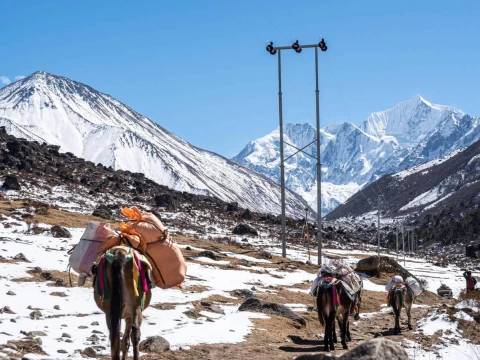
The day hikes to Kyanjin Ri (4,773 m) and Tserko Ri (4,984 m) are among the most rewarding short trekking experiences in Nepal’s stunning Langtang Valley. These hikes offer breathtaking panoramic views of snow-capped peaks, glaciers, and alpine landscapes without requiring technical climbing skills. For beginners, they provide an excellent
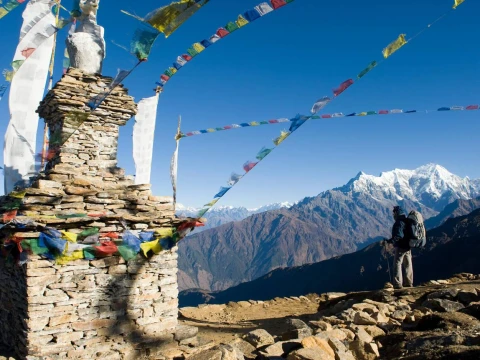
Lauri Binayak (also spelled Lauribinayak) and the nearby Lauribina La Pass together form one of the most rewarding high-altitude experiences in Nepal’s Langtang region. Sitting at elevations ranging from about 3,660 meters to 4,610 meters, this area serves as both a scenic ridge viewpoint and a vital crossing point along the Langtang
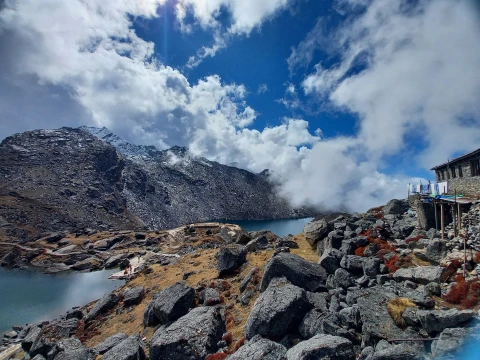
Nestled high in the Himalayas within Langtang National Park, Gosaikunda Lake stands as one of Nepal’s most breathtaking alpine destinations. At an elevation of 4,380 meters, this sacred lake captivates visitors with its pristine turquoise waters, dramatic mountain backdrop, and serene spiritual atmosphere. Surrounded by rugged peaks


 (2)
(2)  100% recommend (0)
 (0)
(0)